EP3536552A1 - Interactive trip-planning application for transportation refrigeration unit with an energy storage device - Google Patents
Interactive trip-planning application for transportation refrigeration unit with an energy storage device Download PDFInfo
- Publication number
- EP3536552A1 EP3536552A1 EP19160875.1A EP19160875A EP3536552A1 EP 3536552 A1 EP3536552 A1 EP 3536552A1 EP 19160875 A EP19160875 A EP 19160875A EP 3536552 A1 EP3536552 A1 EP 3536552A1
- Authority
- EP
- European Patent Office
- Prior art keywords
- parameters
- tru
- storage device
- potential routes
- energy storage
- Prior art date
- Legal status (The legal status is an assumption and is not a legal conclusion. Google has not performed a legal analysis and makes no representation as to the accuracy of the status listed.)
- Withdrawn
Links
Images

Classifications
-
- G—PHYSICS
- G01—MEASURING; TESTING
- G01C—MEASURING DISTANCES, LEVELS OR BEARINGS; SURVEYING; NAVIGATION; GYROSCOPIC INSTRUMENTS; PHOTOGRAMMETRY OR VIDEOGRAMMETRY
- G01C21/00—Navigation; Navigational instruments not provided for in groups G01C1/00 - G01C19/00
- G01C21/26—Navigation; Navigational instruments not provided for in groups G01C1/00 - G01C19/00 specially adapted for navigation in a road network
- G01C21/34—Route searching; Route guidance
- G01C21/3453—Special cost functions, i.e. other than distance or default speed limit of road segments
- G01C21/3469—Fuel consumption; Energy use; Emission aspects
-
- B—PERFORMING OPERATIONS; TRANSPORTING
- B60—VEHICLES IN GENERAL
- B60H—ARRANGEMENTS OF HEATING, COOLING, VENTILATING OR OTHER AIR-TREATING DEVICES SPECIALLY ADAPTED FOR PASSENGER OR GOODS SPACES OF VEHICLES
- B60H1/00—Heating, cooling or ventilating devices
- B60H1/00357—Air-conditioning arrangements specially adapted for particular vehicles
- B60H1/00378—Air-conditioning arrangements specially adapted for particular vehicles for tractor or load vehicle cabins
-
- G—PHYSICS
- G01—MEASURING; TESTING
- G01C—MEASURING DISTANCES, LEVELS OR BEARINGS; SURVEYING; NAVIGATION; GYROSCOPIC INSTRUMENTS; PHOTOGRAMMETRY OR VIDEOGRAMMETRY
- G01C21/00—Navigation; Navigational instruments not provided for in groups G01C1/00 - G01C19/00
- G01C21/26—Navigation; Navigational instruments not provided for in groups G01C1/00 - G01C19/00 specially adapted for navigation in a road network
- G01C21/34—Route searching; Route guidance
- G01C21/3453—Special cost functions, i.e. other than distance or default speed limit of road segments
-
- B—PERFORMING OPERATIONS; TRANSPORTING
- B60—VEHICLES IN GENERAL
- B60H—ARRANGEMENTS OF HEATING, COOLING, VENTILATING OR OTHER AIR-TREATING DEVICES SPECIALLY ADAPTED FOR PASSENGER OR GOODS SPACES OF VEHICLES
- B60H1/00—Heating, cooling or ventilating devices
- B60H1/00357—Air-conditioning arrangements specially adapted for particular vehicles
- B60H1/00385—Air-conditioning arrangements specially adapted for particular vehicles for vehicles having an electrical drive, e.g. hybrid or fuel cell
- B60H1/00392—Air-conditioning arrangements specially adapted for particular vehicles for vehicles having an electrical drive, e.g. hybrid or fuel cell for electric vehicles having only electric drive means
-
- B—PERFORMING OPERATIONS; TRANSPORTING
- B60—VEHICLES IN GENERAL
- B60H—ARRANGEMENTS OF HEATING, COOLING, VENTILATING OR OTHER AIR-TREATING DEVICES SPECIALLY ADAPTED FOR PASSENGER OR GOODS SPACES OF VEHICLES
- B60H1/00—Heating, cooling or ventilating devices
- B60H1/00421—Driving arrangements for parts of a vehicle air-conditioning
- B60H1/00428—Driving arrangements for parts of a vehicle air-conditioning electric
-
- B—PERFORMING OPERATIONS; TRANSPORTING
- B60—VEHICLES IN GENERAL
- B60H—ARRANGEMENTS OF HEATING, COOLING, VENTILATING OR OTHER AIR-TREATING DEVICES SPECIALLY ADAPTED FOR PASSENGER OR GOODS SPACES OF VEHICLES
- B60H1/00—Heating, cooling or ventilating devices
- B60H1/00642—Control systems or circuits; Control members or indication devices for heating, cooling or ventilating devices
- B60H1/0065—Control members, e.g. levers or knobs
- B60H1/00657—Remote control devices
-
- B—PERFORMING OPERATIONS; TRANSPORTING
- B60—VEHICLES IN GENERAL
- B60H—ARRANGEMENTS OF HEATING, COOLING, VENTILATING OR OTHER AIR-TREATING DEVICES SPECIALLY ADAPTED FOR PASSENGER OR GOODS SPACES OF VEHICLES
- B60H1/00—Heating, cooling or ventilating devices
- B60H1/00642—Control systems or circuits; Control members or indication devices for heating, cooling or ventilating devices
- B60H1/00735—Control systems or circuits characterised by their input, i.e. by the detection, measurement or calculation of particular conditions, e.g. signal treatment, dynamic models
- B60H1/00764—Control systems or circuits characterised by their input, i.e. by the detection, measurement or calculation of particular conditions, e.g. signal treatment, dynamic models the input being a vehicle driving condition, e.g. speed
- B60H1/00771—Control systems or circuits characterised by their input, i.e. by the detection, measurement or calculation of particular conditions, e.g. signal treatment, dynamic models the input being a vehicle driving condition, e.g. speed the input being a vehicle position or surrounding, e.g. GPS-based position or tunnel
-
- B—PERFORMING OPERATIONS; TRANSPORTING
- B60—VEHICLES IN GENERAL
- B60H—ARRANGEMENTS OF HEATING, COOLING, VENTILATING OR OTHER AIR-TREATING DEVICES SPECIALLY ADAPTED FOR PASSENGER OR GOODS SPACES OF VEHICLES
- B60H1/00—Heating, cooling or ventilating devices
- B60H1/32—Cooling devices
- B60H1/3204—Cooling devices using compression
- B60H1/3205—Control means therefor
- B60H1/3208—Vehicle drive related control of the compressor drive means, e.g. for fuel saving purposes
-
- B—PERFORMING OPERATIONS; TRANSPORTING
- B60—VEHICLES IN GENERAL
- B60H—ARRANGEMENTS OF HEATING, COOLING, VENTILATING OR OTHER AIR-TREATING DEVICES SPECIALLY ADAPTED FOR PASSENGER OR GOODS SPACES OF VEHICLES
- B60H1/00—Heating, cooling or ventilating devices
- B60H1/32—Cooling devices
- B60H1/3204—Cooling devices using compression
- B60H1/3232—Cooling devices using compression particularly adapted for load transporting vehicles
-
- B—PERFORMING OPERATIONS; TRANSPORTING
- B60—VEHICLES IN GENERAL
- B60K—ARRANGEMENT OR MOUNTING OF PROPULSION UNITS OR OF TRANSMISSIONS IN VEHICLES; ARRANGEMENT OR MOUNTING OF PLURAL DIVERSE PRIME-MOVERS IN VEHICLES; AUXILIARY DRIVES FOR VEHICLES; INSTRUMENTATION OR DASHBOARDS FOR VEHICLES; ARRANGEMENTS IN CONNECTION WITH COOLING, AIR INTAKE, GAS EXHAUST OR FUEL SUPPLY OF PROPULSION UNITS IN VEHICLES
- B60K35/00—Instruments specially adapted for vehicles; Arrangement of instruments in or on vehicles
- B60K35/20—Output arrangements, i.e. from vehicle to user, associated with vehicle functions or specially adapted therefor
- B60K35/21—Output arrangements, i.e. from vehicle to user, associated with vehicle functions or specially adapted therefor using visual output, e.g. blinking lights or matrix displays
- B60K35/22—Display screens
-
- B—PERFORMING OPERATIONS; TRANSPORTING
- B60—VEHICLES IN GENERAL
- B60K—ARRANGEMENT OR MOUNTING OF PROPULSION UNITS OR OF TRANSMISSIONS IN VEHICLES; ARRANGEMENT OR MOUNTING OF PLURAL DIVERSE PRIME-MOVERS IN VEHICLES; AUXILIARY DRIVES FOR VEHICLES; INSTRUMENTATION OR DASHBOARDS FOR VEHICLES; ARRANGEMENTS IN CONNECTION WITH COOLING, AIR INTAKE, GAS EXHAUST OR FUEL SUPPLY OF PROPULSION UNITS IN VEHICLES
- B60K35/00—Instruments specially adapted for vehicles; Arrangement of instruments in or on vehicles
- B60K35/20—Output arrangements, i.e. from vehicle to user, associated with vehicle functions or specially adapted therefor
- B60K35/28—Output arrangements, i.e. from vehicle to user, associated with vehicle functions or specially adapted therefor characterised by the type of the output information, e.g. video entertainment or vehicle dynamics information; characterised by the purpose of the output information, e.g. for attracting the attention of the driver
-
- B—PERFORMING OPERATIONS; TRANSPORTING
- B60—VEHICLES IN GENERAL
- B60P—VEHICLES ADAPTED FOR LOAD TRANSPORTATION OR TO TRANSPORT, TO CARRY, OR TO COMPRISE SPECIAL LOADS OR OBJECTS
- B60P3/00—Vehicles adapted to transport, to carry or to comprise special loads or objects
- B60P3/20—Refrigerated goods vehicles
-
- G—PHYSICS
- G01—MEASURING; TESTING
- G01C—MEASURING DISTANCES, LEVELS OR BEARINGS; SURVEYING; NAVIGATION; GYROSCOPIC INSTRUMENTS; PHOTOGRAMMETRY OR VIDEOGRAMMETRY
- G01C21/00—Navigation; Navigational instruments not provided for in groups G01C1/00 - G01C19/00
- G01C21/26—Navigation; Navigational instruments not provided for in groups G01C1/00 - G01C19/00 specially adapted for navigation in a road network
- G01C21/34—Route searching; Route guidance
- G01C21/3407—Route searching; Route guidance specially adapted for specific applications
- G01C21/3415—Dynamic re-routing, e.g. recalculating the route when the user deviates from calculated route or after detecting real-time traffic data or accidents
-
- G—PHYSICS
- G01—MEASURING; TESTING
- G01R—MEASURING ELECTRIC VARIABLES; MEASURING MAGNETIC VARIABLES
- G01R31/00—Arrangements for testing electric properties; Arrangements for locating electric faults; Arrangements for electrical testing characterised by what is being tested not provided for elsewhere
- G01R31/36—Arrangements for testing, measuring or monitoring the electrical condition of accumulators or electric batteries, e.g. capacity or state of charge [SoC]
- G01R31/382—Arrangements for monitoring battery or accumulator variables, e.g. SoC
-
- G—PHYSICS
- G01—MEASURING; TESTING
- G01R—MEASURING ELECTRIC VARIABLES; MEASURING MAGNETIC VARIABLES
- G01R31/00—Arrangements for testing electric properties; Arrangements for locating electric faults; Arrangements for electrical testing characterised by what is being tested not provided for elsewhere
- G01R31/36—Arrangements for testing, measuring or monitoring the electrical condition of accumulators or electric batteries, e.g. capacity or state of charge [SoC]
- G01R31/392—Determining battery ageing or deterioration, e.g. state of health
-
- G—PHYSICS
- G06—COMPUTING OR CALCULATING; COUNTING
- G06Q—INFORMATION AND COMMUNICATION TECHNOLOGY [ICT] SPECIALLY ADAPTED FOR ADMINISTRATIVE, COMMERCIAL, FINANCIAL, MANAGERIAL OR SUPERVISORY PURPOSES; SYSTEMS OR METHODS SPECIALLY ADAPTED FOR ADMINISTRATIVE, COMMERCIAL, FINANCIAL, MANAGERIAL OR SUPERVISORY PURPOSES, NOT OTHERWISE PROVIDED FOR
- G06Q10/00—Administration; Management
- G06Q10/04—Forecasting or optimisation specially adapted for administrative or management purposes, e.g. linear programming or "cutting stock problem"
- G06Q10/047—Optimisation of routes or paths, e.g. travelling salesman problem
-
- G—PHYSICS
- G06—COMPUTING OR CALCULATING; COUNTING
- G06Q—INFORMATION AND COMMUNICATION TECHNOLOGY [ICT] SPECIALLY ADAPTED FOR ADMINISTRATIVE, COMMERCIAL, FINANCIAL, MANAGERIAL OR SUPERVISORY PURPOSES; SYSTEMS OR METHODS SPECIALLY ADAPTED FOR ADMINISTRATIVE, COMMERCIAL, FINANCIAL, MANAGERIAL OR SUPERVISORY PURPOSES, NOT OTHERWISE PROVIDED FOR
- G06Q10/00—Administration; Management
- G06Q10/08—Logistics, e.g. warehousing, loading or distribution; Inventory or stock management
- G06Q10/083—Shipping
- G06Q10/0832—Special goods or special handling procedures, e.g. handling of hazardous or fragile goods
-
- B—PERFORMING OPERATIONS; TRANSPORTING
- B60—VEHICLES IN GENERAL
- B60K—ARRANGEMENT OR MOUNTING OF PROPULSION UNITS OR OF TRANSMISSIONS IN VEHICLES; ARRANGEMENT OR MOUNTING OF PLURAL DIVERSE PRIME-MOVERS IN VEHICLES; AUXILIARY DRIVES FOR VEHICLES; INSTRUMENTATION OR DASHBOARDS FOR VEHICLES; ARRANGEMENTS IN CONNECTION WITH COOLING, AIR INTAKE, GAS EXHAUST OR FUEL SUPPLY OF PROPULSION UNITS IN VEHICLES
- B60K35/00—Instruments specially adapted for vehicles; Arrangement of instruments in or on vehicles
- B60K35/20—Output arrangements, i.e. from vehicle to user, associated with vehicle functions or specially adapted therefor
- B60K35/21—Output arrangements, i.e. from vehicle to user, associated with vehicle functions or specially adapted therefor using visual output, e.g. blinking lights or matrix displays
- B60K35/213—Virtual instruments
-
- Y—GENERAL TAGGING OF NEW TECHNOLOGICAL DEVELOPMENTS; GENERAL TAGGING OF CROSS-SECTIONAL TECHNOLOGIES SPANNING OVER SEVERAL SECTIONS OF THE IPC; TECHNICAL SUBJECTS COVERED BY FORMER USPC CROSS-REFERENCE ART COLLECTIONS [XRACs] AND DIGESTS
- Y02—TECHNOLOGIES OR APPLICATIONS FOR MITIGATION OR ADAPTATION AGAINST CLIMATE CHANGE
- Y02T—CLIMATE CHANGE MITIGATION TECHNOLOGIES RELATED TO TRANSPORTATION
- Y02T10/00—Road transport of goods or passengers
- Y02T10/80—Technologies aiming to reduce greenhouse gasses emissions common to all road transportation technologies
- Y02T10/88—Optimized components or subsystems, e.g. lighting, actively controlled glasses
Definitions
- the energy storage device parameters include at least one of a state of charge of the battery system, a state of health of the battery system, and a battery remaining discharge time period.
- the evaporator fan assembly 78 includes one or more evaporator fans 96 that may be driven by respective fan motors 98 that may be electric. The air flow across the evaporator 76 is facilitated by the evaporator fans 96. From the evaporator 76, the refrigerant, in vapor form, may then flow through the suction modulation valve 80, and back to the compressor 58.
- a thermostatic expansion valve bulb sensor 100 may be located proximate to an outlet of the evaporator tube 94. The bulb sensor 100 is intended to control the thermostatic expansion valve 74, thereby controlling refrigerant superheat at an outlet of the evaporator tube 94.
- the combustion engine 42 of the vehicle 22 may further include an alternator or generator 112 for recharging the batteries 62.
- the engineless transport refrigeration unit 26 may include a rectifier 114 and other components that facilitate recharging of the batteries 62 from an alternating current source 116 such as, for example, a remote power station or receptacle that receives power from a public utility grid.
- Benefits of the present disclosure when compared to more traditional systems include lower fuel consumption, and a refrigeration unit that emits less noise and is lighter in weight. Yet further, the present disclosure includes an energy storage device that is conveniently and efficiently recharged to meet the power demands of the refrigeration unit.
- FIG. 4 illustrates a trip planning system 300 for a transportation refrigeration system 20 having an engineless transportation refrigeration unit (TRU) 26.
- the trip planning system 300 includes a trip planning engine 390.
- the trip planning engine 390 may be installed on a controller 82 of the TRU 26 and/or dedicated hardware (e.g. server) in electronic communication with the controller 82 through a cloud computing network 360.
- Quality inspections 344 performed by a machine may be accomplished using a variety of techniques including but not limited to optical, odor, soundwave, infrared, or physical probe.
- Inventory scans 346 may also reveal perishable good parameters 389 about the perishable goods and may help in tracking what perishable goods are going to be shipped in the container 24. For instance, the inventory scan 346 may reveal the type, time, day, and the container 24 that will ship the perishable goods.
- the manually entered data 348 may be input by the mobile computing device 200 or via a variety of additional devices including but not limited to a cellular phone, tablet, laptop, smartwatch, a desktop computer or any other similar data input device known to one of skill in the art.
- a network 360 may be connected to a system containing shipping manifests 349 for the perishable goods to be transported. Each shipping manifest 349 may contain perishable good parameters 389 for the perishable goods.
- the weather parameters 386 may be obtained from an external online data base (e.g. AccuWeather, weather.org...etc.).
- the external online database may provide current and future weather information along all possible routes between a start location and a destination location.
- the perishable good requirements 388 will dictate the environmental conditions that the TRU 26 needs to maintain within the container 24 in response to the perishable good parameters 389.
- the perishable good requirements 388 may be requirements for handling and/or packaging the perishable goods such as, for example government regulations or industry standards. For instance, the perishable good requirements 388 may dictate that eggs need to be kept at forty degrees Fahrenheit and stored in recycled cardboard egg crate containers.
- the processor may be but is not limited to a single-processor or multi-processor system of any of a wide array of possible architectures, including field programmable gate array (FPGA), central processing unit (CPU), application specific integrated circuits (ASIC), digital signal processor (DSP) or graphics processing unit (GPU) hardware arranged homogenously or heterogeneously.
- the memory may be but is not limited to a random access memory (RAM), read only memory (ROM), or other electronic, optical, magnetic or any other computer readable medium.
- the route determination module 392, the TRU operation determination module 394, and an energy consumption determination module 396 may be implemented in software as applications executed by the processor of trip planning engine 390.
- the route determination module 392 determines one or more potential routes 402 for the perishable goods in response to at least one of the route parameters 381.
- the potential routes 402 determined by the route determination module 392 are transmitted to the TRU operation determination module 394.
- the TRU operation determination module 394 determines TRU predicted operation 404 along each of the one or more potential routes 402 in response to at least one of the route parameters 381, the container parameters 384, the TRU parameters 385, the weather parameters 386, the perishable good parameters 389, and the perishable good requirements 388.
- the energy consumption determination module 396 determines predicted energy consumption 406 from the energy storage 62 by the TRU 26 along each of the one or more potential routes 402 in response to the TRU predicted operation 404 and the energy storage device parameters 382.
- the energy consumption determination module 396 is also configured to determine if the available charge (i.e. energy) in the storage device 62 is sufficient to complete the delivery mission (i.e. safely transport the perishable goods from a start location to a stop location) based on the predicted energy consumption 406. If the predicted energy consumption 406 indicates that the available charge in the energy storage device 62 is insufficient to complete the delivery mission then an alarm 259 may be activated.
- the energy storage device parameters 382 may include a state of charge of the battery system, a state of health of the battery system, and a battery remaining discharge time period.
- a user of the mobile computing device 200 may view and select potential routes 402 the by selecting the potential routes 402. Multiple potential routes 402 may be displayed concurrently on the display screen 212 for comparison and/or each potential route 402 may be displayed one at a time. An individual using the user device 200 may scroll through the potential routes 402.
- a user of the mobile computing device 200 may view route parameters 381 for each of the potential routes 402.
- additional parameters are received and then may be stored on the data storage device 380.
- the parameters received may include route parameters 381, weather parameters 386, and perishable good parameters 389.
- the route parameters 381 may include a starting location of the perishable goods and a destination location of the perishable goods.
- one or more potential routes 402 may be determined in response to the route parameters 381.
- a TRU predicted operation 404 is determined along each of the one or more potential routes 402 in response to at least one of the route parameters 381, the container parameters 384, the TRU parameters 385, the weather parameters 386, the perishable good parameters 389, and the perishable good requirements 388.
- An alarm 259 may be activated on a mobile computing device 200 when a predicted energy consumption 406 from the energy storage device 62 by the TRU 26 is determined to exceed predicted energy device storage parameters 382 along one of the one or more potential routes 402 in response to the TRU predicted operation 404 and the energy storage device parameters 382. For example, if the energy storage device 62 is a battery, when the predicted energy consumption 406 exceeds the state of charge of a battery alone one of the one or more potential routes 402, then the alarm 259 will activated to alert the person (e.g. driver) with the mobile computing device 200.
- embodiments can be in the form of processor-implemented processes and devices for practicing those processes, such as a processor.
- Embodiments can also be in the form of computer program code containing instructions embodied in tangible media, such as network cloud storage, SD cards, flash drives, floppy diskettes, CD ROMs, hard drives, or any other computer-readable storage medium, wherein, when the computer program code is loaded into and executed by a computer, the computer becomes a device for practicing the embodiments.
Landscapes
- Engineering & Computer Science (AREA)
- Physics & Mathematics (AREA)
- Mechanical Engineering (AREA)
- Remote Sensing (AREA)
- Radar, Positioning & Navigation (AREA)
- Business, Economics & Management (AREA)
- Thermal Sciences (AREA)
- General Physics & Mathematics (AREA)
- Human Resources & Organizations (AREA)
- Economics (AREA)
- Transportation (AREA)
- Strategic Management (AREA)
- Combustion & Propulsion (AREA)
- Chemical & Material Sciences (AREA)
- Automation & Control Theory (AREA)
- Theoretical Computer Science (AREA)
- Development Economics (AREA)
- General Business, Economics & Management (AREA)
- Tourism & Hospitality (AREA)
- Quality & Reliability (AREA)
- Entrepreneurship & Innovation (AREA)
- Marketing (AREA)
- Operations Research (AREA)
- Game Theory and Decision Science (AREA)
- Health & Medical Sciences (AREA)
- Public Health (AREA)
- Sustainable Energy (AREA)
- Sustainable Development (AREA)
- Life Sciences & Earth Sciences (AREA)
- Devices That Are Associated With Refrigeration Equipment (AREA)
- Cold Air Circulating Systems And Constructional Details In Refrigerators (AREA)
Abstract
Description
- The subject matter disclosed herein generally relates to transportation refrigeration units, and more specifically to an apparatus and a method for determining potential routes to transport perishable goods with a transportation refrigeration unit powered by an energy storage device and service range of the energy storage device.
- Traditional refrigerated cargo trucks or refrigerated tractor trailers, such as those utilized to transport cargo via sea, rail, or road, is a truck, trailer or cargo container, generally defining a cargo compartment, and modified to include a refrigeration system located at one end of the truck, trailer, or cargo container. Refrigeration systems typically include a compressor, a condenser, an expansion valve, and an evaporator serially connected by refrigerant lines in a closed refrigerant circuit in accord with known refrigerant vapor compression cycles. A power unit, such as a combustion engine, drives the compressor of the refrigeration unit, and may be diesel powered, natural gas powered, or other type of engine. In many tractor trailer transport refrigeration systems, the compressor is driven by the engine shaft either through a belt drive or by a mechanical shaft-to-shaft link. In other systems, the engine of the refrigeration unit drives a generator that generates electrical power, which in-turn drives the compressor.
- In conventional systems, the trip route for a transport refrigeration systems are determined by a navigation system and the shortest or fastest route is being chosen. The shortest or fastest route is not always the most energy efficient route for the refrigerated trucks.
- Tighter requirements for today's truck/trailer refrigeration system to keep their loads at ideal temperatures and humidity levels necessitate the use of well-orchestrated delivery plan and execution. Any interruption in the TRU service due to unavailability of power to run the unit will be costly and impact the cargo safety, quality and integrity.
- With current environmental trends, improvements in transport refrigeration units are desirable particularly toward aspects of environmental impact. With environmentally friendly refrigeration units, improvements in reliability, cost, and weight reduction are also desirable.
- According to one embodiment, a method of determining potential routes for a transportation refrigeration unit (TRU) powered by an electric energy storage device is provided. The method comprising: storing container parameters of a container to store perishable goods, TRU parameters of the TRU to control environment conditions within the container, and perishable good requirements for transporting the perishable goods within the container; receiving route parameters, weather parameters, and perishable good parameters; determining one or more potential routes in response to the route parameters; determining a TRU predicted operation along each of the one or more potential routes in response to at least one of the route parameters, the container parameters, the TRU parameters, the weather parameters, the perishable good parameters, and the perishable good requirements; and determining a predicted energy consumption from the energy storage device by the TRU along each of the one or more potential routes in response to the TRU predicted operation and the energy storage device parameters.
- Further embodiments may include displaying each of the one or more potential routes and the predicted energy consumption from the energy storage device by the TRU for each of the one or more potential routes on a mobile computing device.
- Further embodiments may include that the energy storage device includes a battery system.
- Further embodiments may include that the energy storage device parameters include at least one of a state of charge of the battery system, a state of health of the battery system and a battery remaining discharge time period.
- Further embodiments may include: determining predicted energy device storage parameters along each of the one or more potential routes in response to the TRU predicted operation and the energy storage device parameters; and displaying the predicted energy device storage parameters along each of the one or more potential routes on a mobile computing device.
- Further embodiments may include: activating an alarm on a mobile computing device when a predicted energy consumption from the energy storage device by the TRU exceeds predicted energy device storage parameters along one of the one or more potential routes.
- Further embodiments may include: determining a battery remaining discharge time period in response to the predicted energy consumption; and determining whether the battery remaining discharge time period is longer than at least one of the one or more potential routes.
- Further embodiments may include: displaying each of the one or more potential routes and battery charging locations along each of the one or more potential routes on at least one of a mobile computing device and a display interface on the controller of the TRU.
- According to another embodiment, an engineless transport refrigeration unit (TRU) is provided. The engineless TRU comprising: a compressor constructed and arranged to compress a refrigerant; a compressor motor configured to drive the compressor and operate at a voltage range of two hundred to six hundred volts; an electric energy storage device for providing power to the compressor motor; and a controller configured to control operation of the transport refrigeration unit. The controller comprising: a processor; and a memory comprising computer-executable instructions that, when executed by the processor, cause the processor to perform operations. The operations comprising: storing container parameters of a container to store perishable goods, TRU parameters of the TRU to control environment conditions within the container, and perishable good requirements for transporting the perishable goods within the container; receiving route parameters, weather parameters, and perishable good parameters; determining one or more potential routes in response to the route parameters; determining a TRU predicted operation along each of the one or more potential routes in response to at least one of the route parameters, the container parameters, the TRU parameters, the weather parameters, the perishable good parameters, and the perishable good requirements; and determining a predicted energy consumption from the energy storage device by the TRU along each of the one or more potential routes in response to the TRU predicted operation and the energy storage device parameters.
- Further embodiments may include that the operations further comprise: displaying each of the one or more potential routes and the predicted energy consumption from the energy storage device by the TRU for each of the one or more potential routes on a mobile computing device.
- Further embodiments may include that the energy storage device includes a battery system.
- Further embodiments may include that the energy storage device parameters include at least one of a state of charge of the battery system, a state of health of the battery system, and a battery remaining discharge time period.
- Further embodiments may include that the operations further comprise: determining predicted energy device storage parameters along each of the one or more potential routes in response to the TRU predicted operation and the energy storage device parameters; and displaying the predicted energy device storage parameters along each of the one or more potential routes on a mobile computing device.
- Further embodiments may include that the operations further comprise: activating an alarm on a mobile computing device when a predicted energy consumption from the energy storage device by the TRU exceeds predicted energy device storage parameters along one of the one or more potential routes.
- Further embodiments may include that the operations further comprise: determining a battery remaining discharge time period in response to the predicted energy consumption; and determining whether the battery remaining discharge time period is longer than at least one of the one or more potential routes.
- Further embodiments may include that the operations further comprise: displaying each of the one or more potential routes and battery charging locations along each of the one or more potential routes on at least one of a mobile computing device and a display interface on the controller of the TRU.
- According to another embodiment, a system for determining potential routes for a transportation refrigeration unit (TRU) powered by an electric energy storage device is provided. The system comprising: a transportation refrigeration unit comprising: a compressor constructed and arranged to compress a refrigerant; a compressor motor configured to drive the compressor and operate at a voltage range of two hundred to six hundred volts; an electric energy storage device for providing power to the compressor motor; and a controller configured to control operation of the transport refrigeration unit; and a trip planning engine in electronic communication with the controller through a cloud network, the trip planning engine comprising: a processor; and a memory comprising computer-executable instructions that, when executed by the processor, cause the processor to perform operations, the operations comprising: storing container parameters of a container to store perishable goods, TRU parameters of the TRU to control environment conditions within the container, and perishable good requirements for transporting the perishable goods within the container; receiving route parameters, weather parameters, and perishable good parameters; determining one or more potential routes in response to the route parameters; determining a TRU predicted operation along each of the one or more potential routes in response to at least one of the route parameters, the container parameters, the TRU parameters, the weather parameters, the perishable good parameters, and the perishable good requirements; and determining a predicted energy consumption from the energy storage device by the TRU along each of the one or more potential routes in response to the TRU predicted operation and the energy storage device parameters.
- Further embodiments may include that the operations further comprise: displaying each of the one or more potential routes and the predicted energy consumption from the energy storage device by the TRU for each of the one or more potential routes on a mobile computing device.
- Further embodiments may include that the energy storage device includes a battery system.
- Further embodiments may include that the energy storage device parameters include at least one of a state of charge of the battery system, a state of health of the battery system, and a battery remaining discharge time period.
- Technical effects of embodiments of the present disclosure include determining potential routes for a transportation refrigeration unit with an energy storage device and analyzing each route based on predicted energy consumption of the transportation refrigeration unit.
- The foregoing features and elements may be combined in various combinations without exclusivity, unless expressly indicated otherwise. These features and elements as well as the operation thereof will become more apparent in light of the following description and the accompanying drawings. It should be understood, however, that the following description and drawings are intended to be illustrative and explanatory in nature and non-limiting.
- The subject matter which is regarded as the disclosure is particularly pointed out and distinctly claimed in the claims at the conclusion of the specification. The foregoing and other features and advantages of the disclosure are apparent from the following detailed description taken in conjunction with the accompanying drawings in which:
The following descriptions should not be considered limiting in any way.
With reference to the accompanying drawings, like elements are numbered alike: -
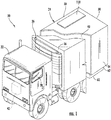
FIG. 1 is a perspective view of a transport refrigeration system having an engineless transport refrigeration unit; -
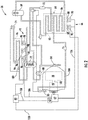
FIG. 2 is a schematic of the engineless transport refrigeration unit, -
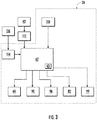
FIG. 3 is a block diagram of an energy storage device of the engineless transport refrigeration unit and sources of power recharge; -
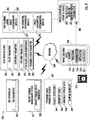
FIG. 4 illustrates a schematic view of a system for determining potential routes for transportation of perishable goods; -
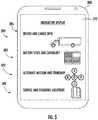
FIG. 5 illustrates a schematic view of a user device that displays potential routes; and -
FIG. 6 is a flow diagram illustrating a method of determining potential routes for a transportation refrigeration unit powered by an electric energy storage device. - A detailed description of one or more embodiments of the disclosed apparatus and method are presented herein by way of exemplification and not limitation with reference to the Figures.
- Referring to
FIG. 1 , atransport refrigeration system 20 of the present disclosure is illustrated. In the illustrated embodiment, thetransport refrigeration systems 20 may include a tractor orvehicle 22, acontainer 24, and an enginelesstransport refrigeration unit 26. Thecontainer 24 may be pulled by avehicle 22, such as, for example, a trailer. It is understood that embodiments described herein may be applied to shipping containers that are shipped by rail, sea, air, or any other suitable container, thus the vehicle may be a truck, tractor trailer system, train, boat, airplane, helicopter... etc. - The
vehicle 22 may include an operator's compartment orcab 28 and acombustion engine 42 which is part of the powertrain or drive system of thevehicle 22. Thecontainer 24 may be coupled to thevehicle 22 and is thus pulled or propelled to desired destinations. Thecontainer 24 may be configured as a trailer of a tractor trailer trucking system. Thecontainer 24 may include atop wall 30, a bottom wall 32 opposed to and spaced from thetop wall 30, twoside walls 34 spaced from and opposed to one-another, and opposing front andrear walls front wall 36 being closest to thevehicle 22. Thecontainer 24 may further include doors (not shown) at therear wall 38, or any other wall. Thewalls cargo compartment 40. Typically,transport refrigeration systems 20 are used to transport and distribute cargo, such as, for example perishable goods and environmentally sensitive goods (herein referred to as perishable goods). The perishable goods may include but are not limited to fruits, vegetables, grains, beans, nuts, eggs, dairy, seed, flowers, meat, poultry, fish, ice, blood, pharmaceuticals, or any other suitable cargo requiring cold chain transport. In the illustrated embodiment, thetransport refrigeration unit 26 is associated with acontainer 24 to provide desired environmental parameters, such as, for example temperature, pressure, humidity, carbon dioxide, ethylene, ozone, light exposure, vibration exposure, and other conditions to thecargo compartment 40. In further embodiments, thetransport refrigeration unit 26 is a refrigeration system capable of providing a desired temperature and humidity range. - Referring to
FIGS. 1 and2 , thecontainer 24 is generally constructed to store a cargo (not shown) in thecompartment 40. The enginelesstransport refrigeration unit 26 is generally integrated into thecontainer 24 and may be mounted to thefront wall 36. The cargo is maintained at a desired temperature by cooling of thecompartment 40 via therefrigeration unit 26 that circulates airflow into and through thecargo compartment 40 of thecontainer 24. It is further contemplated and understood that therefrigeration unit 26 may be applied to any transport compartments (e.g. shipping or transport containers) and not necessarily those used in tractor trailer systems. Furthermore, the transport container may be a part of the of thevehicle 22 or constructed to be removed from a framework and wheels (not shown) of thecontainer 24 for alternative shipping means (e.g., marine, railroad, flight, and others). - The components of the engineless
transport refrigeration unit 26 may include acompressor 58, anelectric compressor motor 60, an electricenergy storage device 62, acondenser 64 that may be air cooled, acondenser fan assembly 66, areceiver 68, afilter dryer 70, aheat exchanger 72, athermostatic expansion valve 74, anevaporator 76, anevaporator fan assembly 78, asuction modulation valve 80, and acontroller 82 that may include a computer-based processor (e.g., microprocessor). Operation of the enginelesstransport refrigeration unit 26 may best be understood by starting at thecompressor 58, where the suction gas (i.e., natural refrigerant) enters the compressor at asuction port 84 and is compressed to a higher temperature and pressure. The refrigerant gas is emitted from the compressor at anoutlet port 86 and may then flow into tube(s) 86 of thecondenser 64. - Air flowing across a plurality of condenser coil fins (not shown) and the
tubes 86, cools the gas to its saturation temperature. The air flow across thecondenser 64 may be facilitated by one ormore fans 88 of thecondenser fan assembly 66. Thecondenser fans 88 may be driven by respectivecondenser fan motors 90 of thefan assembly 66 that may be electric. - By removing latent heat, the gas within the
tubes 86 condenses to a high pressure and high temperature liquid and flows to thereceiver 68 that provides storage for excess liquid refrigerant during low temperature operation. From thereceiver 68, the liquid refrigerant may pass through asub-cooler heat exchanger 92 of thecondenser 64, through the filter-dryer 70 that keeps the refrigerant clean and dry, then to theheat exchanger 72 that increases the refrigerant sub-cooling, and finally to thethermostatic expansion valve 74. - As the liquid refrigerant passes through the orifices of the
expansion valve 74, some of the liquid vaporizes into a gas (i.e., flash gas). Return air from the refrigerated space (i.e., cargo compartment 40) flows over the heat transfer surface of theevaporator 76. As the refrigerant flows through a plurality oftubes 94 of theevaporator 76, the remaining liquid refrigerant absorbs heat from the return air, and in so doing, is vaporized. - The
evaporator fan assembly 78 includes one or moreevaporator fans 96 that may be driven byrespective fan motors 98 that may be electric. The air flow across theevaporator 76 is facilitated by theevaporator fans 96. From theevaporator 76, the refrigerant, in vapor form, may then flow through thesuction modulation valve 80, and back to thecompressor 58. A thermostatic expansionvalve bulb sensor 100 may be located proximate to an outlet of theevaporator tube 94. Thebulb sensor 100 is intended to control thethermostatic expansion valve 74, thereby controlling refrigerant superheat at an outlet of theevaporator tube 94. It is further contemplated and understood that the above generally describes a single stage vapor compression system that may be used for natural refrigerants such as propane and ammonia. Other refrigerant systems may also be applied that use carbon dioxide (CO2) refrigerant, and that may be a two-stage vapor compression system. - A bypass valve (not shown) may facilitate the flash gas of the refrigerant to bypass the
evaporator 76. This will allow the evaporator coil to be filled with liquid and completely 'wetted' to improve heat transfer efficiency. With CO2 refrigerant, this bypass flash gas may be re-introduced into a mid-stage of a two-stage compressor. - The
compressor 58 and thecompressor motor 60 may be linked via an interconnectingdrive shaft 102. Thecompressor 58, thecompressor motor 60 and thedrive shaft 102 may all be sealed within acommon housing 104. Thecompressor 58 may be a single compressor. The single compressor may be a two-stage compressor, a scroll-type compressor or other compressors adapted to compress natural refrigerants. The natural refrigerant may be CO2, propane, ammonia, or any other natural refrigerant that may include a global-warming potential (GWP) of about one (1). - Referring to
FIGS. 2 and3 , theenergy storage device 62 may be configured to selectively power thecompressor motor 60, thecondenser fan motors 90, theevaporator fan motors 98, thecontroller 82, and other components 99 (seeFIG. 3 ) that may include various solenoids and/or sensors) via, for example,electrical conductors 106. Thecontroller 82 through a series of data and command signals overvarious pathways 108 may, for example, control theelectric motors refrigeration unit 26. In one embodiment, theenergy storage device 62 may be secured to the underside of the bottom wall 32 of the container 24 (seeFIG. 1 ). The operation of theenergy storage device 62 may be managed and monitored by an energystorage management system 63. Theenergy management system 63 is configured to determine a status of charge of theenergy storage device 62 and a state of health of theenergy storage device 62. Examples of theenergy storage device 62 may include a battery system (e.g. a battery or bank of batteries), fuel cells, and others capable of storing and outputting electric energy that may be direct current (DC). - The engineless
transport refrigeration unit 26 may include a DC architecture without any of the components requiring alternate current (AC), or a mechanical form of power, to operate (i.e., themotors energy storage device 62 includes a battery system, the battery system may have a voltage potential within a range of about two-hundred volts (200V) to about six-hundred volts (600V). The use of these batteries may include a step-up or step-down transformer as needed (not shown). Generally, the higher the voltage, the greater is the sustainability of electric power which is preferred. However, the higher the voltage, the greater is the size and weight of, for example, thecompressor motor 60 which is not preferred when transporting cargo. - The engineless
transport refrigeration unit 26 may further include arenewable power source 110 configured to recharge the batteries of theenergy storage device 62. One embodiment of arenewable power source 110 may be solar panels mounted, for example, to the outside of thetop wall 30 of the container 24 (also seeFIG. 1 ). Another embodiment of arenewable power source 110 may include a regenerative braking system that derives electric power from the braking action of the wheels of thetransport refrigeration system 20. - The
combustion engine 42 of thevehicle 22 may further include an alternator orgenerator 112 for recharging thebatteries 62. Alternatively or in addition to, the enginelesstransport refrigeration unit 26 may include arectifier 114 and other components that facilitate recharging of thebatteries 62 from an alternatingcurrent source 116 such as, for example, a remote power station or receptacle that receives power from a public utility grid. - Benefits of the present disclosure when compared to more traditional systems include lower fuel consumption, and a refrigeration unit that emits less noise and is lighter in weight. Yet further, the present disclosure includes an energy storage device that is conveniently and efficiently recharged to meet the power demands of the refrigeration unit.
- Referring now to
FIG. 4 and5 with continued reference toFIGs. 1-3 .FIG. 4 illustrates atrip planning system 300 for atransportation refrigeration system 20 having an engineless transportation refrigeration unit (TRU) 26. Thetrip planning system 300 includes atrip planning engine 390. Thetrip planning engine 390 may be installed on acontroller 82 of theTRU 26 and/or dedicated hardware (e.g. server) in electronic communication with thecontroller 82 through acloud computing network 360. - The
trip planning engine 390 is in electronic communication with amobile computing device 200. Themobile computing device 200 may include aprocessor 250,memory 252, andcommunication module 254, as shown inFIG. 4 . Theprocessor 250 can be any type or combination of computer processors, such as a microprocessor, microcontroller, digital signal processor, application specific integrated circuit, programmable logic device, and/or field programmable gate array. Thememory 252 is an example of a non-transitory computer readable storage medium tangibly embodied in themobile computing device 200 including executable instructions stored therein, for instance, as firmware. Thecommunication module 254 may implement one or more wireless communication protocols. Themobile computing device 200 may include analert device 257 configured to activate analarm 259. In three non-limiting examples, thealert device 257 may be a vibration motor, audio speaker, and/or display screen. Thealarm 259 may be audible, visual, haptic, and/or vibratory. Themobile computing device 200 may also include anapplication 255. Embodiments disclosed herein, may operate through theapplication 255 installed on themobile computing device 200. - In the illustrated embodiment, the
trip planning engine 390 may include and/or be operably connected to adata storage device 380 to store the perishablegood parameters 389, perishablegood requirements 388,route parameters 381, container parameters, 386,weather parameters 386,TRU parameters 385, and energystorage device parameters 382. Thedata storage device 380 is connected to the various data sources through thenetwork 360. Thedata storage device 380 may be but is not limited to a random access memory (RAM), read only memory (ROM), or other electronic, optical, magnetic or any other computer readable medium. Some parameters may be transmitted through thenetwork 360 to thedata storage device 380 including but not limited to routeparameters 381,weather parameters 386,TRU parameters 385, energystorage device parameters 382, and perishablegood parameters 389. - Perishable
good parameters 389 of perishable goods located within thecontainer 24 will determine perishablegood requirements 388, which set the environmental conditions that theTRU 26 needs to provide within thecargo compartment 40. Perishablegood parameters 389 of the perishable goods may be collected and stored in adata storage device 380. Perishablegood parameters 389 may include attributes of the perishable goods such as, for example, perishable good type, temperature, weight, size, sugar content, maturity, grade, ripeness, labeling, and packaging. For instance, strawberries may be packaged in 1 pound clamshells, be a certain weight or grade, be organic, and have certain packaging or labels on the clamshells. This information specific to the perishable goods may be used to help determine the environmental conditions that theTRU 26 needs to provide within thecargo compartment 40. The perishablegood parameters 389 may further be augmented with time, location stamps or other relevant information. - Perishable
good parameters 389 may be provided by various perishablegood parameter sources 340 including but not limited toquality inspections 344, inventory scans 346, manually entereddata 348, and shipping manifests 349.Quality inspections 344 may reveal perishablegood parameters 389 of the perishable goods, which may affect environmental conditions that theTRU 26 needs to provide within thecargo compartment 40. For instance, a particular batch of fruit may be at peak ripeness at the time it is loaded into thecontainer 24, thus the fruit must be kept frozen to make it to the final destination still fresh.Quality inspections 344 may be done by a machine or a human being.Quality inspections 344 performed by a machine may be accomplished using a variety of techniques including but not limited to optical, odor, soundwave, infrared, or physical probe. Inventory scans 346 may also reveal perishablegood parameters 389 about the perishable goods and may help in tracking what perishable goods are going to be shipped in thecontainer 24. For instance, theinventory scan 346 may reveal the type, time, day, and thecontainer 24 that will ship the perishable goods. The manually entereddata 348 may be input by themobile computing device 200 or via a variety of additional devices including but not limited to a cellular phone, tablet, laptop, smartwatch, a desktop computer or any other similar data input device known to one of skill in the art. Anetwork 360 may be connected to a system containing shipping manifests 349 for the perishable goods to be transported. Eachshipping manifest 349 may contain perishablegood parameters 389 for the perishable goods. -
Route parameters 381 may include a start location and a destination location. The start location may be a pick-up location for the perishable goods and the destination location may be a delivery location of the perishable goods. Theroute parameters 381 may also include real-time traffic information, re-charging locations and type of charging device (fast or slow charging) along various routes between the start location and the destination location. The re-charging locations include location to re-charge the electricenergy storage device 62, such as, for example an electric battery charging station.Route parameters 381 may also include information regarding traffic conditions along the potential routes of thevehicle 22. -
Container parameters 384 may include insulation capabilities (e.g. R-value) of thecontainer 24 and the solar reflectance index (e.g. solar gain) of thecontainer 24. For example, aTRU 26 may not have to work as hard to keep perishable goods cool in acontainer 24 with a higher R-value, thus reducing energy consumption of theenergy storage device 62 to operate theTRU 26. - The
TRU parameters 385 includes energy consumption rates of theTRU 26. TheTRU parameters 385 may be affected by elevation along a route and/or weather conditions along a route. For example, a battery poweredTRU 26 may see reduced efficiency in colder conditions. In another example, a solarpowered TRU 26 may see reduced efficiency in cloudy weather. Theweather parameters 386 include weather conditions that may be experienced between the start location and the destination location, including but not limited to temperature, barometric pressure, wind speed, wind direction, sunlight, cloud cover, storm warnings, humidity, ozone levels, and precipitation. In one example, extreme amounts of sunlight due to sunny weather may result in increased solar gain on thecontainer 24, thus forcing theTRU 26 to work at an accelerated rate to keep the perishable goods cool. Theweather parameters 386 may be obtained from an external online data base (e.g. AccuWeather, weather.org...etc.). The external online database may provide current and future weather information along all possible routes between a start location and a destination location. As mentioned above, the perishablegood requirements 388 will dictate the environmental conditions that theTRU 26 needs to maintain within thecontainer 24 in response to the perishablegood parameters 389. The perishablegood requirements 388 may be requirements for handling and/or packaging the perishable goods such as, for example government regulations or industry standards. For instance, the perishablegood requirements 388 may dictate that eggs need to be kept at forty degrees Fahrenheit and stored in recycled cardboard egg crate containers. - In the illustrated embodiment, the
trip planning system 300 further includes atrip planning engine 390. Thetrip planning engine 390 is also coupled to thedata storage device 380. As shown, thetrip planning engine 390 includes aroute determination module 392, a TRUoperation determination module 394, and an energyconsumption determination module 396. Thetrip planning engine 390 may also include a processor (not shown) and an associated memory (not shown). The associated memory may be thedata storage device 380. The processor may be but is not limited to a single-processor or multi-processor system of any of a wide array of possible architectures, including field programmable gate array (FPGA), central processing unit (CPU), application specific integrated circuits (ASIC), digital signal processor (DSP) or graphics processing unit (GPU) hardware arranged homogenously or heterogeneously. The memory may be but is not limited to a random access memory (RAM), read only memory (ROM), or other electronic, optical, magnetic or any other computer readable medium. Theroute determination module 392, the TRUoperation determination module 394, and an energyconsumption determination module 396 may be implemented in software as applications executed by the processor oftrip planning engine 390. - The
route determination module 392 determines one or morepotential routes 402 for the perishable goods in response to at least one of theroute parameters 381. Thepotential routes 402 determined by theroute determination module 392 are transmitted to the TRUoperation determination module 394. The TRUoperation determination module 394 determines TRU predictedoperation 404 along each of the one or morepotential routes 402 in response to at least one of theroute parameters 381, thecontainer parameters 384, theTRU parameters 385, theweather parameters 386, the perishablegood parameters 389, and the perishablegood requirements 388. - The energy
consumption determination module 396 determines predictedenergy consumption 406 from theenergy storage 62 by theTRU 26 along each of the one or morepotential routes 402 in response to the TRU predictedoperation 404 and the energystorage device parameters 382. The energyconsumption determination module 396 is also configured to determine if the available charge (i.e. energy) in thestorage device 62 is sufficient to complete the delivery mission (i.e. safely transport the perishable goods from a start location to a stop location) based on the predictedenergy consumption 406. If the predictedenergy consumption 406 indicates that the available charge in theenergy storage device 62 is insufficient to complete the delivery mission then analarm 259 may be activated. -
Output parameters 400 of thetrip planning engine 390 may be accessible via the TRU controller display or themobile computing device 200 and/or sent directly to themobile computing device 200. Theoutput parameters 400 may also be displayed on a display interface on thecontroller 82 of theTRU 26. Theoutput parameters 400 may includepotential routes 402, the TRU predictedoperation 404, andenergy consumption 406. As mentioned above, themobile computing device 200 may be a computing device such as a desktop computer. Themobile computing device 200 may also be a mobile computing device that is typically carried by a person, such as, for example a phone, PDA, smart watch, tablet, laptop, etc. Themobile computing device 200 may also be two separate devices that are synced together such as, for example, a cellular phone and a desktop computer synced over an internet connection. - The
output parameters 400 may be displayed visually on adisplay screen 212 of themobile computing device 200, as show inFIG. 5 . Thedisplay screen 212 may give a user of themobile computing device 200 real-time visibility to various data sources including perishablegood parameters 389,TRU parameters 385, energystorage device parameters 382,potential routes 402, androute parameters 381. For example a user of themobile computing device 200 may check the operation of theTRU 26 by selecting theTRU parameters 385. In another example, a user of themobile computing device 200 may check the state of theenergy storage device 62 by selecting energystorage device parameters 382. If theenergy storage device 62 is a battery, then the energystorage device parameters 382 may include a state of charge of the battery system, a state of health of the battery system, and a battery remaining discharge time period. In another example, a user of themobile computing device 200 may view and selectpotential routes 402 the by selecting thepotential routes 402. Multiplepotential routes 402 may be displayed concurrently on thedisplay screen 212 for comparison and/or eachpotential route 402 may be displayed one at a time. An individual using theuser device 200 may scroll through thepotential routes 402. In another example, a user of themobile computing device 200 may viewroute parameters 381 for each of thepotential routes 402. As mentioned above, theroute parameters 381 may include locations of recharging stations along each of thepotentials routes 402 in order to recharge theenergy storage device 62. Theroute parameters 381 may include locations of service stations along each of thepotential routes 402 in order to service theTRU 26. - Referring now also to
FIG. 6 with continued reference toFIGs. 1-5 .FIG. 6 shows a flow diagram illustrating amethod 600 of determiningpotential routes 402 for aTRU 26 powered by an electricenergy storage device 62, according to an embodiment of the present disclosure. Atblock 604, parameters of thetrip planning system 300 are stored on adata storage device 380. The parameters stored may includecontainer parameters 384 of acontainer 24 to store perishable goods,TRU parameters 385 of aTRU 26 to control environment conditions within thecontainer 24, and perishable good requirements 288 for transporting the perishable goods within thecontainer 24. - At
block 606, additional parameters are received and then may be stored on thedata storage device 380. The parameters received may includeroute parameters 381,weather parameters 386, and perishablegood parameters 389. As described above, theroute parameters 381 may include a starting location of the perishable goods and a destination location of the perishable goods. Atblock 608, one or morepotential routes 402 may be determined in response to theroute parameters 381. - At
block 610, a TRU predictedoperation 404 is determined along each of the one or morepotential routes 402 in response to at least one of theroute parameters 381, thecontainer parameters 384, theTRU parameters 385, theweather parameters 386, the perishablegood parameters 389, and the perishablegood requirements 388. Atblock 612, a predictedenergy consumption 406 from theenergy storage device 62 by theTRU 26 along each of the one or morepotential routes 402 in response to the TRU predictedoperation 404 and the energystorage device parameters 382. - The
method 600 may also include displaying each of the one or morepotential routes 402 and the predictedenergy consumption 406 from theenergy storage device 62 by theTRU 26 for each of the one or morepotential routes 402 on amobile computing device 200. Themethod 600 may further include: determining predicted energydevice storage parameters 382 along each of the one or morepotential routes 402 in response to the TRU predictedoperation 404 and the energystorage device parameters 382; and displaying the predicted energydevice storage parameters 382 along each of the one or morepotential routes 402 on amobile computing device 200. Further, battery charging locations along each of the one or more potential routes may be displayed on at least one of themobile computing device 200 and a display interface on thecontroller 82 of theTRU 26. Themethod 600 may further include: determining a battery remaining discharge time period in response to the predictedenergy consumption 406; and determining whether the battery remaining discharge time period is longer than at least one of the one or morepotential routes 402. - An
alarm 259 may be activated on amobile computing device 200 when a predictedenergy consumption 406 from theenergy storage device 62 by theTRU 26 is determined to exceed predicted energydevice storage parameters 382 along one of the one or morepotential routes 402 in response to the TRU predictedoperation 404 and the energystorage device parameters 382. For example, if theenergy storage device 62 is a battery, when the predictedenergy consumption 406 exceeds the state of charge of a battery alone one of the one or morepotential routes 402, then thealarm 259 will activated to alert the person (e.g. driver) with themobile computing device 200. - While the above description has described the flow process of
FIG. 6 in a particular order, it should be appreciated that unless otherwise specifically required in the attached claims that the ordering of the steps may be varied. - As described above, embodiments can be in the form of processor-implemented processes and devices for practicing those processes, such as a processor. Embodiments can also be in the form of computer program code containing instructions embodied in tangible media, such as network cloud storage, SD cards, flash drives, floppy diskettes, CD ROMs, hard drives, or any other computer-readable storage medium, wherein, when the computer program code is loaded into and executed by a computer, the computer becomes a device for practicing the embodiments. Embodiments can also be in the form of computer program code, for example, whether stored in a storage medium, loaded into and/or executed by a computer, or transmitted over some transmission medium, loaded into and/or executed by a computer, or transmitted over some transmission medium, such as over electrical wiring or cabling, through fiber optics, or via electromagnetic radiation, wherein, when the computer program code is loaded into and executed by a computer, the computer becomes a device for practicing the embodiments. When implemented on a general-purpose microprocessor, the computer program code segments configure the microprocessor to create specific logic circuits.
- The term "about" is intended to include the degree of error associated with measurement of the particular quantity based upon the equipment available at the time of filing the application. For example, "about" can include a range of ± 8% or 5%, or 2% of a given value.
- The terminology used herein is for the purpose of describing particular embodiments only and is not intended to be limiting of the present disclosure. As used herein, the singular forms "a", "an" and "the" are intended to include the plural forms as well, unless the context clearly indicates otherwise. It will be further understood that the terms "comprises" and/or "comprising," when used in this specification, specify the presence of stated features, integers, steps, operations, elements, and/or components, but do not preclude the presence or addition of one or more other features, integers, steps, operations, element components, and/or groups thereof.
- While the present disclosure has been described with reference to an exemplary embodiment or embodiments, it will be understood by those skilled in the art that various changes may be made and equivalents may be substituted for elements thereof without departing from the scope of the present invention, as defined by the claims. In addition, many modifications may be made to adapt a particular situation or material to the teachings of the present disclosure without departing from the scope thereof. Therefore, it is intended that the present invention not be limited to the particular embodiment disclosed as the best mode contemplated for carrying out this present disclosure, but that the present invention will include all embodiments falling within the scope of the claims.
Claims (15)
- A method of determining potential routes for a transportation refrigeration unit (TRU) (26) powered by an electric energy storage device (62), the method comprising:storing container parameters (384) of a container(24) to store perishable goods, TRU parameters (385) of the TRU to control environment conditions within the container, and perishable good requirements (388) for transporting the perishable goods within the container;receiving route parameters (381), weather parameters (386), and perishable good parameters (389);determining one or more potential routes (402) in response to the route parameters;determining a TRU predicted operation (404) along each of the one or more potential routes in response to at least one of the route parameters, the container parameters, the TRU parameters, the weather parameters, the perishable good parameters, and the perishable good requirements; anddetermining a predicted energy consumption (406) from the energy storage device by the TRU along each of the one or more potential routes in response to the TRU predicted operation and the energy storage device parameters (382).
- The method of claim 1, further comprising:
displaying each of the one or more potential routes (402) and the predicted energy consumption (406) from the energy storage device (62) by the TRU (26) for each of the one or more potential routes on a mobile computing device (200). - The method of claims 1 or 2, wherein:the energy storage device (62) includes a battery system; and optionallythe energy storage device parameters (382) include at least one of a state of charge of the battery system, a state of health of the battery system and a battery remaining discharge time period.
- The method of any of claims 1 to 3, further comprising:determining predicted energy device storage parameters (382) along each of the one or more potential routes (402) in response to the TRU predicted operation (404) and the energy storage device parameters; anddisplaying the predicted energy device storage parameters along each of the one or more potential routes on a mobile computing device (200).
- The method of claim 4, further comprising:
activating an alarm (259) on a mobile computing device (200) when a predicted energy consumption (406) from the energy storage device (62) by the TRU (26) exceeds predicted energy device storage parameters (382) along one of the one or more potential routes (402). - The method of claim 3, further comprising:determining a battery remaining discharge time period in response to the predicted energy consumption (406); anddetermining whether the battery remaining discharge time period is longer than at least one of the one or more potential routes (402); and/ordisplaying each of the one or more potential routes (402) and battery charging locations along each of the one or more potential routes on at least one of a mobile computing device (200) and a display interface on the controller (82) of the TRU (26).
- An engineless transport refrigeration unit (TRU) (26) comprising:a compressor (58) constructed and arranged to compress a refrigerant;a compressor motor (60) configured to drive the compressor (58) and operate at a voltage range of two hundred to six hundred volts;an electric energy storage device (62) for providing power to the compressor motor; anda controller (82) configured to control operation of the transport refrigeration unit, the controller comprising:a processor (250); anda memory (252) comprising computer-executable instructions that, when executed by the processor, cause the processor to perform operations, the operations comprising:
storing container parameters (384) of a container (24) to store perishable goods, TRU parameters (385) of the TRU to control environment conditions within the container, and perishable good requirements (388) for transporting the perishable goods within the container;receiving route parameters (381), weather parameters (386), and perishable good parameters (389);determining one or more potential routes (402) in response to the route parameters;determining a TRU predicted operation (404) along each of the one or more potential routes in response to at least one of the route parameters, the container parameters, the TRU parameters, the weather parameters, the perishable good parameters, and the perishable good requirements; anddetermining a predicted energy consumption (406) from the energy storage device by the TRU along each of the one or more potential routes in response to the TRU predicted operation and the energy storage device parameters (382). - The TRU (26) of claim 7, wherein the operations further comprise:
displaying each of the one or more potential routes (402) and the predicted energy consumption (406) from the energy storage device (62) by the TRU for each of the one or more potential routes on a mobile computing device (200). - The TRU (26) of claims 7 or 8, wherein:the energy storage device (62) includes a battery system; and optionallythe energy storage device parameters (382) include at least one of a state of charge of the battery system, a state of health of the battery system, and a battery remaining discharge time period.
- The TRU (26) of any of claims 7 to 9, wherein the operations further
comprise:determining predicted energy device storage parameters along each of the one or more potential routes (402) in response to the TRU predicted operation (404) and the energy storage device parameters (382); anddisplaying the predicted energy device storage parameters along each of the one or more potential routes on a mobile computing device (200). - The TRU (26) of claim 10, wherein the operations further comprise:
activating an alarm (259) on a mobile computing device (200) when a predicted energy consumption (406) from the energy storage device (62) by the TRU exceeds predicted energy device storage parameters along one of the one or more potential routes (402). - The TRU (26) of claim 9, wherein the operations further comprise:determining a battery remaining discharge time period in response to the predicted energy consumption (406); anddetermining whether the battery remaining discharge time period is longer than at least one of the one or more potential routes (402); and/ordisplaying each of the one or more potential routes (402) and battery charging locations along each of the one or more potential routes on at least one of a mobile computing device (200) and a display interface on the controller (82) of the TRU.
- A system for determining potential routes (402) for a transportation refrigeration unit (TRU) (26) powered by an electric energy storage device (62), the system comprising:
a transportation refrigeration unit comprising:a compressor (58) constructed and arranged to compress a refrigerant;a compressor motor (60) configured to drive the compressor and operate at a voltage range of two hundred to six hundred volts;an electric energy storage device for providing power to the compressor motor; anda controller (82) configured to control operation of the transport refrigeration unit; anda trip planning engine (390) in electronic communication with the controller through a cloud network (360), the trip planning engine comprising:a processor (250); anda memory (252)comprising computer-executable instructions that, when executed by the processor, cause the processor to perform operations, the operations comprising:
storing container parameters (384) of a container (24) to store perishable goods, TRU parameters (385) of the TRU to control environment conditions within the container, and perishable good requirements (388) for transporting the perishable goods within the container;receiving route parameters (381), weather parameters (386), and perishable good parameters (389);determining one or more potential routes (402) in response to the route parameters;determining a TRU predicted operation (404) along each of the one or more potential routes in response to at least one of the route parameters, the container parameters, the TRU parameters, the weather parameters, the perishable good parameters, and the perishable good requirements; anddetermining a predicted energy consumption (406) from the energy storage device by the TRU along each of the one or more potential routes in response to the TRU predicted operation and the energy storage device parameters (382). - The system of claim 13, wherein the operations further comprise:
displaying each of the one or more potential routes (402) and the predicted energy consumption (406) from the energy storage device (62) by the TRU (26) for each of the one or more potential routes on a mobile computing device (200). - The system of claims 13 or 14, wherein:
the energy storage device (62) includes a battery system; and optionally the energy storage device parameters (382) include at least one of a state of charge
of the battery system, a state of health of the battery system, and a battery remaining discharge time period.
Applications Claiming Priority (1)
| Application Number | Priority Date | Filing Date | Title |
|---|---|---|---|
| US201862639218P | 2018-03-06 | 2018-03-06 |
Publications (1)
| Publication Number | Publication Date |
|---|---|
| EP3536552A1 true EP3536552A1 (en) | 2019-09-11 |
Family
ID=65717818
Family Applications (1)
| Application Number | Title | Priority Date | Filing Date |
|---|---|---|---|
| EP19160875.1A Withdrawn EP3536552A1 (en) | 2018-03-06 | 2019-03-05 | Interactive trip-planning application for transportation refrigeration unit with an energy storage device |
Country Status (3)
| Country | Link |
|---|---|
| US (1) | US11085782B2 (en) |
| EP (1) | EP3536552A1 (en) |
| CN (1) | CN110228346B (en) |
Cited By (21)
| Publication number | Priority date | Publication date | Assignee | Title |
|---|---|---|---|---|
| EP3647087A1 (en) * | 2018-11-01 | 2020-05-06 | Thermo King Corporation | Method and system for predicting stored energy consumption of a transport refrigeration system |
| US10870333B2 (en) | 2018-10-31 | 2020-12-22 | Thermo King Corporation | Reconfigurable utility power input with passive voltage booster |
| US10926610B2 (en) | 2018-10-31 | 2021-02-23 | Thermo King Corporation | Methods and systems for controlling a mild hybrid system that powers a transport climate control system |
| WO2021078719A1 (en) * | 2019-10-21 | 2021-04-29 | Psa Automobiles Sa | Method for operating transportation vehicles, in particular autonomously driving transportation vehicles, of a vehicle fleet and a transportation vehicle |
| US11192451B2 (en) | 2018-09-19 | 2021-12-07 | Thermo King Corporation | Methods and systems for energy management of a transport climate control system |
| WO2021244832A1 (en) * | 2020-06-02 | 2021-12-09 | Sunswap Ltd | Electric mobile refrigeration unit |
| US11260723B2 (en) | 2018-09-19 | 2022-03-01 | Thermo King Corporation | Methods and systems for power and load management of a transport climate control system |
| GB2607875A (en) * | 2021-06-09 | 2022-12-21 | Renewable Innovations And Solutions Ltd | Power system for supplying electrical energy to a refrigerator of a refrigerated vehicle and associated control system and method |
| US11554638B2 (en) | 2018-12-28 | 2023-01-17 | Thermo King Llc | Methods and systems for preserving autonomous operation of a transport climate control system |
| GB2609196A (en) * | 2021-07-21 | 2023-02-01 | Sunswap Ltd | Determining battery or solar panel capacity for an electric refrigeration unit |
| EP4077002A4 (en) * | 2019-12-20 | 2024-01-10 | Lovis, LLC | PTO DRIVEN REFRIGERATION |
| US11993131B2 (en) | 2018-12-31 | 2024-05-28 | Thermo King Llc | Methods and systems for providing feedback for a transport climate control system |
| CN118129787A (en) * | 2024-05-06 | 2024-06-04 | 北京中冷物流股份有限公司 | Cold chain transportation path self-learning intelligent planning method based on Internet of things |
| US12017505B2 (en) | 2018-12-31 | 2024-06-25 | Thermo King Llc | Methods and systems for providing predictive energy consumption feedback for powering a transport climate control system using external data |
| US12072193B2 (en) | 2018-12-31 | 2024-08-27 | Thermo King Llc | Methods and systems for notifying and mitigating a suboptimal event occurring in a transport climate control system |
| US12097751B2 (en) | 2018-12-31 | 2024-09-24 | Thermo King Llc | Methods and systems for providing predictive energy consumption feedback for powering a transport climate control system |
| EP4455961A1 (en) * | 2023-04-24 | 2024-10-30 | Carrier Corporation | Method and system for setting cooling parameters from a peer transport vehicle |
| GB2617531B (en) * | 2021-09-03 | 2025-01-08 | Sunswap Ltd | Electrical transport refrigeration unit |
| US12240337B1 (en) | 2024-02-13 | 2025-03-04 | Lovis, Llc | Vehicle auxiliary power system |
| US12431764B2 (en) | 2019-12-20 | 2025-09-30 | Lovis, Llc | Power takeoff-driven refrigeration |
| US12576688B2 (en) | 2019-06-28 | 2026-03-17 | Thermo King Llc | Climate controlled vehicle, transport climate control equipment, method of retrofitting a vehicle and method of operation |
Families Citing this family (21)
| Publication number | Priority date | Publication date | Assignee | Title |
|---|---|---|---|---|
| US9586458B2 (en) * | 2014-02-28 | 2017-03-07 | Enow, Inc. | Tractor trailer refrigeration unit |
| US11872867B2 (en) | 2014-02-28 | 2024-01-16 | Enow Systems Llc | Tractor trailer refrigeration unit |
| US11085782B2 (en) * | 2018-03-06 | 2021-08-10 | Carrier Corporation | Interactive trip-planning application for transportation refrigeration unit with an energy storage device |
| US11410114B2 (en) * | 2018-05-01 | 2022-08-09 | Wing Aviation Llc | Delivery of temperature-sensitive items |
| EP3856561A1 (en) * | 2018-09-28 | 2021-08-04 | Carrier Corporation | Integrated charging port for refrigerated electrical or hybrid electrical truck |
| US10779123B2 (en) * | 2018-10-31 | 2020-09-15 | International Business Machines Corporation | Determining locations based on dynamic environmental characteristics and user data |
| US20200327497A1 (en) * | 2019-04-11 | 2020-10-15 | Federal Express Corporation | System and method for linehaul optimization |
| EP3805550B1 (en) * | 2019-10-08 | 2026-03-18 | Carrier Corporation | Electrical communication interface for a transport engineless refrigeration unit |
| CN110646010B (en) * | 2019-10-10 | 2021-04-30 | 江西省公路路政管理总队赣州高速公路路政管理支队 | Computer-aided large transport route planning method and system |
| US11772448B2 (en) * | 2019-11-21 | 2023-10-03 | Toyota Motor North America, Inc. | Vehicle systems for controlling temperature of compartments for storing hems |
| EP4036592B1 (en) * | 2021-01-26 | 2025-01-01 | Carrier Corporation | Battery health self-test protocol |
| US12570122B2 (en) | 2021-05-17 | 2026-03-10 | H2Cs Hydro Cool Systems Limited | Zero carbon emission and highly efficient intelligent hydrogen-powered refrigeration system for transportation |
| WO2023087073A1 (en) * | 2021-11-19 | 2023-05-25 | Black Stump Technologies Pty Ltd | Deployable solar-powered cooler |
| CN114474057B (en) * | 2022-02-09 | 2024-05-17 | 北京百度网讯科技有限公司 | Automatic distribution control method and device for distribution robot and electronic equipment |
| CN116691286A (en) | 2022-03-01 | 2023-09-05 | 开利公司 | Active Adjustment of Transport Refrigeration Units |
| CN114633938A (en) * | 2022-05-17 | 2022-06-17 | 苏州农业职业技术学院 | Chinese rose transportation device and method based on big data |
| JP7643412B2 (en) * | 2022-08-09 | 2025-03-11 | トヨタ自動車株式会社 | Information processing device, system and information processing method |
| US12420664B2 (en) | 2022-09-01 | 2025-09-23 | Carrier Corporation | Method and system for managing mileage capacity of a battery electric vehicle (BEV) |
| US12391092B2 (en) | 2023-06-01 | 2025-08-19 | Ford Global Technologies, Llc | Delivery vehicle temperature management systems and methods |
| US20250162420A1 (en) * | 2023-11-16 | 2025-05-22 | Carrier Corporation | System and method for managing power supplied to atransportation refrigeration unit (tru) |
| US20260003007A1 (en) * | 2024-06-27 | 2026-01-01 | Nivalis Energy Systems LLC | State of charge limitation for increasing battery life |
Citations (6)
| Publication number | Priority date | Publication date | Assignee | Title |
|---|---|---|---|---|
| US20130046457A1 (en) * | 2010-05-06 | 2013-02-21 | Leica Geosystems Ag | Method and guidance-unit for guiding battery-operated transportation means to reconditioning stations |
| US20140026599A1 (en) * | 2011-04-04 | 2014-01-30 | Carrier Corporation | Transport Refrigeration System And Method For Operating |
| US20150188323A1 (en) * | 2013-12-26 | 2015-07-02 | Thermo King Corporation | Method and system for configuring a transport refrigeration unit battery charger for use in a transport refrigeration system |
| US20170176195A1 (en) * | 2015-12-22 | 2017-06-22 | GM Global Technology Operations LLC | Vehicle power management utilizing operator schedule data |
| WO2018017818A1 (en) * | 2016-07-22 | 2018-01-25 | Carrier Corporation | Cold chain transportation route modeling system |
| EP3521762A1 (en) * | 2018-02-03 | 2019-08-07 | Carrier Corporation | Cold chain transportation route modeling system |
Family Cites Families (23)
| Publication number | Priority date | Publication date | Assignee | Title |
|---|---|---|---|---|
| WO2012125726A1 (en) * | 2011-03-14 | 2012-09-20 | Intelligent Technologies International, Inc. | Cargo theft prevention system and method |
| US9689681B2 (en) | 2014-08-12 | 2017-06-27 | General Electric Company | System and method for vehicle operation |
| US20110225105A1 (en) | 2010-10-21 | 2011-09-15 | Ford Global Technologies, Llc | Method and system for monitoring an energy storage system for a vehicle for trip planning |
| US8538677B2 (en) | 2010-12-30 | 2013-09-17 | Telenav, Inc. | Navigation system with constrained resource route planning mechanism and method of operation thereof |
| US8849499B2 (en) * | 2011-01-06 | 2014-09-30 | Ford Global Technologies, Llc | Methods and systems for monitoring a vehicle's energy source |
| US20130036068A1 (en) * | 2011-08-05 | 2013-02-07 | Andrew Smith | Logistical management of cargo shipments |
| CA2860633A1 (en) | 2012-01-09 | 2013-07-18 | Airbiquity Inc. | Electric vehicle charging network services |
| US9702715B2 (en) | 2012-10-17 | 2017-07-11 | General Electric Company | Distributed energy management system and method for a vehicle system |
| US9175970B2 (en) | 2013-08-02 | 2015-11-03 | Cummins Inc. | Online optimal refueling management |
| US20150112526A1 (en) | 2013-10-22 | 2015-04-23 | Ford Global Technologies, Llc | Vehicle system and method for at-home route planning |
| US9586458B2 (en) * | 2014-02-28 | 2017-03-07 | Enow, Inc. | Tractor trailer refrigeration unit |
| DE102014006653A1 (en) * | 2014-05-07 | 2015-11-12 | Man Truck & Bus Ag | Operating method for at least one automotive air conditioning system |
| US9650042B2 (en) | 2014-09-11 | 2017-05-16 | Cummins Inc. | Systems and methods for route planning |
| DE102014218564A1 (en) * | 2014-09-16 | 2016-03-17 | Robert Bosch Gmbh | Control device and method for the predictive, consumption-optimized operation of a hybrid vehicle |
| CN105159183A (en) | 2015-07-20 | 2015-12-16 | 澳柯玛股份有限公司 | Electric refrigerator truck with remote control system |
| US9857189B2 (en) * | 2016-02-08 | 2018-01-02 | GM Global Technology Operations LLC | Energy-efficient navigation route for electric transportation device |
| CA3019622A1 (en) | 2016-04-01 | 2018-02-15 | Power Hero Corp. | An automated system for managing and providing a network of charging stations |
| WO2017205961A1 (en) | 2016-06-04 | 2017-12-07 | Marquardt Matthew J | Management and control of driverless vehicles |
| CN109416217A (en) * | 2016-06-17 | 2019-03-01 | 开利公司 | Battery system for refrigerated shipping containers |
| US10315495B2 (en) * | 2016-06-30 | 2019-06-11 | Emerson Climate Technologies, Inc. | System and method of controlling compressor, evaporator fan, and condenser fan speeds during a battery mode of a refrigeration system for a container of a vehicle |
| US10562377B2 (en) * | 2016-06-30 | 2020-02-18 | Emerson Climate Technologies, Inc. | Battery life prediction and monitoring |
| JP6939416B2 (en) * | 2017-10-27 | 2021-09-22 | トヨタ自動車株式会社 | Delivery system and vehicle |
| US11085782B2 (en) * | 2018-03-06 | 2021-08-10 | Carrier Corporation | Interactive trip-planning application for transportation refrigeration unit with an energy storage device |
-
2019
- 2019-03-05 US US16/292,721 patent/US11085782B2/en active Active
- 2019-03-05 EP EP19160875.1A patent/EP3536552A1/en not_active Withdrawn
- 2019-03-05 CN CN201910163945.8A patent/CN110228346B/en active Active
Patent Citations (6)
| Publication number | Priority date | Publication date | Assignee | Title |
|---|---|---|---|---|
| US20130046457A1 (en) * | 2010-05-06 | 2013-02-21 | Leica Geosystems Ag | Method and guidance-unit for guiding battery-operated transportation means to reconditioning stations |
| US20140026599A1 (en) * | 2011-04-04 | 2014-01-30 | Carrier Corporation | Transport Refrigeration System And Method For Operating |
| US20150188323A1 (en) * | 2013-12-26 | 2015-07-02 | Thermo King Corporation | Method and system for configuring a transport refrigeration unit battery charger for use in a transport refrigeration system |
| US20170176195A1 (en) * | 2015-12-22 | 2017-06-22 | GM Global Technology Operations LLC | Vehicle power management utilizing operator schedule data |
| WO2018017818A1 (en) * | 2016-07-22 | 2018-01-25 | Carrier Corporation | Cold chain transportation route modeling system |
| EP3521762A1 (en) * | 2018-02-03 | 2019-08-07 | Carrier Corporation | Cold chain transportation route modeling system |
Cited By (32)
| Publication number | Priority date | Publication date | Assignee | Title |
|---|---|---|---|---|
| US11192451B2 (en) | 2018-09-19 | 2021-12-07 | Thermo King Corporation | Methods and systems for energy management of a transport climate control system |
| US11260723B2 (en) | 2018-09-19 | 2022-03-01 | Thermo King Corporation | Methods and systems for power and load management of a transport climate control system |
| US10870333B2 (en) | 2018-10-31 | 2020-12-22 | Thermo King Corporation | Reconfigurable utility power input with passive voltage booster |
| US10926610B2 (en) | 2018-10-31 | 2021-02-23 | Thermo King Corporation | Methods and systems for controlling a mild hybrid system that powers a transport climate control system |
| CN111137107B (en) * | 2018-11-01 | 2025-02-11 | 冷王有限责任公司 | Transportation climate control system for use in a vehicle and method of operating the same |
| CN111137107A (en) * | 2018-11-01 | 2020-05-12 | 冷王公司 | Transport climate control system for use in a vehicle and method of operating the same |
| EP3647087A1 (en) * | 2018-11-01 | 2020-05-06 | Thermo King Corporation | Method and system for predicting stored energy consumption of a transport refrigeration system |
| US11022451B2 (en) | 2018-11-01 | 2021-06-01 | Thermo King Corporation | Methods and systems for generation and utilization of supplemental stored energy for use in transport climate control |
| US11703341B2 (en) | 2018-11-01 | 2023-07-18 | Thermo King Llc | Methods and systems for generation and utilization of supplemental stored energy for use in transport climate control |
| EP3964375A1 (en) * | 2018-11-01 | 2022-03-09 | Thermo King Corporation | Methods and systems for generation and utilization of supplemental stored energy for use in transport climate control |
| US11554638B2 (en) | 2018-12-28 | 2023-01-17 | Thermo King Llc | Methods and systems for preserving autonomous operation of a transport climate control system |
| US11993131B2 (en) | 2018-12-31 | 2024-05-28 | Thermo King Llc | Methods and systems for providing feedback for a transport climate control system |
| US12097751B2 (en) | 2018-12-31 | 2024-09-24 | Thermo King Llc | Methods and systems for providing predictive energy consumption feedback for powering a transport climate control system |
| US12072193B2 (en) | 2018-12-31 | 2024-08-27 | Thermo King Llc | Methods and systems for notifying and mitigating a suboptimal event occurring in a transport climate control system |
| US12017505B2 (en) | 2018-12-31 | 2024-06-25 | Thermo King Llc | Methods and systems for providing predictive energy consumption feedback for powering a transport climate control system using external data |
| US12576688B2 (en) | 2019-06-28 | 2026-03-17 | Thermo King Llc | Climate controlled vehicle, transport climate control equipment, method of retrofitting a vehicle and method of operation |
| WO2021078719A1 (en) * | 2019-10-21 | 2021-04-29 | Psa Automobiles Sa | Method for operating transportation vehicles, in particular autonomously driving transportation vehicles, of a vehicle fleet and a transportation vehicle |
| EP4077002A4 (en) * | 2019-12-20 | 2024-01-10 | Lovis, LLC | PTO DRIVEN REFRIGERATION |
| US12431764B2 (en) | 2019-12-20 | 2025-09-30 | Lovis, Llc | Power takeoff-driven refrigeration |
| WO2021244832A1 (en) * | 2020-06-02 | 2021-12-09 | Sunswap Ltd | Electric mobile refrigeration unit |
| US20230174008A1 (en) * | 2020-06-02 | 2023-06-08 | Sunswap Ltd | Electric mobile refrigeration unit |
| GB2595970B (en) * | 2020-06-02 | 2022-07-06 | Ltd Sunswap | Electric mobile refrigeration unit |
| EP4157656B1 (en) | 2020-06-02 | 2025-04-02 | Sunswap Ltd. | Electric mobile refrigeration unit |
| GB2607875A (en) * | 2021-06-09 | 2022-12-21 | Renewable Innovations And Solutions Ltd | Power system for supplying electrical energy to a refrigerator of a refrigerated vehicle and associated control system and method |
| GB2609196B (en) * | 2021-07-21 | 2023-07-26 | Sunswap Ltd | Determining battery or solar panel capacity for an electric refrigeration unit |
| US12367447B2 (en) | 2021-07-21 | 2025-07-22 | Sunswap Ltd | Determining battery or solar panel capacity for an electric refrigeration unit |
| GB2609196A (en) * | 2021-07-21 | 2023-02-01 | Sunswap Ltd | Determining battery or solar panel capacity for an electric refrigeration unit |
| GB2617531B (en) * | 2021-09-03 | 2025-01-08 | Sunswap Ltd | Electrical transport refrigeration unit |
| US12618602B2 (en) | 2021-09-03 | 2026-05-05 | Sunswap Ltd. | Electrical transport refrigeration unit |
| EP4455961A1 (en) * | 2023-04-24 | 2024-10-30 | Carrier Corporation | Method and system for setting cooling parameters from a peer transport vehicle |
| US12240337B1 (en) | 2024-02-13 | 2025-03-04 | Lovis, Llc | Vehicle auxiliary power system |
| CN118129787A (en) * | 2024-05-06 | 2024-06-04 | 北京中冷物流股份有限公司 | Cold chain transportation path self-learning intelligent planning method based on Internet of things |
Also Published As
| Publication number | Publication date |
|---|---|
| CN110228346B (en) | 2024-05-10 |
| US11085782B2 (en) | 2021-08-10 |
| CN110228346A (en) | 2019-09-13 |
| US20190277647A1 (en) | 2019-09-12 |
Similar Documents
| Publication | Publication Date | Title |
|---|---|---|
| US11085782B2 (en) | Interactive trip-planning application for transportation refrigeration unit with an energy storage device | |
| EP3472542B1 (en) | Transport refrigeration system with a battery system and corresponding method | |
| EP3521762A1 (en) | Cold chain transportation route modeling system | |
| US12215919B2 (en) | Transportation refrigeration unit with external DC generator power source | |
| EP3472541B1 (en) | Mechanical subcooler with battery supplement | |
| CN110271382B (en) | Transport Refrigeration Unit with Integrated Battery Housing Cooling | |
| US11548353B2 (en) | Battery powered transportation refrigeration unit with variable inverter | |
| US20210268908A1 (en) | Refrigeration system and energy storage device interface | |
| US20210331559A1 (en) | Communication interface module for energy management | |
| US11530849B2 (en) | Responsive cooling based on external factors | |
| US12358340B2 (en) | Proactive adjustment of transport refrigeration units | |
| US20210252939A1 (en) | Automatic transportation refrigeration unit settings following real time location | |
| US12138985B2 (en) | Trailer compartment transportation refrigeration unit operation visualization | |
| US11976862B2 (en) | Electrical architecture for powering multiple transport refrigeration units | |
| US11571964B2 (en) | Common exhaust passage for transport refrigeration unit and vehicle | |
| US12547987B2 (en) | Aggregating reefer parameters and inspection test results for allocation of healthy reefers with high confidence | |
| US20230054221A1 (en) | Method to shut off a transport refrigeration unit based on absence of perishable goods | |
| US20260063350A1 (en) | Transport refrigeration system having multple power modes |
Legal Events
| Date | Code | Title | Description |
|---|---|---|---|
| PUAI | Public reference made under article 153(3) epc to a published international application that has entered the european phase |
Free format text: ORIGINAL CODE: 0009012 |
|
| STAA | Information on the status of an ep patent application or granted ep patent |
Free format text: STATUS: THE APPLICATION HAS BEEN PUBLISHED |
|
| AK | Designated contracting states |
Kind code of ref document: A1 Designated state(s): AL AT BE BG CH CY CZ DE DK EE ES FI FR GB GR HR HU IE IS IT LI LT LU LV MC MK MT NL NO PL PT RO RS SE SI SK SM TR |
|
| AX | Request for extension of the european patent |
Extension state: BA ME |
|
| STAA | Information on the status of an ep patent application or granted ep patent |
Free format text: STATUS: REQUEST FOR EXAMINATION WAS MADE |
|
| 17P | Request for examination filed |
Effective date: 20200311 |
|
| RBV | Designated contracting states (corrected) |
Designated state(s): AL AT BE BG CH CY CZ DE DK EE ES FI FR GB GR HR HU IE IS IT LI LT LU LV MC MK MT NL NO PL PT RO RS SE SI SK SM TR |
|
| STAA | Information on the status of an ep patent application or granted ep patent |
Free format text: STATUS: EXAMINATION IS IN PROGRESS |
|
| 17Q | First examination report despatched |
Effective date: 20211216 |
|
| STAA | Information on the status of an ep patent application or granted ep patent |
Free format text: STATUS: THE APPLICATION HAS BEEN WITHDRAWN |
|
| 18W | Application withdrawn |
Effective date: 20220425 |