EP3533451B1 - Application of paeoniflorin-6'-o-benzene sulfonate in medicine for treating sjögren's syndrome - Google Patents
Application of paeoniflorin-6'-o-benzene sulfonate in medicine for treating sjögren's syndrome Download PDFInfo
- Publication number
- EP3533451B1 EP3533451B1 EP17892917.0A EP17892917A EP3533451B1 EP 3533451 B1 EP3533451 B1 EP 3533451B1 EP 17892917 A EP17892917 A EP 17892917A EP 3533451 B1 EP3533451 B1 EP 3533451B1
- Authority
- EP
- European Patent Office
- Prior art keywords
- paeoniflorin
- benzenesulfonate
- syndrome
- sjögren
- mice
- Prior art date
- Legal status (The legal status is an assumption and is not a legal conclusion. Google has not performed a legal analysis and makes no representation as to the accuracy of the status listed.)
- Active
Links
Images






Classifications
-
- A—HUMAN NECESSITIES
- A61—MEDICAL OR VETERINARY SCIENCE; HYGIENE
- A61K—PREPARATIONS FOR MEDICAL, DENTAL OR TOILETRY PURPOSES
- A61K31/00—Medicinal preparations containing organic active ingredients
- A61K31/70—Carbohydrates; Sugars; Derivatives thereof
- A61K31/7042—Compounds having saccharide radicals and heterocyclic rings
- A61K31/7048—Compounds having saccharide radicals and heterocyclic rings having oxygen as a ring hetero atom, e.g. leucoglucosan, hesperidin, erythromycin, nystatin, digitoxin or digoxin
-
- A—HUMAN NECESSITIES
- A61—MEDICAL OR VETERINARY SCIENCE; HYGIENE
- A61K—PREPARATIONS FOR MEDICAL, DENTAL OR TOILETRY PURPOSES
- A61K45/00—Medicinal preparations containing active ingredients not provided for in groups A61K31/00 - A61K41/00
- A61K45/06—Mixtures of active ingredients without chemical characterisation, e.g. antiphlogistics and cardiaca
-
- A—HUMAN NECESSITIES
- A61—MEDICAL OR VETERINARY SCIENCE; HYGIENE
- A61P—SPECIFIC THERAPEUTIC ACTIVITY OF CHEMICAL COMPOUNDS OR MEDICINAL PREPARATIONS
- A61P27/00—Drugs for disorders of the senses
- A61P27/02—Ophthalmic agents
-
- A—HUMAN NECESSITIES
- A61—MEDICAL OR VETERINARY SCIENCE; HYGIENE
- A61P—SPECIFIC THERAPEUTIC ACTIVITY OF CHEMICAL COMPOUNDS OR MEDICINAL PREPARATIONS
- A61P37/00—Drugs for immunological or allergic disorders
Definitions
- the present invention relates to the field of pharmaceutical, in particular to the use of Paeoniflorin-6'-O-benzenesulfonate in the treatment of Sjögren's syndrome.
- Sjögren's syndrome is an autoimmune disorder characterized mainly in that the immune cells attack and destroy the glands that produce tears and saliva.
- the main pathological features of SS are B lymphocyte hyperfunction and suppressor T lymphocytes dysfunction.
- SS is a multifactorial disease, which may be related to genetic environment, viral infection and immunological factors, etc.
- Primary Sjögren's syndrome (pSS) is a global disease, and affects 0.33% ⁇ 0.77% of individuals in China, which mainly occurs in women and the elderly and has the ratio of about 1: 9 ⁇ 1: 20 of male to female.
- the hallmark symptoms of the disorder are dry mouth and dry eyes, and some patients experience intermittent mumps and following rampant caries.
- pSS may also cause other atypical general manifestation and systemic impairment, for example, relatively common joint pain, kidney injury and lung disease, etc.
- the present invention is directed to subject matter as defined in the claims.
- the present invention is directed to Paeoniflorin-6'-O-benzene sulfonate (code-named CP-25) for use in increasing saliva flow in mammalian Sjörgen's syndrome.
- the present invention aims at provision of a substance which could be used for treatment of Sjögren's syndrome.
- the substance Paeoniflorin-6'-O-benzene sulfonate (code-named CP-25), which is obtained from structural modification of Paeoniflorin (Pae) extracted from Paeonia lactiflora Pall., is superior to Total Glucosides of Paeony or Pae, on onset time and action intensity of anti-inflammatory effects.
- the molecular weight and molecular formula of paeoniflorin-6'-O-benzenesulfonate are 620.62 and C 29 H 32 O 13 S respectively, and the chemical structure is shown in Formula I.
- the present invention relates to use of paeoniflorin-6'-O-benzenesulfonate in preparation of a pharmaceutical agent used for the treatment of mammalian Sjögren's syndrome.
- the present invention relates to use in the first aspect thereof characterized in that the effective amount of paeoniflorin-6'-O-benzenesulfonate ranges from 17.5mg/kg to 70mg/kg.
- the present invention relates to use in the first aspect thereof characterized in that the effective amount of paeoniflorin-6'-O-benzenesulfonate ranges from 17.5mg/kg to 35mg/kg.
- the present invention relates to use in the first aspect thereof characterized in that the effective amount of paeoniflorin-6'-O-benzenesulfonate is 17.5mg/kg.
- the present invention relates to use in any one of aspects 1 to 4 thereof, wherein said pharmaceutical agent is a drug combination comprising paeoniflorin-6'-O-benzenesulfonate and a further therapeutic agent.
- the present invention relates to use in the fifth aspect thereof, wherein the further therapeutic agent is one or more members selected from the group consisting of: a drug for autoimmune diseases, a further drug for the treatment of Sjögren's syndrome, and a drug for promoting treatment of Sjögren's syndrome.
- the further therapeutic agent is one or more members selected from the group consisting of: a drug for autoimmune diseases, a further drug for the treatment of Sjögren's syndrome, and a drug for promoting treatment of Sjögren's syndrome.
- the present invention relates to use in the sixth aspect thereof, wherein said drug for autoimmune diseases is one or more members selected from the group consisting of: biological agents acting on TNF- ⁇ target, for example, Humira, Enbrel, Remicade, Simponi (Golimumab), Cimzia (Certolizumab pegol), Etanercept (Recombinant human tumor necrosis factor- ⁇ receptor II: IgG Fc fusion protein for injection); other biological agents for treatment of autoimmune diseases, for example, Actemra (Ocilizumab), Orencia (Abatacept), Stelara (Ustekinumab); JAK inhibitors acting on JAK1, JAK2, JAK3 or TYK2 target, etc., for example, Xeljanz (Tofacitinib), Baricitinib; selective phosphodiesterase 4 (PDE4) inhibitors, for example, Otezla (Apremilast).
- biological agents acting on TNF- ⁇ target for example, Humir
- the present invention relates to use in the sixth aspect thereof, wherein the further drug for the treatment of Sjögren's syndrome is one or more members selected from the group consisting of: drugs for relieving local dryness symptom, for example, Pilocarpine, Ciclosporin, Anethol Trithione, Cevimeline, artificial tears; immunosuppressive agents for systemic therapy, for example, Methotrexate, Leflunomide, Cyclophosphamide, Azathioprine, Tripterygium wilfordii, Tacrolimus, Mycophenolate mofetil; glucocorticoids, for example, Prednisone, Methylprednisolone; and other drugs for treatment of autoimmune diseases, for example, Hydroxychloroquine, Sulfasalazine, anti CD20 antibody.
- drugs for relieving local dryness symptom for example, Pilocarpine, Ciclosporin, Anethol Trithione, Cevimeline, artificial tears
- the present invention relates to use in the sixth aspect thereof, wherein the drug for promoting treatment of Sjögren's syndrome is one or more members selected from the group consisting of the substances described in the following patent/application: WO2016204429 (A1 ), CA2950893 (A1 ), KR20160126734 (A ), HK1216994 (A1 ), US2016362462 (A1 ), US2016361407 (A1 ), US2016361360 (A1 ), US2016361428 (A1 ), US2016361300 (A1 ), WO2016200447 (A1 ), CA2950423 (A1 ), US2016348072 (A1 ), US2015065352 (A1 ), US9512487 (B2 ), US2016356788 (A1 ), US2016355591 (A1 ), US2016355464 (A1 ), US2016354437 (A1 ), TW201632559 (A ), TW201630938 (A
- the present invention relates to use in the fifth aspect thereof, wherein said drug combination could be administrated with a composition comprising paeoniflorin-6'-O-benzenesulfonate and the further therapeutic agent, or by respectively administering paeoniflorin-6'-O-benzenesulfonate and the further therapeutic agent, simultaneously or sequentially.
- low dose (17.5mg/kg), medium dose (35mg/kg) and high dose (70mg/kg) of CP-25 were respectively administrated by gavage to each of randomly assigned group of Sjögren's syndrome model mice for two weeks.
- Water intake, saliva amount and submaxillary gland pathological analysis and score were determined respectively, on the day before administration, the 7 th day and 14 th day after administration.
- the therapeutic effects of CP-25 on Sjögren's syndrome were evaluated by comparison of changes of each index before and after treatment.
- Sjögren's syndrome model mice C57BL/6 female mice housed in a SPF environment with successful modeling (The animal model was made via repeated multi-point intracutaneous injection of submaxillary gland antigen of homologous mice to tail and back of mice).
- the animal model was made via repeated multi-point intracutaneous injection of submaxillary gland homogenate of homologous mice to tail and back of mice, and the mice with successful modeling were randomly assigned to each group according to comprehensive conditions of mice. At the same time, the average weight and status of each group of mice should be as similar as possible.
- Paeonifloiin-6'-O-benzenesulfonate white crystalline powder, purity 98.5%
- trace ethanol 75 mg of CP-25 was dissolved in 40 ⁇ l of ethanol
- sodium carboxymethyl cellulose was added to formulate a suspension of CP-25.
- Corresponding dose gradient, low dose (17.5 mg/kg), medium dose (35 mg/kg) and high dose (70 mg/kg) of CP-25 should be prepared before medication, stored in 4°C refrigerator for use. High dose of CP-25 should be incubated for half an hour before use.
- Water intake in therapeutic mice tends to be increased before medication, but begins to drop off after a week of administration with CP-25. However, the water intake in model control group of mice always tends to rise.
- mice were anesthetized via intraperitoneal injection of 0.05 ml of 2.4% Pentobarbital sodium, and the satisfactory anesthesia was smooth breathing, corneal reflex disappearance and limb muscle relaxation. After complete anesthesia, each mouse was placed in slightly tilted trendelenburg position, and its body was kept warm using the heater. The mouse was injected intraperitoneally with 0.1 ml of 0.025 mg/mL Pilocarpine, and 5 min later, a weighed cotton ball was placed in the mouth of the mouse for 10 min. After taking the ball out, the saliva weight of mice was measured by the wet weight method. Saliva amount in model group of mice was apparently decreased, however, that in therapeutic group of mice was obviously recovered after one and two weeks of administration.
- mice were sacrificed after two weeks of administration, and then submaxillary glands of four mice of each group were removed and pathologically observed. At first, the submaxillary gland should be fixed in 10% buffered formalin for 24 h, followed by washing, dehydration and clearing, wax-filling, embedding, sectioning and finally H&E staining. There were varying degrees and ingravescence of lymphocyte infiltration in submaxillary glands in model mice; on the contrary, described infiltration could be significantly improved in therapeutic group mice. Results were graded pathologically.
- paeoniflorin-6'-O-benzenesulfonate of the invention has the same or even better curative effects on Sjögren's syndrome when administrated with dose much lower than conventional dose, so that it could greatly decrease adverse reaction, significantly improve patient compliance, and then get superior therapeutic effects.
- Classified diagnostic criteria for Sjögren's syndrome ( Chin. J. Rheumatol. 2010; 14(11): 766-768 ): Table 1. Items of classification criteria for Sjögren's syndrome I. Oral symptoms: a positive response to at least one of the following three examination items: 1. Having had a daily feeling of dry mouth for more than 3 months; 2. Having had recurrently or persistently swollen parotid gland as an adult; 3. Need drinking liquids to aid in swallowing dry food. II. Ocular symptoms: a positive response to at least one of the following three examination items: 1. Having daily, intolerable dry eyes for more than 3 months; 2.
- Salivary gland involvement objective evidence of salivary gland involvement defined by a positive result for at least one of the following diagnostic tests: 1. Unstimulated whole salivary flow (+) ( ⁇ 1.5 ml/15 minutes) 2. Parotid contrast (+) 3. Salivary gland radioisotope examination (+) VI.
- Autoantibodies Antibodies to SSA or SSB antigens (+) (Double diffusion method) Table 2 Specific categories of items of classification criteria 1.
- primary SS in patients without any potentially associated disease, primary SS may be defined as follows: a. The presence of any 4 of the 6 items listed in Table 1. is indicative of primary SS, provided that item IV (Histological examination) and/or VI (Autoantibodies) is positive; b.
- Exclusion criteria Past head and neck radiation treatment; Hepatitis C infection; Acquired immunodeficiency disease (AIDS); Pre-existing lymphoma Sarcoidosis; Graft versus host disease; Use of anticholinergic drugs (for example, Atropine, Hyoscyamine, Propantheline bromide, Belladonna, etc.)
- anticholinergic drugs for example, Atropine, Hyoscyamine, Propantheline bromide, Belladonna, etc.
- the positive percentage of antinuclear antibody (ANA), rheumatoid factor (RF), anti-SSA/Ro autoantibody, anti-SSB/La autoantibody and hyperimmunoglobulinemia was 92%, 70% ⁇ 80%, 70%, 45%, 90%, respectively.
- ⁇ 2 Sjögren's syndrome model mice C57BL/6 female mice housed in a SPF environment with successful modeling (The animal model was made via repeated multi-point intracutaneous injection of submaxillary gland homogenate of homologous mice to tail and back of mice).
- Instruments and agents analytical balance, heater, eye scissors, ophthalmic forceps, 1ml of syringe; CP-25, sodium carboxymethylcellulose (CMC-Na), 2.4% pentobarbital sodium, 0.025 mg/ml pilocarpine.
- ⁇ 4 Construction of model and grouping The animal model was made via repeated multi-point intracutaneously injection of submaxillary gland homogenate of homologous mice to tail and back of mice, and the mice with successful modeling were randomly assigned to each group according to comprehensive conditions of mice. At the same time, the average weight and status of each group of mice should be as close as possible.
- ⁇ 5 Preparation and administration of paeoniflorin-6'-O-benzenesulfonate Paeoniflorin-6'-O-benzenesulfonate, white crystalline powder, purity 98.5%, was dissolved in trace ethanol (75 mg of CP-25 was soluble in 40 ⁇ l of ethanol), and then sodium carboxymethylcellulose was added to formulate a suspension of CP-25.
- mice Corresponding dose gradient, low dose (17.5mg/kg), medium dose (35mg/kg) and high dose (70mg/kg) of said pharmaceutical should be prepared before medication, stored in 4°C refrigerator for use. High dose of said pharmaceutical should be incubated for half an hour before use.
- ⁇ 6 Measurement of water intake: Water intake in therapeutic mice tends to be increased before medication, but begins to drop off after a week of administration with CP-25. However, the water intake in mice of model control group always tends to rise.
- ⁇ 7 Measurement of saliva amount Before measurement, mice were anesthetized via intraperitoneal injection of 0.05 ml of 2.4% pentobarbital sodium, and the satisfactory anesthesia was smooth breathing, corneal reflex disappearance and limb muscle relaxation.
- mice After complete anesthesia, a mouse was placed in slightly tilted trendelenburg position, and its body was kept warm using the heater. The mouse was injected intraperitoneally with 0.1 ml of 0.025mg/ml Pilocarpine, and 5 min later, a weighed cotton ball was placed in the mouth of the mouse for 10 min. After taking the ball out, the saliva weight of mice was measured by the wet weight method. Saliva amount in model group of mice was apparently decreased, however, that in therapeutic group of mice was obviously recovered after one and two weeks of administration. Table 3.
- mice Saliva amount in mice administrated with corresponding drug determined pre-administration, after one and two weeks of administration, respectively (mg/10min) Group Dose (mg/kg) Pre-administration One week after administration Two weeks after administration Normal - 32.33 ⁇ 3.75 29.33 ⁇ 2.08 29.00 ⁇ 2.00 Model - 24.50 ⁇ 3.14 ⁇ 16.50 ⁇ 2.07 ⁇ 15.07 ⁇ 3.03 ⁇ CP-25 17.5 22.67 ⁇ 3.27 17.83 ⁇ 2.14 17.67 ⁇ 2.07 35 23.01 ⁇ 2.37 18.33 ⁇ 1.97 23.17 ⁇ 2.64 ## 70 22.75 ⁇ 3.67 25.67 ⁇ 1.63 ## ⁇ 26.83 ⁇ 1.47 ## TGP 70 23.84 ⁇ 2.64 21.00 ⁇ 3.97 22.17 ⁇ 2.93 # Pae 70 23.50 ⁇ 2.89 17.01 ⁇ 2.10 17.17 ⁇ 2.72 HCQ 80 23.17 ⁇ 2.79 18.17 ⁇ 3.65 23.67 ⁇ 225 ## ⁇ P ⁇ 0.01 vs.
- mice Normal; # P ⁇ 0.05, ## P ⁇ 0.01 vs. Model; ⁇ P ⁇ 0.05 vs. TGP, Pae and HCQ respectively.
- the results of saliva amount in mice showed that, for treatment of Sjögren's syndrome, high dose of CP-25 had curative effects after one week of medication, but any of TGP, Pae and HCQ did not show apparent effect at that time; with the time of medication extended to two weeks, CP-25 possessed more significant efficacy. It is concluded that, CP-25 has the advantages of rapid effect and better efficacy in treatment of Sjögren's syndrome.
- CP-25 could significantly increase the saliva amount in Sjögren's syndrome mice, and the onset time of curative effects of CP-25 was earlier than that of TGP, Pae or HCQ correspondingly.
- CP-25 could significantly increase the saliva amount in model mice, and the onset time of curative effects of CP-25 was earlier than that of TGP, or Pae.
- Table 9 The effect of CP-25 on organic indexes in NOD model mice (mg/g) Group Dose (mg/kg) Spleen index Submaxillary gland index Thymus index Normal - 4.5 ⁇ 1.5 4.0 ⁇ 0.4 2.5 ⁇ 1.2 Model - 5.3 ⁇ 0.6 5.6 ⁇ 0.5 ⁇ 0.7 ⁇ 0.2 CP-25 17.5 9.5 ⁇ 4.2 4.5 ⁇ 0.8 1.3 ⁇ 0.7 35 4.2 ⁇ 0.6 4.3 ⁇ 0.6 # 1.1 ⁇ 0.6 70 4.3 ⁇ 0.7 4.2 ⁇ 0.6 # 1.4 ⁇ 0.5 TGP 70 5.2 ⁇ 0.9 4.3 ⁇ 0.2 # 1.0 ⁇ 0.3 Pae 70 5.3 ⁇ 0.5 4.5 ⁇ 0.5 1.0 ⁇ 0.1 HCQ 80 4.1 ⁇ 0.6 4.2 ⁇ 0.8 # 1.3 ⁇ 0.6 ⁇ P ⁇ 0.05 vs. Normal; # P ⁇ 0.05 vs. Model. CP-25 could significantly suppress the increasing of submaxillary gland index in model mice.
- High dose of CP-25 showed more rapid effects than medium dose or low dose of CP-25 in some therapeutic indexes (for example, the effects of CP-25 on saliva amount in SS mice (mg/10 min), see Table 5), and showed comparable efficacy to medium dose or low dose of CP-25 in other indexes (for example, The effect of CP-25 on organic index in SS mice (mg/g), see Table 6).
- the Sjögren's syndrome is characterised of relatively slow progress and relatively long course, the patients with Sjögren's syndrome, differing from patients with other diseases, generally expect to be treated with small dosage and good effect.
- medium dose and low dose of CP-25 possess significantly substantial advantages and notable progression in the treatment of Sjögren's syndrome as compared with high dose of CP-25, TGP, Pae or HCQ.
- high dose and medium dose of CP-25 could be used in a short-term in the initial stage of treatment of Sjögren's syndrome, following by long-term use of medium dose and low dose of CP-25.
- high dose of CP-25 could be used in a short-term in the initial stage of treatment of Sjögren's syndrome, and then use of medium dose of CP-25 in a short-term, following by long-term use of low dose of CP-25.
- medium dose of CP-25 could be used in a short-term in the initial stage of treatment of Sjögren's syndrome, following by long-term use of low dose of CP-25.
- low dose of CP-25 is used to cure Sjögren's syndrome in the whole course of treatment.
- CP-25 could be used as an active ingredient in a drug combination for the treatment of Sjögren's syndrome in combination with drug for autoimmune diseases.
- Said drug for autoimmune diseases includes, but is not limited to, biological agents acting on TNF- ⁇ taget, for example, Humira, Enbrel, Remicade, Simponi (golimumab), Cimzia (Certolizumab pegol), Etanercept (Recombinant human tumor necrosis factor- ⁇ receptor II: IgG Fc fusion protein for injection); other biological agents for the treatment of autoimmune diseases, for example, Actemra (Ocilizumab), Orencia (Abatacept), Stelara (ustekinumab); JAK inhibitors acting on JAK1, JAK2, JAK3 or TYK2 target, etc., for example, Xeljanz (Tofacitinib), Baricitinib; selective phosphodiesterase 4 (PDE4) inhibitors
- TNF- ⁇ taget for
- CP-25 could also be used as an active ingredient in a drug combination for the treatment of Sjögren's syndrome in combination with the further drug for the treatment of Sjögren's syndrome.
- Said the further drug for the treatment of Sjögren's syndrome includes, but is not limited to, drugs for relieving local dryness symptom, for example, Pilocarpine, Ciclosporin, Anethol Trithione, Cevimeline, artificial tears; immunosuppressive agents for systemic therapy, for example, Methotrexate, Leflunomide, Cyclophosphamide, Azathioprine, Tripterygium wilfordii, Tacrolimus, Mycophenolate mofetil; glucocorticoids, for example, Prednisone, Methylprednisolone; and other drugs for treatment of autoimmune diseases, for example, Hydroxychloroquine, Sulfasalazine, anti CD20 antibody.
- the further therapeutic agent described in this invention comprises a drug for promoting treatment of Sjögren's syndrome, including but not limited to, one or more members selected from the group consisting of the substances described in the following patent application/patent: Table 11.
- the dose of CP-25 in animal experiment is 17.5, 35, or 70mg/kg/day respectively, which was the usual dose in animal experiment.
- the corresponding dose for human adult is about 1.75 mg/kg/day to 7.0 mg/kg/day.
- about 105 mg to 420 mg of CP-25 is taken per time for a 60 kg human patient, and about 315 mg to 1260 mg of CP-25 for human adult is taken per day if taken 3 times daily.
- said dose means the effective dose, that is, the dose which can effective cure and/or prevent said Sjögren's syndrome, wherein including the dose of active ingredient of CP-25, the total dose of combination of CP-25 and above-mentioned further drugs or other agents, and the respective dose in the drug combination of CP-25 and above-mentioned further drugs or other agents.
- the effective dose of the invention is an important component of the invention, and constitutes the present invention along with other parts of the invention.
- compositions of this invention could be prepared according to the methods known for persons skilled in the art.
- Said compositions can comprise effective dose of CP-25 based on this invention, effective dose of above-mentioned further drugs or drug combination of other agents, and supporting agent and excipient of appropriate carriers or mediators as the active ingredient.
- Said supporting agent or excipient is known in this field.
- the compositions are preferably used as oral agents.
- the compositions may be administered in various dosage forms, preferably in the form of tablets or capsules. Other dosage forms, such as suppositories, solution, suspensions, dry suspensions, syrup, etc., are optionally used.
- Many sustained-release technologies and preparations are known in the art, and can be used in this invention.
- a preparation with multiple effects in combination with sustained-release and gastric protective actions also is optional, and can be used in this invention.
Landscapes
- Health & Medical Sciences (AREA)
- Life Sciences & Earth Sciences (AREA)
- Veterinary Medicine (AREA)
- Chemical & Material Sciences (AREA)
- Medicinal Chemistry (AREA)
- Pharmacology & Pharmacy (AREA)
- Animal Behavior & Ethology (AREA)
- General Health & Medical Sciences (AREA)
- Public Health (AREA)
- Epidemiology (AREA)
- Engineering & Computer Science (AREA)
- Bioinformatics & Cheminformatics (AREA)
- Chemical Kinetics & Catalysis (AREA)
- General Chemical & Material Sciences (AREA)
- Nuclear Medicine, Radiotherapy & Molecular Imaging (AREA)
- Organic Chemistry (AREA)
- Molecular Biology (AREA)
- Immunology (AREA)
- Ophthalmology & Optometry (AREA)
- Pharmaceuticals Containing Other Organic And Inorganic Compounds (AREA)
- Acyclic And Carbocyclic Compounds In Medicinal Compositions (AREA)
- Medicines That Contain Protein Lipid Enzymes And Other Medicines (AREA)
Description
- The present invention relates to the field of pharmaceutical, in particular to the use of Paeoniflorin-6'-O-benzenesulfonate in the treatment of Sjögren's syndrome.
- Sjögren's syndrome (SS) is an autoimmune disorder characterized mainly in that the immune cells attack and destroy the glands that produce tears and saliva. The main pathological features of SS are B lymphocyte hyperfunction and suppressor T lymphocytes dysfunction. SS is a multifactorial disease, which may be related to genetic environment, viral infection and immunological factors, etc. Primary Sjögren's syndrome (pSS) is a global disease, and affects 0.33%∼0.77% of individuals in China, which mainly occurs in women and the elderly and has the ratio of about 1: 9∼1: 20 of male to female. The hallmark symptoms of the disorder are dry mouth and dry eyes, and some patients experience intermittent mumps and following rampant caries. In addition, pSS may also cause other atypical general manifestation and systemic impairment, for example, relatively common joint pain, kidney injury and lung disease, etc.
- There are two main types of drug for clinical treatment of SS, i.e., disease relief drug and systemic therapeutic drug. The replacement therapies of artificial saliva or artificial tears could relieve the symptoms of local dryness; M3 receptor agonists, for example, Pilocarpine or Cevimeline could promote secretion of saliva and tears and in turn fairly significantly ameliorate patient's symptoms of mouth and eye dryness by stimulating the receptors in salivary and lacrimal glands; appropriate dose of glucocorticosteroid could be used to protect damaged tissues and organs, and reduce systemic inflammatory response; immunosuppressive agents, for example, hydroxychloroquine (HCQ) could inhibit inflammatory immune response, relieve the infiltration of exocrine gland, and protect the injured exocrine gland and organ function, etc.
- Artificial replacement such as artificial saliva could hardly maintain the dry and clean environment of mouth for a long time, while the therapy of M3 receptor agonists just partly relieve the symptoms of exocrine gland, and leave alone that the immunosuppressive agents cause various side effects when suppressing the immune response. Therefore, aforementioned drugs including promoting treatment of Sjögren's syndrome and alternative therapeutic drugs could not fundamentally cure the organ damage caused by the disease and various side effects induced by immunosuppressive agents. In brief, there exists urgent demand for the clinical drug with satisfactory effects and less adverse reaction.
- In
WO 2004/108216 A1 , Li Chun Lei et al.: "Effects of total glucosides of paeony for delaying onset of Sjörgen's syndrome: an animal study"; Journal of Cranio-Maxillo-Facial Surgery, 2013, vol. 41, pages 610-615, and Yu Jingya et al.: "Paeoniflorin down-regulates ATP-induced inflammatory cytokine production and P2X7R expression on peripheral blood mononuclear cells from patients with primary Sjörgen's syndrome"; International Immunopharmacology, 2015, vol. 28, pages 115-120, it is disclosed that total glucosides of paeony (TGP) and in particular its constituent paeoniflorin can be used in treatment of Sjörgen's syndrome. - In Jia Xiaoyi et al.: "CP-25 attenuates the inflammatory response of fibroblast-like synoviocytes co-cultured with BAFF-activated CD4+T cells"; Journal of Ethnopharmacology, 2016, vol. 189, pages 194-201, it is shown that a derivative of paeoniflorin, namely paeoniflorin-6'-O-benzene sulfonate (CP-25), has improved intestinal absorption parameters as compared to paeoniflorin.
- The present invention is directed to subject matter as defined in the claims. In particular, the present invention is directed to Paeoniflorin-6'-O-benzene sulfonate (code-named CP-25) for use in increasing saliva flow in mammalian Sjörgen's syndrome.
- The present invention aims at provision of a substance which could be used for treatment of Sjögren's syndrome. The substance, Paeoniflorin-6'-O-benzene sulfonate (code-named CP-25), which is obtained from structural modification of Paeoniflorin (Pae) extracted from Paeonia lactiflora Pall., is superior to Total Glucosides of Paeony or Pae, on onset time and action intensity of anti-inflammatory effects.
- The molecular weight and molecular formula of paeoniflorin-6'-O-benzenesulfonate are 620.62 and C29H32O13S respectively, and the chemical structure is shown in Formula I.

- In first aspect, the present invention relates to use of paeoniflorin-6'-O-benzenesulfonate in preparation of a pharmaceutical agent used for the treatment of mammalian Sjögren's syndrome.
- In second aspect, the present invention relates to use in the first aspect thereof characterized in that the effective amount of paeoniflorin-6'-O-benzenesulfonate ranges from 17.5mg/kg to 70mg/kg.
- In third aspect, the present invention relates to use in the first aspect thereof characterized in that the effective amount of paeoniflorin-6'-O-benzenesulfonate ranges from 17.5mg/kg to 35mg/kg.
- In fourth aspect, the present invention relates to use in the first aspect thereof characterized in that the effective amount of paeoniflorin-6'-O-benzenesulfonate is 17.5mg/kg.
- In fifth aspect, the present invention relates to use in any one of
aspects 1 to 4 thereof, wherein said pharmaceutical agent is a drug combination comprising paeoniflorin-6'-O-benzenesulfonate and a further therapeutic agent. - In sixth aspect, the present invention relates to use in the fifth aspect thereof, wherein the further therapeutic agent is one or more members selected from the group consisting of: a drug for autoimmune diseases, a further drug for the treatment of Sjögren's syndrome, and a drug for promoting treatment of Sjögren's syndrome.
- In seventh aspect, the present invention relates to use in the sixth aspect thereof, wherein said drug for autoimmune diseases is one or more members selected from the group consisting of: biological agents acting on TNF-α target, for example, Humira, Enbrel, Remicade, Simponi (Golimumab), Cimzia (Certolizumab pegol), Etanercept (Recombinant human tumor necrosis factor-α receptor II: IgG Fc fusion protein for injection); other biological agents for treatment of autoimmune diseases, for example, Actemra (Ocilizumab), Orencia (Abatacept), Stelara (Ustekinumab); JAK inhibitors acting on JAK1, JAK2, JAK3 or TYK2 target, etc., for example, Xeljanz (Tofacitinib), Baricitinib; selective phosphodiesterase 4 (PDE4) inhibitors, for example, Otezla (Apremilast).
- In eighth aspect, the present invention relates to use in the sixth aspect thereof, wherein the further drug for the treatment of Sjögren's syndrome is one or more members selected from the group consisting of: drugs for relieving local dryness symptom, for example, Pilocarpine, Ciclosporin, Anethol Trithione, Cevimeline, artificial tears; immunosuppressive agents for systemic therapy, for example, Methotrexate, Leflunomide, Cyclophosphamide, Azathioprine, Tripterygium wilfordii, Tacrolimus, Mycophenolate mofetil; glucocorticoids, for example, Prednisone, Methylprednisolone; and other drugs for treatment of autoimmune diseases, for example, Hydroxychloroquine, Sulfasalazine, anti CD20 antibody.
- In ninth aspect, the present invention relates to use in the sixth aspect thereof, wherein the drug for promoting treatment of Sjögren's syndrome is one or more members selected from the group consisting of the substances described in the following patent/application:
WO2016204429 (A1 ),CA2950893 (A1 ),KR20160126734 (A HK1216994 (A1 US2016362462 (A1 ),US2016361407 (A1 ),US2016361360 (A1 ),US2016361428 (A1 ),US2016361300 (A1 ),WO2016200447 (A1 ),CA2950423 (A1 ),US2016348072 (A1 ),US2015065352 (A1 ),US9512487 (B2 US2016356788 (A1 ),US2016355591 (A1 ),US2016355464 (A1 ),US2016354437 (A1 ),TW201632559 (A TW201630938 (A TW201630880 (A WO2016196429 (A1 ),WO2016196393 (A2 ),MD20160069 (A2 CA2949966 (A1 ),US2016346328 (A1 ),US2016346355 (A1 ),US2016345547 (A1 ),NZ702458 (A WO2016191545 (A1 ),WO2016190630 (A1 ),WO2016191634 (A1 ),AU2015253915 (A1 AU2015244025 (A1 AU2015254818 (A1 AU2015254037 (A1 US2016339053 (A1 ),US2016339049 (A1 ),US2016340337 (A1 ),US2016338984 (A1 ),US2016338953 (A1 ),WO2016185476 (A1 ),HRP20161191 (T1 RU2601410 (C1 US2016333089 (A1 ),US2016333103 (A1 ),US2016333409 (A1 ),US2016331834 (A1 ),US2016331816 (A1 ),AU2016250372 (A1 AU2016247182 (A1 - In tenth aspect, the present invention relates to use in the fifth aspect thereof, wherein said drug combination could be administrated with a composition comprising paeoniflorin-6'-O-benzenesulfonate and the further therapeutic agent, or by respectively administering paeoniflorin-6'-O-benzenesulfonate and the further therapeutic agent, simultaneously or sequentially.
- In this invention, low dose (17.5mg/kg), medium dose (35mg/kg) and high dose (70mg/kg) of CP-25 were respectively administrated by gavage to each of randomly assigned group of Sjögren's syndrome model mice for two weeks. Water intake, saliva amount and submaxillary gland pathological analysis and score were determined respectively, on the day before administration, the 7th day and 14th day after administration. The therapeutic effects of CP-25 on Sjögren's syndrome were evaluated by comparison of changes of each index before and after treatment.
- Sjögren's syndrome model mice: C57BL/6 female mice housed in a SPF environment with successful modeling (The animal model was made via repeated multi-point intracutaneous injection of submaxillary gland antigen of homologous mice to tail and back of mice).
- The animal model was made via repeated multi-point intracutaneous injection of submaxillary gland homogenate of homologous mice to tail and back of mice, and the mice with successful modeling were randomly assigned to each group according to comprehensive conditions of mice. At the same time, the average weight and status of each group of mice should be as similar as possible.
- Paeonifloiin-6'-O-benzenesulfonate, white crystalline powder, purity 98.5%, was dissolved in trace ethanol (75 mg of CP-25 was dissolved in 40 µl of ethanol), and then sodium carboxymethyl cellulose was added to formulate a suspension of CP-25. Corresponding dose gradient, low dose (17.5 mg/kg), medium dose (35 mg/kg) and high dose (70 mg/kg) of CP-25 should be prepared before medication, stored in 4°C refrigerator for use. High dose of CP-25 should be incubated for half an hour before use.
- Water intake in therapeutic mice tends to be increased before medication, but begins to drop off after a week of administration with CP-25. However, the water intake in model control group of mice always tends to rise.
- Before measurement, mice were anesthetized via intraperitoneal injection of 0.05 ml of 2.4% Pentobarbital sodium, and the satisfactory anesthesia was smooth breathing, corneal reflex disappearance and limb muscle relaxation. After complete anesthesia, each mouse was placed in slightly tilted trendelenburg position, and its body was kept warm using the heater. The mouse was injected intraperitoneally with 0.1 ml of 0.025 mg/mL Pilocarpine, and 5 min later, a weighed cotton ball was placed in the mouth of the mouse for 10 min. After taking the ball out, the saliva weight of mice was measured by the wet weight method. Saliva amount in model group of mice was apparently decreased, however, that in therapeutic group of mice was obviously recovered after one and two weeks of administration.
- Mice were sacrificed after two weeks of administration, and then submaxillary glands of four mice of each group were removed and pathologically observed. At first, the submaxillary gland should be fixed in 10% buffered formalin for 24 h, followed by washing, dehydration and clearing, wax-filling, embedding, sectioning and finally H&E staining. There were varying degrees and ingravescence of lymphocyte infiltration in submaxillary glands in model mice; on the contrary, described infiltration could be significantly improved in therapeutic group mice. Results were graded pathologically.
- The present inventors have unexpectedly found that, paeoniflorin-6'-O-benzenesulfonate of the invention has the same or even better curative effects on Sjögren's syndrome when administrated with dose much lower than conventional dose, so that it could greatly decrease adverse reaction, significantly improve patient compliance, and then get superior therapeutic effects.
-
-
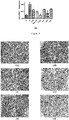
Fig.1 Effects of CP-25 on pathology of submaxillary gland in SS model mice (HE× 100). A: Control; B: Model; C: Low dose of CP-25; D: Medium dose of CP-25; E: High dose of CP-25; F: TGP; G: Pae; H: HCQ. -
Fig.2 Effects of CP-25 on pathology of submaxillary gland in SS model mice (HE×400). A: Control; B: Model; C: Low dose of CP-25; D: Medium dose of CP-25; E: High dose of CP-25; F: TGP; G: Pae; H: HCQ. -
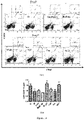
Fig.3 Effects of CP-25 on spleen B lymphocyte proliferation in SS model mice. ∗∗ P<0.01 vs. Normal; # P<0.05, # # P<0.01 vs. Model
The results ofFig.3 showed that CP-25 could significantly inhibit B lymphocyte proliferation in SS model mice. -
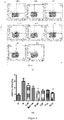
Fig.4 Effects of CP-25 on spleen CD4+ IL-17A+ T lymphocytes in SS model mice. ∗ P<0.05 vs. Normal; # P<0.05 vs. Model
The results ofFig.4 showed that CP-25 could significantly inhibit the ratio of CD4+ IL-17A+ Th17 lymphocytes in SS model mice. -
Fig.5 Effects of CP-25 on spleen CD4+ CD25+FOXP3+ T lymphocytes in SS model mice. -
Fig.6 Effects of CP-25 on spleen CD4+ CD25+FOXP3+ T lymphocytes in SS model mice. ∗∗ P<0.01 vs. Normal; #P<0.05 vs. Model
The results ofFig.6 showed that CP-25 could increase the ratio of CD4+ CD25+FOXP3+ Treg lymphocytes in SS model mice. -
Fig.7 Effects of CP-25 on spleen CD19+ CD27+ B lymphocytes in SS model mice. ∗ P<0.05 vs. Normal; # P<0.05 vs. Model
The results ofFig.7 showed that CP-25 could significantly increase the ratio of spleen CD19+ CD27+ B lymphocytes in SS model mice. -
Fig.8 Effects of CP-25 on spleen CD11c+ CD80+ DC in SS model mice. ∗∗ P<0.01 vs. Normal; # P<0.05, # # P<0.01 vs. Model
The results ofFig.8 showed that CP-25 could significantly inhibit the expression of surface molecular CD80+ on spleen CD11c+ DC in SS model mice. -
Fig.9 Effects of CP-25 on spleen CD11c+ MHC-II+ DC in SS model mice. ∗∗ P<0.01 vs. Normal; # P<0.05, # # P<0.01 vs. Model
The results ofFig.9 showed that CP-25 could significantly inhibit the expression of surface molecular MHC-II+ on spleen CD11c+ DC in SS model mice. -
Fig.10 Effects of CP-25 on pathology of submaxillary gland in NOD model mice (HE × 100).
A: Control; B: Model; C: Low dose of CP-25; D: Medium dose of CP-25; E: High dose of CP-25; F: TGP; G: Pae; H: HCQ. -
Fig.11 Effects of CP-25 on pathology of submaxillary gland in NOD model mice (HE×400).
A: Control; B: Model; C: Low dose of CP-25; D: Medium dose of CP-25; E: High dose of CP-25; F: TGP; G: Pae; H: HCQ. -
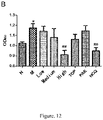
Fig.12 Effects of CP-25 on spleen T and B lymphocyte proliferation in NOD model mice.
A: T lymphocytes; B: B lymphocytes
The results ofFig.12 showed that CP-25 could significantly inhibit T and B lymphocyte proliferation in NOD model mice. -
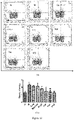
Fig.13 Effects of CP-25 on spleen CD4+ IL-17A+ T lymphocytes in NOD model mice.
∗∗ P<0.01 vs. Normal; # P<0.05, # # P<0.01 vs. Model
The results ofFig.13 showed that CP-25 could significantly inhibit the ratio of spleen CD4+IL-17A+ Th17 lymphocytes in NOD model mice. -
Fig.14 Effects of CP-25 on spleen CD4+ CD25+FOXP3+ T lymphocytes in NOD model mice.
∗∗P<0.01 vs. Normal; # # P<0.01 vs. Model
The results ofFig.14 showed that CP-25 could significantly improve the ratio of spleen CD4+ CD25+FOXP3+ Treg lymphocytes in NOD model mice. - Hereinafter, the invention will be further described with reference to the following examples:
§ 1. Classified diagnostic criteria for Sjögren's syndrome (Chin. J. Rheumatol. 2010; 14(11): 766-768):Table 1. Items of classification criteria for Sjögren's syndrome I. Oral symptoms: a positive response to at least one of the following three examination items: 1. Having had a daily feeling of dry mouth for more than 3 months; 2. Having had recurrently or persistently swollen parotid gland as an adult; 3. Need drinking liquids to aid in swallowing dry food. II. Ocular symptoms: a positive response to at least one of the following three examination items: 1. Having daily, intolerable dry eyes for more than 3 months; 2. Having a recurrent sensation of sand or gravel in the eyes; 3. Using artificial tears more than 3 times a day. III. Ocular signs-that is, objective evidence of ocular involvement defined as a positive result for at least one of the following two tests: 1. Schirmer I test (+) (≤5 mm / 5 minutes) 2. Corneal staining (+) (≥4 according to van Bijsterveld's scoring system) IV. Histological examination: The pathology of labial gland indicates that, lymphocytic foci≥1, (lymphocytic foci being defined as an aggregate of 50 or more lymphocytes gathered in the labial gland stroma per 4 mm2 of tissue. V. Salivary gland involvement: objective evidence of salivary gland involvement defined by a positive result for at least one of the following diagnostic tests: 1. Unstimulated whole salivary flow (+) (≤1.5 ml/15 minutes) 2. Parotid contrast (+) 3. Salivary gland radioisotope examination (+) VI. Autoantibodies: Antibodies to SSA or SSB antigens (+) (Double diffusion method) Table 2 Specific categories of items of classification criteria 1. For primary SS: in patients without any potentially associated disease, primary SS may be defined as follows: a. The presence of any 4 of the 6 items listed in Table 1. is indicative of primary SS, provided that item IV (Histological examination) and/or VI (Autoantibodies) is positive; b. The presence of any 3 of the 4 objective criteria items, that is, items III, IV, V, VI are positive. 2. For secondary SS: In patients with a potentially associated disease (for instance, another well defined connective tissue disease), the presence of item I or item II plus any 2 from among items III, IV, and V liseted in Table 1. may be considered as indicative of secondary SS. 3. Exclusion criteria: Past head and neck radiation treatment; Hepatitis C infection; Acquired immunodeficiency disease (AIDS); Pre-existing lymphoma Sarcoidosis; Graft versus host disease; Use of anticholinergic drugs (for example, Atropine, Hyoscyamine, Propantheline bromide, Belladonna, etc.) Wherein: the positive percentage of antinuclear antibody (ANA), rheumatoid factor (RF), anti-SSA/Ro autoantibody, anti-SSB/La autoantibody and hyperimmunoglobulinemia was 92%, 70% ∼ 80%, 70%, 45%, 90%, respectively.
§ 2 Sjögren's syndrome model mice: C57BL/6 female mice housed in a SPF environment with successful modeling (The animal model was made via repeated multi-point intracutaneous injection of submaxillary gland homogenate of homologous mice to tail and back of mice).
§ 3 Instruments and agents: analytical balance, heater, eye scissors, ophthalmic forceps, 1ml of syringe; CP-25, sodium carboxymethylcellulose (CMC-Na), 2.4% pentobarbital sodium, 0.025 mg/ml pilocarpine.
§ 4 Construction of model and grouping:
The animal model was made via repeated multi-point intracutaneously injection of submaxillary gland homogenate of homologous mice to tail and back of mice, and the mice with successful modeling were randomly assigned to each group according to comprehensive conditions of mice. At the same time, the average weight and status of each group of mice should be as close as possible.
§ 5 Preparation and administration of paeoniflorin-6'-O-benzenesulfonate:
Paeoniflorin-6'-O-benzenesulfonate, white crystalline powder, purity 98.5%, was dissolved in trace ethanol (75 mg of CP-25 was soluble in 40 µl of ethanol), and then sodium carboxymethylcellulose was added to formulate a suspension of CP-25. Corresponding dose gradient, low dose (17.5mg/kg), medium dose (35mg/kg) and high dose (70mg/kg) of said pharmaceutical should be prepared before medication, stored in 4°C refrigerator for use. High dose of said pharmaceutical should be incubated for half an hour before use.
§ 6 Measurement of water intake:
Water intake in therapeutic mice tends to be increased before medication, but begins to drop off after a week of administration with CP-25. However, the water intake in mice of model control group always tends to rise.
§ 7 Measurement of saliva amount
Before measurement, mice were anesthetized via intraperitoneal injection of 0.05 ml of 2.4% pentobarbital sodium, and the satisfactory anesthesia was smooth breathing, corneal reflex disappearance and limb muscle relaxation. After complete anesthesia, a mouse was placed in slightly tilted trendelenburg position, and its body was kept warm using the heater. The mouse was injected intraperitoneally with 0.1 ml of 0.025mg/ml Pilocarpine, and 5 min later, a weighed cotton ball was placed in the mouth of the mouse for 10 min. After taking the ball out, the saliva weight of mice was measured by the wet weight method. Saliva amount in model group of mice was apparently decreased, however, that in therapeutic group of mice was obviously recovered after one and two weeks of administration.Table 3. Saliva amount in mice administrated with corresponding drug determined pre-administration, after one and two weeks of administration, respectively (mg/10min) Group Dose (mg/kg) Pre-administration One week after administration Two weeks after administration Normal - 32.33±3.75 29.33±2.08 29.00±2.00 Model - 24.50±3.14ΔΔ 16.50±2.07ΔΔ 15.07±3.03ΔΔ CP-25 17.5 22.67±3.27 17.83±2.14 17.67±2.07 35 23.01±2.37 18.33±1.97 23.17±2.64## 70 22.75±3.67 25.67±1.63##∗ 26.83±1.47## TGP 70 23.84±2.64 21.00±3.97 22.17±2.93# Pae 70 23.50±2.89 17.01±2.10 17.17±2.72 HCQ 80 23.17±2.79 18.17±3.65 23.67±225## ΔΔ P<0.01 vs. Normal; # P<0.05, ## P<0.01 vs. Model; ∗ P<0.05 vs. TGP, Pae and HCQ respectively.
§ 8 Histopathological examination of submaxillary glands:
Mice were sacrificed after two weeks of administration, and then submaxillary glands of four mice of each group were removed and pathologically observed. At first, the submaxillary gland should be fixed in 10% buffered formalin for 24 h, followed by washing, dehydration and clearing, wax-filling, embedding, sectioning and finally H&E staining. There were varying degrees and ingravescence of lymphocyte infiltration in submaxillary glands in model mice; on the contrary, described infiltration could be significantly improved in therapeutic group of mice. Results were graded pathologically.
Note: The histological findings graded of submaxillary glands according to the Chisholm-Mason scale;grade 0, absence of lymphocytic infiltration; grade I, slight lymphocytic infiltration; grade II, moderate lymphocytic infiltration; grade III, one focus of lymphocytic infiltration per 4 mm2 tissue; grade IV, more than one focus of lymphocytic infiltration per 4 mm2 tissue (Note: One focus of lymphocytic infiltration has been defined as an aggregate of 50 or more lymphocytes gathered in the labial gland stroma per 4 mm2 of tissue.Table 4. Effects on pathological grading in submaxillary gland in mice of respective groups Group Dose (mg/kg) Score Grade 0 Grade I Grade II Grade III Grade IV Control - 0 3 1 0 0 Normal - 0 0 0 0 4ΔΔ CP-25 17.5 0 0 0 1 3 35 0 0 0 1 3 70 0 0 0 3 1# TGP 70 0 0 0 2 2# Pae 70 0 0 0 2 2# HCQ 80 0 0 0 3 1# ΔΔP<0.01 vs. Normal; #P<0.05, ## P<0.01 vs. Model - The therapeutic action of CP-25 on induced Sjögren's syndrome in C57BL/6 mice.
Table 5. The effects of CP-25 on saliva amount in SS mice (mg/each mouse/10 min) Group Dose (mg/kg) Pre-administration One week after administration Two weeks after administration Normal - 32.33±3.75 29.33±2.08 29.00±2.00 Model - 24.50±3.14ΔΔ 16.50±2.07ΔΔ 15.07±3.03ΔΔ CP-25 17.5 22.67±3.27 17.83±2.14 17.67±2.07 35 23.01±2.37 18.33±1.97 23.17±2.64## 70 22.75±3.67 25.67±1.63##∗ 26.83±1.47## TGP 70 23.84±2.64 21.00±3.97 22.17±2.93# Pae 70 23.50±2.89 17.01±2.10 17.17±2.72 HCQ 80 23.17±2.79 18.17±3.65 23.67±2.25## Note: ΔΔ P<0.01 vs. Normal; #P<0.05, ## P<0.01 vs. Model; ∗ P<0.05 vs. TGP, Pae and HCQ respectively. -
Table 6. The effect of CP-25 on organic indexes in SS mice (mg/g) Group Dose (mg/kg) Spleen index Submaxillary gland index Thymus index Normal - 6.51±1.10 3.42±0.44 0.82±0.12 Model - 9.93±1.41Δ 4.33±0.51Δ 1.21±0.23Δ CP-25 17.5 9.00±1.61 3.56±0.62 1.06±0.31 35 8.92±1.33 3.32±0.66# 1.31±0.42 70 8.51±1.42 3.24±0.57# 1.03±0.44 TGP 70 8.33±1.36 2.86±0.53## 1.12±0.37 Pae 70 9.15±1.44 3.71±0.68 0.85±0.23 HCQ 80 9.03±1.71 3.52±0.54 0.89±0.31 Note: Δ P<0.05 vs. Normal; #P<0.05, ## P<0.01 vs. Model -
Table 7. Effects of CP-25 on pathological grading in submaxillary glands in SS mice Group Dose (mg/kg) Score Grade 0 Grade I Grade II Grade III Grade IV Control - 0 3 1 0 0 Normal - 0 0 0 0 4ΔΔ CP-25 17.5 0 0 0 1 3 35 0 0 0 1 3 70 0 0 0 3 1# TGP 70 0 0 0 2 2# Pae 70 0 0 0 1 3 HCQ 80 0 0 0 3 1# ΔΔ P<0.01 vs. Normal; #P<0.05 vs. Model - Therapeutic effects of on Sjögren's syndrome CP-25 in NOD mice.
Table 8. The effects of CP-25 on saliva amount in NOD mice (mg/each mouse/10 min) Group Dose (mg/kg) Pre-administration One week after administration Two weeks after administration Normal - 26.43±4.79 27.86±2.91 28.50±2.17 Model - 20.00±1.79∗ 15.17H.57∗∗ 12.50±1.30∗∗ CP-25 17.5 19.50±1.38 15.20±1.04 14.25±1.46 35 19.33±3.20 15.60±1.50 15.25±1.36# 70 19.51±1.87 18.20±1.58#Δ 18.25±1.50## TGP 70 20.00±3.89 16.10±1.52 16.00±1.50# Pae 70 19.83±1.94 15.40±1.62 14.75±1.25 HCQ 80 19.17±3.18 17.00±1.61# 17.00±1.41## ∗ P<0.05, ∗∗ P<0.01 vs. Normal; #P<0.05, ## P<0.01 vs. Model; Δ P<0.05 vs.TGP and Pae respectively. -
Table 9. The effect of CP-25 on organic indexes in NOD model mice (mg/g) Group Dose (mg/kg) Spleen index Submaxillary gland index Thymus index Normal - 4.5±1.5 4.0±0.4 2.5±1.2 Model - 5.3±0.6 5.6±0.5∗ 0.7±0.2 CP-25 17.5 9.5±4.2 4.5±0.8 1.3±0.7 35 4.2±0.6 4.3±0.6# 1.1±0.6 70 4.3±0.7 4.2±0.6# 1.4±0.5 TGP 70 5.2±0.9 4.3±0.2# 1.0±0.3 Pae 70 5.3±0.5 4.5±0.5 1.0±0.1 HCQ 80 4.1±0.6 4.2±0.8 # 1.3±0.6 ∗ P<0.05 vs. Normal; #P<0.05 vs. Model. -
Table 10. Effects of CP-25 on pathological grading in submaxillary glands in NOD mice Group Dose (mg/kg) Score Grade 0 Grade I Grade II Grade III Grade IV Control - 0 2 1 0 0 Normal - 0 0 0 1 3∗ CP-25 17.5 0 0 0 1 3 35 0 0 0 1 3 70 0 0 0 3 1 # TGP 70 0 0 0 2 2 Pae 70 0 0 0 1 3 HCQ 80 0 0 0 3 1 # ∗ P<0.01 vs. Normal; #P<0.05 vs. Model - According to examples described above, the present inventors analysed the experimental data and considered that: High dose of CP-25 showed more rapid effects than medium dose or low dose of CP-25 in some therapeutic indexes (for example, the effects of CP-25 on saliva amount in SS mice (mg/10 min), see Table 5), and showed comparable efficacy to medium dose or low dose of CP-25 in other indexes (for example, The effect of CP-25 on organic index in SS mice (mg/g), see Table 6). Considering that the Sjögren's syndrome is characterised of relatively slow progress and relatively long course, the patients with Sjögren's syndrome, differing from patients with other diseases, generally expect to be treated with small dosage and good effect. Meantime, the patients with Sjögren's syndrome have higher expectation on persistence of efficacy. Base on the curative characterization above-mentioned of the disease and patients, medium dose and low dose of CP-25 possess significantly substantial advantages and notable progression in the treatment of Sjögren's syndrome as compared with high dose of CP-25, TGP, Pae or HCQ. To summarize, high dose and medium dose of CP-25 could be used in a short-term in the initial stage of treatment of Sjögren's syndrome, following by long-term use of medium dose and low dose of CP-25. Preferably, high dose of CP-25 could be used in a short-term in the initial stage of treatment of Sjögren's syndrome, and then use of medium dose of CP-25 in a short-term, following by long-term use of low dose of CP-25. More preferably, medium dose of CP-25 could be used in a short-term in the initial stage of treatment of Sjögren's syndrome, following by long-term use of low dose of CP-25. Most preferably, low dose of CP-25 is used to cure Sjögren's syndrome in the whole course of treatment.
- The persons skilled in this art can easily conceive that: CP-25 could be used as an active ingredient in a drug combination for the treatment of Sjögren's syndrome in combination with drug for autoimmune diseases. Said drug for autoimmune diseases includes, but is not limited to, biological agents acting on TNF-α taget, for example, Humira, Enbrel, Remicade, Simponi (golimumab), Cimzia (Certolizumab pegol), Etanercept (Recombinant human tumor necrosis factor-α receptor II: IgG Fc fusion protein for injection); other biological agents for the treatment of autoimmune diseases, for example, Actemra (Ocilizumab), Orencia (Abatacept), Stelara (ustekinumab); JAK inhibitors acting on JAK1, JAK2, JAK3 or TYK2 target, etc., for example, Xeljanz (Tofacitinib), Baricitinib; selective phosphodiesterase 4 (PDE4) inhibitors, for example, Otezla (Apremilast).
- Similarly, the persons skilled in this art can easily conceive that: CP-25 could also be used as an active ingredient in a drug combination for the treatment of Sjögren's syndrome in combination with the further drug for the treatment of Sjögren's syndrome. Said the further drug for the treatment of Sjögren's syndrome includes, but is not limited to, drugs for relieving local dryness symptom, for example, Pilocarpine, Ciclosporin, Anethol Trithione, Cevimeline, artificial tears; immunosuppressive agents for systemic therapy, for example, Methotrexate, Leflunomide, Cyclophosphamide, Azathioprine, Tripterygium wilfordii, Tacrolimus, Mycophenolate mofetil; glucocorticoids, for example, Prednisone, Methylprednisolone; and other drugs for treatment of autoimmune diseases, for example, Hydroxychloroquine, Sulfasalazine, anti CD20 antibody.
- The further therapeutic agent described in this invention comprises a drug for promoting treatment of Sjögren's syndrome, including but not limited to, one or more members selected from the group consisting of the substances described in the following patent application/patent:
Table 11. Some patents/applications related to the further therapeutic agents as active ingredients in drug combinations Patent/Publication No. Title of invention WO2016204429 (A1)Heteroaryl derivative or pharmaceutically acceptable salt thereof, preparation method therefor, and pharmaceutical composition for preventing or treating diseases associated with pi3 kinases, containing same as active ingredient CA2950893 (A1 )Novel combinations for antigen based therapy KR20160126734 (A A method for producing autoimmune disease patient-specific induced pluripotent stem cell and a use thereof HK1216994 (A1 Reducing the risk of autoimmune disease US2016362462 (A1 )Modification and Novel Compositions of Human Secretoglobin Proteins US2016361407 (A1 )Recombinant lactococcus lactis expressing escherichia coli colonization factor antigen i (cfa/i) fimbriae and their methods of use US2016361360 (A1 )Disease therapy with chimeric antigen receptor (car) constructs and t cells (car-t) or nk cells (car-nk) expressing car constructs US2016361428 (A1 )Metap-2 inhibitor polymersomes for therapeutic administration US2016361300 (A1 )Use of telmisartan to prevent and treat graft versus host disease and other alloimmune and autoimmune diseases WO2016200447 (A1 )Nicotinamide riboside and pterostilbene compositions and methods for treatment of skin disorders CA2950423 (A1 )Compositions and methods relating to universal glycoforms for enhanced antibody efficacy US2016348072 (A1 )Activation and Expansion of T-Cells Using an Engineered Multivalent Signaling Platform as a Research Tool US2015065352 (A1 );US9512487 (B2 Monitoring health and disease status using clonotype profiles US2016356788 (A1 )Methods and compositions for diagnosis and treatment of autoimmune disease secondary to multiple sclerosis US2016355591 (A1 )Subcutaneous anti-hla-dr monoclonal antibody for treatment of hematologic malignancies US2016355464 (A1 )Fumarate compounds, pharmaceutical compositions thereof, and methods of use US2016354437 (A1 )Compositions and methods for modulation of immune response TW201632559 (A Antibody therapeutics that bind CD137 TW201630938 (A Novel anti-CD38 antibodies for the treatment of cancer TW201630880 (A Indole carboxamide compounds WO2016196429 (A1 )An engineered ccl20 locked dimer polypeptide WO2016196393 (A2 )Autophagy-inhibiting compounds and uses thereof MD20160069 (A2 Apotosis signal-regulating kinase inhibitors CA2949966 (A1 )Treatment of autoimmune disease US2016346328 (A1 )Somatic stem cells US2016346355 (A1 )Cytokine receptor peptides, compositions thereof and methods thereof US2016345547 (A1 )Non-human animals having a disruption in a c9orf72 locus NZ702458 (A Benzo [c] isoxazoloazepine bromodomain inhibitors and uses thereof WO2016191545 (A1 )Personalized delivery vector-based immunotherapy and uses thereof WO2016190630 (A1 )Heterocyclicalkyl derivative compounds as selective histone deacetylase inhibitors and pharmaceutical compositions comprising the same WO2016191634 (A1 )Methods of preventing and treating autoimmunity AU2015253915 (A1 Antibody binding to fcrn for treating autoimmune diseases AU2015244025 (A1 Binding molecules specific for IL-21 and uses thereof AU2015254818 (A1 Variants of DR3 and use thereof AU2015254037 (A1 Novel compound having immune disease treatment effect and use thereof US2016339053 (A1 )Compositions and Methods for Treating Autoimmune and Inflammatory Diseases US2016339049 (A1 )Use of cladribine for treating autoimmune inflammatory disease US2016340337 (A1 )Benzoimidazol-2-yl pyrimidine modulators of the histamine h4 receptor US2016338984 (A1 )Particle formulations of all-trans retinoic acid and transforming growth factor beta for the treatment of type 1 diabetes mellitus US2016338953 (A1 )Liposome-based immunotherapy WO2016185476 (A1 )Methods of obtaining mononuclear blood cells and uses thereof HRP20161191 (T1) Redirected, genetically-engineered t regulatory cells and their use in suppression of autoimmune and inflammatory disease RU2601410 (C1 {3-[(7H-PYRROLO[2,3-d]PYRIMIDIN-4-YL)AZOLYL]AZETIDIN-3-YL} ACETONITRILES AS JANUS KINASE INHIBITORS US2016333089 (A1 )Antigenic GM-CSF Peptides and Antibodies to GM-CSF US2016333103 (A1 )Baff selective binding compounds and related methods US2016333409 (A1 )Method for identifying disease-associated cdr3 patterns in an immune repertoire US2016331834 (A1 )Epicutaneous immunorebalancing US2016331816 (A1 )Oral delivery of angiotensin converting enzyme 2 (ace2) or angiotensin-(1-7) bioencapsulated in plant cells attenuates pulmonary hypertension, cardiac dysfunction and development of autoimmune and experimentally induced ocular disorders AU2016250372 (A1 Immune regulatory oligonucleotide (IRO) compounds to modulate toll-like receptor based immune response AU2016247182 (A1 Substituted pyridine-2-carboxamide compounds as apoptosis signal-regulating kinase inhibitors - In this invention, the dose of CP-25 in animal experiment is 17.5, 35, or 70mg/kg/day respectively, which was the usual dose in animal experiment. According to the ratio of equivalent dose to body surface area between human and animals, the corresponding dose for human adult is about 1.75 mg/kg/day to 7.0 mg/kg/day. Thus, about 105 mg to 420 mg of CP-25 is taken per time for a 60 kg human patient, and about 315 mg to 1260 mg of CP-25 for human adult is taken per day if taken 3 times daily.
- As described above, according to the teaching of the present invention, those skilled in the art could easily conceive that, said dose means the effective dose, that is, the dose which can effective cure and/or prevent said Sjögren's syndrome, wherein including the dose of active ingredient of CP-25, the total dose of combination of CP-25 and above-mentioned further drugs or other agents, and the respective dose in the drug combination of CP-25 and above-mentioned further drugs or other agents. By reading this specification of the present invention, those skilled in the art will know that, the effective dose of the invention is an important component of the invention, and constitutes the present invention along with other parts of the invention.
- The pharmaceutical compositions of this invention could be prepared according to the methods known for persons skilled in the art. Said compositions can comprise effective dose of CP-25 based on this invention, effective dose of above-mentioned further drugs or drug combination of other agents, and supporting agent and excipient of appropriate carriers or mediators as the active ingredient. Said supporting agent or excipient is known in this field. The compositions are preferably used as oral agents. The compositions may be administered in various dosage forms, preferably in the form of tablets or capsules. Other dosage forms, such as suppositories, solution, suspensions, dry suspensions, syrup, etc., are optionally used. Many sustained-release technologies and preparations are known in the art, and can be used in this invention. A preparation with multiple effects in combination with sustained-release and gastric protective actions also is optional, and can be used in this invention.
Claims (9)
- Paeoniflorin-6'-O-benzenesulfonate for use in increasing saliva flow in mammalian Sjögren's syndrome.
- Paeoniflorin-6'-O-benzenesulfonate for use as claimed in claim 1, characterized in that the effective amount of paeoniflorin-6'-O-benzenesulfonate ranges from 17.5mg/kg to 70mg/kg.
- Paeoniflorin-6'-O-benzenesulfonate for use as claimed in claim 1, characterized in that the effective amount of paeoniflorin-6'-O-benzenesulfonate ranges from 17.5mg/kg to 35mg/kg.
- Paeoniflorin-6'-O-benzenesulfonate for use as claimed in claim 1, characterized in that the effective amount of paeoniflorin-6'-O-benzenesulfonate is 17.5mg/kg.
- Paeoniflorin-6'-O-benzenesulfonate for use as claimed in any one of claims 1 to 4, wherein said pharmaceutical agent is a drug combination comprising paeoniflorin-6'-O-benzenesulfonate and a further therapeutic agent.
- Paeoniflorin-6'-O-benzenesulfonate for use as claimed in claim 5, wherein the further therapeutic agent is one or more members selected from the group consisting of: a drug for autoimmune diseases, a further drug for the treatment of Sjögren's syndrome, and a drug for promoting treatment of Sjögren's syndrome.
- Paeoniflorin-6'-O-benzenesulfonate for use as claimed in claim 6, wherein said drug for autoimmune diseases is one or more members selected from the group consisting of: biological agents acting on TNF-α target, for example, Humira, Enbrel, Remicade, Simponi (Golimumab), Cimzia (Certolizumab pegol), Etanercept (Recombinant human tumor necrosis factor-α receptor II: IgG Fc fusion protein for injection); other biological agents for treatment of autoimmune diseases, for example, Actemra (Ocilizumab), Orencia (Abatacept), Stelara (ustekinumab); JAK inhibitors acting on JAK1, JAK2, JAK3 or TYK2 target, etc., for example, Xeljanz (Tofacitinib), Baricitinib; selective phosphodiesterase 4 (PDE4) inhibitors, for example, Otezla (Apremilast).
- Paeoniflorin-6'-O-benzenesulfonate for use as claimed in claim 6, wherein the further drug for the treatment of Sjögren's syndrome is one or more members selected from the group consisting of: drugs for relieving local dryness symptom, for example, Pilocarpine, Ciclosporin, Anethol Trithione, Cevimeline, artificial tears; immunosuppressive agents for systemic therapy, for example, Methotrexate, Leflunomide, Cyclophosphamide, Azathioprine, Tripterygium wilfordii, Tacrolimus, Mycophenolate mofetil; glucocorticoids, for example, Prednisone, Methylprednisolone; and other drugs for treatment of autoimmune diseases, for example, Hydroxychloroquine, Sulfasalazine, anti CD20 antibody.
- Paeoniflorin-6'-O-benzenesulfonate for use as claimed in claim 5, wherein said drug combination is administrated with a composition comprising paeoniflorin-6'-O-benzenesulfonate and the further therapeutic agent, or by respectively administering paeoniflorin-6'-O-benzenesulfonate and the further therapeutic agent, simultaneously or sequentially.
Applications Claiming Priority (2)
| Application Number | Priority Date | Filing Date | Title |
|---|---|---|---|
| CN2017071998 | 2017-01-21 | ||
| PCT/CN2017/073540 WO2018133139A1 (en) | 2017-01-21 | 2017-02-14 | Application of paeoniflorin-6'-o-benzene sulfonate in medicine for treating sjögren's syndrome |
Publications (3)
| Publication Number | Publication Date |
|---|---|
| EP3533451A1 EP3533451A1 (en) | 2019-09-04 |
| EP3533451A4 EP3533451A4 (en) | 2020-01-15 |
| EP3533451B1 true EP3533451B1 (en) | 2022-07-27 |
Family
ID=62907661
Family Applications (1)
| Application Number | Title | Priority Date | Filing Date |
|---|---|---|---|
| EP17892917.0A Active EP3533451B1 (en) | 2017-01-21 | 2017-02-14 | Application of paeoniflorin-6'-o-benzene sulfonate in medicine for treating sjögren's syndrome |
Country Status (6)
| Country | Link |
|---|---|
| US (2) | US20180325931A1 (en) |
| EP (1) | EP3533451B1 (en) |
| JP (1) | JP6827113B2 (en) |
| CN (1) | CN109963570A (en) |
| AU (1) | AU2017394032B8 (en) |
| WO (1) | WO2018133139A1 (en) |
Families Citing this family (5)
| Publication number | Priority date | Publication date | Assignee | Title |
|---|---|---|---|---|
| CN113713083A (en) * | 2020-05-25 | 2021-11-30 | 南京帝昌医药科技有限公司 | Pharmaceutical composition for treating alopecia |
| CN115677789B (en) * | 2021-07-23 | 2024-10-01 | 广州白云山汉方现代药业有限公司 | A preparation method of paeoniflorin-6-O'-benzenesulfonate |
| CN116375778B (en) * | 2021-12-30 | 2025-05-13 | 广州白云山汉方现代药业有限公司 | Debenzoylpeonidin-6'-O-benzenesulfonate, preparation method and use thereof |
| CN119303065B (en) * | 2024-12-13 | 2025-03-21 | 天津医科大学总医院空港医院 | A method for establishing a mouse model of Sjögren's syndrome |
| CN121154769B (en) * | 2025-11-05 | 2026-02-24 | 河南中医药大学第一附属医院 | Traditional Chinese medicine composition for treating or improving Sjögren's syndrome |
Family Cites Families (56)
| Publication number | Priority date | Publication date | Assignee | Title |
|---|---|---|---|---|
| US7745140B2 (en) | 2002-01-03 | 2010-06-29 | The Trustees Of The University Of Pennsylvania | Activation and expansion of T-cells using an engineered multivalent signaling platform as a research tool |
| WO2004108216A1 (en) * | 2003-05-30 | 2004-12-16 | Shen Zhen Lansen Medicine Co. Ltd. | The pharmaceutical use of total glucide of peony |
| US20160355591A1 (en) | 2011-05-02 | 2016-12-08 | Immunomedics, Inc. | Subcutaneous anti-hla-dr monoclonal antibody for treatment of hematologic malignancies |
| JP5637551B2 (en) * | 2005-12-28 | 2014-12-10 | キッセイ薬品工業株式会社 | Pharmaceuticals for the treatment of salivary gland disorders |
| RS55526B1 (en) | 2006-02-08 | 2017-05-31 | Morphotek Inc | ANTIGENIC GM-CSF PEPTIDES AND ANTIBODIES GM-CSF |
| AU2007226155B2 (en) | 2006-03-16 | 2014-04-03 | Protagonists Ltd. | Combination of cytokine and cytokine receptor for altering immune system functioning |
| EP1914242A1 (en) | 2006-10-19 | 2008-04-23 | Sanofi-Aventis | Novel anti-CD38 antibodies for the treatment of cancer |
| HUE030386T2 (en) | 2007-01-31 | 2017-05-29 | Yeda Res & Dev | Redirected, genetically modified regulatory T-cells and their use for suppression of autoimmune and inflammatory disease |
| WO2009003110A2 (en) | 2007-06-26 | 2008-12-31 | Children's Medical Center Corporation | Metap-2 inhibitor polymersomes for therapeutic administration |
| US20110229470A1 (en) | 2008-10-08 | 2011-09-22 | Cambridge Enterprise | Methods and compositions for diagnosis and treatment of autoimmune disease secondary to multiple sclerosis |
| US8748103B2 (en) | 2008-11-07 | 2014-06-10 | Sequenta, Inc. | Monitoring health and disease status using clonotype profiles |
| WO2011107291A1 (en) * | 2010-03-04 | 2011-09-09 | Medirista Biotechnologies Ab | Antibodies against phosphorylcholine in combination therapy with biologic agents |
| US8679474B2 (en) | 2010-08-04 | 2014-03-25 | StemBios Technologies, Inc. | Somatic stem cells |
| JP5813778B2 (en) | 2010-11-19 | 2015-11-17 | イデラ ファーマシューティカルズ インコーポレイテッドIdera Pharmaceuticals, Inc. | Immunomodulatory oligonucleotide (IRO) compounds for modulating immune responses based on toll-like receptors |
| WO2012121988A2 (en) * | 2011-03-07 | 2012-09-13 | Celgene Corporation | Methods for treating diseases using isoindoline compounds |
| CN102603827B (en) * | 2012-02-10 | 2014-10-29 | 魏伟 | Paeoniflorin aromatic ester derivative, preparation method and applications thereof |
| TWI602820B (en) | 2012-06-06 | 2017-10-21 | 星宿藥物公司 | Bromodomain inhibitors and uses thereof |
| US9452205B2 (en) | 2012-09-24 | 2016-09-27 | Montana State University | Recombinant Lactococcus lactis expressing Escherichia coli colonization factor antigen I (CFA/I) fimbriae and their methods of use |
| UY35212A (en) | 2012-12-21 | 2014-06-30 | Gilead Sciences Inc | INHIBITORS OF THE KINASE THAT REGULATES THE SIGNAL OF APOPTOSIS |
| RS59909B1 (en) | 2013-03-06 | 2020-03-31 | Janssen Pharmaceutica Nv | Benzoimidazol-2-yl pyrimidine modulators of the histamine h4 receptor |
| US9394349B2 (en) | 2013-03-15 | 2016-07-19 | Therabron Therapeutics, Inc. | Modification and compositions of human secretoglobin proteins |
| US9289461B2 (en) | 2013-03-15 | 2016-03-22 | Mead Johnson Nutrition Company | Reducing the risk of autoimmune disease |
| WO2015058214A1 (en) | 2013-10-18 | 2015-04-23 | Trustees Of The University Of Pennsylvania | Oral delivery of angiotensin converting enzyme 2 (ace2) or angiotensin-(1-7) bioencapsulated in plant cells |
| WO2015061665A1 (en) * | 2013-10-24 | 2015-04-30 | Abbvie Inc. | Jak1 selective inhibitor and uses thereof |
| AU2014366235B2 (en) | 2013-12-20 | 2017-04-13 | Gilead Sciences, Inc. | Apoptosis signal-regulating kinase inhibitors |
| WO2015100246A1 (en) | 2013-12-24 | 2015-07-02 | Ossianix, Inc. | Baff selective binding compounds and related methods |
| WO2015107140A1 (en) | 2014-01-17 | 2015-07-23 | Fundació Institut D'investigació En Ciències De La Salut Germans Trias I Pujol | Liposome-based immunotherapy |
| BR112016016525A2 (en) | 2014-01-17 | 2017-08-08 | Dbv Tech | METHOD FOR INDUCING TREG (CTLA-4+, CD4+, CD25+) FOXP3+ AND/OR TREG LAP+ CELLS IN AN INDIVIDUAL, METHOD FOR IMPROVING A CONDITION IN AN INDIVIDUAL, AND METHOD FOR PRODUCING TREG (CTLA-4+, CD4+, CD25+) FOXP3+ AND/OR TREG LAP+ CELLS |
| US10105334B2 (en) | 2014-01-17 | 2018-10-23 | University of Pittsburgh—of the Commonwealth System of Higher Education | Particle formulations of all-trans retinoic acid and transforming growth factor beta for the treatment of type 1 diabetes mellitus |
| US10130650B2 (en) | 2014-01-27 | 2018-11-20 | The Children's Hospital Of Philadelphia | Compositions and methods for treating autoimmune and inflammatory diseases |
| GB201401465D0 (en) | 2014-01-29 | 2014-03-12 | Roach Arthur H | Use of cladribine for treating autoimmune inflammatory disease |
| US20160354437A1 (en) | 2014-02-13 | 2016-12-08 | Northwestern University | Compositions and methods for modulation of immune response |
| SI3128997T1 (en) | 2014-04-08 | 2020-11-30 | Boston Pharmaceuticals Inc. | Binding molecules specific for il-21 and uses thereof |
| CA2947255A1 (en) | 2014-04-28 | 2015-11-05 | The National Institute for Biotechnology in the Negev Ltd. | Variants of dr3 and use thereof |
| KR101705446B1 (en) | 2014-04-29 | 2017-02-09 | 가톨릭대학교 산학협력단 | Novel compounds having treatment of immune diseases and use therof |
| NZ726089A (en) | 2014-04-30 | 2017-12-22 | Hanall Biopharma Co Ltd | Antibody binding to fcrn for treating autoimmune diseases |
| WO2015179847A1 (en) | 2014-05-23 | 2015-11-26 | Mingsight Pharmaceuticals, Inc. | Treatment of autoimmune disease |
| DK3149045T3 (en) | 2014-05-27 | 2023-03-06 | Academia Sinica | COMPOSITIONS AND METHODS OF UNIVERSAL GLYCOFORMS FOR ENHANCED ANTIBODIST EFFECT |
| DK3151853T3 (en) | 2014-06-04 | 2020-07-27 | Diamyd Medical Ab | Glutamic acid decarboxylase (GAD) for use in the treatment of an autoimmune disease |
| AR102426A1 (en) | 2014-10-24 | 2017-03-01 | Bristol Myers Squibb Co | INDOLCARBOXAMIDE COMPOUNDS AS BTK INHIBITORS |
| AU2016219772A1 (en) | 2015-02-22 | 2017-09-21 | Sorrento Therapeutics, Inc. | Antibody therapeutics that bind CD137 |
| US20160333409A1 (en) | 2015-03-09 | 2016-11-17 | Cb Biotechnologies, Inc. | Method for identifying disease-associated cdr3 patterns in an immune repertoire |
| KR20160126734A (en) | 2015-04-24 | 2016-11-02 | 한국생명공학연구원 | A method for producing autoimmune disease patient-specific induced pluripotent stem cell and a use thereof |
| WO2016185475A1 (en) | 2015-05-20 | 2016-11-24 | Biokine Therapeutics Ltd. | Methods of mesenchymal stem cell mobilization and expansion |
| CN108026057B (en) | 2015-05-22 | 2021-08-06 | 株式会社钟根堂 | Heterocycloalkyl derivative compounds useful as selective histone deacetylase inhibitors and pharmaceutical compositions containing the same |
| MA43362A (en) | 2015-05-26 | 2018-10-10 | Advaxis Inc | IMMUNOTHERAPY BASED ON PERSONALIZED ADMINISTRATION VECTORS, AND THEIR USES |
| EP3302458B1 (en) | 2015-05-28 | 2022-09-07 | The Regents of The University of Colorado, A Body Corporate | Methods of preventing and treating autoimmunity |
| EP3689139B1 (en) | 2015-05-29 | 2025-01-01 | Regeneron Pharmaceuticals, Inc. | Rodent cells having a disruption in a c9orf72 locus |
| GB2555270A (en) | 2015-05-29 | 2018-04-25 | Presage Biosciences Inc | Autophagy-inhibiting compounds and uses thereof |
| EP3666282A1 (en) | 2015-06-03 | 2020-06-17 | The Medical College of Wisconsin, Inc. | An engineered ccl20 locked dimer polypeptide |
| US20160355464A1 (en) | 2015-06-07 | 2016-12-08 | Mark Quang Nguyen | Fumarate compounds, pharmaceutical compositions thereof, and methods of use |
| CA2987071A1 (en) | 2015-06-10 | 2016-12-15 | Hackensack University Medical Center | Use of telmisartan to prevent and treat graft versus host disease and other alloimmune and autoimmune diseases |
| KR20180021784A (en) | 2015-06-10 | 2018-03-05 | 엘리시움 헬스, 인크. | Nicotinamide riboside and phthalostilbene compositions and methods for the treatment of dermatoses |
| EP3307282A4 (en) | 2015-06-12 | 2019-05-01 | Immunomedics, Inc. | TREATMENT OF DISEASES WITH CHIMERIC ANTIGEN RECEPTOR (CAR) AND T-CELL (T-CAR) OR NK (CAR-NK) CELL EXPRESSION CONSTRUCTIONS CAR CONSTRUCTIONS |
| WO2016204429A1 (en) | 2015-06-18 | 2016-12-22 | 한국화학연구원 | Heteroaryl derivative or pharmaceutically acceptable salt thereof, preparation method therefor, and pharmaceutical composition for preventing or treating diseases associated with pi3 kinases, containing same as active ingredient |
| RU2601410C1 (en) | 2015-11-13 | 2016-11-10 | ЗАО "Р-Фарм" | {3-[(7H-PYRROLO[2,3-d]PYRIMIDIN-4-YL)AZOLYL]AZETIDIN-3-YL} ACETONITRILES AS JANUS KINASE INHIBITORS |
-
2017
- 2017-02-14 US US15/513,050 patent/US20180325931A1/en not_active Abandoned
- 2017-02-14 EP EP17892917.0A patent/EP3533451B1/en active Active
- 2017-02-14 CN CN201780069179.8A patent/CN109963570A/en active Pending
- 2017-02-14 WO PCT/CN2017/073540 patent/WO2018133139A1/en not_active Ceased
- 2017-02-14 JP JP2019527134A patent/JP6827113B2/en active Active
- 2017-02-14 AU AU2017394032A patent/AU2017394032B8/en active Active
-
2020
- 2020-01-13 US US16/740,570 patent/US20200147116A1/en not_active Abandoned
Also Published As
| Publication number | Publication date |
|---|---|
| EP3533451A4 (en) | 2020-01-15 |
| JP6827113B2 (en) | 2021-02-10 |
| AU2017394032A8 (en) | 2020-10-22 |
| AU2017394032B8 (en) | 2020-10-22 |
| AU2017394032B2 (en) | 2020-10-08 |
| JP2019537615A (en) | 2019-12-26 |
| AU2017394032A1 (en) | 2019-06-13 |
| EP3533451A1 (en) | 2019-09-04 |
| WO2018133139A1 (en) | 2018-07-26 |
| US20180325931A1 (en) | 2018-11-15 |
| CN109963570A (en) | 2019-07-02 |
| US20200147116A1 (en) | 2020-05-14 |
Similar Documents
| Publication | Publication Date | Title |
|---|---|---|
| US20200147116A1 (en) | Use of Paeoniflorin-6'-O-benzenesulfonate in treatment of Sjögren's syndrome | |
| Hawkes et al. | Psoriasis pathogenesis and the development of novel targeted immune therapies | |
| US8454967B2 (en) | Compositions and methods for modulating the immune system | |
| US9789155B2 (en) | Methods of improving behavioral therapies | |
| Prada et al. | Phase I clinical trial with a novel altered peptide ligand derived from human heat-shock protein 60 for treatment of rheumatoid arthritis: safety, pharmacokinetics and preliminary therapeutic effects | |
| US10363306B2 (en) | Cytokines and neuroantigens for treatment of immune disorders | |
| WO2019109819A1 (en) | Hm-3 fusion protein and use thereof | |
| CN103476933A (en) | Antagonists of the interleukin-1 receptor | |
| US20260070997A1 (en) | Cd40l-specific tn3-derived scaffolds for the treatment and prevention of sjögren's syndrome | |
| Holstad et al. | A transcriptional inhibitor of TNF-α prevents diabetes induced by multiple low-dose streptozotocin injections in mice | |
| US8071716B2 (en) | Thymus-specific protein | |
| JP2015525237A (en) | Novel uses of modified human tumor necrosis factor receptor-1 polypeptide | |
| KR102604172B1 (en) | Pharmaceutical composition for preventing or treating Behcet’s disease or rheumatoid arthritis comprising peptides or mixture thereof | |
| AU2022333903B2 (en) | Fusion protein of interleukin 2 and application thereof in ibd | |
| WO2024152001A1 (en) | Cd40l-specific tn3-derived scaffolds for the treatment and prevention of sjögren's syndrome | |
| HK40113661A (en) | Cd40l-specific tn3-derived scaffolds for use in the treatment and prevention of rheumatoid arthritis | |
| HK40027226A (en) | Phosphorylcholine-tuftsin conjugate for treating ocular inflammation | |
| CN118076369A (en) | CD40L-specific TN3-derived scaffolds and methods for treating and preventing rheumatoid arthritis | |
| CN118201629A (en) | CD40L-specific TN3-derived scaffolds for the treatment and prevention of Sjögren's syndrome | |
| HK40128083A (en) | Analgesic polypeptide | |
| CN118475363A (en) | Dosing regimen for selective TREG stimulators RUR20KD-IL-2 and related compositions | |
| Sullivan et al. | New treatment strategy for systemic mastocytosis | |
| JPH03291237A (en) | Drug composition for treating allergic disease | |
| Saviano et al. | New biologic (Ab-IPL-IL-17) for IL-17-mediated diseases | |
| HK1238150B (en) | Treatment of autoimmune disease |
Legal Events
| Date | Code | Title | Description |
|---|---|---|---|
| STAA | Information on the status of an ep patent application or granted ep patent |
Free format text: STATUS: THE INTERNATIONAL PUBLICATION HAS BEEN MADE |
|
| PUAI | Public reference made under article 153(3) epc to a published international application that has entered the european phase |
Free format text: ORIGINAL CODE: 0009012 |
|
| STAA | Information on the status of an ep patent application or granted ep patent |
Free format text: STATUS: REQUEST FOR EXAMINATION WAS MADE |
|
| 17P | Request for examination filed |
Effective date: 20190520 |
|
| AK | Designated contracting states |
Kind code of ref document: A1 Designated state(s): AL AT BE BG CH CY CZ DE DK EE ES FI FR GB GR HR HU IE IS IT LI LT LU LV MC MK MT NL NO PL PT RO RS SE SI SK SM TR |
|
| AX | Request for extension of the european patent |
Extension state: BA ME |
|
| A4 | Supplementary search report drawn up and despatched |
Effective date: 20191218 |
|
| RIC1 | Information provided on ipc code assigned before grant |
Ipc: A61K 31/7048 20060101AFI20191212BHEP Ipc: A61P 27/02 20060101ALI20191212BHEP Ipc: A61K 45/06 20060101ALI20191212BHEP Ipc: A61P 37/00 20060101ALI20191212BHEP |
|
| DAV | Request for validation of the european patent (deleted) | ||
| DAX | Request for extension of the european patent (deleted) | ||
| STAA | Information on the status of an ep patent application or granted ep patent |
Free format text: STATUS: EXAMINATION IS IN PROGRESS |
|
| 17Q | First examination report despatched |
Effective date: 20200817 |
|
| RAP1 | Party data changed (applicant data changed or rights of an application transferred) |
Owner name: GUANGZHOU HANFANG PHARMACEUTICALS CO., LTD. |
|
| GRAP | Despatch of communication of intention to grant a patent |
Free format text: ORIGINAL CODE: EPIDOSNIGR1 |
|
| STAA | Information on the status of an ep patent application or granted ep patent |
Free format text: STATUS: GRANT OF PATENT IS INTENDED |
|
| INTG | Intention to grant announced |
Effective date: 20211102 |
|
| GRAS | Grant fee paid |
Free format text: ORIGINAL CODE: EPIDOSNIGR3 |
|
| GRAA | (expected) grant |
Free format text: ORIGINAL CODE: 0009210 |
|
| STAA | Information on the status of an ep patent application or granted ep patent |
Free format text: STATUS: THE PATENT HAS BEEN GRANTED |
|
| AK | Designated contracting states |
Kind code of ref document: B1 Designated state(s): AL AT BE BG CH CY CZ DE DK EE ES FI FR GB GR HR HU IE IS IT LI LT LU LV MC MK MT NL NO PL PT RO RS SE SI SK SM TR |
|
| REG | Reference to a national code |
Ref country code: CH Ref legal event code: EP |
|
| REG | Reference to a national code |
Ref country code: DE Ref legal event code: R096 Ref document number: 602017060040 Country of ref document: DE |
|
| REG | Reference to a national code |
Ref country code: AT Ref legal event code: REF Ref document number: 1506608 Country of ref document: AT Kind code of ref document: T Effective date: 20220815 |
|
| REG | Reference to a national code |
Ref country code: IE Ref legal event code: FG4D |
|
| REG | Reference to a national code |
Ref country code: LT Ref legal event code: MG9D |
|
| REG | Reference to a national code |
Ref country code: NL Ref legal event code: MP Effective date: 20220727 |
|
| PG25 | Lapsed in a contracting state [announced via postgrant information from national office to epo] |
Ref country code: SE Free format text: LAPSE BECAUSE OF FAILURE TO SUBMIT A TRANSLATION OF THE DESCRIPTION OR TO PAY THE FEE WITHIN THE PRESCRIBED TIME-LIMIT Effective date: 20220727 Ref country code: RS Free format text: LAPSE BECAUSE OF FAILURE TO SUBMIT A TRANSLATION OF THE DESCRIPTION OR TO PAY THE FEE WITHIN THE PRESCRIBED TIME-LIMIT Effective date: 20220727 Ref country code: PT Free format text: LAPSE BECAUSE OF FAILURE TO SUBMIT A TRANSLATION OF THE DESCRIPTION OR TO PAY THE FEE WITHIN THE PRESCRIBED TIME-LIMIT Effective date: 20221128 Ref country code: NO Free format text: LAPSE BECAUSE OF FAILURE TO SUBMIT A TRANSLATION OF THE DESCRIPTION OR TO PAY THE FEE WITHIN THE PRESCRIBED TIME-LIMIT Effective date: 20221027 Ref country code: NL Free format text: LAPSE BECAUSE OF FAILURE TO SUBMIT A TRANSLATION OF THE DESCRIPTION OR TO PAY THE FEE WITHIN THE PRESCRIBED TIME-LIMIT Effective date: 20220727 Ref country code: LV Free format text: LAPSE BECAUSE OF FAILURE TO SUBMIT A TRANSLATION OF THE DESCRIPTION OR TO PAY THE FEE WITHIN THE PRESCRIBED TIME-LIMIT Effective date: 20220727 Ref country code: LT Free format text: LAPSE BECAUSE OF FAILURE TO SUBMIT A TRANSLATION OF THE DESCRIPTION OR TO PAY THE FEE WITHIN THE PRESCRIBED TIME-LIMIT Effective date: 20220727 Ref country code: FI Free format text: LAPSE BECAUSE OF FAILURE TO SUBMIT A TRANSLATION OF THE DESCRIPTION OR TO PAY THE FEE WITHIN THE PRESCRIBED TIME-LIMIT Effective date: 20220727 Ref country code: ES Free format text: LAPSE BECAUSE OF FAILURE TO SUBMIT A TRANSLATION OF THE DESCRIPTION OR TO PAY THE FEE WITHIN THE PRESCRIBED TIME-LIMIT Effective date: 20220727 |
|
| REG | Reference to a national code |
Ref country code: AT Ref legal event code: MK05 Ref document number: 1506608 Country of ref document: AT Kind code of ref document: T Effective date: 20220727 |
|
| PG25 | Lapsed in a contracting state [announced via postgrant information from national office to epo] |
Ref country code: PL Free format text: LAPSE BECAUSE OF FAILURE TO SUBMIT A TRANSLATION OF THE DESCRIPTION OR TO PAY THE FEE WITHIN THE PRESCRIBED TIME-LIMIT Effective date: 20220727 Ref country code: IS Free format text: LAPSE BECAUSE OF FAILURE TO SUBMIT A TRANSLATION OF THE DESCRIPTION OR TO PAY THE FEE WITHIN THE PRESCRIBED TIME-LIMIT Effective date: 20221127 Ref country code: HR Free format text: LAPSE BECAUSE OF FAILURE TO SUBMIT A TRANSLATION OF THE DESCRIPTION OR TO PAY THE FEE WITHIN THE PRESCRIBED TIME-LIMIT Effective date: 20220727 Ref country code: GR Free format text: LAPSE BECAUSE OF FAILURE TO SUBMIT A TRANSLATION OF THE DESCRIPTION OR TO PAY THE FEE WITHIN THE PRESCRIBED TIME-LIMIT Effective date: 20221028 |
|
| PG25 | Lapsed in a contracting state [announced via postgrant information from national office to epo] |
Ref country code: SM Free format text: LAPSE BECAUSE OF FAILURE TO SUBMIT A TRANSLATION OF THE DESCRIPTION OR TO PAY THE FEE WITHIN THE PRESCRIBED TIME-LIMIT Effective date: 20220727 Ref country code: RO Free format text: LAPSE BECAUSE OF FAILURE TO SUBMIT A TRANSLATION OF THE DESCRIPTION OR TO PAY THE FEE WITHIN THE PRESCRIBED TIME-LIMIT Effective date: 20220727 Ref country code: DK Free format text: LAPSE BECAUSE OF FAILURE TO SUBMIT A TRANSLATION OF THE DESCRIPTION OR TO PAY THE FEE WITHIN THE PRESCRIBED TIME-LIMIT Effective date: 20220727 Ref country code: CZ Free format text: LAPSE BECAUSE OF FAILURE TO SUBMIT A TRANSLATION OF THE DESCRIPTION OR TO PAY THE FEE WITHIN THE PRESCRIBED TIME-LIMIT Effective date: 20220727 Ref country code: AT Free format text: LAPSE BECAUSE OF FAILURE TO SUBMIT A TRANSLATION OF THE DESCRIPTION OR TO PAY THE FEE WITHIN THE PRESCRIBED TIME-LIMIT Effective date: 20220727 |
|
| REG | Reference to a national code |
Ref country code: DE Ref legal event code: R097 Ref document number: 602017060040 Country of ref document: DE |
|
| PG25 | Lapsed in a contracting state [announced via postgrant information from national office to epo] |
Ref country code: SK Free format text: LAPSE BECAUSE OF FAILURE TO SUBMIT A TRANSLATION OF THE DESCRIPTION OR TO PAY THE FEE WITHIN THE PRESCRIBED TIME-LIMIT Effective date: 20220727 Ref country code: EE Free format text: LAPSE BECAUSE OF FAILURE TO SUBMIT A TRANSLATION OF THE DESCRIPTION OR TO PAY THE FEE WITHIN THE PRESCRIBED TIME-LIMIT Effective date: 20220727 |
|
| PLBE | No opposition filed within time limit |
Free format text: ORIGINAL CODE: 0009261 |
|
| STAA | Information on the status of an ep patent application or granted ep patent |
Free format text: STATUS: NO OPPOSITION FILED WITHIN TIME LIMIT |
|
| PG25 | Lapsed in a contracting state [announced via postgrant information from national office to epo] |
Ref country code: AL Free format text: LAPSE BECAUSE OF FAILURE TO SUBMIT A TRANSLATION OF THE DESCRIPTION OR TO PAY THE FEE WITHIN THE PRESCRIBED TIME-LIMIT Effective date: 20220727 |
|
| 26N | No opposition filed |
Effective date: 20230502 |
|
| PG25 | Lapsed in a contracting state [announced via postgrant information from national office to epo] |
Ref country code: SI Free format text: LAPSE BECAUSE OF FAILURE TO SUBMIT A TRANSLATION OF THE DESCRIPTION OR TO PAY THE FEE WITHIN THE PRESCRIBED TIME-LIMIT Effective date: 20220727 |
|
| PG25 | Lapsed in a contracting state [announced via postgrant information from national office to epo] |
Ref country code: MC Free format text: LAPSE BECAUSE OF FAILURE TO SUBMIT A TRANSLATION OF THE DESCRIPTION OR TO PAY THE FEE WITHIN THE PRESCRIBED TIME-LIMIT Effective date: 20220727 |
|
| REG | Reference to a national code |
Ref country code: CH Ref legal event code: PL |
|
| REG | Reference to a national code |
Ref country code: BE Ref legal event code: MM Effective date: 20230228 |
|
| PG25 | Lapsed in a contracting state [announced via postgrant information from national office to epo] |
Ref country code: LU Free format text: LAPSE BECAUSE OF NON-PAYMENT OF DUE FEES Effective date: 20230214 Ref country code: LI Free format text: LAPSE BECAUSE OF NON-PAYMENT OF DUE FEES Effective date: 20230228 Ref country code: CH Free format text: LAPSE BECAUSE OF NON-PAYMENT OF DUE FEES Effective date: 20230228 |
|
| REG | Reference to a national code |
Ref country code: IE Ref legal event code: MM4A |
|
| PG25 | Lapsed in a contracting state [announced via postgrant information from national office to epo] |
Ref country code: IE Free format text: LAPSE BECAUSE OF NON-PAYMENT OF DUE FEES Effective date: 20230214 |
|
| PG25 | Lapsed in a contracting state [announced via postgrant information from national office to epo] |
Ref country code: BE Free format text: LAPSE BECAUSE OF NON-PAYMENT OF DUE FEES Effective date: 20230228 |
|
| PG25 | Lapsed in a contracting state [announced via postgrant information from national office to epo] |
Ref country code: IT Free format text: LAPSE BECAUSE OF FAILURE TO SUBMIT A TRANSLATION OF THE DESCRIPTION OR TO PAY THE FEE WITHIN THE PRESCRIBED TIME-LIMIT Effective date: 20220727 |
|
| PG25 | Lapsed in a contracting state [announced via postgrant information from national office to epo] |
Ref country code: BG Free format text: LAPSE BECAUSE OF FAILURE TO SUBMIT A TRANSLATION OF THE DESCRIPTION OR TO PAY THE FEE WITHIN THE PRESCRIBED TIME-LIMIT Effective date: 20220727 |
|
| PG25 | Lapsed in a contracting state [announced via postgrant information from national office to epo] |
Ref country code: BG Free format text: LAPSE BECAUSE OF FAILURE TO SUBMIT A TRANSLATION OF THE DESCRIPTION OR TO PAY THE FEE WITHIN THE PRESCRIBED TIME-LIMIT Effective date: 20220727 |
|
| PG25 | Lapsed in a contracting state [announced via postgrant information from national office to epo] |
Ref country code: CY Free format text: LAPSE BECAUSE OF FAILURE TO SUBMIT A TRANSLATION OF THE DESCRIPTION OR TO PAY THE FEE WITHIN THE PRESCRIBED TIME-LIMIT; INVALID AB INITIO Effective date: 20170214 |
|
| PG25 | Lapsed in a contracting state [announced via postgrant information from national office to epo] |
Ref country code: HU Free format text: LAPSE BECAUSE OF FAILURE TO SUBMIT A TRANSLATION OF THE DESCRIPTION OR TO PAY THE FEE WITHIN THE PRESCRIBED TIME-LIMIT; INVALID AB INITIO Effective date: 20170214 |
|
| PG25 | Lapsed in a contracting state [announced via postgrant information from national office to epo] |
Ref country code: TR Free format text: LAPSE BECAUSE OF FAILURE TO SUBMIT A TRANSLATION OF THE DESCRIPTION OR TO PAY THE FEE WITHIN THE PRESCRIBED TIME-LIMIT Effective date: 20220727 |
|
| PGFP | Annual fee paid to national office [announced via postgrant information from national office to epo] |
Ref country code: GB Payment date: 20260219 Year of fee payment: 10 |
|
| PGFP | Annual fee paid to national office [announced via postgrant information from national office to epo] |
Ref country code: DE Payment date: 20260218 Year of fee payment: 10 |
|
| PGFP | Annual fee paid to national office [announced via postgrant information from national office to epo] |
Ref country code: FR Payment date: 20260218 Year of fee payment: 10 |