EP3531627B1 - Auto-negotiation method and device for port - Google Patents
Auto-negotiation method and device for port Download PDFInfo
- Publication number
- EP3531627B1 EP3531627B1 EP17865165.9A EP17865165A EP3531627B1 EP 3531627 B1 EP3531627 B1 EP 3531627B1 EP 17865165 A EP17865165 A EP 17865165A EP 3531627 B1 EP3531627 B1 EP 3531627B1
- Authority
- EP
- European Patent Office
- Prior art keywords
- port
- subports
- capability information
- subport
- auto
- Prior art date
- Legal status (The legal status is an assumption and is not a legal conclusion. Google has not performed a legal analysis and makes no representation as to the accuracy of the status listed.)
- Active
Links
Images


Classifications
-
- H—ELECTRICITY
- H04—ELECTRIC COMMUNICATION TECHNIQUE
- H04L—TRANSMISSION OF DIGITAL INFORMATION, e.g. TELEGRAPHIC COMMUNICATION
- H04L49/00—Packet switching elements
- H04L49/30—Peripheral units, e.g. input or output ports
- H04L49/3054—Auto-negotiation, e.g. access control between switch gigabit interface connector [GBIC] and link
-
- H—ELECTRICITY
- H04—ELECTRIC COMMUNICATION TECHNIQUE
- H04L—TRANSMISSION OF DIGITAL INFORMATION, e.g. TELEGRAPHIC COMMUNICATION
- H04L41/00—Arrangements for maintenance, administration or management of data switching networks, e.g. of packet switching networks
- H04L41/08—Configuration management of networks or network elements
- H04L41/085—Retrieval of network configuration; Tracking network configuration history
- H04L41/0853—Retrieval of network configuration; Tracking network configuration history by actively collecting configuration information or by backing up configuration information
-
- H—ELECTRICITY
- H04—ELECTRIC COMMUNICATION TECHNIQUE
- H04L—TRANSMISSION OF DIGITAL INFORMATION, e.g. TELEGRAPHIC COMMUNICATION
- H04L12/00—Data switching networks
- H04L12/28—Data switching networks characterised by path configuration, e.g. LAN [Local Area Networks] or WAN [Wide Area Networks]
-
- H—ELECTRICITY
- H04—ELECTRIC COMMUNICATION TECHNIQUE
- H04L—TRANSMISSION OF DIGITAL INFORMATION, e.g. TELEGRAPHIC COMMUNICATION
- H04L12/00—Data switching networks
- H04L12/28—Data switching networks characterised by path configuration, e.g. LAN [Local Area Networks] or WAN [Wide Area Networks]
- H04L12/2801—Broadband local area networks
-
- H—ELECTRICITY
- H04—ELECTRIC COMMUNICATION TECHNIQUE
- H04L—TRANSMISSION OF DIGITAL INFORMATION, e.g. TELEGRAPHIC COMMUNICATION
- H04L41/00—Arrangements for maintenance, administration or management of data switching networks, e.g. of packet switching networks
- H04L41/08—Configuration management of networks or network elements
- H04L41/0803—Configuration setting
-
- H—ELECTRICITY
- H04—ELECTRIC COMMUNICATION TECHNIQUE
- H04L—TRANSMISSION OF DIGITAL INFORMATION, e.g. TELEGRAPHIC COMMUNICATION
- H04L41/00—Arrangements for maintenance, administration or management of data switching networks, e.g. of packet switching networks
- H04L41/08—Configuration management of networks or network elements
- H04L41/0803—Configuration setting
- H04L41/0813—Configuration setting characterised by the conditions triggering a change of settings
-
- H—ELECTRICITY
- H04—ELECTRIC COMMUNICATION TECHNIQUE
- H04L—TRANSMISSION OF DIGITAL INFORMATION, e.g. TELEGRAPHIC COMMUNICATION
- H04L41/00—Arrangements for maintenance, administration or management of data switching networks, e.g. of packet switching networks
- H04L41/08—Configuration management of networks or network elements
- H04L41/0876—Aspects of the degree of configuration automation
-
- H—ELECTRICITY
- H04—ELECTRIC COMMUNICATION TECHNIQUE
- H04L—TRANSMISSION OF DIGITAL INFORMATION, e.g. TELEGRAPHIC COMMUNICATION
- H04L41/00—Arrangements for maintenance, administration or management of data switching networks, e.g. of packet switching networks
- H04L41/08—Configuration management of networks or network elements
- H04L41/0876—Aspects of the degree of configuration automation
- H04L41/0886—Fully automatic configuration
Definitions
- the present invention relates to the field of Ethernet, and in particular, to a port auto-negotiation method and a device.
- a high-speed Ethernet is specifically an Ethernet in which a data transmission rate of a device port reaches 40 gigabits per second (Gbps, G) or 100G
- the two data transmission rates can meet different requirements of a server and a network.
- 40G is mainly suitable for server application and storage application
- 100G is mainly suitable for aggregation application and core network application.
- a 100G port may be compatible with data transmission rates of 40G and 10G
- a 40G port may be compatible with a data transmission rate of 10G
- Port auto-negotiation indicates that devices at both ends of a link exchange negotiation information, such as a device operation mode, and then perform automatic port configuration according to the negotiation information of the devices at the both ends, so that the devices at the both ends work with an optimal capability.
- US9172602B1 discloses for negotiating between a first network device and a second network device connected to a network.
- the method includes determining if a first port of the first network device having a plurality of Sub-Ports, is auto-negotiation enabled; wherein the plurality of Sub-Ports can be configured to operate independently as a port for sending and receiving information using one of a plurality of network links at a plurality of rates complying with a plurality of protocols; configuring any one or more of the Sub-Ports as one quad lane, two dual lane, one dual lane and two single lane, or four single lane ports; determining if lanes of the first port are physically swapped by identifying which one or more of the Sub-Ports will operate as a lane 0 for communicating with a particular lane 0 of the second network device; and processing auto-negotiation on all lanes.
- WO2015/116071A1 discloses a method for managing a number of Ethernet links includes identifying a number of Ethernet links to utilize a number of channels of a cable based on a number of capabilities and a number of policies of a number of media access controllers (MACs) and a number of physical layer entities (PHYs), determining a number of Ethernet link types to be configured for the cable based on the capabilities and policies of the MACs and PHYs, negotiating a number of parameters to allow multi-channel ports of a number of nodes connected to the cable to establish communications through the Ethernet links based on the determined Ethernet link types and the utilized channels, and managing the cable configuration describing the MACs to be supported by the channels within the cable based on the policies.
- MACs media access controllers
- PHYs physical layer entities
- Embodiments of the present invention provide a port auto-negotiation method and a device, for implementing port auto-negotiation between high-speed Ethernet devices.
- the technical solutions provided in the embodiments of the present invention relate to a high-speed Ethernet.
- the high-speed Ethernet is specifically an Ethernet in which a data transmission rate of a device port reaches 40G or 100G.
- the two data transmission rates can meet different requirements of a server and a network.
- 40G is mainly suitable for server application and storage application
- 100G is mainly suitable for aggregation application and core network application.
- the Institute of Electrical and Electronics Engineers (Institute of Electrical and Electronics Engineers, IEEE) 802.3 formed a Higher Speed Study Group (Higher Speed Study Group, HSSG) to define objectives of a high-speed Ethernet standard.
- the HSSG formally became the IEEE 802.3ba Task Force, with a task of formulating standards for implementing the high-speed Ethernet over fiber and copper cables.
- a current high-speed Ethernet standard does not define a method for performing port rate auto-negotiation, referred to as port auto-negotiation below, between high-speed Ethernet devices.
- Port auto-negotiation indicates that devices at both ends of a link exchange negotiation information, such as a device operation mode, and then perform automatic port configuration according to the negotiation information of the devices at the both ends, so that the devices at the both ends work with an optimal capability. Therefore, the embodiments of the present invention provide a port auto-negotiation method and a device, to implement port auto-negotiation between a first device and a second device that are high-speed Ethernet devices.
- the method and the device are based on a same inventive concept. Because the method and the device use similar principles to resolve problems, implementation of the device and the method can be referenced mutually, and repeated parts are not described.
- the first device and the second device in the embodiments of the present invention are both high-speed Ethernet devices, and a data transmission rate of a port of the high-speed Ethernet device may reach 40G or 100G.
- the high-speed Ethernet device may be a switch, a router, a server, a storage device, or the like.
- a protocol standard mainly used by the high-speed Ethernet device is IEEE 802.3ba.
- a 100G port may be compatible with data transmission rates of 40G and 10G, and a 40G port may be compatible with a data transmission rate of 10G.
- the two ports have a same appearance, use same-size optical modules, and share fiber.
- the port of the high-speed Ethernet device includes a plurality of differential transceiver channels, and data transmission rates of the plurality of differential transceiver channels are the same.
- a port of a high-speed Ethernet device that is most widely applied currently includes four differential transceiver channels, and each differential transceiver channel is a channel that can implement serial communication.
- one differential transceiver channel includes two serializer/deserializer (Serializer/Deserializer, SerDes) links. Time-division multiplexing (Time-Division Multiplexing, TDM) and point-to-point serial communications technologies are used for the SerDes links.
- TDM Time-division Multiplexing
- TDM Time-Division Multiplexing
- a plurality of low-speed parallel signals at a transmit end are converted into high-speed serial signals, the high-speed serial signals are transmitted to a receive end by using a transmission medium (such as an optical cable or a copper wire), and the receive end converts the high-speed serial signals into the low-speed parallel signals again.
- a transmission medium such as an optical cable or a copper wire
- an embodiment of the present invention provides a port auto-negotiation method, to implement port auto-negotiation between a first device and a second device that are high-speed Ethernet devices.
- a port auto-negotiation method on a first device side is the same as a port auto-negotiation method on a second device side.
- An interaction process between the first device and the second device is as follows: S1011.
- the first device configures a first port of the first device as four subports, where each of the four subports includes a differential transceiver channel.
- the second device configures a second port of the second device as four subports, where each of the four subports includes a differential transceiver channel.
- the first device determines, from the four subports of the first device, at least one subport whose differential transceiver channel operates normally, and selects some or all of the at least one subport as a normal subport.
- the second device determines, from the four subports of the second device, at least one subport whose differential transceiver channel operates normally, and selects some or all of the at least one subport as a normal subport.
- a sequence for performing S1021 and S1022 is not limited in this embodiment. However, it should be limited that S1021 is performed after S1011, and S1022 is performed after S1012.
- the first device sends capability information of the first port to the second device by using the normal subport of the first device, and receives, by using the normal subport of the first device, capability information of the second port of the second device sent by the second device.
- the second device sends the capability information of the second port to the first device by using the normal subport of the second device, and receives, by using the normal subport of the second device, the capability information of the first port sent by the first device.
- a sequence for performing S1031 and S1032 is not limited in this embodiment. However, it should be limited that S1031 is performed after S1021, and S1032 is performed after S1022.
- the first device configures operating statuses of the four subports of the first device based on the capability information of the first port and the capability information of the second port.
- the second device configures operating statuses of the four subports of the second device based on the capability information of the second port and the capability information of the first port.
- a sequence for performing S1041 and S1042 is not limited in this embodiment. However, it should be limited that S1041 is performed after S1031, and S1042 is performed after S1032.
- each subport includes a differential transceiver channel, and a differential transceiver channel of a subport that is between the first device and the second device and that is used to exchange the port capability information operates normally.
- the four differential transceiver channels between the first device and the second device operate independently; therefore, the first device and the second device can exchange the port capability information by using the normal subport, and port auto-negotiation can still be implemented between the first device and the second device that are high-speed Ethernet devices even in the scenario in which there is a faulty differential transceiver channel in a plurality of differential transceiver channels that form a port of a high-speed Ethernet device.
- the first device and the second device communicate with each other by using four differential transceiver channels.
- the four differential transceiver channels between the first device and the second device operate in a bundled combination manner, and both ends of the combined four differential transceiver channels are respectively a first port of the first device and a second port of the second device.
- the first device configures the first port as four subports, that is, splits the first port into four subports, each of the four subports includes a differential transceiver channel, each of the four differential transceiver channels operates independently, and both ends of one differential transceiver channel are respectively one subport of the first device and one subport of the second device.
- an operating parameter of the first port may be set to different values, so that the four differential transceiver channels of the first port operate in the bundled combination manner or an independent manner.
- the first port when the operating parameter of the first port is set to a first value, the first port is configured as four subports, and each of the four subports includes a differential transceiver channel, that is, the four differential transceiver channels of the first port operate independently; when the operating parameter of the first port is set to a second value, the four differential transceiver channels of the first port operate in the bundled combination manner.
- the first device determines, from the four subports of the first device, the at least one subport whose differential transceiver channel operates normally, and selects some or all of the at least one subport as the normal subport, where the first device may select one or more normal subports.
- the first device may use the only one subport whose differential transceiver channel operates normally as the normal subport; and if there are a plurality of subports, of the four subports, whose differential transceiver channels operate normally, the first device may use all the plurality of subports whose differential transceiver channels operate normally as normal subports, or the first device may select some of the plurality of subports whose differential transceiver channels operate normally as the normal subport.
- the normal subport of the first device and the normal subport of the second device are respectively both ends of a differential transceiver channel.
- a method for determining, by the first device from the four subports of the first device, the at least one subport whose differential transceiver channel operates normally includes: obtaining, by the first device, status information of each of the four subports, where the status information includes connected and disconnected; and determining, by the first device as a subport whose differential transceiver channel operates normally, a subport whose status information is connected.
- the first device may detect, in a polling manner, whether status information of the four subports is connected, to determine, from the four subports, the subport whose differential transceiver channel operates normally.
- S1031 specifically includes: sending, by the first device, the capability information of the first port to the second device by using each of the normal subports, and receiving, by using each of the normal subports, the capability information of the second port sent by the second device.
- the subport 1 may be a normal subport used for exchanging the port capability information, or the subport 1 and the subport 3 may be normal subports used for exchanging the port capability information.
- the subport 1 and the subport 3 are the normal subports.
- the first device sends the capability information of the first port to the second device by using the subport 1, and receives, by using the subport 1, the capability information of the second port sent by the second device; and sends the capability information of the first port to the second device by using the subport 3, and receives, by using the subport 3, the capability information of the second port sent by the second device.
- the first device may periodically send the capability information of the first port to the second device for a plurality of times by using the normal subport, and receive, for a plurality of times by using the normal subport, the capability information of the second port sent by the second device.
- the received capability information of the second port may be used for auto-negotiation of the first port. If the capability information of the second port that is received by the first device for the plurality of times is different or the first device does not receive the capability information of the second port sent by the second device, communication between the first device and the second device at that time is abnormal, and after the first device exchanges the port capability information with the second device in S1031, the first device cannot continue to configure the operating statuses of the four subports based on the capability information of the first port and the capability information of the second port in S1041.
- the first device determines that auto-negotiation fails, and configures the first port based on only the capability information of the first port, that is, configures the operating statuses of the four subports of the first device based on the capability information of the first port, and sets a port mode of the first port to a port mode corresponding to a configured first port.
- the first device may further send prompt information used for indicating that port auto-negotiation fails. For example, if a data transmission rate of the configured first port is 40G, the first device sets the port mode of the first port to a 40G port mode.
- operating-allowed There are two operating statuses: operating-allowed and operating-forbidden. That an operating status of a subport is operating-allowed means that the subport is allowed to operate, that is, a differential transceiver channel of the subport is allowed to operate. That an operating status of a subport is operating-forbidden means that the subport is forbidden to operate, that is, a differential transceiver channel of the subport is forbidden to operate.
- That the first device configures the operating statuses of the four subports of the first device based on only the capability information of the first port is: determining, by the first device based on a differential transceiver channel combination mode supported by the first port, a working mode supported by the first port; and configuring, according to the working mode, an operating status of a subport with a normally operating differential transceiver channel in the four subports of the first device to be operating-allowed and an operating status of a remaining subport, other than the operating-allowed subport, of the four subports to be operating-forbidden.
- the configured first port of the first device includes one or more operating differential transceiver channels. When the configured first port includes a plurality of differential transceiver channels, the plurality of differential transceiver channels operate in the bundled combination manner. The configured first port meets only the capability information of the first port.
- the differential transceiver channel uses a minimum data transmission rate supported by the differential transceiver channel, to exchange the port capability information between the first device and the second device.
- the first device and the second device need to select a data transmission rate supported by the ports at both ends.
- a data transmission rate of a port of a high-speed Ethernet device may reach 40G or 100G. Because a 100G port is compatible with 40G and the port includes four differential transceiver channels, a minimum data transmission rate supported by each differential transceiver channel of the high-speed Ethernet device is 10G.
- the differential transceiver channel may also use a rate higher than the minimum data transmission rate supported by the differential transceiver channel, provided that exchange of the port capability information between the first device and the second device can be implemented.
- a negotiation packet sent by the first device may include information such as a Media Access Control (Media Access Control, MAC) destination address (Destination Address, DA), a MAC source address (Source Address, SA), and the capability information of the first port, and may further include information such as a type field (EtherType), MAC operation code, a version number (Version), component error code (Err code) of the first device, the received capability information of the second port of the second device, a stage of port auto-negotiation, and four-byte check code of the negotiation packet.
- Media Access Control Media Access Control
- DA Media Access Control
- DA Media Access Control
- SA MAC source address
- EtherType type field
- MAC operation code MAC operation code
- version number version number
- Err code component error code
- the negotiation packet for implementing exchange of the port capability information between the first device and the second device needs to carry at least port capability information of a transmit end device.
- the negotiation packet may further carry information such as a MAC destination address, a MAC source address, and an Ethernet type.
- the MAC destination address, the MAC source address, and the Ethernet type in the negotiation packet are used to special types, so that the negotiation packet can be compatible with hardware.
- the negotiation packet is a MAC control frame.
- the negotiation packet is compatible with hardware.
- the port auto-negotiation process is implemented by MAC layer hardware of the Ethernet device.
- the first device configures operating statuses of the four subports of the first device based on the capability information of the first port and the capability information of the second port.
- the port capability information may include a port-supported differential transceiver channel combination mode, and depending on an actual requirement of port auto-negotiation, the port capability information may further include information such as a port-supported data transmission rate, a quantity of differential transceiver channels that form a port, and serial numbers of the differential transceiver channels that form the port.
- the quantity of differential transceiver channels that form the port is four, the serial numbers of the differential transceiver channels that form the port include a serial number of each of the four differential transceiver channels that form the port, there may be one or more port-supported differential transceiver channel combination modes, and the differential transceiver channel combination mode is a set of differential transceiver channels that operate normally and that can be combined into the port in a bundled manner.
- an operating status of a subport is operating-allowed means that the subport is allowed to operate, that is, a differential transceiver channel of the subport is allowed to operate; and that an operating status of a subport is operating-forbidden means that the subport is forbidden to operate, that is, a differential transceiver channel of the subport is forbidden to operate.
- that the first device configures operating statuses of the four subports of the first device based on the capability information of the first port and the capability information of the second port is: determining, by the first device based on a differential transceiver channel combination mode supported by the first port and a differential transceiver channel combination mode supported by the second port, a working mode supported by both the first port and the second port; and configuring, according to the working mode, an operating status of a subport with a normally operating differential transceiver channel in the four subports of the first device to be operating-allowed and an operating status of a remaining subport, other than the operating-allowed subport, of the four subports to be operating-forbidden.
- the configured first port includes one or more differential transceiver channels that are allowed to operate.
- the configured first port includes a plurality of differential transceiver channels
- the plurality of differential transceiver channels operate in a bundled manner.
- the configured first port meets both the capability information of the first port and the capability information of the second port, so that the first device and the second device can work with an optimal capability.
- That the first device determines operating statuses of the four subports based on the capability information of the first port and the capability information of the second port is described by using the following examples.
- the capability information of the first port of the first device includes a port-supported data transmission rate of 40G and a port-supported differential transceiver channel combination mode being four differential transceiver channels with a data transmission rate of 10G
- the capability information of the second port of the second device includes a port-supported data transmission rate of 100G and three port-supported differential transceiver channel combination modes:
- a first mode includes four differential transceiver channels with the data transmission rate of 10G
- a second mode includes four differential transceiver channels with a data transmission rate of 25G
- a third mode includes two differential transceiver channels with a data transmission rate of 50G.
- the differential transceiver channels of the first device and the second device all operate normally, and when the first device configures the operating statuses of the four subports based on the working mode supported by both the first port and the second port, the differential transceiver channels of the four subports are allowed to operate, and a data transmission rate of each differential transceiver channel is 10G.
- the configured first port of the first device includes four differential transceiver channels with the data transmission rate of 10G, and a data transmission rate of the configured first port is 40G.
- a configuration process of the second device is the same as that of the first device.
- the capability information of the first port of the first device includes a port-supported data transmission rate of 100G and three port-supported differential transceiver channel combination modes: A first mode includes four differential transceiver channels with a data transmission rate of 10G, a second mode includes four differential transceiver channels with a data transmission rate of 25G, and a third mode includes two differential transceiver channels with a data transmission rate of 50G; and the capability information of the second port of the second device is the same as the capability information of the first port of the first device.
- the differential transceiver channels of the first device and the second device all operate normally, and when the first device configures the operating statuses of the four subports based on the working mode supported by both the first port and the second port, the differential transceiver channels of the four subports are allowed to operate, and a data transmission rate of each differential transceiver channel is 25G.
- the configured first port of the first device includes four differential transceiver channels with the data transmission rate of 25G, and a data transmission rate of the configured first port is 100G.
- a configuration process of the second device is the same as that of the first device.
- the capability information of the first port of the first device includes a port-supported data transmission rate of 40G and a port-supported differential transceiver channel combination mode being four differential transceiver channels with a data transmission rate of 10G
- the capability information of the second port of the second device includes a port-supported data transmission rate of 100G and three port-supported differential transceiver channel combination modes:
- a first mode includes four differential transceiver channels with the data transmission rate of 10G
- a second mode includes four differential transceiver channels with a data transmission rate of 25G
- a third mode includes two differential transceiver channels with a data transmission rate of 50G.
- the differential transceiver channel 2 in four differential transceiver channels 1 to 4 of the first device and the second device is faulty and cannot operate normally, and when the first device configures the operating statuses of the four subports based on the working mode supported by both the first port and the second port, the differential transceiver channel 1 is allowed to operate, and a data transmission rate of the differential transceiver channel is 10G; the first device forbids operation of differential transceiver channels 2 to 4.
- the configured first port of the first device includes one differential transceiver channel with the data transmission rate of 10G, and a data transmission rate of the configured first port is 10G.
- a configuration process of the second device is the same as that of the first device.
- the first device determines that auto-negotiation fails, and configures the first port based on only the capability information of the first port, that is, configures the operating statuses of the four subports of the first device based on the capability information of the first port, and sets a port mode of the first port to a port mode corresponding to a configured first port.
- the first device may further send prompt information used for indicating that port auto-negotiation fails. For example, if a data transmission rate of the configured first port is 40G, the first device sets the port mode of the first port to a 40G port mode.
- a 40G port mode represents a port mode corresponding to a port data transmission rate of 40G
- the 100G port mode represents a port mode corresponding to a port data transmission rate of 100G.
- a port mode being an auto-negotiation mode may be added and is used to indicate that a device with a port mode being the auto-negotiation mode is in a port auto-negotiation process.
- the first device and the second device may set a respective port mode to the auto-negotiation mode.
- the first device determines that a physical channel between the first device and the second device is smooth. An obstructed physical channel between the first device and the second device makes the first device and the second device unable to communicate with each other. After determining that the physical channel between the first device and the second device is smooth, the first device configures the first port as four subports in S1011. In this way, a failure in port auto-negotiation between the first device and the second device due to the obstructed physical channel between the first device and the second device is excluded.
- a method for determining, by the first device, that the physical channel between the first device and the second device is smooth is as follows: detecting, by the first device, whether an optical module of the first device is in service, and when the optical module of the first device is in service, detecting whether a receive optical power of the optical module falls inside a normal range; and when the optical module of the first device is in service, and the receive optical power of the optical module falls inside the normal range, determining, by the first device, that the physical channel between the first device and the second device is smooth.
- the first device may periodically detect whether the optical module of the first device is in service, and whether the receive optical power of the optical module falls inside the normal range.
- the optical module of the first device is connected to an optical module of the second device by using fiber, and the optical module of the first device is connected to the first port of the first device.
- the optical module includes an optical electronic component, a functional circuit, an optical interface, and the like.
- the optical electronic component includes two parts: a transmit part and a receive part.
- a function of the optical module is optical-to-electrical conversion, the transmit part of the optical module converts an electrical signal into an optical signal, and the receive part of the optical module converts an optical signal into an electrical signal.
- the first device determines, from the four subports of the first device, at least one subport whose differential transceiver channel operates normally in S1021
- the first device and the second device cannot communicate with each other in this case.
- the first device cannot implement port auto-negotiation with the second device.
- the first device determines that auto-negotiation fails, and configures the first port based on only the capability information of the first port, that is, configures the operating statuses of the four subports of the first device based on the capability information of the first port, and sets the port mode of the first port to a port mode corresponding to a configured first port.
- the first device may further send prompt information used for indicating that port auto-negotiation fails.
- the first device may configure the first port with a maximum data transmission rate that can be supported by the first port.
- That the first device configures the operating statuses of the four subports of the first device based on the capability information of the first port is: determining, by the first device based on only the differential transceiver channel combination mode supported by the first port, a working mode supported by the first port; and configuring, according to the working mode, an operating status of a subport with a normally operating differential transceiver channel in the four subports of the first device to be operating-allowed and an operating status of a remaining subport, other than the operating-allowed subport, of the four subports to be operating-forbidden.
- the configured first port of the first device includes one or more operating differential transceiver channels. When the configured first port includes a plurality of differential transceiver channels, the plurality of differential transceiver channels operate in the bundled combination manner. The configured first port meets only the capability information of the first port.
- the first device may further determine a cause of an auto-negotiation failure by using a method, including: when the differential transceiver channel of each of the four subports of the first device operates abnormally, and when the optical module of the first device is in service, determining, by the first device, whether the receive optical power of the optical module of the first device falls inside the normal range, where receive optical powers of optical modules of different types may be different; and if the receive optical power falls outside the normal range, determining, by the first device, that the cause of the auto-negotiation failure lies in the obstructed physical channel between the first device and the second device; or if the receive optical power falls inside the normal range, determining, by the first device, that the cause of the auto-negotiation failure lies in that a port mode of the second device does not support the auto-negotiation mode, or there is a link fault between the first device and the second device.
- a method including: when the differential transceiver channel of each of the four subports
- An embodiment of the present invention provides a port auto-negotiation method, and a port auto-negotiation method on a first device side is the same as a port auto-negotiation method on a second device side.
- the port auto-negotiation method on the first device side includes: S201.
- the first device sets a port mode of a first port of the first device to an auto-negotiation mode.
- the first device configures the first port as four subports, where each of the four subports includes a differential transceiver channel.
- the first device detects whether an optical module of the first device is in service.
- the first device detects whether a receive optical power of the optical module falls inside a normal range.
- the first device determines whether there is a subport with a normally operating differential transceiver channel in the four subports of the first device.
- the first device determines, from the four subports of the first device, at least one subport whose differential transceiver channel operates normally, and selects some or all of the at least one subport as a normal subport.
- the first device sends capability information of the first port to a second device by using the normal subport, and receives, by using the normal subport, capability information of a second port of the second device sent by the second device, where the normal subport is a subport with a normally operating differential transceiver channel in the four subports of the first device.
- the first device configures operating statuses of the four subports based on the capability information of the first port and the capability information of the second port.
- the first device determines that negotiation fails, configures the first port based on the capability information of the first port, and sets the port mode of the first device to a port mode corresponding to a configured first port.
- the first device configures the first port based on only the capability information of the first port of the first device, and does not need to configure the first port based on the capability information of the second port of the second device.
- the first device may further send prompt information used for indicating that port auto-negotiation fails.
- the first device may configure the first port with a maximum data transmission rate that can be supported by the first port.
- each subport includes a differential transceiver channel, and a differential transceiver channel of a subport that is between the first device and the second device and that is used to exchange the port capability information operates normally.
- the four differential transceiver channels between the first device and the second device operate independently; therefore, the first device and the second device can exchange the port capability information by using the normal subport, and port auto-negotiation can still be implemented between the first device and the second device that are high-speed Ethernet devices even in the scenario in which there is a faulty differential transceiver channel in a plurality of differential transceiver channels that form a port of a high-speed Ethernet device.
- an embodiment of the present invention further provides a first device.
- the first device may execute a first device side method in the method provided in the present invention.
- the first device 300 includes a processing unit 301 and a transceiver unit 302.
- the processing unit 301 is adapted to configure a first port of the first device 300 as four subports, where each of the four subports includes a differential transceiver channel; and determine, from the four subports, at least one subport whose differential transceiver channel operates normally, and select some or all of the at least one subport as a normal subport.
- the transceiver unit 302 is adapted to send capability information of the first port to a second device by using the normal subport selected by the processing unit 301, and receive, by using the normal subport selected by the processing unit 301, capability information of a second port sent by the second device, where the capability information includes a differential transceiver channel combination mode.
- the processing unit 301 is further adapted to configure operating statuses of the four subports based on the capability information of the first port and the capability information of the second port that is received by the transceiver unit 302.
- Both the first device 300 and the second device are high-speed Ethernet devices.
- the processing unit 301 when configuring the operating statuses of the four subports based on the capability information of the first port and the capability information of the second port, the processing unit 301 is specifically adapted to: determine, based on a differential transceiver channel combination mode supported by the first port and a differential transceiver channel combination mode supported by the second port, a working mode supported by both the first port and the second port; and configure, according to the working mode, an operating status of a subport with a normally operating differential transceiver channel in the four subports to be operating-allowed and an operating status of a remaining subport, other than the operating-allowed subport, of the four subports to be operating-forbidden.
- the transceiver unit 302 is specifically adapted to: when there are a plurality of normal subports, send the capability information of the first port to the second device by using each of the normal subports, and receive, by using each of the normal subports, the capability information of the second port sent by the second device.
- the processing unit 301 is further adapted to: when determining that the differential transceiver channel of each of the four subports operates abnormally, determine that auto-negotiation fails, and configure the operating statuses of the four subports based on only the capability information of the first port.
- processing unit 301 is further adapted to:
- the unit division in this embodiment of the present invention is merely an example, and is merely logical function division and may be other division in actual implementation.
- the integrated unit may be implemented in a form of hardware, or may be implemented in a form of a software functional unit.
- the integrated unit When the integrated unit is implemented in the form of a software functional unit and sold or used as an independent product, the integrated unit may be stored in a computer-readable storage medium. Based on such an understanding, the technical solutions of the present invention essentially, or the part contributing to the prior art, or all or some of the technical solutions may be implemented in the form of a software product.
- the computer software product is stored in a storage medium and includes several instructions for instructing a computer device (which may be a personal computer, a server, a network device, or the like) or a processor (processor) to perform all or some of the steps of the methods in the embodiments of the present invention.
- the foregoing storage medium includes: any medium that can store program code, such as a USB flash drive, a removable hard disk, a read-only memory (ROM, Read-Only Memory), a random access memory (RAM, Random Access Memory), a magnetic disk, or an optical disc.
- program code such as a USB flash drive, a removable hard disk, a read-only memory (ROM, Read-Only Memory), a random access memory (RAM, Random Access Memory), a magnetic disk, or an optical disc.
- an embodiment of the present invention further provides a first device.
- the first device may execute a first device side method in the method provided in the present invention, and may be a device the same as the first device shown in FIG. 3 .
- the first device includes: a processor 401, a transceiver 402, and a memory 403.
- the first device further includes an optical module 404.
- the optical module 404 is a pluggable component. Only when the optical module 404 of the first device is in service, port auto-negotiation between the first device and a second device may be implemented.
- the transceiver 402 includes a transceiver chip 402-1 and four differential transceiver channels 402-2.
- the four differential transceiver channels 402-2 form a communications port of the transceiver 402, namely, a first port of the first device.
- Each of the four differential transceiver channels 402-2 is corresponding to one subport of the first device.
- the processor 401 is adapted to read a program in the memory 403 and execute the following process.
- the processor 401 is adapted to configure the first port of the first device as four subports, where each of the four subports includes a differential transceiver channel; and determine, from the four subports, at least one subport whose differential transceiver channel operates normally, and select some or all of the at least one subport as a normal subport; and send capability information of the first port to the second device by using the transceiver 402 and by using the normal subport, and receive, by using the transceiver 402 and by using the normal subport, capability information of a second port of the second device sent by the second device, where the capability information includes a differential transceiver channel combination mode.
- the processor 401 is further adapted to configure operating statuses of the four subports of the first device based on the capability information of the first port of the first device and the capability information of the second port of the second device that is received by using the transceiver 402.
- Both the first device and the second device are high-speed Ethernet devices.
- the processor 401 when configuring the operating statuses of the four subports based on the capability information of the first port and the capability information of the second port, the processor 401 is specifically adapted to: determine, based on a differential transceiver channel combination mode supported by the first port and a differential transceiver channel combination mode supported by the second port, a working mode supported by both the first port and the second port; and configure, according to the working mode, an operating status of a subport with a normally operating differential transceiver channel in the four subports to be operating-allowed and an operating status of a remaining subport, other than the operating-allowed subport, of the four subports to be operating-forbidden.
- the processor 401 is further adapted to: when there are a plurality of normal subports, send the capability information of the first port to the second device by using the transceiver 402 and by using each of the normal subports, and receive, by using the transceiver 402 and by using each of the normal subports, the capability information of the second port sent by the second device.
- the processor 401 is further adapted to: when determining that the differential transceiver channel of each of the four subports operates abnormally, determine that auto-negotiation fails, and configure the operating statuses of the four subports based on the capability information of the first port.
- the processor 401 is further adapted to:
- a bus architecture may include any quantity of interconnected buses and bridges, and specifically connects various circuits including one or more processors represented by the processor 401 and a memory represent by the memory 403.
- the bus architecture may further connect various other circuits such as a peripheral, a voltage stabilizer, and a power management circuit, which are known in the art. Therefore, further description is not made herein.
- a bus interface provides an interface.
- the processor 401 is responsible for managing the bus architecture and general processing.
- the memory 403 may store data that is used by the processor 401 when executing an operation.
- the memory 403 may be a memory of the first device, such as a hard disk, a USB flash drive, or a secure digital (Secure Digital, SD) card.
- An embodiment further provides a port auto-negotiation system, including the first device in the foregoing embodiment and a second device that performs port auto-negotiation with the first device.
- An embodiment further provides a computer storage medium, adapted to store a computer software instruction used by the first device in the foregoing embodiment, and the computer software instruction includes a program designed for executing the foregoing embodiment.
- port auto-negotiation between the first device and the second device that are high-speed Ethernet devices can be implemented.
- the foregoing method can still be used to implement port auto-negotiation between the first device and the second device that are high-speed Ethernet devices.
- the embodiments of the present invention may be provided as a method, a system, or a computer program product. Therefore, the present invention may use a form of hardware only embodiments, software only embodiments, or embodiments with a combination of software and hardware. Moreover, the present invention may use a form of a computer program product that is implemented on one or more computer-usable storage media (including but not limited to a disk memory, a CD-ROM, an optical memory, and the like) that include computer-usable program code.
- computer-usable storage media including but not limited to a disk memory, a CD-ROM, an optical memory, and the like
- These computer program instructions may be provided for a general-purpose computer, a dedicated computer, an embedded processor, or a processor of any other programmable data processing device to generate a machine, so that the instructions executed by a computer or a processor of any other programmable data processing device generate an apparatus for implementing a specific function in one or more processes in the flowcharts and/or in one or more blocks in the block diagrams.
- These computer program instructions may be stored in a computer readable memory that can instruct the computer or any other programmable data processing device to work in a specific manner, so that the instructions stored in the computer readable memory generate an artifact that includes an instruction apparatus.
- the instruction apparatus implements a specific function in one or more processes in the flowcharts and/or in one or more blocks in the block diagrams.
- These computer program instructions may be loaded onto a computer or another programmable data processing device, so that a series of operations and steps are performed on the computer or the another programmable device, thereby generating computer-implemented processing. Therefore, the instructions executed on the computer or the another programmable device provide steps for implementing a specific function in one or more processes in the flowcharts and/or in one or more blocks in the block diagrams.
Landscapes
- Engineering & Computer Science (AREA)
- Computer Networks & Wireless Communication (AREA)
- Signal Processing (AREA)
- Automation & Control Theory (AREA)
- Small-Scale Networks (AREA)
Description
- The present invention relates to the field of Ethernet, and in particular, to a port auto-negotiation method and a device.
- A high-speed Ethernet is specifically an Ethernet in which a data transmission rate of a device port reaches 40 gigabits per second (Gbps, G) or 100G The two data transmission rates can meet different requirements of a server and a network. 40G is mainly suitable for server application and storage application, and 100G is mainly suitable for aggregation application and core network application.
- Currently, a 100G port may be compatible with data transmission rates of 40G and 10G, and a 40G port may be compatible with a data transmission rate of 10G If a 100G port of one device needs to interface with a 40G port of another device, the ports need to be configured manually. A current high-speed Ethernet standard does not define a method for performing port rate auto-negotiation, referred to as port auto-negotiation below, between high-speed Ethernet devices. Port auto-negotiation indicates that devices at both ends of a link exchange negotiation information, such as a device operation mode, and then perform automatic port configuration according to the negotiation information of the devices at the both ends, so that the devices at the both ends work with an optimal capability.
-
US9172602B1 -
WO2015/116071A1 discloses a method for managing a number of Ethernet links includes identifying a number of Ethernet links to utilize a number of channels of a cable based on a number of capabilities and a number of policies of a number of media access controllers (MACs) and a number of physical layer entities (PHYs), determining a number of Ethernet link types to be configured for the cable based on the capabilities and policies of the MACs and PHYs, negotiating a number of parameters to allow multi-channel ports of a number of nodes connected to the cable to establish communications through the Ethernet links based on the determined Ethernet link types and the utilized channels, and managing the cable configuration describing the MACs to be supported by the channels within the cable based on the policies. - Embodiments of the present invention provide a port auto-negotiation method and a device, for implementing port auto-negotiation between high-speed Ethernet devices.
-
-
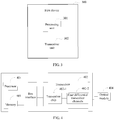
FIG. 1 is a schematic flowchart of a port auto-negotiation method according to an embodiment of the present invention; -
FIG. 2 is a schematic flowchart of a port auto-negotiation method performed by a first device according to an embodiment of the present invention; -
FIG. 3 is a schematic structural diagram of a first device according to an embodiment of the present invention; and -
FIG. 4 is a schematic structural diagram of another first device according to an embodiment of the present invention. - The following describes the technical solutions in the embodiments of the present invention with reference to the accompanying drawings in the embodiments of the present invention.
- The technical solutions provided in the embodiments of the present invention relate to a high-speed Ethernet. The high-speed Ethernet is specifically an Ethernet in which a data transmission rate of a device port reaches 40G or 100G. The two data transmission rates can meet different requirements of a server and a network. 40G is mainly suitable for server application and storage application, and 100G is mainly suitable for aggregation application and core network application. In July 2006, the Institute of Electrical and Electronics Engineers (Institute of Electrical and Electronics Engineers, IEEE) 802.3 formed a Higher Speed Study Group (Higher Speed Study Group, HSSG) to define objectives of a high-speed Ethernet standard. In December 2007, the HSSG formally became the IEEE 802.3ba Task Force, with a task of formulating standards for implementing the high-speed Ethernet over fiber and copper cables.
- A current high-speed Ethernet standard does not define a method for performing port rate auto-negotiation, referred to as port auto-negotiation below, between high-speed Ethernet devices. Port auto-negotiation indicates that devices at both ends of a link exchange negotiation information, such as a device operation mode, and then perform automatic port configuration according to the negotiation information of the devices at the both ends, so that the devices at the both ends work with an optimal capability. Therefore, the embodiments of the present invention provide a port auto-negotiation method and a device, to implement port auto-negotiation between a first device and a second device that are high-speed Ethernet devices. The method and the device are based on a same inventive concept. Because the method and the device use similar principles to resolve problems, implementation of the device and the method can be referenced mutually, and repeated parts are not described.
- The first device and the second device in the embodiments of the present invention are both high-speed Ethernet devices, and a data transmission rate of a port of the high-speed Ethernet device may reach 40G or 100G. For example, the high-speed Ethernet device may be a switch, a router, a server, a storage device, or the like. A protocol standard mainly used by the high-speed Ethernet device is IEEE 802.3ba. A 100G port may be compatible with data transmission rates of 40G and 10G, and a 40G port may be compatible with a data transmission rate of 10G. The two ports have a same appearance, use same-size optical modules, and share fiber. The port of the high-speed Ethernet device includes a plurality of differential transceiver channels, and data transmission rates of the plurality of differential transceiver channels are the same. A port of a high-speed Ethernet device that is most widely applied currently includes four differential transceiver channels, and each differential transceiver channel is a channel that can implement serial communication. For physical implementation, one differential transceiver channel includes two serializer/deserializer (Serializer/Deserializer, SerDes) links. Time-division multiplexing (Time-Division Multiplexing, TDM) and point-to-point serial communications technologies are used for the SerDes links. To be specific, a plurality of low-speed parallel signals at a transmit end are converted into high-speed serial signals, the high-speed serial signals are transmitted to a receive end by using a transmission medium (such as an optical cable or a copper wire), and the receive end converts the high-speed serial signals into the low-speed parallel signals again. This point-to-point serial communications technology fully utilizes a channel capacity of the transmission medium, and reduces a quantity of required transmission channels and component pins, thereby greatly reducing communications costs.
- The following describes the technical solutions provided in the embodiments of the present invention in detail by using specific embodiments. It should be noted that a presentation sequence of the embodiments merely represents a sequence of the embodiments, and does not represent priorities of the technical solutions provided in the embodiments.
- As shown in
FIG. 1 , an embodiment of the present invention provides a port auto-negotiation method, to implement port auto-negotiation between a first device and a second device that are high-speed Ethernet devices. In the method, a port auto-negotiation method on a first device side is the same as a port auto-negotiation method on a second device side. An interaction process between the first device and the second device is as follows:
S1011. The first device configures a first port of the first device as four subports, where each of the four subports includes a differential transceiver channel. - S1012. The second device configures a second port of the second device as four subports, where each of the four subports includes a differential transceiver channel.
- It should be noted that a sequence for performing S1011 and S1012 is not limited in this embodiment.
- S1021. The first device determines, from the four subports of the first device, at least one subport whose differential transceiver channel operates normally, and selects some or all of the at least one subport as a normal subport.
- S1022. The second device determines, from the four subports of the second device, at least one subport whose differential transceiver channel operates normally, and selects some or all of the at least one subport as a normal subport.
- It should be noted that a sequence for performing S1021 and S1022 is not limited in this embodiment. However, it should be limited that S1021 is performed after S1011, and S1022 is performed after S1012.
- S1031. The first device sends capability information of the first port to the second device by using the normal subport of the first device, and receives, by using the normal subport of the first device, capability information of the second port of the second device sent by the second device.
- S1032. The second device sends the capability information of the second port to the first device by using the normal subport of the second device, and receives, by using the normal subport of the second device, the capability information of the first port sent by the first device.
- It should be noted that a sequence for performing S1031 and S1032 is not limited in this embodiment. However, it should be limited that S1031 is performed after S1021, and S1032 is performed after S1022.
- S1041. The first device configures operating statuses of the four subports of the first device based on the capability information of the first port and the capability information of the second port.
- S1042. The second device configures operating statuses of the four subports of the second device based on the capability information of the second port and the capability information of the first port.
- It should be noted that a sequence for performing S1041 and S1042 is not limited in this embodiment. However, it should be limited that S1041 is performed after S1031, and S1042 is performed after S1032.
- By using the port auto-negotiation method provided in
FIG. 1 , port auto-negotiation between the first device and the second device that are high-speed Ethernet devices can be implemented. In this embodiment, before the first device and the second device exchange port capability information, the first device and the second device separately configure a respective port as four subports, each subport includes a differential transceiver channel, and a differential transceiver channel of a subport that is between the first device and the second device and that is used to exchange the port capability information operates normally. For a scenario in which there is a faulty differential transceiver channel in a plurality of differential transceiver channels that form a port of a high-speed Ethernet device, if a conventional port auto-negotiation solution is used, the four differential transceiver channels between the first device and the second device operate in a bundled combination manner, and therefore the first device and the second device cannot communicate with each other in the foregoing scenario and port auto-negotiation cannot be implemented. If the port auto-negotiation method provided in this embodiment is used, the four differential transceiver channels between the first device and the second device operate independently; therefore, the first device and the second device can exchange the port capability information by using the normal subport, and port auto-negotiation can still be implemented between the first device and the second device that are high-speed Ethernet devices even in the scenario in which there is a faulty differential transceiver channel in a plurality of differential transceiver channels that form a port of a high-speed Ethernet device. - In the port auto-negotiation method provided in
FIG. 1 , because actions performed by the first device are the same as those performed by the second device, the following describes the port auto-negotiation method shown inFIG. 1 in detail by using the first device as an example. - The first device and the second device communicate with each other by using four differential transceiver channels. In the conventional port auto-negotiation solution, the four differential transceiver channels between the first device and the second device operate in a bundled combination manner, and both ends of the combined four differential transceiver channels are respectively a first port of the first device and a second port of the second device. According to the port auto-negotiation method provided in
FIG. 1 , using the first device as an example, in S 1011, the first device configures the first port as four subports, that is, splits the first port into four subports, each of the four subports includes a differential transceiver channel, each of the four differential transceiver channels operates independently, and both ends of one differential transceiver channel are respectively one subport of the first device and one subport of the second device. - Optionally, in this embodiment, an operating parameter of the first port may be set to different values, so that the four differential transceiver channels of the first port operate in the bundled combination manner or an independent manner. For example, in S1011, when the operating parameter of the first port is set to a first value, the first port is configured as four subports, and each of the four subports includes a differential transceiver channel, that is, the four differential transceiver channels of the first port operate independently; when the operating parameter of the first port is set to a second value, the four differential transceiver channels of the first port operate in the bundled combination manner.
- In S1021, the first device determines, from the four subports of the first device, the at least one subport whose differential transceiver channel operates normally, and selects some or all of the at least one subport as the normal subport, where the first device may select one or more normal subports. To be specific, if there is only one subport, of the four subports, whose differential transceiver channel operates normally, the first device may use the only one subport whose differential transceiver channel operates normally as the normal subport; and if there are a plurality of subports, of the four subports, whose differential transceiver channels operate normally, the first device may use all the plurality of subports whose differential transceiver channels operate normally as normal subports, or the first device may select some of the plurality of subports whose differential transceiver channels operate normally as the normal subport. The normal subport of the first device and the normal subport of the second device are respectively both ends of a differential transceiver channel.
- A method for determining, by the first device from the four subports of the first device, the at least one subport whose differential transceiver channel operates normally includes: obtaining, by the first device, status information of each of the four subports, where the status information includes connected and disconnected; and determining, by the first device as a subport whose differential transceiver channel operates normally, a subport whose status information is connected. Optionally, the first device may detect, in a polling manner, whether status information of the four subports is connected, to determine, from the four subports, the subport whose differential transceiver channel operates normally.
- If the first device determines a plurality of normal subports, S1031 specifically includes: sending, by the first device, the capability information of the first port to the second device by using each of the normal subports, and receiving, by using each of the normal subports, the capability information of the second port sent by the second device.
- For example, assuming that the first device determines that subports whose differential transceiver channels operate normally in four subports 1 to 4 are the subport 1 and the subport 3, the subport 1 may be a normal subport used for exchanging the port capability information, or the subport 1 and the subport 3 may be normal subports used for exchanging the port capability information. For example, the subport 1 and the subport 3 are the normal subports. The first device sends the capability information of the first port to the second device by using the subport 1, and receives, by using the subport 1, the capability information of the second port sent by the second device; and sends the capability information of the first port to the second device by using the subport 3, and receives, by using the subport 3, the capability information of the second port sent by the second device.
- Optionally, the first device may periodically send the capability information of the first port to the second device for a plurality of times by using the normal subport, and receive, for a plurality of times by using the normal subport, the capability information of the second port sent by the second device.
- Further, if the capability information of the second port that is received by the first device for the plurality of times is the same, the received capability information of the second port may be used for auto-negotiation of the first port. If the capability information of the second port that is received by the first device for the plurality of times is different or the first device does not receive the capability information of the second port sent by the second device, communication between the first device and the second device at that time is abnormal, and after the first device exchanges the port capability information with the second device in S1031, the first device cannot continue to configure the operating statuses of the four subports based on the capability information of the first port and the capability information of the second port in S1041. In this case, the first device determines that auto-negotiation fails, and configures the first port based on only the capability information of the first port, that is, configures the operating statuses of the four subports of the first device based on the capability information of the first port, and sets a port mode of the first port to a port mode corresponding to a configured first port. The first device may further send prompt information used for indicating that port auto-negotiation fails. For example, if a data transmission rate of the configured first port is 40G, the first device sets the port mode of the first port to a 40G port mode.
- There are two operating statuses: operating-allowed and operating-forbidden. That an operating status of a subport is operating-allowed means that the subport is allowed to operate, that is, a differential transceiver channel of the subport is allowed to operate. That an operating status of a subport is operating-forbidden means that the subport is forbidden to operate, that is, a differential transceiver channel of the subport is forbidden to operate. That the first device configures the operating statuses of the four subports of the first device based on only the capability information of the first port is:
determining, by the first device based on a differential transceiver channel combination mode supported by the first port, a working mode supported by the first port; and configuring, according to the working mode, an operating status of a subport with a normally operating differential transceiver channel in the four subports of the first device to be operating-allowed and an operating status of a remaining subport, other than the operating-allowed subport, of the four subports to be operating-forbidden. The configured first port of the first device includes one or more operating differential transceiver channels. When the configured first port includes a plurality of differential transceiver channels, the plurality of differential transceiver channels operate in the bundled combination manner. The configured first port meets only the capability information of the first port. - Preferably, when each differential transceiver channel operates independently, the differential transceiver channel uses a minimum data transmission rate supported by the differential transceiver channel, to exchange the port capability information between the first device and the second device. Generally, in a port auto-negotiation process, the first device and the second device need to select a data transmission rate supported by the ports at both ends. A data transmission rate of a port of a high-speed Ethernet device may reach 40G or 100G. Because a 100G port is compatible with 40G and the port includes four differential transceiver channels, a minimum data transmission rate supported by each differential transceiver channel of the high-speed Ethernet device is 10G. It should be noted that, when each differential transceiver channel operates independently, the differential transceiver channel may also use a rate higher than the minimum data transmission rate supported by the differential transceiver channel, provided that exchange of the port capability information between the first device and the second device can be implemented.
- Optionally, in a process in S1031 that the first device and the second device exchange the port capability information, the first device and the second device may exchange the port capability information by exchanging a negotiation packet, and the port capability information is carried in the negotiation packet. A negotiation packet sent by the first device may include information such as a Media Access Control (Media Access Control, MAC) destination address (Destination Address, DA), a MAC source address (Source Address, SA), and the capability information of the first port, and may further include information such as a type field (EtherType), MAC operation code, a version number (Version), component error code (Err code) of the first device, the received capability information of the second port of the second device, a stage of port auto-negotiation, and four-byte check code of the negotiation packet.
- In this embodiment, the negotiation packet for implementing exchange of the port capability information between the first device and the second device needs to carry at least port capability information of a transmit end device. Optionally, the negotiation packet may further carry information such as a MAC destination address, a MAC source address, and an Ethernet type. The MAC destination address, the MAC source address, and the Ethernet type in the negotiation packet are used to special types, so that the negotiation packet can be compatible with hardware. For example, as defined in the IEEE 802.3.31 standard, when the MAC destination address in the negotiation packet is a multicast address 01-80-C2-00-00-01, the MAC source address is a MAC address of a source port, and the Ethernet type/length field is 88-08, the negotiation packet is a MAC control frame. In this case, the negotiation packet is compatible with hardware. After a port of an Ethernet device is notified of the port capability information by using software, the port auto-negotiation process is implemented by MAC layer hardware of the Ethernet device.
- Regarding S1041: the first device configures operating statuses of the four subports of the first device based on the capability information of the first port and the capability information of the second port.
- In S1041, the port capability information may include a port-supported differential transceiver channel combination mode, and depending on an actual requirement of port auto-negotiation, the port capability information may further include information such as a port-supported data transmission rate, a quantity of differential transceiver channels that form a port, and serial numbers of the differential transceiver channels that form the port. The quantity of differential transceiver channels that form the port is four, the serial numbers of the differential transceiver channels that form the port include a serial number of each of the four differential transceiver channels that form the port, there may be one or more port-supported differential transceiver channel combination modes, and the differential transceiver channel combination mode is a set of differential transceiver channels that operate normally and that can be combined into the port in a bundled manner.
- In S1041, there are two operating statuses: operating-allowed and operating-forbidden. That an operating status of a subport is operating-allowed means that the subport is allowed to operate, that is, a differential transceiver channel of the subport is allowed to operate; and that an operating status of a subport is operating-forbidden means that the subport is forbidden to operate, that is, a differential transceiver channel of the subport is forbidden to operate. In S1041, that the first device configures operating statuses of the four subports of the first device based on the capability information of the first port and the capability information of the second port is:
determining, by the first device based on a differential transceiver channel combination mode supported by the first port and a differential transceiver channel combination mode supported by the second port, a working mode supported by both the first port and the second port; and configuring, according to the working mode, an operating status of a subport with a normally operating differential transceiver channel in the four subports of the first device to be operating-allowed and an operating status of a remaining subport, other than the operating-allowed subport, of the four subports to be operating-forbidden. The configured first port includes one or more differential transceiver channels that are allowed to operate. When the configured first port includes a plurality of differential transceiver channels, the plurality of differential transceiver channels operate in a bundled manner. The configured first port meets both the capability information of the first port and the capability information of the second port, so that the first device and the second device can work with an optimal capability. - That the first device determines operating statuses of the four subports based on the capability information of the first port and the capability information of the second port is described by using the following examples.
- Assume that the capability information of the first port of the first device includes a port-supported data transmission rate of 40G and a port-supported differential transceiver channel combination mode being four differential transceiver channels with a data transmission rate of 10G, and the capability information of the second port of the second device includes a port-supported data transmission rate of 100G and three port-supported differential transceiver channel combination modes: A first mode includes four differential transceiver channels with the data transmission rate of 10G, a second mode includes four differential transceiver channels with a data transmission rate of 25G, and a third mode includes two differential transceiver channels with a data transmission rate of 50G. When the four differential transceiver channels of the first device and the second device all operate normally, and when the first device configures the operating statuses of the four subports based on the working mode supported by both the first port and the second port, the differential transceiver channels of the four subports are allowed to operate, and a data transmission rate of each differential transceiver channel is 10G. In other words, the configured first port of the first device includes four differential transceiver channels with the data transmission rate of 10G, and a data transmission rate of the configured first port is 40G. A configuration process of the second device is the same as that of the first device.
- Assume that the capability information of the first port of the first device includes a port-supported data transmission rate of 100G and three port-supported differential transceiver channel combination modes: A first mode includes four differential transceiver channels with a data transmission rate of 10G, a second mode includes four differential transceiver channels with a data transmission rate of 25G, and a third mode includes two differential transceiver channels with a data transmission rate of 50G; and the capability information of the second port of the second device is the same as the capability information of the first port of the first device. When the four differential transceiver channels of the first device and the second device all operate normally, and when the first device configures the operating statuses of the four subports based on the working mode supported by both the first port and the second port, the differential transceiver channels of the four subports are allowed to operate, and a data transmission rate of each differential transceiver channel is 25G. In other words, the configured first port of the first device includes four differential transceiver channels with the data transmission rate of 25G, and a data transmission rate of the configured first port is 100G. A configuration process of the second device is the same as that of the first device.
- Assume that the capability information of the first port of the first device includes a port-supported data transmission rate of 40G and a port-supported differential transceiver channel combination mode being four differential transceiver channels with a data transmission rate of 10G, and the capability information of the second port of the second device includes a port-supported data transmission rate of 100G and three port-supported differential transceiver channel combination modes: A first mode includes four differential transceiver channels with the data transmission rate of 10G, a second mode includes four differential transceiver channels with a data transmission rate of 25G, and a third mode includes two differential transceiver channels with a data transmission rate of 50G. If the differential transceiver channel 2 in four differential transceiver channels 1 to 4 of the first device and the second device is faulty and cannot operate normally, and when the first device configures the operating statuses of the four subports based on the working mode supported by both the first port and the second port, the differential transceiver channel 1 is allowed to operate, and a data transmission rate of the differential transceiver channel is 10G; the first device forbids operation of differential transceiver channels 2 to 4. In other words, the configured first port of the first device includes one differential transceiver channel with the data transmission rate of 10G, and a data transmission rate of the configured first port is 10G. A configuration process of the second device is the same as that of the first device.
- Optionally, in a process of S1031 that the first device and the second device exchange the port capability information, if presence of a subport with a normally operating differential transceiver channel in the four subports of the first device becomes absence of the subport with the normally operating differential transceiver channel, communication between the first device and the second device in this case is abnormal. In this case, the first device determines that auto-negotiation fails, and configures the first port based on only the capability information of the first port, that is, configures the operating statuses of the four subports of the first device based on the capability information of the first port, and sets a port mode of the first port to a port mode corresponding to a configured first port. The first device may further send prompt information used for indicating that port auto-negotiation fails. For example, if a data transmission rate of the configured first port is 40G, the first device sets the port mode of the first port to a 40G port mode.
- In a conventional port auto-negotiation method between high-speed Ethernet devices, there is a 40G port mode and a 100G port mode. The 40G port mode represents a port mode corresponding to a port data transmission rate of 40G, and the 100G port mode represents a port mode corresponding to a port data transmission rate of 100G. In the port auto-negotiation method between high-speed Ethernet devices provided in this embodiment, in addition to the conventional port modes, a port mode being an auto-negotiation mode may be added and is used to indicate that a device with a port mode being the auto-negotiation mode is in a port auto-negotiation process. Optionally, in a port auto-negotiation process between the first device and the second device, the first device and the second device may set a respective port mode to the auto-negotiation mode.
- In this embodiment, optionally, before the first device configures the first port as four subports in S1011, the first device determines that a physical channel between the first device and the second device is smooth. An obstructed physical channel between the first device and the second device makes the first device and the second device unable to communicate with each other. After determining that the physical channel between the first device and the second device is smooth, the first device configures the first port as four subports in S1011. In this way, a failure in port auto-negotiation between the first device and the second device due to the obstructed physical channel between the first device and the second device is excluded. A method for determining, by the first device, that the physical channel between the first device and the second device is smooth is as follows:
detecting, by the first device, whether an optical module of the first device is in service, and when the optical module of the first device is in service, detecting whether a receive optical power of the optical module falls inside a normal range; and when the optical module of the first device is in service, and the receive optical power of the optical module falls inside the normal range, determining, by the first device, that the physical channel between the first device and the second device is smooth. Optionally, the first device may periodically detect whether the optical module of the first device is in service, and whether the receive optical power of the optical module falls inside the normal range. - The optical module of the first device is connected to an optical module of the second device by using fiber, and the optical module of the first device is connected to the first port of the first device. The optical module includes an optical electronic component, a functional circuit, an optical interface, and the like. The optical electronic component includes two parts: a transmit part and a receive part. A function of the optical module is optical-to-electrical conversion, the transmit part of the optical module converts an electrical signal into an optical signal, and the receive part of the optical module converts an optical signal into an electrical signal.
- In this embodiment, when the first device determines, from the four subports of the first device, at least one subport whose differential transceiver channel operates normally in S1021, if the differential transceiver channel of each of the four subports of the first device operates abnormally, the first device and the second device cannot communicate with each other in this case. As a result, the first device cannot implement port auto-negotiation with the second device. In this case, the first device determines that auto-negotiation fails, and configures the first port based on only the capability information of the first port, that is, configures the operating statuses of the four subports of the first device based on the capability information of the first port, and sets the port mode of the first port to a port mode corresponding to a configured first port. The first device may further send prompt information used for indicating that port auto-negotiation fails. Generally, after determining that auto-negotiation fails, the first device may configure the first port with a maximum data transmission rate that can be supported by the first port.
- That the first device configures the operating statuses of the four subports of the first device based on the capability information of the first port is: determining, by the first device based on only the differential transceiver channel combination mode supported by the first port, a working mode supported by the first port; and configuring, according to the working mode, an operating status of a subport with a normally operating differential transceiver channel in the four subports of the first device to be operating-allowed and an operating status of a remaining subport, other than the operating-allowed subport, of the four subports to be operating-forbidden. The configured first port of the first device includes one or more operating differential transceiver channels. When the configured first port includes a plurality of differential transceiver channels, the plurality of differential transceiver channels operate in the bundled combination manner. The configured first port meets only the capability information of the first port.
- Optionally, after determining that auto-negotiation fails, the first device may further determine a cause of an auto-negotiation failure by using a method, including: when the differential transceiver channel of each of the four subports of the first device operates abnormally, and when the optical module of the first device is in service, determining, by the first device, whether the receive optical power of the optical module of the first device falls inside the normal range, where receive optical powers of optical modules of different types may be different; and if the receive optical power falls outside the normal range, determining, by the first device, that the cause of the auto-negotiation failure lies in the obstructed physical channel between the first device and the second device; or if the receive optical power falls inside the normal range, determining, by the first device, that the cause of the auto-negotiation failure lies in that a port mode of the second device does not support the auto-negotiation mode, or there is a link fault between the first device and the second device.
- An embodiment of the present invention provides a port auto-negotiation method, and a port auto-negotiation method on a first device side is the same as a port auto-negotiation method on a second device side. Using a first device as an example, for example, as shown in
FIG. 2 , the port auto-negotiation method on the first device side includes:
S201. The first device sets a port mode of a first port of the first device to an auto-negotiation mode. - S202. The first device configures the first port as four subports, where each of the four subports includes a differential transceiver channel.
- S203. The first device detects whether an optical module of the first device is in service.
- If yes, S204 is performed; otherwise, S209 is performed.
- S204. The first device detects whether a receive optical power of the optical module falls inside a normal range.
- If yes, S205 is performed; otherwise, S209 is performed.
- S205. The first device determines whether there is a subport with a normally operating differential transceiver channel in the four subports of the first device.
- If yes, S206 is performed; otherwise, S209 is performed.
- S206. The first device determines, from the four subports of the first device, at least one subport whose differential transceiver channel operates normally, and selects some or all of the at least one subport as a normal subport.
- S207. The first device sends capability information of the first port to a second device by using the normal subport, and receives, by using the normal subport, capability information of a second port of the second device sent by the second device, where the normal subport is a subport with a normally operating differential transceiver channel in the four subports of the first device.
- S208. The first device configures operating statuses of the four subports based on the capability information of the first port and the capability information of the second port.
- S209. The first device determines that negotiation fails, configures the first port based on the capability information of the first port, and sets the port mode of the first device to a port mode corresponding to a configured first port.
- Because the differential transceiver channel of each of the four subports of the first device operates abnormally, the first device and the second device do not need to perform normal communication. Therefore, the first device configures the first port based on only the capability information of the first port of the first device, and does not need to configure the first port based on the capability information of the second port of the second device.
- Optionally, after determining that negotiation fails, the first device may further send prompt information used for indicating that port auto-negotiation fails. Generally, after determining that auto-negotiation fails, the first device may configure the first port with a maximum data transmission rate that can be supported by the first port.
- In conclusion, by using the foregoing method provided in this embodiment, port auto-negotiation between the first device and the second device that are high-speed Ethernet devices can be implemented. In this embodiment, before the first device and the second device exchange port capability information, the first device and the second device separately configure a respective port as four subports, each subport includes a differential transceiver channel, and a differential transceiver channel of a subport that is between the first device and the second device and that is used to exchange the port capability information operates normally. For a scenario in which there is a faulty differential transceiver channel in a plurality of differential transceiver channels that form a port of a high-speed Ethernet device, if the conventional port auto-negotiation solution is used, the four differential transceiver channels between the first device and the second device operate in a bundled combination manner, and therefore the first device and the second device cannot communicate with each other in the foregoing scenario and port auto-negotiation cannot be implemented. If the port auto-negotiation method provided in this embodiment is used, the four differential transceiver channels between the first device and the second device operate independently; therefore, the first device and the second device can exchange the port capability information by using the normal subport, and port auto-negotiation can still be implemented between the first device and the second device that are high-speed Ethernet devices even in the scenario in which there is a faulty differential transceiver channel in a plurality of differential transceiver channels that form a port of a high-speed Ethernet device.
- Based on a same inventive concept, an embodiment of the present invention further provides a first device. The first device may execute a first device side method in the method provided in the present invention. Referring to
FIG. 3 , thefirst device 300 includes aprocessing unit 301 and atransceiver unit 302. - The
processing unit 301 is adapted to configure a first port of thefirst device 300 as four subports, where each of the four subports includes a differential transceiver channel; and determine, from the four subports, at least one subport whose differential transceiver channel operates normally, and select some or all of the at least one subport as a normal subport. - The
transceiver unit 302 is adapted to send capability information of the first port to a second device by using the normal subport selected by theprocessing unit 301, and receive, by using the normal subport selected by theprocessing unit 301, capability information of a second port sent by the second device, where the capability information includes a differential transceiver channel combination mode. - The
processing unit 301 is further adapted to configure operating statuses of the four subports based on the capability information of the first port and the capability information of the second port that is received by thetransceiver unit 302. - Both the
first device 300 and the second device are high-speed Ethernet devices. - Optionally, when configuring the operating statuses of the four subports based on the capability information of the first port and the capability information of the second port, the
processing unit 301 is specifically adapted to:
determine, based on a differential transceiver channel combination mode supported by the first port and a differential transceiver channel combination mode supported by the second port, a working mode supported by both the first port and the second port; and configure, according to the working mode, an operating status of a subport with a normally operating differential transceiver channel in the four subports to be operating-allowed and an operating status of a remaining subport, other than the operating-allowed subport, of the four subports to be operating-forbidden. - Optionally, the
transceiver unit 302 is specifically adapted to:
when there are a plurality of normal subports, send the capability information of the first port to the second device by using each of the normal subports, and receive, by using each of the normal subports, the capability information of the second port sent by the second device. - Optionally, the
processing unit 301 is further adapted to:
when determining that the differential transceiver channel of each of the four subports operates abnormally, determine that auto-negotiation fails, and configure the operating statuses of the four subports based on only the capability information of the first port. - Optionally, the
processing unit 301 is further adapted to: - after determining that auto-negotiation fails, determine whether a receive optical power of an in-service optical module of the first device falls inside a normal range; and
- if the receive optical power falls outside the normal range, determine that a cause of an auto-negotiation failure lies in an obstructed physical channel between the first device and the second device; or
- if the receive optional power falls inside the normal range, determine that a cause of an auto-negotiation failure lies in that a port mode of the second device does not support an auto-negotiation mode, or there is a link fault between the first device and the second device.
- It should be noted that, refer to the embodiment for description on specific functions of the foregoing units, and details are not described herein again. The unit division in this embodiment of the present invention is merely an example, and is merely logical function division and may be other division in actual implementation. The integrated unit may be implemented in a form of hardware, or may be implemented in a form of a software functional unit.
- When the integrated unit is implemented in the form of a software functional unit and sold or used as an independent product, the integrated unit may be stored in a computer-readable storage medium. Based on such an understanding, the technical solutions of the present invention essentially, or the part contributing to the prior art, or all or some of the technical solutions may be implemented in the form of a software product. The computer software product is stored in a storage medium and includes several instructions for instructing a computer device (which may be a personal computer, a server, a network device, or the like) or a processor (processor) to perform all or some of the steps of the methods in the embodiments of the present invention. The foregoing storage medium includes: any medium that can store program code, such as a USB flash drive, a removable hard disk, a read-only memory (ROM, Read-Only Memory), a random access memory (RAM, Random Access Memory), a magnetic disk, or an optical disc.
- Based on a same inventive concept, an embodiment of the present invention further provides a first device. The first device may execute a first device side method in the method provided in the present invention, and may be a device the same as the first device shown in
FIG. 3 . Referring toFIG. 4 , the first device includes: aprocessor 401, atransceiver 402, and amemory 403. Optionally, the first device further includes anoptical module 404. Theoptical module 404 is a pluggable component. Only when theoptical module 404 of the first device is in service, port auto-negotiation between the first device and a second device may be implemented. As shown inFIG. 4 , thetransceiver 402 includes a transceiver chip 402-1 and four differential transceiver channels 402-2. The four differential transceiver channels 402-2 form a communications port of thetransceiver 402, namely, a first port of the first device. Each of the four differential transceiver channels 402-2 is corresponding to one subport of the first device. - The
processor 401 is adapted to read a program in thememory 403 and execute the following process. - The
processor 401 is adapted to configure the first port of the first device as four subports, where each of the four subports includes a differential transceiver channel; and determine, from the four subports, at least one subport whose differential transceiver channel operates normally, and select some or all of the at least one subport as a normal subport; and
send capability information of the first port to the second device by using thetransceiver 402 and by using the normal subport, and receive, by using thetransceiver 402 and by using the normal subport, capability information of a second port of the second device sent by the second device, where the capability information includes a differential transceiver channel combination mode. - The
processor 401 is further adapted to configure operating statuses of the four subports of the first device based on the capability information of the first port of the first device and the capability information of the second port of the second device that is received by using thetransceiver 402. - Both the first device and the second device are high-speed Ethernet devices.
- Optionally, when configuring the operating statuses of the four subports based on the capability information of the first port and the capability information of the second port, the
processor 401 is specifically adapted to:
determine, based on a differential transceiver channel combination mode supported by the first port and a differential transceiver channel combination mode supported by the second port, a working mode supported by both the first port and the second port; and configure, according to the working mode, an operating status of a subport with a normally operating differential transceiver channel in the four subports to be operating-allowed and an operating status of a remaining subport, other than the operating-allowed subport, of the four subports to be operating-forbidden. - Optionally, the
processor 401 is further adapted to:
when there are a plurality of normal subports, send the capability information of the first port to the second device by using thetransceiver 402 and by using each of the normal subports, and receive, by using thetransceiver 402 and by using each of the normal subports, the capability information of the second port sent by the second device. - Optionally, the
processor 401 is further adapted to:
when determining that the differential transceiver channel of each of the four subports operates abnormally, determine that auto-negotiation fails, and configure the operating statuses of the four subports based on the capability information of the first port. - Optionally, the
processor 401 is further adapted to: - after determining that auto-negotiation fails, determine whether a receive optical power of the in-service
optical module 404 of the first device falls inside a normal range; and - if the receive optical power falls outside the normal range, determine that a cause of an auto-negotiation failure lies in an obstructed physical channel between the first device and the second device; or
- if the receive optional power falls inside the normal range, determine that a cause of an auto-negotiation failure lies in that a port mode of the second device does not support an auto-negotiation mode, or there is a link fault between the first device and the second device.
- In
FIG. 4 , a bus architecture may include any quantity of interconnected buses and bridges, and specifically connects various circuits including one or more processors represented by theprocessor 401 and a memory represent by thememory 403. The bus architecture may further connect various other circuits such as a peripheral, a voltage stabilizer, and a power management circuit, which are known in the art. Therefore, further description is not made herein. A bus interface provides an interface. Theprocessor 401 is responsible for managing the bus architecture and general processing. Thememory 403 may store data that is used by theprocessor 401 when executing an operation. Thememory 403 may be a memory of the first device, such as a hard disk, a USB flash drive, or a secure digital (Secure Digital, SD) card. - An embodiment further provides a port auto-negotiation system, including the first device in the foregoing embodiment and a second device that performs port auto-negotiation with the first device.
- An embodiment further provides a computer storage medium, adapted to store a computer software instruction used by the first device in the foregoing embodiment, and the computer software instruction includes a program designed for executing the foregoing embodiment.
- By using the technical solutions provided in the embodiments of the present invention, port auto-negotiation between the first device and the second device that are high-speed Ethernet devices can be implemented. For a scenario in which there is a faulty differential transceiver channel in a plurality of differential transceiver channels that form a port of a high-speed Ethernet device, the foregoing method can still be used to implement port auto-negotiation between the first device and the second device that are high-speed Ethernet devices.
- A person skilled in the art should understand that the embodiments of the present invention may be provided as a method, a system, or a computer program product. Therefore, the present invention may use a form of hardware only embodiments, software only embodiments, or embodiments with a combination of software and hardware. Moreover, the present invention may use a form of a computer program product that is implemented on one or more computer-usable storage media (including but not limited to a disk memory, a CD-ROM, an optical memory, and the like) that include computer-usable program code.
- The present invention is described with reference to the flowcharts and/or block diagrams of the method, the device (system), and the computer program product according to the embodiments of the present invention. It should be understood that computer program instructions may be used to implement each process and/or each block in the flowcharts and/or the block diagrams and a combination of a process and/or a block in the flowcharts and/or the block diagrams. These computer program instructions may be provided for a general-purpose computer, a dedicated computer, an embedded processor, or a processor of any other programmable data processing device to generate a machine, so that the instructions executed by a computer or a processor of any other programmable data processing device generate an apparatus for implementing a specific function in one or more processes in the flowcharts and/or in one or more blocks in the block diagrams.
- These computer program instructions may be stored in a computer readable memory that can instruct the computer or any other programmable data processing device to work in a specific manner, so that the instructions stored in the computer readable memory generate an artifact that includes an instruction apparatus. The instruction apparatus implements a specific function in one or more processes in the flowcharts and/or in one or more blocks in the block diagrams.
- These computer program instructions may be loaded onto a computer or another programmable data processing device, so that a series of operations and steps are performed on the computer or the another programmable device, thereby generating computer-implemented processing. Therefore, the instructions executed on the computer or the another programmable device provide steps for implementing a specific function in one or more processes in the flowcharts and/or in one or more blocks in the block diagrams.
Claims (11)
- A port auto-negotiation method, comprising:configuring (S1011), by a first device, a first port of the first device as four subports, wherein each of the four subports comprises a differential transceiver channel;determining (S1021), by the first device from the four subports, at least one subport whose differential transceiver channel operates normally, and selecting some or all of the at least one subport as a normal subport;sending (S1031), by the first device, capability information of the first port to a second device by using the normal subport, and receiving, by using the normal subport, capability information of a second port of the second device sent by the second device, wherein the capability information comprises a port-supported differential transceiver channel combination mode; andconfiguring (S1041), by the first device, operating statuses of the four subports based on the capability information of the first port and the capability information of the second port, whereinthe first device and the second device are high-speed Ethernet devices.
- The method according to claim 1, wherein the configuring, by the first device, operating statuses of the four subports based on the capability information of the first port and the capability information of the second port comprises:
determining, by the first device based on a differential transceiver channel combination mode supported by the first port and a differential transceiver channel combination mode supported by the second port, a working mode supported by both the first port and the second port; and configuring, according to the working mode, an operating status of a subport with a normally operating differential transceiver channel in the four subports to be operating-allowed and an operating status of a remaining subport, other than the operating-allowed subport, of the four subports to be operating-forbidden. - The method according to claim 1 or 2, wherein when there are a plurality of normal subports, the sending, by the first device, capability information of the first port to a second device by using the normal subport, and receiving, by using the normal subport, capability information of a second port sent by the second device specifically comprises:
sending, by the first device, the capability information of the first port to the second device by using each of the normal subports, and receiving, by using each of the normal subports, the capability information of the second port sent by the second device. - The method according to claim 2, wherein the method further comprises:
when the first device determines that the differential transceiver channel of each of the four subports operates abnormally, determining, by the first device, that auto-negotiation fails, and configuring the operating statuses of the four subports based on only the capability information of the first port. - The method according to claim 4, wherein after the determining, by the first device, that auto-negotiation fails, the method further comprises:determining, by the first device, whether a receive optical power of an in-service optical module of the first device falls inside a normal range; andif the receive optical power falls outside the normal range, determining, by the first device, that a cause of an auto-negotiation failure lies in an obstructed physical channel between the first device and the second device;otherwise, determining, by the first device, that a cause of an auto-negotiation failure lies in that a port mode of the second device does not support an auto-negotiation mode, or there is a link fault between the first device and the second device.
- The method according to any one of claims 1 to 4, wherein the configuring, by a first device, a first port of the first device as four subports specifically comprises:
setting an operating parameter of the first port to a first value, to configure the first port as the four subports. - A device, wherein the device is a first device, and the first device comprises:a processing unit (301), adapted to configure a first port of the first device as four subports, wherein each of the four subports comprises a differential transceiver channel; and determine, from the four subports, at least one subport whose differential transceiver channel operates normally, and select some or all of the at least one subport as a normal subport; anda transceiver unit (302), adapted to send capability information of the first port to a second device by using the normal subport selected by the processing unit, and receive, by using the normal subport selected by the processing unit, capability information of a second port of the second device sent by the second device, wherein the capability information comprises a port-supported differential transceiver channel combination mode, whereinthe processing unit (301) is further adapted to configure operating statuses of the four subports based on the capability information of the first port and the capability information of the second port that is received by the transceiver unit; andthe first device and the second device are high-speed Ethernet devices.
- The device according to claim 7, wherein when configuring the operating statuses of the four subports based on the capability information of the first port and the capability information of the second port, the processing unit (301) is specifically adapted to:
determine, based on a differential transceiver channel combination mode supported by the first port and a differential transceiver channel combination mode supported by the second port, a working mode supported by both the first port and the second port; and configure, according to the working mode, an operating status of a subport with a normally operating differential transceiver channel in the four subports to be operating-allowed and an operating status of a remaining subport, other than the operating-allowed subport, of the four subports to be operating-forbidden. - The device according to claim 7 or 8, wherein the transceiver unit (302) is specifically adapted to:
when there are a plurality of normal subports, send the capability information of the first port to the second device by using each of the normal subports, and receive, by using each of the normal subports, the capability information of the second port sent by the second device. - The device according to claim 8, wherein the processing unit (301) is further adapted to:
when determining that the differential transceiver channel of each of the four subports operates abnormally, determine that auto-negotiation fails, and configure the operating statuses of the four subports based on only the capability information of the first port. - The device according to claim 10, wherein the processing unit (30) is further adapted to:after determining that auto-negotiation fails, determine whether a receive optical power of an in-service optical module of the first device falls inside a normal range; andif the receive optical power falls outside the normal range, determine that a cause of an auto-negotiation failure lies in an obstructed physical channel between the first device and the second device;otherwise, determine that a cause of an auto-negotiation failure lies in that a port mode of the second device does not support an auto-negotiation mode, or there is a link fault between the first device and the second device.
Applications Claiming Priority (2)
| Application Number | Priority Date | Filing Date | Title |
|---|---|---|---|
| CN201610933367.8A CN108023743B (en) | 2016-10-31 | 2016-10-31 | A port auto-negotiation method and device |
| PCT/CN2017/088528 WO2018076715A1 (en) | 2016-10-31 | 2017-06-15 | Auto-negotiation method and device for port |
Publications (3)
| Publication Number | Publication Date |
|---|---|
| EP3531627A1 EP3531627A1 (en) | 2019-08-28 |
| EP3531627A4 EP3531627A4 (en) | 2019-10-02 |
| EP3531627B1 true EP3531627B1 (en) | 2020-12-16 |
Family
ID=62023091
Family Applications (1)
| Application Number | Title | Priority Date | Filing Date |
|---|---|---|---|
| EP17865165.9A Active EP3531627B1 (en) | 2016-10-31 | 2017-06-15 | Auto-negotiation method and device for port |
Country Status (4)
| Country | Link |
|---|---|
| US (1) | US10826847B2 (en) |
| EP (1) | EP3531627B1 (en) |
| CN (1) | CN108023743B (en) |
| WO (1) | WO2018076715A1 (en) |
Families Citing this family (6)
| Publication number | Priority date | Publication date | Assignee | Title |
|---|---|---|---|---|
| CN113055210A (en) * | 2019-12-27 | 2021-06-29 | 中国移动通信有限公司研究院 | Method and equipment for sending interface information |
| CN111953521A (en) * | 2020-07-17 | 2020-11-17 | 烽火通信科技股份有限公司 | SerDes port configuration method, system and readable storage medium |
| CN111901012A (en) * | 2020-07-23 | 2020-11-06 | 深圳市奥拓电子股份有限公司 | Ethernet communication module and electronic system for simultaneously transmitting two signals |
| CN114143632B (en) * | 2021-11-30 | 2024-04-09 | 迈普通信技术股份有限公司 | Port output state adjusting method and device |
| CN116112129B (en) * | 2022-12-15 | 2025-02-11 | 长沙湘计海盾科技有限公司 | A single network port self-redundant Ethernet communication control method and system |
| CN117579430A (en) * | 2023-11-30 | 2024-02-20 | 北京天融信网络安全技术有限公司 | Tunnel port negotiation method, device, electronic equipment and storage medium |
Citations (1)
| Publication number | Priority date | Publication date | Assignee | Title |
|---|---|---|---|---|
| WO2015032309A1 (en) * | 2013-09-04 | 2015-03-12 | Hangzhou H3C Technologies Co., Ltd | Work mode negotiation |
Family Cites Families (6)
| Publication number | Priority date | Publication date | Assignee | Title |
|---|---|---|---|---|
| KR100503422B1 (en) * | 2003-06-13 | 2005-07-22 | 한국전자통신연구원 | Ethernet switch, apparatus for expanding the port and method therefor |
| US8228795B2 (en) * | 2006-04-19 | 2012-07-24 | Broadcom Corporation | Method and system for extended reach copper transceiver |
| US9172602B1 (en) * | 2012-11-15 | 2015-10-27 | Qlogic, Corporation | Method and system for auto-negotiation |
| EP3100416B1 (en) * | 2014-01-29 | 2019-10-16 | Hewlett-Packard Enterprise Development LP | Managing a number of ethernet links |
| US9608865B2 (en) * | 2014-07-09 | 2017-03-28 | Cisco Technology, Inc. | Method, system and logic for configuring a local link based on a remote link partner |
| CN104283816A (en) * | 2014-10-29 | 2015-01-14 | 北京百度网讯科技有限公司 | Ethernet switch and Ethernet switch port indicating method |
-
2016
- 2016-10-31 CN CN201610933367.8A patent/CN108023743B/en active Active
-
2017
- 2017-06-15 EP EP17865165.9A patent/EP3531627B1/en active Active
- 2017-06-15 WO PCT/CN2017/088528 patent/WO2018076715A1/en not_active Ceased
-
2019
- 2019-04-30 US US16/399,500 patent/US10826847B2/en active Active
Patent Citations (1)
| Publication number | Priority date | Publication date | Assignee | Title |
|---|---|---|---|---|
| WO2015032309A1 (en) * | 2013-09-04 | 2015-03-12 | Hangzhou H3C Technologies Co., Ltd | Work mode negotiation |
Also Published As
| Publication number | Publication date |
|---|---|
| CN108023743B (en) | 2020-04-28 |
| EP3531627A1 (en) | 2019-08-28 |
| WO2018076715A1 (en) | 2018-05-03 |
| US10826847B2 (en) | 2020-11-03 |
| CN108023743A (en) | 2018-05-11 |
| US20190260640A1 (en) | 2019-08-22 |
| EP3531627A4 (en) | 2019-10-02 |
Similar Documents
| Publication | Publication Date | Title |
|---|---|---|
| US10826847B2 (en) | Port auto-negotiation method and device | |
| US10031880B2 (en) | Network device and information transmission method | |
| EP3036873B1 (en) | Dedicated control path architecture for stacked packet switches | |
| EP2798800B1 (en) | Expanding member ports of a link aggregation group between clusters | |
| EP3167580B1 (en) | Method, system and logic for configuring a local link based on a remote link partner | |
| US11128741B2 (en) | Auto-negotiation over extended backplane | |
| US9876738B2 (en) | System and method for extending ports | |
| US9166868B2 (en) | Distributed control plane for link aggregation | |
| CN106656872A (en) | Mixed physical coding sublayer and data transmitting and receiving method | |
| CN119603227A (en) | Communication channel switching method, server and electronic equipment | |
| KR102446092B1 (en) | How to diagnose link status in the network | |
| EP4084406A1 (en) | Method and equipment for sending interface message | |
| CN102857436B (en) | Flow transmission method and flow transmission equipment based on IRF (intelligent resilient framework) network | |
| US20130243423A1 (en) | Ethernet hub and method of use | |
| US9014188B2 (en) | Communication system | |
| CN107251453B (en) | Optical access equipment and optical access system | |
| US11252107B2 (en) | Method for operating an ethernet communication device, and ethernet communication device | |
| US9209928B2 (en) | Transmission device and transmission method | |
| EP2953299A1 (en) | Protection switching method, system and node | |
| US10382250B2 (en) | Information processing system and control method for information processing system | |
| US9749223B2 (en) | Linear path protection in a centralized controller environment | |
| KR101992713B1 (en) | Communication interface apparatus | |
| CN111030943A (en) | Message processing method and device, forwarding equipment and storage medium | |
| JP6016274B2 (en) | Communication device, power consumption suppression method, and power consumption suppression program | |
| JP2017220835A (en) | Transmitting apparatus, receiving apparatus, and packet transmission system |
Legal Events
| Date | Code | Title | Description |
|---|---|---|---|
| STAA | Information on the status of an ep patent application or granted ep patent |
Free format text: STATUS: THE INTERNATIONAL PUBLICATION HAS BEEN MADE |
|
| PUAI | Public reference made under article 153(3) epc to a published international application that has entered the european phase |
Free format text: ORIGINAL CODE: 0009012 |
|
| STAA | Information on the status of an ep patent application or granted ep patent |
Free format text: STATUS: REQUEST FOR EXAMINATION WAS MADE |
|
| 17P | Request for examination filed |
Effective date: 20190521 |
|
| AK | Designated contracting states |
Kind code of ref document: A1 Designated state(s): AL AT BE BG CH CY CZ DE DK EE ES FI FR GB GR HR HU IE IS IT LI LT LU LV MC MK MT NL NO PL PT RO RS SE SI SK SM TR |
|
| AX | Request for extension of the european patent |
Extension state: BA ME |
|
| A4 | Supplementary search report drawn up and despatched |
Effective date: 20190903 |
|
| RIC1 | Information provided on ipc code assigned before grant |
Ipc: H04L 12/28 20060101AFI20190828BHEP Ipc: H04L 12/24 20060101ALI20190828BHEP |
|
| DAV | Request for validation of the european patent (deleted) | ||
| DAX | Request for extension of the european patent (deleted) | ||
| GRAP | Despatch of communication of intention to grant a patent |
Free format text: ORIGINAL CODE: EPIDOSNIGR1 |
|
| STAA | Information on the status of an ep patent application or granted ep patent |
Free format text: STATUS: GRANT OF PATENT IS INTENDED |
|
| INTG | Intention to grant announced |
Effective date: 20200731 |
|
| GRAS | Grant fee paid |
Free format text: ORIGINAL CODE: EPIDOSNIGR3 |
|
| GRAA | (expected) grant |
Free format text: ORIGINAL CODE: 0009210 |
|
| STAA | Information on the status of an ep patent application or granted ep patent |
Free format text: STATUS: THE PATENT HAS BEEN GRANTED |
|
| AK | Designated contracting states |
Kind code of ref document: B1 Designated state(s): AL AT BE BG CH CY CZ DE DK EE ES FI FR GB GR HR HU IE IS IT LI LT LU LV MC MK MT NL NO PL PT RO RS SE SI SK SM TR |
|
| REG | Reference to a national code |
Ref country code: GB Ref legal event code: FG4D |
|
| REG | Reference to a national code |
Ref country code: IE Ref legal event code: FG4D |
|
| REG | Reference to a national code |
Ref country code: DE Ref legal event code: R096 Ref document number: 602017029817 Country of ref document: DE |
|
| REG | Reference to a national code |
Ref country code: AT Ref legal event code: REF Ref document number: 1346595 Country of ref document: AT Kind code of ref document: T Effective date: 20210115 |
|
| PG25 | Lapsed in a contracting state [announced via postgrant information from national office to epo] |
Ref country code: RS Free format text: LAPSE BECAUSE OF FAILURE TO SUBMIT A TRANSLATION OF THE DESCRIPTION OR TO PAY THE FEE WITHIN THE PRESCRIBED TIME-LIMIT Effective date: 20201216 Ref country code: FI Free format text: LAPSE BECAUSE OF FAILURE TO SUBMIT A TRANSLATION OF THE DESCRIPTION OR TO PAY THE FEE WITHIN THE PRESCRIBED TIME-LIMIT Effective date: 20201216 Ref country code: GR Free format text: LAPSE BECAUSE OF FAILURE TO SUBMIT A TRANSLATION OF THE DESCRIPTION OR TO PAY THE FEE WITHIN THE PRESCRIBED TIME-LIMIT Effective date: 20210317 Ref country code: NO Free format text: LAPSE BECAUSE OF FAILURE TO SUBMIT A TRANSLATION OF THE DESCRIPTION OR TO PAY THE FEE WITHIN THE PRESCRIBED TIME-LIMIT Effective date: 20210316 |
|
| REG | Reference to a national code |
Ref country code: AT Ref legal event code: MK05 Ref document number: 1346595 Country of ref document: AT Kind code of ref document: T Effective date: 20201216 |
|
| REG | Reference to a national code |
Ref country code: NL Ref legal event code: MP Effective date: 20201216 |
|
| PG25 | Lapsed in a contracting state [announced via postgrant information from national office to epo] |
Ref country code: BG Free format text: LAPSE BECAUSE OF FAILURE TO SUBMIT A TRANSLATION OF THE DESCRIPTION OR TO PAY THE FEE WITHIN THE PRESCRIBED TIME-LIMIT Effective date: 20210316 Ref country code: LV Free format text: LAPSE BECAUSE OF FAILURE TO SUBMIT A TRANSLATION OF THE DESCRIPTION OR TO PAY THE FEE WITHIN THE PRESCRIBED TIME-LIMIT Effective date: 20201216 Ref country code: SE Free format text: LAPSE BECAUSE OF FAILURE TO SUBMIT A TRANSLATION OF THE DESCRIPTION OR TO PAY THE FEE WITHIN THE PRESCRIBED TIME-LIMIT Effective date: 20201216 |
|
| PG25 | Lapsed in a contracting state [announced via postgrant information from national office to epo] |
Ref country code: NL Free format text: LAPSE BECAUSE OF FAILURE TO SUBMIT A TRANSLATION OF THE DESCRIPTION OR TO PAY THE FEE WITHIN THE PRESCRIBED TIME-LIMIT Effective date: 20201216 Ref country code: HR Free format text: LAPSE BECAUSE OF FAILURE TO SUBMIT A TRANSLATION OF THE DESCRIPTION OR TO PAY THE FEE WITHIN THE PRESCRIBED TIME-LIMIT Effective date: 20201216 |
|
| REG | Reference to a national code |
Ref country code: LT Ref legal event code: MG9D |
|
| PG25 | Lapsed in a contracting state [announced via postgrant information from national office to epo] |
Ref country code: RO Free format text: LAPSE BECAUSE OF FAILURE TO SUBMIT A TRANSLATION OF THE DESCRIPTION OR TO PAY THE FEE WITHIN THE PRESCRIBED TIME-LIMIT Effective date: 20201216 Ref country code: PT Free format text: LAPSE BECAUSE OF FAILURE TO SUBMIT A TRANSLATION OF THE DESCRIPTION OR TO PAY THE FEE WITHIN THE PRESCRIBED TIME-LIMIT Effective date: 20210416 Ref country code: SK Free format text: LAPSE BECAUSE OF FAILURE TO SUBMIT A TRANSLATION OF THE DESCRIPTION OR TO PAY THE FEE WITHIN THE PRESCRIBED TIME-LIMIT Effective date: 20201216 Ref country code: SM Free format text: LAPSE BECAUSE OF FAILURE TO SUBMIT A TRANSLATION OF THE DESCRIPTION OR TO PAY THE FEE WITHIN THE PRESCRIBED TIME-LIMIT Effective date: 20201216 Ref country code: LT Free format text: LAPSE BECAUSE OF FAILURE TO SUBMIT A TRANSLATION OF THE DESCRIPTION OR TO PAY THE FEE WITHIN THE PRESCRIBED TIME-LIMIT Effective date: 20201216 Ref country code: CZ Free format text: LAPSE BECAUSE OF FAILURE TO SUBMIT A TRANSLATION OF THE DESCRIPTION OR TO PAY THE FEE WITHIN THE PRESCRIBED TIME-LIMIT Effective date: 20201216 Ref country code: EE Free format text: LAPSE BECAUSE OF FAILURE TO SUBMIT A TRANSLATION OF THE DESCRIPTION OR TO PAY THE FEE WITHIN THE PRESCRIBED TIME-LIMIT Effective date: 20201216 |
|
| PG25 | Lapsed in a contracting state [announced via postgrant information from national office to epo] |
Ref country code: AT Free format text: LAPSE BECAUSE OF FAILURE TO SUBMIT A TRANSLATION OF THE DESCRIPTION OR TO PAY THE FEE WITHIN THE PRESCRIBED TIME-LIMIT Effective date: 20201216 Ref country code: PL Free format text: LAPSE BECAUSE OF FAILURE TO SUBMIT A TRANSLATION OF THE DESCRIPTION OR TO PAY THE FEE WITHIN THE PRESCRIBED TIME-LIMIT Effective date: 20201216 |
|
| REG | Reference to a national code |
Ref country code: DE Ref legal event code: R097 Ref document number: 602017029817 Country of ref document: DE |
|
| PG25 | Lapsed in a contracting state [announced via postgrant information from national office to epo] |
Ref country code: IS Free format text: LAPSE BECAUSE OF FAILURE TO SUBMIT A TRANSLATION OF THE DESCRIPTION OR TO PAY THE FEE WITHIN THE PRESCRIBED TIME-LIMIT Effective date: 20210416 |
|
| PLBE | No opposition filed within time limit |
Free format text: ORIGINAL CODE: 0009261 |
|
| STAA | Information on the status of an ep patent application or granted ep patent |
Free format text: STATUS: NO OPPOSITION FILED WITHIN TIME LIMIT |
|
| PG25 | Lapsed in a contracting state [announced via postgrant information from national office to epo] |
Ref country code: AL Free format text: LAPSE BECAUSE OF FAILURE TO SUBMIT A TRANSLATION OF THE DESCRIPTION OR TO PAY THE FEE WITHIN THE PRESCRIBED TIME-LIMIT Effective date: 20201216 Ref country code: IT Free format text: LAPSE BECAUSE OF FAILURE TO SUBMIT A TRANSLATION OF THE DESCRIPTION OR TO PAY THE FEE WITHIN THE PRESCRIBED TIME-LIMIT Effective date: 20201216 |
|
| 26N | No opposition filed |
Effective date: 20210917 |
|
| PG25 | Lapsed in a contracting state [announced via postgrant information from national office to epo] |
Ref country code: DK Free format text: LAPSE BECAUSE OF FAILURE TO SUBMIT A TRANSLATION OF THE DESCRIPTION OR TO PAY THE FEE WITHIN THE PRESCRIBED TIME-LIMIT Effective date: 20201216 |
|
| PG25 | Lapsed in a contracting state [announced via postgrant information from national office to epo] |
Ref country code: ES Free format text: LAPSE BECAUSE OF FAILURE TO SUBMIT A TRANSLATION OF THE DESCRIPTION OR TO PAY THE FEE WITHIN THE PRESCRIBED TIME-LIMIT Effective date: 20201216 Ref country code: MC Free format text: LAPSE BECAUSE OF FAILURE TO SUBMIT A TRANSLATION OF THE DESCRIPTION OR TO PAY THE FEE WITHIN THE PRESCRIBED TIME-LIMIT Effective date: 20201216 |
|
| REG | Reference to a national code |
Ref country code: CH Ref legal event code: PL |
|
| PG25 | Lapsed in a contracting state [announced via postgrant information from national office to epo] |
Ref country code: SI Free format text: LAPSE BECAUSE OF FAILURE TO SUBMIT A TRANSLATION OF THE DESCRIPTION OR TO PAY THE FEE WITHIN THE PRESCRIBED TIME-LIMIT Effective date: 20201216 |
|
| REG | Reference to a national code |
Ref country code: BE Ref legal event code: MM Effective date: 20210630 |
|
| PG25 | Lapsed in a contracting state [announced via postgrant information from national office to epo] |
Ref country code: LU Free format text: LAPSE BECAUSE OF NON-PAYMENT OF DUE FEES Effective date: 20210615 |
|
| PG25 | Lapsed in a contracting state [announced via postgrant information from national office to epo] |
Ref country code: LI Free format text: LAPSE BECAUSE OF NON-PAYMENT OF DUE FEES Effective date: 20210630 Ref country code: IE Free format text: LAPSE BECAUSE OF NON-PAYMENT OF DUE FEES Effective date: 20210615 Ref country code: CH Free format text: LAPSE BECAUSE OF NON-PAYMENT OF DUE FEES Effective date: 20210630 |
|
| PG25 | Lapsed in a contracting state [announced via postgrant information from national office to epo] |
Ref country code: IS Free format text: LAPSE BECAUSE OF FAILURE TO SUBMIT A TRANSLATION OF THE DESCRIPTION OR TO PAY THE FEE WITHIN THE PRESCRIBED TIME-LIMIT Effective date: 20210416 |
|
| PG25 | Lapsed in a contracting state [announced via postgrant information from national office to epo] |
Ref country code: BE Free format text: LAPSE BECAUSE OF NON-PAYMENT OF DUE FEES Effective date: 20210630 |
|
| PG25 | Lapsed in a contracting state [announced via postgrant information from national office to epo] |
Ref country code: CY Free format text: LAPSE BECAUSE OF FAILURE TO SUBMIT A TRANSLATION OF THE DESCRIPTION OR TO PAY THE FEE WITHIN THE PRESCRIBED TIME-LIMIT Effective date: 20201216 |
|
| PG25 | Lapsed in a contracting state [announced via postgrant information from national office to epo] |
Ref country code: HU Free format text: LAPSE BECAUSE OF FAILURE TO SUBMIT A TRANSLATION OF THE DESCRIPTION OR TO PAY THE FEE WITHIN THE PRESCRIBED TIME-LIMIT; INVALID AB INITIO Effective date: 20170615 |
|
| PG25 | Lapsed in a contracting state [announced via postgrant information from national office to epo] |
Ref country code: MK Free format text: LAPSE BECAUSE OF FAILURE TO SUBMIT A TRANSLATION OF THE DESCRIPTION OR TO PAY THE FEE WITHIN THE PRESCRIBED TIME-LIMIT Effective date: 20201216 |
|
| PG25 | Lapsed in a contracting state [announced via postgrant information from national office to epo] |
Ref country code: MT Free format text: LAPSE BECAUSE OF FAILURE TO SUBMIT A TRANSLATION OF THE DESCRIPTION OR TO PAY THE FEE WITHIN THE PRESCRIBED TIME-LIMIT Effective date: 20201216 |
|
| PGFP | Annual fee paid to national office [announced via postgrant information from national office to epo] |
Ref country code: DE Payment date: 20250429 Year of fee payment: 9 |
|
| PGFP | Annual fee paid to national office [announced via postgrant information from national office to epo] |
Ref country code: GB Payment date: 20250501 Year of fee payment: 9 |
|
| PGFP | Annual fee paid to national office [announced via postgrant information from national office to epo] |
Ref country code: FR Payment date: 20250508 Year of fee payment: 9 |
|
| PG25 | Lapsed in a contracting state [announced via postgrant information from national office to epo] |
Ref country code: TR Free format text: LAPSE BECAUSE OF FAILURE TO SUBMIT A TRANSLATION OF THE DESCRIPTION OR TO PAY THE FEE WITHIN THE PRESCRIBED TIME-LIMIT Effective date: 20201216 |