EP3530123A1 - Feed composition containing bacilius subtilus strain as active ingredient for preventing or treating acute hepatopancreatic necrosis disease or white spot syndrome - Google Patents
Feed composition containing bacilius subtilus strain as active ingredient for preventing or treating acute hepatopancreatic necrosis disease or white spot syndrome Download PDFInfo
- Publication number
- EP3530123A1 EP3530123A1 EP18859983.1A EP18859983A EP3530123A1 EP 3530123 A1 EP3530123 A1 EP 3530123A1 EP 18859983 A EP18859983 A EP 18859983A EP 3530123 A1 EP3530123 A1 EP 3530123A1
- Authority
- EP
- European Patent Office
- Prior art keywords
- feed
- feed composition
- shrimp
- bacillus subtilis
- present disclosure
- Prior art date
- Legal status (The legal status is an assumption and is not a legal conclusion. Google has not performed a legal analysis and makes no representation as to the accuracy of the status listed.)
- Withdrawn
Links
Images


Classifications
-
- A—HUMAN NECESSITIES
- A23—FOODS OR FOODSTUFFS; TREATMENT THEREOF, NOT COVERED BY OTHER CLASSES
- A23K—FODDER
- A23K10/00—Animal feeding-stuffs
- A23K10/10—Animal feeding-stuffs obtained by microbiological or biochemical processes
- A23K10/16—Addition of microorganisms or extracts thereof, e.g. single-cell proteins, to feeding-stuff compositions
-
- A—HUMAN NECESSITIES
- A23—FOODS OR FOODSTUFFS; TREATMENT THEREOF, NOT COVERED BY OTHER CLASSES
- A23K—FODDER
- A23K10/00—Animal feeding-stuffs
- A23K10/10—Animal feeding-stuffs obtained by microbiological or biochemical processes
- A23K10/16—Addition of microorganisms or extracts thereof, e.g. single-cell proteins, to feeding-stuff compositions
- A23K10/18—Addition of microorganisms or extracts thereof, e.g. single-cell proteins, to feeding-stuff compositions of live microorganisms
-
- A—HUMAN NECESSITIES
- A23—FOODS OR FOODSTUFFS; TREATMENT THEREOF, NOT COVERED BY OTHER CLASSES
- A23K—FODDER
- A23K50/00—Feeding-stuffs specially adapted for particular animals
- A23K50/80—Feeding-stuffs specially adapted for particular animals for aquatic animals, e.g. fish, crustaceans or molluscs
-
- A—HUMAN NECESSITIES
- A61—MEDICAL OR VETERINARY SCIENCE; HYGIENE
- A61K—PREPARATIONS FOR MEDICAL, DENTAL OR TOILETRY PURPOSES
- A61K35/00—Medicinal preparations containing materials or reaction products thereof with undetermined constitution
- A61K35/66—Microorganisms or materials therefrom
- A61K35/74—Bacteria
- A61K35/741—Probiotics
-
- A—HUMAN NECESSITIES
- A61—MEDICAL OR VETERINARY SCIENCE; HYGIENE
- A61K—PREPARATIONS FOR MEDICAL, DENTAL OR TOILETRY PURPOSES
- A61K35/00—Medicinal preparations containing materials or reaction products thereof with undetermined constitution
- A61K35/66—Microorganisms or materials therefrom
- A61K35/74—Bacteria
- A61K35/741—Probiotics
- A61K35/742—Spore-forming bacteria, e.g. Bacillus coagulans, Bacillus subtilis, clostridium or Lactobacillus sporogenes
-
- A—HUMAN NECESSITIES
- A61—MEDICAL OR VETERINARY SCIENCE; HYGIENE
- A61K—PREPARATIONS FOR MEDICAL, DENTAL OR TOILETRY PURPOSES
- A61K39/00—Medicinal preparations containing antigens or antibodies
- A61K39/02—Bacterial antigens
- A61K39/07—Bacillus
-
- A—HUMAN NECESSITIES
- A61—MEDICAL OR VETERINARY SCIENCE; HYGIENE
- A61K—PREPARATIONS FOR MEDICAL, DENTAL OR TOILETRY PURPOSES
- A61K39/00—Medicinal preparations containing antigens or antibodies
- A61K39/02—Bacterial antigens
- A61K39/107—Vibrio
-
- A—HUMAN NECESSITIES
- A61—MEDICAL OR VETERINARY SCIENCE; HYGIENE
- A61P—SPECIFIC THERAPEUTIC ACTIVITY OF CHEMICAL COMPOUNDS OR MEDICINAL PREPARATIONS
- A61P1/00—Drugs for disorders of the alimentary tract or the digestive system
- A61P1/16—Drugs for disorders of the alimentary tract or the digestive system for liver or gallbladder disorders, e.g. hepatoprotective agents, cholagogues, litholytics
-
- A—HUMAN NECESSITIES
- A61—MEDICAL OR VETERINARY SCIENCE; HYGIENE
- A61P—SPECIFIC THERAPEUTIC ACTIVITY OF CHEMICAL COMPOUNDS OR MEDICINAL PREPARATIONS
- A61P1/00—Drugs for disorders of the alimentary tract or the digestive system
- A61P1/18—Drugs for disorders of the alimentary tract or the digestive system for pancreatic disorders, e.g. pancreatic enzymes
Definitions
- the present disclosure relates to a feed composition for preventing or treating acute hepatopancreatic necrosis disease (AHPND) or white spot syndrome (WSS), comprising a Bacillus subtilis strain, a culture medium thereof, a concentrate thereof, or a dry matter thereof as an active ingredient.
- AHPND acute hepatopancreatic necrosis disease
- WSS white spot syndrome
- EMS Early mortality syndrome
- AHPND acute hepatopancreatic necrosis disease
- AHPNS acute hepatopancreatic necrosis syndrome
- EMS Early mortality syndrome
- AHPND acute hepatopancreatic necrosis disease
- AHPNS acute hepatopancreatic necrosis syndrome
- Insect toxins are produced by the expression of specific genes present in a specific plasmid of the bacteria (i.e., photorhabdus insect-related toxins; Pir toxin), and are easily moved around, that is, they have motility.
- these diseases spread more rapidly than viral shrimp diseases such as white spot syndrome virus (WSSV), Taura syndrome virus (TSV), infectious myonecrosis virus (IMNV), etc ., which have recently received attention.
- WSSV white spot syndrome virus
- TSV Taura syndrome virus
- IMNV infectious myonecrosis virus
- AHPND began in China in 2009, and spread rapidly in Asian counties ( e . g ., Thailand, Malaysia, and Vietnam) within one year, and further occurred in Mexico to spread to other Central American countries, resulting in damage to most of the shrimp markets. South Korea also suffered great damage due to AHPND from 2015 to 2016, and studies are currently underway to prevent or manage the disease.
- probiotics are defined as microbial preparations or components that assist the balance of microorganisms in the intestine, and have an etymological meaning that is opposite to antibiotics, which refers to an antibiotic material.
- examples of the probiotics include lactic acid bacteria such as Lactobacillus and Bifidobacterium.
- probiotics do not possess toxic genes against humans and animals, nor do they produce pathogenic substances, and thus are classified as GRAS (generally recognized as safe). Therefore, development of a feed additive using probiotics, the safety of which is demonstrated, has been actively accomplished.
- Korean Patent Publication No. 10-2011-035554 discloses a mixed strain of novel CMB L1 of the genus Bacillus and CMB201 of the genus Lactobacillus , a food composition for anticancer and immunity enhancement using the same, and a microbial preparation having antibacterial activity.
- Korean Patent No. 10-0977407 discloses an immune booster and feed additive for animals, containing lysates of Zygosaccharomyces bailii , which increase the various activities of neutrophils, the major phagocytic cells of animals, and enhances non-specific defense against attack inoculation by pathogenic bacteria.
- the actual immunoactivity of the feed additive using probiotics is inadequate, and thus research on a feed additive using probiotics still having excellent immunoactivity is needed.
- the present inventors have made intensive efforts to develop a shrimp feed supplemented with probiotics ( Bacillus sp .) for preventing shrimp AHPND. As a result, they have confirmed that when the feed composition supplemented with Bacillus subtilis is fed to a shrimp, the survival rate of a shrimp against AHPND infection (caused by a strain isolated from the affected area in Vietnam in 2013; Tran et. al. 2013.) or WSSV infection is improved, and that the growth rate and non-specific immunity of shrimp are not only increased but also the water quality is improved and the production of high-protein shrimp can be produced, thereby completing the present disclosure.
- probiotics Bacillus sp .
- An object of the present disclosure is to provide a feed composition for preventing or treating acute hepatopancreatic necrosis disease (AHPND), comprising a Bacillus subtilis strain, a culture medium thereof; a concentrate thereof, or a dry matter thereof as an active ingredient.
- AHPND acute hepatopancreatic necrosis disease
- Another object of the present disclosure is to provide a method for preventing or treating acute hepatopancreatic necrosis disease, comprising administering the feed composition to a subject.
- Still another object of the present disclosure is to provide a feed composition for preventing or treating white spot syndrome (WSS), comprising a Bacillus subtilis strain, a culture medium thereof, a concentrate thereof, or a dry matter thereof as an active ingredient.
- WSS white spot syndrome
- Still another object of the present disclosure is to provide a method for preventing or treating white spot syndrome, comprising administering the feed composition to a subject.
- composition of the present disclosure which comprises a Bacillus subtilis (KCCM11143P) strain as active ingredient, has antibacterial activity against Vibrio parahaemolyticus, which causes AHPND which is problematic in shrimp farming and antiviral activity against white spot syndrome virus, which causes WSS, and exhibits an effect of improving immunity of the shrimp hepatopancreas, and thus the composition of the present disclosure can be used as a shrimp feed composition or a feed additive.
- KCCM11143P Bacillus subtilis
- an aspect of the present disclosure provides a feed composition for preventing or treating acute hepatopancreatic necrosis disease (AHPND), comprising a Bacillus subtilis strain, a culture medium thereof, a concentrate thereof, or a dry matter thereof as an active ingredient.
- AHPND acute hepatopancreatic necrosis disease
- Bacillus subtilis is an aerobic bacterium that is not toxic and produces spores.
- Bacillus subtilis is widely distributed in nature such as in dry grass, soil, sewage, air, etc. This bacterium is widely used in industry because it produces enzymes to coagulate milk, saccharifies starch, and decomposes fat and oil.
- the optimal conditions for growth of the bacterium are pH of 7 to 8.5 and a temperature of 37°C to 40°C. Due to the characteristics of a strain of the genus Bacillus, the strain does not possess toxic genes for humans and animals, is non-pathogenic, produces no pathogenic substances, and exhibits a rapid growth rate in vivo.
- Bacillus subtilis has an anaerobic habitat in the presence of glucose, etc., and endospores allow Bacillus to survive in extremely harsh environments such as high or low temperatures.
- Bacillus subtilis may be a strain deposited with Accession No. KCCM11143P.
- a feed composition comprising the Bacillus subtilis (KCCM11143P) was prepared.
- the composition of the present disclosure may comprise the Bacillus subtilis (KCCM11143P), which has a bacterial count of 1 x 10 4 CFU to 1 x 10 11 CFU per gram of the total active ingredients.
- the bacterial count may be 1 x 10 4 CFU/g to 1 x 10 10 CFU/g
- the composition of the present disclosure comprises the Bacillus subtilis (KCCM11143P), which has the bacterial count of 1 x 10 8 to 1 x 10 10 CFU/g.
- Bacillus subtilis contained in the feed composition as an active ingredient may comprise only Bacillus subtilis (KCCM11143P).
- AHPND acute hepatopancreatic necrosis disease
- EMS early mortality syndrome
- AHPNS acute hepatopancreatic necrosis syndrome
- AHPND is caused by Vibrio parahaemolyticus, a pathogenic bacterium present in seawater, which has a large number of infections in whiteleg shrimp accounting for about 96% of Korean farmed shrimps. Because of a high mortality rate in the early stages of life, it causes harm to shrimps, but it is harmless to humans.
- Vibrio parahaemolyticus is a gram-negative bacillus belonging to the genus Vibrio , which causes acute food poisoning and enteritis in humans and causes vibriosis in fish. Recently, Vibrio parahaemolyticus has been identified as a causative bacterium of acute hepatopancreatic necrosis disease (AHPND), which causes mass mortality in the shrimp farming industry.
- AHPND acute hepatopancreatic necrosis disease
- composition of the present disclosure may further comprise Bacillus pumilus , Bacillus licheniformis , or a combination thereof as an active ingredient.
- Bacillus pumilus may be a strain deposited with Accession No. KCCM11144P
- Bacillus licheniformis may be a strain deposited with Accession No. KCCM11270P.
- prevention refers to any behavior resulting in suppression or delay of symptoms of shrimp AHPND by administering the composition according to the present disclosure, which comprises Bacillus subtilis.
- treatment refers to any action resulting in alleviation of or full recovery from symptoms of shrimp AHPND by administering the composition according to the present disclosure, which comprises Bacillus subtilis (KCCM11143P).
- the composition may include a known carrier or an additive which is acceptable for pharmaceutical, food, or feed use.
- a probiotic preparation having antibacterial activity against Vibrio parahaemolyticus which comprises the Bacillus subtilis (KCCM11143P)
- a feed mixture, etc. may be further comprised, but the present disclosure is not limited thereto.
- the groups (BS Groups 1 and 2) in which the feed compositions (Examples 1 and 2) including the Bacillus subtilis (KCCM11143P) strain of the present disclosure is administered, could increase the disease resistance of shrimp against infection of Vibrio parahaemolyticus and significantly lower the toxin amount of AHPND in the shrimp hepatopancreas, compared to the groups (Control Groups 1 and 2), in which Comparative Example 1 (not including probiotics), and Comparative Example 2 (including commercially available probiotics (a mixed preparation of three Bacilli ( B. subtilis, B. pumilus, B. licheniformis ))) are administered.
- the composition may be useful for increasing the non-specific immune response of shrimp or improving the immunity thereof.
- the present disclosure provides a feed additive for shrimp farming, comprising the above-mentioned feed composition.
- a known carrier or a stabilizer which is acceptable for pharmaceutical, food, or feed use may be added in addition to the above active ingredients.
- all sorts of nutrients such as vitamin, amino acids, and minerals, antioxidants, and other additives may be added, whose shape may be convenient therefor, such as powder, granules, pellets, and suspensions.
- the feed additive may be supplied alone or mixed with feed to non-ruminant animals.
- the present disclosure provides a feed for shrimp farming, comprising the above-mentioned feed additive.
- the Bacillus subtilis (KCCM11143P) strain of the present disclosure which is a gram-positive bacterium having a sporulation capacity, is preferably formulated in a spore form, but it is not limited thereto.
- the feed of the present disclosure is not particularly limited, but any feed such as powder feed, solid feed, moist pellet feed, dry pellet feed, extruder pellet (EP) feed, and raw feed is available.
- the Bacillus sp. forms endogenous spores, and thus is very stable against heat. Therefore, the Bacillus subtilis (KCCM11143P) of the present disclosure can be prepared separately as a feed additive form and then mixed with a feed, or can be prepared by directly adding to a feed when preparing the feed.
- the Bacillus subtilis included in the feed of the present disclosure may be in a liquid or dry state, and preferably in the form of a dried powder. The drying process may be performed by air drying, natural drying, spray drying, and freeze-drying, but is not limited thereto.
- the Bacillus subtilis (KCCM11143P) of the present disclosure may be mixed as a powder form in an amount of 0.05% to 10% by weight, preferably 0.1% to 1% by weight, based on the weight of the feed.
- the feed is used for aquaculture, and may further include, in addition to the Bacillus subtilis (KCCM11143P) of the present disclosure, conventional additives capable of increasing the preservability of the feed.
- another aspect of the present disclosure provides a method for preventing or treating acute hepatopancreatic necrosis disease, comprising administering the feed composition of the present disclosure to a subject.
- the term "subject” may refer to fish or crustaceans, the farming of which is possible, and which have or are at risk of developing acute hepatopancreatic necrosis disease, but the subject may refer to shrimp according to the objects of the present disclosure.
- the feed is preferably supplied with the same amount and at the same feeding interval as conventional feeds.
- the pathogenic bacterium refers to a bacterium that causes, in shrimp farming, mass mortality of shrimps by inducing AHPND, and specifically may refer to Vibrio parahaemolyticus.
- causes of mass mortality in the shrimp farming include not only the Vibrio parahaemolyticus but also the infection by various viruses and the concentration of ammonia in breeding water.
- ammonia in breeding water occurs as a metabolite of proteins such as shrimp feces, feed waste, etc ., and it varies greatly with the increase of pH and water temperature.
- Ammonia at a high concentration is a direct cause of acute death of shrimp, leading to mass mortality; and ammonia at a low concentration may lead to a reduction in the growth as well as feeding capacity and immunity of shrimp in the long term, which in turn can lead to the development of various diseases.
- the breeding water of shrimp in which the feed composition of the present disclosure had been fed was collected and analyzed, and as a result, it was found that the total ammonia concentration in the breeding water was significantly lower than that of the control, and thereby the Bacillus subtilis (KCCM11143P) strain of the present disclosure could improve water quality of the shrimp-breeding water.
- KCCM11143P Bacillus subtilis
- the Bacillus subtilis (KCCM11143P) of the present disclosure can not only enhance the disease resistance of shrimp but can also inhibit the toxin of AHPND in the shrimp hepatopancreas. Therefore, by using the strain, the effect of preventing Vibrio parahaemolyticus that causes the disease can be obtained, and thereby shrimp can be farmed more safely.
- still another aspect of the present disclosure provides a feed composition for preventing or treating white spot syndrome (WSS), comprising a Bacillus subtilis strain, a culture medium thereof, a concentrate thereof, or a dry matter thereof as an active ingredient.
- WSS white spot syndrome
- Bacillus subtilis Bacillus subtilis, prevention, and treatment are as described above.
- the composition of the present disclosure may comprise the Bacillus subtilis (KCCM11143P), which has a bacterial count of 1 x 10 4 CFU to 1 x 10 11 CFU per gram of the total active ingredients.
- the bacterial count may be 1 x 10 4 CFU/g to 1 x 10 10 CFU/g
- the composition of the present disclosure comprises the Bacillus subtilis (KCCM11143P), which has the bacterial count of 1 x 10 8 CFU/g to 1 x 10 10 CFU/g.
- WSSV white spot syndrome virus
- the composition may include, in addition to the above strains contained as active ingredients, a known carrier or an additive which is acceptable for pharmaceutical, food, or feed use.
- a probiotic preparation having antiviral activity against white spot syndrome virus which comprises the Bacillus subtilis (KCCM11143P)
- a feed mixture, etc. may be further comprised, but the present disclosure is not limited thereto.
- BS Group 1 in which the feed composition (Example 1) including the Bacillus subtilis (KCCM11143P) strain of the present disclosure is administered, could increase the disease resistance of shrimp against infection of white spot syndrome virus (WSSV), compared to the group (Control Group 1), in which Comparative Example 1 (not including probiotics) is administered.
- BS Group 1 in which the feed composition (Example 1) including the Bacillus subtilis (KCCM11143P) strain of the present disclosure is administered, could enhance the disease resistance of shrimp against the complex infection of the WSSV and AHPND, compared to the group (Control Group 1), in which Comparative Example 1 (not including probiotics) is administered.
- the present disclosure provides a feed additive for shrimp farming, comprising the above-mentioned feed composition.
- a known carrier or a stabilizer which is acceptable for pharmaceutical, food, or feed use may be added in addition to the above active ingredients.
- all sorts of nutrients such as vitamins, amino acids, and minerals, antioxidants, and other additives may be added, whose shape may be convenient therefor, such as powder, granules, pellets, and suspension.
- the feed additive may be supplied alone or mixed with feed to non-ruminant animals.
- the present disclosure provides a feed for shrimp farming, comprising the above-mentioned feed additive.
- the Bacillus subtilis (KCCM11143P) strain of the present disclosure which is a gram-positive bacterium having a sporulation capacity, are preferably formulated in a spore form, but it is not limited thereto.
- the feed of the present disclosure is not particularly limited, but any feed such as powder feed, solid feed, moist pellet feed, dry pellet feed, extruder pellet (EP) feed, and raw feed is available.
- the Bacillus sp. forms endogenous spores, and thus is very stable against heat. Therefore, the Bacillus subtilis (KCCM11143P) of the present disclosure can be prepared separately as a feed additive form and then mixed with a feed, or can be prepared by directly adding to a feed when preparing the feed.
- the Bacillus subtilis included in the feed of the present disclosure may be in a liquid or dry state, and preferably in the form of a dried powder. The drying process may be performed by air drying, natural drying, spray drying, and freeze-drying, but is not limited thereto.
- the Bacillus subtilis (KCCM11143P) of the present disclosure may be mixed as a powder form in an amount of 0.05% to 10% by weight, preferably 0.1% to 1% by weight, based on the weight of the feed.
- the feed is used for aquaculture, and may further include, in addition to the Bacillus subtilis (KCCM11143P) of the present disclosure, conventional additives capable of increasing the preservability of the feed.
- still another aspect of the present disclosure provides a method for preventing or treating white spot syndrome, comprising administering the feed composition of the present disclosure to a subject.
- the terms of the present disclosure the white spot syndrome, prevention, treatment, and subject are as described above.
- WSSV white spot syndrome virus
- the Bacillus subtilis (KCCM11143P) of the present disclosure can obtain an effect of enhancing the resistance to white spot syndrome virus (WSSV), and thus shrimp can be farmed more safely.
- WSSV white spot syndrome virus
- a clear zone assay was performed. 0.5% agar (3 mL) and 100 ⁇ L of a shaking culture (2.0 ⁇ 10 9 CFU/mL) of pathogenic bacteria were mixed and seeded on a TSA+ medium to prepare top agar. Cultures of 12 kinds of Bacillus subtilis strains (those possessed by CJ CheilJedang and commercial strains), each in an amount of 10 ⁇ L, were dropped on top of the prepared top agar, cultured at 30°C for 18 hours, and the presence/absence of clear zones was observed. The antibacterial activity of commercially available Bacillus subtilis and complex phage was evaluated together.
- the Bacillus subtilis 1 microorganism (CJBS-01) showed the most excellent antibacterial effect in vitro against Vibrio parahaemolyticus, which causes AHPND.
- the microorganism showed antibacterial activity in vitro against a particular pathogen, the antibacterial activity observed is simply an in vitro effect and it does not necessarily mean that the ingestion of Vibrio parahaemolyticus by an animal will be able to provide the animal with immunity or a preventive effect against the particular pathogen.
- the Bacillus subtilis 1 (CJBS-01) is a strain deposited to the Korean Culture Center of Microorganisms (KCCM) on December 14, 2010, and was assigned Accession No. KCCM11143P.
- a feed composition containing the Bacillus subtilis 1 (Accession No. KCCM11143P, hereinafter "BS") selected in Preparation Example 1 was prepared.
- the feed compositions of Comparative Examples 1 and 2 and Examples 1 and 2 were dried at 25°C for about 24 hours using a dryer and stored at -20°C until subsequent experiments.
- the weight of the shrimp was measured every 2 weeks.
- the evaluation items and the equations for calculation related to growth rate and feed efficiency are as follows:
- the test of Vibrio parahaemolyticus attack on shrimp was performed over a total of two divided tests.
- AHPND (EMS)-causing strains isolated in Vietnam in 2013 were used for the tests.
- the attack test was carried out as follows: the feed compositions of Examples were fed to shrimp for two weeks, and then shrimp with the same weight (average weight: 2.32 g) were distributed into 4 replicates with 96 shrimps per group.
- the bacteria were cultured at 30°C with 150 rpm for 24 hours using the TSB + medium, and a suspension of Vibrio parahaemolyticus was immersed at a concentration 3.1 x 10 5 CFU/mL per tank.
- the BS Group 1 which was provided with the feed composition containing the Bacillus subtilis 1 (BS) selected in Preparation Example 1, exhibited a higher survival rate in the attack test of Vibrio parahaemolyticus against shrimp, compared to Control Group 1 and Control Group 2.
- the test of Vibrio parahaemolyticus attack on shrimps was carried out once.
- AHPND (EMS)-induced strains isolated from Vietnam in 2013 were used for the test.
- the attack test was carried out as follows: The feed compositions of the Examples were fed to shrimps for 4 weeks and then the shrimps with the same weight (average weight: 2.30 g) were distributed into 4 replicates with 96 shrimps per group.
- the bacteria were cultured at 30°C with 150 rpm for 24 hours using a TSB + medium, and a suspension of Vibrio parahaemolyticus was immersed at a concentration of 6.3 x 10 5 CFU/mL per tank.
- the BS Groups 1 and 2 provided with the feed compositions of Examples 1 and 2 including Bacillus subtilis selected from Preparation Example 1 showed the survival rate higher than those of the Control Group 1 to which the feed composition of Comparative Example 1 is provided.
- histopathological analysis was performed by the following method.
- BS Group 1 which was provided with the feed composition containing the Bacillus subtilis according to the present disclosure, showed a significantly higher Ct value compared to Control Group 1 and Control Group 2, and in the hepatopancreas sampled at the 24 hour time-point of the attack test, the lowest level of AHPND toxin was detected in the BS Group 1. Additionally, at the termination time-point of the attack test ( i . e ., 193h), the AHPND toxin was not detected in BS Group 2 and Control Group 2.
- the feed composition containing the Bacillus subtilis according to the present disclosure can not only improve the disease resistance of shrimp to Vibrio parahaemolyticus infection, but can also significantly reduce the amount of AHPND toxin in the hepatopancreas of shrimp.
- composition of each group in Table 6 was prepared by adding fish oil and water and mixing thereof, and prepared in the form of pellet.
- the composition of each group in Table 6 was dried at 25°C for about 24 hours using a dryer and stored at -20°C until subsequent experiments.
- the weight of the shrimp was measured every 2 weeks.
- the evaluation items and the equations for calculation related to growth rate and feed efficiency are as follows:
- Test shrimp were weighed every 2 weeks and all of the test shrimp were fasted to reduce the stress of the shrimp 18 hours before the measurement.
- the feed and impurities remaining in the water tanks were cleaned by siphoning and water exchange after 30 minutes of feeding, and 3 hours thereafter, the feces being excreted were collected using a siphon.
- the collected samples were washed with distilled water, filtered through a filter paper, and stored in a -40°C low-temperature freezer until use as a sample for analysis.
- test feed and the common ingredients of the feces were analyzed according to the AOAC (2005) method; the moisture contents by an atmospheric-pressure heating-drying method (125°C, 3h) (Kejltec system 2300, Sweden); crude ash by direct incineration method (550°C, 4h); crude proteins by an automated crude protein analyzer (Kejltec system 2300, Sweden); and crude lipids by the method of Folch et al. (1957).
- the results are shown in Table 8 below.
- Control Group 1 Control Group 2 BS Group 1 BS Group 3 Dry matter 24.9 ⁇ 0.35 24.5 ⁇ 0.10 23.7 ⁇ 0.39 23.7 ⁇ 0.35 Crude ash 12.9 ⁇ 2.34 12.8 ⁇ 0.12 12.3 ⁇ 0.33 14.5 ⁇ 0.22 Crude protein 76.5 ⁇ 3.46 b 82.0 ⁇ 1.67 a 84.3 ⁇ 2.85 a 83.9 ⁇ 2.31 a Crude lipid 5.37 ⁇ 0.96 5.45 ⁇ 1.15 5.09 ⁇ 0.28 5.26 ⁇ 1.05 (* P ⁇ 0.05)
- the amount of oxidative radical production by neutrophils during respiratory explosion was determined using the analysis method of Zhang et al. (2013).
- hemolymph 50 ⁇ L was mixed with 200 ⁇ L of the Hank's balanced salt solution (HBSS) and allowed to react at 25°C. After 30 minutes, 100 ⁇ L of zymosan (0.1% Hank's solution) was added thereto and reacted at 37°C for 2 hours. NBT solution (0.3%) was added thereto in an amount of 100 ⁇ L each time and reacted at 37°C for 2 hours. 100% methanol (600 ⁇ L) was added thereto and the mixture was centrifuged at a rate of 6,500 rpm for 10 minutes. The supernatant was discarded and the pellet was washed 3 times with 70% methanol (100 ⁇ L) and dried for 5 minutes. Then, 2 M KOH (700 ⁇ L) and DMSO (800 ⁇ L) were added thereto, and the absorbance of the resultant was measured at 620 nm.
- HBSS Hank's balanced salt solution
- the GPx activity in serum was analyzed using the GPx kit (Biovision, Inc. California).
- the cumene hydroperoxide a reaction mixture in which peroxide substrate (ROOH), glutathione reductase (GSSG-R), and reduced b-nicotinamide adenine denucleotide phosphate (NADPH) were mixed was used.
- ROOH peroxide substrate
- GSSG-R glutathione reductase
- NADPH reduced b-nicotinamide adenine denucleotide phosphate
- lysozyme which is an antibacterial enzymes involved in nonspecific (innate) immune responses, is an enzyme that exhibits antibacterial activity against various kinds of bacteria in a non-specific manner, rather than in a specific manner for a specific bacterium.
- the antibacterial mechanism against pathogenic bacteria is the antibacterial action that hydrolyzes ⁇ -1,4-glucosidic bonds of peptidoglycan, which is a constituent of bacterial cell walls, thereby destroying bacterial cell walls.
- Lysozyme is especially effective against gram-positive bacteria. Based on such a mechanism, lysozyme activity is widely used for analysis to measure non-specific immune responses in shrimp including fish.
- immunostimulators e.g., ascorbic acid, ⁇ -glucan, probiotics, etc .
- ascorbic acid e.g., ascorbic acid, ⁇ -glucan, probiotics, etc .
- the phenoloxidase (PO) activity was analyzed based on the method of Hernandez-Lopez et al. (1996).
- phenoloxidase which is an enzyme that has an important role in the defense mechanism of the Crustacea , is present in the form of prophenoloxidase in blood cells and activated by the prophenoloxidase activating system.
- the activated phenoloxidase produces opsonin, which promotes the phagocytosis of the blood cells and the coating action on the foreign antigen and participates in the blood clotting reaction. Accordingly, the phenoloxidase activity within the hemolymph is used as an important index of the innate immunity of shrimp.
- the SOD activity was analyzed using the SOD assay kit (Sigma-Aldrich, 19160, St. Louis, USA).
- a radical detector (20 ⁇ L) was added into a 96-well plate, and each blood sample (20 ⁇ L) was added to each well. Then, xanthine oxidase (20 ⁇ L) was added thereto and reacted for 20 minutes. The absorbance of the resultant was measured at 450 nm using the Microplate Reader (Thermo).
- the antiprotease activity within the hemolymph was analyzed using the analysis method of Ellis (1990).
- hemolymph (20 ⁇ L) and standard trypsin solution (20 ⁇ L; Type II-S, from porcine pancreas, Sigma-Aldrich, A2765, St. Louis, USA) were mixed and cultured at 22°C for 10 minutes.
- Phosphate buffer (200 ⁇ L; 0.1 M, pH 7.0) and azocasein (2%) (250 ⁇ L; Sigma-Aldrich) were added thereto, cultured at 22°C for 1hour, and trichloro acetic acid (500 ⁇ L; 10%) (TCA) was again added thereto, and cultured at 22°C for 30 minutes.
- the cultured solution was centrifuged (6000 g , 5 min), and the resultant (100 ⁇ L) was seeded into a 96-well plate, and 1 N NaOH (100 ⁇ L) was added thereto, and the absorbance of the resultant was measured at 430 nm using the Microplate Reader.
- BS Group 1 and BS Group 3 showed significantly higher values, compared to Control Group 1 and Control Group 2; and in particular, BS Group 1 and BS Group 3 showed higher values compared to Control Group 1 by 27.7% and 28.8%, respectively.
- the samples of culture water were collected from each water tank once every 5 days.
- the samples were collected from the same location in each tank, and the level of dissolved oxygen (DO), salinity, pH, and the concentration of ammonia (NH 4 + ) were measured.
- DO was measured by a Thermo Scientific Orion Star A216 Benchtop Meter (Thermo Scientific)
- the salinity was measured by a Master Refractometer (ATAGO).
- ATAGO Master Refractometer
- the pH was measured by a Seven Compact (METTLER TOLEDO), and the concentration of NH4 + was analyzed by the method according to Verdouw et al. (1978).
- the test feed and the powder samples were subjected to ashing for 4 hours in an ashing furnace (550°C), and the obtained samples were used for the analysis.
- ashing furnace 550°C
- the obtained samples were used for the analysis.
- 5 mg to 10 mg of the powder samples was weighed and transferred to a glass test tube.
- 4 mL of perchloric reagent (HClO 4 ) was added to the glass test tube containing the sample.
- the perchloric reagent (70%) was prepared by mixing 200 mL of nitric acid in 100 mL of distilled water, cooling the mixture and then mixing 200 mL of 70% perchloric acid thereto.
- the glass test tube containing the sample and the perchloric reagent was placed in a heating plate, heated at 300°C for 15 minutes, and then cooled to room temperature.
- the pretreated sample was transferred to a 50 mL glass flask and quantified to 25 mL with triple-distilled water. Thereafter, the absorbance was measured at 350 nm using a spectrophotometer (Beckman DU-730). The measured absorbance was used to calculate the chromium oxide content of the sample using a standard equation prepared from a pretreated standard solution as in the sample analysis.
- ADC of dry matter % 100 ⁇ 100 ⁇ % Cr 2 O 3 in diet / % Cr 2 O 3 in feces ;
- ADC of protein % 100 ⁇ 100 ⁇ % Cr 2 O 3 in diet / % Cr 2 O 3 in feces ⁇ % protein in feces / % protein in diet
- the attack test was carried out such that the shrimps were attacked by white spot syndrome virus.
- white spot syndrome virus viruses isolated from whiteleg shrimps ( Litopenaues vannamei ) infected with WSSV were obtained from domestic farms in 2017 and used for the test.
- the attack test was carried out as follows: the feed compositions of the Examples were given to shrimp for 6 weeks and then the shrimps having the same weight (average weight: 6.25 g) were placed into 4 replicates with 96 shrimps per group.
- the inoculation concentration of the virus was 4.1 x 10 5 copies/ ⁇ L, and each shrimp was inoculated intramuscularly with 100 ⁇ L of virus using a syringe.
- the final inoculation concentration per shrimp was 4.1 x 10 7 copies/ ⁇ L.
- BS Group 1 provided with the feed composition of Examples 2 including Bacillus subtilis showed the survival rate higher than those of the control group 1 to which the feed composition of Comparative Example 1 was administered.
- the attack test was carried out such that the shrimp were attacked by Vibrio parahaemolyticus and white spot syndrome virus.
- Vibrio strain AHPND (EMS)-induced strains isolated from Vietnam in 2013 were used for the test.
- white spot syndrome virus viruses isolated from whiteleg shrimps ( Litopenaues vannamei ) infected with WSSV were obtained from domestic farms in 2017 and used for the test.
- the attack test was carried out as follows: the feed compositions of the Examples were given to shrimps for 6 weeks and then the shrimps having the same weight (average weight: 4.52 g) were placed into 4 replicates with 96 shrimps per group.
- the inoculation concentration of the virus was 8.3 x 10 3 copies/ ⁇ L, and each shrimp was inoculated intramuscularly with 50 ⁇ L of virus using a syringe.
- the final inoculation concentration per shrimp was 4.1 x 10 4 copies/ ⁇ L. Two days after the virus inoculation, the shrimp were infected with the Vibrio strain.
- the bacteria were cultured at 30°C with 150 rpm for 24 hours using a TSB + medium, and a suspension of Vibrio parahaemolyticus was immersed at a concentration of 1.3 x 10 5 CFU/mL per tank. After the immersion, the mortality of shrimps and their swimming states were confirmed every hour.
- the test feed was given three times a day (at 8:30, 13:30 and 18:30) in a divided dose in a restricted manner (10% to 12% of fish body weight), and the degree of mortality was observed for 7 days. The results are shown in Table 13 below. [Table 13] Treatment Survival (%) Trial Control Group 1 51.8 ⁇ 13.5 BS Group 1 62.50 ⁇ 14.7
- BS Group 1 provided with the feed composition of Example 1 including Bacillus subtilis showed the survival rate higher than those of Control Group 1 to which the feed composition of Comparative Example 1 was administered.
- the feed compositions including Bacillus subtilis according to the present disclosure can increase the growth of whiteleg shrimp, feed efficiency, digestibility, quality of culture water and nonspecific immunity.
- the present disclosure enables the production of high-protein whiteleg shrimp and thus can increase the marketability of the shrimp.
Landscapes
- Life Sciences & Earth Sciences (AREA)
- Health & Medical Sciences (AREA)
- Chemical & Material Sciences (AREA)
- Microbiology (AREA)
- Polymers & Plastics (AREA)
- Engineering & Computer Science (AREA)
- Mycology (AREA)
- Public Health (AREA)
- Veterinary Medicine (AREA)
- Zoology (AREA)
- Medicinal Chemistry (AREA)
- General Health & Medical Sciences (AREA)
- Animal Behavior & Ethology (AREA)
- Pharmacology & Pharmacy (AREA)
- Molecular Biology (AREA)
- Animal Husbandry (AREA)
- Food Science & Technology (AREA)
- Epidemiology (AREA)
- Physiology (AREA)
- Biotechnology (AREA)
- Biochemistry (AREA)
- Biomedical Technology (AREA)
- Marine Sciences & Fisheries (AREA)
- General Chemical & Material Sciences (AREA)
- Organic Chemistry (AREA)
- Chemical Kinetics & Catalysis (AREA)
- Insects & Arthropods (AREA)
- Nuclear Medicine, Radiotherapy & Molecular Imaging (AREA)
- Birds (AREA)
- Bioinformatics & Cheminformatics (AREA)
- Immunology (AREA)
- Gastroenterology & Hepatology (AREA)
- Fodder In General (AREA)
- Medicines Containing Material From Animals Or Micro-Organisms (AREA)
- Micro-Organisms Or Cultivation Processes Thereof (AREA)
- Feed For Specific Animals (AREA)
- Coloring Foods And Improving Nutritive Qualities (AREA)
Abstract
Description
- The present disclosure relates to a feed composition for preventing or treating acute hepatopancreatic necrosis disease (AHPND) or white spot syndrome (WSS), comprising a Bacillus subtilis strain, a culture medium thereof, a concentrate thereof, or a dry matter thereof as an active ingredient.
- Early mortality syndrome (EMS), acute hepatopancreatic necrosis disease (AHPND), and acute hepatopancreatic necrosis syndrome (AHPNS) are rapidly growing diseases in shrimp farming, and Vibrio parahaemolyticus is an etiologic agent of these diseases; that is, Vibrio parahaemolyticus produces insect toxins causing 100% lethality within 6 hours or within a week (Tran et al. 2013. Dis aquat Org 105:45-55). Insect toxins are produced by the expression of specific genes present in a specific plasmid of the bacteria (i.e., photorhabdus insect-related toxins; Pir toxin), and are easily moved around, that is, they have motility. In this regard, these diseases spread more rapidly than viral shrimp diseases such as white spot syndrome virus (WSSV), Taura syndrome virus (TSV), infectious myonecrosis virus (IMNV), etc., which have recently received attention. AHPND began in China in 2009, and spread rapidly in Asian counties (e.g., Thailand, Malaysia, and Vietnam) within one year, and further occurred in Mexico to spread to other Central American countries, resulting in damage to most of the shrimp markets. South Korea also suffered great damage due to AHPND from 2015 to 2016, and studies are currently underway to prevent or manage the disease.
- Recently, due to demand from consumers for safe products and the production strategy for continuous farming, therapeutic agents used to treat existing pathogenic bacteria are restricted by farming-related regulations. Therefore, in shrimp farming, it is necessary to take into consideration not only the quality and breeding method of seed goods, but also important factors controlling diseases.
- Meanwhile, probiotics are defined as microbial preparations or components that assist the balance of microorganisms in the intestine, and have an etymological meaning that is opposite to antibiotics, which refers to an antibiotic material. Representatively, examples of the probiotics include lactic acid bacteria such as Lactobacillus and Bifidobacterium. Additionally, probiotics do not possess toxic genes against humans and animals, nor do they produce pathogenic substances, and thus are classified as GRAS (generally recognized as safe). Therefore, development of a feed additive using probiotics, the safety of which is demonstrated, has been actively accomplished.
- As an example, Korean Patent Publication No.
10-2011-035554 10-0977407 - The present inventors have made intensive efforts to develop a shrimp feed supplemented with probiotics (Bacillus sp.) for preventing shrimp AHPND. As a result, they have confirmed that when the feed composition supplemented with Bacillus subtilis is fed to a shrimp, the survival rate of a shrimp against AHPND infection (caused by a strain isolated from the affected area in Vietnam in 2013; Tran et. al. 2013.) or WSSV infection is improved, and that the growth rate and non-specific immunity of shrimp are not only increased but also the water quality is improved and the production of high-protein shrimp can be produced, thereby completing the present disclosure.
- An object of the present disclosure is to provide a feed composition for preventing or treating acute hepatopancreatic necrosis disease (AHPND), comprising a Bacillus subtilis strain, a culture medium thereof; a concentrate thereof, or a dry matter thereof as an active ingredient.
- Another object of the present disclosure is to provide a method for preventing or treating acute hepatopancreatic necrosis disease, comprising administering the feed composition to a subject.
- Still another object of the present disclosure is to provide a feed composition for preventing or treating white spot syndrome (WSS), comprising a Bacillus subtilis strain, a culture medium thereof, a concentrate thereof, or a dry matter thereof as an active ingredient.
- Still another object of the present disclosure is to provide a method for preventing or treating white spot syndrome, comprising administering the feed composition to a subject.
- The composition of the present disclosure, which comprises a Bacillus subtilis (KCCM11143P) strain as active ingredient, has antibacterial activity against Vibrio parahaemolyticus, which causes AHPND which is problematic in shrimp farming and antiviral activity against white spot syndrome virus, which causes WSS, and exhibits an effect of improving immunity of the shrimp hepatopancreas, and thus the composition of the present disclosure can be used as a shrimp feed composition or a feed additive.
-
-
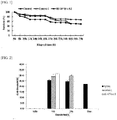
FIG. 1 is a graph showing the survival rate of shrimp infected with Vibrio parahaemolyticus. -
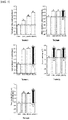
FIG. 2 is a graph showing the analysis of the AHPND content in the shrimp hepatopancreas. -
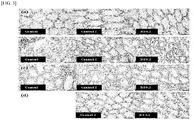
FIG. 3 is images showing the pathological features of the shrimp hepatopancreas. -
FIG. 4 is graphs showing the growth rates of shrimps.FIGs. 4(a) to 4(d) show the final body weight, the weight gain rate, the daily growth rate, and the feed conversion rate, respectively. -
FIG. 5 is graphs analyzing the non-specific immunities of shrimps.FIGs. 5(a) to 5(e) show the activities against macrophages, phenoloxidase, antiproteinase, lysozyme, and superoxide dismutase, respectively. -
FIG. 6 is a graph showing the results of analysis of water quality in the breeding water with zero water exchange. - Hereinbelow, the present disclosure will be described in detail. Meanwhile, each of the explanations and exemplary embodiments disclosed herein can be applied to other explanations and exemplary embodiments. That is, all combinations of various factors disclosed herein belong to the scope of the present disclosure. Furthermore, the scope of the present disclosure should not be limited by the specific disclosure provided hereinbelow.
- In order to achieve the above objects, an aspect of the present disclosure provides a feed composition for preventing or treating acute hepatopancreatic necrosis disease (AHPND), comprising a Bacillus subtilis strain, a culture medium thereof, a concentrate thereof, or a dry matter thereof as an active ingredient.
- As used herein, the term "Bacillus subtilis" is an aerobic bacterium that is not toxic and produces spores. Bacillus subtilis is widely distributed in nature such as in dry grass, soil, sewage, air, etc. This bacterium is widely used in industry because it produces enzymes to coagulate milk, saccharifies starch, and decomposes fat and oil. The optimal conditions for growth of the bacterium are pH of 7 to 8.5 and a temperature of 37°C to 40°C. Due to the characteristics of a strain of the genus Bacillus, the strain does not possess toxic genes for humans and animals, is non-pathogenic, produces no pathogenic substances, and exhibits a rapid growth rate in vivo. Bacillus subtilis has an anaerobic habitat in the presence of glucose, etc., and endospores allow Bacillus to survive in extremely harsh environments such as high or low temperatures.
- In the present disclosure, the Bacillus subtilis may be a strain deposited with Accession No. KCCM11143P.
- In the present disclosure, a feed composition comprising the Bacillus subtilis (KCCM11143P) was prepared.
- The composition of the present disclosure may comprise the Bacillus subtilis (KCCM11143P), which has a bacterial count of 1 x 10⁴ CFU to 1 x 10¹¹ CFU per gram of the total active ingredients. Specifically, the bacterial count may be 1 x 10⁴ CFU/g to 1 x 10¹⁰ CFU/g, and more specifically, the composition of the present disclosure comprises the Bacillus subtilis (KCCM11143P), which has the bacterial count of 1 x 10⁸ to 1 x 10¹⁰ CFU/g.
- For the objects of the present disclosure, Bacillus subtilis contained in the feed composition as an active ingredient may comprise only Bacillus subtilis (KCCM11143P).
- As used herein, the term "acute hepatopancreatic necrosis disease (AHPND)" refers to disease named as early mortality syndrome (EMS) or acute hepatopancreatic necrosis syndrome (AHPNS), and collectively refers to mass mortality caused by pathogens within 30 days of standing in an aquafarm. AHPND is caused by Vibrio parahaemolyticus, a pathogenic bacterium present in seawater, which has a large number of infections in whiteleg shrimp accounting for about 96% of Korean farmed shrimps. Because of a high mortality rate in the early stages of life, it causes harm to shrimps, but it is harmless to humans.
- The Vibrio parahaemolyticus is a gram-negative bacillus belonging to the genus Vibrio, which causes acute food poisoning and enteritis in humans and causes vibriosis in fish. Recently, Vibrio parahaemolyticus has been identified as a causative bacterium of acute hepatopancreatic necrosis disease (AHPND), which causes mass mortality in the shrimp farming industry.
- The composition of the present disclosure may further comprise Bacillus pumilus, Bacillus licheniformis, or a combination thereof as an active ingredient. The Bacillus pumilus may be a strain deposited with Accession No. KCCM11144P, and the Bacillus licheniformis may be a strain deposited with Accession No. KCCM11270P.
- As used herein, the term "prevention" refers to any behavior resulting in suppression or delay of symptoms of shrimp AHPND by administering the composition according to the present disclosure, which comprises Bacillus subtilis.
- As used herein, the term "treatment" refers to any action resulting in alleviation of or full recovery from symptoms of shrimp AHPND by administering the composition according to the present disclosure, which comprises Bacillus subtilis (KCCM11143P).
- In addition to the above strains contained as active ingredients, the composition may include a known carrier or an additive which is acceptable for pharmaceutical, food, or feed use. In the present disclosure, as a probiotic preparation having antibacterial activity against Vibrio parahaemolyticus, which comprises the Bacillus subtilis (KCCM11143P), there may be a binder, an emulsifier, a preservative, and the like, which are added in order to prevent deterioration of the quality of the probiotic preparation; and there may be an amino acid, a vitamin, an enzyme, a flavoring agent, a non-protein nitrogen compound, a silicate, a buffering agent, an extractant, an oligosaccharide, and the like, which are added to a feed to increase the efficiency of the probiotic preparation. In addition, a feed mixture, etc. may be further comprised, but the present disclosure is not limited thereto.
- In an embodiment of the present disclosure, as a result of confirming whether feeding the feed composition to shrimp would increase the immunity against AHPND and exhibit the disease preventive effect, it was confirmed that the groups (
BS Groups 1 and 2), in which the feed compositions (Examples 1 and 2) including the Bacillus subtilis (KCCM11143P) strain of the present disclosure is administered, could increase the disease resistance of shrimp against infection of Vibrio parahaemolyticus and significantly lower the toxin amount of AHPND in the shrimp hepatopancreas, compared to the groups (Control Groups 1 and 2), in which Comparative Example 1 (not including probiotics), and Comparative Example 2 (including commercially available probiotics (a mixed preparation of three Bacilli (B. subtilis, B. pumilus, B. licheniformis))) are administered. - In other embodiment of the present disclosure, as a result of analyzing the non-specific immunity of the feed composition including the strains above, it was found that the macrophage (NBT) activity, glutathione peroxidase (GPx) activity, lysozyme activity, phenol oxidase (PO) activity, superoxide dismutase (SOD) activity, and antiprotease activity were remarkably higher than those of the Comparative Examples. Based on this result, it can be seen that the composition may be useful for increasing the non-specific immune response of shrimp or improving the immunity thereof.
- The present disclosure provides a feed additive for shrimp farming, comprising the above-mentioned feed composition.
- In the feed additive of the present disclosure, a known carrier or a stabilizer which is acceptable for pharmaceutical, food, or feed use may be added in addition to the above active ingredients. When necessary, all sorts of nutrients such as vitamin, amino acids, and minerals, antioxidants, and other additives may be added, whose shape may be convenient therefor, such as powder, granules, pellets, and suspensions. When supplying the feed additive according to the present disclosure, the feed additive may be supplied alone or mixed with feed to non-ruminant animals.
- Additionally, the present disclosure provides a feed for shrimp farming, comprising the above-mentioned feed additive.
- The Bacillus subtilis (KCCM11143P) strain of the present disclosure, which is a gram-positive bacterium having a sporulation capacity, is preferably formulated in a spore form, but it is not limited thereto. The feed of the present disclosure is not particularly limited, but any feed such as powder feed, solid feed, moist pellet feed, dry pellet feed, extruder pellet (EP) feed, and raw feed is available.
- As described above, the Bacillus sp. forms endogenous spores, and thus is very stable against heat. Therefore, the Bacillus subtilis (KCCM11143P) of the present disclosure can be prepared separately as a feed additive form and then mixed with a feed, or can be prepared by directly adding to a feed when preparing the feed. The Bacillus subtilis included in the feed of the present disclosure may be in a liquid or dry state, and preferably in the form of a dried powder. The drying process may be performed by air drying, natural drying, spray drying, and freeze-drying, but is not limited thereto. The Bacillus subtilis (KCCM11143P) of the present disclosure may be mixed as a powder form in an amount of 0.05% to 10% by weight, preferably 0.1% to 1% by weight, based on the weight of the feed. In addition, the feed is used for aquaculture, and may further include, in addition to the Bacillus subtilis (KCCM11143P) of the present disclosure, conventional additives capable of increasing the preservability of the feed.
- In order to achieve the above objects, another aspect of the present disclosure provides a method for preventing or treating acute hepatopancreatic necrosis disease, comprising administering the feed composition of the present disclosure to a subject.
- Herein, the acute hepatopancreatic necrosis disease, prevention, and treatment of the present disclosure are as described above.
- As used herein, the term "subject" may refer to fish or crustaceans, the farming of which is possible, and which have or are at risk of developing acute hepatopancreatic necrosis disease, but the subject may refer to shrimp according to the objects of the present disclosure.
- The feed is preferably supplied with the same amount and at the same feeding interval as conventional feeds. In addition, the pathogenic bacterium refers to a bacterium that causes, in shrimp farming, mass mortality of shrimps by inducing AHPND, and specifically may refer to Vibrio parahaemolyticus.
- Causes of mass mortality in the shrimp farming include not only the Vibrio parahaemolyticus but also the infection by various viruses and the concentration of ammonia in breeding water. In the shrimp farming, ammonia in breeding water occurs as a metabolite of proteins such as shrimp feces, feed waste, etc., and it varies greatly with the increase of pH and water temperature. Ammonia at a high concentration is a direct cause of acute death of shrimp, leading to mass mortality; and ammonia at a low concentration may lead to a reduction in the growth as well as feeding capacity and immunity of shrimp in the long term, which in turn can lead to the development of various diseases.
- In an embodiment of the present disclosure, the breeding water of shrimp in which the feed composition of the present disclosure had been fed was collected and analyzed, and as a result, it was found that the total ammonia concentration in the breeding water was significantly lower than that of the control, and thereby the Bacillus subtilis (KCCM11143P) strain of the present disclosure could improve water quality of the shrimp-breeding water.
- As described above, the Bacillus subtilis (KCCM11143P) of the present disclosure can not only enhance the disease resistance of shrimp but can also inhibit the toxin of AHPND in the shrimp hepatopancreas. Therefore, by using the strain, the effect of preventing Vibrio parahaemolyticus that causes the disease can be obtained, and thereby shrimp can be farmed more safely.
- In order to achieve the above objects, still another aspect of the present disclosure provides a feed composition for preventing or treating white spot syndrome (WSS), comprising a Bacillus subtilis strain, a culture medium thereof, a concentrate thereof, or a dry matter thereof as an active ingredient.
- The terms of the present disclosure, Bacillus subtilis, prevention, and treatment are as described above.
- The composition of the present disclosure may comprise the Bacillus subtilis (KCCM11143P), which has a bacterial count of 1 x 10⁴ CFU to 1 x 10¹¹ CFU per gram of the total active ingredients. Specifically, the bacterial count may be 1 x 10⁴ CFU/g to 1 x 10¹⁰ CFU/g, and more specifically, the composition of the present disclosure comprises the Bacillus subtilis (KCCM11143P), which has the bacterial count of 1 x 10⁸ CFU/g to 1 x 10¹⁰ CFU/g.
- As used herein, the term "white spot syndrome virus (WSSV)" refers to a virus widely distributed all over the world. Because WSSV has a tail-like attachment at the end of a virion, and possesses a form similar to an egg-shaped bacillus in which a rod-shaped capsid and an envelope are present, it was referred to as baculovirus or bacillus-like formed virus; however, recently, it has been renamed whispovirus, which is a genetically new viral group. The virus has a length of about 275 nm and a diameter of about 120 nm, and is composed of double-stranded DNA having a size of about 290 kb.
- The composition may include, in addition to the above strains contained as active ingredients, a known carrier or an additive which is acceptable for pharmaceutical, food, or feed use. In the present disclosure, as a probiotic preparation having antiviral activity against white spot syndrome virus, which comprises the Bacillus subtilis (KCCM11143P), there may be a binder, an emulsifier, a preservative, and the like, which are added in order to prevent deterioration of the quality of the probiotic preparation; and there may be an amino acid, a vitamin, an enzyme, a flavoring agent, a non-protein nitrogen compound, a silicate, a buffering agent, an extractant, an oligosaccharide, and the like, which are added to a feed to increase the efficiency of the probiotic preparation. In addition, a feed mixture, etc. may be further comprised, but the present disclosure is not limited thereto.
- In an embodiment of the present disclosure, as a result of confirming whether feeding the feed composition to shrimp would increase the resistance to white spot syndrome virus (WSSV) and exhibit the disease preventive effect, it was confirmed that the group (BS Group 1), in which the feed composition (Example 1) including the Bacillus subtilis (KCCM11143P) strain of the present disclosure is administered, could increase the disease resistance of shrimp against infection of white spot syndrome virus (WSSV), compared to the group (Control Group 1), in which Comparative Example 1 (not including probiotics) is administered.
- In other embodiment of the present disclosure, as a result of confirming whether the resistance to complex infection of the white spot syndrome virus (WSSV) and acute hepatopancreatic necrosis disease (AHPND) would be increased, and whether the survival rate-enhancing effect would be exhibited when the feed composition is fed to shrimp, it was confirmed that the group (BS Group 1), in which the feed composition (Example 1) including the Bacillus subtilis (KCCM11143P) strain of the present disclosure is administered, could enhance the disease resistance of shrimp against the complex infection of the WSSV and AHPND, compared to the group (Control Group 1), in which Comparative Example 1 (not including probiotics) is administered.
- The present disclosure provides a feed additive for shrimp farming, comprising the above-mentioned feed composition.
- In the feed additive of the present disclosure, a known carrier or a stabilizer which is acceptable for pharmaceutical, food, or feed use may be added in addition to the above active ingredients. When necessary, all sorts of nutrients such as vitamins, amino acids, and minerals, antioxidants, and other additives may be added, whose shape may be convenient therefor, such as powder, granules, pellets, and suspension. When supplying the feed additive according to the present disclosure, the feed additive may be supplied alone or mixed with feed to non-ruminant animals.
- Additionally, the present disclosure provides a feed for shrimp farming, comprising the above-mentioned feed additive.
- The Bacillus subtilis (KCCM11143P) strain of the present disclosure, which is a gram-positive bacterium having a sporulation capacity, are preferably formulated in a spore form, but it is not limited thereto. The feed of the present disclosure is not particularly limited, but any feed such as powder feed, solid feed, moist pellet feed, dry pellet feed, extruder pellet (EP) feed, and raw feed is available.
- As described above, the Bacillus sp. forms endogenous spores, and thus is very stable against heat. Therefore, the Bacillus subtilis (KCCM11143P) of the present disclosure can be prepared separately as a feed additive form and then mixed with a feed, or can be prepared by directly adding to a feed when preparing the feed. The Bacillus subtilis included in the feed of the present disclosure may be in a liquid or dry state, and preferably in the form of a dried powder. The drying process may be performed by air drying, natural drying, spray drying, and freeze-drying, but is not limited thereto. The Bacillus subtilis (KCCM11143P) of the present disclosure may be mixed as a powder form in an amount of 0.05% to 10% by weight, preferably 0.1% to 1% by weight, based on the weight of the feed. In addition, the feed is used for aquaculture, and may further include, in addition to the Bacillus subtilis (KCCM11143P) of the present disclosure, conventional additives capable of increasing the preservability of the feed.
- In order to achieve the above objects, still another aspect of the present disclosure provides a method for preventing or treating white spot syndrome, comprising administering the feed composition of the present disclosure to a subject.
- Herein, the terms of the present disclosure, the white spot syndrome, prevention, treatment, and subject are as described above.
- Causes of mass mortality in the shrimp farming include not only the Vibrio parahaemolyticus but also the infection by various viruses. Specifically, the virus may refer to white spot syndrome virus (WSSV).
- As described above, the Bacillus subtilis (KCCM11143P) of the present disclosure can obtain an effect of enhancing the resistance to white spot syndrome virus (WSSV), and thus shrimp can be farmed more safely.
- Hereinafter, the present disclosure will be described in detail through exemplary embodiments. However, these exemplary embodiments are for illustrative purposes only and are not intended to limit the scope of the present disclosure.
- To select strains having antibacterial activity against Vibrio parahaemolyticus, which induces shrimp AHPND, a clear zone assay was performed. 0.5% agar (3 mL) and 100 µL of a shaking culture (2.0 × 10⁹ CFU/mL) of pathogenic bacteria were mixed and seeded on a TSA+ medium to prepare top agar. Cultures of 12 kinds of Bacillus subtilis strains (those possessed by CJ CheilJedang and commercial strains), each in an amount of 10 µL, were dropped on top of the prepared top agar, cultured at 30°C for 18 hours, and the presence/absence of clear zones was observed. The antibacterial activity of commercially available Bacillus subtilis and complex phage was evaluated together.
[Table 1] Subjects for Antibacterial Evaluation Vibrio parahaemolyticus Bacillus subtilis 1 (CJBS-01) ++++ Bacillus subtilis 2 (CJBS-02) + Bacillus subtilis 3 (CJBS-03) - Bacillus subtilis 4 (CJBS-04) - Bacillus subtilis 5 (CJBS-05) + Bacillus subtilis 6 (CJBS-06) - Bacillus subtilis 7 (CJBS-07) - Bacillus subtilis 8 (CJBS-08) - Bacillus subtilis 9 (CJBS-09) + Bacillus subtilis10 (CJBS-10) - Bacillus subtilis 11 (CJBS-11) - Bacillus subtilis 12 (CJBS-12) - Bacillus subtilis (commercially purchased, Company A, Korea) + Complex phage - ++++: strong activity, +: presence of activity, -: no activity - As shown in Table 1 above, the
Bacillus subtilis 1 microorganism (CJBS-01) showed the most excellent antibacterial effect in vitro against Vibrio parahaemolyticus, which causes AHPND. However, although the microorganism showed antibacterial activity in vitro against a particular pathogen, the antibacterial activity observed is simply an in vitro effect and it does not necessarily mean that the ingestion of Vibrio parahaemolyticus by an animal will be able to provide the animal with immunity or a preventive effect against the particular pathogen. - Accordingly, in the following experiments, it was examined whether the Bacillus subtilis 1 (CJBS-01) microorganism, when fed to shrimp, could lead to exhibition of an improvement in immunity and a disease preventive effect in the shrimp against the AHPND disease. Additionally, it was also examined whether the Bacillus subtilis 1 (CJBS-01) has an effect on weight gain and digestion rate.
- The Bacillus subtilis 1 (CJBS-01) is a strain deposited to the Korean Culture Center of Microorganisms (KCCM) on December 14, 2010, and was assigned Accession No. KCCM11143P.
- A feed composition containing the Bacillus subtilis 1 (Accession No. KCCM11143P, hereinafter "BS") selected in Preparation Example 1 was prepared.
- Specifically, the compositions of Comparative Example 1 not containing Bacillus subtilis, Comparative Example 2 containing commercially-available Bacillus species (i.e., a mixed preparation of three Bacillus species (B. subtilis, B. pumilus, and B. licheniformis)), Example 1 containing the selected Bacillus subtilis 1 (BS) in an amount of 1010 × 0.2 CFU/g, and Example 2 containing the BS in an amount of 109 x 0.2 CFU/g were each mixed with fish oil and water, and prepared in the form of a pellet. The feed compositions of Comparative Examples 1 and 2 and Examples 1 and 2 were dried at 25°C for about 24 hours using a dryer and stored at -20°C until subsequent experiments.
[Table 2] Ingredients (%) Comparative Example 1 Comparative Example 2 Example 1 Example 2 Fish meal 40 40 40 40 SBM 44% South America 12.81 12.81 12.81 12.81 Squid liver powder 10 10 10 10 Wheat flour 25.61 25.61 25.61 25.61 Amygluten 110 3 3 3 3 Fish oil A/ C 2 2 2 2 Amino acid 0.42 0.42 0.42 0.42 Vitamin/Mineral premix 5.96 5.96 5.96 5.96 Rice bran 0.2 0.18 0.00 0.00 3 Kinds of Bacillus species (1010 x CFU/g) 0.00 0.2 0.00 0.00 BS (1010 x CFU/g) 0.00 0.00 0.2 0.00 BS (109 x CFU/g) 0.00 0.00 0.00 0.2 Chemical composition (% dry mater) Moisture 5.68 5.57 5.60 5.61 Crude protein 47.3 47.4 47.4 47.4 Crude lipid 7.31 7.47 7.49 7.48 Crude ash 6.01 6.18 6.12 6.10 - Thirty whiteleg shrimp were prepared per water tank in a total of 40 water tanks. All of the experimental water tanks were equipped with air stones to maintain dissolved oxygen, and temperature of the water tanks was maintained in a range of 28°C to 32°C during the entire period of the experiment. The feed was fed 4 times a day with a limited supply (4% to 12% of fish weight).
- The weight of the shrimp was measured every 2 weeks. The evaluation items and the equations for calculation related to growth rate and feed efficiency are as follows:
-

-

-

- For the distribution of experimental feed, a completely randomized design was performed and the results of growth and analysis were statistically analyzed by one-way ANOVA using the SPSS Version 18.0 program. Significant differences in data values were compared between Duncan's multiple range test (P <0.05). The data was expressed as means±SD and percentage data was calculated as arcsine transformed values and analyzed statistically.
[Table 3] Control Group 1Control Group 2BS Group 1IBW1 (g) 0.51±0.01 0.51±0.01 0.51±0.01 FBW2 (g) 3.49±0.12bc 3.80±0.22ab 3.86±0.18a WG3 (%) 592±18.9c 655±39.3ab 667±31.9a SGR4 (%) 6.04±0.09b 6.31±0.16a 6.37±0.13a FCR5 1.30±0.26 1.28±0.09 1.19±0.12 Survival (%) 80.0±3.33 75.6±6.94 71.1±6.94 1IBW: Initial body weight
2FBW: Final body weight
3
4
5FCR: Feed conversion rate = dry feed fed/wet weight gain - As shown in Table 3, as a result of feeding tests, it was confirmed that the
BS Group 1, which was provided with the feed composition of Example 1 containing the Bacillus subtilis 1 (BS) selected in Preparation Example 1, exhibited a significantly higher growth rate, compared toControl Group 1 andControl Group 2, which were provided with each of the feed composition of Comparative Example 1 and Comparative Example 2. Additionally, it was confirmed that the group provided with the feed composition of Example 1 had a significantly higher daily specific growth rate than the groups provided with each of the feed composition of Comparative Example 1 and Comparative Example 2. - The test of Vibrio parahaemolyticus attack on shrimp was performed over a total of two divided tests. In the case of the Vibrio strain, AHPND (EMS)-causing strains isolated in Vietnam in 2013 were used for the tests. The attack test was carried out as follows: the feed compositions of Examples were fed to shrimp for two weeks, and then shrimp with the same weight (average weight: 2.32 g) were distributed into 4 replicates with 96 shrimps per group. The bacteria were cultured at 30°C with 150 rpm for 24 hours using the TSB+ medium, and a suspension of Vibrio parahaemolyticus was immersed at a concentration 3.1 x 10⁵ CFU/mL per tank. After the immersion, the survival and swimming status of the shrimp were confirmed every hour, and after 8 hours, 95% of the water was exchanged. The test feed was given three times a day (at 8:30, 13:30 and 18:30) in a divided dose in a restricted manner (10 to 12% of fish body weight), and the degree of mortality was observed for 70 hours. The results are shown in Table 4 below.
[Table 4] Treatment Survival (%) Trial Control Group 1 50.0±16.0 Control Group 249.0±23.2 BS Group 167.7±28.9 - As shown in Table 4 above, the
BS Group 1, which was provided with the feed composition containing the Bacillus subtilis 1 (BS) selected in Preparation Example 1, exhibited a higher survival rate in the attack test of Vibrio parahaemolyticus against shrimp, compared toControl Group 1 andControl Group 2. - Additionally, as shown in
FIG. 1 , it was commonly observed in the above two tests that, after the immersion of Vibrio parahaemolyticus, the movement of shrimp became slowed and they sat at the bottom of the water tank without swimming activity, and their feed intake was also not active. At 8 hours after immersion, rapid mortality of shrimp began to occur, and the survival rate of theBS Group 1 was shown to be higher compared to those ofControl Group 1 orControl Group 2 by at least 17%. - The test of Vibrio parahaemolyticus attack on shrimps was carried out once. In the case of the Vibrio strain, AHPND (EMS)-induced strains isolated from Vietnam in 2013 were used for the test. The attack test was carried out as follows: The feed compositions of the Examples were fed to shrimps for 4 weeks and then the shrimps with the same weight (average weight: 2.30 g) were distributed into 4 replicates with 96 shrimps per group. The bacteria were cultured at 30°C with 150 rpm for 24 hours using a TSB+ medium, and a suspension of Vibrio parahaemolyticus was immersed at a concentration of 6.3 x 10⁵ CFU/mL per tank. After the immersion, the survival of shrimps and their swimming status were confirmed every hour, and after 8 hours, 95% of the water was exchanged. The test feed was given three times a day (at 8:30, 13:30 and 18:30) in a divided dose in a restricted manner (10 to 12% of fish body weight), and the degree of mortality was observed for 70 hours. The results are shown in Table 5 below.
[Table 5] Treatment Survival (%) Trial Control Group 1 0.00±0.00 BS Group 18.93±10.7 BS Group 26.90±5.45 - As shown in Table 5, in the attack test of Vibrio parahaemolyticus for the shrimps, the
BS Groups Control Group 1 to which the feed composition of Comparative Example 1 is provided. - At each time-point of the initiation (before infection), intermediate time (infection), and completion of the attack test of Vibrio parahaemolyticus against shrimp, two shrimp per group were randomly selected and their hepatopancreases were extracted. Part of the extracted hepatopancreas was stored in ethyl alcohol (100%) for quantitative real-time PCR (qPCR) analysis, and another part was fixed in Davidson's fixative for 24 hours and then stored in ethyl alcohol (70%) for histopathological analysis.
- More specifically, the histopathological analysis was performed by the following method.
- To minimize the damage of the extracted hepatopancreas tissue, immediately after the sampling in each water tank, Davidson's fixative was injected into the hepatopancreas of shrimp using a 1 mL syringe and the hepatopancreas was extracted. Then, each extracted hepatopancreas was fixed in a 1.5 mL Eppendorf tube containing Davidson's fixative for 24 hours, stored in ethyl alcohol (70%), and used for analysis. Upon completion of fixing, the organs were trimmed to a thickness of about 2 mm to about 3 mm in size to be suitable for the preparation of tissue specimens, and inserted into a cassette, and their tissues were treated for 13 hours. These tissues were thinly cut to a thickness of about 4 µm, and the resulting specimens were collected using a brush, attached to each slide without any wrinkles, placed in the air for about 5 minutes, and then subjected to H&E staining. After completing the staining, the slides were photographed under 200 magnification with a professional program for use in microscopes (TCapture, Tucen Photonics) using a phase contrast microscope (BX50, Olympus). Then, qPCR analysis was performed with regard to the amount of AHPND toxin present in the sampled hepatopancreas.
- The results are shown in
FIG. 2 , in which the lower Ct value indicates a higher amount of toxin. - In the hepatopancreas sampled at the time-point before the attack test (i.e., 0h), no AHPND toxin was detected in all of the groups, whereas in the hepatopancreas sampled at the 10 hour time-point of the attack test (i.e., 10 h; when the number of dead subjects was highest), the AHPND toxin was detected in all of the samples. However,
BS Group 1, which was provided with the feed composition containing the Bacillus subtilis according to the present disclosure, showed a significantly higher Ct value compared toControl Group 1 andControl Group 2, and in the hepatopancreas sampled at the 24 hour time-point of the attack test, the lowest level of AHPND toxin was detected in theBS Group 1. Additionally, at the termination time-point of the attack test (i.e., 193h), the AHPND toxin was not detected inBS Group 2 andControl Group 2. - Additionally, the results of histopathological analysis of the hepatopancreas are shown in
FIG. 3 . - In the hepatopancreas sampled at the time-point before the attack test (i.e., 0h), abnormal tissues were observed in all of the groups. In the hepatopancreas sampled at the 10 hour time-point, the damage level was shown to be most severe in
Control Group 1, and progress of tissue necrosis was observed inBS Group 1 andControl Group 2. In the hepatopancreas sampled at the 24 hour time-point, inflammation was observed rather than the tissue necrosis due to the AHPND toxin. In the hepatopancreas sampled at the termination time-point of the attack test (i.e., 193h), the sampling was not possible due to the occurrence of 100% death at the time-point of 37h inControl Group 1, whereas some inflammatory cells were observed in the BS Groups andControl Group 2. - From the above results, it was confirmed that the feed composition containing the Bacillus subtilis according to the present disclosure can not only improve the disease resistance of shrimp to Vibrio parahaemolyticus infection, but can also significantly reduce the amount of AHPND toxin in the hepatopancreas of shrimp.
- Considering the results in Preparation Example 2, feed compositions (Examples 1 to 3) containing various concentrations of the Bacillus subtilis (KCCM11143P, hereinafter "BS") selected in Preparation Example 1 were prepared. The results are shown in Table 6 below.
[Table 6] Ingredients (%) Comparative Example 1 Comparative Example 2 Experimental Example 1 Experimental Example 3 Fish meal 40 40 40 40 SBM 44% South America 12.81 12.81 12.81 12.81 Squid liver powder 10 10 10 10 Wheat flour 25.61 25.61 25.61 25.61 Amygluten 110 3 3 3 3 Fish oil A/ C 2 2 2 2 Amino acid 0.42 0.42 0.42 0.42 Vitamin/Mineral premix 5.96 5.96 5.96 5.96 Rice bran 0.2 0.18 0.00 0.00 3 Kinds of Bacillus species (1010 x CFU/g) 0.00 0.2 0.00 0.00 BS (1010 x CFU/g) 0.00 0.00 0.2 0.1 Chemical composition (%, dry matter) Moisture 5.59 5.80 5.78 5.71 Crude protein 47.3 48.6 49.2 48.9 Crude lipid 7.74 7.71 7.73 7.70 Crude ash 6.12 6.12 6.20 6.10 - The composition of each group in Table 6 was prepared by adding fish oil and water and mixing thereof, and prepared in the form of pellet. The composition of each group in Table 6 was dried at 25°C for about 24 hours using a dryer and stored at -20°C until subsequent experiments.
- 30 whiteleg shrimps were prepared per water tank in a total of 28 water tanks. All of the experimental water tanks were equipped with air stones to maintain dissolved oxygen, and temperature of the water tanks was maintained in a range of 28°C to 32°C during the entire period of the experiment. The feed was fed 4 times a day for 8 weeks with a limited supply (6% to 12% of fish weight, initial body weight: 0.14 g).
- The weight of the shrimp was measured every 2 weeks. The evaluation items and the equations for calculation related to growth rate and feed efficiency are as follows:
-

-

-

- The results are shown in Table 7 below.
[Table 7] Control Group 1Control Group 2BS Group 1BS Group 3IBW1 (g) 0.14±0.00 0.14±0.00 0.14±0.00 0.14±0.00 FBW2 (g) 10.2±0.69b 11.3±0.45a 11.9±0.43a 11.5±0.60a WG3 (%) 7029±506b 7969±413a 8381±356a 8085±464a SGR4 (%) 7.62±0.13b 7.84±0.09a 7.93±0.07a 7.86±0.10a FCR5 1.53±0.04c 1.21±0.09ab 1.11±0.22a 1.13±0.12a Survival (%) 90.7±6.11 92.0±4.00 84.0±17.4 88.0±8.00 * (P < 0.05)
1IBW: Initial body weight
2FBW: Final body weight
3
4
5FCR: Feed conversion rate = dry feed fed/wet weight gain - As shown in Table 7 and
FIG. 4 , all groups of shrimp fed for 8 weeks showed an increase of growth rate over 7,000% compared to those before feeding. In particular, the final average body weight ofBS Group 1 and the final average body weight ofBS Group 3 were greater than that ofControl Group 1, by 15.7% and 16.7%, respectively. Additionally, with regard to daily specific growth rate,BS Group 1 andBS Group 3 showed increased values compared to that ofControl Group 1, by 3.4% and 4.1%%, respectively. The feed efficiencies ofBS Group 1 andBS Group 3 were improved compared to that ofControl Group 1, by 27.5% and 26.1%, respectively. However, there was no significant difference in the survival rate of shrimp in all of the groups. - Test shrimp were weighed every 2 weeks and all of the test shrimp were fasted to reduce the stress of the shrimp 18 hours before the measurement.
- After the measurement of final weight, 7 shrimp were randomly selected from each water tank and anesthetized in ice water, and hemolymph was collected using a syringe treated with Alsever's solution. The collected hemolymph was used for the analysis of nitroblue-tetrazolium activity (NBT), and the samples in which sera were separated using a centrifuge (800 g, 10 min, 4°C) were used for the analysis of non-specific immunity.
- With regard to the collection of shrimp feces for digestion rate analysis, the feed and impurities remaining in the water tanks were cleaned by siphoning and water exchange after 30 minutes of feeding, and 3 hours thereafter, the feces being excreted were collected using a siphon. The collected samples were washed with distilled water, filtered through a filter paper, and stored in a -40°C low-temperature freezer until use as a sample for analysis.
- For the distribution of experimental feed, completely randomized design was performed and the results of growth and analysis were statistically analyzed by one-way ANOVA using the SPSS Version 18.0 program. Significant differences in data values were compared between Duncan's multiple range test (P <0.05). The data was expressed as means±SD and percentage data was calculated as arcsine transformed values and analyzed statistically.
- The test feed and the common ingredients of the feces were analyzed according to the AOAC (2005) method; the moisture contents by an atmospheric-pressure heating-drying method (125°C, 3h) (Kejltec system 2300, Sweden); crude ash by direct incineration method (550°C, 4h); crude proteins by an automated crude protein analyzer (Kejltec system 2300, Sweden); and crude lipids by the method of Folch et al. (1957). The results are shown in Table 8 below.
[Table 8] Control Group 1Control Group 2BS Group 1BS Group 3Dry matter 24.9±0.35 24.5±0.10 23.7±0.39 23.7±0.35 Crude ash 12.9±2.34 12.8±0.12 12.3±0.33 14.5±0.22 Crude protein 76.5±3.46b 82.0±1.67a 84.3±2.85a 83.9±2.31a Crude lipid 5.37±0.96 5.45±1.15 5.09±0.28 5.26±1.05 (*P < 0.05) - As shown in Table 8, with regard to the contents of crude ash and crude lipids, there were no significant differences among the groups. However, the content of the crude protein in
BS Group 2 was significantly higher compared to those ofControl Group 1 andControl Group 3. That is, it was confirmed that when the feed compositions according to the present disclosure are provided to shrimp, the protein content of shrimp can be increased. - The amount of oxidative radical production by neutrophils during respiratory explosion was determined using the analysis method of Zhang et al. (2013).
- Specifically, first, hemolymph (50 µL) was mixed with 200 µL of the Hank's balanced salt solution (HBSS) and allowed to react at 25°C. After 30 minutes, 100 µL of zymosan (0.1% Hank's solution) was added thereto and reacted at 37°C for 2 hours. NBT solution (0.3%) was added thereto in an amount of 100 µL each time and reacted at 37°C for 2 hours. 100% methanol (600 µL) was added thereto and the mixture was centrifuged at a rate of 6,500 rpm for 10 minutes. The supernatant was discarded and the pellet was washed 3 times with 70% methanol (100 µL) and dried for 5 minutes. Then, 2 M KOH (700 µL) and DMSO (800 µL) were added thereto, and the absorbance of the resultant was measured at 620 nm.
- The GPx activity in serum was analyzed using the GPx kit (Biovision, Inc. California).
- Specifically, as the cumene hydroperoxide, a reaction mixture in which peroxide substrate (ROOH), glutathione reductase (GSSG-R), and reduced b-nicotinamide adenine denucleotide phosphate (NADPH) were mixed was used. First, a hemolymph sample (50 µL) was added into a microplater, and a reaction mixture (40 µL) was added thereto and reacted. Then, cumene hydroperoxide (10 µL) was added thereto, and after 5 minutes, the absorbance of the resultant was measured at 340 nm. The GPx activity was calculated as nmol/min/mL.
- The analysis of lysozyme activity was analyzed based on the method of Swain et al. (2007).
- Specifically, lysozyme, which is an antibacterial enzymes involved in nonspecific (innate) immune responses, is an enzyme that exhibits antibacterial activity against various kinds of bacteria in a non-specific manner, rather than in a specific manner for a specific bacterium.
- The antibacterial mechanism against pathogenic bacteria is the antibacterial action that hydrolyzes β-1,4-glucosidic bonds of peptidoglycan, which is a constituent of bacterial cell walls, thereby destroying bacterial cell walls. Lysozyme is especially effective against gram-positive bacteria. Based on such a mechanism, lysozyme activity is widely used for analysis to measure non-specific immune responses in shrimp including fish. When immunostimulators (e.g., ascorbic acid, β-glucan, probiotics, etc.) are added to the shrimp feed, it is possible to confirm the increased lysozyme activity in the hemolymph and tissues of shrimp, and these results are interpreted as a result of an increase in a non-specific immune response or improvement in the immunity of fish (shrimp).
- The phenoloxidase (PO) activity was analyzed based on the method of Hernandez-Lopez et al. (1996).
- Specifically, phenoloxidase, which is an enzyme that has an important role in the defense mechanism of the Crustacea, is present in the form of prophenoloxidase in blood cells and activated by the prophenoloxidase activating system. The activated phenoloxidase produces opsonin, which promotes the phagocytosis of the blood cells and the coating action on the foreign antigen and participates in the blood clotting reaction. Accordingly, the phenoloxidase activity within the hemolymph is used as an important index of the innate immunity of shrimp.
- The SOD activity was analyzed using the SOD assay kit (Sigma-Aldrich, 19160, St. Louis, USA).
- Specifically, a radical detector (20 µL) was added into a 96-well plate, and each blood sample (20 µL) was added to each well. Then, xanthine oxidase (20 µL) was added thereto and reacted for 20 minutes. The absorbance of the resultant was measured at 450 nm using the Microplate Reader (Thermo).
- The antiprotease activity within the hemolymph was analyzed using the analysis method of Ellis (1990).
- Specifically, hemolymph (20 µL) and standard trypsin solution (20 µL; Type II-S, from porcine pancreas, Sigma-Aldrich, A2765, St. Louis, USA) were mixed and cultured at 22°C for 10 minutes. Phosphate buffer (200 µL; 0.1 M, pH 7.0) and azocasein (2%) (250 µL; Sigma-Aldrich) were added thereto, cultured at 22°C for 1hour, and trichloro acetic acid (500 µL; 10%) (TCA) was again added thereto, and cultured at 22°C for 30 minutes. The cultured solution was centrifuged (6000 g, 5 min), and the resultant (100 µL) was seeded into a 96-well plate, and 1 N NaOH (100 µL) was added thereto, and the absorbance of the resultant was measured at 430 nm using the Microplate Reader.
- The results of Experimental Examples 2-5-1 to 2-5-6 in which the non-specific immunological analysis was performed are shown in Table 9 below.
[Table 9] Control Group 1Control Group 2BS Group 1BS Group 3NBT1 1.65±0.15c 1.72±0.08bc 1.85±0.03ab 1.79±0.13ab PO2 0.213±0.008b 0.249±0.031a 0.254±0.015a 0.249±0.009a Antiprotease3 31.6±2.4b 35.8±0.3a 36.6±1.8a 36.1±3.4a Lysozyme4 6.40±1.04b 8.57±0.50a 8.43±0.98a 8.08±1.26ab SGD5 67.3±4.6b 73.1±3.3ab 74.8±4.6ab 72.8±7.7ab GPx6 28.5±1.9d 32.7±2.4c 36.4±1.7abc 36.7±2.3a (*P < 0.05)
1Nitro blue tetrazolium; phagocytic activity (absorbance)
2Phenoloxidase activity (absorbance)
3Antiprotease (% inhibition)
4Lysozyme activity (µg mL-1)
5Superoxide dismutase (% inhibition)
6Glutathione peroxidase (mU mL-1) - As shown in Table 9 and
FIG. 5 , with regard to the NBT activity and PO activity, all ofBS Group 1 andBS Group 3 showed significantly higher values, compared toControl Group 1 andControl Group 2; and in particular, in the case of PO activity,BS Group 1 showed a higher value compared toControl Group 1 by 26.8%. With regard to the antiprotease activity, all ofBS Group 1 andBS Group 3 showed significantly higher values, compared toControl Group 1 andControl Group 2; and in particular,BS Group 1 showed a higher value compared toControl Group 1 by 15.8%. With regard to the lysozyme activity and SOD activity, all ofBS Group 1 andBS Group 3 were shown to be significantly higher compared toControl Group 1. With regard to the GPx activity, all ofBS Group 1 andBS Group 3 showed significantly higher values, compared toControl Group 1 andControl Group 2; and in particular,BS Group 1 andBS Group 3 showed higher values compared toControl Group 1 by 27.7% and 28.8%, respectively. - During 8 weeks of the feeding experiment, the samples of culture water were collected from each water tank once every 5 days. The samples were collected from the same location in each tank, and the level of dissolved oxygen (DO), salinity, pH, and the concentration of ammonia (NH4 +) were measured. The DO was measured by a Thermo Scientific Orion Star A216 Benchtop Meter (Thermo Scientific), the salinity was measured by a Master Refractometer (ATAGO). The pH was measured by a Seven Compact (METTLER TOLEDO), and the concentration of NH4+ was analyzed by the method according to Verdouw et al. (1978).
- Twelve whiteleg shrimp (L. vannamei) having an average weight of 2.87 (± 0.08) g were randomly placed in each 96-L water tank for a total of 14 water tanks using a zero water change method. There were two replicates for each test group, and the shrimps were given a
test feed 10% of their body weight four times a day in a divided dose (at 08:30, 12:00, 15:30 and 19:00). According to Verdouw et al. (1978), the water samples were collected once a day, and the concentration of total ammonia in the water samples was measured for 10 days. The results are shown in Table 10.[Table 10] DO mgL-1 pH NH4+mgL-1 Mean 6.85 7.10 0.102 Max 7.21 6.78 0.154 Min 6.39 6.48 0.035 - As shown in Table 10 and
FIG. 6 , interestingly, it was found that from day 7, all of the test groups began to show a lower total ammonia concentration than the control group, and that onday 10, all of the test groups showed a significantly lower ammonia concentration than the control group. - In order to analyze the chromium oxide content in the test feed and the powders, the method according to Divakaran et al. (2002) was used.
- Specifically, the test feed and the powder samples were subjected to ashing for 4 hours in an ashing furnace (550°C), and the obtained samples were used for the analysis. First, in order to oxidize chromium oxide to a mono-chromate form, 5 mg to 10 mg of the powder samples was weighed and transferred to a glass test tube. 4 mL of perchloric reagent (HClO4) was added to the glass test tube containing the sample. The perchloric reagent (70%) was prepared by mixing 200 mL of nitric acid in 100 mL of distilled water, cooling the mixture and then mixing 200 mL of 70% perchloric acid thereto. The glass test tube containing the sample and the perchloric reagent was placed in a heating plate, heated at 300°C for 15 minutes, and then cooled to room temperature. The pretreated sample was transferred to a 50 mL glass flask and quantified to 25 mL with triple-distilled water. Thereafter, the absorbance was measured at 350 nm using a spectrophotometer (Beckman DU-730). The measured absorbance was used to calculate the chromium oxide content of the sample using a standard equation prepared from a pretreated standard solution as in the sample analysis.
- The dry matter and protein digestibility of the test feed were calculated by the following method:


- The results of the digestibility analysis carried out at the end of the feeding experiment are shown in Table 11.
[Table 11] Control 3 Kinds of Bacillus species BS1010x0.2 BS1010x0.1 ADCd (%)1 85.6±0.7c 87.4±0.6ab 86.9±0.5b 87.9±0.4a ADCp (%)2 93.5±0.3b 95.0±0.2a 94.8±0.2a 95.2±0.2a Values are mean of triplicate groups and presented as mean ± S.D. Values with different superscripts in the same column are significantly different (P < 0.05).
1 Apparent digestibility coefficient of dry matter
2 Apparent digestibility coefficient of protein. - As shown in Table 11, all of the test groups showed significantly higher dry matter digestibility and protein digestibility than the control groups.
- In order to confirm antiviral activity of the feed compositions including Bacillus subtilis, the attack test was carried out such that the shrimps were attacked by white spot syndrome virus. In the case of the white spot syndrome virus, viruses isolated from whiteleg shrimps (Litopenaues vannamei) infected with WSSV were obtained from domestic farms in 2017 and used for the test. The attack test was carried out as follows: the feed compositions of the Examples were given to shrimp for 6 weeks and then the shrimps having the same weight (average weight: 6.25 g) were placed into 4 replicates with 96 shrimps per group. The inoculation concentration of the virus was 4.1 x 10⁵ copies/µL, and each shrimp was inoculated intramuscularly with 100 µL of virus using a syringe. The final inoculation concentration per shrimp was 4.1 x 10⁷ copies/µL.
- After the inoculation, the mortality of shrimp and their swimming states were confirmed. The test feed was given three times a day (at 8:30, 13:30 and 18:30) in a divided dose in a restricted manner (10% to 12% of fish body weight), and the degree of mortality was observed for 125 hours. The results are shown in Table 12 below.
[Table 12] Treatment Survival (%) Trial Control Group 1 23.21±3.57 BS Group 125.00±18.0 - As shown in Table 12, in the attack test of white spot syndrome virus for the shrimps,
BS Group 1 provided with the feed composition of Examples 2 including Bacillus subtilis showed the survival rate higher than those of thecontrol group 1 to which the feed composition of Comparative Example 1 was administered. - In order to confirm antiviral activity of the feed compositions including Bacillus subtilis, the attack test was carried out such that the shrimp were attacked by Vibrio parahaemolyticus and white spot syndrome virus. In the case of the Vibrio strain, AHPND (EMS)-induced strains isolated from Vietnam in 2013 were used for the test. In the case of the white spot syndrome virus, viruses isolated from whiteleg shrimps (Litopenaues vannamei) infected with WSSV were obtained from domestic farms in 2017 and used for the test. The attack test was carried out as follows: the feed compositions of the Examples were given to shrimps for 6 weeks and then the shrimps having the same weight (average weight: 4.52 g) were placed into 4 replicates with 96 shrimps per group. The inoculation concentration of the virus was 8.3 x 10³ copies/µL, and each shrimp was inoculated intramuscularly with 50 µL of virus using a syringe. The final inoculation concentration per shrimp was 4.1 x 10⁴ copies/µL. Two days after the virus inoculation, the shrimp were infected with the Vibrio strain.
- The bacteria were cultured at 30°C with 150 rpm for 24 hours using a TSB+ medium, and a suspension of Vibrio parahaemolyticus was immersed at a concentration of 1.3 x 10⁵ CFU/mL per tank. After the immersion, the mortality of shrimps and their swimming states were confirmed every hour. The test feed was given three times a day (at 8:30, 13:30 and 18:30) in a divided dose in a restricted manner (10% to 12% of fish body weight), and the degree of mortality was observed for 7 days. The results are shown in Table 13 below.
[Table 13] Treatment Survival (%) Trial Control Group 1 51.8±13.5 BS Group 162.50±14.7 - As shown in Table 13, in the attack test of Vibrio parahaemolyticus and white spot syndrome virus for the shrimps,
BS Group 1 provided with the feed composition of Example 1 including Bacillus subtilis showed the survival rate higher than those ofControl Group 1 to which the feed composition of Comparative Example 1 was administered. - Based on the Examples above, the feed compositions including Bacillus subtilis according to the present disclosure can increase the growth of whiteleg shrimp, feed efficiency, digestibility, quality of culture water and nonspecific immunity. In addition, it is expected that the present disclosure enables the production of high-protein whiteleg shrimp and thus can increase the marketability of the shrimp.
- Depository Institution: Korean Culture Center of Microorganisms (International Depositary Authority)
Accession No.: KCCM11143P
Deposition Date: 20101214
Accession No.: KCCM11144P
Deposition Date: 20101214
Accession No.: KCCM11270P
Deposition Date: 20120322
Claims (14)
- A feed composition for preventing or treating acute hepatopancreatic necrosis disease (AHPND), comprising a Bacillus subtilis strain, a culture medium thereof, a concentrate thereof, or a dry matter thereof as an active ingredient.
- The feed composition according to claim 1, wherein the Bacillus subtilis is KCCM11143P.
- The feed composition according to claim 1 or 2, wherein the Bacillus subtilis has a bacterial count of 1 x 10⁴ to 1 x 10¹¹ CFU per g of the active ingredient.
- The feed composition according to any one of claims 1 to 3, wherein the feed composition further comprises Bacillus pumilus, Bacillus licheniformis, or a combination thereof as an active ingredient.
- The feed composition according to any one of claims 1 to 4, wherein the acute hepatopancreatic necrosis disease (AHPND) is caused by Vibrio parahaemolyticus.
- A method for preventing or treating acute hepatopancreatic necrosis disease, comprising administering the feed composition of any one of claims 1 to 5 to a subject.
- The method according to claim 6, wherein the subject is a shrimp.
- A feed composition for preventing or treating white spot syndrome (WSS), comprising a Bacillus subtilis strain, a culture medium thereof, a concentrate thereof, or a dry matter thereof as an active ingredient.
- The feed composition according to claim 8, wherein the white spot syndrome (WSS) is caused by white spot syndrome virus (WSSV).
- The feed composition according to claim 8 or 9, wherein the Bacillus subtilis is KCCM11143P.
- The feed composition according to any one of claims 8 to 10, wherein the Bacillus subtilis has a bacterial count of 1 x 10⁴ to 1 x 10¹¹ CFU per g of the active ingredient.
- The feed composition according to any one of claims 8 to 11, wherein the feed composition further comprises Bacillus pumilus, Bacillus licheniformis, or a combination thereof as an active ingredient.
- A method for preventing or treating white spot syndrome, comprising administering the feed composition of any one of claims 8 to 12 to a subject.
- The method according to claim 13, wherein the subject is a shrimp.
Applications Claiming Priority (3)
| Application Number | Priority Date | Filing Date | Title |
|---|---|---|---|
| KR20170184265 | 2017-12-29 | ||
| KR1020180171279A KR20190082122A (en) | 2017-12-29 | 2018-12-27 | A feed composition for the preventing or treating Acute Hepatopancreatic Necrosis Disease or White Spot Syndrome including Bacillus subtilus |
| PCT/KR2018/016893 WO2019132605A1 (en) | 2017-12-29 | 2018-12-28 | Feed composition containing bacilius subtilus strain as active ingredient for preventing or treating acute hepatopancreatic necrosis disease or white spot syndrome |
Publications (2)
| Publication Number | Publication Date |
|---|---|
| EP3530123A1 true EP3530123A1 (en) | 2019-08-28 |
| EP3530123A4 EP3530123A4 (en) | 2020-08-19 |
Family
ID=67261354
Family Applications (2)
| Application Number | Title | Priority Date | Filing Date |
|---|---|---|---|
| EP18859983.1A Withdrawn EP3530123A4 (en) | 2017-12-29 | 2018-12-28 | FEED COMPOSITION WITH BACILIUS SUBTILUS STEM AS AN ACTIVE INGREDIENT FOR THE PREVENTION OR TREATMENT OF ACUTE HEPATOPANIC NECROSIS OR WHITE SPOT SYNDROME |
| EP18859986.4A Withdrawn EP3530124A4 (en) | 2017-12-29 | 2018-12-28 | FEED COMPOSITION WITH BACILIUS SUBTILUS STRAIN, BACILIUS PUMILUS STRAIN AND BACILIUS LICHENFORMIS STRAIN AS ACTIVE INGREDIENTS FOR THE PREVENTION OR TREATMENT OF ACUTE HEPATOPANIC NECROSIS OR WHITE-SPOT SYNDROME |
Family Applications After (1)
| Application Number | Title | Priority Date | Filing Date |
|---|---|---|---|
| EP18859986.4A Withdrawn EP3530124A4 (en) | 2017-12-29 | 2018-12-28 | FEED COMPOSITION WITH BACILIUS SUBTILUS STRAIN, BACILIUS PUMILUS STRAIN AND BACILIUS LICHENFORMIS STRAIN AS ACTIVE INGREDIENTS FOR THE PREVENTION OR TREATMENT OF ACUTE HEPATOPANIC NECROSIS OR WHITE-SPOT SYNDROME |
Country Status (14)
| Country | Link |
|---|---|
| US (2) | US20200315211A1 (en) |
| EP (2) | EP3530123A4 (en) |
| JP (3) | JP6898989B2 (en) |
| KR (2) | KR102277987B1 (en) |
| CN (2) | CN110602950A (en) |
| AR (2) | AR113725A1 (en) |
| AU (2) | AU2018395016B2 (en) |
| BR (2) | BR112019007616B1 (en) |
| CL (3) | CL2019001463A1 (en) |
| CO (2) | CO2020009486A2 (en) |
| EC (2) | ECSP20044931A (en) |
| MY (1) | MY199864A (en) |
| PH (2) | PH12019500838A1 (en) |
| TW (2) | TWI693894B (en) |
Cited By (1)
| Publication number | Priority date | Publication date | Assignee | Title |
|---|---|---|---|---|
| WO2024254006A1 (en) * | 2023-06-06 | 2024-12-12 | Phibro Animal Health Corporation | Combination of bacterial strains to inhibit pathogens in animals |
Families Citing this family (10)
| Publication number | Priority date | Publication date | Assignee | Title |
|---|---|---|---|---|
| KR102277987B1 (en) * | 2017-12-29 | 2021-07-16 | 씨제이제일제당 주식회사 | A feed composition for the preventing or treating Acute Hepatopancreatic Necrosis Disease or White Spot Syndrome including Bacillus subtilus, Bacillus pumilus, and Bacillus licheniformis |
| KR102154172B1 (en) * | 2019-03-28 | 2020-09-10 | 전한택 | Probiotics for inhibiting white spot syndrome virus and Vibrio bacterium infecting crustacean and use thereof |
| KR102255611B1 (en) | 2019-10-14 | 2021-05-24 | 염상구 | Method for preparing fermented total mixed ration using microbial strain complex |
| US20220218770A1 (en) * | 2019-11-08 | 2022-07-14 | Prairie Aquatech Llc | Use of high quality protein concentrate as an antibacterial for shellfish |
| CN111165652A (en) * | 2020-01-19 | 2020-05-19 | 博益德(北京)生物科技有限公司 | Fermented feed for river crabs as well as preparation method and application of fermented feed |
| CN112753629B (en) * | 2020-12-30 | 2022-08-30 | 亚太海洋生物科技(厦门)有限公司 | Method for removing acute hepatopancreas necrosis virus in early stage of culture of penaeus vannamei boone |
| PH12023552427A1 (en) * | 2021-02-04 | 2024-02-19 | Prairie Aquatech Llc | Use of high quality protein concentrate as an antibacterial for shellfish |
| KR102669096B1 (en) * | 2022-03-30 | 2024-05-24 | 국립군산대학교 산학협력단 | Novel Arthrobacter bussei SMG and feedstuff composition comprising the same for shrimp |
| JP2024097592A (en) * | 2023-01-06 | 2024-07-19 | 住友化学株式会社 | Composition for oral administration for preventing or treating viral infections in shrimp-like organisms |
| CN117844673B (en) * | 2023-11-18 | 2024-10-22 | 江苏省海洋水产研究所 | Bacillus subtilis JSHY-K3 for antagonizing vibrio parahaemolyticus, and composite preparation and application thereof |
Family Cites Families (21)
| Publication number | Priority date | Publication date | Assignee | Title |
|---|---|---|---|---|
| KR100824106B1 (en) * | 2006-05-30 | 2008-04-21 | 주식회사 씨티씨바이오 | Compositions and methods for treating or preventing white spot virus |
| KR20080061582A (en) * | 2006-12-28 | 2008-07-03 | 부경대학교 산학협력단 | Recombinant protein generation and expression method of white spot virus antigen gene and immunostimulant feed additive |
| KR100977407B1 (en) | 2008-02-26 | 2010-08-24 | 대한민국 | Zaigo Saccharomyces bacillus extract with non-specific immune boosting effect |
| KR20110035554A (en) | 2009-09-30 | 2011-04-06 | 전남대학교산학협력단 | Mixed strains of CM L1 in genus Bacillus and CM 201 in Lactobacillus and anticancer and immune enhancing food compositions using the same |
| KR101242821B1 (en) | 2011-01-31 | 2013-03-12 | 씨제이제일제당 (주) | Probiotics Agent Against Vibrio sp. |
| KR101230813B1 (en) | 2011-01-31 | 2013-02-06 | 씨제이제일제당 (주) | Probiotics Agent Against Saprolegnia sp. |
| KR20130047329A (en) * | 2011-10-31 | 2013-05-08 | 대한뉴팜(주) | Compostion of feed additives containing bacillus subtilis np15 |
| KR101370943B1 (en) * | 2012-04-05 | 2014-03-12 | 씨제이제일제당 (주) | A novel Bacillus licheniformis and its application as probiotics |
| WO2013155468A2 (en) * | 2012-04-12 | 2013-10-17 | Dupont Nutrition Biosciences Aps | Microbial strains and their use in animals |
| CN102895677B (en) * | 2012-10-30 | 2014-03-12 | 无锡海健生物科技有限公司 | Multivalent carrier vaccine for shrimp and application thereof |
| CN103301409B (en) * | 2013-07-04 | 2015-01-21 | 宜春强微生物科技有限公司 | Composite preventing and treating shrimp secretly-dying disease and preparation method for same |
| CN104195068A (en) * | 2014-07-25 | 2014-12-10 | 青岛尚德生物技术有限公司 | Composite probiotics used for preventing and treating prawn early mortality syndrome and application thereof |
| CN104388338B (en) * | 2014-10-27 | 2015-06-24 | 中国水产科学研究院黄海水产研究所 | A kind of composite bacteria preparation and its application |
| CN104312961A (en) * | 2014-10-27 | 2015-01-28 | 中国水产科学研究院黄海水产研究所 | Bacillus subtilis strain and application thereof |
| US20160128337A1 (en) * | 2014-11-07 | 2016-05-12 | BiOWiSH Technologies, Inc. | Antibacterial compositions and methods of use |
| KR101738591B1 (en) * | 2015-02-06 | 2017-05-24 | 한국해양자원연구소 주식회사 어업회사법인 | Microorganism agent for crustacea aquaculture and a method for improving productivity of crustacea aquaculture using the same |
| CN104664164A (en) * | 2015-03-11 | 2015-06-03 | 任芳芳 | Feed additive capable of reducing white spot syndrome virus disease of penaeus vannamei boone |
| WO2017031371A1 (en) * | 2015-08-20 | 2017-02-23 | Api Holdings, Llc | Formulations and methods for promoting honeybee health |
| WO2017117089A1 (en) * | 2015-12-28 | 2017-07-06 | Novozymes Bioag A/S | Heat priming of bacterial spores |
| CN108603166A (en) * | 2016-02-23 | 2018-09-28 | 诺维信公司 | Direct-Fed Microbials for prevention of shrimp disease |
| KR102277987B1 (en) * | 2017-12-29 | 2021-07-16 | 씨제이제일제당 주식회사 | A feed composition for the preventing or treating Acute Hepatopancreatic Necrosis Disease or White Spot Syndrome including Bacillus subtilus, Bacillus pumilus, and Bacillus licheniformis |
-
2018
- 2018-12-27 KR KR1020180171280A patent/KR102277987B1/en active Active
- 2018-12-27 KR KR1020180171279A patent/KR20190082122A/en not_active Ceased
- 2018-12-28 US US16/461,348 patent/US20200315211A1/en not_active Abandoned
- 2018-12-28 JP JP2019520990A patent/JP6898989B2/en active Active
- 2018-12-28 CN CN201880004734.3A patent/CN110602950A/en active Pending
- 2018-12-28 TW TW107147913A patent/TWI693894B/en active
- 2018-12-28 BR BR112019007616-6A patent/BR112019007616B1/en active IP Right Grant
- 2018-12-28 TW TW107147914A patent/TWI722358B/en active
- 2018-12-28 EP EP18859983.1A patent/EP3530123A4/en not_active Withdrawn
- 2018-12-28 MY MYPI2019003463A patent/MY199864A/en unknown
- 2018-12-28 BR BR112019007636-0A patent/BR112019007636B1/en active IP Right Grant
- 2018-12-28 US US16/349,838 patent/US11432566B2/en active Active
- 2018-12-28 AU AU2018395016A patent/AU2018395016B2/en active Active
- 2018-12-28 AR ARP180103905A patent/AR113725A1/en active IP Right Grant
- 2018-12-28 JP JP2019521083A patent/JP6812545B2/en active Active
- 2018-12-28 AR ARP180103904A patent/AR113724A1/en active IP Right Grant
- 2018-12-28 AU AU2018395021A patent/AU2018395021A1/en not_active Abandoned
- 2018-12-28 EP EP18859986.4A patent/EP3530124A4/en not_active Withdrawn
- 2018-12-28 CN CN201880004885.9A patent/CN110278704A/en active Pending
-
2019
- 2019-04-16 PH PH12019500838A patent/PH12019500838A1/en unknown
- 2019-05-16 PH PH12019501100A patent/PH12019501100A1/en unknown
- 2019-05-30 CL CL2019001463A patent/CL2019001463A1/en unknown
- 2019-05-30 CL CL2019001464A patent/CL2019001464A1/en unknown
-
2020
- 2020-07-29 CO CONC2020/0009486A patent/CO2020009486A2/en unknown
- 2020-07-29 CO CONC2020/0009472A patent/CO2020009472A2/en unknown
- 2020-07-29 EC ECSENADI202044931A patent/ECSP20044931A/en unknown
- 2020-07-29 EC ECSENADI202044912A patent/ECSP20044912A/en unknown
- 2020-12-11 CL CL2020003225A patent/CL2020003225A1/en unknown
-
2021
- 2021-02-26 JP JP2021030743A patent/JP7036964B2/en active Active
Cited By (1)
| Publication number | Priority date | Publication date | Assignee | Title |
|---|---|---|---|---|
| WO2024254006A1 (en) * | 2023-06-06 | 2024-12-12 | Phibro Animal Health Corporation | Combination of bacterial strains to inhibit pathogens in animals |
Also Published As
Similar Documents
| Publication | Publication Date | Title |
|---|---|---|
| US11432566B2 (en) | Feed composition for preventing or treating acute hepatopancreatic necrosis disease (AHPND) or white spot syndrome (WSS), comprising a Bacillus subtilis strain, a Bacillus pumilus strain, and a Bacillus licheniformis strain as active ingredients | |
| Yousefi et al. | Dietary Lactobacillus helveticus and Gum Arabic improves growth indices, digestive enzyme activities, intestinal microbiota, innate immunological parameters, antioxidant capacity, and disease resistance in common carp | |
| WO2019147799A1 (en) | Bacillus combination for administration to animals | |
| TWI459951B (en) | Novel phage and antibacterial composition containing the phage | |
| CN111187730A (en) | Bacillus subtilis and application thereof | |
| Pandey et al. | Oral feed-based administration of Lactobacillus plantarum enhances growth, haematological and immunological responses in Cyprinus carpio | |
| JP2020529828A (en) | Lactobacillus plantarum CJLP475 strain having antiviral effect and immunomodulatory effect and composition containing it | |
| KR20190127156A (en) | Lactobacillus plantarum CJLP17 having anti-viral and immunomodulatory efficacies and a composition comprising the same | |
| Giri et al. | Effects of dietary Lactiplantibacillus plantarum subsp. plantarum L7, alone or in combination with Limosilactobacillus reuteri P16, on growth, mucosal immune responses, and disease resistance of Cyprinus carpio | |
| KR101068531B1 (en) | Lactobacillus producing bacteriocin and complex probiotic composition for livestock containing the same | |
| CN112704153A (en) | Immunodeficiency mouse feed and preparation method thereof | |
| KR20120088436A (en) | Probiotics agent against saprolegnia sp | |
| Sayed-ElAhl et al. | Controlling immunomodulation effects of deoxynivalenol mycotoxins by NanoZinc oxide and probiotic in broiler chickens | |
| CN116158497A (en) | Monkey food suitable for weaned baby monkeys and preparation method thereof | |
| US20260027170A1 (en) | BETA-Glucan-rich Saccharomyces Cerevisiae Yeast Cell Wall Extract in the Prevention or Treatment of a Disease Associated with or Caused by a Lawsonia Intracellularis Infection | |
| Nofouzi et al. | Beneficial effects of killed Tsukamurella inchonensis on rainbow trout (Oncorhynchus mykiss) growth, intestinal histology, immunological, and biochemical parameters | |
| KR20250016643A (en) | Novel Siphoviridae bacteriophage vB_VhaS-MS03 and uses thereof for inhibiting the growth of Vibrio bacteria | |
| Elmesalamy et al. | Effect of Azolla Plant Against Pseudomonas Fluorescens in Tilapia Nilotica | |
| KR20240166096A (en) | Novel Siphoviridae bacteriophage vB_VhaS-MS01 and uses thereof for inhibiting the growth of Vibrio bacteria | |
| KR20240166097A (en) | Novel Podoviridae bacteriophage vB_VpaP-MS02 and uses thereof for inhibiting the growth of Vibrio bacteria | |
| CN121495755A (en) | Veterinary probiotic compositions and their applications | |
| CN118680958A (en) | A postbiotic preparation with antibacterial, anti-pathogen adhesion, anti-oxidation and cell growth and repair promoting properties, preparation method and application thereof | |
| EP4724077A1 (en) | Combination of bacterial strains to inhibit pathogens in animals |
Legal Events
| Date | Code | Title | Description |
|---|---|---|---|
| STAA | Information on the status of an ep patent application or granted ep patent |
Free format text: STATUS: UNKNOWN |
|
| STAA | Information on the status of an ep patent application or granted ep patent |
Free format text: STATUS: THE INTERNATIONAL PUBLICATION HAS BEEN MADE |
|
| PUAI | Public reference made under article 153(3) epc to a published international application that has entered the european phase |
Free format text: ORIGINAL CODE: 0009012 |
|
| STAA | Information on the status of an ep patent application or granted ep patent |
Free format text: STATUS: REQUEST FOR EXAMINATION WAS MADE |
|
| 17P | Request for examination filed |
Effective date: 20190405 |
|
| AK | Designated contracting states |
Kind code of ref document: A1 Designated state(s): AL AT BE BG CH CY CZ DE DK EE ES FI FR GB GR HR HU IE IS IT LI LT LU LV MC MK MT NL NO PL PT RO RS SE SI SK SM TR |
|
| AX | Request for extension of the european patent |
Extension state: BA ME |
|
| R17P | Request for examination filed (corrected) |
Effective date: 20190405 |
|
| RIC1 | Information provided on ipc code assigned before grant |
Ipc: A61P 1/16 20060101ALI20200504BHEP Ipc: A23K 10/16 20160101AFI20200504BHEP Ipc: A23K 50/80 20160101ALI20200504BHEP Ipc: A61K 35/742 20150101ALI20200504BHEP Ipc: A61P 1/18 20060101ALI20200504BHEP Ipc: A61K 35/741 20150101ALI20200504BHEP Ipc: A23K 10/18 20160101ALI20200504BHEP |
|
| RIN1 | Information on inventor provided before grant (corrected) |
Inventor name: WOO, SEO HYUNG Inventor name: KIM, JI EUN Inventor name: HAN, JEE EUN Inventor name: KIM, SUNG HUN Inventor name: EUN, JONGSU Inventor name: JO, HAYUN Inventor name: KIM, JAE WON |
|
| RIC1 | Information provided on ipc code assigned before grant |
Ipc: A61K 35/741 20150101ALI20200704BHEP Ipc: A61P 1/18 20060101ALI20200704BHEP Ipc: A23K 10/18 20160101ALI20200704BHEP Ipc: A61K 35/742 20150101ALI20200704BHEP Ipc: A23K 50/80 20160101ALI20200704BHEP Ipc: A23K 10/16 20160101AFI20200704BHEP Ipc: A61P 1/16 20060101ALI20200704BHEP |
|
| A4 | Supplementary search report drawn up and despatched |
Effective date: 20200721 |
|
| RIC1 | Information provided on ipc code assigned before grant |
Ipc: A61K 35/742 20150101ALI20200715BHEP Ipc: A61P 1/16 20060101ALI20200715BHEP Ipc: A61K 35/741 20150101ALI20200715BHEP Ipc: A61P 1/18 20060101ALI20200715BHEP Ipc: A23K 50/80 20160101ALI20200715BHEP Ipc: A23K 10/18 20160101ALI20200715BHEP Ipc: A23K 10/16 20160101AFI20200715BHEP |
|
| DAV | Request for validation of the european patent (deleted) | ||
| DAX | Request for extension of the european patent (deleted) | ||
| P01 | Opt-out of the competence of the unified patent court (upc) registered |
Effective date: 20230606 |
|
| STAA | Information on the status of an ep patent application or granted ep patent |
Free format text: STATUS: EXAMINATION IS IN PROGRESS |
|
| 17Q | First examination report despatched |
Effective date: 20231220 |
|
| 18W | Application withdrawn |
Effective date: 20240620 |