EP3528334B1 - Verfahren und vorrichtung zur batteriewiederherstellung - Google Patents
Verfahren und vorrichtung zur batteriewiederherstellung Download PDFInfo
- Publication number
- EP3528334B1 EP3528334B1 EP17866460.3A EP17866460A EP3528334B1 EP 3528334 B1 EP3528334 B1 EP 3528334B1 EP 17866460 A EP17866460 A EP 17866460A EP 3528334 B1 EP3528334 B1 EP 3528334B1
- Authority
- EP
- European Patent Office
- Prior art keywords
- battery
- mode
- failure mode
- repair
- preset
- Prior art date
- Legal status (The legal status is an assumption and is not a legal conclusion. Google has not performed a legal analysis and makes no representation as to the accuracy of the status listed.)
- Active
Links
Images


Classifications
-
- H—ELECTRICITY
- H01—ELECTRIC ELEMENTS
- H01M—PROCESSES OR MEANS, e.g. BATTERIES, FOR THE DIRECT CONVERSION OF CHEMICAL ENERGY INTO ELECTRICAL ENERGY
- H01M10/00—Secondary cells; Manufacture thereof
- H01M10/42—Methods or arrangements for servicing or maintenance of secondary cells or secondary half-cells
- H01M10/4242—Regeneration of electrolyte or reactants
-
- G—PHYSICS
- G01—MEASURING; TESTING
- G01R—MEASURING ELECTRIC VARIABLES; MEASURING MAGNETIC VARIABLES
- G01R31/00—Arrangements for testing electric properties; Arrangements for locating electric faults; Arrangements for electrical testing characterised by what is being tested not provided for elsewhere
- G01R31/36—Arrangements for testing, measuring or monitoring the electrical condition of accumulators or electric batteries, e.g. capacity or state of charge [SoC]
- G01R31/367—Software therefor, e.g. for battery testing using modelling or look-up tables
-
- H—ELECTRICITY
- H01—ELECTRIC ELEMENTS
- H01M—PROCESSES OR MEANS, e.g. BATTERIES, FOR THE DIRECT CONVERSION OF CHEMICAL ENERGY INTO ELECTRICAL ENERGY
- H01M10/00—Secondary cells; Manufacture thereof
- H01M10/06—Lead-acid accumulators
- H01M10/12—Construction or manufacture
- H01M10/121—Valve regulated lead acid batteries [VRLA]
-
- H—ELECTRICITY
- H01—ELECTRIC ELEMENTS
- H01M—PROCESSES OR MEANS, e.g. BATTERIES, FOR THE DIRECT CONVERSION OF CHEMICAL ENERGY INTO ELECTRICAL ENERGY
- H01M10/00—Secondary cells; Manufacture thereof
- H01M10/42—Methods or arrangements for servicing or maintenance of secondary cells or secondary half-cells
-
- H—ELECTRICITY
- H01—ELECTRIC ELEMENTS
- H01M—PROCESSES OR MEANS, e.g. BATTERIES, FOR THE DIRECT CONVERSION OF CHEMICAL ENERGY INTO ELECTRICAL ENERGY
- H01M10/00—Secondary cells; Manufacture thereof
- H01M10/42—Methods or arrangements for servicing or maintenance of secondary cells or secondary half-cells
- H01M10/44—Methods for charging or discharging
- H01M10/446—Initial charging measures
-
- Y—GENERAL TAGGING OF NEW TECHNOLOGICAL DEVELOPMENTS; GENERAL TAGGING OF CROSS-SECTIONAL TECHNOLOGIES SPANNING OVER SEVERAL SECTIONS OF THE IPC; TECHNICAL SUBJECTS COVERED BY FORMER USPC CROSS-REFERENCE ART COLLECTIONS [XRACs] AND DIGESTS
- Y02—TECHNOLOGIES OR APPLICATIONS FOR MITIGATION OR ADAPTATION AGAINST CLIMATE CHANGE
- Y02E—REDUCTION OF GREENHOUSE GAS [GHG] EMISSIONS, RELATED TO ENERGY GENERATION, TRANSMISSION OR DISTRIBUTION
- Y02E60/00—Enabling technologies; Technologies with a potential or indirect contribution to GHG emissions mitigation
- Y02E60/10—Energy storage using batteries
-
- Y—GENERAL TAGGING OF NEW TECHNOLOGICAL DEVELOPMENTS; GENERAL TAGGING OF CROSS-SECTIONAL TECHNOLOGIES SPANNING OVER SEVERAL SECTIONS OF THE IPC; TECHNICAL SUBJECTS COVERED BY FORMER USPC CROSS-REFERENCE ART COLLECTIONS [XRACs] AND DIGESTS
- Y02—TECHNOLOGIES OR APPLICATIONS FOR MITIGATION OR ADAPTATION AGAINST CLIMATE CHANGE
- Y02P—CLIMATE CHANGE MITIGATION TECHNOLOGIES IN THE PRODUCTION OR PROCESSING OF GOODS
- Y02P70/00—Climate change mitigation technologies in the production process for final industrial or consumer products
- Y02P70/50—Manufacturing or production processes characterised by the final manufactured product
Definitions
- the present invention relates to the battery field, and in particular, to a battery repair method and apparatus.
- a valve-regulated lead-acid battery (Valve Regulated Lead Acid Battery, VRLA for short) is of a seal structure.
- a phenomenon of acid leakage or acid fog exhausting does not occur, and therefore a device is not corroded. Therefore, the valve-regulated lead-acid battery is widely applied to an uninterruptible power system (Uninterruptible Power System, UPS for short), a communications backup power supply, and an industrial energy storage system.
- UPS Uninterruptible Power System
- a useful life of the VRLA is very dependent on a usage environment and a usage method. When being used in an inappropriate condition, the VRLA fails, and consequently, the useful life of the VRLA is greatly shortened.
- the VRLA fails a capacity of the VRLA decreases. In this case, the VRLA may be repaired, so that a part of the capacity of the VRLA is recovered.
- the VRLA fails the VRLA is usually repaired by using a dedicated instrument (for example, a lead-acid battery repair instrument). When repairing a battery, these instruments can repair the battery only in a single mode, and repair all batteries in all failure modes by using a fixed repair procedure. Consequently, a repair effect is relatively poor.
- Embodiments of the present invention provide a battery repair method and apparatus, so as to improve a battery repair effect.
- a battery repair method including: determining, by a power system, a failure mode of a battery according to an abuse record of the battery or a performance parameter of the battery, where the abuse record includes a usage record of a situation in which a preset usage range of the performance parameter of the battery is exceeded, and the performance parameter of the battery is used to represent performance of the battery; determining, by the power system according to the failure mode of the battery, a power repair policy for repairing the battery, where when the failure mode of the battery is at least one of a water loss mode, a grid corrosion mode, or a thermal runaway mode, the power repair policy is: reducing a float charging voltage of the battery to charge the battery or reducing an equalized charging voltage to charge the battery or starting intermittent charging to charge the battery, and enhancing a refrigeration measure of the battery, and when the failure mode of the battery is at least one of an internal short-circuit mode, a weak battery mode, or a sulphation mode, the power repair policy is: when the failure mode of the battery is at least one
- the power repair policy of the battery is further determined.
- the battery is repaired in a specific manner in the present invention, so that a useful life of the battery can be prolonged, and battery repair efficiency can be improved.
- the power repair policy is: using a first repair policy to repair the battery, after the battery is fully charged, using a second repair policy to repair the battery, and after the second repair policy is used to repair the battery, reusing the first repair policy to repair the battery;
- the first failure mode group includes the water loss mode, the grid corrosion mode, and the thermal runaway mode, and the second failure mode group includes the internal short-circuit mode, the weak battery mode, and the sulphation mode;
- the first repair policy is: reducing the float charging voltage of the battery to charge the battery or reducing the equalized charging voltage to charge the battery or starting the intermittent charging to charge the battery
- the second repair policy is: using the preset voltage and the preset current to charge the battery for a second preset time length, and enabling the temperature of the battery to be less than or equal to the first preset threshold
- a uniform power repair policy may be used to repair the battery in the multiple failure modes at the same time in the first aspect and the first possible implementation of the first aspect, so as to improve battery repair efficiency.
- the determining, by a power system, a failure mode of a battery according to a performance parameter of the battery includes: obtaining, by the power system, at least one group of test results of the performance parameter of the battery, where one group of test results is corresponding to one test time point; and determining, by the power system, the failure mode of the battery according to the at least one group of test results.
- the determining, by the power system, the failure mode of the battery according to the at least one group of test results includes: determining, by the power system, a degree of matching between the at least one group of test results and a preset condition corresponding to each failure mode in a preset failure mode group; and determining, by the power system as the failure mode of the battery, a failure mode corresponding to a preset condition for which a degree of matching between the preset condition and the at least one group of test results is greater than or equal to a second preset threshold.
- the method further includes: obtaining, by the power system, a value of the performance parameter of the battery after a third preset time length; determining, by the power system according to the value of the performance parameter of the battery, whether the power repair policy is valid; if yes, continuing, by the power system, to use the power repair policy to repair the battery until the repairing is completed; and if no, re-obtaining, by the power system, multiple groups of test results of the performance parameter of the battery, and re-determining the failure mode of the battery according to the multiple groups of test results, where one group of test results is corresponding to one test time point.
- the failure mode may change in a battery repair process or the foregoing at least one group of test results has a relatively large test error due to an external reason, and consequently, the determined failure mode is inaccurate. Therefore, in the fourth possible implementation of the first aspect, it may be determined, after a third preset time length or period for repairing the battery, whether the power repair policy is valid, so as to adjust the power repair policy in a timely manner, and improve repair accuracy.
- the determining, by the power system according to the value of the performance parameter of the battery, whether the power repair policy is valid includes: when the failure mode is one or more of the water loss mode, the grid corrosion mode, or the thermal runaway mode, where the value of the performance parameter of the battery is a value of a float charging current of the battery, if the value of the float charging current of the battery is less than a float charging current average in the at least one group of test results, determining, by the power system, that the power repair policy is valid, and otherwise, determining, by the power system, that the power repair policy is invalid; and when the failure mode of the battery is one or more of the internal short-circuit mode, the weak battery mode, or the sulphation mode, where the value of the performance parameter of the battery is a temperature rise value and a capacity value of the battery, if the temperature rise value of the battery is less than a temperature rise average in the at least one group of test results, and/
- the battery includes a battery string and/or a battery cell, and the battery string includes at least two battery cells.
- the performance parameter of the battery includes at least one of a charging voltage of the battery, a discharge voltage of the battery, a charging current of the battery, a discharge current of the battery, an internal resistance of the battery, the temperature of the battery, an accumulated discharge capacity of the battery, or a capacity of the battery.
- a power system including: a first determining unit, configured to determine a failure mode of a battery according to an abuse record of the battery or a performance parameter of the battery, where the abuse record includes a usage record of a situation in which a preset usage range of the performance parameter of the battery is exceeded, and the performance parameter of the battery is used to represent performance of the battery; a second determining unit, configured to determine, according to the failure mode of the battery, a power repair policy for repairing the battery, where when the failure mode of the battery is at least one of a water loss mode, a grid corrosion mode, or a thermal runaway mode, the power repair policy is: reducing a float charging voltage of the battery to charge the battery or reducing an equalized charging voltage to charge the battery or starting intermittent charging to charge the battery, and enhancing a refrigeration measure of the battery, and when the failure mode of the battery is at least one of an internal short-circuit mode, a weak battery mode, or a sulphation mode, the power repair policy
- Each unit in the power system provided in the second aspect is configured to perform the method provided in the first aspect. Therefore, for beneficial effects of the power system, refer to the beneficial effects of the method. Details are not described herein again.
- the power repair policy is: using a first repair policy to repair the battery, after the battery is fully charged, using a second repair policy to repair the battery, and after the second repair policy is used to repair the battery, reusing the first repair policy to repair the battery;
- the first failure mode group includes the water loss mode, the grid corrosion mode, and the thermal runaway mode, and the second failure mode group includes the internal short-circuit mode, the weak battery mode, and the sulphation mode;
- the first repair policy is: reducing the float charging voltage of the battery to charge the battery or reducing the equalized charging voltage to charge the battery or starting the intermittent charging to charge the battery
- the second repair policy is: using the preset voltage and the preset current to charge the battery for a second preset time length, and enabling the temperature of the battery to be less than or equal to the first preset threshold
- a uniform power repair policy may be used to repair the battery in the multiple failure modes at the same time in the second aspect and the first possible implementation of the second aspect, so as to improve battery repair efficiency.
- the power system further includes an obtaining unit; the obtaining unit is configured to obtain at least one group of test results of the performance parameter of the battery, where one group of test results is corresponding to one test time point; and the first determining unit is specifically configured to determine the failure mode of the battery according to the at least one group of test results.
- the first determining unit is specifically configured to: determine a degree of matching between the at least one group of test results and a preset condition corresponding to each failure mode in a preset failure mode group; and determine, as the failure mode of the battery, a failure mode corresponding to a preset condition for which a degree of matching between the preset condition and the at least one group of test results is greater than or equal to a second preset threshold.
- the obtaining unit is further configured to obtain a value of the performance parameter of the battery after a third preset time length; the power system further includes a judging unit, configured to determine, according to the value of the performance parameter of the battery, whether the power repair policy is valid; if yes, the repair unit continues to use the power repair policy to repair the battery until the repairing is completed; and if no, the obtaining unit re-obtains multiple groups of test results of the performance parameter of the battery, and the first determining unit is further configured to re-determine the failure mode of the battery according to the multiple groups of test results, where one group of test results is corresponding to one test time point.
- the failure mode may change in a battery repair process or the foregoing at least one group of test results has a relatively large test error due to an external reason, and consequently, the determined failure mode is inaccurate. Therefore, in the fourth possible implementation of the second aspect, it may be determined, after a third preset time period for repairing the battery, whether the power repair policy is valid, so as to adjust the power repair policy in a timely manner, and improve repair accuracy.
- the judging unit is specifically configured to: when the failure mode is one or more of the water loss mode, the grid corrosion mode, or the thermal runaway mode, where the value of the performance parameter of the battery is a value of a float charging current of the battery, if the value of the float charging current of the battery is less than a float charging current average in the at least one group of test results, determine that the power repair policy is valid, and otherwise, determine that the power repair policy is invalid; and when the failure mode of the battery is one or more of the internal short-circuit mode, the weak battery mode, or the sulphation mode, where the value of the performance parameter of the battery is a temperature rise value and a capacity value of the battery, if the temperature rise value of the battery is less than a temperature rise average in the at least one group of test results, and/or when the capacity value of the battery is greater than a capacity average in the at least one group of test results, determine that the power repair policy is valid,
- the battery includes a battery string and/or a battery cell, and the battery string includes at least two battery cells.
- the performance parameter of the battery includes at least one of a charging voltage of the battery, a discharge voltage of the battery, a charging current of the battery, a discharge current of the battery, an internal resistance of the battery, the temperature of the battery, an accumulated discharge capacity of the battery, or a capacity of the battery.
- a power system including: a memory and a processor, where the memory is configured to store code, and the processor is configured to execute the following actions according to the code: determining a failure mode of a battery according to an abuse record of the battery or a performance parameter of the battery, where the abuse record includes a usage record of a situation in which a preset usage range of the performance parameter of the battery is exceeded, and the performance parameter of the battery is used to represent performance of the battery; determining, according to the failure mode of the battery, a power repair policy for repairing the battery, where when the failure mode of the battery is at least one of a water loss mode, a grid corrosion mode, or a thermal runaway mode, the power repair policy is: reducing a float charging voltage of the battery to charge the battery or reducing an equalized charging voltage to charge the battery or starting intermittent charging to charge the battery, and enhancing a refrigeration measure of the battery, and when the failure mode of the battery is at least one of an internal short-circuit mode, a weak
- Each device in the power system provided in the third aspect is configured to perform the method provided in the first aspect. Therefore, for beneficial effects of the power system, refer to the beneficial effects of the method. Details are not described herein again.
- the power repair policy is: using a first repair policy to repair the battery, after the battery is fully charged, using a second repair policy to repair the battery, and after the second repair policy is used to repair the battery, reusing the first repair policy to repair the battery;
- the first failure mode group includes the water loss mode, the grid corrosion mode, and the thermal runaway mode, and the second failure mode group includes the internal short-circuit mode, the weak battery mode, and the sulphation mode;
- the first repair policy is: reducing the float charging voltage of the battery to charge the battery or reducing the equalized charging voltage to charge the battery or starting the intermittent charging to charge the battery
- the second repair policy is: using the preset voltage and the preset current to charge the battery for a second preset time length, and enabling the temperature of the battery to be less than or equal to the first preset threshold
- a uniform power repair policy may be used to repair the battery in the multiple failure modes at the same time in the third aspect and the first possible implementation of the third aspect, so as to improve battery repair efficiency.
- the processor is specifically configured to: obtain at least one group of test results of the performance parameter of the battery, where one group of test results is corresponding to one test time point; and determine the failure mode of the battery according to the at least one group of test results.
- the processor is specifically configured to: determine a degree of matching between the at least one group of test results and a preset condition corresponding to each failure mode in a preset failure mode group; and determine, as the failure mode of the battery, a failure mode corresponding to a preset condition for which a degree of matching between the preset condition and the at least one group of test results is greater than or equal to a second preset threshold.
- the processor is specifically configured to: obtain a value of the performance parameter of the battery after a third preset time length; determine, according to the value of the performance parameter of the battery, whether the power repair policy is valid; if yes, continue to use the power repair policy to repair the battery until the repairing is completed; and if no, re-obtain multiple groups of test results of the performance parameter of the battery, and re-determine the failure mode of the battery according to the multiple groups of test results, where one group of test results is corresponding to one test time point.
- the failure mode may change in a battery repair process or the foregoing at least one group of test results has a relatively large test error due to an external reason, and consequently, the determined failure mode is inaccurate. Therefore, in the fourth possible implementation of the third aspect, it may be determined, after a third preset time period for repairing the battery, whether the power repair policy is valid, so as to adjust the power repair policy in a timely manner, and improve repair accuracy.
- the processor is specifically configured to: when the failure mode is one or more of the water loss mode, the grid corrosion mode, or the thermal runaway mode, where the value of the performance parameter of the battery is a value of a float charging current of the battery, if the value of the float charging current of the battery is less than a float charging current average in the at least one group of test results, determine that the power repair policy is valid, and otherwise, determine that the power repair policy is invalid; and when the failure mode of the battery is one or more of the internal short-circuit mode, the weak battery mode, or the sulphation mode, where the value of the performance parameter of the battery is a temperature rise value and a capacity value of the battery, if the temperature rise value of the battery is less than a temperature rise average in the at least one group of test results, and/or when the capacity value of the battery is greater than a capacity average in the at least one group of test results, determine that the power repair policy is valid, and otherwise
- the battery includes a battery string and/or a battery cell, and the battery string includes at least two battery cells.
- the performance parameter of the battery includes at least one of a charging voltage of the battery, a discharge voltage of the battery, a charging current of the battery, a discharge current of the battery, an internal resistance of the battery, the temperature of the battery, an accumulated discharge capacity of the battery, or a capacity of the battery.
- FIG. 1 is a schematic diagram of supplying power to a communications system by the mains.
- the communications system includes a power system, a backup power supply, a communications device, and another device.
- One end of the power system is connected to the mains, and the other end is connected to the backup power supply, the communications device, and the another device.
- the backup power supply is connected to the communications device and the another device.
- the backup power supply (the backup power supply usually includes multiple battery cells that are serially connected) is usually disposed.
- the backup power supply When the power grid normally supplies power, the backup power supply is in an idle state. When power failure occurs on the power grid, the backup power supply supplies power to the communications device and the another device. When the backup power supply is in an idle state, the power grid may charge the backup power supply.
- a specific process of charging the backup power supply by the power grid is as follows:
- the mains (which are usually an alternating current of 220 V) enter the power system, and the power system converts an alternating current into a direct current, and then supplies power to the communications device, the backup power supply, and the another device after reducing a voltage to a distribution voltage.
- the power system may include a controller, a processor, and the like, so as to control a charging voltage, a charging current, and the like for charging the backup power supply.
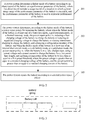
- An embodiment of the present invention provides a battery repair method. As shown in FIG. 2 , the method includes the following steps.
- a power system determines a failure mode of a battery according to an abuse record of the battery or a performance parameter of the battery, where the abuse record includes a usage record of a situation in which a preset usage range of the performance parameter of the battery is exceeded, and the performance parameter of the battery is used to represent performance of the battery.
- the battery includes a battery string and/or a battery cell, and the battery string includes at least two battery cells. Because a capability of a battery cell to output a voltage and a current is limited, a battery cell is usually used in a form of a battery string. For example, as shown in FIG. 3 , one battery string may be obtained after several battery cells are serially connected.
- the battery cell may be specifically a lead-acid battery, a lithium battery, or the like.
- the lead-acid battery may be specifically a VRLA.
- the performance parameter of the battery includes at least one of a charging voltage of the battery, a discharge voltage of the battery, a charging current of the battery, a discharge current of the battery, an internal resistance of the battery, a temperature of the battery, an accumulated discharge capacity of the battery, or a capacity of the battery. It should be noted that, for a battery string and battery cells included in the battery string, an accumulated discharge capacity of the battery string is the same as an accumulated discharge capacity of the battery cells.
- a failure mode of a battery string and a failure mode of a battery cell may be the same, or may be different.
- a sulphation mode is a failure mode in which a coarse lead sulfate crystal is formed on a negative plate of the battery, and consequently, the capacity of the battery decreases.
- the battery when the battery is in an under-voltage state for a long time, the battery may be sulphated.
- a water loss mode is a failure mode in which moisture inside the battery is lost quickly, and consequently, the capacity of the battery decreases. Specifically, when the battery is in a high temperature environment for a long time and/or in a state in which a high voltage is used to charge the battery for a long time, water loss may occur on the battery.
- a grid corrosion mode is a failure mode in which a grid of the battery is corroded, and consequently, the capacity of the battery decreases. Specifically, when high temperature and high voltage float charging is performed on the grid of the battery for a long time, the grid of the battery may be corroded.
- An active substance shedding mode is a failure mode in which active substances on a positive and negative plate of the battery are shed, and consequently, the capacity of the battery decreases. Specifically, when the battery is circularly charged and discharged for a long time, the positive and negative plate of the battery expand and shrink repeatedly, so that the active substances on the positive and negative plate are shed.
- a thermal runaway mode is a failure mode in which the temperature of the battery is excessively high, and consequently, the battery expands. Specifically, when mutual positive feedbacks are formed between a current and the temperature of the battery when float charging is performed on the battery in a high temperature environment, that is, when the temperature of the battery increases, and accordingly the internal resistance of the battery decreases, a float charging current increases, and the temperature of the battery becomes higher. This vicious circle results in an excessively high temperature of the battery, and consequently, the battery may be in the thermal runaway mode.
- An internal short-circuit mode is a failure mode in which there is an impurity or a crystal dendrite inside the battery, and consequently, an interior of the battery is slightly or severely short-circuited and the capacity of the battery decreases.
- the battery is in the failure mode of the internal short-circuit mode, self-discharge of the battery is high, and consequently, a voltage of the battery is low.
- a weak battery mode is a failure mode in which a single battery quickly fails, and consequently, the capacity of the battery decreases.
- a cause may be that the battery is a defective product.
- step 201 may include the following steps: (11) The power system obtains at least one group of test results of the performance parameter of the battery, where one group of test results is corresponding to one test time point. (12) The power system determines the failure mode of the battery according to the at least one group of test results.
- a first group of test results include A 1 and B 1
- a second group of test results include A 2 and B 2
- a third group of test results include A 3 and B 3
- a fourth group of test results include A 4 and B 4
- a fifth group of test results include A 5 and B 5 .
- the failure mode of the battery is the thermal runaway mode.
- step (12) may include the following steps: The power system determines a degree of matching between the at least one group of test results and a preset condition corresponding to each failure mode in a preset failure mode group. The power system determines, as the failure mode of the battery, a failure mode corresponding to a preset condition for which a degree of matching between the preset condition and the at least one group of test results is greater than or equal to a second preset threshold.
- the preset failure mode group may include multiple modes of the following failure modes: the sulphation mode, the water loss mode, the grid corrosion mode, the active substance shedding mode, the thermal runaway mode, the internal short-circuit mode, and the weak battery mode.
- the preset failure mode group may include multiple modes of the following failure modes: the sulphation mode, the water loss mode, the grid corrosion mode, the active substance shedding mode, and the thermal runaway mode.
- a degree of matching between the at least one group of test results and a preset condition corresponding to each failure mode may be calculated by using at least one algorithm of a model matching algorithm, a neural network algorithm, an echo state network algorithm, or a vector machine algorithm.
- Setting of the second preset threshold may be determined according to an actual application scenario.
- the second preset threshold may be 80% or 70%.
- a frequently-used battery string of 48 V including 24 battery cells in the communications field is used as an example below.
- Table 2 Failure mode Preset condition Preset condition corresponding to the battery string
- Preset condition corresponding to a battery cell Sulphation mode When the battery string is in a fully charged state, and a discharge current is 10% of the capacity of the battery, a voltage instantaneously decreases to a value below 48 V; an internal resistance gradually increases, and the internal resistance of the battery string increases by at least 30% compared with an initial resistance; a capacity gradually decreases, and the capacity of the battery string decreases by at least 20% compared with an initial capacity; when the discharge current is 10% of the capacity of the battery, a temperature rise of the battery string increases by 5 degrees When the battery cell is in a fully charged state, and a discharge current is 10% of the capacity of the battery, a voltage instantaneously decreases to a value below 2 V; an internal resistance gradually increases, and the internal resistance of the battery cell increases by
- a temperature rise of the battery is obtained by subtracting, from the temperature of the battery, an environment temperature of an environment in which the battery is located.
- the abuse record is used to record a quantity of times, a time, and the like of abuse such as overdischarge, overcharging, and an excessively high temperature of the battery. It may be determined, according to the abuse record, whether the failure mode of the battery is the sulphation mode or the water loss mode. Specifically, for the battery string, when overdischarge of the battery string occurs at least five times totally, it is determined that the failure mode of the battery string is the sulphation mode, and when an accumulated time when the temperature of the battery string is greater than or equal to 65°C exceeds 100 h or an accumulated time when the charging voltage of the battery string is greater than or equal to 57 V exceeds 100 h, it is determined that the failure mode of the battery string is the water loss mode.
- the failure mode of the battery cell is the sulphation mode; when an accumulated time when the temperature of the battery cell is greater than or equal to 65°C exceeds 100 h or an accumulated time when the charging voltage of the battery cell is greater than or equal to 2.4 V exceeds 100 h, it is determined that the failure mode of the battery cell is the water loss mode.
- the preset usage range of the performance parameter of the battery is preset during battery manufacturing.
- the power system determines, according to the failure mode of the battery, a power repair policy for repairing the battery, where when the failure mode of the battery is at least one of a water loss mode, a grid corrosion mode, or a thermal runaway mode, the power repair policy is: reducing a float charging voltage of the battery to charge the battery or reducing an equalized charging voltage to charge the battery or starting intermittent charging to charge the battery, and enhancing a refrigeration measure of the battery, and when the failure mode of the battery is at least one of an internal short-circuit mode, a weak battery mode, or a sulphation mode, the power repair policy is: when the battery is in a fully charged state, using a preset voltage and a preset current to charge the battery for a first preset time length, and enabling a temperature of the battery to be less than or equal to a first preset threshold, where the preset voltage is greater than or equal to a standard charging voltage of the battery, and the preset current is greater than or equal to a standard charging current of the battery
- the battery may be repaired by using an external repair device except the power system.
- the backup power supply may be further connected to the external repair device, and the external repair device is configured to perform external repair on the battery by using an external repair policy.
- the external repair policy may use a prior-art method.
- the failure mode of the battery is the sulphation mode
- a coarse lead sulfate crystal is formed on the negative plate of the battery.
- the battery may be charged by using a pulse that is shown in FIG. 4 and whose waveform is a square wave, and the lead sulfate crystal is smashed by means of harmonic vibration and crystal resonance, so that the lead sulfate crystal re-participates in a reaction inside the battery.
- a waveform of a pulse for charging the battery may be a triangular wave, a combined harmonic wave, or the like. Only an example of description is provided in FIG. 4 .
- a power repair policy corresponding to each failure mode may be as follows (it should be noted that only an example of description is provided herein, and a specific power repair policy may be different due to different operating environments of the battery):
- a sulphation degree (the sulphation degree may be determined according to the internal resistance of the battery, and a larger internal resistance of the battery leads to a higher sulphation degree), and the like, when the battery is fully charged, the charging voltage and the charging current of the battery are elevated, and the battery is charged for the first preset time length, so as to smash a part of a lead sulfate crystal, and monitor the temperature of the battery in real time. In this way, the temperature of the battery falls within a proper range (for example, less than 45°C), and the battery is prevented from generating an another-mode failure.
- the charging voltage for charging the battery is greater than or equal to the standard charging voltage of the battery, and the charging current for charging the battery is greater than or equal to the standard charging current of the battery.
- the float charging voltage or the equalized charging voltage of the battery may be reduced according to a type of the battery. Because a higher temperature of the battery indicates that more water of the battery is lost, the intermittent charging may be used, a charging time of the battery may be shortened, and the refrigeration measure of the battery may be enhanced, so as to reduce the temperature of the battery.
- the battery is activated for water supply.
- the charging voltage and the temperature of the battery may be controlled by reducing the float charging voltage or the equalized charging voltage of the battery or starting the intermittent charging, reducing the current of the battery, and enhancing the refrigeration measure of the system.
- a depth of discharge and a quantity of times of circular charging and discharge of the battery are reduced as much as possible, or a part of unimportant load is cut off, so as to reduce the discharge current of the battery, and slow down discharge of the battery.
- the float charging voltage or the equalized charging voltage of the battery is reduced or the intermittent charging is started, a charging time of the battery is shortened, and the refrigeration measure of the system is enhanced, so as to reduce the temperature of the battery.
- Table 3 Failure mode Power repair policy Battery string Battery cell Sulphation mode When the battery is fully charged, the charging voltage and the charging current of the battery are elevated, the battery is charged for the first preset time length, and the temperature of the battery is Same as that of the battery string monitored in real time, so that the temperature of the battery falls within the proper range Water loss mode The float charging voltage of the battery is reduced to charge the battery or the equalized charging voltage is reduced to charge the battery or the intermittent charging is started to charge the battery, and the refrigeration measure of the system is enhanced, so as to reduce the temperature of the battery; if the battery has the water supply system, the battery is activated for water supply Same as that of the battery string Grid corrosion mode The float charging voltage of the battery is reduced to charge the battery or the equalized charging voltage is reduced to charge the battery or the intermittent charging is started to charge the battery, the current of the battery is reduced, and the refrigeration measure of the system is enhanced Same as that of the battery string Active substance shedding mode
- a power repair policy corresponding to the failure mode may be used to repair the battery.
- power repair policies corresponding to the failure modes may be used to successively repair the battery.
- a uniform power repair policy may be used to repair the battery in the multiple failure modes at the same time. Details are shown in Table 4. Power repair policies are listed in Table 4 for repairing the battery in multiple failure modes at the same time when there are the multiple failure modes of the battery.
- Table 4 Failure mode Power repair policy Battery string Battery cell One or more of the water loss mode, the grid corrosion mode, or the thermal runaway mode
- the float charging voltage of the battery is reduced to charge the battery or the equalized charging voltage is reduced to charge the battery or the intermittent charging is started to charge the battery, and the refrigeration measure of the battery is enhanced Same as that of the battery string
- the preset voltage and the preset current are used to charge the battery for the first preset time length, and the temperature of the battery is enabled to be less than or equal to the first preset threshold; and the preset voltage is greater than or equal to the standard charging voltage of the battery, and the preset current is greater than or equal to the standard charging current of the battery Same as that of the battery string
- the second preset time length is less than the first preset time length.
- the second preset time length may be a half of the first preset time length.
- the first preset threshold may be set according to an actual application scenario.
- the first preset threshold may be 45°C.
- the uniform power repair policy is used to repair the battery in the multiple failure modes at the same time, so that repair efficiency can be improved.
- a charging and discharge management system of the battery is usually implemented in a manner such as a manner with a preset constant voltage and limited current. This only implements a basic function that the battery is charged and discharged in a usual environment, and cannot adjust a charging and discharge management system according to a change of the battery. Consequently, a useful life of the battery is shortened.
- the power repair policy is used to repair the battery during failure of the battery, so that the useful life of the battery can be prolonged.
- the power system repairs the battery according to a selected power repair policy.
- a power repair policy corresponding to the failure mode may be used to repair the battery.
- power repair policies corresponding to the failure modes may be used to successively repair the battery.
- a uniform power repair policy may be used to repair the battery in the multiple failure modes at the same time.
- the power system obtains a value of the performance parameter of the battery after a third preset time length.
- the third preset time length may be set according to an actual application scenario, and the third preset time length is less than a total time length for repairing the battery.
- the power system determines, according to the value of the performance parameter of the battery, whether the power repair policy is valid.
- the power system continues to use the power repair policy to repair the battery until the repairing is completed. If no, the power system re-obtains multiple groups of test results of the performance parameter of the battery, and re-determines the failure mode of the battery according to the multiple groups of test results. One group of test results is corresponding to one test time point.
- the failure mode may change in a battery repair process or the foregoing at least one group of test results has a relatively large test error due to an external reason, and consequently, the determined failure mode is inaccurate. Therefore, it may be determined, after a third preset time period for repairing the battery, whether the power repair policy is valid, so as to adjust the power repair policy in a timely manner, and improve repair accuracy.
- step 205 may include the following steps: When the failure mode is one or more of the water loss mode, the grid corrosion mode, or the thermal runaway mode, where the value of the performance parameter of the battery is a value of a float charging current of the battery, if the value of the float charging current of the battery is less than a float charging current average in the at least one group of test results, the power system determines that the power repair policy is valid, and otherwise, the power system determines that the power repair policy is invalid; and when the failure mode of the battery is one or more of the internal short-circuit mode, the weak battery mode, or the sulphation mode, where the value of the performance parameter of the battery is a temperature rise value and a capacity value of the battery, if the temperature rise value of the battery is less than a temperature rise average in the at least one group of test results, and/or when the capacity value of the battery is greater than a capacity average in the at least one group of test results, the power system determines that the power repair policy is valid,
- the value of the performance parameter of the battery may also be a charging voltage of the battery that is used when the battery is charged and a cutoff voltage of the battery. If the charging voltage of the battery that is used when the power system charges the battery is greater than an average, in the at least one group of test results, of charging voltages of the battery that are used when the battery is charged, and/or when the cutoff voltage of the battery is greater than an average of cutoff voltages of the battery in the at least one group of test results, it may also be considered that the power repair policy is valid.
- the value of the performance parameter of the battery may be a single value, or may be an average of multiple obtained values of performance parameters.
- Table 5 Failure mode Method for determining whether the power repair policy is valid Battery string Battery cell One or more of the water loss mode, the grid corrosion mode, or the thermal runaway mode If the value of the float charging current of the battery is less than the float charging current average in the at least one group of test results, it is determined that the power repair policy is valid, and otherwise, it is determined that the power repair policy is invalid Same as that of the battery string One or more of the internal short-circuit mode, the weak battery mode, or the sulphation mode If the temperature rise value of the battery is less than the temperature rise average in the at least one group of test results, and/or when the capacity value of the battery is greater than the capacity average in the at least one group of test results, it is determined that the power repair policy is valid, and otherwise, it is determined that the power repair policy is invalid
- steps 204 and 205 are performed, a closed-loop repair mode is formed for battery repair. This may further avoid a problem that a battery loss may be increased because the determined failure mode is inaccurate.
- the power repair policy of the battery is further determined.
- the battery is repaired in a specific manner, so that the useful life of the battery can be prolonged. Because the battery that is in the multiple failure modes may be further repaired, battery repair efficiency can be improved.
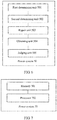
- An embodiment of the present invention further provides a power system 50.
- the power system 50 includes:
- the power repair policy is: using a first repair policy to repair the battery, after the battery is fully charged, using a second repair policy to repair the battery, and after the second repair policy is used to repair the battery, reusing the first repair policy to repair the battery;
- the first failure mode group includes the water loss mode, the grid corrosion mode, and the thermal runaway mode, and the second failure mode group includes the internal short-circuit mode, the weak battery mode, and the sulphation mode;
- the first repair policy is: reducing the float charging voltage of the battery to charge the battery or reducing the equalized charging voltage to charge the battery or starting the intermittent charging to charge the battery
- the second repair policy is: using the preset voltage and the preset current to charge the battery for a second preset time length, and enabling the temperature of the battery to be less than or equal to the first preset threshold; and the preset voltage is greater than or equal
- the power system 50 further includes an obtaining unit 504.
- the obtaining unit 504 is configured to obtain at least one group of test results of the performance parameter of the battery.
- One group of test results is corresponding to one test time point.
- the first determining unit 501 is specifically configured to determine the failure mode of the battery according to the at least one group of test results.
- the first determining unit 501 is specifically configured to:
- the obtaining unit 504 is further configured to obtain a value of the performance parameter of the battery after a third preset time length.
- the power system 50 further includes a judging unit 505, configured to determine, according to the value of the performance parameter of the battery, whether the power repair policy is valid.
- repair unit 503 continues to use the power repair policy to repair the battery until the repairing is completed.
- the obtaining unit 504 re-obtains multiple groups of test results of the performance parameter of the battery, and the first determining unit 501 is further configured to re-determine the failure mode of the battery according to the multiple groups of test results.
- One group of test results is corresponding to one test time point.
- the judging unit 505 is specifically configured to:
- the battery includes a battery string and/or a battery cell, and the battery string includes at least two battery cells.
- the performance parameter of the battery includes at least one of a charging voltage of the battery, a discharge voltage of the battery, a charging current of the battery, a discharge current of the battery, an internal resistance of the battery, the temperature of the battery, an accumulated discharge capacity of the battery, or a capacity of the battery.
- Each unit in the power system 50 provided in this embodiment of the present invention is configured to perform the foregoing method. Therefore, for beneficial effects of the power system 50, refer to the beneficial effects of the foregoing method. Details are not described herein again.
- An embodiment of the present invention further provides a power system 70.
- the power system 70 includes a memory 701 and a processor 702.
- the memory 701 is configured to store code
- the processor 702 is configured to perform, according to the code, the method shown in FIG. 2 .
- Each functional unit in the power system may be built in or independent of the processor of the power system in a form of hardware, or may be stored in the processor of the power system in a form of software, so that the processor invokes and executes the operations corresponding to each unit.
- the foregoing processor may be a central processing unit (Central Processing Unit, CPU for short), a general purpose processor, a digital signal processor (Digital Signal Processor, DSP for short), an application-specific integrated circuit (Application Specific Integrated Circuit, ASIC for short), a field programmable gate array (Field Programmable Gate Array, FPGA for short) or another programmable logic device, a transistor logic device, or a hardware component or any combination thereof.
- CPU Central Processing Unit
- DSP Digital Signal Processor
- ASIC Application Specific Integrated Circuit
- FPGA Field Programmable Gate Array
- the processor may implement or execute various example logical blocks, modules, and circuits described with reference to content disclosed in the present invention.
- the processor may be a combination of processors implementing a computing function, for example, a combination of one or more microprocessors or a combination of a DSP and a microprocessor.
- the software instruction may include a corresponding software module.
- the software module may be stored in a random access memory (Random Access Memory, RAM for short), a flash memory, a read-only memory (Read Only Memory, ROM for short), an erasable programmable read only memory (Erasable Programmable ROM, EPROM for short), an electrically erasable programmable read only memory (Electrically EPROM, EEPROM for short), a register, a hard disk, a mobile hard disk, a compact disc read-only memory (CD-ROM), or any other form of storage medium well known in the art.
- a storage medium is coupled to the processor, so that the processor can read information from the storage medium or write information into the storage medium.
- the storage medium may be a component of the processor.
- the processor and the storage medium may be located in an ASIC.
- Each device in the power system 70 provided in this embodiment of the present invention is configured to perform the foregoing method. Therefore, for beneficial effects of the power system 70, refer to the beneficial effects of the foregoing method. Details are not described herein again.
- the disclosed apparatus and method may be implemented in other manners.
- the apparatus embodiment described above is merely an example.
- the module division is merely logical function division and may be other division in actual implementation.
- a plurality of modules or components may be combined or integrated into another system, or some features may be ignored or not performed.
- modules in the embodiments of this application may be integrated into one processing module, or each of the modules may exist alone physically, or two or more modules are integrated into one module.
- the integrated module may be implemented in a form of hardware, or may be implemented in a form of a software functional module.
Landscapes
- Engineering & Computer Science (AREA)
- Manufacturing & Machinery (AREA)
- Chemical & Material Sciences (AREA)
- Chemical Kinetics & Catalysis (AREA)
- Electrochemistry (AREA)
- General Chemical & Material Sciences (AREA)
- Physics & Mathematics (AREA)
- General Physics & Mathematics (AREA)
- Charge And Discharge Circuits For Batteries Or The Like (AREA)
- Secondary Cells (AREA)
Claims (15)
- Akkureparaturverfahren, Folgendes umfassend:Bestimmen, durch ein Stromversorgungssystem, eines Ausfallmodus eines Akkus gemäß einer Fehlgebrauchsaufzeichnung des Akkus oder eines Leistungsparameters des Akkus, wobei die Fehlgebrauchsaufzeichnung eine Benutzungsaufzeichnung einer Situation umfasst, in der ein Wert des Leistungsparameters über einen voreingestellten Benutzungsbereich des Leistungsparameters des Akkus hinaus verwendet wird, und wobei der Leistungsparameter des Akkus verwendet wird, um die Leistung des Akkus zu repräsentieren;Bestimmen, durch das Stromversorgungssystem entsprechend dem Ausfallmodus des Akkus, einer Energiereparatur-Richtlinie zum Reparieren des Akkus, wobei, wenn der Ausfallmodus des Akkus mindestens einer von einem Wasserverlustmodus, einem Gitterkorrosionsmodus oder einem thermischen Auslaufmodus ist, die Energiereparatur-Richtlinie die Folgende ist:
Reduzieren einer Erhaltungsladespannung des Akkus, um den Akku zu laden, oder Reduzieren einer ausgeglichenen Ladespannung, um den Akku zu laden, oder Starten des intermittierenden Ladens, um den Akku zu laden, und Verbessern der Kühlung des Akkus, und wenn der Ausfallmodus des Akkus mindestens ein interner Kurzschlussmodus, ein Schwacher-Akku-Modus oder ein Sulfatierungsmodus ist, die Energiereparatur-Richtlinie die Folgende ist:wenn sich der Akku in einem voll geladenen Zustand befindet, Verwenden einer voreingestellten Spannung und eines voreingestellten Stroms, um den Akku für eine erste voreingestellte Zeitdauer zu laden, und Ermöglichen einer Temperatur des Akkus, die kleiner oder gleich einem ersten voreingestellten Schwellenwert ist, wobei die voreingestellte Spannung größer oder gleich einer Standardladespannung des Akkus ist und der voreingestellte Strom größer oder gleich einem Standardladestrom des Akkus ist; undReparieren, durch das Stromversorgungssystem, des Akkus gemäß einer ausgewählten Energiereparatur-Richtlinie. - Verfahren nach Anspruch 1, wobei, wenn der Ausfallmodus des Akkus eine Kombination aus mindestens einem Ausfallmodus in einer ersten Ausfallmodusgruppe und mindestens einem Ausfallmodus in einer zweiten Ausfallmodusgruppe ist, die Energiereparatur-Richtlinie die Folgende ist:Verwenden einer ersten Reparatur-Richtlinie zum Reparieren des Akkus, nachdem der Akku voll aufgeladen ist, Verwenden einer zweiten Reparatur-Richtlinie zum Reparieren des Akkus, und nachdem die zweite Reparatur-Richtlinie zum Reparieren des Akkus verwendet wird, Wiederverwenden der ersten Reparatur-Richtlinie zum Reparieren des Akkus;wobei die erste Ausfallmodusgruppe den Wasserverlustmodus, den Gitterkorrosionsmodus und den thermischen Auslaufmodus umfasst, und wobei die zweite Ausfallmodusgruppe den Modus des internen Kurzschlusses, den Schwacher-Akku-Modus und den Sulfatierungsmodus umfasst;wobei die erste Reparatur-Richtlinie die Folgende ist:
Reduzieren der Erhaltungsladespannung des Akkus, um den Akku zu laden, oder Reduzieren der Ausgleichsladespannung, um den Akku zu laden, oder Starten des intermittierenden Ladens, um den Akku zu laden, und wobei die zweite Reparatur-Richtlinie die Folgende ist:Verwenden der voreingestellten Spannung und des voreingestellten Stroms, um den Akku für eine zweite voreingestellte Zeitdauer zu laden, und Ermöglichen, dass die Temperatur des Akkus kleiner oder gleich dem ersten voreingestellten Schwellenwert ist; undwobei die voreingestellte Spannung größer oder gleich der Standardladespannung des Akkus ist, und wobei der voreingestellte Strom größer oder gleich dem Standardladestrom des Akkus ist. - Verfahren nach Anspruch 1 oder 2, wobei das Bestimmen, durch ein Stromversorgungssystem, eines Ausfallmodus des Akkus in Abhängigkeit von einem Leistungsparameter des Akkus Folgendes umfasst:Beziehen, durch das Stromversorgungssystem, von mindestens einer Gruppe von Testergebnissen des Leistungsparameters des Akkus, wobei eine Gruppe von Testergebnissen einem Testzeitpunkt entspricht; undBestimmen, durch das Stromversorgungssystem, des Ausfallmodus des Akkus entsprechend der mindestens einen Gruppe von Testergebnissen.
- Verfahren nach Anspruch 3, wobei das Bestimmen, durch das Stromversorgungssystem, des Ausfallmodus des Akkus gemäß der mindestens einen Gruppe von Testergebnissen Folgendes umfasst:Bestimmen, durch das Stromversorgungssystem, eines Grades der Übereinstimmung zwischen der mindestens einen Gruppe von Testergebnissen und einer voreingestellten Bedingung, die jedem Ausfallmodus in einer voreingestellten Ausfallmodusgruppe entspricht; undBestimmen, durch das Stromversorgungssystem als Ausfallmodus des Akkus, eines Ausfallmodus, der einem voreingestellten Zustand entspricht, für den ein Grad der Übereinstimmung zwischen dem voreingestellten Zustand und der mindestens einen Gruppe von Testergebnissen größer oder gleich einem zweiten voreingestellten Schwellenwert ist.
- Verfahren nach einem der Ansprüche 1 bis 4, wobei das Verfahren nach der Reparatur des Akkus durch das Stromversorgungssystem gemäß der Energiereparatur-Richtlinie ferner Folgendes umfasst:Beziehen, durch das Stromversorgungssystem, eines Wertes des Leistungsparameters des Akkus nach einer dritten voreingestellten Zeitdauer; Bestimmen, durch das Stromversorgungssystem entsprechend dem Wert des Leistungsparameters des Akkus, ob die Energiereparatur-Richtlinie gültig ist;wenn die Energiereparatur-Richtlinie ungültig ist, weiteres Verwenden, durch das Stromversorgungssystem, der Energiereparatur-Richtlinie, um den Akku zu reparieren, bis die Reparatur abgeschlossen ist; undwenn der Wert des Erhaltungsladestroms des Akkus größer oder gleich dem Durchschnittswert des Erhaltungsladestroms in der mindestens einen Gruppe von Testergebnissen ist, erneutes Beziehen mehrerer Gruppen von Testergebnissen des Leistungsparameters des Akkus durch das Stromversorgungssystem, und erneutes Bestimmen des Ausfallmodus des Akkus gemäß den mehreren Gruppen von Testergebnissen, wobei eine Gruppe von Testergebnissen einem Testzeitpunkt entspricht.
- Verfahren nach Anspruch 5, wobei das Bestimmen, durch das Stromversorgungssystem gemäß dem Wert des Leistungsparameters des Akkus, ob die Energiereparatur-Richtlinie gültig ist, Folgendes umfasst:
wenn der Ausfallmodus einer oder mehrere der folgenden Modi ist:Wasserverlustmodus, Netzkorrosionsmodus oder thermischer Auslaufmodus, wobei der Wert des Leistungsparameters des Akkus ein Wert eines Erhaltungsladestroms des Akkus ist, wenn der Wert des Erhaltungsladestroms des Akkus geringer ist als ein durchschnittlicher Erhaltungsladestrom in der mindestens einen Gruppe von Testergebnissen, Bestimmen, durch das Stromversorgungssystem, dass die Energiereparatur-Richtlinie gültig ist, und andernfalls Bestimmen, durch das Stromversorgungssystem, dass die Energiereparatur-Richtlinie ungültig ist; undwenn der Ausfallmodus des Akkus einer oder mehrere der folgenden Modi ist: interner Kurzschlussmodus, Schwacher-Akku-Modus, oder Sulfatierungsmodus, wobei der Wert des Leistungsparameters des Akkus ein Temperaturanstiegswert und ein Kapazitätswert des Akkus ist, wenn der Temperaturanstiegswert des Akkus kleiner als ein durchschnittlicher Temperaturanstieg in der mindestens einen Gruppe von Testergebnissen ist, und/oder wenn der Kapazitätswert des Akkus größer ist als ein Kapazitätsmittelwert in der mindestens einen Gruppe von Testergebnissen, Bestimmen, durch das Stromversorgungssystem, dass die Energiereparatur-Richtlinie gültig ist, und andernfalls Bestimmen, durch das Stromversorgungssystem, dass die Energiereparatur-Richtlinie ungültig ist. - Verfahren nach einem der Ansprüche 1 bis 6, wobei der Akku einen Batteriestrang und/oder eine Batteriezelle umfasst und wobei der Batteriestrang mindestens zwei Batteriezellen umfasst.
- Verfahren nach einem der Ansprüche 1 bis 7, wobei der Leistungsparameter des Akkus mindestens einen der folgenden Parameter umfasst: eine Ladespannung des Akkus, eine Entladespannung des Akkus, einen Ladestrom des Akkus, einen Entladestrom des Akkus, einen Innenwiderstand des Akkus, die Temperatur des Akkus, eine akkumulierte Entladekapazität des Akkus oder eine Kapazität des Akkus.
- Stromversorgungssystem, umfassend:eine erste Bestimmungseinheit, die dafür konfiguriert ist, einen Ausfallmodus des Akkus gemäß einer Fehlgebrauchsaufzeichnung des Akkus oder eines Leistungsparameters des Akkus zu bestimmen, wobei die Fehlgebrauchsaufzeichnung eine Nutzungsaufzeichnung einer Situation umfasst, in der ein voreingestellter Nutzungsbereich des Leistungsparameters des Akkus überschritten wird, und wobei der Leistungsparameter des Akkus zur Darstellung der Leistung des Akkus verwendet wird;eine zweite Bestimmungseinheit, die dafür konfiguriert ist, entsprechend dem Ausfallmodus des Akkus eine Energiereparatur-Richtlinie zum Reparieren des Akkus zu bestimmen, wobei, wenn der Ausfallmodus des Akkus mindestens einer von einem Wasserverlustmodus, einem Gitterkorrosionsmodus oder einem thermischen Auslaufmodus ist, die Energiereparatur-Richtlinie die Folgende ist: Reduzieren einer Erhaltungsladespannung des Akkus, um den Akku zu laden, oder Reduzieren einer ausgeglichenen Ladespannung, um den Akku zu laden, oder Starten des intermittierenden Ladens, um den Akku zu laden, undVerbessern einer Maßnahme zur Kühlung des Akkus, und wenn der Ausfallmodus des Akkus mindestens ein interner Kurzschlussmodus, ein Schwacher-Akku-Modus oder ein Sulfatierungsmodus ist, die Energiereparatur-Richtlinie die Folgende ist:wenn sich der Akku in einem voll geladenen Zustand befindet, Verwenden einer voreingestellten Spannung und eines voreingestellten Stroms, um den Akku für eine erste voreingestellte Zeitdauer zu laden, und Ermöglichen einer Temperatur des Akkus, die kleiner oder gleich einem ersten voreingestellten Schwellenwert ist, wobei die voreingestellte Spannung größer oder gleich einer Standardladespannung des Akkus ist und der voreingestellte Strom größer oder gleich einem Standardladestrom des Akkus ist; undeine Reparatureinheit, die dafür konfiguriert ist, den Akku gemäß einer ausgewählten Energiereparatur-Richtlinie zu reparieren.
- Stromversorgungssystem nach Anspruch 9, wobei, wenn der Ausfallmodus des Akkus eine Kombination aus mindestens einem Ausfallmodus in einer ersten Ausfallmodusgruppe und mindestens einem Ausfallmodus in einer zweiten Ausfallmodusgruppe ist, die Energiereparatur-Richtlinie die Folgende ist:Verwenden einer ersten Reparatur-Richtlinie zum Reparieren des Akkus, nachdem der Akku voll aufgeladen ist, Verwenden einer zweiten Reparatur-Richtlinie zum Reparieren des Akkus, und nachdem die zweite Reparatur-Richtlinie zum Reparieren des Akkus verwendet wird, Wiederverwenden der ersten Reparatur-Richtlinie zum Reparieren des Akkus;wobei die erste Ausfallmodusgruppe den Wasserverlustmodus, den Gitterkorrosionsmodus und den thermischen Auslaufmodus umfasst, und wobei die zweite Ausfallmodusgruppe den Modus des internen Kurzschlusses, den Schwacher-Akku-Modus und den Sulfatierungsmodus umfasst;wobei die erste Reparatur-Richtlinie die Folgende ist:
Reduzieren der Erhaltungsladespannung des Akkus, um den Akku zu laden, oder Reduzieren der Ausgleichsladespannung, um den Akku zu laden, oder Starten des intermittierenden Ladens, um den Akku zu laden, und wobei die zweite Reparatur-Richtlinie die Folgende ist:Verwenden der voreingestellten Spannung und des voreingestellten Stroms, um den Akku für eine zweite voreingestellte Zeitdauer zu laden, und Ermöglichen, dass die Temperatur des Akkus kleiner oder gleich dem ersten voreingestellten Schwellenwert ist; undwobei die voreingestellte Spannung größer oder gleich der Standardladespannung des Akkus ist, und wobei der voreingestellte Strom größer oder gleich dem Standardladestrom des Akkus ist. - Stromversorgungssystem nach Anspruch 9 oder 10, wobei das Stromversorgungssystem ferner eine Bezugseinheit umfasst;wobei die Bezugseinheit dafür konfiguriert ist, mindestens eine Gruppe von Testergebnissen des Leistungsparameters des Akkus zu beziehen, wobei eine Gruppe von Testergebnissen einem Testzeitpunkt entspricht; undwobei die erste Bestimmungseinheit speziell dafür konfiguriert ist, den Ausfallmodus des Akkus gemäß der mindestens einen Gruppe von Testergebnissen zu bestimmen.
- Stromversorgungssystem nach Anspruch 11, wobei die erste Bestimmungseinheit speziell für folgende Zwecke konfiguriert ist:Bestimmen eines Grades der Übereinstimmung zwischen der mindestens einen Gruppe von Testergebnissen und einer voreingestellten Bedingung, die jedem Ausfallmodus in einer voreingestellten Ausfallmodusgruppe entspricht; undBestimmen, als Ausfallmodus des Akkus, eines Ausfallmodus, der einem voreingestellten Zustand entspricht, für den ein Grad der Übereinstimmung zwischen dem voreingestellten Zustand und der mindestens einen Gruppe von Testergebnissen größer oder gleich einem zweiten voreingestellten Schwellenwert ist.
- Stromversorgungssystem nach Anspruch 12, wobei die Bezugseinheit ferner dafür konfiguriert ist, nach einer dritten voreingestellten Zeitdauer einen Wert des Leistungsparameters des Akkus zu beziehen;
wobei das Stromversorgungssystem ferner eine Beurteilungseinheit umfasst, die dafür konfiguriert ist, in Abhängigkeit vom Wert des Leistungsparameters des Akkus zu bestimmen, ob die Energiereparatur-Richtlinie gültig ist;
wenn ja, wendet die Reparatureinheit die Energiereparatur-Richtlinie weiterhin an, um den Akku zu reparieren, bis die Reparatur abgeschlossen ist; und
wenn nein, bezieht die Bezugseinheit erneut mehrere Gruppen von Testergebnissen des Leistungsparameters des Akkus, und wobei die erste Bestimmungseinheit ferner dafür konfiguriert ist, den Ausfallmodus des Akkus gemäß den mehreren Gruppen von Testergebnissen erneut zu bestimmen, wobei eine Gruppe von Testergebnissen einem Testzeitpunkt entspricht. - Stromversorgungssystem nach Anspruch 13, wobei die Beurteilungseinheit speziell für Folgende Zwecke konfiguriert ist:
wenn der Ausfallmodus einer oder mehrere der folgenden Modi ist:Wasserverlustmodus, Netzkorrosionsmodus oder thermischer Auslaufmodus, wobei der Wert des Leistungsparameters des Akkus ein Wert eines Erhaltungsladestroms des Akkus ist, wenn der Wert des Erhaltungsladestroms des Akkus geringer ist als ein durchschnittlicher Erhaltungsladestrom in der mindestens einen Gruppe von Testergebnissen, Bestimmen, dass die Energiereparatur-Richtlinie gültig ist, und andernfalls Bestimmen, dass die Energiereparatur-Richtlinie ungültig ist; undwenn der Ausfallmodus des Akkus einer oder mehrere der folgenden Modi ist: interner Kurzschlussmodus, Schwacher-Akku-Modus, oder Sulfatierungsmodus, wobei der Wert des Leistungsparameters des Akkus ein Temperaturanstiegswert und ein Kapazitätswert des Akkus ist, wenn der Temperaturanstiegswert des Akkus kleiner als ein durchschnittlicher Temperaturanstieg in der mindestens einen Gruppe von Testergebnissen ist, und/oder wenn der Kapazitätswert des Akkus größer ist als ein Kapazitätsmittelwert in der mindestens einen Gruppe von Testergebnissen, Bestimmen, dass die Energiereparatur-Richtlinie gültig ist, und andernfalls Bestimmen, dass die Energiereparatur-Richtlinie ungültig ist. - Stromversorgungssystem nach einem der Ansprüche 9 bis 14, wobei der Akku einen Batteriestrang und/oder eine Batteriezelle umfasst und wobei der Batteriestrang mindestens zwei Batteriezellen umfasst.
Applications Claiming Priority (2)
| Application Number | Priority Date | Filing Date | Title |
|---|---|---|---|
| CN201610975840.9A CN106505260B (zh) | 2016-11-07 | 2016-11-07 | 一种修复电池的方法及装置 |
| PCT/CN2017/085976 WO2018082288A1 (zh) | 2016-11-07 | 2017-05-25 | 一种修复电池的方法及装置 |
Publications (3)
| Publication Number | Publication Date |
|---|---|
| EP3528334A1 EP3528334A1 (de) | 2019-08-21 |
| EP3528334A4 EP3528334A4 (de) | 2020-03-18 |
| EP3528334B1 true EP3528334B1 (de) | 2020-10-28 |
Family
ID=58323145
Family Applications (1)
| Application Number | Title | Priority Date | Filing Date |
|---|---|---|---|
| EP17866460.3A Active EP3528334B1 (de) | 2016-11-07 | 2017-05-25 | Verfahren und vorrichtung zur batteriewiederherstellung |
Country Status (4)
| Country | Link |
|---|---|
| US (1) | US11374265B2 (de) |
| EP (1) | EP3528334B1 (de) |
| CN (1) | CN106505260B (de) |
| WO (1) | WO2018082288A1 (de) |
Families Citing this family (17)
| Publication number | Priority date | Publication date | Assignee | Title |
|---|---|---|---|---|
| CN106505260B (zh) | 2016-11-07 | 2019-02-19 | 华为技术有限公司 | 一种修复电池的方法及装置 |
| US10945306B2 (en) * | 2018-09-07 | 2021-03-09 | Daniel Urban | Wireless device powered by a city device and a method of providing wireless cellular and internet services |
| CN109888414B (zh) * | 2018-12-20 | 2021-11-26 | 深圳云动未来科技有限公司 | 动力电池的管理方法、装置和系统 |
| CN111181226A (zh) * | 2020-02-28 | 2020-05-19 | 湘投云储科技有限公司 | 一种储能系统及其控制方法 |
| CN112103579B (zh) * | 2020-08-07 | 2021-10-22 | 天能电池集团股份有限公司 | 一种铅蓄电池内化成工艺 |
| CN112003352A (zh) * | 2020-09-09 | 2020-11-27 | 南京鼎尔特科技有限公司 | 一种基于pwm放电的铅酸蓄电池在线弱均衡维护系统 |
| CN114696010A (zh) * | 2020-12-31 | 2022-07-01 | 宁德时代新能源科技股份有限公司 | 一种热失控处理方法、装置、系统及存储介质 |
| CN112701370B (zh) * | 2021-01-14 | 2022-04-08 | 湖南机动车检测技术有限公司 | 激活磷酸铁锂梯次电池容量的方法 |
| TWI755343B (zh) * | 2021-07-19 | 2022-02-11 | 廣達電腦股份有限公司 | 智慧電池裝置及其電子裝置 |
| CN113839106A (zh) * | 2021-09-22 | 2021-12-24 | 国网山东省电力公司莱芜供电公司 | 电池修复管理系统 |
| CN116804716B (zh) * | 2022-03-16 | 2026-04-21 | 上海理工大学 | 一种浮充工况下的电池内短路定量诊断方法 |
| CN116413619A (zh) * | 2023-03-20 | 2023-07-11 | 合肥国轩高科动力能源有限公司 | 储能系统的故障主动检测方法及储能系统 |
| US20240347787A1 (en) * | 2023-04-14 | 2024-10-17 | Cuberg, Inc. | Methods and Systems for Restoring Lithium Metal Liquid-Electrolyte Electrochemical Cells |
| CN116742166B (zh) * | 2023-06-08 | 2024-07-30 | 深圳市朗大科技有限公司 | 一种动力电池修复方法及系统 |
| CN118659486A (zh) * | 2024-05-31 | 2024-09-17 | 深圳得道未来科技有限公司 | 一种锂离子电池过放电后的修复方法 |
| CN119438522B (zh) * | 2024-11-06 | 2025-07-01 | 广州能源检测研究院 | 一种新能源汽车动力电池热失控残骸提取及致因判断方法 |
| CN121035401B (zh) * | 2025-10-23 | 2026-02-17 | 浙江晶科储能有限公司 | 储能系统自适应管理方法和储能系统 |
Family Cites Families (8)
| Publication number | Priority date | Publication date | Assignee | Title |
|---|---|---|---|---|
| US5918186A (en) * | 1996-10-15 | 1999-06-29 | Ericsson Inc. | Rechargeable battery enabling reduction of battery overheating probability during charging |
| CN101067644B (zh) | 2007-04-20 | 2010-05-26 | 杭州高特电子设备有限公司 | 蓄电池性能分析专家诊断方法 |
| CN101635470B (zh) | 2009-08-19 | 2012-01-25 | 王广生 | 一种节电型蓄电池快速充电器及智能化充电方法 |
| CN103401032B (zh) * | 2010-01-05 | 2015-07-29 | 中国移动通信集团甘肃有限公司 | 蓄电池故障监控维护的方法和装置 |
| CN101894981A (zh) * | 2010-05-28 | 2010-11-24 | 深圳市金一泰实业有限公司 | 铅酸电池组智能监测修复控制方法及系统 |
| CN103579693B (zh) * | 2012-07-24 | 2016-04-20 | 美国能源有限公司 | 一种蓄电池远程控制修复系统及其修复方法 |
| CN103579691B (zh) * | 2012-07-24 | 2015-09-09 | 南京捷翔能源科技有限公司 | 一种蓄电池的修复系统及其修复方法 |
| CN106505260B (zh) * | 2016-11-07 | 2019-02-19 | 华为技术有限公司 | 一种修复电池的方法及装置 |
-
2016
- 2016-11-07 CN CN201610975840.9A patent/CN106505260B/zh active Active
-
2017
- 2017-05-25 WO PCT/CN2017/085976 patent/WO2018082288A1/zh not_active Ceased
- 2017-05-25 EP EP17866460.3A patent/EP3528334B1/de active Active
-
2019
- 2019-05-07 US US16/405,613 patent/US11374265B2/en active Active
Non-Patent Citations (1)
| Title |
|---|
| None * |
Also Published As
| Publication number | Publication date |
|---|---|
| EP3528334A4 (de) | 2020-03-18 |
| CN106505260A (zh) | 2017-03-15 |
| EP3528334A1 (de) | 2019-08-21 |
| US20190267675A1 (en) | 2019-08-29 |
| US11374265B2 (en) | 2022-06-28 |
| WO2018082288A1 (zh) | 2018-05-11 |
| CN106505260B (zh) | 2019-02-19 |
Similar Documents
| Publication | Publication Date | Title |
|---|---|---|
| EP3528334B1 (de) | Verfahren und vorrichtung zur batteriewiederherstellung | |
| US11742531B2 (en) | Charging method, electronic apparatus, and storage medium | |
| EP2452413B1 (de) | Batterieaufladeverfahren und -vorrichtung | |
| CN109941147B (zh) | 一种用于延长动力电池使用寿命的方法和电子设备 | |
| US11631986B2 (en) | Method for charging secondary battery | |
| US11828806B2 (en) | Apparatus and method for calculating battery power | |
| Voloskyi et al. | Method and algorithm for efficient cell balancing in the lithium-ion battery control system. | |
| JP2015010962A (ja) | 蓄電池の劣化判定方法および蓄電池の劣化判定装置 | |
| KR20210098215A (ko) | 배터리 충방전 제어 장치 및 방법 | |
| EP4231412A1 (de) | Ladeverfahren für eine batterie und batterieverwaltungssystem | |
| KR20230086807A (ko) | 파워 배터리 충전 방법 및 배터리 관리 시스템 | |
| CN116569053B (zh) | 用于估计电池单体容量的装置和方法 | |
| CN116148670A (zh) | 一种电化学储能电站电池寿命估算方法及装置 | |
| US20220268845A1 (en) | Charging control method and device, and power management controller | |
| KR20210045706A (ko) | 충전 프로파일을 이용한 인텔리전트 배터리 충방전 장치 및 방법 | |
| US12095299B2 (en) | Electronic device and method for charging battery | |
| CN115308615B (zh) | 一种蓄电池监控方法、系统、终端设备及存储介质 | |
| CN117031278A (zh) | 电池soc校正方法及装置、家庭储能设备和存储介质 | |
| KR102857147B1 (ko) | 파워 배터리 충전 방법 및 배터리 관리 시스템 | |
| CN106685012A (zh) | 锂电池充电控制系统及其工作方法 | |
| CN104091971B (zh) | 一种蓄电池去硫化装置和方法 | |
| CN115972984A (zh) | 一种动力电池多维度均衡方法、系统、介质及设备 | |
| CN114552711A (zh) | 一种电芯控制方法、装置和bms设备 | |
| CN116566007A (zh) | 电池充放电自动调节方法、装置和智能户外电源系统 | |
| CN110556848B (zh) | 一种基于蓄电池组串调控的bms及储能系统的运行控制方法 |
Legal Events
| Date | Code | Title | Description |
|---|---|---|---|
| STAA | Information on the status of an ep patent application or granted ep patent |
Free format text: STATUS: THE INTERNATIONAL PUBLICATION HAS BEEN MADE |
|
| PUAI | Public reference made under article 153(3) epc to a published international application that has entered the european phase |
Free format text: ORIGINAL CODE: 0009012 |
|
| STAA | Information on the status of an ep patent application or granted ep patent |
Free format text: STATUS: REQUEST FOR EXAMINATION WAS MADE |
|
| 17P | Request for examination filed |
Effective date: 20190515 |
|
| AK | Designated contracting states |
Kind code of ref document: A1 Designated state(s): AL AT BE BG CH CY CZ DE DK EE ES FI FR GB GR HR HU IE IS IT LI LT LU LV MC MK MT NL NO PL PT RO RS SE SI SK SM TR |
|
| AX | Request for extension of the european patent |
Extension state: BA ME |
|
| DAV | Request for validation of the european patent (deleted) | ||
| DAX | Request for extension of the european patent (deleted) | ||
| A4 | Supplementary search report drawn up and despatched |
Effective date: 20200217 |
|
| RIC1 | Information provided on ipc code assigned before grant |
Ipc: H01M 10/12 20060101ALN20200211BHEP Ipc: H01M 10/44 20060101ALI20200211BHEP Ipc: H01M 10/42 20060101AFI20200211BHEP |
|
| RIC1 | Information provided on ipc code assigned before grant |
Ipc: H01M 10/42 20060101AFI20200429BHEP Ipc: H01M 10/44 20060101ALI20200429BHEP Ipc: H01M 10/12 20060101ALN20200429BHEP |
|
| GRAP | Despatch of communication of intention to grant a patent |
Free format text: ORIGINAL CODE: EPIDOSNIGR1 |
|
| STAA | Information on the status of an ep patent application or granted ep patent |
Free format text: STATUS: GRANT OF PATENT IS INTENDED |
|
| RIC1 | Information provided on ipc code assigned before grant |
Ipc: H01M 10/12 20060101ALN20200513BHEP Ipc: H01M 10/42 20060101AFI20200513BHEP Ipc: H01M 10/44 20060101ALI20200513BHEP |
|
| INTG | Intention to grant announced |
Effective date: 20200608 |
|
| GRAS | Grant fee paid |
Free format text: ORIGINAL CODE: EPIDOSNIGR3 |
|
| GRAA | (expected) grant |
Free format text: ORIGINAL CODE: 0009210 |
|
| STAA | Information on the status of an ep patent application or granted ep patent |
Free format text: STATUS: THE PATENT HAS BEEN GRANTED |
|
| AK | Designated contracting states |
Kind code of ref document: B1 Designated state(s): AL AT BE BG CH CY CZ DE DK EE ES FI FR GB GR HR HU IE IS IT LI LT LU LV MC MK MT NL NO PL PT RO RS SE SI SK SM TR |
|
| REG | Reference to a national code |
Ref country code: GB Ref legal event code: FG4D |
|
| REG | Reference to a national code |
Ref country code: CH Ref legal event code: EP |
|
| REG | Reference to a national code |
Ref country code: AT Ref legal event code: REF Ref document number: 1329149 Country of ref document: AT Kind code of ref document: T Effective date: 20201115 |
|
| REG | Reference to a national code |
Ref country code: DE Ref legal event code: R096 Ref document number: 602017026575 Country of ref document: DE |
|
| REG | Reference to a national code |
Ref country code: IE Ref legal event code: FG4D |
|
| REG | Reference to a national code |
Ref country code: AT Ref legal event code: MK05 Ref document number: 1329149 Country of ref document: AT Kind code of ref document: T Effective date: 20201028 |
|
| REG | Reference to a national code |
Ref country code: NL Ref legal event code: MP Effective date: 20201028 |
|
| PG25 | Lapsed in a contracting state [announced via postgrant information from national office to epo] |
Ref country code: PT Free format text: LAPSE BECAUSE OF FAILURE TO SUBMIT A TRANSLATION OF THE DESCRIPTION OR TO PAY THE FEE WITHIN THE PRESCRIBED TIME-LIMIT Effective date: 20210301 Ref country code: RS Free format text: LAPSE BECAUSE OF FAILURE TO SUBMIT A TRANSLATION OF THE DESCRIPTION OR TO PAY THE FEE WITHIN THE PRESCRIBED TIME-LIMIT Effective date: 20201028 Ref country code: FI Free format text: LAPSE BECAUSE OF FAILURE TO SUBMIT A TRANSLATION OF THE DESCRIPTION OR TO PAY THE FEE WITHIN THE PRESCRIBED TIME-LIMIT Effective date: 20201028 Ref country code: GR Free format text: LAPSE BECAUSE OF FAILURE TO SUBMIT A TRANSLATION OF THE DESCRIPTION OR TO PAY THE FEE WITHIN THE PRESCRIBED TIME-LIMIT Effective date: 20210129 Ref country code: NO Free format text: LAPSE BECAUSE OF FAILURE TO SUBMIT A TRANSLATION OF THE DESCRIPTION OR TO PAY THE FEE WITHIN THE PRESCRIBED TIME-LIMIT Effective date: 20210128 |
|
| REG | Reference to a national code |
Ref country code: LT Ref legal event code: MG4D |
|
| PG25 | Lapsed in a contracting state [announced via postgrant information from national office to epo] |
Ref country code: AT Free format text: LAPSE BECAUSE OF FAILURE TO SUBMIT A TRANSLATION OF THE DESCRIPTION OR TO PAY THE FEE WITHIN THE PRESCRIBED TIME-LIMIT Effective date: 20201028 Ref country code: ES Free format text: LAPSE BECAUSE OF FAILURE TO SUBMIT A TRANSLATION OF THE DESCRIPTION OR TO PAY THE FEE WITHIN THE PRESCRIBED TIME-LIMIT Effective date: 20201028 Ref country code: BG Free format text: LAPSE BECAUSE OF FAILURE TO SUBMIT A TRANSLATION OF THE DESCRIPTION OR TO PAY THE FEE WITHIN THE PRESCRIBED TIME-LIMIT Effective date: 20210128 Ref country code: SE Free format text: LAPSE BECAUSE OF FAILURE TO SUBMIT A TRANSLATION OF THE DESCRIPTION OR TO PAY THE FEE WITHIN THE PRESCRIBED TIME-LIMIT Effective date: 20201028 Ref country code: PL Free format text: LAPSE BECAUSE OF FAILURE TO SUBMIT A TRANSLATION OF THE DESCRIPTION OR TO PAY THE FEE WITHIN THE PRESCRIBED TIME-LIMIT Effective date: 20201028 Ref country code: IS Free format text: LAPSE BECAUSE OF FAILURE TO SUBMIT A TRANSLATION OF THE DESCRIPTION OR TO PAY THE FEE WITHIN THE PRESCRIBED TIME-LIMIT Effective date: 20210228 Ref country code: LV Free format text: LAPSE BECAUSE OF FAILURE TO SUBMIT A TRANSLATION OF THE DESCRIPTION OR TO PAY THE FEE WITHIN THE PRESCRIBED TIME-LIMIT Effective date: 20201028 |
|
| PG25 | Lapsed in a contracting state [announced via postgrant information from national office to epo] |
Ref country code: HR Free format text: LAPSE BECAUSE OF FAILURE TO SUBMIT A TRANSLATION OF THE DESCRIPTION OR TO PAY THE FEE WITHIN THE PRESCRIBED TIME-LIMIT Effective date: 20201028 Ref country code: NL Free format text: LAPSE BECAUSE OF FAILURE TO SUBMIT A TRANSLATION OF THE DESCRIPTION OR TO PAY THE FEE WITHIN THE PRESCRIBED TIME-LIMIT Effective date: 20201028 |
|
| REG | Reference to a national code |
Ref country code: DE Ref legal event code: R097 Ref document number: 602017026575 Country of ref document: DE |
|
| PG25 | Lapsed in a contracting state [announced via postgrant information from national office to epo] |
Ref country code: SK Free format text: LAPSE BECAUSE OF FAILURE TO SUBMIT A TRANSLATION OF THE DESCRIPTION OR TO PAY THE FEE WITHIN THE PRESCRIBED TIME-LIMIT Effective date: 20201028 Ref country code: RO Free format text: LAPSE BECAUSE OF FAILURE TO SUBMIT A TRANSLATION OF THE DESCRIPTION OR TO PAY THE FEE WITHIN THE PRESCRIBED TIME-LIMIT Effective date: 20201028 Ref country code: SM Free format text: LAPSE BECAUSE OF FAILURE TO SUBMIT A TRANSLATION OF THE DESCRIPTION OR TO PAY THE FEE WITHIN THE PRESCRIBED TIME-LIMIT Effective date: 20201028 Ref country code: CZ Free format text: LAPSE BECAUSE OF FAILURE TO SUBMIT A TRANSLATION OF THE DESCRIPTION OR TO PAY THE FEE WITHIN THE PRESCRIBED TIME-LIMIT Effective date: 20201028 Ref country code: EE Free format text: LAPSE BECAUSE OF FAILURE TO SUBMIT A TRANSLATION OF THE DESCRIPTION OR TO PAY THE FEE WITHIN THE PRESCRIBED TIME-LIMIT Effective date: 20201028 Ref country code: LT Free format text: LAPSE BECAUSE OF FAILURE TO SUBMIT A TRANSLATION OF THE DESCRIPTION OR TO PAY THE FEE WITHIN THE PRESCRIBED TIME-LIMIT Effective date: 20201028 |
|
| PG25 | Lapsed in a contracting state [announced via postgrant information from national office to epo] |
Ref country code: DK Free format text: LAPSE BECAUSE OF FAILURE TO SUBMIT A TRANSLATION OF THE DESCRIPTION OR TO PAY THE FEE WITHIN THE PRESCRIBED TIME-LIMIT Effective date: 20201028 |
|
| PLBE | No opposition filed within time limit |
Free format text: ORIGINAL CODE: 0009261 |
|
| STAA | Information on the status of an ep patent application or granted ep patent |
Free format text: STATUS: NO OPPOSITION FILED WITHIN TIME LIMIT |
|
| 26N | No opposition filed |
Effective date: 20210729 |
|
| PG25 | Lapsed in a contracting state [announced via postgrant information from national office to epo] |
Ref country code: AL Free format text: LAPSE BECAUSE OF FAILURE TO SUBMIT A TRANSLATION OF THE DESCRIPTION OR TO PAY THE FEE WITHIN THE PRESCRIBED TIME-LIMIT Effective date: 20201028 Ref country code: IT Free format text: LAPSE BECAUSE OF FAILURE TO SUBMIT A TRANSLATION OF THE DESCRIPTION OR TO PAY THE FEE WITHIN THE PRESCRIBED TIME-LIMIT Effective date: 20201028 |
|
| PG25 | Lapsed in a contracting state [announced via postgrant information from national office to epo] |
Ref country code: SI Free format text: LAPSE BECAUSE OF FAILURE TO SUBMIT A TRANSLATION OF THE DESCRIPTION OR TO PAY THE FEE WITHIN THE PRESCRIBED TIME-LIMIT Effective date: 20201028 |
|
| REG | Reference to a national code |
Ref country code: DE Ref legal event code: R081 Ref document number: 602017026575 Country of ref document: DE Owner name: HUAWEI DIGITAL POWER TECHNOLOGIES CO., LTD., S, CN Free format text: FORMER OWNER: HUAWEI TECHNOLOGIES CO., LTD., SHENZHEN, GUANGDONG, CN |
|
| REG | Reference to a national code |
Ref country code: CH Ref legal event code: PL |
|
| GBPC | Gb: european patent ceased through non-payment of renewal fee |
Effective date: 20210525 |
|
| PG25 | Lapsed in a contracting state [announced via postgrant information from national office to epo] |
Ref country code: MC Free format text: LAPSE BECAUSE OF FAILURE TO SUBMIT A TRANSLATION OF THE DESCRIPTION OR TO PAY THE FEE WITHIN THE PRESCRIBED TIME-LIMIT Effective date: 20201028 Ref country code: LI Free format text: LAPSE BECAUSE OF NON-PAYMENT OF DUE FEES Effective date: 20210531 Ref country code: LU Free format text: LAPSE BECAUSE OF NON-PAYMENT OF DUE FEES Effective date: 20210525 Ref country code: CH Free format text: LAPSE BECAUSE OF NON-PAYMENT OF DUE FEES Effective date: 20210531 |
|
| REG | Reference to a national code |
Ref country code: BE Ref legal event code: MM Effective date: 20210531 |
|
| PG25 | Lapsed in a contracting state [announced via postgrant information from national office to epo] |
Ref country code: IE Free format text: LAPSE BECAUSE OF NON-PAYMENT OF DUE FEES Effective date: 20210525 Ref country code: GB Free format text: LAPSE BECAUSE OF NON-PAYMENT OF DUE FEES Effective date: 20210525 |
|
| PG25 | Lapsed in a contracting state [announced via postgrant information from national office to epo] |
Ref country code: IS Free format text: LAPSE BECAUSE OF FAILURE TO SUBMIT A TRANSLATION OF THE DESCRIPTION OR TO PAY THE FEE WITHIN THE PRESCRIBED TIME-LIMIT Effective date: 20210228 Ref country code: FR Free format text: LAPSE BECAUSE OF NON-PAYMENT OF DUE FEES Effective date: 20210531 |
|
| PG25 | Lapsed in a contracting state [announced via postgrant information from national office to epo] |
Ref country code: BE Free format text: LAPSE BECAUSE OF NON-PAYMENT OF DUE FEES Effective date: 20210531 |
|
| P01 | Opt-out of the competence of the unified patent court (upc) registered |
Effective date: 20230524 |
|
| PG25 | Lapsed in a contracting state [announced via postgrant information from national office to epo] |
Ref country code: CY Free format text: LAPSE BECAUSE OF FAILURE TO SUBMIT A TRANSLATION OF THE DESCRIPTION OR TO PAY THE FEE WITHIN THE PRESCRIBED TIME-LIMIT Effective date: 20201028 |
|
| PG25 | Lapsed in a contracting state [announced via postgrant information from national office to epo] |
Ref country code: HU Free format text: LAPSE BECAUSE OF FAILURE TO SUBMIT A TRANSLATION OF THE DESCRIPTION OR TO PAY THE FEE WITHIN THE PRESCRIBED TIME-LIMIT; INVALID AB INITIO Effective date: 20170525 |
|
| PG25 | Lapsed in a contracting state [announced via postgrant information from national office to epo] |
Ref country code: MK Free format text: LAPSE BECAUSE OF FAILURE TO SUBMIT A TRANSLATION OF THE DESCRIPTION OR TO PAY THE FEE WITHIN THE PRESCRIBED TIME-LIMIT Effective date: 20201028 |
|
| PG25 | Lapsed in a contracting state [announced via postgrant information from national office to epo] |
Ref country code: TR Free format text: LAPSE BECAUSE OF FAILURE TO SUBMIT A TRANSLATION OF THE DESCRIPTION OR TO PAY THE FEE WITHIN THE PRESCRIBED TIME-LIMIT Effective date: 20201028 |
|
| PG25 | Lapsed in a contracting state [announced via postgrant information from national office to epo] |
Ref country code: MT Free format text: LAPSE BECAUSE OF FAILURE TO SUBMIT A TRANSLATION OF THE DESCRIPTION OR TO PAY THE FEE WITHIN THE PRESCRIBED TIME-LIMIT Effective date: 20201028 |
|
| PGFP | Annual fee paid to national office [announced via postgrant information from national office to epo] |
Ref country code: DE Payment date: 20250402 Year of fee payment: 9 |