EP3516640B1 - Zeitplanung der einreichung von transitsignalprioritätsanfragen zur reduzierung der stoppzeiten von transitfahrzeugen - Google Patents
Zeitplanung der einreichung von transitsignalprioritätsanfragen zur reduzierung der stoppzeiten von transitfahrzeugen Download PDFInfo
- Publication number
- EP3516640B1 EP3516640B1 EP17772852.4A EP17772852A EP3516640B1 EP 3516640 B1 EP3516640 B1 EP 3516640B1 EP 17772852 A EP17772852 A EP 17772852A EP 3516640 B1 EP3516640 B1 EP 3516640B1
- Authority
- EP
- European Patent Office
- Prior art keywords
- green
- phase
- time
- tsp
- determining
- Prior art date
- Legal status (The legal status is an assumption and is not a legal conclusion. Google has not performed a legal analysis and makes no representation as to the accuracy of the status listed.)
- Active
Links
Images




Classifications
-
- G—PHYSICS
- G08—SIGNALLING
- G08G—TRAFFIC CONTROL SYSTEMS
- G08G1/00—Traffic control systems for road vehicles
- G08G1/07—Controlling traffic signals
- G08G1/087—Override of traffic control, e.g. by signal transmitted by an emergency vehicle
Definitions
- the disclosure generally describes methods and systems for timing the submission of transit signal priority requests for controlling traffic signals.
- Traffic signals have long been used to regulate the flow of traffic at intersections. Generally, traffic signals have relied on timers or vehicle sensors to determine when to change traffic signal lights, thereby signaling alternating directions of traffic to stop, and others to proceed.
- Emergency vehicles such as police cars, fire trucks and ambulances, generally have the right to cross an intersection against a traffic signal. Emergency vehicles have in the past typically depended on horns, sirens and flashing lights to alert other drivers approaching the intersection that an emergency vehicle intends to cross the intersection. However, due to hearing impairment, air conditioning, audio systems and other distractions, often the driver of a vehicle approaching an intersection will not be aware of a warning being emitted by an approaching emergency vehicle.
- Traffic control preemption systems assist authorized vehicles (police, fire and other public safety or transit vehicles) through signalized intersections by making preemption requests to the intersection controllers that control the traffic lights at the intersections.
- the intersection controller may respond to the preemption request from the vehicle by changing the intersection lights to green in the direction of travel of the approaching vehicle.
- This system improves the response time of public safety personnel, while reducing dangerous situations at intersections when an emergency vehicle is trying to cross on a red light.
- speed and schedule efficiency can be improved for transit vehicles.
- a traffic control preemption system that have equipment installed at certain traffic signals and on authorized vehicles.
- One such system in use today is the OPTICOM® system.
- This system utilizes a high power strobe tube (emitter), which is located in or on the vehicle and generates light pulses at a predetermined rate, typically 10 Hz or 14 Hz.
- a receiver which includes a photodetector and associated electronics, is typically mounted on the mast arm located at the intersection and produces a series of voltage pulses, the number of which are proportional to the intensity of light pulses received from the emitter.
- the emitter generates sufficient radiant power to be detected from over 2500 feet away.
- the conventional strobe tube emitter generates broad spectrum light.
- an optical filter is used on the detector to restrict its sensitivity to light only in the near infrared (IR) spectrum. This minimizes interference from other sources of light.
- Intensity levels are associated with each intersection approach to determine when a detected vehicle is within range of the intersection. Vehicles with valid security codes and a sufficient intensity level are reviewed with other detected vehicles to determine the highest priority vehicle. Vehicles of equivalent priority are selected in a first come, first served manner. A preemption request is issued to the controller for the approach direction with the highest priority vehicle travelling on it.
- OPTICOM GPS priority control system Another common system in use today is the OPTICOM GPS priority control system.
- This system utilizes a GPS receiver in the vehicle to determine location, speed and heading of the vehicle.
- the information is combined with security coding information that consists of an agency identifier, vehicle class, and vehicle ID, and is broadcast via a proprietary 2.4 GHz radio.
- An equivalent 2.4 GHz radio located at the intersection along with associated electronics receives the broadcasted vehicle information.
- Approaches to the intersection are mapped using either collected GPS readings from a vehicle traversing the approaches or using location information taken from a map database.
- the vehicle location and direction are used to determine on which of the mapped approaches the vehicle is approaching toward the intersection and the relative proximity to it.
- the speed and location of the vehicle are used to determine the estimated time of arrival (ETA) at the intersection and the travel distance from the intersection.
- ETA and travel distances are associated with each intersection approach to determine when a detected vehicle is within range of the intersection and therefore a preemption candidate.
- Preemption candidates with valid security codes are reviewed with other detected vehicles to determine the highest priority vehicle.
- Vehicles of equivalent priority are selected in a first come, first served manner.
- a preemption request is issued to the controller for the approach direction with the highest priority vehicle travelling on it.
- vehicle tracking information may be delivered over a network medium.
- the vehicle location is either broadcast by the vehicle itself over the network or it may be broadcast by an intermediary gateway on the network that bridges between, for example, a wireless medium used by the vehicle and a wired network on which the intersection electronics reside.
- the vehicle or an intermediary reports, via the network, the vehicle's security information, location, speed and heading along with the current time on the vehicle, intersections on the network receive the vehicle information and evaluate the position using approach maps as described in the Opticom GPS system.
- JP2010044527 A discloses a priority control method for an emergency vehicle at a traffic light which determines a time to issue the transit signal priority (TSP) request based on the phase-relative arrival time of the emergency vehicle and determines whether to truncate a non-green phase or extend a green phase based on said phase-relative arrival time.
- TSP transit signal priority
- a phase selector receives TSP information of a vehicle at a current time.
- the phase selector determines from the TSP information, an estimated time of arrival (ETA) of the vehicle at an intersection having a traffic signal controlled by an intersection controller.
- the phase selector further determines an arrival phase of the traffic signal at the ETA and a phase-relative arrival time of the ETA in the arrival phase.
- the phase selector determines a time to issue the TSP request based on the phase-relative arrival time, according to claim 1, and issues the TSP request to the intersection controller at the determined time.
- a phase selector is configured and arranged to receive TSP information of a vehicle at a current time and to determine from the TSP information, an estimated time of arrival (ETA) of the vehicle at an intersection having the traffic signal.
- the phase selector is further configured and arranged to determine an arrival phase of the traffic signal at the ETA and to determine a phase-relative arrival time of the ETA in the arrival phase.
- the phase selector is also configured and arranged to determine a time to issue the TSP request based on the phase-relative arrival time according to claim 15, and output the TSP request at the determined time.
- the traffic signal control system further includes an intersection controller coupled to the phase selector and to the traffic light, the intersection controller is configured and arranged to adjust a phase of the traffic signal in response to the TSP request.
- Equipment for controlling traffic signals at an intersection generally includes an intersection controller that cycles through the green, yellow, and red phases of a traffic light and a phase selector that receives identification and tracking information from vehicles.
- the phase selector determines when to submit a transit signal priority (TSP) request to the controller based on the ETA and/or distance between the transit vehicle and the intersection.
- TSP transit signal priority
- the intersection controller can deviate from timed phases and extend the duration of a green phase or truncate the duration of a red phase in order to reduce or eliminate the stop time at the intersection for a transit vehicle.
- Using only the ETA and/or distance of a transit vehicle from the intersection to control when a TSP request is issued to the intersection controller can sometimes be detrimental to the objective of reducing congestion.
- the phase selector issues the TSP request without regard to the current phase or duration of the phases of the traffic signal.
- the transit vehicle may not benefit from the TSP request, and the TSP request can unnecessarily delay cross traffic.
- the transit vehicle will not benefit from the extended green phase and cross traffic will be unnecessarily delayed.
- the disclosed systems and methods attempt to make TSP requests at times that would be most effective in reducing or eliminating the stop time of a transit vehicle at an intersection.
- the systems and methods consider not only the ETA/distance of a vehicle from an intersection in determining when to issue a TSP request, but also expected durations of the phases of the traffic signal. For example, if a vehicle's ETA/distance qualifies for TSP and the ETA is beyond the end of the next green phase, the phase selector can delay the TSP request to allow the vehicle to benefit from a truncation of a subsequent red phase or an extension of subsequent green phase.
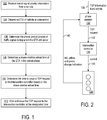
- FIG. 1 shows a flowchart of a process of determining a suitable time to submit and then waiting to submit a transit signal priority (TSP) request.
- TSP transit signal priority
- the timing of submission of a TSP request is made to affect either the signal phase in which the vehicle is expected to arrive (the "arrival phase") or the signal phase immediately prior to the signal phase in which the vehicle is excepted to arrive (the "previous phase"). If the ETA is sufficiently early in a green phase, then the previous phase is a red phase, and a TSP request is made to truncate the previous red phase. The combination of a yellow phase and a red phase is referred to as a non-green phase.
- a TSP request is made to extend the arrival green phase. If the ETA is sufficiently early in a non-green phase, then a TSP request is made to extend the previous green phase. If the ETA is sufficiently later in a non-green phase, then a TSP request is made to truncate the arrival non-green phase.
- the phase selector receives TSP information of a vehicle, and at block 104, the phase selector determines the ETA of the vehicle.
- the TSP information can vary from one implementation to another.
- the TSP information specifies an identifier, location, heading, and speed of the vehicle.
- the TSP information can include the ETA as calculated by a module aboard the transit vehicle or by a phase selector situated at an intersection or at a centralized traffic management system. The ETA can be determined by reading the ETA from the TSP information or by computing the ETA based on the location, heading, and speed of the vehicle relative to the location of the intersection.
- the phase selector can further refine the ETA by adjusting the ETA to compensate for trends in the calculated ETAs versus actual times of arrival (ATAs). If the ATAs are on average later than the ETAs, some amount of time can be added to an initial ETA to produce an adjusted ETA. If the ATAs are on average earlier than the ETAs, some amount of time can be subtracted from the initial ETA.
- the phase selector as used herein refers to implementations in which equipment is situated at intersections for initiating TSP requests as well to implementations in which a centralized traffic management system initiates TSP requests to intersection controllers.
- the phase selector determines the signal phase in which the vehicle is expected to arrive at the intersection, which is referred to as the "arrival phase,” and at block 108 determines the phase relative time the vehicle is expected to arrive. In determining the signal phase in which the vehicle is expected to arrive at the intersection, the phase selector determines the time remaining in the current phase and uses the average lengths of green and non-green phases to determine the arrival phase and the phase relative time. The phase relative time is the offset from the beginning of the arrival phase of the adjusted ETA.
- the phase selector determines the time to issue the TSP request to the intersection controller at block 110.
- the adjusted ETA, arrival phase, phase relative arrival time, and thresholds relative to the beginnings of the green and non-green phases are used to determine the time to issue the TSP request.
- the time to issue the TSP request can be specified as an offset from the time at which the TSP information was received, and a timer can be used to track time elapsed from the time that the phase selector determines that the vehicle is on the approach to the intersection and will be granted TSP.
- the determined time to issue the TSP request is the time at which submitting the TSP request to the intersection controller would cause the intersection controller to truncate the previous non-green phase. If the adjusted ETA is after the non-green truncation threshold, the determined time to issue the TSP request is the time at which submitting the TSP request to the intersection controller would cause the intersection controller to extend the arrival green phase.
- the determined time to issue to the TSP request is the time at which submitting the TSP request to the intersection controller would cause the intersection controller to extend the previous green phase. If the adjusted ETA is after the green extension threshold, the determined time to issue to the TSP request is the time at which submitting the TSP request to the intersection controller would cause the intersection controller to truncate the arrival non-green phase.
- the phase selector waits and issues the TSP request at the time determined at block 110.
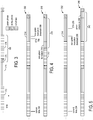
- FIG. 2 shows a traffic signal control arrangement having a phase selector that determines a suitable time to submit a TSP request.
- the traffic signal control arrangement includes phase selector 132, intersection controller 134, and traffic signal 136. Further description of implementations of the intersection controller and phase selector, may be found in U.S. patents 5,202,683 , 5,539,398 , 5,926,113 , 7,417,560 .
- the phase selector inputs TSP information for vehicles on signal line 138 and inputs signals indicative of phase changes on signal line 140.
- the TSP information can be received directly from vehicles such as by radio or IR light signals or received indirectly from a centralized traffic management computer system.
- the phase selector monitors the traffic signal for purposes of gathering data used to determine the arrival phase, phase relative offset, and average lengths of green and non-green phases, among other data.
- the phase selector monitors green phases through a connection to the electrical wires that power the green light and senses when the green light is powered on and off.
- the phase selector can acquire phase information directly from the intersection controller. However, many intersection controllers are not readily accessible or do not provide phase information.
- the phase selector is part of a centralized traffic management system, the signal phase transitions are detected at the intersection and transmitted to the centralized traffic management system such as through a wireless or wired network.
- the phase selector 132 outputs TSP requests to the intersection controller 134 on signal line 142 at times determined according to the processes described herein.
- the intersection controller In response to a TSP request, the intersection controller either extends a green phase or truncates a red phase of the traffic light 136 by way of control signals transmitted on line 144.
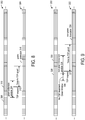
- FIG. 3 illustrates phases of a traffic signal over a period of time.
- Each red phase such as phase 172
- each green phase such as phase 174
- each yellow phase such as phase 176
- a yellow phase and the following red phase are referred to as a non-green phase.
- yellow phase 176 and red phase 178 constitute non-green phase 180.
- FIGs. 4, 5 , 6, and 7 show scenarios in which the phase selector determines suitable times to submit TSP requests according to the traffic signal phase and the time in the traffic signal phase at which the transit vehicle is expected to arrive.
- the figures also show the resulting non-green truncation or green extension.
- FIG. 4 illustrates a scenario in which the ETA of a vehicle is in a green phase, the ETA precedes a non-green truncation threshold, and the preceding non-green phase is truncated.
- Phases 202 include a sequence of traffic signal phases and shows a current time 204 at which TSP information is received, the ETA 206 of the vehicle, and a non-green truncation threshold 208.
- Phases 210 show the result of waiting and issuing the TSP request at the determined time.
- Phases 210 include a sequence of traffic signal phases in which the previous non-green phase 212 is truncated based on the ETA relative to the non-green truncation threshold.
- the phase selector determines the ETA 206. As the ETA is determined to be in a green phase 214 and the phase-relative ETA is before the non-green truncation threshold, the phase selector determines that the previous non-green phase can be truncated. By truncating the previous non-green phase, the duration of the green phase 214 is increased to green phase 216, and the stop time for the transit vehicle can be reduced or eliminated. The increase in the green phase is shown as the non-green truncation 218.
- the non-green truncation threshold is a configurable value that marks a time in the green phase at which a transit vehicle having an earlier ETA would likely benefit from a truncation of the previous non-green phase. A transit vehicle having an ETA later than the non-green truncation threshold would not likely benefit from truncating the previous non-green phase.
- the non-green truncation threshold is set to a value that improves the probability that the truncation will benefit the requesting vehicle.
- the non-green truncation threshold is used because ETAs are not precise. If ETAs were precise, a TSP request could be submitted for achieving a non-green truncation when the ETA is within a non-green phase and outside a green extension of the preceding green phase. In other words, if the phase will be non-green when the vehicle arrives, request the intersection controller to transition to the green phase earlier. Although the vehicle may have to stop, the duration of the stop will be less than without the truncation.
- Varying conditions will affect ETAs, and the standard deviation of the ETAs to ATAs is used to tailor the non-green truncation threshold, according to the present invention.
- a greater standard deviation implies that the ETAs are less certain and a larger time buffer is desirable.
- a lower standard deviation implies ETAs are more precise and that the use of TSP can be optimized.
- the non-green truncation threshold is configurable such as by a system administrator. The default value can be the end of the green phase plus the amount of time for a green extension time. If the standard deviation is high, the non-green truncation threshold may be set to the end of the green phase.
- FIG. 5 shows a scenario in which the ETA of a vehicle is in a green phase, the ETA is after a non-green truncation threshold, and the arrival green phase is extended.
- Phases 232 include a sequence of traffic signal phases and shows a current time 234 at which TSP information is received, the ETA 236 of the vehicle, and the non-green truncation threshold 208.
- Phases 240 include a sequence of traffic signal phases in which the arrival green phase 242 is extended based on the ETA relative to the non-green truncation threshold.
- the phase selector determines the ETA 236. As the ETA is determined to be in a green phase 214 and the phase-relative ETA is after the non-green truncation threshold, the phase selector determines that the arrival green phase can be extended. By extending the arrival green phase, the duration of the green phase 214 is increased to green phase 242, and the probability of the vehicle transiting the intersection before the beginning of the non-green phase is increased. The increase in the green phase is shown as the green extension 244.
- the non-green truncation threshold is a configurable value that marks a time in the green phase that a transit vehicle having a later ETA would likely benefit from extension of the arrival green phase. A transit vehicle having an ETA earlier than the non-green truncation threshold would not likely benefit from extending the arrival green phase.
- FIG. 6 shows a scenario in which the ETA of a vehicle is in a non-green phase, and the ETA is before a green extension threshold, and the preceding green phase is extended.
- Phases 262 include a sequence of traffic signal phases and shows a current time 264 at which TSP information is received, the ETA 266 of the vehicle, and the green extension threshold 268.
- Phases 270 include a sequence of traffic signal phases in which the previous green phase 272 is extended based on the ETA relative to the green extension threshold.
- the phase selector determines the ETA 266. As the ETA is determined to be in a non-green phase 274 and the phase-relative ETA is before the green extension threshold, the phase selector determines that the previous green phase can be extended. By extending the previous green phase, the duration of the green phase 272 is increased to green phase 276, and the probability of the vehicle transiting the intersection before the beginning of the non-green phase is increased. The increase in the green phase is shown as the green extension 278.
- the green extension threshold is a configurable value that marks a time in the non-green phase that a transit vehicle having an earlier ETA would likely benefit from extension of the previous green phase. A transit vehicle having an ETA earlier than the green extension threshold would not likely benefit from extending the previous green phase.
- the green extension truncation threshold is set to a value that improves the probability that the extension will benefit the requesting vehicle.
- the green extension threshold is used because ETAs are not precise. If ETAs were precise, a TSP request could be submitted for achieving a green extension when the ETA is at the end of or just after the end of a green phase.
- the green extension threshold is configurable such as by a system administrator.
- the default value can be the end of the green phase. If the standard deviation is high, the green extension threshold can be set to the middle of the green phase.
- FIG. 7 shows a scenario in which the ETA of a vehicle is in a non-green phase, and the ETA is after a green extension threshold, and the non-green phase is truncated.
- Phases 282 include a sequence of traffic signal phases and shows a current time 284 at which TSP information is received, the ETA 286 of the vehicle, and the green extension threshold 268.
- Phases 288 include a sequence of traffic signal phases in which the arrival non-green phase 290 is truncated based on the ETA relative to the green extension threshold.
- the phase selector determines the ETA 286. As the ETA is determined to be in the non-green phase 274 and the phase-relative ETA is after the green extension threshold 268, the phase selector determines that the arrival non-green phase can be truncated. By truncating the arrival non-green phase, the duration of the green phase 292 is increased to green phase 294, and the stop time for the transit vehicle is reduced or eliminated. The increase in the green phase is shown as the non-green truncation 296.
- the green extension threshold is a configurable value that marks a time in the non-green phase that a transit vehicle having a later ETA would likely benefit from truncation of the arrival non-green phase. A transit vehicle having an ETA earlier than the green extension threshold would not likely benefit from truncating the arrival non-green phase.
- a no-TSP window can be used to suppress certain TSP requests.
- the no-TSP window can have one boundary at one standard deviation after the beginning of a green phase and the other boundary one standard deviation before the end of the green phase. If the ETA falls within the no-TSP window, no TSP request is made.
- the phase selector accounts for the behavior of the intersection controller in granting a non-green truncation or a green extension.
- a TSP request must be submitted to the intersection controller in order for the intersection controller to extend a particular a green phase. This period of time may be referred to as the "green extension window.”
- the non-green truncation window There also may be a window in which are made and no TSP treatment is given. Such a window is a "No-TSP treatment-Given window.”
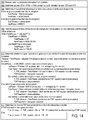
- FIG. 8 shows a scenario in which a TSP request made within the green extension window results in a green extension.
- Phases 302 show uninterrupted phases of a traffic signal, and phases 304 show an extension of a green phase of the traffic signal.
- the green extension window 306 spans parts of non-green phase 308 and green phase 310. If a TSP request 312 is made within the green extension window, the intersection controller will extend green phase 310 by green extension 314.
- the length of time between the time at which the TSP request 312 was made and the time at which the TSP was granted can be referred to as the Time-to-TSP-grant.
- the time of grant for a green extension is at the end of the green phase and beginning of the extension.
- the phase selector averages the Time-to-TSP-grant for green extensions, and the average is used in computing the time at which a TSP request is made to the intersection controller to cause a green extension.
- FIG. 9 shows a scenario in which a TSP request made within the non-green truncation window results in a non-green truncation.
- Phases 302 show uninterrupted phases of a traffic signal, and phases 322 show a truncation of a non-green phase of the traffic signal.
- the non-green truncation window 324 spans parts of green phase 328 and non-green phase 330. If a TSP request 332 is made to the intersection controller within the non-green truncation window, the intersection controller truncates non-green phase 330 by non-green truncation extension 334.
- the time of grant for a non-green truncation is at the beginning of the truncation at which the signal turns green.
- the phase selector averages the Time-to-TSP-grant for non-green truncation, and the average is used in computing the time at which a TSP request is made to the intersection controller to cause a non-green
- the No-TSP treatment-Given window 336 covers a portion of the green phase 328 between the green extension window 306 ( FIG. 8 ) and the non-green truncation window 324.
- the phase selector uses average lengths of green and non-green phases to determine the appropriate time to issue TSP requests. In accumulating data points for calculating the average lengths of green and non-green phases, the phase selector distinguishes between green phases that have been extended and green phases that have not been extended, and distinguishes between non-green phases that have been truncated and non-green phases that have not been truncated. The phase selector also uses timers that track how much time has lapsed in the current phase, which indicate the amount of time remaining in a phase when TSP information is received.
- FIG. 10 shows a process of establishing and tracking the average length of a non-green phase and establishing and tracking the average length of a non-green truncation.
- the phase selector uses a green phase timer and a non-green phase timer to track the duration of each green phase and each non-green phase.
- the phase selector stops the non-green phase timer at block 404.
- a truncated non-green phase is shorter than a standard non-green phase.
- the phase selector does not initially have the value of the standard non-green phase.
- the phase selector in blocks 406 - 412 performs an initial averaging to establish a baseline average of non-green phases. The initial averaging will be done before the averages are used in calculating the request times.
- the phase selector determines whether or not N cycles of green-to-non-green phases have occurred for purpose of initialization. A sample size of 10 should be sufficient for most applications. If not, the process proceeds to decision block 408 to determine whether or not a TSP request was made in the previous two cycles of green-to-non-green phases. If not, the average duration of the non-green phases (NGP) is updated at block 410 with the value of the non-green phase timer. Otherwise, at block 412, the phase selector resets and starts the green phase timer.
- the phase selector continues processing at decision block 414.
- the phase selector determines whether the phase that just ended had a non-green truncation by comparing the non-green phase timer to the average length of the non-green phase. If the non-green phase was not truncated, at block 416, the phase selector updates the average length of non-green phases (NGP). Otherwise, at block 418 the phase selector updates the average length of a non-green truncation (TSPrt). After blocks 416 and 418, the phase selector proceeds to block 420.
- the phase selector resets and starts the green phase timer.
- the phases selector checks whether a green extension is expected. A green extension can be expected if the phase selector submitted a TSP request within the green extension window with the desired treatment by the intersection controller being a green extension. If a green extension is expected, the phase selector proceeds to block 424.
- a time-to-non-green timer is used to track the time remaining in the current green phase, and a time-to-green timer is used to track the time remaining until the next green phase.
- the time-to-green timer does not include the TPSe, because the subsequent non-green phase will be shortened due to the green extension.
- phase selector proceeds to decision block 426.
- the phases selector checks whether a non-green truncation is expected. A non-green truncation can be expected if the phase selector submitted a TSP request within the non-green truncation window with the desired treatment by the intersection controller being a non-green truncation. If a non-green truncation extension is expected, the phase selector proceeds to block 428.
- the phase selector sets the time-to-green timer to GP + NGP and sets the time-to-non-green timer to GP.
- the phase selector starts the time-to-green and time-to-non-green timers.
- FIG. 11 shows a process performed by the phase selector in transitioning from a green phase to a non-green phase, updating the average length of a green phase and controlling the green phase and the non-green phase timers.
- the phase selector stops the green phase timer.
- the phase selector determines whether or not N cycles of green-to-non-green phases have occurred for purpose of initialization. A sample size of 10 should be sufficient for most applications. If not, the process proceeds to decision block 458 to determine whether or not a TSP request was made in the previous two cycles of green-to-non-green phases. If not, the average duration of the green phases (GP) is updated at block 460 with the value of the green phase timer. Otherwise, at block 462, the phase selector resets and starts the non-green phase timer.
- the phase selector continues processing at decision block 464.
- the phase selector determines at decision block 464 whether or not the just-completed green phase was extended by comparing the value of the green phase timer to the average length of green phases (GP). If the value of the green phase timer is greater than average length of green phases (GP), a green extension has occurred, and the phase selector proceeds to block 466 where the average length of the green extension (TSPe) is updated. If a green extension did not occur, at block 468 the phase selector updates the average length of the green phase (GP).
- the averages can be cumulative or moving averages and can be a mean, median, or mode of the collected data values.
- the phase selector resets and restarts the non-green phase timer.
- FIG. 12 shows a process of timing the duration between when a TSP request is submitted to the intersection controller and the time the TSP is granted; determining whether non-green truncation, green extension, or no is TSP granted; and updating the green extension window and non-green truncation window in which TPS requests can be made and expected to be granted.
- the phase selector upon submitting a TSP request to the intersection controller, the phase selector starts a Time-to-TSP-grant timer. After submitting the TSP request, the phase selector monitors the traffic signal for a phase change. At decision block 504, the phase selector detects a phase change and determines the type of phase change. For a phase change from non-green to green, the phase selector stops the Time-to-TSP-grant timer at block 506. At decision block 508, the phase selector determines whether or not a non-green truncation occurred as a result of the TSP request by comparing the value of the non-green phase timer (from FIG. 10 ) to the average length of non-green phases (NGP).
- NTP average length of non-green phases
- the phase selector at block 510 stores the value of the Time-to-TSP-grant timer in a data set of Time-to-TSP-grant timer values for non-green truncation.
- the greatest and least values in the data set define the extent of the non-green truncation window.
- a desired time within the non-green truncation window to submit a TSP request to obtain a non-green truncation is computed.
- the desired time is designated as Win-to-TSP-NGT and can be a cumulative or moving average (mean, median, or mode) of the data set.
- the phase selector stops the Time-to-TSP-grant timer at block 514.
- the phase selector determines whether or not a green extension occurred as a result of the TSP request by comparing the value of the green phase timer (from FIG. 11 ) to the average length of green phases (GP). If the value of the green phase timer is greater than GP, a green extension occurred, and the phase selector at block 518 stores the value of the Time-to-TSP-grant timer in a data set of Time-to-TSP-grant timer values for green extension. The greatest and least values in the data set define the extent of the green extension window.
- a desired time within the green extension window to submit a TSP request to obtain a green extension is computed.
- the desired time is designated as Win-to-TSP-GE and can be a cumulative or moving average (mean, median, or mode) of the data set.
- the phase selector stores the Time-to-TSP-grant timer value in a data set of timer values for which non-green truncations and green extensions were not granted. Such window is referred to as the "No-TSP treatment-Given-Window.”
- the ETA computed based on the speed of the vehicle and distance from the intersection may consistently vary from the ATA by some amount. That is, the ETA may consistently be earlier than the ATA or consistently later than the ATA.
- the phase selector computes an adjusted ETA that accounts for a deviation between an ETA and the ATA.
- FIG. 13 shows a process by which data are gathered to determine an ETA offset that can be used in computing an adjusted ETA.
- the phase selector receives initial TSP information from a vehicle, and at block 556, the phase selector determines and stores an initial ETA, which is the ETA based on first receiving the TSP information from the vehicle, and starts a timer for determining the duration of time from the time at which TSP information is received to the ATA.
- the TSP information may include the ETA, or the phase selector can compute the ETA based on speed and location information from the TSP information and the location of the intersection.
- the phase selector continues to receive TSP information from the transmitting vehicle at block 560 and determines an updated ETAs at block 562. Once the updated ETA is 0 as determined at decision block 558, which means the vehicle is at the intersection, the phase selector stops the timer at block 564. After stopping the timer, the phase selector determines the difference between the ATA, which is indicated by the timer value and the initial ETA. The difference is stored in a data set at block 566. The process returns to block 552 to gather more data points for computing the ETA offset.
- the phase selector computes the ETA offset, which is an average of the differences between ETAs and ATAs, using the values in the data set.
- the ETA offset can be a cumulative or moving average of the values in the data set.
- the average can be a mean, median, or mode, for example.
- FIG. 14 shows a process of determining the time to issue a TSP request.
- the process is illustrated by way of sections of pseudo code.
- the phase selector receives TSP information, and in section 604 the phase selector computes an adjusted ETA.
- the adjusted ETA is the ETA of the vehicle (ETAv) plus the ETA offset (ETAd).
- ETAv and ETAd can be computed as described in FIG. 13 , for example.
- the phase selector determines the amount of time remaining in the current phase and what the next phase will be (green or non-green). If the time remaining until the next green phase is greater than the time remaining until the next non-green phase, as can be determined by the values of the time-to-green timer and time-to-non-green timer from FIGs. 10 and 11 , TotalPhases is set to the value of the time-to-non-green timer (time remaining in the current green phase), and the NextPhase is set to NON-GREEN. TotalPhases is used to accumulate the amount of time from the current time at which the TSP information is received through the phase of the adjusted ETA.
- TotalPhases is set to the value of the time-to-green timer, and NextPhase is set to GREEN.
- the phase selector in section 608 determines what the next phase of the traffic signal will be after the adjusted ETA by totaling the times of the phases beginning with the phase that follows the phase during which the TSP information was received ("current phase”).
- the average lengths of the green phase (GP) and non-green phase (NGP) are used in accumulating the time in TotalPhases.
- NextPhase indicates the phase the follows the phase in which the adjusted ETA will occur.
- the value of TotalPhases is the total amount of time from the time at which the TSP information was received to the beginning of the phase the follows the phase in which the adjusted ETA will occur (see FIG. 15 ).
- the phase selector determines whether to issue a TSP request that is expected to result in a non-green truncation or to issue a TSP request that is expected to result in a green extension.
- the phase selector generally uses the non-green truncation threshold, the green extension threshold, and the adjusted ETA to select between a non-green truncation and a green extension.
- the phase selector determines the phase relative arrival time (TEphase), which is the time within the phase the vehicle is expected to arrive and is the difference between TotalPhases and the adjusted ETA.
- TEphase phase relative arrival time
- the phase selector determines the time at which the TSP request should be made to the intersection controller by adjusting the T_TSP_desired value, which is the end of a previous green or non-green phase.
- the time to issue the TSP request is set to the T_TSP_desired value less a non-green truncation offset value or a green extension offset value.
- the non-green truncation offset value is the midpoint of the non-green truncation window
- the green extension offset value is the midpoint of the green extension window ( FIGs. 8 and 9 ).
- the phase selector can choose to suppress issuing the TSP request, because the intersection controller would likely not process the request and provided the desired green extension or non-green truncation.
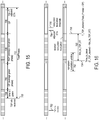
- FIGs. 15 and 16 show examples of phases of a traffic signal relative to the process of determining the time to issue a TSP request as described in FIG. 14 .
- FIG. 15 shows the phases of a traffic signal and the time at which TSP information is first received from a vehicle, the adjusted ETA of the vehicle, the total time of the phases (TotalPhases) through the adjusted ETA, and the NextPhase after the ETA.
- TSP information is received at the time marked by line 702, which is in a non-green phase. The time remaining in the non-green phase until the next green phase is shown by line 704.
- the average length of green phases is shown by lines 706, and the average length of non-green phases is shown by line 708.
- the time of the adjusted ETA is shown by line 710.
- TotalPhases which is the amount of time from the time at which TSP information is first received and the beginning of the phase that immediately follows the adjusted ETA, is shown by line 712.
- FIG. 16 shows a scenario in which the adjusted ETA of a vehicle is in a green phase, the adjusted ETA is before a non-green truncation threshold, and the Time_to_issue is computed based on desired non-green truncation time and an offset required to obtain the truncation at the desired time.
- Line 752 shows the time at which TSP information is received in a non-green phase
- line 754 shows the time of the adjusted ETA.
- the adjusted ETA precedes the non-green truncation threshold 756, and the phase selector determines to truncate the previous non-green phase.
- the non-green truncation offset (Win_to_TSP_RT) is shown as line 760, and extends from the time at which TSP is desired 758 (T_TSP_desired) to the midpoint of the non-green truncation window, which is shown as line 762.
- FIG. 17 shows a scenario in which the adjusted ETA of a vehicle is in a green phase, the adjusted ETA after the non-green truncation threshold, and the Time_to_issue is computed based on desired green extension time and an offset required to obtain the extension at the desired time.
- Line 802 shows the time at which TSP information is received in a non-green phase
- line 804 shows the time of the adjusted ETA.
- the adjusted ETA is after the non-green truncation threshold 756, and the phase selector determines to extend the arrival green phase.
- the green extension offset (Win_to_TSP_GE) is shown as line 808 and extends from the time at which TSP is desired 806 (T_TSP_desired) to the midpoint of the green extension window, which is shown as line 810.
- T_TSP_desired the time at which the TSP request is to be issued.
- FIG. 18 shows a scenario in which the adjusted ETA of a vehicle is after the non-green truncation threshold in a green phase, and the computed Time_to_issue falls within the No-TSP-Treatment-Given window.
- Line 832 shows the time at which TSP information is received in a non-green phase
- line 834 shows the time of the adjusted ETA.
- the adjusted ETA is after the non-green truncation threshold 756, and the phase selector initially determines to extend the arrival green phase.
- a block, module, device, system, unit, or controller is a circuit that carries out one or more of the disclosed or related operations/activities.
- one or more blocks, modules, devices, systems, units, or controllers are discrete logic circuits or programmable circuits configured and arranged for implementing these operations/activities, as shown in FIG. 2 .
- the programmable circuitry can be one or more computer circuits programmed to execute a set (or sets) of instructions (and/or configuration data).
- the instructions (and/or configuration data) can be in the form of firmware or software stored in and accessible from a memory (circuit).
- Some implementations are directed to a computer program product (e.g., nonvolatile memory device), which includes a machine or computer-readable medium having stored thereon instructions which may be executed by a computer (or other electronic device) to perform these operations/activities.
- a computer program product e.g., nonvolatile memory device
- the embodiments are thought to be applicable to a variety of systems for controlling traffic signal phases. Other aspects and embodiments will be apparent to those skilled in the art from consideration of the specification.
- the embodiments may be implemented as one or more processors configured to execute software, as an application specific integrated circuit (ASIC), or as a logic on a programmable logic device. It is intended that the specification and illustrated embodiments be considered as examples only, with a true scope of the invention being indicated by the following claims.
Landscapes
- Physics & Mathematics (AREA)
- General Physics & Mathematics (AREA)
- Business, Economics & Management (AREA)
- Emergency Management (AREA)
- Traffic Control Systems (AREA)
Claims (15)
- Verfahren zur Übermittlung von Transitsignalprioritäts-(TSP)-Anfragen mit folgenden Schritten:Empfangen von TSP-Informationen eines Fahrzeugs mittels eines Phasenwählers zu einem aktuellen Zeitpunkt;Bestimmen, aus den TSP-Informationen, einer voraussichtlichen Ankunftszeit (ETA) des Fahrzeugs an einer Kreuzung, die ein von einer Kreuzungssteuerung gesteuertes Ampelsignal aufweist;Bestimmen einer Phase des Ampelsignals zur ETA, wobei die Phase zur ETA eine Ankunftsphase ist;Bestimmen, ob die Ankunftsphase eine Grün-Phase oder eine Nicht-Grün-Phase ist;Bestimmen einer phasenrelativen Ankunftszeit innerhalb der Ankunftsphase, in der die ETA auftritt;Bestimmen einer Zeit zum Ausgeben der TSP-Anfrage basierend auf der phasenrelativen Ankunftszeit;Bestimmen einer Nicht-Grün-Verkürzungsschwelle und einer Grünverlängerungsschwelle basierend auf einem Mittelwert von Abweichungen der ETAs mehrerer Fahrzeuge von zugehörigen tatsächlichen Ankunftszeiten(ATA) der Fahrzeuge;Bestimmen, ob eine Nicht-Grün-Phase verkürzt werden soll oder eine Grün-Phase verlängert werden soll basierend auf der phasenrelativen Ankunftszeit relativ zu der Nicht-Grün-Verkürzungsschwelle bzw. der Grünverlängerungsschwelle in der Ankunftsphase; undAusgeben der TSP-Anfrage mittels des Phasenwählers an die Kreuzungssteuerung zu der bestimmten Zeit.
- Verfahren nach Anspruch 1, wobei:das Bestimmen der Phase zur ETA das Bestimmen umfasst, ob die Ankunftsphase eine Grün-Phase oder eine Nicht-Grün-Phase ist; unddas Bestimmen der Zeit zum Ausgeben der TSP-Anfrage das Bestimmen der Verkürzung einer Nicht-Grün-Phase umfasst, welche der Ankunftsphase vorausgeht, als Reaktion darauf, dass die Ankunftsphase eine Grün-Phase ist und die phasenrelative Ankunftszeit einer Nicht-Grün-Verkürzungsschwelle vorausgeht.
- Verfahren nach Anspruch 1, wobei:das Bestimmen der Phase zur ETA das Bestimmen umfasst, ob die Ankunftsphase eine Grün-Phase oder eine Nicht-Grün-Phase ist; unddas Bestimmen der Zeit zum Ausgeben der TSP-Anfrage das Bestimmen der Verlängerung einer Grün-Phase umfasst, welche die Ankunftsphase ist, als Reaktion darauf, dass die Ankunftsphase eine Grün-Phase ist und die phasenrelative Ankunftszeit einer Nicht-Grün-Verkürzungsschwelle folgt.
- Verfahren nach Anspruch 1, wobei:das Bestimmen der Phase zur ETA das Bestimmen umfasst, ob die Ankunftsphase eine Grün-Phase oder eine Nicht-Grün-Phase ist; unddas Bestimmen der Zeit zum Ausgeben der TSP-Anfrage das Bestimmen der Verlängerung einer Grün-Phase umfasst, welche der Ankunftsphase vorausgeht, als Reaktion darauf, dass die Ankunftsphase eine Nicht-Grün-Phase ist und die phasenrelative Ankunftszeit einer Grünverlängerungsschwelle vorausgeht.
- Verfahren nach Anspruch 1, wobei:das Bestimmen der Phase zur ETA das Bestimmen umfasst, ob die Ankunftszeit eine Grün-Phase oder eine Nicht-Grün-Phase ist; unddas Bestimmen der Zeit zum Ausgeben der TSP-Anfrage das Bestimmen der Verkürzung einer Nicht-Grün-Phase umfasst, welche die Ankunftsphase ist, als Reaktion darauf, dass die Ankunftsphase eine Nicht-Grün-Phase ist und die phasenrelative Ankunftszeit einer Grünverlängerungsschwelle folgt.
- Verfahren nach Anspruch 1, wobei das Bestimmen der ETA umfasst:Bestimmen einer ursprünglichen ETA basierend auf den TSP-Informationen; undHinzufügen eines ETA-Versatzes zu der ursprünglichen ETA, woraus die ETA resultiert, wobei der ETA-Versatz einen Mittelwert der Differenzen zwischen tatsächlichen Ankunftszeiten und ursprünglichen ETAs mehrerer Fahrzeuge angibt.
- Verfahren nach Anspruch 1, wobei das Bestimmen der Ankunftsphase umfasst:Bestimmen einer Menge an verbleibender Zeit in einer aktuellen Phase zu einer Zeit des Empfangens von TSP-Informationen; undSummieren einer Zeitmenge, welche die in der aktuellen Phase verbleibende Zeit und eine entsprechende Zeit jeder Phase zwischen der aktuellen Phase und einer ersten Phasenänderung nach der ETA umfasst, mittels einer durchschnittlichen Länge von Grün-Phasen und einer durchschnittlichen Länge von Nicht-Grün-Phasen.
- Verfahren nach Anspruch 7, wobei das Bestimmen der Menge an verbleibender Zeit in einer aktuellen Phase als Reaktion auf einen Übergang von einer Nicht-Grün-Phase zu einer Grün-Phase das Durchführen von Vorgängen umfasst, die Folgendes beinhalten:Einstellen eines Timers für die Zeit, bis es nicht grün ist, auf die durchschnittliche Länge von Grün-Phasen plus einer durchschnittlichen Länge von Grünverlängerungen als Reaktion auf eine erwartete Grünverlängerung;Einstellen eines Timers für die Zeit, bis es grün ist, auf die durchschnittliche Länge von Grün-Phasen plus der durchschnittlichen Länge von Nicht-Grün-Phasen als Reaktion auf die erwartete Grünverlängerung;Einstellen des Timers für die Zeit, bis es nicht grün ist, auf die durchschnittliche Länge von Grün-Phasen als Reaktion auf eine erwartete Nicht-Grün-Verkürzung;Einstellen des Timers für die Zeit, bis es grün ist, auf die durchschnittliche Länge von Grün-Phasen plus die durchschnittliche Länge von Nicht-Grün-Phasen minus einer durchschnittlichen Länge von Nicht-Grün-Verkürzungen als Reaktion auf die erwartete Nicht-Grün-Verkürzung;Einstellen des Timers für die Zeit, bis es nicht grün ist, auf die durchschnittliche Länge von Grün-Phasen plus die durchschnittliche Länge von Nicht-Grün-Phasen als Reaktion auf eine nicht erwartete Grünverlängerung und eine nicht erwartete Nicht-Grün-Verkürzung;Einstellen des Timers für die Zeit, bis es grün ist, auf die durchschnittliche Länge von Grün-Phasen als Reaktion auf eine nicht erwartete Grünverlängerung und eine nicht erwartete Nicht-Grün-Verkürzung; undStarten des Timers für die Zeit, bis es nicht grün ist, und des Timers für die Zeit, bis es grün ist.
- Verfahren nach Anspruch 1, wobei das Bestimmen der Zeit zum Ausgeben der TSP-Anfrage umfasst:Bestimmen einer Ziel-TSP-Zeit, die eine Zeit in einer Phase angibt, in der eine Nicht-Grün-Verkürzungsverlängerung angestrebt wird; undBerechnen der Zeit zum Ausgeben der TSP-Anfrage als eine Differenz zwischen der Ziel-TSP-Zeit und einem Nicht-Grün-Verkürzungsversatzwert.
- Verfahren nach Anspruch 9, ferner umfassend:Bestimmen, ob die Kreuzungssteuerung eine Nicht-Grün-Verkürzung als Reaktion darauf, dass die TSP-Anfrage zu der bestimmten Zeit ausgegeben wird, erlaubt oder nicht; undUmgehen des Ausgebens der TSP-Anfrage an die Kreuzungssteuerung als Reaktion auf das Bestimmen, dass die Zeit zum Ausgeben der TSP-Anfrage innerhalb eines Zeitraums liegt, in dem die Kreuzungssteuerung eine Nicht-Grün-Verkürzung nicht erlaubt.
- Verfahren nach Anspruch 9, ferner umfassend:Starten eines Timers für die Zeit bis zum TSP-Erlauben als Reaktion auf das Ausgeben der TSP-Anfrage;Stoppen des Timers für die Zeit bis zum TSP-Erlauben als Reaktion auf einen Übergang von einer Nicht-Grün-Phase zu einer Grün-Phase;Bestimmen, nach dem Stoppen des Timers für die Zeit bis zum TSP-Erlauben, ob die Nicht-Grün-Phase verkürzt wurde oder nicht;Speichern eines Werts, der von dem Timer für die Zeit bis zum TSP-Erlauben angegeben wird, in einem Datensatz als Reaktion auf das Bestimmen, dass die Nicht-Grün-Phase verkürzt wurde; undBestimmen des Nicht-Grün-Verkürzungsversatzes aus dem Datensatz.
- Verfahren nach Anspruch 1, wobei das Bestimmen der Zeit zum Ausgeben der TSP-Anfrage umfasst:Bestimmen einer Ziel-TSP-Zeit, die eine Zeit in einer Phase angibt, in der eine Grünverlängerung angestrebt wird; undBerechnen der Zeit zum Ausgeben der TSP-Anfrage als eine Differenz zwischen der Ziel-TSP-Zeit und einem Grünverlängerungsversatzwert.
- Verfahren nach Anspruch 12, ferner umfassend:Bestimmen, ob die Kreuzungssteuerung eine Grünverlängerung als Reaktion darauf, dass die TSP-Anfrage zu der bestimmten Zeit ausgegeben wird, erlaubt oder nicht; undUmgehen des Ausgebens der TSP-Anfrage an die Kreuzungssteuerung als Reaktion auf das Bestimmen, dass die Zeit zum Ausgeben der TSP-Anfrage innerhalb eines Zeitraums liegt, in dem die Kreuzungssteuerung eine Grünverlängerung nicht erlaubt.
- Verfahren nach Anspruch 12, ferner umfassend:Starten eines Timers für die Zeit bis zum TSP-Erlauben als Reaktion auf das Ausgeben der TSP-Anfrage;Stoppen des Timers für die Zeit bis zum TSP-Erlauben als Reaktion auf einen Übergang von einer Grün-Phase zu einer Nicht-Grün-Phase;Bestimmen, nach dem Stoppen des Timers für die Zeit bis zum TSP-Erlauben, ob die Grün-Phase verlängert wurde oder nicht;Speichern eines Werts, der von dem Timer für die Zeit bis zum TSP-Erlauben angegeben wird, in einem Datensatz als Reaktion auf das Bestimmen, dass die Grün-Phase verlängert wurde; undBestimmen des Grünverlängerungsversatzes aus dem Datensatz.
- Ampelsignal-Steuerungssystem, das zum Durchführen des Verfahrens nach Anspruch 1-14 ausgebildet ist.
Applications Claiming Priority (2)
| Application Number | Priority Date | Filing Date | Title |
|---|---|---|---|
| US15/272,579 US10217356B2 (en) | 2016-09-22 | 2016-09-22 | Timing submission of transit signal priority requests to reduce transit vehicle stop times |
| PCT/US2017/051972 WO2018057443A1 (en) | 2016-09-22 | 2017-09-18 | Timing submission of transit signal priority requests to reduce transit vehicle stop times |
Publications (2)
| Publication Number | Publication Date |
|---|---|
| EP3516640A1 EP3516640A1 (de) | 2019-07-31 |
| EP3516640B1 true EP3516640B1 (de) | 2020-11-04 |
Family
ID=59969280
Family Applications (1)
| Application Number | Title | Priority Date | Filing Date |
|---|---|---|---|
| EP17772852.4A Active EP3516640B1 (de) | 2016-09-22 | 2017-09-18 | Zeitplanung der einreichung von transitsignalprioritätsanfragen zur reduzierung der stoppzeiten von transitfahrzeugen |
Country Status (6)
| Country | Link |
|---|---|
| US (1) | US10217356B2 (de) |
| EP (1) | EP3516640B1 (de) |
| AU (2) | AU2017332679A1 (de) |
| CA (1) | CA3037881C (de) |
| ES (1) | ES2849979T3 (de) |
| WO (1) | WO2018057443A1 (de) |
Families Citing this family (11)
| Publication number | Priority date | Publication date | Assignee | Title |
|---|---|---|---|---|
| US11113957B2 (en) * | 2017-03-31 | 2021-09-07 | Traffic Technology Services, Inc. | System and method for providing real-time and predictive speed, traffic signal timing, station dwell time, and departure window information to transit vehicle |
| US12579887B1 (en) | 2018-02-09 | 2026-03-17 | Applied Information, Inc. | Systems, methods, and devices for communication between traffic controller systems and mobile transmitters and receivers |
| US11069234B1 (en) | 2018-02-09 | 2021-07-20 | Applied Information, Inc. | Systems, methods, and devices for communication between traffic controller systems and mobile transmitters and receivers |
| US11205345B1 (en) | 2018-10-02 | 2021-12-21 | Applied Information, Inc. | Systems, methods, devices, and apparatuses for intelligent traffic signaling |
| CN110288844B (zh) * | 2019-05-27 | 2021-02-23 | 北方工业大学 | 一种基于车路通信的连续交叉口协同优化方法 |
| US11127298B2 (en) * | 2019-11-07 | 2021-09-21 | Automotive Research & Testing Center | Intersection speed deciding method and system thereof |
| CN111540219B (zh) * | 2020-05-06 | 2021-08-06 | 亚哲科技股份有限公司 | 基于人工智能车路协同的双向公交信号优先协同方法 |
| US12518623B2 (en) | 2022-04-26 | 2026-01-06 | Niosense Inc. | Data-augmented vehicle stop avoidance system and method |
| CN115063988B (zh) * | 2022-05-05 | 2023-06-02 | 北京联合大学 | 一种应急车辆优先的跨交通子区信号协同控制方法 |
| CN115273504B (zh) * | 2022-07-19 | 2024-01-02 | 江苏航天大为科技股份有限公司 | 基于车联网的车辆通行信号控制方法、系统和存储介质 |
| CN115985093B (zh) * | 2022-12-22 | 2025-03-21 | 同济大学 | 基于可变周期策略考虑到达随机性的公交信号优先方法 |
Family Cites Families (25)
| Publication number | Priority date | Publication date | Assignee | Title |
|---|---|---|---|---|
| US5202683A (en) | 1991-06-24 | 1993-04-13 | Minnesota Mining And Manufacturing Company | Optical traffic preemption detector |
| TW289174B (de) | 1994-01-07 | 1996-10-21 | Minnesota Mining & Mfg | |
| US5926113A (en) * | 1995-05-05 | 1999-07-20 | L & H Company, Inc. | Automatic determination of traffic signal preemption using differential GPS |
| US6490519B1 (en) * | 1999-09-27 | 2002-12-03 | Decell, Inc. | Traffic monitoring system and methods for traffic monitoring and route guidance useful therewith |
| US7327280B2 (en) * | 2002-08-15 | 2008-02-05 | California Institute Of Technology | Emergency vehicle traffic signal preemption system |
| US7116245B1 (en) * | 2002-11-08 | 2006-10-03 | California Institute Of Technology | Method and system for beacon/heading emergency vehicle intersection preemption |
| US20050264431A1 (en) * | 2002-04-09 | 2005-12-01 | Bachelder Aaron D | Forwarding system for long-range preemption and corridor clearance for emergency response |
| US7098806B2 (en) * | 2002-08-15 | 2006-08-29 | California Institute Of Technology | Traffic preemption system |
| EP1584081B8 (de) * | 2003-01-17 | 2008-12-31 | Continental Automotive Systems US, Inc. | Verkehrssignalprioritätssystem auf der basis eines mobilereignisses |
| US20070040700A1 (en) * | 2004-03-24 | 2007-02-22 | Bachelder Aaron D | Cellular-based preemption system |
| US7417560B2 (en) | 2005-06-01 | 2008-08-26 | Global Traffic Technologies, Llc | Multimode traffic priority/preemption intersection arrangement |
| US20070135990A1 (en) * | 2005-12-08 | 2007-06-14 | Seymour Shafer B | Navigation route information for traffic management |
| US7991542B2 (en) * | 2006-03-24 | 2011-08-02 | Wavetronix Llc | Monitoring signalized traffic flow |
| US7739031B2 (en) * | 2006-09-05 | 2010-06-15 | Nissan Technical Center North America, Inc. | Vehicle on-board unit |
| JP5277786B2 (ja) | 2008-08-11 | 2013-08-28 | 住友電気工業株式会社 | 緊急車両優先制御装置、コンピュータプログラム及び緊急車両優先制御方法 |
| US8760315B2 (en) * | 2009-09-04 | 2014-06-24 | E-Views Safety Systems, Inc. | System and method for expanding preemption and bus priority signals |
| US8325062B2 (en) * | 2009-10-09 | 2012-12-04 | Global Traffic Technologies, Llc | Centralized management of preemption control of traffic signals |
| US8830085B2 (en) * | 2009-11-12 | 2014-09-09 | Global Traffic Technologies, Llc | Monitoring traffic signal preemption |
| US8610596B2 (en) * | 2010-02-11 | 2013-12-17 | Global Traffic Technologies, Llc | Monitoring and diagnostics of traffic signal preemption controllers |
| US8487780B2 (en) * | 2010-03-25 | 2013-07-16 | Global Traffic Technologies, Inc. | Defining approach maps for traffic signal preemption controllers |
| US8823548B2 (en) * | 2010-06-15 | 2014-09-02 | Global Traffic Technologies, Llc | Control of traffic signal phases |
| WO2013003504A2 (en) * | 2011-06-27 | 2013-01-03 | Stc, Inc. | Signal light priority system utilizing estimated time of arrival |
| US20150332589A1 (en) * | 2014-05-15 | 2015-11-19 | Global Traffic Technologies, Llc | Managing transit signal priority (tsp) requests |
| US9299253B2 (en) * | 2014-06-19 | 2016-03-29 | Global Traffic Technologies, Llc | Adaptive traffic signal preemption |
| US10121370B2 (en) * | 2014-09-20 | 2018-11-06 | Mohamed Roshdy Elsheemy | Comprehensive traffic control system |
-
2016
- 2016-09-22 US US15/272,579 patent/US10217356B2/en active Active
-
2017
- 2017-09-18 ES ES17772852T patent/ES2849979T3/es active Active
- 2017-09-18 AU AU2017332679A patent/AU2017332679A1/en not_active Abandoned
- 2017-09-18 WO PCT/US2017/051972 patent/WO2018057443A1/en not_active Ceased
- 2017-09-18 CA CA3037881A patent/CA3037881C/en active Active
- 2017-09-18 EP EP17772852.4A patent/EP3516640B1/de active Active
-
2020
- 2020-04-08 AU AU2020202447A patent/AU2020202447B2/en active Active
Also Published As
| Publication number | Publication date |
|---|---|
| AU2017332679A1 (en) | 2019-04-18 |
| AU2020202447B2 (en) | 2021-11-18 |
| US10217356B2 (en) | 2019-02-26 |
| US20180082582A1 (en) | 2018-03-22 |
| EP3516640A1 (de) | 2019-07-31 |
| CA3037881C (en) | 2019-10-29 |
| CA3037881A1 (en) | 2018-03-29 |
| WO2018057443A1 (en) | 2018-03-29 |
| AU2020202447A1 (en) | 2020-05-07 |
| ES2849979T3 (es) | 2021-08-24 |
Similar Documents
| Publication | Publication Date | Title |
|---|---|---|
| AU2020202447B2 (en) | Timing submission of transit signal priority requests to reduce transit vehicle stop times | |
| AU2015276937B2 (en) | Adaptive traffic signal preemption | |
| EP3143605B1 (de) | Verwaltung von anfragen von priorität bei durchfahrtssignale | |
| US9478131B2 (en) | Prioritization of traffic signal preemption requests received from multiple sources over different communication mediums | |
| EP3292548B1 (de) | Fahrtbestimmung zur verwaltung von fahrplänen von transitfahrzeugen | |
| US11619942B2 (en) | Controlling an autonomous vehicle when the autonomous vehicle is outside of its operational design domain | |
| CA2875613C (en) | Field of view traffic signal preemption | |
| US10937313B2 (en) | Vehicle dilemma zone warning using artificial detection | |
| WO2022237634A1 (zh) | 信息处理方法、设备及计算机存储介质 | |
| US12620306B1 (en) | Systems, methods, devices, and apparatuses for intelligent traffic signaling | |
| HK1209227B (en) | Field of view traffic signal preemption |
Legal Events
| Date | Code | Title | Description |
|---|---|---|---|
| STAA | Information on the status of an ep patent application or granted ep patent |
Free format text: STATUS: UNKNOWN |
|
| STAA | Information on the status of an ep patent application or granted ep patent |
Free format text: STATUS: THE INTERNATIONAL PUBLICATION HAS BEEN MADE |
|
| PUAI | Public reference made under article 153(3) epc to a published international application that has entered the european phase |
Free format text: ORIGINAL CODE: 0009012 |
|
| STAA | Information on the status of an ep patent application or granted ep patent |
Free format text: STATUS: REQUEST FOR EXAMINATION WAS MADE |
|
| 17P | Request for examination filed |
Effective date: 20190327 |
|
| AK | Designated contracting states |
Kind code of ref document: A1 Designated state(s): AL AT BE BG CH CY CZ DE DK EE ES FI FR GB GR HR HU IE IS IT LI LT LU LV MC MK MT NL NO PL PT RO RS SE SI SK SM TR |
|
| AX | Request for extension of the european patent |
Extension state: BA ME |
|
| DAV | Request for validation of the european patent (deleted) | ||
| DAX | Request for extension of the european patent (deleted) | ||
| GRAP | Despatch of communication of intention to grant a patent |
Free format text: ORIGINAL CODE: EPIDOSNIGR1 |
|
| STAA | Information on the status of an ep patent application or granted ep patent |
Free format text: STATUS: GRANT OF PATENT IS INTENDED |
|
| INTG | Intention to grant announced |
Effective date: 20200514 |
|
| GRAS | Grant fee paid |
Free format text: ORIGINAL CODE: EPIDOSNIGR3 |
|
| GRAA | (expected) grant |
Free format text: ORIGINAL CODE: 0009210 |
|
| STAA | Information on the status of an ep patent application or granted ep patent |
Free format text: STATUS: THE PATENT HAS BEEN GRANTED |
|
| AK | Designated contracting states |
Kind code of ref document: B1 Designated state(s): AL AT BE BG CH CY CZ DE DK EE ES FI FR GB GR HR HU IE IS IT LI LT LU LV MC MK MT NL NO PL PT RO RS SE SI SK SM TR |
|
| REG | Reference to a national code |
Ref country code: GB Ref legal event code: FG4D |
|
| REG | Reference to a national code |
Ref country code: CH Ref legal event code: EP |
|
| REG | Reference to a national code |
Ref country code: AT Ref legal event code: REF Ref document number: 1331822 Country of ref document: AT Kind code of ref document: T Effective date: 20201115 |
|
| REG | Reference to a national code |
Ref country code: IE Ref legal event code: FG4D |
|
| REG | Reference to a national code |
Ref country code: DE Ref legal event code: R096 Ref document number: 602017026956 Country of ref document: DE |
|
| REG | Reference to a national code |
Ref country code: NL Ref legal event code: FP |
|
| PG25 | Lapsed in a contracting state [announced via postgrant information from national office to epo] |
Ref country code: PT Free format text: LAPSE BECAUSE OF FAILURE TO SUBMIT A TRANSLATION OF THE DESCRIPTION OR TO PAY THE FEE WITHIN THE PRESCRIBED TIME-LIMIT Effective date: 20210304 Ref country code: RS Free format text: LAPSE BECAUSE OF FAILURE TO SUBMIT A TRANSLATION OF THE DESCRIPTION OR TO PAY THE FEE WITHIN THE PRESCRIBED TIME-LIMIT Effective date: 20201104 Ref country code: FI Free format text: LAPSE BECAUSE OF FAILURE TO SUBMIT A TRANSLATION OF THE DESCRIPTION OR TO PAY THE FEE WITHIN THE PRESCRIBED TIME-LIMIT Effective date: 20201104 Ref country code: GR Free format text: LAPSE BECAUSE OF FAILURE TO SUBMIT A TRANSLATION OF THE DESCRIPTION OR TO PAY THE FEE WITHIN THE PRESCRIBED TIME-LIMIT Effective date: 20210205 Ref country code: NO Free format text: LAPSE BECAUSE OF FAILURE TO SUBMIT A TRANSLATION OF THE DESCRIPTION OR TO PAY THE FEE WITHIN THE PRESCRIBED TIME-LIMIT Effective date: 20210204 |
|
| PG25 | Lapsed in a contracting state [announced via postgrant information from national office to epo] |
Ref country code: BG Free format text: LAPSE BECAUSE OF FAILURE TO SUBMIT A TRANSLATION OF THE DESCRIPTION OR TO PAY THE FEE WITHIN THE PRESCRIBED TIME-LIMIT Effective date: 20210204 Ref country code: SE Free format text: LAPSE BECAUSE OF FAILURE TO SUBMIT A TRANSLATION OF THE DESCRIPTION OR TO PAY THE FEE WITHIN THE PRESCRIBED TIME-LIMIT Effective date: 20201104 Ref country code: LV Free format text: LAPSE BECAUSE OF FAILURE TO SUBMIT A TRANSLATION OF THE DESCRIPTION OR TO PAY THE FEE WITHIN THE PRESCRIBED TIME-LIMIT Effective date: 20201104 Ref country code: IS Free format text: LAPSE BECAUSE OF FAILURE TO SUBMIT A TRANSLATION OF THE DESCRIPTION OR TO PAY THE FEE WITHIN THE PRESCRIBED TIME-LIMIT Effective date: 20210304 Ref country code: PL Free format text: LAPSE BECAUSE OF FAILURE TO SUBMIT A TRANSLATION OF THE DESCRIPTION OR TO PAY THE FEE WITHIN THE PRESCRIBED TIME-LIMIT Effective date: 20201104 |
|
| REG | Reference to a national code |
Ref country code: LT Ref legal event code: MG9D |
|
| PG25 | Lapsed in a contracting state [announced via postgrant information from national office to epo] |
Ref country code: HR Free format text: LAPSE BECAUSE OF FAILURE TO SUBMIT A TRANSLATION OF THE DESCRIPTION OR TO PAY THE FEE WITHIN THE PRESCRIBED TIME-LIMIT Effective date: 20201104 |
|
| PG25 | Lapsed in a contracting state [announced via postgrant information from national office to epo] |
Ref country code: SK Free format text: LAPSE BECAUSE OF FAILURE TO SUBMIT A TRANSLATION OF THE DESCRIPTION OR TO PAY THE FEE WITHIN THE PRESCRIBED TIME-LIMIT Effective date: 20201104 Ref country code: RO Free format text: LAPSE BECAUSE OF FAILURE TO SUBMIT A TRANSLATION OF THE DESCRIPTION OR TO PAY THE FEE WITHIN THE PRESCRIBED TIME-LIMIT Effective date: 20201104 Ref country code: SM Free format text: LAPSE BECAUSE OF FAILURE TO SUBMIT A TRANSLATION OF THE DESCRIPTION OR TO PAY THE FEE WITHIN THE PRESCRIBED TIME-LIMIT Effective date: 20201104 Ref country code: EE Free format text: LAPSE BECAUSE OF FAILURE TO SUBMIT A TRANSLATION OF THE DESCRIPTION OR TO PAY THE FEE WITHIN THE PRESCRIBED TIME-LIMIT Effective date: 20201104 Ref country code: CZ Free format text: LAPSE BECAUSE OF FAILURE TO SUBMIT A TRANSLATION OF THE DESCRIPTION OR TO PAY THE FEE WITHIN THE PRESCRIBED TIME-LIMIT Effective date: 20201104 Ref country code: LT Free format text: LAPSE BECAUSE OF FAILURE TO SUBMIT A TRANSLATION OF THE DESCRIPTION OR TO PAY THE FEE WITHIN THE PRESCRIBED TIME-LIMIT Effective date: 20201104 |
|
| REG | Reference to a national code |
Ref country code: DE Ref legal event code: R097 Ref document number: 602017026956 Country of ref document: DE |
|
| REG | Reference to a national code |
Ref country code: ES Ref legal event code: FG2A Ref document number: 2849979 Country of ref document: ES Kind code of ref document: T3 Effective date: 20210824 |
|
| PG25 | Lapsed in a contracting state [announced via postgrant information from national office to epo] |
Ref country code: DK Free format text: LAPSE BECAUSE OF FAILURE TO SUBMIT A TRANSLATION OF THE DESCRIPTION OR TO PAY THE FEE WITHIN THE PRESCRIBED TIME-LIMIT Effective date: 20201104 |
|
| PLBE | No opposition filed within time limit |
Free format text: ORIGINAL CODE: 0009261 |
|
| STAA | Information on the status of an ep patent application or granted ep patent |
Free format text: STATUS: NO OPPOSITION FILED WITHIN TIME LIMIT |
|
| 26N | No opposition filed |
Effective date: 20210805 |
|
| PG25 | Lapsed in a contracting state [announced via postgrant information from national office to epo] |
Ref country code: AL Free format text: LAPSE BECAUSE OF FAILURE TO SUBMIT A TRANSLATION OF THE DESCRIPTION OR TO PAY THE FEE WITHIN THE PRESCRIBED TIME-LIMIT Effective date: 20201104 Ref country code: IT Free format text: LAPSE BECAUSE OF FAILURE TO SUBMIT A TRANSLATION OF THE DESCRIPTION OR TO PAY THE FEE WITHIN THE PRESCRIBED TIME-LIMIT Effective date: 20201104 |
|
| PG25 | Lapsed in a contracting state [announced via postgrant information from national office to epo] |
Ref country code: SI Free format text: LAPSE BECAUSE OF FAILURE TO SUBMIT A TRANSLATION OF THE DESCRIPTION OR TO PAY THE FEE WITHIN THE PRESCRIBED TIME-LIMIT Effective date: 20201104 |
|
| REG | Reference to a national code |
Ref country code: CH Ref legal event code: PL |
|
| REG | Reference to a national code |
Ref country code: BE Ref legal event code: MM Effective date: 20210930 |
|
| PG25 | Lapsed in a contracting state [announced via postgrant information from national office to epo] |
Ref country code: IS Free format text: LAPSE BECAUSE OF FAILURE TO SUBMIT A TRANSLATION OF THE DESCRIPTION OR TO PAY THE FEE WITHIN THE PRESCRIBED TIME-LIMIT Effective date: 20210304 Ref country code: MC Free format text: LAPSE BECAUSE OF FAILURE TO SUBMIT A TRANSLATION OF THE DESCRIPTION OR TO PAY THE FEE WITHIN THE PRESCRIBED TIME-LIMIT Effective date: 20201104 |
|
| PG25 | Lapsed in a contracting state [announced via postgrant information from national office to epo] |
Ref country code: LU Free format text: LAPSE BECAUSE OF NON-PAYMENT OF DUE FEES Effective date: 20210918 Ref country code: IE Free format text: LAPSE BECAUSE OF NON-PAYMENT OF DUE FEES Effective date: 20210918 Ref country code: BE Free format text: LAPSE BECAUSE OF NON-PAYMENT OF DUE FEES Effective date: 20210930 |
|
| PG25 | Lapsed in a contracting state [announced via postgrant information from national office to epo] |
Ref country code: LI Free format text: LAPSE BECAUSE OF NON-PAYMENT OF DUE FEES Effective date: 20210930 Ref country code: CH Free format text: LAPSE BECAUSE OF NON-PAYMENT OF DUE FEES Effective date: 20210930 |
|
| REG | Reference to a national code |
Ref country code: AT Ref legal event code: UEP Ref document number: 1331822 Country of ref document: AT Kind code of ref document: T Effective date: 20201104 |
|
| PG25 | Lapsed in a contracting state [announced via postgrant information from national office to epo] |
Ref country code: CY Free format text: LAPSE BECAUSE OF FAILURE TO SUBMIT A TRANSLATION OF THE DESCRIPTION OR TO PAY THE FEE WITHIN THE PRESCRIBED TIME-LIMIT Effective date: 20201104 |
|
| PG25 | Lapsed in a contracting state [announced via postgrant information from national office to epo] |
Ref country code: HU Free format text: LAPSE BECAUSE OF FAILURE TO SUBMIT A TRANSLATION OF THE DESCRIPTION OR TO PAY THE FEE WITHIN THE PRESCRIBED TIME-LIMIT; INVALID AB INITIO Effective date: 20170918 |
|
| PG25 | Lapsed in a contracting state [announced via postgrant information from national office to epo] |
Ref country code: MK Free format text: LAPSE BECAUSE OF FAILURE TO SUBMIT A TRANSLATION OF THE DESCRIPTION OR TO PAY THE FEE WITHIN THE PRESCRIBED TIME-LIMIT Effective date: 20201104 |
|
| PG25 | Lapsed in a contracting state [announced via postgrant information from national office to epo] |
Ref country code: TR Free format text: LAPSE BECAUSE OF FAILURE TO SUBMIT A TRANSLATION OF THE DESCRIPTION OR TO PAY THE FEE WITHIN THE PRESCRIBED TIME-LIMIT Effective date: 20201104 |
|
| PG25 | Lapsed in a contracting state [announced via postgrant information from national office to epo] |
Ref country code: MT Free format text: LAPSE BECAUSE OF FAILURE TO SUBMIT A TRANSLATION OF THE DESCRIPTION OR TO PAY THE FEE WITHIN THE PRESCRIBED TIME-LIMIT Effective date: 20201104 |
|
| REG | Reference to a national code |
Ref country code: NL Ref legal event code: HC Owner name: MIOVISION TECHNOLOGIES US, LLC; US Free format text: DETAILS ASSIGNMENT: CHANGE OF OWNER(S), CHANGE OF OWNER(S) NAME; FORMER OWNER NAME: GLOBAL TRAFFIC TECHNOLOGIES LLC Effective date: 20250422 |
|
| REG | Reference to a national code |
Ref country code: DE Ref legal event code: R082 Ref document number: 602017026956 Country of ref document: DE Representative=s name: GRUENECKER PATENT- UND RECHTSANWAELTE PARTG MB, DE Ref country code: DE Ref legal event code: R081 Ref document number: 602017026956 Country of ref document: DE Owner name: MIOVISION TECHNOLOGIES US, LLC, WILMINGTON, US Free format text: FORMER OWNER: GLOBAL TRAFFIC TECHNOLOGIES LLC, ST. PAUL, MINN., US |
|
| REG | Reference to a national code |
Ref country code: AT Ref legal event code: HC Ref document number: 1331822 Country of ref document: AT Kind code of ref document: T Owner name: MIOVISION TECHNOLOGIES US, LLC, US Effective date: 20250729 |
|
| PGFP | Annual fee paid to national office [announced via postgrant information from national office to epo] |
Ref country code: DE Payment date: 20250924 Year of fee payment: 9 |
|
| PGFP | Annual fee paid to national office [announced via postgrant information from national office to epo] |
Ref country code: NL Payment date: 20250924 Year of fee payment: 9 |
|
| PGFP | Annual fee paid to national office [announced via postgrant information from national office to epo] |
Ref country code: GB Payment date: 20250911 Year of fee payment: 9 |
|
| PGFP | Annual fee paid to national office [announced via postgrant information from national office to epo] |
Ref country code: FR Payment date: 20250916 Year of fee payment: 9 Ref country code: AT Payment date: 20250918 Year of fee payment: 9 |
|
| PGFP | Annual fee paid to national office [announced via postgrant information from national office to epo] |
Ref country code: ES Payment date: 20251008 Year of fee payment: 9 |