EP3501519A1 - Immunomodulator - Google Patents
Immunomodulator Download PDFInfo
- Publication number
- EP3501519A1 EP3501519A1 EP17841540.2A EP17841540A EP3501519A1 EP 3501519 A1 EP3501519 A1 EP 3501519A1 EP 17841540 A EP17841540 A EP 17841540A EP 3501519 A1 EP3501519 A1 EP 3501519A1
- Authority
- EP
- European Patent Office
- Prior art keywords
- bryostatin
- cells
- class switching
- phorbol
- substance
- Prior art date
- Legal status (The legal status is an assumption and is not a legal conclusion. Google has not performed a legal analysis and makes no representation as to the accuracy of the status listed.)
- Granted
Links
Images






Classifications
-
- A—HUMAN NECESSITIES
- A61—MEDICAL OR VETERINARY SCIENCE; HYGIENE
- A61K—PREPARATIONS FOR MEDICAL, DENTAL OR TOILETRY PURPOSES
- A61K31/00—Medicinal preparations containing organic active ingredients
- A61K31/33—Heterocyclic compounds
- A61K31/335—Heterocyclic compounds having oxygen as the only ring hetero atom, e.g. fungichromin
- A61K31/365—Lactones
-
- A—HUMAN NECESSITIES
- A61—MEDICAL OR VETERINARY SCIENCE; HYGIENE
- A61K—PREPARATIONS FOR MEDICAL, DENTAL OR TOILETRY PURPOSES
- A61K31/00—Medicinal preparations containing organic active ingredients
- A61K31/33—Heterocyclic compounds
- A61K31/395—Heterocyclic compounds having nitrogen as a ring hetero atom, e.g. guanethidine or rifamycins
- A61K31/40—Heterocyclic compounds having nitrogen as a ring hetero atom, e.g. guanethidine or rifamycins having five-membered rings with one nitrogen as the only ring hetero atom, e.g. sulpiride, succinimide, tolmetin, buflomedil
- A61K31/407—Heterocyclic compounds having nitrogen as a ring hetero atom, e.g. guanethidine or rifamycins having five-membered rings with one nitrogen as the only ring hetero atom, e.g. sulpiride, succinimide, tolmetin, buflomedil condensed with other heterocyclic ring systems, e.g. ketorolac, physostigmine
-
- A—HUMAN NECESSITIES
- A61—MEDICAL OR VETERINARY SCIENCE; HYGIENE
- A61K—PREPARATIONS FOR MEDICAL, DENTAL OR TOILETRY PURPOSES
- A61K39/00—Medicinal preparations containing antigens or antibodies
- A61K39/39—Medicinal preparations containing antigens or antibodies characterised by the immunostimulating additives, e.g. chemical adjuvants
-
- A—HUMAN NECESSITIES
- A61—MEDICAL OR VETERINARY SCIENCE; HYGIENE
- A61K—PREPARATIONS FOR MEDICAL, DENTAL OR TOILETRY PURPOSES
- A61K45/00—Medicinal preparations containing active ingredients not provided for in groups A61K31/00 - A61K41/00
-
- A—HUMAN NECESSITIES
- A61—MEDICAL OR VETERINARY SCIENCE; HYGIENE
- A61P—SPECIFIC THERAPEUTIC ACTIVITY OF CHEMICAL COMPOUNDS OR MEDICINAL PREPARATIONS
- A61P1/00—Drugs for disorders of the alimentary tract or the digestive system
- A61P1/04—Drugs for disorders of the alimentary tract or the digestive system for ulcers, gastritis or reflux esophagitis, e.g. antacids, inhibitors of acid secretion, mucosal protectants
-
- A—HUMAN NECESSITIES
- A61—MEDICAL OR VETERINARY SCIENCE; HYGIENE
- A61P—SPECIFIC THERAPEUTIC ACTIVITY OF CHEMICAL COMPOUNDS OR MEDICINAL PREPARATIONS
- A61P11/00—Drugs for disorders of the respiratory system
- A61P11/02—Nasal agents, e.g. decongestants
-
- A—HUMAN NECESSITIES
- A61—MEDICAL OR VETERINARY SCIENCE; HYGIENE
- A61P—SPECIFIC THERAPEUTIC ACTIVITY OF CHEMICAL COMPOUNDS OR MEDICINAL PREPARATIONS
- A61P11/00—Drugs for disorders of the respiratory system
- A61P11/06—Antiasthmatics
-
- A—HUMAN NECESSITIES
- A61—MEDICAL OR VETERINARY SCIENCE; HYGIENE
- A61P—SPECIFIC THERAPEUTIC ACTIVITY OF CHEMICAL COMPOUNDS OR MEDICINAL PREPARATIONS
- A61P17/00—Drugs for dermatological disorders
-
- A—HUMAN NECESSITIES
- A61—MEDICAL OR VETERINARY SCIENCE; HYGIENE
- A61P—SPECIFIC THERAPEUTIC ACTIVITY OF CHEMICAL COMPOUNDS OR MEDICINAL PREPARATIONS
- A61P17/00—Drugs for dermatological disorders
- A61P17/04—Antipruritics
-
- A—HUMAN NECESSITIES
- A61—MEDICAL OR VETERINARY SCIENCE; HYGIENE
- A61P—SPECIFIC THERAPEUTIC ACTIVITY OF CHEMICAL COMPOUNDS OR MEDICINAL PREPARATIONS
- A61P27/00—Drugs for disorders of the senses
- A61P27/02—Ophthalmic agents
-
- A—HUMAN NECESSITIES
- A61—MEDICAL OR VETERINARY SCIENCE; HYGIENE
- A61P—SPECIFIC THERAPEUTIC ACTIVITY OF CHEMICAL COMPOUNDS OR MEDICINAL PREPARATIONS
- A61P37/00—Drugs for immunological or allergic disorders
- A61P37/02—Immunomodulators
-
- A—HUMAN NECESSITIES
- A61—MEDICAL OR VETERINARY SCIENCE; HYGIENE
- A61P—SPECIFIC THERAPEUTIC ACTIVITY OF CHEMICAL COMPOUNDS OR MEDICINAL PREPARATIONS
- A61P37/00—Drugs for immunological or allergic disorders
- A61P37/08—Antiallergic agents
-
- A—HUMAN NECESSITIES
- A61—MEDICAL OR VETERINARY SCIENCE; HYGIENE
- A61P—SPECIFIC THERAPEUTIC ACTIVITY OF CHEMICAL COMPOUNDS OR MEDICINAL PREPARATIONS
- A61P43/00—Drugs for specific purposes, not provided for in groups A61P1/00-A61P41/00
-
- Y—GENERAL TAGGING OF NEW TECHNOLOGICAL DEVELOPMENTS; GENERAL TAGGING OF CROSS-SECTIONAL TECHNOLOGIES SPANNING OVER SEVERAL SECTIONS OF THE IPC; TECHNICAL SUBJECTS COVERED BY FORMER USPC CROSS-REFERENCE ART COLLECTIONS [XRACs] AND DIGESTS
- Y02—TECHNOLOGIES OR APPLICATIONS FOR MITIGATION OR ADAPTATION AGAINST CLIMATE CHANGE
- Y02A—TECHNOLOGIES FOR ADAPTATION TO CLIMATE CHANGE
- Y02A50/00—TECHNOLOGIES FOR ADAPTATION TO CLIMATE CHANGE in human health protection, e.g. against extreme weather
- Y02A50/30—Against vector-borne diseases, e.g. mosquito-borne, fly-borne, tick-borne or waterborne diseases whose impact is exacerbated by climate change
Definitions
- the present invention relates to modulation of immunity. More particularly, the present invention relates to a pharmaceutical composition used for the treatment or prophylaxis of allergic diseases, particularly, a composition for inducing selective class switching to IgA in B cells. Further particularly, the present invention relates to a pharmaceutical composition containing a PKC activator and used for the treatment or prophylaxis of allergic diseases. In addition, the present invention also relates to a mucosal adjuvant composition.
- Allergic diseases such as pollinosis and asthma afflict many people in industrialized countries. Allergy is considered a detrimental result of an excessive immune response to harmless antigen allergen. Since IgE antibody is a central mediator of allergic response, most allergy therapy targets inhibition of IgE response. However, a fundamental treatment for allergic diseases has not yet been established, and every current medication therapy is a symptomatic treatment such as antihistamine and steroid (non-patent document 1).
- IgE antibody In Type I allergy in which IgE antibody is involved, antigens such as pollen, house dust and food invade the body and produce IgE antibodies specific to them. Although the cause is unknown, the production of IgE antibody is said to be promoted by the balance biased toward the Th2 response. These allergen-specific IgE antibodies then bind to high affinity IgE receptors on basophils and mast cells. Furthermore, when the allergen invades the body when the body is in this state, the allergen cross-links IgE on the cell surface, whereby chemical mediators are released from basophils and mast cells to cause so-called allergic symptoms.
- Omalizumab a humanized monoclonal antibody targeting IgE, has been used in patients with asthma (non-patent document 2). Currently, drugs that suppress the immune reaction at each stage are generally administered as a symptomatic treatment, but they are not sufficient therapeutic drugs.
- One of the objects of the present invention is to provide a pharmaceutical composition to be used for the treatment or prophylaxis of allergic diseases.
- the object of the present invention includes provision of an immunomodulator, and provision of a composition for inducing a selective IgA class switching in B cells.
- provision of a mucosal adjuvant composition is also one of the objects.
- the present inventors explored a compound causing class switching in B cells to IgA rather than IgE, screened for compounds inducing IgA specific class switching in B cells and obtained a compound that induces IgA production in B cells but does not induce IgG production or IgE production.
- the present invention is based on such finding and encompasses the following embodiments:
- the present inventors explored a compound causing class switching of B cells to IgA rather than IgE, screened for compounds inducing IgA specific class switching in B cells and obtained a compound that induces IgA production in B cells but does not induce IgG production or IgE production. Suppression of IgE production by inducing IgA production makes it possible to treat or prevent allergic diseases.
- the present invention is explained in detail in the following.
- B cell is a lymphocyte differentiated from hematopoietic stem cell in bone marrow, and expresses immunoglobulin as an antigen receptor on the cellular surface.
- B cells When antigen stimulates B cells, B cells are activated and proliferated, during which time alteration called class switching occurs in the antibody heavy chain gene locus.
- Class switching is a recombination reaction that causes deletion of IgM constant region (C ⁇ ) from chromosomal DNA, and connects the constant regions (C ⁇ , C ⁇ , C ⁇ ) respectively corresponding to IgG, IgE, IgA to the heavy chain V exon.
- C ⁇ constant region
- the class switching is a mechanism that enables more efficient antigen elimination by immunoglobulin secreted from B cells that changes from IgM/IgD type to IgG type, IgE type, IgA type by antigen stimulation.
- the arrangement of genes on chromosomal DNA being in the order of C ⁇ , C ⁇ , C ⁇ , recombination from IgG type to IgE type and further to IgA type is possible; however, once recombination to IgA type takes place, recombination to IgG type or IgE type is not possible.
- Immune reaction is an indispensable physiological function for living organisms that work for eliminating foreign substances (antigens), and an excessive immune reaction against a particular antigen is called allergy.
- An environment-derived antigen that causes allergy is called allergen, and allergens such as pollen and house dust are generally known.
- Allergic diseases are diseases in which an immune response to external antigen occurs, and antigens are often harmless in amounts generally exposed in daily life. Representative allergic diseases include atopic dermatitis, allergic rhinitis (pollinosis), allergic conjunctivitis, allergic gastroenteritis, bronchial asthma, childhood asthma, food allergy, drug allergy and urticaria. Since the main mediator of allergic response is IgE antibody, many allergy treatments target inhibition of IgE response.
- One embodiment of the present invention relates to a pharmaceutical composition to be used for the treatment or prophylaxis of allergic diseases, which contains a substance that induces selective IgA class switching in B cells.
- a substance that induces selective IgA class switching in B cells refers to induction of class switching in B cells that express other Ig classes (IgM, IgD, IgG and IgE), and selectively causing DNA recombination that expresses IgA (IgA1 and/or IgA2).
- a substance that induces selective IgA class switching in B cells does not at all induce class switching to IgG (IgG1, IgG2, IgG3, and IgG4) or IgE, or does not induce at least substantially.
- does not induce at least substantially means absence of a significant difference as compared to induction by an appropriate negative control (e.g., CD40 dissolved in DMSO).
- an appropriate negative control e.g., CD40 dissolved in DMSO.
- Induction of selective IgA class switching in B cells suppresses IgE production, which in turn enables treatment or prevention of allergic diseases.
- induction of selective IgA class switching in B cells can also enhance production of IgA (IgA1 and/or IgA2) in sites such as mucosa and the like. Therefore, those of ordinary skill in the art understand that a substance that induces selective IgA class switching in B cells can also be utilized as a mucosal adjuvant.
- one of the embodiments of the present invention relates to a mucosal adjuvant composition containing a substance that induces selective IgA class switching in B cells.
- the composition of the present invention e.g., pharmaceutical composition or mucosal adjuvant composition
- the substance that induces selective IgA class switching in B cells may be a PKC activator. Therefore, one embodiment of the present invention relates to a pharmaceutical composition to be used for the treatment or prophylaxis of allergic diseases, which contains a PKC activator as an active ingredient. In addition, one embodiment of the present invention relates to a mucosal adjuvant composition containing a PKC activator as an active ingredient.
- Other components in the pharmaceutical composition and mucosal adjuvant composition of the present invention are not particularly limited, and can be appropriately selected according to the object and, for example, a pharmaceutically acceptable carrier and the like can be mentioned.
- the carrier is not particularly limited and, for example, can be appropriately selected according to the dosage form and the like.
- the content of each component in the pharmaceutical composition and mucosal adjuvant composition of the present invention is not particularly limited and can be appropriately selected according to the object.
- the dosage form of the pharmaceutical composition and mucosal adjuvant composition of the present invention is not particularly limited, and can be appropriately selected according to the desired administration method. Examples thereof include, but are not limited to, spray, inhalant, liquid, solid agent, cream and ointment.
- a pH adjuster, a buffering agent, a stabilizer, an isotonicity agent, a local anesthetic and the like may be added to the composition.
- the pH adjuster and the aforementioned buffering agent include sodium citrate, sodium acetate, sodium phosphate and the like.
- the stabilizer include sodium pyrosulfite, EDTA, thioglycolic acid, thiolactic acid and the like.
- Examples of the isotonicity agent include sodium chloride, glucose and the like.
- Examples of the local anesthetic include procaine hydrochloride, lidocaine hydrochloride and the like.
- An enteric coating may be applied to the solid agent. In consideration of the treatment of food allergy, a dosage form that efficiently delivers the medicament to the gastrointestinal tract is preferable.
- the administration method of the pharmaceutical composition and mucosal adjuvant composition of the present invention is not particularly limited and can be appropriately selected, for example, according to the dosage form of the pharmaceutical composition and mucosal adjuvant composition, condition of patients and the like.
- the administration may be any of topical administration and systemic administration and examples include, but are not limited to, oral administration, enteral administration, intravenous administration, subcutaneous administration, intramuscular administration, transnasal administration, inhalation administration, instillation administration and transdermal administration. In consideration of the treatment of allergic rhinitis (pollinosis), administration by transnasal spray is particularly preferable.
- the subject of administration of the pharmaceutical composition and mucosal adjuvant composition of the present invention is not particularly limited, and can be appropriately selected according to the object.
- human, mouse, rat, bovine, swine, monkey, dog, cat and the like can be mentioned.
- Preferred is human, particularly a human patient with allergic conditions.
- the pharmaceutical composition of the present invention may be administered for the prophylaxis of allergic symptoms.
- the dose of the pharmaceutical composition and mucosal adjuvant composition of the present invention is not particularly limited, and can be appropriately selected according to the administration form, age, body weight of the subject of administration, level of desired effect and the like.
- the administration frequency of the pharmaceutical composition can be set to, for example, 1 - 3 times/day, preferably 1 time/day.
- the administration period of the pharmaceutical composition and mucosal adjuvant composition of the present invention is not particularly limited, and can be appropriately selected according to the object.
- the pharmaceutical composition may be prophylactically administered, for example, to allergy-sensitive patients only in a particular season, or may be therapeutically administered to patients with allergic symptoms.
- the administration frequency is not particularly limited, and can be appropriately selected according to age, body weight of the subject of administration, level of desired effect and the like.
- One embodiment of the present invention relates to a method for treating or preventing allergic diseases in patients.
- This method include a step of inducing selective IgA class switching in B cells, for example, a step of administering a substance that induces selective IgA class switching in B cells to a subject.
- the substance that induces selective IgA class switching in B cells may be the aforementioned PKC activator. Therefore, one embodiment of the present invention relates to a method for treating or preventing allergic diseases in a patient, including a step of administering a PKC activator to the patient.
- the allergic disease may be any of atopic dermatitis, allergic rhinitis (pollinosis), allergic conjunctivitis, allergic gastroenteritis, bronchial asthma, childhood asthma, food allergy, drug allergy and urticaria.
- the administration route may be any of topical administration and systemic administration and examples include, but are not limited to, oral administration, enteral administration, intravenous administration, subcutaneous administration, intramuscular administration, transnasal administration, inhalation administration, instillation administration and transdermal administration. Particularly, administration by transnasal spray is preferable.
- the administration frequency may be, for example, 1 - 3 times/day, preferably 1 time/day.
- One embodiment of the present invention relates to use of a substance that induces selective IgA class switching in B cells in the production of a medicament to be used for the treatment or prophylaxis of allergic diseases.
- the substance that induces selective IgA class switching in B cells may be the aforementioned PKC activator. Therefore, one embodiment of the present invention relates to use of a PKC activator in the production of a medicament to be used for the treatment or prophylaxis of allergic diseases.
- the allergic disease may be, as mentioned above, any of atopic dermatitis, allergic rhinitis (pollinosis), allergic conjunctivitis, allergic gastroenteritis, bronchial asthma, childhood asthma, food allergy, drug allergy and urticaria.
- the administration route may be, as mentioned above, any of topical administration and systemic administration. Examples thereof include, but are not limited to, oral administration, enteral administration, intravenous administration, subcutaneous administration, intramuscular administration, transnasal administration, inhalation administration, instillation administration and transdermal administration. Particularly, administration by transnasal spray is preferable.
- the dosage form of the medicament to be produced may be, as mentioned above, for example, spray, inhalant, liquid, solid agent, cream or ointment.
- One embodiment of the present invention relates to a method for enhancing the action of a mucosal vaccine.
- Such method includes a step of administering a mucosal vaccine to a subject, and a step of administering a substance that induces selective IgA class switching in B cells (mucosal adjuvant) to the subject.
- Mucosal vaccine is a vaccine that can be expected to afford local immunity on the mucosa by oral or transnasal administration. The effect thereof covers the whole body, and double protective immunity in the mucosal aspect and systemic aspect can be induced. Since pathogens often invade from the mucosa of the body, it is important that the immune mechanism works on the mucosal aspect.
- mucosal vaccine is known to have weak immunity and an aid substance that enhances mucosal immunity, i.e., a mucosal adjuvant, is required.
- a mucosal adjuvant As mucosal adjuvant, cholera toxin (CT) and Escherichia coli heat-labile toxin (LT) have been found.
- CT cholera toxin
- LT heat-labile toxin
- adjuvants derived from these bacterial toxins can efficiently induce immunity in the mucosal aspect and systemic aspect, it has been clarified that they exhibit serious side effects such as facial paralysis.
- the substance that induces selective IgA class switching in B cells may be the aforementioned PKC activator. Therefore, one embodiment of the present invention relates to a method for enhancing the action of a mucosal vaccine in a subject, including a step of administering a PKC activator (mucosal adjuvant) to the subject.
- a PKC activator molecular kinase activator
- the mucosal vaccine and the mucosal adjuvant may be administered simultaneously or one of them may be administered first.
- the administration route may be, as mentioned above, any of topical administration and systemic administration and examples thereof include, but are not limited to, oral administration, enteral administration, intravenous administration, subcutaneous administration, intramuscular administration, transnasal administration, inhalation administration, instillation administration and transdermal administration. Particularly, administration by transnasal spray is preferable.
- the administration frequency can be appropriately determined according to the need of vaccine inoculation.
- One embodiment of the present invention relates to use of a substance that induces selective IgA class switching in B cells in the production of a mucosal adjuvant.
- the substance that induces selective IgA class switching in B cells may be the aforementioned PKC activator. Therefore, one embodiment of the present invention relates to use as a PKC activator in the production of a mucosal adjuvant.
- the administration route may be, as mentioned above, any of topical administration and systemic administration. Examples thereof include, but are not limited to, oral administration, enteral administration, intravenous administration, subcutaneous administration, intramuscular administration, transnasal administration, inhalation administration, instillation administration and transdermal administration. Particularly, administration by transnasal spray is preferable.
- the dosage form of the adjuvant to be produced may be, as mentioned above, for example, spray, inhalant, liquid, cream or ointment.
- PKC Protein kinase C
- the "PKC activator” means a substance that activates signal transduction pathway of protein kinase C (PKC) or a downstream thereof.
- PKC activator examples include, but are not limited to, Phorbol 12-myristate 13-acetate (PMA), Sapintoxin D, ROPA (Resiniferonol-9,13,14-orthophenyl acetate), prostratin, Neristatin, bryostatin 1, bryostatin 2, bryostatin 3, bryostatin 4, bryostatin 5, bryostatin 6, bryostatin 7, bryostatin 8, bryostatin 9, bryostatin 10, bryostatin 11, bryostatin 12, bryostatin 13, bryostatin 14, bryostatin 15, bryostatin 16, bryostatin 17, bryostatin 18, bryostatin 19, bryostatin 20, FR236924, (-)-Indolactam V, PEP005, Phorbol 12,13-dibutyrate, SC-9, SC-10, 1-Oleoyl-2-acetyl-sn-glycerol
- one embodiment of the present invention relates to a pharmaceutical composition to be used for the treatment or prophylaxis of allergic diseases, which contains the above-mentioned substance as an active ingredient.
- the PKC activator is a phorbol ester-based PKC activator, which is PMA, prostratin, PEP005, phorbol 12,13-dibutyrate, resiniferatoxin, phorbol 12,13-dihexanoate, mezerein or Ingenol 3-angelate.
- two or more kinds of PKC activators may be used in combination.
- the PKC activator is selected from phorbol derivative, macrolactone derivative, Indolactam V or a derivative thereof, PMA or a derivative thereof, and bryostatin or a derivative thereof (bryologs).
- the PKC activator is free of carcinogenicity.
- the PKC activator is bryostatin or prostratin, more preferably bryostatin.
- the PKC activator is also disclosed in, for example, WO 2015/160851 , WO 2015/182765 , WO 2013/071282 , WO 2008/100449 , WO 2013/157555 and the like. The contents described in these documents are incorporated in the present specification by reference.
- bryostatin or a derivative thereof is used as the PKC activator. Therefore, one embodiment of the present invention relates to a pharmaceutical composition to be used for the treatment or prophylaxis of allergic diseases, which contains bryostatin or a derivative thereof, preferably bryostatin 1, as an active ingredient.
- Bryostatin is a natural macrocyclic compound originally isolated from Bugula neritina. At present, about 20 kinds of natural bryostatins are known. They share three 6-membered rings named A, B and C and they are different mainly in the properties of the substituents C7 and C20.
- bryostatin 1 and the derivative of bryostatin 1 are described in, for example, US Patent No. 4,560,774 (incorporated in the present specification by reference).
- Examples of bryostatin used in the present invention include bryostatin 1, bryostatin 2, bryostatin 3, bryostatin 4, bryostatin 5, bryostatin 6, bryostatin 7, bryostatin 8, bryostatin 9, bryostatin 10, bryostatin 11, bryostatin 12, bryostatin 13, bryostatin 14, bryostatin 15, bryostatin 16, bryostatin 17, bryostatin 18, bryostatin 19, and bryostatin 20.
- Bryostatin analogs generally called bryologs are also used in the present invention.
- Bryologs are structural analogs of bryostatin.
- Bryostatin has two pyran rings and one 6-membered ring acetal. In almost all bryologs, one of pyrans of bryostatin is substituted by the second 6-membered ring acetal. This modification, for example, lowers the stability of bryologs compared to bryostatin under both strong acid and strong base conditions. However, it is not very important at physiological pH.
- Bryologs have a molecular weight (the range of about 600 to 755) lower than the molecular weight 988 of bryostatin.
- bryologs suitable for use in the present invention include, but are not limited to, the bryostatin derivatives disclosed in US Patent Nos. 6,624,189 , 7,256,286 and 8,497,385 (these disclosures are incorporated in the present specification by reference).
- One embodiment of the present invention relates to a mucosal vaccine composition containing the mucosal adjuvant of the present invention.
- a mucosal vaccine composition containing a substance that induces selective IgA class switching in B cells.
- a mucosal vaccine composition containing a PKC activator and the aforementioned substances are used as the PKC activator.
- the antigen can be any antigen utilizable for those of ordinary skill in the art.
- the mucosal vaccine can be administered by, for example, oral administration, transnasal administration, inhalation administration, instillation administration or transdermal administration.
- the immunomodulator of the present invention relates to an immunomodulator containing a substance that induces selective IgA class switching in B cells.
- the immunomodulator of the present invention may contain a PKC activator as an active ingredient.
- the PKC activator the aforementioned substances can be used.
- the immunomodulator of the present invention can selectively increase B cells that produce IgA, and can be useful for the treatment and the like of a disease with IgA depletion as a symptom.
- the immunomodulator of the present invention suppresses Ig isotype other than IgA, it can also be useful for the treatment and the like of a disease with overproduction of Ig isotype other than IgA as a symptom.
- compositions for inducing selective IgA class switching in B cells may contain a PKC activator as an active ingredient.
- PKC activator the aforementioned substances are used.
- Such composition may be useful when, for example, B cells that produce Ig isotype other than IgA forcibly produce IgA in vitro.
- the cell suspension was placed in a 15 ml tube, stood for 5 min, and the supernatant free of tissue debris was transferred to a new 15 ml tube.
- a washing operation was performed twice with the above-mentioned cell culture medium to give the number of viable cells.
- B cells occupy 35% of the viable cells and the number of B cells was obtained by calculation.
- the splenic cell suspension was diluted with the above-mentioned cell culture medium to 5x10 5 /ml B cells, and the cells were added to a 24-well culture dish.
- the compound and cytokine were added to each well as shown in the results.
- DMSO was added such that the concentration of DMSO, which is a solvent of the compound was equivalent in each well (final concentration 0.25%).
- a mixed culture medium of the compound and splenic cells was subjected to static culture for one week under conditions of 37°C, 5% CO 2 .
- cytokines used as a positive control are recited below.
- each isotype antibody (unlabeled, mentioned later) was diluted to 2 ⁇ g/ml with 0.05 M Na 2 CO 3 solution, added to ELISA plate (C96 MAXISORP NUNC-Immunoplate, Thermo Scientific) at 50 ⁇ l/well, and the plate was coated overnight at 4°C.
- the coated ELISA plate was washed 3 times with 1xPBS. After washing, 1% BSA-added 1xPBS (50 ⁇ l) was added to each well and blocking was carried out at room temperature for 1 hr. During the blocking reaction, a dilution series of each culture supernatant was prepared using 1% BSA-added 1xPBS. The diluted sample was added to the plate after blocking at 50 ⁇ l/well, and the mixture was reacted at room temperature for 1 hr. Thereafter, a washing operation was performed 3 times with 0.05% Tween 20-added 1xPBS solution.
- the secondary antibody (alkaline phosphatase-labeled) (0.5 ⁇ g/ml) that recognizes each isotype was added at 50 ⁇ l/well, and the mixture was reacted at room temperature for 1 hr.
- a washing operation was performed 3 times with 0.05% Tween 20-added 1xPBS solution, a substrate solution (Phosphatase substrate Sigma 104) was added, the mixture was placed under shading at room temperature to allow for color development, and the absorbance (405 nm) was measured with a plate reader.
- the antibody titer was shown as a relative absorbance value in a graph, or the absolute value was calculated from comparison with the standard isotype antibody and shown graphically.
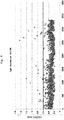
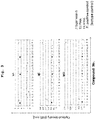
- Figs. 2 - 5 The results of primary screening, secondary screening, and tertiary screening are respectively shown in Figs. 2 - 5 .
- 3337 kinds of compounds (provided by Drug Discovery Initiative, The University of Tokyo) were subjected to in vitro class switching assay.
- the final concentration of the compounds was 3.75 ⁇ M, and DMSO was added at a final concentration of 0.25% and anti-mouse/rat CD40 was added at a final concentration of 1 ⁇ g/ml to all wells including the wells added with cytokine.
- DMSO and CD40 were added.
- the compounds that showed absorbance (405 nm) of not less than 0.6 were used as candidates for substances inducing IgA class switching.
- a substance that specifically induces IgA is a PKC activator and it has a characteristic cyclic structure.
- 17 kinds of compounds (K1 - K17) including the above-mentioned 3 kinds were provided by the library of Drug Discovery Initiative, The University of Tokyo.
- commercially available Indolactam V (Sigma 10661) was also added as a PKC activator to the candidate substances, and class switching induction assay was performed under similar culture conditions as in the primary and secondary screenings.
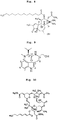
- the structure of Indolactam V is shown in Fig. 9 .
- the substances that induced IgA specific class switching were only 3 kinds of PKC activators obtained in the secondary screening and the same PKC activator, Indolactam V. Among them, Indolactam V showed a very strong IgA inducing activity.
- bryostatin is a substance having a structure completely different from those of the compounds tested in the tertiary screening
- PKC activators in general can be used as substances that induce specific class switching to IgA.
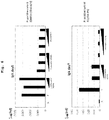
- the final concentration of Indolactam V was 5 ⁇ M and 10 ⁇ M from the left
- the final concentration of bryostatin 1 was 1 nM, 5 nM, 10 nM from the left.
- alpha germline transcript and AID was confirmed by RT-PCR.
- Splenic cells were first stimulated with compound or cytokine under the same conditions as in Example 2. On day 3 of stimulation, floating cells were recovered and total RNA was extracted. cDNA was synthesized using random primers and RT-PCR was performed using the following primers.
- PCR was performed using rTaq (TAKARA) and under the following conditions:
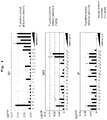
- the antibody titer measurement of each isotype by ELISA was performed by a method similar to that mentioned above. As a result, it was confirmed at each concentration tested that IgA was produced and induction of IgG and IgE was not observed by single stimulation with each of bryostatin 1 and Indolactam V free of CD40.
- the present inventors explored a compound that causes class switching in B cells to IgA rather than IgE, and performed screening of a compound that induces IgA specific class switching in B cells. As a result, they found a compound that induces IgA production but does not induce IgG production or IgE production in B cells. By inducing IgA production and suppressing IgE production, it is possible to treat or prevent allergic diseases. Therefore, the present invention is useful for the treatment or prophylaxis of allergic diseases.
Landscapes
- Health & Medical Sciences (AREA)
- Chemical & Material Sciences (AREA)
- Life Sciences & Earth Sciences (AREA)
- Public Health (AREA)
- Veterinary Medicine (AREA)
- Medicinal Chemistry (AREA)
- Pharmacology & Pharmacy (AREA)
- Animal Behavior & Ethology (AREA)
- General Health & Medical Sciences (AREA)
- Chemical Kinetics & Catalysis (AREA)
- General Chemical & Material Sciences (AREA)
- Nuclear Medicine, Radiotherapy & Molecular Imaging (AREA)
- Organic Chemistry (AREA)
- Bioinformatics & Cheminformatics (AREA)
- Engineering & Computer Science (AREA)
- Epidemiology (AREA)
- Pulmonology (AREA)
- Immunology (AREA)
- Dermatology (AREA)
- Microbiology (AREA)
- Mycology (AREA)
- Ophthalmology & Optometry (AREA)
- Otolaryngology (AREA)
- Pharmaceuticals Containing Other Organic And Inorganic Compounds (AREA)
- Medicines That Contain Protein Lipid Enzymes And Other Medicines (AREA)
- Medicines Containing Antibodies Or Antigens For Use As Internal Diagnostic Agents (AREA)
- Medicinal Preparation (AREA)
- Acyclic And Carbocyclic Compounds In Medicinal Compositions (AREA)
Abstract
Description
- This application benefits from the priority right of Japanese Patent Application No.
2016-160573 (filing date: August 18, 2016 - The present invention relates to modulation of immunity. More particularly, the present invention relates to a pharmaceutical composition used for the treatment or prophylaxis of allergic diseases, particularly, a composition for inducing selective class switching to IgA in B cells. Further particularly, the present invention relates to a pharmaceutical composition containing a PKC activator and used for the treatment or prophylaxis of allergic diseases. In addition, the present invention also relates to a mucosal adjuvant composition.
- Allergic diseases such as pollinosis and asthma afflict many people in industrialized countries. Allergy is considered a detrimental result of an excessive immune response to harmless antigen allergen. Since IgE antibody is a central mediator of allergic response, most allergy therapy targets inhibition of IgE response. However, a fundamental treatment for allergic diseases has not yet been established, and every current medication therapy is a symptomatic treatment such as antihistamine and steroid (non-patent document 1).
- From the idea that allergic diseases are caused by imbalance of the immune system, there are attempts of immunotherapy such as desensitization therapy by oral immunization. However, it is not yet established as a treatment method. To avoid exposure to causative substance of allergy, for example, elimination diet therapy is considered to be effective. However, there are cases in which severe allergic symptoms occur by ingesting a trace amount without knowing, and development of a fundamental therapy is awaited.
- In Type I allergy in which IgE antibody is involved, antigens such as pollen, house dust and food invade the body and produce IgE antibodies specific to them. Although the cause is unknown, the production of IgE antibody is said to be promoted by the balance biased toward the Th2 response. These allergen-specific IgE antibodies then bind to high affinity IgE receptors on basophils and mast cells. Furthermore, when the allergen invades the body when the body is in this state, the allergen cross-links IgE on the cell surface, whereby chemical mediators are released from basophils and mast cells to cause so-called allergic symptoms. Omalizumab, a humanized monoclonal antibody targeting IgE, has been used in patients with asthma (non-patent document 2). Currently, drugs that suppress the immune reaction at each stage are generally administered as a symptomatic treatment, but they are not sufficient therapeutic drugs.
-
- non-patent document 1: Galli and Tsai, "IgE and mast cells in allergic disease," Nat Med.; 18(5): 693-704. doi:10.1038/nm.2755.
- non-patent document 2: Pennington et al., "Structural basis of omalizumab therapy and omalizumab-mediated IgE exchange," Nat Commun. 2016 May 19; 7:11610. doi: 10.1038/ncomms11610.
- One of the objects of the present invention is to provide a pharmaceutical composition to be used for the treatment or prophylaxis of allergic diseases. In addition, the object of the present invention includes provision of an immunomodulator, and provision of a composition for inducing a selective IgA class switching in B cells. Furthermore, provision of a mucosal adjuvant composition is also one of the objects.
- As a method for inhibiting IgE production, the present inventors explored a compound causing class switching in B cells to IgA rather than IgE, screened for compounds inducing IgA specific class switching in B cells and obtained a compound that induces IgA production in B cells but does not induce IgG production or IgE production. The present invention is based on such finding and encompasses the following embodiments:
- [1] A pharmaceutical composition to be used for the treatment or prophylaxis of allergic diseases, which comprises a substance that induces selective IgA class switching in B cells.
- [2] The pharmaceutical composition of the above-mentioned embodiment [1], wherein the substance that induces selective IgA class switching in B cells is a PKC activator.
- [3] The pharmaceutical composition of the above-mentioned embodiment [1] or [2], wherein the substance that induces selective IgA class switching in B cells is a phorbol derivative or a macrolactone derivative.
- [4] The pharmaceutical composition of the above-mentioned embodiment [1] or [2], wherein the substance that induces selective IgA class switching in B cells is Indolactam V or a derivative thereof.
- [5] The pharmaceutical composition of the above-mentioned embodiment [1] or [2], wherein the substance that induces selective IgA class switching in B cells is PMA or a derivative thereof.
- [6] The pharmaceutical composition of the above-mentioned embodiment [1] or [2], wherein the substance that induces selective IgA class switching in B cells is bryostatin or a derivative thereof.
- [7] The pharmaceutical composition of the above-mentioned embodiment [1] or [2], wherein the substance that induces selective IgA class switching in B cells is selected from the group consisting of the following compounds:
phorbol 12-myristate 13-acetate (PMA), Sapintoxin D, ROPA (Resiniferonol-9,13,14-orthophenyl acetate), prostratin, Neristatin,bryostatin 1,bryostatin 2,bryostatin 3,bryostatin 4,bryostatin 5,bryostatin 6,bryostatin 7,bryostatin 8,bryostatin 9,bryostatin 10,bryostatin 11,bryostatin 12,bryostatin 13,bryostatin 14,bryostatin 15,bryostatin 16,bryostatin 17,bryostatin 18,bryostatin 19,bryostatin 20, FR236924, (-)-Indolactam V, PEP005, Phorbol 12,13-dibutyrate, SC-9, SC-10, 1-Oleoyl-2-acetyl-sn-glycerol, 1-O-Hexadecyl-2-O-arachidonyl-sn-glycerol, 1,2-Dioctanoyl-sn-glycerol, PIP2, Resiniferatoxin, Phorbol 12,13-Dihexanoate, Mezerein, Ingenol 3-Angelate, RHC-80267, DCP-LA, Lipoxin A4, cyclopropanated polyunsaturated fatty acid, cyclopropanated monounsaturated fatty acid, cyclopropanated polyunsaturated fatty alcohol, cyclopropanated monounsaturated fatty alcohol, cyclopropanated polyunsaturated fatty acid ester, cyclopropanated monounsaturated fatty acid ester, cyclopropanated polyunsaturated fatty acid sulfate, cyclopropanated monounsaturated fatty acid sulfate, cyclopropanated polyunsaturated fatty acid phosphate, cyclopropanated monounsaturated fatty acid phosphate, isoprenoid, Octylindolactam V, Gnidimacrin, Iripallidial, Ingenol, naphthalenesulfonamide, fibroblast growth factor 18 (FGF-18), insulin growth factor, bryologs, okadaic acid, diacylglycerol (DAG), phosphatidylserine (PS), DOG(1,2-dioctanoyl-sn-glycerol), OAG(1-oleoyl-2-acetyl-sn-glycerol), (2S,5S)-(E,E)-8-(5-(4-(trifluoromethyl)phenyl)-2,4-pentadienoylamino)benzolactam, oleic acid, 8S-HETE, Clomiphene citrate, sodium oleate,phorbol 12,13-diacetate,phorbol 12,13-didecanoate, 1,2-dipalmitoyl-sn-glycerol, 1-stearoyl-2-linoleoyl-sn-glycerol,phorbol 12,13-dihexanoate, Resiniferonol 9,13,14-Orthophenylacetate, C-8ceramide, 1,6-bis(cyclohexyloximino-carbonylamino)hexane, (+/-)-L-oleoyl-2-acetylglycerol, zoledronic acid monohydrate, 12-deoxyphorbo 13-Angelate 20-acetate, 6-(N-decylamino)-4-hydroxymethylindole, 4α-phorbol 12,13-dibutyrate, 1,2-dihexanoyl-sn-glycerol, disodium zoledronate tetrahydrate, arachidonic acid methyl ester, arachidonic acid-d8, De-OMe-DAT, Aplog-1 and 10-Me-Aplog-1. - [8] The pharmaceutical composition of any of the above-mentioned embodiment [1] to [7], which is for topical administration.
- [9] The pharmaceutical composition of any of the above-mentioned embodiment [1] to [7], which is for transnasal administration, oral administration, inhalation administration, instillation administration, or transdermal administration.
- [10] The pharmaceutical composition of any of the above-mentioned embodiment [1] to [9], wherein the allergic disease is selected from the group consisting of atopic dermatitis, allergic rhinitis, allergic conjunctivitis, allergic gastroenteritis, bronchial asthma, childhood asthma, food allergy, drug allergy, and urticaria.
- [11] A mucosal adjuvant composition comprising a substance that induces selective IgA class switching in B cells.
- [12] The mucosal adjuvant composition of the above-mentioned embodiment [11], wherein the substance that induces selective IgA class switching in B cells is a PKC activator.
- [13] The mucosal adjuvant composition of the above-mentioned embodiment [11] or [12], wherein the substance that induces selective IgA class switching in B cells is a phorbol derivative or a macrolactone derivative.
- [14] The mucosal adjuvant composition of the above-mentioned embodiment [11] or [12], wherein the substance that induces selective IgA class switching in B cells is Indolactam V or a derivative thereof.
- [15] The mucosal adjuvant composition of the above-mentioned embodiment [11] or [12], wherein the substance that induces selective IgA class switching in B cells is PMA or a derivative thereof.
- [16] The mucosal adjuvant composition of the above-mentioned embodiment [11] or [12], wherein the substance that induces selective IgA class switching in B cells is bryostatin or a derivative thereof.
- [17] The mucosal adjuvant composition of the above-mentioned embodiment [11] or [12], wherein the substance that induces selective IgA class switching in B cells is selected from the group consisting of the following compounds:
phorbol 12-myristate 13-acetate (PMA), Sapintoxin D, ROPA (Resiniferonol-9,13,14-orthophenyl acetate), prostratin, Neristatin,bryostatin 1,bryostatin 2,bryostatin 3,bryostatin 4,bryostatin 5,bryostatin 6,bryostatin 7,bryostatin 8,bryostatin 9,bryostatin 10,bryostatin 11,bryostatin 12,bryostatin 13,bryostatin 14,bryostatin 15,bryostatin 16,bryostatin 17,bryostatin 18,bryostatin 19,bryostatin 20, FR236924, (-)-Indolactam V, PEP005,phorbol 12,13-dibutyrate, SC-9, SC-10, 1-Oleoyl-2-acetyl-sn-glycerol, 1-O-Hexadecyl-2-O-arachidonyl-sn-glycerol, 1,2-Dioctanoyl-sn-glycerol, PIP2, Resiniferatoxin, Phorbol 12,13-Dihexanoate, Mezerein, Ingenol 3-Angelate, RHC-80267, DCP-LA, Lipoxin A4, cyclopropanated polyunsaturated fatty acid, cyclopropanated monounsaturated fatty acid, cyclopropanated polyunsaturated fatty alcohol, cyclopropanated monounsaturated fatty alcohol, cyclopropanated polyunsaturated fatty acid ester, cyclopropanated monounsaturated fatty acid ester, cyclopropanated polyunsaturated fatty acid sulfate, cyclopropanated monounsaturated fatty acid sulfate, cyclopropanated polyunsaturated fatty acid phosphate, cyclopropanated monounsaturated fatty acid phosphate, isoprenoid, Octylindolactam V, Gnidimacrin, Iripallidial, Ingenol, naphthalenesulfonamide, fibroblast growth factor 18 (FGF-18), insulin growth factor, bryologs, okadaic acid, diacylglycerol (DAG), phosphatidylserine (PS), DOG (1,2-dioctanoyl-sn-glycerol), OAG (1-oleoyl-2-acetyl-sn-glycerol), (2S,5S)-(E,E)-8-(5-(4-(trifluoromethyl)phenyl)-2,4-pentadienoylamino)benzolactam, oleic acid, 8S-HETE, Clomiphene citrate, sodium oleate,phorbol 12,13-diacetate,phorbol 12,13-didecanoate, 1,2-dipalmitoyl-sn-glycerol, 1-stearoyl-2-linoleoyl-sn-glycerol,phorbol 12,13-dihexanoate, Resiniferonol 9,13,14-Orthophenylacetate, C-8ceramide, 1,6-bis(cyclohexyloximino-carbonylamino)hexane, (+/-)-L-oleoyl-2-acetylglycerol, zoledronic acid monohydrate, 12-deoxyphorbo 13-Angelate 20-acetate, 6-(N-decylamino)-4-hydroxymethylindole, 4α-phorbol 12,13-dibutyrate, 1,2-dihexanoyl-sn-glycerol, disodium zoledronate tetrahydrate, arachidonic acid methyl ester, arachidonic acid-d8, De-OMe-DAT, Aplog-1 and 10-Me-Aplog-1. - [18] The mucosal adjuvant composition of any of the above-mentioned embodiment [11] to [17], which is used for topical administration.
- [19] The mucosal adjuvant composition of any of the above-mentioned embodiment [11] to [17], which is used for transmucosal administration.
- [20] A method for treating or preventing an allergic disease in a patient, comprising a step of administering a substance that induces selective IgA class switching in B cells to the patient.
- [21] The method of the above-mentioned embodiment [20], wherein the substance that induces selective IgA class switching in B cells is a PKC activator.
- [22] The method of the above-mentioned embodiment [20] or [21], wherein the substance that induces selective IgA class switching in B cells is a phorbol derivative or a macrolactone derivative.
- [23] The method of the above-mentioned embodiment [20] or [21], wherein the substance that induces selective IgA class switching in B cells is Indolactam V or a derivative thereof.
- [24] The method of the above-mentioned embodiment [20] or [21], wherein the substance that induces selective IgA class switching in B cells is PMA or a derivative thereof.
- [25] The method of the above-mentioned embodiment [20] or [21], wherein the substance that induces selective IgA class switching in B cells is bryostatin or a derivative thereof.
- [26] The method of the above-mentioned embodiment [20] or [21], wherein the substance that induces selective IgA class switching in B cells is selected from the group consisting of the following compounds:
phorbol 12-myristate 13-acetate (PMA), Sapintoxin D, ROPA (Resiniferonol-9,13,14-orthophenyl acetate), prostratin, Neristatin,bryostatin 1,bryostatin 2,bryostatin 3,bryostatin 4,bryostatin 5,bryostatin 6,bryostatin 7,bryostatin 8,bryostatin 9,bryostatin 10,bryostatin 11,bryostatin 12,bryostatin 13,bryostatin 14,bryostatin 15,bryostatin 16,bryostatin 17,bryostatin 18,bryostatin 19,bryostatin 20, FR236924, (-)-Indolactam V, PEP005,phorbol 12,13-dibutyrate, SC-9, SC-10, 1-Oleoyl-2-acetyl-sn-glycerol, 1-O-Hexadecyl-2-O-arachidonyl-sn-glycerol, 1,2-Dioctanoyl-sn-glycerol, PIP2, Resiniferatoxin, Phorbol 12,13-Dihexanoate, Mezerein, Ingenol 3-Angelate, RHC-80267, DCP-LA, Lipoxin A4, cyclopropanated polyunsaturated fatty acid, cyclopropanated monounsaturated fatty acid, cyclopropanated polyunsaturated fatty alcohol, cyclopropanated monounsaturated fatty alcohol, cyclopropanated polyunsaturated fatty acid ester, cyclopropanated monounsaturated fatty acid ester, cyclopropanated polyunsaturated fatty acid sulfate, cyclopropanated monounsaturated fatty acid sulfate, cyclopropanated polyunsaturated fatty acid phosphate, cyclopropanated monounsaturated fatty acid phosphate, isoprenoid, Octylindolactam V, Gnidimacrin, Iripallidial, Ingenol, naphthalenesulfonamide, fibroblast growth factor 18 (FGF-18), insulin growth factor, bryologs, okadaic acid, diacylglycerol (DAG), phosphatidylserine (PS), DOG (1,2-dioctanoyl-sn-glycerol), OAG (1-oleoyl-2-acetyl-sn-glycerol), (2S,5S)-(E,E)-8-(5-(4-(trifluoromethyl)phenyl)-2,4-pentadienoylamino)benzolactam, oleic acid, 8S-HETE, Clomiphene citrate, sodium oleate,phorbol 12,13-diacetate,phorbol 12,13-didecanoate, 1,2-dipalmitoyl-sn-glycerol, 1-stearoyl-2-linoleoyl-sn-glycerol,phorbol 12,13-dihexanoate, Resiniferonol 9,13,14-Orthophenylacetate, C-8ceramide, 1,6-bis(cyclohexyloximino-carbonylamino)hexane, (+/-)-L-oleoyl-2-acetylglycerol, zoledronic acid monohydrate, 12-deoxyphorbo 13-Angelate 20-acetate, 6-(N-decylamino)-4-hydroxymethylindole, 4α-phorbol 12,13-dibutyrate, 1,2-dihexanoyl-sn-glycerol, disodium zoledronate tetrahydrate, arachidonic acid methyl ester, arachidonic acid-d8, De-OMe-DAT, Aplog-1 and 10-Me-Aplog-1. - [27] The method of any of the above-mentioned embodiments [20] to [26], wherein the administration is topical administration.
- [28] The method of any of the above-mentioned embodiments [20] to [26], wherein the administration is transnasal administration, oral administration, inhalation administration, instillation administration, or transdermal administration.
- [29] The method of any of the above-mentioned embodiment [20] to [28], wherein the allergic disease is selected from the group consisting of atopic dermatitis, allergic rhinitis, allergic conjunctivitis, allergic gastroenteritis, bronchial asthma, childhood asthma, food allergy, drug allergy, and urticaria.
- [30] Use of a substance that induces selective IgA class switching in B cells in the production of a medicament for the treatment or prophylaxis of an allergic disease.
- [31] The use of the above-mentioned embodiment [30], wherein the substance that induces selective IgA class switching in B cells is a PKC activator.
- [32] The use of the above-mentioned embodiment [30] or [31], wherein the substance that induces selective IgA class switching in B cells is a phorbol derivative or a macrolactone derivative.
- [33] The use of the above-mentioned embodiment [30] or [31], wherein the substance that induces selective IgA class switching in B cells is Indolactam V or a derivative thereof.
- [34] The use of the above-mentioned embodiment [30] or [31], wherein the substance that induces selective IgA class switching in B cells is PMA or a derivative thereof.
- [35] The use of the above-mentioned embodiment [30] or [31], wherein the substance that induces selective IgA class switching in B cells is bryostatin or a derivative thereof.
- [36] The use of the above-mentioned embodiment [30] or [31], wherein the substance that induces selective IgA class switching in B cells is selected from the group consisting of the following compounds:
phorbol 12-myristate 13-acetate (PMA), Sapintoxin D, ROPA (Resiniferonol-9,13,14-orthophenyl acetate), prostratin, Neristatin, bryostatin 1, bryostatin 2, bryostatin 3, bryostatin 4, bryostatin 5, bryostatin 6, bryostatin 7, bryostatin 8, bryostatin 9, bryostatin 10, bryostatin 11, bryostatin 12, bryostatin 13, bryostatin 14, bryostatin 15, bryostatin 16, bryostatin 17, bryostatin 18, bryostatin 19, bryostatin 20, FR236924, (-)-Indolactam V, PEP005, phorbol 12,13-dibutyrate, SC-9, SC-10, 1-Oleoyl-2-acetyl-sn-glycerol, 1-O-Hexadecyl-2-O-arachidonyl-sn-glycerol, 1,2-Dioctanoyl-sn-glycerol, PIP2, Resiniferatoxin, Phorbol 12,13-Dihexanoate, Mezerein, Ingenol 3-Angelate, RHC-80267, DCP-LA, Lipoxin A4, cyclopropanated polyunsaturated fatty acid, cyclopropanated monounsaturated fatty acid, cyclopropanated polyunsaturated fatty alcohol, cyclopropanated monounsaturated fatty alcohol, cyclopropanated polyunsaturated fatty acid ester, cyclopropanated monounsaturated fatty acid ester, cyclopropanated polyunsaturated fatty acid sulfate, cyclopropanated monounsaturated fatty acid sulfate, cyclopropanated polyunsaturated fatty acid phosphate, cyclopropanated monounsaturated fatty acid phosphate, isoprenoid, Octylindolactam V, Gnidimacrin, Iripallidial, Ingenol, naphthalenesulfonamide, fibroblast growth factor 18 (FGF-18), insulin growth factor, bryologs, okadaic acid, diacylglycerol (DAG), phosphatidylserine (PS), DOG (1,2-dioctanoyl-sn-glycerol), OAG (1-oleoyl-2-acetyl-sn-glycerol), (2S,5S)-(E,E)-8-(5-(4-(trifluoromethyl)phenyl)-2,4-pentadienoylamino)benzolactam, oleic acid, 8S-HETE, Clomiphene citrate, sodium oleate, phorbol 12,13-diacetate, phorbol 12,13-didecanoate, 1,2-dipalmitoyl-sn-glycerol, 1-stearoyl-2-linoleoyl-sn-glycerol, phorbol 12,13-dihexanoate, Resiniferonol 9,13,14-Orthophenylacetate, C-8ceramide, 1,6-bis(cyclohexyloximino-carbonylamino)hexane, (+/-)-L-oleoyl-2-acetylglycerol, zoledronic acid monohydrate, 12-deoxyphorbo 13-Angelate 20-acetate, 6-(N-decylamino)-4-hydroxymethylindole, 4α-phorbol 12,13-dibutyrate, 1,2-dihexanoyl-sn-glycerol, disodium zoledronate tetrahydrate, arachidonic acid methyl ester, arachidonic acid-d8, De-OMe-DAT, Aplog-1 and 10-Me-Aplog-1. - [37] The use of any of the above-mentioned embodiments [30] to [36], wherein the medicament is for topical administration.
- [38] The use of any of the above-mentioned embodiments [30] to [36], wherein the medicament is for transnasal administration, oral administration, inhalation administration, instillation administration, or transdermal administration.
- [39] The use of any of the above-mentioned embodiment [30] to [38], wherein the allergic disease is selected from the group consisting of atopic dermatitis, allergic rhinitis, allergic conjunctivitis, allergic gastroenteritis, bronchial asthma, childhood asthma, food allergy, drug allergy, and urticaria.
- [40] A method for enhancing an action of a mucosal vaccine, comprising a step of administering the mucosal vaccine to a subject and a step of administering a substance that induces selective IgA class switching in B cells to the subject.
- [41] The method of the above-mentioned embodiment [40], wherein the substance that induces selective IgA class switching in B cells is a PKC activator.
- [42] The method of the above-mentioned embodiment [40] or [41], wherein the substance that induces selective IgA class switching in B cells is a phorbol derivative or a macrolactone derivative.
- [43] The method of the above-mentioned embodiment [40] or [41], wherein the substance that induces selective IgA class switching in B cells is Indolactam V or a derivative thereof.
- [44] The method of the above-mentioned embodiment [40] or [41], wherein the substance that induces selective IgA class switching in B cells is PMA or a derivative thereof.
- [45] The method of the above-mentioned embodiment [40] or [41], wherein the substance that induces selective IgA class switching in B cells is bryostatin or a derivative thereof.
- [46] The method of the above-mentioned embodiment [40] or [41], wherein the substance that induces selective IgA class switching in B cells is selected from the group consisting of the following compounds:
phorbol 12-myristate 13-acetate (PMA), Sapintoxin D, ROPA (Resiniferonol-9,13,14-orthophenyl acetate), prostratin, Neristatin, bryostatin 1, bryostatin 2, bryostatin 3, bryostatin 4, bryostatin 5, bryostatin 6, bryostatin 7, bryostatin 8, bryostatin 9, bryostatin 10, bryostatin 11, bryostatin 12, bryostatin 13, bryostatin 14, bryostatin 15, bryostatin 16, bryostatin 17, bryostatin 18, bryostatin 19, bryostatin 20, FR236924, (-)-Indolactam V, PEP005, phorbol 12,13-dibutyrate, SC-9, SC-10, 1-Oleoyl-2-acetyl-sn-glycerol, 1-O-Hexadecyl-2-O-arachidonyl-sn-glycerol, 1,2-Dioctanoyl-sn-glycerol, PIP2, Resiniferatoxin, Phorbol 12,13-Dihexanoate, Mezerein, Ingenol 3-Angelate, RHC-80267, DCP-LA, Lipoxin A4, cyclopropanated polyunsaturated fatty acid, cyclopropanated monounsaturated fatty acid, cyclopropanated polyunsaturated fatty alcohol, cyclopropanated monounsaturated fatty alcohol, cyclopropanated polyunsaturated fatty acid ester, cyclopropanated monounsaturated fatty acid ester, cyclopropanated polyunsaturated fatty acid sulfate, cyclopropanated monounsaturated fatty acid sulfate, cyclopropanated polyunsaturated fatty acid phosphate, cyclopropanated monounsaturated fatty acid phosphate, isoprenoid, Octylindolactam V, Gnidimacrin, Iripallidial, Ingenol, naphthalenesulfonamide, fibroblast growth factor 18 (FGF-18), insulin growth factor, bryologs, okadaic acid, diacylglycerol (DAG), phosphatidylserine (PS), DOG (1,2-dioctanoyl-sn-glycerol), OAG (1-oleoyl-2-acetyl-sn-glycerol), (2S,5S)-(E,E)-8-(5-(4-(trifluoromethyl)phenyl)-2,4-pentadienoylamino)benzolactam, oleic acid, 8S-HETE, Clomiphene citrate, sodium oleate, phorbol 12,13-diacetate, phorbol 12,13-didecanoate, 1,2-dipalmitoyl-sn-glycerol, 1-stearoyl-2-linoleoyl-sn-glycerol, phorbol 12,13-dihexanoate, Resiniferonol 9,13,14-Orthophenylacetate, C-8ceramide, 1,6-bis(cyclohexyloximino-carbonylamino)hexane, (+/-)-L-oleoyl-2-acetylglycerol, zoledronic acid monohydrate, 12-deoxyphorbo 13-Angelate 20-acetate, 6-(N-decylamino)-4-hydroxymethylindole, 4α-phorbol 12,13-dibutyrate, 1,2-dihexanoyl-sn-glycerol, disodium zoledronate tetrahydrate, arachidonic acid methyl ester, arachidonic acid-d8, De-OMe-DAT, Aplog-1 and 10-Me-Aplog-1. - [47] The method of any of the above-mentioned embodiments [40] to [46], wherein the administration is topical administration.
- [48] The method of any of the above-mentioned embodiments [40] to [46], wherein the administration is transmucosal administration.
- [49] Use of a substance that induces selective IgA class switching in B cells in the production of a mucosal adjuvant.
- [50] The use of the above-mentioned embodiment [49], wherein the substance that induces selective IgA class switching in B cells is a PKC activator.
- [51] The use of the above-mentioned embodiment [49] or [50], wherein the substance that induces selective IgA class switching in B cells is a phorbol derivative or a macrolactone derivative.
- [52] The use of the above-mentioned embodiment [49] or [50], wherein the substance that induces selective IgA class switching in B cells is Indolactam V or a derivative thereof.
- [53] The use of the above-mentioned embodiment [49], wherein the substance that induces selective IgA class switching in B cells is PMA or a derivative thereof.
- [54] The use of the above-mentioned embodiment [49] or [50], wherein the substance that induces selective IgA class switching in B cells is bryostatin or a derivative thereof.
- [55] The use of the above-mentioned embodiment [49] or [50], wherein the substance that induces selective IgA class switching in B cells is selected from the group consisting of the following compounds:
phorbol 12-myristate 13-acetate (PMA), Sapintoxin D, ROPA (Resiniferonol-9,13,14-orthophenyl acetate), prostratin, Neristatin, bryostatin 1, bryostatin 2, bryostatin 3, bryostatin 4, bryostatin 5, bryostatin 6, bryostatin 7, bryostatin 8, bryostatin 9, bryostatin 10, bryostatin 11, bryostatin 12, bryostatin 13, bryostatin 14, bryostatin 15, bryostatin 16, bryostatin 17, bryostatin 18, bryostatin 19, bryostatin 20, FR236924, (-)-Indolactam V, PEP005, Phorbol 12,13-dibutyrate, SC-9, SC-10, 1-Oleoyl-2-acetyl-sn-glycerol, 1-O-Hexadecyl-2-O-arachidonyl-sn-glycerol, 1,2-Dioctanoyl-sn-glycerol, PIP2, Resiniferatoxin, Phorbol 12,13-Dihexanoate, Mezerein, Ingenol 3-Angelate, RHC-80267, DCP-LA, Lipoxin A4, cyclopropanated polyunsaturated fatty acid, cyclopropanated monounsaturated fatty acid, cyclopropanated polyunsaturated fatty alcohol, cyclopropanated monounsaturated fatty alcohol, cyclopropanated polyunsaturated fatty acid ester, cyclopropanated monounsaturated fatty acid ester, cyclopropanated polyunsaturated fatty acid sulfate, cyclopropanated monounsaturated fatty acid sulfate, cyclopropanated polyunsaturated fatty acid phosphate, cyclopropanated monounsaturated fatty acid phosphate, isoprenoid, Octylindolactam V, Gnidimacrin, Iripallidial, Ingenol, naphthalenesulfonamide, fibroblast growth factor 18 (FGF-18), insulin growth factor, bryologs, okadaic acid, diacylglycerol (DAG), phosphatidylserine (PS), DOG (1,2-dioctanoyl-sn-glycerol), OAG (1-oleoyl-2-acetyl-sn-glycerol), (2S,5S)-(E,E)-8-(5-(4-(trifluoromethyl)phenyl)-2,4-pentadienoylamino)benzolactam, oleic acid, 8S-HETE, Clomiphene citrate, sodium oleate, phorbol 12,13-diacetate, phorbol 12,13-didecanoate, 1,2-dipalmitoyl-sn-glycerol, 1-stearoyl-2-linoleoyl-sn-glycerol, phorbol 12,13-dihexanoate, Resiniferonol 9,13,14-Orthophenylacetate, C-8ceramide, 1,6-bis(cyclohexyloximino-carbonylamino)hexane, (+/-)-L-oleoyl-2-acetylglycerol, zoledronic acid monohydrate, 12-deoxyphorbo 13-Angelate 20-acetate, 6-(N-decylamino)-4-hydroxymethylindole, 4α-phorbol 12,13-dibutyrate, 1,2-dihexanoyl-sn-glycerol, disodium zoledronate tetrahydrate, arachidonic acid methyl ester, arachidonic acid-d8, De-OMe-DAT, Aplog-1 and 10-Me-Aplog-1. - [56] The use of any of the above-mentioned embodiments [49] to [55], wherein the administration is topical administration.
- [57] The use of any of the above-mentioned embodiments [49] to [55], wherein the administration is transmucosal administration.
- [58] A mucosal vaccine composition comprising the mucosal adjuvant composition of any of the above-mentioned embodiment [11] to [19].
- [59] An immunomodulator comprising a substance that induces selective IgA class switching in B cells.
- [60] The immunomodulator of the above-mentioned embodiment [59], wherein the substance that induces selective IgA class switching in B cells is a PKC activator.
- [61] A composition comprising a PKC activator as an active ingredient, which composition is used for inducing a selective IgA class switching in B cells.
-
-
Fig. 1 is a drawing showing the concept of the present invention. While allergic reaction is caused by secretion of IgE by IgE+plasma cells, the allergic reaction can be suppressed and the allergen can be eliminated by inducing class switching to IgA. -
Fig. 2 is a drawing showing the results of primary screening (3337 kinds of compounds). The measurement values of IgA sandwich ELISA onday 7 after addition to mouse spleen cell culture medium are shown. 22 candidate substances that induce class switching to IgA (compounds with OD value of not less than 0.6) were found. Similarly, 47 candidate substances that induce class switching to IgE and 29 candidate substances that induce class switching to IgG were found. -
Fig. 3 is a drawing showing the results of secondary screening (22 kinds of compounds). The measurement values of IgA sandwich ELISA onday 10 after addition to mouse spleen cell culture medium are shown. Compound No. 2 (Sapintoxin D), No. 12 (PMA) and No. 18 (ROPA) did not induce IgE or IgG1. That is, they are candidate substances that specifically induce IgA. -
Fig. 4 is a drawing showing the results of tertiary screening (18 kinds of compounds). K8, K12, K17 respectively correspond to Sapintoxin D, PMA, ROPA. -
Fig. 5 is a drawing showing induction of total IgG by K8 (Sapintoxin D), K12 (PMA), K17 (ROPA), and Indolactam V. -
Fig. 6 is a drawing showing a comparison (IgA induction potency) of Indolactam V andBryostatin 1. -
Fig. 7 is a drawing showing a comparison (induction potency of IgE and IgG) of Indolactam V andBryostatin 1. -
Fig. 8 is a drawing showing the chemical structure of PMA. -
Fig. 9 is a drawing showing the chemical structure of Indolactam V. -
Fig. 10 is a drawing showing the chemical structure ofbryostatin 1. -
Fig. 11 is a drawing showing the confirmation results of the expression of alpha germline transcript and AID by RT-PCR. -
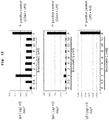
Fig. 12 is a drawing showing the presence or absence of induction of IgA (upper panel), IgG (middle panel) and IgE (lower panel) (dose dependency of compound) by stimulation with each dose ofbryostatin 1 alone.Bryostatin 1 at a concentration of 0 - 50 nM was examined. P is a positive control. Only the induction of IgA is shown to occur. -
Fig. 13 is a drawing showing the presence or absence of induction of IgA (upper panel), IgG (middle panel) and IgE (lower panel) (dose dependency of compound) by stimulation with each dose ofbryostatin 1 alone.Bryostatin 1 at a concentration of 0 - 100 nM was examined. P is a positive control. Only the induction of IgA is shown to occur. -
Fig. 14 is a drawing showing the presence or absence of induction of IgA (upper panel), IgG (middle panel) and IgE (lower panel) (dose dependency of compound) by stimulation with each dose of Indolactam V alone. Indolactam V at a concentration of 0 - 100 µM was examined. P is a positive control. Only the induction of IgA is shown to occur. - As a method for inhibiting IgE production, the present inventors explored a compound causing class switching of B cells to IgA rather than IgE, screened for compounds inducing IgA specific class switching in B cells and obtained a compound that induces IgA production in B cells but does not induce IgG production or IgE production. Suppression of IgE production by inducing IgA production makes it possible to treat or prevent allergic diseases. The present invention is explained in detail in the following.
- B cell is a lymphocyte differentiated from hematopoietic stem cell in bone marrow, and expresses immunoglobulin as an antigen receptor on the cellular surface. When antigen stimulates B cells, B cells are activated and proliferated, during which time alteration called class switching occurs in the antibody heavy chain gene locus. Class switching is a recombination reaction that causes deletion of IgM constant region (Cµ) from chromosomal DNA, and connects the constant regions (Cγ, Cε, Cα) respectively corresponding to IgG, IgE, IgA to the heavy chain V exon. By this reaction, B cells switch subclass from IgM/IgD to IgG, IgE, IgA without changing the antigen specificity of antibody. As described above, the class switching is a mechanism that enables more efficient antigen elimination by immunoglobulin secreted from B cells that changes from IgM/IgD type to IgG type, IgE type, IgA type by antigen stimulation. The arrangement of genes on chromosomal DNA being in the order of Cγ, Cε, Cα, recombination from IgG type to IgE type and further to IgA type is possible; however, once recombination to IgA type takes place, recombination to IgG type or IgE type is not possible.
- Immune reaction is an indispensable physiological function for living organisms that work for eliminating foreign substances (antigens), and an excessive immune reaction against a particular antigen is called allergy. An environment-derived antigen that causes allergy is called allergen, and allergens such as pollen and house dust are generally known. Allergic diseases are diseases in which an immune response to external antigen occurs, and antigens are often harmless in amounts generally exposed in daily life. Representative allergic diseases include atopic dermatitis, allergic rhinitis (pollinosis), allergic conjunctivitis, allergic gastroenteritis, bronchial asthma, childhood asthma, food allergy, drug allergy and urticaria. Since the main mediator of allergic response is IgE antibody, many allergy treatments target inhibition of IgE response.
- One embodiment of the present invention relates to a pharmaceutical composition to be used for the treatment or prophylaxis of allergic diseases, which contains a substance that induces selective IgA class switching in B cells. To induce selective IgA class switching in B cells refers to induction of class switching in B cells that express other Ig classes (IgM, IgD, IgG and IgE), and selectively causing DNA recombination that expresses IgA (IgA1 and/or IgA2). Thus, a substance that induces selective IgA class switching in B cells does not at all induce class switching to IgG (IgG1, IgG2, IgG3, and IgG4) or IgE, or does not induce at least substantially. As used herein, "does not induce at least substantially" means absence of a significant difference as compared to induction by an appropriate negative control (e.g., CD40 dissolved in DMSO). Induction of selective IgA class switching in B cells suppresses IgE production, which in turn enables treatment or prevention of allergic diseases. Simultaneously therewith, induction of selective IgA class switching in B cells can also enhance production of IgA (IgA1 and/or IgA2) in sites such as mucosa and the like. Therefore, those of ordinary skill in the art understand that a substance that induces selective IgA class switching in B cells can also be utilized as a mucosal adjuvant. Therefore, one of the embodiments of the present invention relates to a mucosal adjuvant composition containing a substance that induces selective IgA class switching in B cells. In one embodiment of the present invention, the composition of the present invention (e.g., pharmaceutical composition or mucosal adjuvant composition) does not contain CD40.
- The substance that induces selective IgA class switching in B cells may be a PKC activator. Therefore, one embodiment of the present invention relates to a pharmaceutical composition to be used for the treatment or prophylaxis of allergic diseases, which contains a PKC activator as an active ingredient. In addition, one embodiment of the present invention relates to a mucosal adjuvant composition containing a PKC activator as an active ingredient. Other components in the pharmaceutical composition and mucosal adjuvant composition of the present invention are not particularly limited, and can be appropriately selected according to the object and, for example, a pharmaceutically acceptable carrier and the like can be mentioned. The carrier is not particularly limited and, for example, can be appropriately selected according to the dosage form and the like. The content of each component in the pharmaceutical composition and mucosal adjuvant composition of the present invention is not particularly limited and can be appropriately selected according to the object.
- The dosage form of the pharmaceutical composition and mucosal adjuvant composition of the present invention is not particularly limited, and can be appropriately selected according to the desired administration method. Examples thereof include, but are not limited to, spray, inhalant, liquid, solid agent, cream and ointment. A pH adjuster, a buffering agent, a stabilizer, an isotonicity agent, a local anesthetic and the like may be added to the composition. Examples of the pH adjuster and the aforementioned buffering agent include sodium citrate, sodium acetate, sodium phosphate and the like. Examples of the stabilizer include sodium pyrosulfite, EDTA, thioglycolic acid, thiolactic acid and the like. Examples of the isotonicity agent include sodium chloride, glucose and the like. Examples of the local anesthetic include procaine hydrochloride, lidocaine hydrochloride and the like. An enteric coating may be applied to the solid agent. In consideration of the treatment of food allergy, a dosage form that efficiently delivers the medicament to the gastrointestinal tract is preferable.
- The administration method of the pharmaceutical composition and mucosal adjuvant composition of the present invention is not particularly limited and can be appropriately selected, for example, according to the dosage form of the pharmaceutical composition and mucosal adjuvant composition, condition of patients and the like. The administration may be any of topical administration and systemic administration and examples include, but are not limited to, oral administration, enteral administration, intravenous administration, subcutaneous administration, intramuscular administration, transnasal administration, inhalation administration, instillation administration and transdermal administration. In consideration of the treatment of allergic rhinitis (pollinosis), administration by transnasal spray is particularly preferable.
- The subject of administration of the pharmaceutical composition and mucosal adjuvant composition of the present invention is not particularly limited, and can be appropriately selected according to the object. For example, human, mouse, rat, bovine, swine, monkey, dog, cat and the like can be mentioned. Preferred is human, particularly a human patient with allergic conditions. In addition, the pharmaceutical composition of the present invention may be administered for the prophylaxis of allergic symptoms.
- The dose of the pharmaceutical composition and mucosal adjuvant composition of the present invention is not particularly limited, and can be appropriately selected according to the administration form, age, body weight of the subject of administration, level of desired effect and the like. The administration frequency of the pharmaceutical composition can be set to, for example, 1 - 3 times/day, preferably 1 time/day.
- The administration period of the pharmaceutical composition and mucosal adjuvant composition of the present invention is not particularly limited, and can be appropriately selected according to the object. The pharmaceutical composition may be prophylactically administered, for example, to allergy-sensitive patients only in a particular season, or may be therapeutically administered to patients with allergic symptoms. The administration frequency is not particularly limited, and can be appropriately selected according to age, body weight of the subject of administration, level of desired effect and the like.
- One embodiment of the present invention relates to a method for treating or preventing allergic diseases in patients. This method include a step of inducing selective IgA class switching in B cells, for example, a step of administering a substance that induces selective IgA class switching in B cells to a subject. The substance that induces selective IgA class switching in B cells may be the aforementioned PKC activator. Therefore, one embodiment of the present invention relates to a method for treating or preventing allergic diseases in a patient, including a step of administering a PKC activator to the patient. As mentioned above, the allergic disease may be any of atopic dermatitis, allergic rhinitis (pollinosis), allergic conjunctivitis, allergic gastroenteritis, bronchial asthma, childhood asthma, food allergy, drug allergy and urticaria. As mentioned above, the administration route may be any of topical administration and systemic administration and examples include, but are not limited to, oral administration, enteral administration, intravenous administration, subcutaneous administration, intramuscular administration, transnasal administration, inhalation administration, instillation administration and transdermal administration. Particularly, administration by transnasal spray is preferable. The administration frequency may be, for example, 1 - 3 times/day, preferably 1 time/day.
- One embodiment of the present invention relates to use of a substance that induces selective IgA class switching in B cells in the production of a medicament to be used for the treatment or prophylaxis of allergic diseases. The substance that induces selective IgA class switching in B cells may be the aforementioned PKC activator. Therefore, one embodiment of the present invention relates to use of a PKC activator in the production of a medicament to be used for the treatment or prophylaxis of allergic diseases. The allergic disease may be, as mentioned above, any of atopic dermatitis, allergic rhinitis (pollinosis), allergic conjunctivitis, allergic gastroenteritis, bronchial asthma, childhood asthma, food allergy, drug allergy and urticaria. The administration route may be, as mentioned above, any of topical administration and systemic administration. Examples thereof include, but are not limited to, oral administration, enteral administration, intravenous administration, subcutaneous administration, intramuscular administration, transnasal administration, inhalation administration, instillation administration and transdermal administration. Particularly, administration by transnasal spray is preferable. The dosage form of the medicament to be produced may be, as mentioned above, for example, spray, inhalant, liquid, solid agent, cream or ointment.
- One embodiment of the present invention relates to a method for enhancing the action of a mucosal vaccine. Such method includes a step of administering a mucosal vaccine to a subject, and a step of administering a substance that induces selective IgA class switching in B cells (mucosal adjuvant) to the subject. Mucosal vaccine is a vaccine that can be expected to afford local immunity on the mucosa by oral or transnasal administration. The effect thereof covers the whole body, and double protective immunity in the mucosal aspect and systemic aspect can be induced. Since pathogens often invade from the mucosa of the body, it is important that the immune mechanism works on the mucosal aspect. However, mucosal vaccine is known to have weak immunity and an aid substance that enhances mucosal immunity, i.e., a mucosal adjuvant, is required. As mucosal adjuvant, cholera toxin (CT) and Escherichia coli heat-labile toxin (LT) have been found. Although adjuvants derived from these bacterial toxins can efficiently induce immunity in the mucosal aspect and systemic aspect, it has been clarified that they exhibit serious side effects such as facial paralysis.
- In one embodiment of the present invention, the substance that induces selective IgA class switching in B cells may be the aforementioned PKC activator. Therefore, one embodiment of the present invention relates to a method for enhancing the action of a mucosal vaccine in a subject, including a step of administering a PKC activator (mucosal adjuvant) to the subject. The mucosal vaccine and the mucosal adjuvant may be administered simultaneously or one of them may be administered first. The administration route may be, as mentioned above, any of topical administration and systemic administration and examples thereof include, but are not limited to, oral administration, enteral administration, intravenous administration, subcutaneous administration, intramuscular administration, transnasal administration, inhalation administration, instillation administration and transdermal administration. Particularly, administration by transnasal spray is preferable. The administration frequency can be appropriately determined according to the need of vaccine inoculation.
- One embodiment of the present invention relates to use of a substance that induces selective IgA class switching in B cells in the production of a mucosal adjuvant. The substance that induces selective IgA class switching in B cells may be the aforementioned PKC activator. Therefore, one embodiment of the present invention relates to use as a PKC activator in the production of a mucosal adjuvant. The administration route may be, as mentioned above, any of topical administration and systemic administration. Examples thereof include, but are not limited to, oral administration, enteral administration, intravenous administration, subcutaneous administration, intramuscular administration, transnasal administration, inhalation administration, instillation administration and transdermal administration. Particularly, administration by transnasal spray is preferable. The dosage form of the adjuvant to be produced may be, as mentioned above, for example, spray, inhalant, liquid, cream or ointment.
- Protein kinase C (PKC) is serine/threonine kinase, and the activation thereof is deeply involved in vascular functions such as gene expression of extracellular matrix protein, cell differentiation/proliferation, and activity of ion channel as an intracellular signal transduction system. The "PKC activator" means a substance that activates signal transduction pathway of protein kinase C (PKC) or a downstream thereof. Examples of the PKC activator include, but are not limited to, Phorbol 12-myristate 13-acetate (PMA), Sapintoxin D, ROPA (Resiniferonol-9,13,14-orthophenyl acetate), prostratin, Neristatin, bryostatin 1, bryostatin 2, bryostatin 3, bryostatin 4, bryostatin 5, bryostatin 6, bryostatin 7, bryostatin 8, bryostatin 9, bryostatin 10, bryostatin 11, bryostatin 12, bryostatin 13, bryostatin 14, bryostatin 15, bryostatin 16, bryostatin 17, bryostatin 18, bryostatin 19, bryostatin 20, FR236924, (-)-Indolactam V, PEP005, Phorbol 12,13-dibutyrate, SC-9, SC-10, 1-Oleoyl-2-acetyl-sn-glycerol, 1-O-Hexadecyl-2-O-arachidonyl-sn-glycerol, 1,2-Dioctanoyl-sn-glycerol, PIP2, Resiniferatoxin, Phorbol 12,13-Dihexanoate, Mezerein, Ingenol 3-Angelate, RHC-80267, DCP-LA, Lipoxin A4, cyclopropanated polyunsaturated fatty acid, cyclopropanated monounsaturated fatty acid, cyclopropanated polyunsaturated fatty alcohol, cyclopropanated monounsaturated fatty alcohol, cyclopropanated polyunsaturated fatty acid ester, cyclopropanated monounsaturated fatty acid ester, cyclopropanated polyunsaturated fatty acid sulfate, cyclopropanated monounsaturated fatty acid sulfate, cyclopropanated polyunsaturated fatty acid phosphate, cyclopropanated monounsaturated fatty acid phosphate, isoprenoid, Octylindolactam V, Gnidimacrin, Iripallidial, Ingenol, naphthalenesulfonamide, fibroblast growth factor 18 (FGF-18), insulin growth factor, bryologs, okadaic acid, diacylglycerol (DAG), phosphatidylserine (PS), DOG (1,2-dioctanoyl-sn-glycerol), OAG (1-oleoyl-2-acetyl-sn-glycerol), (2S,5S)-(E,E)-8-(5-(4-(trifluoromethyl)phenyl)-2,4-pentadienoylamino)benzolactam, oleic acid, 8S-HETE, Clomiphene citrate, sodium oleate, phorbol 12,13-diacetate, phorbol 12,13-didecanoate, 1,2-dipalmitoyl-sn-glycerol, 1-stearoyl-2-linoleoyl-sn-glycerol, phorbol 12,13-dihexanoate, Resiniferonol 9,13,14-Orthophenylacetate, C-8ceramide, 1,6-bis(cyclohexyloximino-carbonylamino)hexane, (+/-)-L-oleoyl-2-acetylglycerol, zoledronic acid monohydrate, 12-deoxyphorbo 13-Angelate 20-acetate, 6-(N-decylamino)-4-hydroxymethylindole, 4α-phorbol 12,13-dibutyrate, 1,2-dihexanoyl-sn-glycerol, disodium zoledronate tetrahydrate, arachidonic acid methyl ester, arachidonic acid-d8, De-OMe-DAT, Aplog-1 and 10-Me-Aplog-1. Therefore, one embodiment of the present invention relates to a pharmaceutical composition to be used for the treatment or prophylaxis of allergic diseases, which contains the above-mentioned substance as an active ingredient. In one embodiment, the PKC activator is a phorbol ester-based PKC activator, which is PMA, prostratin, PEP005,
phorbol 12,13-dibutyrate, resiniferatoxin,phorbol 12,13-dihexanoate, mezerein or Ingenol 3-angelate. In the present invention, two or more kinds of PKC activators may be used in combination. - In one embodiment of the present invention, the PKC activator is selected from phorbol derivative, macrolactone derivative, Indolactam V or a derivative thereof, PMA or a derivative thereof, and bryostatin or a derivative thereof (bryologs). In a preferable embodiment, the PKC activator is free of carcinogenicity. In a preferable embodiment, the PKC activator is bryostatin or prostratin, more preferably bryostatin. The PKC activator is also disclosed in, for example,
WO 2015/160851 ,WO 2015/182765 ,WO 2013/071282 ,WO 2008/100449 ,WO 2013/157555 and the like. The contents described in these documents are incorporated in the present specification by reference. - In one embodiment of the present invention, bryostatin or a derivative thereof is used as the PKC activator. Therefore, one embodiment of the present invention relates to a pharmaceutical composition to be used for the treatment or prophylaxis of allergic diseases, which contains bryostatin or a derivative thereof, preferably
bryostatin 1, as an active ingredient. Bryostatin is a natural macrocyclic compound originally isolated from Bugula neritina. At present, about 20 kinds of natural bryostatins are known. They share three 6-membered rings named A, B and C and they are different mainly in the properties of the substituents C7 and C20. -
Bryostatin 1 and the derivative ofbryostatin 1 are described in, for example,US Patent No. 4,560,774 (incorporated in the present specification by reference). Examples of bryostatin used in the present invention includebryostatin 1,bryostatin 2,bryostatin 3,bryostatin 4,bryostatin 5,bryostatin 6,bryostatin 7,bryostatin 8,bryostatin 9,bryostatin 10,bryostatin 11,bryostatin 12,bryostatin 13,bryostatin 14,bryostatin 15,bryostatin 16,bryostatin 17,bryostatin 18,bryostatin 19, andbryostatin 20. - Bryostatin analogs generally called bryologs are also used in the present invention. Bryologs are structural analogs of bryostatin. Bryostatin has two pyran rings and one 6-membered ring acetal. In almost all bryologs, one of pyrans of bryostatin is substituted by the second 6-membered ring acetal. This modification, for example, lowers the stability of bryologs compared to bryostatin under both strong acid and strong base conditions. However, it is not very important at physiological pH. Bryologs have a molecular weight (the range of about 600 to 755) lower than the molecular weight 988 of bryostatin. Examples of the bryologs suitable for use in the present invention include, but are not limited to, the bryostatin derivatives disclosed in
US Patent Nos. 6,624,189 ,7,256,286 and8,497,385 (these disclosures are incorporated in the present specification by reference). - One embodiment of the present invention relates to a mucosal vaccine composition containing the mucosal adjuvant of the present invention. Thus, one embodiment of the present invention relates to a mucosal vaccine composition containing a substance that induces selective IgA class switching in B cells. Furthermore, one embodiment of the present invention relates to a mucosal vaccine composition containing a PKC activator, and the aforementioned substances are used as the PKC activator. The antigen can be any antigen utilizable for those of ordinary skill in the art. The mucosal vaccine can be administered by, for example, oral administration, transnasal administration, inhalation administration, instillation administration or transdermal administration.
- One embodiment of the present invention relates to an immunomodulator containing a substance that induces selective IgA class switching in B cells. Thus, the immunomodulator of the present invention may contain a PKC activator as an active ingredient. As the PKC activator, the aforementioned substances can be used. The immunomodulator of the present invention can selectively increase B cells that produce IgA, and can be useful for the treatment and the like of a disease with IgA depletion as a symptom. In addition, since the immunomodulator of the present invention suppresses Ig isotype other than IgA, it can also be useful for the treatment and the like of a disease with overproduction of Ig isotype other than IgA as a symptom.
- One embodiment of the present invention relates to a composition for inducing selective IgA class switching in B cells. Such composition may contain a PKC activator as an active ingredient. As the PKC activator, the aforementioned substances are used. Such composition may be useful when, for example, B cells that produce Ig isotype other than IgA forcibly produce IgA in vitro.
- The present invention is explained in detail in the following by referring to Examples, which are not to be construed as limitative.
- Under conditions of free access to food and water, 5- to 8-week-old wild-type BALB/cAJcl (purchased from CLEA Japan, Inc.) was euthanized by cervical dislocation under isoflurane anesthesia. 70% Ethanol was sprayed, left abdomen was incised and the spleen was aseptically isolated. The spleen was subjected to a mild crushing treatment with two sterilized glass slides in a culture petri dish containing 5 ml of cell culture medium (RPMI1640 added with 10% FCS, 0.05
µM 2 ME, 80 µg/ml gentamicin) to give a splenic single cell suspension. The cell suspension was placed in a 15 ml tube, stood for 5 min, and the supernatant free of tissue debris was transferred to a new 15 ml tube. A washing operation was performed twice with the above-mentioned cell culture medium to give the number of viable cells. B cells occupy 35% of the viable cells and the number of B cells was obtained by calculation. - Based on the B cell number obtained in Example 1, the splenic cell suspension was diluted with the above-mentioned cell culture medium to 5x10⁵/ml B cells, and the cells were added to a 24-well culture dish. The compound and cytokine were added to each well as shown in the results. DMSO was added such that the concentration of DMSO, which is a solvent of the compound was equivalent in each well (final concentration 0.25%). A mixed culture medium of the compound and splenic cells was subjected to static culture for one week under conditions of 37°C, 5% CO2.
- The cytokines used as a positive control are recited below.
- Anti-mouse/rat CD40 (eBioscience)
- LPS (E. coli) (Sigma)
- Recombinant mouse IL-4 (eBioscience)
- Recombinant mouse TGFβ (R&D Systems)
- The cell culture supernatant one week after induction in Example 2 was recovered in a micro tube. As for ELISA capture antibody, each isotype antibody (unlabeled, mentioned later) was diluted to 2 µg/ml with 0.05 M Na2CO3 solution, added to ELISA plate (C96 MAXISORP NUNC-Immunoplate, Thermo Scientific) at 50 µl/well, and the plate was coated overnight at 4°C.
- The next day, the coated ELISA plate was washed 3 times with 1xPBS. After washing, 1% BSA-added 1xPBS (50 µl) was added to each well and blocking was carried out at room temperature for 1 hr. During the blocking reaction, a dilution series of each culture supernatant was prepared using 1% BSA-added 1xPBS. The diluted sample was added to the plate after blocking at 50 µl/well, and the mixture was reacted at room temperature for 1 hr. Thereafter, a washing operation was performed 3 times with 0.05% Tween 20-added 1xPBS solution. Then, the secondary antibody (alkaline phosphatase-labeled) (0.5 µg/ml) that recognizes each isotype was added at 50 µl/well, and the mixture was reacted at room temperature for 1 hr. A washing operation was performed 3 times with 0.05% Tween 20-added 1xPBS solution, a substrate solution (Phosphatase substrate Sigma 104) was added, the mixture was placed under shading at room temperature to allow for color development, and the absorbance (405 nm) was measured with a plate reader. The antibody titer was shown as a relative absorbance value in a graph, or the absolute value was calculated from comparison with the standard isotype antibody and shown graphically.
- Respective antibodies used for ELISA are recited below.
- Goat anti-mouse IgA UNLB (SouthernBiotech)
- Goat anti-mouse IgA AP (SouthernBiotech)
- Goat anti-mouse IgE UNLB (SouthernBiotech)
- Goat anti-mouse IgE AP (SouthernBiotech)
- Goat anti-mouse IgG1 UNLB (SouthernBiotech)
- Goat anti-mouse IgG1 AP (SouthernBiotech)
- Goat anti-mouse IgG UNLB (SouthernBiotech)
- Goat anti-mouse IgG AP (SouthernBiotech)
- Purified mouse IgA kappa (Immunology Consultants Laboratory)
- Purified mouse IgG1 kappa isotype control (BD Pharmingen)
- Purified mouse IgE kappa isotype control (BD Pharmingen)
- The results of primary screening, secondary screening, and tertiary screening are respectively shown in
Figs. 2 - 5 . In the primary screening, 3,337 kinds of compounds (provided by Drug Discovery Initiative, The University of Tokyo) were subjected to in vitro class switching assay. The final concentration of the compounds was 3.75 µM, and DMSO was added at a final concentration of 0.25% and anti-mouse/rat CD40 was added at a final concentration of 1 µg/ml to all wells including the wells added with cytokine. As a negative control, DMSO and CD40 were added. The compounds that showed absorbance (405 nm) of not less than 0.6 were used as candidates for substances inducing IgA class switching. - In the secondary screening, 22 kinds of the candidate compounds obtained by the primary screening were screened. The culture conditions were the same as those in the primary screening. As the positive control, each isotype control antibody (1 µg/ml) was added. Three kinds of compounds that induced IgA but did not induce IgG1 or IgE were obtained as the candidates. Compound No. 2 (Sapintoxin D), No. 12 (PMA) and No. 18 (ROPA) were all protein kinase C (PKC) activators. The structure of PMA is shown in
Fig. 8 . - From the results of the secondary screening, a substance that specifically induces IgA is a PKC activator and it has a characteristic cyclic structure. As compounds having a similar structure, 17 kinds of compounds (K1 - K17) including the above-mentioned 3 kinds were provided by the library of Drug Discovery Initiative, The University of Tokyo. Also, commercially available Indolactam V (Sigma 10661) was also added as a PKC activator to the candidate substances, and class switching induction assay was performed under similar culture conditions as in the primary and secondary screenings. The structure of Indolactam V is shown in
Fig. 9 . In the tertiary screening, triplicate assay was performed for each candidate substance, and the antibody titer of the culture supernatant one week later was shown as the absolute value. The final concentrations of Indolactam V were 1, 3, 3.75, 5, and 7 µM. As the positive control, a cytokine mixture known to have class switching inducing activity was added (DMSO+CD40+LPS for IgA, DMSO+CD40+IL-4+TGFβ for IgG1, DMSO+CD40+LPS for IgE). The final concentration of each cytokine was as described below. - IL-4 12.5 ng/ml
-
LPS 20 µg/ml -
TGFβ 1 ng/ml - As a result of the tertiary screening, the substances that induced IgA specific class switching were only 3 kinds of PKC activators obtained in the secondary screening and the same PKC activator, Indolactam V. Among them, Indolactam V showed a very strong IgA inducing activity.
- Although Indolactam V (Sigma 10661) is a candidate substance that showed the best effect as an IgA specific class switching inducing substance, it is known to have strong carcinogenicity and is not preferable for use as a therapeutic drug. Thus, a substance that has properties as a PKC activator but is free of carcinogenicity was searched for and bryostatin 1 (Santa Cruz Biotechnology sc-201407) was obtained as a candidate (
Figs. 6 and7 ). The structure ofbryostatin 1 is shown inFig. 10 . Different from Indolactam V, proliferation of cultured cells was scarcely observed bybryostatin 1 stimulation. It was considered thatbryostatin 1 had weak activity to support proliferation and therefore did not show carcinogenicity. When stimulated withbryostatin 1, the cell number was extremely small onday 7 and the IgA antibody titer was low. Onday 5, the IgA antibody titer increased significantly as compared to the negative control (0.02% DMSO+CD40). Onday 7, the total IgG and IgE antibody was scarcely produced even by stimulation withbryostatin 1, similar to Indolactam V. From the above, it was clarified thatbryostatin 1 is inferior in IgA induction potency to Indolactam V but induces specific class switching to IgA. Since bryostatin is a substance having a structure completely different from those of the compounds tested in the tertiary screening, those of ordinary skill in the art in consideration of the results of Example 3 and Example 4 readily appreciate that PKC activators in general can be used as substances that induce specific class switching to IgA. In the experiments shown inFig. 6 andFig. 7 , the final concentration of Indolactam V was 5 µM and 10 µM from the left, and the final concentration ofbryostatin 1 was 1 nM, 5 nM, 10 nM from the left. - As evidence that class switching is in progress, the expression of alpha germline transcript and AID was confirmed by RT-PCR. Splenic cells were first stimulated with compound or cytokine under the same conditions as in Example 2. On
day 3 of stimulation, floating cells were recovered and total RNA was extracted. cDNA was synthesized using random primers and RT-PCR was performed using the following primers. -
- IaF: 5'-CCTGGCTGTTCCCCTATGAA-3' (SEQ ID NO: 1)
- CaR: 5'-GAGCTGGTGGGAGTGTCAGTG-3' (SEQ ID NO: 2)
-
- AID F: 5'-GGGAGTCAAGAAAGTCACGC-3' (SEQ ID NO: 3)
- AID R: 5'-GGCTTTGAAAGTTCTTTCAC-3' (SEQ ID NO: 4)
- PCR was performed using rTaq (TAKARA) and under the following conditions:
- 1. 95°C/3 min
- 2. (95°C/30 sec, 58°C/30 sec, 72°C/1 min) x 35 cycles
- 3. 72°C/5 min
- Expression of both transcripts observed in both Indolactam V and
bryostatin 1 strongly suggested the possibility that class switching progressed during cell culture (Fig. 11 ). It was considered to be more than the survival and maintenance of IgA-producing cells originally existed in the spleen. Expression of both transcripts was low when CD40 was not added forbryostatin 1. This may reflect the difference in the amount of cDNA used for RT-PCR. Different from Indolactam V, proliferation of cultured cells was scarcely observed withbryostatin 1 alone. It was considered thatbryostatin 1 had weak activity to support proliferation and therefore did not show carcinogenicity. - Indolactam V and bryostatin 1 (Santa Cruz Biotechnology) were purchased, and induction of class switching was performed using splenic cells. To confirm dose dependency of compounds, stimulation was performed at the concentrations shown in
Fig. 12 ,Fig. 13 andFig. 14 . For cell culture, the cells were added to each well of a 6 well plate at 1.0×10⁶ B cells/1 ml/well and cultured for 7 days. The cells were cultured without adding anti-mouse/rat CD40 to all wells and the negative control was added with culture medium alone. Stimulation with each cytokine was used as a positive control. The final concentration of each cytokine was 1 µg/ml for anti-mouse/rat CD40, 12.5 ng/ml for IL-4, 20 µg/ml for LPS as in the above-mentioned experiments. - The antibody titer measurement of each isotype by ELISA was performed by a method similar to that mentioned above. As a result, it was confirmed at each concentration tested that IgA was produced and induction of IgG and IgE was not observed by single stimulation with each of
bryostatin 1 and Indolactam V free of CD40. - While preferred embodiments of the present invention are shown in the present specification, it will be apparent to those skilled in the art that such embodiments are provided merely for the purpose of illustration. Various modifications, changes, and substitutions can be made by those skilled in the art without departing from the present invention. It is to be understood that various alternative embodiments of the invention described in the present specification may be used in practicing the present invention. Also, it should be interpreted that the contents described in all publications, including the patents and patent application documents referred to in the present specification, have been incorporated by reference as if they were described in the present specification.
- As a method for inhibiting IgE production, the present inventors explored a compound that causes class switching in B cells to IgA rather than IgE, and performed screening of a compound that induces IgA specific class switching in B cells. As a result, they found a compound that induces IgA production but does not induce IgG production or IgE production in B cells. By inducing IgA production and suppressing IgE production, it is possible to treat or prevent allergic diseases. Therefore, the present invention is useful for the treatment or prophylaxis of allergic diseases.

Claims (22)
- A pharmaceutical composition to be used for the treatment or prophylaxis of allergic diseases, which comprises bryostatin 1.
- The pharmaceutical composition according to claim 1, which is free of CD40.
- A mucosal adjuvant composition comprising bryostatin 1.
- A mucosal adjuvant composition comprising bryostatin 1 as the mucosal adjuvant.
- An immunomodulator comprising a substance that induces selective IgA class switching in B cells, wherein the substance that induces selective IgA class switching in B cells is bryostatin 1.
- A composition comprising bryostatin 1 as an active ingredient, which composition is used for inducing a selective IgA class switching in B cells.
- A pharmaceutical composition to be used for the treatment or prophylaxis of allergic diseases, which comprises a substance that induces selective IgA class switching in B cells.
- The pharmaceutical composition according to claim 7, wherein the substance that induces selective IgA class switching in B cells is a PKC activator.
- The pharmaceutical composition according to claim 7 or 8, wherein the substance that induces selective IgA class switching in B cells is a phorbol derivative or a macrolactone derivative.
- The pharmaceutical composition according to claim 7 or 8, wherein the substance that induces selective IgA class switching in B cells is Indolactam V or a derivative thereof, PMA or a derivative thereof, or bryostatin or a derivative thereof.
- The pharmaceutical composition according to claim 7 or 8, wherein the substance that induces selective IgA class switching in B cells is selected from the group consisting of the following compounds:
phorbol 12-myristate 13-acetate (PMA), Sapintoxin D, ROPA (Resiniferonol-9,13,14-orthophenyl acetate), prostratin, Neristatin, bryostatin 1, bryostatin 2, bryostatin 3, bryostatin 4, bryostatin 5, bryostatin 6, bryostatin 7, bryostatin 8, bryostatin 9, bryostatin 10, bryostatin 11, bryostatin 12, bryostatin 13, bryostatin 14, bryostatin 15, bryostatin 16, bryostatin 17, bryostatin 18, bryostatin 19, bryostatin 20, FR236924, (-)-Indolactam V, PEP005, Phorbol 12,13-dibutyrate, SC-9, SC-10, 1-Oleoyl-2-acetyl-sn-glycerol, 1-O-Hexadecyl-2-O-arachidonyl-sn-glycerol, 1,2-Dioctanoyl-sn-glycerol, PIP2, Resiniferatoxin, Phorbol 12,13-Dihexanoate, Mezerein, Ingenol 3-Angelate, RHC-80267, DCP-LA, Lipoxin A4, cyclopropanated polyunsaturated fatty acid, cyclopropanated monounsaturated fatty acid, cyclopropanated polyunsaturated fatty alcohol, cyclopropanated monounsaturated fatty alcohol, cyclopropanated polyunsaturated fatty acid ester, cyclopropanated monounsaturated fatty acid ester, cyclopropanated polyunsaturated fatty acid sulfate, cyclopropanated monounsaturated fatty acid sulfate, cyclopropanated polyunsaturated fatty acid phosphate, cyclopropanated monounsaturated fatty acid phosphate, isoprenoid, Octylindolactam V, Gnidimacrin, Iripallidial, Ingenol, naphthalenesulfonamide, fibroblast growth factor 18 (FGF-18), insulin growth factor, bryologs, okadaic acid, diacylglycerol (DAG), phosphatidylserine (PS), DOG(1,2-dioctanoyl-sn-glycerol), OAG(1-oleoyl-2-acetyl-sn-glycerol), (2S,5S)-(E,E)-8-(5-(4-(trifluoromethyl)phenyl)-2,4-pentadienoylamino)benzolactam, oleic acid, 8S-HETE, Clomiphene citrate, sodium oleate, phorbol 12,13-diacetate, phorbol 12,13-didecanoate, 1,2-dipalmitoyl-sn-glycerol, 1-stearoyl-2-linoleoyl-sn-glycerol, phorbol 12,13-dihexanoate, Resiniferonol 9,13,14-Orthophenylacetate, C-8ceramide, 1,6-bis(cyclohexyloximino-carbonylamino)hexane, (+/-)-L-oleoyl-2-acetylglycerol, zoledronic acid monohydrate, 12-deoxyphorbo 13-Angelate 20-acetate, 6-(N-decylamino)-4-hydroxymethylindole, 4α-phorbol 12,13-dibutyrate, 1,2-dihexanoyl-sn-glycerol, disodium zoledronate tetrahydrate, arachidonic acid methyl ester, arachidonic acid-d8, De-OMe-DAT, Aplog-1 and 10-Me-Aplog-1. - The pharmaceutical composition according to any one of claims 7 to 11, which is for transnasal administration, oral administration, inhalation administration, instillation administration, or transdermal administration.
- The pharmaceutical composition according to any one of claims 7 to 12, wherein the allergic disease is selected from the group consisting of atopic dermatitis, allergic rhinitis, allergic conjunctivitis, allergic gastroenteritis, bronchial asthma, childhood asthma, food allergy, drug allergy, and urticaria.
- A mucosal adjuvant composition comprising a substance that induces selective IgA class switching in B cells.
- The mucosal adjuvant composition according to claim 14, wherein the substance that induces selective IgA class switching in B cells is a PKC activator.
- The mucosal adjuvant composition according to claim 14 or 15, wherein the substance that induces selective IgA class switching in B cells is a phorbol derivative or a macrolactone derivative.
- The mucosal adjuvant composition according to claim 14 or 15, wherein the substance that induces selective IgA class switching in B cells is Indolactam V or a derivative thereof, PMA or a derivative thereof, or bryostatin or a derivative thereof.
- The mucosal adjuvant composition according to claim 14 or 15, wherein the substance that induces selective IgA class switching in B cells is selected from the group consisting of the following compounds:
phorbol 12-myristate 13-acetate (PMA), Sapintoxin D, ROPA (Resiniferonol-9,13,14-orthophenyl acetate), prostratin, Neristatin, bryostatin 1, bryostatin 2, bryostatin 3, bryostatin 4, bryostatin 5, bryostatin 6, bryostatin 7, bryostatin 8, bryostatin 9, bryostatin 10, bryostatin 11, bryostatin 12, bryostatin 13, bryostatin 14, bryostatin 15, bryostatin 16, bryostatin 17, bryostatin 18, bryostatin 19, bryostatin 20, FR236924, (-)-Indolactam V, PEP005, phorbol 12,13-dibutyrate, SC-9, SC-10, 1-Oleoyl-2-acetyl-sn-glycerol, 1-O-Hexadecyl-2-O-arachidonyl-sn-glycerol, 1,2-Dioctanoyl-sn-glycerol, PIP2, Resiniferatoxin, Phorbol 12,13-Dihexanoate, Mezerein, Ingenol 3-Angelate, RHC-80267, DCP-LA, Lipoxin A4, cyclopropanated polyunsaturated fatty acid, cyclopropanated monounsaturated fatty acid, cyclopropanated polyunsaturated fatty alcohol, cyclopropanated monounsaturated fatty alcohol, cyclopropanated polyunsaturated fatty acid ester, cyclopropanated monounsaturated fatty acid ester, cyclopropanated polyunsaturated fatty acid sulfate, cyclopropanated monounsaturated fatty acid sulfate, cyclopropanated polyunsaturated fatty acid phosphate, cyclopropanated monounsaturated fatty acid phosphate, isoprenoid, Octylindolactam V, Gnidimacrin, Iripallidial, Ingenol, naphthalenesulfonamide, fibroblast growth factor 18 (FGF-18), insulin growth factor, bryologs, okadaic acid, diacylglycerol (DAG), phosphatidylserine (PS), DOG (1,2-dioctanoyl-sn-glycerol), OAG (1-oleoyl-2-acetyl-sn-glycerol), (2S,5S)-(E,E)-8-(5-(4-(trifluoromethyl)phenyl)-2,4-pentadienoylamino)benzolactam, oleic acid, 8S-HETE, Clomiphene citrate, sodium oleate, phorbol 12,13-diacetate, phorbol 12,13-didecanoate, 1,2-dipalmitoyl-sn-glycerol, 1-stearoyl-2-linoleoyl-sn-glycerol, phorbol 12,13-dihexanoate, Resiniferonol 9,13,14-Orthophenylacetate, C-8ceramide, 1,6-bis(cyclohexyloximino-carbonylamino)hexane, (+/-)-L-oleoyl-2-acetylglycerol, zoledronic acid monohydrate, 12-deoxyphorbo 13-Angelate 20-acetate, 6-(N-decylamino)-4-hydroxymethylindole, 4α-phorbol 12,13-dibutyrate, 1,2-dihexanoyl-sn-glycerol, disodium zoledronate tetrahydrate, arachidonic acid methyl ester, arachidonic acid-d8, De-OMe-DAT, Aplog-1 and 10-Me-Aplog-1. - A mucosal vaccine composition comprising the mucosal adjuvant composition according to any one of claims 14 to 18.
- An immunomodulator comprising a substance that induces selective IgA class switching in B cells.
- The immunomodulator according to claim 20, wherein the substance that induces selective IgA class switching in B cells is a PKC activator.
- A composition comprising a PKC activator as an active ingredient, which composition is used for inducing a selective IgA class switching in B cells.
Applications Claiming Priority (2)
| Application Number | Priority Date | Filing Date | Title |
|---|---|---|---|
| JP2016160573 | 2016-08-18 | ||
| PCT/JP2017/029518 WO2018034318A1 (en) | 2016-08-18 | 2017-08-17 | Immunomodulator |
Publications (3)
| Publication Number | Publication Date |
|---|---|
| EP3501519A1 true EP3501519A1 (en) | 2019-06-26 |
| EP3501519A4 EP3501519A4 (en) | 2020-04-01 |
| EP3501519B1 EP3501519B1 (en) | 2024-11-20 |
Family
ID=61196751
Family Applications (1)
| Application Number | Title | Priority Date | Filing Date |
|---|---|---|---|
| EP17841540.2A Active EP3501519B1 (en) | 2016-08-18 | 2017-08-17 | Bryostatin 1 for use in treating ige mediated allergic diseases |
Country Status (5)
| Country | Link |
|---|---|
| US (1) | US11123324B2 (en) |
| EP (1) | EP3501519B1 (en) |
| JP (2) | JP7154539B2 (en) |
| CN (1) | CN109982695A (en) |
| WO (1) | WO2018034318A1 (en) |
Families Citing this family (1)
| Publication number | Priority date | Publication date | Assignee | Title |
|---|---|---|---|---|
| WO2023100745A1 (en) * | 2021-12-02 | 2023-06-08 | 礼子 新藏 | Immunostimulatory composition |
Family Cites Families (15)
| Publication number | Priority date | Publication date | Assignee | Title |
|---|---|---|---|---|
| US4560774A (en) | 1982-11-17 | 1985-12-24 | Arizona State University | Macrocyclic lactones |
| EP0129669A3 (en) | 1983-04-27 | 1987-09-16 | The Wellcome Foundation Limited | An estrogen receptor assay and test kit therefor |
| WO1992017064A2 (en) | 1991-04-08 | 1992-10-15 | The United States Of America, As Represented By The Secretary, Department Of Health And Human Services | Inhibitors of protein kinase c function |
| US6228843B1 (en) * | 1999-04-23 | 2001-05-08 | University Technology Corporation | Method of using PKC inhibiting compounds to treat vascular disease |
| EP1233956A4 (en) | 1999-11-30 | 2006-07-05 | Univ Leland Stanford Junior | BRYOSTATIN ANALOGUE, SYNTHETIC METHODS AND USES |
| US7256286B2 (en) | 1999-11-30 | 2007-08-14 | The Board Of Trustees Of The Leland Stanford Junior University | Bryostatin analogues, synthetic methods and uses |
| AUPQ801700A0 (en) * | 2000-06-07 | 2000-06-29 | Peplin Research Pty Ltd | Enzyme and viral activation |
| GB0426481D0 (en) | 2004-12-02 | 2005-01-05 | Vaccine Technology Ltd | Composition |
| KR20140049054A (en) | 2007-02-09 | 2014-04-24 | 블랜체트 록펠러 뉴로사이언시즈 인스티튜트 | Therapeutic effects of bryostatins, bryologs, and other related substances on head trauma-induced memory impairment and brain injury |
| US8497385B2 (en) | 2007-08-31 | 2013-07-30 | The Board Of Trustees Of The Leland Stanford Junior University | Bryostatin analogues, synthetic methods and uses |
| JP6422778B2 (en) | 2011-11-13 | 2018-11-14 | ブランシェット・ロックフェラー・ニューロサイエンスィズ・インスティテュート | PKC activators and combinations thereof |
| WO2013157555A1 (en) | 2012-04-16 | 2013-10-24 | 国立大学法人京都大学 | Novel aplysiatoxin derivative and anticancer agent containing same |
| KR20170031653A (en) | 2014-04-18 | 2017-03-21 | 뉴로트롭 바이오싸이언스 인크. | Methods and compositions for treatment of lipid storage disorders |
| WO2015182765A1 (en) | 2014-05-30 | 2015-12-03 | 国立大学法人京都大学 | Method for inducing myocardial differentiation of pluripotent stem cells using low-molecular compound |
| JP6552837B2 (en) | 2015-02-26 | 2019-07-31 | 日鉄ケミカル&マテリアル株式会社 | Method for reinforcing steel structure and laminated material for reinforcing steel structure |
-
2017
- 2017-08-17 WO PCT/JP2017/029518 patent/WO2018034318A1/en not_active Ceased
- 2017-08-17 JP JP2018534421A patent/JP7154539B2/en active Active
- 2017-08-17 US US16/326,127 patent/US11123324B2/en active Active
- 2017-08-17 CN CN201780060204.6A patent/CN109982695A/en active Pending
- 2017-08-17 EP EP17841540.2A patent/EP3501519B1/en active Active
-
2022
- 2022-08-10 JP JP2022128443A patent/JP2022160675A/en active Pending
Also Published As
| Publication number | Publication date |
|---|---|
| WO2018034318A1 (en) | 2018-02-22 |
| EP3501519B1 (en) | 2024-11-20 |
| EP3501519A4 (en) | 2020-04-01 |
| CN109982695A (en) | 2019-07-05 |
| US11123324B2 (en) | 2021-09-21 |
| US20190192479A1 (en) | 2019-06-27 |
| JP7154539B2 (en) | 2022-10-18 |
| JP2022160675A (en) | 2022-10-19 |
| JPWO2018034318A1 (en) | 2019-07-18 |
Similar Documents
| Publication | Publication Date | Title |
|---|---|---|
| US7510830B2 (en) | Cancer treatment by combination therapy | |
| KR102497487B1 (en) | New Uses of Piperidinyl-Indole Derivatives | |
| Zhang et al. | The role of NTHi colonization and infection in the pathogenesis of neutrophilic asthma | |
| Ma et al. | Dynamic mast cell–stromal cell interactions promote growth of pancreatic cancer | |
| JP2016519672A (en) | Treatment of TH2-mediated diseases by inhibition of bromodomain-containing proteins BRD7 and BRD9 | |
| US9693977B2 (en) | Method of increasing the quantity of colonic T regulatory cells via G-coupled protein receptor 43 | |
| US20150297593A1 (en) | Inhibition of viral infection-triggered asthma with c-kit inhibitor | |
| Amôr et al. | ST2/IL-33 signaling promotes malignant development of experimental squamous cell carcinoma by decreasing NK cells cytotoxicity and modulating the intratumoral cell infiltrate | |
| WO2022226078A1 (en) | Therapy for alcohol-related liver disease | |
| Lee et al. | Ursodeoxycholic acid attenuates experimental autoimmune arthritis by targeting Th17 and inducing pAMPK and transcriptional corepressor SMILE | |
| JP2023509359A (en) | Combination anticancer therapy with inducers of iron-dependent cell degradation | |
| KR20200088397A (en) | New imidazopyrimidine compounds and uses thereof | |
| US10758537B2 (en) | Carbonic anhydrase enzymes for regulating mast cell hematopoiesis and type 2 inflammation | |
| EP3501519B1 (en) | Bryostatin 1 for use in treating ige mediated allergic diseases | |
| Milani et al. | CD4+ T and B cells cooperate in the immunoregulation of experimental autoimmune myasthenia gravis | |
| JP6038486B2 (en) | Drugs and nutritional supplements containing Taiwan Green Propolis Extract | |
| TWI882048B (en) | Compositions and methods for preventing recurrence of cancer | |
| US20190060406A1 (en) | Il-1ra based compositions and treatments | |
| Cordero et al. | Alpha-1-acid glycoprotein, its local production and immunopathological participation in experimental pulmonary tuberculosis | |
| RU2731535C1 (en) | Combination, use thereof and method of treating | |
| US8852588B2 (en) | Treating allergic airway disorders using anti-IL-20 receptor antibodies | |
| US11065300B2 (en) | Immunomodulator for hypersensitivity reaction to house dust mite-derived allergen | |
| Montagna et al. | Meta-tyrosine modulates the immune response induced by bacterial endotoxins | |
| Filipin et al. | DHEA and testosterone therapies in Trypanosoma cruzi-infected rats are associated with thymic changes | |
| KR20210013214A (en) | Organic compound |
Legal Events
| Date | Code | Title | Description |
|---|---|---|---|
| STAA | Information on the status of an ep patent application or granted ep patent |
Free format text: STATUS: THE INTERNATIONAL PUBLICATION HAS BEEN MADE |
|
| PUAI | Public reference made under article 153(3) epc to a published international application that has entered the european phase |
Free format text: ORIGINAL CODE: 0009012 |
|
| STAA | Information on the status of an ep patent application or granted ep patent |
Free format text: STATUS: REQUEST FOR EXAMINATION WAS MADE |
|
| 17P | Request for examination filed |
Effective date: 20190318 |
|
| AK | Designated contracting states |
Kind code of ref document: A1 Designated state(s): AL AT BE BG CH CY CZ DE DK EE ES FI FR GB GR HR HU IE IS IT LI LT LU LV MC MK MT NL NO PL PT RO RS SE SI SK SM TR |
|
| AX | Request for extension of the european patent |
Extension state: BA ME |
|
| DAV | Request for validation of the european patent (deleted) | ||
| DAX | Request for extension of the european patent (deleted) | ||
| A4 | Supplementary search report drawn up and despatched |
Effective date: 20200302 |
|
| RIC1 | Information provided on ipc code assigned before grant |
Ipc: A61P 17/00 20060101ALI20200225BHEP Ipc: A61K 39/39 20060101ALI20200225BHEP Ipc: A61P 37/08 20060101ALI20200225BHEP Ipc: A61K 45/00 20060101ALI20200225BHEP Ipc: A61P 27/02 20060101ALI20200225BHEP Ipc: A61K 31/407 20060101ALI20200225BHEP Ipc: A61P 37/02 20060101ALI20200225BHEP Ipc: A61P 17/04 20060101ALI20200225BHEP Ipc: A61P 11/02 20060101ALI20200225BHEP Ipc: A61P 11/06 20060101ALI20200225BHEP Ipc: A61P 1/04 20060101ALI20200225BHEP Ipc: A61P 43/00 20060101ALI20200225BHEP Ipc: A61K 31/365 20060101AFI20200225BHEP |
|
| STAA | Information on the status of an ep patent application or granted ep patent |
Free format text: STATUS: EXAMINATION IS IN PROGRESS |
|
| 17Q | First examination report despatched |
Effective date: 20210215 |
|
| RAP1 | Party data changed (applicant data changed or rights of an application transferred) |
Owner name: NATIONAL UNIVERSITY CORPORATION NARA INSTITUTE OF SCIENCE AND TECHNOLOGY Owner name: NOSTER INC. |
|
| GRAP | Despatch of communication of intention to grant a patent |
Free format text: ORIGINAL CODE: EPIDOSNIGR1 |
|
| STAA | Information on the status of an ep patent application or granted ep patent |
Free format text: STATUS: GRANT OF PATENT IS INTENDED |
|
| INTG | Intention to grant announced |
Effective date: 20240618 |
|
| GRAS | Grant fee paid |
Free format text: ORIGINAL CODE: EPIDOSNIGR3 |
|
| GRAA | (expected) grant |
Free format text: ORIGINAL CODE: 0009210 |
|
| STAA | Information on the status of an ep patent application or granted ep patent |
Free format text: STATUS: THE PATENT HAS BEEN GRANTED |
|
| AK | Designated contracting states |
Kind code of ref document: B1 Designated state(s): AL AT BE BG CH CY CZ DE DK EE ES FI FR GB GR HR HU IE IS IT LI LT LU LV MC MK MT NL NO PL PT RO RS SE SI SK SM TR |
|
| REG | Reference to a national code |
Ref country code: GB Ref legal event code: FG4D |
|
| REG | Reference to a national code |
Ref country code: CH Ref legal event code: EP |
|
| REG | Reference to a national code |
Ref country code: DE Ref legal event code: R096 Ref document number: 602017086287 Country of ref document: DE |
|
| REG | Reference to a national code |
Ref country code: IE Ref legal event code: FG4D |
|
| REG | Reference to a national code |
Ref country code: LT Ref legal event code: MG9D |
|
| REG | Reference to a national code |
Ref country code: NL Ref legal event code: MP Effective date: 20241120 |
|
| PG25 | Lapsed in a contracting state [announced via postgrant information from national office to epo] |
Ref country code: PT Free format text: LAPSE BECAUSE OF FAILURE TO SUBMIT A TRANSLATION OF THE DESCRIPTION OR TO PAY THE FEE WITHIN THE PRESCRIBED TIME-LIMIT Effective date: 20250320 Ref country code: HR Free format text: LAPSE BECAUSE OF FAILURE TO SUBMIT A TRANSLATION OF THE DESCRIPTION OR TO PAY THE FEE WITHIN THE PRESCRIBED TIME-LIMIT Effective date: 20241120 Ref country code: IS Free format text: LAPSE BECAUSE OF FAILURE TO SUBMIT A TRANSLATION OF THE DESCRIPTION OR TO PAY THE FEE WITHIN THE PRESCRIBED TIME-LIMIT Effective date: 20250320 |
|
| PG25 | Lapsed in a contracting state [announced via postgrant information from national office to epo] |
Ref country code: FI Free format text: LAPSE BECAUSE OF FAILURE TO SUBMIT A TRANSLATION OF THE DESCRIPTION OR TO PAY THE FEE WITHIN THE PRESCRIBED TIME-LIMIT Effective date: 20241120 Ref country code: NL Free format text: LAPSE BECAUSE OF FAILURE TO SUBMIT A TRANSLATION OF THE DESCRIPTION OR TO PAY THE FEE WITHIN THE PRESCRIBED TIME-LIMIT Effective date: 20241120 |
|
| REG | Reference to a national code |
Ref country code: AT Ref legal event code: MK05 Ref document number: 1742963 Country of ref document: AT Kind code of ref document: T Effective date: 20241120 |
|
| PG25 | Lapsed in a contracting state [announced via postgrant information from national office to epo] |
Ref country code: BG Free format text: LAPSE BECAUSE OF FAILURE TO SUBMIT A TRANSLATION OF THE DESCRIPTION OR TO PAY THE FEE WITHIN THE PRESCRIBED TIME-LIMIT Effective date: 20241120 |
|
| PG25 | Lapsed in a contracting state [announced via postgrant information from national office to epo] |
Ref country code: ES Free format text: LAPSE BECAUSE OF FAILURE TO SUBMIT A TRANSLATION OF THE DESCRIPTION OR TO PAY THE FEE WITHIN THE PRESCRIBED TIME-LIMIT Effective date: 20241120 |
|
| PG25 | Lapsed in a contracting state [announced via postgrant information from national office to epo] |
Ref country code: NO Free format text: LAPSE BECAUSE OF FAILURE TO SUBMIT A TRANSLATION OF THE DESCRIPTION OR TO PAY THE FEE WITHIN THE PRESCRIBED TIME-LIMIT Effective date: 20250220 |
|
| PG25 | Lapsed in a contracting state [announced via postgrant information from national office to epo] |
Ref country code: LV Free format text: LAPSE BECAUSE OF FAILURE TO SUBMIT A TRANSLATION OF THE DESCRIPTION OR TO PAY THE FEE WITHIN THE PRESCRIBED TIME-LIMIT Effective date: 20241120 Ref country code: AT Free format text: LAPSE BECAUSE OF FAILURE TO SUBMIT A TRANSLATION OF THE DESCRIPTION OR TO PAY THE FEE WITHIN THE PRESCRIBED TIME-LIMIT Effective date: 20241120 Ref country code: GR Free format text: LAPSE BECAUSE OF FAILURE TO SUBMIT A TRANSLATION OF THE DESCRIPTION OR TO PAY THE FEE WITHIN THE PRESCRIBED TIME-LIMIT Effective date: 20250221 |
|
| PG25 | Lapsed in a contracting state [announced via postgrant information from national office to epo] |
Ref country code: PL Free format text: LAPSE BECAUSE OF FAILURE TO SUBMIT A TRANSLATION OF THE DESCRIPTION OR TO PAY THE FEE WITHIN THE PRESCRIBED TIME-LIMIT Effective date: 20241120 |
|
| PG25 | Lapsed in a contracting state [announced via postgrant information from national office to epo] |
Ref country code: RS Free format text: LAPSE BECAUSE OF FAILURE TO SUBMIT A TRANSLATION OF THE DESCRIPTION OR TO PAY THE FEE WITHIN THE PRESCRIBED TIME-LIMIT Effective date: 20250220 |
|
| PG25 | Lapsed in a contracting state [announced via postgrant information from national office to epo] |
Ref country code: SM Free format text: LAPSE BECAUSE OF FAILURE TO SUBMIT A TRANSLATION OF THE DESCRIPTION OR TO PAY THE FEE WITHIN THE PRESCRIBED TIME-LIMIT Effective date: 20241120 |
|
| PG25 | Lapsed in a contracting state [announced via postgrant information from national office to epo] |
Ref country code: DK Free format text: LAPSE BECAUSE OF FAILURE TO SUBMIT A TRANSLATION OF THE DESCRIPTION OR TO PAY THE FEE WITHIN THE PRESCRIBED TIME-LIMIT Effective date: 20241120 |
|
| PG25 | Lapsed in a contracting state [announced via postgrant information from national office to epo] |
Ref country code: EE Free format text: LAPSE BECAUSE OF FAILURE TO SUBMIT A TRANSLATION OF THE DESCRIPTION OR TO PAY THE FEE WITHIN THE PRESCRIBED TIME-LIMIT Effective date: 20241120 |
|
| PG25 | Lapsed in a contracting state [announced via postgrant information from national office to epo] |
Ref country code: RO Free format text: LAPSE BECAUSE OF FAILURE TO SUBMIT A TRANSLATION OF THE DESCRIPTION OR TO PAY THE FEE WITHIN THE PRESCRIBED TIME-LIMIT Effective date: 20241120 |
|
| PG25 | Lapsed in a contracting state [announced via postgrant information from national office to epo] |
Ref country code: SK Free format text: LAPSE BECAUSE OF FAILURE TO SUBMIT A TRANSLATION OF THE DESCRIPTION OR TO PAY THE FEE WITHIN THE PRESCRIBED TIME-LIMIT Effective date: 20241120 |
|
| PG25 | Lapsed in a contracting state [announced via postgrant information from national office to epo] |
Ref country code: CZ Free format text: LAPSE BECAUSE OF FAILURE TO SUBMIT A TRANSLATION OF THE DESCRIPTION OR TO PAY THE FEE WITHIN THE PRESCRIBED TIME-LIMIT Effective date: 20241120 |
|
| PG25 | Lapsed in a contracting state [announced via postgrant information from national office to epo] |
Ref country code: IT Free format text: LAPSE BECAUSE OF FAILURE TO SUBMIT A TRANSLATION OF THE DESCRIPTION OR TO PAY THE FEE WITHIN THE PRESCRIBED TIME-LIMIT Effective date: 20241120 |
|
| REG | Reference to a national code |
Ref country code: DE Ref legal event code: R097 Ref document number: 602017086287 Country of ref document: DE |
|
| PG25 | Lapsed in a contracting state [announced via postgrant information from national office to epo] |
Ref country code: SE Free format text: LAPSE BECAUSE OF FAILURE TO SUBMIT A TRANSLATION OF THE DESCRIPTION OR TO PAY THE FEE WITHIN THE PRESCRIBED TIME-LIMIT Effective date: 20241120 |
|
| PLBE | No opposition filed within time limit |
Free format text: ORIGINAL CODE: 0009261 |
|
| STAA | Information on the status of an ep patent application or granted ep patent |
Free format text: STATUS: NO OPPOSITION FILED WITHIN TIME LIMIT |
|
| PGFP | Annual fee paid to national office [announced via postgrant information from national office to epo] |
Ref country code: DE Payment date: 20250828 Year of fee payment: 9 |
|
| PGFP | Annual fee paid to national office [announced via postgrant information from national office to epo] |
Ref country code: GB Payment date: 20250717 Year of fee payment: 9 |
|
| PGFP | Annual fee paid to national office [announced via postgrant information from national office to epo] |
Ref country code: FR Payment date: 20250722 Year of fee payment: 9 |
|
| PGFP | Annual fee paid to national office [announced via postgrant information from national office to epo] |
Ref country code: CH Payment date: 20250901 Year of fee payment: 9 |
|
| 26N | No opposition filed |
Effective date: 20250821 |
|
| PG25 | Lapsed in a contracting state [announced via postgrant information from national office to epo] |
Ref country code: MC Free format text: LAPSE BECAUSE OF FAILURE TO SUBMIT A TRANSLATION OF THE DESCRIPTION OR TO PAY THE FEE WITHIN THE PRESCRIBED TIME-LIMIT Effective date: 20241120 |
|
| PG25 | Lapsed in a contracting state [announced via postgrant information from national office to epo] |
Ref country code: LU Free format text: LAPSE BECAUSE OF NON-PAYMENT OF DUE FEES Effective date: 20250817 |