EP3498819A1 - Faecalibacterium butyricigenerans and method for cultivation thereof and application thereof - Google Patents
Faecalibacterium butyricigenerans and method for cultivation thereof and application thereof Download PDFInfo
- Publication number
- EP3498819A1 EP3498819A1 EP16912353.6A EP16912353A EP3498819A1 EP 3498819 A1 EP3498819 A1 EP 3498819A1 EP 16912353 A EP16912353 A EP 16912353A EP 3498819 A1 EP3498819 A1 EP 3498819A1
- Authority
- EP
- European Patent Office
- Prior art keywords
- faecalibacterium
- butyricigenerans
- acid
- group
- treatment
- Prior art date
- Legal status (The legal status is an assumption and is not a legal conclusion. Google has not performed a legal analysis and makes no representation as to the accuracy of the status listed.)
- Pending
Links
Images


Classifications
-
- A—HUMAN NECESSITIES
- A61—MEDICAL OR VETERINARY SCIENCE; HYGIENE
- A61K—PREPARATIONS FOR MEDICAL, DENTAL OR TOILETRY PURPOSES
- A61K35/00—Medicinal preparations containing materials or reaction products thereof with undetermined constitution
- A61K35/66—Microorganisms or materials therefrom
- A61K35/74—Bacteria
- A61K35/741—Probiotics
-
- A—HUMAN NECESSITIES
- A23—FOODS OR FOODSTUFFS; TREATMENT THEREOF, NOT COVERED BY OTHER CLASSES
- A23L—FOODS, FOODSTUFFS OR NON-ALCOHOLIC BEVERAGES, NOT OTHERWISE PROVIDED FOR; PREPARATION OR TREATMENT THEREOF
- A23L33/00—Modifying nutritive qualities of foods; Dietetic products; Preparation or treatment thereof
- A23L33/10—Modifying nutritive qualities of foods; Dietetic products; Preparation or treatment thereof using additives
- A23L33/135—Bacteria or derivatives thereof, e.g. probiotics
-
- A—HUMAN NECESSITIES
- A61—MEDICAL OR VETERINARY SCIENCE; HYGIENE
- A61K—PREPARATIONS FOR MEDICAL, DENTAL OR TOILETRY PURPOSES
- A61K35/00—Medicinal preparations containing materials or reaction products thereof with undetermined constitution
- A61K35/66—Microorganisms or materials therefrom
- A61K35/74—Bacteria
-
- A—HUMAN NECESSITIES
- A61—MEDICAL OR VETERINARY SCIENCE; HYGIENE
- A61K—PREPARATIONS FOR MEDICAL, DENTAL OR TOILETRY PURPOSES
- A61K9/00—Medicinal preparations characterised by special physical form
- A61K9/0012—Galenical forms characterised by the site of application
- A61K9/0053—Mouth and digestive tract, i.e. intraoral and peroral administration
-
- A—HUMAN NECESSITIES
- A61—MEDICAL OR VETERINARY SCIENCE; HYGIENE
- A61P—SPECIFIC THERAPEUTIC ACTIVITY OF CHEMICAL COMPOUNDS OR MEDICINAL PREPARATIONS
- A61P1/00—Drugs for disorders of the alimentary tract or the digestive system
-
- A—HUMAN NECESSITIES
- A61—MEDICAL OR VETERINARY SCIENCE; HYGIENE
- A61P—SPECIFIC THERAPEUTIC ACTIVITY OF CHEMICAL COMPOUNDS OR MEDICINAL PREPARATIONS
- A61P29/00—Non-central analgesic, antipyretic or antiinflammatory agents, e.g. antirheumatic agents; Non-steroidal antiinflammatory drugs [NSAID]
-
- C—CHEMISTRY; METALLURGY
- C12—BIOCHEMISTRY; BEER; SPIRITS; WINE; VINEGAR; MICROBIOLOGY; ENZYMOLOGY; MUTATION OR GENETIC ENGINEERING
- C12N—MICROORGANISMS OR ENZYMES; COMPOSITIONS THEREOF; PROPAGATING, PRESERVING, OR MAINTAINING MICROORGANISMS; MUTATION OR GENETIC ENGINEERING; CULTURE MEDIA
- C12N1/00—Microorganisms; Compositions thereof; Processes of propagating, maintaining or preserving microorganisms or compositions thereof; Processes of preparing or isolating a composition containing a microorganism; Culture media therefor
- C12N1/20—Bacteria; Culture media therefor
-
- C—CHEMISTRY; METALLURGY
- C12—BIOCHEMISTRY; BEER; SPIRITS; WINE; VINEGAR; MICROBIOLOGY; ENZYMOLOGY; MUTATION OR GENETIC ENGINEERING
- C12N—MICROORGANISMS OR ENZYMES; COMPOSITIONS THEREOF; PROPAGATING, PRESERVING, OR MAINTAINING MICROORGANISMS; MUTATION OR GENETIC ENGINEERING; CULTURE MEDIA
- C12N1/00—Microorganisms; Compositions thereof; Processes of propagating, maintaining or preserving microorganisms or compositions thereof; Processes of preparing or isolating a composition containing a microorganism; Culture media therefor
- C12N1/20—Bacteria; Culture media therefor
- C12N1/205—Bacterial isolates
-
- C—CHEMISTRY; METALLURGY
- C12—BIOCHEMISTRY; BEER; SPIRITS; WINE; VINEGAR; MICROBIOLOGY; ENZYMOLOGY; MUTATION OR GENETIC ENGINEERING
- C12R—INDEXING SCHEME ASSOCIATED WITH SUBCLASSES C12C - C12Q, RELATING TO MICROORGANISMS
- C12R2001/00—Microorganisms ; Processes using microorganisms
- C12R2001/01—Bacteria or Actinomycetales ; using bacteria or Actinomycetales
-
- Y—GENERAL TAGGING OF NEW TECHNOLOGICAL DEVELOPMENTS; GENERAL TAGGING OF CROSS-SECTIONAL TECHNOLOGIES SPANNING OVER SEVERAL SECTIONS OF THE IPC; TECHNICAL SUBJECTS COVERED BY FORMER USPC CROSS-REFERENCE ART COLLECTIONS [XRACs] AND DIGESTS
- Y02—TECHNOLOGIES OR APPLICATIONS FOR MITIGATION OR ADAPTATION AGAINST CLIMATE CHANGE
- Y02A—TECHNOLOGIES FOR ADAPTATION TO CLIMATE CHANGE
- Y02A50/00—TECHNOLOGIES FOR ADAPTATION TO CLIMATE CHANGE in human health protection, e.g. against extreme weather
- Y02A50/30—Against vector-borne diseases, e.g. mosquito-borne, fly-borne, tick-borne or waterborne diseases whose impact is exacerbated by climate change
Definitions
- the present disclosure relates to the technical field of microorganisms, in particular to Faecalibacterium butyricigenerans, a method for culturing the same and applications thereof.
- Firmicutes and Bacteroidetes are two predominant microflora among them. It has been demonstrating in more and more literatures that a strong correlation exists between diverse compositions of the intestinal microflora and occurrence of various diseases, such as obesity, diabetes, irritable bowel syndrome, ulcerative enteritis, colon cancer and fatty liver. Destruction of intestinal microflora balance under the healthy status by environment, diet or drugs will lead to intestinal dysfunction, thus causing onset of the above diseases.
- Ulcerative colitis is one of inflammatory bowel diseases (IBD). Although lacking clear pathogenesis, it is generally acknowledged in clinic as a result of an immune response triggered by abnormal intestinal microflora in a genetically susceptible individual with clinical manifestations of abdominal pain, diarrhea, mucosanguineous feces and the like, as reported in many domestic and foreign researches.
- IBD inflammatory bowel diseases
- the commonly-used drug for treating UC includes aminosalicylic acid preparations (such as sulfasalazine, SASP), glucocorticoids and immunosuppressive agents, which alleviate the disease by inhibiting inflammation and immune response.
- aminosalicylic acid preparations such as sulfasalazine, SASP
- glucocorticoids such as glucocorticoids
- immunosuppressive agents which alleviate the disease by inhibiting inflammation and immune response.
- these drugs also bring with disadvantages like requirement of long time period for controlling the disease, obvious side effects, high incidence of recurrence and impossible eradication.
- the present disclosure provides in embodiments a new species of intestinal bacterial strain capable of producing short-chain fatty acids and useful in treating the ulcerative colitis (UC).
- the present disclosure further provides in embodiment a method for culturing the new species of intestinal bacterial strain; a microecological preparation, the food composition and the pharmaceutical composition including the new species of intestinal bacterial strain; and applications thereof.
- the present disclosure includes at least the following technical solutions.
- the present disclosure provides in embodiments Faecalibacterium butyricigenerans AF52-21, which is deposited in the China General Microbiological Culture Collection Center (CGMCC) with the accession number CGMCC 1.5206.
- CGMCC China General Microbiological Culture Collection Center
- the present disclosure provides in embodiments a method for culturing the Faecalibacterium butyricigenerans AF52-21 as described above, wherein the Faecalibacterium butyricigenerans AF52-21 is inoculated in a PYG medium for anaerobic culture.
- the present disclosure provides in embodiments a microecological preparation including the Faecalibacterium butyricigenerans AF52-21 as described above and/or a metabolite thereof.
- microecological preparation any preparation capable of promoting normal microflora but suppressing pathogenic microflora for growth and reproduction.
- microecological preparation refers to a preparation made with Faecalibacterium butyricigenerans AF52-21 and/or the metabolite thereof, which is capable of regulating the intestinal function and thus establishing the intestinal microecological balance rapidly.
- the present disclosure provides in embodiments a food composition including the Faecalibacterium butyricigenerans AF52-21 as described above and/or a metabolite thereof.
- the food composition in addition to the Faecalibacterium butyricigenerans AF52-21 and/or the metabolite thereof, the food composition includes a raw-food material or a food additive, such as milk, sugar and vitamins.
- the present disclosure provides in embodiments a pharmaceutical composition including the Faecalibacterium butyricigenerans AF52-21 as described above and/or a metabolite thereof.
- the pharmaceutical composition in addition to the Faecalibacterium butyricigenerans AF52-21 and/or the metabolite thereof, includes a pharmaceutically acceptable excipient, including but not limited to: lactose, yeast powder, peptone, starch and vitamins. In some other embodiments, the pharmaceutical composition is formulated as tablets, capsules and the like.
- the present disclosure provides in embodiments use of the Faecalibacterium butyricigenerans AF52-21 as described above in preparation of a medicament for preventing and/or treating ulcerative colitis.
- the present disclosure provides in embodiment use of the Faecalibacterium butyricigenerans AF52-21 as described above in preparation of a microecological preparation.
- the present disclosure provides in embodiments use of the Faecalibacterium butyricigenerans AF52-21 as described above in preparation of a food composition.
- the present disclosure provides in embodiments use of the Faecalibacterium butyricigenerans AF52-21 as described above in producing organic acids.
- the organic acid is short-chain fatty acids (SCFA), such as formic acid, acetic acid and butyric acid.
- SCFA short-chain fatty acids
- the organic acid may further include one or more of 3-methylbutyric acid, valeric acid, quinic acid, lactic acid, oxalic acid, malonic acid, benzoic acid, maleic acid, succinic acid, (trans-)fumaric acid, malic acid, adipic acid, tartaric acid, shikimic acid, citric acid, isocitric acid and L-ascorbic acid.
- the present disclosure provides in embodiments use of the Faecalibacterium butyricigenerans AF52-21 as described above in producing extracellular polysaccharides.
- the Faecalibacterium butyricigenerans AF52-21 is a new species of intestinal bacterial strain capable of producing short-chain fatty acids and useful in treating UC, thus the microecological preparation, the food composition and the pharmaceutical composition including the Faecalibacterium butyricigenerans AF52-21 are effective in prevention and/or treatment of UC.a numbersingnumber sng
- Example 1 Screening and identification of Faecalibacterium butyricigenerans AF52-21
- the sample for isolation was obtained from a stool sample of a healthy male in Shenzhen, China, which is located at 37°35'37"N and 114°15'32"E.
- the medium used for isolation is an anaerobic PYG medium with a pH value of 6.8-7.0 and a formula of 5g peptone, 5g trypticin, 10g yeast powder, 5g beef extract, 5g glucose, 2g K 2 HPO 4 , 1mL Tween 80, 0.5g Cysteine-HCl ⁇ H 2 O, 0.25g sodium sulfide, 5mg hemoglobin, 1 ⁇ L vitamin K 1 , 40mL inorganic salt solution (containing 0.25g CaCl 2 ⁇ 2H 2 O, 0.5g MgSO 4 ⁇ 7H 2 O, 1g K 2 HPO 4 , 1g KH 2 PO 4 , 10g NaHCO 3 and 2g NaCl per liter), 1mg resazurin and 950mL distilled water.
- the medium with addition of 1.5% agar was sterilized at 115°C for 25min, followed by poured into a culture plate in an anaerobic chamber, with a solid medium plate
- the process of culture for isolation was performed under a strict anaerobic condition.
- 0.2g of the sample collected in 1.1.1 was suspended in a sterilized phosphate buffer solution (PBS) by thoroughly mixing, before 100 ⁇ L of the bacterial suspension in a dilution of 10 8 after a series of 10-fold gradient dilutions was spread onto the solid medium plate obtained in 1.1.2 for incubation at 37°C.
- PBS sterilized phosphate buffer solution
- the pure strain isolated in 1.1.3 was further cultured until reaching to a bacterial concentration of 10 8 cfu/ml, 2 ml of which was subjected to genomic DNA extraction.
- the specific sequences for the primers are as follows:
- the PCR amplification was conducted as: 94°C for 4 min; 20 cycles of 94°C for 30 s, 65°C-57°C for 40 s, 72°C for 90 s; 10 cycles of 94°C for 30 s, 57°C for 40 s, 72°C for 90 s; 72°C for 10 min; and 4°C forever.
- the amplified product obtained in 1.2.2 was purified with magnetic beads and then detected by electrophoresis, with a band corresponding to 1.5 kb shown for 16S rDNA. The purified product was then sequenced.
- a near full-length in approximate 1.4 kb of 16S rDNA was determined from sequencing, shown as SEQ ID NO: 3.
- SEQ ID NO: 3 With alignment in the EzTaxon-e database for the determined sequence of 16S rDNA, preliminary information regarding species taxonomy was determined for the isolated strain, where Faecalibacterium prausnitzii ATCC 27768 is the species having 16S rDNA with the highest identity (97.18%) to that of strain AF52-21. Accordingly, it can be preliminarily determined that the strain AF52-21 is a new species belonging to the genus Faecalibacterium.
- AF52-21 was cultured in an anaerobic environment at 37°C for 2-3 days, obtaining a colony grown in non-transparent yellowish-white color, in a sticky state, and in a round bulge shape with a diameter of about 2 mm ( Figure 2 ).
- AF52-21 is shown as Gram-negative and in a shape of rod with a diameter of about 1 ⁇ m and a length of 2-4 ⁇ m; as well lack of spores and flagella ( Figure 3 ).
- AF52-21 is negative for both oxidase and catalase reactions.
- AF52-21 could grow at a temperature ranging from 20-42°C under a pH value ranging from 6.5-7.5, with the optimal temperature of 37°C and the optimal pH value of 7.0.
- AF52-21 is shown to be tolerant to 1% NaCl.
- AF52-21 is significantly different from the reference strain ATCC 27768 in terms of utilization of lactose, mannose and trehalose; and activities of cystine aromaminase, acid phosphatase, ⁇ -galactosidase, ⁇ -glucosidase and ⁇ -glucosidase. Therefore, it has been proven that AF52-21 is a new species different from the known bacteria strain ATCC 27768.
- the cultured AF52-21 and reference strain ATCC 27768 in a stationary phase were collected separately for extraction and detection of cellular fatty acids. These two bacterial strains were analysed by gas chromatography for compositions and corresponding amounts of various cellular fatty acids, with the results shown in Table 2 as below.
- AF52-21 is proved as a new species, which is named as Faecalibacterium butyricigenerans.
- Example 2 Detection of bioactive substances produced by Faecalibacterium butyricigenerans AF52-21
- SCFA short-chain fatty acids
- SCFA was assayed by the external standard method, where acetic acid, propionic acid, butyric acid and valeric acid were used to prepare a standard curve. Analysis was performed by means of Gas Chromatograph (GC-7890B, Agilent) equipped with a capillary column (HP-INNOWax (Cross-Linked PEG), 30m ⁇ 0.25mm ⁇ 0.25 ⁇ m) and a hydrogen flame ion detector.
- GC-7890B Gas Chromatograph
- the parameters for Gas Chromatograph were set as follows: a column temperature of 180-200°C; a gasification chamber temperature of 240°C; a detection temperature of 210°C; an injection volume of 2 ⁇ E; a carrier gas flow rate of 50mL N 2 /min; a hydrogen flow rate of 50 mL/min; and an air flow rate of 600-700 mL/min.
- the SCFA yield was determined as 4.86 mmol/L of formic acid, 69.7 mmol/L of acetic acid and 15.08 mmol/L of butyric acid.
- the method is the same as the description for 2.1.1.
- a standard for detection of organic acids was selected from: 3-methylbutyric acid, valeric acid, quinic acid, lactic acid, oxalic acid, malonic acid, benzoic acid, maleic acid, succinic acid, (trans-)fumaric acid, malic acid, adipic acid, tartaric acid, shikimic acid, citric acid, isocitric acid and L-ascorbic acid.
- Analysis was performed by means of Gas Chromatograph (GC-7890B, Agilent) equipped with the 122-5532G DB-5ms column (40m ⁇ 0.25mm ⁇ 0.25 ⁇ m). The parameters for Gas Chromatograph were set as follows: a column temperature of 270-290°C; an inlet temperature of 250°C; and a gas flow rate of 0.86 mL/min.
- the organic acid yield was determined as the following table (Table 3).
- Table 3 Organic acids 3-methylbutyric acid valeric acid quinic acid lactic acid oxalic acid malonic acid Content (mmol/L) 0.38 0.39 0 29.25 0 0
- Organic acids benzoic acid maleic acid succinic acid (trans-)fumaric acid malic acid adipic acid Content (mmol/L) 1.43 0.04 0.70 0 0 0.80
- Example 3 Detection of extracellular polysaccharides produced by Faecalibacterium butyricigenerans AF52-21
- the extracellular polysaccharides were assayed by the phenol sulphate method, where a chromogenic reaction occurs between phenol sulphate and hexoses of free monosaccharides, oligosaccharides and polysaccharides.
- the absorbance at 490 nm is proportional to the concentration of the extracellular polysaccharide. Specific procedure is as follows:
- the supernatant without protein precipitate was centrifuged at 10,000 r/min again for 30 min, with the newly-obtained supernatant collected, adjusted with a pH value of 6.0 using NaOH solution and then added with absolute ethanol (in a volume two times of the supernatant) for polysaccharides precipitation at 4°C overnight.
- the centrifugation was performed at 10,000 r/min once again for 30 min, with the supernatant discarded and the pellet dissolved in preheated distilled water for ultrafiltration in an ultrafiltration tube (with a cut-off value of 3000Da) at 5000r/min for 30min, such that extracellular polysaccharides were retained on the ultrafiltration membrane in the ultrafiltration tube, which were dissolved in 10 ml distilled water in a volumetric flask, thus obtaining a extracellular polysaccharides solution for use.
- the extracellular polysaccharide in the Faecalibacterium butyricigenerans AF52-21 suspension after cultured for 2 days is in a concentration of 278 mg/L.
- Example 4 In vivo experiment for Faecalibacterium butyricigenerans AF52-21 in a UC animal model
- This example mainly demonstrates the therapeutic effect of Faecalibacterium butyricigenerans AF52-21 on UC modeled mice.
- AF52-21 saline or a positive drug
- the therapeutic effect of Faecalibacterium butyricigenerans AF52-21 on the UC modeled mice was evaluated by observing body weight, mortality, fecal traits, occult/visual blood in stool, colon length, disease and activity index (DAI) and pathological parameters.
- DAI disease and activity index
- mice weighted 21 g ⁇ 1 g in SPF grade were adaptively fed for one week. Then, 2% sodium dextran sulfate (DSS) was administered to the mice for 7 days to induce the UC modeled mice.
- DSS sodium dextran sulfate
- mice A total of 48 mice were randomly divided into four groups, with 12 mice in each group.
- the groups were as follows:
- UC modeled group gavage with saline (0.85% NaCl).
- AF52-21-treated group administration with cultured AF52-21 in a stationary phase in a bacterial concentration of about 10 8 cfu/ml.
- SASP-treated group administration with 0.02 g/mL of aqueous SASP solution.
- mice in all groups were daily observed for food intake, spontaneous activities, body weight, fecal traits and occult/visual blood in stool. After DSS induction for 7 days, mice were treated according to the administration scheme in 4.3 for 2 weeks by daily gavage of 200 ⁇ L/mouse. After 14 days, mice in all groups were sacrificed for blood collection, colon collection for photographing and length-measuring, and collection of other organs for weighing. The colon was then stored in paraformaldehyde in a -80°C refrigerator.
- mice were given individual scores according to body weight, fecal traits and occult/visual blood in stool.
- the scoring criteria are as follows (Table 4).
- the DAI is scored as the sum of the scores for body weight, fecal traits and occult blood/visual blood in stool.
- Table 5-1 Groups DSS induction at Day 0 (g) DSS induction at Day 7 (g) Treatment at Day 1 (g) Treatment at Day 7 (g) Treatment at Day 14 (g) Control group 29.34 ⁇ 2.37 30.46 ⁇ 2.75 30.43 ⁇ 2.33 31.07 ⁇ 2.56 30.45 ⁇ 2.29 UC Modeled group 30.28 ⁇ 2.09 27.55 ⁇ 3.12 25.08 ⁇ 3.27 26.90 ⁇ 2.56 27.88 ⁇ 1.32 SASP-treated group 30.12 ⁇ 2.25 28.52 ⁇ 3.12 26.51 ⁇ 3.31 27.60 ⁇ 3.46 29.98 ⁇ 3.32 AF52-21-treated group 30.59 ⁇ 2.10 27.28 ⁇ 3.52 26.89 ⁇ 3.76 28.45 ⁇ 2.76 30.29 ⁇ 2.58
- Table 5-2 Groups Weight gain/decrease rate P value (as compared with the UC modeled group) Control group 3 ⁇ 0.7% (gain
- Table 5-1 shows that the body weight decreased with SSD induction.
- Table 5-2 shows that the AF52-21 treatment significantly mitigated the loss of body weight as compared with the UC modeled group (* indicating P value ⁇ 0.05), which was superior to the mitigation caused by the SASP treatment. Therefore, the AF52-21 treatment is better in rescuing the loss of body weight than the SASP treatment.
- the DAI is scored for all groups at different times of DSS induction for 7 days, treatment for 7 days and treatment for 14 days. Results are shown in Table 6-1 and Table 6-2.
- Table 6-1 Groups DSS induction for 7 days Treatment for 7 days Treatment for 14 days Control group 2.06 ⁇ 0.51 2.28 ⁇ 0.41 1.58 ⁇ 0.55 UC modeled group 7.87 ⁇ 3.22 6.56 ⁇ 2.55 5.05 ⁇ 1.58 SASP-treated group 7.70 ⁇ 2.85 5.89 ⁇ 2.21 3.98 ⁇ 1.38 AF52-21-treated group 7.79 ⁇ 3.02 5.97 ⁇ 2.20 3.75 ⁇ 1.67 Table 6-2 Groups Treatment for 14 days P value (as compared with the UC modeled group) Control group 1.58 ⁇ 0.55 0.000* UC modeled group 5.05 ⁇ 1.58 1.000 SASP-treated group 3.98 ⁇ 1.38 0.007* AF52-21-treated group 3.75 ⁇ 1.67 0.003*
- Table 6-1 shows that although slightly decreased over different times after DSS induction, DAIs markedly increased for the UC modeled group as compared to the control group.
- Table 6-2 shows that the AF52-21 treatment significantly suppressed the increase of DAIs as compared with the UC modeled group (* indicating P value ⁇ 0.05), which was superior to the suppression caused by SASP treatment. Therefore, the AF52-21 treatment is better in improving DAIs than the SASP treatment.
- mice died during the entire experiment with 5 mice died in the UC modeled group, 2 mice died in the SASP-treated group and 1 mouse died in the AF52-21-treated group.
- the AF52-21 treatment decreased the mortality rate as compared to the UC modeled group.
- Table 7 Groups colon length P value (as compared with the UC modeled group) Control group 7.03 ⁇ 0.57 0.000* UC modeled group 6.11 ⁇ 0.90 1.000 SASP-treated group 6.54 ⁇ 0.71 0.017* AF52-21-treated group 6.71 ⁇ 0.87 0.029*
- Table 7 shows that the AF52-21 treatment inhibited the shortening of the colon length in the UC modeled group (* indicating P value ⁇ 0.05), which was superior to the inhibition caused by the SASP treatment. Therefore, the AF52-21 treatment is better in inhibiting the shortening of the colon length than the SASP treatment.
- the organ index referring to a ratio of organ weight to body weight, indicates general pathological change occurring in the corresponding organ (Table 8).
- Table 8 ( x ⁇ SD, mg/g) Groups Colon index Liver index Kidney index Spleen index Thymus index Control group 7.08 ⁇ 0.34 36.99 ⁇ 4.32 13.78 ⁇ 1.64 2.36 ⁇ 0.45 0.89 ⁇ 0.36 UC modeled group 10.10 ⁇ 3.01* 43.64 ⁇ 5.86* 13.45 ⁇ 1.47 6.35 ⁇ 4.47* 1.69 ⁇ 0.54** SASP-treated group 9.88 ⁇ 2.76 41.56 ⁇ 6.04 13.24 ⁇ 1.74 6.24 ⁇ 3.71 ⁇ 1.10 ⁇ 0.39 ⁇ AF52-21-treated group 8.56 ⁇ 3.21 ⁇ 39.85 ⁇ 5.98 ⁇ 13.57 ⁇ 1.04 5.23 ⁇ 4.11 ⁇ 1.53 ⁇ 0.38
- Table 8 shows that the colon index, the liver index, the spleen index and the thymus index were significantly increased for the UC modeled group as compared with the control group (*/**p ⁇ 0.05/0.01), suggesting that certain potential pathological changes occurs in colon, liver, spleen and thymus for the UC modeled group.
- the SASP treatment decreased the spleen index and the thymus index as compared with the UC modeled group ( ⁇ p ⁇ 0.05), indicating that the SASP treatment repairs damages in spleen and thymus to some extents.
- the AF52-21 treatment significantly decreased the colon index, the liver index and the spleen index as compared with the UC modeled group ( ⁇ p ⁇ 0.05), indicating that the AF52-21 treatment markedly repairs damages in colon, liver and spleen, which is superior to the repairs caused by the SASP treatment.
- Figure 5 shows the histopathology changes for colons in different groups.
- the histopathology picture shows the histopathology for colon in the UC modeled group is characterized by inflammatory mucosa; a large number of inflammatory cells infiltrating in mucosa, submucosa and even muscularis; bleeding; edema; telangiectasia; and disordered and fractured tissue structure.
- the histopathology picture shows the histopathology for colon in the SASP-treated group is characterized by reduced thickness of colon wall; and reduced number of inflammatory cells infiltrating in submucosa.
- the histopathology picture shows the histopathology for colon in the AF52-21-treated group is characterized by reduced number of inflammatory cells infiltrating in submucosa; increased number of goblet cells; and well-organized gland arrangement as compared with the UC modeled group. Therefore, the AF52-21 treatment alleviates the pathological changes in the UC modeled group effectively.
- Example 5 Food composition containing Faecalibacterium butyricigenerans AF52-21
- Table 9 Components of a food composition are shown in Table 9 below. Table 9 Components Percentage by weight (%) Faecalibacterium butyricigenerans AF52-21 0.5 wt% Milk 90.0 wt% Sugar 9.0 wt% Vitamin C 0.5 wt%
- the milk and sugar were mixed under stirring to be completely uniform, preheated, homogenized under a pressure of 20Mpa, sterilized at 90°C for 5-10 minutes, cooled to 40-43°C, added with vitamin C, and then inoculated with 1-100 ⁇ 10 6 cfu/g Faecalibacterium butyricigenerans AF52-21, thereby obtaining the food composition containing Faecalibacterium butyricigenerans AF52-21.
- Example 6 Pharmaceutical composition containing Faecalibacterium butyricigenerans AF52-21
- Components of a pharmaceutical composition are shown in Table 10 below.
- Table 10 Components Percentage by weight (%) Faecalibacterium butyricigenerans AF52-21 1.0 wt% Lactose 2.0 wt% Yeast powder 2.0 wt% Peptone 1.0 wt% Purified water 93.5 wt% Vitamin C 0.5 wt%
- the lactose, yeast powder and peptone were mixed in purified water to be uniform, preheated to 60-65°C, homogenized under a pressure of 20 Mpa, sterilized at 90°C for 20-30 minutes, cooled to 36-38°C, added with vitamin C, inoculated with viable Faecalibacterium butyricigenerans AF52-21 (1-50 ⁇ 10 6 cfu/mL), fermented at 36-38°C to achieve a pH value of 6.0, and then centrifuged and freeze-dried to a moisture content less than 3%, thereby obtaining lyophilized Faecalibacterium butyricigenerans AF52-21.
- Faecalibacterium butyricigenerans AF52-21 0.5 g was mixed with maltodextrin in an equal amount, followed by filling into capsules, thereby obtaining the pharmaceutical composition containing Faecalibacterium butyricigenerans AF52-21.
- Example 7 Method for preparing a medicament for treating ulcerative colitis (UC)
- Faecalibacterium butyricigenerans AF52-21 was cultured under an anaerobic condition.
- the anaerobic medium with reference to that prepared in 1.1.2 was used for fermentation at 37°C for 2-3 days.
- Skim milk and casein were mixed, followed by centrifugation and ultrafiltration to obtain crude extract of milk growth factors.
- the milk growth factor obtained in 7.2 was mixed with the AF52-21 suspension after fermentation obtained in 7.1 under stirring to be completely uniform, followed by addition of starch as the excipient, thereby obtaining the medicament containing Faecalibacterium butyricigenerans AF52-21.
Landscapes
- Health & Medical Sciences (AREA)
- Life Sciences & Earth Sciences (AREA)
- Chemical & Material Sciences (AREA)
- General Health & Medical Sciences (AREA)
- Medicinal Chemistry (AREA)
- Engineering & Computer Science (AREA)
- Pharmacology & Pharmacy (AREA)
- Veterinary Medicine (AREA)
- Public Health (AREA)
- Animal Behavior & Ethology (AREA)
- Organic Chemistry (AREA)
- Microbiology (AREA)
- Bioinformatics & Cheminformatics (AREA)
- Mycology (AREA)
- Epidemiology (AREA)
- Chemical Kinetics & Catalysis (AREA)
- General Chemical & Material Sciences (AREA)
- Nuclear Medicine, Radiotherapy & Molecular Imaging (AREA)
- Wood Science & Technology (AREA)
- Zoology (AREA)
- Genetics & Genomics (AREA)
- Biotechnology (AREA)
- Molecular Biology (AREA)
- Nutrition Science (AREA)
- Pain & Pain Management (AREA)
- Rheumatology (AREA)
- Virology (AREA)
- Tropical Medicine & Parasitology (AREA)
- Biomedical Technology (AREA)
- Biochemistry (AREA)
- General Engineering & Computer Science (AREA)
- Physiology (AREA)
- Food Science & Technology (AREA)
- Polymers & Plastics (AREA)
- Medicines Containing Material From Animals Or Micro-Organisms (AREA)
Abstract
Description
- The present disclosure relates to the technical field of microorganisms, in particular to Faecalibacterium butyricigenerans, a method for culturing the same and applications thereof.
- A large number of symbiotic microflora, resident in the human intestinal tract (with the total cell number 10 times than that of human cells) and constituting the "second organ" of the human body, not only participate in digestion and absorption of nutrients in the host, but also play an important role in maintenance of human health. Firmicutes and Bacteroidetes are two predominant microflora among them. It has been demonstrating in more and more literatures that a strong correlation exists between diverse compositions of the intestinal microflora and occurrence of various diseases, such as obesity, diabetes, irritable bowel syndrome, ulcerative enteritis, colon cancer and fatty liver. Destruction of intestinal microflora balance under the healthy status by environment, diet or drugs will lead to intestinal dysfunction, thus causing onset of the above diseases.
- Ulcerative colitis (UC) is one of inflammatory bowel diseases (IBD). Although lacking clear pathogenesis, it is generally acknowledged in clinic as a result of an immune response triggered by abnormal intestinal microflora in a genetically susceptible individual with clinical manifestations of abdominal pain, diarrhea, mucosanguineous feces and the like, as reported in many domestic and foreign researches.
- At present, the commonly-used drug for treating UC includes aminosalicylic acid preparations (such as sulfasalazine, SASP), glucocorticoids and immunosuppressive agents, which alleviate the disease by inhibiting inflammation and immune response. However, these drugs also bring with disadvantages like requirement of long time period for controlling the disease, obvious side effects, high incidence of recurrence and impossible eradication.
- The present disclosure provides in embodiments a new species of intestinal bacterial strain capable of producing short-chain fatty acids and useful in treating the ulcerative colitis (UC). The present disclosure further provides in embodiment a method for culturing the new species of intestinal bacterial strain; a microecological preparation, the food composition and the pharmaceutical composition including the new species of intestinal bacterial strain; and applications thereof.
- The present disclosure includes at least the following technical solutions.
- In one aspect, the present disclosure provides in embodiments Faecalibacterium butyricigenerans AF52-21, which is deposited in the China General Microbiological Culture Collection Center (CGMCC) with the accession number CGMCC 1.5206.
- In another aspect, the present disclosure provides in embodiments a method for culturing the Faecalibacterium butyricigenerans AF52-21 as described above, wherein the Faecalibacterium butyricigenerans AF52-21 is inoculated in a PYG medium for anaerobic culture.
- In yet another aspect, the present disclosure provides in embodiments a microecological preparation including the Faecalibacterium butyricigenerans AF52-21 as described above and/or a metabolite thereof.
- It would be appreciated in the art that any preparation capable of promoting normal microflora but suppressing pathogenic microflora for growth and reproduction is known as "microecological preparation". The term "microecological preparation" used herein refers to a preparation made with Faecalibacterium butyricigenerans AF52-21 and/or the metabolite thereof, which is capable of regulating the intestinal function and thus establishing the intestinal microecological balance rapidly.
- In yet another aspect, the present disclosure provides in embodiments a food composition including the Faecalibacterium butyricigenerans AF52-21 as described above and/or a metabolite thereof.
- In some embodiments, in addition to the Faecalibacterium butyricigenerans AF52-21 and/or the metabolite thereof, the food composition includes a raw-food material or a food additive, such as milk, sugar and vitamins.
- In yet another aspect, the present disclosure provides in embodiments a pharmaceutical composition including the Faecalibacterium butyricigenerans AF52-21 as described above and/or a metabolite thereof.
- In some embodiments, in addition to the Faecalibacterium butyricigenerans AF52-21 and/or the metabolite thereof, the pharmaceutical composition includes a pharmaceutically acceptable excipient, including but not limited to: lactose, yeast powder, peptone, starch and vitamins. In some other embodiments, the pharmaceutical composition is formulated as tablets, capsules and the like.
- In still another aspect, the present disclosure provides in embodiments use of the Faecalibacterium butyricigenerans AF52-21 as described above in preparation of a medicament for preventing and/or treating ulcerative colitis.
- In still another aspect, the present disclosure provides in embodiment use of the Faecalibacterium butyricigenerans AF52-21 as described above in preparation of a microecological preparation.
- In still another aspect, the present disclosure provides in embodiments use of the Faecalibacterium butyricigenerans AF52-21 as described above in preparation of a food composition.
- In still another aspect, the present disclosure provides in embodiments use of the Faecalibacterium butyricigenerans AF52-21 as described above in producing organic acids.
- In some embodiments, the organic acid is short-chain fatty acids (SCFA), such as formic acid, acetic acid and butyric acid. In some other embodiments, the organic acid may further include one or more of 3-methylbutyric acid, valeric acid, quinic acid, lactic acid, oxalic acid, malonic acid, benzoic acid, maleic acid, succinic acid, (trans-)fumaric acid, malic acid, adipic acid, tartaric acid, shikimic acid, citric acid, isocitric acid and L-ascorbic acid.
- In still another aspect, the present disclosure provides in embodiments use of the Faecalibacterium butyricigenerans AF52-21 as described above in producing extracellular polysaccharides.
- According to embodiments of the present disclosure, the Faecalibacterium butyricigenerans AF52-21 is a new species of intestinal bacterial strain capable of producing short-chain fatty acids and useful in treating UC, thus the microecological preparation, the food composition and the pharmaceutical composition including the Faecalibacterium butyricigenerans AF52-21 are effective in prevention and/or treatment of UC.a numbersingnumber sng
-
- Identification reference given by the depositor: AF52-21
- Taxonomic Designation: Faecalibacterium butyricigenerans
- Deposit date: June 13, 2016
- Depositary Authority: China General Microbiological Culture Collection Center (CGMCC)
- Accession number: CGMCC 1.5206
- Address of the depositary authority: No. 3, Yard No. 1, Beichen West Road, Chaoyang District, Beijing, China, 100101.
-
-
Figure 1 shows a phylogenetic tree plotted by the maximum likelihood method based on the 16S rDNA sequences of Faecalibacterium butyricigenerans. -
Figure 2 is a picture showing colonies of Faecalibacterium butyricigenerans after cultured for 3 days. -
Figure 3 is a microscope picture (1000X) showing Gram-positive Faecalibacterium butyricigenerans in an embodiment of the present disclosure. -
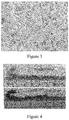
Figure 4 includes two pictures showing individual colon lengths in a UC modeled group and an AF52-21-treated group. -
Figure 5 a picture showing histological sections of mouse intestinal mucosa in a control group, a UC modeled group, an AF52-21-treated group and a SASP-treated group. - Specific description will be made below for the present disclosure with reference to the accompanying drawings.
- The sample for isolation was obtained from a stool sample of a healthy male in Shenzhen, China, which is located at 37°35'37"N and 114°15'32"E.
- The medium used for isolation is an anaerobic PYG medium with a pH value of 6.8-7.0 and a formula of 5g peptone, 5g trypticin, 10g yeast powder, 5g beef extract, 5g glucose, 2g K2HPO4, 1mL Tween 80, 0.5g Cysteine-HCl·H2O, 0.25g sodium sulfide, 5mg hemoglobin, 1µL vitamin K1, 40mL inorganic salt solution (containing 0.25g CaCl2·2H2O, 0.5g MgSO4·7H2O, 1g K2HPO4, 1g KH2PO4, 10g NaHCO3 and 2g NaCl per liter), 1mg resazurin and 950mL distilled water. The medium with addition of 1.5% agar was sterilized at 115°C for 25min, followed by poured into a culture plate in an anaerobic chamber, with a solid medium plate obtained.
- The process of culture for isolation was performed under a strict anaerobic condition. In the anaerobic chamber, 0.2g of the sample collected in 1.1.1 was suspended in a sterilized phosphate buffer solution (PBS) by thoroughly mixing, before 100µL of the bacterial suspension in a dilution of 108 after a series of 10-fold gradient dilutions was spread onto the solid medium plate obtained in 1.1.2 for incubation at 37°C. After 4 days, a single colony was picked to be streaked on a fresh solid medium plate for further isolation and purification under the same culture condition, thereby obtaining a pure strain for deposit and 16S rDNA identification.
- The pure strain isolated in 1.1.3 was further cultured until reaching to a bacterial concentration of 108cfu/ml, 2 ml of which was subjected to genomic DNA extraction.
- The genomic DNA extracted in 1.2.1, as a template, was amplified for 16S rDNA, with a pair of 16S rDNA-targeting universal primers: 8F-1492R. The specific sequences for the primers are as follows:
- 5'-AGAGTTTGATCATGGCTCAG-3' (SEQ ID NO: 1);
- 5'-TAGGGTTACCTTGTTACGACTT-3' (SEQ ID NO: 2).
- The PCR amplification was conducted as: 94°C for 4 min; 20 cycles of 94°C for 30 s, 65°C-57°C for 40 s, 72°C for 90 s; 10 cycles of 94°C for 30 s, 57°C for 40 s, 72°C for 90 s; 72°C for 10 min; and 4°C forever.
- The amplified product obtained in 1.2.2 was purified with magnetic beads and then detected by electrophoresis, with a band corresponding to 1.5 kb shown for 16S rDNA. The purified product was then sequenced.
- A near full-length in approximate 1.4 kb of 16S rDNA was determined from sequencing, shown as SEQ ID NO: 3. With alignment in the EzTaxon-e database for the determined sequence of 16S rDNA, preliminary information regarding species taxonomy was determined for the isolated strain, where Faecalibacterium prausnitzii ATCC 27768 is the species having 16S rDNA with the highest identity (97.18%) to that of strain AF52-21. Accordingly, it can be preliminarily determined that the strain AF52-21 is a new species belonging to the genus Faecalibacterium.
- By aligning 16S rDNA of the strain AF52-21 in the EzTaxon-e database, the species with a close genetic relationship to AF52-21 was determined, which were further subjected to sequence alignment for 16S rDNA to that of AF52-21 using Mega5 software, thus obtaining a phylogenetic tree plotted by the maximum likelihood method (
Figure 1 ). Accordingly, it is determined from the phylogenetic tree that AF52-21 is classified as genus Faecalibacterium and the Faecalibacterium prausnitzii ATCC 27768 is the species with the closest genetic relationship to AF52-21. - AF52-21 was cultured in an anaerobic environment at 37°C for 2-3 days, obtaining a colony grown in non-transparent yellowish-white color, in a sticky state, and in a round bulge shape with a diameter of about 2 mm (
Figure 2 ). - Under a microscope with 1000X magnification, AF52-21 is shown as Gram-negative and in a shape of rod with a diameter of about 1 µm and a length of 2-4 µm; as well lack of spores and flagella (
Figure 3 ). - AF52-21 is negative for both oxidase and catalase reactions.
- AF52-21 could grow at a temperature ranging from 20-42°C under a pH value ranging from 6.5-7.5, with the optimal temperature of 37°C and the optimal pH value of 7.0.
- AF52-21 is shown to be tolerant to 1% NaCl.
- The comparisons between AF52-21 and the reference strain ATCC 27768 (with the closest genetic relationship to AF52-21) for physiological-biochemical reactions (including substrate utilization API 20A and enzyme reaction API ZYM) are shown in Table 1 as below (with "+" indicating a positive reaction; "-" indicating a negative reaction; and "w" indicating a weak positive reaction).
Table 1 Substrate AF52-21 ATCC 27768 API 20A Tryptophan (Indole generation) - - Urea (urease) - - Glucose - - Mannitol - - Lactose + - Sucrose - - Maltose - - Salicyl alcohol - - Xylose - - Arabinose - - Gelatin hydrolysis - - Heptaphyllum / ferric citrate + + Glycerin - - Cellobiose - - Mannose + - Melezitose - - Raffinose - - Sorbitol - - Rhamnose - - Trehalose + - API ZYM Control - - Alkaline phosphatase - - Esterase (C4) - - Lipid esterase (C8) - - Lipase (C14) - - Leucine aromaminase - - Valine aromaminase - - Cystine aromaminase w - Trypsin - - Chymotrypsin - - Acid phosphatase + - Naphthol-AS-BI-phosphohydrolase + + α-galactosidase - - β-galactosidase - w β-glucuromdase + + α-glucosidase - + β-glucosidase + - N-acetyl-glucosamine - - α-mannosidase - - β-fucosidase - - - It can be seen from Table 1 that AF52-21 is significantly different from the reference strain ATCC 27768 in terms of utilization of lactose, mannose and trehalose; and activities of cystine aromaminase, acid phosphatase, β-galactosidase, α-glucosidase and β-glucosidase. Therefore, it has been proven that AF52-21 is a new species different from the known bacteria strain ATCC 27768.
- The cultured AF52-21 and reference strain ATCC 27768 in a stationary phase were collected separately for extraction and detection of cellular fatty acids. These two bacterial strains were analysed by gas chromatography for compositions and corresponding amounts of various cellular fatty acids, with the results shown in Table 2 as below.
Table 2 Fatty acids Name AF52-21 ATCC 27768 C12:0 saturated C12 fatty acid 1.48 1.92 C13:1 monounsaturated C13 fatty acid 0 1.25 C14:0 saturated C14 fatty acid 5.88 11.80 C13:0 3OH/C15:1 i I saturated 3-hydroxyl-C13 / Type I-monounsaturated iso-C15 fatty acid 0 2.14 C16:1 ω7c/C16:1 ω6c monounsaturated ω7c/ω6c-C16 fatty acid 1.48 4.02 C16:0 saturated C16 fatty acid 16.33 21.07 C17:1 iso I/anteiso B Type I-iso / Type B-unsaturated anteiso-C17fatty acid 4.68 7.63 C17:1 ω8c monounsaturated ω8c-C17 fatty acid 1.28 1.12 C18:0 antei/C18:2 ω6, 9c saturated anteiso -C18fatty acid / diunsaturated ω6,9c-C18 fatty acid 0 1.31 C18:1 ω9c diunsaturated ω9c-C18 fatty acid 39.02 31.42 C18:1 ω7c diunsaturated ω7c-C18 fatty acid 8.10 5.74 C18:0 saturated C18 fatty acid 4.45 4.11 C19:1 iso I Type I-monounsaturated iso-C19 fatty acid 1.19 2.12 C19:0 iso saturated iso-C19 fatty acid 12.88 0 C18:1 2OH diunsaturated 2-hydroxyl-C18 fatty acid 2.90 1.95 - Based on the above analysis on phenotype, 16S rDNA sequence and physiological-biochemical reactions, AF52-21 is proved as a new species, which is named as Faecalibacterium butyricigenerans.
- 1 ml of AF52-21 bacterial suspension after cultured for 48 hours was centrifuged at 12000 r/min for 5 min, with supernatant collected to be used.
- SCFA was assayed by the external standard method, where acetic acid, propionic acid, butyric acid and valeric acid were used to prepare a standard curve. Analysis was performed by means of Gas Chromatograph (GC-7890B, Agilent) equipped with a capillary column (HP-INNOWax (Cross-Linked PEG), 30m×0.25mm×0.25µm) and a hydrogen flame ion detector. The parameters for Gas Chromatograph were set as follows: a column temperature of 180-200°C; a gasification chamber temperature of 240°C; a detection temperature of 210°C; an injection volume of 2µE; a carrier gas flow rate of 50mL N2/min; a hydrogen flow rate of 50 mL/min; and an air flow rate of 600-700 mL/min.
- The SCFA yield was determined as 4.86 mmol/L of formic acid, 69.7 mmol/L of acetic acid and 15.08 mmol/L of butyric acid.
- The method is the same as the description for 2.1.1.
- A standard for detection of organic acids was selected from: 3-methylbutyric acid, valeric acid, quinic acid, lactic acid, oxalic acid, malonic acid, benzoic acid, maleic acid, succinic acid, (trans-)fumaric acid, malic acid, adipic acid, tartaric acid, shikimic acid, citric acid, isocitric acid and L-ascorbic acid. Analysis was performed by means of Gas Chromatograph (GC-7890B, Agilent) equipped with the 122-5532G DB-5ms column (40m×0.25mm×0.25µm). The parameters for Gas Chromatograph were set as follows: a column temperature of 270-290°C; an inlet temperature of 250°C; and a gas flow rate of 0.86 mL/min.
- The organic acid yield was determined as the following table (Table 3).
Table 3 Organic acids 3-methylbutyric acid valeric acid quinic acid lactic acid oxalic acid malonic acid Content (mmol/L) 0.38 0.39 0 29.25 0 0 Organic acids benzoic acid maleic acid succinic acid (trans-)fumaric acid malic acid adipic acid Content (mmol/L) 1.43 0.04 0.70 0 0 0.80 Organic acids tartaric acid shikimic acid citric acid isocitric acid L-ascorbic acid Content (mmol/L) 0 0 0.01 0 0.11 - The extracellular polysaccharides were assayed by the phenol sulphate method, where a chromogenic reaction occurs between phenol sulphate and hexoses of free monosaccharides, oligosaccharides and polysaccharides. The absorbance at 490 nm is proportional to the concentration of the extracellular polysaccharide. Specific procedure is as follows:
- After the strain isolated in 1.1.3 was cultured in the PYG medium (prepared as the formula described in 1.1.2 of Example 1) for 2 days, 10 ml of the bacterial suspension was boiled in a water bath for 30 min before centrifuged at 10,000 r/min, with the resulting supernatant collected and added with 80% trichloroacetic acid to a final concentration of 8% for protein precipitation at 4°C overnight. Afterwards, the supernatant without protein precipitate was centrifuged at 10,000 r/min again for 30 min, with the newly-obtained supernatant collected, adjusted with a pH value of 6.0 using NaOH solution and then added with absolute ethanol (in a volume two times of the supernatant) for polysaccharides precipitation at 4°C overnight. Then, the centrifugation was performed at 10,000 r/min once again for 30 min, with the supernatant discarded and the pellet dissolved in preheated distilled water for ultrafiltration in an ultrafiltration tube (with a cut-off value of 3000Da) at 5000r/min for 30min, such that extracellular polysaccharides were retained on the ultrafiltration membrane in the ultrafiltration tube, which were dissolved in 10 ml distilled water in a volumetric flask, thus obtaining a extracellular polysaccharides solution for use.
- Precisely weighted 20mg standard glucose was dissolved with distilled water in a 100ml volumetric flask, from which glucose standard solutions in respective concentrations of 20, 40, 60, 80 and 100 µg/ml were prepared for use. 400 µL standard solutions for each concentration in triplicates were successively added with 400 µL of 5% phenol and 1 ml of concentrated sulfuric acid for reaction. After boiled in a water bath for 15 min and then cooled to room temperature, the resulting solutions were assayed for absorbance at 490 nm. Afterwards, a standard curve was plotted with the absorbance as the ordinate and the concentrations of glucose standard solutions as the abscissa.
- 400 µL of the extracellular polysaccharide solution obtained in 3.1 was successively added with 400 µL of 5% phenol and 1 ml of concentrated sulfuric acid for reaction. After boiled in a water bath for 15 min and then cooled to room temperature, the resulting solution was assayed for absorbance at 490 nm. The concentration was calculated according to the standard curve for glucose.
- After calculation, the extracellular polysaccharide in the Faecalibacterium butyricigenerans AF52-21 suspension after cultured for 2 days is in a concentration of 278 mg/L.
- This example mainly demonstrates the therapeutic effect of Faecalibacterium butyricigenerans AF52-21 on UC modeled mice. With administration of AF52-21, saline or a positive drug, the therapeutic effect of Faecalibacterium butyricigenerans AF52-21 on the UC modeled mice was evaluated by observing body weight, mortality, fecal traits, occult/visual blood in stool, colon length, disease and activity index (DAI) and pathological parameters.
- 8 week-old C57b1/6 mice weighted 21 g±1 g in SPF grade were adaptively fed for one week. Then, 2% sodium dextran sulfate (DSS) was administered to the mice for 7 days to induce the UC modeled mice.
- A total of 48 mice were randomly divided into four groups, with 12 mice in each group. The groups were as follows:
- Group I: control group - normal mice without DSS induction;
- Group II: UC modeled group - saline gavage after DSS induction;
- Group III: UC treatment group - AF52-21 treatment after DSS induction;
- Group IV: UC treatment group - positive drug (salicylazosulfapyridine, SASP) treatment after DSS induction.
- UC modeled group: gavage with saline (0.85% NaCl).
- AF52-21-treated group: administration with cultured AF52-21 in a stationary phase in a bacterial concentration of about 108cfu/ml.
- SASP-treated group: administration with 0.02 g/mL of aqueous SASP solution.
- The mice in all groups were daily observed for food intake, spontaneous activities, body weight, fecal traits and occult/visual blood in stool. After DSS induction for 7 days, mice were treated according to the administration scheme in 4.3 for 2 weeks by daily gavage of 200 µL/mouse. After 14 days, mice in all groups were sacrificed for blood collection, colon collection for photographing and length-measuring, and collection of other organs for weighing. The colon was then stored in paraformaldehyde in a -80°C refrigerator.
- The mice were given individual scores according to body weight, fecal traits and occult/visual blood in stool. The scoring criteria are as follows (Table 4).
Table 4 Weight loss (%) Fecal traits Occult/visual blood in stool Score 0 normal normal 0 1-5 1 5-10 loose positive for occult blood in stool 2 10-15 3 >15 thin sloppy visual blood in stool 4 - The DAI is scored as the sum of the scores for body weight, fecal traits and occult blood/visual blood in stool.
- The changes of body weight in different groups before and after DSS induction as well as treatments for different time periods are shown in Tables 5-1 and 5-2.
Table 5-1 Groups DSS induction at Day 0 (g) DSS induction at Day 7 (g) Treatment at Day 1 (g) Treatment at Day 7 (g) Treatment at Day 14 (g) Control group 29.34±2.37 30.46±2.75 30.43±2.33 31.07±2.56 30.45±2.29 UC Modeled group 30.28±2.09 27.55±3.12 25.08±3.27 26.90±2.56 27.88±1.32 SASP-treated group 30.12±2.25 28.52±3.12 26.51±3.31 27.60±3.46 29.98±3.32 AF52-21-treated group 30.59±2.10 27.28±3.52 26.89±3.76 28.45±2.76 30.29±2.58 Table 5-2 Groups Weight gain/decrease rate P value (as compared with the UC modeled group) Control group 3±0.7% (gain rate) 0.008* UC Modeled group 8±0.8% (decrease rate) 1 SASP-treated group 0.4±0.2% (decrease rate) 0.000* AF52-21-treated group 0.1±0.1% (decrease rate) 0.000* - Table 5-1 shows that the body weight decreased with SSD induction. Table 5-2 shows that the AF52-21 treatment significantly mitigated the loss of body weight as compared with the UC modeled group (* indicating P value < 0.05), which was superior to the mitigation caused by the SASP treatment. Therefore, the AF52-21 treatment is better in rescuing the loss of body weight than the SASP treatment.
- The DAI is scored for all groups at different times of DSS induction for 7 days, treatment for 7 days and treatment for 14 days. Results are shown in Table 6-1 and Table 6-2.
Table 6-1 Groups DSS induction for 7 days Treatment for 7 days Treatment for 14 days Control group 2.06±0.51 2.28±0.41 1.58±0.55 UC modeled group 7.87±3.22 6.56±2.55 5.05±1.58 SASP-treated group 7.70±2.85 5.89±2.21 3.98±1.38 AF52-21-treated group 7.79±3.02 5.97±2.20 3.75±1.67 Table 6-2 Groups Treatment for 14 days P value (as compared with the UC modeled group) Control group 1.58±0.55 0.000* UC modeled group 5.05±1.58 1.000 SASP-treated group 3.98±1.38 0.007* AF52-21-treated group 3.75±1.67 0.003* - Table 6-1 shows that although slightly decreased over different times after DSS induction, DAIs markedly increased for the UC modeled group as compared to the control group. Table 6-2 shows that the AF52-21 treatment significantly suppressed the increase of DAIs as compared with the UC modeled group (* indicating P value < 0.05), which was superior to the suppression caused by SASP treatment. Therefore, the AF52-21 treatment is better in improving DAIs than the SASP treatment.
- A total of 8 mice died during the entire experiment, with 5 mice died in the UC modeled group, 2 mice died in the SASP-treated group and 1 mouse died in the AF52-21-treated group. Although lacking statistical significance due to the small volume of mice for experiment, the AF52-21 treatment decreased the mortality rate as compared to the UC modeled group.
- For the UC modeled mice, occurrence of ulceration in colon resulted in shortening of the colon length. Results of the colon lengths for the UC modeled group, the SASP-treated group and the AF52-21-treated group are shown in Table 7 and
Figure 4 .Table 7 Groups colon length P value (as compared with the UC modeled group) Control group 7.03±0.57 0.000* UC modeled group 6.11±0.90 1.000 SASP-treated group 6.54±0.71 0.017* AF52-21-treated group 6.71±0.87 0.029* - Table 7 shows that the AF52-21 treatment inhibited the shortening of the colon length in the UC modeled group (* indicating P value <0.05), which was superior to the inhibition caused by the SASP treatment. Therefore, the AF52-21 treatment is better in inhibiting the shortening of the colon length than the SASP treatment.
- The organ index, referring to a ratio of organ weight to body weight, indicates general pathological change occurring in the corresponding organ (Table 8).
Table 8 ( x ±SD, mg/g)Groups Colon index Liver index Kidney index Spleen index Thymus index Control group 7.08±0.34 36.99±4.32 13.78±1.64 2.36±0.45 0.89±0.36 UC modeled group 10.10±3.01* 43.64±5.86* 13.45±1.47 6.35±4.47* 1.69±0.54** SASP-treated group 9.88±2.76 41.56±6.04 13.24±1.74 6.24±3.71▲ 1.10±0.39▲ AF52-21-treated group 8.56±3.21■ 39.85±5.98■ 13.57±1.04 5.23±4.11■ 1.53±0.38 - Table 8 shows that the colon index, the liver index, the spleen index and the thymus index were significantly increased for the UC modeled group as compared with the control group (*/**p<0.05/0.01), suggesting that certain potential pathological changes occurs in colon, liver, spleen and thymus for the UC modeled group. The SASP treatment decreased the spleen index and the thymus index as compared with the UC modeled group (▲p<0.05), indicating that the SASP treatment repairs damages in spleen and thymus to some extents. The AF52-21 treatment significantly decreased the colon index, the liver index and the spleen index as compared with the UC modeled group (■p<0.05), indicating that the AF52-21 treatment markedly repairs damages in colon, liver and spleen, which is superior to the repairs caused by the SASP treatment.
-
Figure 5 shows the histopathology changes for colons in different groups. The histopathology picture shows the histopathology for colon in the UC modeled group is characterized by inflammatory mucosa; a large number of inflammatory cells infiltrating in mucosa, submucosa and even muscularis; bleeding; edema; telangiectasia; and disordered and fractured tissue structure. The histopathology picture shows the histopathology for colon in the SASP-treated group is characterized by reduced thickness of colon wall; and reduced number of inflammatory cells infiltrating in submucosa. The histopathology picture shows the histopathology for colon in the AF52-21-treated group is characterized by reduced number of inflammatory cells infiltrating in submucosa; increased number of goblet cells; and well-organized gland arrangement as compared with the UC modeled group. Therefore, the AF52-21 treatment alleviates the pathological changes in the UC modeled group effectively. - Components of a food composition are shown in Table 9 below.
Table 9 Components Percentage by weight (%) Faecalibacterium butyricigenerans AF52-21 0.5 wt% Milk 90.0 wt% Sugar 9.0 wt% Vitamin C 0.5 wt% - In accordance with the formula indicated above, the milk and sugar were mixed under stirring to be completely uniform, preheated, homogenized under a pressure of 20Mpa, sterilized at 90°C for 5-10 minutes, cooled to 40-43°C, added with vitamin C, and then inoculated with 1-100×106cfu/g Faecalibacterium butyricigenerans AF52-21, thereby obtaining the food composition containing Faecalibacterium butyricigenerans AF52-21.
- Components of a pharmaceutical composition are shown in Table 10 below.
Table 10 Components Percentage by weight (%) Faecalibacterium butyricigenerans AF52-21 1.0 wt% Lactose 2.0 wt% Yeast powder 2.0 wt% Peptone 1.0 wt% Purified water 93.5 wt% Vitamin C 0.5 wt% - In accordance with the formula indicated above, the lactose, yeast powder and peptone were mixed in purified water to be uniform, preheated to 60-65°C, homogenized under a pressure of 20 Mpa, sterilized at 90°C for 20-30 minutes, cooled to 36-38°C, added with vitamin C, inoculated with viable Faecalibacterium butyricigenerans AF52-21 (1-50×106cfu/mL), fermented at 36-38°C to achieve a pH value of 6.0, and then centrifuged and freeze-dried to a moisture content less than 3%, thereby obtaining lyophilized Faecalibacterium butyricigenerans AF52-21. Afterwards, 0.5 g of the lyophilized Faecalibacterium butyricigenerans AF52-21 was mixed with maltodextrin in an equal amount, followed by filling into capsules, thereby obtaining the pharmaceutical composition containing Faecalibacterium butyricigenerans AF52-21.
- Faecalibacterium butyricigenerans AF52-21 was cultured under an anaerobic condition. The anaerobic medium with reference to that prepared in 1.1.2 was used for fermentation at 37°C for 2-3 days.
- Skim milk and casein were mixed, followed by centrifugation and ultrafiltration to obtain crude extract of milk growth factors.
- The milk growth factor obtained in 7.2 was mixed with the AF52-21 suspension after fermentation obtained in 7.1 under stirring to be completely uniform, followed by addition of starch as the excipient, thereby obtaining the medicament containing Faecalibacterium butyricigenerans AF52-21.
- The above examples are further detailed description for the present disclosure in combination with some specific embodiments, which cannot be construed to limit the present disclosure. It will be appreciated for those skilled in the art that simple deductions and alternatives can be made departing from the concept and scope of the present disclosure.


Claims (10)
- Faecalibacterium butyricigenerans AF52-21, deposited in the China General Microbiological Culture Collection Center (CGMCC) with the accession No. CGMCC 1.5206.
- A method for culturing the Faecalibacterium butyricigenerans AF52-21 of claim 1, wherein the Faecalibacterium butyricigenerans AF52-21 is inoculated in a PYG medium for anaerobic culture.
- A microecological preparation comprising the Faecalibacterium butyricigenerans AF52-21 of claim 1 and/or a metabolite thereof.
- A food composition comprising the Faecalibacterium butyricigenerans AF52-21 of claim 1 and/or a metabolite thereof.
- A pharmaceutical composition comprising the Faecalibacterium butyricigenerans AF52-21 of claim 1 and/or a metabolite thereof.
- Use of the Faecalibacterium butyricigenerans AF52-21 of claim 1 in preparation of a medicament for preventing and/or treating ulcerative colitis.
- Use of the Faecalibacterium butyricigenerans AF52-21 of claim 1 in preparation of a microecological preparation.
- Use of the Faecalibacterium butyricigenerans AF52-21 of claim 1 in preparation of a food composition.
- Use of the Faecalibacterium butyricigenerans AF52-21 of claim 1 in producing organic acids.
- Use of the Faecalibacterium butyricigenerans AF52-21 of claim 1 in producing extracellular polysaccharides.
Applications Claiming Priority (1)
| Application Number | Priority Date | Filing Date | Title |
|---|---|---|---|
| PCT/CN2016/094846 WO2018027898A1 (en) | 2016-08-12 | 2016-08-12 | Faecalibacterium butyricigenerans and method for cultivation thereof and application thereof |
Publications (2)
| Publication Number | Publication Date |
|---|---|
| EP3498819A1 true EP3498819A1 (en) | 2019-06-19 |
| EP3498819A4 EP3498819A4 (en) | 2020-04-08 |
Family
ID=61161340
Family Applications (1)
| Application Number | Title | Priority Date | Filing Date |
|---|---|---|---|
| EP16912353.6A Pending EP3498819A4 (en) | 2016-08-12 | 2016-08-12 | FAECALIBACTERIUM BUTYRICIGENERANS AND CORRESPONDING CULTURE METHOD AND APPLICATION THEREOF |
Country Status (4)
| Country | Link |
|---|---|
| US (1) | US11191790B2 (en) |
| EP (1) | EP3498819A4 (en) |
| CN (1) | CN109874329B (en) |
| WO (1) | WO2018027898A1 (en) |
Families Citing this family (2)
| Publication number | Priority date | Publication date | Assignee | Title |
|---|---|---|---|---|
| EP3950929A4 (en) * | 2019-03-28 | 2023-01-04 | CJ Bioscience, Inc. | Faecalibacterium sp. microbe and anticancer composition comprising same |
| EP3838276A1 (en) * | 2019-12-17 | 2021-06-23 | Exeliom Biosciences | Association of faecalibacterium prausnitzii strain cncm i-4573 with pentasa® for the treatment and prevention of gastrointestinal inflammation |
Family Cites Families (12)
| Publication number | Priority date | Publication date | Assignee | Title |
|---|---|---|---|---|
| WO2012142605A1 (en) * | 2011-04-15 | 2012-10-18 | Samaritan Health Services | Rapid recolonization deployment agent |
| CN102559550B (en) * | 2011-12-30 | 2013-09-25 | 山东宝来利来生物工程股份有限公司 | Clostridium butyricum having diarrhea treating effect and application of clostridium butyricum as substitute of sodium butyrate |
| WO2014075745A1 (en) * | 2012-11-19 | 2014-05-22 | Université Catholique de Louvain | Use of akkermansia for treating metabolic disorders |
| NZ709392A (en) * | 2012-11-23 | 2016-10-28 | Seres Therapeutics Inc | Synergistic bacterial compositions and methods of production and use thereof |
| MX2015011700A (en) * | 2013-03-05 | 2016-07-20 | Univ Groningen | Use of faecali bacterium prausnitzii htf-f (dsm 26943) to suppress inflammation. |
| CN104413334A (en) * | 2013-08-30 | 2015-03-18 | 深圳华大基因科技有限公司 | Edible composition as well as preparation method and application thereof |
| CN104415060A (en) * | 2013-08-30 | 2015-03-18 | 深圳华大基因科技有限公司 | Edible composition as well as preparation method and application thereof |
| CN104432001B (en) * | 2013-09-18 | 2018-01-12 | 深圳华大基因科技有限公司 | Edible composition and application thereof |
| KR101808972B1 (en) * | 2013-11-08 | 2017-12-13 | 쑤저우 오셀 바이오-팜 컴퍼니 리미티드 | Lactobacillus crispatus and application thereof |
| CN104740138A (en) * | 2013-12-31 | 2015-07-01 | 深圳华大基因科技有限公司 | Composition containing aloe, probiotics and prebiotics and application of composition |
| EP3218524B1 (en) * | 2014-11-13 | 2020-01-08 | Institut National de la Recherche Agronomique (INRA) | Faecalibacterium prausnitzii strains for treating and preventing gastrointestinal pain |
| CN104877946B (en) * | 2015-03-13 | 2018-01-30 | 成都医学院 | Excrement lactobacillus FZB1 and its application |
-
2016
- 2016-08-12 CN CN201680082826.4A patent/CN109874329B/en active Active
- 2016-08-12 WO PCT/CN2016/094846 patent/WO2018027898A1/en not_active Ceased
- 2016-08-12 EP EP16912353.6A patent/EP3498819A4/en active Pending
-
2019
- 2019-02-08 US US16/271,104 patent/US11191790B2/en active Active
Also Published As
| Publication number | Publication date |
|---|---|
| EP3498819A4 (en) | 2020-04-08 |
| CN109874329A (en) | 2019-06-11 |
| CN109874329B (en) | 2023-08-29 |
| WO2018027898A1 (en) | 2018-02-15 |
| US11191790B2 (en) | 2021-12-07 |
| US20190240265A1 (en) | 2019-08-08 |
Similar Documents
| Publication | Publication Date | Title |
|---|---|---|
| JP6782302B2 (en) | Christensenella intestinihominis and its use | |
| EP3808357B1 (en) | Composition comprising megamonas funiformis and anaerofustis stercorihominis and use thereof | |
| US11369648B2 (en) | Probiotic mixed preparation with anti-influenza ability and application thereof | |
| CN111269852B (en) | Bacteroides vulgatus strain and application thereof in preparation of medicines for treating inflammatory bowel diseases | |
| CN116574634B (en) | Streptococcus salivarius thermophilus subspecies JF2 and application thereof in preparation of anti-inflammatory and lipid-relieving food and drug | |
| CN117384790B (en) | A strain of Pediococcus pentosaceus KS5 and its application in the preparation of sleep-aiding drugs | |
| US20220142912A1 (en) | Novel sporichthyaceae microorganism and use thereof | |
| CN1982437A (en) | Acidproof and bile-salt-resisting rhamnose lactobacillus strain with anti-enterovirus and antioxidant functions | |
| KR102323783B1 (en) | Clostridium scindens having inhibitory effect against Clostridium difficile | |
| CN109983115B (en) | Lactobacillus gasseri and culture method and application thereof | |
| WO2018112741A1 (en) | Lactobacillus acidophilus, culture method therefor and application thereof | |
| US11191790B2 (en) | Biologically pure Faecalibacterium butyricigenerans strain, composition including the same and method for treating ulcerative colitis | |
| EP3511406A1 (en) | Faecalibacterium longum and application thereof | |
| CN112236154A (en) | A composition and its application | |
| CN112236155A (en) | A composition and its application | |
| CN116355798A (en) | A strain of Lactobacillus reuteri musculus highly enriched in selenocysteine that can increase the activity of selenase | |
| WO2018107364A1 (en) | Collinsella shenzhenensis and applications thereof | |
| CN115612635A (en) | Excheriscus muciniphila ww001 and composition, composite microbial inoculum and application thereof | |
| CN115433688B (en) | Faecalibacterium longum and its uses | |
| WO2025232864A1 (en) | Alistipes and use thereof in inflammatory bowel disease treatment | |
| HK40002418B (en) | Faecalibacterium butyricigenerans and method for cultivation thereof and application thereof | |
| CN121950604A (en) | Intestinal Luo Sibai Rayleigh bacterium capable of promoting intestinal bacteria to produce valeric acid and application of composition thereof in relieving ulcerative colitis | |
| CN121343825A (en) | Lactobacillus paracasei LZLJ09, its microbial agents and applications | |
| CN119120275A (en) | A butyric acid producing bacterium and its application | |
| HK40042147A (en) | Composition and uses thereof |
Legal Events
| Date | Code | Title | Description |
|---|---|---|---|
| STAA | Information on the status of an ep patent application or granted ep patent |
Free format text: STATUS: THE INTERNATIONAL PUBLICATION HAS BEEN MADE |
|
| PUAI | Public reference made under article 153(3) epc to a published international application that has entered the european phase |
Free format text: ORIGINAL CODE: 0009012 |
|
| STAA | Information on the status of an ep patent application or granted ep patent |
Free format text: STATUS: REQUEST FOR EXAMINATION WAS MADE |
|
| 17P | Request for examination filed |
Effective date: 20190226 |
|
| AK | Designated contracting states |
Kind code of ref document: A1 Designated state(s): AL AT BE BG CH CY CZ DE DK EE ES FI FR GB GR HR HU IE IS IT LI LT LU LV MC MK MT NL NO PL PT RO RS SE SI SK SM TR |
|
| AX | Request for extension of the european patent |
Extension state: BA ME |
|
| DAV | Request for validation of the european patent (deleted) | ||
| DAX | Request for extension of the european patent (deleted) | ||
| RIC1 | Information provided on ipc code assigned before grant |
Ipc: C12N 1/20 20060101AFI20200226BHEP Ipc: A61P 1/00 20060101ALI20200226BHEP Ipc: A61K 35/74 20150101ALI20200226BHEP Ipc: C12R 1/01 20060101ALN20200226BHEP |
|
| A4 | Supplementary search report drawn up and despatched |
Effective date: 20200306 |
|
| STAA | Information on the status of an ep patent application or granted ep patent |
Free format text: STATUS: EXAMINATION IS IN PROGRESS |
|
| 17Q | First examination report despatched |
Effective date: 20260313 |