EP3496244A1 - Compressed air turbine direct current generator system - Google Patents
Compressed air turbine direct current generator system Download PDFInfo
- Publication number
- EP3496244A1 EP3496244A1 EP17913718.7A EP17913718A EP3496244A1 EP 3496244 A1 EP3496244 A1 EP 3496244A1 EP 17913718 A EP17913718 A EP 17913718A EP 3496244 A1 EP3496244 A1 EP 3496244A1
- Authority
- EP
- European Patent Office
- Prior art keywords
- power
- turbine
- direct current
- aerodynamic
- current generator
- Prior art date
- Legal status (The legal status is an assumption and is not a legal conclusion. Google has not performed a legal analysis and makes no representation as to the accuracy of the status listed.)
- Granted
Links
Images

Classifications
-
- H—ELECTRICITY
- H02—GENERATION; CONVERSION OR DISTRIBUTION OF ELECTRIC POWER
- H02P—CONTROL OR REGULATION OF ELECTRIC MOTORS, ELECTRIC GENERATORS OR DYNAMO-ELECTRIC CONVERTERS; CONTROLLING TRANSFORMERS, REACTORS OR CHOKE COILS
- H02P9/00—Arrangements for controlling electric generators for the purpose of obtaining a desired output
- H02P9/04—Control effected upon non-electric prime mover and dependent upon electric output value of the generator
-
- F—MECHANICAL ENGINEERING; LIGHTING; HEATING; WEAPONS; BLASTING
- F01—MACHINES OR ENGINES IN GENERAL; ENGINE PLANTS IN GENERAL; STEAM ENGINES
- F01D—NON-POSITIVE DISPLACEMENT MACHINES OR ENGINES, e.g. STEAM TURBINES
- F01D15/00—Adaptations of machines or engines for special use; Combinations of engines with devices driven thereby
- F01D15/10—Adaptations for driving, or combinations with, electric generators
-
- F—MECHANICAL ENGINEERING; LIGHTING; HEATING; WEAPONS; BLASTING
- F01—MACHINES OR ENGINES IN GENERAL; ENGINE PLANTS IN GENERAL; STEAM ENGINES
- F01D—NON-POSITIVE DISPLACEMENT MACHINES OR ENGINES, e.g. STEAM TURBINES
- F01D17/00—Regulating or controlling by varying flow
- F01D17/10—Final actuators
- F01D17/12—Final actuators arranged in stator parts
- F01D17/14—Final actuators arranged in stator parts varying effective cross-sectional area of nozzles or guide conduits
- F01D17/146—Final actuators arranged in stator parts varying effective cross-sectional area of nozzles or guide conduits by throttling the volute inlet of radial machines or engines
-
- F—MECHANICAL ENGINEERING; LIGHTING; HEATING; WEAPONS; BLASTING
- F02—COMBUSTION ENGINES; HOT-GAS OR COMBUSTION-PRODUCT ENGINE PLANTS
- F02C—GAS-TURBINE PLANTS; AIR INTAKES FOR JET-PROPULSION PLANTS; CONTROLLING FUEL SUPPLY IN AIR-BREATHING JET-PROPULSION PLANTS
- F02C6/00—Plural gas-turbine plants; Combinations of gas-turbine plants with other apparatus; Adaptations of gas-turbine plants for special use
- F02C6/14—Gas-turbine plants having means for storing energy, e.g. for meeting peak loads
- F02C6/16—Gas-turbine plants having means for storing energy, e.g. for meeting peak loads for storing compressed air
-
- F—MECHANICAL ENGINEERING; LIGHTING; HEATING; WEAPONS; BLASTING
- F04—POSITIVE - DISPLACEMENT MACHINES FOR LIQUIDS; PUMPS FOR LIQUIDS OR ELASTIC FLUIDS
- F04D—NON-POSITIVE-DISPLACEMENT PUMPS
- F04D17/00—Radial-flow pumps, e.g. centrifugal pumps; Helico-centrifugal pumps
- F04D17/08—Centrifugal pumps
- F04D17/10—Centrifugal pumps for compressing or evacuating
-
- F—MECHANICAL ENGINEERING; LIGHTING; HEATING; WEAPONS; BLASTING
- F04—POSITIVE - DISPLACEMENT MACHINES FOR LIQUIDS; PUMPS FOR LIQUIDS OR ELASTIC FLUIDS
- F04D—NON-POSITIVE-DISPLACEMENT PUMPS
- F04D27/00—Control, e.g. regulation, of pumps, pumping installations or pumping systems specially adapted for elastic fluids
-
- F—MECHANICAL ENGINEERING; LIGHTING; HEATING; WEAPONS; BLASTING
- F04—POSITIVE - DISPLACEMENT MACHINES FOR LIQUIDS; PUMPS FOR LIQUIDS OR ELASTIC FLUIDS
- F04D—NON-POSITIVE-DISPLACEMENT PUMPS
- F04D29/00—Details, component parts, or accessories
- F04D29/05—Shafts or bearings, or assemblies thereof, specially adapted for elastic fluid pumps
- F04D29/053—Shafts
-
- F—MECHANICAL ENGINEERING; LIGHTING; HEATING; WEAPONS; BLASTING
- F04—POSITIVE - DISPLACEMENT MACHINES FOR LIQUIDS; PUMPS FOR LIQUIDS OR ELASTIC FLUIDS
- F04D—NON-POSITIVE-DISPLACEMENT PUMPS
- F04D29/00—Details, component parts, or accessories
- F04D29/05—Shafts or bearings, or assemblies thereof, specially adapted for elastic fluid pumps
- F04D29/056—Bearings
-
- F—MECHANICAL ENGINEERING; LIGHTING; HEATING; WEAPONS; BLASTING
- F04—POSITIVE - DISPLACEMENT MACHINES FOR LIQUIDS; PUMPS FOR LIQUIDS OR ELASTIC FLUIDS
- F04D—NON-POSITIVE-DISPLACEMENT PUMPS
- F04D29/00—Details, component parts, or accessories
- F04D29/40—Casings; Connections of working fluid
- F04D29/42—Casings; Connections of working fluid for radial or helico-centrifugal pumps
- F04D29/4206—Casings; Connections of working fluid for radial or helico-centrifugal pumps especially adapted for elastic fluid pumps
-
- H—ELECTRICITY
- H02—GENERATION; CONVERSION OR DISTRIBUTION OF ELECTRIC POWER
- H02K—DYNAMO-ELECTRIC MACHINES
- H02K7/00—Arrangements for handling mechanical energy structurally associated with dynamo-electric machines, e.g. structural association with mechanical driving motors or auxiliary dynamo-electric machines
- H02K7/18—Structural association of electric generators with mechanical driving motors, e.g. with turbines
- H02K7/1807—Rotary generators
- H02K7/1823—Rotary generators structurally associated with turbines or similar engines
-
- F—MECHANICAL ENGINEERING; LIGHTING; HEATING; WEAPONS; BLASTING
- F05—INDEXING SCHEMES RELATING TO ENGINES OR PUMPS IN VARIOUS SUBCLASSES OF CLASSES F01-F04
- F05D—INDEXING SCHEME FOR ASPECTS RELATING TO NON-POSITIVE-DISPLACEMENT MACHINES OR ENGINES, GAS-TURBINES OR JET-PROPULSION PLANTS
- F05D2220/00—Application
- F05D2220/30—Application in turbines
-
- F—MECHANICAL ENGINEERING; LIGHTING; HEATING; WEAPONS; BLASTING
- F05—INDEXING SCHEMES RELATING TO ENGINES OR PUMPS IN VARIOUS SUBCLASSES OF CLASSES F01-F04
- F05D—INDEXING SCHEME FOR ASPECTS RELATING TO NON-POSITIVE-DISPLACEMENT MACHINES OR ENGINES, GAS-TURBINES OR JET-PROPULSION PLANTS
- F05D2220/00—Application
- F05D2220/70—Application in combination with
- F05D2220/76—Application in combination with an electrical generator
- F05D2220/762—Application in combination with an electrical generator of the direct current (D.C.) type
-
- F—MECHANICAL ENGINEERING; LIGHTING; HEATING; WEAPONS; BLASTING
- F05—INDEXING SCHEMES RELATING TO ENGINES OR PUMPS IN VARIOUS SUBCLASSES OF CLASSES F01-F04
- F05D—INDEXING SCHEME FOR ASPECTS RELATING TO NON-POSITIVE-DISPLACEMENT MACHINES OR ENGINES, GAS-TURBINES OR JET-PROPULSION PLANTS
- F05D2240/00—Components
- F05D2240/60—Shafts
-
- F—MECHANICAL ENGINEERING; LIGHTING; HEATING; WEAPONS; BLASTING
- F05—INDEXING SCHEMES RELATING TO ENGINES OR PUMPS IN VARIOUS SUBCLASSES OF CLASSES F01-F04
- F05D—INDEXING SCHEME FOR ASPECTS RELATING TO NON-POSITIVE-DISPLACEMENT MACHINES OR ENGINES, GAS-TURBINES OR JET-PROPULSION PLANTS
- F05D2270/00—Control
- F05D2270/30—Control parameters, e.g. input parameters
- F05D2270/304—Spool rotational speed
-
- H—ELECTRICITY
- H02—GENERATION; CONVERSION OR DISTRIBUTION OF ELECTRIC POWER
- H02P—CONTROL OR REGULATION OF ELECTRIC MOTORS, ELECTRIC GENERATORS OR DYNAMO-ELECTRIC CONVERTERS; CONTROLLING TRANSFORMERS, REACTORS OR CHOKE COILS
- H02P2101/00—Special adaptation of control arrangements for generators
- H02P2101/25—Special adaptation of control arrangements for generators for combustion engines
-
- Y—GENERAL TAGGING OF NEW TECHNOLOGICAL DEVELOPMENTS; GENERAL TAGGING OF CROSS-SECTIONAL TECHNOLOGIES SPANNING OVER SEVERAL SECTIONS OF THE IPC; TECHNICAL SUBJECTS COVERED BY FORMER USPC CROSS-REFERENCE ART COLLECTIONS [XRACs] AND DIGESTS
- Y02—TECHNOLOGIES OR APPLICATIONS FOR MITIGATION OR ADAPTATION AGAINST CLIMATE CHANGE
- Y02E—REDUCTION OF GREENHOUSE GAS [GHG] EMISSIONS, RELATED TO ENERGY GENERATION, TRANSMISSION OR DISTRIBUTION
- Y02E60/00—Enabling technologies; Technologies with a potential or indirect contribution to GHG emissions mitigation
- Y02E60/16—Mechanical energy storage, e.g. flywheels or pressurised fluids
-
- Y—GENERAL TAGGING OF NEW TECHNOLOGICAL DEVELOPMENTS; GENERAL TAGGING OF CROSS-SECTIONAL TECHNOLOGIES SPANNING OVER SEVERAL SECTIONS OF THE IPC; TECHNICAL SUBJECTS COVERED BY FORMER USPC CROSS-REFERENCE ART COLLECTIONS [XRACs] AND DIGESTS
- Y02—TECHNOLOGIES OR APPLICATIONS FOR MITIGATION OR ADAPTATION AGAINST CLIMATE CHANGE
- Y02T—CLIMATE CHANGE MITIGATION TECHNOLOGIES RELATED TO TRANSPORTATION
- Y02T10/00—Road transport of goods or passengers
- Y02T10/60—Other road transportation technologies with climate change mitigation effect
- Y02T10/7072—Electromobility specific charging systems or methods for batteries, ultracapacitors, supercapacitors or double-layer capacitors
Definitions
- the present disclosure relates to the field of electrical technologies, and in particular to a compressed air turbine DC (direct current) power generator system.
- a compressed air turbine DC power generator system comprising:
- the aerodynamic turbine engine comprises a turbine chamber, a turbine, a power output shaft, an air intake adjusting valve, an inlet port, and an exhaust port, wherein
- control unit is further configured to send control signal to the air intake adjusting valve; and the air intake adjusting valve is configured to, when receiving the control signal, open or close and dynamically adjust an air intake flow rate at the inlet port according to the control signal, thereby introducing high-pressure air from the inlet port into the turbine chamber to expand for work, driving the turbine to rotate, so as to adjust the rotating speed and a torque of the power output shaft.
- the power output shaft also serves as a rotor shaft of the direct current generator.
- Two high-speed bearings on the rotor shaft are respectively located at a power output end of the aerodynamic turbine engine and a rear end of the direct current generator.
- a housing of the aerodynamic turbine engine and a housing of the direct current generator are integrated together.
- a stator of the direct current generator is fixed to the housing of the aerodynamic turbine engine.
- the turbine of the aerodynamic turbine engine can be of a two-stage turbine structure comprising a first-stage turbine and a second-stage turbine.
- the first-stage turbine and the second-stage turbine are disposed on a same driving shaft.
- the first-stage turbine sends exhausted low-pressure air to the second-stage turbine.
- control unit is further configured to receive a power generation activation command from a CAN bus.
- the power generation activation command is configured to instruct the control unit to control the air intake adjusting valve to open or close and determine a generation mode of the system, including at least one of a current-constant generation mode, a voltage-constant generation mode, a power-constant generation mode, and a power-reduced generation mode.
- control unit is further configured to determine a working state of the aerodynamic turbine engine according to a power reduction ratio when the system enters the power-reduced generation mode, wherein the aerodynamic turbine engine enters an idle state when the power to be generated is less than 30% of a rating power, enters a low-rotating-speed state when the power to be generated is lower than 50% of the rating power, and enters a rating power state in other cases.
- control unit is further configured for excitation control on the direct current generator.
- system further comprises an external excitation unit which is connected to the direct current generator for excitation control on the direct current generator.
- the direct current generator is further configured to conduct the power output to a direct current power bus directly via a rectification and feedback the output current and/or the output voltage to the control unit.
- the compressed air turbine DC power generator system of the present disclosure is miniaturized and has high integration level, effectively overcomes the disadvantages such as low power density and great vibration noise of a power generator system with an internal combustion engine, and has a high industrial application value.
- the compressed air turbine DC power generator system can be used as an auxiliary power supply in the development process of an electric automobile, thereby effectively resolving the problem of range anxiety of a pure electric automobile.
- exemplary means "used as an instance or embodiment, or explanatory". Any embodiment described as “exemplary” here is not necessarily construed as being superior to or better than other embodiments.
- the present disclosure proposes a new solution of a direct current generator driven by an aerodynamic turbine engine with compressed air passing through a turbine.
- a power generator system may use the compressed pressure-constant air output from an onboard high-pressure air reservoir to power a turbine engine, thereby to drive a doubly salient direct current generator for power generation, achieving a high turbine conversion efficiency.
- the ultra-high rotating speed of the turbine achieves high power density, small size, low vibration and noise, and emission-free (with exhaust of air, i.e. zero emission), which is very suitable as an auxiliary power supply for pure electric vehicles.
- the low temperature by the expansion of the compressed air eliminates the need of any external cooling for the entire turbine and generator.
- the turbine also has no lubrication problems.
- the high-speed bearings of the generator do not require any external cooling system either. Therefore, the whole system is simply structured and of high reliability.
- Fig. 1 shows a structural diagram of the compressed air turbine DC power generator system according to one embodiment of the present disclosure.
- the compressed air turbine DC power generator system may comprise: an aerodynamic turbine engine (referred as turbine engine or engine); a direct current generator (referred as generator) configured to generate a direct current by using power output of the aerodynamic turbine engine as a driving input; a control unit configured to control a rotating speed of the aerodynamic turbine engine to generate the power output and adjust an output current and/or an output voltage of the direct current generator
- the input shaft of the doubly salient generator is directly connected to the output shaft of the turbine engine to generate the direct current and output a DC current-constant or voltage-constant power.
- the generation/system control unit 3 is in direct electrical connection with the doubly salient generator 2 and able to receiving generation commands through a CAN (Controller Area Network) bus to adjust the output current or voltage power of the doubly salient generator 2.
- the generation/system control unit 3 can manage and control the rotating speed of the aerodynamic turbine engine as well as continuously adjust the output current or voltage of the doubly salient generator 2.
- the aerodynamic turbine engine may comprise a turbine chamber 1, a turbine 4 (also referred as a turbo mechanism), an exhaust port 5 (also referred as air outlet), an inlet port 6, a power output shaft 7, and an air intake adjusting valve 8.
- the direct current generator may be a doubly salient generator 2 (also referred as doubly salient direct current generator).
- the control unit is also referred as the generation/system control unit 3.
- the inlet port 6 and the exhaust port 5 each is connected to the turbine chamber 1.
- the air intake adjusting valve 8 is provided at the inlet port 6.
- the turbine 4 is provided in the turbine chamber 1.
- the turbine 4 is connected to the power output shaft 7.
- control unit is configured to send control signal to the air intake adjusting valve.
- the air intake adjusting valve is configured to, when receiving the control signal, open or close and dynamically adjust the air intake flow rate at the inlet port according to the control signal, introducing high-pressure air from the inlet port into the turbine chamber to expand for work, driving the turbine to rotate, so as to adjust the rotating speed and the torque of the power output shaft.
- the aerodynamic turbine engine may directly introduce the high-pressure air into the turbo mechanism to expand for work, to drive the turbine to rotate.
- the low-pressure air then is exhausted from the exhaust port.
- the air intake adjusting valve receives the control signal from the generation/system control unit to adjust the flow rate of the air intake, so as to adjust the rotating speed and the torque of the output shaft of the turbine engine.
- the generation/system control unit controls the air intake adjusting valve of the turbine engine to adjust the intake flow volume and flow rate of the engine, which may maintain a constant rotating speed when a DC load, such as a driving motor controller, a power resistor, etc., of the generator changes, and enable a close-loop control for current-constant or voltage-constant generation.
- the aerodynamic turbine engine may add a second-stage turbine.
- the turbine of the aerodynamic turbine engine may be of a two-stage turbine structure, including a first-stage turbine and a second-stage turbine.
- the first-stage turbine and the second-stage turbine are located on the same drive shaft.
- the first-stage turbine sends the exhausted low-pressure air to the second-stage turbine.
- the energy remained in the low-pressure air from the first stage is further converted into the power output. This further increases the conversion efficiency of the turbo mechanism and significantly increases the output power of the system.
- control unit is further configured for excitation control on the direct current generator.
- the direct current generator is further configured to conduct the power output to a direct current power bus directly via a rectification and feedback the output current and/or the output voltage to the control unit.
- the doubly salient generator 2 receives excitation control from the generation/system control unit 3 (e.g., a generation driving unit thereof) to rectify and then transmit the output voltage or current to the direct current power bus, and feeds back the generated current and the DC voltage to the generation/system control unit 3.
- the generation/system control unit 3 e.g., a generation driving unit thereof
- a three-phase high-frequency power output by the doubly salient generator 2 is rectified to provide a direct current directly.
- the turbine 4 is coaxial with the generator.
- the power output shaft also serves as the rotor shaft of the direct current generator.
- Two high-speed bearings on the rotor shaft are respectively located at the power output end of the aerodynamic turbine engine and the rear end of the direct current generator.
- the rear end of the direct current generator is the end of the direct current generator which is closer to the generation/system control unit 3.
- the entire power generator system according to this embodiment is an entire integrated module which is attachable and detachable integrally as shown in Fig. 1 .
- the compressed air turbine DC power generator system does not have any vibrating part, no vibration-proof structure is required during the installation, facilitating the integrated mechanical assembly and design for the entire vehicle.
- the housing of the aerodynamic turbine engine and the housing of the direct current generator are structured into one piece.
- the stator of the direct current generator is fixed together with the housing of the aerodynamic turbine engine.
- the aerodynamic turbine engine absorbs heat during expansion of the compressed air, providing cooling for the stator of the generator directly via the generator housing. Therefore, the generator does not need any additional heat dispersion structure, reducing the overall size and weight of the generator.
- the small rotational inertia of the rotor of the doubly salient generator is a perfect match for the ultra-high rotating speed output by the aerodynamic turbine engine for power generation, achieving high generation efficiency and high power density per unit volume.
- the power generator system may further comprise an external excitation unit which is connected to the direct current generator for excitation control on the direct current generator.
- the direct current generator is further configured to conduct the power output to a direct current power bus directly via a rectification and feedback the output current and/or the output voltage to the control unit.
- the generation/system control unit 3 is built-in in the doubly salient generator 2 and performs the excitation control using the power output by an external power battery as an excitation source, so as to enable direct dynamic adjustments on the generated current (or referred as output current, DC current, etc.) or the generated voltage (or referred as output voltage, DC voltage, etc.) according to the desired power.
- control modes of the generation/system control unit 3 include a current-constant generation mode, a voltage-constant generation mode, a power-constant generation mode, and the likes.
- control unit is further configured to receive from the CAN bus a power generation activation command which instructs the control unit to control the air intake adjusting valve to open or close and determine a generation mode for the system, including at least one of a current-constant generation mode, a voltage-constant generation mode, a power-constant generation mode, and a power-reduced generation mode.
- control unit is further configured to determine a working state of the aerodynamic turbine engine according to a power reduction ratio when the system enters the power-reduced generation mode, wherein the aerodynamic turbine engine enters an idle state when the power to be generated is less than 30% of the rating power, enters a low-rotating-speed state when the power to be generated is lower than 50% of the rating power, and enters a rating power state in other cases.
- the generation/system control unit enables a close-loop control for current-constant generation or voltage-constant generation.
- the control process for power generation may be a process of PID (Proportion Integration Differentiation) close-loop control.
- the PID control In the control mode for current-constant generation, the PID control consists of an outer loop control for the generated current and an inner loop control for the excitation current, and takes a target generated current in a CAN command received from the CAN bus as the target for control, to adjust the actual generated current rapidly with the changes in the voltage and the current output by the system.
- the PID control In the control mode for voltage-constant generation, the PID control consists of an outer loop control for the generated voltage and an inner loop control for the excitation current, and takes a target generated voltage from the CAN command as the target for control, to adjust the actual generated voltage with the changes in the DC current and the voltage.
- the PID control In the control mode for power-constant generation, the PID control consists of an outer loop control for the power to be generated and an inner loop control for the excitation current, and takes a target power to be generated from the CAN command as the target for control, to adjust the actual power to be generated with the changes in the DC voltage and current.
- the compressed air turbine DC power generator system is miniaturized and has high integration level. Therefore, the system can be used as an auxiliary power supply in the development process of an electric automobile, thereby effectively resolving the problem of range anxiety of a pure electric automobile.
- the present disclosure effectively overcomes the disadvantages such as low power density and great vibration noise of a power generation system with an internal combustion engine, and has a high industrial application value.
- the system checks the CAN command state immediately after being powered on, to determine whether there is a power generation activation command (301). If not, the excitation is turned off (303), and the air throttle (or referred as a compressed air adjusting valve, an air intake adjusting valve, an adjusting valve, etc.) is closed so that the system is in a suspend mode.
- the air throttle or referred as a compressed air adjusting valve, an air intake adjusting valve, an adjusting valve, etc.
- the system may immediately open the air intake adjusting valve (302) and monitor the rotating speed of the turbine to determine whether the rotating speed has reached a target value (305). If the rotating speed cannot reach a predetermined target, the system determines whether the air intake adjusting valve has been opened to the maximum. If yes, the air intake pressure is checked (307). If the air intake pressure for the turbo mechanism still cannot meet the required level (308), it means that the pressure of the compressed air in the turbine chamber is insufficient, and the system enters the power-reduced generation mode (309). If the air intake adjusting valve has not been opened to maximum, it means that the air intake adjusting valve fails, and a sign of valve failure can be set (310). In such case, the system stops working and enters a halt mode.
- the air intake adjusting valve also referred as an activation command
- the system enters a normal working state and performs excitation control on the generator (311).
- the system determines a generation mode according to the CAN command (312), e.g. including the current-constant generation mode, the voltage-constant generation mode, and the power-constant generation mode.
- the working state of the aerodynamic turbine engine can be determined according to power reduction ratio. For example, the aerodynamic turbine engine enters an idle state when the power to be generated is less than 30% of the rating power, enters a low-rotating-speed state when the power to be generated is lower than 50% of the rating power, and enters a rating power state in other cases.
- the present disclosure proposes a power generation by using compressed air as the power to drive the doubly salient direct current generator via the aerodynamic turbine engine as desired, including current-constant generation, voltage-constant generation and the likes, and is suitable as an auxiliary power source for pure electric vehicles, etc.
Landscapes
- Engineering & Computer Science (AREA)
- Mechanical Engineering (AREA)
- General Engineering & Computer Science (AREA)
- Power Engineering (AREA)
- Chemical & Material Sciences (AREA)
- Combustion & Propulsion (AREA)
- Control Of Eletrric Generators (AREA)
- Connection Of Motors, Electrical Generators, Mechanical Devices, And The Like (AREA)
- Life Sciences & Earth Sciences (AREA)
- Sustainable Development (AREA)
- Sustainable Energy (AREA)
- Transportation (AREA)
Abstract
Description
- The present application is based upon and claims the benefits of a priority of Chinese Patent Application No.
201710447309.9, filed on June 15, 2017 - The present disclosure relates to the field of electrical technologies, and in particular to a compressed air turbine DC (direct current) power generator system.
- At present, various auxiliary power supplies worldwide for pure electric vehicles use a conventional oil/gas piston engine for electrical power generation. The technologies of such engine have been well developed with a variety of products. However, the fundamental problems on low fuel efficiency, great vibration, great noise, and complicated cooling systems by these engines have not been resolved to this day.
- In view of the foregoing problems, the present disclosure proposes a compressed air turbine DC power generator system, comprising:
- an aerodynamic turbine engine,
- a direct current generator configured to generate a direct current by using power output of the aerodynamic turbine engine as a driving input,
- a control unit configured to control a rotating speed of the aerodynamic turbine engine to generate the power output and adjust an output current and/or an output voltage of the direct current generator.
- In a possible embodiment, the aerodynamic turbine engine comprises a turbine chamber, a turbine, a power output shaft, an air intake adjusting valve, an inlet port, and an exhaust port, wherein
- each of the inlet port and the exhaust port is connected to the turbine chamber,
- the air intake adjusting valve is provided at the inlet port,
- the turbine is provided in the turbine chamber, and
- the turbine is connected to the power output shaft.
- In a possible embodiment, the control unit is further configured to send control signal to the air intake adjusting valve; and
the air intake adjusting valve is configured to, when receiving the control signal, open or close and dynamically adjust an air intake flow rate at the inlet port according to the control signal, thereby introducing high-pressure air from the inlet port into the turbine chamber to expand for work, driving the turbine to rotate, so as to adjust the rotating speed and a torque of the power output shaft. - In a possible embodiment, the power output shaft also serves as a rotor shaft of the direct current generator. Two high-speed bearings on the rotor shaft are respectively located at a power output end of the aerodynamic turbine engine and a rear end of the direct current generator.
- In a possible embodiment, a housing of the aerodynamic turbine engine and a housing of the direct current generator are integrated together. A stator of the direct current generator is fixed to the housing of the aerodynamic turbine engine.
- In a possible embodiment, the turbine of the aerodynamic turbine engine can be of a two-stage turbine structure comprising a first-stage turbine and a second-stage turbine. The first-stage turbine and the second-stage turbine are disposed on a same driving shaft. The first-stage turbine sends exhausted low-pressure air to the second-stage turbine.
- In a possible embodiment, the control unit is further configured to receive a power generation activation command from a CAN bus. The power generation activation command is configured to instruct the control unit to control the air intake adjusting valve to open or close and determine a generation mode of the system, including at least one of a current-constant generation mode, a voltage-constant generation mode, a power-constant generation mode, and a power-reduced generation mode.
- In a possible embodiment, the control unit is further configured to determine a working state of the aerodynamic turbine engine according to a power reduction ratio when the system enters the power-reduced generation mode, wherein the aerodynamic turbine engine enters an idle state when the power to be generated is less than 30% of a rating power, enters a low-rotating-speed state when the power to be generated is lower than 50% of the rating power, and enters a rating power state in other cases.
- In a possible embodiment, the control unit is further configured for excitation control on the direct current generator.
- In a possible embodiment, the system further comprises an external excitation unit which is connected to the direct current generator for excitation control on the direct current generator.
- In a possible embodiment, the direct current generator is further configured to conduct the power output to a direct current power bus directly via a rectification and feedback the output current and/or the output voltage to the control unit.
- The compressed air turbine DC power generator system of the present disclosure is miniaturized and has high integration level, effectively overcomes the disadvantages such as low power density and great vibration noise of a power generator system with an internal combustion engine, and has a high industrial application value. The compressed air turbine DC power generator system can be used as an auxiliary power supply in the development process of an electric automobile, thereby effectively resolving the problem of range anxiety of a pure electric automobile.
- Additional features and aspects of the present disclosure will be apparent from the following description of exemplary embodiments with reference to the attached drawings.
- The drawings, which are incorporated in and constitute part of the specification, together with the description, illustrate exemplary examples, features and aspects of the present disclosure and serve to explain the principles of the present disclosure.
-
Fig. 1 shows a structural diagram of the compressed air turbine DC power generator system according to one embodiment of the present disclosure; -
Fig. 2 shows a circuit schematic block diagram of the compressed air turbine DC power generator system according to one embodiment of the present disclosure; and -
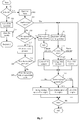
Fig. 3 shows a flow chart of the main control software of the compressed air turbine DC power generator system according to one embodiment of the present disclosure. - 1 turbine chamber; 2 doubly salient generator; 3 generation/system control unit; 4 turbine; 5 exhaust port; 6 inlet port; 7 power output shaft; 8 air intake adjusting valve
- Various exemplary embodiments, features and aspects of the present disclosure will be described in detail with reference to the drawings. Like reference numerals in the drawings represent elements having the same or similar functions. Although various aspects of examples are shown in the drawings, it is unnecessary to have the drawings rendered in proportion unless otherwise specified.
- Herein the term "exemplary" means "used as an instance or embodiment, or explanatory". Any embodiment described as "exemplary" here is not necessarily construed as being superior to or better than other embodiments.
- Additionally, numerous details are given in the following embodiments for the purpose of better explanation on the present disclosure. One skilled in the art may understand that the present disclosure can still be realized even without some of those details. Methods, means, elements and circuits that are well known to a person skilled in the art are not described in detail in some embodiments so that the principle of the present disclosure becomes apparent.
- With continuous improvements on the turbocharger technologies for automobile engines and continuous improvements of turbine technologies, the conversion efficiency has been increased significantly. The present disclosure proposes a new solution of a direct current generator driven by an aerodynamic turbine engine with compressed air passing through a turbine. Such a power generator system may use the compressed pressure-constant air output from an onboard high-pressure air reservoir to power a turbine engine, thereby to drive a doubly salient direct current generator for power generation, achieving a high turbine conversion efficiency. The ultra-high rotating speed of the turbine achieves high power density, small size, low vibration and noise, and emission-free (with exhaust of air, i.e. zero emission), which is very suitable as an auxiliary power supply for pure electric vehicles. In particular, the low temperature by the expansion of the compressed air eliminates the need of any external cooling for the entire turbine and generator. The turbine also has no lubrication problems. The high-speed bearings of the generator do not require any external cooling system either. Therefore, the whole system is simply structured and of high reliability.
-
Fig. 1 shows a structural diagram of the compressed air turbine DC power generator system according to one embodiment of the present disclosure. As shown inFig. 1 , the compressed air turbine DC power generator system may comprise: an aerodynamic turbine engine (referred as turbine engine or engine); a direct current generator (referred as generator) configured to generate a direct current by using power output of the aerodynamic turbine engine as a driving input; a control unit configured to control a rotating speed of the aerodynamic turbine engine to generate the power output and adjust an output current and/or an output voltage of the direct current generator - For example, the input shaft of the doubly salient generator is directly connected to the output shaft of the turbine engine to generate the direct current and output a DC current-constant or voltage-constant power. The generation/
system control unit 3 is in direct electrical connection with the doublysalient generator 2 and able to receiving generation commands through a CAN (Controller Area Network) bus to adjust the output current or voltage power of thedoubly salient generator 2. The generation/system control unit 3 can manage and control the rotating speed of the aerodynamic turbine engine as well as continuously adjust the output current or voltage of the doublysalient generator 2. - In a possible embodiment, the aerodynamic turbine engine may comprise a turbine chamber 1, a turbine 4 (also referred as a turbo mechanism), an exhaust port 5 (also referred as air outlet), an inlet port 6, a
power output shaft 7, and an airintake adjusting valve 8. The direct current generator may be a doubly salient generator 2 (also referred as doubly salient direct current generator). The control unit is also referred as the generation/system control unit 3. - The inlet port 6 and the
exhaust port 5 each is connected to the turbine chamber 1. The airintake adjusting valve 8 is provided at the inlet port 6. The turbine 4 is provided in the turbine chamber 1. The turbine 4 is connected to thepower output shaft 7. - In a possible embodiment, the control unit is configured to send control signal to the air intake adjusting valve. The air intake adjusting valve is configured to, when receiving the control signal, open or close and dynamically adjust the air intake flow rate at the inlet port according to the control signal, introducing high-pressure air from the inlet port into the turbine chamber to expand for work, driving the turbine to rotate, so as to adjust the rotating speed and the torque of the power output shaft.
- Specifically, the aerodynamic turbine engine may directly introduce the high-pressure air into the turbo mechanism to expand for work, to drive the turbine to rotate. The low-pressure air then is exhausted from the exhaust port. The air intake adjusting valve receives the control signal from the generation/system control unit to adjust the flow rate of the air intake, so as to adjust the rotating speed and the torque of the output shaft of the turbine engine. The generation/system control unit controls the air intake adjusting valve of the turbine engine to adjust the intake flow volume and flow rate of the engine, which may maintain a constant rotating speed when a DC load, such as a driving motor controller, a power resistor, etc., of the generator changes, and enable a close-loop control for current-constant or voltage-constant generation.
- In order to increase the conversion efficiency on the compressed air, the aerodynamic turbine engine may add a second-stage turbine. In a possible embodiment, the turbine of the aerodynamic turbine engine may be of a two-stage turbine structure, including a first-stage turbine and a second-stage turbine. The first-stage turbine and the second-stage turbine are located on the same drive shaft. The first-stage turbine sends the exhausted low-pressure air to the second-stage turbine. With the two-stage turbine structure, the energy remained in the low-pressure air from the first stage is further converted into the power output. This further increases the conversion efficiency of the turbo mechanism and significantly increases the output power of the system.
- This embodiment is different from the previous one in that, the control unit is further configured for excitation control on the direct current generator. The direct current generator is further configured to conduct the power output to a direct current power bus directly via a rectification and feedback the output current and/or the output voltage to the control unit.
- For example, the doubly
salient generator 2 receives excitation control from the generation/system control unit 3 (e.g., a generation driving unit thereof) to rectify and then transmit the output voltage or current to the direct current power bus, and feeds back the generated current and the DC voltage to the generation/system control unit 3. In this embodiment, a three-phase high-frequency power output by the doublysalient generator 2 is rectified to provide a direct current directly. - In this embodiment, the turbine 4 is coaxial with the generator. In a possible embodiment, the power output shaft also serves as the rotor shaft of the direct current generator. Two high-speed bearings on the rotor shaft are respectively located at the power output end of the aerodynamic turbine engine and the rear end of the direct current generator. The rear end of the direct current generator is the end of the direct current generator which is closer to the generation/
system control unit 3. - This embodiment is different from the previous ones in that, the entire power generator system according to this embodiment is an entire integrated module which is attachable and detachable integrally as shown in
Fig. 1 . As the compressed air turbine DC power generator system does not have any vibrating part, no vibration-proof structure is required during the installation, facilitating the integrated mechanical assembly and design for the entire vehicle. - In a possible embodiment, the housing of the aerodynamic turbine engine and the housing of the direct current generator are structured into one piece. The stator of the direct current generator is fixed together with the housing of the aerodynamic turbine engine. The aerodynamic turbine engine absorbs heat during expansion of the compressed air, providing cooling for the stator of the generator directly via the generator housing. Therefore, the generator does not need any additional heat dispersion structure, reducing the overall size and weight of the generator. Moreover, the small rotational inertia of the rotor of the doubly salient generator is a perfect match for the ultra-high rotating speed output by the aerodynamic turbine engine for power generation, achieving high generation efficiency and high power density per unit volume.
- This embodiment is different from the previous ones in that, the power generator system may further comprise an external excitation unit which is connected to the direct current generator for excitation control on the direct current generator. The direct current generator is further configured to conduct the power output to a direct current power bus directly via a rectification and feedback the output current and/or the output voltage to the control unit.
- For example, in this embodiment, the generation/
system control unit 3 is built-in in the doublysalient generator 2 and performs the excitation control using the power output by an external power battery as an excitation source, so as to enable direct dynamic adjustments on the generated current (or referred as output current, DC current, etc.) or the generated voltage (or referred as output voltage, DC voltage, etc.) according to the desired power. - This embodiment is different from the previous ones in that, the control modes of the generation/
system control unit 3 include a current-constant generation mode, a voltage-constant generation mode, a power-constant generation mode, and the likes. - In a possible embodiment, the control unit is further configured to receive from the CAN bus a power generation activation command which instructs the control unit to control the air intake adjusting valve to open or close and determine a generation mode for the system, including at least one of a current-constant generation mode, a voltage-constant generation mode, a power-constant generation mode, and a power-reduced generation mode.
- In a possible embodiment, the control unit is further configured to determine a working state of the aerodynamic turbine engine according to a power reduction ratio when the system enters the power-reduced generation mode, wherein the aerodynamic turbine engine enters an idle state when the power to be generated is less than 30% of the rating power, enters a low-rotating-speed state when the power to be generated is lower than 50% of the rating power, and enters a rating power state in other cases.
- The generation/system control unit enables a close-loop control for current-constant generation or voltage-constant generation. For example, the control process for power generation may be a process of PID (Proportion Integration Differentiation) close-loop control. In the control mode for current-constant generation, the PID control consists of an outer loop control for the generated current and an inner loop control for the excitation current, and takes a target generated current in a CAN command received from the CAN bus as the target for control, to adjust the actual generated current rapidly with the changes in the voltage and the current output by the system. In the control mode for voltage-constant generation, the PID control consists of an outer loop control for the generated voltage and an inner loop control for the excitation current, and takes a target generated voltage from the CAN command as the target for control, to adjust the actual generated voltage with the changes in the DC current and the voltage. In the control mode for power-constant generation, the PID control consists of an outer loop control for the power to be generated and an inner loop control for the excitation current, and takes a target power to be generated from the CAN command as the target for control, to adjust the actual power to be generated with the changes in the DC voltage and current.
- According to the foregoing, the compressed air turbine DC power generator system according to the present disclosure is miniaturized and has high integration level. Therefore, the system can be used as an auxiliary power supply in the development process of an electric automobile, thereby effectively resolving the problem of range anxiety of a pure electric automobile. The present disclosure effectively overcomes the disadvantages such as low power density and great vibration noise of a power generation system with an internal combustion engine, and has a high industrial application value.
- As shown in
Fig. 3 , an exemplary work flow of the main control software of the present disclosure is described below. - Firstly, the system checks the CAN command state immediately after being powered on, to determine whether there is a power generation activation command (301). If not, the excitation is turned off (303), and the air throttle (or referred as a compressed air adjusting valve, an air intake adjusting valve, an adjusting valve, etc.) is closed so that the system is in a suspend mode.
- Secondly, upon the receiving of the power generation activation command (also referred as an activation command), the system may immediately open the air intake adjusting valve (302) and monitor the rotating speed of the turbine to determine whether the rotating speed has reached a target value (305). If the rotating speed cannot reach a predetermined target, the system determines whether the air intake adjusting valve has been opened to the maximum. If yes, the air intake pressure is checked (307). If the air intake pressure for the turbo mechanism still cannot meet the required level (308), it means that the pressure of the compressed air in the turbine chamber is insufficient, and the system enters the power-reduced generation mode (309). If the air intake adjusting valve has not been opened to maximum, it means that the air intake adjusting valve fails, and a sign of valve failure can be set (310). In such case, the system stops working and enters a halt mode.
- Thirdly, if the rotating speed reaches the predetermined target, the system enters a normal working state and performs excitation control on the generator (311). The system determines a generation mode according to the CAN command (312), e.g. including the current-constant generation mode, the voltage-constant generation mode, and the power-constant generation mode.
- Fourthly, if it is determined that the system needs to enter the power-reduced generation mode (313), the working state of the aerodynamic turbine engine can be determined according to power reduction ratio. For example, the aerodynamic turbine engine enters an idle state when the power to be generated is less than 30% of the rating power, enters a low-rotating-speed state when the power to be generated is lower than 50% of the rating power, and enters a rating power state in other cases.
- The present disclosure proposes a power generation by using compressed air as the power to drive the doubly salient direct current generator via the aerodynamic turbine engine as desired, including current-constant generation, voltage-constant generation and the likes, and is suitable as an auxiliary power source for pure electric vehicles, etc.
- The descriptions of the various examples have been presented for purposes of illustration, but are not intended to be exhaustive or limited to the examples disclosed. Many modifications and variations will be apparent to those of ordinary skill in the art without departing from the scope and spirit of the described examples. The terminology used herein was chosen to best explain the principles of the examples, the practical applications or technical improvements over technologies found in the marketplace, or to enable others of ordinary skill in the art to understand the examples disclosed herein.
Claims (11)
- A compressed air turbine DC power generator system, comprising:an aerodynamic turbine engine;a direct current generator configured to generate a direct current by using power output of the aerodynamic turbine engine as a driving input; anda control unit configured to control a rotating speed of the aerodynamic turbine engine to generate the power output and adjust an output current and/or an output voltage of the direct current generator.
- The system according to claim 1, wherein the aerodynamic turbine engine comprises a turbine chamber, a turbine, a power output shaft, an air intake adjusting valve, an inlet port, and an exhaust port,
each of the inlet port and the exhaust port is connected to the turbine chamber,
the air intake adjusting valve is provided at the inlet port,
the turbine is provided in the turbine chamber, and
the turbine is connected to the power output shaft. - The system according to claim 2, wherein the control unit is further configured to send control signal to the air intake adjusting valve; and
the air intake adjusting valve is configured to, when receiving the control signal, open or close and dynamically adjust an air intake flow rate at the inlet port according to the control signal, thereby introducing high-pressure air from the inlet port into the turbine chamber to expand to do work, driving the turbine to rotate, so as to adjust a rotating speed and a torque of the power output shaft. - The system according to claim 2 or 3, wherein the power output shaft is configured to serve as a rotor shaft of the direct current generator, and two high-speed bearings on the rotor shaft are respectively located at a power output end of the aerodynamic turbine engine and a rear end of the direct current generator.
- The system according to any one of claims 1 to 3, wherein a housing of the aerodynamic turbine engine and a housing of the direct current generator are integrated together, and a stator of the direct current generator is fixed to the housing of the aerodynamic turbine engine.
- The system according to claim 2 or 3, wherein the turbine of the aerodynamic turbine engine is of a two-stage turbine structure comprising a first-stage turbine and a second-stage turbine, the first-stage turbine and the second-stage turbine are disposed on a same driving shaft, and the first-stage turbine is adapted to send exhausted low-pressure air to the second-stage turbine.
- The system according to claim 2 or 3, wherein the control unit is further configured to receive a power generation activation command from a CAN bus, the power generation activation command is configured to instruct the control unit to control the air intake adjusting valve to open or close and determine a generation mode of the system, including at least one of a current-constant generation mode, a voltage-constant generation mode, a power-constant generation mode, and a power-reduced generation mode.
- The system according to claim 7, wherein the control unit is further configured to determine a working state of the aerodynamic turbine engine according to a power reduction ratio when the system enters the power-reduced generation mode, and the aerodynamic turbine engine is configured to enter an idle state when a power to be generated is less than 30% of a rating power, enter a low-rotating-speed state when the power to be generated is lower than 50% of the rating power, and enter a rating power state in other cases.
- The system according to claim 1, wherein the control unit is further configured for excitation control on the direct current generator.
- The system according to claim 1, further comprising an external excitation unit which is connected to the direct current generator for excitation control on the direct current generator.
- The system according to claim 9 or 10, wherein the direct current generator is further configured to conduct the power output to a direct current power bus directly after being rectified and feedback the output current and/or the output voltage to the control unit.
Applications Claiming Priority (2)
| Application Number | Priority Date | Filing Date | Title |
|---|---|---|---|
| CN201710447309.9A CN107171494B (en) | 2017-06-15 | 2017-06-15 | A kind of compressed air turbodynamo system |
| PCT/CN2017/089874 WO2018227652A1 (en) | 2017-06-15 | 2017-06-23 | Compressed air turbine direct current generator system |
Publications (3)
| Publication Number | Publication Date |
|---|---|
| EP3496244A1 true EP3496244A1 (en) | 2019-06-12 |
| EP3496244A4 EP3496244A4 (en) | 2020-04-29 |
| EP3496244B1 EP3496244B1 (en) | 2024-03-13 |
Family
ID=59819390
Family Applications (1)
| Application Number | Title | Priority Date | Filing Date |
|---|---|---|---|
| EP17913718.7A Active EP3496244B1 (en) | 2017-06-15 | 2017-06-23 | Compressed air turbine direct current generator system |
Country Status (7)
| Country | Link |
|---|---|
| US (1) | US10797627B2 (en) |
| EP (1) | EP3496244B1 (en) |
| JP (1) | JP6824421B2 (en) |
| KR (1) | KR102187194B1 (en) |
| CN (1) | CN107171494B (en) |
| RU (1) | RU2714894C1 (en) |
| WO (1) | WO2018227652A1 (en) |
Families Citing this family (4)
| Publication number | Priority date | Publication date | Assignee | Title |
|---|---|---|---|---|
| CN110275111B (en) * | 2019-07-12 | 2024-03-19 | 贵州航天林泉电机有限公司 | High-speed test system of ultra-high-speed alternating-current generator and control method thereof |
| CN112943457A (en) * | 2021-01-29 | 2021-06-11 | 安徽应流航空科技有限公司 | Start integral type gas turbine power generation system |
| CN114934814A (en) * | 2022-07-21 | 2022-08-23 | 江苏友诚数控科技有限公司 | Intelligent single-point jet gas expansion power generation device |
| WO2024019633A1 (en) * | 2022-07-22 | 2024-01-25 | Дмитрий Александрович ЛАШИН | Waterborne mobile device for charging electric vehicles |
Family Cites Families (43)
| Publication number | Priority date | Publication date | Assignee | Title |
|---|---|---|---|---|
| US4229661A (en) * | 1979-02-21 | 1980-10-21 | Mead Claude F | Power plant for camping trailer |
| US4311917A (en) * | 1980-03-31 | 1982-01-19 | Thomas R. Hencey, Jr. | Non-pollution motor |
| JP2513221B2 (en) * | 1987-04-07 | 1996-07-03 | いすゞ自動車株式会社 | Control device for high-speed turbine AC machine |
| DE69409984T2 (en) | 1993-02-03 | 1999-01-28 | Nartron Corp., Reed City, Mich. | Intake air powered alternator and method for converting intake air energy to electrical energy |
| JP3625583B2 (en) | 1996-07-11 | 2005-03-02 | 日揮株式会社 | Equipment for recovering pressure energy from high-pressure gas |
| WO1998025014A2 (en) * | 1996-12-03 | 1998-06-11 | Elliott Energy Systems, Inc. | Electrical system for turbine/alternator on common shaft |
| US6054838A (en) * | 1998-07-23 | 2000-04-25 | Tsatsis; Constantinos | Pressurized electric charging |
| WO2003031813A1 (en) * | 2001-10-05 | 2003-04-17 | Ben Enis | Method and apparatus for using wind turbines to generates and supply uninterrupted power to locations remote from the power grid |
| US6963802B2 (en) * | 2001-10-05 | 2005-11-08 | Enis Ben M | Method of coordinating and stabilizing the delivery of wind generated energy |
| KR100558575B1 (en) * | 2002-05-16 | 2006-03-13 | 혼다 기켄 고교 가부시키가이샤 | Power generation device |
| US7254951B2 (en) | 2003-01-07 | 2007-08-14 | Lockwood Jr Hanford N | High compression gas turbine with superheat enhancement |
| KR20070020365A (en) * | 2003-08-27 | 2007-02-21 | 티티엘 다이나믹스 리미티드 | Energy recovery systems |
| WO2005021936A2 (en) | 2003-08-27 | 2005-03-10 | Ttl Dynamics Ltd | Energy recovery system |
| US7719127B2 (en) * | 2004-06-15 | 2010-05-18 | Hamilton Sundstrand | Wind power system for energy production |
| US7454911B2 (en) * | 2005-11-04 | 2008-11-25 | Tafas Triantafyllos P | Energy recovery system in an engine |
| CN101005222A (en) * | 2007-01-09 | 2007-07-25 | 山东理工大学 | Wastegas turbine driven brushless generator |
| DE502007004025D1 (en) | 2007-10-04 | 2010-07-15 | Siemens Ag | Generator-steam turbine-turbocompressor string and method of operating the same |
| US8225900B2 (en) * | 2008-04-26 | 2012-07-24 | Domes Timothy J | Pneumatic mechanical power source |
| USRE47647E1 (en) * | 2008-04-26 | 2019-10-15 | Timothy Domes | Pneumatic mechanical power source |
| US8659185B2 (en) | 2008-09-29 | 2014-02-25 | General Electric Company | Method and apparatus for an electrical bus leveling unit |
| US20100244461A1 (en) | 2009-03-27 | 2010-09-30 | Thingap Automotive, Llc | System for increasing electrical output power of an exhaust gas turbine generator system |
| CA2756827C (en) * | 2009-04-21 | 2016-06-14 | Gen-Tech Llc | Power generator system |
| US8245517B2 (en) * | 2009-05-19 | 2012-08-21 | Hamilton Sundstrand Corporation | Gas turbine starting with stepping speed control |
| US8511409B2 (en) * | 2009-06-24 | 2013-08-20 | Rexford David Mensah | Compressed air powered vehicle |
| US20110204634A1 (en) * | 2010-02-25 | 2011-08-25 | Skala James A | Synchronous Induced Wind Power Generation System |
| US20120038157A1 (en) * | 2010-02-25 | 2012-02-16 | Skala James A | Synchronous Induced Wind Power Generation System |
| US8571830B2 (en) * | 2010-06-28 | 2013-10-29 | General Electric Company | Method and system for detection of collector flashover |
| EP2486274B1 (en) * | 2010-11-30 | 2016-01-20 | MITSUBISHI HEAVY INDUSTRIES, Ltd. | Power generating apparatus of renewable energy type and operation method thereof |
| US8803461B2 (en) * | 2010-12-22 | 2014-08-12 | Arvind Kumar Tiwari | System and method for synchronous machine health monitoring |
| KR101468342B1 (en) | 2010-12-27 | 2014-12-04 | 미츠비시 쥬고교 가부시키가이샤 | Generator and power plant |
| US8723352B2 (en) * | 2011-05-04 | 2014-05-13 | Nanda Gopal Kumjula Reddy | Systems for optimizing wave energy for renewable energy generation |
| CN102320237B (en) * | 2011-06-28 | 2013-08-07 | 陈明军 | Novel electric car |
| DE102012106543A1 (en) * | 2011-07-28 | 2013-01-31 | General Electric Company | Method and system for monitoring a synchronous machine |
| CN102358285B (en) * | 2011-08-19 | 2014-01-01 | 北京汽车新能源汽车有限公司 | Range-extending electric vehicle control system and method |
| ITFI20120245A1 (en) | 2012-11-08 | 2014-05-09 | Nuovo Pignone Srl | "GAS TURBINE IN MECHANICAL DRIVE APPLICATIONS AND OPERATING METHODS" |
| CN203383889U (en) | 2013-06-07 | 2014-01-08 | 德州学院 | Waste-gas turbine generator of automobile |
| FR3016005B1 (en) * | 2013-12-26 | 2016-02-19 | Commissariat Energie Atomique | DEVICE FOR GENERATING GAZOGENIC ENERGY |
| CN104309494A (en) * | 2014-10-23 | 2015-01-28 | 苏州赛帕太阳能科技有限公司 | Air powered vehicle |
| US10696417B2 (en) * | 2015-06-25 | 2020-06-30 | Pratt & Whitney Canada Corp. | Auxiliary power unit with excess air recovery |
| US10710738B2 (en) * | 2015-06-25 | 2020-07-14 | Pratt & Whitney Canada Corp. | Auxiliary power unit with intercooler |
| US10590842B2 (en) * | 2015-06-25 | 2020-03-17 | Pratt & Whitney Canada Corp. | Compound engine assembly with bleed air |
| JP6963450B2 (en) * | 2017-09-22 | 2021-11-10 | 三菱パワー株式会社 | Rotating machine control device, rotating machine equipment, rotating machine control method, and rotating machine control program |
| JP7179492B2 (en) * | 2018-05-25 | 2022-11-29 | 三菱重工業株式会社 | supercharging system |
-
2017
- 2017-06-15 CN CN201710447309.9A patent/CN107171494B/en active Active
- 2017-06-23 WO PCT/CN2017/089874 patent/WO2018227652A1/en not_active Ceased
- 2017-06-23 EP EP17913718.7A patent/EP3496244B1/en active Active
- 2017-06-23 KR KR1020197006507A patent/KR102187194B1/en active Active
- 2017-06-23 RU RU2019107034A patent/RU2714894C1/en active
- 2017-06-23 US US16/331,937 patent/US10797627B2/en active Active
- 2017-06-23 JP JP2019538295A patent/JP6824421B2/en active Active
Also Published As
| Publication number | Publication date |
|---|---|
| JP6824421B2 (en) | 2021-02-03 |
| EP3496244B1 (en) | 2024-03-13 |
| KR20190035862A (en) | 2019-04-03 |
| RU2714894C1 (en) | 2020-02-20 |
| CN107171494B (en) | 2018-07-20 |
| US10797627B2 (en) | 2020-10-06 |
| WO2018227652A1 (en) | 2018-12-20 |
| KR102187194B1 (en) | 2020-12-04 |
| US20200169201A1 (en) | 2020-05-28 |
| JP2019537421A (en) | 2019-12-19 |
| CN107171494A (en) | 2017-09-15 |
| EP3496244A4 (en) | 2020-04-29 |
Similar Documents
| Publication | Publication Date | Title |
|---|---|---|
| CN110985215B (en) | Integrated system for starting of micro turbojet engine | |
| US6604360B1 (en) | Exhaust driven engine cooling system | |
| US7352077B2 (en) | Motor-driven supercharger | |
| EP2657457B1 (en) | Electricity generation system | |
| US7958873B2 (en) | Open loop Brayton cycle for EGR cooling | |
| US10323567B2 (en) | Air charging apparatus driven by rotating magnetic field | |
| US10797627B2 (en) | Compressed air turbine DC power generator system | |
| US11661197B2 (en) | Cabin outflow air energy optimized cabin pressurizing system | |
| JP6130689B2 (en) | Device for extracting input power from a low-pressure spool of a turbine engine | |
| US8364378B2 (en) | Method of operation of an electric turbocompounding system | |
| CN105229275A (en) | There is turbine and the controller thereof of the turbine compound engine of variable load | |
| US20210199044A1 (en) | Method for controlling an electrified turbocharger of an internal combustion engine, and a motor vehicle with an internal combustion engine | |
| Fröhlich | Development of an oil free turbo compressor for mobile fuel cell applications–challenges and results | |
| JP5374489B2 (en) | Power generation equipment | |
| US20200200074A1 (en) | Multiple stage turbo-charged engine system | |
| CN223739524U (en) | Coaxial hybrid power system engine | |
| US20210270258A1 (en) | Electric motor pump system and method | |
| CN223964591U (en) | Compressor capable of automatically unloading inside and new energy automobile | |
| WO2015099627A1 (en) | A feeding system |
Legal Events
| Date | Code | Title | Description |
|---|---|---|---|
| STAA | Information on the status of an ep patent application or granted ep patent |
Free format text: STATUS: THE INTERNATIONAL PUBLICATION HAS BEEN MADE |
|
| PUAI | Public reference made under article 153(3) epc to a published international application that has entered the european phase |
Free format text: ORIGINAL CODE: 0009012 |
|
| STAA | Information on the status of an ep patent application or granted ep patent |
Free format text: STATUS: REQUEST FOR EXAMINATION WAS MADE |
|
| 17P | Request for examination filed |
Effective date: 20190306 |
|
| AK | Designated contracting states |
Kind code of ref document: A1 Designated state(s): AL AT BE BG CH CY CZ DE DK EE ES FI FR GB GR HR HU IE IS IT LI LT LU LV MC MK MT NL NO PL PT RO RS SE SI SK SM TR |
|
| AX | Request for extension of the european patent |
Extension state: BA ME |
|
| A4 | Supplementary search report drawn up and despatched |
Effective date: 20200326 |
|
| RIC1 | Information provided on ipc code assigned before grant |
Ipc: H02K 7/18 20060101AFI20200321BHEP Ipc: F01D 15/10 20060101ALI20200321BHEP Ipc: F01D 17/14 20060101ALI20200321BHEP Ipc: F02C 6/16 20060101ALI20200321BHEP |
|
| DAV | Request for validation of the european patent (deleted) | ||
| DAX | Request for extension of the european patent (deleted) | ||
| STAA | Information on the status of an ep patent application or granted ep patent |
Free format text: STATUS: EXAMINATION IS IN PROGRESS |
|
| 17Q | First examination report despatched |
Effective date: 20211210 |
|
| GRAP | Despatch of communication of intention to grant a patent |
Free format text: ORIGINAL CODE: EPIDOSNIGR1 |
|
| STAA | Information on the status of an ep patent application or granted ep patent |
Free format text: STATUS: GRANT OF PATENT IS INTENDED |
|
| INTG | Intention to grant announced |
Effective date: 20231012 |
|
| GRAS | Grant fee paid |
Free format text: ORIGINAL CODE: EPIDOSNIGR3 |
|
| GRAA | (expected) grant |
Free format text: ORIGINAL CODE: 0009210 |
|
| STAA | Information on the status of an ep patent application or granted ep patent |
Free format text: STATUS: THE PATENT HAS BEEN GRANTED |
|
| P01 | Opt-out of the competence of the unified patent court (upc) registered |
Effective date: 20240129 |
|
| AK | Designated contracting states |
Kind code of ref document: B1 Designated state(s): AL AT BE BG CH CY CZ DE DK EE ES FI FR GB GR HR HU IE IS IT LI LT LU LV MC MK MT NL NO PL PT RO RS SE SI SK SM TR |
|
| REG | Reference to a national code |
Ref country code: GB Ref legal event code: FG4D |
|
| REG | Reference to a national code |
Ref country code: CH Ref legal event code: EP |
|
| REG | Reference to a national code |
Ref country code: DE Ref legal event code: R096 Ref document number: 602017080106 Country of ref document: DE |
|
| REG | Reference to a national code |
Ref country code: IE Ref legal event code: FG4D |
|
| PG25 | Lapsed in a contracting state [announced via postgrant information from national office to epo] |
Ref country code: LT Free format text: LAPSE BECAUSE OF FAILURE TO SUBMIT A TRANSLATION OF THE DESCRIPTION OR TO PAY THE FEE WITHIN THE PRESCRIBED TIME-LIMIT Effective date: 20240313 |
|
| REG | Reference to a national code |
Ref country code: LT Ref legal event code: MG9D |
|
| PG25 | Lapsed in a contracting state [announced via postgrant information from national office to epo] |
Ref country code: GR Free format text: LAPSE BECAUSE OF FAILURE TO SUBMIT A TRANSLATION OF THE DESCRIPTION OR TO PAY THE FEE WITHIN THE PRESCRIBED TIME-LIMIT Effective date: 20240614 |
|
| REG | Reference to a national code |
Ref country code: NL Ref legal event code: MP Effective date: 20240313 |
|
| PG25 | Lapsed in a contracting state [announced via postgrant information from national office to epo] |
Ref country code: HR Free format text: LAPSE BECAUSE OF FAILURE TO SUBMIT A TRANSLATION OF THE DESCRIPTION OR TO PAY THE FEE WITHIN THE PRESCRIBED TIME-LIMIT Effective date: 20240313 Ref country code: RS Free format text: LAPSE BECAUSE OF FAILURE TO SUBMIT A TRANSLATION OF THE DESCRIPTION OR TO PAY THE FEE WITHIN THE PRESCRIBED TIME-LIMIT Effective date: 20240613 |
|
| PG25 | Lapsed in a contracting state [announced via postgrant information from national office to epo] |
Ref country code: ES Free format text: LAPSE BECAUSE OF FAILURE TO SUBMIT A TRANSLATION OF THE DESCRIPTION OR TO PAY THE FEE WITHIN THE PRESCRIBED TIME-LIMIT Effective date: 20240313 |
|
| PG25 | Lapsed in a contracting state [announced via postgrant information from national office to epo] |
Ref country code: RS Free format text: LAPSE BECAUSE OF FAILURE TO SUBMIT A TRANSLATION OF THE DESCRIPTION OR TO PAY THE FEE WITHIN THE PRESCRIBED TIME-LIMIT Effective date: 20240613 Ref country code: NO Free format text: LAPSE BECAUSE OF FAILURE TO SUBMIT A TRANSLATION OF THE DESCRIPTION OR TO PAY THE FEE WITHIN THE PRESCRIBED TIME-LIMIT Effective date: 20240613 Ref country code: LT Free format text: LAPSE BECAUSE OF FAILURE TO SUBMIT A TRANSLATION OF THE DESCRIPTION OR TO PAY THE FEE WITHIN THE PRESCRIBED TIME-LIMIT Effective date: 20240313 Ref country code: HR Free format text: LAPSE BECAUSE OF FAILURE TO SUBMIT A TRANSLATION OF THE DESCRIPTION OR TO PAY THE FEE WITHIN THE PRESCRIBED TIME-LIMIT Effective date: 20240313 Ref country code: GR Free format text: LAPSE BECAUSE OF FAILURE TO SUBMIT A TRANSLATION OF THE DESCRIPTION OR TO PAY THE FEE WITHIN THE PRESCRIBED TIME-LIMIT Effective date: 20240614 Ref country code: FI Free format text: LAPSE BECAUSE OF FAILURE TO SUBMIT A TRANSLATION OF THE DESCRIPTION OR TO PAY THE FEE WITHIN THE PRESCRIBED TIME-LIMIT Effective date: 20240313 Ref country code: ES Free format text: LAPSE BECAUSE OF FAILURE TO SUBMIT A TRANSLATION OF THE DESCRIPTION OR TO PAY THE FEE WITHIN THE PRESCRIBED TIME-LIMIT Effective date: 20240313 Ref country code: BG Free format text: LAPSE BECAUSE OF FAILURE TO SUBMIT A TRANSLATION OF THE DESCRIPTION OR TO PAY THE FEE WITHIN THE PRESCRIBED TIME-LIMIT Effective date: 20240313 |
|
| REG | Reference to a national code |
Ref country code: AT Ref legal event code: MK05 Ref document number: 1666689 Country of ref document: AT Kind code of ref document: T Effective date: 20240313 |
|
| PG25 | Lapsed in a contracting state [announced via postgrant information from national office to epo] |
Ref country code: SE Free format text: LAPSE BECAUSE OF FAILURE TO SUBMIT A TRANSLATION OF THE DESCRIPTION OR TO PAY THE FEE WITHIN THE PRESCRIBED TIME-LIMIT Effective date: 20240313 Ref country code: LV Free format text: LAPSE BECAUSE OF FAILURE TO SUBMIT A TRANSLATION OF THE DESCRIPTION OR TO PAY THE FEE WITHIN THE PRESCRIBED TIME-LIMIT Effective date: 20240313 |
|
| PG25 | Lapsed in a contracting state [announced via postgrant information from national office to epo] |
Ref country code: NL Free format text: LAPSE BECAUSE OF FAILURE TO SUBMIT A TRANSLATION OF THE DESCRIPTION OR TO PAY THE FEE WITHIN THE PRESCRIBED TIME-LIMIT Effective date: 20240313 |
|
| PG25 | Lapsed in a contracting state [announced via postgrant information from national office to epo] |
Ref country code: NL Free format text: LAPSE BECAUSE OF FAILURE TO SUBMIT A TRANSLATION OF THE DESCRIPTION OR TO PAY THE FEE WITHIN THE PRESCRIBED TIME-LIMIT Effective date: 20240313 |
|
| PG25 | Lapsed in a contracting state [announced via postgrant information from national office to epo] |
Ref country code: IS Free format text: LAPSE BECAUSE OF FAILURE TO SUBMIT A TRANSLATION OF THE DESCRIPTION OR TO PAY THE FEE WITHIN THE PRESCRIBED TIME-LIMIT Effective date: 20240713 |
|
| PG25 | Lapsed in a contracting state [announced via postgrant information from national office to epo] |
Ref country code: SM Free format text: LAPSE BECAUSE OF FAILURE TO SUBMIT A TRANSLATION OF THE DESCRIPTION OR TO PAY THE FEE WITHIN THE PRESCRIBED TIME-LIMIT Effective date: 20240313 Ref country code: PT Free format text: LAPSE BECAUSE OF FAILURE TO SUBMIT A TRANSLATION OF THE DESCRIPTION OR TO PAY THE FEE WITHIN THE PRESCRIBED TIME-LIMIT Effective date: 20240715 |
|
| PG25 | Lapsed in a contracting state [announced via postgrant information from national office to epo] |
Ref country code: EE Free format text: LAPSE BECAUSE OF FAILURE TO SUBMIT A TRANSLATION OF THE DESCRIPTION OR TO PAY THE FEE WITHIN THE PRESCRIBED TIME-LIMIT Effective date: 20240313 Ref country code: CZ Free format text: LAPSE BECAUSE OF FAILURE TO SUBMIT A TRANSLATION OF THE DESCRIPTION OR TO PAY THE FEE WITHIN THE PRESCRIBED TIME-LIMIT Effective date: 20240313 |
|
| PG25 | Lapsed in a contracting state [announced via postgrant information from national office to epo] |
Ref country code: AT Free format text: LAPSE BECAUSE OF FAILURE TO SUBMIT A TRANSLATION OF THE DESCRIPTION OR TO PAY THE FEE WITHIN THE PRESCRIBED TIME-LIMIT Effective date: 20240313 |
|
| PG25 | Lapsed in a contracting state [announced via postgrant information from national office to epo] |
Ref country code: PL Free format text: LAPSE BECAUSE OF FAILURE TO SUBMIT A TRANSLATION OF THE DESCRIPTION OR TO PAY THE FEE WITHIN THE PRESCRIBED TIME-LIMIT Effective date: 20240313 |
|
| PG25 | Lapsed in a contracting state [announced via postgrant information from national office to epo] |
Ref country code: SK Free format text: LAPSE BECAUSE OF FAILURE TO SUBMIT A TRANSLATION OF THE DESCRIPTION OR TO PAY THE FEE WITHIN THE PRESCRIBED TIME-LIMIT Effective date: 20240313 |
|
| PG25 | Lapsed in a contracting state [announced via postgrant information from national office to epo] |
Ref country code: SM Free format text: LAPSE BECAUSE OF FAILURE TO SUBMIT A TRANSLATION OF THE DESCRIPTION OR TO PAY THE FEE WITHIN THE PRESCRIBED TIME-LIMIT Effective date: 20240313 Ref country code: SK Free format text: LAPSE BECAUSE OF FAILURE TO SUBMIT A TRANSLATION OF THE DESCRIPTION OR TO PAY THE FEE WITHIN THE PRESCRIBED TIME-LIMIT Effective date: 20240313 Ref country code: RO Free format text: LAPSE BECAUSE OF FAILURE TO SUBMIT A TRANSLATION OF THE DESCRIPTION OR TO PAY THE FEE WITHIN THE PRESCRIBED TIME-LIMIT Effective date: 20240313 Ref country code: PT Free format text: LAPSE BECAUSE OF FAILURE TO SUBMIT A TRANSLATION OF THE DESCRIPTION OR TO PAY THE FEE WITHIN THE PRESCRIBED TIME-LIMIT Effective date: 20240715 Ref country code: PL Free format text: LAPSE BECAUSE OF FAILURE TO SUBMIT A TRANSLATION OF THE DESCRIPTION OR TO PAY THE FEE WITHIN THE PRESCRIBED TIME-LIMIT Effective date: 20240313 Ref country code: IS Free format text: LAPSE BECAUSE OF FAILURE TO SUBMIT A TRANSLATION OF THE DESCRIPTION OR TO PAY THE FEE WITHIN THE PRESCRIBED TIME-LIMIT Effective date: 20240713 Ref country code: EE Free format text: LAPSE BECAUSE OF FAILURE TO SUBMIT A TRANSLATION OF THE DESCRIPTION OR TO PAY THE FEE WITHIN THE PRESCRIBED TIME-LIMIT Effective date: 20240313 Ref country code: CZ Free format text: LAPSE BECAUSE OF FAILURE TO SUBMIT A TRANSLATION OF THE DESCRIPTION OR TO PAY THE FEE WITHIN THE PRESCRIBED TIME-LIMIT Effective date: 20240313 Ref country code: AT Free format text: LAPSE BECAUSE OF FAILURE TO SUBMIT A TRANSLATION OF THE DESCRIPTION OR TO PAY THE FEE WITHIN THE PRESCRIBED TIME-LIMIT Effective date: 20240313 |
|
| PG25 | Lapsed in a contracting state [announced via postgrant information from national office to epo] |
Ref country code: IT Free format text: LAPSE BECAUSE OF FAILURE TO SUBMIT A TRANSLATION OF THE DESCRIPTION OR TO PAY THE FEE WITHIN THE PRESCRIBED TIME-LIMIT Effective date: 20240313 |
|
| REG | Reference to a national code |
Ref country code: DE Ref legal event code: R097 Ref document number: 602017080106 Country of ref document: DE |
|
| PG25 | Lapsed in a contracting state [announced via postgrant information from national office to epo] |
Ref country code: IT Free format text: LAPSE BECAUSE OF FAILURE TO SUBMIT A TRANSLATION OF THE DESCRIPTION OR TO PAY THE FEE WITHIN THE PRESCRIBED TIME-LIMIT Effective date: 20240313 |
|
| PG25 | Lapsed in a contracting state [announced via postgrant information from national office to epo] |
Ref country code: DK Free format text: LAPSE BECAUSE OF FAILURE TO SUBMIT A TRANSLATION OF THE DESCRIPTION OR TO PAY THE FEE WITHIN THE PRESCRIBED TIME-LIMIT Effective date: 20240313 |
|
| PLBE | No opposition filed within time limit |
Free format text: ORIGINAL CODE: 0009261 |
|
| STAA | Information on the status of an ep patent application or granted ep patent |
Free format text: STATUS: NO OPPOSITION FILED WITHIN TIME LIMIT |
|
| PG25 | Lapsed in a contracting state [announced via postgrant information from national office to epo] |
Ref country code: DK Free format text: LAPSE BECAUSE OF FAILURE TO SUBMIT A TRANSLATION OF THE DESCRIPTION OR TO PAY THE FEE WITHIN THE PRESCRIBED TIME-LIMIT Effective date: 20240313 Ref country code: MC Free format text: LAPSE BECAUSE OF FAILURE TO SUBMIT A TRANSLATION OF THE DESCRIPTION OR TO PAY THE FEE WITHIN THE PRESCRIBED TIME-LIMIT Effective date: 20240313 |
|
| PG25 | Lapsed in a contracting state [announced via postgrant information from national office to epo] |
Ref country code: LU Free format text: LAPSE BECAUSE OF NON-PAYMENT OF DUE FEES Effective date: 20240623 |
|
| 26N | No opposition filed |
Effective date: 20241216 |
|
| PG25 | Lapsed in a contracting state [announced via postgrant information from national office to epo] |
Ref country code: IE Free format text: LAPSE BECAUSE OF NON-PAYMENT OF DUE FEES Effective date: 20240623 |
|
| PG25 | Lapsed in a contracting state [announced via postgrant information from national office to epo] |
Ref country code: SI Free format text: LAPSE BECAUSE OF FAILURE TO SUBMIT A TRANSLATION OF THE DESCRIPTION OR TO PAY THE FEE WITHIN THE PRESCRIBED TIME-LIMIT Effective date: 20240313 |
|
| PGFP | Annual fee paid to national office [announced via postgrant information from national office to epo] |
Ref country code: DE Payment date: 20250618 Year of fee payment: 9 |
|
| PGFP | Annual fee paid to national office [announced via postgrant information from national office to epo] |
Ref country code: GB Payment date: 20250620 Year of fee payment: 9 |
|
| PGFP | Annual fee paid to national office [announced via postgrant information from national office to epo] |
Ref country code: BE Payment date: 20250617 Year of fee payment: 9 |
|
| PGFP | Annual fee paid to national office [announced via postgrant information from national office to epo] |
Ref country code: FR Payment date: 20250618 Year of fee payment: 9 |
|
| PGFP | Annual fee paid to national office [announced via postgrant information from national office to epo] |
Ref country code: CH Payment date: 20250701 Year of fee payment: 9 |
|
| PG25 | Lapsed in a contracting state [announced via postgrant information from national office to epo] |
Ref country code: CY Free format text: LAPSE BECAUSE OF FAILURE TO SUBMIT A TRANSLATION OF THE DESCRIPTION OR TO PAY THE FEE WITHIN THE PRESCRIBED TIME-LIMIT; INVALID AB INITIO Effective date: 20170623 |
|
| PG25 | Lapsed in a contracting state [announced via postgrant information from national office to epo] |
Ref country code: HU Free format text: LAPSE BECAUSE OF FAILURE TO SUBMIT A TRANSLATION OF THE DESCRIPTION OR TO PAY THE FEE WITHIN THE PRESCRIBED TIME-LIMIT; INVALID AB INITIO Effective date: 20170623 |