EP3493823B1 - Postbiotic-based composition for treatment of ocular inflammation - Google Patents
Postbiotic-based composition for treatment of ocular inflammation Download PDFInfo
- Publication number
- EP3493823B1 EP3493823B1 EP17752060.8A EP17752060A EP3493823B1 EP 3493823 B1 EP3493823 B1 EP 3493823B1 EP 17752060 A EP17752060 A EP 17752060A EP 3493823 B1 EP3493823 B1 EP 3493823B1
- Authority
- EP
- European Patent Office
- Prior art keywords
- fermented product
- fermented
- paracasei
- biomass
- lactobacillus
- Prior art date
- Legal status (The legal status is an assumption and is not a legal conclusion. Google has not performed a legal analysis and makes no representation as to the accuracy of the status listed.)
- Active
Links
Images



Classifications
-
- A—HUMAN NECESSITIES
- A61—MEDICAL OR VETERINARY SCIENCE; HYGIENE
- A61K—PREPARATIONS FOR MEDICAL, DENTAL OR TOILETRY PURPOSES
- A61K35/00—Medicinal preparations containing materials or reaction products thereof with undetermined constitution
- A61K35/66—Microorganisms or materials therefrom
- A61K35/74—Bacteria
- A61K35/741—Probiotics
- A61K35/744—Lactic acid bacteria, e.g. enterococci, pediococci, lactococci, streptococci or leuconostocs
- A61K35/747—Lactobacilli, e.g. L. acidophilus or L. brevis
-
- A—HUMAN NECESSITIES
- A61—MEDICAL OR VETERINARY SCIENCE; HYGIENE
- A61K—PREPARATIONS FOR MEDICAL, DENTAL OR TOILETRY PURPOSES
- A61K9/00—Medicinal preparations characterised by special physical form
- A61K9/0012—Galenical forms characterised by the site of application
- A61K9/0048—Eye, e.g. artificial tears
-
- A—HUMAN NECESSITIES
- A61—MEDICAL OR VETERINARY SCIENCE; HYGIENE
- A61P—SPECIFIC THERAPEUTIC ACTIVITY OF CHEMICAL COMPOUNDS OR MEDICINAL PREPARATIONS
- A61P27/00—Drugs for disorders of the senses
- A61P27/02—Ophthalmic agents
-
- A—HUMAN NECESSITIES
- A61—MEDICAL OR VETERINARY SCIENCE; HYGIENE
- A61P—SPECIFIC THERAPEUTIC ACTIVITY OF CHEMICAL COMPOUNDS OR MEDICINAL PREPARATIONS
- A61P29/00—Non-central analgesic, antipyretic or antiinflammatory agents, e.g. antirheumatic agents; Non-steroidal antiinflammatory drugs [NSAID]
-
- C—CHEMISTRY; METALLURGY
- C12—BIOCHEMISTRY; BEER; SPIRITS; WINE; VINEGAR; MICROBIOLOGY; ENZYMOLOGY; MUTATION OR GENETIC ENGINEERING
- C12P—FERMENTATION OR ENZYME-USING PROCESSES TO SYNTHESISE A DESIRED CHEMICAL COMPOUND OR COMPOSITION OR TO SEPARATE OPTICAL ISOMERS FROM A RACEMIC MIXTURE
- C12P1/00—Preparation of compounds or compositions, not provided for in groups C12P3/00 - C12P39/00, by using microorganisms or enzymes
- C12P1/04—Preparation of compounds or compositions, not provided for in groups C12P3/00 - C12P39/00, by using microorganisms or enzymes by using bacteria
Definitions
- the invention refers to a composition comprising a fermented product of Lactobacillus casei or paracasei species, preferably for use in the treatment of eye inflammation syndromes and to a method for obtaining the same.
- the invention relates to the use of the supernatant of Lactobacillus Paracasei in the treatment of conjunctivitis, in particular of Vernal keratoconjunctivitis (VKC).
- VKC Vernal keratoconjunctivitis
- Conjunctivitis can differ based on the aetiology. It can be related to viral or bacterial infections, or it can be allergic. Allergic conjunctivitis is by far the most common one throughout the population and it occurs between spring and summer. Viral conjunctivitis is the most common infectious conjunctivitis and occurs primarily in the summer, while bacterial conjunctivitis is most frequent in children and is observed from December through April.
- Conjunctivitis can be primary or secondary to a systemic disease.
- topical treatment is to be preferred, while in the second case systemic treatment should be sought.
- Treatment depends on the cause of the disease and is carried out with antibiotic-based eyedrops, prescribed for bacterial conjunctivitis; anti-histamines, anti-inflammatroy or steroid eyedrops for the treatment of allergic conjunctivitis and no cure is available for non-herpes viral conjunctivitis ( JAMA, 2013;310(16):1721-1729, doi:1 0.1 001 /jama.2013.280318 ).
- the clinical picture is characterised by pronounced subjective symptoms and the emergence of giant papillae, mostly on the upper tarsal conjunctiva. Distinction can be made between a limbal form and a palpebral form. Corneal changes are the most threatening complications with development of corneal erosions and shield ulcers. It is a debilitating disease characterized by burning and itching as well as photophobia. Current therapeutic options are aimed to prevent long-term tissue damage caused by chronic inflammation and depend on the severity of the disease. Mild cases are treated with anti-histamines and mast cell stabilizers. Severe cases are treated with steroids either local or systemic and with cyclosporine under strict medical control. Due to the limited clinical benefit and the adverse side effects of these immunosuppressive drugs, especially in the eye where they may cause increased intraocular pressure, cataract formation and glaucoma, these drugs are far from ideal, and a considerable effort is needed to identify alternatives.
- the microbiota is the community of commensal bacteria inhabiting our body (Yatsunenko et al., 2012). It is emerging that we are made of ten times more microbial than mammalian cells which contribute to a hundred times more genes. Hence, the microbiota provides a set of new functions that over the years our organism has learned to exploit (Qin et al., 2010). This enormously enhances the genetic variation among individuals that is provided by the human genome (Li et al., 2008; Mueller et al., 2006; Qin et al., 2010).
- microbiota One important function of the microbiota is the maturation of the immune system and protection against some infectious agents (Hooper et al., 2012; Khoruts et al., 2010; Reid et al., 2011; Swiatczak et al., 2011). It is becoming clear that especially in the early phases of life the microbiota 'educates' our immune system to deal with both innocuous and harmful bacteria and to establish a balance among the two that is characteristic of a healthy gut. Indeed, the microbiota is composed by symbiotic innocuous bacteria and potential pathogens also called pathobionts (Chow et al., 2011).
- dysbiosis a disrupted microbiota
- An altered microbial community may trigger allergic reactions characterized by an increase in Th2 type of responses, IgEs, eosinophilia or basophilia and mast cell activation (Cahenzli et al., 2013) (Hill et al., 2012).
- the eye mucosa is colonized by the microbiota and it is likely that dysbiosis may be responsible for some allergic manifestations or for susceptibility to viral or bacterial infections leading to conjunctivitis.
- Probiotics are defined as live microorganisms that exert beneficial effects for the host when administered in adequate amounts. However, the administration of probiotics should not be arbitrary as each strain may produce specific metabolites in the fermented product with distinctive immunomodulatory properties (Klaenhammer et al., 2012). For instance, when the activity of several Lactobacilli on the immune system was compared, it was found that each strain has very specific characteristics (Mileti et al., 2009; Tsilingiri et al., 2012; Tsilingiri and Rescigno, 2013).
- the invention is as defined in claims 1-9. It is herein described the use of a fermented product of Lactobacillus species (postbiotic) for the generation of an eyedrop formulation to protect the eye mucosa from infections and allergic reactions and subsequent conjunctivitis.
- the advantage of the postbiotic is multiple. First, there is no introduction of live bacteria that are normally colonizing other mucosal sites in the eye. Second, there are no microbial associated molecular patterns (MAMPs) normally associated with the bacterial cell wall such as endotoxins (LPS) or lypoteichoic acid (LTA), that may be potentially harmful. Third, a postbiotic has anti-inflammatory, Th1/Tregulatory cell skewing and barrier-protective properties on epithelial cells, including corneal epithelial cells. Hence, the use according to the invention of a post-biotic eye-drop is safer and probably more effective than a probiotic eyedrop, with the advantage of not affecting the composition of the eye microbiota by introducing species that are not normally present in the eye.
- MAMPs microbial associated molecular patterns
- LPS endotoxins
- LTA lypoteichoic acid
- the invention refers to the use of a fermented product that can re-establish the homeostasis of the eye mucosa and protect it from both types of reaction.
- the fermented product is obtained at a non-canonical temperature of fermentation.
- the fermented product can on one side skew the T cell response towards a Th1 type of response that can be protective against pathogens and can counteract the pro-allergic Th2 type of response initiated during allergy.
- the fermented product does not favour the induction of an acute inflammatory response.
- the fermented product of the invention has immunomodulation activity both on the cells of the Immune system and on epithelial cells and promotes the formation of the epithelial barrier thus protecting the mucosa from external agents and is therefore particularly suitable for the treatment of conjunctivitis, particularly of VKC.
- the fermented product can be obtained through the fermentation of different substrates, such as for example sodium lactate.
- composition comprising a fermented product of Lactobacillus casei or paracasei species, said species being characterized by comprising in their DNA genome DNA sequences essentially identical to SEQ ID No 1 to 5 sequences, proper diluents and/or eccipients.
- the fermented product herein disclosed is produced by the method as below disclosed.
- the Lactobacillus species is Lactobacillus paracasei, preferably a strain characterized by comprising in its DNA genome DNA sequences essentially identical to SEQ ID No 6 to 18 sequences, more preferably the strain deposited according to Budapest Treaty with no. CNCM I-5220.
- composition of the invention include use in the treatment of eye inflammation syndromes, preferably of conjunctivitis, in particular of Vernal Keratoconjunctivitis (VKC), in human and veterinary medicine.
- eye inflammation syndromes preferably of conjunctivitis, in particular of Vernal Keratoconjunctivitis (VKC)
- VKC Vernal Keratoconjunctivitis
- compositions further comprising adjuvants, and/or other therapeutic agents known to the skilled person for ocular inflammation syndromes.
- composition of the invention is in the form of an eye-drop formulation.
- the composition of the invention comprises the fermented product as above defined at 2-40 % volume, preferably 10-25% vol, more preferably 25% vol. It is within the scope of the invention a method for obtaining the fermented product as above defined characterized by:
- First and/or second fermented product obtainable from step b) or d) respectively are an object of the invention and collectively will be defined as "fermented product”. They may be used as active ingredients for the composition and the eye drop formulation, either individually or combined.
- Mass spectrometry profile of fermented product of Lactobacillus paracasei strain CNCM I-5220 was obtained by Surface-activated chemical ionization (SACI) technique ( J Mass Spectrom. 2005 Dec;40(12):1550-7 .). Fermented product from Lactobacillus paracasei strain CNCM I-5220 were treated as follow. Liophilized supernatant were diluted in PBS buffer and 5 ⁇ l were loaded on HPLC Ultimate 3000 (Dionex) equipped with Phenomenex Luna C18 (2.0 x 50 mm - particle size 3 ⁇ m) column coupled with HCT Ultra (Bruker) spectrophotometer.
- SACI Surface-activated chemical ionization
- Salmonella serovar typhimurium strain FB62 was grown in 3mL of Luria-Bertani broth and cultured aerobically (in agitation) and used for stimulation at the exponential growth phase, namely when OD was 0,6 as measured with an Eppendorf biophotometer Monocyte-derived dendritic cell (MoDC) differentiation and stimulation conditions DCs were derived from human peripheral blood monocytes selected with anti-CD14 antibodies coupled to magnetic beads (Miltenyi, Bologna, Italy).
- MoDC Monocyte-derived dendritic cell
- CD14+ cells were incubated for 6 days in complete medium containing granulocyte-macrophage colony stimulating factor (GM-CSF, 5 ng/mL; BD Biosciences) and interleukin-4 (2,5 ng/mL; BD Biosciences) in order to obtain immature MoDCs.
- MoDCs were incubated with Lipopolysaccharides (LPS) from Escherichia coli O111:B4 (Sigma- Aldrich) or Salmonella FB62 (MOI 1:1 bacteria:DC) in the presence or absence of fermented product of Lactobacillus paracasei strain CNCM I-5220 for 24 h.
- LPS Lipopolysaccharides
- ELS Escherichia coli O111:B4
- Salmonella FB62 MOI 1:1 bacteria:DC
- PBMC Peripheral blood mononuclear cells
- RPMI 1640 medium containing 10% fetal bovine serum (Gibco), 1% Glutamine 1% pyruvate, 1% non essential AA and 1% Penicillin-Streptomycin.
- PBMCs were incubated with Lipopolysaccharides (LPS) from Escherichia coli O111:B4 (Sigma- Aldrich) in the presence or absence of fermented product of Lactobacillus paracasei strain CNCM I-5220 for 24 h.
- LPS Lipopolysaccharides
- Supernatants were tested for cytokine abundance by ELISA (R&D systems) and by cytometric bead assay Flex sets (BD Biosciences).
- HCEC Human primary corneal epithelial cells
- HCEC Human primary corneal epithelial cells
- HCEC Human primary corneal epithelial cells
- Caco2 cells were cultured in DMEM supplemented with 10% FBS, 1% Glutamine, 1% nonessential aminoacids, 1% Penicillin-Streptomycin. Cells were seed in Permanox Plastic Nunc TM Lab-Tek TM Chamber Slide System (ThermoFisher) and stimulated with 100 ng/ml of LPS from Escherichia coli O111:B4 (Sigma- Aldrich) in the presence or absence of fermented product of Lactobacillus paracasei strain CNCM I-5220.
- ZO-1 expression was evaluated by immunofluorescencence staining with the following monoclonal antibody: anti ZO-1 clone ZO1-1A12, Invitrogen, at a concentration of 5 ⁇ g/ml for 1 hour at room temperature. Slices were then incubated with the appropriate fluorophore-conjugated secondary antibody.
- nuclei were counterstained with 4',6-diamidin-2-fenilindolo (DAPI).
- DAPI 4',6-diamidin-2-fenilindolo
- mice C57/BL6 mice were purchased from Charles River laboratories. All mice were maintained in microisolator cages in a specific pathogen-free animal facility. All experiments were performed in accordance with the guidelines established in the Principles of Laboratory Animal Care (directive 86/609/EEC) and approved by the Italian Ministry of Health.
- Control mice received Mannitol-sodium lactate.
- LPS from Escherichia coli O111:B4 (Sigma- Aldrich) was injected intraperitoneally (i.p.) at 200 ⁇ g per mouse in 200 ⁇ l of injectable water. After 5 hours mice were euthanized by exsanguination under anesthesia and blood was collected. IFN-y, IL-10, IL-12p40, IL-6, TNF- ⁇ and IL-12p70 levels were detected in the serum by CBA BD Array (BD bioscience), according to manufacturer's instructions.
- An inoculum of L. paracasei B21060 is grown at a temperature of about 37 ° C and is then gently stirred to avoid oxygenation of the culture medium, as MRS medium.
- the biomass is then allowed to grow for about 12 to 36 hours, preferably for about 24 hours, until the desired concentration of lactobacilli is reached (the preferred concentration corresponds to a microorganism growth equivalent to an absorbance of 0.6 at a wavelength of OD 600 ).
- the culture is centrifuged to separate the bacteria from the culture first fermented product, the former being further processed as below for the preparation of the composition for eye drops of the invention.
- the first fermented product may be used to get the composition of the invention.
- Centrifuged bacteria are transferred to a minimum solution (saline, phosphate buffer, H 2 O, etc.) with or without sodium lactate (appr. 5 g/l/) and allowed to ferment for 12 to 36 hours, preferably for about 24 hours without agitation. Then bacteria are centrifuged to separate them from the, second fermented product and the latter is used in the preparation of the composition of the invention.
- the composition is used for eye drop formulation A, and consists of the second fermented product, diluted to 2-40 % vol, preferably 10-25% vol, more preferably 25% vol, in a saline solution or other diluent suitable for the purpose, and properly filtered.
- the % dilution depends also from the bacteria concentrations obtained according to the above paragraph.
- Figure 1 shows a mass spectrometric profile obtained by surface-activated chemical ionization (SACI) technique.
- SACI surface-activated chemical ionization
- DCs Dendritic cells
- IFN interferon-(IFN)-y producing T helper (Th)1 T cells
- IL interleukin
- IL-10 producing T regulatory cells
- IL-17 IL-17 producing Th17 T cells.
- Th2 T cells are involved in controlling the growth of parasites, Th1 in bacterial and viral infections, while T regulatory cells protect from inflammation and tissue damage.
- the most studied DCs are the ones that are generated from monocytes: monocyte derived (Mo)DCs.
- PBMC Peripheral blood mononuclear cells
- PBMC Peripheral blood mononuclear cells
- the amplification of the immune response observed on MoDCs suggests that L. paracasei fermented product may foster the activation of an immune response.
- the L. paracasei fermented product led to increase of IL12p40 cytokines without affecting the already high levels of IL-10 ( Figure 6 ).
- Similar results have been obtained also using as substrate sodium lactate in response to LPS ( Fig.7 ). Together, these data suggest that the fermented product may activate DCs on one side for a proper activation of an immune response, and mantaining elevated level of IL-10 which protects the host from immunopathology.
- LPS administration in vivo in mice induces what is called a cytokine storm that can lead to endotoxin shock.
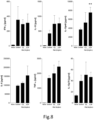
- mice were administered first with L. paracasei B21060 fermented product (Flac) and then with LPS we observed an increase in IL-12p40 and IL-10 and, as expected, no change in cytokine IL-6, TNF- ⁇ and IFN- ⁇ ( Figure 8 ).
- L. paracasei fermented product does not influence the induction of protective Th1 responses and by increasing IL-10 production it thoese not induce overt inflammation.
- Corneal epithelial cells protect the inner chamber of the eye from the infection by microorganisms. These cells produce a series of inflammatory cytokines that can mediate the inflammation.
- L. paracasei B21060 fermented product can inhibit the inflammatory response in corneal epithelial cells in response to LPS. Epithelial cells were stimulated with LPS in the presence or absence of L. paracasei B21060 fermented product and cytokine production was tested. As shown in Figure 9 , L. paracasei B21060 fermented product could drastically reduce the production of IL-8, IL-1 ⁇ , TNF- ⁇ , IL-6. This indicates the L. paracasei B21060 fermented product interferes with the production of inflammatory cytokines and counteracts inflammation.
- Figure 10 shows in the top line the epithelial cell images of three different experiments and treated only with a control solution, while the corresponding inferior line images show the same cells, this time treated with the supernatant of the invention. From the examination of these images we observe that tight junctions are modulated positively (upregulated) as a result of the supernatant of the invention, notably showing greater barrier properties.
- Mucosal sites contain highly specialized epithelial cells, that are sealed by the presence of junctional complexes, including tight junction (TJ) and adherens junction (AJ). These form a tight physical barrier that maintains tissue homeostasis and protects from external insults. Alterations of junctional complexes are at the basis of several pathological processes.
- L. paracasei B21060 fermented product favors TJ formation. Epithelial cells (Caco2) were grown to form TJ in the presence or absence of L. paracasei B21060 fermented product and ZO-1 expression was analyzed. As shown in Figure 10 L. paracasei B21060 fermented product favors TJ formation by increasing ZO-1 expression. This suggests that L. paracasei B21060 fermented product can potentiate the formation of epithelial barrier protecting the tissue from external insults.
- SEQ ID 6 to 8 refers to gene sequences
- SEQ ID 9 to 18 refers to genome DNA sequences.
Landscapes
- Health & Medical Sciences (AREA)
- Life Sciences & Earth Sciences (AREA)
- Chemical & Material Sciences (AREA)
- General Health & Medical Sciences (AREA)
- Veterinary Medicine (AREA)
- Public Health (AREA)
- Animal Behavior & Ethology (AREA)
- Pharmacology & Pharmacy (AREA)
- Medicinal Chemistry (AREA)
- Organic Chemistry (AREA)
- Microbiology (AREA)
- General Chemical & Material Sciences (AREA)
- Mycology (AREA)
- Chemical Kinetics & Catalysis (AREA)
- Engineering & Computer Science (AREA)
- Epidemiology (AREA)
- Nuclear Medicine, Radiotherapy & Molecular Imaging (AREA)
- Ophthalmology & Optometry (AREA)
- Bioinformatics & Cheminformatics (AREA)
- Wood Science & Technology (AREA)
- Zoology (AREA)
- Rheumatology (AREA)
- Pain & Pain Management (AREA)
- Molecular Biology (AREA)
- Genetics & Genomics (AREA)
- General Engineering & Computer Science (AREA)
- Biotechnology (AREA)
- Biochemistry (AREA)
- Medicines Containing Material From Animals Or Micro-Organisms (AREA)
- Micro-Organisms Or Cultivation Processes Thereof (AREA)
- Coloring Foods And Improving Nutritive Qualities (AREA)
Description
- The invention refers to a composition comprising a fermented product of Lactobacillus casei or paracasei species, preferably for use in the treatment of eye inflammation syndromes and to a method for obtaining the same.
- The invention relates to the use of the supernatant of Lactobacillus Paracasei in the treatment of conjunctivitis, in particular of Vernal keratoconjunctivitis (VKC).
- Conjunctivitis is an inflammation or infection of the eye conjunctiva. It is characterized by conjunctival vessel dilatation, leading to hyperemia and edema of the conjunctiva, usually manifesting with associated discharge (Leibowitz HM, The red eye, N. Engl. J. Med., 2000;343(5):345-351).
- Conjunctivitis can differ based on the aetiology. It can be related to viral or bacterial infections, or it can be allergic. Allergic conjunctivitis is by far the most common one throughout the population and it occurs between spring and summer. Viral conjunctivitis is the most common infectious conjunctivitis and occurs primarily in the summer, while bacterial conjunctivitis is most frequent in children and is observed from December through April.
- Conjunctivitis can be primary or secondary to a systemic disease. In the first case, topical treatment is to be preferred, while in the second case systemic treatment should be sought. Treatment depends on the cause of the disease and is carried out with antibiotic-based eyedrops, prescribed for bacterial conjunctivitis; anti-histamines, anti-inflammatroy or steroid eyedrops for the treatment of allergic conjunctivitis and no cure is available for non-herpes viral conjunctivitis (JAMA, 2013;310(16):1721-1729, doi:1 0.1 001 /jama.2013.280318).
- Vernal keratoconjunctivitis (VKC) is a chronic, bilateral inflammation of the conjunctiva. VKC affects in particular young children (especially boys) from the age of 4 to 20. The incidence of the disease is 1-10 cases in 10.000 individuals, but it has been rising in the last decades. The exact aetiology of the disease is unknown but VKC is present mostly in allergic individuals (with asthma, atopic dermatitis, allergic rhinitis, etc.) and includes eosinophils and mast cell hyperactivity. The pathophysiological feature is a dense mixed cellular infiltrate with sometimes an extremely thickened epithelium. It shows pronounced capillary proliferation, fibrosis and a thickened extracellular matrix.
- The clinical picture is characterised by pronounced subjective symptoms and the emergence of giant papillae, mostly on the upper tarsal conjunctiva. Distinction can be made between a limbal form and a palpebral form. Corneal changes are the most threatening complications with development of corneal erosions and shield ulcers. It is a debilitating disease characterized by burning and itching as well as photophobia. Current therapeutic options are aimed to prevent long-term tissue damage caused by chronic inflammation and depend on the severity of the disease. Mild cases are treated with anti-histamines and mast cell stabilizers. Severe cases are treated with steroids either local or systemic and with cyclosporine under strict medical control. Due to the limited clinical benefit and the adverse side effects of these immunosuppressive drugs, especially in the eye where they may cause increased intraocular pressure, cataract formation and glaucoma, these drugs are far from ideal, and a considerable effort is needed to identify alternatives.
- Therefore, there is a need for new drugs or compounds capable of either preventing or treating conjunctivitis without causing side effects.
- The microbiota is the community of commensal bacteria inhabiting our body (Yatsunenko et al., 2012). It is emerging that we are made of ten times more microbial than mammalian cells which contribute to a hundred times more genes. Hence, the microbiota provides a set of new functions that over the years our organism has learned to exploit (Qin et al., 2010). This enormously enhances the genetic variation among individuals that is provided by the human genome (Li et al., 2008; Mueller et al., 2006; Qin et al., 2010). One important function of the microbiota is the maturation of the immune system and protection against some infectious agents (Hooper et al., 2012; Khoruts et al., 2010; Reid et al., 2011; Swiatczak et al., 2011). It is becoming clear that especially in the early phases of life the microbiota 'educates' our immune system to deal with both innocuous and harmful bacteria and to establish a balance among the two that is characteristic of a healthy gut. Indeed, the microbiota is composed by symbiotic innocuous bacteria and potential pathogens also called pathobionts (Chow et al., 2011).
- Recently, it has been shown that several disorders, including allergic rhinitis and atopic dermatitis are associated with a disrupted microbiota, also called dysbiosis (Robles Alonso and Guarner, 2013). An altered microbial community may trigger allergic reactions characterized by an increase in Th2 type of responses, IgEs, eosinophilia or basophilia and mast cell activation (Cahenzli et al., 2013) (Hill et al., 2012). Also the eye mucosa is colonized by the microbiota and it is likely that dysbiosis may be responsible for some allergic manifestations or for susceptibility to viral or bacterial infections leading to conjunctivitis.
- Probiotics are defined as live microorganisms that exert beneficial effects for the host when administered in adequate amounts. However, the administration of probiotics should not be arbitrary as each strain may produce specific metabolites in the fermented product with distinctive immunomodulatory properties (Klaenhammer et al., 2012). For instance, when the activity of several Lactobacilli on the immune system was compared, it was found that each strain has very specific characteristics (Mileti et al., 2009; Tsilingiri et al., 2012; Tsilingiri and Rescigno, 2013). It was thus found that Lactobacillus Plantarum NCIMB8826 has detrimental effects due to its immunostimulatory properties in mice and on healthy human intestinal tissue (Mileti et al., 2009; Tsilingiri et al., 2012), while Lactobacillus rhamnousus GG and L. Paracasei B21060 can be detrimental only on inflamed tissues like those of patients with inflammatory bowel diseases (Tsilingiri et al., 2012).
- By contrast, the inventors found that metabolic products of probiotics - that were called postbiotics (Tsilingiri and Rescigno, 2013) - are very safe also on inflamed tissues, presumably because postbiotics lack the microbe associated molecular patterns that may further activate inflamed tissues (Tsilingiri et al., 2012). The use of probiotics (L. acidophilus) in eyedrops has already been proposed by Bonini et al. and has shown some efficacy in controlling symptoms of VKC in 6 out of 7 patients (Iovieno et al., 2008). In this clinical trial, patients were treated with probiotic eyedrops for 4 weeks, while signs and symptoms of VKC were being recorded.
- While symptoms were improved both after 2 and 4 weeks, the improvement of clinical signs was evident after 4 weeks. Prolonged use of probiotic-based eyedrops has not been tested, but it cannot be excluded that it might lead to a permanent change in the eye microbiota composition, or on the community of commensal bacteria inhabiting the human body (Yatsunenko et al., 2012), with unpredictable long-term effects on the eye immune homeostasis.
- The putative therapeutic use of strains of Lactobacillus paracasei strain CNCM I-1390 (Budapest Treaty deposit), redeposited on July 26, 2017 according to Budapest Treaty with CNCM (Collection Nationale de Cultures de Microorganismes, Institut Pasteur, Paris FR) rno. I-5220 (hereinafter also named as B21060), in particular of the fermentation supernatant thereof as an anti-inflammatory in intestinal diseases, is described in
WO 2011/009848 A2 . - The invention is as defined in claims 1-9. It is herein described the use of a fermented product of Lactobacillus species (postbiotic) for the generation of an eyedrop formulation to protect the eye mucosa from infections and allergic reactions and subsequent conjunctivitis.
- The advantage of the postbiotic is multiple. First, there is no introduction of live bacteria that are normally colonizing other mucosal sites in the eye. Second, there are no microbial associated molecular patterns (MAMPs) normally associated with the bacterial cell wall such as endotoxins (LPS) or lypoteichoic acid (LTA), that may be potentially harmful. Third, a postbiotic has anti-inflammatory, Th1/Tregulatory cell skewing and barrier-protective properties on epithelial cells, including corneal epithelial cells. Hence, the use according to the invention of a post-biotic eye-drop is safer and probably more effective than a probiotic eyedrop, with the advantage of not affecting the composition of the eye microbiota by introducing species that are not normally present in the eye.
- The invention refers to the use of a fermented product that can re-establish the homeostasis of the eye mucosa and protect it from both types of reaction. The fermented product is obtained at a non-canonical temperature of fermentation. The fermented product can on one side skew the T cell response towards a Th1 type of response that can be protective against pathogens and can counteract the pro-allergic Th2 type of response initiated during allergy. On the other hand, the fermented product does not favour the induction of an acute inflammatory response. The fermented product of the invention has immunomodulation activity both on the cells of the Immune system and on epithelial cells and promotes the formation of the epithelial barrier thus protecting the mucosa from external agents and is therefore particularly suitable for the treatment of conjunctivitis, particularly of VKC. The fermented product can be obtained through the fermentation of different substrates, such as for example sodium lactate.
- It is herein disclosed a composition comprising a fermented product of Lactobacillus casei or paracasei species, said species being characterized by comprising in their DNA genome DNA sequences essentially identical to
SEQ ID No 1 to 5 sequences, proper diluents and/or eccipients. The fermented product herein disclosed is produced by the method as below disclosed. - In a preferred embodiment the Lactobacillus species is Lactobacillus paracasei, preferably a strain characterized by comprising in its DNA genome DNA sequences essentially identical to
SEQ ID No 6 to 18 sequences, more preferably the strain deposited according to Budapest Treaty with no. CNCM I-5220. - Preferred uses of the composition of the invention include use in the treatment of eye inflammation syndromes, preferably of conjunctivitis, in particular of Vernal Keratoconjunctivitis (VKC), in human and veterinary medicine.
- It is within the object of the invention a composition further comprising adjuvants, and/or other therapeutic agents known to the skilled person for ocular inflammation syndromes.
- Pereferably the composition of the invention is in the form of an eye-drop formulation.
- Preferably the composition of the invention comprises the fermented product as above defined at 2-40 % volume, preferably 10-25% vol, more preferably 25% vol. It is within the scope of the invention a method for obtaining the fermented product as above defined characterized by:
- a) growing an inoculum of Lactobacillus strain as above defined in a suitable culture medium, at a temperature ranging from 4 to 40°C, preferably at about 37°C, to have a biomass and allowing fermentation of said biomass at a temperature ranging from 4 to 40°C, to proceed for 12 to 36 hours, preferably for about 24 hours, to get a fermented biomass, and
- b) centrifuging said fermented biomass to get a pellet fermented biomass and first fermented product;
- c) incubating said pellet fermented biomass into a minimum solution (saline, phosphate buffer, H2O, etc.), preferably comprising a lactate salt, and allowing further fermentation at a temperature ranging from 4 to 40°C, for 12 to 36 hours, preferably for about 24 hours, to get a further fermented biomass;
- d) separating said further fermented biomass from a second fermented product by centrifugation.
- First and/or second fermented product obtainable from step b) or d) respectively are an object of the invention and collectively will be defined as "fermented product". They may be used as active ingredients for the composition and the eye drop formulation, either individually or combined.
- It herein disclosed a method for treatment of eye inflammation syndromes, preferably of conjunctivitis, in particular of Vernal Keratoconjunctivitis (VKC), in human and veterinary medicine comprising the administration of the composition of the invention to a subject in the need thereof.
- The invention will be illustrated by means of non-limiting examples with reference to following figures.
-
Figure 1 : Mass spectrometry profile of fermented product of Lactobacillus Paracasei strain CNCM I-5220 obtained by SACI technique. -
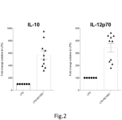
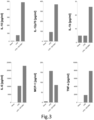
Figure 2 : MoDCs were stimulated with LPS (100 ng/ml) and treated with or without fermented product of Lactobacillus Paracasei strain CNCM I-5220 for 24 h. Concentrations of IL-10 and IL-12p70 were determined by ELISA. Each symbol refers to individual donors. - Figura 3: MoDCs were stimulated with LPS (100 ng/ml) and treated with or without fermented product of Lactobacillus Paracasei strain CNCM I-5220 for 24 h. Concentrations of di IL-12p70, IL-10, IL-1β, TNF-α, IL-6 and MCP1 were determined by ELISA
-
Figure 4 : MoDCs were stimulated with LPS (100 ng/ml) and treated with Flac or the control containing mannitol and sodium-lactate for 24 h. Concentrations of IL-10 and IL-12p70 as determined by ELISA . p**>0,01 (two-ways ANOVA-Bonferroni) -
Figure 4 : MoDCs were stimulated with LPS (100 ng/ml) and treated with Flac or the control containing mannitol and sodium-lactate for 24 h. Concentrations of IL-10 and IL-12p70 as determined by ELISA . p**>0,01 (two-ways ANOVA-Bonferroni) -
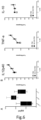
Figure 5 : MoDCs were infected with Salmonella SL1344 (MOI 1:1) and treated with Flac or the control containing mannitol and sodium-lactate for 1 hour. After that, Salmonella was inactivated with gentamicin (100mg/ml) and, after 24 h of incubation, cytokine abundance (IL-10 and IL-12p70) was evaluated in culture medium. Concentrations of cytokines were determined by ELISA. - Figura 6: PBMCs were stimulated with LPS (100 ng/ml) and treated with fermented product of Lactobacillus Paracasei strain CNCM I-5220 for 24 h. Concentrations of IL-10, IL-12p40 and TNF-α were determined by ELISA. Panel A refers to the absolute concentration of cytokines, while panel B, shows percentage of cytokines refered to LPS-treated only cells.
-
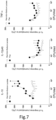
Figure 7 : PBMCs were stimulated with LPS (100 ng/ml) and treated with Flac or the control containing mannitol and sodium-lactate for 24 h. Concentrations of IL-10, IL-12p40 and TNF-α were determined by ELISA. p*>0,05 (two-ways ANOVA-Bonferroni) -
Figure 8 : Mice were pre-treated with different doses of Flac (3.5 and 0.35mg/ml) or its control, containing Mannitol-Sodium Lactate, during 4 days. After that, mice were injected intraperitoneally with 200µg of LPS. After 5h, the mice were sacrificed and levels of different cytokines (IFN-γ, IL-10, IL-12p40, IL-6, TNF-α and IL-12p70) were determined by CBA BD Array (BD bioscience). **p<0,01. Mann-Whitney U Test. - Figura 9: Human primary corneal epithelial cels (HCEC, # C0185C Thermo Fisher Scientific) were stimulated for 24 hours with 100 ng/ml of LPS or Staphylococcus aureus Cowanin with or without fermented product of Lactobacillus Paracasei strain CNCM I-5220, Cytokine production (IL-1β, IL-8, TNF-α ed IL-6) was measured by ELISA in cell culture supernatant.
- Figura 10: ZO-1 expression was evaluated by immunofluorescencence on Caco-2 cells .In the upper row images of cell treated with control; in the lower row cells treated with fermented product of Lactobacillus Paracasei strain CNCM I-5220. Each row shows triplicates of the same treatment.
- Mass spectrometry profile of fermented product of Lactobacillus paracasei strain CNCM I-5220 was obtained by Surface-activated chemical ionization (SACI) technique (J Mass Spectrom. 2005 Dec;40(12):1550-7.). Fermented product from Lactobacillus paracasei strain CNCM I-5220 were treated as follow. Liophilized supernatant were diluted in PBS buffer and 5 µl were loaded on HPLC Ultimate 3000 (Dionex) equipped with Phenomenex Luna C18 (2.0 x 50 mm - particle size 3 µm) column coupled with HCT Ultra (Bruker) spectrophotometer.
- Lactobacillus paracasei strain CNCM I-5220 was cultured in 3mL of MRS medium anaerobically overnight at 37° C. The following day the culture was restarted (usually at a 1:10 dilution) and the bacteria were harvested and used for stimulation at the exponential growth phase, namely when OD was 0,6 as measured with an Eppendorf biophotometer. Lactobacillus paracasei strain CNCM I-5220 supernatants were obtained growing bacteria to OD600 = 0,6 in MRS and suspending biomass in saline solution supplemented or not with sodium lactate (Flac). The resulting medium was then filtered. Fermented product was maintained in liquid form or lyophilized by adding Mannitol.
- Salmonella serovar typhimurium, strain FB62 was grown in 3mL of Luria-Bertani broth and cultured aerobically (in agitation) and used for stimulation at the exponential growth phase, namely when OD was 0,6 as measured with an Eppendorf biophotometer
Monocyte-derived dendritic cell (MoDC) differentiation and stimulation conditions
DCs were derived from human peripheral blood monocytes selected with anti-CD14 antibodies coupled to magnetic beads (Miltenyi, Bologna, Italy). CD14+ cells were incubated for 6 days in complete medium containing granulocyte-macrophage colony stimulating factor (GM-CSF, 5 ng/mL; BD Biosciences) and interleukin-4 (2,5 ng/mL; BD Biosciences) in order to obtain immature MoDCs. MoDCs were incubated with Lipopolysaccharides (LPS) from Escherichia coli O111:B4 (Sigma- Aldrich) or Salmonella FB62 (MOI 1:1 bacteria:DC) in the presence or absence of fermented product of Lactobacillus paracasei strain CNCM I-5220 for 24 h. Supernatants were tested for cytokine abundance by ELISA (R&D systems) and by cytometric bead assay Flex sets (BD Biosciences). - Buffy coats were obtained from healthy donors having signed an informed consent for research use. Peripheral blood mononuclear cells (PBMC) were separated with Ficoll (GE Healthcare) gradient centrifugation and then resuspended and cultured in RPMI 1640 medium (Lonza) containing 10% fetal bovine serum (Gibco), 1
% Glutamine 1% pyruvate, 1% non essential AA and 1% Penicillin-Streptomycin. PBMCs were incubated with Lipopolysaccharides (LPS) from Escherichia coli O111:B4 (Sigma- Aldrich) in the presence or absence of fermented product of Lactobacillus paracasei strain CNCM I-5220 for 24 h. Supernatants were tested for cytokine abundance by ELISA (R&D systems) and by cytometric bead assay Flex sets (BD Biosciences). - Human primary corneal epithelial cells (HCEC, # C0185C Thermo Fisher Scientific) were plated in 96 well plate at 10000 cells/well in the presence or absence of Lactobacillus paracasei strain CNCM I-5220 fermented product. After 24 hours cells were stimulated with 100 ng/ml of LPS from Escherichia coli O111:B4 (Sigma-Aldrich) or 1:1000 dilution of Staphylococcus aureus Cowan I for additional 24 hours. Cytokine production (IL-1β, IL-8, TNF-α ed IL-6) was measured by ELISA/CBA in cell culture supernatant.
- Caco2 cells were cultured in DMEM supplemented with 10% FBS, 1% Glutamine, 1% nonessential aminoacids, 1% Penicillin-Streptomycin. Cells were seed in Permanox Plastic Nunc™ Lab-Tek™ Chamber Slide System (ThermoFisher) and stimulated with 100 ng/ml of LPS from Escherichia coli O111:B4 (Sigma- Aldrich) in the presence or absence of fermented product of Lactobacillus paracasei strain CNCM I-5220. ZO-1 expression was evaluated by immunofluorescencence staining with the following monoclonal antibody: anti ZO-1 clone ZO1-1A12, Invitrogen, at a concentration of 5µg/ml for 1 hour at room temperature. Slices were then incubated with the appropriate fluorophore-conjugated secondary antibody.
- Before imaging, nuclei were counterstained with 4',6-diamidin-2-fenilindolo (DAPI).
- C57/BL6 mice were purchased from Charles River laboratories. All mice were maintained in microisolator cages in a specific pathogen-free animal facility. All experiments were performed in accordance with the guidelines established in the Principles of Laboratory Animal Care (directive 86/609/EEC) and approved by the Italian Ministry of Health.
- Mice were treated orally with Flac (fermented sodium lactate by Lactobacillus paracasei strain CNCM I-5220) at 96,72, 24 and 2 hours, before LPS administration (n=5 per group). Control mice received Mannitol-sodium lactate. LPS from Escherichia coli O111:B4 (Sigma- Aldrich) was injected intraperitoneally (i.p.) at 200 µg per mouse in 200 µl of injectable water. After 5 hours mice were euthanized by exsanguination under anesthesia and blood was collected. IFN-y, IL-10, IL-12p40, IL-6, TNF-α and IL-12p70 levels were detected in the serum by CBA BD Array (BD bioscience), according to manufacturer's instructions.
- Student's paired t test (Mann-Whitney U Test) or ANOVA, was used to determine the statistical significance of the data. Significance was defined as *, P< 0.05; **, P< 0.01, ***, P<0.001. Statistic calculations were performed with GraphPad Prism software.
- An inoculum of L. paracasei B21060 is grown at a temperature of about 37 ° C and is then gently stirred to avoid oxygenation of the culture medium, as MRS medium. The biomass is then allowed to grow for about 12 to 36 hours, preferably for about 24 hours, until the desired concentration of lactobacilli is reached (the preferred concentration corresponds to a microorganism growth equivalent to an absorbance of 0.6 at a wavelength of OD600). Then, the culture is centrifuged to separate the bacteria from the culture first fermented product, the former being further processed as below for the preparation of the composition for eye drops of the invention. The first fermented product may be used to get the composition of the invention.
- Centrifuged bacteria are transferred to a minimum solution (saline, phosphate buffer, H2O, etc.) with or without sodium lactate (appr. 5 g/l/) and allowed to ferment for 12 to 36 hours, preferably for about 24 hours without agitation. Then bacteria are centrifuged to separate them from the, second fermented product and the latter is used in the preparation of the composition of the invention. For example the composition is used for eye drop formulation A, and consists of the second fermented product, diluted to 2-40 % vol, preferably 10-25% vol, more preferably 25% vol, in a saline solution or other diluent suitable for the purpose, and properly filtered. The % dilution depends also from the bacteria concentrations obtained according to the above paragraph.
Figure 1 shows a mass spectrometric profile obtained by surface-activated chemical ionization (SACI) technique. [Cristoni S, Rubini S, Bernardi LR. Mass Spectrom Rev. 2007 Sep-Oct; 26 (5): 645-56.] - Dendritic cells (DCs) are professional antigen presenting cells involved in the induction of an immune response. According to the type of cytokines that they produce, DCs can skew the T cell response towards different polarizations, including interferon-(IFN)-y producing T helper (Th)1 T cells, interleukin (IL)-4 producing Th2 T cells, IL-10 producing T regulatory cells, or IL-17 producing Th17 T cells. Each one of these cell types is responsible for distinct immune responses. In particular, Th2 T cells are involved in controlling the growth of parasites, Th1 in bacterial and viral infections, while T regulatory cells protect from inflammation and tissue damage. In humans, the most studied DCs are the ones that are generated from monocytes: monocyte derived (Mo)DCs. The activation of MoDCs with bacterial derived lipopolysaccharide drives DCs to produce both inflammatory (IL-12) and anti-inflammatory cytokines. Here it is shown that coincubation of MoDCs with a fermentation product of L. paracasei obtained under a non-canonical temperature amplifies the production of cytokines by MoDCs, including IL-12p70 and IL-10 (
Figure 2 ). It also promotes the increase of IL-1 β, IL-6 and TNF-α, but not MCP-1 (Figure 3 ). Similar results have been obtained also using as substrate sodium lactate (Fermeted Lactate, Flac) in response to LPS (Fig.4 ). When Salmonella Thyphimurium was used as stimulus, a slight increase in IL-12p70 was observed and no change in IL-10 production (Fig.5 ). These results indicate that the L. paracasei fermented product has a strong immune modulatory activity on MoDCs which however is not skewed to either inflammatory or anti-inflammatory response. - Peripheral blood mononuclear cells (PBMC) are a heterogenous cell population that includes myeloid as well as lymphoid immune cells. The amplification of the immune response observed on MoDCs suggests that L. paracasei fermented product may foster the activation of an immune response. Infact, when tested on PBMCs, the L. paracasei fermented product led to increase of IL12p40 cytokines without affecting the already high levels of IL-10 (
Figure 6 ). Similar results have been obtained also using as substrate sodium lactate in response to LPS (Fig.7 ). Together, these data suggest that the fermented product may activate DCs on one side for a proper activation of an immune response, and mantaining elevated level of IL-10 which protects the host from immunopathology. - LPS administration in vivo in mice induces what is called a cytokine storm that can lead to endotoxin shock. When mice were administered first with L. paracasei B21060 fermented product (Flac) and then with LPS we observed an increase in IL-12p40 and IL-10 and, as expected, no change in cytokine IL-6, TNF-α and IFN-γ (
Figure 8 ). This suggests that L. paracasei fermented product does not influence the induction of protective Th1 responses and by increasing IL-10 production it thoese not induce overt inflammation. - Corneal epithelial cells protect the inner chamber of the eye from the infection by microorganisms. These cells produce a series of inflammatory cytokines that can mediate the inflammation. L. paracasei B21060 fermented product can inhibit the inflammatory response in corneal epithelial cells in response to LPS. Epithelial cells were stimulated with LPS in the presence or absence of L. paracasei B21060 fermented product and cytokine production was tested. As shown in
Figure 9 , L. paracasei B21060 fermented product could drastically reduce the production of IL-8, IL-1β, TNF-α, IL-6. This indicates the L. paracasei B21060 fermented product interferes with the production of inflammatory cytokines and counteracts inflammation. -
Figure 10 shows in the top line the epithelial cell images of three different experiments and treated only with a control solution, while the corresponding inferior line images show the same cells, this time treated with the supernatant of the invention. From the examination of these images we observe that tight junctions are modulated positively (upregulated) as a result of the supernatant of the invention, notably showing greater barrier properties. - Mucosal sites contain highly specialized epithelial cells, that are sealed by the presence of junctional complexes, including tight junction (TJ) and adherens junction (AJ). These form a tight physical barrier that maintains tissue homeostasis and protects from external insults. Alterations of junctional complexes are at the basis of several pathological processes. L. paracasei B21060 fermented product favors TJ formation. Epithelial cells (Caco2) were grown to form TJ in the presence or absence of L. paracasei B21060 fermented product and ZO-1 expression was analyzed. As shown in
Figure 10 L. paracasei B21060 fermented product favors TJ formation by increasing ZO-1 expression. This suggests that L. paracasei B21060 fermented product can potentiate the formation of epithelial barrier protecting the tissue from external insults. - In the following are disclosed five gene sequences, representing specific core genes of L. paracasei and L. casei species.
-
SEQ ID 1
-
SEQ ID 2
- SEQ ID 3

-
SEQ ID 4
- SEQ ID 5

- In the following are disclosed unique sequences of L. paracasei B21060 with respect to the L. paracasei species publicly available in NCBI databases.
SEQ ID 6 to 8 refers to gene sequences, whereas SEQ ID 9 to 18 refers to genome DNA sequences. - SEQ ID 6:


- SEQ ID 7:

- SEQ ID 8:

- SEQ ID 9 Position 102558..102986

-
SEQ ID 10 Position 103624..103864
- SEQ ID 11 Position 254291..261674


- SEQ ID 12 Position 325750..327159

- SEQ ID 13 Position 328723..329314

- SEQ ID 14 Position 2002858..2005090


- SEQ ID 15 Position 2262750..2268615


- SEQ ID 16 Position 2776965..2787971

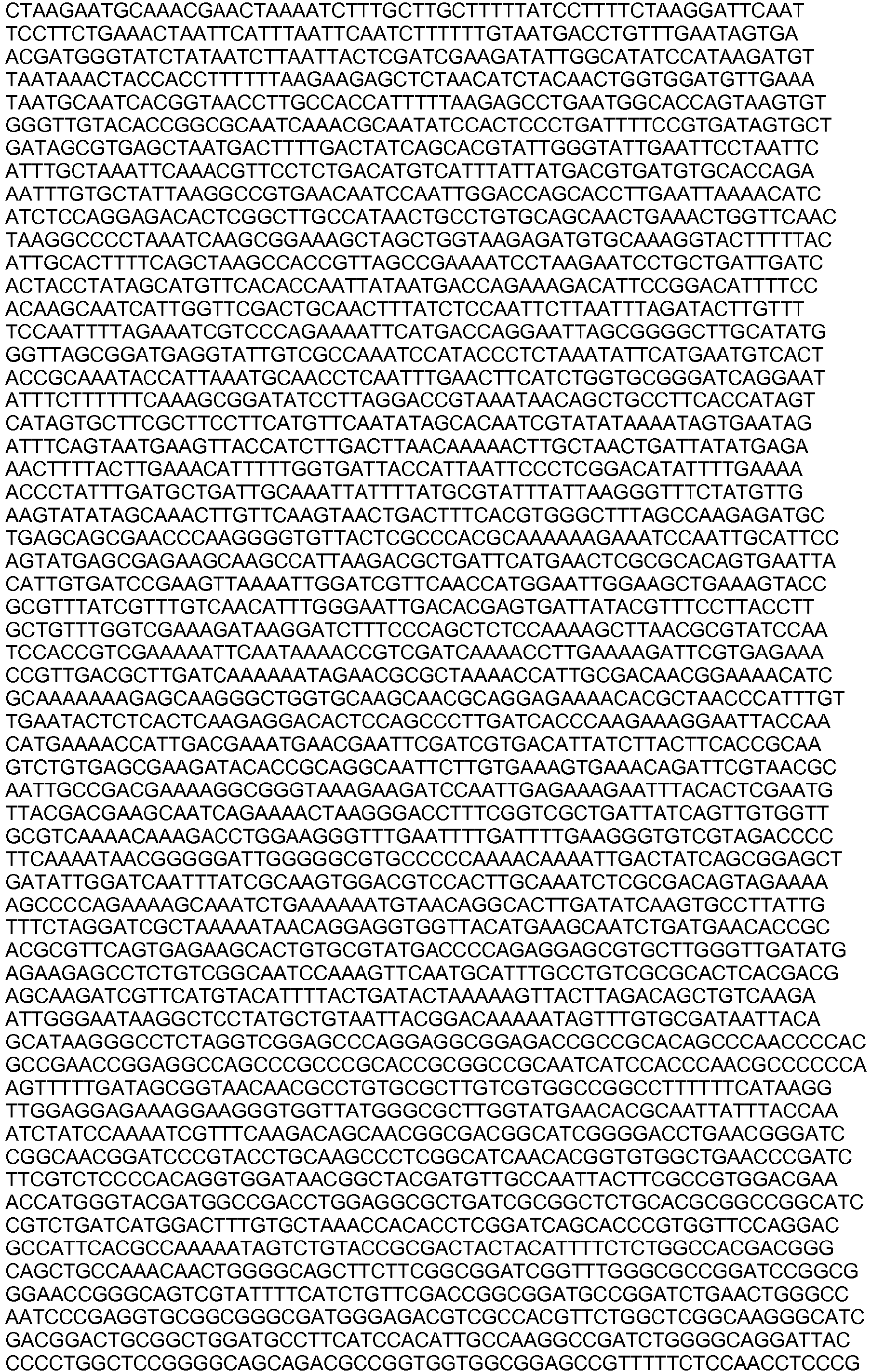


- SEQ ID 17 Position 2793833..2794809

- SEQ ID 18 Position 2967081..2968319

-
- Cahenzli, J., Koller, Y., Wyss, M., Geuking, M.B., and McCoy, K.D. (2013). Intestinal microbial diversity during early-life colonization shapes long-term IgE levels. Cell host & microbe 14, 559-570.
- Chow, J., Tang, H., and Mazmanian, S.K. (2011). Pathobionts of the gastrointestinal microbiota and inflammatory disease. Curr Opin Immunol 23, 473-480.
- Hill, D.A., Siracusa, M.C., Abt, M.C., Kim, B.S., Kobuley, D., Kubo, M., Kambayashi, T., Larosa, D.F., Renner, E.D., Orange, J.S., et al. (2012). Commensal bacteria-derived signals regulate basophil hematopoiesis and allergic inflammation. Nat. Med. 18, 538-546.
- Hooper, L.V., Littman, D.R., and Macpherson, A.J. (2012). Interactions between the microbiota and the immune system. Science 336, 1268-1273.
- Iovieno, A., Lambiase, A., Sacchetti, M., Stampachiacchiere, B., Micera, A., and Bonini, S. (2008). Preliminary evidence of the efficacy of probiotic eye-drop treatment in patients with vernal keratoconjunctivitis. Graefes Arch Clin Exp Ophthalmol 246, 435-441.
- Khoruts, A., Dicksved, J., Jansson, J.K., and Sadowsky, M.J. (2010). Changes in the composition of the human fecal microbiome after bacteriotherapy for recurrent Clostridium difficile-associated diarrhea. J Clin Gastroenterol 44, 354-360.
- Klaenhammer, T.R., Kleerebezem, M., Kopp, M.V., and Rescigno, M. (2012). The impact of probiotics and prebiotics on the immune system. Nature reviews. Immunology 12, 728-734.
- Li, M., Wang, B., Zhang, M., Rantalainen, M., Wang, S., Zhou, H., Zhang, Y., Shen, J., Pang, X., Wei, H., et al. (2008). Symbiotic gut microbes modulate human metabolic phenotypes. Proceedings of the National Academy of Sciences of the United States of .
- Mileti, E., Matteoli, G., Iliev, I.D., and Rescigno, M. (2009). Comparison of the immunomodulatory properties of three probiotic strains of Lactobacilli using complex culture systems: prediction for in vivo efficacy. PLoS One 4, e7056.
- Mueller, S., Saunier, K., Hanisch, C., Norin, E., Alm, L., Midtvedt, T., Cresci, A., Silvi, S., Orpianesi, C., Verdenelli, M.C., et al. (2006). Differences in fecal microbiota in different European study populations in relation to age, gender, and country: a cross-sectional study. Applied and environmental microbiology 72, 1027-1033.
- Qin, J., Li, R., Raes, J., Arumugam, M., Burgdorf, K.S., Manichanh, C., Nielsen, T., Pons, N., Levenez, F., Yamada, T., et al. (2010). A human gut microbial gene catalogue established by metagenomic sequencing. Nature 464, 59-65.
- Reid, G., Younes, J.A., Van der Mei, H.C., Gloor, G.B., Knight, R., and Busscher, H.J. (2011). Microbiota restoration: natural and supplemented recovery of human microbial communities. Nat Rev Microbiol 9, 27-38.
- Robles Alonso, V., and Guarner, F. (2013). Linking the gut microbiota to human health. The British journal of .
- Swiatczak, B., Rescigno, M., and Cohen, I.R. (2011). Systemic features of immune recognition in the gut. Microbes Infect 13, 983-991.
- Tsilingiri, K., Barbosa, T., Penna, G., Caprioli, F., Sonzogni, A., Viale, G., and Rescigno, M. (2012). Probiotic and postbiotic activity in health and disease: comparison on a novel polarised ex-vivo organ culture model. Gut 61, 1007-1015.
- Tsilingiri, K., and Rescigno, M. (2013). Postbiotics: what else? .
- Yatsunenko, T., Rey, F.E., Manary, M.J., Trehan, I., Dominguez-Bello, M.G., Contreras, M., Magris, M., Hidalgo, G., Baldassano, R.N., Anokhin, A.P., et al. (2012). Human gut microbiome viewed across age and geography. Nature 486, 222-227.
Claims (9)
- A method for obtaining a fermented product of Lactobacillus casei or paracasei species, said species being characterized by comprising in their DNA genome DNA sequences identical to SEQ ID No 2 to 5, characterized by:a) growing an inoculum of Lactobacillus strain as defined above in a suitable culture medium, at a temperature ranging from 4 to 40°C, to have a biomass and allowing fermentation of said biomass to proceed for 12 to 36 hours, preferably for about 24 hours, to get a fermented biomass, andb) centrifuging said fermented biomass to get a pellet fermented biomass and a first fermented product;c) incubating said pellet fermented biomass into a minimum solution, preferably comprising a lactate salt, and allowing further fermentation for 12 to 36 hours, preferably for about 24 hours, to get a further fermented biomass;d) separating said further fermented biomass from a second fermented product by centrifugation.
- The method according to claim 1 wherein the Lactobacillus species is Lactobacillus paracasei.
- The method according to claim 2 wherein the Lactobacillus paracasei is a strain characterized by comprising in its DNA genome DNA sequences essentially identical to SEQ ID No 6 to 18.
- The method according to any of previous claims wherein the Lactobacillus paracasei is the strain deposited according to Budapest Treaty with no. CNCM I-5220.
- A composition comprising a fermented product of Lactobacillus casei or paracasei species, said species being characterized by comprising in their DNA genome DNA sequences identical to SEQ ID No 2 to 5, proper diluents and/or excipients, obtainable by the method of any one of claims 1-4.
- The composition of claim 5 further comprising adjuvants and/or other therapeutic agents.
- The composition according claim 5 or 6 in the form of an eye-drop formulation.
- The composition according to any of claims 5-7 wherein the fermented product is present at 2-40 % volume, preferably 10-25% vol, more preferably 25% vol.
- The composition according to any of claims 5-8 for use in the treatment of eye inflammation syndromes, preferably of conjunctivitis, in particular of Vernal Keratoconjunctivitis (VKC), in human and veterinary medicine.
Applications Claiming Priority (2)
| Application Number | Priority Date | Filing Date | Title |
|---|---|---|---|
| IT102016000081929A IT201600081929A1 (en) | 2016-08-03 | 2016-08-03 | USE OF THE LACTOBACILLUS PARACASEI SURNATANT IN THE TREATMENT OF CONJUNCTIVITY, IN PARTICULAR OF THE VERNAL CHERATOCONGIUNTIVITE |
| PCT/EP2017/069681 WO2018024833A1 (en) | 2016-08-03 | 2017-08-03 | Postbiotic-based composition for treatment of ocular inflammation |
Publications (3)
| Publication Number | Publication Date |
|---|---|
| EP3493823A1 EP3493823A1 (en) | 2019-06-12 |
| EP3493823B1 true EP3493823B1 (en) | 2024-12-25 |
| EP3493823C0 EP3493823C0 (en) | 2024-12-25 |
Family
ID=57610295
Family Applications (1)
| Application Number | Title | Priority Date | Filing Date |
|---|---|---|---|
| EP17752060.8A Active EP3493823B1 (en) | 2016-08-03 | 2017-08-03 | Postbiotic-based composition for treatment of ocular inflammation |
Country Status (7)
| Country | Link |
|---|---|
| US (1) | US20190175670A1 (en) |
| EP (1) | EP3493823B1 (en) |
| CA (1) | CA3031379A1 (en) |
| ES (1) | ES3018261T3 (en) |
| IT (1) | IT201600081929A1 (en) |
| PL (1) | PL3493823T3 (en) |
| WO (1) | WO2018024833A1 (en) |
Families Citing this family (6)
| Publication number | Priority date | Publication date | Assignee | Title |
|---|---|---|---|---|
| US11389494B2 (en) | 2016-09-09 | 2022-07-19 | Kirin Holdings Kabushiki Kaisha | Composition for suppressing or improving eye fatigue |
| EP3746099A1 (en) * | 2018-02-02 | 2020-12-09 | Postbiotica S.R.L. | Postbiotic-based composition for the modulation of immune system activation and protection of mucosal barriers |
| CA3090042A1 (en) * | 2018-02-02 | 2019-08-08 | Postbiotica S.R.L. | Use of a postbiotic-based composition for the treatment of skin diseases |
| IT201900023142A1 (en) * | 2019-12-05 | 2021-06-05 | Sifi Spa | OCULAR TOPICAL COMPOSITION CONTAINING METABOLITES OF LACTOBACILLUS FERMENTATION |
| CN111944725B (en) * | 2020-08-24 | 2021-12-07 | 汤臣倍健股份有限公司 | Lactobacillus paracasei 207-27 and application thereof |
| WO2025023853A1 (en) | 2023-07-27 | 2025-01-30 | Universitatea "Dunărea De Jos" Din Galaţi | Obtaining processes for some metabiotic ingredients with bioactive properties based on bovine colostrum and potentially probiotic lactic acid bacteria belonging to lactiplantibacillus spp |
Family Cites Families (4)
| Publication number | Priority date | Publication date | Assignee | Title |
|---|---|---|---|---|
| ITRM20060237A1 (en) * | 2006-05-03 | 2007-11-04 | Anabasis S R L | USE OF PROBIOTICS IN THE PREVENTION AND TREATMENT OF ALLERGIC CONJUNCTIVES |
| MX2009006810A (en) * | 2006-12-22 | 2009-11-23 | Francois-Marie Luquet | Growth inhibition of microorganisms by lactic acid bacteria. |
| WO2011009848A2 (en) * | 2009-07-20 | 2011-01-27 | Bracco Spa | Therapeutic use of probiotics |
| CA2839524C (en) * | 2011-06-20 | 2016-05-17 | H.J. Heinz Company | Probiotic compositions and methods |
-
2016
- 2016-08-03 IT IT102016000081929A patent/IT201600081929A1/en unknown
-
2017
- 2017-08-03 EP EP17752060.8A patent/EP3493823B1/en active Active
- 2017-08-03 ES ES17752060T patent/ES3018261T3/en active Active
- 2017-08-03 US US16/322,394 patent/US20190175670A1/en not_active Abandoned
- 2017-08-03 PL PL17752060.8T patent/PL3493823T3/en unknown
- 2017-08-03 CA CA3031379A patent/CA3031379A1/en active Pending
- 2017-08-03 WO PCT/EP2017/069681 patent/WO2018024833A1/en not_active Ceased
Also Published As
| Publication number | Publication date |
|---|---|
| WO2018024833A1 (en) | 2018-02-08 |
| PL3493823T4 (en) | 2025-08-11 |
| EP3493823C0 (en) | 2024-12-25 |
| IT201600081929A1 (en) | 2018-02-03 |
| US20190175670A1 (en) | 2019-06-13 |
| CA3031379A1 (en) | 2018-02-08 |
| EP3493823A1 (en) | 2019-06-12 |
| PL3493823T3 (en) | 2025-08-11 |
| ES3018261T3 (en) | 2025-05-14 |
Similar Documents
| Publication | Publication Date | Title |
|---|---|---|
| US20190175670A1 (en) | Postbiotic-based composition for treatment of ocular inflammation | |
| CN108676774B (en) | Human-derived bacteria that induce the proliferation or accumulation of regulatory T cells | |
| JP5511649B2 (en) | Lactobacillus paracasei LT12 strain as an immunomodulating preparation | |
| US11725183B2 (en) | Method of culturing segmented filamentous bacteria in vitro | |
| US20210154245A1 (en) | Therapeutic Microvesicles of Probiotic Bacteria | |
| US12161681B2 (en) | Postbiotic-based composition for the modulation of immune system activation and protection of mucosal barriers | |
| US12263194B2 (en) | Bacillus bacterium, interleukin-22 production inducing agent, skin barrier function enhancing agent | |
| JP7109783B2 (en) | A novel lactic acid bacterium with excellent immunostimulatory ability | |
| KR20170020204A (en) | Composition for Preventing, Improving, or Treating of Th1-mediated Immune Disease, Th17-mediated Immune Disease, or Th2-mediated Immune Disease Comprising Extracts from Lactobacillus pentosus as an Active Ingredients | |
| KR20190046858A (en) | A method for culturing a salt tolerant lactic acid bacterium, a salt tolerant lactic acid bacterium, | |
| US20120207713A1 (en) | Probiotic bifidobacterium strains | |
| JP7358001B2 (en) | Lactic acid bacteria, interleukin-22 production inducer, skin barrier function enhancer | |
| CN119432687B (en) | Bifidobacterium breve BBr26 with hyaluronidase activity inhibiting and allergy relieving effects, and application, product and method thereof | |
| JP5768306B2 (en) | Lactic acid bacteria, culture method thereof, antiallergic agent | |
| US20250127830A1 (en) | Microorganism and composition comprising same | |
| Mochama | Three Clostridium Species With Health Imparting Properties: In Vitro Screening for Probiotic Potential | |
| Li et al. | CD8+/CD8− DC in Peyer’s Patches Protect Against Musal Infection with Salmonella typhimurium | |
| CA2971933C (en) | Method of culturing segmented filamentous bacteria in vitro | |
| Chan | THE PROBIOTIC POTENTIAL OF NON-TOXIGENIC BACTEROIDES FRAGILIS AND THE ROLE OF IL-22 IN COLITIS AND TUMORIGENESIS | |
| HK40102404A (en) | Human-derived bacteria that induce proliferation or accumulation of regulatory t cells | |
| Pessoa et al. | Research Article In Vitro Activity of Lactobacilli with Probiotic Potential Isolated from Cocoa Fermentation against Gardnerella vaginalis | |
| HK1261280B (en) | Human-derived bacteria that induce proliferation or accumulation of regulatory t cells | |
| HK40039290B (en) | Bacterium of genus bacillus, interleukin-22 production inducing agent, skin barrier function enhancing agent | |
| Leibold | CELL-SPECIFIC INTERLEUKIN-10 EXPRESSION IN THE GASTROINTESTINAL TRACT AND ITS IMPACT ON A MODEL OF ACUTE COLITIS |
Legal Events
| Date | Code | Title | Description |
|---|---|---|---|
| STAA | Information on the status of an ep patent application or granted ep patent |
Free format text: STATUS: UNKNOWN |
|
| STAA | Information on the status of an ep patent application or granted ep patent |
Free format text: STATUS: THE INTERNATIONAL PUBLICATION HAS BEEN MADE |
|
| PUAI | Public reference made under article 153(3) epc to a published international application that has entered the european phase |
Free format text: ORIGINAL CODE: 0009012 |
|
| STAA | Information on the status of an ep patent application or granted ep patent |
Free format text: STATUS: REQUEST FOR EXAMINATION WAS MADE |
|
| 17P | Request for examination filed |
Effective date: 20190225 |
|
| AK | Designated contracting states |
Kind code of ref document: A1 Designated state(s): AL AT BE BG CH CY CZ DE DK EE ES FI FR GB GR HR HU IE IS IT LI LT LU LV MC MK MT NL NO PL PT RO RS SE SI SK SM TR |
|
| AX | Request for extension of the european patent |
Extension state: BA ME |
|
| DAV | Request for validation of the european patent (deleted) | ||
| DAX | Request for extension of the european patent (deleted) | ||
| STAA | Information on the status of an ep patent application or granted ep patent |
Free format text: STATUS: EXAMINATION IS IN PROGRESS |
|
| 17Q | First examination report despatched |
Effective date: 20200422 |
|
| GRAP | Despatch of communication of intention to grant a patent |
Free format text: ORIGINAL CODE: EPIDOSNIGR1 |
|
| STAA | Information on the status of an ep patent application or granted ep patent |
Free format text: STATUS: GRANT OF PATENT IS INTENDED |
|
| INTG | Intention to grant announced |
Effective date: 20240802 |
|
| GRAS | Grant fee paid |
Free format text: ORIGINAL CODE: EPIDOSNIGR3 |
|
| GRAA | (expected) grant |
Free format text: ORIGINAL CODE: 0009210 |
|
| STAA | Information on the status of an ep patent application or granted ep patent |
Free format text: STATUS: THE PATENT HAS BEEN GRANTED |
|
| AK | Designated contracting states |
Kind code of ref document: B1 Designated state(s): AL AT BE BG CH CY CZ DE DK EE ES FI FR GB GR HR HU IE IS IT LI LT LU LV MC MK MT NL NO PL PT RO RS SE SI SK SM TR |
|
| REG | Reference to a national code |
Ref country code: GB Ref legal event code: FG4D |
|
| REG | Reference to a national code |
Ref country code: CH Ref legal event code: EP |
|
| REG | Reference to a national code |
Ref country code: DE Ref legal event code: R096 Ref document number: 602017086962 Country of ref document: DE |
|
| REG | Reference to a national code |
Ref country code: IE Ref legal event code: FG4D |
|
| U01 | Request for unitary effect filed |
Effective date: 20250122 |
|
| U07 | Unitary effect registered |
Designated state(s): AT BE BG DE DK EE FI FR IT LT LU LV MT NL PT RO SE SI Effective date: 20250128 |
|
| PG25 | Lapsed in a contracting state [announced via postgrant information from national office to epo] |
Ref country code: HR Free format text: LAPSE BECAUSE OF FAILURE TO SUBMIT A TRANSLATION OF THE DESCRIPTION OR TO PAY THE FEE WITHIN THE PRESCRIBED TIME-LIMIT Effective date: 20241225 |
|
| PG25 | Lapsed in a contracting state [announced via postgrant information from national office to epo] |
Ref country code: NO Free format text: LAPSE BECAUSE OF FAILURE TO SUBMIT A TRANSLATION OF THE DESCRIPTION OR TO PAY THE FEE WITHIN THE PRESCRIBED TIME-LIMIT Effective date: 20250325 |
|
| PG25 | Lapsed in a contracting state [announced via postgrant information from national office to epo] |
Ref country code: GR Free format text: LAPSE BECAUSE OF FAILURE TO SUBMIT A TRANSLATION OF THE DESCRIPTION OR TO PAY THE FEE WITHIN THE PRESCRIBED TIME-LIMIT Effective date: 20250326 |
|
| PG25 | Lapsed in a contracting state [announced via postgrant information from national office to epo] |
Ref country code: RS Free format text: LAPSE BECAUSE OF FAILURE TO SUBMIT A TRANSLATION OF THE DESCRIPTION OR TO PAY THE FEE WITHIN THE PRESCRIBED TIME-LIMIT Effective date: 20250325 |
|
| PG25 | Lapsed in a contracting state [announced via postgrant information from national office to epo] |
Ref country code: SM Free format text: LAPSE BECAUSE OF FAILURE TO SUBMIT A TRANSLATION OF THE DESCRIPTION OR TO PAY THE FEE WITHIN THE PRESCRIBED TIME-LIMIT Effective date: 20241225 |
|
| PG25 | Lapsed in a contracting state [announced via postgrant information from national office to epo] |
Ref country code: IS Free format text: LAPSE BECAUSE OF FAILURE TO SUBMIT A TRANSLATION OF THE DESCRIPTION OR TO PAY THE FEE WITHIN THE PRESCRIBED TIME-LIMIT Effective date: 20250425 |
|
| PG25 | Lapsed in a contracting state [announced via postgrant information from national office to epo] |
Ref country code: SK Free format text: LAPSE BECAUSE OF FAILURE TO SUBMIT A TRANSLATION OF THE DESCRIPTION OR TO PAY THE FEE WITHIN THE PRESCRIBED TIME-LIMIT Effective date: 20241225 |
|
| PG25 | Lapsed in a contracting state [announced via postgrant information from national office to epo] |
Ref country code: CZ Free format text: LAPSE BECAUSE OF FAILURE TO SUBMIT A TRANSLATION OF THE DESCRIPTION OR TO PAY THE FEE WITHIN THE PRESCRIBED TIME-LIMIT Effective date: 20241225 |
|
| U20 | Renewal fee for the european patent with unitary effect paid |
Year of fee payment: 9 Effective date: 20250715 |
|
| PGFP | Annual fee paid to national office [announced via postgrant information from national office to epo] |
Ref country code: ES Payment date: 20250926 Year of fee payment: 9 |
|
| PGFP | Annual fee paid to national office [announced via postgrant information from national office to epo] |
Ref country code: PL Payment date: 20250725 Year of fee payment: 9 |
|
| PGFP | Annual fee paid to national office [announced via postgrant information from national office to epo] |
Ref country code: GB Payment date: 20250821 Year of fee payment: 9 |
|
| PGFP | Annual fee paid to national office [announced via postgrant information from national office to epo] |
Ref country code: CH Payment date: 20250901 Year of fee payment: 9 |
|
| PGFP | Annual fee paid to national office [announced via postgrant information from national office to epo] |
Ref country code: IE Payment date: 20250820 Year of fee payment: 9 |
|
| PLBE | No opposition filed within time limit |
Free format text: ORIGINAL CODE: 0009261 |
|
| STAA | Information on the status of an ep patent application or granted ep patent |
Free format text: STATUS: NO OPPOSITION FILED WITHIN TIME LIMIT |
|
| 26N | No opposition filed |
Effective date: 20250926 |
|
| PG25 | Lapsed in a contracting state [announced via postgrant information from national office to epo] |
Ref country code: MC Free format text: LAPSE BECAUSE OF FAILURE TO SUBMIT A TRANSLATION OF THE DESCRIPTION OR TO PAY THE FEE WITHIN THE PRESCRIBED TIME-LIMIT Effective date: 20241225 |