EP3487998B1 - Compositions and methods for identifying rna binding polypeptide targets - Google Patents
Compositions and methods for identifying rna binding polypeptide targets Download PDFInfo
- Publication number
- EP3487998B1 EP3487998B1 EP16909733.4A EP16909733A EP3487998B1 EP 3487998 B1 EP3487998 B1 EP 3487998B1 EP 16909733 A EP16909733 A EP 16909733A EP 3487998 B1 EP3487998 B1 EP 3487998B1
- Authority
- EP
- European Patent Office
- Prior art keywords
- rna
- tribe
- editing
- polypeptide
- cell
- Prior art date
- Legal status (The legal status is an assumption and is not a legal conclusion. Google has not performed a legal analysis and makes no representation as to the accuracy of the status listed.)
- Active
Links
Images














Classifications
-
- C—CHEMISTRY; METALLURGY
- C12—BIOCHEMISTRY; BEER; SPIRITS; WINE; VINEGAR; MICROBIOLOGY; ENZYMOLOGY; MUTATION OR GENETIC ENGINEERING
- C12N—MICROORGANISMS OR ENZYMES; COMPOSITIONS THEREOF; PROPAGATING, PRESERVING, OR MAINTAINING MICROORGANISMS; MUTATION OR GENETIC ENGINEERING; CULTURE MEDIA
- C12N9/00—Enzymes; Proenzymes; Compositions thereof; Processes for preparing, activating, inhibiting, separating or purifying enzymes
- C12N9/14—Hydrolases (3)
- C12N9/78—Hydrolases (3) acting on carbon to nitrogen bonds other than peptide bonds (3.5)
-
- C—CHEMISTRY; METALLURGY
- C07—ORGANIC CHEMISTRY
- C07K—PEPTIDES
- C07K14/00—Peptides having more than 20 amino acids; Gastrins; Somatostatins; Melanotropins; Derivatives thereof
- C07K14/435—Peptides having more than 20 amino acids; Gastrins; Somatostatins; Melanotropins; Derivatives thereof from animals; from humans
- C07K14/46—Peptides having more than 20 amino acids; Gastrins; Somatostatins; Melanotropins; Derivatives thereof from animals; from humans from vertebrates
- C07K14/47—Peptides having more than 20 amino acids; Gastrins; Somatostatins; Melanotropins; Derivatives thereof from animals; from humans from vertebrates from mammals
-
- C—CHEMISTRY; METALLURGY
- C12—BIOCHEMISTRY; BEER; SPIRITS; WINE; VINEGAR; MICROBIOLOGY; ENZYMOLOGY; MUTATION OR GENETIC ENGINEERING
- C12N—MICROORGANISMS OR ENZYMES; COMPOSITIONS THEREOF; PROPAGATING, PRESERVING, OR MAINTAINING MICROORGANISMS; MUTATION OR GENETIC ENGINEERING; CULTURE MEDIA
- C12N15/00—Mutation or genetic engineering; DNA or RNA concerning genetic engineering, vectors, e.g. plasmids, or their isolation, preparation or purification; Use of hosts therefor
- C12N15/09—Recombinant DNA-technology
- C12N15/63—Introduction of foreign genetic material using vectors; Vectors; Use of hosts therefor; Regulation of expression
- C12N15/79—Vectors or expression systems specially adapted for eukaryotic hosts
- C12N15/85—Vectors or expression systems specially adapted for eukaryotic hosts for animal cells
- C12N15/86—Viral vectors
-
- C—CHEMISTRY; METALLURGY
- C12—BIOCHEMISTRY; BEER; SPIRITS; WINE; VINEGAR; MICROBIOLOGY; ENZYMOLOGY; MUTATION OR GENETIC ENGINEERING
- C12N—MICROORGANISMS OR ENZYMES; COMPOSITIONS THEREOF; PROPAGATING, PRESERVING, OR MAINTAINING MICROORGANISMS; MUTATION OR GENETIC ENGINEERING; CULTURE MEDIA
- C12N7/00—Viruses; Bacteriophages; Compositions thereof; Preparation or purification thereof
-
- C—CHEMISTRY; METALLURGY
- C12—BIOCHEMISTRY; BEER; SPIRITS; WINE; VINEGAR; MICROBIOLOGY; ENZYMOLOGY; MUTATION OR GENETIC ENGINEERING
- C12Y—ENZYMES
- C12Y305/00—Hydrolases acting on carbon-nitrogen bonds, other than peptide bonds (3.5)
- C12Y305/04—Hydrolases acting on carbon-nitrogen bonds, other than peptide bonds (3.5) in cyclic amidines (3.5.4)
- C12Y305/04004—Adenosine deaminase (3.5.4.4)
-
- C—CHEMISTRY; METALLURGY
- C12—BIOCHEMISTRY; BEER; SPIRITS; WINE; VINEGAR; MICROBIOLOGY; ENZYMOLOGY; MUTATION OR GENETIC ENGINEERING
- C12Y—ENZYMES
- C12Y305/00—Hydrolases acting on carbon-nitrogen bonds, other than peptide bonds (3.5)
- C12Y305/04—Hydrolases acting on carbon-nitrogen bonds, other than peptide bonds (3.5) in cyclic amidines (3.5.4)
- C12Y305/04005—Cytidine deaminase (3.5.4.5)
-
- C—CHEMISTRY; METALLURGY
- C07—ORGANIC CHEMISTRY
- C07K—PEPTIDES
- C07K2319/00—Fusion polypeptide
- C07K2319/20—Fusion polypeptide containing a tag with affinity for a non-protein ligand
-
- C—CHEMISTRY; METALLURGY
- C07—ORGANIC CHEMISTRY
- C07K—PEPTIDES
- C07K2319/00—Fusion polypeptide
- C07K2319/85—Fusion polypeptide containing an RNA binding domain
-
- C—CHEMISTRY; METALLURGY
- C12—BIOCHEMISTRY; BEER; SPIRITS; WINE; VINEGAR; MICROBIOLOGY; ENZYMOLOGY; MUTATION OR GENETIC ENGINEERING
- C12N—MICROORGANISMS OR ENZYMES; COMPOSITIONS THEREOF; PROPAGATING, PRESERVING, OR MAINTAINING MICROORGANISMS; MUTATION OR GENETIC ENGINEERING; CULTURE MEDIA
- C12N2750/00—MICROORGANISMS OR ENZYMES; COMPOSITIONS THEREOF; PROPAGATING, PRESERVING, OR MAINTAINING MICROORGANISMS; MUTATION OR GENETIC ENGINEERING; CULTURE MEDIA ssDNA viruses
- C12N2750/00011—Details
- C12N2750/14011—Parvoviridae
- C12N2750/14111—Dependovirus, e.g. adenoassociated viruses
- C12N2750/14122—New viral proteins or individual genes, new structural or functional aspects of known viral proteins or genes
Definitions
- RNA-binding polypeptide requires the identification of its RNA targets.
- RBP RNA-binding polypeptide
- RNA-binding polypeptide RBP
- CLIP crosslinking and immunoprecipitation
- the invention provides an ex vivo or in vitrvo method for identifying functional targets of an RNA binding polypeptide in a transcriptome of a cell, the method comprising (a) contacting the transcriptome with a fusion polypeptide, the fusion polypeptide comprising the RNA binding polypeptide operatively linked to a catalytic domain of an RNA editing enzyme, wherein the RNA editing enzyme is ADAR2 comprising mutations E488Q, V493A, and/or T490A; and (b) detecting novel RNA editing events in the transcriptome.
- the RNA editing enzyme is human ADAR2.
- the RNA binding polypeptide is selected from the group consisting of Zipcode binding polypeptide 1 (ZBP1), Fus, Tdp43, EIF4EBP1, and HuR, or fragments thereof having RNA binding activity.
- the RNA binding polypeptide comprises a poly(A)-binding polypeptide (PABP) or a Ribosomal Protein S2 (RPS2), or fragments thereof having RNA binding activity.
- the fusion polypeptide may further contain a sequence tag for purification or a detectable moiety.
- the detecting is by sequencing the RNA transcriptome.
- the binding target of the RNA binding polypeptide is a cell-specific RNA binding target.
- contacting the transcriptome comprises transforming the cell with an expression vector containing a nucleic acid sequence encoding the fusion polypeptide.
- the expression vector may be a viral vector.
- the expression vector will containing a nucleic acid sequence encoding the fusion polypeptide, described above.
- the vector may further contain a promoter operably linked to the nucleic acid andthe promoter is positioned for expression in the cell.
- the promoter may be an insect or mammalian promoter.
- a host cell containing the expression vector described above maybe used.
- the cell is a eukaryotic cell.
- the cell is selected from the group consisting of a bacterial cell, a mammalian cell, and an insect cell.
- the cell is a mammalian cell derived from a human or animal subject.
- the cell is a neoplastic cell.
- the cell is selected from the group consisting of adipocytes, bone marrow derived cells, epidermal cells, endothelial cells, fibroblasts, hematopoietic cells, hepatocytes, myocytes, neurons, pancreatic cells, and their progenitor cells or stem cells.
- Working the invention may involve a method for producing a fusion polypeptide as described above, the method involving providing a cell transformed with the expression vector described above positioned for expression in the cell; and culturing the cell under conditions for expressing the fusion polypeptide.
- Working the invention may involve an adeno-associated viral (AAV) vector containing a fusion polypeptide as desribed above, where the polypeptide is operably linked to a promoter positioned for expression in a mammalian cell.
- AAV adeno-associated viral
- compositions and articles defined by the invention were isolated or otherwise manufactured. Other features and advantages of the invention will be apparent from the detailed description, and from the claims.
- RNA binding polypeptide -RNA editing enzyme fusion polypeptide is meant a fusion polypeptide comprising a protein domain derived from an RNA binding polypeptide and a protein domain having polynucleic acid deaminase activity.
- RNA binding protein or "RNA binding polypeptide” is meant a polypeptide or fragment thereof capable of sequence specific binding to RNA.
- DNA binding protein or “DNA binding polypeptide” is meant a polypeptide or fragment thereof capable of sequence specific binding to DNA
- RNA editing enzyme is meant a polypeptide or fragment thereof having deaminase activity.
- RNA editing enzymes make discrete irreversible changes to nucleotides present in an RNA molecule.
- the deaminase activity can be an adenosine deaminase, and/or cytidine deaminase.
- An example of an RNA editing enzyme is the catalytic domain of the Drosophila homolog of Adenosine Deaminases Acting on RNA (ADAR).
- ADAR Adenosine Deaminases Acting on RNA
- Specific examples include a mammalian deaminase described by Bass et al., PNAS Vol. 109, number 48, E3295-E3304 . Further examples include human ADAR1, 2, 3, or 4.
- the RNA editing enzyme is ADAR2 comprising mutations E488Q, V493A, and/or T490A.
- the ADAR2 comprises E488Q and V493A; E488Q and T490A; or E488Q, V493A, and T490A.
- RNA editing enzyme polynucleotide is meant a polynucleotide sequence encoding an RNA editing enzyme.
- eIF4EBP1 polypeptide is meant a protein having at least about 85% amino acid identity to the sequence provided at NCBI Reference sequence NP_004086.1, or a fragment thereof and having polynucleotide binding activity.
- Eukaryotic translation initiation factor 4E-binding polypeptide or "eIF4EBP1” is a protein that can directly interact with eukaryotic translation initiation factor 4E (eIF4E), which is a limiting component of the multisubunit complex that recruits 40S ribosomal subunits to the 5' end of mRNAs. Interaction of this protein with eIF4E inhibits complex assembly and represses translation.
- the eIF4EBP1 protein is phosphorylated in response to various signals including UV irradiation and insulin signaling, resulting in its dissociation from eIF4E and activation of cap-dependent mRNA translation.
- An exemplary eIF4EBP1 amino acid sequence is provided below: Eukaryotic translation initiation factor 4E-binding polypeptide 1 (eIF4EBP1 ) [Homo sapiens] 61 ecrnspvtkt pprdlptipg vtspssdepp measqshirn spedkragge esqfemdi
- eIF4EBP1 polynucleotide is meant a nucleic acid molecule encoding an eIF4EBP1 (e.g., Eukaryotic translation initiation factor 4E-binding polypeptide 1).
- eIF4EBP1 S polynucleotide sequence is provided at NCBI Reference Sequence: NM_004095.3, and reproduced herein below.
- FMRP polypeptide is meant a protein having at least about 85% amino acid identity to the sequence provided at NCBI Reference sequence Q06787.1, or a fragment thereof and having polynucleotide binding activity.
- dFMR1 the Drosophila ortholog of FMRP (fragile X mental retardation protein) was fused to the ADARcd to create a TRIBEfusion polypeptidefusion polypeptide.
- FMRP and dFMR1 are thought to have roles in mRNA localization and translational regulation in neurons.
- An exemplary FMRP amino acid sequence is provided below: Fragile X mental retardation protein 1 (FMRP1) [Homo sapiens]
- FMRP polynucleotide is meant a nucleic acid molecule encoding FMRP (e.g., fragile X mental retardation protein).
- FMRP fragile X mental retardation protein
- An exemplary FRMP polynucleotide sequence is provided at NCBI Reference Sequence: AB209188.1, and reproduced herein below.
- FUS polypeptide is meant a protein having at least about 85% amino acid identity to the sequence provided at NCBI Reference sequence P35637.1, or a fragment thereof and having polynucleotide binding activity.
- FUS RNA binding polypeptide or “Fus” is a protein that can bind RNA, single-stranded DNA, and with lower affinity, double-stranded DNA.
- FUS gene been implicated in the pathogenesis of diseases, for example, myxoid liposarcoma, low grade fibromyxoid sarcoma, frontotemporal lobar dementias (FTLDs), amyotrophic lateral sclerosis (ALS) and frontotemporal dementia (FTD).
- An exemplary FUS amino acid sequence is provided below: RNA-binding polypeptide FUS [Homo sapiens]
- FUS polynucleotide is meant a nucleic acid molecule encoding a FUS or RNA-binding polypeptide FUS polypeptide.
- An exemplary FUS polynucleotide sequence is provided at NCBI Reference Sequence: NM_004960.3, and reproduced herein below.
- Heterogeneous nuclear ribonucleoprotein A/B (hnRNP A/B) polypeptide is meant a protein having at least about 85% amino acid identity to the sequence provided at NCBI Reference sequence NP_112556.2, or a fragment thereof and having biological polynucleotide binding activity.
- Hrp48 also called Hrb27C
- Hrb27C is a homolog of the mammalian hnRNP A/B family and implicated in splicing regulation, mRNA localization, and translation.
- An exemplary hnRNP A/B amino acid sequence is provided below: Heterogeneous nuclear ribonucleoprotein A/B (hnRNP A/B) isoform a [Homo sapiens]
- hnRNP A/B polynucleotide is meant a nucleic acid molecule encoding hnRNP A/B (e.g., heterogeneous nuclear ribonucleoprotein A/B isoform a).
- An exemplary hnRNP A/B polynucleotide sequence is provided at NCBI Reference Sequence: NM_031266.2, and reproduced herein below.
- HuR polypeptide is meant a protein having at least about 85% amino acid identity to the sequence provided at NCBI Reference sequence NP_001410.2, or a fragment thereof and having polynucleotide binding activity.
- HuR or "ELAV-like protein 1” is a protein that can contain 3 RNA-binding domains and binds cis-acting AU-rich elements. One of HuR's functions is to stabilize mRNAs in order to regulate gene expression.
- An exemplary HuR amino acid sequence is provided below: ELAV-like protein 1 (HuR) [Homo sapiens]
- HuR polynucleotide is meant a nucleic acid molecule encoding a HuR (e.g., ELAV like RNA binding polypeptide 1 (ELAVL1)).
- HuR e.g., ELAV like RNA binding polypeptide 1 (ELAVL1)
- An exemplary HuR polynucleotide sequence is provided at NCBI Reference Sequence: NM_001419.2, and reproduced herein below.
- NonO polypeptide is meant a protein having at least about 85% amino acid identity to the sequence provided at NCBI Reference sequence CAG33042.1, or a fragment thereof and having polynucleotide binding activity.
- NonA the Drosophila ortholog of mammalian NonO is used to generate a TRIBE fusion polypeptide
- NonO and NonA are multifunctional proteins involved in the function of nuclear para-speckles as well as other nuclear events like splicing, mRNA export and the regulation of transcription.
- An exemplary NonO amino acid sequence is provided below: NonO [Homo sapiens]
- NonO polynucleotide is meant a nucleic acid molecule encoding a NonO polypeptide.
- An exemplary NonO polynucleotide sequence is provided at NCBI Reference Sequence: KU178235.1, and reproduced herein below.
- PABP Poly(A) binding protein
- PABP polynucleotide is meant a nucleic acid molecule encoding a PABP polypeptide.
- An exemplary PABP polynucleotide sequence is provided at NCBI Reference Sequence: NM_002568.3, and reproduced herein below.
- PABP Homo sapiens
- Rps2 polypeptide a protein having at least about 85% amino acid identity to the sequence provided at NCBI Reference sequence NP_002943.2, or a fragment thereof and having polynucleotide binding activity.
- An exemplary Rps2 amino acid sequence is provided below: Rps2 [Homo sapiens]
- Rps2 polynucleotide is meant a nucleic acid molecule encoding a Rps2 polypeptide (e.g., 40S ribosomal protein S2).
- Rps2 polypeptide e.g., 40S ribosomal protein S2.
- An exemplary Rps2 polynucleotide sequence is provided at NCBI Reference Sequence: NM_002952.3, and reproduced herein below.
- TAR-DNA binding protein 43 kDa (Tdp43) polypeptide is meant a protein having at least about 85% amino acid identity to the sequence provided at NCBI Reference sequence Q13148.1, or a fragment thereof and having polynucleotide binding activity.
- Tdp43 or "TAR DNA-binding polypeptide 43” is a protein that can act as a transcriptional repressor that binds to chromosomally integrated TAR DNA and represses HIV-1 transcription.
- TDP-43 has been shown to bind both DNA and RNA and have multiple functions in transcriptional repression, pre-mRNA splicing and translational regulation.
- An exemplary Tdp43 amino acid sequence is provided below: TAR DNA-binding polypeptide 43 (TDP-43) [Homo sapiens]
- TDP-43 polynucleotide is meant a nucleic acid molecule encoding a TDP-43 (e.g., TAR DNA-binding polypeptide 43).
- An exemplary TDP-43 polynucleotide sequence is provided at NCBI Reference Sequence: EF434181.1, and reproduced herein below.
- ZBP1 polypeptide By “Zipcode -binding polypeptide 1 (ZBP1) polypeptide” is meant a protein having at least about 85% amino acid identity to the sequence provided at NCBI Reference sequence Q9NZI8.2, or a fragment thereof and having polynucleotide binding activity.
- ZBP1 is a homolog of the human insulin-like growth factor 2 mRNA-binding polypeptide 1 (IMP-1) and murine CRD-BP, the proteins involved in mRNA transport (RNA-binding proteins, RBPs).An exemplary ZBP1 (IMP-1) amino acid sequence is provided below: Zipcode -binding polypeptide 1 (ZBP1) polypeptide binding polypeptide (ZBP1) [Homo sapiens]
- ZBP1 polynucleotide is meant a nucleic acid molecule encoding a ZBP1 or insulin-like growth factor 2 mRNA-binding polypeptide 1 polypeptide.
- An exemplary ZBP1 polynucleotide sequence is provided at NCBI Reference Sequence: AF 198254.1, and reproduced herein below.
- alteration is meant a change (increase or decrease) in the expression levels or activity of a gene or polypeptide as detected by standard art known methods such as those described herein.
- an alteration includes a 10% change in expression levels, preferably a 25% change, more preferably a 40% change, and most preferably a 50% or greater change in expression levels.
- Detect refers to identifying the presence, absence or amount of the analyte to be detected.
- detectable label is meant a composition that when linked to a molecule of interest renders the latter detectable, via spectroscopic, photochemical, biochemical, immunochemical, or chemical means.
- useful labels include radioactive isotopes, magnetic beads, metallic beads, colloidal particles, fluorescent dyes, electron-dense reagents, enzymes (for example, as commonly used in an ELISA), biotin, digoxigenin, or haptens.
- expression vector or "recombinant expression vector” is meant a genetically-modified oligonucleotide or polynucleotide construct that permits the expression of an mRNA, protein, polypeptide, or peptide by a host cell, when the construct comprises a nucleotide sequence encoding mRNA, protein, polypeptide, or peptide, and the vector is contacted with the cell under conditions sufficient to have the mRNA, protein, polypeptide, or peptide expressed within the cell.
- Examplary expression vectors and methods of construction are described in U.S. Patent Application Nos. 8,993,531 , 6,136,599 , 6,020,164 , 5,962,226 , 5,858,675 , U.S. Patent Application No. 20070066521 and International Application Nos. WO 2012033382 , WO 2010075303 .
- the expression vectors of use in the present invention are not naturally-occurring as a whole. However, parts of the vectors can be naturally-occurring.
- the expression vectors can comprise any type of polynucleotides, including, but not limited to DNA and RNA, which can be single- stranded or double-stranded, synthesized or obtained in part from natural sources, and which can contain natural, non-natural or altered nucleotides.
- the expression vectors can comprise naturally-occurring, non-naturally-occurring internucleotide linkages, or both types of linkages. Preferably, the non-naturally occurring or altered nucleotides or internucleotide linkages does not hinder the transcription or replication of the vector.
- Recombinant expression vectors of use in the invention can be any suitable expression vectors, and can be used to transform or transfect any suitable host. Suitable vectors include those designed for propagation and expansion or for expression or both, such as plasmids and viruses.
- the vector can be, for example, the pUC series (Fermentas Life Sciences, Glen Burnie, MD), the pBluescript series (Stratagene, LaJolla, CA), the pET series (Novagen, Madison, WI), the pGEX series (Pharmacia Biotech, Uppsala, Sweden), and the pEX series (Clontech, Palo Alto, CA).
- Bacteriophage vectors such as ⁇ GTIO, ⁇ GTl 1, ⁇ ZapII (Stratagene), ⁇ EMBL4, and ⁇ NMl 149, also can be used.
- animal expression vectors include pEUK-Cl, pMAM and pMAMneo (Clontech).
- the expression vectors of use in the invention can be prepared using standard recombinant DNA techniques described in, for example, Sambrook et al., supra, and Ausubel et al., supra.
- Constructs of expression vectors, which are circular or linear, can be prepared to contain a replication system functional in a prokaryotic or eukaryotic host cell.
- Replication systems can be derived, e.g., from CoIEl, 2 ⁇ plasmid, ⁇ , SV40, bovine papilloma virus, and the like.
- the expression vector can include one or more marker genes, which allow for selection of transformed or transfected hosts.
- Marker genes include biocide resistance, e.g., resistance to antibiotics, heavy metals, etc., complementation in an auxotrophic host to provide prototrophy, and the like.
- Suitable marker genes for the expression vectors include, for example, neomycin/G418 resistance genes, hygromycin resistance genes, histidinol resistance genes, tetracycline resistance genes, and ampicillin resistance genes.
- the expression vector can include regulatory sequences, such as transcription and translation initiation and termination codons, which are specific to the type of host (e.g., bacterium, fungus, plant, or mammalian and non-mamallian animals) into which the vector is to be introduced, as appropriate, and taking into consideration whether the vector is DNA- or RNA-based.
- regulatory sequences such as transcription and translation initiation and termination codons, which are specific to the type of host (e.g., bacterium, fungus, plant, or mammalian and non-mamallian animals) into which the vector is to be introduced, as appropriate, and taking into consideration whether the vector is DNA- or RNA-based.
- the expression vector can include a native or nonnative promoter operably linked to the nucleotide sequence encoding the fusion polypeptide (including functional portions and functional variants thereof), or to the nucleotide sequence which is complementary to or which hybridizes to the nucleotide sequence encoding the fusion polypeptide.
- a native or nonnative promoter operably linked to the nucleotide sequence encoding the fusion polypeptide (including functional portions and functional variants thereof), or to the nucleotide sequence which is complementary to or which hybridizes to the nucleotide sequence encoding the fusion polypeptide.
- promoters e.g., strong, weak, inducible, tissue-specific and developmental-specific, is within the ordinary skill of the artisan.
- the combining of a nucleotide sequence with a promoter is also within the skill of the artisan. Promoters of use in the present invention can be controlled in a constitutive or regulated manner.
- Such regulated promoters can be inducible or repressible such that expression of the polynucleotide can be enhanced or repressed.
- exemplary promoters can include a non-viral promoters or a viral promoters, for example, the SV40 early promoter, an RSV promoter, the cytomegalovirus (CMV) promoter, the steroid inducible mouse mammary tumor virus (MMTV) promoter, Moloney murine leukemia virus (MMLV) promoter, a promoter found in the long-terminal repeat of the murine stem cell virus, or other other suitable systems known in the art.
- CMV cytomegalovirus
- MMTV steroid inducible mouse mammary tumor virus
- MMLV Moloney murine leukemia virus
- the expression vectors can be designed for either transient expression, for stable expression, or for both. Furthermore, the recombinant expression vectors can be made for constitutive expression or for inducible expression. Inducible expression systems can be responsive to the administration of agents, for example antibiotics and can include systems such as tetracycline regulated expression systems or any inducible expression system known in the art.
- fragment is meant a portion of a polypeptide or nucleic acid molecule. This portion contains, preferably, at least 10%, 20%, 30%, 40%, 50%, 60%, 70%, 80%, or 90% of the entire length of the reference nucleic acid molecule or polypeptide.
- a fragment may contain 10, 20, 30, 40, 50, 60, 70, 80, 90, or 100, 200, 300, 400, 500, 600, 700, 800, 900, 1000, 1100, 1200, 1300, 1400, 1500, 1600, 1700, 1800, 1900, 2000, 2100, 2200, 2300, 2400, 2500, 2600, 2700, 2800, 2900, 3000, 3100, 3200, 3300, 3400, 3500, 3600, 3700, 3800, 3900, 4000, 4100, 4200, 4300, 4400, 4500, 4600, 4700, 4800, 4900, 5000, 5100, 5200, 5300 nucleotides or amino acids.
- fusion polypeptide is meant a polypeptide or protein that combines at least two amino acid sequences that are not naturally contiguous.
- operatively linked is meant that the two or more polypeptides are connected in manner such that each polypeptide can serve its intended function.
- two or more polypeptides are covalently attached through peptide bonds.
- the fusion polypeptide is preferably produced by standard recombinant DNA techniques. For example, a DNA molecule encoding the first polypeptide is ligated to another DNA molecule encoding the second polypeptide, and the resultant hybrid DNA molecule is expressed in a host cell to produce the fusion polypeptide.
- the DNA molecules are ligated to each other in a 5' to 3' orientation such that, after ligation, the translational frame of the encoded polypeptides is not altered (e.g., the DNA molecules are ligated to each other in-frame).
- the working of the invention may invlove a host cell comprising any of the recombinant expression vectors described herein.
- host cell is meant any type of cell that can contain the recombinant expression vectors of use in the present invention.
- the host cell can be a eukaryotic cell, (e.g., plant, animal, fungi, or algae), or can be a prokaryotic cell (e.g., bacteria or protozoa).
- the host cell can be a cultured cell or a primary cell e.g., isolated directly from an organism, e.g., a human.
- the host cell can be an adherent cell or a suspended cell, i.e., a cell that grows in suspension. Host cells useful according to the invention are well known in the art.
- Suitable host cells can include, for example, Drosophila Schneider 2 (S2) cells, Chinese Hamster Ovary (CHO) cells; HeLa cells; liver cells; CV-1 cells; P19 cells; NT2/D1 cells; mouse L cells; African Green monkey kidney cells (e.g., COS-7 cells or other COS cells); human embryonic kidney cells (e.g, HEK 293; DG44 cells), ltk- cells, mouse NIH 3T3 cells and yeast cells.
- the host cells can be transiently transfected or stably transformed cell lines.
- Additional host cells can be mammalian cells, for example, adipocytes, bone marrow derived cells, epidermal cells, endothelial cells, fibroblasts, hematopoietic cells, hepatocytes, myocytes, neurons, pancreatic cells, and their progenitor cells or stem cells.
- mammalian cells for example, adipocytes, bone marrow derived cells, epidermal cells, endothelial cells, fibroblasts, hematopoietic cells, hepatocytes, myocytes, neurons, pancreatic cells, and their progenitor cells or stem cells.
- Hybridization means hydrogen bonding, which may be Watson-Crick, Hoogsteen or reversed Hoogsteen hydrogen bonding, between complementary nucleobases.
- adenine and thymine are complementary nucleobases that pair through the formation of hydrogen bonds.
- isolated refers to material that is free to varying degrees from components which normally accompany it as found in its native state.
- Isolate denotes a degree of separation from original source or surroundings.
- Purify denotes a degree of separation that is higher than isolation.
- a “purified” or “biologically pure” protein is sufficiently free of other materials such that any impurities do not materially affect the biological properties of the protein or cause other adverse consequences. That is, a nucleic acid or peptide is purified if it is substantially free of cellular material, viral material, or culture medium when produced by recombinant DNA techniques, or chemical precursors or other chemicals when chemically synthesized.
- Purity and homogeneity are typically determined using analytical chemistry techniques, for example, polyacrylamide gel electrophoresis or high performance liquid chromatography.
- the term "purified" can denote that a nucleic acid or protein gives rise to essentially one band in an electrophoretic gel.
- modifications for example, phosphorylation or glycosylation, different modifications may give rise to different isolated proteins, which can be separately purified.
- isolated polynucleotide is meant a nucleic acid (e.g., a DNA) that is free of the genes which, in the naturally-occurring genome of the organism from which the nucleic acid is derived, flank the gene.
- the term therefore includes, for example, a recombinant DNA that is incorporated into a vector; into an autonomously replicating plasmid or virus; or into the genomic DNA of a prokaryote or eukaryote; or that exists as a separate molecule (for example, a cDNA or a genomic or cDNA fragment produced by PCR or restriction endonuclease digestion) independent of other sequences.
- the term includes an RNA molecule that is transcribed from a DNA molecule, as well as a recombinant DNA that is part of a hybrid gene encoding additional polypeptide sequence.
- an “isolated polypeptide” is meant a polypeptide that has been separated from components that naturally accompany it.
- the polypeptide is isolated when it is at least 60%, by weight, free from the proteins and naturally-occurring organic molecules with which it is naturally associated.
- the preparation is at least 75%, more preferably at least 90%, and most preferably at least 99%, by weight, of the polypeptide.
- An isolated polypeptide may be obtained, for example, by extraction from a natural source, by expression of a recombinant nucleic acid encoding such a polypeptide; or by chemically synthesizing the protein. Purity can be measured by any appropriate method, for example, column chromatography, polyacrylamide gel electrophoresis, or by HPLC analysis.
- operably linked is meant that a first polynucleotide is positioned adjacent to a second polynucleotide that directs transcription of the first polynucleotide when appropriate molecules (e.g., transcriptional activator proteins) are bound to the second polynucleotide.
- appropriate molecules e.g., transcriptional activator proteins
- Plasmid is meant a plasmid vector, e.g., circular polynucleotide sequences that are capable of autonomous replication within a suitable host cell due to an origin of replication ("ORI"). Furthermore, a plasmid may comprise a selectable marker to indicate the success of the transformation or other procedures meant to introduce foreign DNA into a cell and a multiple cloning site which includes multiple restriction enzyme consensus sites to enable the insertion of an insert. Plasmid vectors can be referred to as cloning or donor vectors are used to ease the cloning and to amplify a sequence of interest. Plasmid vectors called expression or acceptor vectors are specifically for the expression of a gene of interest in a defined target cell. Those plasmid vectors generally show an expression cassette, consisting of a promoter, the transgene and a terminator sequence. Expression plasmids can be shuttle plasmids containing elements that enable the propagation and selection in different host cells.
- ORI origin of replication
- polypeptide is meant any chain of amino acids, regardless of length or post-translational modification.
- positioned for expression is meant that a polynucleotide (e.g., a DNA molecule) is positioned adjacent to a DNA sequence that directs transcription and translation of the sequence (e.g., facilitates the production of, for example, a recombinant polypeptide, or an RNA molecule).
- a polynucleotide e.g., a DNA molecule
- a DNA sequence that directs transcription and translation of the sequence (e.g., facilitates the production of, for example, a recombinant polypeptide, or an RNA molecule).
- promoter is meant a polynucleotide sufficient to direct transcription.
- a promoter refers to a polynucleotide that directs transcription of a segment of a polynucleotide to which it is operatively linked.
- the promoter can include specific sequences that are sufficient for RNA polymerase recognition, binding and transcription initiation.
- the promoter region includes sequences that modulate transcription initiation, such as cis acting elements which may be responsive to trans acting factors.
- Exemplary promoters include nucleic acid sequences of lengths 100, 250, 300, 400, 500, 750, 900, 1000, 1250, and 1500 nucleotides that are upstream (e.g., immediately upstream) of the translation start site.
- reduces is meant a negative alteration of at least 10%, 25%, 50%, 75%, or 100%.
- reference is meant a standard or control condition.
- a “reference sequence” is a defined sequence used as a basis for sequence comparison.
- a reference sequence may be a subset of or the entirety of a specified sequence; for example, a segment of a full-length cDNA or gene sequence, or the complete cDNA or gene sequence.
- the length of the reference polypeptide sequence will generally be at least about 16 amino acids, preferably at least about 20 amino acids, more preferably at least about 25 amino acids, and even more preferably about 35 amino acids, about 50 amino acids, or about 100 amino acids.
- the length of the reference nucleic acid sequence will generally be at least about 50 nucleotides, preferably at least about 60 nucleotides, more preferably at least about 75 nucleotides, and even more preferably about 100 nucleotides or about 300 nucleotides or any integer thereabout or therebetween.
- telomere binding protein By “specifically binds” is meant a protein that recognizes and binds a polynucleotide of interest, but which does not substantially recognize and bind other molecules in a sample, for example, a biological sample.
- Nucleic acid molecules useful in the methods of the invention include any nucleic acid molecule that encodes a polypeptide of use in the invention or a fragment thereof. Such nucleic acid molecules need not be 100% identical with an endogenous nucleic acid sequence, but will typically exhibit substantial identity. Polynucleotides having "substantial identity" to an endogenous sequence are typically capable of hybridizing with at least one strand of a double-stranded nucleic acid molecule.
- hybridize pair to form a double-stranded molecule between complementary polynucleotide sequences (e.g., a gene described herein), or portions thereof, under various conditions of stringency.
- complementary polynucleotide sequences e.g., a gene described herein
- stringency See, e.g., Wahl, G. M. and S. L. Berger (1987) Methods Enzymol. 152:399 ; Kimmel, A. R. (1987) Methods Enzymol. 152:507 ).
- stringent salt concentration will ordinarily be less than about 750 mM NaCl and 75 mM trisodium citrate, preferably less than about 500 mM NaCl and 50 mM trisodium citrate, and more preferably less than about 250 mM NaCl and 25 mM trisodium citrate.
- Low stringency hybridization can be obtained in the absence of organic solvent, e.g., formamide, while high stringency hybridization can be obtained in the presence of at least about 35% formamide, and more preferably at least about 50% formamide.
- Stringent temperature conditions will ordinarily include temperatures of at least about 30° C, more preferably of at least about 37° C, and most preferably of at least about 42° C.
- Varying additional parameters, such as hybridization time, the concentration of detergent, e.g., sodium dodecyl sulfate (SDS), and the inclusion or exclusion of carrier DNA, are well known to those of ordinary skill in the art. Various levels of stringency are accomplished by combining these various conditions as needed. In a preferred embodiment, hybridization will occur at 30° C in 750 mM NaCl, 75 mM trisodium citrate, and 1% SDS. In a more preferred embodiment, hybridization will occur at 37° C in 500 mM NaCl, 50 mM trisodium citrate, 1% SDS, 35% formamide, and 100 .mu.g/ml denatured salmon sperm DNA (ssDNA).
- SDS sodium dodecyl sulfate
- hybridization will occur at 42° C in 250 mM NaCl, 25 mM trisodium citrate, 1% SDS, 50% formamide, and 200 ⁇ g/ml ssDNA. Useful variations on these conditions will be readily apparent to those of ordinary skill in the art.
- wash stringency conditions can be defined by salt concentration and by temperature. As above, wash stringency can be increased by decreasing salt concentration or by increasing temperature.
- stringent salt concentration for the wash steps will preferably be less than about 30 mM NaCl and 3 mM trisodium citrate, and most preferably less than about 15 mM NaCl and 1.5 mM trisodium citrate.
- Stringent temperature conditions for the wash steps will ordinarily include a temperature of at least about 25° C, more preferably of at least about 42° C, and even more preferably of at least about 68° C.
- wash steps will occur at 25° C in 30 mM NaCl, 3 mM trisodium citrate, and 0.1% SDS. In a more preferred embodiment, wash steps will occur at 42 C in 15 mM NaCl, 1.5 mM trisodium citrate, and 0.1% SDS. In a more preferred embodiment, wash steps will occur at 68° C in 15 mM NaCl, 1.5 mM trisodium citrate, and 0.1% SDS. Additional variations on these conditions will be readily apparent to those of ordinary skill in the art. Hybridization techniques are well known to those of ordinary skill in the art and are described, for example, in Benton and Davis (Science 196:180, 1977 ); Grunstein and Hogness (Proc. Natl.
- substantially identical is meant a polypeptide or nucleic acid molecule exhibiting at least 50% identity to a reference amino acid sequence (for example, any one of the amino acid sequences described herein) or nucleic acid sequence (for example, any one of the nucleic acid sequences described herein).
- a reference amino acid sequence for example, any one of the amino acid sequences described herein
- nucleic acid sequence for example, any one of the nucleic acid sequences described herein.
- such a sequence is at least 60%, more preferably 80% or 85%, and more preferably 90%, 95% or even 99% identical at the amino acid level or nucleic acid to the sequence used for comparison.
- Sequence identity is typically measured using sequence analysis software (for example, Sequence Analysis Software Package of the Genetics Computer Group, University of Wisconsin Biotechnology Center, 1710 University Avenue, Madison, Wis. 53705 , BLAST, BESTFIT, GAP, or PILEUP/PRETTYBOX programs). Such software matches identical or similar sequences by assigning degrees of homology to various substitutions, deletions, and/or other modifications. Conservative substitutions typically include substitutions within the following groups: glycine, alanine; valine, isoleucine, leucine; aspartic acid, glutamic acid, asparagine, glutamine; serine, threonine; lysine, arginine; and phenylalanine, tyrosine. In an exemplary approach to determining the degree of identity, a BLAST program may be used, with a probability score between e -3 and e -100 indicating a closely related sequence.
- sequence analysis software for example, Sequence Analysis Software Package of the Genetics Computer Group, University of
- subject is meant a mammal, including, but not limited to, a human or non-human mammal, such as a bovine, equine, canine, ovine, or feline.
- Ranges provided herein are understood to be shorthand for all of the values within the range.
- a range of 1 to 50 is understood to include any number, combination of numbers, or sub-range from the group consisting 1, 2, 3, 4, 5, 6, 7, 8, 9, 10, 11, 12, 13, 14, 15, 16, 17, 18, 19, 20, 21, 22, 23, 24, 25, 26, 27, 28, 29, 30, 31, 32, 33, 34, 35, 36, 37, 38, 39, 40, 41, 42, 43, 44, 45, 46, 47, 48, 49, or 50.
- the term "about” is understood as within a range of normal tolerance in the art, for example within 2 standard deviations of the mean. About can be understood as within 10%, 9%, 8%, 7%, 6%, 5%, 4%, 3%, 2%, 1%, 0.5%, 0.1%, 0.05%, or 0.01% of the stated value. Unless otherwise clear from context, all numerical values provided herein are modified by the term about.
- compositions or methods provided herein can be combined with one or more of any of the other compositions and methods provided herein.
- the invention provides an ex vivo or in vitro method for identifying functional targets of an RNA binding polypeptide in a transcriptome of a cell, the method comprising
- RNA binding polypeptide of interest can be fused to the RNA editing enzyme to form an RNA binding protein-RNA editing enzyme fusion polypeptide.
- a fusion polypeptide of use in the invention is used to contact a cell in vitro, such that the cell takes up the fusion polypeptide.
- a fusion polypeptide of use in the invention is delivered to a cell, tissue, or organ ex vivo, such that the cell, tissue, or organ takes up the fusion polypeptide.
- RNA binding proteins of interest can be fused to the RNA editing enzyme to form an RNA binding protein-RNA editing enzyme fusion polypeptide.
- RNA binding proteins can include, for example, Eukaryotic translation initiation factor 4E-binding polypeptide 1 (eIF4EBP1), fragile X mental retardation protein 1 (FMRP1), dFMR1 (Drosophila melanogaster homolog of the fragile X mental retardation protein), RNA-binding polypeptide FUS, ELAV-like protein 1 (HuR), Hrp48 (also called Hrb27C), hnRNP A/B, NonA, NonO, TAR DNA-binding polypeptide 43 (TDP-43) and Zipcode -binding polypeptide 1 (ZBP1), or fragments thereof having RNA binding acitivity
- Recombinant fusion polypeptides of use in the invention are produced using virtually any method known to the skilled artisan. Typically, recombinant polypeptides are produced by transformation of a suitable host cell with all or part of a polypeptide-encoding nucleic acid molecule or fragment thereof in a suitable expression vehicle. Those skilled in the field of molecular biology will understand that any of a wide variety of expression systems may be used to provide the recombinant protein. The precise host cell used is not critical to the invention. A polypeptide of use in the invention may be produced in a prokaryotic host (e.g., E.
- a prokaryotic host e.g., E.
- a eukaryotic host e.g., Saccharomyces cerevisiae, insect cells, e.g., Sf21 cells, or mammalian cells, e.g., NIH 3T3, HeLa, or preferably COS cells.
- a eukaryotic host e.g., Saccharomyces cerevisiae, insect cells, e.g., Sf21 cells, or mammalian cells, e.g., NIH 3T3, HeLa, or preferably COS cells.
- Such cells are available from a wide range of sources (e.g., the American Type Culture Collection, Rockland, Md.; also, see, e.g., Ausubel et al., Current Protocol in Molecular Biology, New York: John Wiley and Sons, 1997 ).
- the method of transformation or transfection and the choice of expression vehicle will depend on the host system selected. Transformation and transfection methods are described, e.g., in Ausubel et
- Expression vectors useful for producing such polypeptides include, without limitation, chromosomal, episomal, and virus-derived vectors, e.g., vectors derived from bacterial plasmids, from bacteriophage, from transposons, from yeast episomes, from insertion elements, from yeast chromosomal elements, from viruses such as baculoviruses, papova viruses, such as SV40, vaccinia viruses, adenoviruses, fowl pox viruses, pseudorabies viruses and retroviruses, and vectors derived from combinations thereof.
- virus-derived vectors e.g., vectors derived from bacterial plasmids, from bacteriophage, from transposons, from yeast episomes, from insertion elements, from yeast chromosomal elements, from viruses such as baculoviruses, papova viruses, such as SV40, vaccinia viruses, adenoviruses, fowl pox viruses, pseudorabies viruses and retrovirus
- E. coli pET expression system e.g., pET-28
- DNA encoding a polypeptide is inserted into a pET vector in an orientation designed to allow expression. Since the gene encoding such a polypeptide is under the control of the T7 regulatory signals, expression of the polypeptide is achieved by inducing the expression of T7 RNA polymerase in the host cell. This is typically achieved using host strains that express T7 RNA polymerase in response to IPTG induction. Once produced, recombinant polypeptide is then isolated according to standard methods known in the art, for example, those described herein.
- pGEX expression system Another bacterial expression system for polypeptide production is the pGEX expression system (Pharmacia).
- This system employs a GST gene fusion system that is designed for high-level expression of genes or gene fragments as fusion polypeptides with rapid purification and recovery of functional gene products.
- the protein of interest is fused to the carboxyl terminus of the glutathione S-transferase protein from Schistosoma japonicum and is readily purified from bacterial lysates by affinity chromatography using Glutathione Sepharose 4B. Fusion polypeptides can be recovered under mild conditions by elution with glutathione.
- Cleavage of the glutathione S-transferase domain from the fusion polypeptide is facilitated by the presence of recognition sites for site-specific proteases upstream of this domain.
- proteins expressed in pGEX-2T plasmids may be cleaved with thrombin; those expressed in pGEX-3X may be cleaved with factor Xa.
- recombinant polypeptides of the invention are expressed in Pichia pastoris, a methylotrophic yeast.
- Pichia is capable of metabolizing methanol as the sole carbon source.
- the first step in the metabolism of methanol is the oxidation of methanol to formaldehyde by the enzyme, alcohol oxidase.
- Expression of this enzyme, which is coded for by the AOX1 gene is induced by methanol.
- the AOX1 promoter can be used for inducible polypeptide expression or the GAP promoter for constitutive expression of a gene of interest.
- Recombindant polypeptides expressed in the selected host cell can be separated, isolated, and purified using convential biochemical techniques, for example, treatment with a protein precipitating agent (salting out method), centrifugation, ultrasonic disruption, ultrafiltration, dialysis, molecular sieve chromatography, gel filtration, adsorption chromatography, ion exchange chromatography, affinity chromatography, and the like can be used, such as various types of chromatography, and combinations thereof commonly used to separate the high purity protein.
- a protein precipitating agent salting out method
- centrifugation ultrasonic disruption
- ultrafiltration dialysis
- molecular sieve chromatography gel filtration
- adsorption chromatography ion exchange chromatography
- affinity chromatography affinity chromatography
- an antibody raised against a polypeptide of use in the invention may be attached to a column and used to isolate the recombinant polypeptide.
- An antibody can be produced by any antibody production method generally known in the art.
- an antibody may be produced from a B cell hybridoma cell line produced by a mammalian such as Chinese hamster ovary (CHO) cell line.
- CHO Chinese hamster ovary
- the heavy chain C-terminal lysine can be absent from the version produced by CHO cells ( Dick Jr. et al., Biotechnol. Bioeng. 2008;100: 1132-1143 ). Further exemplary methods of antibody generation are described by U.S. Patent No.
- Lysis and fractionation of polypeptide-harboring cells prior to affinity chromatography may be performed by standard methods (see, e.g., Ausubel et al., supra).
- the polypeptide is isolated using a sequence tag, such as a hexahistidine tag, that binds to nickel column.
- the recombinant protein can, if desired, be further purified, e.g., by high performance liquid chromatography (see, e.g., Fisher, Laboratory Techniques In Biochemistry and Molecular Biology, eds., Work and Burdon, Elsevier, 1980 ).
- Polypeptides of the invention particularly short peptide fragments, can also be produced by chemical synthesis (e.g., by the methods described in Solid Phase Peptide Synthesis, 2nd ed., 1984 The Pierce Chemical Co., Rockford, Ill .). These general techniques of polypeptide expression and purification can also be used to produce and isolate useful peptide fragments or analogs (described herein).
- a viral vector e.g., an adeno-associated viral vector
- a viral vector is used to express the RNA binding protein-RNA editing enzyme fusion polypeptide in the target cell.
- Such viral vectors may, if desired, be administered in combination with the fusion polypeptides of use in the invention.
- the RNA binding protein-RNA editing enzyme fusion polypeptides are only transiently present in the cell, while fusion polypeptide expressed in the adeno-associated viral vector are persistently expressed. If desired, the expression of the RNA binding protein-RNA editing enzyme fusion polypeptide can persist, for constitutive expression.
- RNA binding protein-RNA editing enzyme fusion polypeptides that are modified in ways that enhance their ability to identify targets.
- An RNA binding protein-RNA editing enzyme fusion polypeptide of use in the invention may be optimized producing an alteration in the amino acid sequence or nucleic acid sequence. Such alterations may include certain mutations, deletions, insertions, or post-translational modifications. Analogs can differ by amino acid sequence differences, by post-translational modifications, or by both. Analogs of use in the invention will generally exhibit at least 85%, more preferably 90%, and most preferably 95% or even 99% identity with all or part of a naturally-occurring amino, acid sequence of use in the invention.
- the length of sequence comparison is at least 5, 10, 15 or 20 amino acid residues, preferably at least 25, 50, or 75 amino acid residues, and more preferably more than 100 amino acid residues.
- a BLAST program may be used, with a probability score between e -3 and e -100 indicating a closely related sequence.
- the nucleic acid and protein sequences of use in the present invention can further be used as a "query sequence" to perform a search against public databases to, for example, identify related sequences.
- Such searches can be performed using the NBLAST and XBLAST programs (version 2.0) of Altschul, et al., J. Mol. Biol. 215:403-10 (1990 ).
- Gapped BLAST can be utilized as described in Altschul et al., Nucleic Acids Res. 25(17):3389-3402 (1997 ).
- the default parameters of the respective programs e.g., XBLAST and NBLAST
- XBLAST and NBLAST See www.ncbi.nlm.nih.gov.
- Modifications include in vivo and in vitro chemical derivatization of polypeptides, e.g., acetylation, carboxylation, phosphorylation, or glycosylation; such modifications may occur during polypeptide synthesis or processing or following treatment with isolated modifying enzymes.
- Analogs can also differ by alterations in primary sequence. These include genetic variants, both natural and induced (for example, resulting from random mutagenesis by irradiation or exposure to ethanemethylsulfate or by site-specific mutagenesis as described in Sambrook, Fritsch and Maniatis, Molecular Cloning: A Laboratory Manual (2d ed.), CSH Press, 1989 , or Ausubel et al., supra).
- cyclized peptides, molecules, and analogs which contain residues other than L-amino acids, e.g., D-amino acids or non-naturally occurring or synthetic amino acids, (e.g., .beta or gamma amino acids).
- a fragment means at least 5, 10, 13, or 15 amino acids. In other embodiments a fragment is at least 20 contiguous amino acids, at least 30 contiguous amino acids, or at least 50 contiguous amino acids, and in other embodiments at least 60 to 80, 100, 200, 300 or more contiguous amino acids. Fragments can be generated by methods known to those of ordinary skill in the art or may result from normal protein processing (e.g., removal of amino acids from the nascent polypeptide that are not required for biological activity or removal of amino acids by alternative mRNA splicing or alternative protein processing events).
- TRIBE involves the fusion of an RBP to the catalytic domain of an RNA-editing enzyme (ADARcd). Because the double-stranded RNA-binding (dsRBD) regions of ADAR are missing from the fusion protein, its editing specificity was determined by the RNA recognition features of the RBP; target transcripts are edited in vivo and then identified by RNA sequencing ( FIG. 1 ).
- TRIBE is compatible with cell culture but also applicable to the identification of cell-specific RBP targets. For example, purification and sequencing of RNA from specific cells, achieved by co-expression of fluorescent protein and fluorescence-activated cell sorting or manual cell-sorting, allows for the identification of targets in tiny numbers of neurons (see below).
- Example 1- The Hrp48-TRIBE fusion polypeptide has editing activity and Hrp48-Determined specificity.
- Hrp48 (also called Hrb27C) is a homolog of the mammalian hnRNP A/B family and implicated in splicing regulation, mRNA localization, and translation. Hrp48 was chosen as an initial RBP because it has well-characterized targets, there is an excellent antibody, and preliminary data indicated that it participates in circadian regulation.
- Hrp48-TRIBE Hrp48-ADARcd fusion polypeptide
- Hrp48-TRIBE with mutated Hrp48 RNA-binding domains is stably expressed and also causes no increase in editing sites, indicating a requirement for the RNA-binding ability of Hrp48 ( FIG. 2A ).
- Hrp48 identified by CLIP is closely mirrored by the pattern of Hrp48-TRIBE editing sites. Transcriptome-wide, approximately 50% of Hrp48-TRIBE editing sites and 50% of Hrp48 CLIP peaks are found in the 30 UTR ( FIG. 4A ). This data indicates that TRIBE editing marks endogenous targets quite close to the region of the RBP binding site.
- Hrp48-TRIBE edits within the previously characterized binding element of Hsp83 (FIG. 3A), showing that TRIBE can mark an RBP binding site.
- ⁇ 10% of TRIBE editing sites are located within a CLIP peak (as in the Hsp83 example), and ⁇ 80% are less than 500 bp from a CLIP peak ( FIG. 4B ).
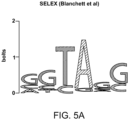
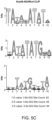
- Motif analysis of the Hrp48 CLIP data identify TA-rich binding motifs similar to that previously published using in vitro selection ( Blanchette et al., Molecular cell. 2009, 33:438-449 ), but TA-rich motifs were not found surrounding editing sites ( FIG. 5 ).
- TRIBE usually edits near, but not at, the binding site, consistent with fusion of the editing moiety to the C terminus of Hrp48.
- some more distant editing might be due to RNA flexibility and/or the dsRNA preference of the ADARcd (discussed later).
- Hrp48-TRIBE defines fewer targets than Hrp48 CLIP.
- Most expressed genes have at least one statistically significant CLIP peak, with similar results from endogenous Hrp48 and the Hrp48-TRIBE fusion polypeptide ( FIG. 4C ). This is in contrast to TRIBE targets, which are more restricted and comprise only ⁇ 20% of expressed genes ( FIG. 4C ). These results are from very deep sequencing ( ⁇ 200 M reads), which indicated that the more restricted target set was not merely due to lack of sensitivity. Because a single, statistically significant CLIP peak was not a stringent threshold for defining a target, total CLIP enrichment (relative to expression) was calculated per gene.
- Hrp48-TRIBE target genes are biased toward higher CLIP enrichment (right shifted distribution; FIG. 4D ); indeed, 45% of the top quarter ranked CLIP targets was also TRIBE targets, which indicated that Hrp48-TRIBE preferentially detects stronger Hrp48 CLIP targets ( FIG. 4D , inset).
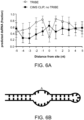
- Structure prediction modeling of the regions surrounding TRIBE editing events indicated that editing occurs preferentially at a bulge embedded within dsRNA ( FIG. 6A ), similar to an RNA structure edited by the human ADAR2cd when expressed in Saccharomyces cerevisiae ( FIG. 6B ) ( Yi-Brunozzi et al., J. Biol. Chem.
- dFMR1 has roles in mRNA localization and translational regulation in neurons.
- dFMR1-TRIBE editing events are distributed throughout the coding region of transcripts ( FIGs. 7D and 7E ).
- This same pattern has been observed by CLIP of FMRP in mammalian cells ( Darnell et al., Cell, 2011 146, 247-261 ; Ascano et al., Nature. 2012, 492, 382-386 ) and is consistent with the role of dFMR1 as a translation regulator.
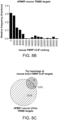
- Further examination of mouse brain FMRP CLIP targets revealed that the mouse homologs of the dFMR1-TRIBE target genes were biased toward higher CLIP rankings, suggesting that dFMR1-TRIBE identifies conserved targets of FMRP ( FIG. 8A ) (Darnell et al.).
- NonA Drosophila RBP
- NonO is a multifunctional protein involved in the function of nuclear para-speckles as well as other nuclear events like splicing, mRNA export and the regulation of transcription.
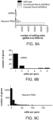
- NonA-TRIBE fusion polypeptide in S2 cells led to a small increase in mRNA editing (approximately 3-fold; FIG. 9A , top), much less than what was observed above with the dFMR1 and Hpr48 fusion polypeptides .
- chromatin-associated RNA from S2 cells was isolated and sequenced ( Wuarin and Schibler. Mol. Cell. Biol. 1994, 14, 7219-7225 ; Khodor et al.,. Genes Dev., 2011, 25, 2502-2512 ).
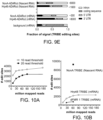
- nascent RNA from cells expressing NonA-TRIBE had 30-fold more editing sites than mRNA, even at a lower sequencing depth (mRNA, ⁇ 300 sites, ⁇ 90 M mapped reads; Nascent RNA, ⁇ 9,000 sites, ⁇ 60 M mapped reads) ( FIGs. 9A and 10B ).
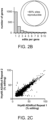
- the nascent RNA edited by NonA-TRIBE has many genes with multiple editing sites per gene ( FIG. 9C ), in contrast to the editing events in mRNA due to Hrp48-TRIBE ( FIG. 2B ), dFMR1-TRIBE ( FIG. 7B ), or even NonA-TRIBE ( FIG. 9B ).
- the median number of sites per gene in nascent RNA is 2, and 25% of genes have greater than 6 sites per gene. These sites are in 1,561 target genes, approximately 20% of expressed genes. The maximum number is 181 sites (in Shab).
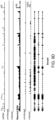
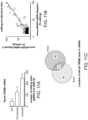
- NonA-TRIBE editing sites are enriched in intronic regions of the nascent transcripts ( FIGs. 9D and 9E ). Perhaps owing to retained introns, half of the few (40) NonA-TRIBE editing events in mRNA are also in intronic regions ( FIG. 11 ). Nascent RNA sequenced from cells expressing Hrp48-TRIBE does not show this intronic concentration of editing sites ( FIG. 9E ). On the contrary, Hrp48-TRIBE maintains its preference for 30 UTRs even in nascent RNA. This is despite the fact that nascent transcripts contain fewer 30 UTR reads due to the 50 enrichment of nascent RNA. The NonA moiety therefore dictates the preference of NonA-TRIBE for intronic RNA rather than it being a general RBP property.
- TRIBE cell-specific RBP targets within the fly brain.
- the Drosophila UAS/Gal4 system was employed.
- Transgenic fly lines harboring the Hrp48-TRIBE transgene under the control of the UAS promoter were generated.
- Cell-specific expression was achieved using a range of Gal4 driver lines, which express the UAS transcriptional activator Gal4 only in specific subsets of neurons.
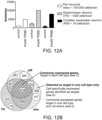
- Hrp48-TRIBE protein caused a large increase in the number of editing sites, far more than the level of endogenous editing (range of endogenous editing sites, -300-2,000; range of TRIBE editing sites, -8,000-11,000; FIG. 12A ).
- Neuronal expression of only the ADARcd gave rise to no additional editing. All endogenous editing events detected in any cell type were excluded from downstream analysis of TRIBE ex-pressing neurons.
- editing events due to Hrp48-TRIBE were enriched in the 30 UTRs of neuronal transcripts, which had even more edits per gene than was typical in cultured S2 cells. This may partly be a result of the extended length of 30 UTRs often observed in neurons compared to other cell types.
- Hrp48 target genes Similar numbers of Hrp48 target genes were identified in each of the three cell types (-1743-2798); the target gene sets were overlapping, but not identical ( FIG. 12B ). Not surprisingly, commonly expressed genes were identified as tar-gets in all three cell types ( FIGs. 12B and 12C ).
- the neuronal RBP named "found in neurons,” (FNE) was identified as a Hrp48 target in all neuronal subsets, other targets in this class include bru-3, mamo, and pum.
- genes were identified as a target in only one or two cell types despite being expressed in all three.
- the genes galectin, aret, and Spp were expressed in all three cell types, but aret is identified as a target only in TH cells.
- Galectin was identified as a target in pdf and TH cells, and Spp is a target in pdf and elav cells ( FIG. 12E ).
- These "commonly expressed genes" have sufficient sequencing depth at the given base position (minimum 20 reads) in all three cell types to detect an editing event of roughly comparable frequency, indicating that editing is indeed cell-type specific.
- Another set of targets are identified in only one or two cell types due to bonafide cell-type-specific gene expression differences: for example, pdf is only identified as a target in pdf neurons because it is only expressed there; similarly, the transcription factor Dll is only expressed in dopaminergic (TH) neurons where it is also identified as a Hrp48 target ( FIG. 12D ). Note that there are probably a number of genes inappropriately as-signed as cell-specifically expressed ( FIG. 12B ). This occurs when the specific editing site has insufficient coverage (due to uneven sequencing coverage) despite acceptable overall gene expression.
- Hrp48 target genes were also analyzed by gene ontology (GO) terms. Common target genes are not surprisingly enriched for general neuronal functions, consistent with the newly described role of Hrp48 in axon guidance and branching, whereas cell-specific target gene functions were distinct. This probably reflects cell-specific gene expression patterns as well as cell-specific binding of Hrp48 to commonly expressed genes.
- dFMR1-TRIBE was also expressed in specific neurons. Based on evidence from mammalian systems where the balance between excitation and inhibition is affected when FMRP is altered (e.g. Human Fragile X syndrome), the targets of dFMR1 in excitatory (cholinergic; Cha-Gal4) and inhibitory (GABAergic; GAD-Gal4) cells were selected for experimentation. They were purified as described above and the resulting isolated mRNA sequenced.
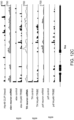
- dFMR1-TRIBE editing sites were found throughout coding regions in neurons, which mirrors the cell culture results described above. Many fewer target genes were identified in GABAergic neurons than in cholinergic neurons ( FIGs. 13A-13C ), possibly due to the lower expression level of the TRIBE protein in GABAergic neurons. Due to this difference, Cha targets may not be truly cell-specific, but the smaller number of GAD-Gal4-specific dFMR1 targets indicate cell-specific targets ( FIGs. 13C and 13F ).
- Cha-specific targets are enriched for cytoplasmic functions, signal transduction and the regulation of GTPase activity ( FIG. 13E ).
- dFMR1 cell-specific targets may reflect cell-specific gene expression and/or cell-specific binding of dFMR1 to commonly expressed genes.
- Example 7- TRIBE Identifies Targets of 4E-BP.
- the eukaryotic initiation factor eIF4F complex consists of many components including: eIF4E, the subunit that binds to the 5' cap of mRNA, which brings the complex to the mRNA; eIF4G, the scaffolding protein to which the other components bind; mitogen-activated protein kinase-interacting kinase 1 (Mnk1), an eIF4E kinase; and eIF4A, an RNA helicase.
- Mnk1 mitogen-activated protein kinase-interacting kinase 1
- eIF4A an RNA helicase.
- the functionality of the eIF4F complex relies on the association between eIF4E and eIF4G.
- mTOR complex 1 controls whether or not 4E-BP binds eIF4E by controlling 4E-BP phosphorylation.
- mTORC1 When mTORC1 is active, under positive growth conditions it phosphorylates 4E-BP, which is then unable to bind to eIF4E. Thus, eIF4E is free to bind to eIF4G, which completes the eIF4F complex on the 5' cap and permits translation to proceed. Under negative growth conditions, for example, during stress or pharmacological inhibition of mTORC1 by rapamycin or torin 1, mTORC1 is inactive and 4E-BP therefore becomes hypophosphorylated. As a consequence of hypophosphorylation, 4E-BP binds efficiently to eIF4E, thereby removing it from the eIF4F complex and inhibiting cap-dependent translation.
- a fusion polypeptide was generated by introducing a mutation to the ADAR operatively linked to Thor.
- the ADAR mutation (E488Q) resulted in dramatically increased target mRNA labeling, especially after activation of Thor by serum depletion or rapamycin treatment ( FIG. 15B ), thus this method is called Thor-E488Q "Hyper TRIBE.”
- the mutant Thor-ADAR labeled even more target RNAs following the torin 1 treatment than following rapamycin treatment FIG. 15C ).
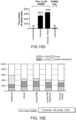
- RNA targets In additional to the Thor-ADAR-E488Q mutant, a constitutively active form of Thor (ThorLLAA) was used to label RNA targets. ThorLLAA can label RNA targets well under normal induction conditions in the presence and absence of rapamycin ( FIG. 15D ). Analysis using the Thor-linker-E488Q and ThorLLAA-E488Q mutant fusion polypeptides revealed that more sites are distributed in the 5' UTR and 3' UTR regions ( FIG. 15E ).
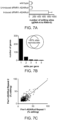
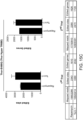
- RNA binding targets of 4E-BP under rapamycin (RAPA_1, RAPA_2) and torin (Torin_1, Torin_2) treatment conditions from different replicates are shown in the left panel of FIG. 15F , whereas an overlapping target analysis of 5' editing sites is shown in the right panel of FIG. 15 .
- Common targets of 4E-BP from different rapamycin and torin drug treatments were selected for further analysis ( FIG. 15G ).
- Thor TRIBE mRNA editing data is provided in Table 2.
- Thor TRIBE mRNA editing obtained with the E488Q mutant is provided in Table 3.
- TOP and TOP-like mRNAs were identified by the Thor analysis. Sequences of interest are provided in Table 4. TOP mRNAs start with a cytidine immediately after the 5' mRNA cap, followed by an uninterrupted segment of 4-14 bp of pyrimidines (underlined regions).
- Table 4 TOP-like mRNA Sequences in Thor Targets mRNA Sequence CG3164 TTTC AGTTGCGATCGCGGCGCGAGCG CG11454 TTATCTTCT GCCATCACTACGT CG4822 CTTTACTC AGCAGCTCGCCATGCCAC MFS10 GTTTGTGTGTGTGTGTGT CG14629 CCAGTTAGTGCGA Ntf-2 TCGACGTTGTTCCACCC RpL7 GG TCTTTCTTTCCCTTTCTTTT ACCAG RpL35 T TCCTTTTCTTTTC GCCGCGTTTCCGGAGAGGT Src42A AG TCTTTT GGTATTTCTCGAGTCC CoVIb CGCTATAGCTATCGCCAGGCTCGT
- PABP Poly(A)-binding polypeptide
- RPS2 Ribosomal Protein S2
- PABP is a RNA-binding polypeptide which binds to the poly(A) tail located on the 3' end of mRNA.
- PABP is also involved in mRNA precursors by helping Polyadenylate polymerase add the Poly(A) nucleotide tail to the pre-mRNA before translation.
- PABP is also present during stages of mRNA metabolism including Nonsense-mediated decay and nucleocytoplasmic trafficking.
- PABP may also protect the poly(A)tail from degradation and regulate mRNA production.
- PABP binding is designed to edit and identify polyadenylated mRNAs engaged in translation.
- RPS2 is a component of the 40S subunit of the ribosome. During translation the 40S subunit binds to 70S subunits to form the ribosomal machinery responsible for the translation of mRNAs to form polypeptides. Together the 40S and 70S ribosomal subunits assemble on a strand of mRNA, where additional cellular components such as tRNAs are recruited for translation. RPS2 binding is designed to edit and identify mRNAs engaged in translation.
- PABP-E488Q and RPS2-E488Q TRIBE fusion polypeptides were generated and assayed in a similar manner as described above.
- the PABP-E488Q fusion polypeptide produced a robust response in the induced group, which increased the amount of edited sites ( FIG. 15H , left panel).
- the RPS2-E488Q fusion polypeptide was effective at increasing the amount of edited sites in the induced group ( FIG. 15H , right panel). Relative to the RPS2-E488Q fusion protein, the PABP-E488Q TRIBE fusion polypeptide produced a greater increase in the number of edited sites.
- TRIBE was developed to allow the identification of RBP targets in small numbers of specific cells in vivo. To show that TRIBE is applicable to different types of RBPs, it was applied to three Drosophila RBPs (Hrp48, dFMR1 and NonA). The fusion polypeptides maintain catalytic activity, and expression of all three TRIBE fusion polypeptides results in robust and reproducible introduction of new editing sites. The three RBP-fusions have dramatically different editing patterns, indicating that the RBPs play a major role in determining editing specificity.
- Hrp48-TRIBE editing sites are enriched in the 30 UTR, as is the CLIP signal of both the fusion and endogenous proteins, demonstrating that TRIBE editing correctly reflects the endogenous binding pattern of Hrp48.
- dFMR1-TRIBE editing sites are dispersed throughout the coding sequence of transcripts, which is the observed binding pattern of mammalian FMRP as reported by Darnell et al. and is consistent with its role as a translation regulator.
- the third RPB fusion protein, NonA-TRIBE edits RNA preferentially in introns, consistent with its published role as a splicing factor ( Kozlova et al., Exp. Cell Res. 2006, 312, 2619-2630 ; Kaneko et al., Genes Dev. 2007, 21, 1779- 1789 ).
- Negative controls (the truncated ADAR catalytic domain alone and Hrp48-TRIBE with mutagenized RNA-binding domains) do not result in any additional editing sites, further indicating that editing is specified by the RBP. The data confidently indicates that the TRIBE editing sites faithfully mark transcript targets of the RBPs. Additional experiments expressing Hrp48-TRIBE and dFMR1-TRIBE in specific neurons demonstrate the ability to identify cell-specific RBP targets. Comparing these targets between neuronal subtypes illustrates the diversity of cell-type-specific RBP targets and therefore the importance of a method for defining RBP-target interactions in individual cell types.
- CLIP false positives are a particular concern as transcripts that are functionally unaffected by knockdown of the RBP are often identified as targets ( Lambert et al., Mol. Cell, 2014, 54, 887-900 ).
- Biases include the preferential crosslinking of uridines; the choice of RNase and fragmentation conditions, all of which have a significant impact on the detected targets.
- the low efficiency steps of the CLIP protocol necessitates large numbers of cells and as such is not amenable to the study of discrete, small numbers of cells.
- RNA tagging is a method to identify a target RNA by using a RBP fused to a Caenorhabditis elegans poly (U) polymerase, to tag target RNAs by attaching poly U tails bound by the RBP, which are used to identify the identity of the bound not ( Lapointe et al., Nat. Methods 12, 1163-1170 ). Although it is too soon to compare the two methods, RNA tagging fundamentally differs from TRIBE since RNA tagging does not identify the region of the mRNA bound by the RBP, and target identification requires a special library protocol.
- TRIBE uses standard library methods and therefore needs very little RNA. Indeed, TRIBE has been used to identify RBP targets in tiny numbers of specific neurons from the fly brain. The smallest group of neurons used in this study is the key circadian pacemaker neurons, the pdf cells, of which there are 16 in a single fly brain. The minimum number of cells required to generate TRIBE sequencing libraries is ⁇ 150 neurons. Given recent advances and the trajectory of developments in RNA sequencing (RNA-Seq), TRIBE could be applicable to individual cells and provide an unprecedented level of resolution on RBP targets.
- RNA-Seq RNA sequencing
- TRIBE involves sequencing the transcriptome of specific cells and therefore also captures their specific gene expression features, e.g., alternative splicing and 30 UTR patterns, and therefore it may be possible to correlate transcriptional, post-transcriptional and RBP binding events.
- the expression of the TRIBE fusion polypeptide may affect gene expression, transient expression and gene expression analysis of a parallel sample without TRIBE expression are advisable.
- CLIP is typically done from mixed tissue, making it difficult to correlate the binding data with a specific gene expression state.
- TRIBE is comparatively simple to perform and should also be amenable to mammalian systems. It only requires cloning and expression, the RNA is then purified and sequenced, and novel editing events detected via a bioinformatics pipeline.
- ADARcd-TRIBE protein has an absolute requirement for an editable substrate (an adenosine) proximal to the RBP binding site, the absence of which may preclude the editing of some targets and result in false negatives.
- endogenous ADARs have preferences for bases proximal to the editing site and all TRIBE proteins maintain these published preferences (e.g., 50 U enriched, 30 G enriched; FIG. 14 ) ( Eggington et al., Nat. Commun., 2011, 2, 319 ; Kuttan and Bass, Proc. Natl. Acad.
- ADAR Although endogenous ADAR exhibits considerable plasticity, e.g., it edits regions of highly complex structure as well long stretches of duplex RNA, it was assumed that RBP-ADARcd proteins will not label their bound targets if they are composed exclusively of single stranded RNA. Indeed, the comparison of edited regions with those CLIP targets that have no editing ( FIG. 6 ) indicates that the requirement for a bulged A within a dsRNA region (Eifler et al., 2013) explains why TRIBE has fewer targets than CLIP.
- TRIBE ADARcd can take advantage of double-stranded RNA features that are dynamic
- TRIBE favors the labeling of long-lived interactions between the RBP and its target RNA.
- CLIP by contrast may take a snapshot that includes many weaker and transient interactions that are false positives.
- an endogenous locus knockin may be used to achieve endogenous levels of RBP-TRIBE expression.
- TRIBE can be extended by fusing the ADARcd to other proteins and expressing them in a cell-type-specific manner, for example, polyA binding polypeptide for transcriptome identification or ribosomes for translational profiling, all of which can be done without any biochemistry.
- a light-, biochemical- or chemical-activatable domain to provided spatial and temporal control to TRIBE editing may be used.
- Hrp48-TRIBE and dFMR1-TRIBE in specific subsets of neurons identified cell-specific targets. Comparing them between neuronal subtypes illustrates the diversity of cell-type-specific RBP targets and thus the importance of TRIBE for defining RBP-target interactions in particular cell types.
- TRIBE ameliorates this issue and should therefore contribute to addressing the long-standing question of how more broadly expressed proteins have cell-specific effects. This issue is particularly relevant to several RNA-binding proteins associated with human diseases, e.g., FMRP, FUS, and TDP43.
- the RBP of interest was cloned upstream of the Drosophila ADAR catalytic domain (the whole C terminus downstream of the second dsRBD was used, starting with Y268 to terminal E669 of AHN59262.1) with minimal linker region into a pMT-A vector (Invitrogen, V4120-20, also harboring a blasticidin-resistance gene).
- Stable S2 cell lines were made by transfecting with the pMT-RBP-ADARcd-V5-Blasticidin plasmid, followed by subsequent blasticidin-resistance selection. Fusion polypeptide expression was induced by introduction of copper sulfate for 24 hr, prior to harvesting protein and RNA.
- RNA-Seq libraries from S2 cells were constructed using the standard Illumina Truseq Kit protocol. RNA-Seq libraries from manually sorted neurons were made as described in Abruzzi et al..
- RNA-editing events are defined as loci where there are A > 80% and zero G in genomic DNA and G > 0% in RNA (in the reverse strand, the reverse complement was evaluated). Genomic DNA was also sequenced from either S2 cells or yw flies, to provide a reference which contains SNPs. Analysis of RNA-Seq data was performed as previously published ( Rodriguez et al., Mol. Cell 2012, 47, 27-37 ), with some modifications, described in detail below.
- CLIP libraries of Hrp48 and Hrp48-ADARcd were constructed as described in Cho et al. (Cell. 2012, 151:765-777 ), with some modifications as described below. Significant regions of binding were determined using the CLIPper algorithm ( Lovci et al., Nat. Struct. Mol. Biol. 2013, 20, 1434-1442 ) and as described in Moore et al., Nat. Protoc. 2014, 9, 263-293 .
- TRIBE flies were generated by cloning the RBP-ADARcd-V5 transgene into a modified pJFRC7-20x UAS construct (RBP in locus of removed mCD8-GFP, Addgene #26220), which was injected by BestGene.
- UAS-RBP-ADARcd-V5; UAS-eGFP flies (Bloomington stock center #1522) were crossed to a range of driver lines (pdf-Gal4, TH-Gal4, elav-gsg-Gal4, Cha-Gal4, and GAD-Gal4) to achieve cell-type-specific expression of the fusion polypeptide.
- Hrp48-TRIBE elav-Gal4 and UAS-Hrp48-ADARcd
- elav-Gal4 and UAS-Hrp48-ADARcd were lethal, so adult-specific expression was achieved using the gene-switch system ( Osterwalder et al., Proc. Natl. Acad. Sci. 2001, 98, 12596-12601 ), elav-gsg-Gal4.
- Young flies ⁇ 3 days old) were maintained on food containing RU486 (0.2 mg/ml, Sigma #8046) for 5-8 days prior to dissection and cell sorting. Additional details are described below.
- TRIBE component cDNA clones were acquired from various sources; Hrp48 (P48809) from Donald Rio; dFMR1 (AF305881) provided by Tom Jongens, dADAR provided by Robert Reenan (Palladino et al., 2000), NonA (clone RE58280, Drosophila Genomics Resource Centre, Bloomington, IN).
- Cytidine deaminases assayed were mouse APOBEC1 (BC003792), yeast CDD1 (Gene ID 850946), putative Drosophila cytidine deaminases CG5292 (FBgn0038491) and CG6951 (FBgn0036959), human APOBEC3A (Sharma et al., 2015) and plant QED1 and RARE1, (Wagoner et al., 2015). Mutations of the two RNA recognition motifs of Hrp48 (P48809, F50V, F52V and F139V, F141V) were modeled after mutations performed by Mayeda et al. (1994) on hnRNP A1.
- RNA-Seq library generation protocol A detailed description of the cell sorting and RNA-Seq library generation protocol is provided in Abruzzi et al.. Briefly, between 20 and 50 fly brains were dissected in the presence of tetrodotoxin only (0.1uM), digested in L-cysteine-activated papain (Worthington) for 20 minutes, before manual dissociation using fire-polished pipette tips. Dissociated cells are allowed to settle in a large volume of sorting medium on Sylgard coated plates. Using a dissecting microscope fluorescently labeled neurons are then manually aspirated using micropipettes pulled from capillary tubes (World Precision Glass Capillaries #1B100-4, Sutter Instrument Company). Three rounds of sorting are performed until approximately 150-400 fluorescent cells are sorted into 50ul of Lysis/Binding buffer (Invitrogen; Dynabeads mRNA direct kit) and frozen at - 80 °C.
- Lysis/Binding buffer Invitrog
- mRNA is isolated on poly dT beads (Dynabeads mRNA direct kit; Invitrogen) using a scaled down version of the manufacturer's protocol, and concentrated by vacuum centrifugation (SpeedVac RC1010, Jouan, Winchester, VA).
- RNA Tru-Seq library generation kit (Illumina). Resulting libraries are somewhat 3' biased and approximately 20-60% of reads map to the fly genome (as discussed in Abruzzi et al.). All sequencing was performed on either an Illumina HiSeq or MiSeq.
- RNA sequencing data was performed as previously published Rodriguez et al. , with some modifications. All raw sequencing data and identified RNA editing sites are available for download from NCBI Gene Expression Omnibus (http://www.ncbi.nlm.nih.gov/geo/), accession number (GSE78065). (Except yw gDNA which is in Series GSE37232, sample GSM914095).
- sequencing reads are trimmed with Trimmomatics ( Bolger et al., Bioinformatics. 2014, 30:2114-2120 ) by 6bp at each end, additional low quality bases from either end are removed and reads with average quality score of 30 or greater are kept.
- Genomic DNA reads are aligned using bowtie2 (parameters: --sensitive) to the reference genome (Release 5/dm3) and RNA sequencing reads are aligned using tophat2 ( Trapnell et al., Bioinformatics. 2009, 25:1105-1111 .) (parameters: -m 1 -p 5 -g 2 -I 50000 --microexon-search --no-coverage-search).
- PCR duplicates were not removed for editing analysis. Following re-analysis of a select number of data sets there was only a small change in the number or identity of editing sites and essentially no change in the overlap with CLIP data.
- the gtf file used throughout the analysis was downloaded from iGenomes (via Illumina, dm3 build).
- the editing analysis pipeline used RefSeq annotation of genes, which were downloaded from UCSC genome browser. Only uniquely mapped reads are considered for editing analysis. As number of editing events detected will change with sequencing depth, within each experiment each sample was sequenced to roughly the same depth. Initial experiments with Hrp48 TRIBE in S2 cells are an exception, experimental samples were sequenced to ⁇ 200 million reads to determine if many events were not being detected with less coverage. 70-90 edit sites were detected in wild type cells and cells expressing the dADARcd alone, and on GEO (these likely represent SNPs, PCR errors, endogenous editing sites and may include sites edited by the dADARcd alone).
- RNA editing data is converted to bedgraph file format for display, where the editing percentage (# edit bases/ # total bases) is the height of the displayed black bar. RNA editing data is manipulated as bed/bedgraph format using bedtools.
- the CLIP libraries of Hrp48 were constructed as described previously with slight modification (Cho et al.). S2 cells or head powder of CS flies were irradiated twice for 300mJ/cm2 at 254nm (CL-1600 Ultraviolet crosslinker). For RNaseA treatment, 40 ⁇ l of 40ng/ml RNaseA was added to 1ml of lysate.
- dynabeads protein A Invitrogen
- rabbit anti-Hrp48 antibody a gift from Donald Rio, ( Hammond et al., Molecular and cellular biology. 1997, 17:7260-7267 ) were used.
- Hrp48-ADAR-V5 For Immunoprecipitation of Hrp48-ADAR-V5, dynabeads protein A (Invitrogen), rabbit antimouse IgG antibody (Millipore, 06-371) and mouse monoclonal anti-V5 antibody (Invitrogen, 46-1157) were used. Following linkers and primers were used for making libraries.
- CLIP sequence reads were aligned using Novoalign, (novoalign -t 85 -123 -s 1 -r None). Subsequent bioinformatic analysis of CLIP data was performed as described in Moore et al. (2014) and using the CLIPper algorithm (available at https://github.com/YeoLab/clipper) with default settings. To calculate a per gene CLIP enrichment value, the peak heights of each CLIP region were locally normalized to the mRNA-Seq reads extracted for that region, and summed these values across each gene (using CLIPper peaks). Motif analysis using MEME was conducted ( Bailey et al., Nucleic acids research.
- RNA structure folding with UNAFOLD was carried out on flanking sequences near TRIBE editing sites and CLIP binding sites identified by CIMS analysis (Cross Linking induced Mutation Site) that lack editing by TRIBE.
- TRIBE data All analysis of TRIBE data performed here are binary; either a gene has a TRIBE editing site or not, e.g., the mRNA is a target or not.
- two possible metrics to rank the 'strength' of RBP targets, the number of editing sites in a gene and the extent to which they are edited (editing percentage) could have been used. However, such metrics should be interpreted with caution. First, longer genes obviously have more capacity for harboring more editing sites. Second, editing percentage may be affected by the propensity of the target region to participate in double stranded structures (discussed above) as well as by the strength of interaction between an RBP and its target.
- the number of sites caused by a particular RBP-TRIBE protein will presumably vary quite widely so it is difficult to recommend a specific sequencing depth.
- Factors that could affect the number of editing events include the strength of binding of the endogenous RBP, the strength of binding of the TRIBE-RBP, the structure preference of the RBP, the expression level of the TRIBE-RBP, in addition sequencing depth effects the number of sites detected. The deeper the sequencing depth the more editing sites will be detected. For the experiments the deepest sequencing is -200 million mapped reads (Hrp48-TRIBE, s2 cells), however, in the data indicates 20-30 million mapped reads can be sufficient ( Fig 10 ). It is recommended that within an experiment each sample is sequenced to roughly the same depth.
Landscapes
- Chemical & Material Sciences (AREA)
- Health & Medical Sciences (AREA)
- Life Sciences & Earth Sciences (AREA)
- Organic Chemistry (AREA)
- Genetics & Genomics (AREA)
- Zoology (AREA)
- Engineering & Computer Science (AREA)
- Bioinformatics & Cheminformatics (AREA)
- Wood Science & Technology (AREA)
- General Health & Medical Sciences (AREA)
- General Engineering & Computer Science (AREA)
- Biochemistry (AREA)
- Biomedical Technology (AREA)
- Biotechnology (AREA)
- Molecular Biology (AREA)
- Medicinal Chemistry (AREA)
- Microbiology (AREA)
- Biophysics (AREA)
- Virology (AREA)
- Toxicology (AREA)
- Proteomics, Peptides & Aminoacids (AREA)
- Gastroenterology & Hepatology (AREA)
- Physics & Mathematics (AREA)
- Plant Pathology (AREA)
- Immunology (AREA)
- Measuring Or Testing Involving Enzymes Or Micro-Organisms (AREA)
- Peptides Or Proteins (AREA)
- Micro-Organisms Or Cultivation Processes Thereof (AREA)
- Enzymes And Modification Thereof (AREA)
Description
- Post-transcriptional regulation of gene expression is mediated by a host of proteins that bind to pre-mRNA and mRNA. Their activity is important for the correct splicing, localization, and translation of cellular components, and their dysregulation is implicated in numerous human diseases. A complete functional understanding of any RNA-binding polypeptide (RBP) requires the identification of its RNA targets. However, identifying biologically relevant RBP targets is challenging. Although there are very good approaches to define in vitro targets, in vivo target identification is a more complicated exercise. There is growing appreciation that even seemingly homogenous tissues are composed of different cell types that can exhibit striking differences in gene expression, proteome, and phenotypic output. Cell types can be broken down even further into subpopulations, and single-cell transcriptional studies have revealed substantial gene expression differences, even between individual cells of the same apparent type. Therefore, because the targets of many RBPs are also likely to be different between tissue and cell types, it is crucial to identify cell-specific targets.
- Traditional methods of RBP target identification, typically immunoprecipitation of RBP-bound target RNAs, are generally performed on mixed tissues and, as such, are plagued by issues such as post-lysis in vitro association of RBPs with spurious targets. Furthermore, results can change dramatically with seemingly subtle differences in experimental conditions. The long list of candidate targets for FMRP (an RBP associated with Fragile X syndrome) with little overlap between labs is a testament to this fact. Similarly, multiple studies performed on the ALS-associated RBP TDP-43 have also yielded strikingly non-overlapping sets of targets.
- More sophisticated methods include the current gold standard for the identification of RNA-binding polypeptide (RBP) targets in vivo, CLIP (crosslinking and immunoprecipitation) and variants thereof. These methods are based on immunoprecipitation and involve creating covalent interactions between the RBP and its targets within cells and tissues, digesting unprotected RNA, and sequencing the remaining "bound" RNA. Despite its myriad advantages, CLIP has several disadvantages. Prominent among them is the requirement for a high-affinity, specific antibody and the inefficiency of crosslinking (generally 1%-5%). CLIP therefore requires rather large amounts of material (currently millions of cells) and, as such, is best suited to the examination of targets in whole tissue rather than in specific cells.
- It should be possible to identify cell-specific RBP targets using CLIP (using an epitope-tagged RBP expressed in a cell-specific manner), but this is still technically challenging. Crosslinking is compromised by limited UV penetration in some tissues and, more importantly, by the low amounts of material in restricted cell populations. Although CLIP was first described in 2005 no such cell-specific experiments have yet been published. Accordingly, improved methods for identifying RBP targets are required.
- McMahon A, et al, 2016, Cell, Vol. 165(3), pages 742 - 753, describe a process called TRIBE which uses an RNA-editing enzyme to identify cell-specific targets of RNA-binding proteins".
- Kuttan, A, et al, 2012, Proceedings Of The National Academy Of Sciences, Vol. 109 (48), pages E3295 - E3304, describe mechanistic insights into editing-site specificity of ADARs.
- In one aspect, the invention provides an ex vivo or in vitrvo method for identifying functional targets of an RNA binding polypeptide in a transcriptome of a cell, the method comprising (a) contacting the transcriptome with a fusion polypeptide, the fusion polypeptide comprising the RNA binding polypeptide operatively linked to a catalytic domain of an RNA editing enzyme, wherein the RNA editing enzyme is ADAR2 comprising mutations E488Q, V493A, and/or T490A; and (b) detecting novel RNA editing events in the transcriptome.
- In one embodiment, the RNA editing enzyme is human ADAR2. In one embodiment, the RNA binding polypeptide is selected from the group consisting of Zipcode binding polypeptide 1 (ZBP1), Fus, Tdp43, EIF4EBP1, and HuR, or fragments thereof having RNA binding activity. In another embodiment, the RNA binding polypeptide comprises a poly(A)-binding polypeptide (PABP) or a Ribosomal Protein S2 (RPS2), or fragments thereof having RNA binding activity. The fusion polypeptide may further contain a sequence tag for purification or a detectable moiety. In another embodiment, the detecting is by sequencing the RNA transcriptome. In another embodiment, the binding target of the RNA binding polypeptide is a cell-specific RNA binding target.
- In a further embodiment, contacting the transcriptome comprises transforming the cell with an expression vector containing a nucleic acid sequence encoding the fusion polypeptide. The expression vector may be a viral vector. In such embodiments the expression vector will containing a nucleic acid sequence encoding the fusion polypeptide, described above. In such embodiments the vector may further contain a promoter operably linked to the nucleic acid andthe promoter is positioned for expression in the cell. In suchembodiments, the promoter may be an insect or mammalian promoter.
- In working the invention a host cell containing the expression vector described above maybe used. In one example, the cell is a eukaryotic cell. In another example, the cell is selected from the group consisting of a bacterial cell, a mammalian cell, and an insect cell.
- Working the invention may involve the use of a mammalian host cell containing the fusion polypeptide described above. In one example, the cell is a mammalian cell derived from a human or animal subject. In another example, the cell is a neoplastic cell. In another example, the cell is selected from the group consisting of adipocytes, bone marrow derived cells, epidermal cells, endothelial cells, fibroblasts, hematopoietic cells, hepatocytes, myocytes, neurons, pancreatic cells, and their progenitor cells or stem cells.
- Working the invention may involve a method for producing a fusion polypeptide as described above, the method involving providing a cell transformed with the expression vector described above positioned for expression in the cell; and culturing the cell under conditions for expressing the fusion polypeptide.
- Working the invention may involve an adeno-associated viral (AAV) vector containing a fusion polypeptide as desribed above, where the polypeptide is operably linked to a promoter positioned for expression in a mammalian cell.
- Compositions and articles defined by the invention were isolated or otherwise manufactured. Other features and advantages of the invention will be apparent from the detailed description, and from the claims.
- Unless defined otherwise, all technical and scientific terms used herein have the meaning commonly understood by a person of ordinary skill in the art to which this invention belongs. The following references provide one of skill with a general definition of many of the terms used in this invention: Singleton et al., Dictionary of Microbiology and Molecular Biology (2nd ed. 1994); The Cambridge Dictionary of Science and Technology (Walker ed., 1988); The Glossary of Genetics, 5th Ed., R. Rieger et al. (eds.), Springer Verlag (1991); and Hale & Marham, The Harper Collins Dictionary of Biology (1991). As used herein, the following terms have the meanings ascribed to them below, unless specified otherwise.
- By "RNA binding polypeptide -RNA editing enzyme fusion polypeptide " is meant a fusion polypeptide comprising a protein domain derived from an RNA binding polypeptide and a protein domain having polynucleic acid deaminase activity.
- By "RNA binding protein" or "RNA binding polypeptide" is meant a polypeptide or fragment thereof capable of sequence specific binding to RNA.
- By "DNA binding protein" or "DNA binding polypeptide" is meant a polypeptide or fragment thereof capable of sequence specific binding to DNA
- By "RNA editing enzyme" is meant a polypeptide or fragment thereof having deaminase activity. RNA editing enzymes make discrete irreversible changes to nucleotides present in an RNA molecule. The deaminase activity can be an adenosine deaminase, and/or cytidine deaminase. An example of an RNA editing enzyme is the catalytic domain of the Drosophila homolog of Adenosine Deaminases Acting on RNA (ADAR). Specific examples include a mammalian deaminase described by Bass et al., PNAS Vol. 109, number 48, E3295-E3304. Further examples include human ADAR1, 2, 3, or 4. The sequences of exemplary ADARs are provided below:
Drosophila melanogaster ="adenosine deaminase acting on RNA, isoform P" - /protein_id="NP 001284792.1"
- /db_xref="GI:665389189"
- /db_xref="FLYBASE:FBpp0308383"
- /db_xref="FBgn:FBgn0026086"
- /db_xref="GeneID:31130"

- ORIGIN


- ADAR1 AA Sequence
- NCBI Reference Sequence: XP_016855526.1

- /gene="ADARB1"
- /gene_synonym="ADAR2; DRABA2; DRADA2; RED1"
- /coded_by="NM_001160230.1:436..2460"
- /note="
isoform 7 is encoded bytranscript variant 7" db_xref="GeneID:104" - /db_xref="HGNC:HGNC:226"
- /db_xref="MIM:601218"
- ORIGIN

- Human ADAR mutations are known. Exemplary mutations include those provided below in Table 1.

- By "RNA editing enzyme polynucleotide" is meant a polynucleotide sequence encoding an RNA editing enzyme.
- By "eIF4EBP1 polypeptide" is meant a protein having at least about 85% amino acid identity to the sequence provided at NCBI Reference sequence NP_004086.1, or a fragment thereof and having polynucleotide binding activity. Eukaryotic translation initiation factor 4E-binding polypeptide or "eIF4EBP1" is a protein that can directly interact with eukaryotic translation initiation factor 4E (eIF4E), which is a limiting component of the multisubunit complex that recruits 40S ribosomal subunits to the 5' end of mRNAs. Interaction of this protein with eIF4E inhibits complex assembly and represses translation. The eIF4EBP1 protein is phosphorylated in response to various signals including UV irradiation and insulin signaling, resulting in its dissociation from eIF4E and activation of cap-dependent mRNA translation. An exemplary eIF4EBP1 amino acid sequence is provided below:
Eukaryotic translation initiation factor 4E-binding polypeptide 1 (eIF4EBP1 ) [Homo sapiens]61 ecrnspvtkt pprdlptipg vtspssdepp measqshirn spedkragge esqfemdi
- By "eIF4EBP1 polynucleotide" is meant a nucleic acid molecule encoding an eIF4EBP1 (e.g., Eukaryotic translation initiation factor 4E-binding polypeptide 1). An exemplary eIF4EBP1 S polynucleotide sequence is provided at NCBI Reference Sequence: NM_004095.3, and reproduced herein below.

- By "FMRP polypeptide" is meant a protein having at least about 85% amino acid identity to the sequence provided at NCBI Reference sequence Q06787.1, or a fragment thereof and having polynucleotide binding activity. As used herein, dFMR1, the Drosophila ortholog of FMRP (fragile X mental retardation protein) was fused to the ADARcd to create a TRIBEfusion polypeptidefusion polypeptide. FMRP and dFMR1 are thought to have roles in mRNA localization and translational regulation in neurons. An exemplary FMRP amino acid sequence is provided below:
Fragile X mental retardation protein 1 (FMRP1) [Homo sapiens]
- By "FMRP polynucleotide" is meant a nucleic acid molecule encoding FMRP (e.g., fragile X mental retardation protein). An exemplary FRMP polynucleotide sequence is provided at NCBI Reference Sequence: AB209188.1, and reproduced herein below.



- By "FUS polypeptide" is meant a protein having at least about 85% amino acid identity to the sequence provided at NCBI Reference sequence P35637.1, or a fragment thereof and having polynucleotide binding activity. FUS RNA binding polypeptide or "Fus" is a protein that can bind RNA, single-stranded DNA, and with lower affinity, double-stranded DNA. FUS gene been implicated in the pathogenesis of diseases, for example, myxoid liposarcoma, low grade fibromyxoid sarcoma, frontotemporal lobar dementias (FTLDs), amyotrophic lateral sclerosis (ALS) and frontotemporal dementia (FTD). An exemplary FUS amino acid sequence is provided below:
RNA-binding polypeptide FUS [Homo sapiens]
- By "FUS polynucleotide" is meant a nucleic acid molecule encoding a FUS or RNA-binding polypeptide FUS polypeptide. An exemplary FUS polynucleotide sequence is provided at NCBI Reference Sequence: NM_004960.3, and reproduced herein below.


- By "Heterogeneous nuclear ribonucleoprotein A/B (hnRNP A/B) polypeptide" is meant a protein having at least about 85% amino acid identity to the sequence provided at NCBI Reference sequence NP_112556.2, or a fragment thereof and having biological polynucleotide binding activity. As used herein, Hrp48 (also called Hrb27C) is a homolog of the mammalian hnRNP A/B family and implicated in splicing regulation, mRNA localization, and translation. An exemplary hnRNP A/B amino acid sequence is provided below:
Heterogeneous nuclear ribonucleoprotein A/B (hnRNP A/B) isoform a [Homo sapiens]
- By "hnRNP A/B polynucleotide" is meant a nucleic acid molecule encoding hnRNP A/B (e.g., heterogeneous nuclear ribonucleoprotein A/B isoform a). An exemplary hnRNP A/B polynucleotide sequence is provided at NCBI Reference Sequence: NM_031266.2, and reproduced herein below.

- By "HuR polypeptide" is meant a protein having at least about 85% amino acid identity to the sequence provided at NCBI Reference sequence NP_001410.2, or a fragment thereof and having polynucleotide binding activity. HuR or "ELAV-
like protein 1" is a protein that can contain 3 RNA-binding domains and binds cis-acting AU-rich elements. One of HuR's functions is to stabilize mRNAs in order to regulate gene expression. An exemplary HuR amino acid sequence is provided below:
ELAV-like protein 1 (HuR) [Homo sapiens]
- By "HuR polynucleotide" is meant a nucleic acid molecule encoding a HuR (e.g., ELAV like RNA binding polypeptide 1 (ELAVL1)). An exemplary HuR polynucleotide sequence is provided at NCBI Reference Sequence: NM_001419.2, and reproduced herein below.


- By "NonO polypeptide" is meant a protein having at least about 85% amino acid identity to the sequence provided at NCBI Reference sequence CAG33042.1, or a fragment thereof and having polynucleotide binding activity. As used herein, NonA, the Drosophila ortholog of mammalian NonO is used to generate a TRIBE fusion polypeptide NonO and NonA are multifunctional proteins involved in the function of nuclear para-speckles as well as other nuclear events like splicing, mRNA export and the regulation of transcription. An exemplary NonO amino acid sequence is provided below:
NonO [Homo sapiens]
- By "NonO polynucleotide" is meant a nucleic acid molecule encoding a NonO polypeptide. An exemplary NonO polynucleotide sequence is provided at NCBI Reference Sequence: KU178235.1, and reproduced herein below.

- By "Poly(A) binding protein (PABP)" is meant a protein having at least about 85% amino acid identity to the sequence provided at NCBI Reference sequence NP_002559.2, or a fragment thereof and having polynucleotide binding activity. An exemplary PABP amino acid sequence is provided below:
PABP [Homo sapiens]
- By "PABP polynucleotide" is meant a nucleic acid molecule encoding a PABP polypeptide. An exemplary PABP polynucleotide sequence is provided at NCBI Reference Sequence: NM_002568.3, and reproduced herein below.
PABP [Homo sapiens]

- By "40S ribosomal protein S2 (Rps2 polypeptide)" is meant a protein having at least about 85% amino acid identity to the sequence provided at NCBI Reference sequence NP_002943.2, or a fragment thereof and having polynucleotide binding activity. An exemplary Rps2 amino acid sequence is provided below:
Rps2 [Homo sapiens]
- By "Rps2 polynucleotide" is meant a nucleic acid molecule encoding a Rps2 polypeptide (e.g., 40S ribosomal protein S2). An exemplary Rps2 polynucleotide sequence is provided at NCBI Reference Sequence: NM_002952.3, and reproduced herein below.
Rps2 [Homo sapiens]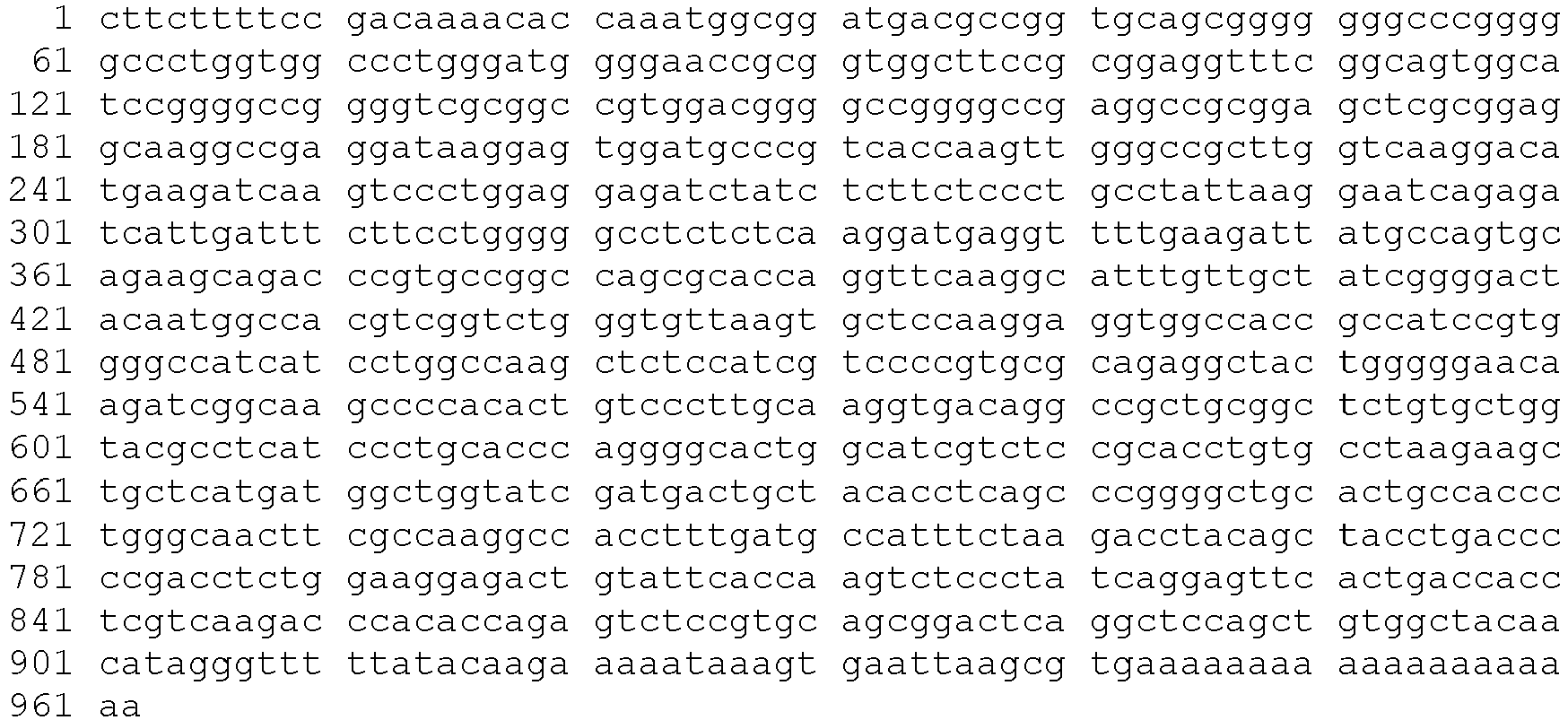
- By "TAR-DNA binding protein 43 kDa (Tdp43) polypeptide" is meant a protein having at least about 85% amino acid identity to the sequence provided at NCBI Reference sequence Q13148.1, or a fragment thereof and having polynucleotide binding activity. Tdp43 or "TAR DNA-binding polypeptide 43" is a protein that can act as a transcriptional repressor that binds to chromosomally integrated TAR DNA and represses HIV-1 transcription. TDP-43 has been shown to bind both DNA and RNA and have multiple functions in transcriptional repression, pre-mRNA splicing and translational regulation. An exemplary Tdp43 amino acid sequence is provided below:
TAR DNA-binding polypeptide 43 (TDP-43) [Homo sapiens]
- By "TDP-43 polynucleotide" is meant a nucleic acid molecule encoding a TDP-43 (e.g., TAR DNA-binding polypeptide 43). An exemplary TDP-43 polynucleotide sequence is provided at NCBI Reference Sequence: EF434181.1, and reproduced herein below.

- By "Zipcode -binding polypeptide 1 (ZBP1) polypeptide" is meant a protein having at least about 85% amino acid identity to the sequence provided at NCBI Reference sequence Q9NZI8.2, or a fragment thereof and having polynucleotide binding activity. ZBP1 is a homolog of the human insulin-
like growth factor 2 mRNA-binding polypeptide 1 (IMP-1) and murine CRD-BP, the proteins involved in mRNA transport (RNA-binding proteins, RBPs).An exemplary ZBP1 (IMP-1) amino acid sequence is provided below:
Zipcode -binding polypeptide 1 (ZBP1) polypeptide binding polypeptide (ZBP1) [Homo sapiens]
- By "ZBP1 polynucleotide" is meant a nucleic acid molecule encoding a ZBP1 or insulin-
like growth factor 2 mRNA-bindingpolypeptide 1 polypeptide. An exemplary ZBP1 polynucleotide sequence is provided at NCBI Reference Sequence: AF 198254.1, and reproduced herein below.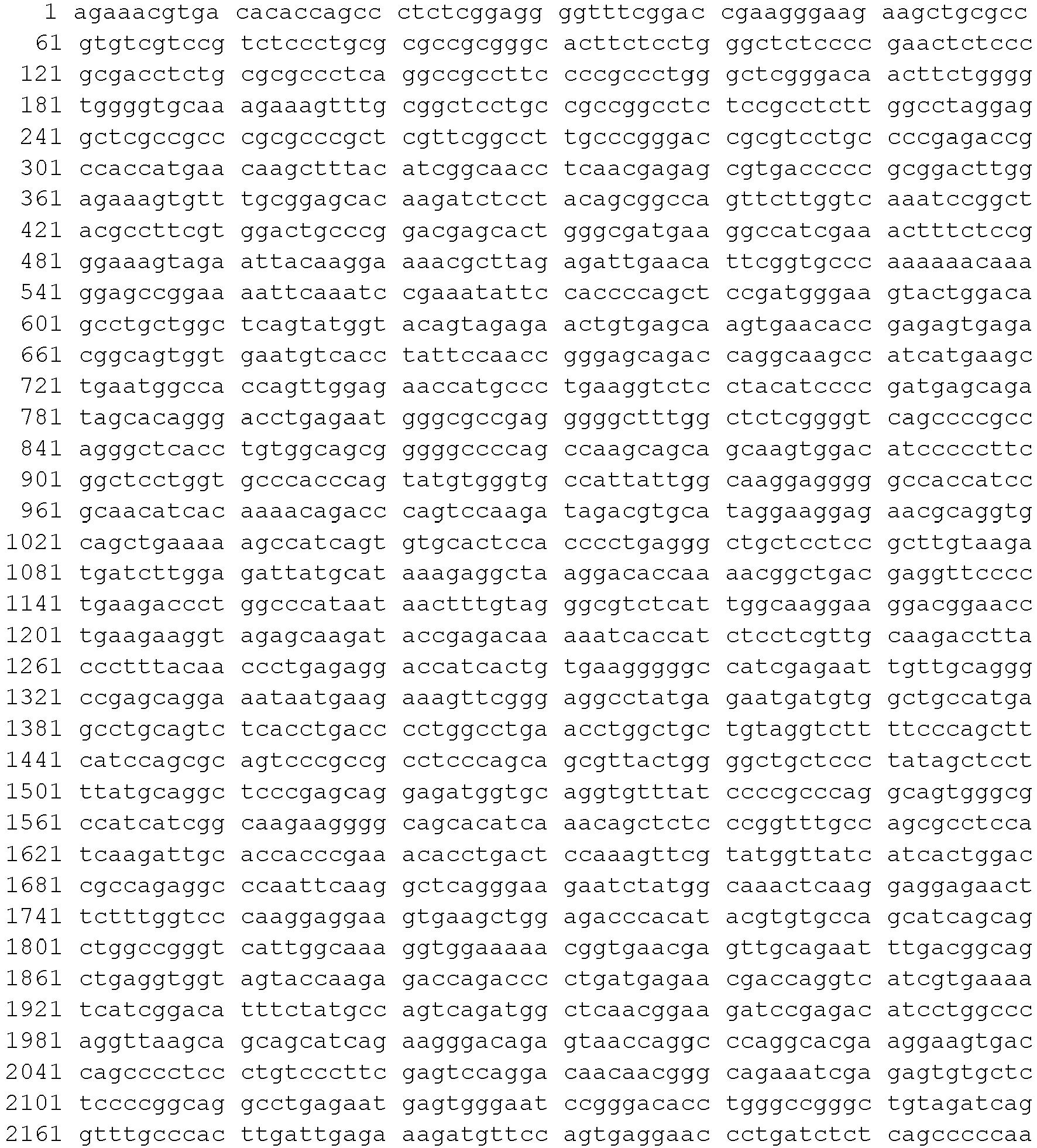

- By "alteration" is meant a change (increase or decrease) in the expression levels or activity of a gene or polypeptide as detected by standard art known methods such as those described herein. As used herein, an alteration includes a 10% change in expression levels, preferably a 25% change, more preferably a 40% change, and most preferably a 50% or greater change in expression levels.
- In this disclosure, "comprises," "comprising," "containing" and "having" and the like can mean " includes," "including," and the like; "consisting essentially of" or "consists essentially" likewise is open-ended, allowing for the presence of more than that which is recited so long as basic or novel characteristics of that which is recited is not changed by the presence of more than that which is recited, but excludes prior art embodiments.
- "Detect" refers to identifying the presence, absence or amount of the analyte to be detected.
- By "detectable label" is meant a composition that when linked to a molecule of interest renders the latter detectable, via spectroscopic, photochemical, biochemical, immunochemical, or chemical means. For example, useful labels include radioactive isotopes, magnetic beads, metallic beads, colloidal particles, fluorescent dyes, electron-dense reagents, enzymes (for example, as commonly used in an ELISA), biotin, digoxigenin, or haptens.
- By "expression vector" or "recombinant expression vector" is meant a genetically-modified oligonucleotide or polynucleotide construct that permits the expression of an mRNA, protein, polypeptide, or peptide by a host cell, when the construct comprises a nucleotide sequence encoding mRNA, protein, polypeptide, or peptide, and the vector is contacted with the cell under conditions sufficient to have the mRNA, protein, polypeptide, or peptide expressed within the cell. Examplary expression vectors and methods of construction are described in
U.S. Patent Application Nos. 8,993,531 ,6,136,599 ,6,020,164 ,5,962,226 ,5,858,675 ,U.S. Patent Application No. 20070066521 and International Application Nos.WO 2012033382 ,WO 2010075303 . - The expression vectors of use in the present invention are not naturally-occurring as a whole. However, parts of the vectors can be naturally-occurring. The expression vectors can comprise any type of polynucleotides, including, but not limited to DNA and RNA, which can be single- stranded or double-stranded, synthesized or obtained in part from natural sources, and which can contain natural, non-natural or altered nucleotides. The expression vectors can comprise naturally-occurring, non-naturally-occurring internucleotide linkages, or both types of linkages. Preferably, the non-naturally occurring or altered nucleotides or internucleotide linkages does not hinder the transcription or replication of the vector.
- Recombinant expression vectors of use in the invention can be any suitable expression vectors, and can be used to transform or transfect any suitable host. Suitable vectors include those designed for propagation and expansion or for expression or both, such as plasmids and viruses. The vector can be, for example, the pUC series (Fermentas Life Sciences, Glen Burnie, MD), the pBluescript series (Stratagene, LaJolla, CA), the pET series (Novagen, Madison, WI), the pGEX series (Pharmacia Biotech, Uppsala, Sweden), and the pEX series (Clontech, Palo Alto, CA). Bacteriophage vectors, such as λGTIO,
λGTl 1, λZapII (Stratagene), λEMBL4, and λNMl 149, also can be used. Examples of animal expression vectors include pEUK-Cl, pMAM and pMAMneo (Clontech). - The expression vectors of use in the invention can be prepared using standard recombinant DNA techniques described in, for example, Sambrook et al., supra, and Ausubel et al., supra. Constructs of expression vectors, which are circular or linear, can be prepared to contain a replication system functional in a prokaryotic or eukaryotic host cell. Replication systems can be derived, e.g., from CoIEl, 2 µ plasmid, λ, SV40, bovine papilloma virus, and the like.
- The expression vector can include one or more marker genes, which allow for selection of transformed or transfected hosts. Marker genes include biocide resistance, e.g., resistance to antibiotics, heavy metals, etc., complementation in an auxotrophic host to provide prototrophy, and the like. Suitable marker genes for the expression vectors include, for example, neomycin/G418 resistance genes, hygromycin resistance genes, histidinol resistance genes, tetracycline resistance genes, and ampicillin resistance genes.
- The expression vector can include regulatory sequences, such as transcription and translation initiation and termination codons, which are specific to the type of host (e.g., bacterium, fungus, plant, or mammalian and non-mamallian animals) into which the vector is to be introduced, as appropriate, and taking into consideration whether the vector is DNA- or RNA-based.
- The expression vector can include a native or nonnative promoter operably linked to the nucleotide sequence encoding the fusion polypeptide (including functional portions and functional variants thereof), or to the nucleotide sequence which is complementary to or which hybridizes to the nucleotide sequence encoding the fusion polypeptide. The selection of promoters, e.g., strong, weak, inducible, tissue-specific and developmental-specific, is within the ordinary skill of the artisan. Similarly, the combining of a nucleotide sequence with a promoter is also within the skill of the artisan. Promoters of use in the present invention can be controlled in a constitutive or regulated manner. Such regulated promoters can be inducible or repressible such that expression of the polynucleotide can be enhanced or repressed. Exemplary promoters can include a non-viral promoters or a viral promoters, for example, the SV40 early promoter, an RSV promoter, the cytomegalovirus (CMV) promoter, the steroid inducible mouse mammary tumor virus (MMTV) promoter, Moloney murine leukemia virus (MMLV) promoter, a promoter found in the long-terminal repeat of the murine stem cell virus, or other other suitable systems known in the art.
- The expression vectors can be designed for either transient expression, for stable expression, or for both. Furthermore, the recombinant expression vectors can be made for constitutive expression or for inducible expression. Inducible expression systems can be responsive to the administration of agents, for example antibiotics and can include systems such as tetracycline regulated expression systems or any inducible expression system known in the art.
- By "fragment" is meant a portion of a polypeptide or nucleic acid molecule. This portion contains, preferably, at least 10%, 20%, 30%, 40%, 50%, 60%, 70%, 80%, or 90% of the entire length of the reference nucleic acid molecule or polypeptide. A fragment may contain 10, 20, 30, 40, 50, 60, 70, 80, 90, or 100, 200, 300, 400, 500, 600, 700, 800, 900, 1000, 1100, 1200, 1300, 1400, 1500, 1600, 1700, 1800, 1900, 2000, 2100, 2200, 2300, 2400, 2500, 2600, 2700, 2800, 2900, 3000, 3100, 3200, 3300, 3400, 3500, 3600, 3700, 3800, 3900, 4000, 4100, 4200, 4300, 4400, 4500, 4600, 4700, 4800, 4900, 5000, 5100, 5200, 5300 nucleotides or amino acids.
- By "fusion polypeptide" is meant a polypeptide or protein that combines at least two amino acid sequences that are not naturally contiguous.
- By "operatively linked" is meant that the two or more polypeptides are connected in manner such that each polypeptide can serve its intended function. Typically, two or more polypeptides are covalently attached through peptide bonds. The fusion polypeptide is preferably produced by standard recombinant DNA techniques. For example, a DNA molecule encoding the first polypeptide is ligated to another DNA molecule encoding the second polypeptide, and the resultant hybrid DNA molecule is expressed in a host cell to produce the fusion polypeptide. The DNA molecules are ligated to each other in a 5' to 3' orientation such that, after ligation, the translational frame of the encoded polypeptides is not altered (e.g., the DNA molecules are ligated to each other in-frame).
- The working of the invention may invlove a host cell comprising any of the recombinant expression vectors described herein.
- By "host cell" is meant any type of cell that can contain the recombinant expression vectors of use in the present invention. The host cell can be a eukaryotic cell, (e.g., plant, animal, fungi, or algae), or can be a prokaryotic cell (e.g., bacteria or protozoa). The host cell can be a cultured cell or a primary cell e.g., isolated directly from an organism, e.g., a human. The host cell can be an adherent cell or a suspended cell, i.e., a cell that grows in suspension. Host cells useful according to the invention are well known in the art. Suitable host cells can include, for example, Drosophila Schneider 2 (S2) cells, Chinese Hamster Ovary (CHO) cells; HeLa cells; liver cells; CV-1 cells; P19 cells; NT2/D1 cells; mouse L cells; African Green monkey kidney cells (e.g., COS-7 cells or other COS cells); human embryonic kidney cells (e.g, HEK 293; DG44 cells), ltk- cells, mouse NIH 3T3 cells and yeast cells. The host cells can be transiently transfected or stably transformed cell lines. Additional host cells can be mammalian cells, for example, adipocytes, bone marrow derived cells, epidermal cells, endothelial cells, fibroblasts, hematopoietic cells, hepatocytes, myocytes, neurons, pancreatic cells, and their progenitor cells or stem cells.
- "Hybridization" means hydrogen bonding, which may be Watson-Crick, Hoogsteen or reversed Hoogsteen hydrogen bonding, between complementary nucleobases. For example, adenine and thymine are complementary nucleobases that pair through the formation of hydrogen bonds.
- The terms "isolated," "purified," or "biologically pure" refer to material that is free to varying degrees from components which normally accompany it as found in its native state. "Isolate" denotes a degree of separation from original source or surroundings. "Purify" denotes a degree of separation that is higher than isolation. A "purified" or "biologically pure" protein is sufficiently free of other materials such that any impurities do not materially affect the biological properties of the protein or cause other adverse consequences. That is, a nucleic acid or peptide is purified if it is substantially free of cellular material, viral material, or culture medium when produced by recombinant DNA techniques, or chemical precursors or other chemicals when chemically synthesized. Purity and homogeneity are typically determined using analytical chemistry techniques, for example, polyacrylamide gel electrophoresis or high performance liquid chromatography. The term "purified" can denote that a nucleic acid or protein gives rise to essentially one band in an electrophoretic gel. For a protein that can be subjected to modifications, for example, phosphorylation or glycosylation, different modifications may give rise to different isolated proteins, which can be separately purified.
- By "isolated polynucleotide" is meant a nucleic acid (e.g., a DNA) that is free of the genes which, in the naturally-occurring genome of the organism from which the nucleic acid is derived, flank the gene. The term therefore includes, for example, a recombinant DNA that is incorporated into a vector; into an autonomously replicating plasmid or virus; or into the genomic DNA of a prokaryote or eukaryote; or that exists as a separate molecule (for example, a cDNA or a genomic or cDNA fragment produced by PCR or restriction endonuclease digestion) independent of other sequences. In addition, the term includes an RNA molecule that is transcribed from a DNA molecule, as well as a recombinant DNA that is part of a hybrid gene encoding additional polypeptide sequence.
- By an "isolated polypeptide" is meant a polypeptide that has been separated from components that naturally accompany it. Typically, the polypeptide is isolated when it is at least 60%, by weight, free from the proteins and naturally-occurring organic molecules with which it is naturally associated. Preferably, the preparation is at least 75%, more preferably at least 90%, and most preferably at least 99%, by weight, of the polypeptide. An isolated polypeptide may be obtained, for example, by extraction from a natural source, by expression of a recombinant nucleic acid encoding such a polypeptide; or by chemically synthesizing the protein. Purity can be measured by any appropriate method, for example, column chromatography, polyacrylamide gel electrophoresis, or by HPLC analysis.
- By "operably linked" is meant that a first polynucleotide is positioned adjacent to a second polynucleotide that directs transcription of the first polynucleotide when appropriate molecules (e.g., transcriptional activator proteins) are bound to the second polynucleotide.
- By "plasmid" is meant a plasmid vector, e.g., circular polynucleotide sequences that are capable of autonomous replication within a suitable host cell due to an origin of replication ("ORI"). Furthermore, a plasmid may comprise a selectable marker to indicate the success of the transformation or other procedures meant to introduce foreign DNA into a cell and a multiple cloning site which includes multiple restriction enzyme consensus sites to enable the insertion of an insert. Plasmid vectors can be referred to as cloning or donor vectors are used to ease the cloning and to amplify a sequence of interest. Plasmid vectors called expression or acceptor vectors are specifically for the expression of a gene of interest in a defined target cell. Those plasmid vectors generally show an expression cassette, consisting of a promoter, the transgene and a terminator sequence. Expression plasmids can be shuttle plasmids containing elements that enable the propagation and selection in different host cells.
- By "polypeptide" is meant any chain of amino acids, regardless of length or post-translational modification.
- By "positioned for expression" is meant that a polynucleotide (e.g., a DNA molecule) is positioned adjacent to a DNA sequence that directs transcription and translation of the sequence (e.g., facilitates the production of, for example, a recombinant polypeptide, or an RNA molecule).
- By "promoter" is meant a polynucleotide sufficient to direct transcription. As used herein, a promoter refers to a polynucleotide that directs transcription of a segment of a polynucleotide to which it is operatively linked. The promoter can include specific sequences that are sufficient for RNA polymerase recognition, binding and transcription initiation. In addition, the promoter region includes sequences that modulate transcription initiation, such as cis acting elements which may be responsive to trans acting factors. Exemplary promoters include nucleic acid sequences of
lengths - By "reduces" is meant a negative alteration of at least 10%, 25%, 50%, 75%, or 100%.
- By "reference" is meant a standard or control condition.
- A "reference sequence" is a defined sequence used as a basis for sequence comparison. A reference sequence may be a subset of or the entirety of a specified sequence; for example, a segment of a full-length cDNA or gene sequence, or the complete cDNA or gene sequence. For polypeptides, the length of the reference polypeptide sequence will generally be at least about 16 amino acids, preferably at least about 20 amino acids, more preferably at least about 25 amino acids, and even more preferably about 35 amino acids, about 50 amino acids, or about 100 amino acids. For nucleic acids, the length of the reference nucleic acid sequence will generally be at least about 50 nucleotides, preferably at least about 60 nucleotides, more preferably at least about 75 nucleotides, and even more preferably about 100 nucleotides or about 300 nucleotides or any integer thereabout or therebetween.
- By "specifically binds" is meant a protein that recognizes and binds a polynucleotide of interest, but which does not substantially recognize and bind other molecules in a sample, for example, a biological sample.
- Nucleic acid molecules useful in the methods of the invention include any nucleic acid molecule that encodes a polypeptide of use in the invention or a fragment thereof. Such nucleic acid molecules need not be 100% identical with an endogenous nucleic acid sequence, but will typically exhibit substantial identity. Polynucleotides having "substantial identity" to an endogenous sequence are typically capable of hybridizing with at least one strand of a double-stranded nucleic acid molecule.
- By "hybridize" is meant pair to form a double-stranded molecule between complementary polynucleotide sequences (e.g., a gene described herein), or portions thereof, under various conditions of stringency. (See, e.g., Wahl, G. M. and S. L. Berger (1987) Methods Enzymol. 152:399; Kimmel, A. R. (1987) Methods Enzymol. 152:507).
- For example, stringent salt concentration will ordinarily be less than about 750 mM NaCl and 75 mM trisodium citrate, preferably less than about 500 mM NaCl and 50 mM trisodium citrate, and more preferably less than about 250 mM NaCl and 25 mM trisodium citrate. Low stringency hybridization can be obtained in the absence of organic solvent, e.g., formamide, while high stringency hybridization can be obtained in the presence of at least about 35% formamide, and more preferably at least about 50% formamide. Stringent temperature conditions will ordinarily include temperatures of at least about 30° C, more preferably of at least about 37° C, and most preferably of at least about 42° C. Varying additional parameters, such as hybridization time, the concentration of detergent, e.g., sodium dodecyl sulfate (SDS), and the inclusion or exclusion of carrier DNA, are well known to those of ordinary skill in the art. Various levels of stringency are accomplished by combining these various conditions as needed. In a preferred embodiment, hybridization will occur at 30° C in 750 mM NaCl, 75 mM trisodium citrate, and 1% SDS. In a more preferred embodiment, hybridization will occur at 37° C in 500 mM NaCl, 50 mM trisodium citrate, 1% SDS, 35% formamide, and 100 .mu.g/ml denatured salmon sperm DNA (ssDNA). In a most preferred embodiment, hybridization will occur at 42° C in 250 mM NaCl, 25 mM trisodium citrate, 1% SDS, 50% formamide, and 200 µg/ml ssDNA. Useful variations on these conditions will be readily apparent to those of ordinary skill in the art.
- For most applications, washing steps that follow hybridization will also vary in stringency. Wash stringency conditions can be defined by salt concentration and by temperature. As above, wash stringency can be increased by decreasing salt concentration or by increasing temperature. For example, stringent salt concentration for the wash steps will preferably be less than about 30 mM NaCl and 3 mM trisodium citrate, and most preferably less than about 15 mM NaCl and 1.5 mM trisodium citrate. Stringent temperature conditions for the wash steps will ordinarily include a temperature of at least about 25° C, more preferably of at least about 42° C, and even more preferably of at least about 68° C. In a preferred embodiment, wash steps will occur at 25° C in 30 mM NaCl, 3 mM trisodium citrate, and 0.1% SDS. In a more preferred embodiment, wash steps will occur at 42 C in 15 mM NaCl, 1.5 mM trisodium citrate, and 0.1% SDS. In a more preferred embodiment, wash steps will occur at 68° C in 15 mM NaCl, 1.5 mM trisodium citrate, and 0.1% SDS. Additional variations on these conditions will be readily apparent to those of ordinary skill in the art. Hybridization techniques are well known to those of ordinary skill in the art and are described, for example, in Benton and Davis (Science 196:180, 1977); Grunstein and Hogness (Proc. Natl. Acad. Sci., USA 72:3961, 1975); Ausubel et al. (Current Protocols in Molecular Biology, Wiley Interscience, New York, 2001); Berger and Kimmel (Guide to Molecular Cloning Techniques, 1987, Academic Press, New York); and Sambrook et al., Molecular Cloning: A Laboratory Manual, Cold Spring Harbor Laboratory Press, New York.
- By "substantially identical" is meant a polypeptide or nucleic acid molecule exhibiting at least 50% identity to a reference amino acid sequence (for example, any one of the amino acid sequences described herein) or nucleic acid sequence (for example, any one of the nucleic acid sequences described herein). Preferably, such a sequence is at least 60%, more preferably 80% or 85%, and more preferably 90%, 95% or even 99% identical at the amino acid level or nucleic acid to the sequence used for comparison.
- Sequence identity is typically measured using sequence analysis software (for example, Sequence Analysis Software Package of the Genetics Computer Group, University of Wisconsin Biotechnology Center, 1710 University Avenue, Madison, Wis. 53705, BLAST, BESTFIT, GAP, or PILEUP/PRETTYBOX programs). Such software matches identical or similar sequences by assigning degrees of homology to various substitutions, deletions, and/or other modifications. Conservative substitutions typically include substitutions within the following groups: glycine, alanine; valine, isoleucine, leucine; aspartic acid, glutamic acid, asparagine, glutamine; serine, threonine; lysine, arginine; and phenylalanine, tyrosine. In an exemplary approach to determining the degree of identity, a BLAST program may be used, with a probability score between e-3 and e-100 indicating a closely related sequence.
- By "subject" is meant a mammal, including, but not limited to, a human or non-human mammal, such as a bovine, equine, canine, ovine, or feline.
- Ranges provided herein are understood to be shorthand for all of the values within the range. For example, a range of 1 to 50 is understood to include any number, combination of numbers, or sub-range from the group consisting 1, 2, 3, 4, 5, 6, 7, 8, 9, 10, 11, 12, 13, 14, 15, 16, 17, 18, 19, 20, 21, 22, 23, 24, 25, 26, 27, 28, 29, 30, 31, 32, 33, 34, 35, 36, 37, 38, 39, 40, 41, 42, 43, 44, 45, 46, 47, 48, 49, or 50.
- Unless specifically stated or obvious from context, as used herein, the term "or" is understood to be inclusive. Unless specifically stated or obvious from context, as used herein, the terms "a", "an", and "the" are understood to be singular or plural.
- Unless specifically stated or obvious from context, as used herein, the term "about" is understood as within a range of normal tolerance in the art, for example within 2 standard deviations of the mean. About can be understood as within 10%, 9%, 8%, 7%, 6%, 5%, 4%, 3%, 2%, 1%, 0.5%, 0.1%, 0.05%, or 0.01% of the stated value. Unless otherwise clear from context, all numerical values provided herein are modified by the term about.
- The recitation of a listing of chemical groups in any definition of a variable herein includes definitions of that variable as any single group or combination of listed groups. The recitation of an embodiment for a variable or aspect herein includes that embodiment as any single embodiment or in combination with any other embodiments or portions thereof.
- Any compositions or methods provided herein can be combined with one or more of any of the other compositions and methods provided herein.
-
-
FIGS. 1A-1D show schematic representations of TRIBE, a fusion polypeptide of an RNA-binding polypeptide (RBP) and the catalytic domain of Adenosine Deaminases Acting on RNA (ADAR) that can edit target transcripts of the RNA-Binding Protein. -
FIG. 1A provides a schematic depicting the TRIBE technique, which identifies the target binding transcripts of specific RNA-binding proteins (RBPs). -
FIG. 1B provides a schematic depicting a native drosophila ADAR composed of two double-stranded RNA-binding domains (dsRBDs) that mediate its target specificity and a deaminase domain that catalyzes an adenosine-to-inosine conversion. -
FIG. 1C provides a schematic depicting the dsRBDs of ADAR were replaced with the RBP of interest. The editing specificity of the fusion polypeptide was determined by the RNA recognition features of the RBP, and the target transcript was permanently marked by a novel editing event. -
FIG. 1 D provides a schematic depicting the cell-specific expression of the fusion polypeptide, which will allow identification of targets in discrete populations of cells in vivo. Co-expression of a fluorescent protein allows for enrichment of RNA from the cells of interest. Examples of Drosophila neuronal subsets examined here were the core circadian pacemaker neurons (pdf (pdf-Gal4) expressing, ~16 cell/brain) and dopaminergic neurons (tyrosine hydroxylase (TH-Gal4), expressing, ~1,000 cells/brain). -
FIGS. 2A-2D show the ability of TRIBE fusion polypeptide to reproducibly edit certain sites. -
FIG. 2A provides a graph indicating an increase in A to G editing events was observed upon induction of the fusion polypeptide in S2 cells. No increase in editing sites was observed when an ADAR catalytic domain alone was expressed or when Hrp48mut-ADARcd (Hrp48 with mutated RNA-binding domains) was expressed. -
FIGS. 2B-2D show the same genes and the same sites were reproducibly edited across biological replicates at similar efficiencies (FIG. 2B , inset, andFIG. 2C ). -
FIG. 2B provides a frequency histogram of the number of edits per target genes, indicating that most genes have only one editing site, but the TRIBE protein has strong specificity for certain sites. -
FIG. 2C provides a graph indicating a correlation between the TRIBE protein sites (Hrp48 ADARcd Repeat 1 and Repeat 2) that were edited to a similar degree between biological repeats (R2 = 0.859). -
FIG. 2D provides an editing event map indicating endogenous and fusion polypeptides have similar binding patterns and TRIBE editing reflects the pattern of the CLIP signal. An example gene, Lam, showing mRNA expression and CLIP signal (top three panels) and editing tracks for wild-type cells, stable cells lines (Hrp48-TRIBE), with and without induction of expression of the fusion polypeptidefusion polypeptide. Editing events are indicated by black bars, and the height of the bar indicates the percentage editing at that site. -
FIG. 3 provides an editing event map indicating a well-defined target of Hrp48, Hsp83, was edited by Hrp48-TRIBE in the correct location. The Hsp83 degradation element (HDE) was known to be bound by Hrp48 (Bashirullah et al.,; Nelson et al.,), Hrp48-TRIBE causes editing within the consensus Hrp48 binding motif (Blanchette et al; also seeFIG. 5 ) within the HDE. The data was obtained from S2 cells, editing percentage of total number of reads is shown at the edit sites. -
FIGS. 4A-4D show TRIBE data indicating that Hrp48 preferentially binds the 30 UTR of transcripts. -
FIG. 4A provides a graph indicating both CLIP signal and editing sites were enriched in the 30 UTR. Metagene quantification of the location of either CLIP peaks or TRIBE edits. The background indicates the proportion of the fly transcriptome composed of the indicated regions. -
FIG. 4B provides a graph indicating the majority of TRIBE editing sites were near the CLIP peaks. The fraction of editing sites within a certain distance of a CLIP peak was quantified for both endogenous Hrp48 and Hrp48-TRIBE. A distance of 0 bp indicates that the editing site was within the bounds of a CLIP peak. -
FIG. 4C provides a Venn diagram indicating TRIBE targets were a subset of CLIP targets. The Venn diagram shows overlap of genes between all expressed genes, all TRIBE target genes, and all genes with at least one statistically significant CLIP peak. -
FIG. 4D provides a graph indicating that TRIBE targets were more CLIP enriched. Frequency distribution of per gene CLIP enrichments of all CLIP target genes and TRIBE genes that have CLIP signal. The overlap between the top 25% ranked CLIP targets and TRIBE targets are inset. -
FIG. 5A-5E provide schematics of a motif analysis for Hrp48, Hrp48-ADARcd CLIP, and Hrp48-TRIBE editing events. -
FIGS. 5A-5C provide schematics indicating significant motifs found by MEME analysis. Motifs found by in vitro selection (SELEX; Blanchette et al) or CLIP (endogenous Hrp48 and Hrp48-ADARcd). -
FIG. 5D andFIG. 5E provide schematics indicating motifs found in regions surrounding Hrp-ADARcd TRIBE editing sites. For Hrp48-ADARcd TRIBE editing events in S2 cells, an area ± 20 and 100 bp around the edited base was used for analysis (FDR < 0.001). -
FIGS. 6A-6B show RNA Structure Prediction around TRIBE Editing Sites. -
FIG. 6A provides a graph indicating the predicted double-strandedness around TRIBE editing sites (light gray, circle) or CLIP binding sites that lack TRIBE editing sites (dark gray, square). Single nucleotide resolution for Hrp48 binding location was achieved by performing CIMS analysis (crosslinking induced mutation site) on CLIP data. A flanking region of 250nt both 50 and 30 of the site (501nt in total) was folded with UNAFold, base pairing was counted in the predicted minimum free energy (MFE) and suboptimal structures (within DDG= 5Kcal/mol of the MFE), and the profile is averaged per. All sites were then averaged to yield this plot (mean ± SEM, n = 17 TRIBE editing sites). Data was obtained from Hrp48 TRIBE. -
FIG. 6B provides a schematic showing a RNA structure around the sites edited by the catalytic domain of human ADAR2 in yeast that resembles the intermediate complex formed when ADAR2 distorts local dsRNA and the sequences flanking the edited adenosine are optimal for deaminase domain binding. -
FIGS. 7A-7E showTRIBE data demonstrating that dFMR1 preferentially binds the coding sequence of transcripts. -
FIG. 7A provides a graph indicating the dFMR1-TRIBE protein retains deaminase activity, an increase in A to G editing events was observed upon induction of the fusion polypeptide in S2 cells. -
FIGS. 7B and 7C show the same genes and the same sites are reproducibly edited across biological replicates at similar efficiencies. -
FIG. 7B provides a frequency histogram of the number of edits per target genes indicating that most genes have only one editing site, but the TRIBE protein has strong specificity for certain sites. -
FIG. 7C provides a graph indicating the TRIBE sites are edited to a similar degree between biological repeats (R2 = 0.86). -
FIG. 7D provides an editing event map indicating an example gene, poe, showing mRNA expression (top), and editing tracks for stable cells lines (dFMR1-TRIBE), with and without induction of expression of the fusion polypeptidefusion polypeptide. Editing events are indicated by black bars, and the height of the bar indicates the percentage editing at that site. -
FIG. 7E provides a graph of a Metagene quantification of the location of either CLIP peaks or TRIBE edits. The background indicates the proportion of the fly transcriptome composed of the indicated regions. Intronic sites were excluded from the analysis to allow direct comparison to known mouse FMRP CLIP data from Darnell et al. (2011). -
FIGS. 8A-8C shows data indicating mouse homologs of fly dFMR1-TRIBE targets were enriched for higher CLIP rankings. -
FIG. 8A provides a graph indicating mouse homologs of dFMR1-TRIBE targets in S2 cells were enriched for higher CLIP ranking targets of FMRP. -
FIG. 8B provides a graph indicating the mouse homologs of neuronal dFMR1 TRIBE targets were enriched for higher CLIP rankings. -
FIG. 8C provides a Venn diagram showing approximately 50% of the fly homologs of robust mouse brain FMRP CLIP targets were also TRIBE targets in excitatory fly neurons (Cha). Mouse FMRP CLIP data was obtained from Darnell et al., 2011. -
FIGS. 9A-9E shows TRIBE data demonstrating that NonA preferentially binds the introns of transcripts. -
FIG. 9A provides a graph indicating the NonA-TRIBE protein retains deaminase activity. An increase in A to G editing events was observed upon induction of the fusion polypeptide in S2 cells. NonA TRIBE induces very few sites in mRNA, but many sites were present in nascently transcribed RNA. -
FIGS. 9B and 9C provide frequency histograms of the number of edits per target genes show that most genes have only one editing site in mRNA (FIG. 9B ), but in nascent RNA (FIG. 9C ) many genes have many more edits (median = 2, 75th percentile = 6, maximum = 181 edits per gene). -
FIG. 9D provides an editing event map for an example gene, Dscam, indicating mRNA (top) and nascent RNA (middle) expression and editing tracks with and without induction of expression of the fusion polypeptidefusion polypeptide. Editing events are indicated by black bars, and the height of the bar indicates the percentage editing at that site. The full annotation of Dscam is shown above two example splice variants likely expressed in these S2 cells (bottom). -
FIG. 9E provides a graph indicating Metagene quantification of the location of TRIBE edits (NonA-TRIBE and Hrp48-TRIBE) in both mRNA and nascent RNA. The total number of editing sites was marked next to the bars. The background indicates the proportion of the fly transcriptome composed of the indicated regions. -
FIGS. 10A-10B provide graphs indicating the sequencing depth and number of TRIBE editing sites detected. -
FIG. 10A provides a graph indicating the number of editing sites detected in S2 cells expressing Hrp48 TRIBE at different sequencing depths (million mapped reads), employing different coverage thresholds for the identification of an editing sites. The more stringent threshold of 20 reads was used throughout this study. -
FIG. 10B provides a graph indicating the number of editing sites detected in S2 cells expressing different RBP TRIBE constructs. The number of sites for a given sequencing depth differs by RBP (data for 20 read threshold editing sites is shown). -
FIGS. 11A-11D show that the ability of NonA TRIBE to identify intronic targets in mRNA. -
FIG. 11A provides a graph indicating a modest increase in A to G editing events was observed in mRNA upon induction of the fusion polypeptide in S2 cells (data also shown, along with nascent RNA inFIG. 13A ). -
FIG. 11B provides a graph indicating the editing percentage is correlated at given sites between biological repeats (R2 = 0.88). -
FIG. 11C provides a Venn diagram indicating the classification of editing sites based on RefSeq annotation. Most 'intronic' sites are not also annotated as exonic, e.g., most mRNA NonA intronic sites are not a mis-categorization, the sites are actually in introns that are found in the mRNA fraction.FIG. 11D provides a TRIBE editing map of an example gene, ppn, which has many NonA-TRIBE editing events in an intronic region. The intronic region was clearly expressed in the mRNA, as well as the nascent RNA fraction, and was identified as a binding target in both. -
FIG. 12A-12E show Hrp48-TRIBE can identify RBP targets in specific subsets of cells. -
FIG. 12A provides a graph indicating the number of editing sites detected in RNA isolated from specific subsets of neurons expressing the Hrp48-TRIBE protein (the bars labeled TRIBE) were significantly greater than the background number of endogenous editing sites (the bars labeled control). The core circadian pdf neuropeptide-expressing cells (pdf-Gal4), dopaminergic neurons (TH-Gal4) and generic neurons (elav-Gal4) were the cell types examined. -
FIG. 12B provides a Venn diagram of the genes that are identified as Hrp48 targets by TRIBE in different cell types. -
FIGS. 12C-12E show schematics of example genes from three categories of target genes. -
FIG. 12C is a map indicating many commonly expressed genes are identified as targets in each of the three cell types. -
FIGS. 12D and12E show data indicating some genes are identified as targets in only one (or a combination of two) cell types. -
FIG. 12D shows data indicating genes that are expressed only in certain cell types are identified as targets and (FIG. 12E ) commonly expressed genes may be identified as a target in one cell type and not the others (dashed insets inFIG. 12B ). Note that here "expression" was classified as sufficient sequencing depth at the editing site location, and, as such, the number of cell-specifically expressed genes was likely an overestimation. -
FIGS. 12C-12E show the tracks include RNA-Seq and Hrp48 CLIP from whole fly heads, RNA-Seq, and Hrp48-TRIBE editing tracks from the indicated isolated neuron subtype, either GFP-ex-pressing control (labeled pdf, TH, and elav) or Hrp48-TRIBE-expressing cells (labeled pdf, TH, and elav-TRIBE). Editing events are indicated by black bars, and the height of the bar indicates the percentage editing at that site. The scale for mRNA-Seq was constant for each gene, resulting in truncation of signal of pdf in pdf cells. -
FIGS. 13A-13F show data identifying dFMR1 targets in excitatory and inhibitory neurons -
FIG. 13A provides a graph indicating the number of editing sites detected in RNA isolated from specific subsets of neurons expressing the dFMR1-TRIBE protein (the bars labeled TRIBE) was greater than the background number of endogenous editing sites (the bars labeled control). Excitatory neurons (cholinergic; Cha-Gal4) and inhibitory neurons (GABA-ergic; GAD-Gal4) were the cell types examined. -
FIG. 13B provides frequency histograms of the number of edits per target genes (Left graph; Cha. Right graph; GAD). -
FIG. 13C provides a Venn diagram of the genes identified as dFMR1 targets by TRIBE in different cell types. Target editing sites that have sufficient sequencing depth in both cell types are outlined with a dashed line. -
FIGS. 13D-13F show binding maps of example genes. -
FIG. 13E shows many commonly expressed genes are identified as targets in each of the both cell types, and some genes as shown inFIGS. 13D and 13F are identified as targets in either one or the other cell type, despite being expressed in both. Tracks are RNA-Seq and dFMR1-ADARcd TRIBE editing tracks from the indicated isolated neuron subtype, either GFP-expressing control or dFMR1-ADARcd-expressing cells. Editing events are indicated by black bars, and the height of the bar indicates the percentage editing at that site. -
FIGS. 14A-14B show data indicating the nearest-neighbor preference of nucleotide identity proximal to editing sites. -
FIG. 14A provides a graph indicating the nearest neighbor preference for three TRIBE proteins (in S2 cells). -
FIG. 14B provides a graph indicating the nearest neighbor preference for editing sites of different editing percentages for Hrp48-ADARcd (in S2 cells). The use of "n" indicates the number of sites used. -
FIG. 14C provides a schematic showing the amino acid sequence alignment of hADAR2 catalytic domains between amino acids 480-493 (left panel) and 596-615 (right panel). Mutations in the catalytic domains are indicated by black arrows. -
FIG. 15A provides graphs indicating the number of edited sites for Thor-ADAR and Thor-linker-ADAR fusion polypeptides . -
FIG. 15B provides a graph (left panel) indicating the number of edited sites for the Thor-E488Q mutant fusion polypeptide and a blot for p-thor-linker and V5 (right panel). -
FIG. 15C provides a graph indicating the number of edited sites for the Thor-E488Q mutant fusion polypeptide in rapamycin andtorin 1 treatment conditions (upper panel) and a chart provides the data represented in the graphs (lower panel). -
FIG. 15D provides a graph indicating the number of edited sites for the Thor-LLAA - E488Q mutant fusion polypeptide in rapamycin andtorin 1 treatment conditions. -
FIG. 15E provides a graph indicating that more edit sites are distributed in the 5' UTR and 3' UTR regions. -
FIG. 15F provides a Venn diagram indicating the frequency distributions of common RNA binding targets of 4E-BP under rapamycin andtorin 1 treatment conditions from different replicates. -
FIG. 15G provides Venn diagram indicating the frequency distributions of common targets of 4E-BP from different rapamycin and torin drug treatments. -
FIG. 15H provides graphs indicating the number of edited sites for the PABP-E488Q mutant fusion polypeptide (left panel) and Rps2-E488Q mutant fusion polypeptide (right panel). - The invention provides an ex vivo or in vitro method for identifying functional targets of an RNA binding polypeptide in a transcriptome of a cell, the method comprising
- (a) contacting the transcriptome with a fusion polypeptide, the fusion polypeptide comprising the RNA binding polypeptide operatively linked to a catalytic domain of an RNA editing enzyme, wherein the RNA editing enzyme is ADAR2 comprising mutations E488Q, V493A, and/or T490A; and
- (b) detecting novel RNA editing events in the transcriptome.
- As described in more detail below, virtually any RNA binding polypeptide of interest can be fused to the RNA editing enzyme to form an RNA binding protein-RNA editing enzyme fusion polypeptide. In one embodiment, a fusion polypeptide of use in the invention is used to contact a cell in vitro, such that the cell takes up the fusion polypeptide. Alternatively, a fusion polypeptide of use in the invention is delivered to a cell, tissue, or organ ex vivo, such that the cell, tissue, or organ takes up the fusion polypeptide.
- In embodiments of the present invention various RNA binding proteins of interest can be fused to the RNA editing enzyme to form an RNA binding protein-RNA editing enzyme fusion polypeptide. RNA binding proteins can include, for example, Eukaryotic translation initiation factor 4E-binding polypeptide 1 (eIF4EBP1), fragile X mental retardation protein 1 (FMRP1), dFMR1 (Drosophila melanogaster homolog of the fragile X mental retardation protein), RNA-binding polypeptide FUS, ELAV-like protein 1 (HuR), Hrp48 (also called Hrb27C), hnRNP A/B, NonA, NonO, TAR DNA-binding polypeptide 43 (TDP-43) and Zipcode -binding polypeptide 1 (ZBP1), or fragments thereof having RNA binding acitivity
- Recombinant fusion polypeptides of use in the invention are produced using virtually any method known to the skilled artisan. Typically, recombinant polypeptides are produced by transformation of a suitable host cell with all or part of a polypeptide-encoding nucleic acid molecule or fragment thereof in a suitable expression vehicle. Those skilled in the field of molecular biology will understand that any of a wide variety of expression systems may be used to provide the recombinant protein. The precise host cell used is not critical to the invention. A polypeptide of use in the invention may be produced in a prokaryotic host (e.g., E. coli) or in a eukaryotic host (e.g., Saccharomyces cerevisiae, insect cells, e.g., Sf21 cells, or mammalian cells, e.g., NIH 3T3, HeLa, or preferably COS cells). Such cells are available from a wide range of sources (e.g., the American Type Culture Collection, Rockland, Md.; also, see, e.g., Ausubel et al., Current Protocol in Molecular Biology, New York: John Wiley and Sons, 1997). The method of transformation or transfection and the choice of expression vehicle will depend on the host system selected. Transformation and transfection methods are described, e.g., in Ausubel et al. (supra); expression vehicles may be chosen from those provided, e.g., in Cloning Vectors: A Laboratory Manual (P. H. Pouwels et al., 1985, Supp. 1987).
- A variety of expression systems exist for the production of the polypeptides of use in the invention. Expression vectors useful for producing such polypeptides include, without limitation, chromosomal, episomal, and virus-derived vectors, e.g., vectors derived from bacterial plasmids, from bacteriophage, from transposons, from yeast episomes, from insertion elements, from yeast chromosomal elements, from viruses such as baculoviruses, papova viruses, such as SV40, vaccinia viruses, adenoviruses, fowl pox viruses, pseudorabies viruses and retroviruses, and vectors derived from combinations thereof.
- One particular bacterial expression system for polypeptide production is the E. coli pET expression system (e.g., pET-28) (Novagen, Inc., Madison, Wise.). According to this expression system, DNA encoding a polypeptide is inserted into a pET vector in an orientation designed to allow expression. Since the gene encoding such a polypeptide is under the control of the T7 regulatory signals, expression of the polypeptide is achieved by inducing the expression of T7 RNA polymerase in the host cell. This is typically achieved using host strains that express T7 RNA polymerase in response to IPTG induction. Once produced, recombinant polypeptide is then isolated according to standard methods known in the art, for example, those described herein.
- Another bacterial expression system for polypeptide production is the pGEX expression system (Pharmacia). This system employs a GST gene fusion system that is designed for high-level expression of genes or gene fragments as fusion polypeptides with rapid purification and recovery of functional gene products. The protein of interest is fused to the carboxyl terminus of the glutathione S-transferase protein from Schistosoma japonicum and is readily purified from bacterial lysates by affinity chromatography using Glutathione Sepharose 4B. Fusion polypeptides can be recovered under mild conditions by elution with glutathione. Cleavage of the glutathione S-transferase domain from the fusion polypeptide is facilitated by the presence of recognition sites for site-specific proteases upstream of this domain. For example, proteins expressed in pGEX-2T plasmids may be cleaved with thrombin; those expressed in pGEX-3X may be cleaved with factor Xa.
- Alternatively, recombinant polypeptides of the invention are expressed in Pichia pastoris, a methylotrophic yeast. Pichia is capable of metabolizing methanol as the sole carbon source. The first step in the metabolism of methanol is the oxidation of methanol to formaldehyde by the enzyme, alcohol oxidase. Expression of this enzyme, which is coded for by the AOX1 gene is induced by methanol. The AOX1 promoter can be used for inducible polypeptide expression or the GAP promoter for constitutive expression of a gene of interest.
- Once the recombinant polypeptide of use in the invention is expressed, it is isolated, for example, using affinity chromatography. Recombindant polypeptides expressed in the selected host cell can be separated, isolated, and purified using convential biochemical techniques, for example, treatment with a protein precipitating agent (salting out method), centrifugation, ultrasonic disruption, ultrafiltration, dialysis, molecular sieve chromatography, gel filtration, adsorption chromatography, ion exchange chromatography, affinity chromatography, and the like can be used, such as various types of chromatography, and combinations thereof commonly used to separate the high purity protein.
- In one example, an antibody raised against a polypeptide of use in the invention may be attached to a column and used to isolate the recombinant polypeptide. An antibody can be produced by any antibody production method generally known in the art. For example, an antibody may be produced from a B cell hybridoma cell line produced by a mammalian such as Chinese hamster ovary (CHO) cell line. As one of ordinary skill in the art would understand, the heavy chain C-terminal lysine can be absent from the version produced by CHO cells (Dick Jr. et al., Biotechnol. Bioeng. 2008;100: 1132-1143). Further exemplary methods of antibody generation are described by
U.S. Patent No. 6,794,500 ,7,432,367 ,U.S. Patent Application No, 20150266975 and International Patent Application Nos.WO 1998023744 ,WO 2010075303 ,WO 2015085003 . Lysis and fractionation of polypeptide-harboring cells prior to affinity chromatography may be performed by standard methods (see, e.g., Ausubel et al., supra). Alternatively, the polypeptide is isolated using a sequence tag, such as a hexahistidine tag, that binds to nickel column. - Once isolated, the recombinant protein can, if desired, be further purified, e.g., by high performance liquid chromatography (see, e.g., Fisher, Laboratory Techniques In Biochemistry and Molecular Biology, eds., Work and Burdon, Elsevier, 1980). Polypeptides of the invention, particularly short peptide fragments, can also be produced by chemical synthesis (e.g., by the methods described in Solid Phase Peptide Synthesis, 2nd ed., 1984 The Pierce Chemical Co., Rockford, Ill.). These general techniques of polypeptide expression and purification can also be used to produce and isolate useful peptide fragments or analogs (described herein).
- If desired, a viral vector (e.g., an adeno-associated viral vector) is used to express the RNA binding protein-RNA editing enzyme fusion polypeptide in the target cell. Such viral vectors may, if desired, be administered in combination with the fusion polypeptides of use in the invention. Advantageously, the RNA binding protein-RNA editing enzyme fusion polypeptides are only transiently present in the cell, while fusion polypeptide expressed in the adeno-associated viral vector are persistently expressed. If desired, the expression of the RNA binding protein-RNA editing enzyme fusion polypeptide can persist, for constitutive expression.
- Also included in the invention is the use of RNA binding protein-RNA editing enzyme fusion polypeptides that are modified in ways that enhance their ability to identify targets. An RNA binding protein-RNA editing enzyme fusion polypeptide of use in the invention may be optimized producing an alteration in the amino acid sequence or nucleic acid sequence. Such alterations may include certain mutations, deletions, insertions, or post-translational modifications. Analogs can differ by amino acid sequence differences, by post-translational modifications, or by both. Analogs of use in the invention will generally exhibit at least 85%, more preferably 90%, and most preferably 95% or even 99% identity with all or part of a naturally-occurring amino, acid sequence of use in the invention. The length of sequence comparison is at least 5, 10, 15 or 20 amino acid residues, preferably at least 25, 50, or 75 amino acid residues, and more preferably more than 100 amino acid residues. Again, in an exemplary approach to determining the degree of identity, a BLAST program may be used, with a probability score between e-3 and e-100 indicating a closely related sequence.
- The nucleic acid and protein sequences of use in the present invention can further be used as a "query sequence" to perform a search against public databases to, for example, identify related sequences. Such searches can be performed using the NBLAST and XBLAST programs (version 2.0) of Altschul, et al., J. Mol. Biol. 215:403-10 (1990). BLAST nucleotide searches can be performed with the NBLAST program, score = 100, wordlength = 12 to obtain nucleotide sequences homologous to the nucleic acid molecules of the invention. BLAST protein searches can be performed with the XBLAST program, score = 50, wordlength = 3 to obtain amino acid sequences homologous to the protein molecules of use in the invention. To obtain gapped alignments for comparison purposes, Gapped BLAST can be utilized as described in Altschul et al., Nucleic Acids Res. 25(17):3389-3402 (1997). When utilizing BLAST and Gapped BLAST programs, the default parameters of the respective programs (e.g., XBLAST and NBLAST) can be used (See www.ncbi.nlm.nih.gov).
- Modifications include in vivo and in vitro chemical derivatization of polypeptides, e.g., acetylation, carboxylation, phosphorylation, or glycosylation; such modifications may occur during polypeptide synthesis or processing or following treatment with isolated modifying enzymes. Analogs can also differ by alterations in primary sequence. These include genetic variants, both natural and induced (for example, resulting from random mutagenesis by irradiation or exposure to ethanemethylsulfate or by site-specific mutagenesis as described in Sambrook, Fritsch and Maniatis, Molecular Cloning: A Laboratory Manual (2d ed.), CSH Press, 1989, or Ausubel et al., supra). Also included are cyclized peptides, molecules, and analogs which contain residues other than L-amino acids, e.g., D-amino acids or non-naturally occurring or synthetic amino acids, (e.g., .beta or gamma amino acids).
- As used herein, the term "a fragment" means at least 5, 10, 13, or 15 amino acids. In other embodiments a fragment is at least 20 contiguous amino acids, at least 30 contiguous amino acids, or at least 50 contiguous amino acids, and in other embodiments at least 60 to 80, 100, 200, 300 or more contiguous amino acids. Fragments can be generated by methods known to those of ordinary skill in the art or may result from normal protein processing (e.g., removal of amino acids from the nascent polypeptide that are not required for biological activity or removal of amino acids by alternative mRNA splicing or alternative protein processing events).
- The practice of the present invention employs, unless otherwise indicated, conventional techniques of molecular biology (including recombinant techniques), microbiology, cell biology, biochemistry and immunology, which are well within the purview of the skilled artisan. Such techniques are explained fully in the literature, such as, "Molecular Cloning: A Laboratory Manual", second edition (Sambrook, 1989); "Oligonucleotide Synthesis" (Gait, 1984); "Animal Cell Culture" (Freshney, 1987); "Methods in Enzymology" "Handbook of Experimental Immunology" (Weir, 1996); "Gene Transfer Vectors for Mammalian Cells" (Miller and Calos, 1987); "Current Protocols in Molecular Biology" (Ausubel, 1987); "PCR: The Polymerase Chain Reaction", (Mullis, 1994); "Current Protocols in Immunology" (Coligan, 1991). These techniques are applicable to the production of the polynucleotides and polypeptides of use in the invention, and, as such, may be considered in making and practicing the invention. Particularly useful techniques for particular embodiments will be discussed in the sections that follow.
- The following examples are put forth so as to provide those of ordinary skill in the art with a complete disclosure and description of how to make and use the methods of the invention, and are not intended to limit the scope of what the invention as set out in the claims.
- TRIBE involves the fusion of an RBP to the catalytic domain of an RNA-editing enzyme (ADARcd). Because the double-stranded RNA-binding (dsRBD) regions of ADAR are missing from the fusion protein, its editing specificity was determined by the RNA recognition features of the RBP; target transcripts are edited in vivo and then identified by RNA sequencing (
FIG. 1 ). TRIBE is compatible with cell culture but also applicable to the identification of cell-specific RBP targets. For example, purification and sequencing of RNA from specific cells, achieved by co-expression of fluorescent protein and fluorescence-activated cell sorting or manual cell-sorting, allows for the identification of targets in tiny numbers of neurons (see below). - Hrp48 (also called Hrb27C) is a homolog of the mammalian hnRNP A/B family and implicated in splicing regulation, mRNA localization, and translation. Hrp48 was chosen as an initial RBP because it has well-characterized targets, there is an excellent antibody, and preliminary data indicated that it participates in circadian regulation.
- Initial experiments were performed by creating stable Drosophila S2 cell lines that express the Hrp48-ADARcd fusion polypeptide (henceforth referred to as Hrp48-TRIBE) under inducible control. Expression of this protein in S2 cells, which have extremely low levels of endogenous editing, lead to a dramatic increase in the number of detected editing events (approximately 20-fold;
FIG. 2A ). They are confined to the correct base conversion, A to G, indicating that the fusion polypeptide was catalyzing the appropriate deamination reaction. Induction of the ADAR catalytic domain alone results in no increase in editing sites despite stable protein expression (FIG. 2A ). Similarly, Hrp48-TRIBE with mutated Hrp48 RNA-binding domains is stably expressed and also causes no increase in editing sites, indicating a requirement for the RNA-binding ability of Hrp48 (FIG. 2A ). - The majority of target genes are marked by a single editing site, and these events are reproducible both in their position and frequency (percent editing), indicating that Hrp48-TRIBE exhibits specificity (
FIGs. 2B and 2C ). Genes that are marked by editing sites in both biological replicas are defined as high-confidence TRIBE targets (FIGs. 2B and2D ). For Hrp48, these 1,401 targets constitute approximately 20% of all expressed genes (FIG. 2B ) and have a wide range of expression levels, indicating that TRIBE was selective. - To assess if editing sites reflect true Hrp48 target genes, a series of CLIP-Seq experiments were performed to address target preference by this more traditional method. First, CLIP of endogenous Hrp48 shows the same binding pattern as CLIP of the Hrp48-TRIBE fusion polypeptide. Both proteins are strongly enriched in the 30 UTR, as is seen in an example gene Lam (
FIG. 2D ). In a well-characterized target of Hrp48, both Hrp48 CLIP and Hrp48-ADARcd CLIP show binding throughout the 30 UTR surrounding a specific element previously shown to be bound by Hrp48 (FIG. 3 ) (Bashirullah et al., EMBO J., 1999 18, 2610-2620; Nelson et al., J. Biol. Chem. 2007, 282, 34031-34038.). This 30 UTR binding pattern holds transcriptome-wide (FIG. 4A ) and further indicates that fusion to the ADARcd does not markedly interfere with the ability of the RBP to recognize and bind to its normal targets. Similarly, fusion of the ADARcd to Hrp48 did not alter its largely cytoplasmic localization pattern (as assayed by immunocytochemistry and subcellular fractionation). - The 30 UTR binding preference of Hrp48 identified by CLIP is closely mirrored by the pattern of Hrp48-TRIBE editing sites. Transcriptome-wide, approximately 50% of Hrp48-TRIBE editing sites and 50% of Hrp48 CLIP peaks are found in the 30 UTR (
FIG. 4A ). This data indicates that TRIBE editing marks endogenous targets quite close to the region of the RBP binding site. - Indeed, Hrp48-TRIBE edits within the previously characterized binding element of Hsp83 (FIG. 3A), showing that TRIBE can mark an RBP binding site. Overall, ~10% of TRIBE editing sites are located within a CLIP peak (as in the Hsp83 example), and ~80% are less than 500 bp from a CLIP peak (
FIG. 4B ). Motif analysis of the Hrp48 CLIP data identify TA-rich binding motifs similar to that previously published using in vitro selection (Blanchette et al., Molecular cell. 2009, 33:438-449), but TA-rich motifs were not found surrounding editing sites (FIG. 5 ). The data indicates that TRIBE usually edits near, but not at, the binding site, consistent with fusion of the editing moiety to the C terminus of Hrp48. However, some more distant editing might be due to RNA flexibility and/or the dsRNA preference of the ADARcd (discussed later). - Hrp48-TRIBE defines fewer targets than Hrp48 CLIP. Most expressed genes have at least one statistically significant CLIP peak, with similar results from endogenous Hrp48 and the Hrp48-TRIBE fusion polypeptide (
FIG. 4C ). This is in contrast to TRIBE targets, which are more restricted and comprise only ~20% of expressed genes (FIG. 4C ). These results are from very deep sequencing (~200 M reads), which indicated that the more restricted target set was not merely due to lack of sensitivity. Because a single, statistically significant CLIP peak was not a stringent threshold for defining a target, total CLIP enrichment (relative to expression) was calculated per gene. Compared to the whole population of genes identified by CLIP, Hrp48-TRIBE target genes are biased toward higher CLIP enrichment (right shifted distribution;FIG. 4D ); indeed, 45% of the top quarter ranked CLIP targets was also TRIBE targets, which indicated that Hrp48-TRIBE preferentially detects stronger Hrp48 CLIP targets (FIG. 4D , inset). Structure prediction modeling of the regions surrounding TRIBE editing events indicated that editing occurs preferentially at a bulge embedded within dsRNA (FIG. 6A ), similar to an RNA structure edited by the human ADAR2cd when expressed in Saccharomyces cerevisiae (FIG. 6B ) (Yi-Brunozzi et al., J. Biol. Chem. 2001, 276, 37827-378332001; Gupta et al., RNA Biol. 2012, 9, 187-199; Eifler et al., Biochemistry. 2013, 52, 7857-7869). This structure is absent from CLIP binding regions that lack an editing site (FIG. 6A ). Taken together, the cell culture data for Hrp48-TRIBE indicate that TRIBE labels many endogenous Hrp48 targets and in the correct metagene location. - A second TRIBE protein was created by fusing dFMR1, the Drosophila ortholog of FMRP (fragile X mental retardation protein) to the ADARcd. dFMR1 has roles in mRNA localization and translational regulation in neurons.
- As observed for Hrp48-TRIBE, induction of dFMR1-TRIBE expression in Drosophila S2 cells led to a robust increase in editing events (
FIG. 7A ). The majority of targets were marked by only one editing site, and these individual editing events were reproducible both in their position and frequency (percent editing), indicating that dFMR1-TRIBE manifests specificity (FIGs. 4B and4C ). Genes that were marked by editing sites in two biological repeats were classified as high-confidence TRIBE targets (FIG. 7B ). In the case of dFMR1, these 315 targets constitute approximately 5% of all ex-pressed genes. - In stark contrast to the distribution of Hrp48-TRIBE editing events, dFMR1-TRIBE editing events are distributed throughout the coding region of transcripts (
FIGs. 7D and7E ). This same pattern has been observed by CLIP of FMRP in mammalian cells (Darnell et al., Cell, 2011 146, 247-261; Ascano et al., Nature. 2012, 492, 382-386) and is consistent with the role of dFMR1 as a translation regulator. Further examination of mouse brain FMRP CLIP targets revealed that the mouse homologs of the dFMR1-TRIBE target genes were biased toward higher CLIP rankings, suggesting that dFMR1-TRIBE identifies conserved targets of FMRP (FIG. 8A ) (Darnell et al.). - A third Drosophila RBP, NonA, is the ortholog of the mammalian protein NonO and was assayed in a similar manner as described above. NonO is a multifunctional protein involved in the function of nuclear para-speckles as well as other nuclear events like splicing, mRNA export and the regulation of transcription.
- Expression of the NonA-TRIBE fusion polypeptide in S2 cells led to a small increase in mRNA editing (approximately 3-fold;
FIG. 9A , top), much less than what was observed above with the dFMR1 and Hpr48 fusion polypeptides . Because of the known nuclear functions of NonA, it was considered that NonA might preferentially bind nascently transcribed nuclear RNA. To this end, chromatin-associated RNA from S2 cells was isolated and sequenced (Wuarin and Schibler. Mol. Cell. Biol. 1994, 14, 7219-7225; Khodor et al.,. Genes Dev., 2011, 25, 2502-2512). Indeed, the nascent RNA from cells expressing NonA-TRIBE had 30-fold more editing sites than mRNA, even at a lower sequencing depth (mRNA, ~300 sites, ∼90 M mapped reads; Nascent RNA, ~9,000 sites, ∼60 M mapped reads) (FIGs. 9A and10B ). - The nascent RNA edited by NonA-TRIBE has many genes with multiple editing sites per gene (
FIG. 9C ), in contrast to the editing events in mRNA due to Hrp48-TRIBE (FIG. 2B ), dFMR1-TRIBE (FIG. 7B ), or even NonA-TRIBE (FIG. 9B ). The median number of sites per gene in nascent RNA is 2, and 25% of genes have greater than 6 sites per gene. These sites are in 1,561 target genes, approximately 20% of expressed genes. The maximum number is 181 sites (in Shab). - Not surprisingly, NonA-TRIBE editing sites are enriched in intronic regions of the nascent transcripts (
FIGs. 9D and9E ). Perhaps owing to retained introns, half of the few (40) NonA-TRIBE editing events in mRNA are also in intronic regions (FIG. 11 ). Nascent RNA sequenced from cells expressing Hrp48-TRIBE does not show this intronic concentration of editing sites (FIG. 9E ). On the contrary, Hrp48-TRIBE maintains its preference for 30 UTRs even in nascent RNA. This is despite the fact that nascent transcripts contain fewer 30 UTR reads due to the 50 enrichment of nascent RNA. The NonA moiety therefore dictates the preference of NonA-TRIBE for intronic RNA rather than it being a general RBP property. - Gene ontology (GO) analysis reinforces the different roles of the three RBPs as the targets of each RBP have divergent functions. The cell culture experiments taken together indicate that TRIBE can determine the RNA targets of three RBPs, as well as where on a transcript they bind.
- Because the targets of many RBPs are likely to be different between tissue and cell types, test were conducted to determine whether TRIBE can identify cell-specific RBP targets within the fly brain. To achieve cell-specific expression of the TRIBE proteins, the Drosophila UAS/Gal4 system was employed. Transgenic fly lines harboring the Hrp48-TRIBE transgene under the control of the UAS promoter were generated. Cell-specific expression was achieved using a range of Gal4 driver lines, which express the UAS transcriptional activator Gal4 only in specific subsets of neurons. The neuronal groups examined were the core circadian PDF neuropeptide expressing cells (pdf-Gal4, -16 cells/brain), dopaminergic neurons (Tyrosine hydroxylase, TH-Gal4, ~1,000 cells/brain) and all neurons (pan-neuronal driver, elav-Gal4, ~100,000 cells/brain). A fluorescent protein (UAS-eGFP) was co-expressed to allow manual cell sorting of TRIBE protein-expressing and control neurons from dissociated Drosophila brains.
- Similar to the cell culture result, neuronal expression of the Hrp48-TRIBE protein caused a large increase in the number of editing sites, far more than the level of endogenous editing (range of endogenous editing sites, -300-2,000; range of TRIBE editing sites, -8,000-11,000;
FIG. 12A ). Neuronal expression of only the ADARcd gave rise to no additional editing. All endogenous editing events detected in any cell type were excluded from downstream analysis of TRIBE ex-pressing neurons. Like in S2 cells, editing events due to Hrp48-TRIBE were enriched in the 30 UTRs of neuronal transcripts, which had even more edits per gene than was typical in cultured S2 cells. This may partly be a result of the extended length of 30 UTRs often observed in neurons compared to other cell types. - Similar numbers of Hrp48 target genes were identified in each of the three cell types (-1743-2798); the target gene sets were overlapping, but not identical (
FIG. 12B ). Not surprisingly, commonly expressed genes were identified as tar-gets in all three cell types (FIGs. 12B and12C ). For example, the neuronal RBP named "found in neurons," (FNE) was identified as a Hrp48 target in all neuronal subsets, other targets in this class include bru-3, mamo, and pum. - However, some genes were identified as a target in only one or two cell types despite being expressed in all three. For example, the genes galectin, aret, and Spp were expressed in all three cell types, but aret is identified as a target only in TH cells. Galectin was identified as a target in pdf and TH cells, and Spp is a target in pdf and elav cells (
FIG. 12E ). These "commonly expressed genes" have sufficient sequencing depth at the given base position (minimum 20 reads) in all three cell types to detect an editing event of roughly comparable frequency, indicating that editing is indeed cell-type specific. - Another set of targets are identified in only one or two cell types due to bonafide cell-type-specific gene expression differences: for example, pdf is only identified as a target in pdf neurons because it is only expressed there; similarly, the transcription factor Dll is only expressed in dopaminergic (TH) neurons where it is also identified as a Hrp48 target (
FIG. 12D ). Note that there are probably a number of genes inappropriately as-signed as cell-specifically expressed (FIG. 12B ). This occurs when the specific editing site has insufficient coverage (due to uneven sequencing coverage) despite acceptable overall gene expression. - These Hrp48 target genes were also analyzed by gene ontology (GO) terms. Common target genes are not surprisingly enriched for general neuronal functions, consistent with the newly described role of Hrp48 in axon guidance and branching, whereas cell-specific target gene functions were distinct. This probably reflects cell-specific gene expression patterns as well as cell-specific binding of Hrp48 to commonly expressed genes.
- dFMR1-TRIBE was also expressed in specific neurons. Based on evidence from mammalian systems where the balance between excitation and inhibition is affected when FMRP is altered (e.g. Human Fragile X syndrome), the targets of dFMR1 in excitatory (cholinergic; Cha-Gal4) and inhibitory (GABAergic; GAD-Gal4) cells were selected for experimentation. They were purified as described above and the resulting isolated mRNA sequenced.
- dFMR1-TRIBE editing sites were found throughout coding regions in neurons, which mirrors the cell culture results described above. Many fewer target genes were identified in GABAergic neurons than in cholinergic neurons (
FIGs. 13A-13C ), possibly due to the lower expression level of the TRIBE protein in GABAergic neurons. Due to this difference, Cha targets may not be truly cell-specific, but the smaller number of GAD-Gal4-specific dFMR1 targets indicate cell-specific targets (FIGs. 13C and13F ). - Gene Ontology (GO) analysis indicated that common targets are enriched for general neuronal functions, including genes associated with the known role of FMRP as a regulator of the microtubule network. Overall, 45% of robust mouse brain CLIP targets (Darnell et al. ) that have clear fly homologs were also dFMR1 TRIBE targets in excitatory fly neurons (
FIGs. 8B and 8C ). One of these genes, futsch, the fly homolog of MAP1B, has been identified as a FRMP target by genetic means and was also the third ranked CLIP target in Darnell et al.. GAD-specific dFMR1 targets are enriched for nuclear processes including transcription (FIG. 13F ). In contrast, the Cha-specific targets are enriched for cytoplasmic functions, signal transduction and the regulation of GTPase activity (FIG. 13E ). As described above for the Hrp48 cell-specific targets, dFMR1 cell-specific targets may reflect cell-specific gene expression and/or cell-specific binding of dFMR1 to commonly expressed genes. - The eukaryotic initiation factor eIF4F complex consists of many components including: eIF4E, the subunit that binds to the 5' cap of mRNA, which brings the complex to the mRNA; eIF4G, the scaffolding protein to which the other components bind; mitogen-activated protein kinase-interacting kinase 1 (Mnk1), an eIF4E kinase; and eIF4A, an RNA helicase. The functionality of the eIF4F complex relies on the association between eIF4E and eIF4G. However, the binding of 4E-BP to eIF4E displaces eIF4E from eIF4G and the remainder of the complex, and thus inhibits cap-dependent translation. mTOR complex 1 (mTORC1) controls whether or not 4E-BP binds eIF4E by controlling 4E-BP phosphorylation.
- When mTORC1 is active, under positive growth conditions it phosphorylates 4E-BP, which is then unable to bind to eIF4E. Thus, eIF4E is free to bind to eIF4G, which completes the eIF4F complex on the 5' cap and permits translation to proceed. Under negative growth conditions, for example, during stress or pharmacological inhibition of mTORC1 by rapamycin or
torin 1, mTORC1 is inactive and 4E-BP therefore becomes hypophosphorylated. As a consequence of hypophosphorylation, 4E-BP binds efficiently to eIF4E, thereby removing it from the eIF4F complex and inhibiting cap-dependent translation. - To identify the binding partners of Thor, the Drosophila RBP that is an ortholog of the mammalian protein eIF4E-BP, additional experiments were conducted as described above. Two fusion polypeptides were generated to operatively link the catalytic domain of an ADAR with Thor, one fusion polypeptide contained a spatial linker region between Thor and the ADAR. Withholding serum or adding rapamycin enhanced target mRNA labeling as predicted from the literature on 4E-BP (
FIG. 15A , right panel). - Next, a fusion polypeptide was generated by introducing a mutation to the ADAR operatively linked to Thor. The ADAR mutation (E488Q) resulted in dramatically increased target mRNA labeling, especially after activation of Thor by serum depletion or rapamycin treatment (
FIG. 15B ), thus this method is called Thor-E488Q "Hyper TRIBE." The mutant Thor-ADAR labeled even more target RNAs following thetorin 1 treatment than following rapamycin treatment (FIG. 15C ). - In additional to the Thor-ADAR-E488Q mutant, a constitutively active form of Thor (ThorLLAA) was used to label RNA targets. ThorLLAA can label RNA targets well under normal induction conditions in the presence and absence of rapamycin (
FIG. 15D ). Analysis using the Thor-linker-E488Q and ThorLLAA-E488Q mutant fusion polypeptides revealed that more sites are distributed in the 5' UTR and 3' UTR regions (FIG. 15E ). - Frequency distributions of common RNA binding targets of 4E-BP under rapamycin (RAPA_1, RAPA_2) and torin (Torin_1, Torin_2) treatment conditions from different replicates are shown in the left panel of
FIG. 15F , whereas an overlapping target analysis of 5' editing sites is shown in the right panel ofFIG. 15 . Common targets of 4E-BP from different rapamycin and torin drug treatments were selected for further analysis (FIG. 15G ). Thor TRIBE mRNA editing data is provided in Table 2. Thor TRIBE mRNA editing obtained with the E488Q mutant is provided in Table 3.Table 2: Thor TRIBE mRNA Data Thor-ADAR, no linker-FACS-160902 >10 reads, 10% >20 reads, 10% mapped reads edited sites edited sites 1 pMTA-Thor-Adar, -cu 16870372 (92.3% of input) 388 14 2 pMTA-Thor-Adar, +cu 15572458 (92.9% of input) 365 11 3 pMTA-Thor-Adar, +cu no FBS 16905329 (90.6% of input) 442 11 Thor-linker-ADAR, FACS-160323-160407 1 Thor_linker_TRIBE-cu+FBS 19693224 (76.2%of input) 449 8 2 Thor_linker_TRIBE+cu+FBS 27227844(82-3%of input) 471 16 3 Thor linker TRIBE +cu -FBS 19680364(77.0%of input) 588 18 4 Thor_linker_TRIBE+cu-FBS +Rapamycin 21373906(76.0%of input) 614 25 5 pMT -cu +FBS 15897789 (80.0% of input) 514 11 Table 3: Thor TRIBE mRNA Data pMT-thor -linker -E488Q 1st reads>20, >20% 2nd Mapped reads Edited sites Mapped reads Edited sites avg edited sites GFP only Induced 16175589 (88.7% of input) 18 18 pMT-thor-linker-E488Q Uninduced 14945919 (87.8% of input) 17 13890567 (93.1% of input) 17 Induced 14072457 (80.7% of input) 373 17864090 (91.0% of input) 1427 900 Induced, Serum starvation 18714759 (88.3% of input) 877 24724653 (90.4% of input) 3191 2034 Induced, Serum starvation, Rapamycin 20420937 (85.9% of input) 1745 30906558 (89.3% of input) 4406 3075.5 ADAR hyper only Induced 24135561 (88.6% of input) 144 7690514 (88.2% of input) 16 80 - Furthermore, known binding partners of eIF4E regulated by the mTOR pathway, such as TOP and TOP-like mRNAs, were identified by the Thor analysis. Sequences of interest are provided in Table 4. TOP mRNAs start with a cytidine immediately after the 5' mRNA cap, followed by an uninterrupted segment of 4-14 bp of pyrimidines (underlined regions).
Table 4: TOP-like mRNA Sequences in Thor Targets mRNA Sequence CG3164 TTTCAGTTGCGATCGCGGCGCGAGCG CG11454 TTATCTTCTGCCATCACTACGT CG4822 CTTTACTCAGCAGCTCGCCATGCCAC MFS10 GTTTGTGTGTGTGTGT CG14629 CCAGTTAGTGCGA Ntf-2 TCGACGTTGTTCCACCC RpL7 GGTCTTTCTTTCCCTTTCTTTTACCAG RpL35 TTCCTTTTCTTTTCGCCGCGTTTCCGGAGAGGT Src42A AGTCTTTTGGTATTTCTCGAGTCC CoVIb CGCTATAGCTATCGCCAGGCTCGT - Gene Ontology (GO) analysis of the common targets of 4E-BP of 4E-BP in rapamycin and
torin 1 treatment conditions indicated that 4E-BP is enriched in a translation related pathway. Examples of genes of interest identified by GO term analysis are provided in Table 5.
- Poly(A)-binding polypeptide (PABP) and Ribosomal Protein S2 (RPS2) are important components of the cellular machinery that enables protein synthesis. The TRIBE method was utilized in conjunction with PABP and RPS2 to form fusion polypeptides operatively linked to the catalytic subunit of an ADAR, as described above, to edit and identify translating mRNAs.
- PABP is a RNA-binding polypeptide which binds to the poly(A) tail located on the 3' end of mRNA. PABP is also involved in mRNA precursors by helping Polyadenylate polymerase add the Poly(A) nucleotide tail to the pre-mRNA before translation. PABP is also present during stages of mRNA metabolism including Nonsense-mediated decay and nucleocytoplasmic trafficking. PABP may also protect the poly(A)tail from degradation and regulate mRNA production. PABP binding is designed to edit and identify polyadenylated mRNAs engaged in translation.
- RPS2 is a component of the 40S subunit of the ribosome. During translation the 40S subunit binds to 70S subunits to form the ribosomal machinery responsible for the translation of mRNAs to form polypeptides. Together the 40S and 70S ribosomal subunits assemble on a strand of mRNA, where additional cellular components such as tRNAs are recruited for translation. RPS2 binding is designed to edit and identify mRNAs engaged in translation.
- PABP-E488Q and RPS2-E488Q TRIBE fusion polypeptides were generated and assayed in a similar manner as described above. The PABP-E488Q fusion polypeptide produced a robust response in the induced group, which increased the amount of edited sites (
FIG. 15H , left panel). The RPS2-E488Q fusion polypeptide was effective at increasing the amount of edited sites in the induced group (FIG. 15H , right panel). Relative to the RPS2-E488Q fusion protein, the PABP-E488Q TRIBE fusion polypeptide produced a greater increase in the number of edited sites. - TRIBE was developed to allow the identification of RBP targets in small numbers of specific cells in vivo. To show that TRIBE is applicable to different types of RBPs, it was applied to three Drosophila RBPs (Hrp48, dFMR1 and NonA). The fusion polypeptides maintain catalytic activity, and expression of all three TRIBE fusion polypeptides results in robust and reproducible introduction of new editing sites. The three RBP-fusions have dramatically different editing patterns, indicating that the RBPs play a major role in determining editing specificity. Hrp48-TRIBE editing sites are enriched in the 30 UTR, as is the CLIP signal of both the fusion and endogenous proteins, demonstrating that TRIBE editing correctly reflects the endogenous binding pattern of Hrp48. dFMR1-TRIBE editing sites are dispersed throughout the coding sequence of transcripts, which is the observed binding pattern of mammalian FMRP as reported by Darnell et al. and is consistent with its role as a translation regulator. The third RPB fusion protein, NonA-TRIBE, edits RNA preferentially in introns, consistent with its published role as a splicing factor (Kozlova et al., Exp. Cell Res. 2006, 312, 2619-2630; Kaneko et al., Genes Dev. 2007, 21, 1779- 1789).
- Negative controls (the truncated ADAR catalytic domain alone and Hrp48-TRIBE with mutagenized RNA-binding domains) do not result in any additional editing sites, further indicating that editing is specified by the RBP. The data confidently indicates that the TRIBE editing sites faithfully mark transcript targets of the RBPs. Additional experiments expressing Hrp48-TRIBE and dFMR1-TRIBE in specific neurons demonstrate the ability to identify cell-specific RBP targets. Comparing these targets between neuronal subtypes illustrates the diversity of cell-type-specific RBP targets and therefore the importance of a method for defining RBP-target interactions in individual cell types.
- The current standard for the identification of RBP targets is CLIP and variants thereof. Although most TRIBE sites are within 500 bp of a CLIP site, CLIP is important for determining precise RBP binding position. Nonetheless, the absence of alternative high-resolution methods for measuring in vivo binding has made it difficult to critically assess CLIP data for systematic biases or sources of false positives and false negatives.
- CLIP false positives are a particular concern as transcripts that are functionally unaffected by knockdown of the RBP are often identified as targets (Lambert et al., Mol. Cell, 2014, 54, 887-900). Biases include the preferential crosslinking of uridines; the choice of RNase and fragmentation conditions, all of which have a significant impact on the detected targets. Most importantly perhaps, the low efficiency steps of the CLIP protocol necessitates large numbers of cells and as such is not amenable to the study of discrete, small numbers of cells.
- Many of these drawbacks are avoided by TRIBE. It is not a biochemical technique and does not require an antibody. Alternatively, "RNA tagging" is a method to identify a target RNA by using a RBP fused to a Caenorhabditis elegans poly (U) polymerase, to tag target RNAs by attaching poly U tails bound by the RBP, which are used to identify the identity of the bound not (Lapointe et al., Nat. ). Although it is too soon to compare the two methods, RNA tagging fundamentally differs from TRIBE since RNA tagging does not identify the region of the mRNA bound by the RBP, and target identification requires a special library protocol. Furthermore, in contrast to RNA tagging, TRIBE uses standard library methods and therefore needs very little RNA. Indeed, TRIBE has been used to identify RBP targets in tiny numbers of specific neurons from the fly brain. The smallest group of neurons used in this study is the key circadian pacemaker neurons, the pdf cells, of which there are 16 in a single fly brain. The minimum number of cells required to generate TRIBE sequencing libraries is ~150 neurons. Given recent advances and the trajectory of developments in RNA sequencing (RNA-Seq), TRIBE could be applicable to individual cells and provide an unprecedented level of resolution on RBP targets.
- TRIBE involves sequencing the transcriptome of specific cells and therefore also captures their specific gene expression features, e.g., alternative splicing and 30 UTR patterns, and therefore it may be possible to correlate transcriptional, post-transcriptional and RBP binding events. However, the expression of the TRIBE fusion polypeptide may affect gene expression, transient expression and gene expression analysis of a parallel sample without TRIBE expression are advisable. In contrast, CLIP is typically done from mixed tissue, making it difficult to correlate the binding data with a specific gene expression state. For example, if CLIP is performed on brain in which the RBP is not ubiquitously expressed (e.g., FMRP is expressed in neurons but not glia or blood vessels), the corresponding transcriptome, expression levels as well as isoform features, are an average of all cell types. This also makes normalization difficult if not impossible, as noted by Darnell et al.. As a result, CLIP targets are biased toward highly-expressed and long genes. Although TRIBE requires a minimum expression level of target, above that threshold there is no bias toward highly expressed genes.
- Although optimization of CLIP can be challenging (e.g., the optimal crosslinking parameters differ between proteins, over-digestion of crosslinked complexes by RNase can affect the results), TRIBE is comparatively simple to perform and should also be amenable to mammalian systems. It only requires cloning and expression, the RNA is then purified and sequenced, and novel editing events detected via a bioinformatics pipeline.
- A risk of hijacking the function of ADAR is that some of its own editing selectivity may remain. Obviously the ADARcd-TRIBE protein has an absolute requirement for an editable substrate (an adenosine) proximal to the RBP binding site, the absence of which may preclude the editing of some targets and result in false negatives. In addition, endogenous ADARs have preferences for bases proximal to the editing site and all TRIBE proteins maintain these published preferences (e.g., 50 U enriched, 30 G enriched;
FIG. 14 ) (Eggington et al., Nat. Commun., 2011, 2, 319; Kuttan and Bass, Proc. Natl. Acad. Sci., 2012, 109, E3295-E3304.; Porath et al., Nat. Commun., 2014, 5, 4726). This data indicates that the editing specificity is at least partially dictated by the deaminase domain. - However, the most prominent cause of false negatives is probably the strong preference of the ADAR catalytic domain for double-stranded RNA even without its dsRBDs (Macbeth et al., Science. 2005, 309, 1534-1539; Eggington et al.; Montiel-Gonzalez et al., Proc. Natl. Acad. Sci. 2013, 110, 18285-18290; Vogel et al., Chem. Int. Ed. Engl. 2014, 53, 6267-6271; Vogel and Stafforst. ChemMedChem. 2014, 9, 2021-2025; Phelps et al., Nucleic Acids Res. 2015, 43, 1123-1132). Although endogenous ADAR exhibits considerable plasticity, e.g., it edits regions of highly complex structure as well long stretches of duplex RNA, it was assumed that RBP-ADARcd proteins will not label their bound targets if they are composed exclusively of single stranded RNA. Indeed, the comparison of edited regions with those CLIP targets that have no editing (
FIG. 6 ) indicates that the requirement for a bulged A within a dsRNA region (Eifler et al., 2013) explains why TRIBE has fewer targets than CLIP. - Yet the data indicates that 40%-50% of target mRNAs have sufficient double-stranded character near the RBP binding site to be edited by the TRIBE ADARcd (
FIGs. 4D and6 ). The data therefore indicates that tethering of the ADARcd to its targets by an RBP can take advantage of dynamic structure formation in vivo (Mortimer et al., Nat. Rev. Genet. 2014, 15, 469-479; Kwok et al., Trends Biochem. Sci. 2015, 40, 221-232), especially over a time frame of hours, to edit and permanently mark many substrates at a detectable frequency. Indeed, if the TRIBE ADARcd can take advantage of double-stranded RNA features that are dynamic, TRIBE favors the labeling of long-lived interactions between the RBP and its target RNA. CLIP by contrast may take a snapshot that includes many weaker and transient interactions that are false positives. Although this interpretation ex-plains the much larger number of CLIP targets for Hrp48, TRIBE targets have much better overlap with the best CLIP targets, indicating that a high fraction of them also reflect more stable and therefore meaningful in vivo interactions. - The study presented herein is the first demonstration of TRIBE. Possible modifications may be made. For example, an additional editing moiety may be used. Experiments were conducted in an effort to perform TRIBE using cytidine deaminases, which edit single-stranded RNA and catalyze the conversion of cytidine and uridine. Seven characterized and putative cytidine deaminases were tried and the mouse APOBEC1 ADAR was selected. In one embodiment, a characterized ADAR mutant having enhanced catalytic activity and having less of a nearest-neighbor preference than wild-type ADAR (Kuttan and Bass, 2012) may be used. In another embodiment, an endogenous locus knockin may be used to achieve endogenous levels of RBP-TRIBE expression. In another embodiment, TRIBE can be extended by fusing the ADARcd to other proteins and expressing them in a cell-type-specific manner, for example, polyA binding polypeptide for transcriptome identification or ribosomes for translational profiling, all of which can be done without any biochemistry. In another embodiment, a light-, biochemical- or chemical-activatable domain to provided spatial and temporal control to TRIBE editing may be used.
- Experiments expressing Hrp48-TRIBE and dFMR1-TRIBE in specific subsets of neurons identified cell-specific targets. Comparing them between neuronal subtypes illustrates the diversity of cell-type-specific RBP targets and thus the importance of TRIBE for defining RBP-target interactions in particular cell types. Although recent advances in sequencing technology have revealed the distinct regulation of individual cell types at the transcriptional and post-transcriptional level, it has been extremely difficult to define the cell-type-specific roles and tar-gets of individual RBPs. TRIBE ameliorates this issue and should therefore contribute to addressing the long-standing question of how more broadly expressed proteins have cell-specific effects. This issue is particularly relevant to several RNA-binding proteins associated with human diseases, e.g., FMRP, FUS, and TDP43.
- The results described herein above, were obtained using the following methods and materials.
- The RBP of interest was cloned upstream of the Drosophila ADAR catalytic domain (the whole C terminus downstream of the second dsRBD was used, starting with Y268 to terminal E669 of AHN59262.1) with minimal linker region into a pMT-A vector (Invitrogen, V4120-20, also harboring a blasticidin-resistance gene). Stable S2 cell lines were made by transfecting with the pMT-RBP-ADARcd-V5-Blasticidin plasmid, followed by subsequent blasticidin-resistance selection. Fusion polypeptide expression was induced by introduction of copper sulfate for 24 hr, prior to harvesting protein and RNA. S2 cell expression of all fusion polypeptides was assayed by western blot for the V5 tag (Invitrogen, 46-1157). Nascent RNA was extracted from S2 cells, in accordance with Khodor et al., and depleted of ribosomal RNA, in accordance with Pennington et al. (Proc. Natl. Acad. Sci. 2013, 110, 7678-7683), and mRNA (two rounds of pA depletion using Invitrogen Dynabeads Oligo dT, in accordance with the manufacturer's protocol).
- Fluorescently labeled neurons were isolated from dissected, triturated fly brains by manual sorting using a glass micro-pipette, as described in Abruzzi et al.(Methods Enzymol. 2015, 551, 369-386). RNA-Seq libraries from S2 cells were constructed using the standard Illumina Truseq Kit protocol. RNA-Seq libraries from manually sorted neurons were made as described in Abruzzi et al..
- RNA-editing events are defined as loci where there are A > 80% and zero G in genomic DNA and G > 0% in RNA (in the reverse strand, the reverse complement was evaluated). Genomic DNA was also sequenced from either S2 cells or yw flies, to provide a reference which contains SNPs. Analysis of RNA-Seq data was performed as previously published (Rodriguez et al., Mol. Cell 2012, 47, 27-37), with some modifications, described in detail below.
- In neurons, removal of endogenous editing events from the analysis was required. A lower threshold (ten reads, 10% editing) was used to define endogenous editing events. All endogenous events identified, including sites from all non-TRIBE expressing negative controls in all lines used in a given experiment were removed from the data from TRIBE-expressing neurons. Gene ontology (GO) analysis was performed using DAVID (Huang da et al, Nat. Protoc. 2009, 4, 44-57).
- CLIP libraries of Hrp48 and Hrp48-ADARcd were constructed as described in Cho et al. (Cell. 2012, 151:765-777), with some modifications as described below. Significant regions of binding were determined using the CLIPper algorithm (Lovci et al., Nat. Struct. Mol. Biol. 2013, 20, 1434-1442) and as described in Moore et al., Nat. Protoc. 2014, 9, 263-293.
- TRIBE flies were generated by cloning the RBP-ADARcd-V5 transgene into a modified pJFRC7-20x UAS construct (RBP in locus of removed mCD8-GFP, Addgene #26220), which was injected by BestGene. UAS-RBP-ADARcd-V5; UAS-eGFP flies (Bloomington stock center #1522) were crossed to a range of driver lines (pdf-Gal4, TH-Gal4, elav-gsg-Gal4, Cha-Gal4, and GAD-Gal4) to achieve cell-type-specific expression of the fusion polypeptide. Constitutive pan-neuronal expression of Hrp48-TRIBE (elav-Gal4 and UAS-Hrp48-ADARcd) was lethal, so adult-specific expression was achieved using the gene-switch system (Osterwalder et al., Proc. Natl. Acad. Sci. 2001, 98, 12596-12601), elav-gsg-Gal4. Young flies (~3 days old) were maintained on food containing RU486 (0.2 mg/ml, Sigma #8046) for 5-8 days prior to dissection and cell sorting. Additional details are described below.
- TRIBE component cDNA clones were acquired from various sources; Hrp48 (P48809) from Donald Rio; dFMR1 (AF305881) provided by Tom Jongens, dADAR provided by Robert Reenan (Palladino et al., 2000), NonA (clone RE58280, Drosophila Genomics Resource Centre, Bloomington, IN). Cytidine deaminases assayed were mouse APOBEC1 (BC003792), yeast CDD1 (Gene ID 850946), putative Drosophila cytidine deaminases CG5292 (FBgn0038491) and CG6951 (FBgn0036959), human APOBEC3A (Sharma et al., 2015) and plant QED1 and RARE1, (Wagoner et al., 2015). Mutations of the two RNA recognition motifs of Hrp48 (P48809, F50V, F52V and F139V, F141V) were modeled after mutations performed by Mayeda et al. (1994) on hnRNP A1.
- A detailed description of the cell sorting and RNA-Seq library generation protocol is provided in Abruzzi et al.. Briefly, between 20 and 50 fly brains were dissected in the presence of tetrodotoxin only (0.1uM), digested in L-cysteine-activated papain (Worthington) for 20 minutes, before manual dissociation using fire-polished pipette tips. Dissociated cells are allowed to settle in a large volume of sorting medium on Sylgard coated plates. Using a dissecting microscope fluorescently labeled neurons are then manually aspirated using micropipettes pulled from capillary tubes (World Precision Glass Capillaries #1B100-4, Sutter Instrument Company). Three rounds of sorting are performed until approximately 150-400 fluorescent cells are sorted into 50ul of Lysis/Binding buffer (Invitrogen; Dynabeads mRNA direct kit) and frozen at - 80 °C.
- Generation of sequencing libraries was performed as is described in Abruzzi et al.. It is estimate between 200-500 pg of total or ∼5 pg of mRNA is gathered from -100 manually sorted neurons. mRNA is isolated on poly dT beads (Dynabeads mRNA direct kit; Invitrogen) using a scaled down version of the manufacturer's protocol, and concentrated by vacuum centrifugation (SpeedVac RC1010, Jouan, Winchester, VA). A modified linear amplification method is then used to amplify this RNA; reverse transcription using random hexamers and dT primers containing T7 promoters generates a cDNA template that is used for one round of in vitro transcription (MEGAscript kit, Ambion). The cRNA is isolated (RNA MinElute column, Qiagen), concentrated by vacuum centrifugation, and used as input for the RNA Tru-Seq library generation kit (Illumina). Resulting libraries are somewhat 3' biased and approximately 20-60% of reads map to the fly genome (as discussed in Abruzzi et al.). All sequencing was performed on either an Illumina HiSeq or MiSeq.
- Analysis of RNA sequencing data was performed as previously published Rodriguez et al. , with some modifications. All raw sequencing data and identified RNA editing sites are available for download from NCBI Gene Expression Omnibus (http://www.ncbi.nlm.nih.gov/geo/), accession number (GSE78065). (Except yw gDNA which is in Series GSE37232, sample GSM914095).
- In brief, sequencing reads are trimmed with Trimmomatics (Bolger et al., Bioinformatics. 2014, 30:2114-2120) by 6bp at each end, additional low quality bases from either end are removed and reads with average quality score of 30 or greater are kept. Genomic DNA reads are aligned using bowtie2 (parameters: --sensitive) to the reference genome (
Release 5/dm3) and RNA sequencing reads are aligned using tophat2 (Trapnell et al., Bioinformatics. 2009, 25:1105-1111.) (parameters: -m 1 -p 5 -g 2 -I 50000 --microexon-search --no-coverage-search). - PCR duplicates were not removed for editing analysis. Following re-analysis of a select number of data sets there was only a small change in the number or identity of editing sites and essentially no change in the overlap with CLIP data. The gtf file used throughout the analysis was downloaded from iGenomes (via Illumina, dm3 build). The editing analysis pipeline used RefSeq annotation of genes, which were downloaded from UCSC genome browser. Only uniquely mapped reads are considered for editing analysis. As number of editing events detected will change with sequencing depth, within each experiment each sample was sequenced to roughly the same depth. Initial experiments with Hrp48 TRIBE in S2 cells are an exception, experimental samples were sequenced to ∼200 million reads to determine if many events were not being detected with less coverage. 70-90 edit sites were detected in wild type cells and cells expressing the dADARcd alone, and on GEO (these likely represent SNPs, PCR errors, endogenous editing sites and may include sites edited by the dADARcd alone).
- Only events with minimum 20 reads and 10% editing were considered to be an editing events, gDNA coverage and uniformity of nucleotide identity were also required to avoid inclusion of single nucleotide polymorphisms. RNA editing data is converted to bedgraph file format for display, where the editing percentage (# edit bases/ # total bases) is the height of the displayed black bar. RNA editing data is manipulated as bed/bedgraph format using bedtools.
- The CLIP libraries of Hrp48 were constructed as described previously with slight modification (Cho et al.). S2 cells or head powder of CS flies were irradiated twice for 300mJ/cm2 at 254nm (CL-1600 Ultraviolet crosslinker). For RNaseA treatment, 40µl of 40ng/ml RNaseA was added to 1ml of lysate. For Immunoprecipitation of Hrp48, dynabeads protein A (Invitrogen) and rabbit anti-Hrp48 antibody (a gift from Donald Rio, (Hammond et al., Molecular and cellular biology. 1997, 17:7260-7267) were used. For Immunoprecipitation of Hrp48-ADAR-V5, dynabeads protein A (Invitrogen), rabbit antimouse IgG antibody (Millipore, 06-371) and mouse monoclonal anti-V5 antibody (Invitrogen, 46-1157) were used. Following linkers and primers were used for making libraries. 3' linker (RA3), /5rApp/TGGAATTCTCGGGTGCCAAGG/3ddC/; 5' linker (RA5- N4), rGrUrUrCr ArGr ArGrUrUrCrUr ArCr ArGrUrCrCrGr ArCrGr ArUrCrNrNrNrN; RNA RT Primer (RTP), GCCTTGGCACCCGAGAATTCCA; RNA PCR Primer (RP1, forward primer),
- AATGATACGGCGACCACCGAGATCTACACGTTCAGAGTTCTACAGTCCGA; RNA PCR Primer-Index 7 (RPI7, reverse primer),
- CAAGCAGAAGACGGCATACGAGATGATCTGGTGACTGGAGTTCCTTGGCACCCG AG AATTCCA; RNA PCR Primer-Index 8 (RPI8, reverse primer),
- CAAGCAGAAGACGGCATACGAGATTCAAGTGTGACTGGAGTTCCTTGGCACCCG AG AATTCCA; RNA PCR Primer-Index 9 (RPI9, reverse primer),

- CLIP sequence reads were aligned using Novoalign, (novoalign -t 85 -123 -s 1 -r None). Subsequent bioinformatic analysis of CLIP data was performed as described in Moore et al.
(2014) and using the CLIPper algorithm (available at https://github.com/YeoLab/clipper) with default settings. To calculate a per gene CLIP enrichment value, the peak heights of each CLIP region were locally normalized to the mRNA-Seq reads extracted for that region, and summed these values across each gene (using CLIPper peaks). Motif analysis using MEME was conducted (Bailey et al., Nucleic acids research. 2009, 37:W202-208 ), version 4.10.0) (parameters: meme -minw 6 -maxw 10 -maxsize 1000000 -dna -nmotifs 5 -mod zoops) around significant CLIP sites as defined by the Darnell pipeline (Moore et al., 2014). MEME analysis for TRIBE data was performed by inputting the region around the editing site. Gene ontology analyses were performed using DAVID (Huang da et al.), TRIBE target genes (in FBgn format) were analyzed against a background of all genes expressed in the fly brain (>2 fpkm, ∼ 8000 genes). Gene expression levels were quantified using Cufflinks2. - RNA structure folding with UNAFOLD was carried out on flanking sequences near TRIBE editing sites and CLIP binding sites identified by CIMS analysis (Cross Linking induced Mutation Site) that lack editing by TRIBE. A flanking region of 250nt both 5' and 3' of the site (501nt in total) was folded with UNAFold parameters (hybrid-ss-min--suffix DAT mfold=5,8,200 --noisolate), base pairing was counted in the predicted minimum free energy (MFE) and predicted suboptimal structures within ΔΔG=5Kcal/mol of the MFE [1] for each site and five nucleotides on either side of the sites to create a profile of double strandedness. All profiles for each site are averaged to create a plot (mean +/- SEM, n = 17 TRIBE editing sites) for the TRIBE sites and CIMS CLIP sites.
- All analysis of TRIBE data performed here are binary; either a gene has a TRIBE editing site or not, e.g., the mRNA is a target or not. Alternatively, two possible metrics to rank the 'strength' of RBP targets, the number of editing sites in a gene and the extent to which they are edited (editing percentage) could have been used. However, such metrics should be interpreted with caution. First, longer genes obviously have more capacity for harboring more editing sites. Second, editing percentage may be affected by the propensity of the target region to participate in double stranded structures (discussed above) as well as by the strength of interaction between an RBP and its target.
- The number of sites caused by a particular RBP-TRIBE protein will presumably vary quite widely so it is difficult to recommend a specific sequencing depth. Factors that could affect the number of editing events include the strength of binding of the endogenous RBP, the strength of binding of the TRIBE-RBP, the structure preference of the RBP, the expression level of the TRIBE-RBP, in addition sequencing depth effects the number of sites detected. The deeper the sequencing depth the more editing sites will be detected. For the experiments the deepest sequencing is -200 million mapped reads (Hrp48-TRIBE, s2 cells), however, in the data indicates 20-30 million mapped reads can be sufficient (
Fig 10 ). It is recommended that within an experiment each sample is sequenced to roughly the same depth.
Claims (9)
- An ex vivo or in vitro method for identifying functional targets of an RNA binding polypeptide in a transcriptome of a cell, the method comprising(a) contacting the transcriptome with a fusion polypeptide, the fusion polypeptide comprising the RNA binding polypeptide operatively linked to the catalytic domain of an RNA editing enzyme, wherein the RNA editing enzyme is ADAR2 comprising mutations E488Q, V493A, and/or T490A; and(b) detecting novel RNA editing events in the transcriptome.
- The method of claim 1, wherein the RNA editing enzyme is human ADAR2.
- The method of claim 1, wherein the RNA binding polypeptide is selected from the group consisting of Zipcode binding polypeptide 1 (ZBP1), Fus, Tdp43, EIF4EBP1, and HuR, or fragments thereof having RNA binding activity.
- The method of claim 1, wherein the detecting comprises sequencing the RNA transcriptome.
- The method of claim 1, wherein the RNA binding polypeptide comprises a poly(A)-binding polypeptide (PABP) or a Ribosomal Protein S2 (RPS2), or fragments thereof having RNA binding activity.
- The method of claim 1, wherein contacting comprises transforming the cell with an expression vector containing a nucleic acid sequence encoding the fusion polypeptide.
- The method of claim 6, wherein the expression vector is a viral vector.
- The method of claim 6, wherein the nucleic acid sequence comprises a tissue-specific promoter.
- The method of claim 1, wherein the binding target of the RNA binding polypeptide is a cell-specific RNA binding target.
Applications Claiming Priority (2)
| Application Number | Priority Date | Filing Date | Title |
|---|---|---|---|
| US201662364170P | 2016-07-19 | 2016-07-19 | |
| PCT/US2016/054525 WO2018017144A1 (en) | 2016-07-19 | 2016-09-29 | Compositions and methods for identifying rna binding polypeptide targets |
Publications (3)
| Publication Number | Publication Date |
|---|---|
| EP3487998A1 EP3487998A1 (en) | 2019-05-29 |
| EP3487998A4 EP3487998A4 (en) | 2020-01-22 |
| EP3487998B1 true EP3487998B1 (en) | 2023-07-12 |
Family
ID=60992666
Family Applications (1)
| Application Number | Title | Priority Date | Filing Date |
|---|---|---|---|
| EP16909733.4A Active EP3487998B1 (en) | 2016-07-19 | 2016-09-29 | Compositions and methods for identifying rna binding polypeptide targets |
Country Status (4)
| Country | Link |
|---|---|
| US (2) | US11401514B2 (en) |
| EP (1) | EP3487998B1 (en) |
| JP (1) | JP2019525774A (en) |
| WO (1) | WO2018017144A1 (en) |
Families Citing this family (12)
| Publication number | Priority date | Publication date | Assignee | Title |
|---|---|---|---|---|
| EP3487998B1 (en) | 2016-07-19 | 2023-07-12 | Brandeis University | Compositions and methods for identifying rna binding polypeptide targets |
| CN108795935B (en) * | 2018-05-23 | 2022-06-21 | 中国农业科学院上海兽医研究所(中国动物卫生与流行病学中心上海分中心) | SiRNA of SjELAV-like 1 gene of schistosoma japonicum and application thereof |
| CN112672753B (en) * | 2018-07-09 | 2025-07-08 | 普瑞赛格恩公司 | Fusion constructs and methods of use thereof |
| WO2020113135A1 (en) * | 2018-11-29 | 2020-06-04 | Flagship Pioneering Innovations V, Inc. | Methods of modulating rna |
| CN111793627A (en) * | 2019-04-08 | 2020-10-20 | 中国科学院上海生命科学研究院 | RNA site-directed editing and related applications using artificially constructed RNA editing enzymes |
| US11827880B2 (en) | 2019-12-02 | 2023-11-28 | Shape Therapeutics Inc. | Therapeutic editing |
| US12584125B2 (en) | 2020-03-12 | 2026-03-24 | The Regents Of The University Of California | Methods and use of chimeric proteins |
| US20250051788A1 (en) * | 2021-05-24 | 2025-02-13 | Donald Danforth Plant Science Center | Compositions for rna-protein tethering and methods of using |
| US12258625B2 (en) | 2022-04-07 | 2025-03-25 | Trustees Of Boston University | Compositions and methods relating to nucleic acid interaction reporters |
| AU2023354010A1 (en) * | 2022-09-28 | 2025-04-10 | Atalanta Therapeutics, Inc. | Compositions and methods for treatment of neurodegenerative diseases |
| CN117815236B (en) * | 2024-03-06 | 2024-05-28 | 华南农业大学 | Uses of Torin 1, Pseudorabies virus inhibitory drugs |
| CN118685451A (en) * | 2024-06-20 | 2024-09-24 | 中国科学院遗传与发育生物学研究所 | A method for detecting cellular heterogeneity of RNA binding protein binding to mRNA |
Family Cites Families (18)
| Publication number | Priority date | Publication date | Assignee | Title |
|---|---|---|---|---|
| US5962226A (en) | 1996-11-26 | 1999-10-05 | Incyte Pharmaceuticals, Inc. | Human RNA-binding protein |
| US5858675A (en) | 1997-05-13 | 1999-01-12 | Incyte Pharmaceuticals, Inc. | Double-stranded RNA-binding protein |
| EP1092020A1 (en) | 1998-06-30 | 2001-04-18 | Genset | A nucleic acid encoding a retinoblastoma binding protein (rbp-7) and polymorphic markers associated with said nucleic acid |
| US6020164A (en) | 1998-10-21 | 2000-02-01 | Incyte Pharmaceuticals, Inc. | Human RNA binding proteins |
| US6136599A (en) | 1998-12-10 | 2000-10-24 | Bayer Corporation | Human hybrid host cell for mammalian gene expression |
| JP2002101890A (en) | 2000-09-29 | 2002-04-09 | Inst Of Physical & Chemical Res | Rna-binding protein |
| EP2343384A3 (en) | 2004-03-23 | 2012-01-04 | Oncotherapy Science, Inc. | Method for diagnosing non-small cell lung cancer |
| US20070066521A1 (en) | 2005-04-13 | 2007-03-22 | Fauquet Claude M | Short RNA-binding proteins |
| US8153598B2 (en) | 2005-10-19 | 2012-04-10 | Intrexon Corporation | PKD ligands and polynucleotides encoding PKD ligands |
| WO2008024499A2 (en) | 2006-08-25 | 2008-02-28 | Duke University | Methods for in vivo identification of endogenous mrna targets of micrornas |
| WO2010075303A1 (en) | 2008-12-23 | 2010-07-01 | The United States Of America, As Represented By The Secretary, Department Of Health And Human Services | Splicing factors with a puf protein rna-binding domain and a splicing effector domain and uses of same |
| WO2010132092A2 (en) | 2009-05-12 | 2010-11-18 | The Scripps Research Institute | Cytidine deaminase fusions and related methods |
| KR101297830B1 (en) | 2010-09-10 | 2013-08-19 | 한국생명공학연구원 | Novel structure-specific RNA binding protein and method for array detection of label-free microRNA using the same |
| JP2013074866A (en) | 2011-09-30 | 2013-04-25 | Osaka Univ | Method for selecting cancer patient effective in administering mtor inhibitor |
| EP3077522A1 (en) | 2013-12-04 | 2016-10-12 | Immunogen, Inc. | Compositions and methods for antibody production |
| KR101644043B1 (en) | 2014-03-18 | 2016-08-01 | 한국과학기술원 | Rna-specific binding antibody |
| JP6432023B2 (en) | 2014-12-02 | 2018-12-05 | 国立大学法人 東京医科歯科大学 | Treatment for spinocerebellar ataxia type 31 (SCA31) |
| EP3487998B1 (en) | 2016-07-19 | 2023-07-12 | Brandeis University | Compositions and methods for identifying rna binding polypeptide targets |
-
2016
- 2016-09-29 EP EP16909733.4A patent/EP3487998B1/en active Active
- 2016-09-29 JP JP2019524116A patent/JP2019525774A/en active Pending
- 2016-09-29 US US16/317,749 patent/US11401514B2/en active Active
- 2016-09-29 WO PCT/US2016/054525 patent/WO2018017144A1/en not_active Ceased
-
2022
- 2022-05-13 US US17/743,859 patent/US11946082B2/en active Active
Also Published As
| Publication number | Publication date |
|---|---|
| JP2019525774A (en) | 2019-09-12 |
| US20190390186A1 (en) | 2019-12-26 |
| EP3487998A1 (en) | 2019-05-29 |
| EP3487998A4 (en) | 2020-01-22 |
| US20230045462A1 (en) | 2023-02-09 |
| US11401514B2 (en) | 2022-08-02 |
| WO2018017144A1 (en) | 2018-01-25 |
| US11946082B2 (en) | 2024-04-02 |
Similar Documents
| Publication | Publication Date | Title |
|---|---|---|
| US11946082B2 (en) | Compositions and methods for identifying RNA binding polypeptide targets | |
| D’Souza et al. | Mitochondrial transcription and translation: overview | |
| US11434262B2 (en) | Transcription activator-like effectors | |
| US20210230578A1 (en) | Removal of dna fragments in mrna production process | |
| Mattijssen et al. | LARP4 mRNA codon-tRNA match contributes to LARP4 activity for ribosomal protein mRNA poly (A) tail length protection | |
| JP5825673B2 (en) | Aptamers that recognize peptides | |
| EP3083676B1 (en) | Novel eukaryotic cells and methods for recombinantly expressing a product of interest | |
| US12410437B2 (en) | Incorporation of internal polya-encoded poly-lysine sequence tags and their variations for the tunable control of protein synthesis in bacterial and eukaryotic cells | |
| CA2934412C (en) | Novel eukaryotic cells and methods for recombinantly expressing a product of interest | |
| JPWO2014119600A1 (en) | Flexible display method | |
| JP2009534036A (en) | Differential expression profiling analysis of cell culture phenotype and its use | |
| WO2021169980A1 (en) | Compositions and methods for detecting nucleic acid-protein interactions | |
| JP6440820B2 (en) | Translation accelerator for use in cell-free protein synthesis system and use thereof | |
| Schäck et al. | Eukaryotic life without tQCUG: the role of Elongator-dependent tRNA modifications in Dictyostelium discoideum | |
| JP2020536491A (en) | Enhanced RNA interactome capture (eRIC) | |
| Low et al. | The ORB2 RNA-binding protein negatively regulates its target transcripts during the Drosophila maternal-to-zygotic transition via its functionally conserved Zinc-binding “ZZ” domain | |
| Cardetti | The Role of Neugrin in Mammalian Mitoribosome Assembly and Mitochondrial RNA Processing | |
| Clarke | DNA Template Sequence Effects on RNA Polymerase I Transcription Elongation | |
| Licht et al. | NAR Breakthrough Article Inosine induces context-dependent recoding and | |
| Arthur | Mechanism of Gene Regulation by Coding PolyA Tracks | |
| US20030170702A1 (en) | Methods for polysome distribution analysis of mRNA's | |
| Nedea | Identification of factors regulating transcription termination |
Legal Events
| Date | Code | Title | Description |
|---|---|---|---|
| STAA | Information on the status of an ep patent application or granted ep patent |
Free format text: STATUS: THE INTERNATIONAL PUBLICATION HAS BEEN MADE |
|
| PUAI | Public reference made under article 153(3) epc to a published international application that has entered the european phase |
Free format text: ORIGINAL CODE: 0009012 |
|
| STAA | Information on the status of an ep patent application or granted ep patent |
Free format text: STATUS: REQUEST FOR EXAMINATION WAS MADE |
|
| 17P | Request for examination filed |
Effective date: 20190115 |
|
| AK | Designated contracting states |
Kind code of ref document: A1 Designated state(s): AL AT BE BG CH CY CZ DE DK EE ES FI FR GB GR HR HU IE IS IT LI LT LU LV MC MK MT NL NO PL PT RO RS SE SI SK SM TR |
|
| AX | Request for extension of the european patent |
Extension state: BA ME |
|
| DAV | Request for validation of the european patent (deleted) | ||
| DAX | Request for extension of the european patent (deleted) | ||
| REG | Reference to a national code |
Ref country code: DE Ref legal event code: R079 Free format text: PREVIOUS MAIN CLASS: C12N0015000000 Ipc: C12N0009780000 Ref document number: 602016081075 Country of ref document: DE |
|
| A4 | Supplementary search report drawn up and despatched |
Effective date: 20200103 |
|
| RIC1 | Information provided on ipc code assigned before grant |
Ipc: C12N 9/78 20060101AFI20191218BHEP Ipc: C12P 21/06 20060101ALI20191218BHEP |
|
| STAA | Information on the status of an ep patent application or granted ep patent |
Free format text: STATUS: EXAMINATION IS IN PROGRESS |
|
| 17Q | First examination report despatched |
Effective date: 20201208 |
|
| GRAP | Despatch of communication of intention to grant a patent |
Free format text: ORIGINAL CODE: EPIDOSNIGR1 |
|
| STAA | Information on the status of an ep patent application or granted ep patent |
Free format text: STATUS: GRANT OF PATENT IS INTENDED |
|
| INTG | Intention to grant announced |
Effective date: 20230206 |
|
| GRAS | Grant fee paid |
Free format text: ORIGINAL CODE: EPIDOSNIGR3 |
|
| GRAA | (expected) grant |
Free format text: ORIGINAL CODE: 0009210 |
|
| STAA | Information on the status of an ep patent application or granted ep patent |
Free format text: STATUS: THE PATENT HAS BEEN GRANTED |
|
| AK | Designated contracting states |
Kind code of ref document: B1 Designated state(s): AL AT BE BG CH CY CZ DE DK EE ES FI FR GB GR HR HU IE IS IT LI LT LU LV MC MK MT NL NO PL PT RO RS SE SI SK SM TR |
|
| P01 | Opt-out of the competence of the unified patent court (upc) registered |
Effective date: 20230527 |
|
| REG | Reference to a national code |
Ref country code: CH Ref legal event code: EP |
|
| REG | Reference to a national code |
Ref country code: IE Ref legal event code: FG4D |
|
| REG | Reference to a national code |
Ref country code: DE Ref legal event code: R096 Ref document number: 602016081075 Country of ref document: DE |
|
| REG | Reference to a national code |
Ref country code: LT Ref legal event code: MG9D |
|
| REG | Reference to a national code |
Ref country code: NL Ref legal event code: MP Effective date: 20230712 |
|
| REG | Reference to a national code |
Ref country code: AT Ref legal event code: MK05 Ref document number: 1587163 Country of ref document: AT Kind code of ref document: T Effective date: 20230712 |
|
| PG25 | Lapsed in a contracting state [announced via postgrant information from national office to epo] |
Ref country code: NL Free format text: LAPSE BECAUSE OF FAILURE TO SUBMIT A TRANSLATION OF THE DESCRIPTION OR TO PAY THE FEE WITHIN THE PRESCRIBED TIME-LIMIT Effective date: 20230712 |
|
| PG25 | Lapsed in a contracting state [announced via postgrant information from national office to epo] |
Ref country code: GR Free format text: LAPSE BECAUSE OF FAILURE TO SUBMIT A TRANSLATION OF THE DESCRIPTION OR TO PAY THE FEE WITHIN THE PRESCRIBED TIME-LIMIT Effective date: 20231013 |
|
| PG25 | Lapsed in a contracting state [announced via postgrant information from national office to epo] |
Ref country code: ES Free format text: LAPSE BECAUSE OF FAILURE TO SUBMIT A TRANSLATION OF THE DESCRIPTION OR TO PAY THE FEE WITHIN THE PRESCRIBED TIME-LIMIT Effective date: 20230712 |
|
| PG25 | Lapsed in a contracting state [announced via postgrant information from national office to epo] |
Ref country code: IS Free format text: LAPSE BECAUSE OF FAILURE TO SUBMIT A TRANSLATION OF THE DESCRIPTION OR TO PAY THE FEE WITHIN THE PRESCRIBED TIME-LIMIT Effective date: 20231112 |
|
| PG25 | Lapsed in a contracting state [announced via postgrant information from national office to epo] |
Ref country code: SE Free format text: LAPSE BECAUSE OF FAILURE TO SUBMIT A TRANSLATION OF THE DESCRIPTION OR TO PAY THE FEE WITHIN THE PRESCRIBED TIME-LIMIT Effective date: 20230712 Ref country code: RS Free format text: LAPSE BECAUSE OF FAILURE TO SUBMIT A TRANSLATION OF THE DESCRIPTION OR TO PAY THE FEE WITHIN THE PRESCRIBED TIME-LIMIT Effective date: 20230712 Ref country code: PT Free format text: LAPSE BECAUSE OF FAILURE TO SUBMIT A TRANSLATION OF THE DESCRIPTION OR TO PAY THE FEE WITHIN THE PRESCRIBED TIME-LIMIT Effective date: 20231113 Ref country code: NO Free format text: LAPSE BECAUSE OF FAILURE TO SUBMIT A TRANSLATION OF THE DESCRIPTION OR TO PAY THE FEE WITHIN THE PRESCRIBED TIME-LIMIT Effective date: 20231012 Ref country code: LV Free format text: LAPSE BECAUSE OF FAILURE TO SUBMIT A TRANSLATION OF THE DESCRIPTION OR TO PAY THE FEE WITHIN THE PRESCRIBED TIME-LIMIT Effective date: 20230712 Ref country code: LT Free format text: LAPSE BECAUSE OF FAILURE TO SUBMIT A TRANSLATION OF THE DESCRIPTION OR TO PAY THE FEE WITHIN THE PRESCRIBED TIME-LIMIT Effective date: 20230712 Ref country code: IS Free format text: LAPSE BECAUSE OF FAILURE TO SUBMIT A TRANSLATION OF THE DESCRIPTION OR TO PAY THE FEE WITHIN THE PRESCRIBED TIME-LIMIT Effective date: 20231112 Ref country code: HR Free format text: LAPSE BECAUSE OF FAILURE TO SUBMIT A TRANSLATION OF THE DESCRIPTION OR TO PAY THE FEE WITHIN THE PRESCRIBED TIME-LIMIT Effective date: 20230712 Ref country code: GR Free format text: LAPSE BECAUSE OF FAILURE TO SUBMIT A TRANSLATION OF THE DESCRIPTION OR TO PAY THE FEE WITHIN THE PRESCRIBED TIME-LIMIT Effective date: 20231013 Ref country code: FI Free format text: LAPSE BECAUSE OF FAILURE TO SUBMIT A TRANSLATION OF THE DESCRIPTION OR TO PAY THE FEE WITHIN THE PRESCRIBED TIME-LIMIT Effective date: 20230712 Ref country code: ES Free format text: LAPSE BECAUSE OF FAILURE TO SUBMIT A TRANSLATION OF THE DESCRIPTION OR TO PAY THE FEE WITHIN THE PRESCRIBED TIME-LIMIT Effective date: 20230712 Ref country code: AT Free format text: LAPSE BECAUSE OF FAILURE TO SUBMIT A TRANSLATION OF THE DESCRIPTION OR TO PAY THE FEE WITHIN THE PRESCRIBED TIME-LIMIT Effective date: 20230712 |
|
| PG25 | Lapsed in a contracting state [announced via postgrant information from national office to epo] |
Ref country code: PL Free format text: LAPSE BECAUSE OF FAILURE TO SUBMIT A TRANSLATION OF THE DESCRIPTION OR TO PAY THE FEE WITHIN THE PRESCRIBED TIME-LIMIT Effective date: 20230712 |
|
| REG | Reference to a national code |
Ref country code: DE Ref legal event code: R097 Ref document number: 602016081075 Country of ref document: DE |
|
| PG25 | Lapsed in a contracting state [announced via postgrant information from national office to epo] |
Ref country code: SM Free format text: LAPSE BECAUSE OF FAILURE TO SUBMIT A TRANSLATION OF THE DESCRIPTION OR TO PAY THE FEE WITHIN THE PRESCRIBED TIME-LIMIT Effective date: 20230712 Ref country code: RO Free format text: LAPSE BECAUSE OF FAILURE TO SUBMIT A TRANSLATION OF THE DESCRIPTION OR TO PAY THE FEE WITHIN THE PRESCRIBED TIME-LIMIT Effective date: 20230712 Ref country code: EE Free format text: LAPSE BECAUSE OF FAILURE TO SUBMIT A TRANSLATION OF THE DESCRIPTION OR TO PAY THE FEE WITHIN THE PRESCRIBED TIME-LIMIT Effective date: 20230712 Ref country code: DK Free format text: LAPSE BECAUSE OF FAILURE TO SUBMIT A TRANSLATION OF THE DESCRIPTION OR TO PAY THE FEE WITHIN THE PRESCRIBED TIME-LIMIT Effective date: 20230712 Ref country code: CZ Free format text: LAPSE BECAUSE OF FAILURE TO SUBMIT A TRANSLATION OF THE DESCRIPTION OR TO PAY THE FEE WITHIN THE PRESCRIBED TIME-LIMIT Effective date: 20230712 Ref country code: SK Free format text: LAPSE BECAUSE OF FAILURE TO SUBMIT A TRANSLATION OF THE DESCRIPTION OR TO PAY THE FEE WITHIN THE PRESCRIBED TIME-LIMIT Effective date: 20230712 |
|
| REG | Reference to a national code |
Ref country code: CH Ref legal event code: PL |
|
| PG25 | Lapsed in a contracting state [announced via postgrant information from national office to epo] |
Ref country code: LU Free format text: LAPSE BECAUSE OF NON-PAYMENT OF DUE FEES Effective date: 20230929 |
|
| PLBE | No opposition filed within time limit |
Free format text: ORIGINAL CODE: 0009261 |
|
| STAA | Information on the status of an ep patent application or granted ep patent |
Free format text: STATUS: NO OPPOSITION FILED WITHIN TIME LIMIT |
|
| REG | Reference to a national code |
Ref country code: BE Ref legal event code: MM Effective date: 20230930 |
|
| PG25 | Lapsed in a contracting state [announced via postgrant information from national office to epo] |
Ref country code: LU Free format text: LAPSE BECAUSE OF NON-PAYMENT OF DUE FEES Effective date: 20230929 Ref country code: IT Free format text: LAPSE BECAUSE OF FAILURE TO SUBMIT A TRANSLATION OF THE DESCRIPTION OR TO PAY THE FEE WITHIN THE PRESCRIBED TIME-LIMIT Effective date: 20230712 Ref country code: MC Free format text: LAPSE BECAUSE OF FAILURE TO SUBMIT A TRANSLATION OF THE DESCRIPTION OR TO PAY THE FEE WITHIN THE PRESCRIBED TIME-LIMIT Effective date: 20230712 |
|
| 26N | No opposition filed |
Effective date: 20240415 |
|
| REG | Reference to a national code |
Ref country code: IE Ref legal event code: MM4A |
|
| PG25 | Lapsed in a contracting state [announced via postgrant information from national office to epo] |
Ref country code: IE Free format text: LAPSE BECAUSE OF NON-PAYMENT OF DUE FEES Effective date: 20230929 |
|
| PG25 | Lapsed in a contracting state [announced via postgrant information from national office to epo] |
Ref country code: CH Free format text: LAPSE BECAUSE OF NON-PAYMENT OF DUE FEES Effective date: 20230930 |
|
| PG25 | Lapsed in a contracting state [announced via postgrant information from national office to epo] |
Ref country code: IE Free format text: LAPSE BECAUSE OF NON-PAYMENT OF DUE FEES Effective date: 20230929 Ref country code: CH Free format text: LAPSE BECAUSE OF NON-PAYMENT OF DUE FEES Effective date: 20230930 Ref country code: SI Free format text: LAPSE BECAUSE OF FAILURE TO SUBMIT A TRANSLATION OF THE DESCRIPTION OR TO PAY THE FEE WITHIN THE PRESCRIBED TIME-LIMIT Effective date: 20230712 |
|
| PG25 | Lapsed in a contracting state [announced via postgrant information from national office to epo] |
Ref country code: BE Free format text: LAPSE BECAUSE OF NON-PAYMENT OF DUE FEES Effective date: 20230930 |
|
| PG25 | Lapsed in a contracting state [announced via postgrant information from national office to epo] |
Ref country code: BG Free format text: LAPSE BECAUSE OF FAILURE TO SUBMIT A TRANSLATION OF THE DESCRIPTION OR TO PAY THE FEE WITHIN THE PRESCRIBED TIME-LIMIT Effective date: 20230712 |
|
| PG25 | Lapsed in a contracting state [announced via postgrant information from national office to epo] |
Ref country code: BG Free format text: LAPSE BECAUSE OF FAILURE TO SUBMIT A TRANSLATION OF THE DESCRIPTION OR TO PAY THE FEE WITHIN THE PRESCRIBED TIME-LIMIT Effective date: 20230712 |
|
| PG25 | Lapsed in a contracting state [announced via postgrant information from national office to epo] |
Ref country code: CY Free format text: LAPSE BECAUSE OF FAILURE TO SUBMIT A TRANSLATION OF THE DESCRIPTION OR TO PAY THE FEE WITHIN THE PRESCRIBED TIME-LIMIT; INVALID AB INITIO Effective date: 20160929 |
|
| PG25 | Lapsed in a contracting state [announced via postgrant information from national office to epo] |
Ref country code: HU Free format text: LAPSE BECAUSE OF FAILURE TO SUBMIT A TRANSLATION OF THE DESCRIPTION OR TO PAY THE FEE WITHIN THE PRESCRIBED TIME-LIMIT; INVALID AB INITIO Effective date: 20160929 |
|
| PGFP | Annual fee paid to national office [announced via postgrant information from national office to epo] |
Ref country code: DE Payment date: 20250929 Year of fee payment: 10 |
|
| PGFP | Annual fee paid to national office [announced via postgrant information from national office to epo] |
Ref country code: GB Payment date: 20250929 Year of fee payment: 10 |
|
| PGFP | Annual fee paid to national office [announced via postgrant information from national office to epo] |
Ref country code: FR Payment date: 20250925 Year of fee payment: 10 |
|
| PG25 | Lapsed in a contracting state [announced via postgrant information from national office to epo] |
Ref country code: TR Free format text: LAPSE BECAUSE OF FAILURE TO SUBMIT A TRANSLATION OF THE DESCRIPTION OR TO PAY THE FEE WITHIN THE PRESCRIBED TIME-LIMIT Effective date: 20230712 |