EP3484863B1 - Cyclic amides as potassium channel openers - Google Patents
Cyclic amides as potassium channel openers Download PDFInfo
- Publication number
- EP3484863B1 EP3484863B1 EP18707374.7A EP18707374A EP3484863B1 EP 3484863 B1 EP3484863 B1 EP 3484863B1 EP 18707374 A EP18707374 A EP 18707374A EP 3484863 B1 EP3484863 B1 EP 3484863B1
- Authority
- EP
- European Patent Office
- Prior art keywords
- carboxamide
- benzyl
- compounds
- pentafluorosulfanyl
- bicyclo
- Prior art date
- Legal status (The legal status is an assumption and is not a legal conclusion. Google has not performed a legal analysis and makes no representation as to the accuracy of the status listed.)
- Active
Links
Images


Classifications
-
- C—CHEMISTRY; METALLURGY
- C07—ORGANIC CHEMISTRY
- C07D—HETEROCYCLIC COMPOUNDS
- C07D333/00—Heterocyclic compounds containing five-membered rings having one sulfur atom as the only ring hetero atom
- C07D333/02—Heterocyclic compounds containing five-membered rings having one sulfur atom as the only ring hetero atom not condensed with other rings
- C07D333/04—Heterocyclic compounds containing five-membered rings having one sulfur atom as the only ring hetero atom not condensed with other rings not substituted on the ring sulphur atom
- C07D333/06—Heterocyclic compounds containing five-membered rings having one sulfur atom as the only ring hetero atom not condensed with other rings not substituted on the ring sulphur atom with only hydrogen atoms, hydrocarbon or substituted hydrocarbon radicals, directly attached to the ring carbon atoms
- C07D333/24—Radicals substituted by carbon atoms having three bonds to hetero atoms with at the most one bond to halogen, e.g. ester or nitrile radicals
-
- C—CHEMISTRY; METALLURGY
- C07—ORGANIC CHEMISTRY
- C07D—HETEROCYCLIC COMPOUNDS
- C07D333/00—Heterocyclic compounds containing five-membered rings having one sulfur atom as the only ring hetero atom
- C07D333/50—Heterocyclic compounds containing five-membered rings having one sulfur atom as the only ring hetero atom condensed with carbocyclic rings or ring systems
- C07D333/78—Heterocyclic compounds containing five-membered rings having one sulfur atom as the only ring hetero atom condensed with carbocyclic rings or ring systems condensed with rings other than six-membered or with ring systems containing such rings
-
- A—HUMAN NECESSITIES
- A61—MEDICAL OR VETERINARY SCIENCE; HYGIENE
- A61K—PREPARATIONS FOR MEDICAL, DENTAL OR TOILETRY PURPOSES
- A61K31/00—Medicinal preparations containing organic active ingredients
- A61K31/33—Heterocyclic compounds
- A61K31/395—Heterocyclic compounds having nitrogen as a ring hetero atom, e.g. guanethidine or rifamycins
- A61K31/40—Heterocyclic compounds having nitrogen as a ring hetero atom, e.g. guanethidine or rifamycins having five-membered rings with one nitrogen as the only ring hetero atom, e.g. sulpiride, succinimide, tolmetin, buflomedil
- A61K31/4025—Heterocyclic compounds having nitrogen as a ring hetero atom, e.g. guanethidine or rifamycins having five-membered rings with one nitrogen as the only ring hetero atom, e.g. sulpiride, succinimide, tolmetin, buflomedil not condensed and containing further heterocyclic rings, e.g. cromakalim
-
- A—HUMAN NECESSITIES
- A61—MEDICAL OR VETERINARY SCIENCE; HYGIENE
- A61P—SPECIFIC THERAPEUTIC ACTIVITY OF CHEMICAL COMPOUNDS OR MEDICINAL PREPARATIONS
- A61P27/00—Drugs for disorders of the senses
- A61P27/16—Otologicals
-
- C—CHEMISTRY; METALLURGY
- C07—ORGANIC CHEMISTRY
- C07C—ACYCLIC OR CARBOCYCLIC COMPOUNDS
- C07C275/00—Derivatives of urea, i.e. compounds containing any of the groups, the nitrogen atoms not being part of nitro or nitroso groups
- C07C275/26—Derivatives of urea, i.e. compounds containing any of the groups, the nitrogen atoms not being part of nitro or nitroso groups having nitrogen atoms of urea groups bound to carbon atoms of rings other than six-membered aromatic rings
-
- C—CHEMISTRY; METALLURGY
- C07—ORGANIC CHEMISTRY
- C07C—ACYCLIC OR CARBOCYCLIC COMPOUNDS
- C07C323/00—Thiols, sulfides, hydropolysulfides or polysulfides substituted by halogen, oxygen or nitrogen atoms, or by sulfur atoms not being part of thio groups
- C07C323/23—Thiols, sulfides, hydropolysulfides or polysulfides substituted by halogen, oxygen or nitrogen atoms, or by sulfur atoms not being part of thio groups containing thio groups and nitrogen atoms, not being part of nitro or nitroso groups, bound to the same carbon skeleton
- C07C323/39—Thiols, sulfides, hydropolysulfides or polysulfides substituted by halogen, oxygen or nitrogen atoms, or by sulfur atoms not being part of thio groups containing thio groups and nitrogen atoms, not being part of nitro or nitroso groups, bound to the same carbon skeleton at least one of the nitrogen atoms being part of any of the groups, X being a hetero atom, Y being any atom
- C07C323/40—Y being a hydrogen or a carbon atom
-
- C—CHEMISTRY; METALLURGY
- C07—ORGANIC CHEMISTRY
- C07C—ACYCLIC OR CARBOCYCLIC COMPOUNDS
- C07C323/00—Thiols, sulfides, hydropolysulfides or polysulfides substituted by halogen, oxygen or nitrogen atoms, or by sulfur atoms not being part of thio groups
- C07C323/23—Thiols, sulfides, hydropolysulfides or polysulfides substituted by halogen, oxygen or nitrogen atoms, or by sulfur atoms not being part of thio groups containing thio groups and nitrogen atoms, not being part of nitro or nitroso groups, bound to the same carbon skeleton
- C07C323/39—Thiols, sulfides, hydropolysulfides or polysulfides substituted by halogen, oxygen or nitrogen atoms, or by sulfur atoms not being part of thio groups containing thio groups and nitrogen atoms, not being part of nitro or nitroso groups, bound to the same carbon skeleton at least one of the nitrogen atoms being part of any of the groups, X being a hetero atom, Y being any atom
- C07C323/43—Y being a hetero atom
- C07C323/44—X or Y being nitrogen atoms
-
- C—CHEMISTRY; METALLURGY
- C07—ORGANIC CHEMISTRY
- C07C—ACYCLIC OR CARBOCYCLIC COMPOUNDS
- C07C323/00—Thiols, sulfides, hydropolysulfides or polysulfides substituted by halogen, oxygen or nitrogen atoms, or by sulfur atoms not being part of thio groups
- C07C323/50—Thiols, sulfides, hydropolysulfides or polysulfides substituted by halogen, oxygen or nitrogen atoms, or by sulfur atoms not being part of thio groups containing thio groups and carboxyl groups bound to the same carbon skeleton
- C07C323/62—Thiols, sulfides, hydropolysulfides or polysulfides substituted by halogen, oxygen or nitrogen atoms, or by sulfur atoms not being part of thio groups containing thio groups and carboxyl groups bound to the same carbon skeleton having the sulfur atom of at least one of the thio groups bound to a carbon atom of a six-membered aromatic ring of the carbon skeleton
- C07C323/63—Thiols, sulfides, hydropolysulfides or polysulfides substituted by halogen, oxygen or nitrogen atoms, or by sulfur atoms not being part of thio groups containing thio groups and carboxyl groups bound to the same carbon skeleton having the sulfur atom of at least one of the thio groups bound to a carbon atom of a six-membered aromatic ring of the carbon skeleton the carbon skeleton being further substituted by nitrogen atoms, not being part of nitro or nitroso groups
-
- C—CHEMISTRY; METALLURGY
- C07—ORGANIC CHEMISTRY
- C07D—HETEROCYCLIC COMPOUNDS
- C07D333/00—Heterocyclic compounds containing five-membered rings having one sulfur atom as the only ring hetero atom
- C07D333/02—Heterocyclic compounds containing five-membered rings having one sulfur atom as the only ring hetero atom not condensed with other rings
- C07D333/04—Heterocyclic compounds containing five-membered rings having one sulfur atom as the only ring hetero atom not condensed with other rings not substituted on the ring sulphur atom
- C07D333/26—Heterocyclic compounds containing five-membered rings having one sulfur atom as the only ring hetero atom not condensed with other rings not substituted on the ring sulphur atom with hetero atoms or with carbon atoms having three bonds to hetero atoms with at the most one bond to halogen, e.g. ester or nitrile radicals, directly attached to ring carbon atoms
- C07D333/28—Halogen atoms
-
- C—CHEMISTRY; METALLURGY
- C07—ORGANIC CHEMISTRY
- C07D—HETEROCYCLIC COMPOUNDS
- C07D409/00—Heterocyclic compounds containing two or more hetero rings, at least one ring having sulfur atoms as the only ring hetero atoms
- C07D409/02—Heterocyclic compounds containing two or more hetero rings, at least one ring having sulfur atoms as the only ring hetero atoms containing two hetero rings
- C07D409/12—Heterocyclic compounds containing two or more hetero rings, at least one ring having sulfur atoms as the only ring hetero atoms containing two hetero rings linked by a chain containing hetero atoms as chain links
-
- C—CHEMISTRY; METALLURGY
- C07—ORGANIC CHEMISTRY
- C07C—ACYCLIC OR CARBOCYCLIC COMPOUNDS
- C07C2602/00—Systems containing two condensed rings
- C07C2602/02—Systems containing two condensed rings the rings having only two atoms in common
- C07C2602/04—One of the condensed rings being a six-membered aromatic ring
- C07C2602/08—One of the condensed rings being a six-membered aromatic ring the other ring being five-membered, e.g. indane
Definitions
- the present invention relates to novel compounds which are useful as potassium channel openers, in particular as openers of the Kv7.4 potassium channel.
- the present invention also relates to medicaments and pharmaceutical compositions comprising these compounds and to their use in human medicine and veterinary medicine.
- IHCs inner hair cells
- OHCs outer hair cells
- potassium channels play an important role for the normal function of cells, here of OHCs.
- a major pathway for K + exit from outer hair cells is represented by potassium channel Kv7.4.
- This channel is highly expressed in sensory outer hair cells (OHCs) in the organ of Corti. This fact, together with other research results, suggests that potassium channels, and in particular Kv7.4 is a promising target for the prophylaxis and the treatment of hearing loss.
- hearing loss normally has to be treated with hearing aids, which amplify sound at preset frequencies to overcome a hearing loss in that range.
- hearing loss has to be treated with cochlear implants which stimulate cochlear nerves directly.
- potassium channels are found in most cell types and control a wide variety of cell functions. Therefore, compounds which are potassium channel openers can be important for the prophylaxis or treatment of a wide variety of disorders.
- potassium channel Kv7.4 is considered to play a critical role in the regulation of neuronal excitability.
- disorders associated with aberrant potassium channel activity are considered to be neurodegenerative disorders of various origins, e.g. Alzheimer's disease, Parkinson's disease and others. Further disorders are neurological conditions such as epilepsy or cognitive and psychiatric disorders like depression, mania and schizophrenia.
- neuropathic pain a pain that is associated with various kinds of pain, namely neuropathic pain, chronic pain, acute pain, and headaches such as migraine and the like.
- WO 02/48131 A1 discloses thiophene carboxylic acid amides that show potassium channel blocking effects.
- the thiophene carboxylic acids are described to be used as medicaments for the treatment or prophylaxis of atrial arrhythmia.
- said disorder to be treated is an inner ear hearing loss after damage or loss of sensory hair cells in an organ of corti.
- said disorder to be treated is an inner ear hearing loss after damage or loss of sensory hair cells in an organ of Corti.
- the invention further provides a pharmaceutical composition or medicament comprising:
- inventive compounds are useful in a method for treating a disorder in a mammal in need of such treatment, wherein
- the above-mentioned mammal is a human.
- the above-mentioned inventive composition or medicament not only comprises at least one of the inventive compounds, but also at least one additional active pharmaceutical ingredient.
- Such combination compositions or combination medicaments can be used in the above-mentioned method for treating at least one disorder simultaneously or at least two disorders in parallel.
- Said additional active pharmaceutical ingredients can be e.g. compounds used as a standard medication for a certain disorder.
- the inventive compounds preferably can be combined with a standard drug for treating sudden deafness (German: Hörsturz), e.g. with Dexamethasone.
- the definition of compounds according to the invention includes all possible “stereoisomers” and their mixtures.
- the racemic forms and the isolated optical isomers having the specified activity are included.
- the racemic forms can be resolved by physical methods, such as, for example fractional crystallisation, separation or crystallisation of diastereomeric derivatives or separation by chiral column chromatography.
- the individual optical isomers can be obtained from the racemates from the conventional methods, such as, for example, salt formation with an optically active acid followed by crystallisation.
- tautomers refers to constitutional isomers of the inventive compounds that readily interconvert by a chemical reaction called tautomerisation. This reaction commonly results in the formal migration of a hydrogen atom or proton, accompanied by a switch of a single bond and adjacent double bond.
- the inventive compounds of formula (I) may also have "prodrug” forms. Since prodrugs are known to enhance qualities of pharmaceuticals (e.g., solubility, manufacturing etc.) the compounds of the present invention may be delivered in prodrug form. "Prodrugs" are intended to include any covalently bonded carriers that release an active parent drug of the present invention in vivo when such prodrug is administered to a mammalian subject. Prodrugs include compounds of the present invention wherein e.g. a hydroxyl, amino or other group is bonded to any group that, when the prodrug is administered, cleaves to form a free hydroxyl, free amino or other, resp..
- prodrugs include, but are not limited to, acetate, formate, and benzoate derivates of alcohol and amine function groups in the compounds of the present invention.
- Various forms of prodrugs are well-known in the art.
- prodrug esters or prodrug peptides can be used as prodrug compounds.
- cell penetration-enhancing molecules such as, for example, biotin or maleimidopropionic acid, optionally via suitable spacer molecules, to the primary amino group, or by acylation of this amino group, it is possible to improve the bioavailability and thus the efficacy of the compounds according to the invention.
- pharmaceutically acceptable salts refers to derivates of the disclosed compounds wherein the parent compound is modified by making acid or base salts thereof. Examples include, but are not limited to, mineral or organic acid salts of basic groups such as amines; and alkali and organic salts of acidic groups such as carboxylic acids.
- the pharmaceutically acceptable salts include the conventional non-toxic salts or the quaternary ammonium salts formed, for example, from non-toxic inorganic or organic acids.
- such conventional non-toxic salts include those derived from inorganic acids such as hydrochloric, hydrobromic, sulphuric, phosphoric, and nitric; and the salts prepared from organic acids such as acetic, propionic and others.
- phrases "pharmaceutically acceptable carrier” and the phrase “pharmaceutically acceptable diluent” refer to media generally accepted in the art for the delivery of biologically active agents to animals, in particular mammals. Such media are well-known in the art.
- terapéuticaally effective amount is intended to include an amount of a compound according to the present invention that is effective when administered alone or in combination.
- This phrase is also intended to include an amount of a combination of the claimed compounds that is effective to stimulate endogeneous regeneration of terminally differentiated cells in mammals.
- said combination of compounds is a synergistic combination. Such synergy occurs when the effect of the compounds when administered in combination is greater than the additive effect of the compounds when administered alone as a single agent.
- treating cover the treatment of a disorder-state in a mammal, particularly in a human, and include
- the claimed compounds and the claimed pharmaceutical composition/medicament may be administered to a mammal in different dosage forms.
- a dosage form allowing direct administration of the compound to the damaged cells or tissues, e.g. into the cochlea of the mammal. Therefore, according to one embodiment of the invention non-oral dosage forms are preferred, in particular as injections.
- administration onto or into the inner ear takes place, for example, transtympanally by injection into the middle ear, by application onto the round or oval window of the inner ear or by (direct) injection into the inner ear.
- e.g. pumps or similar devices may be employed.
- gels or similar materials have to be mentioned. E.g. said gels can be applied into the middle ear and release the active agent(s) over a longer period due to their jelly-like consistency.
- All dosage forms can be manufactured by per se known techniques conventionally used in pharmaceutical procedures, for example by mixing, granulation or layering methods.
- the pharmaceutical compositions or medicaments may additionally be sterilized.
- the exact dosage (therapeutically effective amount) of the compounds or the pharmaceutical composition/medicament according to the invention can be selected appropriately according to the recipient, its age and body weight, current clinical status, administration time, dosage form, method of administration, the compound actually employed and, if appropriate, other pharmaceuticals used.
- a dose range, preferably an oral dose range, for an adult recipient may be selected between 0,01 to 10 mg/kg body weight, preferably 0,05 to 10 mg/kg body weight, more preferably 0,05 to 5 mg/kg body weight.
- the dosage can be related to the "number of inner ears treated" and/or to the "number of administration". The reason is, that a repeated administration of the compound/pharmaceutical composition over a time period, e.g. between a number of days and a number of weeks/months, preferably at intervals of some days (1 to 7 days), is appropriate.
- the amount of active compound employed preferably directly to the cochlea as described earlier, e.g. via infusion, should be in the range of from 0,5 ⁇ g to 1.0 mg per inner ear and administration.
- inventive compounds of formula (I) can be prepared by methods according to the prior art. As an example, the following general procedures are disclosed for providing inventive compounds being an "... amide”.
- the mixture was diluted with 25 ml ethyl acetate (EtOAc), washed 1-time with 20 ml brine, washed 1-time with 20 ml saturated NaHCO 3 solution, washed 3 times with 20 ml 5% citric acid solution and washed 1-time with 20 ml saturated NaHCO 3 solution again, dried over anhydrous Na 2 SO 4 , and concentrated in vacuo.
- EtOAc ethyl acetate
- the resulting residue was purified by flash chromatography (typically with petroleum ether-EtOAc system) and/or crystallization and/or reverse phase preparative HPLC, if necessary.
- Kv7.4 activation was measured by using a functional Kv7.4 cell line and a thallium-sensitive fluorescent dye at FLIPRTetra (High-Throughput Cellular Sceening System of Molecular Devices, LLC, USA).
- the assay principle is based on the permeability of potassium channels to thallium.
- Thallium entry was measured in CHO cells (Chinese hamster ovary cells) stably transfected with Kv7.4 encoding gene.
- the cells were loaded with the ThallosTM dye (TEFLABS, cat.#0913), which at this stage is a pro-fluorescent dye.
- thallium ions move down concentration gradient through open potassium channels across cell membrane.
- ThallosTM dye When thallium ion binds to ThallosTM dye, it emits a bright fluorescent emission at 515 nm upon an excitation at 490 nm.
- the fluorogenic signal measured quantitatively reflects the activity of ion channels that are permeant to thallium.
- the effect of the inventive test compounds was measured as percent activity vs the reference opener ML213 at EC100 (100 ⁇ M) and EC50 values were calculated accordingly.
- Compounds of the invention were active as Kv7.4 openers with an EC50 comprised between 10 nM and 5 ⁇ M.
- inventive compounds were also tested in vivo.
- guinea pigs were bilaterally implanted with a permanent gold electrode at the round window niche.
- the round window is an opening from the middle ear into the inner ear.
- the gold electrodes were connected to a miniature plug on the skull.
- audiograms were determined between 0.5 and 45.6 kHz, at a resolution of 8 steps per octave. An automated threshold search algorithm was applied.
- the animals were pretreated with an inventive compound, as an ion channel activator, via local application to the middle ear.
- the corresponding solution of the inventive compound was removed after an exposure time, e. g. after 2 hours.
- the middle ear was rinsed and dried out before CAP recordings were performed to assess threshold shifts.
- the resulting CAP response thresholds were compared to ears which were exposed to the ototoxic agents alone.
- ACOU001 is 5-Chloro-N-(4-(pentafluorosulfanyl)benzyl)thiophene-2-carboxamide.
- the solution containing ACOU001 was removed after 2 hours and the middle ear rinsed and dried out before CAP recordings were performed to assess threshold shifts. Guinea pigs were then deafened by local application to the middle ear using a mixture of 200 mg/ml kanamycin, 50 mg/ml furosemide and 100 ⁇ M ACOU001. CAP response thresholds were compared to ears which were exposed to the ototoxic agent alone. CAP recordings were performed 7, 14 and 21 days after this treatment. After the final measurement on day 21, animals were sacrificed, cochleae fixed by perfusion with 4% paraformaldehyde and prepared for immunohistological analysis to quantify hair cell (HC) protection.
- HC hair cell
Landscapes
- Chemical & Material Sciences (AREA)
- Organic Chemistry (AREA)
- Health & Medical Sciences (AREA)
- Life Sciences & Earth Sciences (AREA)
- Veterinary Medicine (AREA)
- Public Health (AREA)
- General Health & Medical Sciences (AREA)
- Medicinal Chemistry (AREA)
- Animal Behavior & Ethology (AREA)
- Pharmacology & Pharmacy (AREA)
- Chemical Kinetics & Catalysis (AREA)
- Nuclear Medicine, Radiotherapy & Molecular Imaging (AREA)
- General Chemical & Material Sciences (AREA)
- Bioinformatics & Cheminformatics (AREA)
- Engineering & Computer Science (AREA)
- Epidemiology (AREA)
- Pharmaceuticals Containing Other Organic And Inorganic Compounds (AREA)
- Acyclic And Carbocyclic Compounds In Medicinal Compositions (AREA)
- Organic Low-Molecular-Weight Compounds And Preparation Thereof (AREA)
- Nitrogen And Oxygen Or Sulfur-Condensed Heterocyclic Ring Systems (AREA)
- Plural Heterocyclic Compounds (AREA)
- Cosmetics (AREA)
- Fertilizers (AREA)
Description
- The present invention relates to novel compounds which are useful as potassium channel openers, in particular as openers of the Kv7.4 potassium channel. The present invention also relates to medicaments and pharmaceutical compositions comprising these compounds and to their use in human medicine and veterinary medicine.
- It is estimated that approximately 10% of the population of the industrialized nations is affected by hardness of hearing. The vast majority of these cases can be attributed to a so-called sensorineural hearing loss which is characterized initially by a high frequency hearing loss affecting the ability to hear and understand speech. This sensorineural hearing loss or sensorineural deafness results mainly from damage of cells in the inner ear known as "hair" cells. These highly complex sensory cells detect the sound vibrations which are passed from outside, via the ear drum and the bones of the middle ear, to the cochlea. These sensory hair cells are located in the so-called organ of Corti.
- Mammals are equipped with two quite different types of hair cells, namely the inner hair cells (IHCs) and the outer hair cells (OHCs). IHCs are the actual receptor cells of hearing, connected to the afferent nerves, while OHCs serve to mechanically pre-amplify the sound vibrations that reach the inner ear. This process, the "cochlear amplification", is crucial to the sensitivity and the high frequency resolution of mammalian hearing. As a consequence, many cases of hearing loss have their origin in a dysfunction or a loss of OHCs.
- In this context, it is known that, as in other parts of the body of mammals, potassium channels play an important role for the normal function of cells, here of OHCs. A major pathway for K+exit from outer hair cells is represented by potassium channel Kv7.4. This channel is highly expressed in sensory outer hair cells (OHCs) in the organ of Corti. This fact, together with other research results, suggests that potassium channels, and in particular Kv7.4 is a promising target for the prophylaxis and the treatment of hearing loss.
- At the time being hearing loss normally has to be treated with hearing aids, which amplify sound at preset frequencies to overcome a hearing loss in that range. In another approach, hearing loss has to be treated with cochlear implants which stimulate cochlear nerves directly.
- As already mentioned above potassium channels are found in most cell types and control a wide variety of cell functions. Therefore, compounds which are potassium channel openers can be important for the prophylaxis or treatment of a wide variety of disorders. In this context, potassium channel Kv7.4, as mentioned above, is considered to play a critical role in the regulation of neuronal excitability.
- Disorders associated with aberrant potassium channel activity are considered to be neurodegenerative disorders of various origins, e.g. Alzheimer's disease, Parkinson's disease and others. Further disorders are neurological conditions such as epilepsy or cognitive and psychiatric disorders like depression, mania and schizophrenia.
- Other important disorders are various kinds of pain, namely neuropathic pain, chronic pain, acute pain, and headaches such as migraine and the like.
- There are also indications that other disorders can be a target of compounds which have the function of a potassium channel opener. E.g. it is speculated that an activation of potassium channel Kv7.4 can be useful in cardioprotection.
- The Document Calderone V. et al., "Heterocyclic analogs of benzanilide derivatives as potassium channel activators. IX", Eur. J. Med. Chem. 2006, 41, 6, 761-767, discloses amides such as anilides and benzamides as compounds that open BK potassium channels, which play a role in regulation of the tone of smooth muscle cells.
- The Document Haibu Yu et al., "Discovery, Synthesis, and Structure Activity Relationship of a Series of N-Aryl-bicyclo[2.2.1]heptane-2-carboxamides: Characterization of ML213 as a Novel KCNQ2 and KCNQ4 Potassium Channel Opener", ACS Chem. Neurosci. 2011, 2, 572-577, relates to N-phenyl carboxamides as Kv7.4 (KCNQ4) and Kv7.2 (KCNQ2) potassium channel openers.
-
WO 02/48131 A1 - Therefore, it is an object of the present invention to provide a novel group of compounds which are capable to deal with disorders associated with aberrant potassium channel activity in mammals, namely in prophylaxis or therapy. Preferably, but not necessarily, said disorder to be treated is an inner ear hearing loss after damage or loss of sensory hair cells in an organ of corti.
- According to the invention a first group of novel compounds is made available, namely
- (1R,2R,4S)-rel-N-(3-(pentafluorosulfanyl)benzyl)bicyclo[2.2.1]heptane-2-carboxamide
- (1S,2S,4R)-N-(3-(pentafluorosulfanyl)benzyl)bicyclo[2.2.1]heptane-2-carboxamide
- (1R,2R,4S)-rel-N-(3-(trifluormethyl)benzyl)bicyclo[2.2.1]heptane-2-carboxamide
- (1R,2R,4S)-rel-N-(3-(trifluoromethoxy)benzyl)bicyclo[2.2.1]heptane-2-carboxamide
- (1S,2S,4R)-N-(3-(trifluoromethyl)benzyl)bicyclo[2.2.1]heptane-2-carboxamide
- (1S,2S,4R)-N-(3-(trifluoromethoxy)benzyl)bicyclo[2.2.1]heptane-2-carboxamide
- (1R,2R,4S)-rel-N-(3-(pentafluorosulfanyl)benzyl)bicyclo[2.2.1]heptane-2-carboxamide
- (1S,2S,4R)-N-(3-(pentafluorosulfanyl)benzyl)bicyclo[2.2.1]heptane-2-carboxamide
- According to the invention a second group of novel compounds is also made available, namely
- 5-Chloro-N-(4-trifl uoromethoxy)benzyl)thiophene-2-carboxamide
- 5-Fluoro-N-(4-trifluoromethoxy)benzyl)thiophene-2-carboxamide
- 5-Chloro-N-(4-(pentafluorosulfanyl)benzyl)thiophene-2-carboxamide
- 5-Fluoro-N-(4-(pentafluorosulfanyl)benzyl)thiophene-2-carboxamide
- 5-Fluoro-N-(4-(trifluoromethyl)benzyl)thiophene-2-carboxamide
- 5-Chloro-N-(4-(trifluoromethyl)benzyl)thiophene-2-carboxamide
- 5-Chloro-N-(4-(pentafluorosulfanyl)benzyl)thiophene-2-carboxamide
- 5-Fluoro-N-(4-(pentafluorosulfanyl)benzyl)thiophene-2-carboxamide
- The use of the inventive compounds for the therapy or prophylaxis of a disorder associated with aberrant potassium channel activity in mammals ispossible. According to the present invention, said disorder to be treated is an inner ear hearing loss after damage or loss of sensory hair cells in an organ of Corti.
- As a consequence, the invention further provides a pharmaceutical composition or medicament comprising:
- at least one inventive compound as claimed and defined above, and
- a pharmaceutically acceptable carrier or diluent.
- Finally, the inventive compounds are useful in a method for treating a disorder in a mammal in need of such treatment, wherein
- the disorder comprises a disorder associated with aberrant potassium channel activity, in particular an inner ear hearing loss after damage or loss of sensory hair cells in an organ of Corti, and
- the method comprises administering to said mammal a therapeutically effective amount of the compound as claimed and as defined above.
- In particular, the above-mentioned mammal is a human.
- It is further preferred according to the invention, if the above-mentioned inventive composition or medicament not only comprises at least one of the inventive compounds, but also at least one additional active pharmaceutical ingredient. Such combination compositions or combination medicaments can be used in the above-mentioned method for treating at least one disorder simultaneously or at least two disorders in parallel. Said additional active pharmaceutical ingredients can be e.g. compounds used as a standard medication for a certain disorder. Referring to disorders of the inner ear, in an inventive composition or medicament the inventive compounds preferably can be combined with a standard drug for treating sudden deafness (German: Hörsturz), e.g. with Dexamethasone.
- The definition of compounds according to the invention includes all possible "stereoisomers" and their mixtures. In particular, the racemic forms and the isolated optical isomers having the specified activity are included. The racemic forms can be resolved by physical methods, such as, for example fractional crystallisation, separation or crystallisation of diastereomeric derivatives or separation by chiral column chromatography. The individual optical isomers can be obtained from the racemates from the conventional methods, such as, for example, salt formation with an optically active acid followed by crystallisation.
- The term "tautomers" refers to constitutional isomers of the inventive compounds that readily interconvert by a chemical reaction called tautomerisation. This reaction commonly results in the formal migration of a hydrogen atom or proton, accompanied by a switch of a single bond and adjacent double bond.
- The inventive compounds of formula (I) may also have "prodrug" forms. Since prodrugs are known to enhance qualities of pharmaceuticals (e.g., solubility, manufacturing etc.) the compounds of the present invention may be delivered in prodrug form. "Prodrugs" are intended to include any covalently bonded carriers that release an active parent drug of the present invention in vivo when such prodrug is administered to a mammalian subject. Prodrugs include compounds of the present invention wherein e.g. a hydroxyl, amino or other group is bonded to any group that, when the prodrug is administered, cleaves to form a free hydroxyl, free amino or other, resp.. Examples of prodrugs include, but are not limited to, acetate, formate, and benzoate derivates of alcohol and amine function groups in the compounds of the present invention. Various forms of prodrugs are well-known in the art. In this context, according to the invention, prodrug esters or prodrug peptides can be used as prodrug compounds. In certain cases, by coupling cell penetration-enhancing molecules such as, for example, biotin or maleimidopropionic acid, optionally via suitable spacer molecules, to the primary amino group, or by acylation of this amino group, it is possible to improve the bioavailability and thus the efficacy of the compounds according to the invention.
- The phrase "pharmaceutically acceptable salts" refers to derivates of the disclosed compounds wherein the parent compound is modified by making acid or base salts thereof. Examples include, but are not limited to, mineral or organic acid salts of basic groups such as amines; and alkali and organic salts of acidic groups such as carboxylic acids. The pharmaceutically acceptable salts include the conventional non-toxic salts or the quaternary ammonium salts formed, for example, from non-toxic inorganic or organic acids. For example, such conventional non-toxic salts include those derived from inorganic acids such as hydrochloric, hydrobromic, sulphuric, phosphoric, and nitric; and the salts prepared from organic acids such as acetic, propionic and others.
- The phrase "pharmaceutically acceptable carrier" and the phrase "pharmaceutically acceptable diluent" refer to media generally accepted in the art for the delivery of biologically active agents to animals, in particular mammals. Such media are well-known in the art.
- The phrase "therapeutically effective amount" is intended to include an amount of a compound according to the present invention that is effective when administered alone or in combination. This phrase is also intended to include an amount of a combination of the claimed compounds that is effective to stimulate endogeneous regeneration of terminally differentiated cells in mammals. Preferably, said combination of compounds is a synergistic combination. Such synergy occurs when the effect of the compounds when administered in combination is greater than the additive effect of the compounds when administered alone as a single agent.
- The terms "treating" or "treatment", as used herein, cover the treatment of a disorder-state in a mammal, particularly in a human, and include
- Preventing the disorder-state from occurring in a mammal, e.g. said mammal is predisposed to the disorder, but is not diagnosed to have that disorder,
- Inhibiting the disorder-state, i.e. stopping further development, and/or
- Relieving the disorder-state, i.e. improving the symptoms of the disorder.
- According to the present invention, the claimed compounds and the claimed pharmaceutical composition/medicament may be administered to a mammal in different dosage forms. Preferred is a dosage form allowing direct administration of the compound to the damaged cells or tissues, e.g. into the cochlea of the mammal. Therefore, according to one embodiment of the invention non-oral dosage forms are preferred, in particular as injections. In these cases, administration onto or into the inner ear takes place, for example, transtympanally by injection into the middle ear, by application onto the round or oval window of the inner ear or by (direct) injection into the inner ear. In this context, e.g. pumps or similar devices may be employed. As a preferred dosage form also gels or similar materials have to be mentioned. E.g. said gels can be applied into the middle ear and release the active agent(s) over a longer period due to their jelly-like consistency.
- It is also possible to apply the compounds (pharmaceutical composition, medicament) systemically, e.g. in an oral dosage form. These dosage forms include granules, powders, tablets or capsules, sirups, emulsions, suspensions etc..
- All dosage forms can be manufactured by per se known techniques conventionally used in pharmaceutical procedures, for example by mixing, granulation or layering methods. The pharmaceutical compositions or medicaments may additionally be sterilized.
- The exact dosage (therapeutically effective amount) of the compounds or the pharmaceutical composition/medicament according to the invention can be selected appropriately according to the recipient, its age and body weight, current clinical status, administration time, dosage form, method of administration, the compound actually employed and, if appropriate, other pharmaceuticals used.
- A dose range, preferably an oral dose range, for an adult recipient may be selected between 0,01 to 10 mg/kg body weight, preferably 0,05 to 10 mg/kg body weight, more preferably 0,05 to 5 mg/kg body weight. In the treatment of an inner ear hearing loss after damage or loss of sensory hair cells in an organ of Corti the dosage can be related to the "number of inner ears treated" and/or to the "number of administration". The reason is, that a repeated administration of the compound/pharmaceutical composition over a time period, e.g. between a number of days and a number of weeks/months, preferably at intervals of some days (1 to 7 days), is appropriate. In these cases, the amount of active compound employed, preferably directly to the cochlea as described earlier, e.g. via infusion, should be in the range of from 0,5 µg to 1.0 mg per inner ear and administration.
- The inventive compounds of formula (I) can be prepared by methods according to the prior art. As an example, the following general procedures are disclosed for providing inventive compounds being an "... amide".
- The corresponding carbocyclic acid (0.5 mmol) was dissolved in 3 ml of dry dimethylformamide (DMF), and diisopropylethylamine (1.5 mmol) and coupling reagent HATU [O-N,N,N',N'-tetramethyluronium-hexafluorophosphat] (0.55 mmol) were added. The mixture was stirred for 15 min and the corresponding amine (0.55 mmol) was added. The resulting reaction mixture was stirred for an additional time of 4-16 h, while the completion of the reaction was controlled by TLC (Thin Layer Chromatography) or LC-MS (Liquid Chromatography-Mass Spectrometry). The mixture was diluted with 25 ml ethyl acetate (EtOAc), washed 1-time with 20 ml brine, washed 1-time with 20 ml saturated NaHCO3 solution, washed 3 times with 20 ml 5% citric acid solution and washed 1-time with 20 ml saturated NaHCO3 solution again, dried over anhydrous Na2SO4, and concentrated in vacuo. The resulting residue was purified by flash chromatography (typically with petroleum ether-EtOAc system) and/or crystallization and/or reverse phase preparative HPLC, if necessary.
- Kv7.4 activation was measured by using a functional Kv7.4 cell line and a thallium-sensitive fluorescent dye at FLIPRTetra (High-Throughput Cellular Sceening System of Molecular Devices, LLC, USA). The assay principle is based on the permeability of potassium channels to thallium. Thallium entry was measured in CHO cells (Chinese hamster ovary cells) stably transfected with Kv7.4 encoding gene. The cells were loaded with the Thallos™ dye (TEFLABS, cat.#0913), which at this stage is a pro-fluorescent dye. After channel activation, with an extracellular solution containing thallium, thallium ions move down concentration gradient through open potassium channels across cell membrane. When thallium ion binds to Thallos™ dye, it emits a bright fluorescent emission at 515 nm upon an excitation at 490 nm. Importantly, the fluorogenic signal measured quantitatively reflects the activity of ion channels that are permeant to thallium.
- Experiments were performed in 384-well plates according to the following procedure:
- 1. Seed cells at 10.000 c/w in 384-well plates black walled clear bottom.
- 2. Twenty-four hours after seeding, discharge medium manually and add 20 µL/w of 0.5X Thallos™ sensitive dye prepared according to manufacturer instructions.
- 3. Incubate cells 1h at room temperature.
- 4. Inject off-line 5 µL/well of test compounds 5X-concentrated in thallium free, chloride-free Tyrode's buffer (5 mM Potassium D-Gluconate, 130 mM Sodium D-Gluconate, 2 mM Calcium D-Gluconate, 5 mM NaHCO3, 1 mM Magnesium D-Gluconate, 20 mM HEPES, pH7.4) with 2.5% DMSO (final DMSO is 0.5%).
- 5. After 10 minutes of incubation inject 25 µL/well of 2X-concentrated thallium EC20 (5 mM) at FLIPRTetra and monitor the kinetic response for 120 seconds.
- The effect of the inventive test compounds was measured as percent activity vs the reference opener ML213 at EC100 (100 µM) and EC50 values were calculated accordingly. Compounds of the invention were active as Kv7.4 openers with an EC50 comprised between 10 nM and 5 µM.
- The inventive compounds were also tested in vivo. In this context, for repeated recording of the Compound Action Potential (CAP) of the auditory nerve, guinea pigs were bilaterally implanted with a permanent gold electrode at the round window niche. The round window is an opening from the middle ear into the inner ear. The gold electrodes were connected to a miniature plug on the skull. During the experiments, audiograms were determined between 0.5 and 45.6 kHz, at a resolution of 8 steps per octave. An automated threshold search algorithm was applied.
- After a baseline audiogram was measured, the animals were pretreated with an inventive compound, as an ion channel activator, via local application to the middle ear. The corresponding solution of the inventive compound was removed after an exposure time, e. g. after 2 hours. Then, the middle ear was rinsed and dried out before CAP recordings were performed to assess threshold shifts.
- Then, deafness was induced with the Guinea pigs by local application to the middle ear of a mixture of at least one ototoxic agent and at least one inventive compound. E. g. kanamycin, furosemide or mixtures of these compounds can be used as ototoxic agents.
- The resulting CAP response thresholds were compared to ears which were exposed to the ototoxic agents alone.
- With these experiments it could be shown that the exposure to the ototoxic agents alone, e. g. exposure to kanamycin or to furosemide or to mixtures of these compounds, revealed severe cochlear hearing loss. In contrast, if these ototoxic agents are applied together with at least one of the inventive compounds, there is a significant reduction of hearing loss, compared to the hearing loss with the ototoxic agents alone.
- Further details of the in vivo experiments are as follows.
- In this context the drawings show
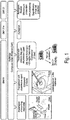
- Figure 1:
- Schematic illustration of the experimental design to investigate otoprotective compounds in an ototoxic drug-induced hearing loss model in vivo.
- Figure 2:
- Quantitative analysis of CAP responses on
day 0. (A) CAP-threshold loss after pretreatment with ACOU001. (B) Otoprotection after local application of ACOU001 and kanamycin/furosemide in comparison to the treatment with the ototoxic drug alone. - Figure 3:
- Quantitative analysis of CAP responses at different observation time point.
Otoprotection 7 days (A) and 21 days (B) after treatment with ACOU001 and kanamycin/furosemide in comparison to the treatment with the ototoxic drug alone. - The typical workflow of the in vivo experiments is shown in
Figure 1 . All animals received care in accordance with the standards described by the German 'Law on Protecting Animals' (Tierschutzgesetz) and with the European Directive 2010/63/EU for the protection of animals used for experimental purposes. Experiments were approved by the local authorities (Application HN03/15). - All procedures were performed under anesthesia using a mixture of Fentanyl, Midazolam and Medetomidine. During surgery and measurements animals were kept on a 37°C heating pad. For repeated recording of the Compound Action Potential (CAP) of the auditory nerve, guinea pigs were bilaterally implanted with a permanent gold electrode at the round window (RW) niche connected to a miniature plug on the skull. Audiograms were determined between 0.5 and 45.6 kHz, at a resolution of 8 steps per octave. An automated threshold search algorithm was applied.
- After a baseline audiogram was measured, animals were pretreated with an ion channel activator, in this case with ACOU001, via local application to the middle ear. ACOU001 (internal designation of the applicant) is 5-Chloro-N-(4-(pentafluorosulfanyl)benzyl)thiophene-2-carboxamide.
- The chemical structure of this compound ACOU001 is as follows:

- The solution containing ACOU001 was removed after 2 hours and the middle ear rinsed and dried out before CAP recordings were performed to assess threshold shifts. Guinea pigs were then deafened by local application to the middle ear using a mixture of 200 mg/ml kanamycin, 50 mg/ml furosemide and 100 µM ACOU001. CAP response thresholds were compared to ears which were exposed to the ototoxic agent alone. CAP recordings were performed 7, 14 and 21 days after this treatment. After the final measurement on
day 21, animals were sacrificed, cochleae fixed by perfusion with 4% paraformaldehyde and prepared for immunohistological analysis to quantify hair cell (HC) protection. - The results obtained from this set of experiments are shown in
Figure 2 and3 . Compared to the baseline CAP-thresholds in untreated ears (Fig. 2A , (middle) broken line), pretreatment with the compound ACOU001 ((upper) solid line) lead to a small, most likely conductive, hearing loss ((lower) dotdashed line: difference between upper and middle line). This conductive hearings loss might be explained by remaining fluid in the middle ear after local application. The remaining fluid impairs middle ear transmission at low frequencies (Fig. 2A , black triangles). - Exposure to kanamycin and furosemide (
Fig. 2B , (upper) broken line) revealed severe pancochlear hearing loss. In contrast, application of ACOU001 together with the ototoxic drug ((middle) solid line) caused a significant reduction of hearing loss of ~ 25 dB SPL (SPL: Sound Pressure Level) in mid to high frequencies (5 - 11 kHz) compared to the ototoxic drug alone (lower dotdashed line). - Seven days after administration of kanamycin and furosemide, profound hearing loss was recorded and remained permanent in the entire frequency range (PTS: Permanent Threshold Shift) over a duration of 21 days (
Fig. 3A /B, upper broken line). CAP curves after treatment with kanamycin/furosemide plus ACOU001 also shifted to higher threshold levels after seven days but ameliorated after 21 days (Fig. 3A /B, middle solid line). In comparison to the one deafened animal, a significant reduction of hearing loss (~ 25 - 40 dB SPL) at all frequencies was recorded after 21 days of co-treatment with the aminoglycoside kanamycin plus ACOU001 (Fig. 3B , lower dotdashed line). - Similar significant results (with hearing protections (reduction of hearing loss) of at least 20 - 30 dB SPL) are obtained during in vivo experiments with the compounds
- (1R,2R,4S)-rel-N-(3-(pentafluorosulfanyl)benzyl)bicyclo[2.2.1]heptane-2-carboxamide

- (1S,2S,4R)-N-(3-(pentafluorosulfanyl)benzyl)bicyclo[2.2.1]heptane-2-carboxamide

Claims (6)
- A compound selected from the following group of compounds:(1R,2R,4S)-rel-N-(3-(pentafluorosulfanyl)benzyl)bicyclo[2.2.1]heptane-2-carboxamide(1S,2S,4R)-N-(3-(pentafluorosulfanyl)benzyl)bicyclo[2.2.1]heptane-2-carboxamide(1R,2R,4S)-rel-N-(3-(trifluormethyl)benzyl)bicyclo[2.2.1]heptane-2-carboxamide(1R,2R,4S)-rel-N-(3-(trifluoromethoxy)benzyl)bicyclo[2.2.1]heptane-2-carboxamide(1S,2S,4R)-N-(3-(trifluoromethyl)benzyl)bicyclo[2.2.1]heptane-2-carboxamide(1S,2S,4R)-N-(3-(trifluoromethoxy)benzyl)bicyclo[2.2.1]heptane-2-carboxamide.
- The compound according to claim 1 selected from the following group of compounds:(1R,2R,4S)-rel-N-(3-(pentafluorosulfanyl)benzyl)bicyclo[2.2.1]heptane-2-carboxamide(1S,2S,4R)-N-(3-(pentafluorosulfanyl)benzyl)bicyclo[2.2.1]heptane-2-carboxamide.
- A compound selected from the following group of compounds:5-Chloro-N-(4-trifluoromethoxy)benzyl)thiophene-2-carboxamide5-Fluoro-N-(4-trifluoromethoxy)benzyl)thiophene-2-carboxamide5-Chloro-N-(4-(pentafluorosulfanyl)benzyl)thiophene-2-carboxamide5-Fluoro-N-(4-(pentafluorosulfanyl)benzyl)thiophene-2-carboxamide5-Fluoro-N-( 4-(trifluoromethyl)benzyl)thiophene-2-carboxamide5-Chloro-N-(4-(trifluoromethyl)benzyl)thiophene-2-carboxamide.
- The compound according to claim 3 selected from the following group of compounds:5-Chloro-N-(4-(pentafluorosulfanyl)benzyl)thiophene-2-carboxamide5-Fluoro-N-(4-(pentafluorosulfanyl)benzyl)thiophene-2-carboxamide.
- A pharmaceutical composition or medicament, comprising:- at least one compound according to anyone of the preceding claims, and- a pharmaceutically acceptable carrier or diluent.
- The compound according to anyone of claims 1 to 4 for use as a pharmaceutical composition or a medicament for the prophylaxis or therapy of an inner ear hearing loss after damage or loss of sensory hair cells in an organ of Corti.
Priority Applications (9)
| Application Number | Priority Date | Filing Date | Title |
|---|---|---|---|
| HRP20201159TT HRP20201159T1 (en) | 2017-02-28 | 2018-02-27 | Cyclic amides as potassium channel openers |
| RS20200895A RS60648B1 (en) | 2017-02-28 | 2018-02-27 | Cyclic amides as potassium channel openers |
| SI201830113T SI3484863T1 (en) | 2017-02-28 | 2018-02-27 | Cyclic amides as potassium channel openers |
| PL19179900T PL3567034T3 (en) | 2017-02-28 | 2018-02-27 | Pentacyclothienyl and indanyl urea derivatives as potassium channel openers |
| EP19179900.6A EP3567034B1 (en) | 2017-02-28 | 2018-02-27 | Pentacyclothienyl and indanyl urea derivatives as potassium channel openers |
| SM20200471T SMT202000471T1 (en) | 2017-02-28 | 2018-02-27 | Cyclic amides as potassium channel openers |
| PL18707374T PL3484863T3 (en) | 2017-02-28 | 2018-02-27 | Cyclic amides as potassium channel openers |
| DK19179900.6T DK3567034T3 (en) | 2017-02-28 | 2018-02-27 | PENTACYCLOTHIENYL AND INDANYL URINE DERIVATIVES AS POTASSIUM CHANNEL OPENERS |
| CY20201101052T CY1123488T1 (en) | 2017-02-28 | 2020-11-09 | PENTACYCLOTHIENYL AND INDANYL UREA DERIVATIVES AS POTASSIUM permeable AGENTS |
Applications Claiming Priority (2)
| Application Number | Priority Date | Filing Date | Title |
|---|---|---|---|
| EP17158326.3A EP3366683A1 (en) | 2017-02-28 | 2017-02-28 | Cyclic amides, acteamides and ureas useful as potassium channel openers |
| PCT/EP2018/054820 WO2018158256A2 (en) | 2017-02-28 | 2018-02-27 | Novel compounds useful as potassium channel openers |
Related Child Applications (2)
| Application Number | Title | Priority Date | Filing Date |
|---|---|---|---|
| EP19179900.6A Division EP3567034B1 (en) | 2017-02-28 | 2018-02-27 | Pentacyclothienyl and indanyl urea derivatives as potassium channel openers |
| EP19179900.6A Division-Into EP3567034B1 (en) | 2017-02-28 | 2018-02-27 | Pentacyclothienyl and indanyl urea derivatives as potassium channel openers |
Publications (2)
| Publication Number | Publication Date |
|---|---|
| EP3484863A2 EP3484863A2 (en) | 2019-05-22 |
| EP3484863B1 true EP3484863B1 (en) | 2020-06-17 |
Family
ID=58192162
Family Applications (3)
| Application Number | Title | Priority Date | Filing Date |
|---|---|---|---|
| EP17158326.3A Withdrawn EP3366683A1 (en) | 2017-02-28 | 2017-02-28 | Cyclic amides, acteamides and ureas useful as potassium channel openers |
| EP18707374.7A Active EP3484863B1 (en) | 2017-02-28 | 2018-02-27 | Cyclic amides as potassium channel openers |
| EP19179900.6A Active EP3567034B1 (en) | 2017-02-28 | 2018-02-27 | Pentacyclothienyl and indanyl urea derivatives as potassium channel openers |
Family Applications Before (1)
| Application Number | Title | Priority Date | Filing Date |
|---|---|---|---|
| EP17158326.3A Withdrawn EP3366683A1 (en) | 2017-02-28 | 2017-02-28 | Cyclic amides, acteamides and ureas useful as potassium channel openers |
Family Applications After (1)
| Application Number | Title | Priority Date | Filing Date |
|---|---|---|---|
| EP19179900.6A Active EP3567034B1 (en) | 2017-02-28 | 2018-02-27 | Pentacyclothienyl and indanyl urea derivatives as potassium channel openers |
Country Status (25)
| Country | Link |
|---|---|
| US (2) | US11034665B2 (en) |
| EP (3) | EP3366683A1 (en) |
| JP (3) | JP6795713B2 (en) |
| KR (2) | KR102443685B1 (en) |
| CN (2) | CN110312710B (en) |
| AU (2) | AU2018227005B2 (en) |
| BR (2) | BR112019017184B1 (en) |
| CA (2) | CA3052359C (en) |
| CL (2) | CL2019002445A1 (en) |
| CY (2) | CY1123114T1 (en) |
| DK (2) | DK3484863T3 (en) |
| ES (2) | ES2813064T3 (en) |
| HR (2) | HRP20201159T1 (en) |
| HU (2) | HUE052703T2 (en) |
| IL (1) | IL268931B (en) |
| LT (2) | LT3484863T (en) |
| MX (2) | MX390303B (en) |
| PH (1) | PH12019550146A1 (en) |
| PL (2) | PL3484863T3 (en) |
| PT (2) | PT3484863T (en) |
| RS (2) | RS61254B1 (en) |
| SI (2) | SI3567034T1 (en) |
| SM (2) | SMT202100053T1 (en) |
| WO (1) | WO2018158256A2 (en) |
| ZA (1) | ZA201905198B (en) |
Cited By (1)
| Publication number | Priority date | Publication date | Assignee | Title |
|---|---|---|---|---|
| RU2841744C2 (en) * | 2022-05-18 | 2025-06-17 | Акусия Терапьютикс Гмбх | Aqueous gel composition |
Families Citing this family (8)
| Publication number | Priority date | Publication date | Assignee | Title |
|---|---|---|---|---|
| EP3366683A1 (en) * | 2017-02-28 | 2018-08-29 | Acousia Therapeutics GmbH | Cyclic amides, acteamides and ureas useful as potassium channel openers |
| IL328371A (en) | 2019-09-17 | 2026-07-01 | Knopp Biosciences Llc | Methods of use for kv7 channel activators |
| JP2023523402A (en) | 2020-04-29 | 2023-06-05 | イドーシア ファーマシューティカルズ リミテッド | Spirourea derivative |
| JP2023531500A (en) | 2020-06-25 | 2023-07-24 | イドーシア ファーマシューティカルズ リミテッド | Cyclobutyl-urea derivative |
| MX2023005822A (en) * | 2020-11-19 | 2023-05-31 | Acousia Therapeutics Gmbh | Non-aqueous gel composition. |
| CN116535353A (en) * | 2022-01-25 | 2023-08-04 | 上海挚盟医药科技有限公司 | Amide compounds as potassium channel regulators and their preparation and application |
| EP4279061A1 (en) * | 2022-05-18 | 2023-11-22 | Acousia Therapeutics GmbH | Aqueous gel composition |
| EP4725937A1 (en) * | 2024-10-14 | 2026-04-15 | Acousia Therapeutics GmbH | Process for the synthesis of bicyclic carboxamide compounds |
Citations (3)
| Publication number | Priority date | Publication date | Assignee | Title |
|---|---|---|---|---|
| WO2007062308A2 (en) * | 2005-11-23 | 2007-05-31 | Bristol-Myers Squibb Company | Homo- and heterocyclic compounds suitable as cetp inhibitors |
| WO2008100635A1 (en) * | 2007-02-15 | 2008-08-21 | Sunesis Pharmaceuticals, Inc. | 1- [3- (monocyclic amino) propyl] - 4, 5, 6, 7-tetrahydro-1h-pyrazolo [4, 3-c] -pyridines as modulators of cathepsin s |
| WO2012022792A1 (en) * | 2010-08-20 | 2012-02-23 | Boehringer Ingelheim International Gmbh | 2-(arylamino)-3h-imidazo[4,5-b]pyridine-6-carboxamide derivatives and their use as mpges-1 inhibitors |
Family Cites Families (34)
| Publication number | Priority date | Publication date | Assignee | Title |
|---|---|---|---|---|
| JPH0594034A (en) | 1990-06-29 | 1993-04-16 | Xerox Corp | Crack-free electrophotographic imaging device |
| PT957099E (en) * | 1998-04-15 | 2003-02-28 | Pfizer Prod Inc | HETEROCYCLIC CARBOXAMIDES |
| DE19929076A1 (en) * | 1999-06-25 | 2000-12-28 | Aventis Pharma Gmbh | New indanyl-substituted benzenesulfonamide derivatives, as potassium channel blockers useful as safe antiarrhythmic agents, e.g. for treating atrial fibrillation or flutter |
| DE10061876A1 (en) * | 2000-12-12 | 2002-06-20 | Aventis Pharma Gmbh | Arylated furan and thiophene carboxamides, processes for their preparation, their use as medicaments and pharmaceutical preparations containing them |
| US20020183395A1 (en) | 2001-04-04 | 2002-12-05 | Wyeth | Methods for treating hyperactive gastric motility |
| US7273866B2 (en) * | 2002-12-20 | 2007-09-25 | Bristol-Myers Squibb Company | 2-aryl thiazole derivatives as KCNQ modulators |
| US7906537B2 (en) | 2003-03-21 | 2011-03-15 | H. Lundbeck A/S | Substituted p-diaminobenzene derivatives |
| TWI349666B (en) * | 2004-03-12 | 2011-10-01 | Lundbeck & Co As H | Substituted morpholine and thiomorpholine derivatives |
| UA89503C2 (en) | 2004-09-13 | 2010-02-10 | Х. Луннбек А/С | Substituted aniline derivatives |
| US20060188445A1 (en) | 2005-02-22 | 2006-08-24 | Fred Hutchinson Cancer Research Center | Assay for compounds that protect against sensory hair cell death and compounds identified by same |
| US20110257146A1 (en) | 2006-01-25 | 2011-10-20 | The Johns Hopkins University | Method of Treating Kcnq Related Disorders Using Organozinc Compounds |
| WO2007138112A2 (en) | 2006-06-01 | 2007-12-06 | Devgen N.V. | Compounds that interact with ion channels, in particular with ion channels from the kv family |
| DE102007063673B4 (en) | 2007-07-10 | 2018-02-08 | Heraeus Electro-Nite International N.V. | measurement methods |
| CN101790374A (en) | 2007-08-01 | 2010-07-28 | H.隆德贝克有限公司 | Use of kncq potassium channel openers for reducing symptoms of or treating disorders or conditions wherein the dopaminergic system is disrupted |
| DK2212283T3 (en) | 2007-10-17 | 2011-12-19 | Sanofi Sa | Substituted N-phenylbipyrrolidine carboxamides and therapeutic use thereof |
| JP2011506445A (en) * | 2007-12-13 | 2011-03-03 | アムジエン・インコーポレーテツド | γ-secretase modulator |
| US7786171B2 (en) * | 2008-04-04 | 2010-08-31 | Abbott Laboratories | Amide derivatives as positive allosteric modulators and methods of use thereof |
| TW201038572A (en) | 2009-03-25 | 2010-11-01 | Gruenenthal Gmbh | Substituted spiro-amide compounds |
| EP2438037A1 (en) * | 2009-06-04 | 2012-04-11 | Merz Pharma GmbH & Co. KGaA | Glycine b antagonists |
| WO2011085351A2 (en) * | 2010-01-11 | 2011-07-14 | The Johns Hopkins University | Method of treating kcnq related disorders |
| DE102010007281A1 (en) * | 2010-02-08 | 2011-08-11 | EMC microcollections GmbH, 72070 | Novel aminoalkyl-oxazole and aminoalkyl-thiazolecarboxamides and their application to stimulate the endogenous regeneration of hair cells in the internal organ Corti organ in the mammal |
| TW201217312A (en) | 2010-09-22 | 2012-05-01 | Gruenenthal Gmbh | Substituted benzamide compounds |
| US9493481B2 (en) * | 2012-02-23 | 2016-11-15 | Vanderbilt University | Substituted 5-aminothieno[2,3—C]pyridazine-6-carboxamide analogs as positive allosteric modulators of the muscarinic acetylcholine receptor M4 |
| US9416141B2 (en) | 2012-09-28 | 2016-08-16 | University Of Washington Through Its Center For Commercialization | Compounds and methods for preventing, treating and/or protecting against sensory hair cell death |
| WO2014079850A1 (en) * | 2012-11-23 | 2014-05-30 | F. Hoffmann-La Roche Ag | Substituted heterocyclic derivatives |
| WO2014145205A2 (en) * | 2013-03-15 | 2014-09-18 | St. Jude Children's Research Hospital | Methods and compositions of p27kip1 transcription modulators |
| PL404138A1 (en) * | 2013-05-31 | 2014-12-08 | Warszawski Uniwersytet Medyczny | Benzoic acid derivatives as IL-15Rα receptor inhibitors |
| US20150126507A1 (en) * | 2013-09-05 | 2015-05-07 | Fate Therapeutics, Inc. | Compounds to treat hearing loss |
| WO2015067575A1 (en) * | 2013-11-05 | 2015-05-14 | F. Hoffmann-La Roche Ag | 5,6,7,8-tetrahydro-5,8-methanocinnoline derivatives as rorc modulators for the treatment of autoimmune diseases |
| ES2607752T3 (en) * | 2013-11-12 | 2017-04-03 | Acousia Therapeutics Gmbh | New compounds for regeneration of terminally differentiated cells and tissues |
| CN105017085B (en) | 2014-04-28 | 2018-06-29 | 中国科学院上海药物研究所 | A kind of kcnq potassium channel agonist, preparation method and use |
| EP3253766B1 (en) * | 2015-02-06 | 2019-09-04 | University of Washington | Compounds and methods for preventing or treating sensory hair cell death |
| GB201601301D0 (en) | 2016-01-25 | 2016-03-09 | Takeda Pharmaceutical | Novel compounds |
| EP3366683A1 (en) | 2017-02-28 | 2018-08-29 | Acousia Therapeutics GmbH | Cyclic amides, acteamides and ureas useful as potassium channel openers |
-
2017
- 2017-02-28 EP EP17158326.3A patent/EP3366683A1/en not_active Withdrawn
-
2018
- 2018-02-27 KR KR1020217035304A patent/KR102443685B1/en active Active
- 2018-02-27 KR KR1020197023369A patent/KR102382795B1/en active Active
- 2018-02-27 DK DK18707374.7T patent/DK3484863T3/en active
- 2018-02-27 HU HUE19179900A patent/HUE052703T2/en unknown
- 2018-02-27 CN CN201880014217.4A patent/CN110312710B/en active Active
- 2018-02-27 MX MX2020010866A patent/MX390303B/en unknown
- 2018-02-27 MX MX2019010169A patent/MX378574B/en unknown
- 2018-02-27 JP JP2019567399A patent/JP6795713B2/en active Active
- 2018-02-27 BR BR112019017184-3A patent/BR112019017184B1/en active IP Right Grant
- 2018-02-27 SM SM20210053T patent/SMT202100053T1/en unknown
- 2018-02-27 CA CA3052359A patent/CA3052359C/en active Active
- 2018-02-27 CA CA3238405A patent/CA3238405C/en active Active
- 2018-02-27 EP EP18707374.7A patent/EP3484863B1/en active Active
- 2018-02-27 DK DK19179900.6T patent/DK3567034T3/en active
- 2018-02-27 CN CN202111376413.6A patent/CN114105942B/en active Active
- 2018-02-27 RS RS20201546A patent/RS61254B1/en unknown
- 2018-02-27 RS RS20200895A patent/RS60648B1/en unknown
- 2018-02-27 HR HRP20201159TT patent/HRP20201159T1/en unknown
- 2018-02-27 WO PCT/EP2018/054820 patent/WO2018158256A2/en not_active Ceased
- 2018-02-27 BR BR122020025103-4A patent/BR122020025103B1/en active IP Right Grant
- 2018-02-27 US US16/487,933 patent/US11034665B2/en active Active
- 2018-02-27 EP EP19179900.6A patent/EP3567034B1/en active Active
- 2018-02-27 ES ES18707374T patent/ES2813064T3/en active Active
- 2018-02-27 LT LTEP18707374.7T patent/LT3484863T/en unknown
- 2018-02-27 PL PL18707374T patent/PL3484863T3/en unknown
- 2018-02-27 ES ES19179900T patent/ES2846772T3/en active Active
- 2018-02-27 PT PT187073747T patent/PT3484863T/en unknown
- 2018-02-27 SI SI201830189T patent/SI3567034T1/en unknown
- 2018-02-27 LT LTEP19179900.6T patent/LT3567034T/en unknown
- 2018-02-27 SM SM20200471T patent/SMT202000471T1/en unknown
- 2018-02-27 SI SI201830113T patent/SI3484863T1/en unknown
- 2018-02-27 PT PT191799006T patent/PT3567034T/en unknown
- 2018-02-27 HU HUE18707374A patent/HUE051854T2/en unknown
- 2018-02-27 AU AU2018227005A patent/AU2018227005B2/en active Active
- 2018-02-27 PL PL19179900T patent/PL3567034T3/en unknown
-
2019
- 2019-08-06 ZA ZA2019/05198A patent/ZA201905198B/en unknown
- 2019-08-19 PH PH12019550146A patent/PH12019550146A1/en unknown
- 2019-08-26 CL CL2019002445A patent/CL2019002445A1/en unknown
- 2019-08-26 IL IL268931A patent/IL268931B/en unknown
-
2020
- 2020-07-09 CY CY20201100634T patent/CY1123114T1/en unknown
- 2020-09-29 JP JP2020163507A patent/JP2021008479A/en not_active Withdrawn
- 2020-11-09 CY CY20201101052T patent/CY1123488T1/en unknown
- 2020-12-07 HR HRP20201961TT patent/HRP20201961T1/en unknown
-
2021
- 2021-05-11 US US17/316,823 patent/US11884642B2/en active Active
- 2021-05-12 CL CL2021001243A patent/CL2021001243A1/en unknown
- 2021-10-22 AU AU2021254653A patent/AU2021254653B2/en active Active
-
2022
- 2022-08-01 JP JP2022122598A patent/JP7474289B2/en active Active
Patent Citations (3)
| Publication number | Priority date | Publication date | Assignee | Title |
|---|---|---|---|---|
| WO2007062308A2 (en) * | 2005-11-23 | 2007-05-31 | Bristol-Myers Squibb Company | Homo- and heterocyclic compounds suitable as cetp inhibitors |
| WO2008100635A1 (en) * | 2007-02-15 | 2008-08-21 | Sunesis Pharmaceuticals, Inc. | 1- [3- (monocyclic amino) propyl] - 4, 5, 6, 7-tetrahydro-1h-pyrazolo [4, 3-c] -pyridines as modulators of cathepsin s |
| WO2012022792A1 (en) * | 2010-08-20 | 2012-02-23 | Boehringer Ingelheim International Gmbh | 2-(arylamino)-3h-imidazo[4,5-b]pyridine-6-carboxamide derivatives and their use as mpges-1 inhibitors |
Cited By (1)
| Publication number | Priority date | Publication date | Assignee | Title |
|---|---|---|---|---|
| RU2841744C2 (en) * | 2022-05-18 | 2025-06-17 | Акусия Терапьютикс Гмбх | Aqueous gel composition |
Also Published As
Similar Documents
| Publication | Publication Date | Title |
|---|---|---|
| AU2021254653B2 (en) | Novel compounds useful as potassium channel openers | |
| KR20160130853A (en) | Compositions and methods for treating neurodegenerative diseases | |
| JP7164537B2 (en) | Ganglioside metabolism inhibitors for the treatment of motor neuron diseases | |
| HK40017426A (en) | Pentacyclothienyl and indanyl urea derivatives as potassium channel openers | |
| HK40017426B (en) | Pentacyclothienyl and indanyl urea derivatives as potassium channel openers | |
| RU2779111C2 (en) | New compounds used as potassium channel openers | |
| RU2779131C2 (en) | New compounds used as potassium channel openers | |
| NZ792296A (en) | Novel compounds useful as potassium channel openers | |
| WO2025255502A1 (en) | PYRIDYL AMIDE Cav3 CHANNEL MODULATORS | |
| HK1233638B (en) | Compositions and methods for treating neurodegenerative diseases |
Legal Events
| Date | Code | Title | Description |
|---|---|---|---|
| STAA | Information on the status of an ep patent application or granted ep patent |
Free format text: STATUS: UNKNOWN |
|
| STAA | Information on the status of an ep patent application or granted ep patent |
Free format text: STATUS: THE INTERNATIONAL PUBLICATION HAS BEEN MADE |
|
| PUAI | Public reference made under article 153(3) epc to a published international application that has entered the european phase |
Free format text: ORIGINAL CODE: 0009012 |
|
| STAA | Information on the status of an ep patent application or granted ep patent |
Free format text: STATUS: REQUEST FOR EXAMINATION WAS MADE |
|
| 17P | Request for examination filed |
Effective date: 20190218 |
|
| AK | Designated contracting states |
Kind code of ref document: A2 Designated state(s): AL AT BE BG CH CY CZ DE DK EE ES FI FR GB GR HR HU IE IS IT LI LT LU LV MC MK MT NL NO PL PT RO RS SE SI SK SM TR |
|
| AX | Request for extension of the european patent |
Extension state: BA ME |
|
| STAA | Information on the status of an ep patent application or granted ep patent |
Free format text: STATUS: EXAMINATION IS IN PROGRESS |
|
| 17Q | First examination report despatched |
Effective date: 20200103 |
|
| GRAP | Despatch of communication of intention to grant a patent |
Free format text: ORIGINAL CODE: EPIDOSNIGR1 |
|
| STAA | Information on the status of an ep patent application or granted ep patent |
Free format text: STATUS: GRANT OF PATENT IS INTENDED |
|
| DAV | Request for validation of the european patent (deleted) | ||
| DAX | Request for extension of the european patent (deleted) | ||
| INTG | Intention to grant announced |
Effective date: 20200403 |
|
| GRAS | Grant fee paid |
Free format text: ORIGINAL CODE: EPIDOSNIGR3 |
|
| GRAA | (expected) grant |
Free format text: ORIGINAL CODE: 0009210 |
|
| STAA | Information on the status of an ep patent application or granted ep patent |
Free format text: STATUS: THE PATENT HAS BEEN GRANTED |
|
| AK | Designated contracting states |
Kind code of ref document: B1 Designated state(s): AL AT BE BG CH CY CZ DE DK EE ES FI FR GB GR HR HU IE IS IT LI LT LU LV MC MK MT NL NO PL PT RO RS SE SI SK SM TR |
|
| REG | Reference to a national code |
Ref country code: GB Ref legal event code: FG4D |
|
| REG | Reference to a national code |
Ref country code: CH Ref legal event code: EP |
|
| REG | Reference to a national code |
Ref country code: DE Ref legal event code: R096 Ref document number: 602018005407 Country of ref document: DE |
|
| REG | Reference to a national code |
Ref country code: IE Ref legal event code: FG4D |
|
| REG | Reference to a national code |
Ref country code: AT Ref legal event code: REF Ref document number: 1281139 Country of ref document: AT Kind code of ref document: T Effective date: 20200715 Ref country code: CH Ref legal event code: NV Representative=s name: DR. LUSUARDI AG, CH |
|
| REG | Reference to a national code |
Ref country code: HR Ref legal event code: TUEP Ref document number: P20201159T Country of ref document: HR |
|
| REG | Reference to a national code |
Ref country code: SE Ref legal event code: TRGR |
|
| REG | Reference to a national code |
Ref country code: PT Ref legal event code: SC4A Ref document number: 3484863 Country of ref document: PT Date of ref document: 20200827 Kind code of ref document: T Free format text: AVAILABILITY OF NATIONAL TRANSLATION Effective date: 20200817 |
|
| REG | Reference to a national code |
Ref country code: DK Ref legal event code: T3 Effective date: 20200904 |
|
| REG | Reference to a national code |
Ref country code: NL Ref legal event code: FP |
|
| REG | Reference to a national code |
Ref country code: FI Ref legal event code: FGE |
|
| REG | Reference to a national code |
Ref country code: GR Ref legal event code: EP Ref document number: 20200401903 Country of ref document: GR Effective date: 20200916 |
|
| REG | Reference to a national code |
Ref country code: NO Ref legal event code: T2 Effective date: 20200617 |
|
| REG | Reference to a national code |
Ref country code: EE Ref legal event code: FG4A Ref document number: E019591 Country of ref document: EE Effective date: 20200831 |
|
| REG | Reference to a national code |
Ref country code: HR Ref legal event code: T1PR Ref document number: P20201159 Country of ref document: HR |
|
| REG | Reference to a national code |
Ref country code: SK Ref legal event code: T3 Ref document number: E 35289 Country of ref document: SK |
|
| REG | Reference to a national code |
Ref country code: HR Ref legal event code: ODRP Ref document number: P20201159 Country of ref document: HR Payment date: 20210219 Year of fee payment: 4 |
|
| REG | Reference to a national code |
Ref country code: DE Ref legal event code: R097 Ref document number: 602018005407 Country of ref document: DE |
|
| REG | Reference to a national code |
Ref country code: ES Ref legal event code: FG2A Ref document number: 2813064 Country of ref document: ES Kind code of ref document: T3 Effective date: 20210322 |
|
| REG | Reference to a national code |
Ref country code: HU Ref legal event code: AG4A Ref document number: E051854 Country of ref document: HU |
|
| PLBE | No opposition filed within time limit |
Free format text: ORIGINAL CODE: 0009261 |
|
| STAA | Information on the status of an ep patent application or granted ep patent |
Free format text: STATUS: NO OPPOSITION FILED WITHIN TIME LIMIT |
|
| 26N | No opposition filed |
Effective date: 20210318 |
|
| REG | Reference to a national code |
Ref country code: HR Ref legal event code: ODRP Ref document number: P20201159 Country of ref document: HR Payment date: 20220217 Year of fee payment: 5 |
|
| REG | Reference to a national code |
Ref country code: HR Ref legal event code: ODRP Ref document number: P20201159 Country of ref document: HR Payment date: 20230217 Year of fee payment: 6 |
|
| P01 | Opt-out of the competence of the unified patent court (upc) registered |
Effective date: 20230523 |
|
| REG | Reference to a national code |
Ref country code: AT Ref legal event code: UEP Ref document number: 1281139 Country of ref document: AT Kind code of ref document: T Effective date: 20200617 |
|
| REG | Reference to a national code |
Ref country code: HR Ref legal event code: ODRP Ref document number: P20201159 Country of ref document: HR Payment date: 20240220 Year of fee payment: 7 |
|
| REG | Reference to a national code |
Ref country code: HR Ref legal event code: ODRP Ref document number: P20201159 Country of ref document: HR Payment date: 20250218 Year of fee payment: 8 |
|
| REG | Reference to a national code |
Ref country code: CH Ref legal event code: U11 Free format text: ST27 STATUS EVENT CODE: U-0-0-U10-U11 (AS PROVIDED BY THE NATIONAL OFFICE) Effective date: 20260301 |
|
| PGFP | Annual fee paid to national office [announced via postgrant information from national office to epo] |
Ref country code: NL Payment date: 20260218 Year of fee payment: 9 Ref country code: LU Payment date: 20260217 Year of fee payment: 9 |
|
| PGFP | Annual fee paid to national office [announced via postgrant information from national office to epo] |
Ref country code: HU Payment date: 20260225 Year of fee payment: 9 |
|
| REG | Reference to a national code |
Ref country code: HR Ref legal event code: ODRP Ref document number: P20201159 Country of ref document: HR Payment date: 20260219 Year of fee payment: 9 |
|
| PGFP | Annual fee paid to national office [announced via postgrant information from national office to epo] |
Ref country code: SM Payment date: 20260213 Year of fee payment: 9 |
|
| PGFP | Annual fee paid to national office [announced via postgrant information from national office to epo] |
Ref country code: SE Payment date: 20260218 Year of fee payment: 9 |
|
| PGFP | Annual fee paid to national office [announced via postgrant information from national office to epo] |
Ref country code: LT Payment date: 20260217 Year of fee payment: 9 Ref country code: GB Payment date: 20260219 Year of fee payment: 9 |
|
| PGFP | Annual fee paid to national office [announced via postgrant information from national office to epo] |
Ref country code: ES Payment date: 20260319 Year of fee payment: 9 Ref country code: MC Payment date: 20260217 Year of fee payment: 9 |
|
| PGFP | Annual fee paid to national office [announced via postgrant information from national office to epo] |
Ref country code: DK Payment date: 20260217 Year of fee payment: 9 Ref country code: DE Payment date: 20260218 Year of fee payment: 9 Ref country code: NO Payment date: 20260217 Year of fee payment: 9 Ref country code: IE Payment date: 20260218 Year of fee payment: 9 |
|
| PGFP | Annual fee paid to national office [announced via postgrant information from national office to epo] |
Ref country code: AT Payment date: 20260216 Year of fee payment: 9 Ref country code: HR Payment date: 20260219 Year of fee payment: 9 |
|
| PGFP | Annual fee paid to national office [announced via postgrant information from national office to epo] |
Ref country code: RO Payment date: 20260224 Year of fee payment: 9 Ref country code: FI Payment date: 20260217 Year of fee payment: 9 Ref country code: BE Payment date: 20260218 Year of fee payment: 9 Ref country code: IT Payment date: 20260227 Year of fee payment: 9 |
|
| PGFP | Annual fee paid to national office [announced via postgrant information from national office to epo] |
Ref country code: RS Payment date: 20260219 Year of fee payment: 9 |
|
| PGFP | Annual fee paid to national office [announced via postgrant information from national office to epo] |
Ref country code: IS Payment date: 20260218 Year of fee payment: 9 Ref country code: FR Payment date: 20260223 Year of fee payment: 9 |
|
| PGFP | Annual fee paid to national office [announced via postgrant information from national office to epo] |
Ref country code: TR Payment date: 20260220 Year of fee payment: 9 |
|
| PGFP | Annual fee paid to national office [announced via postgrant information from national office to epo] |
Ref country code: CH Payment date: 20260301 Year of fee payment: 9 Ref country code: PT Payment date: 20260213 Year of fee payment: 9 Ref country code: CZ Payment date: 20260217 Year of fee payment: 9 |
|
| PGFP | Annual fee paid to national office [announced via postgrant information from national office to epo] |
Ref country code: GR Payment date: 20260216 Year of fee payment: 9 Ref country code: PL Payment date: 20260210 Year of fee payment: 9 Ref country code: CY Payment date: 20260119 Year of fee payment: 9 Ref country code: MT Payment date: 20260219 Year of fee payment: 9 |
|
| PGFP | Annual fee paid to national office [announced via postgrant information from national office to epo] |
Ref country code: SK Payment date: 20260219 Year of fee payment: 9 Ref country code: EE Payment date: 20260219 Year of fee payment: 9 Ref country code: LV Payment date: 20260217 Year of fee payment: 9 |
|
| PGFP | Annual fee paid to national office [announced via postgrant information from national office to epo] |
Ref country code: SI Payment date: 20260216 Year of fee payment: 9 |
|
| PGFP | Annual fee paid to national office [announced via postgrant information from national office to epo] |
Ref country code: BG Payment date: 20260213 Year of fee payment: 9 |
|
| PGFP | Annual fee paid to national office [announced via postgrant information from national office to epo] |
Ref country code: MK Payment date: 20260216 Year of fee payment: 9 |
|
| PGFP | Annual fee paid to national office [announced via postgrant information from national office to epo] |
Ref country code: AL Payment date: 20260116 Year of fee payment: 9 |