EP3479831A1 - Composition comprising thrombin-treated stem cell-derived exosome for treating skin wound - Google Patents
Composition comprising thrombin-treated stem cell-derived exosome for treating skin wound Download PDFInfo
- Publication number
- EP3479831A1 EP3479831A1 EP17820513.4A EP17820513A EP3479831A1 EP 3479831 A1 EP3479831 A1 EP 3479831A1 EP 17820513 A EP17820513 A EP 17820513A EP 3479831 A1 EP3479831 A1 EP 3479831A1
- Authority
- EP
- European Patent Office
- Prior art keywords
- exosomes
- stem cells
- thrombin
- derived
- pharmaceutical composition
- Prior art date
- Legal status (The legal status is an assumption and is not a legal conclusion. Google has not performed a legal analysis and makes no representation as to the accuracy of the status listed.)
- Granted
Links
Images






Classifications
-
- A—HUMAN NECESSITIES
- A61—MEDICAL OR VETERINARY SCIENCE; HYGIENE
- A61K—PREPARATIONS FOR MEDICAL, DENTAL OR TOILETRY PURPOSES
- A61K38/00—Medicinal preparations containing peptides
- A61K38/16—Peptides having more than 20 amino acids; Gastrins; Somatostatins; Melanotropins; Derivatives thereof
- A61K38/43—Enzymes; Proenzymes; Derivatives thereof
- A61K38/46—Hydrolases (3)
- A61K38/48—Hydrolases (3) acting on peptide bonds (3.4)
- A61K38/482—Serine endopeptidases (3.4.21)
- A61K38/4833—Thrombin (3.4.21.5)
-
- A—HUMAN NECESSITIES
- A61—MEDICAL OR VETERINARY SCIENCE; HYGIENE
- A61K—PREPARATIONS FOR MEDICAL, DENTAL OR TOILETRY PURPOSES
- A61K35/00—Medicinal preparations containing materials or reaction products thereof with undetermined constitution
- A61K35/12—Materials from mammals; Compositions comprising non-specified tissues or cells; Compositions comprising non-embryonic stem cells; Genetically modified cells
- A61K35/28—Bone marrow; Haematopoietic stem cells; Mesenchymal stem cells of any origin, e.g. adipose-derived stem cells
-
- A—HUMAN NECESSITIES
- A61—MEDICAL OR VETERINARY SCIENCE; HYGIENE
- A61K—PREPARATIONS FOR MEDICAL, DENTAL OR TOILETRY PURPOSES
- A61K35/00—Medicinal preparations containing materials or reaction products thereof with undetermined constitution
- A61K35/12—Materials from mammals; Compositions comprising non-specified tissues or cells; Compositions comprising non-embryonic stem cells; Genetically modified cells
- A61K35/30—Nerves; Brain; Eyes; Corneal cells; Cerebrospinal fluid; Neuronal stem cells; Neuronal precursor cells; Glial cells; Oligodendrocytes; Schwann cells; Astroglia; Astrocytes; Choroid plexus; Spinal cord tissue
-
- A—HUMAN NECESSITIES
- A61—MEDICAL OR VETERINARY SCIENCE; HYGIENE
- A61K—PREPARATIONS FOR MEDICAL, DENTAL OR TOILETRY PURPOSES
- A61K35/00—Medicinal preparations containing materials or reaction products thereof with undetermined constitution
- A61K35/12—Materials from mammals; Compositions comprising non-specified tissues or cells; Compositions comprising non-embryonic stem cells; Genetically modified cells
- A61K35/34—Muscles; Smooth muscle cells; Heart; Cardiac stem cells; Myoblasts; Myocytes; Cardiomyocytes
-
- A—HUMAN NECESSITIES
- A61—MEDICAL OR VETERINARY SCIENCE; HYGIENE
- A61K—PREPARATIONS FOR MEDICAL, DENTAL OR TOILETRY PURPOSES
- A61K35/00—Medicinal preparations containing materials or reaction products thereof with undetermined constitution
- A61K35/12—Materials from mammals; Compositions comprising non-specified tissues or cells; Compositions comprising non-embryonic stem cells; Genetically modified cells
- A61K35/35—Fat tissue; Adipocytes; Stromal cells; Connective tissues
-
- A—HUMAN NECESSITIES
- A61—MEDICAL OR VETERINARY SCIENCE; HYGIENE
- A61K—PREPARATIONS FOR MEDICAL, DENTAL OR TOILETRY PURPOSES
- A61K35/00—Medicinal preparations containing materials or reaction products thereof with undetermined constitution
- A61K35/12—Materials from mammals; Compositions comprising non-specified tissues or cells; Compositions comprising non-embryonic stem cells; Genetically modified cells
- A61K35/48—Reproductive organs
- A61K35/50—Placenta; Placental stem cells; Amniotic fluid; Amnion; Amniotic stem cells
-
- A—HUMAN NECESSITIES
- A61—MEDICAL OR VETERINARY SCIENCE; HYGIENE
- A61K—PREPARATIONS FOR MEDICAL, DENTAL OR TOILETRY PURPOSES
- A61K35/00—Medicinal preparations containing materials or reaction products thereof with undetermined constitution
- A61K35/12—Materials from mammals; Compositions comprising non-specified tissues or cells; Compositions comprising non-embryonic stem cells; Genetically modified cells
- A61K35/48—Reproductive organs
- A61K35/51—Umbilical cord; Umbilical cord blood; Umbilical stem cells
-
- A—HUMAN NECESSITIES
- A61—MEDICAL OR VETERINARY SCIENCE; HYGIENE
- A61K—PREPARATIONS FOR MEDICAL, DENTAL OR TOILETRY PURPOSES
- A61K9/00—Medicinal preparations characterised by special physical form
- A61K9/0012—Galenical forms characterised by the site of application
- A61K9/0014—Skin, i.e. galenical aspects of topical compositions
-
- A—HUMAN NECESSITIES
- A61—MEDICAL OR VETERINARY SCIENCE; HYGIENE
- A61K—PREPARATIONS FOR MEDICAL, DENTAL OR TOILETRY PURPOSES
- A61K9/00—Medicinal preparations characterised by special physical form
- A61K9/0012—Galenical forms characterised by the site of application
- A61K9/0019—Injectable compositions; Intramuscular, intravenous, arterial, subcutaneous administration; Compositions to be administered through the skin in an invasive manner
-
- A—HUMAN NECESSITIES
- A61—MEDICAL OR VETERINARY SCIENCE; HYGIENE
- A61K—PREPARATIONS FOR MEDICAL, DENTAL OR TOILETRY PURPOSES
- A61K9/00—Medicinal preparations characterised by special physical form
- A61K9/02—Suppositories; Bougies; Bases therefor; Ovules
-
- A—HUMAN NECESSITIES
- A61—MEDICAL OR VETERINARY SCIENCE; HYGIENE
- A61K—PREPARATIONS FOR MEDICAL, DENTAL OR TOILETRY PURPOSES
- A61K9/00—Medicinal preparations characterised by special physical form
- A61K9/06—Ointments; Bases therefor; Other semi-solid forms, e.g. creams, sticks, gels
-
- A—HUMAN NECESSITIES
- A61—MEDICAL OR VETERINARY SCIENCE; HYGIENE
- A61K—PREPARATIONS FOR MEDICAL, DENTAL OR TOILETRY PURPOSES
- A61K9/00—Medicinal preparations characterised by special physical form
- A61K9/10—Dispersions; Emulsions
- A61K9/12—Aerosols; Foams
-
- A—HUMAN NECESSITIES
- A61—MEDICAL OR VETERINARY SCIENCE; HYGIENE
- A61K—PREPARATIONS FOR MEDICAL, DENTAL OR TOILETRY PURPOSES
- A61K9/00—Medicinal preparations characterised by special physical form
- A61K9/70—Web, sheet or filament bases ; Films; Fibres of the matrix type containing drug
-
- A—HUMAN NECESSITIES
- A61—MEDICAL OR VETERINARY SCIENCE; HYGIENE
- A61K—PREPARATIONS FOR MEDICAL, DENTAL OR TOILETRY PURPOSES
- A61K9/00—Medicinal preparations characterised by special physical form
- A61K9/70—Web, sheet or filament bases ; Films; Fibres of the matrix type containing drug
- A61K9/7023—Transdermal patches and similar drug-containing composite devices, e.g. cataplasms
-
- A—HUMAN NECESSITIES
- A61—MEDICAL OR VETERINARY SCIENCE; HYGIENE
- A61P—SPECIFIC THERAPEUTIC ACTIVITY OF CHEMICAL COMPOUNDS OR MEDICINAL PREPARATIONS
- A61P17/00—Drugs for dermatological disorders
- A61P17/02—Drugs for dermatological disorders for treating wounds, ulcers, burns, scars, keloids, or the like
-
- A—HUMAN NECESSITIES
- A61—MEDICAL OR VETERINARY SCIENCE; HYGIENE
- A61P—SPECIFIC THERAPEUTIC ACTIVITY OF CHEMICAL COMPOUNDS OR MEDICINAL PREPARATIONS
- A61P43/00—Drugs for specific purposes, not provided for in groups A61P1/00-A61P41/00
-
- C—CHEMISTRY; METALLURGY
- C12—BIOCHEMISTRY; BEER; SPIRITS; WINE; VINEGAR; MICROBIOLOGY; ENZYMOLOGY; MUTATION OR GENETIC ENGINEERING
- C12N—MICROORGANISMS OR ENZYMES; COMPOSITIONS THEREOF; PROPAGATING, PRESERVING, OR MAINTAINING MICROORGANISMS; MUTATION OR GENETIC ENGINEERING; CULTURE MEDIA
- C12N5/00—Undifferentiated human, animal or plant cells, e.g. cell lines; Tissues; Cultivation or maintenance thereof; Culture media therefor
- C12N5/06—Animal cells or tissues; Human cells or tissues
- C12N5/0602—Vertebrate cells
- C12N5/0652—Cells of skeletal and connective tissues; Mesenchyme
- C12N5/0662—Stem cells
Definitions
- the present disclosure relates to a pharmaceutical composition for preventing or treating a skin wound, which includes an exosome derived from thrombin-treated stem cells as an active ingredient, a pharmaceutical formulation containing the same, and a method of preparing the same.
- Skin as a protective barrier for protecting the body is the body's primary line against a disease, and the epidermis provides a barrier against microbial invasion. Accordingly, the primary goal in the treatment of wounds, burns, abrasions and other injuries to the skin is rapid closure and wound healing to prevent infection.
- the wound healing is a complicated process generally including three steps of inflammation, proliferation and remodeling.
- the first step involves clotting for attaining hemostasis, supplementation of neutrophils to destroy bacteria and necrotic tissue, and supplementation of macrophages.
- angiogenesis occurs, at this time, endothelial cells move to a wound site, and at the same time, fibroblasts move to the wound site to help in producing granulation tissue.
- the formation of granulation tissue results in reepithelialization.
- collagen production and breakdown levels are equal, and the healed wound is slowly modulated in order to achieve the maximum strength.
- a chronic wound is defined as an open wound in which the skin requiring treatment for eight weeks or more is open, and an impaired healing process can often be associated with diabetic complications, resulting in severe amputations and even death. Approximately, 15% of diabetic patients suffer from chronic wounds that cannot be cured. Therefore, wounds are important issues for individuals as well as societies, and rapid treatment at the early stage may reduce the risk of secondary infection.
- ECM extra-cellular matrix
- stem cells are known as cells involved in the regeneration, treatment and immune responses of tissues as well as multipotency, and there have been efforts to isolate and culture mesenchymal stem cells from umbilical cord blood, bone marrow, etc. using these characteristics to develop a therapeutic agent for various diseases and symptoms.
- a cell therapeutic agent cannot exclude the possibility of tumorogenicity due to DNA transfer;
- second vascular obstruction or myocardial infarction may be caused due to stem cells having a large size;
- third there is rejection due to a cell surface antigen in transplantation (allograft) using allogeneic cells such as cord blood;
- fourth in general, a cell therapeutic agent has a difficult manufacturing process and many restrictions on storage and transportation.
- Exosomes are small vesicles (approximately 30 to 100 nm in diameter) having a membrane structure secreted from various cells, and electron microscopic studies showed that the exosomes originated from specific compartments in cells called multivesicular bodies (MVBs), not directly detached from the plasma membrane, and released or secreted from the cells. That is, when fusion of the plasma membrane with MVBs occurs, small vesicles are released to an extracellular environment, and called exosomes. While it has not been clearly revealed what molecular mechanism is used to form such exosomes, it has been known that various types of immune cells including B-lymphocytes, T-lymphocytes, dendritic cells, platelets, macrophages, etc. as well as red blood cells, tumor cells and stem cells are also secreted by producing exosomes in a living state.
- MVBs multivesicular bodies
- exosomes derived from stem cells contain nuclear components as well as receptors and proteins, and play a role in intracellular communication.
- the exosomes derived from stem cells contain relatively less animal serum, compared with stem cells, and thus the risk of a symptom caused by animal serum infection (zoonosis) may also be excluded.
- cell therapy using exosomes is expected to be a new paradigm for overcoming the limitations of existing stem cell therapy.
- the inventors had intensively studied to overcome the limitations of stem cell therapeutic agents and improve therapeutic efficacy in terms of skin wounds, and as a result, they confirmed that exosomes derived from stem cells, especially from stem cells treated with thrombin, remarkably increase angiogenesis and a skin wound healing effect, thereby completing the present disclosure.
- the present disclosure is directed to providing a pharmaceutical composition for preventing or treating skin wounds, which includes exosomes derived from thrombin-treated stem cells.
- the present disclosure provides a pharmaceutical composition for preventing or treating skin wounds, which includes exosomes derived from thrombin-treated stem cells as an active ingredient.
- the stem cells are stem cells selected from the group consisting of mesenchymal stem cells, human tissue-derived mesenchymal stromal cells, human tissue-derived mesenchymal stem cells and multipotent stem cells.
- the mesenchymal stem cells are derived from umbilical cord, umbilical cord blood, bone marrow, fat, muscle, nerve, skin, amniotic membrane or placenta.
- the treatment of skin wounds is carried out by angiogenesis due to promotion of vascular endothelial cell growth.
- the skin wounds result from the loss of epidermis, dermis or subcutaneous tissue.
- the pharmaceutical composition is administered via an oral or non-oral route.
- the pharmaceutical composition further includes a supplementary ingredient selected from the group consisting of a culture medium, a cytokine, a growth factor and a gene.
- the exosomes are increased in the expression of a growth factor, an immunoregulatory factor, an antioxidation factor or an angiogenesis factor.
- the growth factor is a brain-derived neurotropic factor (BDNF), a fibroblast growth factor (FGF), a hepatocyte growth factor (HGF), a nerve growth factor (NGF), or a vascular endothelial growth factor (VEGF).
- BDNF brain-derived neurotropic factor
- FGF fibroblast growth factor
- HGF hepatocyte growth factor
- NGF nerve growth factor
- VEGF vascular endothelial growth factor
- the present disclosure also provides a pharmaceutical formulation for preventing or treating skin wounds, which includes the composition of the present disclosure.
- the formulation is an injection type, a suppository type, a spray type, a liquid type, or a patch type.
- the preparation further includes a pharmaceutically acceptable carrier.
- the present disclosure also provides a quasi-drug for improving skin wounds, which includes exosomes derived from thrombin-treated stem cells as an active ingredient.
- the improvement of skin wounds results from angiogenesis.
- the exosomes are increased in the expression of a growth factor, an immunoregulatory factor, an antioxidation factor or an angiogenesis factor.
- the quasi-drug is in the form of a skin external preparation selected from the group consisting of a liquid, an ointment, a cream, a spray, a patch, a gel and an aerosol.
- the present disclosure also provides a method of preparing the pharmaceutical composition, which includes: (a) culturing stem cells and treating the stem cells with thrombin; (b) isolating exosomes from the culture solution of Step (a); and (c) preparing a composition containing the exosomes isolated in Step (b) as an active ingredient.
- the thrombin of Step (a) is contained at a concentration of 1 to 1000 unit/mL in the medium.
- the exosomes of Step (c) are subjected to centrifugation.
- the centrifugation is performed at 5,000 to 500,000 g for 10 minutes to 5 hours.
- the present disclosure also provides a method of treating skin wounds, which includes administering exosomes derived from thrombin-treated stem cells to a subject.
- the present disclosure also provides a use of exosomes derived from thrombin-treated stem cells to prepare a preparation for preventing or treating skin wounds.
- an exosome-based therapeutic agent of the present disclosure is a cell-free preparation and does not contain DNA, there is less risk of carcinogenesis, and because there are no cell surface antigens, there is no problem of transplantation rejection.
- an exosome-based therapeutic agent is much smaller than cells, there is no risk of obstruction of microvascular vessels during systemic administration, and as it is an isolated material, rather than cells, it can be developed as an off-the-shelf medication, resulting in a reduction in production costs.
- exosomes derived from thrombin-treated stem cells exhibit an excellent skin wound-treating effect even at a small amount, a required amount of stem cells for producing a therapeutically effective amount of exosomes is remarkably reduced, thereby significantly reducing the production costs of a therapeutic agent.
- the present disclosure provides a pharmaceutical composition for preventing or treating skin wounds, which includes exosomes derived from thrombin-treated stem cells as an active ingredient.
- stem cells refers to undifferentiated cells, which have a self-renewal ability and an ability to be differentiated into two or more different types of cells.
- the stem cells of the present disclosure may be autologous or allogeneic stem cells, which may be derived from arbitrary types of animals including a human and a non-human mammal, and may be derived from adult stem cells or embryonic stem cells, but the present disclosure is not limited thereto.
- the stem cells of the present disclosure may include embryonic stem cells or adult stem cells, and preferably adult stem cells.
- the adult stem cells may be mesenchymal stem cells, human tissue-derived mesenchymal stromal cells, human tissue-derived mesenchymal stem cells or multipotent stem cells, and preferably mesenchymal stem cells, but the present disclosure is not limited thereto.
- the mesenchymal stem cells may be mesenchymal stem cells derived from umbilical cord, umbilical cord blood, bone marrow, fat, muscle, nerve, skin, amniotic membrane or placenta, but the present disclosure is not limited thereto.
- umbilical cord blood refers to blood taken from the umbilical vein connecting the placenta and fetus.
- the umbilical cord blood is a naturally-occurring byproduct in birth, even more easily taken than general mesenchymal tissue derived from the bone marrow requiring several operations, and compared with bone marrow transplantation, since the infrastructure relevant to the umbilical cord blood has been already constructed due to activation of the umbilical cord blood storage industry, it is easy to find a donor.
- the umbilical cord blood-derived cells are cells which do not express a tissue-compatible antigen, HLA-DR (class II), which is the most important cause of rejection in tissue or organ transplantation, the umbilical cord blood-derived cells may not induce or minimize an immune response such as rejection, which has been problematic in an conventional transplantation operation, thus, xenogeneic umbilical cord blood as well as autologous umbilical cord blood can be used.
- exosome refers to small vesicles (approximately 30 to 100 in diameter) having a membrane structure, which are secreted from various cells, and refers to vesicles which are released into an extracellular environment due to fusion between MVBs and a plasma membrane. The exosomes are naturally or artificially secreted.
- skin wound refers to the loss of epidermis, dermis or subcutaneous tissue.
- prevention or treatment of skin wounds includes relief, alleviation and symptom improvement of skin wounds, and refers to a reduction in the possibility of generating skin wounds.
- vascular endothelial cells e.g., HUVEC
- thrombin-treated stem cells of the present disclosure it was confirmed that blood vessels are newly generated by promoting the growth of the vascular endothelial cells.
- Angiogenesis is a phenomenon in which existing vascular endothelial cells form new capillary vessels by degrading, migrating, dividing and differentiating the ECM, and is necessarily exhibited in the physiological process of wound healing.
- the wound healing effect can be verified by confirming the angiogenesis effect. That is, angiogenesis should be involved in an essential wound healing process to regenerate injured skin tissue.
- an inflammation response is caused by necrosis of cells and destruction of blood vessels, and after the inflammation response, along with a phenomenon of detachment of blood components from a blood vessel, activation of platelets and blood coagulation, a series of processes for forming biological mediators such as kallikrein, thrombin and plasmin are carried out.
- the "thrombin-treated stem cells” may have reinforced stem cell function/efficacy due to a main action mechanism of stem cells, which is an increase in paracrine property, without a change in cell stability indicated by cell viability, an oxidative function, etc. Further, thrombin treatment can reinforce the therapeutic efficacy of exosomes derived from stem cells, and also increase a secretion amount of the exosomes.
- a growth factor refers to a proteinaceous, physiologically active material which promotes cell division, growth or differentiation, and includes a brain-derived neurotropic factor (BDNF), a fibroblast growth factor (FGF), a hepatocyte growth factor (HGF), a nerve growth factor (NGF), a vascular endothelial growth factor (VEGF), and interleukin-6 (IL-6).
- BDNF brain-derived neurotropic factor
- FGF fibroblast growth factor
- HGF hepatocyte growth factor
- NGF nerve growth factor
- VEGF vascular endothelial growth factor
- IL-6 interleukin-6
- VEGF binds to VEGF receptor 1, 2 or 3 (VEGFR1, VEGFR2 or VEGFR3), present in vascular endothelial cells and results in tyrosine phosphorylation of a VEGF receptor (VEGFR), thereby the activation of vascular endothelial cells, and such activation ultimately has a critical effect on angiogenesis.
- composition of the present disclosure may be administered to a subject via various routes without particular limitation, and for example, may be administered via an oral or non-oral route.
- the pharmaceutical composition of the present disclosure may further contain one or more known supplementary ingredients having a therapeutic effect on skin wounds, in addition to stem cell-derived exosomes.
- the pharmaceutical composition of the present disclosure may further include a supplementary ingredient selected from the group consisting of a gene effective in skin wound treatment (e.g., an anti-inflammatory cytokine gene, or siRNA or an antisense primer for an inflammatory cytokine) or an expression vector including the same, a cytokine providing an autocrine or paracrine effect (e.g., interleukin-10), a growth factor (e.g., keratinocyte growth factor) and a combination thereof.
- a gene effective in skin wound treatment e.g., an anti-inflammatory cytokine gene, or siRNA or an antisense primer for an inflammatory cytokine
- an expression vector including the same
- a cytokine providing an autocrine or paracrine effect
- a growth factor e.g., keratinocyte growth factor
- a preferable dose of the pharmaceutical composition of the present disclosure may depend on a subject's condition and body weight, the severity of a disease, a drug type, an administration route and administration duration, and may be suitably selected by those of ordinary skill in the art.
- the administration of the composition may be administered once or in divided doses, per day, but the present disclosure is not limited thereto.
- composition of the present disclosure may be used individually, or in combination with methods using surgery, radiation therapy, hormone therapy, chemotherapy and a biological action regulator to treat skin wounds.
- composition of the present disclosure may further include a suitable carrier, which is conventionally used in preparation of a pharmaceutical composition.
- a suitable carrier which is conventionally used in preparation of a pharmaceutical composition.
- an injection may further include a preservative, an analgesic, a solubilizer or a stabilizer, and a preparation for local administration may further include a base, an excipient, a lubricant or a preservative.
- composition of the present disclosure may be administered by being formulated into a unit dosage form suitable for administration into a body according to a method conventionally used in the pharmaceutical field.
- a suitable formulation for this purpose is preferably a preparation for non-oral administration, for example, an injection such as an injectable ampoule, an injection such as an injection bag, and a sprayer such as an aerosol preparation.
- the injectable ampoule may be prepared by being mixed with an injection solution immediately before use, and the injection solution may be physiological saline, glucose or Ringer's solution.
- the injection bag may be formed of polyvinyl chloride or polyethylene.
- administration refers to providing the composition of the present disclosure to a subject by any suitable method.
- a preferable dose of the pharmaceutical composition of the present disclosure may depend on a subject's condition and body weight, the severity of a disease, a drug type, an administration route and administration duration, and may be suitably selected by those of ordinary skill in the art.
- the administration of the composition may be administered once or in divided doses, per day, but the present disclosure is not limited thereto.
- the present disclosure provides a quasi-drug for improving skin wounds, which includes exosomes derived from thrombin-treated stem cells as an active ingredient.
- the quasi-drug may be a dermal preparation for external use selected from the group consisting of a liquid, an ointment, a cream, a spray, a patch, a gel and an aerosol, and specifically, may be used as a composition for a sanitizer, a shower foam, a mouthwash, a wet tissue, a detergent, soap, hand wash, a humidifier refill, a mask, an ointment or a filter refill.
- the present disclosure also provides a method of preparing the pharmaceutical composition, which includes: (a) culturing stem cells and treating the stem cells with thrombin; (b) isolating exosomes from the culture solution of Step (a); and (c) preparing a composition containing the exosomes isolated in Step (b) as an active ingredient.
- a treatment concentration of thrombin is a concentration suitable for reinforcing the efficacy of stem cells/exosomes, and thrombin is preferably contained at 1 to 1000 unit/mL in a medium, but the present disclosure is not particularly limited thereto.
- exosomes may be isolated from a culture solution by a method such as centrifugation, ultracentrifugation, filtration through a filter, gel filtration chromatography, pre-flow electrophoresis, capillary electrophoresis, isolation using a polymer, and a combination thereof, and preferably, centrifugation/ultracentrifugation.
- the centrifugation/ultracentrifugation is preferably performed at 4 °C and 3,000 to 100,000g for 10 minutes to 5 hours.
- the medium used in cell culture in the present disclosure refers to a mixture for in vitro cell growth and proliferation of stem cells, which includes essential factors for cell growth and proliferation, such as sugar, an amino acid, various nutrients, serum, a growth factor, a mineral, etc.
- the medium used in the present disclosure may be any one of commercially-produced media including Dulbecco's Modified Eagle's Medium (DMEM), Minimal Essential Medium (MEM), Basal Medium Eagle (BME), RPMI1640, Dulbecco's Modified Eagle's Medium: Nutrient Mixture F-10 (DMEM/F-10), Dulbecco's Modified Eagle's Medium: Nutrient Mixture F-12 (DMEM/F-12), ⁇ -Minimal essential Medium (a-MEM), Glasgow's Minimal Essential Medium (G-MEM), Isocove's Modified Dulbecco's Medium (IMDM) and Knockout DMEM, or an artificially synthesized medium, but the present disclosure is not limited thereto.
- the present disclosure also provides a method of treating skin wounds, which includes administering exosomes derived from thrombin-treated stem cells to a subject.
- subject refers to a subject in need of treatment, and more specifically, a mammal such as a human, or a non-human primate, a mouse, a rat, a dog, a cat, a horse and a cow.
- Example 1 Induction of secretion of exosomes and efficacy improvement by treating stem cells with thrombin
- Human umbilical cord blood-derived mesenchymal stem cells (3 ⁇ 10 5 cells) were seeded in a 100 mm culture dish (Orange Scientific cat# 4450200) and cultured for one week. After the cells were saturated and proliferated in the culture dish, the medium was replaced with a serum-free culture medium (MEM alpha media) in which 50 unit/mL thrombin (REYON Pharmaceutical. Co., Ltd.) was diluted, and then cultured again for 6 hours.
- MEM alpha media serum-free culture medium in which 50 unit/mL thrombin (REYON Pharmaceutical. Co., Ltd.) was diluted, and then cultured again for 6 hours.
- the culture solution was distributed into centrifuge tubes to perform centrifugation at 4 °C and 6,000 rpm for 30 minutes, and a supernatant was transferred to new tubes to remove cell debris. Again, the supernatant was subjected to ultracentrifugation at 4 °C and 100,000 rpm for 2 to 4 hours, and then a supernatant was further removed, thereby obtaining exosomes (final concentration: 15 ⁇ g/mL).
- Example 1-1 It was confirmed whether the exosomes obtained in Example 1-1 were increased in the expression of a growth factor or an anti-inflammatory cytokine such as IL-6 due to thrombin treatment.
- proteins in exosomes were isolated to measure BDNF, FGF, HGF, NGF, VEGF and IL-6 levels in the exosomes using a Procarta immunoassay kit (Affymetrix, USA).
- BDNF brain-derived neurotropic factor
- FGF fibroblast growth factor
- HGF hepatocyte growth factor
- NGF nerve growth factor
- VEGF vascular endothelial growth factor
- IL-6 interleukin-6
- exosomes derived from thrombin-treated stem cells used herein affect tube formation (angiogenesis) by inducing differentiation of vascular endothelial cells
- a tube forming assay was performed using growth factor-reduced Matrigel (10 mg/mL).
- human umbilical vein endothelial cells were cultured in Low Serum Growth Supplement (LSGS)-containing Medium 200PRF for 12 hours, treated with trypsin to collect the cells, and resuspended in a 5% fetus bovine serum-containing M199 medium.
- LSGS Low Serum Growth Supplement
- Growth factor-reduced Matrigel was added into each well of a 24-well plate at 250 ⁇ L, and polymerized at 37 °C in a CO 2 incubator.
- the HUVEC cells were added to each well containing the polymerized Matrigel at 4 ⁇ 10 4 cells/well, and the thrombin-treated stem cell-derived exosomes used in Example 1 were added at 2.5 ⁇ g/mL, 5 ⁇ g/mL or 10 ⁇ g/mL.
- the HUVECs were cultured for 24 hours at 37 °C in a CO 2 incubator, the cell culture was photographed ( ⁇ 40), and a length of the formed tube was measured using ImageJ (National Institute of Health), a public domain program.
- the thrombin-treated stem cell-derived exosomes of the present disclosure dose-dependently induced the differentiation of vascular endothelial cells, compared with a control (non-treated NCs), thereby improving tube formation.
- Example 2-1 An experiment was carried out in the same manner as in Example 2-1, except that HUVEC cells were treated with non-thrombin-treated stem cell-derived exosomes (MSC ECV), thrombin-treated stem cell-derived exosomes (MSC throm ECV), non-thrombin-treated fibroblast-derived exosomes (fibroblast ECV), or thrombin-treated fibroblast-derived exosomes (fibroblast throm ECV) at 10 ⁇ g/mL.
- MSC ECV non-thrombin-treated stem cell-derived exosomes
- MSC throm ECV thrombin-treated stem cell-derived exosomes
- fibroblast ECV non-thrombin-treated fibroblast-derived exosomes
- fibroblast throm ECV thrombin-treated fibroblast-derived exosomes
- the thrombin-treated stem cell-derived exosomes (MSC throm ECV) of the present disclosure exhibited a significantly improved angiogenesis ability, compared with the non-thrombin-treated, stem cell-derived exosomes (MSC ECV).
- the fibroblast-derived exosomes did not exhibit an angiogenesis ability regardless of thrombin treatment, suggesting that therapeutic efficacy (angiogenesis ability) is specifically determined according to the type/ability of cells from which exosomes are derived.
- fibroblast exosome fibroblast exosome
- non-thrombin-treated, stem cell-derived exosomes naive MSC exosome
- thrombin MSC exosome thrombin MSC exosome
- the thrombin-treated stem cell-derived exosomes (thrombin MSC exosome) of the present disclosure exhibited a significantly improved wound treating effect, compared with non-thrombin-treated, stem cell-derived exosomes (naive MSC exosome).
- the fibroblast-derived exosomes did not exhibit a wound treating effect, similar to a control (saline).
- fibroblast-derived exosomes fibroblast exosome
- non-thrombin-treated, stem cell-derived exosomes naive MSC exosome
- thrombin-treated stem cell-derived exosomes thrombin MSC exosome
- hypoxia-pretreated stem cell-derived exosomes hypoxia-pretreated stem cell-derived exosomes
- FIG. 7 it was shown that, compared with a normal group (Normal), in a wound control (WC), the injured skin caused by punch biopsy cannot recover to normal skin tissue, and the same result was shown when the fibroblast-derived exosomes were administered.
- the non-thrombin-treated, stem cell-derived exosomes (naive MSC exosome) and the hypoxia-pretreated stem cell-derived exosomes (hypoxia MSC exosome) showed a tendency to be slightly improved, and the thrombin-treated stem cell-derived exosomes (thrombin MSC exosome) showed a skin recovery state close to normal tissue, and thus exhibited a significantly improved wound treating effect.
- a problem of the conventional stem cell therapeutic agent such as transplantation rejection or production costs, can be solved and therapeutic efficacy can be significantly improved, and therefore the therapeutic agent can be effectively used in treatment of skin wounds.
Landscapes
- Health & Medical Sciences (AREA)
- Life Sciences & Earth Sciences (AREA)
- Chemical & Material Sciences (AREA)
- General Health & Medical Sciences (AREA)
- Engineering & Computer Science (AREA)
- Medicinal Chemistry (AREA)
- Pharmacology & Pharmacy (AREA)
- Animal Behavior & Ethology (AREA)
- Public Health (AREA)
- Veterinary Medicine (AREA)
- Cell Biology (AREA)
- Epidemiology (AREA)
- Developmental Biology & Embryology (AREA)
- Biomedical Technology (AREA)
- Immunology (AREA)
- Zoology (AREA)
- Biotechnology (AREA)
- Virology (AREA)
- Bioinformatics & Cheminformatics (AREA)
- Dispersion Chemistry (AREA)
- Dermatology (AREA)
- Hematology (AREA)
- Organic Chemistry (AREA)
- Reproductive Health (AREA)
- General Chemical & Material Sciences (AREA)
- Chemical Kinetics & Catalysis (AREA)
- Nuclear Medicine, Radiotherapy & Molecular Imaging (AREA)
- Proteomics, Peptides & Aminoacids (AREA)
- Gastroenterology & Hepatology (AREA)
- Neurosurgery (AREA)
- Ophthalmology & Optometry (AREA)
- Vascular Medicine (AREA)
- Cardiology (AREA)
- Pregnancy & Childbirth (AREA)
- Neurology (AREA)
- Wood Science & Technology (AREA)
- Genetics & Genomics (AREA)
- Biochemistry (AREA)
- Microbiology (AREA)
- General Engineering & Computer Science (AREA)
Abstract
Description
- The present disclosure relates to a pharmaceutical composition for preventing or treating a skin wound, which includes an exosome derived from thrombin-treated stem cells as an active ingredient, a pharmaceutical formulation containing the same, and a method of preparing the same.
- Skin as a protective barrier for protecting the body is the body's primary line against a disease, and the epidermis provides a barrier against microbial invasion. Accordingly, the primary goal in the treatment of wounds, burns, abrasions and other injuries to the skin is rapid closure and wound healing to prevent infection.
- Here, the wound healing is a complicated process generally including three steps of inflammation, proliferation and remodeling. The first step involves clotting for attaining hemostasis, supplementation of neutrophils to destroy bacteria and necrotic tissue, and supplementation of macrophages. In the second step, angiogenesis occurs, at this time, endothelial cells move to a wound site, and at the same time, fibroblasts move to the wound site to help in producing granulation tissue. The formation of granulation tissue results in reepithelialization. In the final step, collagen production and breakdown levels are equal, and the healed wound is slowly modulated in order to achieve the maximum strength. When even one of the above procedures does not properly function in a timely manner, the wound healing may be delayed or injured, resulting in a chronic state.
- A chronic wound is defined as an open wound in which the skin requiring treatment for eight weeks or more is open, and an impaired healing process can often be associated with diabetic complications, resulting in severe amputations and even death. Approximately, 15% of diabetic patients suffer from chronic wounds that cannot be cured. Therefore, wounds are important issues for individuals as well as societies, and rapid treatment at the early stage may reduce the risk of secondary infection.
- Effective wound healing requires highly organized, integrated coordination through complicated molecular biological events including extra-cellular matrix (ECM) deposition, cell proliferation/migration. One of the major factors relevant to the generation of chronic wounds is an injury to the cytokine secretory system secreted by local fibroblasts and inflammatory cells, resulting in a decrease in angiogenesis.
- Meanwhile, stem cells are known as cells involved in the regeneration, treatment and immune responses of tissues as well as multipotency, and there have been efforts to isolate and culture mesenchymal stem cells from umbilical cord blood, bone marrow, etc. using these characteristics to develop a therapeutic agent for various diseases and symptoms.
- However, such a treatment method using stem cells has the following side effects:
First, basically, a cell therapeutic agent cannot exclude the possibility of tumorogenicity due to DNA transfer; second, vascular obstruction or myocardial infarction may be caused due to stem cells having a large size; third, there is rejection due to a cell surface antigen in transplantation (allograft) using allogeneic cells such as cord blood; and fourth, in general, a cell therapeutic agent has a difficult manufacturing process and many restrictions on storage and transportation. - As such, due to the inherent limitations of stem cells, for reducing side effects and improving a therapeutic effect, a method for improving efficacy using genetic manipulation has been developed, but there are no clear alternatives to date.
- Exosomes are small vesicles (approximately 30 to 100 nm in diameter) having a membrane structure secreted from various cells, and electron microscopic studies showed that the exosomes originated from specific compartments in cells called multivesicular bodies (MVBs), not directly detached from the plasma membrane, and released or secreted from the cells. That is, when fusion of the plasma membrane with MVBs occurs, small vesicles are released to an extracellular environment, and called exosomes. While it has not been clearly revealed what molecular mechanism is used to form such exosomes, it has been known that various types of immune cells including B-lymphocytes, T-lymphocytes, dendritic cells, platelets, macrophages, etc. as well as red blood cells, tumor cells and stem cells are also secreted by producing exosomes in a living state.
- Particularly, it has been known that exosomes derived from stem cells contain nuclear components as well as receptors and proteins, and play a role in intracellular communication. In addition, the exosomes derived from stem cells contain relatively less animal serum, compared with stem cells, and thus the risk of a symptom caused by animal serum infection (zoonosis) may also be excluded. In consideration of such characteristics of the exosomes, cell therapy using exosomes is expected to be a new paradigm for overcoming the limitations of existing stem cell therapy.
- In this regard, in Korean Unexamined Patent Application No.
2012-0133709 - Therefore, the inventors had intensively studied to overcome the limitations of stem cell therapeutic agents and improve therapeutic efficacy in terms of skin wounds, and as a result, they confirmed that exosomes derived from stem cells, especially from stem cells treated with thrombin, remarkably increase angiogenesis and a skin wound healing effect, thereby completing the present disclosure.
- Accordingly, the present disclosure is directed to providing a pharmaceutical composition for preventing or treating skin wounds, which includes exosomes derived from thrombin-treated stem cells.
- However, technical problems to be solved in the present disclosure are not limited to the above-described problems, and other problems which are not described herein will be fully understood by those of ordinary skill in the art from the following descriptions.
- The present disclosure provides a pharmaceutical composition for preventing or treating skin wounds, which includes exosomes derived from thrombin-treated stem cells as an active ingredient.
- In one exemplary embodiment of the present disclosure, the stem cells are stem cells selected from the group consisting of mesenchymal stem cells, human tissue-derived mesenchymal stromal cells, human tissue-derived mesenchymal stem cells and multipotent stem cells.
- In another exemplary embodiment of the present disclosure, the mesenchymal stem cells are derived from umbilical cord, umbilical cord blood, bone marrow, fat, muscle, nerve, skin, amniotic membrane or placenta.
- In still another exemplary embodiment of the present disclosure, the treatment of skin wounds is carried out by angiogenesis due to promotion of vascular endothelial cell growth.
- In yet another exemplary embodiment of the present disclosure, the skin wounds result from the loss of epidermis, dermis or subcutaneous tissue.
- In yet another exemplary embodiment of the present disclosure, the pharmaceutical composition is administered via an oral or non-oral route.
- In yet another exemplary embodiment of the present disclosure, the pharmaceutical composition further includes a supplementary ingredient selected from the group consisting of a culture medium, a cytokine, a growth factor and a gene.
- In yet another exemplary embodiment of the present disclosure, the exosomes are increased in the expression of a growth factor, an immunoregulatory factor, an antioxidation factor or an angiogenesis factor.
- In yet another exemplary embodiment of the present disclosure, the growth factor is a brain-derived neurotropic factor (BDNF), a fibroblast growth factor (FGF), a hepatocyte growth factor (HGF), a nerve growth factor (NGF), or a vascular endothelial growth factor (VEGF).
- The present disclosure also provides a pharmaceutical formulation for preventing or treating skin wounds, which includes the composition of the present disclosure.
- In one exemplary embodiment of the present disclosure, the formulation is an injection type, a suppository type, a spray type, a liquid type, or a patch type.
- In another exemplary embodiment of the present disclosure, the preparation further includes a pharmaceutically acceptable carrier.
- The present disclosure also provides a quasi-drug for improving skin wounds, which includes exosomes derived from thrombin-treated stem cells as an active ingredient.
- In one exemplary embodiment of the present disclosure, the improvement of skin wounds results from angiogenesis.
- In another exemplary embodiment of the present disclosure, the exosomes are increased in the expression of a growth factor, an immunoregulatory factor, an antioxidation factor or an angiogenesis factor.
- In still another exemplary embodiment of the present disclosure, the quasi-drugis in the form of a skin external preparation selected from the group consisting of a liquid, an ointment, a cream, a spray, a patch, a gel and an aerosol.
- The present disclosure also provides a method of preparing the pharmaceutical composition, which includes: (a) culturing stem cells and treating the stem cells with thrombin; (b) isolating exosomes from the culture solution of Step (a); and (c) preparing a composition containing the exosomes isolated in Step (b) as an active ingredient.
- In one exemplary embodiment of the present disclosure, the thrombin of Step (a) is contained at a concentration of 1 to 1000 unit/mL in the medium.
- In another exemplary embodiment of the present disclosure, the exosomes of Step (c) are subjected to centrifugation.
- In still another exemplary embodiment of the present disclosure, the centrifugation is performed at 5,000 to 500,000 g for 10 minutes to 5 hours.
- The present disclosure also provides a method of treating skin wounds, which includes administering exosomes derived from thrombin-treated stem cells to a subject.
- The present disclosure also provides a use of exosomes derived from thrombin-treated stem cells to prepare a preparation for preventing or treating skin wounds.
- Since an exosome-based therapeutic agent of the present disclosure is a cell-free preparation and does not contain DNA, there is less risk of carcinogenesis, and because there are no cell surface antigens, there is no problem of transplantation rejection.
- In addition, since an exosome-based therapeutic agent is much smaller than cells, there is no risk of obstruction of microvascular vessels during systemic administration, and as it is an isolated material, rather than cells, it can be developed as an off-the-shelf medication, resulting in a reduction in production costs.
- Moreover, compared with non-treated stem cells, since exosomes derived from thrombin-treated stem cells exhibit an excellent skin wound-treating effect even at a small amount, a required amount of stem cells for producing a therapeutically effective amount of exosomes is remarkably reduced, thereby significantly reducing the production costs of a therapeutic agent.
- Therefore, according to the present disclosure, problems resulting from the conventional stem cell therapeutic agent can be resolved, and as therapeutic efficacy can be significantly improved, the exosome-based therapeutic agent can be effectively used in treatment of skin wounds.
-
-
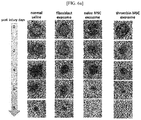
FIG. 1 shows a process of activating the secretion of exosomes in treatment of stem cells with thrombin, confirmed by TEM image analysis. -
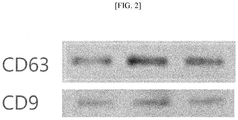
FIG. 2 shows a western blotting result confirming that exosomes derived from thrombin-treated stem cells normally express CD63 and CD9, which are exosome markers. -
FIG. 3 shows an immunoassay result showing that the expression of growth factors (BDNF, FGF, HGF, NGF and VEGF) and an anti-inflammatory cytokine (IL-6) in exosomes is increased by thrombin treatment. -
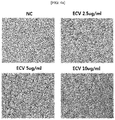
FIG. 4A is a tube formation assay result showing that exosomes derived from thrombin-treated stem cells dose-dependently exhibit an angiogenesis effect, andFIG. 4B is a graph quantifying the tube formation assay result. -
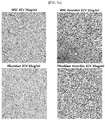
FIG. 5A shows a tube formation assay result showing that there is a difference in angiogenesis effect depending on the type of cells from which exosomes are derived -
FIG. 5B shows a graph quantifying the tube formation assay result. -
FIG. 6A shows a result showing a skin wound healing effect on exosomes derived from thrombin-treated stem cells in in vivo skin wound animal models. -
FIG. 6B shows a graph quantifying the tube formation assay result. -
FIG. 7 shows skin wound healing effects of fibroblast-derived exosomes (fibroblast exosome), non-thrombin-treated stem cell-derived exosomes (naive MSC exosome), thrombin-treated stem cell-derived exosomes (thrombin MSC exosome) and hypoxia-pretreated stem cell-derived exosomes (hypoxia MSC exosome) in in vivo skin wound animal models. - The present disclosure provides a pharmaceutical composition for preventing or treating skin wounds, which includes exosomes derived from thrombin-treated stem cells as an active ingredient.
- The term "stem cells" used herein refers to undifferentiated cells, which have a self-renewal ability and an ability to be differentiated into two or more different types of cells. The stem cells of the present disclosure may be autologous or allogeneic stem cells, which may be derived from arbitrary types of animals including a human and a non-human mammal, and may be derived from adult stem cells or embryonic stem cells, but the present disclosure is not limited thereto.
- The stem cells of the present disclosure may include embryonic stem cells or adult stem cells, and preferably adult stem cells. The adult stem cells may be mesenchymal stem cells, human tissue-derived mesenchymal stromal cells, human tissue-derived mesenchymal stem cells or multipotent stem cells, and preferably mesenchymal stem cells, but the present disclosure is not limited thereto. The mesenchymal stem cells may be mesenchymal stem cells derived from umbilical cord, umbilical cord blood, bone marrow, fat, muscle, nerve, skin, amniotic membrane or placenta, but the present disclosure is not limited thereto.
- The term "umbilical cord blood" used herein refers to blood taken from the umbilical vein connecting the placenta and fetus. The umbilical cord blood is a naturally-occurring byproduct in birth, even more easily taken than general mesenchymal tissue derived from the bone marrow requiring several operations, and compared with bone marrow transplantation, since the infrastructure relevant to the umbilical cord blood has been already constructed due to activation of the umbilical cord blood storage industry, it is easy to find a donor. In addition, since the umbilical cord blood-derived cells are cells which do not express a tissue-compatible antigen, HLA-DR (class II), which is the most important cause of rejection in tissue or organ transplantation, the umbilical cord blood-derived cells may not induce or minimize an immune response such as rejection, which has been problematic in an conventional transplantation operation, thus, xenogeneic umbilical cord blood as well as autologous umbilical cord blood can be used.
- The term "exosome" refers to small vesicles (approximately 30 to 100 in diameter) having a membrane structure, which are secreted from various cells, and refers to vesicles which are released into an extracellular environment due to fusion between MVBs and a plasma membrane. The exosomes are naturally or artificially secreted.
- The term "skin wound" used herein refers to the loss of epidermis, dermis or subcutaneous tissue.
- The term "prevention or treatment of skin wounds" used herein includes relief, alleviation and symptom improvement of skin wounds, and refers to a reduction in the possibility of generating skin wounds. In the present disclosure, by treating vascular endothelial cells (e.g., HUVEC) with the thrombin-treated stem cells of the present disclosure, it was confirmed that blood vessels are newly generated by promoting the growth of the vascular endothelial cells.
- Angiogenesis is a phenomenon in which existing vascular endothelial cells form new capillary vessels by degrading, migrating, dividing and differentiating the ECM, and is necessarily exhibited in the physiological process of wound healing. The wound healing effect can be verified by confirming the angiogenesis effect. That is, angiogenesis should be involved in an essential wound healing process to regenerate injured skin tissue. In the early stage of a wound, an inflammation response is caused by necrosis of cells and destruction of blood vessels, and after the inflammation response, along with a phenomenon of detachment of blood components from a blood vessel, activation of platelets and blood coagulation, a series of processes for forming biological mediators such as kallikrein, thrombin and plasmin are carried out.
- In the present disclosure, compared with non-treated stem cells, the "thrombin-treated stem cells" may have reinforced stem cell function/efficacy due to a main action mechanism of stem cells, which is an increase in paracrine property, without a change in cell stability indicated by cell viability, an oxidative function, etc. Further, thrombin treatment can reinforce the therapeutic efficacy of exosomes derived from stem cells, and also increase a secretion amount of the exosomes.
- At this time, as a paracrine function, a growth factor, an immunoregulatory factor, an antioxidation factor or a regenerative factor may be increased, wherein the growth factor refers to a proteinaceous, physiologically active material which promotes cell division, growth or differentiation, and includes a brain-derived neurotropic factor (BDNF), a fibroblast growth factor (FGF), a hepatocyte growth factor (HGF), a nerve growth factor (NGF), a vascular endothelial growth factor (VEGF), and interleukin-6 (IL-6). Particularly, the vascular endothelial cell growth factor (VEGF) is a representative protein which regulates vessel formation. VEGF binds to
VEGF receptor 1, 2 or 3 (VEGFR1, VEGFR2 or VEGFR3), present in vascular endothelial cells and results in tyrosine phosphorylation of a VEGF receptor (VEGFR), thereby the activation of vascular endothelial cells, and such activation ultimately has a critical effect on angiogenesis. - The pharmaceutical composition of the present disclosure may be administered to a subject via various routes without particular limitation, and for example, may be administered via an oral or non-oral route.
- The pharmaceutical composition of the present disclosure may further contain one or more known supplementary ingredients having a therapeutic effect on skin wounds, in addition to stem cell-derived exosomes. For example, the pharmaceutical composition of the present disclosure may further include a supplementary ingredient selected from the group consisting of a gene effective in skin wound treatment (e.g., an anti-inflammatory cytokine gene, or siRNA or an antisense primer for an inflammatory cytokine) or an expression vector including the same, a cytokine providing an autocrine or paracrine effect (e.g., interleukin-10), a growth factor (e.g., keratinocyte growth factor) and a combination thereof.
- A preferable dose of the pharmaceutical composition of the present disclosure may depend on a subject's condition and body weight, the severity of a disease, a drug type, an administration route and administration duration, and may be suitably selected by those of ordinary skill in the art. The administration of the composition may be administered once or in divided doses, per day, but the present disclosure is not limited thereto.
- The pharmaceutical composition of the present disclosure may be used individually, or in combination with methods using surgery, radiation therapy, hormone therapy, chemotherapy and a biological action regulator to treat skin wounds.
- The composition of the present disclosure may further include a suitable carrier, which is conventionally used in preparation of a pharmaceutical composition. For example, an injection may further include a preservative, an analgesic, a solubilizer or a stabilizer, and a preparation for local administration may further include a base, an excipient, a lubricant or a preservative.
- The composition of the present disclosure may be administered by being formulated into a unit dosage form suitable for administration into a body according to a method conventionally used in the pharmaceutical field. A suitable formulation for this purpose is preferably a preparation for non-oral administration, for example, an injection such as an injectable ampoule, an injection such as an injection bag, and a sprayer such as an aerosol preparation. The injectable ampoule may be prepared by being mixed with an injection solution immediately before use, and the injection solution may be physiological saline, glucose or Ringer's solution. In addition, the injection bag may be formed of polyvinyl chloride or polyethylene. In the present disclosure, administration refers to providing the composition of the present disclosure to a subject by any suitable method.
- A preferable dose of the pharmaceutical composition of the present disclosure may depend on a subject's condition and body weight, the severity of a disease, a drug type, an administration route and administration duration, and may be suitably selected by those of ordinary skill in the art. The administration of the composition may be administered once or in divided doses, per day, but the present disclosure is not limited thereto.
- In addition, the present disclosure provides a quasi-drug for improving skin wounds, which includes exosomes derived from thrombin-treated stem cells as an active ingredient.
- In the present disclosure, the quasi-drug may be a dermal preparation for external use selected from the group consisting of a liquid, an ointment, a cream, a spray, a patch, a gel and an aerosol, and specifically, may be used as a composition for a sanitizer, a shower foam, a mouthwash, a wet tissue, a detergent, soap, hand wash, a humidifier refill, a mask, an ointment or a filter refill.
- The present disclosure also provides a method of preparing the pharmaceutical composition, which includes: (a) culturing stem cells and treating the stem cells with thrombin; (b) isolating exosomes from the culture solution of Step (a); and (c) preparing a composition containing the exosomes isolated in Step (b) as an active ingredient.
- In the present disclosure, a treatment concentration of thrombin is a concentration suitable for reinforcing the efficacy of stem cells/exosomes, and thrombin is preferably contained at 1 to 1000 unit/mL in a medium, but the present disclosure is not particularly limited thereto.
- In the present disclosure, there is no limitation to a method of isolating exosomes, and exosomes may be isolated from a culture solution by a method such as centrifugation, ultracentrifugation, filtration through a filter, gel filtration chromatography, pre-flow electrophoresis, capillary electrophoresis, isolation using a polymer, and a combination thereof, and preferably, centrifugation/ultracentrifugation. Here, the centrifugation/ultracentrifugation is preferably performed at 4 °C and 3,000 to 100,000g for 10 minutes to 5 hours.
- The medium used in cell culture in the present disclosure refers to a mixture for in vitro cell growth and proliferation of stem cells, which includes essential factors for cell growth and proliferation, such as sugar, an amino acid, various nutrients, serum, a growth factor, a mineral, etc. The medium used in the present disclosure may be any one of commercially-produced media including Dulbecco's Modified Eagle's Medium (DMEM), Minimal Essential Medium (MEM), Basal Medium Eagle (BME), RPMI1640, Dulbecco's Modified Eagle's Medium: Nutrient Mixture F-10 (DMEM/F-10), Dulbecco's Modified Eagle's Medium: Nutrient Mixture F-12 (DMEM/F-12), α-Minimal essential Medium (a-MEM), Glasgow's Minimal Essential Medium (G-MEM), Isocove's Modified Dulbecco's Medium (IMDM) and Knockout DMEM, or an artificially synthesized medium, but the present disclosure is not limited thereto.
- The present disclosure also provides a method of treating skin wounds, which includes administering exosomes derived from thrombin-treated stem cells to a subject.
- The term "subject" used herein refers to a subject in need of treatment, and more specifically, a mammal such as a human, or a non-human primate, a mouse, a rat, a dog, a cat, a horse and a cow.
- Hereinafter, to help in understanding the present disclosure, exemplary examples will be suggested. However, the following examples are merely provided to more easily understand the present disclosure, and not to limit the present disclosure.
- Human umbilical cord blood-derived mesenchymal stem cells (3×10⁵ cells) were seeded in a 100 mm culture dish (Orange Scientific cat# 4450200) and cultured for one week. After the cells were saturated and proliferated in the culture dish, the medium was replaced with a serum-free culture medium (MEM alpha media) in which 50 unit/mL thrombin (REYON Pharmaceutical. Co., Ltd.) was diluted, and then cultured again for 6 hours.
- Here, to confirm whether the secretion of exosomes is activated in mesenchymal stem cells by treatment of thrombin, a process of the exosome secretion was confirmed through transmission electronic microscopy (TEM) images. As a result, as shown in
FIG. 1 , it can be seen that stimulation by thrombin results in exosome secretion. - Afterward, the culture solution was distributed into centrifuge tubes to perform centrifugation at 4 °C and 6,000 rpm for 30 minutes, and a supernatant was transferred to new tubes to remove cell debris. Again, the supernatant was subjected to ultracentrifugation at 4 °C and 100,000 rpm for 2 to 4 hours, and then a supernatant was further removed, thereby obtaining exosomes (final concentration: 15 µg/mL).
- Here, to confirm whether the obtained product was a suitable exosome, the expression of CD63 and CD9 (System Biosciences, Mountain View, CA, USA), which are known exosome markers, was verified by western blotting. As a result, as shown in
FIG. 2 , as the exosomes obtained from the thrombin-treated stem cells normally expressed CD63 and CD9, indicating that they were the exosomes of the present disclosure. - It was confirmed whether the exosomes obtained in Example 1-1 were increased in the expression of a growth factor or an anti-inflammatory cytokine such as IL-6 due to thrombin treatment.
- Specifically, after the exosome membrane was dissolved in a lysis buffer, proteins in exosomes were isolated to measure BDNF, FGF, HGF, NGF, VEGF and IL-6 levels in the exosomes using a Procarta immunoassay kit (Affymetrix, USA).
- As a result, as shown in
FIG. 3 , it was confirmed that the expression of a brain-derived neurotropic factor (BDNF), a fibroblast growth factor (FGF), a hepatocyte growth factor (HGF), a nerve growth factor (NGF), a vascular endothelial growth factor (VEGF) and interleukin-6 (IL-6) in exosomes was increased due to thrombin treatment, compared with exosomes obtained from non-thrombin treated-stem cells (control, normal). - This result indicates that cell regeneration, blood vessel regeneration and anti-inflammatory efficacy of the stem cell-derived exosomes are increased due to thrombin treatment.
- To confirm whether the "exosomes derived from thrombin-treated stem cells" used herein affect tube formation (angiogenesis) by inducing differentiation of vascular endothelial cells, a tube forming assay was performed using growth factor-reduced Matrigel (10 mg/mL).
- Specifically, human umbilical vein endothelial cells (HUVECs) were cultured in Low Serum Growth Supplement (LSGS)-containing Medium 200PRF for 12 hours, treated with trypsin to collect the cells, and resuspended in a 5% fetus bovine serum-containing M199 medium. Growth factor-reduced Matrigel was added into each well of a 24-well plate at 250 µL, and polymerized at 37 °C in a CO2 incubator. The HUVEC cells were added to each well containing the polymerized Matrigel at 4 × 10⁴ cells/well, and the thrombin-treated stem cell-derived exosomes used in Example 1 were added at 2.5 µg/mL, 5 µg/mL or 10 µg/mL. The HUVECs were cultured for 24 hours at 37 °C in a CO2 incubator, the cell culture was photographed (× 40), and a length of the formed tube was measured using ImageJ (National Institute of Health), a public domain program.
- As a result, as shown in
FIGS. 4A and4B , the thrombin-treated stem cell-derived exosomes of the present disclosure dose-dependently induced the differentiation of vascular endothelial cells, compared with a control (non-treated NCs), thereby improving tube formation. - An experiment was carried out in the same manner as in Example 2-1, except that HUVEC cells were treated with non-thrombin-treated stem cell-derived exosomes (MSC ECV), thrombin-treated stem cell-derived exosomes (MSC throm ECV), non-thrombin-treated fibroblast-derived exosomes (fibroblast ECV), or thrombin-treated fibroblast-derived exosomes (fibroblast throm ECV) at 10 µg/mL.
- As a result, as shown in
FIGS. 5A and5B , the thrombin-treated stem cell-derived exosomes (MSC throm ECV) of the present disclosure exhibited a significantly improved angiogenesis ability, compared with the non-thrombin-treated, stem cell-derived exosomes (MSC ECV). In addition, the fibroblast-derived exosomes did not exhibit an angiogenesis ability regardless of thrombin treatment, suggesting that therapeutic efficacy (angiogenesis ability) is specifically determined according to the type/ability of cells from which exosomes are derived. - All animal experiments were approved by the Research Animal Laboratory Committee of Samsung Biomedical Research Institute (Korea), and the guidelines of this organization were followed.
- First, after the skin was punched with a 0.8mm biopsy punch at a dorsal region of an adult rat to manufacture a skin wound animal model, 20 µg of fibroblast-derived exosomes (fibroblast exosome), non-thrombin-treated, stem cell-derived exosomes (naive MSC exosome), or thrombin-treated stem cell-derived exosomes (thrombin MSC exosome) were mixed with saline to prepare a total 10 µL preparation, and then the preparation was applied to a wound surface.
- As a result, as shown in
FIGS. 6A and6B , the thrombin-treated stem cell-derived exosomes (thrombin MSC exosome) of the present disclosure exhibited a significantly improved wound treating effect, compared with non-thrombin-treated, stem cell-derived exosomes (naive MSC exosome). In addition, it can be confirmed that the fibroblast-derived exosomes did not exhibit a wound treating effect, similar to a control (saline). - In addition, after an injury was induced by punch biopsy after the dorsal region of SD-rat was shaved, fibroblast-derived exosomes (fibroblast exosome), non-thrombin-treated, stem cell-derived exosomes (naive MSC exosome), thrombin-treated stem cell-derived exosomes (thrombin MSC exosome) or hypoxia-pretreated stem cell-derived exosomes (hypoxia MSC exosome) were applied, and then skin recovery was checked.
- As a result, as shown in
FIG. 7 , it was shown that, compared with a normal group (Normal), in a wound control (WC), the injured skin caused by punch biopsy cannot recover to normal skin tissue, and the same result was shown when the fibroblast-derived exosomes were administered. On the other hand, the non-thrombin-treated, stem cell-derived exosomes (naive MSC exosome) and the hypoxia-pretreated stem cell-derived exosomes (hypoxia MSC exosome) showed a tendency to be slightly improved, and the thrombin-treated stem cell-derived exosomes (thrombin MSC exosome) showed a skin recovery state close to normal tissue, and thus exhibited a significantly improved wound treating effect. - These results showed that therapeutic efficacy is determined specifically according to the type/ability of cells from which exosomes are derived.
- It should be understood by those of ordinary skill in the art that the above description of the present disclosure is exemplary, and the exemplary embodiments disclosed herein can be easily modified into other specific forms without departing from the technical spirit or essential features of the present disclosure. Therefore, the exemplary embodiments described above should be interpreted as illustrative and not limited in any aspect.
- According to a therapeutic agent based on thrombin-treated stem cell-derived exosomes according to the present disclosure, a problem of the conventional stem cell therapeutic agent, such as transplantation rejection or production costs, can be solved and therapeutic efficacy can be significantly improved, and therefore the therapeutic agent can be effectively used in treatment of skin wounds.
Claims (18)
- A pharmaceutical composition for preventing or treating skin wounds, comprising:
exosomes derived from thrombin-treated stem cells as an active ingredient. - The pharmaceutical composition according to claim 1, wherein the stem cells are selected from the group consisting of mesenchymal stem cells, human tissue-derived mesenchymal stromal cells, human tissue-derived mesenchymal stem cells and multipotent stem cells.
- The pharmaceutical composition according to claim 2, wherein the mesenchymal stem cells are derived from umbilical cord, umbilical cord blood, bone marrow, fat, muscle, nerve, skin, amniotic membrane or placenta.
- The pharmaceutical composition according to claim 1, wherein the treatment of skin wounds is caused by angiogenesis due to the promotion of the growth of vascular endothelial cells.
- The pharmaceutical composition according to claim 1, further comprising:
a supplementary ingredient selected from group consisting of a culture medium, a cytokine, a growth factor and a gene. - The pharmaceutical composition according to claim 1, wherein the exosomes are increased in the expression of a growth factor, an immunoregulatory factor, an antioxidation factor or an angiogenesis factor.
- The pharmaceutical composition according to claim 6, wherein the growth factor is a brain-derived neurotropic factor (BDNF), a fibroblast growth factor (FGF), a hepatocyte growth factor (HGF), a nerve growth factor (NGF), or a vascular endothelial growth factor (VEGF).
- A pharmaceutical formulation for preventing or treating skin wounds, comprising:
the pharmaceutical composition of claim 1. - The pharmaceutical formulation of claim 8, which is an injection type, a suppository type, a spray type, a liquid type, or a patch type.
- A quasi-drug for improving skin wounds, comprising:
exosomes derived from thrombin-treated stem cells as an active ingredient. - The quasi-drug according to claim 10, wherein the improvement of skin wounds is caused by angiogenesis.
- The quasi-drug according to claim 10, wherein the exosomes are increased in the expression of a growth factor, an immunoregulatory factor, an antioxidation factor or an angiogenesis factor.
- The quasi-drug according to claim 10, which is selected from the group consisting of a liquid, an ointment, a cream, a spray, a patch, a gel and an aerosol.
- A method of preparing the pharmaceutical composition of claim 1, comprising:(a) culturing stem cells and treating the stem cells with thrombin;(b) isolating exosomes from the culture solution of Step (a); and(c) preparing a composition containing the exosomes isolated in Step (b) as an active ingredient.
- The method according to claim 14, wherein the thrombin of Step (a) is contained in a medium at 1 to 1000 unit/mL.
- The method according to claim 14, wherein the exosomes of Step (b) are isolated by centrifugation at 3,000 to 100,000g for 10 minutes to 5 hours.
- A method of treating skin wounds, comprising:
administering exosomes derived from thrombin-treated stem cells to a subject. - A use of exosomes derived from thrombin-treated stem cells for preventing or treating skin wounds.
Applications Claiming Priority (3)
| Application Number | Priority Date | Filing Date | Title |
|---|---|---|---|
| KR20160083703 | 2016-07-01 | ||
| KR1020170080366A KR101860266B1 (en) | 2016-07-01 | 2017-06-26 | Compositions for Treating Skin Wound Comprising Exosome Derived from Stem Cell Treated with Thrombin |
| PCT/KR2017/006776 WO2018004237A1 (en) | 2016-07-01 | 2017-06-27 | Composition comprising thrombin-treated stem cell-derived exosome for treating skin wound |
Publications (3)
| Publication Number | Publication Date |
|---|---|
| EP3479831A1 true EP3479831A1 (en) | 2019-05-08 |
| EP3479831A4 EP3479831A4 (en) | 2020-03-25 |
| EP3479831B1 EP3479831B1 (en) | 2022-06-15 |
Family
ID=60998515
Family Applications (1)
| Application Number | Title | Priority Date | Filing Date |
|---|---|---|---|
| EP17820513.4A Active EP3479831B1 (en) | 2016-07-01 | 2017-06-27 | Composition comprising thrombin-treated stem cell-derived exosome for use in treating skin wound |
Country Status (5)
| Country | Link |
|---|---|
| US (1) | US12239695B2 (en) |
| EP (1) | EP3479831B1 (en) |
| JP (1) | JP6826135B2 (en) |
| KR (1) | KR101860266B1 (en) |
| CN (1) | CN109641013B (en) |
Cited By (2)
| Publication number | Priority date | Publication date | Assignee | Title |
|---|---|---|---|---|
| EP4137140A4 (en) * | 2020-04-14 | 2024-05-22 | Samsung Life Public Welfare Foundation | COMPOSITION FOR THE PREVENTION OR TREATMENT OF DIABETIC SKIN DISEASE WITH EXOSOME FROM THROMBIN-TREATED STEM CELLS |
| EP4520341A4 (en) * | 2022-05-04 | 2026-05-13 | S&E Bio Co Ltd | Wound treatment composition with extracellular vesicles derived from stem cells with improved efficacy |
Families Citing this family (13)
| Publication number | Priority date | Publication date | Assignee | Title |
|---|---|---|---|---|
| KR101973284B1 (en) * | 2017-01-16 | 2019-04-29 | 사회복지법인 삼성생명공익재단 | Compositions for treating neonatal HIE |
| KR102278102B1 (en) | 2018-07-27 | 2021-07-15 | 주식회사 엑소스템텍 | Pharmaceutical composition for preventing or treating acute liver diseases comprising an exosome as an active ingredient |
| EP3831397A4 (en) | 2018-07-27 | 2022-05-18 | Exostemtech Co., Ltd. | PHARMACEUTICAL COMPOSITION COMPRISING AS ACTIVE PRINCIPLE PROANTHOCYANIDINE FOR THE PREVENTION OR TREATMENT OF SPIDERMOID CARCINOMA |
| KR102323056B1 (en) * | 2019-05-02 | 2021-11-09 | 에스씨엠생명과학 주식회사 | A cosmetic composition comprising a culture medium of mesenchymal stem cells cultured in a hPL containing medium |
| KR102159394B1 (en) * | 2019-10-04 | 2020-09-24 | (주)에스디생명공학 | Composition for Improving Skin Conditions Comprising Exosome Derived from Swallow's Nest as Active Ingredient |
| JP7499853B2 (en) | 2019-11-12 | 2024-06-14 | プレクソジェン インコーポレイテッド | Composition for preventing or treating kidney disease comprising exosomes derived from precursor cells of induced pluripotent stem cells derived from mesenchymal stem cells |
| JP2021116228A (en) * | 2020-01-22 | 2021-08-10 | 医薬資源研究所株式会社 | Anti-oxidation stress agent, cosmetic preparation, and pharmaceutical |
| US12077780B2 (en) | 2020-02-14 | 2024-09-03 | Allergan Sales, Llc | Conditioned medium from cells cultured under hypoxic conditions and uses thereof |
| CN111888379A (en) * | 2020-08-17 | 2020-11-06 | 济宁医学院附属医院 | Application of stem cell-derived microvesicles in preparation of scar repairing preparation |
| US20230405050A1 (en) * | 2020-11-26 | 2023-12-21 | Samsung Life Public Welfare Foundation | Composition for treating infectious diseases, comprising exosomes derived from thrombin-treated stem cells |
| CN117940117A (en) * | 2021-06-30 | 2024-04-26 | 株式会社普里莫里斯治疗 | Pharmaceutical compositions containing cell-derived natural or artificial nanovesicles loaded with antisense oligonucleotide-based drugs |
| CN114904043B (en) * | 2022-04-28 | 2023-07-21 | 深圳市儿童医院 | Composite hydrogel and its preparation method and application |
| CN120513095A (en) * | 2022-11-25 | 2025-08-19 | 希望细胞疗法株式会社 | Secretome of vMSC and application thereof |
Family Cites Families (7)
| Publication number | Priority date | Publication date | Assignee | Title |
|---|---|---|---|---|
| EP3563858A1 (en) * | 2010-10-18 | 2019-11-06 | Agency For Science, Technology And Research | Use of exosomes to promote or enhance wound healing |
| EP2850178A4 (en) | 2012-05-18 | 2015-10-28 | Agency Science Tech & Res | MESENCHYMAL NAIL STAMMING CELL EXOSOME |
| KR20140066456A (en) | 2012-11-23 | 2014-06-02 | 호서대학교 산학협력단 | A exosome derived from keratinocytes, cosmetic composition for skin cell regeneration of fraction having exosome and the use thereof |
| GB201317889D0 (en) * | 2013-10-09 | 2013-11-20 | Reneuron Ltd | Product and use |
| US10167448B2 (en) * | 2013-12-12 | 2019-01-01 | Samsung Life Public Welfare Foundation | Pharmaceutical composition for treating cerebrovascular diseases, containing stem cell-derived exosome as active ingredient |
| EP3120857B1 (en) * | 2014-03-18 | 2021-02-17 | Samsung Life Public Welfare Foundation | Compositions for use in treating inflammatory brain disease comprising stem-cell-derived exosomes as an active ingredient |
| CN105477016A (en) * | 2015-11-13 | 2016-04-13 | 中国人民解放军第二军医大学 | Application of exosome derived from human mesenchymal stem cells to resistance to tissue fibrosis and scar forming |
-
2017
- 2017-06-26 KR KR1020170080366A patent/KR101860266B1/en active Active
- 2017-06-27 US US16/314,725 patent/US12239695B2/en active Active
- 2017-06-27 EP EP17820513.4A patent/EP3479831B1/en active Active
- 2017-06-27 JP JP2018568285A patent/JP6826135B2/en active Active
- 2017-06-27 CN CN201780047575.0A patent/CN109641013B/en active Active
Cited By (2)
| Publication number | Priority date | Publication date | Assignee | Title |
|---|---|---|---|---|
| EP4137140A4 (en) * | 2020-04-14 | 2024-05-22 | Samsung Life Public Welfare Foundation | COMPOSITION FOR THE PREVENTION OR TREATMENT OF DIABETIC SKIN DISEASE WITH EXOSOME FROM THROMBIN-TREATED STEM CELLS |
| EP4520341A4 (en) * | 2022-05-04 | 2026-05-13 | S&E Bio Co Ltd | Wound treatment composition with extracellular vesicles derived from stem cells with improved efficacy |
Also Published As
| Publication number | Publication date |
|---|---|
| CN109641013A (en) | 2019-04-16 |
| JP6826135B2 (en) | 2021-02-03 |
| KR101860266B1 (en) | 2018-05-24 |
| KR20180003999A (en) | 2018-01-10 |
| CN109641013B (en) | 2022-07-26 |
| US12239695B2 (en) | 2025-03-04 |
| EP3479831A4 (en) | 2020-03-25 |
| US20190314469A1 (en) | 2019-10-17 |
| JP2019520365A (en) | 2019-07-18 |
| EP3479831B1 (en) | 2022-06-15 |
Similar Documents
| Publication | Publication Date | Title |
|---|---|---|
| US12239695B2 (en) | Composition comprising thrombin-treated stem cell-derived exosome for treating skin wound | |
| US11918609B2 (en) | Stem cells for wound healing | |
| EP3569238B1 (en) | Thrombin-preconditioned mesenchymal stem cells for treating neonatal hie | |
| JP2021105041A (en) | Use of regenerative cells in mitigating burn progression and improving skin graft incorporation and healing | |
| Da Silva et al. | The paradigm of stem cell secretome in tissue repair and regeneration: Present and future perspectives | |
| Wang et al. | Recent advances in the adjunctive management of diabetic foot ulcer: focus on noninvasive technologies | |
| US20230256021A1 (en) | Compositions for preventing or treating diabetic skin disease comprising exosome-derived from thrombin-treated stem cell | |
| Perrucci et al. | Cyclophilin A modulates bone marrow-derived CD117+ cells and enhances ischemia-induced angiogenesis via the SDF-1/CXCR4 axis | |
| KR101520531B1 (en) | Method of producing parathyroid hormone from tonsil-derived mesenchymal stem cell | |
| KR101816964B1 (en) | Pharmaceutical adjuvant composition for treating damages of skin or blood vessel tissue | |
| DK2431046T3 (en) | Application of olive leaf extract in a pharmaceutical composition for inducing angiogenesis and vasculogenesis | |
| WO2018004237A1 (en) | Composition comprising thrombin-treated stem cell-derived exosome for treating skin wound | |
| Setiawan et al. | The Benefit of Amniotic Membrane as A Surgical Wound Dressing for Post Cesarean Section | |
| KR20250152058A (en) | Use of conditioned medium of umbilical cord-derived mesenchymal stem cells for treating and/or preventing the formation and/or recurrence of wounds or damaged skin areas | |
| ES2377993T3 (en) | Use of cellular fractions of adipose tissue for post-irradiation tissue regeneration | |
| TW201717992A (en) | Composition for promoting hair growth or promoting hair cell growth, and applications thereof comprising a polypeptide composition and a fat-soluble compound to solve the problem in treating Alopecia adopted by prior art | |
| JP7213479B2 (en) | skin protectant | |
| KR101673318B1 (en) | Cell therapy composition for healing wounds comprising mesenchymal stem cell or the culture medium treated with silver nano particle | |
| CN113862220B (en) | Preparation and application of mesenchymal stem cell exosome | |
| Delecave Dias | Effects Of Cell-Free Conditioned Media on Healing of Rat Achilles Tendon | |
| EP4573184A1 (en) | Pooled mesenchymal stromal cell derived cells, cell- and cell-free preparations thereof | |
| NL2014230B1 (en) | Wound healing formulation. | |
| CA3192177A1 (en) | Compositions and methods for treating wounds | |
| WO2005097170A1 (en) | Angiogenesis promoter and angiogenic therapy | |
| TW201717994A (en) | Composition for promoting hair cell growth and use thereof to solve the existing problem of ineffectiveness of alopecia-treating drugs |
Legal Events
| Date | Code | Title | Description |
|---|---|---|---|
| STAA | Information on the status of an ep patent application or granted ep patent |
Free format text: STATUS: THE INTERNATIONAL PUBLICATION HAS BEEN MADE |
|
| PUAI | Public reference made under article 153(3) epc to a published international application that has entered the european phase |
Free format text: ORIGINAL CODE: 0009012 |
|
| STAA | Information on the status of an ep patent application or granted ep patent |
Free format text: STATUS: REQUEST FOR EXAMINATION WAS MADE |
|
| 17P | Request for examination filed |
Effective date: 20190104 |
|
| AK | Designated contracting states |
Kind code of ref document: A1 Designated state(s): AL AT BE BG CH CY CZ DE DK EE ES FI FR GB GR HR HU IE IS IT LI LT LU LV MC MK MT NL NO PL PT RO RS SE SI SK SM TR |
|
| AX | Request for extension of the european patent |
Extension state: BA ME |
|
| DAV | Request for validation of the european patent (deleted) | ||
| DAX | Request for extension of the european patent (deleted) | ||
| A4 | Supplementary search report drawn up and despatched |
Effective date: 20200224 |
|
| RIC1 | Information provided on ipc code assigned before grant |
Ipc: A61K 35/51 20150101ALI20200218BHEP Ipc: A61K 9/12 20060101ALI20200218BHEP Ipc: A61K 35/28 20150101AFI20200218BHEP Ipc: A61K 35/50 20150101ALI20200218BHEP Ipc: A61K 9/70 20060101ALI20200218BHEP Ipc: A61K 35/30 20150101ALI20200218BHEP Ipc: A61K 38/48 20060101ALI20200218BHEP Ipc: A61K 9/00 20060101ALI20200218BHEP Ipc: A61K 35/35 20150101ALI20200218BHEP Ipc: A61K 35/34 20150101ALI20200218BHEP |
|
| STAA | Information on the status of an ep patent application or granted ep patent |
Free format text: STATUS: EXAMINATION IS IN PROGRESS |
|
| 17Q | First examination report despatched |
Effective date: 20201221 |
|
| GRAP | Despatch of communication of intention to grant a patent |
Free format text: ORIGINAL CODE: EPIDOSNIGR1 |
|
| STAA | Information on the status of an ep patent application or granted ep patent |
Free format text: STATUS: GRANT OF PATENT IS INTENDED |
|
| RIC1 | Information provided on ipc code assigned before grant |
Ipc: A61P 17/02 20060101ALI20220119BHEP Ipc: A61K 38/48 20060101ALI20220119BHEP Ipc: A61K 35/50 20150101ALI20220119BHEP Ipc: A61K 35/30 20150101ALI20220119BHEP Ipc: A61K 35/34 20150101ALI20220119BHEP Ipc: A61K 35/35 20150101ALI20220119BHEP Ipc: A61K 35/51 20150101ALI20220119BHEP Ipc: A61K 35/28 20150101AFI20220119BHEP |
|
| INTG | Intention to grant announced |
Effective date: 20220223 |
|
| GRAS | Grant fee paid |
Free format text: ORIGINAL CODE: EPIDOSNIGR3 |
|
| GRAA | (expected) grant |
Free format text: ORIGINAL CODE: 0009210 |
|
| STAA | Information on the status of an ep patent application or granted ep patent |
Free format text: STATUS: THE PATENT HAS BEEN GRANTED |
|
| AK | Designated contracting states |
Kind code of ref document: B1 Designated state(s): AL AT BE BG CH CY CZ DE DK EE ES FI FR GB GR HR HU IE IS IT LI LT LU LV MC MK MT NL NO PL PT RO RS SE SI SK SM TR |
|
| REG | Reference to a national code |
Ref country code: CH Ref legal event code: EP Ref country code: GB Ref legal event code: FG4D |
|
| REG | Reference to a national code |
Ref country code: IE Ref legal event code: FG4D |
|
| REG | Reference to a national code |
Ref country code: DE Ref legal event code: R096 Ref document number: 602017058587 Country of ref document: DE |
|
| REG | Reference to a national code |
Ref country code: AT Ref legal event code: REF Ref document number: 1497968 Country of ref document: AT Kind code of ref document: T Effective date: 20220715 |
|
| REG | Reference to a national code |
Ref country code: LT Ref legal event code: MG9D |
|
| REG | Reference to a national code |
Ref country code: NL Ref legal event code: MP Effective date: 20220615 |
|
| PG25 | Lapsed in a contracting state [announced via postgrant information from national office to epo] |
Ref country code: SE Free format text: LAPSE BECAUSE OF FAILURE TO SUBMIT A TRANSLATION OF THE DESCRIPTION OR TO PAY THE FEE WITHIN THE PRESCRIBED TIME-LIMIT Effective date: 20220615 Ref country code: NO Free format text: LAPSE BECAUSE OF FAILURE TO SUBMIT A TRANSLATION OF THE DESCRIPTION OR TO PAY THE FEE WITHIN THE PRESCRIBED TIME-LIMIT Effective date: 20220915 Ref country code: LT Free format text: LAPSE BECAUSE OF FAILURE TO SUBMIT A TRANSLATION OF THE DESCRIPTION OR TO PAY THE FEE WITHIN THE PRESCRIBED TIME-LIMIT Effective date: 20220615 Ref country code: HR Free format text: LAPSE BECAUSE OF FAILURE TO SUBMIT A TRANSLATION OF THE DESCRIPTION OR TO PAY THE FEE WITHIN THE PRESCRIBED TIME-LIMIT Effective date: 20220615 Ref country code: GR Free format text: LAPSE BECAUSE OF FAILURE TO SUBMIT A TRANSLATION OF THE DESCRIPTION OR TO PAY THE FEE WITHIN THE PRESCRIBED TIME-LIMIT Effective date: 20220916 Ref country code: FI Free format text: LAPSE BECAUSE OF FAILURE TO SUBMIT A TRANSLATION OF THE DESCRIPTION OR TO PAY THE FEE WITHIN THE PRESCRIBED TIME-LIMIT Effective date: 20220615 Ref country code: BG Free format text: LAPSE BECAUSE OF FAILURE TO SUBMIT A TRANSLATION OF THE DESCRIPTION OR TO PAY THE FEE WITHIN THE PRESCRIBED TIME-LIMIT Effective date: 20220915 |
|
| REG | Reference to a national code |
Ref country code: AT Ref legal event code: MK05 Ref document number: 1497968 Country of ref document: AT Kind code of ref document: T Effective date: 20220615 |
|
| PG25 | Lapsed in a contracting state [announced via postgrant information from national office to epo] |
Ref country code: RS Free format text: LAPSE BECAUSE OF FAILURE TO SUBMIT A TRANSLATION OF THE DESCRIPTION OR TO PAY THE FEE WITHIN THE PRESCRIBED TIME-LIMIT Effective date: 20220615 Ref country code: LV Free format text: LAPSE BECAUSE OF FAILURE TO SUBMIT A TRANSLATION OF THE DESCRIPTION OR TO PAY THE FEE WITHIN THE PRESCRIBED TIME-LIMIT Effective date: 20220615 |
|
| PG25 | Lapsed in a contracting state [announced via postgrant information from national office to epo] |
Ref country code: NL Free format text: LAPSE BECAUSE OF FAILURE TO SUBMIT A TRANSLATION OF THE DESCRIPTION OR TO PAY THE FEE WITHIN THE PRESCRIBED TIME-LIMIT Effective date: 20220615 |
|
| PG25 | Lapsed in a contracting state [announced via postgrant information from national office to epo] |
Ref country code: SM Free format text: LAPSE BECAUSE OF FAILURE TO SUBMIT A TRANSLATION OF THE DESCRIPTION OR TO PAY THE FEE WITHIN THE PRESCRIBED TIME-LIMIT Effective date: 20220615 Ref country code: SK Free format text: LAPSE BECAUSE OF FAILURE TO SUBMIT A TRANSLATION OF THE DESCRIPTION OR TO PAY THE FEE WITHIN THE PRESCRIBED TIME-LIMIT Effective date: 20220615 Ref country code: RO Free format text: LAPSE BECAUSE OF FAILURE TO SUBMIT A TRANSLATION OF THE DESCRIPTION OR TO PAY THE FEE WITHIN THE PRESCRIBED TIME-LIMIT Effective date: 20220615 Ref country code: PT Free format text: LAPSE BECAUSE OF FAILURE TO SUBMIT A TRANSLATION OF THE DESCRIPTION OR TO PAY THE FEE WITHIN THE PRESCRIBED TIME-LIMIT Effective date: 20221017 Ref country code: ES Free format text: LAPSE BECAUSE OF FAILURE TO SUBMIT A TRANSLATION OF THE DESCRIPTION OR TO PAY THE FEE WITHIN THE PRESCRIBED TIME-LIMIT Effective date: 20220615 Ref country code: EE Free format text: LAPSE BECAUSE OF FAILURE TO SUBMIT A TRANSLATION OF THE DESCRIPTION OR TO PAY THE FEE WITHIN THE PRESCRIBED TIME-LIMIT Effective date: 20220615 Ref country code: CZ Free format text: LAPSE BECAUSE OF FAILURE TO SUBMIT A TRANSLATION OF THE DESCRIPTION OR TO PAY THE FEE WITHIN THE PRESCRIBED TIME-LIMIT Effective date: 20220615 Ref country code: AT Free format text: LAPSE BECAUSE OF FAILURE TO SUBMIT A TRANSLATION OF THE DESCRIPTION OR TO PAY THE FEE WITHIN THE PRESCRIBED TIME-LIMIT Effective date: 20220615 |
|
| REG | Reference to a national code |
Ref country code: CH Ref legal event code: PL |
|
| REG | Reference to a national code |
Ref country code: BE Ref legal event code: MM Effective date: 20220630 |
|
| PG25 | Lapsed in a contracting state [announced via postgrant information from national office to epo] |
Ref country code: PL Free format text: LAPSE BECAUSE OF FAILURE TO SUBMIT A TRANSLATION OF THE DESCRIPTION OR TO PAY THE FEE WITHIN THE PRESCRIBED TIME-LIMIT Effective date: 20220615 Ref country code: IS Free format text: LAPSE BECAUSE OF FAILURE TO SUBMIT A TRANSLATION OF THE DESCRIPTION OR TO PAY THE FEE WITHIN THE PRESCRIBED TIME-LIMIT Effective date: 20221015 |
|
| REG | Reference to a national code |
Ref country code: DE Ref legal event code: R097 Ref document number: 602017058587 Country of ref document: DE |
|
| PG25 | Lapsed in a contracting state [announced via postgrant information from national office to epo] |
Ref country code: MC Free format text: LAPSE BECAUSE OF FAILURE TO SUBMIT A TRANSLATION OF THE DESCRIPTION OR TO PAY THE FEE WITHIN THE PRESCRIBED TIME-LIMIT Effective date: 20220615 Ref country code: AL Free format text: LAPSE BECAUSE OF FAILURE TO SUBMIT A TRANSLATION OF THE DESCRIPTION OR TO PAY THE FEE WITHIN THE PRESCRIBED TIME-LIMIT Effective date: 20220615 |
|
| PLBE | No opposition filed within time limit |
Free format text: ORIGINAL CODE: 0009261 |
|
| STAA | Information on the status of an ep patent application or granted ep patent |
Free format text: STATUS: NO OPPOSITION FILED WITHIN TIME LIMIT |
|
| PG25 | Lapsed in a contracting state [announced via postgrant information from national office to epo] |
Ref country code: LU Free format text: LAPSE BECAUSE OF NON-PAYMENT OF DUE FEES Effective date: 20220627 Ref country code: LI Free format text: LAPSE BECAUSE OF NON-PAYMENT OF DUE FEES Effective date: 20220630 Ref country code: IE Free format text: LAPSE BECAUSE OF NON-PAYMENT OF DUE FEES Effective date: 20220627 Ref country code: DK Free format text: LAPSE BECAUSE OF FAILURE TO SUBMIT A TRANSLATION OF THE DESCRIPTION OR TO PAY THE FEE WITHIN THE PRESCRIBED TIME-LIMIT Effective date: 20220615 Ref country code: CH Free format text: LAPSE BECAUSE OF NON-PAYMENT OF DUE FEES Effective date: 20220630 |
|
| 26N | No opposition filed |
Effective date: 20230316 |
|
| PG25 | Lapsed in a contracting state [announced via postgrant information from national office to epo] |
Ref country code: SI Free format text: LAPSE BECAUSE OF FAILURE TO SUBMIT A TRANSLATION OF THE DESCRIPTION OR TO PAY THE FEE WITHIN THE PRESCRIBED TIME-LIMIT Effective date: 20220615 Ref country code: BE Free format text: LAPSE BECAUSE OF NON-PAYMENT OF DUE FEES Effective date: 20220630 |
|
| PG25 | Lapsed in a contracting state [announced via postgrant information from national office to epo] |
Ref country code: HU Free format text: LAPSE BECAUSE OF FAILURE TO SUBMIT A TRANSLATION OF THE DESCRIPTION OR TO PAY THE FEE WITHIN THE PRESCRIBED TIME-LIMIT; INVALID AB INITIO Effective date: 20170627 |
|
| PG25 | Lapsed in a contracting state [announced via postgrant information from national office to epo] |
Ref country code: MK Free format text: LAPSE BECAUSE OF FAILURE TO SUBMIT A TRANSLATION OF THE DESCRIPTION OR TO PAY THE FEE WITHIN THE PRESCRIBED TIME-LIMIT Effective date: 20220615 Ref country code: CY Free format text: LAPSE BECAUSE OF FAILURE TO SUBMIT A TRANSLATION OF THE DESCRIPTION OR TO PAY THE FEE WITHIN THE PRESCRIBED TIME-LIMIT Effective date: 20220615 |
|
| PG25 | Lapsed in a contracting state [announced via postgrant information from national office to epo] |
Ref country code: MT Free format text: LAPSE BECAUSE OF FAILURE TO SUBMIT A TRANSLATION OF THE DESCRIPTION OR TO PAY THE FEE WITHIN THE PRESCRIBED TIME-LIMIT Effective date: 20220615 |
|
| PG25 | Lapsed in a contracting state [announced via postgrant information from national office to epo] |
Ref country code: BG Free format text: LAPSE BECAUSE OF FAILURE TO SUBMIT A TRANSLATION OF THE DESCRIPTION OR TO PAY THE FEE WITHIN THE PRESCRIBED TIME-LIMIT Effective date: 20220615 |
|
| PG25 | Lapsed in a contracting state [announced via postgrant information from national office to epo] |
Ref country code: BG Free format text: LAPSE BECAUSE OF FAILURE TO SUBMIT A TRANSLATION OF THE DESCRIPTION OR TO PAY THE FEE WITHIN THE PRESCRIBED TIME-LIMIT Effective date: 20220615 |
|
| PGFP | Annual fee paid to national office [announced via postgrant information from national office to epo] |
Ref country code: DE Payment date: 20250407 Year of fee payment: 9 |
|
| PGFP | Annual fee paid to national office [announced via postgrant information from national office to epo] |
Ref country code: GB Payment date: 20250407 Year of fee payment: 9 |
|
| PGFP | Annual fee paid to national office [announced via postgrant information from national office to epo] |
Ref country code: IT Payment date: 20250408 Year of fee payment: 9 |
|
| PG25 | Lapsed in a contracting state [announced via postgrant information from national office to epo] |
Ref country code: TR Free format text: LAPSE BECAUSE OF FAILURE TO SUBMIT A TRANSLATION OF THE DESCRIPTION OR TO PAY THE FEE WITHIN THE PRESCRIBED TIME-LIMIT Effective date: 20220615 |
|
| PGFP | Annual fee paid to national office [announced via postgrant information from national office to epo] |
Ref country code: FR Payment date: 20260323 Year of fee payment: 10 |