EP3474963B1 - System and method to remove solids and liquid contaminants from a process stream by mixing the stream with a heating medium, and applications thereof - Google Patents
System and method to remove solids and liquid contaminants from a process stream by mixing the stream with a heating medium, and applications thereof Download PDFInfo
- Publication number
- EP3474963B1 EP3474963B1 EP17748962.2A EP17748962A EP3474963B1 EP 3474963 B1 EP3474963 B1 EP 3474963B1 EP 17748962 A EP17748962 A EP 17748962A EP 3474963 B1 EP3474963 B1 EP 3474963B1
- Authority
- EP
- European Patent Office
- Prior art keywords
- process stream
- heating medium
- stream
- liquid pool
- vessel
- Prior art date
- Legal status (The legal status is an assumption and is not a legal conclusion. Google has not performed a legal analysis and makes no representation as to the accuracy of the status listed.)
- Active
Links
Images



Classifications
-
- C—CHEMISTRY; METALLURGY
- C02—TREATMENT OF WATER, WASTE WATER, SEWAGE, OR SLUDGE
- C02F—TREATMENT OF WATER, WASTE WATER, SEWAGE, OR SLUDGE
- C02F1/00—Treatment of water, waste water, or sewage
- C02F1/02—Treatment of water, waste water, or sewage by heating
- C02F1/04—Treatment of water, waste water, or sewage by heating by distillation or evaporation
- C02F1/10—Treatment of water, waste water, or sewage by heating by distillation or evaporation by direct contact with a particulate solid or with a fluid, as a heat transfer medium
-
- B—PERFORMING OPERATIONS; TRANSPORTING
- B01—PHYSICAL OR CHEMICAL PROCESSES OR APPARATUS IN GENERAL
- B01D—SEPARATION
- B01D1/00—Evaporating
- B01D1/0011—Heating features
- B01D1/0041—Use of fluids
-
- B—PERFORMING OPERATIONS; TRANSPORTING
- B01—PHYSICAL OR CHEMICAL PROCESSES OR APPARATUS IN GENERAL
- B01D—SEPARATION
- B01D1/00—Evaporating
- B01D1/14—Evaporating with heated gases or vapours or liquids in contact with the liquid
-
- B—PERFORMING OPERATIONS; TRANSPORTING
- B01—PHYSICAL OR CHEMICAL PROCESSES OR APPARATUS IN GENERAL
- B01D—SEPARATION
- B01D1/00—Evaporating
- B01D1/28—Evaporating with vapour compression
- B01D1/284—Special features relating to the compressed vapour
- B01D1/2856—The compressed vapour is used for heating a reboiler or a heat exchanger outside an evaporator
-
- Y—GENERAL TAGGING OF NEW TECHNOLOGICAL DEVELOPMENTS; GENERAL TAGGING OF CROSS-SECTIONAL TECHNOLOGIES SPANNING OVER SEVERAL SECTIONS OF THE IPC; TECHNICAL SUBJECTS COVERED BY FORMER USPC CROSS-REFERENCE ART COLLECTIONS [XRACs] AND DIGESTS
- Y02—TECHNOLOGIES OR APPLICATIONS FOR MITIGATION OR ADAPTATION AGAINST CLIMATE CHANGE
- Y02A—TECHNOLOGIES FOR ADAPTATION TO CLIMATE CHANGE
- Y02A20/00—Water conservation; Efficient water supply; Efficient water use
- Y02A20/124—Water desalination
-
- Y—GENERAL TAGGING OF NEW TECHNOLOGICAL DEVELOPMENTS; GENERAL TAGGING OF CROSS-SECTIONAL TECHNOLOGIES SPANNING OVER SEVERAL SECTIONS OF THE IPC; TECHNICAL SUBJECTS COVERED BY FORMER USPC CROSS-REFERENCE ART COLLECTIONS [XRACs] AND DIGESTS
- Y02—TECHNOLOGIES OR APPLICATIONS FOR MITIGATION OR ADAPTATION AGAINST CLIMATE CHANGE
- Y02P—CLIMATE CHANGE MITIGATION TECHNOLOGIES IN THE PRODUCTION OR PROCESSING OF GOODS
- Y02P70/00—Climate change mitigation technologies in the production process for final industrial or consumer products
- Y02P70/10—Greenhouse gas [GHG] capture, material saving, heat recovery or other energy efficient measures, e.g. motor control, characterised by manufacturing processes, e.g. for rolling metal or metal working
Definitions
- This disclosure is in the field of systems and methods for removing dissolved and undissolved solids and/or liquid contaminants from a process stream, for example, vaporization and desalination processes such as, but not limited to, those used in mono ethylene glycol ("MEG”) reclamation applications, seawater desalination applications, total dissolved solids reduction applications, and general process water treatment for reuse or disposal.
- vaporization and desalination processes such as, but not limited to, those used in mono ethylene glycol (“MEG”) reclamation applications, seawater desalination applications, total dissolved solids reduction applications, and general process water treatment for reuse or disposal.
- This disclosure is also in the field of steam generation processes and reboiling process fluids such as, but not limited to, those used in distillation.
- US 8652304 B2 (“Nazzer ”) discloses a method of extracting dissolved or undissolved solids from a mixture of water and a process liquid or stream.
- the mixture is introduced into a mixing zone within or upstream of a separation vessel where it is further mixed with a recycle fluid extracted from a liquid pool zone of the separator vessel and pumped through a heat exchanger.
- Vaporization occurs in this mixing zone (where more than 99% of the volatile components of the feed stream are vaporized).
- the resulting stream is then transferred to the separator vessel in which the vapor is separated, with the solid and liquid components falling into the liquid pool zone of the separator vessel.
- a portion of these solids and liquids that bond to these solids then passes through a stripping zone of the separator vessel. Water residing within the stripping zone displaces the liquids bound to the solids and an aqueous waste stream with dissolved or nondissolved solids results.
- the method does not allow for vaporization within the liquid pool and requires the heating medium - i.e., the recycle fluid, immiscible with the process stream and lighter than the water in the stripping zone - to be recycled at a rate of at least ten times that of the process feed rate.
- This high recycle rate is required because the method must limit the temperature difference between the recycle fluid and the process stream in order to avoid thermal degradation effects. Additionally, the method does not allow for partial vaporization with a blowdown.
- Nazzer's method also requires a stripping zone for solids removal.
- a stripping zone is prone to corrosion because of unvaporized (solids) components from the process stream.
- the stripping zone also presents safety concerns due to the risk of higher temperature oil contacting water. To reduce the safety concern, the oil must be cooled before it touches the water in the stripping zone, but cooling the oil increases its viscosity and ineffective solids separation results.
- the stripping zone does not allow for partial vaporization in situations like a reboiler due to the mixing of the unvaporized process fluid with the water in the stripping zone.
- GB 1262458 A furthermore discloses a distillation or desalination apparatus for distillation of e.g. sea water.
- US 3181600 A moreover discloses a liquid-to-liquid heat exchanger. Additionally, DE 2346609 A1 discloses a method of evaporating a crust-forming or corrosive solution. WO 2007/073204 A1 furthermore discloses a process and plant for the regeneration of glycol.
- the invention resides in a method and a system to desalinate a process stream containing feed water as defined in claims 1 and 3 respectively.
- connection In the specification and appended claims, the terms “connect”, “connection”, “connected”, “in connection with”, and “connecting” are used to mean “in direct connect with” or “in connection with via one or more elements”; and the term “set” is used to mean “one element” or “more than one element”. Further, the terms “couple”, “coupling”, “coupled”, “coupled together”, and “coupled with” are used to mean “directly coupled together” or “coupled together via one or more elements”.
- the system and method may be used in applications such as but not limited to MEG reclamation; seawater desalination; steam generation; total dissolved solids ("TDS") reduction for produced water, desalter wash water, fracking flowback water, and amine reclamation.
- TDS total dissolved solids
- the embodiments of this disclosure may simplify the system and method to vaporize a process stream; reduce the costs associated with prior art vaporization systems and processes; generate a much smaller discharge stream relative to prior art systems and methods; and eliminate the design and operational challenges presented by mixing zones located outside of the liquid pool zone of the vessel and stripping zones for solids removal.
- the disclosure may also eliminate the need for light heating mediums relative to the process stream, and may eliminate the need for immiscible heating mediums.
- the disclosure also does not require the low temperature differential between the stream and heating medium or recycle rates of at least ten times greater than that of the process feed.
- the disclosure also reduces, and potentially eliminates, pretreatment for the process stream while at the same time minimizing or eliminating scaling and fouling of equipment.
- Any pre-mixing of the process stream and the heating medium that occurs outside of the liquid pool zone may be done at a level below that at which the stream vaporizes.
- Pre-mixing may also be done to provide a relatively small amount of vaporization to enhance the pre-mixing and accelerate the fluid when it enters the liquid pool.
- Embodiments of a system and method to vaporize volatile components of a process stream achieve vaporization of those components in the liquid pool zone of the vessel when the process stream contacts a heating medium residing in the liquid pool zone.
- the vessel is arranged to directly receive the process stream, thereby eliminating pre-treatment between it and the upstream process providing the stream.
- a pump-around loop heats a portion of the heating medium and recycles this heated portion back to the vessel.
- the heating medium - which is immiscible with the process stream and may be lighter or heavier than the process stream - is maintained at an operating temperature required for the desired vaporization effects. Pre-mixing may also be done to provide a relatively small amount of vaporization to enhance the pre-mixing and accelerate the fluid when it enters the liquid pool.
- the vessel can also make use of blowdown to remove solids formed during the vaporization of the process stream.
- a separate vessel located in the pump-around loop is used for liquids-solids separation.
- FIGS. 1 to 6 route a process stream 15 into a vessel 20 whose interior volume 24 is defined by a liquid pool zone 21 and a vapor separation zone 27.
- a heating medium 23 resides within the liquid pool zone 21 and this heating medium 23 is used to vaporize the volatile components 29 of the process stream 15. Mixing of the process stream 15 and heating medium 23 occurs naturally within the liquid pool zone 21 as the process stream 15 enters the zone 21.
- the now vaporized volatile components 29 of the process stream 15 migrate to a vapor separation zone 27 of the vessel 20 and are removed as a vaporized process stream 30.
- the vaporized process stream 30 may be routed to a condenser 60, as shown in FIGS. 3 and 4 , to produce a partially or totally condensed process stream 65.
- heat from the condenser 60 may be recovered and used to raise the temperature of process stream 15A so that the process stream 15 flows into the liquid pool zone 21 as pre-heated process stream 15B.
- the vaporized process stream 30 may also be routed to a compressor 70, as shown in FIG. 5 .
- the now pressurized vaporized process stream 75 is condensed in the pump-around loop 40, with heat being recovered and used to heat the recycle stream 45 while the partially or totally condensed process stream 65 leaves the system.
- the unvaporized portion 25 of the process stream 15 moves into the liquid pool zone 21 along with the heating medium 23. Unvaporized portion 25 may be separated from the heating medium 23 either within the vessel 20 or within a separator 47 located in the pump-around loop 40. No stripping zone is used to remove the unvaporized portion 25 of the process stream 15.
- the separator 47 used in the pump-around loop 40 may be any separator suitable, including but not limited to a hydrocyclone, centrifuge, particulate filter, settling tank, some equivalent separation device, or a combination of separation devices.
- a heating medium stream 50 with a reduced amount of, or substantially without, unvaporized portion 25 exits the separator 47 and passes through the heater 41.
- the heated recycle stream 45 then recycles back to the liquid pool zone 21 of the vessel 20.
- the heating medium 23 is maintained at an operating temperature that provides the desired vaporization effects.
- the heating medium 23 can be any heating medium depending on the make-up of process stream 15 and application-specific requirements.
- the heating medium 23 could be one that one that is lighter than, heavier than, or the same density as the process stream 15.
- the heating medium 23 could also be one that forms either a homogeneous or heterogeneous mixture with the process stream 15.
- the heating medium 23 is less volatile than the volatile components of the process stream 15.
- a heater (not shown) can be placed in the liquid pool zone 21.
- a removed stream 35 of the heating medium 23, which may include part of the unvaporized portion 25 of the process stream 15 residing within the liquid pool zone 21 can be removed from the vessel 20 and routed to the pump-around loop 40 and its heater 41.
- the heated recycle stream 45 that may include part of the unvaporized portion 25 of the process stream 15 then recycles back to the liquid pool zone 21.
- An embodiment of a method to vaporize a process stream includes routing the process stream 15 directly into the liquid pool zone 21 of the vessel 20 where it becomes mixed with a heating medium 23 that is less volatile than the process stream 15 and maintained at an operating temperature determined by vaporization requirements to vaporize the volatile components portion 29 of the process stream 15. The method also includes removing the vaporized volatile components 29 of the process stream 15 from the vapor separation zone 27 of the vessel 20 as a vaporized process stream 30.
- Pretreatment Prior to the process stream 15 entering the liquid pool zone 21 there may be no pre-treatment of the stream 15 as it exits the upstream process providing the stream 15 and there may be no mixing of the process stream 15 with the heating medium 23.
- Pretreatment means treatment such as but not limited to chemical dosing, filtration using selectively permeable membranes, separators, or the use of ion exchange, deaerators or blowdown prior to the process stream 15 entering vessel 20 (or some combination of the above pretreatment methods).
- Pre-mixing may also be done to provide a relatively small amount of vaporization to enhance the pre-mixing and accelerate the fluid when it enters the liquid pool zone 21.
- the amount of vaporization that occurs in pre-mixing may be less than that which occurs in the liquid pool. For example, during normal (non-turndown) operations no more than about 20% or about 5% of the volatile components in the process stream 15 may vaporize during pre-mixing. If the amount of vaporization does exceed that of the liquid pool, during normal operations vaporization during pre-mixing should not exceed about 80% or about 90% of the volatile components. Limiting the amount of vaporization during pre-mixing helps avoid the design challenges and scaling and plugging problems associated with the mixing zone of the prior art ( see Background).
- the heating medium 23 and process stream 15 forms a heterogenous mixture when residing within the liquid pool zone 21. Additionally, the density of the heating medium 23 can be greater than, less than, or equal to that of the process stream 15.
- the method may also include removing a portion 35 of the heating medium 23 residing in the liquid pool zone 21 of the vessel 20; raising a temperature of the removed portion or stream 35 to produce a heated recycle stream 45; and routing the heated recycle stream 45 back to the liquid pool zone 21.
- the removed stream 35 can also be routed to a separator 47 to produce a heating medium stream 50 substantially unvaporized portion-free or with a reduced unvaporized portion 25.
- Once heated by heater 41, it can be returned to the liquid pool zone 21 as the heated recycle stream 45 (also substantially unvaporized portion-free or with a reduced unvaporized portion 25).
- the method may also include condensing at least a portion of the vaporized process stream 30. Heat recovered from the condenser 60 can be used as pre-heating to raise the temperature of at least a portion of the process stream 15A prior to the process stream 15B entering the liquid pool zone 21 of the vessel 20. Alternatively or additionally, the method may include compressing at least a portion of the vaporized process steam 30. The pressurized vaporized process stream 75 is then condensed by heater/condenser 43 in the pump-around loop 40 and used to raise the temperature of the recycle stream 45.
- An embodiment of a system to vaporize a process stream includes a vessel 20 arranged to contact a process stream 15 exiting an upstream process and route the process stream 15 into a heating medium 23 residing within the liquid pool zone 21 of the vessel 20.
- the interior volume 24 of the vessel 20 does not include a stripping zone for solids removal.
- the heating medium 23 is less volatile than the process stream 15 and maintained at an operating temperature determined by vaporization requirements.
- the vaporized volatile components 29 of the process stream 15 migrate to the vapor separation zone 27 of the vessel 20.
- a pump-around loop 40 is arranged to receive a portion 35 of the heating medium 23 mixed with the unvaporized portion 25 of the process stream 15 that has moved into the heating medium 23 and then return the portion 35 back to the liquid pool zone 21 as a heated recycle stream 45.
- the pump-around loop 40 of the system may include a heater 41 as well as a separator 47 arranged upstream of the heater 41 so that the heated recycle stream 45 that is returned to the vessel 20 is substantially unvaporized portion-free or has a reduced unvaporized portion 25.
- the process stream 15 may not be mixed with the heating medium 23 outside of the liquid pool zone 21 of the vessel 20. If any pre-mixing of the stream 15 and heating medium 23 occurs, the mixing may be at a level below that required for vaporization of the volatile components 29. Pre-mixing may also be done to provide a relatively small amount of vaporization to enhance the pre-mixing and accelerate the fluid when it enters the liquid pool zone 21.
- the system can also include a condenser 60 arranged to receive at least a portion of the vaporized process stream 30 exiting the vapor separation zone 27 of the vessel 20. Heat recovered from the condenser 60 may serve as a pre-heater to raise the temperature of the process stream 15A prior to the process stream 15B entering the liquid pool zone 21 of the vessel 20.
- the system includes a compressor 70 arranged to receive at least a portion of the vaporized process stream 30. Heat recovered from condensing the pressurized vaporized process stream 75 in heater/condenser 43 is used in the pump-around loop 40 to raise the temperature of the recycle stream 45.
- the system and method can be used in applications such as but not limited to MEG reclamation; seawater desalination; steam generation; total dissolved solids ("TDS") reduction for produced water, desalter wash water, fracking flowback water, and amine reclamation.
- TDS total dissolved solids
- the embodiments of this disclosure may simplify the system and method to partially vaporize a process stream; reduce the costs associated with prior art partial vaporization systems and processes; eliminate the design and operational challenges presented by mixing zones located outside of the liquid pool zone of the vessel and stripping zones for solids and unvaporized process stream removal; and eliminate the prior art's limitation of not being able to be used in partial vaporization applications in which a portion of the unvaporized process stream remains in liquid form.
- the disclosure eliminates the need for light heating mediums relative to the process stream.
- the disclosure also does not require the low temperature differential between the stream and heating medium or recycle rates of at least ten times greater than that of the process stream.
- the disclosure also reduces, and potentially eliminates, pretreatment for the process stream while at the same time minimizing or eliminating scaling and fouling of equipment.
- Any pre-mixing of the process stream and the heating medium that occurs outside of the liquid pool zone may be done at a level below that at which the stream partially vaporizes.
- Pre-mixing may also be done to provide a relatively small amount of vaporization to enhance the pre-mixing and accelerate the fluid when it enters the liquid pool.
- Embodiments of a system and method to partially vaporize the volatile components of a process stream achieve partial vaporization of those components in the liquid pool zone of the vessel when the process stream contacts a heating medium residing in the liquid pool zone.
- the vessel is arranged to directly receive the process stream, thereby eliminating pre-treatment between it and the upstream process providing the stream.
- a pump-around loop heats a portion of the heating medium and recycles this heated portion back to the vessel.
- the heating medium - which is immiscible with the stream and can be lighter or heavier than the stream - is maintained at an operating temperature required for the desired partial vaporization effects. Pre-mixing may also be done to provide a relatively small amount of vaporization to enhance the pre-mixing and accelerate the fluid when it enters the liquid pool.
- the vessel can also make use of blowdown to remove solids formed during the vaporization of the process stream. Blowdown, as used here, refers to the removal of the unvaporized process stream with concentrated levels of dissolved or undissolved solids.
- a separate vessel located in the pump-around loop can be used for the separation of the blowdown.
- FIGS. 1 to 6 route a process stream 15 into a vessel 20 whose interior volume 24 is defined by a liquid pool zone 21 and a vapor separation zone 27.
- a heating medium 23 resides within the liquid pool zone 21 and this heating medium 23 is used to partially vaporize the volatile components 29 of the process stream 15. Mixing of the process stream 15 and heating medium 23 occurs naturally within the liquid pool zone 21 as the process stream 15 enters the zone 21.
- the now vaporized portions 29 of the process stream 15 migrate to a vapor separation zone 27 of the vessel 20 and are removed as a vaporized process stream 30.
- the vaporized process stream 30 can be routed to a condenser 60, as shown in FIGS. 3 and 4 , to produce a partially condensed process stream 65.
- Heat from the condenser 60 may be recovered and used to raise the temperature of the process stream 15A so that process stream 15 flows into the liquid pool zone 21 as pre-heated process stream 15B.
- the vaporized process stream 30 may also be routed to a compressor 70, as shown in FIG. 5 .
- the now pressurized vaporized process stream 75 is condensed in the pump-around loop 40 by heater/condenser 43, with heat being recovered and used to heat the recycle stream 45.
- the unvaporized portion 25 of the process stream 15 moves into the liquid pool zone 21 along with the heating medium 23. Because the unvaporized portion 25 is immiscible with the heating medium 23, that portion may be separated from the heating medium 23 in the vessel 20 or within a separator 47 located in the pump-around loop 40.
- the unvaporized portion 25, both liquid and undissolved solids, can be removed as blowdown. No stripping zone is used.
- the separator 47 used in the pump-around loop 40 can be any separator suitable, including but not limited to a hydrocyclone, centrifuge, particulate filter, settling tank, or some other piece of separation device equivalent to these, or some combination of separation devices.
- a heating medium stream 50 with reduced amounts of, or without, the unvaporized portion 25 of the process stream 15 exits the separator 47 and passes through the heater 41.
- the heated recycle stream 45 then recycles back to the liquid pool zone 21 of the vessel 20.
- the heated recycle stream 45 may include part of the unvaporized portion 25 of the process stream 15.
- the heating medium 23 is maintained at an operating temperature that provides the desired vaporization effects.
- the heating medium 23 can be any heating medium depending on the make-up of process stream 15 and application-specific requirements.
- the heating medium 23 could be one that one that is lighter than or heavier than the process stream 15.
- the heating medium 23 is immiscible with the process stream 15 to form a heterogeneous mixture with the process stream 15.
- the heating medium 23 is also less volatile than the volatile components 29 of the process stream 15.
- a heater (not shown) can be placed in the liquid pool zone 21.
- a removed stream 35 of the heating medium 23, which may include part of the unvaporized portion 25 residing within the liquid pool zone 21, can be removed from the vessel 20 and routed to the pump-around loop 40 and its heater 41 to produce a heated recycle stream 45 that is recycled back to the liquid pool zone 21.
- An embodiment of a method to partially vaporize a process stream includes routing the process stream 15 directly into the liquid pool zone 21 of the vessel 20 where it becomes mixed with a heating medium 23 that is less volatile than the process stream 15 and maintained at an operating temperature determined by vaporization requirements to partially vaporize the volatile components portion 29 of the process stream 15. The method also includes removing the vaporized portion 29 of the process stream 15 from the vapor separation zone 27 of the vessel 20 as a vaporized process stream 30.
- Pretreatment Prior to the process stream 15 entering the liquid pool zone 21 there may be no pre-treatment of the stream 15 as it exits the upstream process providing the stream 15 and there may be no mixing of the process stream 15 with the heating medium 23.
- Pretreatment means treatment such as but not limited to chemical dosing, filtration using selectively permeable membranes, separators, or the use of ion exchange, deaerators or blowdown prior to the process stream 15 entering vessel 20 (or some combination of the above pretreatment methods).
- Pre-mixing may also be done to provide a relatively small amount of vaporization to enhance the pre-mixing and accelerate the fluid when it enters the liquid pool zone 21.
- the amount of vaporization that occurs in pre-mixing may be less than that which occurs in the liquid pool zone 21. For example, during normal (non-turndown) operations no more than about 20% or about 5% of the volatile components in the process stream 15 may vaporize during pre-mixing. If the amount of vaporization does exceed that of the liquid pool, during normal operations vaporization during pre-mixing should not exceed about 80% or about 90% of the volatile components. Limiting the amount of vaporization during pre-mixing helps avoid the design challenges and scaling and plugging problems associated with the mixing zone of the prior art ( see Background).
- the heating medium 23 and process stream 15 form a heterogeneous mixture when residing within the liquid pool zone 21. Additionally, the density of the heating medium 23 can be greater than or less than that of the process stream 15.
- the method also includes removing a portion 35 of the heating medium 23 residing in the liquid pool zone 21 of the vessel 20; raising a temperature of the removed portion or stream 35 to produce a heated recycle stream 45; and routing the heated recycle stream 45 back to the liquid pool zone 21.
- the removed stream 35 is routed to a separator 47 to produce heating medium stream 50 substantially unvaporized portion-free or with a reduced unvaporized portion 25.
- stream 50 Once stream 50 is heated by heater 41, it can be returned to the liquid pool zone 21 as the heated recycled stream 45 (also substantially unvaporized portion-free or with a reduced unvaporized portion 25).
- the method may also include condensing at least a portion of the vaporized process stream 30.
- Heat recovered from the condenser 60 can be used as pre-heating to raise the temperature of at least a portion of the process stream 15A prior to the process stream 15B entering the liquid pool zone 21 of the vessel 20.
- the method can include compressing at least a portion of the vaporized process steam 30.
- the pressurized vaporized process stream 75 is then condensed by heater/condenser 43 in the pump-around loop 40 and used to raise the temperature of the recycle stream 45.
- An embodiment of a system to partially vaporize a process stream includes a vessel 20 arranged to contact a process stream 15 exiting an upstream process and route the process stream 15 into a heating medium 23 residing within the liquid pool zone 21 of the vessel 20.
- the interior volume 24 of the vessel 20 does not include a stripping zone for solids and liquids 25 removal.
- the heating medium 23 is less volatile than the process stream 15 and maintained at an operating temperature determined by vaporization requirements.
- the partially vaporized volatile components 29 of the process stream 15 migrate to the vapor separation zone 27 of the vessel 20.
- a pump-around loop 40 is arranged to receive a portion 35 of the heating medium 23 mixed with the unvaporized portion 25 of the process stream 15 that has moved into the heating medium 23 and then return the portion 35 back to the liquid pool zone 21 as a heated recycle stream 45.
- the pump-around loop 40 of the system may also include a heater 41 as well as a separator 47 arranged upstream of the heater 41 so that a substantially unvaporized portion-free or reduced unvaporized portion heated recycled stream 45 is returned to the vessel 20.
- the process stream 15 may not be mixed with the heating medium 23 outside of the liquid pool zone 21 of the vessel 20. If any pre-mixing of the stream 15 and heating medium 23 occurs, the mixing may be at a level below that required for vaporization of the volatile components 29. Pre-mixing may also be done to provide a relatively small amount of vaporization to enhance the pre-mixing and accelerate the fluid when it enters the liquid pool zone 21.
- the system may also include a condenser 60 arranged to receive at least a portion of a vaporized process stream 30 exiting the vapor separation zone 27 of the vessel 20. Heat recovered from the condenser 60 may serve as a pre-heater to raise the temperature of the process stream 15A prior to the process stream 15B directly entering the liquid pool zone 21 of the vessel 20.
- the system can include a compressor 70 arranged to receive at least a portion of the vaporized process stream 30.
- Heat recovered from condensing the pressurized vaporized process stream 75 in heater/condenser 43 can be used in the pump-around loop 40 to raise the temperature of the recycle stream 45.
- the embodiments of this disclosure may simplify the system and method to desalinate a process stream containing feed water; reduce the costs associated with prior art desalination processes; and eliminate the design and operational challenges presented by mixing zones located outside of the liquid pool zone of the vessel and stripping zones for solids removal.
- the disclosure eliminates the need for light heating mediums relative to the process stream and, in the case of total vaporization with a blowdown which contains the dissolved and undissolved solids portion of the process stream, eliminates the need for immiscible heating mediums.
- the disclosure also does not require the low temperature differential between the process stream and heating medium or recycle rates of at least ten times greater than that of the process stream.
- the disclosure also reduces, and potentially eliminates, pretreatment for the process stream while at the same time minimizing or eliminating scaling and fouling of equipment. Because no heat exchanging surface is used directly in boiling, the disclosure can accommodate a wider range of feed water quality, thereby reducing the specifications for the process stream containing feed water and allowing a much greater choice for the source of the feed water. Any pre-mixing of the process stream and the heating medium that occurs outside of the liquid pool zone may be done at a level below that at which the water vaporizes. Pre-mixing may also be done to provide a relatively small amount of vaporization to enhance the pre-mixing and accelerate the fluid when it enters the liquid pool.
- the disclosed system and method may be used to desalinate a process stream containing feed water.
- Such embodiments eliminate the vaporization on the heat exchanging surface that drives existing feed water specifications. Therefore, a much wider choice for the source of (lower quality) feed water with very little or no pretreatment is allowed, including produced water and seawater sources.
- the embodiments desalinate the process stream through vaporization (or partial vaporization) of the process stream when it contacts a heating medium residing in a liquid pool zone of a vessel.
- the vessel is arranged to directly receive the process stream, thereby eliminating pre-treatment between it and the upstream process providing the stream.
- a pump-around loop heats a portion of the heating medium and recycles this heated portion back to the vessel.
- the heating medium which can be lighter or heavier than the process stream, is maintained at an operating temperature required for the desired vaporization (and desalination) effects. If any pre-mixing of the process stream and heating medium occurs outside of the liquid pool, the pre-mixing may be at a level below that at which vaporization occurs. Pre-mixing may also be done to provide a relatively small amount of vaporization to enhance the pre-mixing and accelerate the fluid when it enters the liquid pool.
- the vessel can also make use of blowdown to remove solids formed during the vaporization of the process stream. Blowdown, as used here, refers to the removal of solids or unvaporized process stream with concentrated levels of dissolved or undissolved solids.
- a separator located in the pump-around loop is used for the separation of the blowdown.
- FIGS. 7 to 9 route a process stream 15 into a vessel 20 whose interior volume 24 is defined by a liquid pool zone 21 and a vapor separation zone 27.
- a heating medium 23 resides within the liquid pool zone 21 and this heating medium 23 is used to vaporize or partially vaporize the volatile components 29 of the process stream 15. Mixing of the process stream 15 and heating medium 23 occurs naturally within the liquid pool zone 21 as the process stream 15 enters zone 21.
- the vaporized portion 29 of the process stream 15 migrates to the vapor separation zone 27 of the vessel 20 and is removed as a vaporized process stream 30, i.e., steam.
- the vaporized process stream 30 is routed to a compressor 70 and the pressurized vaporized process stream 75 is routed to a heater/condenser 43 to produce a partially or totally condensed process stream 65, which is desalinated water. Heat from the heater/condenser 43 can be recovered and used to raise the temperature of the recycle stream 45.
- the unvaporized portion 25 of the process stream 15 moves into the liquid pool zone 21 along with the heating medium 23. Because the unvaporized portion 25 of the process stream 15 is solids, or, if any liquid, immiscible with the heating medium 23, that portion 25 can separate from the heating medium 23 either within the vessel 20 or within a separator 47 located in the pump-around loop 40. The unvaporized portion 25, both liquid and undissolved solids, can be removed from the vessel 20 as blowdown. No stripping zone is used.
- the separator 47 used in the pump-around loop 40 can be any separator suitable, including but not limited to a hydrocyclone, centrifuge, particulate filter, settling tank, or some other piece of separation device equivalent to these, or a combination of these.
- Heat recovered from condensing the pressurized vaporized process stream 75 in heater/condenser 43 may be used to raise the temperature of the recycle stream 45.
- a secondary heater 63 may be used to provide additional heat.
- the heated recycle stream 45 then recycles back to the liquid pool zone 21 of the vessel 20.
- the heated recycle stream 45 may include some unvaporized portion 25 of the process stream 15.
- a process stream preheater 61 may be used to cool the condensed process stream 65, thereby producing cooled desalinated water 66, and to preheat the process stream 15 to recover the residual heat in the condensed process stream 65.
- the heating medium 23 is maintained at an operating temperature that provides the desired vaporization effects.
- the heating medium 23 can be any heating medium depending on the make-up of process stream 15 and application-specific requirements.
- the heating medium 23 could be one that one that is lighter than, heavier than, or (in the case of total vaporization of the process stream) the same density as the process stream 15.
- the heating medium 23 could also be one that forms, in the case of total vaporization, a homogeneous or heterogeneous mixture with the process stream 15.
- the heating medium 23 is immiscible with the process stream 15 to form a heterogeneous mixture. In either case, the heating medium 23 is less volatile than the volatile components of the process stream 15.
- a heater (not shown) can be placed in the liquid pool zone 21.
- a removed stream 35 of the heating medium 23, which may include an unvaporized portion 25 of the process stream 15 residing within the liquid pool zone 21, can be removed from the vessel 20 and routed to the pump-around loop 40 and its heater/condenser 43 and secondary heater 63.
- a heated recycle stream 45 which may include solids and unvaporized water from 25, then recycles back to the liquid pool zone 21.
- An embodiment of a method to desalinate a process stream containing feed water includes routing the process stream 15 into the liquid pool zone 21 of the vessel 20 where it becomes mixed with a heating medium 23 that is less volatile than the process stream 15 and is maintained at an operating temperature determined by vaporization requirements to vaporize a volatile components portion 29 of the process stream 15.
- the method also includes removing the vaporized portion 29 of the process stream 15 from the vapor separation zone 27 of the vessel 20 as a vaporized process stream 30, i.e., steam.
- the method may also include compressing at least a portion of the vaporized process stream 30 and condensing at least a portion of the pressurized vaporized process stream 75.
- Condensing can take place in the pump-around loop 40. Heat recovered from the heater/condenser 43 can be used as pre-heating to raise the temperature of the recycle stream 45.
- Pretreatment Prior to the process stream 15 entering the liquid pool zone 21 there may be no pre-treatment of the stream 15 as it exits the upstream process providing the stream 15 and there may be no mixing of the process stream 15 with the heating medium 23.
- Pretreatment means treatment such as but not limited to chemical dosing, filtration using selectively permeable membranes, separators, or the use of ion exchange, deaerators or blowdown prior to the process stream 15 entering vessel 20 (or some combination of the above pretreatment methods).
- Pre-mixing may also be done to provide a relatively small amount of vaporization to enhance the pre-mixing and accelerate the fluid when it enters the liquid pool zone 21.
- the amount of vaporization that occurs may be less than that which occurs in the liquid pool zone 21. For example, during normal (non-turndown) operations no more than about 20% or about 5% of the volatile components in the process stream 15 may vaporize during pre-mixing. If the amount of vaporization does exceed that of the liquid pool zone, during normal operations vaporization during pre-mixing should not exceed about 80% or about 90% of the volatile components. Limiting the amount of vaporization during pre-mixing helps avoid the design challenges and scaling and plugging problems associated with the mixing zone of the prior art ( see Background).
- the heating medium 23 and process stream 15 can form a heterogeneous or homogeneous mixture (in the case of total or partial vaporization of water) or a heterogeneous mixture (in the case of partial vaporization of water) when residing within the liquid pool zone 21. Additionally, the density of the heating medium 23 can be greater than, less than, or (in the case of total vaporization) equal to that of the process stream 15.
- the method may also include removing a portion 35 of the heating medium 23 residing in the liquid pool zone 21 of the vessel 20; raising a temperature of the removed portion or stream 35 to produce a heated recycle stream 45; and routing the heated recycle stream 45 back to the liquid pool zone 21.
- the removed heating medium stream 35 may also be routed to a separator 47 to produce a heating medium stream 50 substantially unvaporized portion-free or with a reduced unvaporized portion 25.
- An embodiment of a system to desalinate a process stream includes a vessel 20 arranged to contact a process stream 15 containing feed water exiting an upstream process and route the process stream 15 into a heating medium 23 residing within the liquid pool zone 21 of the vessel 20.
- the interior volume 24 of the vessel 20 does not include a stripping zone for the removal of unvaporized portion 25.
- the heating medium 23 is less volatile than the process stream 15 and maintained at an operating temperature determined by vaporization requirements.
- the partially vaporized volatile components 29 of the process stream 15 migrate to the vapor separation zone 27 of the vessel 20.
- a pump-around loop 40 is arranged to receive a portion 35 of the mixed heating medium 23 along with the unvaporized portion 25 of the process stream 15 that has moved into the heating medium 23 and then return the portion 35 back to the liquid pool zone 21 as a heated recycle stream 45.
- the pump-around loop 40 of the system can also include a heater/condenser 43 and secondary heater 63, in addition to a separator 47 arranged upstream of heater/condenser 43, so that a substantially unvaporized portion-free or reduced unvaporized portion heating medium stream 45 is being returned to the vessel 20.
- the process stream 15 Prior to contacting the heating medium 23, the process stream 15 may not be mixed with the heating medium 23 outside of the liquid pool zone 21 of the vessel 20. If any pre-mixing of the process stream 15 and heating medium 23 occurs, the mixing may be at a level below that required for vaporization of the volatile components 29. Pre-mixing may also be done to provide a relatively small amount of vaporization to enhance the pre-mixing and accelerate the fluid when it enters the liquid pool zone 21.
- the system includes a compressor 70 arranged to receive at least a portion of the vaporized process stream 30.
- the system also includes a heater/condenser 43 arranged to receive at least a portion of the pressurized vaporized process stream 75 from the compressor 70. Heat recovered from condensing the pressurized vaporized process stream 75 can be used in the pump-around loop 40 to raise the temperature of the recycle stream 45.
- the embodiments of the disclosure may simplify the system and method to generate steam from a process stream containing feed water; reduce the costs associated with prior art steam generation systems and processes; and eliminate the design and operational challenges presented by mixing zones located outside of the liquid pool zone of the vessel and stripping zones for solids removal.
- the disclosure eliminates the need for light heating mediums relative to the process stream and, in the case of total vaporization with a blowdown which contains the dissolved and undissolved solids portion of the process stream, eliminates the need for immiscible heating mediums.
- the disclosure also does not require the low temperature differential between the process stream and heating medium or recycle rates of at least ten times greater than that of the process stream.
- the disclosure also reduces, and potentially eliminates, pretreatment for the process stream while at the same time minimizing or eliminating scaling and fouling of equipment. Because no heat exchanging surface is used directly in boiling, the disclosure can accommodate a wider range of feed water quality, thereby reducing the specifications for the feed water and allowing a much greater choice for the source of the feed water. Any pre-mixing of the process stream and the heating medium that occurs outside of the liquid pool zone may be done at a level below that at which the water vaporizes. Pre-mixing may also be done to provide a relatively small amount of vaporization to enhance the pre-mixing and accelerate the fluid when it enters the liquid pool.
- the system and method may be used to generate steam.
- Such embodiments eliminate the vaporization on the heat exchanging surface that drives existing feed water specifications. Therefore, a much wider choice for the source of (lower quality) feed water with very little or no pretreatment is allowed, including produced water and seawater sources.
- the embodiments generate steam through vaporization (or partial vaporization) of the process stream containing feed water when the process stream contacts a heating medium residing in a liquid pool zone of a vessel.
- the vessel is arranged to directly receive the process stream, thereby eliminating the need for pre-treatment between it and the upstream process providing the stream.
- a pump-around loop heats a portion of the heating medium and recycles this heated portion back to the vessel.
- the heating medium which can be lighter or heavier than the process stream, is maintained at an operating temperature required for the desired steam generation effects. If any pre-mixing of the process stream and heating medium occurs outside of the liquid pool, the pre-mixing may be at a level below that at which vaporization occurs. Pre-mixing may also be done to provide a relatively small amount of vaporization to enhance pre-mixing and accelerate the fluid when it enters the liquid pool.
- the vessel can also make use of blowdown to remove solids formed during the vaporization of the process stream, or any solids and unvaporized portion of the process stream. Blowdown, as used here, refers to the removal of solids or unvaporized portions of the process stream with concentrated levels of dissolved or undissolved solids.
- a separator located in the pump-around loop can be used for the separation of the blowdown.
- FIGS. 1-2 and FIG. 6 route a process stream 15 into a vessel 20 whose interior volume 24 is defined by a liquid pool zone 21 and a vapor separation zone 27.
- a heating medium 23 resides within the liquid pool zone 21 and this heating medium 23 is used to vaporize or partially vaporize the volatile components 29 of the process stream 15. Mixing of the process stream 15 and heating medium 23 occurs naturally within the liquid pool zone 21 as the process stream 15 enters the zone 21.
- the now vaporized portions 29 of the process stream 15 migrate to a vapor separation zone 27 of the vessel 20 and are removed as a vaporized process stream 30, i.e., steam.
- the unvaporized portion 25 of the process stream 15 moves into the liquid pool zone 21 along with the heating medium 23. Because the unvaporized portion 25 is solids, or if any liquid, substantially immiscible with the heating medium 23, that portion can be separated from the heating medium 23 either within the vessel 20 or within a separator 47 located in the pump-around loop 40.
- the unvaporized portion 25, both liquid and undissolved solids, can be removed from the vessel 20 as blowdown. No stripping zone is used.
- the separator 47 used in the pump-around loop 40 can be any separator suitable, including but not limited to a hydrocyclone, centrifuge, particulate filter, settling tank, or some other piece of separation device equivalent to these, or some combination of these devices.
- a heating medium stream 50 with reduced amounts of, or without, unvaporized portion 25 exits the separator 47 and passes through the heater 41.
- the heated recycle stream 45 then recycles back to the liquid pool zone 21 of the vessel 20.
- the heated recycle stream 45 may include part of the unvaporized portion 25 of the process stream 15.
- the heating medium 23 is maintained at an operating temperature that provides the desired vaporization effects.
- the heating medium 23 can be any heating medium preferable depending on the make-up of process stream 15 and application-specific requirements.
- the heating medium 23 could be one that one that is lighter than, heavier than, or (in the case of total vaporization of the water) the same density as the process stream 15.
- the heating medium 23 could also be one that forms, in the case of total vaporization, a homogeneous or heterogeneous mixture with the process stream 15.
- the heating medium 23 is immiscible with the process stream 15 to form a heterogeneous mixture. In either case, the heating medium 23 is less volatile than the water of the process stream 15.
- a heater (not shown) can be placed in the liquid pool zone 21.
- a removed stream 35 of the heating medium 23, which may include unvaporized portion 25 residing within the liquid pool zone 21, can be removed from the vessel 20 and routed to the pump-around loop 40 and its heater 41.
- a heated recycle stream 45 that may include solids and unvaporized water from 25, then recycles back to the liquid pool zone 21.
- An embodiment of a method to generate steam includes routing the process stream 15 directly into the liquid pool zone 21 of the vessel 20 where it becomes mixed with a heating medium 23 that is less volatile than the process stream 15 and maintained at an operating temperature determined by vaporization requirements to vaporize a volatile components portion 29 of the feed water stream 15.
- the method also includes removing the vaporized portion 29 of the process stream 15 from the vapor separation zone 27 of the vessel 20 as a vaporized process stream 30, i.e., steam.
- Pretreatment Prior to the process stream 15 entering the liquid pool zone 21 there may be no pre-treatment of the stream 15 as it exits the upstream process providing the stream 15 and there may be no mixing of the process stream 15 with the heating medium 23.
- Pretreatment means treatment such as but not limited to chemical dosing, filtration using selectively permeable membranes, separators, or the use of ion exchange, deaerators or blowdown prior to the process stream 15 entering vessel 20 (or some combination of the above pretreatment methods).
- Pre-mixing may also be done to provide a relatively small amount of vaporization to enhance pre-mixing and accelerate the fluid 15 when it enters the liquid pool zone 21.
- the amount of vaporization that occurs may be less than that which occurs in the liquid pool. For example, during normal (non-turndown) operations no more than about 20% or about 5% of the volatile components in the stream 15 may vaporize during pre-mixing. If the amount of vaporization does exceed that of the liquid pool, during normal operations vaporization during pre-mixing should not exceed about 80% or about 90% of the volatile components. Limiting the amount of vaporization during pre-mixing helps avoid the design challenges and scaling and plugging problems associated with the mixing zone of the prior art ( see Background).
- the heating medium 23 and process stream 15 can form a heterogeneous or homogeneous mixture (in the case of total or partial vaporization of water) or a heterogeneous mixture (in the case of partial vaporization of water) when residing within the liquid pool zone 21. Additionally, the density of the heating medium 23 can be greater than, less than, or equal to (in the case of total vaporization) that of the process stream 15.
- the method can also include the steps of removing a portion 35 of the heating medium 23 residing in the liquid pool zone 21 of the vessel 20; raising a temperature of the removed portion or stream 35 to produce a heated recycle stream 45; and routing the heated recycle stream 45 back to the liquid pool zone 21.
- the removed stream 35 can also be routed to a separator 47 to produce heating medium stream 50 substantially unvaporized portion-free or a reduced unvaporized portion 25. Once stream 50 is heated by heater 41, it can be returned to the liquid pool zone 21 as the heated recycled stream 45.
- An embodiment of a system to generate steam includes a vessel 20 arranged to contact a process stream 15 exiting an upstream process and route the process stream 15 into a heating medium 23 residing within the liquid pool zone 21 of the vessel 20.
- the interior volume 24 of the vessel 20 does not include a stripping zone for the removal of unvaporized portion 25.
- the volatile components 29 of the process stream 15 migrate to the vapor separation zone 27 of the vessel 20.
- a pump-around loop 40 is arranged to receive a portion 35 of the heating medium 23 mixed with the unvaporized portion 25, including unvaporized water, of the process stream 15 that has moved into the heating medium 23 and then return the portion 35 back to the liquid pool zone 21 as heated recycle stream 45.
- the pump-around loop 40 of the system can also include a heater 41 as well as a separator 47 arranged upstream of the heater 41 so that a substantially unvaporized portion-free or reduced unvaporized portion heated recycle stream 45 is returned to the vessel 20.
- the process stream 15 may not be mixed with the heating medium 23 outside of the liquid pool zone 21 of the vessel 20. If any pre-mixing of the stream 15 and heating medium 23 occurs, the mixing may be at a level below that required for vaporization of the volatile components 29. Pre-mixing may also be done to provide a relatively small amount of vaporization to enhance the pre-mixing and accelerate the fluid when it enters the liquid pool zone 21.
- the embodiments of this disclosure may create a robust system for reboiling a process stream that is prone to scaling; simplify the system and method to partially vaporize a process stream so that it can be used for reboiler services; reduce the costs associated with prior art partial vaporization systems and processes so that it can be used for reboiler services; eliminate the design and operational challenges presented by mixing zones located outside of the liquid pool zone of the vessel and stripping zones for solids and unvaporized process stream removal so that it can be used for reboiler services; and eliminate the prior art's limitation of not being able to be used in partial vaporization applications in which a portion of the unvaporized process stream is in liquid form so that it can be used for reboiler services.
- the disclosure eliminates the need for light heating mediums relative to the process stream.
- the disclosure also does not require the low temperature differential between the process stream and heating medium or recycle rates of at least ten times greater than that of the process stream.
- the disclosure also reduces, and potentially eliminates, pretreatment for the process stream that is prone to scaling while at the same time minimizing or eliminating scaling and fouling of equipment.
- Any pre-mixing of the process stream and the heating medium that occurs outside of the liquid pool zone may be done at a level below that at which the stream partially vaporizes.
- Pre-mixing may also be done to provide a relatively small amount of vaporization to enhance the pre-mixing and accelerate the fluid when it enters the liquid pool.
- Embodiments of a system and method to reboil a process stream achieve partial vaporization of volatile components in the liquid pool zone of the vessel when the stream contacts a heating medium residing in the liquid pool zone.
- the vessel is arranged to directly receive the process stream, thereby eliminating pre-treatment between it and the upstream process providing the stream.
- a pump-around loop heats a portion of the heating medium and recycles this heated portion back to the vessel.
- the heating medium - which is immiscible with the process stream and can be lighter or heavier than the stream - is maintained at an operating temperature required for the desired partial vaporization (and reboiling) effects.
- Pre-mixing may also be done to provide a relatively small amount of vaporization to enhance the pre-mixing and accelerate the fluid when it enters the liquid pool.
- the vessel can also make use of blowdown to remove solids formed during the vaporization of the process stream from the liquid pool zone. Blowdown, as used here, refers to the removal of the unvaporized process stream with concentrated levels of dissolved or undissolved solids.
- a separate vessel located in the pump-around loop can be used for the separation of the blowdown.
- FIGS. 1-2 and FIG. 6 route a process stream 15 into a vessel 20 whose interior volume 24 is defined by a liquid pool zone 21 and a vapor separation zone 27.
- the process stream 15 is supplied by a bottom (liquids) end of a distillation column (not shown).
- a heating medium 23 resides within the liquid pool zone 21 and this heating medium 23 is used to partially vaporize the volatile components 29 of the process stream 15. (Total vaporization may also be used.) Mixing of the process stream 15 and heating medium 23 occurs naturally within the liquid pool zone 21 as the process stream 15 enters the zone 21.
- the now vaporized portions 29 of the process stream 15 migrate to a vapor separation zone 27 of the vessel 20 and are removed as a vaporized process stream 30.
- the vaporized process stream 30 is routed back to the distillation column to help drive separation in the column.
- the unvaporized portion 25 of the process stream 15 moves into the liquid pool zone 21 along with the heating medium 23. Because the unvaporized portion 25 is immiscible with the heating medium 23, that portion can separate from the heating medium 23 in the vessel 20 or within a separator 47 located in the pump-around loop 40. The unvaporized portion 25, both liquid and undissolved solids, can be removed from the vessel 20 as blowdown.
- the separator 47 used in the pump-around loop 40 can be any separator suitable, including but not limited to a hydrocyclone, centrifuge, particulate filter, settling tank, or some other piece of separation device equivalent to these or combinations of these.
- a heating medium stream 50 with reduced amounts of, or without, unvaporized portion 25 exits the separator 47 and passes through the heater 41.
- the heated recycle stream 45 then recycles back to the liquid pool zone 21 of the vessel 20.
- the heated recycle stream 45 may include part of the unvaporized portion 25 of the process stream 15.
- the heating medium 23 is maintained at an operating temperature that provides the desired vaporization (and reboiler) effects.
- the heating medium 23 can be any heating medium depending on the make-up of process stream 15 and application-specific requirements.
- the heating medium 23 could be one that one that is lighter than or heavier than the process stream 15.
- the heating medium 23 is immiscible with the process stream 15 to form a heterogeneous mixture with the process stream 15.
- the heating medium 23 is also less volatile than the volatile components 29 of the process stream 15.
- a heater (not shown) can be placed in the liquid pool zone 21.
- a removed stream 35 of the heating medium 23, which may include the unvaporized portion 25 of the process stream 15 residing within the liquid pool zone 21 can be removed from the vessel 20 and routed to the pump-around loop 40 and its heater 41.
- a heated recycle stream 45 that may include unvaporized portion 25 then recycles back to the liquid pool zone 21.
- An embodiment of a method to reboil a process stream in a distillation system includes removing a process stream 15 from a distillation column and routing the process stream 15 directly into the liquid pool zone 21 of the vessel 20 where it becomes mixed with a heating medium 23 that is immiscible with and less volatile than the process stream 15 and maintained at an operating temperature determined by vaporization requirements to reboil the volatile components portion 29 of the process stream 15.
- the method also includes removing the vaporized portion 29 of the process stream 15 from the vapor separation zone 27 of the vessel 20 as a vaporized process stream 30 and routing the vaporized process stream back to the distillation column.
- Pretreatment means treatment such as but not limited to chemical dosing, filtration using selectively permeable membranes, separators, or the use of ion exchange, deaerators or blowdown prior to the process stream 15 entering vessel 20 (or some combination of the above pretreatment methods).
- Pre-mixing may also be done to provide a relatively small amount of vaporization to enhance the pre-mixing and accelerate the fluid 15 when it enters the liquid pool zone 21.
- the amount of vaporization that occurs may be less than that which occurs in the liquid pool zone 21. For example, during normal (non-turndown) operations no more than about 5% or about 20% of the volatile components in the stream 15 vaporize during pre-mixing. If the amount of vaporization does exceed that of the liquid pool, during normal operations vaporization during pre-mixing should not exceed about 80% or about 90% of the volatile components. Limiting the amount of vaporization during pre-mixing helps avoid the design challenges and scaling and plugging problems associated with the mixing zone of the prior art (see Background).
- the heating medium 23 and process stream 15 form a heterogeneous mixture when residing within the liquid pool zone 21. Additionally, the density of the heating medium 23 can be greater than or less than that of the process stream 15.
- the method can also include removing a portion 35 of the heating medium 23 residing in the liquid pool zone 21 of the vessel 20; raising a temperature of the removed portion or stream 35 to produce a heated recycle stream 45; and routing the heated recycle stream 45 back to the liquid pool zone 21.
- the removed stream 35 can also be routed to a separator 47 to produce a heating medium stream 50 substantially unvaporized portion-free or with a reduced unvaporized portion 25.
- Stream 50 once heated by heater 41, can be returned to the liquid pool zone 21 as the heated recycled stream 45 (also substantially unvaporized portion-free or with a reduced unvaporized portion 25).
- An embodiment of a system to reboil a process stream in a distillation system includes a vessel 20 arranged to contact a process stream 15 exiting a bottom portion of a distillation column and route the process stream 15 into a heating medium 23 residing within the liquid pool zone 21 of the vessel 20.
- the interior volume 24 of the vessel 20 does not include a stripping zone for solids and liquids removal.
- the heating medium 23 is immiscible with and less volatile than the process stream 15 and maintained at an operating temperature determined by vaporization (distillation column heating) requirements.
- the vaporized volatile components 29 of the process stream 15 migrate to the vapor separation zone 27 of the vessel 20.
- a pump-around loop 40 is arranged to receive a portion 35 of the heating medium 23 mixed with part or all of the unvaporized portion 25 of the process stream 15 that has moved into the heating medium 23 and then return the portion 35 back to the liquid pool zone 21 as a heated recycle stream 45.
- the pump-around loop 40 of the system may also include a heater 41 as well as a separator 47 arranged upstream of the heater 41 so that a substantially unvaporized portion-free or reduced unvaporized portion heated recycle stream 45 is being returned to the vessel 20.
- the process stream 15 may not be mixed with the heating medium 23 outside of the liquid pool zone 21 of the vessel 20. If any pre-mixing of the stream 15 and heating medium 23 occurs, the mixing may be at a level below that required for vaporization of the volatile components 29. Pre-mixing may also be done to provide a relatively small amount of vaporization to enhance the pre-mixing and accelerate the fluid when it enters the liquid pool zone 21.
Landscapes
- Chemical & Material Sciences (AREA)
- Chemical Kinetics & Catalysis (AREA)
- Engineering & Computer Science (AREA)
- Thermal Sciences (AREA)
- Life Sciences & Earth Sciences (AREA)
- Hydrology & Water Resources (AREA)
- Physics & Mathematics (AREA)
- Environmental & Geological Engineering (AREA)
- Water Supply & Treatment (AREA)
- Organic Chemistry (AREA)
- Vaporization, Distillation, Condensation, Sublimation, And Cold Traps (AREA)
- Heat Treatment Of Water, Waste Water Or Sewage (AREA)
- Cleaning By Liquid Or Steam (AREA)
Description
- This section is intended to introduce the reader to various aspects of art that may be related to various aspects of the present disclosure, which are described or claimed below. This discussion is believed to be helpful in providing the reader with background information to facilitate a better understanding of the various aspects of the present disclosure. Accordingly, it should be understood that these statements are to be read in this light, and not as admissions of prior art.
- This disclosure is in the field of systems and methods for removing dissolved and undissolved solids and/or liquid contaminants from a process stream, for example, vaporization and desalination processes such as, but not limited to, those used in mono ethylene glycol ("MEG") reclamation applications, seawater desalination applications, total dissolved solids reduction applications, and general process water treatment for reuse or disposal. This disclosure is also in the field of steam generation processes and reboiling process fluids such as, but not limited to, those used in distillation.
- Current vaporization, desalination, and steam generation processes are complicated, expensive, and typically require extensive pretreatment. In some cases, the cost of pretreatment exceeds the cost of the actual vaporization, desalination, or boiling processes. Similarly, reboilers are prone to scaling problems when the process stream has the tendency to form scale due to its physical and chemical nature.
-
US 8652304 B2 ("Nazzer ") discloses a method of extracting dissolved or undissolved solids from a mixture of water and a process liquid or stream. The mixture is introduced into a mixing zone within or upstream of a separation vessel where it is further mixed with a recycle fluid extracted from a liquid pool zone of the separator vessel and pumped through a heat exchanger. - Vaporization occurs in this mixing zone (where more than 99% of the volatile components of the feed stream are vaporized). The resulting stream is then transferred to the separator vessel in which the vapor is separated, with the solid and liquid components falling into the liquid pool zone of the separator vessel. A portion of these solids and liquids that bond to these solids then passes through a stripping zone of the separator vessel. Water residing within the stripping zone displaces the liquids bound to the solids and an aqueous waste stream with dissolved or nondissolved solids results.
- Because this method requires a mixing zone for vaporization outside of the liquid pool, the required equipment is difficult to design and prone to scaling and plugging. The method also does not allow for vaporization within the liquid pool and requires the heating medium - i.e., the recycle fluid, immiscible with the process stream and lighter than the water in the stripping zone - to be recycled at a rate of at least ten times that of the process feed rate. This high recycle rate is required because the method must limit the temperature difference between the recycle fluid and the process stream in order to avoid thermal degradation effects. Additionally, the method does not allow for partial vaporization with a blowdown.
- Nazzer's method also requires a stripping zone for solids removal. A stripping zone is prone to corrosion because of unvaporized (solids) components from the process stream. The stripping zone also presents safety concerns due to the risk of higher temperature oil contacting water. To reduce the safety concern, the oil must be cooled before it touches the water in the stripping zone, but cooling the oil increases its viscosity and ineffective solids separation results. The stripping zone does not allow for partial vaporization in situations like a reboiler due to the mixing of the unvaporized process fluid with the water in the stripping zone.
GB 1262458 A US 3181600 A moreover discloses a liquid-to-liquid heat exchanger. Additionally,DE 2346609 A1 discloses a method of evaporating a crust-forming or corrosive solution.WO 2007/073204 A1 furthermore discloses a process and plant for the regeneration of glycol. - The invention resides in a method and a system to desalinate a process stream containing feed water as defined in claims 1 and 3 respectively.
- So that the above recited features can be understood in detail, a more particular description may be had by reference to embodiments, some of which are illustrated in the appended drawings, wherein like reference numerals denote like elements. It is to be noted, however, that the appended drawings illustrate various embodiments of which only
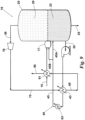
fig. 8 is an illustration of the embodiment relating to the invention. Other figures may show aspects not related to the invention. -
FIG. 1 is a schematic of an embodiment of a system and method not according to the invention to remove solids or liquid contaminants from a process stream. -
FIG. 2 is a schematic of an embodiment of a system and method not according to the invention to remove solids or liquid contaminants from a process stream. The pump-around loop includes a separator for removing the unvaporized portion of the process stream. -
FIG. 3 is a schematic of an embodiment of a system and method not according to the invention to remove solids or liquid contaminants from a process stream. The vaporized process stream is partially condensed. -
FIG. 4 is a schematic of an embodiment of a system and method not according to the invention to remove solids or liquid contaminants from a process stream. Heat recovered from condensing the vaporized process stream is used to pre-heat the process stream before it is routed to the liquid pool zone of the vessel. -
FIG. 5 is a schematic of an embodiment of a system and method not according to the invention to remove solids or contaminants from a process stream. The vaporized process stream is compressed and then condensed in the pump-around loop to help heat the heating medium being recycled in the pump-around loop. -
FIG. 6 is a schematic of an embodiment of a system and method not according to the invention to remove solids or liquid contaminants from a process stream. Pre-mixing of the process stream and heating medium occurs outside of the liquid pool zone of the vessel but at a level below that needed for vaporization. The pump-around loop may include a separator for removing the unvaporized portion of the process stream (see e.g.,FIG. 2 ). Pre-mixing may also be done to provide a relatively small amount of vaporization to enhance the pre-mixing and accelerate the fluid when it enters the liquid pool zone. -
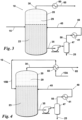
FIG. 7 is a schematic of an embodiment of a system and method not according to the invention to remove solids or liquid contaminants from a process stream containing feed water. -
FIG. 8 is a schematic of an embodiment of a system and method according to the invention to remove solids or liquid contaminants from a process stream containing feed water. The pump-around loop includes a separator for removing the unvaporized portion of the process stream. -
FIG. 9 is a schematic of an embodiment of a system and method not according to the invention to remove solids or liquid contaminants from a process stream containing feed water. Pre-mixing of the process stream and heating medium occurs outside of the liquid pool zone of the vessel but at a level below that needed for vaporization. The pump-around loop may include a separator for removing the unvaporized portion of the process stream (see e.g.,FIG. 8 ). Pre-mixing may also be done to provide a relatively small amount of vaporization to enhance the pre-mixing and accelerate the fluid when it enters the liquid pool zone. -
- 10
- System or method
- 15
- Process stream
- 15A
- Process stream prior to pre-heating
- 15B
- Pre-heated process stream
- 17
- Mixer within or outside of 20
- 20
- Vessel
- 21
- Liquid pool zone
- 23
- Heating medium
- 24
- Interior volume
- 25
- Unvaporized portion of 15
- 27
- Vapor separation zone
- 29
- Vaporized volatile components of 15
- 30
- Vaporized process stream
- 35
- Removed heating medium stream or mixture
- 40
- Pump-around loop
- 41
- Heater
- 43
- Heater/condenser
- 45
- Heated recycle stream
- 45A
- Portion of 45 routed to
vessel 20 - 45B
- Portion of 45 routed to
mixer 17 - 47
- Separator or separator device
- 50
- Heating medium stream substantially unvaporized portion-free or with a reduced unvaporized portion 25 (relative to 35)
- 60
- Condenser
- 61
- Process stream preheater
- 63
- Secondary heater
- 65
- Partially or totally condensed process stream
- 66
- Cooled desalinated water
- 70
- Compressor
- 75
- Pressurized vaporized process stream
- One or more specific embodiments of the present disclosure will be described below.
- The subject disclosure is further described in the following detailed description, and the accompanying drawing and schematic of non-limiting embodiment of the subject disclosure. The features depicted in the figure are not necessarily shown to scale. Certain features of the embodiments may be shown exaggerated in scale or in somewhat schematic form, and some details of elements may not be shown in the interest of clarity and conciseness.
- In the following description, numerous details are set forth to provide an understanding of some embodiments of the present disclosure.
- In the specification and appended claims, the terms "connect", "connection", "connected", "in connection with", and "connecting" are used to mean "in direct connect with" or "in connection with via one or more elements"; and the term "set" is used to mean "one element" or "more than one element". Further, the terms "couple", "coupling", "coupled", "coupled together", and "coupled with" are used to mean "directly coupled together" or "coupled together via one or more elements". As used herein, the terms "up" and "down", "upper" and "lower", "upwardly" and "downwardly", "upstream" and "downstream", "above" and "below", and other like terms indicated relative positions above or below a given point or element and are used in this description to more clearly describe some embodiments of the disclosure.
- The system and method may be used in applications such as but not limited to MEG reclamation; seawater desalination; steam generation; total dissolved solids ("TDS") reduction for produced water, desalter wash water, fracking flowback water, and amine reclamation. Unlike prior art systems and methods, there is no requirement for pretreatment of the process stream or low temperature differentials between the vaporization temperature of the stream and heating medium (e.g., limited to 10°C above the vaporization temperature due to the risk of scaling in the heat exchanger in the pump-around loop).
- The embodiments of this disclosure may simplify the system and method to vaporize a process stream; reduce the costs associated with prior art vaporization systems and processes; generate a much smaller discharge stream relative to prior art systems and methods; and eliminate the design and operational challenges presented by mixing zones located outside of the liquid pool zone of the vessel and stripping zones for solids removal. The disclosure may also eliminate the need for light heating mediums relative to the process stream, and may eliminate the need for immiscible heating mediums. The disclosure also does not require the low temperature differential between the stream and heating medium or recycle rates of at least ten times greater than that of the process feed.
- The disclosure also reduces, and potentially eliminates, pretreatment for the process stream while at the same time minimizing or eliminating scaling and fouling of equipment. Any pre-mixing of the process stream and the heating medium that occurs outside of the liquid pool zone may be done at a level below that at which the stream vaporizes. Pre-mixing may also be done to provide a relatively small amount of vaporization to enhance the pre-mixing and accelerate the fluid when it enters the liquid pool.
- Embodiments of a system and method to vaporize volatile components of a process stream achieve vaporization of those components in the liquid pool zone of the vessel when the process stream contacts a heating medium residing in the liquid pool zone. The vessel is arranged to directly receive the process stream, thereby eliminating pre-treatment between it and the upstream process providing the stream. A pump-around loop heats a portion of the heating medium and recycles this heated portion back to the vessel.
- The heating medium - which is immiscible with the process stream and may be lighter or heavier than the process stream - is maintained at an operating temperature required for the desired vaporization effects. Pre-mixing may also be done to provide a relatively small amount of vaporization to enhance the pre-mixing and accelerate the fluid when it enters the liquid pool. The vessel can also make use of blowdown to remove solids formed during the vaporization of the process stream. A separate vessel located in the pump-around loop is used for liquids-solids separation.
- The different arrangements of the system and
method 10 as shown inFIGS. 1 to 6 route aprocess stream 15 into avessel 20 whoseinterior volume 24 is defined by aliquid pool zone 21 and avapor separation zone 27. Aheating medium 23 resides within theliquid pool zone 21 and thisheating medium 23 is used to vaporize thevolatile components 29 of theprocess stream 15. Mixing of theprocess stream 15 andheating medium 23 occurs naturally within theliquid pool zone 21 as theprocess stream 15 enters thezone 21. - The now vaporized
volatile components 29 of theprocess stream 15 migrate to avapor separation zone 27 of thevessel 20 and are removed as a vaporizedprocess stream 30. The vaporizedprocess stream 30 may be routed to acondenser 60, as shown inFIGS. 3 and 4 , to produce a partially or totallycondensed process stream 65. As shown inFIG. 4 , heat from thecondenser 60 may be recovered and used to raise the temperature ofprocess stream 15A so that theprocess stream 15 flows into theliquid pool zone 21 aspre-heated process stream 15B. - The vaporized
process stream 30 may also be routed to acompressor 70, as shown inFIG. 5 . The now pressurized vaporizedprocess stream 75 is condensed in the pump-aroundloop 40, with heat being recovered and used to heat therecycle stream 45 while the partially or totallycondensed process stream 65 leaves the system. - As the volatile components of the
process stream 15 vaporize, theunvaporized portion 25 of theprocess stream 15, which may contain dissolved and undissolved solids, moves into theliquid pool zone 21 along with theheating medium 23.Unvaporized portion 25 may be separated from theheating medium 23 either within thevessel 20 or within aseparator 47 located in the pump-aroundloop 40. No stripping zone is used to remove theunvaporized portion 25 of theprocess stream 15. - The
separator 47 used in the pump-aroundloop 40 may be any separator suitable, including but not limited to a hydrocyclone, centrifuge, particulate filter, settling tank, some equivalent separation device, or a combination of separation devices. Aheating medium stream 50 with a reduced amount of, or substantially without,unvaporized portion 25 exits theseparator 47 and passes through theheater 41. Theheated recycle stream 45 then recycles back to theliquid pool zone 21 of thevessel 20. The remainingunvaporized portion 25, if any, exits the system through theseparator 47. - The
heating medium 23 is maintained at an operating temperature that provides the desired vaporization effects. Theheating medium 23 can be any heating medium depending on the make-up ofprocess stream 15 and application-specific requirements. For example, theheating medium 23 could be one that one that is lighter than, heavier than, or the same density as theprocess stream 15. Theheating medium 23 could also be one that forms either a homogeneous or heterogeneous mixture with theprocess stream 15. However, theheating medium 23 is less volatile than the volatile components of theprocess stream 15. - To keep the
heating medium 23 at the selected operating temperature, a heater (not shown) can be placed in theliquid pool zone 21. Alternatively or additionally, a removedstream 35 of theheating medium 23, which may include part of theunvaporized portion 25 of theprocess stream 15 residing within theliquid pool zone 21, can be removed from thevessel 20 and routed to the pump-aroundloop 40 and itsheater 41. Theheated recycle stream 45 that may include part of theunvaporized portion 25 of theprocess stream 15 then recycles back to theliquid pool zone 21. - An embodiment of a method to vaporize a process stream includes routing the
process stream 15 directly into theliquid pool zone 21 of thevessel 20 where it becomes mixed with aheating medium 23 that is less volatile than theprocess stream 15 and maintained at an operating temperature determined by vaporization requirements to vaporize thevolatile components portion 29 of theprocess stream 15. The method also includes removing the vaporizedvolatile components 29 of theprocess stream 15 from thevapor separation zone 27 of thevessel 20 as a vaporizedprocess stream 30. - Prior to the
process stream 15 entering theliquid pool zone 21 there may be no pre-treatment of thestream 15 as it exits the upstream process providing thestream 15 and there may be no mixing of theprocess stream 15 with theheating medium 23. Pretreatment means treatment such as but not limited to chemical dosing, filtration using selectively permeable membranes, separators, or the use of ion exchange, deaerators or blowdown prior to theprocess stream 15 entering vessel 20 (or some combination of the above pretreatment methods). (Coarse straining of a kind known in the art and typically done ahead of pretreatment might be used if the feed is taken directly from a natural body of water or from a source with excessive undissolved solids.) If any pre-mixing of theprocess stream 15 andheating medium 23 occurs outside of the liquid pool zone 21 (see e.g.,mixer 17 inFIG. 6 ), the pre-mixing may be done at a level below that at which vaporization occurs. Therefore, vaporization of theprocess stream 15 occurs within theliquid pool zone 21 of thevessel 20. - Pre-mixing may also be done to provide a relatively small amount of vaporization to enhance the pre-mixing and accelerate the fluid when it enters the
liquid pool zone 21. The amount of vaporization that occurs in pre-mixing may be less than that which occurs in the liquid pool. For example, during normal (non-turndown) operations no more than about 20% or about 5% of the volatile components in theprocess stream 15 may vaporize during pre-mixing. If the amount of vaporization does exceed that of the liquid pool, during normal operations vaporization during pre-mixing should not exceed about 80% or about 90% of the volatile components. Limiting the amount of vaporization during pre-mixing helps avoid the design challenges and scaling and plugging problems associated with the mixing zone of the prior art (see Background). - The
heating medium 23 andprocess stream 15 forms a heterogenous mixture when residing within theliquid pool zone 21. Additionally, the density of theheating medium 23 can be greater than, less than, or equal to that of theprocess stream 15. - The method may also include removing a
portion 35 of theheating medium 23 residing in theliquid pool zone 21 of thevessel 20; raising a temperature of the removed portion orstream 35 to produce aheated recycle stream 45; and routing theheated recycle stream 45 back to theliquid pool zone 21. The removedstream 35 can also be routed to aseparator 47 to produce aheating medium stream 50 substantially unvaporized portion-free or with a reducedunvaporized portion 25. Once heated byheater 41, it can be returned to theliquid pool zone 21 as the heated recycle stream 45 (also substantially unvaporized portion-free or with a reduced unvaporized portion 25). - The method may also include condensing at least a portion of the vaporized
process stream 30. Heat recovered from thecondenser 60 can be used as pre-heating to raise the temperature of at least a portion of theprocess stream 15A prior to theprocess stream 15B entering theliquid pool zone 21 of thevessel 20. Alternatively or additionally, the method may include compressing at least a portion of the vaporizedprocess steam 30. The pressurized vaporizedprocess stream 75 is then condensed by heater/condenser 43 in the pump-aroundloop 40 and used to raise the temperature of therecycle stream 45. - An embodiment of a system to vaporize a process stream includes a
vessel 20 arranged to contact aprocess stream 15 exiting an upstream process and route theprocess stream 15 into aheating medium 23 residing within theliquid pool zone 21 of thevessel 20. Theinterior volume 24 of thevessel 20 does not include a stripping zone for solids removal. Theheating medium 23 is less volatile than theprocess stream 15 and maintained at an operating temperature determined by vaporization requirements. The vaporizedvolatile components 29 of theprocess stream 15 migrate to thevapor separation zone 27 of thevessel 20. - A pump-around
loop 40 is arranged to receive aportion 35 of theheating medium 23 mixed with theunvaporized portion 25 of theprocess stream 15 that has moved into theheating medium 23 and then return theportion 35 back to theliquid pool zone 21 as aheated recycle stream 45. The pump-aroundloop 40 of the system may include aheater 41 as well as aseparator 47 arranged upstream of theheater 41 so that theheated recycle stream 45 that is returned to thevessel 20 is substantially unvaporized portion-free or has a reducedunvaporized portion 25. - Prior to contacting the
heating medium 23, theprocess stream 15 may not be mixed with theheating medium 23 outside of theliquid pool zone 21 of thevessel 20. If any pre-mixing of thestream 15 andheating medium 23 occurs, the mixing may be at a level below that required for vaporization of thevolatile components 29. Pre-mixing may also be done to provide a relatively small amount of vaporization to enhance the pre-mixing and accelerate the fluid when it enters theliquid pool zone 21. - The system can also include a
condenser 60 arranged to receive at least a portion of the vaporizedprocess stream 30 exiting thevapor separation zone 27 of thevessel 20. Heat recovered from thecondenser 60 may serve as a pre-heater to raise the temperature of theprocess stream 15A prior to theprocess stream 15B entering theliquid pool zone 21 of thevessel 20. - The system includes a
compressor 70 arranged to receive at least a portion of the vaporizedprocess stream 30. Heat recovered from condensing the pressurized vaporizedprocess stream 75 in heater/condenser 43 is used in the pump-aroundloop 40 to raise the temperature of therecycle stream 45. - The system and method can be used in applications such as but not limited to MEG reclamation; seawater desalination; steam generation; total dissolved solids ("TDS") reduction for produced water, desalter wash water, fracking flowback water, and amine reclamation. Unlike prior art systems and methods, there is no pretreatment of the process stream or low temperature differentials between the vaporization temperature of the stream and heating medium (e.g., limited to 10°C above the vaporization temperature due to the risk of scaling in the heat exchanger in the pump-around loop).
- The embodiments of this disclosure may simplify the system and method to partially vaporize a process stream; reduce the costs associated with prior art partial vaporization systems and processes; eliminate the design and operational challenges presented by mixing zones located outside of the liquid pool zone of the vessel and stripping zones for solids and unvaporized process stream removal; and eliminate the prior art's limitation of not being able to be used in partial vaporization applications in which a portion of the unvaporized process stream remains in liquid form. The disclosure eliminates the need for light heating mediums relative to the process stream. The disclosure also does not require the low temperature differential between the stream and heating medium or recycle rates of at least ten times greater than that of the process stream.
- The disclosure also reduces, and potentially eliminates, pretreatment for the process stream while at the same time minimizing or eliminating scaling and fouling of equipment. Any pre-mixing of the process stream and the heating medium that occurs outside of the liquid pool zone may be done at a level below that at which the stream partially vaporizes. Pre-mixing may also be done to provide a relatively small amount of vaporization to enhance the pre-mixing and accelerate the fluid when it enters the liquid pool.
- Embodiments of a system and method to partially vaporize the volatile components of a process stream achieve partial vaporization of those components in the liquid pool zone of the vessel when the process stream contacts a heating medium residing in the liquid pool zone. The vessel is arranged to directly receive the process stream, thereby eliminating pre-treatment between it and the upstream process providing the stream. A pump-around loop heats a portion of the heating medium and recycles this heated portion back to the vessel.
- The heating medium - which is immiscible with the stream and can be lighter or heavier than the stream - is maintained at an operating temperature required for the desired partial vaporization effects. Pre-mixing may also be done to provide a relatively small amount of vaporization to enhance the pre-mixing and accelerate the fluid when it enters the liquid pool. The vessel can also make use of blowdown to remove solids formed during the vaporization of the process stream. Blowdown, as used here, refers to the removal of the unvaporized process stream with concentrated levels of dissolved or undissolved solids. A separate vessel located in the pump-around loop can be used for the separation of the blowdown.
- The different arrangements of the system and
method 10 as shown inFIGS. 1 to 6 route aprocess stream 15 into avessel 20 whoseinterior volume 24 is defined by aliquid pool zone 21 and avapor separation zone 27. Aheating medium 23 resides within theliquid pool zone 21 and thisheating medium 23 is used to partially vaporize thevolatile components 29 of theprocess stream 15. Mixing of theprocess stream 15 andheating medium 23 occurs naturally within theliquid pool zone 21 as theprocess stream 15 enters thezone 21. - The now vaporized
portions 29 of theprocess stream 15 migrate to avapor separation zone 27 of thevessel 20 and are removed as a vaporizedprocess stream 30. The vaporizedprocess stream 30 can be routed to acondenser 60, as shown inFIGS. 3 and 4 , to produce a partiallycondensed process stream 65. Heat from thecondenser 60 may be recovered and used to raise the temperature of theprocess stream 15A so thatprocess stream 15 flows into theliquid pool zone 21 aspre-heated process stream 15B. - The vaporized
process stream 30 may also be routed to acompressor 70, as shown inFIG. 5 . The now pressurized vaporizedprocess stream 75 is condensed in the pump-aroundloop 40 by heater/condenser 43, with heat being recovered and used to heat therecycle stream 45. - As the
volatile components 29 of theprocess stream 15 vaporize, theunvaporized portion 25 of theprocess stream 15 moves into theliquid pool zone 21 along with theheating medium 23. Because theunvaporized portion 25 is immiscible with theheating medium 23, that portion may be separated from theheating medium 23 in thevessel 20 or within aseparator 47 located in the pump-aroundloop 40. Theunvaporized portion 25, both liquid and undissolved solids, can be removed as blowdown. No stripping zone is used. - The
separator 47 used in the pump-aroundloop 40 can be any separator suitable, including but not limited to a hydrocyclone, centrifuge, particulate filter, settling tank, or some other piece of separation device equivalent to these, or some combination of separation devices. Aheating medium stream 50 with reduced amounts of, or without, theunvaporized portion 25 of theprocess stream 15 exits theseparator 47 and passes through theheater 41. Theheated recycle stream 45 then recycles back to theliquid pool zone 21 of thevessel 20. Theheated recycle stream 45 may include part of theunvaporized portion 25 of theprocess stream 15. - The
heating medium 23 is maintained at an operating temperature that provides the desired vaporization effects. Theheating medium 23 can be any heating medium depending on the make-up ofprocess stream 15 and application-specific requirements. For example, theheating medium 23 could be one that one that is lighter than or heavier than theprocess stream 15. However, theheating medium 23 is immiscible with theprocess stream 15 to form a heterogeneous mixture with theprocess stream 15. Theheating medium 23 is also less volatile than thevolatile components 29 of theprocess stream 15. - To keep the
heating medium 23 at the selected operating temperature, a heater (not shown) can be placed in theliquid pool zone 21. Alternatively or additionally, a removedstream 35 of theheating medium 23, which may include part of theunvaporized portion 25 residing within theliquid pool zone 21, can be removed from thevessel 20 and routed to the pump-aroundloop 40 and itsheater 41 to produce aheated recycle stream 45 that is recycled back to theliquid pool zone 21. - An embodiment of a method to partially vaporize a process stream includes routing the
process stream 15 directly into theliquid pool zone 21 of thevessel 20 where it becomes mixed with aheating medium 23 that is less volatile than theprocess stream 15 and maintained at an operating temperature determined by vaporization requirements to partially vaporize thevolatile components portion 29 of theprocess stream 15. The method also includes removing the vaporizedportion 29 of theprocess stream 15 from thevapor separation zone 27 of thevessel 20 as a vaporizedprocess stream 30. - Prior to the
process stream 15 entering theliquid pool zone 21 there may be no pre-treatment of thestream 15 as it exits the upstream process providing thestream 15 and there may be no mixing of theprocess stream 15 with theheating medium 23. Pretreatment means treatment such as but not limited to chemical dosing, filtration using selectively permeable membranes, separators, or the use of ion exchange, deaerators or blowdown prior to theprocess stream 15 entering vessel 20 (or some combination of the above pretreatment methods). (Coarse straining of a kind known in the art and typically done ahead of pretreatment might be used if the feed is taken directly from a natural body of water or from a source with excessive undissolved solids.) If any pre-mixing of theprocess stream 15 andheating medium 23 occurs outside of the liquid pool zone 21 (see e.g.,mixer 17 inFIG. 6 ), the pre-mixing may be done at a level below that at which vaporization occurs. Therefore, partial vaporization of theprocess stream 15 occurs within theliquid pool zone 21 of thevessel 20. - Pre-mixing may also be done to provide a relatively small amount of vaporization to enhance the pre-mixing and accelerate the fluid when it enters the
liquid pool zone 21. The amount of vaporization that occurs in pre-mixing may be less than that which occurs in theliquid pool zone 21. For example, during normal (non-turndown) operations no more than about 20% or about 5% of the volatile components in theprocess stream 15 may vaporize during pre-mixing. If the amount of vaporization does exceed that of the liquid pool, during normal operations vaporization during pre-mixing should not exceed about 80% or about 90% of the volatile components. Limiting the amount of vaporization during pre-mixing helps avoid the design challenges and scaling and plugging problems associated with the mixing zone of the prior art (see Background). - The
heating medium 23 andprocess stream 15 form a heterogeneous mixture when residing within theliquid pool zone 21. Additionally, the density of theheating medium 23 can be greater than or less than that of theprocess stream 15. - The method also includes removing a
portion 35 of theheating medium 23 residing in theliquid pool zone 21 of thevessel 20; raising a temperature of the removed portion orstream 35 to produce aheated recycle stream 45; and routing theheated recycle stream 45 back to theliquid pool zone 21. The removedstream 35 is routed to aseparator 47 to produceheating medium stream 50 substantially unvaporized portion-free or with a reducedunvaporized portion 25. Oncestream 50 is heated byheater 41, it can be returned to theliquid pool zone 21 as the heated recycled stream 45 (also substantially unvaporized portion-free or with a reduced unvaporized portion 25). - The method may also include condensing at least a portion of the vaporized
process stream 30. Heat recovered from thecondenser 60 can be used as pre-heating to raise the temperature of at least a portion of theprocess stream 15A prior to theprocess stream 15B entering theliquid pool zone 21 of thevessel 20. Alternatively or additionally, the method can include compressing at least a portion of the vaporizedprocess steam 30. The pressurized vaporizedprocess stream 75 is then condensed by heater/condenser 43 in the pump-aroundloop 40 and used to raise the temperature of therecycle stream 45. - An embodiment of a system to partially vaporize a process stream includes a
vessel 20 arranged to contact aprocess stream 15 exiting an upstream process and route theprocess stream 15 into aheating medium 23 residing within theliquid pool zone 21 of thevessel 20. Theinterior volume 24 of thevessel 20 does not include a stripping zone for solids andliquids 25 removal. Theheating medium 23 is less volatile than theprocess stream 15 and maintained at an operating temperature determined by vaporization requirements. The partially vaporizedvolatile components 29 of theprocess stream 15 migrate to thevapor separation zone 27 of thevessel 20. - A pump-around
loop 40 is arranged to receive aportion 35 of theheating medium 23 mixed with theunvaporized portion 25 of theprocess stream 15 that has moved into theheating medium 23 and then return theportion 35 back to theliquid pool zone 21 as aheated recycle stream 45. The pump-aroundloop 40 of the system may also include aheater 41 as well as aseparator 47 arranged upstream of theheater 41 so that a substantially unvaporized portion-free or reduced unvaporized portion heated recycledstream 45 is returned to thevessel 20. - Prior to contacting the
heating medium 23, theprocess stream 15 may not be mixed with theheating medium 23 outside of theliquid pool zone 21 of thevessel 20. If any pre-mixing of thestream 15 andheating medium 23 occurs, the mixing may be at a level below that required for vaporization of thevolatile components 29. Pre-mixing may also be done to provide a relatively small amount of vaporization to enhance the pre-mixing and accelerate the fluid when it enters theliquid pool zone 21. - The system may also include a
condenser 60 arranged to receive at least a portion of a vaporizedprocess stream 30 exiting thevapor separation zone 27 of thevessel 20. Heat recovered from thecondenser 60 may serve as a pre-heater to raise the temperature of theprocess stream 15A prior to theprocess stream 15B directly entering theliquid pool zone 21 of thevessel 20. - Alternatively or additionally, the system can include a
compressor 70 arranged to receive at least a portion of the vaporizedprocess stream 30. Heat recovered from condensing the pressurized vaporizedprocess stream 75 in heater/condenser 43 can be used in the pump-aroundloop 40 to raise the temperature of therecycle stream 45. - The embodiments of this disclosure may simplify the system and method to desalinate a process stream containing feed water; reduce the costs associated with prior art desalination processes; and eliminate the design and operational challenges presented by mixing zones located outside of the liquid pool zone of the vessel and stripping zones for solids removal. The disclosure eliminates the need for light heating mediums relative to the process stream and, in the case of total vaporization with a blowdown which contains the dissolved and undissolved solids portion of the process stream, eliminates the need for immiscible heating mediums. The disclosure also does not require the low temperature differential between the process stream and heating medium or recycle rates of at least ten times greater than that of the process stream.
- The disclosure also reduces, and potentially eliminates, pretreatment for the process stream while at the same time minimizing or eliminating scaling and fouling of equipment. Because no heat exchanging surface is used directly in boiling, the disclosure can accommodate a wider range of feed water quality, thereby reducing the specifications for the process stream containing feed water and allowing a much greater choice for the source of the feed water. Any pre-mixing of the process stream and the heating medium that occurs outside of the liquid pool zone may be done at a level below that at which the water vaporizes. Pre-mixing may also be done to provide a relatively small amount of vaporization to enhance the pre-mixing and accelerate the fluid when it enters the liquid pool.
- In some embodiments, the disclosed system and method may be used to desalinate a process stream containing feed water. Such embodiments eliminate the vaporization on the heat exchanging surface that drives existing feed water specifications. Therefore, a much wider choice for the source of (lower quality) feed water with very little or no pretreatment is allowed, including produced water and seawater sources.
- The embodiments desalinate the process stream through vaporization (or partial vaporization) of the process stream when it contacts a heating medium residing in a liquid pool zone of a vessel. The vessel is arranged to directly receive the process stream, thereby eliminating pre-treatment between it and the upstream process providing the stream. A pump-around loop heats a portion of the heating medium and recycles this heated portion back to the vessel.
- The heating medium, which can be lighter or heavier than the process stream, is maintained at an operating temperature required for the desired vaporization (and desalination) effects. If any pre-mixing of the process stream and heating medium occurs outside of the liquid pool, the pre-mixing may be at a level below that at which vaporization occurs. Pre-mixing may also be done to provide a relatively small amount of vaporization to enhance the pre-mixing and accelerate the fluid when it enters the liquid pool. The vessel can also make use of blowdown to remove solids formed during the vaporization of the process stream. Blowdown, as used here, refers to the removal of solids or unvaporized process stream with concentrated levels of dissolved or undissolved solids. A separator located in the pump-around loop is used for the separation of the blowdown.
- The different arrangements of the system and
method 10 as shown inFIGS. 7 to 9 route aprocess stream 15 into avessel 20 whoseinterior volume 24 is defined by aliquid pool zone 21 and avapor separation zone 27. Aheating medium 23 resides within theliquid pool zone 21 and thisheating medium 23 is used to vaporize or partially vaporize thevolatile components 29 of theprocess stream 15. Mixing of theprocess stream 15 andheating medium 23 occurs naturally within theliquid pool zone 21 as theprocess stream 15 enterszone 21. - The vaporized
portion 29 of theprocess stream 15 migrates to thevapor separation zone 27 of thevessel 20 and is removed as a vaporizedprocess stream 30, i.e., steam. The vaporizedprocess stream 30 is routed to acompressor 70 and the pressurized vaporizedprocess stream 75 is routed to a heater/condenser 43 to produce a partially or totallycondensed process stream 65, which is desalinated water. Heat from the heater/condenser 43 can be recovered and used to raise the temperature of therecycle stream 45. - As the
volatile components 29 of theprocess stream 15 vaporize, theunvaporized portion 25 of theprocess stream 15 moves into theliquid pool zone 21 along with theheating medium 23. Because theunvaporized portion 25 of theprocess stream 15 is solids, or, if any liquid, immiscible with theheating medium 23, thatportion 25 can separate from theheating medium 23 either within thevessel 20 or within aseparator 47 located in the pump-aroundloop 40. Theunvaporized portion 25, both liquid and undissolved solids, can be removed from thevessel 20 as blowdown. No stripping zone is used. - The
separator 47 used in the pump-aroundloop 40 can be any separator suitable, including but not limited to a hydrocyclone, centrifuge, particulate filter, settling tank, or some other piece of separation device equivalent to these, or a combination of these. Aheating medium stream 50 with reduced amounts of, or without, theunvaporized portion 25 of theprocess stream 15 exits theseparator 47. Heat recovered from condensing the pressurized vaporizedprocess stream 75 in heater/condenser 43 may be used to raise the temperature of therecycle stream 45. Asecondary heater 63 may be used to provide additional heat. Theheated recycle stream 45 then recycles back to theliquid pool zone 21 of thevessel 20. Theheated recycle stream 45 may include someunvaporized portion 25 of theprocess stream 15. Aprocess stream preheater 61 may be used to cool thecondensed process stream 65, thereby producing cooled desalinatedwater 66, and to preheat theprocess stream 15 to recover the residual heat in thecondensed process stream 65. - The
heating medium 23 is maintained at an operating temperature that provides the desired vaporization effects. Theheating medium 23 can be any heating medium depending on the make-up ofprocess stream 15 and application-specific requirements. For example, theheating medium 23 could be one that one that is lighter than, heavier than, or (in the case of total vaporization of the process stream) the same density as theprocess stream 15. Theheating medium 23 could also be one that forms, in the case of total vaporization, a homogeneous or heterogeneous mixture with theprocess stream 15. However, in the case of partial vaporization in which there is unvaporized water in theunvaporized portion 25, theheating medium 23 is immiscible with theprocess stream 15 to form a heterogeneous mixture. In either case, theheating medium 23 is less volatile than the volatile components of theprocess stream 15. - To keep the
heating medium 23 at the selected operating temperature, a heater (not shown) can be placed in theliquid pool zone 21. Alternatively or additionally, a removedstream 35 of theheating medium 23, which may include anunvaporized portion 25 of theprocess stream 15 residing within theliquid pool zone 21, can be removed from thevessel 20 and routed to the pump-aroundloop 40 and its heater/condenser 43 andsecondary heater 63. Aheated recycle stream 45, which may include solids and unvaporized water from 25, then recycles back to theliquid pool zone 21. - An embodiment of a method to desalinate a process stream containing feed water includes routing the
process stream 15 into theliquid pool zone 21 of thevessel 20 where it becomes mixed with aheating medium 23 that is less volatile than theprocess stream 15 and is maintained at an operating temperature determined by vaporization requirements to vaporize avolatile components portion 29 of theprocess stream 15. The method also includes removing the vaporizedportion 29 of theprocess stream 15 from thevapor separation zone 27 of thevessel 20 as a vaporizedprocess stream 30, i.e., steam. The method may also include compressing at least a portion of the vaporizedprocess stream 30 and condensing at least a portion of the pressurized vaporizedprocess stream 75. - Condensing can take place in the pump-around
loop 40. Heat recovered from the heater/condenser 43 can be used as pre-heating to raise the temperature of therecycle stream 45. - Prior to the
process stream 15 entering theliquid pool zone 21 there may be no pre-treatment of thestream 15 as it exits the upstream process providing thestream 15 and there may be no mixing of theprocess stream 15 with theheating medium 23. Pretreatment means treatment such as but not limited to chemical dosing, filtration using selectively permeable membranes, separators, or the use of ion exchange, deaerators or blowdown prior to theprocess stream 15 entering vessel 20 (or some combination of the above pretreatment methods). (Coarse straining of a kind known in the art and typically done ahead of pretreatment might be used if the feed is taken directly from a natural body of water or from a source with excessive undissolved solids.) If any pre-mixing of theprocess stream 15 andheating medium 23 occurs outside of the liquid pool zone 21 (see e.g.,mixer 17 inFIG. 9 ), the pre-mixing may be done at a level below that at which vaporization occurs. Therefore, vaporization of theprocess stream 15 occurs within theliquid pool zone 21 of thevessel 20. - Pre-mixing may also be done to provide a relatively small amount of vaporization to enhance the pre-mixing and accelerate the fluid when it enters the
liquid pool zone 21. The amount of vaporization that occurs may be less than that which occurs in theliquid pool zone 21. For example, during normal (non-turndown) operations no more than about 20% or about 5% of the volatile components in theprocess stream 15 may vaporize during pre-mixing. If the amount of vaporization does exceed that of the liquid pool zone, during normal operations vaporization during pre-mixing should not exceed about 80% or about 90% of the volatile components. Limiting the amount of vaporization during pre-mixing helps avoid the design challenges and scaling and plugging problems associated with the mixing zone of the prior art (see Background). - The
heating medium 23 andprocess stream 15 can form a heterogeneous or homogeneous mixture (in the case of total or partial vaporization of water) or a heterogeneous mixture (in the case of partial vaporization of water) when residing within theliquid pool zone 21. Additionally, the density of theheating medium 23 can be greater than, less than, or (in the case of total vaporization) equal to that of theprocess stream 15. - The method may also include removing a
portion 35 of theheating medium 23 residing in theliquid pool zone 21 of thevessel 20; raising a temperature of the removed portion orstream 35 to produce aheated recycle stream 45; and routing theheated recycle stream 45 back to theliquid pool zone 21. The removedheating medium stream 35 may also be routed to aseparator 47 to produce aheating medium stream 50 substantially unvaporized portion-free or with a reducedunvaporized portion 25. Oncestream 50 is heated (by heater/condenser 43 andsecondary heater 63 arranged to transfer heat to the stream 50), it can be returned to theliquid pool zone 21 as heatedrecycled stream 45. - An embodiment of a system to desalinate a process stream includes a
vessel 20 arranged to contact aprocess stream 15 containing feed water exiting an upstream process and route theprocess stream 15 into aheating medium 23 residing within theliquid pool zone 21 of thevessel 20. Theinterior volume 24 of thevessel 20 does not include a stripping zone for the removal ofunvaporized portion 25. Theheating medium 23 is less volatile than theprocess stream 15 and maintained at an operating temperature determined by vaporization requirements. The partially vaporizedvolatile components 29 of theprocess stream 15 migrate to thevapor separation zone 27 of thevessel 20. - A pump-around
loop 40 is arranged to receive aportion 35 of themixed heating medium 23 along with theunvaporized portion 25 of theprocess stream 15 that has moved into theheating medium 23 and then return theportion 35 back to theliquid pool zone 21 as aheated recycle stream 45. The pump-aroundloop 40 of the system can also include a heater/condenser 43 andsecondary heater 63, in addition to aseparator 47 arranged upstream of heater/condenser 43, so that a substantially unvaporized portion-free or reduced unvaporized portionheating medium stream 45 is being returned to thevessel 20. - Prior to contacting the
heating medium 23, theprocess stream 15 may not be mixed with theheating medium 23 outside of theliquid pool zone 21 of thevessel 20. If any pre-mixing of theprocess stream 15 andheating medium 23 occurs, the mixing may be at a level below that required for vaporization of thevolatile components 29. Pre-mixing may also be done to provide a relatively small amount of vaporization to enhance the pre-mixing and accelerate the fluid when it enters theliquid pool zone 21. - The system includes a
compressor 70 arranged to receive at least a portion of the vaporizedprocess stream 30. The system also includes a heater/condenser 43 arranged to receive at least a portion of the pressurized vaporizedprocess stream 75 from thecompressor 70. Heat recovered from condensing the pressurized vaporizedprocess stream 75 can be used in the pump-aroundloop 40 to raise the temperature of therecycle stream 45. - The embodiments of the disclosure may simplify the system and method to generate steam from a process stream containing feed water; reduce the costs associated with prior art steam generation systems and processes; and eliminate the design and operational challenges presented by mixing zones located outside of the liquid pool zone of the vessel and stripping zones for solids removal. The disclosure eliminates the need for light heating mediums relative to the process stream and, in the case of total vaporization with a blowdown which contains the dissolved and undissolved solids portion of the process stream, eliminates the need for immiscible heating mediums. The disclosure also does not require the low temperature differential between the process stream and heating medium or recycle rates of at least ten times greater than that of the process stream.
- The disclosure also reduces, and potentially eliminates, pretreatment for the process stream while at the same time minimizing or eliminating scaling and fouling of equipment. Because no heat exchanging surface is used directly in boiling, the disclosure can accommodate a wider range of feed water quality, thereby reducing the specifications for the feed water and allowing a much greater choice for the source of the feed water. Any pre-mixing of the process stream and the heating medium that occurs outside of the liquid pool zone may be done at a level below that at which the water vaporizes. Pre-mixing may also be done to provide a relatively small amount of vaporization to enhance the pre-mixing and accelerate the fluid when it enters the liquid pool.
- In some embodiments, the system and method may be used to generate steam. Such embodiments eliminate the vaporization on the heat exchanging surface that drives existing feed water specifications. Therefore, a much wider choice for the source of (lower quality) feed water with very little or no pretreatment is allowed, including produced water and seawater sources.
- The embodiments generate steam through vaporization (or partial vaporization) of the process stream containing feed water when the process stream contacts a heating medium residing in a liquid pool zone of a vessel. The vessel is arranged to directly receive the process stream, thereby eliminating the need for pre-treatment between it and the upstream process providing the stream. A pump-around loop heats a portion of the heating medium and recycles this heated portion back to the vessel.
- The heating medium, which can be lighter or heavier than the process stream, is maintained at an operating temperature required for the desired steam generation effects. If any pre-mixing of the process stream and heating medium occurs outside of the liquid pool, the pre-mixing may be at a level below that at which vaporization occurs. Pre-mixing may also be done to provide a relatively small amount of vaporization to enhance pre-mixing and accelerate the fluid when it enters the liquid pool. The vessel can also make use of blowdown to remove solids formed during the vaporization of the process stream, or any solids and unvaporized portion of the process stream. Blowdown, as used here, refers to the removal of solids or unvaporized portions of the process stream with concentrated levels of dissolved or undissolved solids. A separator located in the pump-around loop can be used for the separation of the blowdown.
- The different arrangements of the system and
method 10 as shown inFIGS. 1-2 andFIG. 6 route aprocess stream 15 into avessel 20 whoseinterior volume 24 is defined by aliquid pool zone 21 and avapor separation zone 27. Aheating medium 23 resides within theliquid pool zone 21 and thisheating medium 23 is used to vaporize or partially vaporize thevolatile components 29 of theprocess stream 15. Mixing of theprocess stream 15 andheating medium 23 occurs naturally within theliquid pool zone 21 as theprocess stream 15 enters thezone 21. - The now vaporized
portions 29 of theprocess stream 15 migrate to avapor separation zone 27 of thevessel 20 and are removed as a vaporizedprocess stream 30, i.e., steam. - As the
volatile components 29 of theprocess stream 15 vaporize, theunvaporized portion 25 of theprocess stream 15 moves into theliquid pool zone 21 along with theheating medium 23. Because theunvaporized portion 25 is solids, or if any liquid, substantially immiscible with theheating medium 23, that portion can be separated from theheating medium 23 either within thevessel 20 or within aseparator 47 located in the pump-aroundloop 40. Theunvaporized portion 25, both liquid and undissolved solids, can be removed from thevessel 20 as blowdown. No stripping zone is used. - The
separator 47 used in the pump-aroundloop 40 can be any separator suitable, including but not limited to a hydrocyclone, centrifuge, particulate filter, settling tank, or some other piece of separation device equivalent to these, or some combination of these devices. Aheating medium stream 50 with reduced amounts of, or without,unvaporized portion 25 exits theseparator 47 and passes through theheater 41. Theheated recycle stream 45 then recycles back to theliquid pool zone 21 of thevessel 20. Theheated recycle stream 45 may include part of theunvaporized portion 25 of theprocess stream 15. - The
heating medium 23 is maintained at an operating temperature that provides the desired vaporization effects. Theheating medium 23 can be any heating medium preferable depending on the make-up ofprocess stream 15 and application-specific requirements. For example, theheating medium 23 could be one that one that is lighter than, heavier than, or (in the case of total vaporization of the water) the same density as theprocess stream 15. Theheating medium 23 could also be one that forms, in the case of total vaporization, a homogeneous or heterogeneous mixture with theprocess stream 15. However, in the case of partial vaporization in which there is unvaporized water in theunvaporized portion 25, theheating medium 23 is immiscible with theprocess stream 15 to form a heterogeneous mixture. In either case, theheating medium 23 is less volatile than the water of theprocess stream 15. - To keep the
heating medium 23 at the selected operating temperature, a heater (not shown) can be placed in theliquid pool zone 21. Alternatively or additionally, a removedstream 35 of theheating medium 23, which may includeunvaporized portion 25 residing within theliquid pool zone 21, can be removed from thevessel 20 and routed to the pump-aroundloop 40 and itsheater 41. Aheated recycle stream 45, that may include solids and unvaporized water from 25, then recycles back to theliquid pool zone 21. - An embodiment of a method to generate steam includes routing the
process stream 15 directly into theliquid pool zone 21 of thevessel 20 where it becomes mixed with aheating medium 23 that is less volatile than theprocess stream 15 and maintained at an operating temperature determined by vaporization requirements to vaporize avolatile components portion 29 of thefeed water stream 15. The method also includes removing the vaporizedportion 29 of theprocess stream 15 from thevapor separation zone 27 of thevessel 20 as a vaporizedprocess stream 30, i.e., steam. - Prior to the
process stream 15 entering theliquid pool zone 21 there may be no pre-treatment of thestream 15 as it exits the upstream process providing thestream 15 and there may be no mixing of theprocess stream 15 with theheating medium 23. Pretreatment means treatment such as but not limited to chemical dosing, filtration using selectively permeable membranes, separators, or the use of ion exchange, deaerators or blowdown prior to theprocess stream 15 entering vessel 20 (or some combination of the above pretreatment methods). (Coarse straining of a kind known in the art and typically done ahead of pretreatment might be used if the feed is taken directly from a natural body of water or from a source with excessive undissolved solids.) If any pre-mixing of theprocess stream 15 andheating medium 23 occurs outside of the liquid pool zone 21 (see e.g.,mixer 17 inFIG. 6 ), the pre-mixing may be done at a level below that at which vaporization occurs. Therefore, all vaporization of theprocess stream 15 occurs within theliquid pool zone 21 of thevessel 20. - Pre-mixing may also be done to provide a relatively small amount of vaporization to enhance pre-mixing and accelerate the fluid 15 when it enters the
liquid pool zone 21. The amount of vaporization that occurs may be less than that which occurs in the liquid pool. For example, during normal (non-turndown) operations no more than about 20% or about 5% of the volatile components in thestream 15 may vaporize during pre-mixing. If the amount of vaporization does exceed that of the liquid pool, during normal operations vaporization during pre-mixing should not exceed about 80% or about 90% of the volatile components. Limiting the amount of vaporization during pre-mixing helps avoid the design challenges and scaling and plugging problems associated with the mixing zone of the prior art (see Background). - The
heating medium 23 andprocess stream 15 can form a heterogeneous or homogeneous mixture (in the case of total or partial vaporization of water) or a heterogeneous mixture (in the case of partial vaporization of water) when residing within theliquid pool zone 21. Additionally, the density of theheating medium 23 can be greater than, less than, or equal to (in the case of total vaporization) that of theprocess stream 15. - The method can also include the steps of removing a
portion 35 of theheating medium 23 residing in theliquid pool zone 21 of thevessel 20; raising a temperature of the removed portion orstream 35 to produce aheated recycle stream 45; and routing theheated recycle stream 45 back to theliquid pool zone 21. The removedstream 35 can also be routed to aseparator 47 to produceheating medium stream 50 substantially unvaporized portion-free or a reducedunvaporized portion 25. Oncestream 50 is heated byheater 41, it can be returned to theliquid pool zone 21 as the heatedrecycled stream 45. - An embodiment of a system to generate steam includes a
vessel 20 arranged to contact aprocess stream 15 exiting an upstream process and route theprocess stream 15 into aheating medium 23 residing within theliquid pool zone 21 of thevessel 20. Theinterior volume 24 of thevessel 20 does not include a stripping zone for the removal ofunvaporized portion 25. Thevolatile components 29 of theprocess stream 15 migrate to thevapor separation zone 27 of thevessel 20. - A pump-around
loop 40 is arranged to receive aportion 35 of theheating medium 23 mixed with theunvaporized portion 25, including unvaporized water, of theprocess stream 15 that has moved into theheating medium 23 and then return theportion 35 back to theliquid pool zone 21 asheated recycle stream 45. The pump-aroundloop 40 of the system can also include aheater 41 as well as aseparator 47 arranged upstream of theheater 41 so that a substantially unvaporized portion-free or reduced unvaporized portionheated recycle stream 45 is returned to thevessel 20. - Prior to first contacting the
heating medium 23, theprocess stream 15 may not be mixed with theheating medium 23 outside of theliquid pool zone 21 of thevessel 20. If any pre-mixing of thestream 15 andheating medium 23 occurs, the mixing may be at a level below that required for vaporization of thevolatile components 29. Pre-mixing may also be done to provide a relatively small amount of vaporization to enhance the pre-mixing and accelerate the fluid when it enters theliquid pool zone 21. - The embodiments of this disclosure may create a robust system for reboiling a process stream that is prone to scaling; simplify the system and method to partially vaporize a process stream so that it can be used for reboiler services; reduce the costs associated with prior art partial vaporization systems and processes so that it can be used for reboiler services; eliminate the design and operational challenges presented by mixing zones located outside of the liquid pool zone of the vessel and stripping zones for solids and unvaporized process stream removal so that it can be used for reboiler services; and eliminate the prior art's limitation of not being able to be used in partial vaporization applications in which a portion of the unvaporized process stream is in liquid form so that it can be used for reboiler services. The disclosure eliminates the need for light heating mediums relative to the process stream. The disclosure also does not require the low temperature differential between the process stream and heating medium or recycle rates of at least ten times greater than that of the process stream.
- The disclosure also reduces, and potentially eliminates, pretreatment for the process stream that is prone to scaling while at the same time minimizing or eliminating scaling and fouling of equipment. Any pre-mixing of the process stream and the heating medium that occurs outside of the liquid pool zone may be done at a level below that at which the stream partially vaporizes. Pre-mixing may also be done to provide a relatively small amount of vaporization to enhance the pre-mixing and accelerate the fluid when it enters the liquid pool.
- Embodiments of a system and method to reboil a process stream achieve partial vaporization of volatile components in the liquid pool zone of the vessel when the stream contacts a heating medium residing in the liquid pool zone. The vessel is arranged to directly receive the process stream, thereby eliminating pre-treatment between it and the upstream process providing the stream. A pump-around loop heats a portion of the heating medium and recycles this heated portion back to the vessel. The heating medium - which is immiscible with the process stream and can be lighter or heavier than the stream - is maintained at an operating temperature required for the desired partial vaporization (and reboiling) effects. Pre-mixing may also be done to provide a relatively small amount of vaporization to enhance the pre-mixing and accelerate the fluid when it enters the liquid pool. The vessel can also make use of blowdown to remove solids formed during the vaporization of the process stream from the liquid pool zone. Blowdown, as used here, refers to the removal of the unvaporized process stream with concentrated levels of dissolved or undissolved solids. A separate vessel located in the pump-around loop can be used for the separation of the blowdown.
- The different arrangements of the system and
method 10 as shown inFIGS. 1-2 andFIG. 6 route aprocess stream 15 into avessel 20 whoseinterior volume 24 is defined by aliquid pool zone 21 and avapor separation zone 27. Theprocess stream 15 is supplied by a bottom (liquids) end of a distillation column (not shown). Aheating medium 23 resides within theliquid pool zone 21 and thisheating medium 23 is used to partially vaporize thevolatile components 29 of theprocess stream 15. (Total vaporization may also be used.) Mixing of theprocess stream 15 andheating medium 23 occurs naturally within theliquid pool zone 21 as theprocess stream 15 enters thezone 21. - The now vaporized
portions 29 of theprocess stream 15 migrate to avapor separation zone 27 of thevessel 20 and are removed as a vaporizedprocess stream 30. The vaporizedprocess stream 30 is routed back to the distillation column to help drive separation in the column. - As the
volatile components 29 of theprocess stream 15 vaporize, theunvaporized portion 25 of theprocess stream 15 moves into theliquid pool zone 21 along with theheating medium 23. Because theunvaporized portion 25 is immiscible with theheating medium 23, that portion can separate from theheating medium 23 in thevessel 20 or within aseparator 47 located in the pump-aroundloop 40. Theunvaporized portion 25, both liquid and undissolved solids, can be removed from thevessel 20 as blowdown. - The
separator 47 used in the pump-aroundloop 40 can be any separator suitable, including but not limited to a hydrocyclone, centrifuge, particulate filter, settling tank, or some other piece of separation device equivalent to these or combinations of these. Aheating medium stream 50 with reduced amounts of, or without,unvaporized portion 25 exits theseparator 47 and passes through theheater 41. Theheated recycle stream 45 then recycles back to theliquid pool zone 21 of thevessel 20. Theheated recycle stream 45 may include part of theunvaporized portion 25 of theprocess stream 15. - The
heating medium 23 is maintained at an operating temperature that provides the desired vaporization (and reboiler) effects. Theheating medium 23 can be any heating medium depending on the make-up ofprocess stream 15 and application-specific requirements. For example, theheating medium 23 could be one that one that is lighter than or heavier than theprocess stream 15. However, theheating medium 23 is immiscible with theprocess stream 15 to form a heterogeneous mixture with theprocess stream 15. Theheating medium 23 is also less volatile than thevolatile components 29 of theprocess stream 15. - To keep the
heating medium 23 at the selected operating temperature, a heater (not shown) can be placed in theliquid pool zone 21. Alternatively or additionally, a removedstream 35 of theheating medium 23, which may include theunvaporized portion 25 of theprocess stream 15 residing within theliquid pool zone 21, can be removed from thevessel 20 and routed to the pump-aroundloop 40 and itsheater 41. Aheated recycle stream 45 that may includeunvaporized portion 25 then recycles back to theliquid pool zone 21. - An embodiment of a method to reboil a process stream in a distillation system includes removing a
process stream 15 from a distillation column and routing theprocess stream 15 directly into theliquid pool zone 21 of thevessel 20 where it becomes mixed with aheating medium 23 that is immiscible with and less volatile than theprocess stream 15 and maintained at an operating temperature determined by vaporization requirements to reboil thevolatile components portion 29 of theprocess stream 15. The method also includes removing the vaporizedportion 29 of theprocess stream 15 from thevapor separation zone 27 of thevessel 20 as a vaporizedprocess stream 30 and routing the vaporized process stream back to the distillation column. - Prior to the
process stream 15 entering theliquid pool zone 21, there may be no pre-treatment of thestream 15 as it exits the upstream process providing thestream 15 and there may be no mixing of theprocess stream 15 with theheating medium 23. Pretreatment means treatment such as but not limited to chemical dosing, filtration using selectively permeable membranes, separators, or the use of ion exchange, deaerators or blowdown prior to theprocess stream 15 entering vessel 20 (or some combination of the above pretreatment methods). (Coarse straining of a kind known in the art and typically done ahead of pretreatment might be used if the feed is taken directly from a natural body of water.) If any pre-mixing of theprocess stream 15 andheating medium 23 occurs outside of the liquid pool zone 21 (see e.g.,mixer 17 inFIG. 6 ), the pre-mixing may be done at a level below that at which vaporization occurs. Therefore, vaporization of theprocess stream 15 occurs within theliquid pool zone 21 of thevessel 20. - Pre-mixing may also be done to provide a relatively small amount of vaporization to enhance the pre-mixing and accelerate the fluid 15 when it enters the
liquid pool zone 21. The amount of vaporization that occurs may be less than that which occurs in theliquid pool zone 21. For example, during normal (non-turndown) operations no more than about 5% or about 20% of the volatile components in thestream 15 vaporize during pre-mixing. If the amount of vaporization does exceed that of the liquid pool, during normal operations vaporization during pre-mixing should not exceed about 80% or about 90% of the volatile components. Limiting the amount of vaporization during pre-mixing helps avoid the design challenges and scaling and plugging problems associated with the mixing zone of the prior art (see Background). - The
heating medium 23 andprocess stream 15 form a heterogeneous mixture when residing within theliquid pool zone 21. Additionally, the density of theheating medium 23 can be greater than or less than that of theprocess stream 15. - The method can also include removing a
portion 35 of theheating medium 23 residing in theliquid pool zone 21 of thevessel 20; raising a temperature of the removed portion orstream 35 to produce aheated recycle stream 45; and routing theheated recycle stream 45 back to theliquid pool zone 21. The removedstream 35 can also be routed to aseparator 47 to produce aheating medium stream 50 substantially unvaporized portion-free or with a reducedunvaporized portion 25.Stream 50, once heated byheater 41, can be returned to theliquid pool zone 21 as the heated recycled stream 45 (also substantially unvaporized portion-free or with a reduced unvaporized portion 25). - An embodiment of a system to reboil a process stream in a distillation system includes a
vessel 20 arranged to contact aprocess stream 15 exiting a bottom portion of a distillation column and route theprocess stream 15 into aheating medium 23 residing within theliquid pool zone 21 of thevessel 20. Theinterior volume 24 of thevessel 20 does not include a stripping zone for solids and liquids removal. Theheating medium 23 is immiscible with and less volatile than theprocess stream 15 and maintained at an operating temperature determined by vaporization (distillation column heating) requirements. The vaporizedvolatile components 29 of theprocess stream 15 migrate to thevapor separation zone 27 of thevessel 20. - A pump-around
loop 40 is arranged to receive aportion 35 of theheating medium 23 mixed with part or all of theunvaporized portion 25 of theprocess stream 15 that has moved into theheating medium 23 and then return theportion 35 back to theliquid pool zone 21 as aheated recycle stream 45. The pump-aroundloop 40 of the system may also include aheater 41 as well as aseparator 47 arranged upstream of theheater 41 so that a substantially unvaporized portion-free or reduced unvaporized portionheated recycle stream 45 is being returned to thevessel 20. - Prior to contacting the
heating medium 23, theprocess stream 15 may not be mixed with theheating medium 23 outside of theliquid pool zone 21 of thevessel 20. If any pre-mixing of thestream 15 andheating medium 23 occurs, the mixing may be at a level below that required for vaporization of thevolatile components 29. Pre-mixing may also be done to provide a relatively small amount of vaporization to enhance the pre-mixing and accelerate the fluid when it enters theliquid pool zone 21.
Claims (5)
- A method to desalinate a process stream (15) containing feed water , the method comprising:routing the process stream (15) into a liquid pool zone of a vessel (20), the liquid pool zone (21) including a heating medium (23), the heating medium (23) being a liquid that is less volatile than the process stream (15) and immiscible with the process stream (15) and maintained at an operating temperature determined by vaporization requirements;vaporizing at least a portion of volatile components of the process stream (15) due to heating of the process stream by contact with the heating medium (23) in the liquid pool zone (21);removing a vaporized portion of the process stream (15) from a vapor separation zone of the vessel (20) as a vaporized process stream (30) comprising steam;compressing the removed vaporized process stream (30) to produce a pressurized process (75);condensing at least a portion of the pressurized process stream (75) to produce a condensed process stream (65) which is the desalinated waterremoving a portion (35) of the heating medium (23) and unvaporized process stream (25) from the liquid pool zone (21) of the vessel (20);separating the unvaporized process stream (25) from the heating medium (50) in the removed portion (35) in a separator (47) located in a pump around loop (40), wherein the separated unvaporized process stream (25) includes solids;raising a temperature of the separated heating medium (50) using heat recovered from condensing of the pressurized vaporized process stream (75) to produce a heated recycle stream (45); androuting the heated recycle stream (45) back to the liquid pool zone (21).
- A method according to claim 1 further comprising pre-mixing the process stream (15) and the heating medium (23) outside of the liquid pool zone (21) of the vessel (20).
- A system to desalinate a process stream (1) containing feed water, the system comprising:a vessel (20) comprising an inlet to receive the process stream (1) and an interior volume (24) defined by a liquid pool zone (21) containing a heating medium (23) and a vapor separation zone (27), wherein the heating medium (23) is a liquid that is less volatile than the process stream (15) and immiscible with the process stream (15) and is maintained at an operating temperature determined by vaporization requirements and when the process stream (15) is contacted by the heating medium (23) in the liquid pool zone (21) at least a portion of volatile components of the process stream (15) vaporize and migrate to a vapor separation zone of the vessel (20) and wherein the vapor separation zone (27) includes an outlet for a vaporized process stream comprising steam (30) exiting the vessel and the liquid pool zone (71) includes an outlet to allow removal of a portion (35) of the heating medium (23) and unvaporized process stream (25) in the liquid pool zone (71) and an inlet to receive a heated recycle stream (45);a compressor (70) coupled to the outlet of the vapor separation zone (27) of the vessel (20) and arranged to compress vaporized process stream (30);a pump-around loop (40) coupled to the liquid pool zone (21) of the vessel (20), the pump around loop including:a condenser (43) arranged to receive at least a portion of pressurized vaporized process stream (75) from the compressor (70);a separator (47) configured to receive a portion (35) of the heating medium (23) and unvaporized process stream (25) from the outlet of liquid pool zone (21) and to separate unvaporized process stream (25) from the heating medium (50), wherein the separated unvaporized process stream (25) includes solids; andheating means configured to raise the temperature of the separated heating medium (50) using heat recovered from condenser (43) to produce a heated recycle stream (45) that is routed back to the liquid pool zone (21).
- A system according to claim 3, further comprising
a mixer (17) located outside of the liquid pool zone (21) of the vessel (20) and configured to mix the process stream (15) and the heated recycle stream (45) from the pump-around loop (40) (20). - A system according to claim 3, further comprising a pre-heater (61) coupled to the inlet of the vessel and configured to heat the process stream (15) prior to the process stream (15) entering the liquid pool zone (21) of the vessel (20).
Applications Claiming Priority (6)
| Application Number | Priority Date | Filing Date | Title |
|---|---|---|---|
| US15/193,723 US10478745B2 (en) | 2016-06-27 | 2016-06-27 | System and method to vaporize a process stream by mixing the stream with a heating medium |
| US15/193,872 US10471366B2 (en) | 2016-06-27 | 2016-06-27 | System and method to reboil a process stream in a distillation system by mixing the stream with a heating medium |
| US15/193,771 US10370264B2 (en) | 2016-06-27 | 2016-06-27 | System and method to desalinate a feed water stream by mixing the feed water stream with a heating medium |
| US15/193,813 US10335708B2 (en) | 2016-06-27 | 2016-06-27 | System and method to generate steam by mixing a feed water stream with a heating medium |
| US15/193,839 US10328360B2 (en) | 2016-06-27 | 2016-06-27 | System and method to partially vaporize a process stream by mixing the stream with a heating medium |
| PCT/US2017/039490 WO2018005483A1 (en) | 2016-06-27 | 2017-06-27 | System and method to remove solids and liquid contaminants from a process stream by mixing the stream with a heating medium, and applications thereof |
Publications (2)
| Publication Number | Publication Date |
|---|---|
| EP3474963A1 EP3474963A1 (en) | 2019-05-01 |
| EP3474963B1 true EP3474963B1 (en) | 2023-04-19 |
Family
ID=59523219
Family Applications (1)
| Application Number | Title | Priority Date | Filing Date |
|---|---|---|---|
| EP17748962.2A Active EP3474963B1 (en) | 2016-06-27 | 2017-06-27 | System and method to remove solids and liquid contaminants from a process stream by mixing the stream with a heating medium, and applications thereof |
Country Status (6)
| Country | Link |
|---|---|
| EP (1) | EP3474963B1 (en) |
| CN (1) | CN109475784A (en) |
| BR (1) | BR112018077140A8 (en) |
| CA (1) | CA3028737A1 (en) |
| SG (1) | SG11201811598YA (en) |
| WO (1) | WO2018005483A1 (en) |
Cited By (1)
| Publication number | Priority date | Publication date | Assignee | Title |
|---|---|---|---|---|
| EP4464391A1 (en) * | 2023-05-15 | 2024-11-20 | Hamilton Sundstrand Space Systems International, Inc. | Discrete vapor compression distillation urine processor assembly and method of use thereof |
Family Cites Families (5)
| Publication number | Priority date | Publication date | Assignee | Title |
|---|---|---|---|---|
| US3181600A (en) * | 1961-01-24 | 1965-05-04 | Fmc Corp | Liquid to liquid heat exchange |
| GB1262458A (en) * | 1968-04-05 | 1972-02-02 | Rolls Royce | Method of and apparatus for distilling a liquid |
| DE2346609A1 (en) * | 1973-09-15 | 1975-03-27 | Hoeck Horst | Concentration of encrusting liquids salt water or effluent - by mixing with liquid possessing higher affinity for tube surfaces |
| NO20056113L (en) * | 2005-12-21 | 2007-06-22 | Statoil Asa | Glycol Regeneration Process and Plant |
| WO2009154477A1 (en) | 2008-06-15 | 2009-12-23 | Craig Nazzer | Process for separating solids from valuable or harmful liquids by vaporisation |
-
2017
- 2017-06-27 SG SG11201811598YA patent/SG11201811598YA/en unknown
- 2017-06-27 CN CN201780044091.0A patent/CN109475784A/en active Pending
- 2017-06-27 CA CA3028737A patent/CA3028737A1/en active Pending
- 2017-06-27 EP EP17748962.2A patent/EP3474963B1/en active Active
- 2017-06-27 WO PCT/US2017/039490 patent/WO2018005483A1/en not_active Ceased
- 2017-06-27 BR BR112018077140A patent/BR112018077140A8/en not_active Application Discontinuation
Cited By (1)
| Publication number | Priority date | Publication date | Assignee | Title |
|---|---|---|---|---|
| EP4464391A1 (en) * | 2023-05-15 | 2024-11-20 | Hamilton Sundstrand Space Systems International, Inc. | Discrete vapor compression distillation urine processor assembly and method of use thereof |
Also Published As
| Publication number | Publication date |
|---|---|
| SG11201811598YA (en) | 2019-01-30 |
| BR112018077140A2 (en) | 2019-04-30 |
| WO2018005483A1 (en) | 2018-01-04 |
| BR112018077140A8 (en) | 2023-04-11 |
| CA3028737A1 (en) | 2018-01-04 |
| EP3474963A1 (en) | 2019-05-01 |
| CN109475784A (en) | 2019-03-15 |
Similar Documents
| Publication | Publication Date | Title |
|---|---|---|
| US11731061B2 (en) | System and method to partially vaporize a process stream by mixing the stream with a heating medium | |
| US11083974B2 (en) | System and method to reboil a process stream in a distillation system by mixing the stream with a heating medium | |
| US10918966B2 (en) | System and method to vaporize a process stream by mixing the stream with a heating medium | |
| CA2305118C (en) | Water treatment process for thermal heavy oil recovery | |
| CA2609859C (en) | Recovery of high quality water from produced water arising from a thermal hydrocarbon recovery operation using vacuum technologies | |
| US6536523B1 (en) | Water treatment process for thermal heavy oil recovery | |
| US20100294719A1 (en) | Process for treatment of produced water | |
| US20110061867A1 (en) | Method for production of high purity distillate from produced water for generation of high pressure steam | |
| US10370264B2 (en) | System and method to desalinate a feed water stream by mixing the feed water stream with a heating medium | |
| US20150000914A1 (en) | Method and apparatus for recycling water | |
| US6849175B2 (en) | Method of removing water and contaminants from crude oil containing same | |
| TWI538723B (en) | Method and system for processing crude oil using cross-flow filtration | |
| US10335708B2 (en) | System and method to generate steam by mixing a feed water stream with a heating medium | |
| CA2940561C (en) | Semi-continuous treatment of produced water with boiler flue gas | |
| GB2357528A (en) | Water treatment process used in heavy oil recovery utilising a water distillation apparatus | |
| GB2362333A (en) | Water treatment process for heavy oil recovery | |
| CA2345595C (en) | Water treatment process for thermal heavy oil recovery | |
| EP3474963A1 (en) | System and method to remove solids and liquid contaminants from a process stream by mixing the stream with a heating medium, and applications thereof | |
| RU2671746C1 (en) | Method for removing dissolved gas from feed stream of evaporator | |
| US20140166263A1 (en) | Brine based indirect steam boiler | |
| US10392266B2 (en) | Treatment of produced water using indirect heat | |
| CA2364831C (en) | Method of removing water and contaminants from crude oil containing same | |
| AU778064B2 (en) | Water treatment process for thermal heavy oil recovery | |
| AU777586B2 (en) | Water treatment process for thermal heavy oil recovery | |
| Graff | Disposal of metalworking fluids |
Legal Events
| Date | Code | Title | Description |
|---|---|---|---|
| STAA | Information on the status of an ep patent application or granted ep patent |
Free format text: STATUS: UNKNOWN |
|
| STAA | Information on the status of an ep patent application or granted ep patent |
Free format text: STATUS: THE INTERNATIONAL PUBLICATION HAS BEEN MADE |
|
| PUAI | Public reference made under article 153(3) epc to a published international application that has entered the european phase |
Free format text: ORIGINAL CODE: 0009012 |
|
| STAA | Information on the status of an ep patent application or granted ep patent |
Free format text: STATUS: REQUEST FOR EXAMINATION WAS MADE |
|
| 17P | Request for examination filed |
Effective date: 20190111 |
|
| AK | Designated contracting states |
Kind code of ref document: A1 Designated state(s): AL AT BE BG CH CY CZ DE DK EE ES FI FR GB GR HR HU IE IS IT LI LT LU LV MC MK MT NL NO PL PT RO RS SE SI SK SM TR |
|
| AX | Request for extension of the european patent |
Extension state: BA ME |
|
| DAV | Request for validation of the european patent (deleted) | ||
| DAX | Request for extension of the european patent (deleted) | ||
| STAA | Information on the status of an ep patent application or granted ep patent |
Free format text: STATUS: EXAMINATION IS IN PROGRESS |
|
| 17Q | First examination report despatched |
Effective date: 20191125 |
|
| GRAP | Despatch of communication of intention to grant a patent |
Free format text: ORIGINAL CODE: EPIDOSNIGR1 |
|
| STAA | Information on the status of an ep patent application or granted ep patent |
Free format text: STATUS: GRANT OF PATENT IS INTENDED |
|
| INTG | Intention to grant announced |
Effective date: 20221109 |
|
| GRAS | Grant fee paid |
Free format text: ORIGINAL CODE: EPIDOSNIGR3 |
|
| GRAA | (expected) grant |
Free format text: ORIGINAL CODE: 0009210 |
|
| STAA | Information on the status of an ep patent application or granted ep patent |
Free format text: STATUS: THE PATENT HAS BEEN GRANTED |
|
| AK | Designated contracting states |
Kind code of ref document: B1 Designated state(s): AL AT BE BG CH CY CZ DE DK EE ES FI FR GB GR HR HU IE IS IT LI LT LU LV MC MK MT NL NO PL PT RO RS SE SI SK SM TR |
|
| REG | Reference to a national code |
Ref country code: GB Ref legal event code: FG4D |
|
| REG | Reference to a national code |
Ref country code: CH Ref legal event code: EP |
|
| REG | Reference to a national code |
Ref country code: DE Ref legal event code: R096 Ref document number: 602017067827 Country of ref document: DE |
|
| REG | Reference to a national code |
Ref country code: IE Ref legal event code: FG4D |
|
| REG | Reference to a national code |
Ref country code: AT Ref legal event code: REF Ref document number: 1560776 Country of ref document: AT Kind code of ref document: T Effective date: 20230515 |
|
| REG | Reference to a national code |
Ref country code: LT Ref legal event code: MG9D |
|
| REG | Reference to a national code |
Ref country code: NL Ref legal event code: MP Effective date: 20230419 |
|
| REG | Reference to a national code |
Ref country code: AT Ref legal event code: MK05 Ref document number: 1560776 Country of ref document: AT Kind code of ref document: T Effective date: 20230419 |
|
| PG25 | Lapsed in a contracting state [announced via postgrant information from national office to epo] |
Ref country code: NL Free format text: LAPSE BECAUSE OF FAILURE TO SUBMIT A TRANSLATION OF THE DESCRIPTION OR TO PAY THE FEE WITHIN THE PRESCRIBED TIME-LIMIT Effective date: 20230419 |
|
| PG25 | Lapsed in a contracting state [announced via postgrant information from national office to epo] |
Ref country code: SE Free format text: LAPSE BECAUSE OF FAILURE TO SUBMIT A TRANSLATION OF THE DESCRIPTION OR TO PAY THE FEE WITHIN THE PRESCRIBED TIME-LIMIT Effective date: 20230419 Ref country code: PT Free format text: LAPSE BECAUSE OF FAILURE TO SUBMIT A TRANSLATION OF THE DESCRIPTION OR TO PAY THE FEE WITHIN THE PRESCRIBED TIME-LIMIT Effective date: 20230821 Ref country code: NO Free format text: LAPSE BECAUSE OF FAILURE TO SUBMIT A TRANSLATION OF THE DESCRIPTION OR TO PAY THE FEE WITHIN THE PRESCRIBED TIME-LIMIT Effective date: 20230719 Ref country code: ES Free format text: LAPSE BECAUSE OF FAILURE TO SUBMIT A TRANSLATION OF THE DESCRIPTION OR TO PAY THE FEE WITHIN THE PRESCRIBED TIME-LIMIT Effective date: 20230419 Ref country code: AT Free format text: LAPSE BECAUSE OF FAILURE TO SUBMIT A TRANSLATION OF THE DESCRIPTION OR TO PAY THE FEE WITHIN THE PRESCRIBED TIME-LIMIT Effective date: 20230419 |
|
| PG25 | Lapsed in a contracting state [announced via postgrant information from national office to epo] |
Ref country code: RS Free format text: LAPSE BECAUSE OF FAILURE TO SUBMIT A TRANSLATION OF THE DESCRIPTION OR TO PAY THE FEE WITHIN THE PRESCRIBED TIME-LIMIT Effective date: 20230419 Ref country code: PL Free format text: LAPSE BECAUSE OF FAILURE TO SUBMIT A TRANSLATION OF THE DESCRIPTION OR TO PAY THE FEE WITHIN THE PRESCRIBED TIME-LIMIT Effective date: 20230419 Ref country code: LV Free format text: LAPSE BECAUSE OF FAILURE TO SUBMIT A TRANSLATION OF THE DESCRIPTION OR TO PAY THE FEE WITHIN THE PRESCRIBED TIME-LIMIT Effective date: 20230419 Ref country code: LT Free format text: LAPSE BECAUSE OF FAILURE TO SUBMIT A TRANSLATION OF THE DESCRIPTION OR TO PAY THE FEE WITHIN THE PRESCRIBED TIME-LIMIT Effective date: 20230419 Ref country code: IS Free format text: LAPSE BECAUSE OF FAILURE TO SUBMIT A TRANSLATION OF THE DESCRIPTION OR TO PAY THE FEE WITHIN THE PRESCRIBED TIME-LIMIT Effective date: 20230819 Ref country code: HR Free format text: LAPSE BECAUSE OF FAILURE TO SUBMIT A TRANSLATION OF THE DESCRIPTION OR TO PAY THE FEE WITHIN THE PRESCRIBED TIME-LIMIT Effective date: 20230419 Ref country code: GR Free format text: LAPSE BECAUSE OF FAILURE TO SUBMIT A TRANSLATION OF THE DESCRIPTION OR TO PAY THE FEE WITHIN THE PRESCRIBED TIME-LIMIT Effective date: 20230720 Ref country code: AL Free format text: LAPSE BECAUSE OF FAILURE TO SUBMIT A TRANSLATION OF THE DESCRIPTION OR TO PAY THE FEE WITHIN THE PRESCRIBED TIME-LIMIT Effective date: 20230419 |
|
| PG25 | Lapsed in a contracting state [announced via postgrant information from national office to epo] |
Ref country code: FI Free format text: LAPSE BECAUSE OF FAILURE TO SUBMIT A TRANSLATION OF THE DESCRIPTION OR TO PAY THE FEE WITHIN THE PRESCRIBED TIME-LIMIT Effective date: 20230419 |
|
| REG | Reference to a national code |
Ref country code: DE Ref legal event code: R119 Ref document number: 602017067827 Country of ref document: DE |
|
| PG25 | Lapsed in a contracting state [announced via postgrant information from national office to epo] |
Ref country code: SK Free format text: LAPSE BECAUSE OF FAILURE TO SUBMIT A TRANSLATION OF THE DESCRIPTION OR TO PAY THE FEE WITHIN THE PRESCRIBED TIME-LIMIT Effective date: 20230419 |
|
| PG25 | Lapsed in a contracting state [announced via postgrant information from national office to epo] |
Ref country code: MC Free format text: LAPSE BECAUSE OF FAILURE TO SUBMIT A TRANSLATION OF THE DESCRIPTION OR TO PAY THE FEE WITHIN THE PRESCRIBED TIME-LIMIT Effective date: 20230419 |
|
| PG25 | Lapsed in a contracting state [announced via postgrant information from national office to epo] |
Ref country code: SM Free format text: LAPSE BECAUSE OF FAILURE TO SUBMIT A TRANSLATION OF THE DESCRIPTION OR TO PAY THE FEE WITHIN THE PRESCRIBED TIME-LIMIT Effective date: 20230419 Ref country code: SK Free format text: LAPSE BECAUSE OF FAILURE TO SUBMIT A TRANSLATION OF THE DESCRIPTION OR TO PAY THE FEE WITHIN THE PRESCRIBED TIME-LIMIT Effective date: 20230419 Ref country code: RO Free format text: LAPSE BECAUSE OF FAILURE TO SUBMIT A TRANSLATION OF THE DESCRIPTION OR TO PAY THE FEE WITHIN THE PRESCRIBED TIME-LIMIT Effective date: 20230419 Ref country code: MC Free format text: LAPSE BECAUSE OF FAILURE TO SUBMIT A TRANSLATION OF THE DESCRIPTION OR TO PAY THE FEE WITHIN THE PRESCRIBED TIME-LIMIT Effective date: 20230419 Ref country code: EE Free format text: LAPSE BECAUSE OF FAILURE TO SUBMIT A TRANSLATION OF THE DESCRIPTION OR TO PAY THE FEE WITHIN THE PRESCRIBED TIME-LIMIT Effective date: 20230419 Ref country code: DK Free format text: LAPSE BECAUSE OF FAILURE TO SUBMIT A TRANSLATION OF THE DESCRIPTION OR TO PAY THE FEE WITHIN THE PRESCRIBED TIME-LIMIT Effective date: 20230419 Ref country code: CZ Free format text: LAPSE BECAUSE OF FAILURE TO SUBMIT A TRANSLATION OF THE DESCRIPTION OR TO PAY THE FEE WITHIN THE PRESCRIBED TIME-LIMIT Effective date: 20230419 |
|
| REG | Reference to a national code |
Ref country code: CH Ref legal event code: PL |
|
| PLBE | No opposition filed within time limit |
Free format text: ORIGINAL CODE: 0009261 |
|
| STAA | Information on the status of an ep patent application or granted ep patent |
Free format text: STATUS: NO OPPOSITION FILED WITHIN TIME LIMIT |
|
| REG | Reference to a national code |
Ref country code: BE Ref legal event code: MM Effective date: 20230630 |
|
| PG25 | Lapsed in a contracting state [announced via postgrant information from national office to epo] |
Ref country code: LU Free format text: LAPSE BECAUSE OF NON-PAYMENT OF DUE FEES Effective date: 20230627 |
|
| 26N | No opposition filed |
Effective date: 20240122 |
|
| REG | Reference to a national code |
Ref country code: IE Ref legal event code: MM4A |
|
| PG25 | Lapsed in a contracting state [announced via postgrant information from national office to epo] |
Ref country code: LU Free format text: LAPSE BECAUSE OF NON-PAYMENT OF DUE FEES Effective date: 20230627 |
|
| PG25 | Lapsed in a contracting state [announced via postgrant information from national office to epo] |
Ref country code: IE Free format text: LAPSE BECAUSE OF NON-PAYMENT OF DUE FEES Effective date: 20230627 |
|
| PG25 | Lapsed in a contracting state [announced via postgrant information from national office to epo] |
Ref country code: IE Free format text: LAPSE BECAUSE OF NON-PAYMENT OF DUE FEES Effective date: 20230627 Ref country code: DE Free format text: LAPSE BECAUSE OF NON-PAYMENT OF DUE FEES Effective date: 20240103 Ref country code: CH Free format text: LAPSE BECAUSE OF NON-PAYMENT OF DUE FEES Effective date: 20230630 |
|
| PG25 | Lapsed in a contracting state [announced via postgrant information from national office to epo] |
Ref country code: SI Free format text: LAPSE BECAUSE OF FAILURE TO SUBMIT A TRANSLATION OF THE DESCRIPTION OR TO PAY THE FEE WITHIN THE PRESCRIBED TIME-LIMIT Effective date: 20230419 |
|
| PG25 | Lapsed in a contracting state [announced via postgrant information from national office to epo] |
Ref country code: SI Free format text: LAPSE BECAUSE OF FAILURE TO SUBMIT A TRANSLATION OF THE DESCRIPTION OR TO PAY THE FEE WITHIN THE PRESCRIBED TIME-LIMIT Effective date: 20230419 Ref country code: IT Free format text: LAPSE BECAUSE OF FAILURE TO SUBMIT A TRANSLATION OF THE DESCRIPTION OR TO PAY THE FEE WITHIN THE PRESCRIBED TIME-LIMIT Effective date: 20230419 Ref country code: BE Free format text: LAPSE BECAUSE OF NON-PAYMENT OF DUE FEES Effective date: 20230630 |
|
| PG25 | Lapsed in a contracting state [announced via postgrant information from national office to epo] |
Ref country code: BG Free format text: LAPSE BECAUSE OF FAILURE TO SUBMIT A TRANSLATION OF THE DESCRIPTION OR TO PAY THE FEE WITHIN THE PRESCRIBED TIME-LIMIT Effective date: 20230419 |
|
| PG25 | Lapsed in a contracting state [announced via postgrant information from national office to epo] |
Ref country code: BG Free format text: LAPSE BECAUSE OF FAILURE TO SUBMIT A TRANSLATION OF THE DESCRIPTION OR TO PAY THE FEE WITHIN THE PRESCRIBED TIME-LIMIT Effective date: 20230419 |
|
| PGFP | Annual fee paid to national office [announced via postgrant information from national office to epo] |
Ref country code: GB Payment date: 20250401 Year of fee payment: 9 |
|
| PGFP | Annual fee paid to national office [announced via postgrant information from national office to epo] |
Ref country code: FR Payment date: 20250508 Year of fee payment: 9 |
|
| PG25 | Lapsed in a contracting state [announced via postgrant information from national office to epo] |
Ref country code: CY Free format text: LAPSE BECAUSE OF FAILURE TO SUBMIT A TRANSLATION OF THE DESCRIPTION OR TO PAY THE FEE WITHIN THE PRESCRIBED TIME-LIMIT; INVALID AB INITIO Effective date: 20170627 |
|
| PG25 | Lapsed in a contracting state [announced via postgrant information from national office to epo] |
Ref country code: HU Free format text: LAPSE BECAUSE OF FAILURE TO SUBMIT A TRANSLATION OF THE DESCRIPTION OR TO PAY THE FEE WITHIN THE PRESCRIBED TIME-LIMIT; INVALID AB INITIO Effective date: 20170627 |
|
| PG25 | Lapsed in a contracting state [announced via postgrant information from national office to epo] |
Ref country code: TR Free format text: LAPSE BECAUSE OF FAILURE TO SUBMIT A TRANSLATION OF THE DESCRIPTION OR TO PAY THE FEE WITHIN THE PRESCRIBED TIME-LIMIT Effective date: 20230419 |