EP3472883B1 - Water activated battery - Google Patents
Water activated battery Download PDFInfo
- Publication number
- EP3472883B1 EP3472883B1 EP17749965.4A EP17749965A EP3472883B1 EP 3472883 B1 EP3472883 B1 EP 3472883B1 EP 17749965 A EP17749965 A EP 17749965A EP 3472883 B1 EP3472883 B1 EP 3472883B1
- Authority
- EP
- European Patent Office
- Prior art keywords
- cathode
- anode
- salt
- water
- basic copper
- Prior art date
- Legal status (The legal status is an assumption and is not a legal conclusion. Google has not performed a legal analysis and makes no representation as to the accuracy of the status listed.)
- Active
Links
Images
Classifications
-
- H—ELECTRICITY
- H01—ELECTRIC ELEMENTS
- H01M—PROCESSES OR MEANS, e.g. BATTERIES, FOR THE DIRECT CONVERSION OF CHEMICAL ENERGY INTO ELECTRICAL ENERGY
- H01M6/00—Primary cells; Manufacture thereof
- H01M6/30—Deferred-action cells
- H01M6/32—Deferred-action cells activated through external addition of electrolyte or of electrolyte components
- H01M6/34—Immersion cells, e.g. sea-water cells
-
- H—ELECTRICITY
- H01—ELECTRIC ELEMENTS
- H01M—PROCESSES OR MEANS, e.g. BATTERIES, FOR THE DIRECT CONVERSION OF CHEMICAL ENERGY INTO ELECTRICAL ENERGY
- H01M4/00—Electrodes
- H01M4/02—Electrodes composed of, or comprising, active material
- H01M4/04—Processes of manufacture in general
- H01M4/043—Processes of manufacture in general involving compressing or compaction
-
- H—ELECTRICITY
- H01—ELECTRIC ELEMENTS
- H01M—PROCESSES OR MEANS, e.g. BATTERIES, FOR THE DIRECT CONVERSION OF CHEMICAL ENERGY INTO ELECTRICAL ENERGY
- H01M4/00—Electrodes
- H01M4/02—Electrodes composed of, or comprising, active material
- H01M4/04—Processes of manufacture in general
- H01M4/0471—Processes of manufacture in general involving thermal treatment, e.g. firing, sintering, backing particulate active material, thermal decomposition, pyrolysis
-
- H—ELECTRICITY
- H01—ELECTRIC ELEMENTS
- H01M—PROCESSES OR MEANS, e.g. BATTERIES, FOR THE DIRECT CONVERSION OF CHEMICAL ENERGY INTO ELECTRICAL ENERGY
- H01M4/00—Electrodes
- H01M4/02—Electrodes composed of, or comprising, active material
- H01M4/06—Electrodes for primary cells
-
- H—ELECTRICITY
- H01—ELECTRIC ELEMENTS
- H01M—PROCESSES OR MEANS, e.g. BATTERIES, FOR THE DIRECT CONVERSION OF CHEMICAL ENERGY INTO ELECTRICAL ENERGY
- H01M4/00—Electrodes
- H01M4/02—Electrodes composed of, or comprising, active material
- H01M4/06—Electrodes for primary cells
- H01M4/08—Processes of manufacture
-
- H—ELECTRICITY
- H01—ELECTRIC ELEMENTS
- H01M—PROCESSES OR MEANS, e.g. BATTERIES, FOR THE DIRECT CONVERSION OF CHEMICAL ENERGY INTO ELECTRICAL ENERGY
- H01M4/00—Electrodes
- H01M4/02—Electrodes composed of, or comprising, active material
- H01M4/36—Selection of substances as active materials, active masses, active liquids
- H01M4/38—Selection of substances as active materials, active masses, active liquids of elements or alloys
- H01M4/46—Alloys based on magnesium or aluminium
- H01M4/466—Magnesium based
-
- H—ELECTRICITY
- H01—ELECTRIC ELEMENTS
- H01M—PROCESSES OR MEANS, e.g. BATTERIES, FOR THE DIRECT CONVERSION OF CHEMICAL ENERGY INTO ELECTRICAL ENERGY
- H01M4/00—Electrodes
- H01M4/02—Electrodes composed of, or comprising, active material
- H01M4/36—Selection of substances as active materials, active masses, active liquids
- H01M4/58—Selection of substances as active materials, active masses, active liquids of inorganic compounds other than oxides or hydroxides, e.g. sulfides, selenides, tellurides, halogenides or LiCoFy; of polyanionic structures, e.g. phosphates, silicates or borates
-
- H—ELECTRICITY
- H01—ELECTRIC ELEMENTS
- H01M—PROCESSES OR MEANS, e.g. BATTERIES, FOR THE DIRECT CONVERSION OF CHEMICAL ENERGY INTO ELECTRICAL ENERGY
- H01M4/00—Electrodes
- H01M4/02—Electrodes composed of, or comprising, active material
- H01M4/36—Selection of substances as active materials, active masses, active liquids
- H01M4/58—Selection of substances as active materials, active masses, active liquids of inorganic compounds other than oxides or hydroxides, e.g. sulfides, selenides, tellurides, halogenides or LiCoFy; of polyanionic structures, e.g. phosphates, silicates or borates
- H01M4/5825—Oxygenated metallic salts or polyanionic structures, e.g. borates, phosphates, silicates, olivines
-
- H—ELECTRICITY
- H01—ELECTRIC ELEMENTS
- H01M—PROCESSES OR MEANS, e.g. BATTERIES, FOR THE DIRECT CONVERSION OF CHEMICAL ENERGY INTO ELECTRICAL ENERGY
- H01M4/00—Electrodes
- H01M4/02—Electrodes composed of, or comprising, active material
- H01M4/62—Selection of inactive substances as ingredients for active masses, e.g. binders, fillers
-
- H—ELECTRICITY
- H01—ELECTRIC ELEMENTS
- H01M—PROCESSES OR MEANS, e.g. BATTERIES, FOR THE DIRECT CONVERSION OF CHEMICAL ENERGY INTO ELECTRICAL ENERGY
- H01M4/00—Electrodes
- H01M4/02—Electrodes composed of, or comprising, active material
- H01M4/62—Selection of inactive substances as ingredients for active masses, e.g. binders, fillers
- H01M4/621—Binders
-
- H—ELECTRICITY
- H01—ELECTRIC ELEMENTS
- H01M—PROCESSES OR MEANS, e.g. BATTERIES, FOR THE DIRECT CONVERSION OF CHEMICAL ENERGY INTO ELECTRICAL ENERGY
- H01M4/00—Electrodes
- H01M4/02—Electrodes composed of, or comprising, active material
- H01M4/62—Selection of inactive substances as ingredients for active masses, e.g. binders, fillers
- H01M4/621—Binders
- H01M4/622—Binders being polymers
-
- H—ELECTRICITY
- H01—ELECTRIC ELEMENTS
- H01M—PROCESSES OR MEANS, e.g. BATTERIES, FOR THE DIRECT CONVERSION OF CHEMICAL ENERGY INTO ELECTRICAL ENERGY
- H01M4/00—Electrodes
- H01M4/02—Electrodes composed of, or comprising, active material
- H01M4/62—Selection of inactive substances as ingredients for active masses, e.g. binders, fillers
- H01M4/621—Binders
- H01M4/622—Binders being polymers
- H01M4/623—Binders being polymers fluorinated polymers
-
- H—ELECTRICITY
- H01—ELECTRIC ELEMENTS
- H01M—PROCESSES OR MEANS, e.g. BATTERIES, FOR THE DIRECT CONVERSION OF CHEMICAL ENERGY INTO ELECTRICAL ENERGY
- H01M4/00—Electrodes
- H01M4/02—Electrodes composed of, or comprising, active material
- H01M4/62—Selection of inactive substances as ingredients for active masses, e.g. binders, fillers
- H01M4/624—Electric conductive fillers
- H01M4/625—Carbon or graphite
-
- H—ELECTRICITY
- H01—ELECTRIC ELEMENTS
- H01M—PROCESSES OR MEANS, e.g. BATTERIES, FOR THE DIRECT CONVERSION OF CHEMICAL ENERGY INTO ELECTRICAL ENERGY
- H01M6/00—Primary cells; Manufacture thereof
- H01M6/30—Deferred-action cells
- H01M6/36—Deferred-action cells containing electrolyte and made operational by physical means, e.g. thermal cells
-
- H—ELECTRICITY
- H01—ELECTRIC ELEMENTS
- H01M—PROCESSES OR MEANS, e.g. BATTERIES, FOR THE DIRECT CONVERSION OF CHEMICAL ENERGY INTO ELECTRICAL ENERGY
- H01M4/00—Electrodes
- H01M4/02—Electrodes composed of, or comprising, active material
- H01M2004/021—Physical characteristics, e.g. porosity, surface area
-
- H—ELECTRICITY
- H01—ELECTRIC ELEMENTS
- H01M—PROCESSES OR MEANS, e.g. BATTERIES, FOR THE DIRECT CONVERSION OF CHEMICAL ENERGY INTO ELECTRICAL ENERGY
- H01M4/00—Electrodes
- H01M4/02—Electrodes composed of, or comprising, active material
- H01M2004/026—Electrodes composed of, or comprising, active material characterised by the polarity
- H01M2004/028—Positive electrodes
Definitions
- the present invention relates to water-activated, deferred-action batteries and to a method for producing a cathode for such batteries.
- the present invention relates to a deferred-acti on battery which is adapted to be activated by immersing it in water.
- batteries may be used for automatically powering emergency lamps and sirens on life-jackets and in case of flooding, for example.
- Deferred-action batteries have been known for decades, and various embodiments of such batteries and methods for the production and use thereof, as well as for the manufacture of their component parts, have been described, inter alia, in U.S. Pat. Nos. 2,491,640 ; 2,636,060 ; 2,655,551 ; 2,658,935 ; 2,716,671 ; 2,817,697 ; 3,343,988 ; 3,859,136 ; 3,953,238 ; 4,016,339 ; 4,192,913 ; 4,261,853 ; 4,332,864 ; 4,368,167 ; 4,487,821 ; 4,803,135 ; and 4,822,698 .
- batteries of this type are intended especially for use in operating an emergency signal at sea.
- the signal may be a light to indicate the presence of a person who has become stranded by shipwreck or other causes. It may also be an electronic apparatus floating on the water and emitting a signal which can be detected at a distant point.
- the battery is adapted to energize the signal and to be activated by immersion in water, which may be the fresh water of an inland lake or river, or the salt water of the ocean.
- Such batteries essentially comprise an anode which is usually a magnesium alloy, and a cathode that has traditionally been a silver or copper halide, wherein discharge of the stored energy is initiated by immersing the battery in seawater, which serves as a conducting electrolyte between the anode and the cathode.
- a water-activated, deferred-action battery having a housing containing at least one cell, comprising at least one anode selected from the group consisting of magnesium, aluminum, zinc and alloys thereof; a cathode comprising a skeletal frame including conductive metal and having a portion of its surface area formed as open spaces, and further comprising a heat-pressed, rigid static bed of active cathode material encompassing the skeletal frame, the cathode material being formed of cuprous chloride, sulfur, carbon and a water-ionizable salt and being compacted and fused under pressure and heat to itself and to the skeletal frame, to form a heat-fused, conductive, electrochemically active phase; at least one cavity separating the cathode and the at least one anode, and at least one aperture leading to the at least one cavity for the ingress of an electrolyte-forming, aqueous liquid.
- cathodes described in the literature have as active material, Copper Sulfate, Lead Chloride, Copper Iodide, Lead Oxide or Potassium Persulfate.
- the basic copper salt is basic copper sulfate.
- the basic copper salt of the cathode is basic copper carbonate.
- the basic copper salt comprises mixtures of basic copper sulfate, basic copper carbonate.
- the basic copper salt is compacted and fused to itself and to the skeletal frame, to form a heat-fused, conductive, electrochemically active material.
- a portion of a surface of the cathode is formed as open spaces.
- the cathode further comprises an electronically conductive material which optionally is selected from the group comprising graphite, carbon black and carbon fibers.
- the cathode further comprises a soluble, ionically conductive material, such as a salt of an alkali, alkali earth element or of a transition metal for example.
- a soluble, ionically conductive material such as a salt of an alkali, alkali earth element or of a transition metal for example.
- the ionically conductive material comprises a halide or a sulfate.
- the cathode further comprises a binder material, such as a fluoropolymer, a kaolin, sulfur or a wax such as paraffin wax, for example.
- a binder material such as a fluoropolymer, a kaolin, sulfur or a wax such as paraffin wax, for example.
- the cathode material is fused to itself by heating during or after compression.
- the cathode material further comprises copper sulfate.
- a second embodiment is directed to a cathode material for an activated, deferred-action battery comprising at least one basic copper salt on a skeletal frame.
- the basic copper salt comprises basic copper sulfate.
- the basic copper salt comprises basic copper carbonate.
- the cathode material further comprises an electronically conductive material which may be selected from graphite, carbon black and carbon fibers, for example.
- the cathode material further comprises a soluble ionically conductive material, such as a salt of an alkali, alkali earth element or of a transitional metal element, for example.
- a soluble ionically conductive material such as a salt of an alkali, alkali earth element or of a transitional metal element, for example.
- the ionically conductive material comprises a halide or a sulfate.
- the cathode material further comprises a binder material, such as a fluoropolymer, a kaolin, sulfur or a wax, for example. sulfate.
- a binder material such as a fluoropolymer, a kaolin, sulfur or a wax, for example. sulfate.
- a further aspect is directed to a method of fabricating the cathode material by fusing it to itself by heating during or after compression.
- the anode and cathode are parallel flat plates.
- the anode is a hollow cylinder and the cathode is a smaller cylinder nested within the anode without contact between the anode and cathode.
- the cathode is a hollow cylinder and the anode is a smaller cylinder nested within the cathode without contact between the anode and cathode.
- Fig. 1 shows a water-activated, deferred-action battery 10 having a single cell.
- Two spaced-apart anodes 12 are shown, each having the form of a thin plate.
- Anodes 12 are made of a metal selected from the group comprising magnesium, aluminum, zinc, and alloys thereof. Particularly preferred is a magnesium alloy.
- Each anode 12 is held in parallel, adjacent relationship to a major inner face 14 of a plastic battery housing 16. Both anodes 12 are connected in parallel to a negative terminal 18, accessible from outside housing 16.
- a cavity 22 containing air and, optionally, separator layers (not shown) are included between the cathode plate 20 and each anode 12 to electrically insulate the cathode 20 from anode 12 while the battery 10 is in its inactivated state.
- Two apertures 23, 28 are shown, both leading to the cavity 22.
- the aperture 23 has its inlet at the base of the housi ng 16, and serves for the ingress of an electrolyte-formi ng aqueous liquid.
- the aperture 28 has its outlet near the top of the housi ng 16 and serves to allow air to escape as liquid enters the battery to start power-producing operation.
- the aperture 28 also allows the escape of hydrogen subsequently evolved during operation of the battery.
- the higher aperture is located on an opposite surface of housing 16.
- the cathode plate 20 comprises a skeletal frame 24 including conductive metal and having a portion of its surface area formed as open spaces 30.
- the main bulk of the cathode plate 20 comprises a heat-pressed, rigid, static bed 32 of active cathode material including basic a copper salt encompassing the skeletal frame 24.
- Basic copper sulfate was deemed particularly suited for water-activated, deferred-action batteries as it non-toxic and is not sensitive to humidity on storage. It does not dissolve quickly into water and is a relatively low cost material, being cheaper than silver chloride, for example.
- Such a water-activated deferred action battery may comprise a housing containing at least one cell, comprising (a) at least one anode selected from the group consisting of magnesium, aluminum, zinc and alloys thereof; (b) a cathode, comprising a skeletal frame including conductive metal and having a portion of its surface area formed as open spaces, and further comprising a heat-pressed, rigid static bed of active cathode material encompassing said skeletal frame, said cathode material comprising basic copper sulfate as active material, compacted and fused to itself and to the skeletal frame by applying pressure and heat, to form a heat-fused, conductive, electrochemically active phase; (c) at least one cavity separating said cathode and said at least one anode; and (d) at least one aperture leading to said at least one cavity, for the ingress of an electrolyte-forming, aqueous liquid.
- anode selected from the group consisting of magnesium, aluminum, zinc and alloys thereof
- sulfate as used herein is synonymous with sulphate.
- US spelling is used for convenience.
- salt means a compound that is both a salt and a base because in addition to the usual positive and negative radicals of normal salts, it also contains OH (hydroxide) or O (oxide) ions.
- bismuth subnitrate BiONO 3 is an example of a basic salt.
- the term basic copper sulfate includes compounds with general formula xCuSO 4 . yCu(OH) 2 .yH 2 O where x, y and z indicate the molar ratios of the components. It includes tribasic copper sulfate CuSO 4 .3Cu(OH) 2 . H 2 O, and compositions with higher sulfate content such as 2CuSO 4 .Cu(OH) 2 and CuSO 4 .Cu(OH) 2 and mixtures of these.
- Other basic copper sulfate salts include tetra-copper hexa-hydroxide sulfate H 6 Cu 4 O 10 S (also known as copper hydroxide sulfate Cu 4 (OH) 6 SO 4 ; Basic copper sulfate Cu 4 (OH) 6 SO 4 ; Copper hydroxide sulfate 2[Cu 2 (OH) 3 ] SO 4 ; Copper oxysulfate; Copper sulfate Cu 4 (OH) 6 SO 4 ; Cuproxat; Cuproxat flowable; Microcop; Sulfuric acid, copper salt, tribasic; copper(2+) hydroxide sulfate (3:22); copper(2+) hydroxide sulfate (4:6:1)) obtainable from Chemnet. CAS Registry Number 1333-22-8.
- Basic Copper Carbonate is an additional salt that may be used instead of basic copper sulfate.
- the basic copper salt may be selected from the list comprising basic copper sulfate, basic copper carbonate and mixtures and intermediate salts thereof.
- the active cathode material may further include sulfur, carbon a polymeric binder such as a fluoropolymer, wax and / or a water-ionizable salt.
- the carbon may suitably be provided as graphite, carbon fibers or carbon black, where carbon black is preferred.
- the water-ionizable salt is selected to be only sparingly soluble in water.
- the water-ionizable salt has a solubility in ambient temperature water of less than 50 gm/liter.
- a suitable salt is CaSO 4 , either provided and used alone or together with sodium chloride.
- the discharge reaction against a Mg based anode in water could be: CuSO 4 + Mg" Cu + MgSO 4 and Cu(OH) 2 + Mg" Cu + Mg(OH) 2
- Any sulfur present in the cathode converts any Copper produced by these discharge reactions to CuS, which increases the energy content of the battery.
- Additional candidates include basic copper carbonate, which is insoluble in water.
- the cathode plate 20 is compacted and fused under pressure and heat to itself and to the skeletal frame 24, to form a heat-fused, conductive, electrochemically-active phase.
- a suitable binder material advantageously, fluorinated ethylene propylene and/or kaolin may be added to act as a supplementary binder.
- the skeletal frame 24 is electrically connected to a positive terminal 33 which is accessible from outside the housing 16.
- a basic copper sulfate cathode was prepared as follows: CuSO 4 .3Cu(OH) 2 .H 2 O 133.6 gm (Northern Michigan Aquatics), sulfur 34.4 gm (Aldrich), carbon black 12 gm (Cabot), sodium chloride 16 gm (Aldrich), and FEP powder 4 gm (DuPont) were weighed into a Pascal blender and blended for two hours. A 20 g sample of the mix was transferred to the cylinder of a piston and cylinder type die, wherein the cylinder had a die recess with an open area of 72.5 mm.
- the standard die was then closed with its mating piston section.
- the closed die was then heated to 110e C. in a 5 ton press with heated platens (PHI), and the mix pressed for four mi nutes. After cooling and removi ng the compact from the die, the cathode was observed to be robust and uniform, with a thickness of 5 mm.
- PHI heated platens
- Example 1 In order to test the performance of the cathode from Example 1, it was clamped at a uniform spacing of about 1 mm separation between two parallel magnesium anode foils of the alloy type AZ61 (Magnesium Elektron) having a common current takeoff and similar overall area dimensions to the cathode and a thickness of 1 mm.
- the plate assembly with one wire proceeding from the common tab of the two magnesium plates out to a signal bulb device, and one wire from the bulb device back to the cathode tab, was immersed into tap water in a 5-liter beaker. The bulb lit immediately, emitting more than one candela of light. After 8 hours, the emitted light intensity remained above one candela, demonstrating that the battery meets aviation and nautical requirements.
Landscapes
- Chemical & Material Sciences (AREA)
- Chemical Kinetics & Catalysis (AREA)
- Electrochemistry (AREA)
- General Chemical & Material Sciences (AREA)
- Engineering & Computer Science (AREA)
- Manufacturing & Machinery (AREA)
- Inorganic Chemistry (AREA)
- Crystallography & Structural Chemistry (AREA)
- Battery Electrode And Active Subsutance (AREA)
- Primary Cells (AREA)
Description
- The present invention relates to water-activated, deferred-action batteries and to a method for producing a cathode for such batteries.
- More particularly the present invention relates to a deferred-acti on battery which is adapted to be activated by immersing it in water. Such batteries may be used for automatically powering emergency lamps and sirens on life-jackets and in case of flooding, for example.
- Deferred-action batteries have been known for decades, and various embodiments of such batteries and methods for the production and use thereof, as well as for the manufacture of their component parts, have been described, inter alia, in
U.S. Pat. Nos. 2,491,640 ;2,636,060 ;2,655,551 ;2,658,935 ;2,716,671 ;2,817,697 ;3,343,988 ;3,859,136 ;3,953,238 ;4,016,339 ;4,192,913 ;4,261,853 ;4,332,864 ;4,368,167 ;4,487,821 ;4,803,135 ; and4,822,698 . - As described, for example, in
U.S. Pat. No. 2,491,640 , batteries of this type are intended especially for use in operating an emergency signal at sea. The signal may be a light to indicate the presence of a person who has become stranded by shipwreck or other causes. It may also be an electronic apparatus floating on the water and emitting a signal which can be detected at a distant point. The battery is adapted to energize the signal and to be activated by immersion in water, which may be the fresh water of an inland lake or river, or the salt water of the ocean. - Such batteries essentially comprise an anode which is usually a magnesium alloy, and a cathode that has traditionally been a silver or copper halide, wherein discharge of the stored energy is initiated by immersing the battery in seawater, which serves as a conducting electrolyte between the anode and the cathode.
- Most of the older patents that relate to batteries of this type describe the use of cathodes based on cuprous chloride, while more recent patents such as
US 4,192,913 andUS 4,261,853 describe cathodes based on cuprous thiocyanate. -
US 5,424,147 to Khasin et al , describes a water-activated, deferred-action battery having a housing containing at least one cell, comprising at least one anode selected from the group consisting of magnesium, aluminum, zinc and alloys thereof; a cathode comprising a skeletal frame including conductive metal and having a portion of its surface area formed as open spaces, and further comprising a heat-pressed, rigid static bed of active cathode material encompassing the skeletal frame, the cathode material being formed of cuprous chloride, sulfur, carbon and a water-ionizable salt and being compacted and fused under pressure and heat to itself and to the skeletal frame, to form a heat-fused, conductive, electrochemically active phase; at least one cavity separating the cathode and the at least one anode, and at least one aperture leading to the at least one cavity for the ingress of an electrolyte-forming, aqueous liquid. - Other cathodes described in the literature have as active material, Copper Sulfate, Lead Chloride, Copper Iodide, Lead Oxide or Potassium Persulfate.
- All of the above materials suffer from one or more of the following problems: Sensitivity to humidity upon storage resulting in expansion of the cathode on storage until the cavity between the anode and cathode no longer exists, fast dissolution in water upon activation which results in early failure and high cost. Many use toxic materials.
- An aspect of the invention is directed to providing a water activated battery characterized by
- a) at least one anode selected from the group consisting of magnesium, aluminum, zinc and alloys thereof;
- b) a cathode comprising at least one basic copper salt comprising Cu(OH)2 combined with a copper salt CuX (with n-1 the molar ratio between the CuX and the Cu(OH)2 in the basic copper salt), such that a discharge reaction in saline versus a Mg anode could be written nMg + Cu(OH)2.(n-1)CuX = Mg(OH)2 + (n-1)MgX + nCu) on a skeletal frame,
- c) at least one cavity separating said cathode and said at least one anode; and
- d) at least one aperture leading to said at least one cavity for the ingress of an electrolyte-forming, aqueous liquid.
- The basic copper salt is basic copper sulfate.
- Alternatively, the basic copper salt of the cathode is basic copper carbonate.
- Alternatively, the basic copper salt comprises mixtures of basic copper sulfate, basic copper carbonate.
- Preferably, the basic copper salt is compacted and fused to itself and to the skeletal frame, to form a heat-fused, conductive, electrochemically active material.
- Preferably, a portion of a surface of the cathode is formed as open spaces.
- Preferably, the cathode further comprises an electronically conductive material which optionally is selected from the group comprising graphite, carbon black and carbon fibers.
- Preferably, the cathode further comprises a soluble, ionically conductive material, such as a salt of an alkali, alkali earth element or of a transition metal for example.
- Preferably, the ionically conductive material comprises a halide or a sulfate.
- Preferably, the cathode further comprises a binder material, such as a fluoropolymer, a kaolin, sulfur or a wax such as paraffin wax, for example.
- Preferably the cathode material is fused to itself by heating during or after compression.
- In some embodiments, the cathode material further comprises copper sulfate.
- A second embodiment is directed to a cathode material for an activated, deferred-action battery comprising at least one basic copper salt on a skeletal frame. The basic copper salt comprises basic copper sulfate.
- Alterantively, the basic copper salt comprises basic copper carbonate.
- Optionally, the cathode material further comprises an electronically conductive material which may be selected from graphite, carbon black and carbon fibers, for example.
- Optionally, the cathode material further comprises a soluble ionically conductive material, such as a salt of an alkali, alkali earth element or of a transitional metal element, for example.
- Optionally, the ionically conductive material comprises a halide or a sulfate.
- Optionally, the cathode material further comprises a binder material, such as a fluoropolymer, a kaolin, sulfur or a wax, for example.
sulfate. - A further aspect is directed to a method of fabricating the cathode material by fusing it to itself by heating during or after compression.
- Optionally, in the water-activated, deferred-action battery the anode and cathode are parallel flat plates.
- Alternatively the anode is a hollow cylinder and the cathode is a smaller cylinder nested within the anode without contact between the anode and cathode.
- Alternatively again the cathode is a hollow cylinder and the anode is a smaller cylinder nested within the cathode without contact between the anode and cathode.
- The invention will now be described in connection with certain preferred embodiments with reference to the following illustrative figures so that it may be more fully understood.
- With specific reference now to the figures in detail, it is stressed that the particulars shown are by way of example and for purposes of illustrative discussion of the preferred embodiments of the present invention only and are presented in, the cause of providing what is believed to be the most useful and readily understood description of the principles and conceptual aspects of the invention. In this regard, no attempt is made to show structural details of the invention in more detail than is necessary for a fundamental understanding of the invention, the description taken with the drawings making apparent to those skilled in the art how the several forms of the invention may be embodied in practice.
- In the drawings:
-
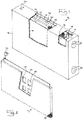
FIG. 1 is a perspective, fragmented view of a preferred embodiment of the battery according to the invention, and -
FIG. 2 is a perspective, fragmented view of the cathode. - Reference is made to
Fig. 1 which shows a water-activated, deferred-action battery 10 having a single cell. Two spaced-apart anodes 12 are shown, each having the form of a thin plate. Anodes 12 are made of a metal selected from the group comprising magnesium, aluminum, zinc, and alloys thereof. Particularly preferred is a magnesium alloy. - Each anode 12 is held in parallel, adjacent relationship to a major inner face 14 of a plastic battery housing 16. Both anodes 12 are connected in parallel to a negative terminal 18, accessible from outside housing 16.
- A
cathode plate 20, thicker than but having about the same area as the anodes 12, is positioned between the anodes 12. A cavity 22 containing air and, optionally, separator layers (not shown) are included between thecathode plate 20 and each anode 12 to electrically insulate thecathode 20 from anode 12 while the battery 10 is in its inactivated state. Two apertures 23, 28 are shown, both leading to the cavity 22. The aperture 23 has its inlet at the base of the housi ng 16, and serves for the ingress of an electrolyte-formi ng aqueous liquid. The aperture 28 has its outlet near the top of the housi ng 16 and serves to allow air to escape as liquid enters the battery to start power-producing operation. The aperture 28 also allows the escape of hydrogen subsequently evolved during operation of the battery. In a preferred embodiment, the higher aperture is located on an opposite surface of housing 16. - As seen more clearly in
FIG. 2 , thecathode plate 20 comprises a skeletal frame 24 including conductive metal and having a portion of its surface area formed as open spaces 30. The main bulk of thecathode plate 20 comprises a heat-pressed, rigid, static bed 32 of active cathode material including basic a copper salt encompassing the skeletal frame 24. - Copending
United States Provisional Application No. 15/041,140 was based on the discovery that a basic copper sulfate may usefully be used in the cathode of water-activated, deferred-action batteries. - Copending
United States Provisional Application No. 15/041,140 by the present inventors, from which the present application claims priority, describes the Water Activated Battery characterized by: - (a) at least one anode selected from the group consisting of magnesium, aluminum, zinc and alloys thereof;
- (b) a cathode comprising at least one basic copper sulfate on a skeletal frame;
- (c) at least one cavity separating said cathode and said at least one ingress of an electrolyte-forming, anode; and
- (d) at least one aperture leading to said at least one cavity for the aqueous liquid.
- To the knowledge of the Applicants, basic copper sulfate (sulphate), which is also known as tribasic copper sulfate has not previously been used as a cathode for a water activated battery.
- Basic copper sulfate was deemed particularly suited for water-activated, deferred-action batteries as it non-toxic and is not sensitive to humidity on storage. It does not dissolve quickly into water and is a relatively low cost material, being cheaper than silver chloride, for example.
- Such a water-activated deferred action battery may comprise a housing containing at least one cell, comprising (a) at least one anode selected from the group consisting of magnesium, aluminum, zinc and alloys thereof; (b) a cathode, comprising a skeletal frame including conductive metal and having a portion of its surface area formed as open spaces, and further comprising a heat-pressed, rigid static bed of active cathode material encompassing said skeletal frame, said cathode material comprising basic copper sulfate as active material, compacted and fused to itself and to the skeletal frame by applying pressure and heat, to form a heat-fused, conductive, electrochemically active phase; (c) at least one cavity separating said cathode and said at least one anode; and (d) at least one aperture leading to said at least one cavity, for the ingress of an electrolyte-forming, aqueous liquid.
- The term sulfate as used herein is synonymous with sulphate. The US spelling is used for convenience.
- The term salt as used herein means a compound that is both a salt and a base because in addition to the usual positive and negative radicals of normal salts, it also contains OH (hydroxide) or O (oxide) ions. Thus for example, bismuth subnitrate BiONO3 is an example of a basic salt.
- The term basic copper sulfate includes compounds with general formula xCuSO4. yCu(OH)2.yH2O where x, y and z indicate the molar ratios of the components. It includes tribasic copper sulfate CuSO4.3Cu(OH)2. H2O, and compositions with higher sulfate content such as 2CuSO4.Cu(OH)2 and CuSO4.Cu(OH)2 and mixtures of these.
- Other basic copper sulfate salts include tetra-copper hexa-hydroxide sulfate H6Cu4O10S (also known as copper hydroxide sulfate Cu4(OH)6SO4; Basic copper sulfate Cu4(OH)6SO4; Copper hydroxide sulfate 2[Cu2(OH)3] SO4; Copper oxysulfate; Copper sulfate Cu4(OH)6SO4; Cuproxat; Cuproxat flowable; Microcop; Sulfuric acid, copper salt, tribasic; copper(2+) hydroxide sulfate (3:22); copper(2+) hydroxide sulfate (4:6:1)) obtainable from Chemnet. CAS Registry Number 1333-22-8.
- When attempting to manufacture a water activated battery in accordance with the method described copending
United States Provisional Application No. 15/041,140 to the present inventors, Samples of Basic Copper Sulfate were ordered from Yantai Longyou Chemicals in China, from Old Bridge Chemicals, in the USA and from City Chemicals in the USA. - The discharge results of the Old Bridge Chemicals sample, though adequate, was lower than for the other samples. On the other hand, its high humidity tolerance was excellent, whereas for the other samples the high humidity tolerance was lower.
- The samples were tested by Energy-dispersive X-ray spectroscopy EDS (EDX) on a scanning electronic microscope SEM. It transpires that Old Bridge Chemicals only makes Basic Copper Sulfate in thesummer, and inadvertently, they sent Basic Copper Carbonate.
- Thus Basic Copper Carbonate is an additional salt that may be used instead of basic copper sulfate.
- Thus it appears that a water activated battery may be characterized by
- a) at least one anode selected from the group consisting of magnesium, aluminum, zinc and alloys thereof;
- b) a cathode comprising at least one basic copper salt on a skeletal frame,
- c) at least one cavity separati ng said cathode and said at least one ingress of an electrolyte-forming, anode; and
- d) at least one aperture leading to said at least one cavity for the aqueous liquid.
- The basic copper salt may be selected from the list comprising basic copper sulfate, basic copper carbonate and mixtures and intermediate salts thereof.
- Since these basic copper salts are insensitive to humidity, usefully, unlike the battery described in
US 5,424,147 to Khasin et al , the apertures 23, 28 do not requi re sealing by a water soluble film to protect the battery before use and to extend its shelf-life. - The active cathode material may further include sulfur, carbon a polymeric binder such as a fluoropolymer, wax and / or a water-ionizable salt. The carbon may suitably be provided as graphite, carbon fibers or carbon black, where carbon black is preferred.
- In order to prevent leaching-out of the water ionizable salt during battery activation such as would occur with the use of sodium chloride, with consequent loss of electrolyte conductivity when the battery is immersed in lake or fresh river water, the water-ionizable salt is selected to be only sparingly soluble in water. Advantageously the water-ionizable salt has a solubility in ambient temperature water of less than 50 gm/liter. A suitable salt is CaSO4, either provided and used alone or together with sodium chloride.
- The discharge reaction against a Mg based anode in water could be:
CuSO4 + Mg" Cu + MgSO4
and
Cu(OH)2 + Mg" Cu + Mg(OH)2
- Any sulfur present in the cathode converts any Copper produced by these discharge reactions to CuS, which increases the energy content of the battery.
- There is also some parasitic reaction of Mg with the saline solution giving hydrogen.Mg + 2H2O" Mg(OH)2 + H2
- Generalizing to other salts:
A basic copper salt comprising Cu(OH)2 combined with a copper salt CuX (with n-1 the molar ratio between the CuX and the Cu(OH)2 in the basic copper salt) the discharge reaction in saline versus a Mg anode could be written
nMg + Cu(OH)2.(n-1)CuX = Mg(OH)2 + (n-1)MgX + nCu
- Additional candidates include basic copper carbonate, which is insoluble in water.
- Referring now to
FIG. 2 , one embodiment of thecathode plate 20 is shown in further detail. Thecathode plate 20 is compacted and fused under pressure and heat to itself and to the skeletal frame 24, to form a heat-fused, conductive, electrochemically-active phase. As with many sintering operations, the strength of the form thus produced can be improved by the adding of a suitable binder material; advantageously, fluorinated ethylene propylene and/or kaolin may be added to act as a supplementary binder. The skeletal frame 24 is electrically connected to a positive terminal 33 which is accessible from outside the housing 16. - A basic copper sulfate cathode was prepared as follows:
CuSO4.3Cu(OH)2.H2O 133.6 gm (Northern Michigan Aquatics), sulfur 34.4 gm (Aldrich), carbon black 12 gm (Cabot), sodium chloride 16 gm (Aldrich), and FEP powder 4 gm (DuPont) were weighed into a Pascal blender and blended for two hours. A 20 g sample of the mix was transferred to the cylinder of a piston and cylinder type die, wherein the cylinder had a die recess with an open area of 72.5 mm. First, 10 gm of the mix was poured into the die cylinder and leveled, then the cathode current collector (a pre-tabbed copper expanded metal sheet, approximately 20 mesh, obtained from the Exmet Corp.) was laid over this, and a further 10 g portion of mix added to the die cylinder and leveled. - The standard die was then closed with its mating piston section. The closed die was then heated to 110e C. in a 5 ton press with heated platens (PHI), and the mix pressed for four mi nutes. After cooling and removi ng the compact from the die, the cathode was observed to be robust and uniform, with a thickness of 5 mm.
- In order to test the performance of the cathode from Example 1, it was clamped at a uniform spacing of about 1 mm separation between two parallel magnesium anode foils of the alloy type AZ61 (Magnesium Elektron) having a common current takeoff and similar overall area dimensions to the cathode and a thickness of 1 mm. The plate assembly, with one wire proceeding from the common tab of the two magnesium plates out to a signal bulb device, and one wire from the bulb device back to the cathode tab, was immersed into tap water in a 5-liter beaker. The bulb lit immediately, emitting more than one candela of light. After 8 hours, the emitted light intensity remained above one candela, demonstrating that the battery meets aviation and nautical requirements.
- It will be evident to those skilled in the art that the invention is not limited to the details of the foregoing illustrative embodiments and that the present invention may be embodied in other specific forms without departing scope of the claims 1 and 15. The present embodiments are therefore to be considered in all respects as illustrative and not restrictive, the scope of the invention being indicated by the appended claims 1 to 15 rather than by the foregoing description, and all changes which come within the meaning and range of the claims are therefore intended to be embraced therein.
Claims (15)
- A cathode material for water activated, deferred-action battery 10 comprising at least one basic copper salt on a skeletal frame 24, wherein said basic copper salt is basic copper sulfate or basic copper carbonate, and wherein a basic salt is a compound that is both a salt and a base.
- The cathode material of claim 1, further comprising an electronically conductive material.
- The cathode material of claim 2, wherein said electronically conductive material is selected from the group comprising graphite, carbon black and carbon fibers.
- The cathode material of any of claims 1 to 3, further comprising soluble ionically conductive material.
- The cathode material of claim 4, wherein the ionically conductive material comprises either a salt of an alkali, alkali earth element or a salt of a transitional metal element.
- The cathode material of claim 4 wherein the ionically conductive material comprises or a halide or a sulfate.
- The cathode material of any of claims 1 to 6 further comprising a binder material.
- The cathode material of claim 7, wherein the binder material comprises at least one of a fluoropolymer, a kaolin, wax or sulfur.
- The cathode material of any of claims 1 to 8 further comprising copper sulfate.
- A water-activated, deferred-action battery 10 comprising a housing 16 containing at least one cell comprising:a) a cathode 20 comprising a cathode material of any of claims 1 to 9;b) at least one anode 12 selected from the group consisting of magnesium, aluminum, zinc and alloys thereof;c) at least one cavity 22 separating said cathode 20 and said at least one anode 12; andd) at least one aperture 23 leading to said at least one cavity 22 for the ingress of an electrolyte-forming, aqueous liquid.
- The water-activated, deferred-action battery 10 of claim 10, comprising at least one of the following limitations:(i) wherein the basic copper sulfate or basic copper carbonate is compacted and fused to itself and to the skeletal frame 24, to form a heat-fused,
conductive, electrochemically active material;(ii) a portion of a surface of the cathode 20 is formed as open spaces 30;(iii) wherein the cathode 20 further comprising an electronically conductive material optionally selected from the group comprising graphite, carbon black and carbon fibers;(iv) wherein the binder material comprises at least one of a fluoropolymer, a kaolin, a wax or sulfur;(v) wherein the cathode material is fused to itself by heating during or after compression.(vi) wherein the cathode material further comprises copper sulfate. - The water-activated, deferred-action battery 10 of claim 10 or 11, wherein the cathode 20 further comprises a soluble, ionically conductive material selected from:(i) a salt of an alkali, alkali earth element or a transition metal;(ii) a halide or a sulfate.
- The water-activated, deferred-action battery 10 according to any of claims 10 to 12 where the anode 12 and cathode 20 are parallel flat plates.
- The water-activated, deferred-action battery 10 according to any of claims 10 to 12 wherein either:the anode 12 is a hollow cylinder and the cathode 20 is a smaller cylinder nested within the anode 12 without contact between the anode 12 and cathode 20, orthe cathode 20 is a hollow cylinder and the anode 12 is a smaller cylinder nested within the cathode 20 without contact between the anode 12 and cathode 20.
- A method of fabricating the cathode 20 of any of claims 1 to 9, by fusing it to itself by heating during or after compression to create a heat-pressed, rigid, static bed 32.
Applications Claiming Priority (2)
| Application Number | Priority Date | Filing Date | Title |
|---|---|---|---|
| US15/041,401 US9825311B2 (en) | 2016-02-11 | 2016-02-11 | Water activated battery |
| PCT/IL2017/050026 WO2017137973A1 (en) | 2016-02-11 | 2017-01-09 | Water activated battery |
Publications (3)
| Publication Number | Publication Date |
|---|---|
| EP3472883A1 EP3472883A1 (en) | 2019-04-24 |
| EP3472883A4 EP3472883A4 (en) | 2020-03-11 |
| EP3472883B1 true EP3472883B1 (en) | 2021-11-10 |
Family
ID=59561769
Family Applications (1)
| Application Number | Title | Priority Date | Filing Date |
|---|---|---|---|
| EP17749965.4A Active EP3472883B1 (en) | 2016-02-11 | 2017-01-09 | Water activated battery |
Country Status (4)
| Country | Link |
|---|---|
| US (1) | US9825311B2 (en) |
| EP (1) | EP3472883B1 (en) |
| DK (1) | DK3472883T3 (en) |
| WO (1) | WO2017137973A1 (en) |
Families Citing this family (5)
| Publication number | Priority date | Publication date | Assignee | Title |
|---|---|---|---|---|
| US10581086B2 (en) * | 2017-05-18 | 2020-03-03 | Epsilor-Electric Fuel, Ltd. | Cathode formulation for survivor locator light |
| US10693149B2 (en) * | 2017-05-18 | 2020-06-23 | Epsilor-Electric Fuel, Ltd. | Survivor locator light |
| CN108091822B (en) * | 2017-11-15 | 2022-01-14 | 深圳海能动力控股有限公司 | Preparation method of positive electrode of magnesium cuprous chloride battery and battery obtained by preparation method |
| CN109103487B (en) * | 2018-08-10 | 2021-01-22 | 环保创新科技有限公司 | A water-based capacitor battery |
| CN113921813B (en) * | 2021-09-30 | 2024-09-17 | 武汉中原长江科技发展有限公司 | Novel high specific energy sea water battery |
Family Cites Families (8)
| Publication number | Priority date | Publication date | Assignee | Title |
|---|---|---|---|---|
| BE521719A (en) * | 1952-07-26 | |||
| US3343988A (en) * | 1964-07-08 | 1967-09-26 | Espey Mfg & Electronics Corp | Saltwater battery |
| US4822698A (en) * | 1987-05-15 | 1989-04-18 | Westinghouse Electric Corp. | Seawater power cell |
| JPH0750613B2 (en) * | 1991-04-01 | 1995-05-31 | 工業技術院長 | Materials for batteries with three-dimensional structure |
| WO1995030248A2 (en) | 1994-04-20 | 1995-11-09 | I.N.Frantsevich Institute For Problems Of Materialscience | Water activated chemical current source |
| US5424147A (en) * | 1994-07-15 | 1995-06-13 | Electric Fuel (E.F.L.) Ltd. | Water-activated battery |
| US6010799A (en) * | 1997-04-03 | 2000-01-04 | Prosar Technologies | Cathode member for water-activated storage battery |
| US9905860B2 (en) | 2013-06-28 | 2018-02-27 | Polyplus Battery Company | Water activated battery system having enhanced start-up behavior |
-
2016
- 2016-02-11 US US15/041,401 patent/US9825311B2/en active Active
-
2017
- 2017-01-09 DK DK17749965.4T patent/DK3472883T3/en active
- 2017-01-09 WO PCT/IL2017/050026 patent/WO2017137973A1/en not_active Ceased
- 2017-01-09 EP EP17749965.4A patent/EP3472883B1/en active Active
Non-Patent Citations (1)
| Title |
|---|
| None * |
Also Published As
| Publication number | Publication date |
|---|---|
| WO2017137973A1 (en) | 2017-08-17 |
| US9825311B2 (en) | 2017-11-21 |
| US20170237082A1 (en) | 2017-08-17 |
| EP3472883A1 (en) | 2019-04-24 |
| EP3472883A4 (en) | 2020-03-11 |
| DK3472883T3 (en) | 2022-01-03 |
Similar Documents
| Publication | Publication Date | Title |
|---|---|---|
| EP3404759B1 (en) | Improved cathode formulation for survivor locator light | |
| US5424147A (en) | Water-activated battery | |
| US9825311B2 (en) | Water activated battery | |
| US5166011A (en) | Process for forming an argentic oxide containing bipolar electrode and product produced thereby and deferred actuated battery assembly employing same | |
| US8323817B2 (en) | Alkali metal seawater battery | |
| US8048556B2 (en) | Battery separator | |
| CN104813507B (en) | Alkali electrochemical battery with spacer body and electrolyte combination | |
| US20180083274A1 (en) | Secondary rechargeable battery | |
| WO2017099910A1 (en) | Metal-air battery | |
| Hamlen et al. | Anodes for refuelable magnesium‐air batteries | |
| EP3404758A1 (en) | Improved design for survivor locator light | |
| EP1358688A2 (en) | Battery | |
| US4007316A (en) | Deferred action battery having an improved depolarizer | |
| Kim et al. | Primary seawater batteries | |
| FI113417B (en) | Water-activatable battery | |
| US6033602A (en) | Cathode member including fluorinated ion exchange polymer for water-activated storage battery | |
| WO1995030248A2 (en) | Water activated chemical current source | |
| JP2015046368A (en) | Magnesium battery | |
| CN101939866A (en) | Alkaline cells with cathodes containing less than 4% by weight of carbon particles | |
| JPH02500313A (en) | Batteries with aqueous alkaline electrolyte | |
| CN104577151A (en) | Magnesium/molten copper chloride activated battery | |
| US3502508A (en) | Cathode for a deferred action battery having a high capacity depolarizer encased in a humidity resistant depolarizer material | |
| GB2242566A (en) | Porous lithium electrode for battery | |
| JP2006179325A (en) | Button-shape alkaline battery | |
| JP2008147104A (en) | Button type alkaline battery |
Legal Events
| Date | Code | Title | Description |
|---|---|---|---|
| STAA | Information on the status of an ep patent application or granted ep patent |
Free format text: STATUS: THE INTERNATIONAL PUBLICATION HAS BEEN MADE |
|
| PUAI | Public reference made under article 153(3) epc to a published international application that has entered the european phase |
Free format text: ORIGINAL CODE: 0009012 |
|
| STAA | Information on the status of an ep patent application or granted ep patent |
Free format text: STATUS: REQUEST FOR EXAMINATION WAS MADE |
|
| 17P | Request for examination filed |
Effective date: 20181114 |
|
| AK | Designated contracting states |
Kind code of ref document: A1 Designated state(s): AL AT BE BG CH CY CZ DE DK EE ES FI FR GB GR HR HU IE IS IT LI LT LU LV MC MK MT NL NO PL PT RO RS SE SI SK SM TR |
|
| AX | Request for extension of the european patent |
Extension state: BA ME |
|
| DAV | Request for validation of the european patent (deleted) | ||
| DAX | Request for extension of the european patent (deleted) | ||
| A4 | Supplementary search report drawn up and despatched |
Effective date: 20200212 |
|
| RIC1 | Information provided on ipc code assigned before grant |
Ipc: H01M 6/34 20060101ALI20200206BHEP Ipc: H01M 6/36 20060101ALI20200206BHEP Ipc: H01M 4/02 20060101ALI20200206BHEP Ipc: H01M 4/04 20060101ALI20200206BHEP Ipc: H01M 4/06 20060101ALI20200206BHEP Ipc: H01M 6/32 20060101ALI20200206BHEP Ipc: H01M 4/46 20060101ALI20200206BHEP Ipc: H01M 4/36 20060101AFI20200206BHEP Ipc: H01M 4/08 20060101ALI20200206BHEP Ipc: H01M 4/62 20060101ALI20200206BHEP Ipc: H01M 4/58 20100101ALI20200206BHEP |
|
| GRAP | Despatch of communication of intention to grant a patent |
Free format text: ORIGINAL CODE: EPIDOSNIGR1 |
|
| STAA | Information on the status of an ep patent application or granted ep patent |
Free format text: STATUS: GRANT OF PATENT IS INTENDED |
|
| INTG | Intention to grant announced |
Effective date: 20201214 |
|
| GRAJ | Information related to disapproval of communication of intention to grant by the applicant or resumption of examination proceedings by the epo deleted |
Free format text: ORIGINAL CODE: EPIDOSDIGR1 |
|
| STAA | Information on the status of an ep patent application or granted ep patent |
Free format text: STATUS: REQUEST FOR EXAMINATION WAS MADE |
|
| GRAS | Grant fee paid |
Free format text: ORIGINAL CODE: EPIDOSNIGR3 |
|
| INTC | Intention to grant announced (deleted) | ||
| STAA | Information on the status of an ep patent application or granted ep patent |
Free format text: STATUS: GRANT OF PATENT IS INTENDED |
|
| GRAP | Despatch of communication of intention to grant a patent |
Free format text: ORIGINAL CODE: EPIDOSNIGR1 |
|
| INTG | Intention to grant announced |
Effective date: 20210528 |
|
| GRAA | (expected) grant |
Free format text: ORIGINAL CODE: 0009210 |
|
| STAA | Information on the status of an ep patent application or granted ep patent |
Free format text: STATUS: THE PATENT HAS BEEN GRANTED |
|
| AK | Designated contracting states |
Kind code of ref document: B1 Designated state(s): AL AT BE BG CH CY CZ DE DK EE ES FI FR GB GR HR HU IE IS IT LI LT LU LV MC MK MT NL NO PL PT RO RS SE SI SK SM TR |
|
| REG | Reference to a national code |
Ref country code: GB Ref legal event code: FG4D |
|
| REG | Reference to a national code |
Ref country code: AT Ref legal event code: REF Ref document number: 1446901 Country of ref document: AT Kind code of ref document: T Effective date: 20211115 Ref country code: CH Ref legal event code: EP |
|
| REG | Reference to a national code |
Ref country code: DE Ref legal event code: R096 Ref document number: 602017049106 Country of ref document: DE |
|
| REG | Reference to a national code |
Ref country code: IE Ref legal event code: FG4D |
|
| REG | Reference to a national code |
Ref country code: DK Ref legal event code: T3 Effective date: 20211221 |
|
| REG | Reference to a national code |
Ref country code: LT Ref legal event code: MG9D |
|
| REG | Reference to a national code |
Ref country code: NL Ref legal event code: MP Effective date: 20211110 |
|
| REG | Reference to a national code |
Ref country code: AT Ref legal event code: MK05 Ref document number: 1446901 Country of ref document: AT Kind code of ref document: T Effective date: 20211110 |
|
| PG25 | Lapsed in a contracting state [announced via postgrant information from national office to epo] |
Ref country code: RS Free format text: LAPSE BECAUSE OF FAILURE TO SUBMIT A TRANSLATION OF THE DESCRIPTION OR TO PAY THE FEE WITHIN THE PRESCRIBED TIME-LIMIT Effective date: 20211110 Ref country code: LT Free format text: LAPSE BECAUSE OF FAILURE TO SUBMIT A TRANSLATION OF THE DESCRIPTION OR TO PAY THE FEE WITHIN THE PRESCRIBED TIME-LIMIT Effective date: 20211110 Ref country code: FI Free format text: LAPSE BECAUSE OF FAILURE TO SUBMIT A TRANSLATION OF THE DESCRIPTION OR TO PAY THE FEE WITHIN THE PRESCRIBED TIME-LIMIT Effective date: 20211110 Ref country code: BG Free format text: LAPSE BECAUSE OF FAILURE TO SUBMIT A TRANSLATION OF THE DESCRIPTION OR TO PAY THE FEE WITHIN THE PRESCRIBED TIME-LIMIT Effective date: 20220210 Ref country code: AT Free format text: LAPSE BECAUSE OF FAILURE TO SUBMIT A TRANSLATION OF THE DESCRIPTION OR TO PAY THE FEE WITHIN THE PRESCRIBED TIME-LIMIT Effective date: 20211110 |
|
| PG25 | Lapsed in a contracting state [announced via postgrant information from national office to epo] |
Ref country code: IS Free format text: LAPSE BECAUSE OF FAILURE TO SUBMIT A TRANSLATION OF THE DESCRIPTION OR TO PAY THE FEE WITHIN THE PRESCRIBED TIME-LIMIT Effective date: 20220310 Ref country code: SE Free format text: LAPSE BECAUSE OF FAILURE TO SUBMIT A TRANSLATION OF THE DESCRIPTION OR TO PAY THE FEE WITHIN THE PRESCRIBED TIME-LIMIT Effective date: 20211110 Ref country code: PT Free format text: LAPSE BECAUSE OF FAILURE TO SUBMIT A TRANSLATION OF THE DESCRIPTION OR TO PAY THE FEE WITHIN THE PRESCRIBED TIME-LIMIT Effective date: 20220310 Ref country code: PL Free format text: LAPSE BECAUSE OF FAILURE TO SUBMIT A TRANSLATION OF THE DESCRIPTION OR TO PAY THE FEE WITHIN THE PRESCRIBED TIME-LIMIT Effective date: 20211110 Ref country code: NO Free format text: LAPSE BECAUSE OF FAILURE TO SUBMIT A TRANSLATION OF THE DESCRIPTION OR TO PAY THE FEE WITHIN THE PRESCRIBED TIME-LIMIT Effective date: 20220210 Ref country code: NL Free format text: LAPSE BECAUSE OF FAILURE TO SUBMIT A TRANSLATION OF THE DESCRIPTION OR TO PAY THE FEE WITHIN THE PRESCRIBED TIME-LIMIT Effective date: 20211110 Ref country code: LV Free format text: LAPSE BECAUSE OF FAILURE TO SUBMIT A TRANSLATION OF THE DESCRIPTION OR TO PAY THE FEE WITHIN THE PRESCRIBED TIME-LIMIT Effective date: 20211110 Ref country code: HR Free format text: LAPSE BECAUSE OF FAILURE TO SUBMIT A TRANSLATION OF THE DESCRIPTION OR TO PAY THE FEE WITHIN THE PRESCRIBED TIME-LIMIT Effective date: 20211110 Ref country code: GR Free format text: LAPSE BECAUSE OF FAILURE TO SUBMIT A TRANSLATION OF THE DESCRIPTION OR TO PAY THE FEE WITHIN THE PRESCRIBED TIME-LIMIT Effective date: 20220211 Ref country code: ES Free format text: LAPSE BECAUSE OF FAILURE TO SUBMIT A TRANSLATION OF THE DESCRIPTION OR TO PAY THE FEE WITHIN THE PRESCRIBED TIME-LIMIT Effective date: 20211110 |
|
| PG25 | Lapsed in a contracting state [announced via postgrant information from national office to epo] |
Ref country code: SM Free format text: LAPSE BECAUSE OF FAILURE TO SUBMIT A TRANSLATION OF THE DESCRIPTION OR TO PAY THE FEE WITHIN THE PRESCRIBED TIME-LIMIT Effective date: 20211110 Ref country code: SK Free format text: LAPSE BECAUSE OF FAILURE TO SUBMIT A TRANSLATION OF THE DESCRIPTION OR TO PAY THE FEE WITHIN THE PRESCRIBED TIME-LIMIT Effective date: 20211110 Ref country code: RO Free format text: LAPSE BECAUSE OF FAILURE TO SUBMIT A TRANSLATION OF THE DESCRIPTION OR TO PAY THE FEE WITHIN THE PRESCRIBED TIME-LIMIT Effective date: 20211110 Ref country code: EE Free format text: LAPSE BECAUSE OF FAILURE TO SUBMIT A TRANSLATION OF THE DESCRIPTION OR TO PAY THE FEE WITHIN THE PRESCRIBED TIME-LIMIT Effective date: 20211110 Ref country code: CZ Free format text: LAPSE BECAUSE OF FAILURE TO SUBMIT A TRANSLATION OF THE DESCRIPTION OR TO PAY THE FEE WITHIN THE PRESCRIBED TIME-LIMIT Effective date: 20211110 |
|
| REG | Reference to a national code |
Ref country code: DE Ref legal event code: R119 Ref document number: 602017049106 Country of ref document: DE |
|
| PG25 | Lapsed in a contracting state [announced via postgrant information from national office to epo] |
Ref country code: MC Free format text: LAPSE BECAUSE OF FAILURE TO SUBMIT A TRANSLATION OF THE DESCRIPTION OR TO PAY THE FEE WITHIN THE PRESCRIBED TIME-LIMIT Effective date: 20211110 |
|
| REG | Reference to a national code |
Ref country code: CH Ref legal event code: PL |
|
| PLBE | No opposition filed within time limit |
Free format text: ORIGINAL CODE: 0009261 |
|
| STAA | Information on the status of an ep patent application or granted ep patent |
Free format text: STATUS: NO OPPOSITION FILED WITHIN TIME LIMIT |
|
| REG | Reference to a national code |
Ref country code: BE Ref legal event code: MM Effective date: 20220131 |
|
| 26N | No opposition filed |
Effective date: 20220811 |
|
| PG25 | Lapsed in a contracting state [announced via postgrant information from national office to epo] |
Ref country code: LU Free format text: LAPSE BECAUSE OF NON-PAYMENT OF DUE FEES Effective date: 20220109 Ref country code: DE Free format text: LAPSE BECAUSE OF NON-PAYMENT OF DUE FEES Effective date: 20220802 Ref country code: AL Free format text: LAPSE BECAUSE OF FAILURE TO SUBMIT A TRANSLATION OF THE DESCRIPTION OR TO PAY THE FEE WITHIN THE PRESCRIBED TIME-LIMIT Effective date: 20211110 |
|
| PG25 | Lapsed in a contracting state [announced via postgrant information from national office to epo] |
Ref country code: SI Free format text: LAPSE BECAUSE OF FAILURE TO SUBMIT A TRANSLATION OF THE DESCRIPTION OR TO PAY THE FEE WITHIN THE PRESCRIBED TIME-LIMIT Effective date: 20211110 Ref country code: BE Free format text: LAPSE BECAUSE OF NON-PAYMENT OF DUE FEES Effective date: 20220131 |
|
| PG25 | Lapsed in a contracting state [announced via postgrant information from national office to epo] |
Ref country code: LI Free format text: LAPSE BECAUSE OF NON-PAYMENT OF DUE FEES Effective date: 20220131 Ref country code: CH Free format text: LAPSE BECAUSE OF NON-PAYMENT OF DUE FEES Effective date: 20220131 |
|
| PG25 | Lapsed in a contracting state [announced via postgrant information from national office to epo] |
Ref country code: IE Free format text: LAPSE BECAUSE OF NON-PAYMENT OF DUE FEES Effective date: 20220109 |
|
| PG25 | Lapsed in a contracting state [announced via postgrant information from national office to epo] |
Ref country code: IT Free format text: LAPSE BECAUSE OF FAILURE TO SUBMIT A TRANSLATION OF THE DESCRIPTION OR TO PAY THE FEE WITHIN THE PRESCRIBED TIME-LIMIT Effective date: 20211110 |
|
| PG25 | Lapsed in a contracting state [announced via postgrant information from national office to epo] |
Ref country code: HU Free format text: LAPSE BECAUSE OF FAILURE TO SUBMIT A TRANSLATION OF THE DESCRIPTION OR TO PAY THE FEE WITHIN THE PRESCRIBED TIME-LIMIT; INVALID AB INITIO Effective date: 20170109 |
|
| PG25 | Lapsed in a contracting state [announced via postgrant information from national office to epo] |
Ref country code: MK Free format text: LAPSE BECAUSE OF FAILURE TO SUBMIT A TRANSLATION OF THE DESCRIPTION OR TO PAY THE FEE WITHIN THE PRESCRIBED TIME-LIMIT Effective date: 20211110 Ref country code: CY Free format text: LAPSE BECAUSE OF FAILURE TO SUBMIT A TRANSLATION OF THE DESCRIPTION OR TO PAY THE FEE WITHIN THE PRESCRIBED TIME-LIMIT Effective date: 20211110 |
|
| PG25 | Lapsed in a contracting state [announced via postgrant information from national office to epo] |
Ref country code: MT Free format text: LAPSE BECAUSE OF FAILURE TO SUBMIT A TRANSLATION OF THE DESCRIPTION OR TO PAY THE FEE WITHIN THE PRESCRIBED TIME-LIMIT Effective date: 20211110 |
|
| PGFP | Annual fee paid to national office [announced via postgrant information from national office to epo] |
Ref country code: DK Payment date: 20250124 Year of fee payment: 9 |
|
| PGFP | Annual fee paid to national office [announced via postgrant information from national office to epo] |
Ref country code: FR Payment date: 20250127 Year of fee payment: 9 |
|
| PGFP | Annual fee paid to national office [announced via postgrant information from national office to epo] |
Ref country code: GB Payment date: 20250128 Year of fee payment: 9 |
|
| PG25 | Lapsed in a contracting state [announced via postgrant information from national office to epo] |
Ref country code: TR Free format text: LAPSE BECAUSE OF FAILURE TO SUBMIT A TRANSLATION OF THE DESCRIPTION OR TO PAY THE FEE WITHIN THE PRESCRIBED TIME-LIMIT Effective date: 20211110 |