EP3466427A1 - Sleep improving agent - Google Patents
Sleep improving agent Download PDFInfo
- Publication number
- EP3466427A1 EP3466427A1 EP17802907.0A EP17802907A EP3466427A1 EP 3466427 A1 EP3466427 A1 EP 3466427A1 EP 17802907 A EP17802907 A EP 17802907A EP 3466427 A1 EP3466427 A1 EP 3466427A1
- Authority
- EP
- European Patent Office
- Prior art keywords
- sleep
- compound
- agent according
- stress
- hydroxyphenyl
- Prior art date
- Legal status (The legal status is an assumption and is not a legal conclusion. Google has not performed a legal analysis and makes no representation as to the accuracy of the status listed.)
- Pending
Links
- 0 *C[C@@](C(N1[C@@]2CCC1)=O)NC2=O Chemical compound *C[C@@](C(N1[C@@]2CCC1)=O)NC2=O 0.000 description 1
Images


Classifications
-
- A—HUMAN NECESSITIES
- A61—MEDICAL OR VETERINARY SCIENCE; HYGIENE
- A61K—PREPARATIONS FOR MEDICAL, DENTAL OR TOILETRY PURPOSES
- A61K31/00—Medicinal preparations containing organic active ingredients
- A61K31/33—Heterocyclic compounds
- A61K31/395—Heterocyclic compounds having nitrogen as a ring hetero atom, e.g. guanethidine or rifamycins
- A61K31/495—Heterocyclic compounds having nitrogen as a ring hetero atom, e.g. guanethidine or rifamycins having six-membered rings with two or more nitrogen atoms as the only ring heteroatoms, e.g. piperazine or tetrazines
- A61K31/4985—Pyrazines or piperazines ortho- or peri-condensed with heterocyclic ring systems
-
- A—HUMAN NECESSITIES
- A23—FOODS OR FOODSTUFFS; TREATMENT THEREOF, NOT COVERED BY OTHER CLASSES
- A23L—FOODS, FOODSTUFFS OR NON-ALCOHOLIC BEVERAGES, NOT OTHERWISE PROVIDED FOR; PREPARATION OR TREATMENT THEREOF
- A23L33/00—Modifying nutritive qualities of foods; Dietetic products; Preparation or treatment thereof
- A23L33/10—Modifying nutritive qualities of foods; Dietetic products; Preparation or treatment thereof using additives
-
- A—HUMAN NECESSITIES
- A61—MEDICAL OR VETERINARY SCIENCE; HYGIENE
- A61P—SPECIFIC THERAPEUTIC ACTIVITY OF CHEMICAL COMPOUNDS OR MEDICINAL PREPARATIONS
- A61P25/00—Drugs for disorders of the nervous system
-
- A—HUMAN NECESSITIES
- A61—MEDICAL OR VETERINARY SCIENCE; HYGIENE
- A61P—SPECIFIC THERAPEUTIC ACTIVITY OF CHEMICAL COMPOUNDS OR MEDICINAL PREPARATIONS
- A61P25/00—Drugs for disorders of the nervous system
- A61P25/20—Hypnotics; Sedatives
-
- A—HUMAN NECESSITIES
- A61—MEDICAL OR VETERINARY SCIENCE; HYGIENE
- A61P—SPECIFIC THERAPEUTIC ACTIVITY OF CHEMICAL COMPOUNDS OR MEDICINAL PREPARATIONS
- A61P25/00—Drugs for disorders of the nervous system
- A61P25/22—Anxiolytics
-
- A—HUMAN NECESSITIES
- A23—FOODS OR FOODSTUFFS; TREATMENT THEREOF, NOT COVERED BY OTHER CLASSES
- A23V—INDEXING SCHEME RELATING TO FOODS, FOODSTUFFS OR NON-ALCOHOLIC BEVERAGES AND LACTIC OR PROPIONIC ACID BACTERIA USED IN FOODSTUFFS OR FOOD PREPARATION
- A23V2002/00—Food compositions, function of food ingredients or processes for food or foodstuffs
-
- A—HUMAN NECESSITIES
- A23—FOODS OR FOODSTUFFS; TREATMENT THEREOF, NOT COVERED BY OTHER CLASSES
- A23V—INDEXING SCHEME RELATING TO FOODS, FOODSTUFFS OR NON-ALCOHOLIC BEVERAGES AND LACTIC OR PROPIONIC ACID BACTERIA USED IN FOODSTUFFS OR FOOD PREPARATION
- A23V2200/00—Function of food ingredients
- A23V2200/30—Foods, ingredients or supplements having a functional effect on health
- A23V2200/322—Foods, ingredients or supplements having a functional effect on health having an effect on the health of the nervous system or on mental function
-
- A—HUMAN NECESSITIES
- A23—FOODS OR FOODSTUFFS; TREATMENT THEREOF, NOT COVERED BY OTHER CLASSES
- A23V—INDEXING SCHEME RELATING TO FOODS, FOODSTUFFS OR NON-ALCOHOLIC BEVERAGES AND LACTIC OR PROPIONIC ACID BACTERIA USED IN FOODSTUFFS OR FOOD PREPARATION
- A23V2250/00—Food ingredients
- A23V2250/30—Other Organic compounds
Definitions
- the present invention relates to a heat shock protein expression-inducing agent, sleep improving agent, anti-stress agent and autonomic nerve-adjusting agent.
- Organisms have various defense mechanisms to adapt to the growth environment. For example, when the growth temperature increases by 5-10°C, the three-dimensional structure of cellular proteins starts to change by thermal denaturation. A group of proteins called “chaperones” is known to involve in the mechanism for repairing this change. Heat shock proteins (hereinafter also referred to as "HSPs”) are known as representative proteins that have a chaperone function. In mammals, more than ten kinds of HSPs have been currently reported and classified into HSP 20 family, HSP 40 family, HSP 70 family, HSP 90 family, and the like on the basis of the molecular weight thereof.
- HSPs Heat shock proteins
- HSPs are also called stress proteins, of which the expression is enhanced in vivo in response to environmental stress, pathological stress, psychological stress and the like.
- HSPs expressed in vivo have the following role: to bind specifically to proteins that have lost their original physiological functions because of a partial change of the higher-order structure thereof under various stress, and utilize energy generated by hydrolysis of ATP to return the higher-order structure of the binding partner protein to its original structure, and restore the physiological function of the protein.
- HSPs contribute to biological defense and maintaining homeostasis of living bodies. If HSP expression can be induced in vivo, it will be effective in preventing or ameliorating various diseases and symptoms caused by abnormality of higher-order structure of proteins or various diseases and symptoms related to HSPs.
- HSP70 has been actively studied in particular. In recent years, the relationship of HSP70 with sleep (Non-patent Documents 1 and 2) or stress (Non-patent Documents 3 and 4) has become clear. It is also known that there is a close relationship between stress and autonomic nervous disorders. Therefore, the chaperone function of HSP 70 is considered to contribute to recovery from damages such as sleep deprivation, daily stress, autonomic neuropathy and the like.
- HSP70 expression-inducing substances have been researched in order to apply them to pharmaceuticals, quasi-drugs, and the like.
- a substance for example, Zerumbone, etc. have been reported (Patent Document 1).
- Patent Document 1 WO 2012/043808
- the object of the present invention is to provide a HSP expression-inducing agent, sleep improving agent, anti-stress agent, autonomic nerve-adjusting agent or the like, comprising an active ingredient having an excellent HSP expression inducing activity.
- a proline-containing 3-alkyl diketopiperazine represented by the following general formula (I) or a salt thereof has an excellent HSP expression-inducing activity, and based thereon, it shows sleep improving activity, anti-stress activity, autonomic nerve-adjusting activity and the like.
- the present invention has been accomplished on the basis of these findings.
- the present invention includes the following embodiments.
- composition of the present invention it is possible to provide a HSP expression-inducing agent, sleep improving agent, anti-stress agent, autonomic nerve-adjusting agent and the like, which has one or more functions or effects described below:
- the HSP expression-inducing agent according to the present invention comprises a proline-containing 3-alkyl diketopiperazine represented by general formula (I): wherein R is a lower alkyl, phenyl, or hydroxyphenyl, or a salt thereof as an active ingredient.
- the "lower alkyl” in the above formula (I) means a linear or branched alkyl group having 1-6 carbon atoms. Specific examples thereof include methyl, ethyl, propyl, isopropyl, butyl, isobutyl, sec-butyl, tert-butyl, pentyl, neopentyl, hexyl, isohexyl and the like. Preferred is a linear or branched alkyl group having 1-4 carbon atoms such as isopropyl.
- R is a lower alkyl, phenyl, or hydroxyphenyl, preferably isopropyl, phenyl, or hydroxyphenyl, particularly preferably isopropyl.
- proline-containing 3-alkyl diketopiperazine of the above formula (I) particularly preferred are the following Compounds 1-3 (particularly, Compound 1).
- Salts of the proline-containing 3-alkyl diketopiperazine include those acceptable in the field of pharmaceuticals or foods and beverages, for example, salts with inorganic bases, salts with organic bases, salts with basic amino acids, etc.
- salts with inorganic bases include, for example, alkali metal salts such as sodium salt, potassium salt and the like; alkaline earth metal salts such as calcium salt, magnesium salt and the like; ammonium salt and the like.
- salts with organic bases include, for example, salts with alkylamines (trimethylamine, triethylamine and the like), heterocyclic amines (pyridine, picoline and the like), alkanolamines (ethanolamine, diethanolamine, triethanolamine and the like), dicyclohexylamine, N,N'-dibenzylethylenediamine, or the like.
- salts with basic amino acids include, for example, salts with arginine, lysine, ornithine, or the like.
- alkali metal salts or alkaline earth metal salts are preferable, and sodium salt is particularly preferable.
- the proline-containing 3-alkyl diketopiperazine or a salt thereof used in the present invention can be prepared according to a method known in the art, for example, a chemical synthesis method, an enzymatic method, a microorganism fermentation method, or the like. Specifically, the compound can be synthesized by subjecting a linear peptide to dehydration/cyclization reaction, for example, according to a method shown in JP 2003-252896 A or J. Peptide Sci., 10, 737-737(2004 ).
- the above proline-containing 3-alkyl diketopiperazine or a salt thereof may be used alone or in combination of two or more kinds thereof, as an active ingredient.
- one of the Compounds 1-3 may be used alone, or two or three of them may be used together.
- the usage ratio is not particularly limited.
- the proline-containing 3-alkyl diketopiperazine or a salt thereof has an excellent HSP expression-inducing activity. Therefore, the HSP expression-inducing agent of the present invention is effective in preventing or ameliorating various diseases and symptoms caused by abnormality of the higher-order structure of proteins or various diseases and symptoms related to HSPs.
- HSPs of which the expression is induced include any of HSP20 family proteins such as HSP20, HSP27, and HSP28; HSP40 family proteins such as HSP40 and HSP47; HSP70 family proteins such as HSP70, HSP72, and HSP73; HSP90 family proteins such as HSP90a and HSP90b.
- HSP70 family proteins Preferred are HSP70 family proteins, and more preferred is HSP70.
- the induction of expression of HSPs includes expression in vivo and in vitro, preferably expression in vivo.
- the in vivo site where the expression of HSP is induced is preferably within the brain.
- the proline-containing 3-alkyl diketopiperazine or a salt thereof shows an excellent sleep improving activity, anti-stress activity, autonomic nerve-adjusting activity, and the like, on the basis of its HSP expression-inducing activity.
- the present invention provides a sleep improving agent, anti-stress agent, autonomic nerve-adjusting agent, and the like, comprising the proline-containing 3-alkyl diketopiperazine or a salt thereof as an active ingredient.
- the "sleep improving" in the present invention means that improved effects on one or more followings: sleep quality, sleep-awakening rhythm, deep sleep feeling, feeling when waking up, feeling tired when getting up, sleepiness during the day, work efficiency, gloomy feeling resulting from unsatisfactory sleep, and the like are observed.
- the "improving the quality of sleep” means to obtain a good quality of sleep is obtained by shortening the sleeping latency, decreasing the number and time of arousal during sleep, and smoothing the transition to slow-wave sleep which is regard as deep sleep after sleep onset to increase sleep time.
- the "improving sleep-awakening rhythm” means to improve the shift of sleep-awakening rhythm or to adjust sleeping/waking up rhythm.
- the shift of sleep-awakening rhythm also includes social jet lag where social time and biological clock do not match.
- the social jet lag is caused by a night-time light environment and a big change of working environment, etc., that is, it means that bedtime/wakeup rhythm shifts on weekdays with social restrictions such as work and on holidays without restrictions, or the circadian rhythm of the living body collapses due to irregular sleep cycles and the like.
- the improvement effect means improvement of symptoms or conditions, prevention or delay of deterioration of symptoms or conditions, or reversal, prevention or delay of the progress of symptoms.
- the "anti-stress activity” in the present invention means an activity capable of preventing fatigue caused by stress in a mammal, particularly human, or preventing fatigue due to stress in the brain.
- fatigue is a phenomenon in which physical and mental performance temporarily declines, when a physical or mental load is given consecutively.
- the decline of performance is a qualitative or quantitative decline in physical and mental abilities.
- the "autonomic nerve-adjusting activity" in the present invention means to improve a disturbance in the balance of sympathetic and parasympathetic balance (autonomic nervous balance) caused by excessive stress burden, decreased level of autonomic nervous activity, and the like.
- autonomic nervous balance since the function of the gastrointestinal tract is mainly dominated by the parasympathetic sensory nerve, if the sympathetic tension is maintained by a stress load, the action of the gastrointestinal tract is suppressed, thereby causing gastrointestinal disorders such as anorexia and constipation.
- insomnia is caused when the parasympathetic nerve does not function well due to a stress load and the activity of the sympathetic nerve is continued to accelerate. While there is a close relationship between stress and autonomic nervousness as described above, there is also autonomic nervous disorder not due to stress load. Stress load does not necessarily cause autonomic nervous disorders, but may induce other physical symptoms.
- the proline-containing 3-alkyl diketopiperazine or a salt thereof can be used as it is as a HSP expression-inducing agent, sleep improving agent, anti-stress agent, autonomic nerve-adjusting agent, or the like (hereinafter referred to as "HSP expression-inducing agent or the like"). Also, it can be used in combination with carriers that can be added to pharmaceuticals or quasi-drugs, or food additives, to the extent that they do not affect the intended function or effect.
- the proline-containing 3-alkyl diketopiperazine or a salt thereof can be added to various pharmaceuticals, quasi-drugs, foods and beverages as a HSP expression-inducing agent, and thus used in the form of pharmaceutical compositions, quasi-drug compositions, food and beverage compositions and the like.
- the pharmaceuticals, quasi-drugs, foods and beverages are not particularly limited as long as they are usually used, and examples thereof include tablets, granules, capsules, powders, chewable tablets, confectioneries (cookies, biscuits, chocolate confectionery, chips, cake, gum, candy, gummi, sweet buns, sweet jellied adzuki-bean paste, pudding, jelly, yogurt, ice cream, sherbet and the like), breads, noodles, rice, cereal foods, beverages (liquid, soft drinks, carbonated drinks, nutritional drinks, powdered drinks, fruit drinks, milk drinks, jelly drinks and the like), soups (powder soups, freeze-dried soups), miso soups (powder miso soups, freeze-dried miso soups) and the like.
- foods and beverages include foods with function claims, foods for specified health uses, health food, nutritional supplements (supplements), foods for medical use and the like.
- the subjects to be applied by the HSP expression-inducing agent or the like in the present invention are not particularly limited, but include, for example, subjects who have subjective dissatisfaction with sleeping feeling such as shallow asleep, insufficient sleep feeling when getting up, poor sleep, insufficient deep sleep feeling (cannot sleep deeply), bad dreaming, unrecovered fatigue, and the like; subjects who have no subjective complaints about sleeping feeling, but want to improve sleep quality because they are feeling fatigue; subjects who feels disorder of autonomic nerve; and subjects who are stressed in everyday life; and the like. Also, subjects with no particular problem can take up the agent daily for the purpose of maintaining good sleep, preventing sleep disorders, improving sleep quality, autonomic nerve-adjusting activity, anti-stress activity and the like.
- the subjects to which the present invention applies are especially humans.
- the present invention is also applicable to mammals other than humans (e.g., mouse, rat, hamster, monkey, cow, horse, pig, sheep, goat, dog, cat, guinea pig, rabbit and the like).
- the daily dose (intake) of the proline-containing 3-alkyl diketopiperazine or a salt thereof is not particularly limited and it may be set as appropriate according to the purpose of administration (target disease and symptom), administration form, sex, weight and age of subject, etc., but is usually 0.1 ⁇ g - 1.7 g as a proline-containing 3-alkyl diketopiperazine in the case of a human adult, preferably 1 ⁇ g - 1.5 g, and more preferably 5 ⁇ g - 1.3 g.
- the daily dose of Compound 1 is usually 0.5 ⁇ g - 500 mg, preferably 1 ⁇ g - 450 mg, more preferably 10 ⁇ g - 400 mg.
- the daily dose of Compound 2 is usually 0.1 ⁇ g - 400 mg, preferably 2 ⁇ g - 350 mg, more preferably 5 ⁇ g - 300 mg.
- the daily dose of Compound 3 is usually 0.1 ⁇ g - 800 mg, preferably 2 ⁇ g - 700 mg, more preferably 5 ⁇ g - 600 mg.
- the timing of administration of the HSP expression-inducing agent or the like of the present invention is not particularly limited, but it is preferably administered (consumed) once a day before going to bed.
- the present invention provides the proline-containing 3-alkyl diketopiperazine or a salt thereof for use as a HSP expression-inducing agent, sleep improving agent, anti-stress agent, autonomic nerve-adjusting agent, or the like.
- the present invention provides use of the proline-containing 3-alkyl diketopiperazine or a salt thereof for the preparation of a HSP expression-inducing agent, sleep improving agent, anti-stress agent, autonomic nerve-adjusting agent, or the like.
- the present invention provides a method for inducing HSP expression, improving sleep, anti-stressing, adjusting autonomic nerve, or the like, which comprises administrating the proline-containing 3-alkyl diketopiperazine or a salt thereof to a subject.
- the definitions of the terms, the proline-containing 3-alkyl diketopiperazine or a salt thereof, the form of use, the subject, the dosage, the timing of administration, the blending amount in each agent, etc. are the same as described above.
- the HSP70 expression-inducing activity by Compounds 1-3 was evaluated by measuring a HSP70 mRNA expression level.
- HL-60 cells Human promyelocytic leukemia cells (HL-60 cells) was suspended in RPMI 1640 medium supplemented with 10% fetal bovine serum, and was transferred into a 1.5 mL tube (45,000 cells/0.9 mL). To the tube was added 0.1 mL of each sample that had been prepared in a 1% DMSO solution and the tube was allowed to stand at 37°C for 4 hours. To a control was added 0.1 mL of 1%DMSO solution. After cultured for 4 hours, the cells was centrifuged by a small refrigerated centrifuge (1,000 g x 5 minutes) to precipitate the HL-60 cells.
- RPMI 1640 medium supplemented with 10% fetal bovine serum
- RNA was extracted according to the protocol.
- the RNA was dissolved in RNase-free water, and the concentration of the RNA (wave length 260 nm) was measured by using a microvolume spectrophotometer NanoDrop2000/2000c (manufactured by Thermo Fisher Scientific).
- the RNA solution was diluted with RNase-free water so as to have a concentration of 50 ng/mL, and then cDNA was synthesized by using ReverTra Ace (R) qPCR RT Kit (manufactured by TOYOBO).
- the reaction liquid (10 ⁇ l) after the reverse transcription was diluted with RNase-free water so as to be 100 ⁇ L, and then used as a template for PCR.
- Beta 2 microglobulin gene was used as an internal control gene for correction of the HSP70 gene expression.
- the primer sequences of genes used for the PCR reaction are as follows.
- the expression was analyzed by using CFX Connect Real-Time PCR Detection System (manufactured by Bio-rad). 10 ⁇ L of the PCR reaction liquid was incubated at 95°C for 3 minutes (initial denaturation), followed by repetition of 55 cycles comprising denaturation at 95°C for 10 seconds, and annealing and extension at 57.8°C for 30 seconds. Finally, the melting curve was measured every 0.2°C in the range from 65°C to 95°C. Expression levels of HSP70 gene and internal standard gene were analyzed using Bio-Rad CFX Manager 3.1.
- the light/dark cycle of the breeding environment excluding the phase advance date was set to 12 hours cycle, and the illuminance of the light period was set to be approximately 200 lx (185-230 lx).
- the influence of test feed administration on the light period activity level after the phase advance was examined.
- Figure 4 shows the transition of the light period activity of rats after the phase advance.
- the horizontal axis represents the number of days elapsed since phase advance, the vertical axis represents the activity level in the light period (12 hours), and the activity level shows the mean value ⁇ standard error. For pre 3 days, the mean value of the light period activity level during the 3-day pre-administration period was shown.
- Figure 5 shows the activity level of rats on Day 1, light period (12 hours) after the phase advance.
- the horizontal axis represents each group, the vertical axis represents the activity level in the light period (12 hours), and the activity level was the average value ⁇ standard error.
- An electrode for EEG is implanted in the brain of an 8-week-old male Wistar rat, and a recovery period is set for 1 week after surgery. After that, habituation to brush stimulation (sleep deprivation stimulus) is performed for 2-3 days. On test days, while monitoring EEG data, if non-REM sleep is detected, the rat is stimulated with a brush to prevent non-REM sleep. The effect of test drug on the influence of prevention of Non-REM sleep is examined.
- mice aged 8 to 15 weeks old are subjected to stress by changing breeding on paper flooring in a cage with a rotating basket to that in 1.5 cm water-immersed state at room temperature on Day 1 of the test. In this state, the mice become to live on a rotating basket in order to avoid water immersion.
- the sleep/wakefulness of mice are evaluated by monitoring the activity status of the mice with the movement of the rotating basket. If evaluated after 7 days as a load, the evaluation in EEG and the evaluation by activity level will be similar.
- the base sequence represented by SEQ ID NO: 1 is a base sequence of HSP70 forward primer.
- the base sequence represented by SEQ ID NO: 2 is a base sequence of HSP70 reverse primer.
- the base sequence represented by SEQ ID NO: 3 is a base sequence of beta 2 microglobulin forward primer.
- the base sequence represented by SEQ ID NO: 4 is a base sequence of beta 2 microglobulin reverse primer.
Landscapes
- Health & Medical Sciences (AREA)
- Life Sciences & Earth Sciences (AREA)
- Chemical & Material Sciences (AREA)
- Veterinary Medicine (AREA)
- Public Health (AREA)
- General Health & Medical Sciences (AREA)
- Animal Behavior & Ethology (AREA)
- Pharmacology & Pharmacy (AREA)
- Medicinal Chemistry (AREA)
- Engineering & Computer Science (AREA)
- General Chemical & Material Sciences (AREA)
- Neurology (AREA)
- Neurosurgery (AREA)
- Chemical Kinetics & Catalysis (AREA)
- Biomedical Technology (AREA)
- Bioinformatics & Cheminformatics (AREA)
- Nuclear Medicine, Radiotherapy & Molecular Imaging (AREA)
- Organic Chemistry (AREA)
- Epidemiology (AREA)
- Anesthesiology (AREA)
- Polymers & Plastics (AREA)
- Food Science & Technology (AREA)
- Nutrition Science (AREA)
- Mycology (AREA)
- Pharmaceuticals Containing Other Organic And Inorganic Compounds (AREA)
- Nitrogen Condensed Heterocyclic Rings (AREA)
- Peptides Or Proteins (AREA)
- Coloring Foods And Improving Nutritive Qualities (AREA)
- Medicines That Contain Protein Lipid Enzymes And Other Medicines (AREA)
Abstract
Description
- The present application is filed claiming the priority of the Japanese Patent Application No.
2016-105477 - The present invention relates to a heat shock protein expression-inducing agent, sleep improving agent, anti-stress agent and autonomic nerve-adjusting agent.
- Organisms have various defense mechanisms to adapt to the growth environment. For example, when the growth temperature increases by 5-10°C, the three-dimensional structure of cellular proteins starts to change by thermal denaturation. A group of proteins called "chaperones" is known to involve in the mechanism for repairing this change. Heat shock proteins (hereinafter also referred to as "HSPs") are known as representative proteins that have a chaperone function. In mammals, more than ten kinds of HSPs have been currently reported and classified into HSP 20 family, HSP 40 family, HSP 70 family, HSP 90 family, and the like on the basis of the molecular weight thereof.
- HSPs are also called stress proteins, of which the expression is enhanced in vivo in response to environmental stress, pathological stress, psychological stress and the like. HSPs expressed in vivo have the following role: to bind specifically to proteins that have lost their original physiological functions because of a partial change of the higher-order structure thereof under various stress, and utilize energy generated by hydrolysis of ATP to return the higher-order structure of the binding partner protein to its original structure, and restore the physiological function of the protein.
- Thus, HSPs contribute to biological defense and maintaining homeostasis of living bodies. If HSP expression can be induced in vivo, it will be effective in preventing or ameliorating various diseases and symptoms caused by abnormality of higher-order structure of proteins or various diseases and symptoms related to HSPs.
- Among HSPs, HSP70 has been actively studied in particular. In recent years, the relationship of HSP70 with sleep (
Non-patent Documents 1 and 2) or stress (Non-patentDocuments 3 and 4) has become clear. It is also known that there is a close relationship between stress and autonomic nervous disorders. Therefore, the chaperone function of HSP 70 is considered to contribute to recovery from damages such as sleep deprivation, daily stress, autonomic neuropathy and the like. - For this reason, HSP70 expression-inducing substances have been researched in order to apply them to pharmaceuticals, quasi-drugs, and the like. As such a substance, for example, Zerumbone, etc. have been reported (Patent Document 1).
- Patent Document 1:
WO 2012/043808 -
- Non-Patent Document 1: Doklady Biological Sciences, 2013, Vol. 449, pp. 89-92
- Non-Patent Document 2: Doklady Biological Sciences, 2015, Vol. 461, pp. 76-79
- Non-Patent Document 3: Exp. Ther. Med. 2012, Oct; 4(4), 627-632
- Non-Patent Document 4: J. Biol. Chem. 2000, Vol. 275, No. 27, 20822-20828
- The object of the present invention is to provide a HSP expression-inducing agent, sleep improving agent, anti-stress agent, autonomic nerve-adjusting agent or the like, comprising an active ingredient having an excellent HSP expression inducing activity.
- As a result of intensive studies to attain the above object, the present inventors have found that a proline-containing 3-alkyl diketopiperazine represented by the following general formula (I) or a salt thereof has an excellent HSP expression-inducing activity, and based thereon, it shows sleep improving activity, anti-stress activity, autonomic nerve-adjusting activity and the like. The present invention has been accomplished on the basis of these findings.
- The present invention includes the following embodiments.
- [1] A heat shock protein expression-inducing agent comprising a compound represented by formula (I):

- [2] The heat shock protein expression-inducing agent according to [1], wherein R is isopropyl, phenyl, or hydroxyphenyl.
- [3] The heat shock protein expression-inducing agent according to [1], wherein R is isopropyl.
- [4] The heat shock protein expression-inducing agent according to any of [1]-[3], which is in the form of a pharmaceutical composition, quasi-drug composition or food and beverage composition.
- [5] A sleep improving agent comprising a compound represented by formula (I):

- [6] The sleep improving agent according to [5], wherein R is isopropyl, phenyl, or hydroxyphenyl.
- [7] The sleep improving agent according to [5], wherein R is isopropyl.
- [8] The sleep improving agent according to any of [5]-[7], which is in the form of a pharmaceutical composition, quasi-drug composition or food and beverage composition.
- [9] An autonomic nerve-adjusting agent comprising a compound represented by formula (I):

- [10] The autonomic nerve-adjusting agent according to [9], wherein R is isopropyl, phenyl, or hydroxyphenyl.
- [11] The autonomic nerve-adjusting agent according to [9], wherein R is isopropyl.
- [12] The autonomic nerve-adjusting agent according to any of [9]-[11], which is in the form of a pharmaceutical composition, quasi-drug composition or food and beverage composition.
- [13] An anti-stress agent comprising a compound represented by formula (I):

- [14] The anti-stress agent according to
claim 13, wherein R is isopropyl, phenyl, or hydroxyphenyl. - [15] The anti-stress agent according to
claim 13, wherein R is isopropyl. - [16] The anti-stress agent according to any of any of [13]-[15], which is in the form of a pharmaceutical composition, quasi-drug composition or food and beverage composition.
- According to the pharmaceutical composition of the present invention, it is possible to provide a HSP expression-inducing agent, sleep improving agent, anti-stress agent, autonomic nerve-adjusting agent and the like, which has one or more functions or effects described below:
- (1) inducing the expression of HSP70,
- (2) improving the quality of sleep, specifically one or more followings: sleep quality, sleep-awakening rhythm, deep sleep feeling, feeling when waking up, feeling tired when getting up, sleepiness during the day, work efficiency, gloomy feeling resulting from unsatisfactory sleep, and the like,
- (3) anti-stress activity,
- (4) autonomic nerve-adjusting activity,
- (5) others, preventing or ameliorating various diseases and symptoms caused by abnormality of higher-order structure of proteins or various diseases and symptoms related to HSPs.
-
-
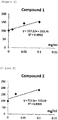
Figure 1 is a figure showing an HSP70 mRNA expression level by a proline-containing 3-alkyl diketopiperazine (Compound 1). -
Figure 2 is a figure showing a HSP70 mRNA expression level by a proline-containing 3-alkyl diketopiperazine (Compound 2). -
Figure 3 is a figure showing a HSP70 mRNA expression level by a proline-containing 3-alkyl diketopiperazine (Compound 3). -
Figure 4 shows the transition of activity level of rats in the light period after the phase advance. -
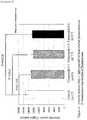
Figure 5 is a figure showing the activity level of rats onDay 1, light period (12 hours) after the phase advance. - The HSP expression-inducing agent according to the present invention comprises a proline-containing 3-alkyl diketopiperazine represented by general formula (I):

- The "lower alkyl" in the above formula (I) means a linear or branched alkyl group having 1-6 carbon atoms. Specific examples thereof include methyl, ethyl, propyl, isopropyl, butyl, isobutyl, sec-butyl, tert-butyl, pentyl, neopentyl, hexyl, isohexyl and the like. Preferred is a linear or branched alkyl group having 1-4 carbon atoms such as isopropyl.
- In the above formula (I), R is a lower alkyl, phenyl, or hydroxyphenyl, preferably isopropyl, phenyl, or hydroxyphenyl, particularly preferably isopropyl.
- Among the proline-containing 3-alkyl diketopiperazine of the above formula (I), particularly preferred are the following Compounds 1-3 (particularly, Compound 1).
- Name: (3S,8aS)-3-isobutylhexahydropyrrolo[1,2-a]pyrazine-1,4-dione
Abbreviated name: Cyclo(L-Leu-L-Pro)
- Name: (3S,8aS)-3-benzylhexahydropyrrolo[1,2-a]pyrazine-1,4-dione
Abbreviated name: Cyclo(L-Phe-L-Pro)
- Name: (3S,8aS)-3-(4-hydroxybenzyl)hexahydropyrrolo[1,2-a]pyrazine-1,4-dione
Abbreviated name: Cyclo(L-Tyr-L-Pro)
- Salts of the proline-containing 3-alkyl diketopiperazine include those acceptable in the field of pharmaceuticals or foods and beverages, for example, salts with inorganic bases, salts with organic bases, salts with basic amino acids, etc.
- Suitable examples of salts with inorganic bases include, for example, alkali metal salts such as sodium salt, potassium salt and the like; alkaline earth metal salts such as calcium salt, magnesium salt and the like; ammonium salt and the like.
- Suitable examples of salts with organic bases include, for example, salts with alkylamines (trimethylamine, triethylamine and the like), heterocyclic amines (pyridine, picoline and the like), alkanolamines (ethanolamine, diethanolamine, triethanolamine and the like), dicyclohexylamine, N,N'-dibenzylethylenediamine, or the like.
- Preferable examples of salts with basic amino acids include, for example, salts with arginine, lysine, ornithine, or the like.
- Among these salts, alkali metal salts or alkaline earth metal salts are preferable, and sodium salt is particularly preferable.
- The proline-containing 3-alkyl diketopiperazine or a salt thereof used in the present invention can be prepared according to a method known in the art, for example, a chemical synthesis method, an enzymatic method, a microorganism fermentation method, or the like. Specifically, the compound can be synthesized by subjecting a linear peptide to dehydration/cyclization reaction, for example, according to a method shown in
JP 2003-252896 A - In addition, the above-mentioned Compounds 1-3 are known compounds, and thus can be obtained, for example, from BACHEM.
- In the present invention, the above proline-containing 3-alkyl diketopiperazine or a salt thereof may be used alone or in combination of two or more kinds thereof, as an active ingredient. For example, one of the Compounds 1-3 may be used alone, or two or three of them may be used together.
- For instance, when two of the Compounds 1-3 are used, the usage ratio is not particularly limited. When two kinds of
Compounds Compound 2 = 10-0.5 : 3-0.1, preferably 6-1 : 2-0.5. When two kinds ofCompounds Compound 3 = 10-0.5 : 5-0.5, preferably 6-1 : 4-0.7. When two kinds ofCompounds Compound 3 = 3-0.1 : 5-0.5, preferably 0.5 : 4-0.7. - In addition, for instance, when all (three) kinds of the Compounds 1-3 are used, the usage ratio is not particularly limited, but include, for example, Compound 1 : Compound 2 :
Compound 3 = 10-0.5 : 3-0.1 : 5-0.5, preferably 6-1 : 2-0.5 : 4-0.7. - The proline-containing 3-alkyl diketopiperazine or a salt thereof has an excellent HSP expression-inducing activity. Therefore, the HSP expression-inducing agent of the present invention is effective in preventing or ameliorating various diseases and symptoms caused by abnormality of the higher-order structure of proteins or various diseases and symptoms related to HSPs.
- In the present invention, HSPs of which the expression is induced include any of HSP20 family proteins such as HSP20, HSP27, and HSP28; HSP40 family proteins such as HSP40 and HSP47; HSP70 family proteins such as HSP70, HSP72, and HSP73; HSP90 family proteins such as HSP90a and HSP90b. Preferred are HSP70 family proteins, and more preferred is HSP70.
- In the present invention, the induction of expression of HSPs includes expression in vivo and in vitro, preferably expression in vivo. The in vivo site where the expression of HSP is induced is preferably within the brain.
- The proline-containing 3-alkyl diketopiperazine or a salt thereof shows an excellent sleep improving activity, anti-stress activity, autonomic nerve-adjusting activity, and the like, on the basis of its HSP expression-inducing activity.
- Therefore, the present invention provides a sleep improving agent, anti-stress agent, autonomic nerve-adjusting agent, and the like, comprising the proline-containing 3-alkyl diketopiperazine or a salt thereof as an active ingredient.
- The "sleep improving" in the present invention means that improved effects on one or more followings: sleep quality, sleep-awakening rhythm, deep sleep feeling, feeling when waking up, feeling tired when getting up, sleepiness during the day, work efficiency, gloomy feeling resulting from unsatisfactory sleep, and the like are observed.
- The "improving the quality of sleep" means to obtain a good quality of sleep is obtained by shortening the sleeping latency, decreasing the number and time of arousal during sleep, and smoothing the transition to slow-wave sleep which is regard as deep sleep after sleep onset to increase sleep time.
- The "improving sleep-awakening rhythm" means to improve the shift of sleep-awakening rhythm or to adjust sleeping/waking up rhythm. The shift of sleep-awakening rhythm also includes social jet lag where social time and biological clock do not match. The social jet lag is caused by a night-time light environment and a big change of working environment, etc., that is, it means that bedtime/wakeup rhythm shifts on weekdays with social restrictions such as work and on holidays without restrictions, or the circadian rhythm of the living body collapses due to irregular sleep cycles and the like.
- By improving sleep quality and/or sleep-awakening rhythm, deep sleep feeling that you can sleep soundly and a refresh feeling when waking up can be obtained. Furthermore, the work efficiency rises without feeling sleepiness during the day or feeling tired when getting up. Also, it is possible to reduce sleeping feeling caused by not getting a good quality sleep or shifting a sleeping/waking up rhythm.
- The improvement effect means improvement of symptoms or conditions, prevention or delay of deterioration of symptoms or conditions, or reversal, prevention or delay of the progress of symptoms.
- The "anti-stress activity" in the present invention means an activity capable of preventing fatigue caused by stress in a mammal, particularly human, or preventing fatigue due to stress in the brain. Here, fatigue is a phenomenon in which physical and mental performance temporarily declines, when a physical or mental load is given consecutively. The decline of performance is a qualitative or quantitative decline in physical and mental abilities.
- The "autonomic nerve-adjusting activity" in the present invention means to improve a disturbance in the balance of sympathetic and parasympathetic balance (autonomic nervous balance) caused by excessive stress burden, decreased level of autonomic nervous activity, and the like. For example, since the function of the gastrointestinal tract is mainly dominated by the parasympathetic sensory nerve, if the sympathetic tension is maintained by a stress load, the action of the gastrointestinal tract is suppressed, thereby causing gastrointestinal disorders such as anorexia and constipation. In addition, it is considered that insomnia is caused when the parasympathetic nerve does not function well due to a stress load and the activity of the sympathetic nerve is continued to accelerate. While there is a close relationship between stress and autonomic nervousness as described above, there is also autonomic nervous disorder not due to stress load. Stress load does not necessarily cause autonomic nervous disorders, but may induce other physical symptoms.
- In the present invention, the proline-containing 3-alkyl diketopiperazine or a salt thereof can be used as it is as a HSP expression-inducing agent, sleep improving agent, anti-stress agent, autonomic nerve-adjusting agent, or the like (hereinafter referred to as "HSP expression-inducing agent or the like"). Also, it can be used in combination with carriers that can be added to pharmaceuticals or quasi-drugs, or food additives, to the extent that they do not affect the intended function or effect.
- In the present invention, the proline-containing 3-alkyl diketopiperazine or a salt thereof can be added to various pharmaceuticals, quasi-drugs, foods and beverages as a HSP expression-inducing agent, and thus used in the form of pharmaceutical compositions, quasi-drug compositions, food and beverage compositions and the like.
- The pharmaceuticals, quasi-drugs, foods and beverages are not particularly limited as long as they are usually used, and examples thereof include tablets, granules, capsules, powders, chewable tablets, confectioneries (cookies, biscuits, chocolate confectionery, chips, cake, gum, candy, gummi, sweet buns, sweet jellied adzuki-bean paste, pudding, jelly, yogurt, ice cream, sherbet and the like), breads, noodles, rice, cereal foods, beverages (liquid, soft drinks, carbonated drinks, nutritional drinks, powdered drinks, fruit drinks, milk drinks, jelly drinks and the like), soups (powder soups, freeze-dried soups), miso soups (powder miso soups, freeze-dried miso soups) and the like.
- In addition, foods and beverages include foods with function claims, foods for specified health uses, health food, nutritional supplements (supplements), foods for medical use and the like.
- The subjects to be applied by the HSP expression-inducing agent or the like in the present invention are not particularly limited, but include, for example, subjects who have subjective dissatisfaction with sleeping feeling such as shallow asleep, insufficient sleep feeling when getting up, poor sleep, insufficient deep sleep feeling (cannot sleep deeply), bad dreaming, unrecovered fatigue, and the like; subjects who have no subjective complaints about sleeping feeling, but want to improve sleep quality because they are feeling fatigue; subjects who feels disorder of autonomic nerve; and subjects who are stressed in everyday life; and the like. Also, subjects with no particular problem can take up the agent daily for the purpose of maintaining good sleep, preventing sleep disorders, improving sleep quality, autonomic nerve-adjusting activity, anti-stress activity and the like.
- The subjects to which the present invention applies are especially humans. The present invention is also applicable to mammals other than humans (e.g., mouse, rat, hamster, monkey, cow, horse, pig, sheep, goat, dog, cat, guinea pig, rabbit and the like).
- In the HSP expression-inducing agent or the like of the present invention, the daily dose (intake) of the proline-containing 3-alkyl diketopiperazine or a salt thereof is not particularly limited and it may be set as appropriate according to the purpose of administration (target disease and symptom), administration form, sex, weight and age of subject, etc., but is usually 0.1 µg - 1.7 g as a proline-containing 3-alkyl diketopiperazine in the case of a human adult, preferably 1 µg - 1.5 g, and more preferably 5 µg - 1.3 g.
- In the case of a human adult, the daily dose of
Compound 1 is usually 0.5 µg - 500 mg, preferably 1 µg - 450 mg, more preferably 10 µg - 400 mg. - In the case of a human adult, the daily dose of
Compound 2 is usually 0.1 µg - 400 mg, preferably 2 µg - 350 mg, more preferably 5 µg - 300 mg. - In the case of a human adult, the daily dose of
Compound 3 is usually 0.1 µg - 800 mg, preferably 2 µg - 700 mg, more preferably 5 µg - 600 mg. - The timing of administration of the HSP expression-inducing agent or the like of the present invention is not particularly limited, but it is preferably administered (consumed) once a day before going to bed.
- In addition, the present invention provides the proline-containing 3-alkyl diketopiperazine or a salt thereof for use as a HSP expression-inducing agent, sleep improving agent, anti-stress agent, autonomic nerve-adjusting agent, or the like.
- Also, the present invention provides use of the proline-containing 3-alkyl diketopiperazine or a salt thereof for the preparation of a HSP expression-inducing agent, sleep improving agent, anti-stress agent, autonomic nerve-adjusting agent, or the like.
- Furthermore, the present invention provides a method for inducing HSP expression, improving sleep, anti-stressing, adjusting autonomic nerve, or the like, which comprises administrating the proline-containing 3-alkyl diketopiperazine or a salt thereof to a subject.
- In these embodiments, the definitions of the terms, the proline-containing 3-alkyl diketopiperazine or a salt thereof, the form of use, the subject, the dosage, the timing of administration, the blending amount in each agent, etc. are the same as described above.
- Hereinafter, the present invention will be described in more detail with reference to representative examples, but the present invention is not limited to the following examples. Unless otherwise specified, "%" means "wt%".
- The HSP70 expression-inducing activity by Compounds 1-3 was evaluated by measuring a HSP70 mRNA expression level.
- Human promyelocytic leukemia cells (HL-60 cells) was suspended in RPMI 1640 medium supplemented with 10% fetal bovine serum, and was transferred into a 1.5 mL tube (45,000 cells/0.9 mL). To the tube was added 0.1 mL of each sample that had been prepared in a 1% DMSO solution and the tube was allowed to stand at 37°C for 4 hours. To a control was added 0.1 mL of 1%DMSO solution. After cultured for 4 hours, the cells was centrifuged by a small refrigerated centrifuge (1,000
g x 5 minutes) to precipitate the HL-60 cells. After removal of the supernatant, the cells were lysed in 0.25 mL Trizol (manufactured by Thermo Fisher Scientific) and then total RNA was extracted according to the protocol. The RNA was dissolved in RNase-free water, and the concentration of the RNA (wave length 260 nm) was measured by using a microvolume spectrophotometer NanoDrop2000/2000c (manufactured by Thermo Fisher Scientific). The RNA solution was diluted with RNase-free water so as to have a concentration of 50 ng/mL, and then cDNA was synthesized by using ReverTra Ace(R) qPCR RT Kit (manufactured by TOYOBO). The reaction liquid (10 µl) after the reverse transcription was diluted with RNase-free water so as to be 100 µL, and then used as a template for PCR.Beta 2 microglobulin gene was used as an internal control gene for correction of the HSP70 gene expression. The primer sequences of genes used for the PCR reaction are as follows. - HSP70 forward primer: GCATTTCCTAGTATTTCTGTTTGT (SEQ ID NO: 1)
- HSP70 reverse primer: AATAGTCGTAAGATGGCAGTATA (SEQ ID NO: 2)
-
Beta 2 microblobulin forward primer: TAGCTGTGCTCGCGCTACT (SEQ ID NO: 3) -
Beta 2 microblobulin reverse primer: AGTGGGGGTGAATTCAGTGT (SEQ ID NO: 4) - The expression was analyzed by using CFX Connect Real-Time PCR Detection System (manufactured by Bio-rad). 10 µL of the PCR reaction liquid was incubated at 95°C for 3 minutes (initial denaturation), followed by repetition of 55 cycles comprising denaturation at 95°C for 10 seconds, and annealing and extension at 57.8°C for 30 seconds. Finally, the melting curve was measured every 0.2°C in the range from 65°C to 95°C. Expression levels of HSP70 gene and internal standard gene were analyzed using Bio-Rad CFX Manager 3.1.
- The abilities of inducing HSP70 mRNA expression of
Compounds Figures 1-3 by percentages for the control, respectively. From these results, it was revealed that each sample enhanced mRNA expression of HSP70 gene as compared with the control. In addition, concentration dependence of each active ingredient on HSP70 mRNA expression inducing ability was investigated. As a result, the concentrations at which HSP70 mRNA expression inducing ability was increased up to 150% relative to the control were 0.083 mg/ml forCompound 1, 0.045 mg/ml forCompound 2, and 0.101 mg/ml forCompound 3. - Firstly, 7-week old male Wistar rats were implanted intraperitoneally with a small activity meter (NanoTag (R), Kissei Comtech Co., Ltd.). Subsequently, after a week of recovery period, the rats were divided into four groups (Control group, Compound A-1 group, Compound A-2 group, and Compound A-3 group; n = 17 each) shown in Table 1 by stratified randomization assignment using body weight as an index, and test diets were dietary administered to them. At the 15th day from the start of dietary administration, the light/dark cycle was advanced by 8 hours, and after that, dietary administration of test diets was continued for 2 weeks. The light/dark cycle of the breeding environment excluding the phase advance date was set to 12 hours cycle, and the illuminance of the light period was set to be approximately 200 lx (185-230 lx). In this model of mild sleep disorder with the phase advance, the influence of test feed administration on the light period activity level after the phase advance was examined.
- The test was carried out by a two-sided test, the significance level of the test was set to 5%, and the trend difference was 10% on both sides. For the analysis, SAS software release 9.3 (manufactured by SAS Institute Japan Ltd.) was used.
[Table 1] Group (n=17) Test diet Control MF Compound A-1 MF containing 0.0005% of Compound A (Equivalent to 0.62 mg/kg BW/day) Compound A-2 MF containing 0.005% of Compound A (Equivalent to 6.25 mg/kg BW/day) Compound A-3 MF containing 0.05% of Compound A (Equivalent to 62.46 mg/kg BW/day) MF: powder feed for raising mice and rats (MF) (manufactured by Oriental Yeast Co., Ltd.).
Compound A: (3S,8aS)-3-isobutylhexahydropyrrolo[1,2-a]pyrazine-1,4-dione (Compound 1 as above)
BW: Body Weight -
Figure 4 shows the transition of the light period activity of rats after the phase advance. The horizontal axis represents the number of days elapsed since phase advance, the vertical axis represents the activity level in the light period (12 hours), and the activity level shows the mean value ± standard error. Forpre 3 days, the mean value of the light period activity level during the 3-day pre-administration period was shown. - From the shape of the graphs, it is shown that the activity level rises after the phase advance, and returns to the activity level before the phase advance with the passage of days.
- As shown in
Figure 4 , there was a particularly noticeable rise in the activity level in the light period onDay 1 andDay 2. In order to confirm the effect of Compound A on the activity level ofDay 1 andDay 2 during the light period, Dunnett test with mixed model for repeated measures method was carried out. The Compound A-3 group showed a tendency to suppress the activity level in compared with the Control group (P = 0.0978). Compound A-2 group significantly inhibited the activity level in compared with the Control group (P = 0.0481). From these facts, it was suggested that Compound A suppresses sleep disturbance by phase advance during the light period fromDay 1 toDay 2. -
Figure 5 shows the activity level of rats onDay 1, light period (12 hours) after the phase advance. The horizontal axis represents each group, the vertical axis represents the activity level in the light period (12 hours), and the activity level was the average value ± standard error. - A group comparison was done by Dunnett test. As a result, the Compound A-3 group tended to suppress the activity level in compared with the Control group (P = 0.0536), and the Compound A-2 group significantly suppressed the activity level in compared with the Control group (P = 0.016). From these facts, it was suggested that Compound A suppresses deterioration of sleep due to phase advance in the light period (12 hours) on
Day 1. - As described above, both
Figures 4 and5 show significant difference after the phase advance in the early light period where the activity level is most likely to be disturbed. Therefore, it was suggested that Compound A improves sleep quality. - An electrode for EEG is implanted in the brain of an 8-week-old male Wistar rat, and a recovery period is set for 1 week after surgery. After that, habituation to brush stimulation (sleep deprivation stimulus) is performed for 2-3 days. On test days, while monitoring EEG data, if non-REM sleep is detected, the rat is stimulated with a brush to prevent non-REM sleep. The effect of test drug on the influence of prevention of Non-REM sleep is examined.
- Male C3H-HeN mice aged 8 to 15 weeks old are subjected to stress by changing breeding on paper flooring in a cage with a rotating basket to that in 1.5 cm water-immersed state at room temperature on
Day 1 of the test. In this state, the mice become to live on a rotating basket in order to avoid water immersion. The sleep/wakefulness of mice are evaluated by monitoring the activity status of the mice with the movement of the rotating basket. If evaluated after 7 days as a load, the evaluation in EEG and the evaluation by activity level will be similar. - Male Wistar rats aged 10 to 12 weeks old are raised for 1 to 7 days after the change of the light/dark cycle of 12-hour dark period/12-hour light period to the light/dark cycle of 4-hour dark period/12-hour light period. For these animals, it is possible to assess the body temperature rhythm by installing a telemetry type thermometer in the abdominal cavity in advance. It is also possible to detect the modulation of body temperature rhythm and to assess the influence on plasma cortisol concentration and hippocampal BNDF protein mass, caused by changing the light/dark cycle.
- The base sequence represented by SEQ ID NO: 1 is a base sequence of HSP70 forward primer.
- The base sequence represented by SEQ ID NO: 2 is a base sequence of HSP70 reverse primer.
- The base sequence represented by SEQ ID NO: 3 is a base sequence of
beta 2 microglobulin forward primer. - The base sequence represented by SEQ ID NO: 4 is a base sequence of
beta 2 microglobulin reverse primer.

Claims (16)
- A heat shock protein expression-inducing agent comprising a compound represented by formula (I):

- The heat shock protein expression-inducing agent according to claim 1, wherein R is isopropyl, phenyl, or hydroxyphenyl.
- The heat shock protein expression-inducing agent according to claim 1, wherein R is isopropyl.
- The heat shock protein expression-inducing agent according to any of claims 1-3, which is in the form of a pharmaceutical composition, quasi-drug composition or food and beverage composition.
- A sleep improving agent comprising a compound represented by formula (I):

- The sleep improving agent according to claim 5, wherein R is isopropyl, phenyl, or hydroxyphenyl.
- The sleep improving agent according to claim 5, wherein R is isopropyl.
- The sleep improving agent according to any of claims 5-7, which is in the form of a pharmaceutical composition, quasi-drug composition or food and beverage composition.
- An autonomic nerve-adjusting agent comprising a compound represented by formula (I):

- The autonomic nerve-adjusting agent according to claim 9, wherein R is isopropyl, phenyl, or hydroxyphenyl.
- The autonomic nerve-adjusting agent according to claim 9, wherein R is isopropyl.
- The autonomic nerve-adjusting agent according to any of claim 9-11, which is in the form of a pharmaceutical composition, quasi-drug composition or food and beverage composition.
- An anti-stress agent comprising a compound represented by formula (I):

- The anti-stress agent according to claim 13, wherein R is isopropyl, phenyl, or hydroxyphenyl.
- The anti-stress agent according to claim 13, wherein R is isopropyl.
- The anti-stress agent according to any of claims 13-15, which is in the form of a pharmaceutical composition, quasi-drug composition or food and beverage composition.
Applications Claiming Priority (2)
| Application Number | Priority Date | Filing Date | Title |
|---|---|---|---|
| JP2016105477 | 2016-05-26 | ||
| PCT/JP2017/019644 WO2017204321A1 (en) | 2016-05-26 | 2017-05-26 | Sleep improving agent |
Publications (2)
| Publication Number | Publication Date |
|---|---|
| EP3466427A1 true EP3466427A1 (en) | 2019-04-10 |
| EP3466427A4 EP3466427A4 (en) | 2020-02-05 |
Family
ID=60412712
Family Applications (1)
| Application Number | Title | Priority Date | Filing Date |
|---|---|---|---|
| EP17802907.0A Pending EP3466427A4 (en) | 2016-05-26 | 2017-05-26 | SLEEP ENHANCEMENT AGENT |
Country Status (8)
| Country | Link |
|---|---|
| US (4) | US20190201395A1 (en) |
| EP (1) | EP3466427A4 (en) |
| JP (3) | JP7381000B2 (en) |
| KR (3) | KR20240155382A (en) |
| CN (2) | CN120168475A (en) |
| SG (2) | SG10201912843YA (en) |
| TW (1) | TWI733817B (en) |
| WO (1) | WO2017204321A1 (en) |
Families Citing this family (3)
| Publication number | Priority date | Publication date | Assignee | Title |
|---|---|---|---|---|
| US20190201395A1 (en) | 2016-05-26 | 2019-07-04 | Amino Up Chemical Co., Ltd. | Sleep improving agent |
| JP7020797B2 (en) * | 2017-04-25 | 2022-02-16 | キリンホールディングス株式会社 | Composition for autonomic nervous regulation |
| KR102308505B1 (en) * | 2021-02-09 | 2021-10-01 | 서울대학교산학협력단 | COMPOSITION FOR TREATMENT OF SARCOPENIA OR OSTEOPOROSIS THROUGH THE MECHANISM OF PROMOTING MYOBLAST DIFFERENTIATION OR INHIBITING THE DIFFERENTIATION OF OSTEOCLAST COMPRISING Cyclo (L-phenylalanyl-L-proline) |
Family Cites Families (16)
| Publication number | Priority date | Publication date | Assignee | Title |
|---|---|---|---|---|
| US7202279B1 (en) | 1998-02-11 | 2007-04-10 | Georgetown University | Cyclic dipeptides and azetidinone compounds and their use in treating CNS injury and neurodegenerative disorders |
| ATE390133T1 (en) * | 2000-06-26 | 2008-04-15 | Warner Lambert Co | GABAPENTINE ANALOGUES FOR SLEEP DISORDERS |
| JP2003252896A (en) | 2002-02-26 | 2003-09-10 | Toyohashi University Of Technology | Method for synthesizing cyclic peptides using high-temperature high-pressure water |
| WO2003104441A2 (en) * | 2002-06-10 | 2003-12-18 | Ramot At Tel Aviv University Ltd. | Novel bacterial strain, compositions derived therefrom and methods of using same for treating beta-ap-associated deseases |
| SI1664050T1 (en) * | 2003-09-03 | 2016-04-29 | Neuren Pharmaceuticals Limited | Neuroprotective bicyclic compounds and pharmaceutical compositions containing them |
| US20100286415A1 (en) * | 2007-05-29 | 2010-11-11 | Osaka Bioscience Institute | Sleep-improving agent |
| PH12012501300B1 (en) | 2009-12-25 | 2017-09-27 | Suntory Beverage & Food Asia Pte Ltd | Learning motivation improvers |
| WO2012043808A1 (en) | 2010-10-01 | 2012-04-05 | 大塚製薬株式会社 | Heat shock protein expression inducer |
| JP2013071902A (en) * | 2011-09-27 | 2013-04-22 | Ltt Bio-Pharma Co Ltd | Heat shock protein expression inducer |
| WO2013049174A1 (en) * | 2011-09-29 | 2013-04-04 | Abbvie Inc. | Substituted octahydropyrrolo[1,2-a]pyrazine sulfonamides as calcium channel blockers |
| JP5877063B2 (en) * | 2011-12-28 | 2016-03-02 | 花王株式会社 | Coffee extract |
| JP6574769B2 (en) * | 2013-07-25 | 2019-09-11 | ニューレン ファーマシューティカルズ リミテッド | Bicyclic compounds and their use in the treatment of autism spectrum disorders and neurodevelopmental disorders |
| AU2014386720B2 (en) | 2014-06-20 | 2016-07-21 | Suntory Holdings Limited | Uric acid-lowering agent |
| DE102014117246B4 (en) | 2014-11-25 | 2018-11-15 | Heraeus Deutschland GmbH & Co. KG | Method for producing a substrate adapter, substrate adapter and method for contacting a semiconductor element |
| KR102019472B1 (en) * | 2015-10-05 | 2019-09-06 | 주식회사 엘지화학 | Battery module and battery pack including the same |
| US20190201395A1 (en) | 2016-05-26 | 2019-07-04 | Amino Up Chemical Co., Ltd. | Sleep improving agent |
-
2017
- 2017-05-26 US US16/303,960 patent/US20190201395A1/en not_active Abandoned
- 2017-05-26 CN CN202510221502.5A patent/CN120168475A/en active Pending
- 2017-05-26 KR KR1020247034925A patent/KR20240155382A/en active Pending
- 2017-05-26 SG SG10201912843YA patent/SG10201912843YA/en unknown
- 2017-05-26 CN CN201780045763.XA patent/CN109562110A/en active Pending
- 2017-05-26 KR KR1020187037428A patent/KR102514031B1/en active Active
- 2017-05-26 EP EP17802907.0A patent/EP3466427A4/en active Pending
- 2017-05-26 TW TW106117642A patent/TWI733817B/en active
- 2017-05-26 KR KR1020237009737A patent/KR20230047198A/en not_active Ceased
- 2017-05-26 JP JP2018519623A patent/JP7381000B2/en active Active
- 2017-05-26 WO PCT/JP2017/019644 patent/WO2017204321A1/en not_active Ceased
- 2017-05-26 SG SG11201811368SA patent/SG11201811368SA/en unknown
-
2020
- 2020-04-03 US US16/839,889 patent/US11478473B2/en active Active
-
2022
- 2022-03-07 JP JP2022034084A patent/JP2022078217A/en active Pending
- 2022-09-09 US US17/941,627 patent/US12186312B2/en active Active
-
2024
- 2024-08-13 JP JP2024134789A patent/JP2024161450A/en active Pending
- 2024-11-21 US US18/955,623 patent/US20250082631A1/en active Pending
Also Published As
| Publication number | Publication date |
|---|---|
| SG10201912843YA (en) | 2020-02-27 |
| CN109562110A (en) | 2019-04-02 |
| WO2017204321A1 (en) | 2017-11-30 |
| US20200246335A1 (en) | 2020-08-06 |
| JPWO2017204321A1 (en) | 2019-04-04 |
| KR20190028663A (en) | 2019-03-19 |
| US20230017155A1 (en) | 2023-01-19 |
| TWI733817B (en) | 2021-07-21 |
| EP3466427A4 (en) | 2020-02-05 |
| JP7381000B2 (en) | 2023-11-15 |
| CN120168475A (en) | 2025-06-20 |
| KR102514031B1 (en) | 2023-03-27 |
| US11478473B2 (en) | 2022-10-25 |
| TW201808292A (en) | 2018-03-16 |
| KR20230047198A (en) | 2023-04-06 |
| JP2024161450A (en) | 2024-11-19 |
| US12186312B2 (en) | 2025-01-07 |
| JP2022078217A (en) | 2022-05-24 |
| SG11201811368SA (en) | 2019-01-30 |
| KR20240155382A (en) | 2024-10-28 |
| US20190201395A1 (en) | 2019-07-04 |
| US20250082631A1 (en) | 2025-03-13 |
Similar Documents
| Publication | Publication Date | Title |
|---|---|---|
| US20250082631A1 (en) | Sleep improving agent | |
| KR20200015897A (en) | Formulations to Extend Life and Health Life | |
| CN114126599A (en) | Methods and compositions for altering senescence-associated secretory phenotypes | |
| JP2022538265A (en) | Compositions and methods using trigonelline and high protein for preventing or treating conditions or disorders in skeletal muscle | |
| JP6047135B2 (en) | Circadian rhythm improving agent | |
| JP2018516934A (en) | Compositions and methods of use of β-hydroxy-β-methylbutyrate (HMB) for reducing fat mass | |
| HK40001602A (en) | Sleep improving agent | |
| WO2005123058A1 (en) | Antiaging agent | |
| US12396983B2 (en) | Composition comprising rilmenidine compound as active ingredient for treatment of fragile X syndrome or related developmental disability | |
| JP2016204281A (en) | Circadian rhythm improving agent | |
| US20230024384A1 (en) | Composition comprising lisuride compound for treating fragile x syndrome or related developmental disorders | |
| WO2022145439A1 (en) | Muscular atrophy inhibitor and method for inhibiting muscular atrophy | |
| US20250313905A1 (en) | Methods and compositions for improved psychological and resilience measures | |
| JP6374682B2 (en) | Muscle atrophy inhibitor | |
| JP2015101583A (en) | Hair growth / hair growth promoter | |
| JP7142014B2 (en) | Method for improving bioavailability of glucosamines | |
| WO2025033432A1 (en) | Adjustment of circadian rhythm | |
| WO2022039190A1 (en) | Sirtuin activator, and method for activating sirtuin | |
| HK40089668A (en) | Composition containing sesamin or like and nr and/or nmn | |
| JP2008255087A (en) | Spontaneous movement promoter | |
| JP2019043912A (en) | Circadian rhythm regulator | |
| JP2015214516A (en) | Vitality and/or concentration improver | |
| HK1242594B (en) | Composition for improving circadian rhythm | |
| JP2009102226A (en) | Spinal cord injury treatment |
Legal Events
| Date | Code | Title | Description |
|---|---|---|---|
| STAA | Information on the status of an ep patent application or granted ep patent |
Free format text: STATUS: THE INTERNATIONAL PUBLICATION HAS BEEN MADE |
|
| PUAI | Public reference made under article 153(3) epc to a published international application that has entered the european phase |
Free format text: ORIGINAL CODE: 0009012 |
|
| STAA | Information on the status of an ep patent application or granted ep patent |
Free format text: STATUS: REQUEST FOR EXAMINATION WAS MADE |
|
| 17P | Request for examination filed |
Effective date: 20181213 |
|
| AK | Designated contracting states |
Kind code of ref document: A1 Designated state(s): AL AT BE BG CH CY CZ DE DK EE ES FI FR GB GR HR HU IE IS IT LI LT LU LV MC MK MT NL NO PL PT RO RS SE SI SK SM TR |
|
| AX | Request for extension of the european patent |
Extension state: BA ME |
|
| DAV | Request for validation of the european patent (deleted) | ||
| A4 | Supplementary search report drawn up and despatched |
Effective date: 20200109 |
|
| RIC1 | Information provided on ipc code assigned before grant |
Ipc: A61P 43/00 20060101ALI20200102BHEP Ipc: A61P 25/20 20060101ALI20200102BHEP Ipc: A61P 25/22 20060101ALI20200102BHEP Ipc: A61P 25/00 20060101ALI20200102BHEP Ipc: A61P 25/18 20060101ALI20200102BHEP Ipc: A61K 31/4985 20060101AFI20200102BHEP |
|
| REG | Reference to a national code |
Ref country code: HK Ref legal event code: DE Ref document number: 40001602 Country of ref document: HK |
|
| STAA | Information on the status of an ep patent application or granted ep patent |
Free format text: STATUS: EXAMINATION IS IN PROGRESS |
|
| 17Q | First examination report despatched |
Effective date: 20220303 |
|
| GRAP | Despatch of communication of intention to grant a patent |
Free format text: ORIGINAL CODE: EPIDOSNIGR1 |
|
| STAA | Information on the status of an ep patent application or granted ep patent |
Free format text: STATUS: GRANT OF PATENT IS INTENDED |
|
| INTG | Intention to grant announced |
Effective date: 20250716 |
|
| GRAJ | Information related to disapproval of communication of intention to grant by the applicant or resumption of examination proceedings by the epo deleted |
Free format text: ORIGINAL CODE: EPIDOSDIGR1 |
|
| STAA | Information on the status of an ep patent application or granted ep patent |
Free format text: STATUS: EXAMINATION IS IN PROGRESS |
|
| GRAP | Despatch of communication of intention to grant a patent |
Free format text: ORIGINAL CODE: EPIDOSNIGR1 |
|
| STAA | Information on the status of an ep patent application or granted ep patent |
Free format text: STATUS: GRANT OF PATENT IS INTENDED |
|
| INTC | Intention to grant announced (deleted) | ||
| INTG | Intention to grant announced |
Effective date: 20260205 |