EP3443984A1 - Pharmazeutische zusammensetzung zur verringerung der symptome und des schweregrades einer atemwegsinfektion durch humanes metapneumovirus (hmpv) mit mindestens einem die funktion des tslp- und/oder tslpr- und/oder ox40l- und/oder cd177-moleküls neutralisierenden wirkstoff und pharmazeutisch akzeptabler hilfsstoff sowie verwendung davon - Google Patents
Pharmazeutische zusammensetzung zur verringerung der symptome und des schweregrades einer atemwegsinfektion durch humanes metapneumovirus (hmpv) mit mindestens einem die funktion des tslp- und/oder tslpr- und/oder ox40l- und/oder cd177-moleküls neutralisierenden wirkstoff und pharmazeutisch akzeptabler hilfsstoff sowie verwendung davon Download PDFInfo
- Publication number
- EP3443984A1 EP3443984A1 EP16898537.2A EP16898537A EP3443984A1 EP 3443984 A1 EP3443984 A1 EP 3443984A1 EP 16898537 A EP16898537 A EP 16898537A EP 3443984 A1 EP3443984 A1 EP 3443984A1
- Authority
- EP
- European Patent Office
- Prior art keywords
- hmpv
- tslp
- ox40l
- tslpr
- symptoms
- Prior art date
- Legal status (The legal status is an assumption and is not a legal conclusion. Google has not performed a legal analysis and makes no representation as to the accuracy of the status listed.)
- Withdrawn
Links
Images





Classifications
-
- A—HUMAN NECESSITIES
- A61—MEDICAL OR VETERINARY SCIENCE; HYGIENE
- A61K—PREPARATIONS FOR MEDICAL, DENTAL OR TOILETRY PURPOSES
- A61K38/00—Medicinal preparations containing peptides
- A61K38/16—Peptides having more than 20 amino acids; Gastrins; Somatostatins; Melanotropins; Derivatives thereof
- A61K38/17—Peptides having more than 20 amino acids; Gastrins; Somatostatins; Melanotropins; Derivatives thereof from animals; from humans
- A61K38/177—Receptors; Cell surface antigens; Cell surface determinants
- A61K38/1774—Immunoglobulin superfamily (e.g. CD2, CD4, CD8, ICAM molecules, B7 molecules, Fc-receptors, MHC-molecules)
-
- A—HUMAN NECESSITIES
- A61—MEDICAL OR VETERINARY SCIENCE; HYGIENE
- A61K—PREPARATIONS FOR MEDICAL, DENTAL OR TOILETRY PURPOSES
- A61K39/00—Medicinal preparations containing antigens or antibodies
- A61K39/395—Antibodies; Immunoglobulins; Immune serum, e.g. antilymphocytic serum
-
- A—HUMAN NECESSITIES
- A61—MEDICAL OR VETERINARY SCIENCE; HYGIENE
- A61P—SPECIFIC THERAPEUTIC ACTIVITY OF CHEMICAL COMPOUNDS OR MEDICINAL PREPARATIONS
- A61P31/00—Antiinfectives, i.e. antibiotics, antiseptics, chemotherapeutics
- A61P31/12—Antivirals
- A61P31/14—Antivirals for RNA viruses
-
- C—CHEMISTRY; METALLURGY
- C07—ORGANIC CHEMISTRY
- C07K—PEPTIDES
- C07K16/00—Immunoglobulins [IG], e.g. monoclonal or polyclonal antibodies
-
- C—CHEMISTRY; METALLURGY
- C07—ORGANIC CHEMISTRY
- C07K—PEPTIDES
- C07K16/00—Immunoglobulins [IG], e.g. monoclonal or polyclonal antibodies
- C07K16/18—Immunoglobulins [IG], e.g. monoclonal or polyclonal antibodies against material from animals or humans
- C07K16/28—Immunoglobulins [IG], e.g. monoclonal or polyclonal antibodies against material from animals or humans against receptors, cell surface antigens or cell surface determinants
Definitions
- the present invention relates to a pharmaceutical composition and therapeutic treatment for ameliorating the symptoms and disease of the respiratory infection caused by human Metapneumovirus (hMPV), which comprises antagonists against thymic stromal lymphopoietin (TSLP), against TSLP receptor (TSLPR), OX40 molecule ligand (OX40L) and CD177 molecule (also called HNA-2a, NB1, or PRV-1) expressed inhuman neutrophils (which is homologous to the Lymphocyte Antigen 6 complex or Ly-6G, which is expressed in murine neutrophils) to be used as a treatment for reducing the symptoms and disease of patients infected with human Metapneumovirus.
- TSLP thymic stromal lymphopoietin
- TSLPR TSLP receptor
- OX40L OX40 molecule ligand
- CD177 molecule also called HNA-2a, NB1, or PRV-1 expressed inhuman neutrophils (which is homologous to the Lymphocyte Antigen
- hMPV Human Metapneumovirus
- hMPV Human Metapneumovirus
- This virus infection is associated to a wide range of pathologies, among which bronchiolitis and pneumonia correspond to conditions that have a greater socio-economic impact.
- hMPV infection has been associated with gastroenteritis and keratoconjunctivitis. For example, Calvo et al.
- hMPV and hRSV virus are grouped within the Metapneumovirus and Pneumovirus genus, respectively; hMPV virus is classified in the same family and subfamily in which hRSV is classified, Paramyxoviridae and Pneumovirinae, respectively.
- hMPV genome comprises a non-segmented, single-stranded, negative-sense ribonucleic acid (ssRNA), so that the viral proteins are arranged in a 3' to 5' direction (according to their sequence) as follows: N, P, M, F, M2 (ORF1 and ORF2), SH, G and L.
- Nucleocapsid protein N and matrix protein M together with the transmembrane glycoproteins F, G and SH are responsible for packaging the genetic material and defining the viral particle structure.
- the other four proteins, M2-1, M2-2, P and L, are involved in viral replication and transcription.
- There is currently no vaccine or antiviral treatment available for hMPV although some candidate vaccines have been developed that could prevent this infection in the future.
- HMPV mainly infects airway epithelial cells (AECs) and rapidly induces the destruction of the lung architecture, characterized by an increased thickening of myofibroblasts adjacent to the airways epithelium.
- AECs airway epithelial cells
- the infection continues with detachment of epithelial cells, loss of cell cilia and acute lung inflammation, characterized by abundant perivascular cells infiltrate, moderate peribronchiolar and bronchial cell infiltrates, alveolitis, and mucus production, this condition can lead to patient hospitalization and even, in more extreme cases, to death, especially in the elderly. So it is extremely urgent to have an effective treatment to reduce the destructive inflammatory effects and disease in the lung resulting from an hMPV infection.
- hMPV infections The only treatment that currently exists for hMPV infections is support treatment and includes supplemental oxygen and hydration, as required. Generally, treatments with corticosteroids and bronchodilators are not useful and are not recommended. Antibiotics are only prescribed to patients with fever, pneumonia, evidenced by chest x-ray examination and clinically suspected of having a bacterial co-infection. At present, there is no antiviral or antibody treatment for effectively ameliorating the symptoms caused by an hMPV infection. In view of this problem, there is a need to provide an alternative for effectively ameliorate the symptoms caused by an hMPV infection, in order to reduce both inflammation and viral replication in the lung of the murine model.
- the present invention provides neutralizing agents such as humanized anti-TSLP, anti-TSLPR (TSLP receptor), anti-OX40L and anti-CD177 neutralizing monoclonal antibodies, as well as any molecule or artifact that neutralizes the function or biological action of said molecules in humans for reducing the symptoms and disease of hMPV-infected patients. Therefore, clinical professionals could to treat early, adequately and efficiently the symptoms and respiratory disease in hMPV-infected patients while preventing more severe complications.
- neutralizing agents such as humanized anti-TSLP, anti-TSLPR (TSLP receptor), anti-OX40L and anti-CD177 neutralizing monoclonal antibodies, as well as any molecule or artifact that neutralizes the function or biological action of said molecules in humans for reducing the symptoms and disease of hMPV-infected patients. Therefore, clinical professionals could to treat early, adequately and efficiently the symptoms and respiratory disease in hMPV-infected patients while preventing more severe complications.
- a monoclonal antibody is a type of homogeneous antibody that is characterized by specifically recognizing a single antigen. They are produced by a single hybrid cell (hybridoma), which is the product of the fusion of a B cell clone and a tumor plasma cell. The ability to bind specifically and with high affinity to an antigen has promoted the development of monoclonal antibodies as a very useful tool for detecting molecules of great scientific, clinical and industrial interest. At present, monoclonal antibodies are widely used, both in basic and applied research, because their specificity and reproducibility provides a better support for research. However, biomedicine is the area where monoclonal antibodies have had enormous practical applications, whether for the diagnosis and treatment of multiple infectious diseases, and as therapy for other pathologies.
- Monoclonal antibodies for therapeutic use have gained great relevance. At present, there are therapeutic treatments for different pathologies through the use of commercial monoclonal antibodies such as: Alemtuzumad, Gemtuzumab Ozogamicin, Rituximab, Trastumab, among others
- the present invention relates to a pharmaceutical composition and therapeutic treatment method which uses said pharmaceutical composition for ameliorating the respiratory infection symptoms and disease caused by human Metapneumovirus (hMPV).
- hMPV human Metapneumovirus
- the present invention considers a pharmaceutical composition for ameliorating the respiratory infection symptoms and disease caused by human Metapneumovirus (hMPV).
- said pharmaceutical composition comprises at least one agent or antagonist that neutralize or inhibit the function of TSLP, TSLP receptor (TSLPR), OX40L and/or CD177 molecules and a pharmaceutically acceptable excipient.
- the antagonists that neutralize the function of TSLP and/or TSLPR and/or OX40L, and/or CD177 molecules may be monoclonal antibodies, biological or synthetic molecules.
- the pharmaceutically acceptable excipient is water.
- the antagonists that neutralize the function of the TSLP, TSLPR, OX40L, and/or CD177 molecules comprise anti-human TSLP, anti-human TSLPR, anti-human OX40L and anti-CD177 monoclonal antibodies and that neutralize the function of TSLP, TSLPR, OX40L molecule and CD177 molecule, present in neutrophils, respectively.
- the anti-human TSLP monoclonal antibodies being used are selected from: AMG 157 monoclonal antibody (found in clinical trial with identification number NCT02237196); or the antibody defined by its 3 heavy chain CDRs in the sequences SEQ ID NO: 1, 2 and 3, and the 3 light chain CDRs in the sequences SEQ ID NO: 4, 5, 6; or the antibody defined by the 3 heavy chain CDRs in the sequences SEQ ID NO: 7, 8 and 9, and the 3 light chain CDRs in the sequences SEQ ID NO: 10, 11, 12.
- the invention is not limited to these antibodies, which correspond to one embodiment, but it is being described for any anti-human TSLP monoclonal antibody.
- the anti-human OX40L monoclonal antibodies used are selected from: huMAb OX40L monoclonal antibody (is in clinical trial with identification number NCT00983658); or the antibody defined by the light chain variable domain having the amino acid sequence defined by SEQ ID NO: 13, and the heavy chain variable domain having the amino acid sequence defined by SEQ ID NO: 14.
- the light chain of the antibody has at least 80% identity with SEQ ID NO: 13, at least 85%, 90%, 95%, 99% identity.
- the antibody heavy chain has at least 80% identity with SEQ ID NO: 14, at least 85%, 90%, 95%, 99% identity.
- the invention is not limited to these antibodies, which correspond to one embodiment, but it is being described for any anti-human OX40L monoclonal antibody.
- the anti-human CD177 monoclonal antibodies used are selected from commercial antibodies such as: Purified anti-human CD177 (catalog number 315802, clone MEM-166, Biolegend®); Purified anti-human CD177 (catalog number 14-1779-82, clone MEM-166, eBioscience); Anti-CD177 antibody (catalog number ab8092, clone MEM-166, Abcam); Rabbit Polyclonal anti-CD177 (catalog number H00057126-D01P, Novus Biologicals); anti-CD177 antibody (catalog number orb247491, Biorbyt); mouse anti-human CD177 (catalog number MCA2045, clone MEM-166, Absortec); Anti-CD177 (catalog number LS-C78885, LSBio); Rabbit anti-Human CD177 Polyclonal Antibody (catalog numberMBS9414089, MyBiosource); CD177 Monoclon
- compositions of the invention consider biological or synthetic molecules that inhibit the function of each one of TSLP, TSLPR, OX40L, and CD177 molecules.
- Antagonists that inhibit the function of each one of TSLP, TSLPR, OX40L, and CD177 molecules can be used for the treatment of symptoms and disease in hMPV-infected patients, specifically by reducing inflammation and viral replication in the lungs.
- the pharmaceutical composition of the present invention comprises at least one antagonist that inhibits the function of at least one of TSLP, TSLPR, OX40L or CD177 molecules.
- the pharmaceutical composition of the present invention comprises more than one antagonist that inhibits the function of TSLP, TSLPR, OX40L or CD177 molecules, wherein each one of the agents is directed to inhibit a specific molecule selected from TSLP, TSLPR, OX40L, or CD177.
- the present invention has also demonstrated for the first time that the treatment with anti-TSLP or anti-OX40L or anti-Ly6G monoclonal antibodies and/or the lack of TSLPR, wherein anti-Ly6G (in mice) is homologous to anti-CD 177 in humans, significantly reduces both inflammation and replication in the lungs during an hMPV infection.
- a second aspect of the invention considers a method of therapeutic treatment which uses the pharmaceutical composition to ameliorate the respiratory infection symptoms and disease caused by the human Metapneumovirus (hMPV).
- a treatment is designed from antagonists that inhibit the function of TSLP, TSLPR, OX40L or CD177 molecules, particularly where the antagonists are humanized monoclonal antibodies, using each of these monoclonal antibodies, separately or together, simultaneously, in all possible combinations for treating hMPV-infected patients.
- it may include different administration regimens, both in concentrations and appropriate times, either intranasally, orally, intravenously or intraperitoneally, so the hMPV-infected patient may undergone a reduction in the disease symptoms and not experience side effects from the treatment. All of those embodiments are within the scope of the present invention.
- a third aspect of the invention describes the use of the pharmaceutical composition comprising at least one neutralizing humanized monoclonal antibody or molecules that neutralize the function of TSLP and/or TSLPR and/or OX40L and/or CD177 molecules, to prepare a medicament for treating or ameliorating the symptoms and disease of patients infected with human Metapneumovirus (hMPV).
- hMPV human Metapneumovirus
- a fourth aspect of the invention describes the use of at least one humanized monoclonal antibody or neutralizing molecules that neutralize the function of TSLP and/or TSLPR and/or OX40L and/or CD177 molecules (anti-TSLP, anti-TSLPR, anti-OX40L, anti-CD 177, respectively), to prepare a medicament for treating or ameliorating the symptoms and disease of patients infected with human Metapneumovirus (hMPV).
- hMPV human Metapneumovirus
- these antibodies are specific for both reducing the inflammatory cell infiltration and improving the histopathological evaluation of the lungs and, for further reducing the viral load in the lungs of hMPV-infected mice, since those mice treated with control isotype do not achieve these effects.
- TSLP and IL-33 expression in human alveolar epithelial cells was determined using total RNA analysis by quantitative reverse transcription PCR (qRT-PCR), compared to uninfected cells (Mock) and RSV.
- qRT-PCR quantitative reverse transcription PCR
- the TSLP expression was significantly increased in hMPV-infected A549 cells, as did SRV in a previously published work, but not in mock-inoculated cells.
- hMPV induced the expression of IL-33, another cytokine related to the induction of allergic inflammation derived from the epithelium, in these cells but SRV did not.
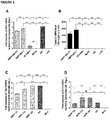
- TSLP pathway is activated in the lungs after hMPV infection in an in vivo model.
- WT wild type
- DCs dendritic cells
- hMPV induces increased expression levels of TSLP and the percentage of OX40L-expressing DCs in the lungs of BALB/c mice are consistent with lung inflammation and active viral replication.
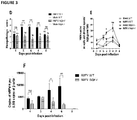
- TSLPR-deficient ( tslpr -/- ) and WT BALB/c mice were intranasally inoculated with either mock or hMPV. Daily weight loss of each experimental group was recorded until day 8. Both hMPV-infected WT mice and tslpr- / - mice were observed to have a significant body weight loss from day 1 to 3 ( Fig. 3A ). However, an important recovery in body weight was observed in the tslpr -/- mice and not in the WT mice at day 4 post infection ( Fig. 3A ).
- TSLP pathway contributes to replication of hMPV in the respiratory tract
- a lung section of hMPV- or mock-inoculated WT and tslpr- / - mice was collected from each euthanized animal on the days indicated above.
- Viral loads were quantified by qRT-PCR, using primers targeting the hMPV N-gene.
- viral N-gene RNAs were observed to be significantly reduced in hMPV-infected tslpr- / - mice compared with those observed in the lungs of infected WT mice, specifically on days 4 and 6 ( Fig. 3F ).
- Figures 3 A-F show: a) an improvement in both the recovery of disease symptoms, such as body weight; b) a significant reduction of inflammatory cell infiltration; c) and viral replication in the lungs of mice lacking TSLPR and infected with hMPV.
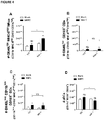
- mice lacking TSLPR To further elucidate the mechanism explaining the reduced damage and viral replication in mice lacking TSLPR, a detailed analysis of innate and adaptive cell population in lungs of hMPV-infected tslpr -/- and WT mice was carried out by flow cytometry.
- TSLP pathway modulates the secretion of various inflammatory mediators, including IL-5, IL-13, and TARC/CCL17, which are related to a Th2- and TNF- ⁇ -type response, which is related to Th1-type response.
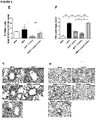
- mice were injected with 150 ⁇ g and 50 ⁇ g of anti-TSLP or anti-OX40L, respectively. PBS and isotype antibody control were included in all experiments. Notoriously, the effect of the antibodies against OX40L and TSLP decreased PMN recruitment in BALs and viral replication in the lungs of infected mice.
- PMN amount was also measured in the inflammatory infiltrates involving the peribronchial areas (peribronchiolitis) ( Fig. 6I ) and interstitial/intra-alveolar areas (interstitial pneumonitis/alveolitis) ( Fig. 6J ).
- peribronchiolitis peribronchiolitis
- interstitial/intra-alveolar areas interstitial pneumonitis/alveolitis
- the role of neutrophils in viral replication in the lungs of hMPV-infected WT and tslpr -/- mice was evaluated by qRT-PCR measuring viral load in the lungs of hMPV-infected WT and tslpr -/- mice treated with anti-Ly6G or isotype control antibodies.
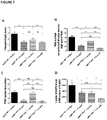
- a significant reduction of viral RNA copies was seen in the lungs of hMPV-infected WT mice treated with anti-Ly6G antibody compared to those treated with isotype control, which reached levels similar to infected tslpr -/- mice treated with isotype control antibody ( Fig. 7 D) .
- This invention considers the use of these antibodies or inhibitory molecules, both individually and together, simultaneously, in all combinations, to increase the neutralizing effect on inflammation and hMPV replication in the lungs.
- Figure 7 B and D show the synergistic effect between the functional lack of TSLPR and the anti-Ly6G decreases more efficiently inflammation and hMPV replication in the lungs of mice, used as an animal model, than the separate blockage of these pathways.
- These antibodies or inhibitory molecules, for each one of the aforementioned molecules can be applied either intravenously, intranasally, orally or intraperitonially to patients suffering from a respiratory infection due to hMPV, duly diagnosed by a treating physician.
- Example 1 Assay of the protective effect of treatment with anti-TSLP or anti-OX40L neutralizing antibodies in reducing lung inflammation and hMPV viral replication. This test is directed to evaluate the protective effect of anti-TSLP and anti-OX40L neutralizing monoclonal antibodies in reducing pulmonary inflammation and hMPV viral replication, groups of BALB/c mice were intraperitoneally treated with PBS or with 150 ⁇ g anti-TSLP (Anti-Mouse TSLP Functional Grade Purified, catalog number 16-5491-85, from eBioscience), or with 150 ⁇ g anti-OX40L (LEAF® Purified anti-mouse CD252, catalog number 108808, from Biolegend®), or with 150 ⁇ g control isotype antibodies.
- Anti-Mouse TSLP Functional Grade Purified catalog number 16-5491-85, from eBioscience
- 150 ⁇ g anti-OX40L LEAF® Purified anti-mouse CD252, catalog number 108808, from Biolegend®
- mice Twenty-four hours later, these groups of mice were intranasally inoculated either with mock or 0.5 x 10 6 PFU hMPV and further treated again with 50 ⁇ g of the previously mentioned corresponding antibodies.
- the neutralizing effect of TSLP and OX40L molecules in neutrophil recruitment in bronchoalveolar lavages (BALs) and replication in lungs were measured after 3 and 6 days post-infection.
- Figure 6 A shows a significant reduction in neutrophil recruitment in BALs of hMPV-infected mice at day 3 post-infection as a result of using anti-TSLP or anti-OX40L monoclonal antibodies compared to those mice treated with control isotype.
- This assay is directed to evaluate the protective effect of anti-Ly6G neutralizing monoclonal antibodies (1A8; Bio X Cell) present in neutrophils for reducing pulmonary inflammation and hMPV viral replication in WT mice and mice lacking TSLPR.
- Groups of WT and tslpr -/- BALB/c mice were treated with isotype control antibody (IgG2a) or anti-Ly6G antibody.
- mice bronchioalveolar lavages (BALs) and lungs was observed for both WT and tslpr -/- BALB/c mice treated with anti-Ly6G, but not for those treated with control isotype (data not shown), indicating that neutrophil depletion functioned efficiently.
- BALs bronchioalveolar lavages
- These treated mice were intranasally inoculated either with mock or 1 ⁇ 10 6 PFU hMPV and 4 days post-infection, a portion of mouse lung tissue from each experimental group was fixed, prepared and stained with H&E. Cell infiltration in alveolar and peribronchial tissues were observed and evaluated for histopathologic score.
- the viral RNA was quantified in the lungs of each experimental group, i.e., hMPV-infected WT and tslpr -/- mice treated with anti-Ly6G antibody or with control isotype, by qRT -PCR using the specific primers for hMPV N-gene.
- hMPV-infected WT and tslpr -/- mice treated with anti-Ly6G antibody or with control isotype by qRT -PCR using the specific primers for hMPV N-gene.
Landscapes
- Health & Medical Sciences (AREA)
- Life Sciences & Earth Sciences (AREA)
- Chemical & Material Sciences (AREA)
- Medicinal Chemistry (AREA)
- General Health & Medical Sciences (AREA)
- Immunology (AREA)
- Organic Chemistry (AREA)
- Veterinary Medicine (AREA)
- Public Health (AREA)
- Pharmacology & Pharmacy (AREA)
- Animal Behavior & Ethology (AREA)
- Proteomics, Peptides & Aminoacids (AREA)
- Molecular Biology (AREA)
- Virology (AREA)
- Epidemiology (AREA)
- Engineering & Computer Science (AREA)
- Bioinformatics & Cheminformatics (AREA)
- Genetics & Genomics (AREA)
- Biophysics (AREA)
- Biochemistry (AREA)
- Gastroenterology & Hepatology (AREA)
- Nuclear Medicine, Radiotherapy & Molecular Imaging (AREA)
- Chemical Kinetics & Catalysis (AREA)
- Oncology (AREA)
- Communicable Diseases (AREA)
- Zoology (AREA)
- Cell Biology (AREA)
- General Chemical & Material Sciences (AREA)
- Microbiology (AREA)
- Mycology (AREA)
- Medicines Containing Antibodies Or Antigens For Use As Internal Diagnostic Agents (AREA)
- Peptides Or Proteins (AREA)
Applications Claiming Priority (1)
| Application Number | Priority Date | Filing Date | Title |
|---|---|---|---|
| PCT/IB2016/052180 WO2017178869A1 (es) | 2016-04-15 | 2016-04-15 | Composición farmacéutica para aminorar los síntomas y enfermedad de la infección respiratoria causada por el metapneumovirus humano (hmpv), que comprende al menos un agente que neutraliza la función de las moléculas tslp, y/o tslpr, y/o ox40l y/o cd177, y un excipiente farmacéuticamente aceptable, y su uso |
Publications (2)
| Publication Number | Publication Date |
|---|---|
| EP3443984A1 true EP3443984A1 (de) | 2019-02-20 |
| EP3443984A4 EP3443984A4 (de) | 2019-04-10 |
Family
ID=60041559
Family Applications (1)
| Application Number | Title | Priority Date | Filing Date |
|---|---|---|---|
| EP16898537.2A Withdrawn EP3443984A4 (de) | 2016-04-15 | 2016-04-15 | Pharmazeutische zusammensetzung zur verringerung der symptome und des schweregrades einer atemwegsinfektion durch humanes metapneumovirus (hmpv) mit mindestens einem die funktion des tslp- und/oder tslpr- und/oder ox40l- und/oder cd177-moleküls neutralisierenden wirkstoff und pharmazeutisch akzeptabler hilfsstoff sowie verwendung davon |
Country Status (4)
| Country | Link |
|---|---|
| US (1) | US11065301B2 (de) |
| EP (1) | EP3443984A4 (de) |
| AU (1) | AU2016402264B2 (de) |
| WO (1) | WO2017178869A1 (de) |
Families Citing this family (4)
| Publication number | Priority date | Publication date | Assignee | Title |
|---|---|---|---|---|
| KR20160146747A (ko) | 2014-03-31 | 2016-12-21 | 제넨테크, 인크. | 항혈관신생제 및 ox40 결합 효능제를 포함하는 조합 요법 |
| EP4288455A1 (de) | 2021-02-03 | 2023-12-13 | Mozart Therapeutics, Inc. | Bindemittel und verfahren zur verwendung davon |
| WO2023076876A1 (en) | 2021-10-26 | 2023-05-04 | Mozart Therapeutics, Inc. | Modulation of immune responses to viral vectors |
| CN121422207A (zh) * | 2025-11-17 | 2026-01-30 | 中国医学科学院医学实验动物研究所 | Ly6G抗体在治疗新型冠状病毒引起的肺炎中的应用 |
Family Cites Families (5)
| Publication number | Priority date | Publication date | Assignee | Title |
|---|---|---|---|---|
| US7812133B2 (en) * | 2005-12-16 | 2010-10-12 | Genentech, Inc | Anti-OX40L antibodies and methods using same |
| GB0603683D0 (en) | 2006-02-23 | 2006-04-05 | Novartis Ag | Organic compounds |
| DE102008045696A1 (de) * | 2008-09-04 | 2010-03-11 | Drk Blutspendedienst West Ggmbh | Granulozyten HNA-3a/b-Antigen |
| US9682143B2 (en) | 2012-08-14 | 2017-06-20 | Ibc Pharmaceuticals, Inc. | Combination therapy for inducing immune response to disease |
| WO2014082993A2 (en) | 2012-11-30 | 2014-06-05 | Galapagos Nv | Molecular targets and compounds, and methods to identify the same, useful in the down-regulation of the th2 response |
-
2016
- 2016-04-15 AU AU2016402264A patent/AU2016402264B2/en active Active
- 2016-04-15 US US16/093,826 patent/US11065301B2/en active Active
- 2016-04-15 EP EP16898537.2A patent/EP3443984A4/de not_active Withdrawn
- 2016-04-15 WO PCT/IB2016/052180 patent/WO2017178869A1/es not_active Ceased
Also Published As
| Publication number | Publication date |
|---|---|
| AU2016402264A1 (en) | 2018-12-06 |
| EP3443984A4 (de) | 2019-04-10 |
| US20190125832A1 (en) | 2019-05-02 |
| US11065301B2 (en) | 2021-07-20 |
| WO2017178869A1 (es) | 2017-10-19 |
| AU2016402264B2 (en) | 2024-08-22 |
Similar Documents
| Publication | Publication Date | Title |
|---|---|---|
| Narasimhan et al. | An aberrant immune–epithelial progenitor niche drives viral lung sequelae | |
| Rudd et al. | Deletion of TLR3 alters the pulmonary immune environment and mucus production during respiratory syncytial virus infection | |
| Boyoglu-Barnum et al. | An anti-G protein monoclonal antibody treats RSV disease more effectively than an anti-F monoclonal antibody in BALB/c mice | |
| Smith et al. | Thymic stromal lymphopoietin and IL-33 modulate migration of hematopoietic progenitor cells in patients with allergic asthma | |
| Lay et al. | Advances in understanding respiratory syncytial virus infection in airway epithelial cells and consequential effects on the immune response | |
| Watkiss | Pathogenesis of respiratory syncytial virus | |
| US11065301B2 (en) | Pharmaceutical composition for ameliorating the symptoms and disease of the respiratory infection caused by human metapneumovirus (HMPV), which comprises at least one agent that neutralizes the function of TSLP and/or TSLPR and/or OX40L and/or CD177 molecules, and a pharmaceutically acceptable excipient, and use thereof | |
| Zhang et al. | Tick-borne encephalitis virus induces chemokine RANTES expression via activation of IRF-3 pathway | |
| Evans et al. | Development of a respiratory disease model for enterovirus D68 in 4-week-old mice for evaluation of antiviral therapies | |
| Hoffman et al. | Mechanisms of illness during respiratory syncytial virus infection: the lungs, the virus and the immune response | |
| Hofer et al. | Infection of mice with influenza A/WSN/33 (H1N1) virus alters alveolar type II cell phenotype | |
| Doki et al. | Therapeutic effect of anti-feline TNF-alpha monoclonal antibody for feline infectious peritonitis | |
| Traves et al. | Viral-associated exacerbations of asthma and COPD | |
| Song et al. | C5a receptor1 inhibition alleviates influenza virus-induced acute lung injury | |
| Das et al. | Respiratory syncytial virus infection of newborn CX3CR1-deficient mice induces a pathogenic pulmonary innate immune response | |
| Derscheid et al. | Effects of formalin-inactivated respiratory syncytial virus (FI-RSV) in the perinatal lamb model of RSV | |
| Tang et al. | PI3K/AKT-mediated autophagy inhibition facilitates mast cell activation to enhance severe inflammatory lung injury in influenza A virus-and secondary Staphylococcus aureus-infected mice | |
| Zhang et al. | Distinct roles for type I and type III interferons in virulent human metapneumovirus pathogenesis | |
| Grieves et al. | Acute and chronic airway disease after human respiratory syncytial virus infection in cotton rats (Sigmodon hispidus) | |
| Soto et al. | Induction of protective immunity by a single low dose of a master cell bank cGMP-rBCG-P vaccine against the human metapneumovirus in mice | |
| Elmehy et al. | Immunoprotective inference of experimental chronic Trichinella spiralis infection on house dust mites induced allergic airway remodeling | |
| Bebnowska et al. | Characteristics of a new variant of rabbit haemorrhagic disease virus–RHDV2 | |
| Crowe Jr et al. | Paramyxoviruses: respiratory syncytial virus and human metapneumovirus | |
| Zhang et al. | Interleukin-17 enhances the removal of respiratory syncytial virus in mice by promoting neutrophil migration and reducing interferon-gamma expression | |
| Schildgen et al. | Animal models for human metapneumovirus (HMPV) infections |
Legal Events
| Date | Code | Title | Description |
|---|---|---|---|
| STAA | Information on the status of an ep patent application or granted ep patent |
Free format text: STATUS: THE INTERNATIONAL PUBLICATION HAS BEEN MADE |
|
| PUAI | Public reference made under article 153(3) epc to a published international application that has entered the european phase |
Free format text: ORIGINAL CODE: 0009012 |
|
| STAA | Information on the status of an ep patent application or granted ep patent |
Free format text: STATUS: REQUEST FOR EXAMINATION WAS MADE |
|
| 17P | Request for examination filed |
Effective date: 20181115 |
|
| AK | Designated contracting states |
Kind code of ref document: A1 Designated state(s): AL AT BE BG CH CY CZ DE DK EE ES FI FR GB GR HR HU IE IS IT LI LT LU LV MC MK MT NL NO PL PT RO RS SE SI SK SM TR |
|
| AX | Request for extension of the european patent |
Extension state: BA ME |
|
| A4 | Supplementary search report drawn up and despatched |
Effective date: 20190313 |
|
| RIC1 | Information provided on ipc code assigned before grant |
Ipc: C07K 16/00 20060101ALI20190306BHEP Ipc: A61K 39/395 20060101AFI20190306BHEP Ipc: C07K 16/28 20060101ALI20190306BHEP |
|
| DAV | Request for validation of the european patent (deleted) | ||
| DAX | Request for extension of the european patent (deleted) | ||
| STAA | Information on the status of an ep patent application or granted ep patent |
Free format text: STATUS: THE APPLICATION IS DEEMED TO BE WITHDRAWN |
|
| 18D | Application deemed to be withdrawn |
Effective date: 20191009 |