EP3440583B1 - Systeme und verfahren zur authentifizierung mit gepaarte geräte - Google Patents
Systeme und verfahren zur authentifizierung mit gepaarte geräte Download PDFInfo
- Publication number
- EP3440583B1 EP3440583B1 EP17716705.3A EP17716705A EP3440583B1 EP 3440583 B1 EP3440583 B1 EP 3440583B1 EP 17716705 A EP17716705 A EP 17716705A EP 3440583 B1 EP3440583 B1 EP 3440583B1
- Authority
- EP
- European Patent Office
- Prior art keywords
- computing device
- biometric data
- remote computing
- authentication
- request message
- Prior art date
- Legal status (The legal status is an assumption and is not a legal conclusion. Google has not performed a legal analysis and makes no representation as to the accuracy of the status listed.)
- Active
Links
Images



Classifications
-
- G—PHYSICS
- G06—COMPUTING OR CALCULATING; COUNTING
- G06F—ELECTRIC DIGITAL DATA PROCESSING
- G06F21/00—Security arrangements for protecting computers, components thereof, programs or data against unauthorised activity
- G06F21/30—Authentication, i.e. establishing the identity or authorisation of security principals
- G06F21/31—User authentication
- G06F21/32—User authentication using biometric data, e.g. fingerprints, iris scans or voiceprints
-
- G—PHYSICS
- G06—COMPUTING OR CALCULATING; COUNTING
- G06F—ELECTRIC DIGITAL DATA PROCESSING
- G06F21/00—Security arrangements for protecting computers, components thereof, programs or data against unauthorised activity
- G06F21/30—Authentication, i.e. establishing the identity or authorisation of security principals
- G06F21/31—User authentication
- G06F21/34—User authentication involving the use of external additional devices, e.g. dongles or smart cards
-
- G—PHYSICS
- G06—COMPUTING OR CALCULATING; COUNTING
- G06F—ELECTRIC DIGITAL DATA PROCESSING
- G06F21/00—Security arrangements for protecting computers, components thereof, programs or data against unauthorised activity
- G06F21/30—Authentication, i.e. establishing the identity or authorisation of security principals
- G06F21/31—User authentication
- G06F21/34—User authentication involving the use of external additional devices, e.g. dongles or smart cards
- G06F21/35—User authentication involving the use of external additional devices, e.g. dongles or smart cards communicating wirelessly
-
- H—ELECTRICITY
- H04—ELECTRIC COMMUNICATION TECHNIQUE
- H04L—TRANSMISSION OF DIGITAL INFORMATION, e.g. TELEGRAPHIC COMMUNICATION
- H04L63/00—Network architectures or network communication protocols for network security
- H04L63/04—Network architectures or network communication protocols for network security for providing a confidential data exchange among entities communicating through data packet networks
- H04L63/0428—Network architectures or network communication protocols for network security for providing a confidential data exchange among entities communicating through data packet networks wherein the data content is protected, e.g. by encrypting or encapsulating the payload
-
- H—ELECTRICITY
- H04—ELECTRIC COMMUNICATION TECHNIQUE
- H04L—TRANSMISSION OF DIGITAL INFORMATION, e.g. TELEGRAPHIC COMMUNICATION
- H04L63/00—Network architectures or network communication protocols for network security
- H04L63/08—Network architectures or network communication protocols for network security for authentication of entities
- H04L63/0853—Network architectures or network communication protocols for network security for authentication of entities using an additional device, e.g. smartcard, SIM or a different communication terminal
-
- H—ELECTRICITY
- H04—ELECTRIC COMMUNICATION TECHNIQUE
- H04L—TRANSMISSION OF DIGITAL INFORMATION, e.g. TELEGRAPHIC COMMUNICATION
- H04L63/00—Network architectures or network communication protocols for network security
- H04L63/08—Network architectures or network communication protocols for network security for authentication of entities
- H04L63/0861—Network architectures or network communication protocols for network security for authentication of entities using biometrical features, e.g. fingerprint, retina-scan
-
- H—ELECTRICITY
- H04—ELECTRIC COMMUNICATION TECHNIQUE
- H04W—WIRELESS COMMUNICATION NETWORKS
- H04W12/00—Security arrangements; Authentication; Protecting privacy or anonymity
- H04W12/06—Authentication
-
- H—ELECTRICITY
- H04—ELECTRIC COMMUNICATION TECHNIQUE
- H04W—WIRELESS COMMUNICATION NETWORKS
- H04W12/00—Security arrangements; Authentication; Protecting privacy or anonymity
- H04W12/50—Secure pairing of devices
-
- H—ELECTRICITY
- H04—ELECTRIC COMMUNICATION TECHNIQUE
- H04L—TRANSMISSION OF DIGITAL INFORMATION, e.g. TELEGRAPHIC COMMUNICATION
- H04L2209/00—Additional information or applications relating to cryptographic mechanisms or cryptographic arrangements for secret or secure communication H04L9/00
- H04L2209/80—Wireless
Definitions
- the field of the invention relates generally to authenticating a user of a computing device, and more particularly, to a network-based system and method for authenticating a user of a first computing device using authentication information provided through a second computing device that is paired with the first computing device.
- a card-not-present transaction the merchant releases the items purchased with an understanding that the actual cardholder initiated the purchase and that the actual cardholder will make the necessary payment.
- the items purchased are often delivered to an address selected by the cardholder at the time of the transaction. Due to the anonymity of a purchaser during such an online transaction, fraud may occur. That is, unauthorized users may purchase items online using a victim's account information. In some cases, a thief only needs the card number itself to make an online purchase. However, because the payment card information input by the thief is drawn to a valid account, a merchant is typically unaware of the fraud until after the fact.
- online merchants may request additional information about the payment card (e . g ., CSC, CVC, CVV codes) or additional information from the cardholder such as an address, phone number, email, answers to previously asked security questions, and the like.
- card information and personal information about a cardholder are also susceptible to being obtained by a thief.
- criminals may infiltrate legitimate corporations and user their employment as a means for accessing customer and credit card information and subsequently use this information to commit fraud.
- This type of fraud referred to as skimming, usually occurs when the credit card information is obtained by a dishonest employee or agent of a legitimate merchant. Skimming often takes place in restaurants and bars where the skimmer has possession of the victim's credit card outside of their view.
- Phishing is another criminal activity whereby fraudsters attempt to acquire sensitive information, such as credit card numbers, addresses, social security numbers, drivers' license numbers, usernames, and passwords by appearing as a trustworthy organization in an electronic communication. Phishing is typically carried out by email or instant messaging, and often directs users to provide the sensitive information on a website monitored by the criminals, although phone contact may also be used.
- Spyware or malware may also be used by criminals to obtain payment card information about a cardholder.
- Spyware is often attached to trusted data downloaded by a person, such as emails, files, and the like.
- Spyware covertly gathers cardholder information without the cardholder's knowledge.
- the software monitors a user's activity online while remaining in the background and transmits information about the user's activity to another device controlled by the thief. Any kind of data a user enters online including an email address, username, password, credit card number, and the like, may be gathered and used by a third party criminal.
- an authentication system which is capable of verifying that a user of a computing device that is initiating a purchase with a payment card is the actual cardholder of the payment card, and is in possession of the payment card at the time of the purchase.
- a pair of remote computing devices for authenticating a user of one of the pair of remote computing devices.
- the pair of remote computing devices includes a first computing device and a second computing device.
- Each computing device includes a processor and a memory.
- the first computing device communicates with a host computing device and stores sample biometric data associated with the user of the first computing device.
- the second computing device automatically receives and transmits messages with the first computing device.
- the first computing device receives, from the host computing device, an authentication request message for authenticating the user of the first computing device, processes the authentication request message, and transmits a biometric request message to the second computing device in response to receiving the authentication request message.
- the first computing device also receives captured biometric data from the second computing device, electronically compares the captured biometric data to the sample biometric data, and transmits an authentication response message to the host computing device based upon the comparison of the captured biometric data to the sample biometric data.
- the captured biometric data is captured by the second computing device.
- the authentication response message indicates whether the captured biometric data matched the sample biometric data.
- the method further includes receiving captured biometric data from the second remote computing device electronically comparing the captured biometric data to the sample biometric data stored within the first memory, and transmitting, by the first remote computing device, an authentication response message to the host computing device based upon the comparison of the captured biometric data to the sample biometric data.
- the captured biometric data is captured by the second remote computing device.
- the authentication response message indicates whether the captured biometric data matched the sample biometric data.
- the computer-executable instructions further cause the processor to receive captured biometric data from the second remote computing device, electronically compare the captured biometric data to sample biometric data stored with a memory associated with the first remote computing device, and transmit an authentication response message to the host computing device based upon the comparison of the captured biometric data to the sample biometric data.
- the captured biometric data is captured by the second remote computing device.
- the authentication response message indicates whether the captured biometric data matched the sample biometric data.
- a host computing device for authenticating a user of a first remote computing device.
- the first remote computing device communicates with the host computing device and with a second remote computing device.
- the host computing device includes a processor and a memory for storing sample biometric data associated with the user.
- the processor processes an electronic message requiring authentication of a user of the first remote computing device and transmitting an authentication request message to the first remote computing device to authenticate the user as an authentic user.
- the first remote computing device transmits the electronic message to the host computing device.
- the first remote computing device pairs with the second remote computing device, transmits a biometric request message to the second computing device in response to receiving the authentication request message, receives captured biometric data from the second remote computing device that is captured by the second computing device, and (iv) communicates the captured biometric data to the host computing device.
- the processor further electronically compares the captured biometric data to the sample biometric data stored with the memory and authenticates the user as the authentic user of the first remote computing device if the captured biometric data matches the sample biometric data.
- the authentication system includes a host computing device, a first remote computing device, and a second remote computing device.
- the host computing device is configured to (i) receive and process transaction data associated with a payment transaction, where the transaction is initiated using a payment account of a user of the first computing device in a "card-not-present” transaction, (ii) detect the payment account is enrolled in an authentication service, and (iii) transmit a authentication request message to the first computing device for authenticating the user of the first computing device.
- a cardholder may register for an authentication service through a bank which issued a payment card to the cardholder.
- the host computing device prompts the cardholder to enroll in the authentication service.
- the cardholder provides the issuing bank with authentication data, such as sample biometric data and/or other types of authentication data.
- the sample biometric data may include a photo of their face/head, a fingerprint, and the like.
- the cardholder also provides a device ID corresponding to a user device (sometimes referred to herein as a remote computing device) associated with the cardholder. Accordingly, the cardholder's user device is registered as first computing device 120 (shown in FIG. 2 ).
- the cardholder provides an account identifier for identifying a payment account associated with the device ID and stored authentication data.
- the cardholder attempts to make a purchase through an online merchant.
- checkout the cardholder is asked to input their payment card or account information.
- the cardholder enters payment account information for the account associated with the authentication service.
- the online merchant forwards initial transaction information to the host computing device, which in the example embodiment is a payment processor for transaction processing.
- the host computing device determines that the payment account is enrolled in the authentication service. For example, the host computing device may identify the account identifier within the transaction information and perform a lookup in a memory of the host computing device to determine if the payment account is enrolled in the authentication service.
- the host computing device Based on cardholder information acquired during the enrollment process (i.e., the device ID), the host computing device issues an authentication request message to the user device of the cardholder (i.e., the first computing device).
- the first computing device broadcasts a request message to one or more computing device (i.e., the second computing device) paired with the first computing device and within a predetermined range or radius of the first computing device.
- the second computing device may be any computing device configured to capture authentication data and perform bi-directional communication with the first computing device.
- a remote control from a smart TV, a smart watch, a smartphone, a tablet, or any other computing device may be available as a second computing device that may be used for authentication.
- the first computing device transmits a biometric request message to one or more paired devices.
- Pairing includes a process of authenticating two devices to ensure that wireless communication and security is established between the two devices.
- Devices that have been paired automatically recognize each other and connect, disconnect, and the like, with ease.
- pairing devices are connected to each other and/or networks via different wireless protocols, for example, Bluetooth, WiFi, near field communication (NFC), and the like.
- pairing is also performed through a cloud server, the Internet, and the like.
- the first computing device and the second computing device each include a transmitter and a receiver for bi-directional, automatic data communication between each other when paired.
- the data communication between the first and second computing devices may be encrypted.
- the second computing device may include one or more of a display such as a touch screen, a camera, a microphone, a sensor, and the like, which may be used by a cardholder to input authentication information, for example, a fingerprint, a photo, a heartbeat, a pulse, a code word or password, a personal identification number (PIN), and any other indicator that can be used to identify a person.
- a display such as a touch screen, a camera, a microphone, a sensor, and the like, which may be used by a cardholder to input authentication information, for example, a fingerprint, a photo, a heartbeat, a pulse, a code word or password, a personal identification number (PIN), and any other indicator that can be used to identify a person.
- PIN personal identification number
- a device may pair with a plurality of other devices even if the other devices are manufactured by a different company. Also, even though certain examples herein refer to specific types of devices, it should be appreciated that the examples are not limited thereto and may include any device capable of pairing with another device.
- the first computing device may transmit the sample authentication data to the second computing device to enable the second computing device to compare the sample authentication data to the captured authentication data.
- the second computing device may notify the first computing device of the result of the comparison and whether or not the cardholder is authenticated. In some embodiments, if a difference between the captured authentication data and the sample authentication data is within a predefined threshold, the cardholder may be authenticated.
- the first computing device transmits an authentication response message to the host computing device indicating whether the compared authentication data matched and/or a result of the authentication process.
- the host computing device is configured to authorize the payment transaction based on the authentication response message and process the payment transaction. Additionally or alternatively, the host computing device may transmit the authentication response message to an issuer associated with the payment account for authorization of the payment transaction.
- the first user computing device may be configured to transmit the captured authentication data to the host computing device.
- the host computing device is configured to compare the captured authentication data to the sample authentication data stored with the authentication profile of the user. If the sample authentication data substantially matches the captured authentication data, the host computing device may authenticate the user and notify the issuer or other party that the user has been authenticated.
- the methods and systems described herein may be implemented using computer programming or engineering techniques including computer software, firmware, hardware or any combination or subset thereof, wherein the technical effects may be achieved by performing one of the following steps: (a) receiving, from a host computing device, an authentication request message for authenticating a user of a first computing device; (b) processing the authentication request message; (c) transmitting a biometric request message to a second computing device in response to receiving the authentication request message; (d) receiving captured biometric data from the second computing device, the captured biometric data being captured by the second computing device; (e) electronically compare the captured biometric data to the sample biometric data stored with the first memory; and (f) transmitting an authentication response message to the host computing device based upon the comparison of the captured biometric data to the sample biometric data, the authentication response message indicating whether the captured biometric data matched the sample biometric data.
- the technical benefits achieved by the methods and systems described herein include: (a) reducing the number of fraudulent transactions transmitted and/or processed in a payment network; (b) increasing bandwidth of the payment network due to less fraudulent transactions being processed; and (c) increasing a speed and an efficiency of the payment network due to less fraudulent transactions being processed.
- any processor in a computer device referred to herein may also refer to one or more processors wherein the processor may be in one computing device or a plurality of computing devices acting in parallel.
- any memory in a computer device referred to herein may also refer to one or more memories wherein the memories may be in one computing device or a plurality of computing devices acting in parallel.
- a processor may include any programmable system including systems using micro-controllers, reduced instruction set circuits (RISC), application specific integrated circuits (ASICs), logic circuits, and any other circuit or processor capable of executing the functions described herein.
- RISC reduced instruction set circuits
- ASICs application specific integrated circuits
- logic circuits and any other circuit or processor capable of executing the functions described herein.
- database may refer to either a body of data, a relational database management system (RDBMS), or to both.
- RDBMS relational database management system
- a database may include any collection of data including hierarchical databases, relational databases, flat file databases, object-relational databases, object oriented databases, and any other structured collection of records or data that is stored in a computer system.
- RDBMS's include, but are not limited to including, Oracle® Database, MySQL, IBM® DB2, Microsoft® SQL Server, Sybase®, and PostgreSQL.
- any database may be used that enables the systems and methods described herein.
- transaction card refers to any suitable transaction card, such as a credit card, a debit card, a prepaid card, a charge card, a membership card, a promotional card, a frequent flyer card, an identification card, a gift card, and/or any other device that may hold payment account information, such as mobile phones, smartphones, personal digital assistants (PDAs), key fobs, and/or computers.
- PDAs personal digital assistants
- Each type of transaction card can be used as a method of payment for performing a transaction.
- FIG. 1 is a schematic diagram illustrating an example multi-party payment card system 20 for authenticating a user of a first computing device by using authentication information of the user input by the user through a second computing device paired with the first computing device in an online payment card transaction.
- the present disclosure relates to payment card system 20, such as a credit card payment system using the MasterCard® payment card system payment network 28 (also referred to as an "interchange” or "interchange network").
- MasterCard® payment card system payment network 28 is a proprietary communications standard promulgated by MasterCard International Incorporated® for the exchange of financial transaction data between financial institutions that are members of MasterCard International Incorporated®. (MasterCard is a registered trademark of MasterCard International Incorporated located in Purchase, New York).
- the request may be performed over the telephone, but is usually performed through the use of a point-of-interaction terminal, also referred to herein as a point-of-sale device, which reads the cardholder's account information from the magnetic stripe on the payment card and communicates electronically with the transaction processing computers of acquirer 26.
- acquirer 26 may authorize a third party to perform transaction processing on its behalf.
- the point-of-interaction terminal will be configured to communicate with the third party.
- Such a third party is usually called a "merchant processor" or an "acquiring processor.”
- cardholder's account 32 For debit card transactions, when a request for authorization is approved by the issuer, cardholder's account 32 is decreased. Normally, a charge is posted immediately to cardholder's account 32. The bankcard association then transmits the approval to the acquiring processor for distribution of goods/services, or information or cash in the case of an ATM.
- Settlement refers to the transfer of financial data or funds between the merchant's account, acquirer 26, and issuer 30 related to the transaction.
- transactions are captured and accumulated into a "batch,” which is settled as a group.
- an authentication process may also be performed to verify that cardholder 22 is physically present when making an online purchase with cardholder's account 32.
- a first computing device 120 (shown in FIG. 2 ) operated by cardholder 22 facilitates performing an authentication using authentication information of the cardholder input by the cardholder through a second computing device for online transactions processed using payment card system 20.
- first computing device 120 is in communication with merchant 24, payment network 28, and issuer 30, as described herein.
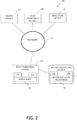
- FIG. 2 is a diagram illustrating an example of an authentication system 100 that may be used, for example, in payment card system 20 (shown in FIG. 1 ).
- Authentication system 100 includes a plurality of computing devices that are connected to each other via a network 110.
- Network 110 may include the Internet, a local network, a home network, a combination of networks, and the like.
- the computing devices include first computing device 120, a merchant device 130 operated by a merchant, such as merchant 24 (shown in FIG. 1 ), a host computing device (i.e., a payment processor) 140, an issuer device 150 operated by an issuing bank, such as issuer 30 (shown in FIG. 1 ), and a second computing device 160 that is paired with first computing device 120.
- second computing device 160 includes a biometric mechanism 170 configured to receive biometric authentication information (i.e., a fingerprint scanner, a camera, etc.).
- first computing device 120 refers to a computing device of a cardholder, for example, a smartphone, a tablet, a phablet, a notebook, a smartwatch, and the like.
- a cardholder such as cardholder 22 (shown in FIG. 1 ) may access merchant device 130, or an online site associated with merchant device 130, and purchase an item from merchant device 130 using a payment card account, such as cardholder account 32 (shown in FIG. 1 ).
- the cardholder may use first computing device 120 in order to make the online purchase.
- cardholder may use another computing device (not shown) to make an online purchase from merchant device 130, for example, a laptop computer, a desktop computer, a mobile device, and the like.
- the purchase may be referred to as a card-not-present (CNP) purchase because the transaction is not performed face-to-face but is instead performed online through network 110.
- CNP card-not-present
- merchant device 130 is not able to physically inspect a payment card of the cardholder nor is the payment card capable of being swiped through a point of sale device of the merchant device 130.
- First computing device 120 is paired with one or more second computing devices that are located within a predetermined radius of first computing device 120.
- second computing device 160 is paired with first computing device 120 through a wireless protocol, for example, Bluetooth, WiFi, NFC, and the like.
- first computing device 120 includes a transmitter 122 and a receiver 124.
- Second computing device 160 includes a transmitter 162 and a receiver 164.
- First and second computing devices 120, 160 are paired together by communicatively coupling transmitter 122 to receiver 164 and receiver 124 to transmitter 162 to facilitate bi-directional, automatic data communication.
- second computing device 160 may include a smart TV, a remote controller, a printer, a smartwatch, a tablet, a smartband, a pair of smartglasses, a keyboard, a laundry machine (e.g., washer or dryer), a refrigerator, a dishwasher, and the like.
- first computing device 120 may be limited to pairing to second computing device 160 within a predetermined radius or zone, for example, within a Bluetooth communication radius, and the like.
- the predetermined radius may be from first computing device 120 or a wireless access point (not shown) in communication with first computing device 120.
- the predetermined radius may originate from a wireless router providing a Wifi network.
- issuing bank refers to a bank that issued a payment card to the cardholder and is associated with issuer device 150.
- the cardholder is prompted to enroll the payment card account in an authentication service.
- the payment card account may be registered for the authentication service through at least one of issuer device 150, host computing device 140, and merchant device 130.
- the payment card account is registered for paired authentication through issuer device 150.
- the cardholder may provide issuer device 150 with sample authentication data of the cardholder ( e .
- issuer device 150 transmits, pushes, or otherwise sends an authentication application 180 such as a mobile application to first computing device 120.
- application 180 is operating system specific, such that computing devices with different operating systems will receive application 180 in different formats.
- First computing device 120 downloads, installs and/or executes application 180 using a processing device thereof.
- issuer device 150 informs host computing device 140 that the account of the cardholder has been registered for paired authentication.
- the cardholder registers for the authentication service with the host computing device 140, the merchant device 130, and the like.
- host computing device 140 stores the data provided by the cardholder (i.e., the sample authentication data, the account identifier, etc.) in an authentication profile of the cardholder in a memory associated with host computing device 140.
- system 100 is configured to perform authentication of the cardholder using the enrolled first computing device 120.
- the cardholder uses a computing device such as first computing device 120 or another computing device to make an online purchase for an item sold by merchant device 130.
- the transaction is referred to as a CNP transaction.
- the cardholder authorizes payment of the item using the payment card registered for paired authentication.
- merchant device 130 detects that the payment account of the cardholder is enrolled in paired authentication and issues an authentication request message to first computing device 120 for authentication.
- merchant device 130 receives the cardholder's information and transmits transaction information to the host computing device 140 through network 110 to authorize the transaction.
- the transaction information includes an identification of the cardholder, the account identifier (e.g., payment account number), a purchase price, a time and day, and the like.
- host computing device 140 detects that the cardholder is enrolled in the authentication service.
- host computing device 140 may be configured to perform a lookup in the memory associated with host computing device 140 for a stored authentication profile corresponding to the transaction information. Accordingly, host computing device 140 initiates an authentication process of the cardholder in response to the initiated payment transaction with the registered payment account.
- host computing device 140 In response to determining that the payment card of the cardholder is enrolled in the authentication service, host computing device 140 issues an authentication request message to first computing device 120 that was previously enrolled by the cardholder. For example, host computing device 140 identifies first computing device 120 and transmits an authentication request message to first computing device 120 based on the device ID associated with first computing device 120, which is provided during the enrollment process.
- the authentication request message is configured to identify the type of expected authentication response (i.e., a fingerprint, a selfie, or a PIN).
- first computing device 120 transmits the biometric request message to second computing device 160 if second computing device 160 has a camera. If more than one second computing devices 160 are available to perform authentication, first computing device 120 may selectively transmit the biometric request message to each second computing device 160. First computing device 120 may be configured to sequentially transmit the biometric request message to each second computing device 160 until an available second computing device 160 capable of performing authentication is found.
- input mechanism 170 is a keyboard to enter a personal identification number.
- input mechanism 170 is a sensor configured to sense a pulse, heart rate, blood pressure, and the like, of the cardholder.
- second computing device 160 may include any sensor or other data capturing element for capturing verification of the cardholder.
- the verification may be biometric verification based on a cardholder input including hand geometry, earlobe geometry, retina patterns, iris patterns, voice waves, keystroke dynamics, DNA, signatures, and the like.
- the verification may be an alphabetic or numeric verification.
- second computing device 160 transmits the captured authentication data to first computing device 120.
- First computing device 120 authenticates the cardholder based, at least in part, on the captured authentication data from the cardholder.
- first computing device 120 has previously stored therein authentication data of the cardholder, for example, the sample biometric data provided by cardholder to the issuer device 150 during enrollment.
- the issuer device 150 may store the authentication data and push the authentication data to first computing device 120 through the application.
- First computing device 120 compares the captured authentication data to the sample authentication data to determine whether or not the authentication of the cardholder is successful. In one example, if the captured authentication data and the sample authentication data substantially match, the cardholder is authenticated.
- first computing device 120 may be configured to transmit the sample authentication data to second computing device 160 to enable second computing device 160 to perform the comparison of the captured and sample authentication data. Second computing device 160 may notify first computing device of a result of the comparison and whether or not the cardholder's identity has been authenticated. In the example embodiment, after determining whether or not the cardholder is authenticated, first computing device 120 transmits an authentication response message to host computing device 140 or another computing device indicating whether or not the captured biometric data substantially matched the sample biometric data (i.e., whether or not the authentication was successful).
- first computing device 120 transmits the captured authentication data to host computing device 140 where the captured authentication data of the cardholder is compared to stored sample authentication data to determine if the cardholder is authenticated.
- host computing device 140 transmits the captured authentication data to issuer device 150 where the authentication input is authenticated.
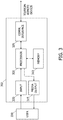
- Computing device 302 also includes at least one media output component 315 for presenting information to a user 330.
- Media output component 315 may be any component capable of conveying information to user 330.
- media output component 315 may include an output adapter, such as a video adapter and/or an audio adapter.
- An output adapter may be operatively coupled to processor 305 and operatively coupleable to an output device such as a display device (e.g., a liquid crystal display (LCD), organic light emitting diode (OLED) display, cathode ray tube (CRT), or "electronic ink” display) or an audio output device (e.g., a speaker or headphones).
- a display device e.g., a liquid crystal display (LCD), organic light emitting diode (OLED) display, cathode ray tube (CRT), or "electronic ink” display
- an audio output device e.g., a speaker or headphones.
- media output component 315
- Computing device 302 also includes a communication interface 325, which is communicatively coupleable to a remote device.
- Communication interface 325 may include, for example, a wired or wireless network adapter or a wireless data transceiver for use with a mobile phone network (e . g ., Global System for Mobile communications (GSM), 3G, 4G or Bluetooth) or other mobile data network (e . g ., Worldwide Interoperability for Microwave Access (WIMAX)).
- GSM Global System for Mobile communications
- 3G, 4G or Bluetooth or other mobile data network
- WIMAX Worldwide Interoperability for Microwave Access
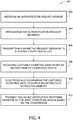
- FIG. 4 is a flowchart of an example method 400 for authenticating a cardholder using paired devices within system 100 (shown in FIG. 2 ).
- method 400 is performed by a first computing device (e.g., first computing device 120, shown in FIG. 2 ). It is to be understood that at least a portion method 400 may be performed by a host computing device, issuer device, or merchant device. In some embodiments, method 400 may include additional, fewer, or alternative steps, including those described elsewhere herein.
- the first computing device may transmit the captured biometric data and/or the sample biometric data to the host computing device to facilitate the host computing device performing the comparison and determination.
- the first computing device transmits 412 an authentication response message to the host computing device indicating whether the captured biometric data substantially matched the sample biometric data.
- the authentication response message is used to authenticate the cardholder and subsequently authorize the payment transaction.
- FIG. 5 is a diagram 500 of components of one or more example computing devices that may be used in method 400 shown in FIG. 4 .
- FIG. 5 further shows a configuration of databases including at least memory area 310 (shown in FIG. 3 ).
- Memory area 310 is coupled to several separate components within a computing device 501, which perform specific tasks.
- Computing device 501 includes a receiving component 502 configured to receive an authentication request message for authenticating a user and receive captured biometric data from a second computing device.
- Computing device 501 further includes a processing component 504 configured to process the authentication request message.
- computing device 501 includes a transmitting component 506 configured to transmit a biometric request to the second computing device and transmit an authentication response message.
- Computing device 501 further includes a comparing component 508 configured to electronically compare he captured biometric data to the sample biometric data stored within memory area 310.
- memory area 310 is divided into a plurality of sections, including but not limited to, paired device section 512, an account section 514, and an authentication data section 516. These sections within memory area 310 are interconnected to update and retrieve the information as required.
- host computing device 602 When the cardholder initiates a CNP transaction with a payment card, host computing device 602 is configured to receive initial transaction data from a remote device, such as a merchant device. Host computing device 602 detects that the cardholder is enrolled in an authentication service and transmits 608 an authentication request message to first computing device 604. First computing device 604 is configured to receive the authentication request message and transmit 610 a biometric request message to second computing device 606 that is paired with first computing device 604. First computing device 604 and second computing device 606 are connected to each other and/or networks via different wireless protocols, for example, Bluetooth, WiFi, NFC, and the like.
- Second computing device 606 is configured to receive the authentication message, and in response, prompt the cardholder for authentication data captured by input mechanism 607. Second computing device 606 is further configured to transmit 612 the captured authentication data to first computing device 604.
- application 613 stored on first computing device 604 is configured to authenticate the cardholder by comparing the authentication data stored in memory 616 with the captured authentication data from second computing device 606. More specifically, first computing device 604 is configured to transmit a message 614 to memory 616 requesting cardholder profile information and in particular, sample authentication data (i.e., fingerprint, self-portrait, PIN, etc.) provided by the cardholder during the registration process described above. In response, memory 616 transmits 618 the cardholder profile information to first computing device 604. First computing device 604 compares the sample authentication data associated to the captured authentication data from second computing device 606 to authenticate the cardholder. First computing device 604 transmits 620 an authentication response message to host computing device 602 whether the cardholder has been authenticated or not.
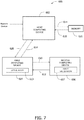
- FIG. 7 illustrates an alternative embodiment of an order of messaging 600 between a host computing device 602, a first computing device 604, and a second computing device 606 paired with first computing device 604.
- Host computing device 602 is connected to first computing device 604 via a network, such as the Internet, a local network, a home network, or a combination of networks.
- Authentication information is stored in memory 616 of host computing device 602.
- host computing device 602 is configured to receive initial transaction data from a remote device, such as a merchant device.
- the host computing device 602 detects that the cardholder is enrolled in an authentication service and transmits 608 an authentication request message to first computing device 604.
- First computing device 604 is configured to receive the authentication request message and transmit 610 a biometric request message to second computing device 606 that is paired with first computing device 604.
- First computing device 604 and second computing device 606 are connected to each other and/or networks via different wireless protocols, for example, Bluetooth, WiFi, NFC, and the like.
- Second computing device 606 is configured to receive the biometric request message and, in response, capture authentication data provided by the cardholder through input mechanism 607. Second computing device 606 is further configured to transmit 612 the captured authentication data to first computing device 604, where first computing device 604 is configured to forward the authentication information to host computing device 602. Host computing device 602 is configured to transmit a message 614 to memory 616 requesting an authentication profile associated with the cardholder and in particular, sample authentication data (i.e., fingerprint, self-portrait, PIN, etc. of the cardholder) provided by the cardholder during the registration process described above. In response, memory 616 transmits 618 the authentication profile to host computing device 602. Host computing device 602 compares the sample authentication data to the captured authentication data from second computing device 606 to authenticate the cardholder.
- sample authentication data i.e., fingerprint, self-portrait, PIN, etc.
- host computing device 602 or first computing device 604 is configured to transmit 614 the authentication information to a third-party computing device where the user is authenticated.
- the above-discussed embodiments of the disclosure may be implemented using computer programming or engineering techniques including computer software, firmware, hardware or any combination or subset thereof. Any such resulting computer program, having computer-readable and/or computer-executable instructions, may be embodied or provided within one or more computer-readable media, thereby making a computer program product, i.e., an article of manufacture, according to the discussed embodiments of the disclosure.
- These computer programs also known as programs, software, software applications or code
- machine-readable medium refers to any computer program product, apparatus and/or device (e.g., magnetic discs, optical disks, memory, Programmable Logic Devices (PLDs)) used to provide machine instructions and/or data to a programmable processor, including a machine-readable medium that receives machine instructions as a machine-readable signal.
- PLDs Programmable Logic Devices
- machine-readable signal refers to any signal used to provide machine instructions and/or data to a programmable processor.
Landscapes
- Engineering & Computer Science (AREA)
- Computer Security & Cryptography (AREA)
- Theoretical Computer Science (AREA)
- Computer Hardware Design (AREA)
- General Engineering & Computer Science (AREA)
- Computer Networks & Wireless Communication (AREA)
- Signal Processing (AREA)
- Software Systems (AREA)
- Physics & Mathematics (AREA)
- General Physics & Mathematics (AREA)
- Computing Systems (AREA)
- General Health & Medical Sciences (AREA)
- Biomedical Technology (AREA)
- Health & Medical Sciences (AREA)
- Financial Or Insurance-Related Operations Such As Payment And Settlement (AREA)
Claims (15)
- Paar von abgesetzten Recheneinrichtungen zum Authentisieren eines Benutzers auf einem des Paars von abgesetzten Recheneinrichtungen, wobei das Paar von abgesetzten Recheneinrichtungen besteht aus:einer ersten Recheneinrichtung (120), umfassend einen ersten Prozessor und einen ersten Speicher, wobei die erste Recheneinrichtung konfiguriert ist zum Kommunizieren mit einer Host-Recheneinrichtung (140) und der erste Speicher mit dem Benutzer der ersten Recheneinrichtung assoziierte Probebiometriedaten speichert; undeine zweite Recheneinrichtung (160) umfassend einen zweiten Prozessor und einen zweiten Speicher, wobei die zweite Recheneinrichtung konfiguriert ist zum automatischen Empfangen und Übertragen von Nachrichten mit der ersten Recheneinrichtung;wobei die erste Recheneinrichtung konfiguriert ist zum:Empfangen, von der Host-Recheneinrichtung, einer Authentisierungsanforderungsnachricht zum Authentisieren des Benutzers der ersten Recheneinrichtung;Verarbeiten der Authentisierungsanforderungsnachricht;Übertragen einer Biometrieanforderungsnachricht an die zweite Recheneinrichtung als Reaktion auf das Empfangen der Authentisierungsanforderungsnachricht;Empfangen erfasster Biometriedaten von der zweiten Recheneinrichtung, wobei die erfassten Biometriedaten durch die zweite Recheneinrichtung erfasst werden;Elektronisches Vergleichen der erfassten Biometriedaten mit den in dem ersten Speicher gespeicherten Probebiometriedaten; undÜbertragen einer Authentisierungsantwortnachricht an die Host-Recheneinrichtung auf Basis des Vergleichs der erfassten Biometriedaten mit den Probebiometriedaten, wobei die Authentisierungsantwortnachricht anzeigt, ob die erfassten Biometriedaten mit den Probebiometriedaten übereinstimmen;wobei die zweite Recheneinrichtung mehrere zweite Recheneinrichtungen innerhalb eines vorbestimmten Radius der ersten Recheneinrichtung umfasst, undwobei die erste Recheneinrichtung weiter konfiguriert ist zum:Bestimmen eines angeforderten Typs von Biometriedaten auf Basis der empfangenen Authentisierungsanforderungsnachricht;Detektieren des Typs von Biometriedaten, zu deren Erfassen jede der mehreren zweiten Recheneinrichtungen konfiguriert ist; undÜbertragen der Biometrieanforderungsnachricht an eine der zweiten Recheneinrichtungen als Reaktion auf das Bestimmen, dass die zweite Recheneinrichtung zum Erfassen der angeforderten Biometriedaten konfiguriert ist.
- Paar von abgesetzten Recheneinrichtungen nach Anspruch 1, wobei die erste Recheneinrichtung einen ersten Sender und einen ersten Empfänger zum Senden und Empfangen von elektronischen Nachrichten umfasst und die zweite Recheneinrichtung einen zweiten Sender und einen zweiten Empfänger zum Senden und Empfangen elektronischer Nachrichten umfasst.
- Paar von abgesetzten Recheneinrichtungen nach Anspruch 2, wobei die erste Recheneinrichtung weiter konfiguriert ist zum Paaren mit der zweiten Recheneinrichtung durch kommunikatives Koppeln des ersten Senders an den zweiten Empfänger und kommunikatives Koppeln des ersten Empfängers an den zweiten Sender, wobei das Paaren die automatische Datenkommunikation zwischen der ersten Recheneinrichtung und der zweiten Recheneinrichtung erleichtert.
- Paar von abgesetzten Recheneinrichtungen nach Anspruch 3, wobei die erste Recheneinrichtung weiter konfiguriert ist zum Paaren mit der zweiten Recheneinrichtung unter Verwendung von mindestens einem von WiFi, Nahfeldkommunikation (NFC) und Bluetooth.
- Paar von abgesetzten Recheneinrichtungen nach Anspruch 3, wobei die Datenkommunikation zwischen der ersten Recheneinrichtung und der zweiten Recheneinrichtung verschlüsselt ist.
- Paar von abgesetzten Recheneinrichtungen nach Anspruch 3, wobei die erste Recheneinrichtung weiter konfiguriert ist zum Bestimmen, dass die zweite Recheneinrichtung sich innerhalb eines vorbestimmten Radius der ersten Recheneinrichtung befindet, vor dem Übertragen der Biometrieanforderungsnachricht an die zweite Recheneinrichtung.
- Paar von abgesetzten Recheneinrichtungen nach Anspruch 1, wobei die erste Recheneinrichtung konfiguriert ist zum:Auffordern des Benutzers zur Anmeldung in einem durch die Host-Recheneinrichtung bereitgestellten Authentisierungsdienst zum Verarbeiten von Zahlungstransaktionen unter Verwendung eines mit dem Benutzer der ersten Recheneinrichtung assoziierten Zahlungskontos; undÜbertragen der Probebiometriedaten an die Host-Recheneinrichtung, wobei die Probebiometriedaten in einem mit dem Benutzer der ersten Recheneinrichtung assoziierten Authentisierungsprofil gespeichert sind, wobei das Authentisierungsprofil eine mit dem Zahlungskonto assoziierte Kontokennung zum Identifizieren von mit dem Zahlungskonto initiierten Zahlungstransaktionen enthält.
- Paar von abgesetzten Recheneinrichtungen nach Anspruch 7, wobei die erste Recheneinrichtung konfiguriert ist zum Empfangen der Authentisierungsanforderung als Reaktion auf das Initiieren einer Zahlungstransaktion mit dem mit dem Benutzer der ersten Recheneinrichtung assoziierten Zahlungskonto.
- Verfahren zum Authentisieren eines Benutzers einer ersten abgesetzten Recheneinrichtung, einschließlich einem ersten Prozessor und einem ersten Speicher, wobei der erste Speicher mit dem Benutzer der ersten Recheneinrichtung assoziierte Probebiometriedaten speichert, wobei das Verfahren umfasst:Empfangen (402), von einer Host-Recheneinrichtung, einer Authentisierungsanforderungsnachricht durch die erste abgesetzte Recheneinrichtung zum Authentisieren des Benutzers der ersten abgesetzten Recheneinrichtung;Verarbeiten (404), durch die erste abgesetzte Recheneinrichtung, der Authentisierungsanforderungsnachricht;
Übertragen (406) einer Biometrieanforderungsnachricht an eine zweite abgesetzte Recheneinrichtung als Reaktion auf das Empfangen der Authentisierungsanforderungsnachricht, wobei die zweite abgesetzte Recheneinrichtung mit dem Benutzer assoziiert ist;Empfangen (408), durch die erste abgesetzte Recheneinrichtung, von erfassten Biometriedaten von der zweiten abgesetzten Recheneinrichtung, wobei die erfassten Biometriedaten durch die zweite abgesetzte Recheneinrichtung erfasst werden;elektronisches Vergleichen (410) der erfassten Biometriedaten mit den in dem ersten Speicher gespeicherten Probebiometriedaten; undÜbertragen (412), durch die erste abgesetzte Recheneinrichtung, einer Authentisierungsantwortnachricht an die Host-Recheneinrichtung auf Basis des Vergleichs der erfassten Biometriedaten mit den Probebiometriedaten, wobei die Authentisierungsantwortnachricht anzeigt, ob die erfassten Biometriedaten mit den Probebiometriedaten übereinstimmen;wobei die zweite Recheneinrichtung mehrere zweite Recheneinrichtungen innerhalb eines vorbestimmten Radius der ersten Recheneinrichtung umfasst, undwobei das Verarbeiten der Authentisierungsnachricht weiter umfasst:Bestimmen, durch die erste abgesetzte Recheneinrichtung, eines angeforderten Typs von Biometriedaten auf Basis der empfangenen Authentisierungsanforderungsnachricht; undDetektieren des Typs von Biometriedaten, zu deren Erfassen jede der mehreren zweiten Recheneinrichtungen konfiguriert ist;wobei das Übertragen der Biometrieanforderungsnachricht weiter umfasst das Übertragen, durch die erste abgesetzte Recheneinrichtung, der Biometrieanforderungsnachricht an eine der zweiten Recheneinrichtungen als Reaktion auf das Bestimmen, dass die zweite Recheneinrichtung zum Erfassen der angeforderten Biometriedaten konfiguriert ist. - Verfahren nach Anspruch 9, wobei das Übertragen der Biometrieanforderungsnachricht weiter umfasst das Paaren der ersten abgesetzten Recheneinrichtung mit der zweiten abgesetzten Recheneinrichtung durch kommunikatives Koppeln eines ersten Senders der ersten abgesetzten Recheneinrichtung mit einem zweiten Empfänger der zweiten abgesetzten Recheneinrichtung und das kommunikative Koppeln eines ersten Empfängers der ersten abgesetzten Recheneinrichtung mit einem zweiten Sender der zweiten abgesetzten Recheneinrichtung, wobei das Paaren die automatische Datenkommunikation zwischen der ersten Recheneinrichtung und der zweiten Recheneinrichtung erleichtert.
- Verfahren nach Anspruch 10, wobei das Paaren mit der zweiten abgesetzten Recheneinrichtung weiter umfasst das Paaren mit der zweiten abgesetzten Recheneinrichtung unter Verwendung mindestens eines von WiFi, Nahfeldkommunikation (NFC) und Bluetooth.
- Verfahren nach Anspruch 10, wobei die Datenkommunikation zwischen der ersten Recheneinrichtung und der zweiten Recheneinrichtung verschlüsselt ist.
- Verfahren nach Anspruch 10, wobei das Paaren mit der zweiten abgesetzten Recheneinrichtung weiter das Bestimmen umfasst, dass die zweite abgesetzte Recheneinrichtung sich innerhalb eines vorbestimmten Radius der ersten abgesetzten Recheneinrichtung befindet, vor dem Übertragen der Biometrieanforderungsnachricht an die zweite Recheneinrichtung.
- Verfahren nach Anspruch 9, wobei das Empfangen der Authentisierungsanforderung weiter umfasst:Auffordern, durch die erste abgesetzte Recheneinrichtung, des Benutzers zur Anmeldung in einem durch die Host-Recheneinrichtung bereitgestellten Authentisierungsdienst zum Verarbeiten von Zahlungstransaktionen unter Verwendung eines mit dem Benutzer der ersten Recheneinrichtung assoziierten Zahlungskontos; undÜbertragen der Probebiometriedaten an die Host-Recheneinrichtung, wobei die Probebiometriedaten in einem mit dem Benutzer der ersten abgesetzten Recheneinrichtung assoziierten Authentisierungsprofil gespeichert sind, wobei das Authentisierungsprofil eine mit dem Zahlungskonto assoziierte Kontokennung zum Identifizieren von mit dem Zahlungskonto initiierten Zahlungstransaktionen enthält; undEmpfangen der Authentisierungsanforderung als Reaktion auf das Initiieren einer Zahlungstransaktion unter Verwendung des Zahlungskontos.
- Computerlesbare Ablagemedien zum Authentisieren eines Benutzers einer ersten abgesetzten Recheneinrichtung, wobei auf den computerlesbaren Ablagemedien computerausführbare Anweisungen verkörpert sind, wobei, wenn ausgeführt durch mindestens einen Prozessor der ersten abgesetzten Recheneinrichtung, die computerausführbaren Anweisungen den Prozessor bewirken zum:Empfangen, von einer Host-Recheneinrichtung, einer Authentisierungsanforderungsnachricht zum Authentisieren des Benutzers der ersten Recheneinrichtung;Verarbeiten der Authentisierungsanforderungsnachricht;Übertragen einer Biometrieanforderungsnachricht an eine zweite abgesetzte Recheneinrichtung als Reaktion auf das Empfangen der Authentisierungsanforderungsnachricht, wobei die zweite abgesetzte Recheneinrichtung mit dem Benutzer assoziiert ist;Empfangen erfasster Biometriedaten von der zweiten abgesetzten Recheneinrichtung, wobei die erfassten Biometriedaten durch die zweite abgesetzte Recheneinrichtung erfasst werden;elektronisches Vergleichen der erfassten Biometriedaten mit innerhalb eines mit der ersten abgesetzten Recheneinrichtung assoziierten Speichers gespeicherten Probebiometriedaten; undÜbertragen einer Authentisierungsantwortnachricht an die Host-Recheneinrichtung auf Basis des Vergleichs der erfassten Biometriedaten mit den Probebiometriedaten, wobei die Authentisierungsantwortnachricht anzeigt, ob die erfassten Biometriedaten mit den Probebiometriedaten übereinstimmen;wobei die zweite Recheneinrichtung mehrere zweite Recheneinrichtungen innerhalb eines vorbestimmten Radius der ersten Recheneinrichtung umfasst, undwobei die computerausführbaren Anweisungen den Prozessor bewirken zum:Bestimmen eines angeforderten Typs von Biometriedaten auf Basis der empfangenen Authentisierungsanforderungsnachricht;Detektieren des Typs von Biometriedaten, zu deren Erfassen jede der mehreren zweiten Recheneinrichtungen konfiguriert ist; undÜbertragen der Biometrieanforderungsnachricht an eine der zweiten Recheneinrichtungen als Reaktion auf das Bestimmen, dass die zweite Recheneinrichtung zum Erfassen der angeforderten Biometriedaten konfiguriert ist.
Applications Claiming Priority (2)
| Application Number | Priority Date | Filing Date | Title |
|---|---|---|---|
| US15/090,311 US10127366B2 (en) | 2016-04-04 | 2016-04-04 | Systems and methods for paired device authentication |
| PCT/US2017/024414 WO2017176492A1 (en) | 2016-04-04 | 2017-03-28 | Systems and methods for paired device authentication |
Publications (2)
| Publication Number | Publication Date |
|---|---|
| EP3440583A1 EP3440583A1 (de) | 2019-02-13 |
| EP3440583B1 true EP3440583B1 (de) | 2020-12-16 |
Family
ID=58530660
Family Applications (1)
| Application Number | Title | Priority Date | Filing Date |
|---|---|---|---|
| EP17716705.3A Active EP3440583B1 (de) | 2016-04-04 | 2017-03-28 | Systeme und verfahren zur authentifizierung mit gepaarte geräte |
Country Status (3)
| Country | Link |
|---|---|
| US (1) | US10127366B2 (de) |
| EP (1) | EP3440583B1 (de) |
| WO (1) | WO2017176492A1 (de) |
Families Citing this family (30)
| Publication number | Priority date | Publication date | Assignee | Title |
|---|---|---|---|---|
| US9972011B2 (en) * | 2015-08-13 | 2018-05-15 | Mastercard International Incorporated | Systems and methods for monitoring authentication of transactions to payment networks |
| US10667134B2 (en) * | 2016-11-21 | 2020-05-26 | International Business Machines Corporation | Touch-share credential management on multiple devices |
| US11115403B2 (en) * | 2017-02-21 | 2021-09-07 | Baldev Krishan | Multi-level user device authentication system for internet of things (IOT) |
| US10645079B2 (en) * | 2017-05-12 | 2020-05-05 | Bank Of America Corporation | Preventing unauthorized access to secured information systems using authentication tokens and multi-device authentication prompts |
| US10360047B2 (en) * | 2017-06-01 | 2019-07-23 | Airwatch Llc | Remote wireless network configuration using dynamically generated configuration profiles |
| US10506069B2 (en) * | 2017-08-08 | 2019-12-10 | Microsoft Technology Licensing, Llc | Virtual profile for Bluetooth |
| US10931667B2 (en) | 2018-01-17 | 2021-02-23 | Baldev Krishan | Method and system for performing user authentication |
| US11144620B2 (en) * | 2018-06-26 | 2021-10-12 | Counseling and Development, Inc. | Systems and methods for establishing connections in a network following secure verification of interested parties |
| US10949520B2 (en) * | 2018-10-02 | 2021-03-16 | Capital One Services, Llc | Systems and methods for cross coupling risk analytics and one-time-passcodes |
| US11449588B2 (en) * | 2019-03-18 | 2022-09-20 | Lg Electronics Inc. | Electronic device and method for controlling the same |
| US11444949B1 (en) * | 2020-01-15 | 2022-09-13 | Verizon Patent And Licensing Inc. | Systems and methods for secure selection of a user profile in a shared context |
| US11643048B2 (en) | 2020-01-27 | 2023-05-09 | Apple Inc. | Mobile key enrollment and use |
| EP3983980A2 (de) | 2020-01-27 | 2022-04-20 | Apple Inc. | Registrierung und verwendung eines mobilen schlüssels |
| US11206544B2 (en) | 2020-04-13 | 2021-12-21 | Apple Inc. | Checkpoint identity verification on validation using mobile identification credential |
| US11853535B2 (en) | 2020-05-29 | 2023-12-26 | Apple Inc. | Sharing and using passes or accounts |
| US20210392133A1 (en) * | 2020-06-10 | 2021-12-16 | Bank Of America Corporation | Dynamic Authentication Control System |
| US11741204B2 (en) | 2020-07-06 | 2023-08-29 | Bank Of America Corporation | Intelligent real time resource instrument activation using electroencephalogram signals |
| US11949790B2 (en) | 2020-10-01 | 2024-04-02 | Bank Of America Corporation | Intelligent tactile resource instrument activation using electroencephalogram signals |
| US12311880B2 (en) | 2020-11-05 | 2025-05-27 | Apple Inc. | Mobile key user interfaces |
| EP4264460B1 (de) | 2021-01-25 | 2025-12-24 | Apple Inc. | Implementierung von biometrischer authentifizierung |
| US12210603B2 (en) | 2021-03-04 | 2025-01-28 | Apple Inc. | User interface for enrolling a biometric feature |
| US11981181B2 (en) | 2021-04-19 | 2024-05-14 | Apple Inc. | User interfaces for an electronic key |
| US12216754B2 (en) | 2021-05-10 | 2025-02-04 | Apple Inc. | User interfaces for authenticating to perform secure operations |
| US11663309B2 (en) | 2021-06-06 | 2023-05-30 | Apple Inc. | Digital identification credential user interfaces |
| US12277205B2 (en) | 2021-09-20 | 2025-04-15 | Apple Inc. | User interfaces for digital identification |
| US12267321B2 (en) | 2022-02-22 | 2025-04-01 | Baldev Krishan | Method and system for performing user authentication |
| US12400503B2 (en) | 2022-06-04 | 2025-08-26 | Apple Inc. | User interfaces for sharing an electronic key |
| CA3261102A1 (en) * | 2022-07-15 | 2024-01-18 | Dexcom, Inc. | SYSTEMS AND METHODS FOR IMPROVED WIRELESS COMMUNICATIONS BETWEEN ANALYTE DETECTION SYSTEMS AND DISPLAY DEVICES |
| US12608079B2 (en) | 2023-04-20 | 2026-04-21 | Apple Inc. | Devices, methods, and graphical user interfaces for user enrollment and authentication |
| WO2024244002A1 (en) * | 2023-06-02 | 2024-12-05 | Orange | Handling of security event of a personal device in collaboration with a virtual reality headset |
Family Cites Families (19)
| Publication number | Priority date | Publication date | Assignee | Title |
|---|---|---|---|---|
| GB0027291D0 (en) | 2000-11-08 | 2000-12-27 | Vodafone Ltd | Biometric authentication |
| US20030172027A1 (en) | 2001-03-23 | 2003-09-11 | Scott Walter G. | Method for conducting a credit transaction using biometric information |
| US20030115142A1 (en) | 2001-12-12 | 2003-06-19 | Intel Corporation | Identity authentication portfolio system |
| US20070150415A1 (en) * | 2005-12-22 | 2007-06-28 | Bundy Ross E | Method and apparatus for creating and entering a PIN code |
| US8099363B1 (en) | 2007-06-30 | 2012-01-17 | Michael W. Kilchenstein, Jr. | Methods and systems for processing card-not-present financial transactions as card-present financial transactions |
| US8498618B2 (en) | 2009-06-22 | 2013-07-30 | Mourad Ben Ayed | Systems for intelligent authentication based on proximity |
| US8260262B2 (en) | 2009-06-22 | 2012-09-04 | Mourad Ben Ayed | Systems for three factor authentication challenge |
| US8190129B2 (en) | 2009-06-22 | 2012-05-29 | Mourad Ben Ayed | Systems for three factor authentication |
| US8112066B2 (en) | 2009-06-22 | 2012-02-07 | Mourad Ben Ayed | System for NFC authentication based on BLUETOOTH proximity |
| US20110145899A1 (en) | 2009-12-10 | 2011-06-16 | Verisign, Inc. | Single Action Authentication via Mobile Devices |
| US8850196B2 (en) | 2010-03-29 | 2014-09-30 | Motorola Solutions, Inc. | Methods for authentication using near-field |
| US9665864B2 (en) | 2010-05-21 | 2017-05-30 | Intel Corporation | Method and device for conducting trusted remote payment transactions |
| US20120221464A1 (en) | 2011-02-28 | 2012-08-30 | Research In Motion Limited | Communications system for performing secure transactions based upon mobile wireless communications device proximity and related methods |
| US20130189925A1 (en) * | 2011-07-29 | 2013-07-25 | SIFTEO, Inc. | Pairing Wireless Device Using Multiple Modalities |
| US8577810B1 (en) | 2011-09-29 | 2013-11-05 | Intuit Inc. | Secure mobile payment authorization |
| US8990895B2 (en) | 2012-09-23 | 2015-03-24 | Farhad David Nosrati | Method and apparatus for a portable wireless security device |
| KR102080747B1 (ko) * | 2014-03-28 | 2020-02-24 | 엘지전자 주식회사 | 이동 단말기 및 그것의 제어 방법 |
| US9384486B2 (en) * | 2014-07-15 | 2016-07-05 | Verizon Patent And Licensing Inc. | Secure financial payment |
| EP3009954A1 (de) * | 2014-10-13 | 2016-04-20 | Sap Se | Entschlüsselungsvorrichtung, Verfahren zur Entschlüsselung und Verfahren und System zur sicheren Datenübertragung |
-
2016
- 2016-04-04 US US15/090,311 patent/US10127366B2/en active Active
-
2017
- 2017-03-28 EP EP17716705.3A patent/EP3440583B1/de active Active
- 2017-03-28 WO PCT/US2017/024414 patent/WO2017176492A1/en not_active Ceased
Non-Patent Citations (1)
| Title |
|---|
| None * |
Also Published As
| Publication number | Publication date |
|---|---|
| EP3440583A1 (de) | 2019-02-13 |
| WO2017176492A1 (en) | 2017-10-12 |
| US20170286656A1 (en) | 2017-10-05 |
| US10127366B2 (en) | 2018-11-13 |
Similar Documents
| Publication | Publication Date | Title |
|---|---|---|
| EP3440583B1 (de) | Systeme und verfahren zur authentifizierung mit gepaarte geräte | |
| US20240403883A1 (en) | Methods and systems for authenticating users for authorization rule relaxation | |
| US10692076B2 (en) | Device pairing via trusted intermediary | |
| US20230410119A1 (en) | System and methods for obtaining real-time cardholder authentication of a payment transaction | |
| CN109716342B (zh) | 用于生物特征身份认证的系统和方法 | |
| EP3308340B1 (de) | Systeme und verfahren zum überprüfen von benutzern in verbindung mit transaktionen über zahlungsvorrichtungen | |
| US20170278094A1 (en) | Transaction authorisation | |
| US20180351929A1 (en) | Systems and methods for enhanced user authentication | |
| US12003508B2 (en) | Systems, methods, and computer program products for authenticating devices | |
| AU2018247246B2 (en) | Systems and methods for authenticating a user based on biometric and device data | |
| US20180089688A1 (en) | System and methods for authenticating a user using biometric data | |
| US20230368187A1 (en) | Systems and methods for enhanced cybersecurity in electronic networks | |
| US10878420B2 (en) | System, method, and computer program product for authorizing a transaction | |
| US20180018657A1 (en) | Mobile terminals providing secure user interfaces | |
| US20180005241A1 (en) | Real time verification of transfers of funds | |
| US11188904B2 (en) | Methods, system and computer program products for wireless device based authentication | |
| US20220122060A1 (en) | Voice Controlled Systems and Methods for Onboarding Users and Exchanging Data | |
| US20200184451A1 (en) | Systems and methods for account event notification | |
| US10607224B2 (en) | Systems and methods for secure authentication of transactions initiated at a client device | |
| EP3427172B1 (de) | Systeme und verfahren zur authentifizierung von vorrichtung zu vorrichtung | |
| CN116057556A (zh) | 经由短距离收发器进行用户验证的系统和方法 | |
| WO2018126283A1 (en) | Real time pin management |
Legal Events
| Date | Code | Title | Description |
|---|---|---|---|
| STAA | Information on the status of an ep patent application or granted ep patent |
Free format text: STATUS: UNKNOWN |
|
| STAA | Information on the status of an ep patent application or granted ep patent |
Free format text: STATUS: THE INTERNATIONAL PUBLICATION HAS BEEN MADE |
|
| PUAI | Public reference made under article 153(3) epc to a published international application that has entered the european phase |
Free format text: ORIGINAL CODE: 0009012 |
|
| STAA | Information on the status of an ep patent application or granted ep patent |
Free format text: STATUS: REQUEST FOR EXAMINATION WAS MADE |
|
| 17P | Request for examination filed |
Effective date: 20181004 |
|
| AK | Designated contracting states |
Kind code of ref document: A1 Designated state(s): AL AT BE BG CH CY CZ DE DK EE ES FI FR GB GR HR HU IE IS IT LI LT LU LV MC MK MT NL NO PL PT RO RS SE SI SK SM TR |
|
| AX | Request for extension of the european patent |
Extension state: BA ME |
|
| DAV | Request for validation of the european patent (deleted) | ||
| DAX | Request for extension of the european patent (deleted) | ||
| GRAP | Despatch of communication of intention to grant a patent |
Free format text: ORIGINAL CODE: EPIDOSNIGR1 |
|
| STAA | Information on the status of an ep patent application or granted ep patent |
Free format text: STATUS: GRANT OF PATENT IS INTENDED |
|
| INTG | Intention to grant announced |
Effective date: 20200716 |
|
| GRAS | Grant fee paid |
Free format text: ORIGINAL CODE: EPIDOSNIGR3 |
|
| GRAA | (expected) grant |
Free format text: ORIGINAL CODE: 0009210 |
|
| STAA | Information on the status of an ep patent application or granted ep patent |
Free format text: STATUS: THE PATENT HAS BEEN GRANTED |
|
| AK | Designated contracting states |
Kind code of ref document: B1 Designated state(s): AL AT BE BG CH CY CZ DE DK EE ES FI FR GB GR HR HU IE IS IT LI LT LU LV MC MK MT NL NO PL PT RO RS SE SI SK SM TR |
|
| REG | Reference to a national code |
Ref country code: GB Ref legal event code: FG4D |
|
| REG | Reference to a national code |
Ref country code: IE Ref legal event code: FG4D |
|
| REG | Reference to a national code |
Ref country code: DE Ref legal event code: R096 Ref document number: 602017029586 Country of ref document: DE |
|
| REG | Reference to a national code |
Ref country code: AT Ref legal event code: REF Ref document number: 1346235 Country of ref document: AT Kind code of ref document: T Effective date: 20210115 |
|
| PG25 | Lapsed in a contracting state [announced via postgrant information from national office to epo] |
Ref country code: RS Free format text: LAPSE BECAUSE OF FAILURE TO SUBMIT A TRANSLATION OF THE DESCRIPTION OR TO PAY THE FEE WITHIN THE PRESCRIBED TIME-LIMIT Effective date: 20201216 Ref country code: NO Free format text: LAPSE BECAUSE OF FAILURE TO SUBMIT A TRANSLATION OF THE DESCRIPTION OR TO PAY THE FEE WITHIN THE PRESCRIBED TIME-LIMIT Effective date: 20210316 Ref country code: GR Free format text: LAPSE BECAUSE OF FAILURE TO SUBMIT A TRANSLATION OF THE DESCRIPTION OR TO PAY THE FEE WITHIN THE PRESCRIBED TIME-LIMIT Effective date: 20210317 Ref country code: FI Free format text: LAPSE BECAUSE OF FAILURE TO SUBMIT A TRANSLATION OF THE DESCRIPTION OR TO PAY THE FEE WITHIN THE PRESCRIBED TIME-LIMIT Effective date: 20201216 |
|
| REG | Reference to a national code |
Ref country code: AT Ref legal event code: MK05 Ref document number: 1346235 Country of ref document: AT Kind code of ref document: T Effective date: 20201216 |
|
| REG | Reference to a national code |
Ref country code: NL Ref legal event code: MP Effective date: 20201216 |
|
| PG25 | Lapsed in a contracting state [announced via postgrant information from national office to epo] |
Ref country code: SE Free format text: LAPSE BECAUSE OF FAILURE TO SUBMIT A TRANSLATION OF THE DESCRIPTION OR TO PAY THE FEE WITHIN THE PRESCRIBED TIME-LIMIT Effective date: 20201216 Ref country code: BG Free format text: LAPSE BECAUSE OF FAILURE TO SUBMIT A TRANSLATION OF THE DESCRIPTION OR TO PAY THE FEE WITHIN THE PRESCRIBED TIME-LIMIT Effective date: 20210316 Ref country code: LV Free format text: LAPSE BECAUSE OF FAILURE TO SUBMIT A TRANSLATION OF THE DESCRIPTION OR TO PAY THE FEE WITHIN THE PRESCRIBED TIME-LIMIT Effective date: 20201216 |
|
| PG25 | Lapsed in a contracting state [announced via postgrant information from national office to epo] |
Ref country code: NL Free format text: LAPSE BECAUSE OF FAILURE TO SUBMIT A TRANSLATION OF THE DESCRIPTION OR TO PAY THE FEE WITHIN THE PRESCRIBED TIME-LIMIT Effective date: 20201216 Ref country code: HR Free format text: LAPSE BECAUSE OF FAILURE TO SUBMIT A TRANSLATION OF THE DESCRIPTION OR TO PAY THE FEE WITHIN THE PRESCRIBED TIME-LIMIT Effective date: 20201216 |
|
| REG | Reference to a national code |
Ref country code: LT Ref legal event code: MG9D |
|
| PG25 | Lapsed in a contracting state [announced via postgrant information from national office to epo] |
Ref country code: EE Free format text: LAPSE BECAUSE OF FAILURE TO SUBMIT A TRANSLATION OF THE DESCRIPTION OR TO PAY THE FEE WITHIN THE PRESCRIBED TIME-LIMIT Effective date: 20201216 Ref country code: CZ Free format text: LAPSE BECAUSE OF FAILURE TO SUBMIT A TRANSLATION OF THE DESCRIPTION OR TO PAY THE FEE WITHIN THE PRESCRIBED TIME-LIMIT Effective date: 20201216 Ref country code: LT Free format text: LAPSE BECAUSE OF FAILURE TO SUBMIT A TRANSLATION OF THE DESCRIPTION OR TO PAY THE FEE WITHIN THE PRESCRIBED TIME-LIMIT Effective date: 20201216 Ref country code: SM Free format text: LAPSE BECAUSE OF FAILURE TO SUBMIT A TRANSLATION OF THE DESCRIPTION OR TO PAY THE FEE WITHIN THE PRESCRIBED TIME-LIMIT Effective date: 20201216 Ref country code: RO Free format text: LAPSE BECAUSE OF FAILURE TO SUBMIT A TRANSLATION OF THE DESCRIPTION OR TO PAY THE FEE WITHIN THE PRESCRIBED TIME-LIMIT Effective date: 20201216 Ref country code: PT Free format text: LAPSE BECAUSE OF FAILURE TO SUBMIT A TRANSLATION OF THE DESCRIPTION OR TO PAY THE FEE WITHIN THE PRESCRIBED TIME-LIMIT Effective date: 20210416 Ref country code: SK Free format text: LAPSE BECAUSE OF FAILURE TO SUBMIT A TRANSLATION OF THE DESCRIPTION OR TO PAY THE FEE WITHIN THE PRESCRIBED TIME-LIMIT Effective date: 20201216 |
|
| PG25 | Lapsed in a contracting state [announced via postgrant information from national office to epo] |
Ref country code: AT Free format text: LAPSE BECAUSE OF FAILURE TO SUBMIT A TRANSLATION OF THE DESCRIPTION OR TO PAY THE FEE WITHIN THE PRESCRIBED TIME-LIMIT Effective date: 20201216 Ref country code: PL Free format text: LAPSE BECAUSE OF FAILURE TO SUBMIT A TRANSLATION OF THE DESCRIPTION OR TO PAY THE FEE WITHIN THE PRESCRIBED TIME-LIMIT Effective date: 20201216 |
|
| REG | Reference to a national code |
Ref country code: DE Ref legal event code: R097 Ref document number: 602017029586 Country of ref document: DE |
|
| PG25 | Lapsed in a contracting state [announced via postgrant information from national office to epo] |
Ref country code: IS Free format text: LAPSE BECAUSE OF FAILURE TO SUBMIT A TRANSLATION OF THE DESCRIPTION OR TO PAY THE FEE WITHIN THE PRESCRIBED TIME-LIMIT Effective date: 20210416 |
|
| REG | Reference to a national code |
Ref country code: DE Ref legal event code: R119 Ref document number: 602017029586 Country of ref document: DE |
|
| PLBE | No opposition filed within time limit |
Free format text: ORIGINAL CODE: 0009261 |
|
| STAA | Information on the status of an ep patent application or granted ep patent |
Free format text: STATUS: NO OPPOSITION FILED WITHIN TIME LIMIT |
|
| PG25 | Lapsed in a contracting state [announced via postgrant information from national office to epo] |
Ref country code: MC Free format text: LAPSE BECAUSE OF FAILURE TO SUBMIT A TRANSLATION OF THE DESCRIPTION OR TO PAY THE FEE WITHIN THE PRESCRIBED TIME-LIMIT Effective date: 20201216 Ref country code: IT Free format text: LAPSE BECAUSE OF FAILURE TO SUBMIT A TRANSLATION OF THE DESCRIPTION OR TO PAY THE FEE WITHIN THE PRESCRIBED TIME-LIMIT Effective date: 20201216 Ref country code: AL Free format text: LAPSE BECAUSE OF FAILURE TO SUBMIT A TRANSLATION OF THE DESCRIPTION OR TO PAY THE FEE WITHIN THE PRESCRIBED TIME-LIMIT Effective date: 20201216 |
|
| REG | Reference to a national code |
Ref country code: CH Ref legal event code: PL |
|
| 26N | No opposition filed |
Effective date: 20210917 |
|
| PG25 | Lapsed in a contracting state [announced via postgrant information from national office to epo] |
Ref country code: DK Free format text: LAPSE BECAUSE OF FAILURE TO SUBMIT A TRANSLATION OF THE DESCRIPTION OR TO PAY THE FEE WITHIN THE PRESCRIBED TIME-LIMIT Effective date: 20201216 |
|
| REG | Reference to a national code |
Ref country code: BE Ref legal event code: MM Effective date: 20210331 |
|
| PG25 | Lapsed in a contracting state [announced via postgrant information from national office to epo] |
Ref country code: ES Free format text: LAPSE BECAUSE OF FAILURE TO SUBMIT A TRANSLATION OF THE DESCRIPTION OR TO PAY THE FEE WITHIN THE PRESCRIBED TIME-LIMIT Effective date: 20201216 Ref country code: LU Free format text: LAPSE BECAUSE OF NON-PAYMENT OF DUE FEES Effective date: 20210328 Ref country code: LI Free format text: LAPSE BECAUSE OF NON-PAYMENT OF DUE FEES Effective date: 20210331 Ref country code: CH Free format text: LAPSE BECAUSE OF NON-PAYMENT OF DUE FEES Effective date: 20210331 Ref country code: DE Free format text: LAPSE BECAUSE OF NON-PAYMENT OF DUE FEES Effective date: 20211001 Ref country code: IE Free format text: LAPSE BECAUSE OF NON-PAYMENT OF DUE FEES Effective date: 20210328 Ref country code: FR Free format text: LAPSE BECAUSE OF NON-PAYMENT OF DUE FEES Effective date: 20210331 |
|
| PG25 | Lapsed in a contracting state [announced via postgrant information from national office to epo] |
Ref country code: SI Free format text: LAPSE BECAUSE OF FAILURE TO SUBMIT A TRANSLATION OF THE DESCRIPTION OR TO PAY THE FEE WITHIN THE PRESCRIBED TIME-LIMIT Effective date: 20201216 |
|
| PG25 | Lapsed in a contracting state [announced via postgrant information from national office to epo] |
Ref country code: IS Free format text: LAPSE BECAUSE OF FAILURE TO SUBMIT A TRANSLATION OF THE DESCRIPTION OR TO PAY THE FEE WITHIN THE PRESCRIBED TIME-LIMIT Effective date: 20210416 |
|
| PG25 | Lapsed in a contracting state [announced via postgrant information from national office to epo] |
Ref country code: BE Free format text: LAPSE BECAUSE OF NON-PAYMENT OF DUE FEES Effective date: 20210331 |
|
| PG25 | Lapsed in a contracting state [announced via postgrant information from national office to epo] |
Ref country code: CY Free format text: LAPSE BECAUSE OF FAILURE TO SUBMIT A TRANSLATION OF THE DESCRIPTION OR TO PAY THE FEE WITHIN THE PRESCRIBED TIME-LIMIT Effective date: 20201216 |
|
| PG25 | Lapsed in a contracting state [announced via postgrant information from national office to epo] |
Ref country code: HU Free format text: LAPSE BECAUSE OF FAILURE TO SUBMIT A TRANSLATION OF THE DESCRIPTION OR TO PAY THE FEE WITHIN THE PRESCRIBED TIME-LIMIT; INVALID AB INITIO Effective date: 20170328 |
|
| PG25 | Lapsed in a contracting state [announced via postgrant information from national office to epo] |
Ref country code: MK Free format text: LAPSE BECAUSE OF FAILURE TO SUBMIT A TRANSLATION OF THE DESCRIPTION OR TO PAY THE FEE WITHIN THE PRESCRIBED TIME-LIMIT Effective date: 20201216 |
|
| PG25 | Lapsed in a contracting state [announced via postgrant information from national office to epo] |
Ref country code: TR Free format text: LAPSE BECAUSE OF FAILURE TO SUBMIT A TRANSLATION OF THE DESCRIPTION OR TO PAY THE FEE WITHIN THE PRESCRIBED TIME-LIMIT Effective date: 20201216 |
|
| PG25 | Lapsed in a contracting state [announced via postgrant information from national office to epo] |
Ref country code: MT Free format text: LAPSE BECAUSE OF FAILURE TO SUBMIT A TRANSLATION OF THE DESCRIPTION OR TO PAY THE FEE WITHIN THE PRESCRIBED TIME-LIMIT Effective date: 20201216 |
|
| PGFP | Annual fee paid to national office [announced via postgrant information from national office to epo] |
Ref country code: GB Payment date: 20260106 Year of fee payment: 10 |