EP3435225A1 - Mixed view display method and device - Google Patents
Mixed view display method and device Download PDFInfo
- Publication number
- EP3435225A1 EP3435225A1 EP17769338.9A EP17769338A EP3435225A1 EP 3435225 A1 EP3435225 A1 EP 3435225A1 EP 17769338 A EP17769338 A EP 17769338A EP 3435225 A1 EP3435225 A1 EP 3435225A1
- Authority
- EP
- European Patent Office
- Prior art keywords
- view
- webpage
- placeholder element
- client
- loading
- Prior art date
- Legal status (The legal status is an assumption and is not a legal conclusion. Google has not performed a legal analysis and makes no representation as to the accuracy of the status listed.)
- Granted
Links
Images


Classifications
-
- G—PHYSICS
- G06—COMPUTING OR CALCULATING; COUNTING
- G06F—ELECTRIC DIGITAL DATA PROCESSING
- G06F9/00—Arrangements for program control, e.g. control units
- G06F9/06—Arrangements for program control, e.g. control units using stored programs, i.e. using an internal store of processing equipment to receive or retain programs
- G06F9/44—Arrangements for executing specific programs
- G06F9/451—Execution arrangements for user interfaces
-
- G—PHYSICS
- G06—COMPUTING OR CALCULATING; COUNTING
- G06F—ELECTRIC DIGITAL DATA PROCESSING
- G06F9/00—Arrangements for program control, e.g. control units
- G06F9/06—Arrangements for program control, e.g. control units using stored programs, i.e. using an internal store of processing equipment to receive or retain programs
- G06F9/44—Arrangements for executing specific programs
- G06F9/455—Emulation; Interpretation; Software simulation, e.g. virtualisation or emulation of application or operating system execution engines
- G06F9/45504—Abstract machines for programme code execution, e.g. Java virtual machine [JVM], interpreters, emulators
- G06F9/45529—Embedded in an application, e.g. JavaScript in a Web browser
-
- G—PHYSICS
- G06—COMPUTING OR CALCULATING; COUNTING
- G06F—ELECTRIC DIGITAL DATA PROCESSING
- G06F40/00—Handling natural language data
- G06F40/10—Text processing
- G06F40/166—Editing, e.g. inserting or deleting
-
- G—PHYSICS
- G06—COMPUTING OR CALCULATING; COUNTING
- G06F—ELECTRIC DIGITAL DATA PROCESSING
- G06F16/00—Information retrieval; Database structures therefor; File system structures therefor
- G06F16/90—Details of database functions independent of the retrieved data types
- G06F16/95—Retrieval from the web
- G06F16/957—Browsing optimisation, e.g. caching or content distillation
-
- G—PHYSICS
- G06—COMPUTING OR CALCULATING; COUNTING
- G06F—ELECTRIC DIGITAL DATA PROCESSING
- G06F16/00—Information retrieval; Database structures therefor; File system structures therefor
- G06F16/90—Details of database functions independent of the retrieved data types
- G06F16/95—Retrieval from the web
- G06F16/957—Browsing optimisation, e.g. caching or content distillation
- G06F16/9577—Optimising the visualization of content, e.g. distillation of HTML documents
-
- G—PHYSICS
- G06—COMPUTING OR CALCULATING; COUNTING
- G06F—ELECTRIC DIGITAL DATA PROCESSING
- G06F16/00—Information retrieval; Database structures therefor; File system structures therefor
- G06F16/90—Details of database functions independent of the retrieved data types
- G06F16/95—Retrieval from the web
- G06F16/958—Organisation or management of web site content, e.g. publishing, maintaining pages or automatic linking
-
- G—PHYSICS
- G06—COMPUTING OR CALCULATING; COUNTING
- G06F—ELECTRIC DIGITAL DATA PROCESSING
- G06F16/00—Information retrieval; Database structures therefor; File system structures therefor
- G06F16/90—Details of database functions independent of the retrieved data types
- G06F16/95—Retrieval from the web
- G06F16/958—Organisation or management of web site content, e.g. publishing, maintaining pages or automatic linking
- G06F16/986—Document structures and storage, e.g. HTML extensions
-
- G—PHYSICS
- G06—COMPUTING OR CALCULATING; COUNTING
- G06F—ELECTRIC DIGITAL DATA PROCESSING
- G06F3/00—Input arrangements for transferring data to be processed into a form capable of being handled by the computer; Output arrangements for transferring data from processing unit to output unit, e.g. interface arrangements
- G06F3/14—Digital output to display device ; Cooperation and interconnection of the display device with other functional units
-
- G—PHYSICS
- G06—COMPUTING OR CALCULATING; COUNTING
- G06F—ELECTRIC DIGITAL DATA PROCESSING
- G06F40/00—Handling natural language data
- G06F40/10—Text processing
- G06F40/103—Formatting, i.e. changing of presentation of documents
- G06F40/106—Display of layout of documents; Previewing
-
- G—PHYSICS
- G06—COMPUTING OR CALCULATING; COUNTING
- G06F—ELECTRIC DIGITAL DATA PROCESSING
- G06F8/00—Arrangements for software engineering
- G06F8/30—Creation or generation of source code
- G06F8/38—Creation or generation of source code for implementing user interfaces
-
- G—PHYSICS
- G06—COMPUTING OR CALCULATING; COUNTING
- G06F—ELECTRIC DIGITAL DATA PROCESSING
- G06F9/00—Arrangements for program control, e.g. control units
- G06F9/06—Arrangements for program control, e.g. control units using stored programs, i.e. using an internal store of processing equipment to receive or retain programs
- G06F9/44—Arrangements for executing specific programs
- G06F9/445—Program loading or initiating
- G06F9/44521—Dynamic linking or loading; Link editing at or after load time, e.g. Java class loading
- G06F9/44526—Plug-ins; Add-ons
-
- G—PHYSICS
- G06—COMPUTING OR CALCULATING; COUNTING
- G06F—ELECTRIC DIGITAL DATA PROCESSING
- G06F9/00—Arrangements for program control, e.g. control units
- G06F9/06—Arrangements for program control, e.g. control units using stored programs, i.e. using an internal store of processing equipment to receive or retain programs
- G06F9/44—Arrangements for executing specific programs
- G06F9/451—Execution arrangements for user interfaces
- G06F9/452—Remote windowing, e.g. X-Window System, desktop virtualisation
Definitions
- the present disclosure relates to the field of webpage processing technologies, and in particular, to a mixed view display method and device.
- the App On a mobile device. Due to limitation of the mobile device, the App on the mobile device changes from a native App to a hybrid App and then to a web-based App (web App) in response to technology update and market demand.
- the hybrid App means an App between the web App and the native App.
- a webpage view and a client view of a certain App can be both displayed by using the hybrid App.
- the webpage view is a Hypertext Markup Language version 5 (HTML5) page running on a browser.
- the client view is a page or a control for display that is written by using the iOS/Android development language.
- a webpage view and a client view of the App Taobao can be displayed in a mixed way by using the hybrid App.
- a subview can be added to the WebView (a client webpage container) of a mobile device to implement the hybrid App.
- a webpage view and a client view of an App are displayed in a mixed way by adding the client view to the WebView.
- the client view is added to webView.scrollView in the iOS system, or the client view is added to webview.addView in the Android system, to directly add the client view to the WebView.
- the webpage view relies on a browser engine for rendering, and the client view relies on compilation of an operating system for running. Because of the two different environments, a mixed view is displayed inconsistently when a scroll change is made to the webpage view.
- the present disclosure is proposed to provide a mixed view display method and device for resolving the problem or at least partially resolving the problem.
- an implementation of the present disclosure provides a mixed view display method, and the method includes the following: loading a webpage view when a webpage view loading instruction is received, where the webpage view includes a placeholder element that is used to add a client view; obtaining location information of the placeholder element from a result of loading the webpage view; adding the client view to the location information; and displaying the webpage view that includes the added client view.
- an implementation of the present disclosure further provides a mixed view display device, and the device includes the following: a loading unit, configured to load a webpage view when a webpage view loading instruction is received, where the webpage view includes a placeholder element that is used to add a client view; an acquisition unit, configured to obtain location information of the placeholder element from a result of loading the webpage view; an adding unit, configured to add the client view to the location information; and a display unit, configured to display the webpage view that includes the added client view.
- the implementations of the present disclosure provide the mixed view display method and device.
- the webpage view is loaded when the webpage view loading instruction is received, where the webpage view includes the placeholder element that is used to add the client view.
- the location information of the placeholder element is obtained from the result of loading the webpage view, and the client view is added to the location information.
- the webpage view that includes the added client view is displayed.
- the location information of the placeholder element is first obtained from the result of loading the webpage view when the webpage view loading instruction is received.
- the client view is added to a location of the placeholder element to display the webpage view and the client view in a mixed way.
- the placeholder element in the implementations of the present disclosure can be rendered by using a browser engine. Therefore, the client view can scroll with the webpage view by adding the client view to the location corresponding to the placeholder element after the loading and can improve accuracy and consistency of displaying a mixed view.
- An implementation of the present disclosure provides a mixed view display method. As shown in FIG. 1 , the method includes the following steps: 101. Load a webpage view when a webpage view loading instruction is received.
- the webpage view includes a placeholder element that is used to add a client view.
- the webpage view loading instruction can be triggered by opening a specific page of an App, for example, selecting a repayment button of the Credit Pay in the Alipay or a purchase reservation button in the ZhaoCaiBao. It is not limited in the present implementation of the present disclosure.
- the placeholder element included in the webpage view is an element that can change a size or a width/height of an object.
- the placeholder element can be a block-level element, or the placeholder element can be represented as a row-level element of a block-level element. It is not limited in the present implementation of the present disclosure.
- the row-level element is actually represented as a block-level element, and the row-level element is used to change a corresponding size or width.
- the webpage view is an HTML page
- the to-be-displayed webpage view is loaded for display by using a browser rendering engine.
- loading of different webpage views is internally monitored by different operating systems of terminal devices in the present disclosure. For example, whether the webpage view has been loaded is monitored by using the interface webViewDidFinishLoad (iOS) in the iOS (an operating system in an Apple mobile device); and whether the webpage view has been loaded is monitored by using the interface onPageFinished (Android) in the Android (Android operating system).
- iOS interface webViewDidFinishLoad
- iOS an operating system in an Apple mobile device
- the webpage view has been loaded is monitored by using the interface onPageFinished (Android) in the Android (Android operating system).
- the WebView (a client webpage view container) executes the JavaScript (a scripting language) to obtain the location information of the placeholder element from the result of loading the to-be-displayed webpage view.
- JavaScript a scripting language
- script code for obtaining location information of a placeholder element is as follows:
- 'native-view' indicates an identifier of a placeholder element
- xPoint indicates left location distance information of the placeholder element relative to a browser window
- yPoint is used to obtain an upper location of the placeholder element relative to the browser window on a page.
- a location of the placeholder element can be determined from the result of loading the webpage view based on x and y in a coordinate axis.
- the client view is a native view control that is written and compiled by using a corresponding operating system language of a mobile phone, for example, the iOS UISwitch (a switch control), the Android TextView (a text display), or a custom view control written by a user.
- a corresponding operating system language of a mobile phone for example, the iOS UISwitch (a switch control), the Android TextView (a text display), or a custom view control written by a user.
- the location information of the placeholder element is obtained from the result of loading the webpage view when the webpage view loading instruction is received; then, the client view is correspondingly added to a location of the placeholder element, to display the webpage view and the client view in a mixed way.
- the placeholder element in the present implementation of the present disclosure can be rendered by using a browser engine. Therefore, the client view can scroll with the webpage view by adding the client view to the location corresponding to the placeholder element after the loading.
- the present disclosure can improve accuracy and consistency of displaying a mixed view.
- the present implementation of the present disclosure provides the mixed view display method.
- the webpage view is loaded when the webpage view loading instruction is received, where the webpage view includes the placeholder element that is used to add the client view.
- the location information of the placeholder element is obtained from the result of loading the webpage view, and the client view is added to the location information.
- the webpage view that includes the added client view is displayed.
- the location information of the placeholder element is first obtained from the result of loading the webpage view when the webpage view loading instruction is received.
- the client view is added to a location of the placeholder element to display the webpage view and the client view in a mixed way.
- the placeholder element in the implementations of the present disclosure can be rendered by using a browser engine. Therefore, the client view can scroll with the webpage view by adding the client view to the location corresponding to the placeholder element after the loading.
- the present disclosure can improve accuracy and consistency of displaying a mixed view.
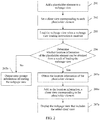
- An implementation of the present disclosure provides another mixed view display method. As shown in FIG. 2 , the method includes the following steps: 201. Add a placeholder element to a webpage view.
- Corresponding identification information is set for each placeholder element, and the identification information is used to uniquely identify the placeholder element.
- the placeholder element included in the webpage view is an element that can change a size or a width/height of an object.
- the placeholder element can be a block-level element, or the placeholder element can be represented as a row-level element of a block-level element. It is not limited in the present implementation of the present disclosure.
- the placeholder element is set to a block-level element, or the placeholder element is represented as a row-level element of a block-level element.
- a width/height of the placeholder element can be set in a later step.
- a size of a client view can be adjusted by using the placeholder element. Therefore, the present implementation of the present disclosure can improve accuracy and consistency of displaying a client view.
- the client view is a native view control that is written and compiled by using a corresponding operating system language of a mobile phone, for example, the iOS UISwitch (a switch control), the Android TextView (a text display), or a custom view control written by a user. It is not limited in the present implementation of the present disclosure. It is worthwhile to note that, because the webpage view may include multiple client views and one client view can be added to each placeholder element, client views corresponding to the placeholder elements further need to be set after the multiple placeholder elements are added to the webpage view. In the present implementation of the present disclosure, the client views corresponding to the placeholder elements are set so that the multiple client views can be added to location information corresponding to the placeholder elements in a later step.
- the webpage view includes the placeholder element that is used to add the client view.
- the webpage view loading instruction can be triggered by opening a specific page of an App, for example, selecting a repayment button of the Credit Pay in the Alipay or a purchase reservation button in the ZhaoCaiBao. It is not limited in the present implementation of the present disclosure.
- webpage view loading is internally listened in different operating systems of terminal devices in the present disclosure. For example, whether the webpage view has been loaded is learned by using the interface webViewDidFinishLoad (iOS) in the iOS (an operating system in an Apple mobile device); and whether the webpage view has been loaded is learned by using the interface onPageFinished (Android) in the Android (Android operating system).
- the location information of the placeholder element is a location of a page element in a viewable area, and the left and top locations of the placeholder element are located relative to a browser window.
- the location information of the placeholder element is obtained if the location information of the placeholder element can be obtained from the result of loading the to-be-displayed webpage view.
- the placeholder element is represented as a block-level element.
- the method further includes the following: configuring status information of the placeholder element as status information corresponding to the client view.
- the status information of the placeholder element can be width/height information, resolution information, etc. of a status element. It is not limited in the present implementation of the present disclosure.
- the placeholder element is represented as a block-level element, which can be as follows: The placeholder element is a block-level element, or the placeholder element is represented as a row-level element of a block-level element, that is, all elements that can change the status information of the placeholder element. It is not limited in the present implementation of the present disclosure.
- the configuring status information of the placeholder element as status information corresponding to the client view includes the following: setting the width/height information of the placeholder element to width/height information corresponding to the client view.
- the width/height information of the element can be set by using the following code:
- the width/height information of the placeholder element is set to the width/height information corresponding to the client view so that the added client view is fully displayed in the to-be-displayed webpage view. Further, the width/height information of the placeholder element is set to the width/height information corresponding to the client view, to improve accuracy of displaying a client view and further improve accuracy and consistency of displaying a mixed view.
- the adding a client view to the location information includes the following: obtaining location information corresponding to each placeholder element from the result of loading the webpage view; and adding, to the location information, a client view corresponding to the placeholder element.
- the location information corresponding to each placeholder element is obtained from the loading result after the webpage view has been loaded, and then, the client view corresponding to the placeholder element is added to the location information of each placeholder element, to add the multiple client views to the webpage view.
- Step 205b is in parallel with step 205a.
- the error prompt information of loading the webpage view is output if the location information of the placeholder element cannot be obtained from the result of loading the webpage view, to instruct reloading of the webpage view. It is worthwhile to note that the location information of the placeholder element cannot be obtained from the result of loading the webpage view if a terminal device is disconnected from a network, or an error occurs in the webpage view loading process, etc.
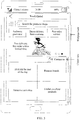
- the implementations of the present disclosure can be applied to, but is not limited to, a scenario shown in FIG. 5 .
- the scenario includes the following content: First, a webpage view is loaded when a webpage view loading instruction is received, that is, a webpage element in a dashed-line box of the webpage view in FIG. 5 is loaded. Then, whether location information of a placeholder element can be obtained from a result of loading the webpage view is determined, that is, whether location information of a placeholder element "Contact us" can be obtained from the result of loading the webpage view.
- the location information of the placeholder element "Contact us” is obtained, and a client view is added to the location information obtained from the WebView, that is, the client view is added to the WebView at a corresponding location of the "Contact us” dashed-line box in FIG. 5 , to display the webpage view and the client view in a mixed way.
- error prompt information of loading the webpage view is output, to instruct reloading of the webpage view.
- the placeholder element in the present implementation of the present disclosure can be rendered by using a browser engine. Therefore, the client view is added to a location corresponding to the placeholder element after the loading so that the client view can scroll with the webpage view, that is, the client view in the "Contact us" dashed-line box in FIG. 5 can scroll with the webpage view in a webpage view dashed-line box.
- the placeholder element is added to the webpage view, to display a mixed view in a flow layout, so that the present disclosure can improve accuracy and consistency of displaying a mixed view.
- the present implementation of the present disclosure provides the other mixed view display method.
- the webpage view is loaded when the webpage view loading instruction is received, where the webpage view includes the placeholder element that is used to add the client view.
- the location information of the placeholder element is obtained from the result of loading the webpage view, and the client view is added to the location information.
- the webpage view that includes the added client view is displayed.
- a subview is directly added to a WebView to display a mixed view.
- the location information of the placeholder element is obtained from the result of loading the webpage view when the webpage view loading instruction is received; then, the client view is added to a location of the placeholder element, to display the webpage view and the client view in a mixed way.
- the placeholder element in the implementations of the present disclosure can be rendered by using a browser engine. Therefore, the client view can scroll with the webpage view by adding the client view to the location corresponding to the placeholder element after the loading.
- the present disclosure can improve accuracy and consistency of displaying a mixed view.
- the device includes a loading unit 31, an acquisition unit 32, an adding unit 33, and a display unit 34.
- the loading unit 31 loads a webpage view when a webpage view loading instruction is received, where the webpage view includes a placeholder element that is used to add a client view.
- the acquisition unit 32 obtains location information of the placeholder element from a result of loading the webpage view.
- the adding unit 33 adds the client view to the location information.
- the display unit 34 displays the webpage view that includes the added client view.
- the present implementation of the present disclosure provides the mixed view display device.
- the webpage view is loaded when the webpage view loading instruction is received, where the webpage view includes the placeholder element that is used to add the client view.
- the location information of the placeholder element is obtained from the result of loading the webpage view, and the client view is added to the location information.
- the webpage view that includes the added client view is displayed.
- a subview is directly added to a WebView to display a mixed view.
- the location information of the placeholder element is obtained from the result of loading the webpage view when the webpage view loading instruction is received; then, the client view is added to a location of the placeholder element, to display the webpage view and the client view in a mixed way.
- the placeholder element in the implementations of the present disclosure can be rendered by using a browser engine. Therefore, the client view can scroll with the webpage view by adding the client view to the location corresponding to the placeholder element after the loading.
- the present disclosure can improve accuracy and consistency of displaying a mixed view.
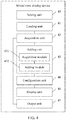
- the device includes a loading unit 41, an acquisition unit 42, an adding unit 43, and a display unit 44.
- the loading unit 41 loads a webpage view when a webpage view loading instruction is received, where the webpage view includes a placeholder element that is used to add a client view.
- the acquisition unit 42 obtains location information of the placeholder element from a result of loading the webpage view.
- the adding unit 43 adds the client view to the location information.
- the display unit 44 displays the webpage view that includes the added client view.
- the device further includes a setting unit 45.
- the adding unit 43 adds the placeholder element to the webpage view, where corresponding identification information is set for each placeholder element.
- the setting unit 45 sets a client view corresponding to each placeholder element.
- the placeholder element is represented as a block-level element.
- the device further includes: a configuration unit 46, configured to configure status information of the placeholder element as status information corresponding to the client view.
- the configuration unit 46 sets width/height information of the placeholder element to width/height information corresponding to the client view.
- the adding unit 43 includes the following: an acquisition module 431, configured to obtain location information corresponding to each placeholder element from the result of loading the webpage view; and an adding module 432, configured to add, to the location information, a client view corresponding to the placeholder element.
- the device further includes the following: an output unit 47, configured to output error prompt information of loading the webpage view, if the location information of the placeholder element is not obtained from the result of loading the webpage view.
- the present implementation of the present disclosure provides another mixed view display device.
- the webpage view is loaded when the webpage view loading instruction is received, where the webpage view includes the placeholder element that is used to add the client view.
- the location information of the placeholder element is obtained from the result of loading the webpage view, and the client view is added to the location information.
- the webpage view that includes the added client view is displayed.
- a subview is directly added to a WebView to display a mixed view.
- the location information of the placeholder element is obtained from the result of loading the webpage view when the webpage view loading instruction is received; then, the client view is added to a location of the placeholder element, to display the webpage view and the client view in a mixed way.
- the placeholder element in the implementations of the present disclosure can be rendered by using a browser engine. Therefore, the client view can scroll with the webpage view by adding the client view to the location corresponding to the placeholder element after the loading.
- the present disclosure can improve accuracy and consistency of displaying a mixed view.
- the mixed view display device includes a processor and a memory.
- the loading unit, the acquisition unit, the adding unit, the display unit, the setting unit, the configuration unit, the output unit, etc., are stored in the memory as program units.
- the processor executes the program units stored in the memory to implement corresponding functions.
- the processor includes a kernel.
- the kernel invokes the corresponding program units from the memory.
- the memory can include a non-persistent memory, a random access memory (RAM), a nonvolatile memory, etc. in a computer readable medium, for example, a read-only memory (ROM) or a flash memory (flash RAM).
- RAM random access memory
- ROM read-only memory
- flash RAM flash memory
- program code for initialization includes the following method steps: loading a to-be-displayed webpage view when a webpage view display location switch instruction is received, where the to-be-displayed webpage view includes a placeholder element that is used to add a client view; obtaining location information of the placeholder element from a result of loading the to-be-displayed webpage view; adding the client view to the location information; and displaying the webpage view that includes the added client view.
- the implementations of the present application can be provided as a method, a system, or a computer program product. Therefore, the present application can use hardware only implementations, software only implementations, or implementations with a combination of software and hardware. In addition, the present application can use a form of a computer program product that is implemented on one or more computer-usable storage media (including but not limited to a magnetic disk storage, a CD-ROM, and an optical memory) that include computer-usable program code.
- a computer-usable storage media including but not limited to a magnetic disk storage, a CD-ROM, and an optical memory
- These computer program instructions can be provided for a general-purpose computer, a dedicated computer, an embedded processor, or a processor of another programmable data processing device to generate a machine, so that the instructions executed by the computer or the processor of the another programmable data processing device generate a device for implementing a specific function in one or more processes in the flowcharts and/or in one or more blocks in the block diagrams.
- These computer program instructions can be stored in a computer readable memory that can instruct the computer or another programmable data processing device to work in a specific way so that the instructions stored in the computer readable memory generate an artifact that includes an instruction device.
- the instruction device implements a specific function in one or more processes in the flowcharts and/or in one or more blocks in the block diagrams.
- a computing device includes one or more central processing units (CPU), an input/output interface, a network interface, and a memory.
- CPU central processing units
- input/output interface input/output interface
- network interface input/output interface
- memory a memory
- the memory may include a non-persistent memory, a random access memory (RAM), a nonvolatile memory, etc. in a computer readable medium, for example, a read-only memory (ROM) or a flash memory (flash RAM).
- ROM read-only memory
- flash RAM flash memory
- the computer readable medium includes persistent, non-persistent, movable, and unmovable media that can implement information storage by using any method or technology.
- Information can be a computer readable instruction, a data structure, a program module, or other data.
- a computer storage medium includes but is not limited to a phase-change random access machine (PRAM), a static random access memory (SRAM), a dynamic random access memory (DRAM), a random access memory (RAM) of another type, a read-only memory (ROM), an electrically erasable programmable read-only memory (EEPROM), a flash memory or another memory technology, a compact disc read-only memory (CD-ROM), a digital versatile disc (DVD), or another optical storage, a cassette, a cassette magnetic disk storage, or another magnetic storage device or any other non-transmission medium.
- the computer storage medium can be configured to store information that can be accessed by the computing device. Based on the definition in the present specification, the computer readable medium does not include transitory computer-readable media (transi
Landscapes
- Engineering & Computer Science (AREA)
- Software Systems (AREA)
- Theoretical Computer Science (AREA)
- General Engineering & Computer Science (AREA)
- Physics & Mathematics (AREA)
- General Physics & Mathematics (AREA)
- Databases & Information Systems (AREA)
- Human Computer Interaction (AREA)
- Data Mining & Analysis (AREA)
- General Health & Medical Sciences (AREA)
- Computational Linguistics (AREA)
- Audiology, Speech & Language Pathology (AREA)
- Artificial Intelligence (AREA)
- Health & Medical Sciences (AREA)
- Information Transfer Between Computers (AREA)
- Digital Computer Display Output (AREA)
- User Interface Of Digital Computer (AREA)
Abstract
Description
- The present application claims priority to Chinese Patent Application No.
201610172774.1, filed on March 24, 2016 - The present disclosure relates to the field of webpage processing technologies, and in particular, to a mixed view display method and device.
- With the rapid development of information technologies, people have increasingly high requirements for an application (App) on a mobile device. Due to limitation of the mobile device, the App on the mobile device changes from a native App to a hybrid App and then to a web-based App (web App) in response to technology update and market demand. The hybrid App means an App between the web App and the native App. A webpage view and a client view of a certain App can be both displayed by using the hybrid App. The webpage view is a Hypertext Markup Language version 5 (HTML5) page running on a browser. The client view is a page or a control for display that is written by using the iOS/Android development language. For example, a webpage view and a client view of the App Taobao can be displayed in a mixed way by using the hybrid App.
- Currently, a subview can be added to the WebView (a client webpage container) of a mobile device to implement the hybrid App. To be specific, a webpage view and a client view of an App are displayed in a mixed way by adding the client view to the WebView. For example, the client view is added to webView.scrollView in the iOS system, or the client view is added to webview.addView in the Android system, to directly add the client view to the WebView. However, the webpage view relies on a browser engine for rendering, and the client view relies on compilation of an operating system for running. Because of the two different environments, a mixed view is displayed inconsistently when a scroll change is made to the webpage view.
- In view of the earlier described problem, the present disclosure is proposed to provide a mixed view display method and device for resolving the problem or at least partially resolving the problem.
- To achieve the objective, the present disclosure provides the following technical solutions:
- According to one aspect, an implementation of the present disclosure provides a mixed view display method, and the method includes the following: loading a webpage view when a webpage view loading instruction is received, where the webpage view includes a placeholder element that is used to add a client view; obtaining location information of the placeholder element from a result of loading the webpage view; adding the client view to the location information; and displaying the webpage view that includes the added client view.
- According to another aspect, an implementation of the present disclosure further provides a mixed view display device, and the device includes the following: a loading unit, configured to load a webpage view when a webpage view loading instruction is received, where the webpage view includes a placeholder element that is used to add a client view; an acquisition unit, configured to obtain location information of the placeholder element from a result of loading the webpage view; an adding unit, configured to add the client view to the location information; and a display unit, configured to display the webpage view that includes the added client view.
- The technical solutions provided in the implementations of the present disclosure have at least the following advantages:
- The implementations of the present disclosure provide the mixed view display method and device. First, the webpage view is loaded when the webpage view loading instruction is received, where the webpage view includes the placeholder element that is used to add the client view. Then, the location information of the placeholder element is obtained from the result of loading the webpage view, and the client view is added to the location information. Eventually, the webpage view that includes the added client view is displayed. In comparison to a subview being directly added to a WebView to display a mixed view, in the implementations of the present disclosure, the location information of the placeholder element is first obtained from the result of loading the webpage view when the webpage view loading instruction is received. Then, the client view is added to a location of the placeholder element to display the webpage view and the client view in a mixed way. The placeholder element in the implementations of the present disclosure can be rendered by using a browser engine. Therefore, the client view can scroll with the webpage view by adding the client view to the location corresponding to the placeholder element after the loading and can improve accuracy and consistency of displaying a mixed view.
- Various other advantages and benefits are clearly understood by a person of ordinary skill in the art by reading the detailed descriptions of the following implementations. The accompanying drawings are merely used to illustrate the implementations, and are not used to limit the present disclosure. In addition, the same reference symbols are used to represent the same components in the drawings. In the accompanying drawings:
-
FIG. 1 is a flowchart illustrating a mixed view display method, according to an implementation of the present disclosure; -
FIG. 2 is a flowchart illustrating another mixed view display method, according to an implementation of the present disclosure; -
FIG. 3 is a composition block diagram illustrating a mixed view display device, according to an implementation of the present disclosure; -
FIG. 4 is a composition block diagram illustrating another mixed view display device, according to an implementation of the present disclosure; and -
FIG. 5 is a schematic diagram illustrating an interface of a mixed view, according to an implementation of the present disclosure. - The following describes example implementations of the present disclosure in detail with reference to the accompanying drawings. Although the accompanying drawings show the example implementations of the present disclosure, it should be understood that the present disclosure can be implemented in various forms, and shall not be limited by the implementations described here. Instead, these implementations are used to provide a more thorough understanding of the present disclosure and to comprehensively convey the scope of the present disclosure to a person skilled in the art.
- The present disclosure is described in detail in the following with reference to the accompanying drawings and implementations, to make advantages of the technical solutions of the present disclosure clearer.
- An implementation of the present disclosure provides a mixed view display method. As shown in
FIG. 1 , the method includes the following steps:
101. Load a webpage view when a webpage view loading instruction is received. - The webpage view includes a placeholder element that is used to add a client view. In the present implementation of the present disclosure, the webpage view loading instruction can be triggered by opening a specific page of an App, for example, selecting a repayment button of the Credit Pay in the Alipay or a purchase reservation button in the ZhaoCaiBao. It is not limited in the present implementation of the present disclosure.
- It is worthwhile to note that the placeholder element included in the webpage view is an element that can change a size or a width/height of an object. In the present implementation of the present disclosure, the placeholder element can be a block-level element, or the placeholder element can be represented as a row-level element of a block-level element. It is not limited in the present implementation of the present disclosure. For example, the placeholder element is represented by using a block-level element <div id="native-view"></div>, or the placeholder element is represented by using a row-level element of a block-level element <span id="native-view" style="display:block"></span>. Because style="display:block" that is set in the row-level element means to change an object to a block-level element, the row-level element is actually represented as a block-level element, and the row-level element is used to change a corresponding size or width.
- 102. Obtain location information of a placeholder element from a result of loading the webpage view.
- In the present implementation of the present disclosure, because the webpage view is an HTML page, the to-be-displayed webpage view is loaded for display by using a browser rendering engine. It is worthwhile to note that loading of different webpage views is internally monitored by different operating systems of terminal devices in the present disclosure. For example, whether the webpage view has been loaded is monitored by using the interface webViewDidFinishLoad (iOS) in the iOS (an operating system in an Apple mobile device); and whether the webpage view has been loaded is monitored by using the interface onPageFinished (Android) in the Android (Android operating system).
- In the present implementation of the present disclosure, the WebView (a client webpage view container) executes the JavaScript (a scripting language) to obtain the location information of the placeholder element from the result of loading the to-be-displayed webpage view. There are different methods for obtaining a placeholder element based on different methods for marking a placeholder element. For example, script code for obtaining location information of a placeholder element is as follows:
          (function(){
          var ele = document.getElementById('native-view');
          var xPoint = ele.getBoundingClientRect().left;
          var yPoint = ele.getBoundingClientRect().top + document.body.scrollTop;
          return JSON.stringify({x: xPoint, y: yPoint});
          })();
201. Add a placeholder element to a webpage view.
          document.getElementById('native-view').style.height='400px';
          document.getElementById('native-view').style.width='100px';
Claims (10)
- A mixed view display method, comprising:loading a webpage view when a webpage view loading instruction is received, wherein the webpage view comprises a placeholder element that is used to add a client view;obtaining location information of the placeholder element from a result of loading the webpage view;adding the client view to the location information; anddisplaying the webpage view that comprises the added client view.
- The method according to claim 1, wherein before the loading a webpage view, the method further comprises:adding the placeholder element to the webpage view, wherein corresponding identification information is set for each placeholder element; andsetting a client view corresponding to each placeholder element.
- The method according to claim 2, wherein the placeholder element is represented as a block-level element, and after the adding the client view to the location information, the method further comprises:configuring status information of the placeholder element as status information corresponding to the client view.
- The method according to claim 3, wherein the configuring status information of the placeholder element as status information corresponding to the client view comprises:setting width/height information of the placeholder element to width/height information corresponding to the client view.
- The method according to claim 2, wherein the adding the client view to the location information comprises:obtaining location information corresponding to each placeholder element from the result of loading the webpage view; andadding, to the location information, a client view corresponding to the placeholder element.
- The method according to claim 1, wherein the method further comprises:outputting error prompt information of loading the webpage view if the location information of the placeholder element is not obtained from the result of loading the webpage view.
- A mixed view display device, comprising:a loading unit, configured to load a webpage view when a webpage view loading instruction is received, wherein the webpage view comprises a placeholder element that is used to add a client view;an acquisition unit, configured to obtain location information of the placeholder element from a result of loading the webpage view;an adding unit, configured to add the client view to the location information; anda display unit, configured to display the webpage view that comprises the added client view.
- The device according to claim 7, wherein the device further comprises a setting unit, and
the adding unit adds the placeholder element to the webpage view, wherein corresponding identification information is set for each placeholder element; and
the setting unit sets a client view corresponding to each placeholder element. - The device according to claim 8, wherein the placeholder element is represented as a block-level element, and the device further comprises:a configuration unit, configured to configure status information of the placeholder element as status information corresponding to the client view.
- The device according to claim 9, wherein
the configuration unit sets width/height information of the placeholder element to width/height information corresponding to the client view.
Applications Claiming Priority (2)
| Application Number | Priority Date | Filing Date | Title |
|---|---|---|---|
| CN201610172774.1A CN107229454B (en) | 2016-03-24 | 2016-03-24 | Display method and device for mixed view |
| PCT/CN2017/076421 WO2017162061A1 (en) | 2016-03-24 | 2017-03-13 | Mixed view display method and device |
Publications (3)
| Publication Number | Publication Date |
|---|---|
| EP3435225A1 true EP3435225A1 (en) | 2019-01-30 |
| EP3435225A4 EP3435225A4 (en) | 2019-12-11 |
| EP3435225B1 EP3435225B1 (en) | 2024-07-17 |
Family
ID=59899212
Family Applications (1)
| Application Number | Title | Priority Date | Filing Date |
|---|---|---|---|
| EP17769338.9A Active EP3435225B1 (en) | 2016-03-24 | 2017-03-13 | Mixed view display method and device |
Country Status (10)
| Country | Link |
|---|---|
| US (1) | US10789420B2 (en) |
| EP (1) | EP3435225B1 (en) |
| JP (1) | JP2019513268A (en) |
| KR (1) | KR102293685B1 (en) |
| CN (1) | CN107229454B (en) |
| MY (1) | MY197000A (en) |
| PH (1) | PH12018502001A1 (en) |
| SG (1) | SG11201808002YA (en) |
| TW (1) | TWI700638B (en) |
| WO (1) | WO2017162061A1 (en) |
Families Citing this family (15)
| Publication number | Priority date | Publication date | Assignee | Title |
|---|---|---|---|---|
| CN107818008B (en) * | 2017-11-21 | 2021-02-02 | 武汉斗鱼网络科技有限公司 | Page loading method and device |
| CN108052548A (en) * | 2017-11-27 | 2018-05-18 | 深圳市前海圆舟网络科技股份有限公司 | Method, system and the terminal device that a kind of webpage creates |
| EP3496404A1 (en) * | 2017-12-06 | 2019-06-12 | V-Nova International Limited | Image processing |
| CN109947424A (en) * | 2017-12-21 | 2019-06-28 | 天津数观科技有限公司 | A kind of data processing method at the iOS App insertion interface HTML5 |
| CN108875085B (en) * | 2018-07-18 | 2023-04-07 | 平安科技(深圳)有限公司 | Picture processing method and device for hybrid application, computer equipment and storage medium |
| CN111552525A (en) * | 2019-01-24 | 2020-08-18 | 北京京东尚科信息技术有限公司 | Method and device for generating skeleton screen |
| CN111177635B (en) * | 2020-01-06 | 2024-01-02 | 北京字节跳动网络技术有限公司 | Webpage display height determining method, device, storage medium and equipment |
| CN111324834B (en) * | 2020-01-20 | 2024-01-16 | 北京有竹居网络技术有限公司 | Method, device, electronic equipment and computer readable medium for image-text mixed arrangement |
| US11210106B2 (en) * | 2020-01-28 | 2021-12-28 | Microsoft Technology Licensing, Llc | Simulated visual hierarchy while facilitating cross-extension communication |
| CN111522599B (en) * | 2020-04-13 | 2023-06-30 | 百度在线网络技术(北京)有限公司 | Method and device for transmitting information |
| CN111782214B (en) * | 2020-07-03 | 2024-04-23 | 携程商旅信息服务(上海)有限公司 | Client system, operation method, electronic device and storage medium |
| CN113343151A (en) * | 2021-06-25 | 2021-09-03 | 上海渠杰信息科技有限公司 | Method and equipment for processing webpage view |
| CN113792239A (en) * | 2021-09-17 | 2021-12-14 | 合众新能源汽车有限公司 | Display method and device of system desktop view and storage medium |
| DE102022202943A1 (en) | 2022-03-25 | 2023-09-28 | Robert Bosch Gesellschaft mit beschränkter Haftung | Monitoring arrangement with access authorization, method, computer program and storage medium |
| DE102022202941A1 (en) | 2022-03-25 | 2023-09-28 | Robert Bosch Gesellschaft mit beschränkter Haftung | Monitoring arrangement, monitoring method, computer program and data carrier |
Family Cites Families (27)
| Publication number | Priority date | Publication date | Assignee | Title |
|---|---|---|---|---|
| AU2001231259A1 (en) * | 2000-02-04 | 2001-08-14 | America Online Incorporated | System and process for delivering and rendering scalable web pages |
| US20020184337A1 (en) * | 2001-05-21 | 2002-12-05 | Anders Hyldahl | Method and computer system for constructing references to virtual data |
| KR20020039646A (en) * | 2002-02-20 | 2002-05-27 | (주) 퍼슨넷 | Managing method for supplementary information using error pages |
| JP2007018489A (en) * | 2005-03-25 | 2007-01-25 | Zeroeks Kk | Program, service providing system, and information providing method |
| US8001477B2 (en) * | 2005-11-11 | 2011-08-16 | International Business Machines Corporation | Method for exchanging portlet configuration data |
| US8694680B2 (en) * | 2006-03-01 | 2014-04-08 | Infogin Ltd. | Methods and apparatus for enabling use of web content on various types of devices |
| US20080127133A1 (en) * | 2006-11-28 | 2008-05-29 | International Business Machines Corporation | Aggregating portlets for use within a client environment without relying upon server resources |
| US20090119607A1 (en) * | 2007-11-02 | 2009-05-07 | Microsoft Corporation | Integration of disparate rendering platforms |
| JP2011516943A (en) * | 2008-03-21 | 2011-05-26 | コーニンクレッカ フィリップス エレクトロニクス エヌ ヴィ | How to display information generated by a client |
| US9483449B1 (en) * | 2010-07-30 | 2016-11-01 | Amazon Technologies, Inc. | Optimizing page output through run-time reordering of page content |
| US8667090B2 (en) * | 2010-12-07 | 2014-03-04 | Cisco Technology, Inc. | Delivering a webpage to a client |
| CN102073502B (en) * | 2011-01-11 | 2013-02-20 | 百度在线网络技术(北京)有限公司 | Method for rendering page frame by WEB primary layout and device thereof |
| US20120284632A1 (en) * | 2011-05-06 | 2012-11-08 | Cisco Technology, Inc. | Integrated Rendering of Streaming Media in Virtualized Desktop Environment |
| US9058401B2 (en) * | 2011-08-16 | 2015-06-16 | Fabebook, Inc. | Aggregating plug-in requests for improved client performance |
| US10498889B2 (en) * | 2011-09-16 | 2019-12-03 | Skype | Advertisement funded telephone calls |
| US8397153B1 (en) * | 2011-10-17 | 2013-03-12 | Google Inc. | Systems and methods for rich presentation overlays |
| AU2012350145A1 (en) * | 2011-12-07 | 2014-07-03 | Adinfinity Holdings Pty Ltd | Systems and methods for processing web page data |
| US20130132820A1 (en) * | 2012-06-07 | 2013-05-23 | Eric Poindessault | Web browsing tool delivering relevant content |
| US9037914B1 (en) * | 2012-06-28 | 2015-05-19 | Google Inc. | Error handling for widgets |
| US9910833B2 (en) * | 2012-11-13 | 2018-03-06 | International Business Machines Corporation | Automatically rendering web and/or hybrid applications natively in parallel |
| CN102999613B (en) * | 2012-11-28 | 2016-03-30 | 北京奇虎科技有限公司 | A kind of method of the class of loading tool in a browser window and device thereof |
| US9754245B1 (en) * | 2013-02-15 | 2017-09-05 | Amazon Technologies, Inc. | Payments portal |
| US9374446B2 (en) * | 2013-05-15 | 2016-06-21 | Microsoft Technology Licensing, Llc | Web platform with select-to-call functionality |
| US9451005B2 (en) * | 2013-07-15 | 2016-09-20 | Microsoft Technology Licensing, Llc | Delegation of rendering between a web application and a native application |
| CN104657118A (en) * | 2013-11-18 | 2015-05-27 | 中国移动通信集团公司 | Native + Web mixed mobile application achieving method and device |
| US20150234930A1 (en) * | 2014-02-19 | 2015-08-20 | Google Inc. | Methods and systems for providing functional extensions with a landing page of a creative |
| US9858494B2 (en) * | 2015-12-28 | 2018-01-02 | Facebook, Inc. | Systems and methods for analyzing rendered content |
-
2016
- 2016-03-24 CN CN201610172774.1A patent/CN107229454B/en active Active
-
2017
- 2017-01-20 TW TW106102206A patent/TWI700638B/en active
- 2017-03-13 SG SG11201808002YA patent/SG11201808002YA/en unknown
- 2017-03-13 JP JP2018550402A patent/JP2019513268A/en active Pending
- 2017-03-13 KR KR1020187030825A patent/KR102293685B1/en active Active
- 2017-03-13 EP EP17769338.9A patent/EP3435225B1/en active Active
- 2017-03-13 MY MYPI2018703337A patent/MY197000A/en unknown
- 2017-03-13 WO PCT/CN2017/076421 patent/WO2017162061A1/en not_active Ceased
-
2018
- 2018-09-18 PH PH12018502001A patent/PH12018502001A1/en unknown
- 2018-09-19 US US16/135,604 patent/US10789420B2/en active Active
Also Published As
| Publication number | Publication date |
|---|---|
| TW201734773A (en) | 2017-10-01 |
| KR20180134927A (en) | 2018-12-19 |
| US10789420B2 (en) | 2020-09-29 |
| EP3435225B1 (en) | 2024-07-17 |
| US20190018830A1 (en) | 2019-01-17 |
| WO2017162061A1 (en) | 2017-09-28 |
| SG11201808002YA (en) | 2018-10-30 |
| CN107229454A (en) | 2017-10-03 |
| MY197000A (en) | 2023-05-17 |
| PH12018502001A1 (en) | 2019-07-01 |
| CN107229454B (en) | 2019-11-12 |
| JP2019513268A (en) | 2019-05-23 |
| KR102293685B1 (en) | 2021-08-27 |
| EP3435225A4 (en) | 2019-12-11 |
| TWI700638B (en) | 2020-08-01 |
Similar Documents
| Publication | Publication Date | Title |
|---|---|---|
| EP3435225B1 (en) | Mixed view display method and device | |
| US20160335231A1 (en) | Application page quick access | |
| EP3425526B1 (en) | Method and apparatus reusing list cell in hybrid application | |
| CN112667330B (en) | Page display method and computer equipment | |
| CN113190776A (en) | Popup window display method and system | |
| EP3401778A1 (en) | Method and device for positioning page with respect to incorrectly entered information | |
| CN113778582B (en) | Setting method, device, equipment and storage medium for localized multi-language adaptation | |
| CN105787402B (en) | A kind of information displaying method and device | |
| EP3467679A1 (en) | Data processing method and device | |
| CN105335389A (en) | Business visualization method and system | |
| CN112068911A (en) | Method, device, system, equipment and medium for generating electronic form | |
| WO2011065564A1 (en) | Object display device, object display method, object display control program, and computer-readable recording medium whereupon program is recorded | |
| CN107526592A (en) | A kind of page adaptation method and apparatus | |
| CN111767002A (en) | Page display method, device, device and storage medium | |
| CN113641358A (en) | Page generation and page display method and device | |
| CN110968385A (en) | Proportion display method and device | |
| CN115952367A (en) | A page display method, device and equipment | |
| US10296566B2 (en) | Apparatus and method for outputting web content that is rendered based on device information | |
| CN221225822U (en) | Screen display circuit and display device | |
| CN107797736A (en) | Method for information display and device | |
| CN108446152B (en) | Page display method and device | |
| CN112527424A (en) | Control method and device for popup window | |
| CN107688636B (en) | Page adaptation method and device | |
| CN113343136B (en) | Method and device for displaying information | |
| HK1245431A1 (en) | Display method and device of mixed view |
Legal Events
| Date | Code | Title | Description |
|---|---|---|---|
| STAA | Information on the status of an ep patent application or granted ep patent |
Free format text: STATUS: THE INTERNATIONAL PUBLICATION HAS BEEN MADE |
|
| PUAI | Public reference made under article 153(3) epc to a published international application that has entered the european phase |
Free format text: ORIGINAL CODE: 0009012 |
|
| STAA | Information on the status of an ep patent application or granted ep patent |
Free format text: STATUS: REQUEST FOR EXAMINATION WAS MADE |
|
| 17P | Request for examination filed |
Effective date: 20181023 |
|
| AK | Designated contracting states |
Kind code of ref document: A1 Designated state(s): AL AT BE BG CH CY CZ DE DK EE ES FI FR GB GR HR HU IE IS IT LI LT LU LV MC MK MT NL NO PL PT RO RS SE SI SK SM TR |
|
| AX | Request for extension of the european patent |
Extension state: BA ME |
|
| DAV | Request for validation of the european patent (deleted) | ||
| DAX | Request for extension of the european patent (deleted) | ||
| A4 | Supplementary search report drawn up and despatched |
Effective date: 20191113 |
|
| RIC1 | Information provided on ipc code assigned before grant |
Ipc: G06F 9/455 20180101ALI20191107BHEP Ipc: G06F 9/451 20180101ALI20191107BHEP Ipc: G06F 8/38 20180101AFI20191107BHEP |
|
| STAA | Information on the status of an ep patent application or granted ep patent |
Free format text: STATUS: EXAMINATION IS IN PROGRESS |
|
| 17Q | First examination report despatched |
Effective date: 20200713 |
|
| RAP1 | Party data changed (applicant data changed or rights of an application transferred) |
Owner name: ADVANCED NEW TECHNOLOGIES CO., LTD. |
|
| GRAP | Despatch of communication of intention to grant a patent |
Free format text: ORIGINAL CODE: EPIDOSNIGR1 |
|
| STAA | Information on the status of an ep patent application or granted ep patent |
Free format text: STATUS: GRANT OF PATENT IS INTENDED |
|
| INTG | Intention to grant announced |
Effective date: 20240207 |
|
| GRAS | Grant fee paid |
Free format text: ORIGINAL CODE: EPIDOSNIGR3 |
|
| GRAA | (expected) grant |
Free format text: ORIGINAL CODE: 0009210 |
|
| STAA | Information on the status of an ep patent application or granted ep patent |
Free format text: STATUS: THE PATENT HAS BEEN GRANTED |
|
| AK | Designated contracting states |
Kind code of ref document: B1 Designated state(s): AL AT BE BG CH CY CZ DE DK EE ES FI FR GB GR HR HU IE IS IT LI LT LU LV MC MK MT NL NO PL PT RO RS SE SI SK SM TR |
|
| REG | Reference to a national code |
Ref country code: CH Ref legal event code: EP |
|
| REG | Reference to a national code |
Ref country code: DE Ref legal event code: R096 Ref document number: 602017083365 Country of ref document: DE |
|
| P01 | Opt-out of the competence of the unified patent court (upc) registered |
Free format text: CASE NUMBER: APP_40313/2024 Effective date: 20240707 |
|
| REG | Reference to a national code |
Ref country code: IE Ref legal event code: FG4D |
|
| REG | Reference to a national code |
Ref country code: LT Ref legal event code: MG9D |
|
| REG | Reference to a national code |
Ref country code: NL Ref legal event code: MP Effective date: 20240717 |
|
| PG25 | Lapsed in a contracting state [announced via postgrant information from national office to epo] |
Ref country code: PT Free format text: LAPSE BECAUSE OF FAILURE TO SUBMIT A TRANSLATION OF THE DESCRIPTION OR TO PAY THE FEE WITHIN THE PRESCRIBED TIME-LIMIT Effective date: 20241118 |
|
| REG | Reference to a national code |
Ref country code: AT Ref legal event code: MK05 Ref document number: 1704770 Country of ref document: AT Kind code of ref document: T Effective date: 20240717 |
|
| PG25 | Lapsed in a contracting state [announced via postgrant information from national office to epo] |
Ref country code: NL Free format text: LAPSE BECAUSE OF FAILURE TO SUBMIT A TRANSLATION OF THE DESCRIPTION OR TO PAY THE FEE WITHIN THE PRESCRIBED TIME-LIMIT Effective date: 20240717 |
|
| PG25 | Lapsed in a contracting state [announced via postgrant information from national office to epo] |
Ref country code: PT Free format text: LAPSE BECAUSE OF FAILURE TO SUBMIT A TRANSLATION OF THE DESCRIPTION OR TO PAY THE FEE WITHIN THE PRESCRIBED TIME-LIMIT Effective date: 20241118 Ref country code: NL Free format text: LAPSE BECAUSE OF FAILURE TO SUBMIT A TRANSLATION OF THE DESCRIPTION OR TO PAY THE FEE WITHIN THE PRESCRIBED TIME-LIMIT Effective date: 20240717 |
|
| PG25 | Lapsed in a contracting state [announced via postgrant information from national office to epo] |
Ref country code: NO Free format text: LAPSE BECAUSE OF FAILURE TO SUBMIT A TRANSLATION OF THE DESCRIPTION OR TO PAY THE FEE WITHIN THE PRESCRIBED TIME-LIMIT Effective date: 20241017 |
|
| PG25 | Lapsed in a contracting state [announced via postgrant information from national office to epo] |
Ref country code: FI Free format text: LAPSE BECAUSE OF FAILURE TO SUBMIT A TRANSLATION OF THE DESCRIPTION OR TO PAY THE FEE WITHIN THE PRESCRIBED TIME-LIMIT Effective date: 20240717 Ref country code: GR Free format text: LAPSE BECAUSE OF FAILURE TO SUBMIT A TRANSLATION OF THE DESCRIPTION OR TO PAY THE FEE WITHIN THE PRESCRIBED TIME-LIMIT Effective date: 20241018 Ref country code: PL Free format text: LAPSE BECAUSE OF FAILURE TO SUBMIT A TRANSLATION OF THE DESCRIPTION OR TO PAY THE FEE WITHIN THE PRESCRIBED TIME-LIMIT Effective date: 20240717 |
|
| PG25 | Lapsed in a contracting state [announced via postgrant information from national office to epo] |
Ref country code: BG Free format text: LAPSE BECAUSE OF FAILURE TO SUBMIT A TRANSLATION OF THE DESCRIPTION OR TO PAY THE FEE WITHIN THE PRESCRIBED TIME-LIMIT Effective date: 20240717 |
|
| PG25 | Lapsed in a contracting state [announced via postgrant information from national office to epo] |
Ref country code: LV Free format text: LAPSE BECAUSE OF FAILURE TO SUBMIT A TRANSLATION OF THE DESCRIPTION OR TO PAY THE FEE WITHIN THE PRESCRIBED TIME-LIMIT Effective date: 20240717 |
|
| PG25 | Lapsed in a contracting state [announced via postgrant information from national office to epo] |
Ref country code: IS Free format text: LAPSE BECAUSE OF FAILURE TO SUBMIT A TRANSLATION OF THE DESCRIPTION OR TO PAY THE FEE WITHIN THE PRESCRIBED TIME-LIMIT Effective date: 20241117 Ref country code: AT Free format text: LAPSE BECAUSE OF FAILURE TO SUBMIT A TRANSLATION OF THE DESCRIPTION OR TO PAY THE FEE WITHIN THE PRESCRIBED TIME-LIMIT Effective date: 20240717 |
|
| PG25 | Lapsed in a contracting state [announced via postgrant information from national office to epo] |
Ref country code: HR Free format text: LAPSE BECAUSE OF FAILURE TO SUBMIT A TRANSLATION OF THE DESCRIPTION OR TO PAY THE FEE WITHIN THE PRESCRIBED TIME-LIMIT Effective date: 20240717 |
|
| PG25 | Lapsed in a contracting state [announced via postgrant information from national office to epo] |
Ref country code: ES Free format text: LAPSE BECAUSE OF FAILURE TO SUBMIT A TRANSLATION OF THE DESCRIPTION OR TO PAY THE FEE WITHIN THE PRESCRIBED TIME-LIMIT Effective date: 20240717 Ref country code: RS Free format text: LAPSE BECAUSE OF FAILURE TO SUBMIT A TRANSLATION OF THE DESCRIPTION OR TO PAY THE FEE WITHIN THE PRESCRIBED TIME-LIMIT Effective date: 20241017 |
|
| PG25 | Lapsed in a contracting state [announced via postgrant information from national office to epo] |
Ref country code: RS Free format text: LAPSE BECAUSE OF FAILURE TO SUBMIT A TRANSLATION OF THE DESCRIPTION OR TO PAY THE FEE WITHIN THE PRESCRIBED TIME-LIMIT Effective date: 20241017 Ref country code: PL Free format text: LAPSE BECAUSE OF FAILURE TO SUBMIT A TRANSLATION OF THE DESCRIPTION OR TO PAY THE FEE WITHIN THE PRESCRIBED TIME-LIMIT Effective date: 20240717 Ref country code: NO Free format text: LAPSE BECAUSE OF FAILURE TO SUBMIT A TRANSLATION OF THE DESCRIPTION OR TO PAY THE FEE WITHIN THE PRESCRIBED TIME-LIMIT Effective date: 20241017 Ref country code: LV Free format text: LAPSE BECAUSE OF FAILURE TO SUBMIT A TRANSLATION OF THE DESCRIPTION OR TO PAY THE FEE WITHIN THE PRESCRIBED TIME-LIMIT Effective date: 20240717 Ref country code: IS Free format text: LAPSE BECAUSE OF FAILURE TO SUBMIT A TRANSLATION OF THE DESCRIPTION OR TO PAY THE FEE WITHIN THE PRESCRIBED TIME-LIMIT Effective date: 20241117 Ref country code: HR Free format text: LAPSE BECAUSE OF FAILURE TO SUBMIT A TRANSLATION OF THE DESCRIPTION OR TO PAY THE FEE WITHIN THE PRESCRIBED TIME-LIMIT Effective date: 20240717 Ref country code: GR Free format text: LAPSE BECAUSE OF FAILURE TO SUBMIT A TRANSLATION OF THE DESCRIPTION OR TO PAY THE FEE WITHIN THE PRESCRIBED TIME-LIMIT Effective date: 20241018 Ref country code: FI Free format text: LAPSE BECAUSE OF FAILURE TO SUBMIT A TRANSLATION OF THE DESCRIPTION OR TO PAY THE FEE WITHIN THE PRESCRIBED TIME-LIMIT Effective date: 20240717 Ref country code: ES Free format text: LAPSE BECAUSE OF FAILURE TO SUBMIT A TRANSLATION OF THE DESCRIPTION OR TO PAY THE FEE WITHIN THE PRESCRIBED TIME-LIMIT Effective date: 20240717 Ref country code: BG Free format text: LAPSE BECAUSE OF FAILURE TO SUBMIT A TRANSLATION OF THE DESCRIPTION OR TO PAY THE FEE WITHIN THE PRESCRIBED TIME-LIMIT Effective date: 20240717 Ref country code: AT Free format text: LAPSE BECAUSE OF FAILURE TO SUBMIT A TRANSLATION OF THE DESCRIPTION OR TO PAY THE FEE WITHIN THE PRESCRIBED TIME-LIMIT Effective date: 20240717 |
|
| PG25 | Lapsed in a contracting state [announced via postgrant information from national office to epo] |
Ref country code: RO Free format text: LAPSE BECAUSE OF FAILURE TO SUBMIT A TRANSLATION OF THE DESCRIPTION OR TO PAY THE FEE WITHIN THE PRESCRIBED TIME-LIMIT Effective date: 20240717 Ref country code: DK Free format text: LAPSE BECAUSE OF FAILURE TO SUBMIT A TRANSLATION OF THE DESCRIPTION OR TO PAY THE FEE WITHIN THE PRESCRIBED TIME-LIMIT Effective date: 20240717 Ref country code: SM Free format text: LAPSE BECAUSE OF FAILURE TO SUBMIT A TRANSLATION OF THE DESCRIPTION OR TO PAY THE FEE WITHIN THE PRESCRIBED TIME-LIMIT Effective date: 20240717 |
|
| REG | Reference to a national code |
Ref country code: DE Ref legal event code: R097 Ref document number: 602017083365 Country of ref document: DE |
|
| PG25 | Lapsed in a contracting state [announced via postgrant information from national office to epo] |
Ref country code: EE Free format text: LAPSE BECAUSE OF FAILURE TO SUBMIT A TRANSLATION OF THE DESCRIPTION OR TO PAY THE FEE WITHIN THE PRESCRIBED TIME-LIMIT Effective date: 20240717 |
|
| PG25 | Lapsed in a contracting state [announced via postgrant information from national office to epo] |
Ref country code: CZ Free format text: LAPSE BECAUSE OF FAILURE TO SUBMIT A TRANSLATION OF THE DESCRIPTION OR TO PAY THE FEE WITHIN THE PRESCRIBED TIME-LIMIT Effective date: 20240717 |
|
| PG25 | Lapsed in a contracting state [announced via postgrant information from national office to epo] |
Ref country code: SK Free format text: LAPSE BECAUSE OF FAILURE TO SUBMIT A TRANSLATION OF THE DESCRIPTION OR TO PAY THE FEE WITHIN THE PRESCRIBED TIME-LIMIT Effective date: 20240717 |
|
| PLBE | No opposition filed within time limit |
Free format text: ORIGINAL CODE: 0009261 |
|
| STAA | Information on the status of an ep patent application or granted ep patent |
Free format text: STATUS: NO OPPOSITION FILED WITHIN TIME LIMIT |
|
| 26N | No opposition filed |
Effective date: 20250422 |
|
| PG25 | Lapsed in a contracting state [announced via postgrant information from national office to epo] |
Ref country code: SE Free format text: LAPSE BECAUSE OF FAILURE TO SUBMIT A TRANSLATION OF THE DESCRIPTION OR TO PAY THE FEE WITHIN THE PRESCRIBED TIME-LIMIT Effective date: 20240717 |
|
| PG25 | Lapsed in a contracting state [announced via postgrant information from national office to epo] |
Ref country code: MC Free format text: LAPSE BECAUSE OF FAILURE TO SUBMIT A TRANSLATION OF THE DESCRIPTION OR TO PAY THE FEE WITHIN THE PRESCRIBED TIME-LIMIT Effective date: 20240717 |
|
| REG | Reference to a national code |
Ref country code: CH Ref legal event code: H13 Free format text: ST27 STATUS EVENT CODE: U-0-0-H10-H13 (AS PROVIDED BY THE NATIONAL OFFICE) Effective date: 20251023 |
|
| PG25 | Lapsed in a contracting state [announced via postgrant information from national office to epo] |
Ref country code: LU Free format text: LAPSE BECAUSE OF NON-PAYMENT OF DUE FEES Effective date: 20250313 |
|
| GBPC | Gb: european patent ceased through non-payment of renewal fee |
Effective date: 20250313 |
|
| REG | Reference to a national code |
Ref country code: BE Ref legal event code: MM Effective date: 20250331 |
|
| PG25 | Lapsed in a contracting state [announced via postgrant information from national office to epo] |
Ref country code: GB Free format text: LAPSE BECAUSE OF NON-PAYMENT OF DUE FEES Effective date: 20250313 |
|
| PG25 | Lapsed in a contracting state [announced via postgrant information from national office to epo] |
Ref country code: FR Free format text: LAPSE BECAUSE OF NON-PAYMENT OF DUE FEES Effective date: 20250331 |
|
| PG25 | Lapsed in a contracting state [announced via postgrant information from national office to epo] |
Ref country code: BE Free format text: LAPSE BECAUSE OF NON-PAYMENT OF DUE FEES Effective date: 20250331 |
|
| PG25 | Lapsed in a contracting state [announced via postgrant information from national office to epo] |
Ref country code: CH Free format text: LAPSE BECAUSE OF NON-PAYMENT OF DUE FEES Effective date: 20250331 |
|
| PG25 | Lapsed in a contracting state [announced via postgrant information from national office to epo] |
Ref country code: IE Free format text: LAPSE BECAUSE OF NON-PAYMENT OF DUE FEES Effective date: 20250313 |
|
| PG25 | Lapsed in a contracting state [announced via postgrant information from national office to epo] |
Ref country code: IT Free format text: LAPSE BECAUSE OF FAILURE TO SUBMIT A TRANSLATION OF THE DESCRIPTION OR TO PAY THE FEE WITHIN THE PRESCRIBED TIME-LIMIT Effective date: 20240717 |
|
| PGFP | Annual fee paid to national office [announced via postgrant information from national office to epo] |
Ref country code: DE Payment date: 20260102 Year of fee payment: 10 |