EP3428847A1 - System for detecting image abnormalities - Google Patents
System for detecting image abnormalities Download PDFInfo
- Publication number
- EP3428847A1 EP3428847A1 EP18190240.4A EP18190240A EP3428847A1 EP 3428847 A1 EP3428847 A1 EP 3428847A1 EP 18190240 A EP18190240 A EP 18190240A EP 3428847 A1 EP3428847 A1 EP 3428847A1
- Authority
- EP
- European Patent Office
- Prior art keywords
- image
- image capture
- abnormality
- shoot
- moving platform
- Prior art date
- Legal status (The legal status is an assumption and is not a legal conclusion. Google has not performed a legal analysis and makes no representation as to the accuracy of the status listed.)
- Granted
Links
Images




Classifications
-
- G—PHYSICS
- G06—COMPUTING OR CALCULATING; COUNTING
- G06T—IMAGE DATA PROCESSING OR GENERATION, IN GENERAL
- G06T7/00—Image analysis
- G06T7/0002—Inspection of images, e.g. flaw detection
- G06T7/0004—Industrial image inspection
-
- G—PHYSICS
- G01—MEASURING; TESTING
- G01C—MEASURING DISTANCES, LEVELS OR BEARINGS; SURVEYING; NAVIGATION; GYROSCOPIC INSTRUMENTS; PHOTOGRAMMETRY OR VIDEOGRAMMETRY
- G01C11/00—Photogrammetry or videogrammetry, e.g. stereogrammetry; Photographic surveying
- G01C11/02—Picture taking arrangements specially adapted for photogrammetry or photographic surveying, e.g. controlling overlapping of pictures
-
- G—PHYSICS
- G06—COMPUTING OR CALCULATING; COUNTING
- G06T—IMAGE DATA PROCESSING OR GENERATION, IN GENERAL
- G06T2207/00—Indexing scheme for image analysis or image enhancement
- G06T2207/10—Image acquisition modality
- G06T2207/10032—Satellite or aerial image; Remote sensing
-
- G—PHYSICS
- G06—COMPUTING OR CALCULATING; COUNTING
- G06T—IMAGE DATA PROCESSING OR GENERATION, IN GENERAL
- G06T2207/00—Indexing scheme for image analysis or image enhancement
- G06T2207/30—Subject of image; Context of image processing
- G06T2207/30168—Image quality inspection
-
- G—PHYSICS
- G06—COMPUTING OR CALCULATING; COUNTING
- G06T—IMAGE DATA PROCESSING OR GENERATION, IN GENERAL
- G06T2207/00—Indexing scheme for image analysis or image enhancement
- G06T2207/30—Subject of image; Context of image processing
- G06T2207/30181—Earth observation
Definitions
- imagery is used to capture views of a geographic area and to be able to measure objects and structures within the images as well as to be able to determine geographic locations of points within the image.
- These are generally referred to as "geo-referenced images" and come in two basic categories:
- Captured Imagery these images have the appearance they were captured by the camera or sensor employed.
- This process aligns the image to an orthogonal or rectilinear grid (composed of rectangles).
- the input image used to create an ortho-rectified image is a nadir image - that is, an image captured with the camera pointing straight down. It is often quite desirable to combine multiple images into a larger composite image such that the image covers a larger geographic area on the ground.
- the most common form of this composite image is the "ortho-mosaic image" which is an image created from a series of overlapping or adjacent nadir images that are mathematically combined into a single ortho-rectified image.
- ortho-mosaic process When creating an ortho-mosaic, this same ortho-rectification process is used, however, instead of using only a single input nadir image, a collection of overlapping or adjacent nadir images are used and they are combined to form a single composite ortho-rectified image known as an ortho-mosaic.
- ortho-mosaic process entails the following steps:
- a rectilinear grid is created, which results in an ortho-mosaic image where every grid pixel covers the same amount of area on the ground.
- the location of each grid pixel is determined from the mathematical definition of the grid. Generally, this means the grid is given an X and Y starting or origin location and an X and Y size for the grid pixels. Thus, the location of any pixel is simply the origin location plus the number of pixels times the size of each pixel.
- the available nadir images are checked to see if they cover the same point on the ground as the grid pixel being filled. If so, a mathematical formula is used to determine where that point on the ground projects up onto the camera's pixel image map and that resulting pixel value is then transferred to the grid pixel.
- the ortho-mosaic images bear a striking similarity to maps and as such, are generally very easy to use from a direction and orientation standpoint.
- the POS AV system was mounted on a moving platform, such as an airplane, such that the airborne sensor was pointed toward the Earth.
- the positioning system received position signals from a satellite constellation and also received time signals from an accurate clock.
- the sensor was controlled by a computer running flight management software to take images. Signals indicative of the taking of an image were sent from the sensor to the positioning system to record the time and position where the image was taken.
- abnormalities such as elevated sensor noise levels, streaks, blooms or smears can be formed within the captured image.
- Such abnormalities can be caused by malfunctions of the image capture device, or by the external environment.
- reflections of the sun off of shiny or reflective surfaces such as lakes, windows, greenhouses or windshields can cause blooms which smear to form streaks in the captured image.
- An exemplary photograph having a streak formed from reflections off of water is shown in Figure 15 .
- the image capture device's sensor is usually overstimulated near the location of the streak or hot spot.
- FIG. 10 shown therein and designated by a reference numeral 10 is an image capture system constructed in accordance with the present invention.
- the image capture system 10 is typically used for capturing aerial images as shown in Figures 1 and 2 .
- the image capture system 10 is extremely useful for aerial imaging, it has numerous other applications - such as when a system has more external triggers than inputs on a device that must react to the external triggers.
- a municipality might have an intersection with a high occurrence of speeding.
- the municipality might wish to install a speed monitoring device, such as a radar gun, combined with multiple independently controlled image capture devices 14 to precisely link the time of image capture to the time of radar reading.
- the images can be oblique images, orthogonal images, or nadir images, or combinations thereof.
- the image capture system 10 is provided with, one or more image capture devices 14, optionally one or more monitoring systems 16, optionally one or more event multiplexer systems 18, and one or more data storage units or computer systems 20.
- the event multiplexer system(s) 18 can be made and used as disclosed in Figures 5-9 and paragraphs [0037], [0042] - [0058] of the provisional patent application identified by U.S. Serial No. 60/926,985 and which is incorporated by reference herein.
- the image capture system 10 is provided with four image capture devices 14 mounted in a sweep pattern ( Figure 1 ); five image capture devices 14 mounted in a 360 pattern having image capture devices 14 pointing fore, aft, port, starboard and straight down ( Figure 2 ); four image capture devices 14 mounted in separate directions generally aligned with respective parts of streets ( Figure 3 ).
- the image capture devices 14, the one or more monitoring systems 16, the one or more event multiplexer systems 18 and the computer system 20 are mounted to a moving platform 21.
- the moving platform 21 or 102 can be any type of device or system that can move through space in a predetermined, or random manner.
- the moving platform 21 is a manned airplane, but it should be understood that the moving platform 21 can be implemented in other manners.
- the moving platform 21 can be implemented as an unmanned airplane, a train, an automobile such as a van, a boat, a four wheeler, a motor cycle, tractor, a robotic device or the like.
- the image capture devices 14 are mounted to the moving platform 21, and once mounted are typically calibrated so that the exact position and orientation of the image capture devices 14 are known with respect to at least a portion of the moving platform 21.
- the image capture devices 14 can be mounted onto a common substrate 22 and calibrated with respect to the substrate 22. It should be noted that all of the cables, wires or other signal paths connecting the image capture devices 14, monitoring system 16, event multiplexer 18 and computer system 20 are not shown in Figures 1-3 for purposes of clarity.
- the substrate 22 having the image capture devices 14 mounted thereto is then mounted to the moving platform 21.
- the image capture devices 14 are mounted internally to the moving platform 21 and the moving platform 21 has one or more opening 23 for the image capture devices 14 to sense data through.
- one or more of the image capture devices 14 can be mounted externally to the moving platform 21.
- the image capture devices 14 are mounted to an under-wing pod.
- Each of the image capture devices 14 has a sensor (e.g., FIG. 14 ) for capturing sensor data, such as an image.
- Each of the image capture devices 14 is also provided with an event channel 26 providing an event signal indicating the capturing of an image by the sensor.
- the event channel 26 can be any device that provides a signal coincident with the capturing of the image, such as a flash output.
- the sensor can capture the image in an analog manner, digital manner, or on film. Further, it should be understood that the image can be stored electronically, optically, or provided on a film-based medium.
- the monitoring system 16 records data indicative of the capturing of the images.
- the monitoring system 16 can record position data as a function of time, time data and/or orientation data.
- the monitoring system 16 records position data as a function of time, as well as time data and/or orientation data related to the moving platform 21.
- the monitoring system 16 records time data.
- the monitoring system 16 automatically and continuously reads and/or records the data.
- the monitoring system 16 can read and/or record the data in other manners, such as on a periodic basis, or upon receipt of a signal to actuate the monitoring system 16 to obtain and record the data.
- the event signals produced by the event multiplexer system 18 can be provided to the monitoring system 16 to cause the monitoring system 16 to read and/or record the data indicative of position as a function of time related to the moving platform 21.
- the monitoring system 16 also includes a satellite receiver 34 typically receiving position and timing signals from a satellite constellation 36, using any appropriate protocol, such as GPS or loran, although other types of position determining systems can be used, such as Wireless Application Protocol (WAP).
- a satellite receiver 34 typically receiving position and timing signals from a satellite constellation 36, using any appropriate protocol, such as GPS or loran, although other types of position determining systems can be used, such as Wireless Application Protocol (WAP).
- WAP Wireless Application Protocol
- the computer system 20 receives and stores (preferably in the database 38) the information indicative of the order of events indicated by the event signals, and identification of image capture devices 14 providing the event signals.
- the computer system 20 optionally also receives and stores the images (preferably in the database 38) generated by the image capture devices 14.
- the monitoring system 16 records the data indicative of the capturing of images by storing it internally, outputting it to the computer system 20, or outputting such data in any other suitable manner, such as storing such data on an external magnetic or optical storage system.
- the position related to the moving platform 21 can be provided in any suitable coordinate system, such as an X, Y, Z coordinate system.
- the image capture system 10 can be provided with an orientation system, such as an inertial measurement unit 40 for capturing other types of information with respect to the moving platform 21, such as the orientation of the moving platform 21.
- the inertial measurement unit 40 can be provided with a variety of sensors, such as accelerometers (not shown) for determining the roll, pitch and yaw related to the moving platform 21.
- the position and/or orientation information does not necessarily have to be a position and/or orientation of the moving platform 21.
- the position and orientation information is simply related to the moving platform 21, i.e. the position and/or orientation of the moving platform 21 should be able to be determined by the information recorded by the monitoring system 16.
- the position and orientation information can be provided for a device connected to the moving platform 21. Then, the position and orientation for each image capture device can be determined based upon their known locations relative to the moving platform 21.
- the image capture devices 14 or 14a are mounted on the moving platform 21, such as an airplane, such that image capture devices 14or 14a are pointed toward an object, such as the Earth.
- the moving platform 21 is then actuated to move, and the image capture devices 14 or 14a capture images at pre-determined or random times or positions.
- the image capture devices 14 or 14a will be independently controlled by flight management software running on the computer system 20 or 20a and the taking of the images will be pre-determined.
- the image capture devices 14 or 14a capture the images
- signals are passed to the event multiplexers system 18 and the order of events (relative or absolute), image capture device identification and the position as a function of time data is logged and stored by the cooperation of the event multiplexer system(s) 18, monitoring system(s) 16 or 16a (shown in Figure 9 of the provisional patent application identified by U.S. Serial No. 60/926,985 ) and computer systems 20 or 20a (shown in Figure 9 of the provisional patent application identified by U.S. Serial No. 60/926,985 )as described above.
- the images are geo-referenced as described in the Background of the Invention section above utilizing the recorded data regarding the order of events (relative or absolute), image capture device identification and the position as a function of time data.
- the image capture devices 14 or 14a are mounted adjacent to the intersection.
- the image capture devices 14 or 14a can be mounted to separate traffic light poles such that the image capture devices 14or 14a are pointed at the streets entering or leaving the intersection.
- the system depicted in Figure 3 also includes a radar gun pointing at the intersection to sense the speed of cars moving through the intersection.
- one or more of the image capture devices 14 or 14a can be actuated (preferably by a computer controlled management system) to preferably take a picture of the driver and tag of the car, while the event multiplexer system(s) 18 capture data such as time data correlated with the data produced by the radar gun. This precisely links the time of image capture to the time of radar reading to provide evidence of the identity of the speeding car and driver.
- FIGS. 10-12 shown therein is a perspective view illustrating the capturing of an aerial image of one or more objects 100 (shown by way of example as an automobile) by an image capture system 10b mounted to a moving platform 102 such as an airplane or van, as well as first, and second overlapping images 104, 106 of the automobile captured by the image capture system 10b. Shown in FIG. 13 is a third image 108 formed as a combination of the first and second images 104 and 106 as will be described below.
- the image capture system 10b is similar in construction and function to the image capture system 10 or 10a described above, with the exception that the image capture system 10b includes one or more detection computer(s) executing an abnormality detection algorithm for detecting abnormalities immediately after an image is captured and then automatically and immediately causing a re-shoot of the image upon detection of an abnormality.
- the image capture system 10b includes one or more detection computer(s) executing an abnormality detection algorithm for detecting abnormalities immediately after an image is captured and then automatically and immediately causing a re-shoot of the image upon detection of an abnormality.
- the image capture system 10b is capturing the first image 104 of the automobile 100.
- the automobile 100 has a reflective surface, i.e., a windshield 110 which causes a bright reflection of light from the sun 112 through the lens and onto a sensor 114 ( Fig. 14 ) of one of the image capture devices 14 or 14a.
- the bright reflection of light causes an abnormality 118, e.g., a hot spot or streak in the first image 104 obscuring a portion of the first image 104 that would have been captured in the absence of the bright reflection of light.
- the streak is usually caused by bloom and smearing inherent to the digital sensor or rapid movement of the object.
- Other examples of reflective surfaces encountered in aerial photography include windows, greenhouses, swamps, sand, and bodies of water, such as ponds, lakes, rivers and streams.
- FIG. 11 illustrates the first image 104 having the abnormality 118 obscuring a first portion 120 of the first image 104.
- FIG. 12 illustrates the second image 106, taken shortly (e.g., commonly in the range of about 5-1000 ms) after the first image 104 with the image capture device 14 or 14a in a different location due to the movement of the image capture device 14 or 14a, and having the abnormality 118 obscuring a second portion 122 of the second image 106.
- the delay between the taking of the first and second images can be a function of the size and/or type of the abnormality. For example, assuming that the abnormality is a streak, the width of the streak can be measured and the delay set so that the second image 106 will permit the portion of the object obscured by the streak to be captured.
- FIG. 13 illustrates the third image 108 produced as an optional feature of the present invention.
- the third image 108 is formed from a combination of the first and second images 104 and 106.
- the third image 108 includes pixels from the first image 104 or the second image 106 which were not obscured by the abnormality. Pixels from the first or second image 104 or 106 are added to the third image 108 to fill in the portion of the first or second image 104 or 106 obscured by the abnormality 118.
- the third image 108 is formed after the airplane has landed and the first and second images 104 and 106 have been processed.
- the image capture system 10b preferably utilizes digital cameras with each digital camera having one or more sensor 114.
- a diagrammatic view of the sensor 114 is shown in FIG. 14 .
- the sensor typically contains millions of photosensitive solid state devices, such as diodes, charge coupled devices or transistors, called photosites 124. Only 81 photosites are shown in FIG. 14 for purposes of clarity. Three of the photosites are labeled with the reference numerals 124a, 124b and 124c for purposes of clarity.
- each photosite records the intensity or brightness of the light that falls on it by accumulating a charge; i.e., the more light the higher the charge.
- the brightness recorded by each photosite is then stored as a set of numbers that can then be used to set the color and brightness of pixels in the image.
- the sensor 114 has an image area 130 and a dark area 132 bordering the image area 130.
- the dark area 132 can serve as a reference to the image area 130.
- the dark area 132 may be referred to herein as a "reference area”.
- the image area 130 is shown in light gray, and the dark area 132 is shown in darker gray.
- the photosites 124a and 124b are located in the image area 130 while the photosite 124c is located in the dark area 132.
- the sensor 114 can be configured as an area array sensor with photosites arranged in a grid pattern covering the entire image area 130 and at least part of the dark area 132.
- a to D Analog-to-Digital
- the sensor 114 Once the sensor 114 has captured the image, it must be read, converted to digital, and then stored. The image can be stored and logged in the manner described above.
- the charges stored on the sensor 114 are typically not read all at once but a row, pixel or column at a time. When a row or column is read at a time, pixel values in each row or column are read in a sequential manner by moving the pixel values up or down the row or column through the dark area 132 of the sensor 114 as indicated by an arrow 134.
- the abnormality detection algorithm scans the image utilizing predetermined parameters indicative of characteristics of abnormalities.
- One method to locate certain types of abnormalities is to monitor the pixel values (or an average of the pixel values) in the dark area 132 as the pixel values are being moved through the dark area 132.
- Another method is to scan/analyze the image using pattern recognition techniques to locate one or more abnormality. For example, the image can be scanned/analyzed after it has been moved through the dark area 132 and stored in memory.
- FIG. 14 shown in Fig. 14 is an abnormality 118, i.e., a streak exposed to the photosites 124 in a column containing photosites 124b and 124c.
- an elevated value in the photosite 124c can be detected.
- Figure 15 is an exemplary aerial photograph 140 having a streak 142 formed from reflections of the sun off of water 144.
- the abnormality detection algorithm causes the detection computer to output a signal causing one or more immediate re-shoot(s) of the image.
- immediate means occurring, acting, or accomplished without substantial loss or interval of time.
- the interval of time between the capturing of the first and second images 104 and 106 may depend upon a variety of factors, such as the time involved in detecting the abnormality, the size or type of the abnormality, and the time involved in actuating the image capture device 14 or 14a to capture the second image 106.
- the abnormality detection algorithm can cause one or more re-shoots without detecting whether the abnormality is captured in the re-shot images, or the abnormality detection algorithm can scan each re-shot image and cause another re-shoot until the earlier of (1) a re-shot image not containing an abnormalty, or (2) the next scheduled image to be taken by the image capture device 14 or 14a.
- the abnormality detection algorithm can flag an image as "bad” and cause the detection computer to send a signal to the flight management software executed on the computer systems 20 or 20a to automatically schedule a re-shoot for a future time.
- the detection computer schedules a re-shoot of the image such that the image is retaken before landing of the airplane.
- the processes described above can be performed with the aid of a computer system running image processing software adapted to perform the functions described above.
- the first, second and third images and data, as well as the abnormality detection algorithm are stored on one or more computer readable mediums. Examples of a computer readable medium include an optical storage device, a magnetic storage device, an electronic storage device or the like.
- the term "Computer System” as used herein means a system or systems that are able to embody and/or execute the logic of the processes, such as the abnormality detection algorithm, described herein.
- the logic embodied in the form of software instructions or firmware may be executed on any appropriate hardware which may be a dedicated system or systems, or a general purpose computer system, or distributed processing computer system, all of which are well understood in the art, and a detailed description of how to make or use such computers is not deemed necessary herein.
- the detection computer can be the same physical computer as the computer systems 20 or 20a, or different from the computer systems 20 or 20a.
- the image capture system 10b includes a detection computer implemented as a part of one of the image capture devices 14 or 14a.
- the image capture system 10b can include multiple detection computers with each detection computer implemented as a part of one image capture device 14 or 14a.
- each of the one or more detection computers monitors the images being captured by its respective image capture device 14 or 14a and can cause a re-shoot by either passing a signal to the computer systems 20 or 20a, or by passing a signal directly to the image capture device 14 or 14a.
Landscapes
- Engineering & Computer Science (AREA)
- Physics & Mathematics (AREA)
- General Physics & Mathematics (AREA)
- Multimedia (AREA)
- Radar, Positioning & Navigation (AREA)
- Remote Sensing (AREA)
- Quality & Reliability (AREA)
- Computer Vision & Pattern Recognition (AREA)
- Theoretical Computer Science (AREA)
- Image Processing (AREA)
Abstract
Description
- The present patent application claims priority to the provisional patent application identified by
U.S. Serial No. 60/926,985 - Not Applicable.
- As background, in the remote sensing/aerial imaging industry, imagery is used to capture views of a geographic area and to be able to measure objects and structures within the images as well as to be able to determine geographic locations of points within the image. These are generally referred to as "geo-referenced images" and come in two basic categories:
- Captured Imagery - these images have the appearance they were captured by the camera or sensor employed.
- Projected Imagery - these images have been processed and converted such that they confirm to a mathematical projection.
- All imagery starts as captured imagery, but as most software cannot geo-reference captured imagery, that imagery is then reprocessed to create the projected imagery. The most common form of projected imagery is the ortho-rectified image.
- This process aligns the image to an orthogonal or rectilinear grid (composed of rectangles). The input image used to create an ortho-rectified image is a nadir image - that is, an image captured with the camera pointing straight down. It is often quite desirable to combine multiple images into a larger composite image such that the image covers a larger geographic area on the ground. The most common form of this composite image is the "ortho-mosaic image" which is an image created from a series of overlapping or adjacent nadir images that are mathematically combined into a single ortho-rectified image.
- When creating an ortho-mosaic, this same ortho-rectification process is used, however, instead of using only a single input nadir image, a collection of overlapping or adjacent nadir images are used and they are combined to form a single composite ortho-rectified image known as an ortho-mosaic. In general, the ortho-mosaic process entails the following steps:
- A rectilinear grid is created, which results in an ortho-mosaic image where every grid pixel covers the same amount of area on the ground. The location of each grid pixel is determined from the mathematical definition of the grid. Generally, this means the grid is given an X and Y starting or origin location and an X and Y size for the grid pixels. Thus, the location of any pixel is simply the origin location plus the number of pixels times the size of each pixel. In mathematical terms: Xpixel = Xorigin + Xsize x Columnpixel and Ypixel = Yorigin + Ysize x Rowpixel.
- The available nadir images are checked to see if they cover the same point on the ground as the grid pixel being filled. If so, a mathematical formula is used to determine where that point on the ground projects up onto the camera's pixel image map and that resulting pixel value is then transferred to the grid pixel.
- Because the rectilinear grids used for the ortho-mosaic are generally the same grids used for creating maps, the ortho-mosaic images bear a striking similarity to maps and as such, are generally very easy to use from a direction and orientation standpoint.
- In producing the geo-referenced aerial images, hardware and software systems designed for georeferencing airborne sensor data exist. For example, a method and apparatus for mapping and measuring land is described in
U.S. Patent No. 5,247,356 . In addition, a system produced by Applanix Corporation of Richmond Hill, Ontario, Canada and sold under the trademark "POS AV" provides a hardware and software system for directly georeferencing sensor data. Direct Georeferencing is the direct measurement of sensor position and orientation (also known as the exterior orientation parameters), without the need for additional ground information over the project area. These parameters allow data from the airborne sensor to be georeferenced to the Earth or local mapping frame. Examples of airborne sensors include: aerial cameras (digital or film-based), multi-spectral or hyper-spectral scanners, SAR, or LIDAR. - The POS AV system was mounted on a moving platform, such as an airplane, such that the airborne sensor was pointed toward the Earth. The positioning system received position signals from a satellite constellation and also received time signals from an accurate clock. The sensor was controlled by a computer running flight management software to take images. Signals indicative of the taking of an image were sent from the sensor to the positioning system to record the time and position where the image was taken.
- When capturing images with a digital sensor, a variety of abnormalities such as elevated sensor noise levels, streaks, blooms or smears can be formed within the captured image. Such abnormalities can be caused by malfunctions of the image capture device, or by the external environment. For example, in aerial photography, in particular, reflections of the sun off of shiny or reflective surfaces such as lakes, windows, greenhouses or windshields can cause blooms which smear to form streaks in the captured image. An exemplary photograph having a streak formed from reflections off of water is shown in
Figure 15 . When a streak is captured in an image, the image capture device's sensor is usually overstimulated near the location of the streak or hot spot. This typically ruins a part of the image and causes the manual rescheduling at a later time/date of another image of the same area to be taken. Because the abnormality is not detected until after the airplane has landed and the images are processed, the re-taking of another image of the same area typically results in time delays and costly re-flights. - Therefore, there is a need to eliminate the time delays and costly re-flights associated with abnormalities occurring in captured aerial imagery. It is to such a system for eliminating the time delays and costly re-flights that the present invention is directed.
-
-
FIG. 1 is a perspective view of an exemplary image capture system constructed in accordance with the present invention. -
FIG. 2 is a perspective view of another example of an image capture system constructed in accordance with the present invention. -
FIG. 3 is a perspective view of yet another example of an image capture system constructed in accordance with the present invention. -
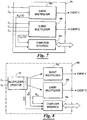
FIG. 4 is a block diagram of the image capture system depicted inFIG. 1 . -
FIG. 5 is a block diagram of one version of an event multiplexer system constructed in accordance with the present invention. -
FIG. 6 is a diagrammatic view of a timing/logic flow of an event multiplexer constructed in accordance with the present invention. -
FIG. 7 is a block diagram of another version of an event multiplexer system constructed in accordance with the present invention. -
FIG. 8 is a block diagram of yet another version of an event multiplexer system constructed in accordance with the present invention. -
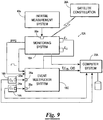
FIG. 9 is a block diagram of another version of an image capture system constructed in accordance with the present invention. -
FIG. 10 is a perspective view illustrating the capturing of an image having an abnormality obscuring a portion of the image. -
FIG. 11 illustrates a first image having the abnormality obscuring a first portion of the first image. -
FIG. 12 illustrates a second image, taken shortly after the first image, and having the abnormality obscuring a second portion of a second image. -
FIG. 13 illustrates a third image based upon the first image and having pixels from the second image used to fill in the portion of the first image obscured by the abnormality. -
FIG. 14 is a diagrammatic view of an exemplary image capture device's sensor. -
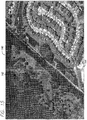
FIG. 15 is an exemplary aerial photograph having a streak formed from reflections of the sun off of water. - Before explaining at least one embodiment of the invention in detail, it is to be understood that the invention is not limited in its application to the details of construction, experiments, exemplary data, and/or the arrangement of the components set forth in the following description or illustrated in the drawings. The invention is capable of other embodiments or being practiced or carried out in various ways. Also, it is to be understood that the phraseology and terminology employed herein is for purposes of description and should not be regarded as limiting.
- Referring to the drawings, and in particular to
Figures 1, 2 and3 , shown therein and designated by areference numeral 10 is an image capture system constructed in accordance with the present invention. Theimage capture system 10 is typically used for capturing aerial images as shown inFigures 1 and 2 . However, while theimage capture system 10 is extremely useful for aerial imaging, it has numerous other applications - such as when a system has more external triggers than inputs on a device that must react to the external triggers. For instance, as shown inFigure 3 , a municipality might have an intersection with a high occurrence of speeding. In this case, the municipality might wish to install a speed monitoring device, such as a radar gun, combined with multiple independently controlledimage capture devices 14 to precisely link the time of image capture to the time of radar reading. - The images can be oblique images, orthogonal images, or nadir images, or combinations thereof.
- As shown in
Figure 4 , theimage capture system 10 is provided with, one or moreimage capture devices 14, optionally one ormore monitoring systems 16, optionally one or moreevent multiplexer systems 18, and one or more data storage units orcomputer systems 20. The event multiplexer system(s) 18 can be made and used as disclosed inFigures 5-9 and paragraphs [0037], [0042] - [0058] of the provisional patent application identified byU.S. Serial No. 60/926,985 Figures 1-3 , theimage capture system 10 is provided with fourimage capture devices 14 mounted in a sweep pattern (Figure 1 ); fiveimage capture devices 14 mounted in a 360 pattern havingimage capture devices 14 pointing fore, aft, port, starboard and straight down (Figure 2 ); fourimage capture devices 14 mounted in separate directions generally aligned with respective parts of streets (Figure 3 ). - In certain embodiments depicted in
Figures 1 and 2 , theimage capture devices 14, the one ormore monitoring systems 16, the one or moreevent multiplexer systems 18 and thecomputer system 20 are mounted to a movingplatform 21. The movingplatform 21 or 102 (shown inFig. 10 ) can be any type of device or system that can move through space in a predetermined, or random manner. Typically, the movingplatform 21 is a manned airplane, but it should be understood that the movingplatform 21 can be implemented in other manners. For example, the movingplatform 21 can be implemented as an unmanned airplane, a train, an automobile such as a van, a boat, a four wheeler, a motor cycle, tractor, a robotic device or the like. - The
image capture devices 14 are mounted to the movingplatform 21, and once mounted are typically calibrated so that the exact position and orientation of theimage capture devices 14 are known with respect to at least a portion of the movingplatform 21. For example, as shown inFigures 1 and 2 , theimage capture devices 14 can be mounted onto acommon substrate 22 and calibrated with respect to thesubstrate 22. It should be noted that all of the cables, wires or other signal paths connecting theimage capture devices 14,monitoring system 16,event multiplexer 18 andcomputer system 20 are not shown inFigures 1-3 for purposes of clarity. Thesubstrate 22 having theimage capture devices 14 mounted thereto is then mounted to the movingplatform 21. In the embodiment depicted inFigure 1 , theimage capture devices 14 are mounted internally to the movingplatform 21 and the movingplatform 21 has one ormore opening 23 for theimage capture devices 14 to sense data through. In other embodiments, one or more of theimage capture devices 14 can be mounted externally to the movingplatform 21. For example, inFigure 2 theimage capture devices 14 are mounted to an under-wing pod. - Each of the
image capture devices 14 has a sensor (e.g.,FIG. 14 ) for capturing sensor data, such as an image. Each of theimage capture devices 14 is also provided with anevent channel 26 providing an event signal indicating the capturing of an image by the sensor. Theevent channel 26 can be any device that provides a signal coincident with the capturing of the image, such as a flash output. The sensor can capture the image in an analog manner, digital manner, or on film. Further, it should be understood that the image can be stored electronically, optically, or provided on a film-based medium. - The
monitoring system 16 records data indicative of the capturing of the images. For example, themonitoring system 16 can record position data as a function of time, time data and/or orientation data. In the embodiments depicted inFigures 1 and 2 , themonitoring system 16 records position data as a function of time, as well as time data and/or orientation data related to the movingplatform 21. In the embodiment depicted inFigure 3 , themonitoring system 16 records time data. Preferably, themonitoring system 16 automatically and continuously reads and/or records the data. However, it should be understood that themonitoring system 16 can read and/or record the data in other manners, such as on a periodic basis, or upon receipt of a signal to actuate themonitoring system 16 to obtain and record the data. For example, the event signals produced by theevent multiplexer system 18 can be provided to themonitoring system 16 to cause themonitoring system 16 to read and/or record the data indicative of position as a function of time related to the movingplatform 21. - In the embodiments depicted in
Figures 1 and 2 , themonitoring system 16 also includes asatellite receiver 34 typically receiving position and timing signals from asatellite constellation 36, using any appropriate protocol, such as GPS or loran, although other types of position determining systems can be used, such as Wireless Application Protocol (WAP). - The
computer system 20 receives and stores (preferably in the database 38) the information indicative of the order of events indicated by the event signals, and identification ofimage capture devices 14 providing the event signals. Thecomputer system 20 optionally also receives and stores the images (preferably in the database 38) generated by theimage capture devices 14. Themonitoring system 16 records the data indicative of the capturing of images by storing it internally, outputting it to thecomputer system 20, or outputting such data in any other suitable manner, such as storing such data on an external magnetic or optical storage system. The position related to the movingplatform 21 can be provided in any suitable coordinate system, such as an X, Y, Z coordinate system. - Further, the
image capture system 10 can be provided with an orientation system, such as aninertial measurement unit 40 for capturing other types of information with respect to the movingplatform 21, such as the orientation of the movingplatform 21. Theinertial measurement unit 40 can be provided with a variety of sensors, such as accelerometers (not shown) for determining the roll, pitch and yaw related to the movingplatform 21. Further, it should be understood that the position and/or orientation information does not necessarily have to be a position and/or orientation of the movingplatform 21. The position and orientation information is simply related to the movingplatform 21, i.e. the position and/or orientation of the movingplatform 21 should be able to be determined by the information recorded by themonitoring system 16. For example, the position and orientation information can be provided for a device connected to the movingplatform 21. Then, the position and orientation for each image capture device can be determined based upon their known locations relative to the movingplatform 21. - In using the systems depicted in
Figures 1 and 2 , theimage capture devices 14 or 14a are mounted on the movingplatform 21, such as an airplane, such that image capture devices 14or 14a are pointed toward an object, such as the Earth. The movingplatform 21 is then actuated to move, and theimage capture devices 14 or 14a capture images at pre-determined or random times or positions. Typically, theimage capture devices 14 or 14a will be independently controlled by flight management software running on thecomputer system 20 or 20a and the taking of the images will be pre-determined. In any event, as theimage capture devices 14 or 14a capture the images, signals are passed to theevent multiplexers system 18 and the order of events (relative or absolute), image capture device identification and the position as a function of time data is logged and stored by the cooperation of the event multiplexer system(s) 18, monitoring system(s) 16 or 16a (shown inFigure 9 of the provisional patent application identified byU.S. Serial No. 60/926,985 computer systems 20 or 20a (shown inFigure 9 of the provisional patent application identified byU.S. Serial No. 60/926,985 - In using the system depicted in
Figure 3 , theimage capture devices 14 or 14a are mounted adjacent to the intersection. For example, theimage capture devices 14 or 14a can be mounted to separate traffic light poles such that the image capture devices 14or 14a are pointed at the streets entering or leaving the intersection. The system depicted inFigure 3 also includes a radar gun pointing at the intersection to sense the speed of cars moving through the intersection. When a car speeds through the intersection, one or more of theimage capture devices 14 or 14a can be actuated (preferably by a computer controlled management system) to preferably take a picture of the driver and tag of the car, while the event multiplexer system(s) 18 capture data such as time data correlated with the data produced by the radar gun. This precisely links the time of image capture to the time of radar reading to provide evidence of the identity of the speeding car and driver. - Referring now to
FIGS. 10-12 , shown therein is a perspective view illustrating the capturing of an aerial image of one or more objects 100 (shown by way of example as an automobile) by animage capture system 10b mounted to a movingplatform 102 such as an airplane or van, as well as first, and second overlappingimages image capture system 10b. Shown inFIG. 13 is athird image 108 formed as a combination of the first andsecond images - The
image capture system 10b is similar in construction and function to theimage capture system 10 or 10a described above, with the exception that theimage capture system 10b includes one or more detection computer(s) executing an abnormality detection algorithm for detecting abnormalities immediately after an image is captured and then automatically and immediately causing a re-shoot of the image upon detection of an abnormality. - In the example shown in
FIG. 10 , theimage capture system 10b is capturing thefirst image 104 of theautomobile 100. In this case, theautomobile 100 has a reflective surface, i.e., awindshield 110 which causes a bright reflection of light from thesun 112 through the lens and onto a sensor 114 (Fig. 14 ) of one of theimage capture devices 14 or 14a. The bright reflection of light causes anabnormality 118, e.g., a hot spot or streak in thefirst image 104 obscuring a portion of thefirst image 104 that would have been captured in the absence of the bright reflection of light. The streak is usually caused by bloom and smearing inherent to the digital sensor or rapid movement of the object. Other examples of reflective surfaces encountered in aerial photography include windows, greenhouses, swamps, sand, and bodies of water, such as ponds, lakes, rivers and streams. -
FIG. 11 illustrates thefirst image 104 having theabnormality 118 obscuring afirst portion 120 of thefirst image 104.FIG. 12 illustrates thesecond image 106, taken shortly (e.g., commonly in the range of about 5-1000 ms) after thefirst image 104 with theimage capture device 14 or 14a in a different location due to the movement of theimage capture device 14 or 14a, and having theabnormality 118 obscuring asecond portion 122 of thesecond image 106. The delay between the taking of the first and second images can be a function of the size and/or type of the abnormality. For example, assuming that the abnormality is a streak, the width of the streak can be measured and the delay set so that thesecond image 106 will permit the portion of the object obscured by the streak to be captured. -
FIG. 13 illustrates thethird image 108 produced as an optional feature of the present invention. Thethird image 108 is formed from a combination of the first andsecond images third image 108 includes pixels from thefirst image 104 or thesecond image 106 which were not obscured by the abnormality. Pixels from the first orsecond image third image 108 to fill in the portion of the first orsecond image abnormality 118. In one embodiment, thethird image 108 is formed after the airplane has landed and the first andsecond images - To aid the detection of abnormalities, the
image capture system 10b preferably utilizes digital cameras with each digital camera having one ormore sensor 114. A diagrammatic view of thesensor 114 is shown inFIG. 14 . The sensor typically contains millions of photosensitive solid state devices, such as diodes, charge coupled devices or transistors, called photosites 124. Only 81 photosites are shown inFIG. 14 for purposes of clarity. Three of the photosites are labeled with thereference numerals - The
sensor 114 has animage area 130 and adark area 132 bordering theimage area 130. Thedark area 132 can serve as a reference to theimage area 130. Thedark area 132 may be referred to herein as a "reference area". Theimage area 130 is shown in light gray, and thedark area 132 is shown in darker gray. The photosites 124a and 124b are located in theimage area 130 while thephotosite 124c is located in thedark area 132. Thesensor 114 can be configured as an area array sensor with photosites arranged in a grid pattern covering theentire image area 130 and at least part of thedark area 132. When the image is read from thesensor 114, the stored electrons are converted to a series of analog charges which are then converted to digital values by an Analog-to-Digital (A to D) converter (not shown). - Once the
sensor 114 has captured the image, it must be read, converted to digital, and then stored. The image can be stored and logged in the manner described above. The charges stored on thesensor 114 are typically not read all at once but a row, pixel or column at a time. When a row or column is read at a time, pixel values in each row or column are read in a sequential manner by moving the pixel values up or down the row or column through thedark area 132 of thesensor 114 as indicated by anarrow 134. - To detect an abnormality, the abnormality detection algorithm scans the image utilizing predetermined parameters indicative of characteristics of abnormalities. One method to locate certain types of abnormalities, is to monitor the pixel values (or an average of the pixel values) in the
dark area 132 as the pixel values are being moved through thedark area 132. Another method is to scan/analyze the image using pattern recognition techniques to locate one or more abnormality. For example, the image can be scanned/analyzed after it has been moved through thedark area 132 and stored in memory. - As an example, shown in
Fig. 14 is anabnormality 118, i.e., a streak exposed to the photosites 124 in acolumn containing photosites direction 134, an elevated value in thephotosite 124c can be detected. As a further example,Figure 15 is an exemplaryaerial photograph 140 having astreak 142 formed from reflections of the sun off ofwater 144. - When the pixel values exceed a predetermined or dynamic threshold value indicative of a streak or hot spot, then the abnormality detection algorithm causes the detection computer to output a signal causing one or more immediate re-shoot(s) of the image. The term "immediate" as used herein means occurring, acting, or accomplished without substantial loss or interval of time. The interval of time between the capturing of the first and
second images image capture device 14 or 14a to capture thesecond image 106. - To capture the portion of the object originally scheduled to be captured, the abnormality detection algorithm can cause one or more re-shoots without detecting whether the abnormality is captured in the re-shot images, or the abnormality detection algorithm can scan each re-shot image and cause another re-shoot until the earlier of (1) a re-shot image not containing an abnormalty, or (2) the next scheduled image to be taken by the
image capture device 14 or 14a. - Aternatively, the abnormality detection algorithm can flag an image as "bad" and cause the detection computer to send a signal to the flight management software executed on the
computer systems 20 or 20a to automatically schedule a re-shoot for a future time. Preferably, the detection computer schedules a re-shoot of the image such that the image is retaken before landing of the airplane. - It should be understood that certain of the processes described above, such as the formation of the
third image 108, can be performed with the aid of a computer system running image processing software adapted to perform the functions described above. Further, the first, second and third images and data, as well as the abnormality detection algorithm are stored on one or more computer readable mediums. Examples of a computer readable medium include an optical storage device, a magnetic storage device, an electronic storage device or the like. The term "Computer System" as used herein means a system or systems that are able to embody and/or execute the logic of the processes, such as the abnormality detection algorithm, described herein. The logic embodied in the form of software instructions or firmware may be executed on any appropriate hardware which may be a dedicated system or systems, or a general purpose computer system, or distributed processing computer system, all of which are well understood in the art, and a detailed description of how to make or use such computers is not deemed necessary herein. The detection computer can be the same physical computer as thecomputer systems 20 or 20a, or different from thecomputer systems 20 or 20a. In one embodiment, theimage capture system 10b includes a detection computer implemented as a part of one of theimage capture devices 14 or 14a. For example, theimage capture system 10b can include multiple detection computers with each detection computer implemented as a part of oneimage capture device 14 or 14a. In this embodiment, each of the one or more detection computers monitors the images being captured by its respectiveimage capture device 14 or 14a and can cause a re-shoot by either passing a signal to thecomputer systems 20 or 20a, or by passing a signal directly to theimage capture device 14 or 14a. - It will be understood from the foregoing description that various modifications and changes may be made in the preferred and alternative embodiments of the present invention without departing from its true spirit.
- This description is intended for purposes of illustration only and should not be construed in a limiting sense. The scope of this invention should be determined only by the language of the claims that follow. The term "comprising" within the claims is intended to mean "including at least" such that the recited listing of elements in a claim are an open group. "A," "an" and other singular terms are intended to include the plural forms thereof unless specifically excluded.
-
- 1. An image capture system for capturing images of an object, the image capture system comprising:
- an image capture device having a sensor for capturing an image; and
- a detection computer executing an abnormality detection algorithm for detecting an abnormality in an image immediately after the image is captured and then automatically causing a re-shoot of the image.
- 2. The image capture system of
embodiment 1, wherein the detection computer automatically and immediately causes a re-shoot of the image. - 3. An image capture system for capturing aerial images of the Earth, the image capture system comprising:
- an airplane;
- an image capture device mounted to the airplane, the image capture device having a sensor for capturing an image;
- a computer system executing flight management software monitoring the position of the airplane and outputting signals to the image capture device to cause the image capture device to capture images; and
- a detection computer executing an abnormality detection algorithm for detecting an abnormality in an image immediately after the image is captured, the abnormality detection algorithm causing the detection computer to send a signal to the flight management software executed on the computer system to automatically schedule a re-shoot of the image prior to landing of the airplane.
- 4. A method of taking aerial images, comprising the steps of:
- capturing a first image of a portion of the Earth utilizing an image capture device mounted to a moving platform;
- immediately detecting an abnormality in the first image; and
- shortly thereafter capturing a second image overlapping the first image upon detection of the abnormality in the first image.
- 5. The method of embodiment 4, wherein the step of shortly thereafter capturing the second image is defined further as capturing the second image and scanning the second image to determine whether an abnormality is located in the second image.
- 6. The method of embodiment 5, further comprising the step of shortly thereafter capturing another image in response to an abnormality being located in the second image.
- 7. A method of taking aerial images, comprising the steps of:
- capturing a first image of a portion of the Earth utilizing an image capture device mounted to a moving platform and based upon a schedule accessed by flight management software executed by a computer system;
- immediately detecting an abnormality in the first image; and
- immediately causing a sequence of re-shoots of the first image.
- 8. The method of embodiment 7, wherein the step of immediately causing a sequence of re-shoots of the first image is defined further as immediately causing a sequence of re-shoots of the first image until the next scheduled image to be taken by the image capture device.
- 9. The method of embodiment 7, wherein the step of immediately causing a sequence of re-shoots of the first image is defined further as immediately cause one or more re-shoots without detecting whether the abnormality is captured in the re-shot images.
- 10. The method of embodiment 7, wherein the step of immediately causing a sequence of re-shoots of the first image is defined further as searching for an abnormality in the re-shot images and ending the sequence of re-shoots upon the lack of detection of an abnormality in a re-shot image.
Claims (14)
- An image capture system for capturing aerial images of the Earth, the image capture system comprising:a moving platform;an image capture device mounted to the moving platform, the image capture device having a sensor for capturing an image;a computer system executing flight management software monitoring the position of the moving platform and outputting signals to the image capture device to cause the image capture device to capture images; anda detection computer executing an abnormality detection algorithm for detecting an abnormality in an image immediately after the image is captured, the abnormality detection algorithm causing the detection computer to send a signal to the flight management software executed on the computer system to automatically schedule a re-shoot of the image for a future time.
- The image capture system of claim 1, wherein the future time is prior to landing of the moving platform.
- The image capture system of claim 1 or claim 2, wherein the abnormality detection algorithm is configured to cause the detection computer to flag the image as having the abnormality.
- The image capture system of claim 1, wherein the abnormality detection algorithm is further configured to cause a re-shoot of the image without detecting whether the abnormality is captured in the re-shoot of the image.
- The image capture system of claim 1, wherein the abnormality detection algorithm is further configured to scan each re-shot image and cause another re-shoot of the image until a re-shot image not containing the abnormality is taken.
- The image capture system of claim 1, wherein the abnormality detection algorithm is further configured to scan each re-shot image and cause another re-shoot of the image until the next scheduled image is to be taken by the image capture device.
- The image capture system of any preceding claim, wherein the moving platform is flying a planned flight path and wherein the computer system is configured to cause the image capture device to capture images at pre-determined times_or at pre-determined positions.
- A method of taking aerial images, comprising the steps of:capturing a first image of a portion of the Earth utilizing an image capture device mounted to a moving platform and based upon a schedule accessed by flight management software executed by a computer system;immediately detecting an abnormality in the first image; andsending a signal to the flight management software executed on the computer system to automatically schedule a re-shoot of the first image for a future time.
- The method of claim 8, and wherein the future time is prior to landing of the moving platform.
- The method of claim 8 or claim 9, further comprising flagging the image as having the abnormality.
- The method of claim 8, further comprising causing a re-shoot of the image without detecting whether the abnormality is captured in the re-shoot of the image.
- The method of claim 8, further comprising scanning each re-shot image and causing another re-shoot of the image until a re-shot image not containing the abnormality is taken.
- The method of claim 8, further comprising scanning each re-shot image and causing another re-shoot of the image until the next scheduled image is to be taken by the image capture device.
- The method of any of claims 8-13, wherein the moving platform is flying a planned flight path, and further comprising causing the image capture device to capture images at pre-determined times_or at pre-determined positions.
Applications Claiming Priority (3)
| Application Number | Priority Date | Filing Date | Title |
|---|---|---|---|
| US92698507P | 2007-05-01 | 2007-05-01 | |
| PCT/US2008/062254 WO2008137568A1 (en) | 2007-05-01 | 2008-05-01 | System for detecting image abnormalities |
| EP08754985.3A EP2140402B1 (en) | 2007-05-01 | 2008-05-01 | System for detecting image abnormalities |
Related Parent Applications (2)
| Application Number | Title | Priority Date | Filing Date |
|---|---|---|---|
| EP08754985.3A Division-Into EP2140402B1 (en) | 2007-05-01 | 2008-05-01 | System for detecting image abnormalities |
| EP08754985.3A Division EP2140402B1 (en) | 2007-05-01 | 2008-05-01 | System for detecting image abnormalities |
Publications (3)
| Publication Number | Publication Date |
|---|---|
| EP3428847A1 true EP3428847A1 (en) | 2019-01-16 |
| EP3428847C0 EP3428847C0 (en) | 2023-11-22 |
| EP3428847B1 EP3428847B1 (en) | 2023-11-22 |
Family
ID=39939566
Family Applications (2)
| Application Number | Title | Priority Date | Filing Date |
|---|---|---|---|
| EP18190240.4A Active EP3428847B1 (en) | 2007-05-01 | 2008-05-01 | System for detecting image abnormalities |
| EP08754985.3A Active EP2140402B1 (en) | 2007-05-01 | 2008-05-01 | System for detecting image abnormalities |
Family Applications After (1)
| Application Number | Title | Priority Date | Filing Date |
|---|---|---|---|
| EP08754985.3A Active EP2140402B1 (en) | 2007-05-01 | 2008-05-01 | System for detecting image abnormalities |
Country Status (4)
| Country | Link |
|---|---|
| US (2) | US8385672B2 (en) |
| EP (2) | EP3428847B1 (en) |
| ES (1) | ES2702612T3 (en) |
| WO (1) | WO2008137568A1 (en) |
Families Citing this family (38)
| Publication number | Priority date | Publication date | Assignee | Title |
|---|---|---|---|---|
| US8078436B2 (en) | 2007-04-17 | 2011-12-13 | Eagle View Technologies, Inc. | Aerial roof estimation systems and methods |
| US8145578B2 (en) | 2007-04-17 | 2012-03-27 | Eagel View Technologies, Inc. | Aerial roof estimation system and method |
| US8675068B2 (en) | 2008-04-11 | 2014-03-18 | Nearmap Australia Pty Ltd | Systems and methods of capturing large area images in detail including cascaded cameras and/or calibration features |
| US8497905B2 (en) | 2008-04-11 | 2013-07-30 | nearmap australia pty ltd. | Systems and methods of capturing large area images in detail including cascaded cameras and/or calibration features |
| DE102008001679A1 (en) * | 2008-05-09 | 2009-11-12 | Robert Bosch Gmbh | Method and device for processing recorded image information from a vehicle |
| US8731234B1 (en) | 2008-10-31 | 2014-05-20 | Eagle View Technologies, Inc. | Automated roof identification systems and methods |
| US8209152B2 (en) * | 2008-10-31 | 2012-06-26 | Eagleview Technologies, Inc. | Concurrent display systems and methods for aerial roof estimation |
| US8170840B2 (en) | 2008-10-31 | 2012-05-01 | Eagle View Technologies, Inc. | Pitch determination systems and methods for aerial roof estimation |
| EP2225533B1 (en) * | 2008-11-24 | 2014-03-26 | Deutsches Zentrum für Luft- und Raumfahrt e. V. | Method for geo-referencing of optical remote sensing images |
| US9911228B2 (en) | 2010-02-01 | 2018-03-06 | Eagle View Technologies, Inc. | Geometric correction of rough wireframe models derived from photographs |
| EP2527787B1 (en) * | 2011-05-23 | 2019-09-11 | Kabushiki Kaisha TOPCON | Aerial photograph image pickup method and aerial photograph image pickup apparatus |
| US9599466B2 (en) | 2012-02-03 | 2017-03-21 | Eagle View Technologies, Inc. | Systems and methods for estimation of building wall area |
| US12140419B2 (en) | 2012-02-03 | 2024-11-12 | Eagle View Technologies, Inc. | Systems and methods for estimation of building wall area and producing a wall estimation report |
| US9933257B2 (en) | 2012-02-03 | 2018-04-03 | Eagle View Technologies, Inc. | Systems and methods for estimation of building wall area |
| US10515414B2 (en) | 2012-02-03 | 2019-12-24 | Eagle View Technologies, Inc. | Systems and methods for performing a risk management assessment of a property |
| US10663294B2 (en) | 2012-02-03 | 2020-05-26 | Eagle View Technologies, Inc. | Systems and methods for estimation of building wall area and producing a wall estimation report |
| US9501700B2 (en) | 2012-02-15 | 2016-11-22 | Xactware Solutions, Inc. | System and method for construction estimation using aerial images |
| RU2498378C1 (en) * | 2012-06-21 | 2013-11-10 | Александр Николаевич Барышников | Method of obtaining image of earth's surface from moving vehicle and apparatus for realising said method |
| JP6122591B2 (en) | 2012-08-24 | 2017-04-26 | 株式会社トプコン | Photogrammetry camera and aerial photography equipment |
| US10909482B2 (en) | 2013-03-15 | 2021-02-02 | Pictometry International Corp. | Building materials estimation |
| US9959581B2 (en) | 2013-03-15 | 2018-05-01 | Eagle View Technologies, Inc. | Property management on a smartphone |
| US11587176B2 (en) | 2013-03-15 | 2023-02-21 | Eagle View Technologies, Inc. | Price estimation model |
| KR101329583B1 (en) * | 2013-07-09 | 2013-11-14 | 주식회사 두레텍 | Air observations using the rotor structure construction method and system for terrain data |
| AU2014295972B2 (en) | 2013-08-02 | 2018-10-11 | Xactware Solutions, Inc. | System and method for detecting features in aerial images using disparity mapping and segmentation techniques |
| CN105438488B (en) * | 2014-09-30 | 2018-07-17 | 深圳市大疆创新科技有限公司 | Aircraft and its control method and aerocraft system |
| US9900509B2 (en) * | 2014-10-21 | 2018-02-20 | Bae Systems Information And Electronic Systems Integration Inc. | Frame registration for imaging sensors in motion |
| US9460517B2 (en) | 2014-10-22 | 2016-10-04 | Pointivo, Inc | Photogrammetric methods and devices related thereto |
| AU2017344757B2 (en) * | 2016-10-20 | 2022-08-04 | Spookfish Innovations Pty Ltd | An aerial camera boresight calibration system |
| EP4002831A1 (en) * | 2017-03-10 | 2022-05-25 | Sony Group Corporation | Information-processing device, information-processing method, and information-processing program |
| US10503843B2 (en) | 2017-12-19 | 2019-12-10 | Eagle View Technologies, Inc. | Supervised automatic roof modeling |
| ES2968959T3 (en) | 2018-11-21 | 2024-05-14 | Eagle View Tech Inc | Unmanned navigation aircraft that uses pitch |
| US11443452B2 (en) | 2019-06-07 | 2022-09-13 | Pictometry International Corp. | Using spatial filter to reduce bundle adjustment block size |
| CA3139486A1 (en) | 2019-06-07 | 2020-12-10 | Stephen Ng | Systems and methods for automated detection of changes in extent of structures using imagery |
| WO2021055028A1 (en) | 2019-09-20 | 2021-03-25 | Pictometry International Corp. | Roof condition assessment using machine learning |
| CA3148166A1 (en) | 2019-10-18 | 2021-04-22 | Shadrian Strong | Systems for the classification of interior structure areas based on exterior images |
| US11694354B2 (en) | 2019-10-18 | 2023-07-04 | Pictometry International Corp. | Geospatial object geometry extraction from imagery |
| US11625907B2 (en) | 2019-10-25 | 2023-04-11 | Pictometry International Corp. | System using image connectivity to reduce bundle size for bundle adjustment |
| US11094113B2 (en) | 2019-12-04 | 2021-08-17 | Geomni, Inc. | Systems and methods for modeling structures using point clouds derived from stereoscopic image pairs |
Citations (3)
| Publication number | Priority date | Publication date | Assignee | Title |
|---|---|---|---|---|
| US5247356A (en) | 1992-02-14 | 1993-09-21 | Ciampa John A | Method and apparatus for mapping and measuring land |
| US20030179942A1 (en) * | 2002-03-19 | 2003-09-25 | Sanyo Electric Co., Ltd. | Image coding apparatus and method |
| US20060152606A1 (en) * | 2005-01-07 | 2006-07-13 | Nucore Technology, Inc. | Displaying a smear leakage icon on the display of a digital camera |
Family Cites Families (184)
| Publication number | Priority date | Publication date | Assignee | Title |
|---|---|---|---|---|
| US2273876A (en) * | 1940-02-12 | 1942-02-24 | Frederick W Lutz | Apparatus for indicating tilt of cameras |
| US2944151A (en) * | 1955-02-01 | 1960-07-05 | North American Aviation Inc | Infrared landing system for aircraft |
| US2979832A (en) * | 1956-09-19 | 1961-04-18 | Douglas Aircraft Co Inc | Visual simulator for flight training device |
| US3153784A (en) | 1959-12-24 | 1964-10-20 | Us Industries Inc | Photo radar ground contour mapping system |
| US5345086A (en) | 1962-11-28 | 1994-09-06 | Eaton Corporation | Automatic map compilation system |
| US3621326A (en) | 1968-09-30 | 1971-11-16 | Itek Corp | Transformation system |
| US3594556A (en) * | 1969-01-08 | 1971-07-20 | Us Navy | Optical sight with electronic image stabilization |
| US3661061A (en) * | 1969-05-05 | 1972-05-09 | Atomic Energy Commission | Picture position finder |
| US3614410A (en) | 1969-06-12 | 1971-10-19 | Knight V Bailey | Image rectifier |
| US3699245A (en) * | 1970-03-11 | 1972-10-17 | Perkin Elmer Corp | Pictorial systems, having high resolution imagery at all object distances |
| US3716669A (en) * | 1971-05-14 | 1973-02-13 | Japan Eng Dev Co | Mapping rectifier for generating polarstereographic maps from satellite scan signals |
| US3725563A (en) * | 1971-12-23 | 1973-04-03 | Singer Co | Method of perspective transformation in scanned raster visual display |
| US3864513A (en) * | 1972-09-11 | 1975-02-04 | Grumman Aerospace Corp | Computerized polarimetric terrain mapping system |
| US4015080A (en) * | 1973-04-30 | 1977-03-29 | Elliott Brothers (London) Limited | Display devices |
| JPS5223975Y2 (en) * | 1973-05-29 | 1977-05-31 | ||
| US3877799A (en) * | 1974-02-06 | 1975-04-15 | United Kingdom Government | Method of recording the first frame in a time index system |
| US3917199A (en) * | 1974-06-10 | 1975-11-04 | Bechtel Int Corp | Detachable pod for aerial photography |
| DE2510044A1 (en) | 1975-03-07 | 1976-09-16 | Siemens Ag | ARRANGEMENT FOR RECORDING CHARACTERS USING MOSAIC PENCILS |
| US4707698A (en) | 1976-03-04 | 1987-11-17 | Constant James N | Coordinate measurement and radar device using image scanner |
| US4240108A (en) | 1977-10-03 | 1980-12-16 | Grumman Aerospace Corporation | Vehicle controlled raster display system |
| JPS5637416Y2 (en) * | 1977-10-14 | 1981-09-02 | ||
| IT1095061B (en) * | 1978-05-19 | 1985-08-10 | Conte Raffaele | EQUIPMENT FOR MAGNETIC REGISTRATION OF CASUAL EVENTS RELATED TO MOBILE VEHICLES |
| US4396942A (en) | 1979-04-19 | 1983-08-02 | Jackson Gates | Video surveys |
| FR2461305B1 (en) | 1979-07-06 | 1985-12-06 | Thomson Csf | MAP INDICATOR SYSTEM MORE PARTICULARLY FOR AIR NAVIGATION |
| DE2939681A1 (en) | 1979-09-29 | 1981-04-30 | Agfa-Gevaert Ag, 5090 Leverkusen | METHOD AND DEVICE FOR MONITORING THE QUALITY IN THE PRODUCTION OF PHOTOGRAPHIC IMAGES |
| DE2940871C2 (en) | 1979-10-09 | 1983-11-10 | Messerschmitt-Bölkow-Blohm GmbH, 8012 Ottobrunn | Photogrammetric method for aircraft and spacecraft for digital terrain display |
| US4344146A (en) * | 1980-05-08 | 1982-08-10 | Chesebrough-Pond's Inc. | Video inspection system |
| US4387056A (en) * | 1981-04-16 | 1983-06-07 | E. I. Du Pont De Nemours And Company | Process for separating zero-valent nickel species from divalent nickel species |
| US4382678A (en) * | 1981-06-29 | 1983-05-10 | The United States Of America As Represented By The Secretary Of The Army | Measuring of feature for photo interpretation |
| US4463380A (en) * | 1981-09-25 | 1984-07-31 | Vought Corporation | Image processing system |
| US4489389A (en) * | 1981-10-02 | 1984-12-18 | Harris Corporation | Real time video perspective digital map display |
| US4495500A (en) * | 1982-01-26 | 1985-01-22 | Sri International | Topographic data gathering method |
| US4490742A (en) | 1982-04-23 | 1984-12-25 | Vcs, Incorporated | Encoding apparatus for a closed circuit television system |
| US4586138A (en) * | 1982-07-29 | 1986-04-29 | The United States Of America As Represented By The United States Department Of Energy | Route profile analysis system and method |
| US4491399A (en) * | 1982-09-27 | 1985-01-01 | Coherent Communications, Inc. | Method and apparatus for recording a digital signal on motion picture film |
| US4527055A (en) * | 1982-11-15 | 1985-07-02 | Honeywell Inc. | Apparatus for selectively viewing either of two scenes of interest |
| FR2536851B1 (en) | 1982-11-30 | 1985-06-14 | Aerospatiale | RECOGNITION SYSTEM COMPRISING AN AIR VEHICLE TURNING AROUND ITS LONGITUDINAL AXIS |
| US4489322A (en) | 1983-01-27 | 1984-12-18 | The United States Of America As Represented By The Secretary Of The Air Force | Radar calibration using direct measurement equipment and oblique photometry |
| US4635136A (en) * | 1984-02-06 | 1987-01-06 | Rochester Institute Of Technology | Method and apparatus for storing a massive inventory of labeled images |
| US4814711A (en) * | 1984-04-05 | 1989-03-21 | Deseret Research, Inc. | Survey system and method for real time collection and processing of geophysicals data using signals from a global positioning satellite network |
| US4686474A (en) | 1984-04-05 | 1987-08-11 | Deseret Research, Inc. | Survey system for collection and real time processing of geophysical data |
| US4685143A (en) * | 1985-03-21 | 1987-08-04 | Texas Instruments Incorporated | Method and apparatus for detecting edge spectral features |
| US4673988A (en) * | 1985-04-22 | 1987-06-16 | E.I. Du Pont De Nemours And Company | Electronic mosaic imaging process |
| US4653136A (en) * | 1985-06-21 | 1987-03-31 | Denison James W | Wiper for rear view mirror |
| EP0211623A3 (en) * | 1985-08-01 | 1988-09-21 | British Aerospace Public Limited Company | Identification of ground targets in airborne surveillance radar returns |
| US4953227A (en) | 1986-01-31 | 1990-08-28 | Canon Kabushiki Kaisha | Image mosaic-processing method and apparatus |
| US4653316A (en) * | 1986-03-14 | 1987-03-31 | Kabushiki Kaisha Komatsu Seisakusho | Apparatus mounted on vehicles for detecting road surface conditions |
| US4688092A (en) | 1986-05-06 | 1987-08-18 | Ford Aerospace & Communications Corporation | Satellite camera image navigation |
| US4956872A (en) | 1986-10-31 | 1990-09-11 | Canon Kabushiki Kaisha | Image processing apparatus capable of random mosaic and/or oil-painting-like processing |
| JPS63202182A (en) * | 1987-02-18 | 1988-08-22 | Olympus Optical Co Ltd | Tilted dot pattern forming method |
| US4814896A (en) * | 1987-03-06 | 1989-03-21 | Heitzman Edward F | Real time video data acquistion systems |
| US5164825A (en) | 1987-03-30 | 1992-11-17 | Canon Kabushiki Kaisha | Image processing method and apparatus for mosaic or similar processing therefor |
| US4807024A (en) * | 1987-06-08 | 1989-02-21 | The University Of South Carolina | Three-dimensional display methods and apparatus |
| US4899296A (en) * | 1987-11-13 | 1990-02-06 | Khattak Anwar S | Pavement distress survey system |
| US4843463A (en) * | 1988-05-23 | 1989-06-27 | Michetti Joseph A | Land vehicle mounted audio-visual trip recorder |
| GB8826550D0 (en) * | 1988-11-14 | 1989-05-17 | Smiths Industries Plc | Image processing apparatus and methods |
| US4906198A (en) * | 1988-12-12 | 1990-03-06 | International Business Machines Corporation | Circuit board assembly and contact pin for use therein |
| JP2765022B2 (en) * | 1989-03-24 | 1998-06-11 | キヤノン販売株式会社 | 3D image forming device |
| US5617224A (en) * | 1989-05-08 | 1997-04-01 | Canon Kabushiki Kaisha | Imae processing apparatus having mosaic processing feature that decreases image resolution without changing image size or the number of pixels |
| US5086314A (en) * | 1990-05-21 | 1992-02-04 | Nikon Corporation | Exposure control apparatus for camera |
| JPH0316377A (en) * | 1989-06-14 | 1991-01-24 | Kokusai Denshin Denwa Co Ltd <Kdd> | Method and apparatus for reducing binary picture |
| US5166789A (en) | 1989-08-25 | 1992-11-24 | Space Island Products & Services, Inc. | Geographical surveying using cameras in combination with flight computers to obtain images with overlaid geographical coordinates |
| GB8925196D0 (en) * | 1989-11-08 | 1990-05-30 | Smiths Industries Plc | Navigation systems |
| DE3939731A1 (en) * | 1989-12-01 | 1991-06-06 | Dornier Luftfahrt | AUTONOMOUS LANDING SYSTEM |
| US5124913A (en) * | 1989-12-18 | 1992-06-23 | Eastman Kodak Co. | Rule-based technique to automatically determine the final scan gain in storage phosphor radiography |
| JP3147358B2 (en) * | 1990-02-23 | 2001-03-19 | ミノルタ株式会社 | Camera that can record location data |
| US5335072A (en) | 1990-05-30 | 1994-08-02 | Minolta Camera Kabushiki Kaisha | Photographic system capable of storing information on photographed image data |
| EP0464263A3 (en) * | 1990-06-27 | 1992-06-10 | Siemens Aktiengesellschaft | Device for obstacle detection for pilots of low flying aircrafts |
| US5191174A (en) * | 1990-08-01 | 1993-03-02 | International Business Machines Corporation | High density circuit board and method of making same |
| US5200793A (en) * | 1990-10-24 | 1993-04-06 | Kaman Aerospace Corporation | Range finding array camera |
| US5155597A (en) | 1990-11-28 | 1992-10-13 | Recon/Optical, Inc. | Electro-optical imaging array with motion compensation |
| JPH04250436A (en) | 1991-01-11 | 1992-09-07 | Pioneer Electron Corp | Image pickup device |
| US5265173A (en) | 1991-03-20 | 1993-11-23 | Hughes Aircraft Company | Rectilinear object image matcher |
| US5369443A (en) | 1991-04-12 | 1994-11-29 | Abekas Video Systems, Inc. | Digital video effects generator |
| CA2066280C (en) | 1991-04-16 | 1997-12-09 | Masaru Hiramatsu | Image pickup system with a image pickup device for control |
| US5555018A (en) | 1991-04-25 | 1996-09-10 | Von Braun; Heiko S. | Large-scale mapping of parameters of multi-dimensional structures in natural environments |
| WO1993000647A2 (en) * | 1991-06-21 | 1993-01-07 | Unitech Research, Inc. | Real time three dimensional geo-referenced digital orthophotograph-based positioning, navigation, collision avoidance and decision support system |
| US5231435A (en) * | 1991-07-12 | 1993-07-27 | Blakely Bruce W | Aerial camera mounting apparatus |
| EP0530391B1 (en) | 1991-09-05 | 1996-12-11 | Nec Corporation | Image pickup system capable of producing correct image signals of an object zone |
| US5677515A (en) | 1991-10-18 | 1997-10-14 | Trw Inc. | Shielded multilayer printed wiring board, high frequency, high isolation |
| US5402170A (en) * | 1991-12-11 | 1995-03-28 | Eastman Kodak Company | Hand-manipulated electronic camera tethered to a personal computer |
| US5251037A (en) | 1992-02-18 | 1993-10-05 | Hughes Training, Inc. | Method and apparatus for generating high resolution CCD camera images |
| US5270756A (en) | 1992-02-18 | 1993-12-14 | Hughes Training, Inc. | Method and apparatus for generating high resolution vidicon camera images |
| US5506644A (en) * | 1992-08-18 | 1996-04-09 | Olympus Optical Co., Ltd. | Camera |
| US5481479A (en) * | 1992-12-10 | 1996-01-02 | Loral Fairchild Corp. | Nonlinear scanning to optimize sector scan electro-optic reconnaissance system performance |
| US5342999A (en) | 1992-12-21 | 1994-08-30 | Motorola, Inc. | Apparatus for adapting semiconductor die pads and method therefor |
| US5414462A (en) * | 1993-02-11 | 1995-05-09 | Veatch; John W. | Method and apparatus for generating a comprehensive survey map |
| US5508736A (en) * | 1993-05-14 | 1996-04-16 | Cooper; Roger D. | Video signal processing apparatus for producing a composite signal for simultaneous display of data and video information |
| US5467271A (en) | 1993-12-17 | 1995-11-14 | Trw, Inc. | Mapping and analysis system for precision farming applications |
| US6091448A (en) * | 1993-12-27 | 2000-07-18 | Canon Kabushiki Kaisha | Apparatus for preventing an image blur prevention device from changing states during an image recording operation |
| US5613013A (en) * | 1994-05-13 | 1997-03-18 | Reticula Corporation | Glass patterns in image alignment and analysis |
| DE69532126T2 (en) * | 1994-05-19 | 2004-07-22 | Geospan Corp., Plymouth | METHOD FOR COLLECTING AND PROCESSING VISUAL AND SPATIAL POSITION INFORMATION |
| US5654890A (en) * | 1994-05-31 | 1997-08-05 | Lockheed Martin | High resolution autonomous precision approach and landing system |
| US5586204A (en) * | 1994-06-30 | 1996-12-17 | Hughes Electronics | Integrity checking procedure for high throughput data transformations |
| US5596494A (en) * | 1994-11-14 | 1997-01-21 | Kuo; Shihjong | Method and apparatus for acquiring digital maps |
| US5426476A (en) * | 1994-11-16 | 1995-06-20 | Fussell; James C. | Aircraft video camera mount |
| RU2153700C2 (en) * | 1995-04-17 | 2000-07-27 | Спейс Системз/Лорал, Инк. | Orientation and image shaping control system (design versions) |
| US5604534A (en) * | 1995-05-24 | 1997-02-18 | Omni Solutions International, Ltd. | Direct digital airborne panoramic camera system and method |
| US5668593A (en) | 1995-06-07 | 1997-09-16 | Recon/Optical, Inc. | Method and camera system for step frame reconnaissance with motion compensation |
| US5963664A (en) | 1995-06-22 | 1999-10-05 | Sarnoff Corporation | Method and system for image combination using a parallax-based technique |
| US5835133A (en) | 1996-01-23 | 1998-11-10 | Silicon Graphics, Inc. | Optical system for single camera stereo video |
| US5894323A (en) * | 1996-03-22 | 1999-04-13 | Tasc, Inc, | Airborne imaging system using global positioning system (GPS) and inertial measurement unit (IMU) data |
| US5844602A (en) | 1996-05-07 | 1998-12-01 | Recon/Optical, Inc. | Electro-optical imaging array and camera system with pitch rate image motion compensation which can be used in an airplane in a dive bomb maneuver |
| US5798786A (en) | 1996-05-07 | 1998-08-25 | Recon/Optical, Inc. | Electro-optical imaging detector array for a moving vehicle which includes two axis image motion compensation and transfers pixels in row directions and column directions |
| US5841574A (en) | 1996-06-28 | 1998-11-24 | Recon/Optical, Inc. | Multi-special decentered catadioptric optical system |
| DE69739272D1 (en) * | 1996-11-05 | 2009-04-02 | Bae Systems Information | Device for electro-optical remote sensing with motion compensation |
| US6108032A (en) * | 1996-11-05 | 2000-08-22 | Lockheed Martin Fairchild Systems | System and method for image motion compensation of a CCD image sensor |
| RU2127075C1 (en) * | 1996-12-11 | 1999-03-10 | Корженевский Александр Владимирович | Method for producing tomographic image of body and electrical-impedance tomographic scanner |
| US6222583B1 (en) * | 1997-03-27 | 2001-04-24 | Nippon Telegraph And Telephone Corporation | Device and system for labeling sight images |
| US6597818B2 (en) | 1997-05-09 | 2003-07-22 | Sarnoff Corporation | Method and apparatus for performing geo-spatial registration of imagery |
| JP3610195B2 (en) | 1997-07-04 | 2005-01-12 | キヤノン株式会社 | Imaging device |
| US6157747A (en) | 1997-08-01 | 2000-12-05 | Microsoft Corporation | 3-dimensional image rotation method and apparatus for producing image mosaics |
| US6097854A (en) | 1997-08-01 | 2000-08-01 | Microsoft Corporation | Image mosaic construction system and apparatus with patch-based alignment, global block adjustment and pair-wise motion-based local warping |
| AU9783798A (en) | 1997-10-06 | 1999-04-27 | John A. Ciampa | Digital-image mapping |
| AU1048399A (en) | 1997-11-10 | 1999-05-31 | Gentech Corporation | System and method for generating super-resolution-enhanced mosaic images |
| US5852753A (en) | 1997-11-10 | 1998-12-22 | Lo; Allen Kwok Wah | Dual-lens camera with shutters for taking dual or single images |
| US6094215A (en) | 1998-01-06 | 2000-07-25 | Intel Corporation | Method of determining relative camera orientation position to create 3-D visual images |
| US6222538B1 (en) * | 1998-02-27 | 2001-04-24 | Flashpoint Technology, Inc. | Directing image capture sequences in a digital imaging device using scripts |
| US6130705A (en) | 1998-07-10 | 2000-10-10 | Recon/Optical, Inc. | Autonomous electro-optical framing camera system with constant ground resolution, unmanned airborne vehicle therefor, and methods of use |
| JP4245699B2 (en) | 1998-09-16 | 2009-03-25 | オリンパス株式会社 | Imaging device |
| US6434265B1 (en) | 1998-09-25 | 2002-08-13 | Apple Computers, Inc. | Aligning rectilinear images in 3D through projective registration and calibration |
| US6167300A (en) | 1999-03-08 | 2000-12-26 | Tci Incorporated | Electric mammograph |
| DE19922341C2 (en) * | 1999-05-14 | 2002-08-29 | Zsp Geodaetische Sys Gmbh | Method and arrangement for determining the spatial coordinates of at least one object point |
| AUPQ056099A0 (en) * | 1999-05-25 | 1999-06-17 | Silverbrook Research Pty Ltd | A method and apparatus (pprint01) |
| JP5210473B2 (en) * | 1999-06-21 | 2013-06-12 | 株式会社半導体エネルギー研究所 | Display device |
| US6809763B1 (en) | 1999-08-02 | 2004-10-26 | Olympus Optical Co., Ltd. | Image pickup apparatus and method of correcting deteriorated pixel signal thereof |
| US7383504B1 (en) * | 1999-08-30 | 2008-06-03 | Mitsubishi Electric Research Laboratories | Method for representing and comparing multimedia content according to rank |
| US6639596B1 (en) | 1999-09-20 | 2003-10-28 | Microsoft Corporation | Stereo reconstruction from multiperspective panoramas |
| JP4685313B2 (en) * | 1999-12-29 | 2011-05-18 | ジオスパン コーポレイション | Method for processing passive volumetric image of any aspect |
| WO2001058129A2 (en) * | 2000-02-03 | 2001-08-09 | Alst Technical Excellence Center | Image resolution improvement using a color mosaic sensor |
| WO2001069171A2 (en) * | 2000-03-16 | 2001-09-20 | The Johns Hopkins University | Light detection and ranging (lidar) mapping system |
| WO2001074081A1 (en) | 2000-03-29 | 2001-10-04 | Astrovision International, Inc. | Direct broadcast imaging satellite system apparatus and method |
| US6834128B1 (en) | 2000-06-16 | 2004-12-21 | Hewlett-Packard Development Company, L.P. | Image mosaicing system and method adapted to mass-market hand-held digital cameras |
| DE10038624C2 (en) * | 2000-08-03 | 2002-11-21 | Broekelmann Aluminium F W | Heat transfer tube with twisted inner fins |
| US6484101B1 (en) * | 2000-08-16 | 2002-11-19 | Imagelinks, Inc. | 3-dimensional interactive image modeling system |
| US7313289B2 (en) * | 2000-08-30 | 2007-12-25 | Ricoh Company, Ltd. | Image processing method and apparatus and computer-readable storage medium using improved distortion correction |
| US6421610B1 (en) | 2000-09-15 | 2002-07-16 | Ernest A. Carroll | Method of preparing and disseminating digitized geospatial data |
| US6959120B1 (en) * | 2000-10-27 | 2005-10-25 | Microsoft Corporation | Rebinning methods and arrangements for use in compressing image-based rendering (IBR) data |
| JP2002159483A (en) * | 2000-11-24 | 2002-06-04 | Fuji Photo Film Co Ltd | Image processing system |
| US7027658B2 (en) * | 2000-12-20 | 2006-04-11 | Level Set Systems, Inc. | System for geometrically accurate compression and decompression |
| EP1384046B1 (en) * | 2001-05-04 | 2018-10-03 | Vexcel Imaging GmbH | Digital camera for and method of obtaining overlapping images |
| US6961445B1 (en) * | 2001-05-04 | 2005-11-01 | Rockwell Collins | Image processing warning system |
| US7046401B2 (en) * | 2001-06-01 | 2006-05-16 | Hewlett-Packard Development Company, L.P. | Camera-based document scanning system using multiple-pass mosaicking |
| US7509241B2 (en) * | 2001-07-06 | 2009-03-24 | Sarnoff Corporation | Method and apparatus for automatically generating a site model |
| US20030043824A1 (en) * | 2001-08-31 | 2003-03-06 | Remboski Donald J. | Vehicle active network and device |
| US6747686B1 (en) * | 2001-10-05 | 2004-06-08 | Recon/Optical, Inc. | High aspect stereoscopic mode camera and method |
| US7262790B2 (en) | 2002-01-09 | 2007-08-28 | Charles Adams Bakewell | Mobile enforcement platform with aimable violation identification and documentation system for multiple traffic violation types across all lanes in moving traffic, generating composite display images and data to support citation generation, homeland security, and monitoring |
| US7362354B2 (en) | 2002-02-12 | 2008-04-22 | Hewlett-Packard Development Company, L.P. | Method and system for assessing the photo quality of a captured image in a digital still camera |
| JP4172941B2 (en) * | 2002-03-01 | 2008-10-29 | 日立ソフトウエアエンジニアリング株式会社 | Land parcel data creation method and apparatus |
| JP4184703B2 (en) | 2002-04-24 | 2008-11-19 | 大日本印刷株式会社 | Image correction method and system |
| US7206698B2 (en) * | 2002-05-15 | 2007-04-17 | Honeywell International Inc. | Ground operations and imminent landing runway selection |
| US6898331B2 (en) * | 2002-08-28 | 2005-05-24 | Bae Systems Aircraft Controls, Inc. | Image fusion system and method |
| US7725258B2 (en) * | 2002-09-20 | 2010-05-25 | M7 Visual Intelligence, L.P. | Vehicle based data collection and processing system and imaging sensor system and methods thereof |
| US7113202B2 (en) * | 2002-09-20 | 2006-09-26 | The Boeing Company | Autotiller control system for aircraft utilizing camera sensing |
| CA2534968C (en) | 2002-09-20 | 2013-06-18 | M7 Visual Intelligence, Lp | Vehicle based data collection and processing system |
| US7298876B1 (en) * | 2002-11-04 | 2007-11-20 | R2 Technology, Inc. | Method and apparatus for quality assurance and quality control in radiological equipment using automatic analysis tools |
| EP1696204B1 (en) | 2002-11-08 | 2015-01-28 | Pictometry International Corp. | Method for capturing, geolocating and measuring oblique images |
| US7424133B2 (en) | 2002-11-08 | 2008-09-09 | Pictometry International Corporation | Method and apparatus for capturing, geolocating and measuring oblique images |
| KR100530746B1 (en) * | 2002-12-24 | 2005-11-23 | 삼성테크윈 주식회사 | Digital camera informing that photographing state was inadequate, and control method thereof |
| US7551787B2 (en) * | 2003-01-28 | 2009-06-23 | International Business Machines Corporation | Adaptive compression quality |
| JP3731584B2 (en) | 2003-03-31 | 2006-01-05 | コニカミノルタフォトイメージング株式会社 | Imaging apparatus and program |
| US20040196503A1 (en) | 2003-04-07 | 2004-10-07 | Eastman Kodak Company | Index print having a correction indicator thereon and a method of making the index print |
| US7379091B2 (en) * | 2003-04-30 | 2008-05-27 | Hewlett-Packard Development Company, L.P. | Method and apparatus for computing an image stability measure |
| JP2005020565A (en) | 2003-06-27 | 2005-01-20 | Toshiba Corp | Imaging apparatus and information processing method of imaging apparatus |
| US7018050B2 (en) * | 2003-09-08 | 2006-03-28 | Hewlett-Packard Development Company, L.P. | System and method for correcting luminance non-uniformity of obliquely projected images |
| JP2005151536A (en) * | 2003-10-23 | 2005-06-09 | Nippon Dempa Kogyo Co Ltd | Crystal oscillator |
| JP2005134667A (en) * | 2003-10-30 | 2005-05-26 | Fuji Photo Film Co Ltd | Imaging device |
| JP4345622B2 (en) * | 2003-11-05 | 2009-10-14 | オムロン株式会社 | Eye color estimation device |
| US20050117031A1 (en) * | 2003-12-02 | 2005-06-02 | Russon Virgil K. | Virtual film roll for grouping and storing digital images |
| US7916940B2 (en) | 2004-01-31 | 2011-03-29 | Hewlett-Packard Development Company | Processing of mosaic digital images |
| US20050190991A1 (en) | 2004-02-27 | 2005-09-01 | Intergraph Software Technologies Company | Forming a single image from overlapping images |
| US7659906B2 (en) * | 2004-07-29 | 2010-02-09 | The United States Of America As Represented By The Secretary Of The Navy | Airborne real time image exploitation system (ARIES) |
| US20060028550A1 (en) * | 2004-08-06 | 2006-02-09 | Palmer Robert G Jr | Surveillance system and method |
| US7348895B2 (en) * | 2004-11-03 | 2008-03-25 | Lagassey Paul J | Advanced automobile accident detection, data recordation and reporting system |
| US7142984B2 (en) | 2005-02-08 | 2006-11-28 | Harris Corporation | Method and apparatus for enhancing a digital elevation model (DEM) for topographical modeling |
| US7230221B2 (en) * | 2005-03-02 | 2007-06-12 | United States Of America As Represented By The Secretary Of The Navy | Portable air defense ground based launch detection system |
| US7466244B2 (en) | 2005-04-21 | 2008-12-16 | Microsoft Corporation | Virtual earth rooftop overlay and bounding |
| US7554539B2 (en) * | 2005-07-27 | 2009-06-30 | Balfour Technologies Llc | System for viewing a collection of oblique imagery in a three or four dimensional virtual scene |
| JP4624287B2 (en) * | 2006-03-17 | 2011-02-02 | 株式会社パスコ | Building shape change detection method and building shape change detection system |
| US7778491B2 (en) | 2006-04-10 | 2010-08-17 | Microsoft Corporation | Oblique image stitching |
| US7873238B2 (en) * | 2006-08-30 | 2011-01-18 | Pictometry International Corporation | Mosaic oblique images and methods of making and using same |
| IL179344A (en) * | 2006-11-16 | 2014-02-27 | Rafael Advanced Defense Sys | Method for tracking a moving platform |
| US7876925B2 (en) * | 2007-03-28 | 2011-01-25 | Honeywell International Inc. | Runway segmentation using vertices detection |
| US7826666B2 (en) * | 2008-02-27 | 2010-11-02 | Honeywell International Inc. | Methods and apparatus for runway segmentation using sensor analysis |
-
2008
- 2008-04-30 US US12/112,837 patent/US8385672B2/en active Active
- 2008-05-01 ES ES08754985T patent/ES2702612T3/en active Active
- 2008-05-01 WO PCT/US2008/062254 patent/WO2008137568A1/en not_active Ceased
- 2008-05-01 EP EP18190240.4A patent/EP3428847B1/en active Active
- 2008-05-01 EP EP08754985.3A patent/EP2140402B1/en active Active
-
2012
- 2012-01-13 US US13/350,483 patent/US8515198B2/en active Active
Patent Citations (3)
| Publication number | Priority date | Publication date | Assignee | Title |
|---|---|---|---|---|
| US5247356A (en) | 1992-02-14 | 1993-09-21 | Ciampa John A | Method and apparatus for mapping and measuring land |
| US20030179942A1 (en) * | 2002-03-19 | 2003-09-25 | Sanyo Electric Co., Ltd. | Image coding apparatus and method |
| US20060152606A1 (en) * | 2005-01-07 | 2006-07-13 | Nucore Technology, Inc. | Displaying a smear leakage icon on the display of a digital camera |
Non-Patent Citations (3)
| Title |
|---|
| METH R ET AL: "TARGET ASPECT ESTIMATION FROM SINGLE AND MULTI-PASS SAR IMAGES", PROCEEDINGS OF THE 1998 IEEE INTERNATIONAL CONFERENCE ON ACOUSTICS, SPEECH AND SIGNAL PROCESSING. ICASSP '98. SEATTLE, WA, MAY 12 - 15, 1998; [IEEE INTERNATIONAL CONFERENCE ON ACOUSTICS, SPEECH AND SIGNAL PROCESSING], NEW YORK, NY : IEEE, US, vol. CONF. 23, 12 May 1998 (1998-05-12), pages 2745 - 2748, XP000894887, ISBN: 978-0-7803-4429-7, DOI: 10.1109/ICASSP.1998.678091 * |
| MOSTAFA M ET AL: "Airborne remote sensing without ground control", IGARSS 2001. IEEE 2001 INTERNATIONAL GEOSCIENCE AND REMOTE SENSING SYMPOSIUM. SYDNEY, AUSTRALIA, JULY 9 - 13, 2001; [IEEE INTERNATIONAL GEOSCIENCE AND REMOTE SENSING SYMPOSIUM], NEW YORK, NY : IEEE, US, vol. 7, 9 July 2001 (2001-07-09), pages 2961 - 2963, XP010572647, ISBN: 978-0-7803-7031-9, DOI: 10.1109/IGARSS.2001.978222 * |
| OSTENDORP M: "Innovative airborne inventory and inspection technology for electric power line condition assessments and defect reporting", TRANSMISSION AND DISTRIBUTION CONSTRUCTION, OPERATION AND LIVE-LINE MA INTENANCE PROCEEDINGS. 2000 IEEE ESMO - 2000 IEEE 9TH INTERNATIONAL CO NFERENCE ON OCTOBER 9-12, 2000, PISCATAWAY, NJ, USA,IEEE, 9 October 2000 (2000-10-09), pages 123 - 128, XP010522398, ISBN: 978-0-7803-6625-1 * |
Also Published As
| Publication number | Publication date |
|---|---|
| US8385672B2 (en) | 2013-02-26 |
| EP2140402A1 (en) | 2010-01-06 |
| EP2140402B1 (en) | 2018-11-07 |
| EP2140402A4 (en) | 2012-08-08 |
| EP3428847C0 (en) | 2023-11-22 |
| US8515198B2 (en) | 2013-08-20 |
| EP3428847B1 (en) | 2023-11-22 |
| ES2702612T3 (en) | 2019-03-04 |
| US20120113256A1 (en) | 2012-05-10 |
| US20080273753A1 (en) | 2008-11-06 |
| WO2008137568A1 (en) | 2008-11-13 |
Similar Documents
| Publication | Publication Date | Title |
|---|---|---|
| US11514564B2 (en) | System for detecting image abnormalities | |
| EP2140402B1 (en) | System for detecting image abnormalities | |
| CA2678310C (en) | Event multiplexer for managing the capture of images | |
| US20090321636A1 (en) | Method of searching for a thermal target | |
| CN110889327B (en) | An intelligent detection method for sewage outlets around water areas based on thermal infrared images | |
| JP6959029B2 (en) | Multi-line image sensor device and imaging device | |
| US10302551B2 (en) | Intelligent sensor pointing for remote sensing applications | |
| Thiele et al. | Automated detection of storm damage in forest areas by analyzing TerraSAR-X data | |
| Silva et al. | UAV trials for multi-spectral imaging target detection and recognition in maritime environment | |
| CN119850675A (en) | Depth target tracking-based line-of-sight angular rate extraction method | |
| JP6984997B2 (en) | Image placement method and computer program for image placement | |
| Haavardsholm et al. | Multimodal Multispectral Imaging System for Small UAVs | |
| Abd-Elrahman et al. | Use of small format digital aerial images for classification of satellite images | |
| Platform | Automatic Ship Detection on Multispectral and Thermal Infrared Aerial Images Using | |
| Wright et al. | UNCORRECTED PROO | |
| Aplin | 20 Using Remotely Sensed Imagery | |
| Stow et al. | Detection of meter-scale land cover changes in the presence of highly variable terrain | |
| LIU et al. | Automated speed detection of moving vehicles from remote sensing images |
Legal Events
| Date | Code | Title | Description |
|---|---|---|---|
| PUAI | Public reference made under article 153(3) epc to a published international application that has entered the european phase |
Free format text: ORIGINAL CODE: 0009012 |
|
| STAA | Information on the status of an ep patent application or granted ep patent |
Free format text: STATUS: THE APPLICATION HAS BEEN PUBLISHED |
|
| AC | Divisional application: reference to earlier application |
Ref document number: 2140402 Country of ref document: EP Kind code of ref document: P |
|
| AK | Designated contracting states |
Kind code of ref document: A1 Designated state(s): AT BE BG CH CY CZ DE DK EE ES FI FR GB GR HR HU IE IS IT LI LT LU LV MC MT NL NO PL PT RO SE SI SK TR |
|
| STAA | Information on the status of an ep patent application or granted ep patent |
Free format text: STATUS: REQUEST FOR EXAMINATION WAS MADE |
|
| 17P | Request for examination filed |
Effective date: 20190716 |
|
| RBV | Designated contracting states (corrected) |
Designated state(s): AT BE BG CH CY CZ DE DK EE ES FI FR GB GR HR HU IE IS IT LI LT LU LV MC MT NL NO PL PT RO SE SI SK TR |
|
| STAA | Information on the status of an ep patent application or granted ep patent |
Free format text: STATUS: EXAMINATION IS IN PROGRESS |
|
| 17Q | First examination report despatched |
Effective date: 20200511 |
|
| REG | Reference to a national code |
Ref country code: DE Ref legal event code: R079 Ref document number: 602008064910 Country of ref document: DE Free format text: PREVIOUS MAIN CLASS: G06K0009030000 Ipc: G06V0020130000 Ref country code: DE Ref legal event code: R079 Free format text: PREVIOUS MAIN CLASS: G06K0009030000 Ipc: G06V0020130000 |
|
| RIC1 | Information provided on ipc code assigned before grant |
Ipc: G06T 7/00 20170101ALI20230704BHEP Ipc: G01C 11/02 20060101ALI20230704BHEP Ipc: G06V 20/13 20220101AFI20230704BHEP |
|
| GRAP | Despatch of communication of intention to grant a patent |
Free format text: ORIGINAL CODE: EPIDOSNIGR1 |
|
| STAA | Information on the status of an ep patent application or granted ep patent |
Free format text: STATUS: GRANT OF PATENT IS INTENDED |
|
| INTG | Intention to grant announced |
Effective date: 20230821 |
|
| RAP3 | Party data changed (applicant data changed or rights of an application transferred) |
Owner name: PICTOMETRY INTERNATIONAL CORP. |
|
| GRAS | Grant fee paid |
Free format text: ORIGINAL CODE: EPIDOSNIGR3 |
|
| GRAA | (expected) grant |
Free format text: ORIGINAL CODE: 0009210 |
|
| STAA | Information on the status of an ep patent application or granted ep patent |
Free format text: STATUS: THE PATENT HAS BEEN GRANTED |
|
| RAP3 | Party data changed (applicant data changed or rights of an application transferred) |
Owner name: PICTOMETRY INTERNATIONAL CORP. |
|
| AC | Divisional application: reference to earlier application |
Ref document number: 2140402 Country of ref document: EP Kind code of ref document: P |
|
| AK | Designated contracting states |
Kind code of ref document: B1 Designated state(s): AT BE BG CH CY CZ DE DK EE ES FI FR GB GR HR HU IE IS IT LI LT LU LV MC MT NL NO PL PT RO SE SI SK TR |
|
| REG | Reference to a national code |
Ref country code: GB Ref legal event code: FG4D |
|
| REG | Reference to a national code |
Ref country code: CH Ref legal event code: EP |
|
| REG | Reference to a national code |
Ref country code: DE Ref legal event code: R096 Ref document number: 602008064910 Country of ref document: DE |
|
| REG | Reference to a national code |
Ref country code: IE Ref legal event code: FG4D |
|
| U01 | Request for unitary effect filed |
Effective date: 20231222 |
|
| U07 | Unitary effect registered |
Designated state(s): AT BE BG DE DK EE FI FR IT LT LU LV MT NL PT SE SI Effective date: 20240109 |
|
| PG25 | Lapsed in a contracting state [announced via postgrant information from national office to epo] |
Ref country code: GR Free format text: LAPSE BECAUSE OF FAILURE TO SUBMIT A TRANSLATION OF THE DESCRIPTION OR TO PAY THE FEE WITHIN THE PRESCRIBED TIME-LIMIT Effective date: 20240223 |
|
| PG25 | Lapsed in a contracting state [announced via postgrant information from national office to epo] |
Ref country code: IS Free format text: LAPSE BECAUSE OF FAILURE TO SUBMIT A TRANSLATION OF THE DESCRIPTION OR TO PAY THE FEE WITHIN THE PRESCRIBED TIME-LIMIT Effective date: 20240322 |
|
| PG25 | Lapsed in a contracting state [announced via postgrant information from national office to epo] |
Ref country code: ES Free format text: LAPSE BECAUSE OF FAILURE TO SUBMIT A TRANSLATION OF THE DESCRIPTION OR TO PAY THE FEE WITHIN THE PRESCRIBED TIME-LIMIT Effective date: 20231122 |
|
| PG25 | Lapsed in a contracting state [announced via postgrant information from national office to epo] |
Ref country code: IS Free format text: LAPSE BECAUSE OF FAILURE TO SUBMIT A TRANSLATION OF THE DESCRIPTION OR TO PAY THE FEE WITHIN THE PRESCRIBED TIME-LIMIT Effective date: 20240322 Ref country code: GR Free format text: LAPSE BECAUSE OF FAILURE TO SUBMIT A TRANSLATION OF THE DESCRIPTION OR TO PAY THE FEE WITHIN THE PRESCRIBED TIME-LIMIT Effective date: 20240223 Ref country code: ES Free format text: LAPSE BECAUSE OF FAILURE TO SUBMIT A TRANSLATION OF THE DESCRIPTION OR TO PAY THE FEE WITHIN THE PRESCRIBED TIME-LIMIT Effective date: 20231122 |
|
| U20 | Renewal fee for the european patent with unitary effect paid |
Year of fee payment: 17 Effective date: 20240418 |
|
| PG25 | Lapsed in a contracting state [announced via postgrant information from national office to epo] |
Ref country code: PL Free format text: LAPSE BECAUSE OF FAILURE TO SUBMIT A TRANSLATION OF THE DESCRIPTION OR TO PAY THE FEE WITHIN THE PRESCRIBED TIME-LIMIT Effective date: 20231122 Ref country code: NO Free format text: LAPSE BECAUSE OF FAILURE TO SUBMIT A TRANSLATION OF THE DESCRIPTION OR TO PAY THE FEE WITHIN THE PRESCRIBED TIME-LIMIT Effective date: 20240222 Ref country code: HR Free format text: LAPSE BECAUSE OF FAILURE TO SUBMIT A TRANSLATION OF THE DESCRIPTION OR TO PAY THE FEE WITHIN THE PRESCRIBED TIME-LIMIT Effective date: 20231122 |
|
| PG25 | Lapsed in a contracting state [announced via postgrant information from national office to epo] |
Ref country code: CZ Free format text: LAPSE BECAUSE OF FAILURE TO SUBMIT A TRANSLATION OF THE DESCRIPTION OR TO PAY THE FEE WITHIN THE PRESCRIBED TIME-LIMIT Effective date: 20231122 |
|
| PG25 | Lapsed in a contracting state [announced via postgrant information from national office to epo] |
Ref country code: SK Free format text: LAPSE BECAUSE OF FAILURE TO SUBMIT A TRANSLATION OF THE DESCRIPTION OR TO PAY THE FEE WITHIN THE PRESCRIBED TIME-LIMIT Effective date: 20231122 |
|
| PG25 | Lapsed in a contracting state [announced via postgrant information from national office to epo] |
Ref country code: SK Free format text: LAPSE BECAUSE OF FAILURE TO SUBMIT A TRANSLATION OF THE DESCRIPTION OR TO PAY THE FEE WITHIN THE PRESCRIBED TIME-LIMIT Effective date: 20231122 Ref country code: RO Free format text: LAPSE BECAUSE OF FAILURE TO SUBMIT A TRANSLATION OF THE DESCRIPTION OR TO PAY THE FEE WITHIN THE PRESCRIBED TIME-LIMIT Effective date: 20231122 Ref country code: CZ Free format text: LAPSE BECAUSE OF FAILURE TO SUBMIT A TRANSLATION OF THE DESCRIPTION OR TO PAY THE FEE WITHIN THE PRESCRIBED TIME-LIMIT Effective date: 20231122 |
|
| REG | Reference to a national code |
Ref country code: DE Ref legal event code: R097 Ref document number: 602008064910 Country of ref document: DE |
|
| PLBE | No opposition filed within time limit |
Free format text: ORIGINAL CODE: 0009261 |
|
| STAA | Information on the status of an ep patent application or granted ep patent |
Free format text: STATUS: NO OPPOSITION FILED WITHIN TIME LIMIT |
|
| 26N | No opposition filed |
Effective date: 20240823 |
|
| REG | Reference to a national code |
Ref country code: CH Ref legal event code: PL |
|
| PG25 | Lapsed in a contracting state [announced via postgrant information from national office to epo] |
Ref country code: MC Free format text: LAPSE BECAUSE OF FAILURE TO SUBMIT A TRANSLATION OF THE DESCRIPTION OR TO PAY THE FEE WITHIN THE PRESCRIBED TIME-LIMIT Effective date: 20231122 |
|
| PG25 | Lapsed in a contracting state [announced via postgrant information from national office to epo] |
Ref country code: MC Free format text: LAPSE BECAUSE OF FAILURE TO SUBMIT A TRANSLATION OF THE DESCRIPTION OR TO PAY THE FEE WITHIN THE PRESCRIBED TIME-LIMIT Effective date: 20231122 Ref country code: CH Free format text: LAPSE BECAUSE OF NON-PAYMENT OF DUE FEES Effective date: 20240531 |
|
| PG25 | Lapsed in a contracting state [announced via postgrant information from national office to epo] |
Ref country code: IE Free format text: LAPSE BECAUSE OF NON-PAYMENT OF DUE FEES Effective date: 20240501 |
|
| U20 | Renewal fee for the european patent with unitary effect paid |
Year of fee payment: 18 Effective date: 20250423 |
|
| PGFP | Annual fee paid to national office [announced via postgrant information from national office to epo] |
Ref country code: GB Payment date: 20250423 Year of fee payment: 18 |
|
| PG25 | Lapsed in a contracting state [announced via postgrant information from national office to epo] |
Ref country code: CY Free format text: LAPSE BECAUSE OF FAILURE TO SUBMIT A TRANSLATION OF THE DESCRIPTION OR TO PAY THE FEE WITHIN THE PRESCRIBED TIME-LIMIT; INVALID AB INITIO Effective date: 20080501 |
|
| PG25 | Lapsed in a contracting state [announced via postgrant information from national office to epo] |
Ref country code: HU Free format text: LAPSE BECAUSE OF FAILURE TO SUBMIT A TRANSLATION OF THE DESCRIPTION OR TO PAY THE FEE WITHIN THE PRESCRIBED TIME-LIMIT; INVALID AB INITIO Effective date: 20080501 |