EP3421049A1 - Liquid external preparation - Google Patents
Liquid external preparation Download PDFInfo
- Publication number
- EP3421049A1 EP3421049A1 EP16891597.3A EP16891597A EP3421049A1 EP 3421049 A1 EP3421049 A1 EP 3421049A1 EP 16891597 A EP16891597 A EP 16891597A EP 3421049 A1 EP3421049 A1 EP 3421049A1
- Authority
- EP
- European Patent Office
- Prior art keywords
- mass
- topical preparation
- liquid topical
- anticholinergic drug
- oxybutynin
- Prior art date
- Legal status (The legal status is an assumption and is not a legal conclusion. Google has not performed a legal analysis and makes no representation as to the accuracy of the status listed.)
- Granted
Links
Images


Classifications
-
- A—HUMAN NECESSITIES
- A61—MEDICAL OR VETERINARY SCIENCE; HYGIENE
- A61K—PREPARATIONS FOR MEDICAL, DENTAL OR TOILETRY PURPOSES
- A61K31/00—Medicinal preparations containing organic active ingredients
- A61K31/21—Esters, e.g. nitroglycerine, selenocyanates
- A61K31/215—Esters, e.g. nitroglycerine, selenocyanates of carboxylic acids
- A61K31/216—Esters, e.g. nitroglycerine, selenocyanates of carboxylic acids of acids having aromatic rings, e.g. benactizyne, clofibrate
-
- A—HUMAN NECESSITIES
- A61—MEDICAL OR VETERINARY SCIENCE; HYGIENE
- A61K—PREPARATIONS FOR MEDICAL, DENTAL OR TOILETRY PURPOSES
- A61K9/00—Medicinal preparations characterised by special physical form
- A61K9/08—Solutions
-
- A—HUMAN NECESSITIES
- A61—MEDICAL OR VETERINARY SCIENCE; HYGIENE
- A61K—PREPARATIONS FOR MEDICAL, DENTAL OR TOILETRY PURPOSES
- A61K45/00—Medicinal preparations containing active ingredients not provided for in groups A61K31/00 - A61K41/00
-
- A—HUMAN NECESSITIES
- A61—MEDICAL OR VETERINARY SCIENCE; HYGIENE
- A61K—PREPARATIONS FOR MEDICAL, DENTAL OR TOILETRY PURPOSES
- A61K47/00—Medicinal preparations characterised by the non-active ingredients used, e.g. carriers or inert additives; Targeting or modifying agents chemically bound to the active ingredient
- A61K47/02—Inorganic compounds
-
- A—HUMAN NECESSITIES
- A61—MEDICAL OR VETERINARY SCIENCE; HYGIENE
- A61K—PREPARATIONS FOR MEDICAL, DENTAL OR TOILETRY PURPOSES
- A61K47/00—Medicinal preparations characterised by the non-active ingredients used, e.g. carriers or inert additives; Targeting or modifying agents chemically bound to the active ingredient
- A61K47/06—Organic compounds, e.g. natural or synthetic hydrocarbons, polyolefins, mineral oil, petrolatum or ozokerite
- A61K47/08—Organic compounds, e.g. natural or synthetic hydrocarbons, polyolefins, mineral oil, petrolatum or ozokerite containing oxygen, e.g. ethers, acetals, ketones, quinones, aldehydes, peroxides
- A61K47/12—Carboxylic acids; Salts or anhydrides thereof
-
- A—HUMAN NECESSITIES
- A61—MEDICAL OR VETERINARY SCIENCE; HYGIENE
- A61K—PREPARATIONS FOR MEDICAL, DENTAL OR TOILETRY PURPOSES
- A61K47/00—Medicinal preparations characterised by the non-active ingredients used, e.g. carriers or inert additives; Targeting or modifying agents chemically bound to the active ingredient
- A61K47/06—Organic compounds, e.g. natural or synthetic hydrocarbons, polyolefins, mineral oil, petrolatum or ozokerite
- A61K47/08—Organic compounds, e.g. natural or synthetic hydrocarbons, polyolefins, mineral oil, petrolatum or ozokerite containing oxygen, e.g. ethers, acetals, ketones, quinones, aldehydes, peroxides
- A61K47/14—Esters of carboxylic acids, e.g. fatty acid monoglycerides, medium-chain triglycerides, parabens or PEG fatty acid esters
-
- A—HUMAN NECESSITIES
- A61—MEDICAL OR VETERINARY SCIENCE; HYGIENE
- A61K—PREPARATIONS FOR MEDICAL, DENTAL OR TOILETRY PURPOSES
- A61K9/00—Medicinal preparations characterised by special physical form
- A61K9/0012—Galenical forms characterised by the site of application
- A61K9/0014—Skin, i.e. galenical aspects of topical compositions
-
- A—HUMAN NECESSITIES
- A61—MEDICAL OR VETERINARY SCIENCE; HYGIENE
- A61K—PREPARATIONS FOR MEDICAL, DENTAL OR TOILETRY PURPOSES
- A61K9/00—Medicinal preparations characterised by special physical form
- A61K9/06—Ointments; Bases therefor; Other semi-solid forms, e.g. creams, sticks, gels
-
- A—HUMAN NECESSITIES
- A61—MEDICAL OR VETERINARY SCIENCE; HYGIENE
- A61P—SPECIFIC THERAPEUTIC ACTIVITY OF CHEMICAL COMPOUNDS OR MEDICINAL PREPARATIONS
- A61P17/00—Drugs for dermatological disorders
Definitions
- the present invention relates to a liquid topical preparation.
- the anticholinergic drug is not particularly limited, as long as it is a drug having anticholinergic effects, and examples thereof include oxybutynin, imidafenacin, trospium, tolterodine, glycopyrrolate, propantheline, benztropine, atropine, homatropine, tropicamide, benactyzine, biperiden, scopolamine, scopolamine butyl bromide, cyclopentolate, darifenacin, dexetimide, dicyclomine, emepronium, hexahydrosiladifenidol, octylonium, orphenadrine, oxyphenonium, pirenzepine, procyclidine, darotropium, ipratropium, tiotropium, oxitropium, quinidine, trihexyphenidyl, mivacurium, atracurium, doxacurium, cisatracurium, vecuron
- the pilocarpine-induced sweat test was conducted by the following method.
Landscapes
- Health & Medical Sciences (AREA)
- Chemical & Material Sciences (AREA)
- Public Health (AREA)
- Veterinary Medicine (AREA)
- Medicinal Chemistry (AREA)
- Pharmacology & Pharmacy (AREA)
- Life Sciences & Earth Sciences (AREA)
- Animal Behavior & Ethology (AREA)
- General Health & Medical Sciences (AREA)
- Epidemiology (AREA)
- General Chemical & Material Sciences (AREA)
- Engineering & Computer Science (AREA)
- Chemical Kinetics & Catalysis (AREA)
- Oil, Petroleum & Natural Gas (AREA)
- Dermatology (AREA)
- Inorganic Chemistry (AREA)
- Emergency Medicine (AREA)
- Nuclear Medicine, Radiotherapy & Molecular Imaging (AREA)
- Organic Chemistry (AREA)
- Bioinformatics & Cheminformatics (AREA)
- Acyclic And Carbocyclic Compounds In Medicinal Compositions (AREA)
- Medicinal Preparation (AREA)
- Medicines That Contain Protein Lipid Enzymes And Other Medicines (AREA)
Abstract
Description
- The present invention relates to a liquid topical preparation.
- Methods that involve administering a topical composition comprising an anticholinergic drug such as oxybutynin have been proposed as methods for treating hyperhidrosis (Patent Literature 1 and Patent Literature 2).
-
- Patent Literature 1:
U.S. Patent Application Publication No. 2014/0037713 - Patent Literature 2: International Publication No.
WO 2007/046102 - The present inventors have found the following new problem: the increased content of an anticholinergic drug in a liquid topical preparation results in "stickiness" derived from the anticholinergic drug, and tends to lower the comfortableness of the liquid topical preparation. Hence, an object of the present invention is to provide a liquid topical preparation having low "stickiness" even if it contains a high concentration of an anticholinergic drug.
- The present inventors have discovered that when a dicarboxylic acid ester is contained in a liquid topical preparation containing a high concentration of an anticholinergic drug, "stickiness" derived from the anticholinergic drug is suppressed, and thus have completed the present invention.
- Specifically, the present invention provides a liquid topical preparation comprising water, an anticholinergic drug and a dicarboxylic acid ester, wherein the content of the anticholinergic drug ranges from 10 mass% to 20 mass% based on the total mass of the liquid topical preparation. The anticholinergic drug may be oxybutynin or a pharmaceutically acceptable salt thereof. The content of the anticholinergic drug may range from 15 mass% to 20 mass% based on the total mass of the liquid topical preparation. The dicarboxylic acid ester may be one or more compounds selected from the group consisting of diisopropyl adipate, diethyl sebacate, diisopropyl sebacate, diisobutyl adipate, dimethyl succinate and dibutyl phthalate. The mass ratio of the anticholinergic drug to the dicarboxylic acid ester may range from 1:0.25 to 1:0.75. The content of the dicarboxylic acid ester may range from 2.5 mass% to 15 mass% based on the total mass of the liquid topical preparation. The liquid topical preparation may further comprise one or more salts selected from the group consisting of lactate, tartrate, acetate and phosphate. The salt may be sodium lactate. The liquid topical preparation may be in a form of lotion. The liquid topical preparation may be for treating hyperhidrosis.
- The liquid topical preparation of the present invention comprises a dicarboxylic acid ester, so as to suppress "stickiness" derived from an anticholinergic drug.
-
-
Figure 1 is a graph showing the results of a test for examining the influence of salts in lotions on the accumulation of oxybutynin in porcine hair follicles. -
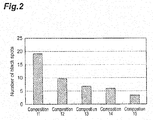
Figure 2 is a graph showing the results of a test for examining the influence of the concentrations of oxybutynin in lotions on the effect of suppressing sweating. -
Figure 3 is a graph showing the results of a test for examining the influence of the concentrations of oxybutynin in lotions on the effect of suppressing sweating. -
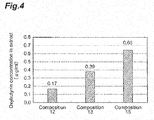
Figure 4 is a graph showing the results of a test for examining the influence of the concentrations of oxybutynin in lotions on the accumulation of oxybutynin in porcine hair follicles. - Hereinafter, the present invention will be described more specifically with reference to an embodiment.
- One embodiment of the present invention is a liquid topical preparation comprising water, an anticholinergic drug and a dicarboxylic acid ester, wherein the content of the anticholinergic drug ranges from 10 mass% to 20 mass% based on the total mass of the liquid topical preparation. The liquid topical preparation can be used for treating hyperhidrosis.
- The anticholinergic drug is not particularly limited, as long as it is a drug having anticholinergic effects, and examples thereof include oxybutynin, imidafenacin, trospium, tolterodine, glycopyrrolate, propantheline, benztropine, atropine, homatropine, tropicamide, benactyzine, biperiden, scopolamine, scopolamine butyl bromide, cyclopentolate, darifenacin, dexetimide, dicyclomine, emepronium, hexahydrosiladifenidol, octylonium, orphenadrine, oxyphenonium, pirenzepine, procyclidine, darotropium, ipratropium, tiotropium, oxitropium, quinidine, trihexyphenidyl, mivacurium, atracurium, doxacurium, cisatracurium, vecuronium, rocuronium, pancuronium, tubocurarine, gallamine, pipecuronium, trimethaphan, succinylcholine, suxamethonium, decamethonium and hexamethonium. The anticholinergic drug is preferably oxybutynin or a pharmaceutically acceptable salt thereof. An example of a pharmaceutically acceptable salt of oxybutynin is oxybutynin hydrochloride.
- The content of the anticholinergic drug ranges from 10 mass% to 20 mass% based on the total mass of the liquid topical preparation. The content of the anticholinergic drug may range from 15 mass% to 20 mass% based on the total mass of the liquid topical preparation. The lower limit of the content of the anticholinergic drug may be 10, 12, 15 or 18 mass% based on the total mass of the liquid topical preparation.
- Dicarboxylic acid ester decreases the viscosity of the liquid topical preparation, thereby suppressing "stickiness." Specific examples of the dicarboxylic acid ester include diisopropyl adipate, diethyl sebacate, diisopropyl sebacate, dimethyl succinate, dibutyl adipate, diisobutyl adipate, dioctyl adipate, dioctyl sebacate, diethyl phthalate and dibutyl phthalate. The content of the dicarboxylic acid ester may range from 2.5 mass% to 15 mass% or 5 mass% to 15 mass% based on the total mass of the liquid topical preparation. The lower limit of the content of the dicarboxylic acid ester may be 1, 2.5, 3, 3.75, 5 or 8 mass% based on the total mass of the liquid topical preparation. The upper limit of the content of the dicarboxylic acid ester may be 10, 11.25, 12 or 15 mass% based on the total mass of the liquid topical preparation. With an arbitrary combination of the lower limit and the upper limit of the content of the dicarboxylic acid ester, "stickiness" derived from the anticholinergic drug can further be reduced.
- The mass ratio of the anticholinergic drug to the dicarboxylic acid ester may range from 1:0.25 to 1:0.75. The lower limit of the mass ratio of the anticholinergic drug to the dicarboxylic acid ester; that is, the lower limit of the mass of the anticholinergic drug per unit mass of the dicarboxylic acid ester may be 1:0.75, 1:0.70, 1:0.65, 1:0.6, 1:0.55 or 1:0.5. The upper limit of the mass ratio of the anticholinergic drug to the dicarboxylic acid ester; that is, the upper limit of the mass of the anticholinergic drug per unit mass of the dicarboxylic acid ester may be 1:0.05, 1:0.15, 1:0.25, 1:0.3, 1:0.33, 1:0.35 or 1:0.4. With an arbitrary combination of the lower limit and the upper limit of the mass ratio of the anticholinergic drug to the dicarboxylic acid ester, "stickiness" derived from the anticholinergic drug can further be reduced.
- Water in the liquid topical preparation functions as medium for dissolving or dispersing the anticholinergic drug and the dicarboxylic acid ester as well as other components. The content of water may range from 10 mass% to 99 mass%, for example, based on the total mass of the liquid topical preparation.
- The liquid topical preparation may further comprise one or more salts selected from the group consisting of lactate, tartrate, acetate and phosphate, so as to enhance the accumulation of the anticholinergic drug in skin appendages. Through enhancement of the accumulation, hyperhidrosis can be treated while suppressing side effects due to administration of the anticholinergic drug such as xerostomia. The salt may be anhydride or hydrate. Lactic acid may be either L- or D-lactic acid, or may be an arbitrary mixture thereof. Tartaric acid may be any one of L-, D-, and meso-tartaric acid, or may be an arbitrary mixture thereof. Examples of the salt include a salt with a monovalent metal such as sodium, potassium and lithium, a salt with a divalent metal such as calcium and magnesium, a salt with a trivalent metal such as aluminum, and a salt with an amine compound such as ammonia, ethylenediamine, triethylamine, diethanolamine, triethanolamine and meglumine. From the viewpoint of improving the accumulation of an anticholinergic drug in skin appendages, the salt is preferably lactate and more preferably sodium lactate.
- The content of the above salt may range from, for example, 0.1 mass% to 10 mass% based on the total mass of the liquid topical preparation. The molar ratio of the anticholinergic drug to the above salt in the liquid topical preparation may be, for example, within the range of 1:0.5 to 1:2.
- The liquid topical preparation may comprise, in addition to the above components, a lower alcohol, a surfactant, a preservation stabilizer, a fat and an oil, a solubilizer, a filler, a moisturizer, a pH regulating agent, an osmotic pressure regulator, a thickener, a refreshing agent, an astringent and a vasoconstrictor, for example.
- The lower alcohol increases the solubility and dispersibility of the anticholinergic drug, and increases the distributivity of the anticholinergic drug into skin. Specific examples of the lower alcohol include methanol, ethanol and isopropanol. The content of the lower alcohol may range from, for example, 0 mass% to 90 mass% based on the total mass of the liquid topical preparation.
- The surfactant is useful for emulsifying the anticholinergic drug in a medium such as water. Specific examples of the surfactant include a nonionic surfactant (e.g.,
polysorbate 20, polysorbate 80, polysorbate 60, polyoxyethylene hydrogenatedcastor oil 20, polyoxyethylene hydrogenated castor oil 40 and polyoxyethylene hydrogenated castor oil 60), an ionic surfactant and an amphoteric surfactant. The content of the surfactant may range from, for example, 0 mass% to 10 mass% based on the total mass of the liquid topical preparation. - Specific examples of the preservation stabilizer include paraben, isopropylmethylphenol, phenoxyethanol and thymol.
- Specific examples of the fat and the oil and the solubilizer include a fatty acid and a fatty alcohol.
- Specific examples of the filler include an inorganic powder (e.g., talc, montmorillonite, smectite and kaolin) and an organic powder.
- Specific examples of the moisturizer include a polyhydric alcohol, saccharides, urea, a vaseline and a paraffin.
- The liquid topical preparation can have a pH within the range of 4.5 to 7.5. pH determination is performed using a composite glass electrode in accordance with "2.54 pH Determination" in General Tests, Processes and Apparatus, the Japanese Pharmacopoeia, Sixteenth Edition.
- The liquid topical preparation may be in a form of lotion or liniment, for example, or in a form of embrocation or spray, for example, contained in an appropriate container (for example, a spray container for spraying the liquid preparation, a container for applying the liquid preparation and an aerosol container).
- The liquid topical preparation can be manufactured by mixing thoroughly the above components.
- After the container is shaken as necessary to thoroughly mix the components homogeneously, the liquid topical preparation is applied to, sprinkled on or sprayed on the areas of skin where sweating should be suppressed, and is spread as needed.
- Lotions were prepared according to the compositions in Table 1, and then 500 µL of each lotion was applied to the palms of subjects (4 subjects). Each subject spread the lotion evenly over both palms by rubbing the palms together, and then 3 minutes later, gave scores according to the degree of "stickiness" based on the following 3 stages.
- 0: No stickiness felt
- 1: Stickiness felt
- 2: Strong stickiness felt
- Based on the mean value of the scores, the degree of stickiness was evaluated based on the following 3 stages.
- ○: Mean value was less than 0.5
- Δ: Mean value was 0.5 or more and less than 1.0
- ×: Mean value was 1.0 or more
- Results are shown in Table 2. When the content of oxybutynin hydrochloride was 10 mass% or more, the subjects felt stickiness, and when the same was 15 mass% or more, the subjects felt strong stickiness.
[Table 2] Reference example 1 2 3 4 Mean value 0.25 0.75 1.75 2 Evaluation ○ Δ × × - Lotions were prepared according to the compositions in Table 3, and then the impulse value of each lotion was measured by the following method. It is indicated that the lower the impulse value, the lower the viscosity.
- 1) 50 µL of a lotion was placed in a 96-well plate, left to stand overnight at 32°C, and then dried.
- 2) A probe made of SUS (diameter: 5 mm) of a texture analyzer was brought into contact with the dried lotion.
- 3) The probe was ascended at the speed of 2 mm/second, the force applied thereto when the probe was moved away from the lotion was measured, and then the area under the curve was calculated as an impulse value (g.second).
- Results are shown in Table 4. The impulse value of each lotion is the mean value of three measurements. The lotion supplemented with lauryl alcohol, oleyl alcohol, lauromacrogol, diisopropyl adipate, diethyl sebacate, diisopropyl sebacate, diisobutyl adipate, dimethyl succinate or dibutyl phthalate, when dried, had a low impulse value compared with other lotions, which confirmed the decrease in viscosity.
[Table 4] Comparative example 1 2 3 4 5 6 7 8 9 10 11 Impulse value 6.4 4.8 8.4 1.4 1.2 4.9 5.0 5.3 1.2 3.6 3.5 Example 1 2 3 16 17 18 Impulse value 0.5 1.5 1.3 0.91 0.39 1.3 - Lotions were prepared according to the compositions in Table 5, and then 300 µL of each lotion was applied to the palms of subjects (3 subjects). In Comparative examples 1, 4, 5 and 9 as well as Examples 1 to 3, the same lotions as in test example 2 were used. Each subject spread the lotion evenly over both palms by rubbing the palms together, and then 3 minutes later, gave scores according to the degree of "stickiness" based on the following 4 stages.
- 0: No stickiness felt
- 1: Slight stickiness felt
- 2: Stickiness felt
- 3: Strong stickiness felt
- Based on the mean value of the scores, the degree of stickiness was evaluated based on the following 5 stages.
- ⊚: Mean value was less than 0.1
- ○: Mean value was 0.1 or more and less than 1.0
- Δ: Mean value was 1.0 or more and less than 2.0
- ×: Mean value was 2.0 or more and less than 3.0
- × ×: Mean value was 3.0 or more
- Results are shown in Table 6. The lotion supplemented with diisopropyl adipate, diethyl sebacate or diisopropyl sebacate was confirmed to have lowered stickiness compared with lotions comprising no dicarboxylic acid ester.
[Table 6] Comparative example 1 4 5 9 Mean value 3 2 2 2 Evaluation ×× × × × Example 1 2 3 4 5 6 7 8 9 Mean value 1 0.67 0.33 0 0 0 0 0 0.33 Evaluation Δ ○ ○ ⊚ ⊚ ⊚ ⊚ ⊚ ○ Comparative example Example Comparative example Example 12 10 11 12 13 13 14 15 Mean value 2.33 0.67 0.67 0 1.33 0.67 0.33 0 Evaluation × ○ ○ ⊚ Δ ○ ○ ⊚ - Using the lotions of Examples 1 to 9 and Comparative example 1 in test examples 2 and 3, the preservation stability of oxybutynin was evaluated by the following method.
- 1) 100 µL of each lotion was measured and weighed.
- 2) 50 mL of mobile phase was added and mixed therewith, and then the oxybutynin concentration of each lotion was measured by high-performance liquid chromatography (HPLC). HPLC conditions are as follows.
- Mobile phase: 0.1 w/w% aqueous phosphoric acid solution (containing 0.5 w/v% sodium dodecyl sulfate):acetonitrile = 45:55(v/v)
- Flow rate: 1.5 mL/minute
- Column: TSK gel ODS-80Ts (Tosoh Corporation)
- Retention time: 10 minutes
- 3) After the lotion was left to stand at 60°C for 2 weeks, the oxybutynin content (%) per solution weight, relative to the theoretical value, was compared with the initial oxybutynin content (%) relative to the theoretical value. When the oxybutynin content (%) after the lotion was left to stand at 60°C for 2 weeks was 97.5% or more of the initial oxybutynin content (%), the preservation stability of the oxybutynin was evaluated as good.
- Results are shown in Table 7. In the lotion supplemented with diisopropyl adipate, diethyl sebacate or diisopropyl sebacate, oxybutynin hydrochloride was preserved well even after the lotion was left to stand under an environment at 60°C for 2 weeks. Moreover, in Comparative example 1 wherein no dicarboxylic acid ester was added, oxybutynin hydrochloride was preserved well.
[Table 7] Initial value After left to stand After left to stand/initial value (%) Example 1 101.1 101.3 100.2 2 102.2 100.6 98.4 3 101.2 100.4 99.1 4 100.3 100.2 99.9 5 100.3 99.8 99.5 6 100.4 100.0 99.6 7 101.3 100.9 99.6 8 102.1 100.9 98.8 9 101.7 100.7 99.0 Comparative example 1 100.8 99.7 98.9 - Using the lotions of Comparative example 1 and Example 4 in test example 3, the skin permeability of oxybutynin was determined by the following method.
- 1) 5 µL of each lotion was applied to an area of 3 cm2 on the dermatomed human skin surface.
- 2) After several seconds of drying, the skin was set in Franz Cell so that the skin dermis side was the receptor layer side. As the receptor layer, physiological saline was used. At the time points, 4, 8, 12, 16, 20 and 24 hours after setting of the skin, the receptor solution was sampled. To 0.5 mL of the sampled solution, 0.5 mL of acetonitrile was added, the mixture was stirred, and then centrifugation was performed for deproteinization, thereby preparing a test solution.
- 3) The oxybutynin concentration in the test solution was measured by HPLC under the same conditions as those in test example 4.
- 4) The skin permeation rate of oxybutynin per hour was calculated from the thus obtained measurement, and the maximum value was designated as Jmax (µg/cm2/h). Furthermore, the cumulative amount (µg/cm2) permeated in 24 hours was found.
- Results are shown in Table 8. The lotion supplemented with diisopropyl adipate exerted the same degree of skin permeability as that of lotions comprising no dicarboxylic acid ester.
[Table 8] Jmax (ug/cm2/h) Cumulative amount 24h (uglcm2) Availability (%) Comparative example 1 0.58 9.4 2.8 Example 4 0.50 8.4 2.5 - Lotions were prepared according to the compositions in Table 9, and visually confirmed for the state of dissolution. Furthermore, the lotions were applied to porcine skin, and then the amounts of oxybutynin accumulated in hair follicles were measured by the following method.
- 1) 20 µL of a lotion was applied to 5 cm2 of lightly shaved porcine skin. Number of pigs: n = 3.
- 2) After 6 hours, the skin surface was cleaned with ethanol for disinfection, and washed with a stream of phosphate buffer, thereby removing oxybutynin that had adhered to the skin surface.
- 3) A hair follicle portion of 20 hairs was collected from the skin.
- 4) Oxybutynin was extracted from the hair follicles using 1 mL of an extracting liquid. As the extracting liquid, the mobile phase of test example 4 was used.
- 5) Oxybutynin concentration was measured by HPLC. HPLC conditions are the same as those in test example 4.
- Results are shown in Table 10 and
Figure 1 . With the lotion comprising phosphate, lactate, acetate or tartrate, accumulation of oxybutynin in hair follicles was high compared to lotions comprising none of these salts.[Table 10] Composition 1 2 3 4 5 6 7 8 9 10 State of dissolution × × × ○ ○ ○ ○ ○ ○ ○ - Lotions were prepared according to the compositions in Table 11. The lotions were determined for the effect of suppressing sweating by a pilocarpine-induced sweat test. Moreover, in a manner similar to that in test example 6, the lotions were applied to porcine skin, and then oxybutynin concentrations were measured.
- The pilocarpine-induced sweat test was conducted by the following method.
- 1) A lotion was diluted 12-fold with a 40 mass% aqueous ethanol solution.
- 2) 10 µL or 15 µL of the lotion was applied to about 0.5 cm2 of a mouse footpad. Number of mice: n = 5 to 6.
- 3) After 4 hours, iodine and a starch solution were applied to the footpad under anesthesia.
- 4) Pilocarpine was intradermally administered at 5 µg/foot.
- 5) After 5 minutes, the number of black spots resulting from the iodostarch reaction was counted.
- Results are shown in
Figure 2 to Figure 4 .Figure 2 shows the results of the pilocarpine-induced sweat test when the amount of each lotion applied was 10 µL, andFigure 3 shows the results of the pilocarpine-induced sweat test when the amount of each lotion applied was 15 µL. It was confirmed that the lotions' effect of suppressing sweating was oxybutynin concentration-dependent. It was also confirmed that the amounts of oxybutynin accumulated in hair follicles were oxybutynin concentration-dependent.
| Reference example | 1 | 2 | 3 | 4 |
| | 8 | 10 | 15 | 20 |
| Sodium lactate | 2.3 | 2.8 | 4.3 | 5.7 |
| Ethanol | 40 | 40 | 40 | 40 |
| Purified water | 49.7 | 47.2 | 40.7 | 34.3 |
| Total | 100 | 100 | 100 | 100 |
| Comparative | |||||||||||
| 1 | 2 | 3 | 4 | 5 | 6 | 7 | 8 | 9 | 10 | 11 | |
| | 20 | 20 | 20 | 20 | 20 | 20 | 20 | 20 | 20 | 20 | 20 |
| Sodium lactate | 5.7 | 5.7 | 5.7 | 5.7 | 5.7 | 5.7 | 5.7 | 5.7 | 5.7 | 5.7 | 5.7 |
| | 5 | ||||||||||
| Dimethicone 350 | 5 | ||||||||||
| | 5 | ||||||||||
| | 5 | ||||||||||
| | 5 | ||||||||||
| | 5 | ||||||||||
| | 5 | ||||||||||
| | 5 | ||||||||||
| | 5 | ||||||||||
| | 5 | ||||||||||
| Ethanol | 40 | 40 | 40 | 40 | 40 | 40 | 40 | 40 | 40 | 40 | 40 |
| Purified water | 34.3 | 29.3 | 29.3 | 29.3 | 29.3 | 29.3 | 29.3 | 29.3 | 29.3 | 29.3 | 29.3 |
| Total | 100 | 100 | 100 | 100 | 100 | 100 | 100 | 100 | 100 | 100 | 100 |
| Example | |||||||||||
| 1 | 2 | 3 | 16 | 17 | 18 | ||||||
| | 20 | 20 | 20 | 20 | 20 | 20 | |||||
| Sodium lactate | 5.7 | 5.7 | 5.7 | 5.7 | 5.7 | 5.7 | |||||
| | 5 | ||||||||||
| | 5 | ||||||||||
| | 5 | ||||||||||
| | 5 | ||||||||||
| | 5 | ||||||||||
| | 5 | ||||||||||
| Ethanol | 40 | 40 | 40 | 40 | 40 | 40 | |||||
| Purified water | 29.3 | 29.3 | 29.3 | 29.3 | 29.3 | 29.3 | |||||
| Total | 100 | 100 | 100 | 100 | 100 | 100 | |||||
| Comparative example | |||||||||
| 1 | 4 | 5 | 9 | ||||||
| Oxybutynin hydrochloride | 20 | 20 | 20 | 20 | |||||
| Sodium lactate | 5.7 | 5.7 | 5.7 | 5.7 | |||||
| Lauryl alcohol | 5 | ||||||||
| Oleyl alcohol | 5 | ||||||||
| Lauromacrogol | 5 | ||||||||
| Ethanol | 40 | 40 | 40 | 40 | |||||
| Purified water | 34.3 | 34.3 | 34.3 | 34.3 | |||||
| Total | 100 | 100 | 100 | 100 | |||||
| Oxybutynin hydrochloride: dicarboxylic acid ester | 1:0 | 1:0 | 1:0 | 1:0 | |||||
| Example | |||||||||
| 1 | 2 | 3 | 4 | 5 | 6 | 7 | 8 | 9 | |
| Oxybutynin hydrochloride | 20 | 20 | 20 | 20 | 20 | 20 | 20 | 20 | 20 |
| Sodium lactate | 5.7 | 57 | 5.7 | 5.7 | 5.7 | 5.7 | 5.7 | 5.7 | 5.7 |
| Diisopropyl adipale | 5 | 8 | 10 | 15 | |||||
| Diethyl sebacate | 5 | 8 | 10 | 15 | |||||
| Diisopropyl sebacate | 5 | ||||||||
| Ethanol | 40 | 40 | 40 | 40 | 40 | 40 | 40 | 40 | 40 |
| Purified water | 29.3 | 29.3 | 29.3 | 26.3 | 26.3 | 24.3 | 24.3 | 19.3 | 19.3 |
| Total | 100 | 100 | 100 | 100 | 100 | 100 | 100 | 100 | 100 |
| Oxybutynin hydrochloride: dicarboxylic acid ester | 1: 0.25 | 1: 0.25 | 1: 0.25 | 1: 0.4 | 1: 0.4 | 1: 0.5 | 1: 0.5 | 1: 0.75 | 1: 0.75 |
| Comparative example | Example | Comparative example | Example | ||||||
| 12 | 10 | 11 | 12 | 13 | 13 | 14 | 15 | ||
| Oxybutynin hydrochloride | 15 | 15 | 15 | 15 | 10 | 10 | 10 | 10 | |
| Sodium lactate | 4.28 | 4.28 | 4.28 | 4.28 | 2.85 | 2.85 | 2.85 | 2.85 | |
| Diisopropyl adipate | 3.75 | 5 | 11.25 | 2.5 | 5 | 7.5 | |||
| Ethanol | 40 | 40 | 40 | 40 | 40 | 40 | 40 | 40 | |
| Purified water | 40.72 | 36.97 | 35.72 | 29.47 | 47.15 | 44.65 | 42.15 | 39.65 | |
| Total | 100 | 100 | 100 | 100 | 100 | 100 | 100 | 100 | |
| Oxybutynin hydrochloride: dicarboxylic acid ester | 1:0 | 1: 0.25 | 1: 0.33 | 1: 0.75 | 1:0 | 1: 0.25 | 1: 0.5 | 1: 0.75 | |
| Composition | 1 | 2 | 3 | 4 | 5 | 6 | 7 | 8 | 9 | 10 |
| Oxybutynin | 4.54 | - | ||||||||
| Oxybutynin hydrochloride | - | 5 | 5 | 5 | 5 | 5 | 5 | 5 | 5 | 5 |
| Sodium hydroxide | 0.51 | |||||||||
| Disodium hydrogenphosphate | 0.9 | |||||||||
| Sodium lactate | 1.42 | |||||||||
| Sodium acetate | 1.04 | |||||||||
| Disodium fumarate | 1.02 | |||||||||
| Trisodium citrate | 1.09 | |||||||||
| Sodium benzoate | 1.83 | |||||||||
| Disodium tartrate·dihydrate | 2.92 | |||||||||
| Ethanol | 40 | 40 | 40 | 40 | 40 | 40 | 40 | 40 | 40 | 40 |
| Others | 0.2 | 0.2 | 0.2 | 0.2 | 0.2 | 0.2 | 0.2 | 0.2 | 0.2 | 0.2 |
| Purified water | 55.26 | 54.8 | 52.49 | 53.9 | 53.38 | 58.76 | 53.78 | 53.71 | 52.97 | 51.88 |
| Total | 100 | 100 | 100 | 100 | 100 | 100 | 100 | 100 | 100 | 100 |
| | 11 | 12 | 13 | 14 | 15 |
| | 0 | 1 | 2.5 | 5 | 10 |
| Lactic acid | 2.29 | ||||
| Sodium chloride | 1.48 | ||||
| Sodium lactate | 0.28 | 0.71 | 1.42 | 2.84 | |
| Ethanol | 40 | 40 | 40 | 40 | 40 |
| | 2 | 2 | 2 | 2 | 2 |
| Purified water | 54.23 | 56.72 | 54.79 | 51.58 | 45.16 |
| Total | 100 | 100 | 100 | 100 | 100 |
Claims (10)
- A liquid topical preparation, comprising:water;an anticholinergic drug; anda dicarboxylic acid ester,wherein a content of the anticholinergic drug ranges from 10 mass% to 20 mass% based on a total mass of the liquid topical preparation.
- The liquid topical preparation according to claim 1, wherein the anticholinergic drug is oxybutynin or a pharmaceutically acceptable salt thereof.
- The liquid topical preparation according to claim 1 or 2, wherein the content of the anticholinergic drug ranges from 15 mass% to 20 mass% based on the total mass of the liquid topical preparation.
- The liquid topical preparation according to any one of claims 1 to 3, wherein the dicarboxylic acid ester is one or more compounds selected from the group consisting of diisopropyl adipate, diethyl sebacate, diisopropyl sebacate, diisobutyl adipate, dimethyl succinate and dibutyl phthalate.
- The liquid topical preparation according to any one of claims 1 to 4, wherein a mass ratio of the anticholinergic drug to the dicarboxylic acid ester ranges from 1:0.25 to 1:0.75.
- The liquid topical preparation according to any one of claims 1 to 5, wherein a content of the dicarboxylic acid ester ranges from 2.5 mass% to 15 mass% based on the total mass of the liquid topical preparation.
- The liquid topical preparation according to any one of claims 1 to 6, further comprising one or more salts selected from the group consisting of lactate, tartrate, acetate and phosphate.
- The liquid topical preparation according to claim 7, wherein the salt is sodium lactate.
- The liquid topical preparation according to any one of claims 1 to 8 in a form of lotion.
- The liquid topical preparation according to any one of claims 1 to 9 for treating hyperhidrosis.
Applications Claiming Priority (2)
| Application Number | Priority Date | Filing Date | Title |
|---|---|---|---|
| JP2016034620 | 2016-02-25 | ||
| PCT/JP2016/081771 WO2017145441A1 (en) | 2016-02-25 | 2016-10-26 | Liquid external preparation |
Publications (3)
| Publication Number | Publication Date |
|---|---|
| EP3421049A1 true EP3421049A1 (en) | 2019-01-02 |
| EP3421049A4 EP3421049A4 (en) | 2019-10-02 |
| EP3421049B1 EP3421049B1 (en) | 2020-07-29 |
Family
ID=59685016
Family Applications (1)
| Application Number | Title | Priority Date | Filing Date |
|---|---|---|---|
| EP16891597.3A Active EP3421049B1 (en) | 2016-02-25 | 2016-10-26 | Liquid external preparation |
Country Status (8)
| Country | Link |
|---|---|
| US (1) | US20190046493A1 (en) |
| EP (1) | EP3421049B1 (en) |
| JP (1) | JP6564927B2 (en) |
| KR (1) | KR102094626B1 (en) |
| CN (1) | CN108495654B (en) |
| ES (1) | ES2815849T3 (en) |
| TW (1) | TWI666016B (en) |
| WO (1) | WO2017145441A1 (en) |
Families Citing this family (2)
| Publication number | Priority date | Publication date | Assignee | Title |
|---|---|---|---|---|
| WO2022045200A1 (en) * | 2020-08-28 | 2022-03-03 | 久光製薬株式会社 | Topical solution for hyperhidrosis treatment |
| CN113520996B (en) * | 2021-06-18 | 2022-11-18 | 北京斯利安药业有限公司 | Benhaisox hydrochloride solution and preparation method and application thereof |
Family Cites Families (12)
| Publication number | Priority date | Publication date | Assignee | Title |
|---|---|---|---|---|
| ATE485815T1 (en) * | 1999-04-13 | 2010-11-15 | Hisamitsu Pharmaceutical Co | PREPARATIONS FOR PERCUTANE ABSORPTION |
| AU3536799A (en) * | 1999-04-26 | 2000-11-10 | Lead Chemical Co., Ltd. | Percutaneous preparations containing oxybutynin |
| KR100333956B1 (en) * | 1999-07-02 | 2002-04-24 | 서경배 | A composition of permeation enhancer for oxybutynin containing lauryl diethanolamide |
| US7029694B2 (en) * | 2000-04-26 | 2006-04-18 | Watson Laboratories, Inc. | Compositions and methods for transdermal oxybutynin therapy |
| GB0109143D0 (en) * | 2001-04-11 | 2001-05-30 | Unilever Plc | Antiperspirant compositions comprising microemulsions |
| US8476280B2 (en) * | 2002-05-09 | 2013-07-02 | Versi Group, Llc | Compositions and methods for combating lower urinary tract dysfunctions with delta opioid receptor agonists |
| AU2012216593B2 (en) * | 2002-11-01 | 2014-09-25 | Allergan Sales, Llc | Compositions and methods for transdermal oxybutynin therapy |
| JP4873871B2 (en) * | 2005-02-28 | 2012-02-08 | 久光製薬株式会社 | Adhesives and patches |
| CN101340884A (en) | 2005-10-19 | 2009-01-07 | 曼尼·马纳舍·辛格尔 | Method for treating hyperhidrosis |
| US20140037713A1 (en) | 2012-08-03 | 2014-02-06 | Antares Pharma Ipl, Ag | Transdermal compositions for anti-cholinergic agents |
| AU2013368298B2 (en) * | 2012-12-27 | 2016-08-11 | Microdose Therapeutx, Inc. | Methods and compositions for administration of oxybutynin |
| CN105213350B (en) * | 2015-11-11 | 2018-11-30 | 上海爱的发制药有限公司 | Ditropan XL spansule and preparation method thereof |
-
2016
- 2016-10-26 WO PCT/JP2016/081771 patent/WO2017145441A1/en not_active Ceased
- 2016-10-26 EP EP16891597.3A patent/EP3421049B1/en active Active
- 2016-10-26 CN CN201680079721.3A patent/CN108495654B/en active Active
- 2016-10-26 ES ES16891597T patent/ES2815849T3/en active Active
- 2016-10-26 JP JP2018500982A patent/JP6564927B2/en active Active
- 2016-10-26 US US16/079,208 patent/US20190046493A1/en not_active Abandoned
- 2016-10-26 KR KR1020187019116A patent/KR102094626B1/en active Active
- 2016-10-28 TW TW105135108A patent/TWI666016B/en active
Also Published As
| Publication number | Publication date |
|---|---|
| KR20180091041A (en) | 2018-08-14 |
| EP3421049B1 (en) | 2020-07-29 |
| US20190046493A1 (en) | 2019-02-14 |
| JP6564927B2 (en) | 2019-08-21 |
| CN108495654A (en) | 2018-09-04 |
| TWI666016B (en) | 2019-07-21 |
| KR102094626B1 (en) | 2020-03-27 |
| JPWO2017145441A1 (en) | 2018-09-13 |
| TW201729802A (en) | 2017-09-01 |
| WO2017145441A1 (en) | 2017-08-31 |
| ES2815849T3 (en) | 2021-03-30 |
| CN108495654B (en) | 2022-10-25 |
| EP3421049A4 (en) | 2019-10-02 |
Similar Documents
| Publication | Publication Date | Title |
|---|---|---|
| US10537512B2 (en) | Moisturizing composition and application thereof in preparation of moisturizing cosmetic product | |
| EP2763648B1 (en) | Hair care compositions and methods of use | |
| JP2007291125A (en) | Cosmetic composition that has an effect of tightening the skin | |
| EP3439632B1 (en) | Topical composition comprising tacrolimus | |
| CN108125795B (en) | Flexible peel-off mask | |
| CN115414298B (en) | Permeation promoting composition and preparation method and application thereof | |
| US10525132B2 (en) | External agent for treating hyperhidrosis | |
| EP3769750A1 (en) | A hyaluronic acid composition for external use on skin and its use | |
| JP2023549714A (en) | Composition for conditioning keratin substances | |
| EP3421049B1 (en) | Liquid external preparation | |
| JP2013209313A (en) | Emulsifiable skin care preparation | |
| CN111743789A (en) | A kind of double-layer moisturizing essence and preparation method thereof | |
| HK1259992A1 (en) | Liquid external preparation | |
| US20220273603A1 (en) | Method for treating hyperhidrosis | |
| CN117695167A (en) | Matrix composition and preparation method and application thereof | |
| CN115919687A (en) | Moisturizing makeup removing composition and preparation method and application thereof | |
| CN118477023A (en) | Repairing agent and microemulsion with anti-wrinkle effect, composition, and preparation methods and applications thereof | |
| CN119385873B (en) | Anti-hair loss essence and preparation method thereof | |
| CN117482028B (en) | Long-acting moisturizing emulsion and preparation method thereof | |
| CN119280100B (en) | Whitening and freckle-removing skin care composition, preparation method and skin care product | |
| CN117442537A (en) | An anti-wrinkle serum | |
| CN113633584A (en) | Asparagus polyphenol moisturizing skin care product and preparation method thereof | |
| CN114632035A (en) | Mud mask integrating multiple effects of cleaning, controlling oil and removing blackheads and preparation method | |
| JPH0314506A (en) | External drug |
Legal Events
| Date | Code | Title | Description |
|---|---|---|---|
| STAA | Information on the status of an ep patent application or granted ep patent |
Free format text: STATUS: THE INTERNATIONAL PUBLICATION HAS BEEN MADE |
|
| PUAI | Public reference made under article 153(3) epc to a published international application that has entered the european phase |
Free format text: ORIGINAL CODE: 0009012 |
|
| STAA | Information on the status of an ep patent application or granted ep patent |
Free format text: STATUS: REQUEST FOR EXAMINATION WAS MADE |
|
| 17P | Request for examination filed |
Effective date: 20180924 |
|
| AK | Designated contracting states |
Kind code of ref document: A1 Designated state(s): AL AT BE BG CH CY CZ DE DK EE ES FI FR GB GR HR HU IE IS IT LI LT LU LV MC MK MT NL NO PL PT RO RS SE SI SK SM TR |
|
| AX | Request for extension of the european patent |
Extension state: BA ME |
|
| DAV | Request for validation of the european patent (deleted) | ||
| DAX | Request for extension of the european patent (deleted) | ||
| REG | Reference to a national code |
Ref country code: DE Ref legal event code: R079 Ref document number: 602016041102 Country of ref document: DE Free format text: PREVIOUS MAIN CLASS: A61K0045000000 Ipc: A61K0009080000 |
|
| A4 | Supplementary search report drawn up and despatched |
Effective date: 20190904 |
|
| RIC1 | Information provided on ipc code assigned before grant |
Ipc: A61K 9/08 20060101AFI20190829BHEP Ipc: A61K 45/00 20060101ALI20190829BHEP Ipc: A61K 47/14 20170101ALI20190829BHEP Ipc: A61K 47/12 20060101ALI20190829BHEP Ipc: A61P 17/00 20060101ALI20190829BHEP Ipc: A61K 47/02 20060101ALI20190829BHEP Ipc: A61K 31/216 20060101ALI20190829BHEP |
|
| REG | Reference to a national code |
Ref country code: HK Ref legal event code: DE Ref document number: 1259992 Country of ref document: HK |
|
| GRAP | Despatch of communication of intention to grant a patent |
Free format text: ORIGINAL CODE: EPIDOSNIGR1 |
|
| STAA | Information on the status of an ep patent application or granted ep patent |
Free format text: STATUS: GRANT OF PATENT IS INTENDED |
|
| INTG | Intention to grant announced |
Effective date: 20200122 |
|
| GRAS | Grant fee paid |
Free format text: ORIGINAL CODE: EPIDOSNIGR3 |
|
| GRAA | (expected) grant |
Free format text: ORIGINAL CODE: 0009210 |
|
| STAA | Information on the status of an ep patent application or granted ep patent |
Free format text: STATUS: THE PATENT HAS BEEN GRANTED |
|
| AK | Designated contracting states |
Kind code of ref document: B1 Designated state(s): AL AT BE BG CH CY CZ DE DK EE ES FI FR GB GR HR HU IE IS IT LI LT LU LV MC MK MT NL NO PL PT RO RS SE SI SK SM TR |
|
| REG | Reference to a national code |
Ref country code: CH Ref legal event code: EP |
|
| REG | Reference to a national code |
Ref country code: AT Ref legal event code: REF Ref document number: 1294979 Country of ref document: AT Kind code of ref document: T Effective date: 20200815 |
|
| REG | Reference to a national code |
Ref country code: IE Ref legal event code: FG4D |
|
| REG | Reference to a national code |
Ref country code: DE Ref legal event code: R096 Ref document number: 602016041102 Country of ref document: DE |
|
| REG | Reference to a national code |
Ref country code: LT Ref legal event code: MG4D |
|
| REG | Reference to a national code |
Ref country code: NL Ref legal event code: MP Effective date: 20200729 |
|
| REG | Reference to a national code |
Ref country code: AT Ref legal event code: MK05 Ref document number: 1294979 Country of ref document: AT Kind code of ref document: T Effective date: 20200729 |
|
| PG25 | Lapsed in a contracting state [announced via postgrant information from national office to epo] |
Ref country code: LT Free format text: LAPSE BECAUSE OF FAILURE TO SUBMIT A TRANSLATION OF THE DESCRIPTION OR TO PAY THE FEE WITHIN THE PRESCRIBED TIME-LIMIT Effective date: 20200729 Ref country code: GR Free format text: LAPSE BECAUSE OF FAILURE TO SUBMIT A TRANSLATION OF THE DESCRIPTION OR TO PAY THE FEE WITHIN THE PRESCRIBED TIME-LIMIT Effective date: 20201030 Ref country code: FI Free format text: LAPSE BECAUSE OF FAILURE TO SUBMIT A TRANSLATION OF THE DESCRIPTION OR TO PAY THE FEE WITHIN THE PRESCRIBED TIME-LIMIT Effective date: 20200729 Ref country code: AT Free format text: LAPSE BECAUSE OF FAILURE TO SUBMIT A TRANSLATION OF THE DESCRIPTION OR TO PAY THE FEE WITHIN THE PRESCRIBED TIME-LIMIT Effective date: 20200729 Ref country code: NO Free format text: LAPSE BECAUSE OF FAILURE TO SUBMIT A TRANSLATION OF THE DESCRIPTION OR TO PAY THE FEE WITHIN THE PRESCRIBED TIME-LIMIT Effective date: 20201029 Ref country code: PT Free format text: LAPSE BECAUSE OF FAILURE TO SUBMIT A TRANSLATION OF THE DESCRIPTION OR TO PAY THE FEE WITHIN THE PRESCRIBED TIME-LIMIT Effective date: 20201130 Ref country code: SE Free format text: LAPSE BECAUSE OF FAILURE TO SUBMIT A TRANSLATION OF THE DESCRIPTION OR TO PAY THE FEE WITHIN THE PRESCRIBED TIME-LIMIT Effective date: 20200729 Ref country code: BG Free format text: LAPSE BECAUSE OF FAILURE TO SUBMIT A TRANSLATION OF THE DESCRIPTION OR TO PAY THE FEE WITHIN THE PRESCRIBED TIME-LIMIT Effective date: 20201029 Ref country code: HR Free format text: LAPSE BECAUSE OF FAILURE TO SUBMIT A TRANSLATION OF THE DESCRIPTION OR TO PAY THE FEE WITHIN THE PRESCRIBED TIME-LIMIT Effective date: 20200729 |
|
| PG25 | Lapsed in a contracting state [announced via postgrant information from national office to epo] |
Ref country code: PL Free format text: LAPSE BECAUSE OF FAILURE TO SUBMIT A TRANSLATION OF THE DESCRIPTION OR TO PAY THE FEE WITHIN THE PRESCRIBED TIME-LIMIT Effective date: 20200729 Ref country code: RS Free format text: LAPSE BECAUSE OF FAILURE TO SUBMIT A TRANSLATION OF THE DESCRIPTION OR TO PAY THE FEE WITHIN THE PRESCRIBED TIME-LIMIT Effective date: 20200729 Ref country code: LV Free format text: LAPSE BECAUSE OF FAILURE TO SUBMIT A TRANSLATION OF THE DESCRIPTION OR TO PAY THE FEE WITHIN THE PRESCRIBED TIME-LIMIT Effective date: 20200729 Ref country code: IS Free format text: LAPSE BECAUSE OF FAILURE TO SUBMIT A TRANSLATION OF THE DESCRIPTION OR TO PAY THE FEE WITHIN THE PRESCRIBED TIME-LIMIT Effective date: 20201129 |
|
| REG | Reference to a national code |
Ref country code: ES Ref legal event code: FG2A Ref document number: 2815849 Country of ref document: ES Kind code of ref document: T3 Effective date: 20210330 |
|
| PG25 | Lapsed in a contracting state [announced via postgrant information from national office to epo] |
Ref country code: NL Free format text: LAPSE BECAUSE OF FAILURE TO SUBMIT A TRANSLATION OF THE DESCRIPTION OR TO PAY THE FEE WITHIN THE PRESCRIBED TIME-LIMIT Effective date: 20200729 |
|
| PG25 | Lapsed in a contracting state [announced via postgrant information from national office to epo] |
Ref country code: RO Free format text: LAPSE BECAUSE OF FAILURE TO SUBMIT A TRANSLATION OF THE DESCRIPTION OR TO PAY THE FEE WITHIN THE PRESCRIBED TIME-LIMIT Effective date: 20200729 Ref country code: DK Free format text: LAPSE BECAUSE OF FAILURE TO SUBMIT A TRANSLATION OF THE DESCRIPTION OR TO PAY THE FEE WITHIN THE PRESCRIBED TIME-LIMIT Effective date: 20200729 Ref country code: CZ Free format text: LAPSE BECAUSE OF FAILURE TO SUBMIT A TRANSLATION OF THE DESCRIPTION OR TO PAY THE FEE WITHIN THE PRESCRIBED TIME-LIMIT Effective date: 20200729 Ref country code: EE Free format text: LAPSE BECAUSE OF FAILURE TO SUBMIT A TRANSLATION OF THE DESCRIPTION OR TO PAY THE FEE WITHIN THE PRESCRIBED TIME-LIMIT Effective date: 20200729 Ref country code: SM Free format text: LAPSE BECAUSE OF FAILURE TO SUBMIT A TRANSLATION OF THE DESCRIPTION OR TO PAY THE FEE WITHIN THE PRESCRIBED TIME-LIMIT Effective date: 20200729 |
|
| REG | Reference to a national code |
Ref country code: DE Ref legal event code: R097 Ref document number: 602016041102 Country of ref document: DE |
|
| PG25 | Lapsed in a contracting state [announced via postgrant information from national office to epo] |
Ref country code: AL Free format text: LAPSE BECAUSE OF FAILURE TO SUBMIT A TRANSLATION OF THE DESCRIPTION OR TO PAY THE FEE WITHIN THE PRESCRIBED TIME-LIMIT Effective date: 20200729 |
|
| REG | Reference to a national code |
Ref country code: CH Ref legal event code: PL |
|
| PLBE | No opposition filed within time limit |
Free format text: ORIGINAL CODE: 0009261 |
|
| STAA | Information on the status of an ep patent application or granted ep patent |
Free format text: STATUS: NO OPPOSITION FILED WITHIN TIME LIMIT |
|
| PG25 | Lapsed in a contracting state [announced via postgrant information from national office to epo] |
Ref country code: SK Free format text: LAPSE BECAUSE OF FAILURE TO SUBMIT A TRANSLATION OF THE DESCRIPTION OR TO PAY THE FEE WITHIN THE PRESCRIBED TIME-LIMIT Effective date: 20200729 Ref country code: LU Free format text: LAPSE BECAUSE OF NON-PAYMENT OF DUE FEES Effective date: 20201026 Ref country code: MC Free format text: LAPSE BECAUSE OF FAILURE TO SUBMIT A TRANSLATION OF THE DESCRIPTION OR TO PAY THE FEE WITHIN THE PRESCRIBED TIME-LIMIT Effective date: 20200729 |
|
| 26N | No opposition filed |
Effective date: 20210430 |
|
| REG | Reference to a national code |
Ref country code: BE Ref legal event code: MM Effective date: 20201031 |
|
| PG25 | Lapsed in a contracting state [announced via postgrant information from national office to epo] |
Ref country code: BE Free format text: LAPSE BECAUSE OF NON-PAYMENT OF DUE FEES Effective date: 20201031 Ref country code: CH Free format text: LAPSE BECAUSE OF NON-PAYMENT OF DUE FEES Effective date: 20201031 Ref country code: SI Free format text: LAPSE BECAUSE OF FAILURE TO SUBMIT A TRANSLATION OF THE DESCRIPTION OR TO PAY THE FEE WITHIN THE PRESCRIBED TIME-LIMIT Effective date: 20200729 Ref country code: LI Free format text: LAPSE BECAUSE OF NON-PAYMENT OF DUE FEES Effective date: 20201031 |
|
| PG25 | Lapsed in a contracting state [announced via postgrant information from national office to epo] |
Ref country code: IE Free format text: LAPSE BECAUSE OF NON-PAYMENT OF DUE FEES Effective date: 20201026 |
|
| PG25 | Lapsed in a contracting state [announced via postgrant information from national office to epo] |
Ref country code: TR Free format text: LAPSE BECAUSE OF FAILURE TO SUBMIT A TRANSLATION OF THE DESCRIPTION OR TO PAY THE FEE WITHIN THE PRESCRIBED TIME-LIMIT Effective date: 20200729 Ref country code: MT Free format text: LAPSE BECAUSE OF FAILURE TO SUBMIT A TRANSLATION OF THE DESCRIPTION OR TO PAY THE FEE WITHIN THE PRESCRIBED TIME-LIMIT Effective date: 20200729 Ref country code: CY Free format text: LAPSE BECAUSE OF FAILURE TO SUBMIT A TRANSLATION OF THE DESCRIPTION OR TO PAY THE FEE WITHIN THE PRESCRIBED TIME-LIMIT Effective date: 20200729 |
|
| PG25 | Lapsed in a contracting state [announced via postgrant information from national office to epo] |
Ref country code: MK Free format text: LAPSE BECAUSE OF FAILURE TO SUBMIT A TRANSLATION OF THE DESCRIPTION OR TO PAY THE FEE WITHIN THE PRESCRIBED TIME-LIMIT Effective date: 20200729 |
|
| P01 | Opt-out of the competence of the unified patent court (upc) registered |
Effective date: 20230522 |
|
| PGFP | Annual fee paid to national office [announced via postgrant information from national office to epo] |
Ref country code: IT Payment date: 20250922 Year of fee payment: 10 |
|
| PGFP | Annual fee paid to national office [announced via postgrant information from national office to epo] |
Ref country code: GB Payment date: 20250904 Year of fee payment: 10 |
|
| PGFP | Annual fee paid to national office [announced via postgrant information from national office to epo] |
Ref country code: FR Payment date: 20250908 Year of fee payment: 10 |
|
| PGFP | Annual fee paid to national office [announced via postgrant information from national office to epo] |
Ref country code: DE Payment date: 20250902 Year of fee payment: 10 |
|
| PGFP | Annual fee paid to national office [announced via postgrant information from national office to epo] |
Ref country code: ES Payment date: 20251103 Year of fee payment: 10 |