EP3419612B1 - Heterocyclic small molecule inhibitors of pendrin ion exchange and pharmaceutical compositions - Google Patents
Heterocyclic small molecule inhibitors of pendrin ion exchange and pharmaceutical compositions Download PDFInfo
- Publication number
- EP3419612B1 EP3419612B1 EP17757376.3A EP17757376A EP3419612B1 EP 3419612 B1 EP3419612 B1 EP 3419612B1 EP 17757376 A EP17757376 A EP 17757376A EP 3419612 B1 EP3419612 B1 EP 3419612B1
- Authority
- EP
- European Patent Office
- Prior art keywords
- pendrin
- inh
- pds
- pharmaceutical composition
- methyl
- Prior art date
- Legal status (The legal status is an assumption and is not a legal conclusion. Google has not performed a legal analysis and makes no representation as to the accuracy of the status listed.)
- Active
Links
Images











Classifications
-
- A—HUMAN NECESSITIES
- A61—MEDICAL OR VETERINARY SCIENCE; HYGIENE
- A61K—PREPARATIONS FOR MEDICAL, DENTAL OR TOILETRY PURPOSES
- A61K31/00—Medicinal preparations containing organic active ingredients
- A61K31/33—Heterocyclic compounds
- A61K31/395—Heterocyclic compounds having nitrogen as a ring hetero atom, e.g. guanethidine or rifamycins
- A61K31/435—Heterocyclic compounds having nitrogen as a ring hetero atom, e.g. guanethidine or rifamycins having six-membered rings with one nitrogen as the only ring hetero atom
- A61K31/4353—Heterocyclic compounds having nitrogen as a ring hetero atom, e.g. guanethidine or rifamycins having six-membered rings with one nitrogen as the only ring hetero atom ortho- or peri-condensed with heterocyclic ring systems
- A61K31/437—Heterocyclic compounds having nitrogen as a ring hetero atom, e.g. guanethidine or rifamycins having six-membered rings with one nitrogen as the only ring hetero atom ortho- or peri-condensed with heterocyclic ring systems the heterocyclic ring system containing a five-membered ring having nitrogen as a ring hetero atom, e.g. indolizine, beta-carboline
-
- A—HUMAN NECESSITIES
- A61—MEDICAL OR VETERINARY SCIENCE; HYGIENE
- A61K—PREPARATIONS FOR MEDICAL, DENTAL OR TOILETRY PURPOSES
- A61K31/00—Medicinal preparations containing organic active ingredients
- A61K31/33—Heterocyclic compounds
- A61K31/395—Heterocyclic compounds having nitrogen as a ring hetero atom, e.g. guanethidine or rifamycins
- A61K31/41—Heterocyclic compounds having nitrogen as a ring hetero atom, e.g. guanethidine or rifamycins having five-membered rings with two or more ring hetero atoms, at least one of which being nitrogen, e.g. tetrazole
- A61K31/415—1,2-Diazoles
- A61K31/4155—1,2-Diazoles non condensed and containing further heterocyclic rings
-
- A—HUMAN NECESSITIES
- A61—MEDICAL OR VETERINARY SCIENCE; HYGIENE
- A61K—PREPARATIONS FOR MEDICAL, DENTAL OR TOILETRY PURPOSES
- A61K31/00—Medicinal preparations containing organic active ingredients
- A61K31/63—Compounds containing para-N-benzenesulfonyl-N-groups, e.g. sulfanilamide, p-nitrobenzenesulfonyl hydrazide
- A61K31/635—Compounds containing para-N-benzenesulfonyl-N-groups, e.g. sulfanilamide, p-nitrobenzenesulfonyl hydrazide having a heterocyclic ring, e.g. sulfadiazine
-
- A—HUMAN NECESSITIES
- A61—MEDICAL OR VETERINARY SCIENCE; HYGIENE
- A61K—PREPARATIONS FOR MEDICAL, DENTAL OR TOILETRY PURPOSES
- A61K45/00—Medicinal preparations containing active ingredients not provided for in groups A61K31/00 - A61K41/00
- A61K45/06—Mixtures of active ingredients without chemical characterisation, e.g. antiphlogistics and cardiaca
-
- A—HUMAN NECESSITIES
- A61—MEDICAL OR VETERINARY SCIENCE; HYGIENE
- A61P—SPECIFIC THERAPEUTIC ACTIVITY OF CHEMICAL COMPOUNDS OR MEDICINAL PREPARATIONS
- A61P11/00—Drugs for disorders of the respiratory system
-
- A—HUMAN NECESSITIES
- A61—MEDICAL OR VETERINARY SCIENCE; HYGIENE
- A61P—SPECIFIC THERAPEUTIC ACTIVITY OF CHEMICAL COMPOUNDS OR MEDICINAL PREPARATIONS
- A61P31/00—Antiinfectives, i.e. antibiotics, antiseptics, chemotherapeutics
- A61P31/04—Antibacterial agents
-
- A—HUMAN NECESSITIES
- A61—MEDICAL OR VETERINARY SCIENCE; HYGIENE
- A61P—SPECIFIC THERAPEUTIC ACTIVITY OF CHEMICAL COMPOUNDS OR MEDICINAL PREPARATIONS
- A61P31/00—Antiinfectives, i.e. antibiotics, antiseptics, chemotherapeutics
- A61P31/12—Antivirals
-
- C—CHEMISTRY; METALLURGY
- C07—ORGANIC CHEMISTRY
- C07D—HETEROCYCLIC COMPOUNDS
- C07D409/00—Heterocyclic compounds containing two or more hetero rings, at least one ring having sulfur atoms as the only ring hetero atoms
- C07D409/02—Heterocyclic compounds containing two or more hetero rings, at least one ring having sulfur atoms as the only ring hetero atoms containing two hetero rings
- C07D409/04—Heterocyclic compounds containing two or more hetero rings, at least one ring having sulfur atoms as the only ring hetero atoms containing two hetero rings directly linked by a ring-member-to-ring-member bond
-
- C—CHEMISTRY; METALLURGY
- C07—ORGANIC CHEMISTRY
- C07D—HETEROCYCLIC COMPOUNDS
- C07D471/00—Heterocyclic compounds containing nitrogen atoms as the only ring hetero atoms in the condensed system, at least one ring being a six-membered ring with one nitrogen atom, not provided for by groups C07D451/00 - C07D463/00
- C07D471/02—Heterocyclic compounds containing nitrogen atoms as the only ring hetero atoms in the condensed system, at least one ring being a six-membered ring with one nitrogen atom, not provided for by groups C07D451/00 - C07D463/00 in which the condensed system contains two hetero rings
- C07D471/04—Ortho-condensed systems
-
- A—HUMAN NECESSITIES
- A61—MEDICAL OR VETERINARY SCIENCE; HYGIENE
- A61K—PREPARATIONS FOR MEDICAL, DENTAL OR TOILETRY PURPOSES
- A61K2300/00—Mixtures or combinations of active ingredients, wherein at least one active ingredient is fully defined in groups A61K31/00 - A61K41/00
Definitions
- This disclosure relates to pharmaceutical composition of small molecule pendrin inhibitors and methods for treating diseases and disorders related to aberrant ion exchange activity, such as cystic fibrosis, salt-sensitive hypertension, edema, cirrhosis, and certain renal disorders.
- CF cystic fibrosis
- ASL airway surface liquid
- Pendrin encoded by the SLC26A4 (solute carrier family 26, member 4) gene, is an anion exchanger expressed in a variety of tissues, including the epithelium of inflamed airways, the inner ear, the thyroid, the adrenal gland, and the kidneys.
- Pendrin is implicated in airways diseases. Pendrin expression is upregulated in a variety of airway disease contexts, such as, for example: airway epithelial cultures that are chronically exposed to cytokines such as IL-13, IL-4, and IL-17A; rodent models of inflammatory lung disease, including allergen (ovalbumin, OVA)-induced asthma, chronic obstructive pulmonary disease (COPD), infection, and industrial toxin exposure; and, humans with rhinovirus infection, asthma, CF, rhinitis, and chronic rhinosinusitis.
- OVA allergen
- COPD chronic obstructive pulmonary disease
- COPD chronic obstructive pulmonary disease
- the best previously described pendrin inhibitor, niflumic acid produces ⁇ 40% inhibition at 100 ⁇ M and has poor specificity. Drug candidates capable of effecting anion exchangers such as pendrin are needed.
- pendrin could be a novel target for lipopolysaccharide-induced acute lung injury mice.
- WO2014/141035 discloses fused heterocyclyl derivatives as NAMPT inhibitors.
- WO2010/126002 discloses a pharmaceutical product containing a heterocyclic sulfonamide compound.
- EP2716632 discloses inhibitors of viral replication, their process of preparation and their therapeutical uses.
- any reference in the description to a method of treatment or to the use in a treatment is to be interpreted as reference to compounds, pharmaceutical compositions or medicaments of the present invention for use in a method for treatment of the human (or animal) body by therapy (or for diagnosis).
- compositions comprising compounds that are potent inhibitors of pendrin activities. Also disclosed are methods for treating diseases, disorders, and conditions that are treatable by inhibiting pendrin-mediated anion exchange by administrating the pharmaceutical composition provided herein.
- the pharmaceutical compositions of the present disclosure may also be used in conjunction with a diuretic, such as a loop diuretic, to potentiate diuresis. The following embodiments are provided herein.
- compositions comprising a pharmaceutically acceptable excipient and a compound of of Formula (I):
- compositions comprising a pharmaceutically acceptable excipient and a pyrazolothiophenesulfonamide compound represented by Formula (II):
- claimed embodiments provide for methods of treating an airway disease in a subject in need thereof comprising administering to the subject a therapeutically effective amount of one or more of the pharmaceutical compositions described above.
- Still other claimed embodiments provide for methods of treating cystic fibrosis in a subject in need thereof comprising administering to the subject a therapeutically effective amount of one or more of the pharmaceutical compositions described above.
- Further claimed embodiments provide for methods for promoting diuresis to a subject in need thereof comprising: administering to the subject a diuretic; and administering to the subject a therapeutically effective amount of of one or more of the pharmaceutical compositions described above, wherein the one or more pharmaceutical composition is adiminstered prior to, contemporaneous with, or following administration of the diuretic to the subject.
- claimed embodiments provide methods for treating hypertension or edema in a subject in need thereof comprising: administering to the subject a diuretic; and administering to the subject a therapeutically effective amount of of one or more of the pharmaceutical compositions described above, wherein the one or more pharmaceutical composition is adiminstered prior to, contemporaneous with, or following administration of the diuretic to the subject.
- Still other claimed embodiments provide for methods of treating a thyroid condition comprising administering to a subject in need thereof a therapeutically effective amount one or more of the pharmaceutical compositions described above.
- Small-molecule inhibitors of pendrin are described herein, as are pharmaceutical compositions comprising the same.
- Various embodiments are directed to methods for treating a variety of airway diseases or conditions, such as, for example, CF, rhinovirus infection, asthma, rhinitis, chronic rhinosinusitis, certain viral or bacterial infections, and exposure to industrial toxins.
- Other embodiments are directed to methods of potentiating diuresis in a subject in need thereof.
- Pendrin consists of 780 amino acids with a predicted cytoplasmic amino terminus and twelve membrane-spanning regions. Pendrin was identified by positional cloning in subjects with Pendred syndrome, an autosomal recessive disorder associated with congenital hearing loss and thyroid goiter.
- pendrin mediates electroneutral exchange of Cl - with various anions, including I - , HCO 3 - , OH - , NO 3 - , SCN - (thiocyanate) and HCO 2 - (formate).
- pendrin is expressed in the apical membrane of epithelial cells in the sensory (saccule, utricle, and ampullae) and non-sensory (endolymphatic sac) domains, and is implicated in determining inner ear luminal fluid volume and composition.
- pendrin is expressed on the apical membrane of follicular cells, where it facilitates I - efflux into the follicule colloid for thyroid hormone synthesis.
- pendrin is expressed in the apical plasma membrane of type B and non-A/non-B intercalated cells in the aldosterone-sensitive distal nephron, where it facilitates Cl - absorption and HCO 3 - secretion, in addition to being involved in Na + absorption and acid-base balance.
- compositions comprising these pendrin inhibitors are suitable for treating diseases and disorders (including pulmonary and renal diseases) treatable by inhibiting pendrin.
- R 1 is C 1 -C 4 alkyl, or R 1 is C 1 -C 4 alkoxy, or R 1 is C 1 -C 4 thioalkyl.
- R 1 is fluoro, trifluoroalkyl, or chloro.
- R 1 is not at the ortho- position of the phenyl ring.
- R 2 is phenyl or substituted phenyl.
- R 2 is phenyl substituted with one or more halo (e.g ., fluoro). In preferred embodiments, R 2 is phenyl substituted with fluoro.
- R 2 is benzyl or substituted benzyl. In a preferred embodiment, R 2 is benzyl.
- R 2 is benzyl in which the phenyl moiety is substituted with one or more alkyl (e.g., C 1 -C 4 alkyl) or halo (e.g., fluoro). In preferred embodiments, R 2 is benzyl substituted with fluoro. In other embodiments, R 2 is benzyl substituted with methyl.
- R 1a and R 1b are independently C 1 -C 4 alkyl, C 1 -C 4 alkoxy, C 1 -C 4 thioalkyl, trifluoroalkyl, or halo.
- R 1a and R 1b are the same or different and independently methyl, ethyl, methoxy, thiomethyl, trifluoromethyl, fluoro, or chloro.
- R 1a when R 1a is hydrogen, R 1b is C 1 -C 4 alkyl, C 1 -C 4 alkoxy, C 1 -C 4 thioalkyl or halo. In more specific embodiments, when R 1a is hydrogen, R 1b is methyl, ethyl, methoxy, thiomethyl, or chloro.
- R 1b when R 1b is hydrogen, R 1a is C 1 -C 4 alkyl, C 1 -C 4 alkoxy, C 1 -C 4 thioalkyl, trifluoroalkyl, or halo. In more specific embodiments, when R 1b is hydrogen, R 1a is methyl, ethyl, methoxy, trifluoromethyl, thiomethyl, fluoro, or chloro.
- R 3 is hydrogen. In other preferred embodiments, R 3 is fluoro, including 3-, or 4-substituted fluoro.
- Table 1 provides specific compounds of Formula (Ia) and their respective percentage inhibition of human pendrin. These compounds demonstrated strong inhibition (at least 45% inhibition) at 25 ⁇ M. In comparison, the only known pendrin inhibitor, niflumic acid, showed less than 40% inhibition at 100 ⁇ M. TABLE 1 Compounds of Formula (Ia) Inh. (%) Compounds of Formula (Ia) Inh. (%) PDS inh -A01 100 77 72 69 66 64 61 61 58 60 57 54 54 53 45
- R 1a and R 1b are independently C 1 -C 4 alkyl, C 1 -C 4 alkoxy, C 1 -C 4 thioalkyl, trifluoroalkyl, or halo. In more specific embodiments, R 1a and R 1b are the same or different and independently methyl, ethyl, methoxy, thiomethyl, fluoro or chloro.
- R 1a when R 1a is hydrogen, R 1b is C 1 -C 4 alkyl, C 1 -C 4 alkoxy, C 1 -C 4 thioalkyl or halo. In more specific embodiments, when R 1a is hydrogen, R 1b is methyl, ethyl, methoxy, or chloro.
- R 1b when R 1b is hydrogen, R 1a is C 1 -C 4 alkyl, C 1 -C 4 alkoxy, C 1 -C 4 thioalkyl, trifluoroalkyl, or halo. In more specific embodiments, when R 1b is hydrogen, R 1a is methyl, ethyl, methoxy, fluoro, or chloro.
- Table 2 provides specific compounds of Formula (Ib) and their respective percentage inhibition of human pendrin. These compounds also demonstrated strong inhibition (at least 45% inhibition) at 25 ⁇ M. TABLE 2 Compounds of Formula (Ib) Inh. (%) Compounds of Formula (Ib) Inh. (%) 49 48 49 49
- composition comprising a pharmaceutically acceptable excipient and a pyrazolothiophenesulfonamide compound represented by Formula (II): wherein,
- R 5a and R 5b are the same or different and independently hydrogen or methyl.
- R 6 is -S(O) 2 NHR
- R 7 is hydrogen or methyl
- R 7 is -S(O) 2 NHR
- R 6 is hydrogen or methyl
- R is optionally substituted aryl.
- R is tetrahydronaphthalenyl (e.g., 1-tetrahydronaphthalenyl)
- R is phenyl optionally substituted by one or more alkyl (e.g., methyl or ethyl).
- R is optionally substituted cycloalkyl, including for example, cyclohexyl and cyclopentyl.
- Table 3 provides specific compounds of Formula (II) and their respective percentage inhibition of human pendrin. These compounds also demonstrated strong inhibition (at least 45% inhibition) at 25 ⁇ M. TABLE 3 Compounds of Formula (II) Inh (%) Compounds of Formula (II) Inh (%) PDS inh -C01 83 53
- the small molecule pendrin inhibitors of Formulae (I), (II) and substructures may be formulated into pharmaceutical composition by known methods in the art.
- the pharmaceutical composition additionally comprises a physiologically acceptable excipient (pharmaceutically acceptable or suitable excipient or carrier) (i.e., a non-toxic material that does not interfere with the activity of the active ingredient).
- a physiologically acceptable excipient pharmaceutically acceptable or suitable excipient or carrier
- Any suitable excipient or carrier known to those of ordinary skill in the art for use in pharmaceutical compositions may be employed in the compositions described herein. Excipients for therapeutic use are well known, and are described, for example, in Remington: The Science and Practice of Pharmacy (Gennaro, 21st Ed. Mack Pub. Co., Easton, PA (2005 ))
- compositions disclosed herein may be a sterile aqueous or non-aqueous solution, suspension or emulsion. Such compositions may also be in the form of a solid, liquid, or gas (aerosol). Alternatively, compositions described herein may be formulated as a lyophilizate, or compounds may be encapsulated within liposomes using technology known in the art. Pharmaceutical compositions may also contain other components, which may be biologically active or inactive.
- Such components include, but are not limited to, buffers (e.g ., neutral buffered saline or phosphate buffered saline), carbohydrates (e.g ., glucose, mannose, sucrose or dextrans), mannitol, proteins, polypeptides or amino acids such as glycine, antioxidants, chelating agents such as EDTA or glutathione, stabilizers, dyes, flavoring agents, and suspending agents and/or preservatives.
- buffers e.g ., neutral buffered saline or phosphate buffered saline
- carbohydrates e.g ., glucose, mannose, sucrose or dextrans
- mannitol proteins
- proteins polypeptides or amino acids
- polypeptides or amino acids such as glycine
- antioxidants e.g EDTA or glutathione
- stabilizers e.g EDTA or glutathione
- compositions comprising any one of the compounds described herein may be formulated for sustained or slow release.
- Such compositions may generally be prepared using well known technology and administered by, for example, oral, rectal or subcutaneous implantation, or by implantation at the desired target site.
- the pharmaceutical compositions described herein may be used in aerosol formulation to be administered via inhalation.
- the compounds may be formulated into pressurized acceptable propellants such as dichlorodifluoromethane, propane, nitrogen and the like.
- the aerosol formulation is particularly suitable for delivering the pendrin inhibitors to the airways.
- the pendrin inhibitor of the present disclosure can be combined with a loop diuretic (e.g ., furosemide) in a pharmaceutical composition.
- a loop diuretic e.g ., furosemide
- pendrin is thought to facilitate Cl - /HCO 3 - exchange and may thereby affect the volume and composition of ASL. Inhibition of the pendrin activities in the airway epithelial cells is thus capable of regulating ASL volume, which could secondarily affect mucociliary clearance, bacterial colonization, and other mucosal immune responses associated with abnormal ASL volume.
- one claimed embodiment provides a method of treating an airway disease in a subject in need thereof comprising administering to the subject a therapeutically effective amount of a pharmaceutical composition having a compound of any one of Formulae (I), (Ia), (Ib) or Formula (II) as defined in the appended claims.
- airway diseases is characterized by low or abnormal ASL volume and may have a range of symptoms, including mucus production, cough, wheezing, and airway hyper-responsiveness.
- Airway diseases may take the forms of inflammatory lung diseases (e.g ., cystic fibrosis, asthma, and chronical obstructive pulmonary disease), rhinovirus infection, rhinitis, chronic rhinosinusitis, sinusitis, certain viral or bacterial infections, and exposure to industrial toxins.
- the pendrin inhibitors disclosed herein are efficacious in increasing ASL volume and improve ASL hydration in airway cell culture subjected to an inflammatory stimulant (IL-13).
- Increased airway hydration by pendrin inhibition represents a viable treatment of inflammatory lung diseases including CF.
- pendrin activity and increased ASL hydration were seen only in cell cultures after IL-13-treatment, asthma-like symptoms (cough, wheezing, airway hyper-responsiveness) and increased IL-13 are prevalent in subjects with CF, as well as other airway diseases.
- a specific claimed embodiment provides a method of treating cystic fibrosis in a subject in need thereof comprising administering to the subject a therapeutically effective amount of a pharmaceutical composition having a compound of any one of Formulae (1), (Ia), (Ib) or Formula (II) as defined in the appended claims.
- the present disclosure provides methods for treating a disease or condition treatable by inhibiting pendrin, partially or completely, in a subject, the method comprising administering a pharmaceutical composition comprising a pharmaceutically acceptable excipient and any one or more of the foregoing compounds of Formula (I), (Ia), (Ib) or Formula (II) to the subject.
- inhibitor refers specifically to a statistically significant reduction or a decrease in pendrin-mediated anion exchange between a cell and its local environment, relative to a reference.
- Pendrin inhibition by the compounds of Formula (I), (Ia), (Ib) or (II) can be assessed, at a given molar amount, in human pendrin.
- the molar amount of the pendrin inhibitor may be 2.5 ⁇ M, 10 ⁇ M or 25 ⁇ M.
- the compounds of Formula (I), (Ia), (Ib) or (II) disclosed herein typically exhibit percentage inhibition (at 25 ⁇ M) of at least 45%, or at least 50%, or at least 60%, or at least 70%, or at least 80% or at least 90% or fully blocking the pendrin activity (near 100% for PDS inh -A01).
- pendrin-mediated anion exchange may be inhibited by impairing an anion-exchange functionality of pendrin, by reducing or decreasing pendrin protein expression, by reducing or decreasing pendrin protein translation, or by reducing or decreasing pendrin gene expression.
- Compounds of the present disclosure may be said to be "pendrin-inhibiting” as well as “inhibiting pendrin-mediated anion exchange”. These phrases are intended to carry the same meaning; compounds of the present disclosure inhibit the ability of pendrin to perform or facilitate anion exchange.
- Hypertension also known as high blood pressure, is a long-term medical condition in which the blood pressure in the arteries is persistently elevated. Hypertension is classified as either primary (essential) hypertension or secondary hypertension. Most cases are categorized as primary hypertension, which is defined as high blood pressure with no apparent underlying cause. The remaining cases (5-10%) are categorized as secondary hypertension, which is associated with an identifiable cause, such as narrowing of the aorta or kidney arteries, chronic kidney disease, or an endocrine disorder such as excess aldosterone, cortisol, or catecholamines.
- a further claimed embodiment provides a method for treating hypertension in a subject in need thereof comprising administering to the subject a therapeutically effective amount of a pharmaceutical composition having a compound of any one of Formulae (I), (Ia), (Ib) or Formula (II) as defined in the appended claims.
- Ionic imbalance has also been associated with thyroid issues, including goiter, nodules, tumors, and aberrant thyroid activity.
- elevated anion gap which is the difference between measured cation and anion levels in serum, plasma, or urine, has been investigated for association with thyroid dysfunction and nodular goiter.
- Metabolic acidosis caused by excessive production of acid and/or deficient removal of acid by the kidneys, is found among patients experiencing hypo- or hyperthyroidism.
- pendrin inhibitors disclosed herein may be effective in treating thyroid conditions.
- One claimed embodiment provides a method of treating thyroid conditions in a subject in need thereof comprising administering to the subject a therapeutically effective amount of a pharmaceutical composition having a compound of any one of Formulae (I), (Ia), (Ib) or Formula (II) as defined in the appended claims.
- Pendrin inhibitors disclosed herein may be combined with diuretic therapy to enhance diuresis and salt excretion. Such a combination therapy can be effective in treating hypertension and edema (including diuretic-resistant edema).
- Diuresis is the physiological process by which urine production in the kidneys is increased as part of the body's homeostatic maintenance of fluid balance.
- a diuretic promotes urine output, osmolality and salt excretion.
- pendrin inhibitors disclosed herein do not appear to be diuretic in an animal model, when combined with a known loop diuretic, the pendrin inhibitors can enhance or potentiate the effect of the loop diuretic (e.g., urine output and Na + secretion were increased by more than 30%, or by more than 60% depending on the use of the diuretic).
- one claimed embodiment provides a method of promoting diuresis to a subject in need thereof comprising administering to the subject a diuretic; and administering to the subject a pendrin inhibitor of any one of Formula (I), (Ia), (Ib) or (II) as defined in the appended claims.
- the pendrin inhibitor may be administered prior to, contemporaneous with, or following administration of the diuretic to the subject.
- the diuretic may be administered to the subject acutely or chronically.
- a diuretic refers to a loop diuretic, which acts on the Na + /K + /2Cl - cotransporter (NKCC2) in the thick ascending limb of the loop of Henle to inhibit sodium, chloride and potassium reabsorption.
- Common loop diuretics include thiazide compounds such as furosemide, azosemide, bumelanide, piretanide, torasemide, and the like.
- the loop diuretic is furosemide.
- Another claimed embodiment provides a method for treating hypertension in a subject in need thereof comprising administering to the subject a diuretic; and administering to the subject a pendrin inhibitor of any one of Formula (I), (Ia), (Ib) or (II) as defined in the appended claims.
- Another claimed embodiment provides a method for treating edema in a subject in need thereof comprising administering to the subject a diuretic; and administering to the subject a pendrin inhibitor of any one of Formula (I), (Ia), (Ib) or (II) as defined in the appended claims.
- Alkyl refers to a straight or branched hydrocarbon chain radical which is saturated having from one to 12 carbon atoms, and which is attached to the rest of the molecule by a single bond.
- An alkyl comprising up to 12 carbon atoms is referred to as a C 1 -C 12 alkyl.
- Alkyls comprising other numbers of carbon atoms are represented similarly.
- Alkyl groups include, but are not limited to, C 1 -C 12 alkyl, C 1 -C 10 alkyl, C 1 -C 8 alkyl, C 1 -C 6 alkyl, C 1 -C 4 alkyl, C 1 -C 3 alkyl, C 1 -C 2 alkyl, C 2 -C 8 alkyl, C 3 -C 8 alkyl and C 4 -C 8 alkyl.
- alkyl groups include, but are not limited to, methyl, ethyl, n-propyl, 1-methylethyl (iso-propyl), n-butyl, i-butyl, s-butyl, n-pentyl, 1,1-dimethylethyl (t-butyl), 3-methylhexyl, 2-methylhexyl, and the like. Unless stated otherwise specifically in the specification, an alkyl group may be optionally substituted as described below.
- Alkylene or "alkylene chain” refers to a straight or branched divalent hydrocarbon chain linking the rest of the molecule to a radical group. Alkylenes may be saturated or unsaturated (i.e., contains one or more double and/or triple bonds). Representative alkylenes include, but are not limited to, C 1 -C 12 alkylene, C 1 -C 8 alkylene, C 1 -C 6 alkylene, C 1 -C 4 alkylene, C 1 -C 3 alkylene, C 1 -C 2 alkylene, C 1 alkylene.
- alkylene groups include, but are not limited to, methylene, ethylene, propylene, n -butylene, ethenylene, propenylene, n -butenylene, propynylene, n -butynylene, and the like.
- the alkylene chain is attached to the rest of the molecule through a single or double bond and to the radical group through a single or double bond.
- the points of attachment of the alkylene chain to the rest of the molecule and to the radical group can be through one carbon or any two carbons within the chain.
- an alkylene chain may be optionally substituted as described below.
- Alkoxy refers to a radical of the formula -OR a where R a is an alkyl radical as defined.
- Alkoxy groups include, but are not limited to, C 1 -C 12 alkoxy, C 1 -C 10 alkoxy, C 1 -C 8 alkoxy, C 1 -C 6 alkoxy, C 1 -C 4 alkoxy, C 1 -C 3 alkoxy, C 1 -C 2 alkoxy, C 2 -C 8 alkoxy, C 3 -C 8 alkoxy and C 4 -C 8 alkoxy.
- an alkoxy group i.e., the alkyl portion
- Alkoxyalkyl refers to a radical of the formula -R b OR a where R a is an alkyl radical as defined and where R b is an alkylene radical as defined. Unless stated otherwise specifically in the specification, an alkoxyalkyl group may be optionally substituted as described below.
- Aryl refers to a radical derived from a hydrocarbon ring system comprising hydrogen, 6 to 30 carbon atoms and at least one aromatic ring.
- the aryl radical may be a monocyclic, bicyclic, tricyclic or tetracyclic ring system, which may include fused or bridged ring systems.
- Aryl radicals include, but are not limited to, aryl radicals derived from the hydrocarbon ring systems of aceanthrylene, acenaphthylene, acephenanthrylene, anthracene, azulene, benzene, chrysene, fluoranthene, fluorene, as- indacene, s-indacene, indane, indene, naphthalene, phenalene, phenanthrene, pleiadene, pyrene, and triphenylene.
- the aryl radical is fully aromatic (i.e., with fully unlocalized electrons).
- aryl radical comprises at least one aromatic ring, which may be fused to a non-aromatic ring.
- An example is tetrahydronaphthalene.
- aryl or the prefix "ar-"(such as in “aralkyl”) is meant to include aryl radicals that are optionally substituted.
- Aralkyl refers to a radical of the formula -R b -R c where R b is an alkylene chain as defined above and R c is one or more aryl radicals as defined above, for example, benzyl, diphenylmethyl, trityl and the like. Unless stated otherwise specifically in the specification, an aralkyl group, i.e., the aryl moiety, may be optionally substituted.
- Cycloalkyl refers to a stable 3-10 member non-aromatic ring radical comprising solely of carbon and hydrogen.
- the cycloalkyl radical may be a monocyclic, bicyclic, tricyclic or tetracyclic ring system, which may include fused or bridged ring systems.
- Examples of cycloalkyl radicals include, but are not limited to, cyclohexyl, cyclopentyl. Unless stated otherwise specifically in the specification, a cycloalkyl group may be optionally substituted.
- Halo or halogen refers to bromo (Br), chloro (Cl), fluoro (F) or iodo (I).
- Haloalkyl refers to an alkyl substituted with one or more halo, for example, trifluoroalkyl, wherein at three hydrogen atoms have been replaced with fluoro moieties. Trifluoroalkyls include trifluoromethyl and the like.
- Heterocyclyl refers to a stable 3- to 24-membered non-aromatic ring radical comprising 2 to 23 carbon atoms and from one to 8 heteroatoms selected from the group consisting of nitrogen, oxygen, phosphorous and sulfur.
- the heterocyclyl radical may be a monocyclic, bicyclic, tricyclic or tetracyclic ring system, which may include fused or bridged ring systems; and the nitrogen, carbon or sulfur atoms in the heterocyclyl radical may be optionally oxidized; the nitrogen atom may be optionally quaternized; and the heterocyclyl radical may be partially or fully saturated.
- heterocyclyl radicals include, but are not limited to, dioxolanyl, thienyl[1,3]dithianyl, decahydroisoquinolyl, imidazolinyl, imidazolidinyl, isothiazolidinyl, isoxazolidinyl, morpholinyl, octahydroindolyl, octahydroisoindolyl, 2-oxopiperazinyl, 2-oxopiperidinyl, 2-oxopyrrolidinyl, oxazolidinyl, piperidinyl, piperazinyl, 4-piperidonyl, pyrrolidinyl, pyrazolidinyl, quinuclidinyl, thiazolidinyl, tetrahydrofuryl, trithianyl, tetrahydropyranyl, thiomorpholinyl, thiamorpholinyl, 1-oxo-thio
- Heterocyclylalkyl refers to a radical of the formula -R b -R c where R b is an alkylene chain as defined above and R c is one or more heterocyclyl radicals as defined above, for example, tetrahydrofuranyl-methyl, tetrahydropyranyl-methyl and the like.
- a 6-membered heterocyclylalkyl refers to a heterocyclylalkyl, wherein the heterocyclyl moiety has 6 atoms in the ring. Unless stated otherwise specifically in the specification, a heterocyclalkyl group may be optionally substituted.
- Heteroaryl refers to a 5- to 14-membered ring system radical comprising hydrogen atoms, one to thirteen carbon atoms, one to six heteroatoms selected from the group consisting of nitrogen, oxygen, phosphorous and sulfur, and at least one aromatic ring.
- the heteroaryl radical may be a monocyclic, bicyclic, tricyclic or tetracyclic ring system, which may include fused or bridged ring systems; and the nitrogen, carbon or sulfur atoms in the heteroaryl radical may be optionally oxidized; the nitrogen atom may be optionally quaternized.
- Examples include, but are not limited to, azepinyl, acridinyl, benzimidazolyl, benzothiazolyl, benzindolyl, benzodioxolyl, benzofuranyl, benzooxazolyl, benzothiazolyl, benzothiadiazolyl, benzo[b][1,4]dioxepinyl, 1,4-benzodioxanyl, benzonaphthofuranyl, benzoxazolyl, benzodioxolyl, benzodioxinyl, benzopyranyl, benzopyranonyl, benzofuranyl, benzofuranonyl, benzothienyl (benzothiophenyl), benzotriazolyl, benzo[4,6]imidazo[1,2-a]pyridinyl, carbazolyl, cinnolinyl, dibenzofuranyl, dibenzothiophenyl, furany
- Heteroarylalkyl refers to a radical of the formula -R b -R c where R b is an alkylene chain as defined above and R c is one or more heteroaryl radicals as defined above, for example, furanyl-methyl, pyridyl-methyl and the like.
- a 6-membered heteroarylalkyl refers to a heteroarylalkyl, wherein the heteroaryl moiety has 6 atoms in the ring. Unless stated otherwise specifically in the specification, a heteroarylalkyl group may be optionally substituted.
- Thioalkyl refers to a radical of the formula -S-Ra where R a is an alkyl radical as defined.
- Thioalkyl groups include, but are not limited to, C 1 -C 12 thioalkyl, C 1 -C 10 thioalkyl, C 1 -C 8 thioalkyl, C 1 -C 6 thioalkyl, C 1 -C 4 thioalkyl, C 1 -C 3 thioalkyl, C 1 -C 2 thioalkyl, C 2 -C 8 thioalkyl, C 3 -C 8 thioalkyl and C 4 -C 8 thioalkyl.
- a thioalkyl group i.e., the alkyl portion
- All the above groups may be "optionally substituted,” i.e., either substituted or unsubstituted.
- substituted as used herein means any of the above groups (i.e., alkyl, alkylene, alkoxy, alkoxyalkyl, aryl, aralkyl, heterocyclyl, heterocyclylalkyl, heteroaryl, heteroarylalkyl and/or trifluoroalkyl), may be further functionalized wherein at least one hydrogen atom is replaced by a bond to a non-hydrogen atom substituent.
- a substituted group may include one or more substituents selected from: oxo, -CO 2 H, nitrile, nitro, -CONH 2 , hydroxyl, thiooxy, alkyl, alkylene, alkoxy, alkoxyalkyl, alkylcarbonyl, alkyloxycarbonyl, aryl, aralkyl, arylcarbonyl, aryloxycarbonyl, aralkylcarbonyl, aralkyloxycarbonyl, aryloxy, cycloalkyl, cycloalkylalkyl, cycloalkylcarbonyl, cycloalkylalkylcarbonyl, cycloalkylalkylcarbonyl, cycloalkyloxycarbonyl, heterocyclyl, heteroaryl, dialkylamines, arylamines, alkylarylamines, diarylamines, N-oxides, imides, and enamines; a silicon atom in groups such
- Substituted also means any of the above groups in which one or more hydrogen atoms are replaced by a higher-order bond (e.g., a double- or triple-bond) to a heteroatom such as oxygen in oxo, carbonyl, carboxyl, and ester groups; and nitrogen in groups such as imines, oximes, hydrazones, and nitriles.
- a higher-order bond e.g., a double- or triple-bond
- nitrogen in groups such as imines, oximes, hydrazones, and nitriles.
- R g and R h are the same or different and independently hydrogen, alkyl, alkoxy, alkylamino, thioalkyl, aryl, aralkyl, cycloalkyl, cycloalkylalkyl, haloalkyl, heterocyclyl, N -heterocyclyl, heterocyclylalkyl, heteroaryl, N -heteroaryl and/or heteroarylalkyl.
- each of the foregoing substituents may also be optionally substituted with one or more of the above substituents.
- the compounds described herein may generally be used as the free acid or free base. Alternatively, the compounds may be used in the form of acid or base addition salts. Acid addition salts of the free base amino compounds may be prepared according to methods well known in the art, and may be formed from organic and inorganic acids. Suitable organic acids include (but are not limited to) maleic, fumaric, benzoic, ascorbic, succinic, methanesulfonic, acetic, oxalic, propionic, tartaric, salicylic, citric, gluconic, lactic, mandelic, cinnamic, aspartic, stearic, palmitic, glycolic, glutamic, and benzenesulfonic acids.
- Suitable inorganic acids include (but are not limited to) hydrochloric, hydrobromic, sulfuric, phosphoric, and nitric acids.
- Base addition salts of the free acid compounds of the compounds described herein may also be prepared by methods well known in the art, and may be formed from organic and inorganic bases.
- the term "pharmaceutically acceptable salt" of compounds of Structures I and II and substructures thereof, as well as any and all substructures and specific compounds described herein is intended to encompass any and all pharmaceutically suitable salt forms.
- the compounds of structure (I) and structure (II), as well as any sub-structure herein may have one or more chiral (or asymmetric) centers, and may thus give rise to enantiomers, diastereomers, and other stereoisomeric forms that may be defined, in terms of absolute stereochemistry, as ( R ) - or ( S )-.
- the compounds described herein contain olefinic double bonds or other centers of geometric asymmetry, and unless specified otherwise, it is intended that the compounds include both E and Z geometric isomers (e.g., cis or trans.)
- E and Z geometric isomers e.g., cis or trans.
- all possible isomers, as well as their racemic and optically pure forms, and all tautomeric forms are also intended to be included.
- stereoisomers and mixtures thereof include “enantiomers,” which refers to two stereoisomers whose molecules are nonsuperimposeable mirror images of one another.
- the compounds may occur in any isomeric form, including racemates, racemic mixtures, and as individual enantiomers or diastereomers.
- crystalline forms of any compound described herein may exist as polymorphs, which are also included and contemplated by the present disclosure.
- some of the compounds may form solvates with water or other organic solvents. Such solvates are similarly included within the scope of compounds and compositions described herein.
- compositions may be administered systemically orally, bucally, parenterally, topically, by inhalation or insufflation (i.e., through the mouth or through the nose) or rectally in dosage unit formulations containing conventional nontoxic pharmaceutically acceptable carriers, adjuvants and vehicles as desired, or may be locally administered by means such as, but not limited to, injection, implantation, grafting, topical application or parenterally.
- agent and “therapeutic agent” are used interchangeably herein to refer to a drug, molecule, composition, or other substance that provides a therapeutic effect.
- active agent refers to the ingredient, component or constituent of the compositions responsible for the intended therapeutic effect.
- the term "treat,” “treating,” or “to treat” as used herein refers to accomplishing one or more of the following: (a) reducing the severity of a disorder; (b) limiting the development of symptoms characteristic of a disorder being treated; (c) limiting the worsening of symptoms characteristic of a disorder being treated; (d) limiting the recurrence of a disorder in patients that previously had the disorder; and I limiting recurrence of symptoms in patients that were previously asymptomatic for the disorder.
- treat includes abrogating, substantially inhibiting, slowing or reversing the progression of a disease, condition or disorder, substantially ameliorating clinical or esthetical symptoms of a condition, substantially preventing the appearance of clinical or esthetical symptoms of a disease, condition, or disorder, and protecting from harmful or annoying symptoms.
- any one or more of the compounds of Formula (I), (Ia), (Ib) or (II), substructures, and specific structures described herein may be administered in the form of a pharmaceutically acceptable derivative, such as a salt, or they may also be used alone or in appropriate association, as well as in combination, with other pharmaceutically active compounds.
- An effective amount or therapeutically effective amount refers to an amount of a compound or a composition comprising one or more compounds administered to a subject, either as a single dose or as part of a series of doses, which is effective to produce a desired therapeutic effect.
- Optimal doses may generally be determined using experimental models and/or clinical trials.
- the optimal dose may depend upon the body mass, weight, or blood volume of the subject.
- the amount of a compound described herein, that is present in a dose ranges from about 0.01 ⁇ g to about 1000 ⁇ g per kg weight of the host.
- the use of the minimum dose that is sufficient to provide effective therapy is usually preferred.
- compositions may be administered in a manner appropriate to the disease or disorder to be treated as determined by persons skilled in the medical arts. Generally, compositions may be administered systemically orally, bucally, parenterally, topically, by inhalation or insufflation (i.e., through the mouth or through the nose). For airway diseases, the pharmaceutical composition disclosed herein may be administered directly into the airway. For diuretic combination therapy, the , the pharmaceutical composition disclosed herein may be administered orally.
- the diuretic combination therapy may be administered concurrently when the pendrin inhibitors of Formula (I), (Ia), (Ib) or (II) are formulated into the same pharmaceutical composition with the diuretic or into separate pharmaceutical compositions.
- the diuretic combination therapy may be administered in sequential administration, whereby the pendrin inhibitors may be administered by the same route or by different routes from that of the diuretic.
- Fischer rat thyroid (FRT) cells were cultured in Kaign's modified Ham's F12 medium supplemented with 10 % FBS, 2 mM L-glutamine, 100 U/ml penicillin, 100 mg/ml streptomycin, 18 mg/ml myo-inositol and 45 mg/ml ascorbic acid.
- FRT cells were stably transfected with EYFP-H148Q/I152L/F46L (EYFP-HIF; in pcDNA3.1/Hygro (+)), isolated using 0.25 mg/ml hygromycin B, and then transfected with pcDNA3.1 (+) encoding human pendrin with clonal cell lines selected using 0.5 mg/ml G418.
- Bronchial tissues were obtained from non-CF (without significant airway disease) and CF subjects following lung transplantation, or from lungs donated for transplantation but subsequently found to be unsuitable for that purpose.
- Non-CF and CF human bronchial epithelial (HBE and CFBE, respectively) cell cultures were grown at an air-liquid interface as described in detail. At 21 days post-seeding, cells typically formed a tight epithelium ( R TE >1000 ⁇ cm 2 ). In some experiments, the culture medium was supplemented with 10 ng/ml recombinant human IL-13 (Peprotech, Rocky Hill, NJ) for 7 days starting at day 21 of culture.
- the apical cell surface was rinsed with PBS to remove excess mucus 24 hours or more before ASL measurements.
- Pendrin transcript levels in human primary cells were measured by Taqman quantitative PCR using the Hs00166504_m1 probe set (ThermoFisher Scientific, Grand Island, NY) at the UCSF Helen Diller Cancer Center Genome Analysis Core. Human tissues were acquired and used with approval from the University of California, San Francisco Committee on Human Research.
- High-throughput screening was performed using a semi-automated screening platform (Beckman, Fullerton, CA) configured as described.
- FRT cells expressing human pendrin and EYFP-HIF were plated in 96-well black-walled, clear-bottom tissue culture plates (Corning, Corning, NY) at a density of 20,000 cells/well, and cultured to confluence over 48 h.
- plates were washed twice with PBS (in mM: 137 NaCl, 2.7 KCl, 1.1 KH 2 PO 4 , 8.1 Na 2 HPO 4 , 0.9 CaCl 2 , 0.5 MgCl 2 ) prior to addition of 100 ⁇ l PBS containing test compounds.
- Compounds of Formula (I) contained a core tetrahydropyrazolopyridine heterocycle with a substituted aniline linked to the core ring at the 5-position via a carbamate linker, and with a substituted-methoxy linked at the 8-position of the core.
- Analogs with different substitution on the aniline ring (R 1 ) were explored.
- Para-substituted aniline gave best activity whereas ortho-subsitution (including methyl, methoxy, halo, and trifluoromethyl substituents) abolished activity.
- the electronic property of the substituent on the aniline appeared to be less crucial, with electron-donating and neutral groups giving highest activity.
- R 2 groups on the 8-methoxy were also explored. In general, analogs with R 2 substituted with phenyl rings were more active than with benzyl rings. Halide-substituted benzyl rings greatly reduced activity.
- Compounds of Formula (II) ("class C inhibitors") are comprised of a thiophene with a sulfonamide group and a pyrazole heterocycle linked at the 3- and 5-positions, respectively. Changing the pyrazole from 5- to 4-position of the thiophene ring abolished activity. The sulfonamide group at the 2- or 3-position was tolerated. Substitution on the sulfonamide influenced activity, with primary sulfonamide bearing a bicyclic tetrahydronaphthalene ring giving best activity, whereas monocyclic ring or alkyl-substituted anilines generally reducing activity. Secondary sulfonamide, alkyl amines and electron-rich anilines had no activity. The most potent pendrin compound from each class, PDS inh -A01 and PDS inh -C01 ( Figure 1C , top), were further studied.
- Cytoplasmic pH (pH i ) was measured to assay pendrin-mediated Cl - /HCO 3 - exchange in pendrin-expressing FRT cells and primary cell cultures using the pH-sensitive fluorescent probe BCECF.
- Cells were loaded for 20 min using 10 ⁇ M BCECF-AM (Invitrogen, Carlsbad, CA) in HCO 3 - -containing buffer (in mM: 120 NaCl, 5 KCl, 1 CaCl 2 , 1 MgSO 4 , 10 glucose, 5 Hepes, 25 NaHCO 3 - ; pH 7.4) at 27 °C in a tissue culture incubator.
- Pendrin-mediated Cl - /HCO 3 - exchange was initiated by apical addition of Cl - -free HCO 3 - -containing buffer (Na gluconate replacing NaCl; pH 7.4; 95 % O 2 /5 % CO 2 equilibrated) to generate a 100 mM gluconate gradient driving cytoplasmic Cl - efflux.
- BCECF pH-sensitive fluorescence (490 nm excitation, 535 nm emission) was acquired at 0.5 Hz, with control experiments confirming that BCECF pH-insensitive fluorescence was not altered during exchange protocols.
- pH changes in the absence of HCO 3 - were measured using buffers in which NaCl or Na gluconate replaced NaHCO 3 - .
- a calibration curve over the quasi-linear range of BCECF sensitivity was generated as described.
- FRT cells were chosen for screening due to their low intrinsic permeability to anions that are transported by pendrin.
- pendrin activity was assayed from the kinetics of the halide-sensitive fluorescent protein EYFP-HIF in response to addition of a SCN'-containing solution to drive pendrin-mediated Cl - /SCN - .
- Pendrin inhibition reduces the rate of EYFP-HIF quenching.
- PDS inh -A01and PDS inh -C01 decreased pendrin-mediated Cl - /SCN - and Cl - /I - exchange in a concentration-dependent manner, as measured by YFP fluorescence quenching.
- Cl - /HCO 3 - exchange is the relevant pendrin function in the airways during inflammatory responses.
- Pendrin-mediated Cl - /HCO 3 - exchange was measured in pendrin-expressing FRT cells using BCECF to report cytoplasmic pH (pH i ) ( Figure 3A ).
- BCECF-labeled cells were incubated in a Cl - -containing HCO 3 - -buffered solution, and Cl - /HCO 3 - exchange was initiated by application of a gluconate-containing HCO 3 - -buffered solution to drive Cl - efflux and HCO 3 - influx, producing cytoplasmic alkalinization with a rate of ⁇ 0.1 pH units per min ( Figure 3B ).
- ion channel modulators produced the anticipated changes in I sc ( Figure 4A ).
- Pre-treatment of cells for 30 min with 25 ⁇ M PDS inh -A01 did not alter the I sc responses, indicating that PDS inh -A01 did not affect the activity of ENaC, CFTR or CaCC, the various other transporters (including K + channels and NKCC1 cotransporter) required to support their activity, or tight junction conductance.
- IL-13-treated HBE cells were cultured on Snapwell clear permeable supports (12 mm diameter, 0.4 ⁇ m polyester membrane, Costar, Corning, Corning, NY).
- Short-circuit current was measured using symmetrical HCO 3 - -buffered solutions (in mM: 120 NaCl, 5 KCl, 1 MgCl 2 , 1 CaCl 2 , 5 Hepes, 25 NaHCO 3 ; pH 7.4) as described, with ion transport modulators added to both apical and basolateral bathing solutions.
- Cells were equilibrated with 95 % O 2 /5 % CO 2 and maintained at 37 °C during data acquisition.
- Statistical analysis was by Student's t-test.
- SLC26A3-mediated ion transport was measured in COS7 fibroblasts transiently transfected to express EYFP-HIF and human SLC26A3 (Origene, Rockville, MD).
- COS7 cells were cultured in DMEM-H21 supplemented with 10 % FBS, 2 mM glutamine, 100 U/ml penicillin and 100 mg/ml streptomycin and transfected using Lipofectamine 2000 (Invitrogen, Carlsbad, CA).
- SLC26A3-mediated transport was measured from EYFP-HIF fluorescence after addition of a NaSCN-substituted PBS solution to generate a 70 mM SCN - gradient. Control experiments were done using COS-7 cells expressing EYFP-HIF alone.
- Pendrin-mediated Cl - /HCO 3 - exchange was measured in BCECF-labeled HBE and CFBE cells under basal conditions and after pendrin upregulation by IL-13, a cytokine that is elevated in multiple airway disease states including CF.
- pH changes in response to apical application of a gluconate gradient to drive Cl - efflux and HCO 3 - influx were not altered by PDS inh -A01, suggesting little or no pendrin activity under basal conditions ( Figure 5A , left ) .
- ASL pH was measured using the pH-sensitive fluorophore BCECF conjugated to 10 kDa dextran (Invitrogen, Carlsbad, CA) as described, which was added 4-6 h prior to measurement (20 ⁇ l of 0.5 mg/ml in PBS). Cell inserts were incubated in HCO 3 - -containing buffer (5 % CO 2 environment) and the ASL was imaged using a SMZ stereoscopic microscope (Nikon, Melville, NY) equipped with a C9100 EM-CCD, Exfo XCite light source and BCECF filters (440/10X, 490/20X, 535/25M, Chroma, Bellows Falls, VT). In some experiments ASL pH was measured after PDS inh -A01 treatment, as described for ASL depth measurements. To relate BCECF fluorescence to pH, a calibration curve over the quasi-linear range of BCECF sensitivity was generated.
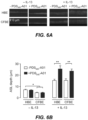
- ASL depth was measured in HBE and CFBE cell cultures under basal conditions and with chronic IL-13-treatment.
- CFBE cell cultures showed reduced ASL depth compared to HBE cell cultures in the absence of IL-13-treatment ( ⁇ 8 ⁇ m versus ⁇ 5 ⁇ m; Figure 6A , left; summary in Figure 6B ), in agreement with prior studies.
- treatment of HBE or CFBE cell cultures with 25 ⁇ M PDS inh -A01 did not significantly change ASL depth.
- Treatment of HBE and CFBE cell cultures with IL-13 produced a significant increase in ASL depth to ⁇ 16 ⁇ m.
- ASL depth was measured by confocal imaging of rhodamine B-dextran fluorescence (20 ⁇ l of 0.1 mg/ml in PBS) applied 4-6 h prior to measurement. Scanning confocal microscopy was done using an upright Nikon EZ-C1 confocal microscope equipped with a LUMplan FL N 60 ⁇ /1.00w objective (Olympus, Waltham, MA). For measurements the transwell filter containing cells with fluorescently stained ASL was inverted, with the immersion objective contacting a droplet of PBS added onto the upper-facing basal surface of the transwell filter. In some experiments ASL depth was measured after treatment with 25 ⁇ M PDS inh -A01 in the culture medium for 4-6 hours. ASL depth was measured using a multi-point histogram method in which each confocal z-stack was fitted to a quadratic function, as described and validated previously.
- pendrin inhibition may therefore increase ASL volume in the steady-state.
- the ASL consists of two discrete layers: a superficial mucus layer (ML) that contains large gel-forming mucins (MUC5AC and MUC5B) that trap particulates for subsequent mucociliary clearance, and in contact with cells and cilia, a periciliary layer (PCL) that contains large membrane-bound mucins (MUC1 and MUC4).
- ML superficial mucus layer
- MUC5AC and MUC5B large gel-forming mucins
- PCL periciliary layer
- MUC1 and MUC4 a periciliary layer
- the ASL was considered to consist of a mucus gel supported on a water-like liquid layer surrounding cilia ( 'gel-on-liquid' model).
- the bulk of available evidence links reduced ASL volume to increased propensity for infection, with reduced CFTR ion transport leading to reduced mucin hydration in the ML followed by PCL dehydration, ciliary collapse, mucostasis and bacterial colonization.
- PDS INH -C01 was further examined for pendrin inhibition and diuretic activity.
- PDS inh -C01 was purchased from ChemDiv (San Diego CA, USA). Other chemicals were purchased from Sigma unless otherwise stated.
- a plasmid expressing murine pendrin was generated in pcDNA3.1 (Invitrogen).
- a plasmid encoding murine Slc12a3 (NCC) was purchased from Dharmacon, and plasmids encoding murine Slc4a1 (AE1) and myc-tagged murine Slc26a3 (CLD/DRA) were from Origene.
- a plasmid encoding human NKCC1 (94 % sequence similarity to murine NKCC1) was provided by B. Forbush (Yale).
- FRT cells stably expressing murine pendrin (from plasmid) and EYFP-H148Q/I152L/F46L (referred to as YFP) (by lentivirus) were generated by limiting dilution and selection using 0.5 mg/ml G418.
- COS-7 fibroblasts were cultured in DMEM-H21 supplemented with 10 % FBS, 2 mM L-glutamine, 100 U/ml penicillin and 100 mg/ml streptomycin and transiently transfected with cDNAs encoding YFP and various membrane transporters using Lipofectamine 2000.
- Pendrin-mediated exchange of Cl - with SCN - , I - or NO 3 - was measured from the kinetics of YFP fluorescence quenching in a BMG FLUOstar Omega platereader. Pendrin/YFP-expressing FRT cells were washed in PBS and transport measured following a 70-mM gradient of SCN - , I - or NO 3 - . Pendrin-mediated Cl - /HCO 3 - exchange was measured from the kinetics of cytoplasmic pH (pHi) using BCECF-AM (Invitrogen).
- Pendrin-expressing FRT cells in HCO 3 - -containing buffer (in mM: 120 NaCl, 5 KCl, 1 CaCl 2 , 1 MgSO 4 , 10 glucose, 5 Hepes, 25 NaHCO 3 - ; pH 7.4; 95 % O 2 /5 % CO 2 equilibrated) were exposed to a Cl - -free buffer (gluconate replacing Cl - ) to drive Cl - efflux and HCO 3 - influx.
- Pendrin-mediated Cl - /HCO 3 - exchange was measured from the kinetics of intracellular pH, using BCECF fluorescence as a cytoplasmic pH sensor, following extracellular addition of gluconate in HCO 3 - /CO 2 -containing buffer to drive Cl- efflux, HCO 3 - influx, and consequent cytoplasmic alkalinization ( Figure 7D ).
- PDS inh -C01 reduced the kinetics of Cl - /HCO 3 - exchange, the activity of pendrin of relevance to kidney function, in a concentration-dependent manner with IC 50 ⁇ 1.2 ⁇ M ( Figure 7E ).
- CLD assay cells expressing YFP and CLD were subjected to a 102-mM SCN - gradient.
- NCC activity cells expressing YFP and NCC were equilibrated for 1 h in Na gluconate-substituted PBS and then subjected to a 70-mM I - gradient.
- a YFP-V163S fluorescence quenching assay in FRT cells was used to measure NKCC1 activity in which cells equilibrated gluconate-substituted PBS buffer were exposed to a Cl - -containing solution containing 75 mM Na + and 75 mM K + .
- Plasma and urine samples 60 ⁇ L were mixed with 300- ⁇ L acetonitrile and centrifuged at 13000 rpm for 20 min, and 90 ⁇ L of the supernatant was taken for liquid chromatography/mass spectrometry (LC/MS; Waters 2695 and Micromass ZQ).
- the solvent system consisted of a linear gradient from 5 to 95% acetonitrile over 16 min.
- Sodium and potassium concentrations in 3-h collected urine samples were measured by flame photometry (PFP7 Clinical Flame Photometer, Bibby Scientific Ltd, Stone. Staffs, UK).
- flame photometry PFP7 Clinical Flame Photometer, Bibby Scientific Ltd, Stone. Staffs, UK.
- arterial blood was collected from the abdominal aorta under isoflurane anesthesia 3 h after treatment.
- Figures 8A and 8C show original LC/MS data and linear standard curves in plasma and urine in which known amounts of PDS inh -C01 were added to plasma and urine from untreated mice.
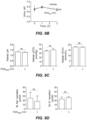
- Figures 8B and 8D summarize PDS inh -C01 concentrations in plasma and urine following bolus intraperitoneal (ip) administration of 10 mg/kg PDS inh -C01, showing predicted therapeutic concentrations for several hours.
- FIG. 9A shows similar 3-h urine volume and osmolality in two different strains of mice (CD-1 and C57B/6) treated with vehicle or PDS inh -C01. Even at a very high dose of 50 mg/kg, PDS inh -C01 administration did not significantly change urine pH ( Figure 9B ) or blood gas values ( Figure 9C ), nor did it affect 3-h urinary salt excretion ( Figure 9D ). Similar results were obtained using PDS inh -A01 (data not shown).
- pendrin inhibition was shown to augment the diuretic response to acute administration of furosemide, a loop-diuretic that increases salt delivery to the pendrin-expressing CNT and CCD.
- mice both CD-1 and C57Bl/6 strains were injected ip with 10 or 50 mg/kg PDS inh -C01.
- mice were treated with 10 mg/kg PDS inh -C01 together with furosemide (5, 10, 20 or 50 mg/kg, ip).
- the mice were placed in individual metabolic cages and spontaneously voided urine was collected for 3 h for measurement of volume and osmolality (freezing point depression osmometry, Micro-osmometer; Precision Systems, Natick, MA, USA).
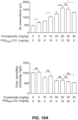
- FIG. 10A shows that PDSinh-C01 (10 mg/kg) significantly increased urine volume by ⁇ 30% at each dose of furosemide tested, without effect on urine osmolality. The diuretic effect was significantly greater than that produced by maximal furosemide (50 mg/kg). Increasing PDSinh-C01 dose to 50 mg/kg did not further potentiate the furosemide effect. PDS inh -C01, when given with 20 mg/kg furosemide, did not affect urine pH ( Figure 10B ), but produced a compensated metabolic alkalosis ( Figure 10C ).
- mice were injected with 20 mg/kg furosemide (ip) twice a day for 8 days and then administered PDS inh -C01 (10 mg/kg) or vehicle at the time of the final furosemide dose. See Figure 11A .
- Urine was collected for 3 has described above.
- FIG 11B shows a ⁇ 60% increase in urine volume following PDS inh -C01 in the chronically furosemide-treated mice, without effect on urine osmolality.
- PDS inh -C01 significantly increased urinary Na + and K + excretion ( Figure 11C ). Similar results were obtained using PDS inh -A01 (data not shown).
Landscapes
- Health & Medical Sciences (AREA)
- Chemical & Material Sciences (AREA)
- Organic Chemistry (AREA)
- Life Sciences & Earth Sciences (AREA)
- Veterinary Medicine (AREA)
- Animal Behavior & Ethology (AREA)
- General Health & Medical Sciences (AREA)
- Public Health (AREA)
- Medicinal Chemistry (AREA)
- Pharmacology & Pharmacy (AREA)
- Epidemiology (AREA)
- Chemical Kinetics & Catalysis (AREA)
- General Chemical & Material Sciences (AREA)
- Nuclear Medicine, Radiotherapy & Molecular Imaging (AREA)
- Communicable Diseases (AREA)
- Oncology (AREA)
- Engineering & Computer Science (AREA)
- Bioinformatics & Cheminformatics (AREA)
- Pulmonology (AREA)
- Virology (AREA)
- Pharmaceuticals Containing Other Organic And Inorganic Compounds (AREA)
Description
- This disclosure relates to pharmaceutical composition of small molecule pendrin inhibitors and methods for treating diseases and disorders related to aberrant ion exchange activity, such as cystic fibrosis, salt-sensitive hypertension, edema, cirrhosis, and certain renal disorders.
- Aberrant anion exchange is implicated in a variety of human diseases and disorders. For example, solute imbalances in plasma or urine may indicate renal, cardiac, or hepatic issues. In cystic fibrosis (CF), defective Cl- and HCO3 - transport alters the volume and composition of airway surface liquid (ASL), which may lead to a variety of complications such as impaired immune function and CD disease pathogenesis. Thus, cellular mechanisms involved in anion exchange are of interest as potential therapeutic targets.
- Pendrin, encoded by the SLC26A4 (
solute carrier family 26, member 4) gene, is an anion exchanger expressed in a variety of tissues, including the epithelium of inflamed airways, the inner ear, the thyroid, the adrenal gland, and the kidneys. - Pendrin is implicated in airways diseases. Pendrin expression is upregulated in a variety of airway disease contexts, such as, for example: airway epithelial cultures that are chronically exposed to cytokines such as IL-13, IL-4, and IL-17A; rodent models of inflammatory lung disease, including allergen (ovalbumin, OVA)-induced asthma, chronic obstructive pulmonary disease (COPD), infection, and industrial toxin exposure; and, humans with rhinovirus infection, asthma, CF, rhinitis, and chronic rhinosinusitis. The best previously described pendrin inhibitor, niflumic acid, produces <40% inhibition at 100 µM and has poor specificity. Drug candidates capable of effecting anion exchangers such as pendrin are needed.
- Jia et al., American Journal of Translational Research (2016) 8(2): 981-92, discloses that pendrin could be a novel target for lipopolysaccharide-induced acute lung injury mice.
- Soleimani, Nephrology Dialysis Transplantation (2015) 30(8): 1257-66, suggests that pendrin has multiple roles in the kidney.
- Manley et al., Placenta (2005) 26(5): 380-6, used BeWo choriocarcinoma cell lines as a model of iodide transport by placenta to provide evidence that the trophoblast releases iodide into the fetal compartment through pendrin.
-
WO2014/141035 discloses fused heterocyclyl derivatives as NAMPT inhibitors. -
WO2010/126002 discloses a pharmaceutical product containing a heterocyclic sulfonamide compound.EP2716632 discloses inhibitors of viral replication, their process of preparation and their therapeutical uses. - The invention herein is as defined in the claims.
- Any reference in the description to a method of treatment or to the use in a treatment is to be interpreted as reference to compounds, pharmaceutical compositions or medicaments of the present invention for use in a method for treatment of the human (or animal) body by therapy (or for diagnosis).
- Provided herein are pharmaceutical compositions comprising compounds that are potent inhibitors of pendrin activities. Also disclosed are methods for treating diseases, disorders, and conditions that are treatable by inhibiting pendrin-mediated anion exchange by administrating the pharmaceutical composition provided herein. The pharmaceutical compositions of the present disclosure may also be used in conjunction with a diuretic, such as a loop diuretic, to potentiate diuresis. The following embodiments are provided herein.
- Some embodiments of the claimed invention provide for pharmaceutical compositions comprising a pharmaceutically acceptable excipient and a compound of of Formula (I):

- wherein n is 0, 1, 2, or 3; wherein each R1 is independently C1-C4 alkyl, C1-C4 alkoxy, C1-C4 thioalkyl, fluoro, trifluoroalkyl, or chloro, or preferrably each R1 is independently methyl, ethyl, methoxy, thiomethyl, trifluoromethyl, fluoro or chloro, or more preferrably R1 is not at the ortho-position; and
- wherein R2 is phenyl or phenyl substituted with one or more fluoro, or R2 is benzyl or benzyl substituted with methyl, halo, or a combination thereof.
- In a more specific claimed embodiment, the compound is represented by Formula (Ia):

- R1a and R1b are the same or different and independently hydrogen, methyl, ethyl, methoxy, thiomethyl, trifluoromethyl, fluoro, or chloro;
- R3 is hydrogen or halo.
- In another more specific claimed embodiment, the compound is represented by Formula (Ib):

- m is 0, 1 or 2;
- R1a and R1b are the same or different and independently hydrogen, methyl, ethyl, methoxy, thiomethyl, trifluoromethyl, fluoro or chloro; and
- each R4 is the same or different and independently methyl or halo.
- Other claimed embodiments provide for pharmaceutical compositions comprising a pharmaceutically acceptable excipient and a pyrazolothiophenesulfonamide compound represented by Formula (II):

- wherein R5a and R5b are the same or different and independently hydrogen or methyl; R6 and R7 are the same or different and independently hydrogen, methyl, or -S(O)2NHR, provided one of R6 and R7 is -S(O)2NHR; and
- R is tetrahydronaphthalenyl, or phenyl optionally substituted by one or more alkyl, cyclohexyl or cyclopentyl.
- Other claimed embodiments provide for methods of treating an airway disease in a subject in need thereof comprising administering to the subject a therapeutically effective amount of one or more of the pharmaceutical compositions described above.
- Still other claimed embodiments provide for methods of treating cystic fibrosis in a subject in need thereof comprising administering to the subject a therapeutically effective amount of one or more of the pharmaceutical compositions described above.
- Also disclosed herein but not claimed are methods of treating a disease or condition treatable by inhibiting pendrin, partially or completely, in a subject in need thereof comprising administering to the subject a therapeutically effective amount of one or more of the pharmaceutical compositions described above.
- Further claimed embodiments provide for methods for promoting diuresis to a subject in need thereof comprising: administering to the subject a diuretic; and administering to the subject a therapeutically effective amount of of one or more of the pharmaceutical compositions described above, wherein the one or more pharmaceutical composition is adiminstered prior to, contemporaneous with, or following administration of the diuretic to the subject.
- Other claimed embodiments provide methods for treating hypertension or edema in a subject in need thereof comprising: administering to the subject a diuretic; and administering to the subject a therapeutically effective amount of of one or more of the pharmaceutical compositions described above, wherein the one or more pharmaceutical composition is adiminstered prior to, contemporaneous with, or following administration of the diuretic to the subject.
- Further claimed embodiments provide for use of one or more of the pharmaceutical compositions described above for airway disease therapy. Other claimed embodiments provide for use of one or more of the pharmaceutical compositions described above for combination therapy with a diuretic.
- Other claimed embodiments provide for methods of of method of treating hypertension comprising administering to a subject in need thereof a therapeutically effective amount of the one or more of the pharmaceutical compositions described above.
- Still other claimed embodiments provide for methods of treating a thyroid condition comprising administering to a subject in need thereof a therapeutically effective amount one or more of the pharmaceutical compositions described above.
-
-
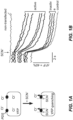
Figures 1A-1D illustrate pendrin-inhibiting compounds identified by high-throughput screening and summarize experimental approaches used to characterize the inhibitory activity.Figure 1A shows a schematic of assay showing extracellular addition of SCN- results in pendrin-mediated Cl-/SCN- exchange and YFP quenching.Figure 1B shows representative time course of YFP fluorescence quenching in cells expressing YFP alone (non-transfected, top) and YFP with human pendrin, showing curves for active and inactive compounds (and no test compound "control").Figure 1C shows the chemical structures of pendrin inhibitors identified from the screen.Figure 1D shows the structural determinants of activity of compounds of Formula (I) (left) and compounds of Formula (II) (right). -
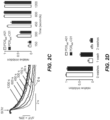
Figures 2A-2D present data illustrating kinetics of PDSinh-A01 and PDSinh-C01 inhibiting pendrin-mediated anion exchange.Figure 2A shows original fluorescence quenching curves for inhibition of pendrin-mediated Cl-/SCN- (left) and Cl-/I- (right) exchange by PDSinh-A01 (top) and PDSinh-C01 (bottom). Data shown inFigure 2B illustrates concentration-dependent inhibition of pendrin-mediated Cl-/SCN-, and Cl-/I- and Cl-/NO3 - exchange by PDSinh-A01 (top) and PDSinh-C01 (bottom). IC50 values for Cl-/SCN- exchange for both compounds were ~9 µM. PDSinh-A01 and PDSinh-C01 inhibited Cl-/I- and Cl-/NO3 - exchange with IC50 of ~8 µM and ~5 µM, respectively.Figure 2C shows inhibition kinetics of pendrin-mediated Cl-/SCN- exchange in which 10 µM PDSinh-A01 was added for indicated times (left) and summary (right) for PDSinh-A01 and PDSinh-C01.Figure 2D shows data from washout experiments illustrating that inhibition of pendrin by PDSinh-A01 and PDSinh-C01 is reversible. All data shown as mean ± SEM (n = 4). -
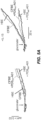
Figures 3A-3D illustrate pendrin inhibition by PDSinh-A01 and PDSinh-C01 and resultant effects on cytoplasmic pH.Figure 3A depicts a schematic assay showing replacement of extracellular Cl- for gluconate in BCECF-loaded FRT cells expressing human pendrin causes Cl- efflux and HCO3 - influx, resulting in cytoplasmic alkalinization.Figure 3B presents representative BCECF fluorescence data showing inhibition of Cl-/HCO3 - exchange by PDSinh-A01 and PDSinh-C01.Figure 3C . Concentration-dependent inhibition of pendrin-mediated Cl-/HCO3 - exchange by PDSinh-A01 and PDSinh-C01 (mean ± SEM, n = 3-9 cultures).Figure 3D shows the control study done in non-transfected and pendrin expressing cells in the absence of HCO3 -. BCECF ratio imaging indicated an initial cytoplasmic pH of ~7.3 in all cultures studied. -
Figures 4A-4B illustrate PDSinh-A01 selectivity for pendrin.Figure 4A shows short-circuit current (Isc) in IL-13-treated human bronchial epithelial (HBE) cells in response to agonists and inhibitors that target key ion transport processes: 20 µM amiloride; 20 µM forskolin; 10 µM CFTRinh-172; 100 mM ATP. Experiments were done in the absence (left, top) and presence (left, bottom) of PDSinh-A01 (25 µM, 30 minute pretreatment). (right) Summary of µIsc data (mean ± SEM, n = 3, differences not significant).Figure 4B shows YFP quenching assay indicating effects of PDSinh-A01 (25 µM, 30 min does not inhibit SCN- transport by human SLC26A3 as assayed by YFP fluorescence responses after application of a 70 mM SCN- gradient. Differences not significant on SCN- transport by human SLC26A3 (the human protein most similar to pendrin in sequence; ~50% identity) after application of a 70 mM SCN- gradient. Fluorescence responses (left) and data summary (right) are shown (mean ± SEM, n = 17-25 cells, differences not significant). -
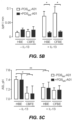
Figures 5A-5C present data indicating the effects of PDSinh-A01 on Cl- /HCO3 - exchange and ASL pH in untreated and IL-13-treated primary HBE and CFBE cell cultures.Figure 5A shows BCECF fluorescence in HBE and CFBE cells in response to extracellular Cl- replacement by gluconate in control (left) and IL-13 (right) -treated cells, with PDSinh-A01 (25 µM, 30 min) as indicated.Figure 5B presents a data summary (mean ± SEM, n = 3-4 cultures; * p < 0.05 comparing without vs. with PDSinh-A01).Figure 5C . PDSinh-A01 (25 µM, 4 hours) does not alter ASL pH, with data shown for HBE and CFBE cells under control and IL-13-treated conditions (mean ± SEM, n = 3-7 cultures; * p < 0.005; ** p < 0.05). BCECF ratio imaging indicated an initial cytoplasmic pH of ~7.3 in all cultures studied. -
Figures 6A-6B present data demonstrating that IL-13 increases ASL depth in both primary HBE and CFBE cell cultures, and that pendrin inhibition significantly increases ASL depth in IL-13-treated cultures.Figure 6A shows reconstructions of confocal z-stacks showing rhodamine dextran-labeled ASL in HBE and CFBE cells, without and with IL-13-treatment. PDSinh-A01 was used at 25 µM.Figure 6B shows a summary of ASL depth (mean ± SEM, n = 6-12 cultures; * p < 0.05 compared to HBE cultures (no IL-13); ** p < 0.05 compared to IL-13-treated cultures; IL-13 increased ASL depth for all conditions compared to no IL-13-treatment. -
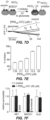
Figures 7A-7F further characterize a pendrin-inhibiting compound of the present disclosure and show representative data from pendrin-inhibition experiments in FRT cells.Figure 7A . PDSinh-C01 is comprised of a thiophene with a sulfonamide group and a pyrazole heterocycle linked at the 3- and 5-positions, respectively. Structure-activity studies showed that changing the pyrazole from 5- to 4-position abolished activity and that a sulfonamide group at the 2- or 3-position was needed for inhibition activity. Limited substituents on the pyrazole were studied, with 3', 4'-dimethyl giving the most potent compounds followed by 3'-methyl and trifluoromethyl. Substitution on the sulfonamide affected activity, with electron-neutral rings such as tetrahydro-naphthalene and 2-ethylphenyl giving best activity, whereas halide-substituted phenyl ring reduced activity.Figure 7B . Functional studies of pendrin-mediated Cl- exchange for I-, SCN- and NO3 - were done in FRT cells stably expressing murine pendrin and a YFP halide-sensing fluorescent indicator. (top) Schematic representation of fluorescence quenching assay for pendrin-mediated ion exchange in the presence of a pendrin inhibitor. (bottom) Fluorescence quenching data indicating ion exchange activity at various PDSinh-C01 concentrations.Figure 7C . Summary of pendrin inhibition by PDSinh-C01.Figure 7D . Pendrin-mediated Cl-/HCO3 - exchange was measured by the kinetics of intracellular pH, using BCEC fluorescence as a cytoplasmic pH sensor, following extracellular addition of HCO3 -/CO2-containing buffer to drive Cl- efflux, HCO3 - influx, and consequent cytoplasmic alkalinization.Figure 7E . Concentration-dependent effects of PDSinh-C01. on the kinetics of Cl-/HCO3 - exchange, the activity of pendrin with relevance to kidney function, were measured in a concentration-dependent manner with IC50 ~1.2 µM.Figure 7F . Selectivity data illustrating insignificant inhibition by PDSinh-C01 of solute carrier proteins Slc4a1 (AE1), Slc26a3 (CLD/DRA) or NKCC1 (Slc12a2). -
Figures 8A-8D present PDSinh-C01 pharmacokinetics data in mouse urine and plasma. These data were used to guide studies of diuretic efficacy.Figures 8A and8C show original LC/MS data and linear standard curves in plasma and urine in which known amounts of PDSinh-C01 were added to plasma and urine from untreated mice.Figures 8B and8D summarize PDSinh-C01 concentrations in plasma and urine following bolus interaperitoneal (ip) administration of 10 mg/kg PDSinh-C01, showing predicted therapeutic concentrations for several hours. -
Figures 9A-9D illustrate that pendrin inhibition alone by PDSinh-C01 does not affect renal function. PDSinh-C01 was administered to mice by ip injection as done in the pharmacokinetics measurements.Figure 9A shows similar 3-h urine volume and osmolality in two different strains of mice treated with vehicle or PDSinh-C01, even at a very high dose of 50 mg/kg. PDSinh-C01 administration did not significantly change urine pH (Figure 9B ) or blood gas values (Figure 9C ), nor did it affect 3-h urinary salt excretion (Fig. 9D ). -
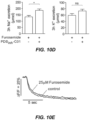
Figures 10A-10E illustrate that pendrin inhibition potentiates the diuretic action of furosemide in an acute treatment model.Figure 10A . PDSinh-C01 (10 mg/kg) significantly increased urine volume by ~30% at each dose of furosemide tested, without effect on urine osmolality. The diuretic effect was significantly greater than that produced by maximal furosemide (50 mg/kg). Increasing PDSinh-C01 dose to 50 mg/kg did not further potentiate the furosemide effect. PDSinh-C01, when given with 20 mg/kg furosemide, did not affect urine pH (Figure 10B ), but produced a compensated metabolic alkalosis (Figure 10C ). To rule out an inhibitory effect of furosemide on pendrin activity that could confound the physiological data, in vitro measurements showed no effect of furosemide on pendrin activity (Figure 10E ). -
Figures 11A-11C further illustrate that pendrin inhibition potentiates the diuretic action of furosemide in a chronical treatment model. Because chronic loop diuretic treatment upregulates renal pendrin expression, which might potentiate the diuretic efficacy of pendrin inhibition, the action of PDSinh-C01 in a chronic furosemide treatment model was studied. After 8 days of furosemide treatment, PDSinh-C01 further potentiated the furosemide effect.Figure 11B shows a ~60% increase in urine volume following PDSinh-C01 in the chronically furosemide-treated mice, without effect on urine osmolality.Figure 11C shows that PDSinh-C01significantly increased urinary Na+ and K+ excretion. - Small-molecule inhibitors of pendrin are described herein, as are pharmaceutical compositions comprising the same. Various embodiments are directed to methods for treating a variety of airway diseases or conditions, such as, for example, CF, rhinovirus infection, asthma, rhinitis, chronic rhinosinusitis, certain viral or bacterial infections, and exposure to industrial toxins. Other embodiments are directed to methods of potentiating diuresis in a subject in need thereof.
- Pendrin consists of 780 amino acids with a predicted cytoplasmic amino terminus and twelve membrane-spanning regions. Pendrin was identified by positional cloning in subjects with Pendred syndrome, an autosomal recessive disorder associated with congenital hearing loss and thyroid goiter.
- Functional studies show that pendrin mediates electroneutral exchange of Cl- with various anions, including I-, HCO3 -, OH-, NO3 -, SCN- (thiocyanate) and HCO2 - (formate). In the inner ear, pendrin is expressed in the apical membrane of epithelial cells in the sensory (saccule, utricle, and ampullae) and non-sensory (endolymphatic sac) domains, and is implicated in determining inner ear luminal fluid volume and composition. In the thyroid, pendrin is expressed on the apical membrane of follicular cells, where it facilitates I- efflux into the follicule colloid for thyroid hormone synthesis. In the kidney, pendrin is expressed in the apical plasma membrane of type B and non-A/non-B intercalated cells in the aldosterone-sensitive distal nephron, where it facilitates Cl- absorption and HCO3 - secretion, in addition to being involved in Na+ absorption and acid-base balance.
- Various embodiments are directed to small molecules that selectively inhibit pendrin activities (e.g., pendrin-mediated anion exchange) at low micromolar potency. These compounds were identified by a functional, cell-based screen of a small molecule library and were found to produce strong and sustained impairment of pendrin-mediated ion exchange activity when pendrin showed elevated expression. Thus, pharmaceutical compositions comprising these pendrin inhibitors are suitable for treating diseases and disorders (including pulmonary and renal diseases) treatable by inhibiting pendrin.
- As noted above, the invention is as defined in the appended claims. At it's most general, the present disclosure contemplates a pharmaceutical composition comprising a pharmaceutically acceptable excipient and a tetrahydropyrazolopyridine compounds represented by Formula (I):

- n is 0, 1, 2, or 3;
- R1 at each occurrence is the same or different and independently optionally substituted alkyl, optionally substituted alkoxy, halo, trifluoroalkyl, or optionally substituted thioalkyl; and
- R2 is optionally substituted aryl or optionally substituted aralkyl.
- In various embodiments of a pharmaceutical composition contemplated by the present disclosure, R1 is C1-C4 alkyl, or R1 is C1-C4 alkoxy, or R1 is C1-C4 thioalkyl.
- In other embodiments, R1 is fluoro, trifluoroalkyl, or chloro.
- In preferred embodiments, R1 is not at the ortho- position of the phenyl ring.
- In certain embodiments, R2 is phenyl or substituted phenyl.
- In a further embodiment, R2 is phenyl substituted with one or more halo (e.g., fluoro). In preferred embodiments, R2 is phenyl substituted with fluoro.
- In yet another embodiment, R2 is benzyl or substituted benzyl. In a preferred embodiment, R2 is benzyl.
- In a further embodiment, R2 is benzyl in which the phenyl moiety is substituted with one or more alkyl (e.g., C1-C4 alkyl) or halo (e.g., fluoro). In preferred embodiments, R2 is benzyl substituted with fluoro. In other embodiments, R2 is benzyl substituted with methyl.
- Also contemplated in the present disclosure are tetrahydropyrazolopyridine compounds represented by Formula (Ia):

- R1a and R1b are the same or different and independently hydrogen, optionally substituted alkyl, optionally substituted alkoxy, halo, trifluoroalkyl, or optionally substituted thioalkyl;
- R3 is hydrogen or halo.
- In various embodiments contemplated by the present disclosure, R1a and R1b are independently C1-C4 alkyl, C1-C4 alkoxy, C1-C4 thioalkyl, trifluoroalkyl, or halo. In more specific embodiments, R1a and R1b are the same or different and independently methyl, ethyl, methoxy, thiomethyl, trifluoromethyl, fluoro, or chloro.
- In preferred embodiments, when R1a is hydrogen, R1b is C1-C4 alkyl, C1-C4 alkoxy, C1-C4 thioalkyl or halo. In more specific embodiments, when R1a is hydrogen, R1b is methyl, ethyl, methoxy, thiomethyl, or chloro.
- In other embodiments, when R1b is hydrogen, R1a is C1-C4 alkyl, C1-C4 alkoxy, C1-C4 thioalkyl, trifluoroalkyl, or halo. In more specific embodiments, when R1b is hydrogen, R1a is methyl, ethyl, methoxy, trifluoromethyl, thiomethyl, fluoro, or chloro.
- In preferred embodiments, R3 is hydrogen. In other preferred embodiments, R3 is fluoro, including 3-, or 4-substituted fluoro.
- Table 1 provides specific compounds of Formula (Ia) and their respective percentage inhibition of human pendrin. These compounds demonstrated strong inhibition (at least 45% inhibition) at 25µM. In comparison, the only known pendrin inhibitor, niflumic acid, showed less than 40% inhibition at 100 µM.
TABLE 1 Compounds of Formula (Ia) Inh. (%) Compounds of Formula (Ia) Inh. (%) 
A01 100 
77 
72 
69 
66 
64 
61 
61 
58 
60 
57 
54 
54 
53 
45 - Also contemplated in the present disclosure are tetrahydropyrazolopyridine compounds represented by Formula (Ib):

- m is 0, 1 or 2;
- R1a and R1b are the same or different and independently hydrogen, optionally substituted alkyl, optionally substituted alkoxy, halo, trifluoroalkyl, or optionally substituted thioalkyl; and
- each R4 is the same or different and independently optionally substituted alkyl or halo.
- In various embodiments contemplated by the present disclosure, R1a and R1b are independently C1-C4 alkyl, C1-C4 alkoxy, C1-C4 thioalkyl, trifluoroalkyl, or halo. In more specific embodiments, R1a and R1b are the same or different and independently methyl, ethyl, methoxy, thiomethyl, fluoro or chloro.
- In preferred embodiments, when R1a is hydrogen, R1b is C1-C4 alkyl, C1-C4 alkoxy, C1-C4 thioalkyl or halo. In more specific embodiments, when R1a is hydrogen, R1b is methyl, ethyl, methoxy, or chloro.
- In other embodiments, when R1b is hydrogen, R1a is C1-C4 alkyl, C1-C4 alkoxy, C1-C4 thioalkyl, trifluoroalkyl, or halo. In more specific embodiments, when R1b is hydrogen, R1a is methyl, ethyl, methoxy, fluoro, or chloro.
- Table 2 provides specific compounds of Formula (Ib) and their respective percentage inhibition of human pendrin. These compounds also demonstrated strong inhibition (at least 45% inhibition) at 25µM.
TABLE 2 Compounds of Formula (Ib) Inh. (%) Compounds of Formula (Ib) Inh. (%) 
49 
48 
49 
49 - Also contemplated in the present disclosure is a pharmaceutical composition comprising a pharmaceutically acceptable excipient and a pyrazolothiophenesulfonamide compound represented by Formula (II):

- R5a and R5b are the same or different and independently hydrogen, or optionally substituted alkyl;
- R6 and R7 are the same or different and independently hydrogen, optionally substituted alkyl, or -S(O)2NHR, provided one of R6 and R7 is -S(O)2NHR; and
- R is optionally substituted aryl or optionally substituted cycloalkyl.
- In various embodiments of a pharmaceutical composition contemplated by the present disclosure, R5a and R5b are the same or different and independently hydrogen or methyl.
- In other embodiments, R6 is -S(O)2NHR, and R7 is hydrogen or methyl.
- In yet other embodiments, R7 is -S(O)2NHR, and R6 is hydrogen or methyl.
- In various embodiments, R is optionally substituted aryl. In a particularly preferred embodiment, R is tetrahydronaphthalenyl (e.g., 1-tetrahydronaphthalenyl)
- In other embodiments, R is phenyl optionally substituted by one or more alkyl (e.g., methyl or ethyl).
- In further embodiments, R is optionally substituted cycloalkyl, including for example, cyclohexyl and cyclopentyl.
- Table 3 provides specific compounds of Formula (II) and their respective percentage inhibition of human pendrin. These compounds also demonstrated strong inhibition (at least 45% inhibition) at 25µM.
TABLE 3 Compounds of Formula (II) Inh (%) Compounds of Formula (II) Inh (%) 
83 
53 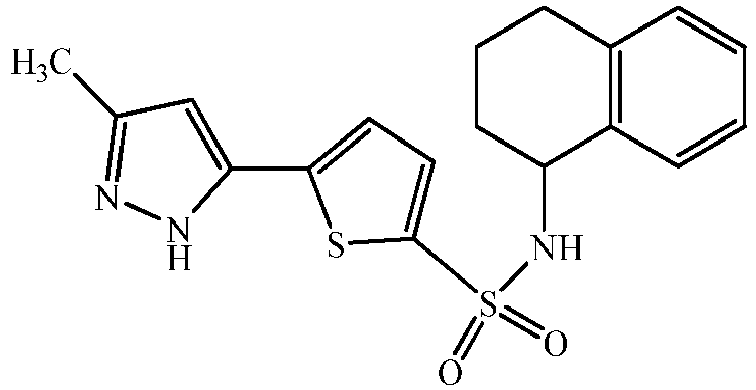
- The small molecule pendrin inhibitors of Formulae (I), (II) and substructures may be formulated into pharmaceutical composition by known methods in the art. The pharmaceutical composition additionally comprises a physiologically acceptable excipient (pharmaceutically acceptable or suitable excipient or carrier) (i.e., a non-toxic material that does not interfere with the activity of the active ingredient). Any suitable excipient or carrier known to those of ordinary skill in the art for use in pharmaceutical compositions may be employed in the compositions described herein. Excipients for therapeutic use are well known, and are described, for example, in Remington: The Science and Practice of Pharmacy (Gennaro, 21st Ed. Mack Pub. Co., Easton, PA (2005))
- The pharmaceutical compositions disclosed herein may be a sterile aqueous or non-aqueous solution, suspension or emulsion. Such compositions may also be in the form of a solid, liquid, or gas (aerosol). Alternatively, compositions described herein may be formulated as a lyophilizate, or compounds may be encapsulated within liposomes using technology known in the art. Pharmaceutical compositions may also contain other components, which may be biologically active or inactive. Such components include, but are not limited to, buffers (e.g., neutral buffered saline or phosphate buffered saline), carbohydrates (e.g., glucose, mannose, sucrose or dextrans), mannitol, proteins, polypeptides or amino acids such as glycine, antioxidants, chelating agents such as EDTA or glutathione, stabilizers, dyes, flavoring agents, and suspending agents and/or preservatives.
- A composition comprising any one of the compounds described herein may be formulated for sustained or slow release. Such compositions may generally be prepared using well known technology and administered by, for example, oral, rectal or subcutaneous implantation, or by implantation at the desired target site.
- In a preferred embodiment, the pharmaceutical compositions described herein may be used in aerosol formulation to be administered via inhalation. The compounds may be formulated into pressurized acceptable propellants such as dichlorodifluoromethane, propane, nitrogen and the like. The aerosol formulation is particularly suitable for delivering the pendrin inhibitors to the airways.
- In another preferred embodiment, the pendrin inhibitor of the present disclosure can be combined with a loop diuretic (e.g., furosemide) in a pharmaceutical composition.
- In airway epithelial cells, pendrin is thought to facilitate Cl-/HCO3 - exchange and may thereby affect the volume and composition of ASL. Inhibition of the pendrin activities in the airway epithelial cells is thus capable of regulating ASL volume, which could secondarily affect mucociliary clearance, bacterial colonization, and other mucosal immune responses associated with abnormal ASL volume.
- Thus, one claimed embodiment provides a method of treating an airway disease in a subject in need thereof comprising administering to the subject a therapeutically effective amount of a pharmaceutical composition having a compound of any one of Formulae (I), (Ia), (Ib) or Formula (II) as defined in the appended claims.
- As used herein, "airway diseases" is characterized by low or abnormal ASL volume and may have a range of symptoms, including mucus production, cough, wheezing, and airway hyper-responsiveness. Airway diseases may take the forms of inflammatory lung diseases (e.g., cystic fibrosis, asthma, and chronical obstructive pulmonary disease), rhinovirus infection, rhinitis, chronic rhinosinusitis, sinusitis, certain viral or bacterial infections, and exposure to industrial toxins.
- As demonstrated in further detail in Example 6, the pendrin inhibitors disclosed herein are efficacious in increasing ASL volume and improve ASL hydration in airway cell culture subjected to an inflammatory stimulant (IL-13). Increased airway hydration by pendrin inhibition represents a viable treatment of inflammatory lung diseases including CF. Although pendrin activity and increased ASL hydration were seen only in cell cultures after IL-13-treatment, asthma-like symptoms (cough, wheezing, airway hyper-responsiveness) and increased IL-13 are prevalent in subjects with CF, as well as other airway diseases.
- Thus, a specific claimed embodiment provides a method of treating cystic fibrosis in a subject in need thereof comprising administering to the subject a therapeutically effective amount of a pharmaceutical composition having a compound of any one of Formulae (1), (Ia), (Ib) or Formula (II) as defined in the appended claims.
- In still other embodiments described herein but not claimed, the present disclosure provides methods for treating a disease or condition treatable by inhibiting pendrin, partially or completely, in a subject, the method comprising administering a pharmaceutical composition comprising a pharmaceutically acceptable excipient and any one or more of the foregoing compounds of Formula (I), (Ia), (Ib) or Formula (II) to the subject.
- In the context of inhibiting pendrin, i.e., pendrin-mediated anion exchange, "inhibit" refers specifically to a statistically significant reduction or a decrease in pendrin-mediated anion exchange between a cell and its local environment, relative to a reference. Pendrin inhibition by the compounds of Formula (I), (Ia), (Ib) or (II) can be assessed, at a given molar amount, in human pendrin. As used herein, the molar amount of the pendrin inhibitor may be 2.5µM, 10µM or 25µM. The compounds of Formula (I), (Ia), (Ib) or (II) disclosed herein typically exhibit percentage inhibition (at 25 µM) of at least 45%, or at least 50%, or at least 60%, or at least 70%, or at least 80% or at least 90% or fully blocking the pendrin activity (near 100% for PDSinh-A01). Without wishing to be bound by theory, pendrin-mediated anion exchange may be inhibited by impairing an anion-exchange functionality of pendrin, by reducing or decreasing pendrin protein expression, by reducing or decreasing pendrin protein translation, or by reducing or decreasing pendrin gene expression. Compounds of the present disclosure may be said to be "pendrin-inhibiting" as well as "inhibiting pendrin-mediated anion exchange". These phrases are intended to carry the same meaning; compounds of the present disclosure inhibit the ability of pendrin to perform or facilitate anion exchange.
- Hypertension, also known as high blood pressure, is a long-term medical condition in which the blood pressure in the arteries is persistently elevated. Hypertension is classified as either primary (essential) hypertension or secondary hypertension. Most cases are categorized as primary hypertension, which is defined as high blood pressure with no apparent underlying cause. The remaining cases (5-10%) are categorized as secondary hypertension, which is associated with an identifiable cause, such as narrowing of the aorta or kidney arteries, chronic kidney disease, or an endocrine disorder such as excess aldosterone, cortisol, or catecholamines.
- Both primary hypertension and secondary hypertension are linked with ionic imbalances. For example, considerable evidence suggests that disturbances in renal salt/water balance (particularly in the intrarenal renin-angiotensin system) may account for increased resistance to bloodflow. Similarly, secondary hypertension is commonly associated with kidney diseases such as renal stenosis. In another example, Liddle's syndrome, a rare inherited form of hypertension, is caused by mutations that affect sodium reabsorption in the renal distal tubule. Additionally, mice overexpressing pendrin have been shown to be hypertensive. Accordingly, pendrin inhibitors disclosed herein may be effective in treating one or more forms of hypertension, such as, for example, salt-sensitive hypertension.
- Thus, a further claimed embodiment provides a method for treating hypertension in a subject in need thereof comprising administering to the subject a therapeutically effective amount of a pharmaceutical composition having a compound of any one of Formulae (I), (Ia), (Ib) or Formula (II) as defined in the appended claims.
- Ionic imbalance has also been associated with thyroid issues, including goiter, nodules, tumors, and aberrant thyroid activity. For example, elevated anion gap, which is the difference between measured cation and anion levels in serum, plasma, or urine, has been investigated for association with thyroid dysfunction and nodular goiter. Metabolic acidosis, caused by excessive production of acid and/or deficient removal of acid by the kidneys, is found among patients experiencing hypo- or hyperthyroidism. Thus, pendrin inhibitors disclosed herein may be effective in treating thyroid conditions.
- One claimed embodiment provides a method of treating thyroid conditions in a subject in need thereof comprising administering to the subject a therapeutically effective amount of a pharmaceutical composition having a compound of any one of Formulae (I), (Ia), (Ib) or Formula (II) as defined in the appended claims.
- Pendrin inhibitors disclosed herein may be combined with diuretic therapy to enhance diuresis and salt excretion. Such a combination therapy can be effective in treating hypertension and edema (including diuretic-resistant edema).
- Diuresis is the physiological process by which urine production in the kidneys is increased as part of the body's homeostatic maintenance of fluid balance. A diuretic promotes urine output, osmolality and salt excretion. Although pendrin inhibitors disclosed herein do not appear to be diuretic in an animal model, when combined with a known loop diuretic, the pendrin inhibitors can enhance or potentiate the effect of the loop diuretic (e.g., urine output and Na+ secretion were increased by more than 30%, or by more than 60% depending on the use of the diuretic).
- Thus, one claimed embodiment provides a method of promoting diuresis to a subject in need thereof comprising administering to the subject a diuretic; and administering to the subject a pendrin inhibitor of any one of Formula (I), (Ia), (Ib) or (II) as defined in the appended claims. The pendrin inhibitor may be administered prior to, contemporaneous with, or following administration of the diuretic to the subject. In various embodiments, the diuretic may be administered to the subject acutely or chronically.
- As used herein, a diuretic refers to a loop diuretic, which acts on the Na+/K+/2Cl- cotransporter (NKCC2) in the thick ascending limb of the loop of Henle to inhibit sodium, chloride and potassium reabsorption. Common loop diuretics include thiazide compounds such as furosemide, azosemide, bumelanide, piretanide, torasemide, and the like. In a preferred embodiment, the loop diuretic is furosemide.
- Another claimed embodiment provides a method for treating hypertension in a subject in need thereof comprising administering to the subject a diuretic; and administering to the subject a pendrin inhibitor of any one of Formula (I), (Ia), (Ib) or (II) as defined in the appended claims.
- Another claimed embodiment provides a method for treating edema in a subject in need thereof comprising administering to the subject a diuretic; and administering to the subject a pendrin inhibitor of any one of Formula (I), (Ia), (Ib) or (II) as defined in the appended claims.
- The terms below, as used herein, have the following meanings, unless indicated otherwise.
- "Alkyl" refers to a straight or branched hydrocarbon chain radical which is saturated having from one to 12 carbon atoms, and which is attached to the rest of the molecule by a single bond. An alkyl comprising up to 12 carbon atoms is referred to as a C1-C12 alkyl. Alkyls comprising other numbers of carbon atoms are represented similarly. Alkyl groups include, but are not limited to, C1-C12 alkyl, C1-C10 alkyl, C1-C8 alkyl, C1-C6 alkyl, C1-C4 alkyl, C1-C3 alkyl, C1-C2 alkyl, C2-C8 alkyl, C3-C8 alkyl and C4-C8 alkyl. Representative alkyl groups include, but are not limited to, methyl, ethyl, n-propyl, 1-methylethyl (iso-propyl), n-butyl, i-butyl, s-butyl, n-pentyl, 1,1-dimethylethyl (t-butyl), 3-methylhexyl, 2-methylhexyl, and the like. Unless stated otherwise specifically in the specification, an alkyl group may be optionally substituted as described below.
- "Alkylene" or "alkylene chain" refers to a straight or branched divalent hydrocarbon chain linking the rest of the molecule to a radical group. Alkylenes may be saturated or unsaturated (i.e., contains one or more double and/or triple bonds). Representative alkylenes include, but are not limited to, C1-C12 alkylene, C1-C8 alkylene, C1-C6 alkylene, C1-C4 alkylene, C1-C3 alkylene, C1-C2 alkylene, C1 alkylene. Representative alkylene groups include, but are not limited to, methylene, ethylene, propylene, n-butylene, ethenylene, propenylene, n-butenylene, propynylene, n-butynylene, and the like. The alkylene chain is attached to the rest of the molecule through a single or double bond and to the radical group through a single or double bond. The points of attachment of the alkylene chain to the rest of the molecule and to the radical group can be through one carbon or any two carbons within the chain. Unless stated otherwise specifically in the specification, an alkylene chain may be optionally substituted as described below.
- "Alkoxy" refers to a radical of the formula -ORa where Ra is an alkyl radical as defined. Alkoxy groups include, but are not limited to, C1-C12 alkoxy, C1-C10 alkoxy, C1-C8 alkoxy, C1-C6 alkoxy, C1-C4 alkoxy, C1-C3 alkoxy, C1-C2 alkoxy, C2-C8 alkoxy, C3-C8 alkoxy and C4-C8 alkoxy. Unless stated otherwise specifically in the specification, an alkoxy group (i.e., the alkyl portion) may be optionally substituted as described below.
- "Alkoxyalkyl" refers to a radical of the formula -RbORa where Ra is an alkyl radical as defined and where Rb is an alkylene radical as defined. Unless stated otherwise specifically in the specification, an alkoxyalkyl group may be optionally substituted as described below.
- "Aryl" refers to a radical derived from a hydrocarbon ring system comprising hydrogen, 6 to 30 carbon atoms and at least one aromatic ring. The aryl radical may be a monocyclic, bicyclic, tricyclic or tetracyclic ring system, which may include fused or bridged ring systems. Aryl radicals include, but are not limited to, aryl radicals derived from the hydrocarbon ring systems of aceanthrylene, acenaphthylene, acephenanthrylene, anthracene, azulene, benzene, chrysene, fluoranthene, fluorene, as-indacene, s-indacene, indane, indene, naphthalene, phenalene, phenanthrene, pleiadene, pyrene, and triphenylene. As used herein, it is not required that the aryl radical is fully aromatic (i.e., with fully unlocalized electrons). Instead, the aryl radical comprises at least one aromatic ring, which may be fused to a non-aromatic ring. An example is tetrahydronaphthalene. Unless stated otherwise specifically in the specification, the term "aryl" or the prefix "ar-"(such as in "aralkyl") is meant to include aryl radicals that are optionally substituted.
- "Aralkyl" refers to a radical of the formula -Rb-Rc where Rb is an alkylene chain as defined above and Rc is one or more aryl radicals as defined above, for example, benzyl, diphenylmethyl, trityl and the like. Unless stated otherwise specifically in the specification, an aralkyl group, i.e., the aryl moiety, may be optionally substituted.
- "Cycloalkyl" refers to a stable 3-10 member non-aromatic ring radical comprising solely of carbon and hydrogen. The cycloalkyl radical may be a monocyclic, bicyclic, tricyclic or tetracyclic ring system, which may include fused or bridged ring systems. Examples of cycloalkyl radicals include, but are not limited to, cyclohexyl, cyclopentyl. Unless stated otherwise specifically in the specification, a cycloalkyl group may be optionally substituted.
- "Halo" or "halogen" refers to bromo (Br), chloro (Cl), fluoro (F) or iodo (I).
- "Haloalkyl" refers to an alkyl substituted with one or more halo, for example, trifluoroalkyl, wherein at three hydrogen atoms have been replaced with fluoro moieties. Trifluoroalkyls include trifluoromethyl and the like.
- "Heterocyclyl", "heterocycle" or "heterocyclic ring" refers to a stable 3- to 24-membered non-aromatic ring radical comprising 2 to 23 carbon atoms and from one to 8 heteroatoms selected from the group consisting of nitrogen, oxygen, phosphorous and sulfur. Unless stated otherwise specifically in the specification, the heterocyclyl radical may be a monocyclic, bicyclic, tricyclic or tetracyclic ring system, which may include fused or bridged ring systems; and the nitrogen, carbon or sulfur atoms in the heterocyclyl radical may be optionally oxidized; the nitrogen atom may be optionally quaternized; and the heterocyclyl radical may be partially or fully saturated. Examples of such heterocyclyl radicals include, but are not limited to, dioxolanyl, thienyl[1,3]dithianyl, decahydroisoquinolyl, imidazolinyl, imidazolidinyl, isothiazolidinyl, isoxazolidinyl, morpholinyl, octahydroindolyl, octahydroisoindolyl, 2-oxopiperazinyl, 2-oxopiperidinyl, 2-oxopyrrolidinyl, oxazolidinyl, piperidinyl, piperazinyl, 4-piperidonyl, pyrrolidinyl, pyrazolidinyl, quinuclidinyl, thiazolidinyl, tetrahydrofuryl, trithianyl, tetrahydropyranyl, thiomorpholinyl, thiamorpholinyl, 1-oxo-thiomorpholinyl, 1,1-dioxo-thiomorpholinyl, 12-crown-4, 15-crown-5, 18-crown-6, 21-crown-7, aza-18-crown-6, diaza-18-crown-6, aza-21-crown-7, and diaza-21-crown-7. Unless stated otherwise specifically in the specification, a heterocyclyl group may be optionally substituted.
- "Heterocyclylalkyl" refers to a radical of the formula -Rb-Rc where Rb is an alkylene chain as defined above and Rc is one or more heterocyclyl radicals as defined above, for example, tetrahydrofuranyl-methyl, tetrahydropyranyl-methyl and the like. A 6-membered heterocyclylalkyl refers to a heterocyclylalkyl, wherein the heterocyclyl moiety has 6 atoms in the ring. Unless stated otherwise specifically in the specification, a heterocyclalkyl group may be optionally substituted.
- "Heteroaryl" refers to a 5- to 14-membered ring system radical comprising hydrogen atoms, one to thirteen carbon atoms, one to six heteroatoms selected from the group consisting of nitrogen, oxygen, phosphorous and sulfur, and at least one aromatic ring. For purposes of this disclosure, the heteroaryl radical may be a monocyclic, bicyclic, tricyclic or tetracyclic ring system, which may include fused or bridged ring systems; and the nitrogen, carbon or sulfur atoms in the heteroaryl radical may be optionally oxidized; the nitrogen atom may be optionally quaternized. Examples include, but are not limited to, azepinyl, acridinyl, benzimidazolyl, benzothiazolyl, benzindolyl, benzodioxolyl, benzofuranyl, benzooxazolyl, benzothiazolyl, benzothiadiazolyl, benzo[b][1,4]dioxepinyl, 1,4-benzodioxanyl, benzonaphthofuranyl, benzoxazolyl, benzodioxolyl, benzodioxinyl, benzopyranyl, benzopyranonyl, benzofuranyl, benzofuranonyl, benzothienyl (benzothiophenyl), benzotriazolyl, benzo[4,6]imidazo[1,2-a]pyridinyl, carbazolyl, cinnolinyl, dibenzofuranyl, dibenzothiophenyl, furanyl, furanonyl, isothiazolyl, imidazolyl, indazolyl, indolyl, indazolyl, isoindolyl, indolinyl, isoindolinyl, isoquinolyl, indolizinyl, isoxazolyl, naphthyridinyl, oxadiazolyl, 2-oxoazepinyl, oxazolyl, oxiranyl, 1-oxidopyridinyl, 1-oxidopyrimidinyl, 1-oxidopyrazinyl, 1-oxidopyridazinyl, 1-phenyl-1H-pyrrolyl, phenazinyl, phenothiazinyl, phenoxazinyl, phthalazinyl, pteridinyl, purinyl, pyrrolyl, pyrazolyl, pyridinyl, pyrazinyl, pyrimidinyl, pyridazinyl, quinazolinyl, quinoxalinyl, quinolinyl, quinuclidinyl, isoquinolinyl, tetrahydroquinolinyl, thiazolyl, thiadiazolyl, triazolyl, tetrazolyl, triazinyl, and thiophenyl (i.e., thienyl). Unless stated otherwise specifically in the specification, a heteroaryl group may be optionally substituted.
- "Heteroarylalkyl" refers to a radical of the formula -Rb-Rc where Rb is an alkylene chain as defined above and Rc is one or more heteroaryl radicals as defined above, for example, furanyl-methyl, pyridyl-methyl and the like. A 6-membered heteroarylalkyl refers to a heteroarylalkyl, wherein the heteroaryl moiety has 6 atoms in the ring. Unless stated otherwise specifically in the specification, a heteroarylalkyl group may be optionally substituted.
- "Thioalkyl" refers to a radical of the formula -S-Ra where Ra is an alkyl radical as defined. Thioalkyl groups include, but are not limited to, C1-C12 thioalkyl, C1-C10 thioalkyl, C1-C8 thioalkyl, C1-C6 thioalkyl, C1-C4 thioalkyl, C1-C3 thioalkyl, C1-C2 thioalkyl, C2-C8 thioalkyl, C3-C8 thioalkyl and C4-C8 thioalkyl. Unless stated otherwise specifically in the specification, a thioalkyl group (i.e., the alkyl portion) may be optionally substituted.
- All the above groups may be "optionally substituted," i.e., either substituted or unsubstituted. The term "substituted" as used herein means any of the above groups (i.e., alkyl, alkylene, alkoxy, alkoxyalkyl, aryl, aralkyl, heterocyclyl, heterocyclylalkyl, heteroaryl, heteroarylalkyl and/or trifluoroalkyl), may be further functionalized wherein at least one hydrogen atom is replaced by a bond to a non-hydrogen atom substituent. Unless stated specifically in the specification, a substituted group may include one or more substituents selected from: oxo, -CO2H, nitrile, nitro, -CONH2, hydroxyl, thiooxy, alkyl, alkylene, alkoxy, alkoxyalkyl, alkylcarbonyl, alkyloxycarbonyl, aryl, aralkyl, arylcarbonyl, aryloxycarbonyl, aralkylcarbonyl, aralkyloxycarbonyl, aryloxy, cycloalkyl, cycloalkylalkyl, cycloalkylcarbonyl, cycloalkylalkylcarbonyl, cycloalkyloxycarbonyl, heterocyclyl, heteroaryl, dialkylamines, arylamines, alkylarylamines, diarylamines, N-oxides, imides, and enamines; a silicon atom in groups such as trialkylsilyl groups, dialkylarylsilyl groups, alkyldiarylsilyl groups, thioalkyl triarylsilyl groups, perfluoroalkyl or perfluoroalkoxy, for example, trifluoromethyl or trifluoromethoxy. "Substituted" also means any of the above groups in which one or more hydrogen atoms are replaced by a higher-order bond (e.g., a double- or triple-bond) to a heteroatom such as oxygen in oxo, carbonyl, carboxyl, and ester groups; and nitrogen in groups such as imines, oximes, hydrazones, and nitriles. For example, "substituted" includes any of the above groups in which one or more hydrogen atoms are replaced
with -NRgC(=O)NRgRh, -NRgC(=O)ORh, -NRgSO2Rh, -OC(=O)NRgRh, -ORg, -SRg, -S ORg, -SChRg, -OSChRg, -SChORg, =NSO2Rg, and -SO2NRgRh. "Substituted" also means any of the above groups in which one or more hydrogen atoms are replaced with -C(=O)Rg, -C(=O)ORg, -CH2SO2Rg, -CH2SO2NRgRh, -SH, -SRg or -SSRg. In the foregoing, Rg and Rh are the same or different and independently hydrogen, alkyl, alkoxy, alkylamino, thioalkyl, aryl, aralkyl, cycloalkyl, cycloalkylalkyl, haloalkyl, heterocyclyl, N-heterocyclyl, heterocyclylalkyl, heteroaryl, N-heteroaryl and/or heteroarylalkyl. In addition, each of the foregoing substituents may also be optionally substituted with one or more of the above substituents. - The compounds described herein may generally be used as the free acid or free base. Alternatively, the compounds may be used in the form of acid or base addition salts. Acid addition salts of the free base amino compounds may be prepared according to methods well known in the art, and may be formed from organic and inorganic acids. Suitable organic acids include (but are not limited to) maleic, fumaric, benzoic, ascorbic, succinic, methanesulfonic, acetic, oxalic, propionic, tartaric, salicylic, citric, gluconic, lactic, mandelic, cinnamic, aspartic, stearic, palmitic, glycolic, glutamic, and benzenesulfonic acids. Suitable inorganic acids include (but are not limited to) hydrochloric, hydrobromic, sulfuric, phosphoric, and nitric acids. Base addition salts of the free acid compounds of the compounds described herein may also be prepared by methods well known in the art, and may be formed from organic and inorganic bases. Suitable inorganic bases included (but are not limited to) the hydroxide or other salt of sodium, potassium, lithium, ammonium, calcium, magnesium, iron, zinc, copper, manganese, aluminum, and the like, and organic bases such as substituted ammonium salts. Thus, the term "pharmaceutically acceptable salt" of compounds of Structures I and II and substructures thereof, as well as any and all substructures and specific compounds described herein is intended to encompass any and all pharmaceutically suitable salt forms.
- With regard to stereoisomers, the compounds of structure (I) and structure (II), as well as any sub-structure herein, may have one or more chiral (or asymmetric) centers, and may thus give rise to enantiomers, diastereomers, and other stereoisomeric forms that may be defined, in terms of absolute stereochemistry, as (R)- or (S)-. When the compounds described herein contain olefinic double bonds or other centers of geometric asymmetry, and unless specified otherwise, it is intended that the compounds include both E and Z geometric isomers (e.g., cis or trans.) Likewise, all possible isomers, as well as their racemic and optically pure forms, and all tautomeric forms are also intended to be included. It is therefore contemplated that various stereoisomers and mixtures thereof and includes "enantiomers," which refers to two stereoisomers whose molecules are nonsuperimposeable mirror images of one another. Thus, the compounds may occur in any isomeric form, including racemates, racemic mixtures, and as individual enantiomers or diastereomers.
- Furthermore, some of the crystalline forms of any compound described herein may exist as polymorphs, which are also included and contemplated by the present disclosure. In addition, some of the compounds may form solvates with water or other organic solvents. Such solvates are similarly included within the scope of compounds and compositions described herein.
- As used herein, "administer," "administering," or "to administer" refers to the giving or supplying of a medication, including in vivo administration, as well as administration directly to tissue ex vivo. Generally, compositions may be administered systemically orally, bucally, parenterally, topically, by inhalation or insufflation (i.e., through the mouth or through the nose) or rectally in dosage unit formulations containing conventional nontoxic pharmaceutically acceptable carriers, adjuvants and vehicles as desired, or may be locally administered by means such as, but not limited to, injection, implantation, grafting, topical application or parenterally.
- The terms "agent" and "therapeutic agent" are used interchangeably herein to refer to a drug, molecule, composition, or other substance that provides a therapeutic effect. The term "active agent" as used herein, refers to the ingredient, component or constituent of the compositions responsible for the intended therapeutic effect.
- As used herein, the term "treat," "treating," or "to treat" as used herein, refers to accomplishing one or more of the following: (a) reducing the severity of a disorder; (b) limiting the development of symptoms characteristic of a disorder being treated; (c) limiting the worsening of symptoms characteristic of a disorder being treated; (d) limiting the recurrence of a disorder in patients that previously had the disorder; and I limiting recurrence of symptoms in patients that were previously asymptomatic for the disorder. The term "treat", "treating" or "to treat" includes abrogating, substantially inhibiting, slowing or reversing the progression of a disease, condition or disorder, substantially ameliorating clinical or esthetical symptoms of a condition, substantially preventing the appearance of clinical or esthetical symptoms of a disease, condition, or disorder, and protecting from harmful or annoying symptoms.
- The term "about" when referring to a number or a numerical range means that the number or numerical range referred to is an approximation within experimental variability (or within statistical experimental error), and thus the number or numerical range may vary between 1% and 15% of the stated number or numerical range. It should also be noted that the term "or" is generally employed in its sense including "and/or" unless the content clearly dictates otherwise.
- In pharmaceutical dosage forms, any one or more of the compounds of Formula (I), (Ia), (Ib) or (II), substructures, and specific structures described herein may be administered in the form of a pharmaceutically acceptable derivative, such as a salt, or they may also be used alone or in appropriate association, as well as in combination, with other pharmaceutically active compounds. An effective amount or therapeutically effective amount refers to an amount of a compound or a composition comprising one or more compounds administered to a subject, either as a single dose or as part of a series of doses, which is effective to produce a desired therapeutic effect.
- Optimal doses may generally be determined using experimental models and/or clinical trials. The optimal dose may depend upon the body mass, weight, or blood volume of the subject. In general, the amount of a compound described herein, that is present in a dose, ranges from about 0.01 µg to about 1000 µg per kg weight of the host. The use of the minimum dose that is sufficient to provide effective therapy is usually preferred.
- Pharmaceutical compositions may be administered in a manner appropriate to the disease or disorder to be treated as determined by persons skilled in the medical arts. Generally, compositions may be administered systemically orally, bucally, parenterally, topically, by inhalation or insufflation (i.e., through the mouth or through the nose). For airway diseases, the pharmaceutical composition disclosed herein may be administered directly into the airway. For diuretic combination therapy, the , the pharmaceutical composition disclosed herein may be administered orally.
- The diuretic combination therapy may be administered concurrently when the pendrin inhibitors of Formula (I), (Ia), (Ib) or (II) are formulated into the same pharmaceutical composition with the diuretic or into separate pharmaceutical compositions.
- The diuretic combination therapy may be administered in sequential administration, whereby the pendrin inhibitors may be administered by the same route or by different routes from that of the diuretic.
- Other embodiments and uses will be apparent to one skilled in the art in light of the present disclosures. The following examples are provided merely as illustrative of various embodiments and shall not be construed to limit the claims in any way.
- Fischer rat thyroid (FRT) cells were cultured in Kaign's modified Ham's F12 medium supplemented with 10 % FBS, 2 mM L-glutamine, 100 U/ml penicillin, 100 mg/ml streptomycin, 18 mg/ml myo-inositol and 45 mg/ml ascorbic acid. For high-throughput screening, FRT cells were stably transfected with EYFP-H148Q/I152L/F46L (EYFP-HIF; in pcDNA3.1/Hygro (+)), isolated using 0.25 mg/ml hygromycin B, and then transfected with pcDNA3.1 (+) encoding human pendrin with clonal cell lines selected using 0.5 mg/ml G418.
- Bronchial tissues were obtained from non-CF (without significant airway disease) and CF subjects following lung transplantation, or from lungs donated for transplantation but subsequently found to be unsuitable for that purpose. Non-CF and CF human bronchial epithelial (HBE and CFBE, respectively) cell cultures were grown at an air-liquid interface as described in detail. At 21 days post-seeding, cells typically formed a tight epithelium (R TE >1000 Ωcm2). In some experiments, the culture medium was supplemented with 10 ng/ml recombinant human IL-13 (Peprotech, Rocky Hill, NJ) for 7 days starting at day 21 of culture. As needed, the apical cell surface was rinsed with PBS to remove excess mucus 24 hours or more before ASL measurements. Pendrin transcript levels in human primary cells were measured by Taqman quantitative PCR using the Hs00166504_m1 probe set (ThermoFisher Scientific, Grand Island, NY) at the UCSF Helen Diller Cancer Center Genome Analysis Core. Human tissues were acquired and used with approval from the University of California, San Francisco Committee on Human Research.
- High-throughput screening was performed using a semi-automated screening platform (Beckman, Fullerton, CA) configured as described. FRT cells expressing human pendrin and EYFP-HIF were plated in 96-well black-walled, clear-bottom tissue culture plates (Corning, Corning, NY) at a density of 20,000 cells/well, and cultured to confluence over 48 h. For screening, plates were washed twice with PBS (in mM: 137 NaCl, 2.7 KCl, 1.1 KH2PO4, 8.1 Na2HPO4, 0.9 CaCl2, 0.5 MgCl2) prior to addition of 100 µl PBS containing test compounds. Screening was done with ~36,000 compounds from ChemDiv (San Diego, CA), TimTec (Newark, DE), and Asinex (Winston-Salem, NC). After 10 min incubation with test compound, plates were transferred to a Tecan Infinite M1000 plate reader (Tecan, Morrisville, NC) for fluorescence assay of pendrin activity. The assay duration was 10 s with initial fluorescence intensity recorded for 2 s prior to addition of 100 µl of NaSCN-substituted PBS (137 mM NaCl replaced with NaSCN). All assay plates contained negative controls (DMSO). In some experiments Cl- exchange for I- or NO3 - was measured similarly using NaI and NaNO3-substituted PBS. Control experiments to measure basal ion transport rates were done in FRT cells expressing EYFP-HIF without pendrin.
- Screening of ~36,000 compounds produced several classes of compounds that inhibited pendrin by >50 % at 25 µM (
Fig. 1C ). Based on their potency two compound classes (A and C) were further characterized. A total of 188 commercially available class A (tetrahydropyrazolopyridines) analogs and 160 class C (pyrazolothiophenesulfonamide) analogs were tested, with structural determinants of activity summarized inFigure 1D . - Compounds of Formula (I) ("class A inhibitors") contained a core tetrahydropyrazolopyridine heterocycle with a substituted aniline linked to the core ring at the 5-position via a carbamate linker, and with a substituted-methoxy linked at the 8-position of the core. Analogs with different substitution on the aniline ring (R1) were explored. Para-substituted aniline gave best activity whereas ortho-subsitution (including methyl, methoxy, halo, and trifluoromethyl substituents) abolished activity. The electronic property of the substituent on the aniline appeared to be less crucial, with electron-donating and neutral groups giving highest activity. Several R2 groups on the 8-methoxy were also explored. In general, analogs with R2 substituted with phenyl rings were more active than with benzyl rings. Halide-substituted benzyl rings greatly reduced activity.
- Compounds of Formula (II) ("class C inhibitors") are comprised of a thiophene with a sulfonamide group and a pyrazole heterocycle linked at the 3- and 5-positions, respectively. Changing the pyrazole from 5- to 4-position of the thiophene ring abolished activity. The sulfonamide group at the 2- or 3-position was tolerated. Substitution on the sulfonamide influenced activity, with primary sulfonamide bearing a bicyclic tetrahydronaphthalene ring giving best activity, whereas monocyclic ring or alkyl-substituted anilines generally reducing activity. Secondary sulfonamide, alkyl amines and electron-rich anilines had no activity. The most potent pendrin compound from each class, PDSinh-A01 and PDSinh-C01 (
Figure 1C , top), were further studied. - Cytoplasmic pH (pHi) was measured to assay pendrin-mediated Cl- /HCO3 - exchange in pendrin-expressing FRT cells and primary cell cultures using the pH-sensitive fluorescent probe BCECF. Cells were loaded for 20 min using 10 µM BCECF-AM (Invitrogen, Carlsbad, CA) in HCO3 --containing buffer (in mM: 120 NaCl, 5 KCl, 1 CaCl2, 1 MgSO4, 10 glucose, 5 Hepes, 25 NaHCO3 -; pH 7.4) at 27 °C in a tissue culture incubator. Cells were washed and transferred to the stage of a TE2000 microscope (Nikon, Melville, NY) equipped with a C9100 EM-CCD (Hamamatsu, San Jose, CA), XCite light source (Excelitas, Waltham, MA),
Nikon 20× N.A. 0.75 S Fluor objective, Uniblitz shutter (Vincent Associates, Rochester, NY), and filters for BCECF fluorescence (Chroma, Bellows Fall, VT), where they were purged with 95 % O2/5 % CO2. Pendrin-mediated Cl-/HCO3 - exchange was initiated by apical addition of Cl--free HCO3 --containing buffer (Na gluconate replacing NaCl; pH 7.4; 95 % O2/5 % CO2 equilibrated) to generate a 100 mM gluconate gradient driving cytoplasmic Cl- efflux. BCECF pH-sensitive fluorescence (490 nm excitation, 535 nm emission) was acquired at 0.5 Hz, with control experiments confirming that BCECF pH-insensitive fluorescence was not altered during exchange protocols. In some experiments pH changes in the absence of HCO3 - were measured using buffers in which NaCl or Na gluconate replaced NaHCO3 -. To relate BCECF fluorescence to pH, a calibration curve over the quasi-linear range of BCECF sensitivity (pH 6.6-7.7) was generated as described. - FRT cells were chosen for screening due to their low intrinsic permeability to anions that are transported by pendrin. As depicted in
Figures 1A and2A , pendrin activity was assayed from the kinetics of the halide-sensitive fluorescent protein EYFP-HIF in response to addition of a SCN'-containing solution to drive pendrin-mediated Cl-/SCN-. Pendrin inhibition reduces the rate of EYFP-HIF quenching. PDSinh-A01and PDSinh-C01 decreased pendrin-mediated Cl-/SCN- and Cl-/I- exchange in a concentration-dependent manner, as measured by YFP fluorescence quenching. These data are summarized, along with inhibition of Cl-/NO3 - exchange, inFigure 2B , together with data from a negative control (DMSO vehicle). Because the only previously-described pendrin inhibitor is the weakly active compound niflumic acid, no positive control was included in the screening plates. - IC50 values for Cl-/SCN- exchange for both compounds were ~9 µM. PDSinh-A01and PDSinh-C01 inhibited Cl-/I- and Cl-/NO3 - exchange with IC50 of ~8 µM and ~5 µM, respectively. As shown in
Figure 2C , kinetics of PDSinh-A01and PDSinh-C01inhibition of pendrin-mediated Cl-/SCN- exchange in which 10 µM PDSinh-A01 was added for indicated times were measured (left). At right is a summary of these data in bar graph form. Both PDSinh-A01 and PDSinh-C01 displayed ∼IC50 at 5 minutes, and displayed substantially higher IC values by 7.5 minutes. Inhibition by both compounds is reversible by washout, as shown inFigure 2D . - Cl-/HCO3 - exchange is the relevant pendrin function in the airways during inflammatory responses. Pendrin-mediated Cl-/HCO3 - exchange was measured in pendrin-expressing FRT cells using BCECF to report cytoplasmic pH (pHi) (
Figure 3A ). BCECF-labeled cells were incubated in a Cl--containing HCO3 --buffered solution, and Cl-/HCO3 - exchange was initiated by application of a gluconate-containing HCO3 --buffered solution to drive Cl- efflux and HCO3 - influx, producing cytoplasmic alkalinization with a rate of ~0.1 pH units per min (Figure 3B ). Cytoplasmic alkalinization was strongly inhibited by 25 µM PDSinh-A01 or PDSinh-C01, with the fluorescence responses similar to those in cells not expressing pendrin (Fig. 3B , top). Fifty percent inhibition was seen at ~2.5 µM PDSinh-A01 (Figure 3C ). In control experiments done in the absence of HCO3 -, application of the gluconate-containing solution to cells did not alter pH; in pendrin-expressing or non-transfected cells, indicating that observed pH changes are HCO3 --dependent, as expected (Figure 3D ). - Further experiments were done with PDSinh-A01 because of its greater inhibition potency for Cl-/HCO3 - exchange than PDSinh-C01. To investigate PDSinh-A01 specificity, the major ion transport pathways in HBE cells were studied by short-circuit current (Isc) analysis. Cells were treated with IL-13 to increase Ca2+-activated Cl- conductance (CaCC) activity. For Isc measurements, cells were sequentially treated with amiloride to inhibit the epithelial sodium channel (ENaC), forskolin to activate the cystic fibrosis transmembrane conductance regulator (CFTR), CFTRinh-172 to inhibit CFTR, and ATP to activate CaCC. In the absence of PDSinh-A01, ion channel modulators produced the anticipated changes in Isc (
Figure 4A ). Pre-treatment of cells for 30 min with 25 µM PDSinh-A01 did not alter the Isc responses, indicating that PDSinh-A01 did not affect the activity of ENaC, CFTR or CaCC, the various other transporters (including K+ channels and NKCC1 cotransporter) required to support their activity, or tight junction conductance. - IL-13-treated HBE cells were cultured on Snapwell clear permeable supports (12 mm diameter, 0.4 µm polyester membrane, Costar, Corning, Corning, NY). Short-circuit current was measured using symmetrical HCO3 --buffered solutions (in mM: 120 NaCl, 5 KCl, 1 MgCl2, 1 CaCl2, 5 Hepes, 25 NaHCO3; pH 7.4) as described, with ion transport modulators added to both apical and basolateral bathing solutions. Cells were equilibrated with 95 % O2/5 % CO2 and maintained at 37 °C during data acquisition. Statistical analysis was by Student's t-test.
- Experiments were also done to investigate PDSinh-A01 effect on SLC26A3 (CLD (congenital chloride diarrhea) / DRA (downregulated in adenoma)), the protein most similar to pendrin in sequence (~50 % identity). SLC26A3 activity was measured using a SCN- transport assay that produced YFP fluorescence quenching (
Figure 4B ). YFP fluorescence quenching in SLC26A3-expressing cells in response to an SCN- gradient was not significantly inhibited by PDSinh-C01. - SLC26A3-mediated ion transport was measured in COS7 fibroblasts transiently transfected to express EYFP-HIF and human SLC26A3 (Origene, Rockville, MD). COS7 cells were cultured in DMEM-H21 supplemented with 10 % FBS, 2 mM glutamine, 100 U/ml penicillin and 100 mg/ml streptomycin and transfected using Lipofectamine 2000 (Invitrogen, Carlsbad, CA). SLC26A3-mediated transport was measured from EYFP-HIF fluorescence after addition of a NaSCN-substituted PBS solution to generate a 70 mM SCN- gradient. Control experiments were done using COS-7 cells expressing EYFP-HIF alone.
- Pendrin-mediated Cl-/HCO3 - exchange was measured in BCECF-labeled HBE and CFBE cells under basal conditions and after pendrin upregulation by IL-13, a cytokine that is elevated in multiple airway disease states including CF. In control cultures (no added IL-13) pH changes in response to apical application of a gluconate gradient to drive Cl- efflux and HCO3- influx were not altered by PDSinh-A01, suggesting little or no pendrin activity under basal conditions (
Figure 5A , left). However, treatment of cells with IL-13, which strongly upregulates pendrin expression, produced a robust intracellular alkalinization in response to a gluconate gradient, which was inhibited by 25 µM PDSinh-A01 (Figure 5A , right, data summary inFigure 5B ). Similar results were found in HBE and CFBE cultures. Quantitative PCR (qPCR) analysis indicated that pendrin transcript levels were increased by 30-35-fold in the HBE and CFBE cultures (data not shown), similar to fold-increases previously reported in similar cell systems. - To investigate the possible involvement of pendrin in ASL pH regulation, fluorescence ratio imaging was done of the ASL in HBE and CFBE cultures after staining with BCECF-dextran. In the absence of IL-13-treatment, ASL pH was ~0.3 pH units more acidic in CFBE than HBE cultures (
Fig. 5C ; pH ~7.4 vs. -7.1), in agreement with prior studies showing relative ASL acidity in CF. PDSinh-A01 did not alter ASL pH under basal conditions. Treatment of HBE cell cultures with IL-13 produced a significant decrease in ASL pH by ~0.2 pH units, although no change in ASL pH was seen in IL-13-treated CF cultures. Incubation of IL-13-treated HBE and CFBE cell cultures with PDSinh-A01 did not alter ASL pH. These studies indicate that pendrin is not a key determinant of ASL pH under basal or IL-13-stimulated conditions, suggesting that alternative pathways contribute to ASL pH homeostasis. - ASL pH was measured using the pH-sensitive fluorophore BCECF conjugated to 10 kDa dextran (Invitrogen, Carlsbad, CA) as described, which was added 4-6 h prior to measurement (20 µl of 0.5 mg/ml in PBS). Cell inserts were incubated in HCO3 --containing buffer (5 % CO2 environment) and the ASL was imaged using a SMZ stereoscopic microscope (Nikon, Melville, NY) equipped with a C9100 EM-CCD, Exfo XCite light source and BCECF filters (440/10X, 490/20X, 535/25M, Chroma, Bellows Falls, VT). In some experiments ASL pH was measured after PDSinh-A01 treatment, as described for ASL depth measurements. To relate BCECF fluorescence to pH, a calibration curve over the quasi-linear range of BCECF sensitivity was generated.
- ASL depth was measured in HBE and CFBE cell cultures under basal conditions and with chronic IL-13-treatment. CFBE cell cultures showed reduced ASL depth compared to HBE cell cultures in the absence of IL-13-treatment (~8 µm versus ~5 µm;
Figure 6A , left; summary inFigure 6B ), in agreement with prior studies. Under these basal conditions, treatment of HBE or CFBE cell cultures with 25 µM PDSinh-A01 did not significantly change ASL depth. Treatment of HBE and CFBE cell cultures with IL-13 produced a significant increase in ASL depth to ~16 µm. Remarkably, treatment of IL-13-treated HBE and CFBE cell cultures with PDSinh-A01 produced a significant further increase in ASL depth of ~8 µm (Figure 6A , right; summary inFigure 6B ). Pendrin inhibition thus causes ASL hydration in IL-13-treated HBE and CFBE cell cultures, providing pharmacological evidence for pendrin as a key regulator of ASL hydration in airway cell cultures exposed to an inflammatory stimulant. - ASL depth was measured by confocal imaging of rhodamine B-dextran fluorescence (20 µl of 0.1 mg/ml in PBS) applied 4-6 h prior to measurement. Scanning confocal microscopy was done using an upright Nikon EZ-C1 confocal microscope equipped with a
LUMplan FL N 60×/1.00w objective (Olympus, Waltham, MA). For measurements the transwell filter containing cells with fluorescently stained ASL was inverted, with the immersion objective contacting a droplet of PBS added onto the upper-facing basal surface of the transwell filter. In some experiments ASL depth was measured after treatment with 25 µM PDSinh-A01 in the culture medium for 4-6 hours. ASL depth was measured using a multi-point histogram method in which each confocal z-stack was fitted to a quadratic function, as described and validated previously. - Without wishing to be bound by theory, it is believed that as pendrin mediates electroneutral Cl-/HCO3 - exchange, pendrin activity will produce net osmol movement into the cell because some HCO3 - in the ASL becomes protonated and liberates CO2; pendrin inhibition may therefore increase ASL volume in the steady-state.
- In CF, defective Cl- and HCO3 - transport into the ASL alters salt and water transport, promoting ASL volume depletion. There is a considerable body of evidence linking ASL volume dysregulation in CF to impaired immune functions and CF disease pathogenesis. Rehydration of the airway surface is thus considered to be a useful therapeutic approach in CF. Evidence from confocal microscopy, transmission electron microscopy and fluorescence photobleaching indicate that the ASL consists of two discrete layers: a superficial mucus layer (ML) that contains large gel-forming mucins (MUC5AC and MUC5B) that trap particulates for subsequent mucociliary clearance, and in contact with cells and cilia, a periciliary layer (PCL) that contains large membrane-bound mucins (MUC1 and MUC4). Classically, the ASL was considered to consist of a mucus gel supported on a water-like liquid layer surrounding cilia ('gel-on-liquid' model). More recently, Button and colleagues showed that tethered mucins in the PCL form a mesh to prevent entry of gel-forming mucins and support ciliary beating, and proposed a 'gel-on-brush' model to describe the ASL. Photobleaching studies support this concept and have established that the fluid phase viscosity of the ML and PCL are similar in non-CF subjects (7-10-times more viscous than saline), but significantly elevated in both regions in CF cultures (25-30-times more viscous than saline). In addition to forming a permeability barrier, tethered mucins in the PCL generate an osmotic pressure to regulate PCL hydration. The osmotic potential exerted by CF mucus (>8 % solids), but not healthy mucus (~2 % solids), was demonstrated to be sufficient to dehydrate the PCL and collapse cilia, and to restrict mobility of bacteria and foster formation of bacterial biofilm precursor macrocolonies. Restoration of CFTR expression in CF primary epithelial cells by viral transduction significantly increases ASL depth, ciliary beat frequency and mucus transport, supporting the idea that loss of CFTR function mediates ASL dehydration. Therefore, the bulk of available evidence links reduced ASL volume to increased propensity for infection, with reduced CFTR ion transport leading to reduced mucin hydration in the ML followed by PCL dehydration, ciliary collapse, mucostasis and bacterial colonization.
- PDSINH-C01 was further examined for pendrin inhibition and diuretic activity. PDSinh-C01 was purchased from ChemDiv (San Diego CA, USA). Other chemicals were purchased from Sigma unless otherwise stated. A plasmid expressing murine pendrin was generated in pcDNA3.1 (Invitrogen). A plasmid encoding murine Slc12a3 (NCC) was purchased from Dharmacon, and plasmids encoding murine Slc4a1 (AE1) and myc-tagged murine Slc26a3 (CLD/DRA) were from Origene. A plasmid encoding human NKCC1 (94 % sequence similarity to murine NKCC1) was provided by B. Forbush (Yale).
- Functional studies of pendrin-mediated Cl- exchange for I-, SCN- and NO3- were done in FRT cells stably expressing murine pendrin and a YFP halide-sensing fluorescent indicator (
Figure 7B ). Fischer rat thyroid (FRT) cells were cultured in Kaign's modified Ham's F12 medium supplemented with 10 % FBS, 2 mM L-glutamine, 100 U/ml penicillin, 100 mg/ml streptomycin, 18 mg/ml myo-inositol and 45 mg/ml ascorbic acid. FRT cells stably expressing murine pendrin (from plasmid) and EYFP-H148Q/I152L/F46L (referred to as YFP) (by lentivirus) were generated by limiting dilution and selection using 0.5 mg/ml G418. COS-7 fibroblasts were cultured in DMEM-H21 supplemented with 10 % FBS, 2 mM L-glutamine, 100 U/ml penicillin and 100 mg/ml streptomycin and transiently transfected with cDNAs encoding YFP and various membranetransporters using Lipofectamine 2000. - Pendrin-mediated exchange of Cl- with SCN-, I- or NO3 - was measured from the kinetics of YFP fluorescence quenching in a BMG FLUOstar Omega platereader. Pendrin/YFP-expressing FRT cells were washed in PBS and transport measured following a 70-mM gradient of SCN-, I- or NO3 -. Pendrin-mediated Cl-/HCO3 - exchange was measured from the kinetics of cytoplasmic pH (pHi) using BCECF-AM (Invitrogen). Pendrin-expressing FRT cells in HCO3 --containing buffer (in mM: 120 NaCl, 5 KCl, 1 CaCl2, 1 MgSO4, 10 glucose, 5 Hepes, 25 NaHCO3 -; pH 7.4; 95 % O2/5 % CO2 equilibrated) were exposed to a Cl--free buffer (gluconate replacing Cl-) to drive Cl- efflux and HCO3 - influx.
- As shown in
Figure 7B , addition of I- to the extracellular solution caused YFP fluorescence quenching in pendrin expressing cells, with near-zero quenching in cells expressing YFP alone. Pendrin inhibition by PDSinh-C01 reduced the rate of fluorescence quenching ( as a function of Cl- exchange with I-, SCN- or NO3-) in a concentration-dependent manner (Figure 7C ). Pendrin-mediated Cl-/HCO3 - exchange was measured from the kinetics of intracellular pH, using BCECF fluorescence as a cytoplasmic pH sensor, following extracellular addition of gluconate in HCO3 -/CO2-containing buffer to drive Cl- efflux, HCO3 - influx, and consequent cytoplasmic alkalinization (Figure 7D ). PDSinh-C01 reduced the kinetics of Cl-/HCO3 - exchange, the activity of pendrin of relevance to kidney function, in a concentration-dependent manner with IC50 ~1.2 µM (Figure 7E ). In selectivity studies, PDSinh-C01 at 25 µM did not significantly inhibit the transport activities of Slc4a1(AE1), Slc26a3 (CLD/DRA) or NKCC1 (Slc12a2) (Figure 7F ). YFP-based fluorescence quenching assays in COS-7 cells were established to measure AE1 (Slc4a1), CLD (Slc26a3) and NCC (Slc12a3) activities. For AE1 assay, cells expressing YFP and AE1 were equilibrated in PBS and then subjected to a 70-mM SCN- gradient (SCN- replacing Cl-). For CLD assay, cells expressing YFP and CLD were subjected to a 102-mM SCN- gradient. For NCC activity, cells expressing YFP and NCC were equilibrated for 1 h in Na gluconate-substituted PBS and then subjected to a 70-mM I- gradient. A YFP-V163S fluorescence quenching assay in FRT cells was used to measure NKCC1 activity in which cells equilibrated gluconate-substituted PBS buffer were exposed to a Cl--containing solution containing 75 mM Na+ and 75 mM K+. - Pharmacokinetics measurements were done to guide studies of diuretic efficacy. Animal experiments were approved by UCSF Institutional Animal Care and Use Committee. Female CD1 mice (8-10 weeks) were injected with 10 mg/kg PDSinh-C01 (in saline containing 5% DMSO and 10% Kolliphor HS) ip and blood was collected by orbital puncture at 15, 30, 60, 150 and 240 min, and centrifuged at 5000 rpm for 15 min to separate plasma. Urine was collected in metabolic cages. An LC/MS method was developed to measure PDSinh-C01 concentrations in mouse blood and urine. Plasma and urine samples (60 µL) were mixed with 300-µL acetonitrile and centrifuged at 13000 rpm for 20 min, and 90 µL of the supernatant was taken for liquid chromatography/mass spectrometry (LC/MS; Waters 2695 and Micromass ZQ). The solvent system consisted of a linear gradient from 5 to 95% acetonitrile over 16 min. Sodium and potassium concentrations in 3-h collected urine samples were measured by flame photometry (PFP7 Clinical Flame Photometer, Bibby Scientific Ltd, Stone. Staffs, UK). For blood gas analysis, arterial blood was collected from the abdominal aorta under
isoflurane anesthesia 3 h after treatment. Blood gas was analyzed by iSTAT1 with CG4+ cartridges (Abbott Laboratories, Abbott Park, IL, USA). Urine pH was measured on freshly collected urine samples using an AB 15 pH Meter (Fisher Scientific, Pittsburgh, PA, USA). Experiments with two groups were analyzed with Student's t-test, and experiments with 3 or more groups were analyzed using one-way analysis of variance and post-hoc Newman-Keuls multiple comparisons test. P<0.05 was taken as statistically significant. -
Figures 8A and8C show original LC/MS data and linear standard curves in plasma and urine in which known amounts of PDSinh-C01 were added to plasma and urine from untreated mice.Figures 8B and8D summarize PDSinh-C01 concentrations in plasma and urine following bolus intraperitoneal (ip) administration of 10 mg/kg PDSinh-C01, showing predicted therapeutic concentrations for several hours. - PDSinh-C01 was administered to mice by ip injection as done in the pharmacokinetics measurements.
Figure 9A shows similar 3-h urine volume and osmolality in two different strains of mice (CD-1 and C57B/6) treated with vehicle or PDSinh-C01. Even at a very high dose of 50 mg/kg, PDSinh-C01 administration did not significantly change urine pH (Figure 9B ) or blood gas values (Figure 9C ), nor did it affect 3-h urinary salt excretion (Figure 9D ). Similar results were obtained using PDSinh-A01 (data not shown). - Although pendrin inhibitors alone did not produce a diuretic response in mice, pendrin inhibition was shown to augment the diuretic response to acute administration of furosemide, a loop-diuretic that increases salt delivery to the pendrin-expressing CNT and CCD.
- In acute studies, mice (both CD-1 and C57Bl/6 strains) were injected ip with 10 or 50 mg/kg PDSinh-C01. In some experiments mice were treated with 10 mg/kg PDSinh-C01 together with furosemide (5, 10, 20 or 50 mg/kg, ip). The mice were placed in individual metabolic cages and spontaneously voided urine was collected for 3 h for measurement of volume and osmolality (freezing point depression osmometry, Micro-osmometer; Precision Systems, Natick, MA, USA).
- Mice were administered furosemide and PDSinh-C01 (or vehicle) ip at zero time, and urine was collected for the next 3 hours.
Figure 10A shows that PDSinh-C01 (10 mg/kg) significantly increased urine volume by ~30% at each dose of furosemide tested, without effect on urine osmolality. The diuretic effect was significantly greater than that produced by maximal furosemide (50 mg/kg). Increasing PDSinh-C01 dose to 50 mg/kg did not further potentiate the furosemide effect. PDSinh-C01, when given with 20 mg/kg furosemide, did not affect urine pH (Figure 10B ), but produced a compensated metabolic alkalosis (Figure 10C ). PDSinh-C01 increased 3-h urinary Na+ excretion, with no significant effect on K+ excretion (Figure 10D ). Similar results were obtained using PDSinh-C01 (data not shown). To rule out an inhibitory effect of furosemide on pendrin activity that could confound the physiological data, in vitro measurements showed no effect of furosemide on pendrin activity (Figure 10E ). - Because chronic loop diuretic treatment upregulates renal pendrin expression, which might potentiate the diuretic efficacy of pendrin inhibition, the action of PDSinh-C01 in a chronic furosemide treatment model.
- In chronic studies, mice were injected with 20 mg/kg furosemide (ip) twice a day for 8 days and then administered PDSinh-C01 (10 mg/kg) or vehicle at the time of the final furosemide dose. See
Figure 11A . Urine was collected for 3 has described above. - After 8 days of furosemide treatment, PDSinh-C01 further potentiated the furosemide effect.
Figure 11B shows a ~60% increase in urine volume following PDSinh-C01 in the chronically furosemide-treated mice, without effect on urine osmolality. PDSinh-C01 significantly increased urinary Na+ and K+ excretion (Figure 11C ). Similar results were obtained using PDSinh-A01 (data not shown).
Claims (11)
- A pharmaceutical composition comprising a pharmaceutically acceptable excipient and a compound of Formula (I):
 n is 0, 1, 2, or 3;wherein each R1 is independently C1-C4 alkyl, C1-C4 alkoxy, C1-C4 thioalkyl, fluoro, trifluoroalkyl, or chloro, or preferrably each R1 is independently methyl, ethyl, methoxy, thiomethyl, trifluoromethyl, fluoro or chloro, or more preferrably R1 is not at the ortho-position; andwherein R2 is phenyl or phenyl substituted with one or more fluoro, or R2 is benzyl or benzyl substituted with methyl, halo, or a combination thereof.
 - The pharmaceutical composition of claim 1, wherein the compound is represented by Formula (Ia):
 R1a and R1b are the same or different and independently hydrogen, methyl, ethyl, methoxy, thiomethyl, trifluoromethyl, fluoro, or chloro;R3 is hydrogen or halo.
 - The pharmaceutical composition of claim 2 comprising at last one compound selected from the following:


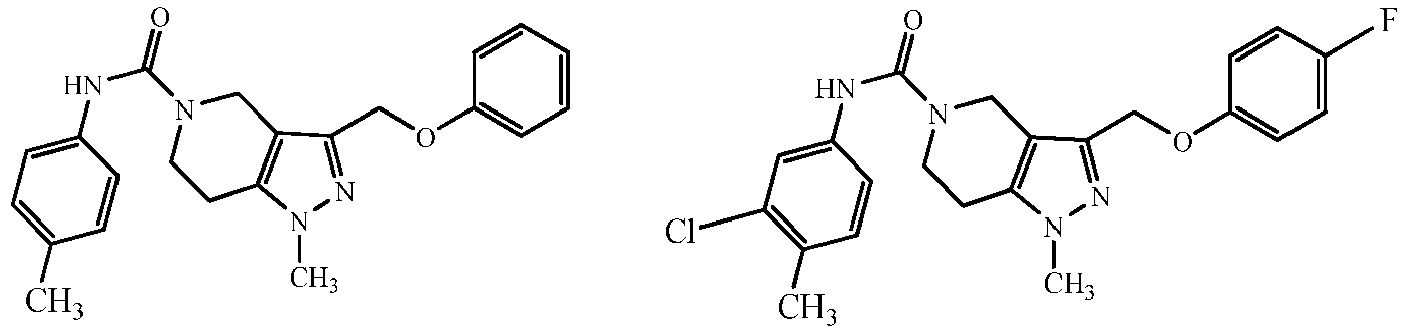


- The pharmaceutical composition of claim 1, wherein the compound is represented by Formula (Ib):
 m is 0, 1 or 2;R1a and R1b are the same or different and independently hydrogen, methyl, ethyl, methoxy, thiomethyl, trifluoromethyl, fluoro or chloro; andeach R4 is the same or different and independently methyl or halo.
 - The pharmaceutical composition of claim 4 comprising at last one compound selected from the following:


- A pharmaceutical composition comprising a pharmaceutically acceptable excipient and a pyrazolothiophenesulfonamide compound represented by Formula (II):
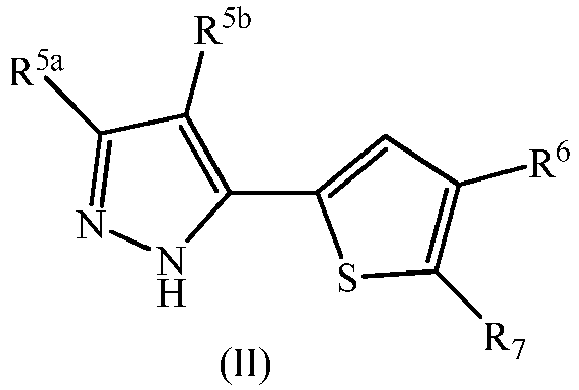 R5a and R5b are the same or different and independently hydrogen or methyl;R6 and R7 are the same or different and independently hydrogen, methyl, or -S(O)2NHR, provided one of R6 and R7 is -S(O)2NHR; andR is tetrahydronaphthalenyl, or phenyl optionally substituted by one or more alkyl, cyclohexyl or cyclopentyl.
 - The pharmaceutical composition of claim 6 comprising at last one compound selected from the following:


- The pharmaceutical composition of any one of claims 1-7 for use in promoting diuresis, wherein the pharmaceutical composition further comprises a diuretic; or wherein the pharmaceutical composition is used in a combination therapy with a diuretic.
- The pharmaceutical compostion for use according to claim 8 wherein the diuretic is a thiazide compound selected from the group consisting of furosemide, azosemide, bumelanide, piretanide, and torasemide.
- A pharmaceutical composition of any one of claims 1-7 for use in therapy, wherein therapy is selected from treating hypertension, a thyroid condition, an airway disease, cystic fibrosis, and edema.
- The pharmaceutical composition for use according to claim 10 wherein the airway diseases is an inflammatory lung disease, rhinovirus infection, rhinitis, chronic rhinosinusitis, sinusitis, certain viral or bacterial infections, or caused by exposure to industrial toxins, or wherein the hypertension is salt-sensitive hypertension.
Applications Claiming Priority (2)
| Application Number | Priority Date | Filing Date | Title |
|---|---|---|---|
| US201662300411P | 2016-02-26 | 2016-02-26 | |
| PCT/US2017/019506 WO2017147523A1 (en) | 2016-02-26 | 2017-02-24 | Small molecule inhibitors of pendrin ion exchange and pharmaceutical compositions |
Publications (3)
| Publication Number | Publication Date |
|---|---|
| EP3419612A1 EP3419612A1 (en) | 2019-01-02 |
| EP3419612A4 EP3419612A4 (en) | 2019-11-06 |
| EP3419612B1 true EP3419612B1 (en) | 2024-11-06 |
Family
ID=59685586
Family Applications (1)
| Application Number | Title | Priority Date | Filing Date |
|---|---|---|---|
| EP17757376.3A Active EP3419612B1 (en) | 2016-02-26 | 2017-02-24 | Heterocyclic small molecule inhibitors of pendrin ion exchange and pharmaceutical compositions |
Country Status (3)
| Country | Link |
|---|---|
| US (1) | US10702506B2 (en) |
| EP (1) | EP3419612B1 (en) |
| WO (1) | WO2017147523A1 (en) |
Families Citing this family (2)
| Publication number | Priority date | Publication date | Assignee | Title |
|---|---|---|---|---|
| JP7442824B2 (en) | 2018-04-25 | 2024-03-05 | ザ・リージエンツ・オブ・ザ・ユニバーシテイー・オブ・カリフオルニア | SLC26A3 inhibitors and their uses |
| EP4353262A4 (en) | 2021-06-10 | 2025-05-21 | UIF (University Industry Foundation), Yonsei University | NOVEL COMPOUND EXHIBITING INHIBITORY ACTIVITY AGAINST PENDRIN, AND ITS PHARMACEUTICAL USES |
Family Cites Families (6)
| Publication number | Priority date | Publication date | Assignee | Title |
|---|---|---|---|---|
| WO2007002563A1 (en) * | 2005-06-27 | 2007-01-04 | Exelixis, Inc. | Imidazole based lxr modulators |
| US20090156611A1 (en) | 2005-11-11 | 2009-06-18 | Licentia Ltd. | Mammalian hedgehog signaling modulators |
| JP5063815B2 (en) | 2008-11-25 | 2012-10-31 | ネルビアーノ・メデイカル・サイエンシーズ・エツセ・エルレ・エルレ | Bicyclic pyrazole and isoxazole derivatives as antitumor and anti-neurodegeneration agents |
| WO2010126002A1 (en) * | 2009-04-28 | 2010-11-04 | 塩野義製薬株式会社 | Pharmaceutical product containing heterocyclic sulfonamide compound |
| EP2716632A1 (en) | 2012-10-05 | 2014-04-09 | Laboratoire Biodim | Inhibitors of viral replication, their process of preparation and their therapeutical uses |
| WO2014141035A2 (en) | 2013-03-11 | 2014-09-18 | Aurigene Discovery Technologies Limited | Fused heterocyclyl derivatives as nampt inhibitors |
-
2017
- 2017-02-24 WO PCT/US2017/019506 patent/WO2017147523A1/en not_active Ceased
- 2017-02-24 US US16/079,019 patent/US10702506B2/en active Active
- 2017-02-24 EP EP17757376.3A patent/EP3419612B1/en active Active
Also Published As
| Publication number | Publication date |
|---|---|
| WO2017147523A1 (en) | 2017-08-31 |
| EP3419612A1 (en) | 2019-01-02 |
| US20190054071A1 (en) | 2019-02-21 |
| EP3419612A4 (en) | 2019-11-06 |
| US10702506B2 (en) | 2020-07-07 |
Similar Documents
| Publication | Publication Date | Title |
|---|---|---|
| TWI398432B (en) | Inhibitors of the task-1 and task-3 ion channel | |
| JP6887996B2 (en) | TEAD transcription factor autopalmitoylation inhibitor | |
| JP6173393B2 (en) | Compounds as modifiers of mutant CFTR proteins | |
| ES2892954T3 (en) | 3-(2-oxo-3-(3-(5,6,7,8-tetrahydro-1,8-naphthyridin-2-yl)propyl)imidazolidin-1-yl)propanoic acid fluorinated derivatives and uses thereof themselves | |
| JP5827328B2 (en) | Compounds and methods for inhibiting phosphate transport | |
| TWI830875B (en) | Use of a compound in manufacturing a composition for inhibiting a kinase | |
| CN110914253B (en) | Isoindolone-imide ring-1,3-diketone-2-alkene compounds, and composition and application thereof | |
| CN109111408B (en) | Thiazolinone heterocyclic compound, preparation method thereof, medicinal composition and application | |
| KR20070115879A (en) | Cxcr4 antagonists for the treatment of medical disorders | |
| CN111032670A (en) | Compounds for treating systemic insulin resistance disorders and uses thereof | |
| CN110035749B (en) | FABP4 as a therapeutic target in skin diseases | |
| BR112014020773A2 (en) | sulfonamide compounds and their uses as tnap inhibitors | |
| KR20180093930A (en) | How to treat hyperalgesia | |
| CA2652040C (en) | Prostaglandin transporter inhibitors | |
| JP2016535016A (en) | β-catenin | |
| AU2017281980B2 (en) | Wnt inhibitors for use in the treatment of fibrosis | |
| JP2019504879A (en) | Benzothiazole amphiphile | |
| US10702506B2 (en) | Small molecule inhibitors of pendrin ion exchange and pharmaceutical compositions | |
| US20210100779A1 (en) | Compositions and methods for treating renal injury | |
| EP3854401A1 (en) | Cdc7-inhibiting purine derivatives and their use for the treatment of neurological conditions | |
| WO2006102483A2 (en) | Modulation of aquaporin in modulaton of angiogenesis and cell migration | |
| WO2015152117A1 (en) | Alkynyl indazole derivative and use thereof | |
| KR102364840B1 (en) | Pharmaceutical composition for treating a disease associated with demyelination of neuron and method of using the same | |
| US9790218B2 (en) | Small molecule activators of calcium-activated chloride channels and methods of use | |
| US9303042B2 (en) | Triazolothienopyrimidine compound inhibitors of urea transporters and methods of using inhibitors |
Legal Events
| Date | Code | Title | Description |
|---|---|---|---|
| STAA | Information on the status of an ep patent application or granted ep patent |
Free format text: STATUS: THE INTERNATIONAL PUBLICATION HAS BEEN MADE |
|
| PUAI | Public reference made under article 153(3) epc to a published international application that has entered the european phase |
Free format text: ORIGINAL CODE: 0009012 |
|
| STAA | Information on the status of an ep patent application or granted ep patent |
Free format text: STATUS: REQUEST FOR EXAMINATION WAS MADE |
|
| 17P | Request for examination filed |
Effective date: 20180925 |
|
| AK | Designated contracting states |
Kind code of ref document: A1 Designated state(s): AL AT BE BG CH CY CZ DE DK EE ES FI FR GB GR HR HU IE IS IT LI LT LU LV MC MK MT NL NO PL PT RO RS SE SI SK SM TR |
|
| AX | Request for extension of the european patent |
Extension state: BA ME |
|
| DAV | Request for validation of the european patent (deleted) | ||
| DAX | Request for extension of the european patent (deleted) | ||
| A4 | Supplementary search report drawn up and despatched |
Effective date: 20191009 |
|
| RIC1 | Information provided on ipc code assigned before grant |
Ipc: A61P 11/00 20060101ALI20191002BHEP Ipc: C07D 471/04 20060101ALI20191002BHEP Ipc: A61P 31/12 20060101ALI20191002BHEP Ipc: A61K 31/635 20060101ALI20191002BHEP Ipc: A61K 31/437 20060101ALI20191002BHEP Ipc: A61P 31/04 20060101ALI20191002BHEP Ipc: C07D 409/04 20060101AFI20191002BHEP Ipc: A61K 31/4155 20060101ALI20191002BHEP |
|
| STAA | Information on the status of an ep patent application or granted ep patent |
Free format text: STATUS: EXAMINATION IS IN PROGRESS |
|
| 17Q | First examination report despatched |
Effective date: 20221212 |
|
| REG | Reference to a national code |
Ref country code: DE Ref legal event code: R079 Free format text: PREVIOUS MAIN CLASS: A61K0031180000 Ipc: A61K0031437000 Ref document number: 602017085925 Country of ref document: DE |
|
| GRAP | Despatch of communication of intention to grant a patent |
Free format text: ORIGINAL CODE: EPIDOSNIGR1 |
|
| STAA | Information on the status of an ep patent application or granted ep patent |
Free format text: STATUS: GRANT OF PATENT IS INTENDED |
|
| INTG | Intention to grant announced |
Effective date: 20240307 |
|
| RIC1 | Information provided on ipc code assigned before grant |
Ipc: C07D 471/04 20060101ALI20240222BHEP Ipc: C07D 409/04 20060101ALI20240222BHEP Ipc: A61P 31/12 20060101ALI20240222BHEP Ipc: A61P 31/04 20060101ALI20240222BHEP Ipc: A61P 11/00 20060101ALI20240222BHEP Ipc: A61K 45/06 20060101ALI20240222BHEP Ipc: A61K 31/635 20060101ALI20240222BHEP Ipc: A61K 31/4155 20060101ALI20240222BHEP Ipc: A61K 31/437 20060101AFI20240222BHEP |
|
| GRAS | Grant fee paid |
Free format text: ORIGINAL CODE: EPIDOSNIGR3 |
|
| GRAA | (expected) grant |
Free format text: ORIGINAL CODE: 0009210 |
|
| STAA | Information on the status of an ep patent application or granted ep patent |
Free format text: STATUS: THE PATENT HAS BEEN GRANTED |
|
| AK | Designated contracting states |
Kind code of ref document: B1 Designated state(s): AL AT BE BG CH CY CZ DE DK EE ES FI FR GB GR HR HU IE IS IT LI LT LU LV MC MK MT NL NO PL PT RO RS SE SI SK SM TR |
|
| REG | Reference to a national code |
Ref country code: GB Ref legal event code: FG4D |
|
| P01 | Opt-out of the competence of the unified patent court (upc) registered |
Free format text: CASE NUMBER: APP_53549/2024 Effective date: 20240926 |
|
| REG | Reference to a national code |
Ref country code: CH Ref legal event code: EP |
|
| REG | Reference to a national code |
Ref country code: DE Ref legal event code: R096 Ref document number: 602017085925 Country of ref document: DE |
|
| REG | Reference to a national code |
Ref country code: IE Ref legal event code: FG4D |
|
| REG | Reference to a national code |
Ref country code: LT Ref legal event code: MG9D |
|
| REG | Reference to a national code |
Ref country code: NL Ref legal event code: MP Effective date: 20241106 |
|
| PG25 | Lapsed in a contracting state [announced via postgrant information from national office to epo] |
Ref country code: IS Free format text: LAPSE BECAUSE OF FAILURE TO SUBMIT A TRANSLATION OF THE DESCRIPTION OR TO PAY THE FEE WITHIN THE PRESCRIBED TIME-LIMIT Effective date: 20250306 Ref country code: HR Free format text: LAPSE BECAUSE OF FAILURE TO SUBMIT A TRANSLATION OF THE DESCRIPTION OR TO PAY THE FEE WITHIN THE PRESCRIBED TIME-LIMIT Effective date: 20241106 Ref country code: PT Free format text: LAPSE BECAUSE OF FAILURE TO SUBMIT A TRANSLATION OF THE DESCRIPTION OR TO PAY THE FEE WITHIN THE PRESCRIBED TIME-LIMIT Effective date: 20250306 |
|
| PG25 | Lapsed in a contracting state [announced via postgrant information from national office to epo] |
Ref country code: FI Free format text: LAPSE BECAUSE OF FAILURE TO SUBMIT A TRANSLATION OF THE DESCRIPTION OR TO PAY THE FEE WITHIN THE PRESCRIBED TIME-LIMIT Effective date: 20241106 Ref country code: NL Free format text: LAPSE BECAUSE OF FAILURE TO SUBMIT A TRANSLATION OF THE DESCRIPTION OR TO PAY THE FEE WITHIN THE PRESCRIBED TIME-LIMIT Effective date: 20241106 |
|
| REG | Reference to a national code |
Ref country code: AT Ref legal event code: MK05 Ref document number: 1738628 Country of ref document: AT Kind code of ref document: T Effective date: 20241106 |
|
| PG25 | Lapsed in a contracting state [announced via postgrant information from national office to epo] |
Ref country code: BG Free format text: LAPSE BECAUSE OF FAILURE TO SUBMIT A TRANSLATION OF THE DESCRIPTION OR TO PAY THE FEE WITHIN THE PRESCRIBED TIME-LIMIT Effective date: 20241106 |
|
| PG25 | Lapsed in a contracting state [announced via postgrant information from national office to epo] |
Ref country code: ES Free format text: LAPSE BECAUSE OF FAILURE TO SUBMIT A TRANSLATION OF THE DESCRIPTION OR TO PAY THE FEE WITHIN THE PRESCRIBED TIME-LIMIT Effective date: 20241106 |
|
| PG25 | Lapsed in a contracting state [announced via postgrant information from national office to epo] |
Ref country code: NO Free format text: LAPSE BECAUSE OF FAILURE TO SUBMIT A TRANSLATION OF THE DESCRIPTION OR TO PAY THE FEE WITHIN THE PRESCRIBED TIME-LIMIT Effective date: 20250206 |
|
| PG25 | Lapsed in a contracting state [announced via postgrant information from national office to epo] |
Ref country code: AT Free format text: LAPSE BECAUSE OF FAILURE TO SUBMIT A TRANSLATION OF THE DESCRIPTION OR TO PAY THE FEE WITHIN THE PRESCRIBED TIME-LIMIT Effective date: 20241106 Ref country code: LV Free format text: LAPSE BECAUSE OF FAILURE TO SUBMIT A TRANSLATION OF THE DESCRIPTION OR TO PAY THE FEE WITHIN THE PRESCRIBED TIME-LIMIT Effective date: 20241106 Ref country code: GR Free format text: LAPSE BECAUSE OF FAILURE TO SUBMIT A TRANSLATION OF THE DESCRIPTION OR TO PAY THE FEE WITHIN THE PRESCRIBED TIME-LIMIT Effective date: 20250207 |
|
| PG25 | Lapsed in a contracting state [announced via postgrant information from national office to epo] |
Ref country code: PL Free format text: LAPSE BECAUSE OF FAILURE TO SUBMIT A TRANSLATION OF THE DESCRIPTION OR TO PAY THE FEE WITHIN THE PRESCRIBED TIME-LIMIT Effective date: 20241106 |
|
| PG25 | Lapsed in a contracting state [announced via postgrant information from national office to epo] |
Ref country code: RS Free format text: LAPSE BECAUSE OF FAILURE TO SUBMIT A TRANSLATION OF THE DESCRIPTION OR TO PAY THE FEE WITHIN THE PRESCRIBED TIME-LIMIT Effective date: 20250206 |
|
| PG25 | Lapsed in a contracting state [announced via postgrant information from national office to epo] |
Ref country code: SM Free format text: LAPSE BECAUSE OF FAILURE TO SUBMIT A TRANSLATION OF THE DESCRIPTION OR TO PAY THE FEE WITHIN THE PRESCRIBED TIME-LIMIT Effective date: 20241106 |
|
| PG25 | Lapsed in a contracting state [announced via postgrant information from national office to epo] |
Ref country code: DK Free format text: LAPSE BECAUSE OF FAILURE TO SUBMIT A TRANSLATION OF THE DESCRIPTION OR TO PAY THE FEE WITHIN THE PRESCRIBED TIME-LIMIT Effective date: 20241106 |
|
| PG25 | Lapsed in a contracting state [announced via postgrant information from national office to epo] |
Ref country code: EE Free format text: LAPSE BECAUSE OF FAILURE TO SUBMIT A TRANSLATION OF THE DESCRIPTION OR TO PAY THE FEE WITHIN THE PRESCRIBED TIME-LIMIT Effective date: 20241106 |
|
| PG25 | Lapsed in a contracting state [announced via postgrant information from national office to epo] |
Ref country code: RO Free format text: LAPSE BECAUSE OF FAILURE TO SUBMIT A TRANSLATION OF THE DESCRIPTION OR TO PAY THE FEE WITHIN THE PRESCRIBED TIME-LIMIT Effective date: 20241106 |
|
| PG25 | Lapsed in a contracting state [announced via postgrant information from national office to epo] |
Ref country code: SK Free format text: LAPSE BECAUSE OF FAILURE TO SUBMIT A TRANSLATION OF THE DESCRIPTION OR TO PAY THE FEE WITHIN THE PRESCRIBED TIME-LIMIT Effective date: 20241106 |
|
| PG25 | Lapsed in a contracting state [announced via postgrant information from national office to epo] |
Ref country code: CZ Free format text: LAPSE BECAUSE OF FAILURE TO SUBMIT A TRANSLATION OF THE DESCRIPTION OR TO PAY THE FEE WITHIN THE PRESCRIBED TIME-LIMIT Effective date: 20241106 |
|
| PG25 | Lapsed in a contracting state [announced via postgrant information from national office to epo] |
Ref country code: IT Free format text: LAPSE BECAUSE OF FAILURE TO SUBMIT A TRANSLATION OF THE DESCRIPTION OR TO PAY THE FEE WITHIN THE PRESCRIBED TIME-LIMIT Effective date: 20241106 |
|
| REG | Reference to a national code |
Ref country code: DE Ref legal event code: R097 Ref document number: 602017085925 Country of ref document: DE |
|
| PG25 | Lapsed in a contracting state [announced via postgrant information from national office to epo] |
Ref country code: SE Free format text: LAPSE BECAUSE OF FAILURE TO SUBMIT A TRANSLATION OF THE DESCRIPTION OR TO PAY THE FEE WITHIN THE PRESCRIBED TIME-LIMIT Effective date: 20241106 |
|
| PLBE | No opposition filed within time limit |
Free format text: ORIGINAL CODE: 0009261 |
|
| STAA | Information on the status of an ep patent application or granted ep patent |
Free format text: STATUS: NO OPPOSITION FILED WITHIN TIME LIMIT |
|
| PG25 | Lapsed in a contracting state [announced via postgrant information from national office to epo] |
Ref country code: MC Free format text: LAPSE BECAUSE OF FAILURE TO SUBMIT A TRANSLATION OF THE DESCRIPTION OR TO PAY THE FEE WITHIN THE PRESCRIBED TIME-LIMIT Effective date: 20241106 |
|
| REG | Reference to a national code |
Ref country code: CH Ref legal event code: PL |
|
| 26N | No opposition filed |
Effective date: 20250807 |
|
| PG25 | Lapsed in a contracting state [announced via postgrant information from national office to epo] |
Ref country code: LU Free format text: LAPSE BECAUSE OF NON-PAYMENT OF DUE FEES Effective date: 20250224 |
|
| PG25 | Lapsed in a contracting state [announced via postgrant information from national office to epo] |
Ref country code: CH Free format text: LAPSE BECAUSE OF NON-PAYMENT OF DUE FEES Effective date: 20250228 |
|
| REG | Reference to a national code |
Ref country code: BE Ref legal event code: MM Effective date: 20250228 |
|
| PG25 | Lapsed in a contracting state [announced via postgrant information from national office to epo] |
Ref country code: BE Free format text: LAPSE BECAUSE OF NON-PAYMENT OF DUE FEES Effective date: 20250228 |
|
| PG25 | Lapsed in a contracting state [announced via postgrant information from national office to epo] |
Ref country code: IE Free format text: LAPSE BECAUSE OF NON-PAYMENT OF DUE FEES Effective date: 20250224 |
|
| PGFP | Annual fee paid to national office [announced via postgrant information from national office to epo] |
Ref country code: GB Payment date: 20260227 Year of fee payment: 10 |
|
| PGFP | Annual fee paid to national office [announced via postgrant information from national office to epo] |
Ref country code: DE Payment date: 20260227 Year of fee payment: 10 |
|
| PGFP | Annual fee paid to national office [announced via postgrant information from national office to epo] |
Ref country code: FR Payment date: 20260225 Year of fee payment: 10 |