EP3418887A1 - Electronic device and program updating method - Google Patents
Electronic device and program updating method Download PDFInfo
- Publication number
- EP3418887A1 EP3418887A1 EP18177367.2A EP18177367A EP3418887A1 EP 3418887 A1 EP3418887 A1 EP 3418887A1 EP 18177367 A EP18177367 A EP 18177367A EP 3418887 A1 EP3418887 A1 EP 3418887A1
- Authority
- EP
- European Patent Office
- Prior art keywords
- microcomputer
- storage
- sub
- program
- program stored
- Prior art date
- Legal status (The legal status is an assumption and is not a legal conclusion. Google has not performed a legal analysis and makes no representation as to the accuracy of the status listed.)
- Withdrawn
Links
Images

Classifications
-
- G—PHYSICS
- G06—COMPUTING OR CALCULATING; COUNTING
- G06F—ELECTRIC DIGITAL DATA PROCESSING
- G06F8/00—Arrangements for software engineering
- G06F8/60—Software deployment
- G06F8/65—Updates
-
- G—PHYSICS
- G06—COMPUTING OR CALCULATING; COUNTING
- G06F—ELECTRIC DIGITAL DATA PROCESSING
- G06F8/00—Arrangements for software engineering
- G06F8/60—Software deployment
- G06F8/65—Updates
- G06F8/658—Incremental updates; Differential updates
-
- G—PHYSICS
- G06—COMPUTING OR CALCULATING; COUNTING
- G06F—ELECTRIC DIGITAL DATA PROCESSING
- G06F8/00—Arrangements for software engineering
- G06F8/60—Software deployment
- G06F8/65—Updates
- G06F8/654—Updates using techniques specially adapted for alterable solid state memories, e.g. for EEPROM or flash memories
-
- H—ELECTRICITY
- H04—ELECTRIC COMMUNICATION TECHNIQUE
- H04L—TRANSMISSION OF DIGITAL INFORMATION, e.g. TELEGRAPHIC COMMUNICATION
- H04L67/00—Network arrangements or protocols for supporting network services or applications
- H04L67/34—Network arrangements or protocols for supporting network services or applications involving the movement of software or configuration parameters
Definitions
- the present invention relates to an electronic device and a program updating method.
- Patent Document 1 An electronic device in which a main microcomputer and a sub microcomputer are installed is known. Specific configuration of this type of electronic device is disclosed in, for example, Japanese Patent Provisional Publication No. 2015-99528 (hereinafter referred to as "Patent Document 1").
- the sub microcomputer is rewritten by using a rewriting tool (an external device). Specifically, reprogramming data for the sub microcomputer is transferred from the rewriting tool to the main microcomputer. The main microcomputer transfers the transferred reprogramming data to the sub microcomputer. The sub microcomputer rewrites a program in the sub microcomputer by using the transferred reprogramming data.
- a rewriting tool an external device.
- Patent Document 1 The reprogramming data in Patent Document 1 is for rewriting the program in the sub microcomputer (i.e., for updating the entire program), and therefore the size of the data is large.
- the main microcomputer needs to acquire the large-size reprogramming data from the rewriting tool. Therefore, in Patent Document 1, there is a problem that data traffic between the rewriting tool and the main microcomputer is large.
- the present invention is made in view of the foregoing circumstance, and an object of the present invention is to provide an electronic device and a program updating method which make it possible to update a program in a sub microcomputer while suppressing data traffic between an external device and a main microcomputer.
- An electronic device includes a first microcomputer, a second microcomputer, and communication part configured to communicate with an external device.
- the first microcomputer has a first storage configured to store a first program, and a first controller configured to execute a first process by using the first program stored in the first storage.
- the second microcomputer has a second storage configured to store a second program, and a second controller configured to execute a second process by using the second program stored in the second storage.
- the second controller of the second microcomputer acquires, from the external device, difference data for updating the first program stored in the first storage of the first microcomputer by using the communication part, and updates the first program stored in the first storage of the first microcomputer by using the acquired difference data and the second program stored in the second storage.
- the electronic device may be configured to have a plurality of the first microcomputers.
- the difference data includes, for example, information indicating a first microcomputer to be updated among the plurality of the first microcomputers.
- the second controller of the second microcomputer identifies the first microcomputer to be updated based on the information upon acquiring the difference data by using the communication part, and updates the first program stored in the first storage of the identified first microcomputer.
- the second microcomputer may be configured to include a third storage configured to store the first program stored in the first storage of the first microcomputer.
- the second controller of the second microcomputer may be configured to update the first program stored in the third storage by using the difference data acquired using the communication part and to transmit the updated first program stored in the third storage to the first microcomputer.
- the first controller of the first microcomputer stores the updated first program transmitted from the second microcomputer in the first storage.
- a program updating method is for, in an electronic device including a first microcomputer having a first storage configured to store a first program and a first controller configured to execute a first process by using the first program stored in the first storage, and a second microcomputer having a second storage configured to store a second program and a second controller configured to execute a second process by using the second program stored in the second storage, updating the first program stored in the first storage of the first microcomputer.
- the program updating method includes an acquiring step in which the second controller of the second microcomputer acquires, from a predetermined external device, difference data for updating the first program stored in the first storage of the first microcomputer, and an updating step in which the second controller of the second microcomputer updates the first program stored in the first storage of the first microcomputer by using the acquired difference data and the second program stored in the second storage.
- the above program updating method may be for, in a case where the electronic device includes a plurality of the first microcomputers and the difference data includes information indicating a first microcomputer to be updated among the plurality of the first microcomputers, updating the first program stored in the first storage of the first microcomputer.
- the program updating method may include an identifying step in which the second controller of the second microcomputer identifies the first microcomputer to be updated based on the information upon acquiring the difference data in the acquiring step, and, in the updating step, the second controller of the second microcomputer may update the first program stored in the first storage of the first microcomputer identified in the identifying step.
- the above program updating method may be for, in the electronic device including a third storage configured to store the first program stored in the first storage of the first microcomputer, updating the first program stored in the first storage of the first microcomputer.
- the program updating method may be configured such that, in the updating step, the second controller of the second microcomputer updates the first program stored in the third storage by using the difference data acquired in the acquiring step, and transmits the updated first program stored in the third storage to the first microcomputer to let the first controller of the first microcomputer store the transmitted first program in the first storage.
- an electronic device and a program updating method which make it possible to update a program in a sub microcomputer while suppressing data traffic between an external device and a main microcomputer are provided.
- Fig. 1 is a block diagram showing a configuration of a program updating system 1 according to an embodiment of the present invention.
- the program updating system includes a program distribution server 10 (external device) and an electronic device 20.
- the electronic device 20 is, for example, an onboard device installed in a vehicle travelling on a road, and is connected to the program distribution server 10 in a wirelessly communicable manner. It is noted that, in Fig. 1 , main components necessary to explain the present embodiment are illustrated, and illustrations of a part of components, such as a chassis which is a general component for devices such as the server and the electronic device, are omitted.
- the electronic device 20 is not limited to the onboard device but may be, for example, a portable terminal such as a smartphone, a feature phone, a PHS (Personal Handy phone System), a tablet terminal, a laptop PC, a PDA (Personal Digital Assistant), a PND (Portable Navigation Device), a portable game machine and the like.
- a portable terminal such as a smartphone, a feature phone, a PHS (Personal Handy phone System), a tablet terminal, a laptop PC, a PDA (Personal Digital Assistant), a PND (Portable Navigation Device), a portable game machine and the like.
- the electronic device 20 includes a main microcomputer 21 (second microcomputer), a sub microcomputer 22A (first microcomputer), a sub microcomputer 22B (first microcomputer), and a communication interface 23.
- the main microcomputer 21 is a microcomputer in which a rich OS (Operating System) is installed, and integrally controls the whole electronic device 20.
- a rich OS Operating System
- the sub microcomputers 22A, 22B are microcomputers in which OSs which are different from each other and poorer than the OS installed in the main microcomputer 21 are respectively installed, and control specific components in the electronic device 20.
- the sub microcomputer 22A controls a power supplying part of the electronic device 20
- the sub microcomputer 22B controls a touch panel of the electronic device 20.
- the main microcomputer 21 and the sub microcomputers 22A, 22B communicate through serial buses.
- the present embodiment illustrates a configuration in which two sub microcomputers are installed, the number of sub microcomputers to be installed in the electronic device 20 is not limited to two.
- the number of sub microcomputers to be installed in the electronic device 20 may be 1, or equal to or more than three.
- the electronic device 20 wirelessly communicates with the program distribution server 10 through an information processing terminal having a communication function, such as a smartphone or a tablet terminal, or a TCU (Telematics Communication Unit) installed in a vehicle which is connected to the communication interface 23 (communication part).
- the communication interface 23 may be a wireless communication interface which enables wireless communication without the information processing terminal or the TCU.
- the main microcomputer 21 includes a main CPU (Central Processing Unit) 210 (second controller), a flash memory 211 (second storage part), a RAM (Random Access Memory) 212 and a storage 213 (third storage part).
- main CPU Central Processing Unit
- flash memory second storage part
- RAM Random Access Memory
- a main OS 211a (second program) for operating the main microcomputer 21 is stored. It is noted that the RAM 212 and the storage 213 may be separate components that are independent from the main microcomputer 21.
- the sub microcomputer 22A includes a sub CPU 220A (first controller), a flash memory 221A (first storage) and a RAM 222A.
- a sub OS 211aA first program for operating the sub microcomputer 22A is stored.
- the sub microcomputer 22B includes a sub CPU 220B (first controller), a flash memory 221B (first storage) and a RAM 222B.
- a sub OS 211aB (first program) for operating the sub microcomputer 22B is stored.
- the sub microcomputer 22B operates in the same way as the sub microcomputer 22A does.
- descriptions on the sub microcomputer 22B will be simplified or omitted accordingly.
- the program distribution server 10 includes a server CPU 11, a storage 12 and a communication interface 13.
- the program distribution server 10 communicates wirelessly with the electronic device 20 through the communication interface 13.
- difference data created by a business operator or the like that manages the program distribution server 10 is stored.
- the difference data is binary data for a difference update of the sub OS 221aA or the sub OS 221aB that is stored in the flash memory of the sub microcomputer 22A or 22B.
- the difference updating of the sub OS will be described with reference to Fig. 2 and Fig. 3 .
- Fig. 2 is a sequence diagram showing processes between the program distribution server 10 and the main microcomputer 21.
- the management information 211b is information necessary for the difference update of the sub OS 221aA and sub OS 221aB, and includes, for example, an "ID of the electronic device 20," a model name of the electronic device 20" and "current version information of each sub OS (sub OS 221aA and sub OS 221aB)."
- the "current version information of each sub OS” in the management information 211b will be referred to as "device side version information.”
- the "device side version information" includes information for identifying types of the sub OS 221aA and sub OS 221aB.
- the main microcomputer 21 main CPU 210) periodically transmits the management information 211b stored in the flash memory 211 to the program distribution server 10.
- the program distribution server 10 receives the management information 211b transmitted from the main microcomputer 21 in the process step S11.
- the storage 12 a plurality of pieces of difference data for updating sub OSs are stored for various models.
- a database is also stored.
- records for managing respective pieces of difference data currently stored in the storage 12 are registered.
- the record for each piece of difference data consists of a group of fields including, for example, a "type of sub OS to be updated by the piece of difference data" and “version information of the sub OS after update by using the piece of difference data,” and is associated with the piece of difference data stored in the storage 12.
- version information after update the "version information of the sub OS after update by using the piece of difference data” will be referred to as "version information after update.”
- the server CPU 11 searches the database based on the management information 211b received from the main microcomputer 21. Specifically, the server CPU 11 searches for a record having information identical to the type of sub OS identified by the "device side version information" in the management information 211b, and compares the "version information after update” in the searched record and the "device side version information (i.e., version information of a sub OS to be updated by difference data corresponding to the searched record)" in the management information 211b.
- the server CPU 11 determines that update of the sub OS is not necessary, and, for example, sends a notification notifying that update is not necessary to the main microcomputer 21.
- the main microcomputer 21 main CPU 210) recognizes that updates of the sub OS 221aA and sub OS 221aB are not necessary.
- the server CPU 11 determines that update of the sub OS is necessary, and, for example, sends a notification notifying that update is necessary to the main microcomputer 21 and reads out difference data associated with the record from the storage 12 and transmits the difference data to the main microcomputer 21.
- the server CPU 11 determines that update of the sub OS 221aA is necessary.
- the server CPU 11 may determine whether the "version information after update” indicates a newer version than the version indicated by the "device side version information.”
- the server CPU 11 sends a notification notifying that update is necessary to the main microcomputer 21 when it is determined that a sub OS needs to be updated, but the server CPU 11 may not send such notification to the main microcomputer 21.
- the main microcomputer 21 may be configured to initiate update of the sub OS in response to receiving the difference data from the server CPU 11.
- the main CPU 210 stores (temporarily stores) the difference data downloaded from the program distribution server 10 in the process step S13 in the storage 213. Thereby, the processes between the program distribution server 10 and the main microcomputer 21 end.
- Fig. 3 is a sequence diagram showing processes between the main microcomputer 21 and the sub microcomputer 22A. It is noted that, in the following, description will be made by assuming that the main microcomputer 21 has downloaded difference data for the sub OS 221aA in the processes shown in Fig. 2 .
- the sub OS 221aA and sub OS 221aB of which versions are identical to the sub OS 221aA and sub OS 221aB currently stored in the flash memories 221A, 221B are stored. Further, in the storage 213, the difference data that has been downloaded from the program distribution server 10 is stored. Information indicating a Sub OS to be updated is written in the header of the difference data.
- the main CPU 210 refers to the header of the difference data stored in the storage 213 to identify a sub OS to be updated, and expands the identified sub OS to be updated and the difference data on the RAM 212.
- the main CPU 210 applies the difference data to the sub OS on the RAM 212 by using a difference update library of the main OS 211a. Thereby, the sub OS is updated. More specifically, the main CPU 210 identifies that a sub OS to be updated is the sub OS 221aA by referring to the header of the difference data for the sub OS 221aA stored in the storage 213, and expands the sub OS 221aA and the difference data for the sub OS 221aA stored in the storage 213 on the RAM 212.
- the main CPU 212 applies the difference data to the sub OS 221aA on the RAM 212 by using the difference update library of the main OS 211a. Thereby, the updated sub OS 221aA is created in the RAM 212.
- the electronic device 20 is configured to update the sub OSs by using a difference update library of the main OS 211a. That is, it is possible to update the sub OSs without separately preparing difference update libraries in the sub OSs. Since it is sufficient to prepare a difference update library in the main microcomputer 21, the required number of licenses of difference update libraries can be reduced as compared to a case where, for example, a difference update library is prepared for each of the main microcomputer 21 and the sub microcomputers.
- the sub OSs are OSs with which libraries that provide a difference update function and the like are compatible
- all the sub OSs can be updated by preparing the difference update library only in the main microcomputer 21.
- the difference data is binary data. Therefore, the main CPU 210 can update the sub OSs regardless of the sub OSs to be updated.
- the main CPU 210 stores the sub OS updated in the process step S21 in the storage 213. It is noted that the old version sub OS stored in the storage 213 may be deleted by overwriting or, for example, the old version sub OSs may be remained in the storage 213 for a predetermined number of generations.
- Version information of the Sub OS after update is written in the header of the difference data.
- the main CPU 210 refers to the header of the difference data and updates the "device side version information" in the management information 211b.
- the main CPU 210 refers to the version information (e.g., Ver. 1. 1. 1) written in the header of the difference data and updates "Ver. 1. 1. 1. 0" in the management information 211b to "Ver. 1. 1. 1.”
- the main CPU 210 transmits the updated sub OS stored in the storage 213 in the process step S22 to a sub microcomputer, which has the sub OS to be updated, identified in the process step S21.
- the main CPU 210 transmits the updated sub OS 221aA to the sub microcomputer 22A.
- the transmitted data may include, for example, a command that instructs the sub microcomputer 22A to update the old version sub OS 221aA stored in the flash memory 221A with the transmitted updated sub OS 221aA.
- the sub CPU 220A updates the old version sub OS 221aA stored in the flash memory 221A with the new version sub OS 221aA transmitted in the process step S24.
- the configuration in which the sub OSs in the electronic device 20 are updated by using difference data is adopted. Therefore, time required to download data necessary for updating can be shortened and packet quantity required for the update can be reduced as compared to a configuration in which sub OSs are updated using the entire update data.
- the greater the number of sub microcomputers installed in the electronic device the greater the effect of shortening the time required to download data necessary for the update and the effect of reducing packet quantity required for the update by adopting the above-described configuration.
- the main microcomputer 21 (storage 213) has the sub OSs of the same versions as those the sub microcomputers (flash memory 221A, 221B) have. Therefore, in updating the sub OSs, the main microcomputer 21 does not need to read the sub OSs from the sub microcomputers. Furthermore, the sub OSs which the main microcomputer 21 has also serve as backups of the sub OSs which the sub microcomputers have.
- the main CPU 210 downloads pieces of difference data for both the sub OS 221aA and sub OS 221aB from the program distribution server 10, updates both the sub OS 221aA and sub OS 221aB using respective pieces of difference data, and transmits the updated sub OS 221aA and sub OS 221aB to the sub microcomputer 22A and sub microcomputer 22B, respectively.
- the sub CPUs 220A, 220B respectively update the old version sub OSs 221aA, 221aB stored in the flash memories 221A, 221B with the new version sub OSs 221aA, 221aB transmitted from the main microcomputer 21.
- the main microcomputer 21 (storage 213) has the same sub OSs (sub OSs 221aA, 221aB) as the sub microcomputers (flash memories 221A, 221B) have.
- the electronic device 20 may be configured not to include the storage 213 (that is, the main microcomputer 21 may not have the sub OSs).
- the main CPU 210 upon downloading the difference data from the program distribution server 10, the main CPU 210 executes the following processes (1) - (5) instead of the process steps S21 - S22 shown in Fig. 3 .
Landscapes
- Engineering & Computer Science (AREA)
- Software Systems (AREA)
- General Engineering & Computer Science (AREA)
- Theoretical Computer Science (AREA)
- Computer Security & Cryptography (AREA)
- Physics & Mathematics (AREA)
- General Physics & Mathematics (AREA)
- Computer Networks & Wireless Communication (AREA)
- Signal Processing (AREA)
- Stored Programmes (AREA)
Abstract
Description
- The present invention relates to an electronic device and a program updating method.
- An electronic device in which a main microcomputer and a sub microcomputer are installed is known. Specific configuration of this type of electronic device is disclosed in, for example, Japanese Patent Provisional Publication No.
2015-99528 Patent Document 1"). - In the electronic device disclosed in
Patent Document 1, the sub microcomputer is rewritten by using a rewriting tool (an external device). Specifically, reprogramming data for the sub microcomputer is transferred from the rewriting tool to the main microcomputer. The main microcomputer transfers the transferred reprogramming data to the sub microcomputer. The sub microcomputer rewrites a program in the sub microcomputer by using the transferred reprogramming data. - The reprogramming data in
Patent Document 1 is for rewriting the program in the sub microcomputer (i.e., for updating the entire program), and therefore the size of the data is large. The main microcomputer needs to acquire the large-size reprogramming data from the rewriting tool. Therefore, inPatent Document 1, there is a problem that data traffic between the rewriting tool and the main microcomputer is large. - The present invention is made in view of the foregoing circumstance, and an object of the present invention is to provide an electronic device and a program updating method which make it possible to update a program in a sub microcomputer while suppressing data traffic between an external device and a main microcomputer.
- An electronic device according to an embodiment of the present invention includes a first microcomputer, a second microcomputer, and communication part configured to communicate with an external device. The first microcomputer has a first storage configured to store a first program, and a first controller configured to execute a first process by using the first program stored in the first storage. The second microcomputer has a second storage configured to store a second program, and a second controller configured to execute a second process by using the second program stored in the second storage. The second controller of the second microcomputer acquires, from the external device, difference data for updating the first program stored in the first storage of the first microcomputer by using the communication part, and updates the first program stored in the first storage of the first microcomputer by using the acquired difference data and the second program stored in the second storage.
- Further, the electronic device according to the embodiment of the present invention may be configured to have a plurality of the first microcomputers. In this case, the difference data includes, for example, information indicating a first microcomputer to be updated among the plurality of the first microcomputers. The second controller of the second microcomputer identifies the first microcomputer to be updated based on the information upon acquiring the difference data by using the communication part, and updates the first program stored in the first storage of the identified first microcomputer.
- Further, in the embodiment of the present invention, the second microcomputer may be configured to include a third storage configured to store the first program stored in the first storage of the first microcomputer. Also, the second controller of the second microcomputer may be configured to update the first program stored in the third storage by using the difference data acquired using the communication part and to transmit the updated first program stored in the third storage to the first microcomputer. In this case, the first controller of the first microcomputer stores the updated first program transmitted from the second microcomputer in the first storage.
- A program updating method according to an embodiment of the present invention is for, in an electronic device including a first microcomputer having a first storage configured to store a first program and a first controller configured to execute a first process by using the first program stored in the first storage, and a second microcomputer having a second storage configured to store a second program and a second controller configured to execute a second process by using the second program stored in the second storage, updating the first program stored in the first storage of the first microcomputer. The program updating method includes an acquiring step in which the second controller of the second microcomputer acquires, from a predetermined external device, difference data for updating the first program stored in the first storage of the first microcomputer, and an updating step in which the second controller of the second microcomputer updates the first program stored in the first storage of the first microcomputer by using the acquired difference data and the second program stored in the second storage.
- The above program updating method may be for, in a case where the electronic device includes a plurality of the first microcomputers and the difference data includes information indicating a first microcomputer to be updated among the plurality of the first microcomputers, updating the first program stored in the first storage of the first microcomputer. In this case, the program updating method may include an identifying step in which the second controller of the second microcomputer identifies the first microcomputer to be updated based on the information upon acquiring the difference data in the acquiring step, and, in the updating step, the second controller of the second microcomputer may update the first program stored in the first storage of the first microcomputer identified in the identifying step.
- The above program updating method may be for, in the electronic device including a third storage configured to store the first program stored in the first storage of the first microcomputer, updating the first program stored in the first storage of the first microcomputer. In this case, the program updating method may be configured such that, in the updating step, the second controller of the second microcomputer updates the first program stored in the third storage by using the difference data acquired in the acquiring step, and transmits the updated first program stored in the third storage to the first microcomputer to let the first controller of the first microcomputer store the transmitted first program in the first storage.
- According to the embodiments of the present invention, an electronic device and a program updating method which make it possible to update a program in a sub microcomputer while suppressing data traffic between an external device and a main microcomputer are provided.
-
-
Fig. 1 is a block diagram showing a configuration of a program updating system according to an embodiment of the present invention. -
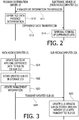
Fig. 2 is a sequence diagram showing processes between a program distribution server and a main microcomputer which are executed in the program updating system according to the embodiment of the present invention. -
Fig. 3 is a sequence diagram showing processes between the main microcomputer and a sub microcomputer which are executed in the program updating system according to the embodiment of the present invention. - Hereinafter, embodiments of the present invention will be described with reference to the accompanying drawings.
-
Fig. 1 is a block diagram showing a configuration of aprogram updating system 1 according to an embodiment of the present invention. As shown inFig. 1 , the program updating system according to the present embodiment includes a program distribution server 10 (external device) and anelectronic device 20. - The
electronic device 20 is, for example, an onboard device installed in a vehicle travelling on a road, and is connected to theprogram distribution server 10 in a wirelessly communicable manner. It is noted that, inFig. 1 , main components necessary to explain the present embodiment are illustrated, and illustrations of a part of components, such as a chassis which is a general component for devices such as the server and the electronic device, are omitted. - The
electronic device 20 is not limited to the onboard device but may be, for example, a portable terminal such as a smartphone, a feature phone, a PHS (Personal Handy phone System), a tablet terminal, a laptop PC, a PDA (Personal Digital Assistant), a PND (Portable Navigation Device), a portable game machine and the like. - As shown in
Fig. 1 , theelectronic device 20 includes a main microcomputer 21 (second microcomputer), asub microcomputer 22A (first microcomputer), asub microcomputer 22B (first microcomputer), and acommunication interface 23. - The
main microcomputer 21 is a microcomputer in which a rich OS (Operating System) is installed, and integrally controls the wholeelectronic device 20. - The
sub microcomputers main microcomputer 21 are respectively installed, and control specific components in theelectronic device 20. For example, thesub microcomputer 22A controls a power supplying part of theelectronic device 20, and thesub microcomputer 22B controls a touch panel of theelectronic device 20. Themain microcomputer 21 and thesub microcomputers - It is noted that, although the present embodiment illustrates a configuration in which two sub microcomputers are installed, the number of sub microcomputers to be installed in the
electronic device 20 is not limited to two. The number of sub microcomputers to be installed in theelectronic device 20 may be 1, or equal to or more than three. - The
electronic device 20 wirelessly communicates with theprogram distribution server 10 through an information processing terminal having a communication function, such as a smartphone or a tablet terminal, or a TCU (Telematics Communication Unit) installed in a vehicle which is connected to the communication interface 23 (communication part). Thecommunication interface 23 may be a wireless communication interface which enables wireless communication without the information processing terminal or the TCU. - As shown in
Fig. 1 , themain microcomputer 21 includes a main CPU (Central Processing Unit) 210 (second controller), a flash memory 211 (second storage part), a RAM (Random Access Memory) 212 and a storage 213 (third storage part). - In the
flash memory 211, a main OS 211a (second program) for operating themain microcomputer 21 is stored. It is noted that theRAM 212 and thestorage 213 may be separate components that are independent from themain microcomputer 21. - As shown in
Fig. 1 , thesub microcomputer 22A includes asub CPU 220A (first controller), aflash memory 221A (first storage) and aRAM 222A. In theflash memory 221A, a sub OS 211aA (first program) for operating thesub microcomputer 22A is stored. - Similarly to the
sub microcomputer 22A, thesub microcomputer 22B includes asub CPU 220B (first controller), aflash memory 221B (first storage) and aRAM 222B. In theflash memory 221B, a sub OS 211aB (first program) for operating thesub microcomputer 22B is stored. - It is noted that, with respect to updating of the sub OS (which will be described in detail later), the
sub microcomputer 22B operates in the same way as thesub microcomputer 22A does. Hereinafter, for convenience of explanation, descriptions on thesub microcomputer 22B will be simplified or omitted accordingly. - As shown in
Fig. 1 , theprogram distribution server 10 includes aserver CPU 11, astorage 12 and acommunication interface 13. Theprogram distribution server 10 communicates wirelessly with theelectronic device 20 through thecommunication interface 13. - In the
storage 12, difference data created by a business operator or the like that manages theprogram distribution server 10 is stored. The difference data is binary data for a difference update of the sub OS 221aA or the sub OS 221aB that is stored in the flash memory of thesub microcomputer Fig. 2 and Fig. 3 . -
Fig. 2 is a sequence diagram showing processes between theprogram distribution server 10 and themain microcomputer 21. - In the
flash memory 211 of themain microcomputer 21, apredetermined management information 211b is stored. Themanagement information 211b is information necessary for the difference update of the sub OS 221aA and sub OS 221aB, and includes, for example, an "ID of theelectronic device 20," a model name of theelectronic device 20" and "current version information of each sub OS (sub OS 221aA and sub OS 221aB)." Hereinafter, for convenience of explanation, the "current version information of each sub OS" in themanagement information 211b will be referred to as "device side version information." - The "device side version information" includes information for identifying types of the sub OS 221aA and sub OS 221aB. The main microcomputer 21 (main CPU 210) periodically transmits the
management information 211b stored in theflash memory 211 to theprogram distribution server 10. - The program distribution server 10 (server CPU 11) receives the
management information 211b transmitted from themain microcomputer 21 in the process step S11. In thestorage 12, a plurality of pieces of difference data for updating sub OSs are stored for various models. - In the
storage 12, a database is also stored. In the database, records for managing respective pieces of difference data currently stored in thestorage 12 are registered. The record for each piece of difference data consists of a group of fields including, for example, a "type of sub OS to be updated by the piece of difference data" and "version information of the sub OS after update by using the piece of difference data," and is associated with the piece of difference data stored in thestorage 12. Hereinafter, for convenience of explanation, the "version information of the sub OS after update by using the piece of difference data" will be referred to as "version information after update." - Each time the difference data is added to or deleted from the
storage 12 by the business operator or the like, respective record is added to or deleted from the database. - The
server CPU 11 searches the database based on themanagement information 211b received from themain microcomputer 21. Specifically, theserver CPU 11 searches for a record having information identical to the type of sub OS identified by the "device side version information" in themanagement information 211b, and compares the "version information after update" in the searched record and the "device side version information (i.e., version information of a sub OS to be updated by difference data corresponding to the searched record)" in themanagement information 211b. - If the two pieces of version information are identical, the
server CPU 11 determines that update of the sub OS is not necessary, and, for example, sends a notification notifying that update is not necessary to themain microcomputer 21. By this notification, the main microcomputer 21 (main CPU 210) recognizes that updates of the sub OS 221aA and sub OS 221aB are not necessary. - On the other hand, If the two pieces of version information are not identical, the
server CPU 11 determines that update of the sub OS is necessary, and, for example, sends a notification notifying that update is necessary to themain microcomputer 21 and reads out difference data associated with the record from thestorage 12 and transmits the difference data to themain microcomputer 21. - For example, if the "version information after update" indicates "Ver. 1. 1. 1" of the sub OS 221aA and the "device side version information" of the sub OS 221aA in the
management information 211b indicates "Ver. 1. 1. 0," theserver CPU 11 determines that update of the sub OS 221aA is necessary. - It is noted that, in place of the determining whether the version indicated by the "version information after update" and the version indicated by the "device side version information" are identical or not, the
server CPU 11 may determine whether the "version information after update" indicates a newer version than the version indicated by the "device side version information." - Further, it has been described that the
server CPU 11 sends a notification notifying that update is necessary to themain microcomputer 21 when it is determined that a sub OS needs to be updated, but theserver CPU 11 may not send such notification to themain microcomputer 21. In this case, for example, themain microcomputer 21 may be configured to initiate update of the sub OS in response to receiving the difference data from theserver CPU 11. - In the process step S14, the
main CPU 210 stores (temporarily stores) the difference data downloaded from theprogram distribution server 10 in the process step S13 in thestorage 213. Thereby, the processes between theprogram distribution server 10 and themain microcomputer 21 end. -
Fig. 3 is a sequence diagram showing processes between themain microcomputer 21 and thesub microcomputer 22A. It is noted that, in the following, description will be made by assuming that themain microcomputer 21 has downloaded difference data for the sub OS 221aA in the processes shown inFig. 2 . - In the
storage 213, the sub OS 221aA and sub OS 221aB of which versions are identical to the sub OS 221aA and sub OS 221aB currently stored in theflash memories storage 213, the difference data that has been downloaded from theprogram distribution server 10 is stored. Information indicating a Sub OS to be updated is written in the header of the difference data. - The
main CPU 210 refers to the header of the difference data stored in thestorage 213 to identify a sub OS to be updated, and expands the identified sub OS to be updated and the difference data on theRAM 212. Themain CPU 210 applies the difference data to the sub OS on theRAM 212 by using a difference update library of themain OS 211a. Thereby, the sub OS is updated. More specifically, themain CPU 210 identifies that a sub OS to be updated is the sub OS 221aA by referring to the header of the difference data for the sub OS 221aA stored in thestorage 213, and expands the sub OS 221aA and the difference data for the sub OS 221aA stored in thestorage 213 on theRAM 212. Themain CPU 212 applies the difference data to the sub OS 221aA on theRAM 212 by using the difference update library of themain OS 211a. Thereby, the updated sub OS 221aA is created in theRAM 212. - In general, many libraries that provide a difference update function and the like are compatible with rich OSs such as Linux (registered trademark) and Windows (registered trademark), but are in many cases not compatible with originally developed OSs. In the present embodiment, OSs originally developed by, for instance, a maker of the
electronic device 20 are adopted as the sub OS 221aA and sub OS 221aB. Therefore, the libraries that provide the difference update function and the like are not compatible with the sub OS 221aA and sub OS 221aB. - In view of the above circumstance, the
electronic device 20 according to the present embodiment is configured to update the sub OSs by using a difference update library of themain OS 211a. That is, it is possible to update the sub OSs without separately preparing difference update libraries in the sub OSs. Since it is sufficient to prepare a difference update library in themain microcomputer 21, the required number of licenses of difference update libraries can be reduced as compared to a case where, for example, a difference update library is prepared for each of themain microcomputer 21 and the sub microcomputers. Furthermore, even in a case where the sub OSs are OSs with which libraries that provide a difference update function and the like are compatible, by configuring to update the sub OSs by using the difference update library of the main OS as in the present embodiment, all the sub OSs can be updated by preparing the difference update library only in themain microcomputer 21. - As described above, the difference data is binary data. Therefore, the
main CPU 210 can update the sub OSs regardless of the sub OSs to be updated. - The
main CPU 210 stores the sub OS updated in the process step S21 in thestorage 213. It is noted that the old version sub OS stored in thestorage 213 may be deleted by overwriting or, for example, the old version sub OSs may be remained in thestorage 213 for a predetermined number of generations. - Version information of the Sub OS after update is written in the header of the difference data. The
main CPU 210 refers to the header of the difference data and updates the "device side version information" in themanagement information 211b. As an example, in a case where the version of the sub OS 221aA before update is Ver. 1. 1. 0, themain CPU 210 refers to the version information (e.g., Ver. 1. 1. 1) written in the header of the difference data and updates "Ver. 1. 1. 0" in themanagement information 211b to "Ver. 1. 1. 1." - The
main CPU 210 transmits the updated sub OS stored in thestorage 213 in the process step S22 to a sub microcomputer, which has the sub OS to be updated, identified in the process step S21. In the present embodiment, themain CPU 210 transmits the updated sub OS 221aA to thesub microcomputer 22A. It is noted that the transmitted data may include, for example, a command that instructs thesub microcomputer 22A to update the old version sub OS 221aA stored in theflash memory 221A with the transmitted updated sub OS 221aA. - The
sub CPU 220A updates the old version sub OS 221aA stored in theflash memory 221A with the new version sub OS 221aA transmitted in the process step S24. - As described above, in the present embodiment, the configuration in which the sub OSs in the
electronic device 20 are updated by using difference data is adopted. Therefore, time required to download data necessary for updating can be shortened and packet quantity required for the update can be reduced as compared to a configuration in which sub OSs are updated using the entire update data. The greater the number of sub microcomputers installed in the electronic device, the greater the effect of shortening the time required to download data necessary for the update and the effect of reducing packet quantity required for the update by adopting the above-described configuration. - Further, in the present embodiment, the main microcomputer 21 (storage 213) has the sub OSs of the same versions as those the sub microcomputers (
flash memory main microcomputer 21 does not need to read the sub OSs from the sub microcomputers. Furthermore, the sub OSs which themain microcomputer 21 has also serve as backups of the sub OSs which the sub microcomputers have. - In the foregoing description, a case where the number of sub OS to be updated in one (i.e., only the sub OS 221aA) has been illustrated. However, there is a case where both the sub OS 221aA and sub OS 221aB are to be updated at the same time. In this case, the
main CPU 210 downloads pieces of difference data for both the sub OS 221aA and sub OS 221aB from theprogram distribution server 10, updates both the sub OS 221aA and sub OS 221aB using respective pieces of difference data, and transmits the updated sub OS 221aA and sub OS 221aB to thesub microcomputer 22A andsub microcomputer 22B, respectively. Thesub CPUs flash memories main microcomputer 21. - The foregoing is the description of an exemplary embodiment of the present invention. Embodiments of the present invention are not limited to the above-described embodiment, and various modifications are possible within the scope of the technical concept of the present invention. For example, appropriate combinations of embodiments exemplarily specified in the specification and/or obvious embodiments are also included in the embodiments of the present invention.
- In the above-described embodiment, the main microcomputer 21 (storage 213) has the same sub OSs (sub OSs 221aA, 221aB) as the sub microcomputers (
flash memories electronic device 20 may be configured not to include the storage 213 (that is, themain microcomputer 21 may not have the sub OSs). In this case, upon downloading the difference data from theprogram distribution server 10, themain CPU 210 executes the following processes (1) - (5) instead of the process steps S21 - S22 shown inFig. 3 . - (1) The
main CPU 210 expands the downloaded difference data on theRAM 212. - (2) The
main CPU 210 refers to the header of the difference data expanded on theRAM 212 to identify a sub OS to be updated. - (3) The
main CPU 210 requests a sub microcomputer, corresponding to the identified sub OS to be updated, to transmit the sub OS. - (4) The
main CPU 210 expands the sub OS, transmitted from thesub microcomputer 212 in response to the request, on the RAM. - (5) The
main CPU 210 applies the difference data to the sub OS transmitted from the sub microcomputer in response to the request by using the difference update library of themain OS 211a, thereby creating an updated sub OS in theRAM 212. - After the execution of the processes (1) - (5) above, the same processes as the process steps S23 - S25 shown in
Fig. 3 are executed between themain microcomputer 21 and the sub microcomputer. It is noted that, in this alternative embodiment, since the main microcomputer does not have thestorage 213, in the process step S24, the updated sub OS is transmitted from theRAM 212 to the sub microcomputer that has the sub OS to be updated. In this alternative embodiment, since thestorage 213 can be omitted from theelectronic device 20, the cost of theelectronic device 20 can be suppressed.
Claims (6)
- An electronic device, comprising:a first microcomputer having:a first storage configured to store a first program; anda first controller configured to execute a first process by using the first program stored in the first storage,a second microcomputer having:a second storage configured to store a second program; anda second controller configured to execute a second process by using the second program stored in the second storage, anda communication part configured to communicate with an external device,wherein the second controller of the second microcomputer:acquires, from the external device, difference data for updating the first program stored in the first storage of the first microcomputer by using the communication part; andupdates the first program stored in the first storage of the first microcomputer by using the acquired difference data and the second program stored in the second storage.
- The electronic device according to claim 1, comprising a plurality of the first microcomputers and wherein:the difference data includes information indicating a first microcomputer to be updated among the plurality of the first microcomputers, andthe second controller of the second microcomputer:identifies the first microcomputers to be updated based on the information upon acquiring the difference data by using the communication part, andupdates the first program stored in the first storage of the identified first microcomputer.
- The electronic device according to claim 1 or 2,
wherein the second microcomputer comprises a third storage configured to store the first program stored in the first storage of the first microcomputer,
wherein the second controller of the second microcomputer:updates the first program stored in the third storage by using the difference data acquired using the communication part; andtransmits the updated first program stored in the third storage to the first microcomputer, andwherein the first controller of the first microcomputer stores the updated first program transmitted from the second microcomputer in the first storage. - A program updating method for, in an electronic device comprising a first microcomputer having a first storage configured to store a first program and a first controller configured to execute a first process by using the first program stored in the first storage, and a second microcomputer having a second storage configured to store a second program and a second controller configured to execute a second process by using the second program stored in the second storage, updating the first program stored in the first storage of the first microcomputer, the method comprising:an acquiring step in which the second controller of the second microcomputer acquires, from a predetermined external device, difference data for updating the first program stored in the first storage of the first microcomputer, andan updating step in which the second controller of the second microcomputer updates the first program stored in the first storage of the first microcomputer by using the acquired difference data and the second program stored in the second storage.
- The program updating method according to claim 4 for, in the electronic device comprising a plurality of the first microcomputers and the difference data including information indicating a first microcomputer to be updated among the plurality of the first microcomputers, updating the first program stored in the first storage of the first microcomputer, the method comprising:an identifying step in which the second controller of the second microcomputer identifies the first microcomputer to be updated based on the information upon acquiring the difference data in the acquiring step,wherein, in the updating step, the second controller of the second microcomputer updates the first program stored in the first storage of the first microcomputer identified in the identifying step.
- The program updating method according to claim 4 or 5 for, in the electronic device comprising a third storage configured to store the first program stored in the first storage of the first microcomputer, updating the first program stored in the first storage of the first microcomputer,
wherein, in the updating step, the second controller of the second microcomputer:updates the first program stored in the third storage by using the difference data acquired in the acquiring step; andtransmits the updated first program stored in the third storage to the first microcomputer to let the first controller of the first microcomputer store the transmitted first program in the first storage.
Applications Claiming Priority (2)
| Application Number | Priority Date | Filing Date | Title |
|---|---|---|---|
| JP2017119499 | 2017-06-19 | ||
| JP2018095813A JP2019003625A (en) | 2017-06-19 | 2018-05-18 | Electronic equipment and program update method |
Publications (1)
| Publication Number | Publication Date |
|---|---|
| EP3418887A1 true EP3418887A1 (en) | 2018-12-26 |
Family
ID=62783991
Family Applications (1)
| Application Number | Title | Priority Date | Filing Date |
|---|---|---|---|
| EP18177367.2A Withdrawn EP3418887A1 (en) | 2017-06-19 | 2018-06-12 | Electronic device and program updating method |
Country Status (3)
| Country | Link |
|---|---|
| US (1) | US10540169B2 (en) |
| EP (1) | EP3418887A1 (en) |
| CN (1) | CN109144555A (en) |
Citations (4)
| Publication number | Priority date | Publication date | Assignee | Title |
|---|---|---|---|---|
| JP2015099528A (en) | 2013-11-20 | 2015-05-28 | トヨタ自動車株式会社 | Method of rewriting program of sub-microcomputer |
| US20150347124A1 (en) * | 2014-05-28 | 2015-12-03 | Fujitsu Limited | Firmware update apparatus and storage control apparatus |
| US20160334239A1 (en) * | 2014-01-28 | 2016-11-17 | Hyundai Mnsoft, Inc. | Device, method and update server for automatically updating navigation system |
| US9626177B1 (en) * | 2015-09-11 | 2017-04-18 | Cohesity, Inc. | Peer to peer upgrade management |
Family Cites Families (14)
| Publication number | Priority date | Publication date | Assignee | Title |
|---|---|---|---|---|
| US6065046A (en) * | 1997-07-29 | 2000-05-16 | Catharon Productions, Inc. | Computerized system and associated method of optimally controlled storage and transfer of computer programs on a computer network |
| US20030182414A1 (en) * | 2003-05-13 | 2003-09-25 | O'neill Patrick J. | System and method for updating and distributing information |
| JP2003140914A (en) | 2001-10-31 | 2003-05-16 | Nissan Motor Co Ltd | Electronic control unit |
| US20050132357A1 (en) * | 2003-12-16 | 2005-06-16 | Microsoft Corporation | Ensuring that a software update may be installed or run only on a specific device or class of devices |
| JP2007026318A (en) | 2005-07-20 | 2007-02-01 | Nec Corp | Mobile phone, system and method for generating program, and system and method for updating program |
| JP2010140180A (en) * | 2008-12-10 | 2010-06-24 | Fujitsu Ten Ltd | Computer program update device, method, and program of movable body |
| JP2010218070A (en) * | 2009-03-16 | 2010-09-30 | Toyota Motor Corp | Management device |
| JP2011010939A (en) * | 2009-07-03 | 2011-01-20 | Panasonic Corp | Home electric equipment |
| JP5669431B2 (en) * | 2010-05-06 | 2015-02-12 | キヤノン株式会社 | Information processing apparatus, firmware application method, and computer program |
| JP2013246718A (en) * | 2012-05-28 | 2013-12-09 | Auto Network Gijutsu Kenkyusho:Kk | Control system and program updating method |
| DE102012016169A1 (en) * | 2012-08-14 | 2013-02-28 | Daimler Ag | Method for programming control device of motor car, involves transferring difference data packet with difference data quantity to control device, where difference data quantity is partial quantity of another data quantity |
| US9420065B2 (en) * | 2013-01-18 | 2016-08-16 | Google Inc. | Peer-to-peer software updates |
| JP6314775B2 (en) * | 2014-09-29 | 2018-04-25 | 株式会社オートネットワーク技術研究所 | Communication system, in-vehicle device, communication device, and computer program |
| US9836300B2 (en) * | 2015-06-16 | 2017-12-05 | Lear Corporation | Method for updating vehicle ECUs using differential update packages |
-
2018
- 2018-06-12 EP EP18177367.2A patent/EP3418887A1/en not_active Withdrawn
- 2018-06-14 CN CN201810611412.7A patent/CN109144555A/en active Pending
- 2018-06-18 US US16/010,799 patent/US10540169B2/en not_active Expired - Fee Related
Patent Citations (4)
| Publication number | Priority date | Publication date | Assignee | Title |
|---|---|---|---|---|
| JP2015099528A (en) | 2013-11-20 | 2015-05-28 | トヨタ自動車株式会社 | Method of rewriting program of sub-microcomputer |
| US20160334239A1 (en) * | 2014-01-28 | 2016-11-17 | Hyundai Mnsoft, Inc. | Device, method and update server for automatically updating navigation system |
| US20150347124A1 (en) * | 2014-05-28 | 2015-12-03 | Fujitsu Limited | Firmware update apparatus and storage control apparatus |
| US9626177B1 (en) * | 2015-09-11 | 2017-04-18 | Cohesity, Inc. | Peer to peer upgrade management |
Also Published As
| Publication number | Publication date |
|---|---|
| US20180365002A1 (en) | 2018-12-20 |
| CN109144555A (en) | 2019-01-04 |
| US10540169B2 (en) | 2020-01-21 |
Similar Documents
| Publication | Publication Date | Title |
|---|---|---|
| JP6361671B2 (en) | Program update system, program update method, relay device, and computer program | |
| US10963241B2 (en) | Control apparatus, program update method, and computer program | |
| JP2017157003A5 (en) | ||
| US12585458B2 (en) | Server, software update system, distribution method, and non-transitory storage medium | |
| US12542008B2 (en) | Center device and in-vehicle electronic control device | |
| US11755308B2 (en) | Software update device, update control method, and non-transitory storage medium | |
| US12001829B2 (en) | OTA center, update management method, non-transitory storage medium, OTA master, and update control method | |
| US20220405080A1 (en) | Ota master, system, method, non-transitory storage medium, and vehicle | |
| US12461732B2 (en) | Ota master, system, method, non-transitory storage medium, and vehicle | |
| US20210173634A1 (en) | Vehicle control device and program update system | |
| US12248777B2 (en) | Center, distribution control method, and non-transitory storage medium | |
| EP4036712B1 (en) | Ota master, update control method, non-transitory storage medium, and vehicle | |
| US12190100B2 (en) | OTA software update based on ECU non-volatile memory type | |
| EP4047477A1 (en) | Ota master, center, system, update method, non-transitory storage medium, and vehicle | |
| CN121219675A (en) | Vehicle software deployment services | |
| US20220222054A1 (en) | Center, update management method, and non-transitory storage medium | |
| KR101498721B1 (en) | Apparatus for supporting software and method therefor | |
| US10540169B2 (en) | Electronic device configured to update program stored therein using difference data and program updating method using difference data | |
| US12236227B2 (en) | Vehicle data communication device, center device, data communication method, and computer-readable non-transitory tangible storage medium | |
| US11954480B2 (en) | Center, OTA master, system, method, non-transitory storage medium, and vehicle | |
| US20230036444A1 (en) | System, method, and non-transitory storage medium | |
| JP2019003625A (en) | Electronic equipment and program update method | |
| CN112363744A (en) | Method and system for upgrading automobile data recorder firmware and storage medium | |
| JP2007026318A (en) | Mobile phone, system and method for generating program, and system and method for updating program | |
| JP7058918B2 (en) | Data update system |
Legal Events
| Date | Code | Title | Description |
|---|---|---|---|
| PUAI | Public reference made under article 153(3) epc to a published international application that has entered the european phase |
Free format text: ORIGINAL CODE: 0009012 |
|
| STAA | Information on the status of an ep patent application or granted ep patent |
Free format text: STATUS: THE APPLICATION HAS BEEN PUBLISHED |
|
| AK | Designated contracting states |
Kind code of ref document: A1 Designated state(s): AL AT BE BG CH CY CZ DE DK EE ES FI FR GB GR HR HU IE IS IT LI LT LU LV MC MK MT NL NO PL PT RO RS SE SI SK SM TR |
|
| AX | Request for extension of the european patent |
Extension state: BA ME |
|
| STAA | Information on the status of an ep patent application or granted ep patent |
Free format text: STATUS: REQUEST FOR EXAMINATION WAS MADE |
|
| 17P | Request for examination filed |
Effective date: 20190402 |
|
| RBV | Designated contracting states (corrected) |
Designated state(s): AL AT BE BG CH CY CZ DE DK EE ES FI FR GB GR HR HU IE IS IT LI LT LU LV MC MK MT NL NO PL PT RO RS SE SI SK SM TR |
|
| STAA | Information on the status of an ep patent application or granted ep patent |
Free format text: STATUS: EXAMINATION IS IN PROGRESS |
|
| 17Q | First examination report despatched |
Effective date: 20200127 |
|
| GRAP | Despatch of communication of intention to grant a patent |
Free format text: ORIGINAL CODE: EPIDOSNIGR1 |
|
| STAA | Information on the status of an ep patent application or granted ep patent |
Free format text: STATUS: GRANT OF PATENT IS INTENDED |
|
| INTG | Intention to grant announced |
Effective date: 20221017 |
|
| STAA | Information on the status of an ep patent application or granted ep patent |
Free format text: STATUS: THE APPLICATION IS DEEMED TO BE WITHDRAWN |
|
| 18D | Application deemed to be withdrawn |
Effective date: 20230228 |