EP3417972A1 - Method of welding superalloys - Google Patents
Method of welding superalloys Download PDFInfo
- Publication number
- EP3417972A1 EP3417972A1 EP18175727.9A EP18175727A EP3417972A1 EP 3417972 A1 EP3417972 A1 EP 3417972A1 EP 18175727 A EP18175727 A EP 18175727A EP 3417972 A1 EP3417972 A1 EP 3417972A1
- Authority
- EP
- European Patent Office
- Prior art keywords
- inconel
- component
- gtd
- welding
- rene
- Prior art date
- Legal status (The legal status is an assumption and is not a legal conclusion. Google has not performed a legal analysis and makes no representation as to the accuracy of the status listed.)
- Granted
Links
Images

Classifications
-
- B—PERFORMING OPERATIONS; TRANSPORTING
- B23—MACHINE TOOLS; METAL-WORKING NOT OTHERWISE PROVIDED FOR
- B23K—SOLDERING OR UNSOLDERING; WELDING; CLADDING OR PLATING BY SOLDERING OR WELDING; CUTTING BY APPLYING HEAT LOCALLY, e.g. FLAME CUTTING; WORKING BY LASER BEAM
- B23K9/00—Arc welding or cutting
- B23K9/16—Arc welding or cutting making use of shielding gas
- B23K9/164—Arc welding or cutting making use of shielding gas making use of a moving fluid
-
- B—PERFORMING OPERATIONS; TRANSPORTING
- B23—MACHINE TOOLS; METAL-WORKING NOT OTHERWISE PROVIDED FOR
- B23K—SOLDERING OR UNSOLDERING; WELDING; CLADDING OR PLATING BY SOLDERING OR WELDING; CUTTING BY APPLYING HEAT LOCALLY, e.g. FLAME CUTTING; WORKING BY LASER BEAM
- B23K31/00—Processes relevant to this subclass, specially adapted for particular articles or purposes, but not covered by any single one of main groups B23K1/00 - B23K28/00
- B23K31/02—Processes relevant to this subclass, specially adapted for particular articles or purposes, but not covered by any single one of main groups B23K1/00 - B23K28/00 relating to soldering or welding
-
- B—PERFORMING OPERATIONS; TRANSPORTING
- B23—MACHINE TOOLS; METAL-WORKING NOT OTHERWISE PROVIDED FOR
- B23K—SOLDERING OR UNSOLDERING; WELDING; CLADDING OR PLATING BY SOLDERING OR WELDING; CUTTING BY APPLYING HEAT LOCALLY, e.g. FLAME CUTTING; WORKING BY LASER BEAM
- B23K1/00—Soldering, e.g. brazing, or unsoldering
- B23K1/0008—Soldering, e.g. brazing, or unsoldering specially adapted for particular articles or work
- B23K1/0018—Brazing of turbine parts
-
- B—PERFORMING OPERATIONS; TRANSPORTING
- B23—MACHINE TOOLS; METAL-WORKING NOT OTHERWISE PROVIDED FOR
- B23K—SOLDERING OR UNSOLDERING; WELDING; CLADDING OR PLATING BY SOLDERING OR WELDING; CUTTING BY APPLYING HEAT LOCALLY, e.g. FLAME CUTTING; WORKING BY LASER BEAM
- B23K1/00—Soldering, e.g. brazing, or unsoldering
- B23K1/19—Soldering, e.g. brazing, or unsoldering taking account of the properties of the materials to be soldered
-
- B—PERFORMING OPERATIONS; TRANSPORTING
- B23—MACHINE TOOLS; METAL-WORKING NOT OTHERWISE PROVIDED FOR
- B23K—SOLDERING OR UNSOLDERING; WELDING; CLADDING OR PLATING BY SOLDERING OR WELDING; CUTTING BY APPLYING HEAT LOCALLY, e.g. FLAME CUTTING; WORKING BY LASER BEAM
- B23K26/00—Working by laser beam, e.g. welding, cutting or boring
- B23K26/12—Working by laser beam, e.g. welding, cutting or boring in a special environment or atmosphere, e.g. in an enclosure
- B23K26/123—Working by laser beam, e.g. welding, cutting or boring in a special environment or atmosphere, e.g. in an enclosure in an atmosphere of particular gases
-
- B—PERFORMING OPERATIONS; TRANSPORTING
- B23—MACHINE TOOLS; METAL-WORKING NOT OTHERWISE PROVIDED FOR
- B23K—SOLDERING OR UNSOLDERING; WELDING; CLADDING OR PLATING BY SOLDERING OR WELDING; CUTTING BY APPLYING HEAT LOCALLY, e.g. FLAME CUTTING; WORKING BY LASER BEAM
- B23K26/00—Working by laser beam, e.g. welding, cutting or boring
- B23K26/14—Working by laser beam, e.g. welding, cutting or boring using a fluid stream, e.g. a jet of gas, in conjunction with the laser beam; Nozzles therefor
- B23K26/144—Working by laser beam, e.g. welding, cutting or boring using a fluid stream, e.g. a jet of gas, in conjunction with the laser beam; Nozzles therefor the fluid stream containing particles, e.g. powder
-
- B—PERFORMING OPERATIONS; TRANSPORTING
- B23—MACHINE TOOLS; METAL-WORKING NOT OTHERWISE PROVIDED FOR
- B23K—SOLDERING OR UNSOLDERING; WELDING; CLADDING OR PLATING BY SOLDERING OR WELDING; CUTTING BY APPLYING HEAT LOCALLY, e.g. FLAME CUTTING; WORKING BY LASER BEAM
- B23K26/00—Working by laser beam, e.g. welding, cutting or boring
- B23K26/20—Bonding
- B23K26/21—Bonding by welding
-
- B—PERFORMING OPERATIONS; TRANSPORTING
- B23—MACHINE TOOLS; METAL-WORKING NOT OTHERWISE PROVIDED FOR
- B23K—SOLDERING OR UNSOLDERING; WELDING; CLADDING OR PLATING BY SOLDERING OR WELDING; CUTTING BY APPLYING HEAT LOCALLY, e.g. FLAME CUTTING; WORKING BY LASER BEAM
- B23K26/00—Working by laser beam, e.g. welding, cutting or boring
- B23K26/34—Laser welding for purposes other than joining
-
- B—PERFORMING OPERATIONS; TRANSPORTING
- B23—MACHINE TOOLS; METAL-WORKING NOT OTHERWISE PROVIDED FOR
- B23K—SOLDERING OR UNSOLDERING; WELDING; CLADDING OR PLATING BY SOLDERING OR WELDING; CUTTING BY APPLYING HEAT LOCALLY, e.g. FLAME CUTTING; WORKING BY LASER BEAM
- B23K35/00—Rods, electrodes, materials, or media, for use in soldering, welding, or cutting
- B23K35/22—Rods, electrodes, materials, or media, for use in soldering, welding, or cutting characterised by the composition or nature of the material
- B23K35/24—Selection of soldering or welding materials proper
- B23K35/30—Selection of soldering or welding materials proper with the principal constituent melting at less than 1550°C
- B23K35/3033—Ni as the principal constituent
- B23K35/304—Ni as the principal constituent with Cr as the next major constituent
-
- B—PERFORMING OPERATIONS; TRANSPORTING
- B23—MACHINE TOOLS; METAL-WORKING NOT OTHERWISE PROVIDED FOR
- B23K—SOLDERING OR UNSOLDERING; WELDING; CLADDING OR PLATING BY SOLDERING OR WELDING; CUTTING BY APPLYING HEAT LOCALLY, e.g. FLAME CUTTING; WORKING BY LASER BEAM
- B23K37/00—Auxiliary devices or processes, not specially adapted for a procedure covered by only one of the other main groups of this subclass
-
- B—PERFORMING OPERATIONS; TRANSPORTING
- B23—MACHINE TOOLS; METAL-WORKING NOT OTHERWISE PROVIDED FOR
- B23K—SOLDERING OR UNSOLDERING; WELDING; CLADDING OR PLATING BY SOLDERING OR WELDING; CUTTING BY APPLYING HEAT LOCALLY, e.g. FLAME CUTTING; WORKING BY LASER BEAM
- B23K9/00—Arc welding or cutting
- B23K9/02—Seam welding; Backing means; Inserts
- B23K9/0203—Inserts
-
- B—PERFORMING OPERATIONS; TRANSPORTING
- B23—MACHINE TOOLS; METAL-WORKING NOT OTHERWISE PROVIDED FOR
- B23K—SOLDERING OR UNSOLDERING; WELDING; CLADDING OR PLATING BY SOLDERING OR WELDING; CUTTING BY APPLYING HEAT LOCALLY, e.g. FLAME CUTTING; WORKING BY LASER BEAM
- B23K9/00—Arc welding or cutting
- B23K9/04—Welding for other purposes than joining, e.g. built-up welding
-
- B—PERFORMING OPERATIONS; TRANSPORTING
- B23—MACHINE TOOLS; METAL-WORKING NOT OTHERWISE PROVIDED FOR
- B23K—SOLDERING OR UNSOLDERING; WELDING; CLADDING OR PLATING BY SOLDERING OR WELDING; CUTTING BY APPLYING HEAT LOCALLY, e.g. FLAME CUTTING; WORKING BY LASER BEAM
- B23K9/00—Arc welding or cutting
- B23K9/16—Arc welding or cutting making use of shielding gas
-
- B—PERFORMING OPERATIONS; TRANSPORTING
- B23—MACHINE TOOLS; METAL-WORKING NOT OTHERWISE PROVIDED FOR
- B23K—SOLDERING OR UNSOLDERING; WELDING; CLADDING OR PLATING BY SOLDERING OR WELDING; CUTTING BY APPLYING HEAT LOCALLY, e.g. FLAME CUTTING; WORKING BY LASER BEAM
- B23K9/00—Arc welding or cutting
- B23K9/16—Arc welding or cutting making use of shielding gas
- B23K9/173—Arc welding or cutting making use of shielding gas and of a consumable electrode
-
- B—PERFORMING OPERATIONS; TRANSPORTING
- B23—MACHINE TOOLS; METAL-WORKING NOT OTHERWISE PROVIDED FOR
- B23P—METAL-WORKING NOT OTHERWISE PROVIDED FOR; COMBINED OPERATIONS; UNIVERSAL MACHINE TOOLS
- B23P6/00—Restoring or reconditioning objects
- B23P6/002—Repairing turbine components, e.g. moving or stationary blades, rotors
- B23P6/007—Repairing turbine components, e.g. moving or stationary blades, rotors using only additive methods, e.g. build-up welding
-
- F—MECHANICAL ENGINEERING; LIGHTING; HEATING; WEAPONS; BLASTING
- F01—MACHINES OR ENGINES IN GENERAL; ENGINE PLANTS IN GENERAL; STEAM ENGINES
- F01D—NON-POSITIVE DISPLACEMENT MACHINES OR ENGINES, e.g. STEAM TURBINES
- F01D5/00—Blades; Blade-carrying members; Heating, heat-insulating, cooling or antivibration means on the blades or the members
- F01D5/005—Repairing methods or devices
-
- B—PERFORMING OPERATIONS; TRANSPORTING
- B23—MACHINE TOOLS; METAL-WORKING NOT OTHERWISE PROVIDED FOR
- B23K—SOLDERING OR UNSOLDERING; WELDING; CLADDING OR PLATING BY SOLDERING OR WELDING; CUTTING BY APPLYING HEAT LOCALLY, e.g. FLAME CUTTING; WORKING BY LASER BEAM
- B23K2101/00—Articles made by soldering, welding or cutting
- B23K2101/001—Turbines
-
- B—PERFORMING OPERATIONS; TRANSPORTING
- B23—MACHINE TOOLS; METAL-WORKING NOT OTHERWISE PROVIDED FOR
- B23K—SOLDERING OR UNSOLDERING; WELDING; CLADDING OR PLATING BY SOLDERING OR WELDING; CUTTING BY APPLYING HEAT LOCALLY, e.g. FLAME CUTTING; WORKING BY LASER BEAM
- B23K2103/00—Materials to be soldered, welded or cut
- B23K2103/18—Dissimilar materials
- B23K2103/26—Alloys of Nickel and Cobalt and Chromium
-
- C—CHEMISTRY; METALLURGY
- C21—METALLURGY OF IRON
- C21D—MODIFYING THE PHYSICAL STRUCTURE OF FERROUS METALS; GENERAL DEVICES FOR HEAT TREATMENT OF FERROUS OR NON-FERROUS METALS OR ALLOYS; MAKING METAL MALLEABLE, e.g. BY DECARBURISATION OR TEMPERING
- C21D2241/00—Treatments in a special environment
- C21D2241/01—Treatments in a special environment under pressure
- C21D2241/02—Hot isostatic pressing
-
- F—MECHANICAL ENGINEERING; LIGHTING; HEATING; WEAPONS; BLASTING
- F05—INDEXING SCHEMES RELATING TO ENGINES OR PUMPS IN VARIOUS SUBCLASSES OF CLASSES F01-F04
- F05D—INDEXING SCHEME FOR ASPECTS RELATING TO NON-POSITIVE-DISPLACEMENT MACHINES OR ENGINES, GAS-TURBINES OR JET-PROPULSION PLANTS
- F05D2230/00—Manufacture
- F05D2230/20—Manufacture essentially without removing material
- F05D2230/23—Manufacture essentially without removing material by permanently joining parts together
- F05D2230/232—Manufacture essentially without removing material by permanently joining parts together by welding
-
- F—MECHANICAL ENGINEERING; LIGHTING; HEATING; WEAPONS; BLASTING
- F05—INDEXING SCHEMES RELATING TO ENGINES OR PUMPS IN VARIOUS SUBCLASSES OF CLASSES F01-F04
- F05D—INDEXING SCHEME FOR ASPECTS RELATING TO NON-POSITIVE-DISPLACEMENT MACHINES OR ENGINES, GAS-TURBINES OR JET-PROPULSION PLANTS
- F05D2230/00—Manufacture
- F05D2230/20—Manufacture essentially without removing material
- F05D2230/23—Manufacture essentially without removing material by permanently joining parts together
- F05D2230/232—Manufacture essentially without removing material by permanently joining parts together by welding
- F05D2230/235—TIG or MIG welding
-
- F—MECHANICAL ENGINEERING; LIGHTING; HEATING; WEAPONS; BLASTING
- F05—INDEXING SCHEMES RELATING TO ENGINES OR PUMPS IN VARIOUS SUBCLASSES OF CLASSES F01-F04
- F05D—INDEXING SCHEME FOR ASPECTS RELATING TO NON-POSITIVE-DISPLACEMENT MACHINES OR ENGINES, GAS-TURBINES OR JET-PROPULSION PLANTS
- F05D2230/00—Manufacture
- F05D2230/20—Manufacture essentially without removing material
- F05D2230/23—Manufacture essentially without removing material by permanently joining parts together
- F05D2230/232—Manufacture essentially without removing material by permanently joining parts together by welding
- F05D2230/237—Brazing
-
- F—MECHANICAL ENGINEERING; LIGHTING; HEATING; WEAPONS; BLASTING
- F05—INDEXING SCHEMES RELATING TO ENGINES OR PUMPS IN VARIOUS SUBCLASSES OF CLASSES F01-F04
- F05D—INDEXING SCHEME FOR ASPECTS RELATING TO NON-POSITIVE-DISPLACEMENT MACHINES OR ENGINES, GAS-TURBINES OR JET-PROPULSION PLANTS
- F05D2230/00—Manufacture
- F05D2230/40—Heat treatment
- F05D2230/42—Heat treatment by hot isostatic pressing
-
- F—MECHANICAL ENGINEERING; LIGHTING; HEATING; WEAPONS; BLASTING
- F05—INDEXING SCHEMES RELATING TO ENGINES OR PUMPS IN VARIOUS SUBCLASSES OF CLASSES F01-F04
- F05D—INDEXING SCHEME FOR ASPECTS RELATING TO NON-POSITIVE-DISPLACEMENT MACHINES OR ENGINES, GAS-TURBINES OR JET-PROPULSION PLANTS
- F05D2230/00—Manufacture
- F05D2230/80—Repairing, retrofitting or upgrading methods
-
- F—MECHANICAL ENGINEERING; LIGHTING; HEATING; WEAPONS; BLASTING
- F05—INDEXING SCHEMES RELATING TO ENGINES OR PUMPS IN VARIOUS SUBCLASSES OF CLASSES F01-F04
- F05D—INDEXING SCHEME FOR ASPECTS RELATING TO NON-POSITIVE-DISPLACEMENT MACHINES OR ENGINES, GAS-TURBINES OR JET-PROPULSION PLANTS
- F05D2300/00—Materials; Properties thereof
- F05D2300/10—Metals, alloys or intermetallic compounds
- F05D2300/17—Alloys
- F05D2300/175—Superalloys
Definitions
- This invention relates to joining technology generally, and specifically, to a welding method for joining components fabricated of high gamma prime superalloys.
- Rene 108 is one superalloy that is becoming a desired material of choice for blades, nozzles, and shrouds in advanced gas turbines. Rene 108 and other high gamma prime superalloys have excellent mechanical and oxidation properties at elevated temperatures. However, Rene 108 and other high gamma prime superalloys have poor weldability and are some of the hardest to weld materials in the superalloy category. Welding on Rene 108 or other high gamma prime superalloys using any traditional welding procedures results in significant cracking in the weld metal and base metal heat affected zone. Laser welding or laser hybrid welding of Rene 108 and other high gamma prime superalloys generates undesirable cracks along the weld line. Generally, the cracks produced from laser welding are perpendicular to the welding joint. Undesirable cracks along the weld line lead to unacceptable welds.
- a method of welding a superalloy component includes the following sequential steps.
- the weld filler layer has a greater ductility than material comprising the component and the weld filler layer has a greater ductility than material comprising the filler metal.
- a brazing operation is then subsequently performed.
- a heat treating step is performed after the brazing step for heat treating the component.
- the superalloy component is comprised of a high gamma prime superalloy.
- the high gamma prime superalloy may be B-1900, GTD-111, Inconel 100, Inconel 713, Inconel 738, Inconel 792, Inconel 939, MAR-M-246, MAR-M-509, Rene 77, Rene 108, Rene 125, U-500, CM 247, or Mar M 247.
- the filler metal may be GTD-262, GTD-111, R-108LC, R-108, MarM 247, IN 738, GTD-222.
- the inert atmosphere is argon gas, nitrogen gas, helium gas or carbon dioxide gas.
- the weld filler layer may be nickel, H-230, Inconel 600, Inconel 617, Inconel 625, or Yanalloy.
- the braze material may be D15, DF-4B, Amdry 788, MM509B, Amdry 775, high melt/low melt mixtures of braze alloys, 50% Ni/50% D15, 60 % IN625/40% Amdry 788, 50% MarM 247/ 50% DF-4B.
- the heat treating step includes a hot isostatic pressing heat treatment, and a solution heat treatment step performed after the hot isostatic pressing heat treatment step.
- the hot isostatic pressing heat treatment may be performed at a temperature lower than a braze temperature used in the brazing operation.
- a method of welding a superalloy component includes the following sequential steps.
- a welding step that welds a cavity using a filler metal in an inert atmosphere. The cavity is located in the component.
- a first covering step that covers the filler metal and a portion of the component with a weld filler layer in the inert atmosphere.
- the weld filler layer has a greater ductility than material comprising the component and material comprising the filler metal.
- a second covering step covers the weld filler layer with a braze material, and a brazing operation is subsequently performed.
- a heat treating step heat treats the component with a hot isostatic pressing heat treatment.
- a method of welding a high gamma prime superalloy component includes the following sequential steps.
- the inert atmosphere is at least one of, argon gas, nitrogen gas, helium gas or carbon dioxide gas.
- the cavity is located in the component.
- the weld filler layer has a greater ductility than material comprising the component and/or material comprising the filler metal.
- a brazing step/operation is also performed.
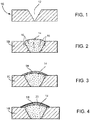
- FIG. 1 illustrates a high gamma prime superalloy component 10 with a V-shaped weld prep notch 12 formed in the facing surface of the component.
- Notch 12 may also be referred to as a groove or cavity.
- Examples of high gamma prime superalloys are Rene 108 (Balance Ni, 0.07% C, 8% Cr, 9% Co, 0.5% Mo, 3.2% Ta, 0.7% Ti, 5.6% Al, 0.015% B, 0.01% Zr 1.4% Hf), CM 247 (also known as Rene 108), Mar M 247 (Balance Ni, 0.15% C, 15.5% Cr, 9.5% Co, 2% Mo, 3.8% W, 2% Nb, 1.8% Ti, 4.3% Al, 0.015% B, 0.05% Zr), Udimet 700 (Balance Ni, 0.07% C, 15% Cr, 18.5% Co, 5% Mo, 3.5% Ti, 4.4% Al, 0.025% B), Inconel 939 (Balance Ni, 0.15% C, 22
- welding may be carried out with any suitable conventional welding technique including gas-tungsten-arc welding, plasma-arc welding and the like.
- the welding process is implemented in an inert atmosphere at ambient temperature, i.e., above 60° F and not otherwise forcibly heated. However, welding could be done at an elevated temperature if desired.
- Any suitable high strength weld filler material 14, including filler material with high gamma prime content, may be employed.
- Non-limiting examples of suitable filler materials are GTD-262, Rene 41 (Balance Ni, 0.09% C, 19% Cr, 11% Co, 9.75% Mo, 3.15% Ti, 1.65% Al, 0.005% B), GTD-111, Rene 108LC, Rene 108, Mar M 247, Iconel 738, Inconel 738LC, and GTD-222.
- inert atmosphere refers to a gaseous mixture that contains little or no oxygen and primarily consists of one or more non-reactive gases or gases that have a high threshold before they react. Non-limiting examples of such gases are, argon, nitrogen, helium or carbon dioxide.
- the welding is performed in an inert atmosphere to eliminate/reduce the risk of oxidation. After the welding step, cracks 16 will have inevitably formed in both the filler material 14 and heat affected zone in the base material of the component 10.
- the surfaces in the fusion zone i.e., the exposed weld filler surface and adjacent surfaces of the component part, are covered (or sealed) with a ductile weld filler material 18.
- a ductile weld filler material 18 Superalloys, such as Rene-108, have essentially a zero ductility.
- the ductile weld filler material 18 will have a ductility greater than zero (and greater than the ductility of material comprising component 10 or filler material 14).
- Some non-limiting alloy examples of ductile weld filler 18 materials are, Inconel 625 (Balance Ni, 20-23% Cr, 8-10% Mo, 3.15-4.15% Nb+Ta, 0-0.1% C, 0-5% FE, 0-0.5%, Si, 0.0.5% Mn, 0.0.015% S, 0.0.015% P, 0.0.4% Ti, 0-1% Co, 0.0.4% Al), Hastelloy X (Balance Ni, 8-10% Mo, 20.5 - 23% Cr, 17-20% Fe, 0.2 - 1% W, 0.5-2.5% Co, 0.05-0.015% C, 0-1% Si, 0-1% Mn, 0-0.01% B, 0-0.04% P, 0-0.03% S), pure nickel ( ⁇ 100% Ni), Inconel 718 (Balance, Fe, 50-55% Ni+Co, 17-21% Cr, 2.8-3.3% Mo, 0.65-1.15% Ti, 0.35-0.8 Al, 0.001-0.006% B, 4.75-5.5% N
- the thickness of layer 18 should be sufficient to cover filler material 14, and may range between about 0.025 inches to about 0.150 inches, or any suitable thickness as desired in the specific application.
- This step is also performed in an inert atmosphere. After this step small cracks or sub-cracks will still exist in the component 10 and/or filler material 14.
- the braze material 20 can be either a pure braze alloy, e.g., D-15 (Balance Ni, 15% Cr, 10.25% Co, 3.5% Ta, 3.5% Al, 2.3% B), AMS 4782 (71% Ni, 19% Cr, 10% Si), DF-4B (Balance Ni, 14% Cr, 10% Co, 3.5% Al, 2.75% B, 2.5% Ta, 0.05% Y), Amdry 788 (Balance Co, 22% Cr, 21% Ni, 14% W, 2% B, 2% Si, 0.03% La) or a mixture of e.g., AMS 4782 and a powder of the superalloy Inconel 738, Inconel 625, Inconel 718, Haynes 230 (57%-Balance Ni, 22%, Cr, 14% W, 2% Mo, 3% max Fe, 5% max Co, 0.
- D-15 Balance Ni, 15% Cr, 10.25% Co, 3.5% Ta, 3.5% Al, 2.3% B
- AMS 4782 (71% Ni, 19%
- the brazing step does not have to be performed in an inert atmosphere.
- the brazing step includes brazing at a temperature of about 2100 F to about 2300 F.
- the brazing step will fill the small cracks or sub-cracks remaining after the previous ductile weld filler step.
- the component is subjected to a hot isostatic pressing heat treatment to compress and collapse the remaining cracks 16, and after this heat treatment a solution heat treatment is performed.
- the component may then be machined to remove any undesired weld or brazing material, if desired.
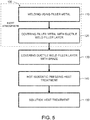
- FIG. 5 is a flowchart of the method 100 of welding a superalloy component 10. The following steps are performed sequentially.
- the method 100 includes a welding step 110, that welds a filler metal 14 in a cavity, notch or groove 12 in the superalloy component 10.
- the filler metal 14 may be GTD-262 or other superalloy weld filler material.
- the welding is performed under an inert atmosphere, such as nitrogen gas or argon gas. Inevitably, cracks 16 will be present after the welding step.
- the filler metal 14 is covered with a ductile weld filler layer 18.
- the ductility of the weld filler layer is greater than the ductility of the component 10 material and the filler metal 14.
- the ductility of the weld filler layer 18 is 10% or more than the ductility of filler metal 14.
- the ductile weld filler layer 18 is covered with braze material 20.
- the braze material may be D15, DF-4B, Amdry 788, or a mixture of high melt/low melt; for example (50% Amdry 625/50% Amdry 788).
- HIP hot isostatic pressing
- the HIP temperature is at least about 25 F below the cladding temperature
- HIP heat treatment may be performed at a temperature of about 2,200 F and a pressure of about 15,000 pounds per square inch.
- Step 140 is followed by a solution heat treatment and/or age heat treatment.
- the ductile weld filler and the braze flow into and fill the surface cracks 16 and any small or sub-cracks in the component heat affected zone or weld filler material 14.
- the combination of ductile weld material and braze has the following technical advantage, the ductile weld material seals the main weld filler material and closes the contact of the cracks in the main weld filler material with the braze material, so that braze cannot flow into these cracks hence effecting the ductility of this weld filler.
- the result is a crack free or essentially crack free welded super alloy component.
- FIG. 6 is a graph of a heat treatment cycle. After step 130, the welded component is vacuum-heat-treated in a process that includes a stress relief cycle, a braze cycle and a braze diffusion cycle.
- FIG. 6 illustrates a suitable heat treatment process indicating that after the stress relief cycle, the component parts are allowed to cool before the temperature is increased to a higher braze temperature which is followed by a braze diffusion cycle, and then cooling to ambient temperature.
- Specific temperature ranges for the cycles are known to those skilled in the art. Brazing temperatures range from about 2,050 F to about 2,250 F and solution temperatures will be about 1,975 F to about 2,200 F.
- Approximating language may be applied to modify any quantitative representation that could permissibly vary without resulting in a change in the basic function to which it is related. Accordingly, a value modified by a term or terms, such as “about,” “approximately” and “substantially,” are not to be limited to the precise value specified. In at least some instances, the approximating language may correspond to the precision of an instrument for measuring the value.
- range limitations may be combined and/or interchanged, such ranges are identified and include all the sub-ranges contained therein unless context or language indicates otherwise.
- the terms “about” and “approximately” as applied to a particular value of a range applies to both values, and unless otherwise dependent on the precision of the instrument measuring the value, may indicate +/- 10% or +/- 20% of the stated value(s).
Landscapes
- Engineering & Computer Science (AREA)
- Mechanical Engineering (AREA)
- Physics & Mathematics (AREA)
- Plasma & Fusion (AREA)
- Optics & Photonics (AREA)
- Chemical & Material Sciences (AREA)
- General Engineering & Computer Science (AREA)
- Materials Engineering (AREA)
- Arc Welding In General (AREA)
- Thermal Sciences (AREA)
- Crystallography & Structural Chemistry (AREA)
- Metallurgy (AREA)
- Organic Chemistry (AREA)
- Pressure Welding/Diffusion-Bonding (AREA)
Abstract
Description
- This invention relates to joining technology generally, and specifically, to a welding method for joining components fabricated of high gamma prime superalloys.
- Rene 108 is one superalloy that is becoming a desired material of choice for blades, nozzles, and shrouds in advanced gas turbines. Rene 108 and other high gamma prime superalloys have excellent mechanical and oxidation properties at elevated temperatures. However, Rene 108 and other high gamma prime superalloys have poor weldability and are some of the hardest to weld materials in the superalloy category. Welding on Rene 108 or other high gamma prime superalloys using any traditional welding procedures results in significant cracking in the weld metal and base metal heat affected zone. Laser welding or laser hybrid welding of Rene 108 and other high gamma prime superalloys generates undesirable cracks along the weld line. Generally, the cracks produced from laser welding are perpendicular to the welding joint. Undesirable cracks along the weld line lead to unacceptable welds.
- In the past, known methods have attempted to use a ductile material over the weld. However, cracking still occurred after welding. Other methods have used a braze over the weld, but again cracking was a problem. The inevitable cracks in the base metal or filler material could never be successfully filled. To date, no suitable method has been disclosed for successfully welding high gamma prime superalloys, such as Rene 108.
- In an aspect of the present disclosure, a method of welding a superalloy component, includes the following sequential steps. A welding step for welding a cavity using a filler metal in an inert atmosphere. The cavity is located in the component. A covering step for covering the filler metal and a portion of the component with a weld filler layer in the inert atmosphere. The weld filler layer has a greater ductility than material comprising the component and the weld filler layer has a greater ductility than material comprising the filler metal. A second covering step for covering the weld filler layer with a braze material. A brazing operation is then subsequently performed. A heat treating step is performed after the brazing step for heat treating the component. The superalloy component is comprised of a high gamma prime superalloy. The high gamma prime superalloy may be B-1900, GTD-111, Inconel 100, Inconel 713, Inconel 738, Inconel 792, Inconel 939, MAR-M-246, MAR-M-509, Rene 77, Rene 108, Rene 125, U-500, CM 247, or Mar M 247. The filler metal may be GTD-262, GTD-111, R-108LC, R-108, MarM 247, IN 738, GTD-222. The inert atmosphere is argon gas, nitrogen gas, helium gas or carbon dioxide gas. The weld filler layer may be nickel, H-230, Inconel 600, Inconel 617, Inconel 625, or Yanalloy. The braze material may be D15, DF-4B, Amdry 788, MM509B, Amdry 775, high melt/low melt mixtures of braze alloys, 50% Ni/50% D15, 60 % IN625/40% Amdry 788, 50% MarM 247/ 50% DF-4B. The heat treating step includes a hot isostatic pressing heat treatment, and a solution heat treatment step performed after the hot isostatic pressing heat treatment step. The hot isostatic pressing heat treatment may be performed at a temperature lower than a braze temperature used in the brazing operation.
- In another aspect of the present disclosure, a method of welding a superalloy component includes the following sequential steps. A welding step that welds a cavity using a filler metal in an inert atmosphere. The cavity is located in the component. A first covering step that covers the filler metal and a portion of the component with a weld filler layer in the inert atmosphere. The weld filler layer has a greater ductility than material comprising the component and material comprising the filler metal. A second covering step covers the weld filler layer with a braze material, and a brazing operation is subsequently performed. A heat treating step heat treats the component with a hot isostatic pressing heat treatment.
- In yet another aspect of the present disclosure, a method of welding a high gamma prime superalloy component includes the following sequential steps. A welding step for welding a cavity using a filler metal in an inert atmosphere. The inert atmosphere is at least one of, argon gas, nitrogen gas, helium gas or carbon dioxide gas. The cavity is located in the component. A first covering step for covering the filler metal and a portion of the component with a weld filler layer in the inert atmosphere. The weld filler layer has a greater ductility than material comprising the component and/or material comprising the filler metal. A second covering step for covering the weld filler layer with a braze material. A brazing step/operation is also performed. A heat treating step for feat treating the component with a hot isostatic pressing heat treatment, and then subsequently performing a solution heat treatment.
-
-
FIG. 1 illustrates a cross-section of a high gamma prime superalloy component with a weld prep notch formed in the facing surface of the component. -
FIG. 2 illustrates a cross-section of the component after welding. -
FIG. 3 illustrates a cross-section of the component after a ductile weld filler layer has been deposited. -
FIG. 4 illustrates a cross-section of the component after the braze material has been deposited. -
FIG. 5 illustrates a flowchart of the method of welding a superalloy component. -
FIG. 6 illustrates a graph of a heat treatment cycle. - One or more specific aspects/embodiments of the present invention will be described below. In an effort to provide a concise description of these aspects/embodiments, all features of an actual implementation may not be described in the specification. It should be appreciated that in the development of any such actual implementation, as in any engineering or design project, numerous implementation-specific decisions must be made to achieve the developers' specific goals, such as compliance with machine-related, system-related and business-related constraints, which may vary from one implementation to another. Moreover, it should be appreciated that such a development effort might be complex and time consuming, but would nevertheless be a routine undertaking of design, fabrication, and manufacture for those of ordinary skill having the benefit of this disclosure.
- When introducing elements of various embodiments of the present invention, the articles "a," "an," and "the" are intended to mean that there are one or more of the elements. The terms "comprising," "including," and "having" are intended to be inclusive and mean that there may be additional elements other than the listed elements. Any examples of operating parameters and/or environmental conditions are not exclusive of other parameters/conditions of the disclosed embodiments. Additionally, it should be understood that references to "one embodiment", "one aspect" or "an embodiment" or "an aspect" of the present invention are not intended to be interpreted as excluding the existence of additional embodiments or aspects that also incorporate the recited features.
-
FIG. 1 illustrates a high gamma primesuperalloy component 10 with a V-shapedweld prep notch 12 formed in the facing surface of the component.Notch 12 may also be referred to as a groove or cavity. Examples of high gamma prime superalloys are Rene 108 (Balance Ni, 0.07% C, 8% Cr, 9% Co, 0.5% Mo, 3.2% Ta, 0.7% Ti, 5.6% Al, 0.015% B, 0.01% Zr 1.4% Hf), CM 247 (also known as Rene 108), Mar M 247 (Balance Ni, 0.15% C, 15.5% Cr, 9.5% Co, 2% Mo, 3.8% W, 2% Nb, 1.8% Ti, 4.3% Al, 0.015% B, 0.05% Zr), Udimet 700 (Balance Ni, 0.07% C, 15% Cr, 18.5% Co, 5% Mo, 3.5% Ti, 4.4% Al, 0.025% B), Inconel 939 (Balance Ni, 0.15% C, 22.4% Cr, 19% Co, 1.6% W, 1% Nb, 1.4% Ta, 3.7% Ti, 1.9% Al, 0.01% B, 0.1% Zr), Inconel 738 (Balance Ni, 0.09-0.17% C, 16% Cr, 8.5% Co, 1.7% Mo, 2.5% W, 0.8% Nb, 1.7% Ta, 3.5% Ti, 3.5% Al, 0.01% B, 0.0500.1% Zr), Rene 80 (Balance Ni, 0.16% C, 14% Cr, 9.5% Co, 4% Mo, 4% W, 5% Ti, 3% Al, 0.015% B, 0.03% Zr), GTD 444 (Balance Ni, 0.1% C, 0.75% Cr, 7.5% Co, 1.5% Mo, 6% W, 4.8% Ta, 3.6% Ti, 4.23% Al), B-1900, GTD-111, Inconel 100, Inconel 713, Inconel 738, Inconel 792, MAR-M-246, MAR-M-509, Rene 77, Rene 125, U-500, and CMSX single crystal alloys. All percent (%) values are weight percent. It will be appreciated that other shaped recesses could be formed in a component having a defect such as a crack to be repaired, with the crack excavated (i.e., routed or machined) to form a V-shaped, rectangular shaped, oval shaped or other suitably shaped groove similar to the effect ofnotch 12. - With reference now to
FIG. 2 , thecomponent 10 has been welded, withfiller material 14 filling thegroove 12 and fusing thecomponent 10 andfiller material 14 together. Welding may be carried out with any suitable conventional welding technique including gas-tungsten-arc welding, plasma-arc welding and the like. The welding process is implemented in an inert atmosphere at ambient temperature, i.e., above 60° F and not otherwise forcibly heated. However, welding could be done at an elevated temperature if desired. Any suitable high strengthweld filler material 14, including filler material with high gamma prime content, may be employed. Non-limiting examples of suitable filler materials are GTD-262, Rene 41 (Balance Ni, 0.09% C, 19% Cr, 11% Co, 9.75% Mo, 3.15% Ti, 1.65% Al, 0.005% B), GTD-111, Rene 108LC, Rene 108, Mar M 247, Iconel 738, Inconel 738LC, and GTD-222. The term "inert atmosphere" refers to a gaseous mixture that contains little or no oxygen and primarily consists of one or more non-reactive gases or gases that have a high threshold before they react. Non-limiting examples of such gases are, argon, nitrogen, helium or carbon dioxide. The welding is performed in an inert atmosphere to eliminate/reduce the risk of oxidation. After the welding step, cracks 16 will have inevitably formed in both thefiller material 14 and heat affected zone in the base material of thecomponent 10. - Subsequently and with reference now to
FIG. 3 , the surfaces in the fusion zone, i.e., the exposed weld filler surface and adjacent surfaces of the component part, are covered (or sealed) with a ductileweld filler material 18. Superalloys, such as Rene-108, have essentially a zero ductility. The ductileweld filler material 18 will have a ductility greater than zero (and greater than the ductility ofmaterial comprising component 10 or filler material 14). Some non-limiting alloy examples of ductile weld filler 18 materials are, Inconel 625 (Balance Ni, 20-23% Cr, 8-10% Mo, 3.15-4.15% Nb+Ta, 0-0.1% C, 0-5% FE, 0-0.5%, Si, 0.0.5% Mn, 0.0.015% S, 0.0.015% P, 0.0.4% Ti, 0-1% Co, 0.0.4% Al), Hastelloy X (Balance Ni, 8-10% Mo, 20.5 - 23% Cr, 17-20% Fe, 0.2 - 1% W, 0.5-2.5% Co, 0.05-0.015% C, 0-1% Si, 0-1% Mn, 0-0.01% B, 0-0.04% P, 0-0.03% S), pure nickel (∼100% Ni), Inconel 718 (Balance, Fe, 50-55% Ni+Co, 17-21% Cr, 2.8-3.3% Mo, 0.65-1.15% Ti, 0.35-0.8 Al, 0.001-0.006% B, 4.75-5.5% Nb+Ta, 0-0.08% C, 0-0.35% Mn, 0.0.35% Si, 0-0.015 P, 0-0.015% S, 0-1% Co, 0-0.15% Cu), Inconel 600 (minimum 72% Ni, 14-17% Cr, 6-10% Fe, 0-0.1% C, 0-0.5% Si, 0-1% Mn, 0-0.015% S, 0-0.5% Cu), H-230, Inconel 617, or Yanalloy. The thickness oflayer 18 should be sufficient to coverfiller material 14, and may range between about 0.025 inches to about 0.150 inches, or any suitable thickness as desired in the specific application. This step is also performed in an inert atmosphere. After this step small cracks or sub-cracks will still exist in thecomponent 10 and/orfiller material 14. - Subsequently and with reference now to
FIG. 4 , the surfaces in the fusion zone are covered with a braze material, braze paste or brazepaste mixture 20. The braze material 20 can be either a pure braze alloy, e.g., D-15 (Balance Ni, 15% Cr, 10.25% Co, 3.5% Ta, 3.5% Al, 2.3% B), AMS 4782 (71% Ni, 19% Cr, 10% Si), DF-4B (Balance Ni, 14% Cr, 10% Co, 3.5% Al, 2.75% B, 2.5% Ta, 0.05% Y), Amdry 788 (Balance Co, 22% Cr, 21% Ni, 14% W, 2% B, 2% Si, 0.03% La) or a mixture of e.g., AMS 4782 and a powder of the superalloy Inconel 738, Inconel 625, Inconel 718, Haynes 230 (57%-Balance Ni, 22%, Cr, 14% W, 2% Mo, 3% max Fe, 5% max Co, 0.5% Mn, 0.4% Si, 0.5% max Nb, 0.3% Al, 0.1% max Ti, 0.1% C, 0.02% La, 0.015% max B), MM509B, Amdry 775, braze alloy high melt/low melt mixtures, 50% Ni/50% D15, 60 % IN625/40% Amdry 788, or 50% MarM 247/ 50% DF-4B. The brazing step does not have to be performed in an inert atmosphere. The brazing step includes brazing at a temperature of about 2100 F to about 2300 F. The brazing step will fill the small cracks or sub-cracks remaining after the previous ductile weld filler step. After the brazing step, the component is subjected to a hot isostatic pressing heat treatment to compress and collapse the remainingcracks 16, and after this heat treatment a solution heat treatment is performed. The component may then be machined to remove any undesired weld or brazing material, if desired. -
FIG. 5 is a flowchart of themethod 100 of welding asuperalloy component 10. The following steps are performed sequentially. Themethod 100 includes awelding step 110, that welds afiller metal 14 in a cavity, notch orgroove 12 in thesuperalloy component 10. As one example only, if thecomponent 10 is comprised of Rene-108, then thefiller metal 14 may be GTD-262 or other superalloy weld filler material. The welding is performed under an inert atmosphere, such as nitrogen gas or argon gas. Inevitably, cracks 16 will be present after the welding step. - In
step 120, thefiller metal 14 is covered with a ductileweld filler layer 18. The ductility of the weld filler layer is greater than the ductility of thecomponent 10 material and thefiller metal 14. As one non-limiting example only, the ductility of theweld filler layer 18 is 10% or more than the ductility offiller metal 14. Instep 130, the ductileweld filler layer 18 is covered withbraze material 20. The braze material may be D15, DF-4B, Amdry 788, or a mixture of high melt/low melt; for example (50% Amdry 625/50% Amdry 788). Instep 140 the component is subjected to a hot isostatic pressing (HIP) heat treatment that crushes and collapses thecracks 16. As one non-limiting example only, the HIP temperature is at least about 25 F below the cladding temperature, and HIP heat treatment may be performed at a temperature of about 2,200 F and a pressure of about 15,000 pounds per square inch. Step 140 is followed by a solution heat treatment and/or age heat treatment. The ductile weld filler and the braze flow into and fill the surface cracks 16 and any small or sub-cracks in the component heat affected zone orweld filler material 14. The combination of ductile weld material and braze has the following technical advantage, the ductile weld material seals the main weld filler material and closes the contact of the cracks in the main weld filler material with the braze material, so that braze cannot flow into these cracks hence effecting the ductility of this weld filler. The result is a crack free or essentially crack free welded super alloy component. -
FIG. 6 is a graph of a heat treatment cycle. Afterstep 130, the welded component is vacuum-heat-treated in a process that includes a stress relief cycle, a braze cycle and a braze diffusion cycle. In this regard,FIG. 6 illustrates a suitable heat treatment process indicating that after the stress relief cycle, the component parts are allowed to cool before the temperature is increased to a higher braze temperature which is followed by a braze diffusion cycle, and then cooling to ambient temperature. Specific temperature ranges for the cycles are known to those skilled in the art. Brazing temperatures range from about 2,050 F to about 2,250 F and solution temperatures will be about 1,975 F to about 2,200 F. An important aspect of the process is that the weld is permitted to crack initially during or just after welding, but any such crack is "healed" or repaired during HIP heat treatment. The end result is a fused region of the superalloy component that is free of cracks, thus solving the above mentioned problem of welding superalloys that are high in gamma prime content. - Approximating language, as used herein throughout the specification and claims, may be applied to modify any quantitative representation that could permissibly vary without resulting in a change in the basic function to which it is related. Accordingly, a value modified by a term or terms, such as "about," "approximately" and "substantially," are not to be limited to the precise value specified. In at least some instances, the approximating language may correspond to the precision of an instrument for measuring the value. Here and throughout the specification and claims, range limitations may be combined and/or interchanged, such ranges are identified and include all the sub-ranges contained therein unless context or language indicates otherwise. The terms "about" and "approximately" as applied to a particular value of a range applies to both values, and unless otherwise dependent on the precision of the instrument measuring the value, may indicate +/- 10% or +/- 20% of the stated value(s).
- This written description uses examples to disclose the invention, including the best mode, and also to enable any person skilled in the art to practice the invention, including making and using any devices or systems and performing any incorporated methods. The patentable scope of the invention is defined by the claims, and may include other examples that occur to those skilled in the art. Such other examples are intended to be within the scope of the claims if they have structural elements that do not differ from the literal language of the claims, or if they include equivalent structural elements with insubstantial differences from the literal languages of the claims.
- Various aspects and embodiments of the present invention are defined by the following clauses:
- 1. A method of welding a superalloy component, the method comprising the following sequential steps:
- (a) welding a cavity using a filler metal in an inert atmosphere, the cavity located in the component;
- (b) covering the filler metal and a portion of the component with a weld filler layer in the inert atmosphere, the weld filler layer having a greater ductility than material comprising the component and material comprising the filler metal;
- (c) covering the weld filler layer with a braze material, and performing a brazing operation;
- (d) heat treating the component.
- 2. The method of
clause 1, the superalloy component comprised of a high gamma prime superalloy. - 3. The method of clause 2, the high gamma prime superalloy comprising at least one of:
B-1900, GTD-111,Inconel 100, Inconel 713, Inconel 738, Inconel 792, Inconel 939, MAR-M-246, MAR-M-509, Rene 77, Rene 108, Rene 125, or U-500, CM 247, Mar M 247. - 4. The method of
clause 1, the filler metal comprising one of:
GTD-262, GTD-111, R-108LC, R-108, MarM 247, IN 738, GTD-222. - 5. The method of
clause 1 the inert atmosphere comprising:
argon gas, nitrogen gas, helium gas or carbon dioxide gas. - 6. The method of
clause 1, the weld filler layer comprising at least one of:
nickel, H-230, Inconel 600, Inconel 617, Inconel 625, or Yanalloy. - 7. The method of
clause 1, the braze material comprising at least one of:
D15, DF-4B, Amdry 788, MM509B, Amdry 775, braze alloy high melt/low melt mixtures, 50% Ni/50% D15, 60 % IN625/40% Amdry 788, 50% MarM 247/ 50% DF-4B. - 8. The method of
clause 1, the heat treating step further comprising:
a hot isostatic pressing heat treatment. - 9. The method of clause 8, wherein the hot isostatic pressing heat treatment is performed at a temperature lower than a braze temperature used in the brazing operation.
- 10. The method of clause 8, the heat treating step further comprising:
a solution heat treatment step performed after the hot isostatic pressing heat treatment step. - 11. A method of welding a superalloy component, the method comprising the following sequential steps:
- (a) welding a cavity using a filler metal in an inert atmosphere, the cavity located in the component;
- (b) covering the filler metal and a portion of the component with a weld filler layer in the inert atmosphere, the weld filler layer having a greater ductility than material comprising the component and material comprising the filler metal;
- (c) covering the weld filler layer with a braze material, and performing a brazing operation;
- (d) heat treating the component with a hot isostatic pressing heat treatment.
- 12. The method of clause 11, the heat treating step further comprising:
a solution heat treatment step performed after the hot isostatic pressing heat treatment step. - 13. The method of clause 11, the superalloy component comprised of a high gamma prime superalloy.
- 14. The method of clause 13, the high gamma prime superalloy comprising at least one of:
B-1900, GTD-111,Inconel 100, Inconel 713, Inconel 738, Inconel 792, Inconel 939, MAR-M-246, MAR-M-509, Rene 77, Rene 108, Rene 125, or U-500, CM 247, Mar M 247. - 15. The method of clause 11, the filler metal comprising one of:
GTD-262, GTD-111, R-108LC, R-108, MarM 247, IN 738, GTD-222. - 16. The method of clause 11 the inert atmosphere comprising:
argon gas, nitrogen gas, helium gas or carbon dioxide gas. - 17. The method of clause 11, the weld filler layer comprising at least one of:
nickel, H-230, Inconel 600, Inconel 617, Inconel 625, or Yanalloy. - 18. The method of clause 11, the braze material comprising at least one of:
D15, DF-4B, Amdry 788, MM509B, Amdry 775, braze alloy high melt/low melt mixtures, 50% Ni/50% D15, 60 % IN625/40% Amdry 788, 50% MarM 247/ 50% DF-4B. - 19. A method of welding a high gamma prime superalloy component, the method comprising the following sequential steps:
- (a) welding a cavity using a filler metal in an inert atmosphere, the inert atmosphere comprising at least one of: argon gas, nitrogen gas, helium gas or carbon dioxide gas; the cavity located in the component;
- (b) covering the filler metal and a portion of the component with a weld filler layer in the inert atmosphere, the weld filler layer having a greater ductility than material comprising the component and material comprising the filler metal;
- (c) covering the weld filler layer with a braze material, and performing a brazing operation;
- (d) heat treating the component with a hot isostatic pressing heat treatment, and then subsequently performing a solution heat treatment.
- 20. The method of clause 19, further comprising:
- the high gamma prime superalloy comprising at least one of: B-1900, GTD-111,
Inconel 100, Inconel 713, Inconel 738, Inconel 792, Inconel 939, MAR-M-246, MAR-M-509, Rene 77, Rene 108, Rene 125, or U-500, CM 247, Mar M 247; - the filler metal comprising one of: GTD-262, GTD-111, R-108LC, R-108, MarM 247, IN 738, GTD-222;
- the weld filler layer comprising at least one of: nickel, H-230, Inconel 600, Inconel 617, Inconel 625, or Yanalloy.; and
- the braze material comprising at least one of: D15, DF-4B, Amdry 788, MM509B, Amdry 775, braze alloy high melt/low melt mixtures, 50% Ni/50% D15, 60 % IN625/40% Amdry 788, 50% MarM 247/ 50% DF-4B.
- the high gamma prime superalloy comprising at least one of: B-1900, GTD-111,
Claims (15)
- A method (100) of welding a superalloy component (10), the method (100) comprising the following sequential steps:(a) welding (110) a cavity (12) using a filler metal (14) in an inert atmosphere, the cavity (12) located in the component;(b) covering (120) the filler metal (14) and a portion of the component with a weld filler layer (18) in the inert atmosphere, the weld filler layer (18) having a greater ductility than material comprising the component and material comprising the filler metal (14);(c) covering (130) the weld filler layer (18) with a braze material (20), and performing a brazing operation;(d) heat treating (140) the component.
- The method (100) of claim 1, wherein the superalloy component (10) comprised of a high gamma prime superalloy.
- The method (100) of claim 1 or claim 2, wherein the high gamma prime superalloy comprising at least one of:
B-1900, GTD-111, Inconel 100, Inconel 713, Inconel 738, Inconel 792, Inconel 939, MAR-M-246, MAR-M-509, Rene 77, Rene 108, Rene 125, or U-500, CM 247, Mar M 247. - The method (100) of any preceding claim, wherein the filler metal (14) comprising one of:
GTD-262, GTD-111, R-108LC, R-108, MarM 247, IN 738, GTD-222. - The method (100) of any preceding claim, wherein the inert atmosphere comprising:
argon gas, nitrogen gas, helium gas or carbon dioxide gas. - The method (100) of any preceding claim, wherein the weld filler layer (18) comprising at least one of:
nickel, H-230, Inconel 600, Inconel 617, Inconel 625, or Yanalloy. - The method (100) of any preceding claim, wherein the braze material (20) comprising at least one of:
D15, DF-4B, Amdry 788, MM509B, Amdry 775, braze alloy high melt/low melt mixtures, 50% Ni/50% D15, 60 % IN625/40% Amdry 788, 50% MarM 247/ 50% DF-4B. - The method (100) of any preceding claim, wherein the heat treating step (140) further comprising:
a hot isostatic pressing heat treatment. - The method (100) of claim 8, wherein the hot isostatic pressing heat treatment is performed at a temperature lower than a braze temperature used in the brazing operation.
- The method (100) of claim 8 or claim 9, the heat treating step (140) further comprising:
a solution heat treatment step performed after the hot isostatic pressing heat treatment step. - A method (100) of welding a high gamma prime superalloy component (10), the method (100) comprising the following sequential steps:(a) welding (110) a cavity (12) using a filler metal (14) in an inert atmosphere, the inert atmosphere comprising at least one of: argon gas, nitrogen gas, helium gas or carbon dioxide gas; the cavity (12) located in the component;(b) covering (120) the filler metal (14) and a portion of the component with a weld filler layer (18) in the inert atmosphere, the weld filler layer (18) having a greater ductility than material comprising the component and material comprising the filler metal (14);(c) covering (130) the weld filler layer (18) with a braze material (20), and performing a brazing operation;(d) heat treating (140) the component with a hot isostatic pressing heat treatment, and then subsequently performing a solution heat treatment.
- The method (100) of claim 11, further comprising:the high gamma prime superalloy comprising at least one of: B-1900, GTD-111, Inconel 100, Inconel 713, Inconel 738, Inconel 792, Inconel 939, MAR-M-246, MAR-M-509, Rene 77, Rene 108, Rene 125, or U-500, CM 247, Mar M 247;the filler metal (14) comprising one of: GTD-262, GTD-111, R-108LC, R-108, MarM 247, IN 738, GTD-222;the weld filler layer (18) comprising at least one of: nickel, H-230, Inconel 600, Inconel 617, Inconel 625, or Yanalloy; andthe braze material (20) comprising at least one of: D15, DF-4B, Amdry 788, MM509B, Amdry 775, braze alloy high melt/low melt mixtures, 50% Ni/50% D15, 60 % IN625/40% Amdry 788, 50% MarM 247/ 50% DF-4B.
- The method (100) of claim 11 or claim 12, the heat treating step further comprising:
a solution heat treatment step performed after the hot isostatic pressing heat treatment step. - A method (100) of welding a high gamma prime superalloy component (10), the method (100) comprising the following sequential steps:(a) welding (110) a cavity (12) using a filler metal (14) in an inert atmosphere, the inert atmosphere comprising at least one of: argon gas, nitrogen gas, helium gas or carbon dioxide gas; the cavity (12) located in the component;(b) covering the filler metal (14) and a portion of the component with a weld filler layer (18) in the inert atmosphere, the weld filler layer (18) having a greater ductility than material comprising the component and material comprising the filler metal (14);(c) covering the weld filler layer (18) with a braze material (20), and performing a brazing operation;(d) heat treating the component with a hot isostatic pressing heat treatment, and then subsequently performing a solution heat treatment.
- The method (100) of claim 14, further comprising:the high gamma prime superalloy comprising at least one of: B-1900, GTD-111, Inconel 100, Inconel 713, Inconel 738, Inconel 792, Inconel 939, MAR-M-246, MAR-M-509, Rene 77, Rene 108, Rene 125, or U-500, CM 247, Mar M 247;the filler metal (14) comprising one of: GTD-262, GTD-111, R-108LC, R-108, MarM 247, IN 738, GTD-222;the weld filler layer (18) comprising at least one of: nickel, H-230, Inconel 600, Inconel 617, Inconel 625, or Yanalloy.; andthe braze material (20) comprising at least one of: D15, DF-4B, Amdry 788, MM509B, Amdry 775, braze alloy high melt/low melt mixtures, 50% Ni/50% D15, 60 % IN625/40% Amdry 788, 50% MarM 247/ 50% DF-4B.
Applications Claiming Priority (1)
| Application Number | Priority Date | Filing Date | Title |
|---|---|---|---|
| US15/622,605 US10625361B2 (en) | 2017-06-14 | 2017-06-14 | Method of welding superalloys |
Publications (2)
| Publication Number | Publication Date |
|---|---|
| EP3417972A1 true EP3417972A1 (en) | 2018-12-26 |
| EP3417972B1 EP3417972B1 (en) | 2021-09-29 |
Family
ID=62528320
Family Applications (1)
| Application Number | Title | Priority Date | Filing Date |
|---|---|---|---|
| EP18175727.9A Active EP3417972B1 (en) | 2017-06-14 | 2018-06-04 | Method of welding superalloys |
Country Status (5)
| Country | Link |
|---|---|
| US (1) | US10625361B2 (en) |
| EP (1) | EP3417972B1 (en) |
| JP (1) | JP7126870B2 (en) |
| KR (1) | KR102456806B1 (en) |
| CN (1) | CN109079357B (en) |
Cited By (1)
| Publication number | Priority date | Publication date | Assignee | Title |
|---|---|---|---|---|
| EP3736080A1 (en) * | 2019-05-02 | 2020-11-11 | General Electric Company | Method of repairing superalloy components using phase agglomeration |
Families Citing this family (14)
| Publication number | Priority date | Publication date | Assignee | Title |
|---|---|---|---|---|
| US10625361B2 (en) * | 2017-06-14 | 2020-04-21 | General Electric Company | Method of welding superalloys |
| DE102018124198A1 (en) | 2017-10-05 | 2019-04-11 | Tenneco Automotive Operating Company Inc. | Acoustically tuned silencer |
| CN109530889A (en) * | 2018-12-28 | 2019-03-29 | 渤海造船厂集团有限公司 | Consumable electrode gas shield welding nickel-based welding wire ArHeN2CO2Protective gas |
| CN109530890A (en) * | 2018-12-28 | 2019-03-29 | 渤海造船厂集团有限公司 | Consumable electrode gas shield welding nickel-based welding wire ArN2CO2Protective gas |
| US11268430B2 (en) | 2019-01-17 | 2022-03-08 | Tenneco Automotive Operating Company Inc. | Diffusion surface alloyed metal exhaust component with welded edges |
| US11517969B2 (en) * | 2019-01-24 | 2022-12-06 | General Electric Company | Weld-brazing techniques |
| TWI726797B (en) * | 2020-08-13 | 2021-05-01 | 國家中山科學研究院 | Ways to improve the welding strength of nickel-based superalloys |
| CN112453671B (en) * | 2020-11-23 | 2022-09-06 | 华能国际电力股份有限公司 | Welding method of IN738 nickel-based high-temperature alloy |
| US11673204B2 (en) | 2020-11-25 | 2023-06-13 | The Esab Group, Inc. | Hyper-TIG welding electrode |
| US11426822B2 (en) * | 2020-12-03 | 2022-08-30 | General Electric Company | Braze composition and process of using |
| CN113909610B (en) * | 2021-10-27 | 2023-03-10 | 中国航发沈阳黎明航空发动机有限责任公司 | A high-performance brazing method for third-generation single crystal superalloys |
| CN116673646A (en) * | 2023-06-12 | 2023-09-01 | 湖北三江航天红阳机电有限公司 | A stainless steel water-cooled runner plate and its welding method |
| CN119566615B (en) * | 2023-09-07 | 2025-11-25 | 中国航发商用航空发动机有限责任公司 | A high-temperature alloy brazing filler metal and a high-temperature alloy welded part |
| CN119658045A (en) * | 2023-09-12 | 2025-03-21 | 通用电气技术有限公司 | Braze repair method for reducing eutectic phases |
Citations (4)
| Publication number | Priority date | Publication date | Assignee | Title |
|---|---|---|---|---|
| EP1844888A1 (en) * | 2006-04-13 | 2007-10-17 | General Electric Company | Method for welding superalloys components or repairing a crack in a superalloy component using brazing after welding |
| EP2404695A1 (en) * | 2010-07-07 | 2012-01-11 | General Electric Company | Method of and apparatus for welding at least two workpieces for hybrid laser arc welding |
| WO2014051830A1 (en) * | 2012-09-28 | 2014-04-03 | United Technologies Corporation | Repair of casting defects |
| DE102015219345A1 (en) * | 2015-10-07 | 2017-04-13 | Siemens Aktiengesellschaft | Component and layered filling of a defect by means of solder and base material |
Family Cites Families (45)
| Publication number | Priority date | Publication date | Assignee | Title |
|---|---|---|---|---|
| US3346951A (en) * | 1966-02-24 | 1967-10-17 | Talon Inc | Method of making electrical contact elements |
| US4152816A (en) * | 1977-06-06 | 1979-05-08 | General Motors Corporation | Method of manufacturing a hybrid turbine rotor |
| US4285459A (en) | 1979-07-31 | 1981-08-25 | Chromalloy American Corporation | High temperature braze repair of superalloys |
| US4326833A (en) * | 1980-03-19 | 1982-04-27 | General Electric Company | Method and replacement member for repairing a gas turbine engine blade member |
| US4581300A (en) * | 1980-06-23 | 1986-04-08 | The Garrett Corporation | Dual alloy turbine wheels |
| US4624402A (en) * | 1983-01-18 | 1986-11-25 | Nutech, Inc. | Method for applying an overlay weld for preventing and controlling stress corrosion cracking |
| US5071054A (en) * | 1990-12-18 | 1991-12-10 | General Electric Company | Fabrication of cast articles from high melting temperature superalloy compositions |
| JP3079902B2 (en) * | 1994-07-05 | 2000-08-21 | 株式会社日立製作所 | Welding repair method for reactor internals |
| US5735044A (en) * | 1995-12-12 | 1998-04-07 | General Electric Company | Laser shock peening for gas turbine engine weld repair |
| US5806751A (en) | 1996-10-17 | 1998-09-15 | United Technologies Corporation | Method of repairing metallic alloy articles, such as gas turbine engine components |
| US5873703A (en) * | 1997-01-22 | 1999-02-23 | General Electric Company | Repair of gamma titanium aluminide articles |
| US5897801A (en) * | 1997-01-22 | 1999-04-27 | General Electric Company | Welding of nickel-base superalloys having a nil-ductility range |
| DE19741637A1 (en) * | 1997-09-22 | 1999-03-25 | Asea Brown Boveri | Process for welding hardenable nickel-based alloys |
| US6049060A (en) | 1998-12-15 | 2000-04-11 | General Electric Company | Method for welding an article and terminating the weldment within the perimeter of the article |
| RU2158667C1 (en) * | 1999-03-01 | 2000-11-10 | Открытое акционерное общество НПО Энергомаш им. акад. В.П. Глушко | Method of manufacturing welded-soldered of gas generator |
| US6364971B1 (en) | 2000-01-20 | 2002-04-02 | Electric Power Research Institute | Apparatus and method of repairing turbine blades |
| JP2005342857A (en) * | 2004-06-04 | 2005-12-15 | Toshiba Corp | Pressure brazing repair method and gas turbine parts |
| JP4488830B2 (en) * | 2004-08-03 | 2010-06-23 | 株式会社東芝 | Regeneration treatment method of gas turbine stationary blade |
| EP1772228A1 (en) | 2005-10-07 | 2007-04-11 | Siemens Aktiengesellschaft | Process for repairing a workpiece with an oriented microstructure |
| US20070221705A1 (en) * | 2006-03-24 | 2007-09-27 | Arnett Michael D | Buttered welding of superalloys |
| SG143101A1 (en) * | 2006-12-07 | 2008-06-27 | Turbine Overhaul Services Pte | Method of diffusion brazing with nanoparticle alloys |
| US20090014421A1 (en) | 2007-07-10 | 2009-01-15 | Sujith Sathian | Weld Repair Method for a Turbine Bucket Tip |
| US20090250447A1 (en) * | 2008-04-02 | 2009-10-08 | Bela Guth | Capilary electrical welding process for the repair of carbon steel, of high, medium and low alloy, in the condition of tempered or not; hadfield steel; cast iron; nickel and its alloys; metallic covering and dissimilar bonds, to produce an appropriate microstructure in the welded bond without the need of post-welding thermal treatment |
| JP5463527B2 (en) * | 2008-12-18 | 2014-04-09 | 独立行政法人日本原子力研究開発機構 | Welding material made of austenitic stainless steel, stress corrosion cracking preventive maintenance method and intergranular corrosion preventive maintenance method using the same |
| DE102009016260A1 (en) * | 2009-04-03 | 2010-10-07 | Fraunhofer-Gesellschaft zur Förderung der angewandten Forschung e.V. | Method of welding and component |
| US8319148B2 (en) * | 2009-08-20 | 2012-11-27 | General Electric Company | System and method of dual laser beam welding of first and second filler metals |
| US8595929B2 (en) * | 2010-10-21 | 2013-12-03 | Siemens Energy, Inc. | Repair of a turbine engine surface containing crevices |
| JP5441870B2 (en) * | 2010-11-12 | 2014-03-12 | 株式会社神戸製鋼所 | Ni-base alloy solid wire for welding |
| GB2488333B (en) * | 2011-02-23 | 2013-06-05 | Rolls Royce Plc | A method of repairing a component |
| CN102120292B (en) * | 2011-03-18 | 2012-07-25 | 中国航空工业集团公司北京航空制造工程研究所 | Vacuum brazing repairing method for cracks of high-temperature alloy thin-wall part |
| US20180257181A1 (en) * | 2012-12-05 | 2018-09-13 | Liburdu Engineering Limited | Method of cladding and fusion welding of superalloys |
| EP3062954B1 (en) * | 2013-10-30 | 2018-12-19 | United Technologies Corporation | Laser powder deposition weld rework for gas turbine engine non-fusion weldable nickel castings |
| WO2015065847A1 (en) * | 2013-10-30 | 2015-05-07 | United Technologies Corporation | Laser powder deposition weld rework for gas turbine engine non-fusion weldable nickel castings |
| JP6329769B2 (en) * | 2014-01-14 | 2018-05-23 | 三菱重工業株式会社 | Welding method and repair method |
| US11072044B2 (en) * | 2014-04-14 | 2021-07-27 | Siemens Energy, Inc. | Superalloy component braze repair with isostatic solution treatment |
| PL3137253T3 (en) * | 2014-04-28 | 2019-06-28 | Liburdi Engineering Limited | A ductile boron bearing nickel based welding material |
| GB2532001B (en) * | 2014-10-24 | 2017-09-27 | Gkn Aerospace Sweden Ab | Crack stopper for welds |
| CN106563929B (en) * | 2015-10-08 | 2019-09-17 | 利宝地工程有限公司 | Repair and manufacture the method and turbine engine components of turbine engine components |
| US10543570B2 (en) * | 2016-02-22 | 2020-01-28 | Bwxt Nuclear Operations Group, Inc. | Metal carbide/nitride precipitation control in fusion welding |
| US10279416B2 (en) * | 2016-03-15 | 2019-05-07 | General Electric Company | Weld forced crack and braze repair for superalloys |
| JP6217891B1 (en) * | 2017-02-01 | 2017-10-25 | 中国電力株式会社 | Repair method for cast steel members |
| US10632572B2 (en) * | 2017-03-03 | 2020-04-28 | General Electric Company | Weld filler additive and method of welding |
| US10668575B2 (en) * | 2017-03-03 | 2020-06-02 | General Electric Company | Weld filler additive and method of welding |
| US10625361B2 (en) * | 2017-06-14 | 2020-04-21 | General Electric Company | Method of welding superalloys |
| EP3441180A1 (en) * | 2017-08-11 | 2019-02-13 | General Electric Company | Method of repairing superalloys |
-
2017
- 2017-06-14 US US15/622,605 patent/US10625361B2/en active Active
-
2018
- 2018-06-04 EP EP18175727.9A patent/EP3417972B1/en active Active
- 2018-06-08 JP JP2018109923A patent/JP7126870B2/en active Active
- 2018-06-14 KR KR1020180068139A patent/KR102456806B1/en active Active
- 2018-06-14 CN CN201810612958.4A patent/CN109079357B/en active Active
Patent Citations (4)
| Publication number | Priority date | Publication date | Assignee | Title |
|---|---|---|---|---|
| EP1844888A1 (en) * | 2006-04-13 | 2007-10-17 | General Electric Company | Method for welding superalloys components or repairing a crack in a superalloy component using brazing after welding |
| EP2404695A1 (en) * | 2010-07-07 | 2012-01-11 | General Electric Company | Method of and apparatus for welding at least two workpieces for hybrid laser arc welding |
| WO2014051830A1 (en) * | 2012-09-28 | 2014-04-03 | United Technologies Corporation | Repair of casting defects |
| DE102015219345A1 (en) * | 2015-10-07 | 2017-04-13 | Siemens Aktiengesellschaft | Component and layered filling of a defect by means of solder and base material |
Cited By (2)
| Publication number | Priority date | Publication date | Assignee | Title |
|---|---|---|---|---|
| EP3736080A1 (en) * | 2019-05-02 | 2020-11-11 | General Electric Company | Method of repairing superalloy components using phase agglomeration |
| US11235405B2 (en) | 2019-05-02 | 2022-02-01 | General Electric Company | Method of repairing superalloy components using phase agglomeration |
Also Published As
| Publication number | Publication date |
|---|---|
| KR102456806B1 (en) | 2022-10-19 |
| US10625361B2 (en) | 2020-04-21 |
| CN109079357A (en) | 2018-12-25 |
| US20180361495A1 (en) | 2018-12-20 |
| JP7126870B2 (en) | 2022-08-29 |
| CN109079357B (en) | 2021-12-14 |
| KR20180136402A (en) | 2018-12-24 |
| JP2019025545A (en) | 2019-02-21 |
| EP3417972B1 (en) | 2021-09-29 |
Similar Documents
| Publication | Publication Date | Title |
|---|---|---|
| US10625361B2 (en) | Method of welding superalloys | |
| EP1226896B1 (en) | Nickel-base braze material and braze repair method | |
| US6596411B2 (en) | High energy beam welding of single-crystal superalloys and assemblies formed thereby | |
| JP6086992B2 (en) | Superalloy cladding and fusion welding process | |
| EP3219434B1 (en) | Repair of superalloys by weld forced crack and braze repair | |
| EP1844888A1 (en) | Method for welding superalloys components or repairing a crack in a superalloy component using brazing after welding | |
| US20160167172A1 (en) | Method of cladding, additive manufacturing and fusion welding of superalloys and materialf or the same | |
| EP1179383B1 (en) | Shimmed electron beam welding process | |
| US20050067466A1 (en) | Crack repair method | |
| US6652677B2 (en) | Process of welding gamma prime-strengthened nickel-base superalloys | |
| CN104607744A (en) | Braze alloy compositions and brazing methods for superalloys | |
| CN103962716A (en) | Joining process and joined article | |
| EP3034229B1 (en) | Weld filler for superalloys | |
| KR20180088293A (en) | Braze system, brazed article, and method for forming a brazed article | |
| HK1231013A (en) | Method of repairing and manufacturing of turbine engine components and turbine engine components | |
| HK1231013A1 (en) | Method of repairing and manufacturing of turbine engine components and turbine engine components |
Legal Events
| Date | Code | Title | Description |
|---|---|---|---|
| PUAI | Public reference made under article 153(3) epc to a published international application that has entered the european phase |
Free format text: ORIGINAL CODE: 0009012 |
|
| STAA | Information on the status of an ep patent application or granted ep patent |
Free format text: STATUS: THE APPLICATION HAS BEEN PUBLISHED |
|
| AK | Designated contracting states |
Kind code of ref document: A1 Designated state(s): AL AT BE BG CH CY CZ DE DK EE ES FI FR GB GR HR HU IE IS IT LI LT LU LV MC MK MT NL NO PL PT RO RS SE SI SK SM TR |
|
| AX | Request for extension of the european patent |
Extension state: BA ME |
|
| STAA | Information on the status of an ep patent application or granted ep patent |
Free format text: STATUS: REQUEST FOR EXAMINATION WAS MADE |
|
| 17P | Request for examination filed |
Effective date: 20190625 |
|
| RBV | Designated contracting states (corrected) |
Designated state(s): AL AT BE BG CH CY CZ DE DK EE ES FI FR GB GR HR HU IE IS IT LI LT LU LV MC MK MT NL NO PL PT RO RS SE SI SK SM TR |
|
| GRAP | Despatch of communication of intention to grant a patent |
Free format text: ORIGINAL CODE: EPIDOSNIGR1 |
|
| STAA | Information on the status of an ep patent application or granted ep patent |
Free format text: STATUS: GRANT OF PATENT IS INTENDED |
|
| RIC1 | Information provided on ipc code assigned before grant |
Ipc: B23K 103/18 20060101ALN20210331BHEP Ipc: B23K 101/00 20060101ALN20210331BHEP Ipc: B23K 35/30 20060101ALI20210331BHEP Ipc: B23K 26/144 20140101ALI20210331BHEP Ipc: B23K 26/21 20140101ALI20210331BHEP Ipc: F01D 5/00 20060101ALI20210331BHEP Ipc: B23K 26/34 20140101ALI20210331BHEP Ipc: B23K 26/12 20140101ALI20210331BHEP Ipc: B23P 6/00 20060101ALI20210331BHEP Ipc: B23K 9/173 20060101ALI20210331BHEP Ipc: B23K 9/16 20060101ALI20210331BHEP Ipc: B23K 9/04 20060101ALI20210331BHEP Ipc: B23K 9/02 20060101ALI20210331BHEP Ipc: B23K 1/00 20060101AFI20210331BHEP |
|
| RIC1 | Information provided on ipc code assigned before grant |
Ipc: B23K 103/18 20060101ALN20210412BHEP Ipc: B23K 101/00 20060101ALN20210412BHEP Ipc: B23K 35/30 20060101ALI20210412BHEP Ipc: B23K 26/144 20140101ALI20210412BHEP Ipc: B23K 26/21 20140101ALI20210412BHEP Ipc: F01D 5/00 20060101ALI20210412BHEP Ipc: B23K 26/34 20140101ALI20210412BHEP Ipc: B23K 26/12 20140101ALI20210412BHEP Ipc: B23P 6/00 20060101ALI20210412BHEP Ipc: B23K 9/173 20060101ALI20210412BHEP Ipc: B23K 9/16 20060101ALI20210412BHEP Ipc: B23K 9/04 20060101ALI20210412BHEP Ipc: B23K 9/02 20060101ALI20210412BHEP Ipc: B23K 1/00 20060101AFI20210412BHEP |
|
| INTG | Intention to grant announced |
Effective date: 20210430 |
|
| GRAS | Grant fee paid |
Free format text: ORIGINAL CODE: EPIDOSNIGR3 |
|
| GRAA | (expected) grant |
Free format text: ORIGINAL CODE: 0009210 |
|
| STAA | Information on the status of an ep patent application or granted ep patent |
Free format text: STATUS: THE PATENT HAS BEEN GRANTED |
|
| AK | Designated contracting states |
Kind code of ref document: B1 Designated state(s): AL AT BE BG CH CY CZ DE DK EE ES FI FR GB GR HR HU IE IS IT LI LT LU LV MC MK MT NL NO PL PT RO RS SE SI SK SM TR |
|
| REG | Reference to a national code |
Ref country code: GB Ref legal event code: FG4D |
|
| REG | Reference to a national code |
Ref country code: CH Ref legal event code: EP Ref country code: AT Ref legal event code: REF Ref document number: 1433781 Country of ref document: AT Kind code of ref document: T Effective date: 20211015 |
|
| REG | Reference to a national code |
Ref country code: DE Ref legal event code: R096 Ref document number: 602018024139 Country of ref document: DE |
|
| REG | Reference to a national code |
Ref country code: IE Ref legal event code: FG4D |
|
| REG | Reference to a national code |
Ref country code: LT Ref legal event code: MG9D |
|
| PG25 | Lapsed in a contracting state [announced via postgrant information from national office to epo] |
Ref country code: RS Free format text: LAPSE BECAUSE OF FAILURE TO SUBMIT A TRANSLATION OF THE DESCRIPTION OR TO PAY THE FEE WITHIN THE PRESCRIBED TIME-LIMIT Effective date: 20210929 Ref country code: SE Free format text: LAPSE BECAUSE OF FAILURE TO SUBMIT A TRANSLATION OF THE DESCRIPTION OR TO PAY THE FEE WITHIN THE PRESCRIBED TIME-LIMIT Effective date: 20210929 Ref country code: HR Free format text: LAPSE BECAUSE OF FAILURE TO SUBMIT A TRANSLATION OF THE DESCRIPTION OR TO PAY THE FEE WITHIN THE PRESCRIBED TIME-LIMIT Effective date: 20210929 Ref country code: FI Free format text: LAPSE BECAUSE OF FAILURE TO SUBMIT A TRANSLATION OF THE DESCRIPTION OR TO PAY THE FEE WITHIN THE PRESCRIBED TIME-LIMIT Effective date: 20210929 Ref country code: NO Free format text: LAPSE BECAUSE OF FAILURE TO SUBMIT A TRANSLATION OF THE DESCRIPTION OR TO PAY THE FEE WITHIN THE PRESCRIBED TIME-LIMIT Effective date: 20211229 Ref country code: LT Free format text: LAPSE BECAUSE OF FAILURE TO SUBMIT A TRANSLATION OF THE DESCRIPTION OR TO PAY THE FEE WITHIN THE PRESCRIBED TIME-LIMIT Effective date: 20210929 Ref country code: BG Free format text: LAPSE BECAUSE OF FAILURE TO SUBMIT A TRANSLATION OF THE DESCRIPTION OR TO PAY THE FEE WITHIN THE PRESCRIBED TIME-LIMIT Effective date: 20211229 |
|
| REG | Reference to a national code |
Ref country code: NL Ref legal event code: MP Effective date: 20210929 |
|
| REG | Reference to a national code |
Ref country code: AT Ref legal event code: MK05 Ref document number: 1433781 Country of ref document: AT Kind code of ref document: T Effective date: 20210929 |
|
| PG25 | Lapsed in a contracting state [announced via postgrant information from national office to epo] |
Ref country code: LV Free format text: LAPSE BECAUSE OF FAILURE TO SUBMIT A TRANSLATION OF THE DESCRIPTION OR TO PAY THE FEE WITHIN THE PRESCRIBED TIME-LIMIT Effective date: 20210929 Ref country code: GR Free format text: LAPSE BECAUSE OF FAILURE TO SUBMIT A TRANSLATION OF THE DESCRIPTION OR TO PAY THE FEE WITHIN THE PRESCRIBED TIME-LIMIT Effective date: 20211230 |
|
| PG25 | Lapsed in a contracting state [announced via postgrant information from national office to epo] |
Ref country code: AT Free format text: LAPSE BECAUSE OF FAILURE TO SUBMIT A TRANSLATION OF THE DESCRIPTION OR TO PAY THE FEE WITHIN THE PRESCRIBED TIME-LIMIT Effective date: 20210929 |
|
| PG25 | Lapsed in a contracting state [announced via postgrant information from national office to epo] |
Ref country code: IS Free format text: LAPSE BECAUSE OF FAILURE TO SUBMIT A TRANSLATION OF THE DESCRIPTION OR TO PAY THE FEE WITHIN THE PRESCRIBED TIME-LIMIT Effective date: 20220129 Ref country code: SK Free format text: LAPSE BECAUSE OF FAILURE TO SUBMIT A TRANSLATION OF THE DESCRIPTION OR TO PAY THE FEE WITHIN THE PRESCRIBED TIME-LIMIT Effective date: 20210929 Ref country code: RO Free format text: LAPSE BECAUSE OF FAILURE TO SUBMIT A TRANSLATION OF THE DESCRIPTION OR TO PAY THE FEE WITHIN THE PRESCRIBED TIME-LIMIT Effective date: 20210929 Ref country code: PT Free format text: LAPSE BECAUSE OF FAILURE TO SUBMIT A TRANSLATION OF THE DESCRIPTION OR TO PAY THE FEE WITHIN THE PRESCRIBED TIME-LIMIT Effective date: 20220131 Ref country code: PL Free format text: LAPSE BECAUSE OF FAILURE TO SUBMIT A TRANSLATION OF THE DESCRIPTION OR TO PAY THE FEE WITHIN THE PRESCRIBED TIME-LIMIT Effective date: 20210929 Ref country code: NL Free format text: LAPSE BECAUSE OF FAILURE TO SUBMIT A TRANSLATION OF THE DESCRIPTION OR TO PAY THE FEE WITHIN THE PRESCRIBED TIME-LIMIT Effective date: 20210929 Ref country code: ES Free format text: LAPSE BECAUSE OF FAILURE TO SUBMIT A TRANSLATION OF THE DESCRIPTION OR TO PAY THE FEE WITHIN THE PRESCRIBED TIME-LIMIT Effective date: 20210929 Ref country code: EE Free format text: LAPSE BECAUSE OF FAILURE TO SUBMIT A TRANSLATION OF THE DESCRIPTION OR TO PAY THE FEE WITHIN THE PRESCRIBED TIME-LIMIT Effective date: 20210929 Ref country code: CZ Free format text: LAPSE BECAUSE OF FAILURE TO SUBMIT A TRANSLATION OF THE DESCRIPTION OR TO PAY THE FEE WITHIN THE PRESCRIBED TIME-LIMIT Effective date: 20210929 Ref country code: AL Free format text: LAPSE BECAUSE OF FAILURE TO SUBMIT A TRANSLATION OF THE DESCRIPTION OR TO PAY THE FEE WITHIN THE PRESCRIBED TIME-LIMIT Effective date: 20210929 |
|
| REG | Reference to a national code |
Ref country code: DE Ref legal event code: R097 Ref document number: 602018024139 Country of ref document: DE |
|
| PG25 | Lapsed in a contracting state [announced via postgrant information from national office to epo] |
Ref country code: DK Free format text: LAPSE BECAUSE OF FAILURE TO SUBMIT A TRANSLATION OF THE DESCRIPTION OR TO PAY THE FEE WITHIN THE PRESCRIBED TIME-LIMIT Effective date: 20210929 |
|
| PLBE | No opposition filed within time limit |
Free format text: ORIGINAL CODE: 0009261 |
|
| STAA | Information on the status of an ep patent application or granted ep patent |
Free format text: STATUS: NO OPPOSITION FILED WITHIN TIME LIMIT |
|
| 26N | No opposition filed |
Effective date: 20220630 |
|
| PG25 | Lapsed in a contracting state [announced via postgrant information from national office to epo] |
Ref country code: SI Free format text: LAPSE BECAUSE OF FAILURE TO SUBMIT A TRANSLATION OF THE DESCRIPTION OR TO PAY THE FEE WITHIN THE PRESCRIBED TIME-LIMIT Effective date: 20210929 |
|
| PG25 | Lapsed in a contracting state [announced via postgrant information from national office to epo] |
Ref country code: MC Free format text: LAPSE BECAUSE OF FAILURE TO SUBMIT A TRANSLATION OF THE DESCRIPTION OR TO PAY THE FEE WITHIN THE PRESCRIBED TIME-LIMIT Effective date: 20210929 |
|
| REG | Reference to a national code |
Ref country code: CH Ref legal event code: PL |
|
| REG | Reference to a national code |
Ref country code: BE Ref legal event code: MM Effective date: 20220630 |
|
| PG25 | Lapsed in a contracting state [announced via postgrant information from national office to epo] |
Ref country code: LU Free format text: LAPSE BECAUSE OF NON-PAYMENT OF DUE FEES Effective date: 20220604 Ref country code: LI Free format text: LAPSE BECAUSE OF NON-PAYMENT OF DUE FEES Effective date: 20220630 Ref country code: IE Free format text: LAPSE BECAUSE OF NON-PAYMENT OF DUE FEES Effective date: 20220604 Ref country code: CH Free format text: LAPSE BECAUSE OF NON-PAYMENT OF DUE FEES Effective date: 20220630 |
|
| PG25 | Lapsed in a contracting state [announced via postgrant information from national office to epo] |
Ref country code: BE Free format text: LAPSE BECAUSE OF NON-PAYMENT OF DUE FEES Effective date: 20220630 |
|
| REG | Reference to a national code |
Ref country code: DE Ref legal event code: R082 Ref document number: 602018024139 Country of ref document: DE Ref country code: DE Ref legal event code: R081 Ref document number: 602018024139 Country of ref document: DE Owner name: GENERAL ELECTRIC TECHNOLOGY GMBH, CH Free format text: FORMER OWNER: GENERAL ELECTRIC COMPANY, SCHENECTADY, NY, US |
|
| REG | Reference to a national code |
Ref country code: GB Ref legal event code: 732E Free format text: REGISTERED BETWEEN 20240222 AND 20240228 |
|
| PG25 | Lapsed in a contracting state [announced via postgrant information from national office to epo] |
Ref country code: HU Free format text: LAPSE BECAUSE OF FAILURE TO SUBMIT A TRANSLATION OF THE DESCRIPTION OR TO PAY THE FEE WITHIN THE PRESCRIBED TIME-LIMIT; INVALID AB INITIO Effective date: 20180604 |
|
| PG25 | Lapsed in a contracting state [announced via postgrant information from national office to epo] |
Ref country code: SM Free format text: LAPSE BECAUSE OF FAILURE TO SUBMIT A TRANSLATION OF THE DESCRIPTION OR TO PAY THE FEE WITHIN THE PRESCRIBED TIME-LIMIT Effective date: 20210929 Ref country code: MK Free format text: LAPSE BECAUSE OF FAILURE TO SUBMIT A TRANSLATION OF THE DESCRIPTION OR TO PAY THE FEE WITHIN THE PRESCRIBED TIME-LIMIT Effective date: 20210929 Ref country code: CY Free format text: LAPSE BECAUSE OF FAILURE TO SUBMIT A TRANSLATION OF THE DESCRIPTION OR TO PAY THE FEE WITHIN THE PRESCRIBED TIME-LIMIT Effective date: 20210929 |
|
| PG25 | Lapsed in a contracting state [announced via postgrant information from national office to epo] |
Ref country code: MT Free format text: LAPSE BECAUSE OF FAILURE TO SUBMIT A TRANSLATION OF THE DESCRIPTION OR TO PAY THE FEE WITHIN THE PRESCRIBED TIME-LIMIT Effective date: 20210929 |
|
| PGFP | Annual fee paid to national office [announced via postgrant information from national office to epo] |
Ref country code: DE Payment date: 20250520 Year of fee payment: 8 |
|
| PGFP | Annual fee paid to national office [announced via postgrant information from national office to epo] |
Ref country code: GB Payment date: 20250520 Year of fee payment: 8 |
|
| PGFP | Annual fee paid to national office [announced via postgrant information from national office to epo] |
Ref country code: IT Payment date: 20250520 Year of fee payment: 8 |
|
| PGFP | Annual fee paid to national office [announced via postgrant information from national office to epo] |
Ref country code: FR Payment date: 20250520 Year of fee payment: 8 |
|
| PG25 | Lapsed in a contracting state [announced via postgrant information from national office to epo] |
Ref country code: TR Free format text: LAPSE BECAUSE OF FAILURE TO SUBMIT A TRANSLATION OF THE DESCRIPTION OR TO PAY THE FEE WITHIN THE PRESCRIBED TIME-LIMIT Effective date: 20210929 |