EP3409781A1 - Recombinant microorganism having ability to produce poly(lactate-co-glycolate) or copolymer thereof from xylose and method for preparing poly(lactate-co-glycolate) or copolymer thereof by using same - Google Patents
Recombinant microorganism having ability to produce poly(lactate-co-glycolate) or copolymer thereof from xylose and method for preparing poly(lactate-co-glycolate) or copolymer thereof by using same Download PDFInfo
- Publication number
- EP3409781A1 EP3409781A1 EP16888318.9A EP16888318A EP3409781A1 EP 3409781 A1 EP3409781 A1 EP 3409781A1 EP 16888318 A EP16888318 A EP 16888318A EP 3409781 A1 EP3409781 A1 EP 3409781A1
- Authority
- EP
- European Patent Office
- Prior art keywords
- encoding gene
- lactate
- glycolate
- recombinant microorganism
- gene
- Prior art date
- Legal status (The legal status is an assumption and is not a legal conclusion. Google has not performed a legal analysis and makes no representation as to the accuracy of the status listed.)
- Pending
Links
Images




Classifications
-
- C—CHEMISTRY; METALLURGY
- C12—BIOCHEMISTRY; BEER; SPIRITS; WINE; VINEGAR; MICROBIOLOGY; ENZYMOLOGY; MUTATION OR GENETIC ENGINEERING
- C12N—MICROORGANISMS OR ENZYMES; COMPOSITIONS THEREOF; PROPAGATING, PRESERVING, OR MAINTAINING MICROORGANISMS; MUTATION OR GENETIC ENGINEERING; CULTURE MEDIA
- C12N15/00—Mutation or genetic engineering; DNA or RNA concerning genetic engineering, vectors, e.g. plasmids, or their isolation, preparation or purification; Use of hosts therefor
- C12N15/09—Recombinant DNA-technology
- C12N15/11—DNA or RNA fragments; Modified forms thereof; Non-coding nucleic acids having a biological activity
- C12N15/52—Genes encoding for enzymes or proenzymes
-
- C—CHEMISTRY; METALLURGY
- C12—BIOCHEMISTRY; BEER; SPIRITS; WINE; VINEGAR; MICROBIOLOGY; ENZYMOLOGY; MUTATION OR GENETIC ENGINEERING
- C12N—MICROORGANISMS OR ENZYMES; COMPOSITIONS THEREOF; PROPAGATING, PRESERVING, OR MAINTAINING MICROORGANISMS; MUTATION OR GENETIC ENGINEERING; CULTURE MEDIA
- C12N1/00—Microorganisms; Compositions thereof; Processes of propagating, maintaining or preserving microorganisms or compositions thereof; Processes of preparing or isolating a composition containing a microorganism; Culture media therefor
- C12N1/20—Bacteria; Culture media therefor
-
- C—CHEMISTRY; METALLURGY
- C12—BIOCHEMISTRY; BEER; SPIRITS; WINE; VINEGAR; MICROBIOLOGY; ENZYMOLOGY; MUTATION OR GENETIC ENGINEERING
- C12N—MICROORGANISMS OR ENZYMES; COMPOSITIONS THEREOF; PROPAGATING, PRESERVING, OR MAINTAINING MICROORGANISMS; MUTATION OR GENETIC ENGINEERING; CULTURE MEDIA
- C12N15/00—Mutation or genetic engineering; DNA or RNA concerning genetic engineering, vectors, e.g. plasmids, or their isolation, preparation or purification; Use of hosts therefor
- C12N15/09—Recombinant DNA-technology
- C12N15/63—Introduction of foreign genetic material using vectors; Vectors; Use of hosts therefor; Regulation of expression
-
- C—CHEMISTRY; METALLURGY
- C12—BIOCHEMISTRY; BEER; SPIRITS; WINE; VINEGAR; MICROBIOLOGY; ENZYMOLOGY; MUTATION OR GENETIC ENGINEERING
- C12N—MICROORGANISMS OR ENZYMES; COMPOSITIONS THEREOF; PROPAGATING, PRESERVING, OR MAINTAINING MICROORGANISMS; MUTATION OR GENETIC ENGINEERING; CULTURE MEDIA
- C12N15/00—Mutation or genetic engineering; DNA or RNA concerning genetic engineering, vectors, e.g. plasmids, or their isolation, preparation or purification; Use of hosts therefor
- C12N15/09—Recombinant DNA-technology
- C12N15/63—Introduction of foreign genetic material using vectors; Vectors; Use of hosts therefor; Regulation of expression
- C12N15/70—Vectors or expression systems specially adapted for E. coli
-
- C—CHEMISTRY; METALLURGY
- C12—BIOCHEMISTRY; BEER; SPIRITS; WINE; VINEGAR; MICROBIOLOGY; ENZYMOLOGY; MUTATION OR GENETIC ENGINEERING
- C12N—MICROORGANISMS OR ENZYMES; COMPOSITIONS THEREOF; PROPAGATING, PRESERVING, OR MAINTAINING MICROORGANISMS; MUTATION OR GENETIC ENGINEERING; CULTURE MEDIA
- C12N9/00—Enzymes; Proenzymes; Compositions thereof; Processes for preparing, activating, inhibiting, separating or purifying enzymes
- C12N9/0004—Oxidoreductases (1.)
- C12N9/0006—Oxidoreductases (1.) acting on CH-OH groups as donors (1.1)
-
- C—CHEMISTRY; METALLURGY
- C12—BIOCHEMISTRY; BEER; SPIRITS; WINE; VINEGAR; MICROBIOLOGY; ENZYMOLOGY; MUTATION OR GENETIC ENGINEERING
- C12N—MICROORGANISMS OR ENZYMES; COMPOSITIONS THEREOF; PROPAGATING, PRESERVING, OR MAINTAINING MICROORGANISMS; MUTATION OR GENETIC ENGINEERING; CULTURE MEDIA
- C12N9/00—Enzymes; Proenzymes; Compositions thereof; Processes for preparing, activating, inhibiting, separating or purifying enzymes
- C12N9/0004—Oxidoreductases (1.)
- C12N9/0008—Oxidoreductases (1.) acting on the aldehyde or oxo group of donors (1.2)
-
- C—CHEMISTRY; METALLURGY
- C12—BIOCHEMISTRY; BEER; SPIRITS; WINE; VINEGAR; MICROBIOLOGY; ENZYMOLOGY; MUTATION OR GENETIC ENGINEERING
- C12N—MICROORGANISMS OR ENZYMES; COMPOSITIONS THEREOF; PROPAGATING, PRESERVING, OR MAINTAINING MICROORGANISMS; MUTATION OR GENETIC ENGINEERING; CULTURE MEDIA
- C12N9/00—Enzymes; Proenzymes; Compositions thereof; Processes for preparing, activating, inhibiting, separating or purifying enzymes
- C12N9/0004—Oxidoreductases (1.)
- C12N9/001—Oxidoreductases (1.) acting on the CH-CH group of donors (1.3)
-
- C—CHEMISTRY; METALLURGY
- C12—BIOCHEMISTRY; BEER; SPIRITS; WINE; VINEGAR; MICROBIOLOGY; ENZYMOLOGY; MUTATION OR GENETIC ENGINEERING
- C12N—MICROORGANISMS OR ENZYMES; COMPOSITIONS THEREOF; PROPAGATING, PRESERVING, OR MAINTAINING MICROORGANISMS; MUTATION OR GENETIC ENGINEERING; CULTURE MEDIA
- C12N9/00—Enzymes; Proenzymes; Compositions thereof; Processes for preparing, activating, inhibiting, separating or purifying enzymes
- C12N9/10—Transferases (2.)
-
- C—CHEMISTRY; METALLURGY
- C12—BIOCHEMISTRY; BEER; SPIRITS; WINE; VINEGAR; MICROBIOLOGY; ENZYMOLOGY; MUTATION OR GENETIC ENGINEERING
- C12N—MICROORGANISMS OR ENZYMES; COMPOSITIONS THEREOF; PROPAGATING, PRESERVING, OR MAINTAINING MICROORGANISMS; MUTATION OR GENETIC ENGINEERING; CULTURE MEDIA
- C12N9/00—Enzymes; Proenzymes; Compositions thereof; Processes for preparing, activating, inhibiting, separating or purifying enzymes
- C12N9/10—Transferases (2.)
- C12N9/1025—Acyltransferases (2.3)
- C12N9/104—Aminoacyltransferases (2.3.2)
-
- C—CHEMISTRY; METALLURGY
- C12—BIOCHEMISTRY; BEER; SPIRITS; WINE; VINEGAR; MICROBIOLOGY; ENZYMOLOGY; MUTATION OR GENETIC ENGINEERING
- C12N—MICROORGANISMS OR ENZYMES; COMPOSITIONS THEREOF; PROPAGATING, PRESERVING, OR MAINTAINING MICROORGANISMS; MUTATION OR GENETIC ENGINEERING; CULTURE MEDIA
- C12N9/00—Enzymes; Proenzymes; Compositions thereof; Processes for preparing, activating, inhibiting, separating or purifying enzymes
- C12N9/14—Hydrolases (3)
- C12N9/16—Hydrolases (3) acting on ester bonds (3.1)
- C12N9/18—Carboxylic ester hydrolases (3.1.1)
-
- C—CHEMISTRY; METALLURGY
- C12—BIOCHEMISTRY; BEER; SPIRITS; WINE; VINEGAR; MICROBIOLOGY; ENZYMOLOGY; MUTATION OR GENETIC ENGINEERING
- C12P—FERMENTATION OR ENZYME-USING PROCESSES TO SYNTHESISE A DESIRED CHEMICAL COMPOUND OR COMPOSITION OR TO SEPARATE OPTICAL ISOMERS FROM A RACEMIC MIXTURE
- C12P7/00—Preparation of oxygen-containing organic compounds
- C12P7/40—Preparation of oxygen-containing organic compounds containing a carboxyl group including Peroxycarboxylic acids
-
- C—CHEMISTRY; METALLURGY
- C12—BIOCHEMISTRY; BEER; SPIRITS; WINE; VINEGAR; MICROBIOLOGY; ENZYMOLOGY; MUTATION OR GENETIC ENGINEERING
- C12Y—ENZYMES
- C12Y101/00—Oxidoreductases acting on the CH-OH group of donors (1.1)
- C12Y101/01—Oxidoreductases acting on the CH-OH group of donors (1.1) with NAD+ or NADP+ as acceptor (1.1.1)
- C12Y101/01002—Alcohol dehydrogenase (NADP+) (1.1.1.2), i.e. aldehyde reductase
-
- C—CHEMISTRY; METALLURGY
- C12—BIOCHEMISTRY; BEER; SPIRITS; WINE; VINEGAR; MICROBIOLOGY; ENZYMOLOGY; MUTATION OR GENETIC ENGINEERING
- C12Y—ENZYMES
- C12Y101/00—Oxidoreductases acting on the CH-OH group of donors (1.1)
- C12Y101/01—Oxidoreductases acting on the CH-OH group of donors (1.1) with NAD+ or NADP+ as acceptor (1.1.1)
- C12Y101/01028—D-Lactate dehydrogenase (1.1.1.28)
-
- C—CHEMISTRY; METALLURGY
- C12—BIOCHEMISTRY; BEER; SPIRITS; WINE; VINEGAR; MICROBIOLOGY; ENZYMOLOGY; MUTATION OR GENETIC ENGINEERING
- C12Y—ENZYMES
- C12Y101/00—Oxidoreductases acting on the CH-OH group of donors (1.1)
- C12Y101/01—Oxidoreductases acting on the CH-OH group of donors (1.1) with NAD+ or NADP+ as acceptor (1.1.1)
- C12Y101/01113—L-Xylose 1-dehydrogenase (1.1.1.113)
-
- C—CHEMISTRY; METALLURGY
- C12—BIOCHEMISTRY; BEER; SPIRITS; WINE; VINEGAR; MICROBIOLOGY; ENZYMOLOGY; MUTATION OR GENETIC ENGINEERING
- C12Y—ENZYMES
- C12Y102/00—Oxidoreductases acting on the aldehyde or oxo group of donors (1.2)
- C12Y102/03—Oxidoreductases acting on the aldehyde or oxo group of donors (1.2) with oxygen as acceptor (1.2.3)
- C12Y102/03003—Pyruvate oxidase (1.2.3.3)
-
- C—CHEMISTRY; METALLURGY
- C12—BIOCHEMISTRY; BEER; SPIRITS; WINE; VINEGAR; MICROBIOLOGY; ENZYMOLOGY; MUTATION OR GENETIC ENGINEERING
- C12Y—ENZYMES
- C12Y103/00—Oxidoreductases acting on the CH-CH group of donors (1.3)
- C12Y103/01—Oxidoreductases acting on the CH-CH group of donors (1.3) with NAD+ or NADP+ as acceptor (1.3.1)
- C12Y103/01006—Fumarate reductase (NADH) (1.3.1.6)
-
- C—CHEMISTRY; METALLURGY
- C12—BIOCHEMISTRY; BEER; SPIRITS; WINE; VINEGAR; MICROBIOLOGY; ENZYMOLOGY; MUTATION OR GENETIC ENGINEERING
- C12Y—ENZYMES
- C12Y197/00—Other oxidoreductases (1.97)
- C12Y197/01—Other oxidoreductases (1.97) other oxidoreductases (1.97.1)
- C12Y197/01004—[Formate-C-acetyltransferase]-activating enzyme (1.97.1.4)
-
- C—CHEMISTRY; METALLURGY
- C12—BIOCHEMISTRY; BEER; SPIRITS; WINE; VINEGAR; MICROBIOLOGY; ENZYMOLOGY; MUTATION OR GENETIC ENGINEERING
- C12Y—ENZYMES
- C12Y203/00—Acyltransferases (2.3)
- C12Y203/01—Acyltransferases (2.3) transferring groups other than amino-acyl groups (2.3.1)
- C12Y203/01176—Propanoyl-CoA C-acyltransferase (2.3.1.176)
-
- C—CHEMISTRY; METALLURGY
- C12—BIOCHEMISTRY; BEER; SPIRITS; WINE; VINEGAR; MICROBIOLOGY; ENZYMOLOGY; MUTATION OR GENETIC ENGINEERING
- C12Y—ENZYMES
- C12Y301/00—Hydrolases acting on ester bonds (3.1)
- C12Y301/01—Carboxylic ester hydrolases (3.1.1)
- C12Y301/01068—Xylono-1,4-lactonase (3.1.1.68)
Definitions
- the present invention relates to a recombinant microorganism having the ability to produce poly(lactate-co-glycolate) and its copolymers by using xylose as a single carbon source or using xylose and glucose simultaneously as carbon sources, and more particularly to a recombinant microorganism having the ability to produce poly(lactate-co-glycolate) copolymers without having to supply lactate and glycolate precursors from external sources, and a method of producing poly(lactate-co-glycolate) copolymers using the same.
- Poly(lactate-co-glycolate) (PLGA), a random copolymer of lactate and glycolate, is a representative biodegradable polymer which is highly applicable as a general-purpose polymer or a medical polymer.
- PLGA can be produced by the direct polymerization reaction of lactate with glycolate, but this reaction mainly produces a PLGA having only a low molecular weight (1,000-5,000 Daltons).
- PLGA having a high molecular weight of 100,000 Daltons or more can be synthesized by the ring-opening polymerization of lactide with glycolide.
- Lactide and glycolide are cyclic diesters of lactate and glycolate, respectively, and are produced by thermal decomposition of a lactate oligomer and a glycolate oligomer, respectively.
- the ring-opening polymerization requires the use of a catalyst such as tin(II) 2-ethylhexanoate, tin(II) alkoxide, aluminum isopropoxide or the like.
- a catalyst such as tin(II) 2-ethylhexanoate, tin(II) alkoxide, aluminum isopropoxide or the like.
- the method of producing high-molecular weight PLGA has disadvantages in that the addition of an organic solvent or a chain coupling agent makes the process complex and in that this organic solvent or chain-coupling agent is not easily removed.
- Current commercial processes for producing high-molecular-weight PLGA use a method that comprises converting lactate and glycolate into lactide and glycolide, respectively, and then synthesizing PLGA by the ring-opening polymerization of lactide with glycolide.
- polyhydroxyalkanoate is a polyester which is produced when microorganisms accumulate excess carbon sources as energy or carbon source-storing substances in the cells when subjected to an environment deficient in nutrients such as phosphorus, nitrogen, magnesium, oxygen and the like. Since PHA is completely biodegradable and may have physical properties similar to those of conventional synthetic polymers produced from petroleum, it is attracting attention as an environmentally friendly substitute for petroleum-based synthetic plastics.
- PHA can be produced by a variety of organisms, including Ralstonia eutropha , Pseudomonas , Bacillus , recombinant E. coli, and the like, and may contain about 150 or more different monomers. Such PHA is roughly divided into SCL-PHA (short-chain-length PHA) having a short chain length monomer (3-5 carbon atoms) and MCL-PHA (medium-chain-length PHA) having a longer chain length monomer.
- SCL-PHA short-chain-length PHA
- MCL-PHA medium-chain-length PHA
- PHA synthases which are key enzymes that synthesize PHA, are roughly divided into four classes by the kind of monomer, which is used as a substrate, and the subunits of the enzyme ( Qi et al., FEMS Microbiol. Lett., 157:155, 1997 ; Qi et al., FEMS Microbiol. Lett., 167:89, 1998 ; Langenbach et al., FEMS Microbiol. Lett., 150:303, 1997 ; WO 01/55436 ; US 6,143,952 ; WO 98/54329 ; WO 99/61624 ).
- Glycolic acid is the simplest hydroxycarboxylic acid having two carbon atoms, and PHA that naturally contains glycolic acid has not been reported yet.
- glycolic acid together with polylactate is highly useful as a representative synthetic biopolymer, and thus various attempts have been made to insert it into a PHA monomer.
- Clostridium propionicum- derived propionyl-CoA transferase (Pct), which is an enzyme that converts lactate and glycolate into lactyl-CoA and glycolyl-CoA, respectively, and a gene encoding polyhydroxyalkanoate (PHA) synthase (PhaC1) which can use lactyl-CoA and glycolyl-CoA as substrates.
- Pct Clostridium propionicum- derived propionyl-CoA transferase
- PhaC1 polyhydroxyalkanoate
- the present inventors have made extensive efforts to develop a recombinant E. coli strain capable of producing a PLGA having a high content of a glycolate fraction with higher efficiency by using xylose as a main carbon source without having to add glycolate from an external source.
- the present inventors have constructed a recombinant microorganism expressing Clostridium propionicum- derived propionyl-CoA transferase, Pseudomonas sp.
- Another object of the present invention is to provide a method of producing poly(lactate-co-glycolate) using a recombinant microorganism which can produce a high concentration of poly(lactate-co-glycolate) and various poly(lactate-co-glycolate) copolymers without external addition of glycolate.
- the present invention provides a recombinant microorganism having the ability to produce poly(lactate-co-glycolate), wherein a polyhydroxyalkanoate synthase-encoding gene, a propionyl-CoA transferase-encoding gene, a xylose dehydrogenase-encoding gene, and a xylonolactonase-encoding gene are introduced in a microorganism having the ability to produce lactate from pyruvic acid, and to a method of producing poly(lactate-co-glycolate) using the same.
- the present invention also provides a recombinant microorganism having the ability to produce poly(lactate-co-glycolate-co-3-hydroxybutyrate), wherein a polyhydroxyalkanoate synthase-encoding gene, a propionyl-CoA transferase-encoding gene, a xylose dehydrogenase-encoding gene, a xylonolactonase-encoding gene, a beta-ketothiolase-encoding gene, and an acetoacetyl-CoA reductase-encoding gene are introduced in a microorganism, and to a method of producing poly(lactate-co-glycolate-co-3-hydroxybutyrate) using the same.
- the present invention also provides a recombinant microorganism having the ability to produce poly(lactate-co-glycolate-co-4-hydroxybutyrate), wherein a polyhydroxyalkanoate synthase-encoding gene, a propionyl-CoA transferase-encoding gene, a xylose dehydrogenase-encoding gene, and a xylonolactonase-encoding gene, a CoA-dependent succinate semialdehyde dehydrogenase-encoding gene, and a 4-hydroxybutyrate dehydrogenase-encoding gene are introduced in a microorganism, and to a method of producing poly(lactate-co-glycolate-co-4-hydroxybutyrate) using the same.
- the present inventors have attempted to develop a recombinant E. coli strain capable of producing a PLGA having a high content of a glycolate fraction with higher efficiency by using xylose rather than glucose as a main carbon source without having to add glycolate from an external source, as well as E. coli strains capable of producing various polymers comprising lactate and glycolate, and have found that a PLGA, which has a high content of a glycolate fraction, and poly(lactate-co-glycolate-co-2-hydroxybutyrate can be produced at high concentrations, when Clostridium propionicum- derived propionyl-CoA transferase, Pseudomonas sp.
- beta-ketothiolase-encoding gene ( phaA ) and an acetoacetyl-CoA reductase-encoding gene ( phaB ) are additionally introduced into the developed recombinant E .
- the recombinant strain produces poly(lactate-co-glycolate-co-3-hydroxybutyrate), and when a CoA-dependent succinate semialdehyde dehydrogenase-encoding gene ( sucD ) and a 4-hydroxybutyrate dehydrogenase-encoding gene ( 4hbD ) are additionally introduced, the recombinant strain produces poly(lactate-co-glycolate-co-4-hydroxybutyrate).
- poly(lactate-co-glycolate-co-2-hydroxyisovalerate), poly(lactate-co-glycolate-co-5-hydroxyvalerate), and poly(lactate-co-glycolate-co-6-hydroxyhexanoate) can be produced by a method that supplies external precursors.
- the present invention is directed to a recombinant microorganism having the ability to produce poly(lactate-co-glycolate), wherein a polyhydroxyalkanoate synthase-encoding gene, a propionyl-CoA transferase-encoding gene and xylose dehydrogenase- and xylonolactonase-encoding genes are introduced in a microorganism having the ability to producing lactyl-CoA from pyruvic acid, and to a method of producing poly(lactate-co-glycolate) using the same.
- the polyhydroxyalkanoate synthase may be Pseudomonas sp. 6-19-derived PHA synthase or a mutant enzyme of PHA synthase, which has an amino acid sequence selected from the following amino acid sequences: an amino acid sequence comprising at least one mutation selected from the group consisting of E130D, S325T, S477G, S477F, S477Y, S477G and Q481K in the amino acid sequence of SEQ ID NO: 1; an amino acid sequence (PhaC1202) comprising mutations of E130D and Q481K in the amino acid sequence of SEQ ID NO: 1; an amino acid sequence (PhaC1301) comprising mutations of E130D, S325T and Q481K in the amino acid sequence of SEQ ID NO: 1; an amino acid sequence (PhaC1310) comprising mutations of E130D, S477F and Q481K in the amino acid sequence of SEQ ID NO: 1; an amino acid sequence (PhaC1310)
- the xylose dehydrogenase- and xylonolactonase-encoding genes may be derived from Caulobacter crescentus, and recombinant microorganisms may use the Dahms pathway by introducing the genes.
- the xylose dehydrogenase- and xylonolactonase-encoding genes may have the nucleotide sequences of SEQ ID NOS: 3 and 4, respectively.
- a method for producing poly(lactate-co-glycolate) according to the present invention comprises the steps of: (a) producing poly(lactate-co-glycolate) by culturing the above-described recombinant microorganism having the ability to produce poly(lactate-co-glycolate); and (b) recovering the produced poly(lactate-co-glycolate), wherein a carbon source which is used in the culturing may be either xylose which is supplied alone or xylose and glucose which are supplied simultaneously.
- the present inventors performed metabolic engineering of an E. coli strain in order to construct an E. coli mutant capable of producing PLGA directly from a biomass-derived carbon source such as xylose without external addition of glycolate.
- the present inventors confirmed that the E. coli XL1-Blue strain had the genes involved in the metabolic pathway that produces glycolate via glyoxylate, but it did not naturally produce glycolate during culture. Thus, enhancement of the glycolate metabolic pathway and optimization of metabolic flux to glycolate were performed.
- isocitrate which is a metabolite forming the TCA cycle is converted to glyoxylate (glyoxylate shunt), and then the glyoxylate is converted to glycolate by glyoxylate enzyme.
- isocitrate is converted to glyoxylate by isocitrate lyase in the isocitrate node or converted to 2-ketoglutarate by isocitrate dehydrogenase and fluxes to the TCA cycle.
- This metabolic flux mechanism is regulated by phosphorylation/dephosphorylation of isocitrate dehydrogenase and regulated by various regulators.
- an attempt was made to produce PLGA from glucose by use of this metabolic pathway US 8,883,463 B2 ).
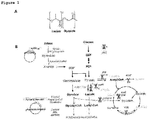
- Dahms pathway when a strain such as Caulobacter uses xylose as a carbon source, xylose is converted sequentially into xylonolactone, xylonate, and 2-dehydro-3-deoxy-pentonate which is then separated into glycolaldehyde and pyruvate by aldolase, and the glycolaldehyde is converted into glycolate by aldehyde dehydrogenase (see FIG. 1B ).
- xylose is converted sequentially into xylonolactone, xylonate, and 2-dehydro-3-deoxy-pentonate which is then separated into glycolaldehyde and pyruvate by aldolase, and the glycolaldehyde is converted into glycolate by aldehyde dehydrogenase (see FIG. 1B ).
- coli strain uses xylose as a carbon source, xylose enters the cells by a transporter, and then is converted by xylose isomerase and xylulose and metabolized via a pentose phosphate pathway, not the Dahms pathway.
- xylose enters the cells by a transporter, and then is converted by xylose isomerase and xylulose and metabolized via a pentose phosphate pathway, not the Dahms pathway.
- coli, xylose dehydrogenase and xylonolactonase upstream of the Dahms pathway were amplified from the chromosome of Caulobacter crescentus, thereby constructing a pTacxylBC plasmid.
- the pTacxylBC vector was transformed into the E. coli XL1-Blue strain which was then cultured in MR medium containing 20 g/l of xylose as a single carbon source, and as a result, 0.89 g/L of glycolate was produced.
- the chromosomal promoter of a lactate dehydrogenase-encoding gene ( ldhA ) of the recombinant microorganism may be replaced with a strong promoter selected from the group consisting of trc , tac , pBAD , trp , lacUV5 , and T7.
- the strain constructed in the present invention may use glucose and xylose simultaneously, and thus can produce a PLGA polymer directly from a biomass hydrolysate by using, as a carbon source, lignocellulosic biomass such as waste wood, rice straw or the like, which is a non-refined carbon source, is not used for food, and is most abundant on the Earth, indicating that the price of the substrate can be greatly reduced.
- lignocellulosic biomass such as waste wood, rice straw or the like, which is a non-refined carbon source
- a glucose PTS enzyme IIBC component-encoding gene may be deleted from the recombinant microorganism.
- an aldehyde-alcohol dehydrogenase-encoding gene ( adhE ), a pyruvate-formate lyase-encoding gene ( pflB ), a fumarate reductase-encoding gene, and a pyruvate oxidase-encoding gene may further be deleted from the recombinant microorganism.
- a dld gene that is another lactate dehydrogenase-encoding gene may further be deleted from the recombinant microorganism.
- a malate synthase-encoding gene and a glycolate oxidase-encoding gene may further be deleted from the recombinant microorganism.
- lactate which is another monomer of PLGA is produced using pyruvate as a precursor, it is important not to reduce to flux to lactate by the conversion of pyruvate to each of acetate and formate.
- poxB pyruvate oxidase
- pflB pyruvate-formate lyase
- frdB frdB
- the adhE gene was also deleted, thereby constructing an X15 strain.
- the X15 strain constructed as described above produced 1.06 g/L of glycolate ( FIG. 3 ).
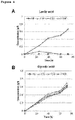
- coli has another lactate dehydrogenase-encoding gene ( dld ) in addition to ldhA. Assuming that the dld gene would convert lactate again to pyruvate, the dld gene was deleted, thereby constructing an X15ld strain. In the case of the X15ld strain, the amount of lactate produced greatly increased to 0.67 g/L and also showed no tendency to decrease with culture time, and at the same time, 0.95 g/L of glycolate was also produced ( FIG. 3 ).
- a recombinant microorganism having the ability to produce poly(lactate-co-glycolate) copolymers was produced wherein a polyhydroxyalkanoate synthase-encoding gene, a propionyl-CoA transferase-encoding gene, and xylose dehydrogenase and xylonolactonase-encoding genes are introduced, wherein a glucose PTS enzyme IIBC component-encoding gene ( ptsG ), an aldehyde-alcohol dehydrogenase-encoding gene ( adhE ), a pyruvate-formate lyase-encoding gene ( pflB ), a fumarate reductase-encoding gene ( frdB ), a pyruvate oxidase-encoding gene ( poxB ), a lactate dehydrogenase-encoding gene ( dld ), a malate synthase-
- the present invention is directed to a recombinant microorganism having the ability to produce poly(lactate-co-glycolate-co-3-hydroxybutyrate), weherein a polyhydroxyalkanoate synthase-encoding gene, a propionyl-CoA transferase-encoding gene, a xylose dehydrogenase-encoding gene, and a xylonolactonase-encoding gene, a beta-ketothiolase-encoding gene, and an acetoacetyl-CoA reductase-encoding gene are introduced in a microorganism having the ability to produce lactyl-CoA from pyruvic acid, and to a method of producing poly(lactate-co-glycolate-co-3-hydroxybutyrate) using the same.
- a method for producing poly(lactate-co-glycolate-co-3-hydroxybutyrate) comprises the steps of: (a) producing poly(lactate-co-glycolate-co-3-hydroxybutyrate) by culturing the above-described recombinant microorganism having the ability to produce poly(lactate-co-glycolate-co-3-hydroxybutyrate); and (b) recovering the produced poly(lactate-co-glycolate-co-3-hydroxybutyrate), wherein a carbon source which is used in the culturing may be either xylose which is supplied alone or xylose and glucose which are supplied simultaneously.
- the polyhydroxyalkanoate synthase may be Pseudomonas sp. 6-19-derived PHA synthase or a mutant enzyme of PHA synthase, which has an amino acidsequence selected from the following amino acid sequences: an amino acid sequence comprising at least one mutation selected from the group consisting of E130D, S325T, S477G, S477F, S477Y, S477G and Q481K in the amino acid sequence of SEQ ID NO: 1; an amino acid sequence (PhaC1202) comprising mutations of E130D and Q481K in the amino acid sequence of SEQ ID NO: 1; an amino acid sequence (PhaC1301) comprising mutations of E130D, S325T and Q481K in the amino acid sequence of SEQ ID NO: 1; an amino acid sequence (PhaC1310) comprising mutations of E130D, S477F and Q481K in the amino acid sequence of SEQ ID NO: 1; an amino acid sequence
- the propionyl-CoA transferase may be a Pct540 enzyme represented by an amino acid sequence of SEQ ID NO: 2.
- a gene selected from the group consisting of a glucose PTS enzyme IIBC component-encoding gene, an aldehyde-alcohol dehydrogenase-encoding gene, a pyruvate-formate lyase-encoding gene, a fumarate reductase-encoding gene, a pyruvate oxidase-encoding gene, a dld gene that is a lactate dehydrogenase-encoding gene, a malate synthase-encoding gene, and a glycolate oxidase-encoding gene may further be deleted from the recombinant microorganism.
- the present invention is directed to a recombinant microorganism having the ability to produce poly(lactate-co-glycolate-co-4-hydroxybutyrate), wherein a polyhydroxyalkanoate synthase-encoding gene, a propionyl-CoA transferase-encoding gene, a xylose dehydrogenase-encoding gene, and a xylonolactonase-encoding gene, a CoA-dependent succinate semialdehyde dehydrogenase-encoding gene, and a 4-hydroxybutyrate dehydrogenase-encoding gene are introduced in a microorganism having the ability to produce lactyl-CoA from pyruvic acid, and to a method of producing poly(lactate-co-glycolate-co-4-hydroxybutyrate) using the same.
- a method for producing poly(lactate-co-glycolate-co-4-hydroxybutyrate) comprises the steps of: (a) producing poly(lactate-co-glycolate-co-4-hydroxybutyrate) by culturing the above-described recombinant microorganism having the ability to produce poly(lactate-co-glycolate-co-4-hydroxybutyrate); and (b) recovering the produced poly(lactate-co-glycolate-co-4-hydroxybutyrate), wherein a carbon source which is used in the culturing may be either xylose which is supplied alone or xylose and glucose which are supplied simultaneously. Furthermore, isoleucine and/or 2-hydroxyisovalerate as a precursor may be added during the culturing.
- the polyhydroxyalkanoate synthase may be Pseudomonas sp. 6-19-derived PHA synthase or a mutant enzyme of PHA synthase, which has an amino acidsequence selected from the following amino acid sequences: an amino acid sequence comprising at least one mutation selected from the group consisting of E130D, S325T, S477G, S477F, S477Y, S477G and Q481K in the amino acid sequence of SEQ ID NO: 1; an amino acid sequence (PhaC1202) comprising mutations of E130D and Q481K in the amino acid sequence of SEQ ID NO: 1; an amino acid sequence (PhaC1301) comprising mutations of E130D, S325T and Q481K in the amino acid sequence of SEQ ID NO: 1; an amino acid sequence (PhaC1310) comprising mutations of E130D, S477F and Q481K in the amino acid sequence of SEQ ID NO: 1; an amino acid sequence
- the propionyl-CoA transferase may be a Pct540 enzyme represented by an amino acid sequence of SEQ ID NO: 2.
- a gene selected from the group consisting of a glucose PTS enzyme IIBC component-encoding gene, an aldehyde-alcohol dehydrogenase-encoding gene, a pyruvate-formate lyase-encoding gene, a fumarate reductase-encoding gene, a pyruvate oxidase-encoding gene, a dld gene that is a lactate dehydrogenase-encoding gene, a malate synthase-encoding gene, and a glycolate oxidase-encoding gene may further be deleted from the recombinant microorganism.
- deletion means that a gene is modified by substitution, deletion or mutation of the gene so that the protein encoded by the gene cannot exhibit its original function.
- xylose and glucose may be used simultaneously as carbon sources through the deletion of a glucose PTS enzyme IIBC component-encoding gene ( ptsG ).
- the chromosomal promoter of a lactate dehydrogenase-encoding gene ( ldhA ) may be replaced with a trc promoter, and a lactate dehydrogenase-encoding gene ( dld ) may be deleted from the recombinant microorganism.
- a malate synthase-encoding gene ( aceB ), a glycolate oxidase-encoding gene ( glcDEFG ), and another malate synthase-encoding gene ( glcB ) may be deleted from the recombinant microorganism.
- the present invention is directed to a method for producing copolymers, comprising the steps of: producing poly(lactate-co-glycolate-co-3-hydroxybutyrate), poly(lactate-co-glycolate-co-4-hydroxybutyrate), or poly(lactate-co-glycolate-co-2-hydroxybutyrate) without supplying external precursors, and recovering the produced poly(lactate-co-glycolate) copolymer.
- the present invention is directed to a method for producing poly(lactate-co-glycolate-co-hydroxycarboxylic acid) comprising the steps of: (a) producing poly(lactate-co-glycolate-co-hydroxycarboxylic acid) by culturing the above-described recombinant microorganism in the presence of hydroxycarboxylic acid, ; and (b) recovering the produced poly(lactate-co-glycolate-co-hydroxycarboxylic acid).
- the hydroxycarboxylic acid may be selected from the group consisting of 2-hydroxyisovalerate, 5-hydroxyvalerate, and 6-hydroxyhexanoate.
- the present invention provides a method for producing poly(lactate-co-glycolate), comprising a step of producing and recovering poly(lactate-co-glycolate-co-2-hydroxyisovalerate), poly(lactate-co-glycolate-co-5-hydroxyvalerate), or poly(lactate-co-glycolate-co-6-hydroxyhexanoate) by supplying various precursors from the recombinant microorganism having the ability to produce poly(lactate-co-glycolate).
- the recombinant E. coli X17ld-pstrain that expresses Pct540 Cp , PhaC1437 Ps6-19 , xylose dehydrogenase and xylonolactonase derived from C. crescentus , produced poly(68.4 mol% lactate-co-31.6 mol% glycolate) at a concentration of 4.5 wt%. This is the first result demonstrating that poly (lactate-co-glycolate) was produced in the metabolically engineered E. coli strain using xylose as a main carbon source.
- strains, plasmids and primers used in the following Examples are shown in Tables 1 and 2 below.
- the xylose dehydrogenase-encoding gene xylB and xylonolactonase-encoding gene xylC are present as an operon on the chromosome of a Caulobacter crescentus strain obtained from the KCTC, the xylB and xylC genes were amplified simultaneously by PCR using the xylBC_F and xylBC_R primers shown in Table 2 below, and were then cloned into a pTac15k vector (Table 1) through Eco RI and Pst I restriction enzyme sites so that they could be expressed under the control of a trc promoter.
- pCnCAB vector obtained by cloning a phaCAB operon and its promoter from Ralstonia eutropha (KCTC No. 22469), as a template, inverse PCR was performed using two primers (Pcncab_invF, and Pcncab_invR), thereby constructing a pCnAB from which phaC was deleted. The R.
- eutropha PHA biosynthesis promoter and phaAB gene from the pCnAB plasmid were amplified by PCR using two primers (phaAB_F, and phaAB_R), and then cloned into a pTacxylBC vector through a SphI restriction enzyme site, thereby constructing a pTacxylBC_phaAB vector.
- a DNA corresponding to trc promoter-sucD-4hbD from a pTrc99s4 plasmid was amplified by PCR using two primers (s4D_F and s4D_R), and then cloned into a pTacxylBC plasmid via a Sph I restriction enzyme site.
- 100 mM MOPS-containing MR medium used to produce a PLGA copolymer in each recombinant E. coli strain in the Examples of the present invention contained, per liter, 6.67 g KH 2 PO 4 , 4 g (NH 4 ) 2 HPO 4 , 0.8 g MgSO 4 ⁇ H 2 O, 0.8 g citric acid, 0.8 g/l of MgSO 4 ⁇ H 2 O, 100 mM (3-morpholinopropane-1-sulfonic acid) MOPS and 5 ml of a trace metal solution.
- the trace metal solution contains, per liter, 0.5 M HCl, 10 g FeSO 4 ⁇ H 2 O, 2 g CaCl 2 , 2.2 g ZnSO 4 ⁇ H 2 O, 0.5 g MnSO 4 ⁇ H 2 O, 1 g CuSO 4 ⁇ H 2 O, 0.1 g (NH 4 ) 6 MO 7 O 24 ⁇ H 2 O, and 0.02 g Na 2 B 4 O 7 ⁇ 10H 2 O.
- seed culture was performed by shake culture in a 25 mL tube containing 5 mL of LB medium at 30°C overnight, and 1 mL of the culture was inoculated into a 250 mL flask containing 100 mL of 100 mM MOPS-containing MR medium supplemented with 10 g/L of xylose and 10 g/L of glucose and was shake-cultured at 30°C for 96 hours.
- IPTG For expression of the ldhA gene under the control of the trc promoter, 1 mM IPTG was added when the OD 600 value reached 0.4-0.6. If necessary, 50 ⁇ g/mL of ampicillin, 30 ⁇ g/mL of kanamycin and 10 ⁇ g/mL of thiamine were added to the medium.
- eutropha PHA biosynthesis operon promoter phaAB from R. eutropha, Km R the present invention pTacxylBC_s4D pTacxylBC derivative; tac promoter, xylBC from C. crescentus, trc promoter sucD, 4hbD from Clostridium kluyveri, Km R the present invention pPs619C1437Pct5 40 pBluescript II KS(+) derivative, Ralstonia eutropha PHA biosynthesis operon promoter, Pseudomonas sp.
- MBEL 6-19 phaC Ps 6-19 variant (phaC1437; E130D, S325T, S477G, Q481K), Clostridium propionicum pct Cp variant ( pct540 ; V193A, silent mutations: T78C, T669C, A1125G, T1158C), transcriptional terminator of the R.
- eutropha phaCAB genes transcriptional terminator of the R. eutropha PHA biosynthesis operon, Ap R 3 pCnAB pCnCAB 14 derivative, R. eutropha PHA biosynthesis operon promoter, R . eutropha phaAB, Ap R the present invention ptrc99s4D trc promoter, sucD, 4hbD from Clostridium kluyveri, Ap R the present invention a Ap: ampicillin; Km: kanamycin; R: resistance.
- b Stratagene Cloning System La Jolla, CA, USA. c , 1. US 20130078673 A1 2. Yang, T.H. et al. Appl. Microbiol.
- a metabolite including xylose, glucose, pyruvic acid, acetic acid, formic acid, lactate and succinate was analyzed with an HPLC Varian ProStar 210, USA) equipped with UV/VIS (Varian ProStar 320, USA) and refractive index detectors (Shodex RI-71, Japan) using the MetaCarb 87H column (300 x 7.8 mm). Cell growth was measured using the Ultraspec 300 spectrophotometer (Amersham Bioscience, Sweden) at a wavelength of 600 nm.
- Example 2 Analysis of Production of Glycolate-Containing Polymer in recombinant E. coli strain expressing PHA synthase and propionyl-CoA transferase
- Pseudomonas sp. 6-19-derived PHA synthase wild-type PhaC1
- Pseudomonas sp. 6-19-derived PHA synthase wild-type PhaC1
- PhaC1202 E130D, Q481K
- PhaC1301 E130D, S325T, Q481K
- PhaC1310 E130D, S477F, Q481K
- PhaC1437 E130D, S325T, S477G and Q481K
- PhaC1439 E130D, S325T, S477F, Q481K
- coli strains Recombinant strains Polymer compositions a (mol%) Polymer concentration (wt%) LA GA 3HB XL1-Blue/pPs619CwtPct540 0 40.1 59.9 1.9 XL1-Blue/pPs619C1202Pct540 27.0 6.9 66.1 55.0 XL1-Blue/pPs619C1301Pct540 28.9 9.6 61.5 56.7 XL1-Blue/pPs619C1310Pct540 37.2 11.0 51.8 19.7 XL1-Blue/pPs619C1437Pct540 31.6 17.2 51.2 46.6 XL1-Blue/pPs619C1439Pct540 25.6 8.2 66.2 49.4 a LA: lactate; GA: glycolate; 3HB: 3-hydroxybutyrate.
- Example 3 Production of PLGA through Metabolic Engineering of E. coli Strain That Uses Xylose as Carbon Source
- Example 2 it was confirmed that the E. coli XL1-Blue strain could convert the externally added glycolate into the polymer by PhaC1437 and Pct540 in the cells.
- metabolic engineering of the E. coli strain was performed in order to produce PLGA directly from a biomass-derived carbon source such as xylose without external addition of glycolate. It was shown that the E. coli XL1-Blue strain had the genes involved in the metabolic pathway that produces glycolate via glyoxylate, but it did not naturally produce glycolate during culture. Thus, enhancement of the glycolate metabolic pathway and optimization of metabolic flux to glycolate were performed.
- isocitrate which is a metabolite forming the TCA cycle is converted to glyoxylate (glyoxylate shunt), and then the glyoxylate is converted to glycolate by glyoxylate enzyme.
- isocitrate is converted to glyoxylate by isocitrate lyase (glyoxylate shunt) or converted to 2-ketoglutarate by isocitrate dehydrogenase (TCA cycle).
- This metabolic flux mechanism is regulated by phosphorylation/dephosphorylation of isocitrate dehydrogenase and regulated by various regulators. Preciously, an attempt was made to produce PLGA from glucose by use of this metabolic pathway ( US 8,883,463 B2 ).
- Dahms pathway when a strain such as Caulobacter uses xylose as a carbon source, xylose is converted sequentially into xylonolactone, xylonate, and 2-dehydro-3-deoxy-pentonate which is then separated into glycolaldehyde and pyruvate by aldolase, and the glycolaldehyde is converted into glycolate by aldehyde dehydrogenase (see FIG. 1B ).
- xylose is converted sequentially into xylonolactone, xylonate, and 2-dehydro-3-deoxy-pentonate which is then separated into glycolaldehyde and pyruvate by aldolase, and the glycolaldehyde is converted into glycolate by aldehyde dehydrogenase (see FIG. 1B ).
- coli strain uses xylose as a carbon source, xylose enters the cells by a transporter, and then is converted by xylose isomerase and xylulose and metabolized via a pentose phosphate pathway, not the Dahms pathway.
- xylose enters the cells by a transporter, and then is converted by xylose isomerase and xylulose and metabolized via a pentose phosphate pathway, not the Dahms pathway.
- coli, xylose dehydrogenase and xylonolactonase which are involved in upstream of the Dahms pathway were amplified from the chromosome of Caulobacter crescentus, thereby constructing a pTacxylBC plasmid.
- the pTacxylBC vector was transformed into the E. coli XL1-Blue strain which was then cultured in MR medium containing 20 g/l of xylose as a single carbon source, and as a result, 0.89 g/L of glycolate was produced.
- lactate which is another monomer of PLGA is produced using pyruvate as a precursor, it is important not to reduce to flux to lactate by the conversion of pyruvate to each of acetate and formate.
- poxB pyruvate oxidase
- pflB pyruvate-formate lyase
- the adhE gene was also deleted, thereby constructing an X15 strain.
- the X15 strain constructed as described above produced 1.06 g/L of glycolate ( FIG. 3 ).
- coli has another lactate dehydrogenase-encoding gene ( dld ) in addition to ldhA. Assuming that the dld gene would convert lactate again to pyruvate, the dld gene was deleted, thereby constructing an X15ld strain. In the case of the constructed X15ld strain, the amount of lactate produced greatly increased to 0.67 g/L and also showed no tendency to decrease with culture time, and at the same time, 0.95 g/L of glycolate was also produced ( FIG. 3 ).
- threonine dehydratase which is an enzyme that converts threonine into 2-ketobutyrate
- the activity of ilvA known to play an important role in aerobic culture is inhibited by isoleucine (feedback inhibition).
- isoleucine feedback inhibition
- the recombinant E. coli strain was cultured in medium containing 5 mM of isoleucine, and as a result, it was shown that PLGAs were produced in amounts of 74.5 mol% and 23.7 mol% and a concentration corresponding to 1.9 wt% of the dry weight of the strain) (Table 4).
- the E. coli XL1-Blue strain was transformed with the xylose dehydrogenase-encoding xylB gene and the xylonolactonase-encoding xylC gene and cultured, and as a result, 0.89 g/L of glycolate was produced. In this case, however, the OD 600 value decreased to about half of that of a control strain, indicating that the cell growth rate and cell density of the strain were low. As a solution to this cell growth inhibition problem, the strain was engineered so that it could also use glucose as an additional carbon source.
- coli is given xylose and glucose simultaneously, it first uses glucose by a mechanism known as carbon catabolite repression, and then uses xylose as a carbon source after glucose is completely consumed.
- the ptsG gene involved in the glucose transport system was deleted from the E. coli XL1-Blue strain, thereby constructing a XB-p strain.
- the XB-p strain transformed with pTacxylBC could use glucose and xylose at the same time, and the cell growth level thereof was restored to a level similar to the case in which XylBC was not expressed.
- the amount of glycolate produced greatly increased to 1.82 g/L.
- Example 4 a strain that uses the two different carbon sources was constructed, thus increasing PLGA production.
- the X15-p strain obtained by deleting the poxB (pyruvate oxidase), pflB (pyruvate-formate lyase), frdB (fumarate reductase) and adhE genes from the XB-p strain, produced 1.82 g/L of glycolate, and also produced up to 0.99 g/L of lactate, even though lactate production decreased toward to the late stage of culture ( FIG. 4 ).
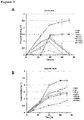
- lactate production greatly increased to 2.51 g/L, and also showed no tendency to decrease with culture time, and at the same time, glycolate production also increased slightly to 1.48 g/L, indicating that a strain that produces the two compounds while maintaining the compounds at concentrations above certain levels during culture was prepared ( FIG. 5 ).
- threonine dehydratase which is an enzyme that converts threonine into 2-ketobutyrate
- the ilvA gene known to play an important role in aerobic culture was deleted, thereby constructing an isoleucine-auxotrophic X15ld-pi strain.
- the X15ld-pi strain expressing all of PhaC1437, Pct540 and XylBC was cultured, and as a result, a PLGA, containing no 2-hydroxybutyrate and comprising 89.6 mol% of lactate and 10.2 mol% of glycolate, could be produced (Table 5).
- Example 4 using the recombinant X15l-p and X15ld-p strains engineered from XL1-Blue, PLGA was successfully produced from xylose and glucose, but only polymers having a relatively high lactate content were produced. Thus, in order to increase of the glycolate content of the polymer, engineering for increasing intracellular glycolate production was performed ( FIG. 5 ).
- the malate synthase-encoding gene aceB the glycolate oxidase-encoding gene glcDEFG and another glcB gene encoding malate synthase, which form an operon ( glcDEFGB ), were deleted simultaneously from the chromosomal DNA, thereby constructing a X17ld-pstrain.
- the monomer components of the copolymers synthesized in the present invention were analyzed by gas chromatography and NMR, and the polymers were purified from the cells by an organic solvent extraction method ( Jacquel et al., Biochem Eng J 39:15-27, 2008 ).
- the molecular weights and thermal properties of the polymers were measured by GPC (gel permeation chromatography) and DSC (differential scanning calorimetry), respectively.
- the PLGA produced by the E. coli X17ld-p was comprised of 50.3 mol% lactate and 48.1 mol% glycolate, and had the same structure as that of chemically synthesized PLGA, as analyzed by 1 H NMR and 13 C NMR ( FIG. 5 ).
- the oxymethine proton (-OCH-) of lactate could be seen at 5.2 ppm, and the methyl proton (-CH 3 ) of glycolate could be seen at a peak of 4.6-4.9 ppm ( FIG. 6A ).
- the molecular weight values obtained by GPC analysis and the thermal property values obtained by DSC analysis are shown in Table 5.
- the molecular weight was in the range of 15 kDa to 25 kDa, which corresponds to the molecular weight of PLGA which is frequently used in drug delivery, and a peak corresponding to the melting point (Tm) was not observed in the DSC graph, indicating that the same amorphous PLGA as a PLGA produced by chemical synthesis was produced.
- the glass transition temperature (Tg) was in the range of 40°C to 46°C, which was equal to that of a commercially available PLGA containing a very small amount of 2-HB (Table 7).
- Example 7 Construction of Recombinant Microbial Strain That Produces Poly(Lactate-co-Glycolate-co-3-Hydrobutyrate)
- 3-hydroxybutyrate is the most well-known monomer of PHA, and a metabolic pathway for biosynthesis of poly-3-hydroxybutyrate was introduced in order to develop a microbial strain that produces a polymer comprising lactate, glycolate and 3-hydroxybutyrate ( FIG. 7 ).
- the pTacxylBC_phaAB plasmid (Table 1), obtained by cloning the beta-ketothiolase-encoding gene phaA and acetoacetyl-CoA reductase-encoding gene phaB from R . eutropha , and the pPs619C1437Pct540 plasmid was transformed into each of the X15ld-p and X17ld-pstrains.
- the strains were cultured in 100 mM MOPS-containing MR medium supplemented with 5 mM isoleucine for 96 hours.
- the recombinant E . coli X15ld-p strain produced poly(51.9 mol% lactate-co-7.3 mol% glycolate-co-40.8 mol% 3-hydroxybutyrate) at a concentration of 29.5 wt%
- the X17ld-pstrain produced poly(63.3 mol% lactate-co- 13.2 mol% glycolate-co-23.5 mol% 3-hydroxybutyrate) at a concentration of 20.0 wt%.
- Example 8 Construction of Recombinant Microbial Strain That Produces Poly(Lactate-co-Glycolate-co-4-Hydroxybutyrate)
- the CoA-dependent succinate semialdehyde dehydrogenase-encoding gene sucD and the 4-hydroxybutyrate dehydrogenase-encoding gene 4hbD were amplified from the chromosome of Clostridium kluyveri , thereby constructing a pTacxylBC_s4D plasmid (Table 1).
- coli X17ld-pstrain transformed with the pTacxylBC_s4D plasmid and the pPs619C1437Pct540 plasmid was cultured in MR medium supplemented with 5 mM isoleucine and 100 mM MOPS while 10 g/L of xylose and 10 g/L of glucose as carbon sources were supplied to the medium, it produced poly(61.2 mol% lactate-co-38.4 mol% glycolate-co-0.4 mol% 4-hydroxybutyrate) at a concentration of 7.3 wt% for 96 hours of culture.
- the X17ld-pyg strain expressing all of PhaC1437, Pct540, XylBC, SucD and 4HbD was cultured under the above-described conditions, and as a result, poly(67.1 mol% lactate-co-23.8 mol% glycolate-co-9.1 mol% 4-hydroxybutyrate) was produced at a concentration of 13.8 wt%. In this case, the content of 4-hydroxybutyrate greatly increased to 9.1 mol%, indicating that deletion of the two genes ( yneI and gabD ) is effective for increasing the 4-hydroxybutyrate flux.
- Example 9 Production of Various Copolymers Comprising Lactate and Glycolate by Use of PLGA-Producing Recombinant Microbial Strain
- copolymers containing various hydroxycarboxylic acids in addition to the copolymers containing 3-hydroxybutyrate and 4-hydroxybutyrate, produced in Examples 7 and 8, 2-hydroxyisovalerate, 5-hydroxyvalerate and 6-hydroxyhexanoate were selected.
- E. coli X17ld-pstrain transformed with the pTacxylBC and pPs619C1437Pct540 plasmids was cultured in 5 mM isoleucine-containing medium after adding 2 g/L of 2-hydroxyisovalerate as a precursor, it produced poly(53.6 mol% lactate-co-23.3 mol% glycolate-co-23.1 mol% 2-hydroxyisovalerate) at a concentration of 20.8 wt%.
- the recombinant strain was cultured after adding 2 g/L of sodium 5-hydroxyvalerate as a precursor, and as a result, poly(69.2 mol% lactate-co-24.7 mol% glycolate-co-6.1 mol% 5-hydroxyvalerate) was produced at a concentration of 16.7 wt%.
- poly(69.2 mol% lactate-co-24.7 mol% glycolate-co-6.1 mol% 5-hydroxyvalerate) was produced at a concentration of 16.7 wt%.
- the strain was cultured after adding 2 g/L of 6-hydroxyhexanoate as a precursor, it produced poly(76.4 mol% lactate-co-22.0 mol% glycolate-co-1.6 mol% 6-hydroxyhexanoate) at a concentration of 16.5 wt%.
Landscapes
- Health & Medical Sciences (AREA)
- Life Sciences & Earth Sciences (AREA)
- Chemical & Material Sciences (AREA)
- Genetics & Genomics (AREA)
- Engineering & Computer Science (AREA)
- Organic Chemistry (AREA)
- Zoology (AREA)
- Wood Science & Technology (AREA)
- Bioinformatics & Cheminformatics (AREA)
- Biotechnology (AREA)
- Biomedical Technology (AREA)
- General Engineering & Computer Science (AREA)
- Microbiology (AREA)
- Biochemistry (AREA)
- General Health & Medical Sciences (AREA)
- Molecular Biology (AREA)
- Medicinal Chemistry (AREA)
- Physics & Mathematics (AREA)
- Biophysics (AREA)
- Plant Pathology (AREA)
- Chemical Kinetics & Catalysis (AREA)
- General Chemical & Material Sciences (AREA)
- Virology (AREA)
- Tropical Medicine & Parasitology (AREA)
- Preparation Of Compounds By Using Micro-Organisms (AREA)
- Micro-Organisms Or Cultivation Processes Thereof (AREA)
Abstract
Description
- The present invention relates to a recombinant microorganism having the ability to produce poly(lactate-co-glycolate) and its copolymers by using xylose as a single carbon source or using xylose and glucose simultaneously as carbon sources, and more particularly to a recombinant microorganism having the ability to produce poly(lactate-co-glycolate) copolymers without having to supply lactate and glycolate precursors from external sources, and a method of producing poly(lactate-co-glycolate) copolymers using the same.
- Poly(lactate-co-glycolate) (PLGA), a random copolymer of lactate and glycolate, is a representative biodegradable polymer which is highly applicable as a general-purpose polymer or a medical polymer. Currently, PLGA can be produced by the direct polymerization reaction of lactate with glycolate, but this reaction mainly produces a PLGA having only a low molecular weight (1,000-5,000 Daltons). PLGA having a high molecular weight of 100,000 Daltons or more can be synthesized by the ring-opening polymerization of lactide with glycolide. Lactide and glycolide are cyclic diesters of lactate and glycolate, respectively, and are produced by thermal decomposition of a lactate oligomer and a glycolate oligomer, respectively. The ring-opening polymerization requires the use of a catalyst such as tin(II) 2-ethylhexanoate, tin(II) alkoxide, aluminum isopropoxide or the like. There is a method of producing a higher-molecular-weight polymer from a low-molecular-weight polymer, obtained by direct polymerization, by use of a chain-coupling agent. However, since the chain-coupling agent is used, the method of producing high-molecular weight PLGA has disadvantages in that the addition of an organic solvent or a chain coupling agent makes the process complex and in that this organic solvent or chain-coupling agent is not easily removed. Current commercial processes for producing high-molecular-weight PLGA use a method that comprises converting lactate and glycolate into lactide and glycolide, respectively, and then synthesizing PLGA by the ring-opening polymerization of lactide with glycolide.
- Meanwhile, polyhydroxyalkanoate (PHA) is a polyester which is produced when microorganisms accumulate excess carbon sources as energy or carbon source-storing substances in the cells when subjected to an environment deficient in nutrients such as phosphorus, nitrogen, magnesium, oxygen and the like. Since PHA is completely biodegradable and may have physical properties similar to those of conventional synthetic polymers produced from petroleum, it is attracting attention as an environmentally friendly substitute for petroleum-based synthetic plastics.
- It is known that PHA can be produced by a variety of organisms, including Ralstonia eutropha, Pseudomonas, Bacillus, recombinant E. coli, and the like, and may contain about 150 or more different monomers. Such PHA is roughly divided into SCL-PHA (short-chain-length PHA) having a short chain length monomer (3-5 carbon atoms) and MCL-PHA (medium-chain-length PHA) having a longer chain length monomer. PHA synthases, which are key enzymes that synthesize PHA, are roughly divided into four classes by the kind of monomer, which is used as a substrate, and the subunits of the enzyme (Qi et al., FEMS Microbiol. Lett., 157:155, 1997; Qi et al., FEMS Microbiol. Lett., 167:89, 1998; Langenbach et al., FEMS Microbiol. Lett., 150:303, 1997;
WO 01/55436 US 6,143,952 ;WO 98/54329 WO 99/61624 - Glycolic acid is the simplest hydroxycarboxylic acid having two carbon atoms, and PHA that naturally contains glycolic acid has not been reported yet. However, glycolic acid together with polylactate is highly useful as a representative synthetic biopolymer, and thus various attempts have been made to insert it into a PHA monomer.
- In a previous patent (
US 8,883,463 B2 ), the present inventors constructed an E. coli strain, which produces glycolate by using glucose as a carbon source without having to add an external precursor, by engineering the glyoxylate shunt pathway, and found that PLGA was produced from glucose by culturing the E. coli strain transformed with a gene encoding Clostridium propionicum-derived propionyl-CoA transferase (Pct), which is an enzyme that converts lactate and glycolate into lactyl-CoA and glycolyl-CoA, respectively, and a gene encoding polyhydroxyalkanoate (PHA) synthase (PhaC1) which can use lactyl-CoA and glycolyl-CoA as substrates. - Accordingly, the present inventors have made extensive efforts to develop a recombinant E. coli strain capable of producing a PLGA having a high content of a glycolate fraction with higher efficiency by using xylose as a main carbon source without having to add glycolate from an external source. As a result, the present inventors have constructed a recombinant microorganism expressing Clostridium propionicum-derived propionyl-CoA transferase, Pseudomonas sp. 6-19-derived PHA synthase, xylose dehydrogenase and xylonolactonase, and have found that the recombinant microorganism produces poly(lactate-co-glycolate) and its copolymers by using xylose as a single carbon source or using xylose and glucose simultaneously as carbon sources, thereby completing the present invention.
- It is an object of the present invention to provide a recombinant microorganism which can produce a high concentration of poly(lactate-co-glycolate) and various poly(lactate-co-glycolate) copolymers without external addition of glycolate.
- Another object of the present invention is to provide a method of producing poly(lactate-co-glycolate) using a recombinant microorganism which can produce a high concentration of poly(lactate-co-glycolate) and various poly(lactate-co-glycolate) copolymers without external addition of glycolate.
- To achieve the above object, the present invention provides a recombinant microorganism having the ability to produce poly(lactate-co-glycolate), wherein a polyhydroxyalkanoate synthase-encoding gene, a propionyl-CoA transferase-encoding gene, a xylose dehydrogenase-encoding gene, and a xylonolactonase-encoding gene are introduced in a microorganism having the ability to produce lactate from pyruvic acid, and to a method of producing poly(lactate-co-glycolate) using the same.
- The present invention also provides a recombinant microorganism having the ability to produce poly(lactate-co-glycolate-co-3-hydroxybutyrate), wherein a polyhydroxyalkanoate synthase-encoding gene, a propionyl-CoA transferase-encoding gene, a xylose dehydrogenase-encoding gene, a xylonolactonase-encoding gene, a beta-ketothiolase-encoding gene, and an acetoacetyl-CoA reductase-encoding gene are introduced in a microorganism, and to a method of producing poly(lactate-co-glycolate-co-3-hydroxybutyrate) using the same.
- The present invention also provides a recombinant microorganism having the ability to produce poly(lactate-co-glycolate-co-4-hydroxybutyrate), wherein a polyhydroxyalkanoate synthase-encoding gene, a propionyl-CoA transferase-encoding gene, a xylose dehydrogenase-encoding gene, and a xylonolactonase-encoding gene, a CoA-dependent succinate semialdehyde dehydrogenase-encoding gene, and a 4-hydroxybutyrate dehydrogenase-encoding gene are introduced in a microorganism, and to a method of producing poly(lactate-co-glycolate-co-4-hydroxybutyrate) using the same.
-
-
FIG. 1A shows the chemical formula of a PLGA produced in the present invention, andFIG. 1B shows a PLGA production pathway provided by metabolic engineering performed in the present invention. -
FIG. 2A shows a pTacxylBC plasmid,FIG. 2B shows a pTacxylBC_phaAB plasmid, andFIG. 2C shows a pTacxylBC_s4D plasmid. -
FIG. 3 shows a poly(lactate-co-glycolate) production pathway which uses xylose as a single carbon source by metabolic engineering performed in the present invention. -
FIGS. 4 and5 show the lactate and glycolate producing abilities of recombinant E. coli strains constructed in the present invention. -
FIG. 6 shows the results of 1H NMR and 13C NMR analysis of a PLGA produced by the recombinant E. coli strain X17ld-p constructed in the present invention. -
FIG. 7 shows a poly(lactate-co-glycolate-co-3-hydroxybutyrate) production pathway provided by metabolic engineering performed in the present invention. -
FIG. 8 shows a poly(lactate-co-glycolate-co-4-hydroxybutyrate) production pathway provided by metabolic engineering performed in the present invention. - The present inventors have attempted to develop a recombinant E. coli strain capable of producing a PLGA having a high content of a glycolate fraction with higher efficiency by using xylose rather than glucose as a main carbon source without having to add glycolate from an external source, as well as E. coli strains capable of producing various polymers comprising lactate and glycolate, and have found that a PLGA, which has a high content of a glycolate fraction, and poly(lactate-co-glycolate-co-2-hydroxybutyrate can be produced at high concentrations, when Clostridium propionicum-derived propionyl-CoA transferase, Pseudomonas sp. 6-19-derived PHA synthase, xylose dehydrogenase and xylonolactonase are introduced, when a glucose PTS enzyme IIBC component-encoding gene (ptsG), an aldehyde-alcohol dehydrogenase-encoding gene (adhE), a pyruvate-formate lyase-encoding gene (pflB), a fumarate reductase-encoding gene (frdB), a pyruvate oxidase-encoding gene (poxB), a lactate dehydrogenase-encoding gene (dld), a malate synthase-encoding gene (aceB), a glycolate oxidase-encoding gene (glcDEFG), and another malate synthase-encoding gene (glcB) are deleted, and when the chromosomal promoter of a lactate dehydrogenase-encoding gene (ldhA) is replaced with a trc promoter.
- Furthermore, it has been found that when a beta-ketothiolase-encoding gene (phaA) and an acetoacetyl-CoA reductase-encoding gene (phaB) are additionally introduced into the developed recombinant E. coli strain without supplying external precursors, the recombinant strain produces poly(lactate-co-glycolate-co-3-hydroxybutyrate), and when a CoA-dependent succinate semialdehyde dehydrogenase-encoding gene (sucD) and a 4-hydroxybutyrate dehydrogenase-encoding gene (4hbD) are additionally introduced, the recombinant strain produces poly(lactate-co-glycolate-co-4-hydroxybutyrate). Besides, it has been found that poly(lactate-co-glycolate-co-2-hydroxyisovalerate), poly(lactate-co-glycolate-co-5-hydroxyvalerate), and poly(lactate-co-glycolate-co-6-hydroxyhexanoate) can be produced by a method that supplies external precursors.
- Therefore, in one aspect, the present invention is directed to a recombinant microorganism having the ability to produce poly(lactate-co-glycolate), wherein a polyhydroxyalkanoate synthase-encoding gene, a propionyl-CoA transferase-encoding gene and xylose dehydrogenase- and xylonolactonase-encoding genes are introduced in a microorganism having the ability to producing lactyl-CoA from pyruvic acid, and to a method of producing poly(lactate-co-glycolate) using the same.
- In the present invention, the polyhydroxyalkanoate synthase may be Pseudomonas sp. 6-19-derived PHA synthase or a mutant enzyme of PHA synthase, which has an amino acid sequence selected from the following amino acid sequences:
an amino acid sequence comprising at least one mutation selected from the group consisting of E130D, S325T, S477G, S477F, S477Y, S477G and Q481K in the amino acid sequence of SEQ ID NO: 1; an amino acid sequence (PhaC1202) comprising mutations of E130D and Q481K in the amino acid sequence of SEQ ID NO: 1; an amino acid sequence (PhaC1301) comprising mutations of E130D, S325T and Q481K in the amino acid sequence of SEQ ID NO: 1; an amino acid sequence (PhaC1310) comprising mutations of E130D, S477F and Q481K in the amino acid sequence of SEQ ID NO: 1; an amino acid sequence (PhaC1437) comprising mutations of E130D, S325T, S477G and Q481K in the amino acid sequence of SEQ ID NO: 1; and an amino acid sequence (PhaC1439) comprising mutations of E130D, S325T, S477F and Q481R in the amino acid sequence of SEQ ID NO: 1. - In the present invention, the xylose dehydrogenase- and xylonolactonase-encoding genes may be derived from Caulobacter crescentus, and recombinant microorganisms may use the Dahms pathway by introducing the genes.
- In the present invention, the xylose dehydrogenase- and xylonolactonase-encoding genes may have the nucleotide sequences of SEQ ID NOS: 3 and 4, respectively.
- A method for producing poly(lactate-co-glycolate) according to the present invention comprises the steps of: (a) producing poly(lactate-co-glycolate) by culturing the above-described recombinant microorganism having the ability to produce poly(lactate-co-glycolate); and (b) recovering the produced poly(lactate-co-glycolate), wherein a carbon source which is used in the culturing may be either xylose which is supplied alone or xylose and glucose which are supplied simultaneously.
- The present inventors performed metabolic engineering of an E. coli strain in order to construct an E. coli mutant capable of producing PLGA directly from a biomass-derived carbon source such as xylose without external addition of glycolate. In addition, the present inventors confirmed that the E. coli XL1-Blue strain had the genes involved in the metabolic pathway that produces glycolate via glyoxylate, but it did not naturally produce glycolate during culture. Thus, enhancement of the glycolate metabolic pathway and optimization of metabolic flux to glycolate were performed.
- Regarding a metabolic pathway capable of producing glycolate in E. coli, isocitrate which is a metabolite forming the TCA cycle is converted to glyoxylate (glyoxylate shunt), and then the glyoxylate is converted to glycolate by glyoxylate enzyme. In other words, isocitrate is converted to glyoxylate by isocitrate lyase in the isocitrate node or converted to 2-ketoglutarate by isocitrate dehydrogenase and fluxes to the TCA cycle. This metabolic flux mechanism is regulated by phosphorylation/dephosphorylation of isocitrate dehydrogenase and regulated by various regulators. Previously, an attempt was made to produce PLGA from glucose by use of this metabolic pathway (
US 8,883,463 B2 ). - In the present invention, an attempt was made to construct an E. coli strain that produces a high concentration of PLGA by using xylose as a main carbon source, in view of the fact that glycolate can be produced from a xylose utilization pathway called the Dahms pathway.
- Regarding the Dahms pathway, when a strain such as Caulobacter uses xylose as a carbon source, xylose is converted sequentially into xylonolactone, xylonate, and 2-dehydro-3-deoxy-pentonate which is then separated into glycolaldehyde and pyruvate by aldolase, and the glycolaldehyde is converted into glycolate by aldehyde dehydrogenase (see
FIG. 1B ). When an E. coli strain uses xylose as a carbon source, xylose enters the cells by a transporter, and then is converted by xylose isomerase and xylulose and metabolized via a pentose phosphate pathway, not the Dahms pathway. Thus, an attempt was made to construct the Dahms pathway in E. coli by introducing external genes into a microorganism that uses the Dahms pathway. Since it is known that enzymes downstream of the Dahms pathway are present in E. coli, xylose dehydrogenase and xylonolactonase upstream of the Dahms pathway were amplified from the chromosome of Caulobacter crescentus, thereby constructing a pTacxylBC plasmid. The pTacxylBC vector was transformed into the E. coli XL1-Blue strain which was then cultured in MR medium containing 20 g/l of xylose as a single carbon source, and as a result, 0.89 g/L of glycolate was produced. - In the present invention, the chromosomal promoter of a lactate dehydrogenase-encoding gene (ldhA) of the recombinant microorganism may be replaced with a strong promoter selected from the group consisting of trc, tac, pBAD, trp, lacUV5, and T7.
- In addition to having an increased ability to produce PLGA, the strain constructed in the present invention may use glucose and xylose simultaneously, and thus can produce a PLGA polymer directly from a biomass hydrolysate by using, as a carbon source, lignocellulosic biomass such as waste wood, rice straw or the like, which is a non-refined carbon source, is not used for food, and is most abundant on the Earth, indicating that the price of the substrate can be greatly reduced.
- In the present invention, a glucose PTS enzyme IIBC component-encoding gene may be deleted from the recombinant microorganism.
- In the present invention, an aldehyde-alcohol dehydrogenase-encoding gene (adhE), a pyruvate-formate lyase-encoding gene (pflB), a fumarate reductase-encoding gene, and a pyruvate oxidase-encoding gene may further be deleted from the recombinant microorganism.
- In the present invention, a dld gene that is another lactate dehydrogenase-encoding gene may further be deleted from the recombinant microorganism.
- In the present invention, a malate synthase-encoding gene and a glycolate oxidase-encoding gene may further be deleted from the recombinant microorganism.
- In an example of the present invention, since lactate which is another monomer of PLGA is produced using pyruvate as a precursor, it is important not to reduce to flux to lactate by the conversion of pyruvate to each of acetate and formate. Thus, in one example of the present invention, poxB (pyruvate oxidase) and pflB (pyruvate-formate lyase), which are genes involved in pyruvate conversion, were deleted, and the frdB (fumarate reductase) gene, known to prevent the production of the potential by-product succinate and have the effect of increasing lactate production, was also deleted. In addition, in order to increase a pool of acetyl-CoA functioning to provide Coenzyme A during the conversion of lactate and glycolate into lactyl-CoA and glycol-CoA by Pct540 and in order to prevent the production of ethanol which is a by-product in E. coli fermentation, the adhE gene was also deleted, thereby constructing an X15 strain. The X15 strain constructed as described above produced 1.06 g/L of glycolate (
FIG. 3 ). - In this case, however, lactate was not produced. For this reason, in order to increase lactate production, the existing promoter of the ldhA gene corresponding to lactate dehydrogenase, which is an enzyme that converts pyruvate to lactate, was replaced with a stronger trc promoter, thereby constructing an X15-p strain. As a result, it was confirmed that the amount of lactate produced increased by a very small amount, and up to 0.07 g/l of lactate was produced (
FIG. 3 ). It is believed that maintenance of a stronger lactate flux is important for PLGA production, and an effort was made to prevent the reduction of lactate with time. E. coli has another lactate dehydrogenase-encoding gene (dld) in addition to ldhA. Assuming that the dld gene would convert lactate again to pyruvate, the dld gene was deleted, thereby constructing an X15ld strain. In the case of the X15ld strain, the amount of lactate produced greatly increased to 0.67 g/L and also showed no tendency to decrease with culture time, and at the same time, 0.95 g/L of glycolate was also produced (FIG. 3 ). - Thus, in an example of the present invention, a recombinant microorganism having the ability to produce poly(lactate-co-glycolate) copolymers was produced wherein a polyhydroxyalkanoate synthase-encoding gene, a propionyl-CoA transferase-encoding gene, and xylose dehydrogenase and xylonolactonase-encoding genes are introduced, wherein a glucose PTS enzyme IIBC component-encoding gene (ptsG), an aldehyde-alcohol dehydrogenase-encoding gene (adhE), a pyruvate-formate lyase-encoding gene (pflB), a fumarate reductase-encoding gene (frdB), a pyruvate oxidase-encoding gene (poxB), a lactate dehydrogenase-encoding gene (dld), a malate synthase-encoding gene (aceB), a glycolate oxidase-encoding gene (glcDEFG), and another malate synthase-encoding gene (glcB) are deleted, and wherein the chromosomal promoter of a lactate dehydrogenase-encoding gene (ldhA) is replaced with a trc promoter.
- In another aspect, the present invention is directed to a recombinant microorganism having the ability to produce poly(lactate-co-glycolate-co-3-hydroxybutyrate), weherein a polyhydroxyalkanoate synthase-encoding gene, a propionyl-CoA transferase-encoding gene, a xylose dehydrogenase-encoding gene, and a xylonolactonase-encoding gene, a beta-ketothiolase-encoding gene, and an acetoacetyl-CoA reductase-encoding gene are introduced in a microorganism having the ability to produce lactyl-CoA from pyruvic acid, and to a method of producing poly(lactate-co-glycolate-co-3-hydroxybutyrate) using the same.
- A method for producing poly(lactate-co-glycolate-co-3-hydroxybutyrate) according to the present invention comprises the steps of: (a) producing poly(lactate-co-glycolate-co-3-hydroxybutyrate) by culturing the above-described recombinant microorganism having the ability to produce poly(lactate-co-glycolate-co-3-hydroxybutyrate); and (b) recovering the produced poly(lactate-co-glycolate-co-3-hydroxybutyrate), wherein a carbon source which is used in the culturing may be either xylose which is supplied alone or xylose and glucose which are supplied simultaneously.
- In the present invention, the polyhydroxyalkanoate synthase may be Pseudomonas sp. 6-19-derived PHA synthase or a mutant enzyme of PHA synthase, which has an amino acidsequence selected from the following amino acid sequences:
an amino acid sequence comprising at least one mutation selected from the group consisting of E130D, S325T, S477G, S477F, S477Y, S477G and Q481K in the amino acid sequence of SEQ ID NO: 1; an amino acid sequence (PhaC1202) comprising mutations of E130D and Q481K in the amino acid sequence of SEQ ID NO: 1; an amino acid sequence (PhaC1301) comprising mutations of E130D, S325T and Q481K in the amino acid sequence of SEQ ID NO: 1; an amino acid sequence (PhaC1310) comprising mutations of E130D, S477F and Q481K in the amino acid sequence of SEQ ID NO: 1; an amino acid sequence (PhaC1437) comprising mutations of E130D, S325T, S477G and Q481K in the amino acid sequence of SEQ ID NO: 1; and an amino acid sequence (PhaC1439) comprising mutations of E130D, S325T, S477F and Q481R in the amino acid sequence of SEQ ID NO: 1. - In the present invention, the propionyl-CoA transferase may be a Pct540 enzyme represented by an amino acid sequence of SEQ ID NO: 2.
- In the present invention, a gene selected from the group consisting of a glucose PTS enzyme IIBC component-encoding gene, an aldehyde-alcohol dehydrogenase-encoding gene, a pyruvate-formate lyase-encoding gene, a fumarate reductase-encoding gene, a pyruvate oxidase-encoding gene, a dld gene that is a lactate dehydrogenase-encoding gene, a malate synthase-encoding gene, and a glycolate oxidase-encoding gene may further be deleted from the recombinant microorganism.
- In still another aspect, the present invention is directed to a recombinant microorganism having the ability to produce poly(lactate-co-glycolate-co-4-hydroxybutyrate), wherein a polyhydroxyalkanoate synthase-encoding gene, a propionyl-CoA transferase-encoding gene, a xylose dehydrogenase-encoding gene, and a xylonolactonase-encoding gene, a CoA-dependent succinate semialdehyde dehydrogenase-encoding gene, and a 4-hydroxybutyrate dehydrogenase-encoding gene are introduced in a microorganism having the ability to produce lactyl-CoA from pyruvic acid, and to a method of producing poly(lactate-co-glycolate-co-4-hydroxybutyrate) using the same.
- A method for producing poly(lactate-co-glycolate-co-4-hydroxybutyrate) according to the present invention comprises the steps of: (a) producing poly(lactate-co-glycolate-co-4-hydroxybutyrate) by culturing the above-described recombinant microorganism having the ability to produce poly(lactate-co-glycolate-co-4-hydroxybutyrate); and (b) recovering the produced poly(lactate-co-glycolate-co-4-hydroxybutyrate), wherein a carbon source which is used in the culturing may be either xylose which is supplied alone or xylose and glucose which are supplied simultaneously. Furthermore, isoleucine and/or 2-hydroxyisovalerate as a precursor may be added during the culturing.
- In the present invention, the polyhydroxyalkanoate synthase may be Pseudomonas sp. 6-19-derived PHA synthase or a mutant enzyme of PHA synthase, which has an amino acidsequence selected from the following amino acid sequences:
an amino acid sequence comprising at least one mutation selected from the group consisting of E130D, S325T, S477G, S477F, S477Y, S477G and Q481K in the amino acid sequence of SEQ ID NO: 1; an amino acid sequence (PhaC1202) comprising mutations of E130D and Q481K in the amino acid sequence of SEQ ID NO: 1; an amino acid sequence (PhaC1301) comprising mutations of E130D, S325T and Q481K in the amino acid sequence of SEQ ID NO: 1; an amino acid sequence (PhaC1310) comprising mutations of E130D, S477F and Q481K in the amino acid sequence of SEQ ID NO: 1; an amino acid sequence (PhaC1437) comprising mutations of E130D, S325T, S477G and Q481K in the amino acid sequence of SEQ ID NO: 1; and an amino acid sequence (PhaC1439) comprising mutations of E130D, S325T, S477F and Q481R in the amino acid sequence of SEQ ID NO: 1. - In the present invention, the propionyl-CoA transferase may be a Pct540 enzyme represented by an amino acid sequence of SEQ ID NO: 2.
- In the present invention, a gene selected from the group consisting of a glucose PTS enzyme IIBC component-encoding gene, an aldehyde-alcohol dehydrogenase-encoding gene, a pyruvate-formate lyase-encoding gene, a fumarate reductase-encoding gene, a pyruvate oxidase-encoding gene, a dld gene that is a lactate dehydrogenase-encoding gene, a malate synthase-encoding gene, and a glycolate oxidase-encoding gene may further be deleted from the recombinant microorganism.
- As used herein, "deletion" means that a gene is modified by substitution, deletion or mutation of the gene so that the protein encoded by the gene cannot exhibit its original function.
- In the present invention, xylose and glucose may be used simultaneously as carbon sources through the deletion of a glucose PTS enzyme IIBC component-encoding gene (ptsG).
- In the present invention, the chromosomal promoter of a lactate dehydrogenase-encoding gene (ldhA) may be replaced with a trc promoter, and a lactate dehydrogenase-encoding gene (dld) may be deleted from the recombinant microorganism.
- In the present invention, a malate synthase-encoding gene (aceB), a glycolate oxidase-encoding gene (glcDEFG), and another malate synthase-encoding gene (glcB) may be deleted from the recombinant microorganism.
- In the present invention, an E. coli strain that produces PLGA, a non-naturally-occurring polymer, was developed, and the metabolic pathway of E. coli was engineered so that a PLGA having various monomer fractions could be produced at high concentration. In addition, the present invention is directed to a method for producing copolymers, comprising the steps of: producing poly(lactate-co-glycolate-co-3-hydroxybutyrate), poly(lactate-co-glycolate-co-4-hydroxybutyrate), or poly(lactate-co-glycolate-co-2-hydroxybutyrate) without supplying external precursors, and recovering the produced poly(lactate-co-glycolate) copolymer.
- In yet another aspect, the present invention is directed to a method for producing poly(lactate-co-glycolate-co-hydroxycarboxylic acid) comprising the steps of: (a) producing poly(lactate-co-glycolate-co-hydroxycarboxylic acid) by culturing the above-described recombinant microorganism in the presence of hydroxycarboxylic acid, ; and (b) recovering the produced poly(lactate-co-glycolate-co-hydroxycarboxylic acid).
- In the present invention, the hydroxycarboxylic acid may be selected from the group consisting of 2-hydroxyisovalerate, 5-hydroxyvalerate, and 6-hydroxyhexanoate.
- The present invention provides a method for producing poly(lactate-co-glycolate), comprising a step of producing and recovering poly(lactate-co-glycolate-co-2-hydroxyisovalerate), poly(lactate-co-glycolate-co-5-hydroxyvalerate), or poly(lactate-co-glycolate-co-6-hydroxyhexanoate) by supplying various precursors from the recombinant microorganism having the ability to produce poly(lactate-co-glycolate).
- In one example of the present invention, the recombinant E. coli X17ld-pstrain that expresses Pct540 Cp , PhaC1437Ps6-19, xylose dehydrogenase and xylonolactonase derived from C. crescentus , produced poly(68.4 mol% lactate-co-31.6 mol% glycolate) at a concentration of 4.5 wt%. This is the first result demonstrating that poly (lactate-co-glycolate) was produced in the metabolically engineered E. coli strain using xylose as a main carbon source.
- Hereinafter, the present invention will be described in further detail with reference to examples. It will be obvious to a person having ordinary skill in the art that these examples are for illustrative purposes only and are not to be construed to limit the scope of the present invention.
- The strains, plasmids and primers used in the following Examples are shown in Tables 1 and 2 below.
- Since the xylose dehydrogenase-encoding gene xylB and xylonolactonase-encoding gene xylC are present as an operon on the chromosome of a Caulobacter crescentus strain obtained from the KCTC, the xylB and xylC genes were amplified simultaneously by PCR using the xylBC_F and xylBC_R primers shown in Table 2 below, and were then cloned into a pTac15k vector (Table 1) through EcoRI and PstI restriction enzyme sites so that they could be expressed under the control of a trc promoter.
- Using a pCnCAB vector, obtained by cloning a phaCAB operon and its promoter from Ralstonia eutropha (KCTC No. 22469), as a template, inverse PCR was performed using two primers (Pcncab_invF, and Pcncab_invR), thereby constructing a pCnAB from which phaC was deleted. The R. eutropha PHA biosynthesis promoter and phaAB gene from the pCnAB plasmid were amplified by PCR using two primers (phaAB_F, and phaAB_R), and then cloned into a pTacxylBC vector through a SphI restriction enzyme site, thereby constructing a pTacxylBC_phaAB vector.
- A DNA corresponding to trc promoter-sucD-4hbD from a pTrc99s4 plasmid was amplified by PCR using two primers (s4D_F and s4D_R), and then cloned into a pTacxylBC plasmid via a SphI restriction enzyme site.
- 100 mM MOPS-containing MR medium used to produce a PLGA copolymer in each recombinant E. coli strain in the Examples of the present invention contained, per liter, 6.67 g KH2PO4, 4 g (NH4)2HPO4, 0.8 g MgSO4 ·H2O, 0.8 g citric acid, 0.8 g/l of MgSO4 ·H2O, 100 mM (3-morpholinopropane-1-sulfonic acid) MOPS and 5 ml of a trace metal solution. The trace metal solution contains, per liter, 0.5 M HCl, 10 g FeSO4 ·H2O, 2 g CaCl2, 2.2 g ZnSO4 ·H2O, 0.5 g MnSO4 ·H2O, 1 g CuSO4 ·H2O, 0.1 g (NH4)6MO7O24·H2O, and 0.02 g Na2B4O7 ·10H2O.
- In culture of each strain, seed culture was performed by shake culture in a 25 mL tube containing 5 mL of LB medium at 30°C overnight, and 1 mL of the culture was inoculated into a 250 mL flask containing 100 mL of 100 mM MOPS-containing MR medium supplemented with 10 g/L of xylose and 10 g/L of glucose and was shake-cultured at 30°C for 96 hours.
- For expression of the ldhA gene under the control of the trc promoter, 1 mM IPTG was added when the OD600 value reached 0.4-0.6. If necessary, 50 µg/mL of ampicillin, 30 µg/mL of kanamycin and 10 µg/mL of thiamine were added to the medium.
- The genetic characteristics of the recombinant strains and plasmids used in the present invention are shown in Table 1 below, and primers used to construct the recombinant strains and the plasmids in the present invention are shown in Table 2 below.
[Table 1] Strains and plasmids used Strains or plasmids Featuresa Cited references/ sources Strains XL1-Blue recA1 endA1 gyrA96 thi-1 hsdR17 supE44 relA1 lac [F' proAB lacIqZΔM15 Tn10 (TetR) ] Stratageneb X15 XL1-Blue ΔadhE ΔpflB ΔfrdB ΔpoxB the present invention X15l XL1-Blue ΔadhE ΔpflB ΔfrdB ΔpoxB PldhA::Ptrc the present invention X15ld XL1-Blue ΔadhE ΔpflB ΔfrdB ΔpoxB PldhA::Ptrc Δdld the present invention XB-p XL1-Blue ΔptsG the present invention X15-p XL1-Blue ΔadhE ΔpflB ΔfrdB ΔpoxB ΔptsG the present invention X15l-p XL1-Blue ΔadhE ΔpflB ΔfrdB ΔpoxB ΔptsG PldhA::Ptrc the present invention X15ld-p XL1-Blue ΔadhE ΔpflB ΔfrdB ΔpoxB ΔptsG PldhA::Ptrc Δdld the present invention X17ld-p XL1-Blue ΔadhE ΔpflB ΔfrdB ΔpoxB ΔptsG PldhA::Ptrc Δdld ΔaceB ΔglcDEFGB the present invention X15ld-pi XL1-Blue ΔadhE ΔpflB ΔfrdB ΔpoxB ΔptsG PldhA::Ptrc Δdld ΔilvA the present invention X17ld-pyg XL1-Blue ΔadhE ΔpflB ΔfrdB ΔpoxB ΔptsG PldhA::Ptrc Δdld ΔaceB ΔglcDEFGB ΔyneI ΔgabD the present invention Plasmids pTac15k pACYC177 derivative, p15A origin, tac promoter, KmR 1 pTacxylBC pTac15k derivative; tac promoter, xylBC from Caulobacter crescentus, KmR the present invention pTacxylBC_phaAB pTacxylBC derivative; tac promoter, xylBC from Caulobacter crescentus, R. eutropha PHA biosynthesis operon promoter, phaAB from R. eutropha, KmR the present invention pTacxylBC_s4D pTacxylBC derivative; tac promoter, xylBC from C. crescentus, trc promoter sucD, 4hbD from Clostridium kluyveri, KmR the present invention pPs619C1437Pct5 40 pBluescript II KS(+) derivative, Ralstonia eutropha PHA biosynthesis operon promoter, Pseudomonas sp. MBEL 6-19 phaC Ps6-19 variant (phaC1437; E130D, S325T, S477G, Q481K), Clostridium propionicum pctCp variant (pct540; V193A, silent mutations: T78C, T669C, A1125G, T1158C), transcriptional terminator of the R. eutropha PHA biosynthesis operon, Ap R2 pPs619C1wtPct54 0pPs619C1437Pct540 derivative, phaC1437 was replaced by phaC1 Ps6-19wildtype, Ap R2 pPs619C1202Pct5 40pPs619C1437Pct540 derivative, phaC1437 was replaced by phaC1202 (E130D,Q481K), Ap R2 pPs619C1301Pct5 40pPs619C1437Pct540 derivative, phaC1437 was replaced by phaC1301 (E130D, S325T, Q481K), Ap R2 pPs619C1310Pct5 40pPs619C1437Pct540 derivative, phaC1437 was replaced by phaC1310 (E130D, S477F, Q481K), Ap R2 pPs619C1439Pct5 40pPs619C1437Pct540 derivative, phaC1437 was replaced by phaC1439 (E130D, S325T, S477F, Q481K), Ap R2 pCnCAB pBluescript II KS(+) derivative, Ralstonia eutropha PHA biosynthesis operon promoter, R. eutropha phaCAB genes, transcriptional terminator of the R. eutropha PHA biosynthesis operon, Ap R3 pCnAB pCnCAB14derivative, R. eutropha PHA biosynthesis operon promoter, R. eutropha phaAB, ApR the present invention ptrc99s4D trc promoter, sucD, 4hbD from Clostridium kluyveri, ApR the present invention aAp: ampicillin; Km: kanamycin; R: resistance.
bStratagene Cloning System, La Jolla, CA, USA. c, 1.US 20130078673 2. Yang, T.H. et al. Appl. Microbiol. Biotechnol. 90, 603-614 (2011). 3. Yang, T.H. et al. Biotechnol. Bioeng. 105, 150-160 (2010).A1 [Table 2] Primer sequences used in the present invention Cloning Name(#SEQ ID NO:) Sequences xylBC xylBC_F(#5) agacaggaattcatgtcctcagccatctatcccag xylBC_R(#6) agacagctgcagttagacaaggcggacctcatg phaAB Pcncab_invF(#7) atgactgacgttgtcatcgtatcc Pcncab_invR(#8) gatttgattgtctctctgccgtc phaAB_F(#9) agacaggcatgccgggcaagtaccttgcc phaAB_R(#10) agacaggcatgctcagcccatatgcaggcc s4D s4D_F(#11) agacag gcatgc ttgacaattaatcatccggctc s4D_R(#12) 
Knockout frdB frdB_KOF(#13) 
frdB_KOR(#14) 
frdB_EXF(#15) 
frdB_EXR(#16) 
poxB poxB_KOF(#17) 
poxB_KOR(#18) 
poxB _EXF(#19) 
poxB_EXR(#20) 
adhE adhE_KOF(#21) 
adhE_KOR(#22) 
adhE_EXF(#23) 
adhE_EXR(#24) 
pflB pflB_KOF(#25) 
pflB_KOR(#26) 
pflB_EXF (#27) 
pflB_EXR(#28) 
aceB aceB_KOF(#29) 
aceB_KOR(#30) 
aceB_EXF (#31) 
aceB_EXR(#32) 
glcDEFGB glcDEFGB_KOF(#33 ) 
glcDEFGB_KOR(#34 ) 
glcDEFGB_KOExF(# 35) 
glcDEFGB_KOExR(# 36) 
ptsG ptsG_F(#37) 
ptsG_R(#38) 
ptsG_exF (#39) 
ptsG_exR(#40) 
ilvA ilvA_F(#41) 
ilvA_R(#42) 
ilvA_exF (#43) 
ilvA_exR (#44) 
yneI yneI_F(#45) 
yneI_R (#46) 
yneI_exF (#47) 
yneI_exR (#48) 
gabD gabD_F (#49) 
gabD_R (#50) 
gabD_exF (#51) 
gabD_exR(#52) 
promoter ldhA ldhApc_F (#53) 
ldhApc_R (#54) 
ldhApc_exF (#55) 
ldhApc_exR (#56) 
- A metabolite including xylose, glucose, pyruvic acid, acetic acid, formic acid, lactate and succinate was analyzed with an HPLC Varian ProStar 210, USA) equipped with UV/VIS (Varian ProStar 320, USA) and refractive index detectors (Shodex RI-71, Japan) using the MetaCarb 87H column (300 x 7.8 mm). Cell growth was measured using the Ultraspec 300 spectrophotometer (Amersham Bioscience, Sweden) at a wavelength of 600 nm.
- Analysis of intracellular polymer concentration and components was performed using gas chromatography (Agilent 6890N equipped with an Agilent 7683 automatic injector, a flame ionization detector and a fused silica capillary column (ATTM-Wax, 30 m, ID 0.53 mm, film thickness: 1.20 m, Alltech, Deerfield, IL, USA).
- In this Example, genes to be inserted to construct a recombinant E. coli strain that produces glycolate-containing PHA were examined.
- An enzyme (Pct 540) having a V193A mutation and four silent mutations (T78C, T669C, A1125G and T1158C) in Clostridium propionicum propionyl-CoA transferase was selected so that glycolate could be converted to glycolyl-CoA, and the enzyme was identified by measuring its in vitro activity.
- Next, for selection of PHA synthase, a test was performed for Pseudomonas sp. 6-19-derived PHA synthase (wild-type PhaC1), which produces a poly(lactate-co-3-hydroxybutyrate) having a high content of a lactate fraction, and five mutant enzymes, PhaC1202 (E130D, Q481K), PhaC1301 (E130D, S325T, Q481K), PhaC1310 (E130D, S477F, Q481K), PhaC1437 (E130D, S325T, S477G and Q481K), PhaC1439 (E130D, S325T, S477F, Q481K). To examine the degree to which an intracellular polymer is synthesized from glycolate, sodium glycolate as a precursor was added to medium at a concentration of 2 g/L, and at the same time, 2 g/L of sodium 3-hydroxybutyrate was added in order to promote polymer production by providing 3-hydroxybutyrate-CoA which is a substrate favored by PHA synthase. The results of analysis of polymers produced by the transformed recombinant E. coli XL1-Blue strains are shown in Table 3 below.
[Table 3] Compositions and concentrations of copolymers produced by recombinant E. coli strains Recombinant strains Polymer compositions a (mol%) Polymer concentration (wt%) LA GA 3HB XL1- Blue/pPs619CwtPct540 0 40.1 59.9 1.9 XL1-Blue/pPs619C1202Pct540 27.0 6.9 66.1 55.0 XL1-Blue/pPs619C1301Pct540 28.9 9.6 61.5 56.7 XL1-Blue/pPs619C1310Pct540 37.2 11.0 51.8 19.7 XL1-Blue/pPs619C1437Pct540 31.6 17.2 51.2 46.6 XL1-Blue/pPs619C1439Pct540 25.6 8.2 66.2 49.4 aLA: lactate; GA: glycolate; 3HB: 3-hydroxybutyrate. - For mutant enzymes other than wild-type PhaC1 among the above-described genes, it was confirmed that a polymer comprising glycolate and lactate was produced. In the case of the PhaC1437 mutant enzyme, a polymer having the highest contents of glycolate and lactate was produced. Thus, a subsequent experiment was performed using PhaC1437.
- In Example 2, it was confirmed that the E. coli XL1-Blue strain could convert the externally added glycolate into the polymer by PhaC1437 and Pct540 in the cells. Thus, in this Example, metabolic engineering of the E. coli strain was performed in order to produce PLGA directly from a biomass-derived carbon source such as xylose without external addition of glycolate. It was shown that the E. coli XL1-Blue strain had the genes involved in the metabolic pathway that produces glycolate via glyoxylate, but it did not naturally produce glycolate during culture. Thus, enhancement of the glycolate metabolic pathway and optimization of metabolic flux to glycolate were performed.
- Regarding a metabolic pathway capable of producing glycolate in E. coli, isocitrate which is a metabolite forming the TCA cycle is converted to glyoxylate (glyoxylate shunt), and then the glyoxylate is converted to glycolate by glyoxylate enzyme. In other words, isocitrate is converted to glyoxylate by isocitrate lyase (glyoxylate shunt) or converted to 2-ketoglutarate by isocitrate dehydrogenase (TCA cycle). This metabolic flux mechanism is regulated by phosphorylation/dephosphorylation of isocitrate dehydrogenase and regulated by various regulators. Preciously, an attempt was made to produce PLGA from glucose by use of this metabolic pathway (
US 8,883,463 B2 ). - In the present invention, an attempt was made to construct an E. coli strain that produces a high concentration of PLGA by using xylose as a main carbon source, in view of the fact that glycolate can be produced from a xylose utilization pathway called the Dahms pathway.
- Regarding the Dahms pathway, when a strain such as Caulobacter uses xylose as a carbon source, xylose is converted sequentially into xylonolactone, xylonate, and 2-dehydro-3-deoxy-pentonate which is then separated into glycolaldehyde and pyruvate by aldolase, and the glycolaldehyde is converted into glycolate by aldehyde dehydrogenase (see
FIG. 1B ). When an E. coli strain uses xylose as a carbon source, xylose enters the cells by a transporter, and then is converted by xylose isomerase and xylulose and metabolized via a pentose phosphate pathway, not the Dahms pathway. Thus, an attempt was made to construct the Dahms pathway in E. coli by introducing external genes from a microorganism that uses the Dahms pathway. Since it is known that enzymes downstream of the Dahms pathway are present in E. coli, xylose dehydrogenase and xylonolactonase which are involved in upstream of the Dahms pathway were amplified from the chromosome of Caulobacter crescentus, thereby constructing a pTacxylBC plasmid. The pTacxylBC vector was transformed into the E. coli XL1-Blue strain which was then cultured in MR medium containing 20 g/l of xylose as a single carbon source, and as a result, 0.89 g/L of glycolate was produced. - Since lactate which is another monomer of PLGA is produced using pyruvate as a precursor, it is important not to reduce to flux to lactate by the conversion of pyruvate to each of acetate and formate. Thus, poxB (pyruvate oxidase) and pflB (pyruvate-formate lyase), which are genes involved in pyruvate conversion, were deleted, and the frdB (fumarate reductase) gene, known to prevent the production of the potential by-product succinate and have the effect of increasing lactate production, was also deleted. In addition, in order to increase a pool of acetyl-CoA functioning to provide Coenzyme A during the conversion of lactate and glycolate into lactyl-CoA and glycol-CoA by Pct540 and in order to prevent the production of ethanol which is a by-product in E. coli fermentation, the adhE gene was also deleted, thereby constructing an X15 strain. The X15 strain constructed as described above produced 1.06 g/L of glycolate (
FIG. 3 ). - In this case, however, lactate was not produced. For this reason, in order to increase lactate production, the existing promoter of the ldhA gene corresponding to lactate dehydrogenase, which is an enzyme that converts pyruvate to lactate, was replaced with a stronger trc promoter, thereby constructing an X15-p strain. As a result, it was confirmed that the amount of lactate produced increased by a very small amount, and up to 0.07 g/l of lactate was produced (
FIG. 3 ). It is believed that maintenance of a stronger lactate flux is important for PLGA production, and an effort was made to prevent the reduction of lactate with time. E. coli has another lactate dehydrogenase-encoding gene (dld) in addition to ldhA. Assuming that the dld gene would convert lactate again to pyruvate, the dld gene was deleted, thereby constructing an X15ld strain. In the case of the constructed X15ld strain, the amount of lactate produced greatly increased to 0.67 g/L and also showed no tendency to decrease with culture time, and at the same time, 0.95 g/L of glycolate was also produced (FIG. 3 ). - When XylBC, PhaC1437 and Pct540 were all expressed in the X15ld strain, a polymer was produced at a concentration of 3.1 wt% based on the total dry weight of the strain, and a PLGA-like polymer containing lactate and glycolate in amounts of 63.8 mol% and 34.9 mol%, respectively, was produced (Table 4). However, unexpectedly, a polymer containing a very small amount of 2-hydroxybutyrate was produced. To solve this problem, an attempt was made to block the 2-ketobutyrate biosynthesis pathway regarded as a pathway via which 2-hydroxybutyrate could be produced in E. coli. Among two genes (ilvA and tdcB) encoding threonine dehydratase which is an enzyme that converts threonine into 2-ketobutyrate, the activity of ilvA known to play an important role in aerobic culture is inhibited by isoleucine (feedback inhibition). Thus, the recombinant E. coli strain was cultured in medium containing 5 mM of isoleucine, and as a result, it was shown that PLGAs were produced in amounts of 74.5 mol% and 23.7 mol% and a concentration corresponding to 1.9 wt% of the dry weight of the strain) (Table 4).
[Table 4] Compositions and concentrations of PLGA copolymers produced by recombinant E. coli strain Recombinant strains a Polymer com positions b (mol%) Polymer concentration (wt%) LA GA 2HB X15ld 63.8 34.9 1.3 3.1 X15ld* 74.5 23.7 1.8 1.9 aEach strain was transformed with pPs619C1437Pct540 and ptacxylBC and cultured in 100 mM MOPS-containing medium for 96 hours.
bLA: lactate; GA: glycolate; 2HB: 2-hydroxybutyrate.
* Cultured in medium supplemented with 5 mM of isoleucine. - As mentioned in Example 3 above, the E. coli XL1-Blue strain was transformed with the xylose dehydrogenase-encoding xylB gene and the xylonolactonase-encoding xylC gene and cultured, and as a result, 0.89 g/L of glycolate was produced. In this case, however, the OD600 value decreased to about half of that of a control strain, indicating that the cell growth rate and cell density of the strain were low. As a solution to this cell growth inhibition problem, the strain was engineered so that it could also use glucose as an additional carbon source. When E. coli is given xylose and glucose simultaneously, it first uses glucose by a mechanism known as carbon catabolite repression, and then uses xylose as a carbon source after glucose is completely consumed. To overcome this problem and develop a strain that can use the two different carbon sources at the same time, the ptsG gene involved in the glucose transport system was deleted from the E. coli XL1-Blue strain, thereby constructing a XB-p strain. The XB-p strain transformed with pTacxylBC could use glucose and xylose at the same time, and the cell growth level thereof was restored to a level similar to the case in which XylBC was not expressed. In addition, the amount of glycolate produced greatly increased to 1.82 g/L. Thus, it was confirmed that the strategy of introducing glucose as an additional carbon source would be effective. Thus, in Example 4, a strain that uses the two different carbon sources was constructed, thus increasing PLGA production.
- The X15-p strain, obtained by deleting the poxB (pyruvate oxidase), pflB (pyruvate-formate lyase), frdB (fumarate reductase) and adhE genes from the XB-p strain, produced 1.82 g/L of glycolate, and also produced up to 0.99 g/L of lactate, even though lactate production decreased toward to the late stage of culture (
FIG. 4 ). - Although the X15-p strain was cultured while XylBC, PhaC1437 and Pct540 were all expressed, it was confirmed that only negligible amount of a polymer was produced. Glycolate production was maintained above a certain level during culture, while lactate production was up to 0.99 g/l, but decreased again after a certain period of time. Thus, it was believed that enhancement of the flux to lactate would be important for PLGA production (
FIG. 4 ). - When the X15l-p, in which the existing promoter of the ldhA gene corresponding to the gene encoding lactate dehydrogenase that converts pyruvate into lactate was replaced with a stronger trc promoter in order to increase lactate production, was cultured while it expressed XylBC, it was shown that up to 1.38 g/l of lactate was produced and the lactate flux was enhanced (
FIG. 5 ). However, in this strain, like the cased of the previous strain, lactate produced was consumed again after a certain period of time, and there was almost no lactate remaining in the medium at the end of the incubation. However, when XylBC, PhaC1437 and Pct540 were all expressed in the X15l-p strain, a polymer comprising lactate and glycolate could be produced. In this case, although lactate production decreased after a certain period of time, like the case of the previous strain, higher lactate production was shown, indicating that the polymer was produced (Table 5). - The case of the X15ld-p strain in which another lactate dehydrogenase-encoding gene (dld) was additionally deleted, lactate production greatly increased to 2.51 g/L, and also showed no tendency to decrease with culture time, and at the same time, glycolate production also increased slightly to 1.48 g/L, indicating that a strain that produces the two compounds while maintaining the compounds at concentrations above certain levels during culture was prepared (
FIG. 5 ). - When XylBC, PhaC1437 and Pct540 were all expressed in the X15ld-p strain, a polymer was produced at a concentration of 16.5 wt% based on the total dry weight of the strain, and a PLGA-like polymer containing lactate and glycolate in amounts of 77.6 mol% and 19.6 mol%, respectively, was produced (Table 5). However, unexpectedly, a polymer containing a very small amount of 2-hydroxybutyrate was produced. To solve this problem, an attempt was made to block the 2-ketobutyrate biosynthesis pathway regarded as a pathway via which 2-hydroxybutyrate could be produced in E. coli. Among two genes (ilvA and tdcB) encoding threonine dehydratase which is an enzyme that converts threonine into 2-ketobutyrate, the ilvA gene known to play an important role in aerobic culture was deleted, thereby constructing an isoleucine-auxotrophic X15ld-pi strain. The X15ld-pi strain expressing all of PhaC1437, Pct540 and XylBC was cultured, and as a result, a PLGA, containing no 2-hydroxybutyrate and comprising 89.6 mol% of lactate and 10.2 mol% of glycolate, could be produced (Table 5).
[Table 5] Compositions and concentrations of PLGA copolymers produced by recombinant strains Recombinant strainsa Polymer compositionsb (mol%) Polymer concentrati on (wt%) LA GA 2HB X15l-p 70.8 25.9 3.3 6.1 X15ld-p 78.5 17.8 3.7 19.0 X15ld-pi 88.2 11.8 0 12.6 aEach strain was transformed with pPs619C1437Pct540 and ptacxylBC and cultured in 100 mM MOPS-containing medium for 96 hours.
bLA: lactate; GA: glycolate; 2HB: 2-hydroxybutyrate. - In Example 4, using the recombinant X15l-p and X15ld-p strains engineered from XL1-Blue, PLGA was successfully produced from xylose and glucose, but only polymers having a relatively high lactate content were produced. Thus, in order to increase of the glycolate content of the polymer, engineering for increasing intracellular glycolate production was performed (
FIG. 5 ). To enhance the glyoxylate pathway, the malate synthase-encoding gene aceB, the glycolate oxidase-encoding gene glcDEFG and another glcB gene encoding malate synthase, which form an operon (glcDEFGB), were deleted simultaneously from the chromosomal DNA, thereby constructing a X17ld-pstrain. When the X17ld-pstrain expressed xylose dehydrogenase and xylonolactonase, it produced glycolate in an amount of 2.32 g/L, which was 1.6 times higher than that by the previous recombinant strain (X15ld-p), indicating that deletion of the genes is effective in increasing glycolate production. When the E. coli X17ld-p strain expressing all of polyhydroxyalkanoate synthase, propionyl-CoA transferase, xylose dehydrogenase and xylonolactonase was cultured, the molar fraction of glycolate greatly increased as can be seen from a change in the production rates of the two monomers, and a PLGA-like polymer having a glycolate content of about 48% was produced at a concentration of about 15.0 wt% (Table 6). In this case, a very small amount of 2-hydroxybutyrate was also contained. For this reason, culture was performed after deletion of the ilvA gene, but cell growth was very inhibited and a sufficient amount of the polymer was not produced. Thus, in another alternative, 5 mM of isoleucine was added to medium in order to inhibit the activity of IlvA without deleting ilvA, followed by culture. As a result, cell growth was not greatly inhibited, a PLGA, containing no 2-hybroxybutyrate and comprising 68.4 mol% of lactate and 31.6 mol% of lactate (the lactate content greatly increased compared to that by the X15ld-pi strain), could be successfully produced (Table 6) .[Table 6] Compositions and concentrations of PLGA copolymers produced by recombinant strains Recombinant strainsa Polymer compositions b (mol%) Polymer concentration (wt%) LA GA 2HB X17-ldp 50.3 48.1 1.6 15.0 X17-ldp* 68.4 31.6 - 4.5 aEach strain was transformed with pPs619C1437Pct540 and ptacxylBC and cultured in 100 mM MOPS-containing medium for 96 hours.
bLA: lactate; GA: glycolate; 2HB: 2-hydroxybutyrate.
*The strain was cultured in medium supplemented with 5 mM of isoleucine. - The monomer components of the copolymers synthesized in the present invention were analyzed by gas chromatography and NMR, and the polymers were purified from the cells by an organic solvent extraction method (Jacquel et al., Biochem Eng J 39:15-27, 2008). The molecular weights and thermal properties of the polymers were measured by GPC (gel permeation chromatography) and DSC (differential scanning calorimetry), respectively.
- It was confirmed that the PLGA produced by the E. coli X17ld-pwas comprised of 50.3 mol% lactate and 48.1 mol% glycolate, and had the same structure as that of chemically synthesized PLGA, as analyzed by 1H NMR and 13C NMR (
FIG. 5 ). In the 600MHz 1H NMR spectrum of the PLGA, the oxymethine proton (-OCH-) of lactate could be seen at 5.2 ppm, and the methyl proton (-CH3) of glycolate could be seen at a peak of 4.6-4.9 ppm (FIG. 6A ). In the 125MHz 13C NMR spectrum of the PLGA, the carbonyl carbon peak of GA*-GA sequence appeared at 169.4 ppm, and the carbonyl peak of LA*-LA and LA-LA* sequences appeared at 169.63 ppm, and the carbonyl peak of LA*-GA + GA-LA*sequences appeared at 169.80 ppm (FIG. 6B ). - The molecular weight values obtained by GPC analysis and the thermal property values obtained by DSC analysis are shown in Table 5. The molecular weight was in the range of 15 kDa to 25 kDa, which corresponds to the molecular weight of PLGA which is frequently used in drug delivery, and a peak corresponding to the melting point (Tm) was not observed in the DSC graph, indicating that the same amorphous PLGA as a PLGA produced by chemical synthesis was produced. In addition, the glass transition temperature (Tg) was in the range of 40°C to 46°C, which was equal to that of a commercially available PLGA containing a very small amount of 2-HB (Table 7).
[Table 7] Molecular weights and thermal properties of PLGA copolymers produced by recombinant E. coli strains Recombinant strainsa Polymer compositions b (mol%) Molecular weights (Da) Tg(°C) LA GA 2HB Mn Mw Mw/Mn X151-p 70.8 25.9 3.3 10115 15493 1.53 40.3 X15ld-p 78.5 17.8 3.7 15270 25375 1.66 45.3 X17ld-p 50.3 48.1 1.6 6648 19125 2.88 42.3 X15ld-pi 88.2 11.8 0 15595 24446 1.57 46.0 X17ld-p* 68.4 31.6 0 9935 18026 1.81 44.1 aEach strain was transformed with pPs619C1437Pct540 and ptacxylBC and cultured in 100 mM MOPS-containing medium for 96 hours.
bLA: lactate; GA: glycolate; 2HB: 2-hydroxybutyrate.
*The strain was cultured in medium supplemented with 5 mM of isoleucine. - 3-hydroxybutyrate is the most well-known monomer of PHA, and a metabolic pathway for biosynthesis of poly-3-hydroxybutyrate was introduced in order to develop a microbial strain that produces a polymer comprising lactate, glycolate and 3-hydroxybutyrate (
FIG. 7 ). The pTacxylBC_phaAB plasmid (Table 1), obtained by cloning the beta-ketothiolase-encoding gene phaA and acetoacetyl-CoA reductase-encoding gene phaB from R. eutropha, and the pPs619C1437Pct540 plasmid was transformed into each of the X15ld-p and X17ld-pstrains. The strains were cultured in 100 mM MOPS-containing MR medium supplemented with 5 mM isoleucine for 96 hours. As a result, the recombinant E. coli X15ld-p strain produced poly(51.9 mol% lactate-co-7.3 mol% glycolate-co-40.8 mol% 3-hydroxybutyrate) at a concentration of 29.5 wt%, and the X17ld-pstrain produced poly(63.3 mol% lactate-co- 13.2 mol% glycolate-co-23.5 mol% 3-hydroxybutyrate) at a concentration of 20.0 wt%. - In order to produce 4-hydroxybutyrate without supplying an external precursor, the CoA-dependent succinate semialdehyde dehydrogenase-encoding gene sucD and the 4-hydroxybutyrate dehydrogenase-encoding gene 4hbD were amplified from the chromosome of Clostridium kluyveri, thereby constructing a pTacxylBC_s4D plasmid (Table 1). When the recombinant E. coli X17ld-pstrain transformed with the pTacxylBC_s4D plasmid and the pPs619C1437Pct540 plasmid was cultured in MR medium supplemented with 5 mM isoleucine and 100 mM MOPS while 10 g/L of xylose and 10 g/L of glucose as carbon sources were supplied to the medium, it produced poly(61.2 mol% lactate-co-38.4 mol% glycolate-co-0.4 mol% 4-hydroxybutyrate) at a concentration of 7.3 wt% for 96 hours of culture. In order to increase the 4-hydroxybutyrate fraction, two genes (yneI and gabD) encoding succinate semialdehyde dehydrogenase, which converts succinate semialdehyde into succinate and is in competition with 4Hbd, were deleted from the X17ld-pstrain, thereby constructing an X17ld-pyg strain (Table 1 and
FIG. 8 ). The X17ld-pyg strain expressing all of PhaC1437, Pct540, XylBC, SucD and 4HbD was cultured under the above-described conditions, and as a result, poly(67.1 mol% lactate-co-23.8 mol% glycolate-co-9.1 mol% 4-hydroxybutyrate) was produced at a concentration of 13.8 wt%. In this case, the content of 4-hydroxybutyrate greatly increased to 9.1 mol%, indicating that deletion of the two genes (yneI and gabD) is effective for increasing the 4-hydroxybutyrate flux. - In order to produce copolymers containing various hydroxycarboxylic acids, in addition to the copolymers containing 3-hydroxybutyrate and 4-hydroxybutyrate, produced in Examples 7 and 8, 2-hydroxyisovalerate, 5-hydroxyvalerate and 6-hydroxyhexanoate were selected.
- When the recombinant E. coli X17ld-pstrain transformed with the pTacxylBC and pPs619C1437Pct540 plasmids was cultured in 5 mM isoleucine-containing medium after adding 2 g/L of 2-hydroxyisovalerate as a precursor, it produced poly(53.6 mol% lactate-co-23.3 mol% glycolate-co-23.1 mol% 2-hydroxyisovalerate) at a concentration of 20.8 wt%.
- The recombinant strain was cultured after adding 2 g/L of sodium 5-hydroxyvalerate as a precursor, and as a result, poly(69.2 mol% lactate-co-24.7 mol% glycolate-co-6.1 mol% 5-hydroxyvalerate) was produced at a concentration of 16.7 wt%. In addition, when the strain was cultured after adding 2 g/L of 6-hydroxyhexanoate as a precursor, it produced poly(76.4 mol% lactate-co-22.0 mol% glycolate-co-1.6 mol% 6-hydroxyhexanoate) at a concentration of 16.5 wt%.
- According to the present invention, it is possible to produce poly(lactate-co-glycolate) and its copolymers at high concentrations without having to supply lactate and glycolate precursors from external sources.
- Although the present invention has been described in detail with reference to the specific features, it will be apparent to those skilled in the art that this description is only for a preferred embodiment and does not limit the scope of the present invention. Thus, the substantial scope of the present invention will be defined by the appended claims and equivalents thereof.


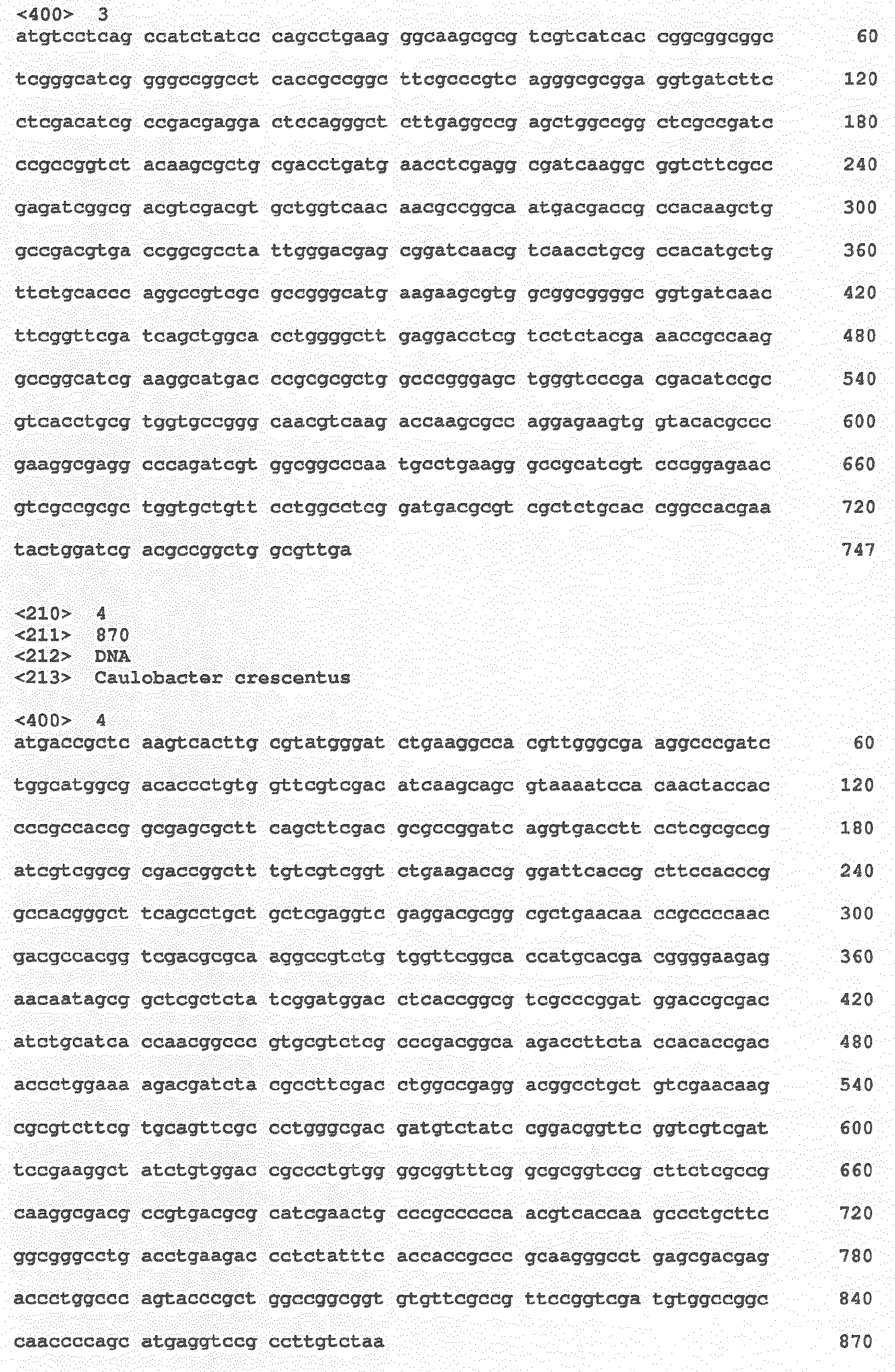

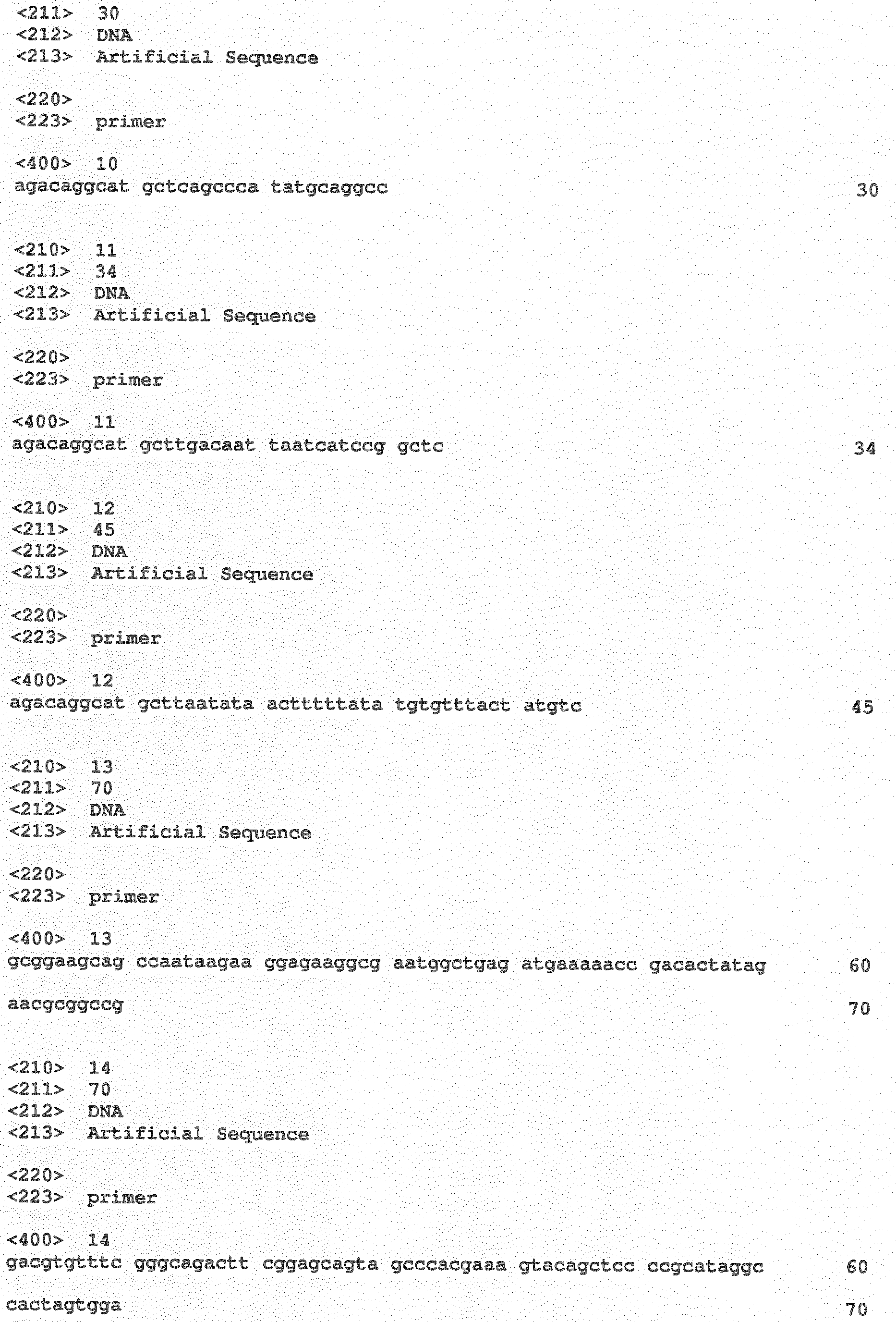


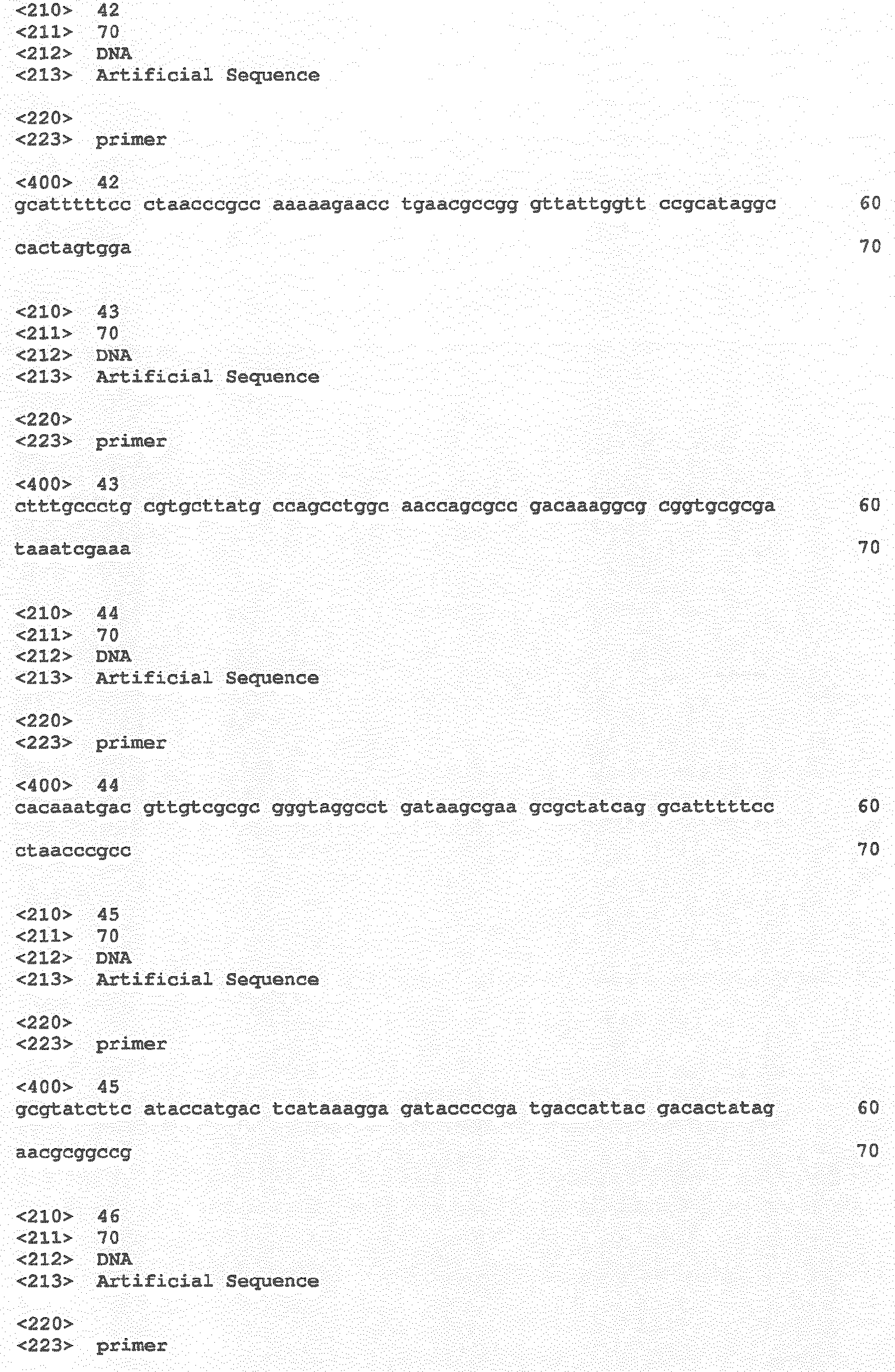


Claims (23)
- A recombinant microorganism having the ability to produce poly(lactate-co-glycolate), wherein a polyhydroxyalkanoate synthase-encoding gene, a propionyl-CoA transferase-encoding gene, a xylose dehydrogenase-encoding gene, and a xylonolactonase-encoding gene are introduced in a microorganism having the ability to producing lactate from pyruvic acid.
- The recombinant microorganism of claim 1, wherein the polyhydroxyalkanoate synthase is PHA synthase derived from Pseudomonas sp. 6-19 or a mutant enzyme of PHA synthase, which has an amino acid sequence selected from the following amino acid sequences:an amino acid sequence comprising at least one mutation selected from the group consisting of E130D, S325T, S477G, S477F, S477Y, S477G and Q481K in the amino acid sequence of SEQ ID NO: 1;an amino acid sequence (PhaC1202) comprising mutations of E130D and Q481K in the amino acid sequence of SEQ ID NO: 1;an amino acid sequence (PhaC1301) comprising mutations of E130D, S325T and Q481K in the amino acid sequence of SEQ ID NO: 1;an amino acid sequence (PhaC1310) comprising mutations of E130D, S477F and Q481K in the amino acid sequence of SEQ ID NO: 1;an amino acid sequence (PhaC1437) comprising mutations of E130D, S325T, S477G and Q481K in the amino acid sequence of SEQ ID NO: 1; andan amino acid sequence (PhaC1439) comprising mutations of E130D, S325T, S477F and Q481R in the amino acid sequence of SEQ ID NO: 1.
- The recombinant microorganism of claim 1, wherein the propionyl-CoA transferase is a Pct540 enzyme has the amino acid sequence of SEQ ID NO: 2.
- The recombinant microorganism of claim 1, wherein the chromosomal promoter of a lactate dehydrogenase-encoding gene is replaced with a strong promoter selected from the group consisting of trc, tac, pBAD, trp, lacUV5, and T7.
- The recombinant microorganism of claim 1, wherein a glucose PTS enzyme IIBC component-encoding gene is deleted from the recombinant microorganism.
- The recombinant microorganism of claim 1, wherein an aldehyde-alcohol dehydrogenase-encoding gene, a pyruvate-formate lyase-encoding gene, a fumarate reductase-encoding gene, and a pyruvate oxidase-encoding gene are further deleted from the recombinant microorganism.
- The recombinant microorganism of claim 1, wherein an aldehyde-alcohol dehydrogenase-encoding gene, a pyruvate-formate lyase-encoding gene, a fumarate reductase-encoding gene, a pyruvate oxidase-encoding gene, and a dld gene that is a lactate dehydrogenase-encoding gene are further deleted from the recombinant microorganism.
- The recombinant microorganism of claim 1, wherein a glucose PTS enzyme IIBC component-encoding gene, an aldehyde-alcohol dehydrogenase-encoding gene, a pyruvate-formate lyase-encoding gene, a fumarate reductase-encoding gene, and a pyruvate oxidase-encoding gene are further deleted from the recombinant microorganism.
- The recombinant microorganism of claim 1, wherein a glucose PTS enzyme IIBC component-encoding gene, an aldehyde-alcohol dehydrogenase-encoding gene, a pyruvate-formate lyase-encoding gene, a fumarate reductase-encoding gene, a pyruvate oxidase-encoding gene, and a dld gene that is a lactate dehydrogenase-encoding gene are further deleted from the recombinant microorganism.
- The recombinant microorganism of claim 1, wherein a glucose PTS enzyme IIBC component-encoding gene, an aldehyde-alcohol dehydrogenase-encoding gene, a pyruvate-formate lyase-encoding gene, a fumarate reductase-encoding gene, a pyruvate oxidase-encoding gene, a dld gene that is a lactate dehydrogenase-encoding gene, a malate synthase-encoding gene, and a glycolate oxidase-encoding gene are further deleted from the recombinant microorganism.
- The recombinant microorganism of claim 1, wherein a beta-ketothiolase-encoding gene and an acetoacetyl-CoA reductase-encoding gene are further introduced in the microorganism, and the recombinant microorganism has the ability to produce poly(lactate-co-glycolate-co-3-hydroxybutyrate).
- The recombinant microorganism of claim 11, wherein a glucose PTS enzyme IIBC component-encoding gene, an aldehyde-alcohol dehydrogenase-encoding gene, a pyruvate-formate lyase-encoding gene, a fumarate reductase-encoding gene, and a pyruvate oxidase-encoding gene are further deleted from the recombinant microorganism.
- The recombinant microorganism of claim 11, wherein a glucose PTS enzyme IIBC component-encoding gene, an aldehyde-alcohol dehydrogenase-encoding gene, a pyruvate-formate lyase-encoding gene, a fumarate reductase-encoding gene, a pyruvate oxidase-encoding gene, and a dld gene that is a lactate dehydrogenase-encoding gene are further deleted from the recombinant microorganism.
- The recombinant microorganism of claim 11, wherein a glucose PTS enzyme IIBC component-encoding gene, an aldehyde-alcohol dehydrogenase-encoding gene, a pyruvate-formate lyase-encoding gene, a fumarate reductase-encoding gene, a pyruvate oxidase-encoding gene, a dld gene that is a lactate dehydrogenase-encoding gene, a malate synthase-encoding gene, and a glycolate oxidase-encoding gene are further deleted from the recombinant microorganism.
- The recombinant microorganism of claim 1, wherein a CoA-dependent succinate semialdehyde dehydrogenase-encoding gene, and a 4-hydroxybutyrate dehydrogenase-encoding gene are further introduced in the microorganism, and the recombinant microorganism has the ability to produce poly(lactate-coglycolate-co-4-hydroxybutyrate).
- The recombinant microorganism of claim 15, wherein a glucose PTS enzyme IIBC component-encoding gene, an aldehyde-alcohol dehydrogenase-encoding gene, a pyruvate-formate lyase-encoding gene, a fumarate reductase-encoding gene, and a pyruvate oxidase-encoding gene are further deleted from the recombinant microorganism.
- The recombinant microorganism of claim 15, wherein a glucose PTS enzyme IIBC component-encoding gene, an aldehyde-alcohol dehydrogenase-encoding gene, a pyruvate-formate lyase-encoding gene, a fumarate reductase-encoding gene, a pyruvate oxidase-encoding gene, and a dld gene that is a lactate dehydrogenase-encoding gene are further deleted from the recombinant microorganism.
- The recombinant microorganism of claim 15, wherein a glucose PTS enzyme IIBC component-encoding gene, an aldehyde-alcohol dehydrogenase-encoding gene, a pyruvate-formate lyase-encoding gene, a fumarate reductase-encoding gene, a pyruvate oxidase-encoding gene, a dld gene that is a lactate dehydrogenase-encoding gene, a malate synthase-encoding gene, and a glycolate oxidase-encoding gene are further deleted from the recombinant microorganism.
- A method for producing poly(lactate-co-glycolate), comprising the steps of:(a) producing poly(lactate-co-glycolate) by culturing the recombinant microorganism having the ability to produce poly(lactate-co-glycolate) of any one of claims 1 to 10; and(b) recovering the produced poly(lactate-co-glycolate).
- A method for producing poly(lactate-co-3-hydroxybutyrate) comprising the steps of:(a) producing poly(lactate-co-glycolate-co-3-hydroxybutyrate) by culturing the recombinant microorganism having the ability to produce poly(lactate-co-glycolate-co-3-hydroxybutyrate) of any one of claims 11 to 14; and(b) recovering the produced poly(lactate-co-glycolate-co-3-hydroxybutyrate).
- A method for producing poly(lactate-co-4-hydroxybutyrate) comprising the steps of:(a) producing poly(lactate-co-glycolate-co-4-hydroxybutyrate) by culturing the recombinant microorganism having the ability to produce poly(lactate-co-glycolate-co-4-hydroxybutyrate) of any one of claims 15 to 18; and(b) recovering the produced poly(lactate-co-glycolate-co-4-hydroxybutyrate).
- A method for producing poly(lactate-co-glycolate-co-hydroxycarboxylic acid) comprising the steps of:(a) poly(lactate-co-glycolate-co-hydroxycarboxylic acid) by culturing the recombinant microorganism of any one of claims 1 to 10 in the presence of hydroxycarboxylic acid; and(b) recovering the produced poly(lactate-co-glycolate-co-hydroxycarboxylic acid).
- The methodof claim 22, wherein the hydroxycarboxylic acid is selected from the group consisting of 2-hydroxyisovalerate, 5-hydroxyvalerate, and 6-hydroxyhexanoate.
Applications Claiming Priority (2)
| Application Number | Priority Date | Filing Date | Title |
|---|---|---|---|
| KR1020160010549A KR101774431B1 (en) | 2016-01-28 | 2016-01-28 | Recombinant Microorganism Having Ability Producing Poly(lactate-co-glycolate) and Its Copolymers from Xylose and Preparing Method of Poly(lactate-co-glycolate) and its copolymers Using Thereof |
| PCT/KR2016/014574 WO2017131342A1 (en) | 2016-01-28 | 2016-12-13 | Recombinant microorganism having ability to produce poly(lactate-co-glycolate) or copolymer thereof from xylose and method for preparing poly(lactate-co-glycolate) or copolymer thereof by using same |
Publications (2)
| Publication Number | Publication Date |
|---|---|
| EP3409781A1 true EP3409781A1 (en) | 2018-12-05 |
| EP3409781A4 EP3409781A4 (en) | 2019-07-03 |
Family
ID=59399059
Family Applications (1)
| Application Number | Title | Priority Date | Filing Date |
|---|---|---|---|
| EP16888318.9A Pending EP3409781A4 (en) | 2016-01-28 | 2016-12-13 | RECOMBINANT MICROORGANISM HAVING A CAPACITY TO PRODUCE POLY (LACTATE-CO-GLYCOLATE) OR A COPOLYMER THEREOF FROM XYLOSE AND PROCESS FOR THE PREPARATION OF POLY (LACTATE-CO-GLYCOLATE) OR COPOLYMER THEREOF |
Country Status (6)
| Country | Link |
|---|---|
| US (1) | US10640774B2 (en) |
| EP (1) | EP3409781A4 (en) |
| JP (1) | JP6644156B2 (en) |
| KR (1) | KR101774431B1 (en) |
| CN (1) | CN109153998B (en) |
| WO (1) | WO2017131342A1 (en) |
Families Citing this family (4)
| Publication number | Priority date | Publication date | Assignee | Title |
|---|---|---|---|---|
| JP7715636B2 (en) * | 2019-04-04 | 2025-07-30 | ブラスケム エス.エー. | Metabolic engineering for simultaneous consumption of xylose and glucose to produce chemicals from second-generation sugars |
| CN113234655B (en) * | 2021-05-25 | 2023-09-26 | 北京化工大学 | Recombinant bacteria that utilize xylose to produce poly-3-hydroxybutyrate and preparation methods and applications thereof |
| CN114196609B (en) * | 2021-12-31 | 2023-06-23 | 淮阴工学院 | Escherichia coli engineering bacteria for synthesizing pure polylactic acid from lactic acid and its preparation method and application |
| KR20250092358A (en) * | 2023-12-14 | 2025-06-24 | 한국과학기술원 | Recombinant microorganism capable of producing polyhydroxyalkanoate and method for producing polyhydroxyalkanoate using the same |
Family Cites Families (22)
| Publication number | Priority date | Publication date | Assignee | Title |
|---|---|---|---|---|
| EP0881293A1 (en) | 1997-05-28 | 1998-12-02 | Eidgenössische Technische Hochschule Zürich Institut für Biotechnologie | Production of medium chain length poly-3-hydroxy alkanoates in Escherichia coli, and monomers derived therefrom |
| US6316262B1 (en) | 1997-09-19 | 2001-11-13 | Metabolix, Inc. | Biological systems for manufacture of polyhydroxyalkanoate polymers containing 4-hydroxyacids |
| US6143952A (en) | 1998-03-31 | 2000-11-07 | Regents Of The University Of Minnesota | Modified pseudomonas oleovorans phaC1 nucleic acids encoding bispecific polyhydroxyalkanoate polymerase |
| ATE483023T1 (en) | 1998-05-22 | 2010-10-15 | Metabolix Inc | POLYHYDROXYALKANOOATBIOPOLYMERS |
| US6225438B1 (en) | 2000-01-31 | 2001-05-01 | The Procter & Gamble Company | Medium chain length PHA copolymer and process for producing same |
| WO2007140816A1 (en) * | 2006-06-09 | 2007-12-13 | Metabolic Explorer | Glycolic acid production by fermentation from renewable resources |
| CN101541967A (en) * | 2006-11-23 | 2009-09-23 | Lg化学株式会社 | Mutant derived from PHA synthase of Pseudomonas 6-19 and method for preparing lactate homopolymer or copolymer using the mutant |
| KR101045572B1 (en) * | 2007-08-14 | 2011-07-01 | 주식회사 엘지화학 | Propionyl-CoA Transferase Variants Derived from Cructostilridium Substances and Processes for Producing Lactate Polymers or Lactate Copolymers Using the Variants |
| BRPI0819509A2 (en) | 2007-12-18 | 2014-10-14 | Korea Advanced Inst Sci & Tech | MICROORGANISM AND RECOMBINANT VECTOR, SACAROSIS PHOSPOTRANSFERASE, GENE (ptsG), BETA-FRUTOFURANOSIDASE AND METHOD FOR PRODUCING METABOLYTES, RECOMBINABLE OR PROTEIN POLYMERS |
| KR101293886B1 (en) * | 2009-02-05 | 2013-08-07 | 주식회사 엘지화학 | Recombinant Ralstonia eutropha Having an Producing Ability of Polylactate or Its Copolymers and Method for Preparing Polylactate or Its Copolymers Using the Same |
| KR101293904B1 (en) * | 2009-03-03 | 2013-08-16 | 주식회사 엘지화학 | Recombinant microorganism capable of producing polylactate or polylactate copolymer from xylose and method for producing polylactate or polylactate copolymer from xylose using the same |
| KR101085960B1 (en) * | 2009-04-08 | 2011-11-22 | 주식회사 엘지화학 | Preparation of lactate glycolate copolymers or lactate glycolate hydroxyalkanoate copolymers using cells or plants having a lactate glycolate copolymer or lactate glycolate hydroxyalkanoate copolymer generating ability Way |
| KR101211767B1 (en) * | 2009-06-30 | 2012-12-12 | 한국과학기술원 | Mutants of PHA Synthases and Method for Preparing PLA and PLA Copolymer Using the Same |
| WO2011074842A2 (en) * | 2009-12-14 | 2011-06-23 | (주)Lg화학 | Recombinant microorganism for producing polylactic acid or a polylactic acid copolymer from glycerol and method for producing polylactic acid or a polylactic acid copolymer from glycerol using the microorganism |
| JP5885148B2 (en) * | 2011-01-27 | 2016-03-15 | 国立大学法人北海道大学 | Genetically modified coryneform bacterium and method for producing lactic acid-containing polyester |
| KR101575585B1 (en) * | 2011-03-11 | 2015-12-21 | 한국과학기술원 | Recombinant Microorganism Having Producing Poly(lactate-co-glycolate) from Glucose and Preparing Method of Poly(lactate-co-glycolate) Using Thereof |
| US8349587B2 (en) * | 2011-10-31 | 2013-01-08 | Ginkgo Bioworks, Inc. | Methods and systems for chemoautotrophic production of organic compounds |
| BR112013016373B1 (en) * | 2011-11-11 | 2021-05-18 | Ajinomoto Co., Inc | method for producing a target substance |
| MY184525A (en) | 2012-06-05 | 2021-04-01 | Mitsubishi Chem Corp | Method for producing polybutylene terephthalate |
| JP2014030376A (en) | 2012-08-02 | 2014-02-20 | Mitsubishi Chemicals Corp | Method for producing butadiene |
| WO2014100173A1 (en) * | 2012-12-18 | 2014-06-26 | Regents Of The University Of Minnesota | Biosynthetic pathways and methods |
| CN103215317B (en) * | 2013-05-09 | 2014-08-27 | 南京林业大学 | Method for producing xylosic acid through xylose whole-cell catalysis by direct oxygen introduction and pressurization |
-
2016
- 2016-01-28 KR KR1020160010549A patent/KR101774431B1/en active Active
- 2016-12-13 CN CN201680082783.XA patent/CN109153998B/en active Active
- 2016-12-13 JP JP2018539088A patent/JP6644156B2/en active Active
- 2016-12-13 EP EP16888318.9A patent/EP3409781A4/en active Pending
- 2016-12-13 WO PCT/KR2016/014574 patent/WO2017131342A1/en not_active Ceased
- 2016-12-13 US US16/071,680 patent/US10640774B2/en active Active
Also Published As
| Publication number | Publication date |
|---|---|
| JP6644156B2 (en) | 2020-02-12 |
| KR101774431B1 (en) | 2017-09-05 |
| EP3409781A4 (en) | 2019-07-03 |
| JP2019503188A (en) | 2019-02-07 |
| CN109153998B (en) | 2022-10-18 |
| WO2017131342A1 (en) | 2017-08-03 |
| KR20170090101A (en) | 2017-08-07 |
| CN109153998A (en) | 2019-01-04 |
| US20190024093A1 (en) | 2019-01-24 |
| US10640774B2 (en) | 2020-05-05 |
Similar Documents
| Publication | Publication Date | Title |
|---|---|---|
| Park et al. | Biosynthesis of polyhydroxyalkanoates containing 2-hydroxybutyrate from unrelated carbon source by metabolically engineered Escherichia coli | |
| Choi et al. | One-step fermentative production of poly (lactate-co-glycolate) from carbohydrates in Escherichia coli | |
| Chen et al. | Metabolic engineering of Escherichia coli for the synthesis of polyhydroxyalkanoates using acetate as a main carbon source | |
| Li et al. | Production of poly (3-hydroxybutyrate-co-4-hydroxybutyrate) from unrelated carbon sources by metabolically engineered Escherichia coli | |
| Jung et al. | Efficient production of polylactic acid and its copolymers by metabolically engineered Escherichia coli | |
| Park et al. | Metabolic engineering of Ralstonia eutropha for the biosynthesis of 2-hydroxyacid-containing polyhydroxyalkanoates | |
| Fukui et al. | Enhancement of glycerol utilization ability of Ralstonia eutropha H16 for production of polyhydroxyalkanoates | |
| US10640774B2 (en) | Recombinant microorganism having ability to produce poly(lactate-coglycolate) or copolymer thereof from xylose and method for preparing poly(lactate-coglycolate) or copolymer thereof by using same | |
| Qiu et al. | Production of poly (3-hydroxybutyrate-co-3-hydroxyhexanoate) from gluconate and glucose by recombinant Aeromonas hydrophila and Pseudomonas putida | |
| Park et al. | Propionyl-CoA dependent biosynthesis of 2-hydroxybutyrate containing polyhydroxyalkanoates in metabolically engineered Escherichia coli | |
| KR101328567B1 (en) | Recombinant Microorganism Producing polyhydroxyalkanoate (PHA) containing 2-hydroxybutyrate (2HB) monomer and Preparing Method of PHA containing 2HB Using Thereof | |
| David et al. | Biosynthesis of 2‐Hydroxyacid‐containing polyhydroxyalkanoates by employing butyryl‐CoA transferases in metabolically engineered Escherichia coli | |
| Zhuang et al. | Engineering the pathway in Escherichia coli for the synthesis of medium-chain-length polyhydroxyalkanoates consisting of both even-and odd-chain monomers | |
| Ren et al. | Microbial synthesis of a novel terpolyester P (LA‐co‐3 HB‐co‐3 HP) from low‐cost substrates | |
| Wang et al. | Biosynthesis of poly (3-hydroxypropionate-co-3-hydroxybutyrate) with fully controllable structures from glycerol | |
| CN111363713A (en) | Construction method and application of genetic engineering escherichia coli for improving content of lactic acid component in polyhydroxybutyrate lactate | |
| Choi et al. | Biosynthesis and characterization of poly (d‐lactate‐co‐glycolate‐co‐4‐hydroxybutyrate) | |
| US10961521B2 (en) | Recombinant microorganism for producing polyhydroxyalkanoate | |
| US8546125B2 (en) | Recombinant hosts and methods for manufacturing polyhydroxyalkanoate | |
| Liu et al. | Improved poly (3-hydroxybutyrate) production in Escherichia coli by inactivation of cytochrome bd-II oxidase or/and NDH-II dehydrogenase in low efficient respiratory chains | |
| Huong et al. | Microaerobic insights into production of polyhydroxyalkanoates containing 3-hydroxyhexanoate via native reverse β-oxidation from glucose in Ralstonia eutropha H16 | |
| KR101575585B1 (en) | Recombinant Microorganism Having Producing Poly(lactate-co-glycolate) from Glucose and Preparing Method of Poly(lactate-co-glycolate) Using Thereof | |
| KR102072488B1 (en) | Recombinant Microorganism Having Ability Producing Poly(lactate-co-glycolate) and Its Copolymers from Xylose and Preparing Method of Poly(lactate-co-glycolate) and its copolymers Using Thereof | |
| KR101881342B1 (en) | Recombinant Microorganism Having Ability Producing Poly(lactate-co-glycolate) and Its Copolymers from Xylose and Preparing Method of Poly(lactate-co-glycolate) and its copolymers Using Thereof | |
| CN102171356A (en) | Method for polymerising glycolic acid with microorganisms |
Legal Events
| Date | Code | Title | Description |
|---|---|---|---|
| STAA | Information on the status of an ep patent application or granted ep patent |
Free format text: STATUS: THE INTERNATIONAL PUBLICATION HAS BEEN MADE |
|
| PUAI | Public reference made under article 153(3) epc to a published international application that has entered the european phase |
Free format text: ORIGINAL CODE: 0009012 |
|
| STAA | Information on the status of an ep patent application or granted ep patent |
Free format text: STATUS: REQUEST FOR EXAMINATION WAS MADE |
|
| 17P | Request for examination filed |
Effective date: 20180815 |
|
| AK | Designated contracting states |
Kind code of ref document: A1 Designated state(s): AL AT BE BG CH CY CZ DE DK EE ES FI FR GB GR HR HU IE IS IT LI LT LU LV MC MK MT NL NO PL PT RO RS SE SI SK SM TR |
|
| AX | Request for extension of the european patent |
Extension state: BA ME |
|
| DAV | Request for validation of the european patent (deleted) | ||
| DAX | Request for extension of the european patent (deleted) | ||
| A4 | Supplementary search report drawn up and despatched |
Effective date: 20190604 |
|
| RIC1 | Information provided on ipc code assigned before grant |
Ipc: C12N 9/10 20060101ALI20190528BHEP Ipc: C12P 7/40 20060101ALI20190528BHEP Ipc: C12N 9/04 20060101ALI20190528BHEP Ipc: C12N 15/52 20060101ALI20190528BHEP Ipc: C12N 9/18 20060101ALI20190528BHEP Ipc: C12N 15/63 20060101AFI20190528BHEP |
|
| STAA | Information on the status of an ep patent application or granted ep patent |
Free format text: STATUS: EXAMINATION IS IN PROGRESS |
|
| 17Q | First examination report despatched |
Effective date: 20211122 |