EP3409264A1 - Ripple-phase-containing composition, a-gel formation composition, external skin care composition using a-gel formation composition, and a-gel composition using a-gel formation composition - Google Patents
Ripple-phase-containing composition, a-gel formation composition, external skin care composition using a-gel formation composition, and a-gel composition using a-gel formation composition Download PDFInfo
- Publication number
- EP3409264A1 EP3409264A1 EP17744447.8A EP17744447A EP3409264A1 EP 3409264 A1 EP3409264 A1 EP 3409264A1 EP 17744447 A EP17744447 A EP 17744447A EP 3409264 A1 EP3409264 A1 EP 3409264A1
- Authority
- EP
- European Patent Office
- Prior art keywords
- composition
- polyoxyethylene
- gel
- ether
- water
- Prior art date
- Legal status (The legal status is an assumption and is not a legal conclusion. Google has not performed a legal analysis and makes no representation as to the accuracy of the status listed.)
- Granted
Links
Images


Classifications
-
- A—HUMAN NECESSITIES
- A61—MEDICAL OR VETERINARY SCIENCE; HYGIENE
- A61K—PREPARATIONS FOR MEDICAL, DENTAL OR TOILETRY PURPOSES
- A61K8/00—Cosmetics or similar toiletry preparations
- A61K8/18—Cosmetics or similar toiletry preparations characterised by the composition
- A61K8/30—Cosmetics or similar toiletry preparations characterised by the composition containing organic compounds
- A61K8/33—Cosmetics or similar toiletry preparations characterised by the composition containing organic compounds containing oxygen
- A61K8/39—Derivatives containing from 2 to 10 oxyalkylene groups
-
- A—HUMAN NECESSITIES
- A61—MEDICAL OR VETERINARY SCIENCE; HYGIENE
- A61K—PREPARATIONS FOR MEDICAL, DENTAL OR TOILETRY PURPOSES
- A61K8/00—Cosmetics or similar toiletry preparations
- A61K8/02—Cosmetics or similar toiletry preparations characterised by special physical form
- A61K8/04—Dispersions; Emulsions
- A61K8/06—Emulsions
- A61K8/064—Water-in-oil emulsions, e.g. Water-in-silicone emulsions
-
- A—HUMAN NECESSITIES
- A61—MEDICAL OR VETERINARY SCIENCE; HYGIENE
- A61K—PREPARATIONS FOR MEDICAL, DENTAL OR TOILETRY PURPOSES
- A61K8/00—Cosmetics or similar toiletry preparations
- A61K8/02—Cosmetics or similar toiletry preparations characterised by special physical form
- A61K8/04—Dispersions; Emulsions
- A61K8/042—Gels
-
- A—HUMAN NECESSITIES
- A61—MEDICAL OR VETERINARY SCIENCE; HYGIENE
- A61K—PREPARATIONS FOR MEDICAL, DENTAL OR TOILETRY PURPOSES
- A61K8/00—Cosmetics or similar toiletry preparations
- A61K8/02—Cosmetics or similar toiletry preparations characterised by special physical form
- A61K8/04—Dispersions; Emulsions
- A61K8/06—Emulsions
-
- A—HUMAN NECESSITIES
- A61—MEDICAL OR VETERINARY SCIENCE; HYGIENE
- A61K—PREPARATIONS FOR MEDICAL, DENTAL OR TOILETRY PURPOSES
- A61K8/00—Cosmetics or similar toiletry preparations
- A61K8/02—Cosmetics or similar toiletry preparations characterised by special physical form
- A61K8/04—Dispersions; Emulsions
- A61K8/06—Emulsions
- A61K8/062—Oil-in-water emulsions
-
- A—HUMAN NECESSITIES
- A61—MEDICAL OR VETERINARY SCIENCE; HYGIENE
- A61K—PREPARATIONS FOR MEDICAL, DENTAL OR TOILETRY PURPOSES
- A61K8/00—Cosmetics or similar toiletry preparations
- A61K8/18—Cosmetics or similar toiletry preparations characterised by the composition
- A61K8/30—Cosmetics or similar toiletry preparations characterised by the composition containing organic compounds
- A61K8/33—Cosmetics or similar toiletry preparations characterised by the composition containing organic compounds containing oxygen
- A61K8/34—Alcohols
-
- A—HUMAN NECESSITIES
- A61—MEDICAL OR VETERINARY SCIENCE; HYGIENE
- A61K—PREPARATIONS FOR MEDICAL, DENTAL OR TOILETRY PURPOSES
- A61K8/00—Cosmetics or similar toiletry preparations
- A61K8/18—Cosmetics or similar toiletry preparations characterised by the composition
- A61K8/30—Cosmetics or similar toiletry preparations characterised by the composition containing organic compounds
- A61K8/33—Cosmetics or similar toiletry preparations characterised by the composition containing organic compounds containing oxygen
- A61K8/36—Carboxylic acids; Salts or anhydrides thereof
- A61K8/361—Carboxylic acids having more than seven carbon atoms in an unbroken chain; Salts or anhydrides thereof
-
- A—HUMAN NECESSITIES
- A61—MEDICAL OR VETERINARY SCIENCE; HYGIENE
- A61K—PREPARATIONS FOR MEDICAL, DENTAL OR TOILETRY PURPOSES
- A61K8/00—Cosmetics or similar toiletry preparations
- A61K8/18—Cosmetics or similar toiletry preparations characterised by the composition
- A61K8/30—Cosmetics or similar toiletry preparations characterised by the composition containing organic compounds
- A61K8/63—Steroids; Derivatives thereof
-
- A—HUMAN NECESSITIES
- A61—MEDICAL OR VETERINARY SCIENCE; HYGIENE
- A61K—PREPARATIONS FOR MEDICAL, DENTAL OR TOILETRY PURPOSES
- A61K8/00—Cosmetics or similar toiletry preparations
- A61K8/18—Cosmetics or similar toiletry preparations characterised by the composition
- A61K8/72—Cosmetics or similar toiletry preparations characterised by the composition containing organic macromolecular compounds
- A61K8/84—Cosmetics or similar toiletry preparations characterised by the composition containing organic macromolecular compounds obtained by reactions otherwise than those involving only carbon-carbon unsaturated bonds
- A61K8/86—Polyethers
-
- A—HUMAN NECESSITIES
- A61—MEDICAL OR VETERINARY SCIENCE; HYGIENE
- A61Q—SPECIFIC USE OF COSMETICS OR SIMILAR TOILETRY PREPARATIONS
- A61Q17/00—Barrier preparations; Preparations brought into direct contact with the skin for affording protection against external influences, e.g. sunlight, X-rays or other harmful rays, corrosive materials, bacteria or insect stings
- A61Q17/04—Topical preparations for affording protection against sunlight or other radiation; Topical sun tanning preparations
-
- A—HUMAN NECESSITIES
- A61—MEDICAL OR VETERINARY SCIENCE; HYGIENE
- A61Q—SPECIFIC USE OF COSMETICS OR SIMILAR TOILETRY PREPARATIONS
- A61Q19/00—Preparations for care of the skin
-
- C—CHEMISTRY; METALLURGY
- C08—ORGANIC MACROMOLECULAR COMPOUNDS; THEIR PREPARATION OR CHEMICAL WORKING-UP; COMPOSITIONS BASED THEREON
- C08L—COMPOSITIONS OF MACROMOLECULAR COMPOUNDS
- C08L71/00—Compositions of polyethers obtained by reactions forming an ether link in the main chain; Compositions of derivatives of such polymers
- C08L71/02—Polyalkylene oxides
-
- A—HUMAN NECESSITIES
- A61—MEDICAL OR VETERINARY SCIENCE; HYGIENE
- A61K—PREPARATIONS FOR MEDICAL, DENTAL OR TOILETRY PURPOSES
- A61K2800/00—Properties of cosmetic compositions or active ingredients thereof or formulation aids used therein and process related aspects
- A61K2800/40—Chemical, physico-chemical or functional or structural properties of particular ingredients
- A61K2800/59—Mixtures
- A61K2800/592—Mixtures of compounds complementing their respective functions
- A61K2800/5922—At least two compounds being classified in the same subclass of A61K8/18
-
- A—HUMAN NECESSITIES
- A61—MEDICAL OR VETERINARY SCIENCE; HYGIENE
- A61K—PREPARATIONS FOR MEDICAL, DENTAL OR TOILETRY PURPOSES
- A61K2800/00—Properties of cosmetic compositions or active ingredients thereof or formulation aids used therein and process related aspects
- A61K2800/40—Chemical, physico-chemical or functional or structural properties of particular ingredients
- A61K2800/59—Mixtures
- A61K2800/594—Mixtures of polymers
-
- A—HUMAN NECESSITIES
- A61—MEDICAL OR VETERINARY SCIENCE; HYGIENE
- A61K—PREPARATIONS FOR MEDICAL, DENTAL OR TOILETRY PURPOSES
- A61K2800/00—Properties of cosmetic compositions or active ingredients thereof or formulation aids used therein and process related aspects
- A61K2800/40—Chemical, physico-chemical or functional or structural properties of particular ingredients
- A61K2800/59—Mixtures
- A61K2800/596—Mixtures of surface active compounds
Definitions
- the present invention relates to a ripple-phase-containing composition, an ⁇ -gel forming composition, and an external skin care composition and an ⁇ -gel composition using the same, particularly to an ⁇ -gel composition substantially (practically) formed only by polyoxyethylene surfactants.
- ⁇ -Gel-containing skin external preparations which use ⁇ -gel formed by a higher aliphatic alcohol or a higher fatty acid and a hydrophilic surfactant, have been long used for the purpose of maintaining the emulsion stability of skin external preparations such as cosmetics, quasi-drugs, and pharmaceutical products.
- Such ⁇ -gel has a high viscosity and stabilizes a skin external preparation but has problems of causing a slimy feel during application and easily depositing crystals of a higher alcohol or a higher fatty acid over time in terms of stability (e.g., see Non Patent Literature 1).
- oil components and moisturizers have been blended into skin external preparations such as cosmetics, quasi-drugs, and pharmaceutical products, for the purpose of preventing rough skin caused by the dry outdoor air.
- These oil components and moisturizers play a role of sebum which is lost when washed and impart to skin external preparations with a function as an emollient agent to keep the skin soft and a moisturizing function replacing NMF (natural moisturizing factor).
- NMF natural moisturizing factor
- a water-in-oil (W/O) type skin external preparation provides a high skin protection effect due to the occlusion effect of the oil component (e.g., see Reference Literature 4), however, the ⁇ -gel composition has never been blended into water-in-oil (W/O) type skin external preparations so far because it is basically formed in an aqueous phase.
- the present invention was made in view of the prior art, and an object thereof is to provide a ripple phase containing composition, a composition for forming ⁇ -gel, and a composition for skin external use using the same and an ⁇ -gel composition using the same which are refreshing during application, have a high skin moisturizing effect after application, and have a high stability with no crystal deposition or viscosity increase over time.
- Another object is to provide a water-in-oil (W/O) skin external preparation and an oil-in-water (O/W) skin external preparation formulating the composition for forming ⁇ -gel, which are not sticky but refreshing the skin during application even when a large amount of oil components and moisturizers are present and provide a high-emollient effect and a moisturizing effect on the skin once an applied coat is dried.
- W/O water-in-oil
- O/W oil-in-water
- the present inventors conducted extensive studies to solve the above objects and as a result, found that a composition for skin external use and an ⁇ -gel composition using a totally novel composition for forming ⁇ gel consisting only of polyoxyethylene surfactants without containing higher alcohols and higher fatty acids have a high skin moisturizing effect and do not have a problem of the over-time stability such as crystal deposition and a viscosity increase over time, whereby the present invention was accomplished.
- ripple-phase-containing composition of the present invention comprises:
- the ripple-phase-containing composition comprises polyoxyethylene dialkyl ester and/or polyoxyethylene dialkyl ether is preferably 15 to 45 mass% based on a total amount of the polyoxyethylene surfactants.
- the ripple-phase-containing composition comprises water, wherein a content of water is preferably 20 to 70 mass% in the ripple-phase-containing composition.
- composition for forming ⁇ -gel according to the present invention comprises the above ripple-phase-containing composition and in addition, polyoxyethylene sterol ether represented by the following formula (III): wherein in the formula (III), R3 represents a cholesterol and/or phytosterol residue, and n represents an integer of 5 to 30.
- polyoxyethylene dialkyl ester and/or polyoxyethylene dialkyl ether is preferably 15 to 50 mass%
- polyoxyethylene alkyl ester and/or polyoxyethylene alkyl ether is preferably 5 to 80 mass%
- polyoxyethylene sterol ether is preferably 80 mass% or less, based on the total amount of the polyoxyethylene surfactants.
- a content of water is preferably 10 to 55 mass% in the composition for forming ⁇ -gel.
- composition for skin external use comprises the composition for forming gel.
- the water-in-oil type composition for skin external use comprises the composition for skin external use.
- an aliphatic alcohol and/or a fatty acid is preferably contained.
- the oil-in-water type composition for skin external use according to the present invention comprises the composition for skin external use.
- the ⁇ -gel composition according to the present invention comprises:
- the ripple phase containing composition, the composition for forming ⁇ gel, and the ⁇ -gel composition using the same according to the present invention do not have a problem of the stability such as crystal deposition and a viscosity increase over time. And yet, the base proceeds to dry during application, reducing a water content to thereby be the ⁇ gel formed by polyoxyethylene surfactants of similar structures, whereby these compositions are refreshing during application and have a good skin moisturizing effect after application.
- the water-in-oil (W/O) type skin external preparation to which the composition for forming ⁇ gel has been blended is separated to a hydrophobic amphiphile component and a hydrophilic amphiphile component in a preparation having a high water content, wherein the hydrophobic amphiphile component is distributed to an oil phase and the hydrophilic amphiphile component is distributed to an aqueous phase respectively, and does not contribute to a viscosity increase as the conventional ⁇ gels wherein all components are in an aqueous phase. Consequently, the same amphiphile component can be prepared into an oil-in-water (O/W) type emulsification and a water-in-oil (W/O) type emulsification.
- O/W oil-in-water
- W/O water-in-oil
- the hydrophobic amphiphile component and the hydrophilic amphiphile component become a single phase as water evaporates during application to finally form the ⁇ gel.
- the preparation does not take in the aqueous component between the layers enabling a quick coat formation, thus leading to a refreshing feel when used.
- the composition for forming ⁇ gel of the present invention is constituted by 2 phases of a ripple phase and a micellar phase in a region having a high water content, but is constituted by a single ⁇ -gel phase in a region having a low water content ( Fig. 1 ).
- the polyoxyethylene dialkyl ester and/or ether of (I) used in the present invention preferably has a straight-chain aliphatic acid residue or a straight-chain aliphatic alcohol residue having 16 to 24 carbon atoms, and a polyoxyethylene chain is preferably 4 to 15 mol.
- Examples of the commercial product include polyoxyethylene (4 mol) distearate (e.g., manufactured by Nihon Emulsion Co., Ltd., Emalex 200DIS), polyoxyethylene (6 mol) distearate (e.g., manufactured by Nihon Emulsion Co., Ltd., Emalex 300DIS), polyoxyethylene (8 mol) distearate (e.g., manufactured by Nihon Emulsion Co., Ltd., Emalex 400DIS), polyoxyethylene (12 mol) distearate (e.g., manufactured by Nihon Emulsion Co., Ltd., Emalex 600DIS), steareth-4 stearate (e.g., manufactured by Nihon Emulsion Co., Ltd., Emalex SWS-4), steareth-6 stearate (e.g., manufactured by Nihon Emulsion Co., Ltd., Emalex SWS-6), steareth-9 stearate (e.g., manufactured by Nihon Emulsion Co., Ltd.
- the polyoxyethylene alkyl ester and/or polyoxyethylene alkyl ether of (II) used in the present invention preferably has a straight-chain aliphatic acid residue or a straight-chain aliphatic alcohol residue having 16 to 24 carbon atoms, and a polyoxyethylene chain is preferably 8 to 30 mol.
- Examples of the commercial product include polyoxyethylene (5 mol) behenyl ether (e.g., manufactured by Nikko Chemicals, Co., Ltd., Nikkol BB-5), polyoxyethylene (10 mol) behenyl ether (e.g., manufactured by Nikko Chemicals, Co., Ltd., Nikkol BB-10), polyoxyethylene (20 mol) behenyl ether (e.g., manufactured by Nikko Chemicals, Co., Ltd., Nikkol BB-20), polyoxyethylene (10 mol) stearyl ether (e.g., manufactured by Nihon Emulsion Co., Ltd., Emalex 610), and polyoxyethylene (7 mol) cetyl ether (e.g., manufactured by Nihon Emulsion Co., Ltd., Emalex 107).
- polyoxyethylene (5 mol) behenyl ether e.g., manufactured by Nikko Chemicals, Co., Ltd., Nikkol BB-5
- the polyoxyethylene sterol ether of (III) used in the present invention preferably has, as the hydrophobic group, phytosterol, cholesterol, or ergosterol, and a polyoxyethylene chain is preferably 5 to 30 mol.
- Examples of the commercial product include polyoxyethylene (5 mol) phytosterol (e.g., manufactured by Nikko Chemicals, Co., Ltd., Nikkol BPS-5), polyoxyethylene (10 mol) phytosterol (e.g., manufactured by Nikko Chemicals, Co., Ltd., Nikkol BPS-10), polyoxyethylene (20 mol) phytosterol (e.g., manufactured by Nikko Chemicals, Co., Ltd., Nikkol BPS-20), polyoxyethylene (30 mol) phytosterol (e.g., manufactured by Nikko Chemicals, Co., Ltd., Nikkol BPS-30), and polyoxyethylene (10 mol) cholesterol (e.g., manufactured by Nihon Emulsion Co., Ltd., Emalex CS-10).
- polyoxyethylene (5 mol) phytosterol e.g., manufactured by Nikko Chemicals, Co., Ltd., Nikkol BPS-5
- polyoxyethylene (10 mol) phytosterol e.g., manufactured by Nikko Chemicals,
- the polyoxyethylene dialkyl ester and/or ether of (I) is preferably 15 to 45 mass% based on the total amount of the polyoxyethylene surfactants, and the balance is preferably the polyoxyethylene alkyl ester and/or ether of (II).
- the water content is preferably 20 to 70 mass% in the ripple phase containing composition.
- the ripple phase refers to a phase having the hydrocarbon chain part being close to a crystalline state but the membrane is curved.
- the formation of the ripple phase was confirmed by the match of scattering peak positions actually measured and scattering peak positions obtained by determining an X-ray scattering pattern indicating peak assignments of each active ingredient concentration and calculating mathematically from the ripple phase unit cell based on a literature (* Karen P. Shaw et al., Soft Matter, 2012, 8, 1070-1078 J. Stamatoff et al., Biophys. J., 38, 217-226 (1982 )), and freeze fracture TEM (FF-TEM) ( Fig. 1 ).
- the ⁇ gel is an aggregate formed by a higher aliphatic alcohol and a hydrophilic surfactant in water, and means ⁇ -gel taking the ⁇ structure (by Shoji Fukushima, "sechiru arukoru no butsuri kagaku” ("physical chemistry of cetyl alcohol” in English”), published by Fragrance Journal).
- polyoxyethylene (10 mol) behenyl ether (manufactured by Nikko Chemicals, Co., Ltd., Nikkol BB-10) was selected as (II) polyoxyethylene alkyl ester and/or polyoxyethylene alkyl ether.
- phytosterol manufactured by Nikko Chemicals, Co., Ltd., Nikkol BPS-10
- (III) polyoxyethylene sterol ether polyoxyethylene was selected as (III) polyoxyethylene sterol ether polyoxyethylene.
- the composition is constituted by 2 phases wherein 1 phase is a micellar phase formed by (III) component, and (I) component and (II) component form the ripple phase.
- 1 phase is a micellar phase formed by (III) component, and (I) component and (II) component form the ripple phase.
- the micellar phase was confirmed by phosphotungstic acid stain, and the ripple phase was confirmed from the X-ray scattering pattern described above.
- ripple phase was mostly formed in the region having an active ingredient concentration of 40 mass%.
- (I) and (II) form the ripple phase due to a high water content in a product and during storage over time.
- (III) forms the microemulsion (micelles) phase.
- the state of the phase is selectable by adjusting a water content depending on the usage and purpose.
- the hydrophobic part of the present ⁇ -gel composition produced when a water content is high is not mixed with the hydrophilic part as a single phase but emulsified in the hydrophobic part as dissolved in the oil phase, enabling the W/O emulsification. Further, water volatilizes also in the water-in-oil (W/O) type skin external preparation composition.
- W/O water-in-oil
- the present ⁇ -gel composition which has been separately present in the hydrophobic part and the hydrophilic part is mixed to be a single phase and form a ⁇ gel applied coat.
- the multiphase changes occurs as a water content changes which has never occurred in the conventional ⁇ gel, due to which the water-in-oil (W/O) type skin external preparation can be prepared.
- W/O water-in-oil
- the hydrophilic part and the hydrophobic part are mixed, an oil-water interfacial tension comes to an extremely low state and thereby the composition seemingly provides good skin compatibility and a refreshing feel when used.
- a plurality of surfactants can be added to the essential components as needed for the purpose of adjusting the usability.
- the ⁇ gel of the present invention does not form a mixed micelle of the hydrophilic part and the hydrophobic part in the formulation having a lot of water, and thus the substantially same amphiphile component can be prepared into an O/W emulsification with the hydrophilic part, in addition to the W/O emulsification.
- any amounts of the ripple phase containing composition, the composition for forming ⁇ gel, and the ⁇ -gel composition using the same can be blended, but generally the total of each nonionic surfactant in the skin external preparation is preferably 0.1% to 20%.
- the ripple phase containing composition according to the present invention can be obtained by melting (I) polyoxyethylene dialkyl ester and/or ether and (II) polyoxyethylene alkyl ester and/or ether at 70 to 80°C, adding a proportion of 40 to 90 wt% of ion exchange water at 70 to 80°C, stirring and subsequently cooling.
- composition for forming ⁇ gel according to the present invention can be obtained by further adding (III) polyoxyethylene sterol ether to (I) polyoxyethylene dialkyl ester and/or ether and (II) polyoxyethylene alkyl ester and/or ether, subsequently melting at 70 to 80°C, adding a proportion of 40 to 90 wt% of ion exchange water at 70 to 80°C, stirring and subsequently cooling.
- polyoxyethylene (6 mol) distearate manufactured by Nihon Emulsion Co., Ltd., Emalex 300DIS
- polyoxyethylene (10 mol) behenyl ether manufactured by Nikko Chemicals, Co., Ltd., Nikkol BB-10
- polyoxyethylene (10 mol) phytosterol manufactured by Nikko Chemicals, Co., Ltd., Nikkol BPS-10) was selected as (III) component.
- the shaded area in Fig. 9 is a region which had a single melting point peak when measured using a differential calorimeter and obtained scattering peaks ( Fig. 3 ) suggesting the ⁇ gel as a result of X-ray analysis.
- the ⁇ gel can be obtained only by (I) component and (II) component, but the region of ⁇ gel was also confirmed up to about 80% of the amount of (III) component, when added, in the total nonionic surfactants.
- nonionic surfactants alone can construct the composition for forming ⁇ gel, but a higher aliphatic alcohol having 16 or more carbon atoms can also be added as needed for the purpose of adjusting the usability.
- Example of the higher aliphatic alcohol having 16 or more carbon atoms include cetyl alcohol, cetostearyl alcohol, stearyl alcohol, behenyl alcohol, and batyl alcohol.
- the ratio of the polyoxyethylene dialkyl ester and/or ether to the polyoxyethylene alkyl ester and/or polyoxyethylene alkyl ether used in the present invention is preferably (7:3 to 1:9). A ratio outside this range deposits crystals, hence not suitable for the formulation.
- the amount of polyoxyethylene sterol ether to the above mixture is preferably 0 to 80 wt%, and an amount more than this fails to form the ⁇ gel even when a water content reduces during and after application.
- the oil component used in the skin external preparation of the present invention is not particularly limited, and, for example, a liquid oil and fat, a solid oil and fat, a wax, a hydrocarbon oil, a higher fatty acid, a synthetic ester oil, or a silicone oil can be suitably blended, and further some higher alcohols can also be dissolved in these oils and emulsified.
- the content in the ⁇ gel-containing skin external preparation of interest is not particularly limited, and 0.05 to 50 mass% is preferable. A content of 0.05 mass% or less results in a poor effect as the skin external preparation, whereas a content exceeding 50 mass% causes an undesirable feel when used.
- liquid fats examples include avocado oil, camellia oil, turtle oil, macadamia nut oil, corn oil, mink oil, olive oil, rapeseed oil, egg yolk oil, sesame oil, par chic oil, wheat germ oil, sasanqua oil, castor oil, linseed oil, safflower oil, cotton seed oil, perilla oil, soybean oil, groundnut oil, brown real oil, torreya oil, rice bran oil, chinese wood oil, jojoba oil, germ oil, and triglycerol.
- solid fats examples include cacao butter, coconut oil, horse fat, hydrogenated coconut oil, palm oil, beef fat, mutton suet, hydrogenated beef fat, palm kernel oil, lard, beef bones fat, Japan wax kernel oil, hardened oil, hoof oil, Japan wax, and hydrogenated castor oil.
- waxes examples include beeswax, candelilla wax, cotton wax, carnauba wax, bayberry wax, insect wax, spermaceti, montan wax, bran wax, lanolin, kapok wax, lanolin acetate, liquid lanolin, sugarcane wax, lanolin fatty acid isopropyl, hexyl laurate, reduced lanolin, jojoba wax, hard lanolin, shellac wax, POE lanolin alcohol ether, POE lanolin alcohol acetate, POE cholesterol ether, lanolin fatty acid polyethylene glycol, POE hydrogenated lanolin alcohol ether and cetyl palmitate.
- hydrocarbon oils examples include liquid paraffin, ozocerite, squalene, pristane, paraffin, ceresin, squalane, vaseline, and microcrystalline wax.
- higher fatty acid examples include lauric acid, myristic acid, palmitic acid, stearic acid, behenic acid, oleic acid, undecylenic acid, tall oil acid, isostearic acid, linoleic acid, linolenic acid, eicosapentaenoic acid (EPA), docosahexaenoic acid (DHA).
- Examples of the synthetic ester oil include cetyl octanoate, myristyl myristate, glyceryl tri2-ethylhexanoate, pentaerythritol tetra2-ethylhexanoate, dioctyl succinate, and tripropylene glycol dineopentanoate.
- silicone oil examples include chain polysiloxanes (e.g., dimethyl polysiloxane, methylphenyl polysiloxane, and diphenyl polysiloxane); cyclic polysiloxanes (e.g., octamethylcyclotetrasiloxane, decamethylcyclopentasiloxane, and dodecamethylcyclohexasiloxane), silicone resins having a three-dimensional network, silicone rubbers, various modified polysiloxanes (amino-modified polysiloxane, polyether-modified polysiloxane, alkyl-modified polysiloxane, and fluorine-modified polysiloxane), and acrylic silicones.
- chain polysiloxanes e.g., dimethyl polysiloxane, methylphenyl polysiloxane, and diphenyl polysiloxane
- cyclic polysiloxanes e.g.
- the ⁇ -gel-containing skin external preparation of the present invention can be used, for example, in skin cosmetics, hair cleansers, skin cleansers, and hair styling products applicable to the body such as skins and hair.
- the ⁇ -gel-containing skin external preparation of the present invention can further contain, in addition to the essential components described above, components typically used in cosmetics and pharmaceutical products at a content in a range which does not affect the stability.
- components typically used in cosmetics and pharmaceutical products at a content in a range which does not affect the stability.
- examples of such a component include powder components, amphoteric surfactants, ionic surfactants, nonionic surfactants, moisturizers, thickeners, coating agent, UV absorbers, sequestering agents, pH adjusters, skin nutrients, vitamins, antioxidants, antioxidant aids, and fragrances.
- powder components include inorganic powder (for example, talc, kaolin, mica, sericite, muscovite, phlogopite, synthetic mica, lepidolite, biotite, vermiculite, magnesium carbonate, calcium carbonate, aluminum silicate, barium silicate, calcium silicate, magnesium silicate, strontium silicate, tungstate, magnesium, silica, zeolite, barium sulfate, calcined calcium sulfate, calcium phosphate, fluorine apatite, hydroxyapatite, ceramic powder, metallic soap (for example, zinc myristate, calcium palimitate, and aluminum stearate), and boron nitride); organic powder (for example, polyamide resin powder (nylon powder), polyethylene powder, polymethylmethacrylate powder, polystyrene powder, styrene-acrylic acid copolymer resin powder, benzoguanamine resin powder, poly(tetrafluroethylene) powder, and
- ampholytic surfactants include imidazoline base ampholytic surfactant (for example,sodium 2-undecyl-N,N,N-(hydroxyethylcarboxymethyl)-2-imidazoline, 2-cocoyl-2-imidazolinium hydroxide-1-carboxyethyloxy)-2-sodium salt; and betaine base surfactant (for example, 2-heptadecyl-N-carboxymethyl-N-hydroxyethylimidazolinium betaine, lauryldimethyl aminoacetate betaine, alkyl betaine, amidobetaine, and sulfobetaine).
- imidazoline base ampholytic surfactant for example,sodium 2-undecyl-N,N,N-(hydroxyethylcarboxymethyl)-2-imidazoline, 2-cocoyl-2-imidazolinium hydroxide-1-carboxyethyloxy
- betaine base surfactant for example, 2-heptade
- Example of ionic surfactants include N-acyl methyl sodium, N- acyl glutamic acid salt, alkyl sulfate, polyoxyethylene alkyl sulfate, fatty acid soap, alkyl quaternary ammonium salt and di alkyl quaternary ammonium salt
- lipophilic nonionic surfactants include sorbitan fatty acid esters (for example, sorbitan monooleate, sorbitan monoisostearate, sorbitan monolaurate, sorbitan monopalmitate, sorbitan monostearate, sorbitan sesquioleate, sorbitan trioleate, diglycerol sorbitan penta-2 ethylhexylate, and diglycerol sorbitan tetra-2 ethylhexylate); glyceryl polyglyceryl fatty acids (for example, glyceryl monocotton oil fatty acid, glyceryl monoerucate, glyceryl sesquioleate, glyceryl monostearate, glyceryl ⁇ , ⁇ '-oleate pyroglutamate, and glyceryl monostearate malate); propylene glycol fatty acid esters (for example, propylene glycol monostearate); hydrogen
- hydrophilic nonionic surfactants include POE-sorbitan fatty acid esters (for example, POE-sorbitan monooleate, POE-sorbitan monostearate, and POE-sorbitan tetraoleate); POE-sorbit fatty acid esters (for example, POE-sorbit monolaurate, POE-sorbit monooleate, POE-sorbit pentaoleate, and POE-sorbit monostearate), POE-glyceryl fatty acid esters (for example, POE-glyceryl monostearate; POE-glyceryl monoisostearate, and POE-glyceryl triisostearate); POE-fatty acid esters (for example, POE-distearate, POE-monodioleate, and ethyleneglycol distearate); POE-alkyl ethers (for example, POE-lauryl ether, POE-oleyl ether, POE-stearyl ether
- natural water-soluble polymers include plant-based polymer (for example, gum Arabic, gum tragacanth, galactan, guar gum, locust bean gum, gum karaya, carrageenan, pectine, agar, quince seed (cydonia oblonga), algae colloid (brown algae extract), starch (rice, corn, potato, and wheat), and glicyrrhizic acid), microorganisms based polymer (for example, xanthan gum, dextran, succinoglycan, and pullulan), animal-based polymer (for example, collagen, casein, and albumin, gelatine).
- plant-based polymer for example, gum Arabic, gum tragacanth, galactan, guar gum, locust bean gum, gum karaya, carrageenan, pectine, agar, quince seed (cydonia oblonga), algae colloid (brown algae extract), starch (rice, corn, potato, and wheat), and
- semisynthetic water-soluble polymers include starch-based polymer (for example, carboxymethyl starch, and methylhydroxypropyl starch), cellulosic polymer (methylcellulose, ethylcellulose, methylhydroxypropylcellulose, hydroxyethylcellulose, cellulose sodium sulfate, hydroxypropylcellulose, carboxymethylcellulose, sodium calboxymethyl cellulose, micrclrystalline cellulose, and cellulose powder), alginic acid base polymer (for example, sodium alginate, and propylene glycol ester alginate) and sodium pectate.
- starch-based polymer for example, carboxymethyl starch, and methylhydroxypropyl starch
- cellulosic polymer methylcellulose, ethylcellulose, methylhydroxypropylcellulose, hydroxyethylcellulose, cellulose sodium sulfate, hydroxypropylcellulose, carboxymethylcellulose, sodium calboxymethyl cellulose, micrclrystalline cellulose, and
- Examples of synthetic water-soluble polymers include vinyl base polymer (for example, polyvinyl alcohol, polyvinyl methyl ether, polyvinylpyrrolidone, and carboxyvinylpolymer); polyoxyethylene base polymer (for example, polyethylene glycol 20,000, 40,000, and 60,000); Poly (dimethyldiallylammonium halide) type cationic polymer (for example, Merquat100 Merck U.S.A Co.ltd); Copolymerizable type cationic polymers of dimethyldiallylammonium halide and acrylamide (for example Merquat550 Merck U.S.A Co.ltd,); acrylic polymer (for example, sodium polyacrylate, polyethylacrylate, and polyacrylamide); polyethyleneimine; cationpolymer and magnesium aluminum silicate.
- vinyl base polymer for example, polyvinyl alcohol, polyvinyl methyl ether, polyvinylpyrrolidone, and carboxyvinylpolymer
- ultraviolet light absorbers examples include benzoic acid family ultraviolet light absorbers (for example, p-aminobenzoic acid (hereinafter abbreviated as PABA), PABA monoglycerine ester, N,N-dipropoxy PABA ethyl ester, N,N-diethoxy PABA ethyl ester, N,N-dimethyl PABA ethyl ester, N,N-dimethyl PABA butyl ester, and N,N-dimethyl PABA ethyl ester); anthranilic acid family ultraviolet light absorbers (for example, homomenthyl N-acetylanthranilate); salicylic acid family ultraviolet light absorbers (for example, amyl salicylate, menthyl salicylate, homomenthyl salicylate, octyl salicylate, phenyl salicylate, benzyl salicylate, and p-isopropanolphenyl salicylate); cinnamic acid family
- Example of sequestering agent include 1-hydroxyethane-1,1-diphosphonic acid, 1-hydroxyethane-1,1-diphosphonic acid tetrasodium salt, edetate disodium, edetate trisodium, edetate tetrasodium, sodium citrate, sodium polyphosphate, sodium metaphosphate, gluconic acid, phosphoric acid, citric acid, ascorbic acid, succinic acid, edetic acid and Ethylenediamine hydroxyethyl triacetate trisodium.
- pH adjuster examples include buffers such as lactic acid-sodium lactate, citric acid-sodium citrate, and succinic acid-sodium succinate.
- vitamin examples include vitamins A, B1, B2, B6, C, E, and derivatives thereof, pantothenic acid and derivatives thereof, and biotin.
- antioxidants examples include tocopherols, dibutylhydroxytoluene, butylhydroxyanisol, and gallic acid esters.
- anti-oxidant aids include phosphoric acid, citric acid, ascorbic acid, maleic acid, malonic acid, succinic acid, fumaric acid, cephalin, hexamethaphosphate, phytic acid, and ethylene diamine tetra-acetic acid.
- blendable components include antiseptic agent (ethylparaben, butylparaben, etc); lightening agent (for example, placental extract, saxifrage extract, and arbutin); blood circulation promotion agent (for example, nicotine acid, nicotine acid benzyl, tocopherol nicotinate, nicotine acid ⁇ -butoxy ester, minoxidil, or their analogs, vitamine E type, ⁇ -oryzanol, alkoxycarbonylpyridine N-oxide, capronium chloride, acetylcholine and their derivatives); various extract (for example, ginger, oat, Japanese coptis, lithospermum, birch, loquat, carrot, aloe, mallow, iris, grape, sponge gourd, lily, saffron, cnidium rhizome, ginger , hypericum, restharrow, garlic, red pepper, citrus unshiu, Japanese angelica, Japanese tree peoney, and seaweed); activator agent (
- fragrances, scrubbing agents, and the like can suitably be blended in a range which does not affect the stability.
- each of the compositions shown in Table 1 was prepared respectively at 75°C using a common ⁇ -gel consisting of stearoyl N-sodium methyltaurate and behenyl alcohol and a ⁇ -gel preparation containing polyoxyethylene (10 mol) phytosterol (tradename: Nikkol BPS-10): polyoxyethylene (6 mol) distearate (tradename: Emalex 300DI-S): polyoxyethylene (10 mol) behenyl ether (tradename: Nikkol BB-10) (6:2:2).
- compositions in the table entry described as ⁇ -gel component are shown in Table 2. Both have the same contents of the total ⁇ -gel active ingredient.
- Component Content Content Content Content Content Content ⁇ -gel component 2.68parts ⁇ ditto* ⁇ ditto ⁇ ditto ⁇ ditto Cetyl isooctanoate 2parts ⁇ ditto ⁇ ditto ⁇ ditto ⁇ ditto Ion exchange water** 2parts 5parts 10parts 15parts 20parts * Ditto: the same as the left ** The parts of ion exchange water are simulated as drying from right to left.
- Fig. 5 shows observation photographs of O/W emulsified formulations containing 20 parts of water ultracentrifuged respectively at 30,000 rpm for 12 hours.
- the common ⁇ gel had a separated gel part which was revealed, as shown in Fig. 6 , to have a ⁇ -gel structure having an interplanar spacing of 48 nm and a sub-lattice spacing of 0.42 nm when X-ray analyzed.
- Fig. 5 shows the results of differential scanning calorimetry (DSC measurement) of each of the samples having different water contents. As is evident in Fig.
- the ⁇ -gel consisting of stearoyl N-sodium methyltaurate and behenyl alcohol, which is the common ⁇ -gel, has substantially constant gel melting points and endothermic enthalpy at any water content, but the composition for forming ⁇ -gel of the present invention had the gel melting points and endothermic enthalpy abruptly changing at a water content of 5 parts or more, and particularly the endothermic enthalpy was revealed to have been almost 0, which coincided with the result of the ⁇ -gel inseparable by ultracentrifugation.
- the X-ray analysis results of the O/W emulsified formulation of the present ⁇ gel containing only 2 parts of water are shown in Fig. 8 , but in the state of such a low water content, an interplanar spacing of 17.8 nm was found on the smaller angle side and an ⁇ -gel specific sub-lattice spacing of 0.42 nm was found on the wide angle side.
- An O/W emulsion containing the composition for forming ⁇ -gel of Example 1 containing the polyoxyethylene surfactants based composition for forming ⁇ -gel according to the present invention (polyoxyethylene (6 mol) distearate, polyoxyethylene (10 mol) behenyl ether, and polyoxyethylene (10 mol) phytosterol) and an emulsion containing the ⁇ -gel of Comparative Example 1 using a common higher alcohol based ⁇ gel (behenyl alcohol, stearyl alcohol, and sodium N-stearoyl methyltaurate) were respectively prepared by a routine method.
- the amounts of components constituting the ⁇ -gel were the same, and other components and the amounts of components were identical.
- Example 1 and Comparative Example 1 were respectively applied to half each of the face by 6 trained panelists and feels of use of Example 1 compared to Comparative Example 1 were evaluated on 5 scales for each evaluation entry. Evaluation score 0 was the feel of use equivalent to that of Comparative Example 1.
- Example 1 Content Mass% (1) Polyoxyethylene (6 mol) distearate 0.27 (2) Polyoxyethylene (10 mol) behenyl ether 0.27 (3) Polyoxyethylene (10 mol) phytosterol 0.8 (4) Liquid paraffin 2.3 (5) Dimethylpolysiloxane 6CS 3.0 (6) Isocetyl octanoate 0.7 (7) Amino-modified polymer silicone/dimethylpolysiloxane 20CS 10% solution 0.5 (8) Dynamite glycerin 3.0 (9) Dipropylene glycol 7.0 (10) Common alcohol 95% 5.0 (11) Phenoxy ethanol 0.5 (12) Carboxy vinyl polymer 0.015 (13) Caustic potash 0.63 (14) EDTA2Nax2H2O 0.03 (15) Ion exchange water Balance [Table 4] Comparative Example 1 Content Mass% (1) Behenyl alcohol 0.92 (2) Stearyl alcohol 0.25 (3) Sodium N-stearoyl methyltaurate 0.17 (4) Liquid paraffin 2.3 (5)
- Results are shown in Fig. 9 .
- the O/W emulsion containing the polyoxyethylene surfactant based composition for forming ⁇ -gel according to the present invention was revealed to have a high moistness feel and a resilient feel after application while easily spreadable and refreshing compared to the emulsion of Comparative Example 1 which used the higher alcohol based ⁇ -gel.
- O/W emulsion containing the composition for forming ⁇ -gel of Example 1 and the skin external preparation containing the ⁇ -gel of Comparative Example 1 were respectively compared for the viscosity stability.
- Example 1 and Comparative Example 1 were stored each at 0 to 50°C, the viscosity over time was retained at 30°C for 30 minutes or more, and subsequently measured using a B type viscometer (rotor No. 2 or No. 3, 6 rpm, 1 minute). The measured values are shown in Table 5.
- Table 5 Time elapsed, Temperature condition Example 1 Comparative Example 1 Day 1 2530mPa ⁇ s 7450mPa ⁇ s 1 Month 0°C 2450 17580 1 Month 25°C 2590 20080 1 Month 37°C 2460 15430 1 Month 50°C 2380 14600 2 Months 0°C 2550 25380 2 Months 25°C 2610 30250 2 Months 37°C 2540 18650 2 Months 50°C 2400 17630
- Example 1 As is evident in Table 5, the emulsion of Example 1 was revealed to have maintained constant viscosity compared to Comparative Example 1. This is because in Comparative Example 1 the higher aliphatic alcohol, which is the constituting component of the ⁇ gel causing the viscosity, is dissolved in the oil phase and sodium N-stearoyl methyltaurate is dissolved in the aqueous phase wherein the higher aliphatic alcohol present in the oil phase flows out into the aqueous phase and gradually mixes with sodium N-stearoyl methyltaurate to thereby increase the viscosity, whereas the composition for forming ⁇ -gel of the present invention is constituted with the nonionic surfactants all having similar solubilities.
- a W/O cream containing the composition for forming ⁇ -gel of Example 1 containing polyoxyethylene (6 mol) distearate, polyoxyethylene (10 mol) behenyl ether, polyoxyethylene (10 mol) phytosterol, and polyoxyethylene (10 mol) behenyl ether, and other 3 different kinds of W/O creams were respectively prepared by a routine method.
- each formulation was homogeneously applied to a filter paper in a rate of 5 mg/cm2 and allowed to stand for 1 day.
- 5 mL of water was placed in a 25 mL vial, immediately the filter paper was inserted and fixed with the cap of the vial, and an amount of water evaporated was measured successively.
- the amount of water evaporated per hour was defined as water evaporation rate constant (%/hour).
- Example Formulation 1 the W/O cream containing the composition for forming ⁇ -gel of the present invention was revealed to have a higher occlusion effect compared to the W/O creams obtained by other emulsification methods (Comparative Examples 1 to 3).
- Example 2 Content O/W Emulsion Mass% (1) Polyoxyethylene (6 mol) distearate 0.3 (2) Polyoxyethylene (10 mol) behenyl ether 0.5 (3) Polyoxyethylene (10 mol) phytosterol 1.2 (4) Dipropylene glycol 5.0 (5) Fragrance 0.1 (6) Pentaerythritol tetra2-ethylhexanoate 2.0 (7) ⁇ -Olefin oligomer 3.0 (8) Dimethylpolysiloxane *1 2.0 (9) Purified vaseline 1.0 (10) 1,3-Butylene glycol 2.0 (11) Phenoxyethanol 0.5 (12) Glycerin 4.0 (13) Carboxy vinyl polymer 0.03 (14) Potassium hydroxide 0.01 (15) Tranexamic acid 0.1 (16) Citric acid 0.02 (17) Sodium citrate 0.08 (18) Ion exchange water Balance *1 Dimethylpolysiloxane (manufacture)
- Example 3 Content O/W Serum Mass% (1) Sodium N-stearoyl methyltaurate 0.01 (2) Polyoxyethylene (6 mol) distearate 0.2 (3) Polyoxyethylene (10 mol) behenyl ether 0.2 (4) Polyoxyethylene (10 mol) phytosterol 0.6 (5) Liquid paraffin 0.78 (6) Methylphenylpolysiloxane *2 0.2 (7) Fragrance 0.02 (8) Polyoxyethylene (14 mol) polyoxypropylene (7 mol) dimethyl ether 0.5 (9) Glycerin 3.0 (10) Dipropylene glycol 5.0 (11) 1,3-Butylene glycol 3.0 (12) Citric acid 0.02 (13) Sodium citrate 0.08 (14) EDTA2Nax2H2O 0.01 (15) Common alcohol 95% 5.0 (16) Phenoxyethanol
- Example 4 Content O/W Emulsion Mass% (1) Polyoxyethylene (8 mol) distearate 0.5 (2) Polyoxyethylene (10 mol) stearyl ether 1.0 (3) Polyoxyethylene (10 mol) phytosterol 5.0 (4) Isopropylene glycol 4.5 (5) 1,4-Butandiol 1.5 (6) Fragrance 0.09 (7) Glyceryl tristearate 2.5 (8) Squalane 4.5 (9) Dimethylpolysiloxane *1 1.0 (10) Dipropylene glycol 7.0 (11) Erythritol 1.3 (12) Dynamite glycerin 6.0 (13) Phenoxyethanol 0.3 (14) Xanthan gum 0.5 (15) Sodium hexametaphosphate 0.03 (16) Ion exchange water Balance
- Example 5 Content O/W Sun block cream Mass% (1) Polyoxyethylene (4 mol) distearate 0.4 (2) Polyoxyethylene (10 mol) cetyl ether 0.4 (3) Polyoxyethylene (10 mol) cholesterol 1.5 (4) Dipropylene glycol 6.0 (5) Fragrance 0.08 (6) Glyceryl tri2-ethylhexanoate 2.0 (7) Di-2-ethylhexyl succinate 3.0 (8) 2-Ethylhexyl p-methoxycinnamate 5.0 (9) Avobenzone 3.0 (10) Bis-ethylhexyloxyphenol methoxyphenyl triazine 1.0 (11) 1,3-Butylene glycol 5.0 (12) Phenoxyethanol 0.5 (13) Glycerin 9.0 (14) EDTA-trisodium salt 0.1 (15) Eryth
- Example 6 Content O/W Cream Mass% (1) Polyoxyethylene (6 mol) behenic acid 0.7 (2) Polyoxyethylene (30 mol) behenyl ether 0.9 (3) Polyoxyethylene (5 mol) phytosterol 2.0 (4) 1,3-Butylene glycol 6.5 (5) Ion Exchange water Balance (6) Fragrance 0.05 (7) Dimethylpolysiloxane *1 7.4 (8) Squalane 4.0 (9) Behenyl alcohol 0.6 (10) Purified vaseline 1.0 (11) Dipropylene glycol 5.0 (12) Phenoxyethanol 0.5 (13) Glycerin 7.0 (14) EDTA-trisodium salt 0.1 (15) Camomile extract 0.1 (16) Citric acid 0.02 (17) Sodium citrate 0.08
- Example 7 Content W/O Sun block cream Mass% (1) Polyoxyethylene (4 mol) distearate 0.4 (2) Polyoxyethylene (10 mol) cetyl ether 0.4 (3) Polyoxyethylene (10 mol) cholesterol 1.5 (4) Dipropylene glycol 6.0 (5) Fragrance 0.08 (6) Glyceryl tri2-ethylhexanoate 2.0 (7) Di-2-ethylhexyl succinate 3.0 (8) 2-Ethylhexyl p-methoxycinnamate 5.0 (9) Avobenzone 3.0 (10) Bis-ethylhexyloxyphenol methoxyphenyl triazine 1.0 (11) Quaternium-5 hectorite 2.0 (12) 1,3-Butylene glycol 5.0 (13) Phenoxyethanol 0.5 (14) Glycerin 9.0 (15) EDTA-trisodium salt
- Example 8 Content W/O Cream Mass% (1) Polyoxyethylene (6 mol) behenic acid 0.2 (2) Polyoxyethylene (10 mol) behenyl ether 0.2 (3) Polyoxyethylene (10 mol) phytosterol 0.6 (4) Sorbitan sesquioleate 0.2 (5) Ion Exchange water Balance (6) Fragrance 0.02 (7) Dimethylpolysiloxane *1 5.4 (8) Liquid paraffin 15.0 (9) Cetyl isooctanoate 5.0 (10) Purified vaseline 10.0 (11) Dipropylene glycol 5.0 (12) Microcrystalline wax 0.5 (13) Quaternium-5 hectorite 2.2 (14) Phenoxyethanol 0.5 (15) Glycerin 7.0 (16) Dipropylene glycol 3.1 (17) 1,3-Butandiol 3.0 (18) Camomile extract 0.1 (19) Citric acid 0.02 (20)
- the emulsification was carried out by a routine method to obtain the cream.
- the obtained cream was not sticky but refreshing when used, and had good stability.
Landscapes
- Health & Medical Sciences (AREA)
- Life Sciences & Earth Sciences (AREA)
- Animal Behavior & Ethology (AREA)
- General Health & Medical Sciences (AREA)
- Public Health (AREA)
- Veterinary Medicine (AREA)
- Birds (AREA)
- Epidemiology (AREA)
- Chemical & Material Sciences (AREA)
- Dispersion Chemistry (AREA)
- Dermatology (AREA)
- Emergency Medicine (AREA)
- Oil, Petroleum & Natural Gas (AREA)
- Chemical Kinetics & Catalysis (AREA)
- Medicinal Chemistry (AREA)
- Polymers & Plastics (AREA)
- Organic Chemistry (AREA)
- Cosmetics (AREA)
Abstract
Description
- This application claims the priority of Japanese Patent Application No.
2016-013168 filed on January 27, 2016 - The present invention relates to a ripple-phase-containing composition, an α-gel forming composition, and an external skin care composition and an α-gel composition using the same, particularly to an α-gel composition substantially (practically) formed only by polyoxyethylene surfactants.
- α-Gel-containing skin external preparations, which use α-gel formed by a higher aliphatic alcohol or a higher fatty acid and a hydrophilic surfactant, have been long used for the purpose of maintaining the emulsion stability of skin external preparations such as cosmetics, quasi-drugs, and pharmaceutical products. Such α-gel has a high viscosity and stabilizes a skin external preparation but has problems of causing a slimy feel during application and easily depositing crystals of a higher alcohol or a higher fatty acid over time in terms of stability (e.g., see Non Patent Literature 1).
- Additionally, the increase in the viscosity over time commonly occurs and accordingly use of a double chain cationic surfactant as a viscosity increase inhibitor has been investigated but sufficiently good stability has not yet been achieved (e.g., see Non Patent Literature 2).
- Further, oil components and moisturizers have been blended into skin external preparations such as cosmetics, quasi-drugs, and pharmaceutical products, for the purpose of preventing rough skin caused by the dry outdoor air. These oil components and moisturizers play a role of sebum which is lost when washed and impart to skin external preparations with a function as an emollient agent to keep the skin soft and a moisturizing function replacing NMF (natural moisturizing factor). However, these oil components and moisturizers have a drawback of easily causing oiliness and stickiness when blended in a large amount. Particularly, when the α gel formed by higher aliphatic alcohols or higher fatty acids and a hydrophilic surfactant was blended together for the purpose of maintaining the emulsion stability, a large amount of an aqueous phase is oriented between lamellar layers of the α gel formed in water (e.g., see Reference Literature 3) and thus the evaporation does not easily occur, making the stickiness during application not disappear easily.
- Furthermore, a water-in-oil (W/O) type skin external preparation provides a high skin protection effect due to the occlusion effect of the oil component (e.g., see Reference Literature 4), however, the α-gel composition has never been blended into water-in-oil (W/O) type skin external preparations so far because it is basically formed in an aqueous phase.
-
- [Nonpatent Literature 1] Kei Watanabe et al.,J.Oleo Sci.,61, 29-34(2012)
- [Nonpatent Literature 2] Makoto Uyama et al., J.Oleo Sci.,62, 9-16(2013)
- [Nonpatent Literature 3] Masanori Oda, Journal of Japan Cosmetic Engineers 46(1), 25-32(2012)
- [Nonpatent Literature 4] Nishiyama et al.,J.Soc.Cosmet.Japan,16(2),136-143(1983)
- The present invention was made in view of the prior art, and an object thereof is to provide a ripple phase containing composition, a composition for forming α-gel, and a composition for skin external use using the same and an α-gel composition using the same which are refreshing during application, have a high skin moisturizing effect after application, and have a high stability with no crystal deposition or viscosity increase over time.
- Another object is to provide a water-in-oil (W/O) skin external preparation and an oil-in-water (O/W) skin external preparation formulating the composition for forming α-gel, which are not sticky but refreshing the skin during application even when a large amount of oil components and moisturizers are present and provide a high-emollient effect and a moisturizing effect on the skin once an applied coat is dried.
- The present inventors conducted extensive studies to solve the above objects and as a result, found that a composition for skin external use and an α-gel composition using a totally novel composition for forming α gel consisting only of polyoxyethylene surfactants without containing higher alcohols and higher fatty acids have a high skin moisturizing effect and do not have a problem of the over-time stability such as crystal deposition and a viscosity increase over time, whereby the present invention was accomplished.
- More specifically, the ripple-phase-containing composition of the present invention comprises:
- polyoxyethylene dialkyl ester and/or polyoxyethylene dialkyl ether represented by the following formula (I), and
- polyoxyethylene alkyl ester and/or polyoxyethylene alkyl ether represented by the following formula (II):


- The ripple-phase-containing composition comprises polyoxyethylene dialkyl ester and/or polyoxyethylene dialkyl ether is preferably 15 to 45 mass% based on a total amount of the polyoxyethylene surfactants.
- In addition, the ripple-phase-containing composition comprises water, wherein a content of water is preferably 20 to 70 mass% in the ripple-phase-containing composition.
- The composition for forming α-gel according to the present invention comprises the above ripple-phase-containing composition and in addition, polyoxyethylene sterol ether represented by the following formula (III):

- In the composition for forming α gel, polyoxyethylene dialkyl ester and/or polyoxyethylene dialkyl ether is preferably 15 to 50 mass%, polyoxyethylene alkyl ester and/or polyoxyethylene alkyl ether is preferably 5 to 80 mass%, and polyoxyethylene sterol ether is preferably 80 mass% or less, based on the total amount of the polyoxyethylene surfactants.
- In the composition for forming α gel, water is added.
- In the composition for forming α-gel, a content of water is preferably 10 to 55 mass% in the composition for forming α-gel.
- The composition for skin external use according to the present invention comprises the composition for forming gel.
- The water-in-oil type composition for skin external use according to the present invention comprises the composition for skin external use.
- In the water-in-oil type composition for skin external use, an aliphatic alcohol and/or a fatty acid is preferably contained.
- The oil-in-water type composition for skin external use according to the present invention comprises the composition for skin external use.
- The α-gel composition according to the present invention comprises:
- polyoxyethylene dialkyl ester and/or polyoxyethylene dialkyl ether represented by the following formula (I),
- polyoxyethylene alkyl ester and/or polyoxyethylene alkyl ether represented by the following formula (II), and
- polyoxyethylene sterol ether represented by the following formula (III):


- The ripple phase containing composition, the composition for forming α gel, and the α-gel composition using the same according to the present invention do not have a problem of the stability such as crystal deposition and a viscosity increase over time. And yet, the base proceeds to dry during application, reducing a water content to thereby be the α gel formed by polyoxyethylene surfactants of similar structures, whereby these compositions are refreshing during application and have a good skin moisturizing effect after application.
- Additionally, the water-in-oil (W/O) type skin external preparation to which the composition for forming α gel has been blended is separated to a hydrophobic amphiphile component and a hydrophilic amphiphile component in a preparation having a high water content, wherein the hydrophobic amphiphile component is distributed to an oil phase and the hydrophilic amphiphile component is distributed to an aqueous phase respectively, and does not contribute to a viscosity increase as the conventional α gels wherein all components are in an aqueous phase. Consequently, the same amphiphile component can be prepared into an oil-in-water (O/W) type emulsification and a water-in-oil (W/O) type emulsification.
- The hydrophobic amphiphile component and the hydrophilic amphiphile component become a single phase as water evaporates during application to finally form the α gel. Thus, the preparation does not take in the aqueous component between the layers enabling a quick coat formation, thus leading to a refreshing feel when used.
-
- [
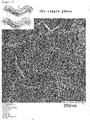
Fig. 1] Fig. 1 is a freeze fracture TEM (FF-TEM) of the ripple phase according to the present invention. - [
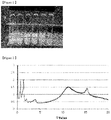
Fig. 2] Fig. 2 is a photograph of a sample prepared in (I) component:(II) component:(III) component = 1.5:6:2.5 in an active ingredient concentration of 10 to 60 mass%. - [
Fig. 3] Fig. 3 is an X-ray scattering spectrum of the α gel according to the present invention. - [
Fig. 4] Fig. 4 is a three-component system phase equilibrium diagram of the polyoxyethylene surfactants based α gel (surfactantactive ingredient 50 wt%, solvent: water) according to the present invention prepared at 25°C. - [
Fig. 5] Fig. 5 is observation photographs of a common α gel containing 20 parts of water and an O/W emulsified formulation of the composition for forming α gel according to the present invention after respectively ultracentrifuged at 30,000 rpm for 12 hours. - [
Fig. 6] Fig. 6 is X-ray analysis results of a common α gel and the composition for forming α gel according to the present invention. - [
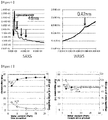
Fig. 7] Fig. 7 is results of differential scanning calorimetry (DSC measurement) of each of the samples having different water contents. - [
Fig. 8] Fig. 8 is X-ray analysis results of an O/W emulsified formulation of the present α gel containing only 2 parts of water supposing after dried. - [
Fig. 9] Fig. 9 is use test results by trained panelists on Example 1 according to the present invention compared to Comparative Example 1. - Hereinafter, the constitution according to the present invention is described in detail.
The composition for forming α gel of the present invention is constituted by 2 phases of a ripple phase and a micellar phase in a region having a high water content, but is constituted by a single α-gel phase in a region having a low water content (Fig. 1 ). - The polyoxyethylene dialkyl ester and/or ether of (I) used in the present invention preferably has a straight-chain aliphatic acid residue or a straight-chain aliphatic alcohol residue having 16 to 24 carbon atoms, and a polyoxyethylene chain is preferably 4 to 15 mol.
- Examples of the commercial product include polyoxyethylene (4 mol) distearate (e.g., manufactured by Nihon Emulsion Co., Ltd., Emalex 200DIS), polyoxyethylene (6 mol) distearate (e.g., manufactured by Nihon Emulsion Co., Ltd., Emalex 300DIS), polyoxyethylene (8 mol) distearate (e.g., manufactured by Nihon Emulsion Co., Ltd., Emalex 400DIS), polyoxyethylene (12 mol) distearate (e.g., manufactured by Nihon Emulsion Co., Ltd., Emalex 600DIS), steareth-4 stearate (e.g., manufactured by Nihon Emulsion Co., Ltd., Emalex SWS-4), steareth-6 stearate (e.g., manufactured by Nihon Emulsion Co., Ltd., Emalex SWS-6), steareth-9 stearate (e.g., manufactured by Nihon Emulsion Co., Ltd., Emalex SWS-9), and polyoxyethylene (8 mol) dibehenyl ether. The binding form of the polyoxyethylene chain and the alkyl group may contain ester, ether, or both of them.
- The polyoxyethylene alkyl ester and/or polyoxyethylene alkyl ether of (II) used in the present invention preferably has a straight-chain aliphatic acid residue or a straight-chain aliphatic alcohol residue having 16 to 24 carbon atoms, and a polyoxyethylene chain is preferably 8 to 30 mol.
- Examples of the commercial product include polyoxyethylene (5 mol) behenyl ether (e.g., manufactured by Nikko Chemicals, Co., Ltd., Nikkol BB-5), polyoxyethylene (10 mol) behenyl ether (e.g., manufactured by Nikko Chemicals, Co., Ltd., Nikkol BB-10), polyoxyethylene (20 mol) behenyl ether (e.g., manufactured by Nikko Chemicals, Co., Ltd., Nikkol BB-20), polyoxyethylene (10 mol) stearyl ether (e.g., manufactured by Nihon Emulsion Co., Ltd., Emalex 610), and polyoxyethylene (7 mol) cetyl ether (e.g., manufactured by Nihon Emulsion Co., Ltd., Emalex 107).
- The polyoxyethylene sterol ether of (III) used in the present invention preferably has, as the hydrophobic group, phytosterol, cholesterol, or ergosterol, and a polyoxyethylene chain is preferably 5 to 30 mol.
- Examples of the commercial product include polyoxyethylene (5 mol) phytosterol (e.g., manufactured by Nikko Chemicals, Co., Ltd., Nikkol BPS-5), polyoxyethylene (10 mol) phytosterol (e.g., manufactured by Nikko Chemicals, Co., Ltd., Nikkol BPS-10), polyoxyethylene (20 mol) phytosterol (e.g., manufactured by Nikko Chemicals, Co., Ltd., Nikkol BPS-20), polyoxyethylene (30 mol) phytosterol (e.g., manufactured by Nikko Chemicals, Co., Ltd., Nikkol BPS-30), and polyoxyethylene (10 mol) cholesterol (e.g., manufactured by Nihon Emulsion Co., Ltd., Emalex CS-10).
- In the present invention, when the ripple phase containing composition changing to the α gel is formed at a low water content only by the polyoxyethylene surfactants represented by (I) and (II), the polyoxyethylene dialkyl ester and/or ether of (I) is preferably 15 to 45 mass% based on the total amount of the polyoxyethylene surfactants, and the balance is preferably the polyoxyethylene alkyl ester and/or ether of (II). Further, the water content is preferably 20 to 70 mass% in the ripple phase containing composition.
- The ripple phase refers to a phase having the hydrocarbon chain part being close to a crystalline state but the membrane is curved. In the present invention, the formation of the ripple phase was confirmed by the match of scattering peak positions actually measured and scattering peak positions obtained by determining an X-ray scattering pattern indicating peak assignments of each active ingredient concentration and calculating mathematically from the ripple phase unit cell based on a literature (*Karen P. Shaw et al., Soft Matter, 2012, 8, 1070-1078 J. Stamatoff et al., Biophys. J., 38, 217-226 (1982)), and freeze fracture TEM (FF-TEM) (
Fig. 1 ). - The α gel is an aggregate formed by a higher aliphatic alcohol and a hydrophilic surfactant in water, and means α-gel taking the α structure (by Shoji Fukushima, "sechiru arukoru no butsuri kagaku" ("physical chemistry of cetyl alcohol" in English"), published by Fragrance Journal).
- The (I) to (III) components were then selected to confirm the phase behavior by changes in the amount of water. Polyoxyethylene (6 mol) distearate (manufactured by Nihon Emulsion Co., Ltd., Emalex 300DIS) was selected as (I) polyoxyethylene dialkyl ester and/or ether.
- Further, polyoxyethylene (10 mol) behenyl ether (manufactured by Nikko Chemicals, Co., Ltd., Nikkol BB-10) was selected as (II) polyoxyethylene alkyl ester and/or polyoxyethylene alkyl ether.
- Furthermore, (10 mol) phytosterol (manufactured by Nikko Chemicals, Co., Ltd., Nikkol BPS-10) was selected as (III) polyoxyethylene sterol ether polyoxyethylene.
- The selected (I) to (III) components were blended in a component ratio of (I):(II):(III) = 1.5:6:2.5, thereby revealing that the phase state changes from the micellar phase and the ripple phase to the α-gel phase as the water content reduces and the active ingredient concentration increases (
Fig. 2 ). - For example, when an active ingredient concentration is 10 to 20 mass%, the composition is constituted by 2 phases wherein 1 phase is a micellar phase formed by (III) component, and (I) component and (II) component form the ripple phase. The micellar phase was confirmed by phosphotungstic acid stain, and the ripple phase was confirmed from the X-ray scattering pattern described above.
- Further, the ripple phase was mostly formed in the region having an active ingredient concentration of 40 mass%.
- When an active ingredient concentration is 60 mass%, (I) component, (II) component, and (III) component were revealed to have formed 1 α phase. This was confirmed by the appearance of scattering peaks suggesting the α gel (
Fig. 3 ). - Thus, (I) and (II) form the ripple phase due to a high water content in a product and during storage over time. (III) forms the microemulsion (micelles) phase.
- However, when the base proceeds to dry during and after application and a water content reduces, (I) component, (II) component, and (III) component conceivably form the α gel.
- In other words, it is revealed that the state of the phase is selectable by adjusting a water content depending on the usage and purpose.
- That is, the hydrophobic part of the present α-gel composition produced when a water content is high is not mixed with the hydrophilic part as a single phase but emulsified in the hydrophobic part as dissolved in the oil phase, enabling the W/O emulsification. Further, water volatilizes also in the water-in-oil (W/O) type skin external preparation composition.
- At this time, the present α-gel composition which has been separately present in the hydrophobic part and the hydrophilic part is mixed to be a single phase and form a α gel applied coat. Thus, in the α-gel composition of the present invention, the multiphase changes occurs as a water content changes which has never occurred in the conventional α gel, due to which the water-in-oil (W/O) type skin external preparation can be prepared. Further, when the hydrophilic part and the hydrophobic part are mixed, an oil-water interfacial tension comes to an extremely low state and thereby the composition seemingly provides good skin compatibility and a refreshing feel when used.
- Additionally, in the present invention, a plurality of surfactants can be added to the essential components as needed for the purpose of adjusting the usability. Further, the α gel of the present invention does not form a mixed micelle of the hydrophilic part and the hydrophobic part in the formulation having a lot of water, and thus the substantially same amphiphile component can be prepared into an O/W emulsification with the hydrophilic part, in addition to the W/O emulsification.
- Further, in the skin external preparation composition, any amounts of the ripple phase containing composition, the composition for forming α gel, and the α-gel composition using the same can be blended, but generally the total of each nonionic surfactant in the skin external preparation is preferably 0.1% to 20%.
- The ripple phase containing composition according to the present invention can be obtained by melting (I) polyoxyethylene dialkyl ester and/or ether and (II) polyoxyethylene alkyl ester and/or ether at 70 to 80°C, adding a proportion of 40 to 90 wt% of ion exchange water at 70 to 80°C, stirring and subsequently cooling.
- Further, the composition for forming α gel according to the present invention can be obtained by further adding (III) polyoxyethylene sterol ether to (I) polyoxyethylene dialkyl ester and/or ether and (II) polyoxyethylene alkyl ester and/or ether, subsequently melting at 70 to 80°C, adding a proportion of 40 to 90 wt% of ion exchange water at 70 to 80°C, stirring and subsequently cooling.
- As a specific example of the α-gel composition, polyoxyethylene (6 mol) distearate (manufactured by Nihon Emulsion Co., Ltd., Emalex 300DIS) was selected as (I) component. Further, polyoxyethylene (10 mol) behenyl ether (manufactured by Nikko Chemicals, Co., Ltd., Nikkol BB-10) was selected as (II) component. Additionally, polyoxyethylene (10 mol) phytosterol (manufactured by Nikko Chemicals, Co., Ltd., Nikkol BPS-10) was selected as (III) component.
- A mixture of the selected (I) to (III) components were formed into a single phase at 70 to 80°C. Subsequently, ion exchange water heated to the same temperature was added in a proportion of 50 wt%, and cooled to room temperature (25°C) to thereby obtain an α-gel composition having a surfactant active ingredient of 50 wt%. A three-component system phase equilibrium diagram is shown in
Fig. 4 . - The shaded area in
Fig. 9 is a region which had a single melting point peak when measured using a differential calorimeter and obtained scattering peaks (Fig. 3 ) suggesting the α gel as a result of X-ray analysis. As is evident inFig. 4 , the α gel can be obtained only by (I) component and (II) component, but the region of α gel was also confirmed up to about 80% of the amount of (III) component, when added, in the total nonionic surfactants. - In the present invention, nonionic surfactants alone can construct the composition for forming α gel, but a higher aliphatic alcohol having 16 or more carbon atoms can also be added as needed for the purpose of adjusting the usability. Example of the higher aliphatic alcohol having 16 or more carbon atoms include cetyl alcohol, cetostearyl alcohol, stearyl alcohol, behenyl alcohol, and batyl alcohol. Further, the ratio of the polyoxyethylene dialkyl ester and/or ether to the polyoxyethylene alkyl ester and/or polyoxyethylene alkyl ether used in the present invention is preferably (7:3 to 1:9). A ratio outside this range deposits crystals, hence not suitable for the formulation. Additionally, the amount of polyoxyethylene sterol ether to the above mixture is preferably 0 to 80 wt%, and an amount more than this fails to form the α gel even when a water content reduces during and after application.
- The oil component used in the skin external preparation of the present invention is not particularly limited, and, for example, a liquid oil and fat, a solid oil and fat, a wax, a hydrocarbon oil, a higher fatty acid, a synthetic ester oil, or a silicone oil can be suitably blended, and further some higher alcohols can also be dissolved in these oils and emulsified. The content in the α gel-containing skin external preparation of interest is not particularly limited, and 0.05 to 50 mass% is preferable. A content of 0.05 mass% or less results in a poor effect as the skin external preparation, whereas a content exceeding 50 mass% causes an undesirable feel when used.
- Examples of liquid fats include avocado oil, camellia oil, turtle oil, macadamia nut oil, corn oil, mink oil, olive oil, rapeseed oil, egg yolk oil, sesame oil, par chic oil, wheat germ oil, sasanqua oil, castor oil, linseed oil, safflower oil, cotton seed oil, perilla oil, soybean oil, groundnut oil, brown real oil, torreya oil, rice bran oil, chinese wood oil, jojoba oil, germ oil, and triglycerol.
- Examples of solid fats include cacao butter, coconut oil, horse fat, hydrogenated coconut oil, palm oil, beef fat, mutton suet, hydrogenated beef fat, palm kernel oil, lard, beef bones fat, Japan wax kernel oil, hardened oil, hoof oil, Japan wax, and hydrogenated castor oil.
- Examples of waxes include beeswax, candelilla wax, cotton wax, carnauba wax, bayberry wax, insect wax, spermaceti, montan wax, bran wax, lanolin, kapok wax, lanolin acetate, liquid lanolin, sugarcane wax, lanolin fatty acid isopropyl, hexyl laurate, reduced lanolin, jojoba wax, hard lanolin, shellac wax, POE lanolin alcohol ether, POE lanolin alcohol acetate, POE cholesterol ether, lanolin fatty acid polyethylene glycol, POE hydrogenated lanolin alcohol ether and cetyl palmitate.
- Examples of hydrocarbon oils include liquid paraffin, ozocerite, squalene, pristane, paraffin, ceresin, squalane, vaseline, and microcrystalline wax.
- Examples of the higher fatty acid include lauric acid, myristic acid, palmitic acid, stearic acid, behenic acid, oleic acid, undecylenic acid, tall oil acid, isostearic acid, linoleic acid, linolenic acid, eicosapentaenoic acid (EPA), docosahexaenoic acid (DHA).
- Examples of the synthetic ester oil include cetyl octanoate, myristyl myristate, glyceryl tri2-ethylhexanoate, pentaerythritol tetra2-ethylhexanoate, dioctyl succinate, and tripropylene glycol dineopentanoate.
- Examples of the silicone oil include chain polysiloxanes (e.g., dimethyl polysiloxane, methylphenyl polysiloxane, and diphenyl polysiloxane); cyclic polysiloxanes (e.g., octamethylcyclotetrasiloxane, decamethylcyclopentasiloxane, and dodecamethylcyclohexasiloxane), silicone resins having a three-dimensional network, silicone rubbers, various modified polysiloxanes (amino-modified polysiloxane, polyether-modified polysiloxane, alkyl-modified polysiloxane, and fluorine-modified polysiloxane), and acrylic silicones.
- The α-gel-containing skin external preparation of the present invention can be used, for example, in skin cosmetics, hair cleansers, skin cleansers, and hair styling products applicable to the body such as skins and hair.
- The α-gel-containing skin external preparation of the present invention can further contain, in addition to the essential components described above, components typically used in cosmetics and pharmaceutical products at a content in a range which does not affect the stability. Examples of such a component include powder components, amphoteric surfactants, ionic surfactants, nonionic surfactants, moisturizers, thickeners, coating agent, UV absorbers, sequestering agents, pH adjusters, skin nutrients, vitamins, antioxidants, antioxidant aids, and fragrances.
- Examples of powder components include inorganic powder (for example, talc, kaolin, mica, sericite, muscovite, phlogopite, synthetic mica, lepidolite, biotite, vermiculite, magnesium carbonate, calcium carbonate, aluminum silicate, barium silicate, calcium silicate, magnesium silicate, strontium silicate, tungstate, magnesium, silica, zeolite, barium sulfate, calcined calcium sulfate, calcium phosphate, fluorine apatite, hydroxyapatite, ceramic powder, metallic soap (for example, zinc myristate, calcium palimitate, and aluminum stearate), and boron nitride); organic powder (for example, polyamide resin powder (nylon powder), polyethylene powder, polymethylmethacrylate powder, polystyrene powder, styrene-acrylic acid copolymer resin powder, benzoguanamine resin powder, poly(tetrafluroethylene) powder, and cellulose powder); inorganic white family pigment (for example, zinc oxide); inorganic red family pigment (for example, iron titanate); inorganic purple family pigment (for example, mango violet, cobalt violet); inorganic green family pigment (for example, chrome oxide, chrome hydroxide, cobalt titanate); inorganic blue family pigment (for example, ultramarine, iron blue); pearl pigment (for example, titanium oxide coated mica, titanium oxide coated bismuth oxychloride, titanium oxide coated talc, colored titanium oxide coated mica, bismuth oxychloride, argentine); metal powder pigment (for example, aluminum powder, and copper powder); organic pigment such as zirconium, barium, or aluminum lake (for example, organic pigment such as Red No.201, Red No.202, Red No.204, Red No.205, Red No.220, Red No.226, Red No.228, Red No.405, Orange No.203, Orange No.204, Yellow No.205, Yellow No.401, Blue No.404,or Red No.3, Red No.104, Red No.106, Red No.227, Red No.230, Red No.401, Red No.505, Orange No.205, Yellow No.4, Yellow No.5, Yellow No.202, Yellow No.203, Green No.3, and Blue No.1); natural pigment (for example, chlorophyll, and β-carotene).
- Examples of ampholytic surfactants include imidazoline base ampholytic surfactant (for example,sodium 2-undecyl-N,N,N-(hydroxyethylcarboxymethyl)-2-imidazoline, 2-cocoyl-2-imidazolinium hydroxide-1-carboxyethyloxy)-2-sodium salt; and betaine base surfactant (for example, 2-heptadecyl-N-carboxymethyl-N-hydroxyethylimidazolinium betaine, lauryldimethyl aminoacetate betaine, alkyl betaine, amidobetaine, and sulfobetaine).
- Example of ionic surfactants include N-acyl methyl sodium, N- acyl glutamic acid salt, alkyl sulfate, polyoxyethylene alkyl sulfate, fatty acid soap, alkyl quaternary ammonium salt and di alkyl quaternary ammonium salt
- Examples of lipophilic nonionic surfactants include sorbitan fatty acid esters (for example, sorbitan monooleate, sorbitan monoisostearate, sorbitan monolaurate, sorbitan monopalmitate, sorbitan monostearate, sorbitan sesquioleate, sorbitan trioleate, diglycerol sorbitan penta-2 ethylhexylate, and diglycerol sorbitan tetra-2 ethylhexylate); glyceryl polyglyceryl fatty acids (for example, glyceryl monocotton oil fatty acid, glyceryl monoerucate, glyceryl sesquioleate, glyceryl monostearate, glyceryl α,α'-oleate pyroglutamate, and glyceryl monostearate malate); propylene glycol fatty acid esters (for example, propylene glycol monostearate); hydrogenated caster oil derivative; and glyceryl alkyl ether.
- Examples of hydrophilic nonionic surfactants include POE-sorbitan fatty acid esters (for example, POE-sorbitan monooleate, POE-sorbitan monostearate, and POE-sorbitan tetraoleate); POE-sorbit fatty acid esters (for example, POE-sorbit monolaurate, POE-sorbit monooleate, POE-sorbit pentaoleate, and POE-sorbit monostearate), POE-glyceryl fatty acid esters (for example, POE-glyceryl monostearate; POE-glyceryl monoisostearate, and POE-glyceryl triisostearate); POE-fatty acid esters (for example, POE-distearate, POE-monodioleate, and ethyleneglycol distearate); POE-alkyl ethers (for example, POE-lauryl ether, POE-oleyl ether, POE-stearyl ether, POE-behenyl ether, POE-2-octyldodecyl ether, and POE-cholestanol ether); pluronic types (for example, Pluronic), POE/POP-alkyl ethers (for example, POE/POP-cetyl ether, POE/POP-2-decyltetradecyl ether, POE/POP-monobutyl ether, POE/POP-hydrogenated lanoline, and POE/POP glycerin ether); tetra POE/tetra POP-ethylenediamine condensation products (for example, Tetronic); POE-castor oil hydrogenated castor oil derivatives (for example, POE-castor oil, POE-hydrogenated castor oil, POE-hydrogenated castor oil monoisostearate, POE-hydrogenated castor oil triisostearate, POE-hydrogenated castor oil monopyroglutamate monoisostearate diester, and POE-hydrogenated oil maleate); POE-beeswax/lanoline derivatives (for example, POE-sorbitol beeswax); alkanolamides (for example, coconut oil fatty acid diethanolamide, lauric acid monoethanolamide, and fatty acid isopropanolamide); POE-propyleneglycol fatty acid esters; POE-alkyl amines; POE-fatty acid amides; sucrose fatty acid esters; alkylethoxydimethylamine oxide; and trioleyl phosphoric acid.
- Examples of natural water-soluble polymers include plant-based polymer (for example, gum Arabic, gum tragacanth, galactan, guar gum, locust bean gum, gum karaya, carrageenan, pectine, agar, quince seed (cydonia oblonga), algae colloid (brown algae extract), starch (rice, corn, potato, and wheat), and glicyrrhizic acid), microorganisms based polymer (for example, xanthan gum, dextran, succinoglycan, and pullulan), animal-based polymer (for example, collagen, casein, and albumin, gelatine).
- Examples of semisynthetic water-soluble polymers include starch-based polymer (for example, carboxymethyl starch, and methylhydroxypropyl starch), cellulosic polymer (methylcellulose, ethylcellulose, methylhydroxypropylcellulose, hydroxyethylcellulose, cellulose sodium sulfate, hydroxypropylcellulose, carboxymethylcellulose, sodium calboxymethyl cellulose, micrclrystalline cellulose, and cellulose powder), alginic acid base polymer (for example, sodium alginate, and propylene glycol ester alginate) and sodium pectate.
- Examples of synthetic water-soluble polymers include vinyl base polymer (for example, polyvinyl alcohol, polyvinyl methyl ether, polyvinylpyrrolidone, and carboxyvinylpolymer); polyoxyethylene base polymer (for example, polyethylene glycol 20,000, 40,000, and 60,000); Poly (dimethyldiallylammonium halide) type cationic polymer (for example, Merquat100 Merck U.S.A Co.ltd); Copolymerizable type cationic polymers of dimethyldiallylammonium halide and acrylamide (for example Merquat550 Merck U.S.A Co.ltd,); acrylic polymer (for example, sodium polyacrylate, polyethylacrylate, and polyacrylamide); polyethyleneimine; cationpolymer and magnesium aluminum silicate.
- Examples of ultraviolet light absorbers include benzoic acid family ultraviolet light absorbers (for example, p-aminobenzoic acid (hereinafter abbreviated as PABA), PABA monoglycerine ester, N,N-dipropoxy PABA ethyl ester, N,N-diethoxy PABA ethyl ester, N,N-dimethyl PABA ethyl ester, N,N-dimethyl PABA butyl ester, and N,N-dimethyl PABA ethyl ester); anthranilic acid family ultraviolet light absorbers (for example, homomenthyl N-acetylanthranilate); salicylic acid family ultraviolet light absorbers (for example, amyl salicylate, menthyl salicylate, homomenthyl salicylate, octyl salicylate, phenyl salicylate, benzyl salicylate, and p-isopropanolphenyl salicylate); cinnamic acid family ultraviolet light absorbers (for example, octyl cinnamate, ethyl 4-isopropylcinnamate, methyl 2,5-diisopropylcinnamate, ethyl 2,4-diisopropylcinnamate, methyl 2,4-diisopropylcinnamate, propyl p-methoxycinnamate, isopropyl p-methoxycinnamate, isoamyl p-methoxycinnamate, octyl p-methoxycinnamate (2-ethylhexyl p-methoxycinnamate), 2-ethoxyethyl p-methoxycinnamate, cyclohexyl p-methoxycinnamate, ethyl α-cyano-β-phenylcinnamate, 2-ethylhexyl α-cyano-β-phenylcinnamate, and glyceryl mono-2-ethylhexanoyl-diparamethoxy cinnamate); benzophenone family ultraviolet light absorbers (for example, 2,4-dihydroxybenzophenone, 2,2'-dihydroxy-4-methoxybenzophenone, 2,2'-dihydroxy-4,4'-dimethoxybenzophenone, 2,2',4,4'-tetrahydroxybenzophenone, 2-hydroxy-4-methoxybenzophenone, 2-hydroxy-4-methoxy-4'-methylbenzophenone, 2-hydroxy-4-methoxybenzophenone-5-sulfonate, 4-phenylbenzophenone, 2-ethylhexyl-4'-phenyl-benzophenone-2-carboxylate, 2-hydroxy-4-n-octoxybenzophenone, and 4-hydroxy-3-carboxybenzophenone); 3-(4'-methylbenzylidene)-d,l-camphor, 3-benzylidene-d,l-camphor; 2-phenyl-5-methylbenzoxazol; 2,2'-hydroxy-5-methylphenylbenzotriazol; 2-(2'-hydroxy-5'-t-octylphenyl) benzotriazol, 2-(2'-hydroxy-5'-methylphenylbenzotriazol; dibenzalazine; dianisoylmethane; 4-methoxy-4'-t-butyldibenzoylmethane; and 5-(3,3-dimethyl-2-norbornylidene)-3-pentane-2-one.
- Example of sequestering agent include 1-hydroxyethane-1,1-diphosphonic acid, 1-hydroxyethane-1,1-diphosphonic acid tetrasodium salt, edetate disodium, edetate trisodium, edetate tetrasodium, sodium citrate, sodium polyphosphate, sodium metaphosphate, gluconic acid, phosphoric acid, citric acid, ascorbic acid, succinic acid, edetic acid and Ethylenediamine hydroxyethyl triacetate trisodium.
- Examples of the pH adjuster include buffers such as lactic acid-sodium lactate, citric acid-sodium citrate, and succinic acid-sodium succinate.
- Examples of the vitamin include vitamins A, B1, B2, B6, C, E, and derivatives thereof, pantothenic acid and derivatives thereof, and biotin.
- Examples of the antioxidant include tocopherols, dibutylhydroxytoluene, butylhydroxyanisol, and gallic acid esters.
- Examples of anti-oxidant aids include phosphoric acid, citric acid, ascorbic acid, maleic acid, malonic acid, succinic acid, fumaric acid, cephalin, hexamethaphosphate, phytic acid, and ethylene diamine tetra-acetic acid.
- Examples of other blendable components include antiseptic agent (ethylparaben, butylparaben, etc); lightening agent (for example, placental extract, saxifrage extract, and arbutin); blood circulation promotion agent (for example, nicotine acid, nicotine acid benzyl, tocopherol nicotinate, nicotine acid β-butoxy ester, minoxidil, or their analogs, vitamine E type, γ-oryzanol, alkoxycarbonylpyridine N-oxide, capronium chloride, acetylcholine and their derivatives); various extract (for example, ginger, oat, Japanese coptis, lithospermum, birch, loquat, carrot, aloe, mallow, iris, grape, sponge gourd, lily, saffron, cnidium rhizome, ginger , hypericum, restharrow, garlic, red pepper, citrus unshiu, Japanese angelica, Japanese tree peoney, and seaweed); activator agent (for example, pantothenyl ethyl ether, nicotinamide, biotin, pantothenic acid, royal jelly, and cholesterol derivative); and antiseborrheric agent (for example, pyridoxine, and thianthl).
- Further, fragrances, scrubbing agents, and the like can suitably be blended in a range which does not affect the stability.
- Hereinafter, the present invention is described in further detail in reference with Examples, but not limited thereto. The content is all shown in mass%, unless specifically stated otherwise.
- First of all, absence of the α-gel of the present invention in a formulation having a high water content is described in reference with test results. Assuming the situation where water volatilizes and dries, each of the compositions shown in Table 1 was prepared respectively at 75°C using a common α-gel consisting of stearoyl N-sodium methyltaurate and behenyl alcohol and a α-gel preparation containing polyoxyethylene (10 mol) phytosterol (tradename: Nikkol BPS-10): polyoxyethylene (6 mol) distearate (tradename: Emalex 300DI-S): polyoxyethylene (10 mol) behenyl ether (tradename: Nikkol BB-10) (6:2:2).
- In the compositions of Table 1, compositions in the table entry described as α-gel component are shown in Table 2. Both have the same contents of the total α-gel active ingredient.
[Table 1] Component Content Content Content Content Content α-gel component 2.68parts ←ditto* ←ditto ←ditto ←ditto Cetyl isooctanoate 2parts ←ditto ←ditto ←ditto ←ditto Ion exchange water** 2parts 5parts 10parts 15parts 20parts * Ditto: the same as the left
** The parts of ion exchange water are simulated as drying from right to left.[Table 2] Composition for forming α-gel of the present invention Content (1) Polyoxyethylene (6 mol) distearate 0.54 Parts (2) Polyoxyethylene (10 mol) behenyl ether 0.54 Parts (3) Polyoxyethylene (10 mol) phytosterol 1.6 Parts Common α-gel Content (1) Stearyl alcohol 0.5 Parts (2) Behenyl alcohol 1.84 Parts -
Fig. 5 shows observation photographs of O/W emulsified formulations containing 20 parts of water ultracentrifuged respectively at 30,000 rpm for 12 hours. As is evident from the photographs, the common α gel had a separated gel part which was revealed, as shown inFig. 6 , to have a α-gel structure having an interplanar spacing of 48 nm and a sub-lattice spacing of 0.42 nm when X-ray analyzed.
Further,Fig. 5 shows the results of differential scanning calorimetry (DSC measurement) of each of the samples having different water contents. As is evident inFig. 7 , the α-gel consisting of stearoyl N-sodium methyltaurate and behenyl alcohol, which is the common α-gel, has substantially constant gel melting points and endothermic enthalpy at any water content, but the composition for forming α-gel of the present invention had the gel melting points and endothermic enthalpy abruptly changing at a water content of 5 parts or more, and particularly the endothermic enthalpy was revealed to have been almost 0, which coincided with the result of the α-gel inseparable by ultracentrifugation. Further, the X-ray analysis results of the O/W emulsified formulation of the present α gel containing only 2 parts of water are shown inFig. 8 , but in the state of such a low water content, an interplanar spacing of 17.8 nm was found on the smaller angle side and an α-gel specific sub-lattice spacing of 0.42 nm was found on the wide angle side. - An O/W emulsion containing the composition for forming α-gel of Example 1 containing the polyoxyethylene surfactants based composition for forming α-gel according to the present invention (polyoxyethylene (6 mol) distearate, polyoxyethylene (10 mol) behenyl ether, and polyoxyethylene (10 mol) phytosterol) and an emulsion containing the α-gel of Comparative Example 1 using a common higher alcohol based α gel (behenyl alcohol, stearyl alcohol, and sodium N-stearoyl methyltaurate) were respectively prepared by a routine method. The amounts of components constituting the α-gel were the same, and other components and the amounts of components were identical.
- For the use test, proper doses of Example 1 and Comparative Example 1 were respectively applied to half each of the face by 6 trained panelists and feels of use of Example 1 compared to Comparative Example 1 were evaluated on 5 scales for each evaluation entry.
Evaluation score 0 was the feel of use equivalent to that of Comparative Example 1.[Table 3] Example 1 Content Mass% (1) Polyoxyethylene (6 mol) distearate 0.27 (2) Polyoxyethylene (10 mol) behenyl ether 0.27 (3) Polyoxyethylene (10 mol) phytosterol 0.8 (4) Liquid paraffin 2.3 (5) Dimethylpolysiloxane 6CS 3.0 (6) Isocetyl octanoate 0.7 (7) Amino-modified polymer silicone/ dimethylpolysiloxane 20CS 10% solution0.5 (8) Dynamite glycerin 3.0 (9) Dipropylene glycol 7.0 (10) Common alcohol 95% 5.0 (11) Phenoxy ethanol 0.5 (12) Carboxy vinyl polymer 0.015 (13) Caustic potash 0.63 (14) EDTA2Nax2H2O 0.03 (15) Ion exchange water Balance [Table 4] Comparative Example 1 Content Mass% (1) Behenyl alcohol 0.92 (2) Stearyl alcohol 0.25 (3) Sodium N-stearoyl methyltaurate 0.17 (4) Liquid paraffin 2.3 (5) Dimethylpolysiloxane 6CS 3.0 (6) Cetyl isooctanoate 0.7 (7) Amino-modified polymer silicone/ dimethylpolysiloxane 20CS 10% solution0.5 (8) Dynamite glycerin 3.0 (9) Dipropylene glycol 7.0 (10) Common alcohol 95% 5.0 (11) Phenoxy ethanol 0.5 (12) Carboxy vinyl polymer 0.015 (13) Caustic potash 0.63 (14) EDTA2Nax2H2O 0.03 (15) Ion exchange water Balance - Results are shown in
Fig. 9 . As is evident in the figure, the O/W emulsion containing the polyoxyethylene surfactant based composition for forming α-gel according to the present invention was revealed to have a high moistness feel and a resilient feel after application while easily spreadable and refreshing compared to the emulsion of Comparative Example 1 which used the higher alcohol based α-gel. - Further, the O/W emulsion containing the composition for forming α-gel of Example 1 and the skin external preparation containing the α-gel of Comparative Example 1 were respectively compared for the viscosity stability.
- The samples of Example 1 and Comparative Example 1 were stored each at 0 to 50°C, the viscosity over time was retained at 30°C for 30 minutes or more, and subsequently measured using a B type viscometer (rotor No. 2 or No. 3, 6 rpm, 1 minute). The measured values are shown in Table 5.
[Table 5] Time elapsed, Temperature condition Example 1 Comparative Example 1 Day 12530mPa▪s 7450mPa▪ s 1 Month 0°C2450 17580 1 Month 25°C2590 20080 1 Month 37°C 2460 15430 1 Month 50°C2380 14600 2 Months 0°C2550 25380 2 Months 25°C2610 30250 2 Months 37°C 2540 18650 2 Months 50°C2400 17630 - As is evident in Table 5, the emulsion of Example 1 was revealed to have maintained constant viscosity compared to Comparative Example 1. This is because in Comparative Example 1 the higher aliphatic alcohol, which is the constituting component of the α gel causing the viscosity, is dissolved in the oil phase and sodium N-stearoyl methyltaurate is dissolved in the aqueous phase wherein the higher aliphatic alcohol present in the oil phase flows out into the aqueous phase and gradually mixes with sodium N-stearoyl methyltaurate to thereby increase the viscosity, whereas the composition for forming α-gel of the present invention is constituted with the nonionic surfactants all having similar solubilities.
- A W/O cream containing the composition for forming α-gel of Example 1 containing polyoxyethylene (6 mol) distearate, polyoxyethylene (10 mol) behenyl ether, polyoxyethylene (10 mol) phytosterol, and polyoxyethylene (10 mol) behenyl ether, and other 3 different kinds of W/O creams were respectively prepared by a routine method.
- For the use test, sensory evaluations were carried out when each of the W/O creams was applied by 10 trained panelists and average values obtained by evaluating on 5 scale scores are shown in the table.
-
Sticky feel Very intense : 1 Intense : 2 Fair : 3 Rather weak : 4 Weak : 5 -
Skin compatibility Very intense : 1 Intense : 2 Fair : 3 Rather weak : 4 Weak : 5 [Table 6] Component Test sample 1 Comparative sample 1Comparative sample 2Comparative sample 3Polydimethylsiloxane 6CS 5 5 5 5 Liquid paraffin 15 15 15 15 Isocetyl octanoate 5 5 5 5 Purified Vaseline 10 10 10 10 Microcrystalline wax 0.5 0.5 0.5 0.5 Quaternium-5 hectorite 2 2 2 2 Polyoxyethylene (10 mol) phytosterol 0.6 - - - Polyoxyethylene (6 mol) distearate 0.2 - - - Polyoxyethylene (10 mol) behenyl ether 0.2 - - - Diglyceryl isostearate 0.2 1.2 - - Sorbitan sesquioleate - - 1.2 - (Diisostearate/polyhydroxystearate/sebac ate)polyglyceryl-4 - - - 1.2 Glycerin 7 7 7 7 Dipropylene glycol 3 3 3 3 1,3- Butandiol 3 3 3 3 Phenoxy ethanol 0.5 0.5 0.5 0.5 Ion exchange water 47.8 47.8 47.8 47.8 Sticky feel 4.5 3.5 3.2 2.9 Skin compatibility 4.3 3.2 2.8 3.3 - As is evident in Table 6, the W/O cream containing the composition for forming α gel of the present invention was revealed to have been sensed having a less sticky feel and quick skin compatibility compared to the W/O creams obtained by other emulsification methods.
- Further, the skin moisturizing effects of the W/O creams of Example 1 and Comparative Examples 1 to 3 were evaluated as the occlusion effect. More specifically, each formulation was homogeneously applied to a filter paper in a rate of 5 mg/cm2 and allowed to stand for 1 day. In a thermo-hygrostat (23°C, relative humidity = 45%), 5 mL of water was placed in a 25 mL vial, immediately the filter paper was inserted and fixed with the cap of the vial, and an amount of water evaporated was measured successively. The amount of water evaporated per hour (attenuation wt%) was defined as water evaporation rate constant (%/hour). Thus, the smaller a water evaporation rate constant (%/hour) is, a higher the ability to retain water is.
[Table 7] Test base Water evaporation rate constant (%/hour) Ion exchange water (Blank) 0.143 Example Formulation 10.019 Comparative Formulation 10.038 Comparative Formulation 20.029 Comparative Formulation 0.033 - As is evident in Table 7, the W/O cream containing the composition for forming α-gel of the present invention (Example Formulation 1) was revealed to have a higher occlusion effect compared to the W/O creams obtained by other emulsification methods (Comparative Examples 1 to 3).
- Hereinafter, the present invention is further described in reference with Examples, but is not limited thereto.
[Table 8] Example 2 Content O/W Emulsion Mass% (1) Polyoxyethylene (6 mol) distearate 0.3 (2) Polyoxyethylene (10 mol) behenyl ether 0.5 (3) Polyoxyethylene (10 mol) phytosterol 1.2 (4) Dipropylene glycol 5.0 (5) Fragrance 0.1 (6) Pentaerythritol tetra2-ethylhexanoate 2.0 (7) α-Olefin oligomer 3.0 (8) Dimethylpolysiloxane *1 2.0 (9) Purified vaseline 1.0 (10) 1,3-Butylene glycol 2.0 (11) Phenoxyethanol 0.5 (12) Glycerin 4.0 (13) Carboxy vinyl polymer 0.03 (14) Potassium hydroxide 0.01 (15) Tranexamic acid 0.1 (16) Citric acid 0.02 (17) Sodium citrate 0.08 (18) Ion exchange water Balance *1 Dimethylpolysiloxane (manufactured by Shin-Etsu Chemical Co., Ltd., Silicone KF96-A6T) - The emulsification was carried out by a routine method to obtain the above emulsion. The obtained emulsion was not slimy but refreshing when used and had good viscosity stability.
[Table 9] Example 3 Content O/W Serum Mass% (1) Sodium N-stearoyl methyltaurate 0.01 (2) Polyoxyethylene (6 mol) distearate 0.2 (3) Polyoxyethylene (10 mol) behenyl ether 0.2 (4) Polyoxyethylene (10 mol) phytosterol 0.6 (5) Liquid paraffin 0.78 (6) Methylphenylpolysiloxane *2 0.2 (7) Fragrance 0.02 (8) Polyoxyethylene (14 mol) polyoxypropylene (7 mol) dimethyl ether 0.5 (9) Glycerin 3.0 (10) Dipropylene glycol 5.0 (11) 1,3-Butylene glycol 3.0 (12) Citric acid 0.02 (13) Sodium citrate 0.08 (14) EDTA2Nax2H2O 0.01 (15) Common alcohol 95% 5.0 (16) Phenoxyethanol 0.5 (17) Ion exchange water Balance *2 Methylphenylpolysiloxane (manufactured by Shin-Etsu Chemical Co., Ltd., Silicone KF56) - The emulsification was carried out by a routine method to obtain the above serum. The obtained serum was not slimy but refreshing when used and had good viscosity stability.
[Table 10] Example 4 Content O/W Emulsion Mass% (1) Polyoxyethylene (8 mol) distearate 0.5 (2) Polyoxyethylene (10 mol) stearyl ether 1.0 (3) Polyoxyethylene (10 mol) phytosterol 5.0 (4) Isopropylene glycol 4.5 (5) 1,4-Butandiol 1.5 (6) Fragrance 0.09 (7) Glyceryl tristearate 2.5 (8) Squalane 4.5 (9) Dimethylpolysiloxane *1 1.0 (10) Dipropylene glycol 7.0 (11) Erythritol 1.3 (12) Dynamite glycerin 6.0 (13) Phenoxyethanol 0.3 (14) Xanthan gum 0.5 (15) Sodium hexametaphosphate 0.03 (16) Ion exchange water Balance - The emulsification was carried out by a routine method to obtain the above emulsion. The obtained emulsion was not slimy but refreshing when used and had good viscosity stability.
[Table 11] Example 5 Content O/W Sun block cream Mass% (1) Polyoxyethylene (4 mol) distearate 0.4 (2) Polyoxyethylene (10 mol) cetyl ether 0.4 (3) Polyoxyethylene (10 mol) cholesterol 1.5 (4) Dipropylene glycol 6.0 (5) Fragrance 0.08 (6) Glyceryl tri2-ethylhexanoate 2.0 (7) Di-2-ethylhexyl succinate 3.0 (8) 2-Ethylhexyl p-methoxycinnamate 5.0 (9) Avobenzone 3.0 (10) Bis-ethylhexyloxyphenol methoxyphenyl triazine 1.0 (11) 1,3-Butylene glycol 5.0 (12) Phenoxyethanol 0.5 (13) Glycerin 9.0 (14) EDTA-trisodium salt 0.1 (15) Erythritol 0.1 (16) Citric acid 0.02 (17) Sodium citrate 0.08 (18) Ion exchange water Balance - The emulsification was carried out by a routine method to obtain the above sun block cream. The obtained sun block cream was not slimy but refreshing when used, and had good viscosity stability.
[Table 12] Example 6 Content O/W Cream Mass% (1) Polyoxyethylene (6 mol) behenic acid 0.7 (2) Polyoxyethylene (30 mol) behenyl ether 0.9 (3) Polyoxyethylene (5 mol) phytosterol 2.0 (4) 1,3-Butylene glycol 6.5 (5) Ion Exchange water Balance (6) Fragrance 0.05 (7) Dimethylpolysiloxane *1 7.4 (8) Squalane 4.0 (9) Behenyl alcohol 0.6 (10) Purified vaseline 1.0 (11) Dipropylene glycol 5.0 (12) Phenoxyethanol 0.5 (13) Glycerin 7.0 (14) EDTA-trisodium salt 0.1 (15) Camomile extract 0.1 (16) Citric acid 0.02 (17) Sodium citrate 0.08 - The emulsification was carried out by a routine method to obtain the cream. The obtained cream was not slimy but refreshing when used, and had good viscosity stability.
[Table 13] Example 7 Content W/O Sun block cream Mass% (1) Polyoxyethylene (4 mol) distearate 0.4 (2) Polyoxyethylene (10 mol) cetyl ether 0.4 (3) Polyoxyethylene (10 mol) cholesterol 1.5 (4) Dipropylene glycol 6.0 (5) Fragrance 0.08 (6) Glyceryl tri2-ethylhexanoate 2.0 (7) Di-2-ethylhexyl succinate 3.0 (8) 2-Ethylhexyl p-methoxycinnamate 5.0 (9) Avobenzone 3.0 (10) Bis-ethylhexyloxyphenol methoxyphenyl triazine 1.0 (11) Quaternium-5 hectorite 2.0 (12) 1,3-Butylene glycol 5.0 (13) Phenoxyethanol 0.5 (14) Glycerin 9.0 (15) EDTA-trisodium salt 0.1 (16) Erythritol 0.1 (17) Ion exchange water Balance - The emulsification was carried out by a routine method to obtain the sun block cream. The obtained sun block cream was not sticky but refreshing when used, and had good stability.
[Table 14] Example 8 Content W/O Cream Mass% (1) Polyoxyethylene (6 mol) behenic acid 0.2 (2) Polyoxyethylene (10 mol) behenyl ether 0.2 (3) Polyoxyethylene (10 mol) phytosterol 0.6 (4) Sorbitan sesquioleate 0.2 (5) Ion Exchange water Balance (6) Fragrance 0.02 (7) Dimethylpolysiloxane *1 5.4 (8) Liquid paraffin 15.0 (9) Cetyl isooctanoate 5.0 (10) Purified vaseline 10.0 (11) Dipropylene glycol 5.0 (12) Microcrystalline wax 0.5 (13) Quaternium-5 hectorite 2.2 (14) Phenoxyethanol 0.5 (15) Glycerin 7.0 (16) Dipropylene glycol 3.1 (17) 1,3-Butandiol 3.0 (18) Camomile extract 0.1 (19) Citric acid 0.02 (20) Sodium citrate 0.08 - The emulsification was carried out by a routine method to obtain the cream. The obtained cream was not sticky but refreshing when used, and had good stability.
Claims (12)
- A ripple phase containing composition comprising:polyoxyethylene dialkyl ester and/or polyoxyethylene dialkyl ether represented by the following formula (I), andpolyoxyethylene alkyl ester and/or polyoxyethylene alkyl ether represented by the following formula (II):


- The ripple phase containing composition according to claim 1, wherein polyoxyethylene dialkyl ester and/or polyoxyethylene dialkyl ether is 15 to 45 mass% based on a total amount of polyoxyethylene surfactants.
- The ripple phase containing composition according to claim 2 comprising water, wherein a content of water is 20 to 70 mass% in the ripple phase containing composition.
- A composition for forming α gel comprising the ripple phase containing composition according to any one of claims 1 to 3, and polyoxyethylene sterol ether represented by the following formula (III):

- The composition for forming α gel according to claim 4, wherein polyoxyethylene dialkyl ester and/or polyoxyethylene dialkyl ether is 15 to 50 mass%, polyoxyethylene alkyl ester and/or polyoxyethylene alkyl ether is 5 to 80 mass%, and polyoxyethylene sterol ether is 80 mass% or less, based on the total amount of the polyoxyethylene surfactants.
- The composition for forming α gel according to claim 4 or 5, wherein water is blended.
- The composition for forming α gel according to claim 6, wherein a content of water is 10 to 55 mass% in the composition for forming α gel.
- A composition for skin external use comprising the composition for forming α-gel according to any one of claims 5 to 7.
- A water-in-oil type composition for skin external use comprising the composition for skin external use according to claim 8.
- The water-in-oil type composition for skin external use according to claim 9, comprising an aliphatic alcohol and/or a fatty acid.
- An oil-in-water type composition for skin external use comprising the composition for skin external use according to claim 8.
- An α-gel composition comprising:polyoxyethylene dialkyl ester and/or polyoxyethylene dialkyl ether represented by the following formula (I),polyoxyethylene alkyl ester and/or polyoxyethylene alkyl ether represented by the following formula (II), andpolyoxyethylene sterol ether represented by the following formula (III):


Applications Claiming Priority (2)
| Application Number | Priority Date | Filing Date | Title |
|---|---|---|---|
| JP2016013168 | 2016-01-27 | ||
| PCT/JP2017/003070 WO2017131217A1 (en) | 2016-01-27 | 2017-01-27 | RIPPLE-PHASE-CONTAINING COMPOSITION, α-GEL FORMATION COMPOSITION, EXTERNAL SKIN CARE COMPOSITION USING α-GEL FORMATION COMPOSITION, AND α-GEL COMPOSITION USING α-GEL FORMATION COMPOSITION |
Publications (3)
| Publication Number | Publication Date |
|---|---|
| EP3409264A1 true EP3409264A1 (en) | 2018-12-05 |
| EP3409264A4 EP3409264A4 (en) | 2019-07-31 |
| EP3409264B1 EP3409264B1 (en) | 2022-03-09 |
Family
ID=58794480
Family Applications (1)
| Application Number | Title | Priority Date | Filing Date |
|---|---|---|---|
| EP17744447.8A Active EP3409264B1 (en) | 2016-01-27 | 2017-01-27 | Alpha-gel formation composition, external skin care composition using alpha-gel formation composition, and alpha-gel composition using alpha-gel formation composition |
Country Status (10)
| Country | Link |
|---|---|
| US (1) | US20190029932A1 (en) |
| EP (1) | EP3409264B1 (en) |
| JP (1) | JP6136043B1 (en) |
| KR (1) | KR102685043B1 (en) |
| CN (1) | CN108472230B (en) |
| AU (1) | AU2017210799A1 (en) |
| BR (1) | BR112018015056B1 (en) |
| RU (1) | RU2739984C2 (en) |
| TW (1) | TWI723128B (en) |
| WO (1) | WO2017131217A1 (en) |
Cited By (1)
| Publication number | Priority date | Publication date | Assignee | Title |
|---|---|---|---|---|
| EP4134067A4 (en) * | 2020-04-06 | 2024-04-24 | Shiseido Company, Ltd. | COMPOSITION CONTAINING A LAMELLAR GEL, EMULSIFIED COMPOSITION AND COMPOSITION FOR AN AGENT FOR EXTERNAL USE ON THE SKIN |
Families Citing this family (11)
| Publication number | Priority date | Publication date | Assignee | Title |
|---|---|---|---|---|
| JP6426635B2 (en) * | 2016-01-27 | 2018-11-21 | 株式会社 資生堂 | Composition for alpha gel formation and alpha gel composition |
| JP7304749B2 (en) * | 2019-06-21 | 2023-07-07 | 株式会社 資生堂 | Oil-in-water cosmetics |
| JP7317590B2 (en) * | 2019-06-21 | 2023-07-31 | 株式会社 資生堂 | cloudy liquid composition |
| JP7720304B2 (en) * | 2020-07-09 | 2025-08-07 | 株式会社 資生堂 | Oil-in-water emulsion composition |
| JP7821035B2 (en) * | 2021-05-17 | 2026-02-26 | 株式会社 資生堂 | Oil-in-water emulsion cosmetics |
| WO2023042687A1 (en) * | 2021-09-16 | 2023-03-23 | 株式会社 資生堂 | Oil-in-water cleanser composition |
| JPWO2023042688A1 (en) * | 2021-09-16 | 2023-03-23 | ||
| WO2023074365A1 (en) * | 2021-10-25 | 2023-05-04 | 株式会社 資生堂 | Oil-in-water emulsion cosmetic |
| US20260076892A1 (en) | 2022-10-07 | 2026-03-19 | Shiseido Company, Ltd. | Gel composition and oil-in-water composition |
| CN118058982A (en) * | 2024-03-01 | 2024-05-24 | 广州市高姿化妆品有限公司 | A hair care composition for increasing the spacing between alpha gel layers |
| WO2025216148A1 (en) * | 2024-04-09 | 2025-10-16 | 株式会社 資生堂 | Gel composition and oil-in-water composition |
Family Cites Families (11)
| Publication number | Priority date | Publication date | Assignee | Title |
|---|---|---|---|---|
| AU651563B2 (en) * | 1989-09-15 | 1994-07-28 | Gillette Company, The | Antiperspirant |
| JP3142245B2 (en) * | 1996-06-28 | 2001-03-07 | 株式会社資生堂 | External preparation for skin |
| JP2000001423A (en) * | 1998-06-15 | 2000-01-07 | New Japan Chem Co Ltd | Oil solution for cosmetic and cosmetic |
| JP4406498B2 (en) * | 2000-07-10 | 2010-01-27 | ライオン株式会社 | Skin cosmetics |
| GB0031264D0 (en) * | 2000-12-21 | 2001-01-31 | Unilever Plc | Antiperspirant products |
| DE102004021312A1 (en) * | 2004-04-29 | 2005-11-24 | Cognis Ip Management Gmbh | Emulsifier concentrate for cosmetic composition |
| JP5101808B2 (en) * | 2004-09-16 | 2012-12-19 | 株式会社コーセー | Oil-in-water liquid composition |
| JP5508682B2 (en) * | 2007-07-27 | 2014-06-04 | 株式会社 資生堂 | Oil-in-water emulsion composition and method for producing the same |
| JP2009057515A (en) * | 2007-09-03 | 2009-03-19 | Mitsubishi Chemicals Corp | Gelling agent, gel-like composition and use thereof |
| CN102596151B (en) * | 2009-09-04 | 2014-04-30 | 株式会社资生堂 | Method for producing O/W emulsion composition |
| EP2735309B1 (en) * | 2012-11-27 | 2016-07-27 | Eduardo Cos Alfonso | Pharmaceutical composition for the treatment of calcific tendinitis and/or calcific bursitis |
-
2017
- 2017-01-27 WO PCT/JP2017/003070 patent/WO2017131217A1/en not_active Ceased
- 2017-01-27 RU RU2018128449A patent/RU2739984C2/en active
- 2017-01-27 KR KR1020187023982A patent/KR102685043B1/en active Active
- 2017-01-27 JP JP2017013691A patent/JP6136043B1/en active Active
- 2017-01-27 CN CN201780008763.2A patent/CN108472230B/en active Active
- 2017-01-27 US US16/073,155 patent/US20190029932A1/en not_active Abandoned
- 2017-01-27 BR BR112018015056-8A patent/BR112018015056B1/en active IP Right Grant
- 2017-01-27 AU AU2017210799A patent/AU2017210799A1/en not_active Withdrawn
- 2017-01-27 EP EP17744447.8A patent/EP3409264B1/en active Active
- 2017-02-02 TW TW106103446A patent/TWI723128B/en active
Cited By (1)
| Publication number | Priority date | Publication date | Assignee | Title |
|---|---|---|---|---|
| EP4134067A4 (en) * | 2020-04-06 | 2024-04-24 | Shiseido Company, Ltd. | COMPOSITION CONTAINING A LAMELLAR GEL, EMULSIFIED COMPOSITION AND COMPOSITION FOR AN AGENT FOR EXTERNAL USE ON THE SKIN |
Also Published As
| Publication number | Publication date |
|---|---|
| TW201733564A (en) | 2017-10-01 |
| JP6136043B1 (en) | 2017-05-31 |
| RU2739984C2 (en) | 2020-12-30 |
| CN108472230B (en) | 2021-04-20 |
| WO2017131217A1 (en) | 2017-08-03 |
| BR112018015056B1 (en) | 2022-05-03 |
| AU2017210799A1 (en) | 2018-08-16 |
| US20190029932A1 (en) | 2019-01-31 |
| RU2018128449A (en) | 2020-02-27 |
| BR112018015056A2 (en) | 2018-12-18 |
| CN108472230A (en) | 2018-08-31 |
| RU2018128449A3 (en) | 2020-03-03 |
| EP3409264A4 (en) | 2019-07-31 |
| KR20180103143A (en) | 2018-09-18 |
| EP3409264B1 (en) | 2022-03-09 |
| TWI723128B (en) | 2021-04-01 |
| JP2017132765A (en) | 2017-08-03 |
| KR102685043B1 (en) | 2024-07-12 |
Similar Documents
| Publication | Publication Date | Title |
|---|---|---|
| EP3409264B1 (en) | Alpha-gel formation composition, external skin care composition using alpha-gel formation composition, and alpha-gel composition using alpha-gel formation composition | |
| EP3417845B1 (en) | Alpha-gel formation composition and alpha-gel composition | |
| KR100852026B1 (en) | External skin preparation | |
| JP3609834B2 (en) | Skin preparation | |
| RU2461372C1 (en) | Emulsion cosmetic composition | |
| ES2724463T3 (en) | Intermediate composition of alpha gel, and production process for cosmetic in O / W emulsion containing alpha gel using said composition | |
| KR20040081457A (en) | Water-in-oil emulsion preparation for external use on skin | |
| JPWO1997002803A1 (en) | topical skin preparations | |
| US20100035831A1 (en) | Anti-wrinkle agent and adam inhibitor | |
| JP5753466B2 (en) | Liquid cosmetics | |
| CN102686206A (en) | Composition for external use and method for producing the same | |
| KR20030082994A (en) | Cosmetic w/o/w emulsion preparation | |
| JP5695388B2 (en) | Oil-in-water emulsion composition | |
| US10898426B2 (en) | Alpha-gel formation composition, external skin care composition using alpha-gel formation composition, and alpha-gel composition using alpha-gel formation composition | |
| JP2005281133A (en) | Skin care preparation for external use | |
| KR20200115565A (en) | Method for inhibiting discoloration of external composition containing adenosine phosphate and tranexamic acid | |
| EP4599819A1 (en) | Gel composition and oil-in-water-type composition | |
| WO2022009709A1 (en) | Oil-in-water emulsion composition | |
| HK1259898A1 (en) | RIPPLE-PHASE-CONTAINING COMPOSITION, α-GEL FORMATION COMPOSITION, EXTERNAL SKIN CARE COMPOSITION USING α-GEL FORMATION COMPOSITION, AND α-GEL COMPOSITION USING α-GEL FORMATION COMPOSITION |
Legal Events
| Date | Code | Title | Description |
|---|---|---|---|
| STAA | Information on the status of an ep patent application or granted ep patent |
Free format text: STATUS: THE INTERNATIONAL PUBLICATION HAS BEEN MADE |
|
| PUAI | Public reference made under article 153(3) epc to a published international application that has entered the european phase |
Free format text: ORIGINAL CODE: 0009012 |
|
| STAA | Information on the status of an ep patent application or granted ep patent |
Free format text: STATUS: REQUEST FOR EXAMINATION WAS MADE |
|
| 17P | Request for examination filed |
Effective date: 20180822 |
|
| AK | Designated contracting states |
Kind code of ref document: A1 Designated state(s): AL AT BE BG CH CY CZ DE DK EE ES FI FR GB GR HR HU IE IS IT LI LT LU LV MC MK MT NL NO PL PT RO RS SE SI SK SM TR |
|
| AX | Request for extension of the european patent |
Extension state: BA ME |
|
| DAV | Request for validation of the european patent (deleted) | ||
| DAX | Request for extension of the european patent (deleted) | ||
| A4 | Supplementary search report drawn up and despatched |
Effective date: 20190703 |
|
| RIC1 | Information provided on ipc code assigned before grant |
Ipc: A61K 8/86 20060101ALI20190627BHEP Ipc: A61K 8/04 20060101ALI20190627BHEP Ipc: A61K 8/02 20060101ALI20190627BHEP Ipc: A61K 8/39 20060101AFI20190627BHEP Ipc: A61Q 17/04 20060101ALI20190627BHEP Ipc: A61K 8/63 20060101ALI20190627BHEP Ipc: A61Q 19/00 20060101ALI20190627BHEP Ipc: A61K 8/06 20060101ALI20190627BHEP |
|
| STAA | Information on the status of an ep patent application or granted ep patent |
Free format text: STATUS: EXAMINATION IS IN PROGRESS |
|
| 17Q | First examination report despatched |
Effective date: 20200917 |
|
| GRAP | Despatch of communication of intention to grant a patent |
Free format text: ORIGINAL CODE: EPIDOSNIGR1 |
|
| STAA | Information on the status of an ep patent application or granted ep patent |
Free format text: STATUS: GRANT OF PATENT IS INTENDED |
|
| INTG | Intention to grant announced |
Effective date: 20210722 |
|
| GRAJ | Information related to disapproval of communication of intention to grant by the applicant or resumption of examination proceedings by the epo deleted |
Free format text: ORIGINAL CODE: EPIDOSDIGR1 |
|
| STAA | Information on the status of an ep patent application or granted ep patent |
Free format text: STATUS: EXAMINATION IS IN PROGRESS |
|
| INTC | Intention to grant announced (deleted) | ||
| RAP3 | Party data changed (applicant data changed or rights of an application transferred) |
Owner name: SHISEIDO COMPANY, LTD. |
|
| GRAP | Despatch of communication of intention to grant a patent |
Free format text: ORIGINAL CODE: EPIDOSNIGR1 |
|
| STAA | Information on the status of an ep patent application or granted ep patent |
Free format text: STATUS: GRANT OF PATENT IS INTENDED |
|
| INTG | Intention to grant announced |
Effective date: 20211028 |
|
| GRAS | Grant fee paid |
Free format text: ORIGINAL CODE: EPIDOSNIGR3 |
|
| GRAA | (expected) grant |
Free format text: ORIGINAL CODE: 0009210 |
|
| STAA | Information on the status of an ep patent application or granted ep patent |
Free format text: STATUS: THE PATENT HAS BEEN GRANTED |
|
| AK | Designated contracting states |
Kind code of ref document: B1 Designated state(s): AL AT BE BG CH CY CZ DE DK EE ES FI FR GB GR HR HU IE IS IT LI LT LU LV MC MK MT NL NO PL PT RO RS SE SI SK SM TR |
|
| REG | Reference to a national code |
Ref country code: CH Ref legal event code: EP Ref country code: AT Ref legal event code: REF Ref document number: 1473546 Country of ref document: AT Kind code of ref document: T Effective date: 20220315 |
|
| REG | Reference to a national code |
Ref country code: DE Ref legal event code: R096 Ref document number: 602017054365 Country of ref document: DE |
|
| REG | Reference to a national code |
Ref country code: IE Ref legal event code: FG4D |
|
| REG | Reference to a national code |
Ref country code: LT Ref legal event code: MG9D |
|
| REG | Reference to a national code |
Ref country code: NL Ref legal event code: MP Effective date: 20220309 |
|
| PG25 | Lapsed in a contracting state [announced via postgrant information from national office to epo] |
Ref country code: SE Free format text: LAPSE BECAUSE OF FAILURE TO SUBMIT A TRANSLATION OF THE DESCRIPTION OR TO PAY THE FEE WITHIN THE PRESCRIBED TIME-LIMIT Effective date: 20220309 Ref country code: RS Free format text: LAPSE BECAUSE OF FAILURE TO SUBMIT A TRANSLATION OF THE DESCRIPTION OR TO PAY THE FEE WITHIN THE PRESCRIBED TIME-LIMIT Effective date: 20220309 Ref country code: NO Free format text: LAPSE BECAUSE OF FAILURE TO SUBMIT A TRANSLATION OF THE DESCRIPTION OR TO PAY THE FEE WITHIN THE PRESCRIBED TIME-LIMIT Effective date: 20220609 Ref country code: LT Free format text: LAPSE BECAUSE OF FAILURE TO SUBMIT A TRANSLATION OF THE DESCRIPTION OR TO PAY THE FEE WITHIN THE PRESCRIBED TIME-LIMIT Effective date: 20220309 Ref country code: HR Free format text: LAPSE BECAUSE OF FAILURE TO SUBMIT A TRANSLATION OF THE DESCRIPTION OR TO PAY THE FEE WITHIN THE PRESCRIBED TIME-LIMIT Effective date: 20220309 Ref country code: BG Free format text: LAPSE BECAUSE OF FAILURE TO SUBMIT A TRANSLATION OF THE DESCRIPTION OR TO PAY THE FEE WITHIN THE PRESCRIBED TIME-LIMIT Effective date: 20220609 |
|
| REG | Reference to a national code |
Ref country code: AT Ref legal event code: MK05 Ref document number: 1473546 Country of ref document: AT Kind code of ref document: T Effective date: 20220309 |
|
| PG25 | Lapsed in a contracting state [announced via postgrant information from national office to epo] |
Ref country code: LV Free format text: LAPSE BECAUSE OF FAILURE TO SUBMIT A TRANSLATION OF THE DESCRIPTION OR TO PAY THE FEE WITHIN THE PRESCRIBED TIME-LIMIT Effective date: 20220309 Ref country code: GR Free format text: LAPSE BECAUSE OF FAILURE TO SUBMIT A TRANSLATION OF THE DESCRIPTION OR TO PAY THE FEE WITHIN THE PRESCRIBED TIME-LIMIT Effective date: 20220610 Ref country code: FI Free format text: LAPSE BECAUSE OF FAILURE TO SUBMIT A TRANSLATION OF THE DESCRIPTION OR TO PAY THE FEE WITHIN THE PRESCRIBED TIME-LIMIT Effective date: 20220309 |
|
| PG25 | Lapsed in a contracting state [announced via postgrant information from national office to epo] |
Ref country code: NL Free format text: LAPSE BECAUSE OF FAILURE TO SUBMIT A TRANSLATION OF THE DESCRIPTION OR TO PAY THE FEE WITHIN THE PRESCRIBED TIME-LIMIT Effective date: 20220309 |
|
| PG25 | Lapsed in a contracting state [announced via postgrant information from national office to epo] |
Ref country code: SM Free format text: LAPSE BECAUSE OF FAILURE TO SUBMIT A TRANSLATION OF THE DESCRIPTION OR TO PAY THE FEE WITHIN THE PRESCRIBED TIME-LIMIT Effective date: 20220309 Ref country code: SK Free format text: LAPSE BECAUSE OF FAILURE TO SUBMIT A TRANSLATION OF THE DESCRIPTION OR TO PAY THE FEE WITHIN THE PRESCRIBED TIME-LIMIT Effective date: 20220309 Ref country code: RO Free format text: LAPSE BECAUSE OF FAILURE TO SUBMIT A TRANSLATION OF THE DESCRIPTION OR TO PAY THE FEE WITHIN THE PRESCRIBED TIME-LIMIT Effective date: 20220309 Ref country code: PT Free format text: LAPSE BECAUSE OF FAILURE TO SUBMIT A TRANSLATION OF THE DESCRIPTION OR TO PAY THE FEE WITHIN THE PRESCRIBED TIME-LIMIT Effective date: 20220711 Ref country code: ES Free format text: LAPSE BECAUSE OF FAILURE TO SUBMIT A TRANSLATION OF THE DESCRIPTION OR TO PAY THE FEE WITHIN THE PRESCRIBED TIME-LIMIT Effective date: 20220309 Ref country code: EE Free format text: LAPSE BECAUSE OF FAILURE TO SUBMIT A TRANSLATION OF THE DESCRIPTION OR TO PAY THE FEE WITHIN THE PRESCRIBED TIME-LIMIT Effective date: 20220309 Ref country code: CZ Free format text: LAPSE BECAUSE OF FAILURE TO SUBMIT A TRANSLATION OF THE DESCRIPTION OR TO PAY THE FEE WITHIN THE PRESCRIBED TIME-LIMIT Effective date: 20220309 Ref country code: AT Free format text: LAPSE BECAUSE OF FAILURE TO SUBMIT A TRANSLATION OF THE DESCRIPTION OR TO PAY THE FEE WITHIN THE PRESCRIBED TIME-LIMIT Effective date: 20220309 |
|
| PG25 | Lapsed in a contracting state [announced via postgrant information from national office to epo] |
Ref country code: PL Free format text: LAPSE BECAUSE OF FAILURE TO SUBMIT A TRANSLATION OF THE DESCRIPTION OR TO PAY THE FEE WITHIN THE PRESCRIBED TIME-LIMIT Effective date: 20220309 Ref country code: IS Free format text: LAPSE BECAUSE OF FAILURE TO SUBMIT A TRANSLATION OF THE DESCRIPTION OR TO PAY THE FEE WITHIN THE PRESCRIBED TIME-LIMIT Effective date: 20220709 Ref country code: AL Free format text: LAPSE BECAUSE OF FAILURE TO SUBMIT A TRANSLATION OF THE DESCRIPTION OR TO PAY THE FEE WITHIN THE PRESCRIBED TIME-LIMIT Effective date: 20220309 |
|
| REG | Reference to a national code |
Ref country code: DE Ref legal event code: R097 Ref document number: 602017054365 Country of ref document: DE |
|
| PLBE | No opposition filed within time limit |
Free format text: ORIGINAL CODE: 0009261 |
|
| STAA | Information on the status of an ep patent application or granted ep patent |
Free format text: STATUS: NO OPPOSITION FILED WITHIN TIME LIMIT |
|
| PG25 | Lapsed in a contracting state [announced via postgrant information from national office to epo] |
Ref country code: DK Free format text: LAPSE BECAUSE OF FAILURE TO SUBMIT A TRANSLATION OF THE DESCRIPTION OR TO PAY THE FEE WITHIN THE PRESCRIBED TIME-LIMIT Effective date: 20220309 |
|
| 26N | No opposition filed |
Effective date: 20221212 |
|
| PG25 | Lapsed in a contracting state [announced via postgrant information from national office to epo] |
Ref country code: SI Free format text: LAPSE BECAUSE OF FAILURE TO SUBMIT A TRANSLATION OF THE DESCRIPTION OR TO PAY THE FEE WITHIN THE PRESCRIBED TIME-LIMIT Effective date: 20220309 |
|
| P01 | Opt-out of the competence of the unified patent court (upc) registered |
Effective date: 20230517 |
|
| PG25 | Lapsed in a contracting state [announced via postgrant information from national office to epo] |
Ref country code: IT Free format text: LAPSE BECAUSE OF FAILURE TO SUBMIT A TRANSLATION OF THE DESCRIPTION OR TO PAY THE FEE WITHIN THE PRESCRIBED TIME-LIMIT Effective date: 20220309 |
|
| REG | Reference to a national code |
Ref country code: CH Ref legal event code: PL |
|
| GBPC | Gb: european patent ceased through non-payment of renewal fee |
Effective date: 20230127 |
|
| PG25 | Lapsed in a contracting state [announced via postgrant information from national office to epo] |
Ref country code: LU Free format text: LAPSE BECAUSE OF NON-PAYMENT OF DUE FEES Effective date: 20230127 |
|
| REG | Reference to a national code |
Ref country code: BE Ref legal event code: MM Effective date: 20230131 |
|
| PG25 | Lapsed in a contracting state [announced via postgrant information from national office to epo] |
Ref country code: LI Free format text: LAPSE BECAUSE OF NON-PAYMENT OF DUE FEES Effective date: 20230131 Ref country code: GB Free format text: LAPSE BECAUSE OF NON-PAYMENT OF DUE FEES Effective date: 20230127 Ref country code: CH Free format text: LAPSE BECAUSE OF NON-PAYMENT OF DUE FEES Effective date: 20230131 |
|
| PG25 | Lapsed in a contracting state [announced via postgrant information from national office to epo] |
Ref country code: BE Free format text: LAPSE BECAUSE OF NON-PAYMENT OF DUE FEES Effective date: 20230131 |
|
| PG25 | Lapsed in a contracting state [announced via postgrant information from national office to epo] |
Ref country code: IE Free format text: LAPSE BECAUSE OF NON-PAYMENT OF DUE FEES Effective date: 20230127 |
|
| PG25 | Lapsed in a contracting state [announced via postgrant information from national office to epo] |
Ref country code: MC Free format text: LAPSE BECAUSE OF FAILURE TO SUBMIT A TRANSLATION OF THE DESCRIPTION OR TO PAY THE FEE WITHIN THE PRESCRIBED TIME-LIMIT Effective date: 20220309 |
|
| PG25 | Lapsed in a contracting state [announced via postgrant information from national office to epo] |
Ref country code: MC Free format text: LAPSE BECAUSE OF FAILURE TO SUBMIT A TRANSLATION OF THE DESCRIPTION OR TO PAY THE FEE WITHIN THE PRESCRIBED TIME-LIMIT Effective date: 20220309 |
|
| PGFP | Annual fee paid to national office [announced via postgrant information from national office to epo] |
Ref country code: DE Payment date: 20241218 Year of fee payment: 9 |
|
| PG25 | Lapsed in a contracting state [announced via postgrant information from national office to epo] |
Ref country code: CY Free format text: LAPSE BECAUSE OF FAILURE TO SUBMIT A TRANSLATION OF THE DESCRIPTION OR TO PAY THE FEE WITHIN THE PRESCRIBED TIME-LIMIT; INVALID AB INITIO Effective date: 20170127 |
|
| PG25 | Lapsed in a contracting state [announced via postgrant information from national office to epo] |
Ref country code: HU Free format text: LAPSE BECAUSE OF FAILURE TO SUBMIT A TRANSLATION OF THE DESCRIPTION OR TO PAY THE FEE WITHIN THE PRESCRIBED TIME-LIMIT; INVALID AB INITIO Effective date: 20170127 |
|
| PG25 | Lapsed in a contracting state [announced via postgrant information from national office to epo] |
Ref country code: TR Free format text: LAPSE BECAUSE OF FAILURE TO SUBMIT A TRANSLATION OF THE DESCRIPTION OR TO PAY THE FEE WITHIN THE PRESCRIBED TIME-LIMIT Effective date: 20220309 |
|
| PGFP | Annual fee paid to national office [announced via postgrant information from national office to epo] |
Ref country code: FR Payment date: 20251217 Year of fee payment: 10 |