EP3408348B1 - Use of color converting sheet - Google Patents
Use of color converting sheet Download PDFInfo
- Publication number
- EP3408348B1 EP3408348B1 EP17701029.5A EP17701029A EP3408348B1 EP 3408348 B1 EP3408348 B1 EP 3408348B1 EP 17701029 A EP17701029 A EP 17701029A EP 3408348 B1 EP3408348 B1 EP 3408348B1
- Authority
- EP
- European Patent Office
- Prior art keywords
- inorganic fluorescent
- group
- fluorescent material
- color conversion
- conversion sheet
- Prior art date
- Legal status (The legal status is an assumption and is not a legal conclusion. Google has not performed a legal analysis and makes no representation as to the accuracy of the status listed.)
- Active
Links
Images

Classifications
-
- A—HUMAN NECESSITIES
- A01—AGRICULTURE; FORESTRY; ANIMAL HUSBANDRY; HUNTING; TRAPPING; FISHING
- A01G—HORTICULTURE; CULTIVATION OF VEGETABLES, FLOWERS, RICE, FRUIT, VINES, HOPS OR SEAWEED; FORESTRY; WATERING
- A01G9/00—Cultivation in receptacles, forcing-frames or greenhouses; Edging for beds, lawn or the like
- A01G9/22—Shades or blinds for greenhouses, or the like
-
- C—CHEMISTRY; METALLURGY
- C09—DYES; PAINTS; POLISHES; NATURAL RESINS; ADHESIVES; COMPOSITIONS NOT OTHERWISE PROVIDED FOR; APPLICATIONS OF MATERIALS NOT OTHERWISE PROVIDED FOR
- C09K—MATERIALS FOR MISCELLANEOUS APPLICATIONS, NOT PROVIDED FOR ELSEWHERE
- C09K11/00—Luminescent materials, e.g. electroluminescent or chemiluminescent
- C09K11/08—Luminescent materials, e.g. electroluminescent or chemiluminescent containing inorganic luminescent materials
- C09K11/67—Luminescent materials, e.g. electroluminescent or chemiluminescent containing inorganic luminescent materials containing refractory metals
- C09K11/68—Luminescent materials, e.g. electroluminescent or chemiluminescent containing inorganic luminescent materials containing refractory metals containing chromium, molybdenum or tungsten
- C09K11/685—Aluminates; Silicates
-
- A—HUMAN NECESSITIES
- A01—AGRICULTURE; FORESTRY; ANIMAL HUSBANDRY; HUNTING; TRAPPING; FISHING
- A01G—HORTICULTURE; CULTIVATION OF VEGETABLES, FLOWERS, RICE, FRUIT, VINES, HOPS OR SEAWEED; FORESTRY; WATERING
- A01G13/00—Protection of plants
- A01G13/20—Protective coverings for plants
-
- A—HUMAN NECESSITIES
- A01—AGRICULTURE; FORESTRY; ANIMAL HUSBANDRY; HUNTING; TRAPPING; FISHING
- A01G—HORTICULTURE; CULTIVATION OF VEGETABLES, FLOWERS, RICE, FRUIT, VINES, HOPS OR SEAWEED; FORESTRY; WATERING
- A01G13/00—Protection of plants
- A01G13/20—Protective coverings for plants
- A01G13/24—Tunnels for covering rows of plants
-
- A—HUMAN NECESSITIES
- A01—AGRICULTURE; FORESTRY; ANIMAL HUSBANDRY; HUNTING; TRAPPING; FISHING
- A01G—HORTICULTURE; CULTIVATION OF VEGETABLES, FLOWERS, RICE, FRUIT, VINES, HOPS OR SEAWEED; FORESTRY; WATERING
- A01G7/00—Botany in general
- A01G7/04—Electric or magnetic or acoustic treatment of plants for promoting growth
- A01G7/045—Electric or magnetic or acoustic treatment of plants for promoting growth with electric lighting
-
- A—HUMAN NECESSITIES
- A01—AGRICULTURE; FORESTRY; ANIMAL HUSBANDRY; HUNTING; TRAPPING; FISHING
- A01G—HORTICULTURE; CULTIVATION OF VEGETABLES, FLOWERS, RICE, FRUIT, VINES, HOPS OR SEAWEED; FORESTRY; WATERING
- A01G9/00—Cultivation in receptacles, forcing-frames or greenhouses; Edging for beds, lawn or the like
- A01G9/14—Greenhouses
- A01G9/1438—Covering materials therefor; Materials for protective coverings used for soil and plants, e.g. films, canopies, tunnels or cloches
-
- C—CHEMISTRY; METALLURGY
- C08—ORGANIC MACROMOLECULAR COMPOUNDS; THEIR PREPARATION OR CHEMICAL WORKING-UP; COMPOSITIONS BASED THEREON
- C08K—Use of inorganic or non-macromolecular organic substances as compounding ingredients
- C08K3/00—Use of inorganic substances as compounding ingredients
- C08K3/10—Metal compounds
-
- C—CHEMISTRY; METALLURGY
- C09—DYES; PAINTS; POLISHES; NATURAL RESINS; ADHESIVES; COMPOSITIONS NOT OTHERWISE PROVIDED FOR; APPLICATIONS OF MATERIALS NOT OTHERWISE PROVIDED FOR
- C09K—MATERIALS FOR MISCELLANEOUS APPLICATIONS, NOT PROVIDED FOR ELSEWHERE
- C09K11/00—Luminescent materials, e.g. electroluminescent or chemiluminescent
- C09K11/02—Use of particular materials as binders, particle coatings or suspension media therefor
-
- C—CHEMISTRY; METALLURGY
- C09—DYES; PAINTS; POLISHES; NATURAL RESINS; ADHESIVES; COMPOSITIONS NOT OTHERWISE PROVIDED FOR; APPLICATIONS OF MATERIALS NOT OTHERWISE PROVIDED FOR
- C09K—MATERIALS FOR MISCELLANEOUS APPLICATIONS, NOT PROVIDED FOR ELSEWHERE
- C09K11/00—Luminescent materials, e.g. electroluminescent or chemiluminescent
- C09K11/08—Luminescent materials, e.g. electroluminescent or chemiluminescent containing inorganic luminescent materials
-
- C—CHEMISTRY; METALLURGY
- C09—DYES; PAINTS; POLISHES; NATURAL RESINS; ADHESIVES; COMPOSITIONS NOT OTHERWISE PROVIDED FOR; APPLICATIONS OF MATERIALS NOT OTHERWISE PROVIDED FOR
- C09K—MATERIALS FOR MISCELLANEOUS APPLICATIONS, NOT PROVIDED FOR ELSEWHERE
- C09K11/00—Luminescent materials, e.g. electroluminescent or chemiluminescent
- C09K11/08—Luminescent materials, e.g. electroluminescent or chemiluminescent containing inorganic luminescent materials
- C09K11/67—Luminescent materials, e.g. electroluminescent or chemiluminescent containing inorganic luminescent materials containing refractory metals
- C09K11/68—Luminescent materials, e.g. electroluminescent or chemiluminescent containing inorganic luminescent materials containing refractory metals containing chromium, molybdenum or tungsten
-
- F—MECHANICAL ENGINEERING; LIGHTING; HEATING; WEAPONS; BLASTING
- F21—LIGHTING
- F21K—NON-ELECTRIC LIGHT SOURCES USING LUMINESCENCE; LIGHT SOURCES USING ELECTROCHEMILUMINESCENCE; LIGHT SOURCES USING CHARGES OF COMBUSTIBLE MATERIAL; LIGHT SOURCES USING SEMICONDUCTOR DEVICES AS LIGHT-GENERATING ELEMENTS; LIGHT SOURCES NOT OTHERWISE PROVIDED FOR
- F21K9/00—Light sources using semiconductor devices as light-generating elements, e.g. using light-emitting diodes [LED] or lasers
- F21K9/60—Optical arrangements integrated in the light source, e.g. for improving the colour rendering index or the light extraction
- F21K9/64—Optical arrangements integrated in the light source, e.g. for improving the colour rendering index or the light extraction using wavelength conversion means distinct or spaced from the light-generating element, e.g. a remote phosphor layer
-
- F—MECHANICAL ENGINEERING; LIGHTING; HEATING; WEAPONS; BLASTING
- F21—LIGHTING
- F21S—NON-PORTABLE LIGHTING DEVICES; SYSTEMS THEREOF; VEHICLE LIGHTING DEVICES SPECIALLY ADAPTED FOR VEHICLE EXTERIORS
- F21S13/00—Non-electric lighting devices or systems employing a point-like light source; Non-electric lighting devices or systems employing a light source of unspecified shape
-
- H—ELECTRICITY
- H10—SEMICONDUCTOR DEVICES; ELECTRIC SOLID-STATE DEVICES NOT OTHERWISE PROVIDED FOR
- H10H—INORGANIC LIGHT-EMITTING SEMICONDUCTOR DEVICES HAVING POTENTIAL BARRIERS
- H10H20/00—Individual inorganic light-emitting semiconductor devices having potential barriers, e.g. light-emitting diodes [LED]
- H10H20/80—Constructional details
- H10H20/85—Packages
- H10H20/851—Wavelength conversion means
- H10H20/8511—Wavelength conversion means characterised by their material, e.g. binder
- H10H20/8512—Wavelength conversion materials
-
- H—ELECTRICITY
- H10—SEMICONDUCTOR DEVICES; ELECTRIC SOLID-STATE DEVICES NOT OTHERWISE PROVIDED FOR
- H10H—INORGANIC LIGHT-EMITTING SEMICONDUCTOR DEVICES HAVING POTENTIAL BARRIERS
- H10H20/00—Individual inorganic light-emitting semiconductor devices having potential barriers, e.g. light-emitting diodes [LED]
- H10H20/80—Constructional details
- H10H20/85—Packages
- H10H20/851—Wavelength conversion means
- H10H20/8515—Wavelength conversion means not being in contact with the bodies
-
- A—HUMAN NECESSITIES
- A01—AGRICULTURE; FORESTRY; ANIMAL HUSBANDRY; HUNTING; TRAPPING; FISHING
- A01G—HORTICULTURE; CULTIVATION OF VEGETABLES, FLOWERS, RICE, FRUIT, VINES, HOPS OR SEAWEED; FORESTRY; WATERING
- A01G13/00—Protection of plants
- A01G13/30—Ground coverings
- A01G13/32—Mats; Nets; Sheets or films
- A01G13/33—Sheets or films
-
- F—MECHANICAL ENGINEERING; LIGHTING; HEATING; WEAPONS; BLASTING
- F21—LIGHTING
- F21Y—INDEXING SCHEME ASSOCIATED WITH SUBCLASSES F21K, F21L, F21S and F21V, RELATING TO THE FORM OR THE KIND OF THE LIGHT SOURCES OR OF THE COLOUR OF THE LIGHT EMITTED
- F21Y2115/00—Light-generating elements of semiconductor light sources
- F21Y2115/10—Light-emitting diodes [LED]
-
- H—ELECTRICITY
- H10—SEMICONDUCTOR DEVICES; ELECTRIC SOLID-STATE DEVICES NOT OTHERWISE PROVIDED FOR
- H10H—INORGANIC LIGHT-EMITTING SEMICONDUCTOR DEVICES HAVING POTENTIAL BARRIERS
- H10H20/00—Individual inorganic light-emitting semiconductor devices having potential barriers, e.g. light-emitting diodes [LED]
- H10H20/01—Manufacture or treatment
- H10H20/036—Manufacture or treatment of packages
- H10H20/0361—Manufacture or treatment of packages of wavelength conversion means
-
- H—ELECTRICITY
- H10—SEMICONDUCTOR DEVICES; ELECTRIC SOLID-STATE DEVICES NOT OTHERWISE PROVIDED FOR
- H10H—INORGANIC LIGHT-EMITTING SEMICONDUCTOR DEVICES HAVING POTENTIAL BARRIERS
- H10H20/00—Individual inorganic light-emitting semiconductor devices having potential barriers, e.g. light-emitting diodes [LED]
- H10H20/80—Constructional details
- H10H20/85—Packages
- H10H20/851—Wavelength conversion means
- H10H20/8511—Wavelength conversion means characterised by their material, e.g. binder
-
- H—ELECTRICITY
- H10—SEMICONDUCTOR DEVICES; ELECTRIC SOLID-STATE DEVICES NOT OTHERWISE PROVIDED FOR
- H10H—INORGANIC LIGHT-EMITTING SEMICONDUCTOR DEVICES HAVING POTENTIAL BARRIERS
- H10H20/00—Individual inorganic light-emitting semiconductor devices having potential barriers, e.g. light-emitting diodes [LED]
- H10H20/80—Constructional details
- H10H20/85—Packages
- H10H20/852—Encapsulations
- H10H20/854—Encapsulations characterised by their material, e.g. epoxy or silicone resins
-
- H—ELECTRICITY
- H10—SEMICONDUCTOR DEVICES; ELECTRIC SOLID-STATE DEVICES NOT OTHERWISE PROVIDED FOR
- H10W—GENERIC PACKAGES, INTERCONNECTIONS, CONNECTORS OR OTHER CONSTRUCTIONAL DETAILS OF DEVICES COVERED BY CLASS H10
- H10W72/00—Interconnections or connectors in packages
- H10W72/01—Manufacture or treatment
- H10W72/015—Manufacture or treatment of bond wires
- H10W72/01515—Forming coatings
-
- H—ELECTRICITY
- H10—SEMICONDUCTOR DEVICES; ELECTRIC SOLID-STATE DEVICES NOT OTHERWISE PROVIDED FOR
- H10W—GENERIC PACKAGES, INTERCONNECTIONS, CONNECTORS OR OTHER CONSTRUCTIONAL DETAILS OF DEVICES COVERED BY CLASS H10
- H10W72/00—Interconnections or connectors in packages
- H10W72/071—Connecting or disconnecting
- H10W72/075—Connecting or disconnecting of bond wires
-
- H—ELECTRICITY
- H10—SEMICONDUCTOR DEVICES; ELECTRIC SOLID-STATE DEVICES NOT OTHERWISE PROVIDED FOR
- H10W—GENERIC PACKAGES, INTERCONNECTIONS, CONNECTORS OR OTHER CONSTRUCTIONAL DETAILS OF DEVICES COVERED BY CLASS H10
- H10W74/00—Encapsulations, e.g. protective coatings
-
- H—ELECTRICITY
- H10—SEMICONDUCTOR DEVICES; ELECTRIC SOLID-STATE DEVICES NOT OTHERWISE PROVIDED FOR
- H10W—GENERIC PACKAGES, INTERCONNECTIONS, CONNECTORS OR OTHER CONSTRUCTIONAL DETAILS OF DEVICES COVERED BY CLASS H10
- H10W90/00—Package configurations
- H10W90/701—Package configurations characterised by the relative positions of pads or connectors relative to package parts
- H10W90/751—Package configurations characterised by the relative positions of pads or connectors relative to package parts of bond wires
- H10W90/756—Package configurations characterised by the relative positions of pads or connectors relative to package parts of bond wires between a chip and a stacked lead frame, conducting package substrate or heat sink
-
- Y—GENERAL TAGGING OF NEW TECHNOLOGICAL DEVELOPMENTS; GENERAL TAGGING OF CROSS-SECTIONAL TECHNOLOGIES SPANNING OVER SEVERAL SECTIONS OF THE IPC; TECHNICAL SUBJECTS COVERED BY FORMER USPC CROSS-REFERENCE ART COLLECTIONS [XRACs] AND DIGESTS
- Y02—TECHNOLOGIES OR APPLICATIONS FOR MITIGATION OR ADAPTATION AGAINST CLIMATE CHANGE
- Y02P—CLIMATE CHANGE MITIGATION TECHNOLOGIES IN THE PRODUCTION OR PROCESSING OF GOODS
- Y02P60/00—Technologies relating to agriculture, livestock or agroalimentary industries
- Y02P60/14—Measures for saving energy, e.g. in green houses
Definitions
- the present invention relates to the use of a color conversion sheet for agriculture purposes.
- a color conversion sheet including a plurality of fluorescent materials, a light emitting diode device comprising a fluorescent material and optical devices comprising a light conversion sheet for agriculture are known in the prior arts, for example, as described in JP 2007-135583A , WO 1993/009664 A1 , JP H09-249773A , JP 2001-28947A , JP 2004-113160A .
- US 2003-0155856 A1 discloses a white LED comprising Al 2 O 3 :Cr in a binder with yellow YAG and a blue LED element. Also discloses a phosphor layer sheet for LCD panel comprising a blue fluorescent lump.
- US 2015-0275077 A1 discloses a composition and film comprising Al 2 O 3 :Cr and a binder for cooling material suitable for roofing exposed to the sun.
- the inventors have found a novel use of the color conversion sheet (100) for agriculture.
- the inorganic fluorescent materials can emit a light having the peak emission light wavelength in the range from 670 nm to 700 nm
- the inorganic fluorescent material having at least one light absorption peak wavelength in UV and / or purple light wavelength region from 300 nm to 430 nm may keep harmful insects off plants.
- the inorganic fluorescent material has at least one light absorption peak wavelength in UV and / or purple light wavelength reason from 300 nm to 430 nm.
- the inorganic fluorescent material is selected from the group consisting of sulfides, thiogallates, nitrides, oxy-nitrides, silicates, metal oxides, apatites, phosphates, selenides, botates, carbon materials, quantum sized materials and a combination of any of these.
- the inorganic fluorescent material is selected from the group consisting of Al 2 O 3 :Cr 3+ , Y 3 Al 5 O 12 :Cr 3+ , MgO:Cr 3+ , ZnGa 2 O 4 : Cr 3+ , MgAl 2 O 4 : Cr 3+ ,MgSr 3 Si 2 O 8 :Eu 2+ ,Mn 2+ , Mg 2 SiO 4 :Mn 2+ , BaMg 6 Ti 6 O 19 :Mn 4+ , Mg 2 TiO 4 :Mn 4+ , ZnAl 2 O 4 :M 2+ , LiAlO 2 :Fe 3+ , LiAl 5 O 8 : Fe 3+ , NaAlSiO 4 : Fe 3+ , MgO: Fe 3+ , Mg 8 Ge 2 O 11 F 2 :Mn 4+ , CaGa 2 S 4 :Mn 2+ , Gd 3 Ga 5
- the Cr activated metal oxide phosphors are very useful for plant growth, since it shows narrow full width at half maximum (hereafter "FWHM") of the light emission, and also have the peak absorption wavelength in UV and green wavelength region such as 420 nm and 560 nm, and the emission peak wavelength is in near infrared ray region such as from 660 nm to 730 nm. More preferably, it is from 670 nm to 700 nm.
- FWHM narrow full width at half maximum
- the Cr activated metal oxide phosphors can absorb the specific UV light which attracts insects, and also green light which does not give any advantage for plant growth, and can convert the absorbed light to longer wavelength in the range from 660 nm to 730 nm, more preferably from 670 nm to 700 nm, which can effectively accelerate plant growth.
- the inorganic fluorescent material can be selected from a Cr activated metal oxide phosphors.
- x can be 0 or an integer 1 to 5
- y is an integer 1 to 8. More preferably, x can be 0 or an integer 1 to 3, y is an integer 1 to 5.
- the symbol "a” is an integer 1 to 3
- "b” can be 0 or an integer 1 to 6. More preferably, “a” can be an integer 1 to 2, “b” is 0 or an integer 2 to 4.
- the inorganic fluorescent material is a Cr activated metal oxide phosphor selected from the group consisting of Al 2 O 3 :Cr 3+ ,Y 3 Al 5 O 12 :Cr 3+ , MgO:Cr 3+ , ZnGa 2 O 4 : Cr 3+ , MgAl 2 O 4 : Cr 3+ , and a combination of any of these.
- the matrix material transparent photosetting polymer, a thermosetting polymer and a thermoplastic polymer or a combination of any of these is used.
- (meth)acrylates can be used preferably.
- unsubstituted alkyl-(meth)acrylates for examples, methyl-acrylate, methyl-methacrylate, ethyl-acrylate, ethyl-methacrylate, butyl-acrylate, butyl-methacrylate, 2-ethylhexyl-acrylate, 2-ethylhexyl-methacrylate; substituted alkyl-(meth)acrylates, for examples, hydroxyl-group, epoxy group, or halogen substituted alkyl-(meth)acrylates; cyclopentenyl(meth)acrylate, tetra-hydro furfuryl-(meth)acrylate, benzyl (meth)acrylate, polyethylene-glycol di-(meth)acrylates,
- the matrix material has a weight average molecular weight in the range from 5,000 to 50,000 preferably, more preferably from 10,000 to 30,000.
- the photosetting polymer can embrace one or more of publically available vinyl monomers that are co-polymerizable. Such as acrylamide, acetonitrile, diacetone-acrylamide, styrene, and vinyl-toluene or a combination of any of these.
- the photosetting polymer can further include one or more of publically available crosslinkable monomers.
- cyclopentenyl(meth)acrylates tetra-hydro furfuryl-(meth)acrylate; benzyl (meth)acrylate; the compounds obtained by reacting a polyhydric alcohol with and ⁇ , ⁇ -unsaturated carboxylic acid, such as polyethylene-glycol di-(meth)acrylates (ethylene numbers are 2-14), tri-methylol propane di(meth)acrylate, tri-methylol propane di (meth)acrylate, tri-methylol propane tri-(meth)acrylate, tri-methylol propane ethoxy tri-(meth) acrylate, tri-methylol propane propoxy tri-(metha) acrylate, tetra-methylol methan tri-(meth) acrylate), tetra-methylol methane tetra(metha) acrylate, polypropylene glycol di(metha)acrylates (propylene number therein are 2-14), Di-penta-erythri
- the crosslinkable monomer can be selected from the group consisting of tri-methylol-propane tri (meth)acrylate, di-pentaerythritol tetra-(meth)acrylate, di-pentaerythritol hexa-(meth)acrylate, bisphenol-A polyoxyethylene dimethacrylate or a combination thereof.
- the vinyl monomers and the crosslinkable monomers described above can be used alone or in combination.
- the matrix material can further comprise publically known one or more of bromine-containing monomers, sulfur containing monomers.
- the type of bromine and sulfur atom-containing monomers (and polymers containing the same) are not particularly limited and can be used preferably as desired.
- new frontier® BR-31, new Frontier® BR-30, new Frontier® BR-42M available from DAI-ICHI KOGYO SEIYAKU CO., LTD
- sulfur-containing monomer composition IU-L2000, IU-L3000, IU-MS1010 (available from MITSUBISHI GAS CHEMICAL COMPANY, INC.) or a combination of any of these, can be used preferably.
- the photosetting polymer can preferably embrace at least one of photo initiator.
- the type of photo initiator is not particularly limited. Publically known photo initiator can be used in this way.
- the photo initiator can be a photo initiator that can generates a free radical when it is exposed to an ultraviolet light or a visible light.
- a photo initiator that can generates a free radical when it is exposed to an ultraviolet light or a visible light.
- benzoin-methyl-ether benzoin-ethyl-ether, benzoin-propyl-ether, benzoin-isobutyl-ether, benzoin-phenyl-ether, benzoin-ethers, benzophenone, N,N'-tetramethyl-4,4'-diaminobenzophenone (Michler's-ketone), N,N'-tetraethyl-4,4'diaminobenzophenone, benzophenones, benzil-dimethyl-ketal (Ciba specialty chemicals, IRGACURE® 651), benzil-diethyl-ketal, dibenzil ketals, 2,2-dimethoxy-2-phenylacetophenone, p-
- thermosetting polymer publically known transparent thermosetting polymer can be used preferably.
- OE6550 series Dow Corning
- thermoplastic polymers can be copolymerized if necessary.
- the matrix materials and the inorganic fluorescent materials mentioned above in - Matrix materials, and in - Inorganic fluorescent materials, can be preferably used for a fabrication of the color conversion sheet (100) and the light emitting diode device (200) of the present invention.
- the composition can further embrace a solvent.
- solvent wide variety of publically known solvents can be used preferably. There are no particular restrictions on the solvent as long as it can dissolve or disperse a matrix material, and inorganic fluorescent material.
- the solvent is selected from one or more members of the group consisting of ethylene glycol monoalkyl ethers, such as, ethylene glycol monomethyl ether, ethylene glycol monoethyl ether, ethylene glycol monopropyl ether, and ethylene glycol monobutyl ether; diethylene glycol dialkyl ethers, such as, diethylene glycol dimethyl ether, diethylene glycol diethyl ether, diethylene glycol dipropyl ether, and diethylene glycol dibutyl ether; ethylene glycol alkyl ether acetates, such as, methyl cellosolve acetate and ethyl cellosolve acetate; propylene glycol alkyl ether acetates, such as, propylene glycol monomethyl ether acetate (PGMEA), propylene glycol monoethyl ether acetate, and propylene glycol monopropyl ether acetate; aromatic hydrocarbons, such as, ethylene glycol monoalkyl
- propylene glycol alkyl ether acetates such as, propylene glycol monomethyl ether acetate (hereafter "PGMEA"), propylene glycol monoethyl ether acetate, or propylene glycol monopropyl ether acetate and / or aromatic hydrocarbons, such as, benzene, toluene and xylene, is used. Even more preferably, benzene, toluene, or xylene is used.
- the amount of the solvent in the composition can be freely controlled according to the method of coating the composition.
- the composition if the composition is to be spray-coated, it can contain the solvent in an amount of 90 wt. % or more.
- the content of the solvent is normally 60 wt. % or more, preferably 70 wt. % or more.
- the composition can optionally further comprise one or more of additional inorganic fluorescent materials which emits blue or red light.
- any type of publically known materials for example as described in the second chapter of Phosphor handbook (Yen, Shinoya, Yamamoto), can be used if desired.
- the blue light especially around 450 nm wavelength light may lead better plant growth, if it is combined with emission light from the inorganic fluorescent material having the peak emission light wavelength in the range from 660 nm to 730 nm, especially the combination of the blue light around 450 nm wavelength and emission light from the inorganic fluorescent material having the peak emission light wavelength in the range from 670 nm to 700 nm is preferable for better plant growth.
- the composition can further comprise at least one blue light emitting inorganic fluorescent material having peak light emission wavelength around 450 nm, like described in the second chapter of Phosphor handbook (Yen, Shinoya, Yamamoto).
- the composition can comprise at least one red light emitting inorganic fluorescent material and at least one blue light emitting inorganic fluorescent material in addition to the inorganic fluorescent material having the peak emission light wavelength in the range from 660 nm to 730 nm.
- a color conversion sheet (100) comprises at least one inorganic fluorescent material (110) having the peak emission light wavelength in the range from 660 nm to 730 nm, and a matrix material (120).
- the inorganic fluorescent material (110) emits a light having peak emission light wavelength in the range from 670 nm to 700 nm.
- the inorganic fluorescent material (110), and the matrix material (120) the inorganic fluorescent material and the matrix material described in the section of "Inorganic fluorescent materials” and in the section of "Matrix materials” can be used preferably.
- the inorganic fluorescent material of the color conversion sheet (100) is a Cr activated metal oxide phosphor.
- the Cr activated metal oxide phosphor of the color conversion sheet (100) is the Cr activated metal oxide phosphor selected from the group consisting of Al 2 O 3 :Cr 3+ ,Y 3 Al 5 O 12 :Cr 3+ , MgO:Cr 3+ , ZnGa 2 O 4 : Cr 3+ , MgAl 2 O 4 : Cr 3+ , and a combination of any of these.
- the matrix material of the color conversion sheet (100) comprises a polymer selected from the group consisting of photosetting polymer, a thermosetting polymer, a thermoplastic polymer, and a combination of thereof.
- the color conversion sheet (100) can optionally further comprise one or more of additional inorganic fluorescent materials which emits blue or red light.
- any type of publically known materials for example as described in the second chapter of Phosphor handbook (Yen, Shinoya, Yamamoto), can be used if desired.
- the blue light especially around 450 nm wavelength light may lead better plant growth, if it is combined with emission light from the inorganic fluorescent material having the peak emission light wavelength in the range from 660 nm to 730 nm. More preferably, it is from 660 nm to 700 nm.
- the color conversion sheet (100) further comprises at least one blue light emitting inorganic fluorescent material having peak light emission wavelength around 450 nm, like described in the second chapter of Phosphor handbook (Yen, Shinoya, Yamamoto).
- the color conversion sheet (100) can comprise at least one red light emitting inorganic fluorescent material and at least one blue light emitting inorganic fluorescent material in addition to the inorganic fluorescent material having the peak emission light wavelength in the range from 660 nm to 730 nm.
- the inorganic fluorescent material can emit a light having the peak emission light wavelength in the range from 670 nm to 700 nm.
- a light emitting diode device (200) comprises at least one inorganic fluorescent material (210) having the peak emission light wavelength in the range from 660 nm to 730 nm, a matrix material (220), and a light emitting diode element (230).
- the inorganic fluorescent material (210) emits a light having the peak emission light wavelength in the range from 670 nm to 700 nm.
- the inorganic fluorescent material (210), and the matrix material (220) the inorganic fluorescent material and the matrix material described in- Inorganic fluorescent materials and in - Matrix materials can be used preferably.
- the inorganic fluorescent material of the light emitting diode device (200) can be selected from the group consisting of sulfides, thiogallates, nitrides, oxy-nitrides, silicates, metal oxides, apatites, and a combination of any of these.
- the inorganic fluorescent material of the light emitting diode device (200) is selected from Cr activated metal oxide phosphors.
- the Cr activated metal oxide phosphor of the light emitting diode device (200) can be the Cr activated metal oxide phosphor selected from the group consisting of Al 2 O 3 :Cr 3+ ,Y 3 Al 5 O 12 :Cr 3+ , MgO:Cr 3+ , ZnGa 2 O 4 : Cr 3+ , MgAl 2 O 4 : Cr 3+ , and a combination of any of these.
- the matrix material of the light emitting diode device (200) can comprise a polymer selected from the group consisting of photosetting polymer, a thermosetting polymer, a thermoplastic polymer, and a combination of thereof.
- the inorganic fluorescent material (210) and the matrix material can be placed on the inside of a cap (260a) of the light emitting diode device to cover the light emitting diode element (230) like described in Fig. 2 .
- the light emitting diode device (200) can optionally further comprise one or more of additional inorganic fluorescent materials which emits blue or red light.
- any type of publically known materials for example as described in the second chapter of Phosphor handbook (Yen, Shinoya, Yamamoto), can be used if desired.
- the blue light especially around 450 nm wavelength light may lead better plant growth, if it is combined with emission light from the inorganic fluorescent material having the peak emission light wavelength in the range from 660 nm to 730 nm, especially the combination of the blue light around 450 nm wavelength and emission light from the inorganic fluorescent material having the peak emission light wavelength in the range from 670 nm to 700 nm is preferable for better plant growth.
- the light emitting diode device (200) can further comprise at least one blue light emitting inorganic fluorescent material having peak light emission wavelength around 450 nm, like described in the second chapter of Phosphor handbook (Yen, Shinoya, Yamamoto).
- thermosetting resin can be used as a matrix material (210).
- the light emitting diode device (300) can comprises a color conversion sheet (301) comprising at least one inorganic fluorescent material (310) having the peak emission light wavelength in the range from 660 nm to 730 nm, and a matrix material (320).
- the inorganic fluorescent material (310) can emit a light having peak emission light wavelength in the range from 670 nm to 700 nm.
- the color conversion sheet (301) is placed over the light emitting diode element (330) like described in Fig. 3 .
- an optical device (300) comprising the color conversion sheet (100).
- the invention relates to a use of the color conversion sheet (100) for agriculture.
- a light emitting diode LED
- a remote phosphor sheet As an optical device, a light emitting diode (LED), a remote phosphor sheet, an optical communication device, an optical sensor, a solar cell.
- LED light emitting diode
- an optical communication device As an optical device, a light emitting diode (LED), a remote phosphor sheet, an optical communication device, an optical sensor, a solar cell.
- the color conversion sheet can be used as greenhouse sheet, tunnel culture sheet, and mulching culture sheet.
- the inorganic fluorescent material has the peak emission light wavelength in the range from 660 nm to 730 nm with a matrix material in a light emitting diode device (200).
- publically known film making techniques can be used to fabricate the compassion of the invention.
- a molding method to provide a composition onto a light emitting diode element (230) placed onto a cap (260a) several kinds of well-known techniques can be used preferably as desired. Such as compression molding, injection molding, blow molding, and thermo-forming method.
- method for preparing the color conversion sheet (100) comprises following steps (a) and (b) in this sequence;
- method for preparing the optical device (200) comprises following step (A);
- the term "transparent” means at least around 60 % of incident visible light transmittal at the thickness used in a color conversion sheet and a light emitting diode device. Preferably, it is over 70 %, more preferably, over 75%, the most preferably, it is over 80 %.
- fluorescent is defined as the physical process of light emission by a substance that has absorbed light or other electromagnetic radiation. It is a form of luminescence. In most cases, the emitted light has a longer wavelength, and therefore lower energy, than the absorbed radiation.
- inorganic means any material not containing carbon atoms or any compound that containing carbon atoms ionically bound to other atoms such as carbon monoxide, carbon dioxide, carbonates, cyanides, cyanates, carbides, and thiocyanates.
- emission means the emission of electromagnetic waves by electron transitions in atoms and molecules.
- photosensitive means that the respective composition chemically reacts in response to suitable light irradiation.
- the light is usually chosen from visible or UV light.
- the photosensitive response includes hardening or softening of the composition, preferably hardening.
- the photosensitive composition is a photo-polymerizable composition.
- the phosphor precursors of Al 2 O 3 :Cr 3+ were synthesized by a conventional co-precipitation method.
- the raw materials of Aluminium Nitrate Nonahydrate and Chromium(III) nitrate nonahydrate were dissolved in deionized water with a stoichiometric molar ratio of 0.99:0.01.
- NH 4 HCO 3 was added to the mixed chloride solution as a precipitant, and the mixture was stirred at 60 °C for 2h.
- the resultant solution was dried at 95 °C for 12 h, then the preparation of the precursors was completed.
- the obtained precursors were oxidized by calcination at 1300 °C for 3 h in air.
- XRD measurements were performed using an X-ray diffractometer (RIGAKU RAD-RC).
- Photoluminescence (PL) spectra were measured using a spectrofluorometer (JASCO FP-6500) at room temperature.
- composition was prepared using the obtained Al 2 O 3 :Cr 3+ as an inorganic fluorescent material, ethylene vinyl acetate (EVA) as matrix polymer, and toluene as a solvent.
- EVA ethylene vinyl acetate
- composition was used in a color conversion sheet fabrication process to obtain a color conversion sheet for an effective plant growth.
- doctor blade coating method and a bar coater Karlina YOA-B type were applied.
- Al 2 O 3 :Cr 3+ and ethylene vinyl acetate (EVA) were added into the toluene. Then, the obtained solution was heated up to 90 °C, and then mixed in a closed container by a planetary centrifugal mixer at 90 °C for 30 minutes to obtain a composition of the present invention.
- a glass substrate was cleaned by sonicating in acetone and isopropanol, respectively. The substrate was then treated with UV/ ozone.
- the resulting solution was coated onto the glass substrate by doctor blade coating method, then dried at 90 °C for 30 minutes in air condition. After drying step, a color conversion sheet having 100 ⁇ m thickness was formed on the glass substrate, and then it was peeled off from the glass substrate. Finally, the color conversion sheet having 100 ⁇ m thickness was fabricated.
- a composition and a color conversion sheet as a comparative example was prepared and fabricated in the same manner as described in the working example 1 except for Lumogen ® F Red305 (from BASF) was used instead of Al2O3:Cr 3+ .
- the obtained color conversion sheet from above-described examples were arranged to cover sprouts of brassica campestris planted in flowerpots and exposed to sunlight for 20 days.
- the measurement was carried out by measuring an average height of each three brassica campestris grew with the color conversion sheet comprising Al 2 O 3 :Cr 3+ or with the color conversion sheet including Lumogen ® F Red305.
- a color conversion sheet was prepared in the same way as described in working example 1, then it was cut out to fit and attach it to the light emission side of InGaN-based UV LED (405 nm). Then, the light emitting diode device (hereafter "the LED device”) was fabricated.
- the Al 2 O 3 :Cr 3+ phosphor from Example 1 was mixed in a tumble mixer with OE 6550 (Dow Corning). The final concentration of the phosphor in the silicone is 8 mol%.
- the slurry was applied to an InGaN-based LED chip emitting a wavelength of 405 nm. Then it was heated at 150°C for 1 hour using an oven. After packaging process, 2 nd light emitting diode device (LED) was fabricated.
- the measurement was carried out by measuring an average height of three Rucolas grew with the LED device comprising Al 2 O 3 :Cr 3+ and the white LED lamp or with only the white LED lamp.
- Fig. 4 and Fig. 5 show the difference of Rucola (left side) grew with the LED device with Al 2 O 3 :Cr 3+ and the white LED lamp and Rucola (right side) grew with the white LED lamp only.
Landscapes
- Chemical & Material Sciences (AREA)
- Life Sciences & Earth Sciences (AREA)
- Engineering & Computer Science (AREA)
- Materials Engineering (AREA)
- Organic Chemistry (AREA)
- Environmental Sciences (AREA)
- Inorganic Chemistry (AREA)
- Ecology (AREA)
- Biodiversity & Conservation Biology (AREA)
- Botany (AREA)
- Forests & Forestry (AREA)
- Health & Medical Sciences (AREA)
- General Engineering & Computer Science (AREA)
- Toxicology (AREA)
- General Health & Medical Sciences (AREA)
- Microelectronics & Electronic Packaging (AREA)
- Soil Sciences (AREA)
- Physics & Mathematics (AREA)
- Optics & Photonics (AREA)
- Medicinal Chemistry (AREA)
- Polymers & Plastics (AREA)
- Chemical Kinetics & Catalysis (AREA)
- Luminescent Compositions (AREA)
- Led Device Packages (AREA)
- Optical Filters (AREA)
- Greenhouses (AREA)
Description
- The present invention relates to the use of a color conversion sheet for agriculture purposes.
- A color conversion sheet including a plurality of fluorescent materials, a light emitting diode device comprising a fluorescent material and optical devices comprising a light conversion sheet for agriculture are known in the prior arts, for example, as described in
JP 2007-135583A WO 1993/009664 A1 ,JP H09-249773A JP 2001-28947A JP 2004-113160A - Furthermore,
US 2003-0155856 A1 discloses a white LED comprising Al2O3:Cr in a binder with yellow YAG and a blue LED element. Also discloses a phosphor layer sheet for LCD panel comprising a blue fluorescent lump. -
US 2015-0275077 A1 discloses a composition and film comprising Al2O3:Cr and a binder for cooling material suitable for roofing exposed to the sun. -
CN 10332863 A mentions a composition of pink powder mixture made from Al2O3 and Cr2O3, and the mixture of TeO2:Na2CO3:ZnO:BaCO3 = 7:1:1:1 to create Cr3+ activated alumina glass ceramics to solve the harsh growth issue of Cr containing pouder material by the glass froming materials. -
- 1.
JP 2007-135583A - 2.
WO 1993/009664 A1 - 3.
JP H09-249773A - 4.
JP 2001-28947A - 5.
JP 2004-113160A - 6.
US 2003-0155856 A1 - 7.
US 2015-0275077 A1 - 8.
CN 10332863 A - However, the inventors surprisingly have found that there is still one or more considerable problems for which improvement are desired, as listed below.
- 1. A color conversion sheet which shows better UV stability, improved color fastness and color stability on color less, and less concentration quenching of a fluorescent materials is desired.
- 2. A color conversion sheet and / or a light emitting diode device comprising a fluorescent material and matrix material which shows better plant growth ability, is required.
- 3. A color conversion sheet and / or a light emitting diode device comprising a fluorescent material and matrix material, in which can absorb UV and / or purple light (430 nm or shorter wavelength) to keep off harmful insects from plants, is desired.
- 4. A color conversion sheet and / or a light emitting diode device comprising a fluorescent material and matrix material, in which can pass through blue light.
- Surprisingly, the inventors have found a novel use of the color conversion sheet (100) for agriculture.
-
-
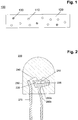
Fig. 1 : shows a cross sectional view of a schematic of one embodiment of a color conversion sheet (100). -
Fig. 2 : shows a cross sectional view of a schematic of one embodiment of a light emitting diode device (200). -
Fig. 3 : shows a cross sectional view of a schematic of another embodiment of a light emitting diode device. -
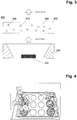
Fig. 4 : shows results of working example 5. -
Fig. 5 : shows results of working example 5. -
- 100. a color conversion sheet
- 110. an inorganic fluorescent material of the invention
- 120. a matrix material
- 130. an another type of inorganic fluorescent material (optional)
-
- 200. a light emitting diode device
- 210. an inorganic fluorescent material of the invention
- 220. a matrix material
- 230. a light emitting diode element
- 240. conductive wires
- 250. a molding Material
- 260a. a cup
- 260b. a mount lead
- 270. an inner lead
-
- 300. a light emitting diode device
- 301. a color conversion sheet
- 310. an inorganic fluorescent material of the invention
- 320. a matrix material
- 330. a light emitting diode element
- 340. an another type of inorganic fluorescent material (optional)
- 350. a casing
- According to the present invention, any type of publically known inorganic fluorescent materials having the peak emission light wavelength in the range from 660 nm to 730 nm, for example as described in the second chapter of Phosphor handbook (Yen, Shinoya, Yamamoto), can be used as desired.
- In a preferred embodiment of the present invention, the inorganic fluorescent materials can emit a light having the peak emission light wavelength in the range from 670 nm to 700 nm
- Without wishing to be bound by theory, it is believed that the inorganic fluorescent material having at least one light absorption peak wavelength in UV and / or purple light wavelength region from 300 nm to 430 nm may keep harmful insects off plants.
- Therefore, even more preferably, the inorganic fluorescent material has at least one light absorption peak wavelength in UV and / or purple light wavelength reason from 300 nm to 430 nm.
- Preferably, the inorganic fluorescent material is selected from the group consisting of sulfides, thiogallates, nitrides, oxy-nitrides, silicates, metal oxides, apatites, phosphates, selenides, botates, carbon materials, quantum sized materials and a combination of any of these.
- In a preferred embodiment of the present invention, the inorganic fluorescent material is selected from the group consisting of Al2O3:Cr3+, Y3Al5O12:Cr3+, MgO:Cr3+, ZnGa2O4: Cr3+, MgAl2O4: Cr3+,MgSr3Si2O8:Eu2+,Mn2+, Mg2SiO4:Mn2+, BaMg6Ti6O19:Mn4+, Mg2TiO4:Mn4+, ZnAl2O4:M2+, LiAlO2:Fe3+, LiAl5O8: Fe3+, NaAlSiO4: Fe3+, MgO: Fe3+, Mg8Ge2O11F2:Mn4+, CaGa2S4:Mn2+, Gd3Ga5O12:Cr3+, Gd3Ga5O12:Cr3+,Ce3+; quantum sized materials such as ZnS, InP/ZnS, InP/ZnSe, InP/ZnSe/ZnS, CulnS2, CulnSe2, CulnS2/ZnS, carbon/graphen quantum dots and a combination of any of these.
- Without wishing to be bound by theory, it is found by the inventors that the Cr activated metal oxide phosphors are very useful for plant growth, since it shows narrow full width at half maximum (hereafter "FWHM") of the light emission, and also have the peak absorption wavelength in UV and green wavelength region such as 420 nm and 560 nm, and the emission peak wavelength is in near infrared ray region such as from 660 nm to 730 nm. More preferably, it is from 670 nm to 700 nm.
- In other words, without wishing to be bound by theory, it is believed that the inventors have found that the Cr activated metal oxide phosphors can absorb the specific UV light which attracts insects, and also green light which does not give any advantage for plant growth, and can convert the absorbed light to longer wavelength in the range from 660 nm to 730 nm, more preferably from 670 nm to 700 nm, which can effectively accelerate plant growth.
- From that point of view, even more preferably, the inorganic fluorescent material can be selected from a Cr activated metal oxide phosphors.
- In a further preferred embodiment of the present invention, the inorganic fluorescent material is selected from Cr activated metal oxide phosphors represented by following formulae (I) or (II)
AxByOz:Cr3+ - (I)
wherein A is a trivalent cation and is selected from the group consisting of Y, Gd, Lu, Ce, La, Tb, Sc, and Sm, B is a trivalent cation and is selected from the group consisting of Al, Ga, Lu, Sc, In; x≧0; y≧1; 1.5(x+y) = z;
XaZbOc:Cr3+ - (II)
wherein X is a divalent cation and is selected from the group consisting of Mg, Zn, Cu, Co, Ni, Fe, Ca, Sr, Ba, Mn, Ce and Sn; Y is a trivalent cation and is selected from the group consisting of Al, Ga, Lu, Sc and In; b≧0; a ≧1; (a+1.5b) = c - Furthermore preferably, the inorganic fluorescent material is selected from Cr activated metal oxide phosphors represented by following formulae (I') or (II')
AxByOz:Cr3+ - (I')
wherein A is a trivalent cation and is selected from the group consisting of Y, Gd, and Zn, B is a trivalent cation and is Al or Ga; x≧0; y≧1; 1.5(x+y) = z;
XaZbOc:Cr3+ - (II')
wherein X is a divalent cation and is selected from the group consisting of Mg, Co, and Mn; Z is a trivalent cation and is selected from the group consisting of Al, or Ga; b≧0; a≧1; (a+1.5b) = c. - In a preferred embodiment of the present invention, x can be 0 or an integer 1 to 5, y is an integer 1 to 8.
More preferably, x can be 0 or an integer 1 to 3, y is an integer 1 to 5. - In a preferred embodiment of the present invention, the symbol "a" is an integer 1 to 3, "b" can be 0 or an integer 1 to 6.
More preferably, "a" can be an integer 1 to 2, "b" is 0 or an integer 2 to 4. - In a more preferred embodiment of the present invention, the inorganic fluorescent material is a Cr activated metal oxide phosphor selected from the group consisting of Al2O3:Cr3+,Y3Al5O12:Cr3+, MgO:Cr3+, ZnGa2O4: Cr3+, MgAl2O4: Cr3+, and a combination of any of these.
- According to the present invention, as the matrix material, transparent photosetting polymer, a thermosetting polymer and a thermoplastic polymer or a combination of any of these is used.
- As polymer materials, polyethylene, polypropylene, polystyrene, polymethylpentene, polybutene, butadiene styrene, polyvinyl chloride, polystyrene, polymethacrylic styrene, styrene-acrylonitrile, acrylonitrile-butadiene-styrene, polyethylene terephthalate, polymethyl methacrylate, polyphenylene ether, polyacrylonitrile, polyvinyl alcohl, acrylonitrile polycarbonate, polyvinylidene chloride, polycarbonate, polyamide, polyacetal, polybutylene terephthalate, polytetrafluoroethylene, phenole, melamine, urea, urethane, epoxy, unsaturated polyester, polyallyl sulfone, polyarylate, hydroxybenzoic acid polyester, polyetherimide, polycyclohexylenedimethylene terephthalate, polyethylene naphthalate, polyester carbonate, polylactic acid, phenolic resin, silicone can be used preferably.
- As the photosetting polymer, several kinds of (meth)acrylates can be used preferably. Such as unsubstituted alkyl-(meth)acrylates, for examples, methyl-acrylate, methyl-methacrylate, ethyl-acrylate, ethyl-methacrylate, butyl-acrylate, butyl-methacrylate, 2-ethylhexyl-acrylate, 2-ethylhexyl-methacrylate; substituted alkyl-(meth)acrylates, for examples, hydroxyl-group, epoxy group, or halogen substituted alkyl-(meth)acrylates; cyclopentenyl(meth)acrylate, tetra-hydro furfuryl-(meth)acrylate, benzyl (meth)acrylate, polyethylene-glycol di-(meth)acrylates,
- In view of better coating performance of the composition, sheet strength, and good handling, the matrix material has a weight average molecular weight in the range from 5,000 to 50,000 preferably, more preferably from 10,000 to 30,000.
- According to the present invention, the molecular weight Mw can be determined by means of GPC (= gel permeation chromatography) against an internal polystyrene standard.
- Additionally, the photosetting polymer can embrace one or more of publically available vinyl monomers that are co-polymerizable. Such as acrylamide, acetonitrile, diacetone-acrylamide, styrene, and vinyl-toluene or a combination of any of these.
- According to the present invention, the photosetting polymer can further include one or more of publically available crosslinkable monomers.
- For example, cyclopentenyl(meth)acrylates; tetra-hydro furfuryl-(meth)acrylate; benzyl (meth)acrylate; the compounds obtained by reacting a polyhydric alcohol with and α,β-unsaturated carboxylic acid, such as polyethylene-glycol di-(meth)acrylates (ethylene numbers are 2-14), tri-methylol propane di(meth)acrylate, tri-methylol propane di (meth)acrylate, tri-methylol propane tri-(meth)acrylate, tri-methylol propane ethoxy tri-(meth) acrylate, tri-methylol propane propoxy tri-(metha) acrylate, tetra-methylol methan tri-(meth) acrylate), tetra-methylol methane tetra(metha) acrylate, polypropylene glycol di(metha)acrylates (propylene number therein are 2-14), Di-penta-erythritol penta(meth)acrylate, di-penta-erythritol hexa(meth)acrylate, bis-phenol-A Polyoxyethylene di-(meth)acrylate, bis-phenol-A dioxyethylene di-(meth)acrylate, bis-phenol-A trioxyethylene di-(meth)acrylate, bis-phenol-A decaoxyethylene di-(meth)acrylate; the compounds obtained from an addition of an α,β-unsaturated carboxylic acid to a compound having glycidyl, such as tri-methylol propane triglycidylether triacrylate, bis-phenol A diglycidylether diacrylates; chemicals having poly-carboxylic acids, such as a phtalic anhydride; or chemicals having hydroxy and ethylenic unsaturated group, such as the esters with β-hydroxyethyl (meth)acrylate; alkyl-ester of acrylic acid or methacylic acid, such as methyl (meth)acrylate, ethyl (meth)acrylate, butyl (meth)acrylate, 2-ethyl hexyl (meth)acrylate; urethane (meth)acrylate, such as the reactants of Tolylene diisocyanate and 2-hydroxyethyl (meth)acrylate, the reactants of tri-methyl hexamethylene diisocyanate and cyclohexane dimethanol, and 2-hydroxyethyl (meth)acrylate; or a combination of any of these.
In a preferred embodiment of the present invention, the crosslinkable monomer can be selected from the group consisting of tri-methylol-propane tri (meth)acrylate, di-pentaerythritol tetra-(meth)acrylate, di-pentaerythritol hexa-(meth)acrylate, bisphenol-A polyoxyethylene dimethacrylate or a combination thereof.
The vinyl monomers and the crosslinkable monomers described above can be used alone or in combination. - From the view point of controlling the refractive index of the composition and / or the refractive index of the color conversion sheet according to the present invention, the matrix material can further comprise publically known one or more of bromine-containing monomers, sulfur containing monomers. The type of bromine and sulfur atom-containing monomers (and polymers containing the same) are not particularly limited and can be used preferably as desired. For example, as bromine-containing monomers, new frontier® BR-31, new Frontier® BR-30, new Frontier® BR-42M (available from DAI-ICHI KOGYO SEIYAKU CO., LTD) or a combination of any of these, as the sulfur-containing monomer composition, IU-L2000, IU-L3000, IU-MS1010 (available from MITSUBISHI GAS CHEMICAL COMPANY, INC.) or a combination of any of these, can be used preferably.
- According to the present invention, the photosetting polymer can preferably embrace at least one of photo initiator.
The type of photo initiator is not particularly limited. Publically known photo initiator can be used in this way. - In a preferred embodiment of the present invention, the photo initiator can be a photo initiator that can generates a free radical when it is exposed to an ultraviolet light or a visible light. For example, benzoin-methyl-ether, benzoin-ethyl-ether, benzoin-propyl-ether, benzoin-isobutyl-ether, benzoin-phenyl-ether, benzoin-ethers, benzophenone, N,N'-tetramethyl-4,4'-diaminobenzophenone (Michler's-ketone), N,N'-tetraethyl-4,4'diaminobenzophenone, benzophenones, benzil-dimethyl-ketal (Ciba specialty chemicals, IRGACURE® 651), benzil-diethyl-ketal, dibenzil ketals, 2,2-dimethoxy-2-phenylacetophenone, p-tert-butyldichloro acetophenone, p-dimethylamino acetophenone, acetophenones, 2,4-dimetyl thioxanthone, 2,4-diisopropyl thioxanthone, thioxanthones, hydroxy cyclohexyl phenyl ketone (Ciba specialty chemicals, IRGACURE® 184), 1-(4-isopropylphenyl)-2-hydroxy-2-methylpropane-1-on (Merck, Darocure® 1116), 2-hydroxy-2-methyl-1-phenylpropane-1-on (Merck, Darocure® 1173)
- As the thermosetting polymer, publically known transparent thermosetting polymer can be used preferably. Such as OE6550 series (Dow Corning).
- As the thermoplastic polymer, the type of thermoplastic polymer is not particularly limited. For example, natural rubber(refractive index(n)=1.52), poly-isoprene(n=1.52), poly 1,2-butadine(n=1.50), polyisobutene(n=1.51), polybutene(n=1.51), poly-2-heptyl 1,3-butadine(n=1.50), poly-2-t-butyl-1,3-butadine(n=1.51), poly-1,3-butadine(n=1.52), polyoxyethylene(n=1.46), polyoxypropylene(n=1.45), polyvinylethyl ether(n=1.45), polyvinylhexylether(n=1.46), polyvinylbutylether(n=1.46), polyethers, poly vinyl acetate(n=1.47), poly esters, such as poly vinyl propionate(n=1.47), poly urethane(n=1.5 to 1.6), ethyl celullose(n=1.48), poly vinyl chloride(n=1.54 to 1.55), poly acrylo nitrile(n=1.52), poly methacrylonitrile(n=1.52), poly-sulfone(n=1.63), poly sulfide(n=1.60), phenoxy resin(n=1.5 to 1.6), polyethylacrylate(n=1.47), poly butyl acrylate(n=1.47), poly-2-ethylhexyl acrylate(n=1.46), poly-t-butyl acrylate(n=1.46), poly-3-ethoxypropylacrylate(n=1.47), polyoxycarbonyl tetra-methacrylate(n=1.47), polymethylacrylate(n=1.47 to 1.48), polyisopropylmethacrylate(n=1.47), polydodecyl methacrylate(n=1.47), polytetradecyl methacrylate(n=1.47), poly-n-propyl methacrylate(n=1.48), poly-3,3,5-trimethylcyclohexyl methacrylate(n=1.48), polyethylmethacrylate(n=1.49), poly-2-nitro-2-methylpropylmethacrylate(n=1.49), poly-1,1-diethylpropylmethacrylate (n=1.49), poly(meth)acrylates, such as polymethylmethacrylate(n=1.49), or a combination of any of these, can be used preferably as desired.
- In some embodiment of the present invention, such thermoplastic polymers can be copolymerized if necessary.
- A polymer which can be copolymerized with the thermoplastic polymer described above is for example, urethane acrylate, epoxy acrylate, polyether acrylate, or, polyester acrylate (n=1.48 to 1.54) can also be employed. From the viewpoint of adhesiveness of the color conversion sheet, urethane acrylate, epoxy acrylate, and polyether acrylate are preferable.
- The matrix materials and the inorganic fluorescent materials mentioned above in - Matrix materials, and in - Inorganic fluorescent materials, can be preferably used for a fabrication of the color conversion sheet (100) and the light emitting diode device (200) of the present invention.
- According to the present invention, the composition can further embrace a solvent.
- As a solvent, wide variety of publically known solvents can be used preferably. There are no particular restrictions on the solvent as long as it can dissolve or disperse a matrix material, and inorganic fluorescent material.
- In a preferred embodiment of the present invention, the solvent is selected from one or more members of the group consisting of ethylene glycol monoalkyl ethers, such as, ethylene glycol monomethyl ether, ethylene glycol monoethyl ether, ethylene glycol monopropyl ether, and ethylene glycol monobutyl ether; diethylene glycol dialkyl ethers, such as, diethylene glycol dimethyl ether, diethylene glycol diethyl ether, diethylene glycol dipropyl ether, and diethylene glycol dibutyl ether; ethylene glycol alkyl ether acetates, such as, methyl cellosolve acetate and ethyl cellosolve acetate; propylene glycol alkyl ether acetates, such as, propylene glycol monomethyl ether acetate (PGMEA), propylene glycol monoethyl ether acetate, and propylene glycol monopropyl ether acetate; aromatic hydrocarbons, such as, benzene, toluene and xylene; ketones, such as, methyl ethyl ketone, acetone, methyl amyl ketone, methyl isobutyl ketone, and cyclohexanone; alcohols, such as, ethanol, propanol, butanol, hexanol, cyclohexanol, ethylene glycol, and glycerin; esters, such as, ethyl 3-ethoxypropionate, methyl 3-methoxypropionate and ethyl lactate; and cyclic asters, such as, γ-butyrolactone. Those solvents can be used singly or in combination of two or more, and the amount thereof depends on the coating method and the thickness of the coating.
- More preferably, propylene glycol alkyl ether acetates, such as, propylene glycol monomethyl ether acetate (hereafter "PGMEA"), propylene glycol monoethyl ether acetate, or propylene glycol monopropyl ether acetate and / or aromatic hydrocarbons, such as, benzene, toluene and xylene, is used.
Even more preferably, benzene, toluene, or xylene is used. - The amount of the solvent in the composition can be freely controlled according to the method of coating the composition. For example, if the composition is to be spray-coated, it can contain the solvent in an amount of 90 wt. % or more. Further, if a slit-coating method, which is often adopted in coating a large substrate, is to be carried out, the content of the solvent is normally 60 wt. % or more, preferably 70 wt. % or more.
- In some embodiments of the present invention, the composition can optionally further comprise one or more of additional inorganic fluorescent materials which emits blue or red light.
- As an additional inorganic fluorescent materials which emits blue or red light, any type of publically known materials, for example as described in the second chapter of Phosphor handbook (Yen, Shinoya, Yamamoto), can be used if desired.
- Without wishing to be bound by theory, it is believed that the blue light especially around 450 nm wavelength light may lead better plant growth, if it is combined with emission light from the inorganic fluorescent material having the peak emission light wavelength in the range from 660 nm to 730 nm, especially the combination of the blue light around 450 nm wavelength and emission light from the inorganic fluorescent material having the peak emission light wavelength in the range from 670 nm to 700 nm is preferable for better plant growth.
- Thus, more preferably, the composition can further comprise at least one blue light emitting inorganic fluorescent material having peak light emission wavelength around 450 nm, like described in the second chapter of Phosphor handbook (Yen, Shinoya, Yamamoto).
- According to the present invention, in some embodiments, the composition can comprise at least one red light emitting inorganic fluorescent material and at least one blue light emitting inorganic fluorescent material in addition to the inorganic fluorescent material having the peak emission light wavelength in the range from 660 nm to 730 nm.
- In one embodiment, a color conversion sheet (100) comprises at least one inorganic fluorescent material (110) having the peak emission light wavelength in the range from 660 nm to 730 nm, and a matrix material (120).
- In a preferred embodiment of the present invention, the inorganic fluorescent material (110) emits a light having peak emission light wavelength in the range from 670 nm to 700 nm.
- As the inorganic fluorescent material (110), and the matrix material (120), the inorganic fluorescent material and the matrix material described in the section of "Inorganic fluorescent materials" and in the section of "Matrix materials" can be used preferably.
- Thus, in some embodiments of the present invention, the inorganic fluorescent material of the color conversion sheet (sheet) can be selected from the group consisting of sulfides, thiogallates, nitrides, oxy-nitrides, silicates, metal oxides, apatites, quantum sized materials and a combination of any of these.
- In a preferred embodiment of the present invention, the inorganic fluorescent material of the color conversion sheet (100) is a Cr activated metal oxide phosphor.
- More preferably, the inorganic fluorescent material of the color conversion sheet (100) is selected from Cr activated metal oxide phosphors represented by following formulae (I) or (II)
AxByOz:Cr3+ - (I)
wherein A is a trivalent cation and is selected from the group consisting of Y, Gd, Lu, Ce, La, Tb, Sc, and Sm, B is a trivalent cation and is selected from the group consisting of Al, Ga, Lu, Sc, In; x≧0; y≧1; 1.5(x+y) = z;
XaZbOc:Cr3+ - (II)
wherein X is a divalent cation and is selected from the group consisting of Mg, Zn, Cu, Co, Ni, Fe, Ca, Sr, Ba, Mn, Ce and Sn; Y is a trivalent cation and is selected from the group consisting of Al, Ga, Lu, Sc and In; b≧0; a ≧1; (a+1.5b) = c. - More preferably, the inorganic fluorescent material of the color conversion sheet (100) is selected from Cr activated metal oxide phosphors represented by following formulae (I') or (II')
AxByOz:Cr3+ - (I')
wherein A is a trivalent cation and is selected from the group consisting of Y, Gd, and Zn, B is a trivalent cation and is Al or Ga; x≧0; y≧1; 1.5(x+y) = z;
XaZbOc:Cr3+ - (II')
wherein X is a divalent cation and is selected from the group consisting of Mg, Co, and Mn; Z is a trivalent cation and is selected from the group consisting of Al, or Ga; b≧0; a≧1; (a+1.5b) = c. - Furthermore preferably, the Cr activated metal oxide phosphor of the color conversion sheet (100) is the Cr activated metal oxide phosphor selected from the group consisting of Al2O3:Cr3+,Y3Al5O12:Cr3+, MgO:Cr3+, ZnGa2O4: Cr3+, MgAl2O4: Cr3+, and a combination of any of these.
- In embodiments of the present invention, the matrix material of the color conversion sheet (100) comprises a polymer selected from the group consisting of photosetting polymer, a thermosetting polymer, a thermoplastic polymer, and a combination of thereof.
- In some embodiments of the present invention the color conversion sheet (100) can optionally further comprise one or more of additional inorganic fluorescent materials which emits blue or red light.
- As an additional inorganic fluorescent materials which emits blue or red light, any type of publically known materials, for example as described in the second chapter of Phosphor handbook (Yen, Shinoya, Yamamoto), can be used if desired.
- Without wishing to be bound by theory, it is believed that the blue light especially around 450 nm wavelength light may lead better plant growth, if it is combined with emission light from the inorganic fluorescent material having the peak emission light wavelength in the range from 660 nm to 730 nm. More preferably, it is from 660 nm to 700 nm.
Thus, more preferably, the color conversion sheet (100) further comprises at least one blue light emitting inorganic fluorescent material having peak light emission wavelength around 450 nm, like described in the second chapter of Phosphor handbook (Yen, Shinoya, Yamamoto).
According to the present invention, in some embodiments, the color conversion sheet (100) can comprise at least one red light emitting inorganic fluorescent material and at least one blue light emitting inorganic fluorescent material in addition to the inorganic fluorescent material having the peak emission light wavelength in the range from 660 nm to 730 nm. - In a preferred embodiment of the present invention, the inorganic fluorescent material can emit a light having the peak emission light wavelength in the range from 670 nm to 700 nm.
- In one embodiment, a light emitting diode device (200) comprises at least one inorganic fluorescent material (210) having the peak emission light wavelength in the range from 660 nm to 730 nm, a matrix material (220), and a light emitting diode element (230).
- In a preferred embodiment of the present invention, the inorganic fluorescent material (210) emits a light having the peak emission light wavelength in the range from 670 nm to 700 nm.
- As the inorganic fluorescent material (210), and the matrix material (220), the inorganic fluorescent material and the matrix material described in-Inorganic fluorescent materials and in - Matrix materials can be used preferably.
- In some embodiment of the present invention, the inorganic fluorescent material of the light emitting diode device (200) can be selected from the group consisting of sulfides, thiogallates, nitrides, oxy-nitrides, silicates, metal oxides, apatites, and a combination of any of these.
- In a preferred embodiment of the present invention, the inorganic fluorescent material of the light emitting diode device (200) is selected from Cr activated metal oxide phosphors.
- More preferably, the inorganic fluorescent material of the light emitting diode device (200) is selected from Cr activated metal oxide phosphors represented by following formulae (I) or (II)
AxByOz:Cr3+ - (I)
wherein A is a trivalent cation and is selected from the group consisting of Y, Gd, Lu, Ce, La, Tb, Sc, and Sm, B is a trivalent cation and is selected from the group consisting of Al, Ga, Lu, Sc, In; x≧0; y≧1; 1.5(x+y) = z;
XaZbOc:Cr3+ - (II)
wherein X is a divalent cation and is selected from the group consisting of Mg, Zn, Cu, Co, Ni, Fe, Ca, Sr, Ba, Mn, Ce and Sn; Y is a trivalent cation and is selected from the group consisting of Al, Ga, Lu, Sc and In; b≧0; a ≧1; (a+1.5b) = c. - More preferably, the inorganic fluorescent material of the light emitting diode device (200) is selected from Cr activated metal oxide phosphors represented by following formulae (I') or (II')
AxByOz:Cr3+ - (I')
wherein A is a trivalent cation and is selected from the group consisting of Y, Gd, and Zn, B is a trivalent cation and is Al or Ga; x≧0; y≧1; 1.5(x+y) = z;
XaZbOc:Cr3+ - (II')
wherein X is a divalent cation and is selected from the group consisting of Mg, Co, and Mn; Z is a trivalent cation and is selected from the group consisting of Al, or Ga; b≧0; a≧1; (a+1.5b) = c. - Furthermore preferably, the Cr activated metal oxide phosphor of the light emitting diode device (200) can be the Cr activated metal oxide phosphor selected from the group consisting of Al2O3:Cr3+,Y3Al5O12:Cr3+, MgO:Cr3+, ZnGa2O4: Cr3+, MgAl2O4: Cr3+, and a combination of any of these.
- In some embodiment of the present invention, the matrix material of the light emitting diode device (200) can comprise a polymer selected from the group consisting of photosetting polymer, a thermosetting polymer, a thermoplastic polymer, and a combination of thereof.
- According to the present invention, preferably, the inorganic fluorescent material (210) and the matrix material can be placed on the inside of a cap (260a) of the light emitting diode device to cover the light emitting diode element (230) like described in
Fig. 2 . - In some embodiments of the present invention the light emitting diode device (200) can optionally further comprise one or more of additional inorganic fluorescent materials which emits blue or red light.
- As an additional inorganic fluorescent materials which emits blue or red light, any type of publically known materials, for example as described in the second chapter of Phosphor handbook (Yen, Shinoya, Yamamoto), can be used if desired.
- Without wishing to be bound by theory, it is believed that the blue light especially around 450 nm wavelength light may lead better plant growth, if it is combined with emission light from the inorganic fluorescent material having the peak emission light wavelength in the range from 660 nm to 730 nm, especially the combination of the blue light around 450 nm wavelength and emission light from the inorganic fluorescent material having the peak emission light wavelength in the range from 670 nm to 700 nm is preferable for better plant growth.
- Thus, more preferably, the light emitting diode device (200) can further comprise at least one blue light emitting inorganic fluorescent material having peak light emission wavelength around 450 nm, like described in the second chapter of Phosphor handbook (Yen, Shinoya, Yamamoto).
- According to the present invention, in some embodiments the light emitting diode device (200) can comprise at least one red light emitting inorganic fluorescent material and at least one blue light emitting inorganic fluorescent material in addition to the inorganic fluorescent material having the peak emission light wavelength in the range from 660 nm to 730 nm.
- In this embodiment, more preferably, thermosetting resin can be used as a matrix material (210).
- Or according to the present invention, preferably, the light emitting diode device (300) can comprises a color conversion sheet (301) comprising at least one inorganic fluorescent material (310) having the peak emission light wavelength in the range from 660 nm to 730 nm, and a matrix material (320).
- Preferably, the inorganic fluorescent material (310) can emit a light having peak emission light wavelength in the range from 670 nm to 700 nm.
- More preferably, the color conversion sheet (301) is placed over the light emitting diode element (330) like described in
Fig. 3 . - In some embodiments, an optical device (300) comprising the color conversion sheet (100).
- In one aspect, the invention relates to a use of the color conversion sheet (100) for agriculture.
- As an optical device, a light emitting diode (LED), a remote phosphor sheet, an optical communication device, an optical sensor, a solar cell.
- According to the present invention, for agriculture use, the color conversion sheet can be used as greenhouse sheet, tunnel culture sheet, and mulching culture sheet.
- In one embodiment, the inorganic fluorescent material has the peak emission light wavelength in the range from 660 nm to 730 nm with a matrix material in a light emitting diode device (200).
- According to the present invention, publically known film making techniques can be used to fabricate the compassion of the invention. Such as inflation, T-die coating, solution casting, calendaring method, ink jetting, slit coating, intaglio printing, relief printing, and silk screen printing.
- For a molding method to provide a composition onto a light emitting diode element (230) placed onto a cap (260a), several kinds of well-known techniques can be used preferably as desired.
Such as compression molding, injection molding, blow molding, and thermo-forming method. - In one embodiment, method for preparing the color conversion sheet (100) comprises following steps (a) and (b) in this sequence;
- (a) providing the composition onto a substrate, and
- (b) fixing the matrix material by evaporating a solvent and / or polymerizing the composition by heat treatment, or exposing the photosensitive composition under ray of light or a combination of any of these.
- In one embodiment, method for preparing the optical device (200)comprises following step (A);
- (A) providing the color conversion sheet (100) in an optical device.
- According to the present invention, the term "transparent" means at least around 60 % of incident visible light transmittal at the thickness used in a color conversion sheet and a light emitting diode device. Preferably, it is over 70 %, more preferably, over 75%, the most preferably, it is over 80 %.
- The term "fluorescent" is defined as the physical process of light emission by a substance that has absorbed light or other electromagnetic radiation. It is a form of luminescence. In most cases, the emitted light has a longer wavelength, and therefore lower energy, than the absorbed radiation.
- The term "inorganic " means any material not containing carbon atoms or any compound that containing carbon atoms ionically bound to other atoms such as carbon monoxide, carbon dioxide, carbonates, cyanides, cyanates, carbides, and thiocyanates.
- The term "emission" means the emission of electromagnetic waves by electron transitions in atoms and molecules.
- The term "photosensitive" means that the respective composition chemically reacts in response to suitable light irradiation. The light is usually chosen from visible or UV light. The photosensitive response includes hardening or softening of the composition, preferably hardening. Preferably the photosensitive composition is a photo-polymerizable composition.
- The working examples 1 - 5 below provide descriptions of the present invention, as well as an in detail description of their fabrication.
- The phosphor precursors of Al2O3:Cr3+ were synthesized by a conventional co-precipitation method. The raw materials of Aluminium Nitrate Nonahydrate and Chromium(III) nitrate nonahydrate were dissolved in deionized water with a stoichiometric molar ratio of 0.99:0.01. NH4HCO3 was added to the mixed chloride solution as a precipitant, and the mixture was stirred at 60 °C for 2h. The resultant solution was dried at 95 °C for 12 h, then the preparation of the precursors was completed. The obtained precursors were oxidized by calcination at 1300 °C for 3 h in air. To confirm the structure of the resultant materials, XRD measurements were performed using an X-ray diffractometer (RIGAKU RAD-RC).
- Photoluminescence (PL) spectra were measured using a spectrofluorometer (JASCO FP-6500) at room temperature.
- The absorption peak wavelength of Al2O3:Cr3+ was 420 nm and 560 nm, the emission peak wavelength was in the range from 690 nm to 698 nm, the full width at half maximum (hereafter "FWHM") of the light emission from Al2O3:Cr3+ was in the range from 90 nm to 120 nm.
- Composition and color conversion sheet fabrication
- The composition was prepared using the obtained Al2O3:Cr3+ as an inorganic fluorescent material, ethylene vinyl acetate (EVA) as matrix polymer, and toluene as a solvent.
- Then, the composition was used in a color conversion sheet fabrication process to obtain a color conversion sheet for an effective plant growth. For the sheet fabrication, doctor blade coating method and a bar coater (Kodaira YOA-B type) were applied.
- More specifically, Al2O3:Cr3+ and ethylene vinyl acetate (EVA) were added into the toluene. Then, the obtained solution was heated up to 90 °C, and then mixed in a closed container by a planetary centrifugal mixer at 90 °C for 30 minutes to obtain a composition of the present invention. A glass substrate was cleaned by sonicating in acetone and isopropanol, respectively. The substrate was then treated with UV/ ozone.
- The resulting solution was coated onto the glass substrate by doctor blade coating method, then dried at 90 °C for 30 minutes in air condition. After drying step, a color conversion sheet having 100 µm thickness was formed on the glass substrate, and then it was peeled off from the glass substrate. Finally, the color conversion sheet having 100 µm thickness was fabricated.
- A composition and a color conversion sheet as a comparative example was prepared and fabricated in the same manner as described in the working example 1 except for Lumogen ® F Red305 (from BASF) was used instead of Al2O3:Cr3+.
- The obtained color conversion sheet from above-described examples were arranged to cover sprouts of brassica campestris planted in flowerpots and exposed to sunlight for 20 days.
- The measurement was carried out by measuring an average height of each three brassica campestris grew with the color conversion sheet comprising Al2O3:Cr3+ or with the color conversion sheet including Lumogen ® F Red305.
- The average height of brassica campestris grew with the color conversion sheet comprising Al2O3:Cr3+ was 6 % higher than the average height of brassica campestris grew with the color conversion sheet Lumogen ® F Red305.
- First, a color conversion sheet was prepared in the same way as described in working example 1, then it was cut out to fit and attach it to the light emission side of InGaN-based UV LED (405 nm). Then, the light emitting diode device (hereafter "the LED device") was fabricated.
- The Al2O3:Cr3+ phosphor from Example 1 was mixed in a tumble mixer with OE 6550 (Dow Corning). The final concentration of the phosphor in the silicone is 8 mol%. The slurry was applied to an InGaN-based LED chip emitting a wavelength of 405 nm. Then it was heated at 150°C for 1 hour using an oven. After packaging process, 2nd light emitting diode device (LED) was fabricated.
- The obtained LED device from working example 3 was arranged together with normal white LED lamp to the position to expose sprouts of Rucola planted in flowerpots.
Light irradiation 800 µW/cm2 by the obtained light emitting diode device and normal white LED lamp was carried out with for 16 days. - As a comparison, sprouts of Rucola planted in flowerpots was irradiated in the same manner as described in above except for only one normal white LED lamp was used without the LED device from working example 3.
- The measurement was carried out by measuring an average height of three Rucolas grew with the LED device comprising Al2O3:Cr3+ and the white LED lamp or with only the white LED lamp.
- As a results the average height of Rucolas grew with the LED device comprising Al2O3:Cr3+ and the white LED lamp was 10 % higher than the average height of Rucolas grew with the white LED lamp only.
-
Fig. 4 andFig. 5 show the difference of Rucola (left side) grew with the LED device with Al2O3:Cr3+ and the white LED lamp and Rucola (right side) grew with the white LED lamp only.
Claims (6)
- Use of a color conversion sheet (100) for agriculture, wherein said color conversion sheet comprises at least one inorganic fluorescent material (110) having the peak emission light wavelength in the range from 660 nm to 730 nm, and a matrix material (120) comprising a polymer selected from the group consisting of photosetting polymer, a thermosetting polymer, a thermoplastic polymer, and a combination of thereof.
- Use of the color conversion sheet (100) according to claim 1, wherein the inorganic fluorescent material is selected from the group consisting of sulfides, thiogallates, nitrides, oxy-nitrides, silicates, metal oxides, apatites, and a combination of any of these.
- Use of the color conversion sheet (100) according to claim 1 or 2, wherein the inorganic fluorescent material is selected from Cr activated metal oxide phosphors.
- Use of the color conversion sheet (100) according to any one of claims 1 to 3, wherein the inorganic fluorescent material is selected from Cr activated metal oxide phosphors represented by following formulae (I) or (II)
AxByOz:Cr3+ - (I)
wherein A is a trivalent cation and is selected from the group consisting of Y, Gd, Lu, Ce, La, Tb, Sc, and Sm, B is a trivalent cation and is selected from the group consisting of Al, Ga, Lu, Sc, In; x≧0; y≧1; 1.5(x+y) = z;
XaZbOc:Cr3+ - (II)
wherein X is a divalent cation and is selected from the group consisting of Mg, Zn, Cu, Co, Ni, Fe, Ca, Sr, Ba, Mn, Ce and Sn; Y is a trivalent cation and is selected from the group consisting of Al, Ga, Lu, Sc and In; b≧0; a ≧1; (a+1.5b) = c. - Use of the color conversion sheet (100) according to any one of claims 1 to 4, wherein the inorganic fluorescent material is selected from Cr activated metal oxide phosphors represented by following formulae (I') or (II')
AxByOz:Cr3+ - (I')
wherein A is a trivalent cation and is selected from the group consisting of Y, Gd, and Zn, B is a trivalent cation and is Al or Ga; x≧y≧1; 1.5(x+y) = z;
XaZbOc:Cr3+ - (II')
wherein X is a divalent cation and is selected from the group consisting of Mg, Co, and Mn; Z is a trivalent cation and is selected from the group consisting of Al, or Ga; b≧0; a≧1; (a+1.5b) = c. - Use of the color conversion sheet (100) according to any one of claims 1 to 5, wherein the inorganic fluorescent material is a Cr activated metal oxide phosphor selected from the group consisting of Al2O3:Cr3+, Y3Al5O12:Cr3+, MgO:Cr3+, ZnGa2O4: Cr3+, MgAl2O4: Cr3+, and a combination of any of these.
Priority Applications (2)
| Application Number | Priority Date | Filing Date | Title |
|---|---|---|---|
| EP19163945.9A EP3530714B1 (en) | 2016-01-26 | 2017-01-18 | A composition, color converting sheet and light emitting diode device |
| EP20210169.7A EP3800230A1 (en) | 2016-01-26 | 2017-01-18 | A composition, color converting sheet and light emitting diode device |
Applications Claiming Priority (2)
| Application Number | Priority Date | Filing Date | Title |
|---|---|---|---|
| EP16000178 | 2016-01-26 | ||
| PCT/EP2017/000050 WO2017129351A1 (en) | 2016-01-26 | 2017-01-18 | A composition, color converting sheet and light emitting diode device |
Related Child Applications (3)
| Application Number | Title | Priority Date | Filing Date |
|---|---|---|---|
| EP19163945.9A Division-Into EP3530714B1 (en) | 2016-01-26 | 2017-01-18 | A composition, color converting sheet and light emitting diode device |
| EP19163945.9A Division EP3530714B1 (en) | 2016-01-26 | 2017-01-18 | A composition, color converting sheet and light emitting diode device |
| EP20210169.7A Division EP3800230A1 (en) | 2016-01-26 | 2017-01-18 | A composition, color converting sheet and light emitting diode device |
Publications (2)
| Publication Number | Publication Date |
|---|---|
| EP3408348A1 EP3408348A1 (en) | 2018-12-05 |
| EP3408348B1 true EP3408348B1 (en) | 2020-03-18 |
Family
ID=55272213
Family Applications (3)
| Application Number | Title | Priority Date | Filing Date |
|---|---|---|---|
| EP17701029.5A Active EP3408348B1 (en) | 2016-01-26 | 2017-01-18 | Use of color converting sheet |
| EP19163945.9A Active EP3530714B1 (en) | 2016-01-26 | 2017-01-18 | A composition, color converting sheet and light emitting diode device |
| EP20210169.7A Withdrawn EP3800230A1 (en) | 2016-01-26 | 2017-01-18 | A composition, color converting sheet and light emitting diode device |
Family Applications After (2)
| Application Number | Title | Priority Date | Filing Date |
|---|---|---|---|
| EP19163945.9A Active EP3530714B1 (en) | 2016-01-26 | 2017-01-18 | A composition, color converting sheet and light emitting diode device |
| EP20210169.7A Withdrawn EP3800230A1 (en) | 2016-01-26 | 2017-01-18 | A composition, color converting sheet and light emitting diode device |
Country Status (10)
| Country | Link |
|---|---|
| US (1) | US20190031954A1 (en) |
| EP (3) | EP3408348B1 (en) |
| JP (2) | JP2019510839A (en) |
| CN (1) | CN108495911A (en) |
| BR (2) | BR112018013734B1 (en) |
| CA (1) | CA3012405A1 (en) |
| ES (2) | ES2798402T3 (en) |
| RU (1) | RU2745690C2 (en) |
| TW (1) | TW201736573A (en) |
| WO (1) | WO2017129351A1 (en) |
Families Citing this family (21)
| Publication number | Priority date | Publication date | Assignee | Title |
|---|---|---|---|---|
| KR102452484B1 (en) * | 2017-08-11 | 2022-10-11 | 삼성전자주식회사 | Light emitting device package and light emitting device pakage module |
| EP3492554B1 (en) | 2017-11-30 | 2020-08-19 | Nichia Corporation | Light emitting device, illumination device and plant cultivation method |
| JP6974740B2 (en) * | 2017-11-30 | 2021-12-01 | 日亜化学工業株式会社 | Light emitting device, lighting device and plant cultivation method |
| JPWO2019146327A1 (en) * | 2018-01-29 | 2021-01-07 | 京セラ株式会社 | Light emitting device and lighting device |
| CN110857387A (en) * | 2018-08-22 | 2020-03-03 | 亿光电子工业股份有限公司 | Nano composite fluorescent powder, preparation method thereof and light-emitting device |
| JP6975122B2 (en) * | 2018-11-06 | 2021-12-01 | 信越化学工業株式会社 | Resin composition, wavelength conversion material, wavelength conversion film, LED element, backlight unit and image display device |
| EP3911714A1 (en) * | 2019-01-18 | 2021-11-24 | Merck Patent GmbH | Method for modulating a condition of a biological cell |
| CN113366084A (en) * | 2019-01-29 | 2021-09-07 | 默克专利股份有限公司 | Method for controlling the state of plants |
| WO2021099233A1 (en) | 2019-11-18 | 2021-05-27 | Merck Patent Gmbh | Method for fabricating a particle |
| WO2021099351A1 (en) | 2019-11-21 | 2021-05-27 | Merck Patent Gmbh | Method for fabricating a particle |
| KR102165409B1 (en) * | 2020-04-20 | 2020-10-14 | 김동협 | Large display system |
| WO2021228732A1 (en) | 2020-05-13 | 2021-11-18 | Merck Patent Gmbh | Agricultural medium and agricultural composition comprising phosphorescent material |
| CN111876145A (en) * | 2020-07-03 | 2020-11-03 | 甘肃颐年商贸有限责任公司 | A kind of photoconversion film capable of promoting plant growth and preparation method thereof |
| WO2022013049A1 (en) | 2020-07-13 | 2022-01-20 | Merck Patent Gmbh | Method for fabricating a particle |
| US11942576B2 (en) * | 2020-08-28 | 2024-03-26 | Applied Materials, Inc. | Blue color converter for micro LEDs |
| WO2022073948A1 (en) | 2020-10-08 | 2022-04-14 | Merck Patent Gmbh | Particle and method for fabricating a particle |
| WO2022091791A1 (en) * | 2020-10-27 | 2022-05-05 | 日東電工株式会社 | Wavelength conversion film and light source for plant factories |
| CN114574199A (en) * | 2020-11-30 | 2022-06-03 | 日亚化学工业株式会社 | Oxide phosphor, light-emitting device, and method for producing oxide phosphor |
| CN112500851A (en) * | 2020-12-16 | 2021-03-16 | 江西理工大学 | High-luminous-efficiency Cr3+Doped broadband near-infrared fluorescent powder and preparation method thereof |
| CN115521785B (en) * | 2022-09-20 | 2023-09-26 | 华南理工大学 | An oxide near-infrared luminescent material and its preparation method and luminescent device |
| CN115520894B (en) * | 2022-10-26 | 2024-02-13 | 中国科学院长春应用化学研究所 | A near-infrared luminescent material and its preparation method and luminescent device |
Family Cites Families (26)
| Publication number | Priority date | Publication date | Assignee | Title |
|---|---|---|---|---|
| EP0579835A4 (en) * | 1991-11-12 | 1994-06-01 | Nippon Soda Co | Wavelength conversion material for agriculture |
| JPH09249773A (en) | 1996-03-19 | 1997-09-22 | Nippon Soda Co Ltd | Polyolefin resin composition having wavelength conversion ability, masterbatch for the composition, and agricultural film containing the composition |
| JP3252829B2 (en) * | 1997-05-29 | 2002-02-04 | 東レ株式会社 | Plasma display substrate, plasma display, and method of manufacturing the same |
| JPH11323324A (en) * | 1998-05-13 | 1999-11-26 | Mitsubishi Chemical Corp | Fluorescent resin sheet |
| JP2001028947A (en) | 1999-07-23 | 2001-02-06 | Yamato Kogyo Kk | Method for raising useful plant |
| JP2001352101A (en) * | 2000-06-06 | 2001-12-21 | Nichia Chem Ind Ltd | Light emitting device |
| JP2002120394A (en) * | 2000-10-16 | 2002-04-23 | Futaba Corp | Electron beam excited light emission type print head |
| DE60118514T2 (en) * | 2001-01-24 | 2006-08-24 | Tas, Ahmet Cüneyt, Prof. Dr. | Process for the preparation of crystalline phosphor powder at low temperature |
| JP4191937B2 (en) * | 2002-02-15 | 2008-12-03 | 株式会社日立製作所 | White light source and image display apparatus using the same |
| JP2004113160A (en) | 2002-09-27 | 2004-04-15 | Toorin:Kk | Plant growing device using LED light source |
| FR2846663B1 (en) * | 2002-11-05 | 2006-08-11 | Rhodia Elect & Catalysis | LIGHT-EMITTING MATERIAL, PARTICULARLY FOR GREENHOUSE WALLS, COMPRISING AS A BARIUM AND MAGNESIUM SILICATE ADDITIVE |
| JP5321871B2 (en) | 2005-10-19 | 2013-10-23 | 学校法人東京理科大学 | Crop cultivation material and crop cultivation method using the same |
| TW200846445A (en) * | 2007-05-23 | 2008-12-01 | Wang yong qi | Red light luminous powder and multilayer light converting film |
| DE102007039260A1 (en) * | 2007-08-20 | 2009-02-26 | Merck Patent Gmbh | LCD backlight with LED phosphors |
| LT5688B (en) * | 2008-11-07 | 2010-09-27 | Uab "Hortiled" | CONVERSION PHOSPHORUS LIGHT DIY FOR PLOTING PHOTOMORPHHENOGENIC NEEDS OF PLANTS |
| WO2010067296A1 (en) * | 2008-12-12 | 2010-06-17 | Koninklijke Philips Electronics N.V. | A luminescent photovoltaic generator and a waveguide for use in a photovoltaic generator |
| EP2480625A4 (en) * | 2009-09-21 | 2013-04-03 | Univ Georgia | NEAR-INFRARED DOPED PHOSPHORES HAVING A ZINC, GERMANIUM AND GALLATE MATRIX |
| JP5752362B2 (en) * | 2010-04-09 | 2015-07-22 | 日立化成株式会社 | Wavelength-converting resin composition for solar cell and solar cell module |
| JP5801886B2 (en) * | 2010-07-01 | 2015-10-28 | サムスン エレクトロニクス カンパニー リミテッド | Composition for luminescent particle-polymer composite, luminescent particle-polymer composite, and device including the same |
| JP5676986B2 (en) * | 2010-09-10 | 2015-02-25 | 日立化成株式会社 | Wavelength conversion solar cell module |
| RU2488621C1 (en) * | 2011-12-27 | 2013-07-27 | Общество С Ограниченной Ответственностью "Научно-Технологический Испытательный Центр "Нанотех-Дубна" (Ооо "Нтиц "Нанотех-Дубна") | Light-converting biostimulant material and composition for production thereof |
| US9868899B2 (en) * | 2012-05-08 | 2018-01-16 | Ut-Battelle, Llc | Method of microbially producing metal gallate spinel nano-objects, and compositions produced thereby |
| CN103332863B (en) * | 2013-05-16 | 2015-06-10 | 河北大学 | Cr3+ Activated Alumina Glass-ceramics for Agricultural Greenhouses, Preparation and Application |
| JP6888955B2 (en) * | 2013-09-25 | 2021-06-18 | ローディア オペレーションズ | Luminescent composites containing polymers and phosphors and use of this composite in photovoltaic cells |
| US10131838B2 (en) * | 2014-03-31 | 2018-11-20 | The Regents Of The University Of California | Compositions for cooling materials exposed to the sun |
| CN105154074A (en) * | 2015-10-10 | 2015-12-16 | 惠州学院 | Chromium-doped red fluorescent powder and preparation method thereof |
-
2017
- 2017-01-18 BR BR112018013734-0A patent/BR112018013734B1/en not_active IP Right Cessation
- 2017-01-18 CN CN201780007897.2A patent/CN108495911A/en active Pending
- 2017-01-18 CA CA3012405A patent/CA3012405A1/en not_active Abandoned
- 2017-01-18 WO PCT/EP2017/000050 patent/WO2017129351A1/en not_active Ceased
- 2017-01-18 JP JP2018538820A patent/JP2019510839A/en active Pending
- 2017-01-18 EP EP17701029.5A patent/EP3408348B1/en active Active
- 2017-01-18 RU RU2018130111A patent/RU2745690C2/en active
- 2017-01-18 ES ES17701029T patent/ES2798402T3/en active Active
- 2017-01-18 BR BR122019025643-8A patent/BR122019025643B1/en not_active IP Right Cessation
- 2017-01-18 US US16/071,928 patent/US20190031954A1/en not_active Abandoned
- 2017-01-18 ES ES19163945T patent/ES2887973T3/en active Active
- 2017-01-18 EP EP19163945.9A patent/EP3530714B1/en active Active
- 2017-01-18 EP EP20210169.7A patent/EP3800230A1/en not_active Withdrawn
- 2017-01-25 TW TW106102839A patent/TW201736573A/en unknown
-
2021
- 2021-10-21 JP JP2021172110A patent/JP2022016442A/en active Pending
Non-Patent Citations (1)
| Title |
|---|
| None * |
Also Published As
| Publication number | Publication date |
|---|---|
| RU2745690C2 (en) | 2021-03-30 |
| BR122019025643B1 (en) | 2021-04-20 |
| RU2018130111A (en) | 2020-02-27 |
| US20190031954A1 (en) | 2019-01-31 |
| BR112018013734A2 (en) | 2018-12-11 |
| CA3012405A1 (en) | 2017-08-03 |
| TW201736573A (en) | 2017-10-16 |
| JP2019510839A (en) | 2019-04-18 |
| EP3530714B1 (en) | 2021-04-14 |
| BR112018013734B1 (en) | 2020-07-28 |
| EP3408348A1 (en) | 2018-12-05 |
| JP2022016442A (en) | 2022-01-21 |
| EP3800230A1 (en) | 2021-04-07 |
| WO2017129351A1 (en) | 2017-08-03 |
| CN108495911A (en) | 2018-09-04 |
| ES2798402T3 (en) | 2020-12-11 |
| ES2887973T3 (en) | 2021-12-29 |
| RU2018130111A3 (en) | 2020-07-13 |
| EP3530714A1 (en) | 2019-08-28 |
Similar Documents
| Publication | Publication Date | Title |
|---|---|---|
| EP3530714B1 (en) | A composition, color converting sheet and light emitting diode device | |
| US20200231872A1 (en) | Phosphor and a composition | |
| WO2019020598A2 (en) | Composition | |
| US20220095547A1 (en) | Method for controlling a condition of a plant | |
| US20220095549A1 (en) | Method for modulating a condition of a biological cell | |
| CN104334683A (en) | Ca1+xSr1-xGayIn2-ySzSe3-zF2 phosphor doped with rare earth metals and transition metals and its preparation method and application | |
| US7868535B2 (en) | Light emitting device using phosphor powder | |
| CN109593222B (en) | A kind of plant light conversion film and its preparation method and application | |
| CN109054811B (en) | Sulfide red fluorescent powder, preparation method thereof and light-emitting device adopting sulfide red fluorescent powder | |
| CN113248926B (en) | Red light conversion film capable of promoting plant growth and preparation method thereof | |
| WO2021160706A1 (en) | Method for the preparation of a particle of coated phosphor | |
| CN1315981C (en) | Dual wave section fluorescent material and its preparaton method | |
| WO2021099351A1 (en) | Method for fabricating a particle | |
| WO2022090444A1 (en) | Phosphor | |
| GB2591221A (en) | Method for modulating a condition of a biological cell | |
| CN121843901A (en) | Crystals, phosphors, fluorescent materials and resin sheets | |
| WO2021228732A1 (en) | Agricultural medium and agricultural composition comprising phosphorescent material | |
| WO2022013049A1 (en) | Method for fabricating a particle | |
| JP2012207057A (en) | Wavelength conversion filter |
Legal Events
| Date | Code | Title | Description |
|---|---|---|---|
| STAA | Information on the status of an ep patent application or granted ep patent |
Free format text: STATUS: UNKNOWN |
|
| STAA | Information on the status of an ep patent application or granted ep patent |
Free format text: STATUS: THE INTERNATIONAL PUBLICATION HAS BEEN MADE |
|
| PUAI | Public reference made under article 153(3) epc to a published international application that has entered the european phase |
Free format text: ORIGINAL CODE: 0009012 |
|
| STAA | Information on the status of an ep patent application or granted ep patent |
Free format text: STATUS: REQUEST FOR EXAMINATION WAS MADE |
|
| 17P | Request for examination filed |
Effective date: 20180716 |
|
| AK | Designated contracting states |
Kind code of ref document: A1 Designated state(s): AL AT BE BG CH CY CZ DE DK EE ES FI FR GB GR HR HU IE IS IT LI LT LU LV MC MK MT NL NO PL PT RO RS SE SI SK SM TR |
|
| AX | Request for extension of the european patent |
Extension state: BA ME |
|
| RIN1 | Information on inventor provided before grant (corrected) |
Inventor name: DERTINGER, STEPHAN Inventor name: ISHIGAKI, TADASHI Inventor name: OHMI, KOUTOKU Inventor name: OKURA, HIROSHI Inventor name: NISHIHARA, EIJI |
|
| DAV | Request for validation of the european patent (deleted) | ||
| DAX | Request for extension of the european patent (deleted) | ||
| STAA | Information on the status of an ep patent application or granted ep patent |
Free format text: STATUS: EXAMINATION IS IN PROGRESS |
|
| 17Q | First examination report despatched |
Effective date: 20190604 |
|
| GRAP | Despatch of communication of intention to grant a patent |
Free format text: ORIGINAL CODE: EPIDOSNIGR1 |
|
| STAA | Information on the status of an ep patent application or granted ep patent |
Free format text: STATUS: GRANT OF PATENT IS INTENDED |
|
| INTG | Intention to grant announced |
Effective date: 20191014 |
|
| GRAS | Grant fee paid |
Free format text: ORIGINAL CODE: EPIDOSNIGR3 |
|
| GRAA | (expected) grant |
Free format text: ORIGINAL CODE: 0009210 |
|
| STAA | Information on the status of an ep patent application or granted ep patent |
Free format text: STATUS: THE PATENT HAS BEEN GRANTED |
|
| AK | Designated contracting states |
Kind code of ref document: B1 Designated state(s): AL AT BE BG CH CY CZ DE DK EE ES FI FR GB GR HR HU IE IS IT LI LT LU LV MC MK MT NL NO PL PT RO RS SE SI SK SM TR |
|
| REG | Reference to a national code |
Ref country code: GB Ref legal event code: FG4D |
|
| REG | Reference to a national code |
Ref country code: DE Ref legal event code: R096 Ref document number: 602017013246 Country of ref document: DE |
|
| REG | Reference to a national code |
Ref country code: AT Ref legal event code: REF Ref document number: 1245898 Country of ref document: AT Kind code of ref document: T Effective date: 20200415 Ref country code: IE Ref legal event code: FG4D |
|
| REG | Reference to a national code |
Ref country code: NL Ref legal event code: FP |
|
| PG25 | Lapsed in a contracting state [announced via postgrant information from national office to epo] |
Ref country code: NO Free format text: LAPSE BECAUSE OF FAILURE TO SUBMIT A TRANSLATION OF THE DESCRIPTION OR TO PAY THE FEE WITHIN THE PRESCRIBED TIME-LIMIT Effective date: 20200618 Ref country code: FI Free format text: LAPSE BECAUSE OF FAILURE TO SUBMIT A TRANSLATION OF THE DESCRIPTION OR TO PAY THE FEE WITHIN THE PRESCRIBED TIME-LIMIT Effective date: 20200318 Ref country code: RS Free format text: LAPSE BECAUSE OF FAILURE TO SUBMIT A TRANSLATION OF THE DESCRIPTION OR TO PAY THE FEE WITHIN THE PRESCRIBED TIME-LIMIT Effective date: 20200318 |
|
| PG25 | Lapsed in a contracting state [announced via postgrant information from national office to epo] |
Ref country code: LV Free format text: LAPSE BECAUSE OF FAILURE TO SUBMIT A TRANSLATION OF THE DESCRIPTION OR TO PAY THE FEE WITHIN THE PRESCRIBED TIME-LIMIT Effective date: 20200318 Ref country code: SE Free format text: LAPSE BECAUSE OF FAILURE TO SUBMIT A TRANSLATION OF THE DESCRIPTION OR TO PAY THE FEE WITHIN THE PRESCRIBED TIME-LIMIT Effective date: 20200318 Ref country code: GR Free format text: LAPSE BECAUSE OF FAILURE TO SUBMIT A TRANSLATION OF THE DESCRIPTION OR TO PAY THE FEE WITHIN THE PRESCRIBED TIME-LIMIT Effective date: 20200619 Ref country code: BG Free format text: LAPSE BECAUSE OF FAILURE TO SUBMIT A TRANSLATION OF THE DESCRIPTION OR TO PAY THE FEE WITHIN THE PRESCRIBED TIME-LIMIT Effective date: 20200618 Ref country code: HR Free format text: LAPSE BECAUSE OF FAILURE TO SUBMIT A TRANSLATION OF THE DESCRIPTION OR TO PAY THE FEE WITHIN THE PRESCRIBED TIME-LIMIT Effective date: 20200318 |
|
| REG | Reference to a national code |
Ref country code: LT Ref legal event code: MG4D |
|
| PG25 | Lapsed in a contracting state [announced via postgrant information from national office to epo] |
Ref country code: LT Free format text: LAPSE BECAUSE OF FAILURE TO SUBMIT A TRANSLATION OF THE DESCRIPTION OR TO PAY THE FEE WITHIN THE PRESCRIBED TIME-LIMIT Effective date: 20200318 Ref country code: PT Free format text: LAPSE BECAUSE OF FAILURE TO SUBMIT A TRANSLATION OF THE DESCRIPTION OR TO PAY THE FEE WITHIN THE PRESCRIBED TIME-LIMIT Effective date: 20200812 Ref country code: SM Free format text: LAPSE BECAUSE OF FAILURE TO SUBMIT A TRANSLATION OF THE DESCRIPTION OR TO PAY THE FEE WITHIN THE PRESCRIBED TIME-LIMIT Effective date: 20200318 Ref country code: EE Free format text: LAPSE BECAUSE OF FAILURE TO SUBMIT A TRANSLATION OF THE DESCRIPTION OR TO PAY THE FEE WITHIN THE PRESCRIBED TIME-LIMIT Effective date: 20200318 Ref country code: RO Free format text: LAPSE BECAUSE OF FAILURE TO SUBMIT A TRANSLATION OF THE DESCRIPTION OR TO PAY THE FEE WITHIN THE PRESCRIBED TIME-LIMIT Effective date: 20200318 Ref country code: SK Free format text: LAPSE BECAUSE OF FAILURE TO SUBMIT A TRANSLATION OF THE DESCRIPTION OR TO PAY THE FEE WITHIN THE PRESCRIBED TIME-LIMIT Effective date: 20200318 Ref country code: IS Free format text: LAPSE BECAUSE OF FAILURE TO SUBMIT A TRANSLATION OF THE DESCRIPTION OR TO PAY THE FEE WITHIN THE PRESCRIBED TIME-LIMIT Effective date: 20200718 Ref country code: CZ Free format text: LAPSE BECAUSE OF FAILURE TO SUBMIT A TRANSLATION OF THE DESCRIPTION OR TO PAY THE FEE WITHIN THE PRESCRIBED TIME-LIMIT Effective date: 20200318 |
|
| REG | Reference to a national code |
Ref country code: AT Ref legal event code: MK05 Ref document number: 1245898 Country of ref document: AT Kind code of ref document: T Effective date: 20200318 |
|
| REG | Reference to a national code |
Ref country code: ES Ref legal event code: FG2A Ref document number: 2798402 Country of ref document: ES Kind code of ref document: T3 Effective date: 20201211 |
|
| REG | Reference to a national code |
Ref country code: DE Ref legal event code: R097 Ref document number: 602017013246 Country of ref document: DE |
|
| PLBE | No opposition filed within time limit |
Free format text: ORIGINAL CODE: 0009261 |
|
| STAA | Information on the status of an ep patent application or granted ep patent |
Free format text: STATUS: NO OPPOSITION FILED WITHIN TIME LIMIT |
|
| PG25 | Lapsed in a contracting state [announced via postgrant information from national office to epo] |
Ref country code: AT Free format text: LAPSE BECAUSE OF FAILURE TO SUBMIT A TRANSLATION OF THE DESCRIPTION OR TO PAY THE FEE WITHIN THE PRESCRIBED TIME-LIMIT Effective date: 20200318 Ref country code: DK Free format text: LAPSE BECAUSE OF FAILURE TO SUBMIT A TRANSLATION OF THE DESCRIPTION OR TO PAY THE FEE WITHIN THE PRESCRIBED TIME-LIMIT Effective date: 20200318 |
|
| 26N | No opposition filed |
Effective date: 20201221 |
|
| PG25 | Lapsed in a contracting state [announced via postgrant information from national office to epo] |
Ref country code: PL Free format text: LAPSE BECAUSE OF FAILURE TO SUBMIT A TRANSLATION OF THE DESCRIPTION OR TO PAY THE FEE WITHIN THE PRESCRIBED TIME-LIMIT Effective date: 20200318 |
|
| PG25 | Lapsed in a contracting state [announced via postgrant information from national office to epo] |
Ref country code: SI Free format text: LAPSE BECAUSE OF FAILURE TO SUBMIT A TRANSLATION OF THE DESCRIPTION OR TO PAY THE FEE WITHIN THE PRESCRIBED TIME-LIMIT Effective date: 20200318 |
|
| PG25 | Lapsed in a contracting state [announced via postgrant information from national office to epo] |
Ref country code: MC Free format text: LAPSE BECAUSE OF FAILURE TO SUBMIT A TRANSLATION OF THE DESCRIPTION OR TO PAY THE FEE WITHIN THE PRESCRIBED TIME-LIMIT Effective date: 20200318 |
|
| REG | Reference to a national code |
Ref country code: CH Ref legal event code: PL |
|
| PG25 | Lapsed in a contracting state [announced via postgrant information from national office to epo] |
Ref country code: LU Free format text: LAPSE BECAUSE OF NON-PAYMENT OF DUE FEES Effective date: 20210118 |
|
| PG25 | Lapsed in a contracting state [announced via postgrant information from national office to epo] |
Ref country code: CH Free format text: LAPSE BECAUSE OF NON-PAYMENT OF DUE FEES Effective date: 20210131 Ref country code: LI Free format text: LAPSE BECAUSE OF NON-PAYMENT OF DUE FEES Effective date: 20210131 |
|
| PG25 | Lapsed in a contracting state [announced via postgrant information from national office to epo] |
Ref country code: IE Free format text: LAPSE BECAUSE OF NON-PAYMENT OF DUE FEES Effective date: 20210118 |
|
| PGFP | Annual fee paid to national office [announced via postgrant information from national office to epo] |
Ref country code: ES Payment date: 20220201 Year of fee payment: 6 |
|
| PGFP | Annual fee paid to national office [announced via postgrant information from national office to epo] |
Ref country code: NL Payment date: 20221220 Year of fee payment: 7 Ref country code: GB Payment date: 20221201 Year of fee payment: 7 Ref country code: FR Payment date: 20221208 Year of fee payment: 7 |
|
| PGFP | Annual fee paid to national office [announced via postgrant information from national office to epo] |
Ref country code: BE Payment date: 20221216 Year of fee payment: 7 |
|
| PGFP | Annual fee paid to national office [announced via postgrant information from national office to epo] |
Ref country code: TR Payment date: 20230117 Year of fee payment: 7 Ref country code: IT Payment date: 20221213 Year of fee payment: 7 Ref country code: DE Payment date: 20221207 Year of fee payment: 7 |
|
| P01 | Opt-out of the competence of the unified patent court (upc) registered |
Effective date: 20230519 |
|
| PG25 | Lapsed in a contracting state [announced via postgrant information from national office to epo] |
Ref country code: CY Free format text: LAPSE BECAUSE OF FAILURE TO SUBMIT A TRANSLATION OF THE DESCRIPTION OR TO PAY THE FEE WITHIN THE PRESCRIBED TIME-LIMIT Effective date: 20200318 |
|
| PG25 | Lapsed in a contracting state [announced via postgrant information from national office to epo] |
Ref country code: HU Free format text: LAPSE BECAUSE OF FAILURE TO SUBMIT A TRANSLATION OF THE DESCRIPTION OR TO PAY THE FEE WITHIN THE PRESCRIBED TIME-LIMIT; INVALID AB INITIO Effective date: 20170118 |
|
| REG | Reference to a national code |
Ref country code: ES Ref legal event code: FD2A Effective date: 20240401 |
|
| PG25 | Lapsed in a contracting state [announced via postgrant information from national office to epo] |
Ref country code: ES Free format text: LAPSE BECAUSE OF NON-PAYMENT OF DUE FEES Effective date: 20230119 |
|
| PG25 | Lapsed in a contracting state [announced via postgrant information from national office to epo] |
Ref country code: MK Free format text: LAPSE BECAUSE OF FAILURE TO SUBMIT A TRANSLATION OF THE DESCRIPTION OR TO PAY THE FEE WITHIN THE PRESCRIBED TIME-LIMIT Effective date: 20200318 Ref country code: ES Free format text: LAPSE BECAUSE OF NON-PAYMENT OF DUE FEES Effective date: 20230119 |
|
| REG | Reference to a national code |
Ref country code: DE Ref legal event code: R119 Ref document number: 602017013246 Country of ref document: DE |
|
| REG | Reference to a national code |
Ref country code: NL Ref legal event code: MM Effective date: 20240201 |
|
| GBPC | Gb: european patent ceased through non-payment of renewal fee |
Effective date: 20240118 |
|
| PG25 | Lapsed in a contracting state [announced via postgrant information from national office to epo] |
Ref country code: MT Free format text: LAPSE BECAUSE OF FAILURE TO SUBMIT A TRANSLATION OF THE DESCRIPTION OR TO PAY THE FEE WITHIN THE PRESCRIBED TIME-LIMIT Effective date: 20200318 |
|
| PG25 | Lapsed in a contracting state [announced via postgrant information from national office to epo] |
Ref country code: DE Free format text: LAPSE BECAUSE OF NON-PAYMENT OF DUE FEES Effective date: 20240801 |
|
| PG25 | Lapsed in a contracting state [announced via postgrant information from national office to epo] |
Ref country code: GB Free format text: LAPSE BECAUSE OF NON-PAYMENT OF DUE FEES Effective date: 20240118 |
|
| PG25 | Lapsed in a contracting state [announced via postgrant information from national office to epo] |
Ref country code: BE Free format text: LAPSE BECAUSE OF NON-PAYMENT OF DUE FEES Effective date: 20240131 |
|
| PG25 | Lapsed in a contracting state [announced via postgrant information from national office to epo] |
Ref country code: FR Free format text: LAPSE BECAUSE OF NON-PAYMENT OF DUE FEES Effective date: 20240131 |
|
| PG25 | Lapsed in a contracting state [announced via postgrant information from national office to epo] |
Ref country code: NL Free format text: LAPSE BECAUSE OF NON-PAYMENT OF DUE FEES Effective date: 20240201 |
|
| PG25 | Lapsed in a contracting state [announced via postgrant information from national office to epo] |
Ref country code: NL Free format text: LAPSE BECAUSE OF NON-PAYMENT OF DUE FEES Effective date: 20240201 Ref country code: GB Free format text: LAPSE BECAUSE OF NON-PAYMENT OF DUE FEES Effective date: 20240118 Ref country code: FR Free format text: LAPSE BECAUSE OF NON-PAYMENT OF DUE FEES Effective date: 20240131 Ref country code: DE Free format text: LAPSE BECAUSE OF NON-PAYMENT OF DUE FEES Effective date: 20240801 Ref country code: BE Free format text: LAPSE BECAUSE OF NON-PAYMENT OF DUE FEES Effective date: 20240131 |
|
| REG | Reference to a national code |
Ref country code: BE Ref legal event code: MM Effective date: 20240131 |
|
| PG25 | Lapsed in a contracting state [announced via postgrant information from national office to epo] |
Ref country code: IT Free format text: LAPSE BECAUSE OF NON-PAYMENT OF DUE FEES Effective date: 20240118 |