EP3399720B1 - Verfahren und elektronische vorrichtung zur überwachung einer softwareanwendung einer luftfahrtelektronik, verwandte computerprogramme und luftfahrtelektronikssystem - Google Patents
Verfahren und elektronische vorrichtung zur überwachung einer softwareanwendung einer luftfahrtelektronik, verwandte computerprogramme und luftfahrtelektronikssystem Download PDFInfo
- Publication number
- EP3399720B1 EP3399720B1 EP18170905.6A EP18170905A EP3399720B1 EP 3399720 B1 EP3399720 B1 EP 3399720B1 EP 18170905 A EP18170905 A EP 18170905A EP 3399720 B1 EP3399720 B1 EP 3399720B1
- Authority
- EP
- European Patent Office
- Prior art keywords
- monitoring
- application
- criterion
- operating system
- predefined
- Prior art date
- Legal status (The legal status is an assumption and is not a legal conclusion. Google has not performed a legal analysis and makes no representation as to the accuracy of the status listed.)
- Active
Links
Images
Classifications
-
- G—PHYSICS
- G06—COMPUTING OR CALCULATING; COUNTING
- G06F—ELECTRIC DIGITAL DATA PROCESSING
- G06F21/00—Security arrangements for protecting computers, components thereof, programs or data against unauthorised activity
- G06F21/50—Monitoring users, programs or devices to maintain the integrity of platforms, e.g. of processors, firmware or operating systems
- G06F21/55—Detecting local intrusion or implementing counter-measures
- G06F21/554—Detecting local intrusion or implementing counter-measures involving event detection and direct action
-
- B—PERFORMING OPERATIONS; TRANSPORTING
- B64—AIRCRAFT; AVIATION; COSMONAUTICS
- B64D—EQUIPMENT FOR FITTING IN OR TO AIRCRAFT; FLIGHT SUITS; PARACHUTES; ARRANGEMENT OR MOUNTING OF POWER PLANTS OR PROPULSION TRANSMISSIONS IN AIRCRAFT
- B64D45/00—Aircraft indicators or protectors not otherwise provided for
-
- G—PHYSICS
- G06—COMPUTING OR CALCULATING; COUNTING
- G06F—ELECTRIC DIGITAL DATA PROCESSING
- G06F11/00—Error detection; Error correction; Monitoring
- G06F11/30—Monitoring
- G06F11/3003—Monitoring arrangements specially adapted to the computing system or computing system component being monitored
- G06F11/3013—Monitoring arrangements specially adapted to the computing system or computing system component being monitored where the computing system is an embedded system, i.e. a combination of hardware and software dedicated to perform a certain function in mobile devices, printers, automotive or aircraft systems
-
- G—PHYSICS
- G06—COMPUTING OR CALCULATING; COUNTING
- G06F—ELECTRIC DIGITAL DATA PROCESSING
- G06F11/00—Error detection; Error correction; Monitoring
- G06F11/30—Monitoring
- G06F11/34—Recording or statistical evaluation of computer activity, e.g. of down time, of input/output operation ; Recording or statistical evaluation of user activity, e.g. usability assessment
- G06F11/3409—Recording or statistical evaluation of computer activity, e.g. of down time, of input/output operation ; Recording or statistical evaluation of user activity, e.g. usability assessment for performance assessment
-
- G—PHYSICS
- G06—COMPUTING OR CALCULATING; COUNTING
- G06F—ELECTRIC DIGITAL DATA PROCESSING
- G06F21/00—Security arrangements for protecting computers, components thereof, programs or data against unauthorised activity
- G06F21/50—Monitoring users, programs or devices to maintain the integrity of platforms, e.g. of processors, firmware or operating systems
- G06F21/55—Detecting local intrusion or implementing counter-measures
-
- G—PHYSICS
- G06—COMPUTING OR CALCULATING; COUNTING
- G06F—ELECTRIC DIGITAL DATA PROCESSING
- G06F21/00—Security arrangements for protecting computers, components thereof, programs or data against unauthorised activity
- G06F21/50—Monitoring users, programs or devices to maintain the integrity of platforms, e.g. of processors, firmware or operating systems
- G06F21/55—Detecting local intrusion or implementing counter-measures
- G06F21/556—Detecting local intrusion or implementing counter-measures involving covert channels, i.e. data leakage between processes
-
- G—PHYSICS
- G06—COMPUTING OR CALCULATING; COUNTING
- G06F—ELECTRIC DIGITAL DATA PROCESSING
- G06F21/00—Security arrangements for protecting computers, components thereof, programs or data against unauthorised activity
- G06F21/50—Monitoring users, programs or devices to maintain the integrity of platforms, e.g. of processors, firmware or operating systems
- G06F21/57—Certifying or maintaining trusted computer platforms, e.g. secure boots or power-downs, version controls, system software checks, secure updates or assessing vulnerabilities
- G06F21/577—Assessing vulnerabilities and evaluating computer system security
-
- G—PHYSICS
- G08—SIGNALLING
- G08G—TRAFFIC CONTROL SYSTEMS
- G08G5/00—Traffic control systems for aircraft
- G08G5/20—Arrangements for acquiring, generating, sharing or displaying traffic information
- G08G5/21—Arrangements for acquiring, generating, sharing or displaying traffic information located onboard the aircraft
-
- H—ELECTRICITY
- H04—ELECTRIC COMMUNICATION TECHNIQUE
- H04L—TRANSMISSION OF DIGITAL INFORMATION, e.g. TELEGRAPHIC COMMUNICATION
- H04L63/00—Network architectures or network communication protocols for network security
- H04L63/02—Network architectures or network communication protocols for network security for separating internal from external traffic, e.g. firewalls
- H04L63/0227—Filtering policies
-
- H—ELECTRICITY
- H04—ELECTRIC COMMUNICATION TECHNIQUE
- H04L—TRANSMISSION OF DIGITAL INFORMATION, e.g. TELEGRAPHIC COMMUNICATION
- H04L63/00—Network architectures or network communication protocols for network security
- H04L63/14—Network architectures or network communication protocols for network security for detecting or protecting against malicious traffic
- H04L63/1408—Network architectures or network communication protocols for network security for detecting or protecting against malicious traffic by monitoring network traffic
-
- H—ELECTRICITY
- H04—ELECTRIC COMMUNICATION TECHNIQUE
- H04L—TRANSMISSION OF DIGITAL INFORMATION, e.g. TELEGRAPHIC COMMUNICATION
- H04L67/00—Network arrangements or protocols for supporting network services or applications
- H04L67/01—Protocols
- H04L67/12—Protocols specially adapted for proprietary or special-purpose networking environments, e.g. medical networks, sensor networks, networks in vehicles or remote metering networks
-
- G—PHYSICS
- G06—COMPUTING OR CALCULATING; COUNTING
- G06F—ELECTRIC DIGITAL DATA PROCESSING
- G06F2201/00—Indexing scheme relating to error detection, to error correction, and to monitoring
- G06F2201/81—Threshold
-
- G—PHYSICS
- G06—COMPUTING OR CALCULATING; COUNTING
- G06F—ELECTRIC DIGITAL DATA PROCESSING
- G06F2201/00—Indexing scheme relating to error detection, to error correction, and to monitoring
- G06F2201/865—Monitoring of software
Definitions
- the present invention relates to a method for monitoring an avionics software application able to be executed on a platform comprising resources and hosting an operating system, the platform being intended to be on board an aircraft, the method being implemented by an electronic monitoring device.
- the invention also relates to a computer program comprising software instructions which, when executed by a computer, implement such a method.
- the invention also relates to an electronic device for monitoring an avionics software application capable of being executed on a platform comprising resources and hosting an operating system, the platform being intended to be on board an aircraft.
- the invention also relates to an avionics electronic system comprising a memory capable of storing at least one avionics software application; a platform capable of executing each avionics software application, the platform comprising resources and hosting an operating system; and such an electronic device for monitoring each avionics software application.
- the invention relates to the field of cyber-security of on-board avionics platforms, in particular the monitoring of software applications executed on such on-board avionics platforms.
- This determination method comprises the monitoring, by said dedicated system, of data communications via said avionics network for a few avionics systems or components.
- the method then comprises the comparison, by said dedicated system, of the communications monitored for at least one avionic system or component with a corresponding operational profile, and the determination of an intrusion for said avionic system or component, when the comparison indicates that a profile of intrusion is satisfied.
- the method then comprises the generation of an alert associated with the determined intrusion.
- US 6,275,767 B1 and US 2002/0120662 A1 each relate to the monitoring of an avionics software application capable of being executed on a platform comprising resources and hosting an operating system, the platform being intended to be embarked on board an aircraft.
- US 6,735,703 B1 relates to the monitoring of a software application capable of being executed on a platform comprising resources and hosting an operating system.
- the object of the invention is therefore to propose a method and a device for monitoring an avionics software application capable of being executed on an avionics platform, which makes it possible to detect more effectively an attack targeting the software application.
- the subject of the invention is a method for monitoring an avionics software application, according to claim 1.
- the implementation of at least one, preferably of at least two, more preferably of at least three, and more preferably of each, of the surveillances among the syntactic monitoring, semantic monitoring, dynamic monitoring and usage monitoring makes it possible to precisely define, i.e. to characterize a domain of use of the application, also called domain of cyber use .
- the monitoring method is then capable of generating an alert signal in the event of detection of abnormal behavior of the application, that is to say as soon as it leaves the characterized domain of use.
- the characterization of the domain of use is predefined, and made prior to the monitoring of the avionics application, for example during a mission preparation phase.
- the monitoring method according to the invention then allows in-depth protection of the application, as opposed to peripheral protection, via the monitoring of the avionic network, of the state of the art.
- the monitoring method is according to any one of claims 2 to 6.
- the invention also relates to a computer program according to claim 7.
- the invention also relates to an electronic device for monitoring an avionics software application, according to claim 8.
- the invention also relates to an avionic electronic system according to claim 9.
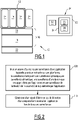
- an avionics electronic system intended to be on board an aircraft, comprises a memory 12 capable of storing at least one avionics software application 14; a platform 16 capable of executing each avionics software application 14, the platform 16 comprising resources 18 and hosting an operating system 20, the platform 16 being connected to other avionics electronic systems 22 of the aircraft.
- the avionics electronic system 10 further comprises, according to the invention, an electronic device 24 for monitoring each avionics software application 14.
- the aircraft is preferably an airplane.
- the aircraft is a helicopter, or even a drone piloted remotely by a pilot.
- the memory 12 is capable of storing three distinct avionics software applications 14, and the electronic monitoring device 24 is then configured to monitor each of these avionics software applications 14.
- Each avionics software application 14 is intended to be executed by the platform 16 and then designed to send one or more calls to the operating system 20 hosted by the platform 16 and is also configured to use resources 18 of the platform 16.
- Each avionics software application 14 is, for example, configured to perform two types of processing, namely periodic processing and aperiodic processing.
- Periodic processing is, for example, linked to the acquisition and processing(s) of data received, such as data from sensors of the aircraft, data from processing(s) of other applications , data generated following an action by a pilot of the aircraft. In order not to miss any event, these treatments must be carried out periodically. Each periodic processing must then be completed before the start of the next acquisition or processing period.
- Aperiodic processing does not depend, as its name suggests, on a processing or acquisition period, and therefore does not necessarily have to be terminated before the start of the next acquisition or processing period.
- Each avionics software application 14 is also called avionics function.
- the avionics software applications 14 fulfill different functions for the accomplishment of a flight, and are for example installed on different platforms 16 and use the resources 18 of said platforms 16.
- each avionics software application 14 is preferably monitored regularly by the electronic monitoring device 24, for substantially the entire duration of execution of the avionics software application 14 by platform 16.
- the platform 16 is intended to be on board the aircraft.
- the platform 16 is, for example, an information processing unit formed by one or more memories associated with one or more processors.
- the resources 18 of the platform 16 are physical or logical elements suitable for being made available to the avionics software application(s) 14.
- the nominal usage can be characterized with registers of hardware components for counting events, such as number of Ethernet frames received, number of frames rejected, and/or with registers of hardware components storing the last event or events , such as the execution return address following an interrupt.
- Each resource 18 has a capacity.
- the capacity of each resource 18 characterizes the size of said resource 18.
- the capacity of said resource 18 is quantifiable by the number of different inputs and outputs of said resource 18 (for example, the number of discrete inputs, analog, ARINC 429 buses, etc.).
- the capacity of said resource 18 can be quantified by the computing power of the processor of said resource 18 and/or the storage volume of the memory of said resource 18.
- the operating system 20 is, for example, an operating system conforming to the ARINC 653 standard, or a POSIX operating system, or even a hypervisor, or even middleware.
- the operating system 20 is understood in the broad sense, and is, more generally, a set of at least basic software, designed to offer services of different types to each app 14.
- a service is therefore a function of the base software that can be used by the application or applications 14 and that can be reached by a call, also called a call to a service (of the OS) or even a system call.
- An example of commodity software is an ARINC 653 or POSIX OS that provides such services.
- the services offered by the operating system 20 are known per se, and are for example input(s)/output(s) acquisition, process management, communication protocol(s) management , etc.
- the service types are then input(s)/output(s) acquisition, process management, communication protocol(s) management, etc.
- the ARINC 653 and POSIX standards each include, for example, a list of the services generally used in the aeronautical field.
- the invention relates more generally to any basic software adapted to an avionics software application 14, insofar as the service or services offered by this basic software, as well as the calls to the service(s) sent by each avionics software application 14 are identifiable.
- the electronic monitoring device 24 is configured to monitor each avionics software application 14 able to be executed on the platform 16, and comprises a monitoring module 26 configured to implement at least one monitoring of the application among the following four monitorings: syntactical monitoring of each call sent by the application 14 to the operating system 20, semantic monitoring of each call sent by the application 14 to the operating system 20, monitoring of call dynamics sent by the application 14 to the operating system 20 and monitoring of the use by the application 14 of the resources 18 of the platform 16.
- the electronic monitoring device 24 also comprises a generation module 28 configured to generate an alert signal in the event of detection of abnormal behavior of the application 14 during the implementation of at least one of said monitoring by the monitoring module 26.
- the monitoring device 24 is, for example separate from the platform 16, and comprises an information processing unit 30 formed for example of a processor 32 associated with a memory 34.
- the monitoring device 24 is able to be executed directly by the platform 16 and then to use its resources 18.
- This variant is a preferred embodiment, and the monitoring device 24 is then preferably also hosted within a specific memory partition of the platform 16, this specific partition itself being protected against cyber-attacks, via for example one or more access controls and/or integrity protection.
- the monitoring module 26 and the generation module 28 are each produced in the form of software, or a brick software, executable by a processor, such as the processor 32 when the monitoring device 24 is separate from the platform 16.
- the memory 34 of the monitoring device 24 is then able to store monitoring software for the implementation of at at least one monitoring of the application among the following four monitorings: a syntactical monitoring of each call sent by the application 14 to the operating system 20, a semantic monitoring of each call sent by the application 14 to the system operating 20, monitoring dynamics of the calls sent by the application 14 to the operating system 20, and monitoring of the use by the application 14 of the resources 18 of the platform 16.
- the memory 34 of the monitoring device 24 is also capable of storing software for generating an alert signal in the event of detection of abnormal behavior of the application 14 during the implementation of at least one of said monitoring by the monitoring software.
- the processor is then able to execute the monitoring software and the generation software.
- the monitoring module 26 and the generation module 28 are each made in the form of a programmable logic component, such as an FPGA ( Field Programmable Gate Array ), or even in the form of a a dedicated integrated circuit, such as an ASIC ( Application Specific Integrated Circuit ).
- a programmable logic component such as an FPGA ( Field Programmable Gate Array )
- ASIC Application Specific Integrated Circuit
- the monitoring device 24 When the monitoring device 24 is made in the form of one or more software, that is to say in the form of a computer program, it is also capable of being recorded on a medium, not shown, readable by computer.
- the computer-readable medium is, for example, a medium suitable for storing electronic instructions and capable of being coupled to a bus of a computer system.
- the readable medium is a floppy disk or floppy disk (from the English name Floppy disk ), an optical disk, a CD-ROM, a magneto-optical disk, a ROM memory, a RAM memory, any type non-volatile memory (for example, EPROM, EEPROM, FLASH, NVRAM) a magnetic card or an optical card.
- a computer program comprising software instructions.
- the monitoring module 26 is configured to preferably implement the semantic monitoring of each call sent by the application 14 to the operating system 20.
- the monitoring module 26 is configured to implement at least two, preferably at least three, more preferably each, monitoring from among the syntactic monitoring of each call sent by the application 14 to the system of exploitation 20, the semantic monitoring of each call sent by the application 14 to the operating system 20, the monitoring of a dynamic of the calls sent by the application 14 to the operating system 20 and the monitoring of the use by the application 14 of the resources 18 of the platform 16.
- the monitoring module 26 is configured to preferably implement the semantic monitoring of each call emitted and the monitoring of a dynamic of the calls emitted by the application 14 intended for the operating system 20.
- the monitoring module 26 is configured to preferably implement the semantic monitoring of each call sent, the monitoring of the dynamics of the calls sent and the monitoring of the use by the application 14 resources 18 from the platform 16.
- the monitoring module 26 is preferably configured to implement regularly, for substantially the entire duration of execution of the avionics software application by the platform, the aforementioned monitoring(s).
- the monitoring module 26 is configured to check at least one of the first, second and third syntactic criteria.
- the monitoring module 26 is configured to check preferably at least two, more preferably at least three, and more preferably each, among the first, second and third syntactic criteria.
- the monitoring module 26 is configured to verify that at least one of the first, second and third semantic criteria is fulfilled by one or more data contained in each call from the application 14 to the operating system 20, also says system call.
- the monitoring module 26 is configured to preferably verify at least two, more preferably each, among the first, second and third semantic criteria.
- the monitoring module 26 is configured to verify that at least one of the first, second, third, fourth and fifth dynamic criteria is met by the application 14.
- the monitoring module 26 is configured to preferably verify at least two, more preferably at least three, more preferably at least four, and more preferably each, of the first, second, third, fourth and fifth dynamic criteria.
- the monitoring module 26 is configured to check that at least one resource parameter belongs to a respective predefined range of values, each parameter being chosen from the group consisting of: a number of memory accesses , a quantity of memory used, a dispersion of memory accesses, a CPU execution time, a GPU execution time, a number of used inputs of the platform and a number of used outputs of the platform.
- the generation module 28 is configured to generate the alert signal in the event of detection, during the implementation of at least one of said aforementioned monitorings, of abnormal behavior of the monitored application 14 .
- Abnormal behavior means that at least one of the monitored criteria, that is to say taken into account, among the criteria defined above and for the monitoring or monitoring implemented by the monitoring module 26 , is not filled, i.e. is not checked.
- the identification of an abnormal behavior of a monitored application 14 is carried out by comparison with the predefined domain of use of the application, also called predefined domain of cyber use, this corresponding domain the limits of the various syntactic, semantic and dynamic criteria, as defined above, as well as, where applicable, the verification of the resource parameter(s) for the monitoring of use.
- This comparison is generally a comparison with predefined thresholds, and those skilled in the art will however observe that alternatively other methods are used depending on the monitoring or monitoring carried out, with for example verifications of arithmetic or logical equations from measured and/or predetermined data.
- FIG. 2 representing a flowchart of the method, according to the invention, for monitoring an avionics software application 14 capable of being executed on the platform 16, the method being implemented by the electronic monitoring device 24.
- monitoring and associated criteria are defined during a preliminary design phase or during a mission preparation phase, prior to the implementation implementation of the monitoring method according to the invention. This definition of the monitoring and associated criteria is also preferably made prior to the flight of the aircraft, the monitoring method according to the invention being preferably implemented during the flight of the aircraft.
- the monitoring module 26 preferably implements at least two, preferably at least three, more preferably each one, of the monitoring from among syntactic monitoring, semantic monitoring, dynamic monitoring and usage monitoring.
- This step 100 of implementing the monitoring(s) is preferably carried out regularly, for substantially the entire duration of execution of the avionics software application 14 by the platform 16.
- Syntactic monitoring includes checking at least one of the first, second and third syntactic criteria.
- Syntactic monitoring includes checking preferably at least two, more preferably at least three, and more preferably each, of the first, second and third syntactic criteria.
- the first syntactic criterion is the membership of each call, sent by the application 14 considered to the operating system 20, to a list of calls authorized to the operating system 20.
- the second syntactic criterion is the conformity of the succession of calls, transmitted by the application 14 considered to the operating system 20, with authorized call sequences.
- the third syntactic criterion is the conformity of each datum with respect to a corresponding predefined format.
- the monitoring module 26 checks for example compliance with a predefined grammar or even the membership of a field in a predefined list of fields.
- the grammar is understood in computer language as a set of predefined rules that must be respected between fields, and the fields are for example fields of a message, fields of a database.
- the semantic monitoring includes the verification that at least one of the first, second and third semantic criteria is fulfilled by one or more data contained in each call from the application 14 to the operating system 20.
- the semantic monitoring includes checking preferably at least two, and more preferably each, of the first, second and third semantic criteria.
- the first semantic criterion is membership in a predefined interval of values for the update delay of each data.
- the predefined interval of values for the first semantic criterion is for example linked to each period of the periodic processing(s) performed by the application 14.
- the main intervals are obtained by a prior measurement of the periodicity of the processing(s).
- the predefined interval of values for the first semantic criterion is for example the interval of values equal to plus or minus 10% to the period measured beforehand.
- the predefined interval of values associated with the processing of the first values will be between 45 ms and 55 ms, and that associated with the processing of the second values will be between 90 ms and 110 ms.
- the second semantic criterion is a consistency criterion for at least one predefined datum, such as a position or a speed of the aircraft.
- the third semantic criterion is a criterion of consistency between at least two predefined data, such as the position and the speed of the aircraft.
- the consistency criterion associated with these second and third semantic criteria is compliance with said physical law.
- the speed and the position, these second and third semantic criteria of an object, such as an aircraft are linked by a well-known physical law, and the difference between two successive positions, relative to time, must then be consistent with the speed.
- the consistency criterion associated with these second and third semantic criteria aims to verify this consistency of format, type or structure. For example, the sum of the lengths of the data of a message cannot exceed the length of the message which contains them.
- the second and third semantic criteria are based on an algorithm for checking a set of new data with respect to a set of previous data, according to a predefined law.
- Dynamics monitoring includes verifying that at least one of the first, second, third, fourth, and fifth dynamics criteria is met by the application.
- the dynamic monitoring includes checking preferably at least two, more preferably at least three, more preferably at least four, and more preferably each of the first, second, third, fourth and fifth dynamic criteria.
- the second dynamic criterion is that a number of errors on the services is, during a time period of predefined duration, less than a predefined maximum number of errors.
- the predefined maximum number of errors is equal to 0 when the platform 16 is a platform having a critical security level, that is to say the maximum security level.
- the predefined maximum number of errors is for example equal to 2 errors every 500 ms.
- the third dynamic criterion is that the number of distinct types of services required by the application is, during a time period of predefined duration, less than a predefined maximum number of types.
- the predefined maximum number of types for the third dynamic criterion depends for example on the type of processing requested by the avionic application 14 considered, namely periodic and aperiodic.
- periodic processing the possible actions resulting from a modification of an entry are limited and known.
- aperiodic processing the processing is for example grouped together: during a download request, the number of recording requests in a flash sector and CRC calculations on this sector is known and bounded.
- a request made in isolation with respect to said processing operations is preferably prohibited, with the exception of course of the first request of a group of requests which is by definition isolated, being the first request of the group.
- the fourth dynamic criterion is that a variation in the number of service calls by type and during the various predefined time periods is less than a threshold.
- the threshold is equal to 5 types of services (different types of calls) every 50 ms.
- the application 14 preferably also has the right to change a type of service between 2 successive periods.
- the sample sent is then preferably compared with the previous samples sent with regard to a business rule for checking the data with respect to the previous samples. For example, the difference is greater than a minimum value and/or less than a maximum value, and/or the new value is at most one standard deviation from the previous value.
- the fifth dynamic criterion is that a number of service call sequences is, during a time period of predefined duration, less than a predefined maximum number of sequences.
- a value of the predefined maximum number of sequences for the fifth dynamic criterion is, for example, defined from an analysis of the periodic and aperiodic processing requested and/or from learning.
- a sequence of calls is a succession of calls likely to be repeated several times over time, and then defines a pattern .
- the predefined maximum number of sequences is for example equal to 10.
- the monitoring of the dynamics is implemented by coding, with a unique identifier, each call from the avionics software application 14 to the operating system 20, and by using the Lempel-Ziv- Welch to compress all the calls to the operating system 20 made by said application 14.
- the couplet number of calls and depth of the dictionary then becomes a parameter of the “area of use”, making it possible to monitor the evolution of the avionics software application 14 over time.
- Usage monitoring includes verifying that at least one resource parameter belongs to a respective predefined range of values, each parameter being selected from the group consisting of: a number of memory accesses, an amount of memory used, a dispersion of memory accesses, CPU execution time, GPU execution time, a number of used platform inputs and a number of used platform outputs.
- the predefined interval of values associated with the amount of memory used is for example between 1MB and 3MB, preferably with a maximum value substantially equal to 2.5MB.
- predefined associated with the dispersion of memory accesses is for example between 3MB and 5MB, preferably with a maximum value substantially equal to 4MB.
- the interval of predefined values associated with the CPU execution time is for example between 4 and 6ms.
- the monitoring device 24 During a following step 110, the monitoring device 24 generates, via its generation module 28, an alert signal in the event of detection of abnormal behavior of the application 14 during one of said monitorings during of the previous step 100.
- predefined must not be interpreted in a restrictive manner as meaning “fixed” or “invariable”. “Predefined” is then understood to mean defined before a step considered, the step considered here being the step 100 of monitoring the avionics software application(s) 14.
- object such as a threshold, a duration, an interval of values, a maximum number
- this object is defined, i.e. determined, initially or, for example, determined by learning prior to the effective monitoring of the application in question, that is to say prior to step 110.
- the monitoring method according to the invention makes it possible to implement at least one, preferably at least two, more preferably at least three, and more preferably each, of the monitoring from syntactic monitoring, semantic monitoring , the monitoring of the dynamics and the monitoring of the use makes it possible to define precisely, that is to say to characterize the domain of use of the application, also called domain of cyber use; then to generate an alert as soon as an abnormal behavior of the software application(s) 14 under surveillance is detected, that is to say as soon as at least one of the software applications 14 under surveillance leaves its characterized field of use .
- the monitoring method according to the invention then allows in-depth protection of the application, as opposed to peripheral protection, via the monitoring of the avionic network, of the state of the art.
- the process of Surveillance according to the invention does not contribute to the ability to block the intrusion, but significantly increases the ability to prevent it from causing harm.
- the monitoring method according to the invention having knowledge of the 'normal' operation of the software application(s) 14 being monitored, makes it possible to detect a cyber attack much earlier than would a method of the state of the art. .
- the monitoring implemented preferentially by the monitoring module 26 is the semantic monitoring of each call sent by the application 14 to the operating system 20, and it makes it possible in particular to detect a code, or software function, malicious trying to modify the integrity of data internal to the avionics software application 14.
- the monitoring then preferentially implemented by the monitoring module 26 is the monitoring of a dynamic of the calls sent by the application 14 to the operating system 20, and it makes it possible in particular to detect a denial of service of at least least part of the avionics software application 14.
- the monitoring then preferably implemented by the monitoring module 26 is the monitoring of the use by the application 14 of the resources 18 of the platform 16, and it makes it possible in particular to detect a malicious code, or software function, exploiting in a manner diverted from the material resources of the platform 16.
- syntactic monitoring of each call sent by the application 14 to the operating system 20 makes it possible in particular to detect malicious code, or software function, inserted into the avionics software application 14 and executing unplanned calls to the system operating 20.
- the monitoring module 26 is preferably configured to implement regularly, for substantially the entire duration of execution of the avionics software application by the platform, the aforementioned monitoring(s).
- the monitoring method and device 24 according to the invention make it possible to more effectively detect an attack targeting the software application(s) 14 under monitoring.
Landscapes
- Engineering & Computer Science (AREA)
- Computer Security & Cryptography (AREA)
- Theoretical Computer Science (AREA)
- General Engineering & Computer Science (AREA)
- Software Systems (AREA)
- Computer Hardware Design (AREA)
- Physics & Mathematics (AREA)
- General Physics & Mathematics (AREA)
- Computing Systems (AREA)
- Computer Networks & Wireless Communication (AREA)
- Signal Processing (AREA)
- Aviation & Aerospace Engineering (AREA)
- Health & Medical Sciences (AREA)
- General Health & Medical Sciences (AREA)
- Medical Informatics (AREA)
- Quality & Reliability (AREA)
- Mathematical Physics (AREA)
- Debugging And Monitoring (AREA)
Claims (9)
- Verfahren zur Überwachung einer Avionik-Softwareanwendung (14), die geeignet ist, um auf einer Plattform (16) ausgeführt zu werden, die Ressourcen (18) umfasst und ein Betriebssystem (20) beherbergt, wobei die Plattform (16) dazu bestimmt ist, an Bord eines Luftfahrzeugs zu sein, wobei das Verfahren von einer elektronischen Überwachungsvorrichtung (24) durchgeführt wird und umfassend die folgenden Schritte:- das Durchführen (100) mindestens einer Überwachung der Anwendung (14) aus den folgenden vier Überwachungen:+ einer syntaktischen Überwachung von jedem Aufruf, der von der Anwendung (14) an das Betriebssystem (20) gesendet wird,+ einer semantischen Überwachung von jedem Aufruf, der von der Anwendung (14) an das Betriebssystem (20) gesendet wird,+ einer Überwachung einer Dynamik von Aufrufen, die von der Anwendung (14) an das Betriebssystem (20) gesendet werden,+ einer Überwachung der Verwendung der Ressourcen (18) der Plattform (16) durch die Anwendung (14);der Implementierungsschritt umfassend das Implementieren der semantischen Überwachung von jedem Aufruf, der von der Anwendung (14) an das Betriebssystem (20) gesendet wird;die semantische Überwachung umfassend das Überprüfen, dass mindestens eines von dem ersten, dem zweiten und dem dritten semantischen Kriterium durch einen oder mehrere Datensätze erfüllt wird, die in jedem Aufruf der Anwendung (14) an das Betriebssystem (20) enthalten sind, wobei die in jedem Aufruf der Anwendung (14) enthaltenen Datensätze ausgewählt sind aus der Gruppe, bestehend aus: Datensätze, die von Sensoren des Flugzeugs stammen, Datensätze, die von der Verarbeitung(en) anderer Anwendungen stammen, Datensätze, die in Folge einer Aktion eines Piloten des Flugzeugs erzeugt werden,wobei das erste semantische Kriterium die Zugehörigkeit zu einem vordefinierten Intervall von Werten für die Aktualisierungszeit von jedem Datensatz ist,das zweite semantische Kriterium ein Kohärenzkriterium für mindestens einen vordefinierten Datensatz ist, der eine Position oder eine Geschwindigkeit des Luftfahrzeugs ist, undwobei das dritte semantische Kriterium ein Kriterium für die Kohärenz zwischen mindestens zwei vordefinierten Datensätzen ist, die die Position und die Geschwindigkeit des Luftfahrzeugs sind- das Erzeugen (110) eines Warnsignals, wenn ein anormales Verhalten der Anwendung (14) beim Durchführen (100) mindestens einer der Überwachungen erfasst wird.
- Verfahren nach Anspruch 1, wobei der Durchführungsschritt das Durchführen von mindestens zwei, vorzugsweise mindestens drei, noch bevorzugter von jeder der Überwachungen aus syntaktischer Überwachung, semantischer Überwachung, dynamischer Überwachung und Überwachung der Verwendung umfasst.
- Verfahren nach einem der vorherigen Ansprüche, wobei die syntaktischer Überwachung das Überprüfen von mindestens einem von einem ersten, einem zweiten und einem dritten syntaktischen Kriterium umfasst,wobei das erste syntaktische Kriterium die Zugehörigkeit von jedem gesendeten Aufruf zu einer Liste von Aufrufen ist, die dem Betriebssystem (20) erlaubt sind,das zweite syntaktische Kriterium die Übereinstimmung der Abfolge von Aufrufen mit zulässigen Abfolgen von Aufrufen ist,wobei das dritte syntaktische Kriterium die Übereinstimmung von jedem Datensatz mit einem entsprechenden vordefinierten Format ist.
- Verfahren nach einem der vorherigen Ansprüche, wobei das Betriebssystem (20) geeignet ist, um der Anwendung (14) mehrere Dienste unterschiedlicher Art anzubieten, undwobei die Überwachung der Dynamik das Überprüfen umfasst, dass mindestens eines von dem ersten, dem zweiten, dem dritten, dem vierten und dem fünften Dynamikkriterium durch die Anwendung (14) erfüllt ist,wobei das erste Dynamikkriterium darin besteht, dass die Anzahl der von der Anwendung (14) angeforderten Dienste während einer Zeitperiode mit einer vordefinierten Dauer unter einer vordefinierten maximalen Anzahl von Diensten pro Zeiteinheit ist,wobei das zweite Dynamikkriterium darin besteht, dass eine Anzahl von Fehlern bei den Diensten während einer Zeitperiode mit einer vordefinierten Dauer kleiner ist als eine vordefinierte maximale Anzahl von Fehlern,wobei das dritte Dynamikkriterium darin besteht, dass die Anzahl der unterschiedlichen Arten von Diensten, die von der Anwendung (14) angefordert werden, während einer Zeitperiode mit einer vordefinierten Dauer kleiner ist als eine vordefinierte maximale Anzahl von Arten,wobei das vierte Dynamikkriterium darin besteht, dass eine Veränderung der Anzahl von Aufrufen von Diensten nach Arten und während der verschiedenen vordefinierten Zeiträume unter einem Schwellenwert ist, undwobei das fünfte Dynamikkriterium darin besteht, dass eine Anzahl von Abfolgen von Aufrufen an die Dienste während einer Zeitperiode mit vordefinierter Dauer kleiner ist als eine vordefinierte maximale Anzahl von Abfolgen.
- Verfahren nach einem der vorherigen Ansprüche, wobei die Überwachung der Verwendung das Überprüfen umfasst, ob mindestens ein Ressourcenparameter zu einem vordefinierten Bereich von jeweiligen Werten gehört, wobei jeder Parameter ausgewählt ist aus der Gruppe, bestehend aus: einer Anzahl von Speicherzugriffen, einer Menge an verwendetem Speicher, einer Streuung der Speicherzugriffe, einer CPU-Ausführungszeit, einer GPU-Ausführungszeit, einer Anzahl von verwendeten Eingaben der Plattform (16) und einer Anzahl von verwendeten Ausgaben der Plattform (16).
- Verfahren nach einem der vorherigen Ansprüche, wobei der Durchführungsschritt regelmäßig, im Wesentlichen während der gesamten Dauer der Ausführung der Avionik-Softwareanwendung (14) durch die Plattform (16), durchgeführt wird.
- Computerprogramm, umfassend Softwareanweisungen, die, wenn sie von einem Computer ausgeführt werden, ein Verfahren nach einem der vorherigen Ansprüche durchführen.
- Elektronische Vorrichtung (24) zur Überwachung einer Avionik-Softwareanwendung (14), die geeignet ist, um auf einer Plattform (16) ausgeführt zu werden, die Ressourcen (18) umfasst und ein Betriebssystem (20) beherbergt, wobei die Plattform (16) dazu bestimmt ist, an Bord eines Luftfahrzeugs zu sein,die elektronische Überwachungsvorrichtung (24) umfassend:- ein Überwachungsmodul (26), das konfiguriert ist, um mindestens eine Überwachung der Anwendung (14) aus den folgenden vier Überwachungen durchzuführen:+ einer syntaktischen Überwachung von jedem Aufruf, der von der Anwendung (14) an das Betriebssystem (20) gesendet wird,+ einer semantischen Überwachung von jedem Aufruf, der von der Anwendung (14) an das Betriebssystem (20) gesendet wird,+ einer Überwachung einer Dynamik von Aufrufen, die von der Anwendung (14) an das Betriebssystem (20) gesendet werden,+ einer Überwachung der Verwendung der Ressourcen (18) der Plattform (16) durch die Anwendung (14);wobei das Überwachungsmodul (26) konfiguriert ist, um die semantische Überwachung von jedem Aufruf durchzuführen, der von der Anwendung (14) an das Betriebssystem (20) gesendet wird;die semantische Überwachung umfassend das Überprüfen, dass mindestens eines von dem ersten, dem zweiten und dem dritten semantischen Kriterium durch einen oder mehrere Datensätze erfüllt wird, die in jedem Aufruf der Anwendung (14) an das Betriebssystem (20) enthalten sind, wobei die in jedem Aufruf der Anwendung (14) enthaltenen Datensätze ausgewählt sind aus der Gruppe, bestehend aus: Datensätze, die von Sensoren des Flugzeugs stammen, Datensätze, die von der Verarbeitung(en) anderer Anwendungen stammen, Datensätze, die in Folge einer Aktion eines Piloten des Flugzeugs erzeugt werden,wobei das erste semantische Kriterium die Zugehörigkeit zu einem vordefinierten Intervall von Werten für die Aktualisierungszeit von jedem Datensatz ist,das zweite semantische Kriterium ein Kohärenzkriterium für mindestens einen vordefinierten Datensatz ist, der eine Position oder eine Geschwindigkeit des Luftfahrzeugs ist, undwobei das dritte semantische Kriterium ein Kriterium für die Kohärenz zwischen mindestens zwei vordefinierten Datensätzen ist, die die Position und die Geschwindigkeit des Luftfahrzeugs sind- ein Erzeugungsmodul (28), das konfiguriert ist, um ein Warnsignal zu erzeugen, wenn ein anormales Verhalten der Anwendung (14) beim Durchführen von mindestens einer der Überwachungen erfasst wird.
- Elektronisches Avioniksystem, umfassend:- einen Speicher (12), der geeignet ist, um mindestens eine Avionik-Softwareanwendung (14) zu speichern;- eine Plattform (16), die geeignet ist, um jede Avionik-Softwareanwendung (14) auszuführen, wobei die Plattform (16) Ressourcen (18) umfasst und ein Betriebssystem (20) beherbergt; und- eine elektronische Vorrichtung (24) zur Überwachung von jeder Avionik-Softwareanwendung (14), wobei die elektronische Überwachungsvorrichtung (24) nach Anspruch 8 ist.
Priority Applications (1)
| Application Number | Priority Date | Filing Date | Title |
|---|---|---|---|
| EP22182299.2A EP4087185A1 (de) | 2017-05-04 | 2018-05-04 | Verfahren und elektronische vorrichtung zur überwachung einer softwareanwendung für luftfahrzeuge, entsprechendes computerprogramm und entsprechendes flugzeugsystem |
Applications Claiming Priority (1)
| Application Number | Priority Date | Filing Date | Title |
|---|---|---|---|
| FR1700479A FR3065945B1 (fr) | 2017-05-04 | 2017-05-04 | Procede et dispositif electronique de surveillance d'une application logicielle avionique, programme d'ordinateur et systeme avionique associes |
Related Child Applications (2)
| Application Number | Title | Priority Date | Filing Date |
|---|---|---|---|
| EP22182299.2A Division-Into EP4087185A1 (de) | 2017-05-04 | 2018-05-04 | Verfahren und elektronische vorrichtung zur überwachung einer softwareanwendung für luftfahrzeuge, entsprechendes computerprogramm und entsprechendes flugzeugsystem |
| EP22182299.2A Division EP4087185A1 (de) | 2017-05-04 | 2018-05-04 | Verfahren und elektronische vorrichtung zur überwachung einer softwareanwendung für luftfahrzeuge, entsprechendes computerprogramm und entsprechendes flugzeugsystem |
Publications (2)
| Publication Number | Publication Date |
|---|---|
| EP3399720A1 EP3399720A1 (de) | 2018-11-07 |
| EP3399720B1 true EP3399720B1 (de) | 2022-09-07 |
Family
ID=59579664
Family Applications (2)
| Application Number | Title | Priority Date | Filing Date |
|---|---|---|---|
| EP22182299.2A Pending EP4087185A1 (de) | 2017-05-04 | 2018-05-04 | Verfahren und elektronische vorrichtung zur überwachung einer softwareanwendung für luftfahrzeuge, entsprechendes computerprogramm und entsprechendes flugzeugsystem |
| EP18170905.6A Active EP3399720B1 (de) | 2017-05-04 | 2018-05-04 | Verfahren und elektronische vorrichtung zur überwachung einer softwareanwendung einer luftfahrtelektronik, verwandte computerprogramme und luftfahrtelektronikssystem |
Family Applications Before (1)
| Application Number | Title | Priority Date | Filing Date |
|---|---|---|---|
| EP22182299.2A Pending EP4087185A1 (de) | 2017-05-04 | 2018-05-04 | Verfahren und elektronische vorrichtung zur überwachung einer softwareanwendung für luftfahrzeuge, entsprechendes computerprogramm und entsprechendes flugzeugsystem |
Country Status (3)
| Country | Link |
|---|---|
| US (1) | US11023578B2 (de) |
| EP (2) | EP4087185A1 (de) |
| FR (1) | FR3065945B1 (de) |
Families Citing this family (8)
| Publication number | Priority date | Publication date | Assignee | Title |
|---|---|---|---|---|
| US11625459B2 (en) | 2019-02-08 | 2023-04-11 | Raytheon Technologies Corporation | Embedded processing system with multi-stage authentication |
| EP3716115A1 (de) * | 2019-03-29 | 2020-09-30 | General Electric Company | Verbesserungen der berichterstattung und konfiguration von zertifizierter software an bord |
| EP3716114A1 (de) | 2019-03-29 | 2020-09-30 | General Electric Company | Verfahren und system zur fernladung von bordeigener zertifizierter software |
| US11429715B2 (en) * | 2019-07-11 | 2022-08-30 | Rockwell Collins, Inc. | Avionics system embedded threat detector |
| FR3103038B1 (fr) | 2019-11-07 | 2021-11-19 | Thales Sa | Procede et dispositif electronique de surveillance d'une application logicielle avionique via des compteurs d'appel(s) systeme, programme d'ordinateur et systeme avionique associes |
| CN114050656B (zh) * | 2021-11-19 | 2024-07-19 | 南方电网科学研究院有限责任公司 | 一种感知控制终端及分布式能源配电网的监测点布置方法 |
| CN114132514B (zh) * | 2021-12-27 | 2022-05-27 | 西安羚控电子科技有限公司 | 一种固定翼无人机航电电气系统的故障处理方法及装置 |
| FR3144878B1 (fr) | 2023-01-09 | 2025-06-06 | Thales Sa | Procédé et dispositif de surveillance - avec mitigation de contention - d’application(s) avionique(s) exécutée(s) sur une plateforme avec processeur multicœur, système électronique avionique et programme d’ordinateur associés |
Family Cites Families (7)
| Publication number | Priority date | Publication date | Assignee | Title |
|---|---|---|---|---|
| FR2787269B1 (fr) * | 1998-12-11 | 2001-03-02 | Aerospatiale | Procede de mise en oeuvre d'une unite de service de trafic air |
| US6735703B1 (en) * | 2000-05-08 | 2004-05-11 | Networks Associates Technology, Inc. | Multi-platform sequence-based anomaly detection wrapper |
| FR2818769B1 (fr) | 2000-12-21 | 2004-06-18 | Eads Airbus Sa | Procede et systeme d'exploitation temps reel multitaches |
| DE60129701T2 (de) * | 2001-09-21 | 2008-04-30 | Koninklijke Kpn N.V. | Computersystem, Datenübertragungsnetz, Computerprogramm und Datenträger, alle zur Filterung von einen Inhalt gemäss einer Markierungssprache einschliessenden Nachrichten |
| WO2014152469A1 (en) * | 2013-03-18 | 2014-09-25 | The Trustees Of Columbia University In The City Of New York | Unsupervised anomaly-based malware detection using hardware features |
| US9591005B2 (en) | 2014-08-20 | 2017-03-07 | Ge Aviation Systems Llc | Avionics intrusion detection system and method of determining intrusion of an avionics component or system |
| CN105096662B (zh) * | 2015-07-24 | 2017-07-04 | 陶文英 | 一种合作驾驶航空器系统的设计方法及系统 |
-
2017
- 2017-05-04 FR FR1700479A patent/FR3065945B1/fr active Active
-
2018
- 2018-05-03 US US15/970,151 patent/US11023578B2/en active Active
- 2018-05-04 EP EP22182299.2A patent/EP4087185A1/de active Pending
- 2018-05-04 EP EP18170905.6A patent/EP3399720B1/de active Active
Also Published As
| Publication number | Publication date |
|---|---|
| EP3399720A1 (de) | 2018-11-07 |
| FR3065945B1 (fr) | 2021-04-16 |
| US11023578B2 (en) | 2021-06-01 |
| FR3065945A1 (fr) | 2018-11-09 |
| EP4087185A1 (de) | 2022-11-09 |
| US20180322282A1 (en) | 2018-11-08 |
Similar Documents
| Publication | Publication Date | Title |
|---|---|---|
| EP4087185A1 (de) | Verfahren und elektronische vorrichtung zur überwachung einer softwareanwendung für luftfahrzeuge, entsprechendes computerprogramm und entsprechendes flugzeugsystem | |
| JP7194184B2 (ja) | コネクテッド車両サイバー・セキュリティのためのシステム及び方法 | |
| EP3665601A1 (de) | System und verfahren zur detektion der ausnutzung einer mit einem fahrzeuginternen netzwerk verbundenen komponente | |
| WO2012175886A1 (fr) | Procede de detection d'attaques et de protection | |
| US12261877B2 (en) | Detecting malware infection path in a cloud computing environment utilizing a security graph | |
| EP3470986B1 (de) | Verfahren und vorrichtung zur überwachung einer softwareanwendung für luftfahrzeuge über ihre ausführungszeit, entsprechende software und entsprechendes flugzeugsystem | |
| EP3819767B1 (de) | Verfahren und elektronische vorrichtung zur überwachung einer softwareanwendung für luftfahrzeuge über aufrufzähler, entsprechendes system, computerprogramm und flugzeugsystem | |
| WO2005073860A2 (fr) | Procede de determination de caracteristiques operationnelles d'un programme | |
| EP3599552B1 (de) | Verfahren und elektronische vorrichtung zum installieren von softwareanwendungen für die luftfahrt auf einer plattform, die einen mehrkernprozessor umfasst, entsprechendes computerprogramm und elektronisches system | |
| CN105978911B (zh) | 基于虚拟执行技术的恶意代码检测方法及装置 | |
| CA2297276C (fr) | Procede et dispositif de reception et pretraitement de messages | |
| US20230208862A1 (en) | Detecting malware infection path in a cloud computing environment utilizing a security graph | |
| EP4060503A1 (de) | Verfahren zur reduzierung von einschränkungen für eine betriebliche anwendung und entsprechendes system zur reduzierung von einschränkungen | |
| FR3105489A3 (fr) | Dispositif et procede de detection de fraude | |
| FR3094810A1 (fr) | Système sur puce comprenant une pluralité de ressources maitre | |
| EP3502949B1 (de) | Verfahren und system zur überwachung der verlaufsplanung von softwareaufgaben | |
| EP4398108A1 (de) | Verfahren und vorrichtung zur überwachung und minderung von konflikten / anwendungen in der luftfahrt auf einer plattform mit mehrkernprozessor, elektronisches system und computerprogramm dafür | |
| EP3910914B1 (de) | Verfahren zur abschwächung von einschränkungen für eine betriebsanwendung, entsprechendes computerprogrammprodukt und bestimmungsverfahren für eine belastungsanwendung | |
| EP4104056A1 (de) | Elektronischer rechner, elektronisches system, verfahren zum überwachen der ausführung einer anwendung und zugehöriges computerprogramm | |
| EP4206907B1 (de) | Verfahren und system zur überwachung der aktualisierung von mediensoftware in einer dienstbereitstellungsinfrastruktur | |
| WO2019122241A1 (fr) | Procédé de construction automatique de scénarios d'attaques informatiques, produit programme d'ordinateur et système de construction associés | |
| FR3157590A1 (fr) | Système informatique, procédé de mise en œuvre et ensemble de produits programme d’ordinateur associés | |
| FR3065301A1 (fr) | Procede et dispositif electronique de verification d'une configuration de partitionnement, programme d'ordinateur associe | |
| WO2006082342A1 (fr) | Procede et systeme de detection automatique d'intrusions | |
| FR3150924A1 (fr) | Passerelle de communication avec filtrage paramétrable entre domaines ouvert et avionique, aéronef, procédé de filtrage et programme d’ordinateur associés |
Legal Events
| Date | Code | Title | Description |
|---|---|---|---|
| PUAI | Public reference made under article 153(3) epc to a published international application that has entered the european phase |
Free format text: ORIGINAL CODE: 0009012 |
|
| STAA | Information on the status of an ep patent application or granted ep patent |
Free format text: STATUS: THE APPLICATION HAS BEEN PUBLISHED |
|
| AK | Designated contracting states |
Kind code of ref document: A1 Designated state(s): AL AT BE BG CH CY CZ DE DK EE ES FI FR GB GR HR HU IE IS IT LI LT LU LV MC MK MT NL NO PL PT RO RS SE SI SK SM TR |
|
| AX | Request for extension of the european patent |
Extension state: BA ME |
|
| STAA | Information on the status of an ep patent application or granted ep patent |
Free format text: STATUS: REQUEST FOR EXAMINATION WAS MADE |
|
| 17P | Request for examination filed |
Effective date: 20190418 |
|
| RBV | Designated contracting states (corrected) |
Designated state(s): AL AT BE BG CH CY CZ DE DK EE ES FI FR GB GR HR HU IE IS IT LI LT LU LV MC MK MT NL NO PL PT RO RS SE SI SK SM TR |
|
| STAA | Information on the status of an ep patent application or granted ep patent |
Free format text: STATUS: EXAMINATION IS IN PROGRESS |
|
| 17Q | First examination report despatched |
Effective date: 20200304 |
|
| REG | Reference to a national code |
Ref country code: DE Ref legal event code: R079 Ref document number: 602018040229 Country of ref document: DE Free format text: PREVIOUS MAIN CLASS: H04L0029060000 Ipc: H04L0009400000 |
|
| GRAP | Despatch of communication of intention to grant a patent |
Free format text: ORIGINAL CODE: EPIDOSNIGR1 |
|
| STAA | Information on the status of an ep patent application or granted ep patent |
Free format text: STATUS: GRANT OF PATENT IS INTENDED |
|
| RIC1 | Information provided on ipc code assigned before grant |
Ipc: B64D 45/00 20060101ALI20220404BHEP Ipc: G08G 5/00 20060101ALI20220404BHEP Ipc: H04L 67/12 20220101ALI20220404BHEP Ipc: G06F 21/55 20130101ALI20220404BHEP Ipc: H04L 9/40 20220101AFI20220404BHEP |
|
| INTG | Intention to grant announced |
Effective date: 20220421 |
|
| GRAS | Grant fee paid |
Free format text: ORIGINAL CODE: EPIDOSNIGR3 |
|
| GRAA | (expected) grant |
Free format text: ORIGINAL CODE: 0009210 |
|
| STAA | Information on the status of an ep patent application or granted ep patent |
Free format text: STATUS: THE PATENT HAS BEEN GRANTED |
|
| AK | Designated contracting states |
Kind code of ref document: B1 Designated state(s): AL AT BE BG CH CY CZ DE DK EE ES FI FR GB GR HR HU IE IS IT LI LT LU LV MC MK MT NL NO PL PT RO RS SE SI SK SM TR |
|
| REG | Reference to a national code |
Ref country code: GB Ref legal event code: FG4D Free format text: NOT ENGLISH |
|
| REG | Reference to a national code |
Ref country code: CH Ref legal event code: EP Ref country code: AT Ref legal event code: REF Ref document number: 1517970 Country of ref document: AT Kind code of ref document: T Effective date: 20220915 |
|
| REG | Reference to a national code |
Ref country code: DE Ref legal event code: R096 Ref document number: 602018040229 Country of ref document: DE |
|
| REG | Reference to a national code |
Ref country code: IE Ref legal event code: FG4D Free format text: LANGUAGE OF EP DOCUMENT: FRENCH |
|
| REG | Reference to a national code |
Ref country code: LT Ref legal event code: MG9D |
|
| REG | Reference to a national code |
Ref country code: NL Ref legal event code: MP Effective date: 20220907 |
|
| PG25 | Lapsed in a contracting state [announced via postgrant information from national office to epo] |
Ref country code: SE Free format text: LAPSE BECAUSE OF FAILURE TO SUBMIT A TRANSLATION OF THE DESCRIPTION OR TO PAY THE FEE WITHIN THE PRESCRIBED TIME-LIMIT Effective date: 20220907 Ref country code: RS Free format text: LAPSE BECAUSE OF FAILURE TO SUBMIT A TRANSLATION OF THE DESCRIPTION OR TO PAY THE FEE WITHIN THE PRESCRIBED TIME-LIMIT Effective date: 20220907 Ref country code: NO Free format text: LAPSE BECAUSE OF FAILURE TO SUBMIT A TRANSLATION OF THE DESCRIPTION OR TO PAY THE FEE WITHIN THE PRESCRIBED TIME-LIMIT Effective date: 20221207 Ref country code: LV Free format text: LAPSE BECAUSE OF FAILURE TO SUBMIT A TRANSLATION OF THE DESCRIPTION OR TO PAY THE FEE WITHIN THE PRESCRIBED TIME-LIMIT Effective date: 20220907 Ref country code: LT Free format text: LAPSE BECAUSE OF FAILURE TO SUBMIT A TRANSLATION OF THE DESCRIPTION OR TO PAY THE FEE WITHIN THE PRESCRIBED TIME-LIMIT Effective date: 20220907 Ref country code: FI Free format text: LAPSE BECAUSE OF FAILURE TO SUBMIT A TRANSLATION OF THE DESCRIPTION OR TO PAY THE FEE WITHIN THE PRESCRIBED TIME-LIMIT Effective date: 20220907 |
|
| REG | Reference to a national code |
Ref country code: AT Ref legal event code: MK05 Ref document number: 1517970 Country of ref document: AT Kind code of ref document: T Effective date: 20220907 |
|
| PG25 | Lapsed in a contracting state [announced via postgrant information from national office to epo] |
Ref country code: HR Free format text: LAPSE BECAUSE OF FAILURE TO SUBMIT A TRANSLATION OF THE DESCRIPTION OR TO PAY THE FEE WITHIN THE PRESCRIBED TIME-LIMIT Effective date: 20220907 Ref country code: GR Free format text: LAPSE BECAUSE OF FAILURE TO SUBMIT A TRANSLATION OF THE DESCRIPTION OR TO PAY THE FEE WITHIN THE PRESCRIBED TIME-LIMIT Effective date: 20221208 |
|
| PG25 | Lapsed in a contracting state [announced via postgrant information from national office to epo] |
Ref country code: SM Free format text: LAPSE BECAUSE OF FAILURE TO SUBMIT A TRANSLATION OF THE DESCRIPTION OR TO PAY THE FEE WITHIN THE PRESCRIBED TIME-LIMIT Effective date: 20220907 Ref country code: RO Free format text: LAPSE BECAUSE OF FAILURE TO SUBMIT A TRANSLATION OF THE DESCRIPTION OR TO PAY THE FEE WITHIN THE PRESCRIBED TIME-LIMIT Effective date: 20220907 Ref country code: PT Free format text: LAPSE BECAUSE OF FAILURE TO SUBMIT A TRANSLATION OF THE DESCRIPTION OR TO PAY THE FEE WITHIN THE PRESCRIBED TIME-LIMIT Effective date: 20230109 Ref country code: ES Free format text: LAPSE BECAUSE OF FAILURE TO SUBMIT A TRANSLATION OF THE DESCRIPTION OR TO PAY THE FEE WITHIN THE PRESCRIBED TIME-LIMIT Effective date: 20220907 Ref country code: CZ Free format text: LAPSE BECAUSE OF FAILURE TO SUBMIT A TRANSLATION OF THE DESCRIPTION OR TO PAY THE FEE WITHIN THE PRESCRIBED TIME-LIMIT Effective date: 20220907 Ref country code: AT Free format text: LAPSE BECAUSE OF FAILURE TO SUBMIT A TRANSLATION OF THE DESCRIPTION OR TO PAY THE FEE WITHIN THE PRESCRIBED TIME-LIMIT Effective date: 20220907 |
|
| PG25 | Lapsed in a contracting state [announced via postgrant information from national office to epo] |
Ref country code: SK Free format text: LAPSE BECAUSE OF FAILURE TO SUBMIT A TRANSLATION OF THE DESCRIPTION OR TO PAY THE FEE WITHIN THE PRESCRIBED TIME-LIMIT Effective date: 20220907 Ref country code: PL Free format text: LAPSE BECAUSE OF FAILURE TO SUBMIT A TRANSLATION OF THE DESCRIPTION OR TO PAY THE FEE WITHIN THE PRESCRIBED TIME-LIMIT Effective date: 20220907 Ref country code: IS Free format text: LAPSE BECAUSE OF FAILURE TO SUBMIT A TRANSLATION OF THE DESCRIPTION OR TO PAY THE FEE WITHIN THE PRESCRIBED TIME-LIMIT Effective date: 20230107 Ref country code: EE Free format text: LAPSE BECAUSE OF FAILURE TO SUBMIT A TRANSLATION OF THE DESCRIPTION OR TO PAY THE FEE WITHIN THE PRESCRIBED TIME-LIMIT Effective date: 20220907 |
|
| REG | Reference to a national code |
Ref country code: DE Ref legal event code: R097 Ref document number: 602018040229 Country of ref document: DE |
|
| P01 | Opt-out of the competence of the unified patent court (upc) registered |
Effective date: 20230425 |
|
| PG25 | Lapsed in a contracting state [announced via postgrant information from national office to epo] |
Ref country code: NL Free format text: LAPSE BECAUSE OF FAILURE TO SUBMIT A TRANSLATION OF THE DESCRIPTION OR TO PAY THE FEE WITHIN THE PRESCRIBED TIME-LIMIT Effective date: 20220907 Ref country code: AL Free format text: LAPSE BECAUSE OF FAILURE TO SUBMIT A TRANSLATION OF THE DESCRIPTION OR TO PAY THE FEE WITHIN THE PRESCRIBED TIME-LIMIT Effective date: 20220907 |
|
| PLBE | No opposition filed within time limit |
Free format text: ORIGINAL CODE: 0009261 |
|
| STAA | Information on the status of an ep patent application or granted ep patent |
Free format text: STATUS: NO OPPOSITION FILED WITHIN TIME LIMIT |
|
| PG25 | Lapsed in a contracting state [announced via postgrant information from national office to epo] |
Ref country code: DK Free format text: LAPSE BECAUSE OF FAILURE TO SUBMIT A TRANSLATION OF THE DESCRIPTION OR TO PAY THE FEE WITHIN THE PRESCRIBED TIME-LIMIT Effective date: 20220907 |
|
| 26N | No opposition filed |
Effective date: 20230608 |
|
| PG25 | Lapsed in a contracting state [announced via postgrant information from national office to epo] |
Ref country code: SI Free format text: LAPSE BECAUSE OF FAILURE TO SUBMIT A TRANSLATION OF THE DESCRIPTION OR TO PAY THE FEE WITHIN THE PRESCRIBED TIME-LIMIT Effective date: 20220907 |
|
| REG | Reference to a national code |
Ref country code: CH Ref legal event code: PL |
|
| PG25 | Lapsed in a contracting state [announced via postgrant information from national office to epo] |
Ref country code: MC Free format text: LAPSE BECAUSE OF FAILURE TO SUBMIT A TRANSLATION OF THE DESCRIPTION OR TO PAY THE FEE WITHIN THE PRESCRIBED TIME-LIMIT Effective date: 20220907 |
|
| GBPC | Gb: european patent ceased through non-payment of renewal fee |
Effective date: 20230504 |
|
| REG | Reference to a national code |
Ref country code: BE Ref legal event code: MM Effective date: 20230531 |
|
| PG25 | Lapsed in a contracting state [announced via postgrant information from national office to epo] |
Ref country code: MC Free format text: LAPSE BECAUSE OF FAILURE TO SUBMIT A TRANSLATION OF THE DESCRIPTION OR TO PAY THE FEE WITHIN THE PRESCRIBED TIME-LIMIT Effective date: 20220907 Ref country code: LU Free format text: LAPSE BECAUSE OF NON-PAYMENT OF DUE FEES Effective date: 20230504 Ref country code: LI Free format text: LAPSE BECAUSE OF NON-PAYMENT OF DUE FEES Effective date: 20230531 Ref country code: CH Free format text: LAPSE BECAUSE OF NON-PAYMENT OF DUE FEES Effective date: 20230531 |
|
| REG | Reference to a national code |
Ref country code: IE Ref legal event code: MM4A |
|
| PG25 | Lapsed in a contracting state [announced via postgrant information from national office to epo] |
Ref country code: IE Free format text: LAPSE BECAUSE OF NON-PAYMENT OF DUE FEES Effective date: 20230504 |
|
| PG25 | Lapsed in a contracting state [announced via postgrant information from national office to epo] |
Ref country code: IE Free format text: LAPSE BECAUSE OF NON-PAYMENT OF DUE FEES Effective date: 20230504 Ref country code: GB Free format text: LAPSE BECAUSE OF NON-PAYMENT OF DUE FEES Effective date: 20230504 |
|
| PG25 | Lapsed in a contracting state [announced via postgrant information from national office to epo] |
Ref country code: IT Free format text: LAPSE BECAUSE OF FAILURE TO SUBMIT A TRANSLATION OF THE DESCRIPTION OR TO PAY THE FEE WITHIN THE PRESCRIBED TIME-LIMIT Effective date: 20220907 Ref country code: BE Free format text: LAPSE BECAUSE OF NON-PAYMENT OF DUE FEES Effective date: 20230531 |
|
| PG25 | Lapsed in a contracting state [announced via postgrant information from national office to epo] |
Ref country code: BG Free format text: LAPSE BECAUSE OF FAILURE TO SUBMIT A TRANSLATION OF THE DESCRIPTION OR TO PAY THE FEE WITHIN THE PRESCRIBED TIME-LIMIT Effective date: 20220907 |
|
| PG25 | Lapsed in a contracting state [announced via postgrant information from national office to epo] |
Ref country code: BG Free format text: LAPSE BECAUSE OF FAILURE TO SUBMIT A TRANSLATION OF THE DESCRIPTION OR TO PAY THE FEE WITHIN THE PRESCRIBED TIME-LIMIT Effective date: 20220907 |
|
| PGFP | Annual fee paid to national office [announced via postgrant information from national office to epo] |
Ref country code: DE Payment date: 20250513 Year of fee payment: 8 |
|
| PGFP | Annual fee paid to national office [announced via postgrant information from national office to epo] |
Ref country code: FR Payment date: 20250530 Year of fee payment: 8 |
|
| PG25 | Lapsed in a contracting state [announced via postgrant information from national office to epo] |
Ref country code: CY Free format text: LAPSE BECAUSE OF FAILURE TO SUBMIT A TRANSLATION OF THE DESCRIPTION OR TO PAY THE FEE WITHIN THE PRESCRIBED TIME-LIMIT; INVALID AB INITIO Effective date: 20180504 |
|
| PG25 | Lapsed in a contracting state [announced via postgrant information from national office to epo] |
Ref country code: HU Free format text: LAPSE BECAUSE OF FAILURE TO SUBMIT A TRANSLATION OF THE DESCRIPTION OR TO PAY THE FEE WITHIN THE PRESCRIBED TIME-LIMIT; INVALID AB INITIO Effective date: 20180504 |
|
| PG25 | Lapsed in a contracting state [announced via postgrant information from national office to epo] |
Ref country code: TR Free format text: LAPSE BECAUSE OF FAILURE TO SUBMIT A TRANSLATION OF THE DESCRIPTION OR TO PAY THE FEE WITHIN THE PRESCRIBED TIME-LIMIT Effective date: 20220907 |