EP3398618B1 - Methods for forming a discrete steam of matter in a plasma state - Google Patents
Methods for forming a discrete steam of matter in a plasma state Download PDFInfo
- Publication number
- EP3398618B1 EP3398618B1 EP18178016.4A EP18178016A EP3398618B1 EP 3398618 B1 EP3398618 B1 EP 3398618B1 EP 18178016 A EP18178016 A EP 18178016A EP 3398618 B1 EP3398618 B1 EP 3398618B1
- Authority
- EP
- European Patent Office
- Prior art keywords
- ppm
- site
- matter
- stream
- treatment
- Prior art date
- Legal status (The legal status is an assumption and is not a legal conclusion. Google has not performed a legal analysis and makes no representation as to the accuracy of the status listed.)
- Active
Links
Images


Classifications
-
- A—HUMAN NECESSITIES
- A61—MEDICAL OR VETERINARY SCIENCE; HYGIENE
- A61K—PREPARATIONS FOR MEDICAL, DENTAL OR TOILETRY PURPOSES
- A61K33/00—Medicinal preparations containing inorganic active ingredients
- A61K33/06—Aluminium, calcium or magnesium; Compounds thereof, e.g. clay
- A61K33/08—Oxides; Hydroxides
-
- A—HUMAN NECESSITIES
- A61—MEDICAL OR VETERINARY SCIENCE; HYGIENE
- A61K—PREPARATIONS FOR MEDICAL, DENTAL OR TOILETRY PURPOSES
- A61K41/00—Medicinal preparations obtained by treating materials with wave energy or particle radiation ; Therapies using these preparations
- A61K41/0023—Aggression treatment or altering
-
- A—HUMAN NECESSITIES
- A61—MEDICAL OR VETERINARY SCIENCE; HYGIENE
- A61K—PREPARATIONS FOR MEDICAL, DENTAL OR TOILETRY PURPOSES
- A61K33/00—Medicinal preparations containing inorganic active ingredients
-
- A—HUMAN NECESSITIES
- A61—MEDICAL OR VETERINARY SCIENCE; HYGIENE
- A61K—PREPARATIONS FOR MEDICAL, DENTAL OR TOILETRY PURPOSES
- A61K9/00—Medicinal preparations characterised by special physical form
- A61K9/0012—Galenical forms characterised by the site of application
- A61K9/0014—Skin, i.e. galenical aspects of topical compositions
-
- A—HUMAN NECESSITIES
- A61—MEDICAL OR VETERINARY SCIENCE; HYGIENE
- A61K—PREPARATIONS FOR MEDICAL, DENTAL OR TOILETRY PURPOSES
- A61K9/00—Medicinal preparations characterised by special physical form
- A61K9/0012—Galenical forms characterised by the site of application
- A61K9/007—Pulmonary tract; Aromatherapy
-
- A—HUMAN NECESSITIES
- A61—MEDICAL OR VETERINARY SCIENCE; HYGIENE
- A61M—DEVICES FOR INTRODUCING MEDIA INTO, OR ONTO, THE BODY; DEVICES FOR TRANSDUCING BODY MEDIA OR FOR TAKING MEDIA FROM THE BODY; DEVICES FOR PRODUCING OR ENDING SLEEP OR STUPOR
- A61M15/00—Inhalators
- A61M15/02—Inhalators with activated or ionised fluids, e.g. electrohydrodynamic [EHD] or electrostatic devices; Ozone-inhalators with radioactive tagged particles
-
- A—HUMAN NECESSITIES
- A61—MEDICAL OR VETERINARY SCIENCE; HYGIENE
- A61M—DEVICES FOR INTRODUCING MEDIA INTO, OR ONTO, THE BODY; DEVICES FOR TRANSDUCING BODY MEDIA OR FOR TAKING MEDIA FROM THE BODY; DEVICES FOR PRODUCING OR ENDING SLEEP OR STUPOR
- A61M16/00—Devices for influencing the respiratory system of patients by gas treatment, e.g. ventilators; Tracheal tubes
- A61M16/10—Preparation of respiratory gases or vapours
-
- A—HUMAN NECESSITIES
- A61—MEDICAL OR VETERINARY SCIENCE; HYGIENE
- A61P—SPECIFIC THERAPEUTIC ACTIVITY OF CHEMICAL COMPOUNDS OR MEDICINAL PREPARATIONS
- A61P11/00—Drugs for disorders of the respiratory system
-
- A—HUMAN NECESSITIES
- A61—MEDICAL OR VETERINARY SCIENCE; HYGIENE
- A61P—SPECIFIC THERAPEUTIC ACTIVITY OF CHEMICAL COMPOUNDS OR MEDICINAL PREPARATIONS
- A61P11/00—Drugs for disorders of the respiratory system
- A61P11/06—Antiasthmatics
-
- A—HUMAN NECESSITIES
- A61—MEDICAL OR VETERINARY SCIENCE; HYGIENE
- A61P—SPECIFIC THERAPEUTIC ACTIVITY OF CHEMICAL COMPOUNDS OR MEDICINAL PREPARATIONS
- A61P17/00—Drugs for dermatological disorders
-
- A—HUMAN NECESSITIES
- A61—MEDICAL OR VETERINARY SCIENCE; HYGIENE
- A61P—SPECIFIC THERAPEUTIC ACTIVITY OF CHEMICAL COMPOUNDS OR MEDICINAL PREPARATIONS
- A61P17/00—Drugs for dermatological disorders
- A61P17/02—Drugs for dermatological disorders for treating wounds, ulcers, burns, scars, keloids, or the like
-
- A—HUMAN NECESSITIES
- A61—MEDICAL OR VETERINARY SCIENCE; HYGIENE
- A61P—SPECIFIC THERAPEUTIC ACTIVITY OF CHEMICAL COMPOUNDS OR MEDICINAL PREPARATIONS
- A61P17/00—Drugs for dermatological disorders
- A61P17/10—Anti-acne agents
-
- A—HUMAN NECESSITIES
- A61—MEDICAL OR VETERINARY SCIENCE; HYGIENE
- A61P—SPECIFIC THERAPEUTIC ACTIVITY OF CHEMICAL COMPOUNDS OR MEDICINAL PREPARATIONS
- A61P17/00—Drugs for dermatological disorders
- A61P17/14—Drugs for dermatological disorders for baldness or alopecia
-
- A—HUMAN NECESSITIES
- A61—MEDICAL OR VETERINARY SCIENCE; HYGIENE
- A61P—SPECIFIC THERAPEUTIC ACTIVITY OF CHEMICAL COMPOUNDS OR MEDICINAL PREPARATIONS
- A61P17/00—Drugs for dermatological disorders
- A61P17/16—Emollients or protectives, e.g. against radiation
-
- A—HUMAN NECESSITIES
- A61—MEDICAL OR VETERINARY SCIENCE; HYGIENE
- A61P—SPECIFIC THERAPEUTIC ACTIVITY OF CHEMICAL COMPOUNDS OR MEDICINAL PREPARATIONS
- A61P19/00—Drugs for skeletal disorders
-
- A—HUMAN NECESSITIES
- A61—MEDICAL OR VETERINARY SCIENCE; HYGIENE
- A61P—SPECIFIC THERAPEUTIC ACTIVITY OF CHEMICAL COMPOUNDS OR MEDICINAL PREPARATIONS
- A61P19/00—Drugs for skeletal disorders
- A61P19/02—Drugs for skeletal disorders for joint disorders, e.g. arthritis, arthrosis
-
- A—HUMAN NECESSITIES
- A61—MEDICAL OR VETERINARY SCIENCE; HYGIENE
- A61P—SPECIFIC THERAPEUTIC ACTIVITY OF CHEMICAL COMPOUNDS OR MEDICINAL PREPARATIONS
- A61P19/00—Drugs for skeletal disorders
- A61P19/08—Drugs for skeletal disorders for bone diseases, e.g. rachitism, Paget's disease
- A61P19/10—Drugs for skeletal disorders for bone diseases, e.g. rachitism, Paget's disease for osteoporosis
-
- A—HUMAN NECESSITIES
- A61—MEDICAL OR VETERINARY SCIENCE; HYGIENE
- A61P—SPECIFIC THERAPEUTIC ACTIVITY OF CHEMICAL COMPOUNDS OR MEDICINAL PREPARATIONS
- A61P25/00—Drugs for disorders of the nervous system
-
- A—HUMAN NECESSITIES
- A61—MEDICAL OR VETERINARY SCIENCE; HYGIENE
- A61P—SPECIFIC THERAPEUTIC ACTIVITY OF CHEMICAL COMPOUNDS OR MEDICINAL PREPARATIONS
- A61P29/00—Non-central analgesic, antipyretic or antiinflammatory agents, e.g. antirheumatic agents; Non-steroidal antiinflammatory drugs [NSAID]
-
- A—HUMAN NECESSITIES
- A61—MEDICAL OR VETERINARY SCIENCE; HYGIENE
- A61P—SPECIFIC THERAPEUTIC ACTIVITY OF CHEMICAL COMPOUNDS OR MEDICINAL PREPARATIONS
- A61P3/00—Drugs for disorders of the metabolism
- A61P3/08—Drugs for disorders of the metabolism for glucose homeostasis
- A61P3/10—Drugs for disorders of the metabolism for glucose homeostasis for hyperglycaemia, e.g. antidiabetics
-
- A—HUMAN NECESSITIES
- A61—MEDICAL OR VETERINARY SCIENCE; HYGIENE
- A61P—SPECIFIC THERAPEUTIC ACTIVITY OF CHEMICAL COMPOUNDS OR MEDICINAL PREPARATIONS
- A61P31/00—Antiinfectives, i.e. antibiotics, antiseptics, chemotherapeutics
-
- A—HUMAN NECESSITIES
- A61—MEDICAL OR VETERINARY SCIENCE; HYGIENE
- A61P—SPECIFIC THERAPEUTIC ACTIVITY OF CHEMICAL COMPOUNDS OR MEDICINAL PREPARATIONS
- A61P31/00—Antiinfectives, i.e. antibiotics, antiseptics, chemotherapeutics
- A61P31/04—Antibacterial agents
-
- A—HUMAN NECESSITIES
- A61—MEDICAL OR VETERINARY SCIENCE; HYGIENE
- A61P—SPECIFIC THERAPEUTIC ACTIVITY OF CHEMICAL COMPOUNDS OR MEDICINAL PREPARATIONS
- A61P31/00—Antiinfectives, i.e. antibiotics, antiseptics, chemotherapeutics
- A61P31/10—Antimycotics
-
- A—HUMAN NECESSITIES
- A61—MEDICAL OR VETERINARY SCIENCE; HYGIENE
- A61P—SPECIFIC THERAPEUTIC ACTIVITY OF CHEMICAL COMPOUNDS OR MEDICINAL PREPARATIONS
- A61P31/00—Antiinfectives, i.e. antibiotics, antiseptics, chemotherapeutics
- A61P31/12—Antivirals
-
- A—HUMAN NECESSITIES
- A61—MEDICAL OR VETERINARY SCIENCE; HYGIENE
- A61P—SPECIFIC THERAPEUTIC ACTIVITY OF CHEMICAL COMPOUNDS OR MEDICINAL PREPARATIONS
- A61P33/00—Antiparasitic agents
-
- A—HUMAN NECESSITIES
- A61—MEDICAL OR VETERINARY SCIENCE; HYGIENE
- A61P—SPECIFIC THERAPEUTIC ACTIVITY OF CHEMICAL COMPOUNDS OR MEDICINAL PREPARATIONS
- A61P35/00—Antineoplastic agents
-
- A—HUMAN NECESSITIES
- A61—MEDICAL OR VETERINARY SCIENCE; HYGIENE
- A61P—SPECIFIC THERAPEUTIC ACTIVITY OF CHEMICAL COMPOUNDS OR MEDICINAL PREPARATIONS
- A61P43/00—Drugs for specific purposes, not provided for in groups A61P1/00-A61P41/00
-
- A—HUMAN NECESSITIES
- A61—MEDICAL OR VETERINARY SCIENCE; HYGIENE
- A61P—SPECIFIC THERAPEUTIC ACTIVITY OF CHEMICAL COMPOUNDS OR MEDICINAL PREPARATIONS
- A61P7/00—Drugs for disorders of the blood or the extracellular fluid
-
- A—HUMAN NECESSITIES
- A61—MEDICAL OR VETERINARY SCIENCE; HYGIENE
- A61P—SPECIFIC THERAPEUTIC ACTIVITY OF CHEMICAL COMPOUNDS OR MEDICINAL PREPARATIONS
- A61P9/00—Drugs for disorders of the cardiovascular system
-
- A—HUMAN NECESSITIES
- A61—MEDICAL OR VETERINARY SCIENCE; HYGIENE
- A61P—SPECIFIC THERAPEUTIC ACTIVITY OF CHEMICAL COMPOUNDS OR MEDICINAL PREPARATIONS
- A61P9/00—Drugs for disorders of the cardiovascular system
- A61P9/08—Vasodilators for multiple indications
-
- A—HUMAN NECESSITIES
- A61—MEDICAL OR VETERINARY SCIENCE; HYGIENE
- A61P—SPECIFIC THERAPEUTIC ACTIVITY OF CHEMICAL COMPOUNDS OR MEDICINAL PREPARATIONS
- A61P9/00—Drugs for disorders of the cardiovascular system
- A61P9/10—Drugs for disorders of the cardiovascular system for treating ischaemic or atherosclerotic diseases, e.g. antianginal drugs, coronary vasodilators, drugs for myocardial infarction, retinopathy, cerebrovascula insufficiency, renal arteriosclerosis
-
- A—HUMAN NECESSITIES
- A61—MEDICAL OR VETERINARY SCIENCE; HYGIENE
- A61P—SPECIFIC THERAPEUTIC ACTIVITY OF CHEMICAL COMPOUNDS OR MEDICINAL PREPARATIONS
- A61P9/00—Drugs for disorders of the cardiovascular system
- A61P9/12—Antihypertensives
-
- A—HUMAN NECESSITIES
- A61—MEDICAL OR VETERINARY SCIENCE; HYGIENE
- A61M—DEVICES FOR INTRODUCING MEDIA INTO, OR ONTO, THE BODY; DEVICES FOR TRANSDUCING BODY MEDIA OR FOR TAKING MEDIA FROM THE BODY; DEVICES FOR PRODUCING OR ENDING SLEEP OR STUPOR
- A61M2202/00—Special media to be introduced, removed or treated
- A61M2202/02—Gases
- A61M2202/0266—Nitrogen (N)
- A61M2202/0275—Nitric oxide [NO]
Definitions
- the disclosure relates particularly to methods for forming discrete streams of matter in a plasma state, in which the streams have nitric oxide (NO) as part of their content.
- NO nitric oxide
- Nitric Oxide (NO) gas is a short-lived molecule normally found in a gaseous state.
- NO is a signaling molecule known to have numerous regulatory, protective and therapeutic properties. Augmenting the body's natural generation of NO by either stimulating increased production of endogenous NO or introducing exogenously-produced NO into the body can improve the body's response to damage, pain, and invading organisms.
- Prior methods for delivering NO include the administration of chemical compounds which release NO chemically into the body.
- Other methods employ NO pathway agonists and NO antagonists.
- Still other methods employ high pressure NO gas and sprays.
- Yet another method involves surrounding a body with sealed vacuum containers into which gaseous NO is introduced. Attempts have also been made to force pressurized nitric oxide through tissue and skin. For various reasons, these methods have yielded limited results.
- gaseous NO is highly reactive, has low diffusion constant and has extremely short life-time in tissue media.
- US2007/065473A1 and US2004/009238A1 disclose methods and devices for exposing injured mammalian tissues, in a non-abrasive manner, to an effective amount of exogenous gaseous nitric oxide (gNO) in order to promote healing by reducing the size, duration and severity of wounds as well as controlling the infection by reducing number of pathogens at the site and the surrounding area.
- gNO gaseous nitric oxide
- WO93/17741A1 discloses a system for producing a mixture comprising nitric oxide and air for treatment of medical conditions.
- a method for forming a discrete stream of matter in a plasma state comprising:
- a method and apparatus are presented for creating a discrete stream of matter in a plasma state, where the stream has as part of its content NO.
- the stream may thereafter be administered to an organism to obtain a therapeutic result, but this administering does not form part of the present invention.
- NO application at the surface level is believed to stimulate the body's own production of NO such that therapeutic effects can be obtained at and around the indication site.
- methods may exploit the fact that NO in the plasma state is of sufficiently high energy and velocity that it can penetrate through and around cellular membranes. In some cases the NO may pass through biofilms and the stratum corneum to produce therapeutic results in the associated tissue.
- Matter in a plasma state that contains NO can be created via several methods. Atmosphere contains nitrogen and oxygen, and thus, sufficient energy in the correct geometry can produce nitric oxide from the gaseous mixture. Energy can be added to transition the gaseous N2 and 02 into the plasma state.
- preformed gaseous in N2-O2mixture can be created and passed through a plasma energy arc that transfers sufficient energy to production of NO in a plasma state.
- FIG. 1 shows an exemplary generator portion of a NO production device 1 for use in carrying out one or more of the disclosed methods.
- air is introduced at a first end of the device 1, and is channeled between a pair of electrodes, namely a cathode 2 and an anode 4 which are insulated from each other.
- a stationary DC arc discharge is generated and maintained between the electrodes 2, 4.
- a NO-containing gas flow is formed from the air in the area between the electrodes 2, 4 under the effect of the arc discharge, and is withdrawn through a cooled channel (cooled by a coolant loop 6), enabling NO to be fixed in the flow 8.
- the temperature of the flow and the NO content can be brought to desired values for providing a therapeutic benefit to a treatment site. Further details regarding the illustrated exemplary NO production device 1 can be found, for example, in U.S. Patent No. 7,498,000 to Pekshev , the entirety of which is incorporated herein by reference.
- the illustrated device 1 enables a direct current plasma arc to be created using ambient air at atmospheric pressure.
- the device 1 produces a stream of hot air 8 with a composition of plasma species that contains medically significant amount of NO, which in one exemplary embodiment is about 2,500 parts per million (ppm) NO.
- FIG. 1 shows such an alternative device 10 for production of NO-containing matter in a plasma state 12 for use in carrying out one or more of the disclosed methods.
- This device 10 employs microwave discharge technology for producing matter in a plasma state 12 having a desired composition (i.e., about 2,000 ppm of NO).
- the illustrated device 10 includes a magnetron 14 having a power of P ⁇ 1 kilowatt (kW) and a frequency of 2.45 gigahertz (GHz). Air is passed by the magnetron 14 and directed to a core portion 16 of the torch body 18, where a stream of matter in a plasma state 12 is generated and output for application to a targeted treatment site.
- FIG. 3 shows yet another device 20 for production of NO-containing matter in a plasma state for use in carrying out one or more of the disclosed methods.
- the illustrated device 20 employs magnetically stabilized gliding arc discharge technology for producing matter in a plasma state 22 having a desired composition (again, about 2,000 ppm of NO).
- a gliding arc is operated in air at atmospheric pressure, but at moderate power levels (typically between 50 and 300 Watts).
- a power source 24 and anode/cathode 26, 28 is employed, and current is restricted using an external ballast resistor 30. This heats the discharge (i.e., the plasma jet 22) to moderate temperatures (2000-3000 degrees Kelvin), while preserving non-equilibrium nature of the discharge (Te>Tg). As such, higher concentrations of NO (e.g., 1600-1800 ppm) can be obtained at lower power input.
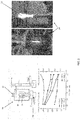
- a graph 32 shows the relationship between NO concentration (ppm) of the matter in a plasma state 22 vs. discharge current (mA).
- NO in a plasma state can be used for a variety of purposes.
- NO in the plasma state can be used as an antimicrobial agent.
- NO in the plasma state can be used to facilitate hair-growth, as an anti-wrinkle agent, to reduce inflammation, or to facilitate vasodilation.
- NO in the plasma state further can be employed to alleviate pain associated with osteoarthritis and Rheumatoid Arthritis. It can also be effective in combating Gram Positive microorganisms, Gram Negative microorganisms, Fungi (including onychomycosis) and viruses.
- NO in a plasma state can also aid in nerve regeneration, can inhibit cancer cell proliferation, can promote apoptosis, can stimulate endogenous nitric oxide production, and can stimulate iNOS pathways.
- the NO in a plasma state can be applied directly to or adjacent to living tissue in order to produce the desired effect. It can effectively function to maintain homeostasis in the cardiovascular and respiratory systems. NO, as a signaling molecule, can cause vasodilation which promotes blood vessel flexibility, eases blood pressure, cleans the blood, reverses atherosclerosis and effectively prevents cardiovascular diseases and aids in its recovery. Another important function of NO is slowing down atherosclerotic plaque deposition on vascular walls. NO also plays an active defense role in the immune system. It is a strong antioxidant, and can suppress bacterial infections, viruses and parasitic attacks. It can even deter some types of cancer cell growth. In patients with moderate to severe diabetes, NO can prevent many common and serious complications. NO can also significantly reduce the pain associated with joint swelling in arthritis. NO can effectively decrease the risk of cancer, diabetes, myocardial infarction and stroke.
- NO can induce normal functioning of various body organs. NO can permeate freely through the cell membrane for biological signaling, adjust cellular activities and lead every organ to complete its function properly, including the lungs, liver, kidneys, stomach, heart, brain and genitals. NO can increase blood flow to the genital organs to maintain normal sexual function.
- the brain transmits signals via its surrounding nerves to the perineal region to provide it with sufficient NO to cause vascular dilation, increasing blood flow to enhance erectile function. Under some conditions, weak erections are the results of insufficient NO production by nerve endings.
- NO can also slow the aging process and improve memory.
- the NO molecules produced by the immune system are not only capable of destroying invading microorganisms, but also help activate and nourish brain cells, significantly slowing aging and improving memory.
- a non-limiting listing of exemplary indications for which the disclosed NO-containing matter in a plasma state may find beneficial use as a treatment includes:
- composition itemization is merely exemplary, and that other compositions can also be used to beneficial effect.
- Table 2 An exemplary baseline treatment scheme is shown in Table 2 below. This baseline treatment scheme can be employed with any of the following Exemplary Treatment Schemes. It will be appreciated that this baseline scheme may be adjusted, as will be described in relation to a number of Examples to follow, to provide a desired treatment plan for an affected area and in response to a particular indication.
- the treatment variables include “distance from exit to site,” “time of application,” “number of treatments,” “length of time between treatments,” “temperature of plasma stream at contact with site,” and “velocity of plasma stream at contact with treatment site.”
- “Distance from exit to site” will be understood to be the standoff distance, in centimeters, from the outlet of the plasma device (e.g., device 1, 10, 20) to the treatment site.
- “Time of application” will be understood to be the amount of time, in seconds, that the NO-containing matter in a plasma state will be directed from the plasma device onto the treatment site, per square centimeter of site area. Thus, the time of application will depend upon the size of the area being treated.
- “Number of treatments” will be understood to be the discrete number of treatments to be applied at the site.
- “Length of time between treatments” will be understood to be the amount of time elapsed between applications of the NO-containing matter in a plasma state at the treatment site.
- Tempo of plasma stream at contact with treatment site will be understood to be the temperature of the NO-containing matter in a plasma state, in degrees Celsius, at the treatment site.
- velocity of plasma stream at contact with treatment site will be understood to be the speed of the NO-containing matter in a plasma state, in meters per second, at the treatment site. Minimum and maximum values are provided for each, recognizing that individual treatment specifications for particular indications will vary within the indicated ranges.
- the minimum treatment values and maximum treatment values are identified below are based on severity of the gram positive bacterial infection. Severity of the infection is determined by the surface area, depth, colony count and symptoms. Application of therapy increases in intensity, duration and frequency as the severity increases. Minimum treatment parameters define the requirements for the initiation of the decolonization process.
- Example 1 - Table 1B Pathogens Susceptible to Plasma/NO therapy MRSA MDSA Staphylococcus Aureus Streptococcus A Streptococcus B C.
- the minimum treatment values and maximum treatment values are based on severity of the gram negative bacterial infection. Severity of the infection is determined by the surface area, depth, colony count and symptoms. Application of therapy increases in intensity, duration and frequency as the severity increases. Minimum treatment parameters define the requirements for the initiation of the decolonization process. Gram negative bacteria are more difficult to kill than gram positive, so longer treatments are required to decolonize.
- Example 2 - Table 2A Parameter Minimum Value Maximum Value Distance from exit to site (cm) 1 25 Time of Application (sec/cm 2 ) 10 90 Number of treatments 1 24 Length of time between treatments (hours) 3 168 Temperature of plasma stream at contact with Site°C 10 60 Velocity of Plasma Stream at contact with Site (m/sec) 0.5 200
- Example 2 - Table 2B Gram Negative Pathogens Escherichia coli Salmonella Klebsiella pneumoniae Serratia marcescens Enterobacter aerogenes Stenotrophomonas maltopilia Pseudomonas aeruginosa Acinetobacter baumannii Proteus Vulgaris Pantoea agglomerans
- Example 2 - Table 2C Conditions That Present with Pathogens in Table 2B Venous Ulcers Pressure Ulcers Decubitus Ulcers Sickle Cell Ulcerations Pyodermas Ulcerated Lesions Vasculitis Diabetic Foot Ulcers Folliculitis Cellulitis Myocit
- the minimum treatment values and maximum treatment values are based on severity of pressure ulcer wound. Severity of the infection is determined by the surface area, depth, and symptoms. Application of therapy increases in intensity, duration and frequency as the severity increases. Minimum treatment parameters define the requirements for the initiation of the wound care management process.
- Example 3 Table 3A Parameter Minimum Value Maximum Value Distance from exit to site (cm) 1 25 Time of Application (sec/cm 2 ) 1 45 Number of treatments 1 200 Length of time between treatments (hours) 3 168 Temperature of plasma stream at contact with Site °C 10 60 Velocity of Plasma Stream at contact with Site (m/sec) 0.5 200
- Example 3 - Table 3B Deep Tissue Wounds (Pressure Ulcer Classification) Stage I - Intact skin with non blanchable redness usually over a bone Stage II - Partial thickness loss of dermis with open ulcer Stage III - Full thikness tissue loss sub-cutaneous fat may be exposed but not bone, tendon or muscle Stage IV - Full thickness tissue loss with exposed bone, tendon or muscle Unstageable - Full thickness tissue loss in which the base of the ulcer is covered by slough, until it is removed to expose the base of the wound the true depth and therefore stage cannot be determined.
- Severity Classification is subject to Table 4B.
- Clinical Presentation is subject to Table 4C.
- the minimum treatment values and maximum treatment values are based on severity of neuropathic ulcer wound. Severity of the wound is determined by the surface area, depth, and symptoms. Application of therapy increases in intensity, duration and frequency as the severity increases. Minimum treatment parameters define the requirements for the initiation of the wound care management process.
- Example 4 - Table 4B Severity Classification Grade 1 - Superficial ulcer Grade 2 - Penetration into tendon or joint capsule Grade 3 - Involvement of deeper tissues Grade 4 - Gangrene of the forefoot Grade 5 - Gangrene involving more than two-thirds of the foot
- Example 4 - Table 4C Other Classifications of Wounds Surgical Traumatic Chronic Acute Sub-dermal Dermal
- Severity Classification is subject to Table 5B.
- Clinical Presentation is subject to Table 5C.
- the minimum treatment values and maximum treatment values are based on severity of pressure venous wound. Severity of the wound is determined by the surface area, depth, and symptoms. Application of therapy increases in intensity, duration and frequency as the severity increases. Minimum treatment parameters define the requirements for the initiation of the wound care management process. Treatment includes a border around the wound site of up to 4 cm due to circulatory issues.
- Example 5 Table 5A Parameter Minimum Value Maximum Value Distance from exit to site (cm) 1 25 Time of Application (sec/cm 2 ) 5 45 Number of treatments 1 24 Length of time between treatments (hours) 3 168 Temperature of plasma stream at contact with Site °C 10 60 Velocity of Plasma Stream at contact with Site (m/sec) 0.5 200
- Example 5 - Table 5B Severity Classification Grade 1 - Superficial ulcer Grade 2 - Penetration into tendon or joint capsule Grade 3 - Involvement of deeper tissues Grade 4 - Gangrene of the forefoot Grade 5 - Gangrene involving more than two-thirds of the foot
- Example 5 - Table 5C Other Classifications of Wounds Surgical Traumatic Chronic Acute Sub-dermal Dermal
- the minimum treatment values and maximum treatment values are based on severity of the burn. Severity of the burn is determined by the surface area, depth, and symptoms. Application of therapy increases in intensity, duration and frequency as the severity increases. Distance from the burn site dependent on patient's pain threshold. Minimum treatment parameters define the requirements for the initiation of the burn care management process.
- Example 6 - Table 6A Parameter Minimum Value Maximum Value Distance from exit to site (cm) 10 30 Time of Application (sec/cm 2 ) 10 90 Number of treatments 1 200 Length of time between treatments (hours) 1 168 Temperature of plasma stream at contact with Site °C 10 50 Velocity of Plasma Stream at contact with Site (m/sec) 0.5 200
- Example 6 - Table 6B Severity Classification Stage I Superficial Stage II Superficial partial thickness skin loss Stage III Deep partial thickness skin loss Stage IV Full thickness dermal Stage V Subdermal extending into muscle
- the minimum treatment values and maximum treatment values are based on severity of inflammation, mobility and pain. Severity of the arthritis is determined by the level of inflammation, mobility and pain symptoms. Application of therapy increases in intensity, duration and frequency as the severity increases. Minimum treatment parameters define the requirements for the initiation of the osteoarthritis care management process. Treatment includes a border around the wound site of up to 1 cm due to circulatory issues.
- the minimum treatment values and maximum treatment values are based on severity of inflammation, mobility and pain. Length of time is different from small joint due to the depth of the joint beneath the surface of the skin and the amount of surrounding soft tissue. Severity of the osteoarthritis is determined by the level of inflammation, mobility and pain symptoms. Application of therapy increases in intensity, duration and frequency as the severity increases. Minimum treatment parameters define the requirements for the initiation of the osteoarthritis care management process. Treatment includes a border around the wound site of up to 1 cm due to circulatory issues.
- the minimum treatment values and maximum treatment values are based on severity of inflammation, mobility and pain. Severity of the rheumatoid arthritis is determined by the level of inflammation, mobility and pain symptoms. Application of therapy increases in intensity, duration and frequency as the severity increases. Minimum treatment parameters define the requirements for the initiation of the rheumatoid arthritis care management process. Treatment includes a border around the wound site of up to 3 cm due to circulatory issues.
- the minimum treatment values and maximum treatment values are based on severity of inflammation, mobility and pain. Length of time is different from small joint due to the depth of the joint beneath the surface of the skin and the amount of surrounding soft tissue. Severity of the rheumatoid arthritis is determined by the level of inflammation, mobility and pain symptoms. Application of therapy increases in intensity, duration and frequency as the severity increases.
- Minimum treatment parameters define the requirements for the initiation of the rheumatoid arthritis care management process. Treatment includes a border around the wound site of up to 1 cm due to circulatory issues.
- Example 10 - Table 10A Parameter Minimum Value Maximum Value Distance from exit to site (cm) 1 25 Time of Application (sec/cm 2 ) 20 120 Number of treatments 3 60 Length of time between treatments (hours) 12 168 Temperature of plasma stream at contact with Site °C 10 60 Velocity of Plasma Stream at contact with Site (m/sec) 0.5 200
- Example 10 - Table 10B Body Locations Knee Hip Shoulder Spine Neck
- Table 11A An exemplary composition of matter in a plasma state for use in hair follicle stimulation is shown in Table 11A below. It will be appreciated that this composition itemization is merely exemplary, and that other compositions can also be used to beneficial effect. Minimum treatment values and maximum treatment values in Tables 11A and 11B are based on skin type and age. Minimum treatment parameters define the requirements for initiation of the follicle stimulation process.
- Example 11 - Table 11A PLASMA COMPOSITION Parameter Minimum Value Maximum Value Nitric Oxide (NO) 200 ppm 800 ppm NO 2 0 ppm 25 ppm N 2 75 vol% 95 vol% O 2 3 vol% 21 vol% O 3 0 ppm 0.1 ppm H 2 O 2 0 ppm 1500 ppm H 2 O 0 ppm 20000 ppm Ar 1 ⁇ 10 ⁇ 4 ppm 9.1 ⁇ 10 ⁇ 5 ppm He 5.2 ppm 9.1 ⁇ 10 ⁇ 5 ppm CO 0 ppm 50 ppm CO 2 300 ppm 500 ppm H2 0 m 10000 ppm
- NO in this Example is for treating keloidosis (scar tissue) that has occurred after an insult for the reduction of keloided mass in the insult site.
- An exemplary composition of matter in a plasma state for use in treating post insult keloidosis is shown in Table 12A below. It will be appreciated that this composition itemization is merely exemplary, and that other compositions can also be used to beneficial effect.
- Minimum treatment values and maximum treatment values in Tables 12A and 12B are based on depth and breadth of the keloided tissue. Application of therapy increases in intensity, duration and frequency as the severity increases. Minimum treatment parameters define the requirements for the initiation of the conversion of keloided tissue process.
- Example 12 - Table 12A PLASMA COMPOSITION Parameter Minimum Value Maximum Value Nitric Oxide (NO) 200 ppm 800 ppm NO 2 0 ppm 25 ppm N 2 75 vol% 95 vol% O 2 3 vol% 21 vol% O 3 0 ppm 0.1 ppm H 2 O 2 0 ppm 1500 ppm H 2 O 0 ppm 20000 ppm Ar 1 ⁇ 10 ⁇ 4 ppm 9.1 ⁇ 10 ⁇ 5 ppm He 5.2 ppm 9.1 ⁇ 10 ⁇ 5 ppm CO 0 ppm 50 ppm CO 2 0 ppm 500 ppm H2 0 ppm 10000 ppm
- This disclosed use of NO in this Example is for reducing treating keloidosis (scar tissue) that is anticipated to occur before an insult (such as a surgical incision) for the reduction of keloided mass in the subsequent insult site.
- An exemplary composition of matter in a plasma state for use in treating pre insult keloidosis is shown in Table 13A below. It will be appreciated that this composition itemization is merely exemplary, and that other compositions can also be used to beneficial effect.
- Minimum treatment values and maximum treatment values in Tables 13A and 13B are based on depth and breadth of the keloided tissue. Application of therapy increases in intensity, duration and frequency as the severity increases. Minimum treatment parameters define the requirements for the initiation of the conversion of keloided tissue process.
- Example 13 - Table 13A PLASMA COMPOSITION Parameter Minimum Value Maximum Value Nitric Oxide (NO) 200 ppm 800 ppm NO 2 0 ppm 25 ppm N 2 75 vol% 95 vol% O 2 3 vol% 21 vol% O 3 0 ppm 0.1 ppm H 2 O 2 0 ppm 1500 ppm H 2 O 0 ppm 20000 ppm Ar 1 ⁇ 10 ⁇ 4 ppm 9.1 ⁇ 10 ⁇ 5 ppm He 5.2 ppm 9.1 ⁇ 10 ⁇ 5 ppm CO 0 ppm 50 ppm CO 2 300 ppm 500 ppm H2 0 ppm 10000 ppm
- This disclosed use of NO in this Example is for inhalation of NO to treat the signs and symptoms of asthma either as rescue therapy or maintenance therapy against an attack.
- An exemplary composition of matter in a plasma state for use in treating asthma is shown in Table 14A below. It will be appreciated that this composition itemization is merely exemplary, and that other compositions can also be used to beneficial effect.
- Minimum treatment values and maximum treatment values in Tables 14A and 14B are based on severity of asthmatic episode. Severity of the asthma is determined by the symptoms. Application of therapy increases in intensity, duration and frequency as the severity increases. Minimum treatment parameters define the requirements for the initiation of the asthma management process.
- This disclosed use of NO in this Example is for inhalation of NO to treat the bacterial lode of gram positive or gram negative infections of the lungs and sinuses and other airways.
- An exemplary composition of matter in a plasma state for use in treating such infections is shown in Table 15A below. It will be appreciated that this composition itemization is merely exemplary, and that other compositions can also be used to beneficial effect.
- Minimum treatment values and maximum treatment values in Tables 15A and 15B are based on severity of infection. Severity of the infection is determined by the symptoms. Application of therapy increases in intensity, duration and frequency as the severity increases.
- Exemplary pathogens are included in Table 15C, while exemplary conditions are included in Table 15D.
- Example 15 - Table 15A PLASMA COMPOSITION Parameter Minimum Value Maximum Value Nitric Oxide (NO) 50 ppm 800 ppm NO 2 0 ppm 25 ppm N2 75 vol% 78 vol% O 2 18 vol% 21 vol% O 3 0 ppm 0.1 ppm H 2 O 2 0 ppm 1500 ppm H 2 O 0 ppm 20000 ppm Ar 1 ⁇ 10 ⁇ 4 ppm 9.1 ⁇ 10 ⁇ 5 ppm He 5.2 ppm 9.1 ⁇ 10 ⁇ 5 ppm CO 0 ppm 50 ppm CO 2 300 ppm 500 ppm H2 0 ppm 10000 ppm
- Example 15 - Table 15B Parameter Minimum Value Maximum Value Distance from exit to site (cm) 8.5 35 Application (inhalation) breaths 2 45 Number of treatments 1 42 Length of time between treatments (hours) 3 48 Temperature of plasma stream
- This disclosed use of NO in this Example is for the use of NO to treat viral infections.
- An exemplary composition of matter in a plasma state for use in treating viruses is shown in Table 16A below. It will be appreciated that this composition itemization is merely exemplary, and that other compositions can also be used to beneficial effect.
- Minimum treatment values and maximum treatment values in Tables 16A and 16B are based on severity of infection. Severity of the infection is determined by the symptoms, surface area, depth, colony count. Application of therapy increases in intensity, duration and frequency as the severity increases. Minimum treatment parameters define the requirements for initiation of the decolonization process.
- Exemplary pathogens are included in Table 16C, while an exemplary list of conditions that present with the pathogens of Table 16C are included in Table 16D.
- Example 16 - Table 16A PLASMA COMPOSITION Parameter Minimum Value Maximum Value Nitric Oxide (NO) 200 ppm 800 ppm NO 2 0 ppm 25 ppm N 2 75 vol% 78 vol% O 2 18 vol% 21 vol% O 3 0 ppm 0.1 ppm H 2 O 2 0 ppm 1500 ppm H 2 O 0 ppm 20000 ppm Ar 1 ⁇ 10 ⁇ 4 ppm 9.1 ⁇ 10 ⁇ 5 ppm He 5.2 ppm 9.1 ⁇ 10 ⁇ 5 ppm CO 0 ppm 50 ppm CO 2 300 ppm 500 ppm H2 0 ppm 10000 ppm
- Example 16 - Table 16B Parameter Minimum Value Maximum Value Distance from exit to site (cm) 6 25 Time of Application (sec/cm 2 ) 5 30 Number of treatments 1 20 Leng
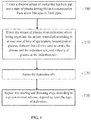
- a flow diagram illustrating an exemplary method for administering NO in a plasma state to a treatment site in accordance with the present disclosure is shown.
- a discrete stream of matter that has been put into a state of plasma may be created, in which the stream has, as part of its content, NO in a concentration from about 200 ppm to 1000 ppm.
- the stream of matter in a plasma state is directed at an indication site in living organism, where the stream is controlled according to at least one of time of application, temperature of the matter in a plasma state, distance from device used to create the matter in a plasma state and the indication site, and velocity of matter in a plasma state at the indication site.
- the indication site is assessed.
- the creating and directing steps are repeated according to a predetermined scheme, depending upon the type of indication.
Landscapes
- Health & Medical Sciences (AREA)
- Life Sciences & Earth Sciences (AREA)
- Veterinary Medicine (AREA)
- Public Health (AREA)
- General Health & Medical Sciences (AREA)
- Animal Behavior & Ethology (AREA)
- Chemical & Material Sciences (AREA)
- Medicinal Chemistry (AREA)
- Pharmacology & Pharmacy (AREA)
- Engineering & Computer Science (AREA)
- General Chemical & Material Sciences (AREA)
- Organic Chemistry (AREA)
- Nuclear Medicine, Radiotherapy & Molecular Imaging (AREA)
- Chemical Kinetics & Catalysis (AREA)
- Bioinformatics & Cheminformatics (AREA)
- Pulmonology (AREA)
- Heart & Thoracic Surgery (AREA)
- Hematology (AREA)
- Biomedical Technology (AREA)
- Epidemiology (AREA)
- Anesthesiology (AREA)
- Dermatology (AREA)
- Physical Education & Sports Medicine (AREA)
- Inorganic Chemistry (AREA)
- Emergency Medicine (AREA)
- Diabetes (AREA)
- Communicable Diseases (AREA)
- Oncology (AREA)
- Cardiology (AREA)
- Rheumatology (AREA)
- Orthopedic Medicine & Surgery (AREA)
- Neurology (AREA)
- Pain & Pain Management (AREA)
- Tropical Medicine & Parasitology (AREA)
- Endocrinology (AREA)
- Toxicology (AREA)
- Vascular Medicine (AREA)
- Virology (AREA)
- Urology & Nephrology (AREA)
- Immunology (AREA)
Description
- The disclosure relates particularly to methods for forming discrete streams of matter in a plasma state, in which the streams have nitric oxide (NO) as part of their content.
- Nitric Oxide (NO) gas is a short-lived molecule normally found in a gaseous state. NO is a signaling molecule known to have numerous regulatory, protective and therapeutic properties. Augmenting the body's natural generation of NO by either stimulating increased production of endogenous NO or introducing exogenously-produced NO into the body can improve the body's response to damage, pain, and invading organisms. However, it is difficult to deliver NO into living tissue and, in its gaseous state, NO does not penetrate through the dermis. To be clinically useful, NO must be present in the site of action in a sufficient quantity.
- Prior methods for delivering NO include the administration of chemical compounds which release NO chemically into the body. Other methods employ NO pathway agonists and NO antagonists. Still other methods employ high pressure NO gas and sprays. Yet another method involves surrounding a body with sealed vacuum containers into which gaseous NO is introduced. Attempts have also been made to force pressurized nitric oxide through tissue and skin. For various reasons, these methods have yielded limited results. For example, gaseous NO is highly reactive, has low diffusion constant and has extremely short life-time in tissue media.
- Another method that has failed to achieve clinical success involves the administration of molecular donors, which has been demonstrated to be problematic because the control of the release of the payload cannot be modulated, nor can the penetration/saturation of the donors be reliably modulated.
- There are several solutions that target specific clinical outcomes involving NO. Sildenafil citrate (sold under the brand name VIAGRA), for example, interferes with the down regulation of NO in erectile dysfunction syndrome. Etanercept (sold under the brand name ENBRIL), for example, uses an anti-TNF alpha antibody to do what NO would do in inflammatory diseases of the joint. Most solutions involve affecting the NO pathways, due to the difficulty in stimulating production of NO directly at the site of action. Because of the lack of site specificity of these NO pathway pharmacologics, negative side effects can be serious.
-
US2007/065473A1 andUS2004/009238A1 disclose methods and devices for exposing injured mammalian tissues, in a non-abrasive manner, to an effective amount of exogenous gaseous nitric oxide (gNO) in order to promote healing by reducing the size, duration and severity of wounds as well as controlling the infection by reducing number of pathogens at the site and the surrounding area.WO93/17741A1 - In accordance with the present invention there is provided a method for forming a discrete stream of matter in a plasma state, the method comprising:
- providing a nitric oxide (NO) production device having:
- a torch body;
- two electrodes disposed in the torch body and insulated from each other;
- a coolant loop disposed in the torch body and surrounding the two electrodes; and
- a cooled channel cooled by the coolant loop;
- forming a stream of matter in the NO production device, the forming comprising channelling air between the two electrodes such that an arc discharge is generated and maintained between the two electrodes to form a NO-containing gas flow from the air in the area between the two electrodes under the effect of the arc discharge; and
- withdrawing the NO-containing gas flow through the cooled channel;
- wherein the stream of matter has, as part of its content, NO in a concentration from 200 parts per million (ppm) to 1000 ppm; and
- outputting the stream of matter from an outlet of the device.
-
-
FIG. 1 illustrates a first exemplary device for producing NO according to the disclosure; -
FIG. 2 illustrates a second exemplary device for producing NO according to the disclosure; -
FIG. 3 illustrates a third exemplary device for producing NO according to the disclosure; and -
FIG. 4 is a flow diagram illustrating a first exemplary method in accordance with an embodiment of the present invention. - The present invention will now be described more fully hereinafter with reference to the accompanying drawings, in which preferred embodiments of the invention are shown. The invention, however, may be embodied in many different forms and should not be construed as being limited to the embodiments set forth herein. Rather, these embodiments are provided so that this disclosure will be thorough and complete, and will fully convey the scope of the invention to those skilled in the art. In the drawings, like numbers refer to like elements throughout.
- In accordance with the present disclosure, a method and apparatus are presented for creating a discrete stream of matter in a plasma state, where the stream has as part of its content NO. The stream may thereafter be administered to an organism to obtain a therapeutic result, but this administering does not form part of the present invention.
- NO application at the surface level (i.e., directed at the skin or open wound) is believed to stimulate the body's own production of NO such that therapeutic effects can be obtained at and around the indication site. Alternatively, methods may exploit the fact that NO in the plasma state is of sufficiently high energy and velocity that it can penetrate through and around cellular membranes. In some cases the NO may pass through biofilms and the stratum corneum to produce therapeutic results in the associated tissue.
- Matter in a plasma state that contains NO can be created via several methods. Atmosphere contains nitrogen and oxygen, and thus, sufficient energy in the correct geometry can produce nitric oxide from the gaseous mixture. Energy can be added to transition the gaseous N2 and 02 into the plasma state. In one non-limiting, exemplary embodiment, preformed gaseous in N2-O2mixture can be created and passed through a plasma energy arc that transfers sufficient energy to production of NO in a plasma state.
-
FIG. 1 shows an exemplary generator portion of a NO production device 1 for use in carrying out one or more of the disclosed methods. As can be seen, air is introduced at a first end of the device 1, and is channeled between a pair of electrodes, namely acathode 2 and an anode 4 which are insulated from each other. A stationary DC arc discharge is generated and maintained between theelectrodes 2, 4. A NO-containing gas flow is formed from the air in the area between theelectrodes 2, 4 under the effect of the arc discharge, and is withdrawn through a cooled channel (cooled by a coolant loop 6), enabling NO to be fixed in theflow 8. The temperature of the flow and the NO content can be brought to desired values for providing a therapeutic benefit to a treatment site. Further details regarding the illustrated exemplary NO production device 1 can be found, for example, inU.S. Patent No. 7,498,000 to Pekshev , the entirety of which is incorporated herein by reference. - Classical thermodynamics confirmed by compositional analysis of the thermodynamical equilibrium of air in a plasma state shows that at a temperature lower than 2000°C the concentration of NO in the gas does not exceed 1%. Increasing the plasma temperature increases the NO concentration up to its maximum (∼5%) at a temperature of 3500-4000°C. Slightly less than 4000°C is the temperature of the electrical discharge in the plasma arc of the illustrated device 1. Plasma-chemical reactions, which lead to the formation NO, can be expressed by the following chemical formula:
N2 + O2 → 2NO - 180.9 kilo-Joules (kJ)
- Life-time of the NO molecule at high temperatures is comparable to the time of its synthesis because of fast reaction of recombination (2NO +O2 = 2NO2)+. To prevent recombination and keep therapeutic concentration of NO for medical applications, it is desirable to accomplish rapid cooling of the reaction mixture, i.e., quenching. Quenching of the NO occurs with braking of the escaping flow in surrounding cold air (i.e., from coolant loop 6). The illustrated device 1 enables a direct current plasma arc to be created using ambient air at atmospheric pressure. The device 1 produces a stream of
hot air 8 with a composition of plasma species that contains medically significant amount of NO, which in one exemplary embodiment is about 2,500 parts per million (ppm) NO. - The device 1 shown in
FIG. 1 is not exclusive, and alternative sources of plasma-generated NO may also be used to carrying out one or more of the disclosed methods.FIG. 2 shows such analternative device 10 for production of NO-containing matter in aplasma state 12 for use in carrying out one or more of the disclosed methods. Thisdevice 10 employs microwave discharge technology for producing matter in aplasma state 12 having a desired composition (i.e., about 2,000 ppm of NO). The illustrateddevice 10 includes amagnetron 14 having a power of P < 1 kilowatt (kW) and a frequency of 2.45 gigahertz (GHz). Air is passed by themagnetron 14 and directed to acore portion 16 of thetorch body 18, where a stream of matter in aplasma state 12 is generated and output for application to a targeted treatment site. -
FIG. 3 shows yet anotherdevice 20 for production of NO-containing matter in a plasma state for use in carrying out one or more of the disclosed methods. The illustrateddevice 20 employs magnetically stabilized gliding arc discharge technology for producing matter in aplasma state 22 having a desired composition (again, about 2,000 ppm of NO). - A gliding arc is operated in air at atmospheric pressure, but at moderate power levels (typically between 50 and 300 Watts). A
power source 24 and anode/cathode 26, 28 is employed, and current is restricted using anexternal ballast resistor 30. This heats the discharge (i.e., the plasma jet 22) to moderate temperatures (2000-3000 degrees Kelvin), while preserving non-equilibrium nature of the discharge (Te>Tg). As such, higher concentrations of NO (e.g., 1600-1800 ppm) can be obtained at lower power input. Agraph 32 shows the relationship between NO concentration (ppm) of the matter in aplasma state 22 vs. discharge current (mA). - As will be appreciated, NO in a plasma state can be used for a variety of purposes. For example, NO in the plasma state can be used as an antimicrobial agent. In addition, NO in the plasma state can be used to facilitate hair-growth, as an anti-wrinkle agent, to reduce inflammation, or to facilitate vasodilation. NO in the plasma state further can be employed to alleviate pain associated with osteoarthritis and Rheumatoid Arthritis. It can also be effective in combating Gram Positive microorganisms, Gram Negative microorganisms, Fungi (including onychomycosis) and viruses. It is also therapeutic in treating osteoporosis, collagen formation, stem cell signaling, satellite cell differentiation, wound-healing, wound-management, reduction in scar tissue, remediation of activity related injury, and acne. NO in a plasma state can also aid in nerve regeneration, can inhibit cancer cell proliferation, can promote apoptosis, can stimulate endogenous nitric oxide production, and can stimulate iNOS pathways.
- In practice, the NO in a plasma state can be applied directly to or adjacent to living tissue in order to produce the desired effect. It can effectively function to maintain homeostasis in the cardiovascular and respiratory systems. NO, as a signaling molecule, can cause vasodilation which promotes blood vessel flexibility, eases blood pressure, cleans the blood, reverses atherosclerosis and effectively prevents cardiovascular diseases and aids in its recovery. Another important function of NO is slowing down atherosclerotic plaque deposition on vascular walls. NO also plays an active defense role in the immune system. It is a strong antioxidant, and can suppress bacterial infections, viruses and parasitic attacks. It can even deter some types of cancer cell growth. In patients with moderate to severe diabetes, NO can prevent many common and serious complications. NO can also significantly reduce the pain associated with joint swelling in arthritis. NO can effectively decrease the risk of cancer, diabetes, myocardial infarction and stroke.
- In the nervous and endocrine systems, NO can induce normal functioning of various body organs. NO can permeate freely through the cell membrane for biological signaling, adjust cellular activities and lead every organ to complete its function properly, including the lungs, liver, kidneys, stomach, heart, brain and genitals. NO can increase blood flow to the genital organs to maintain normal sexual function. The brain transmits signals via its surrounding nerves to the perineal region to provide it with sufficient NO to cause vascular dilation, increasing blood flow to enhance erectile function. Under some conditions, weak erections are the results of insufficient NO production by nerve endings.
- NO can also slow the aging process and improve memory. The NO molecules produced by the immune system are not only capable of destroying invading microorganisms, but also help activate and nourish brain cells, significantly slowing aging and improving memory.
- A non-limiting listing of exemplary indications for which the disclosed NO-containing matter in a plasma state may find beneficial use as a treatment includes:
- Skin infections and wound-healing
- Skin infections
- In chronic wounds
- Gram-positive
- Gram-negative
- In acute wounds
- Gram-positive
- Gram-negative
- In sub-acute wounds
- Gram-positive
- Gram-negative
- In chronic wounds
- Fungal infections
- Tinea pedis
- Onychomycosis
- Toes
- Fingers
- Wound-healing
- Chronic
- Diabetic foot ulcers
- Decubitus ulcers
- Acute
- Sub-acute
- Burns
- First degree
- Second degree
- Third degree
- Chronic
- Pain and inflammation
- Osteo-arthritis
- Knee
- Hand
- Ankle
- Shoulder
- Elbow
- Toe
- Spine and neck
- Hip
- Finger
- Rheumatoid arthritis
- Knee
- Hand
- Ankle
- Shoulder
- Elbow
- Toe
- Spine and neck
- Hip
- Finger
- Osteo-arthritis
- An exemplary baseline composition of matter in a plasma state is shown in Table 1 below. This baseline composition of matter can be employed with any of the following Exemplary Treatment Schemes, which will be described in more detail later. It will be appreciated, however, that this composition itemization is merely exemplary, and that other compositions can also be used to beneficial effect.
TABLE 1 BASELINE PLASMA COMPOSITION Parameter Minimum Value Maximum Value Nitric Oxide (NO) 200 ppm 1000 ppm NO2 0 ppm 25 ppm N2 75 vol% 78 vol % O 2 18 vol% 21 vol % O 3 0 ppm 0.1 ppm H2O2 0 ppm 1500 ppm H2O 0 ppm 20000 ppm Ar 1 ∗ 10^4 ppm 9.1 ∗ 10^5 ppm He 5.2 ppm 9.1 ∗ 10^5 ppm CO 0 ppm 50 ppm CO 2 300 ppm 500 ppm H2 0 ppm 10000 ppm - An exemplary baseline treatment scheme is shown in Table 2 below. This baseline treatment scheme can be employed with any of the following Exemplary Treatment Schemes. It will be appreciated that this baseline scheme may be adjusted, as will be described in relation to a number of Examples to follow, to provide a desired treatment plan for an affected area and in response to a particular indication.
- As shown in Table 2, the treatment variables include "distance from exit to site," "time of application," "number of treatments," "length of time between treatments," "temperature of plasma stream at contact with site," and "velocity of plasma stream at contact with treatment site."
- "Distance from exit to site" will be understood to be the standoff distance, in centimeters, from the outlet of the plasma device (e.g.,
device 1, 10, 20) to the treatment site. "Time of application" will be understood to be the amount of time, in seconds, that the NO-containing matter in a plasma state will be directed from the plasma device onto the treatment site, per square centimeter of site area. Thus, the time of application will depend upon the size of the area being treated. "Number of treatments" will be understood to be the discrete number of treatments to be applied at the site. "Length of time between treatments" will be understood to be the amount of time elapsed between applications of the NO-containing matter in a plasma state at the treatment site. "Temperature of plasma stream at contact with treatment site" will be understood to be the temperature of the NO-containing matter in a plasma state, in degrees Celsius, at the treatment site. "Velocity of plasma stream at contact with treatment site" will be understood to be the speed of the NO-containing matter in a plasma state, in meters per second, at the treatment site. Minimum and maximum values are provided for each, recognizing that individual treatment specifications for particular indications will vary within the indicated ranges.TABLE 2 BASELINE TREATMENT SCHEME Parameter Minimum Value Maximum Value Distance from exit to site (cm) 1 25 Time of Application (sec/cm2) 5 45 Number of treatments 1 24 Length of time between treatments (hours) 3 168 Temperature of plasma stream at contact with treatment site ° C 10 60 Velocity of Plasma Stream at contact with treatment site (m/sec) 0.5 200 - A series of Exemplary Treatment Schemes will now be discussed in relation to various indications. Except where indicated otherwise, these treatment schemes assume use of matter in a plasma state having the compositions identified in Table 1.
- See Table 1B below, for partial list of gram positive pathogens. See Table 1C, below, for partial list of conditions that present with pathogens from Table 1B.
- The minimum treatment values and maximum treatment values are identified below are based on severity of the gram positive bacterial infection. Severity of the infection is determined by the surface area, depth, colony count and symptoms. Application of therapy increases in intensity, duration and frequency as the severity increases. Minimum treatment parameters define the requirements for the initiation of the decolonization process.
Example 1 - Table 1A Parameter Minimum Value Maximum Value Distance from exit to site (cm) 1 25 Time of Application (sec/cm2) 5 45 Number of treatments 1 24 Length of time between treatments (hours) 3 168 Temperature of plasma stream at contact with Site° C 10 60 Velocity of Plasma Stream at contact with Site (m/sec) 0.5 200 Example 1 - Table 1B Pathogens Susceptible to Plasma/NO therapy MRSA MDSA Staphylococcus Aureus Streptococcus A Streptococcus B C. Difficile Streptococcus Mutans Myco Bacterium Tuberculosis Bacillus subtilis Streptococcus Pneumoniae Vancomycin Resistant Enterococcus Faecium Example 1 - Table 1C Conditions that Present with Pathogens in Table 1B Venous Ulcers Pressure Ulcers Decubitus Ulcers Sickle Cell Ulcerations Pyodermas Ulcerated Lesions Vasculitis Diabetic Foot Ulcers Folliculitis Cellulitis Myositis Infections from Animal Bites Surgical Site Infections Catheterizations Carbuncles Furuncles Abscesses Erysipeloid Erysipelas Keratolysis Dermatitis Skin Tuberculosis Impetigo Actinomytosis Leishmaniasis Herpes Simplex Herpetic Neuralgia Skin Flaps Skin Grafts Burns Traumatic Wounds Complicated SSTI - See Table 2B for partial of gram negative pathogens. See Table 2C for partial list of conditions that present with pathogens from Table 2B.
- The minimum treatment values and maximum treatment values are based on severity of the gram negative bacterial infection. Severity of the infection is determined by the surface area, depth, colony count and symptoms. Application of therapy increases in intensity, duration and frequency as the severity increases. Minimum treatment parameters define the requirements for the initiation of the decolonization process. Gram negative bacteria are more difficult to kill than gram positive, so longer treatments are required to decolonize.
Example 2 - Table 2A Parameter Minimum Value Maximum Value Distance from exit to site (cm) 1 25 Time of Application (sec/cm2) 10 90 Number of treatments 1 24 Length of time between treatments (hours) 3 168 Temperature of plasma stream at contact with Site° C 10 60 Velocity of Plasma Stream at contact with Site (m/sec) 0.5 200 Example 2 - Table 2B Gram Negative Pathogens Escherichia coli Salmonella Klebsiella pneumoniae Serratia marcescens Enterobacter aerogenes Stenotrophomonas maltopilia Pseudomonas aeruginosa Acinetobacter baumannii Proteus Vulgaris Pantoea agglomerans Example 2 - Table 2C Conditions That Present with Pathogens in Table 2B Venous Ulcers Pressure Ulcers Decubitus Ulcers Sickle Cell Ulcerations Pyodermas Ulcerated Lesions Vasculitis Diabetic Foot Ulcers Folliculitis Cellulitis Myocitis Infections from Animal Bites Surgical Site Infections Catheterizations Carbuncles Furuncles Abscesses Erysipeloid Erysipelas Keratolysis Dermatitis Skin Tuberculosis Impetigo Actinomytosis Leishmaniasis Herpes Simplex Herpetic Neuralgia Skin Flaps Skin Grafts Burns Traumatic Wounds Complicated SSTI - Severity Classification subject to Table 3B. Clinical Presentation subject to Table 3C,
- The minimum treatment values and maximum treatment values are based on severity of pressure ulcer wound. Severity of the infection is determined by the surface area, depth, and symptoms. Application of therapy increases in intensity, duration and frequency as the severity increases. Minimum treatment parameters define the requirements for the initiation of the wound care management process.
Example 3 - Table 3A Parameter Minimum Value Maximum Value Distance from exit to site (cm) 1 25 Time of Application (sec/cm2) 1 45 Number of treatments 1 200 Length of time between treatments (hours) 3 168 Temperature of plasma stream at contact with Site ° C 10 60 Velocity of Plasma Stream at contact with Site (m/sec) 0.5 200 Example 3 - Table 3B Deep Tissue Wounds (Pressure Ulcer Classification) Stage I - Intact skin with non blanchable redness usually over a bone Stage II - Partial thickness loss of dermis with open ulcer Stage III - Full thikness tissue loss sub-cutaneous fat may be exposed but not bone, tendon or muscle Stage IV - Full thickness tissue loss with exposed bone, tendon or muscle Unstageable - Full thickness tissue loss in which the base of the ulcer is covered by slough, until it is removed to expose the base of the wound the true depth and therefore stage cannot be determined. Example 3 - Table C Other Classifications of Wounds Surgical Traumatic Chronic Acute Sub-dermal Dermal - Severity Classification is subject to Table 4B. Clinical Presentation is subject to Table 4C.
- The minimum treatment values and maximum treatment values are based on severity of neuropathic ulcer wound. Severity of the wound is determined by the surface area, depth, and symptoms. Application of therapy increases in intensity, duration and frequency as the severity increases. Minimum treatment parameters define the requirements for the initiation of the wound care management process.
Example 4 - Table 4A Parameter Minimum Value Maximum Value Distance from exit to site (cm) 1 25 Time of Application (sec/cm2) 5 90 Number of treatments 1 200 Length of time between treatments (hours) 3 168 Temperature of plasma stream at contact with Site ° C 10 60 Velocity of Plasma Stream at contact with Site (m/sec) 0.5 200 Example 4 - Table 4B Severity Classification Grade 1 - Superficial ulcer Grade 2 - Penetration into tendon or joint capsule Grade 3 - Involvement of deeper tissues Grade 4 - Gangrene of the forefoot Grade 5 - Gangrene involving more than two-thirds of the foot Example 4 - Table 4C Other Classifications of Wounds Surgical Traumatic Chronic Acute Sub-dermal Dermal - Severity Classification is subject to Table 5B. Clinical Presentation is subject to Table 5C.
- The minimum treatment values and maximum treatment values are based on severity of pressure venous wound. Severity of the wound is determined by the surface area, depth, and symptoms. Application of therapy increases in intensity, duration and frequency as the severity increases. Minimum treatment parameters define the requirements for the initiation of the wound care management process. Treatment includes a border around the wound site of up to 4 cm due to circulatory issues.
Example 5 - Table 5A Parameter Minimum Value Maximum Value Distance from exit to site (cm) 1 25 Time of Application (sec/cm2) 5 45 Number of treatments 1 24 Length of time between treatments (hours) 3 168 Temperature of plasma stream at contact with Site ° C 10 60 Velocity of Plasma Stream at contact with Site (m/sec) 0.5 200 Example 5 - Table 5B Severity Classification Grade 1 - Superficial ulcer Grade 2 - Penetration into tendon or joint capsule Grade 3 - Involvement of deeper tissues Grade 4 - Gangrene of the forefoot Grade 5 - Gangrene involving more than two-thirds of the foot Example 5 - Table 5C Other Classifications of Wounds Surgical Traumatic Chronic Acute Sub-dermal Dermal - Severity Classification is subject to Table 6B.
- The minimum treatment values and maximum treatment values are based on severity of the burn. Severity of the burn is determined by the surface area, depth, and symptoms. Application of therapy increases in intensity, duration and frequency as the severity increases. Distance from the burn site dependent on patient's pain threshold. Minimum treatment parameters define the requirements for the initiation of the burn care management process.
Example 6 - Table 6A Parameter Minimum Value Maximum Value Distance from exit to site (cm) 10 30 Time of Application (sec/cm2) 10 90 Number of treatments 1 200 Length of time between treatments (hours) 1 168 Temperature of plasma stream at contact with Site ° C 10 50 Velocity of Plasma Stream at contact with Site (m/sec) 0.5 200 Example 6 - Table 6B Severity Classification Stage I Superficial Stage II Superficial partial thickness skin loss Stage III Deep partial thickness skin loss Stage IV Full thickness dermal Stage V Subdermal extending into muscle - See Table 7B for list of locations on body where the Small Joint treatment protocol applies.
- The minimum treatment values and maximum treatment values are based on severity of inflammation, mobility and pain. Severity of the arthritis is determined by the level of inflammation, mobility and pain symptoms. Application of therapy increases in intensity, duration and frequency as the severity increases. Minimum treatment parameters define the requirements for the initiation of the osteoarthritis care management process. Treatment includes a border around the wound site of up to 1 cm due to circulatory issues.
Example 7 - Table 7A Parameter Minimum Value Maximum Value Distance from exit to site (cm) 5 25 Time of Application (sec/cm2) 10 45 Number of treatments 3 40 Length of time between treatments (hours) 12 168 Temperature of plasma stream at contact with Site° C 10 60 Velocity of Plasma Stream at contact with Site (m/sec) 0.5 200 Example 7 - Table 7B Body Locations Fingers Toes Hand Wrist Elbows Ankles - See Table 8B for list of locations on body where the Large Joint treatment protocol applies.
- The minimum treatment values and maximum treatment values are based on severity of inflammation, mobility and pain. Length of time is different from small joint due to the depth of the joint beneath the surface of the skin and the amount of surrounding soft tissue. Severity of the osteoarthritis is determined by the level of inflammation, mobility and pain symptoms. Application of therapy increases in intensity, duration and frequency as the severity increases. Minimum treatment parameters define the requirements for the initiation of the osteoarthritis care management process. Treatment includes a border around the wound site of up to 1 cm due to circulatory issues.
Example 8 - Table 8A Parameter Minimum Value Maximum Value Distance from exit to site (cm) 1 25 Time of Application (sec/cm2) 15 120 Number of treatments 3 50 Length of time between treatments (hours) 12 168 Temperature of plasma stream at contact with Site° C 10 60 Velocity of Plasma Stream at contact with Site (m/sec) 0.5 200 Example 8 - Table 8B Body Locations Knee Hip Shoulder Spine Neck - See Table 9B for list of locations on body where the Small Joint treatment protocol applies.
- The minimum treatment values and maximum treatment values are based on severity of inflammation, mobility and pain. Severity of the rheumatoid arthritis is determined by the level of inflammation, mobility and pain symptoms. Application of therapy increases in intensity, duration and frequency as the severity increases. Minimum treatment parameters define the requirements for the initiation of the rheumatoid arthritis care management process. Treatment includes a border around the wound site of up to 3 cm due to circulatory issues.
Example 9 - Table 9A Parameter Minimum Value Maximum Value Distance from exit to site (cm) 3 25 Time of Application (sec/cm2) 30 90 Number of treatments 3 40 Length of time between treatments (hours) 12 168 Temperature of plasma stream at contact with Site ° C 10 60 Velocity of Plasma Stream at contact with Site 0.5 200 (m/sec) Example 9 - Table 9B Body Locations Fingers Toes Hand Wrist Elbows Ankles - See Table 10B for list of locations on body where the Large Joint treatment protocol applies
- The minimum treatment values and maximum treatment values are based on severity of inflammation, mobility and pain. Length of time is different from small joint due to the depth of the joint beneath the surface of the skin and the amount of surrounding soft tissue. Severity of the rheumatoid arthritis is determined by the level of inflammation, mobility and pain symptoms. Application of therapy increases in intensity, duration and frequency as the severity increases. Minimum treatment parameters define the requirements for the initiation of the rheumatoid arthritis care management process. Treatment includes a border around the wound site of up to 1 cm due to circulatory issues.
Example 10 - Table 10A Parameter Minimum Value Maximum Value Distance from exit to site (cm) 1 25 Time of Application (sec/cm2) 20 120 Number of treatments 3 60 Length of time between treatments (hours) 12 168 Temperature of plasma stream at contact with Site ° C 10 60 Velocity of Plasma Stream at contact with Site (m/sec) 0.5 200 Example 10 - Table 10B Body Locations Knee Hip Shoulder Spine Neck - An exemplary composition of matter in a plasma state for use in hair follicle stimulation is shown in Table 11A below. It will be appreciated that this composition itemization is merely exemplary, and that other compositions can also be used to beneficial effect. Minimum treatment values and maximum treatment values in Tables 11A and 11B are based on skin type and age. Minimum treatment parameters define the requirements for initiation of the follicle stimulation process.
Example 11 - Table 11A PLASMA COMPOSITION Parameter Minimum Value Maximum Value Nitric Oxide (NO) 200 ppm 800 ppm NO2 0 ppm 25 ppm N2 75 vol% 95 vol% O2 3 vol% 21 vol % O 3 0 ppm 0.1 ppm H2O2 0 ppm 1500 ppm H2O 0 ppm 20000 ppm Ar 1 ∗ 10^4 ppm 9.1 ∗ 10^5 ppm He 5.2 ppm 9.1 ∗ 10^5 ppm CO 0 ppm 50 ppm CO 2 300 ppm 500 ppm H2 0 m 10000 ppm Example 11 - Table 11B Parameter Minimum Value Maximum Value Distance from exit to site (cm) 6 25 Time of Application (sec/cm2) 10 30 Number of treatments 10 100 Length of time between treatments (hours) 12 72 Temperature of plasma stream at contact with Site° C 10 60 Velocity of Plasma Stream at contact with Site (m/sec) 0.5 200 - The disclosed use of NO in this Example is for treating keloidosis (scar tissue) that has occurred after an insult for the reduction of keloided mass in the insult site. An exemplary composition of matter in a plasma state for use in treating post insult keloidosis is shown in Table 12A below. It will be appreciated that this composition itemization is merely exemplary, and that other compositions can also be used to beneficial effect. Minimum treatment values and maximum treatment values in Tables 12A and 12B are based on depth and breadth of the keloided tissue. Application of therapy increases in intensity, duration and frequency as the severity increases. Minimum treatment parameters define the requirements for the initiation of the conversion of keloided tissue process.
Example 12 - Table 12A PLASMA COMPOSITION Parameter Minimum Value Maximum Value Nitric Oxide (NO) 200 ppm 800 ppm NO2 0 ppm 25 ppm N2 75 vol% 95 vol% O2 3 vol% 21 vol % O 3 0 ppm 0.1 ppm H2O2 0 ppm 1500 ppm H2O 0 ppm 20000 ppm Ar 1 ∗ 10^4 ppm 9.1 ∗ 10^5 ppm He 5.2 ppm 9.1 ∗ 10^5 ppm CO 0 ppm 50 ppm CO 2 0 ppm 500 ppm H2 0 ppm 10000 ppm Example 12 - Table 12B Parameter Minimum Value Maximum Value Distance from exit to site (cm) 6 25 Time of Application (sec/cm2) 5 30 Number of treatments 4 24 Length of time between treatments (hours) 12 168 Temperature of plasma stream at contact with Site ° C 10 60 Velocity of Plasma Stream at contact with Site (m/sec) 0.5 200 - This disclosed use of NO in this Example is for reducing treating keloidosis (scar tissue) that is anticipated to occur before an insult (such as a surgical incision) for the reduction of keloided mass in the subsequent insult site. An exemplary composition of matter in a plasma state for use in treating pre insult keloidosis is shown in Table 13A below. It will be appreciated that this composition itemization is merely exemplary, and that other compositions can also be used to beneficial effect. Minimum treatment values and maximum treatment values in Tables 13A and 13B are based on depth and breadth of the keloided tissue. Application of therapy increases in intensity, duration and frequency as the severity increases. Minimum treatment parameters define the requirements for the initiation of the conversion of keloided tissue process.
Example 13 - Table 13A PLASMA COMPOSITION Parameter Minimum Value Maximum Value Nitric Oxide (NO) 200 ppm 800 ppm NO2 0 ppm 25 ppm N2 75 vol% 95 vol% O2 3 vol% 21 vol % O 3 0 ppm 0.1 ppm H2O2 0 ppm 1500 ppm H2O 0 ppm 20000 ppm Ar 1 ∗ 10^4 ppm 9.1 ∗ 10^5 ppm He 5.2 ppm 9.1 ∗ 10^5 ppm CO 0 ppm 50 ppm CO 2 300 ppm 500 ppm H2 0 ppm 10000 ppm Example 13 - Table 13B Parameter Minimum Value Maximum Value Distance from exit to site (cm) 6 25 Time of Application (sec/cm2) 10 30 Number of treatments 1 12 Length of time between treatments (hours) 3 72 Temperature of plasma stream at contact with Site ° C 10 60 Velocity of Plasma Stream at contact with Site (m/sec) 0.5 200 - This disclosed use of NO in this Example is for inhalation of NO to treat the signs and symptoms of asthma either as rescue therapy or maintenance therapy against an attack. An exemplary composition of matter in a plasma state for use in treating asthma is shown in Table 14A below. It will be appreciated that this composition itemization is merely exemplary, and that other compositions can also be used to beneficial effect. Minimum treatment values and maximum treatment values in Tables 14A and 14B are based on severity of asthmatic episode. Severity of the asthma is determined by the symptoms. Application of therapy increases in intensity, duration and frequency as the severity increases. Minimum treatment parameters define the requirements for the initiation of the asthma management process.
Example 14 - Table 14A PLASMA COMPOSITION Parameter Minimum Value Maximum Value Nitric Oxide (NO) 50 ppm 800 ppm NO2 0 ppm 25 ppm N2 75 vol% 78 vol % O 2 18 vol% 21 vol % O 3 0 ppm 0.1 ppm H2O2 0 ppm 1500 ppm H2O 0 ppm 20000 ppm Ar 1 ∗ 10^4 ppm 9.1 ∗ 10^5 ppm He 5.2 ppm 9.1 ∗ 10^5 ppm CO 0 ppm 50 ppm CO 2 300 ppm 500 ppm H2 0 ppm 10000 ppm Example 14 - Table 14B Parameter Minimum Value Maximum Value Distance from exit to site (cm) 8.5 25 Applicant (inhalation) breaths 2 45 Number of treatments 1 42 Length of time between treatments (hours) 3 48 Temperature of plasma stream at contact with Site ° C 10 40 Velocity of Plasma Stream at contact with Site (m/sec) 0.5 200 - This disclosed use of NO in this Example is for inhalation of NO to treat the bacterial lode of gram positive or gram negative infections of the lungs and sinuses and other airways. An exemplary composition of matter in a plasma state for use in treating such infections is shown in Table 15A below. It will be appreciated that this composition itemization is merely exemplary, and that other compositions can also be used to beneficial effect. Minimum treatment values and maximum treatment values in Tables 15A and 15B are based on severity of infection. Severity of the infection is determined by the symptoms. Application of therapy increases in intensity, duration and frequency as the severity increases.
- Exemplary pathogens are included in Table 15C, while exemplary conditions are included in Table 15D.
Example 15 - Table 15A PLASMA COMPOSITION Parameter Minimum Value Maximum Value Nitric Oxide (NO) 50 ppm 800 ppm NO2 0 ppm 25 ppm N2 75 vol% 78 vol % O 2 18 vol% 21 vol % O 3 0 ppm 0.1 ppm H2O2 0 ppm 1500 ppm H2O 0 ppm 20000 ppm Ar 1 ∗ 10^4 ppm 9.1 ∗ 10^5 ppm He 5.2 ppm 9.1 ∗ 10^5 ppm CO 0 ppm 50 ppm CO 2 300 ppm 500 ppm H2 0 ppm 10000 ppm Example 15 - Table 15B Parameter Minimum Value Maximum Value Distance from exit to site (cm) 8.5 35 Application (inhalation) breaths 2 45 Number of treatments 1 42 Length of time between treatments (hours) 3 48 Temperature of plasma stream at contact with Site ° C 10 40 Velocity of Plasma Stream at contact with Site (m/sec) 0.5 200 Example 15 - Table 15C Pathogens Streptococcus pyogenes a Group A streptococcus in Streptococcal pharyngitis ("Strep Throat") Haemophilus influenzae Streptococcus pneumoniae Corvnebacterium diphtheriae Bordetella pertussis Bacillus anthracis Streptococcus pneumonia chlamydophila pneumoniae mycoplasma pneumoniae' staphylococcus aureus moraxella catarrhalis legionella pneumophila mycobacterium tuberculosis mycobacterium bovis mycobacterium africanum mycobacterium canetti mycobacterium microti Example 15 - Table 15D Conditions Flu common cold laryngitis sinusitis tonsillitis bronchitis pneumonia bronchiolitis tuberculosis rhinitis laryn gotracheitis tracheitis epiglotitis nasopharyngitis - This disclosed use of NO in this Example is for the use of NO to treat viral infections. An exemplary composition of matter in a plasma state for use in treating viruses is shown in Table 16A below. It will be appreciated that this composition itemization is merely exemplary, and that other compositions can also be used to beneficial effect. Minimum treatment values and maximum treatment values in Tables 16A and 16B are based on severity of infection. Severity of the infection is determined by the symptoms, surface area, depth, colony count. Application of therapy increases in intensity, duration and frequency as the severity increases. Minimum treatment parameters define the requirements for initiation of the decolonization process.
- Exemplary pathogens are included in Table 16C, while an exemplary list of conditions that present with the pathogens of Table 16C are included in Table 16D.
Example 16 - Table 16A PLASMA COMPOSITION Parameter Minimum Value Maximum Value Nitric Oxide (NO) 200 ppm 800 ppm NO2 0 ppm 25 ppm N2 75 vol% 78 vol % O 2 18 vol% 21 vol % O 3 0 ppm 0.1 ppm H2O2 0 ppm 1500 ppm H2O 0 ppm 20000 ppm Ar 1 ∗ 10^4 ppm 9.1 ∗ 10^5 ppm He 5.2 ppm 9.1 ∗ 10^5 ppm CO 0 ppm 50 ppm CO 2 300 ppm 500 ppm H2 0 ppm 10000 ppm Example 16 - Table 16B Parameter Minimum Value Maximum Value Distance from exit to site (cm) 6 25 Time of Application (sec/cm2) 5 30 Number of treatments 1 20 Length of time between treatments (hours) 3 168 Temperature of plasma stream at contact with Site ° C 10 60 Velocity of Plasma Stream at contact with Site (m/sec) 0.5 200 Example 16 - Table 16C Pathogens Herpes Simplex Herpes Zoster herpes gladiatorum viral warts molluskum contagiosum human papilloma virus measles rubella erythema infectiosum pityriasis rosea echovirus adenovirus coxsakievirus Example 16 - Table 16D Conditions Venous Ulcers Pressure Ulcers Decubetus Ulcers Sickle Cell Ulcerations Pyodermas Ulerated Lesions Vasculitis Diabetic Foot Ulcers Folliculitis Cellulitis Myocitis Infections from Animal Bites Sugical Site Infections Catheterizations Carbuncles Furuncles Abcesses Erysipeloid Erysipelas Keratolysis Dermatitis Skin Tuberculosis Impetigo Actinomvtosis Leishmaniasis Hepes Simplex Herpetic Neuralgia Skin Flaps Skin Grafts Burns Traumatic Wounds Complicated SSTI - Referring now to
FIG. 4 , a flow diagram illustrating an exemplary method for administering NO in a plasma state to a treatment site in accordance with the present disclosure is shown. At afirst step 100 of the exemplary method, a discrete stream of matter that has been put into a state of plasma may be created, in which the stream has, as part of its content, NO in a concentration from about 200 ppm to 1000 ppm. Atstep 110, the stream of matter in a plasma state is directed at an indication site in living organism, where the stream is controlled according to at least one of time of application, temperature of the matter in a plasma state, distance from device used to create the matter in a plasma state and the indication site, and velocity of matter in a plasma state at the indication site. Atstep 120, the indication site is assessed. Atstep 130, the creating and directing steps are repeated according to a predetermined scheme, depending upon the type of indication. - As used herein, an element or step recited in the singular and proceeded with the word "a" or "an" should be understood as not excluding plural elements or steps, unless such exclusion is explicitly recited. Furthermore, references to "one embodiment" of the present invention are not intended to be interpreted as excluding the existence of additional embodiments that also incorporate the recited features.
Claims (4)
- A method for forming a discrete stream of matter in a plasma state, the method comprising:providing a nitric oxide (NO) production device having: a torch body; two electrodes disposed in the torch body and insulated from each other; a coolant loop disposed in the torch body and surrounding the two electrodes; and a cooled channel cooled by the coolant loop;forming a stream of matter in the NO production device, the forming comprising:channeling air between the two electrodes such that an arc discharge is generated and maintained between the two electrodes to form a NO-containing gas flow from the air in the area between the two electrodes under the effect of the arc discharge; andwithdrawing the NO-containing gas flow through the cooled channel;wherein the stream of matter has, as part of its content, NO in a concentration from 200 parts per million (ppm) to 1000 ppm; andoutputting the stream of matter from an outlet of the device.
- The method of claim 1, wherein at a distance from 1 to 25 centimeters from the outlet of the device the temperature of the stream of matter is from 10 to 60 degrees C.
- The method of claim 1, wherein at a distance from 1 to 25 centimeters from the outlet of the device the velocity of the stream of matter is from 0.5 to 200 meters per second.
- The method of claim 1, wherein the nitric oxide production device is selected from the group comprising an electric arc discharge device, a microwave discharge device and a gliding arc discharge device.
Applications Claiming Priority (3)
| Application Number | Priority Date | Filing Date | Title |
|---|---|---|---|
| US201361898390P | 2013-10-31 | 2013-10-31 | |
| EP14857991.5A EP2999489A4 (en) | 2013-10-31 | 2014-10-30 | Methods for using nitric oxide in a plasma state to treat medical conditions and diseases |
| PCT/US2014/063075 WO2015066278A1 (en) | 2013-10-31 | 2014-10-30 | Methods for using nitric oxide in a plasma state to treat medical conditions and diseases |
Related Parent Applications (1)
| Application Number | Title | Priority Date | Filing Date |
|---|---|---|---|
| EP14857991.5A Division EP2999489A4 (en) | 2013-10-31 | 2014-10-30 | Methods for using nitric oxide in a plasma state to treat medical conditions and diseases |
Publications (3)
| Publication Number | Publication Date |
|---|---|
| EP3398618A1 EP3398618A1 (en) | 2018-11-07 |
| EP3398618B1 true EP3398618B1 (en) | 2020-12-09 |
| EP3398618B8 EP3398618B8 (en) | 2021-01-20 |
Family
ID=53005100
Family Applications (2)
| Application Number | Title | Priority Date | Filing Date |
|---|---|---|---|
| EP18178016.4A Active EP3398618B8 (en) | 2013-10-31 | 2014-10-30 | Methods for forming a discrete stream of matter in a plasma state |
| EP14857991.5A Withdrawn EP2999489A4 (en) | 2013-10-31 | 2014-10-30 | Methods for using nitric oxide in a plasma state to treat medical conditions and diseases |
Family Applications After (1)
| Application Number | Title | Priority Date | Filing Date |
|---|---|---|---|
| EP14857991.5A Withdrawn EP2999489A4 (en) | 2013-10-31 | 2014-10-30 | Methods for using nitric oxide in a plasma state to treat medical conditions and diseases |
Country Status (14)
| Country | Link |
|---|---|
| US (1) | US20160193336A1 (en) |
| EP (2) | EP3398618B8 (en) |
| JP (3) | JP2016529231A (en) |
| KR (1) | KR20160082680A (en) |
| CN (1) | CN105473166A (en) |
| AR (1) | AR098280A1 (en) |
| AU (1) | AU2014342242A1 (en) |
| CA (1) | CA2917170A1 (en) |
| IL (1) | IL243668A0 (en) |
| MX (1) | MX2016005532A (en) |
| RU (1) | RU2016106303A (en) |
| TW (1) | TW201521805A (en) |
| WO (1) | WO2015066278A1 (en) |
| ZA (1) | ZA201604187B (en) |
Families Citing this family (25)
| Publication number | Priority date | Publication date | Assignee | Title |
|---|---|---|---|---|
| BR112015022466B1 (en) | 2013-03-15 | 2022-11-08 | The General Hospital Corporation | METHOD AND APPARATUS FOR INSPIRATORY SYNTHESIS OF NITRIC OXIDE |
| AU2014228152B2 (en) | 2013-03-15 | 2018-07-05 | The General Hospital Corporation | Synthesis of nitric oxide gas for inhalation |
| CN106604735A (en) * | 2014-06-13 | 2017-04-26 | 奥里根股份有限公司 | Veterinary methods for using nitric oxide in a plasma state to treat medical conditions and diseases in animals |
| EP3209359B1 (en) | 2014-10-20 | 2020-07-01 | The General Hospital Corporation | Systems and methods for the synthesis of nitric oxide |
| EP3335760B1 (en) * | 2015-08-10 | 2021-09-29 | Ajou University Industry-Academic Cooperation Foundation | Nitrogen-based, low-temperature atmospheric pressure plasma for treating muscle damage |
| WO2017042636A1 (en) * | 2015-09-09 | 2017-03-16 | Advanced Inhalation Therapies (Ait) Ltd. | Nitric oxide inhalation therapy for infants with bronchiolitis |
| BR112018069582A2 (en) | 2016-03-25 | 2019-01-22 | Massachusetts Gen Hospital | delivery systems and methods for electrical synthesis of nitric oxide plasma |
| KR102279358B1 (en) * | 2016-12-14 | 2021-07-19 | 오리진, 아이엔씨. | Apparatus and method for producing high concentration, low temperature nitric oxide |
| CA3054656A1 (en) | 2017-02-27 | 2018-08-30 | Third Pole, Inc. | Systems and methods for generating nitric oxide |
| MX2020010523A (en) | 2017-02-27 | 2021-02-09 | Third Pole Inc | Systems and methods for generating nitric oxide. |
| CN110770163B (en) | 2017-02-27 | 2021-08-31 | 第三极股份有限公司 | System and method for mobile generation of nitric oxide |
| WO2018183811A1 (en) | 2017-03-31 | 2018-10-04 | The General Hospital Corporation | Systems and methods for a cooled nitric oxide generator |
| WO2018207020A1 (en) | 2017-05-08 | 2018-11-15 | L'oreal | Cold atmospheric plasma treatment with chemical or organic compounds to modify the keratinous substrate microbiota |
| KR102030528B1 (en) * | 2018-03-29 | 2019-11-08 | 주식회사 지씨에스 | Apparatus for Managing Skin and Driving Method of Apparatus for Managing Skin |
| JP2022532654A (en) * | 2019-05-15 | 2022-07-15 | サード ポール,インコーポレイテッド | Systems and methods for producing nitric oxide |
| EP3969016A4 (en) | 2019-05-15 | 2023-08-16 | Third Pole, Inc. | NITROGEN MONOXIDE GENERATION ARCHITECTURES |
| JP2022533628A (en) | 2019-05-15 | 2022-07-25 | サード ポール,インコーポレイテッド | Electrodes for nitric oxide generation |
| EP3993859B1 (en) * | 2019-07-01 | 2022-09-14 | Universiteit Gent | Plasma enhanced aerosol device |
| DE102019006536B3 (en) | 2019-09-16 | 2020-12-31 | Blv Licht- Und Vakuumtechnik Gmbh | Device and method for skin and in particular wound treatment using plasma |
| EP4069069A4 (en) | 2020-01-11 | 2024-07-03 | Third Pole, Inc. | SYSTEMS AND METHODS FOR GENERATING NITRIC OXIDE WITH HUMIDITY CONTROL |
| US20210395905A1 (en) | 2020-06-18 | 2021-12-23 | Third Pole, Inc. | Systems and methods for preventing and treating infections with nitric oxide |
| US12509349B2 (en) | 2020-10-16 | 2025-12-30 | Third Pole, Inc. | Nitric oxide generation process controls |
| EP4405019A4 (en) | 2021-09-23 | 2025-07-16 | Third Pole Inc | SYSTEMS AND METHODS FOR DELIVERING NITRIC OXIDE |
| CA3243752A1 (en) * | 2022-02-07 | 2025-01-20 | Bioengineering For The World Corporation S.L. | Cold atmospheric plasma generator and respiratory equipment for the stimulation of cellular regeneration for living beings |
| WO2023201363A2 (en) | 2022-04-14 | 2023-10-19 | Third Pole, Inc. | Delivery of medicinal gas in a liquid medium |
Family Cites Families (14)
| Publication number | Priority date | Publication date | Assignee | Title |
|---|---|---|---|---|
| CH175164A (en) * | 1934-03-09 | 1935-02-16 | Ronzi Carl | Device for treating the skin. |
| US4336798A (en) * | 1980-10-06 | 1982-06-29 | Anthony V. Beran | Medical corrugated respiratory tube |
| US5396882A (en) * | 1992-03-11 | 1995-03-14 | The General Hospital Corporation | Generation of nitric oxide from air for medical uses |
| BR9303645A (en) * | 1993-08-31 | 1995-04-25 | Oliveira Marques Antonio Se De | Food product manufacturing process |
| PL180769B1 (en) * | 1994-02-21 | 2001-04-30 | Univ Aberdeen | Acidified nitrite as an agent against micro-organisms |
| US6709681B2 (en) * | 1995-02-17 | 2004-03-23 | Aberdeen University | Acidified nitrite as an antimicrobial agent |
| CA2254645A1 (en) * | 1998-11-23 | 2000-05-23 | Pulmonox Medical Corporation | Method and apparatus for treatment of respiratory infections by nitric oxide inhalation |
| US6758214B2 (en) * | 2000-01-28 | 2004-07-06 | Cyterra Corporation | Simple nitric oxide generator for ambulatory and/or bedside inhaled no treatment |
| US6432077B1 (en) * | 2000-12-26 | 2002-08-13 | Sensormedics Corporation | Device and method for treatment of surface infections with nitric oxide |
| US20040009238A1 (en) * | 2002-07-09 | 2004-01-15 | Chris Miller | Exogenenous nitric oxide gas (gNO) therapy in wound healing |
| RU2183474C1 (en) | 2001-02-09 | 2002-06-20 | Пекшев Александр Валерьевич | Method and device for producing gas flow containing no for treating biological object |
| US20070065473A1 (en) * | 2002-07-09 | 2007-03-22 | Miller Christopher C | Nitric oxide gas (gO) as a cosmetic and wound healing agent |
| KR100580737B1 (en) * | 2004-07-16 | 2006-05-15 | 주식회사 팬택앤큐리텔 | Wireless communication terminal having multi-message integration function and method |
| EP2160081A1 (en) * | 2008-08-27 | 2010-03-03 | Max-Planck-Gesellschaft zur Förderung der Wissenschaften e.V. | Non-thermal plasma for wound treatment and associated apparatus and method |
-
2014
- 2014-10-30 CA CA2917170A patent/CA2917170A1/en not_active Abandoned
- 2014-10-30 EP EP18178016.4A patent/EP3398618B8/en active Active
- 2014-10-30 KR KR1020167005030A patent/KR20160082680A/en not_active Ceased
- 2014-10-30 RU RU2016106303A patent/RU2016106303A/en not_active Application Discontinuation
- 2014-10-30 TW TW103137666A patent/TW201521805A/en unknown
- 2014-10-30 JP JP2016525850A patent/JP2016529231A/en active Pending
- 2014-10-30 AU AU2014342242A patent/AU2014342242A1/en not_active Abandoned
- 2014-10-30 MX MX2016005532A patent/MX2016005532A/en unknown
- 2014-10-30 US US14/911,397 patent/US20160193336A1/en not_active Abandoned
- 2014-10-30 CN CN201480042554.6A patent/CN105473166A/en active Pending
- 2014-10-30 WO PCT/US2014/063075 patent/WO2015066278A1/en not_active Ceased
- 2014-10-30 EP EP14857991.5A patent/EP2999489A4/en not_active Withdrawn
- 2014-11-03 AR ARP140104117A patent/AR098280A1/en unknown
-
2016
- 2016-01-18 IL IL243668A patent/IL243668A0/en unknown
- 2016-06-21 ZA ZA2016/04187A patent/ZA201604187B/en unknown
-
2017
- 2017-07-20 JP JP2017140701A patent/JP2018027933A/en active Pending
-
2019
- 2019-02-28 JP JP2019035139A patent/JP2019142862A/en active Pending
Non-Patent Citations (1)
| Title |
|---|
| None * |
Also Published As
| Publication number | Publication date |
|---|---|
| JP2016529231A (en) | 2016-09-23 |
| US20160193336A1 (en) | 2016-07-07 |
| ZA201604187B (en) | 2017-09-27 |
| KR20160082680A (en) | 2016-07-08 |
| EP2999489A4 (en) | 2017-03-08 |
| CA2917170A1 (en) | 2015-05-07 |
| RU2016106303A (en) | 2017-12-05 |
| EP2999489A1 (en) | 2016-03-30 |
| AR098280A1 (en) | 2016-05-26 |
| MX2016005532A (en) | 2016-07-12 |
| AU2014342242A1 (en) | 2016-02-04 |
| WO2015066278A1 (en) | 2015-05-07 |
| TW201521805A (en) | 2015-06-16 |
| EP3398618A1 (en) | 2018-11-07 |
| JP2018027933A (en) | 2018-02-22 |
| EP3398618B8 (en) | 2021-01-20 |
| CN105473166A (en) | 2016-04-06 |
| RU2016106303A3 (en) | 2018-07-23 |
| JP2019142862A (en) | 2019-08-29 |
| IL243668A0 (en) | 2016-02-29 |
Similar Documents
| Publication | Publication Date | Title |
|---|---|---|
| EP3398618A1 (en) | Methods for forming a discrete steam of matter in a plasma state | |
| US20180228836A1 (en) | Veterinary methods for using nitric oxide in a plasma state to treat medical conditions and diseases in animals | |
| Wu et al. | Hydrogen gas from inflammation treatment to cancer therapy | |
| Babington et al. | Use of cold atmospheric plasma in the treatment of cancer | |
| US10406375B2 (en) | Apparatus for applying nitric oxide to a treatment site | |
| Vasilets et al. | Air plasma-generated nitric oxide in treatment of skin scars and articular musculoskeletal disorders: Preliminary review of observations | |
| Karlekar et al. | Assessment of feasibility and efficacy of Class IV laser therapy for postoperative pain relief in off-pump coronary artery bypass surgery patients: A pilot study | |
| Abisso et al. | Current progress in molecular hydrogen medication: protective and therapeutic uses of hydrogen against different disease scenarios | |
| RU2414189C2 (en) | Method of cryogenic treatment | |
| US20240277757A1 (en) | Methods of using a plasma-generated stream of no-containing gas for treatment of a spectrum of medical conditions | |
| US20040127428A1 (en) | Use of D-ribose, including as a topical vehicle, to promote faster healing, including from surgical procedures | |
| CN109731225A (en) | A kind of emission of ions physiotherapy equipment | |
| Shope et al. | Nonthermal atmospheric pressure plasma technology in dermatology | |
| Mozafarpoor et al. | Fractional ablative Er: YAG laser therapy in a patient with chronic recessive dystrophic epidermolysis bullosa: a case report and review of literature | |
| US6553254B1 (en) | Combination of non-living-source physical energy and living-source chemical energy to maximize the salvage of ATP | |
| RU2466714C1 (en) | Method for preparing free autograft for burn wound | |
| US20090191281A1 (en) | Pharmaceutical composition, process for manufacturing the same and its medical device for the treatment of cutaneous lesions | |
| RU2406463C1 (en) | Method of microwave destruction of keloid cicatrix | |
| CN106999717A (en) | Treating onychomycosis apparatus and method | |
| Vasilets et al. | Clinical Plasma Medicine | |
| CN114159696A (en) | Contact leading-in device and application thereof and corresponding contact leading-in method | |
| US20160038446A1 (en) | Method for impeding skin inflammatory response to an energy injury | |
| UA125849U (en) | METHOD OF TREATMENT OF POST-CUTTING CUTS | |
| Nianama et al. | Study of Efficacy of Various Treatment Modalities In Keloids And Hypertrophic Scars |
Legal Events
| Date | Code | Title | Description |
|---|---|---|---|
| PUAI | Public reference made under article 153(3) epc to a published international application that has entered the european phase |
Free format text: ORIGINAL CODE: 0009012 |
|
| STAA | Information on the status of an ep patent application or granted ep patent |
Free format text: STATUS: THE APPLICATION HAS BEEN PUBLISHED |
|
| AC | Divisional application: reference to earlier application |
Ref document number: 2999489 Country of ref document: EP Kind code of ref document: P |
|
| AK | Designated contracting states |
Kind code of ref document: A1 Designated state(s): AL AT BE BG CH CY CZ DE DK EE ES FI FR GB GR HR HU IE IS IT LI LT LU LV MC MK MT NL NO PL PT RO RS SE SI SK SM TR |
|
| STAA | Information on the status of an ep patent application or granted ep patent |
Free format text: STATUS: REQUEST FOR EXAMINATION WAS MADE |
|
| 17P | Request for examination filed |
Effective date: 20190503 |
|
| RBV | Designated contracting states (corrected) |
Designated state(s): AL AT BE BG CH CY CZ DE DK EE ES FI FR GB GR HR HU IE IS IT LI LT LU LV MC MK MT NL NO PL PT RO RS SE SI SK SM TR |
|
| STAA | Information on the status of an ep patent application or granted ep patent |
Free format text: STATUS: EXAMINATION IS IN PROGRESS |
|
| 17Q | First examination report despatched |
Effective date: 20200120 |
|
| GRAP | Despatch of communication of intention to grant a patent |
Free format text: ORIGINAL CODE: EPIDOSNIGR1 |
|
| STAA | Information on the status of an ep patent application or granted ep patent |
Free format text: STATUS: GRANT OF PATENT IS INTENDED |
|
| RIC1 | Information provided on ipc code assigned before grant |
Ipc: A61P 11/06 20060101ALI20200608BHEP Ipc: A61P 9/00 20060101ALI20200608BHEP Ipc: A61P 17/14 20060101ALI20200608BHEP Ipc: A61P 9/12 20060101ALI20200608BHEP Ipc: A61M 15/02 20060101ALI20200608BHEP Ipc: A61P 17/02 20060101ALI20200608BHEP Ipc: A61P 9/10 20060101ALI20200608BHEP Ipc: A61P 17/00 20060101ALI20200608BHEP Ipc: A61L 2/14 20060101AFI20200608BHEP Ipc: A61P 11/00 20060101ALI20200608BHEP Ipc: A61P 7/00 20060101ALI20200608BHEP Ipc: A61M 16/10 20060101ALI20200608BHEP Ipc: A61K 33/00 20060101ALI20200608BHEP Ipc: C01B 21/20 20060101ALI20200608BHEP Ipc: A61P 3/10 20060101ALI20200608BHEP Ipc: A61K 33/08 20060101ALI20200608BHEP Ipc: A61P 9/08 20060101ALI20200608BHEP |
|
| INTG | Intention to grant announced |
Effective date: 20200707 |
|
| GRAS | Grant fee paid |
Free format text: ORIGINAL CODE: EPIDOSNIGR3 |
|
| GRAA | (expected) grant |
Free format text: ORIGINAL CODE: 0009210 |
|
| STAA | Information on the status of an ep patent application or granted ep patent |
Free format text: STATUS: THE PATENT HAS BEEN GRANTED |
|
| AC | Divisional application: reference to earlier application |
Ref document number: 2999489 Country of ref document: EP Kind code of ref document: P |
|
| AK | Designated contracting states |
Kind code of ref document: B1 Designated state(s): AL AT BE BG CH CY CZ DE DK EE ES FI FR GB GR HR HU IE IS IT LI LT LU LV MC MK MT NL NO PL PT RO RS SE SI SK SM TR |
|
| REG | Reference to a national code |
Ref country code: GB Ref legal event code: FG4D |
|
| REG | Reference to a national code |
Ref country code: AT Ref legal event code: REF Ref document number: 1342714 Country of ref document: AT Kind code of ref document: T Effective date: 20201215 Ref country code: CH Ref legal event code: EP |
|
| REG | Reference to a national code |
Ref country code: DE Ref legal event code: R096 Ref document number: 602014073332 Country of ref document: DE |
|
| REG | Reference to a national code |
Ref country code: IE Ref legal event code: FG4D |
|
| REG | Reference to a national code |
Ref country code: CH Ref legal event code: NV Representative=s name: MURGITROYD AND COMPANY, CH |
|
| REG | Reference to a national code |
Ref country code: NL Ref legal event code: FP |
|
| PG25 | Lapsed in a contracting state [announced via postgrant information from national office to epo] |
Ref country code: NO Free format text: LAPSE BECAUSE OF FAILURE TO SUBMIT A TRANSLATION OF THE DESCRIPTION OR TO PAY THE FEE WITHIN THE PRESCRIBED TIME-LIMIT Effective date: 20210309 Ref country code: GR Free format text: LAPSE BECAUSE OF FAILURE TO SUBMIT A TRANSLATION OF THE DESCRIPTION OR TO PAY THE FEE WITHIN THE PRESCRIBED TIME-LIMIT Effective date: 20210310 Ref country code: RS Free format text: LAPSE BECAUSE OF FAILURE TO SUBMIT A TRANSLATION OF THE DESCRIPTION OR TO PAY THE FEE WITHIN THE PRESCRIBED TIME-LIMIT Effective date: 20201209 Ref country code: FI Free format text: LAPSE BECAUSE OF FAILURE TO SUBMIT A TRANSLATION OF THE DESCRIPTION OR TO PAY THE FEE WITHIN THE PRESCRIBED TIME-LIMIT Effective date: 20201209 |
|
| REG | Reference to a national code |
Ref country code: AT Ref legal event code: MK05 Ref document number: 1342714 Country of ref document: AT Kind code of ref document: T Effective date: 20201209 |
|
| PG25 | Lapsed in a contracting state [announced via postgrant information from national office to epo] |
Ref country code: SE Free format text: LAPSE BECAUSE OF FAILURE TO SUBMIT A TRANSLATION OF THE DESCRIPTION OR TO PAY THE FEE WITHIN THE PRESCRIBED TIME-LIMIT Effective date: 20201209 Ref country code: LV Free format text: LAPSE BECAUSE OF FAILURE TO SUBMIT A TRANSLATION OF THE DESCRIPTION OR TO PAY THE FEE WITHIN THE PRESCRIBED TIME-LIMIT Effective date: 20201209 Ref country code: BG Free format text: LAPSE BECAUSE OF FAILURE TO SUBMIT A TRANSLATION OF THE DESCRIPTION OR TO PAY THE FEE WITHIN THE PRESCRIBED TIME-LIMIT Effective date: 20210309 |
|
| PG25 | Lapsed in a contracting state [announced via postgrant information from national office to epo] |
Ref country code: HR Free format text: LAPSE BECAUSE OF FAILURE TO SUBMIT A TRANSLATION OF THE DESCRIPTION OR TO PAY THE FEE WITHIN THE PRESCRIBED TIME-LIMIT Effective date: 20201209 |
|
| REG | Reference to a national code |
Ref country code: LT Ref legal event code: MG9D |
|
| PG25 | Lapsed in a contracting state [announced via postgrant information from national office to epo] |
Ref country code: LT Free format text: LAPSE BECAUSE OF FAILURE TO SUBMIT A TRANSLATION OF THE DESCRIPTION OR TO PAY THE FEE WITHIN THE PRESCRIBED TIME-LIMIT Effective date: 20201209 Ref country code: PT Free format text: LAPSE BECAUSE OF FAILURE TO SUBMIT A TRANSLATION OF THE DESCRIPTION OR TO PAY THE FEE WITHIN THE PRESCRIBED TIME-LIMIT Effective date: 20210409 Ref country code: RO Free format text: LAPSE BECAUSE OF FAILURE TO SUBMIT A TRANSLATION OF THE DESCRIPTION OR TO PAY THE FEE WITHIN THE PRESCRIBED TIME-LIMIT Effective date: 20201209 Ref country code: SK Free format text: LAPSE BECAUSE OF FAILURE TO SUBMIT A TRANSLATION OF THE DESCRIPTION OR TO PAY THE FEE WITHIN THE PRESCRIBED TIME-LIMIT Effective date: 20201209 Ref country code: SM Free format text: LAPSE BECAUSE OF FAILURE TO SUBMIT A TRANSLATION OF THE DESCRIPTION OR TO PAY THE FEE WITHIN THE PRESCRIBED TIME-LIMIT Effective date: 20201209 Ref country code: EE Free format text: LAPSE BECAUSE OF FAILURE TO SUBMIT A TRANSLATION OF THE DESCRIPTION OR TO PAY THE FEE WITHIN THE PRESCRIBED TIME-LIMIT Effective date: 20201209 Ref country code: CZ Free format text: LAPSE BECAUSE OF FAILURE TO SUBMIT A TRANSLATION OF THE DESCRIPTION OR TO PAY THE FEE WITHIN THE PRESCRIBED TIME-LIMIT Effective date: 20201209 |
|
| PG25 | Lapsed in a contracting state [announced via postgrant information from national office to epo] |
Ref country code: PL Free format text: LAPSE BECAUSE OF FAILURE TO SUBMIT A TRANSLATION OF THE DESCRIPTION OR TO PAY THE FEE WITHIN THE PRESCRIBED TIME-LIMIT Effective date: 20201209 Ref country code: AT Free format text: LAPSE BECAUSE OF FAILURE TO SUBMIT A TRANSLATION OF THE DESCRIPTION OR TO PAY THE FEE WITHIN THE PRESCRIBED TIME-LIMIT Effective date: 20201209 |
|
| REG | Reference to a national code |
Ref country code: DE Ref legal event code: R097 Ref document number: 602014073332 Country of ref document: DE |
|
| PG25 | Lapsed in a contracting state [announced via postgrant information from national office to epo] |
Ref country code: IS Free format text: LAPSE BECAUSE OF FAILURE TO SUBMIT A TRANSLATION OF THE DESCRIPTION OR TO PAY THE FEE WITHIN THE PRESCRIBED TIME-LIMIT Effective date: 20210409 |
|
| PLBE | No opposition filed within time limit |
Free format text: ORIGINAL CODE: 0009261 |
|
| STAA | Information on the status of an ep patent application or granted ep patent |
Free format text: STATUS: NO OPPOSITION FILED WITHIN TIME LIMIT |
|
| PG25 | Lapsed in a contracting state [announced via postgrant information from national office to epo] |
Ref country code: AL Free format text: LAPSE BECAUSE OF FAILURE TO SUBMIT A TRANSLATION OF THE DESCRIPTION OR TO PAY THE FEE WITHIN THE PRESCRIBED TIME-LIMIT Effective date: 20201209 |
|
| 26N | No opposition filed |
Effective date: 20210910 |
|
| PG25 | Lapsed in a contracting state [announced via postgrant information from national office to epo] |
Ref country code: SI Free format text: LAPSE BECAUSE OF FAILURE TO SUBMIT A TRANSLATION OF THE DESCRIPTION OR TO PAY THE FEE WITHIN THE PRESCRIBED TIME-LIMIT Effective date: 20201209 Ref country code: DK Free format text: LAPSE BECAUSE OF FAILURE TO SUBMIT A TRANSLATION OF THE DESCRIPTION OR TO PAY THE FEE WITHIN THE PRESCRIBED TIME-LIMIT Effective date: 20201209 |
|
| PG25 | Lapsed in a contracting state [announced via postgrant information from national office to epo] |
Ref country code: ES Free format text: LAPSE BECAUSE OF FAILURE TO SUBMIT A TRANSLATION OF THE DESCRIPTION OR TO PAY THE FEE WITHIN THE PRESCRIBED TIME-LIMIT Effective date: 20201209 |
|
| PG25 | Lapsed in a contracting state [announced via postgrant information from national office to epo] |
Ref country code: IS Free format text: LAPSE BECAUSE OF FAILURE TO SUBMIT A TRANSLATION OF THE DESCRIPTION OR TO PAY THE FEE WITHIN THE PRESCRIBED TIME-LIMIT Effective date: 20210409 |
|
| REG | Reference to a national code |
Ref country code: BE Ref legal event code: MM Effective date: 20211031 |
|
| PG25 | Lapsed in a contracting state [announced via postgrant information from national office to epo] |
Ref country code: MC Free format text: LAPSE BECAUSE OF FAILURE TO SUBMIT A TRANSLATION OF THE DESCRIPTION OR TO PAY THE FEE WITHIN THE PRESCRIBED TIME-LIMIT Effective date: 20201209 |
|
| PG25 | Lapsed in a contracting state [announced via postgrant information from national office to epo] |
Ref country code: LU Free format text: LAPSE BECAUSE OF NON-PAYMENT OF DUE FEES Effective date: 20211030 Ref country code: BE Free format text: LAPSE BECAUSE OF NON-PAYMENT OF DUE FEES Effective date: 20211031 |
|
| P01 | Opt-out of the competence of the unified patent court (upc) registered |
Effective date: 20230512 |
|
| PG25 | Lapsed in a contracting state [announced via postgrant information from national office to epo] |
Ref country code: CY Free format text: LAPSE BECAUSE OF FAILURE TO SUBMIT A TRANSLATION OF THE DESCRIPTION OR TO PAY THE FEE WITHIN THE PRESCRIBED TIME-LIMIT Effective date: 20201209 |
|
| PG25 | Lapsed in a contracting state [announced via postgrant information from national office to epo] |
Ref country code: HU Free format text: LAPSE BECAUSE OF FAILURE TO SUBMIT A TRANSLATION OF THE DESCRIPTION OR TO PAY THE FEE WITHIN THE PRESCRIBED TIME-LIMIT; INVALID AB INITIO Effective date: 20141030 |
|
| PG25 | Lapsed in a contracting state [announced via postgrant information from national office to epo] |
Ref country code: MK Free format text: LAPSE BECAUSE OF FAILURE TO SUBMIT A TRANSLATION OF THE DESCRIPTION OR TO PAY THE FEE WITHIN THE PRESCRIBED TIME-LIMIT Effective date: 20201209 |
|
| PG25 | Lapsed in a contracting state [announced via postgrant information from national office to epo] |
Ref country code: MT Free format text: LAPSE BECAUSE OF FAILURE TO SUBMIT A TRANSLATION OF THE DESCRIPTION OR TO PAY THE FEE WITHIN THE PRESCRIBED TIME-LIMIT Effective date: 20201209 |
|
| PGFP | Annual fee paid to national office [announced via postgrant information from national office to epo] |
Ref country code: IT Payment date: 20250922 Year of fee payment: 12 Ref country code: NL Payment date: 20250912 Year of fee payment: 12 |
|
| PGFP | Annual fee paid to national office [announced via postgrant information from national office to epo] |
Ref country code: GB Payment date: 20250911 Year of fee payment: 12 |
|
| PGFP | Annual fee paid to national office [announced via postgrant information from national office to epo] |
Ref country code: FR Payment date: 20250908 Year of fee payment: 12 |
|
| PGFP | Annual fee paid to national office [announced via postgrant information from national office to epo] |
Ref country code: IE Payment date: 20250909 Year of fee payment: 12 |
|
| REG | Reference to a national code |
Ref country code: CH Ref legal event code: U11 Free format text: ST27 STATUS EVENT CODE: U-0-0-U10-U11 (AS PROVIDED BY THE NATIONAL OFFICE) Effective date: 20251101 |
|
| PG25 | Lapsed in a contracting state [announced via postgrant information from national office to epo] |
Ref country code: TR Free format text: LAPSE BECAUSE OF FAILURE TO SUBMIT A TRANSLATION OF THE DESCRIPTION OR TO PAY THE FEE WITHIN THE PRESCRIBED TIME-LIMIT Effective date: 20201209 |
|
| PGFP | Annual fee paid to national office [announced via postgrant information from national office to epo] |
Ref country code: DE Payment date: 20250902 Year of fee payment: 12 |
|
| PGFP | Annual fee paid to national office [announced via postgrant information from national office to epo] |
Ref country code: CH Payment date: 20251101 Year of fee payment: 12 |