EP3398339B1 - Dynamisches inhaltsbereitstellungsrouting sowie zugehörige verfahren und systeme - Google Patents
Dynamisches inhaltsbereitstellungsrouting sowie zugehörige verfahren und systeme Download PDFInfo
- Publication number
- EP3398339B1 EP3398339B1 EP16829192.0A EP16829192A EP3398339B1 EP 3398339 B1 EP3398339 B1 EP 3398339B1 EP 16829192 A EP16829192 A EP 16829192A EP 3398339 B1 EP3398339 B1 EP 3398339B1
- Authority
- EP
- European Patent Office
- Prior art keywords
- content
- media
- network
- backbone provider
- dvr
- Prior art date
- Legal status (The legal status is an assumption and is not a legal conclusion. Google has not performed a legal analysis and makes no representation as to the accuracy of the status listed.)
- Active
Links
Images





Classifications
-
- H—ELECTRICITY
- H04—ELECTRIC COMMUNICATION TECHNIQUE
- H04N—PICTORIAL COMMUNICATION, e.g. TELEVISION
- H04N21/00—Selective content distribution, e.g. interactive television or video on demand [VOD]
- H04N21/20—Servers specifically adapted for the distribution of content, e.g. VOD servers; Operations thereof
- H04N21/23—Processing of content or additional data; Elementary server operations; Server middleware
- H04N21/24—Monitoring of processes or resources, e.g. monitoring of server load, available bandwidth, upstream requests
- H04N21/2402—Monitoring of the downstream path of the transmission network, e.g. bandwidth available
-
- H—ELECTRICITY
- H04—ELECTRIC COMMUNICATION TECHNIQUE
- H04N—PICTORIAL COMMUNICATION, e.g. TELEVISION
- H04N21/00—Selective content distribution, e.g. interactive television or video on demand [VOD]
- H04N21/20—Servers specifically adapted for the distribution of content, e.g. VOD servers; Operations thereof
- H04N21/21—Server components or server architectures
- H04N21/218—Source of audio or video content, e.g. local disk arrays
- H04N21/2187—Live feed
-
- H—ELECTRICITY
- H04—ELECTRIC COMMUNICATION TECHNIQUE
- H04B—TRANSMISSION
- H04B1/00—Details of transmission systems, not covered by a single one of groups H04B3/00 - H04B13/00; Details of transmission systems not characterised by the medium used for transmission
- H04B1/06—Receivers
- H04B1/16—Circuits
-
- H—ELECTRICITY
- H04—ELECTRIC COMMUNICATION TECHNIQUE
- H04L—TRANSMISSION OF DIGITAL INFORMATION, e.g. TELEGRAPHIC COMMUNICATION
- H04L25/00—Baseband systems
- H04L25/02—Details ; arrangements for supplying electrical power along data transmission lines
- H04L25/03—Shaping networks in transmitter or receiver, e.g. adaptive shaping networks
- H04L25/03006—Arrangements for removing intersymbol interference
- H04L25/03178—Arrangements involving sequence estimation techniques
- H04L25/03184—Details concerning the metric
-
- H—ELECTRICITY
- H04—ELECTRIC COMMUNICATION TECHNIQUE
- H04L—TRANSMISSION OF DIGITAL INFORMATION, e.g. TELEGRAPHIC COMMUNICATION
- H04L43/00—Arrangements for monitoring or testing data switching networks
- H04L43/08—Monitoring or testing based on specific metrics, e.g. QoS, energy consumption or environmental parameters
- H04L43/0876—Network utilisation, e.g. volume of load or congestion level
-
- H—ELECTRICITY
- H04—ELECTRIC COMMUNICATION TECHNIQUE
- H04L—TRANSMISSION OF DIGITAL INFORMATION, e.g. TELEGRAPHIC COMMUNICATION
- H04L43/00—Arrangements for monitoring or testing data switching networks
- H04L43/08—Monitoring or testing based on specific metrics, e.g. QoS, energy consumption or environmental parameters
- H04L43/0876—Network utilisation, e.g. volume of load or congestion level
- H04L43/0888—Throughput
-
- H—ELECTRICITY
- H04—ELECTRIC COMMUNICATION TECHNIQUE
- H04L—TRANSMISSION OF DIGITAL INFORMATION, e.g. TELEGRAPHIC COMMUNICATION
- H04L65/00—Network arrangements, protocols or services for supporting real-time applications in data packet communication
- H04L65/60—Network streaming of media packets
- H04L65/61—Network streaming of media packets for supporting one-way streaming services, e.g. Internet radio
- H04L65/612—Network streaming of media packets for supporting one-way streaming services, e.g. Internet radio for unicast
-
- H—ELECTRICITY
- H04—ELECTRIC COMMUNICATION TECHNIQUE
- H04L—TRANSMISSION OF DIGITAL INFORMATION, e.g. TELEGRAPHIC COMMUNICATION
- H04L65/00—Network arrangements, protocols or services for supporting real-time applications in data packet communication
- H04L65/80—Responding to QoS
-
- H—ELECTRICITY
- H04—ELECTRIC COMMUNICATION TECHNIQUE
- H04L—TRANSMISSION OF DIGITAL INFORMATION, e.g. TELEGRAPHIC COMMUNICATION
- H04L67/00—Network arrangements or protocols for supporting network services or applications
- H04L67/50—Network services
- H04L67/60—Scheduling or organising the servicing of application requests, e.g. requests for application data transmissions using the analysis and optimisation of the required network resources
- H04L67/63—Routing a service request depending on the request content or context
-
- H—ELECTRICITY
- H04—ELECTRIC COMMUNICATION TECHNIQUE
- H04N—PICTORIAL COMMUNICATION, e.g. TELEVISION
- H04N21/00—Selective content distribution, e.g. interactive television or video on demand [VOD]
- H04N21/20—Servers specifically adapted for the distribution of content, e.g. VOD servers; Operations thereof
- H04N21/23—Processing of content or additional data; Elementary server operations; Server middleware
- H04N21/231—Content storage operation, e.g. caching movies for short term storage, replicating data over plural servers, prioritizing data for deletion
- H04N21/23103—Content storage operation, e.g. caching movies for short term storage, replicating data over plural servers, prioritizing data for deletion using load balancing strategies, e.g. by placing or distributing content on different disks, different memories or different servers
-
- H—ELECTRICITY
- H04—ELECTRIC COMMUNICATION TECHNIQUE
- H04N—PICTORIAL COMMUNICATION, e.g. TELEVISION
- H04N21/00—Selective content distribution, e.g. interactive television or video on demand [VOD]
- H04N21/20—Servers specifically adapted for the distribution of content, e.g. VOD servers; Operations thereof
- H04N21/23—Processing of content or additional data; Elementary server operations; Server middleware
- H04N21/231—Content storage operation, e.g. caching movies for short term storage, replicating data over plural servers, prioritizing data for deletion
- H04N21/23106—Content storage operation, e.g. caching movies for short term storage, replicating data over plural servers, prioritizing data for deletion involving caching operations
-
- H—ELECTRICITY
- H04—ELECTRIC COMMUNICATION TECHNIQUE
- H04N—PICTORIAL COMMUNICATION, e.g. TELEVISION
- H04N21/00—Selective content distribution, e.g. interactive television or video on demand [VOD]
- H04N21/20—Servers specifically adapted for the distribution of content, e.g. VOD servers; Operations thereof
- H04N21/23—Processing of content or additional data; Elementary server operations; Server middleware
- H04N21/231—Content storage operation, e.g. caching movies for short term storage, replicating data over plural servers, prioritizing data for deletion
- H04N21/23116—Content storage operation, e.g. caching movies for short term storage, replicating data over plural servers, prioritizing data for deletion involving data replication, e.g. over plural servers
-
- H—ELECTRICITY
- H04—ELECTRIC COMMUNICATION TECHNIQUE
- H04N—PICTORIAL COMMUNICATION, e.g. TELEVISION
- H04N21/00—Selective content distribution, e.g. interactive television or video on demand [VOD]
- H04N21/20—Servers specifically adapted for the distribution of content, e.g. VOD servers; Operations thereof
- H04N21/23—Processing of content or additional data; Elementary server operations; Server middleware
- H04N21/234—Processing of video elementary streams, e.g. splicing of video streams or manipulating encoded video stream scene graphs
- H04N21/23406—Processing of video elementary streams, e.g. splicing of video streams or manipulating encoded video stream scene graphs involving management of server-side video buffer
-
- H—ELECTRICITY
- H04—ELECTRIC COMMUNICATION TECHNIQUE
- H04N—PICTORIAL COMMUNICATION, e.g. TELEVISION
- H04N21/00—Selective content distribution, e.g. interactive television or video on demand [VOD]
- H04N21/20—Servers specifically adapted for the distribution of content, e.g. VOD servers; Operations thereof
- H04N21/23—Processing of content or additional data; Elementary server operations; Server middleware
- H04N21/234—Processing of video elementary streams, e.g. splicing of video streams or manipulating encoded video stream scene graphs
- H04N21/2343—Processing of video elementary streams, e.g. splicing of video streams or manipulating encoded video stream scene graphs involving reformatting operations of video signals for distribution or compliance with end-user requests or end-user device requirements
- H04N21/23439—Processing of video elementary streams, e.g. splicing of video streams or manipulating encoded video stream scene graphs involving reformatting operations of video signals for distribution or compliance with end-user requests or end-user device requirements for generating different versions
-
- H—ELECTRICITY
- H04—ELECTRIC COMMUNICATION TECHNIQUE
- H04N—PICTORIAL COMMUNICATION, e.g. TELEVISION
- H04N21/00—Selective content distribution, e.g. interactive television or video on demand [VOD]
- H04N21/20—Servers specifically adapted for the distribution of content, e.g. VOD servers; Operations thereof
- H04N21/23—Processing of content or additional data; Elementary server operations; Server middleware
- H04N21/237—Communication with additional data server
-
- H—ELECTRICITY
- H04—ELECTRIC COMMUNICATION TECHNIQUE
- H04N—PICTORIAL COMMUNICATION, e.g. TELEVISION
- H04N21/00—Selective content distribution, e.g. interactive television or video on demand [VOD]
- H04N21/20—Servers specifically adapted for the distribution of content, e.g. VOD servers; Operations thereof
- H04N21/23—Processing of content or additional data; Elementary server operations; Server middleware
- H04N21/238—Interfacing the downstream path of the transmission network, e.g. adapting the transmission rate of a video stream to network bandwidth; Processing of multiplex streams
-
- H—ELECTRICITY
- H04—ELECTRIC COMMUNICATION TECHNIQUE
- H04N—PICTORIAL COMMUNICATION, e.g. TELEVISION
- H04N21/00—Selective content distribution, e.g. interactive television or video on demand [VOD]
- H04N21/20—Servers specifically adapted for the distribution of content, e.g. VOD servers; Operations thereof
- H04N21/23—Processing of content or additional data; Elementary server operations; Server middleware
- H04N21/238—Interfacing the downstream path of the transmission network, e.g. adapting the transmission rate of a video stream to network bandwidth; Processing of multiplex streams
- H04N21/2387—Stream processing in response to a playback request from an end-user, e.g. for trick-play
-
- H—ELECTRICITY
- H04—ELECTRIC COMMUNICATION TECHNIQUE
- H04N—PICTORIAL COMMUNICATION, e.g. TELEVISION
- H04N21/00—Selective content distribution, e.g. interactive television or video on demand [VOD]
- H04N21/20—Servers specifically adapted for the distribution of content, e.g. VOD servers; Operations thereof
- H04N21/25—Management operations performed by the server for facilitating the content distribution or administrating data related to end-users or client devices, e.g. end-user or client device authentication, learning user preferences for recommending movies
- H04N21/262—Content or additional data distribution scheduling, e.g. sending additional data at off-peak times, updating software modules, calculating the carousel transmission frequency, delaying a video stream transmission, generating play-lists
- H04N21/26208—Content or additional data distribution scheduling, e.g. sending additional data at off-peak times, updating software modules, calculating the carousel transmission frequency, delaying a video stream transmission, generating play-lists the scheduling operation being performed under constraints
- H04N21/26216—Content or additional data distribution scheduling, e.g. sending additional data at off-peak times, updating software modules, calculating the carousel transmission frequency, delaying a video stream transmission, generating play-lists the scheduling operation being performed under constraints involving the channel capacity, e.g. network bandwidth
-
- H—ELECTRICITY
- H04—ELECTRIC COMMUNICATION TECHNIQUE
- H04N—PICTORIAL COMMUNICATION, e.g. TELEVISION
- H04N21/00—Selective content distribution, e.g. interactive television or video on demand [VOD]
- H04N21/20—Servers specifically adapted for the distribution of content, e.g. VOD servers; Operations thereof
- H04N21/25—Management operations performed by the server for facilitating the content distribution or administrating data related to end-users or client devices, e.g. end-user or client device authentication, learning user preferences for recommending movies
- H04N21/262—Content or additional data distribution scheduling, e.g. sending additional data at off-peak times, updating software modules, calculating the carousel transmission frequency, delaying a video stream transmission, generating play-lists
- H04N21/26258—Content or additional data distribution scheduling, e.g. sending additional data at off-peak times, updating software modules, calculating the carousel transmission frequency, delaying a video stream transmission, generating play-lists for generating a list of items to be played back in a given order, e.g. playlist, or scheduling item distribution according to such list
-
- H—ELECTRICITY
- H04—ELECTRIC COMMUNICATION TECHNIQUE
- H04N—PICTORIAL COMMUNICATION, e.g. TELEVISION
- H04N21/00—Selective content distribution, e.g. interactive television or video on demand [VOD]
- H04N21/20—Servers specifically adapted for the distribution of content, e.g. VOD servers; Operations thereof
- H04N21/27—Server based end-user applications
- H04N21/274—Storing end-user multimedia data in response to end-user request, e.g. network recorder
- H04N21/2747—Remote storage of video programmes received via the downstream path, e.g. from the server
-
- H—ELECTRICITY
- H04—ELECTRIC COMMUNICATION TECHNIQUE
- H04N—PICTORIAL COMMUNICATION, e.g. TELEVISION
- H04N21/00—Selective content distribution, e.g. interactive television or video on demand [VOD]
- H04N21/20—Servers specifically adapted for the distribution of content, e.g. VOD servers; Operations thereof
- H04N21/27—Server based end-user applications
- H04N21/278—Content descriptor database or directory service for end-user access
-
- H—ELECTRICITY
- H04—ELECTRIC COMMUNICATION TECHNIQUE
- H04N—PICTORIAL COMMUNICATION, e.g. TELEVISION
- H04N21/00—Selective content distribution, e.g. interactive television or video on demand [VOD]
- H04N21/40—Client devices specifically adapted for the reception of or interaction with content, e.g. set-top-box [STB]; Operations thereof
- H04N21/41—Structure of client; Structure of client peripherals
- H04N21/414—Specialised client platforms, e.g. receiver in car or embedded in a mobile appliance
- H04N21/41407—Specialised client platforms, e.g. receiver in car or embedded in a mobile appliance embedded in a portable device, e.g. video client on a mobile phone, PDA, laptop
-
- H—ELECTRICITY
- H04—ELECTRIC COMMUNICATION TECHNIQUE
- H04N—PICTORIAL COMMUNICATION, e.g. TELEVISION
- H04N21/00—Selective content distribution, e.g. interactive television or video on demand [VOD]
- H04N21/40—Client devices specifically adapted for the reception of or interaction with content, e.g. set-top-box [STB]; Operations thereof
- H04N21/41—Structure of client; Structure of client peripherals
- H04N21/414—Specialised client platforms, e.g. receiver in car or embedded in a mobile appliance
- H04N21/4147—PVR [Personal Video Recorder]
-
- H—ELECTRICITY
- H04—ELECTRIC COMMUNICATION TECHNIQUE
- H04N—PICTORIAL COMMUNICATION, e.g. TELEVISION
- H04N21/00—Selective content distribution, e.g. interactive television or video on demand [VOD]
- H04N21/40—Client devices specifically adapted for the reception of or interaction with content, e.g. set-top-box [STB]; Operations thereof
- H04N21/43—Processing of content or additional data, e.g. demultiplexing additional data from a digital video stream; Elementary client operations, e.g. monitoring of home network or synchronising decoder's clock; Client middleware
- H04N21/433—Content storage operation, e.g. storage operation in response to a pause request, caching operations
- H04N21/4334—Recording operations
-
- H—ELECTRICITY
- H04—ELECTRIC COMMUNICATION TECHNIQUE
- H04N—PICTORIAL COMMUNICATION, e.g. TELEVISION
- H04N21/00—Selective content distribution, e.g. interactive television or video on demand [VOD]
- H04N21/40—Client devices specifically adapted for the reception of or interaction with content, e.g. set-top-box [STB]; Operations thereof
- H04N21/43—Processing of content or additional data, e.g. demultiplexing additional data from a digital video stream; Elementary client operations, e.g. monitoring of home network or synchronising decoder's clock; Client middleware
- H04N21/438—Interfacing the downstream path of the transmission network originating from a server, e.g. retrieving encoded video stream packets from an IP network
- H04N21/4383—Accessing a communication channel
-
- H—ELECTRICITY
- H04—ELECTRIC COMMUNICATION TECHNIQUE
- H04N—PICTORIAL COMMUNICATION, e.g. TELEVISION
- H04N21/00—Selective content distribution, e.g. interactive television or video on demand [VOD]
- H04N21/40—Client devices specifically adapted for the reception of or interaction with content, e.g. set-top-box [STB]; Operations thereof
- H04N21/43—Processing of content or additional data, e.g. demultiplexing additional data from a digital video stream; Elementary client operations, e.g. monitoring of home network or synchronising decoder's clock; Client middleware
- H04N21/44—Processing of video elementary streams, e.g. splicing a video clip retrieved from local storage with an incoming video stream or rendering scenes according to encoded video stream scene graphs
- H04N21/44004—Processing of video elementary streams, e.g. splicing a video clip retrieved from local storage with an incoming video stream or rendering scenes according to encoded video stream scene graphs involving video buffer management, e.g. video decoder buffer or video display buffer
-
- H—ELECTRICITY
- H04—ELECTRIC COMMUNICATION TECHNIQUE
- H04N—PICTORIAL COMMUNICATION, e.g. TELEVISION
- H04N21/00—Selective content distribution, e.g. interactive television or video on demand [VOD]
- H04N21/40—Client devices specifically adapted for the reception of or interaction with content, e.g. set-top-box [STB]; Operations thereof
- H04N21/43—Processing of content or additional data, e.g. demultiplexing additional data from a digital video stream; Elementary client operations, e.g. monitoring of home network or synchronising decoder's clock; Client middleware
- H04N21/442—Monitoring of processes or resources, e.g. detecting the failure of a recording device, monitoring the downstream bandwidth, the number of times a movie has been viewed, the storage space available from the internal hard disk
- H04N21/44209—Monitoring of downstream path of the transmission network originating from a server, e.g. bandwidth variations of a wireless network
-
- H—ELECTRICITY
- H04—ELECTRIC COMMUNICATION TECHNIQUE
- H04N—PICTORIAL COMMUNICATION, e.g. TELEVISION
- H04N21/00—Selective content distribution, e.g. interactive television or video on demand [VOD]
- H04N21/40—Client devices specifically adapted for the reception of or interaction with content, e.g. set-top-box [STB]; Operations thereof
- H04N21/45—Management operations performed by the client for facilitating the reception of or the interaction with the content or administrating data related to the end-user or to the client device itself, e.g. learning user preferences for recommending movies, resolving scheduling conflicts
- H04N21/462—Content or additional data management e.g. creating a master electronic programme guide from data received from the Internet and a Head-end or controlling the complexity of a video stream by scaling the resolution or bit-rate based on the client capabilities
- H04N21/4621—Controlling the complexity of the content stream or additional data, e.g. lowering the resolution or bit-rate of the video stream for a mobile client with a small screen
-
- H—ELECTRICITY
- H04—ELECTRIC COMMUNICATION TECHNIQUE
- H04N—PICTORIAL COMMUNICATION, e.g. TELEVISION
- H04N21/00—Selective content distribution, e.g. interactive television or video on demand [VOD]
- H04N21/40—Client devices specifically adapted for the reception of or interaction with content, e.g. set-top-box [STB]; Operations thereof
- H04N21/45—Management operations performed by the client for facilitating the reception of or the interaction with the content or administrating data related to the end-user or to the client device itself, e.g. learning user preferences for recommending movies, resolving scheduling conflicts
- H04N21/462—Content or additional data management e.g. creating a master electronic programme guide from data received from the Internet and a Head-end or controlling the complexity of a video stream by scaling the resolution or bit-rate based on the client capabilities
- H04N21/4622—Retrieving content or additional data from different sources, e.g. from a broadcast channel and the Internet
-
- H—ELECTRICITY
- H04—ELECTRIC COMMUNICATION TECHNIQUE
- H04N—PICTORIAL COMMUNICATION, e.g. TELEVISION
- H04N21/00—Selective content distribution, e.g. interactive television or video on demand [VOD]
- H04N21/40—Client devices specifically adapted for the reception of or interaction with content, e.g. set-top-box [STB]; Operations thereof
- H04N21/47—End-user applications
- H04N21/482—End-user interface for programme selection
- H04N21/4825—End-user interface for programme selection using a list of items to be played back in a given order, e.g. playlists
-
- H—ELECTRICITY
- H04—ELECTRIC COMMUNICATION TECHNIQUE
- H04N—PICTORIAL COMMUNICATION, e.g. TELEVISION
- H04N21/00—Selective content distribution, e.g. interactive television or video on demand [VOD]
- H04N21/60—Network structure or processes for video distribution between server and client or between remote clients; Control signalling between clients, server and network components; Transmission of management data between server and client, e.g. sending from server to client commands for recording incoming content stream; Communication details between server and client
- H04N21/61—Network physical structure; Signal processing
- H04N21/6106—Network physical structure; Signal processing specially adapted to the downstream path of the transmission network
-
- H—ELECTRICITY
- H04—ELECTRIC COMMUNICATION TECHNIQUE
- H04N—PICTORIAL COMMUNICATION, e.g. TELEVISION
- H04N21/00—Selective content distribution, e.g. interactive television or video on demand [VOD]
- H04N21/60—Network structure or processes for video distribution between server and client or between remote clients; Control signalling between clients, server and network components; Transmission of management data between server and client, e.g. sending from server to client commands for recording incoming content stream; Communication details between server and client
- H04N21/61—Network physical structure; Signal processing
- H04N21/6106—Network physical structure; Signal processing specially adapted to the downstream path of the transmission network
- H04N21/6131—Network physical structure; Signal processing specially adapted to the downstream path of the transmission network involving transmission via a mobile phone network
-
- H—ELECTRICITY
- H04—ELECTRIC COMMUNICATION TECHNIQUE
- H04N—PICTORIAL COMMUNICATION, e.g. TELEVISION
- H04N21/00—Selective content distribution, e.g. interactive television or video on demand [VOD]
- H04N21/60—Network structure or processes for video distribution between server and client or between remote clients; Control signalling between clients, server and network components; Transmission of management data between server and client, e.g. sending from server to client commands for recording incoming content stream; Communication details between server and client
- H04N21/63—Control signaling related to video distribution between client, server and network components; Network processes for video distribution between server and clients or between remote clients, e.g. transmitting basic layer and enhancement layers over different transmission paths, setting up a peer-to-peer communication via Internet between remote STB's; Communication protocols; Addressing
- H04N21/643—Communication protocols
- H04N21/64322—IP
-
- H—ELECTRICITY
- H04—ELECTRIC COMMUNICATION TECHNIQUE
- H04N—PICTORIAL COMMUNICATION, e.g. TELEVISION
- H04N21/00—Selective content distribution, e.g. interactive television or video on demand [VOD]
- H04N21/60—Network structure or processes for video distribution between server and client or between remote clients; Control signalling between clients, server and network components; Transmission of management data between server and client, e.g. sending from server to client commands for recording incoming content stream; Communication details between server and client
- H04N21/63—Control signaling related to video distribution between client, server and network components; Network processes for video distribution between server and clients or between remote clients, e.g. transmitting basic layer and enhancement layers over different transmission paths, setting up a peer-to-peer communication via Internet between remote STB's; Communication protocols; Addressing
- H04N21/647—Control signaling between network components and server or clients; Network processes for video distribution between server and clients, e.g. controlling the quality of the video stream, by dropping packets, protecting content from unauthorised alteration within the network, monitoring of network load, bridging between two different networks, e.g. between IP and wireless
- H04N21/64707—Control signaling between network components and server or clients; Network processes for video distribution between server and clients, e.g. controlling the quality of the video stream, by dropping packets, protecting content from unauthorised alteration within the network, monitoring of network load, bridging between two different networks, e.g. between IP and wireless for transferring content from a first network to a second network, e.g. between IP and wireless
-
- H—ELECTRICITY
- H04—ELECTRIC COMMUNICATION TECHNIQUE
- H04N—PICTORIAL COMMUNICATION, e.g. TELEVISION
- H04N21/00—Selective content distribution, e.g. interactive television or video on demand [VOD]
- H04N21/60—Network structure or processes for video distribution between server and client or between remote clients; Control signalling between clients, server and network components; Transmission of management data between server and client, e.g. sending from server to client commands for recording incoming content stream; Communication details between server and client
- H04N21/63—Control signaling related to video distribution between client, server and network components; Network processes for video distribution between server and clients or between remote clients, e.g. transmitting basic layer and enhancement layers over different transmission paths, setting up a peer-to-peer communication via Internet between remote STB's; Communication protocols; Addressing
- H04N21/647—Control signaling between network components and server or clients; Network processes for video distribution between server and clients, e.g. controlling the quality of the video stream, by dropping packets, protecting content from unauthorised alteration within the network, monitoring of network load, bridging between two different networks, e.g. between IP and wireless
- H04N21/64723—Monitoring of network processes or resources, e.g. monitoring of network load
-
- H—ELECTRICITY
- H04—ELECTRIC COMMUNICATION TECHNIQUE
- H04N—PICTORIAL COMMUNICATION, e.g. TELEVISION
- H04N21/00—Selective content distribution, e.g. interactive television or video on demand [VOD]
- H04N21/60—Network structure or processes for video distribution between server and client or between remote clients; Control signalling between clients, server and network components; Transmission of management data between server and client, e.g. sending from server to client commands for recording incoming content stream; Communication details between server and client
- H04N21/63—Control signaling related to video distribution between client, server and network components; Network processes for video distribution between server and clients or between remote clients, e.g. transmitting basic layer and enhancement layers over different transmission paths, setting up a peer-to-peer communication via Internet between remote STB's; Communication protocols; Addressing
- H04N21/647—Control signaling between network components and server or clients; Network processes for video distribution between server and clients, e.g. controlling the quality of the video stream, by dropping packets, protecting content from unauthorised alteration within the network, monitoring of network load, bridging between two different networks, e.g. between IP and wireless
- H04N21/64723—Monitoring of network processes or resources, e.g. monitoring of network load
- H04N21/64738—Monitoring network characteristics, e.g. bandwidth, congestion level
-
- H—ELECTRICITY
- H04—ELECTRIC COMMUNICATION TECHNIQUE
- H04N—PICTORIAL COMMUNICATION, e.g. TELEVISION
- H04N21/00—Selective content distribution, e.g. interactive television or video on demand [VOD]
- H04N21/60—Network structure or processes for video distribution between server and client or between remote clients; Control signalling between clients, server and network components; Transmission of management data between server and client, e.g. sending from server to client commands for recording incoming content stream; Communication details between server and client
- H04N21/65—Transmission of management data between client and server
- H04N21/658—Transmission by the client directed to the server
- H04N21/6581—Reference data, e.g. a movie identifier for ordering a movie or a product identifier in a home shopping application
-
- H—ELECTRICITY
- H04—ELECTRIC COMMUNICATION TECHNIQUE
- H04N—PICTORIAL COMMUNICATION, e.g. TELEVISION
- H04N21/00—Selective content distribution, e.g. interactive television or video on demand [VOD]
- H04N21/60—Network structure or processes for video distribution between server and client or between remote clients; Control signalling between clients, server and network components; Transmission of management data between server and client, e.g. sending from server to client commands for recording incoming content stream; Communication details between server and client
- H04N21/65—Transmission of management data between client and server
- H04N21/658—Transmission by the client directed to the server
- H04N21/6582—Data stored in the client, e.g. viewing habits, hardware capabilities, credit card number
-
- H—ELECTRICITY
- H04—ELECTRIC COMMUNICATION TECHNIQUE
- H04N—PICTORIAL COMMUNICATION, e.g. TELEVISION
- H04N21/00—Selective content distribution, e.g. interactive television or video on demand [VOD]
- H04N21/80—Generation or processing of content or additional data by content creator independently of the distribution process; Content per se
- H04N21/83—Generation or processing of protective or descriptive data associated with content; Content structuring
- H04N21/845—Structuring of content, e.g. decomposing content into time segments
- H04N21/8456—Structuring of content, e.g. decomposing content into time segments by decomposing the content in the time domain, e.g. in time segments
Definitions
- Embodiments of the subject matter described herein relate generally to content delivery over a network, and more particularly, delivery systems, devices, and related operating methods for streaming multimedia content using one or more content delivery networks (CDNs), origin servers, and remote storage digital video recorder (RS-DVR) networks.
- CDNs content delivery networks
- RS-DVR remote storage digital video recorder
- Telecommunications networks such as the Internet
- multimedia content e.g., video and audio or audio
- the quality of the viewer experience is a key barrier to the growth of video viewing on-line.
- performance can be uneven, with streams starting slowly, stopping unexpectedly, or exhibiting synchronization issues. Many of these issues can be traced to the unpredictable nature of the Internet and uncertain capacity at the consumer access level. Consumer expectations for online video, however, are set by their previous television and movie viewing experiences.
- Streaming of data files or “streaming media” refers to technology that delivers sequential multimedia content at a rate sufficient to present the multimedia to a user at the originally anticipated playback speed without significant interruption.
- live means that the multimedia content is anchored to a particular point in time for playing the multimedia content. That is, particular pieces of multimedia content of the live event are played by a media player according to a schedule of the live event; for example, the beginning of the video is scheduled to be played by the media player at a particular point in time.
- US2014/0165116 discloses a Remote Storage - Digital Video Recorder (RS-DVR) system storing media content marked as non-cacheable for transmitting to requiring subscribers.
- RS-DVR Remote Storage - Digital Video Recorder
- Another method of streaming media content over a network using a RS-DVR network comprises receiving, at the RS-DVR network, a request for streaming the media content from a media player on a client device via the network, identifying, at the RS-DVR network, a first RS-DVR system of a plurality of RS-DVR systems associated with the RS-DVR network for streaming the media content, receiving, at the first RS-DVR system, a portion of the media content from an origin server on the network, buffering, at the first RS-DVR system, the portion of the media content, and transmitting, by the first RS-DVR system, the portion of the media content to the media player on the client device.
- An embodiment of an RS-DVR system is also provided.
- the RS-DVR system comprises a network interface to communicate via a network, a per-subscriber data storage to store per-subscriber rights media content, a shared data storage to store shared rights media content, and a processing module coupled to the network interface and the shared data storage to receive a request to stream media content from a media player on a client device via the network, receive a portion of the media content from an origin server on the network, store the portion of the media content in the shared data storage, and transmit the portion of the media content from the shared data storage to the media player on the client device via the network.
- An exemplary method of streaming media content over a network comprises transmitting one or more portions of the media content to the client device via a delivery route between a content delivery source and the network, determining a performance metric associated with the transmitting of the one or more portions via the delivery route, and dynamically adjusting the delivery route between the content delivery source and the network based at least in part on the performance metric.
- a dynamic content delivery routing system comprising a networking component coupled to a network via a plurality of delivery routes, and a content delivery source coupled to the network via the networking component, wherein the content delivery source and the networking component are cooperatively configured to transmit one or more portions of media content over the network to a client device on the network via a first delivery route of the plurality of delivery routes and transmit a subsequent portion of the media content over the network to a the client device via a second delivery route of the plurality of delivery routes based on a performance metric associated with the transmitting of the one or more portions via the first delivery route.
- Embodiments of the subject matter described herein generally relate to dynamically and intelligently delivering media content over a communications network in a manner that is cost effective, reliable, and resilient to provide an improved user experience.
- media content generally includes data that, when processed by a media player (operating on an electronic device), allows the media player to present a visual and/or audio representation of the corresponding program content to a viewer (i.e., user of the media player).
- HTTP Hypertext Transfer Protocol
- TCP Transport Control Protocol
- the live event is scheduled to be played at a particular point in time according to a schedule of the live event (e.g., there is a "live” point in time to which playback should be synchronized with for playback), as compared to recorded multimedia, video on-demand (VOD), or the like where there is no concept of "lag behind live” when not being played back according to a schedule (e.g., because the program content is pre-recorded and is available in its entirety before playback begins).
- a schedule of the live event e.g., there is a "live” point in time to which playback should be synchronized with for playback
- VOD video on-demand
- that content delivery source may be lowered on the priority list, resulting in an updated priority list, which, in turn, may be pushed to various media players, thereby influencing future utilization of the content delivery sources.
- a content delivery source may select or otherwise identify a particular delivery route (or path) on the network to be used when responding to requests from a particular media player.
- a content delivery source may be communicatively coupled to a router or similar networking device, which, in turn, provides connectivity to the communications network via a plurality of different network routes or paths.
- the router is connected to a plurality of different internet backbone provider networks, which, in turn may be utilized, to deliver media content from the content delivery source to a client device for at least an initial portion of the entire delivery path (or route) traversed by the transmitted portions of media content.
- Requests from media players may be dynamically redirected to/from the RS-DVR systems based on the current bandwidth of the RS-DVR systems being consumed for recorded content.
- an RS-DVR system may have an allocated amount of backhaul bandwidth associated therewith, with the amount of live streaming requests serviced by the RS-DVR system being based on the difference between the current utilization of the backhaul bandwidth and the allocated amount of backhaul bandwidth.
- the priority of the RS-DVR system(s) in the priority list may be elevated to increase the amount of live streaming requests serviced by the RS-DVR system(s), thereby avoiding undesirable underutilization of the allocated bandwidth.
- the priority of the RS-DVR system(s) in the priority list may be lowered to redirect live streaming requests away from the RS-DVR system(s) to avoid potentially compromising playback of recorded media content.
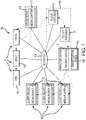
- a director server 108 is communicatively coupled to the network 110 to receive playback performance feedback from the media players 122.
- the director server 108 utilizes the playback performance feedback in conjunction with various prioritization rules 114 to dynamically generate one or more priority lists 112, which, in turn, influence from which particular one of the content delivery sources 102, 104, 106 a respective one of the media player 122 requests media content 101.
- the origin content server 102 generally represents a computer system that is configured to receive or otherwise obtain media content 101 directly from a content provider.
- the origin content server 102 may be part of a provider headend or master control that receives or otherwise obtains signals representative of multimedia content and encodes or otherwise converts those signals into discrete segments or files corresponding to the multimedia content 101, which are then stored or otherwise maintained by the origin content server 102.
- the origin server 102 includes or otherwise coordinates with a real-time encoding system configured to convert the multimedia content into fixed duration media segments (or streamlets) that are stored or otherwise maintained in a data storage element at the origin server 102 (e.g., in a cache of the origin server 102).
- Each CDN 104 generally represents a third-party system of computers and/or other devices networked together across the network 110 that cooperate transparently to deliver content, and may include one or more web servers, cache servers, or the like.
- the CDN is configured in a hierarchy so that a client device 120 requests the data from an edge cache, for example, and if the edge cache does not contain the requested data, the request is sent to a parent cache, and so on up to the respective CDN 104 requesting the data from the origin content server 102.
- the RS-DVR network 106 and/or the RS-DVR systems 162 may have a predetermined amount of allocated backhaul bandwidth over the network 110, which is another factor that may be utilized by the director server 108 when generating priority list(s) 112 provided to the media players 122.
- the RS-DVR systems 162 can be designed to function like a traditional DVR, wherein each client or user has a "personal" copy of recorded content, even though the copies are held on shared servers and shared storage media (e.g., hard disks). Exemplary embodiments of the RS-DVR systems 162, along with various operating features and functions, are described in detail below.
- the director server 108 generally represents another computer system on the network 110 that is controlled or otherwise operated by the provider associated with the origin content server 102.
- the director server 108 is configured to generate one or more priority lists 112 indicating the relative priorities of the various available content delivery sources 102, 104, 106.
- the director server 108 may generate different priority lists 112 for different classes of users (e.g., based on different access rights or subscription levels), for different classes of multimedia content to be streamed (e.g., premium content versus regular content), for different geographic or network locations, and the like.
- relative priorities are assigned to each of the content delivery sources based on various cost, bandwidth, performance, or other miscellaneous metrics associated with the respective content delivery sources, geographic information associated with the respective content delivery sources, and/or potentially other factors in conjunction with various source prioritization rules or criteria 114 that may be dictated by the provider.
- the director server 108 may calculate or otherwise determine a priority score for each content delivery source 102, 104, 106 as a function of the provider-side prioritization rules 114 and the various factors associated with the respective content delivery sources 102, 104, 106, and thereafter rank or otherwise order the content delivery sources 102, 104, 106 according to their priority score.
- the prioritization rules 114 maintained by the director server 108 also include client-side prioritization rules, which, in turn, may be provided to the client devices 120 for use in modifying or otherwise adjusting a priority list 112 in a client-specific manner, as described in greater detail below.
- the priority list(s) 112 and client-side prioritization rules 114 are transmitted or otherwise provided to the media players 122, which, in turn, guide or otherwise influence the media players 122 when requesting multimedia content for streaming over the network 110.
- the media players 122 may be configured to request or otherwise retrieve a priority list 112 from the director server 108 upon startup or initialization of a stream.
- the director server 108 may be configured to push or otherwise broadcast the priority list(s) 112 to any media players 122 currently communicating on the network 110.
- the media players 122 are also configured to transmit or otherwise provide performance feedback pertaining to any content delivery sources 102, 104, 106 from which the respective media player 122 has requested content, which, in turn, can be utilized by the director server 108 to dynamically update the priority list(s) 112 to reflect the current performance of the content delivery sources 102, 104, 106 on the network 110.
- the director server 108 may automatically push the updated priority list 112 to any media players 122 currently communicating on the network 110 or otherwise notify active media players 122 of the updated priority list 112.
- the client devices 120 may be realized as any type of electronic device suitable for communicating on the network 110 and presenting or otherwise reproducing media content 101 to a user, such as, for example, a mobile or cellular telephone, a smartphone, a laptop or notebook computer, a tablet computer, a desktop computer, a personal digital assistant, a video game player, a portable media player or another media playback device, an e-reader, a wireless router, a wireless access point, a smart TV, a set-top box, a television receiver, a satellite receiver, or the like.
- a mobile or cellular telephone such as, for example, a mobile or cellular telephone, a smartphone, a laptop or notebook computer, a tablet computer, a desktop computer, a personal digital assistant, a video game player, a portable media player or another media playback device, an e-reader, a wireless router, a wireless access point, a smart TV, a set-top box, a television receiver, a satellite receiver, or the like.
- the client device 120 includes at least a processing system, a data storage element (or memory), and an output device for reproducing media content 101 (e.g., a display device, an audio output device, or the like).
- the processing system may be implemented using any suitable processing system and/or device, such as, for example, one or more processors, central processing units (CPUs), controllers, microprocessors, microcontrollers, processing cores and/or other hardware computing resources configured to support the operation of the client devices 120 described herein.
- the data storage element is capable of storing programming instructions for execution by the processing system, that, when read and executed, cause processing system to create, generate, or otherwise facilitate a respective media player application 122 configured to support streaming media content 101 over the network 110 for reproduction by the output device of the respective client device 120.
- the media player may be a web browser plug-in, a combination of browser plug-in and supporting web page logic, or the like.
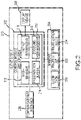
- FIG. 2 depicts an exemplary client device 200 suitable for use as one or more of the client devices 120 in the multimedia streaming system 100 of FIG. 1 .
- the illustrated client device 200 includes a control module 202, one or more data storage elements 204, a communications interface 206 and a display device 208.
- the control module 202 executes, implements, or otherwise supports a media player 210 that receives encoded media segments from a network (e.g., network 110) via the communications interface 206 and generates corresponding audiovisual multimedia content on the display device 208, as described in greater detail below.
- a network e.g., network 110
- the communications interface 206 is coupled to the control module 202 and generally represents the hardware, circuitry, logic, firmware and/or other components of the client device 200 that are configured to support communications via a network (e.g., network 110).
- the communications interface 206 may include or otherwise be coupled to one or more wireless transceiver modules capable of supporting wireless communications, a cellular transceiver, a wired network interface controller (e.g., an Ethernet adapter), or another suitable network interface (e.g., a port that is adapted to receive a wireless adapter).
- the display device 208 may be physically distinct or otherwise separate from the client device 200.
- the client device 200 may be realized as a set-top box (STB), satellite receiver, television receiver, or the like, in which case the display device 208 may be realized as a television or monitor connected to a video output interface of the client device 200.
- STB set-top box
- the display device 208 may be realized as a television or monitor connected to a video output interface of the client device 200.
- the control module 202 represents the processing system, processing device, hardware, firmware, and/or other components or combinations thereof configured to support the subject matter described herein.
- the control module 202 may include one or more processors, central processing units (CPUs), graphics processing units (GPUs), controllers, microprocessors, microcontrollers, processing cores and/or other computing resources.
- the data storage element (or memory) 204 is coupled to or otherwise accessed by the control module 202, and the data storage element 204 may include any sort of random access memory (RAM), read only memory (ROM), flash memory, magnetic or optical mass storage, or any other suitable configuration of non-transitory short or long term data storage or other non-transitory computer-readable media capable of storing data or other programming instructions for execution by the control module 202.
- control module 202 When read and executed by the control module 202, cause the control module 202 to generate a media player 210 that supports performance of the various tasks, functions, and/or processes and the operations of the client device 200 described herein.
- the control module 202 is implemented as a "system on a chip” (SoC) that incorporates a hybrid microcontroller with memory, input/output and other features to perform the various processing and other functionality of client device 200, and in which case a separate memory 204 may not be provided.
- SoC system on a chip
- the media player 210 and/or media manager 212 may also calculate or otherwise determine one or more performance metrics associated with the streaming of the multimedia content 101 and store or otherwise maintain that client-specific performance data 220 in memory 204.
- the client-specific data 220 in memory 204 may also include user preferences, access rights, subscription information and/or other criteria that may be utilized when selecting a content delivery source.
- the media player 210 and/or media manager 212 may utilize unique client-side heuristics in conjunction with the priority list(s) 228 and client-side prioritization rules 224 when applying a content delivery source selection algorithm to identify a particular content delivery source from which the multimedia content 101 is to be requested.
- each client device 120, 200 or media player 122, 210 may determine its own unique prioritization of content delivery sources by adjusting a priority list 112 obtained from the director server 108 based on client-specific data 220 in conjunction with the client-side prioritization rules 224.
- the client-side prioritization rules 224 may prescribe limits or performance benchmarks that must be violated before the priority list 222 obtained from the director server 108 can be modified, and/or the client-side prioritization rules 224 may limit whether an individual client can modify the priority list 222 based on subscription information associated with a user of the client device 120, 200.
- FIG. 3 is a schematic representation of an exemplary media content file 300 corresponding to the media program to be streamed (e.g., multimedia content 101), which may be realized as an audio or video program, clip, segment, movie, or the like.
- the content file 300 may be distributed (e.g., to the origin content server 102) by a publisher or content source for purposes of broadcast or unicast distribution (e.g., via a multimedia streaming system 100).
- the actual subject matter of the content file 300 may comprise a television broadcast, sports event, movie, music, concert, etc.
- the content file 300 may be live or archived content.
- the content file 300 may comprise uncompressed video and audio, or alternatively, video or audio.
- the content file 300 may be compressed using standard or proprietary encoding schemes.
- FIG. 4 is a schematic representation of a plurality of streams 402 having varying degrees of quality and bandwidth to support adaptive bitrate streaming.
- the plurality of streams 402 comprises a low quality stream 404, a medium quality stream 406, and a high quality stream 408.
- Each of the streams 404, 406, 408 represents a copy or a version of the content file 300 (see FIG. 3 ) encoded and compressed to a different bitrate.
- the low quality stream 404 may be encoded and compressed to a bitrate of 100 kilobits per second (kbps)
- the medium quality stream 406 may be encoded and compressed to a bitrate of 200 kbps
- the high quality stream 408 may be encoded and compressed to 600 kbps.
- FIG. 5 is a schematic representation of a media content stream 402 divided into a plurality of media segments (or streamlets) 422.
- media segment refers to any sized portion of the content file 300.
- Each media segment 422 may comprise a portion of the content contained in the stream 402, encapsulated as an independent media object (or file), thereby allowing the streamlets 422 to be cached individually and to be independently playable by a media player.
- the content in a media segment 422 may have a unique time index in relation to the beginning of the content contained in the stream 402. In one embodiment, the content contained in each media segment 422 may have a duration of two seconds.
- media segment 0 may have a time index of 00:00 representing the beginning of content playback
- media segment 1 may have a time index of 00:02, and so on.
- the time duration of the media segments 422 may be any duration that is less than the entire playback duration of the content in the stream 402.
- the media segments 422 may be divided according to file size instead of a time index and duration.
- the media segments 422 may be indexed from or otherwise anchored to a particular point in time.
- the particular media segments 422 of multimedia content of a live event being streamed are played sequentially by a media player according to a schedule of the live event and then subsequently deleted.
- the media segments 422 may be stored as separate files on any one or more of the content delivery sources 102, 104, 106 in the multimedia streaming system 100 (e.g., on web servers, proxy caches, or other devices).
- the separate media segments 422 may be requested by a media player from a selected content delivery source using HTTP. That said, in alternative embodiments, the multimedia content may be stored in a single file that is divided into portions that can be cached using HTTP range requests.
- FIG. 6 is a schematic representation of encoded media segments corresponding to the media content file 300.
- FIG. 6 depicts different sets 430 of media segments, where a "set" refers to a group of media segments having identical time indices and durations but varying bitrates.
- the set 430a encompasses all media segments having a time index of 00:00.
- the set 430a includes encoded media segments 434 having low, medium, and high bitrates (identified by reference numbers 404, 406, 408).
- each set 430 may include more than the depicted three bitrates which are given by way of example only.
- any number of streams having different bitrates may be generated from the original content file 300.
- the metadata descriptor file may be utilized to provide real-time or near real-time updates (e.g., updated content durations of the multimedia content indicating which portions of the content are available for delivery, advertisement markers for advertisements breaks in the multimedia content, and the like) to media players that are streaming multimedia content of a live event over a pull-based network HTTP to prevent media players from requesting multimedia content that is not yet available for delivery.
- real-time or near real-time updates e.g., updated content durations of the multimedia content indicating which portions of the content are available for delivery, advertisement markers for advertisements breaks in the multimedia content, and the like
- the media manager 212 then stages the downloaded segments 434 according to their respective time indexes into a sequence of segments 434 in the presentation buffer 214 in the order in which the segments 434 should be decoded and rendered. As described above in the context of FIG. 2 , the staged segments 434 are then sequentially removed from the presentation buffer 214 and provided to the decoding arrangement 216, which converts the encoded media segments 434 into corresponding audiovisual signals provided to the output interface 218 for reproducing the portion and duration of multimedia content 101 corresponding to a respective segment 434 on the display device 208.
- the client-side prioritization rules 224 may allow for clients with the highest subscription level to bypass or otherwise skip a content delivery source ranked with a relatively high priority based on that client's prior performance data associated with utilizing that content delivery source, for example, when a performance metric corresponding to prior performance falls below a threshold value for which the client-side prioritization rule 224 allows modification.
- the media player 210 and/or the media manager 212 may initially select the second highest prioritized content delivery source from the priority list 112.
- the director server 108 may receive substantially real-time performance feedback pertaining to the various content delivery sources currently servicing active media players 122 for use in dynamically updating the priority list(s) 112 to reflect current conditions on the network 110. For example, as performance of one CDN 140, 142 starts to deteriorate, the director server 108 may generate an updated priority list 112 where the priority of that CDN 140, 142 is lower than it was in the preceding iteration of the priority list 112.
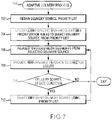
- the adaptive delivery process 700 continues requesting media segments from a selected content delivery source and providing performance feedback until a delivery source update condition is detected or otherwise identified (task 710).
- the adaptive delivery process 700 selects or otherwise identifies a different content delivery source from which to request media segments (task 712), and then repeats the tasks of requesting media segments from that different content delivery source and providing corresponding download performance feedback to the director server (tasks 706, 708).
- a delivery source update condition represents a condition with respect to streaming of the multimedia content to a particular client device 120 or with respect to performance of the content delivery sources on the network 110 for which use of another content delivery source may be desirable.
- the media player 210 and/or the media manager 212 detects or otherwise identifies a delivery source update condition when the current download performance associated with the selected content delivery source indicates that the presentation buffer 214 will be empty (e.g., buffer underrun), or when the selected content delivery source fails to reliably provide a user-requested bitrate of multimedia content 101.
- the media player 210 and/or the media manager 212 may automatically detect or otherwise identify a condition when streaming from a different content delivery source should be attempted to achieve a desired level of performance.
- the media player 210 and/or the media manager 212 may also utilize client-specific data 220 and client-side prioritization rules in a similar manner as described above (e.g., task 704). In this manner, a media player 210 and/or media manager 212 may autonomously modify the delivery source for the streaming on a client-by-client basis to achieve a particular desired level of performance for that particular client.
- the media player 210 and/or the media manager 212 may also utilize client-specific data 220 and client-side prioritization rules in a similar manner as described above (e.g., task 704) to select or otherwise identify a particular content delivery source from among the updated priority list 112.
- the provider may dynamically influence the content delivery source(s) being utilized by active media players 122 via the updated priority list 112 that accounts for changes in network conditions, RS-DVR bandwidth availability, relative costs or bandwidth utilization associated with the CDNs 104, and the like.
- the loop defined by tasks 706, 708, 710 and 712 may repeat throughout streaming of multimedia content 101 to seamlessly move between content delivery sources and achieve a desired utilization of delivery resources on the network 110 in a manner that is influenced or otherwise regulated by the provider while also being substantially imperceptible to users of the client devices 120.
- the media player 210 may automatically move between content delivery sources using the most up-to-date provider prioritization of content delivery sources (e.g., by refreshing or otherwise requesting the most recent priority list 112 from the director server 108) while also implementing client-side intelligence or heuristics in conjunction with historical performance data as allowed by the client-side prioritization rules 114 specified by the provider.
- the relative desirability may be reflected in an updated priority list 112 pushed to active media players 122, 210 to initiate reallocation of streaming requests among the available content delivery sources 102, 104, 106.
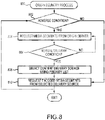
- FIG. 8 depicts an exemplary embodiment of an origin delivery process 800 suitable for implementation in a multimedia streaming system.
- the origin delivery process 800 may be performed concurrently to the adaptive delivery process 700 of FIG. 7 , and may be done so either independently of or integrated with the adaptive delivery process 700.
- the various tasks performed in connection with the illustrated process 800 may be implemented using hardware, firmware, software executed by processing circuitry, or any combination thereof. For illustrative purposes, the following description may refer to elements mentioned above in connection with FIGS. 1-2 . In practice, portions of the origin delivery process 800 may be performed by different elements of a multimedia streaming system 100.
- the origin delivery process 800 is described here primarily in the context of the director server 108, the client device(s) 120, 200, and the media player(s) 122, 210 executing thereon. It should be appreciated that the origin delivery process 800 may include any number of additional or alternative tasks, the tasks need not be performed in the illustrated order and/or the tasks may be performed concurrently, and/or the origin delivery process 800 may be incorporated into a more comprehensive procedure or process having additional functionality not described in detail herein. Moreover, one or more of the tasks shown and described in the context of FIG. 8 could be omitted from a practical embodiment of the origin delivery process 800 as long as the intended overall functionality remains intact.
- the origin delivery process 800 is performed by a media player 210 to temporarily obtain media segments from the origin content server 102 on a limited basis.
- the origin delivery process 800 is concurrent to, and to some extent overrides or otherwise augments the adaptive delivery process 700 when the origin content server 102 is prioritized last on the priority list 112 (or in some embodiments, removed from the priority list 112 entirely).
- the origin delivery process 800 effectively overrides the adaptive delivery process 700 for the limited duration of time during which the origin content server 102 is servicing requests from the media player 210.
- the origin delivery process 800 detects or otherwise identifies an adverse condition with respect to downloading or presenting the streaming multimedia content, and in response to the adverse condition, initiating requests for media segments from the origin content server (tasks 802, 804).
- the media player 210 and/or the media manager 212 detects or otherwise identifies the adverse condition when the presentation buffer 214 does not include any media segments corresponding to the desired multimedia content 101. This may happen, for example, in response to initiating streaming of the multimedia content 101 (e.g., upon startup, when changing between media programs or channels, etc.) or when an unexpected condition exists on the network 110 for which adaptive bitrate streaming from a previously selected content delivery source cannot prevent buffer underrun.
- the media player 210 and/or the media manager 212 also detects an adverse condition midstream when the current download bitrate from a previously selected content delivery source indicates that buffer underrun is likely based on the current contents of the presentation buffer 214. In response to detecting an adverse condition, the media player 210 and/or the media manager 212 automatically transmits one or more request messages (e.g., an HTTP GET request) for media content 101 to the origin content server 102 regardless of its ranking in the priority list 112. As described above, request message(s) identifies the multimedia content 101 to be delivered along with the time index(es) corresponding to the desired media segment(s) to be delivered.
- request messages e.g., an HTTP GET request
- the origin content server 102 may increase the TCP receive window size and/or adjust, alter, modify, or vary any other configurable aspect of the TCP/IP protocol or other applicable communications protocols when sending the requested media segments over the network 110.
- delivery of the requested portion(s) of the multimedia content 101 is likely to be successful, however, at the added costs of decreased utilization of bandwidth and computing resources of the origin content server 102 for other tasks (e.g., responding to requests from CDNs 104 or the RS-DVR network 106).
- the origin delivery process 800 detects or otherwise identifies a normal delivery condition, and in response, utilizes the priority list to select another content delivery source and resumes requesting subsequent media segments from that selected content delivery source (tasks 806, 808, 810).
- the media player 210 and/or media manager 212 detects a normal delivery condition when the presentation buffer 214 is full, or alternatively, when the amount of data or content in the presentation buffer 214 is greater than a threshold amount (e.g., when the duration of playback corresponding to the encoded media segments in the presentation buffer 214 exceeds a threshold amount of time). In this manner, the media player 210 and/or media manager 212 may automatically revert to using a relatively lower cost (or higher priority) content delivery source once sufficient data has been downloaded from the origin content server 102 to be likely ensure a satisfactory user experience during the transition.
- the loop defined by tasks 804 and 806 may repeat until either the media player 210 and/or media manager 212 is able to sufficiently fill the presentation buffer 214 with media segments downloaded from the origin content server 102 or the timeout period for requesting content from the origin content server 102 has expired, whichever comes first. Thereafter, the media player 210 and/or media manager 212 utilizes the downloaded priority list 222 or requests an updated priority list 112 from the director server 108, and then selects or otherwise identifies a CDN 104 or the RS-DVR network 106 as the content delivery source for servicing subsequent requests in a manner that is influenced by the priority list 112, 222 in a similar manner as described above (e.g., task 704).
- the media player 210 and/or media manager 212 then resumes transmitting request messages, to the selected content delivery source 104, 106, for the media segments that follow the sequence of media segments downloaded from the origin content server 102.
- the media player 210 and/or media manager 212 maintains requesting media segments from that selected content delivery source 104, 106 until either a delivery source update condition is identified (e.g., task 710) or another adverse condition (e.g., task 802) is detected.
- the origin delivery process 800 allows a media player 210 to reliably receive portions of desired multimedia content 101 from the origin content server 102 for a limited amount of time to ensure a satisfactory viewer experience before reverting to the dynamic and intelligent prioritized selection of a servicing content delivery source described above in the context of FIG. 7 .
- the media player 210 may request enough media segments for that media program from the origin content server 102 to minimize the amount of lag or delay in presenting the media program to the viewer (e.g., the lag behind live time) before seamlessly transitioning to streaming the remainder of the media program from other available content delivery sources with a lower associated costs.
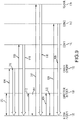
- FIG. 9 depicts an exemplary sequence 900 of communications within the multimedia streaming system 100 of FIG. 1 in conjunction with the adaptive delivery process 700 of FIG. 7 and the origin delivery process 800 of FIG. 8 in accordance with one or more exemplary embodiments.
- the illustrated sequence 900 begins with a media player 122 communicating 902 with the director server 108 via the network 110 to download or otherwise obtain a current priority list 112 (e.g., task 702).
- the media player 122 may request a content delivery source priority list 112 from the director server 108 upon startup or prior to starting a stream of multimedia.
- the media player 122 may also download or obtain client-side prioritization rules 114 for use in performing client-specific adjustments to the delivery source prioritization.
- the illustrated sequence 900 depicts a scenario where the media player 122 detects an adverse condition with respect to streaming the desired multimedia content 101 (e.g., task 802), and in response, the media player 122 transmits requests 904 for the most recent encoded segments of the multimedia content 101 (e.g., based on a timeline for the live event) to the origin server 102 (e.g., task 804).
- the origin server 102 transmits the requested encoded media segments 906 to the requesting media player 122 via the network 110.
- the origin server 102 modifies the transport layer protocol when providing the requested media segments 906 to increase the likelihood of successful delivery by the network 110.
- the media player 122 In response to determining that the presentation buffer has been filled or that a timeout period for requesting content from the origin server 102 has been met (e.g., task 806), the media player 122 utilizes the downloaded priority list 112 and any applicable client-side prioritization rules 224 to select or otherwise identify a first CDN 140 as the highest ranked content delivery source within the multimedia streaming system 100 for servicing the media player 122 (e.g., tasks 704, 808). The media player 122 then transmits requests 908 to the first CDN 140 for the encoded segments of the multimedia content 101 that follows those previously obtained from the origin server 102 in the presentation sequence (e.g., tasks 706, 810).
- the media player 122 receives the requested encoded multimedia segments 910 from the first CDN 140 and stages them in the presentation buffer. As described above, the media player 122 calculates or otherwise determines various delivery performance metrics associated with the streaming 910 from the first CDN 140 and transmits or otherwise provides those delivery performance metrics 912 to the director server 108 (e.g., task 708).
- the director server 108 utilizes the real-time streaming performance data associated with the first CDN 140 obtained from the media player 122 along with streaming performance data and other prioritization factors associated with the other content delivery sources within the multimedia streaming system 100.
- other media players 122 may be concurrently providing the director server 108 with streaming performance data associated with the first CDN 140 along with other CDNs 104 or the RS-DVR network 106.
- the director server 108 may calculate or otherwise determine the relative performance and utilization of the content delivery sources 104, 106.
- the RS-DVR manager 160 may provide feedback to the director server 108 regarding the current bandwidth utilization associated with the RS-DVR network 106 (or alternatively, the amount of available bandwidth on the RS-DVR network 106). Based on the performance and utilization data, along with relative costs and other prioritization factors, the director server 108 may dynamically update the priority list 112 to reflect current conditions on the network 110, and push or otherwise transmit 914 the updated priority list 112 to the active media players 122.
- the illustrated sequence 900 depicts a scenario where the updated priority list 112 indicates, to the media player 122, that the RS-DVR network 106 (or alternatively, a particular RS-DVR 162) should be ranked higher than the first CDN 140 after accounting for the client-specific performance data or prioritization rules. For example, as the amount of available backhaul bandwidth associated with the RS-DVR network 106 increases, the director server 108 may increase the ranking (or priority) of the RS-DVR network 106 because the costs of using that available backhaul bandwidth are less than the costs of using a third-party CDN 104.
- the media player 122 may utilize the updated priority list 112 to select or otherwise identify the RS-DVR network 106 as the new highest ranked content delivery source within the multimedia streaming system 100 for servicing the media player 122 (e.g., task 712).
- the media player 122 transmits 916 requests to the RS-DVR manager 160 and/or a particular RS-DVR system 162 for the next encoded segments of the multimedia content 101 in the presentation sequence, receives 918 the requested encoded multimedia segments 910 from an RS-DVR system 162, and transmits 920 corresponding delivery performance metrics associated with the RS-DVR network 106 and/or the servicing RS-DVR system 162 to the director server 108.
- the media player 122 may request the encoded media segments directly from a particular RS-DVR system 162, or alternatively, may request them indirectly via the RS-DVR manager 160.
- the RS-DVR manager 160 may balance or otherwise manage the utilization of the RS-DVR systems 162.
- the RS-DVR manager 160 may receive a request from the media player 122 and determine which RS-DVR system 162 should service the request (e.g., based on the available bandwidth of the RS-DVR system 162, the geographic location or distance on the network 110 between the RS-DVR system 162 and the client device 120 associated with the media player 122, and the like). The RS-DVR manager 160 then either redirects the request to the identified servicing RS-DVR system 162 for servicing the request, or alternatively, provides indication of the identified servicing RS-DVR system 162 to the media player 122. That said, in alternative embodiments, the features and functionality of the RS-DVR manager 160 may be incorporated in the director server 108.
- the director server 108 may receive bandwidth utilization information for each of the individual RS-DVR systems 162 as well as their associated geographic locations, and then prioritize or rank each RS-DVR system 162 individually amongst the CDNs 104.
- the illustrated sequence 900 depicts a scenario where the director server 108 dynamically updates the priority list 112 to reflect that the amount of available backhaul bandwidth on the RS-DVR network 106 (or alternatively, the available bandwidth of the RS-DVR system 162 currently servicing the media player 122) has fallen below a threshold amount for maintaining satisfactory performance of the RS-DVR network 106 and/or the servicing RS-DVR system 162 with respect to playback of recorded multimedia content to other subscribers or users.
- the current conditions on the network 110 also dictate that a second CDN 142 should now be ranked higher than the first CDN 140.
- the media player 122 may utilize the updated priority list 112 to select or otherwise identify the second CDN 142 as the new highest ranked content delivery source within the multimedia streaming system 100 for servicing the media player 122. Thereafter, the media player 122 transmits 924 requests for the next encoded segments of the multimedia content 101 to the second CDN 142 and receives 926 the requested encoded multimedia segments 910 from the second CDN 142 via the network 110.
- the media player 122 may automatically revert to temporarily requesting encoded media segments from the origin content server 102. Thereafter, the media player 122 may return to adhering to the current priority list 112, as described above.
- an adverse presentation condition e.g., a sufficiently low or empty presentation buffer, a logical channel change or other change in the multimedia content to be streamed, or the like
- FIG. 10 depicts an exemplary embodiment of a RS-DVR delivery process 1000 suitable for implementation in a multimedia streaming system.
- the RS-DVR delivery process 1000 may be performed in conjunction with the adaptive delivery process 700 of FIG. 7 , for example, when the prioritization of content delivery sources results in one or more media players 122 requesting multimedia content from the RS-DVR network 106.
- the various tasks performed in connection with the illustrated process 1000 may be implemented using hardware, firmware, software executed by processing circuitry, or any combination thereof. For illustrative purposes, the following description may refer to elements mentioned above in connection with FIGS. 1-2 . In practice, portions of the RS-DVR delivery process 1000 may be performed by different elements of a multimedia streaming system 100.
- the RS-DVR delivery process 1000 is described here primarily in the context of the RS-DVR manager 160 and the RS-DVR system(s) 162 of the RS-DVR network 106. It should be appreciated that the RS-DVR delivery process 1000 may include any number of additional or alternative tasks, the tasks need not be performed in the illustrated order and/or the tasks may be performed concurrently, and/or the RS-DVR delivery process 1000 may be incorporated into a more comprehensive procedure or process having additional functionality not described in detail herein. Moreover, one or more of the tasks shown and described in the context of FIG. 10 could be omitted from a practical embodiment of the RS-DVR delivery process 1000 as long as the intended overall functionality remains intact.
- the illustrated RS-DVR delivery process 1000 begins by calculating or otherwise determining the available backhaul bandwidth and notifying the director server of the amount of available backhaul bandwidth (tasks 1002, 1004).
- the RS-DVR manager 160 may monitor or otherwise track the status and capacity of one or more RS-DVR systems 162.
- an RS-DVR manager 160 may support a "cluster group" of RS-DVR systems 162 that are physically located together at a particular data center, where the RS-DVR manager 160 assigns the individual RS-DVR systems 162 to recording specific channels or programs corresponding to various recording requests as a function of available capacity and current (and future scheduled) loads on the individual RS-DVR systems 162.
- the RS-DVR manager 160 may also identify or otherwise determine the current bandwidth utilization associated with the RS-DVR systems 162, and from there, determine the amount of available backhaul bandwidth associated with the RS-DVR cluster group (i.e., the difference between the allocated backhaul bandwidth and the current utilization).
- the RS-DVR manager 160 may then transmit or otherwise provide an indication of the amount of available backhaul bandwidth to the director server 108, which, in turn, utilizes the amount of available backhaul bandwidth to rank or otherwise prioritize the RS-DVR network 106 relative to the other available content delivery sources.
- the provider-side prioritization rules 114 may dictate that the RS-DVR network 106 should be ranked ahead of one or more CDNs 104 when the amount of available backhaul bandwidth exceeds a threshold value, and below those CDNs 104 when the amount of available backhaul bandwidth is less than the threshold value.
- the threshold value may be chosen to provide a bandwidth buffer for playback of recorded content, so that the RS-DVR network 106 can maintain satisfactory user experience with respect to those users viewing recorded content while also being able to accommodate some transient fluctuations in backhaul bandwidth demand with respect to playback of recorded content while concurrently supporting live streaming.
- the director server 108 may remove the RS-DVR network 106 from a priority list 112 when the available backhaul bandwidth is less than a second threshold value to prevent burdening the RS-DVR network 106 with live streaming responsibilities.
- each individual RS-DVR system 162 may transmit or otherwise provide indication of its current utilization to the director server 108 independently, which in turn, may rank the RS-DVR systems 162 individually rather than collectively.
- the RS-DVR delivery process 1000 continues by receiving a request for encoded media segments pertaining to live multimedia content from a media player (task 1006).
- a request for encoded media segments pertaining to live multimedia content For example, when the RS-DVR network 106 is prioritized higher than the CDNs 104, one or more of the media players 122 may request segments of the multimedia content 101 from the RS-DVR network 106 rather than the CDNs 104.
- the RS-DVR delivery process 1000 identifies or otherwise determines an individual RS-DVR system for servicing the request (task 1008). In this regard, requests may be transmitted by a media player 122 to the RS-DVR manager 160 managing a particular RS-DVR cluster group having available backhaul bandwidth.
- the RS-DVR manager 160 then analyzes the current and/or anticipated capacity of the RS-DVR systems 162 of the group and assigns the request to an individual RS-DVR system 162 of the group that is likely to have sufficient capacity for handling the request. For example, the RS-DVR manager 160 may assign requests for streaming the multimedia content 101 to the RS-DVR system 162 of its group having the most available bandwidth, the fewest current and/or scheduled recordings, or the like. That said, in embodiments without a RS-DVR manager 160, the RS-DVR system 162 for servicing the requests may be identified by the media player 122 based on the priority list 112 and transmit requests to that particular RS-DVR system 162 that was more highly ranked by the director server 108.
- the RS-DVR delivery process 1000 Upon receiving a request pertaining to streaming live multimedia content, the RS-DVR delivery process 1000 continues by creating a shared rights content file corresponding to the requested multimedia content and providing encoded media segments from the shared rights content file to the requesting media player (tasks 1010, 1012).
- the RS-DVR 162 receiving the request begins downloading or otherwise obtaining the most recent encoded media segments of the multimedia content 101 and creates a local representation of the content file containing sets of downloaded encoded media segments at different bitrates (e.g., content file 300 in FIG. 7 ).
- the content file for streaming the live multimedia content 101 is designated or otherwise assigned shared access rights, so that encoded media segments from the content file may be provided to multiple media players, as described in greater detail below.
- the shared rights content file may be stored or otherwise maintained in a temporary data storage element, such as, for example, a FIFO buffer or the like, so that the encoded media segments do not persist at the RS-DVR system 162 beyond a certain point in time and only a certain amount (or duration) of the most recent encoded media segments of the multimedia content 101 is capable of being stored in the buffer residing at the RS-DVR system 162.
- the RS-DVR system 162 then transmits the encoded media segments from the shared rights content file to the requesting media player 122 via the network. After delivering the requested media segments from the shared rights content file, those segments may eventually be deleted from the RS-DVR system 162, for example, by evicting them from the buffer.
- the RS-DVR system 162 marks or otherwise designates the encoded media segments being transmitted for streaming substantially in real-time as cacheable, as compared to individually allocated recorded multimedia content which may be designated as non-cacheable to limit availability to individual subscribers. Additionally, to improve delivery over the network 110, the RS-DVR system 162 may also modify the transport layer protocol in a similar manner as described in the context of the origin content server 102 when transmitting the encoded media segments to increase the likelihood of successful delivery and reduce the amount of lag behind live with respect to the presentation of the multimedia content 101 on the media player 122.
- the RS-DVR system 162 marks or otherwise designates the encoded media segments being transmitted for streaming substantially in real-time as non-cacheable while transmitting them using a modified protocol that increases likelihood of successful delivery to account for lack of caching.
- the RS-DVR system 162 may also dynamically adjust the delivery route on the network 110 utilized to deliver the media segments to the requesting media player 122, as described in greater detail below.
- the content file for the live multimedia content 101 is assigned shared access rights, so that a single RS-DVR system 162 may provide media segments for the live multimedia content 101 to multiple media players 122 concurrently.
- the RS-DVR manager 160 may identify that RS-DVR system 162 as the servicing RS-DVR for the content 101 and direct any subsequent requests for the live multimedia content 101 from other media players 122 to that RS-DVR system 162 already servicing the content 101.
- the RS-DVR system 162 transmits the encoded media segments from the shared rights content file to each of the requesting media players 122 via the network 110 as requested. Again, the delivered media segments may be marked as cacheable and transmitted with a modified transport layer protocol for each of the requesting media players 122 to improve delivery.
- the requests for streaming live multimedia content may be dynamically redirected to other RS-DVR systems 162 within the RS-DVR network 106.
- the RS-DVR manager 160 may dynamically redirect the media players 122 streaming the live multimedia content 101 to another RS-DVR system 162 in the RS-DVR network 106 that is not receiving as many playback requests or otherwise has more available bandwidth.
- That other RS-DVR system 162 may then create its own shared rights content file, download media segments of the live multimedia content 101 from the origin content server 102, and provide them to the redirected requesting media players 122, thereby freeing up resources associated with the RS-DVR system 162 that was previously servicing the live streaming requests.
- the RS-DVR system 162 that was previously servicing the live streaming requests may also delete its shared rights content file corresponding to the live multimedia content 101 from its memory.
- the RS-DVR delivery process 1000 may primarily be described herein in the context of live multimedia content, the subject matter is not limited to live multimedia content, and the RS-DVR delivery process 1000 may be similarly performed in the context of VOD content or other shared-rights multimedia content recorded within a preceding time period to support streaming or other CDN-type functionality with respect to requesting media players 122. Additionally, some embodiments of the RS-DVR delivery process 1000 may be configured to allow media players to reliably receive portions of desired multimedia content 101 from the RS-DVR network 106 for a limited amount of time to ensure a satisfactory viewer experience before reverting to the dynamic and intelligent prioritized selection of a servicing content delivery source described above in the context of FIG. 7 .
- a media player may effectively default to requesting media content from an RS-DVR system or network to achieve more prompt and reliable delivery of media content rather than utilizing the priority list to select a content delivery source in a similar manner as described above in the context of the origin server and the origin delivery process 800.
- a media player 122 may initially request media content from the RS-DVR network 106 to facilitate beginning presentation of the media content as quickly as possible and minimize lag behind live time by virtue of the servicing RS-DVR system 162 modifying the transport layer protocol to increase the likelihood of successful delivery.
- a media player 122 may request the media content from the RS-DVR network 106 to maintain presentation of the media content without buffering delays that could degrade the user experience.
- the RS-DVR network 106 may be prioritized below the origin server 102 (e.g., due to backhaul bandwidth limitations) but function as a content delivery source as last resort in response to initiation of a stream or other adverse conditions.
- FIG. 11 depicts an exemplary embodiment of a RS-DVR system 1100 suitable for use as an RS-DVR system 162 in the multimedia streaming system 100 of FIG. 1 .
- the RS-DVR system 1100 is only one example of a suitable implementation and is not intended to suggest any limitation as to the scope of use or functionality of the RS-DVR systems 162.
- the RS-DVR system 1100 is depicted as a unitary component, a practical implementation may include a plurality of physical hardware components that cooperate in a distributed architecture.
- the RS-DVR system 1100 and certain aspects thereof may be described in the general context of computer-executable instructions, such as program modules, executed by one or more processors or other devices.
- program modules include routines, programs, objects, components, data structures, and/or other elements that perform particular tasks or implement particular abstract data types.
- functionality of the program modules may be combined or distributed as desired in various embodiments.
- the RS-DVR system 1100 typically includes at least some form of computer readable media.
- Computer readable media can be any available media that can be accessed by the RS-DVR system 1100 and/or by applications executed by the RS-DVR system 1100.
- Computer readable media may comprise computer storage media that includes volatile, nonvolatile, removable, and non-removable media implemented in any method or technology for storage of information such as computer readable instructions, data structures, program modules or other data.
- Computer storage media includes, but is not limited to, RAM, ROM, EEPROM, flash memory or other memory technology, CD-ROM, digital versatile disks (DVD) or other optical storage, magnetic cassettes, magnetic tape, magnetic disk storage or other magnetic storage devices, or any other medium which can be used to store the desired information and which can accessed by the RS-DVR system 1100.
- the RS-DVR system 1100 typically includes at least one processing unit 1102 and a suitable amount of memory 1104.
- the processing unit 1102 and the memory 1104 cooperate to provide the desired functionality, processing logic, and operating intelligence for the RS-DVR system 1100.
- the memory 1104 may be volatile (such as RAM), non-volatile (such as ROM, flash memory, etc.) or some combination of the two.
- the RS-DVR system 1100 may also include additional storage (removable and/or non-removable) including, but not limited to, magnetic or optical disks or tape. Such additional storage is illustrated in FIG. 11 by removable storage 1108 and non-removable storage 1110.
- the memory 1104, the removable storage 1108, and the non-removable storage 1110 are all examples of computer storage media as defined above.
- the RS-DVR system 1100 may also contain communications connection(s) 1112 that allow the system 1100 to communicate with other devices on a network (e.g., network 110), such as the RS-DVR manager 160 or the client devices 120 shown in FIG. 1 .
- the RS-DVR system 1100 may also include or communicate with input device(s) 1114 such as a keyboard, mouse or other pointing device, pen, voice input device, touch input device, etc.
- the RS-DVR system 1100 may also include or communicate with output device(s) 1116 such as a display, speakers, indicator lights, a printer, or the like.
- FIG. 12 depicts another representation of an exemplary embodiment of an RS-DVR system 1200.
- FIG. 12 depicts some of the primary logical or functional modules of the RS-DVR system 1200.
- the illustrated embodiment of the RS-DVR system 1200 generally includes, without limitation: a processing logic module 1202, a network interface (which in this exemplary embodiment is realized as a web server 1204), a file system module 1206, an ingest agent 1208, and a storage architecture 1210 (which in this exemplary embodiment is realized as a plurality of memory storage devices such as hard disk drives). These elements cooperate to support the various functions and operations of the RS-DVR system 1200.
- the processing logic module 1202 may cooperate with the web server 1204, the file system module 1206, the ingest agent 1208, and the storage architecture 1210 as needed during operation of the RS-DVR system 1200. Moreover, the processing logic module 1202 may be suitably configured to support one or more designated functions of the RS-DVR system 1200. In this regard, the processing logic module 1202 may include any desired functionality. For example, the processing logic module 1202 may be designed to include a content rights management module, a hard disk monitor module, a diagnostic module, or the like.
- the web server 1204 (and/or any suitable network interface) represents hardware, software, firmware, and/or logic that is configured to communicate data between the RS-DVR system 1200 and another component or element such as a subscriber system. Referring to FIG. 1 , the web server 1204 can be used to deliver media content to the subscriber systems 120 via the network 110. The arrow 1212 in FIG. 12 represents the data communication link between the web server 1204 and the network 110. In certain embodiments, the web server 1204 cooperates with the file system module 1206 to provide media content files (in the form of encoded media segments) to the subscriber systems 120 in accordance with established HTTP techniques and methodologies.
- the file system module 1206 is utilized to manage, organize, and maintain files in the storage architecture 1210.
- the file system module 1206 can accommodate multiple bitrate encoded media segments that are stored in a distributed manner across a plurality of hard disks of the storage architecture 1210.
- the file system module 1206 also cooperates with the ingest agent 1208 to accommodate the recording and storage of encoded media segments as needed during the operation of the RS-DVR system 1200.
- the ingest agent 1208 may be coupled to the file system module 1206 to receive encoded media segments that represent media content files encoded at a plurality of different bitrates.
- the ingest agent 1208 is capable of receiving multicast delivered media segments 1216 and/or unicast delivered media segments 1218 from an appropriate content source (e.g., the origin content server 102).
- the storage architecture 1210 is coupled to the file system module 1206 to store encoded media segments that can be subsequently accessed for playback to one or more subscriber systems.
- the storage architecture 1210 includes a plurality of memory storage devices such as hard disk drives.
- the memory storage devices are physically distinct and separate units that can be removed and replaced as needed.
- the file system module 1206 governs the manner in which the encoded media segments are stored in the different memory storage devices.
- the storage architecture 1210 of the RS-DVR system 1200 may include a shared storage architecture to store shared rights media content files, and a per-subscriber storage architecture to store per-subscriber rights media content files.
- the shared storage architecture exclusively stores shared rights media content files without storing any per-subscriber rights media content files
- the per-subscriber storage architecture exclusively stores per-subscriber rights media content files without storing any shared rights media content files.
- the shared storage architecture and the per-subscriber architecture are preferably realized as physically distinct and separated hardware devices, e.g., two separate hard disk drives, two separate disk drive enclosures, or the like.
- the shared storage architecture may include buffers or other data storage that supports temporary storage of media segments for purposes of live streaming multimedia content to a plurality of client devices 120 and/or media players 122, as described above.
- the media content file is stored in the shared storage architecture of the RS-DVR system 1200.
- recorded media content files may be stored in the per-subscriber storage architecture that exclusively stores media content files having per-subscriber rights. While the recorded media content files can be stored for any amount of time, in one or more embodiments, any shared media content files corresponding to live events are automatically deleted when the live event ends (e.g., there is no more additional multimedia content 101 available from the origin server 102) or in the absence of receiving any streaming requests within a prescribed timeout period.
- the processing logic module 1202, web server 1204, file system module 1206, ingest agent 1208, and storage architecture 1210 cooperate to carry out content recording, content file (media segment) storing, file management, disk management, content playback, and other functions of the RS-DVR system 1200.
- these elements of the RS-DVR system 1200 cooperate to provide stored media segments to the client devices 120 for presentation using at least one of the plurality of different available bitrates.
- the multimedia streaming system 100 supports adaptive rate (or multiple bitrate) digital media content.
- the RS-DVR systems 162 are preferably configured to support the multiple bitrate scheme by recording a plurality of encoded video bit rates.
- each subscriber has only one copy of the recorded content because the various bit rate versions of the same content are stored together in one logical file.
- the video is split up into multi-second "media segments" and retrieved as HTTP objects.
- the adaptive rate RS-DVR system 162 can be implemented as a specialized web server that records and retrieves video files on behalf of any number of subscriber systems 120.
- the RS-DVR system 162 receives video from the origin content server 102 or live stream encoders via either a multicast of the encoded media segments or via an HTTP GET request methodology.
- the RS-DVR system 162 then immediately makes as many copies of the video as there are subscribers requesting to record the channel.
- Each subscriber has, in effect, their own area that contains their individual copies of the channel.
- Each subscriber can have different programs recorded on different RS-DVR systems 162 - each individual recording is on only one server.
- the subscriber system 120 requests video from the appropriate RS-DVR system 162 and specifies which individual subscriber is requesting it (so that the RS-DVR system 162 can find the correct video copy).
- the video is returned to the requesting subscriber system 120 from the specialized web server, for example, using HTTP video objects marked as being non-cacheable to ensure that the personalized video copy is only delivered to the requesting subscriber system.
- the RS-DVR system 162 may instead utilize a temporary copy of a recent portion of the live multimedia content 101 for immediate streaming to multiple users.
- the RS-DVR manager 160 can be utilized to support a "cluster group" of RS-DVR systems 162.
- cluster groups there can be multiple cluster groups with each having one or more RS-DVR systems 162.
- a cluster group may include up to hundreds of RS-DVR systems 162.
- a cluster group is used to provide scalability and creates certain types of failure resiliency.
- Each cluster group may be configured to record a set of channels. At the time the subscriber is provisioned with their channel lineup, each subscriber is assigned to a cluster group for each channel that can be recorded on their behalf.
- the RS-DVR manager 160 may assign requests for live streaming multimedia content 101 associated with a particular channel to a particular RS-DVR system 162 that is already configured to record that channel.
- the RS-DVR systems 162 are deployed by MSOs close to the edge of their network, at roughly the same location where HTTP caching is provided.
- the RS-DVR systems 162 would be deployed at that location because the recoded content delivered by the RS-DVR systems 162 may be required to be "non-cacheable” and video delivery typically works better if the content comes from a system that is "close" to the subscriber.
- RS-DVR cluster groups An important consideration in planning on where to deploy RS-DVR cluster groups is the cost of the backhaul bandwidth. Every channel being recorded by the cluster group requires backhaul bandwidth for all of the bitrates, which suggests that the RS-DVR cluster groups should be centralized. However, with the streams being delivered to the subscriber from the RS-DVR systems 162 being marked as non-cacheable, depending on how many subscribers there are at peak load times it could be better to locate the RS-DVR cluster groups closer to the subscriber, to avoid using backhaul bandwidth for subscriber playback.
- the RS-DVR systems 162 be deployed both centrally and at the edge with the centralized RS-DVR systems 162 being utilized for content where the amount of bandwidth required for actual playback will be less than the bandwidth required to send the multiple copies down to the edge RS-DVR systems 162.
- the RS-DVR manager 160 can use actual playback analytics in deciding where to assign particular recordings as well as where to assign live streaming requests, as described above.
- FIG. 13 depicts an exemplary embodiment of a dynamic delivery process 1300 suitable for implementation in a multimedia streaming system.
- the dynamic delivery process 1300 may be implemented with the multimedia streaming system 100 independently or in concert with any one of the processes 700, 800, 1000 described above.
- the dynamic delivery process 1300 may be described herein in the context of delivering content using an RS-DVR system, however, the dynamic delivery process 1300 is not necessarily limited to any particular content delivery source, and may be implemented in an equivalent manner when streaming content from the origin content server 102 (e.g., origin delivery process 800) or another content delivery source.
- the delivery route (or path) on the network 110 used for transmitting the segments may have a disproportionate impact on the streaming performance relative to cacheable segments.
- the RS-DVR system servicing a media player may not be located in close proximity to the media player (e.g., as compared to a CDN edge server)
- the streaming bandwidth may be largely dependent on the end-to-end delivery route (or path) on the network 110 between the RS-DVR system (i.e., the origin) and the requesting media player (i.e., the destination).
- the various tasks performed in connection with the illustrated process 1300 may be implemented using hardware, firmware, software executed by processing circuitry, or any combination thereof. For illustrative purposes, the following description may refer to elements mentioned above in connection with FIGS. 1-2 . In practice, portions of the dynamic delivery process 1300 may be performed by different elements of a multimedia streaming system 100. That said, for purposes of explanation, the dynamic delivery process 1300 is described here primarily in the context of an RS-DVR system 162 in an RS-DVR network 106.
- the dynamic delivery process 1300 may include any number of additional or alternative tasks, the tasks need not be performed in the illustrated order and/or the tasks may be performed concurrently, and/or the dynamic delivery process 1300 may be incorporated into a more comprehensive procedure or process having additional functionality not described in detail herein. Moreover, one or more of the tasks shown and described in the context of FIG. 13 could be omitted from a practical embodiment of the dynamic delivery process 1300 as long as the intended overall functionality remains intact.
- the dynamic delivery process 1300 obtains one or more performance metrics associated with the delivery route on the network currently being used for delivering streaming multimedia content (task 1302).
- the performance metrics may include the download bandwidth, data rate, or throughput at the destination, a rate or amount of dropped or lost packets, the streaming bitrate at the destination, and the like.
- the content delivery source may calculate, estimate, or otherwise determine the performance metrics based on the transmitted media segments and the requests received from the destination client device 120 and/or destination media player 122, or alternatively, the content delivery source may receive the download performance metrics from the destination client device 120 and/or destination media player 122.
- the initial delivery route utilized to deliver requested media segments transmitted by the content delivery source is chosen based on a backbone routing table and the respective geographic or network locations of the content delivery source and the destination client device.
- the initial delivery route may be the default delivery route dictated by the routing table given the respective locations of the content delivery source and the destination client device. In such a case, the content delivery source does not need to take any particular action to facilitate use of that delivery route.
- the dynamic delivery process 1300 stores or otherwise maintains those performance metrics in association with the delivery route and the destination for the streaming content (task 1304).
- the content delivery source may maintain a table, list, or the like for monitoring or otherwise tracking the streaming performance associated with a particular destination device or media player and a particular delivery route to that destination.
- the performance data may be utilized by the content delivery source when selecting an alternative delivery route, as described in greater detail below.
- the dynamic delivery process 1300 monitors the streaming performance metrics and identifies or otherwise determines whether to alter the delivery route based on one or more of the performance metrics (task 1306).
- the content delivery source compares the performance metrics to one or more applicable thresholds to identify when the performance of the current delivery route fails to meet the desired level of performance. For example, as traffic or other conditions on the network 110 change, the performance of the default delivery route dictated by the routing table may deteriorate, which may be further exacerbated when a RS-DVR system 162 is providing content that cannot be cached within the network 110.
- the content delivery source may autonomously determine that the delivery route should be changed based on real-time performance of the current delivery route.
- a RS-DVR system 162 may determine a different delivery route should be utilized when the bandwidth associated with streaming over the current delivery route is less than a bandwidth necessary to support streaming the multimedia content 101 at the lowest available bitrate. As another example, the RS-DVR system 162 may determine a different delivery route should be utilized when a number or rate of lost packets is greater than a threshold value.
- a media player 122 may compare the performance metrics to one or more applicable thresholds to identify when the performance of the current delivery route fails to meet the desired level of performance. For example, the media player 122 may determine that the delivery route should be changed when the real-time performance of the current delivery route does not support a level of presentation quality (or bitrate) desired by a user of the client device 120. In this regard, the media player 122 may request the content delivery source utilize a different delivery route.
- the dynamic delivery process 1300 identifies or otherwise selects an alternative delivery route from among a plurality of available delivery routes (task 1308).
- the content delivery source may identify which alternative backbone delivery routes are available for transmitting data from the location of the content delivery source, and then apply various heuristics to select an alternative delivery route from among those potential delivery routes. For example, if the content delivery source maintains stored performance data associated with the current destination device for different delivery routes, the content delivery source may select a previously used delivery route with the best performance as the alternative delivery route from among the potential delivery routes.
- the content delivery source may analyze the performance of the various delivery routes with respect to similarly located destinations to identify the delivery route with the best performance for those similar destinations as the alternative delivery route from among the potential delivery routes. It should be noted that there are various different potential schemes for selecting a delivery route from among a group of available delivery routes, and the subject matter described herein is not limited to any particular selection scheme. Moreover, in some embodiments, the alternative delivery route may be selected arbitrarily or randomly.
- the dynamic delivery process 1300 instructs or otherwise commands one or more downstream networking component(s) to utilize the alternative delivery route and then transmits media segments to the requesting media player via that delivery route (tasks 1310, 1312).
- the content delivery source instructs the nearest or adjacent routing component(s) to transmit media segments for delivery to the destination client device over the network 110 via the selected alternative delivery route.
- the content delivery source may be connected to the network 110 via a router or other similar networking component, which, in turn, is connected to a plurality of backbone providers, such as, for example, one or more tier 1 networks, tier 2 networks, internet service providers, or the like.
- the downstream networking component(s) transmit media segments from the content delivery source to the destination client device 120 via the alternative delivery path (e.g., a different backbone provider network).
- the dynamic delivery process 1300 may repeat throughout streaming multimedia content to a particular destination device to dynamically alter the delivery route used to transmit the streaming media based on the real-time performance of the current delivery route.
- the content delivery source may select another alternative delivery route different from the preceding delivery route(s), for example, by excluding the preceding delivery route(s) from the potential available delivery routes before providing source-side delivery route selection heuristics (task 1308). Thereafter, the content delivery source instructs the downstream networking component(s) to utilize the newly identified delivery route for subsequent transmissions to the destination client device 120.
- exclusion of preceding delivery route(s) from the potential available delivery routes is limited to a particular duration of time, so that the content delivery source may eventually revert to using a preceding delivery route in the future as conditions on the network 110 change to where that delivery route may perform better than other available delivery routes.
- FIG. 14 depicts a block diagram of an exemplary deployment of a content delivery source 1402 and a downstream networking component 1404 suitable for implementing the dynamic delivery process 1300 of FIG. 13 .
- the content delivery source 1402 is realized as an RS-DVR system (e.g., RS-DVR system 162) physically collocated with the networking component 1404 at a particular geographic location, such as a data center 1400.
- RS-DVR system 162 e.g., RS-DVR system 162
- the networking component 1404 may be realized as a router associated with the data center 1400 that communicatively connects devices at the data center 1400 behind the router 1404 to a network 1410 (e.g., network 110), such as the Internet, via a plurality of different potential routes or paths 1440, 1442, 1444, 1446, 1448.
- a network 1410 e.g., network 110
- each of the potential routes 1440, 1442, 1444, 1446, 1448 may be associated with a particular backbone provider network, which, in turn, is integrated with other networks to effectively provide the network 1410 over which devices at the data center 1400 can communicate with a client device 1420 (e.g., client device 120).
- the RS-DVR system 162, 1402 may transmit or otherwise provide the requested media segments (or packetized representations thereof) to the data center router 1404 without any affirmative selection of any particular delivery route 1440, 1442, 1444, 1446, 1448 that should provide the initial delivery path from the data center 1400 to the network 110, 1410 for transmitting those segments to the client device 120, 1420.
- the data center router 1404 may utilize a routing table (which may be stored or maintained by the data center router 1404 or alternatively received from a remote device via the network 1410) to select or otherwise identify an initial delivery route 1440 for transmitting the media segments from the RS-DVR system 162, 1402 to the client device 120, 1420. For example, based on the location of the client device 120, 1420 on the network 1410 relative to the location of the data center router 1404, the data center router 1404 may identify a default delivery route 1440 for transmitting data to the location of the client device 120, 1420.
- a routing table which may be stored or maintained by the data center router 1404 or alternatively received from a remote device via the network 1410 to select or otherwise identify an initial delivery route 1440 for transmitting the media segments from the RS-DVR system 162, 1402 to the client device 120, 1420.
- the data center router 1404 may identify a default delivery route 1440 for transmitting data to the location of the client device 120, 1420.
- the RS-DVR system 162, 1402 may calculate, determine, or otherwise obtain one or more performance metric(s) associated with the initial delivery route 1440 on the network 110, 1410 and compare the current performance metric(s) to one or more thresholds or other criteria to identify whether to alter the delivery route (e.g., tasks 1302, 1304, 1306). For example, the RS-DVR system 162, 1402 may determine the download bitrate or throughput using the initial delivery route 1440 is insufficient for streaming the requested bitrate media segments, that the number or rate of dropped or lost packets is greater than a maximum allowable threshold value, or the like.
- the RS-DVR system 162, 1402 may identify or otherwise select an alternative delivery route 1442 and then instruct or otherwise command the data center router 1404 to transmit media segments destined for the client device 120, 1420 via the alternative delivery route 1442.
- the selected alternative delivery route 1442 may be based on historical performance data associated with the alternative delivery route 1442 for the particular client device 120, 1420 and/or other client devices 120, 1420 similarly located on the network 110, 1410.
- a first backbone provider route 1442 has been previously used successfully by the RS-DVR system 162, 1402 to deliver content to the same client device 120, 1420 or other client devices 120, 1420 in the same general area on the network 110, 1410 (e.g., within the same IP address range, geographic zip code, and/or the like) while another potential backbone provider route 1444 has previously performed poorly for delivering content to the same client device 120, 1420 or other similarly located client devices 120, 1420
- the RS-DVR system 162, 1402 may select that first backbone provider route 1442 as the first alternative delivery route to be tried for the current iteration of the dynamic delivery process 1300.
- the selected alternative delivery route 1442 may be randomly or arbitrarily selected from among the available alternative delivery routes 1442, 1444, 1446, 1448.
- the RS-DVR system 162, 1402 instructs or otherwise commands the data center router 1404 to utilize the selected alternative delivery route 1442 for delivering media segments to the client device 120, 1420 instead of the initial delivery route 1440, thereby causing the data center router 1404 to override or otherwise overrule the default routing table.
- the RS-DVR system 162, 1402 continues monitoring performance metrics associated with the selected alternative delivery route 1442 in real-time, and when the performance metrics indicate the delivery route should be altered, the RS-DVR system 162, 1402 repeats the tasks of selecting another alternative delivery route from among the remaining available alternative delivery routes 1444, 1446, 1448.
- the RS-DVR system 162, 1402 supporting the dynamic delivery process 1300 may progress through trying each potential delivery route 1440, 1442, 1444, 1446, 1448 as needed based on real-time streaming performance before reverting back to the initial default delivery route 1440 dictated by the routing table.
- the dynamic delivery process 1300 effectively determines that the problems on the network 110, 1410 are essentially local to the client device 120, 1420 and reverts to the default routing.
- FIG. 14 is primarily described in the context of an RS-DVR system, the dynamic delivery process 1300 can be implemented in an equivalent manner for any content delivery source 102, 104, 106 within the multimedia streaming system 100.
- the dynamic delivery process 1300 is described with reference to FIG. 14 primarily in the context of a source-side implementation, various aspects of the dynamic delivery process 1300 can be performed or otherwise supported by the client device 120, 1420.
- the client device 120, 1420 may monitor real-time streaming performance, associate or otherwise correlate the performance with an initial delivery route 1440, and notify or otherwise instruct the RS-DVR system 162, 1402 and/or an upstream networking component 1404 to utilize an alternative delivery route 1442, 1444, 1446, 1448 when the real-time streaming performance of the initial delivery route 1440 falls below applicable thresholds or otherwise fails to satisfy desired streaming performance criteria.
- FIG. 15 depicts an exemplary embodiment of an electronic device 1500 suitable for use as a content delivery source (or a component thereof) in a multimedia streaming system.
- the device 1500 can be realized as a server or other computing device communicatively coupled to a network to receive requests for media segments from a client via the network, obtain the requested media segments (e.g., from local storage, a cache, or an origin server), and transmit the requested media segments to the client over the network.
- FIG. 15 is a simplified representation of the electronic device 1500 for purposes of explanation and is not intended to limit the subject matter described herein in any way.
- the illustrated device 1500 includes a processing system 1502 that is coupled to a network interface 1504 and a data storage element 1506.
- the processing system 1502 may be realized using any suitable processing system and/or devices, such as, for example, one or more processors, central processing units (CPUs), graphics processing units (GPUs), controllers, microprocessors, microcontrollers, processing cores and/or other computing resources configured to support the subject matter described herein.
- the network interface 1504 generally represents the component, hardware or the like of the device 1500 that facilitates communications with a network (e.g., network 110).
- the data storage element 1506 may be realized using any suitable non-transitory short or long term data storage or other non-transitory computer-readable media capable of storing programming instructions for execution by the processing system 1502.
- the stored programming instructions when read and executed by the processing system 1502, cause processing system 1502 to support or otherwise perform one of more tasks, functions, operations, and/or processes described herein.
- the data storage element 1506 may also store or otherwise maintain data (e.g., performance metrics and the like) as needed to support the tasks, functions, operations, and/or processes described herein.
- the data storage element 1506 may also include one or more caches for storing media segments received from an origin server.
- the subject matter described herein supports streaming multimedia by dynamically and intelligently adapting to real-time streaming performance or network conditions, for example, by changing content delivery sources, delivery routes over the network, transmission layer protocol parameters, and the like.
- streaming multimedia by dynamically and intelligently adapting to real-time streaming performance or network conditions, for example, by changing content delivery sources, delivery routes over the network, transmission layer protocol parameters, and the like.
Landscapes
- Engineering & Computer Science (AREA)
- Signal Processing (AREA)
- Multimedia (AREA)
- Computer Networks & Wireless Communication (AREA)
- Databases & Information Systems (AREA)
- Computer Security & Cryptography (AREA)
- Environmental & Geological Engineering (AREA)
- Human Computer Interaction (AREA)
- General Engineering & Computer Science (AREA)
- Power Engineering (AREA)
- Information Transfer Between Computers (AREA)
- Two-Way Televisions, Distribution Of Moving Picture Or The Like (AREA)
Claims (15)
- Verfahren für Streaming von Medieninhalt über ein Netzwerk, wobei das Verfahren aufweist:Übertragen von ein oder mehr Teilen des Medieninhalts von einem digitalen Fernspeicher-Videorekorder- (Remote Storage Digital Video Recorder, RS-DVR) -system zu einer Client-Vorrichtung über einen ersten Übermittlungsweg von einer Vernetzungskomponente zu der Client-Vorrichtung über ein erstes Backbone-Anbieternetz einer Vielzahl von verschiedenen Backbone-Anbieternetzen, die mit der Vernetzungskomponente gekoppelt sind, wobei die ein oder mehr Teile des Medieninhalts als nicht-zwischenspeicherbar markiert sind und wobei die Vernetzungskomponente zwischen das RS-DVR-System und die Vielzahl von verschiedenen Backbone-Anbieternetzen gekoppelt ist;Bestimmen einer Leistungsmetrik, die mit dem Übertragen der ein oder mehr Teile über das erste Backbone-Anbieternetz verbunden ist; unddynamisches Einstellen des Übermittlungswegs zwischen dem RS-DVR-System und der Client-Vorrichtung zumindest teilweise auf Basis der Leistungsmetrik durch:Identifizieren, durch das RS-DVR-System, eines alternativen Backbone-Anbieternetzes der Vielzahl von verschiedenen Backbone-Anbieternetzen, wenn das erste Backbone-Anbieternetz einen erwünschten Leistungspegel auf Basis der Leistungsmetrik nicht erreicht, wobei das alternative Backbone-Anbieternetz von dem ersten Backbone-Anbieternetz verschieden ist; undAnweisen, durch das RS-DVR-System, der Vernetzungskomponente, die zwischen das RS-DVR-System und die Vielzahl von verschiedenen Backbone-Anbieternetzen gekoppelt ist, zum Übertragen eines anschließenden Teils des Medieninhalts von dem RS-DVR-System zu der Client-Vorrichtung unter Verwendung eines anderen Übermittlungswegs von der Vernetzungskomponente zu der Client-Vorrichtung über das alternative Backbone-Anbieternetz anstelle des ersten Backbone-Anbieternetzes.
- Verfahren nach Anspruch 1, das ferner das Identifizieren des ersten Backbone-Anbieternetzes auf Basis einer Routing-Tabelle aufweist.
- Verfahren nach einem der Ansprüche 1 bis 2, wobei:das Bestimmen der Leistungsmetrik das Bestimmen einer Bandbreite, die mit der Übertragung der ein oder mehr Teile über den ersten Übermittlungsweg verbunden ist, aufweist; unddas dynamische Einstellen des Übermittlungswegs das Auswählen des anderen Übermittlungswegs zwischen der Inhaltübermittlungsquelle und dem Netzwerk aufweist, wenn die Bandbreite kleiner als ein Schwellenwert ist.
- Verfahren nach einem der Ansprüche 1 bis 3, wobei das Übertragen der ein oder mehr Teile das Übertragen der ein oder mehr Teile unter Verwendung eines modifizierten Transportschichtprotokolls aufweist.
- System, das aufweist:eine Vernetzungskomponente, die über eine Vielzahl von verschiedenen Backbone-Anbieternetzen mit einem Netzwerk gekoppelt ist; undein digitales Fernspeicher-Videorekorder- (Remote Storage Digital Video Recorder, RS-DVR) -system, das über die Vernetzungskomponente mit dem Netzwerk gekoppelt ist, wobei der RS-DVR und die Vernetzungskomponente zusammenwirkend gestaltet sind zum Übertragen von ein oder mehr Teilen von Medieninhalt über das Netzwerk zu einer Client-Vorrichtung an dem Netzwerk über einen ersten Übermittlungsweg von der Vernetzungskomponente über ein erstes Backbone-Anbieternetz der Vielzahl von verschiedenen Backbone-Anbieternetzen, wobei die ein oder mehr Teile von Medieninhalt als nicht-zwischenspeicherbar markiert sind, und Übertragen eines anschließenden Teils des Medieninhalts über das Netzwerk zu der Client-Vorrichtung über einen anderen Übermittlungsweg von der Vernetzungskomponente über ein alternatives Backbone-Anbieternetz der Vielzahl von verschiedenen Backbone-Anbieternetzen anstelle des ersten Backbone-Anbieternetzes auf Basis der Leistungsmetrik, die mit der Übertragung der ein oder mehr Teile über das erste Backbone-Anbieternetz verbunden ist, wobei das RS-DVR-System die Vernetzungskomponente zum Übertragen des anschließenden Teils unter Verwendung des alternativen Backbone-Anbieternetzes anweist, wenn das erste Backbone-Anbieternetz auf Basis der Leistungsmetrik, die mit dem Übertragen der ein oder mehr Teile über das erste Backbone-Anbieternetz verbunden ist, einen erwünschten Leistungspegel nicht erreicht.
- System nach Anspruch 5, wobei die Leistungsmetrik eine Bandbreite aufweist, die mit dem Übertragen der ein oder mehr Teile über das erste Backbone-Anbieternetz verbunden ist, wobei die Inhaltsübermittlungsquelle die Vernetzungskomponente zum Nutzen des anderen Übermittlungswegs anweist, wenn die Bandbreite kleiner als ein Schwellenwert ist.
- Verfahren nach Anspruch 1, wobei das RS-DVR-System den Medieninhalt mit einer Vielzahl von verschiedenen Bitraten speichert und die Leistungsmetrik eine Bandbreite aufweist, die mit dem ersten Backbone-Anbieternetz verbunden ist, wobei das Identifizieren des alternativen Backbone-Anbieternetzes das Auswählen des alternativen Backbone-Anbieternetzes durch das RS-DVR-System aufweist, wenn die Bandbreite, die mit dem ersten Backbone-Anbieternetz verbunden ist, kleiner als eine Bandbreite für das Streaming des Medieninhalts mit einer niedrigsten verfügbaren Bitrate der Vielzahl von verschiedenen Bitraten ist.
- Verfahren nach Anspruch 1, wobei:das erste Backbone-Anbieternetz einen von einer Routing-Tabelle auf Basis der geografischen oder Netzwerkposition des RS-DVR-Systems bzw. der Client-Vorrichtung vorgeschriebenen Standard-Übermittlungsweg aufweist; unddas Identifizieren des alternativen Backbone-Anbieternetzes aufweist:Identifizieren einer Teilmenge der Vielzahl von verschiedenen Backbone-Anbieternetzen, die zum Übertragen von Daten von einer Position des RS-DVR-Systems verfügbar sind, auf Basis der Routing-Tabelle, wobei das erste Backbone-Anbieternetz aus der Teilmenge der Vielzahl von verschiedenen Backbone-Anbieternetzen ausgeschlossen wird; undAuswählen, aus der Teilmenge der Vielzahl von verschiedenen Backbone-Anbieternetzen, eines früher verwendeten Backbone-Anbieternetzes mit der besten Leistung als das alternative Backbone-Anbieternetz.
- Verfahren nach Anspruch 1, wobei:das erste Backbone-Anbieternetz einen von einer Routing-Tabelle auf Basis der geografischen bzw. Netzwerkposition des RS-DVR-Systems und der Client-Vorrichtung vorgeschriebenen Standard-Übermittlungsweg aufweist; unddas Identifizieren des alternativen Backbone-Anbieternetzes aufweist:Identifizieren einer Teilmenge der Vielzahl von verschiedenen Backbone-Anbieternetzen, die zum Übertragen von Daten von einer Position des RS-DVR-Systems verfügbar sind, auf Basis der Routing-Tabelle, wobei das erste Backbone-Anbieternetz aus der Teilmenge der Vielzahl von verschiedenen Backbone-Anbieternetzen ausgeschlossen wird; undzufälliges Auswählen, aus der Teilmenge der Vielzahl von verschiedenen Backbone-Anbieternetzen, des alternativen Backbone-Anbieternetzes.
- Verfahren nach Anspruch 1, wobei der andere Übermittlungsweg von der Vernetzungskomponente zu der Client-Vorrichtung über das alternative Backbone-Anbieternetz als Ausgleich für einen Mangel an Zwischenspeicherung am Netzwerkrand mithilfe eines modifizierten Transportschichtprotokolls konfiguriert ist.
- Verfahren nach Anspruch 1, wobei die Vernetzungskomponente einen dem RS-DVR-System nachgeschalteten Router aufweist.
- Verfahren nach Anspruch 1, wobei:die Vernetzungskomponente und das RS-DVR-System an einem Datenzentrum physisch zusammengestellt sind; undder erste Übermittlungsweg und der andere Übermittlungsweg einen anfänglichen Übermittlungsweg von dem Datenzentrum zu dem Netzwerk bereitstellen.
- Verfahren nach Anspruch 1, wobei das RS-DVR-System den Medieninhalt von einem Ursprungsinhaltsserver oder Echtzeitübertragungs-Kodierer empfängt und den Medieninhalt für einen Benutzer der Client-Vorrichtung aufzeichnet.
- Verfahren nach einem der Ansprüche 1 bis 3 oder 7 bis 13, wobei der anschließende Teil des Medieninhalts als nicht-zwischenspeicherbar markiert wird.
- Verfahren nach einem der Ansprüche 1 bis 3 oder 7 bis 14, wobei die Vernetzungskomponente einen Datenzentrumsrouter aufweist, der an einem Datenzentrum mit dem RS-DVR-System physisch zusammengestellt ist.
Applications Claiming Priority (2)
| Application Number | Priority Date | Filing Date | Title |
|---|---|---|---|
| US201562272438P | 2015-12-29 | 2015-12-29 | |
| PCT/US2016/068963 WO2017117266A1 (en) | 2015-12-29 | 2016-12-28 | Dynamic content delivery routing and related methods and systems |
Publications (2)
| Publication Number | Publication Date |
|---|---|
| EP3398339A1 EP3398339A1 (de) | 2018-11-07 |
| EP3398339B1 true EP3398339B1 (de) | 2022-05-18 |
Family
ID=59086915
Family Applications (4)
| Application Number | Title | Priority Date | Filing Date |
|---|---|---|---|
| EP16826870.4A Active EP3398335B1 (de) | 2015-12-29 | 2016-12-28 | Verfahren und systeme zur adaptiven inhaltsbereitstellung |
| EP16826871.2A Active EP3398336B1 (de) | 2015-12-29 | 2016-12-28 | Verfahren und systeme zur unterstützten inhaltsbereitstellung |
| EP16829192.0A Active EP3398339B1 (de) | 2015-12-29 | 2016-12-28 | Dynamisches inhaltsbereitstellungsrouting sowie zugehörige verfahren und systeme |
| EP16826872.0A Pending EP3398337A1 (de) | 2015-12-29 | 2016-12-28 | Streaming eines digitalen videorecorders mit fernspeicherung und zugehörige verfahren |
Family Applications Before (2)
| Application Number | Title | Priority Date | Filing Date |
|---|---|---|---|
| EP16826870.4A Active EP3398335B1 (de) | 2015-12-29 | 2016-12-28 | Verfahren und systeme zur adaptiven inhaltsbereitstellung |
| EP16826871.2A Active EP3398336B1 (de) | 2015-12-29 | 2016-12-28 | Verfahren und systeme zur unterstützten inhaltsbereitstellung |
Family Applications After (1)
| Application Number | Title | Priority Date | Filing Date |
|---|---|---|---|
| EP16826872.0A Pending EP3398337A1 (de) | 2015-12-29 | 2016-12-28 | Streaming eines digitalen videorecorders mit fernspeicherung und zugehörige verfahren |
Country Status (5)
| Country | Link |
|---|---|
| US (11) | US10368109B2 (de) |
| EP (4) | EP3398335B1 (de) |
| AU (1) | AU2016382954B2 (de) |
| CA (4) | CA3010043C (de) |
| WO (4) | WO2017117264A1 (de) |
Families Citing this family (69)
| Publication number | Priority date | Publication date | Assignee | Title |
|---|---|---|---|---|
| US9184779B2 (en) * | 2011-07-22 | 2015-11-10 | Texas Instruments Incorporated | Dynamic medium switch in co-located PLC and RF networks |
| US9100904B2 (en) * | 2012-09-13 | 2015-08-04 | First Principles, Inc. | Data stream division to increase data transmission rates |
| US10084838B2 (en) | 2014-10-29 | 2018-09-25 | DLVR, Inc. | Generating and using manifest files including content delivery network authentication data |
| US10142386B2 (en) | 2014-10-29 | 2018-11-27 | DLVR, Inc. | Determining manifest file data used in adaptive streaming video delivery |
| KR102288087B1 (ko) * | 2014-11-25 | 2021-08-10 | 엘지전자 주식회사 | 멀티미디어 디바이스 및 그 제어 방법 |
| US10587902B2 (en) * | 2015-06-04 | 2020-03-10 | Comcast Cable Communications, Llc | Fault tolerant capacity exchange |
| EP3398335B1 (de) * | 2015-12-29 | 2024-10-30 | Dish Technologies L.L.C. | Verfahren und systeme zur adaptiven inhaltsbereitstellung |
| US10735489B1 (en) * | 2016-03-21 | 2020-08-04 | Amazon Technologies, Inc. | Mid-stream content delivery network switching |
| GB2551365A (en) * | 2016-06-15 | 2017-12-20 | Nagravision Sa | Location based authentication |
| US10405023B2 (en) * | 2016-08-16 | 2019-09-03 | At&T Intellectual Property I, L.P. | Method and apparatus for providing video content using collaborative end points |
| US10716060B2 (en) | 2017-04-03 | 2020-07-14 | Bank Of America Corporation | Data transfer between computing device and user device at different locations and over session or connection to display one or more routing networks to use |
| US10601934B2 (en) | 2017-04-03 | 2020-03-24 | Bank Of America Corporation | Data transfer, over session or connection, and between computing device and one or more servers for transmitting data to a third party computing device |
| US10601718B2 (en) | 2017-04-03 | 2020-03-24 | Bank Of America Corporation | Data transfer, over session or connection, and between computing device and server associated with a routing network for modifying one or more parameters of the routing network |
| US10609156B2 (en) * | 2017-04-03 | 2020-03-31 | Bank Of America Corporation | Data transfer, over session or connection, and between computing device and server associated with one or more routing networks in response to detecting activity |
| US10608918B2 (en) | 2017-04-03 | 2020-03-31 | Bank Of America Corporation | Data transfer, over session or connection, and between computing device and one or more servers to determine likelihood of user device using a routing network |
| US10110934B1 (en) * | 2017-04-04 | 2018-10-23 | Verizon Patent And Licensing Inc. | Proactively providing content for content distribution networks |
| US10477286B2 (en) * | 2017-06-19 | 2019-11-12 | Wangsu Science & Technology Co., Ltd. | Streaming media file processing method and live streaming system |
| US10652166B2 (en) * | 2017-06-27 | 2020-05-12 | Cisco Technology, Inc. | Non-real time adaptive bitrate recording scheduler |
| US10021429B1 (en) | 2017-07-18 | 2018-07-10 | Wowza Media Systems, LLC | Selection of a content source based on performance data |
| TWI859009B (zh) * | 2017-09-08 | 2024-10-11 | 美商開放電視股份有限公司 | 用於內容呈現之位元率及管線保留技術 |
| US10887379B2 (en) * | 2017-09-20 | 2021-01-05 | Verizon Patent And Licensing Inc. | Dynamically determining a content delivery network from which to receive content |
| US10454803B2 (en) | 2017-10-02 | 2019-10-22 | Salesforce.Com, Inc. | Inspecting network performance at diagnosis points |
| US11146837B2 (en) | 2017-12-08 | 2021-10-12 | Hulu, LLC | Audience location for media programs in live linear programming |
| JP6471252B1 (ja) * | 2018-03-20 | 2019-02-13 | 株式会社Jストリーム | 再生装置及びプログラム |
| US10762058B2 (en) * | 2018-06-04 | 2020-09-01 | gabi Solutions, Inc. | System and method for providing user-centric content to an electronic device |
| JP7175658B2 (ja) * | 2018-07-25 | 2022-11-21 | キヤノン株式会社 | 映像配信装置、配信方法及びプログラム |
| US11659222B2 (en) | 2018-08-14 | 2023-05-23 | Comcast Cable Communications, Llc | Adaptive multicast streaming |
| US10831560B2 (en) * | 2018-08-24 | 2020-11-10 | International Business Machines Corporation | Workload performance improvement using data locality and workload placement |
| US10893084B2 (en) * | 2018-08-24 | 2021-01-12 | Citrix Systems, Inc. | Bandwidth efficient streaming and synching multimedia content at a desired quality of experience |
| US11010118B2 (en) * | 2018-09-28 | 2021-05-18 | Ricoh Company, Ltd. | Information processing system, information processing apparatus, and server comprising: processing circuitry configured to: store, in a memory of the server, a print job received from an information processing apparatus that creates and stores the print job locally so that the print job is stored both in the memory of the server and in the information processing apparatus at a same time |
| US11818412B2 (en) | 2018-12-28 | 2023-11-14 | Dish Network L.L.C. | Methods and systems for supplementing set-top box processing with additional processor resources |
| CN111479171B (zh) * | 2019-01-23 | 2022-05-20 | 上海哔哩哔哩科技有限公司 | Web播放不同视频源间的伪无缝切换方法、装置及介质 |
| FR3094164B1 (fr) * | 2019-03-22 | 2021-10-29 | Streamroot | Procédé d’obtention d’un segment de données par un dispositif client apte à communiquer avec une pluralité de réseaux de diffusion de contenu |
| US11611798B2 (en) * | 2019-04-05 | 2023-03-21 | Sony Interactive Entertainment LLC | IDR fracking for glass to glass latency reduction |
| US10965986B2 (en) * | 2019-05-20 | 2021-03-30 | Rovi Guides, Inc. | Systems and methods for switching content providers to maintain streaming experience |
| US10996917B2 (en) | 2019-05-31 | 2021-05-04 | Apple Inc. | User interfaces for audio media control |
| US10802843B1 (en) | 2019-05-31 | 2020-10-13 | Apple Inc. | Multi-user configuration |
| WO2020243691A1 (en) | 2019-05-31 | 2020-12-03 | Apple Inc. | User interfaces for audio media control |
| US12022137B1 (en) * | 2019-06-19 | 2024-06-25 | Amazon Technologies, Inc. | Managing supplemental content in content delivery systems |
| FR3096210B1 (fr) * | 2019-06-20 | 2023-10-06 | Orange | Procédé de transmission d’un contenu numérique ayant plusieurs versions accessibles depuis un serveur de contenus à destination d’un terminal de restitution. |
| CN110177310A (zh) * | 2019-06-28 | 2019-08-27 | 三星电子(中国)研发中心 | 一种内容分发系统和方法 |
| US11265690B2 (en) | 2019-09-13 | 2022-03-01 | Sling Media L.L.C. | Ecosystem-based wireless network setup |
| US11082741B2 (en) * | 2019-11-19 | 2021-08-03 | Hulu, LLC | Dynamic multi-content delivery network selection during video playback |
| US11070485B2 (en) * | 2019-12-05 | 2021-07-20 | Netflix, Inc. | Multimedia content steering |
| CN111131868B (zh) * | 2019-12-27 | 2022-01-14 | 国微集团(深圳)有限公司 | 基于播放器的视频录制方法及装置 |
| EP4101175A1 (de) * | 2020-02-04 | 2022-12-14 | Dolby International AB | Verfahren und vorrichtung zur adaptiven wiedergabe von medieninhalt |
| US11272006B2 (en) * | 2020-06-03 | 2022-03-08 | EMC IP Holding Company LLC | Intelligently distributing retrieval of recovery data amongst peer-based and cloud-based storage sources |
| US11316776B2 (en) * | 2020-06-04 | 2022-04-26 | Charter Communications Operating, Llc | System and method for bypassing a content delivery network (CDN) |
| US12120404B2 (en) | 2020-08-14 | 2024-10-15 | Novi Digital Entertainment Private Limited | System and method for delivering media content to users |
| US20220070765A1 (en) * | 2020-09-03 | 2022-03-03 | Sony Corporation | Virtual gateway for multiple network connection routes |
| WO2022060989A1 (en) * | 2020-09-18 | 2022-03-24 | Infrared5, Inc. | Live streaming architecture with server-side stream mixing |
| US12381880B2 (en) * | 2020-10-12 | 2025-08-05 | Apple Inc. | Media service configuration |
| WO2022086507A1 (en) * | 2020-10-20 | 2022-04-28 | Hewlett-Packard Development Company, L.P. | Storage of remote-presented media content |
| US12405717B2 (en) | 2020-10-26 | 2025-09-02 | Apple Inc. | Methods and user interfaces for handling user requests |
| CN112333694B (zh) * | 2020-11-13 | 2022-12-20 | Oppo广东移动通信有限公司 | 数据传输方法、装置、存储介质、终端及网络接入点设备 |
| US11496786B2 (en) | 2021-01-06 | 2022-11-08 | Hulu, LLC | Global constraint-based content delivery network (CDN) selection in a video streaming system |
| US11652738B2 (en) * | 2021-01-08 | 2023-05-16 | Verizon Patent And Licensing Inc. | Systems and methods for utilizing segment routing over an internet protocol data plane for latency metrics reduction |
| US11374983B1 (en) * | 2021-01-29 | 2022-06-28 | Sprint Communications Company L.P. | Media content service delivery in a wireless communication network |
| US20220295158A1 (en) * | 2021-03-11 | 2022-09-15 | Comcast Cable Communications, Llc | Systems, methods, and devices for recording and/or storage of a digital video asset |
| US11960615B2 (en) | 2021-06-06 | 2024-04-16 | Apple Inc. | Methods and user interfaces for voice-based user profile management |
| US11750889B2 (en) * | 2021-06-29 | 2023-09-05 | Rovi Guides, Inc. | Systems and methods for selecting a data delivery network |
| DE112022004642T5 (de) * | 2021-09-30 | 2024-08-22 | Denso Corporation | Datenkommunikationssystem, zentrumsvorrichtung, mastervorrichtung, aktualisierungsdatenplatzierungsprogramm und aktualisierungsdatenbeschaffungsprogramm |
| US12541789B2 (en) * | 2022-01-26 | 2026-02-03 | Bank Of America Corporation | Structuring a multi-segment operation |
| US20230418675A1 (en) * | 2022-06-27 | 2023-12-28 | Disney Enterprises, Inc. | Intelligent content delivery network (cdn) entity routing |
| US12177284B2 (en) | 2022-07-25 | 2024-12-24 | Hulu, LLC | Content delivery network (CDN) selection using performance metric |
| CN118233662A (zh) | 2022-12-19 | 2024-06-21 | 北京葫芦软件技术开发有限公司 | 使用代理选择内容分发网络 |
| GB2628152A (en) * | 2023-03-16 | 2024-09-18 | Sony Group Corp | A method, apparatus and computer program for selecting a service instance of a video service |
| CN117834956B (zh) * | 2023-12-18 | 2024-06-21 | 北京联广通网络科技有限公司 | 一种资源分发回源的直播视频加速系统及方法 |
| WO2025188101A1 (en) * | 2024-03-07 | 2025-09-12 | Samsung Electronics Co., Ltd. | A system and a method for switching between a plurality of auracast sources |
Citations (1)
| Publication number | Priority date | Publication date | Assignee | Title |
|---|---|---|---|---|
| US20140165116A1 (en) * | 2011-12-06 | 2014-06-12 | DISH Digital L.L.C. | Efficient assignment of program copies in a network digital video recorder |
Family Cites Families (233)
| Publication number | Priority date | Publication date | Assignee | Title |
|---|---|---|---|---|
| CA1186028A (en) | 1982-06-23 | 1985-04-23 | Microdesign Limited | Method and apparatus for scrambling and unscrambling data streams using encryption and decryption |
| US6604118B2 (en) | 1998-07-31 | 2003-08-05 | Network Appliance, Inc. | File system image transfer |
| US6108304A (en) * | 1996-03-08 | 2000-08-22 | Abe; Hajime | Packet switching network, packet switching equipment, and network management equipment |
| GB9618131D0 (en) * | 1996-08-30 | 1996-10-09 | Sgs Thomson Microelectronics | Improvements in or relating to an ATM switch |
| US20030093790A1 (en) | 2000-03-28 | 2003-05-15 | Logan James D. | Audio and video program recording, editing and playback systems using metadata |
| US6366614B1 (en) | 1996-10-11 | 2002-04-02 | Qualcomm Inc. | Adaptive rate control for digital video compression |
| US5935206A (en) | 1996-12-13 | 1999-08-10 | International Business Machines Corporation | Automatic replication of digital video as needed for video-on-demand |
| US5953506A (en) | 1996-12-17 | 1999-09-14 | Adaptive Media Technologies | Method and apparatus that provides a scalable media delivery system |
| US6931021B1 (en) | 1997-06-27 | 2005-08-16 | Sony Corporation | Multichannel digital data sending device and method, information organizing device and method, and multichannel digital data managing device and method |
| JP4273535B2 (ja) * | 1998-05-12 | 2009-06-03 | ソニー株式会社 | データ伝送制御方法、データ伝送システム、データ受信装置及びデータ送信装置 |
| FI106830B (fi) * | 1998-06-16 | 2001-04-12 | Nokia Networks Oy | Menetelmä viestinnän ohjaukseen ja viestintäjärjestelmä |
| US6078960A (en) * | 1998-07-03 | 2000-06-20 | Acceleration Software International Corporation | Client-side load-balancing in client server network |
| US6195680B1 (en) | 1998-07-23 | 2001-02-27 | International Business Machines Corporation | Client-based dynamic switching of streaming servers for fault-tolerance and load balancing |
| US6574591B1 (en) | 1998-07-31 | 2003-06-03 | Network Appliance, Inc. | File systems image transfer between dissimilar file systems |
| FI105969B (fi) * | 1998-08-10 | 2000-10-31 | Nokia Networks Oy | Palvelunlaadun hallinta matkaviestinjärjestelmässä |
| US6687228B1 (en) * | 1998-11-10 | 2004-02-03 | International Business Machines Corporation | Method and system in a packet switching network for dynamically sharing the bandwidth of a virtual path connection among different types of connections |
| US11109114B2 (en) | 2001-04-18 | 2021-08-31 | Grass Valley Canada | Advertisement management method, system, and computer program product |
| US6760916B2 (en) | 2000-01-14 | 2004-07-06 | Parkervision, Inc. | Method, system and computer program product for producing and distributing enhanced media downstreams |
| US6714549B1 (en) * | 1998-12-23 | 2004-03-30 | Worldcom, Inc. | High resiliency network infrastructure |
| US6529963B1 (en) | 1998-12-29 | 2003-03-04 | Lsi Logic Corporation | Methods and apparatus for interconnecting independent fibre channel fabrics |
| US6801496B1 (en) * | 1999-01-15 | 2004-10-05 | Cisco Technology, Inc. | Network addressing scheme for reducing protocol overhead in an optical network |
| DE19921589C2 (de) * | 1999-05-05 | 2002-10-24 | Siemens Ag | Verfahren zum Betrieb eines Datenübertragungssystems |
| AU5140200A (en) | 1999-05-26 | 2000-12-18 | Enounce, Incorporated | Method and apparatus for controlling time-scale modification during multi-media broadcasts |
| US7523181B2 (en) | 1999-11-22 | 2009-04-21 | Akamai Technologies, Inc. | Method for determining metrics of a content delivery and global traffic management network |
| US6606643B1 (en) * | 2000-01-04 | 2003-08-12 | International Business Machines Corporation | Method of automatically selecting a mirror server for web-based client-host interaction |
| MXPA02007308A (es) | 2000-01-28 | 2004-11-12 | Williams Comm Llc | Sistema y metodo para determinar un servidor optimo en una red distribuida para dar servicio a flujos de contenido. |
| US7240100B1 (en) | 2000-04-14 | 2007-07-03 | Akamai Technologies, Inc. | Content delivery network (CDN) content server request handling mechanism with metadata framework support |
| US6976090B2 (en) | 2000-04-20 | 2005-12-13 | Actona Technologies Ltd. | Differentiated content and application delivery via internet |
| US6879998B1 (en) * | 2000-06-01 | 2005-04-12 | Aerocast.Com, Inc. | Viewer object proxy |
| US7318107B1 (en) * | 2000-06-30 | 2008-01-08 | Intel Corporation | System and method for automatic stream fail-over |
| US6973081B1 (en) | 2000-10-12 | 2005-12-06 | Realnetworks, Inc. | System and method for seamlessly joining multicast session |
| US7203758B2 (en) | 2000-10-19 | 2007-04-10 | Loudeye Technologies, Inc. | System and method for selective insertion of content into streaming media |
| US20020065922A1 (en) * | 2000-11-30 | 2002-05-30 | Vijnan Shastri | Method and apparatus for selection and redirection of an existing client-server connection to an alternate data server hosted on a data packet network (DPN) based on performance comparisons |
| US6651141B2 (en) | 2000-12-29 | 2003-11-18 | Intel Corporation | System and method for populating cache servers with popular media contents |
| US6934875B2 (en) | 2000-12-29 | 2005-08-23 | International Business Machines Corporation | Connection cache for highly available TCP systems with fail over connections |
| US6973667B2 (en) | 2001-03-01 | 2005-12-06 | Minerva Networks, Inc. | Method and system for providing time-shifted delivery of live media programs |
| AU2002247257A1 (en) | 2001-03-02 | 2002-09-19 | Kasenna, Inc. | Metadata enabled push-pull model for efficient low-latency video-content distribution over a network |
| WO2003015341A2 (en) * | 2001-08-04 | 2003-02-20 | Kontiki, Inc. | Method and apparatus for facilitating secure distributed content delivery across a computer network |
| US8238725B2 (en) | 2001-08-20 | 2012-08-07 | Broadcom Corporation | System and method for providing personal video recording trick modes |
| US20030058707A1 (en) | 2001-09-12 | 2003-03-27 | Dilger Bruce C. | System and process for implementing commercial breaks in programming |
| US8042132B2 (en) | 2002-03-15 | 2011-10-18 | Tvworks, Llc | System and method for construction, delivery and display of iTV content |
| US20030121047A1 (en) | 2001-12-20 | 2003-06-26 | Watson Paul T. | System and method for content transmission network selection |
| US20030135509A1 (en) | 2002-01-11 | 2003-07-17 | Davis Andrew Thomas | Edge server java application framework having application server instance resource monitoring and management |
| US20030151753A1 (en) | 2002-02-08 | 2003-08-14 | Shipeng Li | Methods and apparatuses for use in switching between streaming video bitstreams |
| US7133881B2 (en) | 2002-04-29 | 2006-11-07 | Intel Corporation | Encoding and transferring media content onto removable storage |
| US7908626B2 (en) | 2002-05-03 | 2011-03-15 | Time Warner Interactive Video Group, Inc. | Network based digital information and entertainment storage and delivery system |
| GB0214444D0 (en) | 2002-06-21 | 2002-07-31 | Thirdspace Living Ltd | User interface system |
| US20040003101A1 (en) | 2002-06-26 | 2004-01-01 | Roth David J. | Caching control for streaming media |
| US7136922B2 (en) | 2002-10-15 | 2006-11-14 | Akamai Technologies, Inc. | Method and system for providing on-demand content delivery for an origin server |
| JP2006503517A (ja) | 2002-10-15 | 2006-01-26 | コーニンクレッカ フィリップス エレクトロニクス エヌ ヴィ | Ipネットワークでスケーラブル符号化映像を伝送するシステム及び方法 |
| JP2004139471A (ja) | 2002-10-18 | 2004-05-13 | Toshiba Corp | コンテンツ価格管理システム及び方法並びにプログラム |
| US7474832B2 (en) | 2002-11-21 | 2009-01-06 | International Business Machines Corporation | Personal video recording with storage space distributed among remote personal video recorders |
| US20040103444A1 (en) | 2002-11-26 | 2004-05-27 | Neal Weinberg | Point to multi-point broadcast-quality Internet video broadcasting system with synchronized, simultaneous audience viewing and zero-latency |
| KR20050084386A (ko) | 2002-12-17 | 2005-08-26 | 코닌클리케 필립스 일렉트로닉스 엔.브이. | 콘텐트 공유를 허용하는 시스템 |
| US20040163115A1 (en) | 2003-02-18 | 2004-08-19 | Butzer Dane C. | Broadcasting of live events with inserted interruptions |
| US20040210927A1 (en) | 2003-04-21 | 2004-10-21 | Bahr Charles C. | Multicasting systems using distributed user authentication |
| US7373416B2 (en) | 2003-04-24 | 2008-05-13 | Akamai Technologies, Inc. | Method and system for constraining server usage in a distributed network |
| US20050002337A1 (en) | 2003-07-01 | 2005-01-06 | Nokia Corporation | Reducing effects caused by transmission channel errors during a streaming session |
| US7603022B2 (en) | 2003-07-02 | 2009-10-13 | Macrovision Corporation | Networked personal video recording system |
| US7451209B1 (en) * | 2003-10-22 | 2008-11-11 | Cisco Technology, Inc. | Improving reliability and availability of a load balanced server |
| US20050108414A1 (en) | 2003-11-14 | 2005-05-19 | Taylor Thomas M. | System and method for transmitting data in computer systems using virtual streaming |
| US7272782B2 (en) | 2003-12-19 | 2007-09-18 | Backweb Technologies, Inc. | System and method for providing offline web application, page, and form access in a networked environment |
| US7206872B2 (en) | 2004-02-20 | 2007-04-17 | Nvidia Corporation | System and method for insertion of markers into a data stream |
| JP2005244576A (ja) | 2004-02-26 | 2005-09-08 | Sony Corp | コンテンツ処理システム及びコンテンツ処理方法、並びにコンピュータ・プログラム |
| US7818444B2 (en) | 2004-04-30 | 2010-10-19 | Move Networks, Inc. | Apparatus, system, and method for multi-bitrate content streaming |
| US7957266B2 (en) * | 2004-05-28 | 2011-06-07 | Alcatel-Lucent Usa Inc. | Efficient and robust routing independent of traffic pattern variability |
| US8843978B2 (en) | 2004-06-29 | 2014-09-23 | Time Warner Cable Enterprises Llc | Method and apparatus for network bandwidth allocation |
| US20060020984A1 (en) | 2004-07-22 | 2006-01-26 | International Business Machines Corporation | Method, apparatus, and computer program product for improving video-on-demand content delivery in regional networks |
| US20060206246A1 (en) | 2004-10-28 | 2006-09-14 | Walker Richard C | Second national / international management and security system for responsible global resourcing through technical management to brige cultural and economic desparity |
| US8346956B2 (en) * | 2004-10-29 | 2013-01-01 | Akamai Technologies, Inc. | Dynamic image delivery system |
| JP3844485B2 (ja) | 2005-02-22 | 2006-11-15 | 株式会社Para.TV | 携帯電話向けインターネットライブ放送システム、携帯電話向けインターネットライブ放送方法、ストリーミングデータ作成配信プログラム及び記録媒体 |
| US8370514B2 (en) * | 2005-04-28 | 2013-02-05 | DISH Digital L.L.C. | System and method of minimizing network bandwidth retrieved from an external network |
| US8683066B2 (en) * | 2007-08-06 | 2014-03-25 | DISH Digital L.L.C. | Apparatus, system, and method for multi-bitrate content streaming |
| US20060287912A1 (en) | 2005-06-17 | 2006-12-21 | Vinayak Raghuvamshi | Presenting advertising content |
| US8274909B2 (en) * | 2009-03-26 | 2012-09-25 | Limelight Networks, Inc. | Conditional protocol control |
| US9325944B2 (en) | 2005-08-11 | 2016-04-26 | The Directv Group, Inc. | Secure delivery of program content via a removable storage medium |
| CA2621990A1 (en) | 2005-09-09 | 2007-03-15 | Smiths Detection Inc. | Multicast delivery of multimedia content on demand |
| JP2007096561A (ja) | 2005-09-28 | 2007-04-12 | Hitachi Ltd | 固定的な通信を行う2系統の基幹ネットワークに接続されたサーバ〜端末間の通信経路切替システム |
| US20070107019A1 (en) | 2005-11-07 | 2007-05-10 | Pasquale Romano | Methods and apparatuses for an integrated media device |
| DE102005054978A1 (de) | 2005-11-16 | 2007-05-24 | Deutsche Thomson-Brandt Gmbh | Verfahren zum Aktualisieren eines Datensatzes sowie Vorrichtung zur Durchführung des Verfahrens |
| US20070118857A1 (en) | 2005-11-18 | 2007-05-24 | Sbc Knowledge Ventures, L.P. | System and method of recording video content |
| JP2007150846A (ja) | 2005-11-29 | 2007-06-14 | Toshiba Corp | コンテンツ再生システム |
| US7778972B1 (en) | 2005-12-29 | 2010-08-17 | Amazon Technologies, Inc. | Dynamic object replication within a distributed storage system |
| US9294729B2 (en) * | 2006-01-19 | 2016-03-22 | At&T Intellectual Property I, L.P. | System and method for providing content over a television network |
| US8458753B2 (en) | 2006-02-27 | 2013-06-04 | Time Warner Cable Enterprises Llc | Methods and apparatus for device capabilities discovery and utilization within a content-based network |
| US7620390B2 (en) | 2006-05-22 | 2009-11-17 | Nortel Networks Limited | Establishing a call session during an advertisement time period |
| US8280982B2 (en) | 2006-05-24 | 2012-10-02 | Time Warner Cable Inc. | Personal content server apparatus and methods |
| US7584495B2 (en) | 2006-06-30 | 2009-09-01 | Nokia Corporation | Redundant stream alignment in IP datacasting over DVB-H |
| JP4271211B2 (ja) | 2006-06-30 | 2009-06-03 | 株式会社東芝 | 放送番組のメタデータを提供する装置及びプログラム |
| KR100826194B1 (ko) | 2006-07-27 | 2008-04-30 | 엘지전자 주식회사 | 터치 패널형 리모트 콘트롤러 및 이 터치 패널형 리모트콘트롤러에서 기능을 수행하는 방법 |
| US8307065B2 (en) * | 2006-08-22 | 2012-11-06 | Centurylink Intellectual Property Llc | System and method for remotely controlling network operators |
| US20080127284A1 (en) | 2006-11-27 | 2008-05-29 | Jim Kouniniotis | Electronic movie title hire method, system & device therefor |
| US8744470B2 (en) | 2006-12-22 | 2014-06-03 | Disney Enterprises, Inc. | Optimization of data delivery in mobile networks |
| US8578045B2 (en) | 2007-02-14 | 2013-11-05 | Microsoft Corporation | Adaptive bandwidth utilization |
| US8181206B2 (en) | 2007-02-28 | 2012-05-15 | Time Warner Cable Inc. | Personal content server apparatus and methods |
| WO2008106749A1 (en) | 2007-03-02 | 2008-09-12 | Vividas Technologies Pty Ltd | Method, system and software product for transferring content to a remote device |
| US20080219151A1 (en) | 2007-03-07 | 2008-09-11 | Nokia Corporation | System and method for using a peer to peer mechanism to repair broadcast data in wireless digital broadcast networks |
| WO2008116305A1 (en) | 2007-03-26 | 2008-10-02 | Technologies Ezoom Exponentiel Inc. | Method and system for targeted advertising in a distributed network |
| US9654737B2 (en) * | 2007-03-27 | 2017-05-16 | Sony Corporation | Methods, systems and apparatuses to enhance broadcast entertainment |
| CN100551044C (zh) | 2007-04-06 | 2009-10-14 | 华为技术有限公司 | 实现视频直播的方法、设备及系统 |
| US7826348B2 (en) * | 2007-04-26 | 2010-11-02 | Cisco Technology, Inc. | Multicast fast reroute |
| US8457682B2 (en) * | 2008-03-04 | 2013-06-04 | Dbsd Satellite Services G.P. | Method and system for integrated satellite assistance services |
| US9276664B2 (en) * | 2007-04-30 | 2016-03-01 | Dish Network Corporation | Mobile interactive satellite services |
| US8868463B2 (en) * | 2007-06-08 | 2014-10-21 | At&T Intellectual Property I, L.P. | System and method of managing digital rights |
| US20080310825A1 (en) | 2007-06-12 | 2008-12-18 | Microsoft Corporation | Record quality based upon network and playback device capabilities |
| WO2009003055A1 (en) | 2007-06-25 | 2008-12-31 | University Of Southern California | Alert when streaming media of live events on computer network |
| US8644162B2 (en) | 2007-07-16 | 2014-02-04 | Echostar Technologies L.L.C. | Network performance assessment apparatus, systems, and methods |
| US20090025027A1 (en) | 2007-07-20 | 2009-01-22 | Michael Craner | Systems & methods for allocating bandwidth in switched digital video systems based on interest |
| US7770200B2 (en) | 2007-07-24 | 2010-08-03 | Time Warner Cable Inc. | Methods and apparatus for format selection for network optimization |
| US20090138480A1 (en) | 2007-08-29 | 2009-05-28 | Chatley Scott P | Filing system and method for data files stored in a distributed communications network |
| CN101388971A (zh) | 2007-09-13 | 2009-03-18 | 深圳Tcl新技术有限公司 | 提供优选频道的方法及装置 |
| US8356324B2 (en) | 2007-09-21 | 2013-01-15 | Broadcom Corporation | Implementing network personal video recorder for digital video settop boxes |
| US7548471B2 (en) | 2007-09-21 | 2009-06-16 | Qimonda North America Corp. | Method and apparatus for adjusting the timing of an electronic circuit |
| KR100880890B1 (ko) | 2007-10-10 | 2009-01-30 | 한국전자통신연구원 | Ip 기반의 방송 서비스에서의 개인맞춤형채널 관리장치 |
| US20090106082A1 (en) | 2007-10-23 | 2009-04-23 | Senti Thad E | System and method to facilitate targeted advertising |
| EP2215842A2 (de) | 2007-12-03 | 2010-08-11 | Nokia Corporation | Systeme und verfahren zur speicherung von benachrichtigungsmeldungen in einem iso-mediendateiformat |
| EP2068555A1 (de) | 2007-12-05 | 2009-06-10 | Koninklijke KPN N.V. | Rundsendungssystem und -verfahren für ein Fernsehprogramm |
| US7716310B2 (en) | 2007-12-21 | 2010-05-11 | Telefonaktiebolaget L M Ericsson (Publ) | Method and Internet Protocol Television (IPTV) content manager server for IPTV servicing |
| US8190760B2 (en) * | 2008-01-15 | 2012-05-29 | Echostar Advanced Technologies L.L.C. | System and method of managing multiple video players |
| US8272013B2 (en) | 2008-01-23 | 2012-09-18 | At&T Intellectual Property I, L.P. | Methods, systems, and computer program products for delivering a program in advance of a scheduled broadcast time |
| US7830785B2 (en) * | 2008-01-25 | 2010-11-09 | At&T Labs, Inc. | System and method for restoration in a multimedia IP network |
| US9106798B2 (en) * | 2008-02-22 | 2015-08-11 | Tvworks, Llc | Sharing video recording resources over a network |
| US10924573B2 (en) * | 2008-04-04 | 2021-02-16 | Level 3 Communications, Llc | Handling long-tail content in a content delivery network (CDN) |
| US8224899B2 (en) | 2008-04-17 | 2012-07-17 | Eloy Technology, Llc | Method and system for aggregating media collections between participants of a sharing network |
| US8395989B2 (en) * | 2008-04-23 | 2013-03-12 | Verizon Patent And Licensing Inc. | Method and system for network backbone analysis |
| US8379851B2 (en) | 2008-05-12 | 2013-02-19 | Microsoft Corporation | Optimized client side rate control and indexed file layout for streaming media |
| US20100017820A1 (en) | 2008-07-18 | 2010-01-21 | Telephoto Technologies Inc. | Realtime insertion of video content in live broadcasting |
| US7787399B2 (en) | 2008-07-25 | 2010-08-31 | Alcatel-Lucent Usa Inc. | Automatically configuring mesh groups in data networks |
| GB2463329B (en) | 2008-09-10 | 2013-02-20 | Echostar Advanced Technologies L L C | Set-top box emulation system |
| US20100070858A1 (en) | 2008-09-12 | 2010-03-18 | At&T Intellectual Property I, L.P. | Interactive Media System and Method Using Context-Based Avatar Configuration |
| US20110179385A1 (en) | 2008-09-24 | 2011-07-21 | Wencheng Li | Content classification utilizing a reduced description palette to simplify content analysis |
| EP2350909A4 (de) | 2008-10-10 | 2013-06-19 | Zapmytv Com Inc | Gesteuerte ablieferung von inhaltsdatenströmen an entfernte benutzer |
| US7822856B2 (en) | 2008-10-15 | 2010-10-26 | Patentvc Ltd. | Obtaining erasure-coded fragments using push and pull protocols |
| US8996547B2 (en) | 2008-10-31 | 2015-03-31 | Microsoft Technology Licensing, Llc | Dynamic fragmentation of digital media |
| US8370520B2 (en) | 2008-11-24 | 2013-02-05 | Juniper Networks, Inc. | Adaptive network content delivery system |
| US20100153227A1 (en) | 2008-12-12 | 2010-06-17 | Microsoft Corporation | Mobile phone billing for content payment |
| US9009066B2 (en) | 2009-02-12 | 2015-04-14 | Echostar Technologies L.L.C. | Advertisement management for live internet multimedia content |
| US9277266B2 (en) | 2009-03-18 | 2016-03-01 | Time Warner Cable Enterprises Llc | Apparatus and methods for network video recording |
| US8997142B2 (en) | 2009-03-24 | 2015-03-31 | Microsoft Technology Licensing, Llc | Advertisement insertion decisions for set top box management of advertisements |
| US8401996B2 (en) | 2009-03-30 | 2013-03-19 | Commvault Systems, Inc. | Storing a variable number of instances of data objects |
| US20100306671A1 (en) | 2009-05-29 | 2010-12-02 | Microsoft Corporation | Avatar Integrated Shared Media Selection |
| US20100319044A1 (en) | 2009-06-16 | 2010-12-16 | Seachange International, Inc. | Efficient Distribution of Remote Storage Data |
| US9100288B1 (en) * | 2009-07-20 | 2015-08-04 | Conviva Inc. | Augmenting the functionality of a content player |
| US10410222B2 (en) | 2009-07-23 | 2019-09-10 | DISH Technologies L.L.C. | Messaging service for providing updates for multimedia content of a live event delivered over the internet |
| US9537967B2 (en) | 2009-08-17 | 2017-01-03 | Akamai Technologies, Inc. | Method and system for HTTP-based stream delivery |
| CA2774480C (en) | 2009-09-15 | 2023-02-28 | Comcast Cable Communications, Llc | Control plane architecture for multicast cache-fill |
| US9438861B2 (en) | 2009-10-06 | 2016-09-06 | Microsoft Technology Licensing, Llc | Integrating continuous and sparse streaming data |
| US10264029B2 (en) * | 2009-10-30 | 2019-04-16 | Time Warner Cable Enterprises Llc | Methods and apparatus for packetized content delivery over a content delivery network |
| CN105207742B (zh) * | 2009-11-17 | 2019-04-23 | 索尼公司 | 在提供递增冗余的广播系统中广播数据的发送机和接收机 |
| US10003851B2 (en) | 2009-11-24 | 2018-06-19 | Imagine Communications Corp. | Managed multiplexing of video in an adaptive bit rate environment |
| PH12012501020A1 (en) | 2009-12-09 | 2019-11-29 | Ericsson Telefon Ab L M | Policies for content downloading and content uploading |
| EP2517361B1 (de) * | 2009-12-21 | 2015-01-07 | Sony Corporation | Rundfunksystem mit über ein unicast system gesendeter inkrementeller redundanz |
| US20110296048A1 (en) | 2009-12-28 | 2011-12-01 | Akamai Technologies, Inc. | Method and system for stream handling using an intermediate format |
| US9275054B2 (en) * | 2009-12-28 | 2016-03-01 | Sling Media, Inc. | Systems and methods for searching media content |
| US9571782B2 (en) | 2010-02-17 | 2017-02-14 | CSC Holdings, LLC | Feature activation on occurrence of an event |
| TWI581578B (zh) * | 2010-02-26 | 2017-05-01 | 新力股份有限公司 | 編碼器及提供遞增冗餘之編碼方法 |
| US20120219273A1 (en) | 2010-02-26 | 2012-08-30 | Mcwilliams Thomas J | Digital video recording apparatus, system and method with catchup viewing feature |
| US8527649B2 (en) | 2010-03-09 | 2013-09-03 | Mobixell Networks Ltd. | Multi-stream bit rate adaptation |
| JP2013524352A (ja) | 2010-03-31 | 2013-06-17 | セキュリティー ファースト コーポレイション | 移動中のデータをセキュア化するためのシステムおよび方法 |
| WO2011139305A1 (en) * | 2010-05-04 | 2011-11-10 | Azuki Systems, Inc. | Method and apparatus for carrier controlled dynamic rate adaptation and client playout rate reduction |
| US9253548B2 (en) * | 2010-05-27 | 2016-02-02 | Adobe Systems Incorporated | Optimizing caches for media streaming |
| US8392533B2 (en) | 2010-08-24 | 2013-03-05 | Comcast Cable Communications, Llc | Dynamic bandwidth load balancing in a data distribution network |
| US9446261B2 (en) | 2010-09-29 | 2016-09-20 | Verizon Patent And Licensing Inc. | Billing system for video provisioning system |
| US8645636B2 (en) | 2010-09-29 | 2014-02-04 | International Business Machines Corporation | Methods for managing ownership of redundant data and systems thereof |
| US9060156B2 (en) | 2010-11-18 | 2015-06-16 | Rpx Corporation | System and method for providing network access to individually recorded content |
| US9001886B2 (en) | 2010-11-22 | 2015-04-07 | Cisco Technology, Inc. | Dynamic time synchronization |
| WO2012069092A1 (en) * | 2010-11-26 | 2012-05-31 | Telefonaktiebolaget Lm Ericsson (Publ) | Efficient data delivery in cellular networks |
| EP2649798A4 (de) | 2010-12-06 | 2017-06-07 | Oracle International Corporation | Medienplattform-integrationssystem |
| US8532171B1 (en) | 2010-12-23 | 2013-09-10 | Juniper Networks, Inc. | Multiple stream adaptive bit rate system |
| US8863185B2 (en) | 2011-01-04 | 2014-10-14 | Verizon Patent And Licensing Inc. | Social television |
| US8914534B2 (en) | 2011-01-05 | 2014-12-16 | Sonic Ip, Inc. | Systems and methods for adaptive bitrate streaming of media stored in matroska container files using hypertext transfer protocol |
| US9357154B2 (en) * | 2011-03-11 | 2016-05-31 | Echostar Technologies L.L.C. | Apparatus, systems and methods for accessing missed media content |
| US8589996B2 (en) * | 2011-03-16 | 2013-11-19 | Azuki Systems, Inc. | Method and system for federated over-the-top content delivery |
| US9071484B1 (en) | 2011-04-05 | 2015-06-30 | Elemental Technologies, Inc. | Feedback optimized video coding parameters |
| WO2012138660A2 (en) * | 2011-04-07 | 2012-10-11 | Activevideo Networks, Inc. | Reduction of latency in video distribution networks using adaptive bit rates |
| US9292877B2 (en) | 2011-04-13 | 2016-03-22 | Longsand Limited | Methods and systems for generating concept-based hash tags |
| US8683013B2 (en) * | 2011-04-18 | 2014-03-25 | Cisco Technology, Inc. | System and method for data streaming in a computer network |
| US8510555B2 (en) | 2011-04-27 | 2013-08-13 | Morega Systems Inc | Streaming video server with virtual file system and methods for use therewith |
| US9294723B2 (en) | 2011-04-29 | 2016-03-22 | Creston Electronics, Inc. | Meeting management system including automated equipment setup |
| EP2521372A1 (de) * | 2011-05-03 | 2012-11-07 | LG Electronics Inc. | Elektronische Vorrichtung und Betriebsverfahren dafür |
| TWI562560B (en) * | 2011-05-09 | 2016-12-11 | Sony Corp | Encoder and encoding method providing incremental redundancy |
| EP2695049A1 (de) | 2011-05-10 | 2014-02-12 | NDS Limited | Adaptive inhaltsdarstellung |
| US8769705B2 (en) | 2011-06-10 | 2014-07-01 | Futurewei Technologies, Inc. | Method for flexible data protection with dynamically authorized data receivers in a content network or in cloud storage and content delivery services |
| US8719853B2 (en) | 2011-06-16 | 2014-05-06 | CSC Holdings, LLC | Flexible video-on-demand viewing period |
| US9615126B2 (en) | 2011-06-24 | 2017-04-04 | Google Technology Holdings LLC | Intelligent buffering of media streams delivered over internet |
| US8812662B2 (en) * | 2011-06-29 | 2014-08-19 | Sonic Ip, Inc. | Systems and methods for estimating available bandwidth and performing initial stream selection when streaming content |
| EP2730078A1 (de) | 2011-07-07 | 2014-05-14 | CiscoTechnology Inc. | System und verfahren zur bereitstellung einer nachricht und ereignisbasiertes videodienststeuerungsebene |
| US20130013688A1 (en) | 2011-07-07 | 2013-01-10 | Cisco Technology, Inc. | System and method for providing a message and an event based video services control plane |
| WO2013026081A1 (en) | 2011-08-19 | 2013-02-28 | Regency Cumulus Pty Ltd | System and method of media streaming with enhanced security |
| WO2013045123A1 (en) | 2011-09-28 | 2013-04-04 | International Business Machines Corporation | Personalised augmented a/v stream creation |
| US8837586B2 (en) | 2011-10-10 | 2014-09-16 | Cisco Technology, Inc. | Bandwidth-friendly representation switching in adaptive streaming |
| US8813249B2 (en) | 2011-11-02 | 2014-08-19 | Microsoft Corporation | Mapping identities to documents to enable multiple user logins |
| CA3034504C (en) | 2011-12-05 | 2021-09-07 | Adaptive Spectrum And Signal Alignment, Inc. | Systems and methods for traffic aggregation on multiple wan backhauls and multiple distinct lan networks |
| WO2013085920A2 (en) | 2011-12-06 | 2013-06-13 | DISH Digital L.L.C. | Remote storage digital video recorder and related operating methods |
| US8549570B2 (en) * | 2012-02-23 | 2013-10-01 | Ericsson Television Inc. | Methods and apparatus for managing network resources used by multimedia streams in a virtual pipe |
| US9716856B2 (en) | 2012-03-07 | 2017-07-25 | Echostar Technologies L.L.C. | Adaptive bit rate transcode and caching for off air television programming delivery |
| US8924581B1 (en) * | 2012-03-14 | 2014-12-30 | Amazon Technologies, Inc. | Managing data transfer using streaming protocols |
| US9660922B2 (en) | 2012-03-23 | 2017-05-23 | Cisco Technology, Inc. | Network assisted rate shifting for adaptive bit rate streaming |
| US9077459B2 (en) * | 2012-03-23 | 2015-07-07 | Sony Corporation | Devices and methods for dynamic broadcast |
| US8775672B2 (en) * | 2012-06-13 | 2014-07-08 | Hulu, LLC | Architecture for simulation of network conditions for video delivery |
| US8432808B1 (en) * | 2012-06-15 | 2013-04-30 | Viasat Inc. | Opportunistically delayed delivery in a satellite network |
| US8990328B1 (en) | 2012-10-02 | 2015-03-24 | Amazon Technologies, Inc. | Facilitating media streaming with social interaction |
| US9332051B2 (en) | 2012-10-11 | 2016-05-03 | Verizon Patent And Licensing Inc. | Media manifest file generation for adaptive streaming cost management |
| US9699519B2 (en) * | 2012-10-17 | 2017-07-04 | Netflix, Inc. | Partitioning streaming media files on multiple content distribution networks |
| WO2014082933A1 (en) * | 2012-11-28 | 2014-06-05 | Sony Corporation | Control device and method for use in a broadcast system |
| US9692630B2 (en) * | 2012-11-28 | 2017-06-27 | Sony Corporation | Receiver for receiving data in a broadcast system |
| US9838157B2 (en) * | 2012-11-28 | 2017-12-05 | Sony Corporation | Receiver for receiving data in a broadcast system using redundancy data |
| US10104141B2 (en) | 2012-12-31 | 2018-10-16 | DISH Technologies L.L.C. | Methods and apparatus for proactive multi-path routing |
| US10250655B2 (en) | 2012-12-31 | 2019-04-02 | DISH Technologies L.L.C. | Scheduling segment data delivery in an adaptive media stream to avoid stalling |
| US20140195675A1 (en) | 2013-01-09 | 2014-07-10 | Giga Entertainment Media Inc. | Simultaneous Content Data Streaming And Interaction System |
| US9332296B2 (en) | 2013-02-12 | 2016-05-03 | Ericsson Ab | Content processing for personal over-the-top network video recorder |
| US9306873B2 (en) * | 2013-02-21 | 2016-04-05 | Beers Enterprises, Llc | Customer controlled video network |
| US9882945B2 (en) * | 2013-03-14 | 2018-01-30 | Synacor, Inc. | Media sharing communications system |
| US10567489B2 (en) * | 2013-03-15 | 2020-02-18 | Time Warner Cable Enterprises Llc | System and method for seamless switching between data streams |
| US8887205B1 (en) | 2013-03-15 | 2014-11-11 | CSC Holdings, LLC | MVDDS asymmetric dynamic routing |
| US9756100B2 (en) * | 2013-03-15 | 2017-09-05 | Echostar Technologies L.L.C. | Placeshifting of adaptive media streams |
| US20150012658A1 (en) | 2013-07-07 | 2015-01-08 | Twin Technologies, Inc. | Virtual Network in a Content Delivery Network |
| US9253545B2 (en) * | 2013-12-04 | 2016-02-02 | Wowza Media Systems, LLC | Routing media content based on monetary cost |
| US9344748B2 (en) * | 2014-03-31 | 2016-05-17 | Arris Enterprises, Inc. | Adaptive streaming transcoder synchronization |
| CN103974328B (zh) | 2014-04-29 | 2017-12-22 | 华为技术有限公司 | 协同通信的方法和云端服务器 |
| US9628850B2 (en) * | 2014-05-30 | 2017-04-18 | Lg Electronics Inc. | Server, home device access server, terminal, and home device remote control system including the same |
| WO2016022769A1 (en) * | 2014-08-07 | 2016-02-11 | Arris Enterprises, Inc. | Systems and methods for multicast delivery of a managed bundle in service provider networks |
| EP3167676B1 (de) * | 2014-08-14 | 2021-04-07 | MediaTek Inc. | Mehrkanalkommunikation |
| US10686860B2 (en) | 2014-11-18 | 2020-06-16 | Ustream, Inc. | Software defined content delivery network for flexible, real-time management of large-scale data transfers |
| US9769536B2 (en) | 2014-12-26 | 2017-09-19 | System73, Inc. | Method and system for adaptive virtual broadcasting of digital content |
| US10432296B2 (en) * | 2014-12-31 | 2019-10-01 | DISH Technologies L.L.C. | Inter-residence computing resource sharing |
| WO2016120215A1 (en) * | 2015-01-26 | 2016-08-04 | Sony Corporation | Receiver for receiving data in a broadcast system using redundancy data |
| US11057446B2 (en) | 2015-05-14 | 2021-07-06 | Bright Data Ltd. | System and method for streaming content from multiple servers |
| US9591676B1 (en) * | 2015-09-22 | 2017-03-07 | Veniam, Inc. | Systems and methods for managing mobility in a network of moving things |
| US10063369B1 (en) * | 2015-12-16 | 2018-08-28 | Verily Life Sciences Llc | Time synchronization of multi-modality measurements |
| EP3398335B1 (de) * | 2015-12-29 | 2024-10-30 | Dish Technologies L.L.C. | Verfahren und systeme zur adaptiven inhaltsbereitstellung |
| US10993126B2 (en) * | 2015-12-31 | 2021-04-27 | Veniam, Inc. | Systems and methods for allocating network controllers in a network of moving things, for example including a network of autonomous vehicles |
| US10608793B2 (en) * | 2017-06-08 | 2020-03-31 | Bank Of America Corporation | Serial data transmission |
-
2016
- 2016-12-28 EP EP16826870.4A patent/EP3398335B1/de active Active
- 2016-12-28 WO PCT/US2016/068960 patent/WO2017117264A1/en not_active Ceased
- 2016-12-28 US US15/392,241 patent/US10368109B2/en active Active
- 2016-12-28 CA CA3010043A patent/CA3010043C/en active Active
- 2016-12-28 EP EP16826871.2A patent/EP3398336B1/de active Active
- 2016-12-28 US US15/392,235 patent/US10194183B2/en active Active
- 2016-12-28 AU AU2016382954A patent/AU2016382954B2/en active Active
- 2016-12-28 CA CA3010040A patent/CA3010040C/en active Active
- 2016-12-28 US US15/392,223 patent/US10687099B2/en active Active
- 2016-12-28 WO PCT/US2016/068958 patent/WO2017117262A1/en not_active Ceased
- 2016-12-28 CA CA3010038A patent/CA3010038C/en active Active
- 2016-12-28 US US15/392,212 patent/US10721508B2/en active Active
- 2016-12-28 EP EP16829192.0A patent/EP3398339B1/de active Active
- 2016-12-28 WO PCT/US2016/068963 patent/WO2017117266A1/en not_active Ceased
- 2016-12-28 EP EP16826872.0A patent/EP3398337A1/de active Pending
- 2016-12-28 WO PCT/US2016/068956 patent/WO2017117261A1/en not_active Ceased
- 2016-12-28 CA CA3010041A patent/CA3010041C/en active Active
-
2018
- 2018-12-05 US US16/210,841 patent/US10812845B2/en active Active
-
2019
- 2019-06-12 US US16/439,619 patent/US10798433B2/en active Active
-
2020
- 2020-05-12 US US15/929,603 patent/US11109081B2/en active Active
- 2020-09-02 US US17/010,450 patent/US10904596B2/en active Active
- 2020-09-16 US US17/022,538 patent/US11245943B2/en active Active
- 2020-12-21 US US17/128,827 patent/US11166060B2/en active Active
-
2022
- 2022-01-07 US US17/647,424 patent/US20220132191A1/en not_active Abandoned
Patent Citations (1)
| Publication number | Priority date | Publication date | Assignee | Title |
|---|---|---|---|---|
| US20140165116A1 (en) * | 2011-12-06 | 2014-06-12 | DISH Digital L.L.C. | Efficient assignment of program copies in a network digital video recorder |
Also Published As
Similar Documents
| Publication | Publication Date | Title |
|---|---|---|
| US11166060B2 (en) | Dynamic content delivery routing and related methods and systems | |
| US11627176B2 (en) | Method for dynamically managing content delivery | |
| US9118814B2 (en) | Set-top box peer-assisted video-on-demand |
Legal Events
| Date | Code | Title | Description |
|---|---|---|---|
| STAA | Information on the status of an ep patent application or granted ep patent |
Free format text: STATUS: UNKNOWN |
|
| STAA | Information on the status of an ep patent application or granted ep patent |
Free format text: STATUS: THE INTERNATIONAL PUBLICATION HAS BEEN MADE |
|
| PUAI | Public reference made under article 153(3) epc to a published international application that has entered the european phase |
Free format text: ORIGINAL CODE: 0009012 |
|
| STAA | Information on the status of an ep patent application or granted ep patent |
Free format text: STATUS: REQUEST FOR EXAMINATION WAS MADE |
|
| 17P | Request for examination filed |
Effective date: 20180721 |
|
| AK | Designated contracting states |
Kind code of ref document: A1 Designated state(s): AL AT BE BG CH CY CZ DE DK EE ES FI FR GB GR HR HU IE IS IT LI LT LU LV MC MK MT NL NO PL PT RO RS SE SI SK SM TR |
|
| AX | Request for extension of the european patent |
Extension state: BA ME |
|
| DAV | Request for validation of the european patent (deleted) | ||
| DAX | Request for extension of the european patent (deleted) | ||
| STAA | Information on the status of an ep patent application or granted ep patent |
Free format text: STATUS: EXAMINATION IS IN PROGRESS |
|
| 17Q | First examination report despatched |
Effective date: 20191029 |
|
| GRAJ | Information related to disapproval of communication of intention to grant by the applicant or resumption of examination proceedings by the epo deleted |
Free format text: ORIGINAL CODE: EPIDOSDIGR1 |
|
| STAA | Information on the status of an ep patent application or granted ep patent |
Free format text: STATUS: GRANT OF PATENT IS INTENDED |
|
| GRAP | Despatch of communication of intention to grant a patent |
Free format text: ORIGINAL CODE: EPIDOSNIGR1 |
|
| INTG | Intention to grant announced |
Effective date: 20211013 |
|
| INTG | Intention to grant announced |
Effective date: 20211013 |
|
| GRAS | Grant fee paid |
Free format text: ORIGINAL CODE: EPIDOSNIGR3 |
|
| GRAA | (expected) grant |
Free format text: ORIGINAL CODE: 0009210 |
|
| STAA | Information on the status of an ep patent application or granted ep patent |
Free format text: STATUS: THE PATENT HAS BEEN GRANTED |
|
| AK | Designated contracting states |
Kind code of ref document: B1 Designated state(s): AL AT BE BG CH CY CZ DE DK EE ES FI FR GB GR HR HU IE IS IT LI LT LU LV MC MK MT NL NO PL PT RO RS SE SI SK SM TR |
|
| REG | Reference to a national code |
Ref country code: GB Ref legal event code: FG4D |
|
| REG | Reference to a national code |
Ref country code: CH Ref legal event code: EP |
|
| REG | Reference to a national code |
Ref country code: IE Ref legal event code: FG4D |
|
| REG | Reference to a national code |
Ref country code: DE Ref legal event code: R096 Ref document number: 602016072290 Country of ref document: DE |
|
| REG | Reference to a national code |
Ref country code: AT Ref legal event code: REF Ref document number: 1493811 Country of ref document: AT Kind code of ref document: T Effective date: 20220615 |
|
| REG | Reference to a national code |
Ref country code: LT Ref legal event code: MG9D |
|
| REG | Reference to a national code |
Ref country code: NL Ref legal event code: MP Effective date: 20220518 |
|
| REG | Reference to a national code |
Ref country code: AT Ref legal event code: MK05 Ref document number: 1493811 Country of ref document: AT Kind code of ref document: T Effective date: 20220518 |
|
| PG25 | Lapsed in a contracting state [announced via postgrant information from national office to epo] |
Ref country code: SE Free format text: LAPSE BECAUSE OF FAILURE TO SUBMIT A TRANSLATION OF THE DESCRIPTION OR TO PAY THE FEE WITHIN THE PRESCRIBED TIME-LIMIT Effective date: 20220518 Ref country code: PT Free format text: LAPSE BECAUSE OF FAILURE TO SUBMIT A TRANSLATION OF THE DESCRIPTION OR TO PAY THE FEE WITHIN THE PRESCRIBED TIME-LIMIT Effective date: 20220919 Ref country code: NO Free format text: LAPSE BECAUSE OF FAILURE TO SUBMIT A TRANSLATION OF THE DESCRIPTION OR TO PAY THE FEE WITHIN THE PRESCRIBED TIME-LIMIT Effective date: 20220818 Ref country code: NL Free format text: LAPSE BECAUSE OF FAILURE TO SUBMIT A TRANSLATION OF THE DESCRIPTION OR TO PAY THE FEE WITHIN THE PRESCRIBED TIME-LIMIT Effective date: 20220518 Ref country code: LT Free format text: LAPSE BECAUSE OF FAILURE TO SUBMIT A TRANSLATION OF THE DESCRIPTION OR TO PAY THE FEE WITHIN THE PRESCRIBED TIME-LIMIT Effective date: 20220518 Ref country code: HR Free format text: LAPSE BECAUSE OF FAILURE TO SUBMIT A TRANSLATION OF THE DESCRIPTION OR TO PAY THE FEE WITHIN THE PRESCRIBED TIME-LIMIT Effective date: 20220518 Ref country code: GR Free format text: LAPSE BECAUSE OF FAILURE TO SUBMIT A TRANSLATION OF THE DESCRIPTION OR TO PAY THE FEE WITHIN THE PRESCRIBED TIME-LIMIT Effective date: 20220819 Ref country code: FI Free format text: LAPSE BECAUSE OF FAILURE TO SUBMIT A TRANSLATION OF THE DESCRIPTION OR TO PAY THE FEE WITHIN THE PRESCRIBED TIME-LIMIT Effective date: 20220518 Ref country code: ES Free format text: LAPSE BECAUSE OF FAILURE TO SUBMIT A TRANSLATION OF THE DESCRIPTION OR TO PAY THE FEE WITHIN THE PRESCRIBED TIME-LIMIT Effective date: 20220518 Ref country code: BG Free format text: LAPSE BECAUSE OF FAILURE TO SUBMIT A TRANSLATION OF THE DESCRIPTION OR TO PAY THE FEE WITHIN THE PRESCRIBED TIME-LIMIT Effective date: 20220818 Ref country code: AT Free format text: LAPSE BECAUSE OF FAILURE TO SUBMIT A TRANSLATION OF THE DESCRIPTION OR TO PAY THE FEE WITHIN THE PRESCRIBED TIME-LIMIT Effective date: 20220518 |
|
| PG25 | Lapsed in a contracting state [announced via postgrant information from national office to epo] |
Ref country code: RS Free format text: LAPSE BECAUSE OF FAILURE TO SUBMIT A TRANSLATION OF THE DESCRIPTION OR TO PAY THE FEE WITHIN THE PRESCRIBED TIME-LIMIT Effective date: 20220518 Ref country code: PL Free format text: LAPSE BECAUSE OF FAILURE TO SUBMIT A TRANSLATION OF THE DESCRIPTION OR TO PAY THE FEE WITHIN THE PRESCRIBED TIME-LIMIT Effective date: 20220518 Ref country code: LV Free format text: LAPSE BECAUSE OF FAILURE TO SUBMIT A TRANSLATION OF THE DESCRIPTION OR TO PAY THE FEE WITHIN THE PRESCRIBED TIME-LIMIT Effective date: 20220518 Ref country code: IS Free format text: LAPSE BECAUSE OF FAILURE TO SUBMIT A TRANSLATION OF THE DESCRIPTION OR TO PAY THE FEE WITHIN THE PRESCRIBED TIME-LIMIT Effective date: 20220918 |
|
| PG25 | Lapsed in a contracting state [announced via postgrant information from national office to epo] |
Ref country code: SM Free format text: LAPSE BECAUSE OF FAILURE TO SUBMIT A TRANSLATION OF THE DESCRIPTION OR TO PAY THE FEE WITHIN THE PRESCRIBED TIME-LIMIT Effective date: 20220518 Ref country code: SK Free format text: LAPSE BECAUSE OF FAILURE TO SUBMIT A TRANSLATION OF THE DESCRIPTION OR TO PAY THE FEE WITHIN THE PRESCRIBED TIME-LIMIT Effective date: 20220518 Ref country code: RO Free format text: LAPSE BECAUSE OF FAILURE TO SUBMIT A TRANSLATION OF THE DESCRIPTION OR TO PAY THE FEE WITHIN THE PRESCRIBED TIME-LIMIT Effective date: 20220518 Ref country code: EE Free format text: LAPSE BECAUSE OF FAILURE TO SUBMIT A TRANSLATION OF THE DESCRIPTION OR TO PAY THE FEE WITHIN THE PRESCRIBED TIME-LIMIT Effective date: 20220518 Ref country code: DK Free format text: LAPSE BECAUSE OF FAILURE TO SUBMIT A TRANSLATION OF THE DESCRIPTION OR TO PAY THE FEE WITHIN THE PRESCRIBED TIME-LIMIT Effective date: 20220518 Ref country code: CZ Free format text: LAPSE BECAUSE OF FAILURE TO SUBMIT A TRANSLATION OF THE DESCRIPTION OR TO PAY THE FEE WITHIN THE PRESCRIBED TIME-LIMIT Effective date: 20220518 |
|
| REG | Reference to a national code |
Ref country code: DE Ref legal event code: R097 Ref document number: 602016072290 Country of ref document: DE |
|
| PLBE | No opposition filed within time limit |
Free format text: ORIGINAL CODE: 0009261 |
|
| STAA | Information on the status of an ep patent application or granted ep patent |
Free format text: STATUS: NO OPPOSITION FILED WITHIN TIME LIMIT |
|
| PG25 | Lapsed in a contracting state [announced via postgrant information from national office to epo] |
Ref country code: AL Free format text: LAPSE BECAUSE OF FAILURE TO SUBMIT A TRANSLATION OF THE DESCRIPTION OR TO PAY THE FEE WITHIN THE PRESCRIBED TIME-LIMIT Effective date: 20220518 |
|
| 26N | No opposition filed |
Effective date: 20230221 |
|
| PG25 | Lapsed in a contracting state [announced via postgrant information from national office to epo] |
Ref country code: SI Free format text: LAPSE BECAUSE OF FAILURE TO SUBMIT A TRANSLATION OF THE DESCRIPTION OR TO PAY THE FEE WITHIN THE PRESCRIBED TIME-LIMIT Effective date: 20220518 |
|
| P01 | Opt-out of the competence of the unified patent court (upc) registered |
Effective date: 20230529 |
|
| REG | Reference to a national code |
Ref country code: CH Ref legal event code: PL |
|
| REG | Reference to a national code |
Ref country code: BE Ref legal event code: MM Effective date: 20221231 |
|
| PG25 | Lapsed in a contracting state [announced via postgrant information from national office to epo] |
Ref country code: LU Free format text: LAPSE BECAUSE OF NON-PAYMENT OF DUE FEES Effective date: 20221228 |
|
| PG25 | Lapsed in a contracting state [announced via postgrant information from national office to epo] |
Ref country code: LI Free format text: LAPSE BECAUSE OF NON-PAYMENT OF DUE FEES Effective date: 20221231 Ref country code: IE Free format text: LAPSE BECAUSE OF NON-PAYMENT OF DUE FEES Effective date: 20221228 Ref country code: CH Free format text: LAPSE BECAUSE OF NON-PAYMENT OF DUE FEES Effective date: 20221231 |
|
| PG25 | Lapsed in a contracting state [announced via postgrant information from national office to epo] |
Ref country code: BE Free format text: LAPSE BECAUSE OF NON-PAYMENT OF DUE FEES Effective date: 20221231 |
|
| PG25 | Lapsed in a contracting state [announced via postgrant information from national office to epo] |
Ref country code: IT Free format text: LAPSE BECAUSE OF FAILURE TO SUBMIT A TRANSLATION OF THE DESCRIPTION OR TO PAY THE FEE WITHIN THE PRESCRIBED TIME-LIMIT Effective date: 20220518 |
|
| PG25 | Lapsed in a contracting state [announced via postgrant information from national office to epo] |
Ref country code: HU Free format text: LAPSE BECAUSE OF FAILURE TO SUBMIT A TRANSLATION OF THE DESCRIPTION OR TO PAY THE FEE WITHIN THE PRESCRIBED TIME-LIMIT; INVALID AB INITIO Effective date: 20161228 |
|
| PG25 | Lapsed in a contracting state [announced via postgrant information from national office to epo] |
Ref country code: CY Free format text: LAPSE BECAUSE OF FAILURE TO SUBMIT A TRANSLATION OF THE DESCRIPTION OR TO PAY THE FEE WITHIN THE PRESCRIBED TIME-LIMIT Effective date: 20220511 |
|
| PG25 | Lapsed in a contracting state [announced via postgrant information from national office to epo] |
Ref country code: MK Free format text: LAPSE BECAUSE OF FAILURE TO SUBMIT A TRANSLATION OF THE DESCRIPTION OR TO PAY THE FEE WITHIN THE PRESCRIBED TIME-LIMIT Effective date: 20220511 |
|
| PG25 | Lapsed in a contracting state [announced via postgrant information from national office to epo] |
Ref country code: MC Free format text: LAPSE BECAUSE OF FAILURE TO SUBMIT A TRANSLATION OF THE DESCRIPTION OR TO PAY THE FEE WITHIN THE PRESCRIBED TIME-LIMIT Effective date: 20220518 |
|
| PG25 | Lapsed in a contracting state [announced via postgrant information from national office to epo] |
Ref country code: MC Free format text: LAPSE BECAUSE OF FAILURE TO SUBMIT A TRANSLATION OF THE DESCRIPTION OR TO PAY THE FEE WITHIN THE PRESCRIBED TIME-LIMIT Effective date: 20220518 |
|
| PG25 | Lapsed in a contracting state [announced via postgrant information from national office to epo] |
Ref country code: MT Free format text: LAPSE BECAUSE OF FAILURE TO SUBMIT A TRANSLATION OF THE DESCRIPTION OR TO PAY THE FEE WITHIN THE PRESCRIBED TIME-LIMIT Effective date: 20220511 |
|
| PG25 | Lapsed in a contracting state [announced via postgrant information from national office to epo] |
Ref country code: BG Free format text: LAPSE BECAUSE OF FAILURE TO SUBMIT A TRANSLATION OF THE DESCRIPTION OR TO PAY THE FEE WITHIN THE PRESCRIBED TIME-LIMIT Effective date: 20220518 |
|
| PG25 | Lapsed in a contracting state [announced via postgrant information from national office to epo] |
Ref country code: BG Free format text: LAPSE BECAUSE OF FAILURE TO SUBMIT A TRANSLATION OF THE DESCRIPTION OR TO PAY THE FEE WITHIN THE PRESCRIBED TIME-LIMIT Effective date: 20220518 |
|
| PG25 | Lapsed in a contracting state [announced via postgrant information from national office to epo] |
Ref country code: TR Free format text: LAPSE BECAUSE OF FAILURE TO SUBMIT A TRANSLATION OF THE DESCRIPTION OR TO PAY THE FEE WITHIN THE PRESCRIBED TIME-LIMIT Effective date: 20220518 |
|
| PGFP | Annual fee paid to national office [announced via postgrant information from national office to epo] |
Ref country code: DE Payment date: 20250930 Year of fee payment: 10 |
|
| PGFP | Annual fee paid to national office [announced via postgrant information from national office to epo] |
Ref country code: GB Payment date: 20251001 Year of fee payment: 10 |
|
| PGFP | Annual fee paid to national office [announced via postgrant information from national office to epo] |
Ref country code: FR Payment date: 20251110 Year of fee payment: 10 |