EP3395952A1 - Composition for producing d-psicose comprising d-psicose 3-epimerase and salt and method for producing d-psicose using same - Google Patents
Composition for producing d-psicose comprising d-psicose 3-epimerase and salt and method for producing d-psicose using same Download PDFInfo
- Publication number
- EP3395952A1 EP3395952A1 EP16879430.3A EP16879430A EP3395952A1 EP 3395952 A1 EP3395952 A1 EP 3395952A1 EP 16879430 A EP16879430 A EP 16879430A EP 3395952 A1 EP3395952 A1 EP 3395952A1
- Authority
- EP
- European Patent Office
- Prior art keywords
- psicose
- fructose
- epimerase
- producing
- salt
- Prior art date
- Legal status (The legal status is an assumption and is not a legal conclusion. Google has not performed a legal analysis and makes no representation as to the accuracy of the status listed.)
- Granted
Links
Images

Classifications
-
- C—CHEMISTRY; METALLURGY
- C12—BIOCHEMISTRY; BEER; SPIRITS; WINE; VINEGAR; MICROBIOLOGY; ENZYMOLOGY; MUTATION OR GENETIC ENGINEERING
- C12P—FERMENTATION OR ENZYME-USING PROCESSES TO SYNTHESISE A DESIRED CHEMICAL COMPOUND OR COMPOSITION OR TO SEPARATE OPTICAL ISOMERS FROM A RACEMIC MIXTURE
- C12P19/00—Preparation of compounds containing saccharide radicals
- C12P19/02—Monosaccharides
-
- C—CHEMISTRY; METALLURGY
- C07—ORGANIC CHEMISTRY
- C07H—SUGARS; DERIVATIVES THEREOF; NUCLEOSIDES; NUCLEOTIDES; NUCLEIC ACIDS
- C07H3/00—Compounds containing only hydrogen atoms and saccharide radicals having only carbon, hydrogen, and oxygen atoms
- C07H3/02—Monosaccharides
-
- C—CHEMISTRY; METALLURGY
- C12—BIOCHEMISTRY; BEER; SPIRITS; WINE; VINEGAR; MICROBIOLOGY; ENZYMOLOGY; MUTATION OR GENETIC ENGINEERING
- C12N—MICROORGANISMS OR ENZYMES; COMPOSITIONS THEREOF; PROPAGATING, PRESERVING, OR MAINTAINING MICROORGANISMS; MUTATION OR GENETIC ENGINEERING; CULTURE MEDIA
- C12N1/00—Microorganisms; Compositions thereof; Processes of propagating, maintaining or preserving microorganisms or compositions thereof; Processes of preparing or isolating a composition containing a microorganism; Culture media therefor
- C12N1/20—Bacteria; Culture media therefor
-
- C—CHEMISTRY; METALLURGY
- C12—BIOCHEMISTRY; BEER; SPIRITS; WINE; VINEGAR; MICROBIOLOGY; ENZYMOLOGY; MUTATION OR GENETIC ENGINEERING
- C12N—MICROORGANISMS OR ENZYMES; COMPOSITIONS THEREOF; PROPAGATING, PRESERVING, OR MAINTAINING MICROORGANISMS; MUTATION OR GENETIC ENGINEERING; CULTURE MEDIA
- C12N1/00—Microorganisms; Compositions thereof; Processes of propagating, maintaining or preserving microorganisms or compositions thereof; Processes of preparing or isolating a composition containing a microorganism; Culture media therefor
- C12N1/20—Bacteria; Culture media therefor
- C12N1/205—Bacterial isolates
-
- C—CHEMISTRY; METALLURGY
- C12—BIOCHEMISTRY; BEER; SPIRITS; WINE; VINEGAR; MICROBIOLOGY; ENZYMOLOGY; MUTATION OR GENETIC ENGINEERING
- C12N—MICROORGANISMS OR ENZYMES; COMPOSITIONS THEREOF; PROPAGATING, PRESERVING, OR MAINTAINING MICROORGANISMS; MUTATION OR GENETIC ENGINEERING; CULTURE MEDIA
- C12N9/00—Enzymes; Proenzymes; Compositions thereof; Processes for preparing, activating, inhibiting, separating or purifying enzymes
- C12N9/10—Transferases (2.)
- C12N9/12—Transferases (2.) transferring phosphorus containing groups, e.g. kinases (2.7)
- C12N9/1205—Phosphotransferases with an alcohol group as acceptor (2.7.1), e.g. protein kinases
-
- C—CHEMISTRY; METALLURGY
- C12—BIOCHEMISTRY; BEER; SPIRITS; WINE; VINEGAR; MICROBIOLOGY; ENZYMOLOGY; MUTATION OR GENETIC ENGINEERING
- C12N—MICROORGANISMS OR ENZYMES; COMPOSITIONS THEREOF; PROPAGATING, PRESERVING, OR MAINTAINING MICROORGANISMS; MUTATION OR GENETIC ENGINEERING; CULTURE MEDIA
- C12N9/00—Enzymes; Proenzymes; Compositions thereof; Processes for preparing, activating, inhibiting, separating or purifying enzymes
- C12N9/90—Isomerases (5.)
-
- C—CHEMISTRY; METALLURGY
- C12—BIOCHEMISTRY; BEER; SPIRITS; WINE; VINEGAR; MICROBIOLOGY; ENZYMOLOGY; MUTATION OR GENETIC ENGINEERING
- C12P—FERMENTATION OR ENZYME-USING PROCESSES TO SYNTHESISE A DESIRED CHEMICAL COMPOUND OR COMPOSITION OR TO SEPARATE OPTICAL ISOMERS FROM A RACEMIC MIXTURE
- C12P19/00—Preparation of compounds containing saccharide radicals
- C12P19/24—Preparation of compounds containing saccharide radicals produced by the action of an isomerase, e.g. fructose
-
- C—CHEMISTRY; METALLURGY
- C12—BIOCHEMISTRY; BEER; SPIRITS; WINE; VINEGAR; MICROBIOLOGY; ENZYMOLOGY; MUTATION OR GENETIC ENGINEERING
- C12R—INDEXING SCHEME ASSOCIATED WITH SUBCLASSES C12C - C12Q, RELATING TO MICROORGANISMS
- C12R2001/00—Microorganisms ; Processes using microorganisms
- C12R2001/01—Bacteria or Actinomycetales ; using bacteria or Actinomycetales
- C12R2001/15—Corynebacterium
-
- C—CHEMISTRY; METALLURGY
- C12—BIOCHEMISTRY; BEER; SPIRITS; WINE; VINEGAR; MICROBIOLOGY; ENZYMOLOGY; MUTATION OR GENETIC ENGINEERING
- C12Y—ENZYMES
- C12Y207/00—Transferases transferring phosphorus-containing groups (2.7)
- C12Y207/01—Phosphotransferases with an alcohol group as acceptor (2.7.1)
- C12Y207/01101—Tagatose kinase (2.7.1.101)
Definitions
- the present invention relates to a composition for producing D-psicose comprising a D-psicose 3-epimerase and a salt, and a method for producing D-psicose using the composition.
- D-psicose is a natural sugar present in a trace amount in fruits such as figs and raisins or isomerization products of molasses or glucose.
- D-psicose is a monosaccharide with a sweetness of 70% relative to sugar.
- D-psicose was reported to be a sweetener that contains few or no calories because it is not metabolized and that has little effect on body weight gain because it functions to inhibit the formation of body fat.
- D-psicose was also reported to inhibit the activity of enzymes involved in lipid synthesis, resulting in a reduction in abdominal obesity ( Matuo, T. et al., Asia Pac. J. Clin. Nutr., 10, 223-237, 2001 ; Matsuo. T. and K.
- D-psicose has attracted increasing attention as a sweetener due to advantages thereof.
- D-psicose is a rare monosaccharide that exists only in a trace amount in nature, there is a need to develop an efficient technique for D-psicose production that can be applied to the food industry.
- D-psicose production Conventional methods for D-psicose production are divided into chemical methods and biological methods.
- chemical methods psicose is produced from fructose based on the catalysis of molybdate ions.
- the chemical methods are disadvantageous in that D-psicose is produced in a very small amount during treatment of molasses or isomerization of glucose, considerable costs are incurred, and large amounts of by-products are generated.
- D-psicose is produced from D-fructose using a D-psicose 3-epimerase. Problems of the biological methods are very low yields and high production costs.
- the present inventors reported a method for economically producing D-psicose comprising isomerizing glucose to fructose and reacting the fructose with immobilized bacterial cells producing a D-psicose 3-epimerase (Korean Patent Application No. 10-2009-0118465 ), prior to the filing of the present application.
- the present inventors also reported a method for economically producing pure D-psicose in a crystalline state without using an organic solvent such as ethanol. D-psicose produced by this method is flowable during production and has commercial value (Korean Patent Application No. 10-2010-0027546 ).
- the present inventors have earnestly conducted research to develop a method for improving the conversion rate of D-fructose to D-psicose using a psicose epimerase, and as a result, found that use of an aluminate or iodate in an enzymatic conversion method can significantly improve the conversion rate.
- the present invention has been accomplished based on this finding.
- It is one object of the present invention to provide a composition for producing D-psicose comprising (a) a D-psicose 3-epimerase, a strain expressing the enzyme or a culture of the strain and (b) at least one salt selected from the group consisting of aluminates and iodates.
- It is a further object of the present invention to provide a method for increasing the conversion rate of D-fructose to D-psicose using a D-psicose 3-epimerase comprising adding (b) at least one salt selected from the group consisting of aluminates and iodates to (a) a D-psicose 3-epimerase, a strain expressing the enzyme or a culture of the strain.
- one aspect of the present invention provides a composition for producing D-psicose comprising (a) a D-psicose 3-epimerase, a strain expressing the enzyme or a culture of the strain and (b) at least one salt selected from the group consisting of aluminates and iodates.
- the D-psicose 3-epimerase used in the composition of the present invention may be any protein that is active in the epimerization of D-fructose to D-psicose.
- a strain endogenously expressing the protein, a transformant of the strain expressing the protein, a culture of the strain or a protein isolated from the culture may be used as the psicose epimerase.
- the psicose epimerase may be a wild-type psicose epimerase derived from Agrobacterium tumefaciens or Kaistia granuli or a variant thereof.
- the psicose epimerase may be one that has a homology of at least 70%, at least 80%, at least 90%, at least 95%, at least 97%, at least 99% or 100% to the amino acid sequence set forth in SEQ ID NO: 1, 2, 3 or 4.
- a psicose epimerase variant whose amino acid sequence has a homology to the amino acid sequence set forth in SEQ ID NO: 1, 2, 3 or 4 and is partially deleted, modified, substituted or added is also within the scope of the present invention as long as its amino acid sequence is enzymatically active in epimerizing D-fructose to D-psicose. More specifically, the psicose epimerase may have the amino acid sequence set forth in SEQ ID NO: 1 or 4.
- the term "homology" refers to a percentage of identity between two polypeptide moieties.
- the correspondence between the sequences from one moiety to another can be determined by techniques known in the art.
- the homology may be determined by aligning sequence information and directly aligning the sequence information between two polypeptide molecules using a readily available computer program.
- the homology may also be determined by hybridizing polynucleotides under conditions where stable double strands between homologous regions are formed, degrading the hybridized polynucleotides with a single-stranded-specific nuclease, and determining the size of the degraded fragments.
- homologous in all its grammatical forms and spelling variations refers to the relationship between proteins that possess a "common evolutionary origin,” comprising proteins from superfamilies (e.g., the immunoglobulin superfamily) and homologous proteins from different species (e.g., myosin light chain, etc.). Such proteins (and their encoding genes) have sequence homology, as reflected by their sequence similarity.
- homologous when modified with an adverb such as "highly,” may refer to sequence similarity and may or may not relate to a common evolutionary origin.
- sequence similarity refers to the degree of identity or correspondence between nucleic acid or amino acid sequences of proteins that may or may not share a common evolutionary origin.
- two amino acid sequences are "substantially homologous” or “substantially similar” when at least 70% (75%, 90%, 95%, 96%, 97% or 99% according to one embodiment) of the polypeptides match over the defined length of the amino acid sequences.
- Sequences that are substantially homologous can be identified by comparing the sequences using standard software available in sequence data banks, or in a Southern hybridization experiment under, for example, stringent conditions as defined for that particular system. Defining appropriate hybridization conditions is within the skill of the art (see, for example, Sambrook et al., 1989, infra).
- the strain expressing the psicose epimerase used in the present invention may be any microorganism that can express a gene encoding any of the amino acid sequences described herein.
- the strain may be Corynebacterium glutamicum (KCCM11046P, Korean Patent Publication No. 10-2011-0035805 ; KCCM11204P, Korean Patent No. 10-1203856 ; KCCM11403P, Korean Patent No. 10-1455759 ; or KCCM11918P, Korean Patent Application No. 10-2016-0152947 ) but is not limited thereto.
- the psicose epimerase may be mixed with D-fructose as a substrate before use.
- D-fructose may be added to the psicose epimerase or vice versa before use.
- the enzyme or the strain expressing the enzyme may be immobilized on a support before use. Examples of supports suitable for use in the present invention include, but are not limited to, agar, agarose, k-carrageenan, alginate, and chitosan.
- the composition of the present invention may further comprise D-fructose.
- the D-fructose may be used at a concentration of 0.01 M to 10 M, 0.01 M to 5 M, 0.01 M to 3 M, 0.05 M to 10 M, 0.05 M to 5 M, 0.05 M to 3 M, 0.08 M to 10 M, 0.08 M to 5 M, 0.08 M to 3 M or 0.1 M to 2.8 M.
- the salt may be used in such an amount that the molar concentration (M) ratio of the salt to the D-fructose is in the range of 1:0.01 to 1, 1:0.05 to 1, 1:0.1 to 1, 1:0.1 to 0.8, 1:0.1 to 0.6 or 1:0.2 to 0.6. Within this range, the conversion rate of the D-fructose to D-psicose can be maintained in an optimal range.
- the conversion rate of D-fructose to D-psicose can be increased in the presence of the salt by a factor of 1.5 to 5.0, 1.8 to 5.0, 2.0 to 5.0, 1.5 to 3.0, 1.8 to 3.0 or 2.0 to 3.0, compared to in the absence of the salt.
- the composition of the present invention may optionally further comprise an additive capable of promoting or assisting in the production of D-psicose.
- the ingredient is not limited and may be, for example, a metal ion, such as manganese, magnesium, iron, cobalt, and/or aluminum, or a metal salt.
- the metal salt is selected from the group consisting of NiSO 4 , NiCl 2 , CoCl 2 , MnCl 2 , MnSO 4 , ZnSO 4 , and mixtures thereof.
- the metal ion or the metal salt may be used at a concentration of 0.5 to 10 mM, 0.5 to 5 mM or 0.5 to 3 mM.
- Another aspect of the present invention provides a method for producing D-psicose from D-fructose comprising adding (b) at least one salt selected from the group consisting of aluminates and iodates to (a) a D-psicose 3-epimerase, a strain expressing the enzyme or a culture of the strain.
- a further aspect of the present invention provides a method for increasing the conversion rate of D-fructose to D-psicose using a D-psicose 3-epimerase comprising adding (b) at least one salt selected from the group consisting of aluminates and iodates to (a) a D-psicose 3-epimerase, a strain expressing the enzyme or a culture of the strain.
- D-fructose may be produced by hydrolysis of sucrose or isomerization of glucose. That is, D-psicose can be produced using common and inexpensive raw materials such as fructose, sucrose and glucose in high yield, enabling mass production of D-psicose.
- each of the methods may further comprise (pre-a) isomerizing D-glucose to D-fructose prior to step (a).
- a protein may be used that is active in glucose isomerization. Examples of suitable proteins include, but are not limited to, glucose isomerases and phosphoglucose isomerases.
- each of the methods may further comprise (c) adding D-fructose before or after or simultaneously with the addition of the salt.
- each of the methods may further comprise adding D-fructose simultaneously with the addition of the salt.
- the salt and D-fructose may be added separately at one time.
- the salt may be added in admixture with D-fructose.
- Each of the methods of the present invention may further comprise (c') adding an additive capable of promoting or assisting in the production of psicose.
- the additive may be a metal ion (e.g., manganese, magnesium, iron, cobalt, and/or aluminum) or a metal salt. More specifically, the metal salt may be selected from the group consisting of NiSO 4 , NiCl 2 , CoCl 2 , MnCl 2 , MnSO 4 , ZnSO 4 , and mixtures thereof.
- each of the methods may further comprise (d) epimerizing the D-fructose after step (b), (c) or (c').
- the reaction may be carried out at a pH of 7 to 9.0, a pH of 7.5 to 9.0, a pH of 7.8 to 9.0, a pH of 8.0 to 9.0, a pH of 7.5 to 8.5, a pH of 7.8 to 8.5, a pH of 7.8 to 8.3 or a pH of 8.0.
- the reaction may be carried out at a temperature of 30°C to 65°C, 40°C to 65°C, 50°C to 65°C, 50°C to 60°C, 53°C to 57°C or 55°C.
- the reaction may be carried out for at least 2 hours, at least 3 hours and/or at most 16 hours, at most 24 hours, at most 36 hours or at most 48 hours.
- each of the methods may further comprise (e) isolating and/or purifying D-psicose after step (b), (c), (c') or (d).
- D-psicose may be purified by any suitable method known in the art. Non-limiting examples of such purification methods include chromatography, fractional crystallization, ion purification, dialysis, precipitation, adsorption, and electrophoresis, which may be carried out alone or in combination.
- D-psicose may be purified by chromatography.
- the target saccharide may be separated based on differences in binding force between saccharides and metal ions attached to an ionic resin.
- Each of the methods according to the present invention may further comprise (f) bleaching and/or demineralizing before or after the purification step.
- the bleaching and/or demineralizing makes D-psicose purer without impurities.
- each of the methods may further comprise (g) crystallizing D-psicose after step (b), (c), (c'), (d), (e) or (f).
- Any suitable crystallization method known in the art may be used without particular limitation.
- D-psicose may be crystallized during cooling. As a result of crystallization, purified D-psicose can be obtained in high yield.
- each of the methods may further comprise concentrating the D-psicose solution before the crystallization. This concentration results in a 2.5- to 3-fold reduction in the concentration of the purified D-psicose and enables more efficient crystallization.
- each of the methods may further comprise (h) reusing D-fructose remaining unreacted after purification step (e) in epimerization step (d) and/or reusing the mother liquor from which the crystal has been separated after crystallization step (g) in purification step (e).
- This reuse allows the production of D-psicose in higher yield and reduces the amount of wasted D-fructose, thus being economically advantageous.
- KCCM11403P Corynebacterium glutamicum
- KCCM11403P Corynebacterium glutamicum
- 0.1 M D-fructose was dissolved in water and 10 mM MnCl 2 was added thereto to prepare a raw material for enzymatic conversion reaction.
- the strain (20% w/w) was added to the raw material and the reaction was allowed to proceed at pH 8.0 and 55°C for 3 h.
- HPLC analysis was performed by loading the sample onto an Aminex HPX-87C column (Bio-Rad) at 80°C and allowing water as a mobile phase to flow at a rate of 0.6 ml/min through the column.
- the areas under the peaks corresponding to the substrate (D-fructose) of the psicose epimerase and the product (D-psicose) were compared and quantified to calculate conversion rate of D-fructose.
- An enzymatic conversion reaction was carried out using a psicose epimerase derived from Kaistia granuli.
- the enzyme was produced by the following procedure. First, 5 ml of LB-ampicillin medium (Difco) was inoculated with recombinant strain ( E . coli BL21(DE3)/KGDPE(KCCM11918P) expressing the psicose epimerase of SEQ ID NO: 4. The inoculum was cultured in an incubator at 37°C until an absorbance of 1.5 at 600 nm was reached. 500 ml of LB-ampicillin medium was inoculated with the culture broth, followed by main culture.
- the cell lysate was centrifuged at 13,000 rpm and 4°C for 20 min. The supernatant was collected, loaded onto a Ni-NTA Superflow column (Qiagen) pre-equilibrated with the lysis buffer.
- a buffer 50 mM Tris-HCl, 300 mM NaCl, pH 7.0
- a buffer 50 mM Tris-HCl, 300 mM NaCl, pH 7.0
- the monomer of the enzyme was found to have a molecular weight of -32 kDa, as determined by SDS-PAGE.
- HPLC analysis was performed by loading the sample onto an Aminex HPX-87C column (Bio-Rad) at 80°C and allowing water as a mobile phase to flow at a rate of 0.6 ml/min through the column.
- the areas under the peaks corresponding to the substrate (D-fructose) of the psicose epimerase and the product (D-psicose) were compared and quantified to calculate conversion rate of D-fructose.
- Raw materials were prepared in the same manner as in Comparative Example 1, except that the concentration of D-fructose was changed to 0.1 M, 1.7 M, and 2.8 M. 0.05 M, 0.85 M, and 1.4 M sodium aluminate (NaAlO 2 ) were added to the raw materials containing 0.1 M, 1.7 M, and 2.8 M D-fructose, respectively. D-fructose was converted to D-psicose under the same conditions as described in Comparative Example 1. The conversion rates of D-fructose were analyzed in the same manner as described in Comparative Example 1.
Landscapes
- Chemical & Material Sciences (AREA)
- Life Sciences & Earth Sciences (AREA)
- Organic Chemistry (AREA)
- Health & Medical Sciences (AREA)
- Engineering & Computer Science (AREA)
- Zoology (AREA)
- Wood Science & Technology (AREA)
- Genetics & Genomics (AREA)
- Bioinformatics & Cheminformatics (AREA)
- Biotechnology (AREA)
- General Health & Medical Sciences (AREA)
- Biochemistry (AREA)
- General Engineering & Computer Science (AREA)
- Microbiology (AREA)
- Molecular Biology (AREA)
- Medicinal Chemistry (AREA)
- Biomedical Technology (AREA)
- Chemical Kinetics & Catalysis (AREA)
- General Chemical & Material Sciences (AREA)
- Tropical Medicine & Parasitology (AREA)
- Virology (AREA)
- Preparation Of Compounds By Using Micro-Organisms (AREA)
- Enzymes And Modification Thereof (AREA)
Abstract
Description
- The present invention relates to a composition for producing D-psicose comprising a D-psicose 3-epimerase and a salt, and a method for producing D-psicose using the composition.
- D-psicose is a natural sugar present in a trace amount in fruits such as figs and raisins or isomerization products of molasses or glucose. D-psicose is a monosaccharide with a sweetness of 70% relative to sugar. D-psicose was reported to be a sweetener that contains few or no calories because it is not metabolized and that has little effect on body weight gain because it functions to inhibit the formation of body fat. D-psicose was also reported to inhibit the activity of enzymes involved in lipid synthesis, resulting in a reduction in abdominal obesity (Matuo, T. et al., Asia Pac. J. Clin. Nutr., 10, 223-237, 2001; Matsuo. T. and K. Izumori. AsiaPac. J. Clin. Nutr., 13, S127, 2004). According to a recently published report, D-psicose has no influence on hyperglycemia and assists in dental health due to its non-cariogenic and anti-cariogenic properties.
- Thus, D-psicose has attracted increasing attention as a sweetener due to advantages thereof. However, since D-psicose is a rare monosaccharide that exists only in a trace amount in nature, there is a need to develop an efficient technique for D-psicose production that can be applied to the food industry.
- Conventional methods for D-psicose production are divided into chemical methods and biological methods. According to the chemical methods, psicose is produced from fructose based on the catalysis of molybdate ions. The chemical methods are disadvantageous in that D-psicose is produced in a very small amount during treatment of molasses or isomerization of glucose, considerable costs are incurred, and large amounts of by-products are generated. According to the biological methods, D-psicose is produced from D-fructose using a D-psicose 3-epimerase. Problems of the biological methods are very low yields and high production costs.
- In an effort to solve such problems, the present inventors reported a method for economically producing D-psicose comprising isomerizing glucose to fructose and reacting the fructose with immobilized bacterial cells producing a D-psicose 3-epimerase (Korean Patent Application No.
10-2009-0118465 10-2010-0027546 - However, the methods for producing D-psicose using a D-psicose 3-epimerase (also referred to simply as "psicose epimerase") (hereinafter, the methods are referred to simply as "enzymatic conversion methods") are still limited in yield. Thus, an effort needs to be made to increase the yield of D-psicose for industrial mass production and improve the conversion rate of D-fructose to D-psicose by a psicose epimerase to lower production cost.
- Under such circumstances, the present inventors have earnestly conducted research to develop a method for improving the conversion rate of D-fructose to D-psicose using a psicose epimerase, and as a result, found that use of an aluminate or iodate in an enzymatic conversion method can significantly improve the conversion rate. The present invention has been accomplished based on this finding.
- It is one object of the present invention to provide a composition for producing D-psicose comprising (a) a D-psicose 3-epimerase, a strain expressing the enzyme or a culture of the strain and (b) at least one salt selected from the group consisting of aluminates and iodates.
- It is another object of the present invention to provide a method for producing D-psicose from D-fructose comprising adding (b) at least one salt selected from the group consisting of aluminates and iodates to (a) a D-psicose 3-epimerase, a strain expressing the enzyme or a culture of the strain.
- It is a further object of the present invention to provide a method for increasing the conversion rate of D-fructose to D-psicose using a D-psicose 3-epimerase comprising adding (b) at least one salt selected from the group consisting of aluminates and iodates to (a) a D-psicose 3-epimerase, a strain expressing the enzyme or a culture of the strain.
- In order to achieve the above and other objects of the present invention, one aspect of the present invention provides a composition for producing D-psicose comprising (a) a D-psicose 3-epimerase, a strain expressing the enzyme or a culture of the strain and (b) at least one salt selected from the group consisting of aluminates and iodates.
- The D-psicose 3-epimerase (hereinafter referred to simply as "psicose epimerase") used in the composition of the present invention may be any protein that is active in the epimerization of D-fructose to D-psicose. A strain endogenously expressing the protein, a transformant of the strain expressing the protein, a culture of the strain or a protein isolated from the culture may be used as the psicose epimerase.
- In one embodiment, the psicose epimerase may be a wild-type psicose epimerase derived from Agrobacterium tumefaciens or Kaistia granuli or a variant thereof. Specifically, the psicose epimerase may be one that has a homology of at least 70%, at least 80%, at least 90%, at least 95%, at least 97%, at least 99% or 100% to the amino acid sequence set forth in SEQ ID NO: 1, 2, 3 or 4. A psicose epimerase variant whose amino acid sequence has a homology to the amino acid sequence set forth in SEQ ID NO: 1, 2, 3 or 4 and is partially deleted, modified, substituted or added is also within the scope of the present invention as long as its amino acid sequence is enzymatically active in epimerizing D-fructose to D-psicose. More specifically, the psicose epimerase may have the amino acid sequence set forth in SEQ ID NO: 1 or 4.
- As used herein, the term "homology" refers to a percentage of identity between two polypeptide moieties. The correspondence between the sequences from one moiety to another can be determined by techniques known in the art. For example, the homology may be determined by aligning sequence information and directly aligning the sequence information between two polypeptide molecules using a readily available computer program. The homology may also be determined by hybridizing polynucleotides under conditions where stable double strands between homologous regions are formed, degrading the hybridized polynucleotides with a single-stranded-specific nuclease, and determining the size of the degraded fragments.
- As used herein, the term "homologous" in all its grammatical forms and spelling variations refers to the relationship between proteins that possess a "common evolutionary origin," comprising proteins from superfamilies (e.g., the immunoglobulin superfamily) and homologous proteins from different species (e.g., myosin light chain, etc.). Such proteins (and their encoding genes) have sequence homology, as reflected by their sequence similarity. However, in common usage and in the present invention, the term "homologous," when modified with an adverb such as "highly," may refer to sequence similarity and may or may not relate to a common evolutionary origin.
- As used herein, the term "sequence similarity" refers to the degree of identity or correspondence between nucleic acid or amino acid sequences of proteins that may or may not share a common evolutionary origin. In a specific embodiment, two amino acid sequences are "substantially homologous" or "substantially similar" when at least 70% (75%, 90%, 95%, 96%, 97% or 99% according to one embodiment) of the polypeptides match over the defined length of the amino acid sequences. Sequences that are substantially homologous can be identified by comparing the sequences using standard software available in sequence data banks, or in a Southern hybridization experiment under, for example, stringent conditions as defined for that particular system. Defining appropriate hybridization conditions is within the skill of the art (see, for example, Sambrook et al., 1989, infra).
- In a further embodiment, the strain expressing the psicose epimerase used in the present invention may be any microorganism that can express a gene encoding any of the amino acid sequences described herein. Specifically, the strain may be Corynebacterium glutamicum (KCCM11046P, Korean Patent Publication No.
10-2011-0035805 10-1203856 10-1455759 10-2016-0152947 - The psicose epimerase may be mixed with D-fructose as a substrate before use. Alternatively, D-fructose may be added to the psicose epimerase or vice versa before use. Alternatively, the enzyme or the strain expressing the enzyme may be immobilized on a support before use. Examples of supports suitable for use in the present invention include, but are not limited to, agar, agarose, k-carrageenan, alginate, and chitosan.
- The composition of the present invention may further comprise D-fructose. Specifically, the D-fructose may be used at a concentration of 0.01 M to 10 M, 0.01 M to 5 M, 0.01 M to 3 M, 0.05 M to 10 M, 0.05 M to 5 M, 0.05 M to 3 M, 0.08 M to 10 M, 0.08 M to 5 M, 0.08 M to 3 M or 0.1 M to 2.8 M. The salt may be used in such an amount that the molar concentration (M) ratio of the salt to the D-fructose is in the range of 1:0.01 to 1, 1:0.05 to 1, 1:0.1 to 1, 1:0.1 to 0.8, 1:0.1 to 0.6 or 1:0.2 to 0.6. Within this range, the conversion rate of the D-fructose to D-psicose can be maintained in an optimal range.
- The conversion rate of D-fructose to D-psicose can be increased in the presence of the salt by a factor of 1.5 to 5.0, 1.8 to 5.0, 2.0 to 5.0, 1.5 to 3.0, 1.8 to 3.0 or 2.0 to 3.0, compared to in the absence of the salt.
- The composition of the present invention may optionally further comprise an additive capable of promoting or assisting in the production of D-psicose. The ingredient is not limited and may be, for example, a metal ion, such as manganese, magnesium, iron, cobalt, and/or aluminum, or a metal salt. The metal salt is selected from the group consisting of NiSO4, NiCl2, CoCl2, MnCl2, MnSO4, ZnSO4, and mixtures thereof. The metal ion or the metal salt may be used at a concentration of 0.5 to 10 mM, 0.5 to 5 mM or 0.5 to 3 mM.
- Another aspect of the present invention provides a method for producing D-psicose from D-fructose comprising adding (b) at least one salt selected from the group consisting of aluminates and iodates to (a) a D-psicose 3-epimerase, a strain expressing the enzyme or a culture of the strain. A further aspect of the present invention provides a method for increasing the conversion rate of D-fructose to D-psicose using a D-psicose 3-epimerase comprising adding (b) at least one salt selected from the group consisting of aluminates and iodates to (a) a D-psicose 3-epimerase, a strain expressing the enzyme or a culture of the strain.
- Now, a description will be given of the method for producing D-psicose from D-fructose and the method for increasing the conversion rate of D-fructose to D-psicose.
- According to one embodiment of the present invention, D-fructose may be produced by hydrolysis of sucrose or isomerization of glucose. That is, D-psicose can be produced using common and inexpensive raw materials such as fructose, sucrose and glucose in high yield, enabling mass production of D-psicose. Specifically, each of the methods may further comprise (pre-a) isomerizing D-glucose to D-fructose prior to step (a). In step (pre-a), a protein may be used that is active in glucose isomerization. Examples of suitable proteins include, but are not limited to, glucose isomerases and phosphoglucose isomerases.
- According to one embodiment of the present invention, each of the methods may further comprise (c) adding D-fructose before or after or simultaneously with the addition of the salt. According to one embodiment of the present invention, each of the methods may further comprise adding D-fructose simultaneously with the addition of the salt. Specifically, the salt and D-fructose may be added separately at one time. Alternatively, the salt may be added in admixture with D-fructose.
- Each of the methods of the present invention may further comprise (c') adding an additive capable of promoting or assisting in the production of psicose. Specifically, the additive may be a metal ion (e.g., manganese, magnesium, iron, cobalt, and/or aluminum) or a metal salt. More specifically, the metal salt may be selected from the group consisting of NiSO4, NiCl2, CoCl2, MnCl2, MnSO4, ZnSO4, and mixtures thereof. According to one embodiment of the present invention, each of the methods may further comprise (d) epimerizing the D-fructose after step (b), (c) or (c'). The reaction may be carried out at a pH of 7 to 9.0, a pH of 7.5 to 9.0, a pH of 7.8 to 9.0, a pH of 8.0 to 9.0, a pH of 7.5 to 8.5, a pH of 7.8 to 8.5, a pH of 7.8 to 8.3 or a pH of 8.0. The reaction may be carried out at a temperature of 30°C to 65°C, 40°C to 65°C, 50°C to 65°C, 50°C to 60°C, 53°C to 57°C or 55°C. The reaction may be carried out for at least 2 hours, at least 3 hours and/or at most 16 hours, at most 24 hours, at most 36 hours or at most 48 hours.
- According to another embodiment of the present invention, each of the methods may further comprise (e) isolating and/or purifying D-psicose after step (b), (c), (c') or (d). There is no particular restriction on the method for purifying D-psicose. D-psicose may be purified by any suitable method known in the art. Non-limiting examples of such purification methods include chromatography, fractional crystallization, ion purification, dialysis, precipitation, adsorption, and electrophoresis, which may be carried out alone or in combination. For example, D-psicose may be purified by chromatography. In this case, the target saccharide may be separated based on differences in binding force between saccharides and metal ions attached to an ionic resin.
- Each of the methods according to the present invention may further comprise (f) bleaching and/or demineralizing before or after the purification step. The bleaching and/or demineralizing makes D-psicose purer without impurities.
- According to another embodiment of the present invention, each of the methods may further comprise (g) crystallizing D-psicose after step (b), (c), (c'), (d), (e) or (f). Any suitable crystallization method known in the art may be used without particular limitation. For example, D-psicose may be crystallized during cooling. As a result of crystallization, purified D-psicose can be obtained in high yield.
- According to one embodiment of the present invention, each of the methods may further comprise concentrating the D-psicose solution before the crystallization. This concentration results in a 2.5- to 3-fold reduction in the concentration of the purified D-psicose and enables more efficient crystallization.
- According to another embodiment of the present invention, each of the methods may further comprise (h) reusing D-fructose remaining unreacted after purification step (e) in epimerization step (d) and/or reusing the mother liquor from which the crystal has been separated after crystallization step (g) in purification step (e). This reuse allows the production of D-psicose in higher yield and reduces the amount of wasted D-fructose, thus being economically advantageous.
- The method for producing D-psicose from D-fructose and the method for increasing the conversion rate of D-fructose to D-psicose share enzyme, strain, culture, and salt in common with the composition for producing D-psicose, and a description thereof is thus omitted to avoid excessive complexity of the specification.
- The use of an enzyme derived from a microorganism makes the method for producing D-psicose environmentally friendly. In addition, the addition of an aluminate or iodate to enhance the conversion rate of D-fructose to D-psicose through an enzymatic reaction significantly increases the production yield of D-psicose, thus being effective in maximizing the production of D-psicose.
-
-
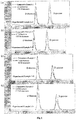
Fig.1 shows HPLC chromatograms obtained when D-fructose was converted to D-psicose using a D-psicose 3-epimerase in Comparative Example 1 and when D-fructose was converted to D-psicose using a D-psicose 3-epimerase in the presence of an aluminate in Example 1-1 ((a) 0.1 M D-fructose, (b) 1.7 M D-fructose, and (c) 2.8 M D-fructose) and Example 1-2 (d). -
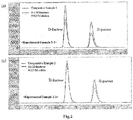
Fig.2 shows HPLC chromatograms obtained when D-fructose was converted to D-psicose using a D-psicose 3-epimerase in Comparative Example 2 and when D-fructose was converted to D-psicose using a D-psicose 3-epimerase in the presence of an iodate in Example 2-1 (a) and Example 2-2 (b). -
Fig.3 shows the conversion rates (%) of D-fructose to D-psicose using a D-psicose 3-epimerase in Comparative Example 1 and Examples 1-1 and 2-1 (a) and in Comparative Example 2 and Examples 1-2 and 2-2 (b). - The present invention will now be described in more detail. Disclosures that are not included herein will be readily recognized and appreciated by those skilled in the art, and thus their description is omitted.
- An enzymatic conversion reaction was carried out using Corynebacterium glutamicum (KCCM11403P), which is a recombinant strain known to express a variant of a psicose epimerase derived from Agrobacterium tumefaciens (see Korean Patent No.
10-1455759 - Thereafter, HPLC analysis was performed by loading the sample onto an Aminex HPX-87C column (Bio-Rad) at 80°C and allowing water as a mobile phase to flow at a rate of 0.6 ml/min through the column. The areas under the peaks corresponding to the substrate (D-fructose) of the psicose epimerase and the product (D-psicose) were compared and quantified to calculate conversion rate of D-fructose.
- As a result, the conversion rate to D-psicose by the enzymatic conversion method was 25% (Table 1).
- An enzymatic conversion reaction was carried out using a psicose epimerase derived from Kaistia granuli. The enzyme was produced by the following procedure. First, 5 ml of LB-ampicillin medium (Difco) was inoculated with recombinant strain (E. coli BL21(DE3)/KGDPE(KCCM11918P) expressing the psicose epimerase of SEQ ID NO: 4. The inoculum was cultured in an incubator at 37°C until an absorbance of 1.5 at 600 nm was reached. 500 ml of LB-ampicillin medium was inoculated with the culture broth, followed by main culture. When the absorbance of the culture at 600 nm reached 0.7, 0.5 mM IPTG was added to induce mass expression of the D-psicose 3-epimerase. Culture was continued at a temperature of 16°C with stirring at 150 rpm for 16 h. In order to purify the enzyme, the culture broth was centrifuged at 8000 rpm for 20 min to collect bacterial cells. The collected bacterial cells were washed twice with 0.85% (w/v) NaCl, suspended in a lysis buffer (50 mM Tris-HCl, pH 7.0, 300 mM NaCl), and disrupted at 4°C for 20 min using an ultrasonic homogenizer. The cell lysate was centrifuged at 13,000 rpm and 4°C for 20 min. The supernatant was collected, loaded onto a Ni-NTA Superflow column (Qiagen) pre-equilibrated with the lysis buffer. A buffer (50 mM Tris-HCl, 300 mM NaCl, pH 7.0) containing 20 mM imidazole and a buffer (50 mM Tris-HCl, 300 mM NaCl, pH 7.0) containing 250 mM imidazole were allowed to flow sequentially through the column. The monomer of the enzyme was found to have a molecular weight of -32 kDa, as determined by SDS-PAGE.
- 0.1 M D-fructose was dissolved in water and 10 mM MnCl2 was added thereto to prepare an enzyme reaction solution for enzymatic conversion reaction. To the enzyme reaction solution was added 0.4 mg/ml of the purified enzyme. The reaction was allowed to proceed at pH 8.0 and 55°C for 3 h.
- Thereafter, HPLC analysis was performed by loading the sample onto an Aminex HPX-87C column (Bio-Rad) at 80°C and allowing water as a mobile phase to flow at a rate of 0.6 ml/min through the column. The areas under the peaks corresponding to the substrate (D-fructose) of the psicose epimerase and the product (D-psicose) were compared and quantified to calculate conversion rate of D-fructose.
- As a result, the conversion rate to D-psicose by the enzymatic conversion method was 25% (Table 2).
- Raw materials were prepared in the same manner as in Comparative Example 1, except that the concentration of D-fructose was changed to 0.1 M, 1.7 M, and 2.8 M. 0.05 M, 0.85 M, and 1.4 M sodium aluminate (NaAlO2) were added to the raw materials containing 0.1 M, 1.7 M, and 2.8 M D-fructose, respectively. D-fructose was converted to D-psicose under the same conditions as described in Comparative Example 1. The conversion rates of D-fructose were analyzed in the same manner as described in Comparative Example 1.
- The results are shown in Table 1. As can be seen from Table 1, the conversion rate of 0.1 M D-fructose in the presence of sodium aluminate was 268% higher than in Comparative Example 1. The conversion rates of D-fructose at higher concentrations of 1.7 M and 2.8 M in the presence of sodium aluminate were 268% and 212% higher than in Comparative Example 1, respectively, indicating that the addition of the aluminate significantly increases the conversion rate to D-psicose (see (a) to (c) of
Fig. 1 and(a) of Fig. 3 ). - 50 mM sodium aluminate (NaAlO2) was added to the enzyme reaction solution containing 0.1 M D-fructose prepared in Comparative Example 2. D-fructose was converted to D-psicose under the same conditions as described in Comparative Example 2. The conversion rate of D-fructose was analyzed in the same manner as described in Comparative Example 2.
- The results are shown in Table 1. As can be seen from Table 1, the conversion rate of D-fructose in the presence of sodium aluminate was 200% higher than in Comparative Example 1, indicating that the addition of the aluminate significantly increases the conversion rate to D-psicose as in Example 1-1 (see (d) of
Fig. 1 and(b) of Fig. 3 ).[Table 1] Comparative Example 1 Comparative Example 2 Example 1-1 Example 1-2 D-fructose concentration (M) 0.1 0.1 0.1 1.7 2.8 0.1 Salt concentration (M) 0 0 0.05 0.85 1.4 0.05 Molar concentration ratio - - 0.5 0.5 0.5 0.5 Amount of D-fructose added (g/L) 18 18 18 300 500 18 Amount of D-psicose produced (g/L) 4.5 4.5 12 201 265 9 Conversion rate (%) 25 25 67 67 53 50 Relative conversion rate(%) - - 268 268 212 200 - 25 mM potassium iodate (KIO3) was added to the raw material containing 0.1 M D-fructose prepared in Comparative Example 1. D-fructose was converted to D-psicose under the same conditions as described in Comparative Example 1. The conversion rate of D-fructose was analyzed in the same manner as described in Comparative Example 1.
- As can be seen from Table 2, the conversion rate of D-fructose in the presence of potassium iodate was 208% higher than in Comparative Example 1, indicating that the addition of the iodate significantly increases the conversion rate to D-psicose (see (a) of
Fig. 2 and(a) of Fig. 3 ). - 25 mM potassium iodate (KIO3) was added to the raw material containing 0.1 M D-fructose prepared in Comparative Example 2. D-fructose was converted to D-psicose under the same conditions as described in Comparative Example 1. The conversion rate of fructose was analyzed in the same manner as described in Comparative Example 1.
- As can be seen from Table 2, the conversion rate of D-fructose in the presence of potassium iodate was 140% higher than in Comparative Example 1, indicating that the addition of the iodate significantly increases the conversion rate to D-psicose (see (b) of
Fig. 2 and(b) of Fig. 3 ).[Table 2] Comparative Example 1 Comparative Example 2 Example 2-1 Example 2-2 D-fructose concentration (M) 0.1 0.1 0.1 0.1 Salt concentration (M) 0 0 0.025 0.025 Molar concentration ratio - - 0.25 0.25 Amount of D-fructose added (g/L) 18 18 18 18 Amount of D-psicose produced (g/L) 4.5 4.5 9.3 6.3 Conversion rate (%) 25 25 52 35 Relative conversion rate (%) - - 208 140 - Although the particulars of the present invention have been described in detail, it will be obvious to those skilled in the art that such particulars are merely preferred embodiments and are not intended to limit the scope of the present invention. Therefore, the actual scope of the present invention is defined by the appended claims and their equivalents.


Claims (5)
- A composition for producing D-psicose, comprising (a) a D-psicose 3-epimerase, a strain expressing the enzyme or a culture of the strain and (b) at least one salt selected from the group consisting of aluminates and iodates.
- The composition according to claim 1, further comprising D-fructose.
- A method for producing D-psicose from D-fructose, comprising adding (b) at least one salt selected from the group consisting of aluminates and iodates to (a) a D-psicose 3-epimerase, a strain expressing the enzyme or a culture of the strain.
- A method for increasing the conversion rate of D-fructose to D-psicose using a D-psicose 3-epimerase, comprising adding (b) at least one salt selected from the group consisting of aluminates and iodates to (a) a D-psicose 3-epimerase, a strain expressing the enzyme or a culture of the strain.
- The method according to claim 3 or 4, further comprising adding D-fructose before or after or simultaneously with the addition of the salt.
Priority Applications (1)
| Application Number | Priority Date | Filing Date | Title |
|---|---|---|---|
| PL16879430T PL3395952T3 (en) | 2015-12-23 | 2016-12-23 | Composition for producing d-psicose comprising d-psicose 3-epimerase and salt and method for producing d-psicose using same |
Applications Claiming Priority (2)
| Application Number | Priority Date | Filing Date | Title |
|---|---|---|---|
| KR20150184869 | 2015-12-23 | ||
| PCT/KR2016/015250 WO2017111563A1 (en) | 2015-12-23 | 2016-12-23 | Composition for producing d-psicose comprising d-psicose 3-epimerase and salt and method for producing d-psicose using same |
Publications (3)
| Publication Number | Publication Date |
|---|---|
| EP3395952A1 true EP3395952A1 (en) | 2018-10-31 |
| EP3395952A4 EP3395952A4 (en) | 2019-09-18 |
| EP3395952B1 EP3395952B1 (en) | 2021-01-13 |
Family
ID=59089601
Family Applications (1)
| Application Number | Title | Priority Date | Filing Date |
|---|---|---|---|
| EP16879430.3A Active EP3395952B1 (en) | 2015-12-23 | 2016-12-23 | Composition for producing d-psicose comprising d-psicose 3-epimerase and salt and method for producing d-psicose using same |
Country Status (8)
| Country | Link |
|---|---|
| US (1) | US10550414B2 (en) |
| EP (1) | EP3395952B1 (en) |
| JP (1) | JP6507318B2 (en) |
| KR (1) | KR101807507B1 (en) |
| CN (1) | CN109563529B (en) |
| ES (1) | ES2861065T3 (en) |
| PL (1) | PL3395952T3 (en) |
| WO (1) | WO2017111563A1 (en) |
Cited By (3)
| Publication number | Priority date | Publication date | Assignee | Title |
|---|---|---|---|---|
| EP3298127A4 (en) * | 2015-05-22 | 2019-05-22 | Archer Daniels Midland Company | TYPE OF EPIMERASES TO CONVERT FRUCTOSE TO ALLULOSE AT HIGH TEMPERATURE AND LOW PH |
| CN110904132A (en) * | 2019-11-05 | 2020-03-24 | 吉林中粮生化有限公司 | Gene encoding D-psicose 3-epimerase, vector, recombinant cell and their application |
| EP3543345A4 (en) * | 2016-11-16 | 2020-07-29 | Cj Cheiljedang Corporation | Method for preparing d-psicose using microorganisms of genus kaistia |
Families Citing this family (7)
| Publication number | Priority date | Publication date | Assignee | Title |
|---|---|---|---|---|
| US11174475B2 (en) | 2016-11-16 | 2021-11-16 | Cj Cheiljedang Corporation | D-psicose 3-epimerase and method for preparing D-psicose using the same |
| BR112019013853A2 (en) | 2017-01-06 | 2020-01-28 | Greenlight Biosciences Inc | production of cell-free sugars |
| KR101965509B1 (en) * | 2017-11-15 | 2019-04-03 | 씨제이제일제당 (주) | A Novel D-Psicose 3-Epimerase and Methods for Preparing D-Psicose Using The Same |
| EP4680759A2 (en) | 2023-03-15 | 2026-01-21 | Annikki GmbH | Method for producing an aqueous solution containing l-psicose |
| EP4431614A1 (en) | 2023-03-15 | 2024-09-18 | Annikki GmbH | Process for the preparation of aqueous solutions containing d-psicose or l-psicose |
| EP4446422A3 (en) | 2023-03-15 | 2025-12-10 | Annikki GmbH | Process for producing an aqueous solution containing l-psicose |
| EP4464786A1 (en) | 2023-05-15 | 2024-11-20 | Annikki GmbH | Process for the preparation of aqueous solutions containing d-psicose or l-psicose |
Family Cites Families (12)
| Publication number | Priority date | Publication date | Assignee | Title |
|---|---|---|---|---|
| NL129459C (en) | 1961-11-11 | |||
| IT1235866B (en) | 1987-12-01 | 1992-11-23 | Sirac Srl | PROCESS FOR THE PREPARATION OF LACTOLOSE FROM LACTOSE BY EPIMERIZATION WITH SODIUM ALUMINATE |
| JP2876416B2 (en) | 1990-01-31 | 1999-03-31 | 株式会社林原生物化学研究所 | Method for producing D-psicose |
| KR0152947B1 (en) | 1995-06-30 | 1998-10-15 | 문정환 | Address buffer blocks noise |
| KR100744479B1 (en) | 2005-06-01 | 2007-08-01 | 씨제이 주식회사 | Method of producing Psychos by Psychos Epimerase |
| KR20090118465A (en) | 2008-05-14 | 2009-11-18 | 김주봉 | Composition for the prevention and treatment of brain diseases, including camphor ginseng extract as an active ingredient |
| KR101529916B1 (en) | 2008-09-02 | 2015-06-18 | 엘지전자 주식회사 | Portable terminal |
| KR20110035805A (en) | 2009-09-30 | 2011-04-06 | 씨제이제일제당 (주) | Immobilization of Pseudomonas-Epimerase and Method for Producing Psychos using the Same |
| KR101106253B1 (en) | 2009-10-16 | 2012-01-18 | 경상대학교산학협력단 | Escherichia coli comprising a polynucleotide encoding a Pycos 3-epimerase enzyme and a method for producing Pycos using the same |
| KR101203856B1 (en) | 2011-08-24 | 2012-11-21 | 씨제이제일제당 (주) | D-psicose 3-epimerase variants improved thermostability and continuous production of D-psicose using the variants |
| CN104769125B (en) * | 2012-08-10 | 2018-10-23 | 株式会社三养社 | Psicose epimerase and using its for being changed into the composition of psicose |
| KR101455759B1 (en) * | 2013-04-23 | 2014-10-28 | 씨제이제일제당(주) | D-psicose 3-epimerase variants and production method of D-psicose using them |
-
2016
- 2016-12-23 US US16/065,749 patent/US10550414B2/en active Active
- 2016-12-23 EP EP16879430.3A patent/EP3395952B1/en active Active
- 2016-12-23 PL PL16879430T patent/PL3395952T3/en unknown
- 2016-12-23 KR KR1020160178300A patent/KR101807507B1/en active Active
- 2016-12-23 CN CN201680075833.1A patent/CN109563529B/en active Active
- 2016-12-23 JP JP2018532426A patent/JP6507318B2/en active Active
- 2016-12-23 WO PCT/KR2016/015250 patent/WO2017111563A1/en not_active Ceased
- 2016-12-23 ES ES16879430T patent/ES2861065T3/en active Active
Cited By (3)
| Publication number | Priority date | Publication date | Assignee | Title |
|---|---|---|---|---|
| EP3298127A4 (en) * | 2015-05-22 | 2019-05-22 | Archer Daniels Midland Company | TYPE OF EPIMERASES TO CONVERT FRUCTOSE TO ALLULOSE AT HIGH TEMPERATURE AND LOW PH |
| EP3543345A4 (en) * | 2016-11-16 | 2020-07-29 | Cj Cheiljedang Corporation | Method for preparing d-psicose using microorganisms of genus kaistia |
| CN110904132A (en) * | 2019-11-05 | 2020-03-24 | 吉林中粮生化有限公司 | Gene encoding D-psicose 3-epimerase, vector, recombinant cell and their application |
Also Published As
| Publication number | Publication date |
|---|---|
| EP3395952A4 (en) | 2019-09-18 |
| JP2018537991A (en) | 2018-12-27 |
| CN109563529A (en) | 2019-04-02 |
| PL3395952T3 (en) | 2021-08-02 |
| KR101807507B1 (en) | 2017-12-12 |
| KR20170075672A (en) | 2017-07-03 |
| US20190136276A1 (en) | 2019-05-09 |
| CN109563529B (en) | 2022-04-19 |
| EP3395952B1 (en) | 2021-01-13 |
| ES2861065T3 (en) | 2021-10-05 |
| US10550414B2 (en) | 2020-02-04 |
| JP6507318B2 (en) | 2019-04-24 |
| WO2017111563A1 (en) | 2017-06-29 |
Similar Documents
| Publication | Publication Date | Title |
|---|---|---|
| EP3395952B1 (en) | Composition for producing d-psicose comprising d-psicose 3-epimerase and salt and method for producing d-psicose using same | |
| CN110062762B (en) | Method for efficiently producing psicose | |
| CN110036017B (en) | Method for producing psicose using recycling | |
| EP3006568B1 (en) | Production method for tagatose | |
| KR101695831B1 (en) | Saccharide mixture containing psicose with improved sweetness quality and crystallization | |
| EP3553069B1 (en) | Method for producing psicose | |
| TWI666323B (en) | A d-psicose 3-epimerase, methods for preparing d-psicose using the same, a polynucleotide encoding the same, a recombinant vector, a microorganism and a composition | |
| EP3378943A1 (en) | Method for producing psicose from fructose-containing substrate | |
| CN108368497B (en) | Hexanuronate C4-epimerase variants, nucleic acids, transformants and compositions and methods for making D-tagatose | |
| US9150938B2 (en) | Tagatose production from deproteinized whey and purification by continuous chromatography | |
| EP3333260A1 (en) | Hexuronate c4-epimerase mutant with improved conversion activity, and method for producing d-tagatose by using same | |
| KR20140080282A (en) | Method for preparing psicose from fructose by using D-psicose 3-epimerase | |
| EP4249595A1 (en) | Allulose epimerase variant with excellent thermal stability, preparation method therefor, and preparation method for allulose using same |
Legal Events
| Date | Code | Title | Description |
|---|---|---|---|
| STAA | Information on the status of an ep patent application or granted ep patent |
Free format text: STATUS: THE INTERNATIONAL PUBLICATION HAS BEEN MADE |
|
| PUAI | Public reference made under article 153(3) epc to a published international application that has entered the european phase |
Free format text: ORIGINAL CODE: 0009012 |
|
| STAA | Information on the status of an ep patent application or granted ep patent |
Free format text: STATUS: REQUEST FOR EXAMINATION WAS MADE |
|
| 17P | Request for examination filed |
Effective date: 20180622 |
|
| AK | Designated contracting states |
Kind code of ref document: A1 Designated state(s): AL AT BE BG CH CY CZ DE DK EE ES FI FR GB GR HR HU IE IS IT LI LT LU LV MC MK MT NL NO PL PT RO RS SE SI SK SM TR |
|
| AX | Request for extension of the european patent |
Extension state: BA ME |
|
| DAV | Request for validation of the european patent (deleted) | ||
| DAX | Request for extension of the european patent (deleted) | ||
| REG | Reference to a national code |
Ref country code: DE Ref legal event code: R079 Ref document number: 602016051538 Country of ref document: DE Free format text: PREVIOUS MAIN CLASS: C12P0019020000 Ipc: C07H0003020000 |
|
| A4 | Supplementary search report drawn up and despatched |
Effective date: 20190816 |
|
| RIC1 | Information provided on ipc code assigned before grant |
Ipc: C07H 3/02 20060101AFI20190809BHEP Ipc: C12N 9/90 20060101ALI20190809BHEP Ipc: C12P 19/02 20060101ALI20190809BHEP |
|
| GRAP | Despatch of communication of intention to grant a patent |
Free format text: ORIGINAL CODE: EPIDOSNIGR1 |
|
| STAA | Information on the status of an ep patent application or granted ep patent |
Free format text: STATUS: GRANT OF PATENT IS INTENDED |
|
| INTG | Intention to grant announced |
Effective date: 20200624 |
|
| GRAS | Grant fee paid |
Free format text: ORIGINAL CODE: EPIDOSNIGR3 |
|
| GRAJ | Information related to disapproval of communication of intention to grant by the applicant or resumption of examination proceedings by the epo deleted |
Free format text: ORIGINAL CODE: EPIDOSDIGR1 |
|
| GRAL | Information related to payment of fee for publishing/printing deleted |
Free format text: ORIGINAL CODE: EPIDOSDIGR3 |
|
| STAA | Information on the status of an ep patent application or granted ep patent |
Free format text: STATUS: REQUEST FOR EXAMINATION WAS MADE |
|
| INTC | Intention to grant announced (deleted) | ||
| GRAP | Despatch of communication of intention to grant a patent |
Free format text: ORIGINAL CODE: EPIDOSNIGR1 |
|
| STAA | Information on the status of an ep patent application or granted ep patent |
Free format text: STATUS: GRANT OF PATENT IS INTENDED |
|
| GRAA | (expected) grant |
Free format text: ORIGINAL CODE: 0009210 |
|
| STAA | Information on the status of an ep patent application or granted ep patent |
Free format text: STATUS: THE PATENT HAS BEEN GRANTED |
|
| INTG | Intention to grant announced |
Effective date: 20201124 |
|
| AK | Designated contracting states |
Kind code of ref document: B1 Designated state(s): AL AT BE BG CH CY CZ DE DK EE ES FI FR GB GR HR HU IE IS IT LI LT LU LV MC MK MT NL NO PL PT RO RS SE SI SK SM TR |
|
| REG | Reference to a national code |
Ref country code: GB Ref legal event code: FG4D |
|
| REG | Reference to a national code |
Ref country code: CH Ref legal event code: EP |
|
| REG | Reference to a national code |
Ref country code: DE Ref legal event code: R096 Ref document number: 602016051538 Country of ref document: DE |
|
| REG | Reference to a national code |
Ref country code: IE Ref legal event code: FG4D |
|
| REG | Reference to a national code |
Ref country code: AT Ref legal event code: REF Ref document number: 1354487 Country of ref document: AT Kind code of ref document: T Effective date: 20210215 |
|
| REG | Reference to a national code |
Ref country code: AT Ref legal event code: MK05 Ref document number: 1354487 Country of ref document: AT Kind code of ref document: T Effective date: 20210113 |
|
| REG | Reference to a national code |
Ref country code: NL Ref legal event code: MP Effective date: 20210113 |
|
| REG | Reference to a national code |
Ref country code: LT Ref legal event code: MG9D |
|
| PG25 | Lapsed in a contracting state [announced via postgrant information from national office to epo] |
Ref country code: LT Free format text: LAPSE BECAUSE OF FAILURE TO SUBMIT A TRANSLATION OF THE DESCRIPTION OR TO PAY THE FEE WITHIN THE PRESCRIBED TIME-LIMIT Effective date: 20210113 Ref country code: BG Free format text: LAPSE BECAUSE OF FAILURE TO SUBMIT A TRANSLATION OF THE DESCRIPTION OR TO PAY THE FEE WITHIN THE PRESCRIBED TIME-LIMIT Effective date: 20210413 Ref country code: FI Free format text: LAPSE BECAUSE OF FAILURE TO SUBMIT A TRANSLATION OF THE DESCRIPTION OR TO PAY THE FEE WITHIN THE PRESCRIBED TIME-LIMIT Effective date: 20210113 Ref country code: HR Free format text: LAPSE BECAUSE OF FAILURE TO SUBMIT A TRANSLATION OF THE DESCRIPTION OR TO PAY THE FEE WITHIN THE PRESCRIBED TIME-LIMIT Effective date: 20210113 Ref country code: GR Free format text: LAPSE BECAUSE OF FAILURE TO SUBMIT A TRANSLATION OF THE DESCRIPTION OR TO PAY THE FEE WITHIN THE PRESCRIBED TIME-LIMIT Effective date: 20210414 Ref country code: PT Free format text: LAPSE BECAUSE OF FAILURE TO SUBMIT A TRANSLATION OF THE DESCRIPTION OR TO PAY THE FEE WITHIN THE PRESCRIBED TIME-LIMIT Effective date: 20210513 Ref country code: NO Free format text: LAPSE BECAUSE OF FAILURE TO SUBMIT A TRANSLATION OF THE DESCRIPTION OR TO PAY THE FEE WITHIN THE PRESCRIBED TIME-LIMIT Effective date: 20210413 |
|
| PG25 | Lapsed in a contracting state [announced via postgrant information from national office to epo] |
Ref country code: SE Free format text: LAPSE BECAUSE OF FAILURE TO SUBMIT A TRANSLATION OF THE DESCRIPTION OR TO PAY THE FEE WITHIN THE PRESCRIBED TIME-LIMIT Effective date: 20210113 Ref country code: LV Free format text: LAPSE BECAUSE OF FAILURE TO SUBMIT A TRANSLATION OF THE DESCRIPTION OR TO PAY THE FEE WITHIN THE PRESCRIBED TIME-LIMIT Effective date: 20210113 Ref country code: RS Free format text: LAPSE BECAUSE OF FAILURE TO SUBMIT A TRANSLATION OF THE DESCRIPTION OR TO PAY THE FEE WITHIN THE PRESCRIBED TIME-LIMIT Effective date: 20210113 Ref country code: AT Free format text: LAPSE BECAUSE OF FAILURE TO SUBMIT A TRANSLATION OF THE DESCRIPTION OR TO PAY THE FEE WITHIN THE PRESCRIBED TIME-LIMIT Effective date: 20210113 |
|
| PG25 | Lapsed in a contracting state [announced via postgrant information from national office to epo] |
Ref country code: IS Free format text: LAPSE BECAUSE OF FAILURE TO SUBMIT A TRANSLATION OF THE DESCRIPTION OR TO PAY THE FEE WITHIN THE PRESCRIBED TIME-LIMIT Effective date: 20210513 |
|
| REG | Reference to a national code |
Ref country code: DE Ref legal event code: R097 Ref document number: 602016051538 Country of ref document: DE |
|
| PG25 | Lapsed in a contracting state [announced via postgrant information from national office to epo] |
Ref country code: SM Free format text: LAPSE BECAUSE OF FAILURE TO SUBMIT A TRANSLATION OF THE DESCRIPTION OR TO PAY THE FEE WITHIN THE PRESCRIBED TIME-LIMIT Effective date: 20210113 Ref country code: CZ Free format text: LAPSE BECAUSE OF FAILURE TO SUBMIT A TRANSLATION OF THE DESCRIPTION OR TO PAY THE FEE WITHIN THE PRESCRIBED TIME-LIMIT Effective date: 20210113 Ref country code: EE Free format text: LAPSE BECAUSE OF FAILURE TO SUBMIT A TRANSLATION OF THE DESCRIPTION OR TO PAY THE FEE WITHIN THE PRESCRIBED TIME-LIMIT Effective date: 20210113 |
|
| PLBE | No opposition filed within time limit |
Free format text: ORIGINAL CODE: 0009261 |
|
| STAA | Information on the status of an ep patent application or granted ep patent |
Free format text: STATUS: NO OPPOSITION FILED WITHIN TIME LIMIT |
|
| PG25 | Lapsed in a contracting state [announced via postgrant information from national office to epo] |
Ref country code: SK Free format text: LAPSE BECAUSE OF FAILURE TO SUBMIT A TRANSLATION OF THE DESCRIPTION OR TO PAY THE FEE WITHIN THE PRESCRIBED TIME-LIMIT Effective date: 20210113 Ref country code: DK Free format text: LAPSE BECAUSE OF FAILURE TO SUBMIT A TRANSLATION OF THE DESCRIPTION OR TO PAY THE FEE WITHIN THE PRESCRIBED TIME-LIMIT Effective date: 20210113 Ref country code: RO Free format text: LAPSE BECAUSE OF FAILURE TO SUBMIT A TRANSLATION OF THE DESCRIPTION OR TO PAY THE FEE WITHIN THE PRESCRIBED TIME-LIMIT Effective date: 20210113 |
|
| 26N | No opposition filed |
Effective date: 20211014 |
|
| PG25 | Lapsed in a contracting state [announced via postgrant information from national office to epo] |
Ref country code: AL Free format text: LAPSE BECAUSE OF FAILURE TO SUBMIT A TRANSLATION OF THE DESCRIPTION OR TO PAY THE FEE WITHIN THE PRESCRIBED TIME-LIMIT Effective date: 20210113 |
|
| PG25 | Lapsed in a contracting state [announced via postgrant information from national office to epo] |
Ref country code: SI Free format text: LAPSE BECAUSE OF FAILURE TO SUBMIT A TRANSLATION OF THE DESCRIPTION OR TO PAY THE FEE WITHIN THE PRESCRIBED TIME-LIMIT Effective date: 20210113 |
|
| PG25 | Lapsed in a contracting state [announced via postgrant information from national office to epo] |
Ref country code: IS Free format text: LAPSE BECAUSE OF FAILURE TO SUBMIT A TRANSLATION OF THE DESCRIPTION OR TO PAY THE FEE WITHIN THE PRESCRIBED TIME-LIMIT Effective date: 20210513 |
|
| PG25 | Lapsed in a contracting state [announced via postgrant information from national office to epo] |
Ref country code: MC Free format text: LAPSE BECAUSE OF FAILURE TO SUBMIT A TRANSLATION OF THE DESCRIPTION OR TO PAY THE FEE WITHIN THE PRESCRIBED TIME-LIMIT Effective date: 20210113 |
|
| REG | Reference to a national code |
Ref country code: CH Ref legal event code: PL |
|
| PG25 | Lapsed in a contracting state [announced via postgrant information from national office to epo] |
Ref country code: LU Free format text: LAPSE BECAUSE OF NON-PAYMENT OF DUE FEES Effective date: 20211223 Ref country code: IE Free format text: LAPSE BECAUSE OF NON-PAYMENT OF DUE FEES Effective date: 20211223 |
|
| PG25 | Lapsed in a contracting state [announced via postgrant information from national office to epo] |
Ref country code: LI Free format text: LAPSE BECAUSE OF NON-PAYMENT OF DUE FEES Effective date: 20211231 Ref country code: CH Free format text: LAPSE BECAUSE OF NON-PAYMENT OF DUE FEES Effective date: 20211231 |
|
| PG25 | Lapsed in a contracting state [announced via postgrant information from national office to epo] |
Ref country code: IT Free format text: LAPSE BECAUSE OF NON-PAYMENT OF DUE FEES Effective date: 20211223 |
|
| REG | Reference to a national code |
Ref country code: DE Ref legal event code: R082 Ref document number: 602016051538 Country of ref document: DE Representative=s name: CBDL PATENTANWAELTE GBR, DE Ref country code: DE Ref legal event code: R082 Ref document number: 602016051538 Country of ref document: DE Representative=s name: CBDL PATENTANWAELTE EGBR, DE |
|
| PG25 | Lapsed in a contracting state [announced via postgrant information from national office to epo] |
Ref country code: NL Free format text: LAPSE BECAUSE OF NON-PAYMENT OF DUE FEES Effective date: 20210113 Ref country code: CY Free format text: LAPSE BECAUSE OF FAILURE TO SUBMIT A TRANSLATION OF THE DESCRIPTION OR TO PAY THE FEE WITHIN THE PRESCRIBED TIME-LIMIT Effective date: 20210113 |
|
| P01 | Opt-out of the competence of the unified patent court (upc) registered |
Effective date: 20230606 |
|
| PG25 | Lapsed in a contracting state [announced via postgrant information from national office to epo] |
Ref country code: HU Free format text: LAPSE BECAUSE OF FAILURE TO SUBMIT A TRANSLATION OF THE DESCRIPTION OR TO PAY THE FEE WITHIN THE PRESCRIBED TIME-LIMIT; INVALID AB INITIO Effective date: 20161223 |
|
| PG25 | Lapsed in a contracting state [announced via postgrant information from national office to epo] |
Ref country code: MK Free format text: LAPSE BECAUSE OF FAILURE TO SUBMIT A TRANSLATION OF THE DESCRIPTION OR TO PAY THE FEE WITHIN THE PRESCRIBED TIME-LIMIT Effective date: 20210113 |
|
| PG25 | Lapsed in a contracting state [announced via postgrant information from national office to epo] |
Ref country code: MT Free format text: LAPSE BECAUSE OF FAILURE TO SUBMIT A TRANSLATION OF THE DESCRIPTION OR TO PAY THE FEE WITHIN THE PRESCRIBED TIME-LIMIT Effective date: 20210113 |
|
| PGFP | Annual fee paid to national office [announced via postgrant information from national office to epo] |
Ref country code: PL Payment date: 20250825 Year of fee payment: 10 |
|
| PGFP | Annual fee paid to national office [announced via postgrant information from national office to epo] |
Ref country code: BE Payment date: 20250820 Year of fee payment: 10 |
|
| PGFP | Annual fee paid to national office [announced via postgrant information from national office to epo] |
Ref country code: FR Payment date: 20250821 Year of fee payment: 10 |
|
| PG25 | Lapsed in a contracting state [announced via postgrant information from national office to epo] |
Ref country code: TR Free format text: LAPSE BECAUSE OF FAILURE TO SUBMIT A TRANSLATION OF THE DESCRIPTION OR TO PAY THE FEE WITHIN THE PRESCRIBED TIME-LIMIT Effective date: 20210113 |
|
| PGFP | Annual fee paid to national office [announced via postgrant information from national office to epo] |
Ref country code: DE Payment date: 20250820 Year of fee payment: 10 |
|
| PGFP | Annual fee paid to national office [announced via postgrant information from national office to epo] |
Ref country code: GB Payment date: 20251001 Year of fee payment: 10 |
|
| PGFP | Annual fee paid to national office [announced via postgrant information from national office to epo] |
Ref country code: ES Payment date: 20260122 Year of fee payment: 10 |