EP3394271B1 - Stabile integration von sin-lentiviralen transfer-vektoren - Google Patents
Stabile integration von sin-lentiviralen transfer-vektoren Download PDFInfo
- Publication number
- EP3394271B1 EP3394271B1 EP16819072.6A EP16819072A EP3394271B1 EP 3394271 B1 EP3394271 B1 EP 3394271B1 EP 16819072 A EP16819072 A EP 16819072A EP 3394271 B1 EP3394271 B1 EP 3394271B1
- Authority
- EP
- European Patent Office
- Prior art keywords
- resistance gene
- lentiviral
- promoter
- sin
- cell line
- Prior art date
- Legal status (The legal status is an assumption and is not a legal conclusion. Google has not performed a legal analysis and makes no representation as to the accuracy of the status listed.)
- Active
Links
Images

Classifications
-
- C—CHEMISTRY; METALLURGY
- C12—BIOCHEMISTRY; BEER; SPIRITS; WINE; VINEGAR; MICROBIOLOGY; ENZYMOLOGY; MUTATION OR GENETIC ENGINEERING
- C12N—MICROORGANISMS OR ENZYMES; COMPOSITIONS THEREOF; PROPAGATING, PRESERVING, OR MAINTAINING MICROORGANISMS; MUTATION OR GENETIC ENGINEERING; CULTURE MEDIA
- C12N15/00—Mutation or genetic engineering; DNA or RNA concerning genetic engineering, vectors, e.g. plasmids, or their isolation, preparation or purification; Use of hosts therefor
- C12N15/09—Recombinant DNA-technology
- C12N15/63—Introduction of foreign genetic material using vectors; Vectors; Use of hosts therefor; Regulation of expression
- C12N15/79—Vectors or expression systems specially adapted for eukaryotic hosts
- C12N15/85—Vectors or expression systems specially adapted for eukaryotic hosts for animal cells
- C12N15/86—Viral vectors
-
- C—CHEMISTRY; METALLURGY
- C12—BIOCHEMISTRY; BEER; SPIRITS; WINE; VINEGAR; MICROBIOLOGY; ENZYMOLOGY; MUTATION OR GENETIC ENGINEERING
- C12N—MICROORGANISMS OR ENZYMES; COMPOSITIONS THEREOF; PROPAGATING, PRESERVING, OR MAINTAINING MICROORGANISMS; MUTATION OR GENETIC ENGINEERING; CULTURE MEDIA
- C12N2740/00—Reverse transcribing RNA viruses
- C12N2740/00011—Details
- C12N2740/10011—Retroviridae
- C12N2740/15011—Lentivirus, not HIV, e.g. FIV, SIV
- C12N2740/15041—Use of virus, viral particle or viral elements as a vector
- C12N2740/15043—Use of virus, viral particle or viral elements as a vector viral genome or elements thereof as genetic vector
-
- C—CHEMISTRY; METALLURGY
- C12—BIOCHEMISTRY; BEER; SPIRITS; WINE; VINEGAR; MICROBIOLOGY; ENZYMOLOGY; MUTATION OR GENETIC ENGINEERING
- C12N—MICROORGANISMS OR ENZYMES; COMPOSITIONS THEREOF; PROPAGATING, PRESERVING, OR MAINTAINING MICROORGANISMS; MUTATION OR GENETIC ENGINEERING; CULTURE MEDIA
- C12N2740/00—Reverse transcribing RNA viruses
- C12N2740/00011—Details
- C12N2740/10011—Retroviridae
- C12N2740/15011—Lentivirus, not HIV, e.g. FIV, SIV
- C12N2740/15041—Use of virus, viral particle or viral elements as a vector
- C12N2740/15044—Chimeric viral vector comprising heterologous viral elements for production of another viral vector
-
- C—CHEMISTRY; METALLURGY
- C12—BIOCHEMISTRY; BEER; SPIRITS; WINE; VINEGAR; MICROBIOLOGY; ENZYMOLOGY; MUTATION OR GENETIC ENGINEERING
- C12N—MICROORGANISMS OR ENZYMES; COMPOSITIONS THEREOF; PROPAGATING, PRESERVING, OR MAINTAINING MICROORGANISMS; MUTATION OR GENETIC ENGINEERING; CULTURE MEDIA
- C12N2740/00—Reverse transcribing RNA viruses
- C12N2740/00011—Details
- C12N2740/10011—Retroviridae
- C12N2740/15011—Lentivirus, not HIV, e.g. FIV, SIV
- C12N2740/15051—Methods of production or purification of viral material
- C12N2740/15052—Methods of production or purification of viral material relating to complementing cells and packaging systems for producing virus or viral particles
-
- C—CHEMISTRY; METALLURGY
- C12—BIOCHEMISTRY; BEER; SPIRITS; WINE; VINEGAR; MICROBIOLOGY; ENZYMOLOGY; MUTATION OR GENETIC ENGINEERING
- C12N—MICROORGANISMS OR ENZYMES; COMPOSITIONS THEREOF; PROPAGATING, PRESERVING, OR MAINTAINING MICROORGANISMS; MUTATION OR GENETIC ENGINEERING; CULTURE MEDIA
- C12N2740/00—Reverse transcribing RNA viruses
- C12N2740/00011—Details
- C12N2740/10011—Retroviridae
- C12N2740/16011—Human Immunodeficiency Virus, HIV
- C12N2740/16041—Use of virus, viral particle or viral elements as a vector
- C12N2740/16043—Use of virus, viral particle or viral elements as a vector viral genome or elements thereof as genetic vector
-
- C—CHEMISTRY; METALLURGY
- C12—BIOCHEMISTRY; BEER; SPIRITS; WINE; VINEGAR; MICROBIOLOGY; ENZYMOLOGY; MUTATION OR GENETIC ENGINEERING
- C12N—MICROORGANISMS OR ENZYMES; COMPOSITIONS THEREOF; PROPAGATING, PRESERVING, OR MAINTAINING MICROORGANISMS; MUTATION OR GENETIC ENGINEERING; CULTURE MEDIA
- C12N2740/00—Reverse transcribing RNA viruses
- C12N2740/00011—Details
- C12N2740/10011—Retroviridae
- C12N2740/16011—Human Immunodeficiency Virus, HIV
- C12N2740/16041—Use of virus, viral particle or viral elements as a vector
- C12N2740/16044—Chimeric viral vector comprising heterologous viral elements for production of another viral vector
-
- C—CHEMISTRY; METALLURGY
- C12—BIOCHEMISTRY; BEER; SPIRITS; WINE; VINEGAR; MICROBIOLOGY; ENZYMOLOGY; MUTATION OR GENETIC ENGINEERING
- C12N—MICROORGANISMS OR ENZYMES; COMPOSITIONS THEREOF; PROPAGATING, PRESERVING, OR MAINTAINING MICROORGANISMS; MUTATION OR GENETIC ENGINEERING; CULTURE MEDIA
- C12N2740/00—Reverse transcribing RNA viruses
- C12N2740/00011—Details
- C12N2740/10011—Retroviridae
- C12N2740/16011—Human Immunodeficiency Virus, HIV
- C12N2740/16051—Methods of production or purification of viral material
- C12N2740/16052—Methods of production or purification of viral material relating to complementing cells and packaging systems for producing virus or viral particles
-
- C—CHEMISTRY; METALLURGY
- C12—BIOCHEMISTRY; BEER; SPIRITS; WINE; VINEGAR; MICROBIOLOGY; ENZYMOLOGY; MUTATION OR GENETIC ENGINEERING
- C12N—MICROORGANISMS OR ENZYMES; COMPOSITIONS THEREOF; PROPAGATING, PRESERVING, OR MAINTAINING MICROORGANISMS; MUTATION OR GENETIC ENGINEERING; CULTURE MEDIA
- C12N2750/00—MICROORGANISMS OR ENZYMES; COMPOSITIONS THEREOF; PROPAGATING, PRESERVING, OR MAINTAINING MICROORGANISMS; MUTATION OR GENETIC ENGINEERING; CULTURE MEDIA ssDNA viruses
- C12N2750/00011—Details
- C12N2750/14011—Parvoviridae
- C12N2750/14111—Dependovirus, e.g. adenoassociated viruses
- C12N2750/14141—Use of virus, viral particle or viral elements as a vector
- C12N2750/14143—Use of virus, viral particle or viral elements as a vector viral genome or elements thereof as genetic vector
-
- C—CHEMISTRY; METALLURGY
- C12—BIOCHEMISTRY; BEER; SPIRITS; WINE; VINEGAR; MICROBIOLOGY; ENZYMOLOGY; MUTATION OR GENETIC ENGINEERING
- C12N—MICROORGANISMS OR ENZYMES; COMPOSITIONS THEREOF; PROPAGATING, PRESERVING, OR MAINTAINING MICROORGANISMS; MUTATION OR GENETIC ENGINEERING; CULTURE MEDIA
- C12N2750/00—MICROORGANISMS OR ENZYMES; COMPOSITIONS THEREOF; PROPAGATING, PRESERVING, OR MAINTAINING MICROORGANISMS; MUTATION OR GENETIC ENGINEERING; CULTURE MEDIA ssDNA viruses
- C12N2750/00011—Details
- C12N2750/14011—Parvoviridae
- C12N2750/14111—Dependovirus, e.g. adenoassociated viruses
- C12N2750/14141—Use of virus, viral particle or viral elements as a vector
- C12N2750/14144—Chimeric viral vector comprising heterologous viral elements for production of another viral vector
-
- C—CHEMISTRY; METALLURGY
- C12—BIOCHEMISTRY; BEER; SPIRITS; WINE; VINEGAR; MICROBIOLOGY; ENZYMOLOGY; MUTATION OR GENETIC ENGINEERING
- C12N—MICROORGANISMS OR ENZYMES; COMPOSITIONS THEREOF; PROPAGATING, PRESERVING, OR MAINTAINING MICROORGANISMS; MUTATION OR GENETIC ENGINEERING; CULTURE MEDIA
- C12N2830/00—Vector systems having a special element relevant for transcription
- C12N2830/36—Vector systems having a special element relevant for transcription being a transcription termination element
Definitions
- the present invention relates to the field of the production of lentiviral vectors (LV) for gene therapy. More particularly, the invention relates to a system to obtain the stable integration of a Self Inactivating (SIN) lentiviral transfer vector into a packaging cell line.
- the SIN lentiviral transfer vector is integrated using a DNA fragment containing the Inverted Terminal Repeats (ITR) of Adeno Associated Virus (AAV), thus obtaining the stable producer cell line for SIN lentiviral vectors.
- ITR Inverted Terminal Repeats
- AAV Adeno Associated Virus
- stable LV packaging cells differing, essentially, for the delivery of the packaging genes, i.e. plasmids vs integrating vectors, and different nature of the pseudo-typing envelope.
- the prior art also includes Di Nunzio et al, HUMAN GENE THERAPY, vol. 18, no. 9, 1 2007, 811-820 , disclosing the pseudotyping of lentiviral vectors with the RD114-TR glycoprotein (and being applied to a SIN-GFP transfer vector).
- the present invention is related to the field of production of Self Inactivating Lentiviral Vectors (SIN LV).
- SIN LV Self Inactivating Lentiviral Vectors
- gene therapy clinical trials are ongoing employing SIN-LV as gene delivery vehicles.
- this kind of vectors should be regarded as vectors of choice in clinical trials.
- the production of SIN LV is still based on transient protocols.
- One of the key issue to be resolved for the development of stable producer cell line for SIN LV is the development of a simple system that allows the stable integration of SIN transfer vectors.
- the present invention provides a new strategy to integrate lentiviral SIN transfer vector into the genome of packaging cell lines, which already contain structural lentiviral protein (gag/pol) the regulatory protein rev and the envelope protein of choice.
- Such strategy is based on the transfection of DNA fragments comprising the Inverted Terminal Repeats (ITR) of the Adeno-Associated Virus (AAV) at the extremities 5' and 3' flanking a complex construct containing at least a SIN transfer vector and an antibiotic resistance gene, that is positioned downstream of the lentiviral 3' LTR and is expressed by an independent promoter.
- ITR Inverted Terminal Repeats
- AAV Adeno-Associated Virus
- a system for stable integration of a SIN lentiviral transfer vector into a packaging cell line wherein such a system consists of a DNA fragment comprising the following elements, starting from the 5' end:
- the SIN lentiviral transfer vector comprises at position 5' the entire lentiviral Long Terminal Repeat (LTR) and, at position 3', a deletion of the enhancer and promoter sequences of the lentiviral LTR.
- LTR Long Terminal Repeat
- the SIN lentiviral transfer vector comprises at position 5' a lentiviral LTR in which the U3 segment has been substituted by a promoter and, at position 3', a deletion of the enhancer and promoter sequences of the lentiviral LTR.
- the substituted promoter is selected from CMV, CMV IE, PGK, SV40, eF1 ⁇ SFFV and RSV more preferably the promoter is a CMV IE promoter.
- the antibiotic resistance gene employed in the system is selected from hygromycin, kanamycin, neomycin, bleomycin, phleomycin or Zeocin® resistance gene, preferably the Zeocin® resistance gene.
- a producer cell line for SIN lentiviral vectors comprising:
- the SIN lentiviral transfer vector comprises at position 5' the entire lentiviral Long Terminal Repeat (LTR) and, at position 3', a deletion of the enhancer and promoter sequences of the lentiviral LTR.
- LTR Long Terminal Repeat
- the SIN lentiviral transfer vector comprises at position 5' a lentiviral LTR in which the U3 segment has been substituted by a promoter and, at position 3', a deletion of the enhancer and promoter sequences of the lentiviral LTR.
- the substituted promoter is selected from CMV, CMV IE, PGK, SV40, eF1 ⁇ SFFV and RSV, more preferably the promoter is a CMV IE promoter.
- the antibiotic resistance gene employed in the system is selected from hygromycin, kanamycin, neomycin, bleomycin, phleomycin or Zeocin® resistance gene, preferably the Zeocin® resistance gene.
- the packaging cell line is a stable packaging cell line obtained from an host cell line containing into its genome lentiviral gag/pol, lentiviral rev and an envelope protein.
- the packaging cell line further, contains lentiviral tat stably integrated into the genome of the cell.
- the host cell line is a human cell line preferably selected from HEK293, HEK293-T, HEK293-SF, TE671, HT1080 or HeLa, more preferably the cell line is HEK293-T.
- the env gene is selected from VSV-G env, MLV 4070 env, RD114 env, chimeric envelope protein RD114-TR, chimeric envelope protein RD114pro, baculovirus GP64 env or GALV env or derivatives thereof, more preferably the env gene is the gene encoding the RD114-TR.
- the producer cell line for SIN lentiviral vectors obtainable by the method above.
- a producer cell line containing into its genome at least one copy of a DNA fragment comprising, starting from the 5' end:
- a method to produce SIN lentiviral vectors comprising culturing a producer cell line containing into its genome at least one copy of a DNA fragment comprising starting from the 5' end:
- the present invention provides a new strategy to obtain a stable producer cell line necessary for the production of Self Inactivated (SIN) lentiviral vectors.
- stable producer cell line means a packaging cell line for lentiviral vectors in which at least one copy of a lentiviral transfer vector has been introduced, and stably integrated into its genome.
- packaging cell line means an host cell line containing into its genome lentiviral structural protein gag/pol, the regulatory lentiviral protein rev, and the envelope protein of interest.
- envelope protein is selected from the group consisting of VSV-G env, MLV 4070 env, RD114 env, chimeric envelope protein RD114-TR, chimeric envelope protein RD114pro, baculovirus GP64 env or GALV env.
- the packaging cell line may further contain stably integrated into its genome the lentiviral protein tat.
- lentiviral transfer vector means a construct containing the gene of interest flanked at least by the lentiviral sequences necessary for the packaging into the virions (i.e: psi signals) and for integration into the genome of the transduced cell (i.e.: 5' and 3' Long Terminal Repeats, LTR).
- the lentiviral transfer vector construct is a DNA fragment including at least the following components starting from the 5'end: the lentiviral 5' LTR, the splice donor site (SD), the packaging sequence (psi, ⁇ ), the truncated gag sequence, and the lentiviral Rev Responsive Element (RRE) the splice acceptor site (SA), a gene of interest whose expression is regulated by an independent promoter and the lentiviral 3' LTR.
- additional elements may be included in the transfer vector such as a WPRE or the central polypurine tract (cPPT).
- the 5' LTR of the transfer vector may be modified in such a way that the U3 region of the 5' LTR may be substituted by a constitutive promoter selected from CMV, CMV IE, PGK, SV40, eF1 ⁇ SFFV and RSV so as to obtain a third generation lentiviral vector.
- a constitutive promoter selected from CMV, CMV IE, PGK, SV40, eF1 ⁇ SFFV and RSV
- the systems developed according to the present invention are aimed to the stable production of the so-called SIN lentiviral vectors, characterized in that they contain a 3'LTR with a deletion of the lentiviral enhancer and promoter sequences.
- the SIN lentiviral vector contains a deletion of 400 nucleotides in the 3'LTR as disclosed in Zuffrey et al. 1998. Self-inactivation relies on the presence of this deletion that, during the reverse transcription, is transferred to the 5' LTR of the proviral DNA thus rendering the viral genome integrated into the transduced cell unable to be further transcribed.
- SIN lentiviral vector requires the use of a transfer vector containing a deletion of lentiviral enhancer and promoter sequences in the 3' LTR. Because of this structure, the introduction of SIN transfer vectors into packaging cell lines cannot be accomplished with the traditional method of viral transduction that, by virtue off the inactivating deletion, results to be incompatible with the integration of a functional transfer vector.
- the present invention provides a new system for efficient integration of a SIN transfer vector into the genome of a packaging cell line in order to obtain a stable producer cell line.
- the system consists of a DNA fragment comprising, starting from the 5' end:
- the DNA fragment may be linear or circular.
- the DNA fragment may results from the linearization of a plasmid containing the above-mentioned components.
- the DNA fragment may contain only the sequences between the two AAV-ITRs.
- the presence of the AAV ITRs allows for the stable integration into the genome of the packaging cell line.
- the antibiotic resistance gene is positioned out of the lentiviral LTR, particularly downstream the lentiviral 3'LTR. Thanks to this configuration, it is possible to select the cell clones in which the foreign gene is stably integrated, without incorporating the antibiotic resistance gene into the final viral vector.
- packaging cell lines have been disclosed in the art, that differ from each other only for the integration system of the lentiviral structural gag/pol, the regulatory protein rev as well as the envelope protein.
- WO 04/22761 discloses packaging cell line in which lentiviral structural protein are integrated into the host cell by transduction with gamma retroviral vectors, while Throm et al. 2009 employ SIN gamma retroviral vectors.
- WO 2012/028681 the integration of gag/pol and rev is obtained using of a complex construct with two independent expression cassettes incorporated in a baculo AAV hybrid vector, in WO2013121194 lentiviral gag/pol is integrated by site specific recombination.
- stable packaging cell line can be used to obtain a stable producer cell line by transfecting the DNA fragments according to the present invention containing a SIN lentiviral transfer vector followed by an expression cassette with an antibiotic resistance gene, such fragment flanked by AAV ITRs.
- a producer cell line for SIN lentiviral vector containing into its genome at least one copy of a DNA fragment comprising, starting from the 5' end, at least the following components:
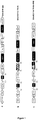
- FIG. 1 (a) Scheme of the SIN-GFP TV.
- AAV-ITR Adeno-Associated Virus-Inverted Terminal Repeat
- CMV cytomegalovirus promoter
- ⁇ U3, deleted U3, RRE rev responsive element
- SD splice donor
- SA splice acceptor
- ⁇ packaging signal
- WPRE Woodchuck Hepatitis Post-Transcriptional Regulatory Element
- cPPT central PolyPurine Tract
- SV40-P Simian Virus 40 promoter
- zeoR zeocin resistance gene.
- CMV cytomegalovirus promoter
- ⁇ U3, deleted U3 IN, intron
- BGI rabbit beta-globin intron
- RRE Rev Responsive Element
- A polyA sequence
- IRES internal ribosome entry site
- SD splice donor
- SA splice acceptor
- ⁇ packaging signal
- WPRE woodchuck hepatitis post-transcriptional regulatory element
- cPPT central Poly-Purine Tract.
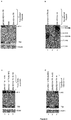
- FIG. 2 Analysis of the vector proteins in the producer cells and in the corresponding LVs.
- Western blot analysis of cellular extracts 35 ⁇ g/sample) obtained from RD3-MolPack24 (a) and RD2-MolPack64 (b) producer cells and from the corresponding supernatants containing viral particles (100 ng p24Gag/sample).
- the membranes were hybridized sequentially with an anti-HIV human serum and the indicated anti-Rev, anti-Tat and anti-RD114-TR specific Abs and, after stripping, with the anti-actin Ab.
- the asterisk (*) indicates a non specific band.
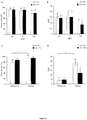
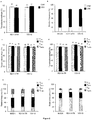
- FIG. 3 Transduction efficiency of activated peripheral blood T lymphocytes with either RD3-MolPack24 or VSV-G pseudo-typed SIN-GFP-zeo LVs.
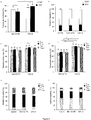
- FIG. 4 Transduction efficiency of activated peripheral blood T lymphocyte subsets with either RD3-MolPack24 or VSV-G pseudo-typed SIN-GFP-zeo LVs.
- PBMC peripheral blood mononuclear cells
- T lymphocytes were then transduced with 36-ng p24Gag equivalent of RD3-MolPack24 LVs and six days after transduction, GFP expression was evaluated in CD3+/CD8+ and CD3+/CD8- T cell subsets (a), and in T cell memory subpopulations of CD3+/CD8+ and CD3+/CD8- T cell subsets (c) and (d) by FACS analysis.
- TCM T central memory
- TSCM T Stem Cell Memory
- TEM T Effector Memory
- TEMRA T Effector Memory RA+
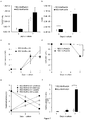
- FIG. 5 Transduction efficiency of activated PB T lymphocytes with either RD3-MolPack24 or VSV-G pseudo-typed SIN-GFP-zeo LVs at MOI 25.
- FIG. 6 Transduction efficiency of activated PB T lymphocyte subsets with either RD3-MolPack24 or VSV-G pseudo-typed SIN-GFP-zeo LVs at MOI 25.
- T lymphocytes were then transduced with the RD3-MolPack24 LVs at MOI 25 and six days after transduction, GFP expression was evaluated in CD3+/CD8+ and CD3+/CD8- T cell subsets (a), and in T cell memory subpopulations of CD3+/CD8+ and CD3+/CD8- T cell subsets (c) and (d) by FACS analysis. (b) Relative frequency of CD3+/CD8+ and CD3+/CD8- T cell subsets in LV- and mock-transduced cells.
- TCM Central Memory
- TSCM T Stem Cell Memory
- TEM T Effector Memory
- TEMRA+ T Effector Memory RA+
- FIG. 7 Quantification of LV production and cell metabolism of RD3-MolPack24 and RD2-MolPack64 cells.
- Example I Derivation of several RD3-MolPack-SIN-GFP producer cells
- the producer cell line RD3-MolPack-SIN-GFP were obtained starting from the packaging cell line RD-MolPack disclosed in WO2012028681 .
- RD-Molpack packaging cell line were obtained by serially loading traced HEK-293T cells with all vector genes: first HIV-1 gag, pol, rev and hygro-resistance genes by a chimeric baculo-AAV vector, thereby obtaining the so-called PK-7 clone.
- the rd114-tr gene was later introduced in PK-7 cells by SIN-LV delivery.
- PK-7 cells were transduced with VSV-G pseudo-typed transiently derived LVs containing the SIN-RD114-TR-IN and SIN-RD114-TR-IN-RRE transfer vectors ( Fig. 1b and c ), to generate different RD3-MolPack packaging cells.
- PK-7-RD314 and PK-7-RD28 cells containing 6 copies of the SIN-RD114-TR-IN and 12 copies of the SIN-RD114-TR-IN-RRE, respectively, were chosen as two independent RD3-MolPack packaging cells (Table 1).
- Table 1 Vector copy number a of integrated genes in RD-MolPack packaging and producer cells RD-MolPack packaging Gag/Pol/Rev Tat RD114-TR RD-MolPack producer SIN-GFP-zeo PK-7-RD314 (RD114-TR-IN) 2 n.a.
- RD3-MolPack1 15.7 PK-7-RD28 (RD114-TR-IN-RRE) 2 n.a. 12.0 RD3-MolPack24 48.0 PK-7-RD28 (RD114-TR-IN-RRE) 2 n.a. 12.0 RD3-MolPack28 119.0 PK-7-Tat7-RD19 (RD114-TR-IN-RRE) 2 6 13.0 RD2-MolPack64 2.70 a
- the vector copy number (VCN) was calculated by Q-PCR at least in three independent experiments using specific primers and probe sets, as reported in the supplementary material. n.a., not applicable.
- the final step to obtain a prototypic 3rd-generation RD3-MolPack producer cells for SIN-LVs consisted in introducing the SIN-TV into either PK-7-RD314 or PK-7-RD28 packaging cells. Contrary to 2nd-generation producers, in which the LTR-TV is integrated by transduction, in 3rd-generation cells, this method cannot be applied because by doing so the TV is self-inactivated at the 5'LTR. The SIN-TV must be therefore integrated by stable transfection.
- the SIN-GFP-zeo transfer vector (TV) is disclosed in Fig. 1a .
- the transfer vector includes a SIN GFP cassette containing a CMV promoter followed by a ⁇ U3 lentiviral 5'LTR, the fragment between the splice donor and SA sites including the packaging signal ⁇ and the lentiviral RRE (Dull et al. 1998); the central PolyPurine Tract (cPPT) (Follenzi et al. 2000); and the Woodchuck Hepatitis Post-Transcriptional Regulatory Element (WPRE) a Self Inactivating lentiviral 3' LTR, containing a deletion of 400 nucleotides in the 3'LTR (Zuffrey et al. 1998).
- This construct was cloned into pBSAAVzeo plasmid, generating an intermediate SIN-GFP-zeo construct in which the TV is also flanked by two Adeno-Associated Virus (AAV)-Inverted Terminal Repeats (ITRs) (Palombo et al. 1998) and contains an SV40P-zeocin expression cassette downstream the 3' ⁇ U3-LTR ( Fig. 1a ).
- AAV Adeno-Associated Virus
- ITRs Adeno-Associated Virus-Inverted Terminal Repeats
- the SIN-GFP-zeo TV plasmid was then linearized by Pstl to generate the SIN-GFP-zeo DNA fragment which was transfected in three independent RD-MolPack packaging cells: the 3rd-generation PK-7-RD314 and PK-7-RD28 described above and the 2nd-generation PK-7-Tat7-RD19 (i.e. RD2-MolPack) cells previously described in WO2012028681 .
- the transfection was performed using kit Promega: ProFection® Mammalian Transfection System-Calcium Phosphate #E1200. We tested also the RD2-MolPack to verify whether Tat could somehow improve the performance of the SIN-LVs.
- Table2 Characterization of Rd-MolPack-SIN-GFP producer cells RD3- MolPack packaging No. RD3-MolPack producer cells Viability (%)a Titer (TU/ml) Titer (TU/cell/day) p24Gag (ng/ml) Infectivity (TU/ng) PK-7-RD314 60b/47c RD3-MolPack1d 93 2.8 ⁇ 10 4 ⁇ 9.2 ⁇ 10 3 0.0056 ⁇ 0.002 13.0 ⁇ 6.20 3.8 ⁇ 10 3 ⁇ 2.6 ⁇ 10 3 PK-7-RD28 7b RD3-MolPack24e 90 3.7 ⁇ 10 5 ⁇ 1.5 ⁇ 10 5 0.074 ⁇ 0.039 38.3 ⁇ 11.1 8.5 ⁇ 10 3 ⁇ 1.5 ⁇ 10 3 PK-7-RD28 7b RD3-MolPack28d 80 2.2 ⁇ 10 5 ⁇ 5.4 ⁇ 10 4 0.043 ⁇ 0.011 17.5 ⁇ 3.40 1.2 ⁇ 10 4 ⁇ 2.1 ⁇ 10 3 RD2-MolPack packaging cells No
- RD3-MolPack24 and RD2-MolPack64 vector proteins were verified by Western blot analysis of cellular and virion extracts ( Fig. 2 ). All proteins were properly translated in packaging cells, producer cells and properly processed in the derived viral particles ( Fig. 2a and 2b ).
- Table 3 RD3-MolPack24 production in HYPERFlaskTM Harvest time Titer (TU/ml) a p24Gag (ng/ml) a Infectivity (TU/ng) a Harvest Volum Total TU a 72 4.9 ⁇ 10 5 065.5 7.4 ⁇ 10 3 500 2.4 ⁇ 10 8 24 4.6 ⁇ 10 5 044.5 1.0 ⁇ 10 4 500 2.3 ⁇ 10 8 24 5.8 ⁇ 10 5 071.6 8.2 ⁇ 10 3 500 2.9 ⁇ 10 8 24 1.1 ⁇ 10 6 134.8 8.5 ⁇ 10 3 500 5.7 ⁇ 10 8 24 1.3 ⁇ 10 6 148.2 8.6 ⁇ 10 3 500 6.4 ⁇ 10 8 72 1.1 ⁇ 10 6 260.6 4.1 ⁇ 10 3 400 4.3 ⁇ 10 8 Total 2,900 2.4 ⁇ 10 9 a Values are representative of one of two experiments
- HEK-293T Human embryo kidney 293T cells and its derivatives were propagated in Iscove's Modified Dulbecco's Modified Eagle Medium (IMDM) supplemented with 10% FCS and Penicillin-Streptomycin-Glutamine (PSG) (Lonza, Basel, Switzerland). CEM A3.01 T cells were grown in RPMI 1640 supplemented with 10% FCS and PSG. Human peripheral blood mononuclear cells (PBMC) were isolated from healthy donors after centrifugation on a Ficoll-Hypaque gradient (Lymphoprep; Stemcell Technologies, Vancouver, Canada) and then frozen in aliquots.
- IMDM Iscove's Modified Dulbecco's Modified Eagle Medium
- PSG Penicillin-Streptomycin-Glutamine
- PBMC peripheral blood mononuclear cells
- RPMI 1640 supplemented with 10% FCS, PSG and IL-7 and IL-15 (5 ng/ml, each) (Miltenyi Biotec, Bergisch Gladbach, Germany) after pre-activation with CD3/CD28 Dynabeads (LifeTechnologies Italia, Monza, Italy).
- LVs were obtained by transient co-transfection of HEK-293T cells with the following plasmids: the packaging constructs pCMV- ⁇ R8.9 (3rd-gen.), the pMD.G plasmid encoding the VSV-G envelope or the SIN-RD114-TR plasmids encoding the RD114-TR envelope, and the 3rd-gen. (SIN-GFP) transfer vector (TV). Supernatants were harvested 48 hours after transfection.
- RD-MolPack LVs were also produced by inoculating 2.5 ⁇ 10 7 RD-MolPack cells in the CELLine AD 1000 bioreactor (INTEGRA Biosciences AG, CH) and replacing the cell compartment medium (15-ml IMDM + 10% FCS) every 48 hours, corresponding to a single harvest, whereas the medium compartment (1000-ml IMDM + 1% FCS) weekly for up to 3 months.
- RD-MolPack cells were cultured in Corning® HYPERFlaskTM (Corning Inc. Life Science, Lowell, MA) by inoculating 1.7 ⁇ 10 7 cells/flask and collecting the supernatant after 6 days, when the total number of cells reached approximately 4 ⁇ 10 8 .
- the harvested supernatant was clarified by 0.45- ⁇ m filtration and stored at - 80°C until use.
- the supernatants were concentrated 100-fold by either low speed (3,761 ⁇ g at +4°C for 16 hours in a Multifuge 32-R centrifuge) or high speed centrifugation (50,000 ⁇ g at +4°C for 2 hours in a Beckman L-80 ultracentrifuge).
- the viral pellets were resuspended in IMDM medium supplemented with 10% FBS and frozen at -80°C for deferred use.
- CEM A3.01 cell line and activated T lymphocytes was carried out by one cycle of spinoculation at 1,024 ⁇ g for 2 hours at 37°C in the presence of polybrene (8 ⁇ g/ml) (Sigma-Aldrich, St Louis, MO); transduction efficiency was monitored by flow cytometry analysis (FACS Canto II Instrument, BD Bioscience, San Jose, CA) of GFP (SIN-GFP) by the DIVA software (BD Bioscience).
- LV titer was calculated on CEM A3.01 cells using the 5-25% range of transduction efficiency as previously described [Porcellini et al.2010].
- pp production was estimated by measuring the p24Gag released in the supernatants by the Alliance HIV-1 p24 Antigen ELISA kit (Perkin Elmer, Inc. Waltham, MA) following manufacturer's instructions. It is assumed that 1 ng of p24Gag corresponds to 1 ⁇ 10 7 pp.
- Cellular and viral proteins were prepared as previously described and then separated by SDS-PAGE on 4-15% Mini-PROTEAN® TGXTM precast gels (Biorad, Hercules, CA, USA).
- the primary antibodies used were the following: anti-HIV serum, obtained from an AIDS patient, and kindly donated by G. Poli (OSR, Milano, Italy) diluted 1:1,000; the anti-TM RD114-TR rabbit serum, kindly provided by F.L.
- Cosset (INSERM, France) diluted 1:1,000; anti-Rev mouse antibody, from Santa Cruz Biotechnology (sc-69730), diluted 1:500; anti-Tat mouse antibody, obtained from the NIH AIDS Research and Reference Reagent Program (USA), diluted 1:500; anti-actin rabbit antibody, (A 2066) (Sigma-Aldrich), diluted 1:2,500.
- the secondary HRP-linked antibodies used were: anti-human (NA933V) and anti-rabbit (NA934V) (GE Healthcare, Europe GmbH) diluted 1:5,000; anti-mouse (A2066) (Sigma-Aldrich) diluted 1:10,000.
- RPMN2106 ECL-Western Blotting Detection Reagents
- RD3-MolPack24 and RD2-MolPack64 cells were seeded at 1.5 ⁇ 104 cells/cm2 density in T25 flasks. Cells were counted daily for a week and at each time point, supernatants were harvested to measure glucose consumption and lactate production by the YSI 2700 SELECT Biochemistry Analyzer (YSI, Yellow Springs, OH) and the functional and physical titers as described above.
Landscapes
- Life Sciences & Earth Sciences (AREA)
- Health & Medical Sciences (AREA)
- Genetics & Genomics (AREA)
- Engineering & Computer Science (AREA)
- Zoology (AREA)
- Bioinformatics & Cheminformatics (AREA)
- Biomedical Technology (AREA)
- Organic Chemistry (AREA)
- Biotechnology (AREA)
- General Engineering & Computer Science (AREA)
- Chemical & Material Sciences (AREA)
- Wood Science & Technology (AREA)
- Microbiology (AREA)
- Physics & Mathematics (AREA)
- Plant Pathology (AREA)
- Virology (AREA)
- Molecular Biology (AREA)
- Biochemistry (AREA)
- General Health & Medical Sciences (AREA)
- Biophysics (AREA)
- Micro-Organisms Or Cultivation Processes Thereof (AREA)
- Medicines Containing Material From Animals Or Micro-Organisms (AREA)
Claims (21)
- System zur stabilen Integration eines selbstinaktivierenden (SIN) lentiviralen Transfervektors in eine Verpackungszelllinie, wobei ein solches System aus einem DNA-Fragment besteht, das ausgehend vom 5'-Ende umfasst:i. die invertierte terminale Wiederholung des Adeno-assoziierten Virus (AAV-ITR),ii. einen lentiviralen SIN-Transfervektor,iii. einen konstitutiven Promotor, der die Expression eines Antibiotikaresistenzgens reguliert,iv. ein Antibiotikaresistenzgen,v. die invertierte terminale Wiederholung des Adeno-assoziierten Virus (AAV-ITR).
- System gemäß Anspruch 1, wobei der lentivirale SIN-Transfervektor an Position 5' eine lentivirale LTR umfasst, bei der das U3-Segment durch einen Promotor ersetzt wurde, der aus CMV, CMV IE, PGK, SV40, eF1α, SFFV und RSV ausgewählt ist, und an Position 3' eine Deletion der Enhancer- und Promotorsequenzen der lentiviralen LTR aufweist.
- System gemäß Anspruch 2, wobei das 5'-U3-Segment durch einen CMV-IE-Promotor ersetzt wurde.
- System gemäß einem der Ansprüche 1 bis 3, wobei das Antibiotikaresistenzgen ausgewählt ist aus dem Hygromycin-, dem Kanamycin-, dem Neomycin-, dem Bleomycin-, dem Phleomycin- oder Zeocin®-Resistenzgen.
- System gemäß Anspruch 4, wobei das Antibiotikaresistenzgen das Zeocin®-Resistenzgen ist.
- System gemäß einem der Ansprüche 1 bis 5, wobei der Promotor, der die Expression des Resistenzgens reguliert, aus einem CMV-, einem CMV-IE-, einem PGK-, einem SV40-, einem eF1a-, einem SFFV- und einem RSV-Promotor ausgewählt ist.
- System gemäß Anspruch 7, wobei der Promotor, der die Expression des Resistenzgens reguliert, ein SV40-Promotor ist.
- Verfahren zum Erhalten einer Produzentenzelllinie für selbstinaktivierende (SIN) lentivirale Vektoren, umfassend:i. Herstellen eines DNA-Fragments, das ausgehend vom 5'-Ende umfasst: die invertierte terminale Wiederholung des Adeno-assoziierten Virus (AAV-ITR), einen lentiviralen SIN-Transfervektor, einen konstitutiven Promotor, der die Expression eines Antibiotikaresistenzgens reguliert, ein Antibiotikaresistenzgen und die invertierte terminale Wiederholung des Adeno-assoziierten Virus (AAV-ITR),ii. Transfizieren einer Verpackungszelllinie für einen lentiviralen Vektor mit einem solchen DNA-Fragment,iii. Auswählen der Produzentenzelllinie durch Kultivieren der Zellen in Gegenwart des Antibiotikums.
- Verfahren gemäß Anspruch 8, wobei der lentivirale SIN-Transfervektor an Position 5' eine lentivirale LTR umfasst, bei der das U3-Segment durch einen Promotor ersetzt wurde, der aus CMV, CMV IE, PGK, SV40, eF1α, SFFV und RSV ausgewählt ist, und an Position 3' eine Deletion der Enhancer- und Promotorsequenzen der lentiviralen LTR aufweist.
- Verfahren gemäß Anspruch 9, wobei das 5'-U3-Segment durch einen CMV-IE-Promotor ersetzt wurde.
- Verfahren gemäß einem der Ansprüche 8 bis 10, wobei das Antibiotikaresistenzgen ausgewählt ist aus dem Hygromycin-, dem Kanamycin-, dem Neomycin-, dem Bleomycin-, dem Phleomycin- oder Zeocin®-Resistenzgen.
- Verfahren gemäß Anspruch 11, wobei das in dem System verwendete Antibiotikaresistenzgen das Zeocin®-Resistenzgen ist.
- Verfahren gemäß einem der Ansprüche 8 bis 12, wobei der Promotor, der die Expression des Antibiotikaresistenzgens reguliert, aus einem CMV-, einem CMV-IE-, einem PGK-, einem SV40-, einem eF1a-, einem SFFV- und einem RSV-Promotor ausgewählt ist.
- Verfahren gemäß Anspruch 13, wobei der Promotor, der die Expression des Resistenzgens reguliert, ein SV40-Promotor ist.
- Verfahren gemäß einem der Ansprüche 8 bis 14, wobei die Verpackungszelllinie eine stabile Verpackungszelllinie ist, die aus einer Wirtszelllinie erhalten wird, die in ihrem Genom lentivirales gag/pol, lentivirales rev und ein Hüllprotein enthält.
- Verfahren gemäß einem der Ansprüche 8 bis 15, wobei die Verpackungszelllinie ferner lentivirales tat enthält, das stabil in das Genom integriert ist.
- Verfahren gemäß Anspruch 15 oder 16, wobei die Wirtszelllinie eine menschliche Zelllinie ist, ausgewählt aus HEK293, HEK293-T, HEK293-SF, TE671, HT1080 oder HeLa.
- Verfahren gemäß einem der Ansprüche 15 bis 17, wobei das env-Gen ausgewählt ist aus VSV-G env, MLV 4070 env, RD114 env, chimärem Hüllprotein RD114-TR, chimärem Hüllprotein RD114pro, Baculovirus GP64 env oder GALV env oder Derivaten davon.
- Produzentenzelllinie, erhältlich nach dem Verfahren nach einem der Ansprüche 8 bis 18.
- Produzentenzelllinie, die in ihrem Genom mindestens eine Kopie eines DNA-Fragments enthält, das beginnend am 5'-Ende umfasst:i. die invertierte terminale Wiederholung des Adeno-assoziierten Virus (AAV-ITR),ii. einen selbstinaktivierenden (SIN) lentiviralen Transfervektor,iii. einen konstitutiven Promotor, der die Expression eines Antibiotikaresistenzgens reguliert,iv. ein Antibiotikaresistenzgen,v. die invertierte terminale Wiederholung des Adeno-assoziierten Virus (AAV-ITR).
- Verfahren zur Herstellung von selbstinaktivierenden (SIN) lentiviralen Vektoren, umfassend das Kultivieren einer Produzentenzelllinie, die in ihrem Genom mindestens eine Kopie eines DNA-Fragments enthält, das beginnend am 5'-Ende umfasst:i. die invertierte terminale Wiederholung des Adeno-assoziierten Virus (AAV-ITR),ii. einen lentiviralen SIN-Transfervektor,iii. einen konstitutiven Promotor, der die Expression eines Antibiotikaresistenzgens reguliert,iv. ein Antibiotikaresistenzgen,v. die invertierte terminale Wiederholung des Adeno-assoziierten Virus (AAV-ITR).
Applications Claiming Priority (2)
| Application Number | Priority Date | Filing Date | Title |
|---|---|---|---|
| EP15201510 | 2015-12-21 | ||
| PCT/EP2016/081964 WO2017108817A1 (en) | 2015-12-21 | 2016-12-20 | Stable integration of sin transfer vectors |
Publications (2)
| Publication Number | Publication Date |
|---|---|
| EP3394271A1 EP3394271A1 (de) | 2018-10-31 |
| EP3394271B1 true EP3394271B1 (de) | 2020-05-20 |
Family
ID=54850508
Family Applications (1)
| Application Number | Title | Priority Date | Filing Date |
|---|---|---|---|
| EP16819072.6A Active EP3394271B1 (de) | 2015-12-21 | 2016-12-20 | Stabile integration von sin-lentiviralen transfer-vektoren |
Country Status (6)
| Country | Link |
|---|---|
| US (1) | US20200165629A1 (de) |
| EP (1) | EP3394271B1 (de) |
| JP (1) | JP2018537990A (de) |
| DK (1) | DK3394271T3 (de) |
| ES (1) | ES2812202T3 (de) |
| WO (1) | WO2017108817A1 (de) |
Family Cites Families (3)
| Publication number | Priority date | Publication date | Assignee | Title |
|---|---|---|---|---|
| US7220578B2 (en) * | 2002-11-27 | 2007-05-22 | Tal Kafri | Single LTR lentivirus vector |
| US20110207226A1 (en) * | 2008-08-20 | 2011-08-25 | Virxsys Corporation | Non-integrating lenti/adeno-associated virus hybrid vector system |
| KR101990068B1 (ko) * | 2010-09-02 | 2019-06-17 | 몰메드 에스피에이 | 렌티바이러스 벡터의 안정한 제조 |
-
2016
- 2016-12-20 JP JP2018532288A patent/JP2018537990A/ja active Pending
- 2016-12-20 WO PCT/EP2016/081964 patent/WO2017108817A1/en not_active Ceased
- 2016-12-20 DK DK16819072.6T patent/DK3394271T3/da active
- 2016-12-20 US US16/063,874 patent/US20200165629A1/en not_active Abandoned
- 2016-12-20 ES ES16819072T patent/ES2812202T3/es active Active
- 2016-12-20 EP EP16819072.6A patent/EP3394271B1/de active Active
Non-Patent Citations (1)
| Title |
|---|
| None * |
Also Published As
| Publication number | Publication date |
|---|---|
| EP3394271A1 (de) | 2018-10-31 |
| US20200165629A1 (en) | 2020-05-28 |
| WO2017108817A1 (en) | 2017-06-29 |
| JP2018537990A (ja) | 2018-12-27 |
| DK3394271T3 (da) | 2020-08-17 |
| ES2812202T3 (es) | 2021-03-16 |
Similar Documents
| Publication | Publication Date | Title |
|---|---|---|
| CN103228790B (zh) | 慢病毒载体的稳定生产 | |
| Marin et al. | RD-MolPack technology for the constitutive production of self-inactivating lentiviral vectors pseudotyped with the nontoxic RD114-TR envelope | |
| Barde et al. | Production and titration of lentiviral vectors | |
| JP6975643B2 (ja) | レンチウイルスベクターのバイオ生産法 | |
| Delviks-Frankenberry et al. | Development of lentiviral vectors for HIV-1 gene therapy with Vif-resistant APOBEC3G | |
| JP2018007671A (ja) | 真核細胞の形質導入に有用なウイルスベースのベクター組成物 | |
| JP7538531B2 (ja) | レンチウイルスベクター産生の増強方法 | |
| Berg et al. | Rapid establishment of stable retroviral packaging cells and recombinant susceptible target cell lines employing novel transposon vectors derived from Sleeping Beauty | |
| US20220348956A1 (en) | Lentivirus packaging system, lentivirus produced by the same, cell transduced by the lentivirus, method for improving lentivirus production in a host cell, and method of using the cell for treating cancer | |
| WO2023083224A1 (en) | The construction of a new virus vector packaging cell line of high productivity | |
| Swainson et al. | Lentiviral transduction of immune cells | |
| US20200165629A1 (en) | Stable integration of sin tranfer vectors | |
| US11965173B2 (en) | Plasmid system | |
| Li et al. | Lentivirus transduction of hematopoietic cells | |
| CN121950797A (zh) | 一种t细胞偏好型启动子及其生物材料和应用 | |
| van Heuvel | Optimization of retroviral packaging cells for scale-up of vector production | |
| HK1187953B (en) | Stable production of lentiviral vectors | |
| Heuvel | Optimization of retroviral packaging cells for scale-up of vector production | |
| HK1184822B (en) | Semi-stable production of lentiviral vectors |
Legal Events
| Date | Code | Title | Description |
|---|---|---|---|
| STAA | Information on the status of an ep patent application or granted ep patent |
Free format text: STATUS: UNKNOWN |
|
| STAA | Information on the status of an ep patent application or granted ep patent |
Free format text: STATUS: THE INTERNATIONAL PUBLICATION HAS BEEN MADE |
|
| PUAI | Public reference made under article 153(3) epc to a published international application that has entered the european phase |
Free format text: ORIGINAL CODE: 0009012 |
|
| STAA | Information on the status of an ep patent application or granted ep patent |
Free format text: STATUS: REQUEST FOR EXAMINATION WAS MADE |
|
| 17P | Request for examination filed |
Effective date: 20180629 |
|
| AK | Designated contracting states |
Kind code of ref document: A1 Designated state(s): AL AT BE BG CH CY CZ DE DK EE ES FI FR GB GR HR HU IE IS IT LI LT LU LV MC MK MT NL NO PL PT RO RS SE SI SK SM TR |
|
| AX | Request for extension of the european patent |
Extension state: BA ME |
|
| RAV | Requested validation state of the european patent: fee paid |
Extension state: MD Effective date: 20180629 |
|
| GRAP | Despatch of communication of intention to grant a patent |
Free format text: ORIGINAL CODE: EPIDOSNIGR1 |
|
| STAA | Information on the status of an ep patent application or granted ep patent |
Free format text: STATUS: GRANT OF PATENT IS INTENDED |
|
| INTG | Intention to grant announced |
Effective date: 20191213 |
|
| GRAS | Grant fee paid |
Free format text: ORIGINAL CODE: EPIDOSNIGR3 |
|
| GRAA | (expected) grant |
Free format text: ORIGINAL CODE: 0009210 |
|
| STAA | Information on the status of an ep patent application or granted ep patent |
Free format text: STATUS: THE PATENT HAS BEEN GRANTED |
|
| AK | Designated contracting states |
Kind code of ref document: B1 Designated state(s): AL AT BE BG CH CY CZ DE DK EE ES FI FR GB GR HR HU IE IS IT LI LT LU LV MC MK MT NL NO PL PT RO RS SE SI SK SM TR |
|
| AX | Request for extension of the european patent |
Extension state: BA ME |
|
| REG | Reference to a national code |
Ref country code: GB Ref legal event code: FG4D |
|
| REG | Reference to a national code |
Ref country code: CH Ref legal event code: EP |
|
| REG | Reference to a national code |
Ref country code: DE Ref legal event code: R096 Ref document number: 602016036810 Country of ref document: DE |
|
| REG | Reference to a national code |
Ref country code: AT Ref legal event code: REF Ref document number: 1272634 Country of ref document: AT Kind code of ref document: T Effective date: 20200615 |
|
| REG | Reference to a national code |
Ref country code: CH Ref legal event code: NV Representative=s name: NOVAGRAAF INTERNATIONAL SA, CH |
|
| REG | Reference to a national code |
Ref country code: DK Ref legal event code: T3 Effective date: 20200813 |
|
| REG | Reference to a national code |
Ref country code: NL Ref legal event code: FP |
|
| REG | Reference to a national code |
Ref country code: LT Ref legal event code: MG4D |
|
| PG25 | Lapsed in a contracting state [announced via postgrant information from national office to epo] |
Ref country code: PT Free format text: LAPSE BECAUSE OF FAILURE TO SUBMIT A TRANSLATION OF THE DESCRIPTION OR TO PAY THE FEE WITHIN THE PRESCRIBED TIME-LIMIT Effective date: 20200921 Ref country code: IS Free format text: LAPSE BECAUSE OF FAILURE TO SUBMIT A TRANSLATION OF THE DESCRIPTION OR TO PAY THE FEE WITHIN THE PRESCRIBED TIME-LIMIT Effective date: 20200920 Ref country code: GR Free format text: LAPSE BECAUSE OF FAILURE TO SUBMIT A TRANSLATION OF THE DESCRIPTION OR TO PAY THE FEE WITHIN THE PRESCRIBED TIME-LIMIT Effective date: 20200821 Ref country code: NO Free format text: LAPSE BECAUSE OF FAILURE TO SUBMIT A TRANSLATION OF THE DESCRIPTION OR TO PAY THE FEE WITHIN THE PRESCRIBED TIME-LIMIT Effective date: 20200820 Ref country code: FI Free format text: LAPSE BECAUSE OF FAILURE TO SUBMIT A TRANSLATION OF THE DESCRIPTION OR TO PAY THE FEE WITHIN THE PRESCRIBED TIME-LIMIT Effective date: 20200520 Ref country code: SE Free format text: LAPSE BECAUSE OF FAILURE TO SUBMIT A TRANSLATION OF THE DESCRIPTION OR TO PAY THE FEE WITHIN THE PRESCRIBED TIME-LIMIT Effective date: 20200520 Ref country code: LT Free format text: LAPSE BECAUSE OF FAILURE TO SUBMIT A TRANSLATION OF THE DESCRIPTION OR TO PAY THE FEE WITHIN THE PRESCRIBED TIME-LIMIT Effective date: 20200520 |
|
| PG25 | Lapsed in a contracting state [announced via postgrant information from national office to epo] |
Ref country code: RS Free format text: LAPSE BECAUSE OF FAILURE TO SUBMIT A TRANSLATION OF THE DESCRIPTION OR TO PAY THE FEE WITHIN THE PRESCRIBED TIME-LIMIT Effective date: 20200520 Ref country code: BG Free format text: LAPSE BECAUSE OF FAILURE TO SUBMIT A TRANSLATION OF THE DESCRIPTION OR TO PAY THE FEE WITHIN THE PRESCRIBED TIME-LIMIT Effective date: 20200820 Ref country code: LV Free format text: LAPSE BECAUSE OF FAILURE TO SUBMIT A TRANSLATION OF THE DESCRIPTION OR TO PAY THE FEE WITHIN THE PRESCRIBED TIME-LIMIT Effective date: 20200520 Ref country code: HR Free format text: LAPSE BECAUSE OF FAILURE TO SUBMIT A TRANSLATION OF THE DESCRIPTION OR TO PAY THE FEE WITHIN THE PRESCRIBED TIME-LIMIT Effective date: 20200520 |
|
| REG | Reference to a national code |
Ref country code: AT Ref legal event code: MK05 Ref document number: 1272634 Country of ref document: AT Kind code of ref document: T Effective date: 20200520 |
|
| PG25 | Lapsed in a contracting state [announced via postgrant information from national office to epo] |
Ref country code: AL Free format text: LAPSE BECAUSE OF FAILURE TO SUBMIT A TRANSLATION OF THE DESCRIPTION OR TO PAY THE FEE WITHIN THE PRESCRIBED TIME-LIMIT Effective date: 20200520 |
|
| PG25 | Lapsed in a contracting state [announced via postgrant information from national office to epo] |
Ref country code: AT Free format text: LAPSE BECAUSE OF FAILURE TO SUBMIT A TRANSLATION OF THE DESCRIPTION OR TO PAY THE FEE WITHIN THE PRESCRIBED TIME-LIMIT Effective date: 20200520 Ref country code: EE Free format text: LAPSE BECAUSE OF FAILURE TO SUBMIT A TRANSLATION OF THE DESCRIPTION OR TO PAY THE FEE WITHIN THE PRESCRIBED TIME-LIMIT Effective date: 20200520 Ref country code: SM Free format text: LAPSE BECAUSE OF FAILURE TO SUBMIT A TRANSLATION OF THE DESCRIPTION OR TO PAY THE FEE WITHIN THE PRESCRIBED TIME-LIMIT Effective date: 20200520 Ref country code: CZ Free format text: LAPSE BECAUSE OF FAILURE TO SUBMIT A TRANSLATION OF THE DESCRIPTION OR TO PAY THE FEE WITHIN THE PRESCRIBED TIME-LIMIT Effective date: 20200520 Ref country code: RO Free format text: LAPSE BECAUSE OF FAILURE TO SUBMIT A TRANSLATION OF THE DESCRIPTION OR TO PAY THE FEE WITHIN THE PRESCRIBED TIME-LIMIT Effective date: 20200520 |
|
| PGFP | Annual fee paid to national office [announced via postgrant information from national office to epo] |
Ref country code: GB Payment date: 20201228 Year of fee payment: 5 Ref country code: IE Payment date: 20201228 Year of fee payment: 5 Ref country code: FR Payment date: 20201227 Year of fee payment: 5 Ref country code: DK Payment date: 20201230 Year of fee payment: 5 |
|
| REG | Reference to a national code |
Ref country code: DE Ref legal event code: R097 Ref document number: 602016036810 Country of ref document: DE |
|
| PG25 | Lapsed in a contracting state [announced via postgrant information from national office to epo] |
Ref country code: PL Free format text: LAPSE BECAUSE OF FAILURE TO SUBMIT A TRANSLATION OF THE DESCRIPTION OR TO PAY THE FEE WITHIN THE PRESCRIBED TIME-LIMIT Effective date: 20200520 Ref country code: SK Free format text: LAPSE BECAUSE OF FAILURE TO SUBMIT A TRANSLATION OF THE DESCRIPTION OR TO PAY THE FEE WITHIN THE PRESCRIBED TIME-LIMIT Effective date: 20200520 |
|
| PGFP | Annual fee paid to national office [announced via postgrant information from national office to epo] |
Ref country code: BE Payment date: 20201228 Year of fee payment: 5 |
|
| VS25 | Lapsed in a validation state [announced via postgrant information from nat. office to epo] |
Ref country code: MD Free format text: LAPSE BECAUSE OF FAILURE TO SUBMIT A TRANSLATION OF THE DESCRIPTION OR TO PAY THE FEE WITHIN THE PRESCRIBED TIME-LIMIT Effective date: 20200520 |
|
| REG | Reference to a national code |
Ref country code: ES Ref legal event code: FG2A Ref document number: 2812202 Country of ref document: ES Kind code of ref document: T3 Effective date: 20210316 |
|
| PLBE | No opposition filed within time limit |
Free format text: ORIGINAL CODE: 0009261 |
|
| STAA | Information on the status of an ep patent application or granted ep patent |
Free format text: STATUS: NO OPPOSITION FILED WITHIN TIME LIMIT |
|
| PGFP | Annual fee paid to national office [announced via postgrant information from national office to epo] |
Ref country code: LU Payment date: 20201228 Year of fee payment: 5 Ref country code: NL Payment date: 20201226 Year of fee payment: 5 |
|
| 26N | No opposition filed |
Effective date: 20210223 |
|
| PGFP | Annual fee paid to national office [announced via postgrant information from national office to epo] |
Ref country code: IT Payment date: 20210122 Year of fee payment: 5 Ref country code: CH Payment date: 20210106 Year of fee payment: 5 |
|
| PG25 | Lapsed in a contracting state [announced via postgrant information from national office to epo] |
Ref country code: SI Free format text: LAPSE BECAUSE OF FAILURE TO SUBMIT A TRANSLATION OF THE DESCRIPTION OR TO PAY THE FEE WITHIN THE PRESCRIBED TIME-LIMIT Effective date: 20200520 |
|
| PGFP | Annual fee paid to national office [announced via postgrant information from national office to epo] |
Ref country code: ES Payment date: 20210104 Year of fee payment: 5 Ref country code: DE Payment date: 20201229 Year of fee payment: 5 |
|
| PG25 | Lapsed in a contracting state [announced via postgrant information from national office to epo] |
Ref country code: MC Free format text: LAPSE BECAUSE OF FAILURE TO SUBMIT A TRANSLATION OF THE DESCRIPTION OR TO PAY THE FEE WITHIN THE PRESCRIBED TIME-LIMIT Effective date: 20200520 |
|
| PG25 | Lapsed in a contracting state [announced via postgrant information from national office to epo] |
Ref country code: TR Free format text: LAPSE BECAUSE OF FAILURE TO SUBMIT A TRANSLATION OF THE DESCRIPTION OR TO PAY THE FEE WITHIN THE PRESCRIBED TIME-LIMIT Effective date: 20200520 Ref country code: MT Free format text: LAPSE BECAUSE OF FAILURE TO SUBMIT A TRANSLATION OF THE DESCRIPTION OR TO PAY THE FEE WITHIN THE PRESCRIBED TIME-LIMIT Effective date: 20200520 Ref country code: CY Free format text: LAPSE BECAUSE OF FAILURE TO SUBMIT A TRANSLATION OF THE DESCRIPTION OR TO PAY THE FEE WITHIN THE PRESCRIBED TIME-LIMIT Effective date: 20200520 |
|
| PG25 | Lapsed in a contracting state [announced via postgrant information from national office to epo] |
Ref country code: MK Free format text: LAPSE BECAUSE OF FAILURE TO SUBMIT A TRANSLATION OF THE DESCRIPTION OR TO PAY THE FEE WITHIN THE PRESCRIBED TIME-LIMIT Effective date: 20200520 |
|
| REG | Reference to a national code |
Ref country code: DE Ref legal event code: R119 Ref document number: 602016036810 Country of ref document: DE |
|
| REG | Reference to a national code |
Ref country code: DK Ref legal event code: EBP Effective date: 20211231 |
|
| REG | Reference to a national code |
Ref country code: CH Ref legal event code: PL |
|
| REG | Reference to a national code |
Ref country code: NL Ref legal event code: MM Effective date: 20220101 |
|
| GBPC | Gb: european patent ceased through non-payment of renewal fee |
Effective date: 20211220 |
|
| REG | Reference to a national code |
Ref country code: BE Ref legal event code: MM Effective date: 20211231 |
|
| PG25 | Lapsed in a contracting state [announced via postgrant information from national office to epo] |
Ref country code: NL Free format text: LAPSE BECAUSE OF NON-PAYMENT OF DUE FEES Effective date: 20220101 |
|
| PG25 | Lapsed in a contracting state [announced via postgrant information from national office to epo] |
Ref country code: LU Free format text: LAPSE BECAUSE OF NON-PAYMENT OF DUE FEES Effective date: 20211220 Ref country code: IE Free format text: LAPSE BECAUSE OF NON-PAYMENT OF DUE FEES Effective date: 20211220 Ref country code: GB Free format text: LAPSE BECAUSE OF NON-PAYMENT OF DUE FEES Effective date: 20211220 Ref country code: DE Free format text: LAPSE BECAUSE OF NON-PAYMENT OF DUE FEES Effective date: 20220701 |
|
| PG25 | Lapsed in a contracting state [announced via postgrant information from national office to epo] |
Ref country code: FR Free format text: LAPSE BECAUSE OF NON-PAYMENT OF DUE FEES Effective date: 20211231 Ref country code: BE Free format text: LAPSE BECAUSE OF NON-PAYMENT OF DUE FEES Effective date: 20211231 |
|
| PG25 | Lapsed in a contracting state [announced via postgrant information from national office to epo] |
Ref country code: LI Free format text: LAPSE BECAUSE OF NON-PAYMENT OF DUE FEES Effective date: 20211231 Ref country code: CH Free format text: LAPSE BECAUSE OF NON-PAYMENT OF DUE FEES Effective date: 20211231 |
|
| PG25 | Lapsed in a contracting state [announced via postgrant information from national office to epo] |
Ref country code: IT Free format text: LAPSE BECAUSE OF NON-PAYMENT OF DUE FEES Effective date: 20211220 Ref country code: DK Free format text: LAPSE BECAUSE OF NON-PAYMENT OF DUE FEES Effective date: 20211231 |
|
| REG | Reference to a national code |
Ref country code: ES Ref legal event code: FD2A Effective date: 20230216 |
|
| PG25 | Lapsed in a contracting state [announced via postgrant information from national office to epo] |
Ref country code: ES Free format text: LAPSE BECAUSE OF NON-PAYMENT OF DUE FEES Effective date: 20211221 |