EP3388069A1 - Consortia of living bacteria useful for treatment of microbiome dysbiosis - Google Patents
Consortia of living bacteria useful for treatment of microbiome dysbiosis Download PDFInfo
- Publication number
- EP3388069A1 EP3388069A1 EP17166375.0A EP17166375A EP3388069A1 EP 3388069 A1 EP3388069 A1 EP 3388069A1 EP 17166375 A EP17166375 A EP 17166375A EP 3388069 A1 EP3388069 A1 EP 3388069A1
- Authority
- EP
- European Patent Office
- Prior art keywords
- strains
- amount
- bacteria
- composition
- acetate
- Prior art date
- Legal status (The legal status is an assumption and is not a legal conclusion. Google has not performed a legal analysis and makes no representation as to the accuracy of the status listed.)
- Granted
Links
- 241000894006 Bacteria Species 0.000 title claims abstract description 88
- 238000011282 treatment Methods 0.000 title claims abstract description 36
- 208000027244 Dysbiosis Diseases 0.000 title claims abstract description 11
- 230000007140 dysbiosis Effects 0.000 title claims abstract description 11
- 244000005700 microbiome Species 0.000 title claims description 15
- 239000000203 mixture Substances 0.000 claims abstract description 90
- 238000004519 manufacturing process Methods 0.000 claims abstract description 32
- 208000037384 Clostridium Infections Diseases 0.000 claims abstract description 15
- 206010009657 Clostridium difficile colitis Diseases 0.000 claims abstract description 15
- 206010054236 Clostridium difficile infection Diseases 0.000 claims abstract description 15
- 208000022559 Inflammatory bowel disease Diseases 0.000 claims abstract description 11
- 201000010099 disease Diseases 0.000 claims abstract description 11
- 208000037265 diseases, disorders, signs and symptoms Diseases 0.000 claims abstract description 11
- 206010022678 Intestinal infections Diseases 0.000 claims abstract description 4
- 239000002207 metabolite Substances 0.000 claims description 72
- QTBSBXVTEAMEQO-UHFFFAOYSA-M Acetate Chemical compound CC([O-])=O QTBSBXVTEAMEQO-UHFFFAOYSA-M 0.000 claims description 37
- BDAGIHXWWSANSR-UHFFFAOYSA-M Formate Chemical compound [O-]C=O BDAGIHXWWSANSR-UHFFFAOYSA-M 0.000 claims description 35
- JVTAAEKCZFNVCJ-UHFFFAOYSA-M Lactate Chemical compound CC(O)C([O-])=O JVTAAEKCZFNVCJ-UHFFFAOYSA-M 0.000 claims description 30
- 238000000034 method Methods 0.000 claims description 26
- FERIUCNNQQJTOY-UHFFFAOYSA-M Butyrate Chemical compound CCCC([O-])=O FERIUCNNQQJTOY-UHFFFAOYSA-M 0.000 claims description 22
- FERIUCNNQQJTOY-UHFFFAOYSA-N Butyric acid Natural products CCCC(O)=O FERIUCNNQQJTOY-UHFFFAOYSA-N 0.000 claims description 22
- 239000002609 medium Substances 0.000 claims description 22
- XBDQKXXYIPTUBI-UHFFFAOYSA-M Propionate Chemical compound CCC([O-])=O XBDQKXXYIPTUBI-UHFFFAOYSA-M 0.000 claims description 19
- 230000000968 intestinal effect Effects 0.000 claims description 18
- KDYFGRWQOYBRFD-UHFFFAOYSA-L succinate(2-) Chemical compound [O-]C(=O)CCC([O-])=O KDYFGRWQOYBRFD-UHFFFAOYSA-L 0.000 claims description 18
- 241000736262 Microbiota Species 0.000 claims description 17
- 108020004465 16S ribosomal RNA Proteins 0.000 claims description 16
- 239000000725 suspension Substances 0.000 claims description 16
- 239000008194 pharmaceutical composition Substances 0.000 claims description 15
- 229920002472 Starch Polymers 0.000 claims description 14
- 235000019698 starch Nutrition 0.000 claims description 14
- 239000008107 starch Substances 0.000 claims description 14
- 235000000346 sugar Nutrition 0.000 claims description 13
- CURLTUGMZLYLDI-UHFFFAOYSA-N Carbon dioxide Chemical compound O=C=O CURLTUGMZLYLDI-UHFFFAOYSA-N 0.000 claims description 11
- 239000000835 fiber Substances 0.000 claims description 11
- 239000001963 growth medium Substances 0.000 claims description 11
- 150000008163 sugars Chemical class 0.000 claims description 11
- 108090000623 proteins and genes Proteins 0.000 claims description 10
- 239000000758 substrate Substances 0.000 claims description 9
- 238000011529 RT qPCR Methods 0.000 claims description 7
- 229920000294 Resistant starch Polymers 0.000 claims description 7
- 235000021254 resistant starch Nutrition 0.000 claims description 7
- PEDCQBHIVMGVHV-UHFFFAOYSA-N Glycerine Chemical compound OCC(O)CO PEDCQBHIVMGVHV-UHFFFAOYSA-N 0.000 claims description 6
- 239000012298 atmosphere Substances 0.000 claims description 6
- 229940041514 candida albicans extract Drugs 0.000 claims description 6
- 229910002092 carbon dioxide Inorganic materials 0.000 claims description 6
- 239000000463 material Substances 0.000 claims description 6
- 229920001221 xylan Polymers 0.000 claims description 6
- 150000004823 xylans Chemical class 0.000 claims description 6
- 239000012138 yeast extract Substances 0.000 claims description 6
- SATHPVQTSSUFFW-UHFFFAOYSA-N 4-[6-[(3,5-dihydroxy-4-methoxyoxan-2-yl)oxymethyl]-3,5-dihydroxy-4-methoxyoxan-2-yl]oxy-2-(hydroxymethyl)-6-methyloxane-3,5-diol Chemical compound OC1C(OC)C(O)COC1OCC1C(O)C(OC)C(O)C(OC2C(C(CO)OC(C)C2O)O)O1 SATHPVQTSSUFFW-UHFFFAOYSA-N 0.000 claims description 5
- 229920000189 Arabinogalactan Polymers 0.000 claims description 5
- 239000001904 Arabinogalactan Substances 0.000 claims description 5
- 235000019312 arabinogalactan Nutrition 0.000 claims description 5
- 239000000499 gel Substances 0.000 claims description 5
- 239000001257 hydrogen Substances 0.000 claims description 5
- 229910052739 hydrogen Inorganic materials 0.000 claims description 5
- 102000004169 proteins and genes Human genes 0.000 claims description 5
- 230000035899 viability Effects 0.000 claims description 5
- 241000186000 Bifidobacterium Species 0.000 claims description 4
- 241001202853 Blautia Species 0.000 claims description 4
- RFSUNEUAIZKAJO-ARQDHWQXSA-N Fructose Chemical class OC[C@H]1O[C@](O)(CO)[C@@H](O)[C@@H]1O RFSUNEUAIZKAJO-ARQDHWQXSA-N 0.000 claims description 4
- QVGXLLKOCUKJST-UHFFFAOYSA-N atomic oxygen Chemical compound [O] QVGXLLKOCUKJST-UHFFFAOYSA-N 0.000 claims description 3
- 239000002577 cryoprotective agent Substances 0.000 claims description 3
- 238000000684 flow cytometry Methods 0.000 claims description 3
- 239000001301 oxygen Substances 0.000 claims description 3
- 229910052760 oxygen Inorganic materials 0.000 claims description 3
- 241000193403 Clostridium Species 0.000 claims description 2
- 206010012742 Diarrhoea infectious Diseases 0.000 claims description 2
- 241000186394 Eubacterium Species 0.000 claims description 2
- 241001608234 Faecalibacterium Species 0.000 claims description 2
- 241000186660 Lactobacillus Species 0.000 claims description 2
- 241001464921 Phascolarctobacterium Species 0.000 claims description 2
- 241000192031 Ruminococcus Species 0.000 claims description 2
- 108010059993 Vancomycin Proteins 0.000 claims description 2
- 239000001569 carbon dioxide Substances 0.000 claims description 2
- 239000003638 chemical reducing agent Substances 0.000 claims description 2
- 208000001848 dysentery Diseases 0.000 claims description 2
- 229940039696 lactobacillus Drugs 0.000 claims description 2
- 230000002265 prevention Effects 0.000 claims description 2
- 238000011321 prophylaxis Methods 0.000 claims description 2
- MYPYJXKWCTUITO-LYRMYLQWSA-N vancomycin Chemical compound O([C@@H]1[C@@H](O)[C@H](O)[C@@H](CO)O[C@H]1OC1=C2C=C3C=C1OC1=CC=C(C=C1Cl)[C@@H](O)[C@H](C(N[C@@H](CC(N)=O)C(=O)N[C@H]3C(=O)N[C@H]1C(=O)N[C@H](C(N[C@@H](C3=CC(O)=CC(O)=C3C=3C(O)=CC=C1C=3)C(O)=O)=O)[C@H](O)C1=CC=C(C(=C1)Cl)O2)=O)NC(=O)[C@@H](CC(C)C)NC)[C@H]1C[C@](C)(N)[C@H](O)[C@H](C)O1 MYPYJXKWCTUITO-LYRMYLQWSA-N 0.000 claims description 2
- 229960003165 vancomycin Drugs 0.000 claims description 2
- MYPYJXKWCTUITO-UHFFFAOYSA-N vancomycin Natural products O1C(C(=C2)Cl)=CC=C2C(O)C(C(NC(C2=CC(O)=CC(O)=C2C=2C(O)=CC=C3C=2)C(O)=O)=O)NC(=O)C3NC(=O)C2NC(=O)C(CC(N)=O)NC(=O)C(NC(=O)C(CC(C)C)NC)C(O)C(C=C3Cl)=CC=C3OC3=CC2=CC1=C3OC1OC(CO)C(O)C(O)C1OC1CC(C)(N)C(O)C(C)O1 MYPYJXKWCTUITO-UHFFFAOYSA-N 0.000 claims description 2
- 229940088594 vitamin Drugs 0.000 claims description 2
- 239000011782 vitamin Substances 0.000 claims description 2
- 229930003231 vitamin Natural products 0.000 claims description 2
- 235000013343 vitamin Nutrition 0.000 claims description 2
- 125000004435 hydrogen atom Chemical class [H]* 0.000 claims 2
- 229960004424 carbon dioxide Drugs 0.000 claims 1
- 244000005709 gut microbiome Species 0.000 abstract description 9
- 230000001580 bacterial effect Effects 0.000 description 36
- BLFLLBZGZJTVJG-UHFFFAOYSA-N benzocaine Chemical compound CCOC(=O)C1=CC=C(N)C=C1 BLFLLBZGZJTVJG-UHFFFAOYSA-N 0.000 description 24
- 238000000855 fermentation Methods 0.000 description 20
- 230000004151 fermentation Effects 0.000 description 18
- 230000002550 fecal effect Effects 0.000 description 17
- 241000699670 Mus sp. Species 0.000 description 11
- 206010061218 Inflammation Diseases 0.000 description 10
- 230000006870 function Effects 0.000 description 10
- 238000004128 high performance liquid chromatography Methods 0.000 description 10
- 230000004054 inflammatory process Effects 0.000 description 10
- 230000000813 microbial effect Effects 0.000 description 10
- 238000011084 recovery Methods 0.000 description 10
- 210000001072 colon Anatomy 0.000 description 9
- 239000006228 supernatant Substances 0.000 description 9
- 206010009887 colitis Diseases 0.000 description 8
- 239000000047 product Substances 0.000 description 8
- 230000001228 trophic effect Effects 0.000 description 8
- 210000004027 cell Anatomy 0.000 description 7
- 125000000524 functional group Chemical group 0.000 description 7
- 230000012010 growth Effects 0.000 description 7
- 230000002503 metabolic effect Effects 0.000 description 7
- 230000002441 reversible effect Effects 0.000 description 7
- 210000004534 cecum Anatomy 0.000 description 6
- 210000000981 epithelium Anatomy 0.000 description 6
- 230000008595 infiltration Effects 0.000 description 6
- 238000001764 infiltration Methods 0.000 description 6
- 210000000936 intestine Anatomy 0.000 description 6
- 239000007788 liquid Substances 0.000 description 6
- 241000699666 Mus <mouse, genus> Species 0.000 description 5
- 238000009825 accumulation Methods 0.000 description 5
- 239000003814 drug Substances 0.000 description 5
- 210000001035 gastrointestinal tract Anatomy 0.000 description 5
- 238000011081 inoculation Methods 0.000 description 5
- 238000012423 maintenance Methods 0.000 description 5
- 238000010172 mouse model Methods 0.000 description 5
- 238000011002 quantification Methods 0.000 description 5
- 210000000952 spleen Anatomy 0.000 description 5
- 241000252983 Caecum Species 0.000 description 4
- 230000001154 acute effect Effects 0.000 description 4
- 230000009286 beneficial effect Effects 0.000 description 4
- 150000001720 carbohydrates Chemical class 0.000 description 4
- 235000014633 carbohydrates Nutrition 0.000 description 4
- 230000015556 catabolic process Effects 0.000 description 4
- 238000006731 degradation reaction Methods 0.000 description 4
- 230000000694 effects Effects 0.000 description 4
- 230000008378 epithelial damage Effects 0.000 description 4
- 230000003993 interaction Effects 0.000 description 4
- 238000012360 testing method Methods 0.000 description 4
- 238000002054 transplantation Methods 0.000 description 4
- 239000007169 ycfa-medium Substances 0.000 description 4
- 241000186018 Bifidobacterium adolescentis Species 0.000 description 3
- OKTJSMMVPCPJKN-UHFFFAOYSA-N Carbon Chemical compound [C] OKTJSMMVPCPJKN-UHFFFAOYSA-N 0.000 description 3
- 241000186398 Eubacterium limosum Species 0.000 description 3
- 241000605980 Faecalibacterium prausnitzii Species 0.000 description 3
- WQZGKKKJIJFFOK-GASJEMHNSA-N Glucose Natural products OC[C@H]1OC(O)[C@H](O)[C@@H](O)[C@@H]1O WQZGKKKJIJFFOK-GASJEMHNSA-N 0.000 description 3
- 241000218588 Lactobacillus rhamnosus Species 0.000 description 3
- 241001464924 Phascolarctobacterium faecium Species 0.000 description 3
- 241000123753 Ruminococcus bromii Species 0.000 description 3
- 229910052799 carbon Inorganic materials 0.000 description 3
- 238000003501 co-culture Methods 0.000 description 3
- 238000012258 culturing Methods 0.000 description 3
- 230000007423 decrease Effects 0.000 description 3
- 238000001514 detection method Methods 0.000 description 3
- 239000008103 glucose Substances 0.000 description 3
- 230000001965 increasing effect Effects 0.000 description 3
- 230000002757 inflammatory effect Effects 0.000 description 3
- 238000002156 mixing Methods 0.000 description 3
- 235000018102 proteins Nutrition 0.000 description 3
- 230000000306 recurrent effect Effects 0.000 description 3
- 239000007787 solid Substances 0.000 description 3
- YBJHBAHKTGYVGT-ZKWXMUAHSA-N (+)-Biotin Chemical compound N1C(=O)N[C@@H]2[C@H](CCCCC(=O)O)SC[C@@H]21 YBJHBAHKTGYVGT-ZKWXMUAHSA-N 0.000 description 2
- FHVDTGUDJYJELY-UHFFFAOYSA-N 6-{[2-carboxy-4,5-dihydroxy-6-(phosphanyloxy)oxan-3-yl]oxy}-4,5-dihydroxy-3-phosphanyloxane-2-carboxylic acid Chemical compound O1C(C(O)=O)C(P)C(O)C(O)C1OC1C(C(O)=O)OC(OP)C(O)C1O FHVDTGUDJYJELY-UHFFFAOYSA-N 0.000 description 2
- 241001227086 Anaerostipes Species 0.000 description 2
- 241000319947 Anaerotignum lactatifermentans Species 0.000 description 2
- CIWBSHSKHKDKBQ-JLAZNSOCSA-N Ascorbic acid Chemical compound OC[C@H](O)[C@H]1OC(=O)C(O)=C1O CIWBSHSKHKDKBQ-JLAZNSOCSA-N 0.000 description 2
- IJGRMHOSHXDMSA-UHFFFAOYSA-N Atomic nitrogen Chemical compound N#N IJGRMHOSHXDMSA-UHFFFAOYSA-N 0.000 description 2
- 241000520742 Blautia hydrogenotrophica Species 0.000 description 2
- 206010009900 Colitis ulcerative Diseases 0.000 description 2
- 241001262170 Collinsella aerofaciens Species 0.000 description 2
- 241001535083 Dialister Species 0.000 description 2
- UFHFLCQGNIYNRP-UHFFFAOYSA-N Hydrogen Chemical compound [H][H] UFHFLCQGNIYNRP-UHFFFAOYSA-N 0.000 description 2
- 201000006704 Ulcerative Colitis Diseases 0.000 description 2
- 230000009471 action Effects 0.000 description 2
- 229940072056 alginate Drugs 0.000 description 2
- 235000010443 alginic acid Nutrition 0.000 description 2
- 229920000615 alginic acid Polymers 0.000 description 2
- AEMOLEFTQBMNLQ-BKBMJHBISA-N alpha-D-galacturonic acid Chemical compound O[C@H]1O[C@H](C(O)=O)[C@H](O)[C@H](O)[C@H]1O AEMOLEFTQBMNLQ-BKBMJHBISA-N 0.000 description 2
- 238000004458 analytical method Methods 0.000 description 2
- 238000013459 approach Methods 0.000 description 2
- 239000012736 aqueous medium Substances 0.000 description 2
- 229920000617 arabinoxylan Polymers 0.000 description 2
- WQZGKKKJIJFFOK-VFUOTHLCSA-N beta-D-glucose Chemical compound OC[C@H]1O[C@@H](O)[C@H](O)[C@@H](O)[C@@H]1O WQZGKKKJIJFFOK-VFUOTHLCSA-N 0.000 description 2
- 239000000679 carrageenan Substances 0.000 description 2
- 229920001525 carrageenan Polymers 0.000 description 2
- 229940113118 carrageenan Drugs 0.000 description 2
- 239000001913 cellulose Substances 0.000 description 2
- 229920002678 cellulose Polymers 0.000 description 2
- 235000010980 cellulose Nutrition 0.000 description 2
- 239000003795 chemical substances by application Substances 0.000 description 2
- 230000003750 conditioning effect Effects 0.000 description 2
- 239000003651 drinking water Substances 0.000 description 2
- 235000020188 drinking water Nutrition 0.000 description 2
- 230000008030 elimination Effects 0.000 description 2
- 238000003379 elimination reaction Methods 0.000 description 2
- 238000002474 experimental method Methods 0.000 description 2
- OVBPIULPVIDEAO-LBPRGKRZSA-N folic acid Chemical compound C=1N=C2NC(N)=NC(=O)C2=NC=1CNC1=CC=C(C(=O)N[C@@H](CCC(O)=O)C(O)=O)C=C1 OVBPIULPVIDEAO-LBPRGKRZSA-N 0.000 description 2
- 238000009472 formulation Methods 0.000 description 2
- 239000003349 gelling agent Substances 0.000 description 2
- 210000002175 goblet cell Anatomy 0.000 description 2
- 230000008105 immune reaction Effects 0.000 description 2
- 230000003871 intestinal function Effects 0.000 description 2
- 229920002401 polyacrylamide Polymers 0.000 description 2
- 238000002360 preparation method Methods 0.000 description 2
- 230000009467 reduction Effects 0.000 description 2
- 230000002829 reductive effect Effects 0.000 description 2
- 229920005989 resin Polymers 0.000 description 2
- 239000011347 resin Substances 0.000 description 2
- 230000029058 respiratory gaseous exchange Effects 0.000 description 2
- 239000000523 sample Substances 0.000 description 2
- 150000004666 short chain fatty acids Chemical class 0.000 description 2
- 241000894007 species Species 0.000 description 2
- 230000006641 stabilisation Effects 0.000 description 2
- 238000002560 therapeutic procedure Methods 0.000 description 2
- 238000012546 transfer Methods 0.000 description 2
- FYGDTMLNYKFZSV-URKRLVJHSA-N (2s,3r,4s,5s,6r)-2-[(2r,4r,5r,6s)-4,5-dihydroxy-2-(hydroxymethyl)-6-[(2r,4r,5r,6s)-4,5,6-trihydroxy-2-(hydroxymethyl)oxan-3-yl]oxyoxan-3-yl]oxy-6-(hydroxymethyl)oxane-3,4,5-triol Chemical compound O[C@@H]1[C@@H](O)[C@H](O)[C@@H](CO)O[C@H]1OC1[C@@H](CO)O[C@@H](OC2[C@H](O[C@H](O)[C@H](O)[C@H]2O)CO)[C@H](O)[C@H]1O FYGDTMLNYKFZSV-URKRLVJHSA-N 0.000 description 1
- VHJLVAABSRFDPM-UHFFFAOYSA-N 1,4-dithiothreitol Chemical compound SCC(O)C(O)CS VHJLVAABSRFDPM-UHFFFAOYSA-N 0.000 description 1
- OWEGMIWEEQEYGQ-UHFFFAOYSA-N 100676-05-9 Natural products OC1C(O)C(O)C(CO)OC1OCC1C(O)C(O)C(O)C(OC2C(OC(O)C(O)C2O)CO)O1 OWEGMIWEEQEYGQ-UHFFFAOYSA-N 0.000 description 1
- ALYNCZNDIQEVRV-PZFLKRBQSA-N 4-amino-3,5-ditritiobenzoic acid Chemical compound [3H]c1cc(cc([3H])c1N)C(O)=O ALYNCZNDIQEVRV-PZFLKRBQSA-N 0.000 description 1
- ZCYVEMRRCGMTRW-UHFFFAOYSA-N 7553-56-2 Chemical compound [I] ZCYVEMRRCGMTRW-UHFFFAOYSA-N 0.000 description 1
- GJCOSYZMQJWQCA-UHFFFAOYSA-N 9H-xanthene Chemical compound C1=CC=C2CC3=CC=CC=C3OC2=C1 GJCOSYZMQJWQCA-UHFFFAOYSA-N 0.000 description 1
- 229920001817 Agar Polymers 0.000 description 1
- 241000193457 Anaerocolumna aminovalerica Species 0.000 description 1
- 241001505572 Anaerostipes caccae Species 0.000 description 1
- 241001584951 Anaerostipes hadrus Species 0.000 description 1
- 241001509481 Anaerotignum neopropionicum Species 0.000 description 1
- 241001136167 Anaerotignum propionicum Species 0.000 description 1
- 241000697872 Bactria Species 0.000 description 1
- 229920002498 Beta-glucan Polymers 0.000 description 1
- 241000186014 Bifidobacterium angulatum Species 0.000 description 1
- 241000186016 Bifidobacterium bifidum Species 0.000 description 1
- 241000186012 Bifidobacterium breve Species 0.000 description 1
- 241000186011 Bifidobacterium catenulatum Species 0.000 description 1
- 241000186020 Bifidobacterium dentium Species 0.000 description 1
- 241001312346 Bifidobacterium gallicum Species 0.000 description 1
- 241001608472 Bifidobacterium longum Species 0.000 description 1
- 241000123777 Blautia obeum Species 0.000 description 1
- 241001464894 Blautia producta Species 0.000 description 1
- 241001509496 Clostridium celatum Species 0.000 description 1
- 241000193464 Clostridium sp. Species 0.000 description 1
- 102000008186 Collagen Human genes 0.000 description 1
- 108010035532 Collagen Proteins 0.000 description 1
- 241001464956 Collinsella Species 0.000 description 1
- 241001330547 Collinsella intestinalis Species 0.000 description 1
- 241001330548 Collinsella stercoris Species 0.000 description 1
- 229920002261 Corn starch Polymers 0.000 description 1
- 208000011231 Crohn disease Diseases 0.000 description 1
- GUBGYTABKSRVRQ-CUHNMECISA-N D-Cellobiose Chemical compound O[C@@H]1[C@@H](O)[C@H](O)[C@@H](CO)O[C@H]1O[C@@H]1[C@@H](CO)OC(O)[C@H](O)[C@H]1O GUBGYTABKSRVRQ-CUHNMECISA-N 0.000 description 1
- 230000004544 DNA amplification Effects 0.000 description 1
- 241000260433 Dialister succinatiphilus Species 0.000 description 1
- 241001143779 Dorea Species 0.000 description 1
- 241001531200 Dorea formicigenerans Species 0.000 description 1
- 241000016537 Dorea longicatena Species 0.000 description 1
- 241000194033 Enterococcus Species 0.000 description 1
- 241001315449 Enterococcus caccae Species 0.000 description 1
- 241000588722 Escherichia Species 0.000 description 1
- 241000588724 Escherichia coli Species 0.000 description 1
- 241001531190 Eubacterium ramulus Species 0.000 description 1
- 108010010803 Gelatin Proteins 0.000 description 1
- 101100446898 Homo sapiens MTFMT gene Proteins 0.000 description 1
- 241000194036 Lactococcus Species 0.000 description 1
- GUBGYTABKSRVRQ-PICCSMPSSA-N Maltose Natural products O[C@@H]1[C@@H](O)[C@H](O)[C@@H](CO)O[C@@H]1O[C@@H]1[C@@H](CO)OC(O)[C@H](O)[C@H]1O GUBGYTABKSRVRQ-PICCSMPSSA-N 0.000 description 1
- 241000604449 Megasphaera Species 0.000 description 1
- 241000604448 Megasphaera elsdenii Species 0.000 description 1
- 241000202985 Methanobrevibacter smithii Species 0.000 description 1
- OVBPIULPVIDEAO-UHFFFAOYSA-N N-Pteroyl-L-glutaminsaeure Natural products C=1N=C2NC(N)=NC(=O)C2=NC=1CNC1=CC=C(C(=O)NC(CCC(O)=O)C(O)=O)C=C1 OVBPIULPVIDEAO-UHFFFAOYSA-N 0.000 description 1
- 206010030113 Oedema Diseases 0.000 description 1
- 239000004793 Polystyrene Substances 0.000 description 1
- 241000186429 Propionibacterium Species 0.000 description 1
- 241000061145 Ruminococcus champanellensis Species 0.000 description 1
- 241000202356 Ruminococcus lactaris Species 0.000 description 1
- VMHLLURERBWHNL-UHFFFAOYSA-M Sodium acetate Chemical compound [Na+].CC([O-])=O VMHLLURERBWHNL-UHFFFAOYSA-M 0.000 description 1
- 241000194017 Streptococcus Species 0.000 description 1
- 244000057717 Streptococcus lactis Species 0.000 description 1
- 235000014897 Streptococcus lactis Nutrition 0.000 description 1
- 241000194024 Streptococcus salivarius Species 0.000 description 1
- QAOWNCQODCNURD-UHFFFAOYSA-N Sulfuric acid Chemical compound OS(O)(=O)=O QAOWNCQODCNURD-UHFFFAOYSA-N 0.000 description 1
- LSNNMFCWUKXFEE-UHFFFAOYSA-N Sulfurous acid Chemical compound OS(O)=O LSNNMFCWUKXFEE-UHFFFAOYSA-N 0.000 description 1
- 241001148134 Veillonella Species 0.000 description 1
- 241001116698 Veillonella montpellierensis Species 0.000 description 1
- 241001488326 Veillonella ratti Species 0.000 description 1
- UGXQOOQUZRUVSS-ZZXKWVIFSA-N [5-[3,5-dihydroxy-2-(1,3,4-trihydroxy-5-oxopentan-2-yl)oxyoxan-4-yl]oxy-3,4-dihydroxyoxolan-2-yl]methyl (e)-3-(4-hydroxyphenyl)prop-2-enoate Chemical compound OC1C(OC(CO)C(O)C(O)C=O)OCC(O)C1OC1C(O)C(O)C(COC(=O)\C=C\C=2C=CC(O)=CC=2)O1 UGXQOOQUZRUVSS-ZZXKWVIFSA-N 0.000 description 1
- 241000985249 [Clostridium] indolis Species 0.000 description 1
- 241001531273 [Eubacterium] eligens Species 0.000 description 1
- 241001531197 [Eubacterium] hallii Species 0.000 description 1
- 241001464867 [Ruminococcus] gnavus Species 0.000 description 1
- 150000001242 acetic acid derivatives Chemical class 0.000 description 1
- 239000008272 agar Substances 0.000 description 1
- 229940023476 agar Drugs 0.000 description 1
- 235000010419 agar Nutrition 0.000 description 1
- 238000013019 agitation Methods 0.000 description 1
- WQZGKKKJIJFFOK-PHYPRBDBSA-N alpha-D-galactose Chemical compound OC[C@H]1O[C@H](O)[C@H](O)[C@@H](O)[C@H]1O WQZGKKKJIJFFOK-PHYPRBDBSA-N 0.000 description 1
- 230000004075 alteration Effects 0.000 description 1
- 230000003321 amplification Effects 0.000 description 1
- 150000004783 arabinoxylans Chemical class 0.000 description 1
- 229940072107 ascorbate Drugs 0.000 description 1
- 235000010323 ascorbic acid Nutrition 0.000 description 1
- 239000011668 ascorbic acid Substances 0.000 description 1
- 238000010923 batch production Methods 0.000 description 1
- 230000008901 benefit Effects 0.000 description 1
- GUBGYTABKSRVRQ-QUYVBRFLSA-N beta-maltose Chemical compound OC[C@H]1O[C@H](O[C@H]2[C@H](O)[C@@H](O)[C@H](O)O[C@@H]2CO)[C@H](O)[C@@H](O)[C@@H]1O GUBGYTABKSRVRQ-QUYVBRFLSA-N 0.000 description 1
- 230000002457 bidirectional effect Effects 0.000 description 1
- 229940002008 bifidobacterium bifidum Drugs 0.000 description 1
- 229940009291 bifidobacterium longum Drugs 0.000 description 1
- 229960002685 biotin Drugs 0.000 description 1
- 235000020958 biotin Nutrition 0.000 description 1
- 239000011616 biotin Substances 0.000 description 1
- 230000037396 body weight Effects 0.000 description 1
- 210000004958 brain cell Anatomy 0.000 description 1
- 230000023852 carbohydrate metabolic process Effects 0.000 description 1
- 235000021256 carbohydrate metabolism Nutrition 0.000 description 1
- 235000010418 carrageenan Nutrition 0.000 description 1
- 239000005018 casein Substances 0.000 description 1
- BECPQYXYKAMYBN-UHFFFAOYSA-N casein, tech. Chemical compound NCCCCC(C(O)=O)N=C(O)C(CC(O)=O)N=C(O)C(CCC(O)=N)N=C(O)C(CC(C)C)N=C(O)C(CCC(O)=O)N=C(O)C(CC(O)=O)N=C(O)C(CCC(O)=O)N=C(O)C(C(C)O)N=C(O)C(CCC(O)=N)N=C(O)C(CCC(O)=N)N=C(O)C(CCC(O)=N)N=C(O)C(CCC(O)=O)N=C(O)C(CCC(O)=O)N=C(O)C(COP(O)(O)=O)N=C(O)C(CCC(O)=N)N=C(O)C(N)CC1=CC=CC=C1 BECPQYXYKAMYBN-UHFFFAOYSA-N 0.000 description 1
- 235000021240 caseins Nutrition 0.000 description 1
- 230000008859 change Effects 0.000 description 1
- 238000012512 characterization method Methods 0.000 description 1
- 229940001468 citrate Drugs 0.000 description 1
- FDJOLVPMNUYSCM-WZHZPDAFSA-L cobalt(3+);[(2r,3s,4r,5s)-5-(5,6-dimethylbenzimidazol-1-yl)-4-hydroxy-2-(hydroxymethyl)oxolan-3-yl] [(2r)-1-[3-[(1r,2r,3r,4z,7s,9z,12s,13s,14z,17s,18s,19r)-2,13,18-tris(2-amino-2-oxoethyl)-7,12,17-tris(3-amino-3-oxopropyl)-3,5,8,8,13,15,18,19-octamethyl-2 Chemical compound [Co+3].N#[C-].N([C@@H]([C@]1(C)[N-]\C([C@H]([C@@]1(CC(N)=O)C)CCC(N)=O)=C(\C)/C1=N/C([C@H]([C@@]1(CC(N)=O)C)CCC(N)=O)=C\C1=N\C([C@H](C1(C)C)CCC(N)=O)=C/1C)[C@@H]2CC(N)=O)=C\1[C@]2(C)CCC(=O)NC[C@@H](C)OP([O-])(=O)O[C@H]1[C@@H](O)[C@@H](N2C3=CC(C)=C(C)C=C3N=C2)O[C@@H]1CO FDJOLVPMNUYSCM-WZHZPDAFSA-L 0.000 description 1
- 229920001436 collagen Polymers 0.000 description 1
- 230000000295 complement effect Effects 0.000 description 1
- 238000010924 continuous production Methods 0.000 description 1
- 239000008120 corn starch Substances 0.000 description 1
- 230000000959 cryoprotective effect Effects 0.000 description 1
- XUJNEKJLAYXESH-UHFFFAOYSA-N cysteine Natural products SCC(N)C(O)=O XUJNEKJLAYXESH-UHFFFAOYSA-N 0.000 description 1
- 235000018417 cysteine Nutrition 0.000 description 1
- 239000001064 degrader Substances 0.000 description 1
- 230000001419 dependent effect Effects 0.000 description 1
- 230000034373 developmental growth involved in morphogenesis Effects 0.000 description 1
- 229920003045 dextran sodium sulfate Polymers 0.000 description 1
- 230000029087 digestion Effects 0.000 description 1
- 238000010790 dilution Methods 0.000 description 1
- 239000012895 dilution Substances 0.000 description 1
- 238000009826 distribution Methods 0.000 description 1
- 239000003480 eluent Substances 0.000 description 1
- 238000005516 engineering process Methods 0.000 description 1
- 239000003822 epoxy resin Substances 0.000 description 1
- 239000000284 extract Substances 0.000 description 1
- 210000003608 fece Anatomy 0.000 description 1
- 238000011010 flushing procedure Methods 0.000 description 1
- 229960000304 folic acid Drugs 0.000 description 1
- 235000019152 folic acid Nutrition 0.000 description 1
- 239000011724 folic acid Substances 0.000 description 1
- 230000008014 freezing Effects 0.000 description 1
- 238000007710 freezing Methods 0.000 description 1
- 229930182830 galactose Natural products 0.000 description 1
- 239000008273 gelatin Substances 0.000 description 1
- 229920000159 gelatin Polymers 0.000 description 1
- 235000019322 gelatine Nutrition 0.000 description 1
- 235000011852 gelatine desserts Nutrition 0.000 description 1
- 230000035876 healing Effects 0.000 description 1
- 210000002064 heart cell Anatomy 0.000 description 1
- BTIJJDXEELBZFS-QDUVMHSLSA-K hemin Chemical compound CC1=C(CCC(O)=O)C(C=C2C(CCC(O)=O)=C(C)\C(N2[Fe](Cl)N23)=C\4)=N\C1=C/C2=C(C)C(C=C)=C3\C=C/1C(C)=C(C=C)C/4=N\1 BTIJJDXEELBZFS-QDUVMHSLSA-K 0.000 description 1
- 229940025294 hemin Drugs 0.000 description 1
- 238000010562 histological examination Methods 0.000 description 1
- 150000002431 hydrogen Chemical class 0.000 description 1
- 210000002865 immune cell Anatomy 0.000 description 1
- 238000002513 implantation Methods 0.000 description 1
- 230000001939 inductive effect Effects 0.000 description 1
- 230000002401 inhibitory effect Effects 0.000 description 1
- 238000002347 injection Methods 0.000 description 1
- 239000007924 injection Substances 0.000 description 1
- 210000005027 intestinal barrier Anatomy 0.000 description 1
- 230000007358 intestinal barrier function Effects 0.000 description 1
- 210000002490 intestinal epithelial cell Anatomy 0.000 description 1
- 229910052740 iodine Inorganic materials 0.000 description 1
- 239000011630 iodine Substances 0.000 description 1
- 230000000670 limiting effect Effects 0.000 description 1
- 210000004185 liver Anatomy 0.000 description 1
- 230000007774 longterm Effects 0.000 description 1
- 230000014759 maintenance of location Effects 0.000 description 1
- 230000005541 medical transmission Effects 0.000 description 1
- 230000008986 metabolic interaction Effects 0.000 description 1
- 230000037353 metabolic pathway Effects 0.000 description 1
- 230000004060 metabolic process Effects 0.000 description 1
- 238000012986 modification Methods 0.000 description 1
- 230000004048 modification Effects 0.000 description 1
- 210000004877 mucosa Anatomy 0.000 description 1
- 210000004400 mucous membrane Anatomy 0.000 description 1
- 229910052757 nitrogen Inorganic materials 0.000 description 1
- 102000042567 non-coding RNA Human genes 0.000 description 1
- 238000003199 nucleic acid amplification method Methods 0.000 description 1
- 108020004707 nucleic acids Proteins 0.000 description 1
- 150000007523 nucleic acids Chemical class 0.000 description 1
- 102000039446 nucleic acids Human genes 0.000 description 1
- 230000003287 optical effect Effects 0.000 description 1
- 239000003002 pH adjusting agent Substances 0.000 description 1
- 239000012188 paraffin wax Substances 0.000 description 1
- 239000001814 pectin Substances 0.000 description 1
- 229920001277 pectin Polymers 0.000 description 1
- 235000010987 pectin Nutrition 0.000 description 1
- 239000008188 pellet Substances 0.000 description 1
- 230000004526 pharmaceutical effect Effects 0.000 description 1
- 239000000825 pharmaceutical preparation Substances 0.000 description 1
- 229940127557 pharmaceutical product Drugs 0.000 description 1
- 229920000647 polyepoxide Polymers 0.000 description 1
- 229920000728 polyester Polymers 0.000 description 1
- 229920000642 polymer Polymers 0.000 description 1
- 229920001282 polysaccharide Polymers 0.000 description 1
- 239000005017 polysaccharide Substances 0.000 description 1
- 150000004804 polysaccharides Chemical class 0.000 description 1
- 229920002223 polystyrene Polymers 0.000 description 1
- 239000004814 polyurethane Substances 0.000 description 1
- 229920002635 polyurethane Polymers 0.000 description 1
- 229920001592 potato starch Polymers 0.000 description 1
- 230000008569 process Effects 0.000 description 1
- 230000001737 promoting effect Effects 0.000 description 1
- XJMOSONTPMZWPB-UHFFFAOYSA-M propidium iodide Chemical compound [I-].[I-].C12=CC(N)=CC=C2C2=CC=C(N)C=C2[N+](CCC[N+](C)(CC)CC)=C1C1=CC=CC=C1 XJMOSONTPMZWPB-UHFFFAOYSA-M 0.000 description 1
- PFIPZKASKUWLHH-UHFFFAOYSA-N pyridoxamine hydrochloride Chemical compound Cl.CC1=NC=C(CO)C(CN)=C1O PFIPZKASKUWLHH-UHFFFAOYSA-N 0.000 description 1
- 238000001448 refractive index detection Methods 0.000 description 1
- 230000004044 response Effects 0.000 description 1
- 238000005070 sampling Methods 0.000 description 1
- 238000012163 sequencing technique Methods 0.000 description 1
- 208000026775 severe diarrhea Diseases 0.000 description 1
- 235000021391 short chain fatty acids Nutrition 0.000 description 1
- 235000020183 skimmed milk Nutrition 0.000 description 1
- GRVFOGOEDUUMBP-UHFFFAOYSA-N sodium sulfide (anhydrous) Chemical compound [Na+].[Na+].[S-2] GRVFOGOEDUUMBP-UHFFFAOYSA-N 0.000 description 1
- GNBVPFITFYNRCN-UHFFFAOYSA-M sodium thioglycolate Chemical compound [Na+].[O-]C(=O)CS GNBVPFITFYNRCN-UHFFFAOYSA-M 0.000 description 1
- 229940046307 sodium thioglycolate Drugs 0.000 description 1
- 239000002689 soil Substances 0.000 description 1
- 238000011105 stabilization Methods 0.000 description 1
- 238000010186 staining Methods 0.000 description 1
- 238000010561 standard procedure Methods 0.000 description 1
- 238000003860 storage Methods 0.000 description 1
- 235000011149 sulphuric acid Nutrition 0.000 description 1
- 208000024891 symptom Diseases 0.000 description 1
- 230000002195 synergetic effect Effects 0.000 description 1
- 230000009044 synergistic interaction Effects 0.000 description 1
- 230000009897 systematic effect Effects 0.000 description 1
- 230000008685 targeting Effects 0.000 description 1
- 230000001225 therapeutic effect Effects 0.000 description 1
- 230000008719 thickening Effects 0.000 description 1
- 231100000331 toxic Toxicity 0.000 description 1
- 230000002588 toxic effect Effects 0.000 description 1
- 230000010415 tropism Effects 0.000 description 1
- XLYOFNOQVPJJNP-UHFFFAOYSA-N water Substances O XLYOFNOQVPJJNP-UHFFFAOYSA-N 0.000 description 1
- 230000004580 weight loss Effects 0.000 description 1
- 229920001285 xanthan gum Polymers 0.000 description 1
- UHVMMEOXYDMDKI-JKYCWFKZSA-L zinc;1-(5-cyanopyridin-2-yl)-3-[(1s,2s)-2-(6-fluoro-2-hydroxy-3-propanoylphenyl)cyclopropyl]urea;diacetate Chemical compound [Zn+2].CC([O-])=O.CC([O-])=O.CCC(=O)C1=CC=C(F)C([C@H]2[C@H](C2)NC(=O)NC=2N=CC(=CC=2)C#N)=C1O UHVMMEOXYDMDKI-JKYCWFKZSA-L 0.000 description 1
Images


Classifications
-
- A—HUMAN NECESSITIES
- A61—MEDICAL OR VETERINARY SCIENCE; HYGIENE
- A61K—PREPARATIONS FOR MEDICAL, DENTAL OR TOILETRY PURPOSES
- A61K35/00—Medicinal preparations containing materials or reaction products thereof with undetermined constitution
- A61K35/66—Microorganisms or materials therefrom
- A61K35/74—Bacteria
- A61K35/741—Probiotics
- A61K35/744—Lactic acid bacteria, e.g. enterococci, pediococci, lactococci, streptococci or leuconostocs
-
- A—HUMAN NECESSITIES
- A23—FOODS OR FOODSTUFFS; TREATMENT THEREOF, NOT COVERED BY OTHER CLASSES
- A23L—FOODS, FOODSTUFFS OR NON-ALCOHOLIC BEVERAGES, NOT OTHERWISE PROVIDED FOR; PREPARATION OR TREATMENT THEREOF
- A23L33/00—Modifying nutritive qualities of foods; Dietetic products; Preparation or treatment thereof
- A23L33/10—Modifying nutritive qualities of foods; Dietetic products; Preparation or treatment thereof using additives
- A23L33/135—Bacteria or derivatives thereof, e.g. probiotics
-
- A—HUMAN NECESSITIES
- A61—MEDICAL OR VETERINARY SCIENCE; HYGIENE
- A61K—PREPARATIONS FOR MEDICAL, DENTAL OR TOILETRY PURPOSES
- A61K35/00—Medicinal preparations containing materials or reaction products thereof with undetermined constitution
- A61K35/66—Microorganisms or materials therefrom
- A61K35/74—Bacteria
- A61K35/741—Probiotics
- A61K35/742—Spore-forming bacteria, e.g. Bacillus coagulans, Bacillus subtilis, clostridium or Lactobacillus sporogenes
-
- A—HUMAN NECESSITIES
- A61—MEDICAL OR VETERINARY SCIENCE; HYGIENE
- A61K—PREPARATIONS FOR MEDICAL, DENTAL OR TOILETRY PURPOSES
- A61K35/00—Medicinal preparations containing materials or reaction products thereof with undetermined constitution
- A61K35/66—Microorganisms or materials therefrom
- A61K35/74—Bacteria
- A61K35/741—Probiotics
- A61K35/744—Lactic acid bacteria, e.g. enterococci, pediococci, lactococci, streptococci or leuconostocs
- A61K35/745—Bifidobacteria
-
- A—HUMAN NECESSITIES
- A61—MEDICAL OR VETERINARY SCIENCE; HYGIENE
- A61K—PREPARATIONS FOR MEDICAL, DENTAL OR TOILETRY PURPOSES
- A61K35/00—Medicinal preparations containing materials or reaction products thereof with undetermined constitution
- A61K35/66—Microorganisms or materials therefrom
- A61K35/74—Bacteria
- A61K35/741—Probiotics
- A61K35/744—Lactic acid bacteria, e.g. enterococci, pediococci, lactococci, streptococci or leuconostocs
- A61K35/747—Lactobacilli, e.g. L. acidophilus or L. brevis
-
- A—HUMAN NECESSITIES
- A61—MEDICAL OR VETERINARY SCIENCE; HYGIENE
- A61K—PREPARATIONS FOR MEDICAL, DENTAL OR TOILETRY PURPOSES
- A61K47/00—Medicinal preparations characterised by the non-active ingredients used, e.g. carriers or inert additives; Targeting or modifying agents chemically bound to the active ingredient
- A61K47/06—Organic compounds, e.g. natural or synthetic hydrocarbons, polyolefins, mineral oil, petrolatum or ozokerite
- A61K47/26—Carbohydrates, e.g. sugar alcohols, amino sugars, nucleic acids, mono-, di- or oligo-saccharides; Derivatives thereof, e.g. polysorbates, sorbitan fatty acid esters or glycyrrhizin
-
- A—HUMAN NECESSITIES
- A61—MEDICAL OR VETERINARY SCIENCE; HYGIENE
- A61P—SPECIFIC THERAPEUTIC ACTIVITY OF CHEMICAL COMPOUNDS OR MEDICINAL PREPARATIONS
- A61P1/00—Drugs for disorders of the alimentary tract or the digestive system
-
- A—HUMAN NECESSITIES
- A61—MEDICAL OR VETERINARY SCIENCE; HYGIENE
- A61P—SPECIFIC THERAPEUTIC ACTIVITY OF CHEMICAL COMPOUNDS OR MEDICINAL PREPARATIONS
- A61P1/00—Drugs for disorders of the alimentary tract or the digestive system
- A61P1/12—Antidiarrhoeals
-
- A—HUMAN NECESSITIES
- A61—MEDICAL OR VETERINARY SCIENCE; HYGIENE
- A61K—PREPARATIONS FOR MEDICAL, DENTAL OR TOILETRY PURPOSES
- A61K9/00—Medicinal preparations characterised by special physical form
- A61K9/0012—Galenical forms characterised by the site of application
- A61K9/0031—Rectum, anus
-
- A—HUMAN NECESSITIES
- A61—MEDICAL OR VETERINARY SCIENCE; HYGIENE
- A61K—PREPARATIONS FOR MEDICAL, DENTAL OR TOILETRY PURPOSES
- A61K9/00—Medicinal preparations characterised by special physical form
- A61K9/0012—Galenical forms characterised by the site of application
- A61K9/0053—Mouth and digestive tract, i.e. intraoral and peroral administration
-
- Y—GENERAL TAGGING OF NEW TECHNOLOGICAL DEVELOPMENTS; GENERAL TAGGING OF CROSS-SECTIONAL TECHNOLOGIES SPANNING OVER SEVERAL SECTIONS OF THE IPC; TECHNICAL SUBJECTS COVERED BY FORMER USPC CROSS-REFERENCE ART COLLECTIONS [XRACs] AND DIGESTS
- Y02—TECHNOLOGIES OR APPLICATIONS FOR MITIGATION OR ADAPTATION AGAINST CLIMATE CHANGE
- Y02A—TECHNOLOGIES FOR ADAPTATION TO CLIMATE CHANGE
- Y02A50/00—TECHNOLOGIES FOR ADAPTATION TO CLIMATE CHANGE in human health protection, e.g. against extreme weather
- Y02A50/30—Against vector-borne diseases, e.g. mosquito-borne, fly-borne, tick-borne or waterborne diseases whose impact is exacerbated by climate change
Definitions
- the present invention relates to novel compositions comprising specific consortia of living bacteria strains; to the manufacturing of such compositions, particularly by co-cultivation; and to the use of such compositions in pharmaceutical applications, such as the treatment of diseases associated with intestinal microbiota dysbiosis, particularly intestinal infections such as CDI (Clostridium difficile infection) and IBD (Inflammatory bowel diseases).
- CDI Clotridium difficile infection
- IBD Inflammatory bowel diseases
- Fecal microbiota transplant or the transfer of fresh fecal material from a donor to the patient, is known as an effective treatment in last resort cases of recurrent CDI, with a striking efficacy over 90% and fast recovery of bowel function.
- FMT bears significant risks to the patient, due to the unknown compatibility of the patient with the donor's microbiota, resulting in different immune reactions, implantation and efficacy.
- WO2013/05386 describes compositions comprising anaerobically cultivated human intestinal microbiota and their use in the treatment of diseases located in the GI system.
- the proposed consortia are complex and non-defined, therefore bearing the same risks as discussed above in the context of FMT.
- WO2013/037068 describes synthetic stool preparations comprising bacteria isolated from a fecal sample from a healthy donor and the use in treatment of diseases of the GI system.
- the preparations described in that document are based on the combinations of bacteria strains isolated from a single donor, the combination being based on diversity and dominance in this donor.
- the proposed bacterial mix does not solve the question of compatibility with the donor neither guaranty the maintenance of required functions.
- compositions suited for the treatment of diseases associated with intestinal microbiota dysbiosis particularly CDI.
- inventive compositions show similar or improved results when compared to the traditional FMT therapy in an acute DSS (dextran sulfate sodium) mouse model, but avoiding its risks. It is further noted that the inventive compositions, comprising bacteria strains obtained by co-cultivation, show significantly improved results when compared to compositions comprising the same bacteria strains obtained by individual cultivation.
- Microbiota is known and particularly denotes microbial life forms within a given habitat or host.
- Dysbiosis is known and particularly denotes the alteration of the microbiota in comparison to the healthy state.
- Intermediate Metabolite denotes the metabolites produced by members of the microbiota that are used as energy source by other members of the microbiota and not by the host.
- End Metabolites denotes the metabolites produced by the intestinal microbiota that are not or only partially utilised by other members of the microbiota. End metabolites are used partially absorbed by the host and partially secreted in the feces.
- effluent is known and particularly denotes the outflow of continious fermentation process containing consumed growth medium, bacteria and bacterial metabolites.
- Fig. 1 Short chain fatty acid concentrations in a 200 ml bioreactor during establishment and stabilization of the bacterial consortium PB002 fermentations.
- the x-axis indicates the time in days starting at day 0 for inoculation of the bioreactor.
- the y-axis represents the concentration of metabolites in mM of acetate ( ), propionate ( ), butyrate ( ), formate ( ), lactate ( ), and succinate ( ).
- Fig. 2 Daily metabolite concentration of the continuously co-cultured bacterial consortium PB002 in a bioreactor. Day of sampling from day 10 to day 64 after inoculation are represented with on the x-axis and the concentrations of acetate ( ), propionate ( ), butyrate ( ) , formate ( ), lactate ( ), and succinate ( ) indicated in mM on the y-axis. Metabolites show to be stable over more than 50 days with no accumulation of the intermediate metabolites formate, lactate, or succinate.
- Fig. 3 Absolute abundances of all strains of the continuously cultured consortium PB002 at day 17,30 and 38 after inoculation. Abundances were quantified using qPCR and are indicated in copies of the 16S rRNA gene / mL of culture for the strains representing A1( ), A2( ), A3( ), A4( ), A5( ), A6( ), A7( ), A8( ), and A9( ). Error bars represent standard deviations of technical replicates. qPCR quantification shows different abundances of the different functional groups and their stability throughout continuous fermentation.
- Fig. 4 Bacterial metabolite concentration in the bacterial suspensions used for transplantation. 1 was produced by continuous fermentation of PB002 and 2 was obtained by mixing of independent cultures of the 9 strains in PB002. Metabolites are represented in mM of acetate ( ), propionate ( ), butyrate ( ), succinate ( ), lactate ( ), formiate ( ). The co-cultured suspension (1) shows no quantifiable intermediate metabolites as compared to the mix of pure cultures (2).
- Fig 5 Relative weight change of mice over 15 days of experimentation indicated on the x-axis. Mice were challenged with an acute DSS colitis adding 3% DSS in drinking water over 7 days (days 1- 7) and subsequently severaged for the following 8 days for recovery (days 8-16). Groups represent: the control group that was not exposed to DSS ( ), the untreated DSS group ( ), the group treated with the inventive composition PB002 ( ), the group treated with the mix of independently cultured strains ( ), the group treated with the filtered supernatant of PB002 ( ) and the group treated with human fecal microbiome transplant ( ).Points are the means of all mice for each treatment group. Error bars indicate the SEM. Treatment group, receiving the inventive composition PB002, showed a weight recovery superior to all other treatment groups.
- Fig. 6 Mouse colon length of individual mice at day 16 of experimentation indicated in cm on the y-axis.
- Groups represent the control group that was not exposed to DSS (1), the untreated DSS group (2), the group treated with the inventive composition PB002 (3), the group treated with the mix of independently cultured strains (4), the group treated with the filtered supernatant of PB002 (5) and the group treated with human fecal microbiome transplant (6).
- Each value represent a single mouse. Error bars indicate the SEM. Two way annova was performed.
- the inventive composition PB002 and FMT treatment showed highly significant increase of colon length with a p-value ⁇ 0.001 as compared to the untreated DSS control (2).
- Fig. 7 Mouse spleen weight of individual mice at day 16 of experimentation indicated in g on the y-axis.
- Groups represent the control group that was not exposed to DSS (1), the untreated DSS group (2), the group treated with inventive composition PB002 (3), the group treated with the mix of independently cultured strains (4), the group treated with the filtered supernatant of PB002 (5) and the group treated with human fecal microbiome transplant (6).
- Each value represent a single mouse. Error bars indicate the SEM. Two way annova was performed.
- PB002 and FMT treatment showed highly significant decrease in spleen weight with a p-value ⁇ 0.001 as compared to the untreated DSS control (2).
- Fig. 8 Histological assessment of the epithelial inflammation of the caecum at day 16.
- Treatment goups 3 and 6 are the only treatment groups showing structural recovery of the epithelium comparable to the healthy control group (1) at the day of sacrifice as compared to 2,4,5 that still display substantial degradation and inflammation of the epithelium in the cecum.
- Fig. 9 Histological assessment of the epithelial inflammation of the lower intestine at day 16.
- Treatment goups 3 and 6 are the only treatment groups showing structural recovery of the epithelium comparable to the healthy control group (1) at the day of sacrifice as compared to 2,4,5 that still display substantial degradation and inflammation of the epithelium in the lower intestine.
- the invention in more general terms, in a first aspect, relates to new compositions which are useful for example in the field of pharmacy.
- inventive compositions comprise specific viable, live bacteria strains (i), intermediate metabolites to a maximum concentration, (ii) end metabolites (iii) to a specific minimum concentration and a dispersing medium (iv) as defined below.
- These compositions are obtainable as described below (second aspect) providing a stable, highly concentrated consortium of viable bacteria.
- These compositions are useful in pharmaceutical applications as described below (third aspect); due to the careful selection of viable bacteria a very low maximum amount of undesired intermediate metabolites (ii) and of very high amount of desired end metabolites (iii) is ensured.
- the inventive compositions comprise bacteria strains of groups (A1) to (A9) as defined herein.
- groups (A1) to (A9) are present in the inventive compositions, further groups may be present as well, but are not required.
- bacteria strains of groups (A1) to A9) are present; further groups of bacteria strains being absent.
- groups (A1) to (A9) are defined by its function. Such function may be accomplished by one or more than one bacteria strain. Accordingly, each group comprises one or more, preferably one, bacteria strain. In view of the intended use, bacteria strains (A1) to (A9) preferably belong to the group of intestinal bacteria strains.
- the concentration of bacteria strains according to groups (A1) to (A9) may vary over a broad range.
- each group is present in a concentration below 10 14 16S rRNA copies per ml composition.
- each group is present in a concentration above 10 5 16S rRNA copies per ml composition, preferably above 10 6 16S rRNA copies per ml composition, particularly preferably above 10 8 16S rRNA copies per ml composition.
- the concentration of bacteria strains is quantified by qPCR, e.g. by using the primers listed in Table 1.
- the bacteria strains are obtainable by co-cultivation, see 2 nd aspect. This co-cultivation ensures a balanced amount of each of the strains and the establishment of a metabolic interaction, thereby providing a synergistic interaction resulting in a higher amount of bacteria strains (A1) to (A9) and an increased robustness of the strain.
- Group (A1) comprises bacterial strains consuming sugars, fibers, and resistant starch, producing formate and acetate.
- bacterial strains are known and include bacteria of the genus Ruminococcus, Dorea, and Eubacteria such as the species Ruminococcus bromii (ATCC 27255, ATCC 51896), Ruminococcus lactaris (ATCC 29176), Ruminococcus champanellensis (DSM 18848, JCM 17042), Ruminocccus callidus (ATCC 27760), Ruminococcus gnavus (ATCC 27760), Ruminococcus obeum (ATCC 29174), Dorea longicatena (DSM 13814, CCUG 45247, JCM 11232), Dorea formicigenerans (DSM 3992, ATCC 27755, JCM 10342), Eubacterium eligens (ATCC 27750).
- Ruminococcus bromii ATCC 27255, ATCC 51896
- Group (A2) comprises bacterial strains consuming sugars, starch and acetate, producing formate and butyrate.
- bacterial strains are known and include bacteria of the genus Faecalibacterium and Anaerostipes such as the species Faecalibacterium prausnitzii (DSMZ 17677), Anaerostipes coli , Robseburia intestinalis (DSM 14610, CIP 107878, JCM 17583, NCIMB 13810).
- Group (A3) comprises bacterial strains consuming sugars and oxygen, producing lactate.
- Such bacterial strains are known and include bactria of the genus Lactobacillus, Streptococcus, Escherichia, Lactococcus, Enterococcus such as the species Lactobacillus rhamnosus (DSM 20021, ATCC 7469, CCM 1825, NCDO 243, NCIB 6375, WDCM 00101), Streptococcus salivarius (DSM 20560, ATCC 7073, NCTC 8618), Escherichia coli (DSM 30083, ATCC 11775, CCM 5172, CIP 54.8, IAM 12119, JCM 1649, NCDO 1989, NCTC 9001, WDCM 00090), Lactococcus lactis (DSM 20481, ATCC 19435, CCM 1877, NCDO 604, NCIB 6681, NCTC 6681, OJ , WDCM 00016), Enterococcus
- Group (A4) comprises bacterial strains consuming sugars, starch, and carbon dioxide, producing lactate, formate and acetate.
- Such bacterial strains are known and include bacteria of the genus Bifidobacterium, such as the species Bifidobacterium adolescentis (DSM 20083, ATCC 15703, CCUG 18363, NCTC 11814), Bifidobacterium angulatum (DSM 20098, ATCC 27535), Bifidobacterium bifidum (DSM 20456, ATCC 29521, JCM 1255), Bifidobacterium breve (DSM 20213, ATCC 15700, NCTC 11815), Bifidobacterium catenulatum (DSM 16992, ATCC 27539, CECT 7362, CIP 104175, DSM 20103), Bifidobacterium dentium (DSM 20436, ATCC 27534), Bifidobacterium gallicum
- Group (A5) comprises bacterial strains consuming lactate and proteins, producing propionate and acetate.
- Such bacterial strains are known and include bacteria of the genera Clostridium, Propionibacterium, Veillonella, Megasphaera such as the species Clostridium aminovalericum (DSM 1283, ATCC 13725, NCIB 10631), Clostridium celatum (DSM 1785, ATCC 27791), Clostridium lactatifermentans (DSM 14214), Clostridium neopropionicum (DSM 3847), Clostridium propionicum (DSM 1682, ATCC 25522, NCIB 10656), Megasphaera elsdenii (DSM 20460, ATCC 25940, NCIB 8927), (DSM 20734, ATCC 17747), Veillonella montpellierensis (DSM 17217, CCUG 48299, CIP 107992), Veillonella ratti (DSM 20736, ATCC 17
- Group (A6) comprises bacterial strains consuming lactate and starch, producing acetate, butyrate and hydrogen.
- Such bacterial strains are known and include bacteria of the genus Anaerostipes and Eubacterium such as the species Anaerostipes caccae (DSM 14662, CIP 108612, NCIMB 13811), Clostridium indolis (DSM 755, ATCC 25771, NCIB 9731), Eubacterium hallii (DSM 3353, ATCC 27751, JCM 7789), Eubacterium limosum (DSM 20543, ATCC 8486, NCIB 9763), Eubacterium ramulus (DSM 15684, ATCC 29099, DSM 3995, KCTC 5972).
- Group (A7) comprises bacterial strains consuming sugar, starch, formate producing lactate, formate and acetate.
- Such bacterial strains are known and include bacteria of the genus Collinsella, such as the species Collinsella aerofaciens (DSM 3979, ATCC 25986), Collinsella intestinalis (DSM 13280, JCM 10643), Collinsella stercoris (DSM 13279, JCM 10641).
- Group (A8) comprises bacterial strains consuming succinate, producing propionate and acetate.
- Such bacterial strains are known and include bacteria of the genera Phascolarctobacterium, Dialister such as the species Phascolarctobacterium faecium (DSM 14760, ACM 3679, QUM 3679), Dialister succinatiphilus (DSM 21274, JCM 15077, YIT 11850), Dialister propionifaciens.
- Group (A9) comprises bacterial strains consuming sugars, fibers, formate and hydrogen, producing acetate and butyrate.
- Such bacterial strains are known and include bacteria of the genus Blautia such as the species Blautia hydrogenotrophica (DSM 10507), Blautia producta (DSM 2950, ATCC 27340, CCUG 10976, CCUG 9990, JCM 1471), Methanobrevibacter smithii (DSM 861, ATCC 35061).
- the bacteria strains as defined herein are in each case identified through classification of the full 16S gene with assignment for the different taxonomic levels Phylum: 75%, Class: 78.5%, Order: 82%, Family: 86.5%, Genus: 94.5%, Species: 98.65% of sequence similarity.
- Such assignment may be achieved by using SILVA Software (SSURef NR99 128 SILVA) and using the HITdb (Ritari et al., 2015).
- the bacteria strains (A1) to (A9) may be bidirectional.
- (A7) may either produce or consume formate.
- the bacteria strains show the properties discussed herein.
- Component (i) may be described as a synthetic and symbiotic consortium which is characterized by a combination of microbial activities forming a trophic chain from complex fiber metabolism to the canonical final SCFA found in the healthy intestine: acetate, propionate and butyrate exclusively.
- the trophic completeness of component (i) prevents the accumulation of potentially toxic or pain inducing products such as H 2 , lactate, formiate and succinate. Activities are screened by functional characterization on different substrates of the human gut microbiota. However, type and origin of strains can be selected according to the targeted level of complexity of the synthetic and symbiotic consortia in order to recompose a complex microbiota replacing fecal transplants.
- the different bacteria (A1) to (A9) grow and in the consortia ensuring degradation of complex polysaccharides usually found in the gut (resistant starch, xylan, arabinoxylan and pectin), reutilization of sugars released, removing O 2 traces for maintaining anaerobiosis essential for growth, production of key intermediate metabolites (acetate, lactate, formate, CO2 and H2), reutilization of all intermediate metabolites, production of end metabolites found in a healthy gut exclusively (acetate, propionate and butyrate), protection against washout upon?
- key intermediate metabolites acetate, lactate, formate, CO2 and H2
- the microbial symbiotic consortia exclusively produce end-fermentation products that are beneficial and used by the host for different functions such as acetate (energy source for heart and brain cells), propionate (metabolized by the liver) and butyrate (the main source of energy for intestinal epithelial cells).
- strains A1 to A9 are chosen to:
- compositions comprise intermediate metabolites in a very low concentrations.
- the low concentration of intermediate metabolites is important to achieve the pharmaceutical beneficial effects discussed below. It is important to note these low concentrations of intermediate metabolites in the context of high concentrations of end metabolites.
- the amount of succinate is below 5 mM, preferably below 2 mM, much preferably below 1 mM.
- the amount of formiate is below 5 mM, preferably below 2 mM, much preferably below 1 mM.
- the amount of lactate is below 5 mM, preferably below 2 mM, much preferably below 1 mM.
- the concentration may be determined using RI-HPLC. This method has a detection limit of about 1 mM. A reference to below 1 mM thus also refers to a concentration below detection limit.
- compositions comprise end metabolites in high concentrations.
- the high concentration of intermediate metabolites is important to achieve the pharmaceutical beneficial effects discussed below. It is important to note these high concentrations of end metabolites in the context of low concentrations of intermediate metabolites.
- the amount of acetate is above 10 mM, preferably above 30 mM, much preferably above 50 mM.
- the amount of acetate is below 120 mM.
- the amount of propionate is above 2 mM, preferably above 5 mM, much preferably above 10 mM.
- the amount of propionate is below 60 mM.
- the amount of butyrate is above 2 mM, preferably above 5 mM, much preferably above 10 mM.
- the amount of butyrate is below 60 mM.
- the concentration may be determined using the same methods as discussed above for intermediate metabolites.
- compositions comprise a dispersing medium (iv). This medium particularly ensures that bacteria (i) remain as viable live bacteria.
- a broad range of solid or liquid dispersing media are known and may be used in the context of the present invention.
- Suitable media include liquid media and solid supports.
- Liquid media generally comprise water and may thus also be termed aqueous media.
- Such liquid media may comprise a culture medium, a cryoprotective medium and / or a gel forming medium.
- Solid media may comprise a polymeric support.
- Cryoprotecting media are known in the field and include liquid compositions that allow freezing of bacteria strains essentially maintaining their viability.
- a suitable cryoprotecting agent is glycerol.
- Inventive compositions comprising cryoprotecting agent are typically present as a suspension.
- Culture media are known in the field and include liquid compositions that allow the growth of bacterial strains.
- culture media include a carbon source (glucose, galactose, maltose, "fibers", preferably pectine, arabinogalactan, beta-glucan, starch, fructo-oligosacharides, galacto-oligosacharidesand, xylan, arabinoxylans, cellulose), proteins (preferably yeast extract, casein, skimmed milk), co-factors (short chain fatty acids, hemin), vitamins (preferably Biotin, Cobalamin (B12), 4-aminobenzoic acid, folic acid, Pyridoxamine hydrochloride), and a reducing agents (preferably cysteine, titianium(III)-citrate, yeast extract, sodium thioglycolate, dithiotreitol,sodium sulphide, hydrogen sulphite, ascorbate).
- Inventive compositions comprising culture media are typically
- Gel forming media are known in the field and include compositions comprising a gelling agent.
- Suitable gelling agents include polymers such as agar, alginate, carrageenan, cellulose and its derivatives, collagen, gelatin, epoxy resin, photo cross-linkable resins, polyacrylamide, polyester, polystyrene and polyurethane, polyacrylamide gel, alginate gel, k-carrageenan, photo-cross-linkable resins, xanthan or gelan.
- the invention in a second aspect, relates to a method for manufacturing a composition as defined herein, said method comprising the step of co-cultivating bacteria strains (A1) to (A9).
- This manufacturing method ensures the presence of viable bacteria strains (A1) to (A9) in suitable concentrations, and simultaneously the low concentration of intermediate metabolites, as well as the high concentration of end metabolites in the inventive compositions. Further, this method allows manufacturing a composition comprising a defined mix of bacteria strains (A1) to (A9).
- step (b) The step of co-cultivation, denoted as step (b) herein, is typically complemented by a preceding step (a), providing the bacteria strains (A1) to (A9). Further, step (b) may be complemented by post-treatments, as defined in step (c).
- the inventive method advantageously comprises the steps of: (a) providing a composition comprising viable live bacteria strains (A1) to (A9) as defined herein; (b) co-cultivating the composition of step (a); and optionally (c) post treatment steps.
- Such co-cultivation may be performed according to known principles, commercially available equipment (such as a bioreactor) and considering the bacteria strains to be cultivated.
- Suitble culture media thus comprise amicase, yeast extract, arabinogalactan, fructo-oligosaccharides, soluble starch, resistant starch, xylan.
- Co-cultivation is typically performed at a pH 5.5 - 7, preferably at pH 6.5.
- Co-cultivation is typically performed under an oxygen free atmosphere, such as CO2 or nitrogen, preferably CO2.
- Co-cultivation is typically performed at constant temperature, typically 37°C.
- co-cultivation is performed continuously. Accordingly, the co-cultivation of step (b) may be performed in a bioreactor using continuous fermentation and the conditions described herein.
- the co-cultivation as described herein provides bacteria consortia in a specific balanced, symbiotic composition, thereby providing for a synergistic effect.
- step (a) comprises two individual steps (a1) and (a2).
- bacteria strains (A1) to (A9) are provided and separately cultivated.
- Second, the materials obtained in (a1) are combined and co-cultivated until metabolites succinate, formiate and lactate are each below 5 mM.
- step (a2) is performed batchwise.
- cultivation of step (a2) is performed in the presence of amicase, yeast extract, arabinogalactan, fructo-oligosaccharides, soluble starch, resistant starch, xylan; typically at a pH 5.5 - 6.5 and under oxygen-free atmosphere.
- step (a2) is terminated, once metabolites succinate, formiate and lactate are each below 5 mM, preferably each below 2mM, much preferred each below 1mM.
- step (a1) is performed batchwise.
- cultivation of step (a1) is performed in the presence of a substrate specific for each of said strains (A1) to (A9).
- intestinal bacteria strains previously isolated and characterized from one or more healthy donors are used in this step (a1).
- the material obtained in step (b) is typically present in the form of a suspension, said suspension comprising components (i), (ii) and (iii) as defined herein, dispersed in an aqueous medium that may contain further components, such as non-used substrate and pH modifiers.
- This initially obtained product may be directly used in the pharmaceutical applications as described herein (3 rd aspect), which is considered a significant advantage of the inventive method.
- the initially obtained product may be subjected to post-treatment steps, such as those described herein.
- post-treatment particularly aims in improving product quality, storage stability, and / or alternative pharmaceutical formulations.
- step (c) comprises stabilisation of the product by adding a cryoprotectant.
- the invention also relates to a manufacturing method as described herein wherein in step (c) the mixture of strains comprising (A1) to (A9) is combined with a cryoprotectant.
- the invention also relates to compositions comprising components (i), (ii) and (III) as defined herein, characterized in that said bacteria strains (A1) to (A9) (i.e. component (i)) are obtained by co-cultivation; preferably by co-cultivation at ph5.5-6.5 under inert atmosphere, and particularly preferably obtained according to steps (a1), (a2) and (b) as described herein.
- this aspect describes the production of new consortia based on their trophic interaction and their capacity to combine key functions in the intestinal ecosystem, particularly for replacing fecal transplant as therapeutics.
- the assembly of microbial consortia is not based on the phylogenic distribution of the microbes in healthy intestinal microbiota, but relying on the functionality of key microbial groups thereby guarantying the mode of action of FMT with a reduced set of bacteria.
- the presented consortia are designed on a function-based rationale in order to restore or re-balance the lacking or disbalanced functions in the disbalanced intestinal ecosystem.
- the invention relates to the use of compositions as described herein as pharmaceuticals.
- Such pharmaceutical compositions may be formulated according to known principles and adapted to various modes of administration.
- the inventive pharmaceutical compositions are adapted to rectal administration.
- the inventive pharmaceutical compositions are adapted to oral administration.
- compositions may find use in a number of indications.
- the invention provides for pharmaceutical compositions as described herein for use in the prophylaxis, treatment, prevention or delay of progression of a disease associated with intestinal microbiome dysbalance or associated with microbiota dysbiosis.
- such disease is selected from intestinal infections, including Clostridium difficile infection (CDI), vancomycin resistant enterococci (VRE), post-infectious diarrhea, inflammatory bowel diseases (IBD), including ulcerative colitis (UC) and crohn's desease (CD).
- CDI Clostridium difficile infection
- VRE vancomycin resistant enterococci
- IBD inflammatory bowel diseases
- UC ulcerative colitis
- CD crohn's desease
- the inventive pharmaceutical compositions are particularly suited for treatment of IBD and CDI.
- IBD inflammatory bowel disease
- FMT fecal microbiota transplant
- FMT is the only effective treatment in last resort cases of recurrent CDI, with a striking efficacy over 90% and fast recovery of bowel function.
- FMT represents a significant risk for the patient, including disease transmission, lack of compatibility between recipient and donor, lack of control over mode of action.
- the inventive pharmaceutical compositions now address the disadvantages of FMT.
- the composition provide consortia of bacteria for replacing fecal transplant by a defined and effective therapeutics.
- the inventive approach replaces the multitude of intestinal bacteria (>500 species per individual) according to FMT by a defined, minimal set of bacteria.
- the formulation of consortia is based on key bacteria with complementary functionality in order to grow on fiber and proteinous substrates only. Functionality is designed to cover the required metabolic pathways essential for the functioning of a complex intestinal microbiota generating the canonical, healthy fingerprint of a microbiota including acetate, propionate and butyrate only.
- compositions comprising microbial consortia defined by their functionality (A1) to (A9) represent the most robust, effective, stable and fully characterized microbial community, developed as alternative to knwon FMT strategies.
- This invention also provides for pharmaceutical compositions adapted for personalized medicine, thereby targeting diseases with associated microbiota dysbiosis to specific patient groups or individuals.
- Bacteria showing similar functionalities but different taxonomic identities can be replaced and exchanged in component (i) used for treatment according to the loss of bacterial detected in patients or specific indications.
- Loss in diversity and functionality can be for the first time targeted since the consortium approach allows the controlled re-establishment of single niches in the patients gut. For example, the engraftement of a formiate producing Bifidobacterium will be guaranteed by the combination with the formiate utilizing Blautia strain in order to avoid enrichment of the intermediate metabolite, that would lead to the elimination of both strains.
- Bacterial strains were isolated from healthy donors using hungate anaerobic culturing techniques (Bryant, 1972) and characterized for growth and metabolite production on M2GSC Medium (ATCC Medium 2857) and modifications thereof whereby the carbon sources glucose, cellobiose and starch were replaced by specific substrates including intermediate metabolites and fibers found in the human intestine. Metabolites produced were quantified using HPLC-RI. The concentrations of the metabolites were quantified by refractive index detection.
- HPLC Thermo Scientific AccelaTM, ThermoFisher Scientific analysis was performed using a SecurityGuard Cartridges Carbo-H (4 x 3.0 mm) (Phenomenex, Torrence, USA) as guard-column connected to a Rezex ROA-Organic Acid H+ column (300 x 7.8 mm) (Phenomenex).
- Bacterial cultures to be analyzed were centrifuged at 13'000x g for 10 min at 4 °C. Filter-sterilized (0.45 ⁇ L) supernatants were analysed. Injection volume for each sample was 40 ⁇ L.
- HPLC HPLC was run at 40°C with a flow rate of 0.4 mL/min and using H2SO4 (10 mM) as eluent. Peaks were analyzed using AgilentEzChrome Elite software (Version: 3.3.2 SP2, Agilent Technologies, Inc. Pleasanton, USA). Clusters were formed based on substrate usage and metabolite production. Functional groups were defined as combinations of substrate-utilization and metabolite production as described in claim 1. 9 strains were selected within those clusters in order to assemble the core intestinal carbohydrate metabolism and result in an exclusive production of Endmetabolites, i.e. acetate, propionate and butyrate, without accumulation of intermediate metabolites, i.e. formate, succinate, lactate, 02 or H2.
- Endmetabolites i.e. acetate, propionate and butyrate
- Ruminococcus bromii was cultivated in YCFA medium (Duncan, Hold, Harmsen, Stewart, & Flint, 2002) for 48 hours using the Hungate technique (Bryant, 1972) resulting in the production of formate (>15 mM) and acetate (>10 mM) as quantified by HPLC.
- Faecalibacterium prausnitzii was cultivated in M2GSC medium (ATCC Medium 2857) for 48 hours using the Hungate technique (Bryant, 1972) resulting in the consumption of acetate (>10 mM) and in the production of formate (>20 mM) and butyrate (>15 mM) as quantified by HPLC.
- Lactobacillus rhamnosus was cultivated in MRS Broth (Oxoid) for 48 hours using the Hungate technique resulting in the production of lactate (>50 mM) and formate (>10 mM) as quanitified by HPLC.
- Bifidobacterium adolescentis was cultivated in YCFA medium (Duncan et al., 2002) for 48 hours using the Hungate technique (Bryant, 1972) resulting in the production of acetate (>50 mM), formate (>15 mM) and lactate (> 5 mM) as quantified by HPLC.
- Clostridium lactatifermentans was cultivated in modified M2-based medium (ATCC Medium 2857) supplemented with DL-lactate [60 mM] instead of a carbohydrate source for 48 hours using the Hungate technique resulting in the consumption of lactate (at least 30 mM) and in the production of propionate (>30 mM), acetate (>10 mM) as detected by HPLC.
- modified M2-based medium ATCC Medium 2857
- DL-lactate [60 mM] instead of a carbohydrate source for 48 hours using the Hungate technique resulting in the consumption of lactate (at least 30 mM) and in the production of propionate (>30 mM), acetate (>10 mM) as detected by HPLC.
- Eubacterium limosum was cultivated in YCFA medium (Duncan et al., 2002) for 48 hours using the Hungate technique (Bryant, 1972) resulting in the production of acetate (>10 mM) and butyrate (>5 mM) as quantified by HPLC.
- Phascolarctobacterium faecium was cultivated in M2-based medium (ATCC Medium 2857) supplemented with succinate (60 mM) as sole carbohydrate source for 48 hours using the Hungate technique (Bryant, 1972) resulting in the full consumption of succinate (60 mM) and in the production of propionate (60 mM) as quantified by HPC.
- Blautia hydrogenotrophica was cultivated in anaerobic AC21 medium (Leclerc, Bernalier, Donadille, & Lelait, 1997) for >75 hours using the Balch type tubes resulting in the production of acetate (>20 mM), and consumption of hydrogen.
- strains from the functional groups A1-A9 encompass key functions of the microbiome and results, if cultured together, in a trophic chain analog to the healthy intestinal microbiome in its capacity to exclusively produce end metabolites from complex carbohydrates without accumulation of intermediate metabolites.
- a 200 ml bioreactor (Infors HT) was inoculated with a mix of overnight cultures of all 9 strains and inoculated anaerobically at a 1/100 dilution.
- the bioreactor was consecutively operated at pH 6.5 for 24 h in order to allow growth of primary degraders and sub sequential consumption of the produced intermediate metabolites. Growth was monitored by base consumption, and optical density of the bioreactor. Metabolites were monitored using HPLC-RI as described above. The evolution of metabolite production of the bioreactor during the establishment of PB002 is plotted in Figure 1 . After the first batch-fermentation, new medium was fed by removing half of total volume and refilling with medium to the original volume of 200ml in the bioreactor.
- the metabolic profile did not contain any intermediate metabolites and more than 40 mM acetate and over 5 mM of propionate and butyrate each.
- the bioreactor was operated continuously at a volume of 200ml, a flow rate of 12.5 ml/h and a pH of 6.5.
- a stable metabolic profile established within 7 days after inoculation containing exclusively the desired end metabolites of acetate, propionate and butyrate without detection of intermediate metabolites showing constant production of all desired metabolites without washout of any functional group.
- PB002 could therefore be cultured in a bioreactor and showed the desired properties of the intestinal microbiome, i.e. degradation of fibers and proteins into exclusively end-metabolites, a clear indication that the desired interactions and metabolic activities described in example 1 were established in a continuously operated bioreactor.
- the bioreactor established in example 2 was further continuously operated in a bioreactor (Inforse, HT) at an operating volume of 200ml, under agitation at 120rpm, controlled pH of 6.5, constant flushing with CO 2 and continuous feeding at 12.5 ml/h with the medium described in example 2.
- Metabolite composition in the bioreactor was measured daily using HPLC-RI ( Figure 2 ).
- PB002 was maintained stable for more 60 days after inoculation with a metabolic profile consisting of exclusively acetate, propionate and butyrate, indicating the maintenance of the PB002 consortium over time and the robustness of interactions as well as the completeness of the trophic chain.
- SEQ ID No. 9 SEQ ID No. 10 A6 2) Eubacterium limosum SEQ ID No. 11 SEQ ID No. 12 A7 1) Colinsella aerofaciens SEQ ID No. 13 SEQ ID No. 14 A8 1) Phascolarctobacterium faecium. SEQ ID No. 15 SEQ ID No. 16 A9 1) Blautia hydrogeotrophica SEQ ID No. 17 SEQ ID No. 18 A1-A9 3) All bacteria SEQ ID No. 19 SEQ 10 No. 20 *) sources: (1) DECIPHER database; (2) Wang et al. (1996), (3) Maeda et al., (2003)
- DNA from pellets of the fermentation effluent was extracted using the FastDNATM SPIN Kit for Soil (MP Bio). Genomic DNA extracts were 50-fold diluted using DNA-free H 2 O.qPCRs were performed using Mastermix SYBR® green 2x and LowRox (Kapa Biosystems), primers (10 ⁇ M) and DNA-free H 2 O were used in a ABI 7500 FAST thermal cycler (Applied Biosystems) as recommended by the producer and quantified using standards of amplified whole 16S sequences of the strains used for the consortium cloned into the pGEMT easy vector (Promega, Madison WI, USA).
- Amplification of the whole 16S gene was performed with a combination of whole 16S gene amplification primers using one forward and one reverse primer of from the primers listed in Table 2.
- qPCR quantification of the single strains is shown in copies of genomic 16S RNA gene per ml of culture in Figure 3 . It shows the maintenance of the relative abundance of each strain in the consortium during the fermentation process ( Figure 3 ), showing that strains are represented at deferential levels depending on their trophic function and no strain is washed out during continuous fermentation. The stable metabolic profile of the bioreactor is thus shown to be a valid readout for the maintenance of all strains. It follows that despite differential growth rates, the trophic interaction of an intestinal consortium allows a long term and robust continuous fermentation.
- Example 6 cont. vs. batch production
- Example 7 mouse model / efficacy testing
- PB002 was compared to FMT on an acute DSS (dextran sodium sulfate) mouse model.
- DSS distal sodium sulfate
- 12-15 weeks old C57/B6 mice were treated with 3 % DSS in drinking water for 7 days.
- the DSS induced intestinal barrier rupture leads to increased severe diarrhea, intestinal inflammation and consecutive weight loss (expressed in % of initial weight at day 1 of every group in Figure 5 ).
- mice recover spontaneously and return from their dysbiotic, inflammatory state to normal weight.
- This model of dysbiosis was used to compare the effect of fecal microbiota transplant (of human origin) to the treatment with PB002 continuously cultured as a consortium.
- a microbiota transplant control was used to PB002 to human FMT.
- a fecal suspension was prepared from a healthy donor and stored at -80°C until usage based on the successfully applied protocol by Youngster and colleagues (Youngster et al. 2014).
- fermenter effluent was used as control. Therefore bacterial suspension from the fermenter was sampled, immediately centrifuged at 14.000 rpm for 15 minutes, filtered trough a 0.45 um filter to remove remaining bacteria and larger components and subsequently used as material for transplantation.
- mice treated with PB002 showed faster weight recovery starting at the third day of treatment compared to FMT that showed recovery starting one day later and the other treatment groups containing the mix of separately cultured bacteria and the filtered effluent of the continuously cultures PB002, which both did not significantly differ from the untreated DSS control.
- the presented data therefore show that PB002 when co-cultured continuously can restore a dysbiotic microbiota at least as efficient as FMT. It further shows that co-culturing is a key conditioning for efficacy of the bacterial mix.
- Example 8 mouse model / infalammatory parameters
- the inflammatory status was further analysed by histology of the caecum and of the colon. Staining and histological assessment of colitis severity was performed on formalin-fixed, paraffin embedded samples of the most distal 1.5 cm of the colon and the distal part of the cecum were cut into 5 um sections and H&E stained according to standard procedures. The slides were analysed using an AxioCam HRc (Zeiss, Jena, Germany) on a Zeiss Axio Imager.Z2 microscope (Zeiss) and images captured using the AxioVision Release 4.8.2 software (Zeiss).
- score for epithelial damage 0, normal morphology; 1, loss of goblet cells; 2, loss of goblet cells in large areas; 3, loss of crypts; 4, loss of crypts in large areas.
- Score for infiltration 0, no infiltrate; 1, infiltrate around crypt base; 2, infiltrate reaching to L. muscularis mucosae; 3, extensive infiltration reaching the L. muscularis and thickening of the mucosa with abundant oedema; 4, infiltration of the L. submucosae.
- the total histological score represents the sum of the scores for epithelial damage and infiltration.
Landscapes
- Health & Medical Sciences (AREA)
- Life Sciences & Earth Sciences (AREA)
- Mycology (AREA)
- Chemical & Material Sciences (AREA)
- Microbiology (AREA)
- Medicinal Chemistry (AREA)
- Veterinary Medicine (AREA)
- Public Health (AREA)
- General Health & Medical Sciences (AREA)
- Animal Behavior & Ethology (AREA)
- Pharmacology & Pharmacy (AREA)
- Epidemiology (AREA)
- Molecular Biology (AREA)
- Engineering & Computer Science (AREA)
- General Chemical & Material Sciences (AREA)
- Chemical Kinetics & Catalysis (AREA)
- Bioinformatics & Cheminformatics (AREA)
- Nuclear Medicine, Radiotherapy & Molecular Imaging (AREA)
- Organic Chemistry (AREA)
- Zoology (AREA)
- Polymers & Plastics (AREA)
- Food Science & Technology (AREA)
- Nutrition Science (AREA)
- Biochemistry (AREA)
- Oil, Petroleum & Natural Gas (AREA)
- Medicines Containing Material From Animals Or Micro-Organisms (AREA)
- Coloring Foods And Improving Nutritive Qualities (AREA)
- Micro-Organisms Or Cultivation Processes Thereof (AREA)
Abstract
Description
- The present invention relates to novel compositions comprising specific consortia of living bacteria strains; to the manufacturing of such compositions, particularly by co-cultivation; and to the use of such compositions in pharmaceutical applications, such as the treatment of diseases associated with intestinal microbiota dysbiosis, particularly intestinal infections such as CDI (Clostridium difficile infection) and IBD (Inflammatory bowel diseases).
- Fecal microbiota transplant (FMT) or the transfer of fresh fecal material from a donor to the patient, is known as an effective treatment in last resort cases of recurrent CDI, with a striking efficacy over 90% and fast recovery of bowel function. However, FMT bears significant risks to the patient, due to the unknown compatibility of the patient with the donor's microbiota, resulting in different immune reactions, implantation and efficacy.
-
WO2013/05386 -
WO2013/037068 describes synthetic stool preparations comprising bacteria isolated from a fecal sample from a healthy donor and the use in treatment of diseases of the GI system. The preparations described in that document are based on the combinations of bacteria strains isolated from a single donor, the combination being based on diversity and dominance in this donor. Although suitable, the proposed bacterial mix does not solve the question of compatibility with the donor neither guaranty the maintenance of required functions. - In consequence, there is an unmet clinical need for treatment of diseases associated with intestinal microbiota dysbiosis, particularly recurrent CDI.
- Thus, it is an object of the present invention is to mitigate at least some of these drawbacks of the state of the art. In particular, it is an aim of the present invention to provide compositions suited for the treatment of diseases associated with intestinal microbiota dysbiosis, particularly CDI.
- These objectives are achieved by compositions as defined in
claim 1 and, manufacturing methods as defined inclaim 7 and pharmaceuticals as defined inclaim 12. Further aspects of the invention are disclosed in the specification and independent claims, preferred embodiments are disclosed in the specification and the dependent claims. - It is particularly noted that the inventive compositions show similar or improved results when compared to the traditional FMT therapy in an acute DSS (dextran sulfate sodium) mouse model, but avoiding its risks. It is further noted that the inventive compositions, comprising bacteria strains obtained by co-cultivation, show significantly improved results when compared to compositions comprising the same bacteria strains obtained by individual cultivation.
- The present invention will be described in more detail below. It is understood that the various embodiments, preferences and ranges as provided / disclosed in this specification may be combined at will. Further, depending of the specific embodiment, selected definitions, embodiments or ranges may not apply.
- Unless otherwise stated, the following definitions shall apply in this specification:
- As used herein, the term "a", "an", "the" and similar terms used in the context of the present invention (especially in the context of the claims) are to be construed to cover both the singular and plural unless otherwise indicated herein or clearly contradicted by the context.
- As used herein, the terms "including", "containing" and "comprising" are used herein in their open, non-limiting sense.
- The term "Microbiota" is known and particularly denotes microbial life forms within a given habitat or host.
- The term "Dysbiosis" is known and particularly denotes the alteration of the microbiota in comparison to the healthy state.
- The term "Intermediate Metabolite" denotes the metabolites produced by members of the microbiota that are used as energy source by other members of the microbiota and not by the host.
- The term "End Metabolites" denotes the metabolites produced by the intestinal microbiota that are not or only partially utilised by other members of the microbiota. End metabolites are used partially absorbed by the host and partially secreted in the feces.
- The term "Effluent" is known and particularly denotes the outflow of continious fermentation process containing consumed growth medium, bacteria and bacterial metabolites.
- The present invention will be better understood by reference to the figures.
-
Fig. 1 : Short chain fatty acid concentrations in a 200 ml bioreactor during establishment and stabilization of the bacterial consortium PB002 fermentations. The x-axis indicates the time in days starting atday 0 for inoculation of the bioreactor. The y-axis represents the concentration of metabolites in mM of acetate (), propionate ( ), butyrate (
 ), formate (
 ), lactate (
 ), and succinate (
 ).
).
-
Fig. 2 : Daily metabolite concentration of the continuously co-cultured bacterial consortium PB002 in a bioreactor. Day of sampling fromday 10 to day 64 after inoculation are represented with on the x-axis and the concentrations of acetate (), propionate ( ), butyrate (
 ) , formate (
 ), lactate (
 ), and succinate (
 ) indicated in mM on the y-axis. Metabolites show to be stable over more than 50 days with no accumulation of the intermediate metabolites formate, lactate, or succinate.
-
Fig. 3 : Absolute abundances of all strains of the continuously cultured consortium PB002 atday ), A2( ), A3(
 ), A4(
 ), A5(
 ), A6(
 ), A7(
 ), A8(
 ), and A9(
 ). Error bars represent standard deviations of technical replicates. qPCR quantification shows different abundances of the different functional groups and their stability throughout continuous fermentation.
-
Fig. 4 : Bacterial metabolite concentration in the bacterial suspensions used for transplantation. 1 was produced by continuous fermentation of PB002 and 2 was obtained by mixing of independent cultures of the 9 strains in PB002. Metabolites are represented in mM of acetate (), propionate ( ), butyrate (
 ), succinate (
 ), lactate (
 ), formiate (
 ). The co-cultured suspension (1) shows no quantifiable intermediate metabolites as compared to the mix of pure cultures (2).
-
Fig 5 : Relative weight change of mice over 15 days of experimentation indicated on the x-axis. Mice were challenged with an acute DSS colitis adding 3% DSS in drinking water over 7 days (days 1- 7) and subsequently severaged for the following 8 days for recovery (days 8-16). Groups represent: the control group that was not exposed to DSS (), the untreated DSS group ( ), the group treated with the inventive composition PB002 (
 ), the group treated with the mix of independently cultured strains (
 ), the group treated with the filtered supernatant of PB002 (
 ) and the group treated with human fecal microbiome transplant (
 ).Points are the means of all mice for each treatment group. Error bars indicate the SEM. Treatment group, receiving the inventive composition PB002, showed a weight recovery superior to all other treatment groups.
-
Fig. 6 : Mouse colon length of individual mice atday 16 of experimentation indicated in cm on the y-axis. Groups represent the control group that was not exposed to DSS (1), the untreated DSS group (2), the group treated with the inventive composition PB002 (3), the group treated with the mix of independently cultured strains (4), the group treated with the filtered supernatant of PB002 (5) and the group treated with human fecal microbiome transplant (6). Each value represent a single mouse. Error bars indicate the SEM. Two way annova was performed. The inventive composition PB002 and FMT treatment showed highly significant increase of colon length with a p-value < 0.001 as compared to the untreated DSS control (2). -
Fig. 7 : Mouse spleen weight of individual mice atday 16 of experimentation indicated in g on the y-axis. Groups represent the control group that was not exposed to DSS (1), the untreated DSS group (2), the group treated with inventive composition PB002 (3), the group treated with the mix of independently cultured strains (4), the group treated with the filtered supernatant of PB002 (5) and the group treated with human fecal microbiome transplant (6). Each value represent a single mouse. Error bars indicate the SEM. Two way annova was performed. PB002 and FMT treatment showed highly significant decrease in spleen weight with a p-value < 0.001 as compared to the untreated DSS control (2). -
Fig. 8 : Histological assessment of the epithelial inflammation of the caecum atday 16. group that was not exposed to DSS (1), the untreated DSS group (2), the group treated with PB002 (3), the group treated with the mix of independently cultured strains (4), the group treated with the filtered supernatant of PB002 (5) and the group treated with human fecal microbiome transplant (6).Treatment goups -
Fig. 9 : Histological assessment of the epithelial inflammation of the lower intestine atday 16. group that was not exposed to DSS (1), the untreated DSS group (2), the group treated with PB002 (3), the group treated with the mix of independently cultured strains (4), the group treated with the filtered supernatant of PB002 (5) and the group treated with human fecal microbiome transplant (6).Treatment goups - In more general terms, in a first aspect, the invention relates to new compositions which are useful for example in the field of pharmacy. The inventive compositions comprise specific viable, live bacteria strains (i), intermediate metabolites to a maximum concentration, (ii) end metabolites (iii) to a specific minimum concentration and a dispersing medium (iv) as defined below. These compositions are obtainable as described below (second aspect) providing a stable, highly concentrated consortium of viable bacteria. These compositions are useful in pharmaceutical applications as described below (third aspect); due to the careful selection of viable bacteria a very low maximum amount of undesired intermediate metabolites (ii) and of very high amount of desired end metabolites (iii) is ensured.
- This aspect of the invention shall be explained in further detail below:
- Component (i), viable live bacteria strains: The term viable, live bacteria strains is known in the field an particularly relates to bacteria strains (i) having a viability of over 70% (e.g. in pharmaceutical products), typically over 90% (e.g. products obtained according to the inventive process) as determined by flow cytometry. Bacteria strains useful in the context of this invention are described below as (A1) to (A9). The concentration of these bacteria strains (i) in the inventive compositions may vary over a broad range, typically the total concentration of all bacteria strains (A1) to (A9) is above 109 bacteria per ml composition.
- The inventive compositions comprise bacteria strains of groups (A1) to (A9) as defined herein. The presence of all 9 groups is important to ensure the beneficial pharmaceutical effects described below. Accordingly, groups (A1) to (A9) are present in the inventive compositions, further groups may be present as well, but are not required. Typically, bacteria strains of groups (A1) to A9) are present; further groups of bacteria strains being absent.
As discussed below, groups (A1) to (A9) are defined by its function. Such function may be accomplished by one or more than one bacteria strain. Accordingly, each group comprises one or more, preferably one, bacteria strain.
In view of the intended use, bacteria strains (A1) to (A9) preferably belong to the group of intestinal bacteria strains.
As discussed below, the concentration of bacteria strains according to groups (A1) to (A9) may vary over a broad range. Typically, each group is present in a concentration below 1014 16S rRNA copies per ml composition. Typically, each group is present in a concentration above 105 16S rRNA copies per ml composition, preferably above 106 16S rRNA copies per ml composition, particularly preferably above 108 16S rRNA copies per ml composition. The concentration of bacteria strains is quantified by qPCR, e.g. by using the primers listed in Table 1. - The bacteria strains are obtainable by co-cultivation, see 2nd aspect. This co-cultivation ensures a balanced amount of each of the strains and the establishment of a metabolic interaction, thereby providing a synergistic interaction resulting in a higher amount of bacteria strains (A1) to (A9) and an increased robustness of the strain.
- Group (A1) comprises bacterial strains consuming sugars, fibers, and resistant starch, producing formate and acetate. Such bacterial strains are known and include bacteria of the genus Ruminococcus, Dorea, and Eubacteria such as the species Ruminococcus bromii (ATCC 27255, ATCC 51896), Ruminococcus lactaris (ATCC 29176), Ruminococcus champanellensis (DSM 18848, JCM 17042), Ruminocccus callidus (ATCC 27760), Ruminococcus gnavus (ATCC 27760), Ruminococcus obeum (ATCC 29174), Dorea longicatena (DSM 13814, CCUG 45247, JCM 11232), Dorea formicigenerans (DSM 3992, ATCC 27755, JCM 10342), Eubacterium eligens (ATCC 27750).
- Group (A2) comprises bacterial strains consuming sugars, starch and acetate, producing formate and butyrate. Such bacterial strains are known and include bacteria of the genus Faecalibacterium and Anaerostipes such as the species Faecalibacterium prausnitzii (DSMZ 17677), Anaerostipes coli , Robseburia intestinalis (DSM 14610, CIP 107878, JCM 17583, NCIMB 13810).
- Group (A3) comprises bacterial strains consuming sugars and oxygen, producing lactate. Such bacterial strains are known and include bactria of the genus Lactobacillus, Streptococcus, Escherichia, Lactococcus, Enterococcus such as the species Lactobacillus rhamnosus (DSM 20021, ATCC 7469, CCM 1825, NCDO 243, NCIB 6375, WDCM 00101), Streptococcus salivarius (DSM 20560, ATCC 7073, NCTC 8618), Escherichia coli (DSM 30083, ATCC 11775, CCM 5172, CIP 54.8, IAM 12119, JCM 1649, NCDO 1989, NCTC 9001, WDCM 00090), Lactococcus lactis (DSM 20481, ATCC 19435, CCM 1877, NCDO 604, NCIB 6681, NCTC 6681, OJ , WDCM 00016), Enterococcus caccae (DSM 19114, ATCC BAA-1240, CCUG 51564, SS-1777).
- Group (A4) comprises bacterial strains consuming sugars, starch, and carbon dioxide, producing lactate, formate and acetate. Such bacterial strains are known and include bacteria of the genus Bifidobacterium, such as the species Bifidobacterium adolescentis (DSM 20083, ATCC 15703, CCUG 18363, NCTC 11814), Bifidobacterium angulatum (DSM 20098, ATCC 27535), Bifidobacterium bifidum (DSM 20456, ATCC 29521, JCM 1255), Bifidobacterium breve (DSM 20213, ATCC 15700, NCTC 11815), Bifidobacterium catenulatum (DSM 16992, ATCC 27539, CECT 7362, CIP 104175, DSM 20103), Bifidobacterium dentium (DSM 20436, ATCC 27534), Bifidobacterium gallicum (DSM 20670, ATCC 33777), Bifidobacterium longum (DSM 20219, ATCC 15707, NCTC 11818), Bifidobacterium pseudocatenumlatum (DSM 20438, ATCC 27919).
- Group (A5) comprises bacterial strains consuming lactate and proteins, producing propionate and acetate. Such bacterial strains are known and include bacteria of the genera Clostridium, Propionibacterium, Veillonella, Megasphaera such as the species Clostridium aminovalericum (DSM 1283, ATCC 13725, NCIB 10631), Clostridium celatum (DSM 1785, ATCC 27791), Clostridium lactatifermentans (DSM 14214), Clostridium neopropionicum (DSM 3847), Clostridium propionicum (DSM 1682, ATCC 25522, NCIB 10656), Megasphaera elsdenii (DSM 20460, ATCC 25940, NCIB 8927), (DSM 20734, ATCC 17747), Veillonella montpellierensis (DSM 17217, CCUG 48299, CIP 107992), Veillonella ratti (DSM 20736, ATCC 17746) .
- Group (A6) comprises bacterial strains consuming lactate and starch, producing acetate, butyrate and hydrogen. Such bacterial strains are known and include bacteria of the genus Anaerostipes and Eubacterium such as the species Anaerostipes caccae (DSM 14662, CIP 108612, NCIMB 13811), Clostridium indolis (DSM 755, ATCC 25771, NCIB 9731), Eubacterium hallii (DSM 3353, ATCC 27751, JCM 7789), Eubacterium limosum (DSM 20543, ATCC 8486, NCIB 9763), Eubacterium ramulus (DSM 15684, ATCC 29099, DSM 3995, KCTC 5972).
- Group (A7) comprises bacterial strains consuming sugar, starch, formate producing lactate, formate and acetate. Such bacterial strains are known and include bacteria of the genus Collinsella, such as the species Collinsella aerofaciens (DSM 3979, ATCC 25986), Collinsella intestinalis (DSM 13280, JCM 10643), Collinsella stercoris (DSM 13279, JCM 10641).
- Group (A8) comprises bacterial strains consuming succinate, producing propionate and acetate. Such bacterial strains are known and include bacteria of the genera Phascolarctobacterium, Dialister such as the species Phascolarctobacterium faecium (DSM 14760, ACM 3679, QUM 3679), Dialister succinatiphilus (DSM 21274, JCM 15077, YIT 11850), Dialister propionifaciens.
- Group (A9) comprises bacterial strains consuming sugars, fibers, formate and hydrogen, producing acetate and butyrate. Such bacterial strains are known and include bacteria of the genus Blautia such as the species Blautia hydrogenotrophica (DSM 10507), Blautia producta (DSM 2950, ATCC 27340, CCUG 10976, CCUG 9990, JCM 1471), Methanobrevibacter smithii (DSM 861, ATCC 35061).
- The bacteria strains as defined herein are in each case identified through classification of the full 16S gene with assignment for the different taxonomic levels Phylum: 75%, Class: 78.5%, Order: 82%, Family: 86.5%, Genus: 94.5%, Species: 98.65% of sequence similarity. Such assignment may be achieved by using SILVA Software (SSURef NR99 128 SILVA) and using the HITdb (Ritari et al., 2015).
- In pure culture, the bacteria strains (A1) to (A9) may be bidirectional. For example, (A7) may either produce or consume formate. However, when combined, the bacteria strains show the properties discussed herein.
- Component (i) may be described as a synthetic and symbiotic consortium which is characterized by a combination of microbial activities forming a trophic chain from complex fiber metabolism to the canonical final SCFA found in the healthy intestine: acetate, propionate and butyrate exclusively. The trophic completeness of component (i) prevents the accumulation of potentially toxic or pain inducing products such as H2, lactate, formiate and succinate. Activities are screened by functional characterization on different substrates of the human gut microbiota. However, type and origin of strains can be selected according to the targeted level of complexity of the synthetic and symbiotic consortia in order to recompose a complex microbiota replacing fecal transplants. The different bacteria (A1) to (A9) grow and in the consortia ensuring degradation of complex polysaccharides usually found in the gut (resistant starch, xylan, arabinoxylan and pectin), reutilization of sugars released, removing O2 traces for maintaining anaerobiosis essential for growth, production of key intermediate metabolites (acetate, lactate, formate, CO2 and H2), reutilization of all intermediate metabolites, production of end metabolites found in a healthy gut exclusively (acetate, propionate and butyrate), protection against washout upon? The microbial symbiotic consortia exclusively produce end-fermentation products that are beneficial and used by the host for different functions such as acetate (energy source for heart and brain cells), propionate (metabolized by the liver) and butyrate (the main source of energy for intestinal epithelial cells).
- The combination of strains A1 to A9 is chosen to:
- Degrade the main energy sources in the gut including fibers and intermediate metabolites (all groups)
- Protect anaerobiosis by reduction of the eventual O2 through respiration (group A3)
- Produce the main intermediate metabolites found in the intestine (A1, A2, A3, A4, A5, A9).
- Prevent the enrichment of intermediate metabolites (A5, A6, A7, A8, A9).
- Component (ii), intermediate metabolites: The inventive compositions comprise intermediate metabolites in a very low concentrations. The low concentration of intermediate metabolites is important to achieve the pharmaceutical beneficial effects discussed below. It is important to note these low concentrations of intermediate metabolites in the context of high concentrations of end metabolites. Advantageously, the amount of succinate is below 5 mM, preferably below 2 mM, much preferably below 1 mM. Advantageously, the amount of formiate is below 5 mM, preferably below 2 mM, much preferably below 1 mM. Advantageously, the amount of lactate is below 5 mM, preferably below 2 mM, much preferably below 1 mM.
The concentration may be determined using RI-HPLC. This method has a detection limit of about 1 mM. A reference to below 1 mM thus also refers to a concentration below detection limit. - Component (iii), end metabolites: The inventive compositions comprise end metabolites in high concentrations. The high concentration of intermediate metabolites is important to achieve the pharmaceutical beneficial effects discussed below. It is important to note these high concentrations of end metabolites in the context of low concentrations of intermediate metabolites. Advantageously, the amount of acetate is above 10 mM, preferably above 30 mM, much preferably above 50 mM. Advantageously, the amount of acetate is below 120 mM. Advantageously, the amount of propionate is above 2 mM, preferably above 5 mM, much preferably above 10 mM. Advantageously, the amount of propionate is below 60 mM. Advantageously, the amount of butyrate is above 2 mM, preferably above 5 mM, much preferably above 10 mM. Advantageously, the amount of butyrate is below 60 mM. The concentration may be determined using the same methods as discussed above for intermediate metabolites.
- Component (iv), dispersing medium: The inventive compositions comprise a dispersing medium (iv). This medium particularly ensures that bacteria (i) remain as viable live bacteria. A broad range of solid or liquid dispersing media are known and may be used in the context of the present invention.
- Suitable media (iv) include liquid media and solid supports. Liquid media generally comprise water and may thus also be termed aqueous media. Such liquid media may comprise a culture medium, a cryoprotective medium and / or a gel forming medium. Solid media may comprise a polymeric support.
- Cryoprotecting media are known in the field and include liquid compositions that allow freezing of bacteria strains essentially maintaining their viability. A suitable cryoprotecting agent is glycerol. Inventive compositions comprising cryoprotecting agent are typically present as a suspension.
- Culture media are known in the field and include liquid compositions that allow the growth of bacterial strains. Typically, culture media include a carbon source (glucose, galactose, maltose, "fibers", preferably pectine, arabinogalactan, beta-glucan, starch, fructo-oligosacharides, galacto-oligosacharidesand, xylan, arabinoxylans, cellulose), proteins (preferably yeast extract, casein, skimmed milk), co-factors (short chain fatty acids, hemin), vitamins (preferably Biotin, Cobalamin (B12), 4-aminobenzoic acid, folic acid, Pyridoxamine hydrochloride), and a reducing agents (preferably cysteine, titianium(III)-citrate, yeast extract, sodium thioglycolate, dithiotreitol,sodium sulphide, hydrogen sulphite, ascorbate).
Inventive compositions comprising culture media are typically present as a suspension. - Gel forming media are known in the field and include compositions comprising a gelling agent. Suitable gelling agents include polymers such as agar, alginate, carrageenan, cellulose and its derivatives, collagen, gelatin, epoxy resin, photo cross-linkable resins, polyacrylamide, polyester, polystyrene and polyurethane, polyacrylamide gel, alginate gel, k-carrageenan, photo-cross-linkable resins, xanthan or gelan.
- In a second aspect, the invention relates to a method for manufacturing a composition as defined herein, said method comprising the step of co-cultivating bacteria strains (A1) to (A9). This manufacturing method ensures the presence of viable bacteria strains (A1) to (A9) in suitable concentrations, and simultaneously the low concentration of intermediate metabolites, as well as the high concentration of end metabolites in the inventive compositions. Further, this method allows manufacturing a composition comprising a defined mix of bacteria strains (A1) to (A9).
- The step of co-cultivation, denoted as step (b) herein, is typically complemented by a preceding step (a), providing the bacteria strains (A1) to (A9). Further, step (b) may be complemented by post-treatments, as defined in step (c). Thus, the inventive method advantageously comprises the steps of: (a) providing a composition comprising viable live bacteria strains (A1) to (A9) as defined herein; (b) co-cultivating the composition of step (a); and optionally (c) post treatment steps.
- This aspect of the invention shall be explained in further detail below:
- Co-cultivation of bacteria strains, step (b): As discussed herein, the co-cultivation of step (b) is considered a key element for successfully manufacturing the inventive compositions and to obtain the pharmaceutical results described.
- Such co-cultivation may be performed according to known principles, commercially available equipment (such as a bioreactor) and considering the bacteria strains to be cultivated.
- Suitble culture media thus comprise amicase, yeast extract, arabinogalactan, fructo-oligosaccharides, soluble starch, resistant starch, xylan.
Co-cultivation is typically performed at a pH 5.5 - 7, preferably at pH 6.5.
Co-cultivation is typically performed under an oxygen free atmosphere, such as CO2 or nitrogen, preferably CO2. Co-cultivation is typically performed at constant temperature, typically 37°C. - Advantageously, co-cultivation is performed continuously. Accordingly, the co-cultivation of step (b) may be performed in a bioreactor using continuous fermentation and the conditions described herein.
- The co-cultivation as described herein provides bacteria consortia in a specific balanced, symbiotic composition, thereby providing for a synergistic effect.
- Providing individual bacteria strains, step (a): Providing a consortium of bacteria strains to a co-cultivation step is known per se and may be applied to the individual strains (A1) to (A9) in a known manner.
- Advantageously, step (a) comprises two individual steps (a1) and (a2). First, bacteria strains (A1) to (A9) are provided and separately cultivated. Second, the materials obtained in (a1) are combined and co-cultivated until metabolites succinate, formiate and lactate are each below 5 mM.
- Advantageously, step (a2) is performed batchwise. Advantageously, cultivation of step (a2) is performed in the presence of amicase, yeast extract, arabinogalactan, fructo-oligosaccharides, soluble starch, resistant starch, xylan; typically at a pH 5.5 - 6.5 and under oxygen-free atmosphere.
- Advantageously, step (a2) is terminated, once metabolites succinate, formiate and lactate are each below 5 mM, preferably each below 2mM, much preferred each below 1mM.
- Advantageously, step (a1) is performed batchwise. Advantageously, cultivation of step (a1) is performed in the presence of a substrate specific for each of said strains (A1) to (A9).
Advantageously, intestinal bacteria strains previously isolated and characterized from one or more healthy donors are used in this step (a1). - Post-treatanent, step (c): Post treatment of bacteria consortia, e.g. as obtained from a bioreactor, is known to the skilled person. The material obtained in step (b) is typically present in the form of a suspension, said suspension comprising components (i), (ii) and (iii) as defined herein, dispersed in an aqueous medium that may contain further components, such as non-used substrate and pH modifiers. This initially obtained product may be directly used in the pharmaceutical applications as described herein (3rd aspect), which is considered a significant advantage of the inventive method. Alternatively the initially obtained product may be subjected to post-treatment steps, such as those described herein. Such post-treatment particularly aims in improving product quality, storage stability, and / or alternative pharmaceutical formulations.
- In one embodiment, step (c) comprises stabilisation of the product by adding a cryoprotectant. Thus, the invention also relates to a manufacturing method as described herein wherein in step (c) the mixture of strains comprising (A1) to (A9) is combined with a cryoprotectant.
- As the experimental results show, c.f.
fig. 5 , bacteria consortia (A1) to (A9) have different properties, depending on either their co-cultivation or their separate cultivation. This finding proves that the compositions comprising such bacteria consortia differ. As a consequence, the invention also relates to compositions comprising components (i), (ii) and (III) as defined herein, characterized in that said bacteria strains (A1) to (A9) (i.e. component (i)) are obtained by co-cultivation; preferably by co-cultivation at ph5.5-6.5 under inert atmosphere, and particularly preferably obtained according to steps (a1), (a2) and (b) as described herein. - In summary, this aspect describes the production of new consortia based on their trophic interaction and their capacity to combine key functions in the intestinal ecosystem, particularly for replacing fecal transplant as therapeutics. For this strategy, the assembly of microbial consortia is not based on the phylogenic distribution of the microbes in healthy intestinal microbiota, but relying on the functionality of key microbial groups thereby guarantying the mode of action of FMT with a reduced set of bacteria. The presented consortia are designed on a function-based rationale in order to restore or re-balance the lacking or disbalanced functions in the disbalanced intestinal ecosystem.
- In a third aspect, the invention relates to the use of compositions as described herein as pharmaceuticals.
- This aspect of the invention shall be explained in further detail below:
- The composition as described herein have pharmaceutical applications. Thus, the invention provides for the compositions as described herein which are pharmaceutical compositions comprising components (i) to (iv) as disclosed herein.
- Such pharmaceutical compositions may be formulated according to known principles and adapted to various modes of administration. In one embodiment, the inventive pharmaceutical compositions are adapted to rectal administration. In one further embodiment, the inventive pharmaceutical compositions are adapted to oral administration.
- The pharmaceutical compositions may find use in a number of indications. Thus, the invention provides for pharmaceutical compositions as described herein for use in the prophylaxis, treatment, prevention or delay of progression of a disease associated with intestinal microbiome dysbalance or associated with microbiota dysbiosis.
- Advantageously, such disease is selected from intestinal infections, including Clostridium difficile infection (CDI), vancomycin resistant enterococci (VRE), post-infectious diarrhea, inflammatory bowel diseases (IBD), including ulcerative colitis (UC) and crohn's desease (CD).
- The inventive pharmaceutical compositions are particularly suited for treatment of IBD and CDI. Increasing prevalence of refractory CDI, and inflammatory bowel disease (IBD) is a worldwide major concern. The lack of efficient therapies has given rise to an ancient medical practice, fecal microbiota transplant (FMT; which denotes the use of a fresh or frozen suspension of fecal material as therapeutic, through transfer into the colon through the oral or anal route). FMT is the only effective treatment in last resort cases of recurrent CDI, with a striking efficacy over 90% and fast recovery of bowel function. However, FMT represents a significant risk for the patient, including disease transmission, lack of compatibility between recipient and donor, lack of control over mode of action. Therefore, FMT is currently only tolerated for untreatable CDI. Its efficiency based on a functional restitution of the microbiome is however undisputed
The inventive pharmaceutical compositions now address the disadvantages of FMT. The composition provide consortia of bacteria for replacing fecal transplant by a defined and effective therapeutics. The inventive approach replaces the multitude of intestinal bacteria (>500 species per individual) according to FMT by a defined, minimal set of bacteria. The formulation of consortia is based on key bacteria with complementary functionality in order to grow on fiber and proteinous substrates only. Functionality is designed to cover the required metabolic pathways essential for the functioning of a complex intestinal microbiota generating the canonical, healthy fingerprint of a microbiota including acetate, propionate and butyrate only. The formulation of these reduced consortia using a defined number strains is designed to establish conditions promoting a balanced and directed growth of the different functional groups of strains lost or disbalanced in the patient's microbiota. This will be achieved by the re-establishment of the ecological niches and metabolic gradients required for the optimal growth of the missing or under-represented intestinal bacteria. The consortium guarantees the production of essential intermediate metabolites and the elimination of enriched and/or inhibitory bacterial metabolites both major reasons causing an ecological disbalance. The inventive compositions comprising microbial consortia defined by their functionality (A1) to (A9) represent the most robust, effective, stable and fully characterized microbial community, developed as alternative to knwon FMT strategies. Without being bound to theory, it is believed that functional restorations of the microbial activities are ensured by trophically interacting microbial consortia formulated for reproducing optimal microbial activities and intestinal tropism.
The surprising good results obtained with the inventive compositions are shown infig. 5 . It is particularly referred to the superiority of the inventive composition () in relation to the response time as compared to the currently used FMT( ). It is further surprising that the conditioning through co-cultures results in a fast and robust reversal of colitis symptoms as compared to the mixing of single cultures (
 ), a method often suggested for the production of consortia.
- This invention also provides for pharmaceutical compositions adapted for personalized medicine, thereby targeting diseases with associated microbiota dysbiosis to specific patient groups or individuals. Bacteria showing similar functionalities but different taxonomic identities can be replaced and exchanged in component (i) used for treatment according to the loss of bacterial detected in patients or specific indications. Loss in diversity and functionality can be for the first time targeted since the consortium approach allows the controlled re-establishment of single niches in the patients gut. For example, the engraftement of a formiate producing Bifidobacterium will be guaranteed by the combination with the formiate utilizing Blautia strain in order to avoid enrichment of the intermediate metabolite, that would lead to the elimination of both strains.
- To further illustrate the invention, the following examples are provided. These examples are provided with no intend to limit the scope of the invention.
- Bacterial strains were isolated from healthy donors using hungate anaerobic culturing techniques (Bryant, 1972) and characterized for growth and metabolite production on M2GSC Medium (ATCC Medium 2857) and modifications thereof whereby the carbon sources glucose, cellobiose and starch were replaced by specific substrates including intermediate metabolites and fibers found in the human intestine. Metabolites produced were quantified using HPLC-RI. The concentrations of the metabolites were quantified by refractive index detection. HPLC (Thermo Scientific Accela™, ThermoFisher Scientific) analysis was performed using a SecurityGuard Cartridges Carbo-H (4 x 3.0 mm) (Phenomenex, Torrence, USA) as guard-column connected to a Rezex ROA-Organic Acid H+ column (300 x 7.8 mm) (Phenomenex). Bacterial cultures to be analyzed were centrifuged at 13'000x g for 10 min at 4 °C. Filter-sterilized (0.45 µL) supernatants were analysed. Injection volume for each sample was 40 µL. HPLC was run at 40°C with a flow rate of 0.4 mL/min and using H2SO4 (10 mM) as eluent. Peaks were analyzed using AgilentEzChrome Elite software (Version: 3.3.2 SP2, Agilent Technologies, Inc. Pleasanton, USA). Clusters were formed based on substrate usage and metabolite production. Functional groups were defined as combinations of substrate-utilization and metabolite production as described in
claim 1. 9 strains were selected within those clusters in order to assemble the core intestinal carbohydrate metabolism and result in an exclusive production of Endmetabolites, i.e. acetate, propionate and butyrate, without accumulation of intermediate metabolites, i.e. formate, succinate, lactate, 02 or H2. - The combination of 9 strains is chosen to:
- Degrade the main energy sources in the gut including fibers and intermediate metabolites (all groups)
- Protect anaerobiosis by reduction of the eventual O2 through respiration (group A3)
- Produce the main intermediate metabolites found in the intestine (A1, A2, A3, A4, A5, A9).
- Prevent the enrichment of intermediate metabolites (A5, A6, A7, A8, A9).
- For group A1, Ruminococcus bromii was cultivated in YCFA medium (Duncan, Hold, Harmsen, Stewart, & Flint, 2002) for 48 hours using the Hungate technique (Bryant, 1972) resulting in the production of formate (>15 mM) and acetate (>10 mM) as quantified by HPLC.
- For group A2, Faecalibacterium prausnitzii was cultivated in M2GSC medium (ATCC Medium 2857) for 48 hours using the Hungate technique (Bryant, 1972) resulting in the consumption of acetate (>10 mM) and in the production of formate (>20 mM) and butyrate (>15 mM) as quantified by HPLC.
- For group A3, Lactobacillus rhamnosus was cultivated in MRS Broth (Oxoid) for 48 hours using the Hungate technique resulting in the production of lactate (>50 mM) and formate (>10 mM) as quanitified by HPLC.
- For group A4, Bifidobacterium adolescentis was cultivated in YCFA medium (Duncan et al., 2002) for 48 hours using the Hungate technique (Bryant, 1972) resulting in the production of acetate (>50 mM), formate (>15 mM) and lactate (> 5 mM) as quantified by HPLC.
- For group A5, Clostridium lactatifermentans was cultivated in modified M2-based medium (ATCC Medium 2857) supplemented with DL-lactate [60 mM] instead of a carbohydrate source for 48 hours using the Hungate technique resulting in the consumption of lactate (at least 30 mM) and in the production of propionate (>30 mM), acetate (>10 mM) as detected by HPLC.
- For group A6, Eubacterium limosum was cultivated in YCFA medium (Duncan et al., 2002) for 48 hours using the Hungate technique (Bryant, 1972) resulting in the production of acetate (>10 mM) and butyrate (>5 mM) as quantified by HPLC.
- For group A7, Collinsella aerofaciens was cultivated in YCFA medium (Duncan et al., 2002) for 48 hours using the Hungate technique resulting in the production of formate (+23.71 mM), lactate (+19.18 mM) and acetate (+16.33 mM) as quantified by HPLC.
- For group A8, Phascolarctobacterium faecium was cultivated in M2-based medium (ATCC Medium 2857) supplemented with succinate (60 mM) as sole carbohydrate source for 48 hours using the Hungate technique (Bryant, 1972) resulting in the full consumption of succinate (60 mM) and in the production of propionate (60 mM) as quantified by HPC.
- For group A9, Blautia hydrogenotrophica was cultivated in anaerobic AC21 medium (Leclerc, Bernalier, Donadille, & Lelait, 1997) for >75 hours using the Balch type tubes resulting in the production of acetate (>20 mM), and consumption of hydrogen.
- The combination of strains from the functional groups A1-A9 encompass key functions of the microbiome and results, if cultured together, in a trophic chain analog to the healthy intestinal microbiome in its capacity to exclusively produce end metabolites from complex carbohydrates without accumulation of intermediate metabolites.
- In order to establish the 9 strains forth on named PB002 in a growing and metabolically interacting manner, a previously validated model for anaerobic intestinal fermentations (Zihler et al., 2013) was adapted using a simplified medium based on YCFA (DSMZ Media N° 1611). Thereby the 5g of glucose that are the carbon source in YCFA were replaced by 2 g/L of pectine (Sigma Aldrich), 1 g/L of fructo-oligosacharaides (FB97, Cosucra), 3 g/L of potato starch (Sigma Aldrich), and 2 g/L of corn starch (Sigma Aldrich). A 200 ml bioreactor (Infors HT) was inoculated with a mix of overnight cultures of all 9 strains and inoculated anaerobically at a 1/100 dilution. The bioreactor was consecutively operated at pH 6.5 for 24 h in order to allow growth of primary degraders and sub sequential consumption of the produced intermediate metabolites. Growth was monitored by base consumption, and optical density of the bioreactor. Metabolites were monitored using HPLC-RI as described above. The evolution of metabolite production of the bioreactor during the establishment of PB002 is plotted in
Figure 1 . After the first batch-fermentation, new medium was fed by removing half of total volume and refilling with medium to the original volume of 200ml in the bioreactor. After two 24 hours batch fermentations the metabolic profile did not contain any intermediate metabolites and more than 40 mM acetate and over 5 mM of propionate and butyrate each. From the end of the second batch fermentation on, the bioreactor was operated continuously at a volume of 200ml, a flow rate of 12.5 ml/h and a pH of 6.5. Subsequently a stable metabolic profile established within 7 days after inoculation containing exclusively the desired end metabolites of acetate, propionate and butyrate without detection of intermediate metabolites showing constant production of all desired metabolites without washout of any functional group. PB002 could therefore be cultured in a bioreactor and showed the desired properties of the intestinal microbiome, i.e. degradation of fibers and proteins into exclusively end-metabolites, a clear indication that the desired interactions and metabolic activities described in example 1 were established in a continuously operated bioreactor. - In order to test the robustness and aptitude for continuous production of PB002 the bioreactor established in example 2 was further continuously operated in a bioreactor (Inforse, HT) at an operating volume of 200ml, under agitation at 120rpm, controlled pH of 6.5, constant flushing with CO2 and continuous feeding at 12.5 ml/h with the medium described in example 2. Metabolite composition in the bioreactor was measured daily using HPLC-RI (
Figure 2 ). PB002 was maintained stable for more 60 days after inoculation with a metabolic profile consisting of exclusively acetate, propionate and butyrate, indicating the maintenance of the PB002 consortium over time and the robustness of interactions as well as the completeness of the trophic chain. - To test maintenance of all 9 members of PB002 in the bioreactor over time qPCR quantification of the single strains of the consortium was performed on
days Table 1: Group *) bacteria strains Primer FW 5'-3' Primer RV 5'- 3' Al 1) Ruminococcus bromii SEQ ID No. 1 SEQ ID No. 2 

A2 1) Faecalibacterium prausnitzii SEQ ID No. 3 SEQ ID No. 4 

A3 1) Lactobacillus rhamnosus SEQ ID No. 5 SEQ ID No. 6 

A4 1) Bifidobacterium adolescentis SEQ ID No. 7 SEQ ID No. 8 
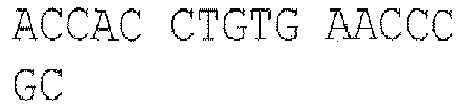
A5 1) Clostridium sp. SEQ ID No. 9 SEQ ID No. 10 

A6 2) Eubacterium limosum SEQ ID No. 11 SEQ ID No. 12 

A7 1) Colinsella aerofaciens SEQ ID No. 13 SEQ ID No. 14 

A8 1) Phascolarctobacterium faecium. SEQ ID No. 15 SEQ ID No. 16 

A9 1) Blautia hydrogeotrophica SEQ ID No. 17 SEQ ID No. 18 

A1-A9 3) All bacteria SEQ ID No. 19 SEQ 10 No. 20

*) sources: (1) DECIPHER database; (2) Wang et al. (1996), (3) Maeda et al., (2003) - DNA from pellets of the fermentation effluent was extracted using the FastDNA™ SPIN Kit for Soil (MP Bio). Genomic DNA extracts were 50-fold diluted using DNA-free H2O.qPCRs were performed using Mastermix SYBR® green 2x and LowRox (Kapa Biosystems), primers (10 µM) and DNA-free H2O were used in a ABI 7500 FAST thermal cycler (Applied Biosystems) as recommended by the producer and quantified using standards of amplified whole 16S sequences of the strains used for the consortium cloned into the pGEMT easy vector (Promega, Madison WI, USA). Amplification of the whole 16S gene was performed with a combination of whole 16S gene amplification primers using one forward and one reverse primer of from the primers listed in Table 2. qPCR quantification of the single strains is shown in copies of genomic 16S RNA gene per ml of culture in
Figure 3 . It shows the maintenance of the relative abundance of each strain in the consortium during the fermentation process (Figure 3 ), showing that strains are represented at deferential levels depending on their trophic function and no strain is washed out during continuous fermentation. The stable metabolic profile of the bioreactor is thus shown to be a valid readout for the maintenance of all strains.
It follows that despite differential growth rates, the trophic interaction of an intestinal consortium allows a long term and robust continuous fermentation.Table 2: Name *) Sequence 5'-3' Orientation of the Primer on 16S rRNA Gene Sequence 5'-3' 518R 5) SEQ ID No. 21: ATTAC CGCGG CTGCT GG Reverse 1392R 1) SEQ ID No. 22: ACGGG CGGTG TGTRC Reverse 1412R 2) SEQ ID No. 23: CGGGT GCTIC CCACT TTCAT G Reverse 1492R 4) SEQ ID No. 24: GNTAC CTTGT TACGA CTT Reverse 1492R.E 1) SEQ ID No. 25: TACGG YTACC TTGTT ACGAC TT Reverse 1525R 1) SEQ ID No. 26: AAGGA GGTGW TCCAR CC Reverse F8 4) SEQ ID No. 27: AGAGT TTGAT CMTGG CTC Forward F15 2) SEQ ID No. 28: GATTC TGGCT CAGGA TGAAC G Forward F27 1) SEQ ID No. 29: AGAGT TTGAT CMTGG CTCAG Forward F518 5) SEQ ID No. 30: CCAGC AGCCG CGGTA ATACG Forward *) sources: 1) Lane, 1991, 2)Kaufmann et al., 1997, 3)Lopez-Siles et al., 2012), 4)Mosoni et al., 2007), 5) Muyzer et al., 1993) - To quantify the total amount of viable cells in the bioreactor effluent was analysed using using the sybr green, propidium iodide method whereby living cells are stained by sybr green and dead cells by propidum iodine and sybr green allowing the quantification of total viable and dead Cells were counted with flow cytometry on 4 consecutive days of fermentation using a Beckman Coulter Cytomics FC 500. Absolute counts are determined with Beckman Coulter Flow-Count Fluorospheres. cells. Cell count in the bioreactor reach over 10E10 viable bacterial cells per ml of culture with a viablitiy of >.90%.
- It follows that co-cultering allows high density, high viability culturing under continuous fermentation fermentation at a retention time of 16h.
- To compare production of PB002 through mixing of
al 9 strains after separate cultivation to the production of PB002 in a mixed consortium the metabolic profiles of the two production procedures were tested. PB002 was cultured for 6 days under continuous fermentation conditions as described in example 2. As comparison, the 9 strains were mixed based on their relative proportion in the bioreactor after a 48 h batch culture. Both supernatants of the PB002 produced in the bioreactor by co-culture as well as the mix of the 9 separately cultured strains were compared using HPLC-RI as described above (Figure 4 ). WherebyFigure 4 shows that PB002 produced by continuous fermentation contains exclusively end-metabolites while the strain mix contains 5 mM of lactate and formiate as well as traces of succinate. Therefore the continuous culture of defined and trophically interacting consortia is shown to be a innovative way to produce a life bacterial mix producing exclusively end metabolites at the moment of administration. - In order to test the potential of PB002 to be used as a replacement of FMT, PB002 was compared to FMT on an acute DSS (dextran sodium sulfate) mouse model. A well accepted model for dysbiosis, causing colitis. To induce acute colitis, 12-15 weeks old C57/B6 mice were treated with 3 % DSS in drinking water for 7 days. The DSS induced intestinal barrier rupture leads to increased severe diarrhea, intestinal inflammation and consecutive weight loss (expressed in % of initial weight at
day 1 of every group inFigure 5 ). After 5-7 days of severage, mice recover spontaneously and return from their dysbiotic, inflammatory state to normal weight. This model of dysbiosis was used to compare the effect of fecal microbiota transplant (of human origin) to the treatment with PB002 continuously cultured as a consortium. - To PB002 to human FMT, a microbiota transplant control was used. For fecal transplantation experiments a fecal suspension was prepared from a healthy donor and stored at -80°C until usage based on the successfully applied protocol by Youngster and colleagues (Youngster et al. 2014). To rule out that only bacterial metabolites, products and/or debris account for the effect of the bacterial consortia, fermenter effluent was used as control. Therefore bacterial suspension from the fermenter was sampled, immediately centrifuged at 14.000 rpm for 15 minutes, filtered trough a 0.45 um filter to remove remaining bacteria and larger components and subsequently used as material for transplantation. Next it was ruled out that a mix of the same bacteria could be as effective as the consortium grown under co-culture. Therefore all consortium strains were cultured separately and mixed in the same ratio as the fermenter and maintained under anaerobiosis until transplantation. All treatment groups were gavaged on 3 consecutive days (
day ), the untreated DSS group ( ), the group treated with PB002 (
 ), the group treated with the mix of independently cultured strains (
 ), the group treated with the filtered supernatant of PB002 (
 ) and the group treated with human fecal microbiome transplant (
 ). Weight was measured daily until sacrifice on
day 16. Mice treated with PB002 showed faster weight recovery starting at the third day of treatment compared to FMT that showed recovery starting one day later and the other treatment groups containing the mix of separately cultured bacteria and the filtered effluent of the continuously cultures PB002, which both did not significantly differ from the untreated DSS control. The presented data therefore show that PB002 when co-cultured continuously can restore a dysbiotic microbiota at least as efficient as FMT. It further shows that co-culturing is a key conditioning for efficacy of the bacterial mix. - Besides body weight the colon length (
Figure 6 ) as well as the spleen weight (Figure 7 ) were quantified for each mouse as measures of inflammation whereby the colon length decreases in case of inflammation and spleen weight increases upon inflammation. Mice treaded with PB002 showed a highly significant increase of colon length and decrease of spleen weight at least equivalent to the treatment with FMT. The control groups treated with the mix of separately cultured strains as well as the group treated with the filtered supernatant of PB002 did not show significant changes as compared to the DSS treatment group. This experiment shows that treatment with PB002 significantly alleviates inflammation and the immune reaction of the mice, not only normalizing digestion and energy recovery but also the colitis causing inflammatory factors. - The inflammatory status was further analysed by histology of the caecum and of the colon. Staining and histological assessment of colitis severity was performed on formalin-fixed, paraffin embedded samples of the most distal 1.5 cm of the colon and the distal part of the cecum were cut into 5 um sections and H&E stained according to standard procedures. The slides were analysed using an AxioCam HRc (Zeiss, Jena, Germany) on a Zeiss Axio Imager.Z2 microscope (Zeiss) and images captured using the AxioVision Release 4.8.2 software (Zeiss). For assessment of colitis severity, the following score was applied: score for epithelial damage: 0, normal morphology; 1, loss of goblet cells; 2, loss of goblet cells in large areas; 3, loss of crypts; 4, loss of crypts in large areas. Score for infiltration: 0, no infiltrate; 1, infiltrate around crypt base; 2, infiltrate reaching to L. muscularis mucosae; 3, extensive infiltration reaching the L. muscularis and thickening of the mucosa with abundant oedema; 4, infiltration of the L. submucosae. The total histological score represents the sum of the scores for epithelial damage and infiltration. Histological examination was performed in a blinded manner Hystological analysis of the caecum and the was quantified by histology score for infiltration and epithelial damage. Representative histology cuts are depicted in
Figure 8 for the caecum and 9 for the colon. Both sections showed significant recovery of the inflammation in the epithelium as compared to the untreated control for PB002 and the benchmark treatment FMT while neither strain mix nor the filtered effluent of PB002 showed significant effects on the DSS colitis.
It follows that PB002, if co-cultured and administered as a suspension of life bacteria and their metabolites, accelerates the healing of epithelial damage and reduces infiltration of the epithelium with immune cells. - Throughout this specification, the following references are cited:
- Bryant, M. P. (1972). Commentary on the Hungate technique for culture of anaerobic bacteria. The American Journal of Clinical Nutrition, 25(12), 1324-8.
- Duncan, S. H., Hold, G. L., Harmsen, H. J. M., Stewart, C. S., & Flint, H. J. (2002). Growth requirements and fermentation products of Fusobacterium prausnitzii, and a proposal to reclassify it as Faecalibacterium prausnitzii gen. nov., comb. nov. International Journal of Systematic and Evolutionary Microbiology, 52(6), 2141-2146.
- Kaufmann, P., Pfefferkorn, A., Teuber, M., & Meile, L. (1997). Identification and quantification of Bifidobacterium species isolated from food with genus-specific 16S rRNA-targeted probes by colony hybridization and PCR. Applied and Environmental Microbiology, 63(4), 1268-73.
- Lane, D. J. (1991). 16S/23S rRNA Sequencing. In E. Stackebrandt & M. Goodfellow (Eds.), Nucleic Acid Techniques in Bacterial Systematics (.
- Leclerc, M., Bernalier, A., Donadille, G., & Lelait, M. (1997). H2/CO2 metabolism in acetogenic bacteria isolated from the human colon. Anaerobe, 3(5), 307-15.
- Lopez-Siles, M., Khan, T. M., Duncan, S. H., Harmsen, H. J. M., Garcia-Gil, L. J., & Flint, H. J. (2012). Cultured representatives of two major phylogroups of human colonic Faecalibacterium prausnitzii can utilize pectin, uronic acids, and host-derived substrates for growth. Applied and Environmental Microbiology, 78(2), 420-8.
- Maeda, H., Fujimoto, C., Haruki, Y., Maeda, T., Kokeguchi, S., Petelin, M., ... Takashiba, S. (2003). Quantitative real-time PCR using TaqMan and SYBR Green for Actinobacillus actinomycetemcomitans, Porphyromonas gingivalis, Prevotella intermedia, tetQ gene and total bacteria. FEMS Immunology and Medical Microbiology, 39(1), 81-86.
- Mosoni, P., Chaucheyras-Durand, F., Béra-Maillet, C., & Forano, E. (2007). Quantification by real-time PCR of cellulolytic bacteria in the rumen of sheep after supplementation of a forage diet with readily fermentable carbohydrates: effect of a yeast additive. Journal of Applied Microbiology, 103(6), 2676-85.
- Muyzer, G., de Waal, E. C., & Uitterlinden, A. G. (1993). Profiling of complex microbial populations by denaturing gradient gel electrophoresis analysis of polymerase chain reaction-amplified genes coding for 16S rRNA. Applied and Environmental Microbiology, 59(3), 695-700.
- Wang, R. F., Cao, W. W., & Cerniglia, C. E. (1996). PCR detection and quantitation of predominant anaerobic bacteria in human and animal fecal samples. Applied and Environmental Microbiology, 62(4), 1242-7.
- Zihler, A., Fuentes, S., Dostal, A., Payne, A. N., Vazquez Gutierrez, P., Chassard, C., ... Lacroix, C. (2013). Novel Polyfermentor Intestinal Model (PolyFermS) for Controlled Ecological Studies: Validation and Effect of pH. PloS One, 8(10).
- Ritari, J., Salojärvi, J., Lahti, L., & de Vos, W. M. (2015). Improved taxonomic assignment of human intestinal 16S rRNA sequences by a dedicated reference database. BMC Genomics, 16(1056).
In an advantageous embodiment, the pharmaceutical compositions are free of, or essentially free of other viable, live bacteria strains.
In a further advantageous embodiment, the pharmaceutical compositions are free of, free of, or essentially free of succinate, formate and lactate.
In a further advantageous embodiment, the pharmaceutical compositions further comprise a culture medium, preferably a culture medium as disclosed in the 2nd aspect of the invention.


Claims (15)
- A composition comprising viable, live bacteria strains (i), intermediate metabolites, (ii) end metabolites (iii) and a dispersing medium (iv), characterized in that
said bacteria strains (i) being present in a total concentration of over 109 bacteria per ml composition; and
said bacteria strains (i) having a viability of over 70% as determined by flow cytometry; and
said bacteria strains (i) being selected from:▪ (A1) strains consuming sugars, fibers, and resistant starch, producing formiate and acetate, and▪ (A2) strains consuming sugars, starch and acetate, producing formiate and butyrate, and▪ (A3) strains consuming sugars and oxygen, producing lactate, and▪ (A4) strains consuming sugars, starch, and carbondioxide, producing lactate, formiate and acetate, and▪ (A5) strains consuming lactate or proteins, producing propionate and acetate, and▪ (A6) strains consuming lactate and starch, producing acetate, butyrate and hydrogen, and▪ (A7) strains consuming sugar, starch, formiate producing lactate, formiate and acetate, and▪ (A8) strains consuming succinate, producing propionate and acetate, and▪ (A9) strains consuming sugars, fibers, formiate and hydrogen, producing acetate and butyrate;said intermediate metabolites (ii) selected from:▪ succinate in an amount of less than 5 mM, and▪ formiate in an amount of less than 5 mM, and▪ lactate in an amount of less than 5 mM; andsaid end metabolites (iii) selected from▪ acetate in an amount of at least 10 mM, and▪ proprionate in an amount of at least 2 mM, and▪ butyrate in an amount of at least 2 mM; andsaid dispersing medium (iv) preferably selected from▪ culture media, or▪ cryoprotecting media, or▪ aqueous gels, or▪ polymeric supports: - The composition of claim 1, characterized in that said viable, live bacteria strains (i)▪ (A1) being present in an amount of 105 - 1014 16S rRNA copies per ml,▪ (A2) being present in an amount of 105 - 1014 16S rRNA copies per ml,▪ (A3) being present in an amount of 105 - 1014 16S rRNA copies per ml,▪ (A4) being present in an amount of 105 - 1014 16S rRNA copies per ml,▪ (A5) being present in an amount of 105 - 1014 16S rRNA copies per ml,▪ (A6) being present in an amount of 105 - 1014 16S rRNA copies per ml,▪ (A7) being present in an amount of 105 - 1014 16S rRNA copies per ml,▪ (A8) being present in an amount of 105 - 1014 16S rRNA copies per ml, and / or▪ (A9) being present in an amount of 105 - 1014 16S rRNA copies per ml,in each case quantified by qPCR.
- The suspension of claim 1 or 2, characterized in that said viable bacteria strains (i)▪ (A1) are selected from the genus Ruminococcus,▪ (A2) are selected from the genus Faecalibacterium,▪ (A3) are selected from the genus Lactobacillus,▪ (A4) are selected from the genus Bifidobacterium,▪ (A5) are selected from the genus Clostridium,▪ (A6) are selected from the genus Eubacterium,▪ (A7) are selected from the genus Colinsella,▪ (A8) are selected from the genus Phascolarctobacterium, and / or▪ (A9) are selected from the genus Blautia;in each case identified through classification of the full 16S gene with assignment for the different taxonomic levels Phylum: 75%, Class: 78.5%, Order: 82%, Family: 86.5%, Genus: 94.5%, sequence similarity.
- The suspension according to any of claims 1-3, wherein component (iv) is selected from:▪ Cryoprotecting media comprising glycerol; and / or▪ culture media comprising fibres, proteins, co-factors, vitamins, and reducing agents.
- A method for manufacturing a composition according to any of claims 1-3, particularly a suspension, said method comprising the steps of:(a) providing a composition comprising viable, live bacteria strains A1-A9 as defined in claim 1 or 3;(b) cultivating the composition of step (a) to obtain a composition in the form of a suspension;(c) optionally post treatment steps ;characterized in that the cultivation of step (b) is a continuous co-cultivation.
- The method of claim 5, characterized in that step (a) comprises the steps of:(a1) providing and separately cultivating said bacteria strains A1-A9 in the presence of a substrate specific for each of said strains A1-A9,(a2) combining and co-cultiviating the materials obtained in (a1) in the presence of a substrate comprising amicase, yeast extract, arabinogalactan, fructo-oligosaccharides, soluble starch, resistant starch, xylan, preferably using a pH 5.5 - 6.5 and preferably using an inert atmosphere;characterized in that step (a2) is performed batch-wise and is terminated once metabolites succinate, formiate and lactate are each below 5 mM.
- The method according to any of claims 5 or 6, wherein in step (b) the mixture of strains (A1)-(A9) is continuously cultivated in the presence of a substrate comprising amicase, yeast extract, arabinogalactan, fructo-oligosaccharides, soluble starch, resistant starch, xylan, preferably using a pH 5.5 - 6.5 and an inert atmosphere.
- The method according to any of claims 5 - 7, wherein in step (c) the suspension obtained from step (b) is combined with a cryoprotectant.
- The composition of claim 1, characterized in that said bacteria strains (A1) to (A9) are obtained by co-cultivation, preferably at ph5.5-6.5 under inert atmosphere, particularly preferably as defined in any of claims 5-8.
- The composition of claim 1, which is a pharmaceutical composition.
- A composition comprising co-cultivated viable, live, human, intestinal bacteria strains (A1) to (A9) as defined in claim 1-3, for use as a pharmaceutical.
- The composition of claim 10 or 11, which is▪ free of, or essentially free of, other viable, live bacteria; and / or▪ free of, or essentially free of, succinate, formiate and lactate.
- The composition according to any of claims 10 to 12, further comprising a culture medium and / or a cryoprotecting medium, preferably as defined in claim 4.
- The composition according to any of claims 1 to 4, 10 to 13 for use in the prophylaxis, treatment, prevention or delay of progression of a disease associated with intestinal microbiome dysbalance or associated with microbiota dysbiosis;
particularly where said disease is selected from Clostridium difficile infection (CDI), vancomycin resistant enterococci (VRE), intestinal infections, post-infectious diarrhea, inflammatory bowel diseases (IBD). - The pharmaceutical composition according to any of claims 10 to 14, which is▪ adapted to rectal administration, or▪ adapted to oral administration.
Priority Applications (7)
| Application Number | Priority Date | Filing Date | Title |
|---|---|---|---|
| EP17166375.0A EP3388069B1 (en) | 2017-04-12 | 2017-04-12 | Consortia of living bacteria useful for treatment of microbiome dysbiosis |
| EP18721961.3A EP3609514B1 (en) | 2017-04-12 | 2018-04-12 | Consortia of living bacteria and its use in the treatment of microbiome dysbiosis |
| DK18721961.3T DK3609514T3 (en) | 2017-04-12 | 2018-04-12 | Groups of live bacteria and their use in the treatment of microbial dysbiosis |
| CN201880028373.6A CN110582290A (en) | 2017-04-12 | 2018-04-12 | Live bacterial consortia for treating microbiome dysbiosis |
| CA3059086A CA3059086A1 (en) | 2017-04-12 | 2018-04-12 | Consortia of living bacteria useful for treatment of microbiome dysbiosis |
| US16/604,236 US11219649B2 (en) | 2017-04-12 | 2018-04-12 | Consortia of living bacteria useful for treatment of microbiome dysbiosis |
| PCT/EP2018/059378 WO2018189284A1 (en) | 2017-04-12 | 2018-04-12 | Consortia of living bacteria useful for treatment of microbiome dysbiosis |
Applications Claiming Priority (1)
| Application Number | Priority Date | Filing Date | Title |
|---|---|---|---|
| EP17166375.0A EP3388069B1 (en) | 2017-04-12 | 2017-04-12 | Consortia of living bacteria useful for treatment of microbiome dysbiosis |
Publications (2)
| Publication Number | Publication Date |
|---|---|
| EP3388069A1 true EP3388069A1 (en) | 2018-10-17 |
| EP3388069B1 EP3388069B1 (en) | 2019-05-01 |
Family
ID=58548585
Family Applications (2)
| Application Number | Title | Priority Date | Filing Date |
|---|---|---|---|
| EP17166375.0A Active EP3388069B1 (en) | 2017-04-12 | 2017-04-12 | Consortia of living bacteria useful for treatment of microbiome dysbiosis |
| EP18721961.3A Active EP3609514B1 (en) | 2017-04-12 | 2018-04-12 | Consortia of living bacteria and its use in the treatment of microbiome dysbiosis |
Family Applications After (1)
| Application Number | Title | Priority Date | Filing Date |
|---|---|---|---|
| EP18721961.3A Active EP3609514B1 (en) | 2017-04-12 | 2018-04-12 | Consortia of living bacteria and its use in the treatment of microbiome dysbiosis |
Country Status (6)
| Country | Link |
|---|---|
| US (1) | US11219649B2 (en) |
| EP (2) | EP3388069B1 (en) |
| CN (1) | CN110582290A (en) |
| CA (1) | CA3059086A1 (en) |
| DK (1) | DK3609514T3 (en) |
| WO (1) | WO2018189284A1 (en) |
Cited By (4)
| Publication number | Priority date | Publication date | Assignee | Title |
|---|---|---|---|---|
| WO2020079026A1 (en) * | 2018-10-15 | 2020-04-23 | Pharmabiome Ag | A method of manufacturing a consortium of bacterial strains |
| WO2023118460A1 (en) * | 2021-12-22 | 2023-06-29 | Pharmabiome Ag | New biomarker for disorders and diseases associated with intestinal dysbiosis |
| WO2025093778A1 (en) * | 2023-11-05 | 2025-05-08 | Human Biome Institute S.A. | Functional compositions and methods of use thereof in eradication and/or decolonization of antibiotic-resistant bacteria and restoration of healthy microbiota |
| WO2025093777A1 (en) * | 2023-11-05 | 2025-05-08 | Human Biome Institute S.A. | Functional compositions and methods of use thereof in the treatment and recurrence prophylaxis of clostridioides difficile infection and restoration of healthy microbiota |
Families Citing this family (19)
| Publication number | Priority date | Publication date | Assignee | Title |
|---|---|---|---|---|
| EP3442545A4 (en) | 2016-04-11 | 2020-01-08 | President and Fellows of Harvard College | PROBIOTIC FORMULATIONS TO IMPROVE ATHLETIC PERFORMANCE |
| WO2020079021A1 (en) | 2018-10-15 | 2020-04-23 | Pharmabiome Ag | Consortia of living bacteria useful for treatment of cancer related diseases, particularly graft versus host disease |
| US20220054560A1 (en) * | 2018-10-15 | 2022-02-24 | Pharmabiome Ag | Consortia of living bacteria useful for treatment of colorectal cancer |
| WO2020194319A1 (en) * | 2019-03-28 | 2020-10-01 | Mybiotics Pharma Ltd. | Probiotic biofilm compositions and methods of preparing same |
| CN109916844B (en) * | 2019-04-15 | 2022-02-08 | 长江大学 | Method for rapidly determining resistant starch content of wheat grains |
| US20240066072A1 (en) * | 2019-10-03 | 2024-02-29 | The Regents Of The University Of Michigan | Clostrodioides difficile treatment |
| EP4045668A1 (en) * | 2019-10-15 | 2022-08-24 | PharmaBiome AG | Use of glycerol for increasing butyrate production by bacteria in a consortium |
| CN111088181B (en) * | 2019-12-19 | 2021-07-27 | 嘉兴益诺康生物科技有限公司 | Bifidobacterium breve strain BK55 and application thereof in inhibiting clostridium difficile |
| US20230407240A1 (en) * | 2020-10-24 | 2023-12-21 | Kula Bio, Inc. | Minimal footprint high density fermentation of plant byproducts |
| CN112442472B (en) * | 2020-11-30 | 2023-05-26 | 四川大学华西医院 | Recombinant lactococcus lactis for resisting clostridium difficile, live carrier vaccine and preparation method thereof |
| US20240226195A1 (en) * | 2021-05-12 | 2024-07-11 | Biomica Ltd. | Microbial consortium and uses thereof |
| CN114431485A (en) * | 2021-10-29 | 2022-05-06 | 刘如石 | Microecological preparation for preventing colorectal cancer and application thereof |
| CN114796286B (en) * | 2022-04-22 | 2025-02-11 | 君维安(武汉)生命科技有限公司 | Application of Pseudomonas aeruginosa in the preparation of intestinal repair preparations |
| CN115400154A (en) * | 2022-08-10 | 2022-11-29 | 深圳未知君生物科技有限公司 | Application of bifidobacterium longum in preparing medicine for treating autism spectrum disorder |
| KR102626400B1 (en) * | 2022-08-31 | 2024-01-19 | 주식회사 바이오뱅크힐링 | Dorea longicatena strain, and vesicles from thereof and anti-inflammation and anti-bacteria uses of thereof |
| CN116200450B (en) * | 2023-01-06 | 2026-05-08 | 湖北嫦娥生物股份有限公司 | A method and system for screening probiotics that coexist in an ecological manner |
| KR20260005331A (en) | 2023-04-28 | 2026-01-09 | 파마바이옴 아게 | Composition comprising a bacterial consortium |
| WO2024246941A1 (en) * | 2023-05-29 | 2024-12-05 | Translational Health Science And Technology Institute | A combination of succinate consuming microbiotas |
| WO2026024808A1 (en) * | 2024-07-23 | 2026-01-29 | North Carolina State University | Compositions and methods related to fecal persistent microbiome transplant |
Citations (8)
| Publication number | Priority date | Publication date | Assignee | Title |
|---|---|---|---|---|
| WO2012142605A1 (en) * | 2011-04-15 | 2012-10-18 | Samaritan Health Services | Rapid recolonization deployment agent |
| WO2013005386A1 (en) | 2011-07-01 | 2013-01-10 | Panasonic Corporation | Method and apparatus for encoding and decoding video using adaptive quantization matrix for square and rectangular transform units |
| WO2013037068A1 (en) | 2011-09-14 | 2013-03-21 | Queen's University At Kingston | Method for treatment of disorders of the gastrointestinal system |
| WO2014110685A1 (en) * | 2013-01-21 | 2014-07-24 | Eth Zurich | Baby food composition comprising viable propionic acid-producing bacteria |
| WO2015051323A1 (en) * | 2013-10-03 | 2015-04-09 | Trustees Of The University Of Pennsylvania | Compositions comprising a defined microbiome and methods of use thereof |
| US20160000838A1 (en) * | 2013-03-05 | 2016-01-07 | Rijksuniversiteit Groningen | Use of Faecalibacterium Prausnitzii Htf-f (DSM 26943) to Suppress Inflammation |
| WO2016086161A1 (en) * | 2014-11-25 | 2016-06-02 | Memorial Sloan-Kettering Cancer Center | Intestinal microbiota and gvhd |
| US20160243175A1 (en) * | 2013-10-03 | 2016-08-25 | The Trustees Of The University Of Pennsylvania | Compositions and methods comprising a defined microbiome and methods of use thereof |
Family Cites Families (8)
| Publication number | Priority date | Publication date | Assignee | Title |
|---|---|---|---|---|
| GB0307026D0 (en) * | 2003-03-27 | 2003-04-30 | Rowett Res Inst | Bacterial supplement |
| US8021659B2 (en) * | 2006-04-28 | 2011-09-20 | Naidu Lp | Coenzyme Q10, lactoferrin and angiogenin compositions and uses thereof |
| GB0903016D0 (en) * | 2009-02-23 | 2009-04-08 | Univ Gent | Method for alleviating intestinal problems and novel bacterial strains therefor |
| US9788563B2 (en) * | 2011-04-15 | 2017-10-17 | Pepsico, Inc. | Encapsulation system for protection of probiotics during processing |
| EA201490512A1 (en) | 2011-10-11 | 2014-09-30 | Ачим Байотерапьютикс Аб | COMPOSITIONS CONTAINING CULTIVATED IN ANAEROBIC CONDITIONS HUMAN INTESTINE MICROBIOT |
| US11185562B2 (en) | 2013-02-04 | 2021-11-30 | Seres Therapeutics, Inc. | Compositions and methods for inhibition of pathogenic bacterial growth |
| HK1220326A1 (en) | 2013-03-15 | 2017-05-05 | Seres Therapeutics, Inc. | Network-based microbial compositions and methods |
| CN107921072A (en) | 2015-06-09 | 2018-04-17 | 雷柏奥提斯有限公司 | Micropopulation resumes treatment(MRT)Composition and manufacture method |
-
2017
- 2017-04-12 EP EP17166375.0A patent/EP3388069B1/en active Active
-
2018
- 2018-04-12 EP EP18721961.3A patent/EP3609514B1/en active Active
- 2018-04-12 CA CA3059086A patent/CA3059086A1/en active Pending
- 2018-04-12 DK DK18721961.3T patent/DK3609514T3/en active
- 2018-04-12 WO PCT/EP2018/059378 patent/WO2018189284A1/en not_active Ceased
- 2018-04-12 US US16/604,236 patent/US11219649B2/en active Active
- 2018-04-12 CN CN201880028373.6A patent/CN110582290A/en active Pending
Patent Citations (8)
| Publication number | Priority date | Publication date | Assignee | Title |
|---|---|---|---|---|
| WO2012142605A1 (en) * | 2011-04-15 | 2012-10-18 | Samaritan Health Services | Rapid recolonization deployment agent |
| WO2013005386A1 (en) | 2011-07-01 | 2013-01-10 | Panasonic Corporation | Method and apparatus for encoding and decoding video using adaptive quantization matrix for square and rectangular transform units |
| WO2013037068A1 (en) | 2011-09-14 | 2013-03-21 | Queen's University At Kingston | Method for treatment of disorders of the gastrointestinal system |
| WO2014110685A1 (en) * | 2013-01-21 | 2014-07-24 | Eth Zurich | Baby food composition comprising viable propionic acid-producing bacteria |
| US20160000838A1 (en) * | 2013-03-05 | 2016-01-07 | Rijksuniversiteit Groningen | Use of Faecalibacterium Prausnitzii Htf-f (DSM 26943) to Suppress Inflammation |
| WO2015051323A1 (en) * | 2013-10-03 | 2015-04-09 | Trustees Of The University Of Pennsylvania | Compositions comprising a defined microbiome and methods of use thereof |
| US20160243175A1 (en) * | 2013-10-03 | 2016-08-25 | The Trustees Of The University Of Pennsylvania | Compositions and methods comprising a defined microbiome and methods of use thereof |
| WO2016086161A1 (en) * | 2014-11-25 | 2016-06-02 | Memorial Sloan-Kettering Cancer Center | Intestinal microbiota and gvhd |
Non-Patent Citations (14)
| Title |
|---|
| BERNER ANNINA ZIHLER ET AL: "Novel Polyfermentor Intestinal Model (PolyFermS) for Controlled Ecological Studies: Validation and Effect of pH", PLOS ONE, vol. 8, no. 10, October 2013 (2013-10-01), XP002774024 * |
| BRYANT, M. P.: "Commentary on the Hungate technique for culture of anaerobic bacteria", THE AMERICAN JOURNAL OF CLINICAL NUTRITION, vol. 25, no. 12, 1972, pages 1324 - 8, XP055091164 |
| DUNCAN, S. H.; HOLD, G. L.; HARMSEN, H. J. M.; STEWART, C. S.; FLINT, H. J.: "Growth requirements and fermentation products of Fusobacterium prausnitzii, and a proposal to reclassify it as Faecalibacterium prausnitzii gen. nov., comb. nov", INTERNATIONAL JOURNAL OF SYSTEMATIC AND EVOLUTIONARY MICROBIOLOGY, vol. 52, no. 6, 2002, pages 2141 - 2146 |
| EMMANUELLE ROTH ET AL: "Facultative anaerobic halophilic and alkaliphilic bacteria isolated from a natural smear ecosystem inhibitgrowth in early ripening stages", INTERNATIONAL JOURNAL OF FOOD MICROBIOLOGY, ELSEVIER BV, NL, vol. 147, no. 1, 24 February 2011 (2011-02-24), pages 26 - 32, XP028197797, ISSN: 0168-1605, [retrieved on 20110301], DOI: 10.1016/J.IJFOODMICRO.2011.02.032 * |
| KAUFMANN, P.; PFEFFERKORN, A.; TEUBER, M.; MEILE, L.: "Identification and quantification of Bifidobacterium species isolated from food with genus-specific 16S rRNA-targeted probes by colony hybridization and PCR", APPLIED AND ENVIRONMENTAL MICROBIOLOGY, vol. 63, no. 4, 1997, pages 1268 - 73, XP008091187 |
| LANE, D. J.: "Nucleic Acid Techniques in Bacterial Systematics", 1991, JOHN WILEY AND SONS, article "16S/23S rRNA Sequencing", pages: 115 - 148 |
| LECLERC, M.; BERNALIER, A.; DONADILLE, G.; LELAIT, M.: "H2/C02 metabolism in acetogenic bacteria isolated from the human colon", ANAEROBE, vol. 3, no. 5, 1997, pages 307 - 15, XP000979153, DOI: doi:10.1006/anae.1997.0117 |
| LOPEZ-SILES, M.; KHAN, T. M.; DUNCAN, S. H.; HARMSEN, H. J. M.; GARCIA-GIL, L. J.; FLINT, H. J.: "Cultured representatives of two major phylogroups of human colonic Faecalibacterium prausnitzii can utilize pectin, uronic acids, and host-derived substrates for growth", APPLIED AND ENVIRONMENTAL MICROBIOLOGY, vol. 78, no. 2, 2012, pages 420 - 8 |
| MAEDA, H.; FUJIMOTO, C.; HARUKI, Y.; MAEDA, T.; KOKEGUCHI, S.; PETELIN, M.; TAKASHIBA, S.: "Quantitative real-time PCR using TaqMan and SYBR Green for Actinobacillus actinomycetemcomitans, Porphyromonas gingivalis, Prevotella intermedia, tetQ gene and total bacteria", FEMS IMMUNOLOGY AND MEDICAL MICROBIOLOGY, vol. 39, no. 1, 2003, pages 81 - 86, XP055100666, DOI: doi:10.1016/S0928-8244(03)00224-4 |
| MOSONI, P.; CHAUCHEYRAS-DURAND, F.; BERA-MAILLET, C.; FORANO, E.: "Quantification by real-time PCR of cellulolytic bacteria in the rumen of sheep after supplementation of a forage diet with readily fermentable carbohydrates: effect of a yeast additive", JOURNAL OF APPLIED MICROBIOLOGY, vol. 103, no. 6, 2007, pages 2676 - 85 |
| MUYZER, G.; DE WAAL, E. C.; UITTERLINDEN, A. G.: "Profiling of complex microbial populations by denaturing gradient gel electrophoresis analysis of polymerase chain reaction-amplified genes coding for 16S rRNA", APPLIED AND ENVIRONMENTAL MICROBIOLOGY, vol. 59, no. 3, 1993, pages 695 - 700, XP008009866 |
| RITARI, J.; SALOJARVI, J.; LAHTI, L.; DE VOS, W. M.: "Improved taxonomic assignment of human intestinal 16S rRNA sequences by a dedicated reference database", BMC GENOMICS, vol. 16, no. 1056, 2015 |
| WANG, R. F.; CAO, W. W.; CERNIGLIA, C. E.: "PCR detection and quantitation of predominant anaerobic bacteria in human and animal fecal samples", APPLIED AND ENVIRONMENTAL MICROBIOLOGY, vol. 62, no. 4, 1996, pages 1242 - 7, XP002964475 |
| ZIHLER, A.; FUENTES, S.; DOSTAL, A.; PAYNE, A. N.; VAZQUEZ GUTIERREZ, P.; CHASSARD, C.; LACROIX, C.: "Novel Polyfermentor Intestinal Model (PolyFermS) for Controlled Ecological Studies: Validation and Effect of pH", PLOS ONE, vol. 8, no. 10, 2013, XP002774024 |
Cited By (4)
| Publication number | Priority date | Publication date | Assignee | Title |
|---|---|---|---|---|
| WO2020079026A1 (en) * | 2018-10-15 | 2020-04-23 | Pharmabiome Ag | A method of manufacturing a consortium of bacterial strains |
| WO2023118460A1 (en) * | 2021-12-22 | 2023-06-29 | Pharmabiome Ag | New biomarker for disorders and diseases associated with intestinal dysbiosis |
| WO2025093778A1 (en) * | 2023-11-05 | 2025-05-08 | Human Biome Institute S.A. | Functional compositions and methods of use thereof in eradication and/or decolonization of antibiotic-resistant bacteria and restoration of healthy microbiota |
| WO2025093777A1 (en) * | 2023-11-05 | 2025-05-08 | Human Biome Institute S.A. | Functional compositions and methods of use thereof in the treatment and recurrence prophylaxis of clostridioides difficile infection and restoration of healthy microbiota |
Also Published As
| Publication number | Publication date |
|---|---|
| CA3059086A1 (en) | 2018-10-18 |
| EP3609514A1 (en) | 2020-02-19 |
| US20200276250A1 (en) | 2020-09-03 |
| US11219649B2 (en) | 2022-01-11 |
| DK3609514T3 (en) | 2021-10-04 |
| EP3609514B1 (en) | 2021-08-11 |
| EP3388069B1 (en) | 2019-05-01 |
| WO2018189284A1 (en) | 2018-10-18 |
| CN110582290A (en) | 2019-12-17 |
Similar Documents
| Publication | Publication Date | Title |
|---|---|---|
| EP3388069B1 (en) | Consortia of living bacteria useful for treatment of microbiome dysbiosis | |
| US20210355431A1 (en) | Method of manufacturing a consortium of bacterial strains | |
| KR102372949B1 (en) | Butyric acid-producing microbe and use thereof | |
| JP5643285B2 (en) | Production method of new Bifidobacterium | |
| US20140363397A1 (en) | Method for treatment of disorders of the gastrointestinal system | |
| EP2270133B1 (en) | Method for obtaining a novel strain of bifidobacterium bifidum with activity against infection by helicobacter pylori | |
| JP7198087B2 (en) | Compositions and methods for microbiota therapy | |
| WO2020079021A1 (en) | Consortia of living bacteria useful for treatment of cancer related diseases, particularly graft versus host disease | |
| US20250082695A1 (en) | Use of glycerol for increasing butyrate production by bacteria in a consortium | |
| CN117645941B (en) | A fermented mucus lactobacillus for alleviating hyperuricemia by simultaneously degrading uric acid and purine nucleosides and its application | |
| CN114767613B (en) | New Ichthyosporaceae microorganisms and uses thereof | |
| Alfano et al. | Lactobacillus plantarum: Microfiltration experiments for the production of probiotic biomass to be used in food and nutraceutical preparations | |
| Tominaga et al. | Oceanobacillus soja sp. nov. isolated from soy sauce production equipment in Japan | |
| JP5883618B2 (en) | New uses of fascolatobacterium | |
| CN121175058A (en) | Composition comprising bacterial consortia | |
| HK40015430A (en) | Consortia of living bacteria useful for treatment of microbiome dysbiosis | |
| EP4696780A1 (en) | Method for transforming bacterium belonging to genus bifidobacterium | |
| KR102292475B1 (en) | Food composition for improving nicotine withdrawal properties containing Bifidobacteirum animalis ssp. lactis HY8002 as active ingredient | |
| EP4692309A1 (en) | Novel bacterium belonging to genus bifidobacterium | |
| Tian et al. | Genetic Stability of Lacticaseibacillus rhamnosus Probio-M9 during Continuous Subculturing. | |
| Cristofolini et al. | Marianna Cristofolini1, Maria Ronsivalle1, Maria Pramazzoni2, Giulia Zaccarini1, Valentina Pizzamiglio3 and Lisa Solieri1 | |
| Fontebasso | Improving strategies to develop anti-Candida treatments based on the vaginal species L. gasseri: from molecular approaches to physiological analyses. | |
| JP2026515014A (en) | Composition containing a bacterial consortium | |
| CN122038202A (en) | Composite metaplasia of lactobacillus and acetobacter and application of composite metaplasia in dispelling effects of alcohol and protecting liver | |
| Chegdani | Effects of Streptococcus thermophilus bacteria on rat gene expression profiles |
Legal Events
| Date | Code | Title | Description |
|---|---|---|---|
| PUAI | Public reference made under article 153(3) epc to a published international application that has entered the european phase |
Free format text: ORIGINAL CODE: 0009012 |
|
| STAA | Information on the status of an ep patent application or granted ep patent |
Free format text: STATUS: REQUEST FOR EXAMINATION WAS MADE |
|
| 17P | Request for examination filed |
Effective date: 20180625 |
|
| AK | Designated contracting states |
Kind code of ref document: A1 Designated state(s): AL AT BE BG CH CY CZ DE DK EE ES FI FR GB GR HR HU IE IS IT LI LT LU LV MC MK MT NL NO PL PT RO RS SE SI SK SM TR |
|
| AX | Request for extension of the european patent |
Extension state: BA ME |
|
| RIC1 | Information provided on ipc code assigned before grant |
Ipc: A61K 35/745 20150101ALI20181018BHEP Ipc: A61K 35/747 20150101ALI20181018BHEP Ipc: A61K 47/26 20060101ALI20181018BHEP Ipc: A23L 33/135 20160101ALI20181018BHEP Ipc: A61K 35/744 20150101AFI20181018BHEP Ipc: A61P 1/00 20060101ALI20181018BHEP Ipc: A61P 1/12 20060101ALI20181018BHEP |
|
| GRAP | Despatch of communication of intention to grant a patent |
Free format text: ORIGINAL CODE: EPIDOSNIGR1 |
|
| STAA | Information on the status of an ep patent application or granted ep patent |
Free format text: STATUS: GRANT OF PATENT IS INTENDED |
|
| INTG | Intention to grant announced |
Effective date: 20181207 |
|
| RIN1 | Information on inventor provided before grant (corrected) |
Inventor name: DE WOUTERS, TOMAS Inventor name: ROGLER, GERHARD Inventor name: LACROIX, CHRISTOPHE Inventor name: CHASSARD, CHRISTOPHE |
|
| GRAS | Grant fee paid |
Free format text: ORIGINAL CODE: EPIDOSNIGR3 |
|
| GRAA | (expected) grant |
Free format text: ORIGINAL CODE: 0009210 |
|
| STAA | Information on the status of an ep patent application or granted ep patent |
Free format text: STATUS: THE PATENT HAS BEEN GRANTED |
|
| AK | Designated contracting states |
Kind code of ref document: B1 Designated state(s): AL AT BE BG CH CY CZ DE DK EE ES FI FR GB GR HR HU IE IS IT LI LT LU LV MC MK MT NL NO PL PT RO RS SE SI SK SM TR |
|
| REG | Reference to a national code |
Ref country code: GB Ref legal event code: FG4D |
|
| REG | Reference to a national code |
Ref country code: CH Ref legal event code: EP Ref country code: AT Ref legal event code: REF Ref document number: 1126012 Country of ref document: AT Kind code of ref document: T Effective date: 20190515 |
|
| REG | Reference to a national code |
Ref country code: DE Ref legal event code: R096 Ref document number: 602017003579 Country of ref document: DE |
|
| REG | Reference to a national code |
Ref country code: IE Ref legal event code: FG4D |
|
| REG | Reference to a national code |
Ref country code: NL Ref legal event code: MP Effective date: 20190501 |
|
| REG | Reference to a national code |
Ref country code: LT Ref legal event code: MG4D |
|
| PG25 | Lapsed in a contracting state [announced via postgrant information from national office to epo] |
Ref country code: LT Free format text: LAPSE BECAUSE OF FAILURE TO SUBMIT A TRANSLATION OF THE DESCRIPTION OR TO PAY THE FEE WITHIN THE PRESCRIBED TIME-LIMIT Effective date: 20190501 Ref country code: HR Free format text: LAPSE BECAUSE OF FAILURE TO SUBMIT A TRANSLATION OF THE DESCRIPTION OR TO PAY THE FEE WITHIN THE PRESCRIBED TIME-LIMIT Effective date: 20190501 Ref country code: NO Free format text: LAPSE BECAUSE OF FAILURE TO SUBMIT A TRANSLATION OF THE DESCRIPTION OR TO PAY THE FEE WITHIN THE PRESCRIBED TIME-LIMIT Effective date: 20190801 Ref country code: SE Free format text: LAPSE BECAUSE OF FAILURE TO SUBMIT A TRANSLATION OF THE DESCRIPTION OR TO PAY THE FEE WITHIN THE PRESCRIBED TIME-LIMIT Effective date: 20190501 Ref country code: NL Free format text: LAPSE BECAUSE OF FAILURE TO SUBMIT A TRANSLATION OF THE DESCRIPTION OR TO PAY THE FEE WITHIN THE PRESCRIBED TIME-LIMIT Effective date: 20190501 Ref country code: ES Free format text: LAPSE BECAUSE OF FAILURE TO SUBMIT A TRANSLATION OF THE DESCRIPTION OR TO PAY THE FEE WITHIN THE PRESCRIBED TIME-LIMIT Effective date: 20190501 Ref country code: AL Free format text: LAPSE BECAUSE OF FAILURE TO SUBMIT A TRANSLATION OF THE DESCRIPTION OR TO PAY THE FEE WITHIN THE PRESCRIBED TIME-LIMIT Effective date: 20190501 Ref country code: PT Free format text: LAPSE BECAUSE OF FAILURE TO SUBMIT A TRANSLATION OF THE DESCRIPTION OR TO PAY THE FEE WITHIN THE PRESCRIBED TIME-LIMIT Effective date: 20190901 Ref country code: FI Free format text: LAPSE BECAUSE OF FAILURE TO SUBMIT A TRANSLATION OF THE DESCRIPTION OR TO PAY THE FEE WITHIN THE PRESCRIBED TIME-LIMIT Effective date: 20190501 |
|
| PG25 | Lapsed in a contracting state [announced via postgrant information from national office to epo] |
Ref country code: BG Free format text: LAPSE BECAUSE OF FAILURE TO SUBMIT A TRANSLATION OF THE DESCRIPTION OR TO PAY THE FEE WITHIN THE PRESCRIBED TIME-LIMIT Effective date: 20190801 Ref country code: GR Free format text: LAPSE BECAUSE OF FAILURE TO SUBMIT A TRANSLATION OF THE DESCRIPTION OR TO PAY THE FEE WITHIN THE PRESCRIBED TIME-LIMIT Effective date: 20190802 Ref country code: LV Free format text: LAPSE BECAUSE OF FAILURE TO SUBMIT A TRANSLATION OF THE DESCRIPTION OR TO PAY THE FEE WITHIN THE PRESCRIBED TIME-LIMIT Effective date: 20190501 Ref country code: RS Free format text: LAPSE BECAUSE OF FAILURE TO SUBMIT A TRANSLATION OF THE DESCRIPTION OR TO PAY THE FEE WITHIN THE PRESCRIBED TIME-LIMIT Effective date: 20190501 |
|
| REG | Reference to a national code |
Ref country code: AT Ref legal event code: MK05 Ref document number: 1126012 Country of ref document: AT Kind code of ref document: T Effective date: 20190501 |
|
| PG25 | Lapsed in a contracting state [announced via postgrant information from national office to epo] |
Ref country code: IS Free format text: LAPSE BECAUSE OF FAILURE TO SUBMIT A TRANSLATION OF THE DESCRIPTION OR TO PAY THE FEE WITHIN THE PRESCRIBED TIME-LIMIT Effective date: 20190901 |
|
| PG25 | Lapsed in a contracting state [announced via postgrant information from national office to epo] |
Ref country code: SK Free format text: LAPSE BECAUSE OF FAILURE TO SUBMIT A TRANSLATION OF THE DESCRIPTION OR TO PAY THE FEE WITHIN THE PRESCRIBED TIME-LIMIT Effective date: 20190501 Ref country code: DK Free format text: LAPSE BECAUSE OF FAILURE TO SUBMIT A TRANSLATION OF THE DESCRIPTION OR TO PAY THE FEE WITHIN THE PRESCRIBED TIME-LIMIT Effective date: 20190501 Ref country code: CZ Free format text: LAPSE BECAUSE OF FAILURE TO SUBMIT A TRANSLATION OF THE DESCRIPTION OR TO PAY THE FEE WITHIN THE PRESCRIBED TIME-LIMIT Effective date: 20190501 Ref country code: AT Free format text: LAPSE BECAUSE OF FAILURE TO SUBMIT A TRANSLATION OF THE DESCRIPTION OR TO PAY THE FEE WITHIN THE PRESCRIBED TIME-LIMIT Effective date: 20190501 Ref country code: RO Free format text: LAPSE BECAUSE OF FAILURE TO SUBMIT A TRANSLATION OF THE DESCRIPTION OR TO PAY THE FEE WITHIN THE PRESCRIBED TIME-LIMIT Effective date: 20190501 Ref country code: EE Free format text: LAPSE BECAUSE OF FAILURE TO SUBMIT A TRANSLATION OF THE DESCRIPTION OR TO PAY THE FEE WITHIN THE PRESCRIBED TIME-LIMIT Effective date: 20190501 |
|
| REG | Reference to a national code |
Ref country code: DE Ref legal event code: R097 Ref document number: 602017003579 Country of ref document: DE |
|
| PG25 | Lapsed in a contracting state [announced via postgrant information from national office to epo] |
Ref country code: SM Free format text: LAPSE BECAUSE OF FAILURE TO SUBMIT A TRANSLATION OF THE DESCRIPTION OR TO PAY THE FEE WITHIN THE PRESCRIBED TIME-LIMIT Effective date: 20190501 Ref country code: IT Free format text: LAPSE BECAUSE OF FAILURE TO SUBMIT A TRANSLATION OF THE DESCRIPTION OR TO PAY THE FEE WITHIN THE PRESCRIBED TIME-LIMIT Effective date: 20190501 |
|
| PLBE | No opposition filed within time limit |
Free format text: ORIGINAL CODE: 0009261 |
|
| STAA | Information on the status of an ep patent application or granted ep patent |
Free format text: STATUS: NO OPPOSITION FILED WITHIN TIME LIMIT |
|
| PG25 | Lapsed in a contracting state [announced via postgrant information from national office to epo] |
Ref country code: TR Free format text: LAPSE BECAUSE OF FAILURE TO SUBMIT A TRANSLATION OF THE DESCRIPTION OR TO PAY THE FEE WITHIN THE PRESCRIBED TIME-LIMIT Effective date: 20190501 |
|
| 26N | No opposition filed |
Effective date: 20200204 |
|
| PG25 | Lapsed in a contracting state [announced via postgrant information from national office to epo] |
Ref country code: PL Free format text: LAPSE BECAUSE OF FAILURE TO SUBMIT A TRANSLATION OF THE DESCRIPTION OR TO PAY THE FEE WITHIN THE PRESCRIBED TIME-LIMIT Effective date: 20190501 |
|
| PG25 | Lapsed in a contracting state [announced via postgrant information from national office to epo] |
Ref country code: MC Free format text: LAPSE BECAUSE OF FAILURE TO SUBMIT A TRANSLATION OF THE DESCRIPTION OR TO PAY THE FEE WITHIN THE PRESCRIBED TIME-LIMIT Effective date: 20190501 |
|
| PG25 | Lapsed in a contracting state [announced via postgrant information from national office to epo] |
Ref country code: LU Free format text: LAPSE BECAUSE OF NON-PAYMENT OF DUE FEES Effective date: 20200412 |
|
| REG | Reference to a national code |
Ref country code: BE Ref legal event code: MM Effective date: 20200430 |
|
| PG25 | Lapsed in a contracting state [announced via postgrant information from national office to epo] |
Ref country code: BE Free format text: LAPSE BECAUSE OF NON-PAYMENT OF DUE FEES Effective date: 20200430 |
|
| PG25 | Lapsed in a contracting state [announced via postgrant information from national office to epo] |
Ref country code: IE Free format text: LAPSE BECAUSE OF NON-PAYMENT OF DUE FEES Effective date: 20200412 |
|
| PGFP | Annual fee paid to national office [announced via postgrant information from national office to epo] |
Ref country code: CH Payment date: 20210311 Year of fee payment: 5 |
|
| PGFP | Annual fee paid to national office [announced via postgrant information from national office to epo] |
Ref country code: DE Payment date: 20210420 Year of fee payment: 5 Ref country code: FR Payment date: 20210423 Year of fee payment: 5 |
|
| PGFP | Annual fee paid to national office [announced via postgrant information from national office to epo] |
Ref country code: GB Payment date: 20210422 Year of fee payment: 5 |
|
| PG25 | Lapsed in a contracting state [announced via postgrant information from national office to epo] |
Ref country code: MT Free format text: LAPSE BECAUSE OF FAILURE TO SUBMIT A TRANSLATION OF THE DESCRIPTION OR TO PAY THE FEE WITHIN THE PRESCRIBED TIME-LIMIT Effective date: 20190501 Ref country code: CY Free format text: LAPSE BECAUSE OF FAILURE TO SUBMIT A TRANSLATION OF THE DESCRIPTION OR TO PAY THE FEE WITHIN THE PRESCRIBED TIME-LIMIT Effective date: 20190501 |
|
| PG25 | Lapsed in a contracting state [announced via postgrant information from national office to epo] |
Ref country code: MK Free format text: LAPSE BECAUSE OF FAILURE TO SUBMIT A TRANSLATION OF THE DESCRIPTION OR TO PAY THE FEE WITHIN THE PRESCRIBED TIME-LIMIT Effective date: 20190501 |
|
| REG | Reference to a national code |
Ref country code: DE Ref legal event code: R119 Ref document number: 602017003579 Country of ref document: DE |
|
| REG | Reference to a national code |
Ref country code: CH Ref legal event code: PL |
|
| GBPC | Gb: european patent ceased through non-payment of renewal fee |
Effective date: 20220412 |
|
| PG25 | Lapsed in a contracting state [announced via postgrant information from national office to epo] |
Ref country code: LI Free format text: LAPSE BECAUSE OF NON-PAYMENT OF DUE FEES Effective date: 20220430 Ref country code: GB Free format text: LAPSE BECAUSE OF NON-PAYMENT OF DUE FEES Effective date: 20220412 Ref country code: FR Free format text: LAPSE BECAUSE OF NON-PAYMENT OF DUE FEES Effective date: 20220430 Ref country code: DE Free format text: LAPSE BECAUSE OF NON-PAYMENT OF DUE FEES Effective date: 20221103 Ref country code: CH Free format text: LAPSE BECAUSE OF NON-PAYMENT OF DUE FEES Effective date: 20220430 |
|
| PG25 | Lapsed in a contracting state [announced via postgrant information from national office to epo] |
Ref country code: SI Free format text: LAPSE BECAUSE OF FAILURE TO SUBMIT A TRANSLATION OF THE DESCRIPTION OR TO PAY THE FEE WITHIN THE PRESCRIBED TIME-LIMIT Effective date: 20190501 |