EP3385864A1 - Method and device for establishing index - Google Patents
Method and device for establishing index Download PDFInfo
- Publication number
- EP3385864A1 EP3385864A1 EP16869893.4A EP16869893A EP3385864A1 EP 3385864 A1 EP3385864 A1 EP 3385864A1 EP 16869893 A EP16869893 A EP 16869893A EP 3385864 A1 EP3385864 A1 EP 3385864A1
- Authority
- EP
- European Patent Office
- Prior art keywords
- index
- column
- retrieval
- time threshold
- established
- Prior art date
- Legal status (The legal status is an assumption and is not a legal conclusion. Google has not performed a legal analysis and makes no representation as to the accuracy of the status listed.)
- Granted
Links
Images


Classifications
-
- G—PHYSICS
- G06—COMPUTING OR CALCULATING; COUNTING
- G06F—ELECTRIC DIGITAL DATA PROCESSING
- G06F16/00—Information retrieval; Database structures therefor; File system structures therefor
-
- G—PHYSICS
- G06—COMPUTING OR CALCULATING; COUNTING
- G06F—ELECTRIC DIGITAL DATA PROCESSING
- G06F16/00—Information retrieval; Database structures therefor; File system structures therefor
- G06F16/20—Information retrieval; Database structures therefor; File system structures therefor of structured data, e.g. relational data
- G06F16/22—Indexing; Data structures therefor; Storage structures
- G06F16/221—Column-oriented storage; Management thereof
-
- G—PHYSICS
- G06—COMPUTING OR CALCULATING; COUNTING
- G06F—ELECTRIC DIGITAL DATA PROCESSING
- G06F16/00—Information retrieval; Database structures therefor; File system structures therefor
- G06F16/20—Information retrieval; Database structures therefor; File system structures therefor of structured data, e.g. relational data
- G06F16/22—Indexing; Data structures therefor; Storage structures
- G06F16/2228—Indexing structures
- G06F16/2237—Vectors, bitmaps or matrices
-
- G—PHYSICS
- G06—COMPUTING OR CALCULATING; COUNTING
- G06F—ELECTRIC DIGITAL DATA PROCESSING
- G06F16/00—Information retrieval; Database structures therefor; File system structures therefor
- G06F16/20—Information retrieval; Database structures therefor; File system structures therefor of structured data, e.g. relational data
- G06F16/22—Indexing; Data structures therefor; Storage structures
- G06F16/2228—Indexing structures
- G06F16/2246—Trees, e.g. B+trees
-
- G—PHYSICS
- G06—COMPUTING OR CALCULATING; COUNTING
- G06F—ELECTRIC DIGITAL DATA PROCESSING
- G06F16/00—Information retrieval; Database structures therefor; File system structures therefor
- G06F16/20—Information retrieval; Database structures therefor; File system structures therefor of structured data, e.g. relational data
- G06F16/22—Indexing; Data structures therefor; Storage structures
- G06F16/2228—Indexing structures
- G06F16/2255—Hash tables
-
- G—PHYSICS
- G06—COMPUTING OR CALCULATING; COUNTING
- G06F—ELECTRIC DIGITAL DATA PROCESSING
- G06F16/00—Information retrieval; Database structures therefor; File system structures therefor
- G06F16/20—Information retrieval; Database structures therefor; File system structures therefor of structured data, e.g. relational data
- G06F16/22—Indexing; Data structures therefor; Storage structures
- G06F16/2228—Indexing structures
- G06F16/2272—Management thereof
-
- G—PHYSICS
- G06—COMPUTING OR CALCULATING; COUNTING
- G06F—ELECTRIC DIGITAL DATA PROCESSING
- G06F16/00—Information retrieval; Database structures therefor; File system structures therefor
- G06F16/30—Information retrieval; Database structures therefor; File system structures therefor of unstructured textual data
- G06F16/31—Indexing; Data structures therefor; Storage structures
- G06F16/316—Indexing structures
- G06F16/319—Inverted lists
Definitions
- the present invention relates to the field of communications technologies, and in particular, to an index establishment method.
- the present application further relates to an index establishment device.
- An index is a structure for sorting values in one or more columns in a database table. Specific information in the database table can be rapidly accessed by using an index. Indexes provide pointers pointing to data values stored in specified columns in the table. These pointers are then sorted according to a sorting order specified by a user. When an index needs to be used in a database, the index is searched first to find a specific value, and a row including the value is then found according to a pointer.
- B-Tree indexes are not suitable for all data features. For example, search speeds are very slow for the Key-Value mode.
- SQL Structured Query Language
- multiple searches will be performed for one SQL. The performance of join SQL is severely affected if a B-Tree is used for searching.
- Indexes bring very high maintenance costs for a conventional database when there is a large amount of data. Consequently, user access logs need to be viewed every night to decide which columns require new indexes, which columns do not need indexes, and which columns are to be combined to establish a combined index.
- Such automatic adjustment of index types by using history statistics is completely manual, resulting in very poor operability and maintainability.
- the present invention provides an index establishment method.
- An index establishment procedure is optimized to improve data retrieval efficiency and at the same time reduce labor consumption.
- the method includes the following steps:
- the method further includes: determining, after the time threshold and according to index use status information of the column within the time threshold, whether an index needs to be established for the column if it is determined that an index does not need to be established for the column.
- the step of determining, according to the index status information of a column in a database within a preset time threshold, whether an index needs to be established for the column is specifically:
- the index types at least include a B-Tree index, a Hash index, and a Bitmap index, and the step of determining an index type according to the data information of the column is specifically:
- the method further includes:
- the method further includes: constructing an index for each column in the database according to a default index type after the database has been initialized, and constructing an index for each column again when a preset moment is reached.
- an index establishment device including:
- the establishment module is further configured to determine, after the time threshold and according to index use status information of the column within the time threshold, whether an index needs to be established for the column when the determination module determines that an index does not need to be established for the column.
- the determination module is specifically configured to:
- the index types at least include a B-Tree index, a Hash index, and a Bitmap index
- the establishment module configured to determine an index type according to the data information of the column specifically:
- the device further includes:
- the device further includes: an initialization module configured to construct an index for each column in the database according to a default index type after the database has been initialized, and construct an index for each column again when a preset moment is reached.
- an initialization module configured to construct an index for each column in the database according to a default index type after the database has been initialized, and construct an index for each column again when a preset moment is reached.
- an index type is determined according to the data information of the column and an index is established for the column according to the index type when it is determined that an index needs to be established for the column. Therefore, an index can be dynamically established for each column in a database, and a suitable index type can be selected according to the actual case, so that data retrieval efficiency can be effectively improved under the premise of reducing resource consumption and labor input.
- the present application provides an index establishment method. It is promptly determined, according to the index use status of each column in a database, whether an index needs to be established for the column, and a suitable index type is selected in light of the data information of the column during the establishment of an index. Therefore, the retrieval efficiency is improved under the premise of saving hardware resources and reducing labor input.
- FIG. 1 is a schematic flowchart of an index establishment method according to the present application. The method includes the following steps:
- step S101 The process returns to step S101 if it is determined that an index does not need to be established for the column, to continue to determine, within a time interval corresponding to the next preset time threshold, whether an index needs to be established for the column.
- index status information is introduced for each column in a database. It is determined, based on index status information within a period of time, whether an index needs to be established for the column. Meanwhile, to ensure that index status information of each column can be promptly adjusted according to the retrieval manners and habits of the user, in the present application, after each time threshold, the index status information of each column is updated, and it is determined, for example, whether an index has been used for the column within the time threshold and whether the number of times the index has been used reaches a particular number.
- the time threshold is specifically a preset time interval value representing a statistics-collection time range for collecting statistics on the index use status of a corresponding column.
- the time threshold may be adjusted according to the capacity of the database and the number of users. Generally, the time threshold may be set to one day, and a technical person may extend or shorten the time threshold based on this. These time thresholds all fall within the protection scope of the present application.
- a specific determination manner is provided for this step, and it includes the following steps:
- an index does not need to be established for the column if an index is not used for the column within the time threshold or the number of times an index for the column is used within the time threshold is less than the number-of-times threshold; or it is determined that an index needs to be established for the column if the number of times an index for the column is used within the time threshold is not less than the number-of-times threshold.
- S102 An index type is determined according to the data information of the column, and an index is established for the column according to the index type.
- An index type can be determined according to the data information of the column after it is determined by using S101 that an index needs to be established for the column. Therefore, personalized retrieval services can be provided to users based on different cases, so that the average time of querying a current database by all users is greatly reduced.
- step S101 if it is determined that an index does not need to be established for the column, in the technical solution of the present application, after the time interval corresponding to a current time threshold ends, it is determined again, according to the index use status information of the column within the time interval corresponding to the next time threshold, whether an index needs to be established for the column. That is, step S101 is performed again. Therefore, flexible adjustment can be made according to the actual case.
- an index type is specifically determined by using the following conditions:
- a Join is one of the important operations in a relational database system.
- Common Joins in an SQL Server include the inner join, outer join, cross join, and the like. If matching data of a row in one table and a row in another table needs to be acquired from two or more tables, the use of a Join operation needs to be considered, as a Join is characterized by joining tables or functions to perform a query.
- the number of words in the column is specifically the number of variable values included in the column.
- the number-of-words threshold may be specifically set to 32. However, it should also be pointed out that the number-of-words threshold may be subsequently changed based on another algorithm. This does not affect the protection scope of the present application.
- a user's query expression is usually formed of a plurality of different subexpressions. Therefore, if no atomic subexpression is cached in a conventional database, subexpression query results cannot be reused for different SQLs having the same expression. As a result, when no atomic subexpression is cached, the performance of Boolean operations in any dimensions in online analytical processing (OLAP) is poor.
- OLAP online analytical processing
- a schematic flowchart of streamed result merging in FIG. 3 is used as an example.
- An inverted link obtained through decompression after an index is queried is stored in the memory by using a bitmap structure.
- Boolean operations between expressions are obtained one by one through merging under the premise of not generating any intermediate objects.
- the entire streamed merging process includes the following four parts:
- the specific embodiment is based on a case in which different SQL statements may have the same where subexpression. Therefore, an atomic subexpression is cached to accelerate index query performance.
- index query performance is accelerated while storage costs are reduced.
- FIG. 4 a structural diagram of an index in FIG. 4 is used to describe the technical solution in the present invention.
- the column-level index architecture shown in FIG. 4 is autonomously implemented based on the principles and characteristics of indexes such as an inverted index, bitmap index, Hash index, and B-Tree index, and all four index types can be supported.
- the index types are transparent to a user and do not need to be specified externally by the user. Instead, an index type is automatically selected according to data features.
- the multiple index types use the same data structure to perform Boolean operations.
- the index from which a where subexpression result is found does not need to be perceived on an engine layer.
- an index may be automatically optimized according to history statistics information without needing manual involvement.
- the structural diagram of the index mainly includes the following three parts:
- an index is first established for each column in a database, and every day an index is established again and history SQL statistics data is acquired. It is determined, based on the history data, whether an index is used for the column on the current day and whether the number of times the index is used exceeds a threshold. A different index type is selected according to the type of data in the column after it is determined that an index needs to be established for the column.
- index types an inverted index, a B-Tree index, a Bitmap index, and a Hash index are all supported
- the present application further provides an index establishment device.
- the device includes:
- the establishment module is further configured to determine, after the time threshold and according to index use status information of the column within the time threshold, whether an index needs to be established for the column when the determination module determines that an index does not need to be established for the column.
- the determination module is specifically configured to:
- the index types at least include a B-Tree index, a Hash index, and a Bitmap index
- the establishment module configured to determine an index type according to the data information of the column specifically:
- the device further includes:
- the device further includes: an initialization module configured to construct an index for each column in the database according to a default index type after the database has been initialized, and construct an index for each column again when a preset moment is reached.
- an index type is determined according to the data information of the column and an index is established for the column according to the index type when it is determined that an index needs to be established. Therefore, an index can be dynamically established for each column in a database, and a suitable index type can be selected according to the actual case, so that data retrieval efficiency can be effectively improved under the premise of reducing resource consumption and labor input.
- the present invention may be implemented by using software or software plus a necessary universal hardware platform. Based on such an understanding, the technical solutions of the present invention may be implemented in the form of a software product.
- the software product may be stored in a non-volatile storage medium (which may be a CD-ROM, a USB flash drive, a removable hard disk, or the like), and includes several instructions for instructing a computer device (which may be a personal computer, a server, a network device, or the like) to perform the methods in the implementation scenarios of the present invention.
- modules in the apparatus in the implementation scenario may be distributed in the apparatus in the implementation scenario according to the description of the implementation scenario, or may be correspondingly changed to be located in one or more apparatuses different from the apparatus in the implementation scenario.
- the modules in the foregoing implementation scenario may be combined into one module or may further be divided into a plurality of submodules.
Landscapes
- Engineering & Computer Science (AREA)
- Theoretical Computer Science (AREA)
- Data Mining & Analysis (AREA)
- Databases & Information Systems (AREA)
- Physics & Mathematics (AREA)
- General Engineering & Computer Science (AREA)
- General Physics & Mathematics (AREA)
- Software Systems (AREA)
- Information Retrieval, Db Structures And Fs Structures Therefor (AREA)
Abstract
Description
- The present application claims priority to Chinese Patent Application No.
201510868254.X, filed on December 1, 2015 - The present invention relates to the field of communications technologies, and in particular, to an index establishment method. The present application further relates to an index establishment device.
- An index is a structure for sorting values in one or more columns in a database table. Specific information in the database table can be rapidly accessed by using an index. Indexes provide pointers pointing to data values stored in specified columns in the table. These pointers are then sorted according to a sorting order specified by a user. When an index needs to be used in a database, the index is searched first to find a specific value, and a row including the value is then found according to a pointer.
- With the continuous development of Internet technology, a massive amount of data is generated from people's daily activities on the Internet. How to rapidly find required data from the stored massive amount of data becomes a major concern for technical personnel. A user needs to specify an index type for an index in a conventional database. However, for the same index type, different lengths of query time are needed for different types of data. As a result, if an index type is inappropriately set, a user needs to spend an excessively long period of time to make a query in a database, resulting in a poor user experience.
- During the implementation of the present application, the inventor finds that the prior art has the following defects:
- (1) Existing index types are unvaried and lead to poor query performance in some scenarios.
- Index types of conventional data are relatively unvaried and are dominated by B-Tree indexes. B-Tree indexes are not suitable for all data features. For example, search speeds are very slow for the Key-Value mode. In Structured Query Language (SQL) with joins, multiple searches will be performed for one SQL. The performance of join SQL is severely affected if a B-Tree is used for searching.
- (2) Logs are manually analyzed to optimize indexes, resulting in poor operability and maintainability.
- Indexes bring very high maintenance costs for a conventional database when there is a large amount of data. Consequently, user access logs need to be viewed every night to decide which columns require new indexes, which columns do not need indexes, and which columns are to be combined to establish a combined index. Such automatic adjustment of index types by using history statistics (history-based optimization, HBO) is completely manual, resulting in very poor operability and maintainability.
- As can be seen, how to combine the usage of a database to establish suitable indexes for columns in the database to improve data retrieval efficiency and save operation and maintenance resources becomes a technical problem that urgently needs to be resolved by people skilled in the art.
- The present invention provides an index establishment method. An index establishment procedure is optimized to improve data retrieval efficiency and at the same time reduce labor consumption. The method includes the following steps:
- determining, according to the index status information of a column in a database within a preset time threshold, whether an index needs to be established for the column; and
- determining an index type according to the data information of the column and establishing an index for the column according to the index type if it is determined that an index needs to be established for the column.
- Preferably, the method further includes:
determining, after the time threshold and according to index use status information of the column within the time threshold, whether an index needs to be established for the column if it is determined that an index does not need to be established for the column. - Preferably, the step of determining, according to the index status information of a column in a database within a preset time threshold, whether an index needs to be established for the column is specifically:
- acquiring the index status information of the column within the time threshold;
- determining, according to the index status information, whether an index is used for the column within the time threshold, and when the determination result is yes, determining whether the number of times an index for the column is used within the time threshold is not less than a preset number-of-times threshold; and
- determining that an index does not need to be established for the column if an index is not used for the column within the time threshold or the number of times an index for the column is used within the time threshold is less than the number-of-times threshold; or
- determining that an index needs to be established for the column if the number of times an index for the column is used within the time threshold is not less than the number-of-times threshold.
- Preferably, the index types at least include a B-Tree index, a Hash index, and a Bitmap index, and the step of determining an index type according to the data information of the column is specifically:
- determining that the index type is a B-Tree index if the column is a continuous value type;
- determining that the index type is a Hash index if a Join occurs in the column; and
- determining that the index type is an inverted index if the number of words in the column is greater than a preset number-of-words threshold; or
- determining that the index type is a bitmap index if the number of words in the column is not greater than a preset number-of-words threshold, a Join does not occur, and the column is a discontinuous value type.
- Preferably, the method further includes:
- dividing a retrieval expression sent by a user into a plurality of subexpressions when the retrieval expression is received;
- querying whether a retrieval result corresponding to each subexpression exists in a cache; and
- generating, according to a retrieval result corresponding to the subexpression and retrieval results of other subexpressions, a retrieval response to be returned to the user if the retrieval result exists; or
- performing retrieval on the subexpression by using an index of the column if a retrieval result corresponding to the subexpression does not exist, and storing the retrieval result in the cache after a retrieval response to be returned to the user is generated according to the retrieval result and retrieval results of other subexpressions.
- Preferably, before the step of determining, according to the index status information of a column in a database within a preset time threshold, whether an index needs to be established for the column, the method further includes:
constructing an index for each column in the database according to a default index type after the database has been initialized, and constructing an index for each column again when a preset moment is reached. - Correspondingly, the present application further provides an index establishment device, including:
- a determination module configured to determine, according to the index status information of a column in a database within a preset time threshold, whether an index needs to be established for the column; and
- an establishment module configured to determine an index type according to the data information of the column and establish an index for the column according to the index type when the determination module determines that an index needs to be established for the column.
- Preferably, the establishment module is further configured to determine, after the time threshold and according to index use status information of the column within the time threshold, whether an index needs to be established for the column when the determination module determines that an index does not need to be established for the column.
- Preferably, the determination module is specifically configured to:
- acquire the index status information of the column within the time threshold;
- determine, according to the index status information, whether an index is used for the column within the time threshold, and when the determination result is yes, determine whether the number of times an index for the column is used within the time threshold is not less than a preset number-of-times threshold; and
- determine that an index does not need to be established for the column if an index is not used for the column within the time threshold or the number of times an index for the column is used within the time threshold is less than the number-of-times threshold; or
- determine that an index needs to be established for the column if the number of times an index for the column is used within the time threshold is not less than the number-of-times threshold.
- Preferably, the index types at least include a B-Tree index, a Hash index, and a Bitmap index, and the establishment module configured to determine an index type according to the data information of the column specifically:
- determines that the index type is a B-Tree index if the column is a continuous value type;
- determines that the index type is a Hash index if a Join occurs in the column; and
- determines that the index type is an inverted index if the number of words in the column is greater than a preset number-of-words threshold; or
- determines that the index type is a bitmap index if the number of words in the column is not greater than a preset number-of-words threshold, a Join does not occur, and the column is a discontinuous value type.
- Preferably, the device further includes:
- a division module configured to divide a retrieval expression sent by a user into a plurality of subexpressions when the retrieval expression is received;
- a query module configured to query whether a retrieval result corresponding to each subexpression exists in a cache; and
- a processing module configured to generate, according to a retrieval result corresponding to the subexpression and retrieval results of other subexpressions, a retrieval response to be returned to the user when the retrieval result exists, or perform retrieval on the subexpression by using an index of the column when a retrieval result corresponding to the subexpression does not exist, and store the retrieval result in the cache after a retrieval response to be returned to the user is generated according to the retrieval result and retrieval results of other subexpressions.
- Preferably, the device further includes:
an initialization module configured to construct an index for each column in the database according to a default index type after the database has been initialized, and construct an index for each column again when a preset moment is reached. - As can be seen, by applying the technical solution in the present application, it is first determined, according to the index status information of a column in a database within a preset time threshold, whether an index needs to be established for the column, and an index type is determined according to the data information of the column and an index is established for the column according to the index type when it is determined that an index needs to be established for the column. Therefore, an index can be dynamically established for each column in a database, and a suitable index type can be selected according to the actual case, so that data retrieval efficiency can be effectively improved under the premise of reducing resource consumption and labor input.
-
-
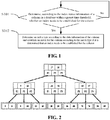
FIG. 1 is a schematic flowchart of an index establishment method according to the present application; -
FIG. 2 is a schematic diagram of a data structure in a specific embodiment of the present application; -
FIG. 3 is a schematic flowchart of streamed result merging according to a specific embodiment of the present application; -
FIG. 4 is a schematic structural diagram of an index according to a specific embodiment of the present application; -
FIG. 5 is a schematic flowchart of establishing an index according to a specific embodiment of the present application; and -
FIG. 6 is a schematic structural diagram of an index establishment device according to the present application. - In view of the problem in the Background Art, the present application provides an index establishment method. It is promptly determined, according to the index use status of each column in a database, whether an index needs to be established for the column, and a suitable index type is selected in light of the data information of the column during the establishment of an index. Therefore, the retrieval efficiency is improved under the premise of saving hardware resources and reducing labor input.
-
FIG. 1 is a schematic flowchart of an index establishment method according to the present application. The method includes the following steps: - S101: It is determined, according to the index status information of a column in a database within a preset time threshold, whether an index needs to be established for the column.
- Step S102 is performed if it is determined that an index needs to be established for the column.
- The process returns to step S101 if it is determined that an index does not need to be established for the column, to continue to determine, within a time interval corresponding to the next preset time threshold, whether an index needs to be established for the column.
- If there is a massive amount of data, because a user does not often retrieve or query all columns, it is time consuming and labor consuming and is unnecessary to establish an index for each column in a database. Therefore, in the present application, index status information is introduced for each column in a database. It is determined, based on index status information within a period of time, whether an index needs to be established for the column. Meanwhile, to ensure that index status information of each column can be promptly adjusted according to the retrieval manners and habits of the user, in the present application, after each time threshold, the index status information of each column is updated, and it is determined, for example, whether an index has been used for the column within the time threshold and whether the number of times the index has been used reaches a particular number. In a specific application scenario, the time threshold is specifically a preset time interval value representing a statistics-collection time range for collecting statistics on the index use status of a corresponding column. The time threshold may be adjusted according to the capacity of the database and the number of users. Generally, the time threshold may be set to one day, and a technical person may extend or shorten the time threshold based on this. These time thresholds all fall within the protection scope of the present application.
- In a preferred embodiment of the present application, a specific determination manner is provided for this step, and it includes the following steps:
- Step a): The index status information of the column within the time threshold is acquired.
- Step b): It is determined, according to the index status information, whether an index is used for the column within the time threshold, and when the determination result is yes, it is determined whether the number of times an index for the column is used within the time threshold is not less than a preset number-of-times threshold.
- Based on the foregoing determination step, it is determined that an index does not need to be established for the column if an index is not used for the column within the time threshold or the number of times an index for the column is used within the time threshold is less than the number-of-times threshold; or it is determined that an index needs to be established for the column if the number of times an index for the column is used within the time threshold is not less than the number-of-times threshold.
- It should be noted that although, in the foregoing embodiment, specific steps and determination bases are used to determine whether an index needs to be established for a column, based on this, those skilled in the art may perform determination by using another type of basis. These improvements all fall within the protection scope of the present application.
- In addition, after the database has been initialized, at this point, none of the columns in the database has an established index. In this case, an index is constructed for each column in the database according to a default index type in the present application, and an index is constructed for each column again when a preset moment is reached. Indexes that are uniformly established in this process may be preset by a technical person.
- S102: An index type is determined according to the data information of the column, and an index is established for the column according to the index type.
- An index type can be determined according to the data information of the column after it is determined by using S101 that an index needs to be established for the column. Therefore, personalized retrieval services can be provided to users based on different cases, so that the average time of querying a current database by all users is greatly reduced.
- In contrast, as described in step S101, if it is determined that an index does not need to be established for the column, in the technical solution of the present application, after the time interval corresponding to a current time threshold ends, it is determined again, according to the index use status information of the column within the time interval corresponding to the next time threshold, whether an index needs to be established for the column. That is, step S101 is performed again. Therefore, flexible adjustment can be made according to the actual case.
- Currently, commonly used index types include the Inverted index, B-Tree index, Hash index, and Bitmap index. Therefore, in a preferred embodiment of the present application, an index type is specifically determined by using the following conditions:
- (1) It is determined that the index type is a B-Tree index if the column is a continuous value type.
- (2) It is determined that the index type is a Hash index if a Join occurs in the column.
- It should be noted that a Join is one of the important operations in a relational database system. Common Joins in an SQL Server include the inner join, outer join, cross join, and the like. If matching data of a row in one table and a row in another table needs to be acquired from two or more tables, the use of a Join operation needs to be considered, as a Join is characterized by joining tables or functions to perform a query.
- (3) It is determined that the index type is an inverted index if the number of words in the column is greater than a preset number-of-words threshold.
- Here, the number of words in the column is specifically the number of variable values included in the column.
- (4) It is determined that the index type is a bitmap index if the number of words in the column is not greater than a preset number-of-words threshold, a Join does not occur, and the column is a discontinuous value type.
- In a specific embodiment of the present application, if data in a column is a value type and is continuous (for example, a monetary amount), generally speaking, only a range query needs to be performed on such a value type field. In the diagram of a data structure in
FIG. 2 , an intermediate node in the data structure of a B-Tree inherently has a range attribute. Therefore, for a column of a continuous value type, the efficiency of a range search on a B-Tree index is far higher than that of a range search on an inverted index and a bitmap index. - In addition, it is assumed that there are n records in an entire index slice, field A has x different term values, and the compression ratio of an original compression algorithm of "delta+vint" is p. In this case, the following result may be obtained by using a transform equation "x<128*p" of "x*n/32<n*4*p" and "the maximum compression ratio of the compression algorithm of "delta+vint" is 1/4":
when p=1/4, x<128*1/4=32 may be obtained by substituting "x<128*p". - As can be seen from the foregoing result, if the number of words is less than 32, the space occupied when a bitmap index is used is smaller than that occupied when an inverted index is used. Therefore, in the foregoing preferred embodiment, the number-of-words threshold may be specifically set to 32. However, it should also be pointed out that the number-of-words threshold may be subsequently changed based on another algorithm. This does not affect the protection scope of the present application.
- In addition, after one user query is made in the prior art, no result information related to the query is saved. Generally, a user's query expression is usually formed of a plurality of different subexpressions. Therefore, if no atomic subexpression is cached in a conventional database, subexpression query results cannot be reused for different SQLs having the same expression. As a result, when no atomic subexpression is cached, the performance of Boolean operations in any dimensions in online analytical processing (OLAP) is poor. This being the case, a preferred embodiment of the present application provides a solution, in which a retrieval expression sent by a user is divided into a plurality of subexpressions when the retrieval expression is received, and it is queried whether a retrieval result corresponding to each subexpression exists in a cache. The processing is based on the following cases:
- (1) a retrieval response to be returned to the user is generated according to a retrieval result corresponding to the subexpression and retrieval results of other subexpressions if the retrieval result exists; or
- (2) retrieval is performed on the subexpression by using an index of the column if a retrieval result corresponding to the subexpression does not exist, and the retrieval result is stored in the cache after a retrieval response to be returned to the user is generated according to the retrieval result and retrieval results of other subexpressions.
- A schematic flowchart of streamed result merging in
FIG. 3 is used as an example. An inverted link obtained through decompression after an index is queried is stored in the memory by using a bitmap structure. In this streamed merging framework, Boolean operations between expressions are obtained one by one through merging under the premise of not generating any intermediate objects. The entire streamed merging process includes the following four parts: - (1) A Query Builder (a queue creation component) generates an Engine Query (queue engine) object tree according to a where expression.
- (2) A Rowid Selector tree is constructed according to the Engine Query object tree.
- (3) A Rowid Set is obtained from different indexes and is inserted on a leaf node, and an intermediate node is a logic operational merger.
- (4) Selection is performed from root nodes one by one, and a Rowid is collected.
- The specific embodiment is based on a case in which different SQL statements may have the same where subexpression. Therefore, an atomic subexpression is cached to accelerate index query performance.
- By applying the foregoing technical solution, based on an index structure that is independent on a column level, the most suitable index type is automatically selected according to costs and expenses, history statistics (HBO) are used to automatically adjust the index type, and at the same time an atomic subexpression is cached. Therefore, index query performance is accelerated while storage costs are reduced.
- To further illustrate the technical concept of the present invention, a structural diagram of an index in
FIG. 4 is used to describe the technical solution in the present invention. In the specific embodiment, the column-level index architecture shown inFIG. 4 is autonomously implemented based on the principles and characteristics of indexes such as an inverted index, bitmap index, Hash index, and B-Tree index, and all four index types can be supported. The index types are transparent to a user and do not need to be specified externally by the user. Instead, an index type is automatically selected according to data features. Moreover, the multiple index types use the same data structure to perform Boolean operations. The index from which a where subexpression result is found does not need to be perceived on an engine layer. In addition, an index may be automatically optimized according to history statistics information without needing manual involvement. - Specifically, the structural diagram of the index mainly includes the following three parts:
- (1) A Streamed Merger is responsible for unifying query results of different indexes and interaction between computation layers. Results from queries using different indexes are stored by using a bitmap, a streamed merge tree is then generated according to Boolean operations of a where expression, and the merger then outputs row numbers that satisfy a where condition, one by one.
- (2) An Index Manager is responsible for index management, type selection, and automatic index optimization procedures.
- (3) A subexpression cache (a Bitmap Cache) is responsible for caching where subexpressions.
- Based on the foregoing description, in a schematic flowchart of establishing an index in
FIG. 5 , an index is first established for each column in a database, and every day an index is established again and history SQL statistics data is acquired. It is determined, based on the history data, whether an index is used for the column on the current day and whether the number of times the index is used exceeds a threshold. A different index type is selected according to the type of data in the column after it is determined that an index needs to be established for the column. Therefore, not only does it support the use of different index types (an inverted index, a B-Tree index, a Bitmap index, and a Hash index are all supported) for fields in different columns, but also an index type is selected without being perceived by a user, so that storage costs are greatly saved and query speed is greatly increased. - To achieve the foregoing technical objective, the present application further provides an index establishment device. As shown in
FIG. 6 , the device includes: - a
determination module 610 configured to determine, according to the index status information of a column in a database within a preset time threshold, whether an index needs to be established for the column; and - an
establishment module 620 configured to determine an index type according to the data information of the column and establish an index for the column according to the index type when the determination module determines that an index needs to be established for the column. - In a specific application scenario, the establishment module is further configured to determine, after the time threshold and according to index use status information of the column within the time threshold, whether an index needs to be established for the column when the determination module determines that an index does not need to be established for the column.
- In a specific application scenario, the determination module is specifically configured to:
- acquire the index status information of the column within the time threshold;
- determine, according to the index status information, whether an index is used for the column within the time threshold, and when the determination result is yes, determine whether the number of times an index for the column is used within the time threshold is not less than a preset number-of-times threshold; and
- determine that an index does not need to be established for the column if an index is not used for the column within the time threshold or the number of times an index for the column is used within the time threshold is less than the number-of-times threshold; or
- determine that an index needs to be established for the column if the number of times an index for the column is used within the time threshold is not less than the number-of-times threshold.
- In a specific application scenario, the index types at least include a B-Tree index, a Hash index, and a Bitmap index, and the establishment module configured to determine an index type according to the data information of the column specifically:
- determines that the index type is a B-Tree index if the column is a continuous value type;
- determines that the index type is a Hash index if a join occurs in the column; and
- determines that the index type is an inverted index if the number of words in the column is greater than a preset number-of-words threshold; or
- determines that the index type is a bitmap index if the number of words in the column is not greater than a preset number-of-words threshold, a Join does not occur, and the column is a discontinuous value type.
- In a specific application scenario, the device further includes:
- a division module configured to divide a retrieval expression sent by a user into a plurality of subexpressions when the retrieval expression is received;
- a query module configured to query whether a retrieval result corresponding to each subexpression exists in a cache; and
- a processing module configured to generate, according to a retrieval result corresponding to the subexpression and retrieval results of other subexpressions, a retrieval response to be returned to the user when the retrieval result exists, or perform retrieval on the subexpression by using an index of the column when a retrieval result corresponding to the subexpression does not exist, and store the retrieval result in the cache after a retrieval response to be returned to the user is generated according to the retrieval result and retrieval results of other subexpressions.
- In a specific application scenario, the device further includes:
an initialization module configured to construct an index for each column in the database according to a default index type after the database has been initialized, and construct an index for each column again when a preset moment is reached. - By applying the technical solution in the present application, it is first determined, according to the index status information of a column in a database within a preset time threshold, whether an index needs to be established for the column, and an index type is determined according to the data information of the column and an index is established for the column according to the index type when it is determined that an index needs to be established. Therefore, an index can be dynamically established for each column in a database, and a suitable index type can be selected according to the actual case, so that data retrieval efficiency can be effectively improved under the premise of reducing resource consumption and labor input.
- As can be known from this description of implementation manners, those skilled in the art may clearly understand that the present invention may be implemented by using software or software plus a necessary universal hardware platform. Based on such an understanding, the technical solutions of the present invention may be implemented in the form of a software product. The software product may be stored in a non-volatile storage medium (which may be a CD-ROM, a USB flash drive, a removable hard disk, or the like), and includes several instructions for instructing a computer device (which may be a personal computer, a server, a network device, or the like) to perform the methods in the implementation scenarios of the present invention.
- Those skilled in the art may understand that the accompanying drawings are only schematic diagrams of a preferred implementation scenario. The modules or procedures in the accompanying drawings are not necessarily indispensable for implementing the present invention.
- Those skilled in the art may understand that the modules in the apparatus in the implementation scenario may be distributed in the apparatus in the implementation scenario according to the description of the implementation scenario, or may be correspondingly changed to be located in one or more apparatuses different from the apparatus in the implementation scenario. The modules in the foregoing implementation scenario may be combined into one module or may further be divided into a plurality of submodules.
- The foregoing sequence numbers in the present invention are merely for the convenience of description, and do not imply preference among the implementation scenarios.
- The foregoing disclosure is only several specific implementation scenarios of the present invention, but the present invention is not limited thereto. Any change conceivable by a person skilled in the art shall fall within the protection scope of the present invention.
Claims (12)
- An index establishment method, comprising:determining, according to the index status information of a column in a database within a preset time threshold, whether an index needs to be established for the column; anddetermining an index type according to the data information of the column and establishing an index for the column according to the index type if it is determined that an index needs to be established for the column.
- The method of claim 1, further comprising:determining, after the time threshold and according to index use status information of the column within the time threshold, whether an index needs to be established for the column if it is determined that an index does not need to be established for the column.
- The method of claim 2, wherein the step of determining, according to the index status information of a column in a database within a preset time threshold, whether an index needs to be established for the column is specifically:acquiring the index status information of the column within the time threshold;determining, according to the index status information, whether an index is used for the column within the time threshold, and when the determination result is yes, determining whether the number of times an index for the column is used within the time threshold is not less than a preset number-of-times threshold; anddetermining that an index does not need to be established for the column if an index is not used for the column within the time threshold or the number of times an index for the column is used within the time threshold is less than the number-of-times threshold; ordetermining an index needs to be established for the column if the number of times an index for the column is used within the time threshold is not less than the number-of-times threshold.
- The method of claim 1, wherein the index types at least comprise a B-Tree index, a Hash index, and a Bitmap index, and the step of determining an index type according to the data information of the column is specifically:determining that the index type is a B-tree index if the column is a continuous value type;determining that the index type is a Hash index if a Join occurs in the column; anddetermining that the index type is an inverted index if the number of words in the column is greater than a preset number-of-words threshold; ordetermining that the index type is a bitmap index if the number of words in the column is not greater than a preset number-of-words threshold, a Join does not occur, and the column is a discontinuous value type.
- The method of claim 1, further comprising:dividing a retrieval expression sent by a user into a plurality of subexpressions when the retrieval expression is received;querying whether a retrieval result corresponding to each subexpression exists in a cache; andgenerating, according to a retrieval result corresponding to the subexpression and retrieval results of other subexpressions, a retrieval response to be returned to the user if the retrieval result exists; orperforming retrieval on the subexpression by using an index of the column if a retrieval result corresponding to the subexpression does not exist, and storing the retrieval result in the cache after a retrieval response to be returned to the user is generated according to the retrieval result and retrieval results of other subexpressions.
- The method of claim 1, further comprising, before the step of determining, according to the index status information of a column in a database within a preset time threshold, whether an index needs to be established for the column:constructing an index for each column in the database according to a default index type after the database has been initialized, and constructing an index for each column again when a preset moment is reached.
- An index establishment device, comprising:a determination module configured to determine, according to the index status information of a column in a database within a preset time threshold, whether an index needs to be established for the column; andan establishment module configured to determine an index type according to the data information of the column and establish an index for the column according to the index type when the determination module determines that an index needs to be established for the column.
- The device of claim 1, wherein
the establishment module is further configured to determine, after the time threshold and according to index use status information of the column within the time threshold, whether an index needs to be established for the column when the determination module determines that an index does not need to be established for the column. - The device of claim 8, wherein the determination module is specifically configured to:acquire the index status information of the column within the time threshold;determine, according to the index status information, whether an index is used for the column within the time threshold, and when the determination result is yes, determine whether the number of times an index for the column is used within the time threshold is not less than a preset number-of-times threshold; anddetermine that an index does not need to be established for the column if an index is not used for the column within the time threshold or the number of times an index for the column is used within the time threshold is less than the number-of-times threshold; ordetermine an index needs to be established for the column if the number of times an index for the column is used within the time threshold is not less than the number-of-times threshold.
- The device of claim 8, wherein the index types at least comprise a B-Tree index, a Hash index, and a Bitmap index, and the establishment module configured to determine an index type according to the data information of the column specifically:determines that the index type is a B-Tree index if the column is a continuous value type;determines that the index type is a Hash index if a Join occurs in the column; anddetermines that the index type is an inverted index if the number of words in the column is greater than a preset number-of-words threshold; ordetermines that the index type is a bitmap index if the number of words in the column is not greater than a preset number-of-words threshold, a Join does not occur, and the column is a discontinuous value type.
- The device of claim 8, further comprising:a division module configured to divide a retrieval expression sent by a user into a plurality of subexpressions when the retrieval expression is received;a query module configured to query whether a retrieval result corresponding to each subexpression exists in a cache; anda processing module configured to generate, according to a retrieval result corresponding to the subexpression and retrieval results of other subexpressions, a retrieval response to be returned to the user when the retrieval result exists, or perform retrieval on the subexpression by using an index of the column when a retrieval result corresponding to the subexpression does not exist, and store the retrieval result in the cache after a retrieval response to be returned to the user is generated according to the retrieval result and retrieval results of other subexpressions.
- The device of claim 8, further comprising:an initialization module configured to construct an index for each column in the database according to a default index type after the database has been initialized, and construct an index for each column again when a preset moment is reached.
Applications Claiming Priority (2)
| Application Number | Priority Date | Filing Date | Title |
|---|---|---|---|
| CN201510868254.XA CN106815260B (en) | 2015-12-01 | 2015-12-01 | An index building method and device |
| PCT/CN2016/106581 WO2017092583A1 (en) | 2015-12-01 | 2016-11-21 | Method and device for establishing index |
Publications (3)
| Publication Number | Publication Date |
|---|---|
| EP3385864A4 EP3385864A4 (en) | 2018-10-10 |
| EP3385864A1 true EP3385864A1 (en) | 2018-10-10 |
| EP3385864B1 EP3385864B1 (en) | 2024-01-03 |
Family
ID=58796259
Family Applications (1)
| Application Number | Title | Priority Date | Filing Date |
|---|---|---|---|
| EP16869893.4A Active EP3385864B1 (en) | 2015-12-01 | 2016-11-21 | Method and device for establishing index |
Country Status (5)
| Country | Link |
|---|---|
| US (1) | US11003649B2 (en) |
| EP (1) | EP3385864B1 (en) |
| JP (1) | JP6898320B2 (en) |
| CN (1) | CN106815260B (en) |
| WO (1) | WO2017092583A1 (en) |
Families Citing this family (15)
| Publication number | Priority date | Publication date | Assignee | Title |
|---|---|---|---|---|
| CN106815260B (en) | 2015-12-01 | 2021-05-04 | 阿里巴巴集团控股有限公司 | An index building method and device |
| US11023439B2 (en) * | 2016-09-01 | 2021-06-01 | Morphick, Inc. | Variable cardinality index and data retrieval |
| CN110851438B (en) * | 2018-08-20 | 2025-03-18 | 北京京东尚科信息技术有限公司 | A method and device for database index optimization suggestion and verification |
| CN110874358B (en) * | 2018-08-30 | 2023-05-05 | 阿里巴巴集团控股有限公司 | Multi-attribute column storage and retrieval method and device and electronic equipment |
| US10545960B1 (en) * | 2019-03-12 | 2020-01-28 | The Governing Council Of The University Of Toronto | System and method for set overlap searching of data lakes |
| CN111046130B (en) * | 2019-11-08 | 2023-05-23 | 杭州安恒信息技术股份有限公司 | A Relational Retrieval Method Combining ElasticSearch and FSM |
| CN113297454B (en) * | 2020-04-14 | 2025-01-03 | 阿里巴巴集团控股有限公司 | Retrieval method, query method, device, system, electronic device and computer storage medium |
| CN113535733B (en) * | 2021-07-26 | 2024-08-06 | 北京锐安科技有限公司 | Data storage and query method and device, computer equipment and storage medium |
| CN114168800B (en) * | 2021-11-26 | 2024-09-13 | 哈尔滨工程大学 | Conflict detection method based on B+ tree and bitmap index fusion tree |
| US12182093B2 (en) * | 2022-09-27 | 2024-12-31 | Ocient Holdings LLC | Applying range-based filtering during query execution based on utilizing an inverted index structure |
| US12321387B2 (en) * | 2023-03-10 | 2025-06-03 | Equifax Inc. | Automatically generating search indexes for expediting searching of a computerized database |
| CN116383144A (en) * | 2023-03-23 | 2023-07-04 | 中科星图股份有限公司 | A multi-source heterogeneous remote sensing data storage method and device |
| CN116719843B (en) * | 2023-05-31 | 2025-11-07 | 中电科金仓(北京)科技股份有限公司 | Query method, storage medium and device for database system |
| CN117573680B (en) * | 2024-01-17 | 2024-04-12 | 深圳市进择科技有限公司 | A positioning data transmission management system and method based on big data |
| CN118467669B (en) * | 2024-05-09 | 2025-02-25 | 深圳计算科学研究院 | Index construction method, field search method, device, equipment and medium |
Family Cites Families (29)
| Publication number | Priority date | Publication date | Assignee | Title |
|---|---|---|---|---|
| JPS63201716A (en) * | 1987-02-17 | 1988-08-19 | Nec Corp | Index maintenances system |
| US5404510A (en) | 1992-05-21 | 1995-04-04 | Oracle Corporation | Database index design based upon request importance and the reuse and modification of similar existing indexes |
| JPH0785093A (en) * | 1993-09-16 | 1995-03-31 | Nissan Motor Co Ltd | Automatic index setting method |
| US5907837A (en) * | 1995-07-17 | 1999-05-25 | Microsoft Corporation | Information retrieval system in an on-line network including separate content and layout of published titles |
| US7640244B1 (en) * | 2004-06-07 | 2009-12-29 | Teredata Us, Inc. | Dynamic partition enhanced joining using a value-count index |
| US7392266B2 (en) * | 2005-03-17 | 2008-06-24 | International Business Machines Corporation | Apparatus and method for monitoring usage of components in a database index |
| JP2007122405A (en) * | 2005-10-28 | 2007-05-17 | Hitachi Ltd | Database management system performance tuning system |
| JP5162215B2 (en) * | 2007-11-22 | 2013-03-13 | 株式会社エヌ・ティ・ティ・データ | Data processing apparatus, data processing method, and program |
| JP4237813B2 (en) * | 2008-05-26 | 2009-03-11 | 株式会社東芝 | Structured document management system |
| US8489565B2 (en) * | 2009-03-24 | 2013-07-16 | Microsoft Corporation | Dynamic integrated database index management |
| CN101609460B (en) * | 2009-07-22 | 2011-12-14 | 中国科学院地理科学与资源研究所 | Searching method of supporting isomeric geoscientific data resources and searching system |
| US8655867B2 (en) * | 2010-05-13 | 2014-02-18 | Salesforce.Com, Inc. | Method and system for optimizing queries in a multi-tenant database environment |
| US8412701B2 (en) * | 2010-09-27 | 2013-04-02 | Computer Associates Think, Inc. | Multi-dataset global index |
| CN102467572B (en) * | 2010-11-17 | 2013-10-02 | 英业达股份有限公司 | Data block query methods that support deduplicators |
| US8396858B2 (en) * | 2011-08-11 | 2013-03-12 | International Business Machines Corporation | Adding entries to an index based on use of the index |
| CN102779180B (en) * | 2012-06-29 | 2015-09-09 | 华为技术有限公司 | The operation processing method of data-storage system, data-storage system |
| US8825664B2 (en) * | 2012-08-17 | 2014-09-02 | Splunk Inc. | Indexing preview |
| CN103810212B (en) * | 2012-11-14 | 2017-05-24 | 阿里巴巴集团控股有限公司 | Automated database index creation method and system |
| US20140317093A1 (en) * | 2013-04-22 | 2014-10-23 | Salesforce.Com, Inc. | Facilitating dynamic creation of multi-column index tables and management of customer queries in an on-demand services environment |
| US20150032720A1 (en) * | 2013-07-23 | 2015-01-29 | Yahoo! Inc. | Optimizing database queries |
| CN103390066B (en) * | 2013-08-08 | 2016-02-17 | 上海新炬网络信息技术有限公司 | A kind of database overall automation optimizes prior-warning device and disposal route thereof |
| CN104714984A (en) | 2013-12-17 | 2015-06-17 | 中国移动通信集团湖南有限公司 | Database optimization method and device |
| CN104112011B (en) * | 2014-07-16 | 2017-09-15 | 深圳国泰安教育技术股份有限公司 | The method and device that a kind of mass data is extracted |
| CN104182460B (en) * | 2014-07-18 | 2017-06-13 | 浙江大学 | Time Series Similarity querying method based on inverted index |
| US9846746B2 (en) * | 2014-11-20 | 2017-12-19 | Facebook, Inc. | Querying groups of users based on user attributes for social analytics |
| CN104834736A (en) * | 2015-05-19 | 2015-08-12 | 深圳证券信息有限公司 | Method and device for establishing index database and retrieval method, device and system |
| CN105045851A (en) * | 2015-07-07 | 2015-11-11 | 福建天晴数码有限公司 | Method and system for automatically creating database index according to log analysis |
| CN106815260B (en) | 2015-12-01 | 2021-05-04 | 阿里巴巴集团控股有限公司 | An index building method and device |
| US10601593B2 (en) * | 2016-09-23 | 2020-03-24 | Microsoft Technology Licensing, Llc | Type-based database confidentiality using trusted computing |
-
2015
- 2015-12-01 CN CN201510868254.XA patent/CN106815260B/en active Active
-
2016
- 2016-11-21 EP EP16869893.4A patent/EP3385864B1/en active Active
- 2016-11-21 WO PCT/CN2016/106581 patent/WO2017092583A1/en not_active Ceased
- 2016-11-21 JP JP2018524442A patent/JP6898320B2/en active Active
-
2018
- 2018-06-01 US US15/996,237 patent/US11003649B2/en active Active
Also Published As
| Publication number | Publication date |
|---|---|
| JP6898320B2 (en) | 2021-07-07 |
| US20180276264A1 (en) | 2018-09-27 |
| CN106815260B (en) | 2021-05-04 |
| EP3385864A4 (en) | 2018-10-10 |
| US11003649B2 (en) | 2021-05-11 |
| JP2019502980A (en) | 2019-01-31 |
| WO2017092583A1 (en) | 2017-06-08 |
| CN106815260A (en) | 2017-06-09 |
| EP3385864B1 (en) | 2024-01-03 |
Similar Documents
| Publication | Publication Date | Title |
|---|---|---|
| EP3385864B1 (en) | Method and device for establishing index | |
| US11157473B2 (en) | Multisource semantic partitioning | |
| US11907220B2 (en) | Optimizing query processing and routing in a hybrid workload optimized database system | |
| US8949222B2 (en) | Changing the compression level of query plans | |
| US8396852B2 (en) | Evaluating execution plan changes after a wakeup threshold time | |
| US8965918B2 (en) | Decomposed query conditions | |
| EP3285178A1 (en) | Data query method in crossing-partition database, and crossing-partition query device | |
| US11687546B2 (en) | Executing conditions with negation operators in analytical databases | |
| US9141666B2 (en) | Incremental maintenance of range-partitioned statistics for query optimization | |
| US20170083573A1 (en) | Multi-query optimization | |
| EP3499388B1 (en) | Method and device for processing join query | |
| KR101955376B1 (en) | Processing method for a relational query in distributed stream processing engine based on shared-nothing architecture, recording medium and device for performing the method | |
| US9229969B2 (en) | Management of searches in a database system | |
| CN112883143A (en) | Elasticissearch-based digital exhibition searching method and system | |
| CN119106104A (en) | A content retrieval method, device, equipment, intelligent agent and storage medium | |
| Nerić et al. | Big data optimization using Hive | |
| Ttito et al. | Query co-planning for shared execution in key-value stores | |
| Wang et al. | Research on the Optimization of Spark Big Table Equal Join |
Legal Events
| Date | Code | Title | Description |
|---|---|---|---|
| STAA | Information on the status of an ep patent application or granted ep patent |
Free format text: STATUS: THE INTERNATIONAL PUBLICATION HAS BEEN MADE |
|
| PUAI | Public reference made under article 153(3) epc to a published international application that has entered the european phase |
Free format text: ORIGINAL CODE: 0009012 |
|
| STAA | Information on the status of an ep patent application or granted ep patent |
Free format text: STATUS: REQUEST FOR EXAMINATION WAS MADE |
|
| 17P | Request for examination filed |
Effective date: 20180702 |
|
| A4 | Supplementary search report drawn up and despatched |
Effective date: 20180809 |
|
| AK | Designated contracting states |
Kind code of ref document: A1 Designated state(s): AL AT BE BG CH CY CZ DE DK EE ES FI FR GB GR HR HU IE IS IT LI LT LU LV MC MK MT NL NO PL PT RO RS SE SI SK SM TR |
|
| AX | Request for extension of the european patent |
Extension state: BA ME |
|
| DAV | Request for validation of the european patent (deleted) | ||
| DAX | Request for extension of the european patent (deleted) | ||
| STAA | Information on the status of an ep patent application or granted ep patent |
Free format text: STATUS: EXAMINATION IS IN PROGRESS |
|
| 17Q | First examination report despatched |
Effective date: 20200724 |
|
| P01 | Opt-out of the competence of the unified patent court (upc) registered |
Effective date: 20230418 |
|
| REG | Reference to a national code |
Ref legal event code: R079 Ipc: G06F0016220000 Ref country code: DE Ref legal event code: R079 Ref document number: 602016085190 Country of ref document: DE Free format text: PREVIOUS MAIN CLASS: G06F0017300000 Ipc: G06F0016220000 |
|
| GRAP | Despatch of communication of intention to grant a patent |
Free format text: ORIGINAL CODE: EPIDOSNIGR1 |
|
| STAA | Information on the status of an ep patent application or granted ep patent |
Free format text: STATUS: GRANT OF PATENT IS INTENDED |
|
| RIC1 | Information provided on ipc code assigned before grant |
Ipc: G06F 16/22 20190101AFI20230623BHEP |
|
| INTG | Intention to grant announced |
Effective date: 20230721 |
|
| GRAS | Grant fee paid |
Free format text: ORIGINAL CODE: EPIDOSNIGR3 |
|
| GRAA | (expected) grant |
Free format text: ORIGINAL CODE: 0009210 |
|
| STAA | Information on the status of an ep patent application or granted ep patent |
Free format text: STATUS: THE PATENT HAS BEEN GRANTED |
|
| AK | Designated contracting states |
Kind code of ref document: B1 Designated state(s): AL AT BE BG CH CY CZ DE DK EE ES FI FR GB GR HR HU IE IS IT LI LT LU LV MC MK MT NL NO PL PT RO RS SE SI SK SM TR |
|
| REG | Reference to a national code |
Ref country code: GB Ref legal event code: FG4D |
|
| REG | Reference to a national code |
Ref country code: CH Ref legal event code: EP |
|
| REG | Reference to a national code |
Ref country code: DE Ref legal event code: R096 Ref document number: 602016085190 Country of ref document: DE |
|
| REG | Reference to a national code |
Ref country code: IE Ref legal event code: FG4D |
|
| REG | Reference to a national code |
Ref country code: LT Ref legal event code: MG9D |
|
| PG25 | Lapsed in a contracting state [announced via postgrant information from national office to epo] |
Ref country code: ES Free format text: LAPSE BECAUSE OF FAILURE TO SUBMIT A TRANSLATION OF THE DESCRIPTION OR TO PAY THE FEE WITHIN THE PRESCRIBED TIME-LIMIT Effective date: 20240103 |
|
| PG25 | Lapsed in a contracting state [announced via postgrant information from national office to epo] |
Ref country code: ES Free format text: LAPSE BECAUSE OF FAILURE TO SUBMIT A TRANSLATION OF THE DESCRIPTION OR TO PAY THE FEE WITHIN THE PRESCRIBED TIME-LIMIT Effective date: 20240103 |
|
| REG | Reference to a national code |
Ref country code: NL Ref legal event code: MP Effective date: 20240103 |
|
| REG | Reference to a national code |
Ref country code: AT Ref legal event code: MK05 Ref document number: 1647522 Country of ref document: AT Kind code of ref document: T Effective date: 20240103 |
|
| PG25 | Lapsed in a contracting state [announced via postgrant information from national office to epo] |
Ref country code: NL Free format text: LAPSE BECAUSE OF FAILURE TO SUBMIT A TRANSLATION OF THE DESCRIPTION OR TO PAY THE FEE WITHIN THE PRESCRIBED TIME-LIMIT Effective date: 20240103 |
|
| PG25 | Lapsed in a contracting state [announced via postgrant information from national office to epo] |
Ref country code: NL Free format text: LAPSE BECAUSE OF FAILURE TO SUBMIT A TRANSLATION OF THE DESCRIPTION OR TO PAY THE FEE WITHIN THE PRESCRIBED TIME-LIMIT Effective date: 20240103 |
|
| PG25 | Lapsed in a contracting state [announced via postgrant information from national office to epo] |
Ref country code: IS Free format text: LAPSE BECAUSE OF FAILURE TO SUBMIT A TRANSLATION OF THE DESCRIPTION OR TO PAY THE FEE WITHIN THE PRESCRIBED TIME-LIMIT Effective date: 20240503 |
|
| PG25 | Lapsed in a contracting state [announced via postgrant information from national office to epo] |
Ref country code: LT Free format text: LAPSE BECAUSE OF FAILURE TO SUBMIT A TRANSLATION OF THE DESCRIPTION OR TO PAY THE FEE WITHIN THE PRESCRIBED TIME-LIMIT Effective date: 20240103 |
|
| PG25 | Lapsed in a contracting state [announced via postgrant information from national office to epo] |
Ref country code: GR Free format text: LAPSE BECAUSE OF FAILURE TO SUBMIT A TRANSLATION OF THE DESCRIPTION OR TO PAY THE FEE WITHIN THE PRESCRIBED TIME-LIMIT Effective date: 20240404 |
|
| PG25 | Lapsed in a contracting state [announced via postgrant information from national office to epo] |
Ref country code: RS Free format text: LAPSE BECAUSE OF FAILURE TO SUBMIT A TRANSLATION OF THE DESCRIPTION OR TO PAY THE FEE WITHIN THE PRESCRIBED TIME-LIMIT Effective date: 20240403 Ref country code: HR Free format text: LAPSE BECAUSE OF FAILURE TO SUBMIT A TRANSLATION OF THE DESCRIPTION OR TO PAY THE FEE WITHIN THE PRESCRIBED TIME-LIMIT Effective date: 20240103 |
|
| PG25 | Lapsed in a contracting state [announced via postgrant information from national office to epo] |
Ref country code: AT Free format text: LAPSE BECAUSE OF FAILURE TO SUBMIT A TRANSLATION OF THE DESCRIPTION OR TO PAY THE FEE WITHIN THE PRESCRIBED TIME-LIMIT Effective date: 20240103 Ref country code: CZ Free format text: LAPSE BECAUSE OF FAILURE TO SUBMIT A TRANSLATION OF THE DESCRIPTION OR TO PAY THE FEE WITHIN THE PRESCRIBED TIME-LIMIT Effective date: 20240103 |
|
| PG25 | Lapsed in a contracting state [announced via postgrant information from national office to epo] |
Ref country code: RS Free format text: LAPSE BECAUSE OF FAILURE TO SUBMIT A TRANSLATION OF THE DESCRIPTION OR TO PAY THE FEE WITHIN THE PRESCRIBED TIME-LIMIT Effective date: 20240403 Ref country code: NO Free format text: LAPSE BECAUSE OF FAILURE TO SUBMIT A TRANSLATION OF THE DESCRIPTION OR TO PAY THE FEE WITHIN THE PRESCRIBED TIME-LIMIT Effective date: 20240403 Ref country code: LT Free format text: LAPSE BECAUSE OF FAILURE TO SUBMIT A TRANSLATION OF THE DESCRIPTION OR TO PAY THE FEE WITHIN THE PRESCRIBED TIME-LIMIT Effective date: 20240103 Ref country code: IS Free format text: LAPSE BECAUSE OF FAILURE TO SUBMIT A TRANSLATION OF THE DESCRIPTION OR TO PAY THE FEE WITHIN THE PRESCRIBED TIME-LIMIT Effective date: 20240503 Ref country code: HR Free format text: LAPSE BECAUSE OF FAILURE TO SUBMIT A TRANSLATION OF THE DESCRIPTION OR TO PAY THE FEE WITHIN THE PRESCRIBED TIME-LIMIT Effective date: 20240103 Ref country code: GR Free format text: LAPSE BECAUSE OF FAILURE TO SUBMIT A TRANSLATION OF THE DESCRIPTION OR TO PAY THE FEE WITHIN THE PRESCRIBED TIME-LIMIT Effective date: 20240404 Ref country code: CZ Free format text: LAPSE BECAUSE OF FAILURE TO SUBMIT A TRANSLATION OF THE DESCRIPTION OR TO PAY THE FEE WITHIN THE PRESCRIBED TIME-LIMIT Effective date: 20240103 Ref country code: BG Free format text: LAPSE BECAUSE OF FAILURE TO SUBMIT A TRANSLATION OF THE DESCRIPTION OR TO PAY THE FEE WITHIN THE PRESCRIBED TIME-LIMIT Effective date: 20240103 Ref country code: AT Free format text: LAPSE BECAUSE OF FAILURE TO SUBMIT A TRANSLATION OF THE DESCRIPTION OR TO PAY THE FEE WITHIN THE PRESCRIBED TIME-LIMIT Effective date: 20240103 |
|
| PG25 | Lapsed in a contracting state [announced via postgrant information from national office to epo] |
Ref country code: PL Free format text: LAPSE BECAUSE OF FAILURE TO SUBMIT A TRANSLATION OF THE DESCRIPTION OR TO PAY THE FEE WITHIN THE PRESCRIBED TIME-LIMIT Effective date: 20240103 Ref country code: PT Free format text: LAPSE BECAUSE OF FAILURE TO SUBMIT A TRANSLATION OF THE DESCRIPTION OR TO PAY THE FEE WITHIN THE PRESCRIBED TIME-LIMIT Effective date: 20240503 |
|
| PG25 | Lapsed in a contracting state [announced via postgrant information from national office to epo] |
Ref country code: SE Free format text: LAPSE BECAUSE OF FAILURE TO SUBMIT A TRANSLATION OF THE DESCRIPTION OR TO PAY THE FEE WITHIN THE PRESCRIBED TIME-LIMIT Effective date: 20240103 Ref country code: PT Free format text: LAPSE BECAUSE OF FAILURE TO SUBMIT A TRANSLATION OF THE DESCRIPTION OR TO PAY THE FEE WITHIN THE PRESCRIBED TIME-LIMIT Effective date: 20240503 Ref country code: PL Free format text: LAPSE BECAUSE OF FAILURE TO SUBMIT A TRANSLATION OF THE DESCRIPTION OR TO PAY THE FEE WITHIN THE PRESCRIBED TIME-LIMIT Effective date: 20240103 Ref country code: LV Free format text: LAPSE BECAUSE OF FAILURE TO SUBMIT A TRANSLATION OF THE DESCRIPTION OR TO PAY THE FEE WITHIN THE PRESCRIBED TIME-LIMIT Effective date: 20240103 |
|
| REG | Reference to a national code |
Ref country code: DE Ref legal event code: R097 Ref document number: 602016085190 Country of ref document: DE |
|
| PG25 | Lapsed in a contracting state [announced via postgrant information from national office to epo] |
Ref country code: DK Free format text: LAPSE BECAUSE OF FAILURE TO SUBMIT A TRANSLATION OF THE DESCRIPTION OR TO PAY THE FEE WITHIN THE PRESCRIBED TIME-LIMIT Effective date: 20240103 |
|
| PG25 | Lapsed in a contracting state [announced via postgrant information from national office to epo] |
Ref country code: SM Free format text: LAPSE BECAUSE OF FAILURE TO SUBMIT A TRANSLATION OF THE DESCRIPTION OR TO PAY THE FEE WITHIN THE PRESCRIBED TIME-LIMIT Effective date: 20240103 |
|
| PG25 | Lapsed in a contracting state [announced via postgrant information from national office to epo] |
Ref country code: EE Free format text: LAPSE BECAUSE OF FAILURE TO SUBMIT A TRANSLATION OF THE DESCRIPTION OR TO PAY THE FEE WITHIN THE PRESCRIBED TIME-LIMIT Effective date: 20240103 |
|
| PG25 | Lapsed in a contracting state [announced via postgrant information from national office to epo] |
Ref country code: SK Free format text: LAPSE BECAUSE OF FAILURE TO SUBMIT A TRANSLATION OF THE DESCRIPTION OR TO PAY THE FEE WITHIN THE PRESCRIBED TIME-LIMIT Effective date: 20240103 |
|
| PG25 | Lapsed in a contracting state [announced via postgrant information from national office to epo] |
Ref country code: SM Free format text: LAPSE BECAUSE OF FAILURE TO SUBMIT A TRANSLATION OF THE DESCRIPTION OR TO PAY THE FEE WITHIN THE PRESCRIBED TIME-LIMIT Effective date: 20240103 Ref country code: SK Free format text: LAPSE BECAUSE OF FAILURE TO SUBMIT A TRANSLATION OF THE DESCRIPTION OR TO PAY THE FEE WITHIN THE PRESCRIBED TIME-LIMIT Effective date: 20240103 Ref country code: RO Free format text: LAPSE BECAUSE OF FAILURE TO SUBMIT A TRANSLATION OF THE DESCRIPTION OR TO PAY THE FEE WITHIN THE PRESCRIBED TIME-LIMIT Effective date: 20240103 Ref country code: EE Free format text: LAPSE BECAUSE OF FAILURE TO SUBMIT A TRANSLATION OF THE DESCRIPTION OR TO PAY THE FEE WITHIN THE PRESCRIBED TIME-LIMIT Effective date: 20240103 Ref country code: DK Free format text: LAPSE BECAUSE OF FAILURE TO SUBMIT A TRANSLATION OF THE DESCRIPTION OR TO PAY THE FEE WITHIN THE PRESCRIBED TIME-LIMIT Effective date: 20240103 |
|
| PLBE | No opposition filed within time limit |
Free format text: ORIGINAL CODE: 0009261 |
|
| STAA | Information on the status of an ep patent application or granted ep patent |
Free format text: STATUS: NO OPPOSITION FILED WITHIN TIME LIMIT |
|
| PG25 | Lapsed in a contracting state [announced via postgrant information from national office to epo] |
Ref country code: IT Free format text: LAPSE BECAUSE OF FAILURE TO SUBMIT A TRANSLATION OF THE DESCRIPTION OR TO PAY THE FEE WITHIN THE PRESCRIBED TIME-LIMIT Effective date: 20240103 |
|
| 26N | No opposition filed |
Effective date: 20241007 |
|
| PG25 | Lapsed in a contracting state [announced via postgrant information from national office to epo] |
Ref country code: IT Free format text: LAPSE BECAUSE OF FAILURE TO SUBMIT A TRANSLATION OF THE DESCRIPTION OR TO PAY THE FEE WITHIN THE PRESCRIBED TIME-LIMIT Effective date: 20240103 |
|
| PG25 | Lapsed in a contracting state [announced via postgrant information from national office to epo] |
Ref country code: SI Free format text: LAPSE BECAUSE OF FAILURE TO SUBMIT A TRANSLATION OF THE DESCRIPTION OR TO PAY THE FEE WITHIN THE PRESCRIBED TIME-LIMIT Effective date: 20240103 |
|
| REG | Reference to a national code |
Ref country code: CH Ref legal event code: PL |
|
| PG25 | Lapsed in a contracting state [announced via postgrant information from national office to epo] |
Ref country code: MC Free format text: LAPSE BECAUSE OF FAILURE TO SUBMIT A TRANSLATION OF THE DESCRIPTION OR TO PAY THE FEE WITHIN THE PRESCRIBED TIME-LIMIT Effective date: 20240103 |
|
| PG25 | Lapsed in a contracting state [announced via postgrant information from national office to epo] |
Ref country code: LU Free format text: LAPSE BECAUSE OF NON-PAYMENT OF DUE FEES Effective date: 20241121 |
|
| REG | Reference to a national code |
Ref country code: CH Ref legal event code: PL |
|
| PG25 | Lapsed in a contracting state [announced via postgrant information from national office to epo] |
Ref country code: CH Free format text: LAPSE BECAUSE OF NON-PAYMENT OF DUE FEES Effective date: 20241130 |
|
| REG | Reference to a national code |
Ref country code: BE Ref legal event code: MM Effective date: 20241130 |
|
| PG25 | Lapsed in a contracting state [announced via postgrant information from national office to epo] |
Ref country code: FI Free format text: LAPSE BECAUSE OF FAILURE TO SUBMIT A TRANSLATION OF THE DESCRIPTION OR TO PAY THE FEE WITHIN THE PRESCRIBED TIME-LIMIT Effective date: 20240103 |
|
| PG25 | Lapsed in a contracting state [announced via postgrant information from national office to epo] |
Ref country code: BE Free format text: LAPSE BECAUSE OF NON-PAYMENT OF DUE FEES Effective date: 20241130 |
|
| PG25 | Lapsed in a contracting state [announced via postgrant information from national office to epo] |
Ref country code: IE Free format text: LAPSE BECAUSE OF NON-PAYMENT OF DUE FEES Effective date: 20241121 |
|
| PGFP | Annual fee paid to national office [announced via postgrant information from national office to epo] |
Ref country code: DE Payment date: 20251124 Year of fee payment: 10 |
|
| PGFP | Annual fee paid to national office [announced via postgrant information from national office to epo] |
Ref country code: GB Payment date: 20251126 Year of fee payment: 10 |
|
| PGFP | Annual fee paid to national office [announced via postgrant information from national office to epo] |
Ref country code: FR Payment date: 20251126 Year of fee payment: 10 |
|
| PG25 | Lapsed in a contracting state [announced via postgrant information from national office to epo] |
Ref country code: HU Free format text: LAPSE BECAUSE OF FAILURE TO SUBMIT A TRANSLATION OF THE DESCRIPTION OR TO PAY THE FEE WITHIN THE PRESCRIBED TIME-LIMIT; INVALID AB INITIO Effective date: 20161121 |
|
| PG25 | Lapsed in a contracting state [announced via postgrant information from national office to epo] |
Ref country code: CY Free format text: LAPSE BECAUSE OF FAILURE TO SUBMIT A TRANSLATION OF THE DESCRIPTION OR TO PAY THE FEE WITHIN THE PRESCRIBED TIME-LIMIT; INVALID AB INITIO Effective date: 20161121 |