EP3377097B1 - Skin testing for tuberculosis in immunocompromised persons - Google Patents
Skin testing for tuberculosis in immunocompromised persons Download PDFInfo
- Publication number
- EP3377097B1 EP3377097B1 EP16797736.2A EP16797736A EP3377097B1 EP 3377097 B1 EP3377097 B1 EP 3377097B1 EP 16797736 A EP16797736 A EP 16797736A EP 3377097 B1 EP3377097 B1 EP 3377097B1
- Authority
- EP
- European Patent Office
- Prior art keywords
- composition
- antigens
- use according
- hiv
- mtb
- Prior art date
- Legal status (The legal status is an assumption and is not a legal conclusion. Google has not performed a legal analysis and makes no representation as to the accuracy of the status listed.)
- Active
Links
Images
Classifications
-
- A—HUMAN NECESSITIES
- A61—MEDICAL OR VETERINARY SCIENCE; HYGIENE
- A61K—PREPARATIONS FOR MEDICAL, DENTAL OR TOILETRY PURPOSES
- A61K49/00—Preparations for testing in vivo
- A61K49/0004—Screening or testing of compounds for diagnosis of disorders, assessment of conditions, e.g. renal clearance, gastric emptying, testing for diabetes, allergy, rheuma, pancreas functions
- A61K49/0006—Skin tests, e.g. intradermal testing, test strips, delayed hypersensitivity
-
- A—HUMAN NECESSITIES
- A61—MEDICAL OR VETERINARY SCIENCE; HYGIENE
- A61K—PREPARATIONS FOR MEDICAL, DENTAL OR TOILETRY PURPOSES
- A61K39/00—Medicinal preparations containing antigens or antibodies
- A61K39/02—Bacterial antigens
- A61K39/04—Mycobacterium, e.g. Mycobacterium tuberculosis
-
- A—HUMAN NECESSITIES
- A61—MEDICAL OR VETERINARY SCIENCE; HYGIENE
- A61K—PREPARATIONS FOR MEDICAL, DENTAL OR TOILETRY PURPOSES
- A61K39/00—Medicinal preparations containing antigens or antibodies
- A61K39/02—Bacterial antigens
- A61K39/09—Lactobacillales, e.g. aerococcus, enterococcus, lactobacillus, lactococcus, streptococcus
-
- A—HUMAN NECESSITIES
- A61—MEDICAL OR VETERINARY SCIENCE; HYGIENE
- A61K—PREPARATIONS FOR MEDICAL, DENTAL OR TOILETRY PURPOSES
- A61K9/00—Medicinal preparations characterised by special physical form
- A61K9/0012—Galenical forms characterised by the site of application
- A61K9/0019—Injectable compositions; Intramuscular, intravenous, arterial, subcutaneous administration; Compositions to be administered through the skin in an invasive manner
-
- A—HUMAN NECESSITIES
- A61—MEDICAL OR VETERINARY SCIENCE; HYGIENE
- A61P—SPECIFIC THERAPEUTIC ACTIVITY OF CHEMICAL COMPOUNDS OR MEDICINAL PREPARATIONS
- A61P31/00—Antiinfectives, i.e. antibiotics, antiseptics, chemotherapeutics
- A61P31/04—Antibacterial agents
- A61P31/06—Antibacterial agents for tuberculosis
Definitions
- the present disclosure relates to the use of Mycobacterium tuberculosis antigens for preparing a specific skin test composition with improved TB diagnostic performance in M.tuberculosis and HIV co-infected persons.
- the present disclosure provides a composition comprising Mycobacterium tuberculosis (Mtb) antigens for in vivo diagnosis of latent Mtb infection in immunocompromised persons or persons co-infected with HIV, wherein the reagent comprises a cocktail of the two antigens ESAT6 and CFP-10.
- tuberculin purified protein derivative PPD
- Mtb infected people have no symptoms and require a milder treatment regimen, whereas patients with active TB disease have severe disease, high mortality and require longer and more complex treatment. It is believed that 1/3 of the world population is infected with Mtb, 8 million develop active TB each year of whom 1.3 million die.
- a small volume of 0.1 mL PPD is injected in the upper layer of the skin and following 2-3 days, a positive reaction can be determined by measuring the induration of the skin using a simple ruler.
- the immunological background of the PPD skin reaction is a type-IV delayed type hypersensitivity reaction, a reaction mediated primarily by PPD specific Th1 T cells.
- PPD Tuberculin Skin Test
- the multiple antigens in PPD are also recognized by regulatory T cells, CD1 restricted T cells and Th2 cells, which selectively can inhibit the type-IV reaction from occurring. Furthermore, multiple antigens in PPD are also expressed by environmental mycobacteria and the Bacillus Calmette-Guérin (BCG) used for vaccination against TB, rendering the PPD test unspecific.
- BCG Bacillus Calmette-Guérin
- PPD TST Another major challenge to the use of PPD TST is its unreliability in immunocompromised persons. Especially in Human Immunodeficiency Virus (HIV) infected persons, the PPD TST frequently becomes unresponsive and false negative, or it may turn out false positive due to the application of a too low cut off.
- HIV Human Immunodeficiency Virus
- the immunological background of HIV's impact on the ability of PPD to generate the type-IV skin reaction is complex, however it is established that the selective loss of CD4 T cells by the HIV infection is the root cause. Therefore, the immunodeficiency caused by the loss of CD4 T cells is both the underlying factor leading to disease from opportunistic infectious virus and bacteria (the hallmark of HIV/AIDS), as well as the inability to react to PPD TST.
- cross reactivity to BCG and environmental mycobacteria is a major limitation to PPD TST.
- Cross reactivity compromizes specificity and potentially leads to overtreatment due to false positive responses.
- the specificity issue can be addressed to some extend - but not completely - by increasing the cut off for the TST from 5mm to 10mm or even 15mm induration, however increasing the cut off compromises the sensitivity of the test.
- HIV testing before PPD TST testing in e.g. BCG vaccinated would be required for optimal performance of the PPD TST.
- HIV testing is often not offered to or accepted by the person in need of PPD TST testing.
- Mtb specific immunodominant antigens have led to a significant new avenue for the diagnosis of infection with Mtb.
- Early work had shown the potential to replace PPD TST by a test that assayed the in vitro production of interferon gamma (IFN-y) by T cells in response to Mtb antigens.
- IFN-y interferon gamma
- a major advance was the discovery of the highly immunogenic antigens, early secreted antigenic target 6 (ESAT-6) and culture filtrate protein 10 (CFP-10) that improved specificity significantly.
- ESAT-6 early secreted antigenic target 6
- CFP-10 culture filtrate protein 10
- antigens are encoded within the region of difference 1 (RD1) of the pathogen and are consequently absent from all Bacille Calmette Guerin (BCG) vaccine strains and most non-tuberculous mycobacteria (exceptions include Mycobacterium kansasii, Mycobacterium marinum, Mycobacterium szulgai).
- BCG Bacille Calmette Guerin
- IFN- ⁇ responses to overlapping peptides of the RD1 encoded antigens ESAT-6 and CFP-10 form the basis for the detection of Mtb infection in two commercially available IFN- ⁇ release assays (IGRA) tests: QuantiFERON-TB Gold (QIAGEN, Germany) and T-SPOT.TB (Oxford Immunotec, Oxford, UK).
- QuantiFERON-TB Gold QFT, QIAGEN, Germany
- ELISA whole blood enzyme-linked immunoassay
- FDA American Food and Drug Administration
- T-SPOT.TB (Oxford Immunotec, Oxford, UK), an enzyme-linked immunospot assay (ELISPOT) that uses peripheral blood mononuclear cells has European CE mark approval and FDA approval.
- ELISPOT enzyme-linked immunospot assay
- IGRA have several limitations: The blood sample based IGRA tests require blood draw, complex laboratory equipment and trained staff to perform it. These constraints render the test almost impossible to implement in the resource restraint settings where such tests are in highest demand. IGRA tests are also subject to problems in the pre-analytical step, e.g. false negative responses due to delayed initiation of the incubation step.
- the diagnostic performance of the IGRA tests also requires that the person subjected for testing can mount a reliable immune response.
- the sensitivity of the IGRA may be impaired in immunosuppressed individuals.
- patients with HIV infection and low CD4 T cell counts or patients receiving immunosuppressing medication frequently experience false negative or indeterminate responses.
- Diaskintest is a recombinant fusion protein of CFP10 - ESAT6 produced in E. coli BL21 (DE3)/pCF-ESAT.
- the protein is expressed as a 6x histidine-tagged protein and is manufactured by Generium in the Russian federation. The dose is 0.2 ⁇ g/0.1 mL. Any size of induration is considered indicative of Mtb infection.
- the histidine tag poses a risk of neoepitopes.
- Diaskintest is reported to perform with acceptable specificity but with high rate (4-14 %) vesicular necrotic changes, lymphangitis, and lymphadenitis ( Kiselev,VI; Probl. Tuberk. Bolezn. Legk. 2009; 2:11-6 ).
- Diaskintest is the only product in clinical use. Several studies have explored Diaskintest performance in HIV infected individuals and found a very strong negative impact of HIV infection on Diaskintest performance.
- Pankratkova found 42.9% sensitivity among HIV-positive subjects, compared to 79.7% in subjects without HIV infection ( Pankratova L et al European Respiratory Journal 2012, vol 40, Suppl 56/P431 ), similar significant findings were reported by Litvinov; 43.5% in HIV infected compared to 89.7% in HIV-negative cases ( Litvinov et al, Am J Respir Crit Care Med 185;2012:A4703 ).
- the PPD TST is an attractive and simple test for latent Mtb infection, however the PPD antigen component is unspecific and PPD TST test results in HIV infected are frequently false negative.
- the IGRA test is based on the specific Mtb antigens ESAT-6 and CFP10, and have addressed the specificity issues of the PPD TST test, however these tests are complex to implement and perform, and also frequently present with false negative in HIV infected people.
- Diaskintest provides a skin test with IGRA like specificity, however the performance of Diaskintest in HIV infected is severely affected, with sensitivity reduced to half in HIV infected compared to HIV-non-infected. Therefore, there is a need for a new diagnostic skin test for latent Mtb infection with superior specificity to PPD TST and improved sensitivity in HIV infected.
- Slogotsakya et al. (“New skin test with recombinant protein CFP10-ESAT6 in patients (children and adults) with tuberculosis, non-tuberculosis disease and latent TB infection", European Respiratory Journal, vol.40, 1 September 2012 ) discloses testing the sensitivity and specificity of diaskintest in children and adults with Tuberculosis, non-tuberculosis disease and latent TB infection in healthy subjects.
- the invention relates to a composition use in diagnosing latent Mtb in vivo in immunocompromised individuals or individuals who are co-infected with HIV, individuals who would else not be recognized as being infected with M . tuberculosis due to lack of sensitivity of existing tests.
- the effect is achieved by using a cocktail of the M. tuberculosis antigens ESAT6 and CFP10 for preparing a skin test agent composed of a cocktail comprising these antigens.
- a cocktail of the antigens rdESAT-6 and rCFP-10 are used.
- the C-Tb antigen cocktail performs very robust in HIV infected, demonstrating only 33% reduction in sensitivity overall compared to 45% for Quantiferon. In contrast to other test modalities, C-Tb seems only affected by HIV infection in the most severe cases with CD4+ T cell count ⁇ 100 CD4+ T cells/ ⁇ l.
- the present invention relates to a composition comprising Mycobacterium tuberculosis antigens for use in an in vivo skin testing metod for diagnosing the presence of latent Mtb infection in immunocompromised persons or persons co-infected with HIV, wherein the composition comprises a cocktail of the two antigens ESAT6 and CFP-10.
- Mycobacterium tuberculosis antigens for preparing a diagnostic agent for skin testing (a skin test agent) for robust assessment of the presence of latent Mtb infection in an individual wherein the individual is an immunocompromised person or a person co-infected with HIV.
- the diagnostic method is based on measuring the magnitude of a reaction in the skin generated in response to stimulation of specific immune cells by injecting a small volume of Mtb specific antigens.
- the two antigens are preferably cloned, produced and purified from a suitable organism e.g. from Lactococcus lactis, rESAT6 and rCFP10, and most preferably a double-ESAT-6 (rdESAT-6; two ESAT-6 molecules fused together).
- rdESAT-6 and rCFP10 are preferably mixed in a 1:1(w/w) ratio.
- the composition comprises the two antigens mixed in a vehicle where the most preferred vehicle comprises phosphate buffered saline (PBS) with 0.01 % Polysorbate20 and 0.5 % phenol.
- PBS phosphate buffered saline
- Tuberculosis refers to the clinical condition Tuberculosis disease, caused by various strains of mycobacteria, usually Mycobacterium tuberculosis.
- latent M. tuberculosis infection refers to subclinical or latent infection with M. tuberculosis, which is defined by the presences of an immune response to M. tuberculosis without signs or symptoms of active disease.
- ESAT-6 in the present disclosure refers to the 6 kDa early secretory antigenic target produced by Mycobacterium tuberculosis (esxA), is a secretory protein and potent T cell antigen, locus tag Rv3875
- CFP10 in the present disclosure refers to the 10 kDa secreted antigen from Mycobacterium tuberculosis also known as ESAT-6-like protein esxB or secreted antigenic protein MTSA-10 or 10 kDa culture filtrate antigen, Rv3874.
- cocktail and "antigen cocktail” in the present disclosure refers to at least two proteins together in vehicle or solution.
- immunodeficiency or “immunosuppression” or “immunocompromised” refers to a state in which the immune system's ability to fight infectious disease or mount an immune response is compromised or entirely absent.
- C-Tb refers to the preparation of a composition of rdESAT-6 and rCFP-10.
- HIV refers to the lentivirus Human Immunodeficiency Virus, that causes HIV infection and over time can lead to acquired immunodeficiency syndrome (AIDS)
- fusion protein is understood a random order of two or more immunogenic polypeptides from M. tuberculosis or analogues thereof fused together with or without an amino acid linker/spacer(s) of arbitrary length and sequence.
- all cysteines in the fusion protein can be replaced with any amino acid but serine is the preferred substitute because of its high structural similarity with cysteine.
- the surprising improved diagnostic sensitivity in HIV infected is likely achieved through a summary of mechanisms.
- the C-Tb skin test reagent is composed of a cocktail of antigens, compared to e.g. the Diaskintest which is a hybrid-construct comprising two protein joined by a linker.
- the cocktail design of C-Tb offers several potential benefits including better exposure of epitopes without interference from linker proteins.
- the skin test format offers advantages over the IGRA format. The protracted incubation period allows recruitment of the same population of effector T cells as monitored in the IGRA but further also recruitment of a population of less differentiated cells. The broader T cell recruitment combined with the skin test cocktail format likely allowed for the superior sensitivity.
- the diagnostic agent for the skin test comprises the two antigens ESAT6 and CFP10.
- the skin test reagent is composed of a cocktail of recombinant versions of the two antigens.
- the two antigens are double-ESAT-6 (rdESAT-6; two ESAT-6 molecules fused together) and rCFP-10.
- the two antigens are cloned, fermented and purified in a suitable organism e.g. from Lactococcus lactis or E. coli.
- the antigens are mixed in a vehicle or pharmaceutical acceptable carrier.
- rdESAT-6 and CFP10 are mixed in a 1:1(w/w) ratio in a vehicle of phosphate buffered saline (PBS) with 0.01 % Polysorbate 20 ® (and 0.5 % phenol).
- the amount of antigen dose is in the range of 0.25-2.0 ⁇ g/mL of each antigen.
- the preferable amount is 0.1 ⁇ g/0,1 mL corresponding to a total concentration of 1 ⁇ g antigens/mL corresponding to 0.5 ⁇ g/ml of each.
- This specific preparation of rdESAT-6 and rCFP-10 is termed C-Tb.
- the reagent is not restricted to these antigens alone but may in addition include other antigens like Rv3615.
- Skin testing is done by injecting a small volume of C-Tb intradermally, e.g. 0.1 ml into the inner surface of the forearm.
- the injection should be made with a tuberculin syringe, with the needle bevel facing upward. However, other means of intradermal injection can also be used. When placed correctly, the C-Tb injection should produce a pale elevation of the skin (a wheal) 6 to 10 mm in diameter.
- the skin test reaction should be read between 48 and 72 hours after administration. A patient who does not return within 72 hours will need to be rescheduled for another skin test.
- the magnitude of the skin reaction may be detected by measuring the induration in millimeters (diameter of palpable, raised, hardened area or swelling).
- the diameter of the indurated area should be measured across the forearm (perpendicular to the long axis of the forearm).
- An induration of 5 millimeters or more as used in the example material is a preferred cut off, non withstanding the fact that other cut offs including 10, 4, 3, 2, 1, or even any reaction above 0 millimeter could be used.
- C-Tb The concept of C-Tb is to combine the well-known Mantoux technique using the specific antigens from IGRAs into a specific skin test using a single universal cut-off of 5 mm induration irrespective of BCG vaccination and HIV status read after 2-3 days to identify Mtb infected individuals delivered and interpreted by point-of-care medical or nursing staff.
- Skin testing with a specific reagent is particularly beneficial for use in persons with immunosuppression. HIV constitutes a key at-risk population wherein latent Mtb infection rapidly can progress to active disease. HIV infected individuals have a compromised CD4 T cell function, wherefore skin testing with a reagent specifically targets Th1 T cells and not also Th2 or regulatory T cells could prove superior.
- the target population for C-Tb includes individuals exposed to Mtb or individuals showing signs or symptoms of TB with special attention to groups with an increased risk of developing TB once infected. These groups include but are not limited to newly infected cases identified during contact tracing, children below 5 years of age and HIV infected.
- the present disclosure provides a skin test reagent for robust assessment of the presence of latent Mtb infection in persons co-infected with HIV.
- an example of a specific skin test (C-Tb) has superior performance to both PPD TST and IGRA.
- rdESAT-6 and CFP10 are mixed in a (w/w) ratio in a vehicle, although in the preferred embodiment the ratio is 1:1 other w/w ratios including 1:5, 1:4, 1:3, 1:2; 2:1, 3:1, 4:1, 5:1 and other ratios spanning 1:20 and 20:1 would be expected useful.
- the amount of antigen dose is in the range of 0.25-20.0 ⁇ g/mL of each antigen.
- a preferable amount is 0.1 ⁇ g/0,1 mL corresponding to a total concentration of 1 ⁇ g antigens/mL corresponding to 0.5 ⁇ g/ml of each. Larger amounts of antigen are expected to drive stronger skin induration responses but increase the risk of adverse or unnecessarily strong reactions.
- the antigen dose can be selected within the range of 0.25-20.0 0.25-20.0 ⁇ g/mL of each antigen.
- the agent is not restricted to these antigens alone but may in addition include other antigens like espC (Rv3615) or other specific antigens expressed by M. tuberculosis.
- antigens known to be specifically expressed by infectious organisms in the M. tuberculosis complex could be suitable additions or substitutes to ESAT-6 and CFP10 in C-Tb.
- antigens include RD1 restricted antigens, RD1 associated antigens and antigens with immunodiagnostic potential such as Rv2564, Rv3865, Rv3877, Rv2348, Rv3614, Rv3616 and other known to the skilled addressee.
- C-Tb test teaches intradermal injection. It should be understood that injection using syringe and needle is only one of several methods of administration. Alternative methods include the Heaf gun (sterneedle) and various other methods such as but not limited to jet injection, projectile delivery using powder and gold particles (i.e., gene gun), solid microneedle patches (metal or dissolving microneedles), topical addition of C-Tb after microneedle pretreatment, tattoo guns, or technologies designed to increase skin permeability in combination with a delivery patch e.g. skin abrasion, ultrasound, electroporation, laserproration, chemical enhancers, and thermal ablation.
- a delivery patch e.g. skin abrasion, ultrasound, electroporation, laserproration, chemical enhancers, and thermal ablation.
- the diagnostic agent C-Tb was prepared by cloning, fermenting and purifying recombinant versions of the two antigens rdESAT-6 and rCFP-10 from Lactococcus lactis.
- the antigens were mixed in equimolar amounts of ESAT-6 and CFP-10 corresponding to a 1:1 w/w ratio of rdESAT-6 and rCFP-10 in a vehicle of phosphate buffered saline (PBS) with 0.01 % Polysorbate 20 ® (and 0.5 % phenol)
- QuantiFERON ® -TB Gold In Tube The diagnostic performance of C-Tb, PPD and an IGRA named QuantiFERON ® -TB Gold In Tube (QFT) were compared in a phase III trial in infants and children less than 5 years of age with suspected Mtb infection, and in older children and adults with suspected TB disease.
- C-Tb and PPD were injected double blind into separate arms in a randomized, split body design. Results from the volunteers with paired results available were included.
- C-Tb and QFT showed the same positivity rate among HIV negatives, 292/534 (54.7 %) were positive with C-Tb and 285/534 (53.4 %) were positive with QFT.
- a total of 277 HIV infected individuals were tested with both tests.
Landscapes
- Health & Medical Sciences (AREA)
- Life Sciences & Earth Sciences (AREA)
- Veterinary Medicine (AREA)
- Public Health (AREA)
- General Health & Medical Sciences (AREA)
- Animal Behavior & Ethology (AREA)
- Epidemiology (AREA)
- Immunology (AREA)
- Pharmacology & Pharmacy (AREA)
- Medicinal Chemistry (AREA)
- Chemical & Material Sciences (AREA)
- Dermatology (AREA)
- Mycology (AREA)
- Microbiology (AREA)
- Communicable Diseases (AREA)
- Pulmonology (AREA)
- Rheumatology (AREA)
- Gastroenterology & Hepatology (AREA)
- Urology & Nephrology (AREA)
- Toxicology (AREA)
- Pathology (AREA)
- Engineering & Computer Science (AREA)
- Biomedical Technology (AREA)
- Diabetes (AREA)
- Endocrinology (AREA)
- Oncology (AREA)
- Organic Chemistry (AREA)
- Chemical Kinetics & Catalysis (AREA)
- Nuclear Medicine, Radiotherapy & Molecular Imaging (AREA)
- General Chemical & Material Sciences (AREA)
- Measuring Or Testing Involving Enzymes Or Micro-Organisms (AREA)
- Medicines Containing Antibodies Or Antigens For Use As Internal Diagnostic Agents (AREA)
- Peptides Or Proteins (AREA)
- Medicines Containing Material From Animals Or Micro-Organisms (AREA)
- Investigating Or Analysing Biological Materials (AREA)
- Medicinal Preparation (AREA)
- Micro-Organisms Or Cultivation Processes Thereof (AREA)
Description
- The present disclosure relates to the use of Mycobacterium tuberculosis antigens for preparing a specific skin test composition with improved TB diagnostic performance in M.tuberculosis and HIV co-infected persons. The present disclosure provides a composition comprising Mycobacterium tuberculosis (Mtb) antigens for in vivo diagnosis of latent Mtb infection in immunocompromised persons or persons co-infected with HIV, wherein the reagent comprises a cocktail of the two antigens ESAT6 and CFP-10.
- Since its discovery in 1908 by Robert Koch, tuberculin purified protein derivative (PPD) has been in use as a diagnostic test for latent Mtb infection.
- Using a diagnostic test for latent Mtb infection to guide preventive treatment, has a dramatic effect on later development of TB disease. Mtb infected people have no symptoms and require a milder treatment regimen, whereas patients with active TB disease have severe disease, high mortality and require longer and more complex treatment. It is believed that 1/3 of the world population is infected with Mtb, 8 million develop active TB each year of whom 1.3 million die.
- When applied as a diagnostic test, a small volume of 0.1 mL PPD is injected in the upper layer of the skin and following 2-3 days, a positive reaction can be determined by measuring the induration of the skin using a simple ruler. The immunological background of the PPD skin reaction is a type-IV delayed type hypersensitivity reaction, a reaction mediated primarily by PPD specific Th1 T cells.
- PPD when applied as described by Mendel and Mantoux, has been endorsed by the World Health Organization since 1955, and the PPD based Tuberculin Skin Test (TST) remains one of the most widely used diagnostic tests with more than 50 million tests performed each year. PPD is a complex culture filtrate from M. tuberculosis comprising more than 1000 protein antigens in addition to lipids and carbohydrates. This makes PPD broadly recognized by Mtb infected individuals and it is very immunogenic driving a strong Th1 T cell response in the skin. However, the crude and complex composition of PPD is also the cause of the problems with the PPD TST. Importantly, the multiple antigens in PPD are also recognized by regulatory T cells, CD1 restricted T cells and Th2 cells, which selectively can inhibit the type-IV reaction from occurring. Furthermore, multiple antigens in PPD are also expressed by environmental mycobacteria and the Bacillus Calmette-Guérin (BCG) used for vaccination against TB, rendering the PPD test unspecific.
- HIV and immunocompromized individuals.
- Another major challenge to the use of PPD TST is its unreliability in immunocompromised persons. Especially in Human Immunodeficiency Virus (HIV) infected persons, the PPD TST frequently becomes unresponsive and false negative, or it may turn out false positive due to the application of a too low cut off.
- The immunological background of HIV's impact on the ability of PPD to generate the type-IV skin reaction is complex, however it is established that the selective loss of CD4 T cells by the HIV infection is the root cause. Therefore, the immunodeficiency caused by the loss of CD4 T cells is both the underlying factor leading to disease from opportunistic infectious virus and bacteria (the hallmark of HIV/AIDS), as well as the inability to react to PPD TST.
- The consequence of this dilemma can be deadly. Often HIV infection (or other immunodeficiency) is not diagnosed at time of PPD TST testing. Wherefore, the responsible physician often has a false reliance of the PPD TST result. This false sense of security frequently leads to misdiagnosis and absence of adequate treatment of Mtb infection, leading to later development of active TB disease. In fact, Mtb infected patients with HIV/AIDS have a 10% annual risk of developing TB, and TB is the disease that kills most HIV/AIDS patients.
- As mentioned above the cross reactivity to BCG and environmental mycobacteria is a major limitation to PPD TST. Cross reactivity compromizes specificity and potentially leads to overtreatment due to false positive responses. The specificity issue can be addressed to some extend - but not completely - by increasing the cut off for the TST from 5mm to 10mm or even 15mm induration, however increasing the cut off compromises the sensitivity of the test.
- Especially for HIV infected and other large patient groups at highest risk of developing TB if not adequately offered treatment for Mtb infection, a further loss of sensitivity can prove fatal. Therefore, HIV testing before PPD TST testing in e.g. BCG vaccinated would be required for optimal performance of the PPD TST. However, due to limited resources and taboo both among health care providers and patients, HIV testing is often not offered to or accepted by the person in need of PPD TST testing.
- The discovery of Mtb specific immunodominant antigens has led to a significant new avenue for the diagnosis of infection with Mtb. Early work had shown the potential to replace PPD TST by a test that assayed the in vitro production of interferon gamma (IFN-y) by T cells in response to Mtb antigens. Around the same time, a major advance was the discovery of the highly immunogenic antigens, early secreted antigenic target 6 (ESAT-6) and culture filtrate protein 10 (CFP-10) that improved specificity significantly. These antigens are encoded within the region of difference 1 (RD1) of the pathogen and are consequently absent from all Bacille Calmette Guerin (BCG) vaccine strains and most non-tuberculous mycobacteria (exceptions include Mycobacterium kansasii, Mycobacterium marinum, Mycobacterium szulgai).
- IFN-γ responses to overlapping peptides of the RD1 encoded antigens ESAT-6 and CFP-10 form the basis for the detection of Mtb infection in two commercially available IFN-γ release assays (IGRA) tests: QuantiFERON-TB Gold (QIAGEN, Germany) and T-SPOT.TB (Oxford Immunotec, Oxford, UK).
- QuantiFERON-TB Gold (QFT, QIAGEN, Germany), a whole blood enzyme-linked immunoassay (ELISA) has European CE mark approval and American Food and Drug Administration (FDA) approval for the detection of both latent TB infection and disease.
- T-SPOT.TB (Oxford Immunotec, Oxford, UK), an enzyme-linked immunospot assay (ELISPOT) that uses peripheral blood mononuclear cells has European CE mark approval and FDA approval.
- However, despite obvious superior specify of IGRA compared to the TST, IGRA have several limitations:
The blood sample based IGRA tests require blood draw, complex laboratory equipment and trained staff to perform it. These constraints render the test almost impossible to implement in the resource restraint settings where such tests are in highest demand. IGRA tests are also subject to problems in the pre-analytical step, e.g. false negative responses due to delayed initiation of the incubation step. - Vis-à-vis the PPD TST, the diagnostic performance of the IGRA tests also requires that the person subjected for testing can mount a reliable immune response. Just as for the PPD TST the sensitivity of the IGRA may be impaired in immunosuppressed individuals. In particular, patients with HIV infection and low CD4 T cell counts or patients receiving immunosuppressing medication frequently experience false negative or indeterminate responses.
- The probable underlying cause of the poor performance of the IGRA tests in immunosuppressed, are their reliance on the detection of a very weak IFN-γ signal to be deemed positive (17.5pg/ml or 6 reactive T cells per 200.000 PBMCs). Such low responses are bordering the detection levels of the most sensitive assays used in clinical medicine.
- Therefore, a skin test wherein the immune reaction can be driven by potentially any specific T cell available in the body, appears per se much more robust compared to an in vitro diagnostic test in which the available number of T cells is confined to the small number of cells comprised in the sample.
- In a meta analysis Cattamanchi and colleagues (JAIDS 2011, 56(3) 230-238) showed that for HIV-infected persons with active TB (a surrogate reference standard for LTBI), pooled sensitivity estimates were heterogeneous but higher for T-SPOT.TB assay (72%; 95% CI, 62 to 81%) than for QFT assay (61%; 95% CI, 47 to 75%) in low- and middle income countries. However, neither IGRA was consistently more sensitive than the PPD TST in head-to-head comparisons. The authors concluded that IGRAs, may be less affected by the degree of HIV induced immunosuppression compared to PPD TST, but results differed across geographical settings.
- The potentially life threatening consequences of false negative PPD TST and IGRA results was described by Sester et al (Am J Respir Crit Care Med. 2014 Nov 15;190(10):1168-76. doi: 10.1164/rccm.201405-0967OC.). In this large prospective study including 768 patients with HIV infection, eight patients with HIV-infection developed active TB disease during follow-up. Five of the 8 patients with a determinate IGRA test-result had a false negative IGRA test-result at the time of screening and were not offered preventive treatment. An additional 3 HIV infected who developed TB, had an indeterminate IGRA test result. PPD TST was done on all 11 who developed TB. In this group only 4 of 11 tested were positive using an HIV optimized cut off at 5mm.
- Diaskintest is a recombinant fusion protein of CFP10 - ESAT6 produced in E. coli BL21 (DE3)/pCF-ESAT. The protein is expressed as a 6x histidine-tagged protein and is manufactured by Generium in the Russian federation. The dose is 0.2 µg/0.1 mL. Any size of induration is considered indicative of Mtb infection. The histidine tag poses a risk of neoepitopes. Diaskintest is reported to perform with acceptable specificity but with high rate (4-14 %) vesicular necrotic changes, lymphangitis, and lymphadenitis (Kiselev,VI; Probl. Tuberk. Bolezn. Legk. 2009; 2:11-6). Repeated injections of high doses of antigen may pose a risk of sensitization, which may lead to false-positive reactions further driving the risk of adverse reactions. Diaskintest is the only product in clinical use. Several studies have explored Diaskintest performance in HIV infected individuals and found a very strong negative impact of HIV infection on Diaskintest performance. Pankratkova found 42.9% sensitivity among HIV-positive subjects, compared to 79.7% in subjects without HIV infection (Pankratova L et al European Respiratory Journal 2012, ), similar significant findings were reported by Litvinov; 43.5% in HIV infected compared to 89.7% in HIV-negative cases (Litvinov et al, Am J Respir Crit Care Med 185;2012:A4703). In summary the PPD TST is an attractive and simple test for latent Mtb infection, however the PPD antigen component is unspecific and PPD TST test results in HIV infected are frequently false negative. The IGRA test is based on the specific Mtb antigens ESAT-6 and CFP10, and have addressed the specificity issues of the PPD TST test, however these tests are complex to implement and perform, and also frequently present with false negative in HIV infected people. Diaskintest provides a skin test with IGRA like specificity, however the performance of Diaskintest in HIV infected is severely affected, with sensitivity reduced to half in HIV infected compared to HIV-non-infected. Therefore, there is a need for a new diagnostic skin test for latent Mtb infection with superior specificity to PPD TST and improved sensitivity in HIV infected.
- Morten Ruhwald ("What are the prospects of an "IGRA-Skintest"?", 22 September 2014 (2014-09-22), pages 1-14) relates to the diagnosis of patients with active TB disease and discloses the use of C-Tb for diagnosis of active TB disease in adults, children and HIV infected patients.
- Henrik Aggerbeck et al., ("High heritability of antimycobacterial immunity in an area of hyperendemicity for tuberculosis disease", Plos One, vol. 201, no.5, 14 May 2013, page 15) discloses recombinant ESAT-6 and CFP-10 for diagnosis of M. tuberculosis infection. L. Slogotsakya et al., ("New skin test with recombinant protein CFP10-ESAT6 in patients (children and adults) with tuberculosis, non-tuberculosis disease and latent TB infection", European Respiratory Journal, vol.40, 1 September 2012) discloses testing the sensitivity and specificity of diaskintest in children and adults with Tuberculosis, non-tuberculosis disease and latent TB infection in healthy subjects.
- The invention relates to a composition use in diagnosing latent Mtb in vivo in immunocompromised individuals or individuals who are co-infected with HIV, individuals who would else not be recognized as being infected with M. tuberculosis due to lack of sensitivity of existing tests.
- The effect is achieved by using a cocktail of the M. tuberculosis antigens ESAT6 and CFP10 for preparing a skin test agent composed of a cocktail comprising these antigens. In a preferred embodiment a cocktail of the antigens rdESAT-6 and rCFP-10 are used. The C-Tb antigen cocktail performs very robust in HIV infected, demonstrating only 33% reduction in sensitivity overall compared to 45% for Quantiferon. In contrast to other test modalities, C-Tb seems only affected by HIV infection in the most severe cases with CD4+ T cell count <100 CD4+ T cells/µl.
- The invention is defined by the appended claims. Any embodiment not falling under the scope of the appended claims does not form part of the invention.
- The present invention relates to a composition comprising Mycobacterium tuberculosis antigens for use in an in vivo skin testing metod for diagnosing the presence of latent Mtb infection in immunocompromised persons or persons co-infected with HIV, wherein the composition comprises a cocktail of the two antigens ESAT6 and CFP-10.
- Also described herein is the use of Mycobacterium tuberculosis antigens for preparing a diagnostic agent for skin testing (a skin test agent) for robust assessment of the presence of latent Mtb infection in an individual wherein the individual is an immunocompromised person or a person co-infected with HIV.
- Additionally described herein is a method for diagnosing latent Mtb infection in immunocompromised persons or in persons co-infected with HIV. The diagnostic method is based on measuring the magnitude of a reaction in the skin generated in response to stimulation of specific immune cells by injecting a small volume of Mtb specific antigens.
- The two antigens are preferably cloned, produced and purified from a suitable organism e.g. from Lactococcus lactis, rESAT6 and rCFP10, and most preferably a double-ESAT-6 (rdESAT-6; two ESAT-6 molecules fused together). rdESAT-6 and rCFP10 are preferably mixed in a 1:1(w/w) ratio. The composition comprises the two antigens mixed in a vehicle where the most preferred vehicle comprises phosphate buffered saline (PBS) with 0.01 % Polysorbate20 and 0.5 % phenol.
- The term "Tuberculosis" refers to the clinical condition Tuberculosis disease, caused by various strains of mycobacteria, usually Mycobacterium tuberculosis.
- The term "latent M. tuberculosis infection" refers to subclinical or latent infection with M. tuberculosis, which is defined by the presences of an immune response to M. tuberculosis without signs or symptoms of active disease.
- The term "ESAT-6" in the present disclosure refers to the 6 kDa early secretory antigenic target produced by Mycobacterium tuberculosis (esxA), is a secretory protein and potent T cell antigen, locus tag Rv3875
- The terms "CFP10" in the present disclosure refers to the 10 kDa secreted antigen from Mycobacterium tuberculosis also known as ESAT-6-like protein esxB or secreted antigenic protein MTSA-10 or 10 kDa culture filtrate antigen, Rv3874.
- The terms "cocktail" and "antigen cocktail" in the present disclosure refers to at least two proteins together in vehicle or solution.
- The term "immunodeficiency" or "immunosuppression" or "immunocompromised" refers to a state in which the immune system's ability to fight infectious disease or mount an immune response is compromised or entirely absent.
- The term "C-Tb" refers to the preparation of a composition of rdESAT-6 and rCFP-10.
- The term "HIV" refers to the lentivirus Human Immunodeficiency Virus, that causes HIV infection and over time can lead to acquired immunodeficiency syndrome (AIDS)
- By the term "fusion protein" is understood a random order of two or more immunogenic polypeptides from M. tuberculosis or analogues thereof fused together with or without an amino acid linker/spacer(s) of arbitrary length and sequence. To avoid protein aggregation in the down-stream production all cysteines in the fusion protein can be replaced with any amino acid but serine is the preferred substitute because of its high structural similarity with cysteine.
- The surprising improved diagnostic sensitivity in HIV infected is likely achieved through a summary of mechanisms. The C-Tb skin test reagent is composed of a cocktail of antigens, compared to e.g. the Diaskintest which is a hybrid-construct comprising two protein joined by a linker. The cocktail design of C-Tb offers several potential benefits including better exposure of epitopes without interference from linker proteins. In addition, the skin test format offers advantages over the IGRA format. The protracted incubation period allows recruitment of the same population of effector T cells as monitored in the IGRA but further also recruitment of a population of less differentiated cells. The broader T cell recruitment combined with the skin test cocktail format likely allowed for the superior sensitivity.
- The diagnostic agent for the skin test comprises the two antigens ESAT6 and CFP10. In a preferred embodiment the skin test reagent is composed of a cocktail of recombinant versions of the two antigens. In the most preferred embodiment the two antigens are double-ESAT-6 (rdESAT-6; two ESAT-6 molecules fused together) and rCFP-10. The two antigens are cloned, fermented and purified in a suitable organism e.g. from Lactococcus lactis or E. coli. The antigens are mixed in a vehicle or pharmaceutical acceptable carrier. In a most preferred embodiment rdESAT-6 and CFP10 are mixed in a 1:1(w/w) ratio in a vehicle of phosphate buffered saline (PBS) with 0.01 % Polysorbate 20® (and 0.5 % phenol). The amount of antigen dose is in the range of 0.25-2.0 µg/mL of each antigen. The preferable amount is 0.1 µg/0,1 mL corresponding to a total concentration of 1 µg antigens/mL corresponding to 0.5 µg/ml of each. This specific preparation of rdESAT-6 and rCFP-10 is termed C-Tb. The reagent is not restricted to these antigens alone but may in addition include other antigens like Rv3615.
- Skin testing is done by injecting a small volume of C-Tb intradermally, e.g. 0.1 ml into the inner surface of the forearm.
- The injection should be made with a tuberculin syringe, with the needle bevel facing upward. However, other means of intradermal injection can also be used. When placed correctly, the C-Tb injection should produce a pale elevation of the skin (a wheal) 6 to 10 mm in diameter.
- The skin test reaction should be read between 48 and 72 hours after administration. A patient who does not return within 72 hours will need to be rescheduled for another skin test.
- The magnitude of the skin reaction may be detected by measuring the induration in millimeters (diameter of palpable, raised, hardened area or swelling). The diameter of the indurated area should be measured across the forearm (perpendicular to the long axis of the forearm).
- An induration of 5 millimeters or more as used in the example material is a preferred cut off, non withstanding the fact that other cut offs including 10, 4, 3, 2, 1, or even any reaction above 0 millimeter could be used.
- The concept of C-Tb is to combine the well-known Mantoux technique using the specific antigens from IGRAs into a specific skin test using a single universal cut-off of 5 mm induration irrespective of BCG vaccination and HIV status read after 2-3 days to identify Mtb infected individuals delivered and interpreted by point-of-care medical or nursing staff.
- Skin testing with a specific reagent is particularly beneficial for use in persons with immunosuppression. HIV constitutes a key at-risk population wherein latent Mtb infection rapidly can progress to active disease. HIV infected individuals have a compromised CD4 T cell function, wherefore skin testing with a reagent specifically targets Th1 T cells and not also Th2 or regulatory T cells could prove superior.
- The target population for C-Tb includes individuals exposed to Mtb or individuals showing signs or symptoms of TB with special attention to groups with an increased risk of developing TB once infected. These groups include but are not limited to newly infected cases identified during contact tracing, children below 5 years of age and HIV infected.
- The present disclosure provides a skin test reagent for robust assessment of the presence of latent Mtb infection in persons co-infected with HIV. As clearly demonstrated in the provided examples, an example of a specific skin test (C-Tb) has superior performance to both PPD TST and IGRA.
- rdESAT-6 and CFP10 are mixed in a (w/w) ratio in a vehicle, although in the preferred embodiment the ratio is 1:1 other w/w ratios including 1:5, 1:4, 1:3, 1:2; 2:1, 3:1, 4:1, 5:1 and other ratios spanning 1:20 and 20:1 would be expected useful.
- The amount of antigen dose is in the range of 0.25-20.0 µg/mL of each antigen. A preferable amount is 0.1 µg/0,1 mL corresponding to a total concentration of 1 µg antigens/mL corresponding to 0.5 µg/ml of each. Larger amounts of antigen are expected to drive stronger skin induration responses but increase the risk of adverse or unnecessarily strong reactions. Depending on the clinical setting, genetic or ethnic makeup, degree of immunosuppression or other characteristic of the tested population, the antigen dose can be selected within the range of 0.25-20.0 0.25-20.0 µg/mL of each antigen.
- Although the present disclosure describes the specific preparation of rdESAT-6 and rCFP-10, the agent is not restricted to these antigens alone but may in addition include other antigens like espC (Rv3615) or other specific antigens expressed by M. tuberculosis. Several antigens known to be specifically expressed by infectious organisms in the M. tuberculosis complex could be suitable additions or substitutes to ESAT-6 and CFP10 in C-Tb. These antigens include RD1 restricted antigens, RD1 associated antigens and antigens with immunodiagnostic potential such as Rv2564, Rv3865, Rv3877, Rv2348, Rv3614, Rv3616 and other known to the skilled addressee.
- The preferred embodiment of C-Tb test teaches intradermal injection. It should be understood that injection using syringe and needle is only one of several methods of administration. Alternative methods include the Heaf gun (sterneedle) and various other methods such as but not limited to jet injection, projectile delivery using powder and gold particles (i.e., gene gun), solid microneedle patches (metal or dissolving microneedles), topical addition of C-Tb after microneedle pretreatment, tattoo guns, or technologies designed to increase skin permeability in combination with a delivery patch e.g. skin abrasion, ultrasound, electroporation, laserproration, chemical enhancers, and thermal ablation.
-
-
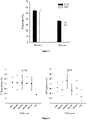
Fig. 1 . Positivity rate of C-Tb (black; cut-off 5 mm) and QFT (white; cut-off 0.35 IU/mL) among 534 HIV negative and 277 HIV positive TB suspects. Error bar indicate 95 % CI. -
Fig. 2 . Positivity rate of C-Tb (black) and QFT (white) stratified according to CD4 count among 292 TB suspects. Error bar indicate 95 % CI. - The diagnostic agent C-Tb was prepared by cloning, fermenting and purifying recombinant versions of the two antigens rdESAT-6 and rCFP-10 from Lactococcus lactis. The antigens were mixed in equimolar amounts of ESAT-6 and CFP-10 corresponding to a 1:1 w/w ratio of rdESAT-6 and rCFP-10 in a vehicle of phosphate buffered saline (PBS) with 0.01 % Polysorbate 20® (and 0.5 % phenol)
- The diagnostic performance of C-Tb, PPD and an IGRA named QuantiFERON®-TB Gold In Tube (QFT) were compared in a phase III trial in infants and children less than 5 years of age with suspected Mtb infection, and in older children and adults with suspected TB disease. The trial of 1190 participant included 299 HIV positives and 730 HIV negatives. Blood for QFT testing was collected prior to skin testing. C-Tb and PPD were injected double blind into separate arms in a randomized, split body design. Results from the volunteers with paired results available were included.
- As evident from
figure 1 , C-Tb and QFT showed the same positivity rate among HIV negatives, 292/534 (54.7 %) were positive with C-Tb and 285/534 (53.4 %) were positive with QFT. A total of 277 HIV infected individuals were tested with both tests. Surprisingly C-Tb disclosed significantly more Mtb infected than the QFT test, 102/277 (36.8 %) tested positive with C-Tb and only 80/277 (28.9 %) tested positive with QFT, (table 1, McNemar; P=0.009).
- When stratifying rest results by CD4 T cell count (
figure 2 ), it becomes evident that the higher sensitivity by C-Tb stems from a significantly increased robustness not only in the low CD4 T cell strata but across the whole spectrum of CD4 T cell counts.
Claims (14)
- A composition for use in an in vivo skin testing method of diagnosing the presence of latent Mycobacterium tuberculosis (Mtb) infection in immunocompromised persons or persons co-infected with HIV, wherein the composition comprises a cocktail of the two Mtb antigens early secreted antigenic target 6 (ESAT6) and culture filtrate protein 10 (CFP-10).
- The composition for the use according to claim 1, wherein the two antigens are cloned, produced and purified in a suitable organism e.g. from Lactococcus lactis.
- The composition for the use according to any of the preceding claims, wherein the composition is composed of a cocktail of the two antigens recombinant double-ESAT6 and recombinant CFP-10.
- The composition for the use according to any of the preceding claims, wherein the antigens are mixed in a vehicle.
- The composition for the use according to claim 4, wherein recombinant double-ESAT6 and recombinant CFP10 are mixed in a 1:1(w/w) ratio.
- The composition for the use according to claim 4, wherein recombinant double-ESAT6 and recombinant CFP10 are mixed in ratios between 1:20(w/w) and 20:1(w/w).
- The composition for the use according to any of the preceding claims, wherein the amount of antigens is between 0.25-2.0 µg/mL of each antigen.
- The composition for the use according to any of claims 4-7, wherein the vehicle comprises phosphate buffered saline (PBS) with 0.01 % Polysorbate20 and 0.5 % phenol.
- The composition for the use according to any of the preceding claims, wherein said method comprises measuring the magnitude of a reaction in the skin generated in response to stimulation of immune cells by intradermally injecting said composition.
- The composition for the use according to claim 8, wherein the magnitude of the reaction is measured between 48-72 hours after administration of said composition.
- The composition for the use according to any of the preceding claims, wherein the composition comprises one or more further Mycobacterium tuberculosis antigens.
- The composition for the use according to claim 10, wherein the further antigens are selected from the group consisting of RDI restricted antigens, RDI associated antigens, and Rv2564, Rv3865, Rv3877, Rv2348, Rv3614, Rv3615 and Rv3616.
- The composition for the use according to any of the preceding claims, wherein the subject is an infant or a child below 5 years of age.
- The composition for the use according to any of the preceding claims, wherein the subject is diagnosed as having latent Mtb infection if the induration following administration of said composition is above a predetermined cut off.
Priority Applications (4)
| Application Number | Priority Date | Filing Date | Title |
|---|---|---|---|
| HRP20221470TT HRP20221470T1 (en) | 2015-11-18 | 2016-11-15 | Skin testing for tuberculosis in immunocompromised persons |
| SI201631641T SI3377097T1 (en) | 2015-11-18 | 2016-11-15 | Skin testing for tuberculosis in immunocompromised persons |
| SM20220488T SMT202200488T1 (en) | 2015-11-18 | 2016-11-15 | Skin testing for tuberculosis in immunocompromised persons |
| RS20221140A RS63819B1 (en) | 2015-11-18 | 2016-11-15 | Skin testing for tuberculosis in immunocompromised persons |
Applications Claiming Priority (3)
| Application Number | Priority Date | Filing Date | Title |
|---|---|---|---|
| DKPA201500739 | 2015-11-18 | ||
| DKPA201600064 | 2016-02-01 | ||
| PCT/DK2016/050366 WO2017084671A1 (en) | 2015-11-18 | 2016-11-15 | Skin Testing for tuberculosis in immunocompromised persons |
Publications (2)
| Publication Number | Publication Date |
|---|---|
| EP3377097A1 EP3377097A1 (en) | 2018-09-26 |
| EP3377097B1 true EP3377097B1 (en) | 2022-10-19 |
Family
ID=58717389
Family Applications (1)
| Application Number | Title | Priority Date | Filing Date |
|---|---|---|---|
| EP16797736.2A Active EP3377097B1 (en) | 2015-11-18 | 2016-11-15 | Skin testing for tuberculosis in immunocompromised persons |
Country Status (23)
| Country | Link |
|---|---|
| US (1) | US10786579B2 (en) |
| EP (1) | EP3377097B1 (en) |
| JP (2) | JP7523207B2 (en) |
| KR (1) | KR102744717B1 (en) |
| CN (1) | CN108430501B (en) |
| AU (1) | AU2016355638B2 (en) |
| BR (1) | BR112018009901A2 (en) |
| CA (1) | CA3006110A1 (en) |
| DK (1) | DK3377097T3 (en) |
| EA (1) | EA201891129A1 (en) |
| ES (1) | ES2933035T3 (en) |
| FI (1) | FI3377097T3 (en) |
| HR (1) | HRP20221470T1 (en) |
| HU (1) | HUE060819T2 (en) |
| LT (1) | LT3377097T (en) |
| MX (1) | MX391009B (en) |
| PL (1) | PL3377097T3 (en) |
| PT (1) | PT3377097T (en) |
| RS (1) | RS63819B1 (en) |
| SI (1) | SI3377097T1 (en) |
| SM (1) | SMT202200488T1 (en) |
| WO (1) | WO2017084671A1 (en) |
| ZA (1) | ZA201803452B (en) |
Family Cites Families (5)
| Publication number | Priority date | Publication date | Assignee | Title |
|---|---|---|---|---|
| CN1683009A (en) * | 2005-03-18 | 2005-10-19 | 中国人民解放军第三○九医院 | Specific skin regent for diagnozing tuberculomyces infection and active tuberculosis |
| EP1767937A1 (en) * | 2005-09-27 | 2007-03-28 | Institut National De La Sante Et De La Recherche Medicale (Inserm) | Method of diagnosis of tuberculosis related immune restoration syndrome (IRS) |
| CN101455847A (en) * | 2007-12-12 | 2009-06-17 | 中国人民解放军总医院第二附属医院 | Use of ESAT6and CFP10 protein in preparing medicine for diagnosing tuberculosis |
| GB201007075D0 (en) * | 2010-04-28 | 2010-06-09 | Sec Dep For Environment Food A | Diagnostic reagents |
| US10720237B2 (en) * | 2015-04-29 | 2020-07-21 | Koninklijke Philips N.V. | Method of and apparatus for operating a device by members of a group |
-
2016
- 2016-11-15 AU AU2016355638A patent/AU2016355638B2/en active Active
- 2016-11-15 BR BR112018009901-5A patent/BR112018009901A2/en not_active Application Discontinuation
- 2016-11-15 RS RS20221140A patent/RS63819B1/en unknown
- 2016-11-15 SI SI201631641T patent/SI3377097T1/en unknown
- 2016-11-15 SM SM20220488T patent/SMT202200488T1/en unknown
- 2016-11-15 PT PT167977362T patent/PT3377097T/en unknown
- 2016-11-15 HR HRP20221470TT patent/HRP20221470T1/en unknown
- 2016-11-15 MX MX2018006129A patent/MX391009B/en unknown
- 2016-11-15 EP EP16797736.2A patent/EP3377097B1/en active Active
- 2016-11-15 CA CA3006110A patent/CA3006110A1/en active Pending
- 2016-11-15 JP JP2018525696A patent/JP7523207B2/en active Active
- 2016-11-15 HU HUE16797736A patent/HUE060819T2/en unknown
- 2016-11-15 PL PL16797736.2T patent/PL3377097T3/en unknown
- 2016-11-15 LT LTEPPCT/DK2016/050366T patent/LT3377097T/en unknown
- 2016-11-15 WO PCT/DK2016/050366 patent/WO2017084671A1/en not_active Ceased
- 2016-11-15 FI FIEP16797736.2T patent/FI3377097T3/en active
- 2016-11-15 DK DK16797736.2T patent/DK3377097T3/en active
- 2016-11-15 US US15/775,673 patent/US10786579B2/en active Active
- 2016-11-15 ES ES16797736T patent/ES2933035T3/en active Active
- 2016-11-15 EA EA201891129A patent/EA201891129A1/en unknown
- 2016-11-15 CN CN201680078388.4A patent/CN108430501B/en active Active
- 2016-11-15 KR KR1020187016555A patent/KR102744717B1/en active Active
-
2018
- 2018-05-24 ZA ZA2018/03452A patent/ZA201803452B/en unknown
-
2022
- 2022-07-20 JP JP2022115760A patent/JP2022153501A/en not_active Withdrawn
Non-Patent Citations (7)
| Title |
|---|
| CAMILLA TINCATI ET AL: "Distinguishing Latent from Active Mycobacterium tuberculosis Infection Using Elispot Assays: Looking Beyond Interferon-gamma", CELLS, vol. 1, no. 2, 7 May 2012 (2012-05-07), pages 89 - 99, XP055609751, DOI: 10.3390/cells1020089 * |
| CHANG LIU ET AL: "Quantification of circulating Mycobacterium tuberculosis antigen peptides allows rapid diagnosis of active disease and treatment monitoring", PNAS, vol. 114, no. 15, 27 March 2017 (2017-03-27), US, pages 3969 - 3974, XP055609752, ISSN: 0027-8424, DOI: 10.1073/pnas.1621360114 * |
| HENRIK AGGERBECK ET AL: "High heritability of antimycobacterial immunity in an area of hyperendemicity for tuberculosis disease", PLOS ONE, vol. 201, no. 5, 14 May 2013 (2013-05-14), pages 15, XP055335518, DOI: 10.1371/journal.pone.0064215 * |
| HOFF SOREN T ET AL: "Sensitivity of C-Tb: a novel RD-1-specific skin test for the diagnosis of tuberculosis infection", EUROPEAN RESPIRATORY JOURNAL, WILEY INTERSCIENCE, CH, vol. 47, no. 3, 1 March 2016 (2016-03-01), pages 919 - 928, XP008182896, ISSN: 1399-3003, DOI: 10.1183/13993003.01464-2015 * |
| L SLOGOTSKAYA ET AL: "Comparative results of skin testing using tuberculosis allergen recombinant (CFP-10- ESAT-6) and QuantiFERON - GIT in children and adolescents with TB infection", 1 January 2014 (2014-01-01), XP055609397, Retrieved from the Internet <URL:https://erj.ersjournals.com/content/44/Suppl_58/P2597> [retrieved on 20190729] * |
| L. SLOGOTSAKYA ET AL: "New skin test with recombinant protein CFP10-ESAT6 in patients (children and adults) with tuberculosis, non-tuberculosis disease and latent TB infection", EUROPEAN RESPIRATORY JOURNAL, vol. 40, 1 September 2012 (2012-09-01), XP055609431 * |
| LIN ZHENG ET AL: "Differential MicroRNA Expression in Human Macrophages with Mycobacterium tuberculosis Infection of Beijing/W and Non-Beijing/W Strain Types", PLOS ONE, vol. 10, no. 6, 8 June 2015 (2015-06-08), pages e0126018, XP055609750, DOI: 10.1371/journal.pone.0126018 * |
Also Published As
| Publication number | Publication date |
|---|---|
| MX391009B (en) | 2025-03-21 |
| HRP20221470T1 (en) | 2023-01-06 |
| HUE060819T2 (en) | 2023-04-28 |
| FI3377097T3 (en) | 2023-01-13 |
| LT3377097T (en) | 2022-12-12 |
| EP3377097A1 (en) | 2018-09-26 |
| DK3377097T3 (en) | 2022-12-19 |
| CN108430501B (en) | 2023-04-11 |
| BR112018009901A2 (en) | 2018-11-06 |
| CA3006110A1 (en) | 2017-05-26 |
| US10786579B2 (en) | 2020-09-29 |
| PL3377097T3 (en) | 2023-01-09 |
| WO2017084671A1 (en) | 2017-05-26 |
| ZA201803452B (en) | 2019-08-28 |
| US20190151479A1 (en) | 2019-05-23 |
| PT3377097T (en) | 2022-12-20 |
| NZ743476A (en) | 2025-02-28 |
| CN108430501A (en) | 2018-08-21 |
| JP7523207B2 (en) | 2024-07-26 |
| AU2016355638B2 (en) | 2023-02-02 |
| SI3377097T1 (en) | 2023-02-28 |
| ES2933035T3 (en) | 2023-01-31 |
| AU2016355638A1 (en) | 2018-07-05 |
| RS63819B1 (en) | 2023-01-31 |
| KR102744717B1 (en) | 2024-12-19 |
| KR20180083898A (en) | 2018-07-23 |
| JP2018535977A (en) | 2018-12-06 |
| JP2022153501A (en) | 2022-10-12 |
| SMT202200488T1 (en) | 2023-01-13 |
| MX2018006129A (en) | 2019-08-12 |
| EA201891129A1 (en) | 2019-02-28 |
Similar Documents
| Publication | Publication Date | Title |
|---|---|---|
| Demissie et al. | Recognition of stage-specific mycobacterial antigens differentiates between acute and latent infections with Mycobacterium tuberculosis | |
| Mori et al. | Specific detection of tuberculosis infection: an interferon-γ–based assay using new antigens | |
| Swaminathan et al. | Pediatric tuberculosis: global overview and challenges | |
| Scriba et al. | Modified vaccinia Ankara‐expressing Ag85A, a novel tuberculosis vaccine, is safe in adolescents and children, and induces polyfunctional CD4+ T cells | |
| Goldstein et al. | Evolution and current use of the tuberculin test | |
| Lin et al. | Lack of immune responses to Mycobacterium tuberculosis DosR regulon proteins following Mycobacterium bovis BCG vaccination | |
| Riaño et al. | T cell responses to DosR and Rpf proteins in actively and latently infected individuals from Colombia | |
| Li et al. | Safety of recombinant fusion protein ESAT6-CFP10 as a skin test reagent for tuberculosis diagnosis: an open-label, randomized, single-center phase I clinical trial | |
| Menzies et al. | Update in tuberculosis and nontuberculous mycobacterial disease 2012 | |
| Lardizabal et al. | Diagnosis of latent tuberculosis infection | |
| Kruczak et al. | Interferon-gamma release assays and tuberculin skin testing for diagnosing latent Mycobacterium tuberculosis infection in at-risk groups in Poland | |
| AU2016355638B2 (en) | Skin testing for tuberculosis in immunocompromised persons | |
| CN107530414B (en) | Mycobacterium tuberculosis antigen for distinguishing active tuberculosis infection and latent tuberculosis infection and application thereof | |
| EA040435B1 (en) | SKIN TESTING FOR TUBERCULOSIS IN IMMUNE COMPROMISED PEOPLE | |
| Maes | Failing the public health: the ban of tuberculosis serology and the WHO | |
| Van‐Lume et al. | Immunological Diagnosis of Tuberculosis Based on Recombinant Antigens ESAT‐6 and CFP‐10 in Children from an Endemic Area in Northeast Brazil | |
| Chen et al. | Assessing and screening for T-cell epitopes from Mycobacterium tuberculosis RD2 proteins for the diagnosis of active tuberculosis | |
| Borkowska et al. | Interferon-gamma assays T-SPOT. TB for the diagnosis of latent tuberculosis infection | |
| Paul et al. | Tuberculin Test: A Reappraisal for the Modern Internist. | |
| Seshadri et al. | Low sensitivity of T-cell based detection of tuberculosis among HIV co-infected Tanzanian in-patients | |
| Van-Lume et al. | Preliminary results in the immunodiagnosis of tuberculosis in children based on T cell responses to ESAT-6 and PPD antigens | |
| Setiawati et al. | Effect of BCG vaccination and non-tuberculous Mycobacterium infection on interferon gamma specific assay and a tuberculin skin test among children with a tuberculosis contact in Surabaya, Indonesia | |
| Reyes et al. | A paired comparison of tuberculin skin test results in children with clinical manifestations of tuberculosis using 2 TU and 5 TU tuberculin | |
| Lardizabal et al. | Diagnosis Tuberculosis of Latent Infection | |
| Mahmoud et al. | Comparison between Quantiferon-TB-Gold Test and Tuberculin Skin Testing in Diagnosis of both Latent and Active Tuberculosis Infections |
Legal Events
| Date | Code | Title | Description |
|---|---|---|---|
| REG | Reference to a national code |
Ref country code: HR Ref legal event code: TUEP Ref document number: P20221470T Country of ref document: HR |
|
| STAA | Information on the status of an ep patent application or granted ep patent |
Free format text: STATUS: UNKNOWN |
|
| STAA | Information on the status of an ep patent application or granted ep patent |
Free format text: STATUS: THE INTERNATIONAL PUBLICATION HAS BEEN MADE |
|
| PUAI | Public reference made under article 153(3) epc to a published international application that has entered the european phase |
Free format text: ORIGINAL CODE: 0009012 |
|
| STAA | Information on the status of an ep patent application or granted ep patent |
Free format text: STATUS: REQUEST FOR EXAMINATION WAS MADE |
|
| 17P | Request for examination filed |
Effective date: 20180618 |
|
| AK | Designated contracting states |
Kind code of ref document: A1 Designated state(s): AL AT BE BG CH CY CZ DE DK EE ES FI FR GB GR HR HU IE IS IT LI LT LU LV MC MK MT NL NO PL PT RO RS SE SI SK SM TR |
|
| AX | Request for extension of the european patent |
Extension state: BA ME |
|
| RIN1 | Information on inventor provided before grant (corrected) |
Inventor name: AGGERBECK, HENRIK Inventor name: ANDERSEN, PETER LAWAETZ Inventor name: RUHWALD, MORTEN |
|
| DAV | Request for validation of the european patent (deleted) | ||
| DAX | Request for extension of the european patent (deleted) | ||
| STAA | Information on the status of an ep patent application or granted ep patent |
Free format text: STATUS: EXAMINATION IS IN PROGRESS |
|
| 17Q | First examination report despatched |
Effective date: 20190805 |
|
| GRAP | Despatch of communication of intention to grant a patent |
Free format text: ORIGINAL CODE: EPIDOSNIGR1 |
|
| STAA | Information on the status of an ep patent application or granted ep patent |
Free format text: STATUS: GRANT OF PATENT IS INTENDED |
|
| INTG | Intention to grant announced |
Effective date: 20220207 |
|
| GRAS | Grant fee paid |
Free format text: ORIGINAL CODE: EPIDOSNIGR3 |
|
| GRAA | (expected) grant |
Free format text: ORIGINAL CODE: 0009210 |
|
| STAA | Information on the status of an ep patent application or granted ep patent |
Free format text: STATUS: THE PATENT HAS BEEN GRANTED |
|
| AK | Designated contracting states |
Kind code of ref document: B1 Designated state(s): AL AT BE BG CH CY CZ DE DK EE ES FI FR GB GR HR HU IE IS IT LI LT LU LV MC MK MT NL NO PL PT RO RS SE SI SK SM TR |
|
| REG | Reference to a national code |
Ref country code: GB Ref legal event code: FG4D |
|
| REG | Reference to a national code |
Ref country code: CH Ref legal event code: EP |
|
| REG | Reference to a national code |
Ref country code: IE Ref legal event code: FG4D |
|
| REG | Reference to a national code |
Ref country code: DE Ref legal event code: R096 Ref document number: 602016075756 Country of ref document: DE |
|
| REG | Reference to a national code |
Ref country code: AT Ref legal event code: REF Ref document number: 1525162 Country of ref document: AT Kind code of ref document: T Effective date: 20221115 |
|
| REG | Reference to a national code |
Ref country code: NL Ref legal event code: FP |
|
| REG | Reference to a national code |
Ref country code: RO Ref legal event code: EPE |
|
| REG | Reference to a national code |
Ref country code: DK Ref legal event code: T3 Effective date: 20221212 |
|
| REG | Reference to a national code |
Ref country code: PT Ref legal event code: SC4A Ref document number: 3377097 Country of ref document: PT Date of ref document: 20221220 Kind code of ref document: T Free format text: AVAILABILITY OF NATIONAL TRANSLATION Effective date: 20221214 |
|
| REG | Reference to a national code |
Ref country code: SE Ref legal event code: TRGR Ref country code: NO Ref legal event code: T2 Effective date: 20221019 |
|
| REG | Reference to a national code |
Ref country code: HR Ref legal event code: T1PR Ref document number: P20221470 Country of ref document: HR |
|
| REG | Reference to a national code |
Ref country code: ES Ref legal event code: FG2A Ref document number: 2933035 Country of ref document: ES Kind code of ref document: T3 Effective date: 20230131 |
|
| REG | Reference to a national code |
Ref country code: HR Ref legal event code: ODRP Ref document number: P20221470 Country of ref document: HR Payment date: 20230104 Year of fee payment: 7 |
|
| REG | Reference to a national code |
Ref country code: SK Ref legal event code: T3 Ref document number: E 40947 Country of ref document: SK |
|
| REG | Reference to a national code |
Ref country code: EE Ref legal event code: FG4A Ref document number: E022926 Country of ref document: EE Effective date: 20221214 |
|
| REG | Reference to a national code |
Ref country code: GR Ref legal event code: EP Ref document number: 20220402468 Country of ref document: GR Effective date: 20230210 |
|
| REG | Reference to a national code |
Ref country code: HU Ref legal event code: AG4A Ref document number: E060819 Country of ref document: HU |
|
| P01 | Opt-out of the competence of the unified patent court (upc) registered |
Effective date: 20230515 |
|
| REG | Reference to a national code |
Ref country code: DE Ref legal event code: R097 Ref document number: 602016075756 Country of ref document: DE |
|
| PLBE | No opposition filed within time limit |
Free format text: ORIGINAL CODE: 0009261 |
|
| STAA | Information on the status of an ep patent application or granted ep patent |
Free format text: STATUS: NO OPPOSITION FILED WITHIN TIME LIMIT |
|
| PG25 | Lapsed in a contracting state [announced via postgrant information from national office to epo] |
Ref country code: AL Free format text: LAPSE BECAUSE OF FAILURE TO SUBMIT A TRANSLATION OF THE DESCRIPTION OR TO PAY THE FEE WITHIN THE PRESCRIBED TIME-LIMIT Effective date: 20221019 |
|
| 26N | No opposition filed |
Effective date: 20230720 |
|
| REG | Reference to a national code |
Ref country code: HR Ref legal event code: ODRP Ref document number: P20221470 Country of ref document: HR Payment date: 20231115 Year of fee payment: 8 |
|
| REG | Reference to a national code |
Ref country code: AT Ref legal event code: UEP Ref document number: 1525162 Country of ref document: AT Kind code of ref document: T Effective date: 20221019 |
|
| PG25 | Lapsed in a contracting state [announced via postgrant information from national office to epo] |
Ref country code: AL Free format text: LAPSE BECAUSE OF FAILURE TO SUBMIT A TRANSLATION OF THE DESCRIPTION OR TO PAY THE FEE WITHIN THE PRESCRIBED TIME-LIMIT Effective date: 20221019 |
|
| PGRI | Patent reinstated in contracting state [announced from national office to epo] |
Ref country code: AL Effective date: 20221212 |
|
| REG | Reference to a national code |
Ref country code: HR Ref legal event code: ODRP Ref document number: P20221470 Country of ref document: HR Payment date: 20241104 Year of fee payment: 9 |
|
| REG | Reference to a national code |
Ref country code: HR Ref legal event code: ODRP Ref document number: P20221470 Country of ref document: HR Payment date: 20251022 Year of fee payment: 10 |
|
| REG | Reference to a national code |
Ref country code: CH Ref legal event code: U11 Free format text: ST27 STATUS EVENT CODE: U-0-0-U10-U11 (AS PROVIDED BY THE NATIONAL OFFICE) Effective date: 20251201 |
|
| PGFP | Annual fee paid to national office [announced via postgrant information from national office to epo] |
Ref country code: PT Payment date: 20251022 Year of fee payment: 10 |
|
| PGFP | Annual fee paid to national office [announced via postgrant information from national office to epo] |
Ref country code: HU Payment date: 20251020 Year of fee payment: 10 |
|
| PGFP | Annual fee paid to national office [announced via postgrant information from national office to epo] |
Ref country code: NL Payment date: 20251103 Year of fee payment: 10 Ref country code: LU Payment date: 20251105 Year of fee payment: 10 |
|
| PGFP | Annual fee paid to national office [announced via postgrant information from national office to epo] |
Ref country code: DE Payment date: 20251103 Year of fee payment: 10 Ref country code: IS Payment date: 20251117 Year of fee payment: 10 |
|
| PGFP | Annual fee paid to national office [announced via postgrant information from national office to epo] |
Ref country code: LT Payment date: 20251017 Year of fee payment: 10 Ref country code: GB Payment date: 20251110 Year of fee payment: 10 |
|
| PGFP | Annual fee paid to national office [announced via postgrant information from national office to epo] |
Ref country code: MC Payment date: 20251106 Year of fee payment: 10 Ref country code: NO Payment date: 20251107 Year of fee payment: 10 |
|
| PGFP | Annual fee paid to national office [announced via postgrant information from national office to epo] |
Ref country code: SM Payment date: 20251106 Year of fee payment: 10 Ref country code: MK Payment date: 20251022 Year of fee payment: 10 Ref country code: AT Payment date: 20251105 Year of fee payment: 10 |
|
| PGFP | Annual fee paid to national office [announced via postgrant information from national office to epo] |
Ref country code: FI Payment date: 20251105 Year of fee payment: 10 Ref country code: DK Payment date: 20251106 Year of fee payment: 10 Ref country code: IT Payment date: 20251031 Year of fee payment: 10 |
|
| PGFP | Annual fee paid to national office [announced via postgrant information from national office to epo] |
Ref country code: HR Payment date: 20251022 Year of fee payment: 10 Ref country code: FR Payment date: 20251107 Year of fee payment: 10 |
|
| PGFP | Annual fee paid to national office [announced via postgrant information from national office to epo] |
Ref country code: TR Payment date: 20251028 Year of fee payment: 10 Ref country code: BE Payment date: 20251103 Year of fee payment: 10 Ref country code: AL Payment date: 20251010 Year of fee payment: 10 Ref country code: GR Payment date: 20251106 Year of fee payment: 10 |
|
| PGFP | Annual fee paid to national office [announced via postgrant information from national office to epo] |
Ref country code: SE Payment date: 20251103 Year of fee payment: 10 Ref country code: CH Payment date: 20251201 Year of fee payment: 10 |
|
| PGFP | Annual fee paid to national office [announced via postgrant information from national office to epo] |
Ref country code: CZ Payment date: 20251017 Year of fee payment: 10 Ref country code: IE Payment date: 20251103 Year of fee payment: 10 Ref country code: CY Payment date: 20251021 Year of fee payment: 10 |
|
| PGFP | Annual fee paid to national office [announced via postgrant information from national office to epo] |
Ref country code: LV Payment date: 20251105 Year of fee payment: 10 Ref country code: MT Payment date: 20251105 Year of fee payment: 10 |
|
| PGFP | Annual fee paid to national office [announced via postgrant information from national office to epo] |
Ref country code: PL Payment date: 20251105 Year of fee payment: 10 Ref country code: BG Payment date: 20251103 Year of fee payment: 10 |
|
| PGFP | Annual fee paid to national office [announced via postgrant information from national office to epo] |
Ref country code: EE Payment date: 20251107 Year of fee payment: 10 |
|
| PGFP | Annual fee paid to national office [announced via postgrant information from national office to epo] |
Ref country code: SK Payment date: 20251022 Year of fee payment: 10 Ref country code: RO Payment date: 20251027 Year of fee payment: 10 |
|
| PGFP | Annual fee paid to national office [announced via postgrant information from national office to epo] |
Ref country code: RS Payment date: 20251022 Year of fee payment: 10 |
|
| PGFP | Annual fee paid to national office [announced via postgrant information from national office to epo] |
Ref country code: SI Payment date: 20251021 Year of fee payment: 10 |
|
| PGFP | Annual fee paid to national office [announced via postgrant information from national office to epo] |
Ref country code: ES Payment date: 20260211 Year of fee payment: 10 |
|
| REG | Reference to a national code |
Ref country code: HU Ref legal event code: HC9C Owner name: STATENS SERUM INSTITUT, DK |