EP3376387A1 - Extensible single point orchestration system for application interfaces - Google Patents
Extensible single point orchestration system for application interfaces Download PDFInfo
- Publication number
- EP3376387A1 EP3376387A1 EP17190871.8A EP17190871A EP3376387A1 EP 3376387 A1 EP3376387 A1 EP 3376387A1 EP 17190871 A EP17190871 A EP 17190871A EP 3376387 A1 EP3376387 A1 EP 3376387A1
- Authority
- EP
- European Patent Office
- Prior art keywords
- service
- api
- services
- party provider
- processor
- Prior art date
- Legal status (The legal status is an assumption and is not a legal conclusion. Google has not performed a legal analysis and makes no representation as to the accuracy of the status listed.)
- Granted
Links
Images



Classifications
-
- G—PHYSICS
- G06—COMPUTING OR CALCULATING; COUNTING
- G06F—ELECTRIC DIGITAL DATA PROCESSING
- G06F21/00—Security arrangements for protecting computers, components thereof, programs or data against unauthorised activity
-
- G—PHYSICS
- G06—COMPUTING OR CALCULATING; COUNTING
- G06F—ELECTRIC DIGITAL DATA PROCESSING
- G06F21/00—Security arrangements for protecting computers, components thereof, programs or data against unauthorised activity
- G06F21/60—Protecting data
- G06F21/62—Protecting access to data via a platform, e.g. using keys or access control rules
- G06F21/629—Protecting access to data via a platform, e.g. using keys or access control rules to features or functions of an application
-
- G—PHYSICS
- G06—COMPUTING OR CALCULATING; COUNTING
- G06F—ELECTRIC DIGITAL DATA PROCESSING
- G06F9/00—Arrangements for program control, e.g. control units
- G06F9/06—Arrangements for program control, e.g. control units using stored programs, i.e. using an internal store of processing equipment to receive or retain programs
- G06F9/46—Multiprogramming arrangements
- G06F9/54—Interprogram communication
-
- G—PHYSICS
- G06—COMPUTING OR CALCULATING; COUNTING
- G06F—ELECTRIC DIGITAL DATA PROCESSING
- G06F9/00—Arrangements for program control, e.g. control units
- G06F9/06—Arrangements for program control, e.g. control units using stored programs, i.e. using an internal store of processing equipment to receive or retain programs
- G06F9/46—Multiprogramming arrangements
- G06F9/54—Interprogram communication
- G06F9/541—Interprogram communication via adapters, e.g. between incompatible applications
-
- G—PHYSICS
- G06—COMPUTING OR CALCULATING; COUNTING
- G06F—ELECTRIC DIGITAL DATA PROCESSING
- G06F9/00—Arrangements for program control, e.g. control units
- G06F9/06—Arrangements for program control, e.g. control units using stored programs, i.e. using an internal store of processing equipment to receive or retain programs
- G06F9/46—Multiprogramming arrangements
- G06F9/54—Interprogram communication
- G06F9/547—Remote procedure calls [RPC]; Web services
-
- H—ELECTRICITY
- H04—ELECTRIC COMMUNICATION TECHNIQUE
- H04L—TRANSMISSION OF DIGITAL INFORMATION, e.g. TELEGRAPHIC COMMUNICATION
- H04L63/00—Network architectures or network communication protocols for network security
- H04L63/02—Network architectures or network communication protocols for network security for separating internal from external traffic, e.g. firewalls
- H04L63/0281—Proxies
-
- H—ELECTRICITY
- H04—ELECTRIC COMMUNICATION TECHNIQUE
- H04L—TRANSMISSION OF DIGITAL INFORMATION, e.g. TELEGRAPHIC COMMUNICATION
- H04L63/00—Network architectures or network communication protocols for network security
- H04L63/06—Network architectures or network communication protocols for network security for supporting key management in a packet data network
-
- H—ELECTRICITY
- H04—ELECTRIC COMMUNICATION TECHNIQUE
- H04L—TRANSMISSION OF DIGITAL INFORMATION, e.g. TELEGRAPHIC COMMUNICATION
- H04L63/00—Network architectures or network communication protocols for network security
- H04L63/06—Network architectures or network communication protocols for network security for supporting key management in a packet data network
- H04L63/061—Network architectures or network communication protocols for network security for supporting key management in a packet data network for key exchange, e.g. in peer-to-peer networks
-
- H—ELECTRICITY
- H04—ELECTRIC COMMUNICATION TECHNIQUE
- H04L—TRANSMISSION OF DIGITAL INFORMATION, e.g. TELEGRAPHIC COMMUNICATION
- H04L63/00—Network architectures or network communication protocols for network security
- H04L63/06—Network architectures or network communication protocols for network security for supporting key management in a packet data network
- H04L63/062—Network architectures or network communication protocols for network security for supporting key management in a packet data network for key distribution, e.g. centrally by trusted party
-
- H—ELECTRICITY
- H04—ELECTRIC COMMUNICATION TECHNIQUE
- H04L—TRANSMISSION OF DIGITAL INFORMATION, e.g. TELEGRAPHIC COMMUNICATION
- H04L63/00—Network architectures or network communication protocols for network security
- H04L63/06—Network architectures or network communication protocols for network security for supporting key management in a packet data network
- H04L63/062—Network architectures or network communication protocols for network security for supporting key management in a packet data network for key distribution, e.g. centrally by trusted party
- H04L63/064—Hierarchical key distribution, e.g. by multi-tier trusted parties
-
- H—ELECTRICITY
- H04—ELECTRIC COMMUNICATION TECHNIQUE
- H04L—TRANSMISSION OF DIGITAL INFORMATION, e.g. TELEGRAPHIC COMMUNICATION
- H04L63/00—Network architectures or network communication protocols for network security
- H04L63/08—Network architectures or network communication protocols for network security for authentication of entities
- H04L63/0823—Network architectures or network communication protocols for network security for authentication of entities using certificates
-
- H—ELECTRICITY
- H04—ELECTRIC COMMUNICATION TECHNIQUE
- H04L—TRANSMISSION OF DIGITAL INFORMATION, e.g. TELEGRAPHIC COMMUNICATION
- H04L63/00—Network architectures or network communication protocols for network security
- H04L63/08—Network architectures or network communication protocols for network security for authentication of entities
- H04L63/0884—Network architectures or network communication protocols for network security for authentication of entities by delegation of authentication, e.g. a proxy authenticates an entity to be authenticated on behalf of this entity vis-à-vis an authentication entity
-
- H—ELECTRICITY
- H04—ELECTRIC COMMUNICATION TECHNIQUE
- H04L—TRANSMISSION OF DIGITAL INFORMATION, e.g. TELEGRAPHIC COMMUNICATION
- H04L63/00—Network architectures or network communication protocols for network security
- H04L63/16—Implementing security features at a particular protocol layer
- H04L63/168—Implementing security features at a particular protocol layer above the transport layer
-
- H—ELECTRICITY
- H04—ELECTRIC COMMUNICATION TECHNIQUE
- H04L—TRANSMISSION OF DIGITAL INFORMATION, e.g. TELEGRAPHIC COMMUNICATION
- H04L67/00—Network arrangements or protocols for supporting network services or applications
- H04L67/50—Network services
- H04L67/56—Provisioning of proxy services
- H04L67/567—Integrating service provisioning from a plurality of service providers
-
- H—ELECTRICITY
- H04—ELECTRIC COMMUNICATION TECHNIQUE
- H04L—TRANSMISSION OF DIGITAL INFORMATION, e.g. TELEGRAPHIC COMMUNICATION
- H04L9/00—Cryptographic mechanisms or cryptographic arrangements for secret or secure communications; Network security protocols
- H04L9/08—Key distribution or management, e.g. generation, sharing or updating, of cryptographic keys or passwords
- H04L9/0816—Key establishment, i.e. cryptographic processes or cryptographic protocols whereby a shared secret becomes available to two or more parties, for subsequent use
- H04L9/0819—Key transport or distribution, i.e. key establishment techniques where one party creates or otherwise obtains a secret value, and securely transfers it to the other(s)
- H04L9/0825—Key transport or distribution, i.e. key establishment techniques where one party creates or otherwise obtains a secret value, and securely transfers it to the other(s) using asymmetric-key encryption or public key infrastructure [PKI], e.g. key signature or public key certificates
-
- H—ELECTRICITY
- H04—ELECTRIC COMMUNICATION TECHNIQUE
- H04L—TRANSMISSION OF DIGITAL INFORMATION, e.g. TELEGRAPHIC COMMUNICATION
- H04L9/00—Cryptographic mechanisms or cryptographic arrangements for secret or secure communications; Network security protocols
- H04L9/08—Key distribution or management, e.g. generation, sharing or updating, of cryptographic keys or passwords
- H04L9/0816—Key establishment, i.e. cryptographic processes or cryptographic protocols whereby a shared secret becomes available to two or more parties, for subsequent use
- H04L9/0819—Key transport or distribution, i.e. key establishment techniques where one party creates or otherwise obtains a secret value, and securely transfers it to the other(s)
- H04L9/083—Key transport or distribution, i.e. key establishment techniques where one party creates or otherwise obtains a secret value, and securely transfers it to the other(s) involving central third party, e.g. key distribution center [KDC] or trusted third party [TTP]
-
- H—ELECTRICITY
- H04—ELECTRIC COMMUNICATION TECHNIQUE
- H04L—TRANSMISSION OF DIGITAL INFORMATION, e.g. TELEGRAPHIC COMMUNICATION
- H04L9/00—Cryptographic mechanisms or cryptographic arrangements for secret or secure communications; Network security protocols
- H04L9/08—Key distribution or management, e.g. generation, sharing or updating, of cryptographic keys or passwords
- H04L9/0816—Key establishment, i.e. cryptographic processes or cryptographic protocols whereby a shared secret becomes available to two or more parties, for subsequent use
- H04L9/0819—Key transport or distribution, i.e. key establishment techniques where one party creates or otherwise obtains a secret value, and securely transfers it to the other(s)
- H04L9/083—Key transport or distribution, i.e. key establishment techniques where one party creates or otherwise obtains a secret value, and securely transfers it to the other(s) involving central third party, e.g. key distribution center [KDC] or trusted third party [TTP]
- H04L9/0833—Key transport or distribution, i.e. key establishment techniques where one party creates or otherwise obtains a secret value, and securely transfers it to the other(s) involving central third party, e.g. key distribution center [KDC] or trusted third party [TTP] involving conference or group key
-
- H—ELECTRICITY
- H04—ELECTRIC COMMUNICATION TECHNIQUE
- H04L—TRANSMISSION OF DIGITAL INFORMATION, e.g. TELEGRAPHIC COMMUNICATION
- H04L9/00—Cryptographic mechanisms or cryptographic arrangements for secret or secure communications; Network security protocols
- H04L9/08—Key distribution or management, e.g. generation, sharing or updating, of cryptographic keys or passwords
- H04L9/0894—Escrow, recovery or storing of secret information, e.g. secret key escrow or cryptographic key storage
-
- H—ELECTRICITY
- H04—ELECTRIC COMMUNICATION TECHNIQUE
- H04L—TRANSMISSION OF DIGITAL INFORMATION, e.g. TELEGRAPHIC COMMUNICATION
- H04L9/00—Cryptographic mechanisms or cryptographic arrangements for secret or secure communications; Network security protocols
- H04L9/14—Cryptographic mechanisms or cryptographic arrangements for secret or secure communications; Network security protocols using a plurality of keys or algorithms
-
- H—ELECTRICITY
- H04—ELECTRIC COMMUNICATION TECHNIQUE
- H04L—TRANSMISSION OF DIGITAL INFORMATION, e.g. TELEGRAPHIC COMMUNICATION
- H04L9/00—Cryptographic mechanisms or cryptographic arrangements for secret or secure communications; Network security protocols
- H04L9/32—Cryptographic mechanisms or cryptographic arrangements for secret or secure communications; Network security protocols including means for verifying the identity or authority of a user of the system or for message authentication, e.g. authorization, entity authentication, data integrity or data verification, non-repudiation, key authentication or verification of credentials
- H04L9/321—Cryptographic mechanisms or cryptographic arrangements for secret or secure communications; Network security protocols including means for verifying the identity or authority of a user of the system or for message authentication, e.g. authorization, entity authentication, data integrity or data verification, non-repudiation, key authentication or verification of credentials involving a third party or a trusted authority
-
- G—PHYSICS
- G06—COMPUTING OR CALCULATING; COUNTING
- G06F—ELECTRIC DIGITAL DATA PROCESSING
- G06F2221/00—Indexing scheme relating to security arrangements for protecting computers, components thereof, programs or data against unauthorised activity
- G06F2221/21—Indexing scheme relating to G06F21/00 and subgroups addressing additional information or applications relating to security arrangements for protecting computers, components thereof, programs or data against unauthorised activity
- G06F2221/2115—Third party
-
- H—ELECTRICITY
- H04—ELECTRIC COMMUNICATION TECHNIQUE
- H04L—TRANSMISSION OF DIGITAL INFORMATION, e.g. TELEGRAPHIC COMMUNICATION
- H04L67/00—Network arrangements or protocols for supporting network services or applications
- H04L67/50—Network services
- H04L67/53—Network services using third party service providers
-
- H—ELECTRICITY
- H04—ELECTRIC COMMUNICATION TECHNIQUE
- H04L—TRANSMISSION OF DIGITAL INFORMATION, e.g. TELEGRAPHIC COMMUNICATION
- H04L67/00—Network arrangements or protocols for supporting network services or applications
- H04L67/50—Network services
- H04L67/56—Provisioning of proxy services
- H04L67/563—Data redirection of data network streams
-
- H—ELECTRICITY
- H04—ELECTRIC COMMUNICATION TECHNIQUE
- H04L—TRANSMISSION OF DIGITAL INFORMATION, e.g. TELEGRAPHIC COMMUNICATION
- H04L67/00—Network arrangements or protocols for supporting network services or applications
- H04L67/50—Network services
- H04L67/56—Provisioning of proxy services
- H04L67/565—Conversion or adaptation of application format or content
-
- H—ELECTRICITY
- H04—ELECTRIC COMMUNICATION TECHNIQUE
- H04L—TRANSMISSION OF DIGITAL INFORMATION, e.g. TELEGRAPHIC COMMUNICATION
- H04L9/00—Cryptographic mechanisms or cryptographic arrangements for secret or secure communications; Network security protocols
- H04L9/32—Cryptographic mechanisms or cryptographic arrangements for secret or secure communications; Network security protocols including means for verifying the identity or authority of a user of the system or for message authentication, e.g. authorization, entity authentication, data integrity or data verification, non-repudiation, key authentication or verification of credentials
- H04L9/3263—Cryptographic mechanisms or cryptographic arrangements for secret or secure communications; Network security protocols including means for verifying the identity or authority of a user of the system or for message authentication, e.g. authorization, entity authentication, data integrity or data verification, non-repudiation, key authentication or verification of credentials involving certificates, e.g. public key certificate [PKC] or attribute certificate [AC]; Public key infrastructure [PKI] arrangements
Definitions
- the consumer device(s) 132 may be a mobile terminal or other computing device upon which the application 136 is executed so that a consumer using the consumer device 132 may access a number of different services of the third party provider services 104.
- the consumer device 132 may access the application 136 directly via, for example, a web browser, consumer tools, or some other mechanism executed on a computer (physical or virtual).
- the developer device130 may access the developer services portal 108 directly via, for example, a web browser, developer tools, or some other mechanism executed on a computer (physical or virtual). Access to the system 100 by users and developers may involve login, tokens, keys and/or any other form of authentication and security.
- the application 136 may pass a developer API key and secret to the system 100 as verification and authentication for use of the system 100.
- Aggregation-style APIs - may be a category or style of APIs where existing services are being provided by external APIs 212 from multiple API providers 214 selected from among the third party provider services 104, such as the competing service providers 118 ( Fig. 1 ) based on the nature or context of the request.
- the multiple API providers 214 may be selected based on providing similar services, such as a plurality of travel services providers identified as being capable of responding to a request related to travel.
- the respective APIs 212 of the selected API providers 214 may have different API end-point configurations and possibly with differing implementations (e.g. input parameters, output format etc.) that provide a common set of functionality/data that is of more value and relevance when combined across the selected API providers 214. Examples include:
- the configuration entities 328 for use by the aggregation services 310 may be different than the configuration files used by the selection services 312. There may be configuration entities 328 for each different aggregation activity. Thus, for example, for aggregation services 310 there may be a stored configuration entity 328 for use to identify locations of bank ATMs of various bank services providers and a different stored configuration entity 328 for use in searching for hotel accommodations at various hotel services providers.
- the respective context services 320A-D may identify the applicable stored configuration entity 328 for a particular request.
- the configuration lookup service 324 may include configuration entities 328 in the data store 322 for any number of different external APIs 212. Each external API 212 may be associated with a different configuration entity 328. For target APIs 212 that expose multiple endpoints to the same service, multiple different stored configuration entities 328 may be included in the configuration lookup service 324. Alternatively, or in addition, the same configuration entity 328 may be used to expose multiple different endpoints.
- the configuration entities 328 may be stored in a database, a relational database, or some other form of storage where they can be accessed by the aggregation service 310 and the selection service 312 via the configuration lookup service 324. A respective configuration entity 328 may be accessed by the aggregation service 310 or the selection service 312 in response to receipt of an API service call request, and in response to a return of information from the API 212 in a response to the API service call request.
- the aggregation service 310 communicates respective API service call messages in a respective predefined format to each of a plurality of bank APIs 604 listed in the "ATM locator configuration."
- the service call messages may be transmitted to respective external bank APIs 604 of each of the third party provider services 104 in the respective appropriate message format.
- the appropriate message format is compatible with the respective external APIs 604 of each of the third party provider services.
Landscapes
- Engineering & Computer Science (AREA)
- Computer Security & Cryptography (AREA)
- Computer Networks & Wireless Communication (AREA)
- Signal Processing (AREA)
- General Engineering & Computer Science (AREA)
- Theoretical Computer Science (AREA)
- Computer Hardware Design (AREA)
- Software Systems (AREA)
- Computing Systems (AREA)
- Physics & Mathematics (AREA)
- General Physics & Mathematics (AREA)
- Health & Medical Sciences (AREA)
- Bioethics (AREA)
- General Health & Medical Sciences (AREA)
- Stored Programmes (AREA)
- Computer And Data Communications (AREA)
- Management, Administration, Business Operations System, And Electronic Commerce (AREA)
Abstract
Description
- This application claims the benefit of
U.S. Patent Application No. 15/659,421 filed July 25, 2017 U.S. Provisional Application No. 62/473,194 filed March 17, 2017 - This disclosure relates to application program interfaces, and more particularly, to an extensible single point orchestration system for application program interfaces.
- Digital products and services are increasingly interconnected, delivering seamless experiences to end-users. One method of delivering this interconnectivity globally is with Application Program Interfaces (APIs), which are typically a set of routines, protocols and tools that determine how two software components interact with each other. Developers spend significant amounts of time sourcing and building relationship with API providers and will do so even more as the market for API usage grows ever larger. There is a need for systems and methods to reduce this administrative overhead.
- An extensible single point orchestration system for application program interfaces (APIs) provides a platform to consolidate, aggregate and simplify APIs, from API providers, such as from financial institutions and other digital delivery services. The system provides a platform with a collection of APIs in a single place to dramatically reduce the development overhead associated with building API driven propositions.
- The system enables an intelligent, configuration based approach to managing the centralized consumption of API products from multiple sources. Historically it has been easy to create a solution that aggregates or selects over a small set of similar APIs by building services or components that physically implement logic to do the aggregation (calling many services but producing a single set of results) or selection (choosing a specific service out a large group of similar services based on a set of criteria). However, this becomes increasing unwieldy to manage, maintain and grow as the number of services increases or the services vary in form (e.g. number/style of inputs or output formats). It is also very difficult, time consuming and expensive to deal with downstream changes to APIs being aggregated over as well as to add new services to the pool and often requires code releases or similar release management processes to maintain a stable and working system.
- The extensible single point orchestration system solves this problem by allowing a layered, stateless, configuration-based approach to the management of API services, which enable aggregation, selection and proxy services with centralized key management capabilities that can be quickly and efficiently modified, extended and maintained via run-time modifiable stored configuration entities.
- Other systems, methods, features and advantages will be, or will become, apparent to one with skill in the art upon examination of the following figures and detailed description. It is intended that all such additional systems, methods, features and advantages be included within this description, be within the scope of the invention, and the following claims.
- The embodiments may be better understood with reference to the following drawings and description. The components in the figures are not necessarily to scale. Moreover, in the figures, like-referenced numerals designate corresponding parts throughout the different views.
-
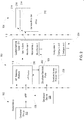
Figure 1 is a block diagram illustrating an example of an extensible single point orchestration system for application program interfaces (APIs) in communication with users, such as clients and customers, and third party providers. -
Figure 2 is a block diagram example, illustrating functionality of the developer service portal, the API gateway platform and the custom service layer within the extensible single point orchestration system. -
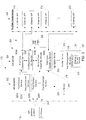
Figure 3 is a block diagram illustrating an example custom service layer within the extensible single point orchestration system that includes a context layer and a core services layer. -
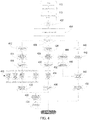
Figure 4 is a flow diagram of example operation of the communication process between the context services and the core capability services. -
Figure 5 is an example operation of the extensible single point orchestration system to perform key management. -
Figure 6 is an example of operation of the extensible single point orchestration system in the application of aggregating responses from multiple service providers. -
Figure 7 is an example of operation of extensible single point orchestration system in the application of a user initiating a payment transaction targeted at one specific service provider. -
Figure 8 is an example of operation of extensible single point orchestration system in the application of key management services accessing a 3rd party communication service. -
Figure 1 is a block diagram illustrating an example of an extensible single point orchestration system forAPIs 100 in communication withuser devices 102 being operated by users such as end users and developers, and also in communication with thirdparty provider services 104, which may include providers of goods and/or services. The extensible singlepoint orchestration system 100 may include adeveloper services portal 108, anAPI gateway platform 110, and acustom service layer 112. Thesystem 100 may be one or more computer servers, computers or other form of computing device, circuitry or other hardware, which may be executing logic. Thesystem 100 may include one or more processors executing instructions stored in memory and accessing and storing data in memory. Thesystem 100 may communicate over wireless orwireline networks 114 withuser devices 102 and the thirdparty provider services 104. - The
system 100 may consolidate and orchestrate APIs from a variety of thirdparty provider services 104, such as financial and non-financial sources, accessible from a developer portal. The thirdparty provider services 104 may include APIs from one or more groups of competingservice providers 118 operating as competitors providing goods and/or services, such as banks, restaurants, gas stations, retailers or other providers of goods and services in a similar field. The thirdparty provider services 104 may also include credentialed individualservices service providers 120, such as a user's bank or financial institution where the user has an account and are provided personalized services only after being separately authenticated by the respective third party provider service. In addition, thirdparty provider services 104 may include APIs from any number ofaccount service providers 122, such asmapping providers 124,social media providers 126, andcommunication providers 128 or other non-financial providers where users have an account and can log in for access. APIs of the groups of competingservice providers 118, credentialedindividual service providers 120, andaccount service providers 122 may be processed by thecustom service layer 112 included in thesystem 100. API endpoints of the different third party provider services may be provided touser devices 102, such asdeveloper devices 130, via thedeveloper services portal 108. - The extensible single
point orchestration system 100 includes core system components of: 1) thedeveloper services portal 108; 2) theAPI gateway platform 110; and 3) thecustom service layer 112. Thesystem 100 may include security and authentication functionality to secure the system, authenticate users/developers and provide varying levels of access to the system based on security credentials of the users/developers. In other examples, the functionality of the extensible singlepoint orchestration system 100 described herein may be depicted with fewer or greater numbers of core system components. - The
developer services portal 108 and APIgateway platform 110 may contain or display usage analytics and key management information for thesystem 100. In addition, thedeveloper services portal 108 may be the entry point for external users, which are developers using thedeveloper devices 130 to access the platform. Thus, thedeveloper services portal 108 may provide an access portal for developer users with elements of functionality exposed from theAPI gateway platform 110, e.g. API endpoints. Further, thedeveloper services portal 108 may provide the ability for developers usingdeveloper devices 130 to registerapplications 136 and select product bundles of groups of APIs of third party provider services used byrespective applications 136 developed by a respective developer. In addition, other information and functionality such as API documents, analytics and developer services utilities may be available within thedeveloper services portal 108. Thedeveloper services portal 108 may also provide a user interface, such as a graphical user interface, providing access to the functionality and information in thesystem 100. - Access to the
system 100 via thedeveloper services portal 108 may be with adeveloper device 130 via one or more wireless and/or wireline networks 114 (herein after network 114). In addition, access to anapplication 136 or to theAPI gateway platform 110 byconsumer devices 132 may be via thenetwork 114. Thenetwork 114 may include the internet, public or private LAN or WAN or any other linked communication system that allows electronic communication. The developer device(s) 130 and consumer device(s) 132 may be hardware such as a computer, a mobile device or a terminal used to access thesystem 100 over thenetwork 114. In the example ofFigure 1 , the consumer device(s) 132 may be a mobile terminal or other computing device upon which theapplication 136 is executed so that a consumer using theconsumer device 132 may access a number of different services of the thirdparty provider services 104. In addition, or alternatively, theconsumer device 132 may access theapplication 136 directly via, for example, a web browser, consumer tools, or some other mechanism executed on a computer (physical or virtual). The developer device130 may access thedeveloper services portal 108 directly via, for example, a web browser, developer tools, or some other mechanism executed on a computer (physical or virtual). Access to thesystem 100 by users and developers may involve login, tokens, keys and/or any other form of authentication and security. In an example, theapplication 136 may pass a developer API key and secret to thesystem 100 as verification and authentication for use of thesystem 100. - The
API gateway platform 110 may operate as an API gateway itself as well as providing an administrative interface into the setup of the extensible singlepoint orchestration system 100. TheAPI gateway platform 110 may execute logic, such as proprietary code to perform API management functions described herein. In addition, theAPI gateway platform 110 may include functionality similar to, for example, IBM API connect™, Amazon™ AWS™, Apigee™, Mulesoft™, or other API management solutions. TheAPI gateway platform 110 may be where API proxies are configured for theapplications 136, as well as providing access to analytics, monitoring and security setup. In an example configuration, theAPI gateway platform 110 may include API proxies for PSD 2 (revised payment service directive), and CMA (Competition and Markets Authority) for anapplication 136 related to financial transactions. In other examples, any number of additional API proxies may be included in theAPI gateway platform 110 for any number ofdifferent applications 136. Thesystem 100 may provide a wide range of functionality including the ability to embed the actual service logic itself inside the API gateway platform, alternatively, or in addition, the platform may provide for the separation of the main business logic and code elements away from the API configuration itself in a dedicated service layer, such as thecustom service layer 112. - A dedicated service layer in the form of the
custom service layer 112 may be provided for at least two main reasons: firstly to maintain a good separation of concerns, and to allow for a more decoupled design, and secondly to allow for different elements to scale independently of one another. The separation of concerns may also shield against the possibility of using different implementation components/technologies at the different layers, such as, for example, writing individual service components with other technologies, or at some point moving to another API Gateway product. Allowing different elements to be scaled independently of one another, may avoid, for example, having to scale the platform as a single monolithic application, and/or may allow for different services to be scaled up at different times to different levels. Communication between thecustom service layer 112 and the thirdparty provider services 104, as well as communication between theAPI gateway platform 110 and the thirdparty provider services 104 may be over thenetwork 114. -
Figure 2 is a block diagram example of thesystem 100, illustrating functionality of thedeveloper service portal 108, theAPI gateway platform 110 and thecustom service layer 112. Thecustom service layer 112 may include circuitry providing the implementation of the individual services that may be used to house the logic to provide the services to end users, such asconsumers 108. Thecustom service layer 112 may be a collection of micro services and utilities for each of the available services, which may be run within a containerized environment that allows for the native ability to scale out horizontally on a service by service basis and to provide native load balancing between different instances of the same service. Alternatively, or in addition, at least some of the micro services may be run directly on computer servers (virtual or physical). - The
custom service layer 112 may include a set ofmicro services 202, such as micro services implemented in node.js or other technologies. Themicro services 202 may useconfiguration entities 204, such as Json files or XML files or similar representations, as inputs to provide the core logic, transformations, mapping and key handling components of thesystem 100. Each of any number ofAPI proxies 206 defined in theAPI Gateway platform 110 forrespective applications 136 may be backed or supported by a correspondingmicro service 202 or chain of micro services providing the implementation logic for the service being provided. Themicro services 202 may be individually and separately executed in a security zone 207 asmicro service 1,micro service 2, etc. In an example configuration, two or more different security zones, security regions, jurisdictions, or other forms of container system(s) may be operated within which the micro services may be executed. In some examples, the micro services may be duplicated in the different security zones, such as in different countries. In addition, or alternatively, the micro services may executed in a sandbox to maintain security, confidentiality, and separation of the corresponding data being handled in a restricted operating system environment provided by the sandbox(es). - In an example, the
system 100 may provide a predetermined type of services to anapplication 136 such as a banking application implementing a Payment Services Directive 2 (PSD2), by execution of a micro service (micro service 1) to make calls to multiple different external API's 212 of a group ofservice providers 214 who are competing service providers 118 (Fig. 1 ). For example, the banking application may be an ATM locater application. In another example, thesystem 100 may provide a different predetermined type of services to anapplication 136 such as an application for a certified management accountant (CMA) by execution of a micro service (micro service 2). In still another example, thesystem 100 may provide yet another different type of services to anapplication 136 by execution of a micro service (micro service 3) to provide API key management independently, or in conjunction with other predetermined services. In other examples, execution of any number of other micro services may be included to support the functionality of the extensible singlepoint orchestration system 100 to provide any number of additional different types of predetermined services. - In an example configuration, the services provided using the extensible single
point orchestration system 100 may be functionally divided into four different service types or types of services, which may also be described as core services: - These may be core services that provide a single unified entry point for
consumer device 132 to access a consolidated, aggregated response frommultiple service providers 214. Following receipt of a service request from anapplication 136 being executed by a user using theconsumer device 132, the aggregation services may be adapted by aconfiguration entity 204 so that request parameters included in the service request may be sent as respective API service calls to a number of different applicable sources from among theservice providers 214 providingexternal APIs 212. In addition, responses from theexternal APIs 212 of the applicable sources from among theservice providers 214 may be consolidated into a single response by the adapted aggregation services. For example, aggregation type services may be provided bymicro service 1 aftermicro service 1 is dynamically adapted withconfiguration entity 1. In this example, once dynamically adapted by theconfiguration entity 1,micro service 1 may be configured to enable the aggregation services to make independent calls to a number of different external API's 212 representing multiple differentservice provider sources 214 from which different responses may be received and aggregated by the aggregation services usingmicro services 1 in its adapted state. - These may be core services that provide a single unified entry point for consumers to use an
application 136 to access one of a selection of availableexternal APIs 212 being exposed from multiple sources among the third party provider services 214. Following receipt of a service request from a user for a particular service, the request parameters may be interrogated by the selection service to determine the desired final target of the request. The selection service may use aconfiguration entity 204 to not only determine which request parameters to use, but also to dynamically adapt the selection service to make this determination. The request may then be sent through to theexternal API 212 of a single specifictarget service provider 214, which is determined based on the integration of the request parameters into an API service call message generated using the adapted selection service. For example, selection type services may be provided bymicro service 2 aftermicro service 2 is dynamically adapted withconfiguration entity 2. In this example, once dynamically adapted by theconfiguration entity 2,micro service 2 may be configured to enable the selection service to call theexternal API 212 of the single specifictarget service provider 214 and receive a usingmicro services 2 in its adapted state. - These may be core services that facilitate service requests being proxied through the
system 100. The key management services may provide unified developer/application API key management capabilities transparently to a requesting application. The key management services may be provided by thecustom service layer 112 to theAPI gateway platform 110. In general, the key management services may be invoked whenever a third partyexternal API 212 being called requires an API key. At the time a developer adds a newthird party API 212 as a capability to the developer'sapplication 136, the key management services may transparently and automatically create an account for the developer with the thirdparty provider service 104 and obtain a sub-key that is associated by the key management service with the developer'sapplication 136 for use in calling the newthird party API 212. A user input to anapplication 136 may result in theapplication 136 making a service request to thesystem 100. Thesystem 100, in response to the service request may generate and transmit API service call message(s) to third party API(s) that require an API key. As part of generation and transmission of the API service call message(s) the key management services may be used independently, or with the aggregation services, or with the selection services to expose one or more API products that require respective sub-keys. For example, key management type services may be provided bymicro service 3. In this example,micro service 3 may be configured to enable the key management service to cooperatively operate with the aggregation services or the selection service, or independently to manage API keys for a respective application. - To provide some of the generic capabilities used by the three above-described service types (Core Services), e.g. aggregation, selection, key management, additional utility services may be available as a fourth core service type. The utility services may be called by the core services along with necessary parameters that allow the generic services to be specifically tailored for a given request from a user/client. One such core service is a configuration look up service that accesses the
configuration entities 204. - In
Figure 2 , users/clients may use aconsumer device 132 to execute anapplication 136, such as a smartphone executing a smartphone application to communicate with, for example,API proxies 206 included in theAPI Gateway Platform 110. In addition, or alternatively, end users may use aconsumer device 132 to communicate with theAPI gateway platform 110. In addition, developers may use adeveloper device 130 to communicate with a Developer Access Point andToolkit 208 included in the Developer services portal 108. TheAPI gateway platform 110 and the Developer Access Point andToolkit 208 may bi-directionally communicate during access to the developer services portal 108 by thedeveloper device 130. The developer services portal 108 may request information from theAPI gateway platform 110, such as a request to render an analytics screen for an application, or theAPI gateway platform 110 may push information to thedeveloper services portal 208. Information may be pushed to the developer services portal108, for example, in response to administrative changes to anapplication 136, such as deployment ofnew API proxies 206 by the developer. - In addition, the
API Gateway Platform 110 may communicate with thecustom service layer 112 to access core capability services and/or utilities. Thecustom service layer 112 may selectively communicate withexternal APIs 212 of downstream third party provider services 104. Each of a plurality of differentthird party providers 214 may individually and independently communicate with thecustom service layer 112 or theAPI gateway platform 110. In other examples, the functionality of the services as described herein may be divided into fewer or additional service types. - The core technologies used to power this capability may be housed within the design and implementation of the
custom service layer 112 of thesystem 100. The aim of the extensible singlepoint orchestration system 100 is to provide a generic mechanism that allows for the creation and servicing of at least three categorical styles of APIs present within theservice providers 214, namely: - Aggregation-style APIs - may be a category or style of APIs where existing services are being provided by
external APIs 212 frommultiple API providers 214 selected from among the thirdparty provider services 104, such as the competing service providers 118 (Fig. 1 ) based on the nature or context of the request. Themultiple API providers 214 may be selected based on providing similar services, such as a plurality of travel services providers identified as being capable of responding to a request related to travel. Therespective APIs 212 of the selectedAPI providers 214 may have different API end-point configurations and possibly with differing implementations (e.g. input parameters, output format etc.) that provide a common set of functionality/data that is of more value and relevance when combined across the selectedAPI providers 214. Examples include: - a. bank branch location APIs provided by multiple different banks.
- b. hotel booking and price information APIs provided by multiple different hotel chains.
- c. Flight time information APIs provided by multiple different airlines.
- Selection-style APIs - may be a category or style of API that is called where the API consumer (user/client) desires to perform an operation with only one of the
API providers 214, such as credentialed individual services service providers 120 (Fig. 1 ). The selection-style APIs may be fromservice providers 104 capable of providing similar or unrelated services, such as credentialed individual services service providers 120 (Fig. 1 ). TheAPIs 212 may be specifically for individual requests, or alternatively may be the same or a similar API to the APIs of the aggregation-style API category. Individual selection of anAPI 212 of anAPI provider 214 from the among the thirdparty provider services 104 may be determined by thesystem 100 via provider specific information passed by the client/user (e.g. input parameters, request headers, security tokens, and/or other information associated with the user/client interaction with the system). In the case of a user request directed to a specific third party provider service, such as a request to access a user's existing account, the specifictarget API provider 214 andcorresponding API 212 associated with the user's account may be identified by thesystem 100 based on provider specific information associated with the user request. Alternatively, in the case where the request is identified by the system as being tomultiple API providers 214, thesystem 100 may monitor the communication between the user and themultiple API providers 214 to identify provider specific information directed to a specifictarget API provider 214. In this case, the specifictarget API provider 214 is not initially selected since the initial request from the user is directed by thesystem 100 toAPIs 212 of multiple API providers 214 (similar to aggregation-style APIs), followed by selection by thesystem 100 of the specifictarget API provider 214 andcorresponding target API 212 based on provider specific information associated with communication from the user. Examples include: - a. Payment requests specific to a user's bank.
- b. Renting a car from one of a selection of rental companies by comparing rates within a group of rental car companies and then selecting a single rental car company with which to make a reservation.
- c. Reserving a cinema ticket from one of a selection of cinemas after browsing the movies at the group of cinemas.
- Single Key APIs - may be a category or style of APIs that are independently operational and accessible outside the
system 100 using an API key, but are seamlessly made available through the extensible singlepoint orchestration system 100 alongside or in addition to APIs that do not require the use of an API key. Thesystem 100 provides single channel access toAPIs 212 whether the particular API does, or does not require an API key. This single channel access allows a single view for usage of aggregation services in which APIs being called may or may not have an API key. In addition, selection services, such as single bill/payment for service may be invoked through the same single channel to access APIs that may or may not require an API key. Further, where an application makes a service request for a specific API based on a user input to the application, the system may automatically retrieve and apply an API key to the request where an API key is required to shield the user from the complexities associated with retrieval and submittal of an appropriate API key for a particular service. - Single channel user access to a variety of different APIs may be accomplished using a single developer API security key for any 3rd
party APIs 212. A unique developer API security key is associated with each developer who is a user of thesystem 100. Thesystem 100 may dynamically obtain any number of different security tokens or API keys of 3rdparty APIs 212, when such 3rdparty APIs 212 are associated with a developer's application. Thesystem 100 may then callAPIs 212 ofdifferent service providers 214 using a single developer API key even though each of theAPIs 212 ofdifferent service providers 214 require their own separate API key. This adds significant value to consumers of APIs by greatly simplifying the mechanisms to consume, monitor and pay using a wide range of APIs. Examples include: - a. Social media APIs (e.g. Facebook, Twitter).
- b. Mapping APIs (e.g. Google Maps, Apple Maps).
- c. Communication APIs (text message, phone call, email).
-
Figure 3 is a block diagram illustrating an examplecustom service layer 112 within the extensible singlepoint orchestration system 100 that includes acontext layer 302 and acore services layer 304. Also illustrated is theAPI gateway platform 110 and thirdparty provider services 104 with respectiveexternal APIs 212. - The technical mechanism involved in providing the capabilities of the
custom service layer 112 differentiates itself by providing a clean segregation between context services provided by thecontext services layer 302 and core services provided by thecore services layer 304, which allows aggregation, selection, key creation/management and other utility services to be handled centrally and statelessly by thecore services layer 304 of thesystem 100 while the knowledge and context of the service being provided is passed in by theservices context layer 302. - Any number of
core capability services 308 may independently operate in a stateless and generic fashion within thecore services layer 304 as type of services. In the example ofFig. 3 , a firstcore capability service 308A, a secondcore capability service 308B, and a thirdcore capability service 308C are illustrated. The firstcore capability service 308A may provide, for example, functionality of anaggregation service 310, and the secondcore capability service 308B may provide, for example, functionality of aselection service 312. In addition, the thirdcore capability service 308C may provide, for example, functionality of thekey management service 308C, In other examples, any other functionality may embodied in the first, second, third, etc. core capability services, or functionality may be embodied in different or multiple core capability services. The stateless and generic functionality of thecore capability services 308 allows each of thecore capability services 308, when adapted with a configuration entity, to perform only one specific type of operation efficiently and reliably. Thus, operation of each of thecore capability services core services layer 304 may remain unaware of both the context of the operations that they are performing and the significance of the data that passes through them as either inputs or outputs. This lack of need for awareness within thecore capability services - Since each of the
core capability services 308 is a stateless and generic functionality, one of any number of different configuration entities may be selectively applied to, or passed to, each of thecore capability services 308 to independently and dynamically adapt respectivecore capability services 308 to communicate with any of a variety of different service providers and their corresponding API(s). Thus, the functionality of a singlecore capability service 308 may be dynamically adapted by passing a specific stored configuration entity for API specific communication with a first specific API and then differently dynamically adapted by passing a different stored configuration entity for API specific communication with a second specific API with a different communication protocol and/or format than the first specific API. - The
key management service 314 provides the capability to seamlessly and automatically associate an API key of anexternal API 212 with an application at the time a developer of the application first associates the external API with the application. In addition, thekey management service 314 may inject an API key into communication between theAPI gateway 110 and theAPIs 212 of the thirdparty provider services 104 in cases where theAPIs 212 of the thirdparty provider services 104 require an API key to identify the application calling the respectiveexternal API 212. Thekey management service 314 may be invoked independently, or in conjunction with theaggregation service 310 or the selection service 314.Thekey management service 314 also provides storage, allocation and management of security related information that allows a respective application to communicate with theAPIs 212 of the third party provider services 104. - The
key management service 314 may include an APIkey storage 318, which may be a database, datafile, or some other data storage system stored in memory. Stored within the APIkey storage 318 may bemaster keys 319 and any number ofdeveloper keys 321. Secrets associated with API keys, tokens, and/or any other security related data may also be stored in the APIkey storage 318. - Each of the
master keys 319 may be API keys used to identify the extensible single point orchestration system toexternal APIs 212 of respective third party provider services 104. Thus, there may be amaster key 319 for eachexternal API 212 called by the system. Themaster keys 319 may be used by thekey management service 314 to obtain sub-keys 323 from third party provider services 104. Themaster keys 319 may be obtained and stored at the time the extensible single point orchestration system creates respective accounts, and/or otherwise forms relationships with the external API's 212 of thirdparty provider services 104 that require an API key. For example,master keys 319 may be created and stored for thoseexternal APIs 212 of the thirdparty provider services 104 that are public upon authorization/onboarding of the extensible single point orchestration system to call the respective publicexternal API 212. In another example, where the thirdparty provider services 104 are private, onboarding of the extensible single point orchestration system to obtain amaster key 319 may be via an agreement or other contractually based arrangement such that the extensible single point orchestration system is enabled to call the privateexternal API 212 of the respective private thirdparty provider services 104 using arespective master key 319. -
Developer keys 321 may be single system API keys that are uniquely assigned to each respective developer associated with the extensible single point orchestration system. Adeveloper API key 321 of a developer may be a single API key used by that developer in an application being developed by the developer to call allexternal APIs 212 that require API keys. Thus, the samedeveloper API key 321 may be used by the developer in the developer's application to call any number of different and wholly unrelatedexternal APIs 212. Thedeveloper keys 321 are actually not used in calling anyexternal APIs 212. Instead, thedeveloper key 321 of a developer is stored in the APIkey storage 318 in association with the application developed by the developer and any number of sub-keys forexternal APIs 212 that are callable from the developer's application. - The sub-keys 323 may be requested by the
key management service 314. Thekey management service 314 may be invoked to automatically and dynamically create and manage new API keys for a corresponding application on behalf of a developer who is first enabling anAPI 212 of thirdparty provider service 104. In an example, thekey management service 314 may monitor for creation of an API proxy in theAPI gateway platform 110. Upon creation of a new API proxy due to a new API being enabled in the developer's application, thekey management service 314 may dynamically and automatically obtain a new corresponding sub-key. - Creation of new API keys for an application may be based on a
master key 118. The master key and API keys created by thekey management service 314 may be stored in the APIkey storage 318. API keys may be stored in association with a respective application and an identifier of an API product with which the API key is used. The API keys may be sub-keys obtained using the master key from the thirdparty provider services 104 providing the API product. Thekey management service 314 may use the master key as authentication and identification of the system to automatically request a sub-key for an application. Upon receiving a request from thekey management service 314 for an API key, the thirdparty provider service 104 for the API product may confirm thekey management service 314 is authorized to receive a sub-key via the master key. Upon receiving the sub-key generated for the application based on the master key, the sub-key may be automatically mapped to the application and a corresponding association stored in the APIkey storage 318 by thekey management service 314. - Also included in the
custom service layer 112 is a set ofutility services 316. Theutility services 316 may support the other services in thecore services layer 304 or provide additional common capabilities, such as caching, request management and the like. - Complementing the
core capability services core services layer 304 arecontext services 320 in theservices context layer 302, which may provide user-facing functionality. In the example ofFig. 3 , afirst context service 320A, asecond context service 320B, athird context service 320C, and afourth context service 320D are illustrated. In other examples, any number ofcontext services 320 may be present in thecustom services layer 112. The context services 320 may be selected by theAPI gateway platform 110 to act upon a request received by theAPI gateway platform 110. - The
API gateway 110 may provide the logic to route inbound requests to the appropriate API Proxy based on the API endpoint (URL), logic, and/or arguments. TheAPI proxies 206 stored in theAPI gateway platform 110 may be configured to point at (or be linked with) a particular context service, or alternatively,multiple API proxies 206 may be linked, or associated, with a particular respective context service. Thus, when an API proxy is called, a corresponding context service is selected. For example, an API proxy may be linked to a context service that may identify a service type as aggregation services, another API proxy may be linked to a context service that may identify a service type as selection services, and yet another API proxy may be linked to a context service that may identify a service type as key management services. In an example, each API proxy may be configured to point to a particular respective context service, however, in other examples, multiple API proxies may be configured to link to the same context service such that an identified context service may be selected based on arguments associated with one or more of the API proxies. In alternative examples, multiple API proxies may be linked to multiple context services with logic to select a corresponding context service based on variant parameters. - The selected context service in the
services context layer 320 may determine and identify or capture the context of the operation being performed and use the core capability services in thecore capability layer 308 as tools to perform work for the selected context service(s) 320A-D. The context services included in theservices context layer 320 may receive relatively raw data back from thecore capability services 308, and the respective selected context service(s) 320A-D may themselves provide the necessary formatting of the output into the format or formats required to meet the context of the service. - Also included in the
core services layer 304 is the configuration look upservice 324, which may be included in the utility services 316. The configuration look upservice 324 may be used to pass the core instructional, input and output data, between theservices context layer 302 and thecore services layer 304. Theconfiguration lookup service 324 may be implemented to communicate with adata store 326, such as a memory, a database or other data storage, to provide a mechanism to store and select complex sets of instructions, inputs and outputs that are needed by the genericcore capability services 308 andcontext services 320 based only on simple and easilymaintainable configuration entities 328 stored in thedata store 326. The storedconfiguration entities 328 may be selectively applied to thecore capability services 308 to dynamically adapt a selected type of core capability service, such as the firstcore capability service 308A, to perform API specific communications in a format and/or protocol compatible with the external API of a respective thirdparty provider service 104. - Thus, in the case of the type being indicated as for
aggregation services 310, the firstcore capability service 308A may be dynamically configured using a storedconfiguration entity 328 identified by acontext service 320, such as thefirst context service 320A or thesecond context service 320B. Following dynamic configuration using the storedconfiguration entity 328, thecore capability service 308A may generate a plurality of different API specific service call messages containing at least some of the input parameters provided by thecontext services context service 320C as forselection services 312, acore capability service 308, such as the thirdcore capability service 308C may be dynamically adapted using a different stored configuration entity 328 (which is identified by the context services 320C) to generate an API specific service call containing at least some of the input parameters. The API specific service call may be communicated to only oneAPI 212 of only one of the plurality of different external thirdparty provider services 104 based on the combination of configuration data and input parameter values as described in the correspondingconfiguration entity 328. Thus, thecustom service layer 112 may provide the capability to manage and maintain services that perform complex aggregations (and other operations such as filters) involving multipleexternal APIs 212 per service call in manner that is much more efficient, safe, testable, reusable and requiring less code than can be achieved using traditional methods. - A portion of an
example configuration entity 328 foraggregation services 310 related to locating an automated teller machine(ATM), includes the following for each of the thirdparty provider services 104, which in this example is for third party provider "Bank A":
{
 "name": "bank A",
 "productName": "branch-locator",
 "productDefinition": "bank",
 "product":{
   "baseUrl": "https://openapi.bankA.co.uk/open-banking/v1.2/branches",
   "inputVariants":["{?params*}"],
   "requestOptions": {
    "headerParams": {
     "Content-Type": "application/json",
     "accept": "text/html, application/json; charset=utf-
 8,application/xhtml+xml,application/xml;q=0.9,image/webp,*/*;q=0.8"
    },
    "method": "GET"
  },
  "outputFormat": {
    "data": "data",
    "bankName":
 "data[i].Organisation.ParentOrganisation.OrganisationName.LegalName",
    "branchName": "data[i].Branchldentification",
    "streetAddress": ["data[i].Address.BuildingNumberOrName",
 "data[i].Address.StreetName"],
    "town": "data[i].Address.TownName",
    "postCode": "data[i].Address. PostCode",
    "country": "data[i].Address.Country",
    "longitude": "data[i].GeographicLocation.Longitude",
    "latitude": "data[i].GeographicLocation.Latitude",
    "atmAtBranch": "data[i].ATMAtBranch",
    "telephoneNumber": "data[i].TelephoneNumber",
    "accessibility": "data[i].AccessibilityTypes",
    "openingTimes": "data[i].OpeningTimes"
  }
 }
 }
 {
 "name": "bluebank",
 "productName": "initiate-payment",
 "product": {
   "baseUrl": "https://api.us.apiconnect.ibmcloud.com/acit-bluemix-studio-
 openbankingpsd2/sb/paymentapi/payment",
   "inputVariants": ["{?params*}"],
   "requestOptions": {
    "headerParams": {
     "accept": "application/json",
     "keys": ["clientsecret"]
    },
    "method": "GET"
  },
  "outputFormat": {},
   "productSpecificConfig": {
    "claims": {
     "paymentinfo": {
      "challenge_type": "SANDBOX_TAN",
      "value": {
       "amount": "{{amount}}",
       "currency": "{{currency}}"
      },
      "to": {
       "remote_name": "{{name}}",
       "remote_IBAN": "{{IBAN}}",
       "account_number": "{{account_number}}",
       "remote_bic": "{{bic}}"
      },
      "additional": {
       "booking_code": "{{booking_code}}",
       "subject": "{{subject}}",
       "booking_date": "{{booking_date}}",
       "value_date": "{{value_date}}"
      },
      "type": "{{type}}"
     }
    },
    "iss": "https://accenture.co.uk",
    "scope": "payment",
    "acr_values": "3",
    "aud": "https://sb-acit-bluemix-studio-
 openbankingpsd2.developer.us.apiconnect.ibmcloud.com",
    "redirect_uri": "{{redirect_url}}",
    "client_id": "{{client_id}}",
    "state": "2ouMCgSqS0e"
  }
 },
 "productDefinition": "bank"
 }
- a list of external third party services that the Aggregation Service should aggregate over;
- a list of supported inputs that the
first context service 320A exposes; - a list of the required output fields to return to the application of the user/client; and
- for each external third party service target:
- o different valid URL protocol variants provided by each of the external service providers that the first
core capability service 308A is supporting; - o mapping information for inputs of the extensible single point orchestration system to the external service provider's inputs; and
- o a mechanism to extract each of the required outputs from the external providers service response.
- o different valid URL protocol variants provided by each of the external service providers that the first
- The field or combination of fields from the input parameters that should be used to select the target third
party provider service 104; - a list of the possible third party provider service targets for selection;
- a list of supported inputs that the context service exposes;
- a list of the required output fields to return to the user/client;
- and for each external third party service target:
- ∘ the different valid URL protocol variants provided by each of the external services supported by the
selection services 312; - ∘ mapping information for extensible single point orchestration system inputs to the external third party services' inputs; and
- ∘ a mechanism to extract each of the required outputs from the external service response from the selected target third party provider.
- ∘ the different valid URL protocol variants provided by each of the external services supported by the
- NP1. An extensible single point orchestration system for application program interfaces (APIs) comprising: a processor configured to execute a context service to generate, based on a service request to an API proxy, an identifier of one of a plurality of stored configuration entities, a plurality of parameters, and a service type indication comprising an aggregation service type or a selection service type; the processor further configured to apply a first stored configuration entity identified with the identifier to a first core capability service, in response to the service type indication being the aggregation service type, to dynamically adapt the first core capability service to generate a plurality of different API specific service call messages containing at least some of the parameters, the first core capability service executed by the processor to communicate respective different API specific service call messages to each of a plurality of different APIs of a plurality of different external third party provider services; and the processor further configured to apply a second stored configuration entity identified with the identifier to a second core capability service, in response to the service type indication being the selection service type, to dynamically adapt the second core capability service to generate an API specific service call message containing at least some of the parameters, the second core capability service executed by the processor to communicate the API specific service call message to only one API of only one of the plurality of different external third party provider services.
- NP2. The extensible single point orchestration system of NP1, wherein a listing of the plurality of different external third parties and a respective URL protocol for each of the different API specific service call messages are included in the first stored configuration entity applied to the first core capability service and in the second stored configuration entity applied to the second core capability service.
- NP3. The extensible single point orchestration system of NP1 or NP2, further comprising the processor further configured to transform inputs received from the only one of the plurality of different external third parties into response data in accordance with the first stored configuration entity; and the processor further configured to execute the context service to format and deliver the response data for receipt by the application as a response to the service request.
- NP4. The extensible single point orchestration system of any one of NP1 - NP3, further comprising the processor further configured to transform and aggregate inputs from a plurality of different call responses as response data in accordance with the first stored configuration entity.
- NP5. The extensible single point orchestration system of any one of NP1 - NP4, wherein the processor is further configured to execute a configuration lookup service to retrieve the first stored configuration entity or the second stored configuration entity from a data store based on the identifier.
- NP6. The extensible single point orchestration system of NP1 - NP5, wherein the first core capability service, the second core capability service and the context service each comprise independent micro services that are separately stored in memory.
- NP7. The extensible single point orchestration system of any one of NP1 - NP6, wherein the first core capability service is a first generic service until dynamically adapted with the first stored configuration entity to generate the plurality of different API specific service call messages, and the second core capability service is a second generic service until dynamically adapted with the second stored configuration entity to generate the API specific service call message.
- NP8. The extensible single point orchestration system of any one of NP1 - NP7, wherein the API proxy is configured to point at the context service in response to being called due to receipt by an API gateway of a service request from an application executed by a user.
- NP9. An extensible single point orchestration system for application program interfaces (APIs) comprising: a processor, in response to one of a plurality of possible service requests from an application, configured to identify a single third party provider service or a plurality of third party provider services and retrieve a stored configuration entity; wherein, in response to identifying the single third party provider service, the processor further configured to: dynamically adapt a core capability service, using the stored configuration entity, so as to set an appropriate message format for a data transmission; and transmit a service call message to an external API of the identified single third party provider service in the appropriate message format, the appropriate message format being compatible with the external API of the identified single third party provider service; and wherein, in response to the processor identifying a plurality of third party provider services, the processor further configured to: dynamically adapt the core capability service, using the stored configuration entity, so as to set a respective appropriate message format for a parallel data transmission of service call messages to each of the respective identified plurality of third party provider services; and transmit the service call messages to respective external APIs of each of the third party provider services in the respective appropriate message format, the respective appropriate message format being compatible with the respective external APIs of each of the third party provider services.
- NP10. The extensible single point orchestration system of NP9, wherein the processor is further configured to: receive a response from the external API of the identified single third party provider service or from the respective external APIs of each of the third party provider services; filter results included in the response; and output the filtered results for receipt by the application.
- NP11. The extensible single point orchestration system of NP10, wherein the processor is further configured to aggregate responses received from the respective external APIs of each of the third party provider services.
- NP12. The extensible single point orchestration system of any one of NP9 - NP11, wherein the stored configuration entity comprises a first stored configuration entity used to dynamically adapt the core capability service so as to set an appropriate message format for a data transmission with the core capability service to the identified single third party provider service, and a second stored configuration entity used to dynamically adapt the core capability service so as to set a respective appropriate message format for a parallel data transmission with the core capability service to each of the respective identified plurality of third party provider services.
- NP13. The extensible single point orchestration system of NP12, wherein the core capability service comprises a first core capability service dynamically adapted with the first stored configuration entity to a selection service, and a second core capability service dynamically adapted with the second stored configuration entity to an aggregation service.
- NP14. The extensible single point orchestration system of any one of NP9 - NP13, wherein the processor is configured to identify the single third party provider service or the plurality of third party provider services in accordance with selection of a service type.
- NP15. A method of performing extensible single point orchestration for application program interfaces (APIs), the method comprising: identifying, with a processor, a single third party provider service or a plurality of third party provider services in dependence upon a type of a service request from an application, the service request being one of a plurality of possible service requests; retrieving, with the processor, a stored configuration entity in dependence on the service request; dynamically adapting a core capability service, with the processor, using the stored configuration entity, so as to set an appropriate message format for a data transmission for the single third party provider service, or so as to set a respective appropriate message format for a parallel data transmission to each of the respective identified plurality of third party provider services; transmitting, by the processor, with the core capability service a service call message to an external API of the identified single third party provider service in the appropriate message format when the appropriate message format is compatible with the external API of the identified single third party provider service; and transmitting, by the processor, with the core capability service, the service call message to respective external APIs of each of the third party provider services in the respective appropriate message format when the appropriate message format is compatible with the respective external APIs of each of the third party provider services.
- NP16. The method of NP15, wherein the steps of identifying, with the processor, a single third party provider service or a plurality of third party provider services in dependence upon the type of the service request, and retrieving, with the processor, the stored configuration entity comprises receiving, with the processor, in addition to the one of the plurality of possible service requests, an indication of the type of the service request, an identifier of the store configuration entity, and a plurality of parameters included in the service request.
- NP17. The method of NP15 or NP16, comprising an initial step of receiving, with an API gateway, the service request, selecting an API proxy based on the service request and identifying, by the processor, the type of the service request as one of an aggregation service type for use with the plurality of third party provider services or a selection service type for use with the single third party provider service, the stored configuration entity retrieved based on the identified type of the service request.
- NP18. The method of any one of NP15 - NP17, wherein dynamically adapting a core capability service, with the processor, using the stored configuration entity, comprises the processor dynamically adapting a first core capability service using the stored configuration entity to set the respective appropriate message format for a data transmission for the single third party provider service, and the processor dynamically adapting a second core capability service using the stored configuration entity to set the respective appropriate message format for parallel data transmission to each of the respective identified plurality of third party provider services, the stored configuration entity used to adapt the first core capability service being different than the stored configuration entity used to adapt the second core capability service.
- NP19. The method of any one of NP15 - NP18, further comprising receiving a response to the service call message from the external API of the identified single third party provider or receiving a plurality of respective responses from the respective external APIs of each of the third party provider services and formatting, by the processor, the response or the plurality of respective responses based on a mapping included in the stored configuration entity.
- NP20. The method of NP19, wherein formatting the plurality of respective responses from the respective external APIs of each of the third party provider services comprises initial steps of the processor extracting data from the plurality of respective responses and aggregating the extracted data into a consolidated single response.
- NP21. A computer program comprising instructions that, when executed by a processor, causes the processor to carry out the method of any one of NP15 - NP20.
Claims (15)
- An extensible single point orchestration system for application program interfaces (APIs) comprising:a processor configured to execute a context service to generate, based on a service request to an API proxy, an identifier of one of a plurality of stored configuration entities, a plurality of parameters, and a service type indication comprising an aggregation service type or a selection service type;the processor further configured to apply a first stored configuration entity identified with the identifier to a first core capability service, in response to the service type indication being the aggregation service type, to dynamically adapt the first core capability service to generate a plurality of different API specific service call messages containing at least some of the parameters, the first core capability service executed by the processor to communicate respective different API specific service call messages to each of a plurality of different APIs of a plurality of different external third party provider services; andthe processor further configured to apply a second stored configuration entity identified with the identifier to a second core capability service, in response to the service type indication being the selection service type, to dynamically adapt the second core capability service to generate an API specific service call message containing at least some of the parameters, the second core capability service executed by the processor to communicate the API specific service call message to only one API of only one of the plurality of different external third party provider services.
- The extensible single point orchestration system of claim 1, wherein a listing of the plurality of different external third parties and a respective URL protocol for each of the different API specific service call messages are included in the first stored configuration entity applied to the first core capability service and in the second stored configuration entity applied to the second core capability service.
- The extensible single point orchestration system of claim 1 or claim 2, further comprising the processor further configured to transform inputs received from the only one of the plurality of different external third parties into response data in accordance with the first stored configuration entity; and the processor further configured to execute the context service to format and deliver the response data for receipt by the application as a response to the service request.
- The extensible single point orchestration system of any one of claims 1 - 3, further comprising the processor further configured to transform and aggregate inputs from a plurality of different call responses as response data in accordance with the first stored configuration entity.
- The extensible single point orchestration system of any one of claims 1 - 4, wherein the processor is further configured to execute a configuration lookup service to retrieve the first stored configuration entity or the second stored configuration entity from a data store based on the identifier.
- The extensible single point orchestration system of any one of claims 1 - 5, wherein the first core capability service, the second core capability service and the context service each comprise independent micro services that are separately stored in memory.
- The extensible single point orchestration system of any one of claims 1 - 6, wherein the first core capability service is a first generic service until dynamically adapted with the first stored configuration entity to generate the plurality of different API specific service call messages, and the second core capability service is a second generic service until dynamically adapted with the second stored configuration entity to generate the API specific service call message.
- The extensible single point orchestration system of any one of claims 1 - 7, wherein the API proxy is configured to point at the context service in response to being called due to receipt by an API gateway of a service request from an application executed by a user.
- A method of performing extensible single point orchestration for application program interfaces (APIs), the method comprising:identifying, with a processor, a single third party provider service or a plurality of third party provider services in dependence upon a type of a service request from an application, the service request being one of a plurality of possible service requests;retrieving, with the processor, a stored configuration entity in dependence on the service request;dynamically adapting a core capability service, with the processor, using the stored configuration entity, so as to set an appropriate message format for a data transmission for the single third party provider service, or so as to set a respective appropriate message format for a parallel data transmission to each of the respective identified plurality of third party provider services;transmitting, by the processor, with the core capability service a service call message to an external API of the identified single third party provider service in the appropriate message format when the appropriate message format is compatible with the external API of the identified single third party provider service; andtransmitting, by the processor, with the core capability service, the service call message to respective external APIs of each of the third party provider services in the respective appropriate message format when the appropriate message format is compatible with the respective external APIs of each of the third party provider services.
- The method of claim 9, wherein the steps of identifying, with the processor, a single third party provider service or a plurality of third party provider services in dependence upon the type of the service request, and retrieving, with the processor, the stored configuration entity comprises receiving, with the processor, in addition to the one of the plurality of possible service requests, an indication of the type of the service request, an identifier of the store configuration entity, and a plurality of parameters included in the service request.
- The method of claim 9 or claim 10, comprising an initial step of receiving, with an API gateway, the service request, selecting an API proxy based on the service request and identifying, by the processor, the type of the service request as one of an aggregation service type for use with the plurality of third party provider services or a selection service type for use with the single third party provider service, the stored configuration entity retrieved based on the identified type of the service request.
- The method of any one of claims 9 - 11, wherein dynamically adapting a core capability service, with the processor, using the stored configuration entity, comprises the processor dynamically adapting a first core capability service using the stored configuration entity to set the respective appropriate message format for a data transmission for the single third party provider service, and the processor dynamically adapting a second core capability service using the stored configuration entity to set the respective appropriate message format for parallel data transmission to each of the respective identified plurality of third party provider services, the stored configuration entity used to adapt the first core capability service being different than the stored configuration entity used to adapt the second core capability service.
- The method of any one of claims 9 - 12, further comprising receiving a response to the service call message from the external API of the identified single third party provider or receiving a plurality of respective responses from the respective external APIs of each of the third party provider services and formatting, by the processor, the response or the plurality of respective responses based on a mapping included in the stored configuration entity.
- The method of claim 13, wherein formatting the plurality of respective responses from the respective external APIs of each of the third party provider services comprises initial steps of the processor extracting data from the plurality of respective responses and aggregating the extracted data into a consolidated single response.
- A computer program comprising instructions that, when executed by a processor, causes the processor to carry out the method of any one of claims 9 - 14.
Applications Claiming Priority (2)
| Application Number | Priority Date | Filing Date | Title |
|---|---|---|---|
| US201762473194P | 2017-03-17 | 2017-03-17 | |
| US15/659,421 US10042685B1 (en) | 2017-03-17 | 2017-07-25 | Extensible single point orchestration system for application program interfaces |
Publications (2)
| Publication Number | Publication Date |
|---|---|
| EP3376387A1 true EP3376387A1 (en) | 2018-09-19 |
| EP3376387B1 EP3376387B1 (en) | 2023-08-02 |
Family
ID=62683702
Family Applications (2)
| Application Number | Title | Priority Date | Filing Date |
|---|---|---|---|
| EP17190871.8A Active EP3376387B1 (en) | 2017-03-17 | 2017-09-13 | Extensible single point orchestration system for application interfaces |
| EP17190869.2A Active EP3376386B1 (en) | 2017-03-17 | 2017-09-13 | Extensible key management system for application program interfaces |
Family Applications After (1)
| Application Number | Title | Priority Date | Filing Date |
|---|---|---|---|
| EP17190869.2A Active EP3376386B1 (en) | 2017-03-17 | 2017-09-13 | Extensible key management system for application program interfaces |
Country Status (5)
| Country | Link |
|---|---|
| US (4) | US10042685B1 (en) |
| EP (2) | EP3376387B1 (en) |
| JP (2) | JP6530097B2 (en) |
| AU (2) | AU2018201793B2 (en) |
| SG (2) | SG10201801837YA (en) |
Cited By (3)
| Publication number | Priority date | Publication date | Assignee | Title |
|---|---|---|---|---|
| WO2020081271A1 (en) * | 2018-10-19 | 2020-04-23 | Oracle International Corporation | Rewiring cryptographic key management system service instances |
| WO2022006177A1 (en) * | 2020-06-30 | 2022-01-06 | Salesforce.Com, Inc. | Efficient api with privacy protection |
| US11398900B2 (en) | 2018-06-21 | 2022-07-26 | Oracle International Corporation | Cloud based key management |
Families Citing this family (53)
| Publication number | Priority date | Publication date | Assignee | Title |
|---|---|---|---|---|
| EP3523724B1 (en) * | 2016-10-07 | 2023-12-06 | Convida Wireless, LLC | Service layer resource management for generic interworking and extensibility |
| US10042685B1 (en) | 2017-03-17 | 2018-08-07 | Accenture Global Solutions Limited | Extensible single point orchestration system for application program interfaces |
| US11005731B2 (en) * | 2017-04-05 | 2021-05-11 | Cisco Technology, Inc. | Estimating model parameters for automatic deployment of scalable micro services |
| US11582291B2 (en) | 2017-07-28 | 2023-02-14 | Kong Inc. | Auto-documentation for application program interfaces based on network requests and responses |
| US10225330B2 (en) * | 2017-07-28 | 2019-03-05 | Kong Inc. | Auto-documentation for application program interfaces based on network requests and responses |
| US11171842B2 (en) | 2019-09-05 | 2021-11-09 | Kong Inc. | Microservices application network control plane |
| US20190189021A1 (en) * | 2017-12-19 | 2019-06-20 | The Florida International University Board Of Trustees | STEM-CyLE: SCIENCE TECHNOLOGY ENGINEERING AND MATHEMATICS CYBERLEARNING ENVIRONMENT |
| US11356257B2 (en) * | 2018-03-07 | 2022-06-07 | Visa International Service Association | Secure remote token release with online authentication |
| US11228573B1 (en) * | 2018-03-09 | 2022-01-18 | Equinix, Inc. | Application programming interface exchange |
| US10817813B2 (en) * | 2018-10-25 | 2020-10-27 | Qlytics LLC | Resource configuration and management system |
| US20200167215A1 (en) * | 2018-11-28 | 2020-05-28 | Centurylink Intellectual Property Llc | Method and System for Implementing an Application Programming Interface Automation Platform |
| US10467426B1 (en) | 2018-12-26 | 2019-11-05 | BetterCloud, Inc. | Methods and systems to manage data objects in a cloud computing environment |
| US10965547B1 (en) | 2018-12-26 | 2021-03-30 | BetterCloud, Inc. | Methods and systems to manage data objects in a cloud computing environment |
| CN109710223B (en) * | 2018-12-29 | 2021-03-12 | 北京邮电大学 | API Gateway Hot Swap System Based on Distributed KV Storage System |
| CN109814965B (en) * | 2019-01-10 | 2021-06-04 | 北京城市网邻信息技术有限公司 | H5 page processing method and device, electronic equipment and storage medium |
| US11018956B2 (en) | 2019-01-18 | 2021-05-25 | Fidelity Information Services, Llc | Systems and methods for rapid booting and deploying of an enterprise system in a cloud environment |
| CN109981591B (en) * | 2019-02-28 | 2021-09-21 | 矩阵元技术(深圳)有限公司 | Key management method for generating private key by single client and electronic equipment |
| CN109901939A (en) * | 2019-03-07 | 2019-06-18 | 苏州思必驰信息科技有限公司 | Highly available information source calling method and system |
| CN109976924A (en) * | 2019-03-22 | 2019-07-05 | 北京奇艺世纪科技有限公司 | Interface call method and device |
| CN110380936B (en) * | 2019-07-23 | 2021-05-14 | 中国工商银行股份有限公司 | Test method and device |
| US11595272B2 (en) | 2019-09-05 | 2023-02-28 | Kong Inc. | Microservices application network control plane |
| CN110636073A (en) * | 2019-09-28 | 2019-12-31 | 同程网络科技股份有限公司 | Distributed asynchronous remote service arranging and calling technology |
| US11172047B2 (en) | 2019-09-30 | 2021-11-09 | Mastercard International Incorporated | Systems and methods for use in network service interface bundling |
| CN111294288A (en) * | 2020-01-16 | 2020-06-16 | 深圳市朱墨科技有限公司 | Traffic identification method and device, application program interface gateway and storage medium |
| CN111355743B (en) * | 2020-03-11 | 2021-07-06 | 成都卓杭网络科技股份有限公司 | Management method and system based on API gateway |
| US20210294671A1 (en) * | 2020-03-20 | 2021-09-23 | Sap Se | Subscription based third party integration framework |
| JP7335850B2 (en) * | 2020-04-10 | 2023-08-30 | 株式会社東芝 | High fever detection method, high fever detection device, and high fever detection system |
| CN119201669A (en) * | 2020-04-15 | 2024-12-27 | 杭州数梦工场科技有限公司 | Business service status detection method and device, electronic device, and storage medium |
| US11115373B1 (en) * | 2020-06-11 | 2021-09-07 | Movius Interactive Corporation | Multi-channel engagement platform converter |
| US12321791B1 (en) * | 2020-06-12 | 2025-06-03 | Medcurio, Inc. | Monitoring and automatic updating of an application programming interface |
| CN112035115B (en) * | 2020-06-17 | 2022-09-13 | 厦门盈趣科技股份有限公司 | System API setting and calling method and system based on Android system platform calling |
| US11695774B2 (en) * | 2020-06-24 | 2023-07-04 | Polybit Inc. | System and method for federated identity functionality for API development |
| JP6993473B1 (en) | 2020-06-30 | 2022-01-13 | PayPay株式会社 | Information providing equipment, information providing method and information providing program |
| US10951738B1 (en) * | 2020-08-06 | 2021-03-16 | Bank Of America Corporation | Automatic API integration |
| BR112023003156A2 (en) * | 2020-08-20 | 2023-05-09 | Simetric Inc | NON-TRANSITORY COMPUTER READABLE SYSTEMS, METHODS AND MEDIA |
| US11537456B2 (en) * | 2020-09-16 | 2022-12-27 | Zscaler, Inc. | Selectively exposing application programming interfaces dynamically for microservices |
| US11556398B2 (en) * | 2020-10-27 | 2023-01-17 | Bay Systems Consulting, Inc. | Centralized data management |
| US12367293B2 (en) * | 2020-12-04 | 2025-07-22 | Amazon Technologies, Inc. | Highly-available cryptographic keys |
| US12106163B2 (en) * | 2021-03-01 | 2024-10-01 | Jpmorgan Chase Bank, N.A. | Method and system for distributed application programming interface management |
| US12238101B2 (en) * | 2021-03-09 | 2025-02-25 | Oracle International Corporation | Customizing authentication and handling pre and post authentication in identity cloud service |
| US12438714B2 (en) | 2021-07-30 | 2025-10-07 | Pezo Tech Llc | Method and system for improving coupling and cohesion of at least one educational program |
| US12052359B2 (en) | 2021-07-30 | 2024-07-30 | APPDIRECT, Inc. | Encryption key rotation |
| CN115733837B (en) * | 2021-08-30 | 2024-06-11 | 中移物联网有限公司 | Information processing method, gateway, system and storage medium |
| US12360666B2 (en) * | 2022-01-27 | 2025-07-15 | Dell Products L.P. | Microservices server and storage resource controller |
| CN114567413B (en) * | 2022-02-17 | 2023-06-30 | 中国银联股份有限公司 | Data storage method and device |
| GB2616060A (en) * | 2022-02-28 | 2023-08-30 | Ccl Global Entpr Ltd | Improved enterprise resource planning platform |
| US12107833B2 (en) * | 2022-06-15 | 2024-10-01 | Charter Communications Operating, Llc | Configurable proxying application program interface façade service |
| US11687675B1 (en) | 2022-09-08 | 2023-06-27 | Pezo Tech Llc | Method and system for improving coupling and cohesion of at least one educational program |
| US12418544B2 (en) | 2022-09-08 | 2025-09-16 | Pezo Tech Llc | Method and system for improving enriching experiences |
| US12470639B2 (en) | 2023-08-21 | 2025-11-11 | Dish Wireless L.L.C. | Use of connectors |
| CN117390030B (en) * | 2023-12-12 | 2024-03-08 | 北京仁科互动网络技术有限公司 | Multidimensional parameter mapping configuration method and device and electronic equipment |
| EP4592235A1 (en) * | 2024-01-23 | 2025-07-30 | KONE Corporation | A method, an arrangement and a people conveyor and/or an access gate system for handling application programming interface requests |
| WO2025193738A1 (en) * | 2024-03-12 | 2025-09-18 | Apexti Inc. | Dynamic application interface keys in a networked environment |
Citations (1)
| Publication number | Priority date | Publication date | Assignee | Title |
|---|---|---|---|---|
| US20160124742A1 (en) * | 2014-10-30 | 2016-05-05 | Equinix, Inc. | Microservice-based application development framework |
Family Cites Families (26)
| Publication number | Priority date | Publication date | Assignee | Title |
|---|---|---|---|---|
| JP2001265747A (en) * | 2000-03-16 | 2001-09-28 | Hitachi Ltd | Distributed object cooperation device |
| JP2004535118A (en) | 2001-05-25 | 2004-11-18 | アメリカ オンライン インコーポレーティッド | Authorization of primary key trust and revocation of secondary key |
| JP2003233618A (en) * | 2002-02-07 | 2003-08-22 | Fujitsu Ltd | Cross-search method and cross-search program |
| US20080140759A1 (en) | 2006-03-21 | 2008-06-12 | Conner Peter A | Dynamic service-oriented architecture system configuration and proxy object generation server architecture and methods |
| JP2008027043A (en) | 2006-07-19 | 2008-02-07 | Gaiax Co Ltd | Website management system, website management method, website management program, and recording medium recording same program |
| US8370849B2 (en) | 2006-10-02 | 2013-02-05 | Salesforce.Com, Inc. | API method and system for providing access to an external service via an application services platform |
| US7739070B2 (en) * | 2007-08-28 | 2010-06-15 | Agilent Technologies, Inc. | Standardized interfaces for proprietary instruments |
| US9069599B2 (en) | 2008-06-19 | 2015-06-30 | Servicemesh, Inc. | System and method for a cloud computing abstraction layer with security zone facilities |
| US8707276B2 (en) | 2011-01-07 | 2014-04-22 | Mastercard International Incorporated | Method and system for managing programmed applications in an open API environment |
| US8458808B2 (en) | 2011-01-07 | 2013-06-04 | Mastercard International Incorporated | Premium access to open application programming interface systems and methods |
| US9032204B2 (en) * | 2011-01-07 | 2015-05-12 | Mastercard International Incorporated | Methods and systems for providing a signed digital certificate in real time |
| US8677308B2 (en) | 2011-01-07 | 2014-03-18 | Mastercard International Incorporated | Method and system for generating an API request message |
| US8671385B2 (en) | 2011-01-07 | 2014-03-11 | Mastercard International Incorporated | Methods and systems for throttling calls to a service application through an open API |
| US8776011B2 (en) | 2011-03-31 | 2014-07-08 | Alcatel Lucent | Method and apparatus for managing components of application enablement suite |
| US9621435B2 (en) | 2012-09-07 | 2017-04-11 | Oracle International Corporation | Declarative and extensible model for provisioning of cloud based services |
| WO2015025405A1 (en) | 2013-08-22 | 2015-02-26 | 楽天株式会社 | Information processing device, information processing method, program and storage medium |
| WO2015092130A1 (en) * | 2013-12-20 | 2015-06-25 | Nokia Technologies Oy | Push-based trust model for public cloud applications |
| WO2015192208A1 (en) | 2014-06-16 | 2015-12-23 | Kinderguardian Inc. | System and method for managing behavior |
| JP6792133B2 (en) | 2014-08-07 | 2020-11-25 | キヤノンマーケティングジャパン株式会社 | Server and its processing method and program |
| US9729506B2 (en) * | 2014-08-22 | 2017-08-08 | Shape Security, Inc. | Application programming interface wall |
| US9836339B1 (en) * | 2014-09-24 | 2017-12-05 | Amazon Technologies, Inc. | Application programming interface as a service |
| JP6451207B2 (en) * | 2014-10-28 | 2019-01-16 | セイコーエプソン株式会社 | Search server, search system, search method |
| US9930103B2 (en) | 2015-04-08 | 2018-03-27 | Amazon Technologies, Inc. | Endpoint management system providing an application programming interface proxy service |
| US9967350B2 (en) | 2015-05-12 | 2018-05-08 | Equinix, Inc. | Third-party orchestration module for a cloud exchange programmable network platform |
| US10042685B1 (en) | 2017-03-17 | 2018-08-07 | Accenture Global Solutions Limited | Extensible single point orchestration system for application program interfaces |
| US9921894B1 (en) | 2017-03-17 | 2018-03-20 | Accenture Global Solutions Limited | Extensible single point orchestration system for application program interfaces |
-
2017
- 2017-07-25 US US15/659,421 patent/US10042685B1/en active Active
- 2017-07-25 US US15/659,428 patent/US10467071B2/en active Active
- 2017-08-22 US US15/683,776 patent/US10015167B1/en active Active
- 2017-09-13 EP EP17190871.8A patent/EP3376387B1/en active Active
- 2017-09-13 EP EP17190869.2A patent/EP3376386B1/en active Active
-
2018
- 2018-03-06 SG SG10201801837YA patent/SG10201801837YA/en unknown
- 2018-03-07 SG SG10201801899SA patent/SG10201801899SA/en unknown
- 2018-03-13 AU AU2018201793A patent/AU2018201793B2/en active Active
- 2018-03-13 AU AU2018201791A patent/AU2018201791B2/en active Active
- 2018-03-14 JP JP2018046282A patent/JP6530097B2/en active Active
- 2018-03-14 JP JP2018046293A patent/JP6577618B2/en active Active
- 2018-06-13 US US16/007,996 patent/US10372518B2/en active Active
Patent Citations (1)
| Publication number | Priority date | Publication date | Assignee | Title |
|---|---|---|---|---|
| US20160124742A1 (en) * | 2014-10-30 | 2016-05-05 | Equinix, Inc. | Microservice-based application development framework |
Non-Patent Citations (1)
| Title |
|---|
| WSO2 INC: "WSO2 API Manager", 6 February 2017 (2017-02-06), pages 1 - 825, XP055457316, Retrieved from the Internet <URL:https://docs.wso2.com/download/attachments/50518188/AM200-150218-0149-488.pdf?api=v2> [retrieved on 20180307] * |
Cited By (5)
| Publication number | Priority date | Publication date | Assignee | Title |
|---|---|---|---|---|
| US11398900B2 (en) | 2018-06-21 | 2022-07-26 | Oracle International Corporation | Cloud based key management |
| WO2020081271A1 (en) * | 2018-10-19 | 2020-04-23 | Oracle International Corporation | Rewiring cryptographic key management system service instances |
| US11258604B2 (en) | 2018-10-19 | 2022-02-22 | Oracle International Corporation | Rewiring cryptographic key management system service instances |
| WO2022006177A1 (en) * | 2020-06-30 | 2022-01-06 | Salesforce.Com, Inc. | Efficient api with privacy protection |
| US12105835B2 (en) | 2020-06-30 | 2024-10-01 | Salesforce, Inc. | Efficient API with privacy protection |
Also Published As
| Publication number | Publication date |
|---|---|
| US20180357114A1 (en) | 2018-12-13 |
| JP6577618B2 (en) | 2019-09-18 |
| US10467071B2 (en) | 2019-11-05 |
| AU2018201793B2 (en) | 2019-05-02 |
| US10015167B1 (en) | 2018-07-03 |
| US20180270211A1 (en) | 2018-09-20 |
| AU2018201791A1 (en) | 2018-10-04 |
| JP6530097B2 (en) | 2019-06-12 |
| AU2018201793A1 (en) | 2018-10-04 |
| SG10201801899SA (en) | 2018-10-30 |
| US10042685B1 (en) | 2018-08-07 |
| JP2018185797A (en) | 2018-11-22 |
| EP3376387B1 (en) | 2023-08-02 |
| JP2018186492A (en) | 2018-11-22 |
| US10372518B2 (en) | 2019-08-06 |
| EP3376386B1 (en) | 2022-11-02 |
| SG10201801837YA (en) | 2018-10-30 |
| EP3376386A1 (en) | 2018-09-19 |
| AU2018201791B2 (en) | 2019-05-30 |
Similar Documents
| Publication | Publication Date | Title |
|---|---|---|
| US10372518B2 (en) | Extensible single point orchestration system for application program interfaces | |
| US9921894B1 (en) | Extensible single point orchestration system for application program interfaces | |
| JP5872535B2 (en) | Query model for information as a networked service | |
| US20250080326A1 (en) | Multicast encryption scheme for data-ownership platform | |
| JP2017513080A (en) | Dynamic transaction data streaming system and method | |
| US20150161725A1 (en) | Moving a financial account from one enterprise to another | |
| CN114006907B (en) | Distributed server service degradation method, device, electronic device and medium | |
| NZ587772A (en) | System and method for account reconciliation | |
| CN107301550B (en) | Methods for obtaining quota information, methods and devices for establishing quota control rules | |
| US20230067630A1 (en) | Systems and methods for handling transfers | |
| KR20180047353A (en) | A method and system for providing a scraping cloud service | |
| CN111859049A (en) | Method for realizing differential display of enterprise salary information and message generation method | |
| US12106291B2 (en) | Systems and methods for electronic tokenization of resource distribution instruments | |
| CN114443666A (en) | Data processing method, device, electronic equipment and medium | |
| US10310712B2 (en) | Multicomputer processing of client device request data with centralized event orchestration | |
| US10216830B2 (en) | Multicomputer processing of client device request data using centralized event orchestrator and link discovery engine | |
| US10296882B2 (en) | Multicomputer processing of client device request data using centralized event orchestrator and link discovery engine | |
| US12032971B2 (en) | Electronic system for dynamically reconfiguring electronic applications based on user requests | |
| US20260127239A1 (en) | System and method for modifying a data record maintained by a third party server | |
| US20250390363A1 (en) | Systems and methods for message-based data retrieval | |
| US10812574B2 (en) | Multicomputer processing of client device request data using centralized event orchestrator and dynamic endpoint engine | |
| Prajapati et al. | Pad Vending Machine with Cashless Payment | |
| Nocciola et al. | Transactional Demand for Central Bank Digital Currency (CBDC) | |
| WO2025174594A1 (en) | System and method for providing a money transfer offer to a user | |
| CA3251811A1 (en) | System and method for modifying a data record maintained by a third party server |
Legal Events
| Date | Code | Title | Description |
|---|---|---|---|
| PUAI | Public reference made under article 153(3) epc to a published international application that has entered the european phase |
Free format text: ORIGINAL CODE: 0009012 |
|
| STAA | Information on the status of an ep patent application or granted ep patent |
Free format text: STATUS: THE APPLICATION HAS BEEN PUBLISHED |
|
| AK | Designated contracting states |
Kind code of ref document: A1 Designated state(s): AL AT BE BG CH CY CZ DE DK EE ES FI FR GB GR HR HU IE IS IT LI LT LU LV MC MK MT NL NO PL PT RO RS SE SI SK SM TR |
|
| AX | Request for extension of the european patent |
Extension state: BA ME |
|
| STAA | Information on the status of an ep patent application or granted ep patent |
Free format text: STATUS: REQUEST FOR EXAMINATION WAS MADE |
|
| 17P | Request for examination filed |
Effective date: 20190212 |
|
| RBV | Designated contracting states (corrected) |
Designated state(s): AL AT BE BG CH CY CZ DE DK EE ES FI FR GB GR HR HU IE IS IT LI LT LU LV MC MK MT NL NO PL PT RO RS SE SI SK SM TR |
|
| STAA | Information on the status of an ep patent application or granted ep patent |
Free format text: STATUS: EXAMINATION IS IN PROGRESS |
|
| 17Q | First examination report despatched |
Effective date: 20210223 |
|
| GRAP | Despatch of communication of intention to grant a patent |
Free format text: ORIGINAL CODE: EPIDOSNIGR1 |
|
| STAA | Information on the status of an ep patent application or granted ep patent |
Free format text: STATUS: GRANT OF PATENT IS INTENDED |
|
| RIC1 | Information provided on ipc code assigned before grant |
Ipc: H04L 9/40 20220101ALI20230127BHEP Ipc: H04L 9/32 20060101ALI20230127BHEP Ipc: H04L 9/08 20060101ALI20230127BHEP Ipc: G06F 21/62 20130101ALI20230127BHEP Ipc: G06F 9/54 20060101AFI20230127BHEP |
|
| INTG | Intention to grant announced |
Effective date: 20230307 |
|
| GRAS | Grant fee paid |
Free format text: ORIGINAL CODE: EPIDOSNIGR3 |
|
| GRAA | (expected) grant |
Free format text: ORIGINAL CODE: 0009210 |
|
| STAA | Information on the status of an ep patent application or granted ep patent |
Free format text: STATUS: THE PATENT HAS BEEN GRANTED |
|
| AK | Designated contracting states |
Kind code of ref document: B1 Designated state(s): AL AT BE BG CH CY CZ DE DK EE ES FI FR GB GR HR HU IE IS IT LI LT LU LV MC MK MT NL NO PL PT RO RS SE SI SK SM TR |
|
| REG | Reference to a national code |
Ref country code: GB Ref legal event code: FG4D |
|
| REG | Reference to a national code |
Ref country code: CH Ref legal event code: EP |
|
| P01 | Opt-out of the competence of the unified patent court (upc) registered |
Effective date: 20230718 |
|
| REG | Reference to a national code |
Ref country code: DE Ref legal event code: R096 Ref document number: 602017072060 Country of ref document: DE |
|
| REG | Reference to a national code |
Ref country code: IE Ref legal event code: FG4D |
|
| REG | Reference to a national code |
Ref country code: LT Ref legal event code: MG9D |
|
| REG | Reference to a national code |
Ref country code: NL Ref legal event code: MP Effective date: 20230802 |
|
| REG | Reference to a national code |
Ref country code: AT Ref legal event code: MK05 Ref document number: 1595574 Country of ref document: AT Kind code of ref document: T Effective date: 20230802 |
|
| PG25 | Lapsed in a contracting state [announced via postgrant information from national office to epo] |
Ref country code: GR Free format text: LAPSE BECAUSE OF FAILURE TO SUBMIT A TRANSLATION OF THE DESCRIPTION OR TO PAY THE FEE WITHIN THE PRESCRIBED TIME-LIMIT Effective date: 20231103 |
|
| PG25 | Lapsed in a contracting state [announced via postgrant information from national office to epo] |
Ref country code: IS Free format text: LAPSE BECAUSE OF FAILURE TO SUBMIT A TRANSLATION OF THE DESCRIPTION OR TO PAY THE FEE WITHIN THE PRESCRIBED TIME-LIMIT Effective date: 20231202 |
|
| PG25 | Lapsed in a contracting state [announced via postgrant information from national office to epo] |
Ref country code: SE Free format text: LAPSE BECAUSE OF FAILURE TO SUBMIT A TRANSLATION OF THE DESCRIPTION OR TO PAY THE FEE WITHIN THE PRESCRIBED TIME-LIMIT Effective date: 20230802 Ref country code: RS Free format text: LAPSE BECAUSE OF FAILURE TO SUBMIT A TRANSLATION OF THE DESCRIPTION OR TO PAY THE FEE WITHIN THE PRESCRIBED TIME-LIMIT Effective date: 20230802 Ref country code: PT Free format text: LAPSE BECAUSE OF FAILURE TO SUBMIT A TRANSLATION OF THE DESCRIPTION OR TO PAY THE FEE WITHIN THE PRESCRIBED TIME-LIMIT Effective date: 20231204 Ref country code: NO Free format text: LAPSE BECAUSE OF FAILURE TO SUBMIT A TRANSLATION OF THE DESCRIPTION OR TO PAY THE FEE WITHIN THE PRESCRIBED TIME-LIMIT Effective date: 20231102 Ref country code: NL Free format text: LAPSE BECAUSE OF FAILURE TO SUBMIT A TRANSLATION OF THE DESCRIPTION OR TO PAY THE FEE WITHIN THE PRESCRIBED TIME-LIMIT Effective date: 20230802 Ref country code: LV Free format text: LAPSE BECAUSE OF FAILURE TO SUBMIT A TRANSLATION OF THE DESCRIPTION OR TO PAY THE FEE WITHIN THE PRESCRIBED TIME-LIMIT Effective date: 20230802 Ref country code: LT Free format text: LAPSE BECAUSE OF FAILURE TO SUBMIT A TRANSLATION OF THE DESCRIPTION OR TO PAY THE FEE WITHIN THE PRESCRIBED TIME-LIMIT Effective date: 20230802 Ref country code: IS Free format text: LAPSE BECAUSE OF FAILURE TO SUBMIT A TRANSLATION OF THE DESCRIPTION OR TO PAY THE FEE WITHIN THE PRESCRIBED TIME-LIMIT Effective date: 20231202 Ref country code: HR Free format text: LAPSE BECAUSE OF FAILURE TO SUBMIT A TRANSLATION OF THE DESCRIPTION OR TO PAY THE FEE WITHIN THE PRESCRIBED TIME-LIMIT Effective date: 20230802 Ref country code: GR Free format text: LAPSE BECAUSE OF FAILURE TO SUBMIT A TRANSLATION OF THE DESCRIPTION OR TO PAY THE FEE WITHIN THE PRESCRIBED TIME-LIMIT Effective date: 20231103 Ref country code: FI Free format text: LAPSE BECAUSE OF FAILURE TO SUBMIT A TRANSLATION OF THE DESCRIPTION OR TO PAY THE FEE WITHIN THE PRESCRIBED TIME-LIMIT Effective date: 20230802 Ref country code: AT Free format text: LAPSE BECAUSE OF FAILURE TO SUBMIT A TRANSLATION OF THE DESCRIPTION OR TO PAY THE FEE WITHIN THE PRESCRIBED TIME-LIMIT Effective date: 20230802 |
|
| PG25 | Lapsed in a contracting state [announced via postgrant information from national office to epo] |
Ref country code: PL Free format text: LAPSE BECAUSE OF FAILURE TO SUBMIT A TRANSLATION OF THE DESCRIPTION OR TO PAY THE FEE WITHIN THE PRESCRIBED TIME-LIMIT Effective date: 20230802 |
|
| PG25 | Lapsed in a contracting state [announced via postgrant information from national office to epo] |
Ref country code: ES Free format text: LAPSE BECAUSE OF FAILURE TO SUBMIT A TRANSLATION OF THE DESCRIPTION OR TO PAY THE FEE WITHIN THE PRESCRIBED TIME-LIMIT Effective date: 20230802 |
|
| PG25 | Lapsed in a contracting state [announced via postgrant information from national office to epo] |
Ref country code: SM Free format text: LAPSE BECAUSE OF FAILURE TO SUBMIT A TRANSLATION OF THE DESCRIPTION OR TO PAY THE FEE WITHIN THE PRESCRIBED TIME-LIMIT Effective date: 20230802 Ref country code: RO Free format text: LAPSE BECAUSE OF FAILURE TO SUBMIT A TRANSLATION OF THE DESCRIPTION OR TO PAY THE FEE WITHIN THE PRESCRIBED TIME-LIMIT Effective date: 20230802 Ref country code: ES Free format text: LAPSE BECAUSE OF FAILURE TO SUBMIT A TRANSLATION OF THE DESCRIPTION OR TO PAY THE FEE WITHIN THE PRESCRIBED TIME-LIMIT Effective date: 20230802 Ref country code: EE Free format text: LAPSE BECAUSE OF FAILURE TO SUBMIT A TRANSLATION OF THE DESCRIPTION OR TO PAY THE FEE WITHIN THE PRESCRIBED TIME-LIMIT Effective date: 20230802 Ref country code: DK Free format text: LAPSE BECAUSE OF FAILURE TO SUBMIT A TRANSLATION OF THE DESCRIPTION OR TO PAY THE FEE WITHIN THE PRESCRIBED TIME-LIMIT Effective date: 20230802 Ref country code: CZ Free format text: LAPSE BECAUSE OF FAILURE TO SUBMIT A TRANSLATION OF THE DESCRIPTION OR TO PAY THE FEE WITHIN THE PRESCRIBED TIME-LIMIT Effective date: 20230802 Ref country code: SK Free format text: LAPSE BECAUSE OF FAILURE TO SUBMIT A TRANSLATION OF THE DESCRIPTION OR TO PAY THE FEE WITHIN THE PRESCRIBED TIME-LIMIT Effective date: 20230802 |
|
| REG | Reference to a national code |
Ref country code: CH Ref legal event code: PL |
|
| REG | Reference to a national code |
Ref country code: DE Ref legal event code: R097 Ref document number: 602017072060 Country of ref document: DE |
|
| PG25 | Lapsed in a contracting state [announced via postgrant information from national office to epo] |
Ref country code: LU Free format text: LAPSE BECAUSE OF NON-PAYMENT OF DUE FEES Effective date: 20230913 |
|
| REG | Reference to a national code |
Ref country code: BE Ref legal event code: MM Effective date: 20230930 |
|
| PG25 | Lapsed in a contracting state [announced via postgrant information from national office to epo] |
Ref country code: LU Free format text: LAPSE BECAUSE OF NON-PAYMENT OF DUE FEES Effective date: 20230913 Ref country code: IT Free format text: LAPSE BECAUSE OF FAILURE TO SUBMIT A TRANSLATION OF THE DESCRIPTION OR TO PAY THE FEE WITHIN THE PRESCRIBED TIME-LIMIT Effective date: 20230802 Ref country code: MC Free format text: LAPSE BECAUSE OF FAILURE TO SUBMIT A TRANSLATION OF THE DESCRIPTION OR TO PAY THE FEE WITHIN THE PRESCRIBED TIME-LIMIT Effective date: 20230802 |
|
| PLBE | No opposition filed within time limit |
Free format text: ORIGINAL CODE: 0009261 |
|
| STAA | Information on the status of an ep patent application or granted ep patent |
Free format text: STATUS: NO OPPOSITION FILED WITHIN TIME LIMIT |
|
| 26N | No opposition filed |
Effective date: 20240503 |
|
| PG25 | Lapsed in a contracting state [announced via postgrant information from national office to epo] |
Ref country code: CH Free format text: LAPSE BECAUSE OF NON-PAYMENT OF DUE FEES Effective date: 20230930 |
|
| PG25 | Lapsed in a contracting state [announced via postgrant information from national office to epo] |
Ref country code: CH Free format text: LAPSE BECAUSE OF NON-PAYMENT OF DUE FEES Effective date: 20230930 Ref country code: SI Free format text: LAPSE BECAUSE OF FAILURE TO SUBMIT A TRANSLATION OF THE DESCRIPTION OR TO PAY THE FEE WITHIN THE PRESCRIBED TIME-LIMIT Effective date: 20230802 |
|
| PG25 | Lapsed in a contracting state [announced via postgrant information from national office to epo] |
Ref country code: BE Free format text: LAPSE BECAUSE OF NON-PAYMENT OF DUE FEES Effective date: 20230930 |
|
| PGFP | Annual fee paid to national office [announced via postgrant information from national office to epo] |
Ref country code: DE Payment date: 20240702 Year of fee payment: 8 |
|
| PGFP | Annual fee paid to national office [announced via postgrant information from national office to epo] |
Ref country code: GB Payment date: 20240701 Year of fee payment: 8 |
|
| PGFP | Annual fee paid to national office [announced via postgrant information from national office to epo] |
Ref country code: FR Payment date: 20240702 Year of fee payment: 8 |
|
| PG25 | Lapsed in a contracting state [announced via postgrant information from national office to epo] |
Ref country code: BG Free format text: LAPSE BECAUSE OF FAILURE TO SUBMIT A TRANSLATION OF THE DESCRIPTION OR TO PAY THE FEE WITHIN THE PRESCRIBED TIME-LIMIT Effective date: 20230802 |
|
| PG25 | Lapsed in a contracting state [announced via postgrant information from national office to epo] |
Ref country code: BG Free format text: LAPSE BECAUSE OF FAILURE TO SUBMIT A TRANSLATION OF THE DESCRIPTION OR TO PAY THE FEE WITHIN THE PRESCRIBED TIME-LIMIT Effective date: 20230802 |
|
| PG25 | Lapsed in a contracting state [announced via postgrant information from national office to epo] |
Ref country code: CY Free format text: LAPSE BECAUSE OF FAILURE TO SUBMIT A TRANSLATION OF THE DESCRIPTION OR TO PAY THE FEE WITHIN THE PRESCRIBED TIME-LIMIT; INVALID AB INITIO Effective date: 20170913 |
|
| PG25 | Lapsed in a contracting state [announced via postgrant information from national office to epo] |
Ref country code: HU Free format text: LAPSE BECAUSE OF FAILURE TO SUBMIT A TRANSLATION OF THE DESCRIPTION OR TO PAY THE FEE WITHIN THE PRESCRIBED TIME-LIMIT; INVALID AB INITIO Effective date: 20170913 |
|
| PGFP | Annual fee paid to national office [announced via postgrant information from national office to epo] |
Ref country code: IE Payment date: 20250702 Year of fee payment: 9 |
|
| PG25 | Lapsed in a contracting state [announced via postgrant information from national office to epo] |
Ref country code: TR Free format text: LAPSE BECAUSE OF FAILURE TO SUBMIT A TRANSLATION OF THE DESCRIPTION OR TO PAY THE FEE WITHIN THE PRESCRIBED TIME-LIMIT Effective date: 20230802 |