EP3375880A1 - Method for producing heavy chain aminocarboxylic acid - Google Patents
Method for producing heavy chain aminocarboxylic acid Download PDFInfo
- Publication number
- EP3375880A1 EP3375880A1 EP16860246.4A EP16860246A EP3375880A1 EP 3375880 A1 EP3375880 A1 EP 3375880A1 EP 16860246 A EP16860246 A EP 16860246A EP 3375880 A1 EP3375880 A1 EP 3375880A1
- Authority
- EP
- European Patent Office
- Prior art keywords
- recombinant microorganism
- gene
- acid
- present
- genes
- Prior art date
- Legal status (The legal status is an assumption and is not a legal conclusion. Google has not performed a legal analysis and makes no representation as to the accuracy of the status listed.)
- Granted
Links
Images




Classifications
-
- C—CHEMISTRY; METALLURGY
- C12—BIOCHEMISTRY; BEER; SPIRITS; WINE; VINEGAR; MICROBIOLOGY; ENZYMOLOGY; MUTATION OR GENETIC ENGINEERING
- C12N—MICROORGANISMS OR ENZYMES; COMPOSITIONS THEREOF; PROPAGATING, PRESERVING, OR MAINTAINING MICROORGANISMS; MUTATION OR GENETIC ENGINEERING; CULTURE MEDIA
- C12N15/00—Mutation or genetic engineering; DNA or RNA concerning genetic engineering, vectors, e.g. plasmids, or their isolation, preparation or purification; Use of hosts therefor
- C12N15/09—Recombinant DNA-technology
- C12N15/63—Introduction of foreign genetic material using vectors; Vectors; Use of hosts therefor; Regulation of expression
- C12N15/70—Vectors or expression systems specially adapted for E. coli
-
- C—CHEMISTRY; METALLURGY
- C12—BIOCHEMISTRY; BEER; SPIRITS; WINE; VINEGAR; MICROBIOLOGY; ENZYMOLOGY; MUTATION OR GENETIC ENGINEERING
- C12N—MICROORGANISMS OR ENZYMES; COMPOSITIONS THEREOF; PROPAGATING, PRESERVING, OR MAINTAINING MICROORGANISMS; MUTATION OR GENETIC ENGINEERING; CULTURE MEDIA
- C12N15/00—Mutation or genetic engineering; DNA or RNA concerning genetic engineering, vectors, e.g. plasmids, or their isolation, preparation or purification; Use of hosts therefor
- C12N15/09—Recombinant DNA-technology
- C12N15/63—Introduction of foreign genetic material using vectors; Vectors; Use of hosts therefor; Regulation of expression
- C12N15/79—Vectors or expression systems specially adapted for eukaryotic hosts
- C12N15/80—Vectors or expression systems specially adapted for eukaryotic hosts for fungi
- C12N15/81—Vectors or expression systems specially adapted for eukaryotic hosts for fungi for yeasts
-
- C—CHEMISTRY; METALLURGY
- C12—BIOCHEMISTRY; BEER; SPIRITS; WINE; VINEGAR; MICROBIOLOGY; ENZYMOLOGY; MUTATION OR GENETIC ENGINEERING
- C12N—MICROORGANISMS OR ENZYMES; COMPOSITIONS THEREOF; PROPAGATING, PRESERVING, OR MAINTAINING MICROORGANISMS; MUTATION OR GENETIC ENGINEERING; CULTURE MEDIA
- C12N15/00—Mutation or genetic engineering; DNA or RNA concerning genetic engineering, vectors, e.g. plasmids, or their isolation, preparation or purification; Use of hosts therefor
- C12N15/09—Recombinant DNA-technology
- C12N15/63—Introduction of foreign genetic material using vectors; Vectors; Use of hosts therefor; Regulation of expression
- C12N15/79—Vectors or expression systems specially adapted for eukaryotic hosts
- C12N15/80—Vectors or expression systems specially adapted for eukaryotic hosts for fungi
- C12N15/81—Vectors or expression systems specially adapted for eukaryotic hosts for fungi for yeasts
- C12N15/815—Vectors or expression systems specially adapted for eukaryotic hosts for fungi for yeasts for yeasts other than Saccharomyces
-
- C—CHEMISTRY; METALLURGY
- C12—BIOCHEMISTRY; BEER; SPIRITS; WINE; VINEGAR; MICROBIOLOGY; ENZYMOLOGY; MUTATION OR GENETIC ENGINEERING
- C12N—MICROORGANISMS OR ENZYMES; COMPOSITIONS THEREOF; PROPAGATING, PRESERVING, OR MAINTAINING MICROORGANISMS; MUTATION OR GENETIC ENGINEERING; CULTURE MEDIA
- C12N9/00—Enzymes; Proenzymes; Compositions thereof; Processes for preparing, activating, inhibiting, separating or purifying enzymes
- C12N9/0004—Oxidoreductases (1.)
- C12N9/0008—Oxidoreductases (1.) acting on the aldehyde or oxo group of donors (1.2)
-
- C—CHEMISTRY; METALLURGY
- C12—BIOCHEMISTRY; BEER; SPIRITS; WINE; VINEGAR; MICROBIOLOGY; ENZYMOLOGY; MUTATION OR GENETIC ENGINEERING
- C12N—MICROORGANISMS OR ENZYMES; COMPOSITIONS THEREOF; PROPAGATING, PRESERVING, OR MAINTAINING MICROORGANISMS; MUTATION OR GENETIC ENGINEERING; CULTURE MEDIA
- C12N9/00—Enzymes; Proenzymes; Compositions thereof; Processes for preparing, activating, inhibiting, separating or purifying enzymes
- C12N9/0004—Oxidoreductases (1.)
- C12N9/001—Oxidoreductases (1.) acting on the CH-CH group of donors (1.3)
-
- C—CHEMISTRY; METALLURGY
- C12—BIOCHEMISTRY; BEER; SPIRITS; WINE; VINEGAR; MICROBIOLOGY; ENZYMOLOGY; MUTATION OR GENETIC ENGINEERING
- C12N—MICROORGANISMS OR ENZYMES; COMPOSITIONS THEREOF; PROPAGATING, PRESERVING, OR MAINTAINING MICROORGANISMS; MUTATION OR GENETIC ENGINEERING; CULTURE MEDIA
- C12N9/00—Enzymes; Proenzymes; Compositions thereof; Processes for preparing, activating, inhibiting, separating or purifying enzymes
- C12N9/10—Transferases (2.)
- C12N9/1096—Transferases (2.) transferring nitrogenous groups (2.6)
-
- C—CHEMISTRY; METALLURGY
- C12—BIOCHEMISTRY; BEER; SPIRITS; WINE; VINEGAR; MICROBIOLOGY; ENZYMOLOGY; MUTATION OR GENETIC ENGINEERING
- C12P—FERMENTATION OR ENZYME-USING PROCESSES TO SYNTHESISE A DESIRED CHEMICAL COMPOUND OR COMPOSITION OR TO SEPARATE OPTICAL ISOMERS FROM A RACEMIC MIXTURE
- C12P13/00—Preparation of nitrogen-containing organic compounds
- C12P13/001—Amines; Imines
-
- C—CHEMISTRY; METALLURGY
- C12—BIOCHEMISTRY; BEER; SPIRITS; WINE; VINEGAR; MICROBIOLOGY; ENZYMOLOGY; MUTATION OR GENETIC ENGINEERING
- C12P—FERMENTATION OR ENZYME-USING PROCESSES TO SYNTHESISE A DESIRED CHEMICAL COMPOUND OR COMPOSITION OR TO SEPARATE OPTICAL ISOMERS FROM A RACEMIC MIXTURE
- C12P13/00—Preparation of nitrogen-containing organic compounds
- C12P13/005—Amino acids other than alpha- or beta amino acids, e.g. gamma amino acids
-
- C—CHEMISTRY; METALLURGY
- C12—BIOCHEMISTRY; BEER; SPIRITS; WINE; VINEGAR; MICROBIOLOGY; ENZYMOLOGY; MUTATION OR GENETIC ENGINEERING
- C12P—FERMENTATION OR ENZYME-USING PROCESSES TO SYNTHESISE A DESIRED CHEMICAL COMPOUND OR COMPOSITION OR TO SEPARATE OPTICAL ISOMERS FROM A RACEMIC MIXTURE
- C12P13/00—Preparation of nitrogen-containing organic compounds
- C12P13/04—Alpha- or beta- amino acids
-
- C—CHEMISTRY; METALLURGY
- C12—BIOCHEMISTRY; BEER; SPIRITS; WINE; VINEGAR; MICROBIOLOGY; ENZYMOLOGY; MUTATION OR GENETIC ENGINEERING
- C12P—FERMENTATION OR ENZYME-USING PROCESSES TO SYNTHESISE A DESIRED CHEMICAL COMPOUND OR COMPOSITION OR TO SEPARATE OPTICAL ISOMERS FROM A RACEMIC MIXTURE
- C12P7/00—Preparation of oxygen-containing organic compounds
- C12P7/64—Fats; Fatty oils; Ester-type waxes; Higher fatty acids, i.e. having at least seven carbon atoms in an unbroken chain bound to a carboxyl group; Oxidised oils or fats
- C12P7/6409—Fatty acids
-
- C—CHEMISTRY; METALLURGY
- C12—BIOCHEMISTRY; BEER; SPIRITS; WINE; VINEGAR; MICROBIOLOGY; ENZYMOLOGY; MUTATION OR GENETIC ENGINEERING
- C12Y—ENZYMES
- C12Y102/00—Oxidoreductases acting on the aldehyde or oxo group of donors (1.2)
- C12Y102/01—Oxidoreductases acting on the aldehyde or oxo group of donors (1.2) with NAD+ or NADP+ as acceptor (1.2.1)
- C12Y102/01003—Aldehyde dehydrogenase (NAD+) (1.2.1.3)
-
- C—CHEMISTRY; METALLURGY
- C12—BIOCHEMISTRY; BEER; SPIRITS; WINE; VINEGAR; MICROBIOLOGY; ENZYMOLOGY; MUTATION OR GENETIC ENGINEERING
- C12Y—ENZYMES
- C12Y103/00—Oxidoreductases acting on the CH-CH group of donors (1.3)
- C12Y103/03—Oxidoreductases acting on the CH-CH group of donors (1.3) with oxygen as acceptor (1.3.3)
- C12Y103/03006—Acyl-CoA oxidase (1.3.3.6)
-
- C—CHEMISTRY; METALLURGY
- C12—BIOCHEMISTRY; BEER; SPIRITS; WINE; VINEGAR; MICROBIOLOGY; ENZYMOLOGY; MUTATION OR GENETIC ENGINEERING
- C12Y—ENZYMES
- C12Y206/00—Transferases transferring nitrogenous groups (2.6)
- C12Y206/01—Transaminases (2.6.1)
-
- C—CHEMISTRY; METALLURGY
- C12—BIOCHEMISTRY; BEER; SPIRITS; WINE; VINEGAR; MICROBIOLOGY; ENZYMOLOGY; MUTATION OR GENETIC ENGINEERING
- C12Y—ENZYMES
- C12Y206/00—Transferases transferring nitrogenous groups (2.6)
- C12Y206/01—Transaminases (2.6.1)
- C12Y206/01018—Beta-alanine-pyruvate transaminase (2.6.1.18)
Definitions
- the present invention relates to a method for producing a medium chain aminocarboxylic acid, and more particularly, to a method for producing a medium chain aminocarboxylic acid from a fatty acid by culturing a recombinant microorganism from which a fatty aldehyde dehydrogenase (or fatty alcohol dehydrogenase) gene in an ⁇ -oxidative metabolism pathway and ⁇ -oxidative metabolism pathway-related genes are deleted and into which an ⁇ -transaminase gene is also introduced.
- a fatty aldehyde dehydrogenase or fatty alcohol dehydrogenase
- Bioplatform compounds are produced through biological or chemical conversion on the basis of biomass-derived raw materials, and thus have been used for synthesis of polymeric monomers, new materials, and the like.
- a medium chain aminocarboxylic acid is a material used as a monomer for polyamides.
- the polyamides are classified into aliphatic polyamides, aromatic polyamides, and aliphatic cyclic polyamides.
- Representative examples of the aliphatic polyamides includes Nylon 12, Nylon 6, and Nylon 66, and the aromatic polyamides have an aromatic framework introduced therein in order to further improve heat resistance, and are also known under the name of aramid.
- nylon is a representative engineering plastic material whose demand and use have increased steadily due to high crystallinity, mechanical strength and thermal stability, excellent wear/friction resistance characteristics, and the like. Also, there has been continuous research conducted in various fields to improve the thermal and mechanical properties of nylon. Among theses, there is research conducted to impregnate wax and graphite so as to improve wear resistance of nylon. In addition, there is ongoing research conducted to improve the physical properties of nylon through the crosslinking of polymers.
- Nylon 12 synthesized through the polycondensation of 12-aminododecanoic acid exhibits low specific gravity, excellent low-temperature characteristics and wear resistance and high weather resistance due to the insignificant effects of ultraviolet rays, and also has a very short -CH 2 - chain length, compared to other nylon resins (i.e., Nylons 6, 66).
- Nylon 12 has a low probability of having a hydrogen bond of H 2 O to an amide functional group when present in the same weight, Nylon 12 may serve to prevent the degradation of mechanical strength caused by moisture absorption, which is one of the biggest drawbacks of the nylon resins, which makes it possible to widely apply it to materials for automobile parts, aircraft materials, heat-resistant special fibers, and the like ( Beomsik, Shin, et al., Polymer, 35(1):30-34, 2011 ).
- Production of medium chain aminocarboxylic acids such as 12-aminododecanoic acid may be carried out using biological methods through chemical synthesis or microbial fermentation.
- biological methods through chemical synthesis or microbial fermentation.
- the use of such biological methods requires the development of novel strains and the optimization of fermentation processes using metabolic engineering technology.
- a microorganism which harbors both a ⁇ -oxidative metabolism pathway and an ⁇ -oxidative metabolism pathway may be used as the strain capable of producing a medium chain aminocarboxylic acid.
- a method for producing ⁇ -aminododecanoic acid in Escherichia coli is known ( US 2010/0324257 A1 ).
- the medium chain aminocarboxylic acid is prepared by further introducing a process of transferring an amine group to a medium chain aldehyde carboxylic acid, the medium chain aminocarboxylic acid has a drawback in that it may not be produced with high yield when it is produced using the microorganism.
- a recombinant microorganism from which a fatty aldehyde dehydrogenase gene in an ⁇ -oxidative metabolism pathway and ⁇ -oxidative metabolism pathway-related genes are deleted and into which an ⁇ -transaminase gene is also introduced.
- the fatty aldehyde dehydrogenase gene and the ⁇ -oxidative metabolism pathway-related genes are preferably deleted from all homologous genes present in the microorganism, but the present invention is not limited thereto.
- the fatty aldehyde dehydrogenase gene and the ⁇ -oxidative metabolism pathway-related genes are preferably deleted from some of the homologous genes present in the corresponding microorganism, but the present invention is not limited thereto.
- the fatty aldehyde dehydrogenase gene may be a gene selected from the group consisting of FALDH1, FALDH2, FALDH3, and FALDH4 genes, but the present invention is not limited thereto.
- the ⁇ -oxidative metabolism pathway-related genes may be an acyl-CoA oxidase gene, but the present invention is not limited thereto.
- the acyl-CoA oxidase gene may be selected from the group consisting of ACO1, ACO2, ACO3, ACO4, ACO5, and ACO6 genes, but the present invention is not limited thereto.
- the microorganism may be a yeast or Escherichia coli, but the present invention is not limited thereto.
- the yeast may be selected from the group of the yeast consisting of Yarrowia sp., Saccharomyces sp., Pichia sp., and Candida sp., but the present invention is not limited thereto.
- the Yarrowia sp. yeast may be Yarrowia lipolytica, but the present invention is not limited thereto.
- a method for producing a medium chain aminocarboxylic acid which comprises (1) preparing the recombinant microorganism from which a fatty aldehyde dehydrogenase gene in an ⁇ -oxidative metabolism pathway and ⁇ -oxidative metabolism pathway-related genes are deleted and into which an ⁇ -transaminase gene is also introduced; and (2) treating the recombinant microorganism with a substrate to culture the recombinant microorganism.
- the substrate may include a fatty acid, but the present invention is not limited thereto.
- the fatty acid and medium chain aminocarboxylic acid may have 5 to 30 carbon atoms, preferably 6 to 20 carbon atoms, and more preferably 8 to 16 carbon atoms, but the present invention is not limited thereto.
- the fatty acid may be dodecanoic acid, but the present invention is not limited thereto.
- the medium chain aminocarboxylic acid may be 12-aminododecanoic acid, but the present invention is not limited thereto.
- a recombinant microorganism of the present invention can produce a medium chain aminocarboxylic acid, for example, 12-aminodecane used as a raw material of Nylon 12, from a substrate such as a fatty acid by deleting a fatty aldehyde dehydrogenase gene in an ⁇ -oxidative metabolism pathway and ⁇ -oxidative metabolism pathway-related genes and introducing an ⁇ -transaminase gene.
- a medium chain aminocarboxylic acid for example, 12-aminodecane used as a raw material of Nylon 12
- the present invention provides a recombinant microorganism from which a fatty aldehyde dehydrogenase gene in an ⁇ -oxidative metabolism pathway and ⁇ -oxidative metabolism pathway-related genes are deleted and into which an ⁇ -transaminase gene is also introduced.
- ⁇ -oxidation refers to a metabolic process in which the terminal methyl group of a fatty acid is oxidized to form dicarboxylic acid
- ⁇ -oxidation refers to a metabolic process in which a carbon atom at the ⁇ -position in a carboxyl group is oxidized to release acetyl-CoA, whereby fatty acids are gradually decomposed into fatty acids whose number of carbon atoms is reduced by two.
- the concept of the ⁇ - and ⁇ -oxidations and the enzymes involved in such metabolic processes are widely known to persons having ordinary skill in the field of biochemistry.
- an ⁇ -hydroxy fatty acid is first produced by means of an action of cytochrome P450 and an NADPH-cytochrome P450 reductase. Then, the ⁇ -hydroxy fatty acid is converted into ⁇ -aldehyde fatty acid by an action of a fatty alcohol dehydrogenase and a fatty alcohol oxidase, and the ⁇ -aldehyde fatty acid is converted into dicarboxylic acid by an action of a fatty aldehyde dehydrogenase. Also, for the ⁇ -oxidation, a fatty acid whose number of carbon atoms is reduced by two is produced by an acyl-CoA oxidase (see FIG. 1 ).
- Transaminase (TA, EC 2.6.1.X) is an enzyme which exists widely in nature and is involved in the transfer of an amine group in the nitrogen metabolism of an organism. Generally, transaminases serve to remove an amino group from one amino acid to transfer the amino group to another ⁇ -keto acid. The transaminases are used to produce optically pure non-natural amino acids and amine compounds because the transaminases have various outstanding advantages in that they exhibit wide specificity to substrates, high optical selectivity, a rapid reaction rate, and superior stability, and have no need for reproduction of coenzymes, and the like. The transaminases may be classified into five groups depending on the structures and multisequence alignments of proteins found in the Pfam database.
- the transaminases belonging to Group III including an ⁇ -amino acid:pyruvate transaminase, an ornithine transaminase, a 4-aminobutyrate transaminase, and the like are referred to as ⁇ -transaminases.
- the ⁇ -transaminases perform a reaction of transferring an amine group of an amino acid- or carboxyl group-free amine compound, which contains an amine group at a position other than the ⁇ -position, to an amine receptor such as 2-ketoglutarate or pyruvate.
- the ⁇ -transaminases may be used as enzymes very useful for production of optically active amine compounds.
- the ⁇ -transaminases were first employed at 1990 by Celgene Co. (USA) to synthesize chiral amines.
- the ⁇ -transaminases have been importantly employed for studies on asymmetric synthesis of chiral amines and studies on improvement of kinetic resolution.
- Evonik Industries AG Germany reported one case in which 12-oxolauric acid methyl ester is converted into 12-aminolauric acid methyl ester using an ⁇ -transaminase of a Chromobacterium violaceum DSM30191 strain.
- the fatty aldehyde dehydrogenase gene is preferably deleted from all homologous genes present in the corresponding microorganism, but a recombinant microorganism from which some of these genes are deleted may also be applied to the present invention, when necessary.
- the fatty aldehyde dehydrogenase gene may be selected from the group consisting of FALDH1, FALDH2, FALDH3, and FALDH4 genes, but the present invention is not limited thereto.
- the FALDH1, FALDH2, FALDH3, and FALDH4 genes may comprise base sequences set forth in SEQ ID NOs: 1 to 4, respectively, but the present invention is not limited thereto.
- the ⁇ -oxidative metabolism pathway-related genes are preferably deleted from all homologous genes present in the corresponding microorganism, but a recombinant microorganism from which some of these genes are deleted may also be applied to the present invention, when necessary.
- the ⁇ -oxidative metabolism pathway-related genes preferably includes an acyl-CoA oxidase gene, and the acyl-CoA oxidase gene may be selected from the group consisting of ACO1, ACO2, ACO3, ACO4, ACO5, and ACO6 genes, but the present invention is not limited thereto (see FIG. 2 ).
- the ACO1, ACO2, ACO3, ACO4, ACO5, and ACO6 genes may comprise base sequences set forth in SEQ ID NOs: 5 to 10, respectively, but the present invention is not limited thereto.
- the ⁇ -transaminase gene may comprise a base sequence set forth in SEQ ID NO: 11, but the present invention is not limited thereto.
- the recombinant microorganism from which the fatty aldehyde dehydrogenase gene and the ⁇ -oxidative metabolism pathway-related genes are deleted and into which the ⁇ -transaminase gene is also introduced may be prepared using conventional genetic recombinant technology known in the related art.
- the term "deletion” is used as a meaning generally encompassing a physical deletion of part or all of the corresponding gene, and also encompassing a situation in which a protein is not expressed from mRNA transcribed from the corresponding gene and a situation in which a protein expressed from the corresponding gene does not function.
- introduction is used as a meaning generally encompassing all situations in which a gene is inserted into the genome of a microorganism, or a gene is expressed without insertion of the corresponding gene into the genome of the microorganism.
- Examples of the genetic recombinant technology that may be used herein may include methods such as transformation, transduction, transfection, microinjection, electroporation, and the like, but the present invention is not limited thereto.
- any microorganisms having both ⁇ -oxidative and ⁇ -oxidative metabolism processes may be used without limitation.
- eukaryotes including a yeast and prokaryotes including Escherichia coli may be used.
- the yeast is preferably used as the microorganism.
- yeasts such as Yarrowia sp., Saccharomyces sp., Pichia sp., Candida sp., and the like may be used as the yeast without limitation.
- yeasts such as Yarrowia sp., Saccharomyces sp., Pichia sp., Candida sp., and the like may be used as the yeast without limitation.
- yeasts such as Yarrowia sp., Saccharomyces sp., Pichia sp., Candida sp., and the like may be used as the yeast without limitation.
- Yarrowia lipolytica Candida tropicalis, Candida infanticola, Saccharomyces cere
- the fatty aldehyde dehydrogenase is deletion, no further oxidation occurs anymore. Also, the fatty acid aldehyde thus formed is aminated by an action of an ⁇ -transaminase to form an aminocarboxylic acid.
- the present invention provides a method for producing a medium chain aminocarboxylic acid, which comprises:
- the recombinant microorganism from which the fatty aldehyde dehydrogenase gene in the ⁇ -oxidative metabolism pathway and the ⁇ -oxidative metabolism pathway-related genes are deleted and into which the ⁇ -transaminase gene is also introduced, may be used to produce a medium chain aminocarboxylic acid with high yield by preventing additional oxidation and ⁇ -oxidative metabolism of fatty acid aldehydes and introducing an amine group to the medium chain aldehyde fatty acid as well.
- the fatty aldehyde dehydrogenase gene and the ⁇ -oxidative metabolism pathway-related genes are preferably deleted from all homologous genes present in the corresponding microorganism, but a recombinant microorganism from which some of these genes are deleted may also be applied to the present invention, when necessary.
- any microorganisms having both ⁇ -oxidative and ⁇ -oxidative metabolism processes may be used without limitation.
- eukaryotes including a yeast and prokaryotes including Escherichia coli may be used.
- the yeast is preferably used as the microorganism.
- yeasts such as Yarrowia sp., Saccharomyces sp., Pichia sp., Candida sp., and the like may be used as the yeast without limitation.
- yeasts such as Yarrowia sp., Saccharomyces sp., Pichia sp., Candida sp., and the like may be used as the yeast without limitation.
- yeasts such as Yarrowia sp., Saccharomyces sp., Pichia sp., Candida sp., and the like may be used as the yeast without limitation.
- Yarrowia lipolytica Candida tropicalis, Candida infanticola, Saccharomyces cere
- the recombinant microorganism from which the fatty aldehyde dehydrogenase gene and the ⁇ -oxidative metabolism pathway-related genes are deleted and into which the ⁇ -transaminase gene is also introduced may be prepared using conventional genetic recombinant technology known in the related art.
- the term “deletion” is used as a meaning generally encompassing a physical deletion of part or all of the corresponding gene, and also encompassing a situation in which a protein is not expressed from mRNA transcribed from the corresponding gene and a situation in which a protein expressed from the corresponding gene does not function.
- introduction is used as a meaning generally encompassing all situations in which a gene is inserted into the genome of a microorganism, or a gene is expressed without insertion of the corresponding gene into the genome of the microorganism.
- the "medium chain aminocarboxylic acid” is used as a meaning encompassing all medium chain aminocarboxylic acids having 5 to 30 carbon atoms, preferably 8 to 16 carbon atoms.
- the medium chain aminocarboxylic acid is preferably 12-aminododecanoic acid having 12 carbon atoms, but the present invention is not limited thereto.
- the substrate of step (2) may be a fatty acid, but the present invention is not limited thereto.
- a fatty acid having 5 to 30 carbon atoms, preferably 8 to 16 carbon atoms, and more preferably dodecanoic acid having 12 carbon atoms may be used as the fatty acid, but the present invention is not limited thereto.
- a vector containing an ura3 gene to be used as a selective marker for gene knockout to modify a strain, and a pop-out region for deleting the ura3 gene after insertion of a knock-out cassette was constructed ( FIG. 3 ).
- a Yarrowia-derived gene was used as the ura3 gene, and the pop-out region used to modify a strain had a total of four sequences, and was referenced from two genes.
- a Bacillus-derived glutamate-producing gene was used as one of the genes, and a gene associated with a Salmonella- or cloning vector pHUKH-derived His operon was used as the other one.
- the primers and sequences thereof used to construct the pop-out vectors are listed in the following Table 1.
- a knock-out cassette was constructed as shown in FIG. 4 .
- PCR of a homologous region (HR) to be knocked out from the genomic DNA of Yarrowia sp., and PCR of two 5'- and 3'-terminal fragments from a pop-out vector were carried out separately. Thereafter, each of the 5' HR and 3' HR was subjected to alignment PCR (2 nd PCR) with a PO-ura3 region to construct a knock-out cassette.
- the primers and sequences thereof used to amplify the respective homologous regions are listed in Table 2.
- the transaminase cassettes were constructed in the same manner as in FIG. 4 , except that, when two fragments of PCR products were obtained from the vector, the genes spanning from a promoter to ura3 were amplified to construct the cassettes.
- the primers used to construct the cassettes are listed in the following Table 5.
- Example 3 Preparation of recombinant microorganism strain
- the knock-out cassette constructed in Example 1 and the transduction vector constructed in Example 2 were used to prepare a total of eight knock-out strains from which some of all of a fatty aldehyde dehydrogenase gene in an ⁇ -oxidative metabolism pathway present in a wild-type Yarrowia strain and ⁇ -oxidative metabolism pathway-related genes were deleted and into which an ⁇ -transaminase gene was also introduced ( FIG. 6 ). Specifically, a strain in which a gene was to be knocked out or be introduced was plated on an YPD plate, and cultured at 30 °C for 16 to 24 hours.
- the cultured cells were scraped with a loop, put into 100 ⁇ L of a one-step buffer (45% PEG4000, 100 mM DTT, 0.1 L of LiAc, 25 ⁇ g of single-strand carrier DNA), and vortexed. Thereafter, the knock-out cassette and the transduction vector (1 ng or more) were added thereto, and the resulting mixture was vortexed again, and then cultured at 39 °C for an hour.
- the cultured sample was loaded onto a selective medium (6.7 g/L of YNB without amino acids, and 20 g/L of glucose), and then cultured at 30 °C for 48 hours to screen the strains into which the constructed cassette was inserted. To check whether the cassettes were correctly inserted onto the genomes of the screened strains, PCR was then performed using the primers included in the gene deletions listed in Table 2.
- a pop-out process was performed on the strain into which the cassette was inserted.
- the strain screened from the selective medium was inoculated in 2 mL of an YPD medium, and cultured at 30 °C for 16 hours, and 200 ⁇ L of the culture broth was then spread on a 5' FOA medium (6.7 g/L of YNB without amino acids, 20 g/L of glucose, 0.8 g/L of 5' FOA, 0.1 g/L of uracil, and 0.1 g/L of uridine), and then cultured at 30 °C for 48 hours.
- the strains grown on the 5' FOA medium were picked, and spread on an YPD plate and a UD plate to screen the strains grown on the YPD plate. Also, a PCR process was again performed using the primers listed in Table 2 to check whether the ura3 gene was deleted from the strains. A knock-out process was performed on other genes of the Ura3-free strains.
- Example 4 Culturing of recombinant microorganism strain
- the strain to be cultured and tested was inoculated in 2 mL of an YPD medium (Bacto Laboratories, 10 g/L of Yeast extract, 20 g/L of peptone, and 20 g/L of glucose), and grown at 30 °C and 200 rpm for a day.
- 2 mL of a growth medium (pH 6.0) having the compositions listed in Table 7 was put into a 24-well plate, and a pre-cultured culture broth was inoculated at 1%. Thereafter, the strains were cultured at 30 °C and 450 rpm for a day in a plate stirrer.
- the strains cultured for a day were inoculated at a volume of 900 ⁇ L in a new plate containing 900 ⁇ L of a conversion medium (pH 7.6) listed in Table 8, and 200 ⁇ L of a substrate was added thereto at the same time.
- the resulting mixture was cultured at 30 °C and 450 rpm for a day.
- 10 g/L of dodecanoic acid dissolved in DMSO was used as the substrate.
- the Y2-36 strain exhibited an ability to synthesize approximately 8 mg/L of 12-aminododecanoic acid when cultured in the flask ( FIG. 8 ).
- a sample analysis test was performed using the Y2-36 strain.
Landscapes
- Chemical & Material Sciences (AREA)
- Organic Chemistry (AREA)
- Life Sciences & Earth Sciences (AREA)
- Health & Medical Sciences (AREA)
- Engineering & Computer Science (AREA)
- Wood Science & Technology (AREA)
- Zoology (AREA)
- Genetics & Genomics (AREA)
- Bioinformatics & Cheminformatics (AREA)
- General Engineering & Computer Science (AREA)
- Biochemistry (AREA)
- General Health & Medical Sciences (AREA)
- Biotechnology (AREA)
- Microbiology (AREA)
- Biomedical Technology (AREA)
- Molecular Biology (AREA)
- Medicinal Chemistry (AREA)
- General Chemical & Material Sciences (AREA)
- Chemical Kinetics & Catalysis (AREA)
- Mycology (AREA)
- Biophysics (AREA)
- Physics & Mathematics (AREA)
- Plant Pathology (AREA)
- Oil, Petroleum & Natural Gas (AREA)
- Proteomics, Peptides & Aminoacids (AREA)
- Preparation Of Compounds By Using Micro-Organisms (AREA)
- Micro-Organisms Or Cultivation Processes Thereof (AREA)
Abstract
Description
- The present invention relates to a method for producing a medium chain aminocarboxylic acid, and more particularly, to a method for producing a medium chain aminocarboxylic acid from a fatty acid by culturing a recombinant microorganism from which a fatty aldehyde dehydrogenase (or fatty alcohol dehydrogenase) gene in an ω-oxidative metabolism pathway and β-oxidative metabolism pathway-related genes are deleted and into which an ω-transaminase gene is also introduced.
- Bioplatform compounds are produced through biological or chemical conversion on the basis of biomass-derived raw materials, and thus have been used for synthesis of polymeric monomers, new materials, and the like.
- Among the bioplatform compounds, a medium chain aminocarboxylic acid is a material used as a monomer for polyamides. The polyamides are classified into aliphatic polyamides, aromatic polyamides, and aliphatic cyclic polyamides. Representative examples of the aliphatic polyamides includes Nylon 12,
Nylon 6, and Nylon 66, and the aromatic polyamides have an aromatic framework introduced therein in order to further improve heat resistance, and are also known under the name of aramid. - Since the 1940's, nylon is a representative engineering plastic material whose demand and use have increased steadily due to high crystallinity, mechanical strength and thermal stability, excellent wear/friction resistance characteristics, and the like. Also, there has been continuous research conducted in various fields to improve the thermal and mechanical properties of nylon. Among theses, there is research conducted to impregnate wax and graphite so as to improve wear resistance of nylon. In addition, there is ongoing research conducted to improve the physical properties of nylon through the crosslinking of polymers. Among the types of nylon, Nylon 12 synthesized through the polycondensation of 12-aminododecanoic acid exhibits low specific gravity, excellent low-temperature characteristics and wear resistance and high weather resistance due to the insignificant effects of ultraviolet rays, and also has a very short -CH2- chain length, compared to other nylon resins (i.e., Nylons 6, 66). Therefore, because Nylon 12 has a low probability of having a hydrogen bond of H2O to an amide functional group when present in the same weight,
Nylon 12 may serve to prevent the degradation of mechanical strength caused by moisture absorption, which is one of the biggest drawbacks of the nylon resins, which makes it possible to widely apply it to materials for automobile parts, aircraft materials, heat-resistant special fibers, and the like (Beomsik, Shin, et al., Polymer, 35(1):30-34, 2011). - Production of medium chain aminocarboxylic acids such as 12-aminododecanoic acid may be carried out using biological methods through chemical synthesis or microbial fermentation. In this case, the use of such biological methods requires the development of novel strains and the optimization of fermentation processes using metabolic engineering technology.
- In the prior art, a microorganism which harbors both a β-oxidative metabolism pathway and an ω-oxidative metabolism pathway may be used as the strain capable of producing a medium chain aminocarboxylic acid. For example, a method for producing ω-aminododecanoic acid in Escherichia coli is known (
US 2010/0324257 A1 ). However, because the medium chain aminocarboxylic acid is prepared by further introducing a process of transferring an amine group to a medium chain aldehyde carboxylic acid, the medium chain aminocarboxylic acid has a drawback in that it may not be produced with high yield when it is produced using the microorganism. - Therefore, it is an object of the present invention to provide a recombinant microorganism from which a fatty aldehyde dehydrogenase gene in an ω-oxidative metabolism pathway and β-oxidative metabolism pathway-related genes are deleted and into which an ω-transaminase gene is also introduced, and a method for producing a medium chain aminocarboxylic acid from a fatty acid by culturing the recombinant microorganism.
- To solve the above problems, according to an aspect of the present invention, there is provided a recombinant microorganism from which a fatty aldehyde dehydrogenase gene in an ω-oxidative metabolism pathway and β-oxidative metabolism pathway-related genes are deleted and into which an ω-transaminase gene is also introduced.
- According to an embodiment of the present invention, the fatty aldehyde dehydrogenase gene and the β-oxidative metabolism pathway-related genes are preferably deleted from all homologous genes present in the microorganism, but the present invention is not limited thereto. According to another embodiment of the present invention, the fatty aldehyde dehydrogenase gene and the β-oxidative metabolism pathway-related genes are preferably deleted from some of the homologous genes present in the corresponding microorganism, but the present invention is not limited thereto.
- According to an embodiment of the present invention, the fatty aldehyde dehydrogenase gene may be a gene selected from the group consisting of FALDH1, FALDH2, FALDH3, and FALDH4 genes, but the present invention is not limited thereto.
- According to an embodiment of the present invention, the β-oxidative metabolism pathway-related genes may be an acyl-CoA oxidase gene, but the present invention is not limited thereto. According to preferred embodiments of the present invention, the acyl-CoA oxidase gene may be selected from the group consisting of ACO1, ACO2, ACO3, ACO4, ACO5, and ACO6 genes, but the present invention is not limited thereto.
- According to an embodiment of the present invention, the microorganism may be a yeast or Escherichia coli, but the present invention is not limited thereto. According to preferred embodiments of the present invention, the yeast may be selected from the group of the yeast consisting of Yarrowia sp., Saccharomyces sp., Pichia sp., and Candida sp., but the present invention is not limited thereto. According to other preferred embodiments of the present invention, the Yarrowia sp. yeast may be Yarrowia lipolytica, but the present invention is not limited thereto.
- According to another aspect of the present invention, there is provided a method for producing a medium chain aminocarboxylic acid, which comprises (1) preparing the recombinant microorganism from which a fatty aldehyde dehydrogenase gene in an ω-oxidative metabolism pathway and β-oxidative metabolism pathway-related genes are deleted and into which an ω-transaminase gene is also introduced; and (2) treating the recombinant microorganism with a substrate to culture the recombinant microorganism.
- According to an embodiment of the present invention, the substrate may include a fatty acid, but the present invention is not limited thereto. According to preferred embodiments of the present invention, the fatty acid and medium chain aminocarboxylic acid may have 5 to 30 carbon atoms, preferably 6 to 20 carbon atoms, and more preferably 8 to 16 carbon atoms, but the present invention is not limited thereto. According to other preferred embodiments of the present invention, the fatty acid may be dodecanoic acid, but the present invention is not limited thereto. According to other preferred embodiments of the present invention, the medium chain aminocarboxylic acid may be 12-aminododecanoic acid, but the present invention is not limited thereto.
- A recombinant microorganism of the present invention can produce a medium chain aminocarboxylic acid, for example, 12-aminodecane used as a raw material of
Nylon 12, from a substrate such as a fatty acid by deleting a fatty aldehyde dehydrogenase gene in an ω-oxidative metabolism pathway and β-oxidative metabolism pathway-related genes and introducing an ω-transaminase gene. -
-
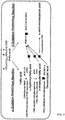
FIG. 1 is a diagram showing types of products and related enzymes associated with ω-oxidative and β-oxidative metabolism reactions. -
FIG. 2 is a diagram schematically showing a process of preparing a recombinant microorganism of the present invention from which a fatty aldehyde dehydrogenase gene associated with ω-oxidation and β-oxidative metabolism pathway-related genes are deleted and into which an ω-transaminase gene is also introduced. -
FIG. 3 is a diagram schematically showing a vector containing an ura3 gene to be used as a selective marker for gene knockout to modify a strain, and a pop-out region for deleting the ura3 gene after insertion of a knock-out cassette. -
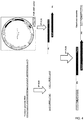
FIG. 4 is a schematic diagram showing a process of constructing a knock-out cassette used to prepare a transformant microorganism according to the present invention. -
FIG. 5 is a diagram schematically showing a transformation vector containing an ω-transaminase gene for the purpose of modifying a strain. -
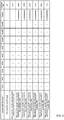
FIG. 6 is a graph illustrating types of transduced knock-out genes in the transformant microorganism according to the present invention. -
FIG. 7 is a graph illustrating an amount of a medium chain aminocarboxylic acid produced from the dodecanoic acid substrate, using the transformant microorganism according to the present invention. -
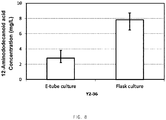
FIG. 8 is a graph illustrating an amount of the medium chain aminocarboxylic acid produced from the dodecanoic acid substrate, when an Y2-36 strain of the present invention is cultured in a flask. -
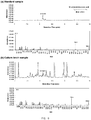
FIG. 9 shows the GC/MS data showing that the medium chain aminocarboxylic acid is produced from the dodecanoic acid substrate in the Y2-36 strain according to the present invention. - To achieve the objectives of the present invention, the present invention provides a recombinant microorganism from which a fatty aldehyde dehydrogenase gene in an ω-oxidative metabolism pathway and β-oxidative metabolism pathway-related genes are deleted and into which an ω-transaminase gene is also introduced.
- In the present invention, the term "ω-oxidation" refers to a metabolic process in which the terminal methyl group of a fatty acid is oxidized to form dicarboxylic acid, and the term "β-oxidation" refers to a metabolic process in which a carbon atom at the β-position in a carboxyl group is oxidized to release acetyl-CoA, whereby fatty acids are gradually decomposed into fatty acids whose number of carbon atoms is reduced by two. The concept of the ω- and β-oxidations and the enzymes involved in such metabolic processes are widely known to persons having ordinary skill in the field of biochemistry. For example, when a fatty acid is used as the substrate for ω-oxidation, an ω-hydroxy fatty acid is first produced by means of an action of cytochrome P450 and an NADPH-cytochrome P450 reductase. Then, the ω-hydroxy fatty acid is converted into ω-aldehyde fatty acid by an action of a fatty alcohol dehydrogenase and a fatty alcohol oxidase, and the ω-aldehyde fatty acid is converted into dicarboxylic acid by an action of a fatty aldehyde dehydrogenase. Also, for the β-oxidation, a fatty acid whose number of carbon atoms is reduced by two is produced by an acyl-CoA oxidase (see
FIG. 1 ). - Transaminase (TA, EC 2.6.1.X) is an enzyme which exists widely in nature and is involved in the transfer of an amine group in the nitrogen metabolism of an organism. Generally, transaminases serve to remove an amino group from one amino acid to transfer the amino group to another α-keto acid. The transaminases are used to produce optically pure non-natural amino acids and amine compounds because the transaminases have various outstanding advantages in that they exhibit wide specificity to substrates, high optical selectivity, a rapid reaction rate, and superior stability, and have no need for reproduction of coenzymes, and the like. The transaminases may be classified into five groups depending on the structures and multisequence alignments of proteins found in the Pfam database. Among these, the transaminases belonging to Group III including an ω-amino acid:pyruvate transaminase, an ornithine transaminase, a 4-aminobutyrate transaminase, and the like are referred to as ω-transaminases. Unlike the typical transaminases, the ω-transaminases perform a reaction of transferring an amine group of an amino acid- or carboxyl group-free amine compound, which contains an amine group at a position other than the α-position, to an amine receptor such as 2-ketoglutarate or pyruvate. Therefore, the ω-transaminases may be used as enzymes very useful for production of optically active amine compounds. For example, the ω-transaminases were first employed at 1990 by Celgene Co. (USA) to synthesize chiral amines. In recent years, the ω-transaminases have been importantly employed for studies on asymmetric synthesis of chiral amines and studies on improvement of kinetic resolution. In 2012, Evonik Industries AG (Germany) reported one case in which 12-oxolauric acid methyl ester is converted into 12-aminolauric acid methyl ester using an ω-transaminase of a Chromobacterium violaceum DSM30191 strain.
- According to an embodiment of the present invention, the fatty aldehyde dehydrogenase gene is preferably deleted from all homologous genes present in the corresponding microorganism, but a recombinant microorganism from which some of these genes are deleted may also be applied to the present invention, when necessary.
- According to an embodiment of the present invention, the fatty aldehyde dehydrogenase gene may be selected from the group consisting of FALDH1, FALDH2, FALDH3, and FALDH4 genes, but the present invention is not limited thereto. The FALDH1, FALDH2, FALDH3, and FALDH4 genes may comprise base sequences set forth in SEQ ID NOs: 1 to 4, respectively, but the present invention is not limited thereto.
- According to another embodiment of the present invention, the β-oxidative metabolism pathway-related genes are preferably deleted from all homologous genes present in the corresponding microorganism, but a recombinant microorganism from which some of these genes are deleted may also be applied to the present invention, when necessary. The β-oxidative metabolism pathway-related genes preferably includes an acyl-CoA oxidase gene, and the acyl-CoA oxidase gene may be selected from the group consisting of ACO1, ACO2, ACO3, ACO4, ACO5, and ACO6 genes, but the present invention is not limited thereto (see
FIG. 2 ). According to other preferred embodiments of the present invention, the ACO1, ACO2, ACO3, ACO4, ACO5, and ACO6 genes may comprise base sequences set forth in SEQ ID NOs: 5 to 10, respectively, but the present invention is not limited thereto. - According to another embodiment of the present invention, the ω-transaminase gene may comprise a base sequence set forth in SEQ ID NO: 11, but the present invention is not limited thereto.
- In the present invention, the recombinant microorganism from which the fatty aldehyde dehydrogenase gene and the β-oxidative metabolism pathway-related genes are deleted and into which the ω-transaminase gene is also introduced may be prepared using conventional genetic recombinant technology known in the related art. In the present invention, the term "deletion" is used as a meaning generally encompassing a physical deletion of part or all of the corresponding gene, and also encompassing a situation in which a protein is not expressed from mRNA transcribed from the corresponding gene and a situation in which a protein expressed from the corresponding gene does not function. Also, the term "introduction" is used as a meaning generally encompassing all situations in which a gene is inserted into the genome of a microorganism, or a gene is expressed without insertion of the corresponding gene into the genome of the microorganism. Examples of the genetic recombinant technology that may be used herein may include methods such as transformation, transduction, transfection, microinjection, electroporation, and the like, but the present invention is not limited thereto.
- In the present invention, any microorganisms having both ω-oxidative and β-oxidative metabolism processes may be used without limitation. For example, eukaryotes including a yeast and prokaryotes including Escherichia coli may be used. According to an embodiment of the present invention, the yeast is preferably used as the microorganism. In this case, yeasts such as Yarrowia sp., Saccharomyces sp., Pichia sp., Candida sp., and the like may be used as the yeast without limitation. Among theses, Yarrowia lipolytica, Candida tropicalis, Candida infanticola, Saccharomyces cerevisiae, Pichia alcoholophia, or Candida mycoderma is preferably used. Yarrowia lipolytica is more preferably used.
- As described above, in the case of the microorganism from which the fatty aldehyde dehydrogenase gene and the β-oxidative metabolism pathway-related gene are deleted and into which the ω-transaminase gene is also introduced, when a fatty acid is supplied as the substrate, an opposite terminal of a carboxyl group is oxidized by an action of cytochrome P450 and an NADPH-cytochrome P450 reductase to form an alcohol. Then, a hydroxyl group of the alcohol is oxidized by an action of a fatty alcohol dehydrogenase and a fatty alcohol oxidase to form an aldehyde. However, because the fatty aldehyde dehydrogenase is deletion, no further oxidation occurs anymore. Also, the fatty acid aldehyde thus formed is aminated by an action of an ω-transaminase to form an aminocarboxylic acid.
- Also, the present invention provides a method for producing a medium chain aminocarboxylic acid, which comprises:
- (1) preparing a recombinant microorganism from which a fatty aldehyde dehydrogenase gene in an ω-oxidative metabolism pathway and β-oxidative metabolism pathway-related genes are deleted and into which an ω-transaminase gene is also introduced; and
- (2) treating the recombinant microorganism with a substrate to culture the recombinant microorganism.
- In the present invention, the recombinant microorganism, from which the fatty aldehyde dehydrogenase gene in the ω-oxidative metabolism pathway and the β-oxidative metabolism pathway-related genes are deleted and into which the ω-transaminase gene is also introduced, may be used to produce a medium chain aminocarboxylic acid with high yield by preventing additional oxidation and β-oxidative metabolism of fatty acid aldehydes and introducing an amine group to the medium chain aldehyde fatty acid as well. The fatty aldehyde dehydrogenase gene and the β-oxidative metabolism pathway-related genes are preferably deleted from all homologous genes present in the corresponding microorganism, but a recombinant microorganism from which some of these genes are deleted may also be applied to the present invention, when necessary.
- In the present invention, any microorganisms having both ω-oxidative and β-oxidative metabolism processes may be used without limitation. For example, eukaryotes including a yeast and prokaryotes including Escherichia coli may be used. According to an embodiment of the present invention, the yeast is preferably used as the microorganism. In this case, yeasts such as Yarrowia sp., Saccharomyces sp., Pichia sp., Candida sp., and the like may be used as the yeast without limitation. Among theses, Yarrowia lipolytica, Candida tropicalis, Candida infanticola, Saccharomyces cerevisiae, Pichia alcoholophia, or Candida mycoderma is preferably used. Yarrowia lipolytica is more preferably used.
- In the present invention, the recombinant microorganism from which the fatty aldehyde dehydrogenase gene and the β-oxidative metabolism pathway-related genes are deleted and into which the ω-transaminase gene is also introduced may be prepared using conventional genetic recombinant technology known in the related art. In the present invention, the term "deletion" is used as a meaning generally encompassing a physical deletion of part or all of the corresponding gene, and also encompassing a situation in which a protein is not expressed from mRNA transcribed from the corresponding gene and a situation in which a protein expressed from the corresponding gene does not function. Also, the term "introduction" is used as a meaning generally encompassing all situations in which a gene is inserted into the genome of a microorganism, or a gene is expressed without insertion of the corresponding gene into the genome of the microorganism.
- In the present invention, the "medium chain aminocarboxylic acid" is used as a meaning encompassing all medium chain aminocarboxylic acids having 5 to 30 carbon atoms, preferably 8 to 16 carbon atoms. According to preferred embodiments of the present invention, the medium chain aminocarboxylic acid is preferably 12-aminododecanoic acid having 12 carbon atoms, but the present invention is not limited thereto.
- In the present invention, the substrate of step (2) may be a fatty acid, but the present invention is not limited thereto. According to an embodiment of the present invention, a fatty acid having 5 to 30 carbon atoms, preferably 8 to 16 carbon atoms, and more preferably dodecanoic acid having 12 carbon atoms may be used as the fatty acid, but the present invention is not limited thereto.
- Hereinafter, the present invention will be described in further detail with reference to examples thereof.
- However, it should be understood that the following examples are just preferred examples for the purpose of illustration only and is not intended to limit or define the scope of the invention.
- A vector containing an ura3 gene to be used as a selective marker for gene knockout to modify a strain, and a pop-out region for deleting the ura3 gene after insertion of a knock-out cassette was constructed (
FIG. 3 ). A Yarrowia-derived gene was used as the ura3 gene, and the pop-out region used to modify a strain had a total of four sequences, and was referenced from two genes. Here, a Bacillus-derived glutamate-producing gene was used as one of the genes, and a gene associated with a Salmonella- or cloning vector pHUKH-derived His operon was used as the other one. The primers and sequences thereof used to construct the pop-out vectors are listed in the following Table 1.[Table 1] Pop-out Vectors Names Base Sequences SEQ ID NOs HisG1 BglII F aattgggcccagatctcagaccggttcagacaggat 13 EcoRI R tctctgggcggaattcggaggtgcggatatgaggta 14 NotI F tgTTTCTCGgcggccgccagaccggttcagacaggat 15 BamHI R TCCAACGCGTGGATCCggaggtgcggatatgaggta 16 HisG2 BglII F aattgggcccagatctaacgctacctcgaccagaaa 17 EcoRI R tctctgggcggaattctcttctcgatcggcagtacc 18 NotI F tgTTTCTCGgcggccgcaacgctacctcgaccagaaa 19 BamHI R TCCAACGCG TGGATCCtcttctcgatcggcagtacc 20 glt2 BglII F aattgggcccagatctTCAGAACTTGCGCCGATAAA 21 EcoRI R tctctgggcggaattcCTTTGCCAGCTAGACCATAGAG 22 NotI F tgTTTCTCGgcggccgcTCAGAACTTGCGCCGATAAA 23 BamHI R 
24 glt3 Bg1II F aattgggcccagatctATTGGCGGGTTCGTTACTT 25 EcoRI R tctctgggcggaattcCCTGGAAGAAGGCCGTATTATC 26 NotI F tgTTTCTCGgcggccgcATTGGCGGGTTCGTTACTT 27 BamHI R 
28 - A knock-out cassette was constructed as shown in
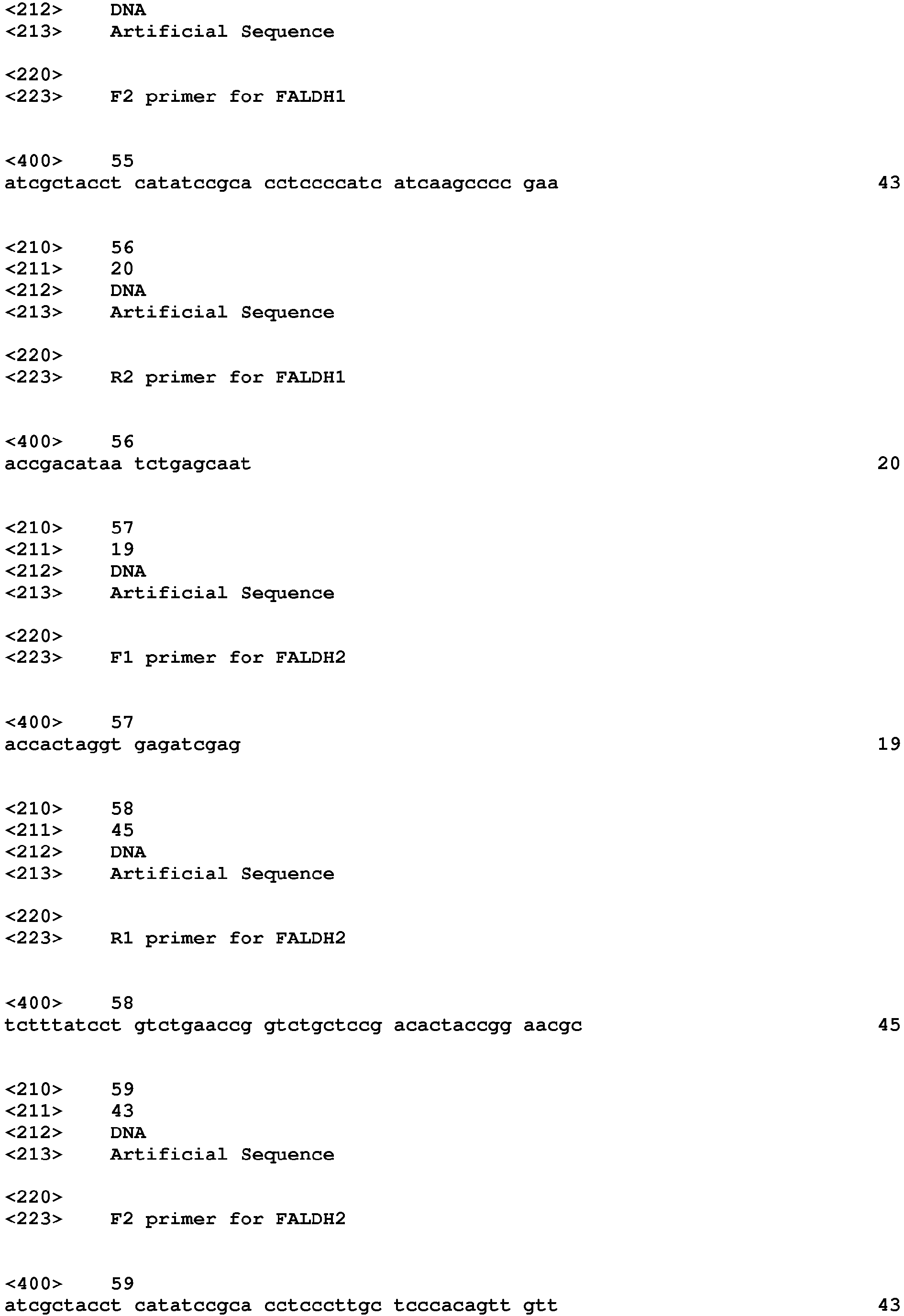
FIG. 4 . First, PCR of a homologous region (HR) to be knocked out from the genomic DNA of Yarrowia sp., and PCR of two 5'- and 3'-terminal fragments from a pop-out vector were carried out separately. Thereafter, each of the 5' HR and 3' HR was subjected to alignment PCR (2nd PCR) with a PO-ura3 region to construct a knock-out cassette. The primers and sequences thereof used to amplify the respective homologous regions are listed in Table 2.[Table 2] Gene Deletions Names Base Sequences SEQ ID NOs ACO1 F1 TTCCTCAATGGTGGAGAAGA 29 R1 
30 F2 
31 R2 AAGAAGGGCTTGAGAGTCG 32 ACO2 F1 CCCAACAACACTGGCAC 33 R1 
34 F2 ATCGCTACCTCATATCCGCACCTCC gacaagacccgacaggc 35 R2 AGACCAGAGTCCTCTTCG 36 ACO3 F1 Accttcacagagccaccca 37 R1 ATGGCTCTCTGGGCGgtgttgggggtgttgatgatg 38 F2 TTGTTGTGTTTCTCGcaaggttctcatcgaggcctg 39 R2 Aggaaaggtcgaagagtgctct 40 ACO4 F1 Actgcgagagcgatctg 41 R1 
42 F2 ATCGCTACCTCATATCCGCACCTCC gaggacgacaaagccggag 43 R2 AGAGCAGAGTCCTCCTCAA 44 ACO5 F1 AACTTCCTCACAGGCAGCGAGC 45 R1 
46 F2 ttgttgtgtttctcg ccccgtcaaggacgctgag 47 R2 ACAGTAAGGTGGGGCTTGACTC 48 ACO6 F1 AGTCCCTCAACACGTTTACCG 49 R1 
50 F2 
51 R2 AGGAAGGGTCTAATGACAGA 52 FALD H1 F1 AATCACTCCTCCTACGC 53 R1 
54 F2 
55 R2 ACCGACATAATCTGAGCAAT 56 FALD H2 F1 Accactaggtgagatcgag 57 R1 
58 F2 
59 R2 GATCACCCAGAACCATAGC 60 FALD H3 F1 GTGACCCCCACCACGTCAC 61 R1 
62 F2 
63 R2 CAGGGCTGGGGACCACC 64 FALD H4 F1 TACCGACTGGACCAGATTC 65 R1 
66 F2 
67 R2 CAAATCTTTCGGAAGATTCGG 68 - The primers used to PCR-amplify the pop-out region and ura3 as two fragments are listed in Table 3.
[Table 3] Pop-out Cassettes Names Base Sequences SEQ ID NOs HISG1 F cagaccggttcagacaggat 69 R ggaggtgcggatatgaggta 70 HISG2 F aacgctacctcgaccagaaa 71 R tcttctcgatcggcagtacc 72 glt2 F TCAGAACTTGCGCCGATAAA 73 R CTTTGCCAGCTAGACCATAGAG 74 glt3 F ATTGGCGGGTTCGTTACTT 75 R CCTGGAAGAAGGCCGTATTATC 76 Bipartite Ulura3 cs 2B Atgccctcctacgaagctcgagc 77 Ylura3F Ctcccaacgagaagctggcc 78 - To insert an ω-transaminase into a Yarrowia strain, a vector as shown in
FIG. 5 was constructed. The primers used for this purpose are listed in Table 4.[Table 4] Transaminase Vectors Names Base Sequences SEQ ID NOs EXP1-F ccaagcttggtaccgagctcaGagtttggcgcccgttttttc 79 EXP1-R 
80 TEF-F ccaagcttggtaccgagctcaaactttggcaaagaggctgca 81 TEF-R 
82 ALK1-F ccaagcttggtaccgagctcagatctgtgcgcctctacagaccc 83 ALK1-R CGTTGTTTTTGCATATGagtgcaggagtattctggggagga 84 XPR2t-F2 gtcgacgcaattaacagatagtttgccg 85 XPR2t- R3 ctcgagggatcccggaaaacaaaacacgacag 86 TA-F CATATGCAAAAACAACGTACTACCTCCC 87 TA-R gtcgacTTAGGCCAAACCACGGGCTTTC 88 ATATG2-ER-F actcctgcactCATatgtccaacgccctcaacctg 89 XTATG2-ER-F ccaatccaacacatatgtccaacgccctcaacctg 90 ER-R-1 
91 ER-R-2 
92 ETATG2-ER-1 tgattacgccaagcttGagtttggcgcccgttttttc 93 ETATG2-ER-2 
94 TTATG2-ER-1 tgattacgccaagcttaaactttggcaaagaggctg 95 TTATG2-ER-2 acaggttgagggcgttggacatATGtttgaatgattcttatactcagaag 96 ER-F atgtccaacgccctcaacctg 97 ER-R-3 CGTTGTTTTTGCATAGAACCGCCACCGCCGCTAC 98 - The transaminase cassettes were constructed in the same manner as in
FIG. 4 , except that, when two fragments of PCR products were obtained from the vector, the genes spanning from a promoter to ura3 were amplified to construct the cassettes. The primers used to construct the cassettes are listed in the following Table 5.[Table 5] Transaminase Cassettes Names Base Sequences SEQ ID NOs TA-FALDH4-F1 TACCGACTGGACCAGATTC 99 TA-FALDH4- R1 CGGCAGTGGCAATGATCTTAC 100 TA-FALDH4-F2 ctcctctatggtctagctggcaaagACTCGATTCATCGCTCCTAC 101 TA-FALDH4-R2 CAAATCTTTCGGAAGATTCGG 102 ATATG2-F gtcggtaagatcattgccactgccgagatctgtgcgcctctacagac 103 ETATG2-F gtcggtaagatcattgccactgccgGagtttggcgcccgttttttc 104 TTATG2-F gtcggtaagatcattgccactgccgaaactttggcaaagaggctgc 105 XTATG2-F gtcggtaagatcattgccactgccgacgcgtggagagtttgggtt 106 - The gene sequences used to modify the recombinant microorganism strain according to the present invention are listed in the sequence listing, and summarized in Table 6.
[Table 6] Genes SEQ ID NOs Genes SEQ ID NOs FALDH1 1 ACO3 7 FALDH2 2 ACO4 8 FALDH3 3 ACO5 9 FALDH4 4 ACO6 10 ACO1 5 ω-transaminase 11 ACO2 6 Ura3 12 - The knock-out cassette constructed in Example 1 and the transduction vector constructed in Example 2 were used to prepare a total of eight knock-out strains from which some of all of a fatty aldehyde dehydrogenase gene in an ω-oxidative metabolism pathway present in a wild-type Yarrowia strain and β-oxidative metabolism pathway-related genes were deleted and into which an ω-transaminase gene was also introduced (
FIG. 6 ). Specifically, a strain in which a gene was to be knocked out or be introduced was plated on an YPD plate, and cultured at 30 °C for 16 to 24 hours. The cultured cells were scraped with a loop, put into 100 µL of a one-step buffer (45% PEG4000, 100 mM DTT, 0.1 L of LiAc, 25 µg of single-strand carrier DNA), and vortexed. Thereafter, the knock-out cassette and the transduction vector (1 ng or more) were added thereto, and the resulting mixture was vortexed again, and then cultured at 39 °C for an hour. The cultured sample was loaded onto a selective medium (6.7 g/L of YNB without amino acids, and 20 g/L of glucose), and then cultured at 30 °C for 48 hours to screen the strains into which the constructed cassette was inserted. To check whether the cassettes were correctly inserted onto the genomes of the screened strains, PCR was then performed using the primers included in the gene deletions listed in Table 2. - To insert another cassette, a pop-out process was performed on the strain into which the cassette was inserted. The strain screened from the selective medium was inoculated in 2 mL of an YPD medium, and cultured at 30 °C for 16 hours, and 200 µL of the culture broth was then spread on a 5' FOA medium (6.7 g/L of YNB without amino acids, 20 g/L of glucose, 0.8 g/L of 5' FOA, 0.1 g/L of uracil, and 0.1 g/L of uridine), and then cultured at 30 °C for 48 hours. The strains grown on the 5' FOA medium were picked, and spread on an YPD plate and a UD plate to screen the strains grown on the YPD plate. Also, a PCR process was again performed using the primers listed in Table 2 to check whether the ura3 gene was deleted from the strains. A knock-out process was performed on other genes of the Ura3-free strains.
- A day earlier, the strain to be cultured and tested was inoculated in 2 mL of an YPD medium (Bacto Laboratories, 10 g/L of Yeast extract, 20 g/L of peptone, and 20 g/L of glucose), and grown at 30 °C and 200 rpm for a day. 2 mL of a growth medium (pH 6.0) having the compositions listed in Table 7 was put into a 24-well plate, and a pre-cultured culture broth was inoculated at 1%. Thereafter, the strains were cultured at 30 °C and 450 rpm for a day in a plate stirrer. The strains cultured for a day were inoculated at a volume of 900 µL in a new plate containing 900 µL of a conversion medium (pH 7.6) listed in Table 8, and 200 µL of a substrate was added thereto at the same time. The resulting mixture was cultured at 30 °C and 450 rpm for a day. In this case, 10 g/L of dodecanoic acid dissolved in DMSO was used as the substrate.
[Table 7] Growth Medium (pH 6.0) Components Concentration (g/L) Glucose 50 YNB w/o amino acid 6.7 Yeast extract 10 (NH4)2SO4 5 Uracil 0.05 0.1 M phosphate buffer Preparation of 0.1 M potassium phosphate buffer at 25 °C pH Volume (mL) of 1 M K2HPO4 Volume (mL) of 1 M KH2PO4 6.0 13.2 86.8 [Table 8] Conversion Medium (pH 7.6) Components Concentration (g/L) Glucose 30 YNB w/o amino acid 6.7 Yeast extract 3 (NH4)2SO4 15 Uracil 0.05 L- alanine 10 0.1 M phosphate buffer Preparation of 0.1 M potassium phosphate buffer at 25 °C pH Volume (mL) of 1 M K2HPO4 Volume (mL) of 1 M KH2PO4 7.6 86.6 13.4 - As a result, it was revealed that the Y1-11 strain in which only the β-oxidative metabolism pathway-related genes were knocked out did not produce 12-aminododecanoic acid from dodecanoic acid serving as the substrate, but all the Y2-20, Y-2-25, Y2-30, Y2-35, Y2-36 and Y3-1 strains in which the fatty aldehyde dehydrogenase gene were further knocked out and into which the ω-transaminase was introduced exhibited an excellent ability to synthesize 12-aminododecanoic acid (
FIG. 7 ). Also, it was revealed that the Y2-36 strain exhibited an ability to synthesize approximately 8 mg/L of 12-aminododecanoic acid when cultured in the flask (FIG. 8 ). In the following experiment, a sample analysis test was performed using the Y2-36 strain. - 100 µL of 6 N sulfuric acid was added to 500 µL of a culture broth of the Y2-36 strain, which had been proven to have the most excellent ability to synthesize 12-aminododecanoic acid in Example 4, and 500 µL of methanol containing 10% toluene and 2.2% hydrochloric acid was added thereto to perform a methylation reaction. Thereafter, a methylation reaction was performed at 100 °C for an hour. 100 µL of 10 N sodium hydroxide and 500 µL of diethyl ether were added to the reaction solution, and the resulting mixture was thoroughly vortexed, and then centrifuged at 12,000 rpm for 2 minutes. Then, a GC/MS assay was performed under the following analytical conditions to separate only a solvent layer.
-
- ① Equipment: Agilent 5975 MSD
- ② Column: HP-5MS
- ③ Temperature: Oven(150 °C to 230 °C)
- ④ Carrier Gas: He
- ⑤ Flow Rate: 1 mL/min.
- As a result, it was confirmed that the recombinant Y2-36 strain of the present invention was able to synthesize 12-aminododecanoic acid from dodecanoic acid serving as the substrate (
FIG. 9 ).




Claims (18)
- A recombinant microorganism from which a fatty aldehyde dehydrogenase gene in an ω-oxidative metabolism pathway and β-oxidative metabolism pathway-related genes are deleted and into which an ω-transaminase gene is also introduced.
- The recombinant microorganism of claim 1, wherein the fatty aldehyde dehydrogenase gene and the β-oxidative metabolism pathway-related genes are deleted from all homologous genes present in the microorganism.
- The recombinant microorganism of claim 1, wherein the fatty aldehyde dehydrogenase gene and the β-oxidative metabolism pathway-related genes are deleted from some of the homologous genes present in the corresponding microorganism.
- The recombinant microorganism of claim 1, wherein the fatty aldehyde dehydrogenase gene is selected from the group consisting of FALDH1, FALDH2, FALDH3, and FALDH4 genes.
- The recombinant microorganism of claim 4, wherein each of the FALDH1, FALDH2, FALDH3, and FALDH4 genes comprise base sequences set forth in SEQ ID NOs: 1 to 4.
- The recombinant microorganism of claim 1, wherein the β-oxidative metabolism pathway-related gene is an acyl-CoA oxidase gene.
- The recombinant microorganism of claim 6, wherein the acyl-CoA oxidase gene is selected from the group consisting of ACO1, ACO2, ACO3, ACO4, ACO5, and ACO6 genes.
- The recombinant microorganism of claim 7, wherein each of the ACO1, ACO2, ACO3, ACO4, ACO5, and ACO6 genes comprise base sequences set forth in SEQ ID NOs: 5 to 10, respectively.
- The recombinant microorganism of claim 1, wherein the ω-transaminase gene comprises a base sequence set forth in SEQ ID NO: 11.
- The recombinant microorganism of claim 1, wherein the microorganism is a yeast or Escherichia coli.
- The recombinant microorganism of claim 10, wherein the yeast is selected from the group of the yeast consisting of Yarrowia sp., Saccharomyces sp., Pichia sp., and Candida sp.
- The recombinant microorganism of claim 11 wherein the yeast of Yarrowia sp. is Yarrowia lipolytica.
- A method for producing a medium chain aminocarboxylic acid, comprising:(1) preparing the recombinant microorganism according to any one of claims 1 to 12; and(2) treating the recombinant microorganism with a substrate to culture the recombinant microorganism.
- The method of claim 13, wherein the substrate is a fatty acid.
- The method of claim 14, wherein the fatty acid is a fatty acid having 5 to 30 carbon atoms.
- The method of claim 15, wherein the fatty acid is dodecanoic acid.
- The method of claim 13, wherein the medium chain aminocarboxylic acid is a medium chain aminocarboxylic acid compound having 5 to 30 carbon atoms.
- The method of claim 17, wherein the medium chain aminocarboxylic acid is 12-aminododecanoic acid.
Applications Claiming Priority (2)
| Application Number | Priority Date | Filing Date | Title |
|---|---|---|---|
| KR20150149254 | 2015-10-27 | ||
| PCT/KR2016/012172 WO2017074063A1 (en) | 2015-10-27 | 2016-10-27 | Method for producing heavy chain aminocarboxylic acid |
Publications (3)
| Publication Number | Publication Date |
|---|---|
| EP3375880A1 true EP3375880A1 (en) | 2018-09-19 |
| EP3375880A4 EP3375880A4 (en) | 2018-10-24 |
| EP3375880B1 EP3375880B1 (en) | 2019-12-25 |
Family
ID=58743957
Family Applications (1)
| Application Number | Title | Priority Date | Filing Date |
|---|---|---|---|
| EP16860246.4A Active EP3375880B1 (en) | 2015-10-27 | 2016-10-27 | Method for producing heavy chain aminocarboxylic acid |
Country Status (5)
| Country | Link |
|---|---|
| US (1) | US20180327724A1 (en) |
| EP (1) | EP3375880B1 (en) |
| JP (1) | JP7164112B2 (en) |
| KR (1) | KR101903553B1 (en) |
| CN (1) | CN108473993A (en) |
Families Citing this family (4)
| Publication number | Priority date | Publication date | Assignee | Title |
|---|---|---|---|---|
| KR102173101B1 (en) * | 2018-12-04 | 2020-11-03 | 고려대학교 산학협력단 | Microorganism for production of dicarboxylic acid and method of producing decarboxylic acid using the Same |
| CN109593737B (en) * | 2019-01-02 | 2022-02-11 | 中国人民解放军第二军医大学 | Safflower CtACO3 gene, its encoded protein and application |
| CN112410355B (en) * | 2020-11-23 | 2022-03-25 | 昆明理工大学 | Acyl-coenzyme A oxidase 2 gene RKACOX2 and application thereof |
| WO2025134826A1 (en) * | 2023-12-22 | 2025-06-26 | Ube株式会社 | New aminotransferase and method for producing amino compound using same |
Family Cites Families (10)
| Publication number | Priority date | Publication date | Assignee | Title |
|---|---|---|---|---|
| FR2879215B1 (en) * | 2004-12-15 | 2010-08-20 | Inst Francais Du Petrole | PRODUCTION OF DICARBOXYLIC ACIDS BY ENHANCED MUTANT STRAINS OF YARROWIA LIPOLYTICA |
| JP4923631B2 (en) | 2005-03-04 | 2012-04-25 | 宇部興産株式会社 | Process for producing 12-aminododecanoic acid and biocatalyst used in the process |
| DE102007060705A1 (en) * | 2007-12-17 | 2009-06-18 | Evonik Degussa Gmbh | ω-aminocarboxylic acids or their lactams, producing, recombinant cells |
| KR101145405B1 (en) | 2008-12-03 | 2012-05-16 | 한국생명공학연구원 | Mutant Blocked in Glycerol Oxidaion Pathway for Producing 1,3-Propanediol |
| JP5619400B2 (en) * | 2009-09-11 | 2014-11-05 | 第一ファインケミカル株式会社 | Acid phosphatase, nucleic acid encoding the same, and method for producing riboflavin-5'-phosphate using the same |
| DE102011110946A1 (en) * | 2011-08-15 | 2016-01-21 | Evonik Degussa Gmbh | Biotechnological synthesis of omega-functionalized carboxylic acids and carboxylic acid esters from simple carbon sources |
| EP2706118A1 (en) | 2012-09-11 | 2014-03-12 | Basf Se | Method for the production of primary amines |
| EP2746397A1 (en) * | 2012-12-21 | 2014-06-25 | Evonik Industries AG | Production of omega amino fatty acids |
| AU2014277874B2 (en) * | 2013-06-14 | 2020-12-03 | Genomatica, Inc. | Methods of producing omega-hydroxylated fatty acid derivatives |
| DE102014220186B4 (en) | 2013-12-12 | 2017-06-22 | Technische Universität Dresden | Yeast strains and processes for the production of omega-hydroxy fatty acids and dicarboxylic acids |
-
2016
- 2016-10-27 KR KR1020160141019A patent/KR101903553B1/en active Active
- 2016-10-27 JP JP2018522065A patent/JP7164112B2/en active Active
- 2016-10-27 CN CN201680076062.8A patent/CN108473993A/en active Pending
- 2016-10-27 EP EP16860246.4A patent/EP3375880B1/en active Active
- 2016-10-27 US US15/771,812 patent/US20180327724A1/en not_active Abandoned
Also Published As
| Publication number | Publication date |
|---|---|
| JP2018531615A (en) | 2018-11-01 |
| JP7164112B2 (en) | 2022-11-01 |
| EP3375880A4 (en) | 2018-10-24 |
| US20180327724A1 (en) | 2018-11-15 |
| KR101903553B1 (en) | 2018-10-04 |
| CN108473993A (en) | 2018-08-31 |
| KR20170049436A (en) | 2017-05-10 |
| EP3375880B1 (en) | 2019-12-25 |
Similar Documents
| Publication | Publication Date | Title |
|---|---|---|
| Holwerda et al. | Metabolic and evolutionary responses of Clostridium thermocellum to genetic interventions aimed at improving ethanol production | |
| CN111705029B (en) | Method for efficiently producing 3-hydroxypropionic acid (3 HP) and derivatives thereof based on halophilic bacteria | |
| EP3375880B1 (en) | Method for producing heavy chain aminocarboxylic acid | |
| JP7829285B2 (en) | Recombinant acid-resistant yeast with suppressed glycerol production and method for producing lactic acid using the same | |
| SG192706A1 (en) | Cells and methods for producing isobutyric acid | |
| JP7186261B2 (en) | Biotechnological production of ω-functionalized carboxylic acids and their esters | |
| JP2026063010A (en) | Recombinant acid-tolerant yeast with increased lactic acid production capacity | |
| EP4279586A1 (en) | Engineered microorganism expressing acetoacetyl coenzyme a reductase variant and method for increasing pha yield | |
| US10435720B2 (en) | Recombinant microorganism having enhanced D(-) 2,3-butanediol producing ability and method for producing D(-) 2,3-butanediol using the same | |
| KR20250129721A (en) | Enzyme, strain producing salidroside and production method | |
| EP3378941B1 (en) | Method for producing heavy chain diamine | |
| WO2014128252A1 (en) | Biosynthesis of o-methylated phenolic compounds | |
| EP3378940B1 (en) | Method for producing heavy chain diol | |
| US20200131538A1 (en) | Microorganism with stabilized copy number of functional dna sequence and associated methods | |
| CN117586933A (en) | A method for cultivating recombinant Halomonas using methanol and its application | |
| CN116376940A (en) | A method for expressing D-amino acid oxidase and its application | |
| WO2017074063A1 (en) | Method for producing heavy chain aminocarboxylic acid | |
| JP2008301766A (en) | Medium for producing lactic acid and method for producing lactic acid | |
| WO2019152753A1 (en) | Methods and materials for the biosynthesis of beta hydroxy fatty acid anions and/or derivatives thereof and/or compounds related thereto | |
| CN117402839A (en) | A kind of ketoreductase and its application in preparing (R)-4-chloro-3-hydroxybutyric acid ethyl ester | |
| CN120424971A (en) | A recombinant Pichia pastoris strain and its construction method and application | |
| CN117402843A (en) | A ketoreductase derived from Japanese fission yeast yFS275 and its application | |
| KR20230147948A (en) | Transgenic Vibrio DHG strain for lignocellulosic biomass processing | |
| WO2017074065A1 (en) | Method for producing heavy chain diamine | |
| WO2017074061A1 (en) | Method for producing heavy chain diol |
Legal Events
| Date | Code | Title | Description |
|---|---|---|---|
| STAA | Information on the status of an ep patent application or granted ep patent |
Free format text: STATUS: THE INTERNATIONAL PUBLICATION HAS BEEN MADE |
|
| PUAI | Public reference made under article 153(3) epc to a published international application that has entered the european phase |
Free format text: ORIGINAL CODE: 0009012 |
|
| STAA | Information on the status of an ep patent application or granted ep patent |
Free format text: STATUS: REQUEST FOR EXAMINATION WAS MADE |
|
| 17P | Request for examination filed |
Effective date: 20180525 |
|
| AK | Designated contracting states |
Kind code of ref document: A1 Designated state(s): AL AT BE BG CH CY CZ DE DK EE ES FI FR GB GR HR HU IE IS IT LI LT LU LV MC MK MT NL NO PL PT RO RS SE SI SK SM TR |
|
| AX | Request for extension of the european patent |
Extension state: BA ME |
|
| A4 | Supplementary search report drawn up and despatched |
Effective date: 20180920 |
|
| RIC1 | Information provided on ipc code assigned before grant |
Ipc: C12N 9/10 20060101ALI20180915BHEP Ipc: C12N 15/70 20060101AFI20180915BHEP Ipc: C12N 9/02 20060101ALI20180915BHEP Ipc: C12P 7/64 20060101ALI20180915BHEP Ipc: C12N 15/81 20060101ALI20180915BHEP Ipc: C12P 13/00 20060101ALI20180915BHEP |
|
| DAV | Request for validation of the european patent (deleted) | ||
| DAX | Request for extension of the european patent (deleted) | ||
| REG | Reference to a national code |
Ref country code: DE Ref legal event code: R079 Ref document number: 602016027088 Country of ref document: DE Free format text: PREVIOUS MAIN CLASS: C12N0015700000 Ipc: C12P0013040000 |
|
| GRAP | Despatch of communication of intention to grant a patent |
Free format text: ORIGINAL CODE: EPIDOSNIGR1 |
|
| STAA | Information on the status of an ep patent application or granted ep patent |
Free format text: STATUS: GRANT OF PATENT IS INTENDED |
|
| INTG | Intention to grant announced |
Effective date: 20190725 |
|
| RIC1 | Information provided on ipc code assigned before grant |
Ipc: C12N 15/81 20060101ALI20190712BHEP Ipc: C12P 13/00 20060101ALI20190712BHEP Ipc: C12P 13/04 20060101AFI20190712BHEP Ipc: C12N 9/10 20060101ALI20190712BHEP Ipc: C12N 9/02 20060101ALI20190712BHEP Ipc: C12P 7/64 20060101ALI20190712BHEP Ipc: C12N 15/70 20060101ALI20190712BHEP |
|
| GRAS | Grant fee paid |
Free format text: ORIGINAL CODE: EPIDOSNIGR3 |
|
| GRAA | (expected) grant |
Free format text: ORIGINAL CODE: 0009210 |
|
| STAA | Information on the status of an ep patent application or granted ep patent |
Free format text: STATUS: THE PATENT HAS BEEN GRANTED |
|
| AK | Designated contracting states |
Kind code of ref document: B1 Designated state(s): AL AT BE BG CH CY CZ DE DK EE ES FI FR GB GR HR HU IE IS IT LI LT LU LV MC MK MT NL NO PL PT RO RS SE SI SK SM TR |
|
| REG | Reference to a national code |
Ref country code: GB Ref legal event code: FG4D |
|
| REG | Reference to a national code |
Ref country code: CH Ref legal event code: EP |
|
| REG | Reference to a national code |
Ref country code: DE Ref legal event code: R096 Ref document number: 602016027088 Country of ref document: DE |
|
| REG | Reference to a national code |
Ref country code: AT Ref legal event code: REF Ref document number: 1217170 Country of ref document: AT Kind code of ref document: T Effective date: 20200115 |
|
| REG | Reference to a national code |
Ref country code: IE Ref legal event code: FG4D |
|
| REG | Reference to a national code |
Ref country code: NL Ref legal event code: MP Effective date: 20191225 |
|
| PG25 | Lapsed in a contracting state [announced via postgrant information from national office to epo] |
Ref country code: SE Free format text: LAPSE BECAUSE OF FAILURE TO SUBMIT A TRANSLATION OF THE DESCRIPTION OR TO PAY THE FEE WITHIN THE PRESCRIBED TIME-LIMIT Effective date: 20191225 Ref country code: LV Free format text: LAPSE BECAUSE OF FAILURE TO SUBMIT A TRANSLATION OF THE DESCRIPTION OR TO PAY THE FEE WITHIN THE PRESCRIBED TIME-LIMIT Effective date: 20191225 Ref country code: NO Free format text: LAPSE BECAUSE OF FAILURE TO SUBMIT A TRANSLATION OF THE DESCRIPTION OR TO PAY THE FEE WITHIN THE PRESCRIBED TIME-LIMIT Effective date: 20200325 Ref country code: GR Free format text: LAPSE BECAUSE OF FAILURE TO SUBMIT A TRANSLATION OF THE DESCRIPTION OR TO PAY THE FEE WITHIN THE PRESCRIBED TIME-LIMIT Effective date: 20200326 Ref country code: LT Free format text: LAPSE BECAUSE OF FAILURE TO SUBMIT A TRANSLATION OF THE DESCRIPTION OR TO PAY THE FEE WITHIN THE PRESCRIBED TIME-LIMIT Effective date: 20191225 Ref country code: BG Free format text: LAPSE BECAUSE OF FAILURE TO SUBMIT A TRANSLATION OF THE DESCRIPTION OR TO PAY THE FEE WITHIN THE PRESCRIBED TIME-LIMIT Effective date: 20200325 Ref country code: FI Free format text: LAPSE BECAUSE OF FAILURE TO SUBMIT A TRANSLATION OF THE DESCRIPTION OR TO PAY THE FEE WITHIN THE PRESCRIBED TIME-LIMIT Effective date: 20191225 |
|
| REG | Reference to a national code |
Ref country code: LT Ref legal event code: MG4D |
|
| PG25 | Lapsed in a contracting state [announced via postgrant information from national office to epo] |
Ref country code: HR Free format text: LAPSE BECAUSE OF FAILURE TO SUBMIT A TRANSLATION OF THE DESCRIPTION OR TO PAY THE FEE WITHIN THE PRESCRIBED TIME-LIMIT Effective date: 20191225 Ref country code: RS Free format text: LAPSE BECAUSE OF FAILURE TO SUBMIT A TRANSLATION OF THE DESCRIPTION OR TO PAY THE FEE WITHIN THE PRESCRIBED TIME-LIMIT Effective date: 20191225 |
|
| PG25 | Lapsed in a contracting state [announced via postgrant information from national office to epo] |
Ref country code: AL Free format text: LAPSE BECAUSE OF FAILURE TO SUBMIT A TRANSLATION OF THE DESCRIPTION OR TO PAY THE FEE WITHIN THE PRESCRIBED TIME-LIMIT Effective date: 20191225 |
|
| PG25 | Lapsed in a contracting state [announced via postgrant information from national office to epo] |
Ref country code: CZ Free format text: LAPSE BECAUSE OF FAILURE TO SUBMIT A TRANSLATION OF THE DESCRIPTION OR TO PAY THE FEE WITHIN THE PRESCRIBED TIME-LIMIT Effective date: 20191225 Ref country code: PT Free format text: LAPSE BECAUSE OF FAILURE TO SUBMIT A TRANSLATION OF THE DESCRIPTION OR TO PAY THE FEE WITHIN THE PRESCRIBED TIME-LIMIT Effective date: 20200520 Ref country code: NL Free format text: LAPSE BECAUSE OF FAILURE TO SUBMIT A TRANSLATION OF THE DESCRIPTION OR TO PAY THE FEE WITHIN THE PRESCRIBED TIME-LIMIT Effective date: 20191225 Ref country code: EE Free format text: LAPSE BECAUSE OF FAILURE TO SUBMIT A TRANSLATION OF THE DESCRIPTION OR TO PAY THE FEE WITHIN THE PRESCRIBED TIME-LIMIT Effective date: 20191225 Ref country code: RO Free format text: LAPSE BECAUSE OF FAILURE TO SUBMIT A TRANSLATION OF THE DESCRIPTION OR TO PAY THE FEE WITHIN THE PRESCRIBED TIME-LIMIT Effective date: 20191225 |
|
| PG25 | Lapsed in a contracting state [announced via postgrant information from national office to epo] |
Ref country code: SK Free format text: LAPSE BECAUSE OF FAILURE TO SUBMIT A TRANSLATION OF THE DESCRIPTION OR TO PAY THE FEE WITHIN THE PRESCRIBED TIME-LIMIT Effective date: 20191225 Ref country code: IS Free format text: LAPSE BECAUSE OF FAILURE TO SUBMIT A TRANSLATION OF THE DESCRIPTION OR TO PAY THE FEE WITHIN THE PRESCRIBED TIME-LIMIT Effective date: 20200425 Ref country code: SM Free format text: LAPSE BECAUSE OF FAILURE TO SUBMIT A TRANSLATION OF THE DESCRIPTION OR TO PAY THE FEE WITHIN THE PRESCRIBED TIME-LIMIT Effective date: 20191225 |
|
| REG | Reference to a national code |
Ref country code: DE Ref legal event code: R097 Ref document number: 602016027088 Country of ref document: DE |
|
| PG25 | Lapsed in a contracting state [announced via postgrant information from national office to epo] |
Ref country code: ES Free format text: LAPSE BECAUSE OF FAILURE TO SUBMIT A TRANSLATION OF THE DESCRIPTION OR TO PAY THE FEE WITHIN THE PRESCRIBED TIME-LIMIT Effective date: 20191225 Ref country code: DK Free format text: LAPSE BECAUSE OF FAILURE TO SUBMIT A TRANSLATION OF THE DESCRIPTION OR TO PAY THE FEE WITHIN THE PRESCRIBED TIME-LIMIT Effective date: 20191225 |
|
| PLBE | No opposition filed within time limit |
Free format text: ORIGINAL CODE: 0009261 |
|
| STAA | Information on the status of an ep patent application or granted ep patent |
Free format text: STATUS: NO OPPOSITION FILED WITHIN TIME LIMIT |
|
| REG | Reference to a national code |
Ref country code: AT Ref legal event code: MK05 Ref document number: 1217170 Country of ref document: AT Kind code of ref document: T Effective date: 20191225 |
|
| PG25 | Lapsed in a contracting state [announced via postgrant information from national office to epo] |
Ref country code: SI Free format text: LAPSE BECAUSE OF FAILURE TO SUBMIT A TRANSLATION OF THE DESCRIPTION OR TO PAY THE FEE WITHIN THE PRESCRIBED TIME-LIMIT Effective date: 20191225 |
|
| 26N | No opposition filed |
Effective date: 20200928 |
|
| PG25 | Lapsed in a contracting state [announced via postgrant information from national office to epo] |
Ref country code: IT Free format text: LAPSE BECAUSE OF FAILURE TO SUBMIT A TRANSLATION OF THE DESCRIPTION OR TO PAY THE FEE WITHIN THE PRESCRIBED TIME-LIMIT Effective date: 20191225 Ref country code: AT Free format text: LAPSE BECAUSE OF FAILURE TO SUBMIT A TRANSLATION OF THE DESCRIPTION OR TO PAY THE FEE WITHIN THE PRESCRIBED TIME-LIMIT Effective date: 20191225 |
|
| PG25 | Lapsed in a contracting state [announced via postgrant information from national office to epo] |
Ref country code: PL Free format text: LAPSE BECAUSE OF FAILURE TO SUBMIT A TRANSLATION OF THE DESCRIPTION OR TO PAY THE FEE WITHIN THE PRESCRIBED TIME-LIMIT Effective date: 20191225 |
|
| REG | Reference to a national code |
Ref country code: CH Ref legal event code: PL |
|
| PG25 | Lapsed in a contracting state [announced via postgrant information from national office to epo] |
Ref country code: MC Free format text: LAPSE BECAUSE OF FAILURE TO SUBMIT A TRANSLATION OF THE DESCRIPTION OR TO PAY THE FEE WITHIN THE PRESCRIBED TIME-LIMIT Effective date: 20191225 Ref country code: LU Free format text: LAPSE BECAUSE OF NON-PAYMENT OF DUE FEES Effective date: 20201027 |
|
| REG | Reference to a national code |
Ref country code: BE Ref legal event code: MM Effective date: 20201031 |
|
| PG25 | Lapsed in a contracting state [announced via postgrant information from national office to epo] |
Ref country code: BE Free format text: LAPSE BECAUSE OF NON-PAYMENT OF DUE FEES Effective date: 20201031 Ref country code: CH Free format text: LAPSE BECAUSE OF NON-PAYMENT OF DUE FEES Effective date: 20201031 Ref country code: LI Free format text: LAPSE BECAUSE OF NON-PAYMENT OF DUE FEES Effective date: 20201031 |
|
| PG25 | Lapsed in a contracting state [announced via postgrant information from national office to epo] |
Ref country code: IE Free format text: LAPSE BECAUSE OF NON-PAYMENT OF DUE FEES Effective date: 20201027 |
|
| PG25 | Lapsed in a contracting state [announced via postgrant information from national office to epo] |
Ref country code: TR Free format text: LAPSE BECAUSE OF FAILURE TO SUBMIT A TRANSLATION OF THE DESCRIPTION OR TO PAY THE FEE WITHIN THE PRESCRIBED TIME-LIMIT Effective date: 20191225 Ref country code: MT Free format text: LAPSE BECAUSE OF FAILURE TO SUBMIT A TRANSLATION OF THE DESCRIPTION OR TO PAY THE FEE WITHIN THE PRESCRIBED TIME-LIMIT Effective date: 20191225 Ref country code: CY Free format text: LAPSE BECAUSE OF FAILURE TO SUBMIT A TRANSLATION OF THE DESCRIPTION OR TO PAY THE FEE WITHIN THE PRESCRIBED TIME-LIMIT Effective date: 20191225 |
|
| PG25 | Lapsed in a contracting state [announced via postgrant information from national office to epo] |
Ref country code: MK Free format text: LAPSE BECAUSE OF FAILURE TO SUBMIT A TRANSLATION OF THE DESCRIPTION OR TO PAY THE FEE WITHIN THE PRESCRIBED TIME-LIMIT Effective date: 20191225 |
|
| PGFP | Annual fee paid to national office [announced via postgrant information from national office to epo] |
Ref country code: GB Payment date: 20250904 Year of fee payment: 10 |
|
| PGFP | Annual fee paid to national office [announced via postgrant information from national office to epo] |
Ref country code: FR Payment date: 20250908 Year of fee payment: 10 |
|
| PGFP | Annual fee paid to national office [announced via postgrant information from national office to epo] |
Ref country code: DE Payment date: 20250902 Year of fee payment: 10 |
|
| REG | Reference to a national code |
Ref country code: DE Ref legal event code: R082 Ref document number: 602016027088 Country of ref document: DE Representative=s name: VUILLERMOZ, BRUNO, FR |