EP3370735B1 - Polysaccharide-based polymer and its use for the prevention and treatment of the wilson's disease - Google Patents
Polysaccharide-based polymer and its use for the prevention and treatment of the wilson's disease Download PDFInfo
- Publication number
- EP3370735B1 EP3370735B1 EP16804685.2A EP16804685A EP3370735B1 EP 3370735 B1 EP3370735 B1 EP 3370735B1 EP 16804685 A EP16804685 A EP 16804685A EP 3370735 B1 EP3370735 B1 EP 3370735B1
- Authority
- EP
- European Patent Office
- Prior art keywords
- hydroxyquinoline
- monomeric units
- substituents
- pyridylmethyl
- mol
- Prior art date
- Legal status (The legal status is an assumption and is not a legal conclusion. Google has not performed a legal analysis and makes no representation as to the accuracy of the status listed.)
- Active
Links
Images







Classifications
-
- A—HUMAN NECESSITIES
- A61—MEDICAL OR VETERINARY SCIENCE; HYGIENE
- A61K—PREPARATIONS FOR MEDICAL, DENTAL OR TOILETRY PURPOSES
- A61K31/00—Medicinal preparations containing organic active ingredients
- A61K31/70—Carbohydrates; Sugars; Derivatives thereof
- A61K31/715—Polysaccharides, i.e. having more than five saccharide radicals attached to each other by glycosidic linkages; Derivatives thereof, e.g. ethers, esters
- A61K31/738—Cross-linked polysaccharides
-
- A—HUMAN NECESSITIES
- A61—MEDICAL OR VETERINARY SCIENCE; HYGIENE
- A61K—PREPARATIONS FOR MEDICAL, DENTAL OR TOILETRY PURPOSES
- A61K31/00—Medicinal preparations containing organic active ingredients
- A61K31/70—Carbohydrates; Sugars; Derivatives thereof
- A61K31/715—Polysaccharides, i.e. having more than five saccharide radicals attached to each other by glycosidic linkages; Derivatives thereof, e.g. ethers, esters
- A61K31/716—Glucans
- A61K31/722—Chitin, chitosan
-
- C—CHEMISTRY; METALLURGY
- C08—ORGANIC MACROMOLECULAR COMPOUNDS; THEIR PREPARATION OR CHEMICAL WORKING-UP; COMPOSITIONS BASED THEREON
- C08B—POLYSACCHARIDES; DERIVATIVES THEREOF
- C08B37/00—Preparation of polysaccharides not provided for in groups C08B1/00 - C08B35/00; Derivatives thereof
- C08B37/006—Heteroglycans, i.e. polysaccharides having more than one sugar residue in the main chain in either alternating or less regular sequence; Gellans; Succinoglycans; Arabinogalactans; Tragacanth or gum tragacanth or traganth from Astragalus; Gum Karaya from Sterculia urens; Gum Ghatti from Anogeissus latifolia; Derivatives thereof
Definitions
- the invention relates to the polymers bonding copper ions suitable for peroral administration for the prevention and mitigation of consequences of Wilson's disease.
- Wilson's disease is a genetically determined disease characterized by a disorder of copper metabolism leading to cirrhosis of the liver and degeneration of the basal ganglia. [ Ala, A., Walker, A. P., Ashkan, K., Dooley, J. S., Schilsky, M. L. (2007), Wilson's disease. Lancet 369, 397-408 ].
- the cause of the disease is a malfunction of the enzyme ATPase 7B caused by a mutation of a particular gene [ Bruha, R., Marek, Z., Posp ⁇ ilová, L., Nev ⁇ malová, S., V ⁇ tek, L., Martásek, P., Nevoral, J., Petrtyl, J., Urbánek, P., Jirásková, A., Ferenci, P. (2010) Long-term follow-up of Wilson's Disease: natural history, treatment, mutations analysis and phenotypic correlation. Liver International 31, 83-91 ], currently there are more than 400 mutations of this gene described. Average prevalence in the population is 1 : 30 000.
- First line therapy is currently based on reducing the amount of copper in the body by the administration of low-molecular-weight chelators of copper (penicillamine, triethylenetetramine or tetrathiomolybdate), which leads to reduced absorption of copper from the diet and reabsorption of copper excreted into the digestive tract and its increased urinary excretion.
- Maintenance therapy involves particularly administration of high doses of zinc(II) salts as zinc ions block the intake of copper from the gastrointestinal tract.
- suitable forms of zinc are not available in all countries.
- Dietary intake of copper is 0.6 to 1.6 mg per day, so that as adjuvant therapy of Wilson's disease is recommended - at the beginning of therapy - a diet with low content of copper, i.e. omitting the food with its high content, such as liver, nuts or mushrooms (due to the ubiquity of the copper in food, however, a diet without copper is impossible).
- the objective of the submitted invention is to provide a preparation for peroral use for the prevention and mitigation of consequences of Wilson's disease, which will selectively adsorb copper in the digestive tract only and will not exhibit undesirable side effects.
- the present invention provides polymer particles containing functional groups chelating copper(II) ions, that have all properties necessary for peroral use for the prevention and mitigation of consequences of the Wilson's disease and features allowing this use.
- the subject of the present invention is a polymer containing monomeric units of a general formula I wherein
- the cross-linkage of the polymer is such that at least 1 mol. % of monomeric units are covalently bridged, preferably maximum 50 mol. % of monomeric units are covalently bridged, more preferably maximum 30 mol. % of monomeric units are covalently bridged. Most preferably, from 3 to 10 mol. % of monomeric units are covalently bridged, optimally 5 mol. % of monomeric units are covalently bridged.
- the monomeric units are monomeric units of cellulose, functionalized by the substituents R 1 , R 2 , R 3 , as defined above (when R 3 is not NR 4 R 5 ).
- the monomeric units are monomeric units of chitosan, functionalized with the substituents R 1 , R 2 , R 3 , as defined above (when R 3 is NR 4 R 5 ).
- the initial polysaccharide has in a preferred embodiment its average molecular weight of from 10 000 to 8 000 000 g/mole, preferably from 20 000 to 60 000 g/mole.
- the polymer is in a form of microparticles of sizes from 1 to 1 000 micrometers.
- the polymer is then on the basis of chemically cross-linked biopolymers, in a preferred embodiment of chitosan and/or cellulose, modified with groups strongly binding copper ions, selected from the group containing (-CH 2 -[8-hydroxyquinoline], -CH 2 -[8-hydroxyquinoline-5-sulfonic acid], 2-pyridylmethyl).
- the invention includes the polymer for use as a medicament, specifically as an orally administered preparation for preventing and mitigating the consequences of the Wilson's disease.
- the polymer passes through the gastrointestinal tract with food and captures and binds copper released from the diet during digestion.
- Polymeric sorbent at the same time captures and binds also the copper secreted into the digestive tract, thus further shifting the balance of copper in the organism towards excretion.
- the polymers according to the invention are in general non-absorbable from the digestive tract, they are completely non-toxic and they are completely eliminated through the stools.
- the polymeric matrices used are particularly biologically very well tolerated, however in a human digestive tract non-biodegradable, biopolymers (cellulose and chitosan), modified by the chelating groups.
- the covalently bound chelating group is capable of binding copper(II) ions in the environment of the stomach content (pH 2 to 4), and copper is not released from the sorbent in the intestinal contents (pH in average of 6.8) even in the presence of amino-acids released from the diet in relevant amount (especially amino acids strongly complexing copper ions, such as L-cysteine and L-histidine), and zinc(II) ions as the main competing factors.
- the subject of the present invention is also a method of preparation of the above described functionalized polymers, wherein the polymer, carrying NH 2 or NHCOCH 3 groups as substituents R 3 , is first subjected to a reaction with C 2 to C 8 dialdehyde or with epichlorohydrin or with epibromohydrin, which causes cross-linking, and then to Mannich reaction with formaldehyde and 8-hydroxyquinoline or 8-hydroxyquinoline-5-sulfonic acid.
- the invention also provides a method of preparation of the above described functionalized polymers, wherein the polymer carrying H as substituents R 1 and R 2 , and possibly also OH as substituent R 3 , is first subjected to a reaction with allylhalogenide, the product of which is further subjected to reaction with peracetic acid, and the resulting epoxide ring reacts with a reagent selected from 2-aminoethanol, 1-amino-2-propanol, 2-amino-1-propanol, ammonia, (C 1 -C 6 )alkylamine, hydroxy(C 1 -C 6 )alkylamine, (2-pyridylmethyl)amine, bis(2-pyridylmethyl)amine, and the resulting product then eventually reacts in Mannich reaction with formaldehyde and 8-hydroxyquinoline or 8-hydroxyquinoline-5-sulfonic acid.
- a reagent selected from 2-aminoethanol, 1-amino-2-propanol, 2-
- Particles sizes were measured by Mie light scattering using the instrument Mastersizer 3000 laser particle size analyzer (Malvern Instruments Ltd., Great Britain) in water as a medium.
- FT-IR Infrared spectroscopy
- Solid state nuclear magnetic resonance spectra (ss NMR, type of experiment 13 C CP/MAS - "cross-polarization magic angle spinning") was measured using the 11.7 T NMR Spectrometer (Bruker Avance III HD 500 US/WB NMR Spectrometer, Bruker, Düsseldorf, Germany) in 3.2-mm ZrO 2 rotors at the frequency of rotation 20 kHz.
- Elemental analysis was measured using the instrument Perkin Elmer 2400 Series II CHNS/O Elemental Analysis (Perkin Elmer Inc., Massachusetts, U.S.A.).
- Radioactivity was measured using the ionization chamber Bqmetr 4 (Empos Ltd., Praha, Czech Republic).
- Chitosan (10 g, average molecular weight of about 40 000 g/mole, degree of deacetylation 75 to 85 %) was dissolved in 300 ml of 6% aqueous acetic acid. Next, 50 ml of sorbitan monooleate was mixed with 150 ml of paraffin oil. Then the solution of chitosan was added to the oil phase and the mixture was homogenized for 1 min using the homogenizer, during which 10 ml of 50% aqueous solution of glutaraldehyde was added. Then the mixture was stirred using an anchor stirrer for 30 min at 1 000 RPM.
- Cross-linked chitosan particles (3.00 g in dry matter, 7.52 mmole N) were reacted with 8-hydroxyquinoline (7.00 g, 48.7 mmole) and 40 % aqueous formaldehyde (8.95 ml, 200 mmole) in 50 ml methanol at room temperature for 7 days and occasional shaking.
- the polymer was then washed subsequently with methanol, aqueous hydrochloric acid (1 mole/l), water, aqueous ammonium acetate (0.5 mole/l), water, and dried. Yield 3 g. CHN C 57.50 %, H 5.84 %, N 6.86 %.
- FT-IR refer to Figure.
- Radio-copper stock solution of radio-copper was prepared by dilution of 800 ⁇ l 64 CuCl 2 in aqueous hydrochloric acid (0.05 mole/l HCl, 680 MBq 64 Cu) in 9.2 ml of aqueous solution of sodium chloride (0.15 mole/l).
- Healthy female Wistar rats (11 weeks old, average weight 220 g) were divided into 4 groups of 6 animals. Two groups of animals were administered by gastric gavage into the stomach only radio-copper stock solution (250 ⁇ l per animal, reference) and two groups were administered radio-copper stock solution (250 ⁇ l per animal) together with particles according to Example 1 (50 mg of dry matter per animal).
- one reference group which was given only the solution of radio-copper, and one experimental group that received also the particles according to this example, were sacrificed, and an autopsy was performed and radioactivity of different organs was measured (stomach, large intestine, small intestine, appendix, blood, liver, kidney, lung, heart, spleen, the rest of the body).
- the remaining animals were killed, and their autopsy was performed, and the radioactivity of the organs was measured as for the previous two groups.
- the values of radioactivity were recalculated to decay to the time of the beginning of the experiment using the value of the half-life of 64 Cu 12.7 h.
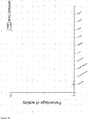
- Figure 5 shows a very strong inhibition of radio-copper absorption from the digestive tract (and its subsequent re-deposition in internal organs, especially in the liver) by the particles according to Example 1 in comparison with the reference group both after 8 h (a) and after 24 h from the administration (b) in comparison with the reference after 8 h (c) and 24 h (d).
- Microcrystalline cellulose (16.67 g) was dissolved in a solution of lithium chloride (30 g, 0.71 mole) in dimethylacetamide (500 ml) by heating to 80 °C for the period of 7 days with stirring. Then the solution was cooled down to 0 °C, sodium hydroxide was added (123.4 g, 3.09 mole), and then allylbromide by drops with stirring (262 ml, 3.03 mole). The mixture was then stirred and heated to 80 °C for 5 hours and then stirred for additional 12 hours at room temperature. Water was then added until dissolution, and the aqueous phase was extracted twice with chloroform.
- N -Methylamino cellulose (1.39 g), 40% aqueous formaldehyde (2.37 ml, 64 mmole), 8-hydroxyquinoline (1.80 g, 12.4 mmole) and methanol (7.9 ml) reacted at room temperature for 10 days with occasional stirring. The product was then washed with water and methanol using a funnel, dried and milled using ball mill. The yield was 2.47 g. Elemental analysis C 62.97 %, H 6.86 %, N 8.34 %. FT-IR refer to Figure 8 .
- Example 2 The polymer according to Example 2 was tested for inhibition of intake of radio-copper in the same manner as described in Example 1.
- Figure 11 shows very strong inhibition of absorption of radio-copper from the digestive tract (and subsequently its re-deposition in the internal organs, especially the liver) by the particles according to Example 2 in comparison with the reference groups, both after 8 h (a) and after 24 h from the administration (b), in comparison with the reference (refer to Figure 5 (c) and (d) , the reference is the same as in the Example 1).
- Micro-particles were prepared according to Example 1, wherein 8-hydroxyquinoline-5-sulfonic acid synthesis in equimolar amount (10.97 g, 48.7 mmole) was used instead of 8-hydroxyquinoline in the last step.
- the yield was 3.5 g, content of sulfur 4.65 weight %.
- the resulting content O8HQS 1.45 mmole/g.
- Micro-particles were prepared according to the Example 2, wherein the last step was omitted and in the last but one step the aqueous methylamine was replaced with bis(2-pyridylmethyl)amine (4.5 g, 22.6 mmole).
- the reaction was performed in 2-propyl alcohol (10 ml) at 75 °C for 16 h.
- the yield was 2.85 g, nitrogen content 11.32 weight %.
- the resulting content ODPA 2.70 mmole/g.
Landscapes
- Health & Medical Sciences (AREA)
- Life Sciences & Earth Sciences (AREA)
- Chemical & Material Sciences (AREA)
- Medicinal Chemistry (AREA)
- General Health & Medical Sciences (AREA)
- Molecular Biology (AREA)
- Pharmacology & Pharmacy (AREA)
- Epidemiology (AREA)
- Animal Behavior & Ethology (AREA)
- Public Health (AREA)
- Veterinary Medicine (AREA)
- Materials Engineering (AREA)
- Chemical Kinetics & Catalysis (AREA)
- Biochemistry (AREA)
- Polymers & Plastics (AREA)
- Organic Chemistry (AREA)
- Engineering & Computer Science (AREA)
- Pharmaceuticals Containing Other Organic And Inorganic Compounds (AREA)
Description
- The invention relates to the polymers bonding copper ions suitable for peroral administration for the prevention and mitigation of consequences of Wilson's disease.
- Wilson's disease is a genetically determined disease characterized by a disorder of copper metabolism leading to cirrhosis of the liver and degeneration of the basal ganglia. [Ala, A., Walker, A. P., Ashkan, K., Dooley, J. S., Schilsky, M. L. (2007), Wilson's disease. Lancet 369, 397-408]. The cause of the disease is a malfunction of the enzyme ATPase 7B caused by a mutation of a particular gene [Bruha, R., Marek, Z., Pospíšilová, L., Nevšímalová, S., Vítek, L., Martásek, P., Nevoral, J., Petrtyl, J., Urbánek, P., Jirásková, A., Ferenci, P. (2010) Long-term follow-up of Wilson's Disease: natural history, treatment, mutations analysis and phenotypic correlation. Liver International 31, 83-91], currently there are more than 400 mutations of this gene described. Average prevalence in the population is 1 : 30 000. Malfunction of the ATPase 7B significantly reduces copper excretion into the bile, which is the major route of elimination of copper from the body in humans. This then leads to accumulation of copper in the body, especially the liver and in the central nervous system. High concentrations of copper in tissues also leads to a number of symptoms due to toxic oxidative stress, including in particular damage to the liver, brain, and parenchymal organs. Symptoms usually first manifest in older children and adolescents. Typical clinical symptoms are three: liver damage (most often), neurological problems, and psychosis. If the Wilson's disease is not treated, it gradually leads to death of the patient. The most serious complications in patients with hepatic damage are liver cirrhosis, portal hypertension, and massive gastrointestinal bleeding.
- First line therapy is currently based on reducing the amount of copper in the body by the administration of low-molecular-weight chelators of copper (penicillamine, triethylenetetramine or tetrathiomolybdate), which leads to reduced absorption of copper from the diet and reabsorption of copper excreted into the digestive tract and its increased urinary excretion. Maintenance therapy involves particularly administration of high doses of zinc(II) salts as zinc ions block the intake of copper from the gastrointestinal tract. Unfortunately, suitable forms of zinc are not available in all countries.
- The use of these drugs is however limited by multiple and often serious side effects such as for example myelosuppression, lupus and myasthenia of penicillamine [Huster, D. (2010) Wilson disease. Best Practice & Research in Clinical Gastroenterology 24, 531-539; Das, S. K., Ray, K. (2006) Wilson's disease: an update. Nature Clinical Practice Neurology 2, 482-493], which is a consequence of re-complexing of the essential elements in the body after resorption of the chelating agent from the gastrointestinal tract. Treatment with zinc(II) salts is also typically accompanied by severe gastrointestinal symptoms (the doses of zinc used, up to 1200 mg per day [Brewer, G. J., Yuzbasiyan-Gurkan, V., Johnson, V., Dick, R.D., Wang, Y (1993) Treatment of Wilson's Disease with Zinc XII: Dose Regimen Requirements. The American Journal of the Medical Sciences 305, 199-202], represent approximately one hundred times the normal daily intake, which is about 8 - 15 mg, in fact, causing a slight zinc intoxication).
- Dietary intake of copper is 0.6 to 1.6 mg per day, so that as adjuvant therapy of Wilson's disease is recommended - at the beginning of therapy - a diet with low content of copper, i.e. omitting the food with its high content, such as liver, nuts or mushrooms (due to the ubiquity of the copper in food, however, a diet without copper is impossible).
- A significant amount of copper is excreted in the digestive tract and then again resorbed, this amount represents an even greater amount than in the diet (daily is secreted about 4.4 to 5.3 mg of copper, of which 7 % in saliva, 20 % of gastric juice, 50 % in the bile, 18 % in pancreatic juice and 5 % in duodenal secretions) [van den Berghe, P. V. E., Klomp, L. W. J. (2009) New developments in the regulation of intestinal copper absorption. Nutrition Reviews 67, 658-672].
- The objective of the submitted invention is to provide a preparation for peroral use for the prevention and mitigation of consequences of Wilson's disease, which will selectively adsorb copper in the digestive tract only and will not exhibit undesirable side effects.
- The present invention provides polymer particles containing functional groups chelating copper(II) ions, that have all properties necessary for peroral use for the prevention and mitigation of consequences of the Wilson's disease and features allowing this use.
- The subject of the present invention is a polymer containing monomeric units of a general formula I

- R1 is selected from a group containing H, -CH2-CH(OH)-CH2-NR4R5;
- R2 is selected from a group containing H, -CH2-CH(OH)-CH2-NR4R5;
- R3 is selected from a group containing OH, -O-CH1-CH(OH)-CH1-NR4R5, NR4R5;
- n is an integer in the range of from 60 to 50 000;
- R4 is selected from a group containing H, (C1-C6)alkyl, hydroxy(C1-C6)alkyl, -CH2-[8-hydroxyquinoline], -CH2-[8-hydroxyquinoline-5-sulfonic acid], 2-pyridylmethyl;
- if R3 is NR4R5, then from 0 to 50 mol. % of substituents R4 in this group may be acetyl;
- R5 is selected from a group containing H, (C1-C6)alkyl, hydroxy(C1-C6)alkyl, -CH2-[8-hydroxyquinoline], -CH2-[8-hydroxyquinoline-5-sulfonic acid], 2-pyridylmethyl;
- wherein at leas 5 mol. % of the total amount of substituents R1, R2, and R3 in the polymer carry the substituent NR4R5, wherein R4 and/or R5 is a group selected from the group containing -CH2-[8-hydroxyquinoline], -CH2-[8-hydroxyquinoline-5-sulfonic acid], 2-pyridylmethyl;
- and wherein the polymer is cross-linked so that at least 0.1 mol. % of monomeric units are covalently bridged.
- Covalent bridging of monomeric units is in one preferred embodiment done through the following bridges:
- in case that R3 is NR4R5, then substituents R4 and/or R5 present in this group of two monomeric units form together the bridge =C-(CH2)n-C=, where n is from 0 to 8, or -CH2-CH(OH)-CH2-;
- in case that R3 is not NR4R5, then R3 = OR3', and one or more of the substituents R1, R2, R3' of one monomeric unit form(s) together with R1, R2 or R3' of another unit a bridge with the structure of -CH2-CH(OH)-CH2-N(R6)-CH2-CH(OH)-CH2-, where R6 is selected from a group containing H, (C1-C6)alkyl, hydroxy(C1-C6)alkyl, -CH2-[8-hydroxyquinoline],-CH2-[8-hydroxyquinoline-5-sulfonic acid], 2-pyridylmethyl.
- In one preferred embodiment, the cross-linkage of the polymer is such that at least 1 mol. % of monomeric units are covalently bridged, preferably maximum 50 mol. % of monomeric units are covalently bridged, more preferably maximum 30 mol. % of monomeric units are covalently bridged. Most preferably, from 3 to 10 mol. % of monomeric units are covalently bridged, optimally 5 mol. % of monomeric units are covalently bridged.
- In one preferred embodiment, the monomeric units are monomeric units of cellulose, functionalized by the substituents R1, R2, R3, as defined above (when R3 is not NR4R5). In another preferred embodiment, the monomeric units are monomeric units of chitosan, functionalized with the substituents R1, R2, R3, as defined above (when R3 is NR4R5).
- If cellulose or chitosan are used for the synthesis, the initial polysaccharide has in a preferred embodiment its average molecular weight of from 10 000 to 8 000 000 g/mole, preferably from 20 000 to 60 000 g/mole.
- Preferably, the polymer is in a form of microparticles of sizes from 1 to 1 000 micrometers.
- The chitosan has a degree of deacetylation from 50 to 100 % (i.e. the maximum of 50 mol. % of R4 in the group R3=NR4R5 is acetyl), preferably from 75 to 85 % (i.e. from 15 to 25 mol. % R4 in the group R3=NR4R5 is acetyl).
- The polymer is then on the basis of chemically cross-linked biopolymers, in a preferred embodiment of chitosan and/or cellulose, modified with groups strongly binding copper ions, selected from the group containing (-CH2-[8-hydroxyquinoline], -CH2-[8-hydroxyquinoline-5-sulfonic acid], 2-pyridylmethyl).
- Further, the invention includes the polymer for use as a medicament, specifically as an orally administered preparation for preventing and mitigating the consequences of the Wilson's disease. The polymer passes through the gastrointestinal tract with food and captures and binds copper released from the diet during digestion. Polymeric sorbent at the same time captures and binds also the copper secreted into the digestive tract, thus further shifting the balance of copper in the organism towards excretion. As the polymers according to the invention are in general non-absorbable from the digestive tract, they are completely non-toxic and they are completely eliminated through the stools.
- The polymeric matrices used are particularly biologically very well tolerated, however in a human digestive tract non-biodegradable, biopolymers (cellulose and chitosan), modified by the chelating groups. The covalently bound chelating group is capable of binding copper(II) ions in the environment of the stomach content (pH 2 to 4), and copper is not released from the sorbent in the intestinal contents (pH in average of 6.8) even in the presence of amino-acids released from the diet in relevant amount (especially amino acids strongly complexing copper ions, such as L-cysteine and L-histidine), and zinc(II) ions as the main competing factors.
- The subject of the present invention is also a method of preparation of the above described functionalized polymers, wherein the polymer, carrying NH2 or NHCOCH3 groups as substituents R3, is first subjected to a reaction with C2 to C8 dialdehyde or with epichlorohydrin or with epibromohydrin, which causes cross-linking, and then to Mannich reaction with formaldehyde and 8-hydroxyquinoline or 8-hydroxyquinoline-5-sulfonic acid.
- The invention also provides a method of preparation of the above described functionalized polymers, wherein the polymer carrying H as substituents R1 and R2, and possibly also OH as substituent R3, is first subjected to a reaction with allylhalogenide, the product of which is further subjected to reaction with peracetic acid, and the resulting epoxide ring reacts with a reagent selected from 2-aminoethanol, 1-amino-2-propanol, 2-amino-1-propanol, ammonia, (C1-C6)alkylamine, hydroxy(C1-C6)alkylamine, (2-pyridylmethyl)amine, bis(2-pyridylmethyl)amine, and the resulting product then eventually reacts in Mannich reaction with formaldehyde and 8-hydroxyquinoline or 8-hydroxyquinoline-5-sulfonic acid.
-
-
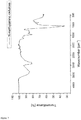
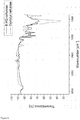
Figure 1 shows FT-IR spectrum of particles of cross-linked chitosan according to Example 1. -
Figure 2 shows comparison of 13C CP/MAS NMR spectra of particles of cross-linked chitosan (dashed line) and particles containing bound 8-hydroxyquinoline (full line) according to Example 1. -
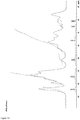
Figure 3 shows FT-IR spectrum of particles of chitosan according to Example 1 containing bound 8-hydroxyquinoline. -
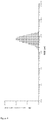
Figure 4 shows the distribution of size of particles obtained from Mie light scattering on particles of chitosan according to Example 1 containing bound 8-hydroxyquinoline. -
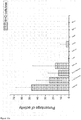
Figure 5 Radioactivity of internal organs of experimental animals in percentage of administered activity (corrected to decay from the time of administration) after administration of the particles according to Example 1 after 8 h (a) and after 24 h (b) versus reference animals after 8 h (c) and after 24 h (d). -
Figure 6 shows FT-IR spectrum of allylated cellulose (full line) and glycidyl cellulose (dashed line) according to Example 2. -
Figure 7 shows FT-IR spectrum of N-methylamino cellulose according to Example 2. -
Figure 8 shows FT-IR spectrum of particles of 8-hydroxyquinoline 8HQ-cellulose (full line) and glycidyl cellulose (dashed line) according to Example 2. -
Figure 9 shows the distribution of size of particles obtained from Mie light scattering on particles according to Example 2 containing bound 8-hydroxyquinoline. -
Figure 10 : 13C CP/MAS NMR spectrum of particles according to Example 2 containing 8-hydroxyquinoline bound on the modified cellulose. -
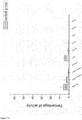
Figure 11 : Radioactivity of internal organs of experimental animals in percentage of administered activity (corrected to decay from the time of administration) after administration of the particles according to Example 2 after 8 h (a) and after 24 h (b). - The following examples are shown to further illustrate the invention, but they do not limit the claimed scope of the invention.
- Particles sizes were measured by Mie light scattering using the
instrument Mastersizer 3000 laser particle size analyzer (Malvern Instruments Ltd., Great Britain) in water as a medium. - Infrared spectroscopy (FT-IR) was measured using the
instrument PARAGON 1000 PC FT-IR spectrometer (Perkin Elmer Inc., Massachusetts, U.S.A.). - Solid state nuclear magnetic resonance spectra (ss NMR, type of experiment 13C CP/MAS - "cross-polarization magic angle spinning") was measured using the 11.7 T NMR Spectrometer (Bruker
Avance III HD 500 US/WB NMR Spectrometer, Bruker, Karlsruhe, Germany) in 3.2-mm ZrO2 rotors at the frequency ofrotation 20 kHz. - Elemental analysis was measured using the instrument Perkin Elmer 2400 Series II CHNS/O Elemental Analysis (Perkin Elmer Inc., Massachusetts, U.S.A.).
- Radioactivity was measured using the ionization chamber Bqmetr 4 (Empos Ltd., Praha, Czech Republic).
- Chitosan (10 g, average molecular weight of about 40 000 g/mole, degree of deacetylation 75 to 85 %) was dissolved in 300 ml of 6% aqueous acetic acid. Next, 50 ml of sorbitan monooleate was mixed with 150 ml of paraffin oil. Then the solution of chitosan was added to the oil phase and the mixture was homogenized for 1 min using the homogenizer, during which 10 ml of 50% aqueous solution of glutaraldehyde was added. Then the mixture was stirred using an anchor stirrer for 30 min at 1 000 RPM. The suspension of particles of the cross-linked chitosan was then washed subsequently with chloroform, ethanol, and water (final washing 7 x 24 h), and stored under water. The average size of the particles was 50 micrometers (optical microscopy, at equilibrium imbibition by water). CHN: C 38.09 %, H 8.27 %, N 3.51 %. Infra-red spectroscopy (FT-IR) - refer to
Figure. 1 , solid state nuclear magnetic resonance (13C-ssNMR) refer toFigure 2 . - Cross-linked chitosan particles (3.00 g in dry matter, 7.52 mmole N) were reacted with 8-hydroxyquinoline (7.00 g, 48.7 mmole) and 40 % aqueous formaldehyde (8.95 ml, 200 mmole) in 50 ml methanol at room temperature for 7 days and occasional shaking. The polymer was then washed subsequently with methanol, aqueous hydrochloric acid (1 mole/l), water, aqueous ammonium acetate (0.5 mole/l), water, and dried. Yield 3 g. CHN C 57.50 %, H 5.84 %, N 6.86 %. FT-IR refer to
Figure. 3 , 13C-ssNMR refer toFigure. 2 . The content of 8-hydroxyquinoline O8HQ (in mmole/g) was determined from the elemental analysis of carbon and 13C-ssNMR according to the formula:
- The size of particles according to the Mie light scattering D [4.3] = 68.0 micrometers with the values of D v(10) = 31.6 micrometers, D v(50) = 63.0 micrometers, D v(90) = 113 micrometers, for distributions refer to
Figure 4 . - Stock solution of radio-copper was prepared by dilution of 800 µl 64CuCl2 in aqueous hydrochloric acid (0.05 mole/l HCl, 680 MBq 64Cu) in 9.2 ml of aqueous solution of sodium chloride (0.15 mole/l). Healthy female Wistar rats (11 weeks old, average weight 220 g) were divided into 4 groups of 6 animals. Two groups of animals were administered by gastric gavage into the stomach only radio-copper stock solution (250 µl per animal, reference) and two groups were administered radio-copper stock solution (250 µl per animal) together with particles according to Example 1 (50 mg of dry matter per animal). After 8 hours, one reference group, which was given only the solution of radio-copper, and one experimental group that received also the particles according to this example, were sacrificed, and an autopsy was performed and radioactivity of different organs was measured (stomach, large intestine, small intestine, appendix, blood, liver, kidney, lung, heart, spleen, the rest of the body). After 24 hours, the remaining animals were killed, and their autopsy was performed, and the radioactivity of the organs was measured as for the previous two groups. The values of radioactivity were recalculated to decay to the time of the beginning of the experiment using the value of the half-life of 64Cu 12.7 h.
-
Figure 5 shows a very strong inhibition of radio-copper absorption from the digestive tract (and its subsequent re-deposition in internal organs, especially in the liver) by the particles according to Example 1 in comparison with the reference group both after 8 h (a) and after 24 h from the administration (b) in comparison with the reference after 8 h (c) and 24 h (d). - Microcrystalline cellulose (16.67 g) was dissolved in a solution of lithium chloride (30 g, 0.71 mole) in dimethylacetamide (500 ml) by heating to 80 °C for the period of 7 days with stirring. Then the solution was cooled down to 0 °C, sodium hydroxide was added (123.4 g, 3.09 mole), and then allylbromide by drops with stirring (262 ml, 3.03 mole). The mixture was then stirred and heated to 80 °C for 5 hours and then stirred for additional 12 hours at room temperature. Water was then added until dissolution, and the aqueous phase was extracted twice with chloroform. The chloroform layers were combined, evaporated and the residue was azeotropically final-dried with toluene. The yield of allylated cellulose as yellowish oil was 6 g. Elemental analysis C 58.42 %, H 7.46 %. FT-IR refer to
Figure 6 . - Thirty-five percent aqueous peracetic acid (107.5 g, 0.495 mole) was dropped into a mixture of allylated cellulose (5 g), sodium acetate (0.076 mole) and dichloromethane (400 ml). The reaction mixture was stirred at room temperature for 16 h, then diluted with water, the dichloromethane layer was separated, shaken out with 10% aqueous sodium bicarbonate and then with water, dried with anhydrous magnesium sulfate and evaporated. The yield of glycidyl cellulose was 3.5 g. Elemental analysis: C 51.92 %, H 6.19 %. FT-IR refer to
Figure 6 . - Glycidyl cellulose (3 g) was stirred and reacted with 40% aqueous methylamine (70 ml, 0.462 mole) for 72 h at room temperature. The resulting polymer was washed with water and methanol and dried. The yield of N-methylamino cellulose was 2.72 g. Elemental analysis C 48.09 %, H 9.44 %, N 6.65 %. FT-IR refer to
Figure 7 . - N-Methylamino cellulose (1.39 g), 40% aqueous formaldehyde (2.37 ml, 64 mmole), 8-hydroxyquinoline (1.80 g, 12.4 mmole) and methanol (7.9 ml) reacted at room temperature for 10 days with occasional stirring. The product was then washed with water and methanol using a funnel, dried and milled using ball mill. The yield was 2.47 g. Elemental analysis C 62.97 %, H 6.86 %, N 8.34 %. FT-IR refer to
Figure 8 . - The particle size was according to the Mie light scattering D [4.3] = 71.8 micrometers with the values of D V(10) = 13.2 micrometers, D V(50) = 56.6 micrometers, D V(90) = 152 micrometers, for distribution refer to
Figure 9 . - The content of 8-hydroxyquinoline was calculated from 13C- ssNMR (for the spectrum refer to
Figure 10 ) as shown in the Example 1. The resulting O8HQ = 3.72 mmole/g. - The polymer according to Example 2 was tested for inhibition of intake of radio-copper in the same manner as described in Example 1.
Figure 11 shows very strong inhibition of absorption of radio-copper from the digestive tract (and subsequently its re-deposition in the internal organs, especially the liver) by the particles according to Example 2 in comparison with the reference groups, both after 8 h (a) and after 24 h from the administration (b), in comparison with the reference (refer toFigure 5 (c) and(d) , the reference is the same as in the Example 1). - Micro-particles were prepared according to Example 1, wherein 8-hydroxyquinoline-5-sulfonic acid synthesis in equimolar amount (10.97 g, 48.7 mmole) was used instead of 8-hydroxyquinoline in the last step. The yield was 3.5 g, content of sulfur 4.65 weight %. The content of the ligand O8HQS (in mmole/g) was calculated from the elemental analysis of the content of sulfur according to the formula:

- Micro-particles were prepared according to the Example 2, wherein the last step was omitted and in the last but one step the aqueous methylamine was replaced with bis(2-pyridylmethyl)amine (4.5 g, 22.6 mmole). The reaction was performed in 2-propyl alcohol (10 ml) at 75 °C for 16 h. The yield was 2.85 g, nitrogen content 11.32 weight %. The content of the bis(2-pyridylmethyl)amine ligand (ODPA, in mmole/g) was calculated from the elemental analysis of the content of nitrogen according to the formula:

Claims (9)
- A polysaccharide based polymer containing monomeric units of a general formula I
 R1 is selected from a group containing H, -CH2-CH(OH)-CH2-NR4R5;R2 is selected from a group containing H, -CH2-CH(OH)-CH2-NR4R5;R3 is selected from a group containing OH, -O-CH2-CH(OH)-CH2-NR4R5, NR4R5;n is an integer in the range of from 60 to 50 000;R4 is selected from a group containing H, (C1-C6)alkyl, hydroxy(C1-C6)alkyl, -CH2-[8-hydroxyquinoline], -CH2-[8-hydroxyquinoline-5-sulfonic acid], 2-pyridylmethyl;if R3 is NR4R5, then from 0 to 50 mol. % of substituents R4 in this group may be acetyl;R5 is selected from a group containing H, (C1-C6)alkyl, hydroxy(C1-C6)alkyl, -CH2-[8-hydroxyquinoline], -CH2-[8-hydroxyquinoline-5-sulfonic acid], 2-pyridylmethyl;wherein at least 5 mol. % of the total amount of substituents R1, R2, and R3 in the polymer carry the substituent NR4R5, wherein R4 and/or R5 is a group selected from the group containing -CH2-[8-hydroxyquinoline], -CH2-[8-hydroxyquinoline-5-sulfonic acid], 2-pyridylmethyl;and wherein the polymer is cross-linked so that at least 0.1 mol. % of monomeric units are covalently bridged.
 - The polymer according to claim 1, characterized in that covalent bridging of monomeric units is done through the following bridges:- in case that R3 is NR4R5, then substituents R4 and/or R5 present in this group of two monomeric units form together the bridge =C-(CH2)n-C=, where n is from 0 to 8, or -CH2-CH(OH)-CH2-;- in case that R3 is not NR4R5, then R3 = OR3', and one or more of the substituents R1, R2, R3' of one monomeric unit form(s) together with R1, R2 or R3' of another unit a bridge with the structure of -CH2-CH(OH)-CH2-N(R6)-CH2-CH(OH)-CH2-, where R6 is selected from a group containing H, (C1-C6)alkyl, hydroxy(C1-C6)alkyl, -CH2-[8-hydroxyquinoline],-CH2-[8-hydroxyquinoline-5-sulfonic acid], 2-pyridylmethyl.
- The polymer according to claim 1 or 2, characterized in that at least 1 mol. % and maximum 50 mol. % of monomeric units are covalently bridged, preferably from 3 to 10 mol. % of monomeric units are covalently bridged.
- The polymer according to any one of the preceding claims, characterized in that the monomeric units are monomeric units of cellulose, functionalized by the substituents R1, R2, R3, as defined above, and R3 is not NR4R5, or the monomeric units are monomeric units of chitosan, functionalized with the substituents R1, R2, R3, as defined above, and R3 is NR4R5.
- The polymer according to any one of the preceding claims, characterized in that it is in a form of microparticles of sizes from 1 to 1 000 micrometers.
- The polymer according to any one of the preceding claims for use as a medicament.
- The polymer according to any one of the claims 1 to 5 for use as an orally administered preparation for prevention and/or treatment of Wilson's disease.
- A method of preparation of the polysaccharide based polymer according to any one of the preceding claims, wherein the polymer, carrying NH2 or NHCOCH3 groups as substituents R3, first undergoes a reaction with C2 to C8 dialdehyde or with epichlorohydrin or with epibromohydrin, which results in its cross-linking, and then to Mannich reaction with formaldehyde and 8-hydroxyquinoline or 8-hydroxyquinoline-5-sulfonic acid.
- A method of preparation of the polysaccharide based polymer according to any one of the claims 1 to 7, wherein wherein the polymer carrying H as substituents R1 and R2, and possibly also OH as substituent R3, first undergoes a reaction with allylhalogenide, the product of which further undergoes a reaction with peracetic acid, and the resulting epoxide ring reacts with a reagent selected from 2-aminoethanol, 1-amino-2-propanol, 2-amino-1-propanol, ammonia, (C1-C6)alkylamine, hydroxy(C1-C6)alkylamine, (2-pyridylmethyl)amine, bis(2-pyridylmethyl)amine, and the resulting product then eventually reacts in Mannich reaction with formaldehyde and 8-hydroxyquinoline or 8-hydroxyquinoline-5-sulfonic acid.
Applications Claiming Priority (2)
| Application Number | Priority Date | Filing Date | Title |
|---|---|---|---|
| CZ2015-770A CZ307064B6 (en) | 2015-11-02 | 2015-11-02 | A polysaccharide based polymer and its use for the prevention and treatment of Wilson's disease |
| PCT/CZ2016/050039 WO2017076378A1 (en) | 2015-11-02 | 2016-10-31 | Polysaccharide-based polymer and its use for the prevention and treatment of the wilson's disease |
Publications (2)
| Publication Number | Publication Date |
|---|---|
| EP3370735A1 EP3370735A1 (en) | 2018-09-12 |
| EP3370735B1 true EP3370735B1 (en) | 2020-05-13 |
Family
ID=57442411
Family Applications (1)
| Application Number | Title | Priority Date | Filing Date |
|---|---|---|---|
| EP16804685.2A Active EP3370735B1 (en) | 2015-11-02 | 2016-10-31 | Polysaccharide-based polymer and its use for the prevention and treatment of the wilson's disease |
Country Status (3)
| Country | Link |
|---|---|
| EP (1) | EP3370735B1 (en) |
| CZ (1) | CZ307064B6 (en) |
| WO (1) | WO2017076378A1 (en) |
Families Citing this family (1)
| Publication number | Priority date | Publication date | Assignee | Title |
|---|---|---|---|---|
| CN107163164B (en) * | 2017-06-02 | 2019-06-04 | 广西师范学院 | Preparation method of cross-linked macromolecular light stabilizer |
Family Cites Families (2)
| Publication number | Priority date | Publication date | Assignee | Title |
|---|---|---|---|---|
| WO2002085383A1 (en) * | 2001-04-18 | 2002-10-31 | Genzyme Corporation | Method for reducing copper levels and treating copper toxicosis |
| US10577247B2 (en) * | 2013-03-15 | 2020-03-03 | Nanyang Technological University | Hybrid nanomaterial of graphene oxide nanomaterial and cationic quaternized chitosan |
-
2015
- 2015-11-02 CZ CZ2015-770A patent/CZ307064B6/en unknown
-
2016
- 2016-10-31 WO PCT/CZ2016/050039 patent/WO2017076378A1/en not_active Ceased
- 2016-10-31 EP EP16804685.2A patent/EP3370735B1/en active Active
Non-Patent Citations (1)
| Title |
|---|
| None * |
Also Published As
| Publication number | Publication date |
|---|---|
| EP3370735A1 (en) | 2018-09-12 |
| CZ307064B6 (en) | 2017-12-27 |
| CZ2015770A3 (en) | 2017-05-31 |
| WO2017076378A1 (en) | 2017-05-11 |
Similar Documents
| Publication | Publication Date | Title |
|---|---|---|
| EP3295935B1 (en) | Crystallization method and bioavailability | |
| TWI690274B (en) | Metal ion-functional fiber component complex compositions, preparation and uses thereof | |
| EP0296622A2 (en) | Derivatives of poly(diallyl-methylamine) and their use as cholesterol-lowering agents | |
| WO2020001632A1 (en) | Composition of alginate oligosaccharide diacid | |
| WO2000052029A1 (en) | Water-soluble sterol derivative for inhibiting cholesterol absorption and process for preparing the same | |
| US20240342147A1 (en) | Magnesium picolinate compositions and methods of use | |
| EP4600207A1 (en) | Zinc polyphosphate and method for producing same | |
| WO2017076378A1 (en) | Polysaccharide-based polymer and its use for the prevention and treatment of the wilson's disease | |
| US20130338121A1 (en) | Two speed monolithic system for controlled release of drugs | |
| US4541956A (en) | Tin steroids and their use as antineoplastic agents | |
| AU2014267398B2 (en) | Composition comprising a complex of (+)-catechin and amino acid for the treatment and prevention of cancer | |
| CN105705512B (en) | Crystalline form of S-acetylglutathione, its preparation and its use in pharmaceutical and nutritional preparations | |
| JP7548586B2 (en) | Hydrophilic-hydrophobic copolymer carrying short chain fatty acid ester | |
| JP2004051615A (en) | Bile acids adsorbent using chitosan-orotic acid salt | |
| EP4180048A1 (en) | Pharmaceutical composition containing cerium compound as active ingredient | |
| Mohamed et al. | Fabrication of sodium alginate/polyvinyl alcohol@ ZnNPs with SPI scaffold for evaluation of immune-stimulating and liver-protective effects in methotrexate-treated rats | |
| TW201625278A (en) | Method of treating iron deficiency | |
| WO2019200278A1 (en) | Purification of clinoptilolite | |
| CN121099990A (en) | Functional protective agent for organ or tissue | |
| HK1262654B (en) | Metal ion-functional fiber component complex compositions, preparation and uses thereof | |
| HK1215843B (en) | Metal ion-functional fiber component complex compositions, preparation and uses thereof | |
| HK1262654A1 (en) | Metal ion-functional fiber component complex compositions, preparation and uses thereof |
Legal Events
| Date | Code | Title | Description |
|---|---|---|---|
| STAA | Information on the status of an ep patent application or granted ep patent |
Free format text: STATUS: UNKNOWN |
|
| STAA | Information on the status of an ep patent application or granted ep patent |
Free format text: STATUS: THE INTERNATIONAL PUBLICATION HAS BEEN MADE |
|
| PUAI | Public reference made under article 153(3) epc to a published international application that has entered the european phase |
Free format text: ORIGINAL CODE: 0009012 |
|
| STAA | Information on the status of an ep patent application or granted ep patent |
Free format text: STATUS: REQUEST FOR EXAMINATION WAS MADE |
|
| 17P | Request for examination filed |
Effective date: 20180525 |
|
| AK | Designated contracting states |
Kind code of ref document: A1 Designated state(s): AL AT BE BG CH CY CZ DE DK EE ES FI FR GB GR HR HU IE IS IT LI LT LU LV MC MK MT NL NO PL PT RO RS SE SI SK SM TR |
|
| AX | Request for extension of the european patent |
Extension state: BA ME |
|
| DAV | Request for validation of the european patent (deleted) | ||
| DAX | Request for extension of the european patent (deleted) | ||
| GRAP | Despatch of communication of intention to grant a patent |
Free format text: ORIGINAL CODE: EPIDOSNIGR1 |
|
| STAA | Information on the status of an ep patent application or granted ep patent |
Free format text: STATUS: GRANT OF PATENT IS INTENDED |
|
| INTG | Intention to grant announced |
Effective date: 20200203 |
|
| GRAS | Grant fee paid |
Free format text: ORIGINAL CODE: EPIDOSNIGR3 |
|
| GRAA | (expected) grant |
Free format text: ORIGINAL CODE: 0009210 |
|
| STAA | Information on the status of an ep patent application or granted ep patent |
Free format text: STATUS: THE PATENT HAS BEEN GRANTED |
|
| AK | Designated contracting states |
Kind code of ref document: B1 Designated state(s): AL AT BE BG CH CY CZ DE DK EE ES FI FR GB GR HR HU IE IS IT LI LT LU LV MC MK MT NL NO PL PT RO RS SE SI SK SM TR |
|
| REG | Reference to a national code |
Ref country code: GB Ref legal event code: FG4D |
|
| RIN1 | Information on inventor provided before grant (corrected) |
Inventor name: MACKOVA, HANA Inventor name: KUCKA, JAN Inventor name: HUMAJOVA, JANA Inventor name: HRUBY, MARTIN Inventor name: POUCKOVA, PAVLA Inventor name: URBANEK, PETR Inventor name: STEPANEK, PETR Inventor name: VETRIK, MIROSLAV |
|
| REG | Reference to a national code |
Ref country code: CH Ref legal event code: EP |
|
| REG | Reference to a national code |
Ref country code: DE Ref legal event code: R096 Ref document number: 602016036475 Country of ref document: DE |
|
| REG | Reference to a national code |
Ref country code: AT Ref legal event code: REF Ref document number: 1269352 Country of ref document: AT Kind code of ref document: T Effective date: 20200615 |
|
| REG | Reference to a national code |
Ref country code: NL Ref legal event code: FP |
|
| REG | Reference to a national code |
Ref country code: LT Ref legal event code: MG4D |
|
| PG25 | Lapsed in a contracting state [announced via postgrant information from national office to epo] |
Ref country code: LT Free format text: LAPSE BECAUSE OF FAILURE TO SUBMIT A TRANSLATION OF THE DESCRIPTION OR TO PAY THE FEE WITHIN THE PRESCRIBED TIME-LIMIT Effective date: 20200513 Ref country code: GR Free format text: LAPSE BECAUSE OF FAILURE TO SUBMIT A TRANSLATION OF THE DESCRIPTION OR TO PAY THE FEE WITHIN THE PRESCRIBED TIME-LIMIT Effective date: 20200814 Ref country code: NO Free format text: LAPSE BECAUSE OF FAILURE TO SUBMIT A TRANSLATION OF THE DESCRIPTION OR TO PAY THE FEE WITHIN THE PRESCRIBED TIME-LIMIT Effective date: 20200813 Ref country code: IS Free format text: LAPSE BECAUSE OF FAILURE TO SUBMIT A TRANSLATION OF THE DESCRIPTION OR TO PAY THE FEE WITHIN THE PRESCRIBED TIME-LIMIT Effective date: 20200913 Ref country code: PT Free format text: LAPSE BECAUSE OF FAILURE TO SUBMIT A TRANSLATION OF THE DESCRIPTION OR TO PAY THE FEE WITHIN THE PRESCRIBED TIME-LIMIT Effective date: 20200914 Ref country code: SE Free format text: LAPSE BECAUSE OF FAILURE TO SUBMIT A TRANSLATION OF THE DESCRIPTION OR TO PAY THE FEE WITHIN THE PRESCRIBED TIME-LIMIT Effective date: 20200513 Ref country code: FI Free format text: LAPSE BECAUSE OF FAILURE TO SUBMIT A TRANSLATION OF THE DESCRIPTION OR TO PAY THE FEE WITHIN THE PRESCRIBED TIME-LIMIT Effective date: 20200513 |
|
| PG25 | Lapsed in a contracting state [announced via postgrant information from national office to epo] |
Ref country code: HR Free format text: LAPSE BECAUSE OF FAILURE TO SUBMIT A TRANSLATION OF THE DESCRIPTION OR TO PAY THE FEE WITHIN THE PRESCRIBED TIME-LIMIT Effective date: 20200513 Ref country code: LV Free format text: LAPSE BECAUSE OF FAILURE TO SUBMIT A TRANSLATION OF THE DESCRIPTION OR TO PAY THE FEE WITHIN THE PRESCRIBED TIME-LIMIT Effective date: 20200513 Ref country code: RS Free format text: LAPSE BECAUSE OF FAILURE TO SUBMIT A TRANSLATION OF THE DESCRIPTION OR TO PAY THE FEE WITHIN THE PRESCRIBED TIME-LIMIT Effective date: 20200513 Ref country code: BG Free format text: LAPSE BECAUSE OF FAILURE TO SUBMIT A TRANSLATION OF THE DESCRIPTION OR TO PAY THE FEE WITHIN THE PRESCRIBED TIME-LIMIT Effective date: 20200813 |
|
| REG | Reference to a national code |
Ref country code: AT Ref legal event code: MK05 Ref document number: 1269352 Country of ref document: AT Kind code of ref document: T Effective date: 20200513 |
|
| PG25 | Lapsed in a contracting state [announced via postgrant information from national office to epo] |
Ref country code: AL Free format text: LAPSE BECAUSE OF FAILURE TO SUBMIT A TRANSLATION OF THE DESCRIPTION OR TO PAY THE FEE WITHIN THE PRESCRIBED TIME-LIMIT Effective date: 20200513 |
|
| PG25 | Lapsed in a contracting state [announced via postgrant information from national office to epo] |
Ref country code: SM Free format text: LAPSE BECAUSE OF FAILURE TO SUBMIT A TRANSLATION OF THE DESCRIPTION OR TO PAY THE FEE WITHIN THE PRESCRIBED TIME-LIMIT Effective date: 20200513 Ref country code: RO Free format text: LAPSE BECAUSE OF FAILURE TO SUBMIT A TRANSLATION OF THE DESCRIPTION OR TO PAY THE FEE WITHIN THE PRESCRIBED TIME-LIMIT Effective date: 20200513 Ref country code: CZ Free format text: LAPSE BECAUSE OF FAILURE TO SUBMIT A TRANSLATION OF THE DESCRIPTION OR TO PAY THE FEE WITHIN THE PRESCRIBED TIME-LIMIT Effective date: 20200513 Ref country code: ES Free format text: LAPSE BECAUSE OF FAILURE TO SUBMIT A TRANSLATION OF THE DESCRIPTION OR TO PAY THE FEE WITHIN THE PRESCRIBED TIME-LIMIT Effective date: 20200513 Ref country code: AT Free format text: LAPSE BECAUSE OF FAILURE TO SUBMIT A TRANSLATION OF THE DESCRIPTION OR TO PAY THE FEE WITHIN THE PRESCRIBED TIME-LIMIT Effective date: 20200513 Ref country code: DK Free format text: LAPSE BECAUSE OF FAILURE TO SUBMIT A TRANSLATION OF THE DESCRIPTION OR TO PAY THE FEE WITHIN THE PRESCRIBED TIME-LIMIT Effective date: 20200513 Ref country code: EE Free format text: LAPSE BECAUSE OF FAILURE TO SUBMIT A TRANSLATION OF THE DESCRIPTION OR TO PAY THE FEE WITHIN THE PRESCRIBED TIME-LIMIT Effective date: 20200513 Ref country code: IT Free format text: LAPSE BECAUSE OF FAILURE TO SUBMIT A TRANSLATION OF THE DESCRIPTION OR TO PAY THE FEE WITHIN THE PRESCRIBED TIME-LIMIT Effective date: 20200513 |
|
| REG | Reference to a national code |
Ref country code: DE Ref legal event code: R097 Ref document number: 602016036475 Country of ref document: DE |
|
| PG25 | Lapsed in a contracting state [announced via postgrant information from national office to epo] |
Ref country code: PL Free format text: LAPSE BECAUSE OF FAILURE TO SUBMIT A TRANSLATION OF THE DESCRIPTION OR TO PAY THE FEE WITHIN THE PRESCRIBED TIME-LIMIT Effective date: 20200513 Ref country code: SK Free format text: LAPSE BECAUSE OF FAILURE TO SUBMIT A TRANSLATION OF THE DESCRIPTION OR TO PAY THE FEE WITHIN THE PRESCRIBED TIME-LIMIT Effective date: 20200513 |
|
| PLBE | No opposition filed within time limit |
Free format text: ORIGINAL CODE: 0009261 |
|
| STAA | Information on the status of an ep patent application or granted ep patent |
Free format text: STATUS: NO OPPOSITION FILED WITHIN TIME LIMIT |
|
| 26N | No opposition filed |
Effective date: 20210216 |
|
| PG25 | Lapsed in a contracting state [announced via postgrant information from national office to epo] |
Ref country code: SI Free format text: LAPSE BECAUSE OF FAILURE TO SUBMIT A TRANSLATION OF THE DESCRIPTION OR TO PAY THE FEE WITHIN THE PRESCRIBED TIME-LIMIT Effective date: 20200513 |
|
| PG25 | Lapsed in a contracting state [announced via postgrant information from national office to epo] |
Ref country code: MC Free format text: LAPSE BECAUSE OF FAILURE TO SUBMIT A TRANSLATION OF THE DESCRIPTION OR TO PAY THE FEE WITHIN THE PRESCRIBED TIME-LIMIT Effective date: 20200513 Ref country code: LU Free format text: LAPSE BECAUSE OF NON-PAYMENT OF DUE FEES Effective date: 20201031 |
|
| REG | Reference to a national code |
Ref country code: BE Ref legal event code: MM Effective date: 20201031 |
|
| PG25 | Lapsed in a contracting state [announced via postgrant information from national office to epo] |
Ref country code: BE Free format text: LAPSE BECAUSE OF NON-PAYMENT OF DUE FEES Effective date: 20201031 |
|
| PG25 | Lapsed in a contracting state [announced via postgrant information from national office to epo] |
Ref country code: TR Free format text: LAPSE BECAUSE OF FAILURE TO SUBMIT A TRANSLATION OF THE DESCRIPTION OR TO PAY THE FEE WITHIN THE PRESCRIBED TIME-LIMIT Effective date: 20200513 Ref country code: MT Free format text: LAPSE BECAUSE OF FAILURE TO SUBMIT A TRANSLATION OF THE DESCRIPTION OR TO PAY THE FEE WITHIN THE PRESCRIBED TIME-LIMIT Effective date: 20200513 Ref country code: CY Free format text: LAPSE BECAUSE OF FAILURE TO SUBMIT A TRANSLATION OF THE DESCRIPTION OR TO PAY THE FEE WITHIN THE PRESCRIBED TIME-LIMIT Effective date: 20200513 |
|
| PG25 | Lapsed in a contracting state [announced via postgrant information from national office to epo] |
Ref country code: MK Free format text: LAPSE BECAUSE OF FAILURE TO SUBMIT A TRANSLATION OF THE DESCRIPTION OR TO PAY THE FEE WITHIN THE PRESCRIBED TIME-LIMIT Effective date: 20200513 |
|
| REG | Reference to a national code |
Ref country code: CH Ref legal event code: U11 Free format text: ST27 STATUS EVENT CODE: U-0-0-U10-U11 (AS PROVIDED BY THE NATIONAL OFFICE) Effective date: 20251106 |
|
| PGFP | Annual fee paid to national office [announced via postgrant information from national office to epo] |
Ref country code: NL Payment date: 20251030 Year of fee payment: 10 |
|
| PGFP | Annual fee paid to national office [announced via postgrant information from national office to epo] |
Ref country code: DE Payment date: 20251126 Year of fee payment: 10 |
|
| PGFP | Annual fee paid to national office [announced via postgrant information from national office to epo] |
Ref country code: GB Payment date: 20251029 Year of fee payment: 10 |
|
| PGFP | Annual fee paid to national office [announced via postgrant information from national office to epo] |
Ref country code: FR Payment date: 20251030 Year of fee payment: 10 |
|
| PGFP | Annual fee paid to national office [announced via postgrant information from national office to epo] |
Ref country code: CH Payment date: 20251106 Year of fee payment: 10 |
|
| PGFP | Annual fee paid to national office [announced via postgrant information from national office to epo] |
Ref country code: IE Payment date: 20251029 Year of fee payment: 10 |