EP3370166B1 - Verfahren und vorrichtung zur fusion von modellparametern - Google Patents
Verfahren und vorrichtung zur fusion von modellparametern Download PDFInfo
- Publication number
- EP3370166B1 EP3370166B1 EP15908517.4A EP15908517A EP3370166B1 EP 3370166 B1 EP3370166 B1 EP 3370166B1 EP 15908517 A EP15908517 A EP 15908517A EP 3370166 B1 EP3370166 B1 EP 3370166B1
- Authority
- EP
- European Patent Office
- Prior art keywords
- fusion
- model parameter
- node
- nodes
- apparatuses
- Prior art date
- Legal status (The legal status is an assumption and is not a legal conclusion. Google has not performed a legal analysis and makes no representation as to the accuracy of the status listed.)
- Active
Links
Images






Classifications
-
- G—PHYSICS
- G06—COMPUTING OR CALCULATING; COUNTING
- G06F—ELECTRIC DIGITAL DATA PROCESSING
- G06F17/00—Digital computing or data processing equipment or methods, specially adapted for specific functions
- G06F17/10—Complex mathematical operations
- G06F17/18—Complex mathematical operations for evaluating statistical data, e.g. average values, frequency distributions, probability functions, regression analysis
-
- G—PHYSICS
- G06—COMPUTING OR CALCULATING; COUNTING
- G06F—ELECTRIC DIGITAL DATA PROCESSING
- G06F16/00—Information retrieval; Database structures therefor; File system structures therefor
-
- G—PHYSICS
- G06—COMPUTING OR CALCULATING; COUNTING
- G06F—ELECTRIC DIGITAL DATA PROCESSING
- G06F18/00—Pattern recognition
- G06F18/20—Analysing
- G06F18/25—Fusion techniques
-
- G—PHYSICS
- G06—COMPUTING OR CALCULATING; COUNTING
- G06N—COMPUTING ARRANGEMENTS BASED ON SPECIFIC COMPUTATIONAL MODELS
- G06N20/00—Machine learning
-
- H—ELECTRICITY
- H04—ELECTRIC COMMUNICATION TECHNIQUE
- H04Q—SELECTING
- H04Q3/00—Selecting arrangements
- H04Q3/42—Circuit arrangements for indirect selecting controlled by common circuits, e.g. register controller, marker
- H04Q3/54—Circuit arrangements for indirect selecting controlled by common circuits, e.g. register controller, marker in which the logic circuitry controlling the exchange is centralised
- H04Q3/545—Circuit arrangements for indirect selecting controlled by common circuits, e.g. register controller, marker in which the logic circuitry controlling the exchange is centralised using a stored program
- H04Q3/54541—Circuit arrangements for indirect selecting controlled by common circuits, e.g. register controller, marker in which the logic circuitry controlling the exchange is centralised using a stored program using multi-processor systems
- H04Q3/5455—Multi-processor, parallelism, distributed systems
Definitions
- the present invention relates to the field of machine learning, and in particular, to a model parameter fusion method and apparatus.
- a model parameter refers to a parameter that includes multiple constraint parameters and describes a model.
- Data having a common feature may be selected by using a model parameter.
- the model parameter is an image-type model parameter
- image data of a character, an animal, or a human face may be selected from a plenty of image data by using different model parameters.
- model parameter fusion is to divide data into multiple data subsets, and the data subsets are allocated to different nodes for training by using a data iterative computation method. After one or more iterative computations, model parameters obtained by all nodes by means of training on different data subsets are fused once, and a model parameter resulting from the fusion is used as an initial model parameter for a next iterative computation. After multiple fusions are performed, a final general model parameter is obtained.
- a first method is that after all the nodes have completed multiple iterative computations on multiple data subsets, a parameter server consolidates and fuses model parameters obtained by training, by all the nodes, on the multiple data subsets, so as to obtain new model parameters; then, all the nodes perform a next iterative computation on the multiple data subsets according to the new model parameters.
- a second method is that after a node completes multiple iterative computations on a data subset allocated to the node, a model parameter obtained by training, by the node, on the allocated data subset is sent to another specified node, so that the model parameter is fused with a model parameter of a data subset of the another node; then the node starts an iterative computation according to a model parameter that is received by the node and that is transmitted after training, by the another node, on another data subset.
- a parameter server configured to perform a model parameter fusion is required to provide relatively high performance, and a system breakdown is very likely to occur; in the second method, a relatively large amount of data needs to be stored, and a large amount of data needs to be transmitted.
- EP2785058A1 provide a method, a device, and a system for playing a video advertisement.
- the method includes: receiving at least one of image feature data, a subtitle text, and an audio text of a video file sent by a client, where the image feature data, subtitle text, and audio text of the video file are obtained by the client by analysis respectively according to a video image, a video subtitle, and audio content of the video file being played; obtaining a feature fusion result vector of the video file according to the at least one of the image feature data, subtitle text, and audio text of the video file; performing similarity matching calculation on feature fusion result vectors of advertisement files to be placed and the feature fusion result vector of the video file and determining one or more advertisement files of maximum similarity as a matching advertisement file; and sending the matching advertisement file to the client.
- the present invention provides a model parameter fusion method and apparatus, so as to resolve a problem that, during model parameter fusion, a parameter server is required to provide high performance, a large amount of data needs to be transmitted.
- a model parameter fusion method applied to a machine learning system, where the machine learning system includes M nodes and the method includes: receiving, by an i th node, fusion indication information from a fusion controller;
- a full-duplex data transmission manner may be used, that is, when sending data to another node, the i th node may simultaneously receive data sent by the another node; for example, the i th node uses a full-duplex network interface card. This is not limited in the present invention.
- the N nodes that participate in the fusion are determined from the M nodes according to a preset fusion condition.
- the fusion condition may be that a quantity of nodes that have completed an iterative computation reaches a preset value, and during each fusion, the preset value may be a constant, or may be variable; or the fusion condition is that a quantity of times that a specified computation is completed reaches a preset quantity of times, and during each fusion, the preset quantity of times may be a constant, or may be variable; or the fusion condition is that an iterative computation has been performed for a preset duration, and during each fusion, the preset duration may be a constant, or may be variable.
- the fusion condition may also be another condition, or the like. This is not limited in detail in the present invention.
- the fusion controller may determine the nodes that have completed the fusion, and N nodes of nodes that have not completed the fusion and have completed the specified computation.
- the method before the dividing, by an i th node, a model parameter of the i th node into N blocks, the method further includes:
- the k th node sends the address and currently recorded fusion state information of the k th node to the fusion controller; a fixed node may serve as the fusion controller, and the fusion controller determines, according to the foregoing fusion condition, the N nodes that participate in the fusion.
- the method further includes:
- the first node may be any node of T nodes of the M nodes, and the T nodes of the M nodes may alternately serve as the first node; that is, a current fusion controller may specify any node of the T nodes of the M nodes as a node that serves as next fusion controller, and the node that serves as the next fusion controller may specify a node to serve as an after-next fusion controller, and so on.
- the method before the dividing, by an i th node, a model parameter of the i th node into N blocks, the method further includes:
- the method further includes: sending, by the i th node, a j th model parameter block of the i th node to a j th node of the N nodes, where 1 ⁇ j ⁇ N and j ⁇ i.
- the i th node sends, to the other nodes of the N nodes, other model parameter blocks of the divided model parameter than the i th block; j th blocks having a same number are sent to a j th node, and the j th node is responsible for fusing the j th model parameter blocks.
- the method further includes:
- a model parameter fusion method applied to a machine learning system, where the machine learning system includes M nodes and the method includes:
- the fusion condition is that a quantity of nodes that have completed the specified computation reaches a preset value, or that a quantity of times that the specified computation is completed reaches a preset quantity of times, or that a preset duration has expired.
- the preset value, the preset quantity of times, and the preset duration may be set in advance; and the preset value, the preset quantity of times, and the preset duration may be constants, or may be variable. This is not limited in the present invention.
- the fusion controller may determine nodes that have completed a fusion, and N nodes of nodes that have not completed the fusion and have completed the specified computation.
- the fusion controller is a first node, where the first node is any node of K nodes of the M nodes; and before the receiving, by a fusion controller, an address and fusion state information sent by a node that has completed a specified computation and that is of the M nodes, the method further includes: sending, by the first node that is used as a fusion controller in a first time period, an address of the first node to other nodes of the M nodes than the first node.
- the first node when used as the fusion controller in the first time period, the first node may be any node of the K nodes of the M nodes, and the first node may be specified in advance.
- the method further includes:
- the preset condition may be that a specific time passes, or a specific quantity of fusions passes, or a specific quantity of iterations passes, or the like. This is not limited in the present invention.
- the specific time, the specific quantity of fusions, and the specific quantity of iterations may be set in advance; and the specific time, the specific quantity of fusions, and the specific quantity of iterations may be constant, or may be variable.
- the first node that serves as the fusion controller in the first time period specifies a node to serve as a fusion controller in a second time period, and the node is referred to as a second node, that is, the second node replaces the first node to serve as the fusion controller; and the first node sends node fusion information of the M nodes to the second node, and the second node sends an address of the second node to other nodes, so that the other nodes report addresses and fusion state information after completing the fusion.
- the first node determines a third node as the fusion controller in the second time period, where the third node is any node of the K nodes of the M nodes.
- the first node that serves as a previous fusion controller redetermines a node of the M nodes as the fusion controller in the second time period, and the redetermined node may be referred to as the third node.
- the fusion controller is at least one node of the M nodes, the at least one node receives an address and fusion state information sent by each node after the node completes the specified computation; and that the fusion controller determines, according to the received address and fusion state information, the N nodes that meet the fusion condition, and sends the fusion indication information to each node of the N nodes is: determining, by any node of the at least one node according to the received address and fusion state information, the N nodes that meet the fusion condition, and sending the fusion indication information to each node of the N nodes.
- each node sends an address and fusion state information of the node, for example, a computation state and/or a quantity of iterations of the node, to at least one node that records the node fusion information and that is of the M nodes; and any node of the at least one node determines, according to the received address and fusion state information, the N nodes that meet the fusion condition, and sends the fusion indication information to each node of the N nodes.
- an address and fusion state information of the node for example, a computation state and/or a quantity of iterations of the node
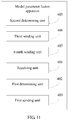
- a model parameter fusion apparatus applied to a machine learning system, where the machine learning system includes M nodes and the apparatus includes:
- a full-duplex data transmission manner may be used, that is, when data is sent to another model parameter fusion apparatus, data sent by the another model parameter fusion apparatus may be simultaneously received; for example, a full-duplex network interface card is used. This is not limited in the present invention.
- the N model parameter fusion apparatuses that participate in the fusion are determined from the M model parameter fusion apparatuses according to a preset fusion condition.
- the fusion condition may be that a quantity of nodes that have completed an iterative computation reaches a preset value, and during each fusion, the preset value may be a constant, or may be variable; or the fusion condition is that a quantity of times that a specified computation is completed reaches a preset quantity of times, and during each fusion, the preset quantity of times may be a constant, or may be variable; or the fusion condition is that an iterative computation has been performed for a preset duration, and during each fusion, the preset duration may be a constant, or may be variable.
- the fusion condition may also be another condition, or the like. This is not limited in detail in the present invention.
- the apparatus further includes:
- the fusion controller is a first model parameter fusion apparatus
- the first model parameter fusion apparatus is alternately any model parameter fusion apparatus of T model parameter fusion apparatuses of the M model parameter fusion apparatuses
- the T ⁇ M the apparatus further includes:
- the first model parameter fusion apparatus may be any model parameter fusion apparatus of the K model parameter fusion apparatuses of the M model parameter fusion apparatuses, and the K model parameter fusion apparatuses of the M model parameter fusion apparatuses may alternately serve as the first model parameter fusion apparatus; that is, the first model parameter fusion apparatus may specify any model parameter fusion apparatus of the K model parameter fusion apparatuses of the M model parameter fusion apparatuses to serve as next model parameter fusion apparatus, and the next model parameter fusion apparatus may specify an after-next model parameter fusion apparatus, and so on.
- the apparatus further includes:
- any model parameter fusion apparatus of nodes that simultaneously record addresses and fusion state information of the M model parameter fusion apparatuses is used as a second model parameter fusion apparatus, and the second model parameter fusion apparatus serves as next model parameter fusion apparatus.
- the apparatus further includes:
- the apparatus further includes: a fourth sending unit, configured to send an address of the model parameter fusion apparatus to other model parameter fusion apparatuses of the M model parameter fusion apparatuses than the model parameter fusion apparatus, so that the other model parameter fusion apparatuses of the M model parameter fusion apparatuses than the model parameter fusion apparatus send, according to the received address, addresses and fusion state information of the other model parameter fusion apparatuses.
- a fourth sending unit configured to send an address of the model parameter fusion apparatus to other model parameter fusion apparatuses of the M model parameter fusion apparatuses than the model parameter fusion apparatus, so that the other model parameter fusion apparatuses of the M model parameter fusion apparatuses than the model parameter fusion apparatus send, according to the received address, addresses and fusion state information of the other model parameter fusion apparatuses.
- the apparatus further includes: a fifth sending unit, configured to send a j th model parameter block of the model parameter fusion apparatus to a j th model parameter fusion apparatus of the N model parameter fusion apparatuses, where 1 ⁇ j ⁇ N and j ⁇ i.
- model parameter blocks of the divided model parameter than the i th block are sent to the other model parameter fusion apparatuses of the N model parameter fusion apparatuses; j th blocks having a same number are sent to the j th model parameter fusion apparatus, and the j th model parameter fusion apparatus is responsible for fusing the j th model parameter blocks.
- the apparatus further includes:
- a model parameter fusion apparatus applied to a machine learning system, where the machine learning system includes M nodes and the apparatus includes:
- the fusion condition is that a quantity of nodes that have completed the specified computation reaches a preset value, or that a quantity of times that the specified computation is completed reaches a preset quantity of times, or that a preset duration has expired.
- the first determining unit is further specifically configured to: determine nodes that have completed a fusion, and N nodes of nodes that have not completed the fusion and have completed the specified computation.
- the model parameter fusion apparatus is a first node, where the first node is any node of the M nodes, and the apparatus further includes: a second sending unit, configured to send an address of the first node to other nodes of the M nodes than the first node.
- the apparatus further includes:
- the preset condition may be that a specific time passes, or a specific quantity of fusions passes, or a specific quantity of iterations passes, or the like. This is not limited in the present invention.
- the specific time, the specific quantity of fusions, and the specific quantity of iterations may be set in advance; and the specific time, the specific quantity of fusions, and the specific quantity of iterations may be constant, or may be variable.
- the apparatus further includes: a third determining unit, configured to: if the second node is faulty in the second time period, determine a third node as the model parameter fusion apparatus in the second time period, where the third node is any node of the K nodes of the M nodes.
- the third determining unit redetermines a node of the M nodes as the model parameter fusion apparatus in the second time period; in this case, the node may be referred to as a third node.
- the model parameter fusion apparatus is at least one node of the M nodes; and that the at least one node receives an address and fusion state information sent by each node after the node completes the specified computation, determines the N nodes that meet the fusion condition, and sends the fusion indication information to each node of the N nodes is: determining, by any node of the at least one node according to the received address and fusion state information, the N nodes that meet the fusion condition, and sending the fusion indication information to each node of the N nodes.
- each node sends an address and fusion state information of the node, for example, a computation state and/or a quantity of iterations of the node, to at least one node that records the node fusion information and that is of the M nodes.
- Any node of the at least one node determines, according to the received address and fusion state information, the N nodes that meet the fusion condition, and sends the fusion indication information to each node of the N nodes.
- a node including a processor and a memory
- the memory stores code and data
- the processor may run the code in the memory
- the processor is configured to execute the foregoing model parameter fusion method according to any one of the first aspect, or the first to the fifth possible implementation manners of the first aspect.
- a fusion controller includes a processor and a memory, the memory stores code and data, the processor may run the code in the memory, and the processor is configured to execute the model parameter fusion method according to any one of the second aspect, or the first to the fourth possible implementation manners of the second aspect.
- a machine learning system includes the node according to the fifth aspect, and the fusion controller according to the sixth aspect.
- the fusion controller is provided separate from the node, or is configured on the node.
- N nodes that meet a fusion condition are determined; a model parameter of an i th node is divided into N blocks; i th model parameter blocks respectively sent by other nodes of the N nodes than the i th node are received; then, an i th model parameter block of the i th node and the i th model parameter blocks respectively sent by the other nodes are fused, so as to obtain the i th general model parameter block; and finally, the i th general model parameter block is distributed to the other nodes of the N nodes, where the i th node is any node of the N nodes that participate in a fusion. Therefore, computing resources can be dynamically adjusted, capabilities of dynamically deleting and adding a node are provided, and in addition, each node that participates in the fusion may simultaneously send a model parameter and receive a model parameter, which improves network resource utilization and system stability.
- FIG. 1 A machine learning system architecture applied in an embodiment of the present invention is shown in FIG. 1 .
- the system architecture includes a data storage device 101, a model parameter training platform 102, and a model parameter storage device 103.
- the data storage device 101 may be a data storage server 101, and the data storage server 101 may be configured to store source data used for model parameter training.
- a storage capacity of the data storage server 101 is far greater than a storage capacity of a computation server 1021 on the model parameter training platform 102.
- the source data may be language data, image data, video data, or the like.
- the source data includes multiple data sets, each data set further includes multiple type subsets, and each type subset has a data tag used to indicate a category. Tags of type subsets included in a same data set are the same; for example, the data set may include multiple character images having a character tag, or may include multiple animal images having an animal tag, or another category of images.
- the model parameter training platform 102 includes: the computation server 1021 configured to perform an iterative computation, where the computation server 1021 may also be referred to as a node, which may be specifically a common computer, a mobile terminal, a workstation, a general-purpose server, a special-purpose server, or the like; and a switch 1022 configured to be responsible for data communication between computation servers.
- the computation server 1021 has a local storage device, and a capacity of the storage device is less than that of the data storage server 101.
- each computation server reads, in a sampling manner, specific data from the data storage server 101 to a local storage device for model parameter training.
- the model parameter training platform 102 may obtain, by performing model parameter training and a model parameter training fusion on a data set having a data tag, a finally outputted general model parameter obtained by means of fusion; and a data type of new data may be identified according to the general model parameter. For example, when an image data set having a character tag is used to perform a model parameter fusion, a character image in new image data may be identified according to a finally outputted model parameter; when an image data set having an animal tag is used to perform a model parameter fusion, an animal image in new image data may be identified according to a finally outputted model parameter.
- the model parameter storage device 103 is configured to store a model parameter obtained by means of training.
- the model parameter training platform 102 may send a final model parameter obtained by means of fusion to the model parameter storage device 103, so that the model parameter is stored in the model parameter storage device 103 for later use.
- a model parameter that is initially used by the computation server 1021 in the model parameter training platform 102 to perform the model parameter training and the model parameter fusion may also be obtained from the model parameter storage device 103.
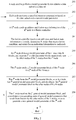
- FIG. 2 is a flowchart of a model parameter fusion method according to an embodiment of the present invention. The method is applied to a machine learning system, where the machine learning system includes M nodes. The method includes the following steps:
- Step 201 A node used to perform a model parameter fusion obtains a data subset in a data set.
- the data set refers to a data set used to perform a model parameter iterative computation.
- the data set may be language data, image data, video data, or the like.
- the data set includes multiple type subsets, and each type subset has a data tag used to indicate a category. Tags of type subsets included in a same data set are the same.
- the data set may be stored in advance in a storage device such as a hard disk or a disk, or may be stored in advance in a data storage server.
- the storage device may, for example, be directly connected to a device in which the node is located to obtain the data subset, or may obtain data from the data storage server.
- a data set for performing the model parameter fusion is far greater than an amount of data used by an actual model parameter; therefore, when the node obtains a data subset in the data set, the node may extract a specific amount of data from the data set; if a computation capability of each node is known in advance, an amount of data of a data subset to be obtained by the node may be allocated according to the computation capability of the node.
- Step 202 Each node performs a specified iterative computation based on the data subset and a current model parameter.
- each node When performing the model parameter iterative computation for the first time, each node may perform the iterative computation based on an obtained data subset and an initial model parameter; when completing the iterative computation, each node may perform next iterative computation based on the data subset and a currently obtained model parameter.
- the initial model parameter indicates an initialized model parameter of each node, and initial model parameters of all nodes may be the same.
- the currently obtained model parameter indicates a model parameter obtained by performing a current iterative computation by each node, or a currently received model parameter, that is, a currently newest model parameter.
- Step 203 A k th node sends an address and fusion state information of the k th node to a fusion controller, where the fusion state information includes a computation state and/or a quantity of iterations of the node, the k th node is a node that has completed a specified iteration task and that is of M nodes, and 1 ⁇ k ⁇ M.
- the M nodes included in the machine learning system separately perform the specified iterative computation based on an obtained data subset and model parameter.
- the node sends an address and fusion state information of the node to the fusion controller.
- the fusion state information includes a computation state and/or a quantity of iterations of the node, that is, when sending the fusion state information to the fusion controller, the k th node may send a current computation state, or send a current quantity of completed iterations, or send both the current computation state and the current quantity of iterations to the fusion controller.
- the computation state herein indicates whether the specified iterative computation is completed.
- the address of the k th node may be an IP address of the node, a MAC (Media Access Control, Media Access Control, which is also referred to as a physical address) address, a number of the node, or the like. This is not limited in this embodiment of the present invention.
- Step 204 The fusion controller receives an address and fusion state information of a node that has completed the specified computation and that is of the M nodes, determines N nodes that meet a fusion condition, and sends fusion indication information to each node of the N nodes, where the fusion indication information is sent by the fusion controller after the N nodes that meet the fusion condition are determined according to the received address and fusion state information of the k th node, and the fusion indication information includes addresses and/or numbers of the N nodes.
- the fusion indication information includes the addresses and/or the numbers of the N nodes.
- N nodes that participate in a fusion are determined from the M nodes according to a preset fusion condition.
- the fusion condition may be that a quantity of nodes that have completed an iterative computation reaches a preset value, and during each fusion, the preset value may be a constant, or may be variable; or the fusion condition is that a quantity of times that the specified computation is completed reaches a preset quantity of times, and during each fusion, the preset quantity of times may be a constant, or may be variable; or the fusion condition is that an iterative computation has been performed for a preset duration, and during each fusion, the preset duration may be a constant, or may be variable.
- the fusion condition may also be another condition, or the like. This is not limited in detail in the present invention.
- the fusion controller may determine the nodes that have completed the fusion, and N nodes of nodes that have not completed the fusion and have completed the specified computation.
- a fixed node may serve as the fusion controller, or different nodes may alternately serve as the fusion controller, or at least one node may serve as the fusion controller in a distributed manner.
- the three different types of fusion controllers are described below.
- a fixed node serves as the fusion controller.
- the fixed node may be set in advance, and after completing the specified computation, any node of the M nodes may send an address and fusion state information of the node to the fixed fusion controller; the fixed fusion controller determines, based on the received address and fusion state information, N nodes that meet the fusion condition, and sends fusion indication information to each node of the N nodes.
- a second type Different nodes alternately serve as the fusion controller.
- a node that first serves as the fusion controller may be referred to as a first node, and the first node is any node of T nodes of the M nodes, where T ⁇ M.
- Different nodes alternately serve as the fusion controller.
- the k th node receives an address of the first node sent by the first node, that is, a node that currently serves as the fusion controller sends an address of the node to the M nodes.
- a k th node sends an address and fusion state information of the k th node to a fusion controller includes: sending, by the k th node according to the address of the first node, the address and the fusion state information of the k th node to the first node.
- the first node which is used as a fusion controller in a first time period, receives an address and fusion state information sent by a node that has completed the specified iterative computation; the first node determines, based on the received address and fusion state information, N nodes that meet the fusion condition, and sends fusion indication information to each node of the N nodes.
- the first node determines a second node as a fusion controller in a second time period, where the second node is any node of K nodes of the M nodes.
- the first node sends node fusion information to the second node, where the node fusion information includes the addresses and the fusion state information of the M nodes.
- the first node sends an address of the second node to other nodes than the second node.
- the first node may specify any node of the K nodes of the M nodes as a node that serves as next fusion controller, and the specified node is used as the second node and serves as the fusion controller in the second time period.
- the first node sends node fusion information of the M nodes to the next fusion controller, and sends an address of the next fusion controller to other nodes.
- the node that serves as the next fusion controller may specify a node to serve as an after-next fusion controller, and so on.
- the first node may determine a third node as the fusion controller in the second time period, where the third node is any node of the K nodes of the M nodes.
- the first node that serves as a previous fusion controller redetermines any node of the K nodes of the M nodes as the fusion controller in the second time period, and the redetermined node may be referred to as the third node.
- the preset condition may be that a specific time passes, or a specific quantity of fusions passes, or a specific quantity of iterations passes, or the like. This is not limited in this embodiment of the present invention.
- the specific time, the specific quantity of fusions, and the specific quantity of iterations may be set in advance, and time lengths, and quantities of fusions, and quantities of iterations that are set at different times may be constant, or may be variable. This is not limited in this embodiment of the present invention.
- At least one node serves as the fusion controller in a distributed manner, and the at least one node may be all or some of the M nodes.
- the k th node broadcasts the address and the fusion state information of the k th node to each node of the M nodes, and at least one node of the M nodes receives the address and the fusion state information sent by the k th node after the k th node completes the specified computation.
- the k th node is any node that has completed the specified computation and that is of the M nodes.
- each node sends an address and fusion state information of the node, for example, a computation state and/or a quantity of iterations of the node, to at least one node that records the node fusion information and that is of the M nodes.
- any node of the at least one node determines, according to the received address and fusion state information of the k th node, N nodes that meet the fusion condition, and sends fusion indication information to each node of the N nodes.
- Each node receives the fusion indication information sent by any node of the at least one node, where the fusion indication information is sent after the N nodes that meet the fusion condition are determined, and the fusion indication information includes addresses and/or numbers of the N nodes.
- a number of a node is used to uniquely indicate the node, and the number of the node may be a sequence number randomly allocated to the node, or may be any value randomly allocated to the node, or the like. This is not limited in this embodiment of the present invention.
- Step 205 When receiving the fusion indication information, an i th node divides a model parameter of the i th node into N blocks, and receives i th model parameter blocks respectively sent by other nodes of the N nodes than the i th node, where the i th node is any node of the N nodes that participate in a fusion and that are of the M nodes, 1 ⁇ i ⁇ N ⁇ M, and an i th block of the N blocks resulting from the division of the model parameter is an i th model parameter block.
- the i th model parameter block herein refers to a model parameter block that corresponds to the i th node and that is of the N model parameter blocks resulting from the division, and the i th node is responsible for performing a subsequent fusion operation on the i th model parameter block.
- the i th node of the N nodes that participate in the fusion divides the model parameter of the i th node into the N blocks, where each model parameter block corresponds to a node, a corresponding node performs a subsequent model parameter fusion operation, the i th model parameter block corresponds to the i th node, and the i th node is responsible for performing the subsequent fusion operation; and receives i th model parameter blocks respectively sent by the other nodes of the N nodes than the i th node.
- a full-duplex data transmission manner may be used, that is, when sending data to another node, the i th node may simultaneously receive data sent by the another node; for example, the i th node uses a full-duplex network interface card. This is not limited in the present invention.
- Step 206 The i th node sends a j th model parameter block of the i th node to a j th node of the N nodes, where 1 ⁇ j ⁇ N and j ⁇ i.
- the i th node sends, to the other nodes of the N nodes, other model parameter blocks of the divided model parameter than the i th block; that is, the j th model parameter blocks are sent to the j th node, and the j th node is responsible for fusing the j th model parameter blocks.
- the j th model parameter block herein is a model parameter that corresponds to the j th node and that is of the N model parameter blocks resulting from the division, and the j th node is responsible for performing a subsequent fusion operation.
- Step 207 The i th node fuses the i th model parameter block of the i th node and the i th model parameter blocks respectively sent by the other nodes, so as to obtain the i th general model parameter block, and distributes the i th general model parameter block to the other nodes of the N nodes.
- the i th node fuses the i th model parameter block of the i th node and the i th model parameter blocks respectively sent by the other nodes, so as to obtain the i th general model parameter block, and distributes the i th general model parameter block to the other nodes of the N nodes.
- Step 208 The i th node receives the j th general model parameter block that results from a fusion by the j th node and that is sent by the j th node, and consolidates corresponding parts of all received general model parameters that result from fusions by the other nodes of the N nodes than the i th node and that are sent by the other nodes, so as to generate a new general model parameter of the i th node.
- the j th node of the N nodes that participate in the fusion obtains by means of fusion, the j th general model parameter block, the j th node sends the j th general model parameter block to the i th node, and the i th node receives the j th general model parameter block fused by the j th node, where 1 ⁇ j ⁇ N and j ⁇ i.
- the i th node consolidates the received general model parameters that result from fusions by the other nodes of the N nodes than the i th node and that are sent by the other nodes and the i th general model parameter block obtained by means of fusion by the i th node, so as to obtain a new general model parameter fused by the N nodes.
- the i th node may return to step 202 to perform the iterative computation based on the data subset and the new general model parameter fused by the N nodes until a final model parameter is outputted.
- a fusion controller determines N nodes that meet a fusion condition; an i th node divides a model parameter of the i th node into N blocks, receives i th model parameter blocks respectively sent by other nodes of the N nodes than the i th node, then fuses an i th model parameter block of the i th node and the i th model parameter blocks respectively sent by the other nodes, so as to obtain the i th general model parameter block, and finally distributes the i th general model parameter block to the other nodes of the N nodes, where the i th node is any node of the N nodes that participate in a fusion. Therefore, computing resources can be dynamically adjusted, capabilities of dynamically deleting and adding a node are provided, and in addition, each node that participates in the fusion may simultaneously send a model parameter and receive a model parameter, which improves network resource utilization and system stability.
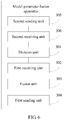
- FIG. 5 is a schematic structural diagram of a model parameter fusion apparatus according to an embodiment of the present invention, applied to a machine learning system, where the machine learning system includes M nodes. As shown in FIG. 5 , the apparatus includes:
- a full-duplex data transmission manner may be used, that is, when data is sent to another model parameter fusion apparatus, data sent by the another model parameter fusion apparatus may be simultaneously received; for example, a full-duplex network interface card is used. This is not limited in this embodiment of the present invention.
- the N model parameter fusion apparatuses that participate in the fusion are determined from the M model parameter fusion apparatuses according to a preset fusion condition.
- the fusion condition may be that a quantity of nodes that have completed an iterative computation reaches a preset value, and during each fusion, the preset value may be a constant, or may be variable; or the fusion condition is that a quantity of times that a specified computation is completed reaches a preset quantity of times, and during each fusion, the preset quantity of times may be a constant, or may be variable; or the fusion condition is that an iterative computation has been performed for a preset duration, and during each fusion, the preset duration may be a constant, or may be variable.
- the fusion condition may also be another condition, or the like. This is not limited in detail in this embodiment of the present invention.
- the apparatus further includes:
- the fusion controller is a first model parameter fusion apparatus
- first model parameter fusion apparatus is alternately any model parameter fusion apparatus of T model parameter fusion apparatuses of the M model parameter fusion apparatuses, and T ⁇ M; and the apparatus further includes:
- the first model parameter fusion apparatus may be any model parameter fusion apparatus of the K model parameter fusion apparatuses of the M model parameter fusion apparatuses, and the K model parameter fusion apparatuses of the M model parameter fusion apparatuses may alternately serve as the first model parameter fusion apparatus; that is, the first model parameter fusion apparatus may specify any model parameter fusion apparatus of the K model parameter fusion apparatuses of the M model parameter fusion apparatuses to serve as next model parameter fusion apparatus, and the next model parameter fusion apparatus may specify an after-next model parameter fusion apparatus, and so on.
- the apparatus further includes:
- any model parameter fusion apparatus of nodes that simultaneously record addresses and fusion state information of the M model parameter fusion apparatuses is used as a second model parameter fusion apparatus, and the second model parameter fusion apparatus serves as next model parameter fusion apparatus.
- the apparatus further includes:
- the apparatus further includes: a fourth sending unit 313, configured to send an address of the model parameter fusion apparatus to other model parameter fusion apparatuses of the M model parameter fusion apparatuses than the model parameter fusion apparatus, so that the other model parameter fusion apparatuses of the M model parameter fusion apparatuses than the model parameter fusion apparatus send, according to the received address, addresses and fusion state information of the other model parameter fusion apparatuses.
- a fourth sending unit 313 configured to send an address of the model parameter fusion apparatus to other model parameter fusion apparatuses of the M model parameter fusion apparatuses than the model parameter fusion apparatus, so that the other model parameter fusion apparatuses of the M model parameter fusion apparatuses than the model parameter fusion apparatus send, according to the received address, addresses and fusion state information of the other model parameter fusion apparatuses.
- the apparatus further includes: a fifth sending unit, configured to send a j th model parameter block of the i th model parameter fusion apparatus to a j th model parameter fusion apparatus of the N model parameter fusion apparatuses, where 1 ⁇ j ⁇ N and j ⁇ i.
- a fifth sending unit configured to send a j th model parameter block of the i th model parameter fusion apparatus to a j th model parameter fusion apparatus of the N model parameter fusion apparatuses, where 1 ⁇ j ⁇ N and j ⁇ i.
- model parameter blocks of the divided model parameter than the i th block are sent to the other model parameter fusion apparatuses of the N model parameter fusion apparatuses; j th blocks having a same number are sent to the j th model parameter fusion apparatus, and the j th model parameter fusion apparatus is responsible for fusing the j th model parameter blocks.
- the apparatus further includes:
- N model parameter fusion apparatuses that meet a fusion condition are determined; a model parameter of an i ffi model parameter fusion apparatus is divided into N blocks; i th model parameter blocks respectively sent by other model parameter fusion apparatuses of the N model parameter fusion apparatuses than the i th model parameter fusion apparatus are received; then, an i th model parameter block of the i th model parameter fusion apparatus and the i th model parameter blocks respectively sent by the other model parameter fusion apparatuses are fused, so as to obtain the i th general model parameter block; and finally, the i th general model parameter block is distributed to the other model parameter fusion apparatuses of the N model parameter fusion apparatuses. Therefore, computing resources can be dynamically adjusted, and in addition, network resource utilization and system stability are improved.
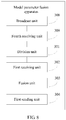
- FIG. 9 is a schematic structural diagram of a model parameter fusion apparatus according to an embodiment of the present invention, applied to a machine learning system, where the machine learning system includes M nodes. As shown in FIG. 9 , the apparatus includes:
- the fusion condition is that a quantity of nodes that have completed the specified computation reaches a preset value, or that a quantity of times that the specified computation is completed reaches a preset quantity of times, or that a preset duration has expired.
- the preset value, the preset quantity of times, and the preset duration may be constants, or may be variable.
- the fusion condition may further be another condition, or the like. This is not limited in this embodiment of the present invention.
- the first determining unit is further specifically configured to: determine nodes that have completed a fusion, and N nodes of nodes that have not completed the fusion and have completed the specified computation.
- the model parameter fusion apparatus is a first node, the first node is any node of the M nodes, and the apparatus further includes: a second sending unit 404, configured to send an address of the first node to other nodes of the M nodes than the first node.
- the apparatus further includes:
- the preset condition may be that a specific time passes, or a specific quantity of fusions passes, or a specific quantity of iterations passes, or the like. This is not limited in the present invention.
- the specific time, the specific quantity of fusions, and the specific quantity of iterations may be set in advance; and the specific time, the specific quantity of fusions, and the specific quantity of iterations may be constant, or may be variable.
- the apparatus further includes: a third determining unit, configured to: if the second node is faulty in the second time period, determine a third node as the model parameter fusion apparatus in the second time period, where the third node is any node of the K nodes of the M nodes.
- a third determining unit configured to: if the second node is faulty in the second time period, determine a third node as the model parameter fusion apparatus in the second time period, where the third node is any node of the K nodes of the M nodes.
- the third determining unit redetermines a node of the M nodes as the model parameter fusion apparatus in the second time period; in this case, the node may be referred to as a third node.
- the model parameter fusion apparatus is at least one node of the M nodes; and that the at least one node receives an address and fusion state information sent by each node after the node completes the specified computation, determines the N nodes that meet the fusion condition, and sends the fusion indication information to each node of the N nodes is: determining, by any node of the at least one node according to the received address and fusion state information, the N nodes that meet the fusion condition, and sending the fusion indication information to each node of the N nodes.
- each node sends an address and fusion state information of the node, for example, a computation state and/or a quantity of iterations of the node, to at least one node that records the node fusion information and that is of the M nodes.
- Any node of the at least one node determines, according to the received address and fusion state information, the N nodes that meet the fusion condition, and sends the fusion indication information to each node of the N nodes.
- N nodes that meet a fusion condition are determined based on an address and fusion state information sent by a node that has completed a specified computation and that is of M nodes, and fusion indication information is sent to each node of the N nodes, so that each node of the N nodes divides a model parameter of the node into N blocks, and sends an i th model parameter block of the model parameter to an i th node; each node of the N nodes fuses model parameters received by the node, and each node of the N nodes distributes a model parameter resulting from the fusion to other nodes of the N nodes. Therefore, computing resources can be dynamically adjusted, capabilities of dynamically deleting and adding a node are provided, and in addition, each node that participates in the fusion may simultaneously send a model parameter and receive a model parameter, which improves network resource utilization and system stability.
- FIG. 12 is a node according to an embodiment of the present invention.
- the node includes a memory 1201, a processor 1202, a power component 1203, an input/output interface 1204, a communications component 1205, and the like.
- the processor 1202 is configured to execute the model parameter fusion method described in Embodiment 2.
- FIG. 12 is merely exemplary, which does not constitute a limitation on a structure of the node.
- the node may further include more or fewer components than those shown in FIG. 12 , or may have a different configuration from that shown in FIG. 12 .
- the memory 1201 may be configured to store data, a software program, and a module, and mainly includes a program storage area and a data storage area.
- the program storage area may store an operating system, an application program required by at least one function, and the like;
- the data storage area may store data created according to use of a model parameter fusion apparatus, and the like.
- the memory may include a high-speed random access memory, and may further include a non-volatile memory, for example, at least one disk storage device, a flash memory device, or another volatile solid-state storage device.
- the processor 1202 is a control center of the node and is connected to each part of the entire node by using various interfaces and lines, and performs, by running or executing the software program and/or the module that are/is stored in the memory 1201 and invoking the data stored in the memory 1201, various functions of the node and data processing, so as to perform overall monitoring on the node.
- the processor 1202 may include one or more processing units.
- an application processor and a modem processor may be integrated into the processor 1302, where the application processor mainly processes an operating system, a user interface, an application program, and the like; and the modem processor mainly processes wireless communication. It may be understood that, alternatively, the foregoing modem processor may not be integrated into the processor 1202.
- the power component 1203 is configured to supply power to each component of the node.
- the power component 1203 may include a power management system, one or more power supplies, and another component related to power generation, management, and distribution of the node.
- the input/output interface 1204 provides an interface between the processor 1202 and a peripheral interface module, for example, the peripheral interface module may be a keyboard, or a mouse cursor.
- the communications component 1205 is configured to facilitate communication between the node and another device in a wired or wireless manner.
- the node may connect to a communication-standard-based wireless network, such as WiFi, 2G or 3G, or a combination thereof.
- the node may further include an audio component, a multimedia component, and the like, which is not described in this embodiment of the present invention.
- each node of N nodes that participate in a fusion divides a model parameter of the node into N blocks, and sends an i th model parameter block of the model parameter to an i th node.
- Each node of the N nodes fuses model parameters received by the node, and distributes a model parameter resulting from the fusion to other nodes of the N nodes. Therefore, capabilities of dynamically deleting and adding a node are provided, and in addition, each node that participates in the fusion may simultaneously send a model parameter and receive a model parameter, which improves network resource utilization and system stability.
- FIG. 13 is a fusion controller according to an embodiment of the present invention.
- the fusion controller includes a memory 1301, a processor 1302, a power component 1303, an input/output interface 1304, a communications component 1305, and the like.
- the processor 1302 is configured to execute the model parameter fusion method described in Embodiment 2.
- FIG. 13 is merely exemplary, which does not constitute a limitation on a structure of the fusion controller.
- the fusion controller may further include more or fewer components than those shown in FIG. 13 , or may have a different configuration from that shown in FIG. 13 .
- the memory 1301 may be configured to store data, a software program, and a module, and mainly includes a program storage area and a data storage area.
- the program storage area may store an operating system, an application program required by at least one function, and the like;
- the data storage area may store data created according to use of a model parameter fusion apparatus, and the like.
- the memory may include a high-speed random access memory, and may further include a non-volatile memory, for example, at least one disk storage device, a flash memory device, or another volatile solid-state storage device.
- the processor 1302 is a control center of the fusion controller and is connected to each part of the entire fusion controller by using various interfaces and lines, and performs, by running or executing the software program and/or the module that are/is stored in the memory 1301 and invoking the data stored in the memory 1301, various functions of the fusion controller and data processing, so as to perform overall monitoring on the fusion controller.
- the processor 1302 may include one or more processing units.
- an application processor and a modem processor may be integrated into the processor 1202, where the application processor mainly processes an operating system, a user interface, an application program, and the like; and the modem processor mainly processes wireless communication. It may be understood that, alternatively, the foregoing modem processor may not be integrated into the processor 1302.
- the power component 1303 is configured to supply power to each component of the fusion controller.
- the power component 1203 may include a power management system, one or more power supplies, and another component related to power generation, management, and distribution of the fusion controller.
- the input/output interface 1304 provides an interface between the processor 1302 and a peripheral interface module, for example, the peripheral interface module may be a keyboard, or a mouse cursor.
- the communications component 1305 is configured to facilitate communication between the fusion controller and another device in a wired or wireless manner.
- the fusion controller may connect to a communication-standard-based wireless network, such as WiFi, 2G or 3G, or a combination thereof.
- the fusion controller may further include an audio component, a multimedia component, and the like, which is not described in this embodiment of the present invention.
- N nodes that meet a fusion condition are determined based on an address and fusion state information sent by a node that has completed a specified computation and that is of M nodes, and fusion indication information is sent to each node of the N nodes, so that each node of the N nodes divides a model parameter of the node into N blocks, and sends an i th model parameter block of the model parameter to an i th node; each node of the N nodes fuses model parameters received by the node, and each node of the N nodes distributes a model parameter resulting from the fusion to other nodes of the N nodes. Therefore, computing resources can be dynamically adjusted, and in addition, network resource utilization and system stability are improved.
- An embodiment of the present invention provides a machine learning system, where the machine learning system includes the node described in Embodiment 5, and the fusion controller described in Embodiment 6.
- the fusion controller is provided separate from the node, or is configured on the node.
- a fusion controller determines, based on an address and fusion state information sent by a node that has completed a specified computation and that is of M nodes, N nodes that meet a fusion condition, and sends fusion indication information to each node of the N nodes, so that each node of the N nodes that participate in a fusion divides a model parameter of the node into N blocks, and sends an i th model parameter block of the model parameter to an i th node; each node of the N nodes fuses model parameters received by the node, and each node of the N nodes distributes a model parameter resulting from the fusion to other nodes of the N nodes. Therefore, computing resources can be dynamically adjusted, capabilities of dynamically deleting and adding a node are provided, and in addition, each node that participates in the fusion may simultaneously send a model parameter and receive a model parameter, which improves network resource utilization and system stability.
Landscapes
- Engineering & Computer Science (AREA)
- Theoretical Computer Science (AREA)
- Physics & Mathematics (AREA)
- Data Mining & Analysis (AREA)
- General Physics & Mathematics (AREA)
- General Engineering & Computer Science (AREA)
- Software Systems (AREA)
- Mathematical Physics (AREA)
- Computational Mathematics (AREA)
- Mathematical Analysis (AREA)
- Mathematical Optimization (AREA)
- Pure & Applied Mathematics (AREA)
- Artificial Intelligence (AREA)
- Computer Vision & Pattern Recognition (AREA)
- Evolutionary Computation (AREA)
- Databases & Information Systems (AREA)
- Evolutionary Biology (AREA)
- Bioinformatics & Computational Biology (AREA)
- Bioinformatics & Cheminformatics (AREA)
- Life Sciences & Earth Sciences (AREA)
- Medical Informatics (AREA)
- Computing Systems (AREA)
- Algebra (AREA)
- Probability & Statistics with Applications (AREA)
- Operations Research (AREA)
- Computer Networks & Wireless Communication (AREA)
- Data Exchanges In Wide-Area Networks (AREA)
- Mobile Radio Communication Systems (AREA)
Claims (15)
- Modellparameterfusionsverfahren, das auf ein Maschinenlernsystem angewandt wird, wobei das Maschinenlernsystem M Knoten umfasst und das Verfahren Folgendes umfasst:Empfangen von Fusionsanzeigeinformationen durch einen i-ten Knoten von einer Fusionssteuerung;Teilen (205) eines Modellparameters des i-ten Knotens durch den i-ten Knoten gemäß den Fusionsanzeigeinformationen in N Blöcke, wobei der i-te Knoten ein beliebiger Knoten von N Knoten ist, die an einer Fusion teilnehmen und die zu den M Knoten gehören, 1<i≤N≤M und der i-te Block der N Blöcke, die aus der Teilung des Modellparameters resultieren, ein i-ter Modellparameterblock ist;Empfangen (205) von i-ten Modellparameterblöcken, die jeweils von anderen Knoten der N Knoten als dem i-ten Knoten gesendet werden, durch den i-ten Knoten;Fusionieren (207) des i-ten Modellparameterblocks des i-ten Knotens und der i-ten Modellparameterblöcke, die jeweils von den anderen Knoten gesendet werden, durch den i-ten Knoten, um den i-ten allgemeinen Modellparameterblock zu erhalten; undVerteilen (207) des i-ten allgemeinen Modellparameterblocks durch den i-ten Knoten auf die anderen Knoten der N Knoten als den i-ten Knoten.
- Verfahren nach Anspruch 1, wobei das Verfahren vor dem Teilen (205) eines Modellparameters des i-ten Knotens in N Blöcke durch den i-ten Knoten ferner Folgendes umfasst:
Empfangen von Fusionsanzeigeinformationen, die von einer Fusionssteuerung gesendet werden, durch den i-ten Knoten, wobei die Fusionsanzeigeinformationen von der Fusionssteuerung gesendet werden, nachdem die N Knoten, die eine Fusionsbedingung erfüllen, gemäß einer empfangenen Adresse und empfangenen Fusionszustandsinformationen eines k-ten Knotens bestimmt wurden, die Fusionsanzeigeinformationen Adressen und/oder Nummern der N Knoten umfassen, der k-te Knoten ein Knoten ist, der eine spezifizierte Wiederholungsaufgabe abgeschlossen hat und der zu den M Knoten gehört, 1≤k≤M und die Fusionszustandsinformationen einen Berechnungszustand und/oder eine Menge von Wiederholungen des Knotens umfassen. - Verfahren nach Anspruch 2, wobei, wenn die Fusionssteuerung ein erster Knoten ist, wobei der erste Knoten abwechselnd ein beliebiger Knoten von T Knoten der M Knoten ist, und T≤M, das Verfahren ferner Folgendes umfasst:Empfangen einer Adresse des ersten Knotens, die vom ersten Knoten gesendet wird, durch den k-ten Knoten undSenden der Adresse und der Fusionszustandsinformationen des k-ten Knotens durch den k-ten Knoten gemäß der Adresse des ersten Knotens an den ersten Knoten.
- Verfahren nach Anspruch 1, wobei das Verfahren vor dem Teilen eines Modellparameters des i-ten Knotens in N Blöcke durch den i-ten Knoten ferner Folgendes umfasst:Rundsenden einer Adresse und von Fusionszustandsinformationen des k-ten Knotens durch den k-ten Knoten an jeden Knoten der M Knoten undEmpfangen von Fusionsanzeigeinformationen, die von einem zweiten Knoten gesendet werden, durch den k-ten Knoten, wobei der zweite Knoten ein beliebiger Knoten der M Knoten ist, die Fusionsanzeigeinformationen vom zweiten Knoten gesendet werden, nachdem die N Knoten, die eine Fusionsbedingung erfüllen, gemäß der empfangenen Adresse und den Fusionszustandsinformationen des k-ten Knotens bestimmt wurden, und die Fusionsanzeigeinformationen Adressen und/oder Nummern der N Knoten umfassen.
- Verfahren nach einem der Ansprüche 1 bis 4, wobei das Verfahren ferner Folgendes umfasst:
Senden (206) eines j-ten Modellparameterblocks des i-ten Knotens durch den i-ten Knoten an einen j-ten Knoten der N Knoten, wobei 1≤j≤N und j≠i. - Verfahren nach Anspruch 5, wobei das Verfahren ferner Folgendes umfasst:Empfangen (208) des j-ten allgemeinen Modellparameterblocks, der aus einer Fusion durch den j-ten Knoten resultiert, der vom j-ten Knoten gesendet wird, durch den i-ten Knoten;Konsolidieren (208) von entsprechenden Teilen von allen empfangenen allgemeinen Modellparametern, die aus Fusionen durch die anderen Knoten der N Knoten als dem i-ten Knoten resultieren und die von den anderen Knoten gesendet werden, durch den i-ten Knoten, um einen neuen allgemeinen Modellparameter des i-ten Knotens zu erzeugen; undDurchführen einer iterativen Berechnung durch den i-ten Knoten gemäß dem neuen allgemeinen Modellparameter.
- Modellparameterfusionsvorrichtung, die auf ein Maschinenlernsystem angewandt wird, wobei das Maschinenlernsystem M Modellparameterfusionsvorrichtungen umfasst und die Vorrichtung Folgendes umfasst:eine erste Empfangseinheit (302), die dazu ausgelegt ist, Fusionsanzeigeinformationen von einer Fusionssteuerung zu empfangen;eine Teilungseinheit (301), die dazu ausgelegt ist, einen Modellparameter der Modellparameterfusionsvorrichtung gemäß den Fusionsanzeigeinformationen in N Blöcke zu teilen, wobei N eine Menge von Modellparameterfusionsvorrichtungen ist, die an einer Fusion teilnehmen und die zu den M Modellparameterfusionsvorrichtungen gehören, ein i-ter Block der N Blöcke, die aus der Teilung des Modellparameters resultieren, ein i-ter Modellparameterblock ist und 1<i≤N≤M;die erste Empfangseinheit (302), die dazu ausgelegt ist, i-te Modellparameterblöcke zu empfangen, die jeweils von anderen Modellparameterfusionsvorrichtungen der N Modellparameterfusionsvorrichtungen als der Modellparameterfusionsvorrichtung gesendet werden;eine Fusionseinheit (303), die dazu ausgelegt ist, den i-ten Modellparameterblock der Modellparameterfusionsvorrichtung und die i-ten Modellparameterblöcke, die jeweils von den anderen Modellparameterfusionsvorrichtungen gesendet werden, zu fusionieren, um den i-ten allgemeinen Modellparameterblock zu erhalten; undeine erste Sendeeinheit (304), die dazu ausgelegt ist, den i-ten allgemeinen Modellparameterblock auf die anderen Modellparameterfusionsvorrichtungen der N Modellparameterfusionsvorrichtungen als die Modellparameterfusionsvorrichtung zu verteilen.
- Vorrichtung nach Anspruch 7, wobei die Vorrichtung ferner Folgendes umfasst:eine zweite Sendeeinheit (305), die zu Folgendem ausgelegt ist: nachdem eine spezifizierte Wiederholungsaufgabe abgeschlossen wurde, Senden einer Adresse und von Fusionszustandsinformationen der Modellparameterfusionsvorrichtung an eine Fusionssteuerung, wobei die Fusionszustandsinformationen einen Berechnungszustand und/oder eine Menge von Wiederholungen der Modellparameterfusionsvorrichtung umfassen; undeine zweite Empfangseinheit (306), die dazu ausgelegt ist, Fusionsanzeigeinformationen zu empfangen, wobei die Fusionsanzeigeinformationen von der Fusionssteuerung gesendet werden, nachdem die N Modellparameterfusionsvorrichtungen, die eine Fusionsbedingung erfüllen, gemäß empfangenen Adressen und Fusionszustandsinformationen von K Modellparameterfusionsvorrichtungen bestimmt wurden, die Fusionsanzeigeinformationen Adressen und/oder Nummern von N Modellparameterfusionsvorrichtungen umfassen, die K Modellparameterfusionsvorrichtungen Modellparameterfusionsvorrichtungen sind, die die spezifizierte Wiederholungsaufgabe abgeschlossen haben und die zu den M Modellparameterfusionsvorrichtungen gehören, und 1<K<M.
- Vorrichtung nach Anspruch 8, wobei die Fusionssteuerung eine erste Modellparameterfusionsvorrichtung ist, die erste Modellparameterfusionsvorrichtung abwechselnd eine beliebige Modellparameterfusionsvorrichtung von T Modellparameterfusionsvorrichtungen der M Modellparameterfusionsvorrichtungen ist und T≤M und die Vorrichtung ferner Folgendes umfasst:eine dritte Empfangseinheit (307), die dazu ausgelegt ist, eine Adresse der ersten Modellparameterfusionsvorrichtung, die von der ersten Modellparameterfusionsvorrichtung gesendet wird, zu empfangen; undentsprechend die zweite Sendeeinheit (305) speziell zu Folgendem ausgelegt ist:
Senden der Adresse und der Fusionszustandsinformationen der Modellparameterfusionsvorrichtungen gemäß der Adresse der ersten Modellparameterfusionsvorrichtung an die erste Modellparameterfusionsvorrichtung. - Vorrichtung nach Anspruch 7, wobei die Vorrichtung ferner Folgendes umfasst:eine Rundsendeeinheit (308), die dazu ausgelegt ist, die Adresse und die Fusionszustandsinformationen der Modellparameterfusionsvorrichtung an jede Modellparameterfusionsvorrichtung der M Modellparameterfusionsvorrichtungen rundzusenden; undeine vierte Empfangseinheit (309), die dazu ausgelegt ist, Fusionsanzeigeinformationen, die von einer zweiten Modellparameterfusionsvorrichtung gesendet werden, zu empfangen, wobei die zweite Modellparameterfusionsvorrichtung eine beliebige Modellparameterfusionsvorrichtung von K Modellparameterfusionsvorrichtungen der M Modellparameterfusionsvorrichtungen ist, die Fusionsanzeigeinformationen von der zweiten Modellparameterfusionsvorrichtung gesendet werden, nachdem die N Modellparameterfusionsvorrichtungen, die eine Fusionsbedingung erfüllen, gemäß empfangenen Adressen und Fusionszustandsinformationen der K Modellparameterfusionsvorrichtungen bestimmt wurden, die Fusionsanzeigeinformationen Adressen und/oder Nummern von N Modellparameterfusionsvorrichtungen umfassen, die K Modellparameterfusionsvorrichtungen Modellparameterfusionsvorrichtungen sind, die eine spezifizierte Wiederholungsaufgabe abgeschlossen haben und die zu den M Modellparameterfusionsvorrichtungen gehören, und 1<K<M.
- Vorrichtung nach Anspruch 7, wobei die Vorrichtung ferner Folgendes umfasst:eine fünfte Empfangseinheit (310), die dazu ausgelegt ist, Adressen und Fusionszustandsinformationen von K Modellparameterfusionsvorrichtungen zu empfangen, wobei die Fusionszustandsinformationen einen Berechnungszustand und/oder eine Menge von Wiederholungen einer Modellparameterfusionsvorrichtung umfassen, die K Modellparameterfusionsvorrichtungen Modellparameterfusionsvorrichtungen sind, die eine spezifizierte Wiederholungsaufgabe abgeschlossen haben und die zu den M Modellparameterfusionsvorrichtungen gehören, und 1≤K≤M;eine Bestimmungseinheit (311), die dazu ausgelegt ist, gemäß den empfangenen Adressen und Fusionszustandsinformationen der K Modellparameterfusionsvorrichtungen die N Modellparameterfusionsvorrichtungen zu bestimmen, die eine Fusionsbedingung erfüllen; undeine dritte Sendeeinheit (312), die dazu ausgelegt ist, Fusionsanzeigeinformationen an die anderen Modellparameterfusionsvorrichtungen der N Modellparameterfusionsvorrichtungen als die Modellparameterfusionsvorrichtung zu senden, derart, dass die anderen Modellparameterfusionsvorrichtungen der N Modellparameterfusionsvorrichtungen als die Modellparameterfusionsvorrichtung gemäß den Fusionsanzeigeinformationen eine Parameterfusion durchführen, wobei die Fusionsanzeigeinformationen Adressen und/oder Nummern der N Modellparameterfusionsvorrichtungen umfassen.
- Vorrichtung nach Anspruch 11, wobei die Vorrichtung ferner Folgendes umfasst:
eine vierte Sendeeinheit (313), die dazu ausgelegt ist, eine Adresse der Modellparameterfusionsvorrichtung an andere Modellparameterfusionsvorrichtungen der M Modellparameterfusionsvorrichtungen als die Modellparameterfusionsvorrichtung zu senden, derart, dass die anderen Modellparameterfusionsvorrichtungen der M Modellparameterfusionsvorrichtungen als die Modellparameterfusionsvorrichtung gemäß der empfangenen Adresse Adressen und Fusionszustandsinformationen der anderen Modellparameterfusionsvorrichtungen senden. - Vorrichtung nach einem der Ansprüche 7 bis 12, wobei die Vorrichtung ferner Folgendes umfasst:
eine fünfte Sendeeinheit, die dazu ausgelegt ist, einen j-ten Modellparameterblock der Modellparameterfusionsvorrichtung an eine j-te Modellparameterfusionsvorrichtung der N Modellparameterfusionsvorrichtungen zu senden, wobei 1≤j≤N und j≠i. - Vorrichtung nach Anspruch 13, wobei die Vorrichtung ferner Folgendes umfasst:eine sechste Empfangseinheit, die dazu ausgelegt ist, den j-ten allgemeinen Modellparameterblock, der aus einer Fusion durch die j-te Modellparameterfusionsvorrichtung resultiert und der von der j-ten Modellparameterfusionsvorrichtung gesendet wird, zu empfangen;eine Konsolidierungseinheit, die dazu ausgelegt ist, entsprechende Teile von allen empfangenen allgemeinen Modellparametern, die aus Fusionen durch die anderen Modellparameterfusionsvorrichtungen der N Modellparameterfusionsvorrichtungen als der Modellparameterfusionsvorrichtung resultieren und die von den anderen Modellparameterfusionsvorrichtungen gesendet werden, zu konsolidieren, um einen neuen allgemeinen Modellparameter zu erzeugen; undeine Berechnungseinheit, die dazu ausgelegt ist, gemäß dem neuen allgemeinen Modellparameter eine iterative Berechnung durchzuführen.
- Knoten, wobei der Knoten einen Prozessor (1202) und einen Speicher (1201) umfasst, der Speicher angepasst ist, Code und Daten zu speichern, der Prozessor angepasst ist, den Code im Speicher umzusetzen, und der Prozessor dazu ausgelegt ist, alle Schritte des Modellparameterfusionsverfahrens nach einem der Ansprüche 1 bis 6 auszuführen.
Priority Applications (1)
| Application Number | Priority Date | Filing Date | Title |
|---|---|---|---|
| EP20160309.9A EP3745284A1 (de) | 2015-11-16 | 2015-11-16 | Verfahren und vorrichtung zur fusion von modellparametern |
Applications Claiming Priority (1)
| Application Number | Priority Date | Filing Date | Title |
|---|---|---|---|
| PCT/CN2015/094746 WO2017084020A1 (zh) | 2015-11-16 | 2015-11-16 | 模型参数融合方法及装置 |
Related Child Applications (2)
| Application Number | Title | Priority Date | Filing Date |
|---|---|---|---|
| EP20160309.9A Division-Into EP3745284A1 (de) | 2015-11-16 | 2015-11-16 | Verfahren und vorrichtung zur fusion von modellparametern |
| EP20160309.9A Division EP3745284A1 (de) | 2015-11-16 | 2015-11-16 | Verfahren und vorrichtung zur fusion von modellparametern |
Publications (3)
| Publication Number | Publication Date |
|---|---|
| EP3370166A1 EP3370166A1 (de) | 2018-09-05 |
| EP3370166A4 EP3370166A4 (de) | 2018-10-31 |
| EP3370166B1 true EP3370166B1 (de) | 2020-05-06 |
Family
ID=58717186
Family Applications (2)
| Application Number | Title | Priority Date | Filing Date |
|---|---|---|---|
| EP15908517.4A Active EP3370166B1 (de) | 2015-11-16 | 2015-11-16 | Verfahren und vorrichtung zur fusion von modellparametern |
| EP20160309.9A Withdrawn EP3745284A1 (de) | 2015-11-16 | 2015-11-16 | Verfahren und vorrichtung zur fusion von modellparametern |
Family Applications After (1)
| Application Number | Title | Priority Date | Filing Date |
|---|---|---|---|
| EP20160309.9A Withdrawn EP3745284A1 (de) | 2015-11-16 | 2015-11-16 | Verfahren und vorrichtung zur fusion von modellparametern |
Country Status (4)
| Country | Link |
|---|---|
| US (1) | US11373116B2 (de) |
| EP (2) | EP3370166B1 (de) |
| CN (1) | CN107004003B (de) |
| WO (1) | WO2017084020A1 (de) |
Families Citing this family (7)
| Publication number | Priority date | Publication date | Assignee | Title |
|---|---|---|---|---|
| CN107209746B (zh) * | 2015-11-16 | 2019-10-22 | 华为技术有限公司 | 模型参数融合方法及装置 |
| US20210350234A1 (en) * | 2019-01-28 | 2021-11-11 | Intel Corporation | Techniques to detect fusible operators with machine learning |
| CN109840501B (zh) * | 2019-01-31 | 2021-06-01 | 深圳市商汤科技有限公司 | 一种图像处理方法及装置、电子设备、存储介质 |
| JP7238610B2 (ja) * | 2019-06-04 | 2023-03-14 | 富士フイルムビジネスイノベーション株式会社 | 情報処理装置及びプログラム |
| CN110705177B (zh) * | 2019-09-29 | 2023-05-16 | 支付宝(杭州)信息技术有限公司 | 基于机器学习的终端风险评估模型的生成方法及其系统 |
| CN111178443B (zh) * | 2019-12-31 | 2023-10-31 | 东软集团股份有限公司 | 模型参数选择、图像分类、信息识别方法及装置、设备 |
| CN115665227B (zh) * | 2022-12-28 | 2023-04-07 | 北京交通大学 | 一种普适的异构融合算网资源智慧适配网络架构及方法 |
Family Cites Families (17)
| Publication number | Priority date | Publication date | Assignee | Title |
|---|---|---|---|---|
| US7321843B2 (en) * | 2005-09-30 | 2008-01-22 | Universidad De Salamanca | Method for generating new flow cytometry data files containing an infinite number of dimensions based on data estimation |
| CN101141413A (zh) * | 2006-09-06 | 2008-03-12 | 同济大学 | 一种公交信息采集和信息传输的方法及其实现系统 |
| US8027938B1 (en) * | 2007-03-26 | 2011-09-27 | Google Inc. | Discriminative training in machine learning |
| CN100581119C (zh) * | 2008-03-05 | 2010-01-13 | 中科院嘉兴中心微系统所分中心 | 无线传感器网络分布式融合识别方法 |
| CN101996197B (zh) * | 2009-08-31 | 2012-12-26 | 中国移动通信集团公司 | 聚类实现方法及系统 |
| JP5584914B2 (ja) * | 2010-07-15 | 2014-09-10 | 株式会社日立製作所 | 分散計算システム |
| CN102467570B (zh) * | 2010-11-17 | 2014-03-12 | 日电(中国)有限公司 | 用于分布式数据仓库的连接查询系统和方法 |
| EP2785058A4 (de) * | 2011-11-23 | 2014-12-03 | Huawei Tech Co Ltd | Verfahren, vorrichtung und system zur rundsendung von videowerbungen |
| CN102869064A (zh) * | 2012-07-27 | 2013-01-09 | 南京邮电大学 | 基于特征级与决策级联合融合的分簇调制识别方法 |
| US9037519B2 (en) * | 2012-10-18 | 2015-05-19 | Enjoyor Company Limited | Urban traffic state detection based on support vector machine and multilayer perceptron |
| CN103578092A (zh) * | 2013-11-11 | 2014-02-12 | 西北大学 | 一种多聚焦图像融合方法 |
| CN103914528B (zh) * | 2014-03-28 | 2017-02-15 | 南京邮电大学 | 一种关联分析算法的并行化方法 |
| CN104598600B (zh) * | 2015-01-23 | 2017-10-10 | 南京师范大学 | 一种基于分布式内存的并行数字地形分析优化方法 |
| CN105894087A (zh) * | 2015-01-26 | 2016-08-24 | 华为技术有限公司 | 用于神经网络中训练参数集的系统和方法 |
| CN104994172A (zh) * | 2015-07-16 | 2015-10-21 | 浪潮(北京)电子信息产业有限公司 | 一种云存储系统的监控管理系统和方法 |
| CN107209746B (zh) * | 2015-11-16 | 2019-10-22 | 华为技术有限公司 | 模型参数融合方法及装置 |
| CN105959987B (zh) * | 2016-04-14 | 2019-05-14 | 北京邮电大学 | 一种提高无线传感器网络能量利用率和服务性能的数据融合算法 |
-
2015
- 2015-11-16 EP EP15908517.4A patent/EP3370166B1/de active Active
- 2015-11-16 CN CN201580001419.1A patent/CN107004003B/zh active Active
- 2015-11-16 EP EP20160309.9A patent/EP3745284A1/de not_active Withdrawn
- 2015-11-16 WO PCT/CN2015/094746 patent/WO2017084020A1/zh not_active Ceased
-
2018
- 2018-05-15 US US15/980,496 patent/US11373116B2/en active Active
Non-Patent Citations (1)
| Title |
|---|
| None * |
Also Published As
| Publication number | Publication date |
|---|---|
| CN107004003A (zh) | 2017-08-01 |
| WO2017084020A1 (zh) | 2017-05-26 |
| US11373116B2 (en) | 2022-06-28 |
| EP3370166A4 (de) | 2018-10-31 |
| CN107004003B (zh) | 2020-04-28 |
| EP3370166A1 (de) | 2018-09-05 |
| EP3745284A1 (de) | 2020-12-02 |
| US20180267927A1 (en) | 2018-09-20 |
Similar Documents
| Publication | Publication Date | Title |
|---|---|---|
| EP3370166B1 (de) | Verfahren und vorrichtung zur fusion von modellparametern | |
| CN110995513B (zh) | 物联网系统中的数据发送、接收方法、物联网设备及平台 | |
| CN102857578B (zh) | 一种网络硬盘的文件上传方法、系统及网盘客户端 | |
| CN110830234A (zh) | 一种用户流量分配方法及装置 | |
| CN112631550A (zh) | 区块链随机数生成方法、装置、设备及计算机存储介质 | |
| WO2017084016A1 (zh) | 模型参数融合方法及装置 | |
| CN115412737A (zh) | 直播回源中继节点确定方法及装置 | |
| CN120687238A (zh) | 智能体平台管理方法、装置、计算机设备和存储介质 | |
| CN111431818A (zh) | 跨域请求的流量分配方法、装置、存储介质及计算机设备 | |
| CN105069139B (zh) | 文件访问方法和文件访问装置以及服务器 | |
| CN111400269B (zh) | 一种ipfs文件处理方法、节点、介质和设备 | |
| CN109213955B (zh) | 数据处理方法及相关设备 | |
| US10609132B2 (en) | Hash data structure biasing | |
| CN104883478A (zh) | 视频处理方法及装置 | |
| CN106210751B (zh) | 网络视频直播数据分层传输的方法及系统 | |
| WO2025093005A1 (zh) | 信息显示方法、装置、设备和存储介质 | |
| CN109089163B (zh) | 弹幕消息分发方法、装置、设备及存储介质 | |
| CN113408246B (zh) | 获取单号的方法、装置及系统 | |
| CN117459542A (zh) | 一种互联网数据下载方法、装置、系统和介质 | |
| CN104618421A (zh) | 存储资源分配方法及装置 | |
| CN104407846B (zh) | 一种信息处理方法及装置 | |
| CN115686746A (zh) | 访问方法、任务处理方法、计算设备及计算机存储介质 | |
| CN113434577A (zh) | 业务数据处理方法、存储介质及设备 | |
| CN108933724A (zh) | 一种信息分享方法及系统、终端及服务器 | |
| CN106468988A (zh) | 一种终端桌面的智能管理方法及终端 |
Legal Events
| Date | Code | Title | Description |
|---|---|---|---|
| STAA | Information on the status of an ep patent application or granted ep patent |
Free format text: STATUS: THE INTERNATIONAL PUBLICATION HAS BEEN MADE |
|
| PUAI | Public reference made under article 153(3) epc to a published international application that has entered the european phase |
Free format text: ORIGINAL CODE: 0009012 |
|
| STAA | Information on the status of an ep patent application or granted ep patent |
Free format text: STATUS: REQUEST FOR EXAMINATION WAS MADE |
|
| 17P | Request for examination filed |
Effective date: 20180531 |
|
| AK | Designated contracting states |
Kind code of ref document: A1 Designated state(s): AL AT BE BG CH CY CZ DE DK EE ES FI FR GB GR HR HU IE IS IT LI LT LU LV MC MK MT NL NO PL PT RO RS SE SI SK SM TR |
|
| AX | Request for extension of the european patent |
Extension state: BA ME |
|
| A4 | Supplementary search report drawn up and despatched |
Effective date: 20180927 |
|
| RIC1 | Information provided on ipc code assigned before grant |
Ipc: G06N 99/00 20100101ALI20180922BHEP Ipc: G06F 17/30 20060101AFI20180922BHEP |
|
| DAV | Request for validation of the european patent (deleted) | ||
| DAX | Request for extension of the european patent (deleted) | ||
| STAA | Information on the status of an ep patent application or granted ep patent |
Free format text: STATUS: EXAMINATION IS IN PROGRESS |
|
| 17Q | First examination report despatched |
Effective date: 20190528 |
|
| REG | Reference to a national code |
Ref country code: DE Ref legal event code: R079 Ref document number: 602015052613 Country of ref document: DE Free format text: PREVIOUS MAIN CLASS: G06F0017300000 Ipc: G06F0017100000 |
|
| GRAP | Despatch of communication of intention to grant a patent |
Free format text: ORIGINAL CODE: EPIDOSNIGR1 |
|
| RIC1 | Information provided on ipc code assigned before grant |
Ipc: G06F 17/10 20060101AFI20191014BHEP |
|
| STAA | Information on the status of an ep patent application or granted ep patent |
Free format text: STATUS: GRANT OF PATENT IS INTENDED |
|
| INTG | Intention to grant announced |
Effective date: 20191121 |
|
| GRAS | Grant fee paid |
Free format text: ORIGINAL CODE: EPIDOSNIGR3 |
|
| GRAA | (expected) grant |
Free format text: ORIGINAL CODE: 0009210 |
|
| STAA | Information on the status of an ep patent application or granted ep patent |
Free format text: STATUS: THE PATENT HAS BEEN GRANTED |
|
| AK | Designated contracting states |
Kind code of ref document: B1 Designated state(s): AL AT BE BG CH CY CZ DE DK EE ES FI FR GB GR HR HU IE IS IT LI LT LU LV MC MK MT NL NO PL PT RO RS SE SI SK SM TR |
|
| REG | Reference to a national code |
Ref country code: GB Ref legal event code: FG4D |
|
| REG | Reference to a national code |
Ref country code: CH Ref legal event code: EP Ref country code: AT Ref legal event code: REF Ref document number: 1267932 Country of ref document: AT Kind code of ref document: T Effective date: 20200515 |
|
| REG | Reference to a national code |
Ref country code: DE Ref legal event code: R096 Ref document number: 602015052613 Country of ref document: DE |
|
| REG | Reference to a national code |
Ref country code: IE Ref legal event code: FG4D |
|
| REG | Reference to a national code |
Ref country code: LT Ref legal event code: MG4D |
|
| REG | Reference to a national code |
Ref country code: NL Ref legal event code: MP Effective date: 20200506 |
|
| PG25 | Lapsed in a contracting state [announced via postgrant information from national office to epo] |
Ref country code: SE Free format text: LAPSE BECAUSE OF FAILURE TO SUBMIT A TRANSLATION OF THE DESCRIPTION OR TO PAY THE FEE WITHIN THE PRESCRIBED TIME-LIMIT Effective date: 20200506 Ref country code: GR Free format text: LAPSE BECAUSE OF FAILURE TO SUBMIT A TRANSLATION OF THE DESCRIPTION OR TO PAY THE FEE WITHIN THE PRESCRIBED TIME-LIMIT Effective date: 20200807 Ref country code: FI Free format text: LAPSE BECAUSE OF FAILURE TO SUBMIT A TRANSLATION OF THE DESCRIPTION OR TO PAY THE FEE WITHIN THE PRESCRIBED TIME-LIMIT Effective date: 20200506 Ref country code: NO Free format text: LAPSE BECAUSE OF FAILURE TO SUBMIT A TRANSLATION OF THE DESCRIPTION OR TO PAY THE FEE WITHIN THE PRESCRIBED TIME-LIMIT Effective date: 20200806 Ref country code: IS Free format text: LAPSE BECAUSE OF FAILURE TO SUBMIT A TRANSLATION OF THE DESCRIPTION OR TO PAY THE FEE WITHIN THE PRESCRIBED TIME-LIMIT Effective date: 20200906 Ref country code: PT Free format text: LAPSE BECAUSE OF FAILURE TO SUBMIT A TRANSLATION OF THE DESCRIPTION OR TO PAY THE FEE WITHIN THE PRESCRIBED TIME-LIMIT Effective date: 20200907 Ref country code: LT Free format text: LAPSE BECAUSE OF FAILURE TO SUBMIT A TRANSLATION OF THE DESCRIPTION OR TO PAY THE FEE WITHIN THE PRESCRIBED TIME-LIMIT Effective date: 20200506 |
|
| PG25 | Lapsed in a contracting state [announced via postgrant information from national office to epo] |
Ref country code: HR Free format text: LAPSE BECAUSE OF FAILURE TO SUBMIT A TRANSLATION OF THE DESCRIPTION OR TO PAY THE FEE WITHIN THE PRESCRIBED TIME-LIMIT Effective date: 20200506 Ref country code: RS Free format text: LAPSE BECAUSE OF FAILURE TO SUBMIT A TRANSLATION OF THE DESCRIPTION OR TO PAY THE FEE WITHIN THE PRESCRIBED TIME-LIMIT Effective date: 20200506 Ref country code: LV Free format text: LAPSE BECAUSE OF FAILURE TO SUBMIT A TRANSLATION OF THE DESCRIPTION OR TO PAY THE FEE WITHIN THE PRESCRIBED TIME-LIMIT Effective date: 20200506 Ref country code: BG Free format text: LAPSE BECAUSE OF FAILURE TO SUBMIT A TRANSLATION OF THE DESCRIPTION OR TO PAY THE FEE WITHIN THE PRESCRIBED TIME-LIMIT Effective date: 20200806 |
|
| REG | Reference to a national code |
Ref country code: AT Ref legal event code: MK05 Ref document number: 1267932 Country of ref document: AT Kind code of ref document: T Effective date: 20200506 |
|
| PG25 | Lapsed in a contracting state [announced via postgrant information from national office to epo] |
Ref country code: NL Free format text: LAPSE BECAUSE OF FAILURE TO SUBMIT A TRANSLATION OF THE DESCRIPTION OR TO PAY THE FEE WITHIN THE PRESCRIBED TIME-LIMIT Effective date: 20200506 Ref country code: AL Free format text: LAPSE BECAUSE OF FAILURE TO SUBMIT A TRANSLATION OF THE DESCRIPTION OR TO PAY THE FEE WITHIN THE PRESCRIBED TIME-LIMIT Effective date: 20200506 |
|
| PG25 | Lapsed in a contracting state [announced via postgrant information from national office to epo] |
Ref country code: IT Free format text: LAPSE BECAUSE OF FAILURE TO SUBMIT A TRANSLATION OF THE DESCRIPTION OR TO PAY THE FEE WITHIN THE PRESCRIBED TIME-LIMIT Effective date: 20200506 Ref country code: RO Free format text: LAPSE BECAUSE OF FAILURE TO SUBMIT A TRANSLATION OF THE DESCRIPTION OR TO PAY THE FEE WITHIN THE PRESCRIBED TIME-LIMIT Effective date: 20200506 Ref country code: SM Free format text: LAPSE BECAUSE OF FAILURE TO SUBMIT A TRANSLATION OF THE DESCRIPTION OR TO PAY THE FEE WITHIN THE PRESCRIBED TIME-LIMIT Effective date: 20200506 Ref country code: DK Free format text: LAPSE BECAUSE OF FAILURE TO SUBMIT A TRANSLATION OF THE DESCRIPTION OR TO PAY THE FEE WITHIN THE PRESCRIBED TIME-LIMIT Effective date: 20200506 Ref country code: AT Free format text: LAPSE BECAUSE OF FAILURE TO SUBMIT A TRANSLATION OF THE DESCRIPTION OR TO PAY THE FEE WITHIN THE PRESCRIBED TIME-LIMIT Effective date: 20200506 Ref country code: EE Free format text: LAPSE BECAUSE OF FAILURE TO SUBMIT A TRANSLATION OF THE DESCRIPTION OR TO PAY THE FEE WITHIN THE PRESCRIBED TIME-LIMIT Effective date: 20200506 Ref country code: ES Free format text: LAPSE BECAUSE OF FAILURE TO SUBMIT A TRANSLATION OF THE DESCRIPTION OR TO PAY THE FEE WITHIN THE PRESCRIBED TIME-LIMIT Effective date: 20200506 Ref country code: CZ Free format text: LAPSE BECAUSE OF FAILURE TO SUBMIT A TRANSLATION OF THE DESCRIPTION OR TO PAY THE FEE WITHIN THE PRESCRIBED TIME-LIMIT Effective date: 20200506 |
|
| REG | Reference to a national code |
Ref country code: DE Ref legal event code: R097 Ref document number: 602015052613 Country of ref document: DE |
|
| PG25 | Lapsed in a contracting state [announced via postgrant information from national office to epo] |
Ref country code: SK Free format text: LAPSE BECAUSE OF FAILURE TO SUBMIT A TRANSLATION OF THE DESCRIPTION OR TO PAY THE FEE WITHIN THE PRESCRIBED TIME-LIMIT Effective date: 20200506 Ref country code: PL Free format text: LAPSE BECAUSE OF FAILURE TO SUBMIT A TRANSLATION OF THE DESCRIPTION OR TO PAY THE FEE WITHIN THE PRESCRIBED TIME-LIMIT Effective date: 20200506 |
|
| PLBE | No opposition filed within time limit |
Free format text: ORIGINAL CODE: 0009261 |
|
| STAA | Information on the status of an ep patent application or granted ep patent |
Free format text: STATUS: NO OPPOSITION FILED WITHIN TIME LIMIT |
|
| 26N | No opposition filed |
Effective date: 20210209 |
|
| PG25 | Lapsed in a contracting state [announced via postgrant information from national office to epo] |
Ref country code: SI Free format text: LAPSE BECAUSE OF FAILURE TO SUBMIT A TRANSLATION OF THE DESCRIPTION OR TO PAY THE FEE WITHIN THE PRESCRIBED TIME-LIMIT Effective date: 20200506 |
|
| PG25 | Lapsed in a contracting state [announced via postgrant information from national office to epo] |
Ref country code: MC Free format text: LAPSE BECAUSE OF FAILURE TO SUBMIT A TRANSLATION OF THE DESCRIPTION OR TO PAY THE FEE WITHIN THE PRESCRIBED TIME-LIMIT Effective date: 20200506 |
|
| REG | Reference to a national code |
Ref country code: CH Ref legal event code: PL |
|
| PG25 | Lapsed in a contracting state [announced via postgrant information from national office to epo] |
Ref country code: LU Free format text: LAPSE BECAUSE OF NON-PAYMENT OF DUE FEES Effective date: 20201116 |
|
| REG | Reference to a national code |
Ref country code: BE Ref legal event code: MM Effective date: 20201130 |
|
| PG25 | Lapsed in a contracting state [announced via postgrant information from national office to epo] |
Ref country code: LI Free format text: LAPSE BECAUSE OF NON-PAYMENT OF DUE FEES Effective date: 20201130 Ref country code: CH Free format text: LAPSE BECAUSE OF NON-PAYMENT OF DUE FEES Effective date: 20201130 |
|
| PG25 | Lapsed in a contracting state [announced via postgrant information from national office to epo] |
Ref country code: IE Free format text: LAPSE BECAUSE OF NON-PAYMENT OF DUE FEES Effective date: 20201116 |
|
| PG25 | Lapsed in a contracting state [announced via postgrant information from national office to epo] |
Ref country code: TR Free format text: LAPSE BECAUSE OF FAILURE TO SUBMIT A TRANSLATION OF THE DESCRIPTION OR TO PAY THE FEE WITHIN THE PRESCRIBED TIME-LIMIT Effective date: 20200506 Ref country code: MT Free format text: LAPSE BECAUSE OF FAILURE TO SUBMIT A TRANSLATION OF THE DESCRIPTION OR TO PAY THE FEE WITHIN THE PRESCRIBED TIME-LIMIT Effective date: 20200506 Ref country code: CY Free format text: LAPSE BECAUSE OF FAILURE TO SUBMIT A TRANSLATION OF THE DESCRIPTION OR TO PAY THE FEE WITHIN THE PRESCRIBED TIME-LIMIT Effective date: 20200506 |
|
| PG25 | Lapsed in a contracting state [announced via postgrant information from national office to epo] |
Ref country code: MK Free format text: LAPSE BECAUSE OF FAILURE TO SUBMIT A TRANSLATION OF THE DESCRIPTION OR TO PAY THE FEE WITHIN THE PRESCRIBED TIME-LIMIT Effective date: 20200506 |
|
| PG25 | Lapsed in a contracting state [announced via postgrant information from national office to epo] |
Ref country code: BE Free format text: LAPSE BECAUSE OF NON-PAYMENT OF DUE FEES Effective date: 20201130 |
|
| P01 | Opt-out of the competence of the unified patent court (upc) registered |
Effective date: 20230524 |
|
| PGFP | Annual fee paid to national office [announced via postgrant information from national office to epo] |
Ref country code: GB Payment date: 20250930 Year of fee payment: 11 |
|
| PGFP | Annual fee paid to national office [announced via postgrant information from national office to epo] |
Ref country code: FR Payment date: 20250930 Year of fee payment: 11 |
|
| PGFP | Annual fee paid to national office [announced via postgrant information from national office to epo] |
Ref country code: DE Payment date: 20250930 Year of fee payment: 11 |