EP3365774B1 - System und verfahren zum booten von parallelen anwendungsservern - Google Patents
System und verfahren zum booten von parallelen anwendungsservern Download PDFInfo
- Publication number
- EP3365774B1 EP3365774B1 EP15906490.6A EP15906490A EP3365774B1 EP 3365774 B1 EP3365774 B1 EP 3365774B1 EP 15906490 A EP15906490 A EP 15906490A EP 3365774 B1 EP3365774 B1 EP 3365774B1
- Authority
- EP
- European Patent Office
- Prior art keywords
- server
- servers
- dependency
- entries
- group
- Prior art date
- Legal status (The legal status is an assumption and is not a legal conclusion. Google has not performed a legal analysis and makes no representation as to the accuracy of the status listed.)
- Active
Links
Images

Classifications
-
- G—PHYSICS
- G06—COMPUTING OR CALCULATING; COUNTING
- G06F—ELECTRIC DIGITAL DATA PROCESSING
- G06F15/00—Digital computers in general; Data processing equipment in general
- G06F15/16—Combinations of two or more digital computers each having at least an arithmetic unit, a program unit and a register, e.g. for a simultaneous processing of several programs
- G06F15/177—Initialisation or configuration control
-
- G—PHYSICS
- G06—COMPUTING OR CALCULATING; COUNTING
- G06F—ELECTRIC DIGITAL DATA PROCESSING
- G06F21/00—Security arrangements for protecting computers, components thereof, programs or data against unauthorised activity
- G06F21/50—Monitoring users, programs or devices to maintain the integrity of platforms, e.g. of processors, firmware or operating systems
- G06F21/57—Certifying or maintaining trusted computer platforms, e.g. secure boots or power-downs, version controls, system software checks, secure updates or assessing vulnerabilities
- G06F21/575—Secure boot
-
- G—PHYSICS
- G06—COMPUTING OR CALCULATING; COUNTING
- G06F—ELECTRIC DIGITAL DATA PROCESSING
- G06F9/00—Arrangements for program control, e.g. control units
- G06F9/06—Arrangements for program control, e.g. control units using stored programs, i.e. using an internal store of processing equipment to receive or retain programs
- G06F9/44—Arrangements for executing specific programs
- G06F9/4401—Bootstrapping
- G06F9/4405—Initialisation of multiprocessor systems
-
- G—PHYSICS
- G06—COMPUTING OR CALCULATING; COUNTING
- G06F—ELECTRIC DIGITAL DATA PROCESSING
- G06F9/00—Arrangements for program control, e.g. control units
- G06F9/06—Arrangements for program control, e.g. control units using stored programs, i.e. using an internal store of processing equipment to receive or retain programs
- G06F9/44—Arrangements for executing specific programs
- G06F9/455—Emulation; Interpretation; Software simulation, e.g. virtualisation or emulation of application or operating system execution engines
- G06F9/45533—Hypervisors; Virtual machine monitors
- G06F9/45558—Hypervisor-specific management and integration aspects
-
- H—ELECTRICITY
- H04—ELECTRIC COMMUNICATION TECHNIQUE
- H04L—TRANSMISSION OF DIGITAL INFORMATION, e.g. TELEGRAPHIC COMMUNICATION
- H04L67/00—Network arrangements or protocols for supporting network services or applications
- H04L67/01—Protocols
- H04L67/10—Protocols in which an application is distributed across nodes in the network
- H04L67/1001—Protocols in which an application is distributed across nodes in the network for accessing one among a plurality of replicated servers
-
- H—ELECTRICITY
- H04—ELECTRIC COMMUNICATION TECHNIQUE
- H04L—TRANSMISSION OF DIGITAL INFORMATION, e.g. TELEGRAPHIC COMMUNICATION
- H04L67/00—Network arrangements or protocols for supporting network services or applications
- H04L67/34—Network arrangements or protocols for supporting network services or applications involving the movement of software or configuration parameters
-
- G—PHYSICS
- G06—COMPUTING OR CALCULATING; COUNTING
- G06F—ELECTRIC DIGITAL DATA PROCESSING
- G06F9/00—Arrangements for program control, e.g. control units
- G06F9/06—Arrangements for program control, e.g. control units using stored programs, i.e. using an internal store of processing equipment to receive or retain programs
- G06F9/44—Arrangements for executing specific programs
- G06F9/455—Emulation; Interpretation; Software simulation, e.g. virtualisation or emulation of application or operating system execution engines
- G06F9/45533—Hypervisors; Virtual machine monitors
- G06F9/45558—Hypervisor-specific management and integration aspects
- G06F2009/45575—Starting, stopping, suspending or resuming virtual machine instances
Definitions
- the present invention is generally related to computer systems, and is particularly related to a transaction processing environment.
- Tuxedo application i.e., tmboot
- Traditional mechanisms for booting Tuxedo application usually boot the Tuxedo application servers one by one in a defined order. For large/complex applications, this can lead to undesirably long boot times.
- US 8819673 B1 relates to systems and methods for Java virtual machine management.
- DE 102013209934 A1 relates to a system management apparatus, system management method, and storage medium.
- US 6681242 B1 relates to a method and apparatus for detecting dependency cycles between resources in a computer system.
- Documentation for tmboot(1) can be found at URL: https://docs.oracle.com/cd/E13203_01/tuxedo/tux71/html/rfcmd22.htm.
- each server and server group entry is associated with a dependency attribute.
- the method creates a dependency map based upon the dependency attributes. When called to do so, each server that has no dependency is booted in parallel. The remaining servers and server groups are booted based upon the dependency map.
- Tuxedo has allowed application servers to be booted according to a sequence parameter.
- an admin calls a tmboot (to boot servers for an application to utilized)
- the application servers would be booted according to an assigned sequence number/parameter. This may lead to slower server boot sequences.
- the system and method disclosed herein add a DEPENDSON attribute for the GROUP and SERVER.
- the application servers are booted in the order specified by the DEPENDSON parameter. This can allow for application servers to be booted in parallel, leading to quicker and more efficient boot processes.
- Described herein are systems and methods for booting application servers in parallel in a transaction processing environment.
- a transactional middleware system can comprise a combination of high performance hardware, e.g. 64-bit processor technology, high performance large memory, and redundant InfiniBand TM and Ethernet networking, together with an application server or middleware environment, such as WebLogic TM Suite, to provide a complete Java TM EE application server complex which includes a massively parallel in-memory grid, that can be provisioned quickly, and can scale on demand.
- the system can be deployed as a full, half, or quarter rack, or other configuration, that provides an application server grid, storage area network, and InfiniBand TM (IB) network.
- IB InfiniBand TM
- the middleware machine software can provide application server, middleware and other functionality such as, for example, WebLogic TM Server, JRockit TM or Hotspot JVM, Oracle TM Linux or Solaris, and Oracle TM VM.
- the system can include a plurality of compute nodes, IB switch gateway, and storage nodes or units, communicating with one another via an IB network. When implemented as a rack configuration, unused portions of the rack can be left empty or occupied by fillers.
- the system is an easy-to-deploy solution for hosting middleware or application server software, such as the Oracle TM Middleware SW suite, orWeblogic.
- middleware or application server software such as the Oracle TM Middleware SW suite, orWeblogic.
- the transactional middleware system can be a "grid in a box” that comprises one or more servers, storage units, an IB fabric for storage networking, and all the other components required to host a middleware application.
- Significant performance can be delivered for all types of middleware applications by leveraging a massively parallel grid architecture using, e.g. Oracle TM Real Application Clusters (RAC) Enterprise database, which is a clustered database with shared cache architecture and can be a component of a cloud architecture, and Exalogic Open storage.
- the system delivers improved performance with linear I/O scalability, is simple to use and manage, and delivers mission-critical availability and reliability.
- a transactional middleware system such as a Tuxedo system
- a Tuxedo system can take advantage of fast machines with multiple processors, such as an Exalogic middleware machine, and a high performance network connection, such as an Infiniband TM (IB) network.
- IB Infiniband TM
- Tuxedo provides a set of software modules that enables the construction, execution, and administration of high performance, distributed business applications and has been used as transactional middleware by a number of multi-tier application development tools.
- Tuxedo is a middleware platform that can be used to manage distributed transaction processing in distributed computing environments. It is a proven platform for unlocking enterprise legacy applications and extending them to a services oriented architecture, while delivering unlimited scalability and standards-based interoperability.
- Tuxedo provides a service-oriented infrastructure for efficiently routing, dispatching, and managing requests, events, and application queues across system processes and application services. With virtually limitless scalability, it manages peak transaction volumes efficiently, improving business agility and letting IT organizations quickly react to changes in business demands and throughput.
- Oracle TM Tuxedo optimizes transactions across multiple databases and ensures data integrity across all participating resources, regardless of access protocol. The system tracks transaction participants and supervises an extended commit protocol, ensuring that all transaction commits and rollbacks are properly handled.
- the Oracle TM Tuxedo system can comply with the Open Group's X/Open TM standards, including the support of the XA standard for two-phase commit (2PC) processing, the X/Open TM ATMI API, the X/Open TM "Distributed Transaction Processing: The TX (Transaction Demarcation) Specification", and the X/Open TM Portability Guide (XPG) standards for language internationalization.
- the transactional application server can be referred to as an XA server, when it uses the XA standard.
- each Tuxedo application server that belongs to a Tuxedo group can be configured using an OPENINFO property. All XA servers in a Tuxedo group can use the OPENINFO property to establish the connection to a resource manager (RM).
- RM resource manager
- Tuxedo has allowed application servers to be booted according to a sequence parameter.
- an admin calls a tmboot (to boot servers for an application to be utilized)
- the application servers would be booted according to an assigned sequence number/parameter.
- Application servers can be booted in the order specified by a sequence parameter (SEQUENCE parameter), orin the order of server entries in a configuration file (e.g., UBBCONFIG).
- SEQUENCE parameter a sequence parameter
- UBBCONFIG configuration file
- a diagnostic can be written on a central event log, and tmboot can continue, except in situations where the server that failed to start was a parent server (e.g., servers starting after the failed server depend on the failed server to execute properly).
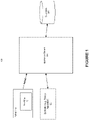
- Figure 1 shows an illustration of a transactional processing environment 100. More specifically, Figure 1 shows an illustration a parallel boot process for Tuxedo application servers in a transaction processing environment 100.
- an admin 110 can start one or a plurality of application servers 130, such as Tuxedo application servers, but using a command, such as tmboot, in conjunction with a boot map 115.
- application servers 130 such as Tuxedo application servers
- a command such as tmboot
- the application servers which can be in communication with one or more databases 140, can be utilized by the application 120.
- the boot map 115 can comprise a boot plan that allows two or more of the application servers 130 to be booted in parallel, and can also account for dependencies between servers and server groups.
- an option to parallel boot Tuxedo application servers can be added to tmboot.
- This option can be a "-p num” option for tmboot to specify boot the application servers in parallel mode.
- a new keyword, "DEPENDSON” can be added for groups and servers in UBBCONFIG to specify a boot order of the Tuxedo application servers when using the tmboot command.
- the "-p num" option for tmboot can specify to boot the application servers in parallel mode.
- the -p can mean boot the application servers in parallel.
- the methods and systems described herein add a keyword DEPENDSON attribute for the GROUP and SERVER.
- the application servers are booted in the order specified by the DEPENDSON parameter, or SEQUENCE parameter, or in the order of server entries in the configuration file (e.g., UBBCONFIG(5)). If both DEPENDSON and SEQUENCE parameters are specified, the DEPENDSON parameter has higher priority.
- the methods and systems described herein can add option -p ⁇ number> for tmboot. All the application servers without DEPENDSON relations which are configured in UBBCONFIG will boot in parallel. To enable the servers, start by the order according to the dependencies and the servers run in parallel, the tmboot must wait for each state of the server starting.
- tmboot when operating in SHM (shared memory) mode, tmboot will start up all the servers which run in parallel and wait for the response of the started server. The servers will send a response to tmboot process by pipe and tmboot processes receive the response and do the later jobs.
- SHM shared memory
- the tmboot and tlisten when operating in MP (multi-process) mode, can create one more thread to interact with each other.
- the local thread can wait for the message sent from remote machine. If there any servers started remotely, notify the main thread to go on.
- the remote tlisten thread will prepare to collect the response from the started server. Once one server started or failed, tell the local thread via network message.
- FIG. 2 shows an illustration of booting application servers in parallel, in accordance with an embodiment.
- Figure 2 shows a dependency and parallel boot map for a number of servers, e.g., servers S11 202, S12 209, S13 204, S14 203, S21 206, S22 211, S23 210, S24 205, S31 214, S32 215, S41 207, S42 217, and S43 208.
- the dependency and parallel boot map includes a number of server groups, including G1 212, G2 213, G3 216, and G4 218.
- the dependency and parallel boot map 200 of Figure 2 is built based upon the dependencies between the servers and groups.
- server groups there are a number of server groups, i.e., 3 server groups, G1, G2, G3
- G1 comprises servers S11, S12 (DEPENDSON S11), S13, and S14.
- the notation (DEPENDSON) can be used to indicate that S12 depends on S11 being booted and initialized to function properly.
- G2 comprises servers S21, S22 (DEPENDSON S21), S23 (DEPENDSON G1.S13, S24), and S24.
- DEPENDSON can be used to indicate that S22 depends on S21 being booted and initialized to function properly.
- S32 depends on S13 (of Group 1) and S24 being booted an initialized to function properly.
- G3 (DEPENDSON G1, G2) can comprise servers S31 and S32. Again, here it is noted that in order for G3 to function properly, groups G1 and G2 must be fully booted an initialized.
- G4 can comprise S41, S42 (DEPENDSON S41, G3), and S3. Again, the notation (DEPENDSON) can be used to indicate that G4 depends on S41 and G3 being booted and initialized to function properly.
- the parallel boot map 200 of Figure 2 is constructed and started 201 such that the server boot order is: S11, S13, S14, S21, S24, S41, S43 start in parallel.
- S11 has started
- S12 is started.
- S21 has started, then S22 is started.
- S13 has started, S24 is started, followed by starting S23.
- G1 S11, S12, S13, S14
- servers S31 and S32 are started in parallel.
- S42 is started. Once S42 and S43 have started, G4 is started and initialized.
- the tmboot task as initiated by an admin, can be completed.
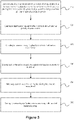
- Figure 3 shows a flow chart of an exemplary method for parallel booting of application servers in a transaction processing environment.
- the method begins at step 310 with loading a plurality of server entries and a plurality of group entries into a memory, each of the plurality of server entries associated with one of a plurality of servers, each of the plurality of group entries being associated with one of a plurality of server groups.
- the method creates a dependency map among the plurality of servers and the plurality of group entries.
- the method continues by checking for servers among the plurality of servers that have no dependency.
- the method boots each of the servers among the plurality that have no dependency in parallel.
- the method continues with initializing each of the servers among the plurality that have no dependency.
- the method boots the remaining non-booted servers according to the created dependency map.
- an exemplary process can begin with loading the server and group entries from TUXCONFIG into memory.
- the process can set the dependency between server and group nodes in the dependency map according to the DEPENDSON attributes of GROUP and SERVER.
- the process can check whether there is a loop or not and other DEPENDSON errors.
- the process can add the servers to ready list from map_start node.
- the process can start the servers in ready list using asynchronous mode and prepare to get the response information from the pipe. If the process receives one response, check whether the dependent servers is ready to start, if ready add it to the ready list and go on to start the process in the ready list. Finally, if all the servers have started, tmboot can be exited.
- an exemplary process can create a dependency map, according to, for example, the below exemplary process:
- a procedure can support parallel boot in local mode.
- the below is an example of such a procedure:
- parallel boot can be supported in SHM mode.
- SHM mode tmboot can start up all the servers in ready-set and wait for the response from the started server.
- the servers can send a response to tmboot process by pipe and tmboot processes receive the response and do the later jobs.
- Tmboot starts the servers in ready-set using asynchronous mode and prepares to collect the response from the started server. If a server receives one response, check whether the depended servers is ready to start, if ready add it to the ready-set list and start it.
- parallel boot can be supported in MP mode.
- the tmboot and tlisten can create one more threads to interact with each other.
- the local thread can wait for the message sent from remote machine. If there any server started at remote, notify the main thread to go on.
- the remote tlisten thread will prepare to collect the response from the started server. Once one server has started orfailed, tell the local thread via network message.
- features of the present invention can be performed in, using, or with the assistance of hardware, software, firmware, or combinations thereof. Consequently, features of the present invention may be implemented using a processing system (e.g., including one or more processors).
- a processing system e.g., including one or more processors.
- the storage medium can include, but is not limited to, any type of disk including floppy disks, optical discs, DVD, CD-ROMs, microdrive, and magnetooptical disks, ROMs, RAMs, EPROMs, EEPROMs, DRAMs, VRAMs, flash memory devices, magnetic or optical cards, nanosystems (including molecular memory ICs), or any type of media or device suitable for storing instructions and/or data.
- features of the present invention can be incorporated in software and/or firmware for controlling the hardware of a processing system, and for enabling a processing system to interact with other mechanism utilizing the results of the present invention.
- software or firmware may include, but is not limited to, application code, device drivers, operating systems and execution environments/containers.
- the present invention may be conveniently implemented using one or more conventional general purpose or specialized digital computer, computing device, machine, or microprocessor, including one or more processors, memory and/or computer readable storage media programmed according to the teachings of the present disclosure.
- Appropriate software coding can readily be prepared by skilled programmers based on the teachings of the present disclosure, as will be apparent to those skilled in the software art.
Landscapes
- Engineering & Computer Science (AREA)
- Software Systems (AREA)
- Theoretical Computer Science (AREA)
- General Engineering & Computer Science (AREA)
- Computer Hardware Design (AREA)
- Physics & Mathematics (AREA)
- General Physics & Mathematics (AREA)
- Computer Security & Cryptography (AREA)
- Computer Networks & Wireless Communication (AREA)
- Signal Processing (AREA)
- Stored Programmes (AREA)
- Multi Processors (AREA)
Claims (15)
- Verfahren zum parallelen Booten von Anwendungsservern in einer Transaktionsverarbeitungsumgebung, umfassend:Laden (310) von mehreren Servereinträgen und mehreren Gruppeneinträgen in einen Speicher, wobei jeder der mehreren Servereinträge einem von mehreren Servern zugeordnet ist, wobei jeder der mehreren Gruppeneinträge einer von mehreren Servergruppen zugeordnet ist, wobei der Servereintrag eines Servers, der von einem oder mehreren anderen Servern oder Servergruppen abhängt, ein Abhängigkeitsattribut umfasst, das die Server oder Servergruppen bezeichnet, von denen er abhängt, und wobei der Gruppeneintrag einer Servergruppe, die von einem oder mehreren anderen Servern oder Servergruppen abhängt, ein Abhängigkeitsattribut umfasst, das die Server oder Servergruppen bezeichnet, von denen er abhängt;Erstellen (320) einer Abhängigkeitskarte unter den mehreren Servereinträgen und den mehreren Gruppeneinträgen basierend auf den Abhängigkeiten zwischen den Servern und Gruppen gemäß den Abhängigkeitsattributen;Prüfen (330) nach Servern unter den mehreren Servern, die keine Abhängigkeit haben, wobei ein Server, der keine Abhängigkeit hat, ein Server ist, der nicht davon abhängig ist, dass ein anderer Server gebootet und initialisiert wird, um zu funktionieren, und dass ein anderer Server oder eine andere Servergruppe davon abhängig ist, dass der Server, der keine Abhängigkeit hat, gebootet und initialisiert wird, um zu funktionieren;paralleles Booten (340) eines jeden der Server unter den mehreren Servern, die nicht voneinander abhängig sind; Initialisieren (350) eines jeden der Server unter den mehreren, die keine Abhängigkeit haben; undBooten (360) der verbleibenden nicht gebooteten Server gemäß der erstellten Abhängigkeitskarte.
- Verfahren nach Anspruch 1, wobei das Erstellen der Abhängigkeitskarte umfasst:Prüfen eines jeden der mehreren Servereinträge und der mehreren Gruppeneinträge auf ein Abhängigkeitsattribut;undErstellen der Abhängigkeitskarte basierend auf jedem bei der Prüfung gefundenen Abhängigkeitsattribut.
- Verfahren nach Anspruch 1 oder 2, ferner umfassend:Prüfen der Abhängigkeitskarte auf Abhängigkeitsschleifen;undwenn eine Abhängigkeitsschleife gefunden wird, erneutes Erstellen der Abhängigkeitskarte, um die gefundene Abhängigkeitsschleife zu vermeiden.
- Verfahren nach Anspruch 1, 2 oder 3, ferner umfassend:Prüfen, ob jeder der Server unter den mehreren parallel gebooteten Servern, die keine Abhängigkeit haben,ordnungsgemäß läuft, bevor die verbleibenden nicht gebooteten Server gemäß der erstellten Abhängigkeitskarte gebootet werden.
- Verfahren nach Anspruch 1, wobei jeder der mehreren Server einen Tuxedo-Anwendungsserver umfasst.
- Verfahren nach Anspruch 5, wobei die Transaktionsverarbeitungsumgebung im SHM-Modus arbeitet.
- Verfahren nach Anspruch 5, wobei die Transaktionsverarbeitungsumgebung im MP-Modus arbeitet.
- System zum parallelen Booten von Anwendungsservern in einer Transaktionsverarbeitungsumgebung, wobei das System umfasst:einen oder mehrere Mikroprozessoren; undeinen Prozessor, der auf dem einen oder mehreren Mikroprozessoren läuft, wobei der Prozessor arbeitet, um Schritte durchzuführen, die umfassen:Laden (310) von mehreren Servereinträgen und mehreren Gruppeneinträgen in einen Speicher, wobei jeder der mehreren Servereinträge einem von mehreren Servern zugeordnet ist, wobei jeder der mehreren Gruppeneinträge einer von mehreren Servergruppen zugeordnet ist, wobei der Servereintrag eines Servers, der von einem oder mehreren anderen Servern oder Servergruppen abhängt, ein Abhängigkeitsattribut umfasst, das die Server oder Servergruppen bezeichnet, von denen er abhängt, und wobei der Gruppeneintrag einer Servergruppe, die von einem oder mehreren anderen Servern oder Servergruppen abhängt, ein Abhängigkeitsattribut umfasst, das die Server oder Servergruppen bezeichnet, von denen er abhängt;Erstellen (320) einer Abhängigkeitskarte unter den mehreren Servereinträgen und den mehreren Gruppeneinträgen basierend auf den Abhängigkeiten zwischen den Servern und Gruppen gemäß den Abhängigkeitsattributen;Prüfen (330) nach Servern unter den mehreren Servern, die keine Abhängigkeit haben, wobei ein Server, der keine Abhängigkeit hat, ein Server ist, der nicht davon abhängig ist, dass ein anderer Server gebootet und initialisiert wird, um zu funktionieren, und dass ein anderer Server oder eine andere Servergruppe davon abhängig ist, dass der Server, der keine Abhängigkeit hat, gebootet und initialisiert wird, um zu funktionieren;paralleles Booten (340) eines jeden der Server unter den mehreren Servern, die nicht voneinander abhängig sind;Initialisieren (350) eines jeden der Server unter den mehreren, die keine Abhängigkeit haben; undBooten (360) der verbleibenden nicht gebooteten Server gemäß der erstellten Abhängigkeitsliste.
- System nach Anspruch 8, wobei das Erstellen der Abhängigkeitskarte umfasst:Prüfen eines jeden der mehreren Servereinträge und der mehreren Gruppeneinträge auf ein Abhängigkeitsattribut;undErstellen der Abhängigkeitskarte basierend auf jedem bei der Prüfung gefundenen Abhängigkeitsattribut.
- System nach Anspruch 8 oder 9, wobei die Schritte ferner umfassen:Prüfen der Abhängigkeitskarte auf Abhängigkeitsschleifen;undwenn eine Abhängigkeitsschleife gefunden wird, erneutes Erstellen der Abhängigkeitskarte, um die gefundene Abhängigkeitsschleife zu vermeiden.
- System nach Anspruch 8, 9 oder 10, wobei die Schritte ferner umfassen:
Prüfen, ob jeder der Server unter den mehreren parallel gebooteten Servern, die keine Abhängigkeit haben, ordnungsgemäß läuft, bevor die verbleibenden nicht gebooteten Server gemäß der erstellten Abhängigkeitskarte gebootet werden. - System nach Anspruch 8, wobei jeder der mehreren Server einen Tuxedo-Anwendungsserver umfasst.
- System nach Anspruch 12, wobei die Transaktionsverarbeitungsumgebung im SHM-Modus arbeitet.
- System nach Anspruch 12, wobei die Transaktionsverarbeitungsumgebung im MP-Modus arbeitet.
- Nichtflüchtiges, maschinenlesbares Speichermedium mit darauf gespeicherten Anweisungen zum parallelen Booten von Anwendungsservern in einer Transaktionsverarbeitungsumgebung, die, wenn sie ausgeführt werden, ein System veranlassen, Schritte durchzuführen, die umfassen:Laden (310) von mehreren Servereinträgen und mehreren Gruppeneinträgen in einen Speicher, wobei jeder der mehreren Servereinträge einem von mehreren Servern zugeordnet ist, wobei jeder der mehreren Gruppeneinträge einer von mehreren Servergruppen zugeordnet ist, wobei der Servereintrag eines Servers, der von einem odermehreren anderen Servern oder Servergruppen abhängt, ein Abhängigkeitsattribut umfasst, das die Server oder Servergruppen bezeichnet, von denen er abhängt, und wobei der Gruppeneintrag einer Servergruppe, die von einem oder mehreren anderen Servern oder Servergruppen abhängt, ein Abhängigkeitsattribut umfasst, das die Server oder Servergruppen bezeichnet, von denen er abhängt;Erstellen (320) einer Abhängigkeitskarte unter den mehreren Servereinträgen und den mehreren Gruppeneinträgen basierend auf den Abhängigkeiten zwischen den Servern und Gruppen gemäß den Abhängigkeitsattributen;Prüfen (330) nach Servern unter den mehreren Servern, die keine Abhängigkeit haben, wobei ein Server, der keine Abhängigkeit hat, ein Server ist, der nicht davon abhängig ist, dass ein anderer Server gebootet und initialisiert wird, um zu funktionieren, und dass ein anderer Server oder eine andere Servergruppe davon abhängig ist, dass der Server, der keine Abhängigkeit hat, gebootet und initialisiert wird, um zu funktionieren;paralleles Booten (340) eines jeden der Server unter den mehreren Servern, die nicht voneinander abhängig sind;Initialisieren (350) eines jeden der Server unter den mehreren, die keine Abhängigkeit haben; undBooten (360) der verbleibenden nicht gebooteten Server gemäß der erstellten Abhängigkeitsliste.
Applications Claiming Priority (1)
| Application Number | Priority Date | Filing Date | Title |
|---|---|---|---|
| PCT/CN2015/092594 WO2017066972A1 (en) | 2015-10-23 | 2015-10-23 | System and method for booting application servers in parallel |
Publications (3)
| Publication Number | Publication Date |
|---|---|
| EP3365774A1 EP3365774A1 (de) | 2018-08-29 |
| EP3365774A4 EP3365774A4 (de) | 2019-06-26 |
| EP3365774B1 true EP3365774B1 (de) | 2022-04-06 |
Family
ID=58556506
Family Applications (1)
| Application Number | Title | Priority Date | Filing Date |
|---|---|---|---|
| EP15906490.6A Active EP3365774B1 (de) | 2015-10-23 | 2015-10-23 | System und verfahren zum booten von parallelen anwendungsservern |
Country Status (6)
| Country | Link |
|---|---|
| US (1) | US10198271B2 (de) |
| EP (1) | EP3365774B1 (de) |
| JP (1) | JP6832291B2 (de) |
| KR (1) | KR102445871B1 (de) |
| CN (1) | CN107710155B (de) |
| WO (1) | WO2017066972A1 (de) |
Families Citing this family (8)
| Publication number | Priority date | Publication date | Assignee | Title |
|---|---|---|---|---|
| EP3201764A1 (de) | 2014-09-29 | 2017-08-09 | Hewlett-Packard Enterprise Development LP | Bereitstellung eines dienstes |
| US10268549B2 (en) * | 2016-03-03 | 2019-04-23 | International Business Machines Corporation | Heuristic process for inferring resource dependencies for recovery planning |
| JP2019032709A (ja) * | 2017-08-08 | 2019-02-28 | 東芝三菱電機産業システム株式会社 | 分散システム |
| US11196643B2 (en) | 2018-04-04 | 2021-12-07 | Hewlett Packard Enterprise Development Lp | State transitions for a set of services |
| US11281491B2 (en) * | 2018-11-21 | 2022-03-22 | Hewlett Packard Enterprise Development Lp | Execution of services concurrently |
| US11392418B2 (en) | 2020-02-21 | 2022-07-19 | International Business Machines Corporation | Adaptive pacing setting for workload execution |
| WO2023101295A1 (ko) * | 2021-12-02 | 2023-06-08 | 삼성전자 주식회사 | 복수의 코어를 사용하여 운영체제를 부팅하는 전자 장치 및 그의 동작 방법 |
| EP4400967A4 (de) | 2021-12-02 | 2024-10-16 | Samsung Electronics Co., Ltd. | Elektronische vorrichtung zum booten eines betriebssystems unter verwendung mehrerer kerne und verfahren zum betrieb davon |
Family Cites Families (22)
| Publication number | Priority date | Publication date | Assignee | Title |
|---|---|---|---|---|
| JP3636744B2 (ja) * | 1994-06-14 | 2005-04-06 | 株式会社日立製作所 | 分散システムおよび分散システムの自動運転スケジュールの作成方法 |
| US5907701A (en) * | 1996-06-14 | 1999-05-25 | The Foxboro Company | Management of computer processes having differing operational parameters through an ordered multi-phased startup of the computer processes |
| US5938765A (en) * | 1997-08-29 | 1999-08-17 | Sequent Computer Systems, Inc. | System and method for initializing a multinode multiprocessor computer system |
| US6681242B1 (en) | 2000-01-10 | 2004-01-20 | Sun Microsystems, Inc. | Method and apparatus for detecting dependency cycles between resources in a computer system |
| US6960595B2 (en) * | 2001-03-23 | 2005-11-01 | Bristol-Myers Squibb Pharma Company | 5-6 to 5-7 Heterobicycles as factor Xa inhibitors |
| JP4558740B2 (ja) * | 2004-10-20 | 2010-10-06 | 富士通株式会社 | アプリケーション管理プログラム、アプリケーション管理方法、およびアプリケーション管理装置 |
| CN100336019C (zh) * | 2004-10-26 | 2007-09-05 | 中国科学技术大学 | 基于服务体/执行流结构的操作系统 |
| CN100350383C (zh) * | 2005-12-06 | 2007-11-21 | 南京邮电大学 | 一种策略驱动的移动中间件开发方法 |
| JP2007179252A (ja) * | 2005-12-27 | 2007-07-12 | Nomura Research Institute Ltd | サーバシステム、サーバシステムの制御方法 |
| US8819673B1 (en) | 2007-05-24 | 2014-08-26 | United Services Automobile Association (Usaa) | Systems and methods for java virtual machine management |
| US7882341B2 (en) * | 2007-12-31 | 2011-02-01 | Intel Corporation | System and method to enable parallelization of early platform initialization |
| CN101251796A (zh) * | 2008-03-31 | 2008-08-27 | 中国船舶重工集团公司第七〇九研究所 | 基于依赖注入的分布式构件依赖关系管理方法 |
| CN101621405B (zh) * | 2009-07-07 | 2012-02-29 | 中兴通讯股份有限公司 | 分布式管理监控系统及其监控方法、创建方法 |
| US8949867B2 (en) * | 2009-12-23 | 2015-02-03 | Oracle International Corporation | System and method for providing transaction monitor integration with service component architecture (SCA) runtime |
| US8490055B2 (en) * | 2010-09-17 | 2013-07-16 | Ca, Inc. | Generating dependency maps from dependency data |
| CN102486732A (zh) * | 2010-12-02 | 2012-06-06 | 上海可鲁系统软件有限公司 | 一种分布式平台及平台中功能模块启动优先级控制方法 |
| JP5880315B2 (ja) * | 2012-07-02 | 2016-03-09 | 富士通株式会社 | システム管理装置、システムの管理方法、及びシステムの管理プログラム |
| CN103152405B (zh) * | 2013-02-19 | 2017-05-03 | 浪潮电子信息产业股份有限公司 | 一种高可用集群对于存储池资源的应用方法 |
| JP2016513839A (ja) * | 2013-03-15 | 2016-05-16 | ホアウェイ・テクノロジーズ・カンパニー・リミテッド | 複数の中央処理装置を備えたコンピュータシステムの立ち上げ方法 |
| WO2015169068A1 (en) * | 2014-05-09 | 2015-11-12 | Huawei Technologies Co., Ltd. | System and method thereof to optimize boot time of computers having multiple cpus |
| CN104010034A (zh) * | 2014-05-28 | 2014-08-27 | 浪潮电子信息产业股份有限公司 | 一种高可用集群关于组依赖的管理方法 |
| US10200254B2 (en) * | 2015-04-17 | 2019-02-05 | The Boeing Company | Methods and systems for improved computer network analysis |
-
2015
- 2015-10-23 WO PCT/CN2015/092594 patent/WO2017066972A1/en not_active Ceased
- 2015-10-23 CN CN201580079568.XA patent/CN107710155B/zh active Active
- 2015-10-23 JP JP2017552147A patent/JP6832291B2/ja active Active
- 2015-10-23 EP EP15906490.6A patent/EP3365774B1/de active Active
- 2015-10-23 KR KR1020177037060A patent/KR102445871B1/ko active Active
-
2016
- 2016-01-15 US US14/996,794 patent/US10198271B2/en active Active
Non-Patent Citations (1)
| Title |
|---|
| None * |
Also Published As
| Publication number | Publication date |
|---|---|
| KR102445871B1 (ko) | 2022-09-21 |
| WO2017066972A1 (en) | 2017-04-27 |
| EP3365774A4 (de) | 2019-06-26 |
| CN107710155A (zh) | 2018-02-16 |
| KR20180073520A (ko) | 2018-07-02 |
| US10198271B2 (en) | 2019-02-05 |
| US20170115995A1 (en) | 2017-04-27 |
| JP6832291B2 (ja) | 2021-02-24 |
| EP3365774A1 (de) | 2018-08-29 |
| JP2018535456A (ja) | 2018-11-29 |
| CN107710155B (zh) | 2021-04-06 |
Similar Documents
| Publication | Publication Date | Title |
|---|---|---|
| US10198271B2 (en) | System and method for booting application servers in parallel | |
| EP3138013B1 (de) | System und verfahren zur bereitstellung einer verteilten transaktionssperre in einer transaktionalen middleware-maschinenumgebung | |
| US8060892B2 (en) | Executing business logic extensions on a client computing system | |
| CN100410872C (zh) | 用于增强的运行时间主机支持的方法和设备 | |
| US20170153910A1 (en) | System and method for supporting transaction affinity based on resource manager (rm) instance awareness in a transactional environment | |
| CN107122270B (zh) | 一种在服务的次要位置重放作业的方法、系统及存储介质 | |
| US9110851B2 (en) | System and method for persisting transaction records in a transactional middleware machine environment | |
| US10970141B2 (en) | Integrating transaction processing system interfaces with event-driven polyglot runtime modules | |
| US20150324222A1 (en) | System and method for adaptively integrating a database state notification service with a distributed transactional middleware machine | |
| US8914588B2 (en) | System and method for supporting a self-tuning locking mechanism in a transactional middleware machine environment | |
| US8904396B2 (en) | System and method of general service management | |
| US9047144B2 (en) | System and method for providing Quality-of-Services in a multi-event processing environment | |
| US6990608B2 (en) | Method for handling node failures and reloads in a fault tolerant clustered database supporting transaction registration and fault-in logic | |
| US9846603B2 (en) | System and method for supporting an adaptive self-tuning locking mechanism in a transactional middleware machine environment | |
| US10061607B2 (en) | System and method for providing single group multiple branches based on instance awareness | |
| US9792162B2 (en) | Network system, network node and communication method | |
| JP7148570B2 (ja) | アプリケーションサーバを並列起動するためのシステムおよび方法 | |
| Nielsen et al. | Scalability Architecture For Processing using Microsoft. Net Remoting |
Legal Events
| Date | Code | Title | Description |
|---|---|---|---|
| STAA | Information on the status of an ep patent application or granted ep patent |
Free format text: STATUS: THE INTERNATIONAL PUBLICATION HAS BEEN MADE |
|
| PUAI | Public reference made under article 153(3) epc to a published international application that has entered the european phase |
Free format text: ORIGINAL CODE: 0009012 |
|
| STAA | Information on the status of an ep patent application or granted ep patent |
Free format text: STATUS: REQUEST FOR EXAMINATION WAS MADE |
|
| 17P | Request for examination filed |
Effective date: 20180523 |
|
| AK | Designated contracting states |
Kind code of ref document: A1 Designated state(s): AL AT BE BG CH CY CZ DE DK EE ES FI FR GB GR HR HU IE IS IT LI LT LU LV MC MK MT NL NO PL PT RO RS SE SI SK SM TR |
|
| AX | Request for extension of the european patent |
Extension state: BA ME |
|
| DAV | Request for validation of the european patent (deleted) | ||
| DAX | Request for extension of the european patent (deleted) | ||
| REG | Reference to a national code |
Ref country code: DE Ref legal event code: R079 Ref document number: 602015078137 Country of ref document: DE Free format text: PREVIOUS MAIN CLASS: G06F0009445000 Ipc: G06F0009440100 |
|
| A4 | Supplementary search report drawn up and despatched |
Effective date: 20190524 |
|
| RIC1 | Information provided on ipc code assigned before grant |
Ipc: G06F 21/57 20130101ALI20190520BHEP Ipc: G06F 9/455 20180101ALI20190520BHEP Ipc: H04L 29/08 20060101ALI20190520BHEP Ipc: G06F 9/4401 20180101AFI20190520BHEP |
|
| STAA | Information on the status of an ep patent application or granted ep patent |
Free format text: STATUS: EXAMINATION IS IN PROGRESS |
|
| 17Q | First examination report despatched |
Effective date: 20200205 |
|
| GRAP | Despatch of communication of intention to grant a patent |
Free format text: ORIGINAL CODE: EPIDOSNIGR1 |
|
| STAA | Information on the status of an ep patent application or granted ep patent |
Free format text: STATUS: GRANT OF PATENT IS INTENDED |
|
| GRAJ | Information related to disapproval of communication of intention to grant by the applicant or resumption of examination proceedings by the epo deleted |
Free format text: ORIGINAL CODE: EPIDOSDIGR1 |
|
| GRAP | Despatch of communication of intention to grant a patent |
Free format text: ORIGINAL CODE: EPIDOSNIGR1 |
|
| INTG | Intention to grant announced |
Effective date: 20211014 |
|
| INTG | Intention to grant announced |
Effective date: 20211027 |
|
| GRAS | Grant fee paid |
Free format text: ORIGINAL CODE: EPIDOSNIGR3 |
|
| GRAA | (expected) grant |
Free format text: ORIGINAL CODE: 0009210 |
|
| STAA | Information on the status of an ep patent application or granted ep patent |
Free format text: STATUS: THE PATENT HAS BEEN GRANTED |
|
| AK | Designated contracting states |
Kind code of ref document: B1 Designated state(s): AL AT BE BG CH CY CZ DE DK EE ES FI FR GB GR HR HU IE IS IT LI LT LU LV MC MK MT NL NO PL PT RO RS SE SI SK SM TR |
|
| REG | Reference to a national code |
Ref country code: GB Ref legal event code: FG4D |
|
| REG | Reference to a national code |
Ref country code: CH Ref legal event code: EP |
|
| REG | Reference to a national code |
Ref country code: AT Ref legal event code: REF Ref document number: 1482024 Country of ref document: AT Kind code of ref document: T Effective date: 20220415 |
|
| REG | Reference to a national code |
Ref country code: DE Ref legal event code: R096 Ref document number: 602015078137 Country of ref document: DE |
|
| REG | Reference to a national code |
Ref country code: IE Ref legal event code: FG4D |
|
| REG | Reference to a national code |
Ref country code: LT Ref legal event code: MG9D |
|
| REG | Reference to a national code |
Ref country code: NL Ref legal event code: MP Effective date: 20220406 |
|
| REG | Reference to a national code |
Ref country code: AT Ref legal event code: MK05 Ref document number: 1482024 Country of ref document: AT Kind code of ref document: T Effective date: 20220406 |
|
| PG25 | Lapsed in a contracting state [announced via postgrant information from national office to epo] |
Ref country code: NL Free format text: LAPSE BECAUSE OF FAILURE TO SUBMIT A TRANSLATION OF THE DESCRIPTION OR TO PAY THE FEE WITHIN THE PRESCRIBED TIME-LIMIT Effective date: 20220406 |
|
| PG25 | Lapsed in a contracting state [announced via postgrant information from national office to epo] |
Ref country code: SE Free format text: LAPSE BECAUSE OF FAILURE TO SUBMIT A TRANSLATION OF THE DESCRIPTION OR TO PAY THE FEE WITHIN THE PRESCRIBED TIME-LIMIT Effective date: 20220406 Ref country code: PT Free format text: LAPSE BECAUSE OF FAILURE TO SUBMIT A TRANSLATION OF THE DESCRIPTION OR TO PAY THE FEE WITHIN THE PRESCRIBED TIME-LIMIT Effective date: 20220808 Ref country code: NO Free format text: LAPSE BECAUSE OF FAILURE TO SUBMIT A TRANSLATION OF THE DESCRIPTION OR TO PAY THE FEE WITHIN THE PRESCRIBED TIME-LIMIT Effective date: 20220706 Ref country code: LT Free format text: LAPSE BECAUSE OF FAILURE TO SUBMIT A TRANSLATION OF THE DESCRIPTION OR TO PAY THE FEE WITHIN THE PRESCRIBED TIME-LIMIT Effective date: 20220406 Ref country code: HR Free format text: LAPSE BECAUSE OF FAILURE TO SUBMIT A TRANSLATION OF THE DESCRIPTION OR TO PAY THE FEE WITHIN THE PRESCRIBED TIME-LIMIT Effective date: 20220406 Ref country code: GR Free format text: LAPSE BECAUSE OF FAILURE TO SUBMIT A TRANSLATION OF THE DESCRIPTION OR TO PAY THE FEE WITHIN THE PRESCRIBED TIME-LIMIT Effective date: 20220707 Ref country code: FI Free format text: LAPSE BECAUSE OF FAILURE TO SUBMIT A TRANSLATION OF THE DESCRIPTION OR TO PAY THE FEE WITHIN THE PRESCRIBED TIME-LIMIT Effective date: 20220406 Ref country code: ES Free format text: LAPSE BECAUSE OF FAILURE TO SUBMIT A TRANSLATION OF THE DESCRIPTION OR TO PAY THE FEE WITHIN THE PRESCRIBED TIME-LIMIT Effective date: 20220406 Ref country code: BG Free format text: LAPSE BECAUSE OF FAILURE TO SUBMIT A TRANSLATION OF THE DESCRIPTION OR TO PAY THE FEE WITHIN THE PRESCRIBED TIME-LIMIT Effective date: 20220706 Ref country code: AT Free format text: LAPSE BECAUSE OF FAILURE TO SUBMIT A TRANSLATION OF THE DESCRIPTION OR TO PAY THE FEE WITHIN THE PRESCRIBED TIME-LIMIT Effective date: 20220406 |
|
| PG25 | Lapsed in a contracting state [announced via postgrant information from national office to epo] |
Ref country code: RS Free format text: LAPSE BECAUSE OF FAILURE TO SUBMIT A TRANSLATION OF THE DESCRIPTION OR TO PAY THE FEE WITHIN THE PRESCRIBED TIME-LIMIT Effective date: 20220406 Ref country code: PL Free format text: LAPSE BECAUSE OF FAILURE TO SUBMIT A TRANSLATION OF THE DESCRIPTION OR TO PAY THE FEE WITHIN THE PRESCRIBED TIME-LIMIT Effective date: 20220406 Ref country code: LV Free format text: LAPSE BECAUSE OF FAILURE TO SUBMIT A TRANSLATION OF THE DESCRIPTION OR TO PAY THE FEE WITHIN THE PRESCRIBED TIME-LIMIT Effective date: 20220406 Ref country code: IS Free format text: LAPSE BECAUSE OF FAILURE TO SUBMIT A TRANSLATION OF THE DESCRIPTION OR TO PAY THE FEE WITHIN THE PRESCRIBED TIME-LIMIT Effective date: 20220806 |
|
| REG | Reference to a national code |
Ref country code: DE Ref legal event code: R097 Ref document number: 602015078137 Country of ref document: DE |
|
| PG25 | Lapsed in a contracting state [announced via postgrant information from national office to epo] |
Ref country code: SM Free format text: LAPSE BECAUSE OF FAILURE TO SUBMIT A TRANSLATION OF THE DESCRIPTION OR TO PAY THE FEE WITHIN THE PRESCRIBED TIME-LIMIT Effective date: 20220406 Ref country code: SK Free format text: LAPSE BECAUSE OF FAILURE TO SUBMIT A TRANSLATION OF THE DESCRIPTION OR TO PAY THE FEE WITHIN THE PRESCRIBED TIME-LIMIT Effective date: 20220406 Ref country code: RO Free format text: LAPSE BECAUSE OF FAILURE TO SUBMIT A TRANSLATION OF THE DESCRIPTION OR TO PAY THE FEE WITHIN THE PRESCRIBED TIME-LIMIT Effective date: 20220406 Ref country code: EE Free format text: LAPSE BECAUSE OF FAILURE TO SUBMIT A TRANSLATION OF THE DESCRIPTION OR TO PAY THE FEE WITHIN THE PRESCRIBED TIME-LIMIT Effective date: 20220406 Ref country code: DK Free format text: LAPSE BECAUSE OF FAILURE TO SUBMIT A TRANSLATION OF THE DESCRIPTION OR TO PAY THE FEE WITHIN THE PRESCRIBED TIME-LIMIT Effective date: 20220406 Ref country code: CZ Free format text: LAPSE BECAUSE OF FAILURE TO SUBMIT A TRANSLATION OF THE DESCRIPTION OR TO PAY THE FEE WITHIN THE PRESCRIBED TIME-LIMIT Effective date: 20220406 |
|
| PLBE | No opposition filed within time limit |
Free format text: ORIGINAL CODE: 0009261 |
|
| STAA | Information on the status of an ep patent application or granted ep patent |
Free format text: STATUS: NO OPPOSITION FILED WITHIN TIME LIMIT |
|
| 26N | No opposition filed |
Effective date: 20230110 |
|
| PG25 | Lapsed in a contracting state [announced via postgrant information from national office to epo] |
Ref country code: AL Free format text: LAPSE BECAUSE OF FAILURE TO SUBMIT A TRANSLATION OF THE DESCRIPTION OR TO PAY THE FEE WITHIN THE PRESCRIBED TIME-LIMIT Effective date: 20220406 |
|
| PG25 | Lapsed in a contracting state [announced via postgrant information from national office to epo] |
Ref country code: SI Free format text: LAPSE BECAUSE OF FAILURE TO SUBMIT A TRANSLATION OF THE DESCRIPTION OR TO PAY THE FEE WITHIN THE PRESCRIBED TIME-LIMIT Effective date: 20220406 Ref country code: MC Free format text: LAPSE BECAUSE OF FAILURE TO SUBMIT A TRANSLATION OF THE DESCRIPTION OR TO PAY THE FEE WITHIN THE PRESCRIBED TIME-LIMIT Effective date: 20220406 |
|
| REG | Reference to a national code |
Ref country code: CH Ref legal event code: PL |
|
| REG | Reference to a national code |
Ref country code: BE Ref legal event code: MM Effective date: 20221031 |
|
| P01 | Opt-out of the competence of the unified patent court (upc) registered |
Effective date: 20230522 |
|
| PG25 | Lapsed in a contracting state [announced via postgrant information from national office to epo] |
Ref country code: LU Free format text: LAPSE BECAUSE OF NON-PAYMENT OF DUE FEES Effective date: 20221023 |
|
| PG25 | Lapsed in a contracting state [announced via postgrant information from national office to epo] |
Ref country code: LI Free format text: LAPSE BECAUSE OF NON-PAYMENT OF DUE FEES Effective date: 20221031 Ref country code: FR Free format text: LAPSE BECAUSE OF NON-PAYMENT OF DUE FEES Effective date: 20221031 Ref country code: CH Free format text: LAPSE BECAUSE OF NON-PAYMENT OF DUE FEES Effective date: 20221031 |
|
| PG25 | Lapsed in a contracting state [announced via postgrant information from national office to epo] |
Ref country code: BE Free format text: LAPSE BECAUSE OF NON-PAYMENT OF DUE FEES Effective date: 20221031 |
|
| PG25 | Lapsed in a contracting state [announced via postgrant information from national office to epo] |
Ref country code: IE Free format text: LAPSE BECAUSE OF NON-PAYMENT OF DUE FEES Effective date: 20221023 |
|
| PG25 | Lapsed in a contracting state [announced via postgrant information from national office to epo] |
Ref country code: IT Free format text: LAPSE BECAUSE OF FAILURE TO SUBMIT A TRANSLATION OF THE DESCRIPTION OR TO PAY THE FEE WITHIN THE PRESCRIBED TIME-LIMIT Effective date: 20220406 |
|
| PG25 | Lapsed in a contracting state [announced via postgrant information from national office to epo] |
Ref country code: HU Free format text: LAPSE BECAUSE OF FAILURE TO SUBMIT A TRANSLATION OF THE DESCRIPTION OR TO PAY THE FEE WITHIN THE PRESCRIBED TIME-LIMIT; INVALID AB INITIO Effective date: 20151023 |
|
| PG25 | Lapsed in a contracting state [announced via postgrant information from national office to epo] |
Ref country code: CY Free format text: LAPSE BECAUSE OF FAILURE TO SUBMIT A TRANSLATION OF THE DESCRIPTION OR TO PAY THE FEE WITHIN THE PRESCRIBED TIME-LIMIT Effective date: 20220406 |
|
| PG25 | Lapsed in a contracting state [announced via postgrant information from national office to epo] |
Ref country code: MK Free format text: LAPSE BECAUSE OF FAILURE TO SUBMIT A TRANSLATION OF THE DESCRIPTION OR TO PAY THE FEE WITHIN THE PRESCRIBED TIME-LIMIT Effective date: 20220406 |
|
| PG25 | Lapsed in a contracting state [announced via postgrant information from national office to epo] |
Ref country code: TR Free format text: LAPSE BECAUSE OF FAILURE TO SUBMIT A TRANSLATION OF THE DESCRIPTION OR TO PAY THE FEE WITHIN THE PRESCRIBED TIME-LIMIT Effective date: 20220406 |
|
| PG25 | Lapsed in a contracting state [announced via postgrant information from national office to epo] |
Ref country code: MT Free format text: LAPSE BECAUSE OF FAILURE TO SUBMIT A TRANSLATION OF THE DESCRIPTION OR TO PAY THE FEE WITHIN THE PRESCRIBED TIME-LIMIT Effective date: 20220406 |
|
| PG25 | Lapsed in a contracting state [announced via postgrant information from national office to epo] |
Ref country code: BG Free format text: LAPSE BECAUSE OF FAILURE TO SUBMIT A TRANSLATION OF THE DESCRIPTION OR TO PAY THE FEE WITHIN THE PRESCRIBED TIME-LIMIT Effective date: 20220406 |
|
| PG25 | Lapsed in a contracting state [announced via postgrant information from national office to epo] |
Ref country code: BG Free format text: LAPSE BECAUSE OF FAILURE TO SUBMIT A TRANSLATION OF THE DESCRIPTION OR TO PAY THE FEE WITHIN THE PRESCRIBED TIME-LIMIT Effective date: 20220406 |
|
| PGFP | Annual fee paid to national office [announced via postgrant information from national office to epo] |
Ref country code: GB Payment date: 20250904 Year of fee payment: 11 |
|
| PGFP | Annual fee paid to national office [announced via postgrant information from national office to epo] |
Ref country code: DE Payment date: 20250902 Year of fee payment: 11 |