EP3355329A1 - Lithium ion capacitor and formation method therefor - Google Patents
Lithium ion capacitor and formation method therefor Download PDFInfo
- Publication number
- EP3355329A1 EP3355329A1 EP16874280.7A EP16874280A EP3355329A1 EP 3355329 A1 EP3355329 A1 EP 3355329A1 EP 16874280 A EP16874280 A EP 16874280A EP 3355329 A1 EP3355329 A1 EP 3355329A1
- Authority
- EP
- European Patent Office
- Prior art keywords
- lithium
- ion capacitor
- positive electrode
- electrode
- negative electrode
- Prior art date
- Legal status (The legal status is an assumption and is not a legal conclusion. Google has not performed a legal analysis and makes no representation as to the accuracy of the status listed.)
- Granted
Links
Images



Classifications
-
- H—ELECTRICITY
- H01—ELECTRIC ELEMENTS
- H01G—CAPACITORS; CAPACITORS, RECTIFIERS, DETECTORS, SWITCHING DEVICES, LIGHT-SENSITIVE OR TEMPERATURE-SENSITIVE DEVICES OF THE ELECTROLYTIC TYPE
- H01G11/00—Hybrid capacitors, i.e. capacitors having different positive and negative electrodes; Electric double-layer [EDL] capacitors; Processes for the manufacture thereof or of parts thereof
- H01G11/04—Hybrid capacitors
- H01G11/06—Hybrid capacitors with one of the electrodes allowing ions to be reversibly doped thereinto, e.g. lithium ion capacitors [LIC]
-
- H—ELECTRICITY
- H01—ELECTRIC ELEMENTS
- H01G—CAPACITORS; CAPACITORS, RECTIFIERS, DETECTORS, SWITCHING DEVICES, LIGHT-SENSITIVE OR TEMPERATURE-SENSITIVE DEVICES OF THE ELECTROLYTIC TYPE
- H01G11/00—Hybrid capacitors, i.e. capacitors having different positive and negative electrodes; Electric double-layer [EDL] capacitors; Processes for the manufacture thereof or of parts thereof
- H01G11/22—Electrodes
- H01G11/30—Electrodes characterised by their material
- H01G11/32—Carbon-based
-
- H—ELECTRICITY
- H01—ELECTRIC ELEMENTS
- H01G—CAPACITORS; CAPACITORS, RECTIFIERS, DETECTORS, SWITCHING DEVICES, LIGHT-SENSITIVE OR TEMPERATURE-SENSITIVE DEVICES OF THE ELECTROLYTIC TYPE
- H01G11/00—Hybrid capacitors, i.e. capacitors having different positive and negative electrodes; Electric double-layer [EDL] capacitors; Processes for the manufacture thereof or of parts thereof
- H01G11/22—Electrodes
- H01G11/30—Electrodes characterised by their material
- H01G11/32—Carbon-based
- H01G11/38—Carbon pastes or blends; Binders or additives therein
-
- H—ELECTRICITY
- H01—ELECTRIC ELEMENTS
- H01G—CAPACITORS; CAPACITORS, RECTIFIERS, DETECTORS, SWITCHING DEVICES, LIGHT-SENSITIVE OR TEMPERATURE-SENSITIVE DEVICES OF THE ELECTROLYTIC TYPE
- H01G11/00—Hybrid capacitors, i.e. capacitors having different positive and negative electrodes; Electric double-layer [EDL] capacitors; Processes for the manufacture thereof or of parts thereof
- H01G11/22—Electrodes
- H01G11/30—Electrodes characterised by their material
- H01G11/46—Metal oxides
-
- H—ELECTRICITY
- H01—ELECTRIC ELEMENTS
- H01G—CAPACITORS; CAPACITORS, RECTIFIERS, DETECTORS, SWITCHING DEVICES, LIGHT-SENSITIVE OR TEMPERATURE-SENSITIVE DEVICES OF THE ELECTROLYTIC TYPE
- H01G11/00—Hybrid capacitors, i.e. capacitors having different positive and negative electrodes; Electric double-layer [EDL] capacitors; Processes for the manufacture thereof or of parts thereof
- H01G11/22—Electrodes
- H01G11/30—Electrodes characterised by their material
- H01G11/50—Electrodes characterised by their material specially adapted for lithium-ion capacitors, e.g. for lithium-doping or for intercalation
-
- H—ELECTRICITY
- H01—ELECTRIC ELEMENTS
- H01G—CAPACITORS; CAPACITORS, RECTIFIERS, DETECTORS, SWITCHING DEVICES, LIGHT-SENSITIVE OR TEMPERATURE-SENSITIVE DEVICES OF THE ELECTROLYTIC TYPE
- H01G11/00—Hybrid capacitors, i.e. capacitors having different positive and negative electrodes; Electric double-layer [EDL] capacitors; Processes for the manufacture thereof or of parts thereof
- H01G11/66—Current collectors
-
- H—ELECTRICITY
- H01—ELECTRIC ELEMENTS
- H01G—CAPACITORS; CAPACITORS, RECTIFIERS, DETECTORS, SWITCHING DEVICES, LIGHT-SENSITIVE OR TEMPERATURE-SENSITIVE DEVICES OF THE ELECTROLYTIC TYPE
- H01G11/00—Hybrid capacitors, i.e. capacitors having different positive and negative electrodes; Electric double-layer [EDL] capacitors; Processes for the manufacture thereof or of parts thereof
- H01G11/84—Processes for the manufacture of hybrid or EDL capacitors, or components thereof
- H01G11/86—Processes for the manufacture of hybrid or EDL capacitors, or components thereof specially adapted for electrodes
-
- H—ELECTRICITY
- H01—ELECTRIC ELEMENTS
- H01M—PROCESSES OR MEANS, e.g. BATTERIES, FOR THE DIRECT CONVERSION OF CHEMICAL ENERGY INTO ELECTRICAL ENERGY
- H01M10/00—Secondary cells; Manufacture thereof
- H01M10/42—Methods or arrangements for servicing or maintenance of secondary cells or secondary half-cells
- H01M10/44—Methods for charging or discharging
-
- H—ELECTRICITY
- H01—ELECTRIC ELEMENTS
- H01M—PROCESSES OR MEANS, e.g. BATTERIES, FOR THE DIRECT CONVERSION OF CHEMICAL ENERGY INTO ELECTRICAL ENERGY
- H01M10/00—Secondary cells; Manufacture thereof
- H01M10/42—Methods or arrangements for servicing or maintenance of secondary cells or secondary half-cells
- H01M10/44—Methods for charging or discharging
- H01M10/446—Initial charging measures
-
- H—ELECTRICITY
- H01—ELECTRIC ELEMENTS
- H01G—CAPACITORS; CAPACITORS, RECTIFIERS, DETECTORS, SWITCHING DEVICES, LIGHT-SENSITIVE OR TEMPERATURE-SENSITIVE DEVICES OF THE ELECTROLYTIC TYPE
- H01G11/00—Hybrid capacitors, i.e. capacitors having different positive and negative electrodes; Electric double-layer [EDL] capacitors; Processes for the manufacture thereof or of parts thereof
- H01G11/66—Current collectors
- H01G11/70—Current collectors characterised by their structure
-
- Y—GENERAL TAGGING OF NEW TECHNOLOGICAL DEVELOPMENTS; GENERAL TAGGING OF CROSS-SECTIONAL TECHNOLOGIES SPANNING OVER SEVERAL SECTIONS OF THE IPC; TECHNICAL SUBJECTS COVERED BY FORMER USPC CROSS-REFERENCE ART COLLECTIONS [XRACs] AND DIGESTS
- Y02—TECHNOLOGIES OR APPLICATIONS FOR MITIGATION OR ADAPTATION AGAINST CLIMATE CHANGE
- Y02E—REDUCTION OF GREENHOUSE GAS [GHG] EMISSIONS, RELATED TO ENERGY GENERATION, TRANSMISSION OR DISTRIBUTION
- Y02E60/00—Enabling technologies; Technologies with a potential or indirect contribution to GHG emissions mitigation
- Y02E60/10—Energy storage using batteries
-
- Y—GENERAL TAGGING OF NEW TECHNOLOGICAL DEVELOPMENTS; GENERAL TAGGING OF CROSS-SECTIONAL TECHNOLOGIES SPANNING OVER SEVERAL SECTIONS OF THE IPC; TECHNICAL SUBJECTS COVERED BY FORMER USPC CROSS-REFERENCE ART COLLECTIONS [XRACs] AND DIGESTS
- Y02—TECHNOLOGIES OR APPLICATIONS FOR MITIGATION OR ADAPTATION AGAINST CLIMATE CHANGE
- Y02E—REDUCTION OF GREENHOUSE GAS [GHG] EMISSIONS, RELATED TO ENERGY GENERATION, TRANSMISSION OR DISTRIBUTION
- Y02E60/00—Enabling technologies; Technologies with a potential or indirect contribution to GHG emissions mitigation
- Y02E60/13—Energy storage using capacitors
Definitions
- the present invention relates to a lithium ion capacitor and a formation method thereof.
- a negative electrode of this battery generally uses a carbon material such as graphite, and a positive electrode thereof uses a lithium-containing metal oxide such as lithium cobalt oxide or lithium manganate.
- the positive electrode provides lithium ions to the negative electrode during charging, and the lithium ions in the negative electrode return to the positive electrode during discharging. Therefore, it is called "rocking chair battery".
- the cycle life of the lithium-ion secondary battery is still restricted because the negative electrode material tends to deform structurally during deintercalation of lithium. Therefore, in recent years, the research on a system in which the lithium-ion secondary battery and a supercapacitor are combined together has become a new hot spot.
- the supercapacitor and the lithium-ion secondary battery there are two ways to combine the two types of energy storage systems: the supercapacitor and the lithium-ion secondary battery: the first way is “externally combined", i.e., cells of the supercapacitor and the lithium-ion secondary battery are combined into an energy storage device or system through a power management system; the second way is “internally combined”, i.e., the supercapacitor and the lithium-ion secondary battery are organically combined in one cell.
- the "internally combined" type power supply system has the advantages of high power, light weight, small size and low cost, can ensure the consistency of the cells and reduce the complexity of the management system, and thus has become the focus of today's research.
- lithium-ion capacitor whose positive electrode has both a lithium-ion energy storage function and a double electrode layer energy storage function and whose negative electrode serves for lithium-ion energy storage.
- This system has a higher voltage and can achieve high power.
- the positive electrode of this system has a double electrode layer energy storage function and a lithium-ion chemical energy storage function, and therefore the specific energy can be improved at the same time. Therefore, this system is an ideal system.
- the positive electrode has different energy storage ways, and the potentials of the stored energy cannot be matched exactly, how to uniformly pre-doping is a difficult problem.
- the lithium pre-intercalation process is to place a metal lithium electrode and a cell in a face-to-face manner and separate them by a diaphragm, a bias voltage is applied between the metal lithium electrode and the negative electrode, and the negative electrode is lithium-intercalated in a constant voltage discharging manner.
- a main objective of the present invention is to solve the defect that the uniform effect of pre-doping in the prior art is not good.
- a lithium ion capacitor was provided in this invention.
- a positive electrode of the capacitor comprises porous carbon and lithium-intercalated metal oxide, and a negative electrode thereof is carbon difficult to graphitize.
- the metal lithium electrode and a cell are arranged in a face-to-face manner and separated by separator.
- a porous current collector is used as the current collector.
- the lithium-intercalated metal oxide in the positive electrode includes one of lithium cobalt oxide, nickel cobalt lithium manganate, lithium manganite, lithium manganate, lithium permanganate, nickel cobalt lithium aluminate, lithium nickelate, lithium iron phosphate, and lithium vanadium phosphate.
- An electrode plate size is 43 ⁇ 30mm, a positive electrode surface density is 160g/m 2 , and a negative electrode surface density is 85g/m 2 .
- a cellulose separator is adopted for laminating.
- a lithium plate is placed at two sides of the cell respectively.
- the present invention further comprises a formation method of a lithium ion capacitor, which is characterized by comprising the following steps:
- the step 1 solves the problem that the lithium ions cannot be uniformly and vertically doped to the negative electrode, and enables the negative electrode to form a well-uniform SEI film while keeping a carbon material of the negative electrode in a uniform lithium-intercalated state.
- the step 2 supplements the lithium required for the recovery of the lithium-deintercalated state of the positive electrode.
- the two steps are conducive to balancing and matching the potentials of the lithium-containing oxide and the active carbon of the positive electrode.
- step 1 is divided into two substeps:
- the current in the step 2 is 0.2C to 1C.
- the total charging capacity is 20% -50% of the total capacity of the negative electrode.
- the charging capacity in the step 2 is equal to the charging capacity in the step 1.
- the present invention has the advantages that the lithium ion capacitor can be formed (pre-doped) in two steps so as to make the doping of the negative electrode more stable, efficient and uniform, the cycle life of the capacitor can be prolonged, the consistency of the capacitor can be improved, and the assembling of a module and a system can be facilitated.
- a lithium ion capacitor in the present embodiment has a structure as follows.
- a positive electrode of the capacitor comprises porous carbon and lithium-intercalated metal oxide, and a negative electrode thereof is carbon difficult to graphitize.
- the metal lithium electrode and a cell are arranged in a face-to-face manner and separated by separator.
- a porous current collector is used as the current collector.
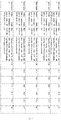
- a positive electrode formula and a negative electrode formula are as shown in Figs. 2 to 4 .
- An electrode plate size is 43 ⁇ 30mm
- a positive electrode surface density is 160g/m 2
- a negative electrode surface density is 85g/m 2 .
- a cellulose separator is adopted for laminating.
- a lithium plate is placed at two sides of the cell respectively.
- the lithium ion capacitor is formed according to the following steps: 1, lithium-intercalating the negative electrode by taking the lithium-intercalated oxide in the positive electrode as a lithium source, and charging a middle cell with a low current for a certain time first, and then with a high current till reaching 30% of the total capacity of the negative electrode; and 2, supplementing, by a third electrode lithium plate, lithium ions to the metal oxide in a lithium-deintercalated state of the positive electrode, wherein a charging capacity is equal to the charging capacity in the step 1.
- the formation current and the charging time are as shown in Figs. 2 to 4 .
- the lithium plates at two sides are cut off and edges are then sealed to obtain the formed lithium ion capacitor which can be charged and discharged.
- the initial capacity and the internal resistance as well as the capacity and the internal resistance after 50000 cycles are tested.
Landscapes
- Engineering & Computer Science (AREA)
- Power Engineering (AREA)
- Chemical & Material Sciences (AREA)
- Microelectronics & Electronic Packaging (AREA)
- Materials Engineering (AREA)
- Manufacturing & Machinery (AREA)
- Chemical Kinetics & Catalysis (AREA)
- Electrochemistry (AREA)
- General Chemical & Material Sciences (AREA)
- Battery Electrode And Active Subsutance (AREA)
- Secondary Cells (AREA)
- Electric Double-Layer Capacitors Or The Like (AREA)
Abstract
Description
- The present invention relates to a lithium ion capacitor and a formation method thereof.
- In recent years, lithium-ion secondary batteries have been greatly developed. A negative electrode of this battery generally uses a carbon material such as graphite, and a positive electrode thereof uses a lithium-containing metal oxide such as lithium cobalt oxide or lithium manganate. After the battery is assembled, the positive electrode provides lithium ions to the negative electrode during charging, and the lithium ions in the negative electrode return to the positive electrode during discharging. Therefore, it is called "rocking chair battery". However, the cycle life of the lithium-ion secondary battery is still restricted because the negative electrode material tends to deform structurally during deintercalation of lithium. Therefore, in recent years, the research on a system in which the lithium-ion secondary battery and a supercapacitor are combined together has become a new hot spot.
- At present, there are two ways to combine the two types of energy storage systems: the supercapacitor and the lithium-ion secondary battery: the first way is "externally combined", i.e., cells of the supercapacitor and the lithium-ion secondary battery are combined into an energy storage device or system through a power management system; the second way is "internally combined", i.e., the supercapacitor and the lithium-ion secondary battery are organically combined in one cell. The "internally combined" type power supply system has the advantages of high power, light weight, small size and low cost, can ensure the consistency of the cells and reduce the complexity of the management system, and thus has become the focus of today's research.
- There is a lithium-ion capacitor whose positive electrode has both a lithium-ion energy storage function and a double electrode layer energy storage function and whose negative electrode serves for lithium-ion energy storage. This system has a higher voltage and can achieve high power. The positive electrode of this system has a double electrode layer energy storage function and a lithium-ion chemical energy storage function, and therefore the specific energy can be improved at the same time. Therefore, this system is an ideal system. However, because the positive electrode has different energy storage ways, and the potentials of the stored energy cannot be matched exactly, how to uniformly pre-doping is a difficult problem. In the pre-doping methods currently used in Japan and South Korea, holes are formed in positive and negative current collectors, such that lithium plates at both ends of the cell serve for pre-doping as a lithium source. In this method, the lithium ions released by the lithium plates can pass through the holes in the surfaces of the current collectors to reach the surface of the negative electrode to complete the pre-doping. However, in order to ensure the mechanical strength and electrical conductivity of the current collector, this method requires a porous current collector (the current collector is expensive, and at present, no manufacturer in China can mass-produce it). The actual passing rate of the lithium ions is lower and the pre-doping cannot be completed quickly due to the impossibility of excessive holes in the porous current collector itself. Meanwhile, the uniformity of active substances in the various parts of the negative electrode plate is the key to the consistency of cells of the capacitor and determines whether a plurality of capacitors can be connected in series into groups in future.
- Existing lithium-ion capacitor technologies are generally divided into two types: the use of a porous current collector and the use of a non-porous current collector. The formation process of the former is relatively simple, but the process is very complex and the cost of the current collector is high. The latter is generally pre-doped with a third electrode lithium source, but it is difficult to achieve a uniform effect, thereby adversely affecting the cycling of the lithium-ion capacitor. For example, a patent "Lithium Pre-intercalation Method for Negative Electrode of Lithium Ion Capacitor" (
CN201510522888 - A main objective of the present invention is to solve the defect that the uniform effect of pre-doping in the prior art is not good.
- In order to fulfill objective said before, a lithium ion capacitor was provided in this invention. A positive electrode of the capacitor comprises porous carbon and lithium-intercalated metal oxide, and a negative electrode thereof is carbon difficult to graphitize. The metal lithium electrode and a cell are arranged in a face-to-face manner and separated by separator. A porous current collector is used as the current collector.
- The lithium-intercalated metal oxide in the positive electrode includes one of lithium cobalt oxide, nickel cobalt lithium manganate, lithium manganite, lithium manganate, lithium permanganate, nickel cobalt lithium aluminate, lithium nickelate, lithium iron phosphate, and lithium vanadium phosphate.
- An electrode plate size is 43 × 30mm, a positive electrode surface density is 160g/m2, and a negative electrode surface density is 85g/m2. There are 15 positive electrode plates and 16 negative electrode plates. A cellulose separator is adopted for laminating. A lithium plate is placed at two sides of the cell respectively.
- The present invention further comprises a formation method of a lithium ion capacitor, which is characterized by comprising the following steps:
-
Step 1, lithium-intercalating the negative electrode by taking the lithium-intercalated oxide in the positive electrode as a lithium source; and -
Step 2, supplementing, by a third electrode lithium plate, lithium ions to the metal oxide in a lithium-deintercalated state of the positive electrode. - The
step 1 solves the problem that the lithium ions cannot be uniformly and vertically doped to the negative electrode, and enables the negative electrode to form a well-uniform SEI film while keeping a carbon material of the negative electrode in a uniform lithium-intercalated state. Thestep 2 supplements the lithium required for the recovery of the lithium-deintercalated state of the positive electrode. At the same time, the two steps are conducive to balancing and matching the potentials of the lithium-containing oxide and the active carbon of the positive electrode. - Further, the
step 1 is divided into two substeps: - in the first substep, the current is 0.01C to 0.05C, and the charging time is 2 to 10h;
- In the second substep, the current is 0.2C to 1C.
- The current in the
step 2 is 0.2C to 1C. - In the
step 1, the total charging capacity is 20% -50% of the total capacity of the negative electrode. - The charging capacity in the
step 2 is equal to the charging capacity in thestep 1. - Compared with the prior art, the present invention has the advantages that the lithium ion capacitor can be formed (pre-doped) in two steps so as to make the doping of the negative electrode more stable, efficient and uniform, the cycle life of the capacitor can be prolonged, the consistency of the capacitor can be improved, and the assembling of a module and a system can be facilitated.
-
-
Fig. 1 is a schematic structural drawing of a lithium ion capacitor in an embodiment; -
Fig. 2 illustratesEmbodiments 1 to 5; -
Fig. 3 illustratesEmbodiments 6 to 10, continued onFig. 2 ; -
Fig. 4 illustratesEmbodiments 11 to 12, continued onFig. 3 . - The present invention is further described below with reference to the embodiments and the accompanying drawings. The embodiments and the accompanying drawings are only used for illustration and are not intended to limit the protection scope of the present invention.
- A lithium ion capacitor in the present embodiment has a structure as follows.
- As shown in
Fig. 1 , a positive electrode of the capacitor comprises porous carbon and lithium-intercalated metal oxide, and a negative electrode thereof is carbon difficult to graphitize. The metal lithium electrode and a cell are arranged in a face-to-face manner and separated by separator. A porous current collector is used as the current collector. - In a preparation process of the lithium ion capacitor, a positive electrode formula and a negative electrode formula are as shown in
Figs. 2 to 4 . An electrode plate size is 43 × 30mm, a positive electrode surface density is 160g/m2, and a negative electrode surface density is 85g/m2. There are 15 positive electrode plates and 16 negative electrode plates. A cellulose separator is adopted for laminating. A lithium plate is placed at two sides of the cell respectively. - The lithium ion capacitor is formed according to the following steps: 1, lithium-intercalating the negative electrode by taking the lithium-intercalated oxide in the positive electrode as a lithium source, and charging a middle cell with a low current for a certain time first, and then with a high current till reaching 30% of the total capacity of the negative electrode; and 2, supplementing, by a third electrode lithium plate, lithium ions to the metal oxide in a lithium-deintercalated state of the positive electrode, wherein a charging capacity is equal to the charging capacity in the
step 1. The formation current and the charging time are as shown inFigs. 2 to 4 . At the end of charging, the lithium plates at two sides are cut off and edges are then sealed to obtain the formed lithium ion capacitor which can be charged and discharged. The initial capacity and the internal resistance as well as the capacity and the internal resistance after 50000 cycles are tested.
Claims (8)
- A lithium ion capacitor, wherein a positive electrode of the capacitor comprises porous carbon and lithium-intercalated metal oxide, and a negative electrode thereof is carbon difficult to graphitize; the metal lithium electrode and a cell are arranged in a face-to-face manner and separated by separator; a porous current collector is used as the current collector.
- The lithium ion capacitor according to claim 1, wherein the lithium-intercalated metal oxide in the positive electrode includes one of lithium cobalt oxide, nickel cobalt lithium manganate, lithium manganite, lithium manganate, lithium permanganate, nickel cobalt lithium aluminate, lithium nickelate, lithium iron phosphate, and lithium vanadium phosphate.
- The lithium ion capacitor according to claim 1, wherein an electrode plate size is 43 × 30mm, a positive electrode surface density is 160g/m2, and a negative electrode surface density is 85g/m2; there are 15 positive electrode plates and 16 negative electrode plates; a cellulose separator is adopted for laminating; a lithium plate is placed at two sides of the cell respectively.
- A formation method for the lithium ion capacitor according to claim 1, comprising the following steps:Step 1, lithium-intercalating the negative electrode by taking the lithium-intercalated oxide in the positive electrode as a lithium source; andStep 2, supplementing, by a third electrode lithium plate, lithium ions to the metal oxide in a lithium-deintercalated state of the positive electrode.
- The formation method for the lithium ion capacitor according to claim 2, wherein the step 1 is divided into two substeps:in the first substep, the current is 0.01C to 0.05C, and the charging time is 2 to 10h;In the second substep, the current is 0.2C to 1C.
- The formation method for the lithium ion capacitor according to claim 2, the current in the step 2 is 0.2C to 1C.
- The formation method for the lithium ion capacitor according to claim 2, in the step 1, the total charging capacity is 20% -50% of the total capacity of the negative electrode.
- The formation method for the lithium ion capacitor according to claim 2, the charging capacity in the step 2 is equal to the charging capacity in the step 1.
Priority Applications (1)
| Application Number | Priority Date | Filing Date | Title |
|---|---|---|---|
| RS20210880A RS62114B1 (en) | 2015-12-16 | 2016-02-25 | Method of manufacturing a lithium ion capacitor and capacitor obtained by said method |
Applications Claiming Priority (2)
| Application Number | Priority Date | Filing Date | Title |
|---|---|---|---|
| CN201510947373.4A CN105355457B (en) | 2015-12-16 | 2015-12-16 | Lithium-ion capacitor and its chemical synthesizing method |
| PCT/CN2016/074522 WO2017101214A1 (en) | 2015-12-16 | 2016-02-25 | Lithium ion capacitor and formation method therefor |
Publications (3)
| Publication Number | Publication Date |
|---|---|
| EP3355329A1 true EP3355329A1 (en) | 2018-08-01 |
| EP3355329A4 EP3355329A4 (en) | 2019-03-27 |
| EP3355329B1 EP3355329B1 (en) | 2021-04-14 |
Family
ID=55331405
Family Applications (1)
| Application Number | Title | Priority Date | Filing Date |
|---|---|---|---|
| EP16874280.7A Active EP3355329B1 (en) | 2015-12-16 | 2016-02-25 | Method of manufacturing a lithium ion capacitor and capacitor obtained by said method |
Country Status (7)
| Country | Link |
|---|---|
| US (1) | US20180301289A1 (en) |
| EP (1) | EP3355329B1 (en) |
| CN (1) | CN105355457B (en) |
| DK (1) | DK3355329T3 (en) |
| HU (1) | HUE054962T2 (en) |
| RS (1) | RS62114B1 (en) |
| WO (1) | WO2017101214A1 (en) |
Cited By (1)
| Publication number | Priority date | Publication date | Assignee | Title |
|---|---|---|---|---|
| NO20220718A1 (en) * | 2022-06-23 | 2023-12-25 | Beyonder As | Method for manufacturing an energy storage device |
Families Citing this family (15)
| Publication number | Priority date | Publication date | Assignee | Title |
|---|---|---|---|---|
| CN105355457B (en) * | 2015-12-16 | 2018-01-19 | 上海奥威科技开发有限公司 | Lithium-ion capacitor and its chemical synthesizing method |
| CN105655559A (en) * | 2016-01-19 | 2016-06-08 | 深圳市沃特玛电池有限公司 | Lithium ion battery and preparation method thereof |
| CN110582822B (en) * | 2017-05-01 | 2022-06-14 | 帝化株式会社 | Positive electrode for lithium ion capacitor |
| CN108461302A (en) * | 2017-12-26 | 2018-08-28 | 上海奥威科技开发有限公司 | The production method of lithium-ion capacitor positive electrode and lithium-ion capacitor |
| CN111105937A (en) * | 2018-10-26 | 2020-05-05 | 中国科学院大连化学物理研究所 | A kind of supercapacitor or metal pre-embedded negative electrode and preparation method |
| CN110112479B (en) * | 2019-04-25 | 2021-11-19 | 浙江锋锂新能源科技有限公司 | Charge-discharge mode of high-capacity retention rate lithium ion battery |
| NO346653B1 (en) * | 2019-09-03 | 2022-11-14 | Beyonder As | Method for pre-lithiating a lithium-ion capacitor |
| CN110729459A (en) * | 2019-09-30 | 2020-01-24 | 山东玉皇新能源科技有限公司 | Lithium ion battery cathode composite lithium supplement material and preparation method thereof |
| CN110729452A (en) * | 2019-09-30 | 2020-01-24 | 山东玉皇新能源科技有限公司 | Lithium ion battery negative pole piece and preparation method thereof |
| CN111162335B (en) * | 2020-01-02 | 2021-05-28 | 广州明美新能源股份有限公司 | Formation method of lithium ion battery |
| CN112103554A (en) * | 2020-08-06 | 2020-12-18 | 双登集团股份有限公司 | Three-electrode repairable lithium ion battery |
| CN112038639A (en) * | 2020-09-01 | 2020-12-04 | 福建巨电新能源股份有限公司 | Lithium supplement slurry with core-shell structure and application thereof in lithium supplement modification of lithium ion battery anode |
| CN112467224A (en) * | 2020-10-23 | 2021-03-09 | 合肥国轩高科动力能源有限公司 | Electrochemical uniform lithium pre-preparing method for lithium ion battery |
| CN112331485A (en) * | 2020-10-29 | 2021-02-05 | 上海奥威科技开发有限公司 | Lithium ion capacitor and preparation method and application thereof |
| CN119654692A (en) * | 2022-09-08 | 2025-03-18 | 株式会社小松制作所 | Method for manufacturing lithium ion capacitor |
Family Cites Families (12)
| Publication number | Priority date | Publication date | Assignee | Title |
|---|---|---|---|---|
| JP2008066053A (en) * | 2006-09-06 | 2008-03-21 | Fuji Heavy Ind Ltd | Negative electrode active material for power storage device and method for producing the same |
| WO2008041714A1 (en) * | 2006-10-03 | 2008-04-10 | Ube Industries, Ltd. | Charging device, and its manufacturing method |
| KR101179629B1 (en) * | 2011-07-07 | 2012-09-10 | 한국에너지기술연구원 | Method for Manufacturing Lithium-Ion Capacitor According to Pre-Dopping of Lithium-Ion and Lithium-Ion Copactior thereof |
| US9437370B2 (en) * | 2012-02-27 | 2016-09-06 | Nanotek Instruments, Inc. | Lithium-ion cell having a high-capacity anode and a high-capacity cathode |
| JPWO2014007188A1 (en) * | 2012-07-04 | 2016-06-02 | 住友電気工業株式会社 | Lithium ion capacitor |
| CN103050290B (en) * | 2012-12-20 | 2016-03-23 | 上海奥威科技开发有限公司 | Combining super capacitor device in a kind of |
| JP2014127315A (en) * | 2012-12-26 | 2014-07-07 | Elna Co Ltd | Method for manufacturing negative electrode for electricity storage device |
| JP2014222681A (en) * | 2013-05-13 | 2014-11-27 | 住友重機械工業株式会社 | Manufacturing method of storage cell, and storage cell |
| CN104319115A (en) * | 2014-07-16 | 2015-01-28 | 惠州市鸣曦科技有限公司 | Method for pre-burying of negative electrode of hybrid super capacitor |
| CN104466259A (en) * | 2014-12-06 | 2015-03-25 | 西南科技大学 | Preparation method of single hybrid energy storage unit based on lithium ion capacitor and lithium battery |
| CN104681311B (en) * | 2014-12-12 | 2017-12-19 | 宁波中车新能源科技有限公司 | A kind of new pre-embedding lithium method of lithium-ion capacitor |
| CN105355457B (en) * | 2015-12-16 | 2018-01-19 | 上海奥威科技开发有限公司 | Lithium-ion capacitor and its chemical synthesizing method |
-
2015
- 2015-12-16 CN CN201510947373.4A patent/CN105355457B/en active Active
-
2016
- 2016-02-25 WO PCT/CN2016/074522 patent/WO2017101214A1/en not_active Ceased
- 2016-02-25 US US15/768,890 patent/US20180301289A1/en not_active Abandoned
- 2016-02-25 EP EP16874280.7A patent/EP3355329B1/en active Active
- 2016-02-25 DK DK16874280.7T patent/DK3355329T3/en active
- 2016-02-25 RS RS20210880A patent/RS62114B1/en unknown
- 2016-02-25 HU HUE16874280A patent/HUE054962T2/en unknown
Cited By (1)
| Publication number | Priority date | Publication date | Assignee | Title |
|---|---|---|---|---|
| NO20220718A1 (en) * | 2022-06-23 | 2023-12-25 | Beyonder As | Method for manufacturing an energy storage device |
Also Published As
| Publication number | Publication date |
|---|---|
| US20180301289A1 (en) | 2018-10-18 |
| HUE054962T2 (en) | 2021-10-28 |
| WO2017101214A1 (en) | 2017-06-22 |
| EP3355329B1 (en) | 2021-04-14 |
| DK3355329T3 (en) | 2021-07-19 |
| RS62114B1 (en) | 2021-08-31 |
| EP3355329A4 (en) | 2019-03-27 |
| CN105355457A (en) | 2016-02-24 |
| CN105355457B (en) | 2018-01-19 |
Similar Documents
| Publication | Publication Date | Title |
|---|---|---|
| EP3355329A1 (en) | Lithium ion capacitor and formation method therefor | |
| Xu et al. | Li4Ti5O12-based energy conversion and storage systems: Status and prospects | |
| CN107579302B (en) | A kind of Soft Roll lithium ion power battery core rapid forming method | |
| CN104681311B (en) | A kind of new pre-embedding lithium method of lithium-ion capacitor | |
| CN103050290B (en) | Combining super capacitor device in a kind of | |
| CN106384853B (en) | A method for step-by-step formation and consistency screening of lithium-ion batteries | |
| CN110927593A (en) | Method for evaluating electrode material of lithium ion battery after circulation by button cell | |
| CN102201604A (en) | Electric core of capacitance battery and manufacturing method of electric core | |
| CN204360933U (en) | Super lithium-ion capacitor | |
| CN103050295A (en) | Lithium ion capacitor | |
| CN112290080A (en) | Lithium ion battery capable of being charged at low temperature | |
| CN103427111B (en) | A kind of lithium-ion energy storage battery and manufacture method thereof | |
| CN104466259A (en) | Preparation method of single hybrid energy storage unit based on lithium ion capacitor and lithium battery | |
| CN105845986A (en) | Formation method for improving cycle performance of lithium titanate battery | |
| CN110600285B (en) | A method for pre-insertion of lithium without precipitation of lithium ion electrochemical energy storage device negative electrode | |
| CN108461712A (en) | A kind of potassium/potassium ferrite/Prussian blue solid state battery and preparation method thereof | |
| CN115377536B (en) | A battery charging and discharging method | |
| CN205487766U (en) | Lithium ion capacitor | |
| CN114280482B (en) | Evaluation method of intrinsic cycle stability of full battery and silicon-based materials based on full battery | |
| CN203150669U (en) | Wound lithium ion battery | |
| CN102201605A (en) | Electrochemical energy storage and conversion device having bipolar structure | |
| CN203434245U (en) | Lithium-ion energy storage battery | |
| WO2018023321A1 (en) | Preparation method for positive electrode sheet containing lithium-ion conductive polymer coating | |
| CN108258244B (en) | Novel lithium ion/potassium ion battery negative electrode material and preparation method thereof | |
| CN110137577B (en) | A lithium iron phosphate polymer lithium battery capable of high current charge and discharge |
Legal Events
| Date | Code | Title | Description |
|---|---|---|---|
| STAA | Information on the status of an ep patent application or granted ep patent |
Free format text: STATUS: THE INTERNATIONAL PUBLICATION HAS BEEN MADE |
|
| PUAI | Public reference made under article 153(3) epc to a published international application that has entered the european phase |
Free format text: ORIGINAL CODE: 0009012 |
|
| STAA | Information on the status of an ep patent application or granted ep patent |
Free format text: STATUS: REQUEST FOR EXAMINATION WAS MADE |
|
| 17P | Request for examination filed |
Effective date: 20180425 |
|
| AK | Designated contracting states |
Kind code of ref document: A1 Designated state(s): AL AT BE BG CH CY CZ DE DK EE ES FI FR GB GR HR HU IE IS IT LI LT LU LV MC MK MT NL NO PL PT RO RS SE SI SK SM TR |
|
| AX | Request for extension of the european patent |
Extension state: BA ME |
|
| RIC1 | Information provided on ipc code assigned before grant |
Ipc: H01G 11/86 20130101ALI20180919BHEP Ipc: H01G 11/70 20130101ALI20180919BHEP Ipc: H01G 11/06 20130101ALI20180919BHEP Ipc: H01M 10/44 20060101ALI20180919BHEP Ipc: H01G 11/50 20130101AFI20180919BHEP Ipc: H01G 11/38 20130101ALI20180919BHEP |
|
| REG | Reference to a national code |
Ref country code: DE Ref legal event code: R079 Ref document number: 602016056270 Country of ref document: DE Free format text: PREVIOUS MAIN CLASS: H01G0011500000 Ipc: H01G0011320000 |
|
| A4 | Supplementary search report drawn up and despatched |
Effective date: 20190222 |
|
| DAV | Request for validation of the european patent (deleted) | ||
| DAX | Request for extension of the european patent (deleted) | ||
| RIC1 | Information provided on ipc code assigned before grant |
Ipc: H01G 11/06 20130101ALI20190218BHEP Ipc: H01G 11/32 20130101AFI20190218BHEP Ipc: H01G 11/86 20130101ALI20190218BHEP Ipc: H01M 10/44 20060101ALI20190218BHEP Ipc: H01G 11/70 20130101ALI20190218BHEP Ipc: H01G 11/50 20130101ALI20190218BHEP Ipc: H01G 11/46 20130101ALI20190218BHEP Ipc: H01G 11/38 20130101ALI20190218BHEP Ipc: H01G 11/66 20130101ALI20190218BHEP |
|
| STAA | Information on the status of an ep patent application or granted ep patent |
Free format text: STATUS: EXAMINATION IS IN PROGRESS |
|
| 17Q | First examination report despatched |
Effective date: 20191212 |
|
| GRAP | Despatch of communication of intention to grant a patent |
Free format text: ORIGINAL CODE: EPIDOSNIGR1 |
|
| STAA | Information on the status of an ep patent application or granted ep patent |
Free format text: STATUS: GRANT OF PATENT IS INTENDED |
|
| INTG | Intention to grant announced |
Effective date: 20201007 |
|
| GRAJ | Information related to disapproval of communication of intention to grant by the applicant or resumption of examination proceedings by the epo deleted |
Free format text: ORIGINAL CODE: EPIDOSDIGR1 |
|
| STAA | Information on the status of an ep patent application or granted ep patent |
Free format text: STATUS: EXAMINATION IS IN PROGRESS |
|
| INTC | Intention to grant announced (deleted) | ||
| GRAP | Despatch of communication of intention to grant a patent |
Free format text: ORIGINAL CODE: EPIDOSNIGR1 |
|
| STAA | Information on the status of an ep patent application or granted ep patent |
Free format text: STATUS: GRANT OF PATENT IS INTENDED |
|
| INTG | Intention to grant announced |
Effective date: 20210204 |
|
| GRAS | Grant fee paid |
Free format text: ORIGINAL CODE: EPIDOSNIGR3 |
|
| GRAA | (expected) grant |
Free format text: ORIGINAL CODE: 0009210 |
|
| STAA | Information on the status of an ep patent application or granted ep patent |
Free format text: STATUS: THE PATENT HAS BEEN GRANTED |
|
| AK | Designated contracting states |
Kind code of ref document: B1 Designated state(s): AL AT BE BG CH CY CZ DE DK EE ES FI FR GB GR HR HU IE IS IT LI LT LU LV MC MK MT NL NO PL PT RO RS SE SI SK SM TR |
|
| REG | Reference to a national code |
Ref country code: GB Ref legal event code: FG4D |
|
| REG | Reference to a national code |
Ref country code: CH Ref legal event code: EP |
|
| REG | Reference to a national code |
Ref country code: DE Ref legal event code: R096 Ref document number: 602016056270 Country of ref document: DE |
|
| REG | Reference to a national code |
Ref country code: IE Ref legal event code: FG4D |
|
| REG | Reference to a national code |
Ref country code: AT Ref legal event code: REF Ref document number: 1383174 Country of ref document: AT Kind code of ref document: T Effective date: 20210515 |
|
| REG | Reference to a national code |
Ref country code: RO Ref legal event code: EPE |
|
| REG | Reference to a national code |
Ref country code: FI Ref legal event code: FGE |
|
| REG | Reference to a national code |
Ref country code: DK Ref legal event code: T3 Effective date: 20210714 |
|
| REG | Reference to a national code |
Ref country code: NO Ref legal event code: T2 Effective date: 20210414 |
|
| REG | Reference to a national code |
Ref country code: SE Ref legal event code: TRGR |
|
| REG | Reference to a national code |
Ref country code: LT Ref legal event code: MG9D |
|
| REG | Reference to a national code |
Ref country code: NL Ref legal event code: MP Effective date: 20210414 |
|
| REG | Reference to a national code |
Ref country code: HU Ref legal event code: AG4A Ref document number: E054962 Country of ref document: HU |
|
| PG25 | Lapsed in a contracting state [announced via postgrant information from national office to epo] |
Ref country code: NL Free format text: LAPSE BECAUSE OF FAILURE TO SUBMIT A TRANSLATION OF THE DESCRIPTION OR TO PAY THE FEE WITHIN THE PRESCRIBED TIME-LIMIT Effective date: 20210414 Ref country code: HR Free format text: LAPSE BECAUSE OF FAILURE TO SUBMIT A TRANSLATION OF THE DESCRIPTION OR TO PAY THE FEE WITHIN THE PRESCRIBED TIME-LIMIT Effective date: 20210414 Ref country code: LT Free format text: LAPSE BECAUSE OF FAILURE TO SUBMIT A TRANSLATION OF THE DESCRIPTION OR TO PAY THE FEE WITHIN THE PRESCRIBED TIME-LIMIT Effective date: 20210414 |
|
| PG25 | Lapsed in a contracting state [announced via postgrant information from national office to epo] |
Ref country code: PL Free format text: LAPSE BECAUSE OF FAILURE TO SUBMIT A TRANSLATION OF THE DESCRIPTION OR TO PAY THE FEE WITHIN THE PRESCRIBED TIME-LIMIT Effective date: 20210414 Ref country code: PT Free format text: LAPSE BECAUSE OF FAILURE TO SUBMIT A TRANSLATION OF THE DESCRIPTION OR TO PAY THE FEE WITHIN THE PRESCRIBED TIME-LIMIT Effective date: 20210816 Ref country code: GR Free format text: LAPSE BECAUSE OF FAILURE TO SUBMIT A TRANSLATION OF THE DESCRIPTION OR TO PAY THE FEE WITHIN THE PRESCRIBED TIME-LIMIT Effective date: 20210715 Ref country code: LV Free format text: LAPSE BECAUSE OF FAILURE TO SUBMIT A TRANSLATION OF THE DESCRIPTION OR TO PAY THE FEE WITHIN THE PRESCRIBED TIME-LIMIT Effective date: 20210414 Ref country code: IS Free format text: LAPSE BECAUSE OF FAILURE TO SUBMIT A TRANSLATION OF THE DESCRIPTION OR TO PAY THE FEE WITHIN THE PRESCRIBED TIME-LIMIT Effective date: 20210814 |
|
| REG | Reference to a national code |
Ref country code: DE Ref legal event code: R097 Ref document number: 602016056270 Country of ref document: DE |
|
| PG25 | Lapsed in a contracting state [announced via postgrant information from national office to epo] |
Ref country code: SK Free format text: LAPSE BECAUSE OF FAILURE TO SUBMIT A TRANSLATION OF THE DESCRIPTION OR TO PAY THE FEE WITHIN THE PRESCRIBED TIME-LIMIT Effective date: 20210414 Ref country code: SM Free format text: LAPSE BECAUSE OF FAILURE TO SUBMIT A TRANSLATION OF THE DESCRIPTION OR TO PAY THE FEE WITHIN THE PRESCRIBED TIME-LIMIT Effective date: 20210414 Ref country code: EE Free format text: LAPSE BECAUSE OF FAILURE TO SUBMIT A TRANSLATION OF THE DESCRIPTION OR TO PAY THE FEE WITHIN THE PRESCRIBED TIME-LIMIT Effective date: 20210414 Ref country code: CZ Free format text: LAPSE BECAUSE OF FAILURE TO SUBMIT A TRANSLATION OF THE DESCRIPTION OR TO PAY THE FEE WITHIN THE PRESCRIBED TIME-LIMIT Effective date: 20210414 Ref country code: ES Free format text: LAPSE BECAUSE OF FAILURE TO SUBMIT A TRANSLATION OF THE DESCRIPTION OR TO PAY THE FEE WITHIN THE PRESCRIBED TIME-LIMIT Effective date: 20210414 |
|
| PLBE | No opposition filed within time limit |
Free format text: ORIGINAL CODE: 0009261 |
|
| STAA | Information on the status of an ep patent application or granted ep patent |
Free format text: STATUS: NO OPPOSITION FILED WITHIN TIME LIMIT |
|
| 26N | No opposition filed |
Effective date: 20220117 |
|
| PG25 | Lapsed in a contracting state [announced via postgrant information from national office to epo] |
Ref country code: IS Free format text: LAPSE BECAUSE OF FAILURE TO SUBMIT A TRANSLATION OF THE DESCRIPTION OR TO PAY THE FEE WITHIN THE PRESCRIBED TIME-LIMIT Effective date: 20210814 Ref country code: AL Free format text: LAPSE BECAUSE OF FAILURE TO SUBMIT A TRANSLATION OF THE DESCRIPTION OR TO PAY THE FEE WITHIN THE PRESCRIBED TIME-LIMIT Effective date: 20210414 |
|
| PG25 | Lapsed in a contracting state [announced via postgrant information from national office to epo] |
Ref country code: MC Free format text: LAPSE BECAUSE OF FAILURE TO SUBMIT A TRANSLATION OF THE DESCRIPTION OR TO PAY THE FEE WITHIN THE PRESCRIBED TIME-LIMIT Effective date: 20210414 |
|
| REG | Reference to a national code |
Ref country code: CH Ref legal event code: PL |
|
| REG | Reference to a national code |
Ref country code: BE Ref legal event code: MM Effective date: 20220228 |
|
| PG25 | Lapsed in a contracting state [announced via postgrant information from national office to epo] |
Ref country code: LU Free format text: LAPSE BECAUSE OF NON-PAYMENT OF DUE FEES Effective date: 20220225 |
|
| PG25 | Lapsed in a contracting state [announced via postgrant information from national office to epo] |
Ref country code: LI Free format text: LAPSE BECAUSE OF NON-PAYMENT OF DUE FEES Effective date: 20220228 Ref country code: IE Free format text: LAPSE BECAUSE OF NON-PAYMENT OF DUE FEES Effective date: 20220225 Ref country code: CH Free format text: LAPSE BECAUSE OF NON-PAYMENT OF DUE FEES Effective date: 20220228 |
|
| PG25 | Lapsed in a contracting state [announced via postgrant information from national office to epo] |
Ref country code: BE Free format text: LAPSE BECAUSE OF NON-PAYMENT OF DUE FEES Effective date: 20220228 |
|
| PG25 | Lapsed in a contracting state [announced via postgrant information from national office to epo] |
Ref country code: CY Free format text: LAPSE BECAUSE OF FAILURE TO SUBMIT A TRANSLATION OF THE DESCRIPTION OR TO PAY THE FEE WITHIN THE PRESCRIBED TIME-LIMIT Effective date: 20210414 |
|
| PG25 | Lapsed in a contracting state [announced via postgrant information from national office to epo] |
Ref country code: TR Free format text: LAPSE BECAUSE OF FAILURE TO SUBMIT A TRANSLATION OF THE DESCRIPTION OR TO PAY THE FEE WITHIN THE PRESCRIBED TIME-LIMIT Effective date: 20210414 |
|
| PG25 | Lapsed in a contracting state [announced via postgrant information from national office to epo] |
Ref country code: MT Free format text: LAPSE BECAUSE OF FAILURE TO SUBMIT A TRANSLATION OF THE DESCRIPTION OR TO PAY THE FEE WITHIN THE PRESCRIBED TIME-LIMIT Effective date: 20210414 |
|
| PGFP | Annual fee paid to national office [announced via postgrant information from national office to epo] |
Ref country code: BG Payment date: 20250212 Year of fee payment: 10 |
|
| PGFP | Annual fee paid to national office [announced via postgrant information from national office to epo] |
Ref country code: MK Payment date: 20250212 Year of fee payment: 10 |
|
| PGFP | Annual fee paid to national office [announced via postgrant information from national office to epo] |
Ref country code: HU Payment date: 20260227 Year of fee payment: 11 |
|
| PGFP | Annual fee paid to national office [announced via postgrant information from national office to epo] |
Ref country code: SE Payment date: 20260213 Year of fee payment: 11 |
|
| PGFP | Annual fee paid to national office [announced via postgrant information from national office to epo] |
Ref country code: GB Payment date: 20260213 Year of fee payment: 11 |
|
| PGFP | Annual fee paid to national office [announced via postgrant information from national office to epo] |
Ref country code: DE Payment date: 20260213 Year of fee payment: 11 Ref country code: NO Payment date: 20260217 Year of fee payment: 11 Ref country code: DK Payment date: 20260213 Year of fee payment: 11 |
|
| PGFP | Annual fee paid to national office [announced via postgrant information from national office to epo] |
Ref country code: AT Payment date: 20260213 Year of fee payment: 11 |
|
| PGFP | Annual fee paid to national office [announced via postgrant information from national office to epo] |
Ref country code: RO Payment date: 20260219 Year of fee payment: 11 Ref country code: FI Payment date: 20260213 Year of fee payment: 11 Ref country code: IT Payment date: 20260216 Year of fee payment: 11 |
|
| PGFP | Annual fee paid to national office [announced via postgrant information from national office to epo] |
Ref country code: RS Payment date: 20260218 Year of fee payment: 11 |
|
| PGFP | Annual fee paid to national office [announced via postgrant information from national office to epo] |
Ref country code: FR Payment date: 20260213 Year of fee payment: 11 |