EP3353065B1 - Apparatus and method for feeding and forming different organized groups of smoking articles - Google Patents
Apparatus and method for feeding and forming different organized groups of smoking articles Download PDFInfo
- Publication number
- EP3353065B1 EP3353065B1 EP16794034.5A EP16794034A EP3353065B1 EP 3353065 B1 EP3353065 B1 EP 3353065B1 EP 16794034 A EP16794034 A EP 16794034A EP 3353065 B1 EP3353065 B1 EP 3353065B1
- Authority
- EP
- European Patent Office
- Prior art keywords
- smoking articles
- type
- compartment
- organized
- feed
- Prior art date
- Legal status (The legal status is an assumption and is not a legal conclusion. Google has not performed a legal analysis and makes no representation as to the accuracy of the status listed.)
- Active
Links
Images



Classifications
-
- B—PERFORMING OPERATIONS; TRANSPORTING
- B65—CONVEYING; PACKING; STORING; HANDLING THIN OR FILAMENTARY MATERIAL
- B65B—MACHINES, APPARATUS OR DEVICES FOR, OR METHODS OF, PACKAGING ARTICLES OR MATERIALS; UNPACKING
- B65B19/00—Packaging rod-shaped or tubular articles susceptible to damage by abrasion or pressure, e.g. cigarettes, cigars, macaroni, spaghetti, drinking straws or welding electrodes
- B65B19/02—Packaging cigarettes
- B65B19/04—Arranging, feeding, or orientating the cigarettes
-
- B—PERFORMING OPERATIONS; TRANSPORTING
- B65—CONVEYING; PACKING; STORING; HANDLING THIN OR FILAMENTARY MATERIAL
- B65B—MACHINES, APPARATUS OR DEVICES FOR, OR METHODS OF, PACKAGING ARTICLES OR MATERIALS; UNPACKING
- B65B59/00—Arrangements to enable machines to handle articles of different sizes, to produce packages of different sizes, to vary the contents of packages, to handle different types of packaging material, or to give access for cleaning or maintenance purposes
- B65B59/001—Arrangements to enable adjustments related to the product to be packaged
-
- B—PERFORMING OPERATIONS; TRANSPORTING
- B65—CONVEYING; PACKING; STORING; HANDLING THIN OR FILAMENTARY MATERIAL
- B65B—MACHINES, APPARATUS OR DEVICES FOR, OR METHODS OF, PACKAGING ARTICLES OR MATERIALS; UNPACKING
- B65B63/00—Auxiliary devices, not otherwise provided for, for operating on articles or materials to be packaged
- B65B63/02—Auxiliary devices, not otherwise provided for, for operating on articles or materials to be packaged for compressing or compacting articles or materials prior to wrapping or insertion in containers or receptacles
- B65B63/026—Auxiliary devices, not otherwise provided for, for operating on articles or materials to be packaged for compressing or compacting articles or materials prior to wrapping or insertion in containers or receptacles for compressing by feeding articles through a narrowing space
-
- B—PERFORMING OPERATIONS; TRANSPORTING
- B65—CONVEYING; PACKING; STORING; HANDLING THIN OR FILAMENTARY MATERIAL
- B65B—MACHINES, APPARATUS OR DEVICES FOR, OR METHODS OF, PACKAGING ARTICLES OR MATERIALS; UNPACKING
- B65B2220/00—Specific aspects of the packaging operation
- B65B2220/14—Adding more than one type of material or article to the same package
Definitions
- Embodiments described here concern an apparatus and method to feed and form organized groups of smoking articles, advantageously of different types, such as for example cigarettes, cigars, cigarillos or suchlike, to make packets of smoking articles, to obtain organized groups of smoking articles, advantageously of different types, inside a single packet; it also concerns packets of smoking articles thus obtained and machines to obtain said packets.
- Apparatuses are known, for feeding smoking articles that supply organized groups of smoking articles to packet-making machines.
- Known feeding apparatuses comprise a feed unit, generally a loading hopper, in which the smoking articles to be disposed in organized groups are conveyed, and a thruster unit to transfer the organized groups in suitable drawers positioned on the periphery of a transfer wheel to transfer them to subsequent packaging machines to make the packets.
- Known apparatuses can generally comprise two or more conveyor compartments that respectively form two or more organized groups of smoking articles with every functioning cycle of the thruster device.
- the organized groups of smoking articles are inserted in suitable drawers from which they are subsequently removed to be packed in a packet.
- the organized groups generally consist of smoking articles of the same type.
- one purpose of the present invention is to obtain an apparatus to feed and form organized groups of smoking articles of different types, which allows to feed at least two organized groups of different smoking articles in a single drawer and hence to obtain a packet with at least two different types of smoking articles.
- Another purpose of the present invention is to obtain an apparatus to feed and form organized groups of smoking articles, of different types, to feed at least two organized groups of different smoking articles in a single packet, maintaining high productivity comparable to known apparatuses, which feed a single type of smoking article.
- Another purpose is to perfect a method to feed and form at least two organized groups of smoking articles of different types, in a single drawer, to obtain a packet with at least two different types of smoking articles.
- Another purpose is to obtain an apparatus which is simple to manage.
- Another purpose is to obtain an apparatus that is quick in organizing the groups of smoking articles autonomously and hence in filling the packets.
- Another purpose is to obtain an apparatus that is easy to control during working and is easy and quick to intervene in restoration and maintenance.
- Another purpose is to obtain an apparatus that is easy to manage and program, and simple to modify the components and results.
- Another purpose is to obtain a method and device that are both suitable to be adopted easily in new machines, and also suitable to convert, simply and without losing productivity, machines already in use.
- the Applicant has devised, tested and embodied the present invention to overcome the shortcomings of the state of the art and to obtain these and other purposes and advantages.
- Embodiments described here concern an apparatus to feed and form organized groups of smoking articles of different types.
- the apparatus comprises a feed unit configured to receive at least two streams of smoking articles of at least a first type and a second type different from each other and suitable to feed the smoking articles toward an introduction unit configured to introduce organized groups of smoking articles into receiver members or drawers, each suitable to contain an overall quantity N of smoking articles, of a transfer mean.
- the feed unit comprises at least a feed hopper configured to receive the streams of smoking articles at least of a first type and a second type.
- first type and the second type can be very diverse: by way of example they can affect the external sizes of the article, the longitudinal composition of the article, the type of content, in particular the type or flavor of the tobacco, the presence or absence of a filter, the different type of filter etc. These differences can be combined with each other.
- the feed hopper has at least two adjacent sectors, each suitable to receive and contain one type of smoking article.
- the sectors cooperate directly with compartments each suitable to select on exit a desired number, eventually to be selected, of smoking articles organized into groups.
- a possible embodiment provides that said at least one hopper is divided into at least two sectors that each cooperate with at least two compartments.
- said sectors and said compartments lie substantially on the same vertical plane, obtaining the feed by gravity.
- the sectors are adjacent so that at least two compartments with different types of smoking articles are adjacent so as to constitute a single compartment with two different types of smoking articles.
- this double compartment will be called intermediate compartment.
- Each sector can have, as well as the two adjacent compartments, or as well as the intermediate compartment, two or more autonomous compartments specialized in one specific type of smoking article
- the presence of one or more autonomous compartments per sector conditions only the movement of the receiver member, or drawer.
- the receiver member, or drawer moves two steps between one introduction and the next. Instead, if there are two autonomous compartments, the receiver member, or drawer, moves three steps, and so on.
- a first compartment configured to feed organized groups of smoking articles only of the first type
- an intermediate compartment configured to feed organized and separate groups of smoking articles of the first type and the second type
- a second compartment configured to feed only organized groups of smoking articles of the second type
- the groups of smoking articles of the first type and of the second type comprise respectively quantities N1 and N2 of smoking articles.
- group we mean both a set of more than two smoking articles and also a set consisting of a single smoking article. Therefore, N1 and N2 can be whole numbers greater than or equal to one.
- N1 and N2 are equal numbers the total of which corresponds to the overall quantity N of smoking articles that can be introduced into a packet.
- N1 and N2 are both even numbers.
- N1 and N2 are both odd numbers.
- the number N1 and the number N2 are two different numbers, leaving the overall quantity N unvaried.
- N1 is an even number and N2 is an odd number, or vice versa.
- N1 and N2 represent organized groups of smoking articles positioned on parallel rows.
- N1 and N2 also represent organized groups of smoking articles in groups which are separate but bordering, for example laterally or on different planes.
- the three compartments, first, intermediate and second, are positioned on the same vertical plane.
- each first, intermediate and second compartment has conveying chambers suitable to selectively feed at least one unit of smoking articles so that at exit the number of chambers which have arrived on each occasion determines the quantity N1 and/or N2 that will be delivered into the respective drawer.
- quantities N1 and N2 are fed at the same time with each introduction, and the drawer is therefore always filled.
- quantities N1 and N2 are respectively fed with each introduction, and the drawer that receives at the first introduction, for example, only the second quantity N2 of smoking articles of the second type, is completely filled only at the second introduction, when it receives the quantity N1 of smoking articles of the first type.
- the respective drawers which have been identified as receiver members, move two steps with every work cycle.
- N1 and/or N2 are organized in subsequent parallel layers, and one layer has a different number of articles, for example fewer, compared to the other layers, the corresponding compartment will have dividing means able to prevent, where necessary, a smoking article from descending.
- the dividing means can be fixed or temporary.
- the introduction unit cooperates with each drawer, and is configured to introduce therein the organized groups of smoking articles, delivered in an organized way from the respective first, intermediate and second compartments.
- the drawers are provided with a separator plate, configured to at least partly divide the drawer into a first section and a second section.
- the separator plate has an undulating development mating with the profile of the smoking articles of the first type on one side and/or the smoking articles of the second type on the other side, in order to adapt to the profile of the different smoking articles, keeping them confined and separate in the respective drawer.
- Embodiments described here concern an apparatus 10 to feed and form organized groups of smoking articles 12a, 12b of different types.
- the apparatus 10 comprises a feed unit 14 of smoking articles 12a, 12b configured to receive at least two streams of different smoking articles 12a, 12b and to feed and form organized groups of smoking articles 12a, 12b, a transfer mean 16, and an introduction unit 18 to introduce the organized groups of smoking articles 12a, 12b into suitable reception members or drawers 50, present on the transfer mean 16.
- the transfer mean 16 can be a transfer wheel for example, or a transporter, in particular a linear transporter, such as for example a belt, band, chain or suchlike.
- a transfer wheel for example, or a transporter, in particular a linear transporter, such as for example a belt, band, chain or suchlike.
- transfer mean 16 we will refer to a transfer wheel.
- the characteristics of length of the smoking articles of the first type 12a and the second type 12b can, advantageously but not necessarily, be the same, so as to have an identical free compartment in the final packet.
- the inventive idea can provide that there are access compartments of different length, or made of a different length, present in the packet.
- the feed unit 14 comprises at least a feed hopper 20, configured to receive at least two streams of smoking articles 12a, 12b of different types.
- the feed hopper 20 is advantageously vertical with respect to a horizontal support plane of the apparatus 10, and can be positioned downstream of the introduction unit 18 and upstream of the transfer mean 16, where there are the drawers 50, in a direction F parallel to the direction in which the longitudinal axes of the smoking articles 12a, 12b are aligned in the feed hopper 20.
- the introduction unit 18 can translate on each occasion the organized groups of smoking articles of the first type 12a and the second type 12b fed by the feed unit 14 and can introduce them into the respective drawers 50 of the transfer mean 16.
- the feed hopper 20 comprises at least a first sector 24, able to receive and contain only a stream of smoking articles of the first type 12a, and a second sector 26, able to receive and contain only a stream of smoking articles of the second type 12b.
- the first sector 24 and the second sector 26 are adjacent and separated from each other by a dividing wall 22.
- the hopper 20 also comprises three compartments 28a, 28b, 28c lying substantially on the same vertical plane.
- the three compartments 28a, 28b, 28c are configured to cooperate with the first sector 24 and second sector 26. In this way, the stream of smoking articles 12a, 12b goes from sectors 24, 26 to compartments 28a, 28b, 28c and from here to the drawers 50.
- the hopper 20 therefore is divided into these three compartments 28a, 28b, 28c, defined thus: a first lateral compartment 28a (on the left in fig. 1 ), able to receive only a stream of smoking articles of the first type 12a, an intermediate or central compartment 28b, able to receive, simultaneously and in a distinct and organized manner, both a stream of smoking articles of the first type 12a and the second type 12b, and a second lateral compartment 28c (on the right in fig. 1 ), able to receive only a stream of smoking articles of the second type 12b.
- a first lateral compartment 28a on the left in fig. 1
- an intermediate or central compartment 28b able to receive, simultaneously and in a distinct and organized manner, both a stream of smoking articles of the first type 12a and the second type 12b
- a second lateral compartment 28c on the right in fig. 1
- each compartment 28a, 28b, 28c is divided into a desired and selected plurality of conveying chambers 36, configured to convey the smoking articles of the first type 12a and the smoking articles of the second type 12b and oblige them to descend aligned and positioned on top of the other.
- the conveying chambers 36 are configured to each convey a respective single row of smoking articles of the type desired 12a, 12b.
- Each conveying chamber 36 is provided in its lower end with a discharge aperture 38 (see figs. 1 and 5 for example) through which the smoking articles 12a, 12b exit from the respective compartments 28a, 28b, 28c.
- Possible implementations of the conveying chambers 36 can be conveying channels, also referred to as "conveying veins" in this technical field.
- the first compartment 28a communicates only with the first sector 24
- the intermediate compartment 28b communicates with the first sector 24 and the second sector 26
- the second compartment 28c communicates only with the second sector 26.
- the dividing wall 22 can also be configured to separate the intermediate compartment 28b into a first portion 29a, communicating only with the first sector 24 and able to contain the smoking articles of the first type 12a, and a second portion 29b, communicating only with the second sector 26 and able to contain the smoking articles of the second type 12b so as to keep them strictly separated.
- the compartments 28a, 28b, 28c are disposed aligned with each other on a vertical plane in a direction G perpendicular to the direction F in which the smoking articles 12a, 12b are ordered in the feed hopper 20 ( fig. 1 ).
- Both the first sector 24 and the second sector 26 have respective apertures 30, 32 to introduce respective smoking articles of the first type 12a and the second type 12b, which can be associated with feed members that remove them from suitable tanks or stores, not shown in the drawings.
- the compartments 28a, 28b, 28c are configured to feed respectively quantities N1 or N2 of smoking articles, the sum of which corresponds to the overall quantity N of smoking articles 12a, 12b to be introduced into a drawer 50.
- N, N1 and N2 are whole numbers, bigger than zero.
- the compartments 28a, 28b, 28c each have a desired number of conveying chambers 36 which can be divided up as desired by obstruction elements 37 such as to prevent access by the smoking articles 12a, 12b to the conveying chambers 36, so as to allow only the quantities desired on each occasion to reach the discharge apertures 38.
- the number of conveying chambers 36 in each compartment 28a, 28b, 28c is fixed in advance according to a determinate configuration of the packet to be produced.
- the smoking articles of the first type 12a and the second type 12b descend toward the lower part of the compartments 28a, 28b, 28c along respective conveying chambers 36 due to the force of gravity, and settle in organized and desired groups of orderly rows on a support plane 40 under the discharge apertures 38.
- the compartments 28a, 28b, 28c can comprise or be associated with formation chambers, or housing seatings 41 (see figs. 2 , 6 and 9 ), in which the organized groups of smoking articles of the first type 12a and the second type 12b are defined, which subsequently are moved, by the introduction unit 18, into the respective drawers 50.
- the formation chambers 41 can be provided, for example on the support plane 40, in cooperation with respective discharge apertures 38 of the corresponding first compartment 28a, intermediate compartment 28b and second compartment 28c, then receiving the smoking articles from the respective conveying chambers 36.
- a compacting chamber 43 downstream of a respective formation chamber 41, in said direction F, can be provided, configured to direct the smoking articles and compact them in organized groups of the first type 12a and the second type 12b in quantities N1 and N2, to a respective drawer 50.
- the compacting chamber 43 can be defined by walls 45 converging, with respect to the axis defined by direction F, toward the drawer 50.
- organized groups of smoking articles 12a, 12b can be provided disposed on one, two or three ordered rows to obtain the desired number of N1 and/or N2 smoking articles so as to reach the overall quantity N of smoking articles to be introduced into the final packet.
- each compartment 28a, 28b, 28c can comprise dividing means, configured to divide the transit of one smoking article 12a, 12b from another, for example so as to differentiate the quantities N1 and N2 of smoking articles that will be present in the final packet.
- the dividing means can be fixed or temporary.
- the dividing means can be provided in the respective formation chambers 41.
- the dividing means can be configured to prevent, depending on requirements, the descent of a smoking article 12a, 12b from a respective conveying chamber 36, as for example if three rows of smoking articles of one type are provided, respectively of three, two and three smoking articles.
- the formation chambers or housing seatings 41 can be provided ( figs. 2 , 6 and 9 ), in which the smoking articles 12a, 12b can fall due to gravity as they arrive from the respective compartments 28a, 28b, 28c and from which they can subsequently be introduced by the introduction unit 18 into the transfer mean 16 in a desired manner.
- the introduction unit 18 comprises a plurality of thruster elements 44a, 44b, 44c, as many as there are drawers 50 to be filled on each occasion.
- the introduction unit 18 can comprise a single thruster element which has thrust elements for each of the compartments 28a, 28b, 28c, that is, it can have thruster elements 44a, 44b, 44c for each compartment 28a, 28b, 28c.
- the thruster elements 44a, 44b, 44c are configured to translate in direction F ( fig. 1 ) the organized groups of smoking articles 12a, 12b in the drawers 50 of the transfer mean 16.
- the introduction unit 18 comprises one or more actuation members, not shown in the drawings, configured to drive the translation of the thruster elements 44a, 44b, 44c in the desired manner, between a condition of non-interference with the organized groups of smoking articles 12a, 12b and a transfer condition where the thruster elements 44a, 44b, 44c transfer the organized groups of smoking articles 12a, 12b into the respective drawers 50 of the transfer mean 16 which are found in an entrance station 48 along a transfer path P.
- the transfer mean 16 can be configured to move intermittently, that is, step-wise.
- the transfer mean 16 can be configured to rotate with an intermittent motion, that is, step-wise, around an axis of rotation Z, for example in the direction indicated by the arrow associated with the transfer path P in figs. 1 , 2 , 5 and 6 , to move the plurality of drawers 50 provided on the periphery thereof.
- the transfer mean 16 is a linear transporter, it can be configured to obtain an analogous intermittent movement.
- the drawers 50 have a containing chamber 58 and, in the variant where the transfer mean 16 is a transfer wheel, they can be disposed with their longitudinal development in a direction parallel to the axis of rotation Z, and can be fed in direction F parallel thereto ( fig. 1 ).
- the step-wise movement of the transfer mean 16 is conditioned by the number of first compartments 28a and second compartments 28c.
- the step-wise movement which can be a rotation if the transfer mean 16 is a transfer wheel, will correspond to two compartments or two drawers.
- the step-wise movement which can be a rotation if the transfer mean 16 is a transfer wheel, will correspond to three compartments, and so on.
- the step-wise movement is therefore connected to the fact that the drawers partly filled in correspondence with specialized compartments which contain only specific smoking articles, in this specific case the first compartment 28a and the second compartment 28c, are located in correspondence with compartments that contain only the other specific smoking articles.
- each drawer 50 can comprise containing elements 60 disposed along the lateral walls 56 to modify the containing chamber 58 depending on the type of smoking articles 12a, 12b processed, and depending on the type of packets to be formed.
- the containing elements 60 define the containing chamber 58 in which the organized groups of smoking articles of the first type 12a and second type 12b can be disposed one next to the other, in respective sections 59a and 59b.
- the containing elements 60 can be configured to reduce the space of the containing chamber 58 and to keep the smoking articles 12a, 12b introduced into the drawer 50 in order.
- the drawer 50 can be provided with a separator plate 62, configured to at least partly divide the containing chamber 58 into the first section 59a and the second section 59b.
- the separator plate 62 is shaped to mate with the profile of a plurality of smoking articles of the first type 12a on one side and smoking articles of the second type 12b on the other.
- the separator plate 62 has an undulating development, provided with a succession of convexities and concavities to accommodate on one side and/or the other of the separator plate 62 the smoking articles of the first type 12a and the second type 12b, keeping them confined in the respective first section 59a and/or second section 59b.
- the separator plate 62 can be configured to keep in order an organized group of second smoking articles 12b in the second section 59b of the drawer 50 during the transfer of the latter from a position aligned with the second compartment 28c to a position aligned with the first compartment 28a, preventing the smoking articles, for example, of the second type 12b from moving from the second section 59b and occupying the first section 59a.
- smoking articles of the second type 12b and smoking articles of the first type 12a into a drawer 50, or vice versa.
- the introduction of smoking articles of the second type 12b and smoking articles of the first type 12a can take place in a drawer 50 simultaneously, in the case of a drawer 50 aligned during the introduction with the intermediate compartment 28b, or in subsequent work cycles in the case of drawers 50 aligned during the introduction with the first compartment 28a and the second compartment 28c.
- the transfer mean 16 comprises an end-of-travel member 64 configured to define an abutment element for the organized groups of smoking articles of the first type 12a and smoking articles of the second type 12b during their translation to position them correctly in the containing chamber 58 of the drawer 50.
- the drawer 50 which was in correspondence with the second compartment 28c finds itself in correspondence with the first compartment 28a, so that the first section 59a can be filled with the quantity N1 of smoking articles of the first type 12a arriving from the first compartment 28a, while the drawer 50 that finds itself in correspondence with the second compartment 28c is partly filled with the quantity N2 of smoking articles of the second type 12b.
- two drawers 50 are obtained, aligned respectively with the first compartment 28a and the second compartment 28c, identified in figs. 1 , 4 , 5 and 9 by the numbers I and III, partly filled with respective N1 and N2 smoking articles and a drawer 50, aligned with the intermediate compartment 28b, identified by the number II, completely filled with N1 plus N2 smoking articles.
- the transfer mean 16 is moved, for example made to rotate in the case of a transfer wheel, by a number of steps so as to transfer the drawer 50, number III, previously aligned with the second compartment 28c, and hence partly filled with N2 smoking articles of the second type 12b, into alignment with the first compartment 28a, so as to complete the filling thereof with the subsequent introduction, filling the first section 59a with N1 smoking articles of the first type 12a ( figs. 4 and 9 ).
- the smoking articles of the first type 12a and the smoking articles of the second type 12b have available the same time as that with which the transfer mean 16 is moved, for example rotated in the case of a transfer wheel, by two steps, to descend from the respective compartments 28a, 28b, 28c, and to dispose themselves in ordered organized groups of smoking articles of the first type 12a and smoking articles of the second type 12b.
- figs. 1-9 are used to describe embodiments in which the number of conveying chambers 36 of the first portion 29a of the intermediate compartment 28b can be different from the number of conveying chambers 36 of the second portion 29b and the number of conveying chambers 36 of the first compartment 28a is different from the number of conveying chambers 36 of the second compartment 28c.
- the number of conveying chambers 36 it is advantageously possible to modify the groupings of smoking articles of the first type 12a and smoking articles of the second type 12b, so as to vary the quantities N1 and N2 present in a packet.
- the number of conveying chambers 36 of the first portion 29a of the intermediate compartment 28b can be the same as the number of conveying chambers 36 of the first compartment 28a, while the number of conveying chambers 36 of the second portion 29b can be the same as the number of conveying chambers 36 of the second compartment 28c.
- the sum of the conveying chambers 36 of the first portion 29a and the second portion 29b of the intermediate compartment 28b is the same as the sum of the number of conveying chambers 36 of the first compartment 28a and the second compartment 28c.
- the number of conveying chambers 36 of the first portion 29a of the intermediate compartment 28b and the first compartment 28a can be four, and the number of conveying chambers 36 of the second portion 29b and the second compartment 28c can be three ( figs. 1-4 ), or the number of conveying chambers 36 of the first portion 29a of the intermediate compartment 28b and the first compartment 28a can be five, and the number of conveying chambers 36 of the second portion 29b and the second compartment 28c can be three ( figs. 5-9 ).
- Figs. 1-4 are used to describe embodiments of the apparatus 10 and connected method, by means of which groups of smoking articles of different types are obtained, of the first type 12a and of the second type 12b, in quantities respectively N1 and N2, where N1 and N2 are two even numbers.
- Figs. 5-9 are used to describe other embodiments of the apparatus 10 and connected method, by means of which groups of smoking articles of different types are obtained, of the first type 12a and of the second type 12b, in quantities respectively N1 and N2, where N1 and N2 are two odd numbers.
- the number of conveying chambers 36 of the intermediate compartment 28b is different from the number of conveying chambers 36 of the intermediate compartment 28b in the embodiments described with reference to figs. 1-4 , and hence the respective division into the first portion 29a and second portion 29b is different, so as to generate the desired numerical combinations of smoking articles of the first type 12a and smoking articles of the second type 12b in the drawers 50.
- dividing means can be provided, analogous to those described above, also defined hereafter as stop means 35, 39, to condition the number of smoking articles that are introduced on each occasion into the drawers 50, for example so as to generate groups divided into different quantities N1 and N2 and/or layers with different numerical combinations of smoking articles.
- the stop means 35, 39 can be the fixed type.
- the stop means 35, 39 can be mobile or adjustable, according to production needs.
- the stop means 35, 39 can be provided in the formation chambers 41, in a position coordinated with the combination of N1 and N2 smoking articles to be obtained.
- the stop means 35, 39 positioned in a desired and specific manner, block certain smoking articles, allowing others to pass, according to the numerical combination to be obtained.
- fig. 8 is used to describe embodiments of the stop means 35, 39, for example defined by one or more stepped stop means or undercuts 35 and/or one or more stop means shaped as a protruding block 39, provided in the respective formation chambers 41.
- the thruster elements 44a, 44b, 44c can be shaped mating with the stop means 35, 39, so as to maintain the thrust function on the smoking articles that have to be thrust from the formation chambers 41 toward the drawers 50, and not interfere with the stop means 35, 39 where they are present.
- the twenty (N) smoking articles can be divided into two groups of twelve (N1) smoking articles of the first type 12a and eight (N2) smoking articles of the second type 12b organized in three overlapping layers ( fig. 3 ), using for example the embodiments described with reference to figs. 1-4 , or divided into two groups of thirteen (N1) smoking articles of the first type 12a and seven (N2) smoking articles of the second type 12b organized in three overlapping layers ( fig. 7 ), using for example the embodiments described with reference to figs. 5-9 .
- seven conveying chambers 36 can be provided for example in the intermediate compartment 28b, of which four in the first portion 29a and three in the second portion 29b, and in a coordinated manner four conveying chambers 36 in the first compartment 28a and three conveying chambers 36 in the second compartment 28c.
- eight conveying chambers 36 can be provided for example in the intermediate compartment 28b, of which five in the first portion 29a and three in the second portion 29b, and in a coordinated manner five conveying chambers 36 in the first compartment 28a and three conveying chambers 36 in the second compartment 28c.
- nine conveying chambers 36 can be provided in the intermediate compartment 28b of which six in the first portion 29a and three in the second portion 29b, and in a coordinated manner six conveying chambers 36 in the first compartment 28a and three conveying chambers 36 in the second compartment 28c.
- these twenty-five (N) smoking articles can be divided into two groups of eighteen (N1) smoking articles of the first type 12a and seven (N2) smoking articles of the second type 12b, organized in three overlapping layers.
Landscapes
- Engineering & Computer Science (AREA)
- Mechanical Engineering (AREA)
- Wrapping Of Specific Fragile Articles (AREA)
- Cigarettes, Filters, And Manufacturing Of Filters (AREA)
Description
- Embodiments described here concern an apparatus and method to feed and form organized groups of smoking articles, advantageously of different types, such as for example cigarettes, cigars, cigarillos or suchlike, to make packets of smoking articles, to obtain organized groups of smoking articles, advantageously of different types, inside a single packet; it also concerns packets of smoking articles thus obtained and machines to obtain said packets.
- Apparatuses are known, for feeding smoking articles that supply organized groups of smoking articles to packet-making machines.
- Known feeding apparatuses comprise a feed unit, generally a loading hopper, in which the smoking articles to be disposed in organized groups are conveyed, and a thruster unit to transfer the organized groups in suitable drawers positioned on the periphery of a transfer wheel to transfer them to subsequent packaging machines to make the packets.
- Known apparatuses can generally comprise two or more conveyor compartments that respectively form two or more organized groups of smoking articles with every functioning cycle of the thruster device. The organized groups of smoking articles are inserted in suitable drawers from which they are subsequently removed to be packed in a packet.
- In known apparatuses, the organized groups generally consist of smoking articles of the same type.
- In certain markets, among smokers there is a growing need to be able to have different types of smoking articles inside a single packet, so as to be able to choose, for example, among smoking articles containing different quantities of tobacco. This allows smokers to choose whether to smoke, for example, a lighter or stronger smoking article, depending on the specific moment.
- There are machines that produce cigarette packets with two types of smoking articles. These machines are not only slow, but also cause problems in the organized conveying of the smoking articles.
- Moreover, these known machines are generally traditional machines that have been modified, which makes them complicated and slow and also difficult to manage and maintain.
- Document
US-A-2005/0061828 describes a known packaging device for smoking articles. - Document
WO-A-2014/015940 describes an apparatus and a method for collating bar-shaped articles, in particular smoking articles. - There is therefore a need to obtain an apparatus and corresponding method to feed and form organized groups of smoking articles, of different types, which can overcome at least some of the disadvantages of the state of the art.
- In particular, one purpose of the present invention is to obtain an apparatus to feed and form organized groups of smoking articles of different types, which allows to feed at least two organized groups of different smoking articles in a single drawer and hence to obtain a packet with at least two different types of smoking articles.
- Another purpose of the present invention is to obtain an apparatus to feed and form organized groups of smoking articles, of different types, to feed at least two organized groups of different smoking articles in a single packet, maintaining high productivity comparable to known apparatuses, which feed a single type of smoking article.
- Another purpose is to perfect a method to feed and form at least two organized groups of smoking articles of different types, in a single drawer, to obtain a packet with at least two different types of smoking articles.
- Another purpose is to obtain an apparatus which is simple to manage.
- Another purpose is to obtain an apparatus that is quick in organizing the groups of smoking articles autonomously and hence in filling the packets.
- Another purpose is to obtain an apparatus that is easy to control during working and is easy and quick to intervene in restoration and maintenance.
- Another purpose is to obtain an apparatus that is easy to manage and program, and simple to modify the components and results.
- Another purpose is to obtain a method and device that are both suitable to be adopted easily in new machines, and also suitable to convert, simply and without losing productivity, machines already in use.
- The Applicant has devised, tested and embodied the present invention to overcome the shortcomings of the state of the art and to obtain these and other purposes and advantages.
- The present invention is set forth and characterized in the independent claims, while the dependent claims describe other characteristics of the invention or variants to the main inventive idea.
- Embodiments described here concern an apparatus to feed and form organized groups of smoking articles of different types. The apparatus comprises a feed unit configured to receive at least two streams of smoking articles of at least a first type and a second type different from each other and suitable to feed the smoking articles toward an introduction unit configured to introduce organized groups of smoking articles into receiver members or drawers, each suitable to contain an overall quantity N of smoking articles, of a transfer mean.
- In accordance with one embodiment, the feed unit comprises at least a feed hopper configured to receive the streams of smoking articles at least of a first type and a second type.
- The differences between the first type and the second type can be very diverse: by way of example they can affect the external sizes of the article, the longitudinal composition of the article, the type of content, in particular the type or flavor of the tobacco, the presence or absence of a filter, the different type of filter etc. These differences can be combined with each other.
- In accordance with one embodiment, the feed hopper has at least two adjacent sectors, each suitable to receive and contain one type of smoking article. The sectors cooperate directly with compartments each suitable to select on exit a desired number, eventually to be selected, of smoking articles organized into groups.
- A possible embodiment provides that said at least one hopper is divided into at least two sectors that each cooperate with at least two compartments.
- It is also a possible embodiment that said sectors and said compartments lie substantially on the same vertical plane, obtaining the feed by gravity.
- It is also a possible embodiment that the sectors are adjacent so that at least two compartments with different types of smoking articles are adjacent so as to constitute a single compartment with two different types of smoking articles. Hereafter, this double compartment will be called intermediate compartment.
- Each sector can have, as well as the two adjacent compartments, or as well as the intermediate compartment, two or more autonomous compartments specialized in one specific type of smoking article
- The presence of one or more autonomous compartments per sector, according to the invention, conditions only the movement of the receiver member, or drawer.
- For example, if each sector has one autonomous compartment, the receiver member, or drawer, moves two steps between one introduction and the next. Instead, if there are two autonomous compartments, the receiver member, or drawer, moves three steps, and so on.
- Hereafter, by way of example, we will describe only the case of two adjacent compartments, both with different types, that is one intermediate compartment, and only one further autonomous compartment per sector.
- In accordance with the example embodiment selected above, a first compartment is therefore provided, configured to feed organized groups of smoking articles only of the first type, an intermediate compartment, configured to feed organized and separate groups of smoking articles of the first type and the second type, and a second compartment, configured to feed only organized groups of smoking articles of the second type.
- In accordance with other embodiments, the groups of smoking articles of the first type and of the second type comprise respectively quantities N1 and N2 of smoking articles. Here and hereafter, by the term "group" we mean both a set of more than two smoking articles and also a set consisting of a single smoking article. Therefore, N1 and N2 can be whole numbers greater than or equal to one.
- According to a first variant, N1 and N2 are equal numbers the total of which corresponds to the overall quantity N of smoking articles that can be introduced into a packet.
- According to another variant, N1 and N2 are both even numbers.
- According to another variant, N1 and N2 are both odd numbers.
- According to a different variant, the number N1 and the number N2 are two different numbers, leaving the overall quantity N unvaried.
- According to a variant, N1 is an even number and N2 is an odd number, or vice versa.
- According to another variant, N1 and N2 represent organized groups of smoking articles positioned on parallel rows.
- According to another variant, N1 and N2 also represent organized groups of smoking articles in groups which are separate but bordering, for example laterally or on different planes.
- In accordance with one embodiment, the three compartments, first, intermediate and second, are positioned on the same vertical plane.
- According to some embodiments, each first, intermediate and second compartment has conveying chambers suitable to selectively feed at least one unit of smoking articles so that at exit the number of chambers which have arrived on each occasion determines the quantity N1 and/or N2 that will be delivered into the respective drawer.
- According to one embodiment, in the drawer in correspondence to the intermediate compartment, quantities N1 and N2 are fed at the same time with each introduction, and the drawer is therefore always filled.
- According to another embodiment, in the drawers in correspondence to the first and second compartments, quantities N1 and N2 are respectively fed with each introduction, and the drawer that receives at the first introduction, for example, only the second quantity N2 of smoking articles of the second type, is completely filled only at the second introduction, when it receives the quantity N1 of smoking articles of the first type.
- As indicated, as the three compartments in the hopper are adjacent in the sequence first lateral compartment, intermediate or central compartment, and second lateral compartment, the respective drawers, which have been identified as receiver members, move two steps with every work cycle.
- Thus, at the second step:
- the drawer which was aligned with the second compartment and which contains an organized group of smoking articles of the second type is aligned with the first compartment and is completely filled with an organized group of smoking articles of the first type;
- an empty drawer is aligned with the intermediate compartment and is completely filled with both organized groups of smoking articles of the first type and the second type;
- an empty drawer is aligned with the second compartment and is partly filled with only one organized group of smoking articles of the second type.
- If N1 and/or N2 are organized in subsequent parallel layers, and one layer has a different number of articles, for example fewer, compared to the other layers, the corresponding compartment will have dividing means able to prevent, where necessary, a smoking article from descending. The dividing means can be fixed or temporary.
- According to some embodiments, the introduction unit cooperates with each drawer, and is configured to introduce therein the organized groups of smoking articles, delivered in an organized way from the respective first, intermediate and second compartments.
- According to another embodiment, the drawers are provided with a separator plate, configured to at least partly divide the drawer into a first section and a second section.
- According to another embodiment, the separator plate has an undulating development mating with the profile of the smoking articles of the first type on one side and/or the smoking articles of the second type on the other side, in order to adapt to the profile of the different smoking articles, keeping them confined and separate in the respective drawer.
- Embodiments described here also concern a method to feed smoking articles that provides to repeat in a cyclical manner the steps of:
- supplying streams of smoking articles of different types respectively to at least a first compartment and at least a second compartment of a feed hopper;
- supplying at least a stream of smoking articles of a first type and at least a stream of smoking articles of a second type to an intermediate compartment of the feed hopper;
- obtaining from the first compartment an organized group formed by a quantity N1 of smoking articles of the first type and from the second compartment an organized group formed by a quantity N2 of smoking articles of the second type;
- obtaining from the intermediate compartment an overall quantity N of smoking articles divided into an organized group formed by a quantity N1 of smoking articles of the first type and into an organized group formed by a quantity N2 of smoking articles of the second type;
- selectively introducing the organized groups of N1 smoking articles of the first type and N2 smoking articles of the second type obtained respectively from the first compartment and from the second compartment into respective sections of distinct drawers associated respectively with the first compartment and the second compartment;
- introducing the overall quantity N of smoking articles, introducing the organized group formed by the quantity N1 of smoking articles of the first type into a first section and the organized group formed by the quantity N2 of smoking articles of the second type into a second section of the same drawer associated with the intermediate compartment, filling it;
- selectively displacing the drawers by moving, in this case, the transfer means by two steps to perform the subsequent introduction as described above.
- The various aspects and characteristics described in the present description can be applied individually where possible. These individual aspects, for example aspects and characteristics described in the attached dependent claims, can be the object of divisional applications.
- It is understood that any aspect or characteristic that is discovered, during the patenting process, to be already known, shall not be claimed and shall be the object of a disclaimer.
- These and other characteristics of the present invention will become apparent from the following description of some embodiments, given as a non-restrictive example with reference to the attached drawings wherein:
-
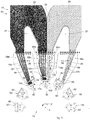
fig. 1 is a front view of an apparatus to feed and form smoking articles in accordance with embodiments described here in a first feed step of organized groups of smoking articles of different types in one single drawer; -
fig. 2 is a schematic view from above of an apparatus to feed and form smoking articles according to embodiments described here; -
fig. 3 is a detail offig. 1 in accordance with embodiments described here; -
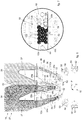
fig. 4 shows embodiments of the apparatus infig. 1 in a different feed step of organized groups of smoking articles of different types in one drawer; -
fig. 5 is a front view of an apparatus to feed and form smoking articles in accordance with other embodiments described here in a first feed step of organized groups of smoking articles of different types in one single drawer; -
fig. 6 is a schematic view from above of an apparatus to feed and form smoking articles according to other embodiments described here; -
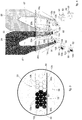
fig. 7 is a detail offig. 5 in accordance with embodiments described here; -
fig. 8 is another detail offig. 5 in accordance with embodiments described here; -
fig. 9 shows embodiments of the apparatus infig. 5 in a different feed step of organized groups of smoking articles of different types in one drawer; - To facilitate comprehension, the same reference numbers have been used, where possible, to identify identical common elements in the drawings. It is understood that elements and characteristics of one embodiment can conveniently be incorporated into other embodiments without further clarifications.
- We shall now refer in detail to the various embodiments of the present invention, of which one or more examples are shown in the attached drawing. Each example is supplied by way of illustration of the invention and shall not be understood as a limitation thereof. For example, the characteristics shown or described insomuch as they are part of one embodiment can be adopted on, or in association with, other embodiments to produce another embodiment. It is understood that the present invention shall include all such modifications and variants.
- Before describing these embodiments, we must also clarify that the present description is not limited in its application to details of the construction and disposition of the components as described in the following description using the attached drawings. The present description can provide other embodiments and can be obtained or executed in various other ways. We must also clarify that the phraseology and terminology used here is for the purposes of description only, and cannot be considered as limitative.
- Embodiments described here concern an
apparatus 10 to feed and form organized groups ofsmoking articles - According to embodiments described using
figs. 1 ,2 ,4 ,5 ,6 and9 , which show representative but not restrictive examples, theapparatus 10 comprises afeed unit 14 ofsmoking articles different smoking articles smoking articles introduction unit 18 to introduce the organized groups ofsmoking articles drawers 50, present on the transfer mean 16. - The transfer mean 16 can be a transfer wheel for example, or a transporter, in particular a linear transporter, such as for example a belt, band, chain or suchlike. Hereafter in the description, as transfer mean 16 we will refer to a transfer wheel.
- According to some embodiments, the characteristics of length of the smoking articles of the
first type 12a and thesecond type 12b can, advantageously but not necessarily, be the same, so as to have an identical free compartment in the final packet. In the case of different lengths, the inventive idea can provide that there are access compartments of different length, or made of a different length, present in the packet. - According to some embodiments, the
feed unit 14 comprises at least afeed hopper 20, configured to receive at least two streams ofsmoking articles - According to some embodiments, the
feed hopper 20 is advantageously vertical with respect to a horizontal support plane of theapparatus 10, and can be positioned downstream of theintroduction unit 18 and upstream of the transfer mean 16, where there are thedrawers 50, in a direction F parallel to the direction in which the longitudinal axes of thesmoking articles feed hopper 20. - In this way, the
introduction unit 18 can translate on each occasion the organized groups of smoking articles of thefirst type 12a and thesecond type 12b fed by thefeed unit 14 and can introduce them into therespective drawers 50 of the transfer mean 16. - According to embodiments described using
figs. 1 and4 ,5 and9 , thefeed hopper 20 comprises at least afirst sector 24, able to receive and contain only a stream of smoking articles of thefirst type 12a, and asecond sector 26, able to receive and contain only a stream of smoking articles of thesecond type 12b. - According to some embodiments, the
first sector 24 and thesecond sector 26 are adjacent and separated from each other by a dividingwall 22. - According to some embodiments, the
hopper 20 also comprises threecompartments compartments first sector 24 andsecond sector 26. In this way, the stream ofsmoking articles sectors compartments drawers 50. - The
hopper 20 therefore is divided into these threecompartments first lateral compartment 28a (on the left infig. 1 ), able to receive only a stream of smoking articles of thefirst type 12a, an intermediate orcentral compartment 28b, able to receive, simultaneously and in a distinct and organized manner, both a stream of smoking articles of thefirst type 12a and thesecond type 12b, and asecond lateral compartment 28c (on the right infig. 1 ), able to receive only a stream of smoking articles of thesecond type 12b. - According to some embodiments, each
compartment chambers 36, configured to convey the smoking articles of thefirst type 12a and the smoking articles of thesecond type 12b and oblige them to descend aligned and positioned on top of the other. In particular, the conveyingchambers 36 are configured to each convey a respective single row of smoking articles of the type desired 12a, 12b. Each conveyingchamber 36 is provided in its lower end with a discharge aperture 38 (seefigs. 1 and5 for example) through which thesmoking articles respective compartments chambers 36 can be conveying channels, also referred to as "conveying veins" in this technical field. - According to some embodiments, the
first compartment 28a communicates only with thefirst sector 24, theintermediate compartment 28b communicates with thefirst sector 24 and thesecond sector 26, and thesecond compartment 28c communicates only with thesecond sector 26. - According to some embodiments, the dividing
wall 22 can also be configured to separate theintermediate compartment 28b into afirst portion 29a, communicating only with thefirst sector 24 and able to contain the smoking articles of thefirst type 12a, and asecond portion 29b, communicating only with thesecond sector 26 and able to contain the smoking articles of thesecond type 12b so as to keep them strictly separated. - The
compartments smoking articles fig. 1 ). - Both the
first sector 24 and thesecond sector 26 haverespective apertures 30, 32 to introduce respective smoking articles of thefirst type 12a and thesecond type 12b, which can be associated with feed members that remove them from suitable tanks or stores, not shown in the drawings. - According to embodiments described using
figs. 1 and4 , thecompartments smoking articles drawer 50. - According to some embodiments, N, N1 and N2 are whole numbers, bigger than zero.
- According to some embodiments, the
compartments chambers 36 which can be divided up as desired byobstruction elements 37 such as to prevent access by thesmoking articles chambers 36, so as to allow only the quantities desired on each occasion to reach thedischarge apertures 38. - According to a variant, the number of conveying
chambers 36 in eachcompartment - According to some embodiments, the smoking articles of the
first type 12a and thesecond type 12b descend toward the lower part of thecompartments chambers 36 due to the force of gravity, and settle in organized and desired groups of orderly rows on asupport plane 40 under thedischarge apertures 38. - In some embodiments, the
compartments figs. 2 ,6 and9 ), in which the organized groups of smoking articles of thefirst type 12a and thesecond type 12b are defined, which subsequently are moved, by theintroduction unit 18, into therespective drawers 50. - In particular, the
formation chambers 41 can be provided, for example on thesupport plane 40, in cooperation withrespective discharge apertures 38 of the correspondingfirst compartment 28a,intermediate compartment 28b andsecond compartment 28c, then receiving the smoking articles from the respective conveyingchambers 36. According to some embodiments, downstream of arespective formation chamber 41, in said direction F, a compactingchamber 43 can be provided, configured to direct the smoking articles and compact them in organized groups of thefirst type 12a and thesecond type 12b in quantities N1 and N2, to arespective drawer 50. In possible implementations, the compactingchamber 43 can be defined bywalls 45 converging, with respect to the axis defined by direction F, toward thedrawer 50. In this way, it is possible to supply thedrawers 50 with organized groups of smoking articles of thefirst type 12a and thesecond type 12b already compacted and optimized in terms of shape and volume and coordinated with the shape of the receivingdrawer 50, and hence of the packet that will contain them, irrespective of their composition in terms of type, distribution and quantities N1, N2. - According to embodiments described using
figs. 1 and4 ,5 and9 , organized groups ofsmoking articles - According to some embodiments, each
compartment smoking article respective formation chambers 41. According to another variant, the dividing means can be configured to prevent, depending on requirements, the descent of asmoking article chamber 36, as for example if three rows of smoking articles of one type are provided, respectively of three, two and three smoking articles. - According to some embodiments, on the
support plane 40 under thedischarge apertures 38, the formation chambers orhousing seatings 41 can be provided (figs. 2 ,6 and9 ), in which thesmoking articles respective compartments introduction unit 18 into the transfer mean 16 in a desired manner. - According to some embodiments, the
introduction unit 18 comprises a plurality ofthruster elements drawers 50 to be filled on each occasion. - According to some embodiments, the
introduction unit 18 can comprise a single thruster element which has thrust elements for each of thecompartments thruster elements compartment - The
thruster elements fig. 1 ) the organized groups ofsmoking articles drawers 50 of the transfer mean 16. - According to some embodiments, the
introduction unit 18 comprises one or more actuation members, not shown in the drawings, configured to drive the translation of thethruster elements smoking articles thruster elements smoking articles respective drawers 50 of the transfer mean 16 which are found in anentrance station 48 along a transfer path P. - According to some embodiments, the transfer mean 16 can be configured to move intermittently, that is, step-wise. In the embodiments where the transfer mean 16 is a transfer wheel, it can be configured to rotate with an intermittent motion, that is, step-wise, around an axis of rotation Z, for example in the direction indicated by the arrow associated with the transfer path P in
figs. 1 ,2 ,5 and6 , to move the plurality ofdrawers 50 provided on the periphery thereof. In the embodiments where the transfer mean 16 is a linear transporter, it can be configured to obtain an analogous intermittent movement. - According to some embodiments, the
drawers 50 have a containingchamber 58 and, in the variant where the transfer mean 16 is a transfer wheel, they can be disposed with their longitudinal development in a direction parallel to the axis of rotation Z, and can be fed in direction F parallel thereto (fig. 1 ). - According to some embodiments, the step-wise movement of the transfer mean 16 is conditioned by the number of
first compartments 28a andsecond compartments 28c. - In embodiments described by way of example with reference to the attached drawings, where there is only one
first compartment 28a and only onesecond compartment 28c, as well as theintermediate compartment 28b, the step-wise movement, which can be a rotation if the transfer mean 16 is a transfer wheel, will correspond to two compartments or two drawers. - If there are two
first compartments 28a and twosecond compartments 28c, the step-wise movement, which can be a rotation if the transfer mean 16 is a transfer wheel, will correspond to three compartments, and so on. - The step-wise movement is therefore connected to the fact that the drawers partly filled in correspondence with specialized compartments which contain only specific smoking articles, in this specific case the
first compartment 28a and thesecond compartment 28c, are located in correspondence with compartments that contain only the other specific smoking articles. - According to embodiments described using
figs. 3 and7 , eachdrawer 50 can comprise containingelements 60 disposed along the lateral walls 56 to modify the containingchamber 58 depending on the type ofsmoking articles - For example, according to embodiments described using
figs. 3 and7 , it can be provided that the containingelements 60 define the containingchamber 58 in which the organized groups of smoking articles of thefirst type 12a andsecond type 12b can be disposed one next to the other, inrespective sections - The containing
elements 60 can be configured to reduce the space of the containingchamber 58 and to keep thesmoking articles drawer 50 in order. - According to embodiments described using
figs. 3 and7 , thedrawer 50 can be provided with aseparator plate 62, configured to at least partly divide the containingchamber 58 into thefirst section 59a and thesecond section 59b. - According to some embodiments, the
separator plate 62 is shaped to mate with the profile of a plurality of smoking articles of thefirst type 12a on one side and smoking articles of thesecond type 12b on the other. - In embodiments described using
figs. 3 and7 , theseparator plate 62 has an undulating development, provided with a succession of convexities and concavities to accommodate on one side and/or the other of theseparator plate 62 the smoking articles of thefirst type 12a and thesecond type 12b, keeping them confined in the respectivefirst section 59a and/orsecond section 59b. - According to some embodiments, the
separator plate 62 can be configured to keep in order an organized group ofsecond smoking articles 12b in thesecond section 59b of thedrawer 50 during the transfer of the latter from a position aligned with thesecond compartment 28c to a position aligned with thefirst compartment 28a, preventing the smoking articles, for example, of thesecond type 12b from moving from thesecond section 59b and occupying thefirst section 59a. - In this way it is possible to introduce, at a subsequent time, smoking articles of the
second type 12b and smoking articles of thefirst type 12a into adrawer 50, or vice versa. In particular, the introduction of smoking articles of thesecond type 12b and smoking articles of thefirst type 12a can take place in adrawer 50 simultaneously, in the case of adrawer 50 aligned during the introduction with theintermediate compartment 28b, or in subsequent work cycles in the case ofdrawers 50 aligned during the introduction with thefirst compartment 28a and thesecond compartment 28c. - According to some embodiments, in correspondence with the
entrance station 48, the transfer mean 16 comprises an end-of-travel member 64 configured to define an abutment element for the organized groups of smoking articles of thefirst type 12a and smoking articles of thesecond type 12b during their translation to position them correctly in the containingchamber 58 of thedrawer 50. - Embodiments of the method according to the present invention will be described in detail hereafter, by way of non-restrictive example, with reference to
figs. 1 and4 ,5 and9 , which refer to the case of a singlefirst compartment 28a and a singlesecond compartment 28c, as well as theintermediate compartment 28b. - Embodiments of the method according to the present invention provide to repeat in a cyclical manner the steps of:
- supplying streams of
smoking articles first compartment 28a and at least asecond compartment 28c of afeed hopper 20; - supplying a stream of smoking articles both of a
first type 12a and of asecond type 12b to anintermediate compartment 28b; - obtaining from the at least one
first compartment 28a an organized group formed by a quantity N1 of smoking articles of thefirst type 12a and from the at least onesecond compartment 28c an organized group formed by a quantity N2 of smoking articles of thesecond type 12b; - obtaining from the
intermediate compartment 28b an overall quantity N ofsmoking articles first type 12a and into an organized group formed by a quantity N2 of smoking articles of thesecond type 12b; - selectively introducing the organized groups of N1 smoking articles of the
first type 12a and of thesecond type 12b obtained from thefirst compartment 28a and from thesecond compartment 28c intorespective sections respective drawers 50 aligned to thefirst compartment 28a and thesecond compartment 28c; - introducing the overall quantity N of
smoking articles first type 12a into thefirst section 59a and the organized group formed by the quantity N2 of smoking articles of thesecond type 12b into thesecond section 59b of thesame drawer 50 aligned with theintermediate compartment 28b, filling it; - selectively displacing the
drawers 50 by moving the transfer mean 16 to transfer thedrawer 50 previously aligned with thesecond compartment 28c into alignment with thefirst compartment 28a to complete the filling of thedrawer 50. - In particular, the
drawer 50 which was in correspondence with thesecond compartment 28c finds itself in correspondence with thefirst compartment 28a, so that thefirst section 59a can be filled with the quantity N1 of smoking articles of thefirst type 12a arriving from thefirst compartment 28a, while thedrawer 50 that finds itself in correspondence with thesecond compartment 28c is partly filled with the quantity N2 of smoking articles of thesecond type 12b. - At startup, two
drawers 50 are obtained, aligned respectively with thefirst compartment 28a and thesecond compartment 28c, identified infigs. 1 ,4 ,5 and9 by the numbers I and III, partly filled with respective N1 and N2 smoking articles and adrawer 50, aligned with theintermediate compartment 28b, identified by the number II, completely filled with N1 plus N2 smoking articles. - After the first introduction, the transfer mean 16 is moved, for example made to rotate in the case of a transfer wheel, by a number of steps so as to transfer the
drawer 50, number III, previously aligned with thesecond compartment 28c, and hence partly filled with N2 smoking articles of thesecond type 12b, into alignment with thefirst compartment 28a, so as to complete the filling thereof with the subsequent introduction, filling thefirst section 59a with N1 smoking articles of thefirst type 12a (figs. 4 and9 ). - In this way, with every work cycle, two
drawers 50 are obtained, completely filled and ready for the subsequent packaging steps, and onedrawer 50 fed with a group of smoking articles of thesecond type 12b and positioned in correspondence with thefirst compartment 28a which supplies smoking articles of thefirst type 12a. - With the
apparatus 10 driven according to the method described here, the smoking articles of thefirst type 12a and the smoking articles of thesecond type 12b have available the same time as that with which the transfer mean 16 is moved, for example rotated in the case of a transfer wheel, by two steps, to descend from therespective compartments first type 12a and smoking articles of thesecond type 12b. - According to the present description,
figs. 1-9 are used to describe embodiments in which the number of conveyingchambers 36 of thefirst portion 29a of theintermediate compartment 28b can be different from the number of conveyingchambers 36 of thesecond portion 29b and the number of conveyingchambers 36 of thefirst compartment 28a is different from the number of conveyingchambers 36 of thesecond compartment 28c. By varying the number of conveyingchambers 36 it is advantageously possible to modify the groupings of smoking articles of thefirst type 12a and smoking articles of thesecond type 12b, so as to vary the quantities N1 and N2 present in a packet. - In particular, in some embodiments, the number of conveying
chambers 36 of thefirst portion 29a of theintermediate compartment 28b can be the same as the number of conveyingchambers 36 of thefirst compartment 28a, while the number of conveyingchambers 36 of thesecond portion 29b can be the same as the number of conveyingchambers 36 of thesecond compartment 28c. In particular, therefore, it can be that the sum of the conveyingchambers 36 of thefirst portion 29a and thesecond portion 29b of theintermediate compartment 28b is the same as the sum of the number of conveyingchambers 36 of thefirst compartment 28a and thesecond compartment 28c. - For example, but without limiting the field of protection of the present invention, the number of conveying
chambers 36 of thefirst portion 29a of theintermediate compartment 28b and thefirst compartment 28a can be four, and the number of conveyingchambers 36 of thesecond portion 29b and thesecond compartment 28c can be three (figs. 1-4 ), or the number of conveyingchambers 36 of thefirst portion 29a of theintermediate compartment 28b and thefirst compartment 28a can be five, and the number of conveyingchambers 36 of thesecond portion 29b and thesecond compartment 28c can be three (figs. 5-9 ). -
Figs. 1-4 are used to describe embodiments of theapparatus 10 and connected method, by means of which groups of smoking articles of different types are obtained, of thefirst type 12a and of thesecond type 12b, in quantities respectively N1 and N2, where N1 and N2 are two even numbers. -
Figs. 5-9 are used to describe other embodiments of theapparatus 10 and connected method, by means of which groups of smoking articles of different types are obtained, of thefirst type 12a and of thesecond type 12b, in quantities respectively N1 and N2, where N1 and N2 are two odd numbers. In these embodiments, the number of conveyingchambers 36 of theintermediate compartment 28b is different from the number of conveyingchambers 36 of theintermediate compartment 28b in the embodiments described with reference tofigs. 1-4 , and hence the respective division into thefirst portion 29a andsecond portion 29b is different, so as to generate the desired numerical combinations of smoking articles of thefirst type 12a and smoking articles of thesecond type 12b in thedrawers 50. - In possible variant embodiments, dividing means can be provided, analogous to those described above, also defined hereafter as stop means 35, 39, to condition the number of smoking articles that are introduced on each occasion into the
drawers 50, for example so as to generate groups divided into different quantities N1 and N2 and/or layers with different numerical combinations of smoking articles. In this case, the stop means 35, 39 can be the fixed type. In other variants, the stop means 35, 39 can be mobile or adjustable, according to production needs. In possible implementations the stop means 35, 39 can be provided in theformation chambers 41, in a position coordinated with the combination of N1 and N2 smoking articles to be obtained. The stop means 35, 39, positioned in a desired and specific manner, block certain smoking articles, allowing others to pass, according to the numerical combination to be obtained. - In particular,
fig. 8 is used to describe embodiments of the stop means 35, 39, for example defined by one or more stepped stop means or undercuts 35 and/or one or more stop means shaped as a protrudingblock 39, provided in therespective formation chambers 41. - According to possible implementations, the
thruster elements formation chambers 41 toward thedrawers 50, and not interfere with the stop means 35, 39 where they are present. - For example, without limiting the field of protection of the present invention, the embodiments described here can be used to obtain groups of smoking articles of different types in an overall quantity N=20, that is, to obtain packets each containing twenty smoking articles divided into two groups of different types.
- For example, the twenty (N) smoking articles can be divided into two groups of twelve (N1) smoking articles of the
first type 12a and eight (N2) smoking articles of thesecond type 12b organized in three overlapping layers (fig. 3 ), using for example the embodiments described with reference tofigs. 1-4 , or divided into two groups of thirteen (N1) smoking articles of thefirst type 12a and seven (N2) smoking articles of thesecond type 12b organized in three overlapping layers (fig. 7 ), using for example the embodiments described with reference tofigs. 5-9 . - In the embodiments described here, with reference to
figs. 1-4 seven conveyingchambers 36 can be provided for example in theintermediate compartment 28b, of which four in thefirst portion 29a and three in thesecond portion 29b, and in a coordinated manner four conveyingchambers 36 in thefirst compartment 28a and three conveyingchambers 36 in thesecond compartment 28c. Or, with reference tofigs. 5-9 , eight conveyingchambers 36 can be provided for example in theintermediate compartment 28b, of which five in thefirst portion 29a and three in thesecond portion 29b, and in a coordinated manner five conveyingchambers 36 in thefirst compartment 28a and three conveyingchambers 36 in thesecond compartment 28c. - In another example, without limiting the field of protection of the present invention, some embodiments described here can be used to obtain groups of smoking articles of different types to an overall quantity of N=25, that is, to obtain packets each containing twenty-five smoking articles divided into two groups of different types.
- To this end, for example, nine conveying
chambers 36 can be provided in theintermediate compartment 28b of which six in thefirst portion 29a and three in thesecond portion 29b, and in a coordinated manner six conveyingchambers 36 in thefirst compartment 28a and three conveyingchambers 36 in thesecond compartment 28c. For example, these twenty-five (N) smoking articles can be divided into two groups of eighteen (N1) smoking articles of thefirst type 12a and seven (N2) smoking articles of thesecond type 12b, organized in three overlapping layers. - According to some embodiments, combinable with all the embodiments described here, it can also be provided that there is only one smoking article of the
first type 12a or of thesecond type 12b, and that the remaining smoking articles are the other type, respectively 12b or 12a, that is, it can be provided according to the present description that for example N1=1 and N2=N-1, with N=N1 +N2. - It is clear that modifications and/or additions of parts may be made to the
apparatus 10 and method to feed smoking articles as described heretofore, without departing from the field and scope of the present invention. - It is also clear that, although the present invention has been described with reference to some specific examples, a person of skill in the art shall certainly be able to achieve many other equivalent forms of apparatus and method to feed smoking articles, having the characteristics as set forth in the claims and hence all coming within the field of protection defined thereby.
- In the following claims, the sole purpose of the references in brackets is to facilitate reading: they must not be considered as restrictive factors with regard to the field of protection claimed in the specific claims.
Claims (17)
- Apparatus to feed and form at least two different organized groups of smoking articles (12a, 12b), said apparatus comprising a feed unit (14) configured to receive respective smoking articles (12a, 12b) and to feed organized groups of said smoking articles (12a, 12b) separately toward an introduction unit (18) configured to introduce said organized groups of smoking articles (12a, 12b) into drawers (50), suitable to contain an overall quantity N of smoking articles (12a, 12b), of a transfer mean (16),
wherein said feed unit (14) comprises a feed hopper (20) divided at least terminally into adjacent compartments (28a, 28b, 28c), each suitable to receive, in a selective and selected manner, respectively in at least one first compartment (28a) smoking articles of the first type (12a), to simultaneously receive in an intermediate compartment (28b), separate and in order, smoking articles of the first type (12a) and of the second type (12b), and to receive in at least a second compartment (28c) smoking articles of the second type (12b),
wherein said at least one first compartment (28a) is configured to feed exclusively organized groups consisting of a desired quantity N1 of smoking articles of the first type (12a),
said introduction unit (18) being configured to selectively cooperate with said compartments (28a, 28b, 28c) to introduce on each occasion said organized groups of smoking articles of the first type (12a) and of the second type (12b) into respective sections (59a, 59b) of each of the drawers (50) of the transfer mean (16) in order to complete the filling thereof,
characterized in that
said intermediate compartment (28b) is configured to feed said overall quantity N of smoking articles, divided into an organized group consisting of a desired quantity N1 of smoking articles of the first type (12a) and into an organized group consisting of a desired quantity N2 of smoking articles of the second type (12b) and
said at least one second compartment (28c) being configured to exclusively feed organized groups consisting of a desired quantity N2 of smoking articles of the second type (12b). - Apparatus as in claim 1, characterized in that said feed hopper (20) comprises at least a first sector (24) and an adjacent second sector (26), each suitable to exclusively receive one type of smoking article (12a, 12b) and in that said at least one first compartment (28a) communicates exclusively with said first sector (24), said intermediate compartment (28b) communicates separately with said first sector (24) and with said second sector (26) and said at least one second compartment (28c) communicates exclusively with said second sector (26).
- Apparatus as in claim 1 or 2, characterized in that said quantities N1 and N2 are equal numbers, the sum of which is equal to said overall quantity N of smoking articles (12a, 12b) to be introduced into each drawer (50).
- Apparatus as in claim 3, characterized in that said quantities N1 and N2 are both even numbers or both odd numbers.
- Apparatus as in claim 1 or 2, characterized in that said quantities N1 and N2 are different numbers, the sum of which is equal to said overall quantity N of smoking articles (12a, 12b) to be introduced into each drawer (50).
- Apparatus as in claim 5, characterized in that said quantities N1 and N2 are one an even number and the other an odd number.
- Apparatus as in any of the claims from 1 to 6, characterized in that said drawers (50) are provided with a separator plate (62), configured to at least partly divide said drawer (50) into a first section (59a) and a second section (59b) to keep the smoking articles of the first type (12a) and/or of the second type (12b) separate, keeping them confined in the respective first section (59a) and/or second section (59b).
- Apparatus as in claim 7, characterized in that said separator plate (62) has an undulating development, suitable or mating to the profile of said smoking articles of the first type (12a) and/or the second type (12b) present in the respective sections (59a, 59b).
- Apparatus as in any claim hereinbefore, characterized in that it comprises one or more obstruction elements (37), configured so as to at least partly prevent access by the smoking articles (12a, 12b) to one or more conveying chambers (36) of one or more compartments (28a, 28b, 28c).
- Apparatus as in any claim hereinbefore, characterized in that the exits of the individual compartments (28a, 28b, 28c) comprise elements to temporarily and selectively divide up the number of smoking articles (12a, 12b) to be supplied, in order to obtain the respective quantity groups N1 and/or N2 of smoking articles.
- Apparatus as in any claim hereinbefore, characterized in that said compartments (28a, 28b, 28c) comprise or are configured to be associated with respective formation chambers (41), in which the organized groups of smoking articles of the first type (12a) and the second type (12b) are defined.
- Apparatus as in claim 11, characterized in that it comprises compacting chambers (43) associated downstream of said formation chambers (41) and configured to direct the smoking articles and compact them in organized groups of the first type (12a) and the second type (12b) in quantities N1 and N2, to a respective drawer (50).
- Apparatus as in claim 11 or 12, characterized in that said formation chambers (41) are provided with one or more dividing means, or stop means (35, 39).
- Method to feed smoking articles that provides to repeat in a cyclical manner the steps of:- supplying streams of at least two smoking articles (12a, 12b) of different types to respective first compartments (28a) and second compartments (28c) of a feed hopper (20);- supplying a stream of smoking articles of a first type (12a) and of a second type (12b) to an intermediate compartment (28b);- obtaining from said at least one first compartment (28a) an organized group formed by a quantity N1 of smoking articles of the first type (12a) and from said at least one second compartment (28c) an organized group formed by a quantity N2 of smoking articles of the second type (12b);- obtaining from said intermediate compartment (28b) an overall quantity N of smoking articles (12a, 12b) divided into an organized group formed by a quantity N1 of smoking articles of the first type (12a) and into an organized group formed by a quantity N2 of smoking articles of the second type (12b);- selectively introducing said organized groups of smoking articles of the first type (12a) and of the second type (12b) obtained from said at least one first compartment (28a) and from said at least one second compartment (28c) into respective sections (59a, 59b) of distinct and temporally respective drawers (50) aligned to said at least one first compartment (28a) and said at least one second compartment (28c);- selectively displacing the drawers (50) by moving said transfer mean (16) to transfer the drawer (50) previously aligned with said at least one second compartment (28c) into alignment with said at least one first compartment (28a) to complete the filling of said drawer (50),
characterized by- introducing said overall quantity N of smoking articles (12a, 12b), introducing simultaneously or in sequence the organized group formed by the quantity N1 of smoking articles of the first type (12a) into the first section (59a) and the organized group formed by the quantity N2 of smoking articles of the second type (12b) into the second section (59b) of the same drawer (50) aligned with said intermediate compartment (28b), filling it. - Method as in claim 14, characterized in that it provides to keep in the desired position at least the quantity N1 of smoking articles of the first type (12a) and/or the quantity N2 of smoking articles of the second type (12b) at least during the introduction step by means of a separating plate (62).
- Method as in claim 14 or 15, characterized in that said smoking articles of the first type (12a) and said smoking articles of the second type (12b) differ from each other by one or more characterizing components.
- Machine to produce a packet of smoking articles, comprising an apparatus (10) in accordance with any of the claims from 1 to 13, to feed and form organized groups of smoking articles (12a, 12b) of different types.
Applications Claiming Priority (2)
| Application Number | Priority Date | Filing Date | Title |
|---|---|---|---|
| ITUB2015A003765A ITUB20153765A1 (en) | 2015-09-21 | 2015-09-21 | APPARATUS AND METHOD FOR THE SUPPLY AND FORMATION OF ORGANIZED GROUPS OF SMOKE ARTICLES |
| PCT/IB2016/055539 WO2017051296A1 (en) | 2015-09-21 | 2016-09-16 | Apparatus and method for feeding and forming different organized groups of smoking articles |
Publications (2)
| Publication Number | Publication Date |
|---|---|
| EP3353065A1 EP3353065A1 (en) | 2018-08-01 |
| EP3353065B1 true EP3353065B1 (en) | 2020-05-06 |
Family
ID=54884276
Family Applications (1)
| Application Number | Title | Priority Date | Filing Date |
|---|---|---|---|
| EP16794034.5A Active EP3353065B1 (en) | 2015-09-21 | 2016-09-16 | Apparatus and method for feeding and forming different organized groups of smoking articles |
Country Status (6)
| Country | Link |
|---|---|
| EP (1) | EP3353065B1 (en) |
| KR (1) | KR102553460B1 (en) |
| CN (1) | CN108349602B (en) |
| IT (1) | ITUB20153765A1 (en) |
| PH (1) | PH12018500601A1 (en) |
| WO (1) | WO2017051296A1 (en) |
Families Citing this family (5)
| Publication number | Priority date | Publication date | Assignee | Title |
|---|---|---|---|---|
| IT201700099649A1 (en) * | 2017-09-06 | 2019-03-06 | Gd Spa | Hopper for smoking items. |
| CN107618709B (en) * | 2017-09-21 | 2020-04-21 | 四川中烟工业有限责任公司 | Multi-flavor cigarette packaging feeding system and method |
| CN109850225A (en) * | 2019-03-22 | 2019-06-07 | 苏州英派克自动化设备有限公司 | A kind of special-shaped packet cigarette device of full-open type cigarette |
| CN111232281A (en) * | 2020-03-03 | 2020-06-05 | 上海烟草机械有限责任公司 | Packaging equipment and packaging method for combined double-cigarette cigarettes |
| IT202000009643A1 (en) * | 2020-05-04 | 2021-11-04 | Gd Spa | APPARATUS AND PROCESS FOR FORMING AND FEEDING GROUPS OF SMOKING ITEMS OF TWO DISTINCT TYPES, INTO A PACKAGING LINE OF SMOKING ITEMS. |
Citations (6)
| Publication number | Priority date | Publication date | Assignee | Title |
|---|---|---|---|---|
| JP2003205909A (en) | 2002-01-15 | 2003-07-22 | Yukiisa Kubo | Packaging method for cigarette and package of cigarette |
| US20050061828A1 (en) | 2003-09-15 | 2005-03-24 | Joseph M. Anderson | Smoking product packaging device and method |
| WO2006002980A1 (en) | 2004-07-06 | 2006-01-12 | Focke & Co. (Gmbh & Co. Kg) | Device for producing double block cigarette packages |
| KR100544302B1 (en) | 2003-12-15 | 2006-01-23 | 주식회사 케이티앤지 | Heterogeneous cigarette automatic feeding device and method and tobacco manufactured using same |
| WO2013175400A1 (en) | 2012-05-25 | 2013-11-28 | G.D S.P.A. | Apparatus for forming groups of smokers' articles |
| WO2014015940A1 (en) | 2012-07-27 | 2014-01-30 | Philip Morris Products S.A. | Apparatus and method for forming of collations of rod shaped articles |
Family Cites Families (2)
| Publication number | Priority date | Publication date | Assignee | Title |
|---|---|---|---|---|
| IT1299322B1 (en) * | 1998-01-27 | 2000-03-16 | Gd Spa | METHOD AND UNIT OF TRANSFER OF ITEMS. |
| CN204197356U (en) * | 2014-09-25 | 2015-03-11 | 中烟机械技术中心有限责任公司 | The cigarette shaping cigarette storehouse device of the soft lower cigarette of cigarette can be realized |
-
2015
- 2015-09-21 IT ITUB2015A003765A patent/ITUB20153765A1/en unknown
-
2016
- 2016-09-16 WO PCT/IB2016/055539 patent/WO2017051296A1/en not_active Ceased
- 2016-09-16 EP EP16794034.5A patent/EP3353065B1/en active Active
- 2016-09-16 CN CN201680067810.6A patent/CN108349602B/en active Active
- 2016-09-16 KR KR1020187010884A patent/KR102553460B1/en active Active
-
2018
- 2018-03-20 PH PH12018500601A patent/PH12018500601A1/en unknown
Patent Citations (7)
| Publication number | Priority date | Publication date | Assignee | Title |
|---|---|---|---|---|
| JP2003205909A (en) | 2002-01-15 | 2003-07-22 | Yukiisa Kubo | Packaging method for cigarette and package of cigarette |
| US20050061828A1 (en) | 2003-09-15 | 2005-03-24 | Joseph M. Anderson | Smoking product packaging device and method |
| KR100544302B1 (en) | 2003-12-15 | 2006-01-23 | 주식회사 케이티앤지 | Heterogeneous cigarette automatic feeding device and method and tobacco manufactured using same |
| WO2006002980A1 (en) | 2004-07-06 | 2006-01-12 | Focke & Co. (Gmbh & Co. Kg) | Device for producing double block cigarette packages |
| EP1763472B2 (en) | 2004-07-06 | 2013-11-20 | Focke & Co. (GmbH & Co. KG) | Device for producing double block cigarette packages |
| WO2013175400A1 (en) | 2012-05-25 | 2013-11-28 | G.D S.P.A. | Apparatus for forming groups of smokers' articles |
| WO2014015940A1 (en) | 2012-07-27 | 2014-01-30 | Philip Morris Products S.A. | Apparatus and method for forming of collations of rod shaped articles |
Also Published As
| Publication number | Publication date |
|---|---|
| WO2017051296A1 (en) | 2017-03-30 |
| PH12018500601A1 (en) | 2018-10-01 |
| EP3353065A1 (en) | 2018-08-01 |
| CN108349602A (en) | 2018-07-31 |
| KR102553460B1 (en) | 2023-07-07 |
| ITUB20153765A1 (en) | 2017-03-21 |
| KR20180055863A (en) | 2018-05-25 |
| CN108349602B (en) | 2020-06-19 |
Similar Documents
| Publication | Publication Date | Title |
|---|---|---|
| EP3353065B1 (en) | Apparatus and method for feeding and forming different organized groups of smoking articles | |
| US4306648A (en) | Apparatus for the formation of cigarette groups | |
| US9408415B2 (en) | Method and unit for uneven transferring of beads | |
| EP2855279B1 (en) | Apparatus for forming groups of smokers' articles | |
| US2882970A (en) | Laminated filter tip | |
| CN104583080B (en) | For the apparatus and method for the arrangement for forming rod-shaped products | |
| US5617943A (en) | Group forming device for cigarette packing machines | |
| US3448846A (en) | Apparatus for assembling batches of rod-shaped articles | |
| RU2015121674A (en) | CIGARETTING MACHINE FOR ASSEMBLY CIGARETTE AND THE RELATED METHOD OF ASSEMBLY | |
| EP3003930B1 (en) | Feeder device of products with reduced longitudinal dimensions in machines for the tobacco industry | |
| US4471866A (en) | Apparatus of assembling arrays of cigarettes in packing machines | |
| KR20200096146A (en) | Forming and transporting apparatus for conveying and forming a group of rod-like articles, and feeding apparatus for feeding a group of rod-like articles | |
| WO2015155727A1 (en) | Unit for forming an ordered group of frustum-shaped cigarettes and tray for containing frustum-shaped cigarettes for feeding frustum-shaped cigarettes into said forming unit | |
| US6311827B1 (en) | Device for supplying cigarettes on a conditioning machine with two packing lines | |
| EP0838401A1 (en) | A method and a unit for the formation of tapered cigarettes into groups | |
| US4061234A (en) | Apparatus for assembling multi-layer groups of cigarettes or the like | |
| IT201800009608A1 (en) | Line and method of production of bar-shaped items from the tobacco industry | |
| US5782334A (en) | Method and line for forming and conveying orderly groups of elongated products, particularly cigarettes | |
| WO2015155721A1 (en) | Unit for forming an ordered group of frustum-shaped cigarettes | |
| CN101249898B (en) | Cigarette group forming device for cigarette-packaging machine | |
| US10779563B2 (en) | Method of emptying a container filled with rod-like articles manufactured in the tobacco industry | |
| EP4357257A1 (en) | Forming method to form a group of smoking articles and respective forming device | |
| US6115991A (en) | Machine for conditioning packets of cigarettes | |
| US4217979A (en) | Production of blocks of rod-shaped articles | |
| EP3630621A1 (en) | A packer machine for cylindrical smoking articles and provided with an hopper |
Legal Events
| Date | Code | Title | Description |
|---|---|---|---|
| STAA | Information on the status of an ep patent application or granted ep patent |
Free format text: STATUS: UNKNOWN |
|
| STAA | Information on the status of an ep patent application or granted ep patent |
Free format text: STATUS: THE INTERNATIONAL PUBLICATION HAS BEEN MADE |
|
| PUAI | Public reference made under article 153(3) epc to a published international application that has entered the european phase |
Free format text: ORIGINAL CODE: 0009012 |
|
| STAA | Information on the status of an ep patent application or granted ep patent |
Free format text: STATUS: REQUEST FOR EXAMINATION WAS MADE |
|
| 17P | Request for examination filed |
Effective date: 20180326 |
|
| AK | Designated contracting states |
Kind code of ref document: A1 Designated state(s): AL AT BE BG CH CY CZ DE DK EE ES FI FR GB GR HR HU IE IS IT LI LT LU LV MC MK MT NL NO PL PT RO RS SE SI SK SM TR |
|
| AX | Request for extension of the european patent |
Extension state: BA ME |
|
| DAV | Request for validation of the european patent (deleted) | ||
| DAX | Request for extension of the european patent (deleted) | ||
| STAA | Information on the status of an ep patent application or granted ep patent |
Free format text: STATUS: EXAMINATION IS IN PROGRESS |
|
| 17Q | First examination report despatched |
Effective date: 20190304 |
|
| TPAC | Observations filed by third parties |
Free format text: ORIGINAL CODE: EPIDOSNTIPA |
|
| REG | Reference to a national code |
Ref country code: DE Ref legal event code: R079 Ref document number: 602016035986 Country of ref document: DE Free format text: PREVIOUS MAIN CLASS: B65B0019100000 Ipc: B65B0019040000 |
|
| GRAP | Despatch of communication of intention to grant a patent |
Free format text: ORIGINAL CODE: EPIDOSNIGR1 |
|
| STAA | Information on the status of an ep patent application or granted ep patent |
Free format text: STATUS: GRANT OF PATENT IS INTENDED |
|
| RIC1 | Information provided on ipc code assigned before grant |
Ipc: B65B 63/02 20060101ALI20191105BHEP Ipc: B65B 59/00 20060101ALI20191105BHEP Ipc: B65B 19/04 20060101AFI20191105BHEP |
|
| INTG | Intention to grant announced |
Effective date: 20191128 |
|
| RAP1 | Party data changed (applicant data changed or rights of an application transferred) |
Owner name: I.M.A. INDUSTRIA MACCHINE AUTOMATICHE S.P.A |
|
| RAP1 | Party data changed (applicant data changed or rights of an application transferred) |
Owner name: I.M.A. INDUSTRIA MACCHINE AUTOMATICHE S.P.A. |
|
| GRAS | Grant fee paid |
Free format text: ORIGINAL CODE: EPIDOSNIGR3 |
|
| GRAA | (expected) grant |
Free format text: ORIGINAL CODE: 0009210 |
|
| STAA | Information on the status of an ep patent application or granted ep patent |
Free format text: STATUS: THE PATENT HAS BEEN GRANTED |
|
| AK | Designated contracting states |
Kind code of ref document: B1 Designated state(s): AL AT BE BG CH CY CZ DE DK EE ES FI FR GB GR HR HU IE IS IT LI LT LU LV MC MK MT NL NO PL PT RO RS SE SI SK SM TR |
|
| REG | Reference to a national code |
Ref country code: GB Ref legal event code: FG4D |
|
| REG | Reference to a national code |
Ref country code: CH Ref legal event code: EP Ref country code: AT Ref legal event code: REF Ref document number: 1266375 Country of ref document: AT Kind code of ref document: T Effective date: 20200515 |
|
| REG | Reference to a national code |
Ref country code: DE Ref legal event code: R096 Ref document number: 602016035986 Country of ref document: DE |
|
| REG | Reference to a national code |
Ref country code: IE Ref legal event code: FG4D |
|
| REG | Reference to a national code |
Ref country code: LT Ref legal event code: MG4D |
|
| REG | Reference to a national code |
Ref country code: NL Ref legal event code: MP Effective date: 20200506 |
|
| PG25 | Lapsed in a contracting state [announced via postgrant information from national office to epo] |
Ref country code: LT Free format text: LAPSE BECAUSE OF FAILURE TO SUBMIT A TRANSLATION OF THE DESCRIPTION OR TO PAY THE FEE WITHIN THE PRESCRIBED TIME-LIMIT Effective date: 20200506 Ref country code: FI Free format text: LAPSE BECAUSE OF FAILURE TO SUBMIT A TRANSLATION OF THE DESCRIPTION OR TO PAY THE FEE WITHIN THE PRESCRIBED TIME-LIMIT Effective date: 20200506 Ref country code: SE Free format text: LAPSE BECAUSE OF FAILURE TO SUBMIT A TRANSLATION OF THE DESCRIPTION OR TO PAY THE FEE WITHIN THE PRESCRIBED TIME-LIMIT Effective date: 20200506 Ref country code: IS Free format text: LAPSE BECAUSE OF FAILURE TO SUBMIT A TRANSLATION OF THE DESCRIPTION OR TO PAY THE FEE WITHIN THE PRESCRIBED TIME-LIMIT Effective date: 20200906 Ref country code: GR Free format text: LAPSE BECAUSE OF FAILURE TO SUBMIT A TRANSLATION OF THE DESCRIPTION OR TO PAY THE FEE WITHIN THE PRESCRIBED TIME-LIMIT Effective date: 20200807 Ref country code: NO Free format text: LAPSE BECAUSE OF FAILURE TO SUBMIT A TRANSLATION OF THE DESCRIPTION OR TO PAY THE FEE WITHIN THE PRESCRIBED TIME-LIMIT Effective date: 20200806 Ref country code: PT Free format text: LAPSE BECAUSE OF FAILURE TO SUBMIT A TRANSLATION OF THE DESCRIPTION OR TO PAY THE FEE WITHIN THE PRESCRIBED TIME-LIMIT Effective date: 20200907 |
|
| PG25 | Lapsed in a contracting state [announced via postgrant information from national office to epo] |
Ref country code: HR Free format text: LAPSE BECAUSE OF FAILURE TO SUBMIT A TRANSLATION OF THE DESCRIPTION OR TO PAY THE FEE WITHIN THE PRESCRIBED TIME-LIMIT Effective date: 20200506 Ref country code: RS Free format text: LAPSE BECAUSE OF FAILURE TO SUBMIT A TRANSLATION OF THE DESCRIPTION OR TO PAY THE FEE WITHIN THE PRESCRIBED TIME-LIMIT Effective date: 20200506 Ref country code: LV Free format text: LAPSE BECAUSE OF FAILURE TO SUBMIT A TRANSLATION OF THE DESCRIPTION OR TO PAY THE FEE WITHIN THE PRESCRIBED TIME-LIMIT Effective date: 20200506 Ref country code: BG Free format text: LAPSE BECAUSE OF FAILURE TO SUBMIT A TRANSLATION OF THE DESCRIPTION OR TO PAY THE FEE WITHIN THE PRESCRIBED TIME-LIMIT Effective date: 20200806 |
|
| REG | Reference to a national code |
Ref country code: AT Ref legal event code: MK05 Ref document number: 1266375 Country of ref document: AT Kind code of ref document: T Effective date: 20200506 |
|
| PG25 | Lapsed in a contracting state [announced via postgrant information from national office to epo] |
Ref country code: NL Free format text: LAPSE BECAUSE OF FAILURE TO SUBMIT A TRANSLATION OF THE DESCRIPTION OR TO PAY THE FEE WITHIN THE PRESCRIBED TIME-LIMIT Effective date: 20200506 Ref country code: AL Free format text: LAPSE BECAUSE OF FAILURE TO SUBMIT A TRANSLATION OF THE DESCRIPTION OR TO PAY THE FEE WITHIN THE PRESCRIBED TIME-LIMIT Effective date: 20200506 |
|
| PG25 | Lapsed in a contracting state [announced via postgrant information from national office to epo] |
Ref country code: CZ Free format text: LAPSE BECAUSE OF FAILURE TO SUBMIT A TRANSLATION OF THE DESCRIPTION OR TO PAY THE FEE WITHIN THE PRESCRIBED TIME-LIMIT Effective date: 20200506 Ref country code: EE Free format text: LAPSE BECAUSE OF FAILURE TO SUBMIT A TRANSLATION OF THE DESCRIPTION OR TO PAY THE FEE WITHIN THE PRESCRIBED TIME-LIMIT Effective date: 20200506 Ref country code: AT Free format text: LAPSE BECAUSE OF FAILURE TO SUBMIT A TRANSLATION OF THE DESCRIPTION OR TO PAY THE FEE WITHIN THE PRESCRIBED TIME-LIMIT Effective date: 20200506 Ref country code: SM Free format text: LAPSE BECAUSE OF FAILURE TO SUBMIT A TRANSLATION OF THE DESCRIPTION OR TO PAY THE FEE WITHIN THE PRESCRIBED TIME-LIMIT Effective date: 20200506 Ref country code: DK Free format text: LAPSE BECAUSE OF FAILURE TO SUBMIT A TRANSLATION OF THE DESCRIPTION OR TO PAY THE FEE WITHIN THE PRESCRIBED TIME-LIMIT Effective date: 20200506 Ref country code: ES Free format text: LAPSE BECAUSE OF FAILURE TO SUBMIT A TRANSLATION OF THE DESCRIPTION OR TO PAY THE FEE WITHIN THE PRESCRIBED TIME-LIMIT Effective date: 20200506 Ref country code: RO Free format text: LAPSE BECAUSE OF FAILURE TO SUBMIT A TRANSLATION OF THE DESCRIPTION OR TO PAY THE FEE WITHIN THE PRESCRIBED TIME-LIMIT Effective date: 20200506 |
|
| REG | Reference to a national code |
Ref country code: DE Ref legal event code: R026 Ref document number: 602016035986 Country of ref document: DE |
|
| PLBI | Opposition filed |
Free format text: ORIGINAL CODE: 0009260 |
|
| PG25 | Lapsed in a contracting state [announced via postgrant information from national office to epo] |
Ref country code: SK Free format text: LAPSE BECAUSE OF FAILURE TO SUBMIT A TRANSLATION OF THE DESCRIPTION OR TO PAY THE FEE WITHIN THE PRESCRIBED TIME-LIMIT Effective date: 20200506 Ref country code: PL Free format text: LAPSE BECAUSE OF FAILURE TO SUBMIT A TRANSLATION OF THE DESCRIPTION OR TO PAY THE FEE WITHIN THE PRESCRIBED TIME-LIMIT Effective date: 20200506 |
|
| 26 | Opposition filed |
Opponent name: FOCKE & CO. (GMBH & CO. KG) Effective date: 20210203 |
|
| PLAX | Notice of opposition and request to file observation + time limit sent |
Free format text: ORIGINAL CODE: EPIDOSNOBS2 |
|
| REG | Reference to a national code |
Ref country code: CH Ref legal event code: PL |
|
| GBPC | Gb: european patent ceased through non-payment of renewal fee |
Effective date: 20200916 |
|
| PG25 | Lapsed in a contracting state [announced via postgrant information from national office to epo] |
Ref country code: SI Free format text: LAPSE BECAUSE OF FAILURE TO SUBMIT A TRANSLATION OF THE DESCRIPTION OR TO PAY THE FEE WITHIN THE PRESCRIBED TIME-LIMIT Effective date: 20200506 |
|
| REG | Reference to a national code |
Ref country code: BE Ref legal event code: MM Effective date: 20200930 |
|
| PG25 | Lapsed in a contracting state [announced via postgrant information from national office to epo] |
Ref country code: LU Free format text: LAPSE BECAUSE OF NON-PAYMENT OF DUE FEES Effective date: 20200916 |
|
| PLBB | Reply of patent proprietor to notice(s) of opposition received |
Free format text: ORIGINAL CODE: EPIDOSNOBS3 |
|
| PG25 | Lapsed in a contracting state [announced via postgrant information from national office to epo] |
Ref country code: FR Free format text: LAPSE BECAUSE OF NON-PAYMENT OF DUE FEES Effective date: 20200930 |
|
| PG25 | Lapsed in a contracting state [announced via postgrant information from national office to epo] |
Ref country code: BE Free format text: LAPSE BECAUSE OF NON-PAYMENT OF DUE FEES Effective date: 20200930 Ref country code: CH Free format text: LAPSE BECAUSE OF NON-PAYMENT OF DUE FEES Effective date: 20200930 Ref country code: LI Free format text: LAPSE BECAUSE OF NON-PAYMENT OF DUE FEES Effective date: 20200930 Ref country code: IE Free format text: LAPSE BECAUSE OF NON-PAYMENT OF DUE FEES Effective date: 20200916 Ref country code: GB Free format text: LAPSE BECAUSE OF NON-PAYMENT OF DUE FEES Effective date: 20200916 |
|
| PG25 | Lapsed in a contracting state [announced via postgrant information from national office to epo] |
Ref country code: MT Free format text: LAPSE BECAUSE OF FAILURE TO SUBMIT A TRANSLATION OF THE DESCRIPTION OR TO PAY THE FEE WITHIN THE PRESCRIBED TIME-LIMIT Effective date: 20200506 Ref country code: CY Free format text: LAPSE BECAUSE OF FAILURE TO SUBMIT A TRANSLATION OF THE DESCRIPTION OR TO PAY THE FEE WITHIN THE PRESCRIBED TIME-LIMIT Effective date: 20200506 |
|
| PG25 | Lapsed in a contracting state [announced via postgrant information from national office to epo] |
Ref country code: MK Free format text: LAPSE BECAUSE OF FAILURE TO SUBMIT A TRANSLATION OF THE DESCRIPTION OR TO PAY THE FEE WITHIN THE PRESCRIBED TIME-LIMIT Effective date: 20200506 Ref country code: MC Free format text: LAPSE BECAUSE OF FAILURE TO SUBMIT A TRANSLATION OF THE DESCRIPTION OR TO PAY THE FEE WITHIN THE PRESCRIBED TIME-LIMIT Effective date: 20200506 |
|
| PLCK | Communication despatched that opposition was rejected |
Free format text: ORIGINAL CODE: EPIDOSNREJ1 |
|
| REG | Reference to a national code |
Ref country code: DE Ref legal event code: R100 Ref document number: 602016035986 Country of ref document: DE |
|
| P01 | Opt-out of the competence of the unified patent court (upc) registered |
Effective date: 20230508 |
|
| PLBN | Opposition rejected |
Free format text: ORIGINAL CODE: 0009273 |
|
| STAA | Information on the status of an ep patent application or granted ep patent |
Free format text: STATUS: OPPOSITION REJECTED |
|
| 27O | Opposition rejected |
Effective date: 20230409 |
|
| PGFP | Annual fee paid to national office [announced via postgrant information from national office to epo] |
Ref country code: DE Payment date: 20250918 Year of fee payment: 10 |
|
| PGFP | Annual fee paid to national office [announced via postgrant information from national office to epo] |
Ref country code: TR Payment date: 20250905 Year of fee payment: 10 |
|
| PGFP | Annual fee paid to national office [announced via postgrant information from national office to epo] |
Ref country code: IT Payment date: 20250917 Year of fee payment: 10 |