EP3352794B1 - Arzneimittelkombination aus einem hemmer der protein kinase ck2 hemmer und einem hemmer der ataxia telangiectasia mutated (atm) kinase zur behandlung von nierenzellenkarzinom - Google Patents
Arzneimittelkombination aus einem hemmer der protein kinase ck2 hemmer und einem hemmer der ataxia telangiectasia mutated (atm) kinase zur behandlung von nierenzellenkarzinom Download PDFInfo
- Publication number
- EP3352794B1 EP3352794B1 EP16775552.9A EP16775552A EP3352794B1 EP 3352794 B1 EP3352794 B1 EP 3352794B1 EP 16775552 A EP16775552 A EP 16775552A EP 3352794 B1 EP3352794 B1 EP 3352794B1
- Authority
- EP
- European Patent Office
- Prior art keywords
- inhibitor
- combination
- atm
- kinase
- agent
- Prior art date
- Legal status (The legal status is an assumption and is not a legal conclusion. Google has not performed a legal analysis and makes no representation as to the accuracy of the status listed.)
- Active
Links
Images








Classifications
-
- A—HUMAN NECESSITIES
- A61—MEDICAL OR VETERINARY SCIENCE; HYGIENE
- A61K—PREPARATIONS FOR MEDICAL, DENTAL OR TOILETRY PURPOSES
- A61K31/00—Medicinal preparations containing organic active ingredients
- A61K31/33—Heterocyclic compounds
- A61K31/395—Heterocyclic compounds having nitrogen as a ring hetero atom, e.g. guanethidine or rifamycins
- A61K31/535—Heterocyclic compounds having nitrogen as a ring hetero atom, e.g. guanethidine or rifamycins having six-membered rings with at least one nitrogen and one oxygen as the ring hetero atoms, e.g. 1,2-oxazines
- A61K31/5375—1,4-Oxazines, e.g. morpholine
- A61K31/5377—1,4-Oxazines, e.g. morpholine not condensed and containing further heterocyclic rings, e.g. timolol
-
- A—HUMAN NECESSITIES
- A61—MEDICAL OR VETERINARY SCIENCE; HYGIENE
- A61K—PREPARATIONS FOR MEDICAL, DENTAL OR TOILETRY PURPOSES
- A61K31/00—Medicinal preparations containing organic active ingredients
- A61K31/33—Heterocyclic compounds
- A61K31/395—Heterocyclic compounds having nitrogen as a ring hetero atom, e.g. guanethidine or rifamycins
- A61K31/435—Heterocyclic compounds having nitrogen as a ring hetero atom, e.g. guanethidine or rifamycins having six-membered rings with one nitrogen as the only ring hetero atom
- A61K31/4353—Heterocyclic compounds having nitrogen as a ring hetero atom, e.g. guanethidine or rifamycins having six-membered rings with one nitrogen as the only ring hetero atom ortho- or peri-condensed with heterocyclic ring systems
- A61K31/437—Heterocyclic compounds having nitrogen as a ring hetero atom, e.g. guanethidine or rifamycins having six-membered rings with one nitrogen as the only ring hetero atom ortho- or peri-condensed with heterocyclic ring systems the heterocyclic ring system containing a five-membered ring having nitrogen as a ring hetero atom, e.g. indolizine, beta-carboline
-
- A—HUMAN NECESSITIES
- A61—MEDICAL OR VETERINARY SCIENCE; HYGIENE
- A61K—PREPARATIONS FOR MEDICAL, DENTAL OR TOILETRY PURPOSES
- A61K31/00—Medicinal preparations containing organic active ingredients
- A61K31/33—Heterocyclic compounds
- A61K31/395—Heterocyclic compounds having nitrogen as a ring hetero atom, e.g. guanethidine or rifamycins
- A61K31/435—Heterocyclic compounds having nitrogen as a ring hetero atom, e.g. guanethidine or rifamycins having six-membered rings with one nitrogen as the only ring hetero atom
- A61K31/4353—Heterocyclic compounds having nitrogen as a ring hetero atom, e.g. guanethidine or rifamycins having six-membered rings with one nitrogen as the only ring hetero atom ortho- or peri-condensed with heterocyclic ring systems
- A61K31/4375—Heterocyclic compounds having nitrogen as a ring hetero atom, e.g. guanethidine or rifamycins having six-membered rings with one nitrogen as the only ring hetero atom ortho- or peri-condensed with heterocyclic ring systems the heterocyclic ring system containing a six-membered ring having nitrogen as a ring heteroatom, e.g. quinolizines, naphthyridines, berberine, vincamine
-
- A—HUMAN NECESSITIES
- A61—MEDICAL OR VETERINARY SCIENCE; HYGIENE
- A61K—PREPARATIONS FOR MEDICAL, DENTAL OR TOILETRY PURPOSES
- A61K31/00—Medicinal preparations containing organic active ingredients
- A61K31/33—Heterocyclic compounds
- A61K31/395—Heterocyclic compounds having nitrogen as a ring hetero atom, e.g. guanethidine or rifamycins
- A61K31/435—Heterocyclic compounds having nitrogen as a ring hetero atom, e.g. guanethidine or rifamycins having six-membered rings with one nitrogen as the only ring hetero atom
- A61K31/47—Quinolines; Isoquinolines
- A61K31/4738—Quinolines; Isoquinolines ortho- or peri-condensed with heterocyclic ring systems
- A61K31/4745—Quinolines; Isoquinolines ortho- or peri-condensed with heterocyclic ring systems condensed with ring systems having nitrogen as a ring hetero atom, e.g. phenantrolines
-
- A—HUMAN NECESSITIES
- A61—MEDICAL OR VETERINARY SCIENCE; HYGIENE
- A61K—PREPARATIONS FOR MEDICAL, DENTAL OR TOILETRY PURPOSES
- A61K45/00—Medicinal preparations containing active ingredients not provided for in groups A61K31/00 - A61K41/00
- A61K45/06—Mixtures of active ingredients without chemical characterisation, e.g. antiphlogistics and cardiaca
-
- A—HUMAN NECESSITIES
- A61—MEDICAL OR VETERINARY SCIENCE; HYGIENE
- A61P—SPECIFIC THERAPEUTIC ACTIVITY OF CHEMICAL COMPOUNDS OR MEDICINAL PREPARATIONS
- A61P35/00—Antineoplastic agents
Definitions
- the present invention pertains to the domain of cancer treatment. More precisely, the present invention relates to a novel combined treatment of renal cell carcinoma.
- Renal cell carcinoma is the eighth leading malignancy in the world, accounting for 4% of all cancers. Approximately 30% of RCC patients present with metastatic disease at the time of diagnosis and nearly half of the remainder will subsequently develop metastasis (mRCC) (Negrier, Escudier et al. 1998, McDermott, Regan et al. 2005).
- ccRCCs Clear Cell Renal Cell Carcinoma
- VHL Von Hippel Lindau
- RCC is notably highly resistant to chemotherapy. Moreover, treatment of mRCC is difficult because it shows no or limited responsiveness to conventional anticancer therapies, such as radiation, chemotherapy and cytokine therapy (Figlin, Sternberg et al. 2012).
- TKIs Tyrosine Kinase inhibitors
- mTOR mammalian target of rapamycin
- Synthetic lethality In classical genetics, this term refers to the interaction between two genetic perturbations which confer lethality when combined, whereas each perturbation alone does not. Synthetic lethality can also apply to cases in which the combination of a mutation or inactivation of one gene and the action of a chemical compound causes lethality, whereas the mutation/inactivation or the compound alone is non-lethal.
- a synthetic lethal approach to cancer therapy is currently being explored as a means to develop targeted therapies to reduce off-target effects in chemotherapies and chemopreventive drugs (McLornan, List et al. 2014).
- RNA small interfering RNA
- shRNA short hairpin RNA
- chemical inhibitors small interfering RNA
- the inventors have performed a novel type of screening. As described in the experimental part below, they used the highly aggressive 786-O VHL null ccRCC human cell line and combined 36 shRNAs to silence different genes that have been shown to be involved in different types of cancer with 80 different drugs (FDA and non-FDA approved). By doing so, they identified several gene-drug interactions including synthetic-lethal interactions between components of signaling pathways and specific kinase inhibitors. Among them, the shRNA-mediated knockdown of CK2 ⁇ expression enhanced the sensitivity of 786-O VHL - cells to KU-60019 (Selleckchem), an inhibitor of Ataxia Telangiectasia Mutated (ATM) kinase.
- Selleckchem an inhibitor of Ataxia Telangiectasia Mutated
- CK2 (formerly called “casein kinase II")
- ATM kinases in cell survival signaling pathways and their implication in cancer are well documented in the literature.
- CX-4945 has been shown to be effective in several in vitro and preclinical studies ( Siddiqui-Jain et al., Cancer Res December 15, 2010 70; 10288 ). The results show that CX-4945 can induce stabilization of the disease in several types of cancer. CX-4945 has been tested in Phase I of clinical trials in several types of solid tumors including Renal Carcinoma ( Marschke et al., Mol Cancer Ther 2009; 8(12 Suppl): C39 ).
- ATM inhibitor KU-60019 was used to radiosensitize gliomas cells (Golding et al, 2009), and was also tested in preclinical studies (Vechio et al ., 2014).
- the present invention hence pertains to a combination of a first agent inhibiting a protein kinase CK2 (CK2) and a second agent inhibiting an Ataxia Telangiectasia Mutated (ATM) kinase, for use as a medicament.
- CK2 protein kinase CK2
- ATM Ataxia Telangiectasia Mutated
- the "first agent inhibiting a CK2" can be any molecule inhibiting either the expression or the activity of said CK2.
- the first agent can be a chemical molecule inhibiting the kinase activity of CK2, a siRNA targeting a gene encoding CK2 ⁇ and/or ⁇ ' (thereby inhibiting its expression) or a shRNA targeting a gene encoding CK2 ⁇ and/or ⁇ ' (thereby inhibiting its expression).
- the "second agent inhibiting an ATM kinase” can be any molecule inhibiting either the expression or the activity of said ATM kinase. Examples of such agents are chemical molecules inhibiting the kinase activity of ATM kinase, siRNAs targeting a gene encoding ATM kinase and shRNAs targeting a gene encoding ATM kinase.
- the invention relates to the combination as defined above, for use as a medicament, wherein said first agent is selected from the group consisting of chemical molecules inhibiting the kinase activity of CK2, siRNAs targeting a gene encoding CK2 ⁇ and/or ⁇ ' and shRNAs targeting a gene encoding CK2 ⁇ and/or ⁇ ', and said second agent is selected from the group consisting of chemical molecules inhibiting the kinase activity of ATM kinase, siRNAs targeting a gene encoding ATM kinase and shRNAs targeting a gene encoding ATM kinase.
- first agent inhibiting a protein kinase CK2 is as described in WO 2005/005632 , that is to say double-stranded oligonucleotides made up of two strands of 19 to 23 nucleotides, each strand consisting, from 5' to 3', of a sequence of 17 to 21 ribonucleotides and two deoxyribo- or ribonucleotides, the 17 to 21 ribonucleotide RNA sequences of said strands being complementary and the two nucleotides of the 3' ends being protruding, characterized in that the RNA sequence of the sense strand or positive strand is that of a fragment of a transcript of an ⁇ , ⁇ ' or ⁇ subunit of a CK2 protein kinase, selected from the group consisting of:
- the double-stranded oligonucleotide corresponds to an siRNA capable of inhibiting the expression of the corresponding subunit of the CK2 protein kinase; the 17 to 21 nucleotide RNA sequence of the sense strand or positive strand is that of the target sequence of the transcript of the ⁇ , ⁇ ' or ⁇ subunit of the mammalian CK2 protein kinase.
- the description encompasses the natural, synthetic, semi-synthetic or recombinant oligonucleotides targeting the CK2 protein kinase of any organism, in particular eukaryotic organism. Given the information provided with reference to the human and mouse sequences, those skilled in the art are in a position to find the equivalent positions in the sequences of other eukaryotic organisms, in particular of mammals, that are accessible in the sequence data bases.
- the identity of an oligonucleotide sequence with respect to a reference sequence is assessed as a function of the percentage o nucleotides that are identical, when the sequences are aligned, so as to obtain the maximum correspondence between them.
- said sequence is selected from the group consisting of:
- RNA equivalent of a DNA sequence is intended to mean the sequence in which the deoxyribonucleotides (a, g, c, t) of said DNA sequence are replaced with the ribonucleotides (a, g, c, u).
- each of the strands comprises a phosphate group in the 5' position and a hydroxyl group in the 3' position.
- said protruding nucleotides of the 3' ends are selected from the group consisting of the pairs tt and aa.
- said double-stranded oligonucleotide it is made up of two strands of 19 or 20 nucleotides.
- this embodiment of said double-stranded oligonucleotide comprises a sense strand defined by the sequence SEQ ID No. 67 or 68.
- said double-stranded oligonucleotide it is made up of two stands of 21 to 23 nucleotides.
- this embodiment of said double-stranded oligonucleotide comprises a sense strand as defined by the sequence SEQ ID Nos. 41 to 66, 69 to 81, 83 and 86.
- the first agent inhibiting a protein kinase CK2 is also a single-stranded oligonucleotide, characterized in that it is defined by the antisense strand or negative strand of the double-stranded oligonucleotide as defined above.
- the double-stranded or single-stranded oligonucleotide as defined above it is stabilized.
- Stabilized oligonucleotides are known to those skilled in the art; they can be stabilized in particular by incorporation of modified bases during the in vitro synthesis or by modifications of the bases incorporated beforehand into said oligonucleotides. Examples of these modifications are given in Table IV below.
- the first agent inhibiting a protein kinase CK2 is also a precursor of the double-stranded or single-stranded oligonucleotide as defined above, characterized in that it is selected from the group consisting of:
- DNA equivalent of an RNA sequence is intended to mean the sequence in which the ribonucleotides (a, g, c, u) of said RNA sequence are replaced with deoxyribonucleotides (a, g, c, t).
- the precursors are useful for producing the single-stranded and double-stranded oligonucleotides according to the present description by the conventional techniques of oligonucleotide synthesis and of transcription using a recombinant vector.
- Each of the strands of the siRNA can be synthesized separately and then the complementary strands are hybridized so as to form RNA duplexes.
- the strands of the siRNA can be synthesized simultaneously.
- the siRNA can also be produced in the form of a hairpin RNA molecule according to the principle described in Brummelkamp et al., Science, 2002, 296, 550-553 .
- the hairpin RNA molecule is subsequently cleaved in the cells transfected with said RNA molecule or transduced with an appropriate transcription vector, so as to release the siRNA.
- This hairpin RNA molecule comprises the sequences of the two strands of the siRNA separated by a short sequence of noncomplementary oligoribonucleotides of approximately 3 to 12 nucleotides forming a loop of approximately 5 to 15 nucleotides.
- a loop of approximately 10 nucleotides is formed from a short sequence of approximately 8 ribonucleotides and of two nucleotides derived from the 3' end of the sense strand of the siRNA.
- the single-stranded and double-stranded oligonucleotides can be either produced by chemical synthesis or by transcription in vitro (test tube) or in cell culture, and then administered in vivo, or they are produced in vivo in the cells of an organism which have been modified with a transcription vector (gene therapy) or a DNA encoding said siRNAs (transgenesis).
- each of the strands of the siRNA can be synthesized according to ⁇ -cyanoethyl phosphoramidite chemistry on a solid support using 2'-O-tert-butyldimethylsilyl (TBDMS) as a group for protecting the 2'-position of the ribonucleotide.
- TDMS 2'-O-tert-butyldimethylsilyl
- silyl ether which protects the 5'-hydroxyl end of the ribonucleotide
- a labile orthoester which protects the 2'-hydroxyl of the ribonucleotide.
- the transcription by means of a recombinant vector uses a double-stranded DNA encoding for at least one or the two strands of the siRNA or else a hairpin RNA as defined above.
- DNAs cloned into appropriate expression vectors allow separate or simultaneous transcription of the two complementary strands of said siRNA, as described, respectively, in Sadher et al., Biochem. Int., 1987: 14, 1015 and in European patent EP 0618 966 in the name of Cis Bio International.
- the method of preparing double-stranded RNA described in European patent EP 0618 966 uses a DNA template attached to a support which allows the simultaneous transcription of the two RNA strands in the form of double-stranded RNA after a step consisting of amplification (PCR) of the target DNA sequence.
- PCR amplification
- the double-stranded RNA obtained can be attached to a support and several different siRNA sequences can be analyzed simultaneously.
- the first agent inhibiting a protein kinase CK2 (CK2) consisting in precursor can be inserted in an expression cassette that is characterized in that it comprises at least one precursor as defined above, under the control of appropriate transcriptional regulatory elements, in particular an inducible or non inducible promoter and a transcription terminator.
- an eukaryotic or prokaryotic vector comprising an insert consisting of an oligonucleotide as defined above may be used; preferably, said vector is an expression vector into which an expression cassette as defined above is inserted.
- vectors are constructed and introduced into host cells by conventional recombinant DNA and gene therapy methods, which are known in themselves.
- Many vectors into which a nucleic acid molecule of interest can be inserted in order to introduce it into and to maintain it in a eukaryotic or prokaryotic host cell are known in themselves; the choice of an appropriate vector depends on the use envisioned for this vector (for example, replication of the sequence of interest, expression of this sequence, maintaining the sequence in extrachromosomal form or else integration into the host's chromosomal material), and also on the nature of the host cell.
- Use may be made, inter alia, of viral vectors such as adenoviruses, retroviruses, lentiviruses and AAVs into which the sequence of interest has been inserted beforehand, or else nonviral vectors such as plasmids.
- viral vectors such as adenoviruses, retroviruses, lentiviruses and AAVs into which the sequence of interest has been inserted beforehand, or else nonviral vectors such as plasmids.
- said vector is a DNA vector (recombinant plasmid or virus) comprising a double-stranded oligodeoxynucleotide as defined above; such a vector encoding an siRNA as defined above is useful for the in vitro or in vivo production of said siRNAs.
- Targets that are particularly suitable for the stable expression of siRNAs are in particular those described in T.R. Brummelkamp et al., Science, 2002, 296, 550-553 .
- the first agent is 5-(3-chlorophenylamino)benzo[c][2,6]naphthyridine-8-carboxylic acid ( CAS 1009820-21-6 , called by its commercial name "CX-4945” in the experimental part below), or 5,11-Dimethyl-6H-pyrido[4,3-b]carbazole ( CAS 519-23-3 , commercially called “Ellipticine”), or 7-Chloro-10-Methyl-11h-Benzo[g]pyrido[4,3-B]indol-3-Ol (described as " compound 18" in the publication of prudent et al., Cancer Research 2010 ) or 2-Diméthylamino-4,5,6,7-tétrabromo-1H-benzimidazole (DMAT), or 4,5,6,7-tétrabromobenzotriazole (TBBt), or the peptide CIGB300 ( Per
- the invention relates to the combination as defined above for the use as a medicament, wherein said first agent is selected from the group consisting of 5-(3-chlorophenylamino)benzo[c][2,6]naphthyridine-8-carboxylic acid, 5,11-Dimethyl-6H-pyrido[4,3-b]carbazole, 7-Chloro-10-Methyl-11h-Benzo[g]pyrido[4,3-B]indol-3-O1, 2-Diméthylamino-4,5,6,7-tétrabromo-1H-benzimidazole and 4,5,6,7-tétrabromobenzotriazole.
- said first agent is selected from the group consisting of 5-(3-chlorophenylamino)benzo[c][2,6]naphthyridine-8-carboxylic acid, 5,11-Dimethyl-6H-pyrido[4,3-b]carbazole, 7-Ch
- the first agent is selected from the group consisting of 5-(3-chlorophenylamino)benzo[c][2,6]naphthyridine-8-carboxylic acid and 5,11-Dimethyl-6H-pyrido[4,3-b]carbazole.
- the second agent is selected from the group consisting of 2-((2S,6R)-2,6-dimethylmorpholino)-N-(5-(6-morpholino-4-oxo-4H-pyran-2-yl)-9H-thioxanthen-2-yl)acetamide ( CAS 925701-49-1 , called by its commercial name "KU-60019” in the experimental part below) and 2-Morpholin-4-yl-6-thianthren-1-yl-pyran-4-one ( CAS 587871-26-9 , called by its commercial name "KU-55933" in Garner et al., Abstract Molecular Immunology 2009 and in the experimental part below).
- ATM kinase inhibitors can be used according to the present description.
- derivatives of the cited molecules can be used, provided they exhibit an ATM kinase-inhibiting effect at least as efficient and selective as that of these molecules.
- the invention relates to the combination as defined above, for the use of a medicament, wherein said second agent is selected from the group consisting of 2-((2S,6R)-2,6-dimethylmorpholino)-N-(5-(6-morpholino-4-oxo-4H-pyran-2-yl)-9H-thioxanthen-2-yl)acetamide, 2-Morpholin-4-yl-6-thianthren-1-yl-pyran-4-one.
- the second agent is 2-((2S,6R)-2,6-dimethylmorpholino)-N-(5-(6-morpholino-4-oxo-4H-pyran-2-yl)-9H-thioxanthen-2-yl)acetamide.
- the invention relates to the combination as defined above, for the use of a medicament, wherein said first agent is selected from the group consisting of 5-(3-chlorophenylamino)benzo[c][2,6]naphthyridine-8-carboxylic acid and 5,11-Dimethyl-6H-pyrido[4,3-b]carbazole and said second agent is 2-((2S,6R)-2,6-dimethylmorpholino)-N-(5-(6-morpholino-4-oxo-4H-pyran-2-yl)-9H-thioxanthen-2-yl)acetamide.
- said first agent is selected from the group consisting of 5-(3-chlorophenylamino)benzo[c][2,6]naphthyridine-8-carboxylic acid and 5,11-Dimethyl-6H-pyrido[4,3-b]carbazole
- said second agent is 2-((2S,6R)-2,6
- the combination is 5-(3-chlorophenylamino)benzo[c][2,6]naphthyridine-8-carboxylic acid as the first agent and 2-((2S,6R)-2,6-dimethylmorpholino)-N-(5-(6-morpholino-4-oxo-4H-pyran-2-yl)-9H-thioxanthen-2-yl)acetamide as the second agent.
- the first and second agents can be comprised in a composition (in any pharmaceutically acceptable form, such as a pill, tablet, a powder present in a capsule, a liquid etc .), or in a kit of parts.
- the invention relates to the combination as defined above, for the use as a medicament, wherein said first and second agents are comprised in a composition or in a kit of parts.
- the two agents can also be provided separately, and they will be considered as "combined" in the sense of the present description as soon as they are administered to a same individual either together or separately, provided the time between the administration of the two agents does not exceed 1 week, preferably 48 hours and more preferable 24 hours.
- the inventors observed a synthetic-lethal interaction between CK2 inhibitors and ATM kinase inhibitors in a VHL null cell line. Further investigations revealed that the observed synergy between the two agents was weaker in cell lines which were not deficient for VHL.
- the combination as defined above is used as a medicament for treating a solid tumor which harbors a VHL inactivation.
- tumors are those which occur in subjects suffering from the von Hippel-Lindau disease, such as hemangioblastomas of the retina and central nervous system, clear cell carninomas of the kidney, pheochromocytomas, endolymphatic sac tumors, pancreatic islet cell tumors and papillary cystademonas of the epididymis (males) or broad ligament (females), as well as the sporadic counterparts of the tumors observed in VHL disease, such as ccRCC and hemangioblastomas (Kundo and Kaelin, 2001).
- the von Hippel-Lindau disease such as hemangioblastomas of the retina and central nervous system, clear cell carninomas of the kidney, pheochromocytomas, endolymphatic sac tumors, pancreatic islet cell tumors and papillary cystademonas of the epididymis (males) or broad ligament (females), as well as the spor
- kidney carcinomas renal clear cell carcinomas (ccRCC) are the most frequent and the most aggressive ones.
- the invention relates to the combination as defined above, wherein said combination is used as a medicament for treating a renal clear cell carcinoma (ccRCC).
- Nephroectomy is the first line of treatment for renal cell carcinoma.
- the risk of metastasis is high even after kidney nephroectomy, especially when the tumor is VHL - deficient.
- the invention relates to a combination as defined above for use as a medicament for treating a renal clear cell carcinoma (ccRCC), wherein said RCC is a metastatic renal cell carcinoma (mRCC).
- ccRCC renal clear cell carcinoma
- mRCC metastatic renal cell carcinoma
- metastatic renal cell carcinoma a combination according to the description is useful to selectively kill metastatic cells, which are VHL - in a (most often) VHL + environment.
- Another aspect of the present description is hence the use of a combination as above-described, for treating a metastatic renal cell carcinoma (mRCC) or preventing the appearance of metastases.
- Another aspect of the present description is the use of an ATM kinase inhibitor, as a medicament for potentiating the effect of a CK2 inhibitor in the treatment of a cancer which harbors a VHL inactivation.
- potentiating means enhancing the effect of the CK2 inhibitor, so that the combined effect is greater than the sum of the effects of each inhibitor alone, as is the case in synthetic lethality.
- the invention relates to an ATM kinase inhibitor, for use as a medicament for potentiating the effect of a CK2 inhibitor in the treatment of a cancer which harbors a VHL inactivation.
- ATM kinase inhibitors which can be used according to this aspect of the description are 2-((2S,6R)-2,6-dimethylmorpholino)-N-(5-(6-morpholino-4-oxo-4H-pyran-2-yl)-9H-thioxanthen-2-yl)acetamide, 2-Morpholin-4-yl-6-thianthren-1-yl-pyran-4-one and derivatives thereof (as defined above).
- the invention relates to the ATM kinase inhibitor as desfined above, for the use as a medicament for potentiating the effect of a CK2 inhibitor in the treatment of a cancer which harbors a VHL inactivation, which is selected from the group consisting of 2-((2S,6R)-2,6-dimethylmorpholino)-N-(5-(6-morpholino-4-oxo-4H-pyran-2-yl)-9H-thioxanthen-2-yl)acetamide, 2-Morpholin-4-yl-6-thianthren-1-yl-pyran-4-one.
- the ATM kinase inhibitor is preferably used for potentiating the effect of a CK2 inhibitor selected amongst 5-(3-chlorophenylamino)benzo[c][2,6]naphthyridine-8-carboxylic acid, 5,11-Dimethyl-6H-pyrido[4,3-b]carbazole, 7-Chloro-10-Methyl-11h-Benzo[g]pyrido[4,3-B]indol-3-Ol and derivatives thereof.
- a CK2 inhibitor selected amongst 5-(3-chlorophenylamino)benzo[c][2,6]naphthyridine-8-carboxylic acid, 5,11-Dimethyl-6H-pyrido[4,3-b]carbazole, 7-Chloro-10-Methyl-11h-Benzo[g]pyrido[4,3-B]indol-3-Ol and derivatives thereof.
- the invention relates to the ATM kinase inhibitor as defined above, for the use as a medicament for potentiating the effect of a CK2 inhibitor in the treatment of a cancer which harbors a VHL inactivation, for potentiating the effect of a CK2 inhibitor selected from the group consisting of 5-(3-chlorophenylamino)benzo[c][2,6]naphthyridine-8-carboxylic acid, 5,11-Dimethyl-6H-pyrido[4,3-b]carbazole, 7-Chloro-10-Methyl-11h-Benzo[g]pyrido[4,3-B]indol-3-Ol, 2-Diméthylamino-4,5,6,7-tétrabromo-1H-benzimidazole and 4,5,6,7-tétrabromobenzotriazole.
- a CK2 inhibitor selected from the group consisting of 5-(3-chlorophenylamino)benzo[
- the ATM kinase inhibitor is preferably used for potentiating the effect of a CK2 inhibitor in the treatment of a cancer selected amongst RCC, ccRCC and mRCC.
- the invention relates to the ATM kinase inhibitor as defined above, for the use as a medicament for potentiating the effect of a CK2 inhibitor in the treatment of a cancer which harbors a VHL inactivation, for potentiating the effect of a CK2 inhibitor in the treatment of a cancer selected amongst RCC, ccRCC and mRCC.
- Yet another aspect of the present description is the use of a CK2 inhibitor, for use as a medicament for potentiating the effect of an ATM kinase inhibitor in the treatment of a cancer which harbors a VHL inactivation.
- the invention relates to a CK2 inhibitor, for use as a medicament for potentiating the effect of an ATM kinase inhibitor in the treatment of a cancer which harbors a VHL inactivation.
- Preferred CK2 inhibitors used according to this aspect of the description are 5-(3-chlorophenylamino)benzo[c][2,6]naphthyridine-8-carboxylic acid, 5,11-Dimethyl-6H-pyrido[4,3-b]carbazole, 7-Chloro-10-Methyl-11h-Benzo[g]pyrido[4,3-B]indol-3-Ol, 2-Diméthylamino-4,5,6,7-tétrabromo-1H-benzimidazole, 4,5,6,7-tétrabromobenzotriazole and derivatives thereof.
- the invention relates to the CK2 inhibitor as defined above, for the use as a medicament for potentiating the effect of an ATM kinase inhibitor in the treatment of a cancer which harbors a VHL inactivation, which is selected from the group consisting of 5-(3-chlorophenylamino)benzo[c][2,6]naphthyridine-8-carboxylic acid, 5,11-Dimethyl-6H-pyrido[4,3-b]carbazole, 7-Chloro-10-Methyl-11h-Benzo[g]pyrido[4,3-B]indol-3-Ol, 2-Diméthylamino-4,5,6,7-tétrabromo-1H-benzimidazole and 4,5,6,7-tétrabromobenzotriazole.
- a VHL inactivation which is selected from the group consisting of 5-(3-chlorophenylamino)benzo[c][2,6]naph
- the CK2 inhibitor is used for potentiating the effect of an ATM kinase inhibitor which is preferably selected amongst 2-((2S,6R)-2,6-dimethylmorpholino)-N-(5-(6-morpholino-4-oxo-4H-pyran-2-yl)-9H-thioxanthen-2-yl)acetamide, 2-Morpholin-4-yl-6-thianthren-1-yl-pyran-4-one and derivatives thereof.
- an ATM kinase inhibitor which is preferably selected amongst 2-((2S,6R)-2,6-dimethylmorpholino)-N-(5-(6-morpholino-4-oxo-4H-pyran-2-yl)-9H-thioxanthen-2-yl)acetamide, 2-Morpholin-4-yl-6-thianthren-1-yl-pyran-4-one and derivatives thereof.
- the CK2 inhibitor is used for potentiating the effect of an ATM kinase inhibitor in the treatment of a cancer selected from RCC, ccRCC and mRCC.
- ATM inhibitor KU-60019 Sellekchem
- ATM inhibitor KU-55933, CAS 587871-26-9 Calbiochem
- Lentiviral particles were provided by Sigma-Aldrich coming from the PLKO1 vector Hpgk-puro-cMV-tGFP, containing different shRNA sequences targeting different genes (see Table VI).
- Table VI genes targeted by shRNA Gene Accession Number Gene Accession Number PDK1 NM_002610 BCL2A1 NM_004049 PLK2 NM_006622 TP53 NM_000546 PNCK NM_198452 ATM NM_000051 HCK NM_002110 ATR NM_001184 NEK6 NM_014397 CHEK1 NM_001274 TRIB3 NM_021158 CHEK2 NM_007194 PCTK3 / CDK18 NM_002596 MAPK14 NM_001315 MET NM_000245 CDK6 NM_001259 MELK NM_014791 PTK2 NM_005607 AURKB NM_004217 SRC NM_198291 KIT
- Sh-CTL corresponds to the empty vector Hpgk-puro-cMV-tGFP
- ccRCC cell lines 786-O, RCC4 and Caki-2 as well as normal renal proximal tubular epithelial cell line RPTEC were obtained from ATCC and Evercyte (Germany), respectively. Cells were grown in 10-cm diameter plates in a humidified incubator (37°C, 5% CO 2 ) with RPMI 1640 medium (Gibco) containing 10% of fetal bovine calf serum, penicillin [100U/mL], streptomycin [100 ⁇ g/mL] concerning 786-O.
- DMEN medium Glutamax 4,5mg/mL (Gibco) containing 10% of fetal bovine calf serum, penicillin [100U/mL], streptomycin [100 ⁇ g/mL] was used for the RCC4 cells and McCoy's medium containing 10% of fetal bovine calf serum, penicillin [100U/mL], streptomycin [100 ⁇ g/mL] was used for the Caki-2 cell line.
- RPTEC were cultured in ProXup (Evercyte). 786-O and Caki2 cells were passed every 2-3 days and only once a week for RPTEC.
- the parental VHL null cell line was used to generate its derivative lines containing either the empty expression vector HA-pBABE or a functional VHL construct HA-VHL (VHL + cells). Stable transfectants were maintained in medium supplemented with 2 ⁇ g/ml puromycin.
- 786-O cells were plated into 6 well-plates (8 x 10 5 in 2 mL of serum-supplemented RPMI 1640 medium). The day after, adherent cells were incubated with lentiviral particles (1-5 MOI) diluted in 1000 ⁇ l of serum-supplemented medium containing 8 ⁇ g/ ⁇ L polybrene. After 4h, 1 mL of medium was added to cultures and transduction was maintained for 16 hours before washing cells and changing the medium. For stable transduction, puromycin selection started 36h post-infection (at the concentration of 2 ⁇ g/mL) and was maintained during all cell culture.
- the spheroids were prepared in 96-wells U-bottom tissue culture plate with low evaporation Lid (MicrotestTM, Becton Dickinson Labware, San Jose, CA) coated with 20mg/mL of poly-HEMA per well to allow the formation of spheroids.
- Renal cancer cells 786-O WT, 786-O pBABE and 786-O VHL were seeded at a density of 1x10 3 cells/mL in RPMI supplemented with 10% FCS. 90 ⁇ L (9x10 2 cells) of these cell suspensions were deposed in each well then tissue culture plates were incubated at 37°C and 5% CO 2 for 3 days before drug treatment for further 48h.
- Cytotoxicity was measured using PrestoBlue assay (Invitrogen, Carlsbad, CA). Cell lines were seeded in a 96-well microtiter plate at a concentration of 5 ⁇ 10 4 cells/mL. Cells were allowed to attach for 24 hrs at 37°C and 5% CO 2 . The cells were exposed to the negative control DMSO or positive drug CX-4945 at 20 ⁇ M for 48h or the other molecules at indicated concentrations.
- Cells were lysed in RIPA buffer containing a cocktail of protease and phosphatase inhibitors (Tris HCl pH 7.4 10 mM, NaCl 150 mM, SDS 0.1%, Na Deoxycholate 0.5%, EDTA 1 mM, Triton X100 1%, containing a protease inhibitor cocktail (Sigma P8340), phosphatase inhibitor cocktails 1 and 2 (Sigma P2850, P5726), 15 min and clarified at 16,000g for 15 min. Homogenates were quantified using BCA protein Assay kit (Thermo Scientific).
- a cocktail of protease and phosphatase inhibitors Tris HCl pH 7.4 10 mM, NaCl 150 mM, SDS 0.1%, Na Deoxycholate 0.5%, EDTA 1 mM, Triton X100 1%, containing a protease inhibitor cocktail (Sigma P8340), phosphatase inhibitor cocktails 1 and 2 (Sigma P2850
- SDS-PAGE was performed using pre-cast 4-12% gradient gel (Bio-Rad) and electrophoresed in NuPAGE buffer at 150 volts for 75 minutes. Separated proteins at 20 ⁇ g/lane were transferred to PVDF membranes (60 minutes at 100 Volts). Blotted membranes were blocked during 1h at room temperature with saturation buffer (1% BSA in TBST), and then incubated with primary antibody diluted in saturation buffer, during 1h30. Secondary antibodies were added for 1 hour. Detection was achieved by using Luminata Forte Western HRP substrate (Millipore) and Fusion FX acquisition systems. Anti-pactin (Abcam), GAPDH (Ambion) or HSP90 (Cell Signaling) were used to control for equal protein loading.
- Raw data were first imported into the database of the home-made analysis software TAMIS, used for analysis. For each test plate and assay type (PrestoBlue or vital Hoechst), mean of the eight DMSO negative control values was considered as 0% activity and mean of the eight CX-4945 positive control values was considered as 100% activity. Then, each compound X-related raw values were translated in activity percent, compared to DMSO (0%) and CX-4945 (100%).
- the activity percentage obtained with the compound X/Ctrl-shRNA was taken from the compound X /targeted-shRNA Y activity percentage in order to identify compound X/ targeted-shRNA Y pair showing additive, or even synergistic, effect compared to compound X/Ctrl-shRNA pair.
- ArrayScanVTI is a fluorescent microscope which allows the rapid and fully automated acquisition of images of fixed or live cells in 96-well microplates at different magnifications. Dedicated softwares are used to automatically perform High Content image Analysis like spheroid area measurement, fluorescent intensity measurement of each staining and counting of the number of dead cells.
- Cell migration assay was performed as described in Gunter et al (2003). After 3 days of stationary culture in polyHema coated round bottom 96 wells plate, individual multicellular spheroids were placed in 96 flat bottom well culture plates and treated either with DMSO, CX-4945, KU-60019 or the MIX of both. Upon adherence to the solid support, spheroids disassembled and released cells migrated away radially from their initial position. Cells were marked with Hoechst and images were taken with AXIObserver ZEISS microscope. The area covered by cells was measured every 24 h over a period of 7 days. The area covered by the cells was taken as an indicator of cellular migration ability.
- mice Four-to 6-week-old BALB/c nude mice (Charles River Laboratories) with a mean body weight of 18-20g were used to establish orthotopic xenograft tumor models. The mice were housed and fed under specific pathogen-free conditions. To produce tumors, renal cancer cells 786-O luc were harvested from subconfluent cultures by a brief exposure to 0.25% trypsin-EDTA. Trypsinization was stopped with medium containing 10% FBS, and the cells were washed once in serum-free medium and resuspended in 500 ⁇ L PBS. Renal orthotopic implantation was carried out by injection of 3 ⁇ 106 786-O luc cells into the right kidney of athymic nude mice. Seven week after implantation, the xenografted kidney was remove to prepare tissue slices.
- a Vibratome VT1200 (Leica Microsystems) was used to cut thin (300-500 ⁇ m) slices from fresh tissue (see Xenograft tumor model). Samples were soaked in ice-cold sterile balanced salt solution, orientated, mounted, and immobilized using cyanoacrylate glue. Slicing speed was optimized according to tissue density and type; in general, slower slicing speed was used on the softer tissues and vice versa (0.03-0.08mm/neoplastic tissue; 0.01-0.08 mm/s normal tissue). Vibration amplitude was set at 2.95-3.0 mm.
- Organotypic inserts are Teflon membranes with 0.4- ⁇ m pores that allow preservation of 3D tissue structure in culture.
- Tissue culture was performed at 37 °C in a 5% CO 2 humidified incubator using 1 ml of DMEM media supplemented with 20% inactivated FBS (GIBCO), 100 U/mL penicillin (Invitrogen) and place in a rotor agitator to allow gas and fluids exchanges with the medium.
- tissue slices were harvested at baseline time (T0) and thereafter, at 24-h intervals; the slices were incubated with the drugs at the indicated concentrations and after 24h and 48H, medium-containing Luciferin was added to image luminescence of cancer cells 786-O luc using IVIS. ROI levels allowed quantifying the efficacy of the drug treatment. Alternatively, cell viability of the slices was assayed using Live&Dead Kit (Promega) as recommended.
- RNA interference RNA interference
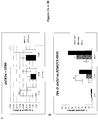
- the inventors have established a multiplexed assay to analyze the cellular fitness of the shRNA-engineered cell lines in response to the chemical library. This method enabled to query a 36 x 80 drug-gene matrix, which allowed the interrogation of almost 2,880 drug-gene pairs.
- the library was screened at three concentrations, yielding over 8,640 data points ( Figure 1 ).
- cell viability markers were used to measure the effects of each combination in each cell line versus the control.
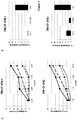
- the inventors used another ATM inhibitor KU-60019 (from Selleckchem) as well as another CK2 inhibitor named Ellipticine ( Figure 2C ). As KU-60019 showed to be significantly more efficient, this ATM inhibitor was used in the follow up experiments. The inventors then stably reintroduced the tumor suppressor VHL in 786-O cells and measured the sensitivity of these cells to the CK2 and ATM inhibitors. They found that the synergistic anti-proliferative effect of the combination was much stronger in 786-O VHL - cells as compared to 786-O VHL + cells ( Figure 3A, B ). One of the roles of VHL is to promote the degradation of HIF factors under normoxic conditions.
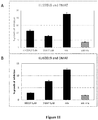
- VHL complex tags HIF-1 ⁇ with ubiquitin and thereby marks it for degradation by the 26S proteasome. It is admitted that in tumor, the cell environment is hypoxic. Consequently, it has been previously shown that there are differences in drug effects due to different VHL status in hypoxic conditions. Thus, the inventors looked at the effect of the CK2 and ATM inhibitors in low oxygen (1.5 %). As illustrated in Figure 4AB , 786-O VHL + cultured and treated under hypoxic conditions are less sensitive to each inhibitor alone. However, the most striking observation was the strong synergetic effect of the combination in the VHL - cells as compared to the VHL + cells. The calculated theoretical additive cell death effect of both inhibitors was ⁇ 10% whereas the observed effect was 37%, clearly indicating a synthetic lethality process.
- VHL von Hippel-Lindau
- RPTEC that are described as "normal" renal epithelial cells, are as sensitive to these inhibitors as 786-O VHL + cells ( Figure 4D ) in normoxic conditions and some more sensitive in hypoxic conditions, suggesting a role of HIF in this response.
- MTS Multicellular Tumor Spheroids
- Tumor spheroid models are particularly interesting as they reproduce the multicellular resistance (MCR) associated to cell-cell interaction, low drug penetration, resistance of quiescent cells located in the deepest and hypoxic regions (Desoize 2000, Hirschhaeuser, Menne et al. 2010).
- MCR multicellular resistance
- Tumor spheroids generated from 786-O VHL - cells were treated for 48h with ATM or CK2 inhibitors or with their combination.
- 10 ⁇ M ATM inhibitor KU-60019 and 7.5 ⁇ M CX-4945 were the optimal concentrations that show a synergetic effect on the viability of 786-O VHL - cells, as visualized by propidium iodide staining.
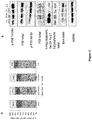
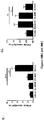
- Multicellular Tumor Spheroids were pre-formed for 3 days with indicated 7856-O sh-transduced cell lines before treatment for 48h with vehicle or drugs. Significant difference (**** P ⁇ 0.0001) was observed when comparing the treatment of either shCK2 ⁇ MTS with Vehicle (DMSO) to 5 ⁇ M KU-60019 or shATM MTS with vehicle to 5 ⁇ M CX-4945 (Kruskal-Wallis non-parametric test) ( figure 8A and 8B ).
- Western Blot analysis of stable shATM and shCK2 ⁇ cell lines showing decreased protein expression levels of either ATM or CK2 ⁇ after shRNA transduction and selection. CK2 ⁇ levels do not change, showing specificity of shRNA against CK2 ⁇ . Loading was normalized using GAPDH ( figure 8C ).
- This assay shows that any combination of ATM inhibitor and CK2 ⁇ inhibitor efficiently decrease viability of tumor cells.
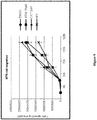
- mice were euthanized and tissue slices were generated from the tumors using a Vibratome (Leica). Tissue slices were placed in special supports that allow oxygen-gas exchange and were treated for 48h at different drug concentrations. Read-out of the drug effect on tumor slices was performed in vivo using either immunofluorescence (cell live & dead kit) or Luciferase activity measurement with IVIS Imaging reader ( Figure 10 ).
- DMAT (Catalog No. 218699) and KU-55933 (Catalog No. 118500) are from Calbiochem and KU-60019 (Catalog No. S1570) is from Selleckchem.
- ccRCC cell lines 786-O was obtained from ATCC and was grown in 10-cm diameter plates in a humidified incubator (37°C, 5% CO 2 ) with RPMI 1640 medium (Gibco) containing 10% of fetal bovine calf serum, penicillin [100U/mL], streptomycin [100 ⁇ g/mL].
- Cell lines were seeded in a 96-well microtiter plate at a concentration of 5 ⁇ 10 4 cells/mL. Cells were allowed to attach for 24 hrs at 37°C and 5% CO 2 . The cells were exposed to the negative control DMSO or indicated molecules for 48h in hypoxic conditions (1.5% O 2 , 5% CO 2 at 37°C). Cytotoxicity was measured using PrestoBlue assay (Invitrogen, Carlsbad, CA).
- CK2 ⁇ inhibitors tested several combinations of CK2 ⁇ inhibitors as first agent and ATM inhibitors as second agent.
Landscapes
- Health & Medical Sciences (AREA)
- Life Sciences & Earth Sciences (AREA)
- Chemical & Material Sciences (AREA)
- Veterinary Medicine (AREA)
- Medicinal Chemistry (AREA)
- Animal Behavior & Ethology (AREA)
- General Health & Medical Sciences (AREA)
- Pharmacology & Pharmacy (AREA)
- Public Health (AREA)
- Epidemiology (AREA)
- Chemical Kinetics & Catalysis (AREA)
- Organic Chemistry (AREA)
- Nuclear Medicine, Radiotherapy & Molecular Imaging (AREA)
- General Chemical & Material Sciences (AREA)
- Pharmaceuticals Containing Other Organic And Inorganic Compounds (AREA)
- Medicines That Contain Protein Lipid Enzymes And Other Medicines (AREA)
Claims (16)
- Kombination aus einem ersten Agens, das eine Proteinkinase CK2 (CK2) inhibiert, und einem zweiten Agens, das eine Ataxie-Teleangiektasie-mutierte (ATM) Kinase inhibiert, zur Verwendung als ein Medikament.
- Kombination nach Anspruch 1 zur Verwendung nach Anspruch 1, wobei das erste Agens ausgewählt ist aus der Gruppe, bestehend aus chemischen Molekülen, die die Kinaseaktivität von CK2 inhibieren, siRNAs, die auf ein CK2α und/oder α' codierendes Gen abzielen, und shRNAs, die auf ein CK2α und/oder α' codierendes Gen abzielen, und das zweite Agens ausgewählt ist aus der Gruppe, bestehend aus chemischen Molekülen, die die Kinaseaktivität von ATM-Kinase inhibieren, siRNAs, die auf ein ATM-Kinase codierendes Gen abzielen, und shRNAs, die auf ein ATM-Kinase codierendes Gen abzielen.
- Kombination nach Anspruch 1 oder Anspruch 2 zur Verwendung nach Anspruch 1, wobei das erste Agens ausgewählt ist aus der Gruppe, bestehend aus 5-(3-Chlorphenylamino)benzo[c][2,6]naphthyridin-8-carbonsäure, 5,11-Dimethyl-6H-pyrido[4,3-b]carbazol, 7-Chlor-10-methyl-11H-benzo[g]pyrido[4,3-b]indol-3-ol, 2-Dimethylamino-4,5,6,7-tetrabrom-1H-benzimidazol und 4,5,6,7-Tetrabrombenzotriazol.
- Kombination nach einem der Ansprüche 1 bis 3 zur Verwendung nach Anspruch 1, wobei das zweite Agens ausgewählt ist aus der Gruppe, bestehend aus 2-((2S,6R)-2,6-Dimethylmorpholino)-N-(5-(6-morpholino-4-oxo-4H-pyran-2-yl)-9H-thioxanthen-2-yl)acetamid, 2-Morpholin-4-yl-6-thianthren-1-yl-pyran-4-on.
- Kombination nach einem der Ansprüche 1 bis 4 zur Verwendung nach Anspruch 1, wobei das erste Agens ausgewählt ist aus der Gruppe, bestehend aus 5-(3-Chlorphenylamino)benzo[c][2,6]naphthyridin-8-carbonsäure und 5,11-Dimethyl-6H-pyrido[4,3-b]carbazol, und das zweite Agens 2-((2S,6R)-2,6-Dimethylmorpholino)-N-(5-(6-morpholino-4-oxo-4H-pyran-2-yl)-9H-thioxanthen-2-yl)acetamid ist.
- Kombination nach einem der Ansprüche 1 bis 5 zur Verwendung nach Anspruch 1, wobei das erste Agens 5-(3-Chlorphenylamino)benzo[c][2,6]naphthyridin-8-carbonsäure ist und das zweite Agens 2-((2S,6R)-2,6-Dimethylmorpholino)-N-(5-(6-morpholino-4-oxo-4H-pyran-2-yl)-9H-thioxanthen-2-yl)acetamid ist.
- Kombination nach einem der Ansprüche 1 bis 6 zur Verwendung nach Anspruch 1, wobei das erste und das zweite Agens in einer Zusammensetzung oder in einem Teile-Kit enthalten sind.
- Kombination nach einem der Ansprüche 1 bis 7 zur Verwendung als ein Medikament zur Behandlung eines soliden Tumors, der eine VHL-Inaktivierung beherbergt.
- Kombination nach einem der Ansprüche 1 bis 7 zur Verwendung als ein Medikament zur Behandlung eines klarzelligen Nierenkarzinoms (ccRCC).
- Kombination nach einem der Ansprüche 1 bis 7 zur Verwendung nach Anspruch 9, wobei das RCC ein metastasiertes Nierenzellkarzinom (mRCC) ist.
- ATM-Kinase-Inhibitor zur Verwendung als ein Medikament zur Potenzierung der Wirkung eines CK2-Inhibitors bei der Behandlung eines Krebses, der eine VHL-Inaktivierung beherbergt.
- ATM-Kinase-Inhibitor nach Anspruch 11 zur Verwendung nach Anspruch 11, der ausgewählt ist aus der Gruppe, bestehend aus 2-((2S,6R)-2,6-Dimethylmorpholino)-N-(5-(6-morpholino-4-oxo-4H-pyran-2-yl)-9H-thioxanthen-2-yl)acetamid, 2-Morpholin-4-yl-6-thianthren-1-yl-pyran-4-on.
- ATM-Kinase-Inhibitor nach Anspruch 11 oder Anspruch 12 zur Verwendung nach Anspruch 11 zur Potenzierung der Wirkung eines CK2-Inhibitors, ausgewählt aus der Gruppe, bestehend aus 5-(3-Chlorphenylamino)benzo[c][2,6]naphthyridin-8-carbonsäure, 5,11-Dimethyl-6H-pyrido[4,3-b]carbazol, 7-Chlor-10-methyl-11H-benzo[g]pyrido[4,3-b]indol-3-ol,2-Dimethylamino-4,5,6,7-tetrabrom-1H-benzimidazol und 4,5,6,7-Tetrabrombenzotriazol.
- ATM-Kinase-Inhibitor nach Anspruch 11 oder Anspruch 12 zur Verwendung nach Anspruch 11 oder Anspruch 13 zur Potenzierung der Wirkung eines CK2-Inhibitors bei der Behandlung eines aus RCC, ccRCC und mRCC ausgewählten Krebses.
- CK2-Inhibitor zur Verwendung als ein Medikament zur Potenzierung der Wirkung eines ATM-Kinase-Inhibitors bei der Behandlung eines Krebses, der eine VHL-Inaktivierung beherbergt.
- CK2-Inhibitor nach Anspruch 15 zur Verwendung nach Anspruch 15, der ausgewählt ist aus der Gruppe, bestehend aus 5-(3-Chlorphenylamino)benzo[c][2,6]naphthyridin-8-carbonsäure, 5,11-Dimethyl-6H-pyrido[4,3-b]carbazol, 7-Chlor-10-methyl-11H-benzo[g]pyrido[4,3-b]indol-3-ol, 2-Dimethylamino-4,5,6,7-tetrabrom-1H-benzimidazol und 4,5,6,7-Tetrabrombenzotriazol.
Applications Claiming Priority (2)
| Application Number | Priority Date | Filing Date | Title |
|---|---|---|---|
| EP15306469.6A EP3144014A1 (de) | 2015-09-21 | 2015-09-21 | Synthetische tödliche arzneimittelkombination zur behandlung von nierenzellenkarzinom |
| PCT/EP2016/072458 WO2017050842A1 (en) | 2015-09-21 | 2016-09-21 | A synthetic lethal drug combination for treating renal cell carcinoma |
Publications (2)
| Publication Number | Publication Date |
|---|---|
| EP3352794A1 EP3352794A1 (de) | 2018-08-01 |
| EP3352794B1 true EP3352794B1 (de) | 2020-10-14 |
Family
ID=54252226
Family Applications (2)
| Application Number | Title | Priority Date | Filing Date |
|---|---|---|---|
| EP15306469.6A Withdrawn EP3144014A1 (de) | 2015-09-21 | 2015-09-21 | Synthetische tödliche arzneimittelkombination zur behandlung von nierenzellenkarzinom |
| EP16775552.9A Active EP3352794B1 (de) | 2015-09-21 | 2016-09-21 | Arzneimittelkombination aus einem hemmer der protein kinase ck2 hemmer und einem hemmer der ataxia telangiectasia mutated (atm) kinase zur behandlung von nierenzellenkarzinom |
Family Applications Before (1)
| Application Number | Title | Priority Date | Filing Date |
|---|---|---|---|
| EP15306469.6A Withdrawn EP3144014A1 (de) | 2015-09-21 | 2015-09-21 | Synthetische tödliche arzneimittelkombination zur behandlung von nierenzellenkarzinom |
Country Status (4)
| Country | Link |
|---|---|
| US (1) | US10322133B2 (de) |
| EP (2) | EP3144014A1 (de) |
| JP (1) | JP7138563B2 (de) |
| WO (1) | WO2017050842A1 (de) |
Families Citing this family (1)
| Publication number | Priority date | Publication date | Assignee | Title |
|---|---|---|---|---|
| CN115105596B (zh) * | 2022-07-18 | 2024-01-30 | 刘沐桑 | Tel1在制备降低烟曲霉唑类耐药性的药物中的应用 |
Family Cites Families (6)
| Publication number | Priority date | Publication date | Assignee | Title |
|---|---|---|---|---|
| FR2685346B1 (fr) | 1991-12-18 | 1994-02-11 | Cis Bio International | Procede de preparation d'arn double-brin, et ses applications. |
| FR2857013B1 (fr) | 2003-07-02 | 2005-09-30 | Commissariat Energie Atomique | Petits arn interferents specifiques des sous-unites alpha, alpha prime et beta de la proteine kinase ck2 et leurs applications |
| WO2008090417A2 (en) * | 2006-02-02 | 2008-07-31 | The Cleveland Clinic Foundation | Inhibition of nf-kb |
| US20090054507A1 (en) | 2006-09-12 | 2009-02-26 | Cleveland State University | Control of malignant cells by kinase inhibition |
| WO2009032213A1 (en) * | 2007-08-30 | 2009-03-12 | Cleveland State University | Control of malignant cells by kinase inhibition |
| WO2011133668A2 (en) * | 2010-04-20 | 2011-10-27 | President And Fellows Of Harvard College | Methods and compositions for the treatment of cancer |
-
2015
- 2015-09-21 EP EP15306469.6A patent/EP3144014A1/de not_active Withdrawn
-
2016
- 2016-09-21 JP JP2018513290A patent/JP7138563B2/ja active Active
- 2016-09-21 EP EP16775552.9A patent/EP3352794B1/de active Active
- 2016-09-21 WO PCT/EP2016/072458 patent/WO2017050842A1/en not_active Ceased
- 2016-09-21 US US15/759,815 patent/US10322133B2/en active Active
Non-Patent Citations (1)
| Title |
|---|
| None * |
Also Published As
| Publication number | Publication date |
|---|---|
| US10322133B2 (en) | 2019-06-18 |
| US20180256587A1 (en) | 2018-09-13 |
| EP3144014A1 (de) | 2017-03-22 |
| JP2018531224A (ja) | 2018-10-25 |
| WO2017050842A1 (en) | 2017-03-30 |
| JP7138563B2 (ja) | 2022-09-16 |
| EP3352794A1 (de) | 2018-08-01 |
| EP3144014A8 (de) | 2017-04-26 |
Similar Documents
| Publication | Publication Date | Title |
|---|---|---|
| Ozkan-Dagliyan et al. | Low-dose vertical inhibition of the RAF-MEK-ERK cascade causes apoptotic death of KRAS mutant cancers | |
| Iniguez et al. | EWS/FLI confers tumor cell synthetic lethality to CDK12 inhibition in Ewing sarcoma | |
| Moser et al. | Functional kinomics identifies candidate therapeutic targets in head and neck cancer | |
| Pan et al. | MicroRNA-27a promotes proliferation, migration and invasion by targeting MAP2K4 in human osteosarcoma cells | |
| Mason et al. | Functional characterization of CFI-400945, a Polo-like kinase 4 inhibitor, as a potential anticancer agent | |
| Hsu et al. | Definition of PKC-α, CDK6, and MET as therapeutic targets in triple-negative breast cancer | |
| Shi et al. | Retracted article: Therapeutic potential of targeting IRES-dependent c-myc translation in multiple myeloma cells during ER stress | |
| Zhou et al. | MicroRNA-21 regulates the migration and invasion of a stem-like population in hepatocellular carcinoma | |
| Knudsen et al. | Biological specificity of CDK4/6 inhibitors: dose response relationship, in vivo signaling, and composite response signature | |
| US9820987B2 (en) | Modulator compounds of drug resistance in epithelial tumor cells | |
| Panneerselvam et al. | DCLK1 regulates tumor stemness and cisplatin resistance in non-small cell lung cancer via ABCD-member-4 | |
| Sullivan et al. | ATM and MET kinases are synthetic lethal with nongenotoxic activation of p53 | |
| Kumarasamy et al. | Chemotherapy impacts on the cellular response to CDK4/6 inhibition: distinct mechanisms of interaction and efficacy in models of pancreatic cancer | |
| Li et al. | Targeting the FOXM 1‐regulated long noncoding RNA TUG 1 in osteosarcoma | |
| Xu et al. | A combinatorial CRISPR–Cas9 screen identifies ifenprodil as an adjunct to sorafenib for liver cancer treatment | |
| Zhang et al. | A novel aurora-A inhibitor (MLN8237) synergistically enhances the antitumor activity of sorafenib in hepatocellular carcinoma | |
| Zhang et al. | miR‑361 enhances sensitivity to 5‑fluorouracil by targeting the FOXM1‑ABCC5/10 signaling pathway in colorectal cancer | |
| Rodriguez-Blanco et al. | A CK1α activator penetrates the brain and shows efficacy against drug-resistant metastatic medulloblastoma | |
| Balajee | Human RecQL4 as a novel molecular target for cancer therapy | |
| Li et al. | Rapamycin enhanced the antitumor effects of doxorubicin in myelogenous leukemia K562 cells by downregulating the mTOR/p70S6K pathway | |
| Mijit et al. | Activation of the integrated stress response (ISR) pathways in response to Ref-1 inhibition in human pancreatic cancer and its tumor microenvironment | |
| Mallery et al. | Fenretinide, tocilizumab, and reparixin provide multifaceted disruption of oral squamous cell carcinoma stem cell properties: implications for tertiary chemoprevention | |
| Soosainathan et al. | Targeting transcriptional regulation with a CDK9 inhibitor suppresses growth of endocrine-and palbociclib-resistant ER+ breast cancers | |
| Hamamoto et al. | Non-small cell lung cancer PC-9 cells exhibit increased sensitivity to gemcitabine and vinorelbine upon acquiring resistance to EGFR-tyrosine kinase inhibitors | |
| Liang et al. | siRNA-based targeting of cyclin E overexpression inhibits breast cancer cell growth and suppresses tumor development in breast cancer mouse model |
Legal Events
| Date | Code | Title | Description |
|---|---|---|---|
| STAA | Information on the status of an ep patent application or granted ep patent |
Free format text: STATUS: UNKNOWN |
|
| STAA | Information on the status of an ep patent application or granted ep patent |
Free format text: STATUS: THE INTERNATIONAL PUBLICATION HAS BEEN MADE |
|
| PUAI | Public reference made under article 153(3) epc to a published international application that has entered the european phase |
Free format text: ORIGINAL CODE: 0009012 |
|
| STAA | Information on the status of an ep patent application or granted ep patent |
Free format text: STATUS: REQUEST FOR EXAMINATION WAS MADE |
|
| 17P | Request for examination filed |
Effective date: 20180320 |
|
| AK | Designated contracting states |
Kind code of ref document: A1 Designated state(s): AL AT BE BG CH CY CZ DE DK EE ES FI FR GB GR HR HU IE IS IT LI LT LU LV MC MK MT NL NO PL PT RO RS SE SI SK SM TR |
|
| AX | Request for extension of the european patent |
Extension state: BA ME |
|
| DAV | Request for validation of the european patent (deleted) | ||
| DAX | Request for extension of the european patent (deleted) | ||
| STAA | Information on the status of an ep patent application or granted ep patent |
Free format text: STATUS: EXAMINATION IS IN PROGRESS |
|
| 17Q | First examination report despatched |
Effective date: 20190912 |
|
| GRAP | Despatch of communication of intention to grant a patent |
Free format text: ORIGINAL CODE: EPIDOSNIGR1 |
|
| STAA | Information on the status of an ep patent application or granted ep patent |
Free format text: STATUS: GRANT OF PATENT IS INTENDED |
|
| RIC1 | Information provided on ipc code assigned before grant |
Ipc: A61K 31/4375 20060101ALI20200422BHEP Ipc: A61P 35/00 20060101ALI20200422BHEP Ipc: A61K 45/06 20060101AFI20200422BHEP Ipc: A61K 31/5377 20060101ALI20200422BHEP Ipc: A61K 31/4745 20060101ALI20200422BHEP Ipc: A61P 35/04 20060101ALI20200422BHEP Ipc: A61K 31/437 20060101ALI20200422BHEP |
|
| INTG | Intention to grant announced |
Effective date: 20200511 |
|
| GRAS | Grant fee paid |
Free format text: ORIGINAL CODE: EPIDOSNIGR3 |
|
| GRAA | (expected) grant |
Free format text: ORIGINAL CODE: 0009210 |
|
| STAA | Information on the status of an ep patent application or granted ep patent |
Free format text: STATUS: THE PATENT HAS BEEN GRANTED |
|
| AK | Designated contracting states |
Kind code of ref document: B1 Designated state(s): AL AT BE BG CH CY CZ DE DK EE ES FI FR GB GR HR HU IE IS IT LI LT LU LV MC MK MT NL NO PL PT RO RS SE SI SK SM TR |
|
| REG | Reference to a national code |
Ref country code: GB Ref legal event code: FG4D |
|
| REG | Reference to a national code |
Ref country code: AT Ref legal event code: REF Ref document number: 1322939 Country of ref document: AT Kind code of ref document: T Effective date: 20201015 Ref country code: CH Ref legal event code: EP |
|
| REG | Reference to a national code |
Ref country code: DE Ref legal event code: R096 Ref document number: 602016045895 Country of ref document: DE |
|
| REG | Reference to a national code |
Ref country code: IE Ref legal event code: FG4D |
|
| REG | Reference to a national code |
Ref country code: AT Ref legal event code: MK05 Ref document number: 1322939 Country of ref document: AT Kind code of ref document: T Effective date: 20201014 |
|
| REG | Reference to a national code |
Ref country code: NL Ref legal event code: MP Effective date: 20201014 |
|
| PG25 | Lapsed in a contracting state [announced via postgrant information from national office to epo] |
Ref country code: GR Free format text: LAPSE BECAUSE OF FAILURE TO SUBMIT A TRANSLATION OF THE DESCRIPTION OR TO PAY THE FEE WITHIN THE PRESCRIBED TIME-LIMIT Effective date: 20210115 Ref country code: FI Free format text: LAPSE BECAUSE OF FAILURE TO SUBMIT A TRANSLATION OF THE DESCRIPTION OR TO PAY THE FEE WITHIN THE PRESCRIBED TIME-LIMIT Effective date: 20201014 Ref country code: NO Free format text: LAPSE BECAUSE OF FAILURE TO SUBMIT A TRANSLATION OF THE DESCRIPTION OR TO PAY THE FEE WITHIN THE PRESCRIBED TIME-LIMIT Effective date: 20210114 Ref country code: PT Free format text: LAPSE BECAUSE OF FAILURE TO SUBMIT A TRANSLATION OF THE DESCRIPTION OR TO PAY THE FEE WITHIN THE PRESCRIBED TIME-LIMIT Effective date: 20210215 Ref country code: RS Free format text: LAPSE BECAUSE OF FAILURE TO SUBMIT A TRANSLATION OF THE DESCRIPTION OR TO PAY THE FEE WITHIN THE PRESCRIBED TIME-LIMIT Effective date: 20201014 |
|
| REG | Reference to a national code |
Ref country code: LT Ref legal event code: MG4D |
|
| PG25 | Lapsed in a contracting state [announced via postgrant information from national office to epo] |
Ref country code: SE Free format text: LAPSE BECAUSE OF FAILURE TO SUBMIT A TRANSLATION OF THE DESCRIPTION OR TO PAY THE FEE WITHIN THE PRESCRIBED TIME-LIMIT Effective date: 20201014 Ref country code: ES Free format text: LAPSE BECAUSE OF FAILURE TO SUBMIT A TRANSLATION OF THE DESCRIPTION OR TO PAY THE FEE WITHIN THE PRESCRIBED TIME-LIMIT Effective date: 20201014 Ref country code: AT Free format text: LAPSE BECAUSE OF FAILURE TO SUBMIT A TRANSLATION OF THE DESCRIPTION OR TO PAY THE FEE WITHIN THE PRESCRIBED TIME-LIMIT Effective date: 20201014 Ref country code: BG Free format text: LAPSE BECAUSE OF FAILURE TO SUBMIT A TRANSLATION OF THE DESCRIPTION OR TO PAY THE FEE WITHIN THE PRESCRIBED TIME-LIMIT Effective date: 20210114 Ref country code: LV Free format text: LAPSE BECAUSE OF FAILURE TO SUBMIT A TRANSLATION OF THE DESCRIPTION OR TO PAY THE FEE WITHIN THE PRESCRIBED TIME-LIMIT Effective date: 20201014 Ref country code: IS Free format text: LAPSE BECAUSE OF FAILURE TO SUBMIT A TRANSLATION OF THE DESCRIPTION OR TO PAY THE FEE WITHIN THE PRESCRIBED TIME-LIMIT Effective date: 20210214 Ref country code: PL Free format text: LAPSE BECAUSE OF FAILURE TO SUBMIT A TRANSLATION OF THE DESCRIPTION OR TO PAY THE FEE WITHIN THE PRESCRIBED TIME-LIMIT Effective date: 20201014 |
|
| PG25 | Lapsed in a contracting state [announced via postgrant information from national office to epo] |
Ref country code: NL Free format text: LAPSE BECAUSE OF FAILURE TO SUBMIT A TRANSLATION OF THE DESCRIPTION OR TO PAY THE FEE WITHIN THE PRESCRIBED TIME-LIMIT Effective date: 20201014 Ref country code: HR Free format text: LAPSE BECAUSE OF FAILURE TO SUBMIT A TRANSLATION OF THE DESCRIPTION OR TO PAY THE FEE WITHIN THE PRESCRIBED TIME-LIMIT Effective date: 20201014 |
|
| REG | Reference to a national code |
Ref country code: DE Ref legal event code: R097 Ref document number: 602016045895 Country of ref document: DE |
|
| PG25 | Lapsed in a contracting state [announced via postgrant information from national office to epo] |
Ref country code: SK Free format text: LAPSE BECAUSE OF FAILURE TO SUBMIT A TRANSLATION OF THE DESCRIPTION OR TO PAY THE FEE WITHIN THE PRESCRIBED TIME-LIMIT Effective date: 20201014 Ref country code: RO Free format text: LAPSE BECAUSE OF FAILURE TO SUBMIT A TRANSLATION OF THE DESCRIPTION OR TO PAY THE FEE WITHIN THE PRESCRIBED TIME-LIMIT Effective date: 20201014 Ref country code: SM Free format text: LAPSE BECAUSE OF FAILURE TO SUBMIT A TRANSLATION OF THE DESCRIPTION OR TO PAY THE FEE WITHIN THE PRESCRIBED TIME-LIMIT Effective date: 20201014 Ref country code: LT Free format text: LAPSE BECAUSE OF FAILURE TO SUBMIT A TRANSLATION OF THE DESCRIPTION OR TO PAY THE FEE WITHIN THE PRESCRIBED TIME-LIMIT Effective date: 20201014 Ref country code: CZ Free format text: LAPSE BECAUSE OF FAILURE TO SUBMIT A TRANSLATION OF THE DESCRIPTION OR TO PAY THE FEE WITHIN THE PRESCRIBED TIME-LIMIT Effective date: 20201014 Ref country code: EE Free format text: LAPSE BECAUSE OF FAILURE TO SUBMIT A TRANSLATION OF THE DESCRIPTION OR TO PAY THE FEE WITHIN THE PRESCRIBED TIME-LIMIT Effective date: 20201014 |
|
| PLBE | No opposition filed within time limit |
Free format text: ORIGINAL CODE: 0009261 |
|
| STAA | Information on the status of an ep patent application or granted ep patent |
Free format text: STATUS: NO OPPOSITION FILED WITHIN TIME LIMIT |
|
| PG25 | Lapsed in a contracting state [announced via postgrant information from national office to epo] |
Ref country code: DK Free format text: LAPSE BECAUSE OF FAILURE TO SUBMIT A TRANSLATION OF THE DESCRIPTION OR TO PAY THE FEE WITHIN THE PRESCRIBED TIME-LIMIT Effective date: 20201014 |
|
| 26N | No opposition filed |
Effective date: 20210715 |
|
| PG25 | Lapsed in a contracting state [announced via postgrant information from national office to epo] |
Ref country code: IT Free format text: LAPSE BECAUSE OF FAILURE TO SUBMIT A TRANSLATION OF THE DESCRIPTION OR TO PAY THE FEE WITHIN THE PRESCRIBED TIME-LIMIT Effective date: 20201014 Ref country code: AL Free format text: LAPSE BECAUSE OF FAILURE TO SUBMIT A TRANSLATION OF THE DESCRIPTION OR TO PAY THE FEE WITHIN THE PRESCRIBED TIME-LIMIT Effective date: 20201014 |
|
| PG25 | Lapsed in a contracting state [announced via postgrant information from national office to epo] |
Ref country code: SI Free format text: LAPSE BECAUSE OF FAILURE TO SUBMIT A TRANSLATION OF THE DESCRIPTION OR TO PAY THE FEE WITHIN THE PRESCRIBED TIME-LIMIT Effective date: 20201014 |
|
| REG | Reference to a national code |
Ref country code: BE Ref legal event code: MM Effective date: 20210930 |
|
| PG25 | Lapsed in a contracting state [announced via postgrant information from national office to epo] |
Ref country code: IS Free format text: LAPSE BECAUSE OF FAILURE TO SUBMIT A TRANSLATION OF THE DESCRIPTION OR TO PAY THE FEE WITHIN THE PRESCRIBED TIME-LIMIT Effective date: 20210214 Ref country code: MC Free format text: LAPSE BECAUSE OF FAILURE TO SUBMIT A TRANSLATION OF THE DESCRIPTION OR TO PAY THE FEE WITHIN THE PRESCRIBED TIME-LIMIT Effective date: 20201014 |
|
| PG25 | Lapsed in a contracting state [announced via postgrant information from national office to epo] |
Ref country code: LU Free format text: LAPSE BECAUSE OF NON-PAYMENT OF DUE FEES Effective date: 20210921 Ref country code: IE Free format text: LAPSE BECAUSE OF NON-PAYMENT OF DUE FEES Effective date: 20210921 Ref country code: BE Free format text: LAPSE BECAUSE OF NON-PAYMENT OF DUE FEES Effective date: 20210930 |
|
| PG25 | Lapsed in a contracting state [announced via postgrant information from national office to epo] |
Ref country code: HU Free format text: LAPSE BECAUSE OF FAILURE TO SUBMIT A TRANSLATION OF THE DESCRIPTION OR TO PAY THE FEE WITHIN THE PRESCRIBED TIME-LIMIT; INVALID AB INITIO Effective date: 20160921 |
|
| PG25 | Lapsed in a contracting state [announced via postgrant information from national office to epo] |
Ref country code: CY Free format text: LAPSE BECAUSE OF FAILURE TO SUBMIT A TRANSLATION OF THE DESCRIPTION OR TO PAY THE FEE WITHIN THE PRESCRIBED TIME-LIMIT Effective date: 20201014 |
|
| PG25 | Lapsed in a contracting state [announced via postgrant information from national office to epo] |
Ref country code: MK Free format text: LAPSE BECAUSE OF FAILURE TO SUBMIT A TRANSLATION OF THE DESCRIPTION OR TO PAY THE FEE WITHIN THE PRESCRIBED TIME-LIMIT Effective date: 20201014 |
|
| PG25 | Lapsed in a contracting state [announced via postgrant information from national office to epo] |
Ref country code: MT Free format text: LAPSE BECAUSE OF FAILURE TO SUBMIT A TRANSLATION OF THE DESCRIPTION OR TO PAY THE FEE WITHIN THE PRESCRIBED TIME-LIMIT Effective date: 20201014 |
|
| REG | Reference to a national code |
Ref country code: CH Ref legal event code: U11 Free format text: ST27 STATUS EVENT CODE: U-0-0-U10-U11 (AS PROVIDED BY THE NATIONAL OFFICE) Effective date: 20251001 |
|
| PGFP | Annual fee paid to national office [announced via postgrant information from national office to epo] |
Ref country code: DE Payment date: 20250919 Year of fee payment: 10 |
|
| PGFP | Annual fee paid to national office [announced via postgrant information from national office to epo] |
Ref country code: GB Payment date: 20250923 Year of fee payment: 10 |
|
| PGFP | Annual fee paid to national office [announced via postgrant information from national office to epo] |
Ref country code: FR Payment date: 20250924 Year of fee payment: 10 |
|
| PG25 | Lapsed in a contracting state [announced via postgrant information from national office to epo] |
Ref country code: TR Free format text: LAPSE BECAUSE OF FAILURE TO SUBMIT A TRANSLATION OF THE DESCRIPTION OR TO PAY THE FEE WITHIN THE PRESCRIBED TIME-LIMIT Effective date: 20201014 |
|
| PGFP | Annual fee paid to national office [announced via postgrant information from national office to epo] |
Ref country code: CH Payment date: 20251001 Year of fee payment: 10 |