EP3342295A1 - Processing liquid food into which particles are added - Google Patents
Processing liquid food into which particles are added Download PDFInfo
- Publication number
- EP3342295A1 EP3342295A1 EP17208419.6A EP17208419A EP3342295A1 EP 3342295 A1 EP3342295 A1 EP 3342295A1 EP 17208419 A EP17208419 A EP 17208419A EP 3342295 A1 EP3342295 A1 EP 3342295A1
- Authority
- EP
- European Patent Office
- Prior art keywords
- particles
- flow
- liquid food
- heat treatment
- treatment unit
- Prior art date
- Legal status (The legal status is an assumption and is not a legal conclusion. Google has not performed a legal analysis and makes no representation as to the accuracy of the status listed.)
- Granted
Links
Images


Classifications
-
- A—HUMAN NECESSITIES
- A23—FOODS OR FOODSTUFFS; TREATMENT THEREOF, NOT COVERED BY OTHER CLASSES
- A23B—PRESERVATION OF FOODS, FOODSTUFFS OR NON-ALCOHOLIC BEVERAGES; CHEMICAL RIPENING OF FRUIT OR VEGETABLES
- A23B70/00—Preservation of non-alcoholic beverages
- A23B70/30—Preservation of non-alcoholic beverages by heating
-
- A—HUMAN NECESSITIES
- A23—FOODS OR FOODSTUFFS; TREATMENT THEREOF, NOT COVERED BY OTHER CLASSES
- A23B—PRESERVATION OF FOODS, FOODSTUFFS OR NON-ALCOHOLIC BEVERAGES; CHEMICAL RIPENING OF FRUIT OR VEGETABLES
- A23B2/00—Preservation of foods or foodstuffs, in general
- A23B2/40—Preservation of foods or foodstuffs, in general by heating loose unpacked materials
- A23B2/42—Preservation of foods or foodstuffs, in general by heating loose unpacked materials while they are progressively transported through the apparatus
-
- A—HUMAN NECESSITIES
- A23—FOODS OR FOODSTUFFS; TREATMENT THEREOF, NOT COVERED BY OTHER CLASSES
- A23B—PRESERVATION OF FOODS, FOODSTUFFS OR NON-ALCOHOLIC BEVERAGES; CHEMICAL RIPENING OF FRUIT OR VEGETABLES
- A23B2/00—Preservation of foods or foodstuffs, in general
- A23B2/40—Preservation of foods or foodstuffs, in general by heating loose unpacked materials
- A23B2/42—Preservation of foods or foodstuffs, in general by heating loose unpacked materials while they are progressively transported through the apparatus
- A23B2/46—Preservation of foods or foodstuffs, in general by heating loose unpacked materials while they are progressively transported through the apparatus with transport through tubes
Definitions
- the invention relates to a system and a method for processing liquid food into which particles are added.
- Processing of many types of liquid food is often performed in a processing system that comprises a blender and a heat treatment unit.
- the blender blends water and food concentrate into liquid food.
- the liquid food is then subjected to heat treatment in the heat treatment unit, e.g. in the form of a heat exchanger, in order to obtain a desired heat treatment effect of the liquid food.
- the heat treatment effect provides killing or at least reduction of microorganisms in the liquid food and to an extent where the number of viable pathogens is so low that that they are unlikely to cause disease, as long as the liquid food is stored as prescribed and is consumed before its expiration date.
- liquid food it is also desired to add particles into the liquid food.
- Some examples of such liquid food are juices and still drinks, which may include particles in form of fiber (pulp), fruit and/or vegetable pieces.
- the particles may have varying sizes, such as an average size of between 0,1 mm and 10 mm.
- Particles in form of fibers may be 1 mm to 20 mm long, and may be less than 1 mm wide.
- a system for processing liquid food comprises a blender, a heat treatment unit and a control unit.
- the blender is configured to receive a flow of water and a flow of food concentrate.
- the blender is further configured to blend, according to a recipe provided by the control unit, the received water and the received food concentrate to liquid food and provide the liquid food to the heat treatment unit.
- the heat treatment unit is configured to receive the liquid food from the blender and receive a flow of particles into a flow of liquid food inside the heat treatment unit such that liquid food comprising particles is formed.
- the heat treatment unit is further configured to heat treat the liquid food comprising particles.
- the heat treatment unit may comprise an inlet for the liquid food, an outlet for the liquid food comprising particles and a flow path that extends from the inlet to the outlet.
- a particle inlet may be connected to the flow path, for enabling introduction of the flow of particles in the flow path.
- the particle inlet may be arranged to enable introduction of the flow of particles at at least one location along the flow path based on the amount of heat that is needed to obtain heat treatment of the particles in the flow of liquid food comprising particles.
- Such configurations of the system enable, in addition to the advantages as summarized above, a minimization of the maceration of the particles in the liquid food that may take place due to the heat treatment. That is, the system may be configured such that the particle introduction location along the flow path inside the heat treatment unit may be at a point that is optimal in terms of heat treatment of the particles and optimal in terms of minimal maceration of the particles.
- the object of at least mitigate drawbacks related to processing of liquid food into which particles are added is achieved by a method for processing liquid food in a system comprising a blender, a heat treatment unit and a control unit.
- the method comprises providing a flow of water and a flow of food concentrate to the blender.
- the received water and the received food concentrate are blended, according to a recipe provided by the control unit, into liquid food, and the liquid food is then provided to the heat treatment unit.
- a flow of particles is provided to the heat treatment unit, into liquid food inside the heat treatment unit such that liquid food comprising particles is formed inside the heat treatment unit.
- the liquid food comprising particles is heat treated in the heat treatment unit.
- the provision of the flow of particles to the heat treatment unit may comprise providing the flow of particles at at least one location along a flow path for the liquid food in the heat treatment unit.
- the location may be selected based on the amount of heat that is needed to obtain heat treatment of the particles in the flow of liquid food comprising particles.
- embodiments of such a method provide the technical effects and advantages that correspond to the technical effects and advantages of the system of the first aspect as summarized above.
- the method may include any feature described in connection the system, and vice versa.
- the system 100 comprises a blender 102, a heat treatment unit (e.g. a pasteurizer) 106 and a control unit 150.
- the blender 102 is configured to receive a flow of water 101, for example from a water tank 120, and configured to receive a flow of food concentrate 103, for example from a concentrate tank 122.
- the blender 102 is further configured to blend, according to a recipe 158 provided by the control unit 150, the received water 101 and the received food concentrate 103 to liquid food 105.
- the blender 102 is also configured to provide the liquid food 105 to the heat treatment unit 106.
- the blender 102 may comprise flow regulating and flow rate sensing arrangements 124, 126 (e.g. valves, flow sensors etc.) that are configured to be controlled by the control unit 150 via control signals 161 such that the flow Q w of water 101 and the flow Q c of concentrate 103 can be regulated and monitored. Blending water and concentrate into liquid food may then be accomplished by regulating the flow Q w of water 101 and the flow Q c of concentrate 103 in accordance with the recipe 158.
- flow 124, 126 e.g. valves, flow sensors etc.
- the heat treatment unit 106 is configured to receive the liquid food 105 from the blender 102, for example via a buffer tank 104.
- the heat treatment unit 106 is further configured to receive, for example from a particle tank 130, a flow of particles 109 into a flow of liquid food 105 inside the heat treatment unit 106, such that liquid food comprising particles 107 is formed, i.e. the flow of particles 109 and the flow of liquid food 105 are blended inside the heat treatment unit 106.
- the heat treatment unit 106 is also configured to heat treat the liquid food comprising particles 107.
- the heat treatment unit 106 may comprise an inlet 131 for the liquid food 105 and an outlet 133 for the liquid food comprising particles 107.
- a flow path 132 extends from the inlet 131 to the outlet 133.
- a particle inlet 110 is connected to the flow path 132 for enabling introduction of the flow of particles 109 in the flow path 132.
- Such a particle inlet 110 may be arranged to enable introduction of the flow of particles 109 at at least one location 141, 142 along the flow path 132. This location 141, 142 is selected based on the amount of heat that is needed to obtain heat treatment of the particles 109 in the flow of liquid food comprising particles 107. It is to be noted that, as the skilled person will realize, the flow of liquid food 105 that does not comprise particles may be subjected to heat treatment inside the heat treatment unit 106 between the inlet 131 and the location 141, 142 at which particles are introduced.
- the heat treatment unit 106 may comprise a flow regulating and flow rate sensing arrangement 128 (e.g. valves, flow sensors etc.) that are configured to be controlled by the control unit 150 via control signals 161 such that the flow Q p of particles 109 can be regulated and monitored. Moreover, this flow regulating and flow rate sensing arrangement 128 may be further configured to select, when there are two locations 141, 142 where the flow of particles 109 may be introduced, at which of these locations 141, 142 the flow of particles 109 shall be introduced. The selection may be accomplished by a valve and piping arrangement that directs the flow of particles 109.
- a flow regulating and flow rate sensing arrangement 128 e.g. valves, flow sensors etc.
- the introduction may be accomplished by piping that is connected to the flow path 132 inside the heat treatment unit 106.
- Exactly how a connection at a location 141, 142 of the flow path 132 is accomplished depends on which type of heat treatment unit 106 is used. Still, the same principle applies for all types, i.e. an opening into the flow path 132 of the heat treatment unit 106 is made, and e.g. a pipe is connected to this opening, for example by welding. The pipe can then convey the flow of particles 109 into the flow path 132.
- the particle inlet 110 may be arranged to enable introduction of the particles 109 at a first location 141 in the flow path 132 and arranged to enable introduction of the particles 109 at a second location 142 in the flow path 132.
- the second location 142 is positioned upstream the first location 141 in the flow path 132.
- the heat treatment unit 106 may be configured to receive particles having a first set of properties at the first location 141 and a second set of properties at the second location 142.
- the first location 141 and the second location 142 may be realized in the form of, e.g., suitably arranged valves 143, 144 at the flow path 132, such valves being configured to being operated, e.g., in conjunction with the flow regulating and flow rate sensing arrangement 128 introduced above.
- the first set of properties for the particles may comprise a first average particle size or mass
- the second set of properties for the particles may comprise a second average particle size or mass that is larger than the first average particle size or mass, respectively.
- the control unit 150 may be configured to direct the flow of particles 109 to one of the first and second locations 141, 142 based on the amount of heat that is needed to obtain heat treatment of the particles in the flow of liquid food comprising particles 107.
- the amount of heat needed to properly heat treat the particles may be empirically determined and depends on particle size. For example, if the liquid food is orange juice and the particles are pulp fibers, which are relatively large and thus require more heat treatment, then the flow of particles 109 is directed to the location 142 closer to the inlet 131. If the liquid food is apple juice and the particles are apple fibers, which are relatively smaller and thus require less heat treatment, then the flow of particles 109 is directed to the location 141 further away from the inlet 131.
- this location is selected based on which type of particles is used in the flow of particles 109. Obviously, such selection is then fixed. Still, the same principle applies, i.e. the location is selected based on the amount of heat that is needed to obtain heat treatment of the particles 109, while still selecting the location to be as far away from the inlet 131 as possible so that unnecessary particle maceration may be avoided.
- the control unit 150 may comprise a processor 152, memory 154 and input/output circuitry 156 that may operate in conjunction with each other following software instructions stored in the memory 154. As illustrated, the recipe 158 may also be stored in the memory 154.
- the control unit 150 is per se a conventional control unit of a type that is commonly used in the liquid food processing industry. Control functionally has then been implemented in the unit 150 for providing the functionality of the system 100 described herein.
- the system 100 comprises conventional pumps and valves for providing the flow of water 101, the flow of food concentrate 103, the flow of particles 109 as well as for transporting the liquid food before and after particles are added. Also, a heating media is provided to the heat treatment unit 106, just as for any pasteurizer that is used within the field of liquid food processing.
- a method for processing liquid food in a system 100 comprising a blender 102, a heat treatment unit 106 and a control unit 150, will be described in terms of a number of actions.
- the method may be performed by the system 100 and control functionality may be implemented as software instructions stored in the memory 154 in the control unit 150 and, as already indicated above, control and monitoring signals 161 may be provided and received to and from various regulating and sensing arrangements in the system 100, including the blender 102 and heat treatment unit 106.
- a flow of water 101 and a flow of food concentrate 103 are provided 201 to the blender 102.
- the received water 101 and the received food concentrate 103 is blended 203, according to the recipe 158 provided by the control unit 150, into liquid food 105.
- the providing 201 of water and concentrate and the blending 203 may be understood as separate actions as well as one, integrated action.
- the liquid food 105 is provided 205 to the heat treatment unit 106.
- a flow of particles 109 is provided 207 to the heat treatment unit 106, into liquid food 105 that was provided to, i.e. is located inside, the heat treatment unit 106, such that liquid food comprising particles 107 is formed inside the heat treatment unit 106.
- the liquid food comprising particles 107 is then heat treated (pasteurized) 209 in the heat treatment unit 106.
- the flow of liquid food 105 that does not comprise particles may be subject to full or partial heat treatment inside the heat treatment unit 106 prior to the action in which particles are provided 207.
- the method may comprise at least partially heat treating 206, in the heat treatment unit 106, the liquid food 105. This is due to that the liquid food 105 might have already passed a distance in the heat treatment unit 106 before the providing 207 of particles.
- Heat treating means that any microorganisms in heat treated substance (food) are killed or at least reduced to an extent where the number of viable pathogens is so low that that they are unlikely to cause disease, as long as the substance is stored as prescribed and is consumed before its expiration date.
- the provision 207 of the flow of particles 109 to the heat treatment unit 106 may comprise providing 207 the flow of particles 109 at at least one location 141, 142 along a flow path 132 for the liquid food 105 in the heat treatment unit 106, where the location 141, 142 is selected based on the amount of heat that is needed to obtain heat treatment of the particles 109 in the flow of liquid food comprising particles 107.
- the selection of the location may part of a design process, where the location is fix for all types of particles that are provided to the heat treatment unit 106.
- the providing 207 of the flow of particles 109 to the heat treatment unit 106 may comprise providing 207 the flow of particles at one of a first location 141 and a second location 142 to the flow path 132, the second location 142 being located upstream the first location 141.
- the selection of the location 141, 142 may be done as part of a configuration of the method and the system 100, e.g. by an operator, prior to the actual execution of the method.
- the providing 207 of the flow of particles 109 in the heat treatment unit 106 may comprise providing 207a, if the particles in the flow of particles 109 have a first set of properties, the flow of particles 109 at the first location 141, and providing 207b, if the particles in the flow of particles 109 have a second set of properties, the flow of particles 109 at the second location 142.
- the first set of properties for the particles may comprises a first average particle size or mass
- the second set of properties for the particles may comprise a second average particle size or mass that is larger than the first average particle size or mass, respectively.
- the method for processing liquid food 105 may comprise further actions.
- the method may comprise monitoring 301 a sugar content B 1 of the liquid food 105 provided to the heat treatment unit 106 in the provision action 205.
- a sugar content B 2 of the liquid food comprising particles 107 may also be monitored 303. If 305 any of the monitored 301, 303 sugar contents B 1 , B 2 deviates from a predetermined threshold value, an adjustment 307 may be done of any of the provision 201 of the flow of water 101, the provision 201 of the flow of food concentrate 103, and the provision 207 of the flow of particles 109.
- the monitoring 301, 303 of the sugar contents B 1 and B 2 may be realized via the control and monitoring signals 161 communicated between the control unit 150 and sugar content sensors 136, 137, respectively.
- the adjustment 307 of the provision 207 of particles 109 may comprise stopping the providing 207 of particles 109, i.e. stopping the flow of particles 109 to the heat treatment unit 106.
- the method may comprise circulating 309, via a circulation line (not shown), the liquid food comprising particles 107 over the heat treatment unit 106.
- Fig. 3 illustrates examples where the system 100 ensures that a desired sugar content of the final product, i.e. the liquid food comprising particles 107, can be maintained without wasting unnecessary amounts of particles that would have become macerated if they were still introduced in the heat treatment unit and circulated over the heat treatment unit 106.
- the circulation 309 is stopped and normal operation is continued when, in action 305, the monitored 301, 303 sugar contents B 1 , B 2 are within their predetermined threshold values.
Landscapes
- Life Sciences & Earth Sciences (AREA)
- Engineering & Computer Science (AREA)
- Wood Science & Technology (AREA)
- Zoology (AREA)
- Chemical & Material Sciences (AREA)
- Food Science & Technology (AREA)
- Polymers & Plastics (AREA)
- General Preparation And Processing Of Foods (AREA)
Abstract
Description
- The invention relates to a system and a method for processing liquid food into which particles are added.
- Processing of many types of liquid food is often performed in a processing system that comprises a blender and a heat treatment unit. The blender blends water and food concentrate into liquid food. The liquid food is then subjected to heat treatment in the heat treatment unit, e.g. in the form of a heat exchanger, in order to obtain a desired heat treatment effect of the liquid food. The heat treatment effect provides killing or at least reduction of microorganisms in the liquid food and to an extent where the number of viable pathogens is so low that that they are unlikely to cause disease, as long as the liquid food is stored as prescribed and is consumed before its expiration date.
- For some types of liquid food it is also desired to add particles into the liquid food. Some examples of such liquid food are juices and still drinks, which may include particles in form of fiber (pulp), fruit and/or vegetable pieces. The particles may have varying sizes, such as an average size of between 0,1 mm and 10 mm. Particles in form of fibers may be 1 mm to 20 mm long, and may be less than 1 mm wide.
- In many of these types of liquid food with particles it is important to maintain the mechanical characteristics of the particles throughout the processing including the heat treatment. That is, a problem inherent in processing of liquid food having particles is that of minimizing the maceration of the particles. Needless to say, in case the particles in the liquid food are macerated, consumers will perceive the liquid food as having a poor quality.
- The prior art has provided solutions to the problem of how to reduce maceration of particles in liquid food that essentially involve two separate processing lines - a first line in which the blend of water and food concentrate is heat treated and a second line in which particles are heat treated, followed by blending of the flow of liquid food and the particles in the two lines. However, such solutions have drawbacks including an increased cost in terms of the additional hardware needed to realize two separate processing lines, as well as an added cost for providing energy to two separate processing lines.
- It is an object of the invention to at least partly overcome one or more of the above-identified limitations of the prior art related to processing of liquid food. In particular, it is an object to at least mitigate drawbacks related to processing of liquid food into which particles are added.
- Such an object is achieved as disclosed herein in a first aspect by a system for processing liquid food. The system comprises a blender, a heat treatment unit and a control unit. The blender is configured to receive a flow of water and a flow of food concentrate. The blender is further configured to blend, according to a recipe provided by the control unit, the received water and the received food concentrate to liquid food and provide the liquid food to the heat treatment unit.
- The heat treatment unit is configured to receive the liquid food from the blender and receive a flow of particles into a flow of liquid food inside the heat treatment unit such that liquid food comprising particles is formed. The heat treatment unit is further configured to heat treat the liquid food comprising particles.
- In other words, at least due to the fact that the system is configured such that the flow of particles is received into the flow of liquid food inside the heat treatment unit, there is no need for two separate processing lines for the blend of water plus concentrate and the flow of particles, respectively.
- The heat treatment unit may comprise an inlet for the liquid food, an outlet for the liquid food comprising particles and a flow path that extends from the inlet to the outlet. A particle inlet may be connected to the flow path, for enabling introduction of the flow of particles in the flow path. The particle inlet may be arranged to enable introduction of the flow of particles at at least one location along the flow path based on the amount of heat that is needed to obtain heat treatment of the particles in the flow of liquid food comprising particles.
- Such configurations of the system enable, in addition to the advantages as summarized above, a minimization of the maceration of the particles in the liquid food that may take place due to the heat treatment. That is, the system may be configured such that the particle introduction location along the flow path inside the heat treatment unit may be at a point that is optimal in terms of heat treatment of the particles and optimal in terms of minimal maceration of the particles.
- In a second aspect, the object of at least mitigate drawbacks related to processing of liquid food into which particles are added is achieved by a method for processing liquid food in a system comprising a blender, a heat treatment unit and a control unit. The method comprises providing a flow of water and a flow of food concentrate to the blender. The received water and the received food concentrate are blended, according to a recipe provided by the control unit, into liquid food, and the liquid food is then provided to the heat treatment unit. A flow of particles is provided to the heat treatment unit, into liquid food inside the heat treatment unit such that liquid food comprising particles is formed inside the heat treatment unit. The liquid food comprising particles is heat treated in the heat treatment unit.
- The provision of the flow of particles to the heat treatment unit may comprise providing the flow of particles at at least one location along a flow path for the liquid food in the heat treatment unit. The location may be selected based on the amount of heat that is needed to obtain heat treatment of the particles in the flow of liquid food comprising particles.
- In other words, embodiments of such a method provide the technical effects and advantages that correspond to the technical effects and advantages of the system of the first aspect as summarized above. The method may include any feature described in connection the system, and vice versa.
- Still other objectives, features, aspects and advantages of the invention will appear from the following detailed description as well as from the drawings.
- Embodiments of the invention will now be described, by way of example, with reference to the accompanying schematic drawings, in which
-
Fig. 1 is a schematically illustrated block diagram of a system for processing liquid food, -
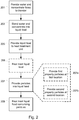
Fig. 2 is a flowchart of a method for processing liquid food, and -
Fig. 3 is a flowchart that illustrates embodiments of the method inFig. 2 . - With reference to
Fig. 1 asystem 100 for processingliquid food 105 is illustrated. Thesystem 100 comprises ablender 102, a heat treatment unit (e.g. a pasteurizer) 106 and acontrol unit 150. Theblender 102 is configured to receive a flow ofwater 101, for example from awater tank 120, and configured to receive a flow offood concentrate 103, for example from aconcentrate tank 122. Theblender 102 is further configured to blend, according to arecipe 158 provided by thecontrol unit 150, the receivedwater 101 and the receivedfood concentrate 103 toliquid food 105. Theblender 102 is also configured to provide theliquid food 105 to theheat treatment unit 106. - The
blender 102 may comprise flow regulating and flowrate sensing arrangements 124, 126 (e.g. valves, flow sensors etc.) that are configured to be controlled by thecontrol unit 150 viacontrol signals 161 such that the flow Qw ofwater 101 and the flow Qc ofconcentrate 103 can be regulated and monitored. Blending water and concentrate into liquid food may then be accomplished by regulating the flow Qw ofwater 101 and the flow Qc ofconcentrate 103 in accordance with therecipe 158. - The
heat treatment unit 106 is configured to receive theliquid food 105 from theblender 102, for example via abuffer tank 104. Theheat treatment unit 106 is further configured to receive, for example from aparticle tank 130, a flow ofparticles 109 into a flow ofliquid food 105 inside theheat treatment unit 106, such that liquidfood comprising particles 107 is formed, i.e. the flow ofparticles 109 and the flow ofliquid food 105 are blended inside theheat treatment unit 106. Theheat treatment unit 106 is also configured to heat treat the liquidfood comprising particles 107. - The
heat treatment unit 106 may comprise aninlet 131 for theliquid food 105 and anoutlet 133 for the liquidfood comprising particles 107. Aflow path 132 extends from theinlet 131 to theoutlet 133. Aparticle inlet 110 is connected to theflow path 132 for enabling introduction of the flow ofparticles 109 in theflow path 132. Such aparticle inlet 110 may be arranged to enable introduction of the flow ofparticles 109 at at least onelocation flow path 132. Thislocation particles 109 in the flow of liquidfood comprising particles 107. It is to be noted that, as the skilled person will realize, the flow ofliquid food 105 that does not comprise particles may be subjected to heat treatment inside theheat treatment unit 106 between theinlet 131 and thelocation - The closer the
location inlet 131, the more heat treatment will be performed on the particles in the flow ofparticles 109. However, particle maceration will increase when thelocation inlet 131. - The
heat treatment unit 106 may comprise a flow regulating and flow rate sensing arrangement 128 (e.g. valves, flow sensors etc.) that are configured to be controlled by thecontrol unit 150 via control signals 161 such that the flow Qp ofparticles 109 can be regulated and monitored. Moreover, this flow regulating and flowrate sensing arrangement 128 may be further configured to select, when there are twolocations particles 109 may be introduced, at which of theselocations particles 109 shall be introduced. The selection may be accomplished by a valve and piping arrangement that directs the flow ofparticles 109. - If only one
location 141 is used for introducing the flow ofparticles 109, the introduction may be accomplished by piping that is connected to theflow path 132 inside theheat treatment unit 106. - Exactly how a connection at a
location flow path 132 is accomplished depends on which type ofheat treatment unit 106 is used. Still, the same principle applies for all types, i.e. an opening into theflow path 132 of theheat treatment unit 106 is made, and e.g. a pipe is connected to this opening, for example by welding. The pipe can then convey the flow ofparticles 109 into theflow path 132. - The
particle inlet 110 may be arranged to enable introduction of theparticles 109 at afirst location 141 in theflow path 132 and arranged to enable introduction of theparticles 109 at asecond location 142 in theflow path 132. Thesecond location 142 is positioned upstream thefirst location 141 in theflow path 132. Theheat treatment unit 106 may be configured to receive particles having a first set of properties at thefirst location 141 and a second set of properties at thesecond location 142. Thefirst location 141 and thesecond location 142 may be realized in the form of, e.g., suitably arrangedvalves flow path 132, such valves being configured to being operated, e.g., in conjunction with the flow regulating and flowrate sensing arrangement 128 introduced above. - The first set of properties for the particles may comprise a first average particle size or mass, and the second set of properties for the particles may comprise a second average particle size or mass that is larger than the first average particle size or mass, respectively.
- The
control unit 150 may be configured to direct the flow ofparticles 109 to one of the first andsecond locations food comprising particles 107. The amount of heat needed to properly heat treat the particles may be empirically determined and depends on particle size. For example, if the liquid food is orange juice and the particles are pulp fibers, which are relatively large and thus require more heat treatment, then the flow ofparticles 109 is directed to thelocation 142 closer to theinlet 131. If the liquid food is apple juice and the particles are apple fibers, which are relatively smaller and thus require less heat treatment, then the flow ofparticles 109 is directed to thelocation 141 further away from theinlet 131. - If only one inlet to the
flow path 132 in theheat treatment unit 106 is used, then this location is selected based on which type of particles is used in the flow ofparticles 109. Obviously, such selection is then fixed. Still, the same principle applies, i.e. the location is selected based on the amount of heat that is needed to obtain heat treatment of theparticles 109, while still selecting the location to be as far away from theinlet 131 as possible so that unnecessary particle maceration may be avoided. - The
control unit 150 may comprise aprocessor 152,memory 154 and input/output circuitry 156 that may operate in conjunction with each other following software instructions stored in thememory 154. As illustrated, therecipe 158 may also be stored in thememory 154. Thecontrol unit 150 is per se a conventional control unit of a type that is commonly used in the liquid food processing industry. Control functionally has then been implemented in theunit 150 for providing the functionality of thesystem 100 described herein. - Although not shown, the
system 100 comprises conventional pumps and valves for providing the flow ofwater 101, the flow offood concentrate 103, the flow ofparticles 109 as well as for transporting the liquid food before and after particles are added. Also, a heating media is provided to theheat treatment unit 106, just as for any pasteurizer that is used within the field of liquid food processing. - Turning now to
Fig. 2 , and with continued reference toFig. 1 , a method for processing liquid food in asystem 100 comprising ablender 102, aheat treatment unit 106 and acontrol unit 150, will be described in terms of a number of actions. The method may be performed by thesystem 100 and control functionality may be implemented as software instructions stored in thememory 154 in thecontrol unit 150 and, as already indicated above, control andmonitoring signals 161 may be provided and received to and from various regulating and sensing arrangements in thesystem 100, including theblender 102 andheat treatment unit 106. - In the method, which, by way of example, is described with reference to the
system 100 ofFig. 1 , a flow ofwater 101 and a flow offood concentrate 103 are provided 201 to theblender 102. - The received
water 101 and the receivedfood concentrate 103 is blended 203, according to therecipe 158 provided by thecontrol unit 150, intoliquid food 105. The providing 201 of water and concentrate and the blending 203 may be understood as separate actions as well as one, integrated action. - The
liquid food 105 is provided 205 to theheat treatment unit 106. - A flow of
particles 109 is provided 207 to theheat treatment unit 106, intoliquid food 105 that was provided to, i.e. is located inside, theheat treatment unit 106, such that liquidfood comprising particles 107 is formed inside theheat treatment unit 106. - The liquid
food comprising particles 107 is then heat treated (pasteurized) 209 in theheat treatment unit 106. - As indicated by a heat treatment (pasteurization)
action 206, the flow ofliquid food 105 that does not comprise particles may be subject to full or partial heat treatment inside theheat treatment unit 106 prior to the action in which particles are provided 207. Thus, beforeaction 207, the method may comprise at least partially heat treating 206, in theheat treatment unit 106, theliquid food 105. This is due to that theliquid food 105 might have already passed a distance in theheat treatment unit 106 before the providing 207 of particles. - Heat treating means that any microorganisms in heat treated substance (food) are killed or at least reduced to an extent where the number of viable pathogens is so low that that they are unlikely to cause disease, as long as the substance is stored as prescribed and is consumed before its expiration date.
- The
provision 207 of the flow ofparticles 109 to theheat treatment unit 106 may comprise providing 207 the flow ofparticles 109 at at least onelocation flow path 132 for theliquid food 105 in theheat treatment unit 106, where thelocation particles 109 in the flow of liquidfood comprising particles 107. In practice, the selection of the location may part of a design process, where the location is fix for all types of particles that are provided to theheat treatment unit 106. - Also, the providing 207 of the flow of
particles 109 to theheat treatment unit 106 may comprise providing 207 the flow of particles at one of afirst location 141 and asecond location 142 to theflow path 132, thesecond location 142 being located upstream thefirst location 141. The selection of thelocation system 100, e.g. by an operator, prior to the actual execution of the method. - The providing 207 of the flow of
particles 109 in theheat treatment unit 106 may comprise providing 207a, if the particles in the flow ofparticles 109 have a first set of properties, the flow ofparticles 109 at thefirst location 141, and providing 207b, if the particles in the flow ofparticles 109 have a second set of properties, the flow ofparticles 109 at thesecond location 142. For example, the first set of properties for the particles may comprises a first average particle size or mass, and the second set of properties for the particles may comprise a second average particle size or mass that is larger than the first average particle size or mass, respectively. - As exemplified in
Fig. 3 , the method for processingliquid food 105 may comprise further actions. For example, the method may comprise monitoring 301 a sugar content B1 of theliquid food 105 provided to theheat treatment unit 106 in theprovision action 205. A sugar content B2 of the liquidfood comprising particles 107 may also be monitored 303. If 305 any of the monitored 301, 303 sugar contents B1, B2 deviates from a predetermined threshold value, anadjustment 307 may be done of any of theprovision 201 of the flow ofwater 101, theprovision 201 of the flow offood concentrate 103, and theprovision 207 of the flow ofparticles 109. Themonitoring monitoring signals 161 communicated between thecontrol unit 150 andsugar content sensors - The
adjustment 307 of theprovision 207 ofparticles 109 may comprise stopping the providing 207 ofparticles 109, i.e. stopping the flow ofparticles 109 to theheat treatment unit 106. In such an example, the method may comprise circulating 309, via a circulation line (not shown), the liquidfood comprising particles 107 over theheat treatment unit 106. - In other words,
Fig. 3 illustrates examples where thesystem 100 ensures that a desired sugar content of the final product, i.e. the liquidfood comprising particles 107, can be maintained without wasting unnecessary amounts of particles that would have become macerated if they were still introduced in the heat treatment unit and circulated over theheat treatment unit 106. Thecirculation 309 is stopped and normal operation is continued when, inaction 305, the monitored 301, 303 sugar contents B1, B2 are within their predetermined threshold values. - From the description above follows that, although various embodiments of the invention have been described and shown, the invention is not restricted thereto, but may also be embodied in other ways within the scope of the subject-matter defined in the following claims.
Claims (13)
- A system (100) for processing liquid food (105), the system (100) comprising a blender (102), a heat treatment unit (106) and a control unit (150), wherein
the blender (102) is configured to- receive a flow of water (101) and a flow of food concentrate (103),- blend, according to a recipe (158) provided by the control unit (150), the received water (101) and the received food concentrate (103) to liquid food (105), and- provide the liquid food (105) to the heat treatment unit (106),the heat treatment unit (106) is configured to- receive the liquid food (105) from the blender (102),- receive a flow of particles (109) into a flow of liquid food (105) inside the heat treatment unit (106), such that liquid food comprising particles (107) is formed, and- heat treat the liquid food comprising particles (107). - The system (100) according to claim 1, wherein the heat treatment unit (106) comprises
an inlet (131) for the liquid food (105),
an outlet (133) for the liquid food comprising particles (107),
a flow path (132) that extends from the inlet (131) to the outlet (133), and
a particle inlet (110) that is connected to the flow path (132), for enabling introduction of the flow of particles (109) in the flow path (132). - The system (100) according to claim 2, wherein the particle inlet (110) is arranged to enable introduction of the flow of particles (109) at at least one location (141, 142) along the flow path (132) based on the amount of heat that is needed to obtain heat treatment of the particles in the flow of liquid food comprising particles (107).
- The system (100) according to claim 2 or 3, wherein
the particle inlet (110) is arranged to enable the introduction of the flow of particles (109) at a first location (141) in the flow path (132),
the particle inlet (110) is arranged to enable the introduction of the flow of particles (109) at a second location (142) in the flow path (132), the second location (142) being upstream the first location (141) in the flow path (132), and
the heat treatment unit (106) is configured to receive particles, in the flow of particles (109), having- a first set of properties at the first location (141), and- a second set of properties at the second location (142). - The system (100) according to claim 4, wherein
the first set of properties for the particles comprises a first average particle size or mass, and
the second set of properties for the particles comprises a second average particle size or mass that is larger than the first average particle size or mass, respectively. - The system (100) according to claim 4 or claim 5, wherein
the control unit (150) is configured to direct the flow of particles (109) to one of the first and second locations (141, 142) based on the amount of heat that is needed to obtain heat treatment of the particles in the flow of liquid food comprising particles (107). - A method for processing liquid food (105) in a system (100) comprising a blender (102), a heat treatment unit (106) and a control unit (150), the method comprising
providing (201) a flow of water (101) and a flow of food concentrate (103) to the blender (102),
blending (203), according to a recipe (158) provided by the control unit (150), the received water (101) and the received food concentrate (103) into liquid food (105),
providing (205) the liquid food (105) to the heat treatment unit (106),
providing (207) a flow of particles (109) to the heat treatment unit (106), into liquid food (105) inside the heat treatment unit (106) such that liquid food comprising particles (107) is formed inside the heat treatment unit (106), and
heat treating (209), in the heat treatment unit (106), the liquid food comprising particles (107). - The method according to claim 7, wherein the providing (207) of the flow of particles (109) to the heat treatment unit (106) comprises
providing the flow of particles (109) at at least one location (141, 142) along a flow path (132) for the liquid food (105) in the heat treatment unit (106), where the location (141, 142) is selected based on the amount of heat that is needed to obtain heat treatment of the particles (109) in the flow of liquid food comprising particles (107). - The method according to claim 8, wherein the providing (211) of the flow of particles (109) to the heat treatment unit (106) comprises
providing the flow of particles at one of a first location (141) and a second location (142) to the flow path (132), the second location (142) being located upstream the first location (141). - The method (100) according to claim 9 , wherein the providing (207) of the flow of particles (109) in the heat treatment unit (106) comprises
providing (207a), if the particles in the flow of particles (109) have a first set of properties, the flow of particles (109) at the first location (141), and
providing (207b), if the particles in the flow of particles (109) have a second set of properties, the flow of particles (109) at the second location (142). - The method according to claim 10, wherein
the first set of properties for the particles comprises a first average particle size or mass, and
the second set of properties for the particles comprises a second average particle size or mass that is larger than the first average particle size or mass, respectively. - The method according to any of claims 7 to 11, comprising
monitoring (301) a sugar content (B1) of the liquid food (105) provided (205) to the heat treatment unit (106),
monitoring (303) a sugar content (B2) of the liquid food comprising particles (107), and
if (305) any of the monitored sugar contents (B1, B2) deviates from a predetermined threshold value, adjusting (307) any of- the providing (201) of the flow of water (101),- the providing (201) of the flow of food concentrate (103), and- the providing (207) of the flow of particles (109). - The method according to claim 12, wherein
the adjusting (307) comprises stopping the providing (207) of particles (109), and wherein the method comprises
circulating (309) the liquid food comprising particles (107) over the heat treatment unit (106).
Priority Applications (1)
| Application Number | Priority Date | Filing Date | Title |
|---|---|---|---|
| PL17208419T PL3342295T3 (en) | 2016-12-30 | 2017-12-19 | Processing liquid food to which particles are added |
Applications Claiming Priority (1)
| Application Number | Priority Date | Filing Date | Title |
|---|---|---|---|
| EP16207594 | 2016-12-30 |
Publications (2)
| Publication Number | Publication Date |
|---|---|
| EP3342295A1 true EP3342295A1 (en) | 2018-07-04 |
| EP3342295B1 EP3342295B1 (en) | 2019-08-14 |
Family
ID=57680171
Family Applications (1)
| Application Number | Title | Priority Date | Filing Date |
|---|---|---|---|
| EP17208419.6A Active EP3342295B1 (en) | 2016-12-30 | 2017-12-19 | Processing liquid food into which particles are added |
Country Status (4)
| Country | Link |
|---|---|
| EP (1) | EP3342295B1 (en) |
| CN (1) | CN110113954A (en) |
| PL (1) | PL3342295T3 (en) |
| WO (1) | WO2018122035A1 (en) |
Citations (5)
| Publication number | Priority date | Publication date | Assignee | Title |
|---|---|---|---|---|
| GB1203018A (en) * | 1968-05-10 | 1970-08-26 | Allied Chem | Improvements in or relating to the sterilisation of liquids containing discrete solid particles |
| EP0323654A1 (en) * | 1987-11-24 | 1989-07-12 | Stork Amsterdam B.V. | Process and device for heat treatment in continuous flow of a product mixture consisting of a liquid containing solid particulates |
| US20020172745A1 (en) * | 2001-05-18 | 2002-11-21 | Sevugan Palaniappan | System and apparatus for in-line production of heat-processed beverage made from concentrate |
| US20160113318A1 (en) * | 2013-05-31 | 2016-04-28 | Tetra Laval Holdings & Finance S.A. | A method and system for providing a heat treated liquid product |
| US20160128374A1 (en) * | 2013-05-31 | 2016-05-12 | Tetra Laval Holdings & Finance S.A. | A method and system for providing a heat treated liquid product |
Family Cites Families (1)
| Publication number | Priority date | Publication date | Assignee | Title |
|---|---|---|---|---|
| NL1022693C2 (en) * | 2003-02-14 | 2004-08-17 | Tno | Continuous thermal process for treating coarse food particles and food particles that are available with the process according to the invention. |
-
2017
- 2017-12-19 EP EP17208419.6A patent/EP3342295B1/en active Active
- 2017-12-19 CN CN201780081364.9A patent/CN110113954A/en active Pending
- 2017-12-19 PL PL17208419T patent/PL3342295T3/en unknown
- 2017-12-19 WO PCT/EP2017/083502 patent/WO2018122035A1/en not_active Ceased
Patent Citations (5)
| Publication number | Priority date | Publication date | Assignee | Title |
|---|---|---|---|---|
| GB1203018A (en) * | 1968-05-10 | 1970-08-26 | Allied Chem | Improvements in or relating to the sterilisation of liquids containing discrete solid particles |
| EP0323654A1 (en) * | 1987-11-24 | 1989-07-12 | Stork Amsterdam B.V. | Process and device for heat treatment in continuous flow of a product mixture consisting of a liquid containing solid particulates |
| US20020172745A1 (en) * | 2001-05-18 | 2002-11-21 | Sevugan Palaniappan | System and apparatus for in-line production of heat-processed beverage made from concentrate |
| US20160113318A1 (en) * | 2013-05-31 | 2016-04-28 | Tetra Laval Holdings & Finance S.A. | A method and system for providing a heat treated liquid product |
| US20160128374A1 (en) * | 2013-05-31 | 2016-05-12 | Tetra Laval Holdings & Finance S.A. | A method and system for providing a heat treated liquid product |
Also Published As
| Publication number | Publication date |
|---|---|
| WO2018122035A1 (en) | 2018-07-05 |
| CN110113954A (en) | 2019-08-09 |
| PL3342295T3 (en) | 2020-02-28 |
| EP3342295B1 (en) | 2019-08-14 |
Similar Documents
| Publication | Publication Date | Title |
|---|---|---|
| JP4825400B2 (en) | Systems and equipment for in-line production of beverages made from concentrates and heat-treated | |
| US20080160149A1 (en) | Sterilization of Flowable Food Products | |
| AU2002305451A1 (en) | System and apparatus for in-line production of heat-processed beverage made from concentrate | |
| US5654025A (en) | Ultrafiltration of cooled milk | |
| US3101041A (en) | Apparatus for heat treatment of liquids, such as milk, fruit juices and the like | |
| EP3342295B1 (en) | Processing liquid food into which particles are added | |
| US7758488B2 (en) | Method of operating a separator by recirculating an entraining liquid | |
| US20140106045A1 (en) | Process for deaerating and heating vegetable product and plant therefor | |
| RU2333709C2 (en) | Improved steam injector | |
| EP3003066B1 (en) | A method and system for providing a heat treated liquid product | |
| US20160113318A1 (en) | A method and system for providing a heat treated liquid product | |
| CN100413428C (en) | Method for deaerating food puree and deaerator | |
| RU2106766C1 (en) | Microwave unit for pasteurizing and sterilizing liquids | |
| EP4378316A1 (en) | Method and system for heat treating a liquid food product | |
| EP3562567B1 (en) | Flash boiling apparatus | |
| CN113925087A (en) | Liquid beverage production control method and device, production system and storage medium | |
| EP3785530B1 (en) | Method and system for homogenizing a liquid food product | |
| EP3332651A1 (en) | Heat treating liquid food with particles | |
| EP3233139A1 (en) | A vessel system, and a method for such vessel system | |
| EP3268138B1 (en) | Method for reducing water consumption of a system for processing a liquid or a semi-liquid food product | |
| GB2536455A (en) | Device and method for the treatment of food capable of flow | |
| JPS6287159A (en) | Direct heat sterilizing method | |
| MXPA01007469A (en) | A method of regulating a steam injector |
Legal Events
| Date | Code | Title | Description |
|---|---|---|---|
| PUAI | Public reference made under article 153(3) epc to a published international application that has entered the european phase |
Free format text: ORIGINAL CODE: 0009012 |
|
| STAA | Information on the status of an ep patent application or granted ep patent |
Free format text: STATUS: THE APPLICATION HAS BEEN PUBLISHED |
|
| AK | Designated contracting states |
Kind code of ref document: A1 Designated state(s): AL AT BE BG CH CY CZ DE DK EE ES FI FR GB GR HR HU IE IS IT LI LT LU LV MC MK MT NL NO PL PT RO RS SE SI SK SM TR |
|
| AX | Request for extension of the european patent |
Extension state: BA ME |
|
| STAA | Information on the status of an ep patent application or granted ep patent |
Free format text: STATUS: REQUEST FOR EXAMINATION WAS MADE |
|
| 17P | Request for examination filed |
Effective date: 20190104 |
|
| RBV | Designated contracting states (corrected) |
Designated state(s): AL AT BE BG CH CY CZ DE DK EE ES FI FR GB GR HR HU IE IS IT LI LT LU LV MC MK MT NL NO PL PT RO RS SE SI SK SM TR |
|
| GRAP | Despatch of communication of intention to grant a patent |
Free format text: ORIGINAL CODE: EPIDOSNIGR1 |
|
| STAA | Information on the status of an ep patent application or granted ep patent |
Free format text: STATUS: GRANT OF PATENT IS INTENDED |
|
| INTG | Intention to grant announced |
Effective date: 20190322 |
|
| GRAS | Grant fee paid |
Free format text: ORIGINAL CODE: EPIDOSNIGR3 |
|
| GRAA | (expected) grant |
Free format text: ORIGINAL CODE: 0009210 |
|
| STAA | Information on the status of an ep patent application or granted ep patent |
Free format text: STATUS: THE PATENT HAS BEEN GRANTED |
|
| AK | Designated contracting states |
Kind code of ref document: B1 Designated state(s): AL AT BE BG CH CY CZ DE DK EE ES FI FR GB GR HR HU IE IS IT LI LT LU LV MC MK MT NL NO PL PT RO RS SE SI SK SM TR |
|
| REG | Reference to a national code |
Ref country code: GB Ref legal event code: FG4D |
|
| REG | Reference to a national code |
Ref country code: CH Ref legal event code: EP Ref country code: AT Ref legal event code: REF Ref document number: 1165955 Country of ref document: AT Kind code of ref document: T Effective date: 20190815 |
|
| REG | Reference to a national code |
Ref country code: IE Ref legal event code: FG4D |
|
| REG | Reference to a national code |
Ref country code: DE Ref legal event code: R096 Ref document number: 602017006147 Country of ref document: DE |
|
| REG | Reference to a national code |
Ref country code: NL Ref legal event code: MP Effective date: 20190814 |
|
| REG | Reference to a national code |
Ref country code: LT Ref legal event code: MG4D |
|
| PG25 | Lapsed in a contracting state [announced via postgrant information from national office to epo] |
Ref country code: FI Free format text: LAPSE BECAUSE OF FAILURE TO SUBMIT A TRANSLATION OF THE DESCRIPTION OR TO PAY THE FEE WITHIN THE PRESCRIBED TIME-LIMIT Effective date: 20190814 Ref country code: PT Free format text: LAPSE BECAUSE OF FAILURE TO SUBMIT A TRANSLATION OF THE DESCRIPTION OR TO PAY THE FEE WITHIN THE PRESCRIBED TIME-LIMIT Effective date: 20191216 Ref country code: SE Free format text: LAPSE BECAUSE OF FAILURE TO SUBMIT A TRANSLATION OF THE DESCRIPTION OR TO PAY THE FEE WITHIN THE PRESCRIBED TIME-LIMIT Effective date: 20190814 Ref country code: HR Free format text: LAPSE BECAUSE OF FAILURE TO SUBMIT A TRANSLATION OF THE DESCRIPTION OR TO PAY THE FEE WITHIN THE PRESCRIBED TIME-LIMIT Effective date: 20190814 Ref country code: LT Free format text: LAPSE BECAUSE OF FAILURE TO SUBMIT A TRANSLATION OF THE DESCRIPTION OR TO PAY THE FEE WITHIN THE PRESCRIBED TIME-LIMIT Effective date: 20190814 Ref country code: NL Free format text: LAPSE BECAUSE OF FAILURE TO SUBMIT A TRANSLATION OF THE DESCRIPTION OR TO PAY THE FEE WITHIN THE PRESCRIBED TIME-LIMIT Effective date: 20190814 Ref country code: NO Free format text: LAPSE BECAUSE OF FAILURE TO SUBMIT A TRANSLATION OF THE DESCRIPTION OR TO PAY THE FEE WITHIN THE PRESCRIBED TIME-LIMIT Effective date: 20191114 Ref country code: BG Free format text: LAPSE BECAUSE OF FAILURE TO SUBMIT A TRANSLATION OF THE DESCRIPTION OR TO PAY THE FEE WITHIN THE PRESCRIBED TIME-LIMIT Effective date: 20191114 |
|
| REG | Reference to a national code |
Ref country code: AT Ref legal event code: MK05 Ref document number: 1165955 Country of ref document: AT Kind code of ref document: T Effective date: 20190814 |
|
| PG25 | Lapsed in a contracting state [announced via postgrant information from national office to epo] |
Ref country code: AL Free format text: LAPSE BECAUSE OF FAILURE TO SUBMIT A TRANSLATION OF THE DESCRIPTION OR TO PAY THE FEE WITHIN THE PRESCRIBED TIME-LIMIT Effective date: 20190814 Ref country code: ES Free format text: LAPSE BECAUSE OF FAILURE TO SUBMIT A TRANSLATION OF THE DESCRIPTION OR TO PAY THE FEE WITHIN THE PRESCRIBED TIME-LIMIT Effective date: 20190814 Ref country code: RS Free format text: LAPSE BECAUSE OF FAILURE TO SUBMIT A TRANSLATION OF THE DESCRIPTION OR TO PAY THE FEE WITHIN THE PRESCRIBED TIME-LIMIT Effective date: 20190814 Ref country code: IS Free format text: LAPSE BECAUSE OF FAILURE TO SUBMIT A TRANSLATION OF THE DESCRIPTION OR TO PAY THE FEE WITHIN THE PRESCRIBED TIME-LIMIT Effective date: 20191214 Ref country code: LV Free format text: LAPSE BECAUSE OF FAILURE TO SUBMIT A TRANSLATION OF THE DESCRIPTION OR TO PAY THE FEE WITHIN THE PRESCRIBED TIME-LIMIT Effective date: 20190814 Ref country code: GR Free format text: LAPSE BECAUSE OF FAILURE TO SUBMIT A TRANSLATION OF THE DESCRIPTION OR TO PAY THE FEE WITHIN THE PRESCRIBED TIME-LIMIT Effective date: 20191115 |
|
| PG25 | Lapsed in a contracting state [announced via postgrant information from national office to epo] |
Ref country code: TR Free format text: LAPSE BECAUSE OF FAILURE TO SUBMIT A TRANSLATION OF THE DESCRIPTION OR TO PAY THE FEE WITHIN THE PRESCRIBED TIME-LIMIT Effective date: 20190814 |
|
| PG25 | Lapsed in a contracting state [announced via postgrant information from national office to epo] |
Ref country code: RO Free format text: LAPSE BECAUSE OF FAILURE TO SUBMIT A TRANSLATION OF THE DESCRIPTION OR TO PAY THE FEE WITHIN THE PRESCRIBED TIME-LIMIT Effective date: 20190814 Ref country code: IT Free format text: LAPSE BECAUSE OF FAILURE TO SUBMIT A TRANSLATION OF THE DESCRIPTION OR TO PAY THE FEE WITHIN THE PRESCRIBED TIME-LIMIT Effective date: 20190814 Ref country code: DK Free format text: LAPSE BECAUSE OF FAILURE TO SUBMIT A TRANSLATION OF THE DESCRIPTION OR TO PAY THE FEE WITHIN THE PRESCRIBED TIME-LIMIT Effective date: 20190814 Ref country code: EE Free format text: LAPSE BECAUSE OF FAILURE TO SUBMIT A TRANSLATION OF THE DESCRIPTION OR TO PAY THE FEE WITHIN THE PRESCRIBED TIME-LIMIT Effective date: 20190814 Ref country code: AT Free format text: LAPSE BECAUSE OF FAILURE TO SUBMIT A TRANSLATION OF THE DESCRIPTION OR TO PAY THE FEE WITHIN THE PRESCRIBED TIME-LIMIT Effective date: 20190814 |
|
| PG25 | Lapsed in a contracting state [announced via postgrant information from national office to epo] |
Ref country code: CZ Free format text: LAPSE BECAUSE OF FAILURE TO SUBMIT A TRANSLATION OF THE DESCRIPTION OR TO PAY THE FEE WITHIN THE PRESCRIBED TIME-LIMIT Effective date: 20190814 Ref country code: SK Free format text: LAPSE BECAUSE OF FAILURE TO SUBMIT A TRANSLATION OF THE DESCRIPTION OR TO PAY THE FEE WITHIN THE PRESCRIBED TIME-LIMIT Effective date: 20190814 Ref country code: IS Free format text: LAPSE BECAUSE OF FAILURE TO SUBMIT A TRANSLATION OF THE DESCRIPTION OR TO PAY THE FEE WITHIN THE PRESCRIBED TIME-LIMIT Effective date: 20200224 Ref country code: SM Free format text: LAPSE BECAUSE OF FAILURE TO SUBMIT A TRANSLATION OF THE DESCRIPTION OR TO PAY THE FEE WITHIN THE PRESCRIBED TIME-LIMIT Effective date: 20190814 |
|
| REG | Reference to a national code |
Ref country code: DE Ref legal event code: R097 Ref document number: 602017006147 Country of ref document: DE |
|
| PLBE | No opposition filed within time limit |
Free format text: ORIGINAL CODE: 0009261 |
|
| STAA | Information on the status of an ep patent application or granted ep patent |
Free format text: STATUS: NO OPPOSITION FILED WITHIN TIME LIMIT |
|
| PG2D | Information on lapse in contracting state deleted |
Ref country code: IS |
|
| 26N | No opposition filed |
Effective date: 20200603 |
|
| REG | Reference to a national code |
Ref country code: BE Ref legal event code: MM Effective date: 20191231 |
|
| PG25 | Lapsed in a contracting state [announced via postgrant information from national office to epo] |
Ref country code: MC Free format text: LAPSE BECAUSE OF FAILURE TO SUBMIT A TRANSLATION OF THE DESCRIPTION OR TO PAY THE FEE WITHIN THE PRESCRIBED TIME-LIMIT Effective date: 20190814 Ref country code: SI Free format text: LAPSE BECAUSE OF FAILURE TO SUBMIT A TRANSLATION OF THE DESCRIPTION OR TO PAY THE FEE WITHIN THE PRESCRIBED TIME-LIMIT Effective date: 20190814 |
|
| PG25 | Lapsed in a contracting state [announced via postgrant information from national office to epo] |
Ref country code: IE Free format text: LAPSE BECAUSE OF NON-PAYMENT OF DUE FEES Effective date: 20191219 Ref country code: FR Free format text: LAPSE BECAUSE OF NON-PAYMENT OF DUE FEES Effective date: 20191231 Ref country code: LU Free format text: LAPSE BECAUSE OF NON-PAYMENT OF DUE FEES Effective date: 20191219 |
|
| PG25 | Lapsed in a contracting state [announced via postgrant information from national office to epo] |
Ref country code: BE Free format text: LAPSE BECAUSE OF NON-PAYMENT OF DUE FEES Effective date: 20191231 |
|
| PG25 | Lapsed in a contracting state [announced via postgrant information from national office to epo] |
Ref country code: CY Free format text: LAPSE BECAUSE OF FAILURE TO SUBMIT A TRANSLATION OF THE DESCRIPTION OR TO PAY THE FEE WITHIN THE PRESCRIBED TIME-LIMIT Effective date: 20190814 |
|
| PG25 | Lapsed in a contracting state [announced via postgrant information from national office to epo] |
Ref country code: MT Free format text: LAPSE BECAUSE OF FAILURE TO SUBMIT A TRANSLATION OF THE DESCRIPTION OR TO PAY THE FEE WITHIN THE PRESCRIBED TIME-LIMIT Effective date: 20190814 Ref country code: HU Free format text: LAPSE BECAUSE OF FAILURE TO SUBMIT A TRANSLATION OF THE DESCRIPTION OR TO PAY THE FEE WITHIN THE PRESCRIBED TIME-LIMIT; INVALID AB INITIO Effective date: 20171219 |
|
| REG | Reference to a national code |
Ref country code: CH Ref legal event code: PL |
|
| PG25 | Lapsed in a contracting state [announced via postgrant information from national office to epo] |
Ref country code: LI Free format text: LAPSE BECAUSE OF NON-PAYMENT OF DUE FEES Effective date: 20201231 Ref country code: CH Free format text: LAPSE BECAUSE OF NON-PAYMENT OF DUE FEES Effective date: 20201231 |
|
| PG25 | Lapsed in a contracting state [announced via postgrant information from national office to epo] |
Ref country code: MK Free format text: LAPSE BECAUSE OF FAILURE TO SUBMIT A TRANSLATION OF THE DESCRIPTION OR TO PAY THE FEE WITHIN THE PRESCRIBED TIME-LIMIT Effective date: 20190814 |
|
| GBPC | Gb: european patent ceased through non-payment of renewal fee |
Effective date: 20211219 |
|
| PG25 | Lapsed in a contracting state [announced via postgrant information from national office to epo] |
Ref country code: GB Free format text: LAPSE BECAUSE OF NON-PAYMENT OF DUE FEES Effective date: 20211219 |
|
| P01 | Opt-out of the competence of the unified patent court (upc) registered |
Effective date: 20230426 |
|
| REG | Reference to a national code |
Ref country code: DE Ref legal event code: R079 Ref document number: 602017006147 Country of ref document: DE Free format text: PREVIOUS MAIN CLASS: A23L0003180000 Ipc: A23B0002420000 |
|
| PGFP | Annual fee paid to national office [announced via postgrant information from national office to epo] |
Ref country code: PL Payment date: 20251208 Year of fee payment: 9 |
|
| PGFP | Annual fee paid to national office [announced via postgrant information from national office to epo] |
Ref country code: DE Payment date: 20251229 Year of fee payment: 9 |