EP3335708B1 - Administration of gamma hydroxybutyrate with monocarboxylate transporters - Google Patents
Administration of gamma hydroxybutyrate with monocarboxylate transporters Download PDFInfo
- Publication number
- EP3335708B1 EP3335708B1 EP17200764.3A EP17200764A EP3335708B1 EP 3335708 B1 EP3335708 B1 EP 3335708B1 EP 17200764 A EP17200764 A EP 17200764A EP 3335708 B1 EP3335708 B1 EP 3335708B1
- Authority
- EP
- European Patent Office
- Prior art keywords
- ghb
- salt
- hydroxybutyrate
- gamma
- patient
- Prior art date
- Legal status (The legal status is an assumption and is not a legal conclusion. Google has not performed a legal analysis and makes no representation as to the accuracy of the status listed.)
- Revoked
Links
Images






Classifications
-
- A—HUMAN NECESSITIES
- A61—MEDICAL OR VETERINARY SCIENCE; HYGIENE
- A61K—PREPARATIONS FOR MEDICAL, DENTAL OR TOILETRY PURPOSES
- A61K31/00—Medicinal preparations containing organic active ingredients
- A61K31/185—Acids; Anhydrides, halides or salts thereof, e.g. sulfur acids, imidic, hydrazonic or hydroximic acids
- A61K31/19—Carboxylic acids, e.g. valproic acid
-
- A—HUMAN NECESSITIES
- A61—MEDICAL OR VETERINARY SCIENCE; HYGIENE
- A61K—PREPARATIONS FOR MEDICAL, DENTAL OR TOILETRY PURPOSES
- A61K31/00—Medicinal preparations containing organic active ingredients
- A61K31/185—Acids; Anhydrides, halides or salts thereof, e.g. sulfur acids, imidic, hydrazonic or hydroximic acids
- A61K31/19—Carboxylic acids, e.g. valproic acid
- A61K31/20—Carboxylic acids, e.g. valproic acid having a carboxyl group bound to a chain of seven or more carbon atoms, e.g. stearic, palmitic, arachidic acids
-
- A—HUMAN NECESSITIES
- A61—MEDICAL OR VETERINARY SCIENCE; HYGIENE
- A61K—PREPARATIONS FOR MEDICAL, DENTAL OR TOILETRY PURPOSES
- A61K31/00—Medicinal preparations containing organic active ingredients
- A61K31/33—Heterocyclic compounds
-
- A—HUMAN NECESSITIES
- A61—MEDICAL OR VETERINARY SCIENCE; HYGIENE
- A61K—PREPARATIONS FOR MEDICAL, DENTAL OR TOILETRY PURPOSES
- A61K31/00—Medicinal preparations containing organic active ingredients
- A61K31/33—Heterocyclic compounds
- A61K31/395—Heterocyclic compounds having nitrogen as a ring hetero atom, e.g. guanethidine or rifamycins
- A61K31/495—Heterocyclic compounds having nitrogen as a ring hetero atom, e.g. guanethidine or rifamycins having six-membered rings with two or more nitrogen atoms as the only ring heteroatoms, e.g. piperazine or tetrazines
- A61K31/505—Pyrimidines; Hydrogenated pyrimidines, e.g. trimethoprim
-
- A—HUMAN NECESSITIES
- A61—MEDICAL OR VETERINARY SCIENCE; HYGIENE
- A61K—PREPARATIONS FOR MEDICAL, DENTAL OR TOILETRY PURPOSES
- A61K31/00—Medicinal preparations containing organic active ingredients
- A61K31/33—Heterocyclic compounds
- A61K31/395—Heterocyclic compounds having nitrogen as a ring hetero atom, e.g. guanethidine or rifamycins
- A61K31/55—Heterocyclic compounds having nitrogen as a ring hetero atom, e.g. guanethidine or rifamycins having seven-membered rings, e.g. azelastine, pentylenetetrazole
-
- A—HUMAN NECESSITIES
- A61—MEDICAL OR VETERINARY SCIENCE; HYGIENE
- A61K—PREPARATIONS FOR MEDICAL, DENTAL OR TOILETRY PURPOSES
- A61K31/00—Medicinal preparations containing organic active ingredients
- A61K31/60—Salicylic acid; Derivatives thereof
- A61K31/612—Salicylic acid; Derivatives thereof having the hydroxy group in position 2 esterified, e.g. salicylsulfuric acid
- A61K31/616—Salicylic acid; Derivatives thereof having the hydroxy group in position 2 esterified, e.g. salicylsulfuric acid by carboxylic acids, e.g. acetylsalicylic acid
-
- A—HUMAN NECESSITIES
- A61—MEDICAL OR VETERINARY SCIENCE; HYGIENE
- A61P—SPECIFIC THERAPEUTIC ACTIVITY OF CHEMICAL COMPOUNDS OR MEDICINAL PREPARATIONS
- A61P11/00—Drugs for disorders of the respiratory system
-
- A—HUMAN NECESSITIES
- A61—MEDICAL OR VETERINARY SCIENCE; HYGIENE
- A61P—SPECIFIC THERAPEUTIC ACTIVITY OF CHEMICAL COMPOUNDS OR MEDICINAL PREPARATIONS
- A61P25/00—Drugs for disorders of the nervous system
- A61P25/20—Hypnotics; Sedatives
-
- A—HUMAN NECESSITIES
- A61—MEDICAL OR VETERINARY SCIENCE; HYGIENE
- A61P—SPECIFIC THERAPEUTIC ACTIVITY OF CHEMICAL COMPOUNDS OR MEDICINAL PREPARATIONS
- A61P43/00—Drugs for specific purposes, not provided for in groups A61P1/00-A61P41/00
-
- G—PHYSICS
- G16—INFORMATION AND COMMUNICATION TECHNOLOGY [ICT] SPECIALLY ADAPTED FOR SPECIFIC APPLICATION FIELDS
- G16H—HEALTHCARE INFORMATICS, i.e. INFORMATION AND COMMUNICATION TECHNOLOGY [ICT] SPECIALLY ADAPTED FOR THE HANDLING OR PROCESSING OF MEDICAL OR HEALTHCARE DATA
- G16H20/00—ICT specially adapted for therapies or health-improving plans, e.g. for handling prescriptions, for steering therapy or for monitoring patient compliance
- G16H20/10—ICT specially adapted for therapies or health-improving plans, e.g. for handling prescriptions, for steering therapy or for monitoring patient compliance relating to drugs or medications, e.g. for ensuring correct administration to patients
Definitions
- This application relates to methods for safely administering gamma hydroxybutyrate (GHB) together with one or more other monocarboxylate transporter (MCT) inhibitors for therapeutic purposes.
- GLB gamma hydroxybutyrate
- MCT monocarboxylate transporter
- Example transporter inhibitors are valproate, diclofenac, and ibuprofen and combinations thereof.
- the invention provides gamma-hydroxybutyrate (GHB) or a salt thereof for use in a method of safely administering GHB or a salt thereof for treating excessive daytime sleepiness, cataplexy, sleep paralysis, apnea, narcolepsy, sleep time disturbances, hypnagogic hallucinations, sleep arousal, insomnia, or nocturnal myoclonus in a human patient who has taken or will take a concomitant dose of valproate, said method comprising: orally administering a reduced amount of the GHB or salt thereof to the patient compared to a normal dose so as to diminish the additive effects of the GHB or salt thereof when administered with valproate; wherein the amount of GHB or salt thereof is reduced by 10% to 30% of the normal dose for the patient.
- GHB gamma-hydroxybutyrate
- a method for treating a patient who is suffering from excessive daytime sleepiness, cataplexy, sleep paralysis, apnea, narcolepsy sleep time disturbances, hypnagogic hallucinations, sleep arousal, insomnia, and nocturnal myoclonus with gamma-hydroxybutyrate (GHB) or a salt thereof comprising: orally administering to the patient in need of treatment, an adjusted dosage amount of the salt of GHB when the patient is receiving a concomitant administration of valproate.
- GHB gamma-hydroxybutyrate
- the adjusted amount is reduced at least about 1%, 5%, 10%, 15%, 20%, 25%, 30%, 35%, 40%, 45%, or 50% of the normal dose of the salt of GHB normally given to the patient.
- the amount of GHB is reduced at least about 10% and about 30% of the normal administration and the daily administration of the GHB salt is between 1 gram and 10 grams.
- the adjusted amount is reduced between the ranges of about 1% to 5%, about 5% to 10%, about 10% to 15%, about 15% to 20%, about 20% to 25%, about 25% to 30%, about 30% to 35%, about 35% to 40%, about 40% to 45%, or about 45% or 50%, relative to the normal dose of the salt of GHB normally given to the patient.
- the adjusted amount is reduced between the range of about 1% to 50%, about 1% to 45%, about 1% to 40%, about 1% to 35%, about 1% to 30%, about 1% to 25%, about 1% to 20%, about 1% to 15%, about 1% to 10%, about 1% to 5%, about 5% to 50%, about 5% to 45%, about 5% to 40%, about 5% to 35%, about 5% to 30%, about 5% to 25%, about 5% to 20%, about 5% to 15%, about 5% to 10%, about 10% to 50%, about 10% to 45%, about 10% to 40%, about 10% to 35%, about 10% to 30%, about 10% to 25%, about 10% to 20%, about 10% to 15%, about 15% to 50%, about 15% to 45%, about 15% to 40%, about 15% to 35%, about 15% to 30%, about 15% to 25%, about 15% to 20%, about 15% to 15%, about 15% to 10%, about 20% to 50%, about 20% to 45%, about 20% to 40%, about 20% to 35%, about 20% to 30%, about 20% to 25%, about 25%, about 15%
- the invention also provides GHB or a salt thereof for use in a method of safely administering GHB or a salt thereof for excessive daytime sleepiness, cataplexy, sleep paralysis, apnea, narcolepsy, sleep time disturbances, hypnagogic hallucinations, sleep arousal, insomnia, and nocturnal myoclonus in a human patient, comprising: determining if the patient is has taken, or will take a concomitant dose of valproate; orally administering a reduced amount of the GHB or GHB salt to the patient compared to the normal dose so as to diminish the additive effects of the GHB or GHB salt when administered with valproate.
- the amount of GHB is reduced at least 10% to 30% of the normal administration.
- a method for treating a patient who is suffering from excessive daytime sleepiness, cataplexy, sleep paralysis, apnea, narcolepsy sleep time disturbances, hypnagogic hallucinations, sleep arousal, insomnia, and nocturnal myoclonus with GHB or a salt thereof comprising: orally administering to the patient in need of treatment, an adjusted dosage amount of the salt of GHB when the patient is receiving a concomitant administration of diclofenac.
- the adjusted amount is at least about 1%, 5%, 10%, 15%, 20%, 25%, 30%, 35%, 40%, 45%, or 50% higher than the normal dose of the salt of GHB normally given to the patient.
- the increased amount of GHB is at least about 15% more than the normal administration and the daily administration of the GHB salt is between 1 gram and 10 grams.
- the adjusted amount is increased between the range of about 1% to 5%, about 5% to 10%, about 10% to 15%, about 15% to 20%, about 20% to 25%, about 25% to 30%, about 30% to 35%, about 35% to 40%, about 40% to 45%, or about 45% or 50%, relative to the normal dose of the salt of GHB normally given to the patient.
- the adjusted amount is increased between the range of about 1% to 50%, about 1% to 45%, about 1% to 40%, about 1% to 35%, about 1% to 30%, about 1% to 25%, about 1% to 20%, about 1% to 15%, about 1% to 10%, about 1% to 5%, about 5% to 50%, about 5% to 45%, about 5% to 40%, about 5% to 35%, about 5% to 30%, about 5% to 25%, about 5% to 20%, about 5% to 15%, about 5% to 10%, about 10% to 50%, about 10% to 45%, about 10% to 40%, about 10% to 35%, about 10% to 30%, about 10% to 25%, about 10% to 20%, about 10% to 15%, about 15% to 50%, about 15% to 45%, about 15% to 40%, about 15% to 35%, about 15% to 30%, about 15% to 25%, about 15% to 20%, about 15% to 15%, about 15% to 10%, about 20% to 50%, about 20% to 45%, about 20% to 40%, about 20% to 35%, about 20% to 30%, about 20% to 25%, about 25%, about 15%
- GHB is commercially known as Xyrem®.
- a method of safely administering a GHB salt for excessive daytime sleepiness, cataplexy, sleep paralysis, apnea, narcolepsy, sleep time disturbances, hypnagogic hallucinations, sleep arousal, insomnia, and nocturnal myoclonus in a human patient comprising: determining if the patient has taken, or will take a concomitant dose of diclofenac; orally administering an increased amount of a GHB salt to the patient so as to compensate for the effects of diclofenac on the GHB salt when concomitantly administered.
- a method for treating a patient who is suffering from narcolepsy wherein said patient is currently taking or has been prescribed GHB or a salt thereof comprising determining if the patient is taking or has also been prescribed valproate or diclofenac; and adjusting the dose of the GHB or GHB salt to compensate for the effect caused by valproate or diclofenac.
- the method additionally comprises administering the adjusted dose to the patient.
- the embodiments of the present invention can administer the GHB at a level of between 1 and 4.5 grams/day or between 6 and 10 grams/day.
- the concentration of the formulation can be between 350-750 mg/ml or 450-550 mg/ml and a pH between 6-10 or 6.5-8.
- a method for treating a patient who is suffering from narcolepsy comprising: administering a salt of GHB or a salt thereof to a patient or determining whether the patient is currently on a GHB drug regimen; determining if the patient is also being administered ibuprofen; and advising a patient to cease or ceasing the administration of ibuprofen.
- patients benefitting from this directive when the patient has will have a renal impairment comprising: administering a salt of GHB or a salt thereof to a patient or determining whether the patient is currently on a GHB drug regimen; determining if the patient is also being administered ibuprofen; and advising a patient to cease or ceasing the administration of ibuprofen.
- a method for treating a patient who is suffering from narcolepsy comprising: administering a therapeutically effective amount of a formulation containing GHB or a salt thereof to a patient at a concentration of between 450 and 550 mg/ml and a pH between 6 and 8, said formulation being administered before bed and 1-2 hours thereafter; determining if the patient is also being administered valproate; warning of a potential drug/drug interaction due to the combination of valproate and GHB; and reducing the dose of the GHB or GHB salt at least 15% to compensate for the effect caused by valproate.
- a method for treating a patient who is suffering from narcolepsy comprising: administering a therapeutically effective amount of a formulation containing GHB or a salt thereof to a patient at a concentration of between 450 and 550 mg/ml and a pH between 6 and 8, said formulation being administered before bed and 1-2 hours thereafter; determining if the patient is also being administered diclofenac; warning of a potential drug/drug interaction due to the combination of diclofenac and the GHB salt; and increasing the dose of the GHB salt at least 15% to compensate for the effect caused by diclofenac.
- the use includes administering GHB at between 1 and 4.5 grams/day or between 6 and 10 grams/day and at a concentration of between 350-750 or 450-550 mg/ml, and a pH between 6-10 or between 6.5-8.
- the valproate can be administered within three days, one or two weeks (before or after) of GHB administration.
- the present invention is a use wherein aspirin is also administered to the patient with valproate.
- the use can include administering GHB as a single salt or a mixture of salts of GHB selected from the group consisting of a sodium salt of hydroxybutyrate (Na•GHB), a potassium salt of gamma-hydroxybutyrate (K•GHB), a magnesium salt of gamma-hydroxybutyrate (Mg•(GHB) 2 ), and a calcium salt of gamma-hydroxybutyrate (Ca•(GHB) 2 ).
- GHB a sodium salt of hydroxybutyrate
- K•GHB potassium salt of gamma-hydroxybutyrate
- Mg•(GHB) 2 magnesium salt of gamma-hydroxybutyrate
- Ca•(GHB) 2 calcium salt of gamma-hydroxybutyrate
- the method can include administering GHB to a patient suffering from excessive daytime sleepiness, comprising: administering a therapeutically effective amount of GHB to the patient; determining if the patient has concomitant administration of an MCT inhibitor; and adjusting the GHB dose or ceasing administering of the MCT inhibitor to maintain the effect of the GHB.
- the uses optionally further include administering aspirin to the patient.
- the method of administering GHB to a patient in need thereof comprises administering to the patient a therapeutically effective amount of GHB while avoiding concomitant of a diclofenac or valproate.
- a method of administering GHB or a salt thereof (GHB) to a patient with narcolepsy, wherein said patient is also in need of diclofenac comprising administering to the patient a daily dosage of between 6g and 10g GHB or a GHB salt per day while avoiding diclofenac concomitant administration, and any one or more of the following: (a) advising the patient that diclofenac should be avoided or discontinued, (b) advising the patient that concomitant administration of GHB with drugs that are MCT inhibitors can alter the therapeutic effect or adverse reaction profile of GHB, (c) advising the patient that concomitant administration of GHB with diclofenac can alter the therapeutic effect or adverse reaction profile of GHB, (d) advising the patient that use of GHB in patients being treated with diclofenac is contraindicated, (e) advising the patient that concomitant administration of GHB and diclofenac resulted in an decrease in exposure to GHB, or (f)
- administering GHB to a patient with narcolepsy comprising administering to the patient a daily dosage of between 6g and 10g GHB per day while avoiding valproate concomitant administration, and any one or more of the following: (a) advising the patient that valproate should be avoided or discontinued, (b) advising the patient that concomitant administration of GHB with drugs that are MCT inhibitors can alter the therapeutic effect or adverse reaction profile of GHB, (c) advising the patient that concomitant administration of GHB with valproate can alter the therapeutic effect or adverse reaction profile of GHB, (d) advising the patient that use of GHB in patients being treated with valproate is contraindicated, (e) advising the patient that concomitant administration of GHB and valproate resulted in an increase in exposure to GHB, or (f) advising the patient that MCT inhibitors should be used with caution in patients receiving GHB due to the potential for increased
- a method for distributing a drug containing GHB or a salt thereof to an approved pharmacy comprising: identifying an approved pharmacy that has an established management system to dispense information concerning the risks associated with ingesting a MCT inhibitor concomitantly to said drug to patients that are prescribed said drug; providing said pharmacy with said information related to the risks; and authorizing distribution of said drug to said pharmacy, wherein said pharmacy dispenses the drug with said information when filling a prescription for said drug.
- the method may also comprise including an electronic or written alert, which can explain the risks, to employees to dispense said information with said drug when prescriptions are filled. Also, the information can be dispensed when a subject refills said prescription. The warnings would be as recited above.
- the uses of the present invention, or any of the disclosed methods may include a warning for patients not to operate hazardous machinery, including automobiles or airplanes, until they are reasonably certain that GHB does not affect them adversely and not to engage in hazardous occupations or activities requiring complete mental alertness or motor coordination, such as operating machinery or a motor vehicle or flying an airplane, for at least 6, 7, 8 or 9 hours after taking the second nightly dose of GHB.
- Any information dispensed with said drug advises patients of the potential for enhanced potency of said drug if said patients also take valproate or advises patients of the potential for decreased potency of said drug if said patients also take diclofenac.
- a method of administering GHB to a patient in need thereof comprising administering to the patient a therapeutically effective amount of GHB while avoiding concomitant administration of diclofenac or valproate.
- Constant and “concomitantly” as used herein refer to the administration of at least two drugs to a patient either subsequently, simultaneously, or consequently within a time period during which the effects of the first administered drug are still operative in the patient.
- the concomitant administration of the second drug occurs within two weeks, preferably within one week or even three days, before or after the administration of the first drug.
- Dosage amount means an amount of a drug suitable to be taken during a fixed period, usually during one day (i.e., daily).
- Dosage amount adapted for oral administration means a dosage amount that is of an amount deemed safe and effective for the particular patient under the conditions specified. As used herein and in the claims, this dosage amount is determined by following the recommendations of the drug manufacturer's Prescribing Information as approved by the US Food and Drug Administration.
- Dosing regimen means the dose of a drug taken at a first time by a patient and the interval (time or symptomatic) and dosage amounts at which any subsequent doses of the drug are taken by the patient. Each dose may be of the same or a different dosage amount.
- a “dose” means the measured quantity of a drug to be taken at one time by a patient.
- a "patient” means a human in need of medical treatment.
- medical treatment can include treatment of an existing condition, such as a disease or disorder, prophylactic or preventative treatment, or diagnostic treatment.
- medical treatment also includes administration to treat excessive daytime sleepiness, cataplexy, sleep paralysis, apnea, narcolepsy, sleep time disturbances, hypnagogic hallucinations, sleep arousal, insomnia, and nocturnal myoclonus.
- Providing means giving, administering, selling, distributing, transferring (for profit or not), manufacturing, compounding, or dispensing.
- terapéuticaally effective amount refers to an amount of a compound sufficient to treat, ameliorate, or prevent the identified disease or condition, or to exhibit a detectable therapeutic, prophylactic, or inhibitory effect. The effect can be detected by, for example, an improvement in clinical condition, or reduction in symptoms.
- the precise effective amount for a subject will depend upon the subject's body weight, size, and health; the nature and extent of the condition; and the therapeutic or combination of therapeutics selected for administration.
- a "therapeutically effective amount” refers to the dosage approved by the FDA or its counterpart foreign agency for treatment of the identified disease or condition.
- “Side effect” means a secondary effect resulting from taking a drug.
- the secondary effect can be a negative (unfavorable) effect (i.e., an adverse side effect) or a positive (favorable) effect.
- Pharmacokinetic parameters referred to herein describe the in vivo characteristics of drug (or a metabolite or a surrogate marker for the drug) over time. These include plasma concentration (C), as well as C max , C n , C 24 , T max , and AUC.
- C plasma concentration
- T max refers to the time from drug administration until C max is reached.
- AUC is the area under the curve of a graph of the measured plasma concentration of an active agent vs. time, measured from one time point to another time point.
- AUC 0-t is the area under the curve of plasma concentration versus time from time 0 to time t, where time 0 is the time of initial administration of the drug. Time t can be the last time point with measurable plasma concentration for an individual formulation.
- AUC 0-.infin . or AUC 0-INF is the calculated area under the curve of plasma concentration versus time from time 0 to time infinity.
- AUC 0-.tau . is the area under the curve of plasma concentration over the dosing interval (i.e., from time 0 to time .tau. (tau), where tau is the length of the dosing interval.
- Pharmacy management systems are computer-based systems that are used by commercial pharmacies to manage prescriptions and to provide pharmacy and medical personnel with warnings and guidance regarding drugs being administered to patients. Such systems typically provide alerts warning either or both of health care providers and patients when a drug that may be harmful to the particular patient is prescribed. For example, such systems can provide alerts warning that a patient has an allergy to a prescribed drug, or is receiving concomitant administration of a drug that can have a dangerous interaction with a prescribed drug.
- Example pharmacy management systems are now commercially available, e.g., CENTRICITY Pharmacy from BDM Information Systems Ltd., General Electric Healthcare, Waukesha, Wis., Rx30 Pharmacy Systems from Transaction Data Systems, Inc., Ocoee, Fla., SPEED SCRIPT from Digital Simplistics, Inc., Lenexa, Kans., and various pharmacy management systems from OPUS-ISM, Hauppauge, N.Y.
- a pharmacy management system may be required or preferred as part of a drug distribution program.
- a method for distributing a drug containing GHB or a salt thereof to an approved pharmacy comprising: (1) Identifying an approved pharmacy that has an established management system to dispense information concerning the risks associated with ingesting a MCT inhibitors concomitantly to said drug to patients that are prescribed said drug; (2) Providing said pharmacy with said information related to the risks; and (3) Authorizing distribution of said drug to said pharmacy, wherein said pharmacy dispenses the drug with said information when filling a prescription for said drug.
- the established management system may include an electronic alert to employees to dispense said information with said drug when prescriptions are filled.
- Such information may be dispensed in written form, for example in a brochure explaining the risks of concomitant ingestion of GHB and an MCT inhibitor such as diclofenac, valproate, or ibuprofen or combinations thereof.
- the information dispensed with GHB may advise a patient of the potential for enhanced potency of GHB if the patient also takes valproate.
- the information dispensed with GHB may advise a patient of the potential for decreased potency of GHB if the patient also takes diclofenac.
- Such information may also be dispensed in verbal form.
- Distributors may maintain a directory of approved pharmacies, for example in a computer readable storage medium, to further ensure that GHB is dispensed only to patients who are advised of the additive effects.
- the system can prevent the dispensing of GHB or salt thereof until proper testing or confirmation is obtained that the patient is not taking or going to take valproate or diclofenac concomitantly with GHB.
- the patient can be warned of the adverse effect and instructed to modify the dose of GHB to accommodate the increased or reduced effects of GHB due to valproate or diclofenac.
- a pharmacy management system disclosed herein can be a REMS system as shown in U.S. Patent Nos. 7,895,059 , 7,797,171 , and 7,668,730 , and also include monitoring for concomitant use of diclofenac, valproate, or ibuprofen, or combinations thereof. Warnings may be administered through the existing pharmacy management system as described in the patents above.
- GHB of the present invention can be administered in a reduced amount when a second compound, such as valproate, is concomitantly administered with GHB. It can also be administered in an increased amount to overcome any effects of diclofenac. The compounds can also be avoided or discontinued to prevent unsafe concomitant administration.
- concomitant administration of GHB with other agents is monitored and potential changes to the doses of GHB are made, or changes in the administration of other compounds are made.
- PK pharmacokinetic
- MCT monocarboxylic transporter
- Plasma levels were about ⁇ 5% lower, which was statistically significant.
- GHB and Diclofenac are concomitantly administered, PD effects were significantly reduced.
- PK when GHB and divalproate were concomitantly administered, PK showed both MCT and GHB dehydrogenase inhibition, with the latter predominating.
- MCT inhibition caused renal clearance to be increased 30% (statistically significant).
- GHB dehydrogenase inhibition caused systemic exposure (plasma AUC) to be increased 26%. Both measures are statistically significant and outside FDA “equivalence window”. PD shows more pronounced effects with concomitant administration.
- the invention provides an improvement that comprises avoiding or discontinuing administration of a compound that affects GHB potency and administering a therapeutically effective amount of GHB.
- the compound can be diclofenac or valproate and they can alter the therapeutic effect or adverse reaction profile of GHB.
- GLB Gamma hydroxybutyrate
- GHB also called oxysorbate or oxybate
- US United States
- EDS daytime sleepiness
- cataplexy both in patients with narcolepsy
- GHB is commercially sold as Xyrem® sodium oxybate by jazz Pharmaceuticals.
- Sodium oxybate is the sodium salt of the endogenous neurotransmitter gamma hydroxybutyrate (GHB), which is found in many tissues of the body.
- GHB oxybate
- Xyrem® a GHB salt or Xyrem® will be used to refer to these active forms. It can be used as a sodium, calcium, potassium, or magnesium salt. See U.S. Patent Application No. 13/739,886 .
- GHB is present, for example, in the mammalian brain and other tissues. In the brain, the highest GHB concentration is found in the hypothalamus and basal ganglia and GHB is postulated to function as a neurotransmitter.
- the neuropharmacologic effects of GHB include increases in brain acetylcholine, increases in brain dopamine, inhibition of GABA-ketoglutarate transaminase and depression of glucose utilization but not oxygen consumption in the brain. GHB is converted to succinate and then metabolized via the Krebs cycle.
- GHB treatment substantially reduces the signs and symptoms of narcolepsy, i.e. excessive daytime sleepiness, cataplexy, sleep paralysis, apnea, narcolepsy, sleep time disturbances, hypnagogic hallucinations, sleep arousal, insomnia, and nocturnal myoclonus.
- GHB increases total sleep time and REM sleep, and it decreases REM latency (see, e.g., Mamelak et al ., 1973; Yamada et al ., 1967; Bédard et al ., 1989), reduces sleep apnea ( see, e.g., Scrima et al ., 1987), and improves general anesthesia ( see, e.g., Hasenbos et al ., 1985).
- GHB has several clinical applications other than narcolepsy and sleep disorders. GHB has been reported to reduce alcohol craving, the number of daily drinks consumed, and the symptoms of alcohol withdrawal in patients ( see, e.g., Gallimberti et al ., 1989; Gallimberti et al ., 1992; Gessa et al ., 1992). GHB has been used to decrease the symptoms of opiate withdrawal, including both heroin and methadone withdrawal ( see, e.g., Gallimberti et al ., 1993; Gallimberti et al ., 1994). It has analgesic effects that make it suitable as a pain reliever ( see, e.g., U.S. Patent No. 4,393,236 ).
- GHB Intravenous administration of GHB has been reported to reduce intracranial pressure in patients ( see, e.g., Strong, 1984). Also, administration of GHB was reported to increase growth hormone levels in patients ( see, e.g., Gerra et al ., 1994).
- GHB treatment has been minimal in incidence and degree of severity, though they include sleepwalking, enuresis, headache, nausea and dizziness (see, e.g., Mamelak et al ., 1979; Mamelak et al ., 1981; Mamelak et al ., 1977; Scrima et al ., 1989; Scrima et al ., 1990; Scharf et al ., 1985). Therefore, it is critical to identify adverse drug-drug interactions to maintain the positive safety profile for GHB.
- GHB has at least two distinct binding sites ( see, e.g., Wu, et al ., 2004) in the central nervous system.
- GHB is an agonist at the GHB receptor, which is excitatory, ( see, e.g., Cash et al ., 1999) and it is a weak agonist at the GABAB receptor, which is inhibitory.
- GHB acts in a similar fashion to some neurotransmitters in the mammalian brain and is probably synthesized from GABA in GABAergic neurons, and released when the neurons fire. If taken orally, GABA itself does not effectively cross the blood-brain-barrier ( see, e.g., Kuriyama et al ., 1971).
- GHB induces the accumulation of either a derivative of tryptophan or tryptophan itself in the extracellular space, possibly by increasing tryptophan transport across the blood-brain barrier.
- the blood content of certain neutral amino-acids, including tryptophan, is also increased by peripheral GHB administration.
- GHB-induced stimulation of tissue serotonin turnover may be due to an increase in tryptophan transport to the brain and in its uptake by serotonergic cells.
- the serotonergic system may be involved in the regulation of sleep, mood, and anxiety, the stimulation of this system by high doses of GHB may be involved in certain neuropharmacological events induced by GHB administration.
- GHB reaches much higher concentrations in the brain and activates GABAB receptors, which are primarily responsible for its sedative effects. (see, e.g., Dimitrijevic et al ., 2005). GHB's sedative effects are blocked by GABAB antagonists.
- GHB receptors are densely expressed in many areas of the brain, including the cortex and hippocampus, and these are the receptors that GHB displays the highest affinity for. There has been somewhat limited research into the GHB receptor; however, there is evidence that activation of the GHB receptor in some brain areas results in the release of glutamate, the principal excitatory neurotransmitter. Drugs that selectively activate the GHB receptor cause absence seizures in high doses, as do GHB and GABA(B) agonists ( see, e.g., Banerjee et al ., 1995.)
- GHB's effect on dopamine release is biphasic ( see, e.g., Hechler et al ., 1991). Low concentrations stimulate dopamine release via the GHB receptor ( see, e.g., Maitre et al ., 1990). Higher concentrations inhibit dopamine release via GABA(B) receptors as do other GABA(B) agonists such as baclofen and phenibut ( see, e.g., Smolders et al ., 1995). After an initial phase of inhibition, dopamine release is then increased via the GHB receptor.
- naloxone and naltrexone Both the inhibition and increase of dopamine release by GHB are inhibited by opioid antagonists such as naloxone and naltrexone.
- Dynorphin may play a role in the inhibition of dopamine release via kappa opioid receptors ( see, e.g., Mamelak, 1989).
- GHB sedative and stimulatory properties of GHB
- concentration of GHB in the system decreases below the threshold for significant GABAB receptor activation and activates predominantly the GHB receptor, leading to wakefulness.
- drugs change the PD profile of GHB to alter its effects and its safety profile.
- Example drugs are include valproate and diclofenac. It is important for efficacy safety purposes that the effect of GHB be maintained consistently and not subject to variation due to the effects of other drugs.
- GHB metabolic breakdown pathways shown for GHB can run in either direction, depending on the concentrations of the substances involved, so the body can make its own GHB either from GABA or from succinic semialdehyde. Under normal physiological conditions, the concentration of GHB in the body is rather low, and the pathways would run in the reverse direction to what is shown here to produce endogenous GHB. However, when GHB is consumed for recreational or health promotion purposes, its concentration in the body is much higher than normal, which changes the enzyme kinetics so that these pathways operate to metabolize GHB rather than produce it.
- GHB possesses a rapid onset and short pharmacological effect (Ferrara et al ., 1992; Palatini et al ., 1993; Lettieri et al ., 1978; Arena et al ., 1980; Roth et al ., 1966a; Roth et al ., 1966b; Vickers, 1969; Lee, 1977).
- GHB absorption into and elimination from the systemic circulation were fast processes. Virtually no unchanged drug could be recovered in the urine.
- the pharmacokinetics of GHB might be non-linear or dose-dependent (Ferrara et al ., 1992).
- GHB salts are described, for example, in U.S. Patent No. 4,393,236 , and U.S. Patent Application No. 13/739,886 .
- GHB is a central nervous system (CNS) depressant. Alcohol and sedative hypnotics are contraindicated in patients who are using GHB.
- CNS depressants including but not limited to opioid analgesics, benzodiazepines, sedating antidepressants or antipsychotics, general anesthetics, muscle relaxants, and/or illicit CNS depressants, may increase the risk of respiratory depression, hypotension, profound sedation, syncope, and death. If use of these CNS depressants in combination with GHB is required, dose reduction or discontinuation of one or more CNS depressants (including GHB) should be considered. In addition, if short-term use of an opioid (e.g. post- or perioperative) is required, interruption of treatment with GHB should be considered. See the package insert for Xyrem®.
- GHB may impair respiratory drive, especially with overdoses associated with interactions with other drugs and alcohol. Since valproate may potentiate the effect of GHB, a warning should accompany any use of valproate and GHB as stated herein. The warning should address the use of additional drugs that may further enhance the effect of GHB, such as alcohol or aspirin, for example.
- patients are warned that combination of GHB with valproate can increase plasma levels and potentiate the activity of GHB and exacerbate all the effects and adverse event associated with GHB.
- effects include the intended effects of drowsiness, sedation, and sleep and typically unintended events such as depressed respiration, CNS depression, excessive drowsiness, hepatic impairment, and depression, among other things.
- Diclofenac mitigates and protects against the pharmcodynamic effects the effects of GHB.
- the mixture of GHB and diclofenac does not affect sleepiness and does not make a patient more attentive.
- the effects may be due to the interaction between diclofenac and the GHB receptor in lieu of the MCT inhibitor activity.
- GHB formulations are shown in U.S. Patent Nos. 8,263,650 and 8,324,275 , for example. They include minimum concentrations starting from 150 mg/ml to 450 mg/ml (at 10 mg/ml increments) and increasing to 600 mg/ml to 750 mg/ml (at 10 mg/ml increments) as a maximum. So, a broad range would include 150-750 mg/ml and any range within the broad range using 10 mg/ml increments.
- One embodiment of the invention is a range of 350-750 mg/ml and another is 450-550 mg/ml GHB.
- One embodiment of the present invention uses a GHB formulation with a pH range of 6-10, another uses a pH range of between 6.5-8.
- a minimum concentration includes 350, 360, 370, 380 mg/ml, and so on up to at least 730, 740, and 750 mg/ml and all concentrations (measured in 10 mg/ml increments in between).
- pH adjusting agents can include acids, bases and many of the compounds found in U.S. Patent No. 8,263,650 .
- the pH adjusting agent is an acid selected from the group of: acetic, acetylsalicylic, barbital, barbituric, benzoic, benzyl penicillin, boric, caffeine, carbonic, citric, dichloroacetic, ethylenediaminetetra-acetic acid (EDTA), formic, glycerophosphoric, glycine, lactic, malic, mandelic, monochloroacetic, oxalic, phenobarbital, phenol, picric, propionic, saccharin, salicylic, sodium dihydrogen phosphate, succinic, sulfadiazine, sulfamerazine, sulfapyridine, sulfathiazole, tartaric, trichloroacetic, and the like, or inorganic acids such as hydrochloric, nitric
- GHB is commercially available as a sodium salt, however, it can also be formulated as a mixture of salts as shown in U.S. Patent Application No. 13/739,886 .
- the mixture comprises one, two, or three or more salts selected from the group consisting of a sodium salt of hydroxybutyrate (Na•GHB), a potassium salt of gamma-hydroxybutyrate (K•GHB), a magnesium salt of gamma-hydroxybutyrate (Mg•(GHB) 2 ), and a calcium salt of gamma-hydroxybutyrate (Ca•(GHB) 2 ).
- the different salts may be present in different percentages.
- the pharmaceutical composition comprises Na•GHB, K•GHB, and Ca•(GHB) 2 .
- the Na•GHB salt is present in a wt/wt% of about 5% to about 40%
- the K•GHB salt is present in a wt/wt% of about 10% to about 40%
- the Ca•(GHB) 2 salt is present in a wt/wt% of about 20% to about 80%.
- the Na•GHB, K•GHB, and Ca•(GHB) 2 salts are present in a wt/wt% ratio of about 11% : 39% : 50%, respectively.
- Valproic acid also called valproate or divalproex
- VPA valproate or divalproex
- valproate an acidic chemical compound
- a typical dose of valproate varies by indication. Dosages for seizures are between 10 to 15 mg/kg/day, with potential increases of 5 to 10 mg/kg/day.
- VPA is a liquid at room temperature, but it can be reacted with a base such as sodium hydroxide to form the salt sodium valproate, which is a solid.
- a base such as sodium hydroxide
- the acid, salt, or a mixture of the two (valproate semisodium, divalproate) are marketed under the various brand names Depakote, Depakote ER, Depakene, Depakene Crono (extended release in Spain), Depacon, Depakine, Valparin and Stavzor.
- Valproate is believed to affect the function of the neurotransmitter GABA in the human brain, making it an alternative to lithium salts in treatment of bipolar disorder. Its mechanism of action includes enhanced neurotransmission of GABA (by inhibiting GABA transaminase, which breaks down GABA). However, several other mechanisms of action in neuropsychiatric disorders have been proposed for valproic acid in recent years ( see, e.g., Rosenberg, 2007).
- Valproic acid also blocks the voltage-gated sodium channels and T-type calcium channels. These mechanisms make valproic acid a broad-spectrum anticonvulsant drug.
- Valproic acid is an inhibitor of the enzyme histone deacetylase 1 (HDAC1), hence it is a histone deacetylase inhibitor.
- HDAC1 histone deacetylase 1
- Valproic acid may interact with carbamazepine, as valproates inhibit microsomal epoxide hydrolase (mEH), the enzyme responsible for the breakdown of carbamazepine-10,11 epoxide (the main active metabolite of carbamazepine) into inactive metabolites.
- mEH microsomal epoxide hydrolase
- valproic acid By inhibiting mEH, valproic acid causes a buildup of the active metabolite, prolonging the effects of carbamazepine and delaying its excretion. Valproic acid also decreases the clearance of amitriptyline and nortriptyline.
- Valproic acid and sodium valproate reduce the apparent clearance of lamotrigine (lamictal). In most patients, the lamotrigine dosage for coadministration with valproate must be reduced to half the monotherapy dosage.
- Valproic acid is contraindicated in pregnancy, as it decreases the intestinal reabsorption of folate (folic acid), which leads to neural tube defects. Because of a decrease in folate, megaloblastic anemia may also result. Phenytoin also decreases folate absorption, which may lead to the same adverse effects as valproic acid.
- Valproic acid 2-propylvaleric acid
- Hydrolysis and decarboxylation of the carboethoxy group gives dipropylacetonitrile, which is hydrolyzed into valproic acid.
- U.S. Patent Nos. 3,325,361 and 4,155,929 and GB Patent Nos. 980279 and 1522450 See also, Henry, T.R., "The History of Divalproex in Clinical Neuroscience," Psychopharmacology Bulletin, 37 (Suppl 2): 5-16, 2003 .
- Diclofenac is a nonsteroidal anti-inflammatory drug (NSAID) taken to reduce inflammation and as an analgesic reducing pain in certain conditions.
- NSAID nonsteroidal anti-inflammatory drug
- Diclofenac is used to treat pain, inflammatory disorders, and dysmenorrhea and is a commonly used NSAID. See Auler et al., "Diclofenac Plasma Protein Binding: PK-PD Modelling in Cardiac Patients Submitted to Cardiopulmonary Bypass," Braz. J. Med. Bio. Res., 30: 369-374, 1997 , and Hasan et al., "Pharmacokinetics of Diclofenac Sodium in Normal Man," Pakistan Jour. Pharmaceutical Sciences, 18(1): 18-24, 2005 .
- Diclofenac is available as a generic drug in a number of formulations; including Dichlofenac diethylammonium applied topically to joints.
- OTC Over-the-counter
- Diclofenac is typically absorbed readily, but absorption is delayed upon administration with food. Its half-life varies from 1 to 3 hours with mean peak plasma levels of about 0.5 ug/ml to 1.0 ug/ml after 2 hours of a single dose of 25 mg. Diclofenac binds to human serum proteins, specifically albumin. ( See, e.g., Hasan et al., "Pharmacokinetics of Diclofenac Sodium in Normal Man," Pakistan Jour. Pharmaceutical Sciences, 18(1): 18-24, 2005 .)
- Ibuprofen (from iso-butyl-propanoic-phenolic acid) is a nonsteroidal anti-inflammatory drug (NSAID) widely prescribed for pain relief, fever reduction, and swelling. Ibuprofen was derived from propanoic acid. Originally marketed as B Cau, ibuprofen is available under a variety of popular trademarks, including Motrin, Nurofen, Advil, and Nuprin. Ibuprofen is used primarily for fever, pain, dysmenorrhea and inflammatory diseases such as rheumatoid arthritis. It is also used for pericarditis and patent ductus arteriosus. It is a commonly used drug commercially available over the counter.
- NSAID nonsteroidal anti-inflammatory drug
- Nonsteroidal anti-inflammatory drugs such as ibuprofen work by inhibiting the enzyme cyclooxygenase (COX), which converts arachidonic acid to prostaglandin H2 (PGH2).
- COX cyclooxygenase
- PGH2 in turn, is converted by other enzymes to several other prostaglandins (which are mediators of pain, inflammation, and fever) and to thromboxane A2 (which stimulates platelet aggregation, leading to the formation of blood clots).
- ibuprofen is a nonselective COX inhibitor, in that it inhibits two isoforms of cyclooxygenase, COX-1 and COX-2.
- the analgesic, antipyretic, and anti-inflammatory activity of NSAIDs appears to operate mainly through inhibition of COX-2, whereas inhibition of COX-1 would be responsible for unwanted effects on the gastrointestinal tract.
- the role of the individual COX isoforms in the analgesic, anti-inflammatory, and gastric damage effects of NSAIDs is uncertain and different compounds cause different degrees of analgesia and gastric damage.
- Valproate, diclofenac, and ibruprofen are monocarboxylate transporter inhibitors.
- One embodiment of the present application is a method to improve safety by monitoring the combination of these compounds with GHB.
- Monocarboxylate transporters constitute a family of proton-linked plasma membrane transporters that carry molecules having one carboxylate group (monocarboxylates), such as lactate and pyruvate, across biological membranes. See, e.g., Halestrap et al., "The SLC16 Gene Family-From Monocarboxylate Transporters (MCTs) to Aromatic Amino Acid Transporters and Beyond," Pflugers Arch., 447 (5): 619-628, 2004 .
- MCTs are a series of transporters which move chemicals in body tissues, such as kidneys, blood/brain barrier, intestines, etc. They can transport chemical compounds back from urine to create a higher concentration in the blood than the urine. They can be used to treat an overdose or to prevent excretion of a compound. They can also be used to prevent absorption or transport into the brain or gut, or excretion via the urine.
- Exemplary MCT inhibitors include valproate, diclofenac, and ibubrofen.
- MCT inhibitors such as either valproate, diclofenac, or ibuprofen with GHB
- valproate can increase or prolong GHB effects
- diclofenac can reduce or shorten GHB effects.
- the effects are increased, then there could be an increase of adverse events associated with too much GHB.
- the effect of GHB may be prolonged to cause side effects, such as excessive daytime sleepiness (EDS), to last into the daytime. Prolongation of the effect would counter the purpose for providing the GHB and could create an unsafe situation for patients who wish to be alert and who may be engaged in otherwise dangerous activity.
- EDS daytime sleepiness
- This concomitant administration can transform an otherwise safe dose of GHB into one with safety concerns. It is a health risk to patients and a medical challenge to health care workers.
- the drug-drug interaction could also reduce the effects of GHB by altering its blood levels or otherwise. Reduction in the GHB level may also provide an unsafe condition due to excessive daytime sleepiness. In each situation, where GHB is increased, decreased or excessively cleared, those drug-drug interactions need to be identified to a health care worker to adjust the dose of GHB or discontinue the use of the other compound.
- diclofenac or valproate are discontinued within at least 3 days prior to or after starting GHB therapy.
- diclofenac or valproate is discontinued within at least 4 days, or at least 5 days, or at least 6 days, or at least 7 days (or one week), or at least 8 days, or at least 9 days, or at least 10 days, or at least 11 days, or at least 12 days, or at least 13 days, or at least 14 days (or two weeks), or at least 15 days, or at least 16 days, or at least 17 days, or at least 18 days, or at least 19 days, or at least 20 days, or at least 21 days (or three weeks) prior to or after starting GHB therapy.
- the diclofenac or valproate is discontinued no later than 2 weeks or 1 week before starting GHB therapy.
- a method of optimizing GHB therapy when valproate is provided comprises titrating the dosage of GHB administered to a patient downward relative to a previously administered dosage in the patient, so the dose does not result in an increased exposure to GHB.
- a method of optimizing GHB therapy when diclofenac is provided comprises titrating the dosage of GHB administered to a patient upward relative to a previously administered dosage in the patient, so the dose results in an effective exposure to GHB.
- GHB gamma-hydroxybutyrate
- a reduced amount of GHB is administered to a patient when concomitantly administered with valproate.
- an increased amount of GHB is administered to a patient when concomitantly administered with diclofenac.
- the amount of GHB can be reduced at least 1%, 5%, 10%, 15%, 20%, 25%, 30%, 35%, 40%, 45%, or 50% of the normal dose of GHB. For example, if the normal dose is 9g/day, then a dose that is adjusted to reduce the normal dose by 15% is 7.65g/day.
- the GHB dose reduction may be taken for one or multiple GHB dosings. For example, GHB may be administered in two doses per night for narcolepsy. A typical adult range of doses for GHB are between 4.5 or 6g as a minimum and 8 or 10g/day as a maximum divided into two doses.
- the dose recommended on the package insert and approved by the FDA is between 4.5 and 9.0 g/day.
- Typical exemplary paediatric daily doses of GHB are between 1g and 6g/day for pediatric patients aged 0-6 years.
- Typical exemplary paediatric daily doses of GHB are between 1g and 9g/day for pediatric patients aged 7-17 years. However, these ranges are not absolute and can be increased or decreased by 1-2 grams in either direction.
- One dose is typically administered prior to bed (night time sleep) and another dose administered 1-2 hours later. See the Xyrem® package insert (Xyrem® is a registered trademark of jazz Pharmaceuticals plc or its subsidiaries.). Either or both of the multiple doses may be reduced to present a safer administration profile.
- the first dose may be reduced by the numbers referred to above or the second may be reduced by the same percentages, or both.
- the absolute amount of GHB per dose or per day may be reduced at least 0.5g, 1g, 1.5g, 2.0g, 2.5g, 3.0g, 3.5g, or 4g.
- An exemplary decrease in an adult dose would be to reduce the maximum dose to less than 8.5, 8, 7.5, 7, 6.5, 6, 5.5, 5, 4.5, 4, 3.5, 3 g/day and so on.
- the minimum dose will be reduced accordingly to 4, 3.5, 3, 2.5, 2, and so on.
- Diclofenac may dampen or delay the effect of GHB upon a patient during concomitant administration.
- it may be useful to increase the amount of GHB that is administered to the patient.
- GHB may be increased at least 1%, 5%, 10%, 15%, 20%, 25%, 30%, 35%, 40%, 45%, or 50% of the normal dose of GHB.
- the normal dose is 10g/day, then a dose that is adjusted to increase the normal dose by 15% is 11.5g/ day.
- the GHB dose increase may be taken for one or multiple GHB dosings.
- GHB may be administered in two doses per night for narcolepsy. Either, or both, of the multiple doses may be increased to present a safer administration profile.
- the first dose may be increased by the numbers referred to above or the second may be increased by the same percentages, or both.
- the absolute amount of GHB per dose or per day may be increased at least 0.5g, 1g, 1.5g, 2.0g, 2.5g, 3.0g, 3.5g, or 4g.
- An exemplary decrease in an adult dose would be to increase the minimum dose to 5, 5.5, 6, 6.5, 7, 7.5, 8, 8.5g/day and so on.
- An increase in the maximum dose would be at least 9.5, 10, 10.5, 11, 11.5, 12, 12.5, 13, 13.5, 14g/day and so on.
- a package or kit comprising GHB, optionally in a container, and a package insert, package label, instructions or other labelling including any one, two, three or more of the following information or recommendations: (a) use of diclofenac or valproate should be avoided or discontinued, (b) concomitant administration of GHB with drugs that are MCT inhibitors, such as diclofenac or valproate can alter the therapeutic effect or adverse reaction profile of GHB, (c) concomitant administration of GHB and valproate resulted in an increase in exposure to GHB, (d) concomitant administration of GHB and diclofenac resulted in a decrease in exposure to GHB, and/or (e) MCT inhibitors should be used with caution in patients receiving GHB due to the potential for increased GHB clearance.
- MCT inhibitors should be used with caution in patients receiving GHB due to the potential for increased GHB clearance.
- diclofenac can be administered to counteract the effects of GHB toxicity using a reverse of the numerical relationships above.
- valproate can be used to increase the effects of GHB in patients that cannot take higher amounts of GHB.
- the present disclosure includes methods for reducing the effects of GHB toxicity in a patient in need thereof, comprising administering to said patient an effective amount of diclofenac such that potential toxic effects of GHB are reduced.
- the present invention also includes methods for potentiating the beneficial effects of GHB in a patient in need thereof comprising concomitantly administering to said patient an effective amount of valproate such that the beneficial effects of GHB are increased.
- the PD parameters included a selection of automated tests of attention, information processing, working memory and skilled coordination from the CDR System. (Rapeport et al, 1996ab; Williams et al, 1996). (Wesnes et al, 1997). (Wesnes et al, 2000) (Modi et al, 2007).
- Diclofenac placebo administered as one capsule qid (doses separated by 4 hours during the day, eg, approximately 8 am, 12 pm, 4 pm, and 8 pm) for 2 days before concomitant administration day.
- Diclofenac placebo capsule administered at -1 h and 3 h, and 3 g of Xyrem® administered at 0 h and 4 h.
- Diclofenac administered as 50 mg immediate-release (IR) tablet (overencapsulated) qid (doses separated by 4 hours during the day, eg, approximately 8 am, 12 pm, 4 pm, and 8 pm) for 2 days before concomitant administration day.
- IR immediate-release
- qid doses separated by 4 hours during the day, eg, approximately 8 am, 12 pm, 4 pm, and 8 pm
- Diclofenac administered as 50 mg IR tablet (overencapsulated) qid doses separated by 4 hours during the day, eg, approximately 8 am, 12 pm, 4 pm, and 8 pm) for 2 days before concomitant administration day.
- C Diclofenac (50 mg qid 4 h apart on the 1st and 2nd day and 2 doses on the 3rd day of the period) + Xyrem® two 3 g doses 4 h apart on the 3rd day of the period.
- C Diclofenac (50 mg qid 4 h apart on the 1st and 2nd day and 2 doses on the 3rd day of the period) + Xyrem® placebo two doses 4 h apart on the 3rd day of the period.
- PD parameters include the following: Cognitive Drug Research (CDR) System tasks: Karolinska Sleepiness Scale (KSS), Simple Reaction Time (SRT), Digit Vigilance (DV), Choice Reaction Time (CRT), Tracking and Numeric Working Memory (NWM).
- Choice Reaction Time Mean-Impairments to this measure of attention and information processing were significantly smaller than with Xyrem® alone when co-dosed with diclofenac during the hour following the first dose of Xyrem®. See Figure 4 which shows Change from Baseline Figure (LSmean with 95% CI) for Choice Reaction Time Mean (ms) (PD Completer Population).
- PK pharmacokinetic
- PD pharmacodynamic
- CDR Cognitive Drug Research
- the objectives of this study were to evaluate the PK and PD of Xyrem® co-administered with divalproex sodium extended-release tablets and to evaluate and compare the safety and tolerability of Xyrem® with and without co-administration of divalproex sodium extended-release tablets.
- Subjects were randomized to receive two 3 g doses of Xyrem® or Xyrem® placebo 4 hours apart in a crossover fashion at approximately 9 AM (first dose) and 1 PM (second dose) on Days 1 and 3.
- PK and PD parameters were evaluated during the 24 hours postdose.
- Blood samples (4 mL) for sodium oxybate concentrations were collected at predose and at specified time-points up to 12 hours after the first dose of Xyrem® or Xyrem® placebo on Days 1 and 3.
- a PD Battery including the Karolinska Sleepiness Scale, Simple Reaction Time task, Digit Vigilance task, Choice Reaction Time task, Tracking task, and Numeric Working Memory task was administered at planned timepoints up to X hours after first dose (X hours after second dose), and safety were monitored at specified timepoints on Days 1 and 3 as well as throughout the periods.
- Blood samples (4 mL) to measure plasma sodium oxybate concentrations were collected at pre Xyrem®/Xyrem® placebo dose and at specified timepoints after the first Xyrem® or Xyrem® placebo dose on Days 15 and 18.
- Blood samples (4 mL) to measure plasma valproic acid concentrations were collected pre divalproex sodium dose and at specified timepoints after the dose of divalproex sodium extended-release tablets on Day 15 and 18.
- the PD battery was administered on Day 15 and 18, and safety was monitored at specified times on Days 15 and 18 as well as throughout the periods.
- Xyrem® induces sleepiness and produces impairments to attention, working memory and performance on a tracking task in healthy volunteers.
- Divalproex sodium alone showed no consistent or notable effects on cognitive function or sleepiness.
- Xyrem® and divalproex sodium produced greater deficits than Xyrem® alone.
- the combination also produced more consistent impairments when compared with divalproex sodium alone, than did Xyrem® when compared to its placebo.
- this study has found evidence that co-administration of Xyrem® and divalproex produces greater impairments to cognitive function and sleepiness than were seen with Xyrem® alone.
Landscapes
- Health & Medical Sciences (AREA)
- General Health & Medical Sciences (AREA)
- Public Health (AREA)
- Chemical & Material Sciences (AREA)
- Medicinal Chemistry (AREA)
- Animal Behavior & Ethology (AREA)
- Veterinary Medicine (AREA)
- Life Sciences & Earth Sciences (AREA)
- Pharmacology & Pharmacy (AREA)
- Epidemiology (AREA)
- Engineering & Computer Science (AREA)
- Bioinformatics & Cheminformatics (AREA)
- Chemical Kinetics & Catalysis (AREA)
- General Chemical & Material Sciences (AREA)
- Nuclear Medicine, Radiotherapy & Molecular Imaging (AREA)
- Organic Chemistry (AREA)
- Pulmonology (AREA)
- Anesthesiology (AREA)
- Biomedical Technology (AREA)
- Neurology (AREA)
- Neurosurgery (AREA)
- Medical Informatics (AREA)
- Primary Health Care (AREA)
- Acyclic And Carbocyclic Compounds In Medicinal Compositions (AREA)
- Toxicology (AREA)
Description
- This application relates to methods for safely administering gamma hydroxybutyrate (GHB) together with one or more other monocarboxylate transporter (MCT) inhibitors for therapeutic purposes. Example transporter inhibitors are valproate, diclofenac, and ibuprofen and combinations thereof.
- Fuller et al., "From Club Drug to Orphan Drug: Sodium Oxybate (Xyrem) for the Treatment of Cataplexy", Pharmacotherapy 2003;23(9): 1205-1209, relates to "the development of sodium oxybate as an orphan drug for treatment of cataplexy in a patient population with a rare disease."
- The prescribing information for Xyrem® (sodium oxybate) oral solution CIII, Initial U.S. Approval: 2002, revised 12/2012 relates to the authorized uses of Xyrem® (sodium oxybate).
- The scope of the invention is defined by the appended claims. Any embodiment or disclosure described herein not falling within the scope of the appended claims is described for reference purposes.
- The invention provides gamma-hydroxybutyrate (GHB) or a salt thereof for use in a method of safely administering GHB or a salt thereof for treating excessive daytime sleepiness, cataplexy, sleep paralysis, apnea, narcolepsy, sleep time disturbances, hypnagogic hallucinations, sleep arousal, insomnia, or nocturnal myoclonus in a human patient who has taken or will take a concomitant dose of valproate, said method comprising: orally administering a reduced amount of the GHB or salt thereof to the patient compared to a normal dose so as to diminish the additive effects of the GHB or salt thereof when administered with valproate; wherein the amount of GHB or salt thereof is reduced by 10% to 30% of the normal dose for the patient.
- Disclosed is a method for treating a patient who is suffering from excessive daytime sleepiness, cataplexy, sleep paralysis, apnea, narcolepsy sleep time disturbances, hypnagogic hallucinations, sleep arousal, insomnia, and nocturnal myoclonus with gamma-hydroxybutyrate (GHB) or a salt thereof, comprising: orally administering to the patient in need of treatment, an adjusted dosage amount of the salt of GHB when the patient is receiving a concomitant administration of valproate. In certain cases, the adjusted amount is reduced at least about 1%, 5%, 10%, 15%, 20%, 25%, 30%, 35%, 40%, 45%, or 50% of the normal dose of the salt of GHB normally given to the patient. In certain embodiments, the amount of GHB is reduced at least about 10% and about 30% of the normal administration and the daily administration of the GHB salt is between 1 gram and 10 grams. In certain cases, the adjusted amount is reduced between the ranges of about 1% to 5%, about 5% to 10%, about 10% to 15%, about 15% to 20%, about 20% to 25%, about 25% to 30%, about 30% to 35%, about 35% to 40%, about 40% to 45%, or about 45% or 50%, relative to the normal dose of the salt of GHB normally given to the patient. In certain cases, the adjusted amount is reduced between the range of about 1% to 50%, about 1% to 45%, about 1% to 40%, about 1% to 35%, about 1% to 30%, about 1% to 25%, about 1% to 20%, about 1% to 15%, about 1% to 10%, about 1% to 5%, about 5% to 50%, about 5% to 45%, about 5% to 40%, about 5% to 35%, about 5% to 30%, about 5% to 25%, about 5% to 20%, about 5% to 15%, about 5% to 10%, about 10% to 50%, about 10% to 45%, about 10% to 40%, about 10% to 35%, about 10% to 30%, about 10% to 25%, about 10% to 20%, about 10% to 15%, about 15% to 50%, about 15% to 45%, about 15% to 40%, about 15% to 35%, about 15% to 30%, about 15% to 25%, about 15% to 20%, about 15% to 15%, about 15% to 10%, about 20% to 50%, about 20% to 45%, about 20% to 40%, about 20% to 35%, about 20% to 30%, about 20% to 25%, about 25% to 50%, about 25% to 45%, about 25% to 40%, about 25% to 35%, about 25% to 30%, about 30% to 50%, about 30% to 45%, about 30% to 40%, about 30% to 35%, about 35% to 50%, about 35% to 45%, about 35% to 40%, about 40% to 50%, relative to the normal dose of the salt of GHB normally given to the patient.
- The invention also provides GHB or a salt thereof for use in a method of safely administering GHB or a salt thereof for excessive daytime sleepiness, cataplexy, sleep paralysis, apnea, narcolepsy, sleep time disturbances, hypnagogic hallucinations, sleep arousal, insomnia, and nocturnal myoclonus in a human patient, comprising: determining if the patient is has taken, or will take a concomitant dose of valproate; orally administering a reduced amount of the GHB or GHB salt to the patient compared to the normal dose so as to diminish the additive effects of the GHB or GHB salt when administered with valproate. The amount of GHB is reduced at least 10% to 30% of the normal administration.
- Further disclosed is a method for treating a patient who is suffering from excessive daytime sleepiness, cataplexy, sleep paralysis, apnea, narcolepsy sleep time disturbances, hypnagogic hallucinations, sleep arousal, insomnia, and nocturnal myoclonus with GHB or a salt thereof, comprising: orally administering to the patient in need of treatment, an adjusted dosage amount of the salt of GHB when the patient is receiving a concomitant administration of diclofenac. In certain cases, the adjusted amount is at least about 1%, 5%, 10%, 15%, 20%, 25%, 30%, 35%, 40%, 45%, or 50% higher than the normal dose of the salt of GHB normally given to the patient. In certain cases, the increased amount of GHB is at least about 15% more than the normal administration and the daily administration of the GHB salt is between 1 gram and 10 grams. In certain cases, the adjusted amount is increased between the range of about 1% to 5%, about 5% to 10%, about 10% to 15%, about 15% to 20%, about 20% to 25%, about 25% to 30%, about 30% to 35%, about 35% to 40%, about 40% to 45%, or about 45% or 50%, relative to the normal dose of the salt of GHB normally given to the patient. In certain cases, the adjusted amount is increased between the range of about 1% to 50%, about 1% to 45%, about 1% to 40%, about 1% to 35%, about 1% to 30%, about 1% to 25%, about 1% to 20%, about 1% to 15%, about 1% to 10%, about 1% to 5%, about 5% to 50%, about 5% to 45%, about 5% to 40%, about 5% to 35%, about 5% to 30%, about 5% to 25%, about 5% to 20%, about 5% to 15%, about 5% to 10%, about 10% to 50%, about 10% to 45%, about 10% to 40%, about 10% to 35%, about 10% to 30%, about 10% to 25%, about 10% to 20%, about 10% to 15%, about 15% to 50%, about 15% to 45%, about 15% to 40%, about 15% to 35%, about 15% to 30%, about 15% to 25%, about 15% to 20%, about 15% to 15%, about 15% to 10%, about 20% to 50%, about 20% to 45%, about 20% to 40%, about 20% to 35%, about 20% to 30%, about 20% to 25%, about 25% to 50%, about 25% to 45%, about 25% to 40%, about 25% to 35%, about 25% to 30%, about 30% to 50%, about 30% to 45%, about 30% to 40%, about 30% to 35%, about 35% to 50%, about 35% to 45%, about 35% to 40%, about 40% to 50 %, relative to the normal dose of the salt of GHB normally given to the patient. See the product insert for normal dose ranges of GHB as sold by Jazz Pharmaceuticals (Jazz Pharmaceuticals, Inc., "XYREM® (sodium oxybate) oral solution Prescribing Information," XYREM® US Package Insert available at http://www.xyrem.com/xyrem-pi.pdf). GHB is commercially known as Xyrem®.
- Further disclosed is a method of safely administering a GHB salt for excessive daytime sleepiness, cataplexy, sleep paralysis, apnea, narcolepsy, sleep time disturbances, hypnagogic hallucinations, sleep arousal, insomnia, and nocturnal myoclonus in a human patient, comprising: determining if the patient has taken, or will take a concomitant dose of diclofenac; orally administering an increased amount of a GHB salt to the patient so as to compensate for the effects of diclofenac on the GHB salt when concomitantly administered.
- Further disclosed is a method for treating a patient who is suffering from narcolepsy wherein said patient is currently taking or has been prescribed GHB or a salt thereof, comprising determining if the patient is taking or has also been prescribed valproate or diclofenac; and adjusting the dose of the GHB or GHB salt to compensate for the effect caused by valproate or diclofenac. In certain cases, the method additionally comprises administering the adjusted dose to the patient.
- Further disclosed is a method for treating a patient who is suffering from excessive daytime sleepiness, cataplexy, sleep paralysis, apnea, narcolepsy, sleep time disturbances, hypnagogic hallucinations, sleep arousal, insomnia, and nocturnal myoclonus with a salt of gamma GHB, wherein said patient is also being treated with valproate or diclofenac, comprising: administering to the patient a daily dose of a GHB salt wherein said daily dose is administered at an amount sufficient to reduce or eliminate additive effects.
- The embodiments of the present invention can administer the GHB at a level of between 1 and 4.5 grams/day or between 6 and 10 grams/day. The concentration of the formulation can be between 350-750 mg/ml or 450-550 mg/ml and a pH between 6-10 or 6.5-8.
- Further disclosed is a method for treating a patient who is suffering from narcolepsy, comprising: administering a salt of GHB or a salt thereof to a patient or determining whether the patient is currently on a GHB drug regimen; determining if the patient is also being administered ibuprofen; and advising a patient to cease or ceasing the administration of ibuprofen. In some cases, patients benefitting from this directive when the patient has will have a renal impairment.
- Further disclosed is a method for treating a patient who is suffering from narcolepsy, comprising: administering a therapeutically effective amount of a formulation containing GHB or a salt thereof to a patient at a concentration of between 450 and 550 mg/ml and a pH between 6 and 8, said formulation being administered before bed and 1-2 hours thereafter; determining if the patient is also being administered valproate; warning of a potential drug/drug interaction due to the combination of valproate and GHB; and reducing the dose of the GHB or GHB salt at least 15% to compensate for the effect caused by valproate. Further disclosed is a method for treating a patient who is suffering from narcolepsy, comprising: administering a therapeutically effective amount of a formulation containing GHB or a salt thereof to a patient at a concentration of between 450 and 550 mg/ml and a pH between 6 and 8, said formulation being administered before bed and 1-2 hours thereafter; determining if the patient is also being administered diclofenac; warning of a potential drug/drug interaction due to the combination of diclofenac and the GHB salt; and increasing the dose of the GHB salt at least 15% to compensate for the effect caused by diclofenac.
- In each of the embodiments of the invention the use includes administering GHB at between 1 and 4.5 grams/day or between 6 and 10 grams/day and at a concentration of between 350-750 or 450-550 mg/ml, and a pH between 6-10 or between 6.5-8. The valproate can be administered within three days, one or two weeks (before or after) of GHB administration. In another embodiment, the present invention is a use wherein aspirin is also administered to the patient with valproate.
- In a further embodiment the use can include administering GHB as a single salt or a mixture of salts of GHB selected from the group consisting of a sodium salt of hydroxybutyrate (Na•GHB), a potassium salt of gamma-hydroxybutyrate (K•GHB), a magnesium salt of gamma-hydroxybutyrate (Mg•(GHB)2), and a calcium salt of gamma-hydroxybutyrate (Ca•(GHB)2).
- In certain cases, the method can include administering GHB to a patient suffering from excessive daytime sleepiness, comprising: administering a therapeutically effective amount of GHB to the patient; determining if the patient has concomitant administration of an MCT inhibitor; and adjusting the GHB dose or ceasing administering of the MCT inhibitor to maintain the effect of the GHB.
- In any of the versions of the invention, or any of the disclosures, the uses optionally further include administering aspirin to the patient.
- In certain cases the method of administering GHB to a patient in need thereof comprises administering to the patient a therapeutically effective amount of GHB while avoiding concomitant of a diclofenac or valproate.
- Further disclosed is a method of administering GHB or a salt thereof (GHB) to a patient with narcolepsy, wherein said patient is also in need of diclofenac, comprising administering to the patient a daily dosage of between 6g and 10g GHB or a GHB salt per day while avoiding diclofenac concomitant administration, and any one or more of the following: (a) advising the patient that diclofenac should be avoided or discontinued, (b) advising the patient that concomitant administration of GHB with drugs that are MCT inhibitors can alter the therapeutic effect or adverse reaction profile of GHB, (c) advising the patient that concomitant administration of GHB with diclofenac can alter the therapeutic effect or adverse reaction profile of GHB, (d) advising the patient that use of GHB in patients being treated with diclofenac is contraindicated, (e) advising the patient that concomitant administration of GHB and diclofenac resulted in an decrease in exposure to GHB, or (f) advising the patient MCT inhibitors should be used with caution in patients receiving GHB due to the potential for increased GHB clearance.
- Further disclosed is administering GHB to a patient with narcolepsy, wherein said patient is also in need of valproate, comprising administering to the patient a daily dosage of between 6g and 10g GHB per day while avoiding valproate concomitant administration, and any one or more of the following: (a) advising the patient that valproate should be avoided or discontinued, (b) advising the patient that concomitant administration of GHB with drugs that are MCT inhibitors can alter the therapeutic effect or adverse reaction profile of GHB, (c) advising the patient that concomitant administration of GHB with valproate can alter the therapeutic effect or adverse reaction profile of GHB, (d) advising the patient that use of GHB in patients being treated with valproate is contraindicated, (e) advising the patient that concomitant administration of GHB and valproate resulted in an increase in exposure to GHB, or (f) advising the patient that MCT inhibitors should be used with caution in patients receiving GHB due to the potential for increased GHB clearance.
- Further disclosed is a method for distributing a drug containing GHB or a salt thereof to an approved pharmacy, the method comprising: identifying an approved pharmacy that has an established management system to dispense information concerning the risks associated with ingesting a MCT inhibitor concomitantly to said drug to patients that are prescribed said drug; providing said pharmacy with said information related to the risks; and authorizing distribution of said drug to said pharmacy, wherein said pharmacy dispenses the drug with said information when filling a prescription for said drug. The method may also comprise including an electronic or written alert, which can explain the risks, to employees to dispense said information with said drug when prescriptions are filled. Also, the information can be dispensed when a subject refills said prescription. The warnings would be as recited above.
- The uses of the present invention, or any of the disclosed methods may include a warning for patients not to operate hazardous machinery, including automobiles or airplanes, until they are reasonably certain that GHB does not affect them adversely and not to engage in hazardous occupations or activities requiring complete mental alertness or motor coordination, such as operating machinery or a motor vehicle or flying an airplane, for at least 6, 7, 8 or 9 hours after taking the second nightly dose of GHB. Any information dispensed with said drug advises patients of the potential for enhanced potency of said drug if said patients also take valproate or advises patients of the potential for decreased potency of said drug if said patients also take diclofenac.
- Further disclosed is a method of administering GHB
to a patient in need thereof, comprising administering to the patient a therapeutically effective amount of GHB while avoiding concomitant administration of diclofenac or valproate. - Disclosed is a method for reducing the effects of GHB toxicity in a patient in need thereof, comprising administering to said patient an effective amount of diclofenac such that the toxic effects of GHB are reduced. It may comprise a use for potentiating the beneficial effects of GHB in a patient in need thereof comprising concomitantly administering to said patient an effective amount of valproate such that the beneficial effects of GHB are increased.
-
-
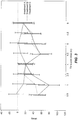
Figure 1 shows change from baseline figure (LSmean with 95% CI) for Power of Attention (ms) (PD Completer Population). Treatment A= diclofenac placebo + Xyrem®. Treatment B= diclofenac + Xyrem®. Treatment C= diclofenac + Xyrem® placebo. -
Figure 2 shows change from baseline figure (LSmean with 95% CI) for Digit Vigilance Accuracy (%) (PD Completer Population). -
Figure 3 shows change from baseline figure (LSmean with 95% CI) for Digit Vigilance Mean Reaction Time (ms) (PD Completer Population). -
Figure 4 shows change from baseline figure (LSmean with 95% CI) for Choice Reaction Time Mean (ms) (PD Completer Population). -
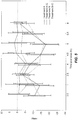
Figure 5 shows change from baseline figure (LSmean with 95% CI) for Continuity of Attention (#) (PD Population). Treatment A= Xyrem®. Treatment B= Xyrem® placebo. Treatment C=valproate. -
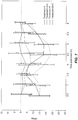
Figure 6 shows change from baseline figure (LSmean with 95% CI) for Simple Reaction Time Mean (ms) (PD Population). -
Figure 7 shows change from baseline figure (LSmean with 95% CI) for Digit Vigilance Accuracy (%) (PD Population). -
Figure 8 shows change from baseline figure (LSmean with 95% CI) for Tracking Distance from Target (mm) (PD Population). -
Figure 9 shows change from baseline figure (LSmean with 95% CI) for Numeric Working Memory Sensitivity Index (#) (PD Population). -
Figure 10 shows change from baseline figure (LSmean with 95% CI) for Numeric Working Memory Mean Reaction Time (ms) (PD Population). - The following patents and applications are referenced:
U.S. Patent Nos. 6,472,431 ,6,780,889 ,7,262,219 ,7,851,506 ,8,263,650 ,8,324,275 ,7,895,059 ,7,797,171 ,7,668,730 ,7,765,106 ,7,765,107 ;U.S. Patent Application Nos. 61/317,212 13/071369 13/739,886 12/264,709 PCT/US2010/033572 andPCT/US2009/061312 ; andU.S. Patent Publication Nos. 2009/0137565 and2012/0076865 . The following patents are also referenced:U.S. Patent No. 5,380,937 ;U.S. Patent No. 4,393,236 ; German PatentDD 237,309 A1 922,029 - The following references provide exemplary procedural or
other details supplementary to those set forth herein. - Arena et al., "Absorption of Sodium γ-Hydroxybutyrate and Its Prodrug γ-Butyrolactone: Relationship between In Vitro Transport and In Vivo Absorption," J. Pharmaceutical Sciences, 69(3): 356-358, 1980 ("Arena et al., 1980").
- Banerjee et al., "Presynaptic Gamma-Hydroxybutyric Acid (GHB) and Gamma-Aminobutyric AcidB (GABAB) Receptor-Mediated Release of GABA and glutamate (GLU) in Rat Thalamic Ventrobasal Nucleus (VB): A Possible Mechanism for the Generation of Absence-Like Seizures Induced by GHB," J. Pharmacol. Exp. Ther., 273 (3): 1534-1543, 1995 ("Banerjee et al., 1995").
- Bédard et al., "Nocturnal γ-Hydroxybutyrate. Effect on Periodic Leg Movements and Sleep Organization of Narcoleptic Patients," Clin. Neuropharmacol., 12(1): 29-36, 1989 ("Bédard et al., 1989").
- Broughton et al., "The Treatment of Narcolepsy-Cataplexy with Nocturnal Gamma-Hydroxybutyrate," Le Journal Canadien Des Sciences Neurologiques, 6(1): 1-6, 1979 ("Broughton et al., 1979").
- Cash et al., "γ-Hydroxybutyrate Receptor Function Studied by the Modulation of Nitric Oxide Synthase Activity in Rat Frontal Cortex Punches," Biochemical Pharmacology, 58 (11): 1815-1819, 1999 ("Cash et al., 1999").
- Dimitrijevic et al., "Drosophila GABAB Receptors are Involved in Behavioral Effects of γ-Hydroxybutyric Acid (GHB)," Eur. J. Pharmacol., 519 (3): 246-252, 2005 ("Dimitrijevic et al., 2005").
- Gallimberti et al., "Gamma-Hydroxybutyric Acid for Treatment of Alcohol Withdrawal Syndrome," The Lancet, September 30: 787-789, 1989 ("Gallimberti et al., 1989").
- Gallimberti et al., "Gamma-Hydroxybutyric Acid in the Treatment of Alcohol Dependence: A Double-Blind Study," Alcoholism: Clinical and Experimental Research, 16(4): 673-676, 1992 ("Gallimberti et al., 1992").
- Gallimberti et al., "Gamma-Hydroxybutyric Acid for Treatment of Opiate Withdrawal Syndrome," Neuropsychopharmacology, 9(1): 77-81, 1993 ("Gallimberti et al., 1993").
- Gallimberti et al., "Clinical Efficacy of Gamma-Hydroxybutyric Acid in Treatment of Opiate Withdrawal," Eur Arch Psychiatry Clin Neurosci, 244: 113-114, 1994 ("Gallimberti et al., 1994").
- Gessa et al., "Gamma-Hydroxybutyric Acid in the Treatment of Alcohol Dependence," Clin. Neuropharm.--Supplement, 15 (Suppl. 1, Pt. A): 303A-304A, 1992 ("Gessa et al., 1992").
- Gerra et al., "Flumazenil Effects on Growth Hormone Response to Gamma-Hydroxybutyric Acid," Internat. Clin. Psychopharm., 9: 211-215, 1994 ("Gerra et al., 1994").
- Hasenbos et al., "Anaesthesia for bullectomy," Anaesthesia, 40: 977-980, 1985 ("Hasenbos et al., 1985").
- Hechler et al., "Extracellular Events Induced by γ-Hydroxybutyrate in Striatum: A Microdialysis Study," J. Neurochem., 56 (3): 938-944, 1991 ("Hechler et al., 1991").
- Kuriyama et al., "Blood-Brain Barrier to H3-γ-Aminobutyric Acid in Normal and Amino Oxyacetic Acid-Treated Animals," Neuropharmacology, 10: 103-108, 1971 ("Kuriyama et al., 1971").
- Laborit, H., "Gamma-Hydroxybutyrate, Succinic Semialdehyde and Sleep," Laboratoire d'Eutonologie, Hopital Boucicaut, ("Laborit, 1973").
- Ladinsky et al., "Mode of Action of Gamma-Butyrolactone on the Central Cholinergic System, Naunyn-Schmiedeberg's Arch. Pharmacal., 322: 42-48, 1983 ("Ladinsky et al., 1983").
- Lammers et al., "Gammahydroxybutyrate and Narcolepsy: A Double-Blind Placebo-Controlled Study," Sleep, 16(3); 216-220, 1993 ("Lammers et al., 1993").
- Lapierre et al., "The Effect of Gamma-Hydroxybutyrate: A Double-Blind Study of Normal Subjects," Sleep Research, 17: 99, 1988 ("Lapierre et al., 1988").
- Lapierre et al., "The Effect of Gamma-Hydroxybutyrate on Nocturnal and Diurnal Sleep of Normal Subjects: Further Considerations on REM Sleep-Triggering Mechanisms," Sleep, 13(1): 24-30, 1990 ("Lapierre et al., 1990").
- Lee, C.R., "Evidence for the β-Oxidation of Orally Administered 4-Hydroxybutyrate in Humans," Biochem. Med., 17, 284-291: 1977 ("Lee, 1977").
- Lettieri et al., "Improved Pharmacological Activity via Pro-Drug Modification: Comparative Pharmacokinetics of Sodium γ-Hydroxybutyrate and γ-Butyrolactone," Research Communications In Chemical Pathology and Pharmacology, 22(1): 107-118, 1978 ("Lettieri et al., 1978").
- Maitre et al., "A Specific γ-Hydroxybutyrate Receptor Ligand Possesses both Antagonistic and Anticonvulsant Properties," J. Pharmacol. Exp. Ther., 255 (2): 657-663, 1990 ("Maitre et al., 1990").
- Maitre et al., "Mécanismes d'action d'un medicament détourné: le γ-hydroxybutyrate" ('A mechanism for gamma-hydroxybutyrate (GHB) as a drug and a substance of abuse') (in French), Med Sci (Paris), 21 (3): 284-9, 2005 ("Maitre et al., 2005").
- Mamelak et al., "Sleep-Inducing Effects of Gammahydroxybutyrate," The Lancet, 302 (7824): 328-329, 1973 ("Mamelak et al., 1973").
- Mamelak et al., "The Effects of γ-Hydroxybutyrate on Sleep," Biol. Psychiatry, 12(2): 273-288, 1977 ("Mamelak et al., 1977").
- Mamelak et al., "Treatment of Narcolepsy and Sleep Apnea with Gammahydroxybutyrate: A Clinical and Polysomnographic Case Study," Sleep, 4(1): 105-111, 1981 ("Mamelak et al., 1981").
- Mamelak, "Gammahydroxybutyrate: An Endogenous Regulator of Energy Metabolism," Neuroscience and Biobehav. Reviews, 13: 187-198, 1989 ("Mamelak, 1989").
- Nema et al., "Excipients and Their Use in Injectable Products," PDA J. Pharm. Sci. Technol., 51(4): 166-171, 1997 ("Nema et al., 1997").
- Palatini et al., "Dose-Dependent Absorption and Elimination of Gamma-Hydroxybutyric Acid in Healthy Volunteers," Eur. J. Clin. Pharmacol., 45: 353-356, 1993 ("Palatini et al., 1993").
- Roth et al., "γ-Butyrolactone and γ-Hydroxybutyric Acid-I Distribution and Metabolism," Biochemical Pharmacology, 15: 1333-1348, 1966 ("Roth et al., 1966a").
- ROTH et al., "γ-Butyrolactone and γ-Hydroxybutyric Acid-II The Pharmacologically Active Form," Int. J. Neropharmacol., 5: 421-428, 1966 ("Roth et al., 1966b").
- Scharf et al., "The Effects and Effectiveness of γ-Hydroxybutyrate in Patients with Narcolepsy," J. Clin. Psychiatry, 46(6): 222-225, 1985 ("Scharf et al., 1985").
- Scrima et al., "Gamma-Hydroxybutyrate Effects on Cataplexy and Sleep Attacks in Narcoleptics," Sleep Res., 16: 134, 1987 ("Scrima et al., 1987").
- Scrima et al., "Efficacy of Gamma-Hydroxybutyrate versus Placebo in Treating Narcolepsy-Cataplexy: Double-Blind Subjective Measured," Biol. Psychiatry, 26: 331-343, 1989 ("Scrima et al., 1989").
- Scrima et al., "The Effects of γ-Hydroxybutyrate on the Sleep of Narcolepsy Patients: A Double-Blind Study," Sleep, 13(6): 479-490, 1990 ("Scrima et al., 1990").
- Sériès et al., "Effects of Enhancing Slow-Wave Sleep by Gamma-Hydroxybutyrate on Obstructive Sleep Apnea," Am. Rev. Respir. Dis., 1378-1383, 1992 ("Sériès et al., 1992").
- Smolders et al., "Tonic GABA-ergic Modulation of Striatal Dopamine Release Studied by In Vivo Microdialysis in the Freely Moving Rat," Eur. J. Pharmacol., 284 (1-2): 83-91, 1995 ("Smolders et al., 1995").
- Strong, "γ-Hydroxybutyric Acid and Intracranial Pressure," The Lancet, Vol. 1: No. 8389, 1984 ("Strong, 1984").
- Van Den Bogert et al., "Placentatransfer of 4-Hydroxybutyric Acid in Man," Anesthesiology and Intensive Care Medicine, 110: 55-64, 1978 ("Van Den Bogert et al., 1978").
- Vickers, M.D., "Gammahydroxybutyric Acid," Int. Anesth. Clinic, 7: 75-89, 1969 ("Vickers, 1969").
- Waszkielewicz et al., "γ-Hydrobutyric Acid (GHB) and its Chemical Modifications: A Review of the GHBergic System," Pol J Pharmacol., 56 (1): 43-49, 2004 ("Waszkielewicz et al., 2004").
- Wu et al., "γ-Hydroxybutyric acid (GHB) and γ-aminobutyric acidB receptor (GABABR) binding sites are distinctive from one another: molecular evidence," Neuropharmacology, 47 (8): 1146-56, 2004 ("Wu et al., 2004").
- Yamada et al., "Effect of Butyrolactone and Gamma-Hydroxybutyrate on the EEG and Sleep Cycle in Man," Electroenceph. Clin. Neurophysiol., 22: 558-562, 1967 ("Yamada et al., 1967").
- In the specification and claims that follow, references will be made to a number of terms which shall be defined to have the following meaning.
- The terms "a" and "an" do not denote a limitation of quantity, but rather denote the presence of at least one of the referenced item. The term "or" means "and/or". The terms "comprising", "having", "including", and "containing" are to be construed as open-ended terms (i.e., meaning "including, but not limited to").
- "Concomitant" and "concomitantly" as used herein refer to the administration of at least two drugs to a patient either subsequently, simultaneously, or consequently within a time period during which the effects of the first administered drug are still operative in the patient. Thus, if the first drug is, e.g., Xyrem®, or GHB, and the second drug is valproate, the concomitant administration of the second drug occurs within two weeks, preferably within one week or even three days, before or after the administration of the first drug.
- "Dosage amount" means an amount of a drug suitable to be taken during a fixed period, usually during one day (i.e., daily).
- "Dosage amount adapted for oral administration" means a dosage amount that is of an amount deemed safe and effective for the particular patient under the conditions specified. As used herein and in the claims, this dosage amount is determined by following the recommendations of the drug manufacturer's Prescribing Information as approved by the US Food and Drug Administration.
- "Dosing regimen" means the dose of a drug taken at a first time by a patient and the interval (time or symptomatic) and dosage amounts at which any subsequent doses of the drug are taken by the patient. Each dose may be of the same or a different dosage amount.
- A "dose" means the measured quantity of a drug to be taken at one time by a patient.
- A "patient" means a human in need of medical treatment. In one embodiment medical treatment can include treatment of an existing condition, such as a disease or disorder, prophylactic or preventative treatment, or diagnostic treatment. In another embodiment, medical treatment also includes administration to treat excessive daytime sleepiness, cataplexy, sleep paralysis, apnea, narcolepsy, sleep time disturbances, hypnagogic hallucinations, sleep arousal, insomnia, and nocturnal myoclonus.
- "Providing" means giving, administering, selling, distributing, transferring (for profit or not), manufacturing, compounding, or dispensing.
- The terms "therapeutically effective amount," as used herein, refer to an amount of a compound sufficient to treat, ameliorate, or prevent the identified disease or condition, or to exhibit a detectable therapeutic, prophylactic, or inhibitory effect. The effect can be detected by, for example, an improvement in clinical condition, or reduction in symptoms. The precise effective amount for a subject will depend upon the subject's body weight, size, and health; the nature and extent of the condition; and the therapeutic or combination of therapeutics selected for administration. Where a drug has been approved by the U.S. Food and Drug Administration (FDA), a "therapeutically effective amount" refers to the dosage approved by the FDA or its counterpart foreign agency for treatment of the identified disease or condition.
- "Side effect" means a secondary effect resulting from taking a drug. The secondary effect can be a negative (unfavorable) effect (i.e., an adverse side effect) or a positive (favorable) effect.
- Pharmacokinetic parameters referred to herein describe the in vivo characteristics of drug (or a metabolite or a surrogate marker for the drug) over time. These include plasma concentration (C), as well as Cmax, Cn, C24, Tmax, and AUC. The term "Tmax" refers to the time from drug administration until Cmax is reached. "AUC" is the area under the curve of a graph of the measured plasma concentration of an active agent vs. time, measured from one time point to another time point. For example AUC0-t is the area under the curve of plasma concentration versus time from
time 0 to time t, wheretime 0 is the time of initial administration of the drug. Time t can be the last time point with measurable plasma concentration for an individual formulation. The AUC0-.infin. or AUC0-INF is the calculated area under the curve of plasma concentration versus time fromtime 0 to time infinity. In steady-state studies, AUC0-.tau. is the area under the curve of plasma concentration over the dosing interval (i.e., fromtime 0 to time .tau. (tau), where tau is the length of the dosing interval. - It may be advantageous to incorporate a pharmacy management system into the method of the present invention. Pharmacy management systems are computer-based systems that are used by commercial pharmacies to manage prescriptions and to provide pharmacy and medical personnel with warnings and guidance regarding drugs being administered to patients. Such systems typically provide alerts warning either or both of health care providers and patients when a drug that may be harmful to the particular patient is prescribed. For example, such systems can provide alerts warning that a patient has an allergy to a prescribed drug, or is receiving concomitant administration of a drug that can have a dangerous interaction with a prescribed drug.
U.S. Patent Nos. 7,895,059 ,7,797,171 ,7,668,730 ,7,765,106 ,7,765,107 ,5,758,095 ,5,833,599 ,5,845,255 ,6,014,631 ,6,067,524 ,6,112,182 ,6,317,719 ,6,356,873 , and7,072,840 , disclose various pharmacy management systems and aspects thereof. Example pharmacy management systems are now commercially available, e.g., CENTRICITY Pharmacy from BDM Information Systems Ltd., General Electric Healthcare, Waukesha, Wis., Rx30 Pharmacy Systems from Transaction Data Systems, Inc., Ocoee, Fla., SPEED SCRIPT from Digital Simplistics, Inc., Lenexa, Kans., and various pharmacy management systems from OPUS-ISM, Hauppauge, N.Y. - In some cases, a pharmacy management system may be required or preferred as part of a drug distribution program. For example, disclosed is a method for distributing a drug containing GHB or a salt thereof to an approved pharmacy, the method comprising: (1) Identifying an approved pharmacy that has an established management system to dispense information concerning the risks associated with ingesting a MCT inhibitors concomitantly to said drug to patients that are prescribed said drug; (2) Providing said pharmacy with said information related to the risks; and (3) Authorizing distribution of said drug to said pharmacy, wherein said pharmacy dispenses the drug with said information when filling a prescription for said drug. The established management system may include an electronic alert to employees to dispense said information with said drug when prescriptions are filled. Such information may be dispensed in written form, for example in a brochure explaining the risks of concomitant ingestion of GHB and an MCT inhibitor such as diclofenac, valproate, or ibuprofen or combinations thereof. For example, the information dispensed with GHB may advise a patient of the potential for enhanced potency of GHB if the patient also takes valproate. Alternatively, or in addition thereto, the information dispensed with GHB may advise a patient of the potential for decreased potency of GHB if the patient also takes diclofenac. Such information may also be dispensed in verbal form. Distributors may maintain a directory of approved pharmacies, for example in a computer readable storage medium, to further ensure that GHB is dispensed only to patients who are advised of the additive effects.
- In addition, the system can prevent the dispensing of GHB or salt thereof until proper testing or confirmation is obtained that the patient is not taking or going to take valproate or diclofenac concomitantly with GHB. Alternatively, the patient can be warned of the adverse effect and instructed to modify the dose of GHB to accommodate the increased or reduced effects of GHB due to valproate or diclofenac.
- A pharmacy management system disclosed herein can be a REMS system as shown in
U.S. Patent Nos. 7,895,059 ,7,797,171 , and7,668,730 , and also include monitoring for concomitant use of diclofenac, valproate, or ibuprofen, or combinations thereof. Warnings may be administered through the existing pharmacy management system as described in the patents above. - One embodiment of the present invention, without being limited by theory, is the discovery of drug interactions that change either, or both, the efficacy or safety profile of GHB. The three compounds are valproate, diclofenac, and ibuprophen or combinations thereof. To achieve the above benefits, GHB of the present invention can be administered in a reduced amount when a second compound, such as valproate, is concomitantly administered with GHB. It can also be administered in an increased amount to overcome any effects of diclofenac. The compounds can also be avoided or discontinued to prevent unsafe concomitant administration.
- In one embodiment of the present invention, concomitant administration of GHB with other agents is monitored and potential changes to the doses of GHB are made, or changes in the administration of other compounds are made. In certain cases, when GHB was concomitantly administered with ibuprofen, there were pharmacokinetic (PK) changes consistent with monocarboxylic transporter (MCT) inhibition and renal excretion of GHB doubled (statistically significant). Plasma levels were about ∼ 5% lower, which was statistically significant. In another case, when GHB and Diclofenac are concomitantly administered, PD effects were significantly reduced. In another embodiment of the present invention, when GHB and divalproate were concomitantly administered, PK showed both MCT and GHB dehydrogenase inhibition, with the latter predominating. MCT inhibition caused renal clearance to be increased 30% (statistically significant). GHB dehydrogenase inhibition caused systemic exposure (plasma AUC) to be increased 26%. Both measures are statistically significant and outside FDA "equivalence window". PD shows more pronounced effects with concomitant administration.
- Disclosed herein is a method of administering a therapeutically effective amount of GHB to a patient in need of treatment, such as with narcolepsy, the invention provides an improvement that comprises avoiding or discontinuing administration of a compound that affects GHB potency and administering a therapeutically effective amount of GHB. The compound can be diclofenac or valproate and they can alter the therapeutic effect or adverse reaction profile of GHB.
- GHB (also called oxysorbate or oxybate) is approved in the United States (US) for the treatment of excessive daytime sleepiness (EDS) and for the treatment of cataplexy, both in patients with narcolepsy. GHB is commercially sold as Xyrem® sodium oxybate by Jazz Pharmaceuticals. Sodium oxybate is the sodium salt of the endogenous neurotransmitter gamma hydroxybutyrate (GHB), which is found in many tissues of the body. "GHB", oxybate, a GHB salt or Xyrem® will be used to refer to these active forms. It can be used as a sodium, calcium, potassium, or magnesium salt. See
U.S. Patent Application No. 13/739,886 . - GHB is present, for example, in the mammalian brain and other tissues. In the brain, the highest GHB concentration is found in the hypothalamus and basal ganglia and GHB is postulated to function as a neurotransmitter. The neuropharmacologic effects of GHB include increases in brain acetylcholine, increases in brain dopamine, inhibition of GABA-ketoglutarate transaminase and depression of glucose utilization but not oxygen consumption in the brain. GHB is converted to succinate and then metabolized via the Krebs cycle. Clinical trials have shown that GHB increases delta sleep and improves the continuity of sleep (see, e.g., Laborit, 1973; Lapierre et al., 1988; Lapierre et al., 1990; Yamada et al., 1967; Scharf et al., 1985).
- GHB treatment substantially reduces the signs and symptoms of narcolepsy, i.e. excessive daytime sleepiness, cataplexy, sleep paralysis, apnea, narcolepsy, sleep time disturbances, hypnagogic hallucinations, sleep arousal, insomnia, and nocturnal myoclonus. In addition, GHB increases total sleep time and REM sleep, and it decreases REM latency (see, e.g., Mamelak et al., 1973; Yamada et al., 1967; Bédard et al., 1989), reduces sleep apnea (see, e.g., Scrima et al., 1987), and improves general anesthesia (see, e.g., Hasenbos et al., 1985).
- GHB has several clinical applications other than narcolepsy and sleep disorders. GHB has been reported to reduce alcohol craving, the number of daily drinks consumed, and the symptoms of alcohol withdrawal in patients (see, e.g., Gallimberti et al., 1989; Gallimberti et al., 1992; Gessa et al., 1992). GHB has been used to decrease the symptoms of opiate withdrawal, including both heroin and methadone withdrawal (see, e.g., Gallimberti et al., 1993; Gallimberti et al., 1994). It has analgesic effects that make it suitable as a pain reliever (see, e.g.,
U.S. Patent No. 4,393,236 ). Intravenous administration of GHB has been reported to reduce intracranial pressure in patients (see, e.g., Strong, 1984). Also, administration of GHB was reported to increase growth hormone levels in patients (see, e.g., Gerra et al., 1994). - A good safety profile for GHB consumption, when used long term for treatment of narcolepsy has been reported. Patients have been safely treated for many years with GHB without development of tolerance (see, e.g., Scharf et al., 1985). Clinical laboratory tests carried out periodically on many patients have not indicated organ or other toxicities (see, e.g., Lammers et al., 1993; Scrima et al., 1990; Scharf et al., 1985; Mamelak et al., 1977; Mamelak et al., 1979; Gessa et al., 1992). The side effects of GHB treatment have been minimal in incidence and degree of severity, though they include sleepwalking, enuresis, headache, nausea and dizziness (see, e.g., Mamelak et al., 1979; Mamelak et al., 1981; Mamelak et al., 1977; Scrima et al., 1989; Scrima et al., 1990; Scharf et al., 1985). Therefore, it is critical to identify adverse drug-drug interactions to maintain the positive safety profile for GHB.
- GHB has at least two distinct binding sites (see, e.g., Wu, et al., 2004) in the central nervous system. GHB is an agonist at the GHB receptor, which is excitatory, (see, e.g., Cash et al., 1999) and it is a weak agonist at the GABAB receptor, which is inhibitory. GHB acts in a similar fashion to some neurotransmitters in the mammalian brain and is probably synthesized from GABA in GABAergic neurons, and released when the neurons fire. If taken orally, GABA itself does not effectively cross the blood-brain-barrier (see, e.g., Kuriyama et al., 1971).
- GHB induces the accumulation of either a derivative of tryptophan or tryptophan itself in the extracellular space, possibly by increasing tryptophan transport across the blood-brain barrier. The blood content of certain neutral amino-acids, including tryptophan, is also increased by peripheral GHB administration. GHB-induced stimulation of tissue serotonin turnover may be due to an increase in tryptophan transport to the brain and in its uptake by serotonergic cells. As the serotonergic system may be involved in the regulation of sleep, mood, and anxiety, the stimulation of this system by high doses of GHB may be involved in certain neuropharmacological events induced by GHB administration.
- However, at therapeutic doses, GHB reaches much higher concentrations in the brain and activates GABAB receptors, which are primarily responsible for its sedative effects. (see, e.g., Dimitrijevic et al., 2005). GHB's sedative effects are blocked by GABAB antagonists.
- The role of the GHB receptor in the behavioral effects induced by GHB is more complex. GHB receptors are densely expressed in many areas of the brain, including the cortex and hippocampus, and these are the receptors that GHB displays the highest affinity for. There has been somewhat limited research into the GHB receptor; however, there is evidence that activation of the GHB receptor in some brain areas results in the release of glutamate, the principal excitatory neurotransmitter. Drugs that selectively activate the GHB receptor cause absence seizures in high doses, as do GHB and GABA(B) agonists (see, e.g., Banerjee et al., 1995.)
- Activation of both the GHB receptor and GABA(B) is responsible for the addictive profile of GHB. GHB's effect on dopamine release is biphasic (see, e.g., Hechler et al., 1991). Low concentrations stimulate dopamine release via the GHB receptor (see, e.g., Maitre et al., 1990). Higher concentrations inhibit dopamine release via GABA(B) receptors as do other GABA(B) agonists such as baclofen and phenibut (see, e.g., Smolders et al., 1995). After an initial phase of inhibition, dopamine release is then increased via the GHB receptor. Both the inhibition and increase of dopamine release by GHB are inhibited by opioid antagonists such as naloxone and naltrexone. Dynorphin may play a role in the inhibition of dopamine release via kappa opioid receptors (see, e.g., Mamelak, 1989).
- This may explain the paradoxical mix of sedative and stimulatory properties of GHB, as well as the so-called "rebound" effect, experienced by individuals using GHB as a sleeping agent, wherein they awake suddenly after several hours of GHB-induced deep sleep. That is to say that, over time, the concentration of GHB in the system decreases below the threshold for significant GABAB receptor activation and activates predominantly the GHB receptor, leading to wakefulness. However, one embodiment of the present invention is the unexpected discovery that drugs change the PD profile of GHB to alter its effects and its safety profile. Example drugs are include valproate and diclofenac. It is important for efficacy safety purposes that the effect of GHB be maintained consistently and not subject to variation due to the effects of other drugs.
- Both of the metabolic breakdown pathways shown for GHB can run in either direction, depending on the concentrations of the substances involved, so the body can make its own GHB either from GABA or from succinic semialdehyde. Under normal physiological conditions, the concentration of GHB in the body is rather low, and the pathways would run in the reverse direction to what is shown here to produce endogenous GHB. However, when GHB is consumed for recreational or health promotion purposes, its concentration in the body is much higher than normal, which changes the enzyme kinetics so that these pathways operate to metabolize GHB rather than produce it.
- The pharmacokinetics of GHB have been investigated in alcohol dependent patients (Ferrara et al., "Pharmacokinetics of Gamma-hydroxybutyric Acid in Alcohol Dependent Patients after Single and Repeated Oral Doses," Br. J. Clin. Pharmacol., 34(3): 231-5, 1992 ("Ferrara et al., 1992") and in normal healthy males (Palatini et al., "Dose-Dependent Absorption and Elimination of Gamma-Hydroxybutyric Acid in Healthy Volunteers," Eur. J. Clin. Pharmacol., 45: 353-356, 1993 ("Palatini et al., 1993")) after oral administration. GHB possesses a rapid onset and short pharmacological effect (Ferrara et al., 1992; Palatini et al., 1993; Lettieri et al., 1978; Arena et al., 1980; Roth et al., 1966a; Roth et al., 1966b; Vickers, 1969; Lee, 1977). In alcohol dependent patients, GHB absorption into and elimination from the systemic circulation were fast processes. Virtually no unchanged drug could be recovered in the urine. There were preliminary indications that the pharmacokinetics of GHB might be non-linear or dose-dependent (Ferrara et al., 1992). In the healthy volunteers study, the pharmacokinetics of three rising GHB doses (12.5, 25, and 50 mg/kg) were investigated. These findings indicate that both the oral absorption and elimination processes of GHB were capacity-limited though the degree of dose dependency was moderate (Palatini et al., 1993).
- Methods of making GHB salts are described, for example, in
U.S. Patent No. 4,393,236 , andU.S. Patent Application No. 13/739,886 . - It has been discovered that there are unexpected drug-drug interactions (DDI) between GHB and common drugs frequently prescribed for other ailments. It is one goal of the present invention and the disclosure described herein to warn when those interactions may affect the safety profile of GHB. Drugs that may affect GHB administration include valproate, diclofenac, and ibuprofen and combinations thereof.
- GHB is a central nervous system (CNS) depressant. Alcohol and sedative hypnotics are contraindicated in patients who are using GHB. The concurrent use of GHB with other CNS depressants, including but not limited to opioid analgesics, benzodiazepines, sedating antidepressants or antipsychotics, general anesthetics, muscle relaxants, and/or illicit CNS depressants, may increase the risk of respiratory depression, hypotension, profound sedation, syncope, and death. If use of these CNS depressants in combination with GHB is required, dose reduction or discontinuation of one or more CNS depressants (including GHB) should be considered. In addition, if short-term use of an opioid (e.g. post- or perioperative) is required, interruption of treatment with GHB should be considered. See the package insert for Xyrem®.
- GHB may impair respiratory drive, especially with overdoses associated with interactions with other drugs and alcohol. Since valproate may potentiate the effect of GHB, a warning should accompany any use of valproate and GHB as stated herein. The warning should address the use of additional drugs that may further enhance the effect of GHB, such as alcohol or aspirin, for example.
- Healthcare providers should caution patients about operating hazardous machinery, including automobiles or airplanes, until they are reasonably certain that GHB does not affect them adversely (e.g., impair judgment, thinking, or motor skills). Patients should not engage in hazardous occupations or activities requiring complete mental alertness or motor coordination, such as operating machinery or a motor vehicle or flying an airplane, for at least 6, 7, 8 or 9 hours after taking the second nightly dose of GHB. Patients should be queried about potential adverse events, such as excessive daytime sleepiness, CNS depression related events, etc. upon initiation of GHB therapy and periodically thereafter. These queries should include info regarding additional medication such as diclofenac and valproate for example. See the Xyrem® package insert.
- In one embodiment described herein, patients are warned that combination of GHB with valproate can increase plasma levels and potentiate the activity of GHB and exacerbate all the effects and adverse event associated with GHB. These effects include the intended effects of drowsiness, sedation, and sleep and typically unintended events such as depressed respiration, CNS depression, excessive drowsiness, hepatic impairment, and depression, among other things.
- Diclofenac mitigates and protects against the pharmcodynamic effects the effects of GHB. However, the mixture of GHB and diclofenac does not affect sleepiness and does not make a patient more attentive. Without wishing to be bound by theory, the effects may be due to the interaction between diclofenac and the GHB receptor in lieu of the MCT inhibitor activity.
- Typical concentrations of GHB formulations are shown in
U.S. Patent Nos. 8,263,650 and8,324,275 , for example. They include minimum concentrations starting from 150 mg/ml to 450 mg/ml (at 10 mg/ml increments) and increasing to 600 mg/ml to 750 mg/ml (at 10 mg/ml increments) as a maximum. So, a broad range would include 150-750 mg/ml and any range within the broad range using 10 mg/ml increments. One embodiment of the invention is a range of 350-750 mg/ml and another is 450-550 mg/ml GHB. One embodiment of the present invention uses a GHB formulation with a pH range of 6-10, another uses a pH range of between 6.5-8. For example, a minimum concentration includes 350, 360, 370, 380 mg/ml, and so on up to at least 730, 740, and 750 mg/ml and all concentrations (measured in 10 mg/ml increments in between). - pH adjusting agents can include acids, bases and many of the compounds found in
U.S. Patent No. 8,263,650 . In some embodiments the pH adjusting agent is an acid selected from the group of: acetic, acetylsalicylic, barbital, barbituric, benzoic, benzyl penicillin, boric, caffeine, carbonic, citric, dichloroacetic, ethylenediaminetetra-acetic acid (EDTA), formic, glycerophosphoric, glycine, lactic, malic, mandelic, monochloroacetic, oxalic, phenobarbital, phenol, picric, propionic, saccharin, salicylic, sodium dihydrogen phosphate, succinic, sulfadiazine, sulfamerazine, sulfapyridine, sulfathiazole, tartaric, trichloroacetic, and the like, or inorganic acids such as hydrochloric, nitric, phosphoric or sulfuric, and the like. - GHB is commercially available as a sodium salt, however, it can also be formulated as a mixture of salts as shown in
U.S. Patent Application No. 13/739,886 . For example, the mixture comprises one, two, or three or more salts selected from the group consisting of a sodium salt of hydroxybutyrate
(Na•GHB), a potassium salt of gamma-hydroxybutyrate (K•GHB), a magnesium salt of gamma-hydroxybutyrate (Mg•(GHB)2), and a calcium salt of gamma-hydroxybutyrate (Ca•(GHB)2). The different salts may be present in different percentages. For example, in certain embodiments, the pharmaceutical composition comprises Na•GHB, K•GHB, and Ca•(GHB)2. In certain embodiments, the Na•GHB salt is present in a wt/wt% of about 5% to about 40%, the K•GHB salt is present in a wt/wt% of about 10% to about 40%, and the Ca•(GHB)2 salt is present in a wt/wt% of about 20% to about 80%. In certain embodiments, the Na•GHB, K•GHB, and Ca•(GHB)2 salts are present in a wt/wt% ratio of about 11% : 39% : 50%, respectively. - Valproic acid (VPA, also called valproate or divalproex), an acidic chemical compound, has found clinical use as an anticonvulsant and mood-stabilizing drug, primarily in the treatment of epilepsy, bipolar disorder, and, less commonly, major depression. See, e.g., Rosenberg, G., "The Mechanisms of Action of Valproate in Neuropsychiatric Disorders: Can We See the Forest for the Trees?" Cel. Mol. Life Sci., 64 (16): 2090-2103, 2007 ("Rosenberg, 2007"). It is also used to treat migraine headaches and schizophrenia. A typical dose of valproate varies by indication. Dosages for seizures are between 10 to 15 mg/kg/day, with potential increases of 5 to 10 mg/kg/day. VPA is a liquid at room temperature, but it can be reacted with a base such as sodium hydroxide to form the salt sodium valproate, which is a solid. The acid, salt, or a mixture of the two (valproate semisodium, divalproate) are marketed under the various brand names Depakote, Depakote ER, Depakene, Depakene Crono (extended release in Spain), Depacon, Depakine, Valparin and Stavzor.
- Valproate is believed to affect the function of the neurotransmitter GABA in the human brain, making it an alternative to lithium salts in treatment of bipolar disorder. Its mechanism of action includes enhanced neurotransmission of GABA (by inhibiting GABA transaminase, which breaks down GABA). However, several other mechanisms of action in neuropsychiatric disorders have been proposed for valproic acid in recent years (see, e.g., Rosenberg, 2007).
- Valproic acid also blocks the voltage-gated sodium channels and T-type calcium channels. These mechanisms make valproic acid a broad-spectrum anticonvulsant drug. Valproic acid is an inhibitor of the enzyme histone deacetylase 1 (HDAC1), hence it is a histone deacetylase inhibitor. Valproic acid may interact with carbamazepine, as valproates inhibit microsomal epoxide hydrolase (mEH), the enzyme responsible for the breakdown of carbamazepine-10,11 epoxide (the main active metabolite of carbamazepine) into inactive metabolites. (See, e.g., Gonzalez et al., "Drug Metabolism," in Goodman & Gilman's The Pharmacological Basis of Therapeutics (11th ed.), Brunton et al. (eds.), New York: McGraw-Hill. pp. 71-91, 2006.) By inhibiting mEH, valproic acid causes a buildup of the active metabolite, prolonging the effects of carbamazepine and delaying its excretion. Valproic acid also decreases the clearance of amitriptyline and nortriptyline.
- Aspirin may decrease the clearance of valproic acid, leading to higher-than-intended serum levels of the anticonvulsant. Also, combining valproic acid with the benzodiazepine clonazepam can lead to profound sedation and increases the risk of absence seizures in patients susceptible to them.
- Valproic acid and sodium valproate reduce the apparent clearance of lamotrigine (lamictal). In most patients, the lamotrigine dosage for coadministration with valproate must be reduced to half the monotherapy dosage.
- Valproic acid is contraindicated in pregnancy, as it decreases the intestinal reabsorption of folate (folic acid), which leads to neural tube defects. Because of a decrease in folate, megaloblastic anemia may also result. Phenytoin also decreases folate absorption, which may lead to the same adverse effects as valproic acid.
- Valproic acid, 2-propylvaleric acid, is synthesized by the alkylation of cyanoacetic ester with two moles of propylbromide, to give dipropylcyanoacetic ester. Hydrolysis and decarboxylation of the carboethoxy group gives dipropylacetonitrile, which is hydrolyzed into valproic acid. See
U.S. Patent Nos. 3,325,361 and4,155,929 andGB Patent Nos. 980279 1522450 - Diclofenac is a nonsteroidal anti-inflammatory drug (NSAID) taken to reduce inflammation and as an analgesic reducing pain in certain conditions. Diclofenac is used to treat pain, inflammatory disorders, and dysmenorrhea and is a commonly used NSAID. See Auler et al., "Diclofenac Plasma Protein Binding: PK-PD Modelling in Cardiac Patients Submitted to Cardiopulmonary Bypass," Braz. J. Med. Bio. Res., 30: 369-374, 1997, and Hasan et al., "Pharmacokinetics of Diclofenac Sodium in Normal Man," Pakistan Jour. Pharmaceutical Sciences, 18(1): 18-24, 2005.
- The name is derived from its chemical name: 2-(2,6-dichloranilino) phenylacetic acid, it may be supplied as either the sodium or potassium salt. Diclofenac is available as a generic drug in a number of formulations; including Dichlofenac diethylammonium applied topically to joints. Over-the-counter (OTC) use is approved in some countries for minor aches and pains and fever associated with common infections.
- Diclofenac is typically absorbed readily, but absorption is delayed upon administration with food. Its half-life varies from 1 to 3 hours with mean peak plasma levels of about 0.5 ug/ml to 1.0 ug/ml after 2 hours of a single dose of 25 mg. Diclofenac binds to human serum proteins, specifically albumin. (See, e.g., Hasan et al., "Pharmacokinetics of Diclofenac Sodium in Normal Man," Pakistan Jour. Pharmaceutical Sciences, 18(1): 18-24, 2005.)
- Ibuprofen (from iso-butyl-propanoic-phenolic acid) is a nonsteroidal anti-inflammatory drug (NSAID) widely prescribed for pain relief, fever reduction, and swelling. Ibuprofen was derived from propanoic acid. Originally marketed as Brufen, ibuprofen is available under a variety of popular trademarks, including Motrin, Nurofen, Advil, and Nuprin. Ibuprofen is used primarily for fever, pain, dysmenorrhea and inflammatory diseases such as rheumatoid arthritis. It is also used for pericarditis and patent ductus arteriosus. It is a commonly used drug commercially available over the counter.
- Nonsteroidal anti-inflammatory drugs such as ibuprofen work by inhibiting the enzyme cyclooxygenase (COX), which converts arachidonic acid to prostaglandin H2 (PGH2). PGH2, in turn, is converted by other enzymes to several other prostaglandins (which are mediators of pain, inflammation, and fever) and to thromboxane A2 (which stimulates platelet aggregation, leading to the formation of blood clots).
- Like aspirin and indomethacin, ibuprofen is a nonselective COX inhibitor, in that it inhibits two isoforms of cyclooxygenase, COX-1 and COX-2. The analgesic, antipyretic, and anti-inflammatory activity of NSAIDs appears to operate mainly through inhibition of COX-2, whereas inhibition of COX-1 would be responsible for unwanted effects on the gastrointestinal tract. However, the role of the individual COX isoforms in the analgesic, anti-inflammatory, and gastric damage effects of NSAIDs is uncertain and different compounds cause different degrees of analgesia and gastric damage.
- The synthesis of this compound consisted of six steps, started with the Friedel-Crafts acetylation of isobutylbenzene. Reaction with ethyl chloroacetate (Darzens reaction) gave the α,β-epoxy ester, which was hydrolyzed and decarboxylated to the aldehyde. Reaction with hydroxylamine gave the oxime, which was converted to the nitrile, then hydrolyzed to the desired acid. See
U.S. Patent No. 3,385,886 . - An improved synthesis by BHC required only three steps. After a similar acetylation, hydrogenation with Raney nickel gave the alcohol, which underwent palladium-catalyzed carbonylation.
- Valproate, diclofenac, and ibruprofen are monocarboxylate transporter inhibitors. One embodiment of the present application is a method to improve safety by monitoring the combination of these compounds with GHB.
- Monocarboxylate transporters, or MCTs, constitute a family of proton-linked plasma membrane transporters that carry molecules having one carboxylate group (monocarboxylates), such as lactate and pyruvate, across biological membranes. See, e.g., Halestrap et al., "The SLC16 Gene Family-From Monocarboxylate Transporters (MCTs) to Aromatic Amino Acid Transporters and Beyond," Pflugers Arch., 447 (5): 619-628, 2004.
- MCTs are a series of transporters which move chemicals in body tissues, such as kidneys, blood/brain barrier, intestines, etc. They can transport chemical compounds back from urine to create a higher concentration in the blood than the urine. They can be used to treat an overdose or to prevent excretion of a compound. They can also be used to prevent absorption or transport into the brain or gut, or excretion via the urine. Exemplary MCT inhibitors include valproate, diclofenac, and ibubrofen.
- The concomitant administration of
MCT inhibitors, such as either valproate, diclofenac, or ibuprofen with GHB can affect GHB levels or activity and alter the GHB safety and efficacy profile to create an unsafe condition. For example, valproate can increase or prolong GHB effects and diclofenac can reduce or shorten GHB effects. For example, if the effects are increased, then there could be an increase of adverse events associated with too much GHB. Also, the effect of GHB may be prolonged to cause side effects, such as excessive daytime sleepiness (EDS), to last into the daytime. Prolongation of the effect would counter the purpose for providing the GHB and could create an unsafe situation for patients who wish to be alert and who may be engaged in otherwise dangerous activity. This concomitant administration can transform an otherwise safe dose of GHB into one with safety concerns. It is a health risk to patients and a medical challenge to health care workers. - The drug-drug interaction could also reduce the effects of GHB by altering its blood levels or otherwise. Reduction in the GHB level may also provide an unsafe condition due to excessive daytime sleepiness. In each situation, where GHB is increased, decreased or excessively cleared, those drug-drug interactions need to be identified to a health care worker to adjust the dose of GHB or discontinue the use of the other compound.
- As recited on the product insert for Xyrem®, healthcare providers should caution patients about operating hazardous machinery, including automobiles or airplanes, until they are reasonably certain that GHB does not affect them adversely (e.g., impair judgment, thinking, or motor skills). Patients should not engage in hazardous occupations or activities requiring complete mental alertness or motor coordination, such as operating machinery or a motor vehicle or flying an airplane, for at least 6, 7, 8 or 9 hours after taking the second nightly dose of GHB.
- In some cases in which diclofenac or valproate is discontinued to avoid an adverse drug interaction, they are discontinued within at least 3 days prior to or after starting GHB therapy. In various cases diclofenac or valproate is discontinued within at least 4 days, or at least 5 days, or at least 6 days, or at least 7 days (or one week), or at least 8 days, or at least 9 days, or at least 10 days, or at least 11 days, or at least 12 days, or at least 13 days, or at least 14 days (or two weeks), or at least 15 days, or at least 16 days, or at least 17 days, or at least 18 days, or at least 19 days, or at least 20 days, or at least 21 days (or three weeks) prior to or after starting GHB therapy. In some cases the diclofenac or valproate is discontinued no later than 2 weeks or 1 week before starting GHB therapy.
- In some embodiments, a method of optimizing GHB therapy when valproate is provided comprises titrating the dosage of GHB administered to a patient downward relative to a previously administered dosage in the patient, so the dose does not result in an increased exposure to GHB. In some cases, a method of optimizing GHB therapy when diclofenac is provided comprises titrating the dosage of GHB administered to a patient upward relative to a previously administered dosage in the patient, so the dose results in an effective exposure to GHB.
- Further disclosed is a method for treating a patient who is suffering from excessive daytime sleepiness, cataplexy, sleep paralysis, apnea, narcolepsy, sleep time disturbances, hypnagogic hallucinations, sleep arousal, insomnia, and nocturnal myoclonus with a salt of gamma-hydroxybutyrate (GHB), wherein said patient is also being treated with valproate or diclofenac, comprising: administering to the patient a daily dose of a GHB salt wherein said daily dose is administered at an amount sufficient to reduce or eliminate such additive effects.
- In one embodiment of the present invention, a reduced amount of GHB is administered to a patient when concomitantly administered with valproate. In certain cases, an increased amount of GHB is administered to a patient when concomitantly administered with diclofenac.
- When valproate is concomitantly administered with GHB, The amount of GHB can be reduced at least 1%, 5%, 10%, 15%, 20%, 25%, 30%, 35%, 40%, 45%, or 50% of the normal dose of GHB. For example, if the normal dose is 9g/day, then a dose that is adjusted to reduce the normal dose by 15% is 7.65g/day. The GHB dose reduction may be taken for one or multiple GHB dosings. For example, GHB may be administered in two doses per night for narcolepsy. A typical adult range of doses for GHB are between 4.5 or 6g as a minimum and 8 or 10g/day as a maximum divided into two doses. The dose recommended on the package insert and approved by the FDA is between 4.5 and 9.0 g/day. Typical exemplary paediatric daily doses of GHB are between 1g and 6g/day for pediatric patients aged 0-6 years. Typical exemplary paediatric daily doses of GHB are between 1g and 9g/day for pediatric patients aged 7-17 years. However, these ranges are not absolute and can be increased or decreased by 1-2 grams in either direction. One dose is typically administered prior to bed (night time sleep) and another dose administered 1-2 hours later. See the Xyrem® package insert (Xyrem® is a registered trademark of Jazz Pharmaceuticals plc or its subsidiaries.). Either or both of the multiple doses may be reduced to present a safer administration profile. For example, the first dose may be reduced by the numbers referred to above or the second may be reduced by the same percentages, or both. Furthermore, the absolute amount of GHB per dose or per day may be reduced at least 0.5g, 1g, 1.5g, 2.0g, 2.5g, 3.0g, 3.5g, or 4g. An exemplary decrease in an adult dose would be to reduce the maximum dose to less than 8.5, 8, 7.5, 7, 6.5, 6, 5.5, 5, 4.5, 4, 3.5, 3 g/day and so on. The minimum dose will be reduced accordingly to 4, 3.5, 3, 2.5, 2, and so on.
- Diclofenac may dampen or delay the effect of GHB upon a patient during concomitant administration. In some cases, it may be useful to increase the amount of GHB that is administered to the patient. For example, GHB may be increased at least 1%, 5%, 10%, 15%, 20%, 25%, 30%, 35%, 40%, 45%, or 50% of the normal dose of GHB. For example, if the normal dose is 10g/day, then a dose that is adjusted to increase the normal dose by 15% is 11.5g/ day. The GHB dose increase may be taken for one or multiple GHB dosings. For example, GHB may be administered in two doses per night for narcolepsy. Either, or both, of the multiple doses may be increased to present a safer administration profile. For example, the first dose may be increased by the numbers referred to above or the second may be increased by the same percentages, or both. Furthermore, the absolute amount of GHB per dose or per day may be increased at least 0.5g, 1g, 1.5g, 2.0g, 2.5g, 3.0g, 3.5g, or 4g. An exemplary decrease in an adult dose would be to increase the minimum dose to 5, 5.5, 6, 6.5, 7, 7.5, 8, 8.5g/day and so on. An increase in the maximum dose would be at least 9.5, 10, 10.5, 11, 11.5, 12, 12.5, 13, 13.5, 14g/day and so on.
- Disclosed is a package or kit comprising GHB, optionally in a container, and a package insert, package label, instructions or other labelling including any one, two, three or more of the following information or recommendations: (a) use of diclofenac or valproate should be avoided or discontinued, (b) concomitant administration of GHB with drugs that are MCT inhibitors, such as diclofenac or valproate can alter the therapeutic effect or adverse reaction profile of GHB, (c) concomitant administration of GHB and valproate resulted in an increase in exposure to GHB, (d) concomitant administration of GHB and diclofenac resulted in a decrease in exposure to GHB, and/or (e) MCT inhibitors should be used with caution in patients receiving GHB due to the potential for increased GHB clearance.
- Alternatively, diclofenac can be administered to counteract the effects of GHB toxicity using a reverse of the numerical relationships above. Similarly, valproate can be used to increase the effects of GHB in patients that cannot take higher amounts of GHB. In this regard, the present disclosure includes methods for reducing the effects of GHB toxicity in a patient in need thereof, comprising administering to said patient an effective amount of diclofenac such that potential toxic effects of GHB are reduced. The present invention also includes methods for potentiating the beneficial effects of GHB in a patient in need thereof comprising concomitantly administering to said patient an effective amount of valproate such that the beneficial effects of GHB are increased.
- The examples below, which show drug interaction studies in healthy adults, demonstrated those instances, test conditions or metrics which showed a distinction between GHB and either of the test compounds, diclofenac, valproate, or ibuprofen. Additionally, drug interaction studies in healthy adults demonstrated pharmacokinetic or clinically significant pharmacodynamic interactions between GHB and diclofenac or valproate.
- This study was designed to compare Pharmacokinetic (PK) and Pharmacodynamic (PD) endpoints of Xyrem® sodium oxysorbate (GHB) with and without concomitant administration of diclofenac. A crossover design was employed to allow within-subject comparisons of the PK and PD of Xyrem® dosed alone and in combination with diclofenac. The PK and PD effects of Xyrem® upon those of diclofenac were also studied.
- The PD parameters included a selection of automated tests of attention, information processing, working memory and skilled coordination from the CDR System. (Rapeport et al, 1996ab; Williams et al, 1996). (Wesnes et al, 1997). (Wesnes et al, 2000) (Modi et al, 2007).
- This was a
Phase 1, randomized, double-blind, placebo-controlled, three-period, crossover study in healthy subjects. 24 subjects were recruited to ensure that 18 completed the study. Following Screening and Baseline procedures, eligible subjects were entered into the study and received one of the following treatments per period, in randomized order:
Diclofenac placebo administered as one capsule qid (doses separated by 4 hours during the day, eg, approximately 8 am, 12 pm, 4 pm, and 8 pm) for 2 days before concomitant administration day. On concomitant administration day, one diclofenac placebo capsule administered at -1 h and 3 h, and 3 g of Xyrem® administered at 0 h and 4 h. - Diclofenac administered as 50 mg immediate-release (IR) tablet (overencapsulated) qid (doses separated by 4 hours during the day, eg, approximately 8 am, 12 pm, 4 pm, and 8 pm) for 2 days before concomitant administration day. On concomitant administration day, 50 mg diclofenac administered at -1 h and 3 h and 3 g of Xyrem® administered at 0 h and 4 h.
- Diclofenac administered as 50 mg IR tablet (overencapsulated) qid (doses separated by 4 hours during the day, eg, approximately 8 am, 12 pm, 4 pm, and 8 pm) for 2 days before concomitant administration day. On concomitant administration day, 50 mg diclofenac administered at -1 h and 3 h and Xyrem® placebo (volume equivalent to 3 g of Xyrem® oral solution) administered at 0 h and 4 h.
- Subjects were randomized to one of the above treatments on
Day 1, crossed over to another treatment on Day 6, and crossed over again to the remaining treatment on Day 11 (Table 1). Subjects were dosed in groups of up to 12. A 2-day washout period followed each of the treatment periods. The treatments were as follows: A = Diclofenac placebo (qid 4 h apart on the 1st and 2nd day and 2 doses on the 3rd day of the period) + Xyrem® two 3 g doses 4 h apart on the 3rd day of the period. B = Diclofenac (50 mg qid 4 h apart on the 1st and 2nd day and 2 doses on the 3rd day of the period) + Xyrem® two 3 g doses 4 h apart on the 3rd day of the period. C = Diclofenac (50 mg qid 4 h apart on the 1st and 2nd day and 2 doses on the 3rd day of the period) + Xyrem® placebo two doses 4 h apart on the 3rd day of the period. PD parameters include the following: Cognitive Drug Research (CDR) System tasks: Karolinska Sleepiness Scale (KSS), Simple Reaction Time (SRT), Digit Vigilance (DV), Choice Reaction Time (CRT), Tracking and Numeric Working Memory (NWM). - Power of attention-On this measure of focussed attention and information processing Xyrem® when co-dosed with diclofenac produced significantly less impairment than Xyrem® alone at 0.5 h; while the smaller impairments with the combination narrowly missed significance at 1 and 4.5 h. Xyrem® when co-dosed with diclofenac also resulted in impairments at two timepoints compared to diclofenac alone which at 6.5 h was significant and a trend at 8 h. See
Figure 1 which shows Change from Baseline Figure (LSmean with 95% CI) for Power of Attention (ms) (PD Completer Population). - Digit Vigilance Accuracy-On this measure of focussed attention Xyrem® when co-dosed with diclofenac produced significantly less impairment than Xyrem® alone at 1 and 2.5 h. See
Figure 2 which shows Change from Baseline Figure (LSmean with 95% CI) for Digit Vigilance Accuracy (%) (PD Completer Population). - Digit Vigilance Mean Reaction Time- On this measure of focussed attention Xyrem® when co-dosed with diclofenac produced significantly less impairment than Xyrem® alone at 1 and 2.5 h. See
Figure 3 which shows Change from Baseline Figure (LSmean with 95% CI) for Digit Vigilance Mean Reaction Time (ms) (PD Completer Population). - Choice Reaction Time Mean-Impairments to this measure of attention and information processing were significantly smaller than with Xyrem® alone when co-dosed with diclofenac during the hour following the first dose of Xyrem®. See
Figure 4 which shows Change from Baseline Figure (LSmean with 95% CI) for Choice Reaction Time Mean (ms) (PD Completer Population). - While diclofenac alone had no effect on sleepiness or cognitive function, when co-dosed with Xyrem® it significantly reduced the effects of the compound on Power of Attention and two of the contributing scores, simple and choice reaction time; these effects being seen during the hour after the first dose of Xyrem®. On the other hand, there was no evidence on any measure of greater cognitive impairment or sleepiness when the two compounds were co-dosed.
- The extent of the reductions in the impairments to the ability to focus attention and efficiently process information were quite notable, and likely to be of clinical relevance. It is interesting that protective effect of diclofenac was not seen on the subjects ratings of alertness, such a dissociation having been seen previously with haloperidol in healthy elderly volunteers (Beuzan et al., 1991).
- In conclusion, evidence of an interaction was seen in this study over the hour following the first dose of Xyrem® on the study days, the impairments being notably smaller when diclofenac was co-dosed with Xyrem®. There was no interaction however on the feelings of sleepiness in the subjects.
- This study is designed to compare the pharmacokinetic (PK) and pharmacodynamic (PD) endpoints of Xyrem® with and without co-administration of divalproex sodium extended-release tablets. The crossover design allows within-subject comparisons of the PK and PD of Xyrem® dosed alone and in combination with divalproex sodium extended-release tablets. PD parameters include the following: Cognitive Drug Research (CDR) System tasks: Karolinska Sleepiness Scale (KSS), Simple Reaction Time (SRT), Digit Vigilance (DV), Choice Reaction Time (CRT), Tracking and Numeric Working Memory (NWM).
- The objectives of this study were to evaluate the PK and PD of Xyrem® co-administered with divalproex sodium extended-release tablets and to evaluate and compare the safety and tolerability of Xyrem® with and without co-administration of divalproex sodium extended-release tablets.
- This was a
Phase 1, randomized, double-blind, placebo-controlled, five-period, crossover study in healthy male subjects. The study was conducted in approximately 24 healthy subjects to ensure completion of 16 subjects. Following Screening and Baseline procedures, eligible subjects were randomized to receive Xyrem® and Xyrem® placebo in a crossover fashion inPeriods 1 and 2; were dosed with divalproex sodium extended-release tablets for 10 consecutive days in Period 3; and while continuing to take divalproex sodium extended-release tablets, were randomized to receive Xyrem® and Xyrem® placebo in a crossover fashion inPeriods 4 and 5 (Table 1). - Subjects were randomized to receive two 3 g doses of Xyrem® or
Xyrem® placebo 4 hours apart in a crossover fashion at approximately 9 AM (first dose) and 1 PM (second dose) onDays 1 and 3. PK and PD parameters were evaluated during the 24 hours postdose. - Blood samples (4 mL) for sodium oxybate concentrations were collected at predose and at specified time-points up to 12 hours after the first dose of Xyrem® or Xyrem® placebo on
Days 1 and 3. A PD Battery including the Karolinska Sleepiness Scale, Simple Reaction Time task, Digit Vigilance task, Choice Reaction Time task, Tracking task, and Numeric Working Memory task was administered at planned timepoints up to X hours after first dose (X hours after second dose), and safety were monitored at specified timepoints onDays 1 and 3 as well as throughout the periods. - All subjects received divalproex sodium extended-release tablets 1250 mg at approximately 8 AM on
Days 5 through 14. Blood samples (4 mL) for valproic acid concentrations were collected before the divalproex sodium dose (to determine trough concentration for assessment of steady state) on Days 13 and 14. Safety was monitored at specified timepoints as well as throughout the period. - Subjects continued taking 1250 mg divalproex sodium extended-release tablets at approximately 8 AM on
Days 15 through 18. Subjects were also randomized to receive two 3 g doses of Xyrem® or Xyrem® placebo in a crossover fashion at approximately 9 am (first dose) and 1 pm (second dose) onDays 15 and 18. The first dose of Xyrem® or Xyrem® placebo was taken approximately 1 hour after dosing with divalproex sodium extended-release tablets, and the second dose of Xyrem® or Xyrem® placebo was taken 4 hours after the first Xyrem®/Xyrem® placebo dose. - Blood samples (4 mL) to measure plasma sodium oxybate concentrations were collected at pre Xyrem®/Xyrem® placebo dose and at specified timepoints after the first Xyrem® or Xyrem® placebo dose on
Days 15 and 18. Blood samples (4 mL) to measure plasma valproic acid concentrations were collected pre divalproex sodium dose and at specified timepoints after the dose of divalproex sodium extended-release tablets onDay 15 and 18. - The PD battery was administered on
Day 15 and 18, and safety was monitored at specified times onDays 15 and 18 as well as throughout the periods. - The treatments were as follows: A = Xyrem®, two 3 g doses, 4 hours apart at approximately 9 AM (1st dose) and 1 PM (2nd dose); B = Xyrem® placebo, two doses, 4 hours apart; and C = Divalproex sodium 1250 mg, once a day at approximately 8 AM.
- The results below show the tests in which GHB administration was affected by concomitant administration of any of three MCT inhibitors, such as valproate, diclofenac, and ibubrofen.
- Xyrem® and divalproex sodium together (A+C) when compared to Xyrem® alone (A) showed a slightly delayed recovery for the combination at 4 hours and 8 hours. See
Figure 5 which shows Change from Baseline Figure (LSmean with 95% CI) for Continuity of Attention (#) (PD Population). - At 1 hour and 4 hours, Xyrem® and divalproex sodium together produced statistically reliably greater impairments than Xyrem® alone. See
Figure 6 , which shows Change from Baseline Figure (LSmean with 95% CI) for Simple Reaction Time Mean (ms) (PD Population). - At 2.5 and 4 hours Xyrem® and divalproex sodium together were statistically reliably different greater impairment to Xyrem® alone. See
Figure 7 , which shows Change from Baseline Figure (LSmean with 95% CI) for Digit Vigilance Accuracy (%) (PD Population). - Xyrem® and divalproex sodium together (A+C) when compared to Xyrem® alone (A) showed a statistically significant difference by a slightly delayed recovery for the combination at 4 and 8 hours. See
Figure 8 which shows the Change from Baseline Figure (LSmean with 95% CI) for Tracking Distance from Target (mm) (PD Population). - Xyrem® and divalproex sodium together (A+C) when compared to Xyrem® alone (A) showed a difference at 4.5 through 8 hours. See
Figure 9 , which shows the Change from Baseline Figure (LSmean with 95% CI) for Numeric Working Memory Sensitivity Index (#) (PD Population). - Xyrem® and divalproex sodium together (A+C) when compared to Xyrem® alone (A) showed statistically significant differences at 2.5, 5 and 8 hours when the combination produced greater impairment. See
Figure 10 , which shows the Change from Baseline Figure (LSmean with 95% CI) for Numeric Working Memory Mean Reaction Time (ms) (PD Population). - In addition, it was observed that renal excretion of GHB increase 30% upon co-administration of Valproate.
- We also found PK changes which were consistent with the inhibition of GHB dehydrogenase. This effect will increase the exposure of GHB to the subject and increase Cmax and AUC about 15%.
- The combination of Xyrem® dosed with divalproex sodium was compared to divalproex sodium alone, more consistent statistically significant impairments over time were seen with the combination, than when Xyrem® was compared to its placebo, indicating that the effects of co-administration, when they appeared, were in the direction of increased impairments.
- As has been seen previously, Xyrem® induces sleepiness and produces impairments to attention, working memory and performance on a tracking task in healthy volunteers. Divalproex sodium alone showed no consistent or notable effects on cognitive function or sleepiness. There were occasions when co-administration of Xyrem® and divalproex sodium produced greater deficits than Xyrem® alone. Further the combination also produced more consistent impairments when compared with divalproex sodium alone, than did Xyrem® when compared to its placebo. Thus this study has found evidence that co-administration of Xyrem® and divalproex produces greater impairments to cognitive function and sleepiness than were seen with Xyrem® alone.
- The effects of Ibuprofen were evaluated when combined with Xyrem® in a manner similar to the above. No differences were seen using the metrics above for Karolinska Sleepiness Scale (KSS), and the following CDR System tasks: Simple Reaction Time, Digit Vigilance, Choice Reaction Time, Tracking and Numeric Working Memory. However, it was observed that renal excretion of Xyrem® doubled upon concomitant administration of Ibuprofen and Xyrem®.
Claims (13)
- Gamma-hydroxybutyrate (GHB) or a salt thereof for use in a method of safely administering GHB or a salt thereof for treating excessive daytime sleepiness, cataplexy, sleep paralysis, apnea, narcolepsy, sleep time disturbances, hypnagogic hallucinations, sleep arousal, insomnia, or nocturnal myoclonus in a human patient who has taken or will take a concomitant dose of valproate, said method comprising:orally administering a reduced amount of the GHB or salt thereof to the patient compared to a normal dose so as to diminish the additive effects of the GHB or salt thereof when administered with valproate;wherein the amount of GHB or salt thereof is reduced by 10% to 30% of the normal dose for the patient.
- Gamma-hydroxybutyrate (GHB) or a salt thereof for use according to claim 1, wherein the GHB dose reduction may be taken for one or multiple GHB dosings.
- Gamma-hydroxybutyrate (GHB) or a salt thereof for use according to any preceding claim, wherein the patient is suffering from narcolepsy.
- Gamma-hydroxybutyrate (GHB) or a salt thereof for use according to claim 3, wherein the GHB or a salt thereof is administered in two doses per night.
- Gamma-hydroxybutyrate (GHB) or a salt thereof for use according to claim 4, wherein either or both of the multiple doses may be reduced to present a safer administration profile.
- Gamma-hydroxybutyrate (GHB) or a salt thereof for use according to any preceding claim, wherein the GHB or a salt thereof is the sodium, calcium, potassium, or magnesium salt.
- Gamma-hydroxybutyrate (GHB) or a salt thereof for use according to any preceding claim, wherein the normal dose of GHB or a salt thereof is between 4.5 and 9.0 g/day.
- Gamma-hydroxybutyrate (GHB) or a salt thereof for use according to any preceding claim, wherein the valproate is in acidic form, salt form, or a mixture of the two.
- Gamma-hydroxybutyrate (GHB) or a salt thereof for use according to claim 1, wherein the method comprises determining if the patient has taken or will take a concomitant dose of valproate.
- Gamma-hydroxybutyrate (GHB) or a salt thereof for use according to any preceding claim, wherein the GHB or salt thereof is prepared as a formulation which has a concentration of between 350 to 750 mg/ml.
- Gamma-hydroxybutyrate (GHB) or a salt thereof for use according to claim 10, wherein the GHB or salt thereof is prepared as a formulation which has a concentration of between 450 to 550 mg/ml.
- Gamma-hydroxybutyrate (GHB) or a salt thereof for use according to any preceding claim, wherein the GHB or salt thereof is prepared as a formulation which has a pH between 6 - 10.
- Gamma-hydroxybutyrate (GHB) or a salt thereof for use according to claim 12, wherein the GHB or salt thereof is prepared as a formulation which has a pH between 6.5 - 8.
Priority Applications (4)
| Application Number | Priority Date | Filing Date | Title |
|---|---|---|---|
| SI201431488T SI3335708T1 (en) | 2013-03-01 | 2014-02-28 | Administration of gamma hydroxybutyrate with monocarboxylate transporters |
| EP19214483.0A EP3695833A1 (en) | 2013-03-01 | 2014-02-28 | Administration of gamma hydroxybutyrate with monocarboxylate transporters |
| PL17200764T PL3335708T3 (en) | 2013-03-01 | 2014-02-28 | Administration of gamma hydroxybutyrate with monocarboxylate transporters |
| HRP20200215TT HRP20200215T1 (en) | 2013-03-01 | 2020-02-10 | Administration of gamma hydroxybutyrate with monocarboxylate transporters |
Applications Claiming Priority (7)
| Application Number | Priority Date | Filing Date | Title |
|---|---|---|---|
| US201361771557P | 2013-03-01 | 2013-03-01 | |
| US201361777873P | 2013-03-12 | 2013-03-12 | |
| US13/837,714 US9050302B2 (en) | 2013-03-01 | 2013-03-15 | Method of administration of gamma hydroxybutyrate with monocarboxylate transporters |
| US13/873,000 US8952029B2 (en) | 2013-03-01 | 2013-04-29 | Method of administration of gamma hydroxybutyrate with monocarboxylate transporters |
| US13/872,997 US8772306B1 (en) | 2013-03-01 | 2013-04-29 | Method of administration of gamma hydroxybutyrate with monocarboxylate transporters |
| PCT/US2014/019217 WO2014134380A1 (en) | 2013-03-01 | 2014-02-28 | Administration of gamma hydroxybutyrate with monocarboxylate transporters |
| EP14709858.6A EP2961399B1 (en) | 2013-03-01 | 2014-02-28 | Administration of gamma hydroxybutyrate with monocarboxylate transporters |
Related Parent Applications (1)
| Application Number | Title | Priority Date | Filing Date |
|---|---|---|---|
| EP14709858.6A Division EP2961399B1 (en) | 2013-03-01 | 2014-02-28 | Administration of gamma hydroxybutyrate with monocarboxylate transporters |
Related Child Applications (1)
| Application Number | Title | Priority Date | Filing Date |
|---|---|---|---|
| EP19214483.0A Division EP3695833A1 (en) | 2013-03-01 | 2014-02-28 | Administration of gamma hydroxybutyrate with monocarboxylate transporters |
Publications (2)
| Publication Number | Publication Date |
|---|---|
| EP3335708A1 EP3335708A1 (en) | 2018-06-20 |
| EP3335708B1 true EP3335708B1 (en) | 2019-12-11 |
Family
ID=51031733
Family Applications (3)
| Application Number | Title | Priority Date | Filing Date |
|---|---|---|---|
| EP17200764.3A Revoked EP3335708B1 (en) | 2013-03-01 | 2014-02-28 | Administration of gamma hydroxybutyrate with monocarboxylate transporters |
| EP14709858.6A Revoked EP2961399B1 (en) | 2013-03-01 | 2014-02-28 | Administration of gamma hydroxybutyrate with monocarboxylate transporters |
| EP19214483.0A Withdrawn EP3695833A1 (en) | 2013-03-01 | 2014-02-28 | Administration of gamma hydroxybutyrate with monocarboxylate transporters |
Family Applications After (2)
| Application Number | Title | Priority Date | Filing Date |
|---|---|---|---|
| EP14709858.6A Revoked EP2961399B1 (en) | 2013-03-01 | 2014-02-28 | Administration of gamma hydroxybutyrate with monocarboxylate transporters |
| EP19214483.0A Withdrawn EP3695833A1 (en) | 2013-03-01 | 2014-02-28 | Administration of gamma hydroxybutyrate with monocarboxylate transporters |
Country Status (21)
| Country | Link |
|---|---|
| US (10) | US9050302B2 (en) |
| EP (3) | EP3335708B1 (en) |
| JP (1) | JP6433440B2 (en) |
| KR (1) | KR102239042B1 (en) |
| CN (2) | CN111317730A (en) |
| AU (1) | AU2014223373B2 (en) |
| BR (1) | BR112015021012A8 (en) |
| CA (1) | CA2902948C (en) |
| CY (2) | CY1120086T1 (en) |
| DK (2) | DK2961399T3 (en) |
| ES (2) | ES2775779T3 (en) |
| HR (1) | HRP20200215T1 (en) |
| IL (1) | IL240874B (en) |
| LT (1) | LT3335708T (en) |
| MX (1) | MX387339B (en) |
| PL (2) | PL2961399T3 (en) |
| PT (2) | PT2961399T (en) |
| SG (1) | SG11201505029QA (en) |
| SI (1) | SI3335708T1 (en) |
| TW (1) | TWI619492B (en) |
| WO (1) | WO2014134380A1 (en) |
Cited By (10)
| Publication number | Priority date | Publication date | Assignee | Title |
|---|---|---|---|---|
| US11400065B2 (en) | 2019-03-01 | 2022-08-02 | Flamel Ireland Limited | Gamma-hydroxybutyrate compositions having improved pharmacokinetics in the fed state |
| US11504347B1 (en) | 2016-07-22 | 2022-11-22 | Flamel Ireland Limited | Modified release gamma-hydroxybutyrate formulations having improved pharmacokinetics |
| US11583510B1 (en) | 2022-02-07 | 2023-02-21 | Flamel Ireland Limited | Methods of administering gamma hydroxybutyrate formulations after a high-fat meal |
| US11602513B1 (en) | 2016-07-22 | 2023-03-14 | Flamel Ireland Limited | Modified release gamma-hydroxybutyrate formulations having improved pharmacokinetics |
| US11602512B1 (en) | 2016-07-22 | 2023-03-14 | Flamel Ireland Limited | Modified release gamma-hydroxybutyrate formulations having improved pharmacokinetics |
| US11779557B1 (en) | 2022-02-07 | 2023-10-10 | Flamel Ireland Limited | Modified release gamma-hydroxybutyrate formulations having improved pharmacokinetics |
| US11839597B2 (en) | 2016-07-22 | 2023-12-12 | Flamel Ireland Limited | Modified release gamma-hydroxybutyrate formulations having improved pharmacokinetics |
| US11986451B1 (en) | 2016-07-22 | 2024-05-21 | Flamel Ireland Limited | Modified release gamma-hydroxybutyrate formulations having improved pharmacokinetics |
| US12186296B1 (en) | 2016-07-22 | 2025-01-07 | Flamel Ireland Limited | Modified release gamma-hydroxybutyrate formulations having improved pharmacokinetics |
| US12478604B1 (en) | 2016-07-22 | 2025-11-25 | Flamel Ireland Limited | Modified release gamma-hydroxybutyrate formulations having improved pharmacokinetics |
Families Citing this family (44)
| Publication number | Priority date | Publication date | Assignee | Title |
|---|---|---|---|---|
| US7407955B2 (en) | 2002-08-21 | 2008-08-05 | Boehringer Ingelheim Pharma Gmbh & Co., Kg | 8-[3-amino-piperidin-1-yl]-xanthines, the preparation thereof and their use as pharmaceutical compositions |
| EP1852108A1 (en) | 2006-05-04 | 2007-11-07 | Boehringer Ingelheim Pharma GmbH & Co.KG | DPP IV inhibitor formulations |
| EP2540725A1 (en) | 2006-05-04 | 2013-01-02 | Boehringer Ingelheim International GmbH | Polymorphs of 1-((4-Methyl-chinazolin-2-yl)methyl)-3-methyl-7-(2-butin-1-yl)-8-(3-(R)-amino-piperidin-1-yl)xanthin |
| PE20080251A1 (en) | 2006-05-04 | 2008-04-25 | Boehringer Ingelheim Int | USES OF DPP IV INHIBITORS |
| PE20091730A1 (en) | 2008-04-03 | 2009-12-10 | Boehringer Ingelheim Int | FORMULATIONS INVOLVING A DPP4 INHIBITOR |
| BRPI0916997A2 (en) * | 2008-08-06 | 2020-12-15 | Boehringer Ingelheim International Gmbh | DPP-4 INHIBITOR AND ITS USE |
| US20200155558A1 (en) | 2018-11-20 | 2020-05-21 | Boehringer Ingelheim International Gmbh | Treatment for diabetes in patients with insufficient glycemic control despite therapy with an oral antidiabetic drug |
| KR20240090632A (en) | 2009-11-27 | 2024-06-21 | 베링거 인겔하임 인터내셔날 게엠베하 | Treatment of genotyped diabetic patients with dpp-iv inhibitors such as linagliptin |
| CA2794171C (en) | 2010-03-24 | 2018-07-03 | Jazz Pharmaceuticals, Inc. | Controlled release dosage forms for high dose, water soluble and hygroscopic drug substances |
| CN102946875A (en) | 2010-05-05 | 2013-02-27 | 贝林格尔.英格海姆国际有限公司 | Combination therapy |
| AR083878A1 (en) | 2010-11-15 | 2013-03-27 | Boehringer Ingelheim Int | VASOPROTECTORA AND CARDIOPROTECTORA ANTIDIABETIC THERAPY, LINAGLIPTINA, TREATMENT METHOD |
| JP6224084B2 (en) | 2012-05-14 | 2017-11-01 | ベーリンガー インゲルハイム インターナショナル ゲゼルシャフト ミット ベシュレンクテル ハフツング | Xanthine derivatives as DPP-4 inhibitors for the treatment of glomerular epithelial cell related disorders and / or nephrotic syndrome |
| JP6218811B2 (en) | 2012-05-14 | 2017-10-25 | ベーリンガー インゲルハイム インターナショナル ゲゼルシャフト ミット ベシュレンクテル ハフツング | Xanthine derivatives as DPP-4 inhibitors for use in the treatment of SIRS and / or sepsis |
| US8591922B1 (en) | 2012-12-14 | 2013-11-26 | Jazz Pharmacuticals, Inc. | Gamma-hydroxybutyrate compositions and their use for the treatment of disorders |
| US9050302B2 (en) | 2013-03-01 | 2015-06-09 | Jazz Pharmaceuticals Ireland Limited | Method of administration of gamma hydroxybutyrate with monocarboxylate transporters |
| US10398662B1 (en) | 2015-02-18 | 2019-09-03 | Jazz Pharma Ireland Limited | GHB formulation and method for its manufacture |
| CA2999367C (en) | 2015-09-23 | 2023-09-26 | Xw Laboratories Inc. | Prodrugs of gamma-hydroxybutyric acid, compositions and uses thereof |
| CN109310697A (en) | 2016-06-10 | 2019-02-05 | 勃林格殷格翰国际有限公司 | Combination of linagliptin and metformin |
| US11000498B2 (en) | 2016-07-22 | 2021-05-11 | Flamel Ireland Limited | Modified release gamma-hydroxybutyrate formulations having improved pharmacokinetics |
| US10195151B2 (en) | 2016-09-06 | 2019-02-05 | Jazz Pharmaceuticals International Iii Limited | Formulations of (R)-2-amino-3-phenylpropyl carbamate |
| ES2970887T3 (en) | 2016-09-06 | 2024-05-31 | Axsome Malta Ltd | (R)-2-amino-3-phenylpropyl carbamate solvate form |
| EP4316592A3 (en) | 2016-10-06 | 2024-05-01 | Axsome Malta Ltd. | Carbamoyl phenylalaninol compounds and uses thereof |
| US20180263936A1 (en) | 2017-03-17 | 2018-09-20 | Jazz Pharmaceuticals Ireland Limited | Gamma-hydroxybutyrate compositions and their use for the treatment of disorders |
| AU2018278332B2 (en) | 2017-06-02 | 2022-05-19 | Jazz Pharmaceuticals Ireland Limited | Methods and compositions for treating excessive sleepiness |
| KR102643275B1 (en) | 2017-07-31 | 2024-03-04 | 재즈 파마슈티칼즈 아일랜드 리미티드 | Carbamoyl phenylalaninol analogues and uses thereof |
| JP2020533415A (en) * | 2017-09-12 | 2020-11-19 | オービッド・セラピューティクス・インコーポレイテッドOvid Therapeutics Inc. | Use of gaboxador in the treatment of narcolepsy |
| CA3115122A1 (en) | 2018-11-19 | 2020-05-28 | Jazz Pharmaceuticals Ireland Limited | Alcohol-resistant drug formulations |
| MX2021016006A (en) * | 2019-06-28 | 2022-04-07 | Univ Copenhagen | TREATMENT OF DISORDERS OF THE CENTRAL NERVOUS SYSTEM (CNS) WITH SLEEP DISTURBANCES. |
| TW202135790A (en) | 2019-12-24 | 2021-10-01 | 愛爾蘭商爵士製藥愛爾蘭有限責任公司 | Ghb dosing |
| TW202139986A (en) * | 2020-02-21 | 2021-11-01 | 愛爾蘭商爵士製藥愛爾蘭有限責任公司 | Methods of treating idiopathic hypersomnia |
| US10940133B1 (en) | 2020-03-19 | 2021-03-09 | Jazz Pharmaceuticals Ireland Limited | Methods of providing solriamfetol therapy to subjects with impaired renal function |
| WO2021209956A1 (en) | 2020-04-16 | 2021-10-21 | Flamel Ireland Limited | Methods of administering gamma-hydroxybutyrate compositions with divalproex sodium |
| US20220040128A1 (en) * | 2020-04-16 | 2022-02-10 | Flamel Ireland Limited | Methods of administering gamma-hydroxybutyrate compositions with divalproex sodium |
| CN115038432B (en) | 2020-06-18 | 2023-12-26 | 凯瑞康宁生物工程(武汉)有限公司 | Controlled release granulation of water-soluble active pharmaceutical ingredients |
| WO2022020621A1 (en) | 2020-07-24 | 2022-01-27 | XWPharma Ltd. | Pharmaceutical compositions and pharmacokinetics of a gamma-hydroxybutyric acid derivative |
| EP4225274A1 (en) | 2020-10-05 | 2023-08-16 | XWPharma Ltd. | Modified release compositions of a gamma-hydroxybutyric acid derivative |
| WO2022076824A1 (en) | 2020-10-08 | 2022-04-14 | Jazz Pharmaceuticals Ireland Limited | Sodium oxybate to treat idiopathic hypersomnia |
| EP4228620A2 (en) | 2020-10-16 | 2023-08-23 | Jazz Pharmaceuticals Ireland Limited | Treatment methods using ghb |
| JP2024511991A (en) | 2021-03-19 | 2024-03-18 | エックスダブリューファーマ リミテッド | Pharmacokinetics of combined release formulations of gamma-hydroxybutyric acid derivatives |
| WO2023062018A1 (en) | 2021-10-11 | 2023-04-20 | Jazz Pharmaceuticals Ireland Limited | Method of administering oxybate |
| US20250073191A1 (en) | 2022-01-11 | 2025-03-06 | Jazz Pharmaceuticals Ireland Limited | Method of administering oxybate |
| JP2026513019A (en) | 2023-02-03 | 2026-04-22 | トリス・フアルマ・インコーポレーテツド | Low sodium oxidate composition for once-night use |
| EP4719375A1 (en) | 2023-05-30 | 2026-04-08 | Axsome Therapeutics, Inc. | Solriamfetol for treating cognitive impairment in a subject with impaired cognition associated with obstructive sleep apnea and excessive daytime sleepiness |
| KR20260033050A (en) | 2023-06-29 | 2026-03-10 | 액섬 테라퓨틱스, 인크. | How to administer solriamfetol to lactating women |
Citations (2)
| Publication number | Priority date | Publication date | Assignee | Title |
|---|---|---|---|---|
| US6780889B2 (en) | 1998-12-23 | 2004-08-24 | Orphan Medical, Inc. | Microbiologically sound and stable solutions of gamma-hydroxybutyrate salt for the treatment of narcolepsy |
| WO2014134380A1 (en) | 2013-03-01 | 2014-09-04 | Jazz Pharmaceuticals, Inc. | Administration of gamma hydroxybutyrate with monocarboxylate transporters |
Family Cites Families (42)
| Publication number | Priority date | Publication date | Assignee | Title |
|---|---|---|---|---|
| DE237309C (en) | ||||
| US797171A (en) | 1904-08-04 | 1905-08-15 | Antonio Cerruti | Fruit-washer. |
| GB922029A (en) | 1960-05-19 | 1963-03-27 | Equilibre Biolog L | Therapeutic composition |
| US3051619A (en) | 1960-05-19 | 1962-08-28 | Equilibre Biolog L | 4-hydroxy butyric acid therapeutic compositions and process of use for clinical sedation, hypnosis, or anaesthesia |
| GB971700A (en) | 1961-02-02 | 1964-09-30 | Boots Pure Drug Co Ltd | Anti-Inflammatory Agents |
| FR2442M (en) | 1962-10-17 | 1964-04-06 | Henry Eugene | Dipropylacetic acid and its derivatives as new central nervous system depressants. |
| FR2383920A1 (en) | 1977-03-15 | 1978-10-13 | Labaz | PROCESS FOR PREPARING AN ACETONITRILE DERIVATIVE AND DERIVATIVE OBTAINED BY THIS PROCESS |
| US4155929A (en) | 1977-05-25 | 1979-05-22 | Labaz | Process for the preparation of an acetonitrile derivative |
| EP0044801B1 (en) | 1980-07-17 | 1984-02-15 | Josef Dr. Klosa | Non hygroscopic salts of 4-hydroxy-butanoic acid, process for their preparation and their use for the manufacture of pharmaceutic agents |
| JPS61186319A (en) * | 1985-02-12 | 1986-08-20 | Res Dev Corp Of Japan | Modulator for sleeping and awakening |
| DD237309A1 (en) | 1985-05-15 | 1986-07-09 | Berlin Chemie Veb | METHOD FOR PRODUCING A STORAGE STABLE SODIUM SALT OF THE GAMMA HYDROXYBUTTERIC ACID |
| IT1217783B (en) | 1988-06-03 | 1990-03-30 | Farmaceutico Ct S R L Lab | USE OF SALO DELL, BUTYRIC HYDROXIC ACID RANGE FOR THE PREPARATION OF PHARMACEUTICAL COMPOSITIONS SUITABLE FOR USE IN THE ALCOHOLIC THERAPY AND RELATED COMPOSITIONS |
| US4983612A (en) | 1989-10-05 | 1991-01-08 | American Home Products Corporation | Antihypertensive benzopyran derivatives |
| DE4113984C2 (en) | 1991-04-29 | 2002-05-08 | Koehler Chemie Dr Franz | Salts of 4-hydroxy butyric acid |
| IT1271403B (en) | 1993-03-26 | 1997-05-28 | Ct Lab Farm Srl | SALTS OF GAMMA-HYDROXYBUTIRRIC ACID FOR ANXIOLYTIC ACTIVITY AND FOR THE TREATMENT OF DEPRESSIVE STATES |
| US5833599A (en) | 1993-12-13 | 1998-11-10 | Multum Information Services | Providing patient-specific drug information |
| US5762955A (en) | 1994-02-04 | 1998-06-09 | Smith; Stephen Jay | Method for application and maintenance of medication on body tissue |
| US7072840B1 (en) | 1994-10-28 | 2006-07-04 | Cybear, L.L.C. | Prescription management system |
| US5845255A (en) | 1994-10-28 | 1998-12-01 | Advanced Health Med-E-Systems Corporation | Prescription management system |
| US5758095A (en) | 1995-02-24 | 1998-05-26 | Albaum; David | Interactive medication ordering system |
| US6112182A (en) | 1996-01-16 | 2000-08-29 | Healthcare Computer Corporation | Method and apparatus for integrated management of pharmaceutical and healthcare services |
| US5990162A (en) | 1997-08-29 | 1999-11-23 | Orphan Medical, Inc. | Method for treatment of fibromyalgia and chronic fatigue syndrome |
| US6014631A (en) | 1998-04-02 | 2000-01-11 | Merck-Medco Managed Care, Llc | Computer implemented patient medication review system and process for the managed care, health care and/or pharmacy industry |
| US6067524A (en) | 1999-01-07 | 2000-05-23 | Catalina Marketing International, Inc. | Method and system for automatically generating advisory information for pharmacy patients along with normally transmitted data |
| US6204245B1 (en) * | 1999-09-17 | 2001-03-20 | The Regents Of The University Of California | Treatment of narcolepsy with immunosuppressants |
| US6383764B1 (en) * | 2000-04-28 | 2002-05-07 | The Regents Of The University Of California | Methods of identifying compounds for controlling absence seizures in a mammal relating to prolactin-releasing peptide(PrRP) |
| ES2383673T3 (en) | 2000-09-22 | 2012-06-25 | Jpi Commercial, Llc | Gamma-hydroxybutyrate compositions containing carbohydrate carriers |
| US6315720B1 (en) * | 2000-10-23 | 2001-11-13 | Celgene Corporation | Methods for delivering a drug to a patient while avoiding the occurrence of an adverse side effect known or suspected of being caused by the drug |
| US8216609B2 (en) | 2002-08-05 | 2012-07-10 | Torrent Pharmaceuticals Limited | Modified release composition of highly soluble drugs |
| US7668730B2 (en) | 2002-12-17 | 2010-02-23 | JPI Commercial, LLC. | Sensitive drug distribution system and method |
| RU2232012C1 (en) | 2003-06-02 | 2004-07-10 | Иркутский государственный медицинский университет | Method for treating bruxism |
| US20110237664A1 (en) * | 2004-06-07 | 2011-09-29 | Dalton James T | Selective androgen receptor modulators for treating diabetes |
| KR20070085838A (en) | 2004-11-10 | 2007-08-27 | 더 트러스티이스 오브 콜롬비아 유니버시티 인 더 시티 오브 뉴욕 | How to treat a movement disorder |
| US20110145018A1 (en) * | 2005-03-21 | 2011-06-16 | Fotsch Edward J | Drug and medical device safety and support information reporting system, processing device and method |
| US20080293698A1 (en) * | 2005-05-16 | 2008-11-27 | Joseph Johnson | Methods and Compositions for Treating Arg |
| WO2010039861A2 (en) | 2008-09-30 | 2010-04-08 | The Regents Of The University Of Michigan | Dendrimer conjugates |
| US8771735B2 (en) | 2008-11-04 | 2014-07-08 | Jazz Pharmaceuticals, Inc. | Immediate release dosage forms of sodium oxybate |
| FR2938431B1 (en) * | 2008-11-14 | 2013-12-20 | Debregeas Et Associes Pharma | NOVEL COMPOSITION BASED ON GAMMA-HYDROXYBUTYRIC ACID |
| CA2794171C (en) | 2010-03-24 | 2018-07-03 | Jazz Pharmaceuticals, Inc. | Controlled release dosage forms for high dose, water soluble and hygroscopic drug substances |
| EP2566462B1 (en) * | 2010-05-04 | 2020-07-08 | Jazz Pharmaceuticals Inc. | Immediate release formulations and dosage forms of gamma-hydroxybutyrate |
| JP2013540748A (en) | 2010-09-16 | 2013-11-07 | コーネル ユニバーシティー | Use of adenosine receptor signaling to regulate blood-brain barrier permeability |
| US8591922B1 (en) | 2012-12-14 | 2013-11-26 | Jazz Pharmacuticals, Inc. | Gamma-hydroxybutyrate compositions and their use for the treatment of disorders |
-
2013
- 2013-03-15 US US13/837,714 patent/US9050302B2/en active Active
- 2013-04-29 US US13/873,000 patent/US8952029B2/en active Active
- 2013-04-29 US US13/872,997 patent/US8772306B1/en active Active
-
2014
- 2014-02-27 TW TW103106935A patent/TWI619492B/en not_active IP Right Cessation
- 2014-02-28 CN CN202010091861.0A patent/CN111317730A/en active Pending
- 2014-02-28 LT LTEP17200764.3T patent/LT3335708T/en unknown
- 2014-02-28 SI SI201431488T patent/SI3335708T1/en unknown
- 2014-02-28 KR KR1020157023426A patent/KR102239042B1/en not_active Expired - Fee Related
- 2014-02-28 DK DK14709858.6T patent/DK2961399T3/en active
- 2014-02-28 EP EP17200764.3A patent/EP3335708B1/en not_active Revoked
- 2014-02-28 MX MX2015011242A patent/MX387339B/en unknown
- 2014-02-28 CA CA2902948A patent/CA2902948C/en active Active
- 2014-02-28 PT PT147098586T patent/PT2961399T/en unknown
- 2014-02-28 BR BR112015021012A patent/BR112015021012A8/en not_active Application Discontinuation
- 2014-02-28 EP EP14709858.6A patent/EP2961399B1/en not_active Revoked
- 2014-02-28 CN CN201480011891.9A patent/CN105073106A/en active Pending
- 2014-02-28 PT PT172007643T patent/PT3335708T/en unknown
- 2014-02-28 SG SG11201505029QA patent/SG11201505029QA/en unknown
- 2014-02-28 PL PL14709858T patent/PL2961399T3/en unknown
- 2014-02-28 EP EP19214483.0A patent/EP3695833A1/en not_active Withdrawn
- 2014-02-28 WO PCT/US2014/019217 patent/WO2014134380A1/en not_active Ceased
- 2014-02-28 PL PL17200764T patent/PL3335708T3/en unknown
- 2014-02-28 JP JP2015560335A patent/JP6433440B2/en not_active Expired - Fee Related
- 2014-02-28 DK DK17200764.3T patent/DK3335708T3/en active
- 2014-02-28 ES ES17200764T patent/ES2775779T3/en active Active
- 2014-02-28 AU AU2014223373A patent/AU2014223373B2/en not_active Ceased
- 2014-02-28 ES ES14709858.6T patent/ES2659284T3/en active Active
-
2015
- 2015-05-08 US US14/707,914 patent/US9486426B2/en active Active
- 2015-08-27 IL IL240874A patent/IL240874B/en active IP Right Grant
-
2016
- 2016-11-04 US US15/343,806 patent/US20170049731A1/en not_active Abandoned
-
2018
- 2018-01-12 US US15/869,792 patent/US10213400B2/en active Active
- 2018-02-09 CY CY20181100166T patent/CY1120086T1/en unknown
-
2019
- 2019-01-10 US US16/245,067 patent/US10864181B2/en active Active
-
2020
- 2020-02-10 HR HRP20200215TT patent/HRP20200215T1/en unknown
- 2020-03-06 CY CY20201100199T patent/CY1122992T1/en unknown
- 2020-11-10 US US17/094,778 patent/US20210128502A1/en not_active Abandoned
-
2021
- 2021-03-29 US US17/216,540 patent/US11253494B2/en active Active
- 2021-12-27 US US17/562,787 patent/US11986446B2/en active Active
Patent Citations (2)
| Publication number | Priority date | Publication date | Assignee | Title |
|---|---|---|---|---|
| US6780889B2 (en) | 1998-12-23 | 2004-08-24 | Orphan Medical, Inc. | Microbiologically sound and stable solutions of gamma-hydroxybutyrate salt for the treatment of narcolepsy |
| WO2014134380A1 (en) | 2013-03-01 | 2014-09-04 | Jazz Pharmaceuticals, Inc. | Administration of gamma hydroxybutyrate with monocarboxylate transporters |
Non-Patent Citations (60)
| Title |
|---|
| "Depakene®", HIGHLIGHTS OF PRESCRIBING INFORMATION -, February 2013 (2013-02-01), XP055744992 |
| "Guidelines on the investigation of drug interactions", EUROPEAN MEDICINES AGENCY EMA,, 2012, XP055770989 |
| "Highlights of Prescribing Information - Stavzor®", NDA 22-152/STAVZOR, July 2008 (2008-07-01), XP055744372 |
| "Lithium Carbonate Tablets USP", ROXANE LABORATORIES, October 2011 (2011-10-01), XP055516882 |
| "Metabolism and distribution of gamma hydroxybutyrate in the brain", GAMMA-HYDROXYBUTYRATE: MOLECULAR, FUNCTIONAL AND CLINICAL ASPECTS, 2002, London, XP055745044 |
| "Xyrem (sodium oxybate) oral solution", FDA APPROVED LABELING, November 2005 (2005-11-01), XP055770975 |
| "Xyrem 500 mg/mL oral solution", SUMMARY OF PRODUCT CHARACTERISTICS |
| "xyrem 500", PRODUCT INFORMATION |
| "Xyrem® (sodium oxybate) oral solution CIII", FDA - HIGHLIGHTS OF PRESCRIBING INFORMATION, December 2012 (2012-12-01), XP055765878 |
| "XYREM® (sodium oxybate) oral solution", September 2016 (2016-09-01), XP055770970 |
| "Xyrem®", HIGHLIGHTS OF PRESCRIBING INFORMATION, December 2012 (2012-12-01), XP055744989 |
| ANONYMOUS: "Important safety information Xyrem", XYREM.COM, 19 February 2013 (2013-02-19), XP055970231, Retrieved from the Internet <URL:https://web.archive.org/web/20130219174039/ http://www.xyrem.com/warning/warning5.html> [retrieved on 20221012] |
| ANONYMOUS: "Information about Xyrem.com", WHOIS LOOKUP, 9 November 2000 (2000-11-09), XP055970235, [retrieved on 20221012] |
| ANONYMOUS: "PRODUCT MONOGRAPH INCLUDING PATIENT MEDICATION INFORMATION FOR XYREM®", XYREM, 11 June 2018 (2018-06-11), XP055970240, [retrieved on 20221012] |
| ANONYMOUS: "XYREM is an FDA-approved treatment for both cataplexy and EDS in narcolepsy", XYREM, 15 December 2012 (2012-12-15), XP055765880, Retrieved from the Internet <URL:https://web.archive.org/web/20121215004227/http://www.xyrem.com/healthcare-professionals> |
| ANONYMOUS: "XYREM is an FDA-approved treatment for both cataplexy and EDS in narcolepsy", XYREM, 28 November 2011 (2011-11-28), XP055765881, Retrieved from the Internet <URL:https://web.archive.org/web/20111128230754/http://www.xyrem.com/he> |
| BOJARSKI J, WASZKIELEWICZ A: "Gamma-Hydroxybutyric Acid (GHB) and Its Chemical Mdoficiations: A Review of the GHBergic System", POLISH JOURNAL OF PHARMACOLOGY, vol. 56, no. 1, 1 January 2004 (2004-01-01), pages 43 - 49, XP008091834, ISSN: 1230-6002 |
| CASH, C. D.: "Gammahydroxybutyrate: An Overview of the Pros and Cons for it Being a Neurotransmitter And/Or a Useful Therapeutic Agent", NEUROSCI. BEHAV. REV., vol. 18, no. 2, 1994, pages 291 - 304, XP055517014 |
| CASH, C.-D.: "Gammahydroxybutyrate: An Overview of the Pros and Cons for it being a Neurotransmitter and/or a Useful Therapeutic Agent", NEUROSCI. BEHAV. REV., vol. 18, 1994, pages 291 - 304, XP055517014 |
| DANIEL PARDI, BLACK JED: "γ-Hydroxybutyrate/Sodium Oxybate Neurobiology, and Impact on Sleep and Wakefulness", CNS DRUGS, ADIS INTERNATIONAL, AUCKLAND, NZ, vol. 20, no. 12, 1 December 2006 (2006-12-01), AUCKLAND, NZ, pages 993 - 1018, XP055516866, ISSN: 1172-7047, DOI: 10.2165/00023210-200620120-00004 |
| DATABASE KEGG ENZYME 12 July 2018 (2018-07-12), "glucuronate reductase", XP055765873, retrieved from genome Database accession no. 1.1.1.19 |
| ELI, M. ET AL.: "Endogenous gamma-Hydroxybutyrate in Rat Brain Areas: Postmortem Changes and Effects of Drugs Interfering with gamma-Aminobutyric Acid Metabolism", J. NEUROCHEM., vol. 41, 1983, pages 524 - 530, XP055517246, DOI: 10.1111/j.1471-4159.1983.tb04770.x |
| ELI, M. ET AL.: "Endogenous gamma-Hydroxybutyrate in Rat Brain Areas: Postmortem Changes and Effects of Drugs Interfering with gamma-Aminobutyric Acid Metabolism", J. NEUROCHEM., vol. 41, no. 2, 1983, pages 524 - 530, XP055517246 |
| ELLER, M. ET AL.: "Evaluation of drug-drug interactions of sodium oxybate with divalproex: Results from a pharmacokinetic/pharmacodynamic study", SLEEP MEDICINE, vol. 14, no. 1, 2013, pages e302 - e303, XP055517276 |
| ELLER, M. ET AL.: "Evaluation of drug-drug interactions of sodium oxybate with divalproex: Results from a pharmacokinetic/pharmacodynamics study", SLEEP MEDICINE, vol. 14, 2013, pages e302 - e303, XP055517276 |
| EMA: "Guideline on the Investigation of Drug Interactions", CPMP/EWP/560/95/REV. 1 – CORR., 22 April 2010 (2010-04-22), pages 1 - 38, XP055509801, Retrieved from the Internet <URL:http://www.ema.europa.eu/docs/en_GB/document_library/Scientific_guideline/2010/05/WC500090112.pdf> [retrieved on 20180925] |
| EXCERPT FROM KEGG DATABASE (KYOTO ENCYCLOPEDIA OF GENES AND GENOMES, 12 July 2018 (2018-07-12), XP055745021, Retrieved from the Internet <URL:https://www.genome.jp/dbget-bin/www_bget?ec:1.1.1.19> |
| FDA APPROVED LABELING TEXT FOR XYREM ORAL SOLUTION, 18 November 2005 (2005-11-18) |
| FDA: "Depakote (divalproex sodium) Tablets for Oral use", FDA - HIGHLIGHTS OF PRESCRIBING INFORMATION, February 2013 (2013-02-01), pages 1 - 51, XP055765877 |
| FDA: "Xyrem® (sodium oxybate) oral solution CIII", FDA - HIGHLIGHTS OF PRESCRIBING INFORMATION, December 2012 (2012-12-01), pages 1 - 30, XP055765878, Retrieved from the Internet <URL:https://www.accessdata.fda.gov/drugsatfda_docs/label/2012/021196s013lbl.pdf> |
| FULLER ET AL.: "From Club Drug to Orphan Drug: Sodium Oxybate Xyrem for the Treatment of Cataplexy", PHARMACOTHERAPY, vol. 23, no. 9, 2003, pages 1205 - 1209, XP055123175 |
| GEORGE ET AL.: "A safety trial of sodium oxybate in patients with obstructive sleep apnea: acute effect on sleep-disordered breathing", SLEEP MEDICINE, vol. 11, 2010, pages 38 - 42, XP026823110 |
| GEORGE, C.F.P. ; FELDMAN, N. ; INHABER, N. ; STEININGER, T.L. ; GRZESCHIK, S.M. ; LAI, C. ; ZHENG, Y.: "A safety trial of sodium oxybate in patients with obstructive sleep apnea: Acute effects on sleep-disordered breathing", SLEEP MEDICINE, ELSEVIER, AMSTERDAM, NL, vol. 11, no. 1, 1 January 2010 (2010-01-01), AMSTERDAM, NL, pages 38 - 42, XP026823110, ISSN: 1389-9457 |
| GOSWAMY: "Sodium Oxybate", NARCOLEPSY A CLINICAL GUIDE, 1 January 2016 (2016-01-01), pages 89, XP055713479 |
| HECHLER, V. ET AL.: "y- Hydroxy butyrate Conversion into GABA InducesDisplacement of GABAb Binding that is Blocked by Valproate and Ethosuximide1", J. PHARMACOL. EXP. THERAP., vol. 281, no. 2, 1997, pages 753 - 760, XP055745030 |
| INDRANIL BHATTACHARYA ; KATHLEEN M. K. BOJE: "Potential γ-Hydroxybutyric acid (GHB) Drug Interactions Through Blood–Brain Barrier Transport Inhibition: A Pharmacokinetic Simulation-Based Evaluation", JOURNAL OF PHARMACOKINETICS AND PHARMACODYNAMICS, KLUWER ACADEMIC PUBLISHERS-PLENUM PUBLISHERS, NE, vol. 33, no. 5, 29 August 2006 (2006-08-29), Ne, pages 657 - 681, XP019401210, ISSN: 1573-8744, DOI: 10.1007/s10928-006-9029-x |
| KAUFMAN, E. E. ET AL.: "An overview of y-hydroxybutyrate catabolism: The role of the cytosolic NADP+-dependent oxidoreductase EC 1.1.1.19 and of a mitochondrial hydroxyacid-oxiacid transhydrogenase in the initial, rate-limiting step in this pathway", NEUROCHEM. RES., vol. 16, no. 9, 1991, pages 965 - 974, XP008082252 |
| KAUFMAN, E.-E. ET AL.: "An Overview of gamma-Hydroxybutyrate Catabolism: The Role of the Cytosolic NADP+-Dependent Oxidoreductase EC 1.1.1.19 and of a Mitochondrial Hydroxyacid-Oxoacid Transhydrogenase in the Initial, Rate-Limiting Step in This Pathway", NEUROCHEM. RES., vol. 16, no. 9, 1 January 1991 (1991-01-01), pages 965 - 974, XP008082252 |
| KAUFMAN, E.E. ET AL.: "EVIDENCE FOR THE PARTICIPATION OF A CYTOSOLIC NADP-DEPENDENT OXIDOREDUCTASE IN THE CATABOLISM OF GAMMA HYDROXYBUTYRATE IN-VIVO", JOURNAL OF NEUROCHEMISTRY, vol. 48, no. 6, 1987, pages 1935 - 1941, XP002607528 |
| KOTHARE ET AL.: "Pharmacotherapy of Narcolepsy: Focus on Sodium Oxybate", CLINICAL MEDICINE INSIGHTS, THERAPEUTICS, vol. 2, 2010, pages 37 - 52, XP055516920 |
| LOSCHER, W.: "Valproate: a reappraisal of its pharmacodynamic properties and mechanisms of action", PROGRESS NEUROBIOL., vol. 58, 1999, pages 31 - 59, XP055517204 |
| MAITRE, M.: "THE GAMMA-HYDROXYBUTYRATE SIGNALLING SYSTEM IN BRAIN: ORGANIZATION AND FUNCTIONAL IMPLICATIONS TI - THE GAMMA-HYDROXYBUTYRATE SIGNALLING SYSTEM IN BRAIN: ORGANIZATION AND FUNCTIONAL IMPLICATIONS", PROG. NEUROBIOL., vol. 51, no. 3, 1997, pages 337 - 361, XP000877100 |
| MAITRE: "The y-Hydroxybutyrate signaling system in brain: organization and functional implications", PROGRESS IN NEUROBIOLOGY, vol. 51, 1997, pages 337 - 361, XP000877100 |
| MARILYN E MORRIS: "Monocarboxylate Transporter Inhibition with Osmotic Diuresis Increases γ-Hydroxybutyrate Renal Elimination in Humans: A Proof-of-Concept Study", JOURNAL OF CLINICAL TOXICOLOGY, vol. 01, no. 02, XP055713482, DOI: 10.4172/2161-0495.1000105 |
| MICHEL BILLIARD: "Narcolepsy: Current treatment options and future approaches, Neuropsychiatric Disease and Treatment", NEUROPSYCHIATR DIS TREAT ., vol. 4, no. 3, 6 June 2008 (2008-06-06), pages 557 - 566, XP055765874 |
| PARDI ET AL.: "y-Hydroxybutyrate/Sodium Oxybate", CNS DRUGS, vol. 20, no. 12, 2006, pages 993 - 1018, XP055516866, DOI: 10.2165/00023210-200620120-00004 |
| PARDI, D. ET AL.: "y-Hydroxybutyrate/Sodium Oxybate Neurobiology, and Impact on Sleep and Wakefulness", CNS DRUGS, vol. 20, 2006, pages 993 - 1018, XP055516866, DOI: 10.2165/00023210-200620120-00004 |
| PARDI, D. ET AL.: "γ-Hydroxybutyrate/Sodium Oxybate Neurobiology, and Impact on Sleep and Wakefulness", CNS DRUGS, vol. 20, no. 12, 2006, pages 993 - 1018, XP055516866 |
| SAMUEL A. ROIKO, NISHA VIJAY, MELANIE A. FELMLEE, MARILYN E. MORRIS: "Brain Extracellular γ-hydroxybutyrate Concentrations are Decreased by L-lactate in Rats: Role in the Treatment of Overdoses", PHARMACEUTICAL RESEARCH, SPRINGER NEW YORK LLC, US, vol. 30, no. 5, 1 May 2013 (2013-05-01), US, pages 1338 - 1348, XP055713484, ISSN: 0724-8741, DOI: 10.1007/s11095-013-0973-z |
| SARKANEN ET AL.: "Psychosis in patients with narcolepsy as an adverse effect of sodium oxybate", FRONTIERS IN NEUROLOGY, vol. 5, 2014, XP055713476 |
| SHINKA, T. ET AL.: "Effect of valproic acid on the urinary metabolic profile of a patient with succinic semialdehyde dehydrogenase deficiency", J. CHROMATOGR. B., vol. 792, no. 1, 2003, pages 99 - 106, XP004431819 |
| SNEAD, O. C. ET AL.: "Effect of acute and chronic anticonvulsant administration on endogenous γ-hydroxybutyrate in rat brain", NEUROPHARMACOLOGY, vol. 19, no. 1, 1980, pages 47 - 52, XP055517010 |
| SNEAD, O.-D. ET AL.: "Effect of Acute and Chronic Anticonvulsant Administration on Endogenous gamma-Hydroxybutyrate in Rat Brain", NEUROPHARMACOLOGY, vol. 19, 1979, pages 47 - 52, XP055517010, DOI: 10.1016/0028-3908(80)90165-3 |
| TOMI SARKANEN, VALTER NIEMELä, ANNE-MARIE LANDTBLOM, MARKKU PARTINEN: "Psychosis in Patients with Narcolepsy as an Adverse Effect of Sodium Oxybate", FRONTIERS IN NEUROLOGY, vol. 5, XP055713476, DOI: 10.3389/fneur.2014.00136 |
| VAYER, P. ET AL.: "Is the anticonvulsant mechanism of valproate linked to its interaction with the cerebral @c-hydroxybutyrate system", TRENDS IN PHARMACOLOGICAL SCI., vol. 9, no. 4, 1988, pages 127 - 129, XP023855737 |
| VAYER, P. ET AL.: "Is the Anticonvulsant Mechanism of Valproate Linked to its Interaction with the Cerebral gamma-Hydroxybutyrate System?", TRENDS IN PHARMACOL. SCI., vol. 9, no. 4, 1 April 1988 (1988-04-01), pages 127 - 129, XP025843177 |
| WASZKIELEWICZ, A. ET AL.: "Gamma-Hydroxybutyric Acid (GHB) and Its Chemical Mdoficiations: A Review of the GHBergic System", POL. J. PHARMACOL., vol. 56, no. 1, 2004, pages 43 - 49, XP008091834 |
| WASZKIELEWICZ, A. ET AL.: "y-Hydroxybutyric Acid (GHB) and its Chemical modifications: A Review of the GHBergic System", POL. J. PHARMACOL., vol. 56, 2004, pages 43 - 49, XP008091834 |
| WASZKIELEWISCZ ET AL.: "y-Hydroxybutyric acid (GHb) and its chemical modifications: a review of the GHBergic system", POLISH JOURNAL OF PHARMACOLOGY, vol. 56, 2004, pages 43 - 49, XP008091834 |
| XYREM® PACKAGE INSERT IN THE UNITED STATES (CITED BY PATENTEE DURING PROSECUTION |
Cited By (36)
| Publication number | Priority date | Publication date | Assignee | Title |
|---|---|---|---|---|
| US12128021B1 (en) | 2016-07-22 | 2024-10-29 | Flamel Ireland Limited | Modified release gamma-hydroxybutyrate formulations having improved pharmacokinetics |
| US11504347B1 (en) | 2016-07-22 | 2022-11-22 | Flamel Ireland Limited | Modified release gamma-hydroxybutyrate formulations having improved pharmacokinetics |
| US12478604B1 (en) | 2016-07-22 | 2025-11-25 | Flamel Ireland Limited | Modified release gamma-hydroxybutyrate formulations having improved pharmacokinetics |
| US11602513B1 (en) | 2016-07-22 | 2023-03-14 | Flamel Ireland Limited | Modified release gamma-hydroxybutyrate formulations having improved pharmacokinetics |
| US11602512B1 (en) | 2016-07-22 | 2023-03-14 | Flamel Ireland Limited | Modified release gamma-hydroxybutyrate formulations having improved pharmacokinetics |
| US11766418B2 (en) | 2016-07-22 | 2023-09-26 | Flamel Ireland Limited | Modified release gamma-hydroxybutyrate formulations having improved pharmacokinetics |
| US12263150B2 (en) | 2016-07-22 | 2025-04-01 | Flamel Ireland Limited | Modified release gamma-hydroxybutyrate formulations having improved pharmacokinetics |
| US11826335B2 (en) | 2016-07-22 | 2023-11-28 | Flamel Ireland Limited | Modified release gamma-hydroxybutyrate formulations having improved pharmacokinetics |
| US11839597B2 (en) | 2016-07-22 | 2023-12-12 | Flamel Ireland Limited | Modified release gamma-hydroxybutyrate formulations having improved pharmacokinetics |
| US11896572B2 (en) | 2016-07-22 | 2024-02-13 | Flamel Ireland Limited | Modified release gamma-hydroxybutyrate formulations having improved pharmacokinetics |
| US11986451B1 (en) | 2016-07-22 | 2024-05-21 | Flamel Ireland Limited | Modified release gamma-hydroxybutyrate formulations having improved pharmacokinetics |
| US12097175B2 (en) | 2016-07-22 | 2024-09-24 | Flamel Ireland Limited | Modified release gamma-hydroxybutyrate formulations having improved pharmacokinetics |
| US12097176B2 (en) | 2016-07-22 | 2024-09-24 | Flamel Ireland Limited | Modified release gamma-hydroxybutyrate formulations having improved pharmacokinetics |
| US12109186B2 (en) | 2016-07-22 | 2024-10-08 | Flamel Ireland Limited | Modified release gamma-hydroxybutyrate formulations having improved pharmacokinetics |
| US12115144B2 (en) | 2016-07-22 | 2024-10-15 | Flamel Ireland Limited | Modified release gamma-hydroxybutyrate formulations having improved pharmacokinetics |
| US12115143B2 (en) | 2016-07-22 | 2024-10-15 | Flamel Ireland Limited | Modified release gamma-hydroxybutyrate formulations having improved pharmacokinetics |
| US12115145B2 (en) | 2016-07-22 | 2024-10-15 | Flamel Ireland Limited | Modified release gamma-hydroxybutyrate formulations having improved pharmacokinetics |
| US12115142B2 (en) | 2016-07-22 | 2024-10-15 | Flamel Ireland Limited | Modified release gamma-hydroxybutyrate formulations having improved pharmacokinetics |
| US12239625B2 (en) | 2016-07-22 | 2025-03-04 | Flamel Ireland Limited | Modified release gamma-hydroxybutyrate formulations having improved pharmacokinetics |
| US12138239B2 (en) | 2016-07-22 | 2024-11-12 | Flamel Ireland Limited | Modified release gamma-hydroxybutyrate formulations having improved pharmacokinetics |
| US12144793B2 (en) | 2016-07-22 | 2024-11-19 | Flamel Ireland Limited | Modified release gamma-hydroxybutyrate formulations having improved pharmacokinetics |
| US12263151B2 (en) | 2016-07-22 | 2025-04-01 | Flamel Ireland Limited | Modified release gamma-hydroxybutyrate formulations having improved pharmacokinetics |
| US12257223B2 (en) | 2016-07-22 | 2025-03-25 | Flamel Ireland Limited | Modified release gamma-hydroxybutyrate formulations having improved pharmacokinetics |
| US12186298B2 (en) | 2016-07-22 | 2025-01-07 | Flamel Ireland Limited | Modified release gamma-hydroxybutyrate formulations having improved pharmacokinetics |
| US12186296B1 (en) | 2016-07-22 | 2025-01-07 | Flamel Ireland Limited | Modified release gamma-hydroxybutyrate formulations having improved pharmacokinetics |
| US12226388B2 (en) | 2016-07-22 | 2025-02-18 | Flamel Ireland Limited | Modified release gamma- hydroxybutyrate formulations having improved pharmacokinetics |
| US12226389B2 (en) | 2016-07-22 | 2025-02-18 | Flamel Ireland Limited | Modified release gamma-hydroxybutyrate formulations having improved pharmacokinetics |
| US12226377B2 (en) | 2019-03-01 | 2025-02-18 | Flamel Ireland Limited | Gamma-hydroxybutyrate compositions having improved pharmacokinetics in the fed state |
| US11400065B2 (en) | 2019-03-01 | 2022-08-02 | Flamel Ireland Limited | Gamma-hydroxybutyrate compositions having improved pharmacokinetics in the fed state |
| US12167992B2 (en) | 2019-03-01 | 2024-12-17 | Flamel Ireland Limited | Gamma-hydroxybutyrate compositions having improved pharmacokinetics in the fed state |
| US12167991B2 (en) | 2019-03-01 | 2024-12-17 | Flamel Ireland Limited | Gamma-hydroxybutyrate compositions having improved pharmacokinetics in the fed state |
| US12303478B2 (en) | 2019-03-01 | 2025-05-20 | Flamel Ireland Limited | Gamma-hydroxybutyrate compositions having improved pharmacokinetics in the fed state |
| US11779557B1 (en) | 2022-02-07 | 2023-10-10 | Flamel Ireland Limited | Modified release gamma-hydroxybutyrate formulations having improved pharmacokinetics |
| US12295926B1 (en) | 2022-02-07 | 2025-05-13 | Flamel Ireland Limited | Modified release gamma-hydroxybutyrate formulations having improved pharmacokinetics |
| US11583510B1 (en) | 2022-02-07 | 2023-02-21 | Flamel Ireland Limited | Methods of administering gamma hydroxybutyrate formulations after a high-fat meal |
| US12551457B1 (en) | 2022-02-07 | 2026-02-17 | Flamel Ireland Limited | Modified release gamma-hydroxybutyrate formulations having improved pharmacokinetics |
Also Published As
Similar Documents
| Publication | Publication Date | Title |
|---|---|---|
| US11986446B2 (en) | Method of administration of gamma hydroxybutyrate with monocarboxylate transporters | |
| JP2016510031A5 (en) | Administration of γ-hydroxybutyrate with monocarboxylate transporter | |
| CN102413687A (en) | Administration of intravenous ibuprofen | |
| TW202228666A (en) | Treatment methods using ghb | |
| HK1256965B (en) | Administration of gamma hydroxybutyrate with monocarboxylate transporters | |
| HK1215539B (en) | Administration of gamma hydroxybutyrate with monocarboxylate transporters | |
| US9186342B2 (en) | Combination of an NSAID and an amino acid | |
| Rose | Analgesic Medications for Acute Pain Management in Children | |
| Finkel | Pharmacologic Management of Pain in Infants and Children: Opioids and NSAIDs | |
| Michniewska et al. | NONNARCOTIC ANALGESICS, ANTIPYRETICS AND ANTIPHLOGISTICS | |
| MXPA99002673A (en) | Improved chemical product based on metocarbamol, indometacine and betametazone to control artri |
Legal Events
| Date | Code | Title | Description |
|---|---|---|---|
| PUAI | Public reference made under article 153(3) epc to a published international application that has entered the european phase |
Free format text: ORIGINAL CODE: 0009012 |
|
| STAA | Information on the status of an ep patent application or granted ep patent |
Free format text: STATUS: THE APPLICATION HAS BEEN PUBLISHED |
|
| AC | Divisional application: reference to earlier application |
Ref document number: 2961399 Country of ref document: EP Kind code of ref document: P |
|
| AK | Designated contracting states |
Kind code of ref document: A1 Designated state(s): AL AT BE BG CH CY CZ DE DK EE ES FI FR GB GR HR HU IE IS IT LI LT LU LV MC MK MT NL NO PL PT RO RS SE SI SK SM TR |
|
| STAA | Information on the status of an ep patent application or granted ep patent |
Free format text: STATUS: REQUEST FOR EXAMINATION WAS MADE |
|
| 17P | Request for examination filed |
Effective date: 20181220 |
|
| RBV | Designated contracting states (corrected) |
Designated state(s): AL AT BE BG CH CY CZ DE DK EE ES FI FR GB GR HR HU IE IS IT LI LT LU LV MC MK MT NL NO PL PT RO RS SE SI SK SM TR |
|
| TPAC | Observations filed by third parties |
Free format text: ORIGINAL CODE: EPIDOSNTIPA |
|
| GRAP | Despatch of communication of intention to grant a patent |
Free format text: ORIGINAL CODE: EPIDOSNIGR1 |
|
| STAA | Information on the status of an ep patent application or granted ep patent |
Free format text: STATUS: GRANT OF PATENT IS INTENDED |
|
| TPAC | Observations filed by third parties |
Free format text: ORIGINAL CODE: EPIDOSNTIPA |
|
| GRAS | Grant fee paid |
Free format text: ORIGINAL CODE: EPIDOSNIGR3 |
|
| REG | Reference to a national code |
Ref country code: HK Ref legal event code: DE Ref document number: 1256965 Country of ref document: HK |
|
| INTG | Intention to grant announced |
Effective date: 20190919 |
|
| GRAA | (expected) grant |
Free format text: ORIGINAL CODE: 0009210 |
|
| STAA | Information on the status of an ep patent application or granted ep patent |
Free format text: STATUS: THE PATENT HAS BEEN GRANTED |
|
| AC | Divisional application: reference to earlier application |
Ref document number: 2961399 Country of ref document: EP Kind code of ref document: P |
|
| AK | Designated contracting states |
Kind code of ref document: B1 Designated state(s): AL AT BE BG CH CY CZ DE DK EE ES FI FR GB GR HR HU IE IS IT LI LT LU LV MC MK MT NL NO PL PT RO RS SE SI SK SM TR |
|
| REG | Reference to a national code |
Ref country code: GB Ref legal event code: FG4D |
|
| REG | Reference to a national code |
Ref country code: CH Ref legal event code: EP |
|
| REG | Reference to a national code |
Ref country code: AT Ref legal event code: REF Ref document number: 1211471 Country of ref document: AT Kind code of ref document: T Effective date: 20191215 |
|
| REG | Reference to a national code |
Ref country code: DE Ref legal event code: R096 Ref document number: 602014058445 Country of ref document: DE |
|
| REG | Reference to a national code |
Ref country code: IE Ref legal event code: FG4D |
|
| REG | Reference to a national code |
Ref country code: HR Ref legal event code: TUEP Ref document number: P20200215T Country of ref document: HR |
|
| REG | Reference to a national code |
Ref country code: FI Ref legal event code: FGE |
|
| REG | Reference to a national code |
Ref country code: DK Ref legal event code: T3 Effective date: 20200217 |
|
| REG | Reference to a national code |
Ref country code: CH Ref legal event code: NV Representative=s name: E. BLUM AND CO. AG PATENT- UND MARKENANWAELTE , CH |
|
| REG | Reference to a national code |
Ref country code: DE Ref legal event code: R026 Ref document number: 602014058445 Country of ref document: DE |
|
| REG | Reference to a national code |
Ref country code: PT Ref legal event code: SC4A Ref document number: 3335708 Country of ref document: PT Date of ref document: 20200317 Kind code of ref document: T Free format text: AVAILABILITY OF NATIONAL TRANSLATION Effective date: 20200305 |
|
| PLBI | Opposition filed |
Free format text: ORIGINAL CODE: 0009260 |
|
| REG | Reference to a national code |
Ref country code: SE Ref legal event code: TRGR |
|
| REG | Reference to a national code |
Ref country code: NL Ref legal event code: FP |
|
| REG | Reference to a national code |
Ref country code: NO Ref legal event code: T2 Effective date: 20191211 |
|
| 26 | Opposition filed |
Opponent name: HOFFMAN EITLE PATENT- UND RECHTSANWAELTE PARTNERSCHAFTSGESELLSCHAFT MBB Effective date: 20200316 |
|
| REG | Reference to a national code |
Ref country code: FI Ref legal event code: MDE Opponent name: HOFFMAN EITLE PATENT- UND RECHTSANWA LTE PARTNERSCHAFTSGESELLSCHAFT MBB |
|
| REG | Reference to a national code |
Ref country code: SK Ref legal event code: T3 Ref document number: E 33415 Country of ref document: SK |
|
| REG | Reference to a national code |
Ref country code: HR Ref legal event code: T1PR Ref document number: P20200215 Country of ref document: HR |
|
| REG | Reference to a national code |
Ref country code: GR Ref legal event code: EP Ref document number: 20200400667 Country of ref document: GR Effective date: 20200511 |
|
| PG25 | Lapsed in a contracting state [announced via postgrant information from national office to epo] |
Ref country code: RS Free format text: LAPSE BECAUSE OF FAILURE TO SUBMIT A TRANSLATION OF THE DESCRIPTION OR TO PAY THE FEE WITHIN THE PRESCRIBED TIME-LIMIT Effective date: 20191211 |
|
| REG | Reference to a national code |
Ref country code: HR Ref legal event code: ODRP Ref document number: P20200215 Country of ref document: HR Payment date: 20200522 Year of fee payment: 7 |
|
| REG | Reference to a national code |
Ref country code: EE Ref legal event code: FG4A Ref document number: E018892 Country of ref document: EE Effective date: 20200303 |
|
| PG25 | Lapsed in a contracting state [announced via postgrant information from national office to epo] |
Ref country code: AL Free format text: LAPSE BECAUSE OF FAILURE TO SUBMIT A TRANSLATION OF THE DESCRIPTION OR TO PAY THE FEE WITHIN THE PRESCRIBED TIME-LIMIT Effective date: 20191211 |
|
| REG | Reference to a national code |
Ref country code: ES Ref legal event code: FG2A Ref document number: 2775779 Country of ref document: ES Kind code of ref document: T3 Effective date: 20200728 |
|
| PG25 | Lapsed in a contracting state [announced via postgrant information from national office to epo] |
Ref country code: RO Free format text: LAPSE BECAUSE OF FAILURE TO SUBMIT A TRANSLATION OF THE DESCRIPTION OR TO PAY THE FEE WITHIN THE PRESCRIBED TIME-LIMIT Effective date: 20191211 |
|
| PG25 | Lapsed in a contracting state [announced via postgrant information from national office to epo] |
Ref country code: IS Free format text: LAPSE BECAUSE OF FAILURE TO SUBMIT A TRANSLATION OF THE DESCRIPTION OR TO PAY THE FEE WITHIN THE PRESCRIBED TIME-LIMIT Effective date: 20200411 Ref country code: SM Free format text: LAPSE BECAUSE OF FAILURE TO SUBMIT A TRANSLATION OF THE DESCRIPTION OR TO PAY THE FEE WITHIN THE PRESCRIBED TIME-LIMIT Effective date: 20191211 |
|
| PLBI | Opposition filed |
Free format text: ORIGINAL CODE: 0009260 |
|
| PLBI | Opposition filed |
Free format text: ORIGINAL CODE: 0009260 |
|
| REG | Reference to a national code |
Ref country code: FI Ref legal event code: MDE Opponent name: HOFFMAN EITLE PATENT- UND RECHTSANWAELTE PARTNERSCHAFTSGESELLSCHAFT MBB Ref country code: FI Ref legal event code: MDE Opponent name: ZENTIVA, K.S. Ref country code: FI Ref legal event code: MDE Opponent name: HEXAL AG Ref country code: FI Ref legal event code: MDE Opponent name: TER MEER STEINMEISTER & PARTNER PATENTANWAELTE MBB |
|
| 26 | Opposition filed |
Opponent name: ZENTIVA, K.S. Effective date: 20200902 Opponent name: HEXAL AG Effective date: 20200910 |
|
| REG | Reference to a national code |
Ref country code: AT Ref legal event code: UEP Ref document number: 1211471 Country of ref document: AT Kind code of ref document: T Effective date: 20191211 |
|
| PLAX | Notice of opposition and request to file observation + time limit sent |
Free format text: ORIGINAL CODE: EPIDOSNOBS2 |
|
| REG | Reference to a national code |
Ref country code: FI Ref legal event code: MDE Opponent name: HOFFMAN EITLE PATENT- UND RECHTSANWAELTE PARTNERSCHAFTSGESELLSCHAFT MBB Ref country code: FI Ref legal event code: MDE Opponent name: ZENTIVA, K.S. Ref country code: FI Ref legal event code: MDE Opponent name: HEXAL AG Ref country code: FI Ref legal event code: MDE Opponent name: TER MEER STEINMEISTER & PARTNER PATENTANWAELTE MBB |
|
| 26 | Opposition filed |
Opponent name: TER MEER STEINMEISTER & PARTNER PATENTANWAELTE MBB Effective date: 20200911 |
|
| PG25 | Lapsed in a contracting state [announced via postgrant information from national office to epo] |
Ref country code: LU Free format text: LAPSE BECAUSE OF NON-PAYMENT OF DUE FEES Effective date: 20200228 Ref country code: MC Free format text: LAPSE BECAUSE OF FAILURE TO SUBMIT A TRANSLATION OF THE DESCRIPTION OR TO PAY THE FEE WITHIN THE PRESCRIBED TIME-LIMIT Effective date: 20191211 |
|
| PLAF | Information modified related to communication of a notice of opposition and request to file observations + time limit |
Free format text: ORIGINAL CODE: EPIDOSCOBS2 |
|
| REG | Reference to a national code |
Ref country code: HR Ref legal event code: ODRP Ref document number: P20200215 Country of ref document: HR Payment date: 20210211 Year of fee payment: 8 |
|
| PLBB | Reply of patent proprietor to notice(s) of opposition received |
Free format text: ORIGINAL CODE: EPIDOSNOBS3 |
|
| PLAB | Opposition data, opponent's data or that of the opponent's representative modified |
Free format text: ORIGINAL CODE: 0009299OPPO |
|
| R26 | Opposition filed (corrected) |
Opponent name: HEXAL AG Effective date: 20200910 |
|
| REG | Reference to a national code |
Ref country code: HR Ref legal event code: ODRP Ref document number: P20200215 Country of ref document: HR Payment date: 20220225 Year of fee payment: 9 |
|
| PG25 | Lapsed in a contracting state [announced via postgrant information from national office to epo] |
Ref country code: MT Free format text: LAPSE BECAUSE OF FAILURE TO SUBMIT A TRANSLATION OF THE DESCRIPTION OR TO PAY THE FEE WITHIN THE PRESCRIBED TIME-LIMIT Effective date: 20191211 |
|
| PG25 | Lapsed in a contracting state [announced via postgrant information from national office to epo] |
Ref country code: MK Free format text: LAPSE BECAUSE OF FAILURE TO SUBMIT A TRANSLATION OF THE DESCRIPTION OR TO PAY THE FEE WITHIN THE PRESCRIBED TIME-LIMIT Effective date: 20191211 |
|
| REG | Reference to a national code |
Ref country code: HR Ref legal event code: ODRP Ref document number: P20200215 Country of ref document: HR Payment date: 20230119 Year of fee payment: 10 |
|
| APBM | Appeal reference recorded |
Free format text: ORIGINAL CODE: EPIDOSNREFNO |
|
| APBP | Date of receipt of notice of appeal recorded |
Free format text: ORIGINAL CODE: EPIDOSNNOA2O |
|
| APAH | Appeal reference modified |
Free format text: ORIGINAL CODE: EPIDOSCREFNO |
|
| APBM | Appeal reference recorded |
Free format text: ORIGINAL CODE: EPIDOSNREFNO |
|
| APBP | Date of receipt of notice of appeal recorded |
Free format text: ORIGINAL CODE: EPIDOSNNOA2O |
|
| APBM | Appeal reference recorded |
Free format text: ORIGINAL CODE: EPIDOSNREFNO |
|
| APBP | Date of receipt of notice of appeal recorded |
Free format text: ORIGINAL CODE: EPIDOSNNOA2O |
|
| APBQ | Date of receipt of statement of grounds of appeal recorded |
Free format text: ORIGINAL CODE: EPIDOSNNOA3O |
|
| APBQ | Date of receipt of statement of grounds of appeal recorded |
Free format text: ORIGINAL CODE: EPIDOSNNOA3O |
|
| APBQ | Date of receipt of statement of grounds of appeal recorded |
Free format text: ORIGINAL CODE: EPIDOSNNOA3O |
|
| P01 | Opt-out of the competence of the unified patent court (upc) registered |
Effective date: 20230526 |
|
| PGFP | Annual fee paid to national office [announced via postgrant information from national office to epo] |
Ref country code: LV Payment date: 20231219 Year of fee payment: 11 Ref country code: HR Payment date: 20231228 Year of fee payment: 11 Ref country code: FI Payment date: 20231219 Year of fee payment: 11 Ref country code: BG Payment date: 20231219 Year of fee payment: 11 |
|
| PGFP | Annual fee paid to national office [announced via postgrant information from national office to epo] |
Ref country code: PL Payment date: 20231205 Year of fee payment: 11 Ref country code: NL Payment date: 20240108 Year of fee payment: 11 |
|
| REG | Reference to a national code |
Ref country code: HR Ref legal event code: ODRP Ref document number: P20200215 Country of ref document: HR Payment date: 20231228 Year of fee payment: 11 |
|
| PGFP | Annual fee paid to national office [announced via postgrant information from national office to epo] |
Ref country code: GR Payment date: 20240110 Year of fee payment: 11 |
|
| PGFP | Annual fee paid to national office [announced via postgrant information from national office to epo] |
Ref country code: LT Payment date: 20240130 Year of fee payment: 11 |
|
| PGFP | Annual fee paid to national office [announced via postgrant information from national office to epo] |
Ref country code: ES Payment date: 20240306 Year of fee payment: 11 Ref country code: IE Payment date: 20240103 Year of fee payment: 11 |
|
| PGFP | Annual fee paid to national office [announced via postgrant information from national office to epo] |
Ref country code: AT Payment date: 20240125 Year of fee payment: 11 |
|
| PGFP | Annual fee paid to national office [announced via postgrant information from national office to epo] |
Ref country code: HU Payment date: 20240116 Year of fee payment: 11 Ref country code: EE Payment date: 20240122 Year of fee payment: 11 Ref country code: DE Payment date: 20231229 Year of fee payment: 11 Ref country code: CZ Payment date: 20240216 Year of fee payment: 11 Ref country code: CY Payment date: 20240109 Year of fee payment: 11 Ref country code: GB Payment date: 20240108 Year of fee payment: 11 Ref country code: SK Payment date: 20240115 Year of fee payment: 11 Ref country code: PT Payment date: 20240223 Year of fee payment: 11 Ref country code: CH Payment date: 20240301 Year of fee payment: 11 |
|
| PGFP | Annual fee paid to national office [announced via postgrant information from national office to epo] |
Ref country code: SI Payment date: 20231228 Year of fee payment: 11 |
|
| PGFP | Annual fee paid to national office [announced via postgrant information from national office to epo] |
Ref country code: TR Payment date: 20240210 Year of fee payment: 11 Ref country code: SE Payment date: 20240103 Year of fee payment: 11 Ref country code: NO Payment date: 20240208 Year of fee payment: 11 Ref country code: IT Payment date: 20240111 Year of fee payment: 11 Ref country code: FR Payment date: 20240103 Year of fee payment: 11 Ref country code: DK Payment date: 20240214 Year of fee payment: 11 Ref country code: BE Payment date: 20240105 Year of fee payment: 11 |
|
| APBU | Appeal procedure closed |
Free format text: ORIGINAL CODE: EPIDOSNNOA9O |
|
| APBC | Information on closure of appeal procedure deleted |
Free format text: ORIGINAL CODE: EPIDOSDNOA9O |
|
| REG | Reference to a national code |
Ref country code: DE Ref legal event code: R103 Ref document number: 602014058445 Country of ref document: DE Ref country code: DE Ref legal event code: R064 Ref document number: 602014058445 Country of ref document: DE |
|
| APBU | Appeal procedure closed |
Free format text: ORIGINAL CODE: EPIDOSNNOA9O |
|
| RDAF | Communication despatched that patent is revoked |
Free format text: ORIGINAL CODE: EPIDOSNREV1 |
|
| RDAG | Patent revoked |
Free format text: ORIGINAL CODE: 0009271 |
|
| STAA | Information on the status of an ep patent application or granted ep patent |
Free format text: STATUS: PATENT REVOKED |
|
| REG | Reference to a national code |
Ref country code: CH Ref legal event code: PL |
|
| REG | Reference to a national code |
Ref country code: LT Ref legal event code: MM9A Effective date: 20340228 |
|
| 27W | Patent revoked |
Effective date: 20241211 |
|
| GBPR | Gb: patent revoked under art. 102 of the ep convention designating the uk as contracting state |
Effective date: 20241211 |
|
| REG | Reference to a national code |
Ref country code: SK Ref legal event code: MC4A Ref document number: E 33415 Country of ref document: SK Effective date: 20241211 |
|
| PG25 | Lapsed in a contracting state [announced via postgrant information from national office to epo] |
Ref country code: FR Free format text: LAPSE BECAUSE OF NON-PAYMENT OF DUE FEES Effective date: 20241211 |
|
| PG25 | Lapsed in a contracting state [announced via postgrant information from national office to epo] |
Ref country code: FR Free format text: LAPSE BECAUSE OF NON-PAYMENT OF DUE FEES Effective date: 20241211 |
|
| REG | Reference to a national code |
Ref country code: HR Ref legal event code: PNEV Ref document number: P20200215 Country of ref document: HR |
|
| REG | Reference to a national code |
Ref country code: EE Ref legal event code: MF4A Ref document number: E018892 Country of ref document: EE Effective date: 20250115 |
|
| REG | Reference to a national code |
Ref country code: SE Ref legal event code: ECNC |
|
| PG25 | Lapsed in a contracting state [announced via postgrant information from national office to epo] |
Ref country code: HR Free format text: LAPSE BECAUSE OF NON-PAYMENT OF DUE FEES Effective date: 20250228 |
|
| REG | Reference to a national code |
Ref country code: AT Ref legal event code: MA03 Ref document number: 1211471 Country of ref document: AT Kind code of ref document: T Effective date: 20241211 |
|
| PG25 | Lapsed in a contracting state [announced via postgrant information from national office to epo] |
Ref country code: GR Free format text: LAPSE BECAUSE OF NON-PAYMENT OF DUE FEES Effective date: 20250903 |
|
| PG25 | Lapsed in a contracting state [announced via postgrant information from national office to epo] |
Ref country code: CY Free format text: LAPSE BECAUSE OF NON-PAYMENT OF DUE FEES Effective date: 20250228 |
|
| PG25 | Lapsed in a contracting state [announced via postgrant information from national office to epo] |
Ref country code: LV Free format text: LAPSE BECAUSE OF NON-PAYMENT OF DUE FEES Effective date: 20250228 |
|
| PG25 | Lapsed in a contracting state [announced via postgrant information from national office to epo] |
Ref country code: GR Free format text: LAPSE BECAUSE OF NON-PAYMENT OF DUE FEES Effective date: 20240229 |