EP3322064A1 - Cooperative control method and device for photovoltaic optimizer and photovoltaic inverter - Google Patents
Cooperative control method and device for photovoltaic optimizer and photovoltaic inverter Download PDFInfo
- Publication number
- EP3322064A1 EP3322064A1 EP17168470.7A EP17168470A EP3322064A1 EP 3322064 A1 EP3322064 A1 EP 3322064A1 EP 17168470 A EP17168470 A EP 17168470A EP 3322064 A1 EP3322064 A1 EP 3322064A1
- Authority
- EP
- European Patent Office
- Prior art keywords
- photovoltaic
- voltage
- grid
- inverter
- photovoltaic inverter
- Prior art date
- Legal status (The legal status is an assumption and is not a legal conclusion. Google has not performed a legal analysis and makes no representation as to the accuracy of the status listed.)
- Granted
Links
Images


Classifications
-
- H—ELECTRICITY
- H02—GENERATION; CONVERSION OR DISTRIBUTION OF ELECTRIC POWER
- H02S—GENERATION OF ELECTRIC POWER BY CONVERSION OF INFRARED RADIATION, VISIBLE LIGHT OR ULTRAVIOLET LIGHT, e.g. USING PHOTOVOLTAIC [PV] MODULES
- H02S50/00—Monitoring or testing of PV systems, e.g. load balancing or fault identification
- H02S50/10—Testing of PV devices, e.g. of PV modules or single PV cells
-
- H—ELECTRICITY
- H02—GENERATION; CONVERSION OR DISTRIBUTION OF ELECTRIC POWER
- H02J—ELECTRIC POWER NETWORKS; CIRCUIT ARRANGEMENTS OR SYSTEMS FOR SUPPLYING OR DISTRIBUTING ELECTRIC POWER; SYSTEMS FOR STORING ELECTRIC ENERGY
- H02J3/00—Circuit arrangements for AC mains or AC distribution networks
- H02J3/12—Arrangements for adjusting voltage in AC networks by changing a characteristic of the network load
-
- H—ELECTRICITY
- H02—GENERATION; CONVERSION OR DISTRIBUTION OF ELECTRIC POWER
- H02J—ELECTRIC POWER NETWORKS; CIRCUIT ARRANGEMENTS OR SYSTEMS FOR SUPPLYING OR DISTRIBUTING ELECTRIC POWER; SYSTEMS FOR STORING ELECTRIC ENERGY
- H02J3/00—Circuit arrangements for AC mains or AC distribution networks
- H02J3/38—Arrangements for feeding a single network from two or more generators or sources in parallel; Arrangements for feeding already energised networks from additional generators or sources in parallel
-
- H—ELECTRICITY
- H02—GENERATION; CONVERSION OR DISTRIBUTION OF ELECTRIC POWER
- H02J—ELECTRIC POWER NETWORKS; CIRCUIT ARRANGEMENTS OR SYSTEMS FOR SUPPLYING OR DISTRIBUTING ELECTRIC POWER; SYSTEMS FOR STORING ELECTRIC ENERGY
- H02J3/00—Circuit arrangements for AC mains or AC distribution networks
- H02J3/38—Arrangements for feeding a single network from two or more generators or sources in parallel; Arrangements for feeding already energised networks from additional generators or sources in parallel
- H02J3/381—Dispersed generators
-
- H—ELECTRICITY
- H02—GENERATION; CONVERSION OR DISTRIBUTION OF ELECTRIC POWER
- H02J—ELECTRIC POWER NETWORKS; CIRCUIT ARRANGEMENTS OR SYSTEMS FOR SUPPLYING OR DISTRIBUTING ELECTRIC POWER; SYSTEMS FOR STORING ELECTRIC ENERGY
- H02J3/00—Circuit arrangements for AC mains or AC distribution networks
- H02J3/38—Arrangements for feeding a single network from two or more generators or sources in parallel; Arrangements for feeding already energised networks from additional generators or sources in parallel
- H02J3/46—Controlling the sharing of generated power between the generators, sources or networks
-
- H—ELECTRICITY
- H02—GENERATION; CONVERSION OR DISTRIBUTION OF ELECTRIC POWER
- H02J—ELECTRIC POWER NETWORKS; CIRCUIT ARRANGEMENTS OR SYSTEMS FOR SUPPLYING OR DISTRIBUTING ELECTRIC POWER; SYSTEMS FOR STORING ELECTRIC ENERGY
- H02J2101/00—Supply or distribution of decentralised, dispersed or local electric power generation
- H02J2101/20—Dispersed power generation using renewable energy sources
- H02J2101/22—Solar energy
- H02J2101/24—Photovoltaics
-
- H—ELECTRICITY
- H02—GENERATION; CONVERSION OR DISTRIBUTION OF ELECTRIC POWER
- H02J—ELECTRIC POWER NETWORKS; CIRCUIT ARRANGEMENTS OR SYSTEMS FOR SUPPLYING OR DISTRIBUTING ELECTRIC POWER; SYSTEMS FOR STORING ELECTRIC ENERGY
- H02J2101/00—Supply or distribution of decentralised, dispersed or local electric power generation
- H02J2101/20—Dispersed power generation using renewable energy sources
- H02J2101/22—Solar energy
- H02J2101/24—Photovoltaics
- H02J2101/25—Photovoltaics involving maximum power point tracking control for photovoltaic sources
-
- Y—GENERAL TAGGING OF NEW TECHNOLOGICAL DEVELOPMENTS; GENERAL TAGGING OF CROSS-SECTIONAL TECHNOLOGIES SPANNING OVER SEVERAL SECTIONS OF THE IPC; TECHNICAL SUBJECTS COVERED BY FORMER USPC CROSS-REFERENCE ART COLLECTIONS [XRACs] AND DIGESTS
- Y02—TECHNOLOGIES OR APPLICATIONS FOR MITIGATION OR ADAPTATION AGAINST CLIMATE CHANGE
- Y02E—REDUCTION OF GREENHOUSE GAS [GHG] EMISSIONS, RELATED TO ENERGY GENERATION, TRANSMISSION OR DISTRIBUTION
- Y02E10/00—Energy generation through renewable energy sources
- Y02E10/50—Photovoltaic [PV] energy
- Y02E10/56—Power conversion systems, e.g. maximum power point trackers
Definitions
- the disclosure relates to the technical field of photovoltaic power generation, and particularly to a cooperative control method and a cooperative control device for a photovoltaic optimizer and a photovoltaic inverter.
- FIG 1 illustrates a grid-connected photovoltaic system, which includes N (N ⁇ 1) photovoltaic components 100, N photovoltaic optimizers 200 (which may have a bust topology or a bi-directional DC-DC conversion topology) and one photovoltaic inverter 300.
- the N photovoltaic components 100 are respectively connected to input sides of the N photovoltaic optimizers 200, and output sides of the N photovoltaic optimizers 200 are connected to a DC side of the photovoltaic inverter 300 (a case where N photovoltaic components 100 form one photovoltaic string is shown in Figure 1 only as an example).
- Each photovoltaic optimizer 200 is used for performing Maximum Power Point Tracking (MPPT) control on the photovoltaic component 100 connected thereto, such that a component-level MPPT function can be implemented in the gird-connected photovoltaic system.
- MPPT Maximum Power Point Tracking
- the photovoltaic inverter 300 also has the MPPT function, an overall conversion efficiency of the gird-connected photovoltaic system may be reduced when the photovoltaic optimizer 200 in a preceding stage and the photovoltaic converter 300 in a succeeding stage on each branch perform MPPT control independently.
- One of the branches (shown by the dotted box in Figure 1 ) is taken as an example.
- the photovoltaic optimizer 200 independently tracks a maximum output power of the photovoltaic component 100
- the photovoltaic inverter 300 independently tracks a maximum input power of the DC side of the photovoltaic inverter 300.
- the photovoltaic optimizer 200 acquires the maximum output power of the photovoltaic component 100
- the higher the voltage of the DC side of the photovoltaic inverter 300 the greater the duty cycle of photovoltaic optimizer 200
- the greater the duty cycle of photovoltaic optimizer 200 the higher the conversion efficiency of the photovoltaic optimizer 200
- the higher the conversion efficiency of the photovoltaic optimizer 200 the greater the input power of the DC side of the photovoltaic inverter 300. Therefore, as a result of the photovoltaic inverter 300 independently tracking the maximum input power of the DC side, the voltage of the DC side of the photovoltaic inverter 300 is maintained at the maximum value.
- the photovoltaic inverter 300 has the lowest conversion efficiency. Therefore, the overall conversion efficiency of the branch is not optimal, and even can be very low. Therefore, the overall conversion efficiency of the grid-connected photovoltaic system is low.
- a cooperative control method and a cooperative control device for a photovoltaic optimizer and a photovoltaic inverter are provided according to the present disclosure, in order to enhance the overall conversion efficiency of the grid-connected photovoltaic system.
- a cooperative control method for a photovoltaic optimizer and a photovoltaic inverter which is applicable to a grid-connected photovoltaic system including N photovoltaic components, N photovoltaic optimizers and one photovoltaic inverter.
- the N photovoltaic components are respectively connected to input sides of the N photovoltaic optimizers, and output sides of the N photovoltaic optimizers are connected to a DC side of the photovoltaic inverter, N being an integer greater than or equal to 1.
- the cooperative control method includes:
- the operation parameter may be an output power of an AC side of the photovoltaic inverter.
- the operation parameter may be a product of ⁇ 1 and ⁇ 2 , where ⁇ 1 is an average conversion efficiency of the N photovoltaic optimizers, and ⁇ 2 is a conversion efficiency of the photovoltaic inverter.
- the determining the operation parameter of the grid-connected photovoltaic system may include:
- the determining ⁇ 2 based on the voltage of the DC side of the photovoltaic inverter, the grid voltage and the grid current may include:
- a cooperative control device for a photovoltaic optimizer and a photovoltaic inverter which is applicable to a grid-connected photovoltaic system including N photovoltaic components, N photovoltaic optimizers and one photovoltaic inverter.
- the N photovoltaic components are respectively connected to input sides of the N photovoltaic optimizers, and output sides of the N photovoltaic optimizers are connected to a DC side of the photovoltaic inverter, N being an integer greater than or equal to 1.
- the cooperative control device includes:
- the operation parameter may be an output power of an AC side of the photovoltaic inverter.
- the operation parameter may be a product of ⁇ 1 and ⁇ 2 , where ⁇ 1 is an average conversion efficiency of the N photovoltaic optimizers, and ⁇ 2 is a conversion efficiency of the photovoltaic inverter.
- the determination unit may include:
- the first determination unit may be configured to:
- a match condition between the conversion efficiency of the photovoltaic invertor and the conversion efficiency of the photovoltaic optimizer can be changed by adjusting the voltage of the DC side of the photovoltaic inverter. Therefore, only in a case that the photovoltaic inverter operates with the voltage of the DC side being a specific value, the grid-connected photovoltaic system can achieve the maximum overall conversion efficiency.
- the specific value of the voltage of the DC side is referred to as an optimum match point. Therefore, in the present disclosure, the voltage of the DC side of the photovoltaic inverter is adjusted to be close to the optimum match point, to enhance the overall conversion efficiency of the grid-connected photovoltaic system.
- a cooperative control method for a photovoltaic optimizer and a photovoltaic inverter is provided according to an embodiment of the present disclosure.
- the cooperative control method is applicable to the grid-connected photovoltaic system shown in Figure 1 , for enhancing the overall conversion efficiency of the grid-connected photovoltaic system.
- the cooperative control method includes the following steps S01 to S03.
- step S01 an operation parameter of the grid-connected photovoltaic system is determined.
- the operation parameter reflects an overall conversion efficiency of the grid-connected photovoltaic system.
- the photovoltaic inverter 300 and the N photovoltaic optimizer 200 are considered as an integral unit (referred to as unit A).
- unit A The overall conversion efficiency of the grid-connected photovoltaic system is reflected by the conversion efficiency of the unit A.
- the conversion efficiency of the unit A is equal to a product of the average conversion efficiency ⁇ 1 of the N photovoltaic optimizers 200 and the conversion efficiency ⁇ 2 of the photovoltaic inverter 300, i.e., ⁇ 1 ⁇ ⁇ 2 .
- the operation parameter may be ⁇ 1 ⁇ ⁇ 2 .
- the method for determining the operation parameter includes the following steps S011 to S015.
- step S011 a voltage of a DC side of the photovoltaic inverter 300, a grid voltage, a grid current, and output voltages of the N photovoltaic components 100 are acquired.
- ⁇ 2 is determined based on the voltage of the DC side of the photovoltaic inverter 300, the grid voltage and the grid current.
- step S014 ⁇ 1 is determined based on the calculated average duty cycle.
- ⁇ 1 may be determined using a look-up table method in a case that the average duty cycle of the N photovoltaic optimizers 200 is known. Alternatively, ⁇ 1 may be calculated using a functional relationship between ⁇ 1 and the average duty cycle of the N photovoltaic optimizers 200.
- step S105 the product of ⁇ 1 and ⁇ 2 is calculated.
- the overall conversion efficiency of the unit A may be reflected by an output power of the AC side of the photovoltaic inverter 300. That is, the operation parameter may also be the output power of the AC side of the photovoltaic inverter 300.
- the reason for which the operation parameter may also be the output power of the AC side of the photovoltaic inverter 300 is as follows.
- each of the photovoltaic optimizer 200 acquires the maximum output power of the photovoltaic component 100 connected thereto, it can be considered that the photovoltaic energy outputted into the unit A is a set value.
- the output power of the AC side of the photovoltaic inverter 300 is greater, it indicates that the conversion efficiency of the unit A is higher. Therefore, the output power of the AC side of the photovoltaic inverter 300 may be collected, and the conversion efficiency of the unit A may be determined according to the output power of the AC side of the photovoltaic inverter 300.
- step S02 it is judged whether the operation parameter is lower than a preset value. In a case that the operation parameter is lower than the preset value, it indicates that the overall conversion efficiency of the grid-connected photovoltaic system is low and needs to be optimized, then the process proceeds to step S03. In a case that the operation parameter is not lower than the preset value, it indicates that the overall conversion efficiency of the grid-connected photovoltaic system is high and does not need to be adjusted, then the process returns to step S01.
- step S03 the voltage of the DC side of the photovoltaic inverter 300 is adjusted until the operation parameter is not lower than the preset value.
- the photovoltaic optimizer 200 acquires the maximum output power of the photovoltaic component 100, it may be considered that the input voltage of the photovoltaic optimizer 200 is a set value.
- the variation in the voltage of the DC side of the photovoltaic inverter 300 can also result in a variation in the duty cycle of the photovoltaic optimizer 200, and the variation in the duty cycle of the photovoltaic optimizer 200 can in turn directly influence the conversion efficiency of the photovoltaic optimizer 200. Therefore, the variation in the voltage of the DC side of the photovoltaic inverter 300 can result in the variation in the conversion efficiency of each photovoltaic optimizer 200.
- the conversion efficiency of the photovoltaic inverter 300 and the conversion efficiency of each photovoltaic optimizer 200 both may be changed by adjusting the voltage of the DC side of the photovoltaic inverter 300.
- the match condition between the conversion efficiency of the photovoltaic inverter 300 and the conversion efficiency of each photovoltaic optimizer 200 can directly influence the overall conversion efficiency of the grid-connected photovoltaic system.
- the overall conversion efficiency of the grid-connected photovoltaic system can reach the maximum value (in this case, the conversion efficiency of the photovoltaic inverter 300 and the conversion efficiency each photovoltaic optimizer 200 can achieve an optimal match condition, and the specific value of the voltage of the DC side is referred to as the optimal match point). Therefore, in order to enhance the overall conversion efficiency of the grid-connected photovoltaic system, the voltage of the DC side of the photovoltaic inverter 300 is required to be adjusted to be close to the optimal match point.
- a cooperative control device for a photovoltaic optimizer and a photovoltaic inverter is further provided according to an embodiment of the present disclosure.
- the cooperative control device is applicable to the grid-connected photovoltaic system shown in Figure 1 , for enhancing the overall conversion efficiency of the grid-connected photovoltaic system.
- the cooperative control device includes a parameter determination unit 101, a judgment unit 201, and an adjustment unit 301.
- the parameter determination unit 101 is configured to determine an operation parameter of the grid-connected photovoltaic system.
- the operation parameter reflects an overall conversion efficiency of the grid-connected photovoltaic system.
- the judgment unit 201 is configured to judge whether the operation parameter is lower than a preset value.
- the adjustment unit 301 is configured to adjust a voltage of the DC side of the photovoltaic inverter 300 until the operation parameter is not lower than the preset value, in a case that the judgment unit 201 determines that the operation parameter is lower than the preset value.
- the operation parameter is an output power of an AC side of the photovoltaic inverter 300.
- the operation parameter is a product of ⁇ 1 and ⁇ 2 .
- ⁇ 1 is an average conversion efficiency of the N photovoltaic optimizers 200
- ⁇ 2 is a conversion efficiency of the photovoltaic inverter 300.
- the parameter determination unit 101 includes an acquisition unit 401, a first determination unit 402, a first calculation unit 403, a second determination unit 404, and a second calculation unit 405.
- the acquisition unit 401 is configured to acquire the voltage of the DC side of the photovoltaic inverter 300, a grid voltage, a grid current and output voltages of the N photovoltaic components 100.
- the first determination unit 402 is configured to determine ⁇ 2 based on the voltage of the DC side of the photovoltaic inverter 300, the grid voltage and the grid current acquired by the acquisition unit 401.
- the second determination unit 404 is configured to determine ⁇ 1 based on the average duty cycle calculated by the first calculation unit 403.
- the second calculation unit 405 is configured to calculate the production of ⁇ 1 and ⁇ 2 .
- the first determination unit 402 is configured to determine ⁇ 2 using a look-up table method in a case that the voltage of the DC side of the photovoltaic inverter 300, the grid voltage and the grid current are known. Alternatively, the first determination unit 402 is configured to calculate ⁇ 2 using a functional relationship between ⁇ 2 and the voltage of the DC side of the photovoltaic inverter 300, the grid voltage and the grid current.
- the second determination unit 404 is configured to determine ⁇ 1 using a look-up table method in a case that the average duty cycle is known. Alternatively, the second determination unit 404 is configured to calculate ⁇ 1 using a functional relationship between ⁇ 1 and the average duty cycle.
- the match condition between the conversion efficiency of the photovoltaic inverter and the conversion efficiency of the photovoltaic optimizer can be changed by adjusting the voltage of the DC side of the photovoltaic inverter.
- the photovoltaic inverter operates with the voltage of the DC side being a specific value, the overall conversion efficiency of the grid-connected photovoltaic system can reach the maximum value.
- the specific value of the voltage of the DC side is referred to as the optimal match point. Therefore, in order to enhance the overall conversion efficiency of the grid-connected photovoltaic system, the voltage of the DC side of the photovoltaic inverter is adjusted to be close to the optimal match point in the present disclosure.
- the embodiments are described in progressive manner. Each embodiment mainly focuses on an aspect different from other embodiments, and reference can be made to these similar parts among the embodiments.
- the device disclosed in the embodiment corresponds to the method disclosed in the embodiment, and is described relatively simply. For detailed description of the device, reference may be made to the related description of the method.
Landscapes
- Engineering & Computer Science (AREA)
- Power Engineering (AREA)
- Control Of Electrical Variables (AREA)
- Inverter Devices (AREA)
- Dc-Dc Converters (AREA)
- Supply And Distribution Of Alternating Current (AREA)
Abstract
Description
- The disclosure relates to the technical field of photovoltaic power generation, and particularly to a cooperative control method and a cooperative control device for a photovoltaic optimizer and a photovoltaic inverter.
-
Figure 1 illustrates a grid-connected photovoltaic system, which includes N (N ≥ 1)photovoltaic components 100, N photovoltaic optimizers 200 (which may have a bust topology or a bi-directional DC-DC conversion topology) and onephotovoltaic inverter 300. The Nphotovoltaic components 100 are respectively connected to input sides of the Nphotovoltaic optimizers 200, and output sides of the Nphotovoltaic optimizers 200 are connected to a DC side of the photovoltaic inverter 300 (a case where Nphotovoltaic components 100 form one photovoltaic string is shown inFigure 1 only as an example). Eachphotovoltaic optimizer 200 is used for performing Maximum Power Point Tracking (MPPT) control on thephotovoltaic component 100 connected thereto, such that a component-level MPPT function can be implemented in the gird-connected photovoltaic system. - However, since the
photovoltaic inverter 300 also has the MPPT function, an overall conversion efficiency of the gird-connected photovoltaic system may be reduced when thephotovoltaic optimizer 200 in a preceding stage and thephotovoltaic converter 300 in a succeeding stage on each branch perform MPPT control independently. - One of the branches (shown by the dotted box in
Figure 1 ) is taken as an example. On this branch, thephotovoltaic optimizer 200 independently tracks a maximum output power of thephotovoltaic component 100, and thephotovoltaic inverter 300 independently tracks a maximum input power of the DC side of thephotovoltaic inverter 300. When thephotovoltaic optimizer 200 acquires the maximum output power of thephotovoltaic component 100, the higher the voltage of the DC side of thephotovoltaic inverter 300, the greater the duty cycle ofphotovoltaic optimizer 200; the greater the duty cycle ofphotovoltaic optimizer 200, the higher the conversion efficiency of thephotovoltaic optimizer 200; and the higher the conversion efficiency of thephotovoltaic optimizer 200, the greater the input power of the DC side of thephotovoltaic inverter 300. Therefore, as a result of thephotovoltaic inverter 300 independently tracking the maximum input power of the DC side, the voltage of the DC side of thephotovoltaic inverter 300 is maintained at the maximum value. However, when the voltage of the DC side of thephotovoltaic inverter 300 reaches the maximum value, thephotovoltaic inverter 300 has the lowest conversion efficiency. Therefore, the overall conversion efficiency of the branch is not optimal, and even can be very low. Therefore, the overall conversion efficiency of the grid-connected photovoltaic system is low. - In view of this, a cooperative control method and a cooperative control device for a photovoltaic optimizer and a photovoltaic inverter are provided according to the present disclosure, in order to enhance the overall conversion efficiency of the grid-connected photovoltaic system.
- It is provided a cooperative control method for a photovoltaic optimizer and a photovoltaic inverter, which is applicable to a grid-connected photovoltaic system including N photovoltaic components, N photovoltaic optimizers and one photovoltaic inverter. The N photovoltaic components are respectively connected to input sides of the N photovoltaic optimizers, and output sides of the N photovoltaic optimizers are connected to a DC side of the photovoltaic inverter, N being an integer greater than or equal to 1. The cooperative control method includes:
- determining an operation parameter of the grid-connected photovoltaic system, the operation parameter reflecting an overall conversion efficiency of the grid-connected photovoltaic system;
- judging whether the operation parameter is lower than a preset value; and
- adjusting a voltage of the DC side of the photovoltaic inverter until the operation parameter is not lower than the preset value, in a case that the operation parameter is lower than the preset value.
- The operation parameter may be an output power of an AC side of the photovoltaic inverter.
- The operation parameter may be a product of η1 and η2, where
η 1 is an average conversion efficiency of the N photovoltaic optimizers, and η2 is a conversion efficiency of the photovoltaic inverter. - The determining the operation parameter of the grid-connected photovoltaic system may include:
- acquiring the voltage of the DC side of the photovoltaic inverter, a grid voltage, a grid current, and output voltages of the N photovoltaic components;
- determining η2 based on the voltage of the DC side of the photovoltaic inverter, the grid voltage and the grid current;
- calculating an average duty cycle of the N photovoltaic optimizers based on the output voltages of the N photovoltaic components and the voltage of the DC side of the photovoltaic inverter according to an equation:

- where M is the number of strings formed by the N photovoltaic components; determining η1 based on the calculated average duty cycle; and
- calculating the product of η1 and η2.
- The determining η2 based on the voltage of the DC side of the photovoltaic inverter, the grid voltage and the grid current may include:
- determining η2 using a look-up table method in a case that the voltage of the DC side of the photovoltaic inverter, the grid voltage and the grid current are known, or
- calculating η2 using a functional relationship between η2 and the voltage of the DC side of the photovoltaic inverter, the grid voltage and the grid current; and
- determining η1 using a look-up table method in a case that the average duty cycle is known, or
- calculating η1 using a functional relationship between η1 and the average duty cycle.
- It is provided a cooperative control device for a photovoltaic optimizer and a photovoltaic inverter, which is applicable to a grid-connected photovoltaic system including N photovoltaic components, N photovoltaic optimizers and one photovoltaic inverter. The N photovoltaic components are respectively connected to input sides of the N photovoltaic optimizers, and output sides of the N photovoltaic optimizers are connected to a DC side of the photovoltaic inverter, N being an integer greater than or equal to 1. The cooperative control device includes:
- a parameter determination unit configured to determine an operation parameter of the grid-connected photovoltaic system, the operation parameter reflecting an overall conversion efficiency of the grid-connected photovoltaic system;
- a judgment unit configured to judge whether the operation parameter is lower than a preset value; and
- an adjustment unit configured to adjust a voltage of the DC side of the photovoltaic inverter until the operation parameter is not lower than the preset value, in a case that the judgment unit determines that the operation parameter is lower than the preset value.
- The operation parameter may be an output power of an AC side of the photovoltaic inverter.
- The operation parameter may be a product of η1 and η2, where
η 1 is an average conversion efficiency of the N photovoltaic optimizers, and η2 is a conversion efficiency of the photovoltaic inverter. - The determination unit may include:
- an acquisition unit configured to acquire the voltage of the DC side of the photovoltaic inverter, a grid voltage, a grid current and output voltages of the N photovoltaic components;
- a first determination unit configured to determine η2 based on the voltage of the DC side of the photovoltaic inverter, the grid voltage and the grid current acquired by the acquisition unit;
- a first calculation unit configured to calculate an average duty cycle of the N photovoltaic optimizers based on the output voltages of the N photovoltaic components and the voltage of the DC side of the photovoltaic inverter acquired by the acquisition unit according to an equation:

- where M is the number of strings formed by the N photovoltaic components;
- a second determination unit configured to determine η1 based on the average duty cycle calculated by the first calculation unit; and
- a second calculation unit configured to calculate the product of η1 and η2.
- The first determination unit may be configured to:
- determine η2 using a look-up table method in a case that the voltage of the DC side of the photovoltaic inverter, the grid voltage and the grid current are known, or
- calculate η2 using a functional relationship between η2 and the voltage of the DC side of the photovoltaic inverter, the grid voltage and the grid current; and
- determine η1 using a look-up table method in a case that the average duty cycle is known, or
- calculate η1 using a functional relationship between η1 and the average duty cycle.
- As can be seen from the above technical solution, a match condition between the conversion efficiency of the photovoltaic invertor and the conversion efficiency of the photovoltaic optimizer can be changed by adjusting the voltage of the DC side of the photovoltaic inverter. Therefore, only in a case that the photovoltaic inverter operates with the voltage of the DC side being a specific value, the grid-connected photovoltaic system can achieve the maximum overall conversion efficiency. The specific value of the voltage of the DC side is referred to as an optimum match point. Therefore, in the present disclosure, the voltage of the DC side of the photovoltaic inverter is adjusted to be close to the optimum match point, to enhance the overall conversion efficiency of the grid-connected photovoltaic system.
- The drawings to be used in the description of the embodiments or the conventional technology are described briefly as follows, so that the technical solutions according to the embodiments of the present disclosure or according to the conventional technology become clearer. It is apparent that the drawings in the following description only illustrate some embodiments of the present disclosure. For those skilled in the art, other drawings may be obtained according to these drawings without any creative work.
-
Figure 1 is a schematic structural diagram of a grid-connected photovoltaic system according to the conventional technology; -
Figure 2 is a flow chart of a cooperative control method for a photovoltaic optimizer and a photovoltaic inverter according to an embodiment of the present disclosure; -
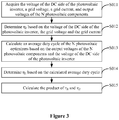
Figure 3 is a flow chart of a method for determining an operation parameter of a grid-connected photovoltaic system according to an embodiment of the present disclosure; and -
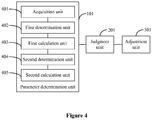
Figure 4 is a schematic structural diagram of a cooperative control device for a photovoltaic optimizer and a photovoltaic inverter according to an embodiment of the present disclosure. - Hereinafter, the technical solution in the embodiments of the present disclosure will be described clearly and completely in conjunction with the drawings in the embodiments of the present disclosure. Obviously, the described embodiments are only a part of the embodiments of the present disclosure, but not all the embodiments. All the other embodiments obtained by those skilled in the art based on the embodiments of the present disclosure without creative work will fall within the scope of protection of the present disclosure.
- A cooperative control method for a photovoltaic optimizer and a photovoltaic inverter is provided according to an embodiment of the present disclosure. The cooperative control method is applicable to the grid-connected photovoltaic system shown in
Figure 1 , for enhancing the overall conversion efficiency of the grid-connected photovoltaic system. Referring toFigure 2 , the cooperative control method includes the following steps S01 to S03. - In step S01, an operation parameter of the grid-connected photovoltaic system is determined. The operation parameter reflects an overall conversion efficiency of the grid-connected photovoltaic system.
- The
photovoltaic inverter 300 and the Nphotovoltaic optimizer 200 are considered as an integral unit (referred to as unit A). The overall conversion efficiency of the grid-connected photovoltaic system is reflected by the conversion efficiency of the unit A. - The conversion efficiency of the unit A is equal to a product of the average conversion efficiency η1 of the N
photovoltaic optimizers 200 and the conversion efficiency η2 of thephotovoltaic inverter 300, i.e., η1 × η2. Correspondingly, the operation parameter may be η1 × η2. - Referring to
Figure 3 , in a case that the operation parameter is η1 × η2, the method for determining the operation parameter includes the following steps S011 to S015. - In step S011, a voltage of a DC side of the
photovoltaic inverter 300, a grid voltage, a grid current, and output voltages of the Nphotovoltaic components 100 are acquired. - In step S012, η2 is determined based on the voltage of the DC side of the
photovoltaic inverter 300, the grid voltage and the grid current. - η2 may be determined using a look-up table method in a case that the voltage of the DC side of the
photovoltaic inverter 300, the grid voltage and the grid current are known. Alternatively, η2 may be calculated using a functional relationship between η2 and the voltage of the DC side of thephotovoltaic inverter 300, the grid voltage and the grid current, which may be expressed as η2 = f(the voltage of the DC side of thephotovoltaic inverter 300, the grid voltage, the grid current). - In step S013, an average duty cycle of the N
photovoltaic optimizers 200 is calculated based on the output voltages of the Nphotovoltaic components 100 and the voltage of the DC side of thephotovoltaic inverter 300 according to an equation:
photovoltaic components 100. - In step S014, η1 is determined based on the calculated average duty cycle.
- η1 may be determined using a look-up table method in a case that the average duty cycle of the N
photovoltaic optimizers 200 is known. Alternatively, η1 may be calculated using a functional relationship between η1 and the average duty cycle of the Nphotovoltaic optimizers 200. - In step S105, the product of η1 and η2 is calculated.
- In addition, the overall conversion efficiency of the unit A may be reflected by an output power of the AC side of the
photovoltaic inverter 300. That is, the operation parameter may also be the output power of the AC side of thephotovoltaic inverter 300. - The reason for which the operation parameter may also be the output power of the AC side of the
photovoltaic inverter 300 is as follows. When each of thephotovoltaic optimizer 200 acquires the maximum output power of thephotovoltaic component 100 connected thereto, it can be considered that the photovoltaic energy outputted into the unit A is a set value. In this operation condition, if the output power of the AC side of thephotovoltaic inverter 300 is greater, it indicates that the conversion efficiency of the unit A is higher. Therefore, the output power of the AC side of thephotovoltaic inverter 300 may be collected, and the conversion efficiency of the unit A may be determined according to the output power of the AC side of thephotovoltaic inverter 300. - In step S02, it is judged whether the operation parameter is lower than a preset value. In a case that the operation parameter is lower than the preset value, it indicates that the overall conversion efficiency of the grid-connected photovoltaic system is low and needs to be optimized, then the process proceeds to step S03. In a case that the operation parameter is not lower than the preset value, it indicates that the overall conversion efficiency of the grid-connected photovoltaic system is high and does not need to be adjusted, then the process returns to step S01.
- In step S03, the voltage of the DC side of the
photovoltaic inverter 300 is adjusted until the operation parameter is not lower than the preset value. - It is known that, for the
photovoltaic inverter 300, at a same output power of the AC side, the higher the input voltage of the DC side, the greater the internal switch loss of thephotovoltaic inverter 300, thereby and the lower the conversion efficiency of thephotovoltaic inverter 300. Therefore, a variation in the voltage of the DC side of thephotovoltaic inverter 300 can result in a variation in the conversion efficiency of thephotovoltaic inverter 300. - In addition, when the
photovoltaic optimizer 200 acquires the maximum output power of thephotovoltaic component 100, it may be considered that the input voltage of thephotovoltaic optimizer 200 is a set value. At this time, the variation in the voltage of the DC side of thephotovoltaic inverter 300 can also result in a variation in the duty cycle of thephotovoltaic optimizer 200, and the variation in the duty cycle of thephotovoltaic optimizer 200 can in turn directly influence the conversion efficiency of thephotovoltaic optimizer 200. Therefore, the variation in the voltage of the DC side of thephotovoltaic inverter 300 can result in the variation in the conversion efficiency of eachphotovoltaic optimizer 200. - As can be seen, the conversion efficiency of the
photovoltaic inverter 300 and the conversion efficiency of eachphotovoltaic optimizer 200 both may be changed by adjusting the voltage of the DC side of thephotovoltaic inverter 300. In addition, the match condition between the conversion efficiency of thephotovoltaic inverter 300 and the conversion efficiency of eachphotovoltaic optimizer 200 can directly influence the overall conversion efficiency of the grid-connected photovoltaic system. Only in a case that thephotovoltaic inverter 300 operates with the voltage of the DC side being a specific value, the overall conversion efficiency of the grid-connected photovoltaic system can reach the maximum value (in this case, the conversion efficiency of thephotovoltaic inverter 300 and the conversion efficiency eachphotovoltaic optimizer 200 can achieve an optimal match condition, and the specific value of the voltage of the DC side is referred to as the optimal match point). Therefore, in order to enhance the overall conversion efficiency of the grid-connected photovoltaic system, the voltage of the DC side of thephotovoltaic inverter 300 is required to be adjusted to be close to the optimal match point. - A cooperative control device for a photovoltaic optimizer and a photovoltaic inverter is further provided according to an embodiment of the present disclosure. The cooperative control device is applicable to the grid-connected photovoltaic system shown in
Figure 1 , for enhancing the overall conversion efficiency of the grid-connected photovoltaic system. As shown inFigure 4 , the cooperative control device includes aparameter determination unit 101, ajudgment unit 201, and anadjustment unit 301. - The
parameter determination unit 101 is configured to determine an operation parameter of the grid-connected photovoltaic system. The operation parameter reflects an overall conversion efficiency of the grid-connected photovoltaic system. - The
judgment unit 201 is configured to judge whether the operation parameter is lower than a preset value. - The
adjustment unit 301 is configured to adjust a voltage of the DC side of thephotovoltaic inverter 300 until the operation parameter is not lower than the preset value, in a case that thejudgment unit 201 determines that the operation parameter is lower than the preset value. - The operation parameter is an output power of an AC side of the
photovoltaic inverter 300. - The operation parameter is a product of η1 and η2. Specifically, η1 is an average conversion efficiency of the N
photovoltaic optimizers 200, and η2 is a conversion efficiency of thephotovoltaic inverter 300. - Reference is made to
Figure 4 again. Theparameter determination unit 101 includes anacquisition unit 401, afirst determination unit 402, afirst calculation unit 403, asecond determination unit 404, and asecond calculation unit 405. - The
acquisition unit 401 is configured to acquire the voltage of the DC side of thephotovoltaic inverter 300, a grid voltage, a grid current and output voltages of the Nphotovoltaic components 100. - The
first determination unit 402 is configured to determine η2 based on the voltage of the DC side of thephotovoltaic inverter 300, the grid voltage and the grid current acquired by theacquisition unit 401. - The
first calculation unit 403 is configured to calculate an average duty cycle of the Nphotovoltaic optimizers 200 based on the output voltages of the Nphotovoltaic components 100 and the voltage of the DC side of thephotovoltaic inverter 300 acquired by theacquisition unit 401 according to an equation:
photovoltaic components 100. - The
second determination unit 404 is configured to determine η1 based on the average duty cycle calculated by thefirst calculation unit 403. - The
second calculation unit 405 is configured to calculate the production of η1 and η2. - The
first determination unit 402 is configured to determine η2 using a look-up table method in a case that the voltage of the DC side of thephotovoltaic inverter 300, the grid voltage and the grid current are known. Alternatively, thefirst determination unit 402 is configured to calculate η2 using a functional relationship between η2 and the voltage of the DC side of thephotovoltaic inverter 300, the grid voltage and the grid current. - Specifically, the
second determination unit 404 is configured to determine η1 using a look-up table method in a case that the average duty cycle is known. Alternatively, thesecond determination unit 404 is configured to calculate η1 using a functional relationship between η1 and the average duty cycle. - In summary, the match condition between the conversion efficiency of the photovoltaic inverter and the conversion efficiency of the photovoltaic optimizer can be changed by adjusting the voltage of the DC side of the photovoltaic inverter. Only in a case that the photovoltaic inverter operates with the voltage of the DC side being a specific value, the overall conversion efficiency of the grid-connected photovoltaic system can reach the maximum value. The specific value of the voltage of the DC side is referred to as the optimal match point. Therefore, in order to enhance the overall conversion efficiency of the grid-connected photovoltaic system, the voltage of the DC side of the photovoltaic inverter is adjusted to be close to the optimal match point in the present disclosure.
- In the present specification, the embodiments are described in progressive manner. Each embodiment mainly focuses on an aspect different from other embodiments, and reference can be made to these similar parts among the embodiments. The device disclosed in the embodiment corresponds to the method disclosed in the embodiment, and is described relatively simply. For detailed description of the device, reference may be made to the related description of the method.
- With the above descriptions of the disclosed embodiments, the skilled in the art may practice or use the present disclosure. Various modifications to the embodiments are apparent for the skilled in the art. The general principle suggested herein can be implemented in other embodiments without departing from the spirit or scope of the disclosure. Therefore, the present disclosure should not be limited to the embodiments disclosed herein, but has the widest scope that is conformity with the principle and the novel features disclosed herein.
- The present application claims the priority to
Chinese Patent Application No.201610989232.3, entitled "COOPERATIVE CONTROL METHOD AND DEVICE FOR PHOTOVOLTAIC OPTIMIZER AND PHOTOVOLTAIC INVERTER", filed on November 10, 2016
Claims (10)
- A cooperative control method for a photovoltaic optimizer and a photovoltaic inverter, applicable to a grid-connected photovoltaic system comprising N photovoltaic components, N photovoltaic optimizers and one photovoltaic inverter, the N photovoltaic components being respectively connected to input sides of the N photovoltaic optimizers, and output sides of the N photovoltaic optimizers being connected to a DC side of the photovoltaic inverter, N being an integer greater than or equal to 1, the cooperative control method comprising:determining an operation parameter of the grid-connected photovoltaic system, the operation parameter reflecting an overall conversion efficiency of the grid-connected photovoltaic system;judging whether the operation parameter is lower than a preset value; andadjusting a voltage of the DC side of the photovoltaic inverter until the operation parameter is not lower than the preset value, in a case that the operation parameter is lower than the preset value.
- The cooperative control method according to claim 1, wherein the operation parameter is an output power of an AC side of the photovoltaic inverter.
- The cooperative control method according to claim 1, wherein the operation parameter is a product of η1 and η2,
where η1 is an average conversion efficiency of the N photovoltaic optimizers, and η2 is a conversion efficiency of the photovoltaic inverter. - The cooperative control method according to claim 3, wherein the determining the operation parameter of the grid-connected photovoltaic system comprises:acquiring the voltage of the DC side of the photovoltaic inverter, a grid voltage, a grid current, and output voltages of the N photovoltaic components;determining η2 based on the voltage of the DC side of the photovoltaic inverter, the grid voltage and the grid current;calculating an average duty cycle of the N photovoltaic optimizers based on the output voltages of the N photovoltaic components and the voltage of the DC side of the photovoltaic inverter according to an equation:
 where M is the number of strings formed by the N photovoltaic components;determining η1 based on the calculated average duty cycle; andcalculating the product of η1 and η2.
 - The cooperative control method according to claim 4, wherein
the determining η2 based on the voltage of the DC side of the photovoltaic inverter, the grid voltage and the grid current comprises:determining η2 using a look-up table method in a case that the voltage of the DC side of the photovoltaic inverter, the grid voltage and the grid current are known, orcalculating η2 using a functional relationship between η2 and the voltage of the DC side of the photovoltaic inverter, the grid voltage and the grid current; andthe determining η1 based on the calculated average duty cycle comprises:determining η1 using a look-up table method in a case that the average duty cycle is known, orcalculating η1 using a functional relationship between η1 and the average duty cycle. - A cooperative control device for a photovoltaic optimizer and a photovoltaic inverter, applicable to a grid-connected photovoltaic system comprising N photovoltaic components, N photovoltaic optimizers and one photovoltaic inverter, the N photovoltaic components being respectively connected to input sides of the N photovoltaic optimizers, and output sides of the N photovoltaic optimizers being connected to a DC side of the photovoltaic inverter, N being an integer greater than or equal to 1, the cooperative control device comprising:a parameter determination unit configured to determine an operation parameter of the grid-connected photovoltaic system, the operation parameter reflecting an overall conversion efficiency of the grid-connected photovoltaic system;a judgment unit configured to judge whether the operation parameter is lower than a preset value; andan adjustment unit configured to adjust a voltage of the DC side of the photovoltaic inverter until the operation parameter is not lower than the preset value, in a case that the judgment unit determines that the operation parameter is lower than the preset value.
- The cooperative control device according to claim 6, wherein the operation parameter is an output power of an AC side of the photovoltaic inverter.
- The cooperative control device according to claim 6, wherein the operation parameter is a product of η1 and η2,
where η1 is an average conversion efficiency of the N photovoltaic optimizers, and η2 is a conversion efficiency of the photovoltaic inverter. - The cooperative control device according to claim 8, wherein the determination unit comprises:an acquisition unit configured to acquire the voltage of the DC side of the photovoltaic inverter, a grid voltage, a grid current and output voltages of the N photovoltaic components;a first determination unit configured to determine η2 based on the voltage of the DC side of the photovoltaic inverter, the grid voltage and the grid current acquired by the acquisition unit;a first calculation unit configured to calculate an average duty cycle of the N photovoltaic optimizers based on the output voltages of the N photovoltaic components and the voltage of the DC side of the photovoltaic inverter acquired by the acquisition unit according to an equation:
 where M is the number of strings formed by the N photovoltaic components;a second determination unit configured to determine η1 based on the average duty cycle calculated by the first calculation unit; anda second calculation unit configured to calculate the product of η1, and η2.
 - The cooperative control device according to claim 9, wherein
the first determination unit is configured to:determine η2 using a look-up table method in a case that the voltage of the DC side of the photovoltaic inverter, the grid voltage and the grid current are known, orcalculate η2 using a functional relationship between η2 and the voltage of the DC side of the photovoltaic inverter, the grid voltage and the grid current; andthe second determination unit is configured to:determine η1 using a look-up table method in a case that the average duty cycle is known, orcalculate η1 using a functional relationship between η1 and the average duty cycle.
Applications Claiming Priority (1)
| Application Number | Priority Date | Filing Date | Title |
|---|---|---|---|
| CN201610989232.3A CN106300433B (en) | 2016-11-10 | 2016-11-10 | Coordinated control method and device for photovoltaic optimizer and photovoltaic inverter |
Publications (2)
| Publication Number | Publication Date |
|---|---|
| EP3322064A1 true EP3322064A1 (en) | 2018-05-16 |
| EP3322064B1 EP3322064B1 (en) | 2020-01-15 |
Family
ID=57720964
Family Applications (1)
| Application Number | Title | Priority Date | Filing Date |
|---|---|---|---|
| EP17168470.7A Active EP3322064B1 (en) | 2016-11-10 | 2017-04-27 | Cooperative control method and device for photovoltaic optimizer and photovoltaic inverter |
Country Status (3)
| Country | Link |
|---|---|
| US (1) | US10637253B2 (en) |
| EP (1) | EP3322064B1 (en) |
| CN (1) | CN106300433B (en) |
Cited By (1)
| Publication number | Priority date | Publication date | Assignee | Title |
|---|---|---|---|---|
| EP3780314B1 (en) * | 2018-11-15 | 2023-08-30 | Huawei Digital Power Technologies Co., Ltd. | Method and device for tracking maximum power point |
Families Citing this family (19)
| Publication number | Priority date | Publication date | Assignee | Title |
|---|---|---|---|---|
| US10536002B2 (en) * | 2017-05-12 | 2020-01-14 | Futurewei Technologies, Inc. | Power systems with inverter input voltage control |
| CN107248843B (en) * | 2017-05-31 | 2019-04-05 | 华为技术有限公司 | A photovoltaic power generation control method, control device and photovoltaic power generation system |
| CN106992554B (en) * | 2017-06-08 | 2020-02-11 | 合肥阳光智维科技有限公司 | Optimizer control method, coordination control method, device and system |
| CN107154647B (en) * | 2017-06-08 | 2020-05-22 | 阳光电源股份有限公司 | Power derating method and controller of photovoltaic power generation system |
| CN107968433B (en) * | 2017-12-08 | 2020-09-11 | 燕山大学 | Direct-current topological structure for improving utilization efficiency of photovoltaic inverter and control method |
| CN110391671B (en) * | 2018-04-23 | 2023-03-10 | 台达电子工业股份有限公司 | Optimizer, control method and parallel structure for photovoltaic inverter system |
| CN109193777B (en) * | 2018-10-12 | 2022-05-24 | 阳光电源股份有限公司 | Power optimizer and photovoltaic power generation system |
| CN115411769A (en) * | 2019-11-27 | 2022-11-29 | 华为数字能源技术有限公司 | Photovoltaic system, optimizer and working state adjusting method of optimizer |
| US11770095B2 (en) * | 2019-12-30 | 2023-09-26 | Solaredge Technologies Ltd. | Energy harvesting and electrical power generation |
| CN111193286B (en) * | 2020-01-15 | 2023-04-07 | 云南电网有限责任公司电力科学研究院 | Coordination control method for combined converter in photovoltaic direct-current boosting and collecting system |
| CN112290886B (en) * | 2020-09-18 | 2022-10-28 | 华为数字能源技术有限公司 | Fault detection method and device and photovoltaic power generation system |
| CN113872227B (en) * | 2021-10-12 | 2024-07-16 | 华为数字能源技术有限公司 | Power supply system, converter and circulating current suppression method of converter |
| CN114285073B (en) * | 2021-12-21 | 2023-07-21 | 大唐可再生能源试验研究院有限公司 | Grid-connected photovoltaic inverter performance analysis system |
| CN114967824B (en) * | 2022-06-15 | 2025-04-01 | 阳光电源(上海)有限公司 | A photovoltaic power generation system and a maximum power point tracking method thereof |
| CN114899872B (en) * | 2022-06-17 | 2026-05-01 | 阳光电源(上海)有限公司 | Photovoltaic system and optimizer networking updating method thereof |
| CN115224742B (en) * | 2022-09-21 | 2022-12-20 | 赫里欧绿能建筑科技有限公司 | BIPV photovoltaic power generation convergence grid-connected system and method |
| CN116382194A (en) * | 2022-11-30 | 2023-07-04 | 河北雄安许继电科综合能源技术有限公司 | Coordinated control method and system for photoelectric thermal comprehensive production capacity and energy consumption |
| CN115579960B (en) * | 2022-12-09 | 2023-04-28 | 深圳市中旭新能源有限公司 | Safe low-voltage combined type regional power optimization photovoltaic module and inversion power generation system |
| CN116418048B (en) * | 2023-06-05 | 2023-08-25 | 深圳鹏锐信息技术股份有限公司 | Photovoltaic power generation detection method, device, computer equipment and storage medium |
Citations (1)
| Publication number | Priority date | Publication date | Assignee | Title |
|---|---|---|---|---|
| EP2957014A1 (en) * | 2013-02-14 | 2015-12-23 | ABB Technology Ltd. | Method of controlling a solar power plant, a power conversion system, a dc/ac inverter and a solar power plant |
Family Cites Families (12)
| Publication number | Priority date | Publication date | Assignee | Title |
|---|---|---|---|---|
| JP3656694B2 (en) * | 1996-10-14 | 2005-06-08 | 富士電機ホールディングス株式会社 | Power converter |
| US9342088B2 (en) * | 2009-12-31 | 2016-05-17 | Sunpower Corporation | Power point tracking |
| CN102624022A (en) * | 2011-01-30 | 2012-08-01 | 上海康威特吉能源技术有限公司 | Photovoltaic grid-connected power generation system and direct current bus voltage control method thereof |
| US8716999B2 (en) * | 2011-02-10 | 2014-05-06 | Draker, Inc. | Dynamic frequency and pulse-width modulation of dual-mode switching power controllers in photovoltaic arrays |
| US20140214230A1 (en) * | 2013-01-28 | 2014-07-31 | General Electric Company | Systems and methods for maximum power point tracking in a micro inverter |
| US9614458B1 (en) * | 2013-02-15 | 2017-04-04 | Ideal Power, Inc. | Methods for determining maximum power point tracking in power converters |
| CN104253530B (en) * | 2013-06-27 | 2017-04-05 | 比亚迪股份有限公司 | Photovoltaic DC-to-AC converter and its control method and photovoltaic generating system |
| JP6479425B2 (en) * | 2014-11-07 | 2019-03-06 | ユーケーシー エレクトロニクス(ホンコン)カンパニー., リミテッド | Maximum power point tracking device and solar cell module evaluation method |
| CN105720915A (en) * | 2014-12-01 | 2016-06-29 | 国家电网公司 | Method and device for detecting power generation efficiency of photovoltaic power generation system |
| CN104734548B (en) * | 2015-04-07 | 2017-11-07 | 深圳市英威腾电气股份有限公司 | A kind of control method of photovoltaic combining inverter and photovoltaic combining inverter |
| WO2016170811A1 (en) * | 2015-04-22 | 2016-10-27 | 株式会社村田製作所 | Energy management system |
| US10063057B2 (en) * | 2015-10-23 | 2018-08-28 | Sparq Systems Inc. | Dynamic maximum efficiency tracker for PV micro-inverter |
-
2016
- 2016-11-10 CN CN201610989232.3A patent/CN106300433B/en active Active
-
2017
- 2017-04-27 US US15/499,121 patent/US10637253B2/en active Active
- 2017-04-27 EP EP17168470.7A patent/EP3322064B1/en active Active
Patent Citations (1)
| Publication number | Priority date | Publication date | Assignee | Title |
|---|---|---|---|---|
| EP2957014A1 (en) * | 2013-02-14 | 2015-12-23 | ABB Technology Ltd. | Method of controlling a solar power plant, a power conversion system, a dc/ac inverter and a solar power plant |
Cited By (2)
| Publication number | Priority date | Publication date | Assignee | Title |
|---|---|---|---|---|
| EP3780314B1 (en) * | 2018-11-15 | 2023-08-30 | Huawei Digital Power Technologies Co., Ltd. | Method and device for tracking maximum power point |
| EP4293896A3 (en) * | 2018-11-15 | 2024-02-14 | Huawei Digital Power Technologies Co., Ltd. | Method and device for tracking maximum power point |
Also Published As
| Publication number | Publication date |
|---|---|
| US20180131321A1 (en) | 2018-05-10 |
| EP3322064B1 (en) | 2020-01-15 |
| CN106300433B (en) | 2019-08-13 |
| US10637253B2 (en) | 2020-04-28 |
| CN106300433A (en) | 2017-01-04 |
Similar Documents
| Publication | Publication Date | Title |
|---|---|---|
| EP3322064B1 (en) | Cooperative control method and device for photovoltaic optimizer and photovoltaic inverter | |
| CN108923462B (en) | Photovoltaic power generation system virtual synchronous machine control method, device, converter and system | |
| US9342088B2 (en) | Power point tracking | |
| Gao et al. | Indirect dc-link voltage control of two-stage single-phase PV inverter | |
| CN109193777B (en) | Power optimizer and photovoltaic power generation system | |
| US10063057B2 (en) | Dynamic maximum efficiency tracker for PV micro-inverter | |
| CN108258718B (en) | Inverter, distributed combiner box, power limiting control system and method | |
| EP2993754A1 (en) | Centralized mppt exiting and switching method and application thereof | |
| CN109818495B (en) | String inverter and its boost chopper circuit control method | |
| CN104104112A (en) | MPPT control method for photovoltaic grid-connected inverter of two-stage topology | |
| CN104270004B (en) | A kind of photovoltaic DC-to-AC converter control method and system | |
| WO2019052875A1 (en) | Control processing method for inverter device having h5 topological structure | |
| WO2014171044A1 (en) | Control device, power conditioner, dispersed power source system, program, and control method | |
| WO2017175393A1 (en) | Solar power generation system | |
| KR102245969B1 (en) | System and Method for Controlling Constant Power Generation of Photovoltaic System | |
| KR101738796B1 (en) | Controlling a voltage-adapting electronic module | |
| Zeng et al. | Power pulsation decoupling for a two-stage single-phase photovoltaic inverter with film capacitor | |
| CN103885522A (en) | Maximum power tracking method based on direct-current bus voltage control | |
| US11784493B2 (en) | Method and device for primary frequency modulation in new energy power generation | |
| CN109038666B (en) | Solar cell panel output power regulating system | |
| CN104378059B (en) | A kind of MPPT algorithm and hardware configuration thereof | |
| CN107887927A (en) | Microgrid system and its control method and device | |
| US9817424B2 (en) | Method and apparatus for maximum power point tracking for multi-input power converter | |
| CN106505621B (en) | Inverter and control method and device thereof | |
| JP2019144953A (en) | Solar cell control system |
Legal Events
| Date | Code | Title | Description |
|---|---|---|---|
| PUAI | Public reference made under article 153(3) epc to a published international application that has entered the european phase |
Free format text: ORIGINAL CODE: 0009012 |
|
| STAA | Information on the status of an ep patent application or granted ep patent |
Free format text: STATUS: THE APPLICATION HAS BEEN PUBLISHED |
|
| AK | Designated contracting states |
Kind code of ref document: A1 Designated state(s): AL AT BE BG CH CY CZ DE DK EE ES FI FR GB GR HR HU IE IS IT LI LT LU LV MC MK MT NL NO PL PT RO RS SE SI SK SM TR |
|
| AX | Request for extension of the european patent |
Extension state: BA ME |
|
| STAA | Information on the status of an ep patent application or granted ep patent |
Free format text: STATUS: REQUEST FOR EXAMINATION WAS MADE |
|
| 17P | Request for examination filed |
Effective date: 20181116 |
|
| RBV | Designated contracting states (corrected) |
Designated state(s): AL AT BE BG CH CY CZ DE DK EE ES FI FR GB GR HR HU IE IS IT LI LT LU LV MC MK MT NL NO PL PT RO RS SE SI SK SM TR |
|
| GRAP | Despatch of communication of intention to grant a patent |
Free format text: ORIGINAL CODE: EPIDOSNIGR1 |
|
| STAA | Information on the status of an ep patent application or granted ep patent |
Free format text: STATUS: GRANT OF PATENT IS INTENDED |
|
| RIC1 | Information provided on ipc code assigned before grant |
Ipc: H02J 3/38 20060101AFI20190711BHEP Ipc: H02S 50/10 20140101ALI20190711BHEP |
|
| INTG | Intention to grant announced |
Effective date: 20190813 |
|
| GRAS | Grant fee paid |
Free format text: ORIGINAL CODE: EPIDOSNIGR3 |
|
| GRAA | (expected) grant |
Free format text: ORIGINAL CODE: 0009210 |
|
| STAA | Information on the status of an ep patent application or granted ep patent |
Free format text: STATUS: THE PATENT HAS BEEN GRANTED |
|
| RAP1 | Party data changed (applicant data changed or rights of an application transferred) |
Owner name: SUNGROW POWER SUPPLY CO., LTD. |
|
| AK | Designated contracting states |
Kind code of ref document: B1 Designated state(s): AL AT BE BG CH CY CZ DE DK EE ES FI FR GB GR HR HU IE IS IT LI LT LU LV MC MK MT NL NO PL PT RO RS SE SI SK SM TR |
|
| REG | Reference to a national code |
Ref country code: CH Ref legal event code: EP Ref country code: GB Ref legal event code: FG4D |
|
| REG | Reference to a national code |
Ref country code: IE Ref legal event code: FG4D |
|
| REG | Reference to a national code |
Ref country code: DE Ref legal event code: R096 Ref document number: 602017010823 Country of ref document: DE |
|
| REG | Reference to a national code |
Ref country code: AT Ref legal event code: REF Ref document number: 1226013 Country of ref document: AT Kind code of ref document: T Effective date: 20200215 |
|
| REG | Reference to a national code |
Ref country code: NL Ref legal event code: MP Effective date: 20200115 |
|
| REG | Reference to a national code |
Ref country code: LT Ref legal event code: MG4D |
|
| PG25 | Lapsed in a contracting state [announced via postgrant information from national office to epo] |
Ref country code: NO Free format text: LAPSE BECAUSE OF FAILURE TO SUBMIT A TRANSLATION OF THE DESCRIPTION OR TO PAY THE FEE WITHIN THE PRESCRIBED TIME-LIMIT Effective date: 20200415 Ref country code: PT Free format text: LAPSE BECAUSE OF FAILURE TO SUBMIT A TRANSLATION OF THE DESCRIPTION OR TO PAY THE FEE WITHIN THE PRESCRIBED TIME-LIMIT Effective date: 20200607 Ref country code: NL Free format text: LAPSE BECAUSE OF FAILURE TO SUBMIT A TRANSLATION OF THE DESCRIPTION OR TO PAY THE FEE WITHIN THE PRESCRIBED TIME-LIMIT Effective date: 20200115 Ref country code: FI Free format text: LAPSE BECAUSE OF FAILURE TO SUBMIT A TRANSLATION OF THE DESCRIPTION OR TO PAY THE FEE WITHIN THE PRESCRIBED TIME-LIMIT Effective date: 20200115 Ref country code: RS Free format text: LAPSE BECAUSE OF FAILURE TO SUBMIT A TRANSLATION OF THE DESCRIPTION OR TO PAY THE FEE WITHIN THE PRESCRIBED TIME-LIMIT Effective date: 20200115 |
|
| PG25 | Lapsed in a contracting state [announced via postgrant information from national office to epo] |
Ref country code: HR Free format text: LAPSE BECAUSE OF FAILURE TO SUBMIT A TRANSLATION OF THE DESCRIPTION OR TO PAY THE FEE WITHIN THE PRESCRIBED TIME-LIMIT Effective date: 20200115 Ref country code: LV Free format text: LAPSE BECAUSE OF FAILURE TO SUBMIT A TRANSLATION OF THE DESCRIPTION OR TO PAY THE FEE WITHIN THE PRESCRIBED TIME-LIMIT Effective date: 20200115 Ref country code: SE Free format text: LAPSE BECAUSE OF FAILURE TO SUBMIT A TRANSLATION OF THE DESCRIPTION OR TO PAY THE FEE WITHIN THE PRESCRIBED TIME-LIMIT Effective date: 20200115 Ref country code: BG Free format text: LAPSE BECAUSE OF FAILURE TO SUBMIT A TRANSLATION OF THE DESCRIPTION OR TO PAY THE FEE WITHIN THE PRESCRIBED TIME-LIMIT Effective date: 20200415 Ref country code: IS Free format text: LAPSE BECAUSE OF FAILURE TO SUBMIT A TRANSLATION OF THE DESCRIPTION OR TO PAY THE FEE WITHIN THE PRESCRIBED TIME-LIMIT Effective date: 20200515 Ref country code: GR Free format text: LAPSE BECAUSE OF FAILURE TO SUBMIT A TRANSLATION OF THE DESCRIPTION OR TO PAY THE FEE WITHIN THE PRESCRIBED TIME-LIMIT Effective date: 20200416 |
|
| REG | Reference to a national code |
Ref country code: DE Ref legal event code: R097 Ref document number: 602017010823 Country of ref document: DE |
|
| PG25 | Lapsed in a contracting state [announced via postgrant information from national office to epo] |
Ref country code: SK Free format text: LAPSE BECAUSE OF FAILURE TO SUBMIT A TRANSLATION OF THE DESCRIPTION OR TO PAY THE FEE WITHIN THE PRESCRIBED TIME-LIMIT Effective date: 20200115 Ref country code: DK Free format text: LAPSE BECAUSE OF FAILURE TO SUBMIT A TRANSLATION OF THE DESCRIPTION OR TO PAY THE FEE WITHIN THE PRESCRIBED TIME-LIMIT Effective date: 20200115 Ref country code: EE Free format text: LAPSE BECAUSE OF FAILURE TO SUBMIT A TRANSLATION OF THE DESCRIPTION OR TO PAY THE FEE WITHIN THE PRESCRIBED TIME-LIMIT Effective date: 20200115 Ref country code: SM Free format text: LAPSE BECAUSE OF FAILURE TO SUBMIT A TRANSLATION OF THE DESCRIPTION OR TO PAY THE FEE WITHIN THE PRESCRIBED TIME-LIMIT Effective date: 20200115 Ref country code: ES Free format text: LAPSE BECAUSE OF FAILURE TO SUBMIT A TRANSLATION OF THE DESCRIPTION OR TO PAY THE FEE WITHIN THE PRESCRIBED TIME-LIMIT Effective date: 20200115 Ref country code: LT Free format text: LAPSE BECAUSE OF FAILURE TO SUBMIT A TRANSLATION OF THE DESCRIPTION OR TO PAY THE FEE WITHIN THE PRESCRIBED TIME-LIMIT Effective date: 20200115 Ref country code: CZ Free format text: LAPSE BECAUSE OF FAILURE TO SUBMIT A TRANSLATION OF THE DESCRIPTION OR TO PAY THE FEE WITHIN THE PRESCRIBED TIME-LIMIT Effective date: 20200115 Ref country code: RO Free format text: LAPSE BECAUSE OF FAILURE TO SUBMIT A TRANSLATION OF THE DESCRIPTION OR TO PAY THE FEE WITHIN THE PRESCRIBED TIME-LIMIT Effective date: 20200115 |
|
| REG | Reference to a national code |
Ref country code: AT Ref legal event code: MK05 Ref document number: 1226013 Country of ref document: AT Kind code of ref document: T Effective date: 20200115 |
|
| PLBE | No opposition filed within time limit |
Free format text: ORIGINAL CODE: 0009261 |
|
| STAA | Information on the status of an ep patent application or granted ep patent |
Free format text: STATUS: NO OPPOSITION FILED WITHIN TIME LIMIT |
|
| PG25 | Lapsed in a contracting state [announced via postgrant information from national office to epo] |
Ref country code: MC Free format text: LAPSE BECAUSE OF FAILURE TO SUBMIT A TRANSLATION OF THE DESCRIPTION OR TO PAY THE FEE WITHIN THE PRESCRIBED TIME-LIMIT Effective date: 20200115 |
|
| REG | Reference to a national code |
Ref country code: CH Ref legal event code: PL |
|
| 26N | No opposition filed |
Effective date: 20201016 |
|
| PG25 | Lapsed in a contracting state [announced via postgrant information from national office to epo] |
Ref country code: AT Free format text: LAPSE BECAUSE OF FAILURE TO SUBMIT A TRANSLATION OF THE DESCRIPTION OR TO PAY THE FEE WITHIN THE PRESCRIBED TIME-LIMIT Effective date: 20200115 Ref country code: CH Free format text: LAPSE BECAUSE OF NON-PAYMENT OF DUE FEES Effective date: 20200430 Ref country code: FR Free format text: LAPSE BECAUSE OF NON-PAYMENT OF DUE FEES Effective date: 20200430 Ref country code: LI Free format text: LAPSE BECAUSE OF NON-PAYMENT OF DUE FEES Effective date: 20200430 Ref country code: IT Free format text: LAPSE BECAUSE OF FAILURE TO SUBMIT A TRANSLATION OF THE DESCRIPTION OR TO PAY THE FEE WITHIN THE PRESCRIBED TIME-LIMIT Effective date: 20200115 Ref country code: LU Free format text: LAPSE BECAUSE OF NON-PAYMENT OF DUE FEES Effective date: 20200427 |
|
| REG | Reference to a national code |
Ref country code: BE Ref legal event code: MM Effective date: 20200430 |
|
| PG25 | Lapsed in a contracting state [announced via postgrant information from national office to epo] |
Ref country code: PL Free format text: LAPSE BECAUSE OF FAILURE TO SUBMIT A TRANSLATION OF THE DESCRIPTION OR TO PAY THE FEE WITHIN THE PRESCRIBED TIME-LIMIT Effective date: 20200115 Ref country code: SI Free format text: LAPSE BECAUSE OF FAILURE TO SUBMIT A TRANSLATION OF THE DESCRIPTION OR TO PAY THE FEE WITHIN THE PRESCRIBED TIME-LIMIT Effective date: 20200115 Ref country code: BE Free format text: LAPSE BECAUSE OF NON-PAYMENT OF DUE FEES Effective date: 20200430 |
|
| PG25 | Lapsed in a contracting state [announced via postgrant information from national office to epo] |
Ref country code: IE Free format text: LAPSE BECAUSE OF NON-PAYMENT OF DUE FEES Effective date: 20200427 |
|
| GBPC | Gb: european patent ceased through non-payment of renewal fee |
Effective date: 20210427 |
|
| PG25 | Lapsed in a contracting state [announced via postgrant information from national office to epo] |
Ref country code: GB Free format text: LAPSE BECAUSE OF NON-PAYMENT OF DUE FEES Effective date: 20210427 |
|
| PG25 | Lapsed in a contracting state [announced via postgrant information from national office to epo] |
Ref country code: TR Free format text: LAPSE BECAUSE OF FAILURE TO SUBMIT A TRANSLATION OF THE DESCRIPTION OR TO PAY THE FEE WITHIN THE PRESCRIBED TIME-LIMIT Effective date: 20200115 Ref country code: MT Free format text: LAPSE BECAUSE OF FAILURE TO SUBMIT A TRANSLATION OF THE DESCRIPTION OR TO PAY THE FEE WITHIN THE PRESCRIBED TIME-LIMIT Effective date: 20200115 Ref country code: CY Free format text: LAPSE BECAUSE OF FAILURE TO SUBMIT A TRANSLATION OF THE DESCRIPTION OR TO PAY THE FEE WITHIN THE PRESCRIBED TIME-LIMIT Effective date: 20200115 |
|
| PG25 | Lapsed in a contracting state [announced via postgrant information from national office to epo] |
Ref country code: MK Free format text: LAPSE BECAUSE OF FAILURE TO SUBMIT A TRANSLATION OF THE DESCRIPTION OR TO PAY THE FEE WITHIN THE PRESCRIBED TIME-LIMIT Effective date: 20200115 Ref country code: AL Free format text: LAPSE BECAUSE OF FAILURE TO SUBMIT A TRANSLATION OF THE DESCRIPTION OR TO PAY THE FEE WITHIN THE PRESCRIBED TIME-LIMIT Effective date: 20200115 |
|
| P01 | Opt-out of the competence of the unified patent court (upc) registered |
Effective date: 20230426 |
|
| PGFP | Annual fee paid to national office [announced via postgrant information from national office to epo] |
Ref country code: DE Payment date: 20250507 Year of fee payment: 9 |