EP3320577B1 - A method of recovering metals from spent li-ion batteries - Google Patents
A method of recovering metals from spent li-ion batteries Download PDFInfo
- Publication number
- EP3320577B1 EP3320577B1 EP16753968.3A EP16753968A EP3320577B1 EP 3320577 B1 EP3320577 B1 EP 3320577B1 EP 16753968 A EP16753968 A EP 16753968A EP 3320577 B1 EP3320577 B1 EP 3320577B1
- Authority
- EP
- European Patent Office
- Prior art keywords
- lithium
- cobalt
- value
- metals
- recovering metals
- Prior art date
- Legal status (The legal status is an assumption and is not a legal conclusion. Google has not performed a legal analysis and makes no representation as to the accuracy of the status listed.)
- Active
Links
Images

Classifications
-
- H—ELECTRICITY
- H01—ELECTRIC ELEMENTS
- H01M—PROCESSES OR MEANS, e.g. BATTERIES, FOR THE DIRECT CONVERSION OF CHEMICAL ENERGY INTO ELECTRICAL ENERGY
- H01M10/00—Secondary cells; Manufacture thereof
- H01M10/54—Reclaiming serviceable parts of waste accumulators
-
- C—CHEMISTRY; METALLURGY
- C01—INORGANIC CHEMISTRY
- C01D—COMPOUNDS OF ALKALI METALS, i.e. LITHIUM, SODIUM, POTASSIUM, RUBIDIUM, CAESIUM, OR FRANCIUM
- C01D7/00—Carbonates of sodium, potassium or alkali metals in general
- C01D7/06—Preparation via sodium or potassium magnesium carbonate
-
- C—CHEMISTRY; METALLURGY
- C01—INORGANIC CHEMISTRY
- C01D—COMPOUNDS OF ALKALI METALS, i.e. LITHIUM, SODIUM, POTASSIUM, RUBIDIUM, CAESIUM, OR FRANCIUM
- C01D7/00—Carbonates of sodium, potassium or alkali metals in general
- C01D7/12—Preparation of carbonates from bicarbonates or bicarbonate-containing product
-
- C—CHEMISTRY; METALLURGY
- C01—INORGANIC CHEMISTRY
- C01G—COMPOUNDS CONTAINING METALS NOT COVERED BY SUBCLASSES C01D OR C01F
- C01G51/00—Compounds of cobalt
- C01G51/04—Oxides
-
- C—CHEMISTRY; METALLURGY
- C22—METALLURGY; FERROUS OR NON-FERROUS ALLOYS; TREATMENT OF ALLOYS OR NON-FERROUS METALS
- C22B—PRODUCTION AND REFINING OF METALS; PRETREATMENT OF RAW MATERIALS
- C22B1/00—Preliminary treatment of ores or scrap
- C22B1/005—Preliminary treatment of scrap
-
- C—CHEMISTRY; METALLURGY
- C22—METALLURGY; FERROUS OR NON-FERROUS ALLOYS; TREATMENT OF ALLOYS OR NON-FERROUS METALS
- C22B—PRODUCTION AND REFINING OF METALS; PRETREATMENT OF RAW MATERIALS
- C22B26/00—Obtaining alkali, alkaline earth metals or magnesium
- C22B26/10—Obtaining alkali metals
- C22B26/12—Obtaining lithium
-
- C—CHEMISTRY; METALLURGY
- C22—METALLURGY; FERROUS OR NON-FERROUS ALLOYS; TREATMENT OF ALLOYS OR NON-FERROUS METALS
- C22B—PRODUCTION AND REFINING OF METALS; PRETREATMENT OF RAW MATERIALS
- C22B7/00—Working up raw materials other than ores, e.g. scrap, to produce non-ferrous metals and compounds thereof; Methods of a general interest or applied to the winning of more than two metals
- C22B7/006—Wet processes
-
- C—CHEMISTRY; METALLURGY
- C01—INORGANIC CHEMISTRY
- C01P—INDEXING SCHEME RELATING TO STRUCTURAL AND PHYSICAL ASPECTS OF SOLID INORGANIC COMPOUNDS
- C01P2004/00—Particle morphology
- C01P2004/60—Particles characterised by their size
-
- C—CHEMISTRY; METALLURGY
- C01—INORGANIC CHEMISTRY
- C01P—INDEXING SCHEME RELATING TO STRUCTURAL AND PHYSICAL ASPECTS OF SOLID INORGANIC COMPOUNDS
- C01P2004/00—Particle morphology
- C01P2004/80—Particles consisting of a mixture of two or more inorganic phases
-
- C—CHEMISTRY; METALLURGY
- C01—INORGANIC CHEMISTRY
- C01P—INDEXING SCHEME RELATING TO STRUCTURAL AND PHYSICAL ASPECTS OF SOLID INORGANIC COMPOUNDS
- C01P2006/00—Physical properties of inorganic compounds
- C01P2006/80—Compositional purity
-
- Y—GENERAL TAGGING OF NEW TECHNOLOGICAL DEVELOPMENTS; GENERAL TAGGING OF CROSS-SECTIONAL TECHNOLOGIES SPANNING OVER SEVERAL SECTIONS OF THE IPC; TECHNICAL SUBJECTS COVERED BY FORMER USPC CROSS-REFERENCE ART COLLECTIONS [XRACs] AND DIGESTS
- Y02—TECHNOLOGIES OR APPLICATIONS FOR MITIGATION OR ADAPTATION AGAINST CLIMATE CHANGE
- Y02P—CLIMATE CHANGE MITIGATION TECHNOLOGIES IN THE PRODUCTION OR PROCESSING OF GOODS
- Y02P10/00—Technologies related to metal processing
- Y02P10/20—Recycling
-
- Y—GENERAL TAGGING OF NEW TECHNOLOGICAL DEVELOPMENTS; GENERAL TAGGING OF CROSS-SECTIONAL TECHNOLOGIES SPANNING OVER SEVERAL SECTIONS OF THE IPC; TECHNICAL SUBJECTS COVERED BY FORMER USPC CROSS-REFERENCE ART COLLECTIONS [XRACs] AND DIGESTS
- Y02—TECHNOLOGIES OR APPLICATIONS FOR MITIGATION OR ADAPTATION AGAINST CLIMATE CHANGE
- Y02W—CLIMATE CHANGE MITIGATION TECHNOLOGIES RELATED TO WASTEWATER TREATMENT OR WASTE MANAGEMENT
- Y02W30/00—Technologies for solid waste management
- Y02W30/50—Reuse, recycling or recovery technologies
- Y02W30/84—Recycling of batteries or fuel cells
Definitions
- the present invention relates to an improved process of recovering valuable metals from used Lithium Ion batteries. More particularly, the invention provides a process for recovering cobalt and lithium along with other valuable metals wherein the process majorly includes physical processes for separation, limiting the use of chemical for removing minor impurities. The invention provides for a cost effective, economic and environmental friendly process for recovering valuable metals.
- a lithium-ion battery commonly referred to as Li-ion battery or LIB, is classified as rechargeable type battery in which lithium ions move from the negative electrode to the positive electrode during discharge and back when charging.
- Li-ion batteries use an intercalated lithium compound as the electrode material, compared to the metallic lithium used in a non-rechargeable lithium battery.
- the electrolyte, which allows ionic movement, and two electrodes are the constituent components of a lithium-ion cell.
- the lithium ion battery has many merits, such as a high electrical energy density, a high working voltage, a long cyclic life and no memory effect, etc., the lithium ion battery has been recognized as a battery system with a high potential for development. Therefore, Lithium-ion batteries are a preferred choice of energy supplying units in consumer electronics.
- the most popular type of rechargeable batteries for consumer electronics are batteries that provides high energy density, no memory effect, and slow loss of charge when not in use.
- LIBs are also growing in popularity for military, battery powered electric vehicle and aerospace applications. For example, lithium-ion batteries are replacing the lead acid batteries that have been used commonly in golf carts and other similar utility vehicles. Such transformation are also due to the fact that lithium-ion battery packs are considerably lighter than their conventional counterparts when compared to the voltage produced from a lead-acid batteries. Further since the weight is not an issue, there are no modifications required to carry these bulky power source.
- lithium ion batteries Accordingly, the use of lithium ion batteries is witnessing tremendous market growth, as we are unveiling its applicability and potential. Consequently, along with an increase in the use of lithium ion batteries, there is need for a system and method for recycling and regenerating waste lithium ion batteries to solve the problems of contamination and risks associated with the use of lithium ion batteries.
- a particular lithium ion battery further comprises protection circuit boards or modules in order to protect them from being overcharged and increase its shelf life.
- the protection circuit boards are connected to positive and negative terminals of the lithium ion battery; and have gold plated conductive patterns that help in the supervision of charging and discharging state of the batteries.
- the protection circuit boards help in preventing over-discharging and over-charging in lithium ion batteries.
- variable types of gold plating JP2001268808A
- JP2001268808A variable types of gold plating
- lithium metal oxide cathode material Although cobalt and nickel is recovered along with the manganese for scrap, the substantial value of the lithium metal oxide cathode material is lost and usually with no or minimal recovery of the lithium metal oxide. It would be a major improvement in the recycling of strategic materials and would lower the cost of lithium batteries if the full value of the lithium metal oxide cathode material could be completely recovered and regenerated for direct reuse in a new lithium-ion battery. In addition, almost all of the lithium would also be recovered in the cathode material and remain as part of the lithium metal oxide cathode as it is regenerated and used in the new battery.
- the recovery and reuse of the cathode material would lessen pressure on supply of lithium cathode materials such as nickel and cobalt.
- US Pat. No. 8616475 discloses a recovery process of copper, aluminium, carbon and cathode material from spent lithium ion batteries having lithium metal oxide cathode material.
- the main drawback of the disclosed method is its limited nature of recovery, and inefficiency to recover metals in their purest form. The method neglects other recoverable materials of spent lithium ion batteries including those present in protection circuit boards. Hence, a single versatile approach is needed to recover all valuable materials present of spent lithium ion batteries in their purest form.
- CN101988156 discloses a method for recycling metal components from waste lithium ion batteries wherein metal components are recovered in a pH controlled environment. Further, the method includes use of organic solvents to maintain pH of the processing environment.
- the pH sensitive approaches requires special attention and works effective at a particular pH which leads to incomplete recovery of metals especially when pH gets deviated from a specified range. Such approaches are thereby, considered to be less effective due to incompleteness of process that also affects quality and quantity of the recovered metals.
- CN 1601805A discloses a method for recycling and processing worn-out lithium ion battery to recover cobalt, copper and precious metal elements such as lithium.
- the battery components are first crushed and then metals are recovered using chemical approaches depending on the metal to be recovered.
- the method generates hydrogen fluoride that may immediately convert to hydrofluoric acid, which is highly corrosive and toxic and has serious health effects upon exposure. Further, the recovered metals possess low purity concerns.
- US 20130302226A1 discloses a method and apparatus for extracting useful elements like cobalt, nickel, manganese, lithium, and iron from spent lithium ion batteries to produce active cathode materials for new batteries. The disclosed method lacks in versatility to recover metallic contents of spent lithium ion batteries.
- the disclosed method relates to mixed cathode chemistry and doesn't focus much on purity of separate cathode extraction in their purest form. Further, a majority of the processes that are known in the art use harmful chemicals to recover the metals in high quantity. On the other hand, state of the art physical processes do not result into recovery of metals, in quantitative as well as qualitative terms. Accordingly, an eco-friendly and cost effective method to recover valuable metals in good quantity without compromising on the quality is required.
- the main object of the invention is to provide an improved process for recovering valuable metals from used Lithium Ion batteries.
- a process according to the invention is defined in the appended claims.
- An object of the invention is to provide a process for recovering cobalt and lithium along with other valuable metals from spent Li Ion batteries.
- Yet another object of the invention is to provide a process for recovering valuable metals from Li Ion batteries which majorly includes physical processes for separation, limiting the use of harsh chemicals for removing minor impurities.
- Yet another object of the invention is to provide a cost effective, economic and environmental friendly process for recovering valuable metals.
- Still another object of the invention is to provide an eco-friendly and cost effective method to recover valuable metals in good quantity without compromising on the quality.
- the present invention relates to an improved process for recovering valuable metals from used Lithium Ion batteries.
- the invention specifically provides a process for recovering cobalt and lithium along with other valuable metals wherein the method majorly includes physical processes for separation, limiting the use of chemical for removing minor impurities.
- the invention provides a cost effective, economic and environmental friendly process for recovering valuable metals.
- the method of recovering valuable metals from used Lithium Ion batteries comprises the following major steps of:
- the present invention provides an approach to handle protection circuit boards present in spent lithium ion batteries wherein the valuable metals like copper, aluminium and gold can be recovered in their purest form for reutilization purposes.
- the maximum elements were separated by physical process instead of chemical process which gives the benefit of cost saving in chemical treatment of liquid and solid effluents. Chemicals are only used to dissolve minor impurities from electrolyte which lead to the process economically attractive.
- the process is thus unlike those generally used where chemicals are used to dissolve major elements and then for separation of major elements from other impurities. This makes the proposed process of recovering metal values is environment friendly.
- Figure 1 elucidates the process and method for recovering valuable metals from used Lithium ion batteries without substantial use of chemical solutions.
- the process majorly depends on physical separation of the metals without compromising on the quality of the recovered products and by-products.
- the process of the present invention comprises the following steps of:
- step c) of the process are processed using magnetic separator to segregate magnetic part comprising protection circuit boards from non magnetic part comprising copper and aluminum.
- the proposed process provides cobalt oxide with purity of 97% with cobalt content of more than 76% and metal impurity level below 2%.
- the proposed process provides lithium carbonate with purity of 98% with lithium content of more than 18% and metal impurity level below 0.5%.
- Example 1 A batch (Batch 1) of 10 kg spent mobile batteries (Samsung - 2100mAh) was taken and processed as per the process specified in the present invention. Initially, wet shredding of spent batteries was done followed by floatation, resulting in removal of about 0.58 Kg of plastics and polymer materials. The materials are then sieved through 50 mesh wherein the mixture (about 2.32 Kg) of PCBs and metals like copper, aluminum are retained and collected.
- the slurry containing particles of size less than 300 microns is subjected to filtration. Upon filtration, the cake weighing about 5.78 Kg (dry wt.) and filtrate (about 30 liters) containing dissolved lithium metals are obtained.
- the mixture (about 2.32Kg) of PCB, aluminum and copper was then magnetically separated that provides about 0.109 kg of PCB's for gold recovery process.
- the remaining amount (about 2.21 Kg) of mixture was subjected to density separation (using air) which leads to separation of aluminum (1.5 Kg) and copper (0.7 Kg) selectively.
- the cake (5.78 Kg) obtained in the filtration step was roasted at 900 °C for at least 9 hours. After roasting, about 1.38 Kg residue is obtained, which was further purified by agitating it with dilute hydrochloric acid (pH 2-3) for 2 hrs followed by filtration and drying. The obtained purified cake contains about 1.35 Kg of pure cobalt oxide powder.
- the filtrate (about 30 liters) was agitated with about 3.6 liters of saturated soda ash solution at 90-100 °C for at least 4 hours resulting in the precipitation of lithium as lithium carbonate.
- the precipitated slurry was filtered, washed with hot water and dried to get pure lithium carbonate (about 1.13 Kg).
- the slurry containing particles of size less than 300 microns is subjected to filtration. Upon filtration, the cake weighing about 4.55 Kg (dry wt.) and filtrate (about 30 liters) containing dissolved lithium metals are obtained.
- the mixture (about 3.37 Kg) of PCB and metals like copper, aluminum was then magnetically separated that provides about 0.109 kg of PCB's for gold recovery process.
- the remaining amount (about 3.26 Kg) of mixture was subjected to density separation (using air) which leads to separation of aluminum (1.68 Kg) and copper (0.7 Kg) selectively.
- the cake (4.55 Kg) obtained after filtration step was roasted at 900 °C for 9 hours to get about 1.41 Kg of roasted powder.
- the obtained roasted powder was further purified by agitating it with dilute hydrochloric acid (pH 2-3) for 2hrs followed by filtration and drying.
- the purified cake obtained from Batch 2 contains about 1.37 Kg of pure cobalt oxide powder.
- the filtrate (about 30 liters) was agitated with about 3.6 liters of saturated soda ash solution at 90-100 °C for at least 4 hours resulting in the precipitation of lithium as lithium carbonate.
- the precipitated slurry was filtered, washed with hot water and dried to get pure lithium carbonate (about 1.04 Kg).
- XRD X-ray diffraction
- diffraction (XRD) pattern of pure lithium carbonate obtained from spent lithium-ion battery is elucidated.
- the major peaks at 2 ⁇ values (21.32), (30.61), (31.80) and (36.95) corresponds to the hkl values (110), (202), (002) and (311), respectively.
- the lithium carbonate has monoclinic type structure and the pattern was found in good agreement with the JCPDS card No. 22-1141.
Landscapes
- Chemical & Material Sciences (AREA)
- Engineering & Computer Science (AREA)
- Organic Chemistry (AREA)
- Materials Engineering (AREA)
- Manufacturing & Machinery (AREA)
- Metallurgy (AREA)
- Environmental & Geological Engineering (AREA)
- Geology (AREA)
- General Life Sciences & Earth Sciences (AREA)
- Mechanical Engineering (AREA)
- Life Sciences & Earth Sciences (AREA)
- Inorganic Chemistry (AREA)
- Chemical Kinetics & Catalysis (AREA)
- Electrochemistry (AREA)
- General Chemical & Material Sciences (AREA)
- Geochemistry & Mineralogy (AREA)
- Manufacture And Refinement Of Metals (AREA)
- Secondary Cells (AREA)
- Processing Of Solid Wastes (AREA)
- Primary Cells (AREA)
Description
- The present invention relates to an improved process of recovering valuable metals from used Lithium Ion batteries. More particularly, the invention provides a process for recovering cobalt and lithium along with other valuable metals wherein the process majorly includes physical processes for separation, limiting the use of chemical for removing minor impurities. The invention provides for a cost effective, economic and environmental friendly process for recovering valuable metals.
- A lithium-ion battery, commonly referred to as Li-ion battery or LIB, is classified as rechargeable type battery in which lithium ions move from the negative electrode to the positive electrode during discharge and back when charging. Li-ion batteries use an intercalated lithium compound as the electrode material, compared to the metallic lithium used in a non-rechargeable lithium battery. The electrolyte, which allows ionic movement, and two electrodes are the constituent components of a lithium-ion cell.
- The lithium ion battery has many merits, such as a high electrical energy density, a high working voltage, a long cyclic life and no memory effect, etc., the lithium ion battery has been recognized as a battery system with a high potential for development. Therefore, Lithium-ion batteries are a preferred choice of energy supplying units in consumer electronics. The most popular type of rechargeable batteries for consumer electronics, are batteries that provides high energy density, no memory effect, and slow loss of charge when not in use. Beyond consumer electronics, LIBs are also growing in popularity for military, battery powered electric vehicle and aerospace applications. For example, lithium-ion batteries are replacing the lead acid batteries that have been used commonly in golf carts and other similar utility vehicles. Such transformation are also due to the fact that lithium-ion battery packs are considerably lighter than their conventional counterparts when compared to the voltage produced from a lead-acid batteries. Further since the weight is not an issue, there are no modifications required to carry these bulky power source.
- Accordingly, the use of lithium ion batteries is witnessing tremendous market growth, as we are unveiling its applicability and potential. Consequently, along with an increase in the use of lithium ion batteries, there is need for a system and method for recycling and regenerating waste lithium ion batteries to solve the problems of contamination and risks associated with the use of lithium ion batteries.
- A particular lithium ion battery further comprises protection circuit boards or modules in order to protect them from being overcharged and increase its shelf life. Generally, the protection circuit boards are connected to positive and negative terminals of the lithium ion battery; and have gold plated conductive patterns that help in the supervision of charging and discharging state of the batteries. In other words, the protection circuit boards help in preventing over-discharging and over-charging in lithium ion batteries. For achieving this protection property, variable types of gold plating (
JP2001268808A - Currently, there are two major recycling processes being used for lithium ion batteries:
- 1) The batteries are fed into electric furnaces already containing molten steel with the contained anode reducing carbons along with the separators and with flux to enrich the forming stainless steel alloy in cobalt, nickel and/or manganese. The lithium is fluxed into the slag and may be recovered at high cost with several extra processing steps. This is known as umicore process.
- 2) The batteries are processed through a hammer mill and screened -25 mesh slurry filtered and packaged. This slurry contains about 30% metals from the cathode along with the carbon. This metal rich mixture is shipped to an electric smelter for utilization in making steels. The copper and Aluminium foils are separately recovered from the process.
- Although cobalt and nickel is recovered along with the manganese for scrap, the substantial value of the lithium metal oxide cathode material is lost and usually with no or minimal recovery of the lithium metal oxide. It would be a major improvement in the recycling of strategic materials and would lower the cost of lithium batteries if the full value of the lithium metal oxide cathode material could be completely recovered and regenerated for direct reuse in a new lithium-ion battery. In addition, almost all of the lithium would also be recovered in the cathode material and remain as part of the lithium metal oxide cathode as it is regenerated and used in the new battery.
- The recovery and reuse of the cathode material would lessen pressure on supply of lithium cathode materials such as nickel and cobalt.
-
US Pat. No. 8616475 discloses a recovery process of copper, aluminium, carbon and cathode material from spent lithium ion batteries having lithium metal oxide cathode material. The main drawback of the disclosed method is its limited nature of recovery, and inefficiency to recover metals in their purest form. The method neglects other recoverable materials of spent lithium ion batteries including those present in protection circuit boards. Hence, a single versatile approach is needed to recover all valuable materials present of spent lithium ion batteries in their purest form. -
CN101988156 discloses a method for recycling metal components from waste lithium ion batteries wherein metal components are recovered in a pH controlled environment. Further, the method includes use of organic solvents to maintain pH of the processing environment. The pH sensitive approaches requires special attention and works effective at a particular pH which leads to incomplete recovery of metals especially when pH gets deviated from a specified range. Such approaches are thereby, considered to be less effective due to incompleteness of process that also affects quality and quantity of the recovered metals. -
CN 1601805A discloses a method for recycling and processing worn-out lithium ion battery to recover cobalt, copper and precious metal elements such as lithium. In this method, the battery components are first crushed and then metals are recovered using chemical approaches depending on the metal to be recovered. The method generates hydrogen fluoride that may immediately convert to hydrofluoric acid, which is highly corrosive and toxic and has serious health effects upon exposure. Further, the recovered metals possess low purity concerns.US 20130302226A1 discloses a method and apparatus for extracting useful elements like cobalt, nickel, manganese, lithium, and iron from spent lithium ion batteries to produce active cathode materials for new batteries. The disclosed method lacks in versatility to recover metallic contents of spent lithium ion batteries. Further, the disclosed method relates to mixed cathode chemistry and doesn't focus much on purity of separate cathode extraction in their purest form. Further, a majority of the processes that are known in the art use harmful chemicals to recover the metals in high quantity. On the other hand, state of the art physical processes do not result into recovery of metals, in quantitative as well as qualitative terms. Accordingly, an eco-friendly and cost effective method to recover valuable metals in good quantity without compromising on the quality is required. - Accordingly, the main object of the invention is to provide an improved process for recovering valuable metals from used Lithium Ion batteries. A process according to the invention is defined in the appended claims.
- An object of the invention is to provide a process for recovering cobalt and lithium along with other valuable metals from spent Li Ion batteries.
- Yet another object of the invention is to provide a process for recovering valuable metals from Li Ion batteries which majorly includes physical processes for separation, limiting the use of harsh chemicals for removing minor impurities.
- Yet another object of the invention is to provide a cost effective, economic and environmental friendly process for recovering valuable metals.
- Still another object of the invention is to provide an eco-friendly and cost effective method to recover valuable metals in good quantity without compromising on the quality.
- Accordingly, the present invention relates to an improved process for recovering valuable metals from used Lithium Ion batteries. The invention specifically provides a process for recovering cobalt and lithium along with other valuable metals wherein the method majorly includes physical processes for separation, limiting the use of chemical for removing minor impurities. The invention provides a cost effective, economic and environmental friendly process for recovering valuable metals.
- In a preferred embodiment of the present invention, the method of recovering valuable metals from used Lithium Ion batteries comprises the following major steps of:
- i) Wet shredding of batteries;
- ii) Floatation followed by wet sieving for the separation of metals, electrolyte and plastic/polymer matrix;
- iii) Filtration for the separation of mixed metal powder from lithium ion;
- iv) Enrichment of cobalt content in lithium free cobalt oxide by drying and roasting;
- v) Purification of cobalt oxide by dilute acid wash;
- vi) Magnetic separation for removal of printed circuit board and steel from the copper and Aluminum matrix; and
- vii) Lithium recovery as lithium carbonate by precipitation of wash liquor of step (iii).
- In another embodiment, the present invention provides an approach to handle protection circuit boards present in spent lithium ion batteries wherein the valuable metals like copper, aluminium and gold can be recovered in their purest form for reutilization purposes.
- In yet another embodiment, the maximum elements were separated by physical process instead of chemical process which gives the benefit of cost saving in chemical treatment of liquid and solid effluents. Chemicals are only used to dissolve minor impurities from electrolyte which lead to the process economically attractive.
- The process is thus unlike those generally used where chemicals are used to dissolve major elements and then for separation of major elements from other impurities. This makes the proposed process of recovering metal values is environment friendly.
- A complete understanding of the system and process of the present invention may be obtained by reference to the following drawings:
-
FIG. 1 elucidates the flow sheet of the process according to an embodiment of the invention. -
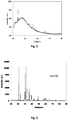
FIG. 2 elucidates the X-ray diffraction pattern (XRD) of recovered cobalt oxide from spent lithium-ion battery. -
FIG. 3 elucidates X-ray diffraction (XRD) pattern of pure lithium carbonate obtained from spent lithium-ion battery. - The present invention will now be described in detail hereinafter with reference to the accompanying drawings in which a preferred embodiment of the invention is shown. This invention may, however, be embodied in many different forms and should not be construed as being limited to the embodiment set forth herein. Rather, the embodiment is provided so that this disclosure will be thorough, and will fully convey the scope of the invention to those skilled in the art.
-
Figure 1 elucidates the process and method for recovering valuable metals from used Lithium ion batteries without substantial use of chemical solutions. The process majorly depends on physical separation of the metals without compromising on the quality of the recovered products and by-products. The process of the present invention comprises the following steps of: - i) Wet shredding of batteries;
- ii) Floatation followed by wet sieving for the separation of metals, electrolyte and plastic/polymer matrix;
- iii) Filtration for the separation of mixed metal powder from lithium ion;
- iv) Enrichment of cobalt content in lithium free cobalt oxide by drying and roasting;
- v) Purification of cobalt oxide by dilute acid wash;
- vi) Magnetic separation for removal of printed circuit boards and steel from the copper and Aluminum matrix; and
- vii) Lithium recovery as lithium carbonate by precipitation of wash liquor of step (iii).
- The two stages of washing of the mixed black powder resulted in satisfactory separation of cobalt and lithium. Lithium in the wash liquor was precipitated using saturated sodium carbonate solution, while cobalt and organic content in the residue were separated through roasting followed by magnetic separation. The major steps of process are described in details as follows:
- i) Wet shredding of spent batteries: In this step, spent LIBs are fed into a shredder in presence of water well above the battery level so that the water acts as a scrubbing agent as well as temperature controller. The wet shredding is carried at room temperature (30±5°C). The shredder is designed in such a way to achieve a size after shredding of less than 10 mm. The shredder is preferably, a twin shaft shredder with a water spray system and shear type cutting is used.
- ii) Wet shredding is followed by floatation and sieving step. In this step, the shredder output slurry containing plastic/Teflon matrix floats on water and is removed. The slurry particles of size less than 300 microns are made to pass through a sieve (mesh size 50). The sieve retains metals like copper foils, aluminum casing and PCBs which are then collected.
- iii) Filtration for the separation of mixed metal powder from lithium ion: In this step slurry containing particles of size less than 300 microns is filtered through a filter press. The filtrate contains dissolved lithium ions. The residue or filter cake obtained upon filtration contains cobalt ions along with some metal impurities and organic matrix.
- iv) Enrichment of cobalt content in lithium free cobalt oxide by drying and roasting: In this step to remove organic matrix from the cake obtained in the step iii, the material is dried and then roasted above 900 °C. The enrichment step requires high temperature exposure specifically to cobalt metal and that does not cause any harm to other metals.
- v) Purification of cobalt oxide by dilute acid wash: In this step the above roasted material is treated with dilute hydrochloric acid solution at pH between 2.0 to 3.
- vi) Magnetic separation for removal of PCBs, copper and Aluminum matrix: In this step, from the mixture of PCBs, Copper and Aluminum obtained from step (ii), PCBs are separated by using a magnetic separator. The magnetic part contains PCBs and non-magnetic part contains Copper and Aluminum.
- vii) Lithium recovery as lithium carbonate by precipitation of wash liquor of step (iii): In this step, the wash liquor obtained from step (iii) is treated with saturated solution of soda ash to increase the pH and maintain it between 11-11.5 at 90 to 100 °C for 4hrs.
- Accordingly, in most preferred embodiment of the present invention is proposed a process for recovering valuable metals from spent lithium ion batteries comprising the steps of:
- a) shredding the lithium ion batteries into particles of a preferable size, i.e. 10mm, in water, with water level well above the level of the batteries being shredded to obtain a slurry and shredded plastic and Teflon matrix;
- b) removing the plastic and Teflon matrix that floats on the water in step a);
- c) wet screening the slurry obtained in step a) through sieve of at least fifty mesh size to separate particles of varying sizes; wherein coarser particles containing copper, aluminum and protection circuit boards form screened slurry containing solids are retained by the sieve and collected, and finer particles containing lithium and cobalt are aggregated;
- d) filtering the lithium and cobalt containing aggregate of step c) through a filter press to obtain a wash liquor containing lithium and a residue containing cobalt, metal impurities and organic matrix;
- e) drying the residue of step d) and roasting the dried residue at 900 °C to obtain cobalt oxide;
- f) washing and filtering the cobalt oxide of step e) with dilute hydrochloric acid solution at pH range 2.0 to 3.0 to obtain pure cobalt oxide and filtrate;
- g) treating the wash liquor of step d) with saturated solution of soda ash at pH range 11 to 11.5 and temperature ranging from 80 to 120 °C for 3-6 hours to obtain lithium carbonate precipitate and supernatant.
- In further embodiment, the coarser pieces of step c) of the process are processed using magnetic separator to segregate magnetic part comprising protection circuit boards from non magnetic part comprising copper and aluminum.
- In another embodiment, the proposed process provides cobalt oxide with purity of 97% with cobalt content of more than 76% and metal impurity level below 2%.
- In another embodiment, the proposed process provides lithium carbonate with purity of 98% with lithium content of more than 18% and metal impurity level below 0.5%.
- The invention will now be illustrated by the following non-limiting examples.
- Example 1: A batch (Batch 1) of 10 kg spent mobile batteries (Samsung - 2100mAh) was taken and processed as per the process specified in the present invention. Initially, wet shredding of spent batteries was done followed by floatation, resulting in removal of about 0.58 Kg of plastics and polymer materials. The materials are then sieved through 50 mesh wherein the mixture (about 2.32 Kg) of PCBs and metals like copper, aluminum are retained and collected.
- The slurry containing particles of size less than 300 microns is subjected to filtration. Upon filtration, the cake weighing about 5.78 Kg (dry wt.) and filtrate (about 30 liters) containing dissolved lithium metals are obtained.
- The mixture (about 2.32Kg) of PCB, aluminum and copper was then magnetically separated that provides about 0.109 kg of PCB's for gold recovery process. The remaining amount (about 2.21 Kg) of mixture was subjected to density separation (using air) which leads to separation of aluminum (1.5 Kg) and copper (0.7 Kg) selectively.
- The cake (5.78 Kg) obtained in the filtration step was roasted at 900 °C for at least 9 hours. After roasting, about 1.38 Kg residue is obtained, which was further purified by agitating it with dilute hydrochloric acid (pH 2-3) for 2 hrs followed by filtration and drying. The obtained purified cake contains about 1.35 Kg of pure cobalt oxide powder.
- The filtrate (about 30 liters) was agitated with about 3.6 liters of saturated soda ash solution at 90-100 °C for at least 4 hours resulting in the precipitation of lithium as lithium carbonate. The precipitated slurry was filtered, washed with hot water and dried to get pure lithium carbonate (about 1.13 Kg).
- Another batch (Batch 2) of 10 kg spent mobile batteries (Samsung - 2600mAh) was taken and processed. In the first step, the batteries were shredded in wet environment and subjected to floatation step that resulted in removal of about 0.85 Kg of plastics and polymer materials. These materials were sieved using 50 mesh size sieve wherein the mixture (about 3.37 Kg) of PCBs and metals like copper, aluminum are retained and collected.
- The slurry containing particles of size less than 300 microns is subjected to filtration. Upon filtration, the cake weighing about 4.55 Kg (dry wt.) and filtrate (about 30 liters) containing dissolved lithium metals are obtained.
- The mixture (about 3.37 Kg) of PCB and metals like copper, aluminum was then magnetically separated that provides about 0.109 kg of PCB's for gold recovery process. The remaining amount (about 3.26 Kg) of mixture was subjected to density separation (using air) which leads to separation of aluminum (1.68 Kg) and copper (0.7 Kg) selectively.
- On the other hand, the cake (4.55 Kg) obtained after filtration step was roasted at 900 °C for 9 hours to get about 1.41 Kg of roasted powder. The obtained roasted powder was further purified by agitating it with dilute hydrochloric acid (pH 2-3) for 2hrs followed by filtration and drying. The purified cake obtained from Batch 2 contains about 1.37 Kg of pure cobalt oxide powder.
- The filtrate (about 30 liters) was agitated with about 3.6 liters of saturated soda ash solution at 90-100 °C for at least 4 hours resulting in the precipitation of lithium as lithium carbonate. The precipitated slurry was filtered, washed with hot water and dried to get pure lithium carbonate (about 1.04 Kg).
- The products obtained in the above process were analyzed by MP-AES (microwave plasma- atomic emission spectra) and the analyses were presented in Table 1 and 2.
Table 1 Chemical analysis of cobalt oxide (%) Co Cu Li Pb Mn Al Ni Fe Zn 76.2 0.35 1.09 BDL BDL 0.31 BDL 0.19 BDL Table 2: Chemical analysis of lithium carbonate (%) Li Cu Pb Mn Al Ni Fe Zn Co 18.68 BDL BDL BDL 0.1 BDL BDL BDL BDL - The X-ray diffraction (XRD) pattern of the same products (cobalt oxide and lithium carbonate) was characterized by using a powder diffractometer (Bruker, D8 Advance).
- The major peaks at 2θ values (36.86), (42.82) and (62.17) correspond to the hkl values (111), (200) and (220), respectively are of Cobalt oxide (
figure 2 ). It is a cubic type structure and the pattern is in good agreement with the JCPDS card No. 43-1004. The other two peaks at 2θ values (18.21) and (18.34) are due to the traces amount of LiCoO2, which was again confirmed from the chemical analysis of the obtained cobalt oxide (Table 1). - Referring to
Fig 3 , diffraction (XRD) pattern of pure lithium carbonate obtained from spent lithium-ion battery is elucidated. The major peaks at 2θ values (21.32), (30.61), (31.80) and (36.95) corresponds to the hkl values (110), (202), (002) and (311), respectively. The lithium carbonate has monoclinic type structure and the pattern was found in good agreement with the JCPDS card No. 22-1141. - The purity of the products obtained during the processes was analyzed by Microwave Plasma Atomic emission spectra (MP-AES). Purity of cobalt oxide obtained was around 97% and that of Lithium carbonate was found to be 98%.
- The details of the process steps and quantity of recovered metals are summarized in the Table 3.

Claims (9)
- A process for recovering valuable metals from spent lithium ion batteries comprising cobalt, comprising the steps of:a) shredding the lithium ion batteries into particles of a preferable size, in water, with water level well above the level of the batteries being shredded to obtain a slurry and shredded plastic and Teflon matrix;b) removing the plastic and Teflon matrix that floats on the water in step a);c) wet screening the slurry obtained in step a) through a sieve of at least fifty mesh size to separate particles of varying sizes; wherein coarser particles containing copper, aluminum and protection circuit modules form screened slurry containing solids are retained by the sieve and collected, and finer particles containing lithium and cobalt are aggregated;d) filtering the lithium and cobalt containing aggregate of step c) through a filter press to obtain a wash liquor containing lithium and a residue containing cobalt, metal impurities and organic matrix;e) drying the residue of step d) and roasting the dried residue at 900 °C to obtain cobalt oxide;f) washing and filtering the cobalt oxide of step e) with dilute acid solution at pH range 2.0 to 3.0 to obtain pure cobalt oxide and filtrate;g) treating the wash liquor of step d) with saturated solution of soda ash at pH range 11 to 11.5 and temperature ranging from 80 to 120 °C for 3-6 hours to obtain lithium carbonate precipitate and supernatant.
- The process for recovering metals of value as claimed in claim 1, wherein the preferable size of particles obtained through shredding is 10mm.
- The process for recovering metals of value as claimed in claim 1, wherein the coarser pieces of step c) are processed using magnetic separator to segregate magnetic part comprising protection circuit module from non magnetic part comprising copper and aluminum.
- The process for recovering metals of value as claimed in claim 1, wherein the supernatant of step g) and the filtrate of step f) are subsequently mixed and processed using repetition of step d) to step g).
- The process for recovering metals of value as claimed in claim 1, wherein the dilute acid solution is hydrochloric acid solution.
- The process for recovering metals of value as claimed in claim 1, wherein the cobalt oxide obtained in step f) has purity of 97% with cobalt content of more than 76%.
- The process for recovering metals of value as claimed in claim 1, wherein the cobalt oxide obtained in step f) has metal impurity level below 2%.
- The process for recovering metals of value as claimed in claim 1, wherein the lithium carbonate obtained in step g) has purity of 98% with lithium content of more than 18%.
- The process for recovering metals of value as claimed in claim 1, wherein the lithium carbonate obtained in step g) has metal impurity level below 0.5%.
Priority Applications (2)
| Application Number | Priority Date | Filing Date | Title |
|---|---|---|---|
| PL16753968T PL3320577T3 (en) | 2015-07-06 | 2016-06-27 | A method of recovering metals from spent li-ion batteries |
| HRP20202028TT HRP20202028T1 (en) | 2015-07-06 | 2016-06-27 | A method of recovering metals from spent li-ion batteries |
Applications Claiming Priority (2)
| Application Number | Priority Date | Filing Date | Title |
|---|---|---|---|
| IN2048DE2015 | 2015-07-06 | ||
| PCT/IB2016/053811 WO2017006209A1 (en) | 2015-07-06 | 2016-06-27 | A method of recovering metals from spent li-ion batteries |
Publications (2)
| Publication Number | Publication Date |
|---|---|
| EP3320577A1 EP3320577A1 (en) | 2018-05-16 |
| EP3320577B1 true EP3320577B1 (en) | 2020-09-30 |
Family
ID=56740266
Family Applications (1)
| Application Number | Title | Priority Date | Filing Date |
|---|---|---|---|
| EP16753968.3A Active EP3320577B1 (en) | 2015-07-06 | 2016-06-27 | A method of recovering metals from spent li-ion batteries |
Country Status (17)
| Country | Link |
|---|---|
| US (1) | US11031641B2 (en) |
| EP (1) | EP3320577B1 (en) |
| JP (1) | JP7249781B2 (en) |
| KR (1) | KR102721887B1 (en) |
| CN (1) | CN108140909B (en) |
| AU (1) | AU2016290982A1 (en) |
| BR (1) | BR112018000409B1 (en) |
| CA (1) | CA2992019A1 (en) |
| DK (1) | DK3320577T3 (en) |
| ES (1) | ES2844582T3 (en) |
| HR (1) | HRP20202028T1 (en) |
| HU (1) | HUE052876T2 (en) |
| MY (1) | MY187232A (en) |
| PH (1) | PH12018500021A1 (en) |
| PL (1) | PL3320577T3 (en) |
| WO (1) | WO2017006209A1 (en) |
| ZA (1) | ZA201800738B (en) |
Cited By (1)
| Publication number | Priority date | Publication date | Assignee | Title |
|---|---|---|---|---|
| HUP2300209A1 (en) * | 2021-08-17 | 2023-09-28 | Guangdong Brunp Recycling Tech Co | Method for wet recovery of valuable metals in lithium battery |
Families Citing this family (35)
| Publication number | Priority date | Publication date | Assignee | Title |
|---|---|---|---|---|
| EP3358657A4 (en) * | 2015-09-28 | 2019-05-29 | JSR Corporation | METHOD FOR MANUFACTURING ELECTRODE, CELL, AND CAPACITOR MATERIAL; AND DEVICE FOR MANUFACTURING ELECTRODE MATERIAL |
| US10987735B2 (en) | 2015-12-16 | 2021-04-27 | 6K Inc. | Spheroidal titanium metallic powders with custom microstructures |
| EP4324577A1 (en) | 2015-12-16 | 2024-02-21 | 6K Inc. | Method of producing spheroidal dehydrogenated titanium alloy particles |
| AU2018276326B2 (en) | 2017-05-30 | 2021-07-15 | 1001297676 Ontario Inc. | A process, apparatus, and system for recovering materials from batteries |
| KR102699968B1 (en) | 2017-09-28 | 2024-08-27 | 리싸이클리지 리티온 인코포레이티드 | How to Recycle Lithium-Ion Batteries |
| WO2019246257A1 (en) | 2018-06-19 | 2019-12-26 | Amastan Technologies Inc. | Process for producing spheroidized powder from feedstock materials |
| IT201800007426A1 (en) * | 2018-07-23 | 2020-01-23 | LITHIUM BATTERY DISPOSAL AND LITHIUM RECOVERY PLANT | |
| AU2019360553B2 (en) * | 2018-10-15 | 2025-01-23 | Basf Se | Battery recycling with electrolysis of the leach to remove copper impurities |
| US11311938B2 (en) | 2019-04-30 | 2022-04-26 | 6K Inc. | Mechanically alloyed powder feedstock |
| CN110304663A (en) * | 2019-07-26 | 2019-10-08 | 长沙佳纳锂业科技有限公司 | The method and ceramic grade cobalt oxide of cobalt acid lithium battery positive electrode preparation ceramic grade cobalt oxide and its application |
| ES2994209T3 (en) | 2019-11-18 | 2025-01-20 | 6K Inc | Unique feedstocks for spherical powders and methods of manufacturing |
| CN110898516B (en) * | 2019-12-04 | 2021-05-14 | 青海东台吉乃尔锂资源股份有限公司 | Device for removing magnetic substances from lithium carbonate slurry |
| CN110898515B (en) * | 2019-12-04 | 2021-06-25 | 青海东台吉乃尔锂资源股份有限公司 | Method for removing magnetic substance from lithium carbonate slurry |
| US11590568B2 (en) | 2019-12-19 | 2023-02-28 | 6K Inc. | Process for producing spheroidized powder from feedstock materials |
| IL273457A (en) * | 2020-03-19 | 2021-09-30 | Yeda Res & Dev | Method for recovery of valuable metals from spent lithium ion batteries |
| US11465084B2 (en) | 2020-06-22 | 2022-10-11 | Honeywell Federal Manufacturing & Technologies, Llc | Method and system for recovering filler material |
| KR20230029836A (en) | 2020-06-25 | 2023-03-03 | 6케이 인크. | Microcomposite alloy structure |
| KR102811425B1 (en) | 2020-09-24 | 2025-05-26 | 6케이 인크. | Systems, devices and methods for initiating plasma |
| CN112246835B (en) * | 2020-10-04 | 2022-03-04 | 湖南金源新材料股份有限公司 | Method for disassembling and separating waste lithium ion batteries |
| EP4237174A1 (en) | 2020-10-30 | 2023-09-06 | 6K Inc. | Systems and methods for synthesis of spheroidized metal powders |
| US20240006677A1 (en) * | 2020-12-01 | 2024-01-04 | Alejandro F. GRAF | Recovery of metals from lithium-ion batteries |
| EP4275239A4 (en) | 2021-01-11 | 2024-12-18 | 6K Inc. | METHODS AND SYSTEMS FOR RECOVERY OF LI-ION CATHODE MATERIALS USING MICROWAVE PLASMA PROCESSING |
| JP2024515034A (en) | 2021-03-31 | 2024-04-04 | シックスケー インコーポレイテッド | Systems and methods for additive manufacturing of metal nitride ceramics |
| CN113415814B (en) * | 2021-06-21 | 2022-10-25 | 南昌航空大学 | Method for selectively recovering lithium from waste lithium ion batteries by using ultralow-temperature roasting |
| HU231734B1 (en) * | 2021-07-22 | 2026-01-28 | Guangdong Brunp Recycling Technology Co., Ltd. | Process for selective extraction of lithium from discarded batteries and application of the process |
| KR102387660B1 (en) * | 2021-10-28 | 2022-04-19 | 주식회사 리켐텍 | A method for synthesizing hydroxyapatite using sludge that produced during the Li compound manufacturing process and the synthesizing hydroxyapatite thereof |
| CN114317970B (en) * | 2021-11-30 | 2023-06-13 | 广东邦普循环科技有限公司 | Recovery method of waste lithium cobalt oxide battery |
| WO2023229928A1 (en) | 2022-05-23 | 2023-11-30 | 6K Inc. | Microwave plasma apparatus and methods for processing materials using an interior liner |
| US12040162B2 (en) | 2022-06-09 | 2024-07-16 | 6K Inc. | Plasma apparatus and methods for processing feed material utilizing an upstream swirl module and composite gas flows |
| WO2024044498A1 (en) | 2022-08-25 | 2024-02-29 | 6K Inc. | Plasma apparatus and methods for processing feed material utilizing a powder ingress preventor (pip) |
| US12195338B2 (en) | 2022-12-15 | 2025-01-14 | 6K Inc. | Systems, methods, and device for pyrolysis of methane in a microwave plasma for hydrogen and structured carbon powder production |
| WO2024178478A1 (en) * | 2023-02-28 | 2024-09-06 | Tupy S.A. | Battery recycling process |
| WO2024215357A1 (en) * | 2023-04-13 | 2024-10-17 | Sylvatex, Inc. | Method for the manufacture of lithium metal oxides and phosphates |
| DE102023120697A1 (en) * | 2023-08-03 | 2025-02-06 | EnBW Energie Baden-Württemberg AG | Process for recovering lithium in preparation for recycling of lithium-ion batteries |
| WO2025166431A1 (en) * | 2024-02-08 | 2025-08-14 | Tupy S.A. | Method for recycling phosphate batteries |
Family Cites Families (22)
| Publication number | Priority date | Publication date | Assignee | Title |
|---|---|---|---|---|
| US1049190A (en) * | 1911-10-17 | 1912-12-31 | Axel J Anderson | Mowing-machine. |
| JPS63129020A (en) * | 1986-11-17 | 1988-06-01 | Kamioka Kogyo Kk | Method for recovering cobalt carbonate in zinc refining stage |
| JPH10255861A (en) * | 1997-03-13 | 1998-09-25 | Toshiba Corp | Waste treatment method |
| JP4217292B2 (en) * | 1998-03-17 | 2009-01-28 | 株式会社東芝 | Lithium recovery method |
| WO2000025382A1 (en) * | 1998-10-27 | 2000-05-04 | Mitsui Mining & Smelting Co., Ltd. | Method and system for recovering valuable metal from waste storage battery |
| KR100325681B1 (en) * | 1999-02-03 | 2002-02-25 | 윤대근 | Transition metal recovering method from positive active materials of lithium ion cell |
| JP2000264641A (en) * | 1999-03-19 | 2000-09-26 | Hiroyuki Nakazawa | Production of cobalt oxide from anode material of lithium ion secondary battery |
| JP2001268808A (en) | 2000-03-17 | 2001-09-28 | Mitsumi Electric Co Ltd | Rechargeable battery protection module |
| KR100335664B1 (en) * | 2000-05-24 | 2002-05-06 | 곽영훈 | Valuable metal extraction method from the exhausted li-ion secondary battery |
| JP4358489B2 (en) * | 2002-08-21 | 2009-11-04 | 株式会社三徳 | Method for recovering valuable materials from waste secondary batteries |
| FR2868603B1 (en) * | 2004-04-06 | 2006-07-14 | Recupyl Sa Sa | METHOD FOR RECYCLING BATTERY MIXTURES AND BATTERIES BASED ON LITHIUM ANODE |
| CN1601805A (en) | 2004-10-22 | 2005-03-30 | 华南师范大学 | Recycling method of waste lithium ion battery |
| CN101988156A (en) | 2009-08-01 | 2011-03-23 | 路密 | Method for recycling metal components from waste lithium ion batteries |
| CN101818251B (en) * | 2009-12-09 | 2011-12-14 | 兰州理工大学 | Method for recovering cobalt and lithium from waste lithium ion batteries |
| CN102009054A (en) * | 2010-10-18 | 2011-04-13 | 华东交通大学 | Novel process for efficiently crushing waste lithium ion battery |
| JP2013001951A (en) * | 2011-06-16 | 2013-01-07 | Hitachi Ltd | Dialysis promotor and metal recovery method |
| US9834827B2 (en) | 2012-04-04 | 2017-12-05 | Worcester Polytechnic Institute | Method and apparatus for recycling lithium-ion batteries |
| US8616475B1 (en) | 2013-06-18 | 2013-12-31 | Retriev Technologies Incorporated | Recovery of lithium ion batteries |
| US8882007B1 (en) * | 2013-11-21 | 2014-11-11 | Retriev Technologies Incorporated | Process for recovering and regenerating lithium cathode material from lithium-ion batteries |
| JP6715491B2 (en) * | 2014-06-11 | 2020-07-01 | Idacセラノスティクス株式会社 | How to reduce side effects of immune checkpoint control agents |
| CN104593606B (en) * | 2015-01-14 | 2016-08-17 | 上海交通大学 | Waste and old cobalt acid lithium ion battery defective positive and negative pole material method of resource |
| TW201809296A (en) * | 2016-02-24 | 2018-03-16 | 艾特羅回收股份有限公司 | Process for recovery of pure cobalt oxide from spent lithium ion batteries with high manganese content |
-
2016
- 2016-06-27 PL PL16753968T patent/PL3320577T3/en unknown
- 2016-06-27 HR HRP20202028TT patent/HRP20202028T1/en unknown
- 2016-06-27 AU AU2016290982A patent/AU2016290982A1/en not_active Abandoned
- 2016-06-27 HU HUE16753968A patent/HUE052876T2/en unknown
- 2016-06-27 KR KR1020187003656A patent/KR102721887B1/en active Active
- 2016-06-27 MY MYPI2018000006A patent/MY187232A/en unknown
- 2016-06-27 EP EP16753968.3A patent/EP3320577B1/en active Active
- 2016-06-27 CN CN201680044201.9A patent/CN108140909B/en active Active
- 2016-06-27 WO PCT/IB2016/053811 patent/WO2017006209A1/en not_active Ceased
- 2016-06-27 ES ES16753968T patent/ES2844582T3/en active Active
- 2016-06-27 US US15/742,511 patent/US11031641B2/en active Active
- 2016-06-27 BR BR112018000409-0A patent/BR112018000409B1/en active IP Right Grant
- 2016-06-27 DK DK16753968.3T patent/DK3320577T3/en active
- 2016-06-27 JP JP2018520039A patent/JP7249781B2/en active Active
- 2016-06-27 CA CA2992019A patent/CA2992019A1/en not_active Abandoned
-
2018
- 2018-01-03 PH PH12018500021A patent/PH12018500021A1/en unknown
- 2018-02-05 ZA ZA2018/00738A patent/ZA201800738B/en unknown
Non-Patent Citations (1)
| Title |
|---|
| None * |
Cited By (2)
| Publication number | Priority date | Publication date | Assignee | Title |
|---|---|---|---|---|
| HUP2300209A1 (en) * | 2021-08-17 | 2023-09-28 | Guangdong Brunp Recycling Tech Co | Method for wet recovery of valuable metals in lithium battery |
| HU231737B1 (en) * | 2021-08-17 | 2026-01-28 | Guangdong Brunp Recycling Technology Co., Ltd. | Wet process for recovering valuable metals from lithium batteries |
Also Published As
| Publication number | Publication date |
|---|---|
| PL3320577T3 (en) | 2021-05-04 |
| HRP20202028T1 (en) | 2021-02-19 |
| ZA201800738B (en) | 2019-06-26 |
| BR112018000409A2 (en) | 2018-09-18 |
| CA2992019A1 (en) | 2017-01-12 |
| KR20180036975A (en) | 2018-04-10 |
| US11031641B2 (en) | 2021-06-08 |
| WO2017006209A1 (en) | 2017-01-12 |
| KR102721887B1 (en) | 2024-10-24 |
| BR112018000409B1 (en) | 2022-08-16 |
| CN108140909B (en) | 2021-07-06 |
| US20180205122A1 (en) | 2018-07-19 |
| EP3320577A1 (en) | 2018-05-16 |
| JP2018528593A (en) | 2018-09-27 |
| CN108140909A (en) | 2018-06-08 |
| JP7249781B2 (en) | 2023-03-31 |
| ES2844582T3 (en) | 2021-07-22 |
| DK3320577T3 (en) | 2020-12-21 |
| PH12018500021A1 (en) | 2018-07-09 |
| MY187232A (en) | 2021-09-13 |
| HUE052876T2 (en) | 2021-05-28 |
| AU2016290982A1 (en) | 2018-03-01 |
Similar Documents
| Publication | Publication Date | Title |
|---|---|---|
| US11031641B2 (en) | Method of recovering metals from spent Li-ion batteries | |
| TWI726033B (en) | Process for recovering metal values from spent lithium ion batteries with high manganese content | |
| WO2017145099A1 (en) | Process for recovery of pure cobalt oxide from spent lithium ion batteries with high manganese content | |
| JP3452769B2 (en) | Battery treatment method | |
| KR102412404B1 (en) | A process, apparatus, and system for recovering materials from batteries | |
| WO2018047147A1 (en) | Process for recovering pure cobalt and nickel from spent lithium batteries | |
| US6514311B1 (en) | Clean process of recovering metals from waste lithium ion batteries | |
| JP4144820B2 (en) | Method for regenerating positive electrode active material from lithium ion secondary battery | |
| CN104577249B (en) | Method for recycling waste lithium cobalt oxide lithium ion battery | |
| CN1090827C (en) | Process for recovery of metals from used nickel-metal hydride accumulators | |
| JP3014452B2 (en) | A method of recovering raw materials from used substances that have been sorted and collected in advance | |
| EP0649912B1 (en) | Method for collecting valuable metal from nickel-hydrogen secondary cell | |
| EP4199184B1 (en) | Method for processing waste lithium battery separator paper | |
| KR100358528B1 (en) | recycling method of lithium ion secondary battery | |
| JP4099057B2 (en) | Cobalt recovery method and cobalt recovery system in lithium ion battery | |
| KR20050112487A (en) | High-rate recovery of valuable metals such as cobalt and lithium from waste lithium secondary batteries | |
| CA3260420A1 (en) | Waste battery processing method | |
| KR20240044443A (en) | Systems and methods for recovering metals from battery materials | |
| KR20230155496A (en) | Targeted metal removal method through sulfide precipitation | |
| CN113979483A (en) | Method for recovering lithium cobaltate from waste lithium battery | |
| EP4675754A1 (en) | Battery recycling process | |
| JP3516478B2 (en) | Effective Metal Recovery Method from Nickel Metal Hydride Battery | |
| CN114875240A (en) | Method for treating copper-cobalt alloy of waste lithium battery and application | |
| Zhang et al. | A preliminary investigation for spent LiBs recycling | |
| KR20260048560A (en) | Waste Lithium Iron Phosphate Battery Disposal Method |
Legal Events
| Date | Code | Title | Description |
|---|---|---|---|
| STAA | Information on the status of an ep patent application or granted ep patent |
Free format text: STATUS: THE INTERNATIONAL PUBLICATION HAS BEEN MADE |
|
| PUAI | Public reference made under article 153(3) epc to a published international application that has entered the european phase |
Free format text: ORIGINAL CODE: 0009012 |
|
| STAA | Information on the status of an ep patent application or granted ep patent |
Free format text: STATUS: REQUEST FOR EXAMINATION WAS MADE |
|
| 17P | Request for examination filed |
Effective date: 20180205 |
|
| AK | Designated contracting states |
Kind code of ref document: A1 Designated state(s): AL AT BE BG CH CY CZ DE DK EE ES FI FR GB GR HR HU IE IS IT LI LT LU LV MC MK MT NL NO PL PT RO RS SE SI SK SM TR |
|
| AX | Request for extension of the european patent |
Extension state: BA ME |
|
| DAV | Request for validation of the european patent (deleted) | ||
| DAX | Request for extension of the european patent (deleted) | ||
| GRAP | Despatch of communication of intention to grant a patent |
Free format text: ORIGINAL CODE: EPIDOSNIGR1 |
|
| STAA | Information on the status of an ep patent application or granted ep patent |
Free format text: STATUS: GRANT OF PATENT IS INTENDED |
|
| RIC1 | Information provided on ipc code assigned before grant |
Ipc: C22B 26/12 20060101ALI20200326BHEP Ipc: C22B 7/00 20060101ALI20200326BHEP Ipc: C01G 51/04 20060101ALI20200326BHEP Ipc: H01M 10/54 20060101AFI20200326BHEP Ipc: C01D 7/06 20060101ALI20200326BHEP |
|
| INTG | Intention to grant announced |
Effective date: 20200415 |
|
| GRAS | Grant fee paid |
Free format text: ORIGINAL CODE: EPIDOSNIGR3 |
|
| GRAA | (expected) grant |
Free format text: ORIGINAL CODE: 0009210 |
|
| STAA | Information on the status of an ep patent application or granted ep patent |
Free format text: STATUS: THE PATENT HAS BEEN GRANTED |
|
| AK | Designated contracting states |
Kind code of ref document: B1 Designated state(s): AL AT BE BG CH CY CZ DE DK EE ES FI FR GB GR HR HU IE IS IT LI LT LU LV MC MK MT NL NO PL PT RO RS SE SI SK SM TR |
|
| REG | Reference to a national code |
Ref country code: CH Ref legal event code: EP Ref country code: GB Ref legal event code: FG4D |
|
| REG | Reference to a national code |
Ref country code: AT Ref legal event code: REF Ref document number: 1319736 Country of ref document: AT Kind code of ref document: T Effective date: 20201015 |
|
| REG | Reference to a national code |
Ref country code: DE Ref legal event code: R096 Ref document number: 602016044994 Country of ref document: DE |
|
| REG | Reference to a national code |
Ref country code: IE Ref legal event code: FG4D |
|
| REG | Reference to a national code |
Ref country code: HR Ref legal event code: TUEP Ref document number: P20202028 Country of ref document: HR |
|
| REG | Reference to a national code |
Ref country code: DK Ref legal event code: T3 Effective date: 20201218 |
|
| REG | Reference to a national code |
Ref country code: FI Ref legal event code: FGE |
|
| REG | Reference to a national code |
Ref country code: NL Ref legal event code: FP |
|
| REG | Reference to a national code |
Ref country code: SE Ref legal event code: TRGR |
|
| PG25 | Lapsed in a contracting state [announced via postgrant information from national office to epo] |
Ref country code: GR Free format text: LAPSE BECAUSE OF FAILURE TO SUBMIT A TRANSLATION OF THE DESCRIPTION OR TO PAY THE FEE WITHIN THE PRESCRIBED TIME-LIMIT Effective date: 20201231 Ref country code: BG Free format text: LAPSE BECAUSE OF FAILURE TO SUBMIT A TRANSLATION OF THE DESCRIPTION OR TO PAY THE FEE WITHIN THE PRESCRIBED TIME-LIMIT Effective date: 20201230 |
|
| REG | Reference to a national code |
Ref country code: CH Ref legal event code: NV Representative=s name: VALIPAT S.A. C/O BOVARD SA NEUCHATEL, CH |
|
| REG | Reference to a national code |
Ref country code: AT Ref legal event code: MK05 Ref document number: 1319736 Country of ref document: AT Kind code of ref document: T Effective date: 20200930 |
|
| REG | Reference to a national code |
Ref country code: HR Ref legal event code: T1PR Ref document number: P20202028 Country of ref document: HR |
|
| REG | Reference to a national code |
Ref country code: NO Ref legal event code: T2 Effective date: 20200930 |
|
| PG25 | Lapsed in a contracting state [announced via postgrant information from national office to epo] |
Ref country code: LV Free format text: LAPSE BECAUSE OF FAILURE TO SUBMIT A TRANSLATION OF THE DESCRIPTION OR TO PAY THE FEE WITHIN THE PRESCRIBED TIME-LIMIT Effective date: 20200930 Ref country code: RS Free format text: LAPSE BECAUSE OF FAILURE TO SUBMIT A TRANSLATION OF THE DESCRIPTION OR TO PAY THE FEE WITHIN THE PRESCRIBED TIME-LIMIT Effective date: 20200930 |
|
| REG | Reference to a national code |
Ref country code: LT Ref legal event code: MG4D |
|
| PG25 | Lapsed in a contracting state [announced via postgrant information from national office to epo] |
Ref country code: LT Free format text: LAPSE BECAUSE OF FAILURE TO SUBMIT A TRANSLATION OF THE DESCRIPTION OR TO PAY THE FEE WITHIN THE PRESCRIBED TIME-LIMIT Effective date: 20200930 Ref country code: PT Free format text: LAPSE BECAUSE OF FAILURE TO SUBMIT A TRANSLATION OF THE DESCRIPTION OR TO PAY THE FEE WITHIN THE PRESCRIBED TIME-LIMIT Effective date: 20210201 Ref country code: RO Free format text: LAPSE BECAUSE OF FAILURE TO SUBMIT A TRANSLATION OF THE DESCRIPTION OR TO PAY THE FEE WITHIN THE PRESCRIBED TIME-LIMIT Effective date: 20200930 Ref country code: EE Free format text: LAPSE BECAUSE OF FAILURE TO SUBMIT A TRANSLATION OF THE DESCRIPTION OR TO PAY THE FEE WITHIN THE PRESCRIBED TIME-LIMIT Effective date: 20200930 Ref country code: SM Free format text: LAPSE BECAUSE OF FAILURE TO SUBMIT A TRANSLATION OF THE DESCRIPTION OR TO PAY THE FEE WITHIN THE PRESCRIBED TIME-LIMIT Effective date: 20200930 |
|
| REG | Reference to a national code |
Ref country code: HU Ref legal event code: AG4A Ref document number: E052876 Country of ref document: HU |
|
| PG25 | Lapsed in a contracting state [announced via postgrant information from national office to epo] |
Ref country code: AL Free format text: LAPSE BECAUSE OF FAILURE TO SUBMIT A TRANSLATION OF THE DESCRIPTION OR TO PAY THE FEE WITHIN THE PRESCRIBED TIME-LIMIT Effective date: 20200930 Ref country code: AT Free format text: LAPSE BECAUSE OF FAILURE TO SUBMIT A TRANSLATION OF THE DESCRIPTION OR TO PAY THE FEE WITHIN THE PRESCRIBED TIME-LIMIT Effective date: 20200930 Ref country code: IS Free format text: LAPSE BECAUSE OF FAILURE TO SUBMIT A TRANSLATION OF THE DESCRIPTION OR TO PAY THE FEE WITHIN THE PRESCRIBED TIME-LIMIT Effective date: 20210130 |
|
| PG25 | Lapsed in a contracting state [announced via postgrant information from national office to epo] |
Ref country code: SK Free format text: LAPSE BECAUSE OF FAILURE TO SUBMIT A TRANSLATION OF THE DESCRIPTION OR TO PAY THE FEE WITHIN THE PRESCRIBED TIME-LIMIT Effective date: 20200930 |
|
| REG | Reference to a national code |
Ref country code: DE Ref legal event code: R097 Ref document number: 602016044994 Country of ref document: DE |
|
| REG | Reference to a national code |
Ref country code: ES Ref legal event code: FG2A Ref document number: 2844582 Country of ref document: ES Kind code of ref document: T3 Effective date: 20210722 |
|
| REG | Reference to a national code |
Ref country code: HR Ref legal event code: ODRP Ref document number: P20202028 Country of ref document: HR Payment date: 20210628 Year of fee payment: 6 |
|
| PLBE | No opposition filed within time limit |
Free format text: ORIGINAL CODE: 0009261 |
|
| STAA | Information on the status of an ep patent application or granted ep patent |
Free format text: STATUS: NO OPPOSITION FILED WITHIN TIME LIMIT |
|
| 26N | No opposition filed |
Effective date: 20210701 |
|
| PG25 | Lapsed in a contracting state [announced via postgrant information from national office to epo] |
Ref country code: SI Free format text: LAPSE BECAUSE OF FAILURE TO SUBMIT A TRANSLATION OF THE DESCRIPTION OR TO PAY THE FEE WITHIN THE PRESCRIBED TIME-LIMIT Effective date: 20200930 |
|
| PG25 | Lapsed in a contracting state [announced via postgrant information from national office to epo] |
Ref country code: MC Free format text: LAPSE BECAUSE OF FAILURE TO SUBMIT A TRANSLATION OF THE DESCRIPTION OR TO PAY THE FEE WITHIN THE PRESCRIBED TIME-LIMIT Effective date: 20200930 |
|
| PG25 | Lapsed in a contracting state [announced via postgrant information from national office to epo] |
Ref country code: LU Free format text: LAPSE BECAUSE OF NON-PAYMENT OF DUE FEES Effective date: 20210627 |
|
| PG25 | Lapsed in a contracting state [announced via postgrant information from national office to epo] |
Ref country code: IS Free format text: LAPSE BECAUSE OF FAILURE TO SUBMIT A TRANSLATION OF THE DESCRIPTION OR TO PAY THE FEE WITHIN THE PRESCRIBED TIME-LIMIT Effective date: 20210130 |
|
| REG | Reference to a national code |
Ref country code: HR Ref legal event code: ODRP Ref document number: P20202028 Country of ref document: HR Payment date: 20220627 Year of fee payment: 7 |
|
| PG25 | Lapsed in a contracting state [announced via postgrant information from national office to epo] |
Ref country code: CY Free format text: LAPSE BECAUSE OF FAILURE TO SUBMIT A TRANSLATION OF THE DESCRIPTION OR TO PAY THE FEE WITHIN THE PRESCRIBED TIME-LIMIT Effective date: 20200930 |
|
| REG | Reference to a national code |
Ref country code: HR Ref legal event code: ODRP Ref document number: P20202028 Country of ref document: HR Payment date: 20230627 Year of fee payment: 8 |
|
| PG25 | Lapsed in a contracting state [announced via postgrant information from national office to epo] |
Ref country code: MK Free format text: LAPSE BECAUSE OF FAILURE TO SUBMIT A TRANSLATION OF THE DESCRIPTION OR TO PAY THE FEE WITHIN THE PRESCRIBED TIME-LIMIT Effective date: 20200930 |
|
| PG25 | Lapsed in a contracting state [announced via postgrant information from national office to epo] |
Ref country code: MT Free format text: LAPSE BECAUSE OF FAILURE TO SUBMIT A TRANSLATION OF THE DESCRIPTION OR TO PAY THE FEE WITHIN THE PRESCRIBED TIME-LIMIT Effective date: 20200930 |
|
| REG | Reference to a national code |
Ref country code: HR Ref legal event code: ODRP Ref document number: P20202028 Country of ref document: HR Payment date: 20241227 Year of fee payment: 9 |
|
| PGFP | Annual fee paid to national office [announced via postgrant information from national office to epo] |
Ref country code: FI Payment date: 20250629 Year of fee payment: 10 |
|
| PGFP | Annual fee paid to national office [announced via postgrant information from national office to epo] |
Ref country code: GB Payment date: 20250627 Year of fee payment: 10 Ref country code: DK Payment date: 20250627 Year of fee payment: 10 |
|
| PGFP | Annual fee paid to national office [announced via postgrant information from national office to epo] |
Ref country code: NL Payment date: 20250628 Year of fee payment: 10 |
|
| PGFP | Annual fee paid to national office [announced via postgrant information from national office to epo] |
Ref country code: FR Payment date: 20250627 Year of fee payment: 10 |
|
| PGFP | Annual fee paid to national office [announced via postgrant information from national office to epo] |
Ref country code: TR Payment date: 20250630 Year of fee payment: 10 |
|
| PGFP | Annual fee paid to national office [announced via postgrant information from national office to epo] |
Ref country code: IE Payment date: 20250630 Year of fee payment: 10 |
|
| PGFP | Annual fee paid to national office [announced via postgrant information from national office to epo] |
Ref country code: SE Payment date: 20250627 Year of fee payment: 10 |
|
| REG | Reference to a national code |
Ref country code: HR Ref legal event code: ODRP Ref document number: P20202028 Country of ref document: HR Payment date: 20250630 Year of fee payment: 10 |
|
| PGFP | Annual fee paid to national office [announced via postgrant information from national office to epo] |
Ref country code: HU Payment date: 20250709 Year of fee payment: 10 |
|
| PGFP | Annual fee paid to national office [announced via postgrant information from national office to epo] |
Ref country code: ES Payment date: 20250702 Year of fee payment: 10 |
|
| PGFP | Annual fee paid to national office [announced via postgrant information from national office to epo] |
Ref country code: DE Payment date: 20250711 Year of fee payment: 10 |
|
| PGFP | Annual fee paid to national office [announced via postgrant information from national office to epo] |
Ref country code: NO Payment date: 20250701 Year of fee payment: 10 |
|
| PGFP | Annual fee paid to national office [announced via postgrant information from national office to epo] |
Ref country code: IT Payment date: 20250630 Year of fee payment: 10 Ref country code: PL Payment date: 20250701 Year of fee payment: 10 |
|
| PGFP | Annual fee paid to national office [announced via postgrant information from national office to epo] |
Ref country code: BE Payment date: 20250629 Year of fee payment: 10 |
|
| PGFP | Annual fee paid to national office [announced via postgrant information from national office to epo] |
Ref country code: HR Payment date: 20250701 Year of fee payment: 10 |
|
| PGFP | Annual fee paid to national office [announced via postgrant information from national office to epo] |
Ref country code: CH Payment date: 20250717 Year of fee payment: 10 |
|
| PGFP | Annual fee paid to national office [announced via postgrant information from national office to epo] |
Ref country code: CZ Payment date: 20250630 Year of fee payment: 10 |