EP3318687A1 - Curtain providing a barrier against light, noise, heat, fire and electromagnetic radiation - Google Patents
Curtain providing a barrier against light, noise, heat, fire and electromagnetic radiation Download PDFInfo
- Publication number
- EP3318687A1 EP3318687A1 EP16820886.6A EP16820886A EP3318687A1 EP 3318687 A1 EP3318687 A1 EP 3318687A1 EP 16820886 A EP16820886 A EP 16820886A EP 3318687 A1 EP3318687 A1 EP 3318687A1
- Authority
- EP
- European Patent Office
- Prior art keywords
- curtain
- curtain according
- textile
- layer
- fire
- Prior art date
- Legal status (The legal status is an assumption and is not a legal conclusion. Google has not performed a legal analysis and makes no representation as to the accuracy of the status listed.)
- Granted
Links
Images




Classifications
-
- B—PERFORMING OPERATIONS; TRANSPORTING
- B32—LAYERED PRODUCTS
- B32B—LAYERED PRODUCTS, i.e. PRODUCTS BUILT-UP OF STRATA OF FLAT OR NON-FLAT, e.g. CELLULAR OR HONEYCOMB, FORM
- B32B17/00—Layered products essentially comprising sheet glass, or glass, slag, or like fibres
- B32B17/06—Layered products essentially comprising sheet glass, or glass, slag, or like fibres comprising glass as the main or only constituent of a layer, next to another layer of a specific material
- B32B17/10—Layered products essentially comprising sheet glass, or glass, slag, or like fibres comprising glass as the main or only constituent of a layer, next to another layer of a specific material of synthetic resin
-
- A—HUMAN NECESSITIES
- A47—FURNITURE; DOMESTIC ARTICLES OR APPLIANCES; COFFEE MILLS; SPICE MILLS; SUCTION CLEANERS IN GENERAL
- A47H—FURNISHINGS FOR WINDOWS OR DOORS
- A47H23/00—Curtains; Draperies
- A47H23/02—Shapes of curtains; Selection of particular materials for curtains
- A47H23/08—Selection of particular materials
-
- A—HUMAN NECESSITIES
- A62—LIFE-SAVING; FIRE-FIGHTING
- A62C—FIRE-FIGHTING
- A62C2/00—Fire prevention or containment
- A62C2/06—Physical fire-barriers
- A62C2/10—Fire-proof curtains
-
- B—PERFORMING OPERATIONS; TRANSPORTING
- B32—LAYERED PRODUCTS
- B32B—LAYERED PRODUCTS, i.e. PRODUCTS BUILT-UP OF STRATA OF FLAT OR NON-FLAT, e.g. CELLULAR OR HONEYCOMB, FORM
- B32B5/00—Layered products characterised by the non- homogeneity or physical structure, i.e. comprising a fibrous, filamentary, particulate or foam layer; Layered products characterised by having a layer differing constitutionally or physically in different parts
- B32B5/02—Layered products characterised by the non- homogeneity or physical structure, i.e. comprising a fibrous, filamentary, particulate or foam layer; Layered products characterised by having a layer differing constitutionally or physically in different parts characterised by structural features of a fibrous or filamentary layer
- B32B5/022—Non-woven fabric
-
- B—PERFORMING OPERATIONS; TRANSPORTING
- B32—LAYERED PRODUCTS
- B32B—LAYERED PRODUCTS, i.e. PRODUCTS BUILT-UP OF STRATA OF FLAT OR NON-FLAT, e.g. CELLULAR OR HONEYCOMB, FORM
- B32B5/00—Layered products characterised by the non- homogeneity or physical structure, i.e. comprising a fibrous, filamentary, particulate or foam layer; Layered products characterised by having a layer differing constitutionally or physically in different parts
- B32B5/02—Layered products characterised by the non- homogeneity or physical structure, i.e. comprising a fibrous, filamentary, particulate or foam layer; Layered products characterised by having a layer differing constitutionally or physically in different parts characterised by structural features of a fibrous or filamentary layer
- B32B5/024—Woven fabric
-
- B—PERFORMING OPERATIONS; TRANSPORTING
- B32—LAYERED PRODUCTS
- B32B—LAYERED PRODUCTS, i.e. PRODUCTS BUILT-UP OF STRATA OF FLAT OR NON-FLAT, e.g. CELLULAR OR HONEYCOMB, FORM
- B32B5/00—Layered products characterised by the non- homogeneity or physical structure, i.e. comprising a fibrous, filamentary, particulate or foam layer; Layered products characterised by having a layer differing constitutionally or physically in different parts
- B32B5/02—Layered products characterised by the non- homogeneity or physical structure, i.e. comprising a fibrous, filamentary, particulate or foam layer; Layered products characterised by having a layer differing constitutionally or physically in different parts characterised by structural features of a fibrous or filamentary layer
- B32B5/028—Net structure, e.g. spaced apart filaments bonded at the crossing points
-
- B—PERFORMING OPERATIONS; TRANSPORTING
- B32—LAYERED PRODUCTS
- B32B—LAYERED PRODUCTS, i.e. PRODUCTS BUILT-UP OF STRATA OF FLAT OR NON-FLAT, e.g. CELLULAR OR HONEYCOMB, FORM
- B32B5/00—Layered products characterised by the non- homogeneity or physical structure, i.e. comprising a fibrous, filamentary, particulate or foam layer; Layered products characterised by having a layer differing constitutionally or physically in different parts
- B32B5/22—Layered products characterised by the non- homogeneity or physical structure, i.e. comprising a fibrous, filamentary, particulate or foam layer; Layered products characterised by having a layer differing constitutionally or physically in different parts characterised by the presence of two or more layers which are next to each other and are fibrous, filamentary, formed of particles or foamed
- B32B5/24—Layered products characterised by the non- homogeneity or physical structure, i.e. comprising a fibrous, filamentary, particulate or foam layer; Layered products characterised by having a layer differing constitutionally or physically in different parts characterised by the presence of two or more layers which are next to each other and are fibrous, filamentary, formed of particles or foamed one layer being a fibrous or filamentary layer
- B32B5/26—Layered products characterised by the non- homogeneity or physical structure, i.e. comprising a fibrous, filamentary, particulate or foam layer; Layered products characterised by having a layer differing constitutionally or physically in different parts characterised by the presence of two or more layers which are next to each other and are fibrous, filamentary, formed of particles or foamed one layer being a fibrous or filamentary layer another layer next to it also being fibrous or filamentary
-
- E—FIXED CONSTRUCTIONS
- E04—BUILDING
- E04B—GENERAL BUILDING CONSTRUCTIONS; WALLS, e.g. PARTITIONS; ROOFS; FLOORS; CEILINGS; INSULATION OR OTHER PROTECTION OF BUILDINGS
- E04B1/00—Constructions in general; Structures which are not restricted either to walls, e.g. partitions, or floors or ceilings or roofs
- E04B1/62—Insulation or other protection; Elements or use of specified material therefor
- E04B1/74—Heat, sound or noise insulation, absorption, or reflection; Other building methods affording favourable thermal or acoustical conditions, e.g. accumulating of heat within walls
- E04B1/88—Insulating elements for both heat and sound
-
- G—PHYSICS
- G10—MUSICAL INSTRUMENTS; ACOUSTICS
- G10K—SOUND-PRODUCING DEVICES; METHODS OR DEVICES FOR PROTECTING AGAINST, OR FOR DAMPING, NOISE OR OTHER ACOUSTIC WAVES IN GENERAL; ACOUSTICS NOT OTHERWISE PROVIDED FOR
- G10K11/00—Methods or devices for transmitting, conducting or directing sound in general; Methods or devices for protecting against, or for damping, noise or other acoustic waves in general
- G10K11/16—Methods or devices for protecting against, or for damping, noise or other acoustic waves in general
- G10K11/162—Selection of materials
- G10K11/168—Plural layers of different materials, e.g. sandwiches
-
- A—HUMAN NECESSITIES
- A61—MEDICAL OR VETERINARY SCIENCE; HYGIENE
- A61G—TRANSPORT, PERSONAL CONVEYANCES, OR ACCOMMODATION SPECIALLY ADAPTED FOR PATIENTS OR DISABLED PERSONS; OPERATING TABLES OR CHAIRS; CHAIRS FOR DENTISTRY; FUNERAL DEVICES
- A61G10/00—Treatment rooms or enclosures for medical purposes
- A61G10/005—Isolators, i.e. enclosures generally comprising flexible walls for maintaining a germ-free environment
-
- B—PERFORMING OPERATIONS; TRANSPORTING
- B32—LAYERED PRODUCTS
- B32B—LAYERED PRODUCTS, i.e. PRODUCTS BUILT-UP OF STRATA OF FLAT OR NON-FLAT, e.g. CELLULAR OR HONEYCOMB, FORM
- B32B2262/00—Composition or structural features of fibres which form a fibrous or filamentary layer or are present as additives
- B32B2262/02—Synthetic macromolecular fibres
- B32B2262/0276—Polyester fibres
-
- B—PERFORMING OPERATIONS; TRANSPORTING
- B32—LAYERED PRODUCTS
- B32B—LAYERED PRODUCTS, i.e. PRODUCTS BUILT-UP OF STRATA OF FLAT OR NON-FLAT, e.g. CELLULAR OR HONEYCOMB, FORM
- B32B2262/00—Composition or structural features of fibres which form a fibrous or filamentary layer or are present as additives
- B32B2262/10—Inorganic fibres
- B32B2262/101—Glass fibres
-
- B—PERFORMING OPERATIONS; TRANSPORTING
- B32—LAYERED PRODUCTS
- B32B—LAYERED PRODUCTS, i.e. PRODUCTS BUILT-UP OF STRATA OF FLAT OR NON-FLAT, e.g. CELLULAR OR HONEYCOMB, FORM
- B32B2307/00—Properties of the layers or laminate
- B32B2307/10—Properties of the layers or laminate having particular acoustical properties
- B32B2307/102—Insulating
-
- B—PERFORMING OPERATIONS; TRANSPORTING
- B32—LAYERED PRODUCTS
- B32B—LAYERED PRODUCTS, i.e. PRODUCTS BUILT-UP OF STRATA OF FLAT OR NON-FLAT, e.g. CELLULAR OR HONEYCOMB, FORM
- B32B2307/00—Properties of the layers or laminate
- B32B2307/30—Properties of the layers or laminate having particular thermal properties
- B32B2307/306—Resistant to heat
- B32B2307/3065—Flame resistant or retardant, fire resistant or retardant
-
- B—PERFORMING OPERATIONS; TRANSPORTING
- B32—LAYERED PRODUCTS
- B32B—LAYERED PRODUCTS, i.e. PRODUCTS BUILT-UP OF STRATA OF FLAT OR NON-FLAT, e.g. CELLULAR OR HONEYCOMB, FORM
- B32B2307/00—Properties of the layers or laminate
- B32B2307/70—Other properties
- B32B2307/72—Density
-
- B—PERFORMING OPERATIONS; TRANSPORTING
- B32—LAYERED PRODUCTS
- B32B—LAYERED PRODUCTS, i.e. PRODUCTS BUILT-UP OF STRATA OF FLAT OR NON-FLAT, e.g. CELLULAR OR HONEYCOMB, FORM
- B32B2307/00—Properties of the layers or laminate
- B32B2307/70—Other properties
- B32B2307/73—Hydrophobic
Definitions
- the present invention relates to the field of protection against radiations and the like, and more specifically protection against electromagnetic radiations, light, heat, sound and fire. More specifically, the invention relates to a curtain having all the aforementioned types of protection.
- Protection against different types of radiations and the like is required in different technical fields, such as for blocking mobile phone signals in hospitals and control centers, reducing external noises in outdoor performances, blocking electromagnetic signals in means of transport such as airplanes, etc.
- patent document ES 1119330 discloses a solid panel with heatproof, soundproof, flameproof and electromagnetic-proof properties.
- This panel is intended for being incorporated inside a wall or the like for its application in construction, for example.
- this panel provides a suitable solution to different types of radiations, it must, however, be permanently installed inside a construction structure.
- This panel does now allow for the quick and simple transport, assembly and disassembly thereof in a desired location for temporarily blocking said radiations.
- Patent document US20140034415 discloses a sound insulation material, such as a curtain. Although this material is easy to transport and install, the acoustic protection it provides is insufficient. Furthermore, it does not provide another type of protections, such as protection against electromagnetic radiation and fire, for example.
- an insulation material having a smaller weight such that it can be easily transported, installed and uninstalled, such as a curtain, for example.
- said insulation material it would be desirable for said insulation material to provide protection against different types of radiations and the like, such as protection against light, noise, heat, fire and electromagnetic radiations.
- the insulation provided by said material for example sound insulation, to be greater than that obtained with the materials of the prior art.
- the present invention discloses a curtain providing a barrier against light, noise, heat, fire and electromagnetic radiations.
- the curtain of the present invention comprises:
- the curtain of the present invention furthermore has a total thickness of only between 0.5 cm and 3 cm, such that it is easy to handle, transport, install and uninstall in a given location.
- the curtain of the present invention is applicable in a wide variety of fields.
- the curtain of the present invention can be used in generic applications for cancelling out mobile phone signals, reducing noise, increasing energy efficiency, maintaining the fire resistance and opacity of the site in which they are installed, etc.
- the present invention can also be applied in medicine, as it can provide a physical separation between hospital beds, reduce different types of interferences in areas of operating rooms, etc.
- the present invention can also be applied in nurseries for newborns, in which the best acoustic and thermal conditions for newborns can be assured, particularly in very noisy NICU environments, and providing electromagnetic protection with respect to the environment.
- the present invention can also be applied in rooms in general, conditioning one room at a given time (for example for meetings and conferences) and at the same time preventing noise from mobile phones and other systems. Since it is movable, it can be deployed or folded up, when required, and can act as an element for separating different environments without having to perform any construction work.
- Another field of application of the curtain according to the present invention may be the scientific field, since it allows converting any room into an anechoic electromagnetic chamber.
- Tent-type portable electromagnetic chambers or the like can be generated.
- the present invention may be applicable in outdoor performances, reducing background noise and interferences in different types of events.
- the present curtain can also be applied in means of transport as a movable element to perform separation, to reduce a mobile phone signal, etc.
- the composition of a protective curtain according to the preferred embodiment of the present invention is first described in reference to the attached Figure 1 .
- the curtain comprises two textile layers (10, 10'), an inner layer (12) and a cover layer (14) adjacent to the outer side of one of the textile layers (10').
- Each of the textile layers (10, 10') has a combination of non-woven textile material and woven textile material.
- the non-woven textile material is of the known type, such as felt, the thickness of which is preferably 3 mm to 20 mm and the density of which is preferably 15 kg/m 3 to 40 kg/m 3 .
- the woven textile material preferably has a density of 100 g/m 2 to 300 g/m 2 .
- the materials of the textile layers (10, 10') can be made of natural fibers, synthetic fibers and combinations thereof, selected from the group consisting of cotton, linen, polypropylene, polyester, jute, polyamide, rayon, nylon, PVC, etc.
- the woven textile material of the textile layers (10, 10') is subjected to at least a fire-proofing treatment.
- Said treatment is performed by means of covering the layers with a kind of acrylic resin.
- the specific covering material depends on the fiber used in making the textile layers (10, 10'), and can be polyvinyl chloride if polyethylene terephthalate fibers are used for making the textile layers, for example.
- It can also be selected from any one of the group consisting of tetrakis(hydroxymethyl)phosphonium salt (preferably insoluble with ammonia gas) for cotton, diammonium phosphate/ammonium sulfate/boron compound, or hexapropoxyphosphazene for rayon, oligomeric phosphate for polyester, thiourea/titanium and zirconium compound/dibromoterephthalic acid for nylon, etc.
- tetrakis(hydroxymethyl)phosphonium salt preferably insoluble with ammonia gas
- diammonium phosphate/ammonium sulfate/boron compound or hexapropoxyphosphazene for rayon
- oligomeric phosphate for polyester
- thiourea/titanium and zirconium compound/dibromoterephthalic acid for nylon, etc.
- the textile layers (10, 10') are also subjected to a water-proofing treatment and an oil-proofing treatment (the person skilled in the art will understand that depending on the desired application, said layers may be subjected to other treatments known in the art).
- the water-proofing treatment is based on paraffin emulsions with aluminum salts which are applied by means of plasma surface treatment or padding. Another type of water-proofing treatment can also be performed, for example, by means of silicones and the like, or by means of any other method known by the persons skilled in the art.
- the application of the oil-proofing treatment is widely known in the art and is described, for example, in patent document ES 2 266 172 T3 .
- the inner layer (12) is formed by sound insulation wool with a thickness between 3 mm and 1 cm and a density between 10 kg/m 3 and 50 kg/m 3 .
- Said sound insulation wool can be of different types, such as polyester wool, for example. According to other embodiments of the present invention, it can also be of other wools similar to polyester wool and comprising at least 80% of a compound selected from the group comprising PP, PES and PET.
- the cover layer (14) provides the property as a barrier against electromagnetic radiations and is formed by a metal selected from the group consisting of aluminum and copper and has a thickness between 0.5 mm and 5 mm. If the thickness of the cover layer (14) were less than 0.5 mm, there would be a risk of the layer breaking, which would negatively affect the acoustic, thermal and electromagnetic insulation of the final curtain. On the other hand, a thickness of this cover layer (14) greater than 5 mm would substantially increase the final weight of the curtain, making the handling and transport thereof excessively complicated.
- the cover layer (14) furthermore has a glass fiber mesh reinforcement.
- the cover layer (14) has, for example, a special coat such as an LDPE coat and the like.
- the curtain of the present invention can include additional layers that are different from or identical to the layers described above.
- the curtain comprises a second inner sound insulation layer, identical to the inner layer (12) described above, sandwiched between the textile layer (10') and the cover layer (14) adjacent thereto.
- the final structure of the curtain according to this embodiment will be textile layer + inner layer + textile layer + second inner layer + cover layer.
- the curtain has a total thickness of all the layers combined comprised between 0.5 cm and 3 cm, more preferably the curtain has a total thickness of 1 cm. If the curtain were to have a thickness less than 0.5 cm, it would not be viable since the amount of materials would not be sufficient. In contrast, if the total thickness of the curtain were greater than 3 cm, it would be too heavy and hard to handle.
- the total weight of the curtain according to the preferred embodiment of the present invention is preferably 1 kg/m 2 .
- the curtain according to the preferred embodiment of the present invention is lightweight, and therefore easy to transport and install/uninstall, thereby allowing its application in a number of situations in which multiple temporary protection (at least against light, noise, heat, fire and electromagnetic radiations) is required by means of quickly and simply installing the curtain, as well as subsequently uninstalling it in a similarly quick and simple manner.
- the curtain subjected to the following tests has the following composition: Material of the textile layers: 200 g/m 2 100% creased polyester.
- Material of the inner layer Polyester wool with a grammage of 250 g/m 2 and a thickness of 8 mm.
- Material of the cover layer 1 mm inner aluminum sheet.
- the complete curtain had a thickness of 1 cm.
- the opacity of the curtain can be seen with the naked eye. Nevertheless, a test was performed according to the ISO 105-B02 standard, obtaining a light fastness of 5 (on a scale of 1 to 8).
- sound insulation In the case of sound insulation, it is important to take into account that simply increasing the number of layers or the thickness thereof alone does not necessarily lead to an improvement, but rather it may even reduce the final sound insulation properties of the curtain. In fact, sound insulation depends on the combination of materials and the order of the combination thereof.
- the acoustic properties of a material or a set of materials depends on a number of factors: mechanical properties of the materials, chemical properties, bending properties, resistance properties, etc.
- the UNE-EN ISO 11654:1998 standard establishes a method for obtaining a single parameter: ⁇ w (weighted sound absorption coefficient). This parameter is used for evaluating the degree of absorption provided by a material. Depending on the value of said parameter, the standard makes a distinction between 6 classes of materials shown below in Table II: Table II: Classes of sound absorption Class ⁇ w A 0.90 or greater B 0.8 to 0.85 C 0.6 to 0.75 D 0.5 to 0.55 E 0.15 to 0.25 Not classified 0.10 or less
- Table III Weighted sound absorption coefficient and class Configuration 1 Configuration 2 Configuration 3 ⁇ w 1.15 0.65 1.00 CLASS A C A
- the ASTM C423-09a standard includes two parameters that are not contemplated in the preceding standards.
- the first parameter is the sound absorption average (SAA), representing the mean one-third octave from 200 Hz to 2500 Hz, rounded to multiples of 0.01.
- the second parameter is the noise reduction coefficient (NRC), defined as the mean value of the absorption coefficients of the material at frequencies of 250, 500, 1000 and 2000 Hz and expressed as the nearest multiple of 0.05.
- SAA sound absorption average
- NRC noise reduction coefficient
- Table IV therefore shows the results obtained according to this standard: Table IV: NRC and SAA values Configuration 1 Configuration 2 Configuration 3 NRC 1.15 0.85 0.95 SAA 1.16 0.87 0.96
- the curtain placed 5 cm from the wall can absorb 65% (0.65) of the sound according to the European criterion or 85% (0.85) according to the American criterion.
- the same curtain absorbs 100% of the sound according to the European criterion or 95% according to the American criterion.
- the curtain has the maximum acoustic rating of "A”. If two curtains are used (configuration 1), maximum absorption in both criteria is assured and the maximum rating of "A" is exceeded.
- a single curtain according to the present invention placed at 20 cm assures virtually complete sound absorption, whereas the combined use of two curtains assures complete sound absorption.
- weighting "w” is defined in the UNE EN ISO 717-1: 1997 standard.
- the ASTM E90-09 standard is in turn based on transmission loss. This parameter is equivalent to the sound reduction index, R, described above and is calculated the same way.
- UNE-EN ISO 140-4:1999, UNE-EN ISO 140-14:2005 and UNE-EN ISO 3382-2:2008 standards were performed according to the UNE-EN ISO 140-4:1999, UNE-EN ISO 140-14:2005 and UNE-EN ISO 3382-2:2008 standards to evaluate in situ sound insulation and noise reduction of the curtain according to the present invention.
- the attached Figure 4 schematically shows the configuration used in these tests.
- the emitting room (on the right side of the drawing) had a volume of 34.7 m 3
- the receiving room (on the left side of the drawing) had a volume of 30.3 m 3 .
- the curtain according to the present invention was located separating both rooms (white area in the center of the drawing).
- the microphones were all located more than 0.7 m from one another, and more than 0.5 m from the edges of the room and more than 1 m from the sound sources.
- the sound sources (F1 and F2) are located more than 0.7 m from one another, as well as more than 0.5 m from the edges of the room.
- the areas marked with a grid in Figure 4 represent the perimeter at 1 m from each of the sources, in which no microphone can be placed.
- the areas marked with stripes represent the perimeter at 0.5 m from the walls, in which neither microphone nor sound source can be placed.
- the value of the normalized level difference, D n the standardized level difference, D nT , or the apparent sound reduction index, R', must be provided.
- the values of the weighted standardized level difference, D nTA , and the weighted apparent sound reduction index, R' A the weighted values are obtained according to the UNE EN ISO 171-1 standard, will be presented in this case.
- Figures 5A (configuration 1) and 5B (configuration 2), as well as Table V below summarize the results obtained in these tests: Table V: D nTA and R' A D nTA R' A Configuration 1 8 dB 9 dB Configuration 2 15 dB 15 dB
- Figure 6 shows the results of the reverberation time under various conditions (the control represents the test without using a separating curtain, R represents the measurements obtained in the receiving room and E represents the measurements obtained in the emitting room). It can be seen that placing the curtain according to the present invention considerably reduces the "echo" of the room, the annoying "echo” now being at values that are suitable for an office, for example.
- the mean reverberation time it goes from 1.4 s without a curtain to 0.5 - 0.7 s with a curtain, which is a value that is very suitable for use.
- placing the curtain according to the present invention reduces the noise level with respect to a fixed reference source.
- a weighted noise level reduction of 3 dB is produced, which is equivalent to reducing the noise by half.
- Electromagnetic tests were performed in an anechoic electromagnetic chamber.
- the references of the antennas used in the test are the following: Double Ridged Waveguide Horn - model DRH400 and Quad Ridged Horn Antenna - model QRH500.
- the tested bandwidth covered from 400 MHz to 6 GHz (mobile telephony, Wi-Fi, WiMax and other bandwidths of interest) to assess the effectiveness thereof in a wide range.
- the attached Figure 8 shows the results of the transmission test. Very high attenuation, exceeding 50 dB even in the configuration with a single curtain, can be seen. It must be taken into account that for designing an electromagnetic chamber the mean attenuation of the wedges is about 40 dB, which means that these curtains according to the present invention can be used as mobile electromagnetic chambers.
- the curtain according to the present invention does not shield a specific band, such as certain electronic or mobile telephony noise, but rather has a very wide shielding spectrum (from 400 MHz to 6 GHz), thereby neutralizing the electromagnetic waves of not only mobile telephony signals, but also Wi-Fi signals, WiMax signals and other signals of interest.
- a specific band such as certain electronic or mobile telephony noise
- An anechoic radiofrequency chamber is a room with a metal shielding in its walls, emulating a Faraday cage.
- the chambers are designed with materials for absorbing electromagnetic waves for the purpose of insulating the chamber against any type of external influence and simulating free space conditions therein.
- These chambers have a number of applications in the field of telecommunications, such as the measurement of the specific absorption rate (SAR) of mobile terminals, or the design and characterization of radiating elements, such as antenna and dipoles, for example.
- SAR specific absorption rate
- materials are classified with respect to their reaction to fire in classes referred to as M0, M1, M2, M3 and M4. These classes indicate the relative magnitude with which the corresponding materials can favor fire development.
- a test was performed to determine the behavior of a curtain according to the present invention in the event of fire, and the curtain was classified as Class 1 (M1) according to said UNE-EN 13773:2011 standard.
- the thermal insulation of a curtain according to the present invention was tested according to the UNE-EN ISO 8894-1:2010 standard.
- a 1-cm thick curtain was used in the test and a thermal resistance of 0.13 m 2 K/W was obtained.
- a material is considered a "thermal insulation material” if it has a thermal resistance greater than 0.25 m 2 K/W. Therefore, the curtain according to the present invention has a value very close to that for being considered a "thermal insulation material”.
- a curtain according to another embodiment of the present invention having a thickness of 2 cm (or the use of two curtains according to the present invention, each having a thickness of 1 cm), has a thermal resistance of 0.26 m 2 K/W.
Landscapes
- Engineering & Computer Science (AREA)
- Physics & Mathematics (AREA)
- Architecture (AREA)
- Acoustics & Sound (AREA)
- Structural Engineering (AREA)
- Civil Engineering (AREA)
- Electromagnetism (AREA)
- Textile Engineering (AREA)
- Health & Medical Sciences (AREA)
- Public Health (AREA)
- Business, Economics & Management (AREA)
- Emergency Management (AREA)
- Multimedia (AREA)
- Curtains And Furnishings For Windows Or Doors (AREA)
- Laminated Bodies (AREA)
Abstract
Description
- The present invention relates to the field of protection against radiations and the like, and more specifically protection against electromagnetic radiations, light, heat, sound and fire. More specifically, the invention relates to a curtain having all the aforementioned types of protection.
- Protection against different types of radiations and the like is required in different technical fields, such as for blocking mobile phone signals in hospitals and control centers, reducing external noises in outdoor performances, blocking electromagnetic signals in means of transport such as airplanes, etc.
- For example, patent document
ES 1119330 - Patent document
US20140034415 discloses a sound insulation material, such as a curtain. Although this material is easy to transport and install, the acoustic protection it provides is insufficient. Furthermore, it does not provide another type of protections, such as protection against electromagnetic radiation and fire, for example. - Therefore, in view of the prior art there is still a need for an insulation material having a smaller weight, such that it can be easily transported, installed and uninstalled, such as a curtain, for example. Furthermore, it would be desirable for said insulation material to provide protection against different types of radiations and the like, such as protection against light, noise, heat, fire and electromagnetic radiations. Furthermore, it would also be desirable for the insulation provided by said material, for example sound insulation, to be greater than that obtained with the materials of the prior art.
- In order to achieve the aforementioned objectives, the present invention discloses a curtain providing a barrier against light, noise, heat, fire and electromagnetic radiations. The curtain of the present invention comprises:
- two textile layers each having a combination of non-woven textile material and woven textile material, subjected to at least a fire-proofing treatment;
- an inner layer sandwiched between the textile layers, formed by sound insulation wool; and
- a cover layer adjacent to the outer side of one of the textile layers, formed by a metal selected from the group consisting of aluminum and copper.
- The curtain of the present invention furthermore has a total thickness of only between 0.5 cm and 3 cm, such that it is easy to handle, transport, install and uninstall in a given location.
- As a result of its features as a barrier due to its composition, and as a result of its reduced thickness, the curtain of the present invention is applicable in a wide variety of fields.
- For example, the curtain of the present invention can be used in generic applications for cancelling out mobile phone signals, reducing noise, increasing energy efficiency, maintaining the fire resistance and opacity of the site in which they are installed, etc.
- The present invention can also be applied in medicine, as it can provide a physical separation between hospital beds, reduce different types of interferences in areas of operating rooms, etc. The present invention can also be applied in nurseries for newborns, in which the best acoustic and thermal conditions for newborns can be assured, particularly in very noisy NICU environments, and providing electromagnetic protection with respect to the environment.
- The present invention can also be applied in rooms in general, conditioning one room at a given time (for example for meetings and conferences) and at the same time preventing noise from mobile phones and other systems. Since it is movable, it can be deployed or folded up, when required, and can act as an element for separating different environments without having to perform any construction work.
- Another field of application of the curtain according to the present invention may be the scientific field, since it allows converting any room into an anechoic electromagnetic chamber. Tent-type portable electromagnetic chambers or the like can be generated.
- Furthermore, the present invention may be applicable in outdoor performances, reducing background noise and interferences in different types of events.
- Finally, the present curtain can also be applied in means of transport as a movable element to perform separation, to reduce a mobile phone signal, etc.
- The present invention will be better understood in reference to the following drawings illustrating preferred embodiments of the invention which are provided by way of example and must not be interpreted as limiting the invention in any way.
-
Figure 1 is a schematic illustration of the structure of the curtain according to the preferred embodiment of the present invention. -
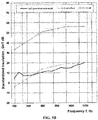
Figures 2A, 2B and2C are graphs showing the sound absorption coefficient of curtains according to the preferred embodiment of the present invention in various configurations. -
Figure 3 is a graph showing the standardized airborne sound insulation of a curtain according to the preferred embodiment of the present invention. -
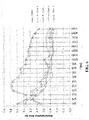
Figure 4 is a diagram showing the configuration of an in situ noise test for a curtain according to the preferred embodiment of the present invention. -
Figures 5A and5B are graphs showing the in situ standardized sound insulation of a curtain (Figure 5A ) and two curtains (Figure 5B ) according to the preferred embodiment of the present invention using the configuration shown inFigure 4 . -
Figure 6 is a graph showing the reverberation time obtained in a room without a curtain and with curtains according to the preferred embodiment of the present invention. -
Figure 7 is a graph showing the sound pressure level obtained in a room without a curtain and with curtains according to the preferred embodiment of the present invention. -
Figure 8 is a graph showing the electromagnetic insulation obtained with a curtain according to the preferred embodiment of the present invention. - The composition of a protective curtain according to the preferred embodiment of the present invention is first described in reference to the attached
Figure 1 . In this case, the curtain comprises two textile layers (10, 10'), an inner layer (12) and a cover layer (14) adjacent to the outer side of one of the textile layers (10'). - Each of the textile layers (10, 10') has a combination of non-woven textile material and woven textile material. The non-woven textile material is of the known type, such as felt, the thickness of which is preferably 3 mm to 20 mm and the density of which is preferably 15 kg/m3 to 40 kg/m3. The woven textile material preferably has a density of 100 g/m2 to 300 g/m2.
- The materials of the textile layers (10, 10') can be made of natural fibers, synthetic fibers and combinations thereof, selected from the group consisting of cotton, linen, polypropylene, polyester, jute, polyamide, rayon, nylon, PVC, etc.
- Furthermore, the woven textile material of the textile layers (10, 10') is subjected to at least a fire-proofing treatment. Said treatment is performed by means of covering the layers with a kind of acrylic resin. The specific covering material depends on the fiber used in making the textile layers (10, 10'), and can be polyvinyl chloride if polyethylene terephthalate fibers are used for making the textile layers, for example. It can also be selected from any one of the group consisting of tetrakis(hydroxymethyl)phosphonium salt (preferably insoluble with ammonia gas) for cotton, diammonium phosphate/ammonium sulfate/boron compound, or hexapropoxyphosphazene for rayon, oligomeric phosphate for polyester, thiourea/titanium and zirconium compound/dibromoterephthalic acid for nylon, etc.
- Furthermore, according to the preferred embodiment of the present invention, the textile layers (10, 10') are also subjected to a water-proofing treatment and an oil-proofing treatment (the person skilled in the art will understand that depending on the desired application, said layers may be subjected to other treatments known in the art).
- The water-proofing treatment is based on paraffin emulsions with aluminum salts which are applied by means of plasma surface treatment or padding. Another type of water-proofing treatment can also be performed, for example, by means of silicones and the like, or by means of any other method known by the persons skilled in the art. The application of the oil-proofing treatment is widely known in the art and is described, for example, in
patent document ES 2 266 172 T3 - The inner layer (12) is formed by sound insulation wool with a thickness between 3 mm and 1 cm and a density between 10 kg/m3 and 50 kg/m3. Said sound insulation wool can be of different types, such as polyester wool, for example. According to other embodiments of the present invention, it can also be of other wools similar to polyester wool and comprising at least 80% of a compound selected from the group comprising PP, PES and PET.
- The cover layer (14) provides the property as a barrier against electromagnetic radiations and is formed by a metal selected from the group consisting of aluminum and copper and has a thickness between 0.5 mm and 5 mm. If the thickness of the cover layer (14) were less than 0.5 mm, there would be a risk of the layer breaking, which would negatively affect the acoustic, thermal and electromagnetic insulation of the final curtain. On the other hand, a thickness of this cover layer (14) greater than 5 mm would substantially increase the final weight of the curtain, making the handling and transport thereof excessively complicated.
- According to the preferred embodiment of the present invention, the cover layer (14) furthermore has a glass fiber mesh reinforcement. According to other embodiments, the cover layer (14) has, for example, a special coat such as an LDPE coat and the like.
- Although not shown in the attached
Figure 1 , the person skilled in the art will understand that additional embodiments of the curtain of the present invention can include additional layers that are different from or identical to the layers described above. For example, according to an additional embodiment of the present invention, the curtain comprises a second inner sound insulation layer, identical to the inner layer (12) described above, sandwiched between the textile layer (10') and the cover layer (14) adjacent thereto. In other words, the final structure of the curtain according to this embodiment will be textile layer + inner layer + textile layer + second inner layer + cover layer. - According to the preferred embodiment of the present invention, the curtain has a total thickness of all the layers combined comprised between 0.5 cm and 3 cm, more preferably the curtain has a total thickness of 1 cm. If the curtain were to have a thickness less than 0.5 cm, it would not be viable since the amount of materials would not be sufficient. In contrast, if the total thickness of the curtain were greater than 3 cm, it would be too heavy and hard to handle.
- Furthermore, the total weight of the curtain according to the preferred embodiment of the present invention is preferably 1 kg/m2.
- Therefore, the curtain according to the preferred embodiment of the present invention is lightweight, and therefore easy to transport and install/uninstall, thereby allowing its application in a number of situations in which multiple temporary protection (at least against light, noise, heat, fire and electromagnetic radiations) is required by means of quickly and simply installing the curtain, as well as subsequently uninstalling it in a similarly quick and simple manner.
- A series of tests performed for verifying the protective properties offered by the curtain described above according to the preferred embodiment of the present invention will be described herein below. Specifically, the curtain subjected to the following tests has the following composition:
Material of the textile layers: 200 g/m 2 100% creased polyester. - Material of the inner layer: Polyester wool with a grammage of 250 g/m2 and a thickness of 8 mm.
- Material of the cover layer: 1 mm inner aluminum sheet.
- The complete curtain had a thickness of 1 cm.
- The opacity of the curtain can be seen with the naked eye. Nevertheless, a test was performed according to the ISO 105-B02 standard, obtaining a light fastness of 5 (on a scale of 1 to 8).
- In the case of sound insulation, it is important to take into account that simply increasing the number of layers or the thickness thereof alone does not necessarily lead to an improvement, but rather it may even reduce the final sound insulation properties of the curtain. In fact, sound insulation depends on the combination of materials and the order of the combination thereof. The acoustic properties of a material or a set of materials depends on a number of factors: mechanical properties of the materials, chemical properties, bending properties, resistance properties, etc.
- Three types of tests were performed to determine protection against noise: sound absorption tests, general sound insulation tests and in situ sound insulation tests.
- These tests were performed according to the UNE-EN ISO 354:2004, UNE-EN ISO 11654:1998 and ASTM C423-09a standards (such standards can be consulted for a detailed explanation of the test conditions).
- Three configurations were used in these tests:
- Configuration 1: Two curtains according to the preferred embodiment of the present invention were used. The first curtain was placed 5 cm from the wall and the second curtain was placed 15 cm from the first curtain (i.e., 20 cm from the wall).
- Configuration 2: A single curtain located 5 cm from the wall was used.
- Configuration 3: A single curtain located 20 cm from the wall was used.
- The following Table I, as well as the attached
Figures 2A (configuration 1), 2B (configuration 2) and 2C (configuration 3) show the sound absorption coefficient obtained with the various configurations described above according to the UNE-EN ISO 354:2004 standard:Table I: Sound absorption coefficient f (Hz) Configuration 1Configuration 2Configuration 3 80 0.13 0.09 0.08 100 0.25 0.12 0.13 125 0.36 0.13 0.23 160 0.39 0.15 0.31 200 0.64 0.22 0.47 250 0.83 0.31 0.66 315 1.07 0.45 0.91 400 1.13 0.64 0.97 500 1.23 0.84 1.07 630 1.26 0.98 1.06 800 1.27 1.09 0.94 1000 1.25 1.17 0.95 1250 1.25 1.18 1.06 1600 1.27 1.19 1.08 2000 1.33 1.18 1.13 2500 1.37 1.15 1.17 3150 1.39 1.12 1.24 4000 1.41 1.17 1.26 5000 1.48 1.21 1.38 - The UNE-EN ISO 11654:1998 standard establishes a method for obtaining a single parameter: αw (weighted sound absorption coefficient). This parameter is used for evaluating the degree of absorption provided by a material. Depending on the value of said parameter, the standard makes a distinction between 6 classes of materials shown below in Table II:
Table II: Classes of sound absorption Class αw A 0.90 or greater B 0.8 to 0.85 C 0.6 to 0.75 D 0.5 to 0.55 E 0.15 to 0.25 Not classified 0.10 or less - The results shown below in Table III were obtained according to this UNE-EN ISO 11654:1998 standard:
Table III: Weighted sound absorption coefficient and class Configuration 1 Configuration 2Configuration 3 αw 1.15 0.65 1.00 CLASS A C A - Finally, the ASTM C423-09a standard includes two parameters that are not contemplated in the preceding standards. The first parameter is the sound absorption average (SAA), representing the mean one-third octave from 200 Hz to 2500 Hz, rounded to multiples of 0.01. The second parameter is the noise reduction coefficient (NRC), defined as the mean value of the absorption coefficients of the material at frequencies of 250, 500, 1000 and 2000 Hz and expressed as the nearest multiple of 0.05.
- Table IV therefore shows the results obtained according to this standard:
Table IV: NRC and SAA values Configuration 1 Configuration 2Configuration 3 NRC 1.15 0.85 0.95 SAA 1.16 0.87 0.96 - The following conclusions can therefore be made based on this data. The curtain placed 5 cm from the wall (configuration 2) can absorb 65% (0.65) of the sound according to the European criterion or 85% (0.85) according to the American criterion. By separating it 20 cm from the wall (configuration 3), the same curtain absorbs 100% of the sound according to the European criterion or 95% according to the American criterion. In this case, the curtain has the maximum acoustic rating of "A". If two curtains are used (configuration 1), maximum absorption in both criteria is assured and the maximum rating of "A" is exceeded.
- Therefore, a single curtain according to the present invention placed at 20 cm assures virtually complete sound absorption, whereas the combined use of two curtains assures complete sound absorption.
- Sound insulation tests were performed in a sound transmission chamber according to the ASTM E90-09, UNE-EN ISO 140-3:1995 and UNE-EN ISO 717-1:1997 standards.
- The UNE-EN ISO 140-3:1995 standard defines the sound reduction index, R, expressed with one decimal place and in dB, as sound insulation value. This index depends on the area of the sample, the equivalent sound reabsorption area in the receiving room and the isolation between rooms D, according to the following formula:

- On the other hand, weighting "w" is defined in the UNE EN ISO 717-1: 1997 standard.
- The ASTM E90-09 standard is in turn based on transmission loss. This parameter is equivalent to the sound reduction index, R, described above and is calculated the same way.
- According to the test performed using a single curtain according to the present invention as a barrier, an airborne sound insulation Rw of 10 dB, which is equivalent to reducing noise by more than one-eighth, is obtained. These results are shown in the attached
Figure 3 . - By way of comparative example, a numerical study was performed for the sound insulation obtained with a curtain formed by the same materials as the curtain according to the present invention, but with the layers arranged in a different order. The curtain of the comparative example had the following layer arrangement:

- A sound insulation of 8.4 dB (i.e., a reduction in insulation of about 1.5 dB) was obtained with this configuration, which involves a loss of efficacy of about 50%. This test demonstrates the surprising efficacy of a curtain having the specific structure disclosed in the present document compared to curtains comprising the same layers arranged in a different order.
- Tests were performed according to the UNE-EN ISO 140-4:1999, UNE-EN ISO 140-14:2005 and UNE-EN ISO 3382-2:2008 standards to evaluate in situ sound insulation and noise reduction of the curtain according to the present invention.
- The purpose of these tests is to assess the sound insulation that the curtain may offer as an element for separating different environments, as well as its effect as a sound conditioner. Two configurations were used to that end:
- Configuration 1: A curtain according to the present invention used as a separation.
- Configuration 2: Two curtains according to the present invention used as a separation, located 20 cm from one another.
- The following equipment was used in these tests:
- Type 2250 Bruel & Kjær sound level meter analyzer. SN: 2506776
- Type 4189 Bruel & Kjær ½" condenser microphone. SN: 2534152
- Type 2250 Bruel & Kjær sound level meter analyzer. SN: 2506479
- Type 4189 Bruel & Kjær ½" condenser microphone. SN: 2523647
- Type 4231 Bruel &
Kjær type 1 sound calibrator. SN: 2528304 - Type 4292 Bruel & Kjær omnidirectional noise source. SN: 018008
- Type 2716 Bruel & Kjær power amplifier. SN: 2604370
- The calibration of the equipment was confirmed before and after each series of measurements.
- The attached
Figure 4 schematically shows the configuration used in these tests. The emitting room (on the right side of the drawing) had a volume of 34.7 m3, whereas the receiving room (on the left side of the drawing) had a volume of 30.3 m3. The curtain according to the present invention was located separating both rooms (white area in the center of the drawing). It can be seen inFigure 4 that the microphones were all located more than 0.7 m from one another, and more than 0.5 m from the edges of the room and more than 1 m from the sound sources. Furthermore, the sound sources (F1 and F2) are located more than 0.7 m from one another, as well as more than 0.5 m from the edges of the room. The areas marked with a grid inFigure 4 represent the perimeter at 1 m from each of the sources, in which no microphone can be placed. The areas marked with stripes represent the perimeter at 0.5 m from the walls, in which neither microphone nor sound source can be placed. - According to the UNE EN ISO 140-4:1999 standard, the value of the normalized level difference, Dn, the standardized level difference, DnT, or the apparent sound reduction index, R', must be provided. The values of the weighted standardized level difference, DnTA, and the weighted apparent sound reduction index, R'A (the weighted values are obtained according to the UNE EN ISO 171-1 standard), will be presented in this case.
-
Figures 5A (configuration 1) and 5B (configuration 2), as well as Table V below summarize the results obtained in these tests:Table V: DnTA and R'A DnTA R'A Configuration 18 dB 9 dB Configuration 2 15 dB 15 dB - It can therefore be observed that a sound insulation of 9 dBA (configuration 1) and 15 dBA (configuration 2), which assures good sound insulation (a 1/8 reduction of noise level in
configuration 1 and a 1/32 reduction in configuration 2), is obtained. Placing the curtains according to the present invention as separating elements therefore offers good sound insulation data. It must be taken into account that the installation of the curtain in the test that has been performed did not guaranteed sound leakages through the sides, so the results could be further improved if care is taken to close the perimeter of the curtains with suitable assemblies. - It is also important to take into account the effect the curtain produces in the room. The reverberation time in the room without a curtain and with curtains according to the present invention in the two configurations described above, in both the emitting and receiving room, was tested.
-
Figure 6 shows the results of the reverberation time under various conditions (the control represents the test without using a separating curtain, R represents the measurements obtained in the receiving room and E represents the measurements obtained in the emitting room). It can be seen that placing the curtain according to the present invention considerably reduces the "echo" of the room, the annoying "echo" now being at values that are suitable for an office, for example. When analyzing the mean reverberation time, it goes from 1.4 s without a curtain to 0.5 - 0.7 s with a curtain, which is a value that is very suitable for use. - Finally, the sound pressure level in the emitting room was tested, both without a curtain and with the curtain according to the present invention in the two configurations described above. The attached
Figure 7 shows the results (the control represents the test without using a separating curtain). - It can be seen that placing the curtain according to the present invention reduces the noise level with respect to a fixed reference source. In fact, a weighted noise level reduction of 3 dB is produced, which is equivalent to reducing the noise by half.
- Electromagnetic tests were performed in an anechoic electromagnetic chamber. The references of the antennas used in the test are the following: Double Ridged Waveguide Horn - model DRH400 and Quad Ridged Horn Antenna - model QRH500.
- Reflection and transmission tests were performed. The tested bandwidth covered from 400 MHz to 6 GHz (mobile telephony, Wi-Fi, WiMax and other bandwidths of interest) to assess the effectiveness thereof in a wide range.
- Two configurations were tested: a configuration with a single curtain (configuration 1) and a configuration with two curtains (configuration 2). A test measurement was also performed without using any curtain (control).
- In the reflection test, high attenuation can be observed in both configurations (results not shown).
- The attached
Figure 8 shows the results of the transmission test. Very high attenuation, exceeding 50 dB even in the configuration with a single curtain, can be seen. It must be taken into account that for designing an electromagnetic chamber the mean attenuation of the wedges is about 40 dB, which means that these curtains according to the present invention can be used as mobile electromagnetic chambers. - It can therefore be seen that the curtain according to the present invention does not shield a specific band, such as certain electronic or mobile telephony noise, but rather has a very wide shielding spectrum (from 400 MHz to 6 GHz), thereby neutralizing the electromagnetic waves of not only mobile telephony signals, but also Wi-Fi signals, WiMax signals and other signals of interest. This, along with how easy it is to transport and install/uninstall as mentioned above, allow applying the curtain according to the present invention to obtain an anechoic electromagnetic chamber or a radiofrequency chamber that is mobile, portable, lightweight and very low-cost.
- An anechoic radiofrequency chamber is a room with a metal shielding in its walls, emulating a Faraday cage. The chambers are designed with materials for absorbing electromagnetic waves for the purpose of insulating the chamber against any type of external influence and simulating free space conditions therein. These chambers have a number of applications in the field of telecommunications, such as the measurement of the specific absorption rate (SAR) of mobile terminals, or the design and characterization of radiating elements, such as antenna and dipoles, for example.
- Applications of another type for the curtain according to the present invention, as a result of its property of protecting against electromagnetic radiations, can be in medical fields, in which several levels of shielding must be assured for certain equipment or operations. It can also be used for designing cribs for newborns, assuring the best acoustic and thermal conditions for newborns, for example in NICU environments.
- According to the UNE-EN 13773:2011 standard, materials are classified with respect to their reaction to fire in classes referred to as M0, M1, M2, M3 and M4. These classes indicate the relative magnitude with which the corresponding materials can favor fire development.
- M0: material that is not combustible in response to the normalized thermal action of the test (glass, stone and ceramic materials, metals, gypsums, rock wool, etc.).
- M1: material that is combustible but not flammable, which means that combustion does not hold when heat is no longer supplied from an external hot spot (PVC, glass wool, DM, formica, flameproof varnishes, etc.).
- M2: material with a low degree of flammability (wood).
- M3: material with a medium degree of flammability (wood).
- M4: material with a high degree of flammability.
- A test was performed to determine the behavior of a curtain according to the present invention in the event of fire, and the curtain was classified as Class 1 (M1) according to said UNE-EN 13773:2011 standard.
- On the other hand, a test was performed according to the UNE-EN 13501-1:2007+A1:2010 standard, which classifies materials according to their reaction to fire required by the Technical Building Code (TBC) for public establishments. A classification of Bs1d0 was obtained for the curtain according to the present invention, which assures a very limited contribution to fire (B) with little smoke emission (s1) and without the fire spreading due to burning droplets (d0).
- The thermal insulation of a curtain according to the present invention was tested according to the UNE-EN ISO 8894-1:2010 standard.
- A 1-cm thick curtain was used in the test and a thermal resistance of 0.13 m2K/W was obtained.
- According to the Technical Building Code, a material is considered a "thermal insulation material" if it has a thermal resistance greater than 0.25 m2K/W. Therefore, the curtain according to the present invention has a value very close to that for being considered a "thermal insulation material".
- Given that protection against heat is an additive property, a curtain according to another embodiment of the present invention having a thickness of 2 cm (or the use of two curtains according to the present invention, each having a thickness of 1 cm), has a thermal resistance of 0.26 m2K/W.
Claims (17)
- A curtain providing a barrier against light, noise, heat, fire and electromagnetic radiations, comprising:- two textile layers (10, 10') each having a combination of non-woven textile material and woven textile material, subjected to a fire-proofing treatment;- an inner layer (12) sandwiched between the textile layers, formed by sound insulation wool; and- a cover layer (14) adjacent to the outer side of one of the textile layers (10'), formed by a metal selected from the group consisting of aluminum and copper;where the curtain has a total thickness between 0.5 cm and 3 cm.
- The curtain according to claim 1, characterized in that the curtain has a total thickness of 1 cm.
- The curtain according to any of the preceding claims, characterized in that the curtain has a total weight of 1 kg/m2.
- The curtain according to any of the preceding claims, characterized in that the non-woven textile material is felt.
- The curtain according to claim 4, characterized in that the thickness of the felt is from 3 mm to 20 mm.
- The curtain according to either of claims 4 and 5, characterized in that the felt has a density of 15 kg/m3 to 40 kg/m3.
- The curtain according to any of the preceding claims, characterized in that the woven textile material has a density of 100 g/m2 to 300 g/m2.
- The curtain according to any of the preceding claims, characterized in that the fire-proofing treatment is performed by means of covering the textile layer (10, 10') with a material selected from polyvinyl chloride, tetrakis(hydroxymethyl)phosphonium salt, diammonium phosphate/ammonium sulfate/boron compound, hexapropoxyphosphazene, oligomeric phosphate and thiourea/titanium and zirconium compound/dibromoterephthalic acid.
- The curtain according to any of the preceding claims, characterized in that the textile layer (10, 10') is furthermore subjected to at least one treatment selected from a water-proofing treatment and an oil-proofing treatment.
- The curtain according to any of the preceding claims, characterized in that the textile layer (10, 10') is made of fibers selected from the group consisting of cotton, linen, polypropylene, polyester, jute, polyamide, rayon, nylon, PVC and combinations thereof.
- The curtain according to any of the preceding claims, characterized in that the inner layer (12) is formed by polyester wool.
- The curtain according to any of claims 1 to 10, characterized in that the inner layer (12) is formed by wool comprising at least 80% of a compound selected from the group comprising PP, PES and PET.
- The curtain according to any of the preceding claims, characterized in that the inner layer (12) has a thickness between 3 mm and 1 cm.
- The curtain according to any of the preceding claims, characterized in that the inner layer (12) has a density between 10 kg/m3 and 50 kg/m3.
- The curtain according to any of the preceding claims, characterized in that the cover layer (14) has a thickness between 0.5 mm and 5 mm.
- The curtain according to any of the preceding claims, characterized in that the inner cover layer (14) furthermore has a glass fiber mesh reinforcement.
- The curtain according to any of the preceding claims, characterized in that it comprises a second inner layer, identical to the inner layer (12), sandwiched between the textile layer (10') and the cover layer (14) adjacent thereto.
Applications Claiming Priority (2)
| Application Number | Priority Date | Filing Date | Title |
|---|---|---|---|
| ES201530961A ES2548068B2 (en) | 2015-07-03 | 2015-07-03 | Barrier curtain against light, noise, heat, fire and electromagnetic radiation |
| PCT/ES2016/070469 WO2017005948A1 (en) | 2015-07-03 | 2016-06-22 | Curtain providing a barrier against light, noise, heat, fire and electromagnetic radiation |
Publications (4)
| Publication Number | Publication Date |
|---|---|
| EP3318687A1 true EP3318687A1 (en) | 2018-05-09 |
| EP3318687A4 EP3318687A4 (en) | 2019-03-20 |
| EP3318687B1 EP3318687B1 (en) | 2021-03-17 |
| EP3318687B9 EP3318687B9 (en) | 2021-08-11 |
Family
ID=54260573
Family Applications (1)
| Application Number | Title | Priority Date | Filing Date |
|---|---|---|---|
| EP16820886.6A Active EP3318687B9 (en) | 2015-07-03 | 2016-06-22 | Curtain providing a barrier against light, noise, heat, fire and electromagnetic radiation |
Country Status (5)
| Country | Link |
|---|---|
| US (1) | US10867592B2 (en) |
| EP (1) | EP3318687B9 (en) |
| ES (2) | ES2548068B2 (en) |
| PT (1) | PT3318687T (en) |
| WO (1) | WO2017005948A1 (en) |
Families Citing this family (4)
| Publication number | Priority date | Publication date | Assignee | Title |
|---|---|---|---|---|
| FR3069767B1 (en) * | 2017-08-02 | 2019-08-16 | Objectif Silence | COMPOSITE ANTI-BRITTLE CURTAIN |
| US10868592B2 (en) * | 2018-05-03 | 2020-12-15 | Cable Television Laboratories, Inc. | Methods and systems for wireless communication in a reflective environment |
| EP4206715B1 (en) * | 2021-12-29 | 2025-07-02 | Siemens Healthineers AG | Curtain and screened booth for shielding an electromagnetic field |
| US20250204695A1 (en) * | 2022-03-24 | 2025-06-26 | Eleda S.R.L. | A piece of furniture or a textile element |
Family Cites Families (27)
| Publication number | Priority date | Publication date | Assignee | Title |
|---|---|---|---|---|
| FR2508969A1 (en) * | 1981-07-03 | 1983-01-07 | Sirs Soc Int Revetements Sol | INSULATED VARIABLE INSULATED BLINDS |
| US4391865A (en) * | 1981-10-05 | 1983-07-05 | Constance Lillie B | Thermal drapery construction |
| JPH0280781A (en) * | 1988-09-17 | 1990-03-20 | Kitagawa Kogyo Kk | Window blind device |
| DE69025861T2 (en) | 1989-06-05 | 1996-09-12 | Roctex Oy Ab, Parainen | FLEXIBLE BASE PLATE OF A CONSTRUCTION COVER AND A CONSTRUCTION COVER MADE THEREOF |
| JPH08199703A (en) | 1995-01-25 | 1996-08-06 | Daicel Chem Ind Ltd | Flame-retardant building material for insulating heat and sound, having function of shielding electromagnetic wave |
| US5741582A (en) * | 1995-09-08 | 1998-04-21 | Rockland Industries, Inc. | Blackout drapery lining with dual fabric surfaces |
| GB2311008B (en) | 1996-03-16 | 1999-11-17 | T & N Technology Ltd | Fire barriers of the flexible type |
| JPH11181911A (en) | 1997-12-17 | 1999-07-06 | Daido Steel Sheet Corp | Electromagnetic wave shield panel and electromagnetic wave shield wall |
| US6521829B2 (en) | 1999-03-25 | 2003-02-18 | Japan Science And Technology Corporation | Electromagnetic wave absorbing sheet |
| JP2001073266A (en) | 1999-08-31 | 2001-03-21 | Nitto Boseki Co Ltd | Single or multi-layer non-combustible sound absorbing radio wave absorbing interior material |
| FR2845754B1 (en) | 2002-10-11 | 2005-05-06 | Materiaux Composites Ind Mci | THERMAL AND ACOUSTIC INSULATING FLOOR |
| GB2395461A (en) * | 2002-11-19 | 2004-05-26 | Environmental Seals Ltd | Fire barriers and their method of manufacture |
| DE602004013531D1 (en) | 2004-01-27 | 2008-06-19 | Goldfire S P R L | Flexible wall with fire resistant properties |
| FR2878864B1 (en) | 2004-12-07 | 2007-01-26 | Saint Gobain Isover Sa | PROCESS FOR PRODUCING A COLORED MINERAL WOOL PRODUCT COMPRISING A SAME COLOR COATING |
| EP2506251A1 (en) * | 2006-01-19 | 2012-10-03 | Siwei Zou | Apparatus for absorbing acoustical energy and use thereof |
| US20110100747A1 (en) | 2006-05-24 | 2011-05-05 | Airbus Operations Gmbh | Sandwich element for the sound-absorbing inner cladding of means of transport, especially for the sound-absorbing inner cladding of aircraft |
| JP4122364B2 (en) * | 2006-08-23 | 2008-07-23 | 三菱電線工業株式会社 | Radio wave absorber and manufacturing method thereof |
| US7882849B2 (en) * | 2007-05-21 | 2011-02-08 | Matt Franta | Flame resistant insulated fabric for shelters |
| JP2010067744A (en) | 2008-09-10 | 2010-03-25 | Japan Vilene Co Ltd | Electromagnetic wave shielding nonwoven fabric |
| EP2384792A1 (en) * | 2010-05-04 | 2011-11-09 | Gismero, S.A. | Fire barrier device |
| US8839842B2 (en) * | 2011-10-21 | 2014-09-23 | Rite-Hite Holding Corporation | Insulated washdown flexible walls and curtains |
| US20130189471A1 (en) | 2012-01-24 | 2013-07-25 | Charles J. Ashelin | Fire resistant insulated flexible wall panels |
| FR2986463B1 (en) | 2012-02-02 | 2014-03-28 | Brunswick Et Fils | PHONIC INSULATION |
| FR2990222B1 (en) * | 2012-05-07 | 2014-11-28 | Mohamed Sylla | NOISE INSULATION CURTAIN FOR HOUSING |
| ES1119330Y (en) | 2014-07-02 | 2014-11-17 | Technokontrol Cat Global Sl | Suppressor panel, heatsink, void, reducer, with anti-thermal, anti-acoustic, fire-retardant and anti-electromagnetic properties individually, partially or globally. |
| US10145139B2 (en) * | 2015-02-13 | 2018-12-04 | Innovative Outdoor Solutions, Inc. | Insulating fabric for outdoor activity shelters |
| US20160361894A1 (en) * | 2015-06-13 | 2016-12-15 | Romeo Ilarian Ciuperca | Foam sheathing reinforced with hybrid laminated fabric impregnated with vapor permeable air barrier material and method of making and using same |
-
2015
- 2015-07-03 ES ES201530961A patent/ES2548068B2/en active Active
-
2016
- 2016-06-22 WO PCT/ES2016/070469 patent/WO2017005948A1/en not_active Ceased
- 2016-06-22 US US15/738,374 patent/US10867592B2/en active Active
- 2016-06-22 EP EP16820886.6A patent/EP3318687B9/en active Active
- 2016-06-22 ES ES16820886T patent/ES2869278T3/en active Active
- 2016-06-22 PT PT168208866T patent/PT3318687T/en unknown
Also Published As
| Publication number | Publication date |
|---|---|
| US20180182368A1 (en) | 2018-06-28 |
| US10867592B2 (en) | 2020-12-15 |
| ES2869278T3 (en) | 2021-10-25 |
| PT3318687T (en) | 2021-05-03 |
| EP3318687A4 (en) | 2019-03-20 |
| EP3318687B9 (en) | 2021-08-11 |
| ES2548068A1 (en) | 2015-10-13 |
| WO2017005948A1 (en) | 2017-01-12 |
| EP3318687B1 (en) | 2021-03-17 |
| ES2548068B2 (en) | 2016-02-26 |
| WO2017005948A8 (en) | 2017-03-02 |
Similar Documents
| Publication | Publication Date | Title |
|---|---|---|
| EP3318687B9 (en) | Curtain providing a barrier against light, noise, heat, fire and electromagnetic radiation | |
| Tong et al. | Full scale field study of sound transmission across plenum windows | |
| Mirowska | An investigation and assessment of annoyance of low frequency noise in dwellings | |
| US7642948B2 (en) | Reflective layer | |
| JP2001521084A (en) | Insulation plate to protect from electromagnetic fields | |
| Mardiguian et al. | The intelligent concrete: A new, economical technique for architectural shielding of buildings | |
| Hall et al. | Diffuse field measurements of locally resonant partitions | |
| Khalid et al. | Prototyping and performance evaluation of fire rated acoustic door | |
| Masovic et al. | Analysis of façade sound insulation field measurements–Comparison of different performance descriptors and influence of low frequencies extension | |
| Brown et al. | Effect of sound‐absorptive facings on partition airborne‐sound transmission loss | |
| Khrystoslavenko et al. | Theoretical end experimental evaluation of perforations effect on sound insulation | |
| Du et al. | Sound Insulation of ventilation partitions with different configurations | |
| Bradley | Insulating buildings against aircraft noise: A review | |
| Mohanty | Improvement of interior acoustics and speech quality in small office room using natural material | |
| Hakgudener | EMW shielding considerations in building design | |
| Tang et al. | Some characteristics of noise in air-conditioned landscaped offices | |
| Jagniatinskis et al. | Practical experience in verification acoustic class for building in octave versus one-third octave frequency bands | |
| Stachowiak et al. | Mission Impact Through Neuro-Inspired Design (MIND) Laboratory: Design Principles and Performance Characteristics | |
| Tang | The acoustical insertion loss of ventilation window-on site test | |
| Iordache et al. | Urban sound energy reduction by means of sound barriers | |
| KR100486688B1 (en) | Electromagnetic Shielding method for building | |
| Knight et al. | Case study: Air cooled chillers with rotary helical (screw) compressors at hospital with impact on patient rooms, residential neighborhoods, and open park | |
| Lytvynenko et al. | Research on the Possibility of Applying Acoustic Metamaterials for the Protection of Speech Information | |
| Mekkawy et al. | False Ceiling Acoustic Requirements Evaluation Models Assessment | |
| Zimmerman | Sound Advice |
Legal Events
| Date | Code | Title | Description |
|---|---|---|---|
| STAA | Information on the status of an ep patent application or granted ep patent |
Free format text: STATUS: THE INTERNATIONAL PUBLICATION HAS BEEN MADE |
|
| PUAI | Public reference made under article 153(3) epc to a published international application that has entered the european phase |
Free format text: ORIGINAL CODE: 0009012 |
|
| STAA | Information on the status of an ep patent application or granted ep patent |
Free format text: STATUS: REQUEST FOR EXAMINATION WAS MADE |
|
| 17P | Request for examination filed |
Effective date: 20180201 |
|
| AK | Designated contracting states |
Kind code of ref document: A1 Designated state(s): AL AT BE BG CH CY CZ DE DK EE ES FI FR GB GR HR HU IE IS IT LI LT LU LV MC MK MT NL NO PL PT RO RS SE SI SK SM TR |
|
| AX | Request for extension of the european patent |
Extension state: BA ME |
|
| DAX | Request for extension of the european patent (deleted) | ||
| RAV | Requested validation state of the european patent: fee paid |
Extension state: MA Effective date: 20180201 |
|
| A4 | Supplementary search report drawn up and despatched |
Effective date: 20190214 |
|
| RIC1 | Information provided on ipc code assigned before grant |
Ipc: A62C 2/10 20060101ALI20190208BHEP Ipc: A61G 10/00 20060101ALI20190208BHEP Ipc: A47H 23/08 20060101AFI20190208BHEP |
|
| STAA | Information on the status of an ep patent application or granted ep patent |
Free format text: STATUS: EXAMINATION IS IN PROGRESS |
|
| 17Q | First examination report despatched |
Effective date: 20191212 |
|
| REG | Reference to a national code |
Ref country code: DE Ref legal event code: R079 Ref document number: 602016054540 Country of ref document: DE Free format text: PREVIOUS MAIN CLASS: E04B0001880000 Ipc: A47H0023080000 |
|
| GRAP | Despatch of communication of intention to grant a patent |
Free format text: ORIGINAL CODE: EPIDOSNIGR1 |
|
| STAA | Information on the status of an ep patent application or granted ep patent |
Free format text: STATUS: GRANT OF PATENT IS INTENDED |
|
| RIC1 | Information provided on ipc code assigned before grant |
Ipc: E04B 1/88 20060101ALI20200925BHEP Ipc: A61G 10/00 20060101ALI20200925BHEP Ipc: B32B 17/06 20060101ALI20200925BHEP Ipc: A62C 2/10 20060101ALI20200925BHEP Ipc: B32B 5/26 20060101ALI20200925BHEP Ipc: A47H 23/08 20060101AFI20200925BHEP |
|
| INTG | Intention to grant announced |
Effective date: 20201019 |
|
| GRAS | Grant fee paid |
Free format text: ORIGINAL CODE: EPIDOSNIGR3 |
|
| GRAA | (expected) grant |
Free format text: ORIGINAL CODE: 0009210 |
|
| STAA | Information on the status of an ep patent application or granted ep patent |
Free format text: STATUS: THE PATENT HAS BEEN GRANTED |
|
| AK | Designated contracting states |
Kind code of ref document: B1 Designated state(s): AL AT BE BG CH CY CZ DE DK EE ES FI FR GB GR HR HU IE IS IT LI LT LU LV MC MK MT NL NO PL PT RO RS SE SI SK SM TR |
|
| REG | Reference to a national code |
Ref country code: GB Ref legal event code: FG4D |
|
| REG | Reference to a national code |
Ref country code: CH Ref legal event code: EP |
|
| REG | Reference to a national code |
Ref country code: DE Ref legal event code: R096 Ref document number: 602016054540 Country of ref document: DE |
|
| REG | Reference to a national code |
Ref country code: IE Ref legal event code: FG4D |
|
| REG | Reference to a national code |
Ref country code: AT Ref legal event code: REF Ref document number: 1371414 Country of ref document: AT Kind code of ref document: T Effective date: 20210415 |
|
| REG | Reference to a national code |
Ref country code: PT Ref legal event code: SC4A Ref document number: 3318687 Country of ref document: PT Date of ref document: 20210503 Kind code of ref document: T Free format text: AVAILABILITY OF NATIONAL TRANSLATION Effective date: 20210427 |
|
| REG | Reference to a national code |
Ref country code: LT Ref legal event code: MG9D |
|
| PG25 | Lapsed in a contracting state [announced via postgrant information from national office to epo] |
Ref country code: HR Free format text: LAPSE BECAUSE OF FAILURE TO SUBMIT A TRANSLATION OF THE DESCRIPTION OR TO PAY THE FEE WITHIN THE PRESCRIBED TIME-LIMIT Effective date: 20210317 Ref country code: GR Free format text: LAPSE BECAUSE OF FAILURE TO SUBMIT A TRANSLATION OF THE DESCRIPTION OR TO PAY THE FEE WITHIN THE PRESCRIBED TIME-LIMIT Effective date: 20210618 Ref country code: FI Free format text: LAPSE BECAUSE OF FAILURE TO SUBMIT A TRANSLATION OF THE DESCRIPTION OR TO PAY THE FEE WITHIN THE PRESCRIBED TIME-LIMIT Effective date: 20210317 Ref country code: NO Free format text: LAPSE BECAUSE OF FAILURE TO SUBMIT A TRANSLATION OF THE DESCRIPTION OR TO PAY THE FEE WITHIN THE PRESCRIBED TIME-LIMIT Effective date: 20210617 Ref country code: BG Free format text: LAPSE BECAUSE OF FAILURE TO SUBMIT A TRANSLATION OF THE DESCRIPTION OR TO PAY THE FEE WITHIN THE PRESCRIBED TIME-LIMIT Effective date: 20210617 |
|
| REG | Reference to a national code |
Ref country code: AT Ref legal event code: MK05 Ref document number: 1371414 Country of ref document: AT Kind code of ref document: T Effective date: 20210317 |
|
| REG | Reference to a national code |
Ref country code: NL Ref legal event code: MP Effective date: 20210317 |
|
| PG25 | Lapsed in a contracting state [announced via postgrant information from national office to epo] |
Ref country code: LV Free format text: LAPSE BECAUSE OF FAILURE TO SUBMIT A TRANSLATION OF THE DESCRIPTION OR TO PAY THE FEE WITHIN THE PRESCRIBED TIME-LIMIT Effective date: 20210317 Ref country code: RS Free format text: LAPSE BECAUSE OF FAILURE TO SUBMIT A TRANSLATION OF THE DESCRIPTION OR TO PAY THE FEE WITHIN THE PRESCRIBED TIME-LIMIT Effective date: 20210317 Ref country code: SE Free format text: LAPSE BECAUSE OF FAILURE TO SUBMIT A TRANSLATION OF THE DESCRIPTION OR TO PAY THE FEE WITHIN THE PRESCRIBED TIME-LIMIT Effective date: 20210317 |
|
| PG25 | Lapsed in a contracting state [announced via postgrant information from national office to epo] |
Ref country code: NL Free format text: LAPSE BECAUSE OF FAILURE TO SUBMIT A TRANSLATION OF THE DESCRIPTION OR TO PAY THE FEE WITHIN THE PRESCRIBED TIME-LIMIT Effective date: 20210317 |
|
| REG | Reference to a national code |
Ref country code: ES Ref legal event code: FG2A Ref document number: 2869278 Country of ref document: ES Kind code of ref document: T3 Effective date: 20211025 |
|
| PG25 | Lapsed in a contracting state [announced via postgrant information from national office to epo] |
Ref country code: LT Free format text: LAPSE BECAUSE OF FAILURE TO SUBMIT A TRANSLATION OF THE DESCRIPTION OR TO PAY THE FEE WITHIN THE PRESCRIBED TIME-LIMIT Effective date: 20210317 Ref country code: CZ Free format text: LAPSE BECAUSE OF FAILURE TO SUBMIT A TRANSLATION OF THE DESCRIPTION OR TO PAY THE FEE WITHIN THE PRESCRIBED TIME-LIMIT Effective date: 20210317 Ref country code: EE Free format text: LAPSE BECAUSE OF FAILURE TO SUBMIT A TRANSLATION OF THE DESCRIPTION OR TO PAY THE FEE WITHIN THE PRESCRIBED TIME-LIMIT Effective date: 20210317 Ref country code: AT Free format text: LAPSE BECAUSE OF FAILURE TO SUBMIT A TRANSLATION OF THE DESCRIPTION OR TO PAY THE FEE WITHIN THE PRESCRIBED TIME-LIMIT Effective date: 20210317 Ref country code: SM Free format text: LAPSE BECAUSE OF FAILURE TO SUBMIT A TRANSLATION OF THE DESCRIPTION OR TO PAY THE FEE WITHIN THE PRESCRIBED TIME-LIMIT Effective date: 20210317 |
|
| PG25 | Lapsed in a contracting state [announced via postgrant information from national office to epo] |
Ref country code: IS Free format text: LAPSE BECAUSE OF FAILURE TO SUBMIT A TRANSLATION OF THE DESCRIPTION OR TO PAY THE FEE WITHIN THE PRESCRIBED TIME-LIMIT Effective date: 20210717 Ref country code: RO Free format text: LAPSE BECAUSE OF FAILURE TO SUBMIT A TRANSLATION OF THE DESCRIPTION OR TO PAY THE FEE WITHIN THE PRESCRIBED TIME-LIMIT Effective date: 20210317 Ref country code: SK Free format text: LAPSE BECAUSE OF FAILURE TO SUBMIT A TRANSLATION OF THE DESCRIPTION OR TO PAY THE FEE WITHIN THE PRESCRIBED TIME-LIMIT Effective date: 20210317 Ref country code: PL Free format text: LAPSE BECAUSE OF FAILURE TO SUBMIT A TRANSLATION OF THE DESCRIPTION OR TO PAY THE FEE WITHIN THE PRESCRIBED TIME-LIMIT Effective date: 20210317 |
|
| REG | Reference to a national code |
Ref country code: DE Ref legal event code: R097 Ref document number: 602016054540 Country of ref document: DE |
|
| REG | Reference to a national code |
Ref country code: DE Ref legal event code: R119 Ref document number: 602016054540 Country of ref document: DE |
|
| PLBE | No opposition filed within time limit |
Free format text: ORIGINAL CODE: 0009261 |
|
| STAA | Information on the status of an ep patent application or granted ep patent |
Free format text: STATUS: NO OPPOSITION FILED WITHIN TIME LIMIT |
|
| PG25 | Lapsed in a contracting state [announced via postgrant information from national office to epo] |
Ref country code: DK Free format text: LAPSE BECAUSE OF FAILURE TO SUBMIT A TRANSLATION OF THE DESCRIPTION OR TO PAY THE FEE WITHIN THE PRESCRIBED TIME-LIMIT Effective date: 20210317 Ref country code: AL Free format text: LAPSE BECAUSE OF FAILURE TO SUBMIT A TRANSLATION OF THE DESCRIPTION OR TO PAY THE FEE WITHIN THE PRESCRIBED TIME-LIMIT Effective date: 20210317 Ref country code: MC Free format text: LAPSE BECAUSE OF FAILURE TO SUBMIT A TRANSLATION OF THE DESCRIPTION OR TO PAY THE FEE WITHIN THE PRESCRIBED TIME-LIMIT Effective date: 20210317 |
|
| REG | Reference to a national code |
Ref country code: CH Ref legal event code: PL |
|
| 26N | No opposition filed |
Effective date: 20211220 |
|
| PG25 | Lapsed in a contracting state [announced via postgrant information from national office to epo] |
Ref country code: SI Free format text: LAPSE BECAUSE OF FAILURE TO SUBMIT A TRANSLATION OF THE DESCRIPTION OR TO PAY THE FEE WITHIN THE PRESCRIBED TIME-LIMIT Effective date: 20210317 |
|
| PG25 | Lapsed in a contracting state [announced via postgrant information from national office to epo] |
Ref country code: LU Free format text: LAPSE BECAUSE OF NON-PAYMENT OF DUE FEES Effective date: 20210622 |
|
| PG25 | Lapsed in a contracting state [announced via postgrant information from national office to epo] |
Ref country code: LI Free format text: LAPSE BECAUSE OF NON-PAYMENT OF DUE FEES Effective date: 20210630 Ref country code: IT Free format text: LAPSE BECAUSE OF FAILURE TO SUBMIT A TRANSLATION OF THE DESCRIPTION OR TO PAY THE FEE WITHIN THE PRESCRIBED TIME-LIMIT Effective date: 20210317 Ref country code: IE Free format text: LAPSE BECAUSE OF NON-PAYMENT OF DUE FEES Effective date: 20210622 Ref country code: DE Free format text: LAPSE BECAUSE OF NON-PAYMENT OF DUE FEES Effective date: 20220101 Ref country code: CH Free format text: LAPSE BECAUSE OF NON-PAYMENT OF DUE FEES Effective date: 20210630 |
|
| PG25 | Lapsed in a contracting state [announced via postgrant information from national office to epo] |
Ref country code: IS Free format text: LAPSE BECAUSE OF FAILURE TO SUBMIT A TRANSLATION OF THE DESCRIPTION OR TO PAY THE FEE WITHIN THE PRESCRIBED TIME-LIMIT Effective date: 20210717 |
|
| P01 | Opt-out of the competence of the unified patent court (upc) registered |
Effective date: 20230517 |
|
| PG25 | Lapsed in a contracting state [announced via postgrant information from national office to epo] |
Ref country code: CY Free format text: LAPSE BECAUSE OF FAILURE TO SUBMIT A TRANSLATION OF THE DESCRIPTION OR TO PAY THE FEE WITHIN THE PRESCRIBED TIME-LIMIT Effective date: 20210317 |
|
| PG25 | Lapsed in a contracting state [announced via postgrant information from national office to epo] |
Ref country code: HU Free format text: LAPSE BECAUSE OF FAILURE TO SUBMIT A TRANSLATION OF THE DESCRIPTION OR TO PAY THE FEE WITHIN THE PRESCRIBED TIME-LIMIT; INVALID AB INITIO Effective date: 20160622 |
|
| PG25 | Lapsed in a contracting state [announced via postgrant information from national office to epo] |
Ref country code: MK Free format text: LAPSE BECAUSE OF FAILURE TO SUBMIT A TRANSLATION OF THE DESCRIPTION OR TO PAY THE FEE WITHIN THE PRESCRIBED TIME-LIMIT Effective date: 20210317 |
|
| VS25 | Lapsed in a validation state [announced via postgrant information from nat. office to epo] |
Ref country code: MA Free format text: LAPSE BECAUSE OF FAILURE TO SUBMIT A TRANSLATION OF THE DESCRIPTION OR TO PAY THE FEE WITHIN THE PRESCRIBED TIME-LIMIT Effective date: 20210317 |
|
| PG25 | Lapsed in a contracting state [announced via postgrant information from national office to epo] |
Ref country code: MT Free format text: LAPSE BECAUSE OF FAILURE TO SUBMIT A TRANSLATION OF THE DESCRIPTION OR TO PAY THE FEE WITHIN THE PRESCRIBED TIME-LIMIT Effective date: 20210317 |
|
| PGFP | Annual fee paid to national office [announced via postgrant information from national office to epo] |
Ref country code: ES Payment date: 20250630 Year of fee payment: 10 Ref country code: GB Payment date: 20250618 Year of fee payment: 10 |
|
| PGFP | Annual fee paid to national office [announced via postgrant information from national office to epo] |
Ref country code: BE Payment date: 20250620 Year of fee payment: 10 |
|
| PGFP | Annual fee paid to national office [announced via postgrant information from national office to epo] |
Ref country code: PT Payment date: 20250618 Year of fee payment: 10 |
|
| PGFP | Annual fee paid to national office [announced via postgrant information from national office to epo] |
Ref country code: FR Payment date: 20250618 Year of fee payment: 10 |
|
| PG25 | Lapsed in a contracting state [announced via postgrant information from national office to epo] |
Ref country code: TR Free format text: LAPSE BECAUSE OF FAILURE TO SUBMIT A TRANSLATION OF THE DESCRIPTION OR TO PAY THE FEE WITHIN THE PRESCRIBED TIME-LIMIT Effective date: 20210317 |