EP3308522B1 - System, vorrichtung und verfahren zur übertragung der eigentümerschaft einer vorrichtung zwischen mehreren eigentümern - Google Patents
System, vorrichtung und verfahren zur übertragung der eigentümerschaft einer vorrichtung zwischen mehreren eigentümern Download PDFInfo
- Publication number
- EP3308522B1 EP3308522B1 EP16808011.7A EP16808011A EP3308522B1 EP 3308522 B1 EP3308522 B1 EP 3308522B1 EP 16808011 A EP16808011 A EP 16808011A EP 3308522 B1 EP3308522 B1 EP 3308522B1
- Authority
- EP
- European Patent Office
- Prior art keywords
- title
- ownership
- seller
- buyer
- new
- Prior art date
- Legal status (The legal status is an assumption and is not a legal conclusion. Google has not performed a legal analysis and makes no representation as to the accuracy of the status listed.)
- Active
Links
Images




Classifications
-
- G—PHYSICS
- G06—COMPUTING OR CALCULATING; COUNTING
- G06Q—INFORMATION AND COMMUNICATION TECHNOLOGY [ICT] SPECIALLY ADAPTED FOR ADMINISTRATIVE, COMMERCIAL, FINANCIAL, MANAGERIAL OR SUPERVISORY PURPOSES; SYSTEMS OR METHODS SPECIALLY ADAPTED FOR ADMINISTRATIVE, COMMERCIAL, FINANCIAL, MANAGERIAL OR SUPERVISORY PURPOSES, NOT OTHERWISE PROVIDED FOR
- G06Q30/00—Commerce
- G06Q30/06—Buying, selling or leasing transactions
- G06Q30/0601—Electronic shopping [e-shopping]
- G06Q30/0633—Managing shopping lists, e.g. compiling or processing purchase lists
- G06Q30/0635—Managing shopping lists, e.g. compiling or processing purchase lists replenishment orders; recurring orders
-
- H—ELECTRICITY
- H04—ELECTRIC COMMUNICATION TECHNIQUE
- H04L—TRANSMISSION OF DIGITAL INFORMATION, e.g. TELEGRAPHIC COMMUNICATION
- H04L9/00—Cryptographic mechanisms or cryptographic arrangements for secret or secure communications; Network security protocols
- H04L9/08—Key distribution or management, e.g. generation, sharing or updating, of cryptographic keys or passwords
- H04L9/0891—Revocation or update of secret information, e.g. encryption key update or rekeying
-
- H—ELECTRICITY
- H04—ELECTRIC COMMUNICATION TECHNIQUE
- H04L—TRANSMISSION OF DIGITAL INFORMATION, e.g. TELEGRAPHIC COMMUNICATION
- H04L9/00—Cryptographic mechanisms or cryptographic arrangements for secret or secure communications; Network security protocols
- H04L9/32—Cryptographic mechanisms or cryptographic arrangements for secret or secure communications; Network security protocols including means for verifying the identity or authority of a user of the system or for message authentication, e.g. authorization, entity authentication, data integrity or data verification, non-repudiation, key authentication or verification of credentials
- H04L9/3247—Cryptographic mechanisms or cryptographic arrangements for secret or secure communications; Network security protocols including means for verifying the identity or authority of a user of the system or for message authentication, e.g. authorization, entity authentication, data integrity or data verification, non-repudiation, key authentication or verification of credentials involving digital signatures
-
- H—ELECTRICITY
- H04—ELECTRIC COMMUNICATION TECHNIQUE
- H04W—WIRELESS COMMUNICATION NETWORKS
- H04W12/00—Security arrangements; Authentication; Protecting privacy or anonymity
- H04W12/04—Key management, e.g. using generic bootstrapping architecture [GBA]
- H04W12/041—Key generation or derivation
-
- H—ELECTRICITY
- H04—ELECTRIC COMMUNICATION TECHNIQUE
- H04W—WIRELESS COMMUNICATION NETWORKS
- H04W12/00—Security arrangements; Authentication; Protecting privacy or anonymity
- H04W12/04—Key management, e.g. using generic bootstrapping architecture [GBA]
- H04W12/043—Key management, e.g. using generic bootstrapping architecture [GBA] using a trusted network node as an anchor
- H04W12/0431—Key distribution or pre-distribution; Key agreement
-
- H—ELECTRICITY
- H04—ELECTRIC COMMUNICATION TECHNIQUE
- H04L—TRANSMISSION OF DIGITAL INFORMATION, e.g. TELEGRAPHIC COMMUNICATION
- H04L63/00—Network architectures or network communication protocols for network security
- H04L63/06—Network architectures or network communication protocols for network security for supporting key management in a packet data network
- H04L63/061—Network architectures or network communication protocols for network security for supporting key management in a packet data network for key exchange, e.g. in peer-to-peer networks
-
- H—ELECTRICITY
- H04—ELECTRIC COMMUNICATION TECHNIQUE
- H04L—TRANSMISSION OF DIGITAL INFORMATION, e.g. TELEGRAPHIC COMMUNICATION
- H04L63/00—Network architectures or network communication protocols for network security
- H04L63/08—Network architectures or network communication protocols for network security for authentication of entities
- H04L63/0823—Network architectures or network communication protocols for network security for authentication of entities using certificates
-
- H—ELECTRICITY
- H04—ELECTRIC COMMUNICATION TECHNIQUE
- H04L—TRANSMISSION OF DIGITAL INFORMATION, e.g. TELEGRAPHIC COMMUNICATION
- H04L63/00—Network architectures or network communication protocols for network security
- H04L63/08—Network architectures or network communication protocols for network security for authentication of entities
- H04L63/0876—Network architectures or network communication protocols for network security for authentication of entities based on the identity of the terminal or configuration, e.g. MAC address, hardware or software configuration or device fingerprint
-
- H—ELECTRICITY
- H04—ELECTRIC COMMUNICATION TECHNIQUE
- H04W—WIRELESS COMMUNICATION NETWORKS
- H04W4/00—Services specially adapted for wireless communication networks; Facilities therefor
- H04W4/70—Services for machine-to-machine communication [M2M] or machine type communication [MTC]
Definitions
- loT networks can include many embedded systems that vary significantly in terms of device capability, complexity and connectivity. Security issues may arise in securing loT networks when a device is on-boarded (introduced into the network). During on-boarding a determination can be made whether the device poses an increased security risk to the rest of the network. Mechanisms for making such determination may vary widely and have variability in terms of trust properties.
- US 2005/0114270 describes techniques for writing data directly onto a product to record each ownership transfer.
- the product itself now carries a traceable, auditable, non-forgeable, non-repudiable proof of ownership (and, optionally, ownership history) that can be used in a variety of ways.
- This recorded ownership transfer information provides an electronic receipt, which may be used by the present owner to prove his or her ownership. (Optionally, other types of transfers may be recorded in addition to, or instead of, ownership transfers.)
- a transfer agent or registrar creates a unique transaction identifier to represent the transfer, and preferably creates a cryptographic signature over fields representing the transfer. This information is then recorded in a repository that is external from the product.
- US 2008/0010078 reports methods and systems for electronically representing records of obligations are provided.
- the records are stored such that content describing an obligation from an obligor to an obligee is unalterable, identifiable as current and authentic, and non-repudiable. Transfers of ownership of the obligation may also be controlled and recorded using the electronic records. An obligation may not be recorded as being transferred without the consent of the of the current owner of the obligation. Security interests in obligations may also be recorded.
- the secured party may be able to control transfer of ownership of the obligations and modification of the electronic records. In preferred embodiments, these features may be achieved by using various digital signature and encryption techniques.
- US 2014/0095867 relates to a device for securely provisioning trust anchors which includes generating a database wrapper key as a function of computing device hardware.
- the database wrapper key encrypts a key database when it is not in use by a trusted execution environment and may be generated using a Physical Unclonable Function (PUF).
- a local computing device establishes a secure connection and security protocols with a remote computing device. In establishing the secure connection, the local computing device and remote computing device may exchange and/or authenticate cryptographic keys, including Enhanced Privacy Identification (EPID) keys, and establish a session key and device identifier(s).
- EPID Enhanced Privacy Identification
- One or more trust anchors are then provisioned depending on whether unilateral, bilateral, or multilateral trust is established.
- the local computing device may act as a group or domain controller in establishing multilateral trust. Any of the devices may also require user presence to be verified.
- a trusted computing mechanism is used to establish the trust and security properties of a device.
- Trust in the on-boarding may include having a device manufacturer (and/or previous owner if different from the manufacturer) participate in a protocol and method for trusted device owner transfer.
- Some approaches address the case where manufacturer-supplied keying material allows secure on-boarding of new devices. But these approaches may not work in a case where a previous owner who is not the device manufacturer may have at first taken ownership then subsequently wishes to transfer ownership to a second party.
- Embodiments may be used to transfer device ownership from an original manufacturer to the device's first owner and for subsequent transfers.
- Embodiments provide a cryptographically protected object known as a device title.
- the title is a data structure that establishes a device identity and then cryptographically binds the device owners to the title according to the number of times the device ownership state changes.
- a device owner transfer protocol ensures the title is authenticated, updated and transferred such that the title reflects the owner transfer semantics and that unintended semantics are also controlled.
- the semantics include that the current owner intended to transfer to the new owner; the current owner is indeed the current owner; the new owner obtains complete ownership of the device and the previous owner gives up ownership (in cases where a device cannot have two or more owners).
- ownership transfers may be reflected from early in a supply chain, such as an initial ownership transfer from a manufacturer of an integrated circuit or other technology device to a system manufacturer such as an original equipment manufacturer (OEM).
- OEM original equipment manufacturer
- additional ownership transfers e.g., from an OEM to a value added reseller (VAR) may be recorded, along with additional ownership transfers within a supply chain, including from a VAR to a retailer, retailer to a consumer, consumer-to-consumer, and so forth.
- VAR value added reseller
- the ownership transfer protocol as described herein may not be initiated until further down in a supply chain, such as a first sale to an end user consumer.
- an Intel® SigmaCE (sign and MAC) protocol may be used for transferring the title that accommodates the title data structure. Privacy is also a concern for titled devices as unique identifiers such as a device ID may be used to track and correlate transactions involving the device across multiple owners. Embodiments may address privacy concerns in part by basing the identity on a secure identifier such as an Intel® enhanced privacy identifier (EPID) and may use a method for returning the device to manufacturer defaults, thereby erasing previous owner state and may recycle device identifiers.
- EPID Intel® enhanced privacy identifier
- Embodiments thus use a digital title to capture device ownership semantics, maintain a record of buyers (entities to which ownership is transferred), ensure the seller (current owner) intended to transfer ownership to the buyer, ensure the seller is the current owner, allows the device to be reset to manufacturer defaults without authorization of current owner, and protects against attacks to privacy that might be achieved given knowledge of information contained in the title.
- a title may be provided that has the following structure shown in Table 1 (which may be referred to herein as an owner transfer title structure).
- device-id is unique to a given device D relative to the manufacturer, which is identified by maker-id and maker-public-key.
- D can recognize a valid maker-public-key, e.g., its hash is stored in a non-volatile storage (e.g., ROM).
- the device-description is the manufacturer's description of D.
- the buyer public-key of the first ownership-record is the maker-public-key from the device description and the signature is verified using that key.
- the ownership-record chain is similar to a Bitcoin block-chain. Ownership transfer can be effected by the seller appending a new ownership-record to the title, endorsing the public key of the buyer with the signature of the seller.
- certain fields may be static, while other fields may dynamically change during an ownership transfer.
- device-id, device-description, maker-id, maker-public-key, and maker-signature may all be static fields.
- owner-record, buyer-public-key, hash, xfer-time and seller-endorsement may dynamically be updated as a result of an ownership transfer.
- a device-id may change on ownership transfer to protect privacy, as described further herein.
- a new owner-record can be concatenated or appended to the title for each new ownership transfer.
- the root key may be represented as the owner's signature verification key.
- the device D can use its root authorization key (root D) to verify signatures by its owner.
- the owner can sign any device D configuration change to ensure modifications are authorized.
- the device can verify this change is authorized by verifying the signature accompanying the configuration change event.
- a symmetric key cannot prove that a message was created by the owner.
- the seller is the (current) device owner.
- the device D has its own manufacturer-endorsed key to prove it is not a rogue device or software, where this key may be a direct anonymous attestation (DAA) key or EPID.
- DAA direct anonymous attestation
- ownership transfer is achieved between four parties: 1) a "buyer” B; 2) a “seller” S; 3) a device D, whose ownership will be transferred from S to B; 4) the manufacturer M of device D, the original owner of D, as shown in FIG. 1A .
- Each device D has a root authorization key (rootD). This rootD authorizes all configuration changes on D (or is used to delegate authorization to other keys). Ownership transfer seeks to replace the seller S's root authorization key rootD with the buyer B's (new) root authorization key.
- manufacturer 20 may supply device 30 with one or more private keys, including a rootD key.
- device 30 When ownership is transferred to seller S, device 30 includes in secure storage one or more private keys 32 of the seller (S) and an ownership title 34 that proves that seller S is the valid current owner of device 30.
- device D (now represented by numeral 40) stores one or more private keys 42 of buyer B and an ownership title 44 that verifiably proves that ownership is vested in buyer B, as described herein.
- a representative set of protocol messages may be used to transfer ownership in accordance with an embodiment of the present invention.
- a message may be sent by a buyer B to establish the buyer is interested in obtaining ownership, and a seller (e.g., current owner of device D) includes the hash of the old title in a Diffie-Hellman (DH) exchange to express an interest in transferring ownership.
- DH Diffie-Hellman
- the buyer verifies the current owner indeed owns the device to which the buyer intends to become the new owner.
- the buyer completes the title transfer by signing and encrypting the new title before delivering it to the device.
- the device verifies that the new title (constructed by the buyer) matches the terms established by the seller as represented in the new-owner-record.
- the appropriate fields are compared for accuracy, and then a new title along with a new root device key replaces the previous title and key.
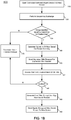
- method 100 begins by opening a connection between the buyer device and the new device (block 110).
- This connection may be established responsive to a registration or broadcast of the existence of the new device within a given network area, which as one example may be an loT network. In other situations, this connection may be responsive to a discovery of the new device by the buyer device.
- a connection is opened between the two devices.
- this secure key exchange may be incorporated into a given secure communication session, such as a Datagram Transport Layer Security (DTLS) session.
- this key exchange may be based on a Diffie-Hellman (DH) key agreement protocol.
- DH Diffie-Hellman
- the keys on which this signature is generated may include the public DH keys of the devices.
- the buyer device may send the signature with a request for ownership title transfer to the new device.
- the new device may perform various operations, including generating a signed hash of the existing ownership title record of the new device (referred to in this embodiment as an "old title") (block 140). If it is determined that the signed hash is verified (diamond 145), control passes to block 150 where the buyer device may generate a new owner record for updating an ownership title record. Details regarding generation of this new owner record are described further herein. The buyer device also may encrypt and sign this new owner record. At block 160, the signed encrypted new owner record may be sent to the new device. As will be described herein, the new device may verify this new title and cause its title to be updated with this new owner record.
- the owner record may be concatenated with or appended to the old title to form the updated or new title.
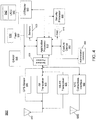
- FIG. 2 shown is a flow diagram of a high level method 200 for device ownership transfer, this time from the point of view of the seller device (namely the new device or the device to become owned by the buyer).
- a connection is opened between the devices and a secure key exchange performed (block 210 and 220) further as described above, the new device can determine whether a group identifier identifies a valid DAA verification key and if so, a signature of DH public keys may be made based on the private DAA key of the new device (diamond 225 and block 230).
- this request is a signed request for an ownership title transfer received from the buyer device.
- this signature is verified. If so, control passes to block 240 where the new device may generate a hash of the old title (namely the current title). This hash may then be sent at block 250. Note that the sending of this hash acts as a verification that the current owner owns the device and a willingness to transfer ownership to the buyer.
- this signed encrypted new owner record includes various information of the new owner.
- the new device may determine whether this new title information is verified. If so, control passes to block 280 where the new title may be generated and stored.
- a new root key (which may be received from the buyer device in connection with the new title) may also be stored.
- the new title generation may be implemented by concatenating the ownership record received from the new device with the existing title information to generate an updated title. Note that if the various verifications do not succeed, control passes to block 270 where the owner transfer protocol is terminated. Understand while shown at this high level in FIG. 2 , many variations and alternatives are possible.
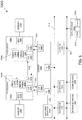
- FIG. 3 shown is a communication diagram of a sequence of communications and operations between a buyer device and a device to which the buyer seeks ownership (also referred to as a second computing device or a seller device), in accordance with an embodiment.
- This ownership transfer may be performed in an environment 300, which may be a given network such as an loT or other network.
- a first computing device 310 (namely a computing device of a buyer B, such as a server computer, desktop computer, tablet computer, smartphone or other portable device) establishes a secure communication channel with a second computing device 320 (device D, currently owned by a seller(S)), to which buyer B seeks ownership.
- device 310 may perform a sub-flow 332 to generate a private DH key, b, of first computing device 310.
- this private key may be generated according to: b ⁇ s ⁇ 0,1 ⁇ n .
- DH keys and/or other calculations described herein may be performed under a selected prime modulus (via modulo arithmetic).
- computing device 310 may select a random integer or n-bit sequence (mod the selected prime).
- a message 334 is sent, which communicates a public DH key, g b , for computing device 310 based on the private DH key.
- the primitive root g is a generator for an abelian group under the selected prime modulus and is used by both computing devices 310 and 320 during the secure key exchange protocol. These devices may use any suitable technique to agree upon the particular primitive root and prime for the exchange.
- second computing device may verify that g b is an element of the Diffie-Hellman group.
- Device 310 also at sub-flow 336 may generate a private DH key, d, of computing device 320, in accordance with: d ⁇ s ⁇ 0,1 ⁇ n .
- computing device 310 generates a public DH key g d based on the private key.
- Second computing device 320 may thus send message 338 including this public DH key g d to first device 310.
- device 310 may verify that g d is an element of the Diffie-Hellman group. Also during sub-flow 340, device 310 may generate a shared public key, g db , perform various pseudo-random function (PRF) calculations, and then generate a keyed hash, t B , e.g., according to a suitable hash algorithm.
- PRF pseudo-random function
- first device 310 may perform the following: g db ⁇ (g d ) b ; dk ⁇ prf(0,g db ) ; delete b and g db ; ak ⁇ prf(dk,1); and f B ⁇ prf(ak,g b
- this group-name may include a hint to find a DAA verification key for a DAA group with which the device is associated.
- t b may be generated to provide a temporary pseudo-random function value, such as a temporary hash used to provide handshake context. Then first device 310 sends message 342, which includes the public DH key, DAA group identifier, and/or the keyed hash of computing device 310, as follows: g b
- a proximity-based security measure or authentication factor may also be contemplated.
- the above messages to provide public DH keys between the devices may further generate those public DH keys based on an out-of-band value.
- a new buyer may be required to confirm proximity to a device via an out-of-band channel such as by way of input of a PIN or other random number.
- the public DH keys in messages 334 and 338 may be modified to g b + PIN and g d + PIN .
- Other out-of-band authentication factors may include proximity authentication by way of near field communication, QR codes, ultrasound or so forth.
- second computing device 320 may generate the value v according to prf(dk, 2). Still further in sub-flow 352, second device 320 may verify sig A over g b
- second device 320 may also calculate: sk ⁇ prf(ak, 3), sid ⁇ hash(g b
- first device 310 may generate a new-title D as title D
- new-owner-record. First device 310 may also verify h hash (title D ) ; verify sig D over g d
- First device 310 may also generate a signature sig ⁇ sig(sk B , v
- second computing device 320 may perform sub-flow 360 to update the ownership record to indicate title is now vested in buyer B .
- second device 320 may use sk to extract vk B and new-title D from ⁇ ; use vk B to verify sig over v
- second device 320 updates the title data structure to a new title having the additional and updated ownership information and transfer information.
- second device 320 replaces the old root device key with a new root device key.
- a hash of the new title may be archived to a third party, e.g., for use in a subsequent title dispute resolution.
- second device 320 may archive a hash of the new title record once it is satisfied that the transfer of ownership from the current owner to the new owner is to be completed. More specifically, this hash may be provided to a third party archive service to enable its use for a subsequent title dispute resolution. Understand that a hash of a previous transfer of ownership (from a previous owner to the current owner) would have already been archived from the previous ownership transfer event.
- the very first ownership establishment event is that of the manufacturer at manufacturing time.
- a manufacturer may register a hash of the first ownership record with this archive service.
- This hash may in fact double as a reference hash used for whitelisting and attestation services seeking to verify a device identifier established at manufacturing.
- this hash may be part of a more complex reference hash describing the device in detail as defined by the Trusted Computing Group (TCG's) platform certificate structure and the reference integrity measurement (RIM) structure as defined by the TCG.
- TCG's Trusted Computing Group
- RIM reference integrity measurement
- embodiments may provide for a less complex variant, such as a three-message Sigma protocol.
- the new title is a concatenation of the previous title; hence a history of previous ownership is preserved when the new owner is established.
- An independent entity may verify ownership transfer events by computing a hash-chain of the transfer events and comparing to the hash of the current title.
- the title is bound to the device by connecting the device-id in the title with the device-id of the device, in an embodiment.
- the device on-boarding and manufacturing process may select a device identifier and embed the identifier in the device, for example, by blowing field programmable fuses representing the device id.
- the new device owner may request that the device change its device ID.
- the device change its device ID For example, programmable read only memory may be reprogrammed with the new device ID.
- the change in device ID may be reflected in the title by including a new device-id value in the device-record.
- device-record : device-id device-description maker-id maker-public-key maker-signature may become:
- the title may be confidentiality protected within a trusted execution environment (TEE) of the device, such as Intel® SGX, Intel® MemCore, Intel® CSE, Intel® VT-X, Intel® IOT-OS with Smack, or ARM TrustZone, etc.
- TEE trusted execution environment
- a TEE specific key may be used to encrypt the title when not contained in the TEE.
- a policy controlling the use of the key may specify that the old-device-id portion is omitted when a read request is submitted to the TEE and the current device ID matches the current device-id in the title.
- An independent verifier may desire to use a read interface to make an independent verification of ownership, but a previous owner may wish to remain anonymous.
- This policy may be achieved by the TEE substituting a hash of the device-id-list in place of the list value and supplying the replacement hash to the verifier entity.
- the verifier may presume the replacement hash is satisfactorily protecting the privacy of previous owners and include this with the verification.
- Embodiments thus use a title to an loT device to track a device owner, and use the title and a Sigma protocol to transfer ownership of a device, including potentially to secondary and tertiary device owners.
- Use of a title provides for independent verification of device ownership status.
- use of a title and a TEE can protect privacy where device ID is changed between owners.
- the verification of the new title is accomplished by way of an exchange in which both buyer and seller establish their mutual intent to effect an ownership transfer (namely that device D accepts buyer B as its new owner, and that buyer B intends to be the owner of device D).
- the hashes of the title may be recorded in a public log.
- a prior owner having its prior device ID may access the log, e.g., to perform a log walk (such as with a blockchain) to verify that they were a prior owner of the device.
- a hash of the previous device ID is retained within the title, to enable validation of the prior owner transfer chain.
- third party verification of ownership transfers may occur where a hash of the title is supplied to a third party logger.
- a hash structure (namely the chained-ORH of Table 1) is maintained by the logger.
- the buyer maintains a previous-owner-record-hash in the title and when a new owner is achieved, a new owner-record-hash is computed to form an updated chained-ORH.
- the updated chained-ORH is sent to the logger.
- the logger maintains the most recent ORH.
- a third party wishes to verify the current owner, it establishes a secure session with the TEE and requests a copy of the chained-ORH value. This received copy is compared to the logged value. If they match then the current owner is corroborated. If the values do not match, then the current owner is not corroborated and the identity (privacy) is not revealed.
- each alleged previous owner provides their owner-record information at the time of transfer. If some or all of the owner-record information is not available, the court may appoint a lab to attempt to reconstruct the owner-record through forensic means. If the lab is successful in reconstructing the owner-record, it is proven that the previous owner was indeed an owner. This may be useful if the court intends to establish use of a computer in the commission of a felony.
- system 900 may be a smartphone or other wireless communicator or any other loT device.
- a baseband processor 905 is configured to perform various signal processing with regard to communication signals to be transmitted from or received by the system.
- baseband processor 905 is coupled to an application processor 910, which may be a main CPU of the system to execute an OS and other system software, in addition to user applications such as many well-known social media and multimedia apps.
- Application processor 910 may further be configured to perform a variety of other computing operations for the device.
- application processor 910 can couple to a user interface/display 920, e.g., a touch screen display.
- application processor 910 may couple to a memory system including a non-volatile memory, namely a flash memory 930 and a system memory, namely a DRAM 935.
- flash memory 930 may include a secure portion 932 in which secrets and other sensitive information may be stored.
- application processor 910 also couples to a capture device 945 such as one or more image capture devices that can record video and/or still images.
- a universal integrated circuit card (UICC) 940 comprises a subscriber identity module, which in some embodiments includes a secure storage 942 to store secure user information.
- System 900 may further include a security processor 950 that may implement a TEE as described earlier, and which may couple to application processor 910.
- application processor 910 may implement a secure mode of operation, such as Intel® SGX for hosting of a TEE, as described earlier.
- a plurality of sensors 925 including one or more multi-axis accelerometers may couple to application processor 910 to enable input of a variety of sensed information such as motion and other environmental information.
- one or more authentication devices 995 may be used to receive, e.g., user biometric input for use in authentication operations.
- a near field communication (NFC) contactless interface 960 is provided that communicates in a NFC near field via an NFC antenna 965. While separate antennae are shown in FIG. 4 , understand that in some implementations one antenna or a different set of antennae may be provided to enable various wireless functionality.
- NFC near field communication
- a power management integrated circuit (PMIC) 915 couples to application processor 910 to perform platform level power management. To this end, PMIC 915 may issue power management requests to application processor 910 to enter certain low power states as desired. Furthermore, based on platform constraints, PMIC 915 may also control the power level of other components of system 900.
- PMIC power management integrated circuit
- a radio frequency (RF) transceiver 970 and a wireless local area network (WLAN) transceiver 975 may be present.
- RF transceiver 970 may be used to receive and transmit wireless data and calls according to a given wireless communication protocol such as 3G or 4G wireless communication protocol such as in accordance with a code division multiple access (CDMA), global system for mobile communication (GSM), long term evolution (LTE) or other protocol.
- CDMA code division multiple access
- GSM global system for mobile communication
- LTE long term evolution
- GPS sensor 980 may be present, with location information being provided to security processor 950 for use as described herein when context information is to be used in a pairing process.
- wireless communications such as receipt or transmission of radio signals, e.g., AM/FM and other signals may also be provided.
- WLAN transceiver 975 local wireless communications, such as according to a BluetoothTM or IEEE 802.11 standard can also be realized.
- multiprocessor system 1000 is a point-to-point interconnect system such as a server system, and includes a first processor 1070 and a second processor 1080 coupled via a point-to-point interconnect 1050.
- processors 1070 and 1080 may be multicore processors such as SoCs, including first and second processor cores (i.e., processor cores 1074a and 1074b and processor cores 1084a and 1084b), although potentially many more cores may be present in the processors.
- processors 1070 and 1080 each may include a secure engine 1075 and 1085 to perform security operations such as attestations, loT network onboarding or so forth.
- first processor 1070 further includes a memory controller hub (MCH) 1072 and point-to-point (P-P) interfaces 1076 and 1078.
- second processor 1080 includes a MCH 1082 and P-P interfaces 1086 and 1088.
- MCH's 1072 and 1082 couple the processors to respective memories, namely a memory 1032 and a memory 1034, which may be portions of main memory (e.g., a DRAM) locally attached to the respective processors.
- First processor 1070 and second processor 1080 may be coupled to a chipset 1090 via P-P interconnects 1052 and 1054, respectively.
- chipset 1090 includes P-P interfaces 1094 and 1098.
- chipset 1090 includes an interface 1092 to couple chipset 1090 with a high performance graphics engine 1038, by a P-P interconnect 1039.
- chipset 1090 may be coupled to a first bus 1016 via an interface 1096.
- various input/output (I/O) devices 1014 may be coupled to first bus 1016, along with a bus bridge 1018 which couples first bus 1016 to a second bus 1020.
- Various devices may be coupled to second bus 1020 including, for example, a keyboard/mouse 1022, communication devices 1026 and a data storage unit 1028 such as a non-volatile storage or other mass storage device.
- data storage unit 1028 may include code 1030, in one embodiment.
- data storage unit 1028 also includes a trusted storage 1029 to store sensitive information to be protected.
- an audio I/O 1024 may be coupled to second bus 1020.
- module 1300 may be an Intel® CurieTM module that includes multiple components adapted within a single small module that can be implemented as all or part of a wearable device.
- module 1300 includes a core 1310 (of course in other embodiments more than one core may be present).
- core 1310 may be a relatively low complexity in-order core, such as based on an Intel Architecture® QuarkTM design.
- core 1310 may implement a TEE as described herein.
- Core 1310 couples to various components including a sensor hub 1320, which may be configured to interact with a plurality of sensors 1380, such as one or more biometric, motion environmental or other sensors.
- a power delivery circuit 1330 is present, along with a non-volatile storage 1340.
- this circuit may include a rechargeable battery and a recharging circuit, which may in one embodiment receive charging power wirelessly.
- One or more input/output (IO) interfaces 1350 such as one or more interfaces compatible with one or more of USB/SPI/I 2 C/GPIO protocols, may be present.
- IO input/output
- a wireless transceiver 1390 which may be a BluetoothTM low energy or other short-range wireless transceiver is present to enable wireless communications as described herein. Understand that in different implementations a wearable module can take many other forms.
- a device comprises: a first processor to execute in a first TEE, where, in the first TEE, the first processor is to: perform a secure key exchange between the device and a second device, responsive to a request to transfer ownership of the device from a seller to a buyer; generate a hash of a first title of the device, the first title comprising a first ownership record having a public key of the seller, where the public key of the seller is endorsed with a signature of a second seller that sold the device to the seller; send the hash of the first title to the second device; receive a new title structure from the second device, the new title structure comprising a second ownership record having a public key of the buyer, where the public key of the buyer is endorsed with a signature of the seller; update the first title of the first device to include the second ownership record; and store the updated first title in a secure storage.
- the device may further include the secure storage coupled to the first processor to store the updated first title.
- Example 2 the first title further comprises: a first set of static fields to store a device description, a manufacturer identifier, a manufacturer public key, and a manufacturer signature field; a second set of dynamic fields to store the buyer public key and an endorsement of the seller; and a device identifier of the device.
- the first TEE is to change the device identifier to a new device identifier responsive to the ownership transfer, and store the new device identifier in the updated first title and in a non-volatile storage of the device.
- Example 4 the first title is to cryptographically bind a plurality of device owners of the device to the first title according to a number of times an ownership transfer occurred.
- Example 5 the first TEE, responsive to a read request from a verifier, is to generate a hash value of a device identifier list of the updated first title.
- Example 6 the first TEE is to provide the hash value to the verifier to enable the verifier to verify an ownership transfer chain of the device, without access to one or more device identifiers.
- Example 7 the first TEE is to establish proximity of the buyer during the secure key exchange, and prevent the ownership transfer if the proximity is not established.
- the updated first title comprises a block chain of a plurality of ownership transactions of the device, where the device is to provide the block chain to a third party for independent validation of an ownership transfer chain of the device.
- a method comprises: receiving, in the device, a first message to request transfer of ownership of the device from a current owner to a new owner, the device having a storage to store a first title including a device identifier for the device and an owner identifier for the current owner, the storage to further store a first root authorization key associated with the current owner; sending a second message from the device to the new owner, the second message including a hash value of the first title; and receiving a third message, in the device, the third message including a second ownership record for the device, the second ownership record generated by the new owner and including a new owner identifier, and concatenating the second ownership record to the first title, to enable ownership of the device to be transferred to the new owner.
- Example 10 the method of Example 9 further comprises storing the concatenated first title in the storage, to associate ownership of the device with the new owner.
- Example 11 the method further comprises replacing the first root authorization key with a second root authorization key received from the new owner.
- Example 12 the method further comprises performing a key exchange between the device and a second device of the new owner, prior to receipt of the first message, to receive a public key of the second device.
- Example 13 the method further comprises receiving a first DAA group verification key of the second device and a first keyed hash, and verifying the first DAA group verification key and the first keyed hash, prior to receipt of the first message.
- Example 14 the method further comprises updating the device identifier for the device to a second device identifier, responsive to the transfer of ownership to the new owner.
- Example 15 the method further comprises encrypting the concatenated first title, where the concatenated first title is to be stored in a secure storage of the device.
- a method comprises: receiving, in a device, a request to transfer of ownership of the device from a seller to a buyer, the device having a storage to store a title including a device identifier for the device and an owner identifier for the seller, the storage to further store a first root authorization key associated with the seller; generating and sending a hash value of the title from the device to a second device associated with the buyer; receiving, in the device, an ownership record for the ownership transfer from the seller to the buyer, the ownership record including a new owner identifier; endorsing, in the device, the ownership record with a signature of the seller; and appending, in the device, the endorsed ownership record to the title, to reflect the ownership transfer from the seller to the buyer, and storing the appended title in a secure storage of the device.
- Example 17 the method of Example 16 further comprises replacing the first root authorization key associated with the seller with a second root authorization key associated with the buyer, the second root authorization key received from the second device.
- Example 18 the method of one or more of the above Examples further comprises performing a secure key exchange between the device and the second device, prior to receipt of the request to transfer ownership of the device, to receive a public key of the second device.
- Example 19 the secure key exchange of one or more of the above Examples comprises: receiving, in the device, a first DAA group verification key and a first keyed hash; and verifying, in the device, the first DAA group verification key and the first keyed hash.
- Example 20 the method of one or more of the above Examples further comprises updating the device identifier for the device to a second device identifier, responsive to the ownership transfer, and storing the second device identifier in the title in a non-volatile storage of the device.
- a computer readable medium including instructions is to perform the method of any of the above Examples.
- a computer readable medium including data is to be used by at least one machine to fabricate at least one integrated circuit to perform the method of any one of the above Examples.
- an apparatus comprises means for performing the method of any one of the above Examples.
- a device comprises: means for receiving a request to transfer of ownership of the device from a seller to a buyer, the device having a storage means for storing a title including a device identifier for the device and an owner identifier for the seller, the storage means for further storing a first root authorization key associated with the seller; means for generating and sending a hash value of the title from the device to a second device associated with the buyer; means for receiving an ownership record for the ownership transfer from the seller to the buyer, the ownership record including a new owner identifier; means for endorsing the ownership record with a signature of the seller; means for appending the endorsed ownership record to the title to reflect the ownership transfer from the seller to the buyer; and means for storing the appended title in a secure storage of the device.
- Example 22 the device of Example 21 further comprises means for replacing the first root authorization key associated with the seller with a second root authorization key associated with the buyer, the second root authorization key received from the second device.
- Example 23 the device of one or more of the above Examples further comprises means for performing a secure key exchange between the device and the second device, prior to receipt of the request to transfer ownership of the device, to receive a public key of the second device.
- Example 24 the device further comprises: means for receiving a first DAA group verification key and a first keyed hash; and means for verifying the first DAA group verification key and the first keyed hash.
- Example 25 the device of one or more of the above Examples further comprises means for updating the device identifier for the device to a second device identifier, responsive to the ownership transfer, and means for storing the second device identifier in the title.
- Embodiments may be used in many different types of systems.
- a communication device can be arranged to perform the various methods and techniques described herein.
- the scope of the present invention is not limited to a communication device, and instead other embodiments can be directed to other types of apparatus for processing instructions, or one or more machine readable media including instructions that in response to being executed on a computing device, cause the device to carry out one or more of the methods and techniques described herein.
- Embodiments may be implemented in code and may be stored on a non-transitory storage medium having stored thereon instructions which can be used to program a system to perform the instructions. Embodiments also may be implemented in data and may be stored on a non-transitory storage medium, which if used by at least one machine, causes the at least one machine to fabricate at least one integrated circuit to perform one or more operations.
- the storage medium may include, but is not limited to, any type of disk including floppy disks, optical disks, solid state drives (SSDs), compact disk read-only memories (CD-ROMs), compact disk rewritables (CD-RWs), and magneto-optical disks, semiconductor devices such as read-only memories (ROMs), random access memories (RAMs) such as dynamic random access memories (DRAMs), static random access memories (SRAMs), erasable programmable read-only memories (EPROMs), flash memories, electrically erasable programmable read-only memories (EEPROMs), magnetic or optical cards, or any other type of media suitable for storing electronic instructions.
- ROMs read-only memories
- RAMs random access memories
- DRAMs dynamic random access memories
- SRAMs static random access memories
- EPROMs erasable programmable read-only memories
- EEPROMs electrically erasable programmable read-only memories
- magnetic or optical cards or any other type of media suitable for storing electronic instructions.
Landscapes
- Engineering & Computer Science (AREA)
- Computer Security & Cryptography (AREA)
- Computer Networks & Wireless Communication (AREA)
- Signal Processing (AREA)
- Business, Economics & Management (AREA)
- Accounting & Taxation (AREA)
- Finance (AREA)
- Strategic Management (AREA)
- Economics (AREA)
- Marketing (AREA)
- Development Economics (AREA)
- Physics & Mathematics (AREA)
- General Business, Economics & Management (AREA)
- General Physics & Mathematics (AREA)
- Theoretical Computer Science (AREA)
- Storage Device Security (AREA)
- Computer Hardware Design (AREA)
- Computing Systems (AREA)
- General Engineering & Computer Science (AREA)
- Power Engineering (AREA)
Claims (12)
- Vorrichtung (310), umfassend:einen Prozessor (950) zum Ausführen in einer ersten vertrauenswürdigen Ausführungsumgebung, TEE, wobei, in der ersten TEE, der erste Prozessor zu Folgendem ausgestaltet ist:Durchführen eines Sicherheitsschlüsselaustauschs zwischen der Vorrichtung (310) und einer zweiten Vorrichtung (320) in Reaktion auf eine Anforderung für einen Übergang eines Eigentums der Vorrichtung von einem Verkäufer auf einen Käufer;Erzeugen eines Hash eines ersten Titels der Vorrichtung, wobei der erste Titel einen ersten Eigentumsdatensatz mit einem öffentlichen Schlüssel des Verkäufers umfasst, wobei der öffentliche Schlüssel des Verkäufers mit einer Signatur eines zweiten Verkäufers bestätigt ist, der die Vorrichtung an den Verkäufer verkauft hat;Senden des Hash des ersten Titels an die zweite Vorrichtung;Empfangen einer neuen Titelstruktur von der zweiten Vorrichtung, wobei die neue Titelstruktur einen zweiten Eigentumsdatensatz mit einem öffentlichen Schlüssel des Käufers umfasst, wobei der öffentliche Schlüssel des Käufers mit einer Signatur des Verkäufers bestätigt ist;Aktualisieren des ersten Titels der ersten Vorrichtung, sodass er den zweiten Eigentumsdatensatz beinhaltet; undSpeichern des aktualisierten ersten Titels in einem sicheren Speicher; undwobei der sichere Speicher mit dem ersten Prozessor zum Speichern des ersten aktualisierten Titels gekoppelt ist.
- Vorrichtung nach Anspruch 1, wobei der erste Titel ferner umfasst:einen ersten Satz von statischen Feldern zum Speichern einer Vorrichtungsbeschreibung, einer Herstellerkennung, eines öffentlichen Herstellerschlüssels und eines Herstellersignaturfelds;einen zweiten Satz von dynamischen Feldern zum Speichern des öffentlichen Käuferschlüssels und einer Bestätigung des Verkäufers; undeine Vorrichtungskennung der Vorrichtung.
- Vorrichtung nach Anspruch 2, wobei die erste TEE die Vorrichtungskennung in eine neue Vorrichtungskennung in Reaktion auf den Eigentumsübergang ändert, und die neue Vorrichtungskennung in dem aktualisierten ersten Titel und in einem nichtflüchtigen Speicher der Vorrichtung speichert.
- Vorrichtung nach Anspruch 1, wobei der erste Titel dem kryptografischen Binden einer Mehrzahl von Vorrichtungseigentümern der Vorrichtung an den ersten Titel gemäß einer Anzahl an Malen, die ein Eigentumsübergang stattgefunden hat, dient.
- Vorrichtung nach einem der Ansprüche 1-4, wobei die erste TEE, in Reaktion auf eine Leseanforderung von einem Verifizierer, der ausgestaltet ist, ein Eigentum zu verifizieren, Erzeugen eines Hashwerts einer Vorrichtungskennungsliste des aktualisierten ersten Titels umfasst.
- Vorrichtung nach Anspruch 5, wobei die erste TEE den Hashwert zu dem Verifizierer bereitstellt, um dem Verifizierer zu ermöglichen, eine Eigentumsübergangskette der Vorrichtung ohne Zugriff auf eine oder mehrere Vorrichtungskennungen zu verifizieren.
- Vorrichtung nach einem der Ansprüche 1-4, wobei die erste TEE eine Nähe des Käufers während des sicheren Schlüsselaustauschs bestimmt, und den Eigentumsübergang verhindert, wenn die Nähe nicht bestimmbar ist.
- Vorrichtung nach einem der Ansprüche 1-4, wobei der aktualisierte erste Titel eine Blockchain einer Mehrzahl von Eigentumstransaktionen der Vorrichtung umfasst, wobei die Vorrichtung die Blockchain zu einem Dritten für eine unabhängige Validierung einer Eigentumsübergangskette der Vorrichtung bereitstellt.
- Verfahren, das durch einen ersten Prozessor in einer ersten vertrauenswürdigen Ausführungsumgebung, TEE, ausführbar ist, wobei das Verfahren die folgenden Schritte umfasst:Durchführen (220) eines Sicherheitsschlüsselaustauschs zwischen der Vorrichtung und einer zweiten Vorrichtung in Reaktion auf eine Anforderung für einen Übergang eines Eigentums der Vorrichtung von einem Verkäufer auf einen Käufer;Erzeugen (240) eines Hash eines ersten Titels der Vorrichtung, wobei der erste Titel einen ersten Eigentumsdatensatz mit einem öffentlichen Schlüssel des Verkäufers umfasst, wobei der öffentliche Schlüssel des Verkäufers mit einer Signatur eines zweiten Verkäufers bestätigt ist, der die Vorrichtung an den Verkäufer verkauft hat;Senden (250) des Hash des ersten Titels an die zweite Vorrichtung;Empfangen (260) einer neuen Titelstruktur von der zweiten Vorrichtung, wobei die neue Titelstruktur einen zweiten Eigentumsdatensatz mit einem öffentlichen Schlüssel des Käufers umfasst, wobei der öffentliche Schlüssel des Käufers mit einer Signatur des Verkäufers bestätigt ist;Aktualisieren des ersten Titels der ersten Vorrichtung, sodass er den zweiten Eigentumsdatensatz beinhaltet; undSpeichern (280) des aktualisierten ersten Titels in einem sicheren Speicher.
- Verfahren nach Anspruch 9, umfassend:Bestätigen, in der Vorrichtung, des Eigentumsdatensatzes mit einer Signatur des Verkäufers; undAnfügen, in der Vorrichtung, des bestätigten Eigentumsdatensatzes an den Titel, um den Eigentumsübergang von dem Verkäufer auf den Käufer widerzuspiegeln, und Speichern des Titels mit der Anfügung in einem sicheren Speicher der Vorrichtung.
- Einrichtung, umfassend Mittel, die ausgelegt sind, ein Verfahren nach einem der Ansprüche 9 bis 10 durchzuführen.
- Maschinenlesbares Speichermedium, umfassend maschinenlesbare Anweisungen, die, wenn sie ausgeführt werden, ausgelegt sind, ein Verfahren nach einem der Ansprüche 9 bis 10 zu implementieren.
Applications Claiming Priority (3)
| Application Number | Priority Date | Filing Date | Title |
|---|---|---|---|
| US201562172886P | 2015-06-09 | 2015-06-09 | |
| US14/865,191 US20160364787A1 (en) | 2015-06-09 | 2015-09-25 | System, apparatus and method for multi-owner transfer of ownership of a device |
| PCT/US2016/033829 WO2016200597A1 (en) | 2015-06-09 | 2016-05-23 | System, apparatus and method for multi-owner transfer of ownership of a device |
Publications (3)
| Publication Number | Publication Date |
|---|---|
| EP3308522A1 EP3308522A1 (de) | 2018-04-18 |
| EP3308522A4 EP3308522A4 (de) | 2019-01-09 |
| EP3308522B1 true EP3308522B1 (de) | 2020-04-01 |
Family
ID=57503169
Family Applications (1)
| Application Number | Title | Priority Date | Filing Date |
|---|---|---|---|
| EP16808011.7A Active EP3308522B1 (de) | 2015-06-09 | 2016-05-23 | System, vorrichtung und verfahren zur übertragung der eigentümerschaft einer vorrichtung zwischen mehreren eigentümern |
Country Status (4)
| Country | Link |
|---|---|
| US (1) | US20160364787A1 (de) |
| EP (1) | EP3308522B1 (de) |
| CN (1) | CN107592964B (de) |
| WO (1) | WO2016200597A1 (de) |
Families Citing this family (72)
| Publication number | Priority date | Publication date | Assignee | Title |
|---|---|---|---|---|
| US10270748B2 (en) | 2013-03-22 | 2019-04-23 | Nok Nok Labs, Inc. | Advanced authentication techniques and applications |
| WO2017021153A1 (en) | 2015-07-31 | 2017-02-09 | British Telecommunications Public Limited Company | Expendable access control |
| EP3329409A1 (de) | 2015-07-31 | 2018-06-06 | British Telecommunications public limited company | Zugangskontrolle |
| CN106572066B (zh) * | 2015-10-10 | 2019-11-22 | 西安西电捷通无线网络通信股份有限公司 | 一种实体身份有效性验证方法及其装置 |
| US9923881B2 (en) | 2015-10-14 | 2018-03-20 | Mcafee, Llc | System, apparatus and method for migrating a device having a platform group |
| US9742740B2 (en) * | 2015-11-18 | 2017-08-22 | Adobe Systems Incorporated | Internet of things datapoint engine |
| US9967102B2 (en) * | 2015-12-18 | 2018-05-08 | International Business Machines Corporation | Managing transfer of device ownership |
| US20170200225A1 (en) * | 2016-01-13 | 2017-07-13 | Itron, Inc. | Secure Customer Key Injection for Build-to-Stock Systems |
| US11130042B2 (en) | 2016-02-02 | 2021-09-28 | Bao Tran | Smart device |
| US10833863B2 (en) * | 2016-02-29 | 2020-11-10 | Intel Corporation | Device provisioning service |
| US11153091B2 (en) | 2016-03-30 | 2021-10-19 | British Telecommunications Public Limited Company | Untrusted code distribution |
| US10022613B2 (en) | 2016-05-02 | 2018-07-17 | Bao Tran | Smart device |
| US10046228B2 (en) | 2016-05-02 | 2018-08-14 | Bao Tran | Smart device |
| CN107438002B (zh) * | 2016-05-27 | 2022-02-11 | 索尼公司 | 基于区块链的系统以及系统中的电子设备和方法 |
| WO2018020371A1 (en) * | 2016-07-29 | 2018-02-01 | nChain Holdings Limited | Blockchain-implemented method and system |
| KR102639135B1 (ko) * | 2016-07-29 | 2024-02-20 | 매직 립, 인코포레이티드 | 암호화방식으로 싸인된 레코드들의 안전한 교환 |
| CN110024357B (zh) * | 2016-09-21 | 2022-01-21 | 锐思拓公司 | 使用分布式分类帐进行数据处理的系统和方法 |
| US10540652B2 (en) * | 2016-11-18 | 2020-01-21 | Intel Corporation | Technology for secure partitioning and updating of a distributed digital ledger |
| US10680915B2 (en) | 2017-03-29 | 2020-06-09 | Cisco Technology, Inc. | Consumption-based licensing of network features based on blockchain transactions |
| US11341237B2 (en) | 2017-03-30 | 2022-05-24 | British Telecommunications Public Limited Company | Anomaly detection for computer systems |
| US11586751B2 (en) | 2017-03-30 | 2023-02-21 | British Telecommunications Public Limited Company | Hierarchical temporal memory for access control |
| US10645557B2 (en) * | 2017-04-04 | 2020-05-05 | Dell Products L.P. | Transferable ownership tokens for discrete, identifiable devices |
| US11671250B2 (en) * | 2017-06-04 | 2023-06-06 | Apple Inc. | Migration for wearable to new companion device |
| US10341105B2 (en) | 2017-06-07 | 2019-07-02 | At&T Intellectual Property I, L.P. | Blockchain-based social media history maps |
| WO2018228952A1 (en) * | 2017-06-12 | 2018-12-20 | British Telecommunications Public Limited Company | Expendable network access |
| US11489693B2 (en) | 2017-06-12 | 2022-11-01 | British Telecommunications Public Limited Company | Home network access |
| GB2565411A (en) * | 2017-06-12 | 2019-02-13 | British Telecomm | Improved hardware security module management |
| US11539701B2 (en) | 2017-06-12 | 2022-12-27 | British Telecommunications Public Limited Company | Network access point |
| WO2018228974A1 (en) * | 2017-06-12 | 2018-12-20 | British Telecommunications Public Limited Company | Expendable cryptographic key access |
| US12256024B2 (en) * | 2017-06-21 | 2025-03-18 | Microsoft Technology Licensing, Llc | Device provisioning |
| US10440006B2 (en) | 2017-06-21 | 2019-10-08 | Microsoft Technology Licensing, Llc | Device with embedded certificate authority |
| US10558812B2 (en) | 2017-06-21 | 2020-02-11 | Microsoft Technology Licensing, Llc | Mutual authentication with integrity attestation |
| US10938560B2 (en) | 2017-06-21 | 2021-03-02 | Microsoft Technology Licensing, Llc | Authorization key escrow |
| DE102017211201A1 (de) * | 2017-06-30 | 2019-01-03 | Siemens Aktiengesellschaft | Verfahren zum asymmetrischen Schlüsselmanagement und sicherheitsrelevante Anlage |
| WO2019028493A1 (en) * | 2017-08-08 | 2019-02-14 | Token One Pty Ltd | METHOD, SYSTEM AND COMPUTER-READABLE MEDIUM FOR USER AUTHENTICATION |
| US11374760B2 (en) | 2017-09-13 | 2022-06-28 | Microsoft Technology Licensing, Llc | Cyber physical key |
| US10549202B2 (en) * | 2017-10-25 | 2020-02-04 | Sony Interactive Entertainment LLC | Blockchain gaming system |
| US11676098B2 (en) | 2017-11-21 | 2023-06-13 | International Business Machines Corporation | Digital twin management in IoT systems |
| US11354615B2 (en) | 2017-11-21 | 2022-06-07 | International Business Machines Corporation | Blockchain-implemented digital agreement management for digital twin assets |
| US11348120B2 (en) * | 2017-11-21 | 2022-05-31 | International Business Machines Corporation | Digital agreement management on digital twin ownership change |
| US11868995B2 (en) | 2017-11-27 | 2024-01-09 | Nok Nok Labs, Inc. | Extending a secure key storage for transaction confirmation and cryptocurrency |
| US11831409B2 (en) | 2018-01-12 | 2023-11-28 | Nok Nok Labs, Inc. | System and method for binding verifiable claims |
| CA3089009A1 (en) * | 2018-01-19 | 2019-07-25 | Nasdaq, Inc. | Systems and methods of digital content certification and verification using cryptography and blockchain |
| CN108647968A (zh) * | 2018-05-10 | 2018-10-12 | 阿里巴巴集团控股有限公司 | 一种区块链数据处理方法、装置、处理设备及系统 |
| CN108710658B (zh) * | 2018-05-11 | 2021-12-03 | 创新先进技术有限公司 | 一种数据记录的存储方法及装置 |
| CN110557351B (zh) * | 2018-05-30 | 2022-02-11 | 百度在线网络技术(北京)有限公司 | 用于生成信息的方法和装置 |
| US11201923B2 (en) | 2018-08-13 | 2021-12-14 | Microsoft Technology Licensing, Llc | Transferring digital device ownership via a signed transfer request |
| CN110826107B (zh) * | 2018-08-14 | 2021-11-19 | 珠海金山办公软件有限公司 | 一种文件签名方法、装置、电子设备及可读存储介质 |
| WO2020041728A1 (en) * | 2018-08-23 | 2020-02-27 | Averon Us, Inc. | Methods, apparatuses, and computer program products for frictionless custody chain management |
| KR102877312B1 (ko) | 2018-09-12 | 2025-10-29 | 삼성전자주식회사 | 전자 장치 및 그의 제어 방법 |
| US10588175B1 (en) * | 2018-10-24 | 2020-03-10 | Capital One Services, Llc | Network of trust with blockchain |
| US11494757B2 (en) | 2018-10-24 | 2022-11-08 | Capital One Services, Llc | Remote commands using network of trust |
| US11842331B2 (en) | 2018-10-24 | 2023-12-12 | Capital One Services, Llc | Network of trust for bill splitting |
| WO2020096161A1 (ko) * | 2018-11-08 | 2020-05-14 | 엘지전자 주식회사 | 무선 통신 시스템에서의 보안 통신 방법 및 장치 |
| US12041039B2 (en) * | 2019-02-28 | 2024-07-16 | Nok Nok Labs, Inc. | System and method for endorsing a new authenticator |
| US10600050B1 (en) * | 2019-03-22 | 2020-03-24 | Onli, Inc. | Secure custody of a ledger token and/or a quantity of cryptocurrency of a distributed ledger network through binding to a possession token |
| US11792024B2 (en) | 2019-03-29 | 2023-10-17 | Nok Nok Labs, Inc. | System and method for efficient challenge-response authentication |
| US11126593B2 (en) | 2019-06-15 | 2021-09-21 | Facebook, Inc. | Scalable, secure, efficient, and adaptable distributed digital ledger transaction network |
| WO2019228549A2 (en) * | 2019-08-12 | 2019-12-05 | Alibaba Group Holding Limited | Blockchain-based service of process |
| CN117591597A (zh) * | 2019-08-12 | 2024-02-23 | 创新先进技术有限公司 | 基于区块链的可信平台 |
| US12067560B2 (en) * | 2019-11-20 | 2024-08-20 | SOURCE Ltd. | System and method for transferring data representing transactions between computing nodes of a computer network |
| KR102346085B1 (ko) * | 2020-04-09 | 2021-12-30 | 건양대학교산학협력단 | 제품의 소유권을 거래하기 위한 방법 |
| KR102347272B1 (ko) * | 2020-04-09 | 2022-01-04 | 건양대학교산학협력단 | 제품의 소유권을 인증하기 위한 방법 |
| CN111737678B (zh) * | 2020-06-18 | 2024-05-24 | 海尔优家智能科技(北京)有限公司 | 目标设备的绑定方法及装置、存储介质、电子装置 |
| CN114338062B (zh) * | 2020-09-29 | 2024-03-19 | 中移物联网有限公司 | 所有权转移方法和装置、物联网平台及可读存储介质 |
| US12155657B2 (en) | 2020-10-16 | 2024-11-26 | Somos, Inc. | Systems and methods for an internet of things device registry display |
| US12610235B2 (en) * | 2020-11-02 | 2026-04-21 | Interdigital Patent Holdings, Inc. | Method and apparatus for provisioning of localized temporary services (LTS) hosting network credentials |
| US12321951B2 (en) | 2021-04-16 | 2025-06-03 | Somos, Inc. | Systems and methods for fraudulent activity detection |
| US11893118B2 (en) * | 2021-05-25 | 2024-02-06 | Microsoft Technology Licensing, Llc | Transfer of ownership of a computing device via a security processor |
| US11804966B2 (en) * | 2021-05-31 | 2023-10-31 | Microsoft Technology Licensing, Llc | Trusted custody chain for verifiable claims |
| KR20230008982A (ko) * | 2021-07-08 | 2023-01-17 | 한국전자통신연구원 | 블록체인 기반 디바이스 소유권 위임 방법 |
| CN116017453B (zh) * | 2022-12-29 | 2026-02-27 | 联想(北京)有限公司 | 所有权转移方法、装置、电子设备及存储介质 |
Family Cites Families (17)
| Publication number | Priority date | Publication date | Assignee | Title |
|---|---|---|---|---|
| JP2002023628A (ja) * | 2000-07-07 | 2002-01-23 | Fujitsu Ltd | 電子的貿易取引サーバ、売主用クライアント、買主用クライアント及び電子的貿易取引方法 |
| GB2389688A (en) * | 2001-01-26 | 2003-12-17 | Shearman & Sterling Llp | Methods and systems for electronically representing records ofobligations |
| US7793355B2 (en) * | 2002-12-12 | 2010-09-07 | Reasearch In Motion Limited | System and method of owner control of electronic devices |
| US7225167B2 (en) | 2003-11-21 | 2007-05-29 | International Business Machines Corporation | Merchandise-integral transaction receipt and auditable product ownership trail |
| US7530098B2 (en) * | 2004-04-28 | 2009-05-05 | Scenera Technologies, Llc | Device ownership transfer from a network |
| JP5146873B2 (ja) * | 2007-09-28 | 2013-02-20 | 日本電気株式会社 | データ処理装置およびシステム、ユーザ携帯端末、販売処理端末、コンピュータプログラム、データ処理方法 |
| US8578153B2 (en) * | 2008-10-28 | 2013-11-05 | Telefonaktiebolaget L M Ericsson (Publ) | Method and arrangement for provisioning and managing a device |
| CN102694781B (zh) * | 2011-03-24 | 2015-12-16 | 中国银联股份有限公司 | 基于互联网的安全性信息交互系统及方法 |
| US8843764B2 (en) * | 2011-07-15 | 2014-09-23 | Cavium, Inc. | Secure software and hardware association technique |
| WO2014020523A1 (en) * | 2012-08-02 | 2014-02-06 | Visa International Service Association | Issuing and storing of payment credentials |
| US8954735B2 (en) | 2012-09-28 | 2015-02-10 | Intel Corporation | Device, method, and system for secure trust anchor provisioning and protection using tamper-resistant hardware |
| US9307405B2 (en) * | 2013-10-17 | 2016-04-05 | Arm Ip Limited | Method for assigning an agent device from a first device registry to a second device registry |
| US20150134954A1 (en) * | 2013-11-14 | 2015-05-14 | Broadcom Corporation | Sensor management system in an iot network |
| CN103793815B (zh) * | 2014-01-23 | 2017-01-11 | 武汉天喻信息产业股份有限公司 | 适用于银行卡和行业卡的移动智能终端收单系统及方法 |
| US9704143B2 (en) * | 2014-05-16 | 2017-07-11 | Goldman Sachs & Co. LLC | Cryptographic currency for securities settlement |
| CN104125216B (zh) * | 2014-06-30 | 2017-12-15 | 华为技术有限公司 | 一种提升可信执行环境安全性的方法、系统及终端 |
| WO2016164496A1 (en) * | 2015-04-06 | 2016-10-13 | Bitmark, Inc. | System and method for decentralized title recordation and authentication |
-
2015
- 2015-09-25 US US14/865,191 patent/US20160364787A1/en not_active Abandoned
-
2016
- 2016-05-23 EP EP16808011.7A patent/EP3308522B1/de active Active
- 2016-05-23 CN CN201680026944.3A patent/CN107592964B/zh active Active
- 2016-05-23 WO PCT/US2016/033829 patent/WO2016200597A1/en not_active Ceased
Non-Patent Citations (1)
| Title |
|---|
| None * |
Also Published As
| Publication number | Publication date |
|---|---|
| WO2016200597A1 (en) | 2016-12-15 |
| CN107592964A (zh) | 2018-01-16 |
| US20160364787A1 (en) | 2016-12-15 |
| CN107592964B (zh) | 2021-05-28 |
| EP3308522A1 (de) | 2018-04-18 |
| EP3308522A4 (de) | 2019-01-09 |
Similar Documents
| Publication | Publication Date | Title |
|---|---|---|
| EP3308522B1 (de) | System, vorrichtung und verfahren zur übertragung der eigentümerschaft einer vorrichtung zwischen mehreren eigentümern | |
| US12041189B2 (en) | Method for storing and recovering key for blockchain-based system, and device therefor | |
| CN109472166B (zh) | 一种电子签章方法、装置、设备及介质 | |
| US11489678B2 (en) | Platform attestation and registration for servers | |
| US20220245724A1 (en) | Securing distributed electronic wallet shares | |
| US9867043B2 (en) | Secure device service enrollment | |
| CN109479049B (zh) | 用于密钥供应委托的系统、设备和方法 | |
| JP6117317B2 (ja) | 否認防止方法、このための決済管理サーバおよび使用者端末 | |
| US10601795B2 (en) | Service processing method and electronic device | |
| US9386045B2 (en) | Device communication based on device trustworthiness | |
| CN108614878B (zh) | 协议数据管理方法、装置、存储介质及系统 | |
| CN109074449B (zh) | 在安全飞地中灵活地供应证明密钥 | |
| US20170178072A1 (en) | System, Apparatus And Method For Transferring Ownership Of A Smart Delivery Package | |
| US8433914B1 (en) | Multi-channel transaction signing | |
| TW202011250A (zh) | 社交密鑰恢復的方法及相關裝置 | |
| CN110545190A (zh) | 一种签名处理的方法、相关装置以及设备 | |
| US11943210B2 (en) | System and method for distributed, keyless electronic transactions with authentication | |
| CN112035897A (zh) | 区块链存证方法和相关装置 | |
| CN112805702A (zh) | 仿冒app识别方法及装置 | |
| JP6939313B2 (ja) | 分散認証システム | |
| KR102209531B1 (ko) | 클라우드 환경에서 인증서 및 개인키의 저장 방법 및 그 인증서 및 개인키를 다운로드 하는 방법 | |
| KR102925552B1 (ko) | 전자 장치의 고유 정보에 대한 무결성을 보장하는 전자 장치 및 그의 동작 방법 | |
| EP4506842B1 (de) | Verfahren zur durchführung eines verifizierten starts einer virtuellen maschine | |
| CN119227110A (zh) | 模型获取方法、模型部署方法、装置、电子设备、服务器、介质及计算机程序产品 | |
| HK40009329B (zh) | 协议数据管理方法、装置、存储介质及系统 |
Legal Events
| Date | Code | Title | Description |
|---|---|---|---|
| STAA | Information on the status of an ep patent application or granted ep patent |
Free format text: STATUS: THE INTERNATIONAL PUBLICATION HAS BEEN MADE |
|
| PUAI | Public reference made under article 153(3) epc to a published international application that has entered the european phase |
Free format text: ORIGINAL CODE: 0009012 |
|
| STAA | Information on the status of an ep patent application or granted ep patent |
Free format text: STATUS: REQUEST FOR EXAMINATION WAS MADE |
|
| 17P | Request for examination filed |
Effective date: 20171107 |
|
| AK | Designated contracting states |
Kind code of ref document: A1 Designated state(s): AL AT BE BG CH CY CZ DE DK EE ES FI FR GB GR HR HU IE IS IT LI LT LU LV MC MK MT NL NO PL PT RO RS SE SI SK SM TR |
|
| AX | Request for extension of the european patent |
Extension state: BA ME |
|
| RIN1 | Information on inventor provided before grant (corrected) |
Inventor name: SMITH, NED M. Inventor name: SASTRY, MANOJ R. Inventor name: HERBERT, HOWARD C. Inventor name: WALKER, JESSE |
|
| DAV | Request for validation of the european patent (deleted) | ||
| DAX | Request for extension of the european patent (deleted) | ||
| A4 | Supplementary search report drawn up and despatched |
Effective date: 20181211 |
|
| RIC1 | Information provided on ipc code assigned before grant |
Ipc: H04L 29/06 20060101AFI20181205BHEP Ipc: H04L 29/08 20060101ALI20181205BHEP |
|
| GRAP | Despatch of communication of intention to grant a patent |
Free format text: ORIGINAL CODE: EPIDOSNIGR1 |
|
| STAA | Information on the status of an ep patent application or granted ep patent |
Free format text: STATUS: GRANT OF PATENT IS INTENDED |
|
| INTG | Intention to grant announced |
Effective date: 20191113 |
|
| GRAS | Grant fee paid |
Free format text: ORIGINAL CODE: EPIDOSNIGR3 |
|
| GRAA | (expected) grant |
Free format text: ORIGINAL CODE: 0009210 |
|
| STAA | Information on the status of an ep patent application or granted ep patent |
Free format text: STATUS: THE PATENT HAS BEEN GRANTED |
|
| AK | Designated contracting states |
Kind code of ref document: B1 Designated state(s): AL AT BE BG CH CY CZ DE DK EE ES FI FR GB GR HR HU IE IS IT LI LT LU LV MC MK MT NL NO PL PT RO RS SE SI SK SM TR |
|
| REG | Reference to a national code |
Ref country code: GB Ref legal event code: FG4D |
|
| REG | Reference to a national code |
Ref country code: CH Ref legal event code: EP Ref country code: AT Ref legal event code: REF Ref document number: 1252828 Country of ref document: AT Kind code of ref document: T Effective date: 20200415 |
|
| REG | Reference to a national code |
Ref country code: DE Ref legal event code: R096 Ref document number: 602016033191 Country of ref document: DE |
|
| REG | Reference to a national code |
Ref country code: IE Ref legal event code: FG4D |
|
| REG | Reference to a national code |
Ref country code: NL Ref legal event code: FP |
|
| PG25 | Lapsed in a contracting state [announced via postgrant information from national office to epo] |
Ref country code: BG Free format text: LAPSE BECAUSE OF FAILURE TO SUBMIT A TRANSLATION OF THE DESCRIPTION OR TO PAY THE FEE WITHIN THE PRESCRIBED TIME-LIMIT Effective date: 20200701 |
|
| REG | Reference to a national code |
Ref country code: LT Ref legal event code: MG4D |
|
| PG25 | Lapsed in a contracting state [announced via postgrant information from national office to epo] |
Ref country code: SE Free format text: LAPSE BECAUSE OF FAILURE TO SUBMIT A TRANSLATION OF THE DESCRIPTION OR TO PAY THE FEE WITHIN THE PRESCRIBED TIME-LIMIT Effective date: 20200401 Ref country code: PT Free format text: LAPSE BECAUSE OF FAILURE TO SUBMIT A TRANSLATION OF THE DESCRIPTION OR TO PAY THE FEE WITHIN THE PRESCRIBED TIME-LIMIT Effective date: 20200817 Ref country code: LT Free format text: LAPSE BECAUSE OF FAILURE TO SUBMIT A TRANSLATION OF THE DESCRIPTION OR TO PAY THE FEE WITHIN THE PRESCRIBED TIME-LIMIT Effective date: 20200401 Ref country code: CZ Free format text: LAPSE BECAUSE OF FAILURE TO SUBMIT A TRANSLATION OF THE DESCRIPTION OR TO PAY THE FEE WITHIN THE PRESCRIBED TIME-LIMIT Effective date: 20200401 Ref country code: NO Free format text: LAPSE BECAUSE OF FAILURE TO SUBMIT A TRANSLATION OF THE DESCRIPTION OR TO PAY THE FEE WITHIN THE PRESCRIBED TIME-LIMIT Effective date: 20200701 Ref country code: GR Free format text: LAPSE BECAUSE OF FAILURE TO SUBMIT A TRANSLATION OF THE DESCRIPTION OR TO PAY THE FEE WITHIN THE PRESCRIBED TIME-LIMIT Effective date: 20200702 Ref country code: IS Free format text: LAPSE BECAUSE OF FAILURE TO SUBMIT A TRANSLATION OF THE DESCRIPTION OR TO PAY THE FEE WITHIN THE PRESCRIBED TIME-LIMIT Effective date: 20200801 Ref country code: FI Free format text: LAPSE BECAUSE OF FAILURE TO SUBMIT A TRANSLATION OF THE DESCRIPTION OR TO PAY THE FEE WITHIN THE PRESCRIBED TIME-LIMIT Effective date: 20200401 |
|
| REG | Reference to a national code |
Ref country code: AT Ref legal event code: MK05 Ref document number: 1252828 Country of ref document: AT Kind code of ref document: T Effective date: 20200401 |
|
| PG25 | Lapsed in a contracting state [announced via postgrant information from national office to epo] |
Ref country code: LV Free format text: LAPSE BECAUSE OF FAILURE TO SUBMIT A TRANSLATION OF THE DESCRIPTION OR TO PAY THE FEE WITHIN THE PRESCRIBED TIME-LIMIT Effective date: 20200401 Ref country code: HR Free format text: LAPSE BECAUSE OF FAILURE TO SUBMIT A TRANSLATION OF THE DESCRIPTION OR TO PAY THE FEE WITHIN THE PRESCRIBED TIME-LIMIT Effective date: 20200401 Ref country code: RS Free format text: LAPSE BECAUSE OF FAILURE TO SUBMIT A TRANSLATION OF THE DESCRIPTION OR TO PAY THE FEE WITHIN THE PRESCRIBED TIME-LIMIT Effective date: 20200401 |
|
| PG25 | Lapsed in a contracting state [announced via postgrant information from national office to epo] |
Ref country code: AL Free format text: LAPSE BECAUSE OF FAILURE TO SUBMIT A TRANSLATION OF THE DESCRIPTION OR TO PAY THE FEE WITHIN THE PRESCRIBED TIME-LIMIT Effective date: 20200401 |
|
| REG | Reference to a national code |
Ref country code: DE Ref legal event code: R097 Ref document number: 602016033191 Country of ref document: DE |
|
| PG25 | Lapsed in a contracting state [announced via postgrant information from national office to epo] |
Ref country code: LI Free format text: LAPSE BECAUSE OF NON-PAYMENT OF DUE FEES Effective date: 20200531 Ref country code: RO Free format text: LAPSE BECAUSE OF FAILURE TO SUBMIT A TRANSLATION OF THE DESCRIPTION OR TO PAY THE FEE WITHIN THE PRESCRIBED TIME-LIMIT Effective date: 20200401 Ref country code: AT Free format text: LAPSE BECAUSE OF FAILURE TO SUBMIT A TRANSLATION OF THE DESCRIPTION OR TO PAY THE FEE WITHIN THE PRESCRIBED TIME-LIMIT Effective date: 20200401 Ref country code: ES Free format text: LAPSE BECAUSE OF FAILURE TO SUBMIT A TRANSLATION OF THE DESCRIPTION OR TO PAY THE FEE WITHIN THE PRESCRIBED TIME-LIMIT Effective date: 20200401 Ref country code: MC Free format text: LAPSE BECAUSE OF FAILURE TO SUBMIT A TRANSLATION OF THE DESCRIPTION OR TO PAY THE FEE WITHIN THE PRESCRIBED TIME-LIMIT Effective date: 20200401 Ref country code: SM Free format text: LAPSE BECAUSE OF FAILURE TO SUBMIT A TRANSLATION OF THE DESCRIPTION OR TO PAY THE FEE WITHIN THE PRESCRIBED TIME-LIMIT Effective date: 20200401 Ref country code: EE Free format text: LAPSE BECAUSE OF FAILURE TO SUBMIT A TRANSLATION OF THE DESCRIPTION OR TO PAY THE FEE WITHIN THE PRESCRIBED TIME-LIMIT Effective date: 20200401 Ref country code: CH Free format text: LAPSE BECAUSE OF NON-PAYMENT OF DUE FEES Effective date: 20200531 Ref country code: DK Free format text: LAPSE BECAUSE OF FAILURE TO SUBMIT A TRANSLATION OF THE DESCRIPTION OR TO PAY THE FEE WITHIN THE PRESCRIBED TIME-LIMIT Effective date: 20200401 Ref country code: IT Free format text: LAPSE BECAUSE OF FAILURE TO SUBMIT A TRANSLATION OF THE DESCRIPTION OR TO PAY THE FEE WITHIN THE PRESCRIBED TIME-LIMIT Effective date: 20200401 |
|
| PLBE | No opposition filed within time limit |
Free format text: ORIGINAL CODE: 0009261 |
|
| STAA | Information on the status of an ep patent application or granted ep patent |
Free format text: STATUS: NO OPPOSITION FILED WITHIN TIME LIMIT |
|
| PG25 | Lapsed in a contracting state [announced via postgrant information from national office to epo] |
Ref country code: SK Free format text: LAPSE BECAUSE OF FAILURE TO SUBMIT A TRANSLATION OF THE DESCRIPTION OR TO PAY THE FEE WITHIN THE PRESCRIBED TIME-LIMIT Effective date: 20200401 Ref country code: PL Free format text: LAPSE BECAUSE OF FAILURE TO SUBMIT A TRANSLATION OF THE DESCRIPTION OR TO PAY THE FEE WITHIN THE PRESCRIBED TIME-LIMIT Effective date: 20200401 |
|
| 26N | No opposition filed |
Effective date: 20210112 |
|
| REG | Reference to a national code |
Ref country code: BE Ref legal event code: MM Effective date: 20200531 |
|
| PG25 | Lapsed in a contracting state [announced via postgrant information from national office to epo] |
Ref country code: LU Free format text: LAPSE BECAUSE OF NON-PAYMENT OF DUE FEES Effective date: 20200523 |
|
| PG25 | Lapsed in a contracting state [announced via postgrant information from national office to epo] |
Ref country code: IE Free format text: LAPSE BECAUSE OF NON-PAYMENT OF DUE FEES Effective date: 20200523 |
|
| PG25 | Lapsed in a contracting state [announced via postgrant information from national office to epo] |
Ref country code: BE Free format text: LAPSE BECAUSE OF NON-PAYMENT OF DUE FEES Effective date: 20200531 Ref country code: SI Free format text: LAPSE BECAUSE OF FAILURE TO SUBMIT A TRANSLATION OF THE DESCRIPTION OR TO PAY THE FEE WITHIN THE PRESCRIBED TIME-LIMIT Effective date: 20200401 |
|
| REG | Reference to a national code |
Ref country code: DE Ref legal event code: R079 Ref document number: 602016033191 Country of ref document: DE Free format text: PREVIOUS MAIN CLASS: H04L0029060000 Ipc: H04L0065000000 |
|
| PG25 | Lapsed in a contracting state [announced via postgrant information from national office to epo] |
Ref country code: TR Free format text: LAPSE BECAUSE OF FAILURE TO SUBMIT A TRANSLATION OF THE DESCRIPTION OR TO PAY THE FEE WITHIN THE PRESCRIBED TIME-LIMIT Effective date: 20200401 Ref country code: MT Free format text: LAPSE BECAUSE OF FAILURE TO SUBMIT A TRANSLATION OF THE DESCRIPTION OR TO PAY THE FEE WITHIN THE PRESCRIBED TIME-LIMIT Effective date: 20200401 Ref country code: CY Free format text: LAPSE BECAUSE OF FAILURE TO SUBMIT A TRANSLATION OF THE DESCRIPTION OR TO PAY THE FEE WITHIN THE PRESCRIBED TIME-LIMIT Effective date: 20200401 |
|
| PG25 | Lapsed in a contracting state [announced via postgrant information from national office to epo] |
Ref country code: MK Free format text: LAPSE BECAUSE OF FAILURE TO SUBMIT A TRANSLATION OF THE DESCRIPTION OR TO PAY THE FEE WITHIN THE PRESCRIBED TIME-LIMIT Effective date: 20200401 |
|
| P01 | Opt-out of the competence of the unified patent court (upc) registered |
Effective date: 20230518 |
|
| PGFP | Annual fee paid to national office [announced via postgrant information from national office to epo] |
Ref country code: NL Payment date: 20241203 Year of fee payment: 10 |
|
| PGFP | Annual fee paid to national office [announced via postgrant information from national office to epo] |
Ref country code: FR Payment date: 20241129 Year of fee payment: 10 |
|
| PGFP | Annual fee paid to national office [announced via postgrant information from national office to epo] |
Ref country code: DE Payment date: 20250325 Year of fee payment: 10 |
|
| PGFP | Annual fee paid to national office [announced via postgrant information from national office to epo] |
Ref country code: GB Payment date: 20260323 Year of fee payment: 11 |