EP3305891A1 - Cell culturing method using nucleic acid-containing medium - Google Patents
Cell culturing method using nucleic acid-containing medium Download PDFInfo
- Publication number
- EP3305891A1 EP3305891A1 EP16800098.2A EP16800098A EP3305891A1 EP 3305891 A1 EP3305891 A1 EP 3305891A1 EP 16800098 A EP16800098 A EP 16800098A EP 3305891 A1 EP3305891 A1 EP 3305891A1
- Authority
- EP
- European Patent Office
- Prior art keywords
- culture
- deoxyuridine
- thymidine
- cells
- deoxycytidine
- Prior art date
- Legal status (The legal status is an assumption and is not a legal conclusion. Google has not performed a legal analysis and makes no representation as to the accuracy of the status listed.)
- Granted
Links
Images



Classifications
-
- C—CHEMISTRY; METALLURGY
- C12—BIOCHEMISTRY; BEER; SPIRITS; WINE; VINEGAR; MICROBIOLOGY; ENZYMOLOGY; MUTATION OR GENETIC ENGINEERING
- C12N—MICROORGANISMS OR ENZYMES; COMPOSITIONS THEREOF; PROPAGATING, PRESERVING, OR MAINTAINING MICROORGANISMS; MUTATION OR GENETIC ENGINEERING; CULTURE MEDIA
- C12N5/00—Undifferentiated human, animal or plant cells, e.g. cell lines; Tissues; Cultivation or maintenance thereof; Culture media therefor
- C12N5/0018—Culture media for cell or tissue culture
-
- C—CHEMISTRY; METALLURGY
- C12—BIOCHEMISTRY; BEER; SPIRITS; WINE; VINEGAR; MICROBIOLOGY; ENZYMOLOGY; MUTATION OR GENETIC ENGINEERING
- C12P—FERMENTATION OR ENZYME-USING PROCESSES TO SYNTHESISE A DESIRED CHEMICAL COMPOUND OR COMPOSITION OR TO SEPARATE OPTICAL ISOMERS FROM A RACEMIC MIXTURE
- C12P21/00—Preparation of peptides or proteins
- C12P21/02—Preparation of peptides or proteins having a known sequence of two or more amino acids, e.g. glutathione
-
- C—CHEMISTRY; METALLURGY
- C07—ORGANIC CHEMISTRY
- C07K—PEPTIDES
- C07K16/00—Immunoglobulins [IG], e.g. monoclonal or polyclonal antibodies
-
- C—CHEMISTRY; METALLURGY
- C12—BIOCHEMISTRY; BEER; SPIRITS; WINE; VINEGAR; MICROBIOLOGY; ENZYMOLOGY; MUTATION OR GENETIC ENGINEERING
- C12N—MICROORGANISMS OR ENZYMES; COMPOSITIONS THEREOF; PROPAGATING, PRESERVING, OR MAINTAINING MICROORGANISMS; MUTATION OR GENETIC ENGINEERING; CULTURE MEDIA
- C12N1/00—Microorganisms; Compositions thereof; Processes of propagating, maintaining or preserving microorganisms or compositions thereof; Processes of preparing or isolating a composition containing a microorganism; Culture media therefor
-
- C—CHEMISTRY; METALLURGY
- C12—BIOCHEMISTRY; BEER; SPIRITS; WINE; VINEGAR; MICROBIOLOGY; ENZYMOLOGY; MUTATION OR GENETIC ENGINEERING
- C12N—MICROORGANISMS OR ENZYMES; COMPOSITIONS THEREOF; PROPAGATING, PRESERVING, OR MAINTAINING MICROORGANISMS; MUTATION OR GENETIC ENGINEERING; CULTURE MEDIA
- C12N5/00—Undifferentiated human, animal or plant cells, e.g. cell lines; Tissues; Cultivation or maintenance thereof; Culture media therefor
- C12N5/10—Cells modified by introduction of foreign genetic material
-
- C—CHEMISTRY; METALLURGY
- C12—BIOCHEMISTRY; BEER; SPIRITS; WINE; VINEGAR; MICROBIOLOGY; ENZYMOLOGY; MUTATION OR GENETIC ENGINEERING
- C12P—FERMENTATION OR ENZYME-USING PROCESSES TO SYNTHESISE A DESIRED CHEMICAL COMPOUND OR COMPOSITION OR TO SEPARATE OPTICAL ISOMERS FROM A RACEMIC MIXTURE
- C12P21/00—Preparation of peptides or proteins
-
- C—CHEMISTRY; METALLURGY
- C12—BIOCHEMISTRY; BEER; SPIRITS; WINE; VINEGAR; MICROBIOLOGY; ENZYMOLOGY; MUTATION OR GENETIC ENGINEERING
- C12N—MICROORGANISMS OR ENZYMES; COMPOSITIONS THEREOF; PROPAGATING, PRESERVING, OR MAINTAINING MICROORGANISMS; MUTATION OR GENETIC ENGINEERING; CULTURE MEDIA
- C12N2500/00—Specific components of cell culture medium
- C12N2500/30—Organic components
- C12N2500/40—Nucleotides, nucleosides or bases
-
- C—CHEMISTRY; METALLURGY
- C12—BIOCHEMISTRY; BEER; SPIRITS; WINE; VINEGAR; MICROBIOLOGY; ENZYMOLOGY; MUTATION OR GENETIC ENGINEERING
- C12N—MICROORGANISMS OR ENZYMES; COMPOSITIONS THEREOF; PROPAGATING, PRESERVING, OR MAINTAINING MICROORGANISMS; MUTATION OR GENETIC ENGINEERING; CULTURE MEDIA
- C12N2510/00—Genetically modified cells
Definitions
- the present invention relates to a method for culturing cells producing a desired protein to thereby prepare said protein, and a method for preparing said protein using said culture method. More particularly, this invention relates to a method for culturing cells producing a desired protein to thereby prepare said protein, the method characterized in that adding nucleic acid components (deoxyuridine, thymidine, deoxycytidine, or a salt(s) thereof) to a culture medium enables promotion of cell growth, maintenance of cell viability rate, and enhancement of protein productivity.
- nucleic acid components deoxyuridine, thymidine, deoxycytidine, or a salt(s) thereof
- nucleic acid components used in the development of culture media it has been reported that adding thymidine (0.2-7 mg/L) and uridine (5-10 mg/L) to a culture medium enables enhancement of cell growth and cell viability (PTL 1).
- thymidine 0.2-7 mg/L
- uridine 5-10 mg/L
- PTL 1 cell growth and cell viability
- nucleic acid component uridine With regard to the nucleic acid component uridine, there was a report on the investigation of the effects of uridine feeding on the quality of a protein product (NPL 3), but no suggestion is made therein as to the improvement of protein production.
- An object of the present invention is to provide an animal cell culture method which is high in protein productivity.
- the present inventors have conducted considerable ingenious studies on culture media for animal cells.
- a nucleic acid component(s) deoxyuridine, thymidine, and/or deoxycytidine, or a salt(s) thereof
- adding a nucleic acid component(s) deoxyuridine, thymidine, and/or deoxycytidine, or a salt(s) thereof
- a nucleic acid component(s) deoxyuridine, thymidine, and/or deoxycytidine, or a salt(s) thereof
- the present invention includes the following.
- the methods of the present invention which are a method for culturing animal cells and a method for producing a protein, produce advantageous effects, which are promotion of cell growth, maintenance of cell viability, and enhancement of the protein productivity of animal cells.
- the present invention relates to a method for culturing animal cells in a culture medium comprising a nucleic acid component, and to a method for producing a protein, the method comprising the step of culturing animal cells expressing the protein in a culture medium comprising a nucleic acid component.
- nucleic acid component(s) refers to one or more substances selected from the group consisting of deoxyuridine (dU), thymidine (dT) and deoxycytidine (dC), or salts thereof.
- the culture medium used in the methods of the present invention comprises deoxyuridine or a salt thereof.
- the culture medium used in the methods of this invention further comprises thymidine and/or deoxycytidine, or a salt(s) thereof.
- Examples of the salts of deoxyuridine, thymidine, and deoxycytidine include, but are not particularly limited to, metallic salts such as sodium salt, inorganic salts such as ammonium salt, hydrohalogenic acid salts such as hydrochloride, inorganic acid salts, and organic acid salts.
- metallic salts such as sodium salt
- inorganic salts such as ammonium salt
- hydrohalogenic acid salts such as hydrochloride
- inorganic acid salts such as organic acid salts.
- a preferred example of said salts is hydrochloride.
- Culturing animal cells in a culture medium having added thereto deoxyuridine or a salt thereof produces various effects on the cultured animal cells, which are promotion of cell growth and enhancement of protein productivity.
- Culturing animal cells in a culture medium having added thereto deoxyuridine, thymidine, and deoxycytidine, or salts thereof produces various effects on the cultured animal cells, which are promotion of cell growth, maintenance or improvement of cell viability, and enhancement of protein productivity. It was confirmed that, as compared to addition of deoxyuridine or thymidine alone, addition of all three of deoxyuridine, thymidine, and deoxycytidine creates a synergistic effect.
- Deoxyuridine or a salt thereof is present in a culture medium at a concentration of, for example, not less than 5 mg/L and not more than 500 mg/L, preferably not less than 5 mg/L and not more than 200 mg/L, not less than 10 mg/L and not more than 500 mg/L, not less than 10 mg/L and not more than 200 mg/L, not less than 15 mg/L and not more than 100 mg/L, not less than 20 mg/L and not more than 100 mg/L, not less than 25 mg/L and not more than 100 mg/L, not less than 15 mg/L and not more than 85 mg/L, not less than 20 mg/L and not more than 85 mg/L, or not less than 25 mg/L and not more than 85 mg/L.
- Thymidine or a salt thereof is present in a culture medium at a concentration of, for example, not less than 15 mg/L and not more than 50 mg/L, preferably not less than 20 mg/L and not more than 50 mg/L, or not less than 25 mg/L and not more than 50 mg/L.
- Deoxycytidine or a salt thereof is present in a culture medium at a concentration of, for example, not less than 15 mg/L and not more than 50 mg/L, preferably not less than 20 mg/L and not more than 50 mg/L, or not less than 25 mg/L and not more than 50 mg/L.
- the culture medium used in the methods of the present invention is not particularly limited as long as the culture medium is capable of proliferating animal cells and comprises the nucleic acid component(s) as described above.
- One skilled in the art can select an appropriate culture medium depending on the type of the cells to be cultured.
- a culture medium prepared by adding the aforementioned nucleic acid component(s) to a culture medium selected from the group consisting of CD CHO Medium (Life Technologies), CD OptiCHO Medium (Life Technologies), DMEM (Life Technologies), EX-CELL® 302 (Sigma), and BD Select CD1000 (BD Bioscience).
- the animal cells cultured in the methods of the present invention are not particularly limited.
- Examples of the animal cells include Chinese hamster ovary (CHO) cells, hybridoma cells, human embryonic kidney (HEK293) cells, murine myeloma (Sp2/0 or NS0) cells, baby hamster kidney (BHK) cells, and African green monkey kidney (COS) cells.
- the animal cells are animal cells expressing a desired protein.
- the protein-expressing animal cells can be wild-type cells expressing a desired protein, or can be cells having introduced therein a gene encoding a desired protein.
- the cells having introduced therein a protein-coding gene are recombinant cells transfected with an expression vector that permits expression of a protein-coding gene in cells.
- the expression vector can be a DNA vector or an RNA vector, and typically can be a plasmid vector or a viral vector.
- the protein to be expressed by the animal cells can be selected by one skilled in the art as appropriate.
- the protein is an antibody.
- the present invention provides a method for culturing animal cells.
- Said culture method comprises the step of culturing animal cells in a culture medium comprising nucleic acid components.
- nucleic acid components The type(s) and amount(s) added of the nucleic acid components to be adopted in specific embodiments are as described above in the section titled "Nucleic acid components”. Also, the culture medium to be used and the animal cells to be cultured are as described above in the sections titled “Culture medium” and “Animal cells”, respectively.
- the culture conditions can be selected by one skilled in the art as appropriate depending on the type of the animal cells.
- CHO cells are preferably cultured under the conditions of 36.5°C and 5% CO 2 .
- the culture mode can be selected by one skilled in the art as appropriate depending on the type of the animal cells and the culture conditions. For example, different culture modes used for seed culture and production culture can be adopted, such as fed-batch culture, batch culture, perfusion culture and continuous culture.
- the culture system is not particularly limited, and cell culture can be performed in various culture systems such as stirred-tank bioreactor system and hollow fiber bioreactor system.
- the culture scale is not particularly limited, and cell culture can be performed on different culture scales such as flask, benchtop bioreactor and tank bioreactor scales.
- the timing and frequency of adding a nucleic acid component(s) to a culture medium are not particularly limited.
- addition can be done, for example, at the start of culture or after the start of culture.
- addition can be done, for example, after 1 hour, 5 hours, 10 hours, 15 hours, 24 hours (1 day), 36 hours, 48 hours (2 days), 3 days, 4 days, or 5 days from the start of culture.
- the frequency of adding nucleic acid components addition can be done, for example, just once, or several times ( e.g., 2, 3, 4, 5 times) in divided doses.
- Culturing animal cells in a culture medium comprising nucleic acid component(s) produces various effects, which are promotion of cell growth and/or maintenance of cell viability, or enhancement of protein productivity in the case of using animal cells expressing a protein.
- the relationship of the specific type(s) of the nucleic acid components to be added with the observed effects is as described above in the section titled "Nucleic acid components”.
- the present invention provides a method for producing a protein by culturing animal cells expressing the protein.
- Said method comprises the step of culturing animal cells expressing a protein in a culture medium comprising nucleic acid components.
- the type(s) and amount(s) added of the nucleic acid components are as described above in the section titled "Nucleic acid components”.
- the culture medium to be used and the animal cells to be cultured are as described above in the sections titled “Culture medium” and “Animal cells”, respectively.
- the culture conditions, culture mode, culture scale, and the timing and frequency of adding nucleic acid components to a culture medium are as described above in the section titled "Method for culturing animal cells”.
- the method for producing a protein not only comprises the step of culturing animal cells expressing a protein in a culture medium comprising nucleic acid components, but also may further comprise the step of recovering the protein produced by culturing animal cells.
- Protein recovery can be done by one skilled in the art as appropriate depending on the properties of the expressed protein.
- Various types of chromatography such as gel filtration chromatography, ion exchange chromatography, and affinity chromatography, can be used for this purpose.
- affinity chromatography with a protein A- or protein G-bound carrier can be used to recover the antibody.
- Culturing animal cells expressing a protein in a culture medium comprising nucleic acid components produces various effects, which are promotion of cell growth, maintenance of cell viability, and/or enhancement of protein productivity.
- the relationship of the specific type(s) of the nucleic acid components to be added with the observed effects is as described above in the section titled "Nucleic acid components”.
- a culture medium for animal cells as a cell growth medium, fed-batch culture of an IgG-expressing CHO cell line (a CHO cell line in which an anti-human thymic stromal lymphopoietin (TSLP) receptor antibody (fully human T7-27) had been recombinantly expressed, as described in WO 2015/020193 ) was started at an initial viable cell density of 1 ⁇ 10 6 cells/mL under the conditions of 36.5°C and 5% CO 2 . On day 2 of culture, deoxyuridine was added to cultures to a final concentration of 10, 25, 50, 100 or 200 mg/L. The culture was continued until day 14 of culture while a feed medium was added everyday from day 2 of culture. Sampling was done at appropriate timings.
- TSLP thymic stromal lymphopoietin
- Viable cell densities were measured by trypan blue exclusion study, and antibody concentrations were measured by protein A column HPLC.
- the highest viable cell density observed during the 14 days of culture was about 10 ⁇ 10 6 cells/mL, and the antibody concentration on the final day of culture was 3.3 g/L.
- the highest viable cell density observed during the 14 days of culture was about 18 ⁇ 10 6 cells/mL, and the antibody concentration on the final day of culture was 5.5 g/L ; these values were higher than control.
- the results suggested that deoxyuridine is capable of enhancing cell proliferation and antibody production.
- the cells showed responses to deoxyuridine addition; they were observed to exhibit enhanced cell growth and antibody production. It was also observed that even addition of 10 mg/mL deoxyuridine enhancedantibody production during the cell culture until day 10 to day 12.
- a culture medium for animal cells as a cell growth medium, fed-batch culture of an IgG-expressing CHO cell line (a CHO cell line in which an anti-human TSLP receptor antibody (fully human T7-27) had been recombinantly expressed, as described in WO 2015/020193 ) was started at an initial viable cell density of 1 ⁇ 10 6 cells/mL under the conditions of 36.5°C and 5% CO 2 .
- thymidine and deoxycytidine hydrochloride (in the working examples given in the subject specification, deoxycytidine hydrochloride was actually used as deoxycytidine, and the concentrations of deoxycytidine hydrochloride are expressed by using the converted concentration value of deoxycytidine from deoxycytidine hydrochloride.) were each added to cultures to a final concentration of 25 mg/L, and deoxyuridine was added to a final concentration of 10, 25, 40, 55, 70 or 85 mg/L. The culture was continued until day 14 of culture while a feed culture medium was added everyday from day 2 of culture. Sampling was done at appropriate timings.
- Viable cell densities were measured by trypan blue exclusion method, and antibody concentrations were measured by protein A column HPLC.
- the highest viable cell density observed during the 14 days of culture was about 27 ⁇ 10 6 cells/mL, and the antibody concentration on the final day of culture was 5.9 g/L.
- the highest viable cell density observed during the 14 days of culture was approximately 32 ⁇ 10 6 cells/mL, and the antibody concentration on the final day of culture was 6.8 g/L; these values were higher than in the case of addition of 10 mg/L of deoxyuridine.
- the results suggested that in the presence of thymidine and deoxycytidine, the addition of deoxyuridine at concentrations of 25 mg/L or higher produces higher enhancing effects on cell growth and antibody production than the addition of 10 mg/L of deoxyuridine.
- a culture medium for animal cells as a cell growth medium, fed-batch culture of an IgG-expressing CHO cell line (a CHO cell line in which an anti-human TSLP receptor antibody (fully human T7-27) had been recombinantly expressed, as described in WO 2015/020193 ) was started at an initial viable cell density of 1 ⁇ 10 6 cells/mL under the conditions of 36.5°C and 5% CO 2 .
- deoxyuridine was added to a final concentration of 25 mg/L, and thymidine and deoxycytidine were each added to cultures to a final concentration of 0 or 25 mg/L according to Table 1.
- the culture was continued until day 14 of culture while a feed culture medium was added everyday from day 2 of culture. Sampling was done at appropriate timings. Viable cell densities were measured by trypan blue exclusion method, and antibody concentrations were measured by protein A column HPLC. As shown in FIGs. 5, 6 and 7 , in the case of addition of deoxyuridine alone in the absence of thymidine and deoxycytidine (dU), the viable cell density, cell viability, and antibody concentration on the final day of the 14 days of culture were approximately 7.6 ⁇ 10 6 cells/mL, approximately 61%, and 5.1 g/L, respectively.
- Table 1 Nucleic acid concentrations in each experimental condition.
- a culture medium for animal cells as a cell growth medium
- fed-batch culture of an IgG-expressing CHO cell line a CHO cell line in which an anti-human ⁇ 9 antibody (RY9A2v12 (M34L) 012) had been recombinantly expressed, as described in WO 2009/088064
- an IgG-expressing CHO cell line a CHO cell line in which an anti-human ⁇ 9 antibody (RY9A2v12 (M34L) 012) had been recombinantly expressed, as described in WO 2009/088064
- deoxyuridine, thymidine, and/or deoxycytidine was/were each added to a final concentration of 0 or 25 mg/L according to Table 2.
- the culture was continued until day 14 of culture while a feed culture medium was added everyday from day 2 of culture.
- Deoxyuridine and thymidine were each observed to produce effects when added alone, but no effect was observed in the case of addition of deoxycytidine alone. Meanwhile, although thymidine was observed to produce effects when added alone, no synergic effect was found in the case of addition of thymidine in combination with deoxyuridine or deoxycytidine. However, addition of all three of deoxyuridine, thymidine and deoxycytidine was found to exert a synergic effect and was suggested to produce the highest effects.
- Table 2 Nucleic acid concentrations in each experimental condition.
- Deoxycytidine (dC) control 0 mg/L 0 mg/L 0 mg/L dC 0 mg/L 0 mg/L 25 mg/L dT 0 mg/L 25 mg/L 0 mg/L dT-dC 0 mg/L 25 mg/L 25 mg/L dU 25 mg/L 0 mg/L 0 mg/L dU-dC 25 mg/L 0 mg/L 25 mg/L dU-dT 25 mg/L 25 mg/L 0 mg/L dU-dT 25 mg/L 25 mg/L 0 mg/L dU-dT-dC 25 mg/L 25 mg/L 25 mg/L 25 mg/L 25 mg/L 25 mg/L 25 mg/L 25 mg/L 25 mg/L 25 mg/L 25 mg/L 25 mg/L 25 mg/L 25 mg/L 25 mg/L
- a culture medium for animal cells as a cell growth medium, fed-batch culture of a Fab' fragment-expressing CHO cell line (a CHO cell line in which an anti-human NGF antibody Fab' fragment (1-15 (N52D-A)-Fab') had been expressed, as described in WO 2013/022083 ) was started at an initial viable cell density of 1 ⁇ 10 6 cells/mL under the conditions of 36.5°C and 5% CO 2 .
- deoxyuridine, thymidine and deoxycytidine were each added to cultures to a final concentration of 0, 10, 25 or 50 mg/L according to Table 3. The culture was continued until day 14 of culture while a feed culture medium was added everyday from day 2 of culture.
- Table 3 Nucleic acid concentrations in each experimental condition Legend Deoxyuridine (dU) Thymidine (dT) Deoxycytidine (dC) control 0 mg/L 0 mg/L 0 mg/L dU10mg/L 10 mg/L 0 mg/L 0 mg/L dU25mg/L 25 mg/L 0 mg/L 0 mg/L dU50mg/L 50 mg/L 0 mg/L 0 mg/L 0 mg/L dU25mg/L-dTdC10mg/L 25 mg/L 10 mg/L 10 mg/L dU25mg/L-dTdC25mg/L 25 mg/L 25 mg/L 25 mg/L 25 mg/L 25 mg/L 25 mg/L 25 mg/L dU25mg/L-dTdC50mg/L 25 mg/L 50 mg/L 50 mg/L 50 mg/L 50 mg/L 50 mg/L 50 mg/L 50 mg/L 50 mg
- a culture medium for animal cells as a cell growth medium
- batch culture of an IgG-expressing CHO cell line a CHO cell line in which an anti-human ⁇ 9 integrin antibody (hereinafter referred to as "anti-human ⁇ 9 antibody”) (RY9A2v12 (M34L) 012) had been recombinantly expressed, as described in WO 2009/088064
- an IgG-expressing CHO cell line a CHO cell line in which an anti-human ⁇ 9 integrin antibody (hereinafter referred to as "anti-human ⁇ 9 antibody" (RY9A2v12 (M34L) 012) had been recombinantly expressed, as described in WO 2009/088064
- deoxyuridine was added to cultures to a final concentration of 5, 25, 100, 500 or 1000 mg/L, and then the culture was continued for 5 days. Sampling was done at appropriate timings.
- Viable cell densities were measured bytrypan blue exclusion method, and antibody concentrations were measured by protein A column HPLC. As shown in FIG. 12 , in the case of no addition of deoxyuridine (control), the highest viable cell density observed during the 5 days of culture was approximately 7 ⁇ 10 6 cells/mL, whereas in the case of addition of 100 mg/L of deoxyuridine, the highest viable cell density was approximately 10 ⁇ 10 6 cells/mL, which was higher than control. It was also confirmed that addition of deoxyuridine at any of the concentrations tested from 5 mg/L to 500 mg/L produces an enhancing effect on cell growth.
- a culture medium for animal cells as a cell growth medium, fed-batch culture of an IgG-expressing CHO cell line (a CHO cell line in which an anti-human TSLP receptor antibody (fully human T7-27) had been recombinantly expressed, as described in WO 2015/020193 ) was started at an initial viable cell density of 1 ⁇ 10 6 cells/mL under the conditions of 36.5°C and 5% CO 2 .
- deoxyuridine, thymidine and deoxycytidine were each added to a final concentration of 25 mg/L.
- uridine (U) and thymidine were added, at the start of culture, at concentrations of 7 mg/L and 0.24 mg/L, respectively (these concentrations are the same as those described in Examples of EP 1818392 B1 ).
- the culture was continued under each of the different conditions described above until day 14 of culture while a feed culture medium was added everyday from day 2 of culture. Sampling was done at appropriate timings. Viable cell densities were measured by trypan blue exclusion method, and antibody concentrations were measured by protein A column HPLC. As shown in FIGs.
- a culture medium for animal cells as a cell growth medium, fed-batch culture of an IgG-expressing CHO cell line (a CHO cell line in which an anti-human ⁇ 9 antibody (RY9A2v12 (M34L) 012) had been recombinantly expressed, as described in WO 2009/088064 ) was started at an initial viable cell density of 1 ⁇ 10 6 cells/mL under the conditions of 36.5°C and 5% CO 2 . At the start of culture, deoxyuridine, thymidine and deoxycytidine were each added to a final concentration of 25 mg/L.
- uridine and thymidine were added, at the start of culture, at concentrations of 7 mg/L and 0.24 mg/L, respectively (these concentrations are the same as those described in Examples of EP 1818392 B1 ).
- the culture was continued under each of the different conditions described above until day 14 of culture while a feed medium was added everyday from day 2 of culture. Sampling was done at appropriate timings. Viable cell densities were measured by trypan blue exclusion method, and antibody concentrations were measured by protein A column HPLC. As shown in FIG.
- the highest viable cell density observed during the 14 days of culture was about 16 ⁇ 10 6 cells/mL.
- the highest viable cell densities were approximately 21 ⁇ 10 6 cells/mL in the case of addition of 25 mg/L deoxyuridine (dU25mg/L), and about 31 ⁇ 10 6 cells/mL in the case of addition of 25 mg/L each of deoxyuridine, thymidine and deoxycytidine (dUdTdC25mg/L); these values were higher than control.
- a culture medium for animal cells as a cell growth medium, fed-batch culture of a Fab' fragment-expressing CHO cell line (a CHO cell line in which an anti-human NGF antibody Fab' fragment (1-15 (N52D-A)-Fab') had been expressed, as described in WO 2013/022083 ) was started at an initial viable cell density of 1 ⁇ 10 6 cells/mL under the conditions of 36.5°C and 5% CO 2 . At the start of culture, deoxyuridine, thymidine and deoxycytidine were each added to a final concentration of 25 mg/L.
- uridine and thymidine were added, at the start of culture, at concentrations of 7 mg/L and 0.24 mg/L, respectively (these concentrations are the same as those described in Examples of EP 1818392 B1 ).
- the culture was continued under each of the different conditions described above until day 14 of culture while a feed medium was added everyday from day 2 of culture. Sampling was done at appropriate timings. Viable cell densities were measured by trypan blue exclusion method, and antibody concentrations were measured by reverse-phase HPLC. As shown in FIGs.
Landscapes
- Life Sciences & Earth Sciences (AREA)
- Health & Medical Sciences (AREA)
- Chemical & Material Sciences (AREA)
- Engineering & Computer Science (AREA)
- Organic Chemistry (AREA)
- Zoology (AREA)
- Genetics & Genomics (AREA)
- Wood Science & Technology (AREA)
- Biotechnology (AREA)
- Bioinformatics & Cheminformatics (AREA)
- Biomedical Technology (AREA)
- Biochemistry (AREA)
- General Health & Medical Sciences (AREA)
- Microbiology (AREA)
- General Engineering & Computer Science (AREA)
- Molecular Biology (AREA)
- Cell Biology (AREA)
- Chemical Kinetics & Catalysis (AREA)
- Medicinal Chemistry (AREA)
- Proteomics, Peptides & Aminoacids (AREA)
- General Chemical & Material Sciences (AREA)
- Tropical Medicine & Parasitology (AREA)
- Virology (AREA)
- Biophysics (AREA)
- Immunology (AREA)
- Preparation Of Compounds By Using Micro-Organisms (AREA)
- Micro-Organisms Or Cultivation Processes Thereof (AREA)
Abstract
Description
- The present invention relates to a method for culturing cells producing a desired protein to thereby prepare said protein, and a method for preparing said protein using said culture method. More particularly, this invention relates to a method for culturing cells producing a desired protein to thereby prepare said protein, the method characterized in that adding nucleic acid components (deoxyuridine, thymidine, deoxycytidine, or a salt(s) thereof) to a culture medium enables promotion of cell growth, maintenance of cell viability rate, and enhancement of protein productivity.
- In the process of culturing cells producing a desired protein to thereby prepare said protein, it was a challenge how to enhance protein productivity. For the purpose of solving this challenge, various techniques have been studied to perform cell engineering of host cells, to improve an expression vector, or to develop a new cell culture medium or method (NPL 1). Development of a culture medium is one solution to enhance protein productivity. In recent years, as understanding has grown about the nutritional requirements and metabolisms of cells, studies have been made to optimize the constitution and its concentration of culture media such as feed culture media (NPL 2). With regard to nucleic acid components used in the development of culture media, it has been reported that adding thymidine (0.2-7 mg/L) and uridine (5-10 mg/L) to a culture medium enables enhancement of cell growth and cell viability (PTL 1). However, for the purpose of protein production by animal cells, it is hard to say that these components and/or their concentrations are sufficient to obtain adequate protein production.
- With regard to the nucleic acid component uridine, there was a report on the investigation of the effects of uridine feeding on the quality of a protein product (NPL 3), but no suggestion is made therein as to the improvement of protein production.
- PTL 1: European Patent No.
EP 1818392 -
- NPL 1: Cell Culture Technology for Pharmaceutical and Cell-Based Therapies, edited by Sadettin S. Ozturk and Wei-Shou Hu, U.S., CRC Press, 30 Aug. 2005
- NPL 2: Biotechnology Progress 26: 1400-1410, 2010
- NPL 3: Biotechnology and Bioengineering 107(2): 321-336, 2010
- An object of the present invention is to provide an animal cell culture method which is high in protein productivity.
- In order to achieve the foregoing object, the present inventors have conducted considerable ingenious studies on culture media for animal cells. As a result, the inventors found that in the process of performing an animal cell culture method, adding a nucleic acid component(s) (deoxyuridine, thymidine, and/or deoxycytidine, or a salt(s) thereof) to a culture medium produces advantageous effects, which are promotion of cell growth, maintenance of cell viability, and enhancement of the protein productivity of animal cells. The present invention has been completed on the basis of this finding.
- More specifically, the present invention includes the following.
- (1) A method for culturing animal cells in a culture medium, wherein the culture medium comprises not less than 5 mg/L and not more than 500 mg/L of deoxyuridine or a salt thereof.
- (2) The method as set forth in (1), wherein the culture medium comprises not less than 5 mg/L and not more than 200 mg/L of deoxyuridine or a salt thereof.
- (3) The method as set forth in (1), wherein the culture medium comprises not less than 15 mg/L and not more than 100 mg/L of deoxyuridine or a salt thereof.
- (4) The method as set forth in any of (1) to (3), wherein the culture medium further comprises not less than 15 mg/L and not more than 50 mg/L of thymidine or a salt thereof.
- (5) The method as set forth in any of (1) to (3), wherein the culture medium further comprises not less than 15 mg/L and not more than 50 mg/L of deoxycytidine or a salt thereof.
- (6) The method as set forth in (3), wherein the culture medium comprises not less than 15 mg/L and not more than 100 mg/L of deoxyuridine or a salt thereof, not less than 15 mg/L and not more than 50 mg/L of thymidine or a salt thereof, and not less than 15 mg/L and not more than 50 mg/L of deoxycytidine or a salt thereof.
- (7) The method as set forth in any of (1) to (3), wherein the animal cells are cells having introduced therein a protein-coding gene.
- (8) The method as set forth in (7), wherein the protein is an antibody.
- (9) The method as set forth in (7), wherein the animal cells are Chinese hamster ovary (CHO) cells.
- (10) A method for producing a protein, the method comprising the step of culturing animal cells expressing the protein in a culture medium, wherein the culture medium comprises not less than 10 mg/L and not more than 200 mg/L of deoxyuridine or a salt thereof.
- (11) The method as set forth in (10), wherein the culture medium comprises not less than 15 mg/L and not more than 100 mg/L of deoxyuridine or a salt thereof.
- (12) The method as set forth in (10) or (11), wherein the culture medium further comprises not less than 15 mg/L and not more than 50 mg/L of thymidine or a salt thereof.
- (13) The method as set forth in (10) or (11), wherein the culture medium further comprises not less than 15 mg/L and not more than 50 mg/L of deoxycytidine or a salt thereof.
- (14) The method as set forth in (11), wherein the culture medium comprises not less than 15 mg/L and not more than 100 mg/L of deoxyuridine or a salt thereof, not less than 15 mg/L and not more than 50 mg/L of thymidine or a salt thereof, and not less than 15 mg/L and not more than 50 mg/L of deoxycytidine or a salt thereof.
- (15) The method as set forth in (10) or (11), wherein the animal cells are cells having introduced therein a protein-coding gene.
- (16) The method as set forth in (15), wherein the protein is an antibody.
- (17) The method as set forth in (15), wherein the animal cells are Chinese hamster ovary (CHO) cells.
- The methods of the present invention, which are a method for culturing animal cells and a method for producing a protein, produce advantageous effects, which are promotion of cell growth, maintenance of cell viability, and enhancement of the protein productivity of animal cells.
-
- [
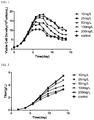
FIG. 1] FIG. 1 shows the effects of deoxyuridine addition on change in viable cell density during the culture period. The vertical axis represents viable cell density (×106 cells/mL), and the horizontal axis represents culture period (days). - [
FIG. 2] FIG. 2 shows the effects of deoxyuridine addition on change in produced antibody concentration during the culture period. The vertical axis represents produced antibody titer (g/L), and the horizontal axis represents culture period (days). - [
FIG. 3] FIG. 3 shows the effects of addition of deoxyuridine (10-85 mg/L) in the presence of thymidine (25 mg/L) and deoxycytidine (25 mg/L) on change in viable cell density during the culture period. The vertical axis represents viable cell density (×106 cells/mL), and the horizontal axis represents culture period (days). - [
FIG. 4] FIG. 4 shows the effects of addition of deoxyuridine (10-85 mg/L) in the presence of thymidine (25 mg/L) and deoxycytidine (25 mg/L) on change in produced antibody concentration during the culture period. The vertical axis represents produced antibody titer (g/L), and the horizontal axis represents culture period (days). - [
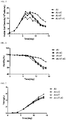
FIG. 5] FIG. 5 shows the effects of addition of deoxyuridine, thymidine or deoxycytidine alone, or any combination of them on change in viable cell density during the culture period. The vertical axis represents viable cell density (×106 cells/mL), and the horizontal axis represents culture period (days). - [
FIG. 6] FIG. 6 shows the effects of addition of deoxyuridine, thymidine or deoxycytidine alone, or any combination of them on change in cell viability during the culture period. The vertical axis represents cell viability (%), and the horizontal axis represents culture period (days). - [
FIG. 7] FIG. 7 shows the effects of addition of deoxyuridine, thymidine or deoxycytidine alone, or any combination of them on change in produced antibody concentration during the culture period. The vertical axis represents produced antibody titer (g/L), and the horizontal axis represents culture period (days). - [
FIG. 8] FIG. 8 shows the effects of addition of deoxyuridine, thymidine or deoxycytidine alone, or any combination of them on change in viable cell density during the culture period. The vertical axis represents viable cell density (×106 cells/mL), and the horizontal axis represents culture period (days). - [
FIG. 9] FIG. 9 shows the effects of addition of deoxyuridine, thymidine or deoxycytidine alone, or any combination of them on change in produced antibody concentration during the culture period. The vertical axis represents produced antibody titer (g/L), and the horizontal axis represents culture period (days). - [
FIG. 10] FIG. 10 shows the effects of addition of deoxyuridine, thymidine or deoxycytidine alone, or any combination of them on change in viable cell density during the culture period. The vertical axis represents viable cell density (×106 cells/mL), and the horizontal axis represents culture period (days). - [
FIG. 11] FIG. 11 shows the effects of addition of deoxyuridine, thymidine or deoxycytidine alone, or any combination of them on change in produced antibody concentration during the culture period. The vertical axis represents produced antibody titer (g/L), and the horizontal axis represents culture period (days). - [
FIG. 12] FIG. 12 shows the effects of deoxyuridine addition on change in viable cell density during the culture period. The vertical axis represents viable cell density (×106 cells/mL), and the horizontal axis represents culture period (days). - [
FIG. 13] FIG. 13 shows the effects of addition of deoxyuridine, thymidine or deoxycytidine alone or any combination of them on change in viable cell density during the culture period, with those effects of addition of uridine and thymidine. The vertical axis represents viable cell density (×106 cells/mL), and the horizontal axis represents culture period (days). - [
FIG. 14] FIG. 14 shows the effects of addition of deoxyuridine, thymidine or deoxycytidine alone, or any combination of them on change in produced antibody concentration during the culture period, with those effects of addition of uridine and thymidine. The vertical axis represents produced antibody titer (g/L), and the horizontal axis represents culture period (days). - [
FIG. 15] FIG. 15 shows the effects of addition of deoxyuridine, thymidine or deoxycytidine alone, or any combination of them on change in viable cell density during the culture period, with those effects of addition of uridine and thymidine. The vertical axis represents viable cell density (×106 cells/mL), and the horizontal axis represents culture period (days). - [
FIG. 16] FIG. 16 shows the effects of addition of deoxyuridine, thymidine or deoxycytidine alone, or any combination of them on change in produced antibody concentration during the culture period, with those effects of addition of uridine and thymidine. The vertical axis represents produced antibody titer (g/L), and the horizontal axis represents culture period (days). - [
FIG. 17] FIG. 17 shows the effects of addition of deoxyuridine, thymidine or deoxycytidine alone, or any combination of them on change in viable cell density during the culture period, with those effects of addition of uridine and thymidine. The vertical axis represents viable cell density (×106 cells/mL), and the horizontal axis represents culture period (days). - [
FIG. 18] FIG. 18 shows the effects of addition of deoxyuridine, thymidine or deoxycytidine alone or any combination of them on change in produced antibody concentration during the culture period, with those effects of addition of uridine and thymidine. The vertical axis represents produced antibody titer (g/L), and the horizontal axis represents culture period (days). - Hereunder, the present invention will be specifically described, but this invention is not limited by the specific descriptions provided below.
- Unless otherwise defined herein, all scientific and technical terms used in relation to the present invention shall have meanings commonly understood by those skilled in the art.
- The present invention relates to a method for culturing animal cells in a culture medium comprising a nucleic acid component, and to a method for producing a protein, the method comprising the step of culturing animal cells expressing the protein in a culture medium comprising a nucleic acid component.
- As referred to herein, the "nucleic acid component(s)" refers to one or more substances selected from the group consisting of deoxyuridine (dU), thymidine (dT) and deoxycytidine (dC), or salts thereof.
- The culture medium used in the methods of the present invention comprises deoxyuridine or a salt thereof. Preferably, the culture medium used in the methods of this invention further comprises thymidine and/or deoxycytidine, or a salt(s) thereof.
- Examples of the salts of deoxyuridine, thymidine, and deoxycytidine include, but are not particularly limited to, metallic salts such as sodium salt, inorganic salts such as ammonium salt, hydrohalogenic acid salts such as hydrochloride, inorganic acid salts, and organic acid salts. A preferred example of said salts is hydrochloride.
- Culturing animal cells in a culture medium having added thereto deoxyuridine or a salt thereof produces various effects on the cultured animal cells, which are promotion of cell growth and enhancement of protein productivity.
- Culturing animal cells in a culture medium having added thereto deoxyuridine, thymidine, and deoxycytidine, or salts thereof produces various effects on the cultured animal cells, which are promotion of cell growth, maintenance or improvement of cell viability, and enhancement of protein productivity. It was confirmed that, as compared to addition of deoxyuridine or thymidine alone, addition of all three of deoxyuridine, thymidine, and deoxycytidine creates a synergistic effect.
- Deoxyuridine or a salt thereof is present in a culture medium at a concentration of, for example, not less than 5 mg/L and not more than 500 mg/L, preferably not less than 5 mg/L and not more than 200 mg/L, not less than 10 mg/L and not more than 500 mg/L, not less than 10 mg/L and not more than 200 mg/L, not less than 15 mg/L and not more than 100 mg/L, not less than 20 mg/L and not more than 100 mg/L, not less than 25 mg/L and not more than 100 mg/L, not less than 15 mg/L and not more than 85 mg/L, not less than 20 mg/L and not more than 85 mg/L, or not less than 25 mg/L and not more than 85 mg/L.
- Thymidine or a salt thereof is present in a culture medium at a concentration of, for example, not less than 15 mg/L and not more than 50 mg/L, preferably not less than 20 mg/L and not more than 50 mg/L, or not less than 25 mg/L and not more than 50 mg/L.
- Deoxycytidine or a salt thereof is present in a culture medium at a concentration of, for example, not less than 15 mg/L and not more than 50 mg/L, preferably not less than 20 mg/L and not more than 50 mg/L, or not less than 25 mg/L and not more than 50 mg/L.
- The culture medium used in the methods of the present invention is not particularly limited as long as the culture medium is capable of proliferating animal cells and comprises the nucleic acid component(s) as described above. One skilled in the art can select an appropriate culture medium depending on the type of the cells to be cultured. For example, there can be used a culture medium prepared by adding the aforementioned nucleic acid component(s) to a culture medium selected from the group consisting of CD CHO Medium (Life Technologies), CD OptiCHO Medium (Life Technologies), DMEM (Life Technologies), EX-CELL® 302 (Sigma), and BD Select CD1000 (BD Bioscience).
- The animal cells cultured in the methods of the present invention are not particularly limited. Examples of the animal cells include Chinese hamster ovary (CHO) cells, hybridoma cells, human embryonic kidney (HEK293) cells, murine myeloma (Sp2/0 or NS0) cells, baby hamster kidney (BHK) cells, and African green monkey kidney (COS) cells.
- In a preferred embodiment, the animal cells are animal cells expressing a desired protein. The protein-expressing animal cells can be wild-type cells expressing a desired protein, or can be cells having introduced therein a gene encoding a desired protein.
- The cells having introduced therein a protein-coding gene are recombinant cells transfected with an expression vector that permits expression of a protein-coding gene in cells. The expression vector can be a DNA vector or an RNA vector, and typically can be a plasmid vector or a viral vector.
- The protein to be expressed by the animal cells can be selected by one skilled in the art as appropriate. In a preferred embodiment, the protein is an antibody.
- The present invention provides a method for culturing animal cells. Said culture method comprises the step of culturing animal cells in a culture medium comprising nucleic acid components.
- The type(s) and amount(s) added of the nucleic acid components to be adopted in specific embodiments are as described above in the section titled "Nucleic acid components". Also, the culture medium to be used and the animal cells to be cultured are as described above in the sections titled "Culture medium" and "Animal cells", respectively.
- The culture conditions can be selected by one skilled in the art as appropriate depending on the type of the animal cells. For example, CHO cells are preferably cultured under the conditions of 36.5°C and 5% CO2.
- The culture mode can be selected by one skilled in the art as appropriate depending on the type of the animal cells and the culture conditions. For example, different culture modes used for seed culture and production culture can be adopted, such as fed-batch culture, batch culture, perfusion culture and continuous culture.
- The culture system is not particularly limited, and cell culture can be performed in various culture systems such as stirred-tank bioreactor system and hollow fiber bioreactor system.
- The culture scale is not particularly limited, and cell culture can be performed on different culture scales such as flask, benchtop bioreactor and tank bioreactor scales.
- The timing and frequency of adding a nucleic acid component(s) to a culture medium are not particularly limited. As for the timing of adding a nucleic acid component(s) to a culture medium, addition can be done, for example, at the start of culture or after the start of culture. In the case of adding a nucleic acid component(s) to a culture medium after the start of culture, addition can be done, for example, after 1 hour, 5 hours, 10 hours, 15 hours, 24 hours (1 day), 36 hours, 48 hours (2 days), 3 days, 4 days, or 5 days from the start of culture. As for the frequency of adding nucleic acid components, addition can be done, for example, just once, or several times (e.g., 2, 3, 4, 5 times) in divided doses.
- Culturing animal cells in a culture medium comprising nucleic acid component(s) produces various effects, which are promotion of cell growth and/or maintenance of cell viability, or enhancement of protein productivity in the case of using animal cells expressing a protein. The relationship of the specific type(s) of the nucleic acid components to be added with the observed effects is as described above in the section titled "Nucleic acid components".
- The present invention provides a method for producing a protein by culturing animal cells expressing the protein. Said method comprises the step of culturing animal cells expressing a protein in a culture medium comprising nucleic acid components. The type(s) and amount(s) added of the nucleic acid components are as described above in the section titled "Nucleic acid components". Also, the culture medium to be used and the animal cells to be cultured are as described above in the sections titled "Culture medium" and "Animal cells", respectively. Further, the culture conditions, culture mode, culture scale, and the timing and frequency of adding nucleic acid components to a culture medium are as described above in the section titled "Method for culturing animal cells".
- The method for producing a protein not only comprises the step of culturing animal cells expressing a protein in a culture medium comprising nucleic acid components, but also may further comprise the step of recovering the protein produced by culturing animal cells. Protein recovery can be done by one skilled in the art as appropriate depending on the properties of the expressed protein. Various types of chromatography, such as gel filtration chromatography, ion exchange chromatography, and affinity chromatography, can be used for this purpose. For example, when the protein is an antibody, affinity chromatography with a protein A- or protein G-bound carrier can be used to recover the antibody.
- Culturing animal cells expressing a protein in a culture medium comprising nucleic acid components produces various effects, which are promotion of cell growth, maintenance of cell viability, and/or enhancement of protein productivity. The relationship of the specific type(s) of the nucleic acid components to be added with the observed effects is as described above in the section titled "Nucleic acid components".
- Hereunder, the present invention will be specifically described by way of working examples. However, these working examples are intended to illustrate this invention and not to limit the scope of this invention.
- Using a culture medium for animal cells as a cell growth medium, fed-batch culture of an IgG-expressing CHO cell line (a CHO cell line in which an anti-human thymic stromal lymphopoietin (TSLP) receptor antibody (fully human T7-27) had been recombinantly expressed, as described in
WO 2015/020193 ) was started at an initial viable cell density of 1×10⁶ cells/mL under the conditions of 36.5°C and 5% CO2. Onday 2 of culture, deoxyuridine was added to cultures to a final concentration of 10, 25, 50, 100 or 200 mg/L. The culture was continued until day 14 of culture while a feed medium was added everyday fromday 2 of culture. Sampling was done at appropriate timings. Viable cell densities were measured by trypan blue exclusion study, and antibody concentrations were measured by protein A column HPLC. As shown inFIGs. 1 and 2 , in the case of no addition of deoxyuridine (control), the highest viable cell density observed during the 14 days of culture was about 10×106 cells/mL, and the antibody concentration on the final day of culture was 3.3 g/L. In contrast, in the case of addition of 25 mg/L deoxyuridine, the highest viable cell density observed during the 14 days of culture was about 18×106 cells/mL, and the antibody concentration on the final day of culture was 5.5 g/L ; these values were higher than control. The results suggested that deoxyuridine is capable of enhancing cell proliferation and antibody production. Further, in all the cases of adding deoxyuridine at any of the concentrations tested from 10 mg/L to 200 mg/L, the cells showed responses to deoxyuridine addition; they were observed to exhibit enhanced cell growth and antibody production. It was also observed that even addition of 10 mg/mL deoxyuridine enhancedantibody production during the cell culture untilday 10 to day 12. - Using a culture medium for animal cells as a cell growth medium, fed-batch culture of an IgG-expressing CHO cell line (a CHO cell line in which an anti-human TSLP receptor antibody (fully human T7-27) had been recombinantly expressed, as described in
WO 2015/020193 ) was started at an initial viable cell density of 1×10⁶ cells/mL under the conditions of 36.5°C and 5% CO2. At the start of culture, thymidine and deoxycytidine hydrochloride (in the working examples given in the subject specification, deoxycytidine hydrochloride was actually used as deoxycytidine, and the concentrations of deoxycytidine hydrochloride are expressed by using the converted concentration value of deoxycytidine from deoxycytidine hydrochloride.) were each added to cultures to a final concentration of 25 mg/L, and deoxyuridine was added to a final concentration of 10, 25, 40, 55, 70 or 85 mg/L. The culture was continued until day 14 of culture while a feed culture medium was added everyday fromday 2 of culture. Sampling was done at appropriate timings. Viable cell densities were measured by trypan blue exclusion method, and antibody concentrations were measured by protein A column HPLC. As shown inFIGs. 3 and 4 , in the case of addition of 10 mg/L of deoxyuridine, the highest viable cell density observed during the 14 days of culture was about 27×106 cells/mL, and the antibody concentration on the final day of culture was 5.9 g/L. In contrast, in the case of addition of 25 mg/L deoxyuridine, the highest viable cell density observed during the 14 days of culture was approximately 32×106 cells/mL, and the antibody concentration on the final day of culture was 6.8 g/L; these values were higher than in the case of addition of 10 mg/L of deoxyuridine. The results suggested that in the presence of thymidine and deoxycytidine, the addition of deoxyuridine at concentrations of 25 mg/L or higher produces higher enhancing effects on cell growth and antibody production than the addition of 10 mg/L of deoxyuridine. - Using a culture medium for animal cells as a cell growth medium, fed-batch culture of an IgG-expressing CHO cell line (a CHO cell line in which an anti-human TSLP receptor antibody (fully human T7-27) had been recombinantly expressed, as described in
WO 2015/020193 ) was started at an initial viable cell density of 1×10⁶ cells/mL under the conditions of 36.5°C and 5% CO2. Onday 2 of culture, deoxyuridine was added to a final concentration of 25 mg/L, and thymidine and deoxycytidine were each added to cultures to a final concentration of 0 or 25 mg/L according to Table 1. The culture was continued until day 14 of culture while a feed culture medium was added everyday fromday 2 of culture. Sampling was done at appropriate timings. Viable cell densities were measured by trypan blue exclusion method, and antibody concentrations were measured by protein A column HPLC. As shown inFIGs. 5, 6 and 7 , in the case of addition of deoxyuridine alone in the absence of thymidine and deoxycytidine (dU), the viable cell density, cell viability, and antibody concentration on the final day of the 14 days of culture were approximately 7.6×10⁶ cells/mL, approximately 61%, and 5.1 g/L, respectively. In contrast, in the case of addition of deoxyuridine in the presence of 25 mg/L each of thymidine and deoxycytidine (dU-dT-dC), the viable cell density, cell viability, and antibody concentration on the final day of the 14 days of culture were 12×106 cells/mL, approximately 78%, and 5.8 g/L, respectively; these values were higher than in the cases of addition of dU, addition of deoxyuridine and deoxycytidine (dU-dC), and addition of deoxyuridine and thymidine (dU-dT). The results suggested that addition of both thymidine and deoxycytidine in the presence of deoxyuridine enables maintenance of cell viability and produces an enhancing effect on antibody production. -
Table 1: Nucleic acid concentrations in each experimental condition. Legend Deoxyuridine (dU) Thymidine (dT) Deoxycytidine (dC) dU 25 mg/ L 0 mg/ L 0 mg/L dU- dC 25 mg/ L 0 mg/ L 25 mg/L dU- dT 25 mg/ L 25 mg/ L 0 mg/L dU-dT- dC 25 mg/ L 25 mg/ L 25 mg/L - Using a culture medium for animal cells as a cell growth medium, fed-batch culture of an IgG-expressing CHO cell line (a CHO cell line in which an anti-human α9 antibody (RY9A2v12 (M34L) 012) had been recombinantly expressed, as described in
WO 2009/088064 ) was started at an initial viable cell density of 1×10⁶ cells/mL under the conditions of 36.5°C and 5% CO2. At the start of culture, deoxyuridine, thymidine, and/or deoxycytidine was/were each added to a final concentration of 0 or 25 mg/L according to Table 2. The culture was continued until day 14 of culture while a feed culture medium was added everyday fromday 2 of culture. Sampling was done at appropriate timings. Viable cell densities were measured by trypan blue exclusion method, and antibody concentrations were measured by protein A column HPLC. As shown inFIGs. 8 and 9 , in the case of no addition of a nucleic acid component (deoxyuridine, thymidine or deoxycytidine) (control), the highest viable cell density observed during the 14 days of culture was approximately 16×106 cells/mL, and the antibody concentration on the final day of culture was 5.1 g/L. In contrast, in the case of addition of deoxyuridine, thymidine, and deoxycytidine, each at a concentration of 25 mg/L (dU-dT-dC), the highest viable cell density observed during the 14 days of culture was approximately 23×106 cells/mL, and the antibody concentration on the final day of culture was 8.2 g/L; these values were higher than control. - Deoxyuridine and thymidine were each observed to produce effects when added alone, but no effect was observed in the case of addition of deoxycytidine alone. Meanwhile, although thymidine was observed to produce effects when added alone, no synergic effect was found in the case of addition of thymidine in combination with deoxyuridine or deoxycytidine. However, addition of all three of deoxyuridine, thymidine and deoxycytidine was found to exert a synergic effect and was suggested to produce the highest effects.
-
Table 2: Nucleic acid concentrations in each experimental condition. Legend Deoxyuridine (dU) Thymidine (dT) Deoxycytidine (dC) control 0 mg/ L 0 mg/ L 0 mg/ L dC 0 mg/ L 0 mg/ L 25 mg/ L dT 0 mg/ L 25 mg/ L 0 mg/L dT- dC 0 mg/ L 25 mg/ L 25 mg/ L dU 25 mg/ L 0 mg/ L 0 mg/L dU- dC 25 mg/ L 0 mg/ L 25 mg/L dU- dT 25 mg/ L 25 mg/ L 0 mg/L dU-dT- dC 25 mg/ L 25 mg/ L 25 mg/L - Using a culture medium for animal cells as a cell growth medium, fed-batch culture of a Fab' fragment-expressing CHO cell line (a CHO cell line in which an anti-human NGF antibody Fab' fragment (1-15 (N52D-A)-Fab') had been expressed, as described in
WO 2013/022083 ) was started at an initial viable cell density of 1×10⁶ cells/mL under the conditions of 36.5°C and 5% CO2. At the start of culture, deoxyuridine, thymidine and deoxycytidine were each added to cultures to a final concentration of 0, 10, 25 or 50 mg/L according to Table 3. The culture was continued until day 14 of culture while a feed culture medium was added everyday fromday 2 of culture. Sampling was done at appropriate timings. Viable cell densities were measured by trypan blue exclusion method, and antibody concentrations were measured by reverse-phase HPLC. As shown inFIGs. 10 and11 , in the case of no addition of a nucleic acid component (deoxyuridine, thymidine or deoxycytidine) (control), the highest viable cell density observed during the 14 days of culture was approximately 20×106 cells/mL, and the protein concentration on the final day of culture was 4.6 g/L. In contrast, in the case of addition of 25 mg/L of deoxyuridine and 50 mg/L each of thymidine and deoxycytidine (dU25mg/L-dTdC50mg/L), the highest viable cell density observed during the 14 days of culture was approximately 38×106 cells/mL, and the protein concentration on the final day of culture was 6.1 g/L; these values were higher than control. The results suggested that deoxyuridine is capable of enhancing cell growth and antibody production. It was also suggested that addition of both thymidine and deoxycytidine in the presence of deoxyuridine produces enhancing effects on cell growth and antibody production. -
Table 3: Nucleic acid concentrations in each experimental condition Legend Deoxyuridine (dU) Thymidine (dT) Deoxycytidine (dC) control 0 mg/ L 0 mg/ L 0 mg/L dU10mg/ L 10 mg/ L 0 mg/ L 0 mg/L dU25mg/ L 25 mg/ L 0 mg/ L 0 mg/L dU50mg/L 50 mg/ L 0 mg/ L 0 mg/L dU25mg/L-dTdC10mg/ L 25 mg/ L 10 mg/ L 10 mg/L dU25mg/L-dTdC25mg/ L 25 mg/ L 25 mg/ L 25 mg/L dU25mg/L-dTdC50mg/ L 25 mg/L 50 mg/L 50 mg/L - Using a culture medium for animal cells as a cell growth medium, batch culture of an IgG-expressing CHO cell line (a CHO cell line in which an anti-human α9 integrin antibody (hereinafter referred to as "anti-human α9 antibody") (RY9A2v12 (M34L) 012) had been recombinantly expressed, as described in
WO 2009/088064 ) was started at an initial viable cell density of 0.3×10⁶ cells/mL under the conditions of 36.5°C and 5% CO2. At the start of culture, deoxyuridine was added to cultures to a final concentration of 5, 25, 100, 500 or 1000 mg/L, and then the culture was continued for 5 days. Sampling was done at appropriate timings. Viable cell densities were measured bytrypan blue exclusion method, and antibody concentrations were measured by protein A column HPLC. As shown inFIG. 12 , in the case of no addition of deoxyuridine (control), the highest viable cell density observed during the 5 days of culture was approximately 7×10⁶ cells/mL, whereas in the case of addition of 100 mg/L of deoxyuridine, the highest viable cell density was approximately 10×106 cells/mL, which was higher than control. It was also confirmed that addition of deoxyuridine at any of the concentrations tested from 5 mg/L to 500 mg/L produces an enhancing effect on cell growth. - Using a culture medium for animal cells as a cell growth medium, fed-batch culture of an IgG-expressing CHO cell line (a CHO cell line in which an anti-human TSLP receptor antibody (fully human T7-27) had been recombinantly expressed, as described in
WO 2015/020193 ) was started at an initial viable cell density of 1×10⁶ cells/mL under the conditions of 36.5°C and 5% CO2. At the start of culture, deoxyuridine, thymidine and deoxycytidine were each added to a final concentration of 25 mg/L. To provide comparative conditions, uridine (U) and thymidine were added, at the start of culture, at concentrations of 7 mg/L and 0.24 mg/L, respectively (these concentrations are the same as those described in Examples ofEP 1818392 B1 ). The culture was continued under each of the different conditions described above until day 14 of culture while a feed culture medium was added everyday fromday 2 of culture. Sampling was done at appropriate timings. Viable cell densities were measured by trypan blue exclusion method, and antibody concentrations were measured by protein A column HPLC. As shown inFIGs. 13 and 14 , in the case of no addition of a nucleic acid component (deoxyuridine, thymidine or deoxycytidine) (control), the highest viable cell density observed during the 14 days of culture was approximately 12×106 cells/mL, and the antibody concentration on the final day of culture was approximately 2.9 g/L. In contrast, in the case of addition of 25 mg/L of deoxyuridine (dU25mg/L), the highest viable cell density observed during the 14 days of culture was approximately 21×106 cells/mL, and the antibody concentration on the final day of culture was approximately 4.6 g/L; these values were higher than control. Further, in the case of addition of 25 mg/L each of deoxyuridine, thymidine and deoxycytidine (dUdTdC25mg/L), the highest viable cell density observed during the 14 days of culture was approximately 26×106 cells/mL, and the antibody concentration on the final day of culture was approximately5.9 g/L; these values were much higher than control and dU25mg/L. These results suggested that deoxyuridine is capable of enhancing cell proliferation and antibody production, and that addition of not only deoxyuridine but also thymidine and deoxycytidine produces further enhancing effects on cell growth and antibody production. It was also suggested that the enhancing effects of addition of the three components on cell growth and antibody production are superior to those of addition of 7 mg/L of uridine and 0.24 mg/L of thymidine (reference example). - Using a culture medium for animal cells as a cell growth medium, fed-batch culture of an IgG-expressing CHO cell line (a CHO cell line in which an anti-human α9 antibody (RY9A2v12 (M34L) 012) had been recombinantly expressed, as described in
WO 2009/088064 ) was started at an initial viable cell density of 1×10⁶ cells/mL under the conditions of 36.5°C and 5% CO2. At the start of culture, deoxyuridine, thymidine and deoxycytidine were each added to a final concentration of 25 mg/L. To provide comparative conditions, uridine and thymidine were added, at the start of culture, at concentrations of 7 mg/L and 0.24 mg/L, respectively (these concentrations are the same as those described in Examples ofEP 1818392 B1 ). The culture was continued under each of the different conditions described above until day 14 of culture while a feed medium was added everyday fromday 2 of culture. Sampling was done at appropriate timings. Viable cell densities were measured by trypan blue exclusion method, and antibody concentrations were measured by protein A column HPLC. As shown inFIG. 15 , in the case of no addition of a nucleic acid component (deoxyuridine, thymidine or deoxycytidine) (control), the highest viable cell density observed during the 14 days of culture was about 16×106 cells/mL. In contrast, the highest viable cell densities were approximately 21×106 cells/mL in the case of addition of 25 mg/L deoxyuridine (dU25mg/L), and about 31×106 cells/mL in the case of addition of 25 mg/L each of deoxyuridine, thymidine and deoxycytidine (dUdTdC25mg/L); these values were higher than control. Further, as shown inFIG. 16 , in both of the cases of addition of deoxyuridine (dU25mg/L) and addition of deoxyuridine, thymidine and deoxycytidine (dUdTdC25mg/L), antibody concentrations remained at higher levels than control. These results suggested that deoxyuridine is capable of enhancing cell growth and antibody production, and that addition of not only deoxyuridine but also thymidine and deoxycytidine produces further enhancing effects on cell growth and antibody production. It was also suggested that the enhancing effects of addition of the three components on cell growth and antibody production are superior to those of addition of 7 mg/L of uridine and 0.24 mg/L of thymidine (reference example). - Using a culture medium for animal cells as a cell growth medium, fed-batch culture of a Fab' fragment-expressing CHO cell line (a CHO cell line in which an anti-human NGF antibody Fab' fragment (1-15 (N52D-A)-Fab') had been expressed, as described in
WO 2013/022083 ) was started at an initial viable cell density of 1×10⁶ cells/mL under the conditions of 36.5°C and 5% CO2. At the start of culture, deoxyuridine, thymidine and deoxycytidine were each added to a final concentration of 25 mg/L. To provide comparative conditions, uridine and thymidine were added, at the start of culture, at concentrations of 7 mg/L and 0.24 mg/L, respectively (these concentrations are the same as those described in Examples ofEP 1818392 B1 ). The culture was continued under each of the different conditions described above until day 14 of culture while a feed medium was added everyday fromday 2 of culture. Sampling was done at appropriate timings. Viable cell densities were measured by trypan blue exclusion method, and antibody concentrations were measured by reverse-phase HPLC. As shown inFIGs. 17 and 18 , in the case of no addition of a nucleic acid component (deoxyuridine, thymidine or deoxycytidine) (control), the highest viable cell density observed during the 14 days of culture was approximately 14×106 cells/mL, and the protein concentration on the final day of culture was approximately 2.2 g/L. In contrast, in the case of addition of 25 mg/L of deoxyuridine (dU25mg/L), the highest viable cell density observed during the 14 days of culture was approximately 26×106 cells/mL, and the protein concentration on the final day of culture was approximately 3.1 g/L; these values were higher than control. Further, in the case of addition of 25 mg/L each of deoxyuridine, thymidine and deoxycytidine (dUdTdC25mg/L), the highest viable cell density observed during the 14 days of culture was approximately 30×106 cells/mL, and the protein concentration on the final day of culture was approximately 4.2 g/L; these values were much higher than control and dU25mg/L. These results suggested that deoxyuridine is capable of enhancing cell growth and antibody production, and that addition of not only deoxyuridine but also thymidine and deoxycytidine produces further enhancing effects on cell growth and antibody production. It was also suggested that the enhancing effects of addition of the three components on cell growth and antibody production are superior to those of addition of 7 mg/L uridine and 0.24 mg/L thymidine (reference example).
Claims (17)
- A method for culturing animal cells in a culture medium, wherein the culture medium comprises not less than 5 mg/L and not more than 500 mg/L of deoxyuridine or a salt thereof.
- The method according to claim 1, wherein the culture medium comprises not less than 5 mg/L and not more than 200 mg/L of deoxyuridine or a salt thereof.
- The method according to claim 1, wherein the culture medium comprises not less than 15 mg/L and not more than 100 mg/L of deoxyuridine or a salt thereof.
- The method according to any of claims 1 to 3, wherein the culture medium further comprises not less than 15 mg/L and not more than 50 mg/L of thymidine or a salt thereof.
- The method according to any of claims 1 to 3, wherein the culture medium further comprises not less than 15 mg/L and not more than 50 mg/L of deoxycytidine or a salt thereof.
- The method according to claim 3, wherein the culture medium comprises not less than 15 mg/L and not more than 100 mg/L of deoxyuridine or a salt thereof, not less than 15 mg/L and not more than 50 mg/L of thymidine or a salt thereof, and not less than 15 mg/L and not more than 50 mg/L of deoxycytidine or a salt thereof.
- The method according to any of claims 1 to 3, wherein the animal cells are cells having introduced therein a protein-coding gene.
- The method according to claim 7, wherein the protein is an antibody.
- The method according to claim 7, wherein the animal cells are Chinese hamster ovary (CHO) cells.
- A method for producing a protein, the method comprising the step of culturing animal cells expressing the protein in a culture medium, wherein the culture medium comprises not less than 10 mg/L and not more than 200 mg/L of deoxyuridine or a salt thereof.
- The method according to claim 10, wherein the culture medium comprises not less than 15 mg/L and not more than 100 mg/L of deoxyuridine or a salt thereof.
- The method according to claim 10 or 11, wherein the culture medium further comprises not less than 15 mg/L and not more than 50 mg/L of thymidine or a salt thereof.
- The method according to claim 10 or 11, wherein the culture medium further comprises not less than 15 mg/L and not more than 50 mg/L of deoxycytidine or a salt thereof.
- The method according to claim 11, wherein the culture medium comprises not less than 15 mg/L and not more than 100 mg/L of deoxyuridine or a salt thereof, not less than 15 mg/L and not more than 50 mg/L of thymidine or a salt thereof, and not less than 15 mg/L and not more than 50 mg/L of deoxycytidine or a salt thereof.
- The method according to claim 10 or 11, wherein the animal cells are cells having introduced therein a protein-coding gene.
- The method according to claim 15, wherein the protein is an antibody.
- The method according to claim 15, wherein the animal cells are Chinese hamster ovary (CHO) cells.
Applications Claiming Priority (2)
| Application Number | Priority Date | Filing Date | Title |
|---|---|---|---|
| JP2015107147 | 2015-05-27 | ||
| PCT/JP2016/065625 WO2016190394A1 (en) | 2015-05-27 | 2016-05-26 | Cell culturing method using nucleic acid-containing medium |
Publications (3)
| Publication Number | Publication Date |
|---|---|
| EP3305891A1 true EP3305891A1 (en) | 2018-04-11 |
| EP3305891A4 EP3305891A4 (en) | 2018-10-31 |
| EP3305891B1 EP3305891B1 (en) | 2021-01-06 |
Family
ID=57393397
Family Applications (1)
| Application Number | Title | Priority Date | Filing Date |
|---|---|---|---|
| EP16800098.2A Not-in-force EP3305891B1 (en) | 2015-05-27 | 2016-05-26 | Cell culturing method using nucleic acid-containing medium |
Country Status (9)
| Country | Link |
|---|---|
| US (1) | US11286459B2 (en) |
| EP (1) | EP3305891B1 (en) |
| JP (1) | JP6833182B2 (en) |
| KR (1) | KR20180009760A (en) |
| AU (1) | AU2016268709B2 (en) |
| DK (1) | DK3305891T3 (en) |
| ES (1) | ES2848430T3 (en) |
| SG (1) | SG11201709720XA (en) |
| WO (1) | WO2016190394A1 (en) |
Families Citing this family (2)
| Publication number | Priority date | Publication date | Assignee | Title |
|---|---|---|---|---|
| WO2024218715A1 (en) | 2023-04-19 | 2024-10-24 | Btl Healthcare Technologies A.S. | Culture media based on protein hydrolysate and a process for preparing thereof |
| US12668774B2 (en) | 2023-10-12 | 2026-06-30 | Btl Healthcare Technologies A.S. | Product, system and method of cell cultivation |
Family Cites Families (6)
| Publication number | Priority date | Publication date | Assignee | Title |
|---|---|---|---|---|
| JP3950834B2 (en) | 1998-06-01 | 2007-08-01 | 中外製薬株式会社 | Animal cell culture medium and method for producing protein using the same |
| US6537782B1 (en) | 1998-06-01 | 2003-03-25 | Chugai Seiyaku Kabushiki Kaisha | Media for culturing animal cells and process for producing protein by using the same |
| EP1818392B1 (en) | 2006-02-14 | 2010-08-25 | Genetix Limited | Cell culture medium |
| RU2011116319A (en) * | 2008-09-26 | 2012-11-10 | Шеринг Корпорейшн (US) | PRODUCTION OF HIGH TITLE ANTIBODIES |
| JP5749930B2 (en) | 2008-10-28 | 2015-07-15 | 中外製薬株式会社 | Peptide-containing animal cell culture medium |
| WO2015057997A1 (en) | 2013-10-16 | 2015-04-23 | The Regents Of The University Of California | Nucleoside supplementation to promote cellular function, genetic stability and regenerative applications |
-
2016
- 2016-05-26 KR KR1020177034861A patent/KR20180009760A/en not_active Ceased
- 2016-05-26 EP EP16800098.2A patent/EP3305891B1/en not_active Not-in-force
- 2016-05-26 AU AU2016268709A patent/AU2016268709B2/en not_active Ceased
- 2016-05-26 ES ES16800098T patent/ES2848430T3/en active Active
- 2016-05-26 JP JP2017520805A patent/JP6833182B2/en not_active Expired - Fee Related
- 2016-05-26 SG SG11201709720XA patent/SG11201709720XA/en unknown
- 2016-05-26 WO PCT/JP2016/065625 patent/WO2016190394A1/en not_active Ceased
- 2016-05-26 DK DK16800098.2T patent/DK3305891T3/en active
- 2016-05-26 US US15/576,441 patent/US11286459B2/en not_active Expired - Fee Related
Also Published As
| Publication number | Publication date |
|---|---|
| DK3305891T3 (en) | 2021-01-25 |
| AU2016268709A1 (en) | 2018-01-18 |
| EP3305891B1 (en) | 2021-01-06 |
| JP6833182B2 (en) | 2021-02-24 |
| AU2016268709B2 (en) | 2022-01-13 |
| SG11201709720XA (en) | 2017-12-28 |
| US11286459B2 (en) | 2022-03-29 |
| ES2848430T3 (en) | 2021-08-09 |
| EP3305891A4 (en) | 2018-10-31 |
| US20180155676A1 (en) | 2018-06-07 |
| JPWO2016190394A1 (en) | 2018-03-29 |
| WO2016190394A1 (en) | 2016-12-01 |
| KR20180009760A (en) | 2018-01-29 |
Similar Documents
| Publication | Publication Date | Title |
|---|---|---|
| JP6603628B2 (en) | Improved cell culture media | |
| EP2601287B1 (en) | Dipeptides to enhance yield and viability from cell cultures | |
| JP4865539B2 (en) | E1 immortalized cell culture and method of culturing the culture to increase the yield of product obtained from the culture | |
| DK2154244T3 (en) | CELL CULTIVATION PROCEDURE WHEN AN ACID-ENRICHED MEDIUM IS USED | |
| US20200087698A1 (en) | Methods for increasing mannose content of recombinant proteins | |
| BR112013033730B1 (en) | Method for culturing mammalian cells expressing recombinant protein | |
| HK1248242A1 (en) | Animal cell culturing method | |
| US10808272B2 (en) | Method for preparing antibody through regulation of sugar content of antibody | |
| EP3725877A1 (en) | Animal cells, method for producing animal cells, and method for producing target protein | |
| JPWO2010050448A1 (en) | Peptide-containing animal cell culture medium | |
| KR20220083669A (en) | cell culture method | |
| EP3305891B1 (en) | Cell culturing method using nucleic acid-containing medium | |
| JP2016005454A (en) | Medium containing uridine and N-acetyl-D-mannosamine | |
| US10526631B1 (en) | Method of reducing serine for asparagine misincorporation | |
| EP1943333A2 (en) | Methods for adapting mammalian cells | |
| CN107904257B (en) | Method for increasing protein expression quantity of CHO cell group | |
| EP4119672A1 (en) | Method of modulating the extent of galactosylation of proteins in mammalian producer cells | |
| CN112391350A (en) | Screening and culturing method for high-efficiency expression anti-EGFR monoclonal antibody cells | |
| HK40089565A (en) | Methods for increasing mannose content of recombinant proteins | |
| HK1187957A (en) | Animal cell culturing method | |
| HK1237365A1 (en) | Method for increasing the specific production rate of eukaryotic cells | |
| HK1185918B (en) | Dipeptides to enhance yield and viability from cell cultures |
Legal Events
| Date | Code | Title | Description |
|---|---|---|---|
| STAA | Information on the status of an ep patent application or granted ep patent |
Free format text: STATUS: THE INTERNATIONAL PUBLICATION HAS BEEN MADE |
|
| PUAI | Public reference made under article 153(3) epc to a published international application that has entered the european phase |
Free format text: ORIGINAL CODE: 0009012 |
|
| STAA | Information on the status of an ep patent application or granted ep patent |
Free format text: STATUS: REQUEST FOR EXAMINATION WAS MADE |
|
| 17P | Request for examination filed |
Effective date: 20171213 |
|
| AK | Designated contracting states |
Kind code of ref document: A1 Designated state(s): AL AT BE BG CH CY CZ DE DK EE ES FI FR GB GR HR HU IE IS IT LI LT LU LV MC MK MT NL NO PL PT RO RS SE SI SK SM TR |
|
| AX | Request for extension of the european patent |
Extension state: BA ME |
|
| DAV | Request for validation of the european patent (deleted) | ||
| DAX | Request for extension of the european patent (deleted) | ||
| A4 | Supplementary search report drawn up and despatched |
Effective date: 20180928 |
|
| RIC1 | Information provided on ipc code assigned before grant |
Ipc: C12P 21/08 20060101ALI20180924BHEP Ipc: C12N 5/10 20060101ALI20180924BHEP Ipc: C12N 5/07 20100101AFI20180924BHEP Ipc: C12N 1/00 20060101ALI20180924BHEP Ipc: C12N 5/18 20060101ALI20180924BHEP Ipc: C12P 21/02 20060101ALI20180924BHEP |
|
| STAA | Information on the status of an ep patent application or granted ep patent |
Free format text: STATUS: EXAMINATION IS IN PROGRESS |
|
| 17Q | First examination report despatched |
Effective date: 20190809 |
|
| GRAP | Despatch of communication of intention to grant a patent |
Free format text: ORIGINAL CODE: EPIDOSNIGR1 |
|
| STAA | Information on the status of an ep patent application or granted ep patent |
Free format text: STATUS: GRANT OF PATENT IS INTENDED |
|
| INTG | Intention to grant announced |
Effective date: 20200805 |
|
| GRAS | Grant fee paid |
Free format text: ORIGINAL CODE: EPIDOSNIGR3 |
|
| GRAA | (expected) grant |
Free format text: ORIGINAL CODE: 0009210 |
|
| STAA | Information on the status of an ep patent application or granted ep patent |
Free format text: STATUS: THE PATENT HAS BEEN GRANTED |
|
| AK | Designated contracting states |
Kind code of ref document: B1 Designated state(s): AL AT BE BG CH CY CZ DE DK EE ES FI FR GB GR HR HU IE IS IT LI LT LU LV MC MK MT NL NO PL PT RO RS SE SI SK SM TR |
|
| REG | Reference to a national code |
Ref country code: GB Ref legal event code: FG4D |
|
| REG | Reference to a national code |
Ref country code: AT Ref legal event code: REF Ref document number: 1352390 Country of ref document: AT Kind code of ref document: T Effective date: 20210115 Ref country code: CH Ref legal event code: EP |
|
| REG | Reference to a national code |
Ref country code: DK Ref legal event code: T3 Effective date: 20210119 |
|
| REG | Reference to a national code |
Ref country code: DE Ref legal event code: R096 Ref document number: 602016051094 Country of ref document: DE |
|
| REG | Reference to a national code |
Ref country code: CH Ref legal event code: NV Representative=s name: VALIPAT S.A. C/O BOVARD SA NEUCHATEL, CH |
|
| REG | Reference to a national code |
Ref country code: IE Ref legal event code: FG4D |
|
| REG | Reference to a national code |
Ref country code: NL Ref legal event code: FP |
|
| REG | Reference to a national code |
Ref country code: AT Ref legal event code: MK05 Ref document number: 1352390 Country of ref document: AT Kind code of ref document: T Effective date: 20210106 |
|
| REG | Reference to a national code |
Ref country code: LT Ref legal event code: MG9D |
|
| PG25 | Lapsed in a contracting state [announced via postgrant information from national office to epo] |
Ref country code: LT Free format text: LAPSE BECAUSE OF FAILURE TO SUBMIT A TRANSLATION OF THE DESCRIPTION OR TO PAY THE FEE WITHIN THE PRESCRIBED TIME-LIMIT Effective date: 20210106 Ref country code: BG Free format text: LAPSE BECAUSE OF FAILURE TO SUBMIT A TRANSLATION OF THE DESCRIPTION OR TO PAY THE FEE WITHIN THE PRESCRIBED TIME-LIMIT Effective date: 20210406 Ref country code: NO Free format text: LAPSE BECAUSE OF FAILURE TO SUBMIT A TRANSLATION OF THE DESCRIPTION OR TO PAY THE FEE WITHIN THE PRESCRIBED TIME-LIMIT Effective date: 20210406 Ref country code: PT Free format text: LAPSE BECAUSE OF FAILURE TO SUBMIT A TRANSLATION OF THE DESCRIPTION OR TO PAY THE FEE WITHIN THE PRESCRIBED TIME-LIMIT Effective date: 20210506 Ref country code: HR Free format text: LAPSE BECAUSE OF FAILURE TO SUBMIT A TRANSLATION OF THE DESCRIPTION OR TO PAY THE FEE WITHIN THE PRESCRIBED TIME-LIMIT Effective date: 20210106 Ref country code: FI Free format text: LAPSE BECAUSE OF FAILURE TO SUBMIT A TRANSLATION OF THE DESCRIPTION OR TO PAY THE FEE WITHIN THE PRESCRIBED TIME-LIMIT Effective date: 20210106 Ref country code: GR Free format text: LAPSE BECAUSE OF FAILURE TO SUBMIT A TRANSLATION OF THE DESCRIPTION OR TO PAY THE FEE WITHIN THE PRESCRIBED TIME-LIMIT Effective date: 20210407 |
|
| REG | Reference to a national code |
Ref country code: ES Ref legal event code: FG2A Ref document number: 2848430 Country of ref document: ES Kind code of ref document: T3 Effective date: 20210809 |
|
| PG25 | Lapsed in a contracting state [announced via postgrant information from national office to epo] |
Ref country code: SE Free format text: LAPSE BECAUSE OF FAILURE TO SUBMIT A TRANSLATION OF THE DESCRIPTION OR TO PAY THE FEE WITHIN THE PRESCRIBED TIME-LIMIT Effective date: 20210106 Ref country code: AT Free format text: LAPSE BECAUSE OF FAILURE TO SUBMIT A TRANSLATION OF THE DESCRIPTION OR TO PAY THE FEE WITHIN THE PRESCRIBED TIME-LIMIT Effective date: 20210106 Ref country code: RS Free format text: LAPSE BECAUSE OF FAILURE TO SUBMIT A TRANSLATION OF THE DESCRIPTION OR TO PAY THE FEE WITHIN THE PRESCRIBED TIME-LIMIT Effective date: 20210106 Ref country code: LV Free format text: LAPSE BECAUSE OF FAILURE TO SUBMIT A TRANSLATION OF THE DESCRIPTION OR TO PAY THE FEE WITHIN THE PRESCRIBED TIME-LIMIT Effective date: 20210106 Ref country code: PL Free format text: LAPSE BECAUSE OF FAILURE TO SUBMIT A TRANSLATION OF THE DESCRIPTION OR TO PAY THE FEE WITHIN THE PRESCRIBED TIME-LIMIT Effective date: 20210106 |
|
| PG25 | Lapsed in a contracting state [announced via postgrant information from national office to epo] |
Ref country code: IS Free format text: LAPSE BECAUSE OF FAILURE TO SUBMIT A TRANSLATION OF THE DESCRIPTION OR TO PAY THE FEE WITHIN THE PRESCRIBED TIME-LIMIT Effective date: 20210506 |
|
| REG | Reference to a national code |
Ref country code: DE Ref legal event code: R097 Ref document number: 602016051094 Country of ref document: DE |
|
| PG25 | Lapsed in a contracting state [announced via postgrant information from national office to epo] |
Ref country code: CZ Free format text: LAPSE BECAUSE OF FAILURE TO SUBMIT A TRANSLATION OF THE DESCRIPTION OR TO PAY THE FEE WITHIN THE PRESCRIBED TIME-LIMIT Effective date: 20210106 Ref country code: EE Free format text: LAPSE BECAUSE OF FAILURE TO SUBMIT A TRANSLATION OF THE DESCRIPTION OR TO PAY THE FEE WITHIN THE PRESCRIBED TIME-LIMIT Effective date: 20210106 Ref country code: SM Free format text: LAPSE BECAUSE OF FAILURE TO SUBMIT A TRANSLATION OF THE DESCRIPTION OR TO PAY THE FEE WITHIN THE PRESCRIBED TIME-LIMIT Effective date: 20210106 |
|
| PLBE | No opposition filed within time limit |
Free format text: ORIGINAL CODE: 0009261 |
|
| STAA | Information on the status of an ep patent application or granted ep patent |
Free format text: STATUS: NO OPPOSITION FILED WITHIN TIME LIMIT |
|
| PG25 | Lapsed in a contracting state [announced via postgrant information from national office to epo] |
Ref country code: SK Free format text: LAPSE BECAUSE OF FAILURE TO SUBMIT A TRANSLATION OF THE DESCRIPTION OR TO PAY THE FEE WITHIN THE PRESCRIBED TIME-LIMIT Effective date: 20210106 Ref country code: RO Free format text: LAPSE BECAUSE OF FAILURE TO SUBMIT A TRANSLATION OF THE DESCRIPTION OR TO PAY THE FEE WITHIN THE PRESCRIBED TIME-LIMIT Effective date: 20210106 |
|
| 26N | No opposition filed |
Effective date: 20211007 |
|
| PG25 | Lapsed in a contracting state [announced via postgrant information from national office to epo] |
Ref country code: MC Free format text: LAPSE BECAUSE OF FAILURE TO SUBMIT A TRANSLATION OF THE DESCRIPTION OR TO PAY THE FEE WITHIN THE PRESCRIBED TIME-LIMIT Effective date: 20210106 Ref country code: LU Free format text: LAPSE BECAUSE OF NON-PAYMENT OF DUE FEES Effective date: 20210526 Ref country code: AL Free format text: LAPSE BECAUSE OF FAILURE TO SUBMIT A TRANSLATION OF THE DESCRIPTION OR TO PAY THE FEE WITHIN THE PRESCRIBED TIME-LIMIT Effective date: 20210106 |
|
| REG | Reference to a national code |
Ref country code: BE Ref legal event code: MM Effective date: 20210531 |
|
| PG25 | Lapsed in a contracting state [announced via postgrant information from national office to epo] |
Ref country code: SI Free format text: LAPSE BECAUSE OF FAILURE TO SUBMIT A TRANSLATION OF THE DESCRIPTION OR TO PAY THE FEE WITHIN THE PRESCRIBED TIME-LIMIT Effective date: 20210106 |
|
| PG25 | Lapsed in a contracting state [announced via postgrant information from national office to epo] |
Ref country code: IE Free format text: LAPSE BECAUSE OF NON-PAYMENT OF DUE FEES Effective date: 20210526 |
|
| PG25 | Lapsed in a contracting state [announced via postgrant information from national office to epo] |
Ref country code: IS Free format text: LAPSE BECAUSE OF FAILURE TO SUBMIT A TRANSLATION OF THE DESCRIPTION OR TO PAY THE FEE WITHIN THE PRESCRIBED TIME-LIMIT Effective date: 20210506 |
|
| PGFP | Annual fee paid to national office [announced via postgrant information from national office to epo] |
Ref country code: NL Payment date: 20220420 Year of fee payment: 7 |
|
| PG25 | Lapsed in a contracting state [announced via postgrant information from national office to epo] |
Ref country code: BE Free format text: LAPSE BECAUSE OF NON-PAYMENT OF DUE FEES Effective date: 20210531 |
|
| PGFP | Annual fee paid to national office [announced via postgrant information from national office to epo] |
Ref country code: IT Payment date: 20220412 Year of fee payment: 7 Ref country code: GB Payment date: 20220407 Year of fee payment: 7 Ref country code: FR Payment date: 20220408 Year of fee payment: 7 Ref country code: ES Payment date: 20220602 Year of fee payment: 7 Ref country code: DK Payment date: 20220510 Year of fee payment: 7 Ref country code: DE Payment date: 20220329 Year of fee payment: 7 |
|
| PGFP | Annual fee paid to national office [announced via postgrant information from national office to epo] |
Ref country code: CH Payment date: 20220421 Year of fee payment: 7 |
|
| PG25 | Lapsed in a contracting state [announced via postgrant information from national office to epo] |
Ref country code: CY Free format text: LAPSE BECAUSE OF FAILURE TO SUBMIT A TRANSLATION OF THE DESCRIPTION OR TO PAY THE FEE WITHIN THE PRESCRIBED TIME-LIMIT Effective date: 20210106 |
|
| PG25 | Lapsed in a contracting state [announced via postgrant information from national office to epo] |
Ref country code: HU Free format text: LAPSE BECAUSE OF FAILURE TO SUBMIT A TRANSLATION OF THE DESCRIPTION OR TO PAY THE FEE WITHIN THE PRESCRIBED TIME-LIMIT; INVALID AB INITIO Effective date: 20160526 |
|
| REG | Reference to a national code |
Ref country code: DE Ref legal event code: R119 Ref document number: 602016051094 Country of ref document: DE |
|
| REG | Reference to a national code |
Ref country code: CH Ref legal event code: PL |
|
| REG | Reference to a national code |
Ref country code: DK Ref legal event code: EBP Effective date: 20230531 |
|
| REG | Reference to a national code |
Ref country code: NL Ref legal event code: MM Effective date: 20230601 |
|
| GBPC | Gb: european patent ceased through non-payment of renewal fee |
Effective date: 20230526 |
|
| PG25 | Lapsed in a contracting state [announced via postgrant information from national office to epo] |
Ref country code: LI Free format text: LAPSE BECAUSE OF NON-PAYMENT OF DUE FEES Effective date: 20230531 Ref country code: CH Free format text: LAPSE BECAUSE OF NON-PAYMENT OF DUE FEES Effective date: 20230531 |
|
| PG25 | Lapsed in a contracting state [announced via postgrant information from national office to epo] |
Ref country code: NL Free format text: LAPSE BECAUSE OF NON-PAYMENT OF DUE FEES Effective date: 20230601 |
|
| PG25 | Lapsed in a contracting state [announced via postgrant information from national office to epo] |
Ref country code: MK Free format text: LAPSE BECAUSE OF FAILURE TO SUBMIT A TRANSLATION OF THE DESCRIPTION OR TO PAY THE FEE WITHIN THE PRESCRIBED TIME-LIMIT Effective date: 20210106 Ref country code: IT Free format text: LAPSE BECAUSE OF NON-PAYMENT OF DUE FEES Effective date: 20230526 Ref country code: DK Free format text: LAPSE BECAUSE OF NON-PAYMENT OF DUE FEES Effective date: 20230531 Ref country code: DE Free format text: LAPSE BECAUSE OF NON-PAYMENT OF DUE FEES Effective date: 20231201 Ref country code: GB Free format text: LAPSE BECAUSE OF NON-PAYMENT OF DUE FEES Effective date: 20230526 |
|
| PG25 | Lapsed in a contracting state [announced via postgrant information from national office to epo] |
Ref country code: FR Free format text: LAPSE BECAUSE OF NON-PAYMENT OF DUE FEES Effective date: 20230531 |
|
| REG | Reference to a national code |
Ref country code: ES Ref legal event code: FD2A Effective date: 20240704 |
|
| PG25 | Lapsed in a contracting state [announced via postgrant information from national office to epo] |
Ref country code: ES Free format text: LAPSE BECAUSE OF NON-PAYMENT OF DUE FEES Effective date: 20230527 |
|
| PG25 | Lapsed in a contracting state [announced via postgrant information from national office to epo] |
Ref country code: ES Free format text: LAPSE BECAUSE OF NON-PAYMENT OF DUE FEES Effective date: 20230527 |
|
| PG25 | Lapsed in a contracting state [announced via postgrant information from national office to epo] |
Ref country code: MT Free format text: LAPSE BECAUSE OF FAILURE TO SUBMIT A TRANSLATION OF THE DESCRIPTION OR TO PAY THE FEE WITHIN THE PRESCRIBED TIME-LIMIT Effective date: 20210106 |
|
| PG25 | Lapsed in a contracting state [announced via postgrant information from national office to epo] |
Ref country code: TR Free format text: LAPSE BECAUSE OF FAILURE TO SUBMIT A TRANSLATION OF THE DESCRIPTION OR TO PAY THE FEE WITHIN THE PRESCRIBED TIME-LIMIT Effective date: 20210106 |